Gay Actors Who Excelled in Period Pieces

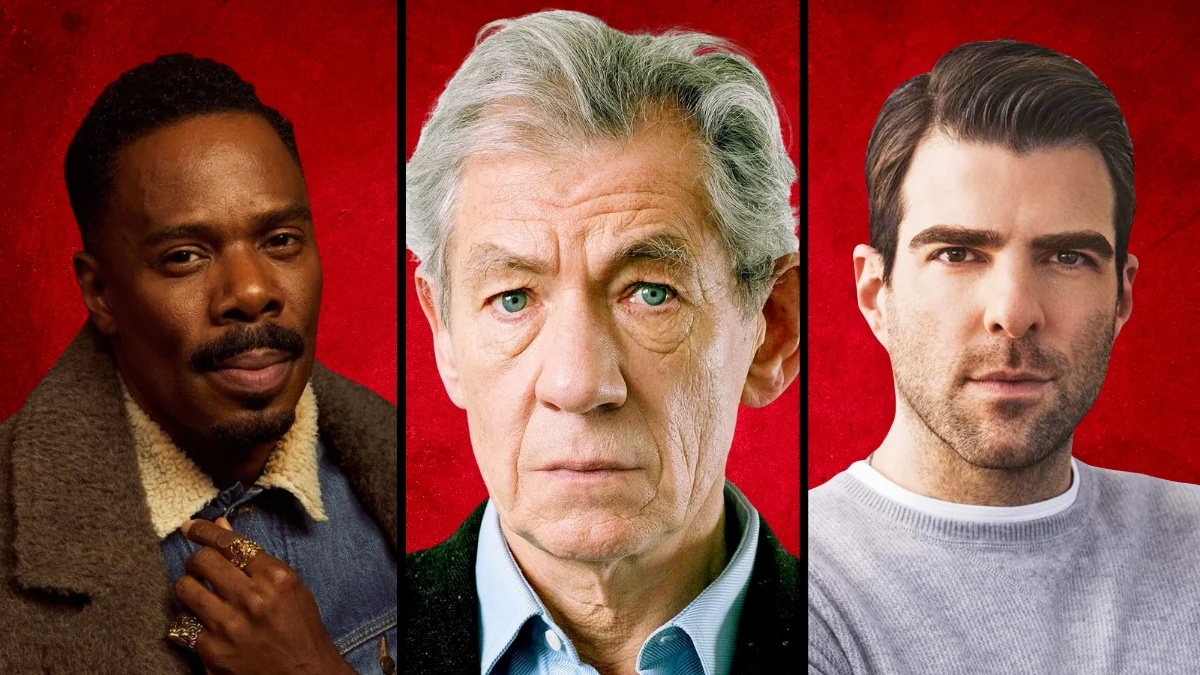

Period pieces require a unique set of skills that allow performers to transport audiences to different eras through voice and mannerism. Many actors have built impressive careers by mastering the specific dialects and social etiquettes required for these historical dramas. The following list highlights talented gay actors who have delivered memorable performances in films and television series set in the past. Their work spans centuries of history and brings authenticity to characters from various walks of life.
Ian McKellen
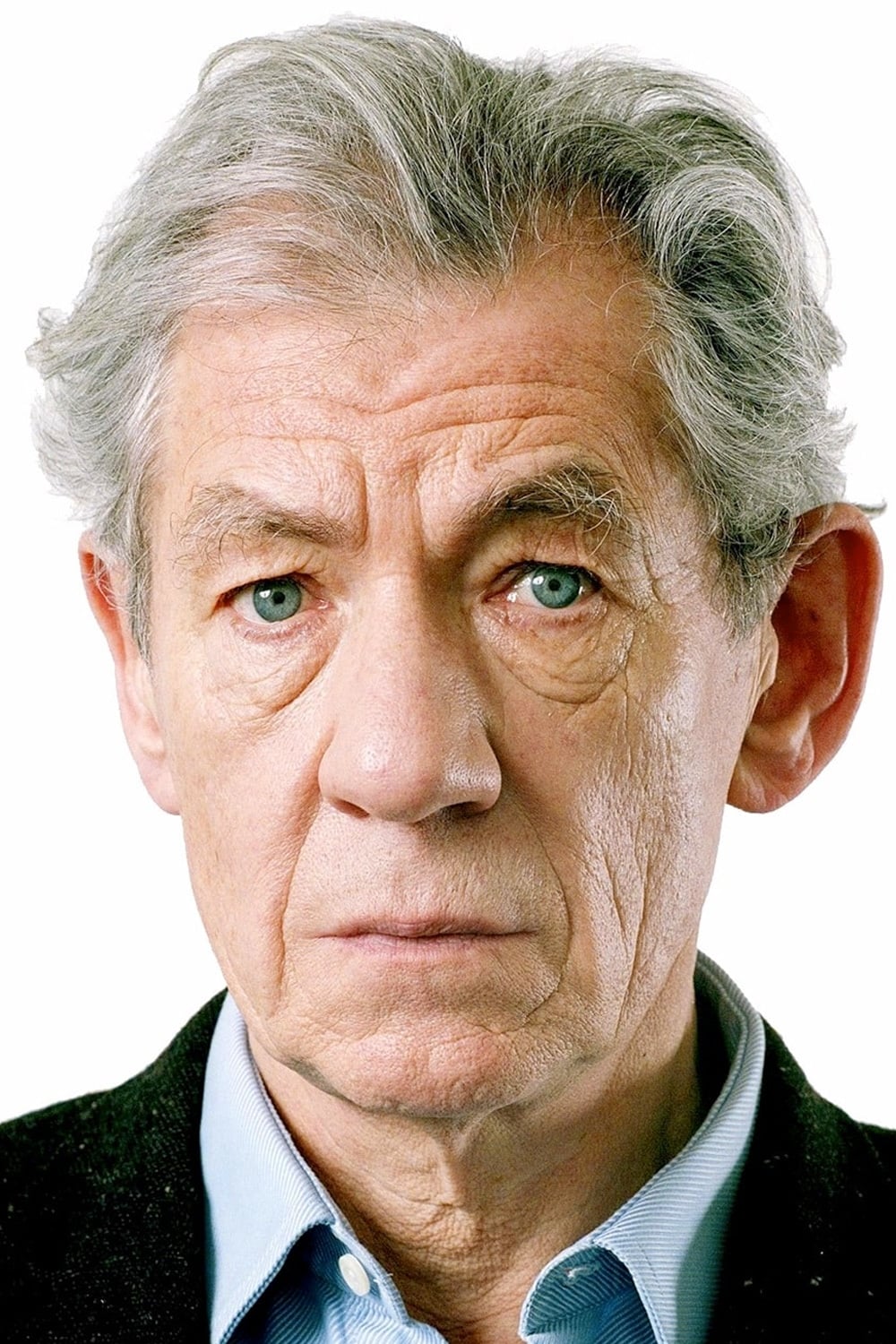
Ian McKellen delivered a chilling performance in the film adaptation of ‘Richard III’ by setting the Shakespearean drama in a fictionalized 1930s fascist England. He portrayed the title character as a ruthless dictator who manipulates his way to the throne through murder and deceit. The unique setting allowed McKellen to explore the timeless nature of tyranny while grounding the character in a recognizable historical context. His command of the language and his menacing screen presence made this interpretation of the classic villain unforgettable.
Rupert Everett
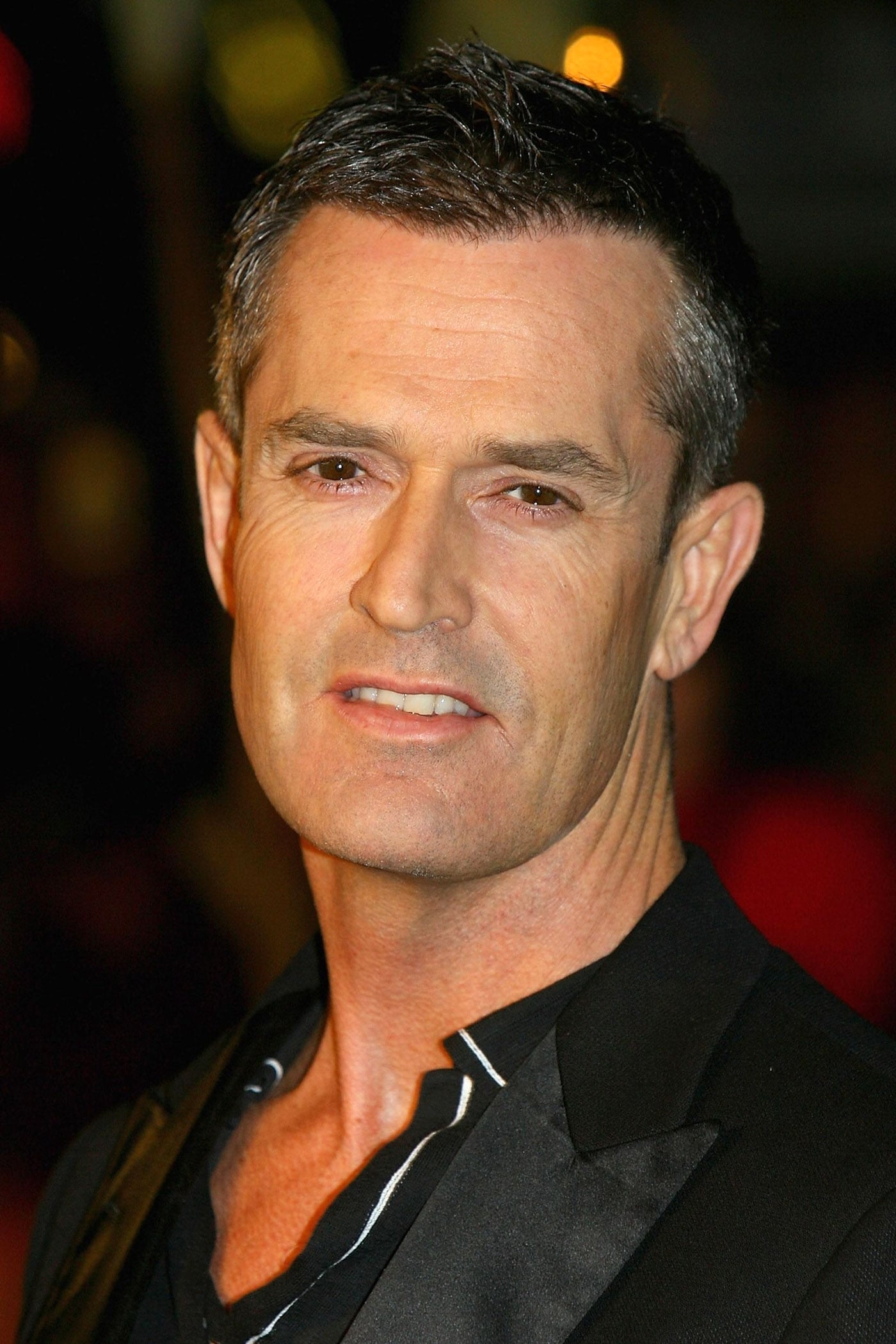
Rupert Everett captured the wit and charm of the Victorian era in the film adaptation of ‘The Importance of Being Earnest’. He played the role of Algernon Moncrieff with a perfect balance of cynicism and playfulness that defined the upper-class characters of Oscar Wilde. Everett navigated the complex social codes and rapid dialogue of the period with effortless grace. His performance anchored the film and highlighted the satirical elements of the original play regarding social status and propriety.
Ben Whishaw

Ben Whishaw received critical acclaim for his portrayal of King Richard II in the television series ‘The Hollow Crown’. He brought a fragile vulnerability to the deposed monarch that contrasted sharply with the brutality of the political landscape around him. The actor utilized his soft vocal delivery to emphasize the poetic nature of the character amidst the chaos of war. Whishaw successfully humanized a historical figure often dismissed as weak by focusing on his internal emotional turmoil.
Matt Bomer

Matt Bomer stunned audiences with his performance in the historical limited series ‘Fellow Travelers’. He played a closeted official in the State Department navigating the Lavender Scare of the 1950s in Washington DC. The role required him to portray a man living a double life while maintaining a facade of stoic professionalism. Bomer captured the paranoia and tragic romance of the era with a nuanced performance that spanned several decades of American history.
Colman Domingo
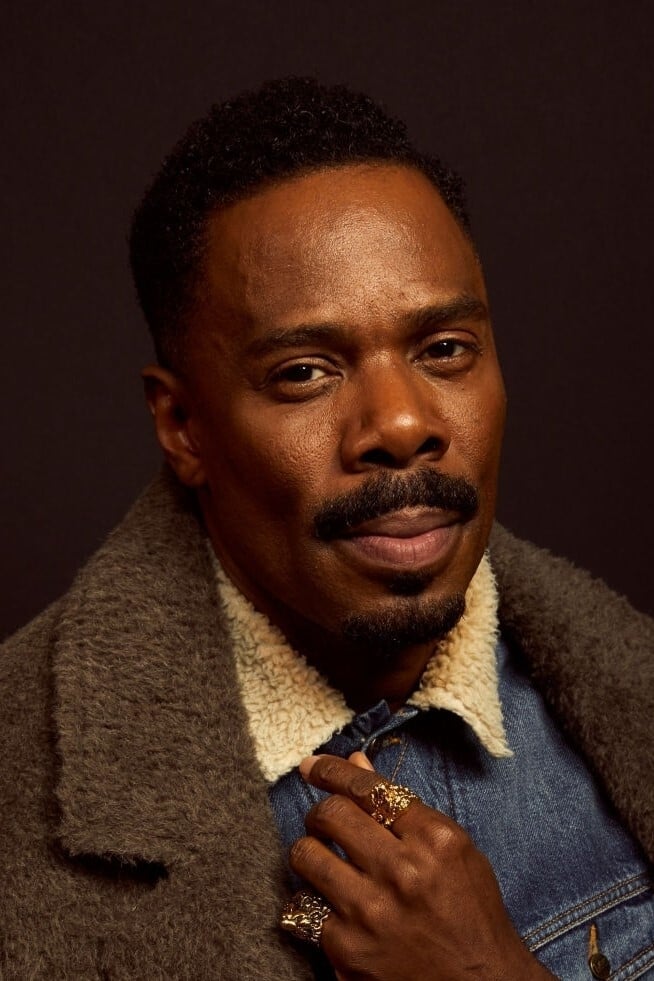
Colman Domingo delivered a powerful performance as the civil rights activist Bayard Rustin in the biographical film ‘Rustin’. He embodied the charismatic organizer who planned the 1963 March on Washington while facing discrimination for his sexuality. The actor mastered the distinct cadence and physical mannerisms of the historical figure to bring his story to a modern audience. Domingo ensured that the contribution of this unsung hero was recognized with the dignity and energy the subject matter demanded.
Andrew Scott

Andrew Scott played a pivotal role in the World War I epic ‘1917’ as Lieutenant Leslie. His character provided a weary and cynical perspective on the futility of the trench warfare that defined the conflict. Scott managed to convey years of exhaustion and disillusionment in a brief amount of screen time. The performance added a necessary layer of human realism to a film largely focused on technical spectacle and continuous movement.
Lee Pace
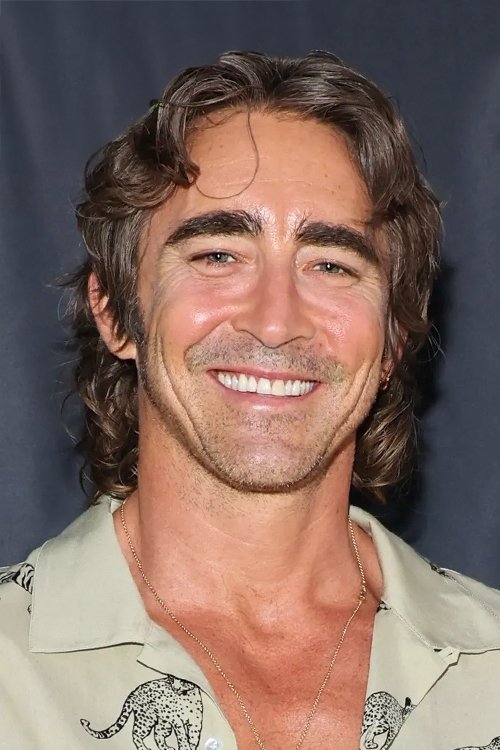
Lee Pace took on the role of Fernando Wood in the historical drama ‘Lincoln’. He portrayed the Democratic Congressman who vehemently opposed the Thirteenth Amendment during the Civil War. Pace used his imposing physical presence and booming voice to create a formidable political adversary for the protagonist. His performance highlighted the intense political division of the era and the difficulty of passing landmark legislation during a time of national crisis.
Luke Evans
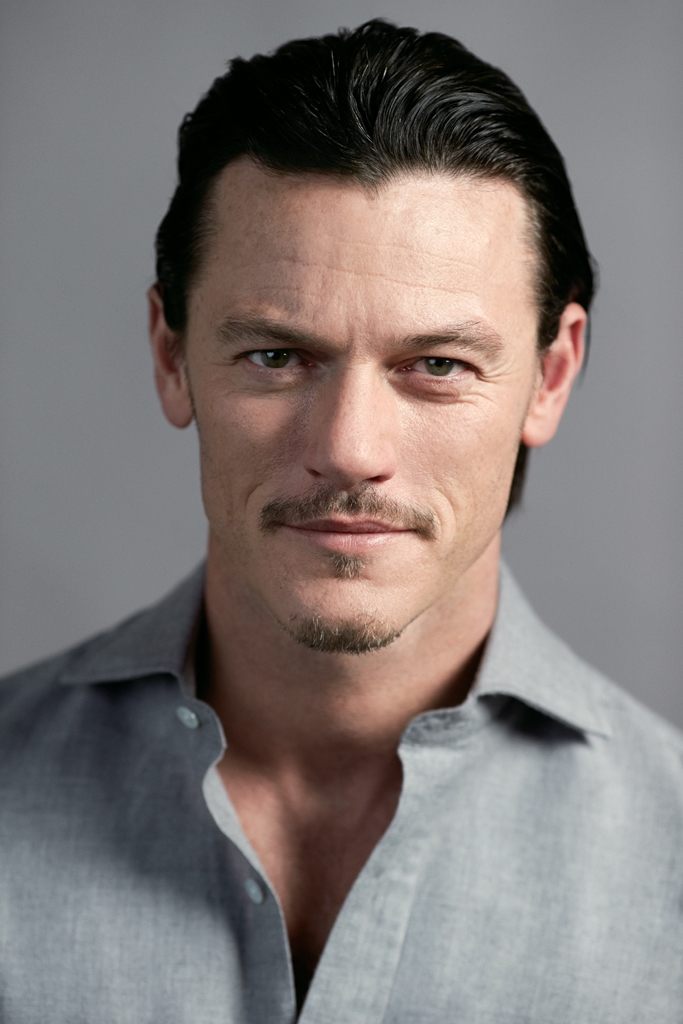
Luke Evans starred as John Moore in the period crime drama ‘The Alienist’ set in late 19th-century New York City. He played an illustrator for the New York Times who gets drawn into a series of gruesome murder investigations. Evans balanced the refined sensibilities of a society gentleman with the grit required to navigate the city’s dark underbelly. The role showcased his ability to handle the formal dialogue of the era while engaging in intense action sequences.
Jonathan Groff

Jonathan Groff gained worldwide fame for his portrayal of King George III in the filmed stage musical ‘Hamilton’. He provided comic relief as the petulant monarch who refuses to accept the American colonies’ bid for independence. Groff used exaggerated posh pronunciation and physical comedy to satirize the British monarchy of the late 1700s. His performance became a standout element of the production despite his limited time on stage compared to the other leads.
Stephen Fry
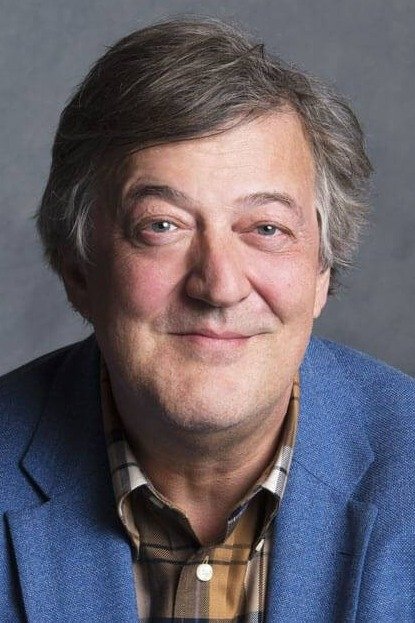
Stephen Fry was born to play the lead role in the biographical film ‘Wilde’. He embodied the famous playwright Oscar Wilde with an uncanny resemblance and a deep understanding of his wit. Fry navigated the tragic trajectory of Wilde’s life from literary toast of London to his imprisonment for gross indecency. The performance is widely considered one of the definitive portrayals of the literary icon and the repressive Victorian society he lived in.
Derek Jacobi
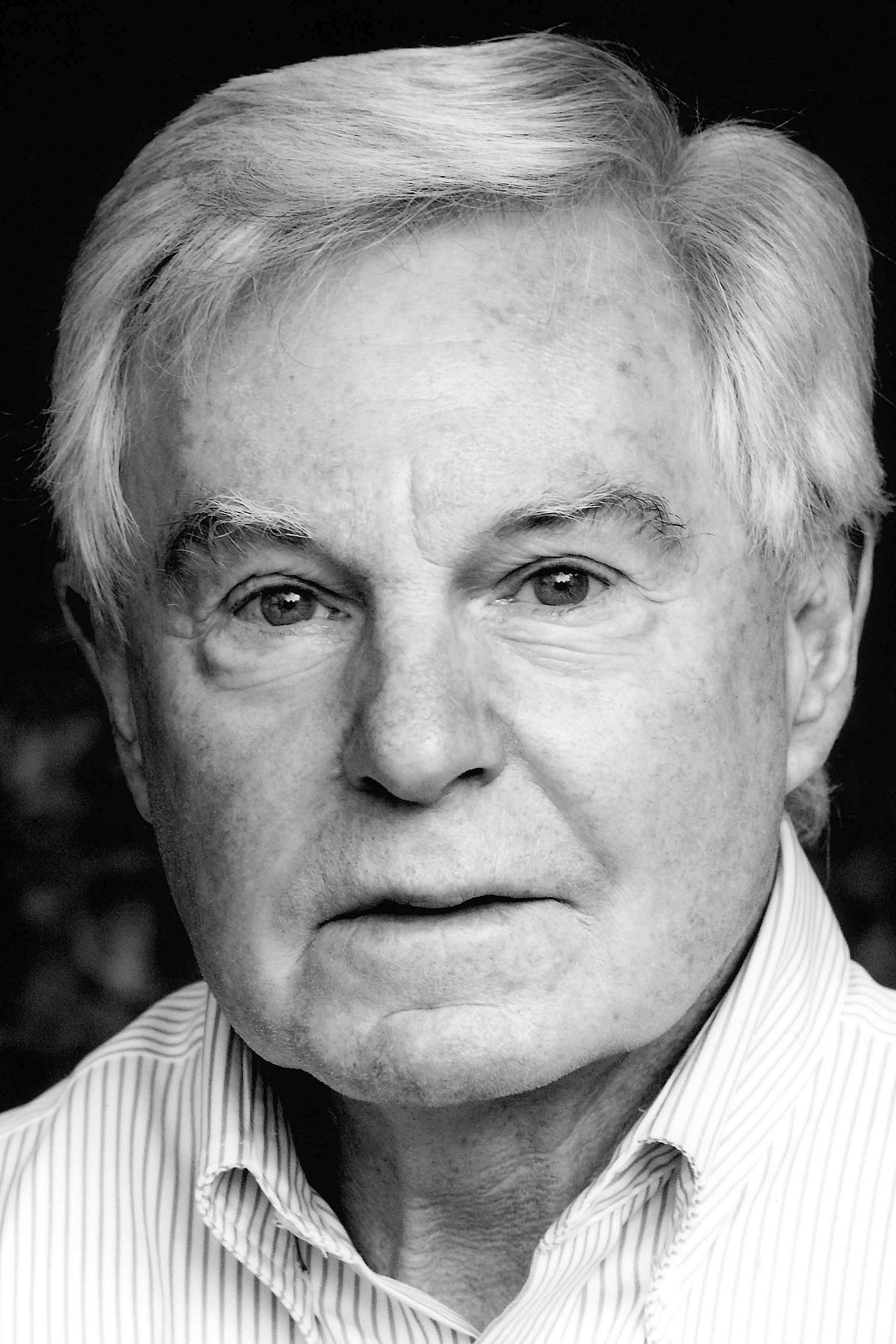
Derek Jacobi became a television legend with his performance in the classic series ‘I, Claudius’. He played the stuttering and limping Roman Emperor who survives the treacherous politics of his family by playing the fool. Jacobi aged the character convincingly from youth to old age across the span of the production. His portrayal remains a masterclass in acting that shows how intelligence can be hidden behind physical impediments to ensure survival.
Alan Cumming

Alan Cumming brought a comedic touch to the role of Mr. Elton in the film adaptation of ‘Emma’. He played the ambitious clergyman who misreads social cues and attempts to woo the wealthy protagonist. Cumming leaned into the obsequious nature of the character to highlight the rigid class structures of Regency England. His performance provided a humorous critique of the social climbing that was prevalent in the communities Jane Austen wrote about.
Simon Callow
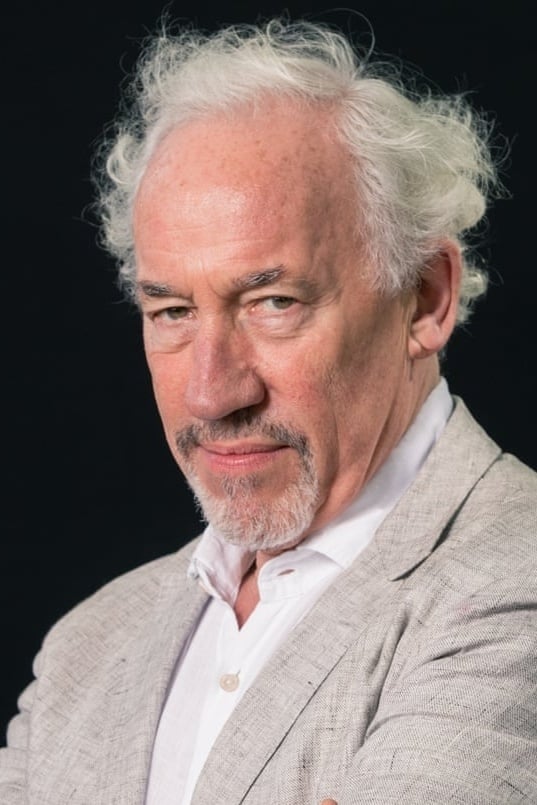
Simon Callow delivered a memorable performance as the Reverend Mr. Beebe in the film ‘A Room with a View’. He portrayed the open-minded clergyman who encourages the younger characters to follow their hearts rather than social convention. Callow brought a warmth and joviality to the role that made him a favorite among fans of the Merchant Ivory production. His character served as a bridge between the stiff repression of Edwardian England and the liberating atmosphere of Italy.
Nathan Lane

Nathan Lane showcased his dramatic range in the period drama series ‘The Gilded Age’. He played Ward McAllister as the arbiter of social rules in 1880s New York City society. Lane adopted a specific Mid-Atlantic accent and haughty demeanor to portray the gatekeeper of the elite Knickerbocker set. The role allowed him to explore the power dynamics of high society and the rigidity of the old money families during the industrial boom.
Jim Parsons

Jim Parsons took a dramatic turn in the television movie ‘The Normal Heart’ set during the early years of the HIV/AIDS crisis. He played Tommy Boatwright as a hospital administrator and activist who tries to keep the peace within the advocacy group. Parsons brought a quiet dignity and biting wit to the role that grounded the more explosive personalities around him. The performance highlighted the emotional toll the epidemic took on the gay community in New York City during the 1980s.
Zachary Quinto

Zachary Quinto starred in the film adaptation of ‘The Boys in the Band’ set in a Manhattan apartment in 1968. He played Harold as a sharp-tongued birthday boy who arrives late to his own party and dissects the insecurities of his friends. Quinto mastered the distinct camp dialect and cynical humor that characterizes the play’s dialogue. His portrayal captured the internalized homophobia and resilience of gay men living in a pre-Stonewall era.
Russell Tovey

Russell Tovey appeared in the historical drama series ‘Banished’ set in the penal colony of New South Wales in 1788. He played James Freeman as a convict struggling to survive the harsh conditions and the brutality of the soldiers. Tovey brought a physical intensity and emotional rawness to the role of a man stripped of his rights. The series allowed him to explore the desperation and moral ambiguity of early Australian colonial history.
Neil Patrick Harris
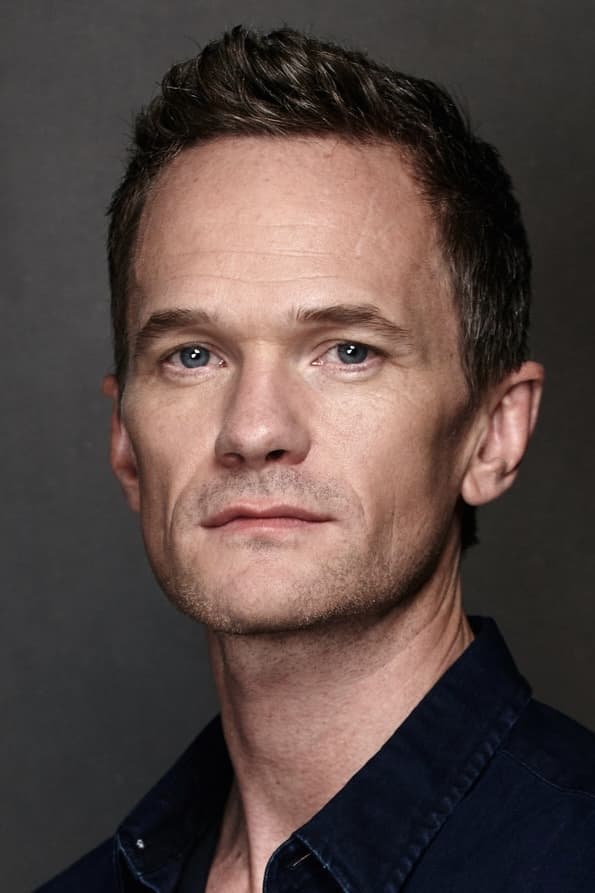
Neil Patrick Harris delivered a heartbreaking performance in the miniseries ‘It’s a Sin’ set in 1980s London. He played Henry Coltrane as an older mentor figure who introduces the younger protagonist to the joys and dangers of city life. Harris adopted a refined British accent and a paternal warmth that made his character’s fate deeply affecting. The role served as a poignant reminder of the generation lost during the early days of the AIDS epidemic.
Tell us which of these performances resonated with you the most in the comments.