Games With Branching Narratives Based On Your Playstyle


Branching narratives transform video games from passive entertainment into interactive experiences where the player dictates the outcome. These titles offer complex webs of cause and effect that reflect individual playstyles and moral compasses. Developers craft intricate scripts to ensure that every decision carries weight and alters the world state. The following games represent the pinnacle of storytelling where user agency reigns supreme.
‘Baldur’s Gate 3’ (2023)
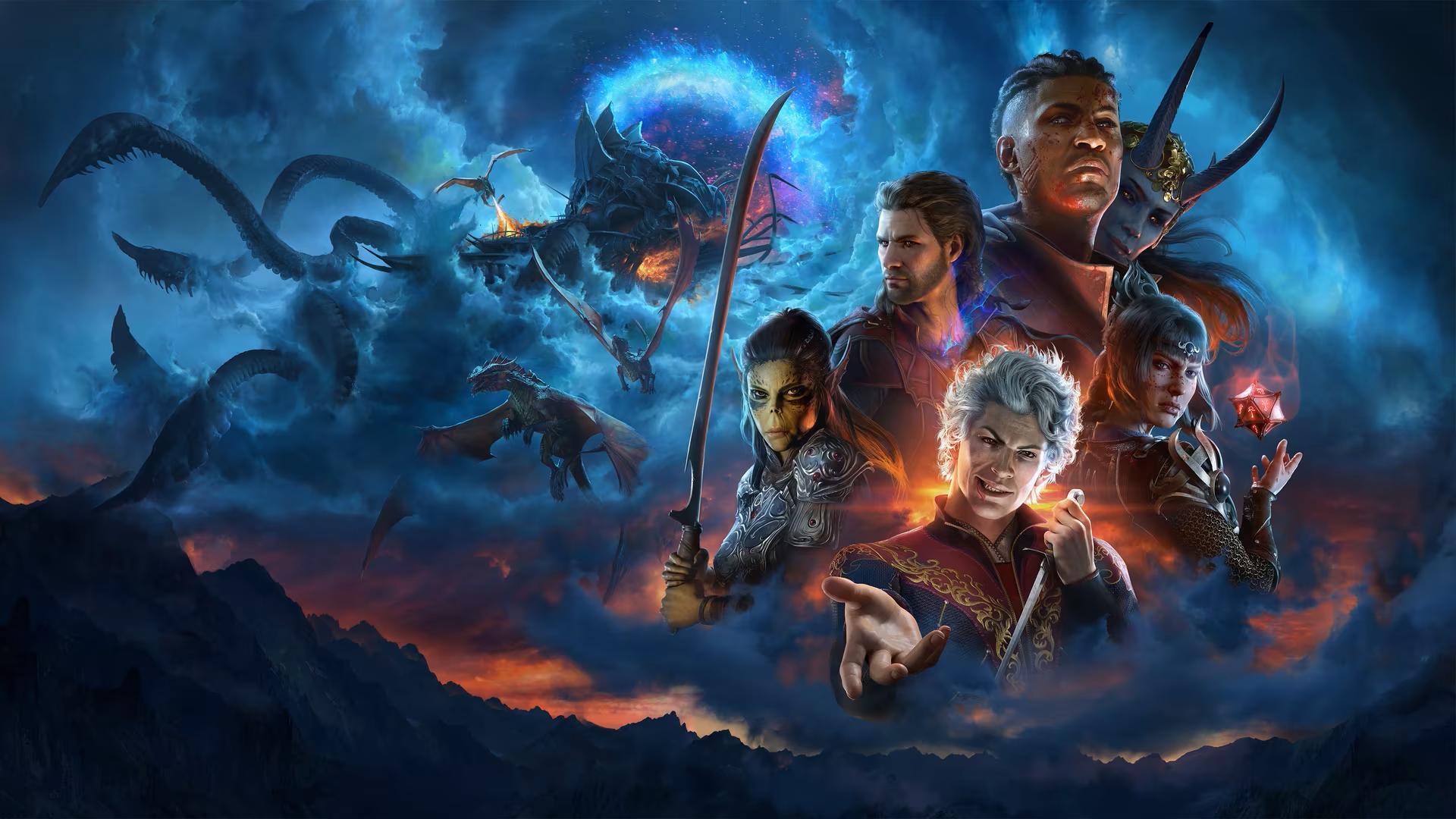
Players step into a Dungeons & Dragons world where nearly every interaction features multiple outcomes based on dice rolls and dialogue choices. The narrative adapts fluidly whether you choose to be a benevolent hero or a power-hungry villain. Your choice of class and race opens unique conversational paths that change how NPCs react to your presence. The sheer volume of permutations ensures that no two playthroughs look exactly the same.
‘The Witcher 3: Wild Hunt’ (2015)

Geralt of Rivia navigates a war-torn continent where political intrigue and monster hunting intertwine. Seemingly minor decisions in the early hours can have devastating consequences dozens of hours later. The game tracks your choices regarding the war and personal relationships to determine one of three major endings. It masterfully hides the immediate impact of decisions to prevent players from gaming the system.
‘Detroit: Become Human’ (2018)
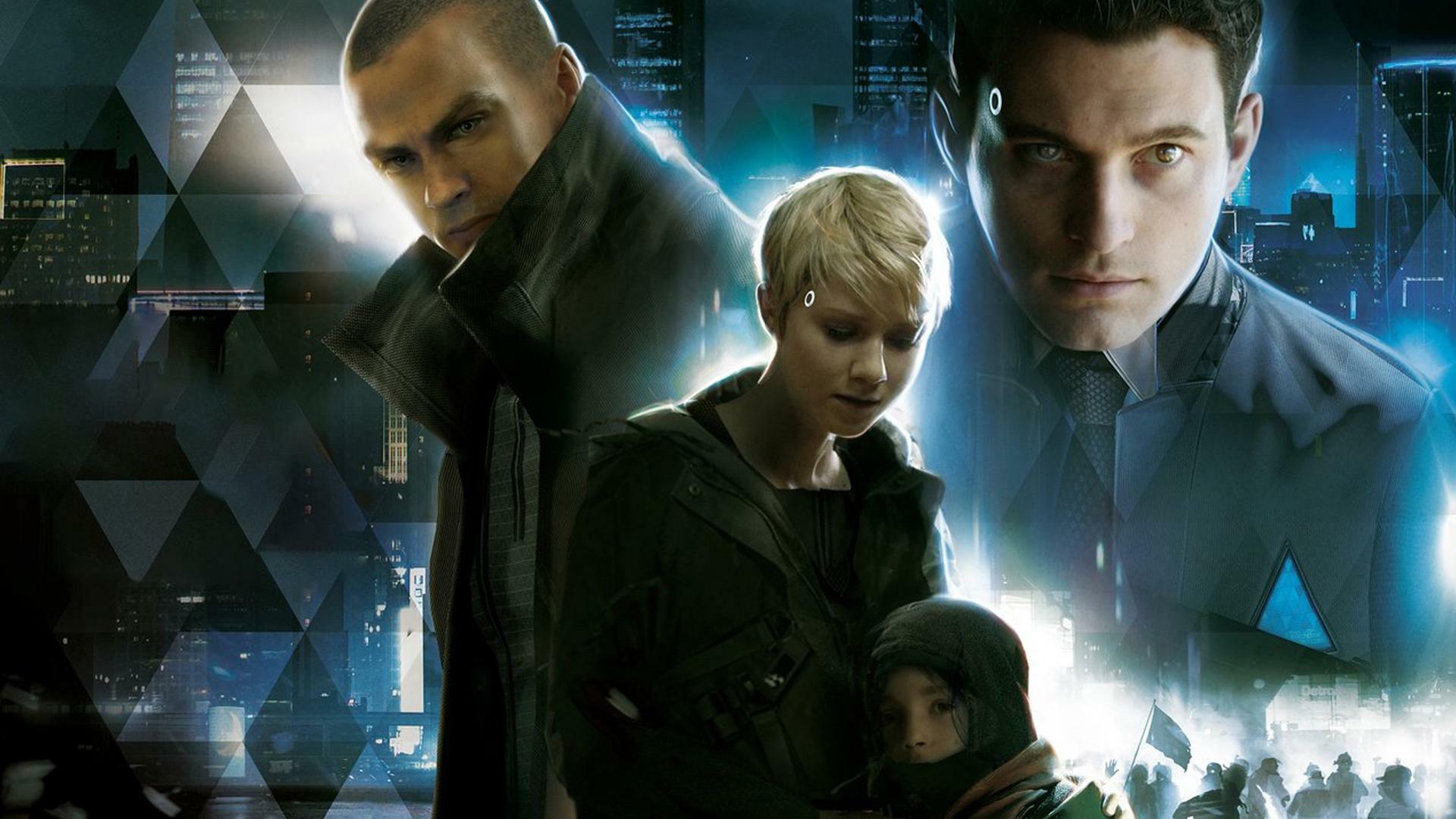
Quantic Dream presents a futuristic vision where androids gain sentience and fight for their civil rights. The game utilizes a flowchart system that visualizes every possible path and outcome for the three playable protagonists. Characters can permanently die based on failed quick-time events or poor decision-making. This structure allows for vastly different story conclusions ranging from peaceful resolutions to violent revolutions.
‘Mass Effect 2’ (2010)
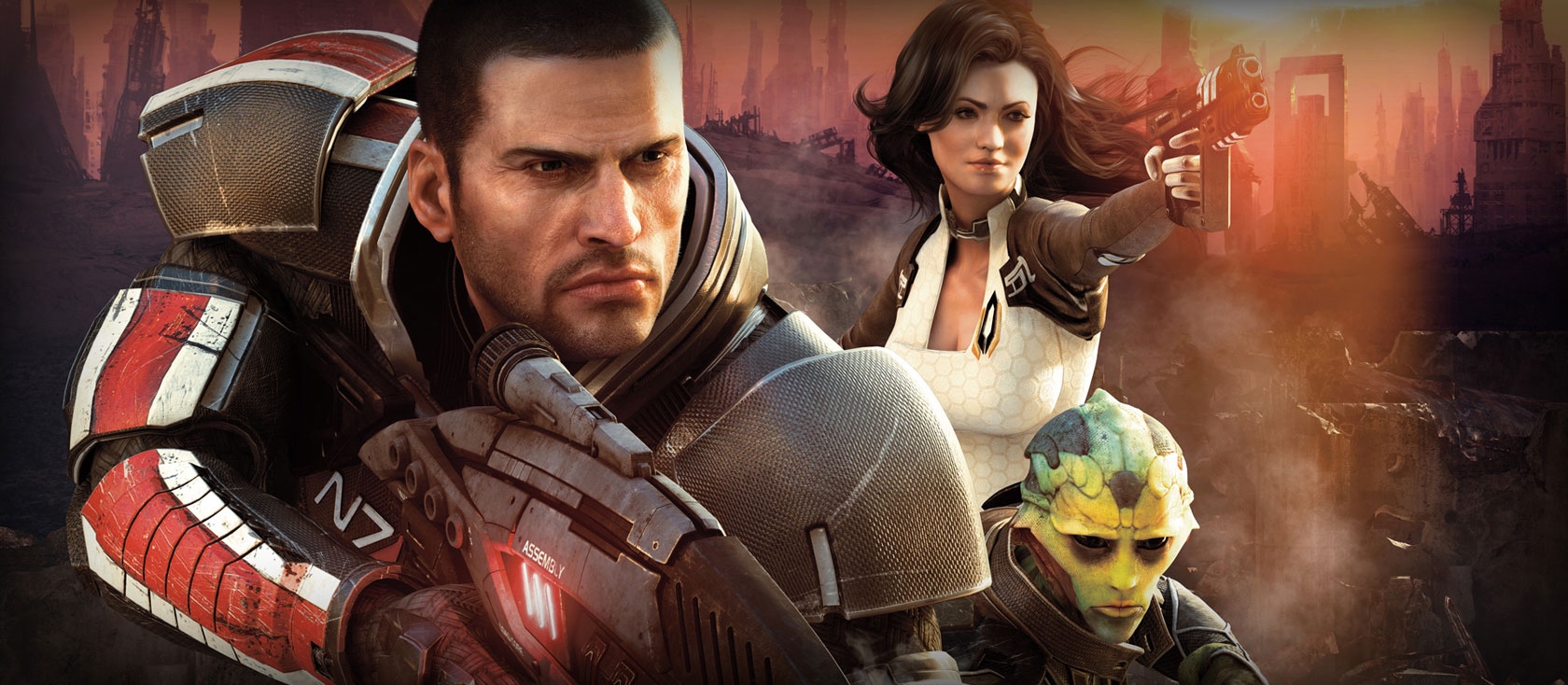
Commander Shepard must assemble a diverse team of specialists for a suicide mission against an ancient alien threat. The loyalty of your crew depends entirely on how you resolve their personal conflicts and handle mission objectives. Failure to prepare the ship or gain the trust of your squad results in permanent character deaths during the finale. The save file import system remembers decisions from the previous game to color the current narrative context.
‘Fallout: New Vegas’ (2010)
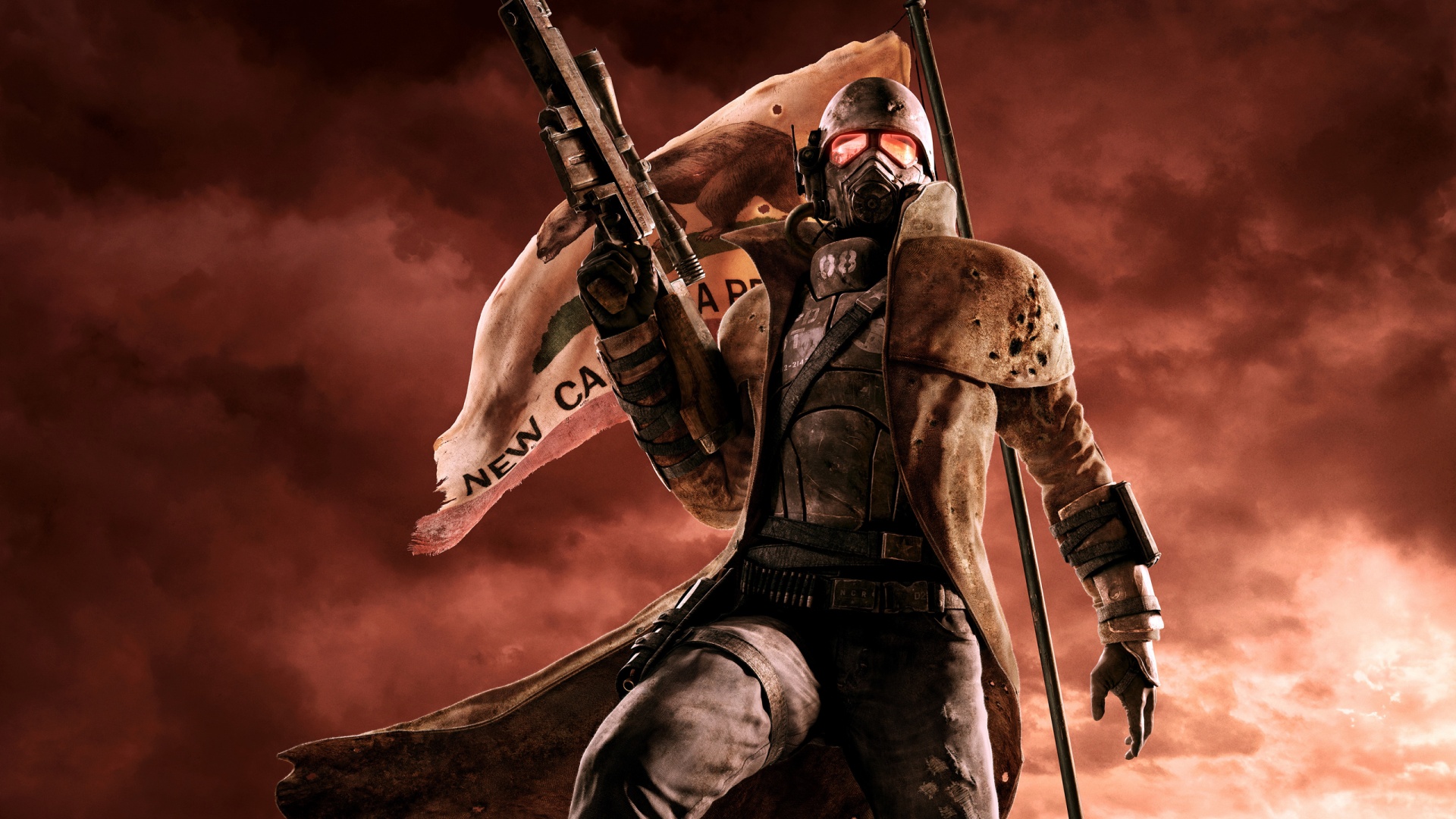
The courier survives a bullet to the head and wanders the Mojave Wasteland to decide the fate of distinct political factions. Players can align themselves with the bureaucratic NCR or the ruthless Caesar’s Legion or choose an independent path. The reputation system tracks your standing with every town and gang to alter how the world treats you. High flexibility allows you to kill almost any NPC and still complete the game through alternative means.
‘Disco Elysium’ (2019)
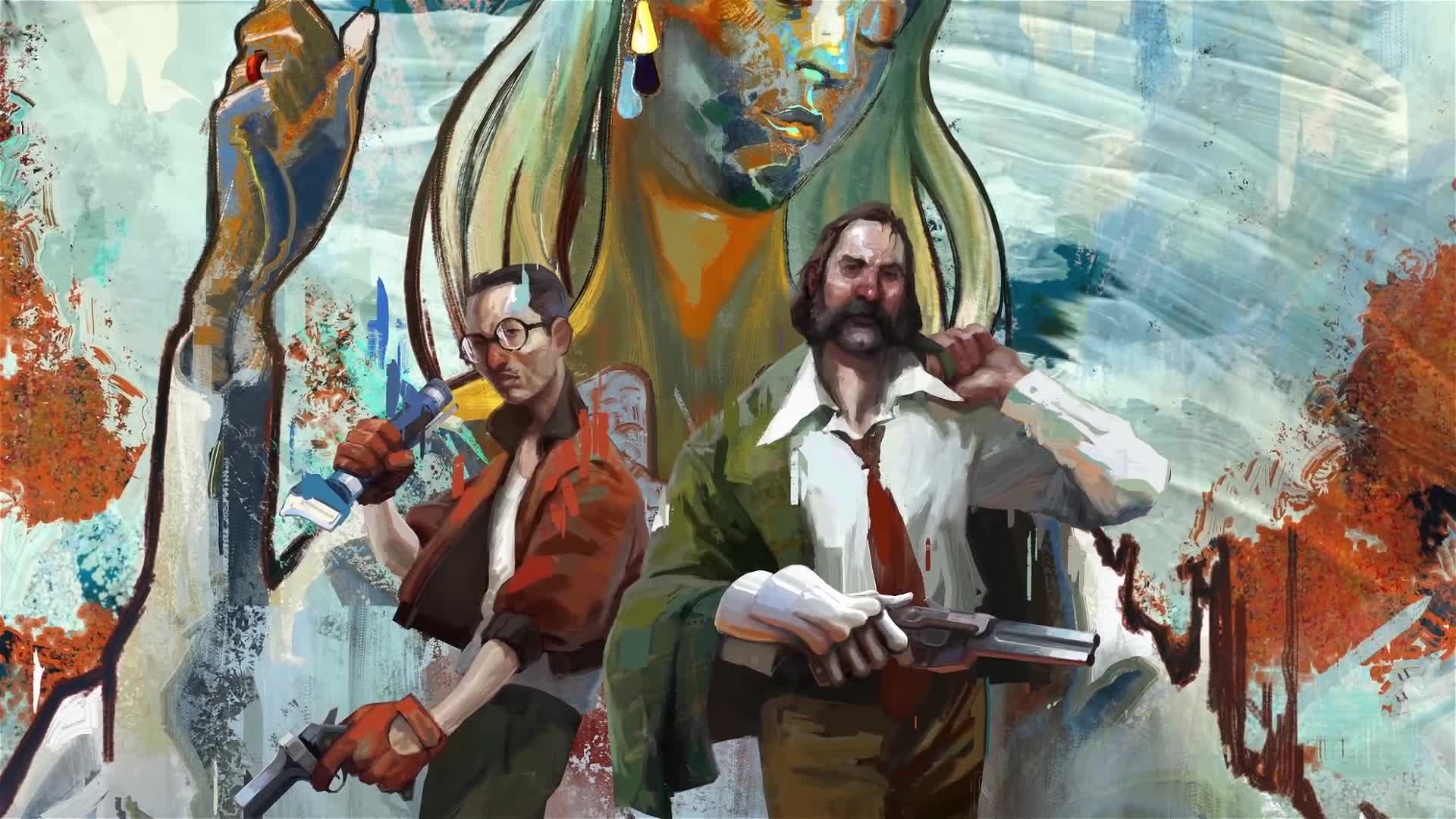
You play as an amnesiac detective trying to solve a murder while battling voices in your own head. The skills you upgrade act as distinct personalities that chime in during conversations to suggest different courses of action. Failing a check often leads to hilarious or tragic detours rather than a game over screen. The political alignment you adopt shapes the history and future of the fictional city of Revachol.
‘Dragon Age: Origins’ (2009)
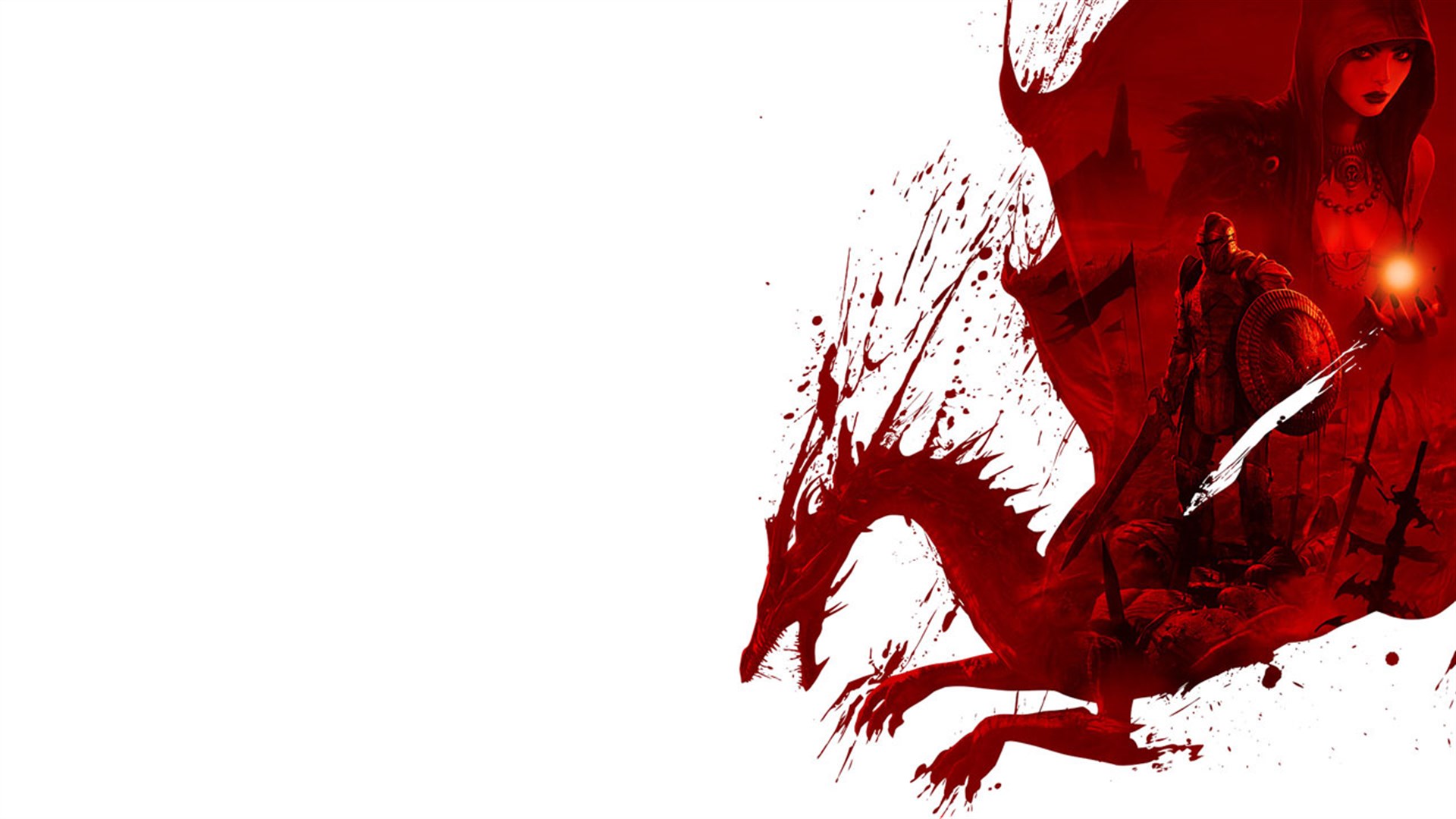
Bioware introduces a dark fantasy world where your chosen origin story dramatically affects how characters perceive you. Players must navigate a political crisis while gathering allies to stop a monstrous invasion known as the Blight. Critical choices regarding leadership and ancient rituals determine who rules the kingdom and who survives the final battle. The relationship system requires careful management of companion approval to unlock specific story beats.
‘Undertale’ (2015)

This indie RPG subverts genre tropes by allowing players to complete the game without killing a single enemy. Your decision to spare or destroy monsters fundamentally alters the tone of the story and the difficulty of the gameplay. Characters remember your actions across different save files and break the fourth wall to comment on your behavior. The branching paths lead to three distinct routes known as Neutral, Pacifist, and Genocide.
‘Cyberpunk 2077’ (2020)
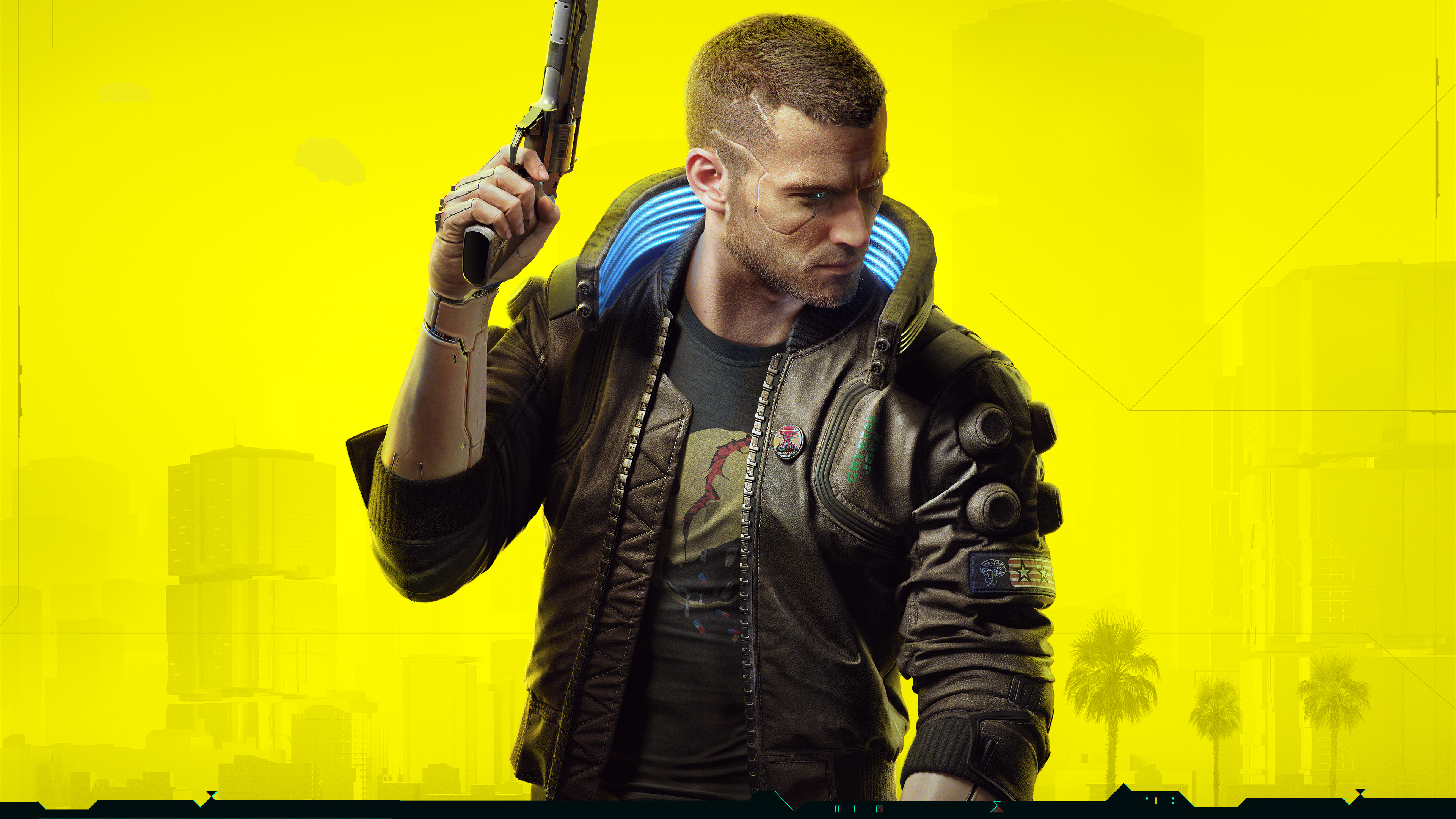
V navigates the dangerous streets of Night City while dealing with a digital construct of a rock star stuck in their head. Dialogue choices and mission approaches determine your relationship with various fixers and corporations. The game features multiple endings that depend on which allies you befriend and how you choose to handle your terminal condition. Life paths chosen at the start provide unique dialogue options throughout the entire campaign.
‘The Walking Dead’ (2012)
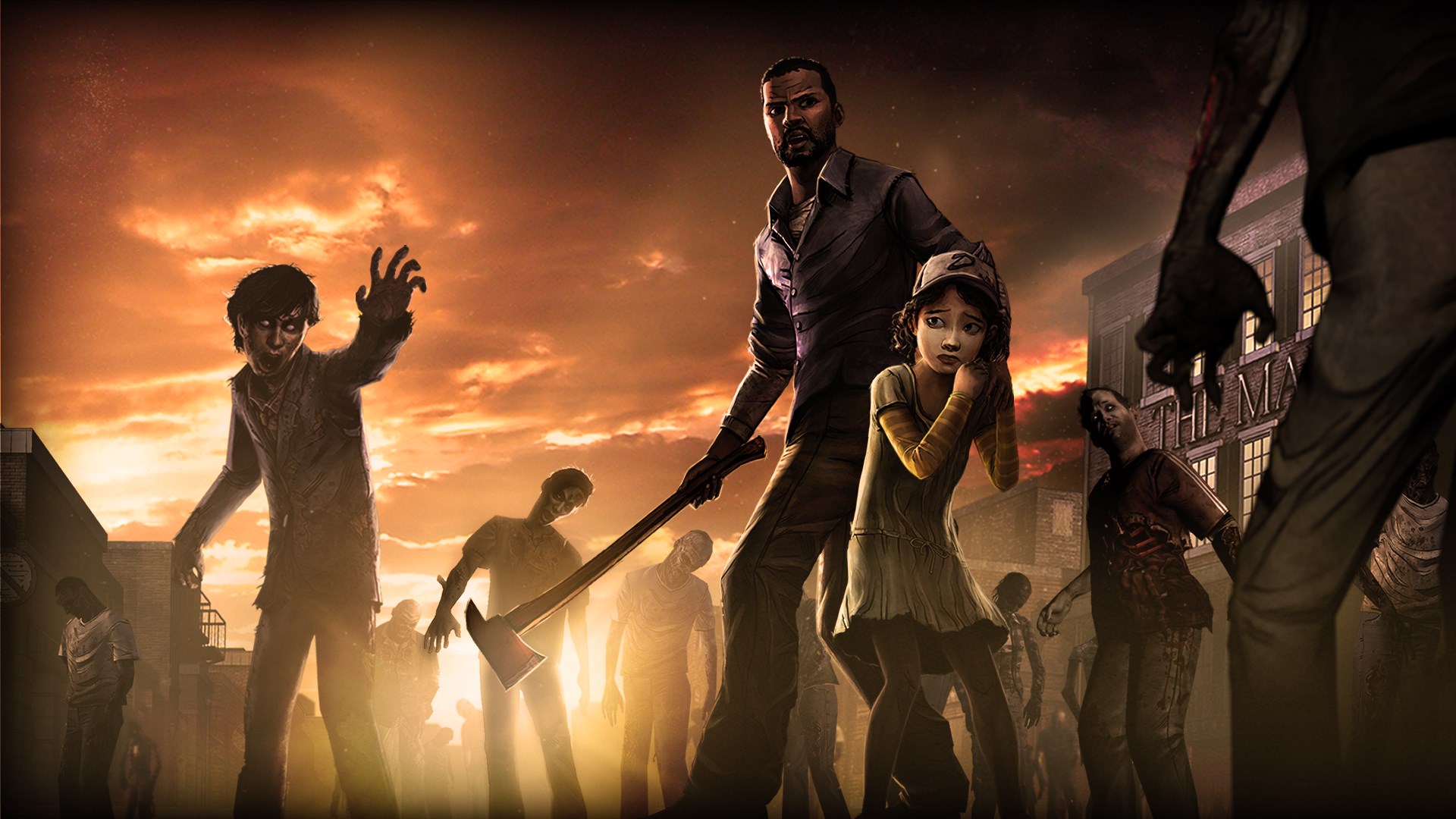
Lee Everett protects a young girl named Clementine during a zombie apocalypse where human nature is the true danger. The game emphasizes emotional connections and split-second decisions that determine who lives and who dies. Dialogue choices shape Clementine’s moral code and influence how she reacts to the horrors around her. The narrative adapts to your choices to create a personalized version of the tragic journey.
‘Divinity: Original Sin 2’ (2017)
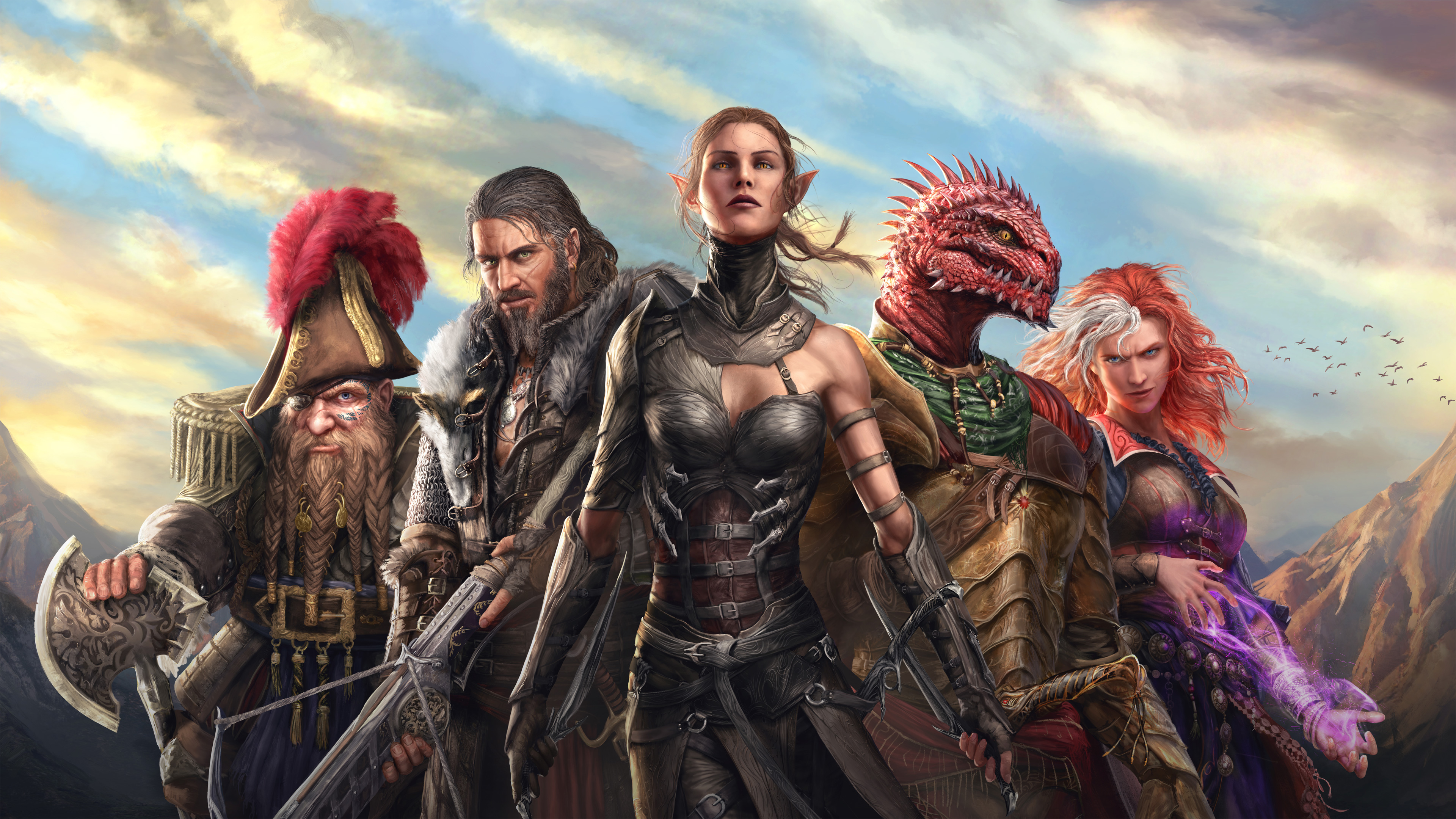
Players control a Sourcerer on a quest to ascend to godhood in a world that fears their power. The game offers immense freedom in how you solve quests through combat or persuasion or stealth. Origin characters come with their own unique storylines and conflicts that override generic dialogue options. The multiplayer mode allows party members to pursue conflicting goals and even betray each other in the final act.
‘Star Wars: Knights of the Old Republic’ (2003)
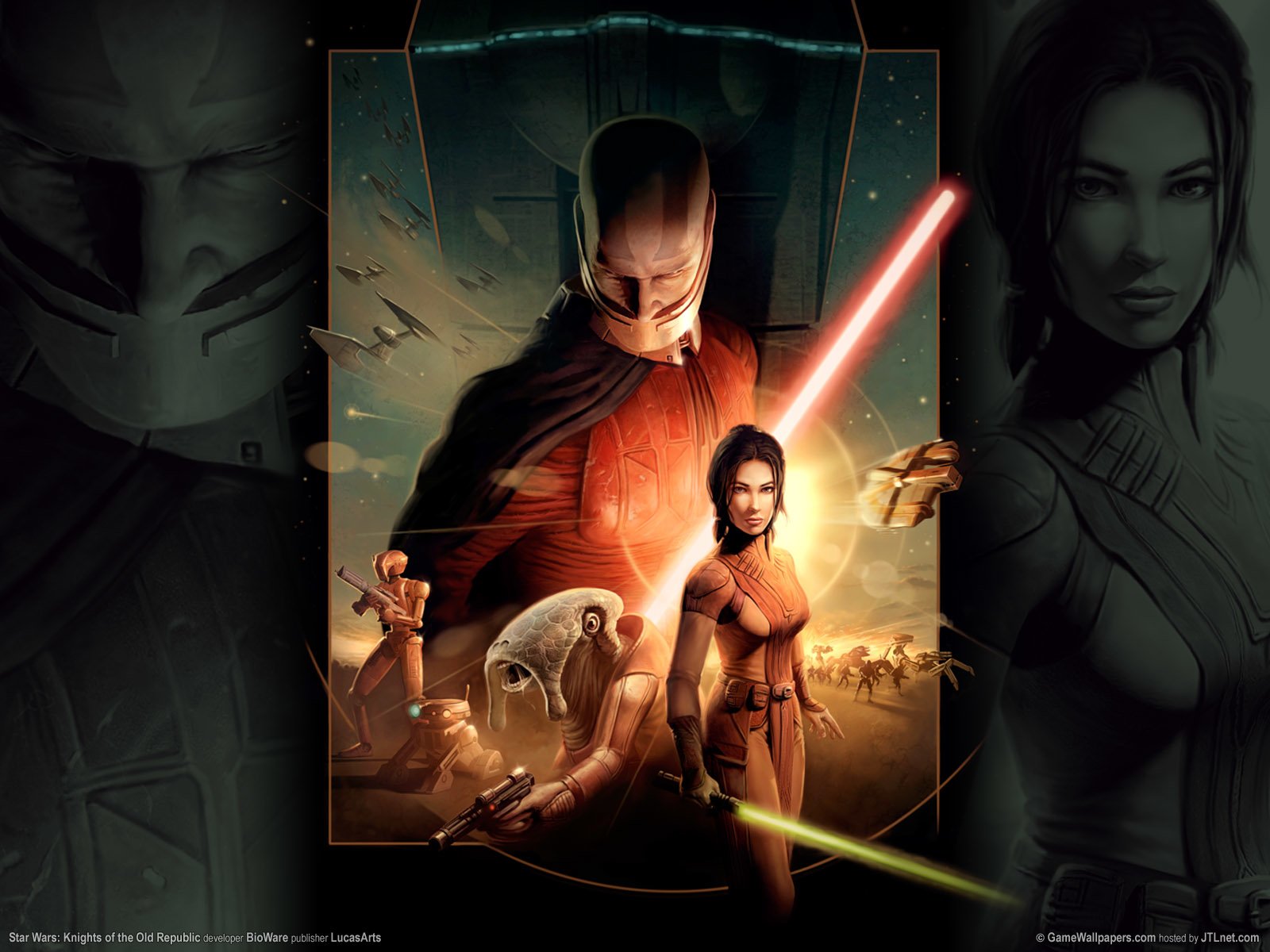
You explore the galaxy thousands of years before the films while uncovering a Sith plot. The Light Side and Dark Side alignment system tracks every moral decision you make during quests. Falling to the Dark Side changes your physical appearance and unlocks destructive force powers. The climax forces a pivotal choice that determines the fate of the Republic and your companions.
‘Deus Ex: Human Revolution’ (2011)
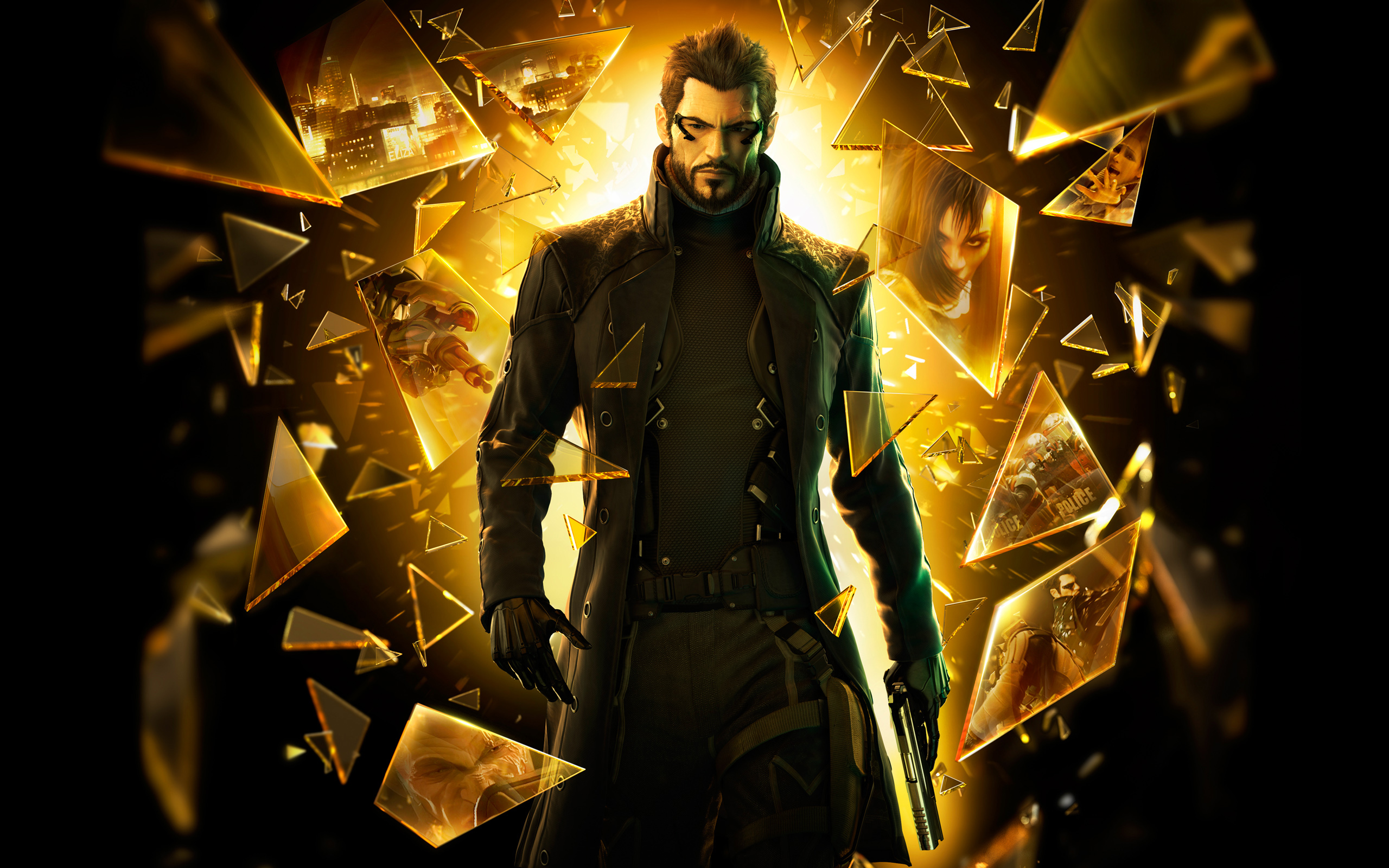
Adam Jensen uncovers a global conspiracy involving human augmentation in a cyberpunk future. The gameplay pillars of combat and stealth and social interaction allow for diverse approaches to every objective. Conversations with key antagonists utilize a psychological persuasion system where reading body language is key to success. Your actions throughout the game influence the final philosophical choice regarding the future of humanity.
‘Dishonored 2’ (2016)

Players choose between Empress Emily Kaldwin or Corvo Attano to reclaim the throne of Dunwall. The Chaos system tracks your lethality and modifies the world state and enemy density accordingly. High Chaos leads to a darker ending and a more cynical world while Low Chaos fosters hope and stability. Non-lethal elimination methods for key targets provide narrative alternatives to simple assassination.
‘Fable II’ (2008)
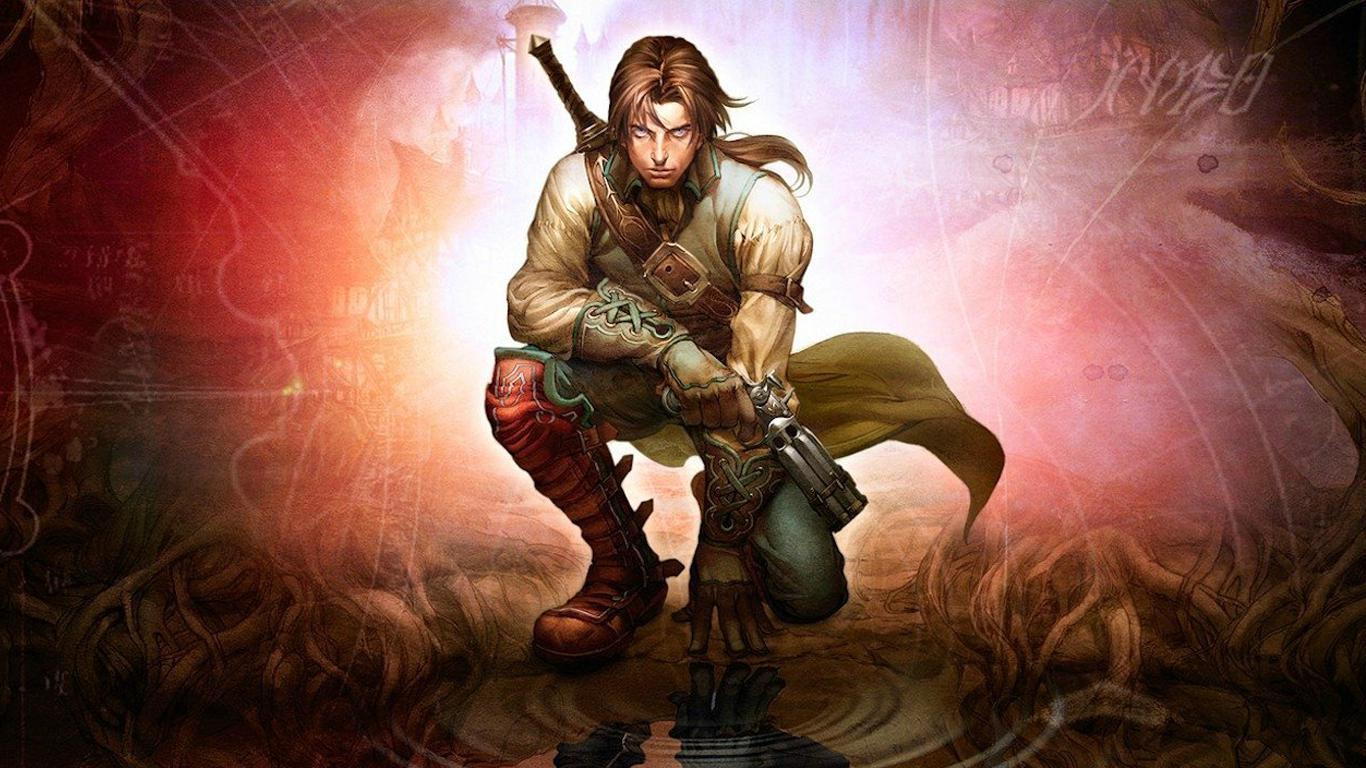
The hero of Albion grows from a child to an adult while their morality transforms their physical appearance. Good deeds give you a halo and pleasant features while evil acts grow horns and attract flies. Economic choices allows you to become a landlord or affect prices in local markets. The finale presents a difficult choice between sacrificing for the greater good or seizing personal wealth.
‘Heavy Rain’ (2010)

Four protagonists hunt for the Origami Killer in a suspenseful thriller where failure is part of the story. If a character dies during the investigation the plot continues without them and adapts to their absence. Quick-time events determine the success of dangerous encounters and chase sequences. The identity of the killer remains the same but the fate of every other character hangs in the balance.
‘Until Dawn’ (2015)
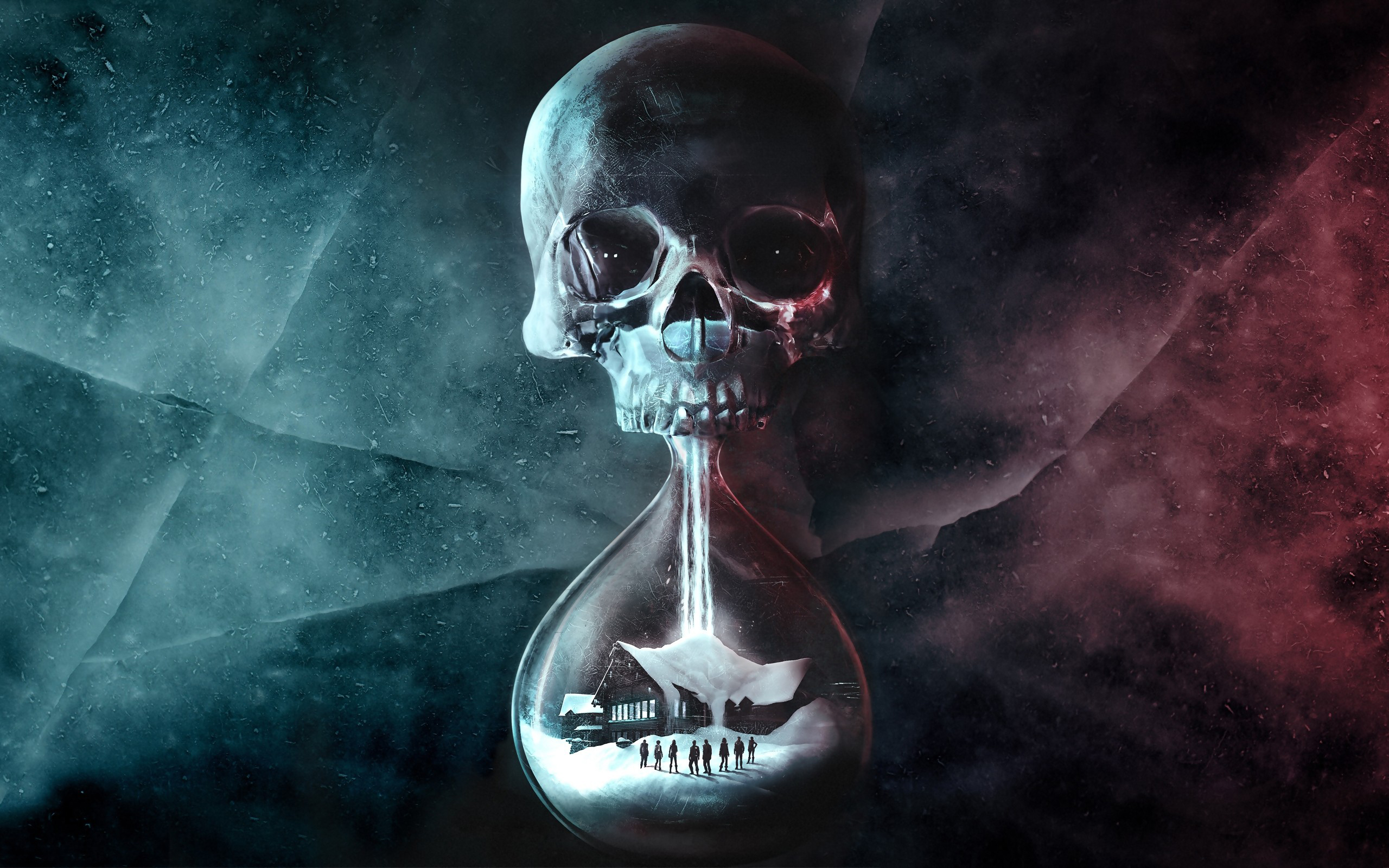
Eight teenagers trapped in a mountain lodge must survive a night of terror against unknown assailants. The Butterfly Effect system tracks tiny decisions that ripple out to cause massive changes later in the story. Finding totems provides brief glimpses of possible futures to help guide your choices. It is possible for all eight characters to survive or for all of them to die based on your reflexes and logic.
‘Life is Strange’ (2015)
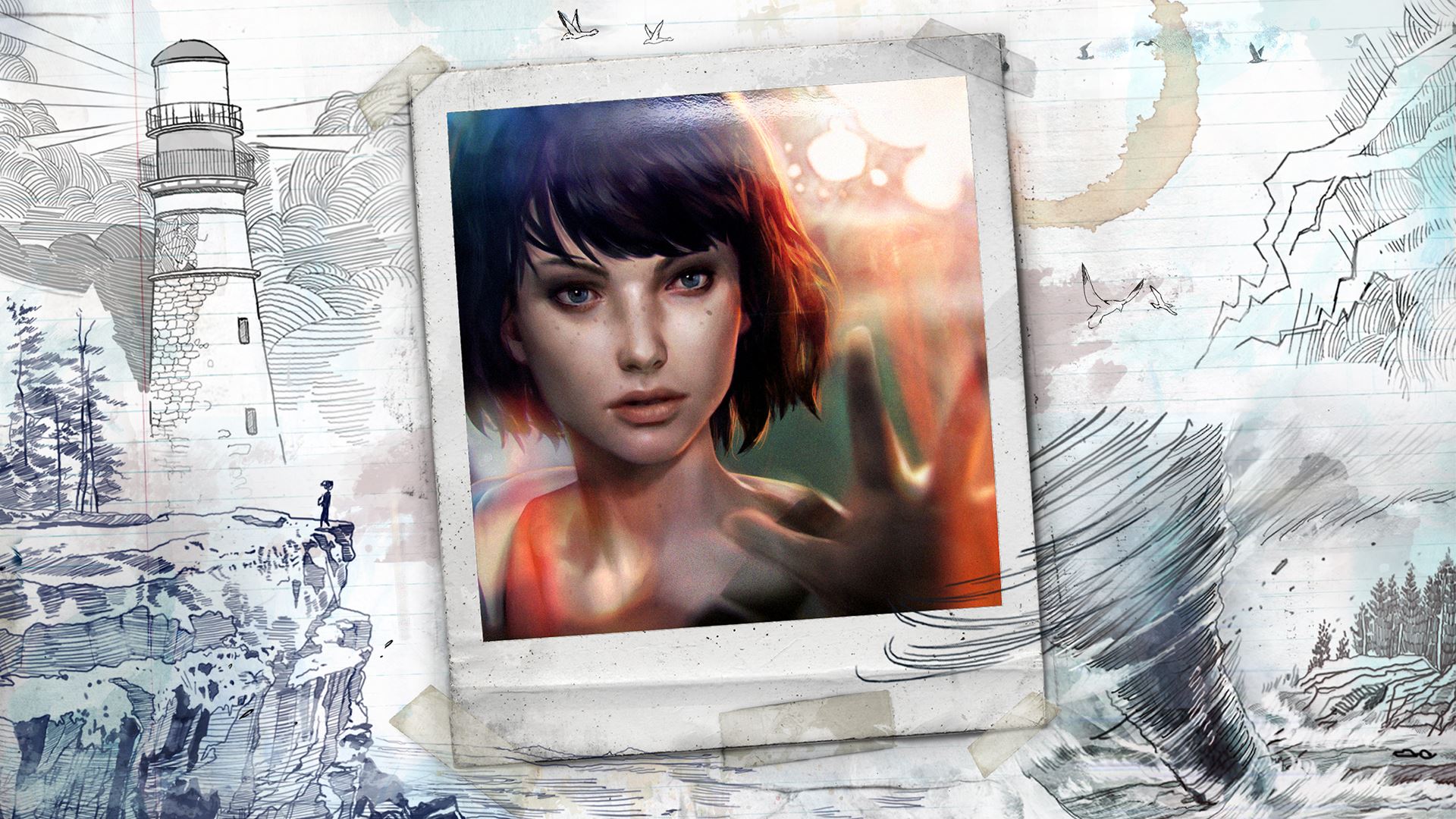
Max Caulfield discovers she can rewind time and uses this power to investigate a missing person case. The core mechanic allows you to see the immediate outcome of a choice and reverse it if you dislike the result. Major decisions have long-term consequences that the rewind power cannot undo. The story culminates in a polarizing binary choice that sacrifices either a town or a loved one.
‘The Wolf Among Us’ (2013)
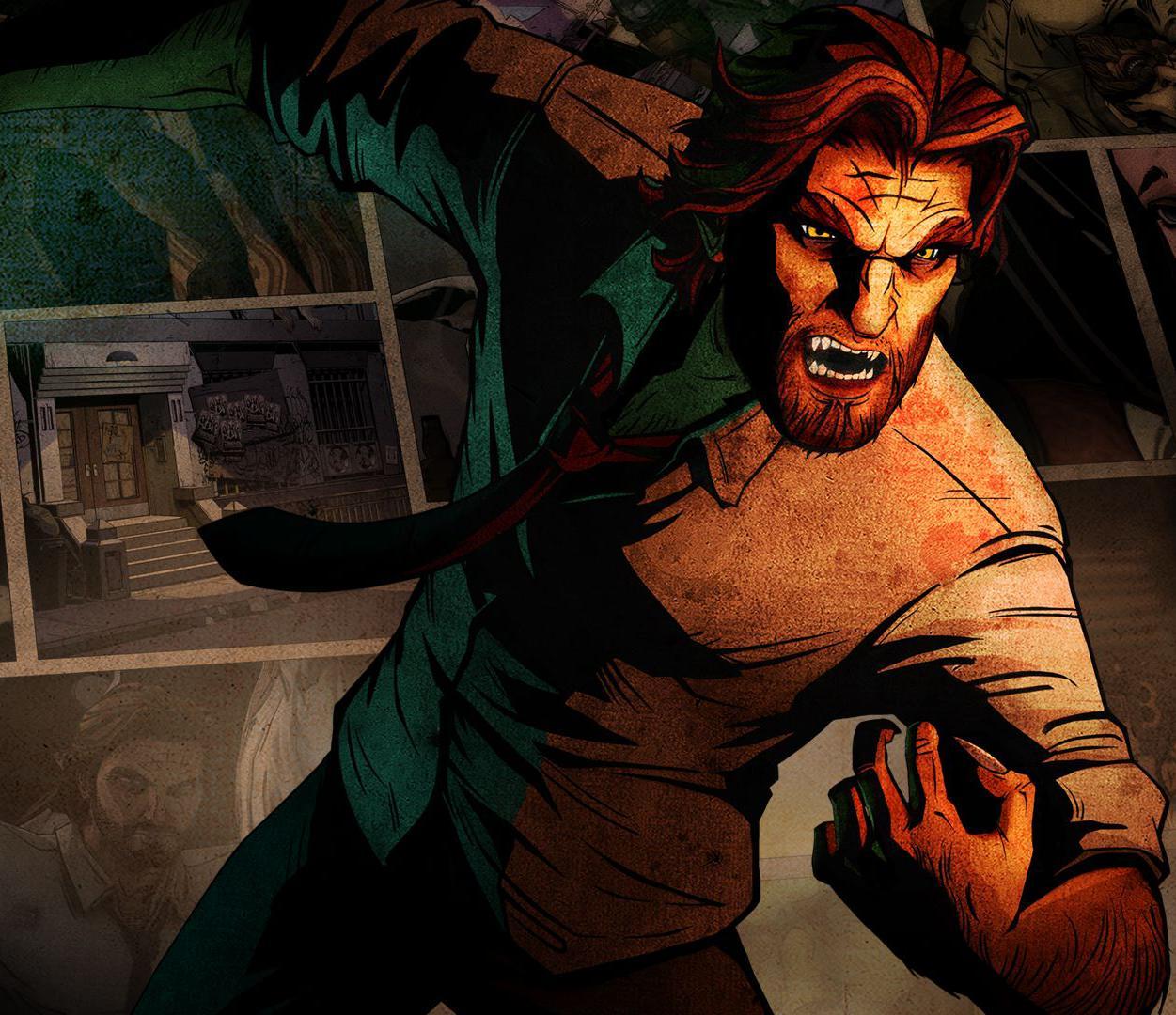
Bigby Wolf serves as the sheriff of Fabletown and investigates a grisly murder among fairytale creatures hiding in New York. Players decide whether Bigby acts as a reformed protector or succumbs to his violent nature as the Big Bad Wolf. The investigation branches based on which locations you visit first and how you interrogate suspects. Your treatment of other Fables determines who stands by you when the conspiracy unravels.
‘Vampire: The Masquerade – Bloodlines’ (2004)
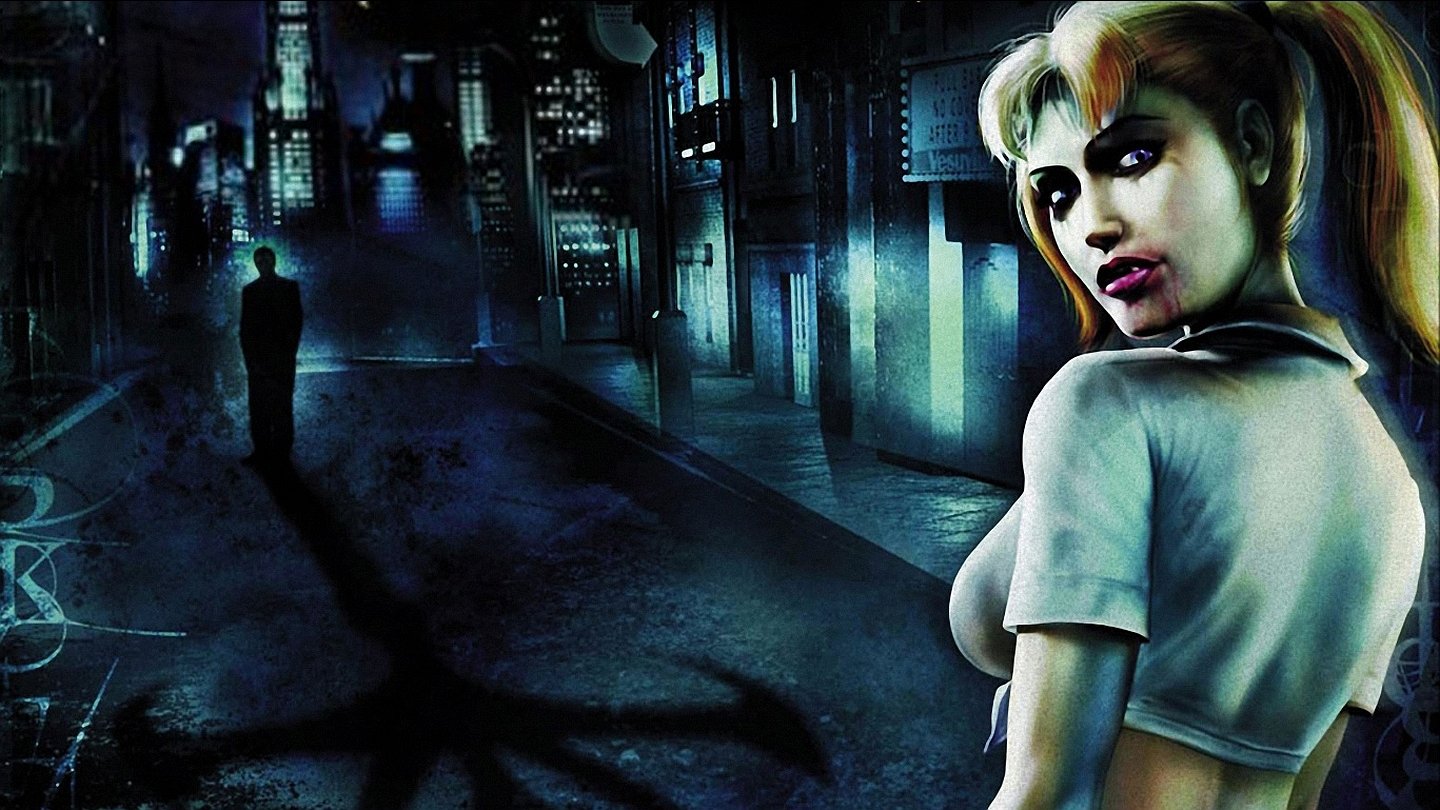
A newly sired vampire navigates the political underbelly of modern Los Angeles. Your choice of vampire clan radically alters gameplay such as the Nosferatu being unable to show their face in public. Dialogue trees allow for seduction or intimidation or mind control depending on your stats. The branching narrative features multiple alliances that lead to distinct conclusions for the city’s power structure.
‘Alpha Protocol’ (2010)
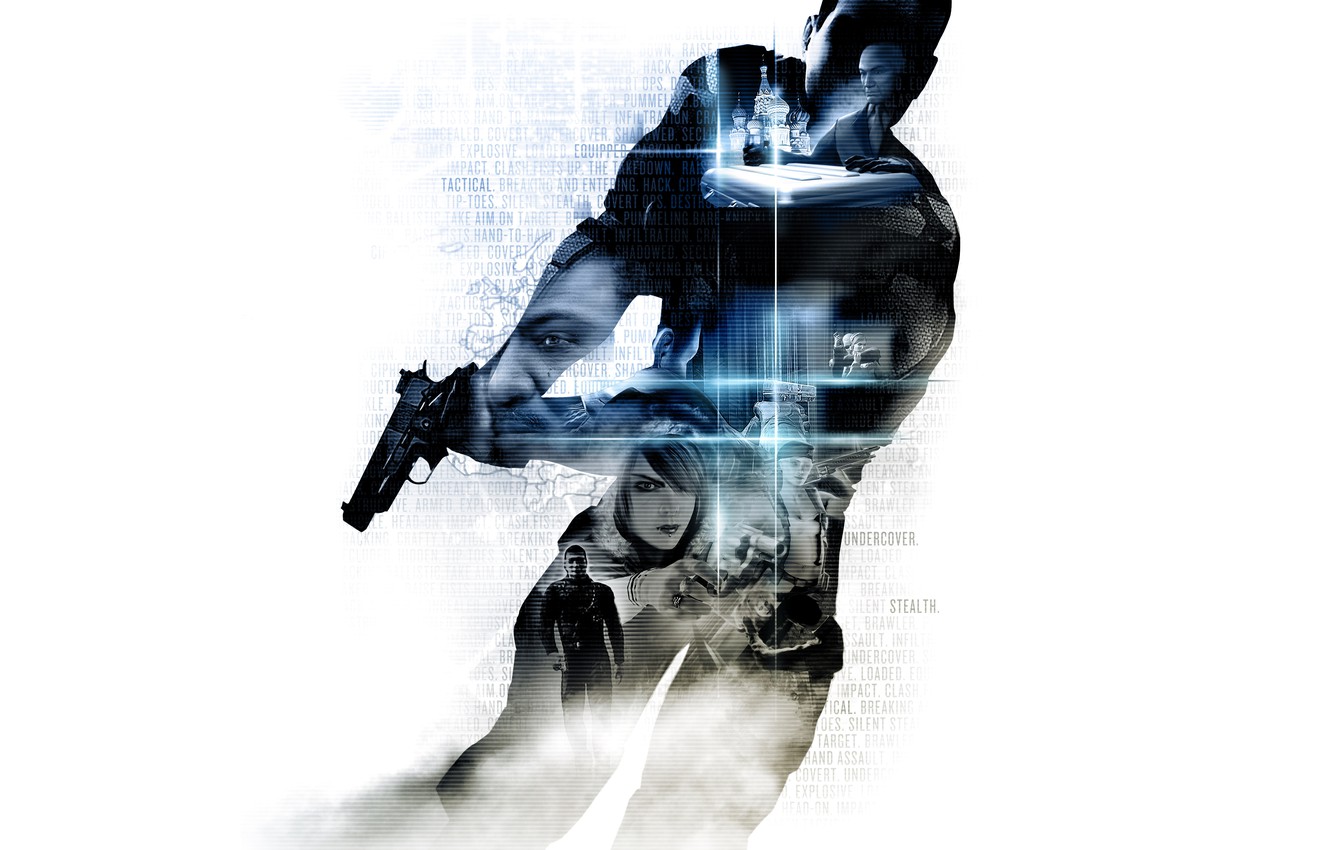
Michael Thorton is a spy cut loose by his agency who must uncover a conspiracy to prevent World War III. The dialogue system operates on a timer and forces you to choose a professional or suave or aggressive stance. Handlers and contacts react differently to your chosen personality type and grant different perks. The order in which you tackle global missions opens or closes intelligence opportunities.
‘NieR: Automata’ (2017)
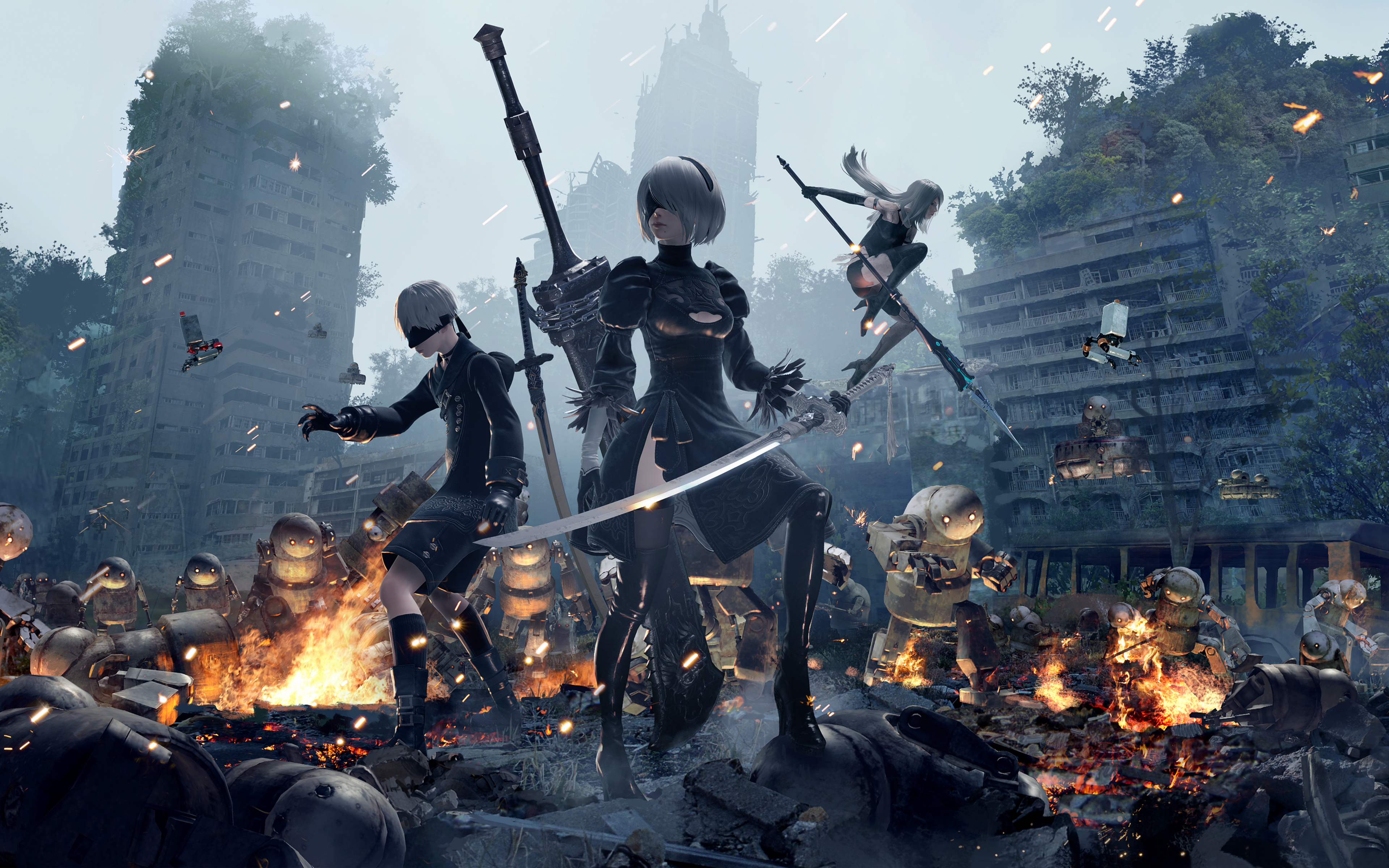
Androids 2B and 9S fight a proxy war against machine lifeforms on a post-apocalyptic Earth. The story requires multiple playthroughs to uncover the full narrative from different perspectives. There are twenty-six possible endings ranging from serious story conclusions to joke scenarios. The final ending involves a unique meta-narrative choice that asks the player to make a significant sacrifice for others.
‘Kingdom Come: Deliverance’ (2018)
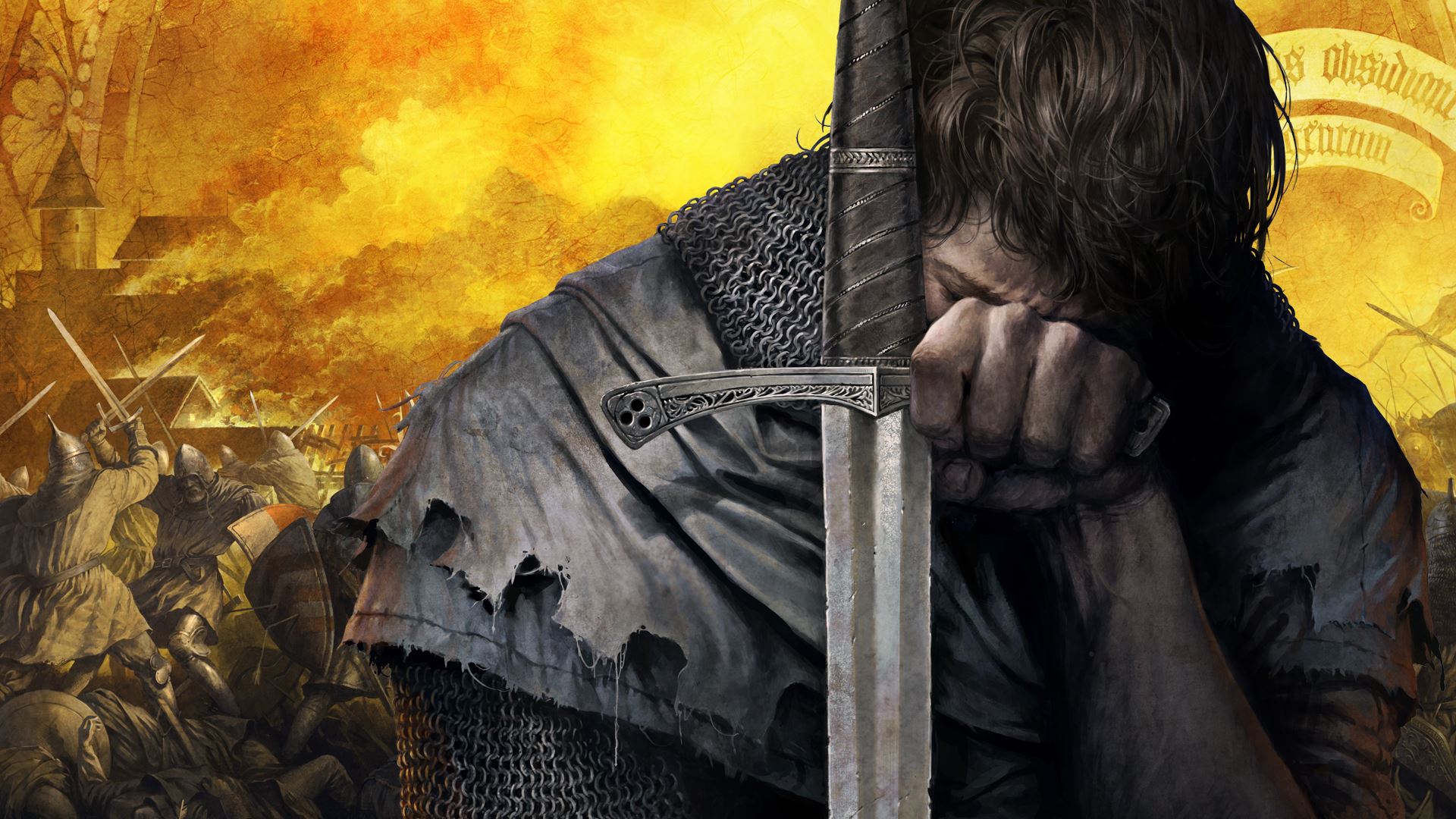
Henry traverses a realistic recreation of medieval Bohemia where social status dictates every interaction. Quests often have multiple solutions that require actual investigation or combat or speech checks. Failing a quest objective does not stop the game but forces the story to adapt to your failure. Your reputation in each village affects prices and how guards respond to your crimes.
‘The Outer Worlds’ (2019)
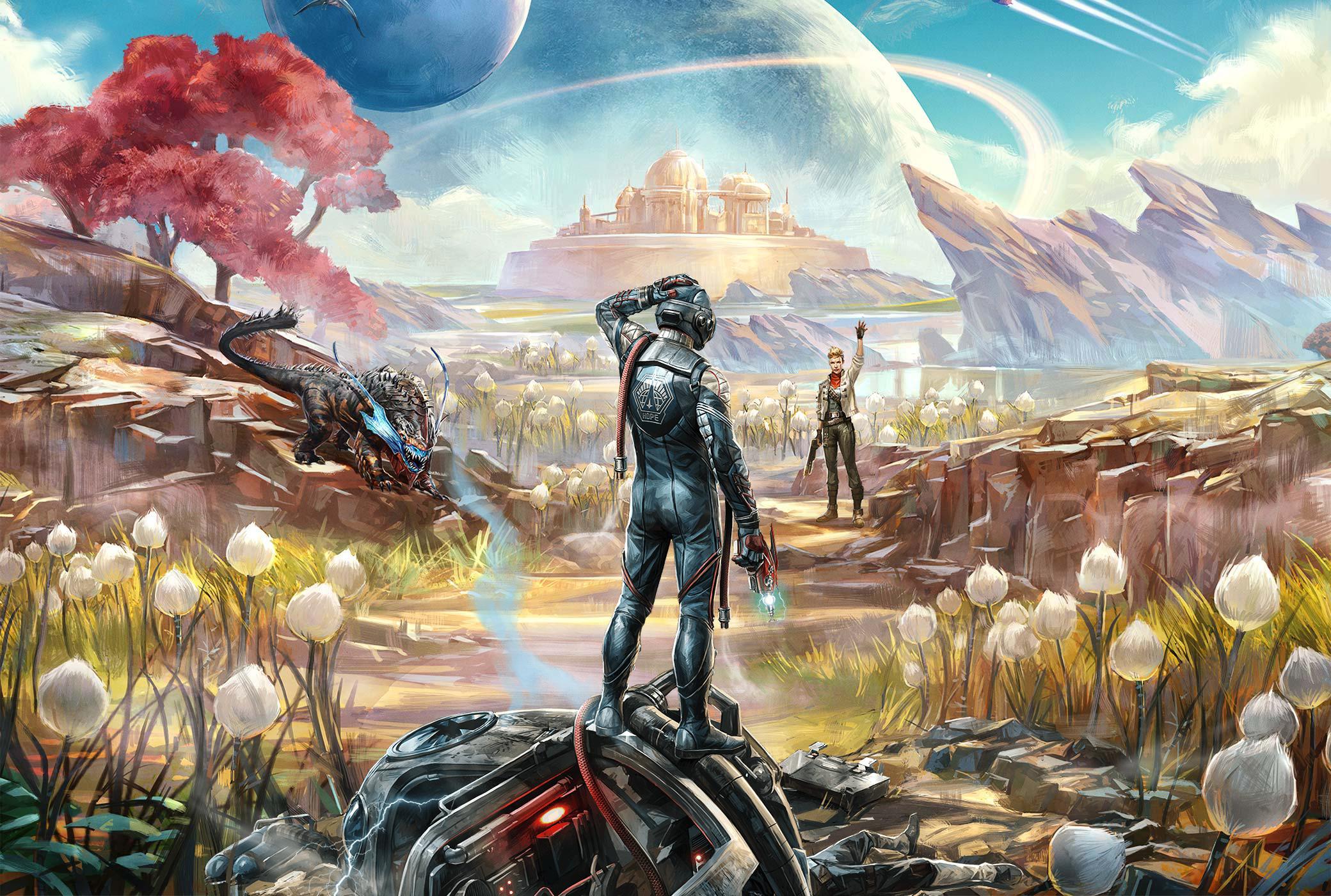
You awaken from cryosleep to find a solar system dominated by hyper-capitalist corporations. The narrative structure allows you to support the corporate board or rebel against their control. Dialogue skills play a huge role in bypassing combat and unlocking special story outcomes. You can kill any NPC in the game and the plot will reconfigure to account for their death.
‘Tyranny’ (2016)
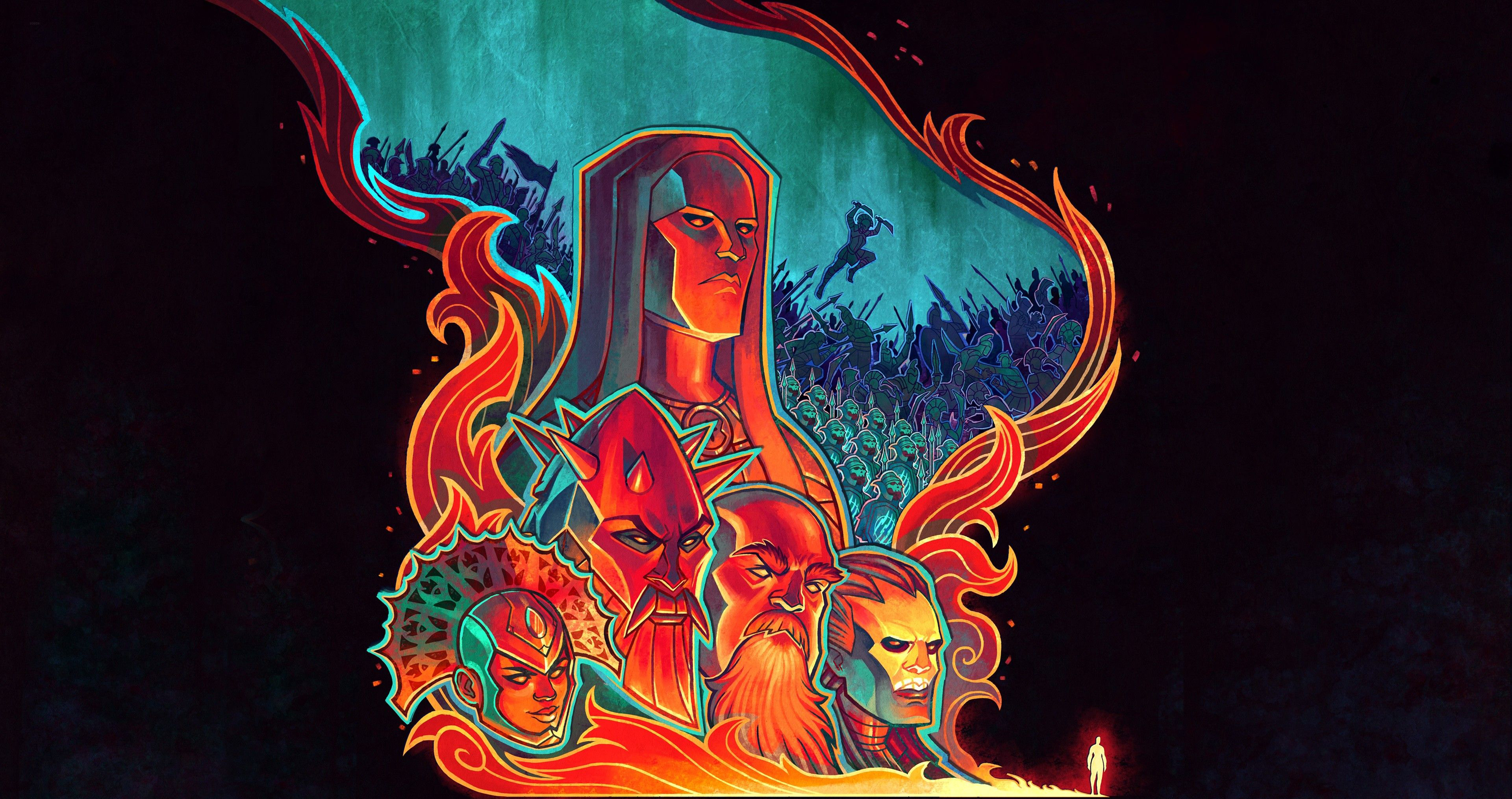
Players assume the role of a Fatebinder in a world where the evil overlord has already won the war. You must adjudicate disputes between rival factions of the evil army and decide how to enforce the law. The magic system allows for spell crafting but the narrative focus is on political maneuvering and betrayal. Your decisions determine which factions rise to power and which are completely annihilated.
‘Pillars of Eternity II: Deadfire’ (2018)
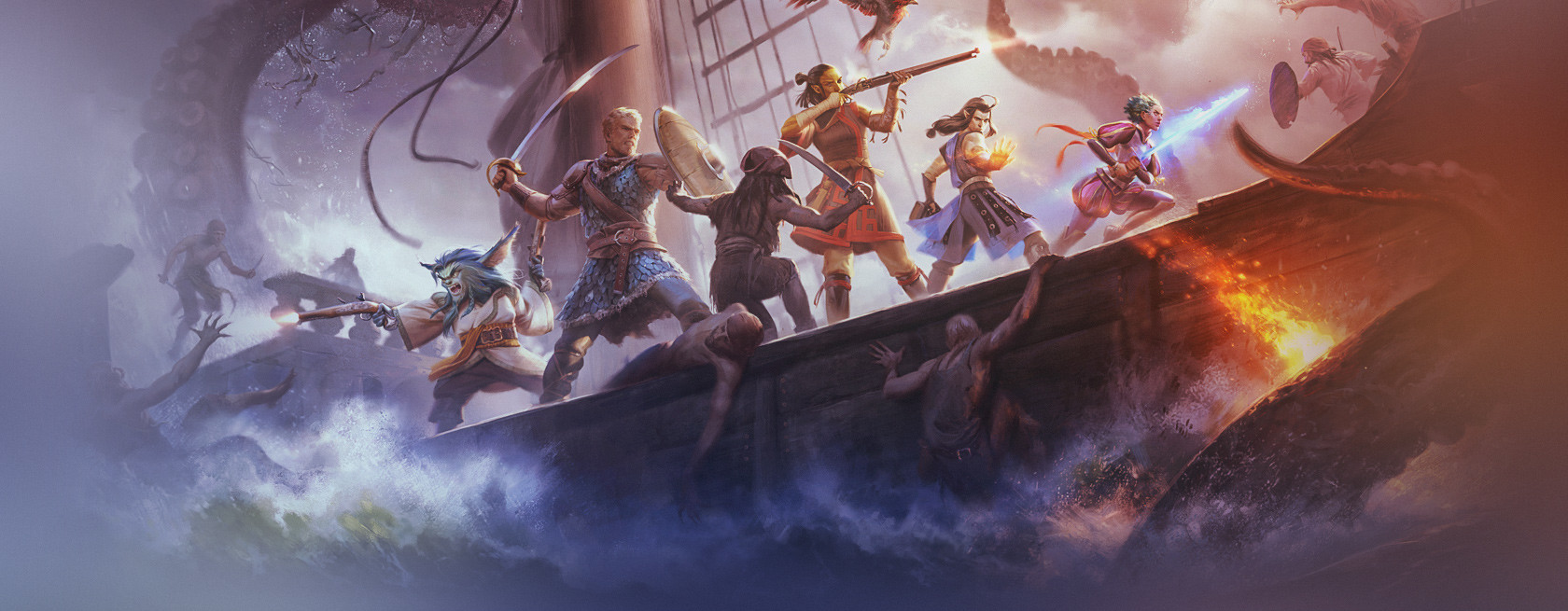
The Watcher pursues a rogue god across a vast archipelago while managing a ship and crew. A complex faction system requires you to balance relations between native tribes and colonial trading companies. Your reputation creates unique interactions with companions who will leave if you cross their moral lines. The ending slides detail the long-term geopolitical consequences of your actions in the region.
‘Wasteland 3’ (2020)
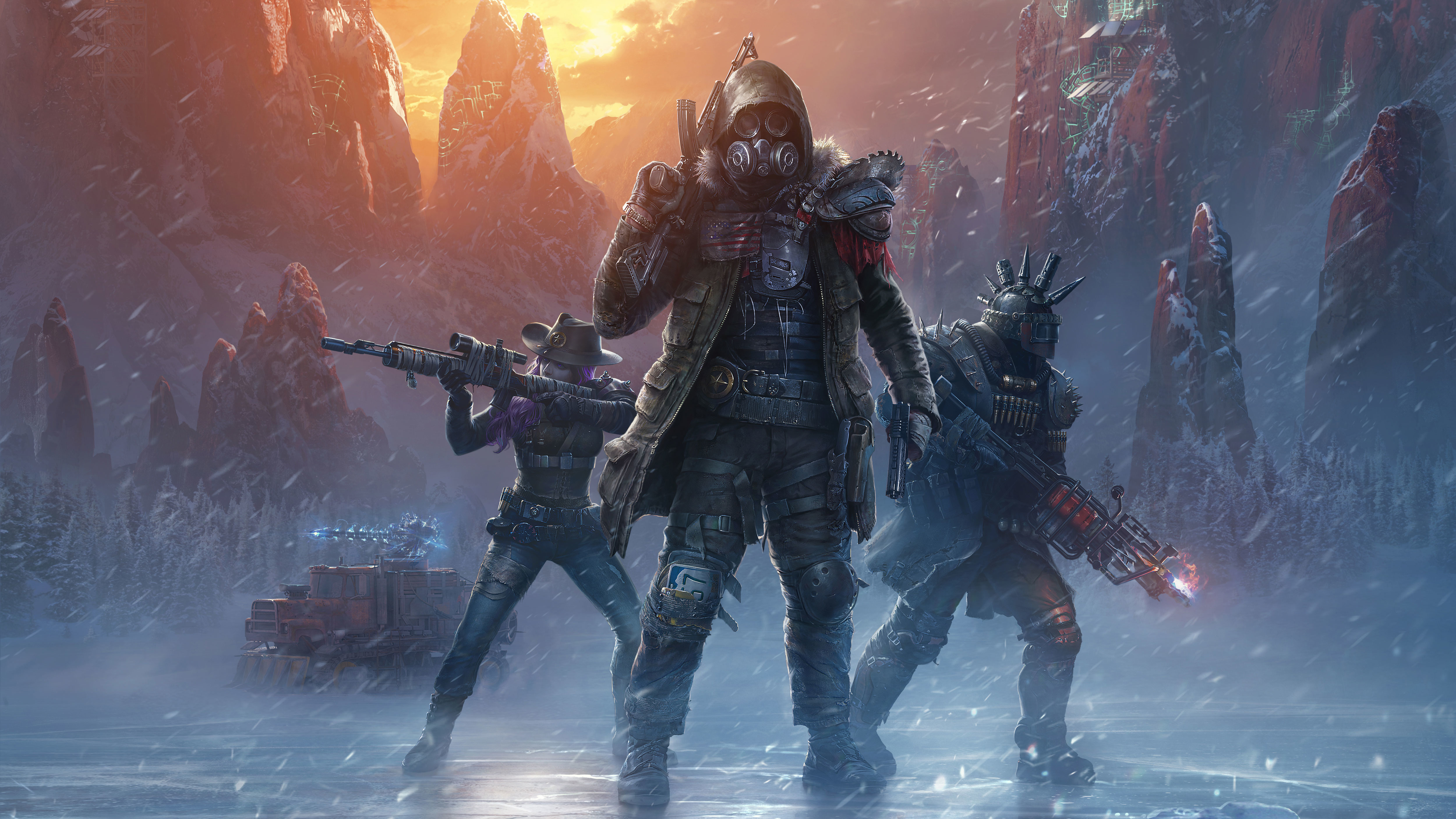
The Desert Rangers travel to snowy Colorado to secure aid from a local warlord known as the Patriarch. You must decide whether to uphold the Patriarch’s brutal rule or help his children usurp him. The game features co-op gameplay where two players can make conflicting decisions that split the party. Narrative reactivity is high with radio broadcasts constantly commenting on your recent exploits.
‘Torment: Tides of Numenera’ (2017)
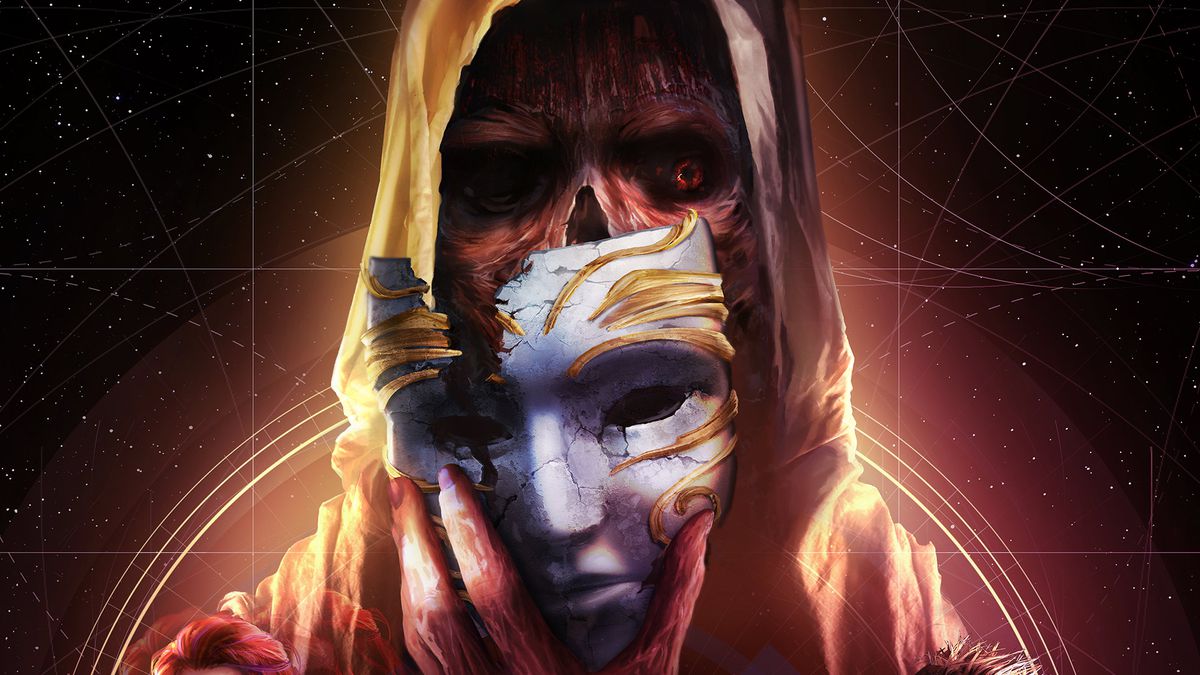
You play as the Last Castoff in a weird science-fantasy setting exploring themes of legacy and consciousness. Combat is entirely optional in many situations as dialogue offers the primary way to resolve conflict. The Tides system tracks your philosophical alignment rather than simple good or evil morality. Your decisions shape the dominant Tide which influences how the world and your companions respond to you.
‘GreedFall’ (2019)
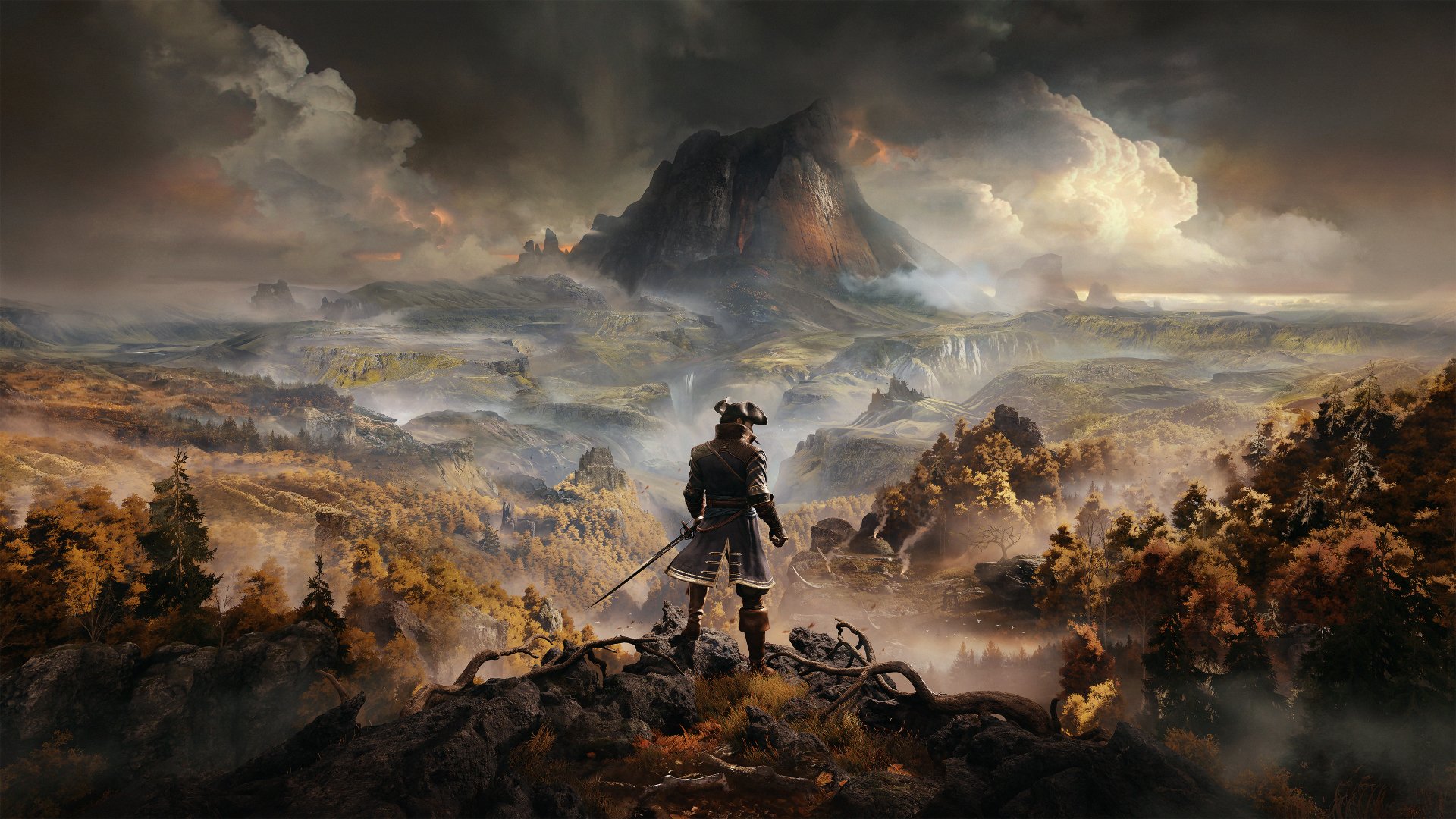
A diplomat travels to a magical island to find a cure for a plague ravaging the continent. You must balance the interests of colonizing nations with the rights of the native population. Companions from different factions provide insight and quests that can shift your loyalties. The ending depends on your ability to forge alliances and your standing with the island’s guardians.
‘Papers, Please’ (2013)
A border inspector for the fictional communist state of Arstotzka decides who enters the country. You must balance your family’s financial needs with moral choices about helping refugees or resistance members. Accepting bribes helps you survive but may lead to penalties or arrest. The game features twenty endings based on your compliance with the regime and your support for revolutionary groups.
‘The Stanley Parable’ (2013)

A narrator guides Stanley through an office building and comments on every deviation from the script. Disobeying the narrator’s instructions leads to surreal and often humorous branching paths. The game explores the nature of choice in video games by mocking the player’s desire for agency. There are numerous endings that range from escaping the facility to breaking the game’s code.
‘Road 96’ (2021)

Teenagers attempt to cross the border of the authoritarian nation of Petria during a chaotic summer. The game is procedurally generated so each run features different encounters and character interactions. Your choices influence the political climate and the outcome of the upcoming election. Whether you choose violent protest or peaceful voting changes the fate of the nation.
‘Oxenfree’ (2016)
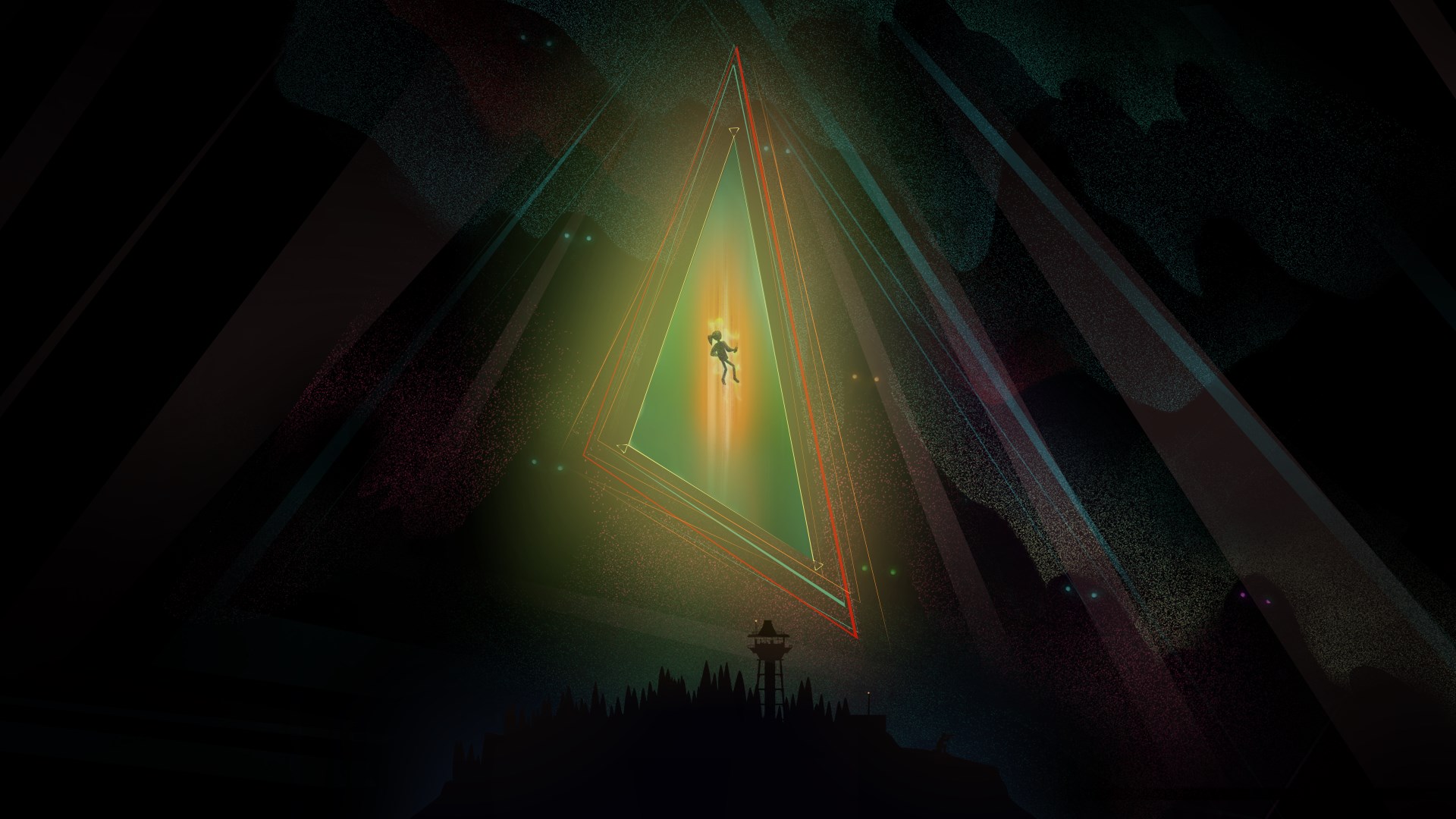
A group of friends opens a ghostly rift on a decommissioned military island. The conversation system allows you to interrupt characters or remain silent which changes relationships dynamically. Your dialogue choices determine which friends survive the night and how they view you afterward. Time loops and supernatural events complicate the narrative flow and lead to multiple variations of the ending.
‘The Quarry’ (2022)
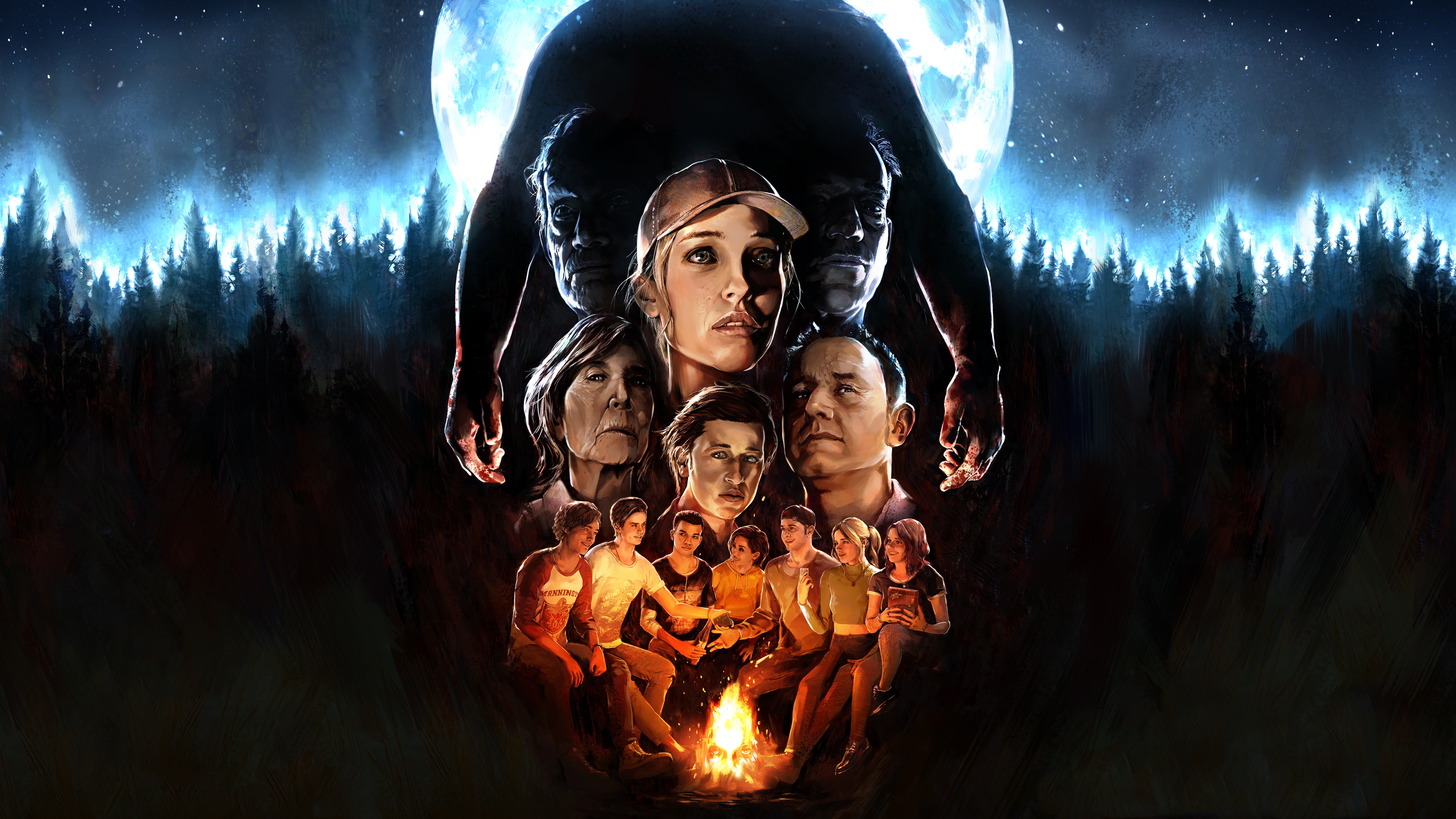
Camp counselors attempt to survive their final night at Hackett’s Quarry while being hunted by locals and creatures. The game features a massive script with nearly two hundred unique endings depending on who survives. Players can make decisions that result in the infection or death of any character. A “Death Rewind” feature allows limited chances to undo fatal mistakes in later playthroughs.
‘Beyond: Two Souls’ (2013)

Jodie Holmes is tethered to an invisible entity named Aiden who grants her supernatural powers. Players control both Jodie and Aiden to navigate stealth sections and combat encounters. The narrative jumps back and forth through Jodie’s life and changes based on her successes and failures. The finale offers a choice between life and the beyond that determines Jodie’s ultimate fate.
‘Infamous 2’ (2011)
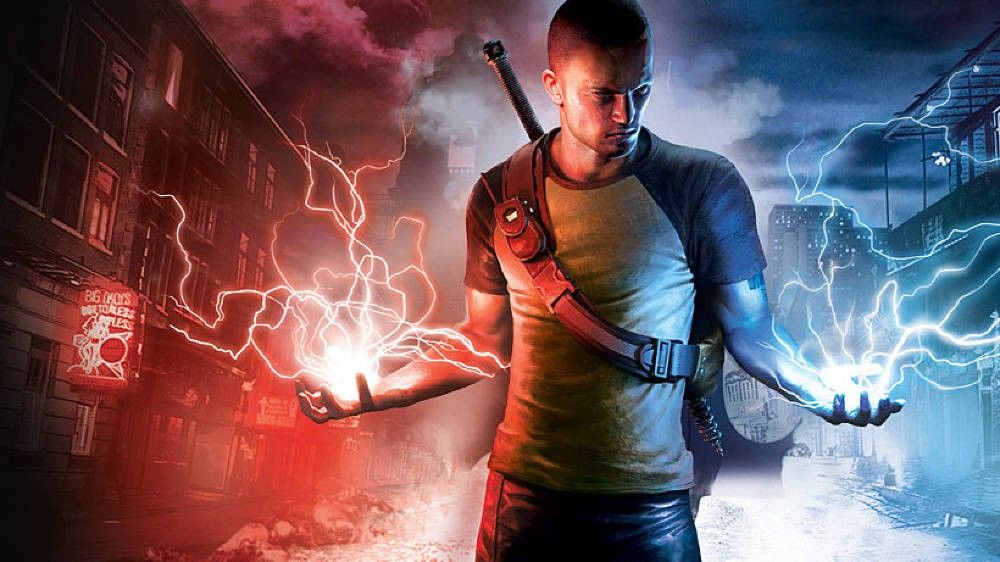
Cole MacGrath prepares for a battle against a powerful entity known as the Beast while navigating New Marais. The Karma system splits the game into two distinct campaigns with unique powers and missions. Blue options lead to heroic status and ice powers while red options lead to infamy and fire powers. The final decision completely changes the ending and the fate of all conduits in the world.
‘Spec Ops: The Line’ (2012)
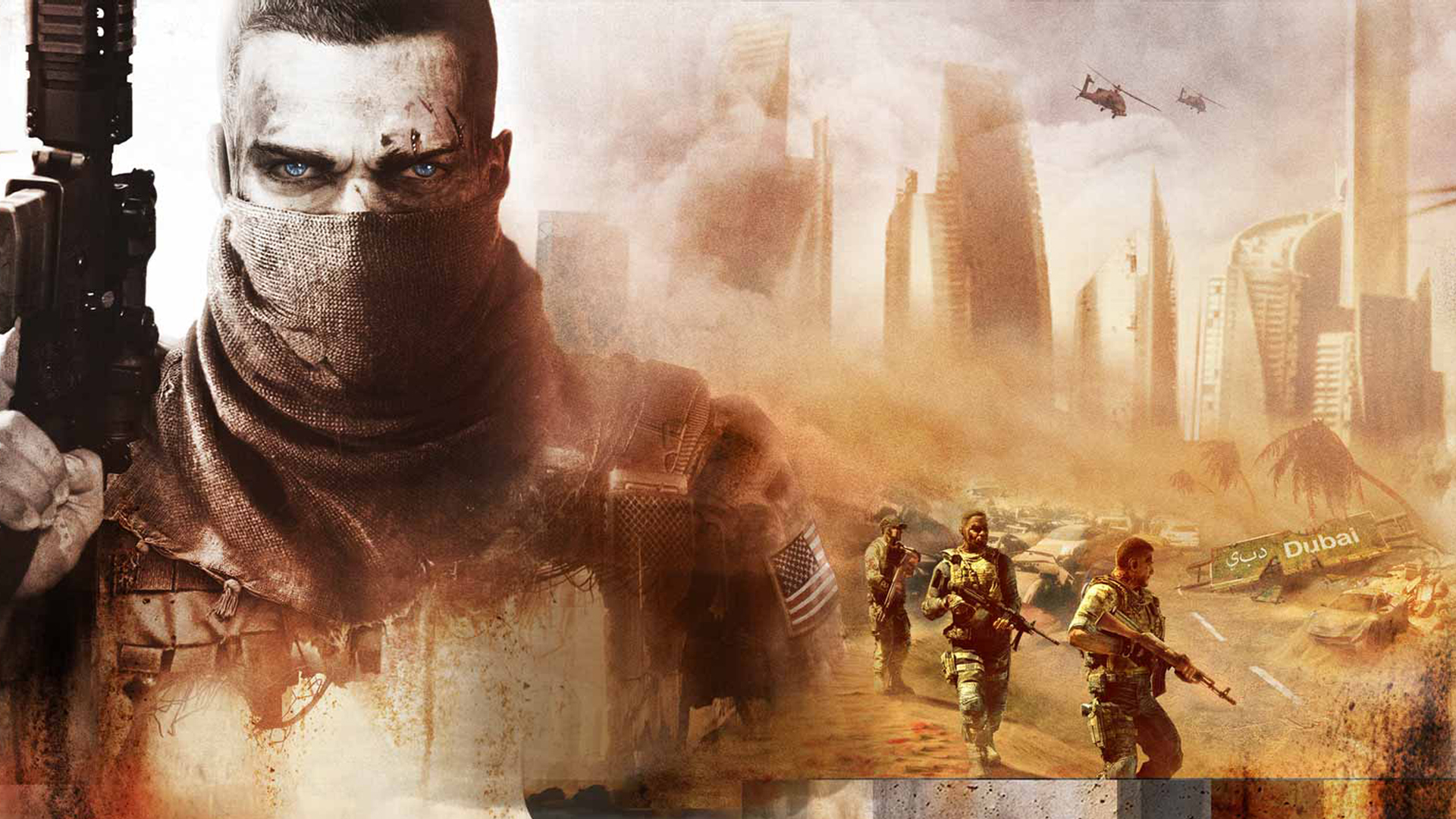
Captain Walker leads a team into a sandstorm-ravaged Dubai on a reconnaissance mission. The game deconstructs military shooter tropes by forcing players to commit questionable acts to progress. Hallucinations and deteriorating mental states affect the narrative presentation as the story darkens. The endings range from total self-destruction to a quiet surrender.
‘Prey’ (2017)
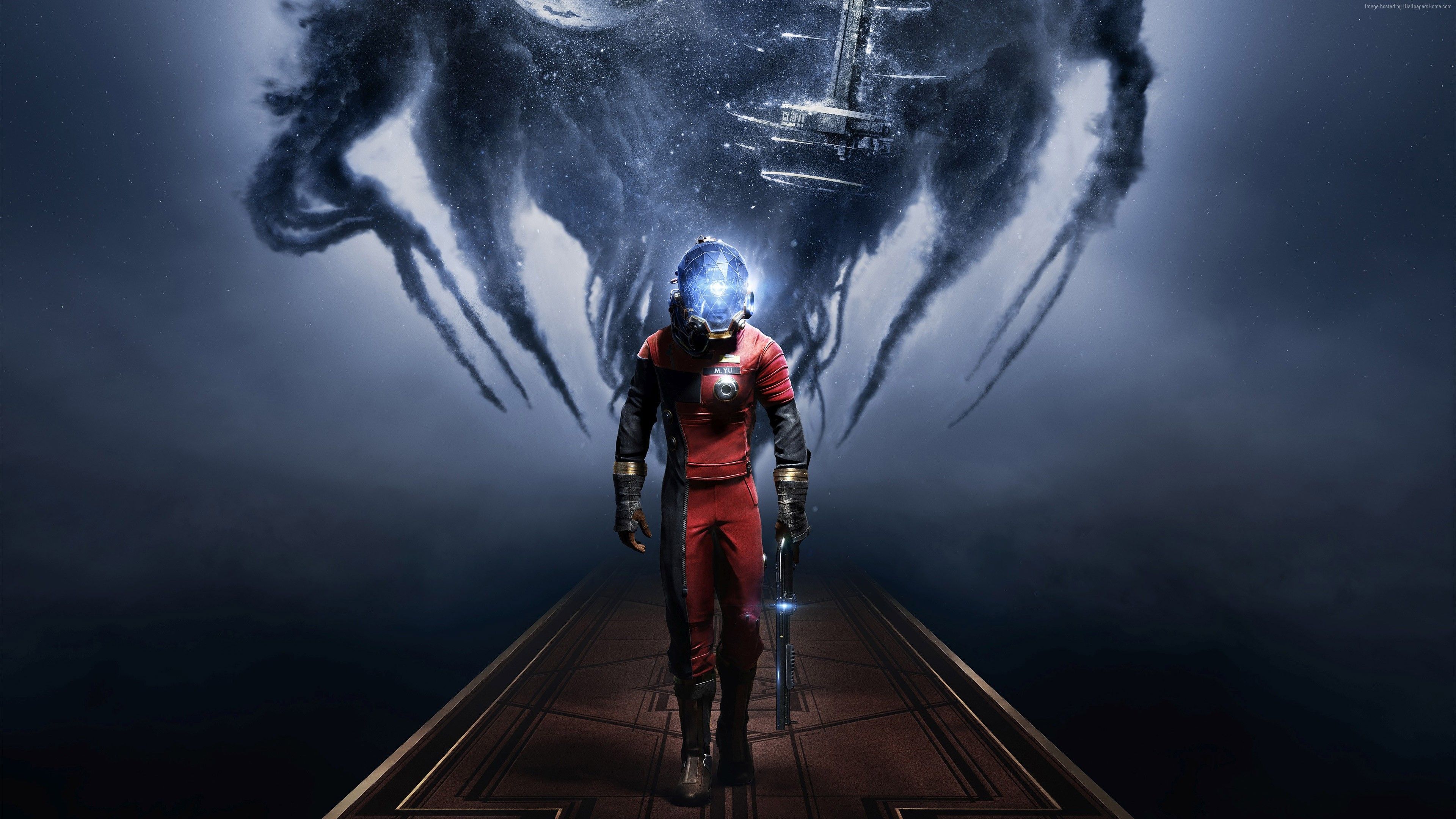
Morgan Yu explores the Talos I space station while fighting shapeshifting aliens called Typhon. You can choose to use alien neuromods to gain powers which causes station defenses to identify you as a threat. The fate of the station personnel depends on your willingness to complete side objectives and save survivors. The ending evaluates your empathy and choices through a unique narrative framing device.
‘Metro Exodus’ (2019)
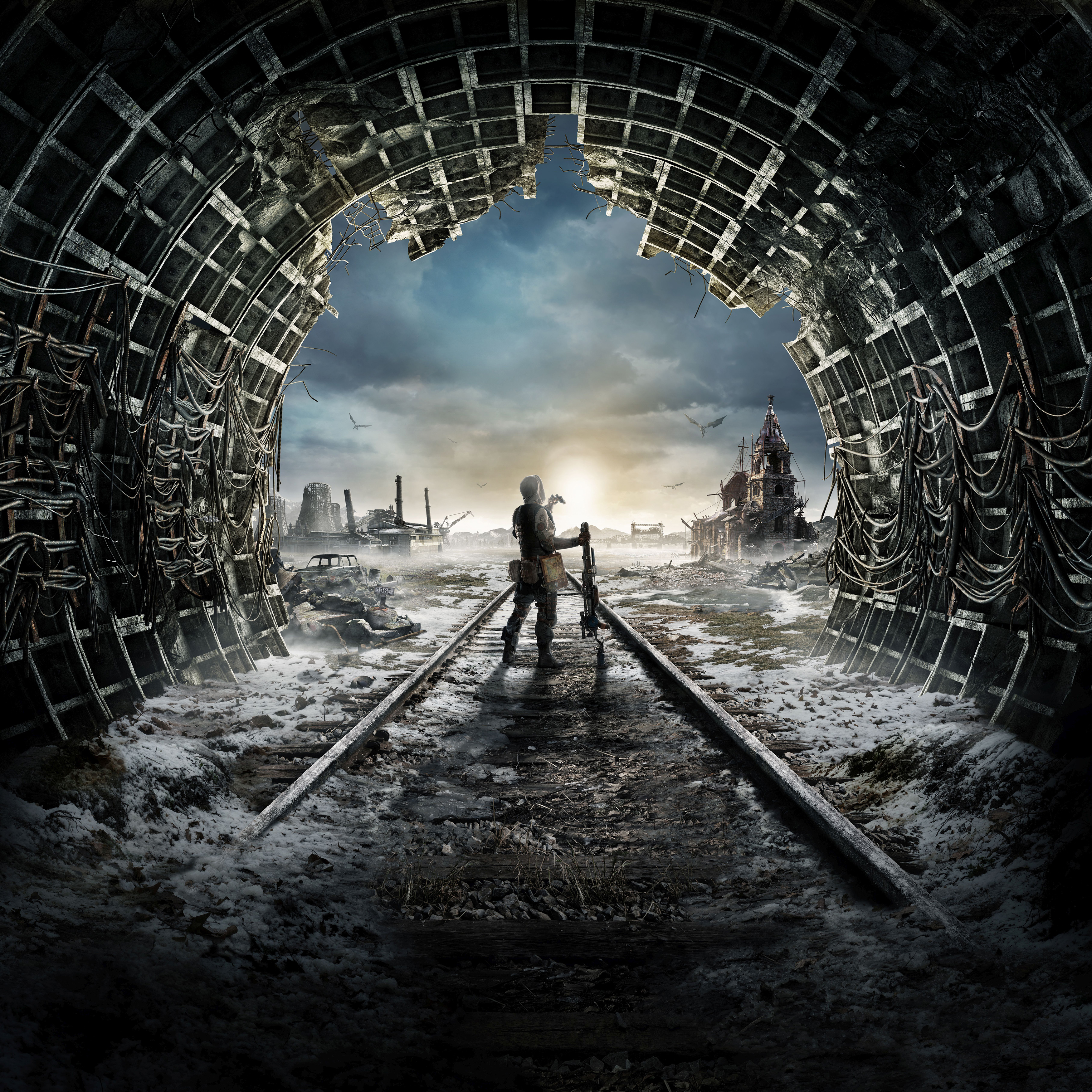
Artyom leaves the Moscow Metro to travel across post-apocalyptic Russia on a steam train. A hidden morality system judges your behavior toward surrendering enemies and local populations. Killing innocent people or cultists leads to the death of your crew members at the end of story chapters. Artyom’s survival at the end of the game depends entirely on how many of his friends survived the journey.
‘Triangle Strategy’ (2022)
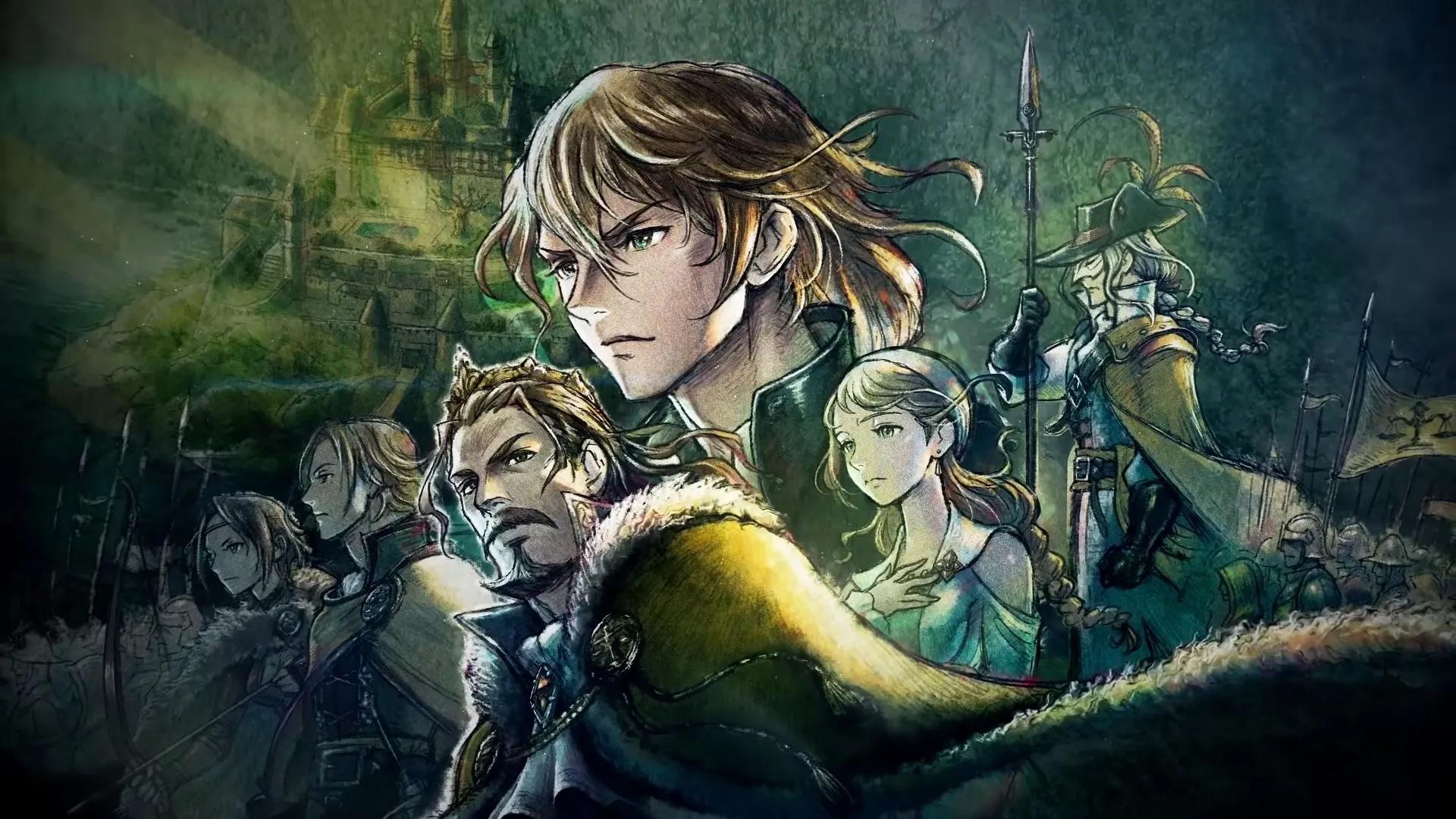
House Wolffort navigates a three-way war over resources in a high-fantasy setting. The Scales of Conviction system tracks your choices across three philosophies named Utility and Morality and Liberty. Party members vote on major decisions and you must persuade them to follow your desired path. The story branches significantly and leads to four distinct endings that reshape the continent.
‘Tactics Ogre: Reborn’ (2022)
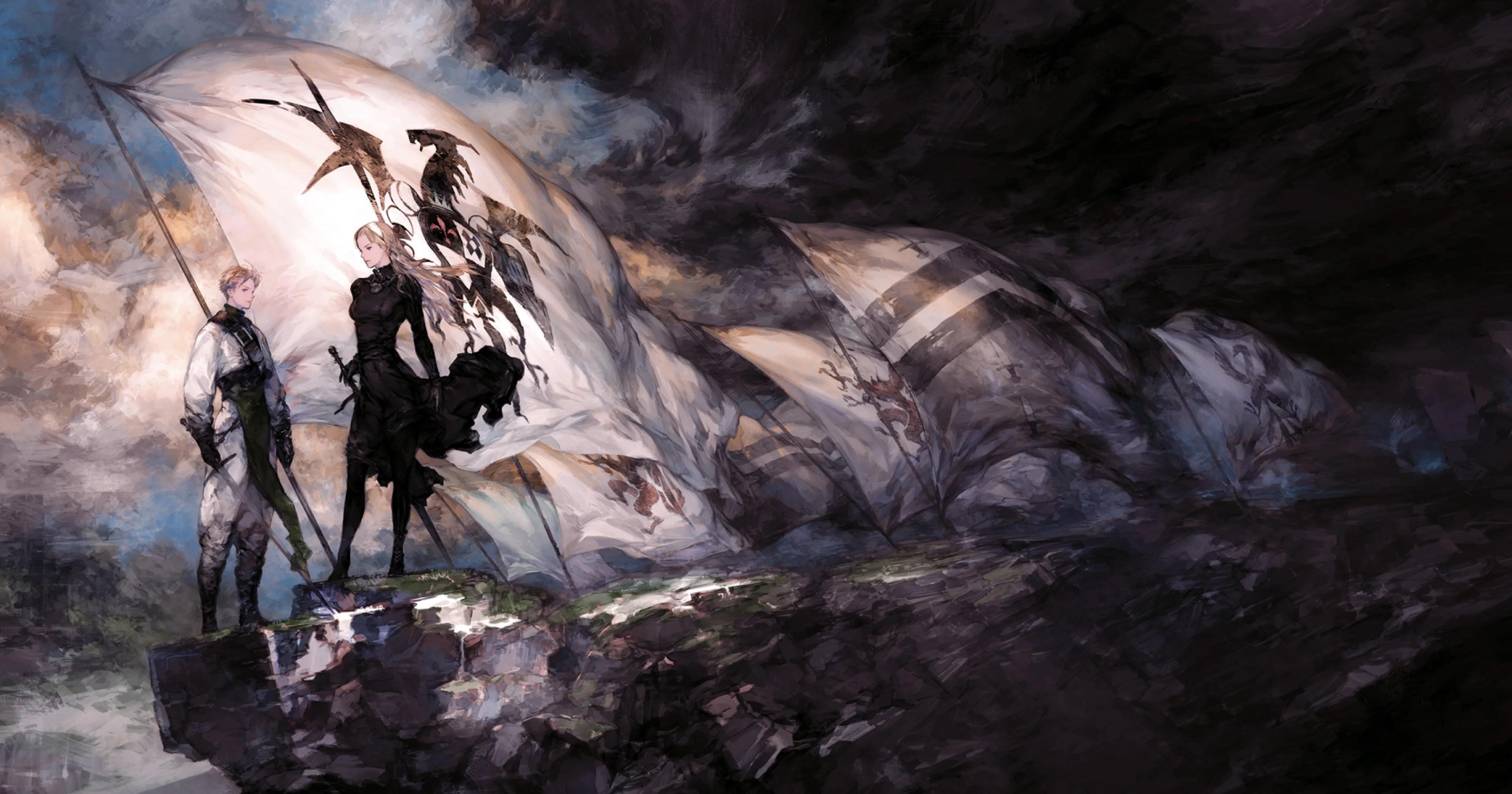
Denam Pavel struggles against ethnic cleansing and political strife in the Valerian Isles. The game is famous for its Law and Chaos and Neutral routes which drastically change the story and available characters. Early decisions force you to participate in or refuse a massacre which sets your moral trajectory. The “World Tarot” system allows you to travel back to key decision points after beating the game.
‘Chrono Trigger’ (1995)
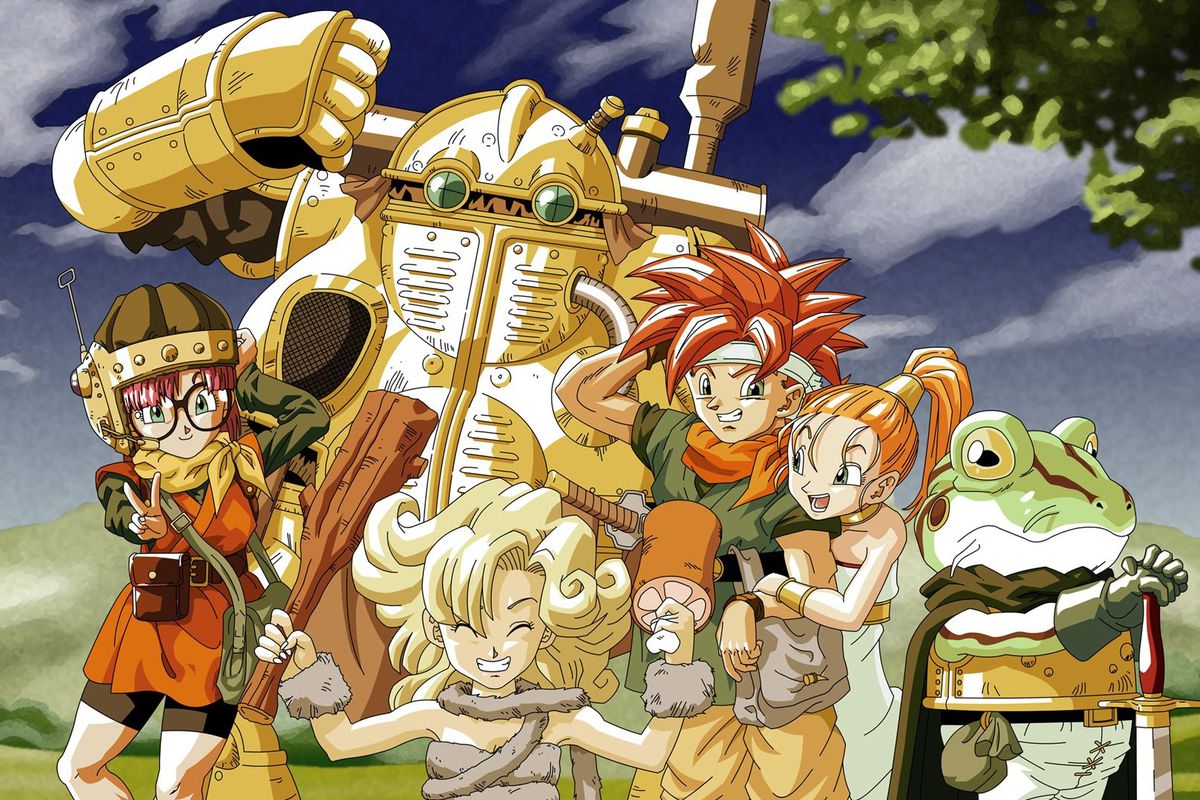
Time travelers jump between eras to prevent a parasitic alien from destroying the world. The game famously introduced the concept of New Game Plus and features over a dozen unique endings. The conclusion you receive depends on when you choose to fight the final boss and what side quests you complete. Actions in the past permanently alter the landscape and events of the future.
‘Catherine’ (2011)

Vincent Brooks is torn between his long-time girlfriend Katherine and a seductive new woman named Catherine. Puzzle gameplay is interspersed with social interactions where you answer text messages and questions about relationships. A morality meter swings between Freedom and Order based on your responses. The game features multiple endings that see Vincent marrying one of the women or choosing a life of solitude.
‘The Forgotten City’ (2021)
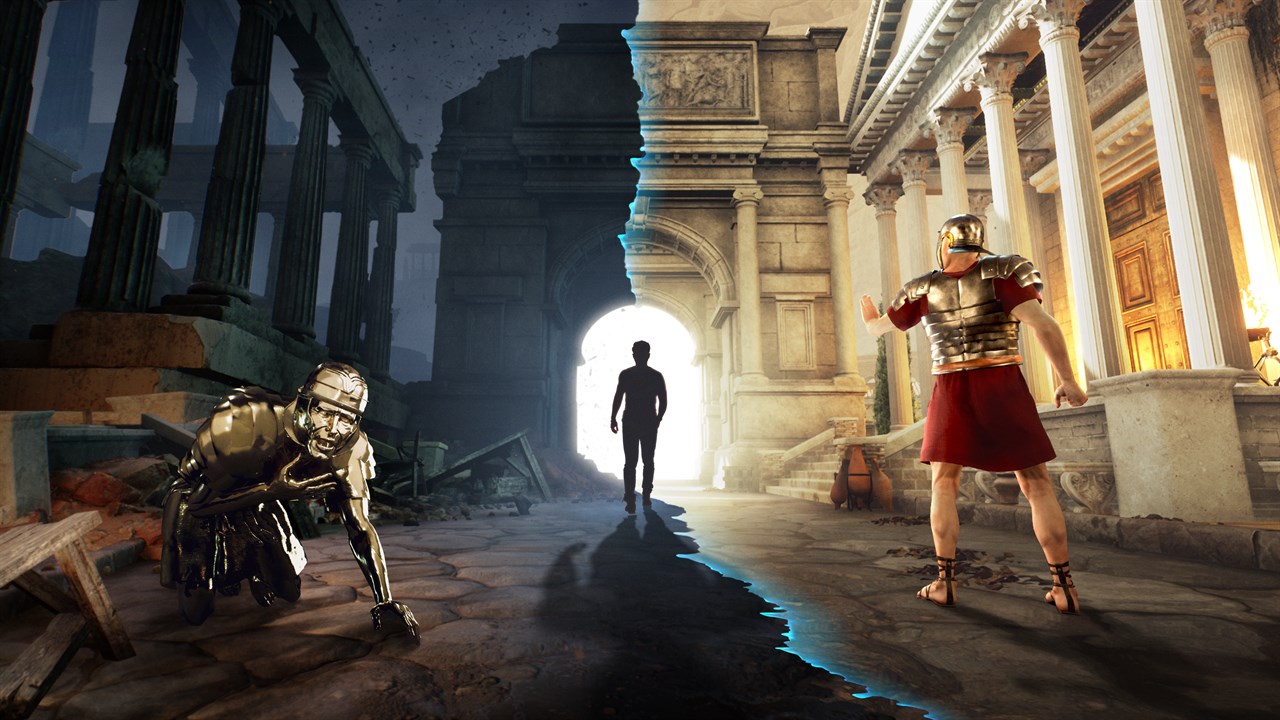
Players explore an ancient Roman city caught in a time loop where one sin kills everyone. You must manipulate the timeline and gather information to find a way to break the curse. Dialogue choices allow you to solve problems through philosophy and reason rather than violence. There are four distinct endings based on how much of the mystery you unravel.
‘Pentiment’ (2022)
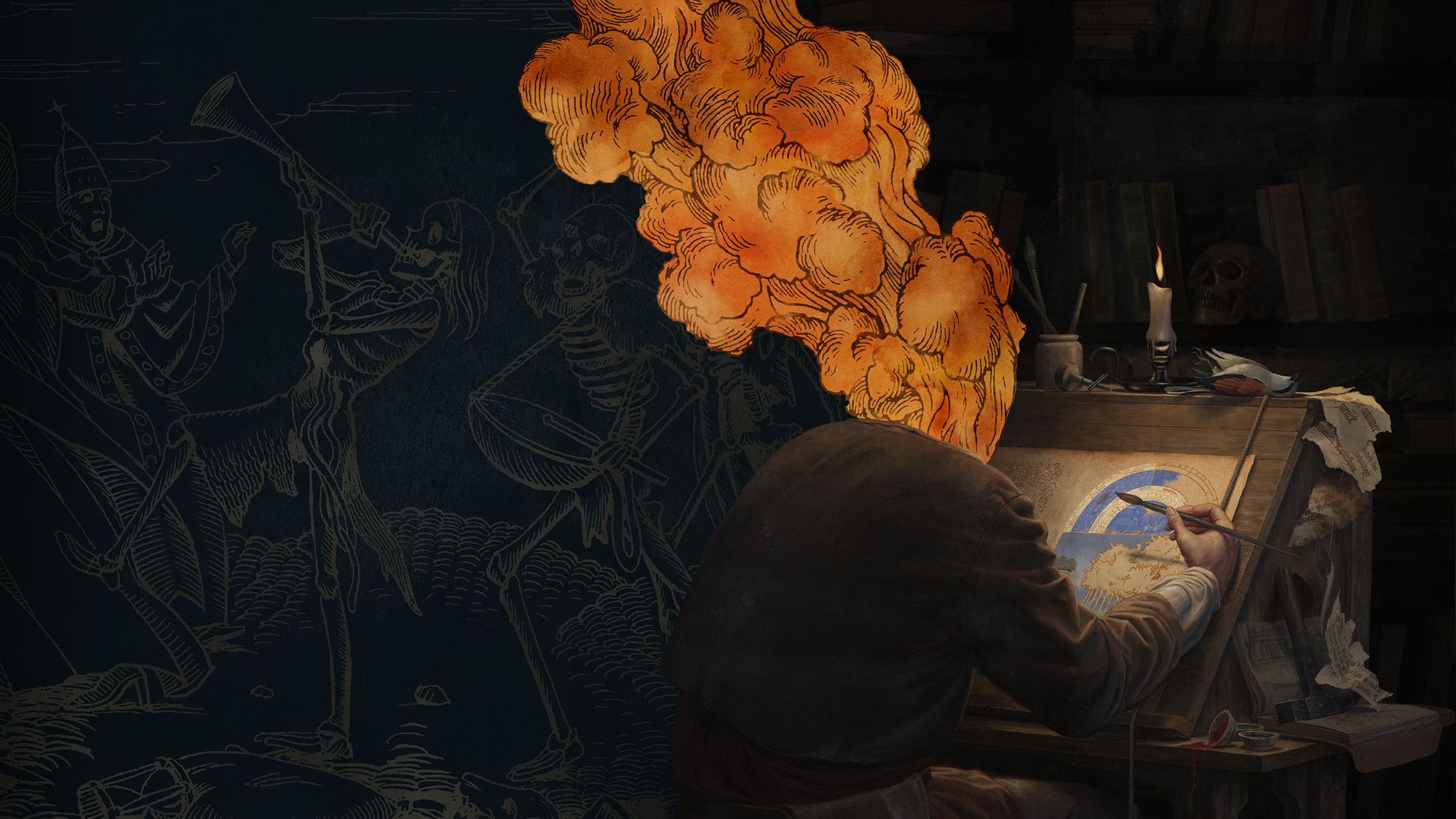
Andreas Maler investigates a series of murders in a Bavarian town over the span of twenty-five years. You choose Andreas’s educational background which unlocks different dialogue options and languages. The game does not tell you if you accused the right person and the town adapts to your accusations. Your choices shape the town’s history and how the events are recorded in art.
‘Tales from the Borderlands’ (2014)
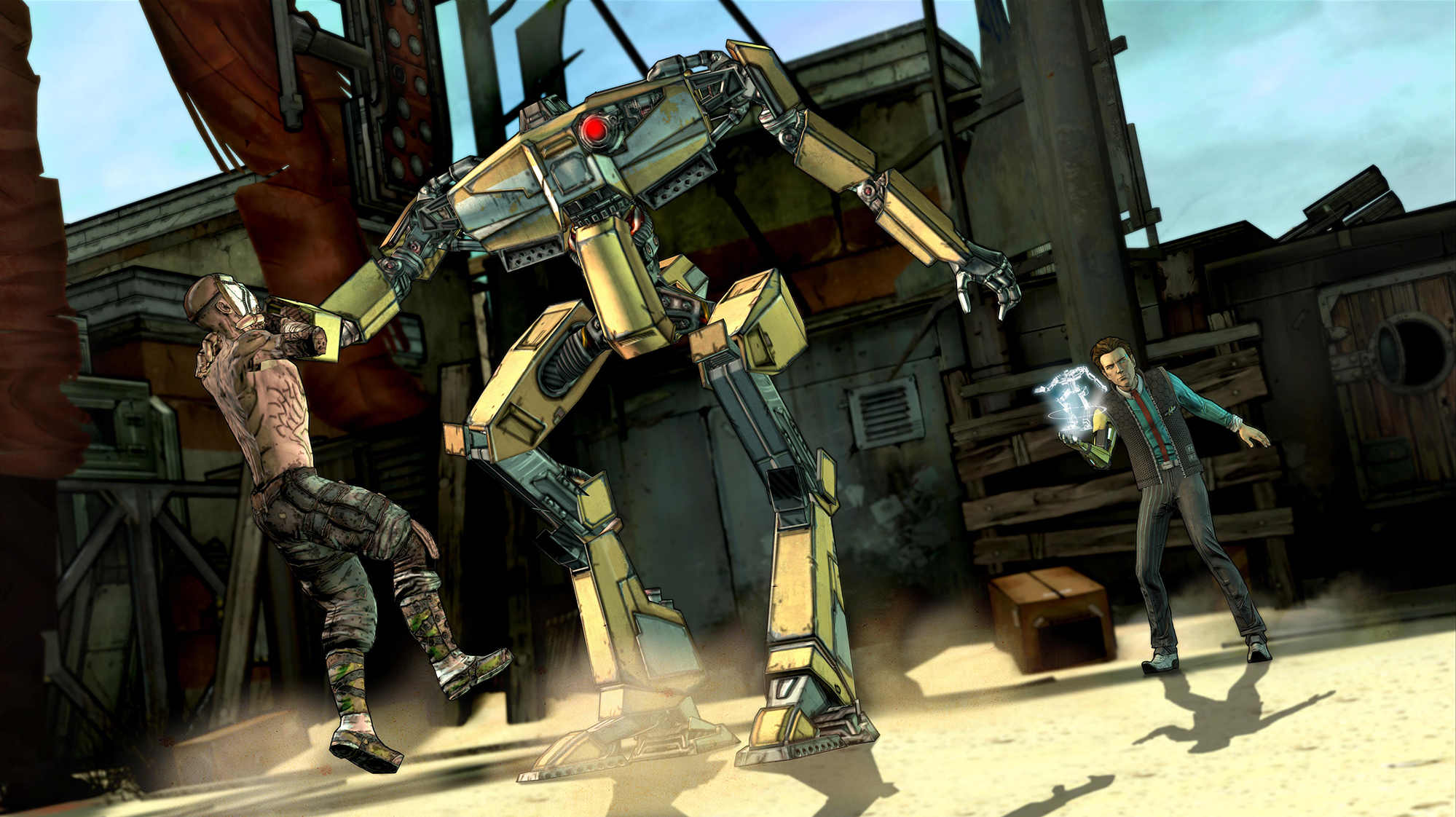
Rhys and Fiona narrate their chaotic adventure on Pandora through a series of flashbacks. The reliability of the narrator is a key mechanic as the two protagonists often remember events differently. Dialogue choices influence the comedic tone and the trust between the two main characters. The final squad you assemble depends on the money you saved and the relationships you cultivated.
’80 Days’ (2014)
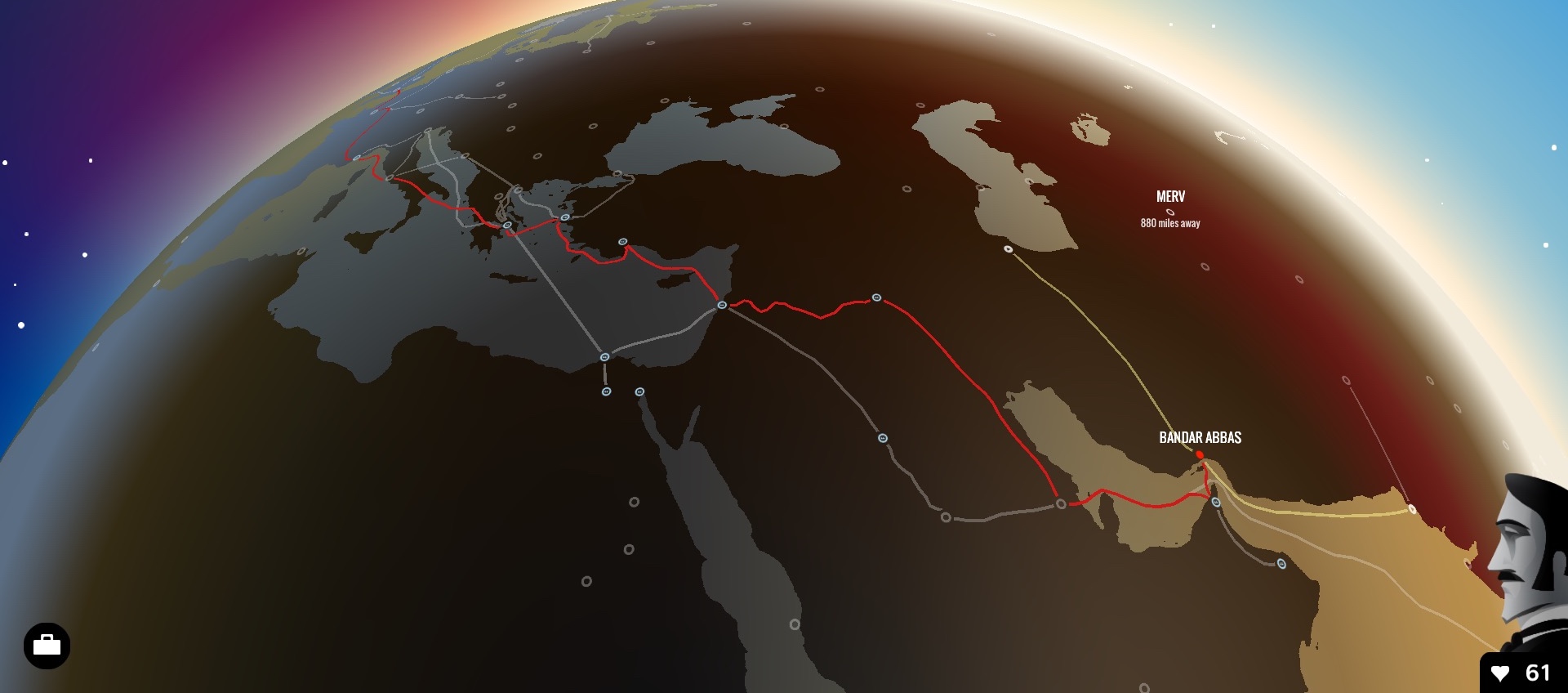
Passepartout assists Phileas Fogg in his attempt to circumnavigate the globe within eighty days. You choose the route on a 3D globe and manage funds and health and inventory. Every city offers unique narrative encounters that can speed up or delay your journey. The branching text ensures that you will only see a fraction of the world’s content on a single trip.
‘Wildermyth’ (2021)
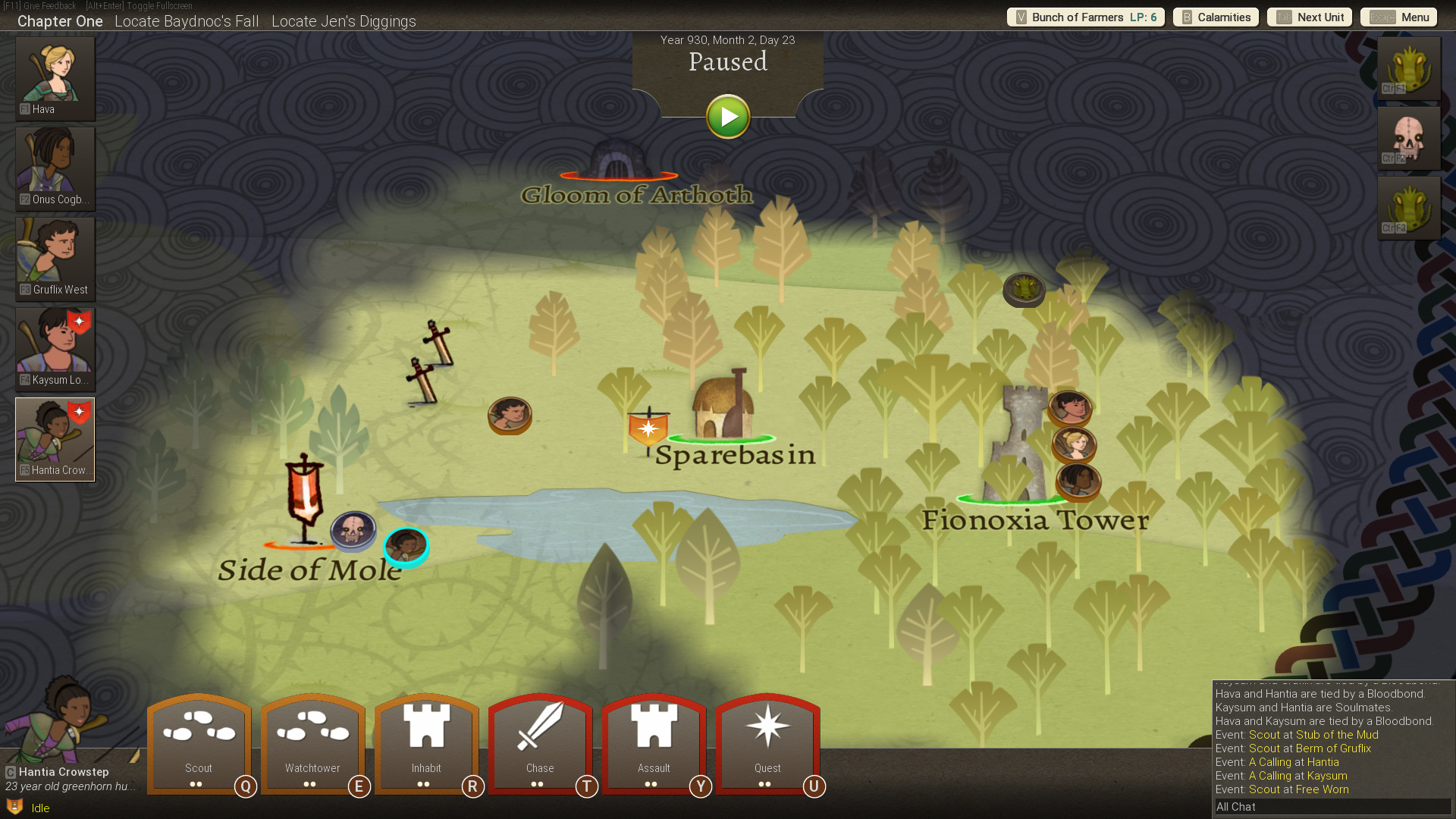
Procedurally generated heroes grow from novices to legends across multiple campaigns. Characters form relationships and rivalries and have children who can join the party in later chapters. Events permanently transform characters by giving them magical limbs or cursed items. The story emerges organically from the gameplay decisions and the unique history of your specific heroes.
‘The Banner Saga’ (2014)
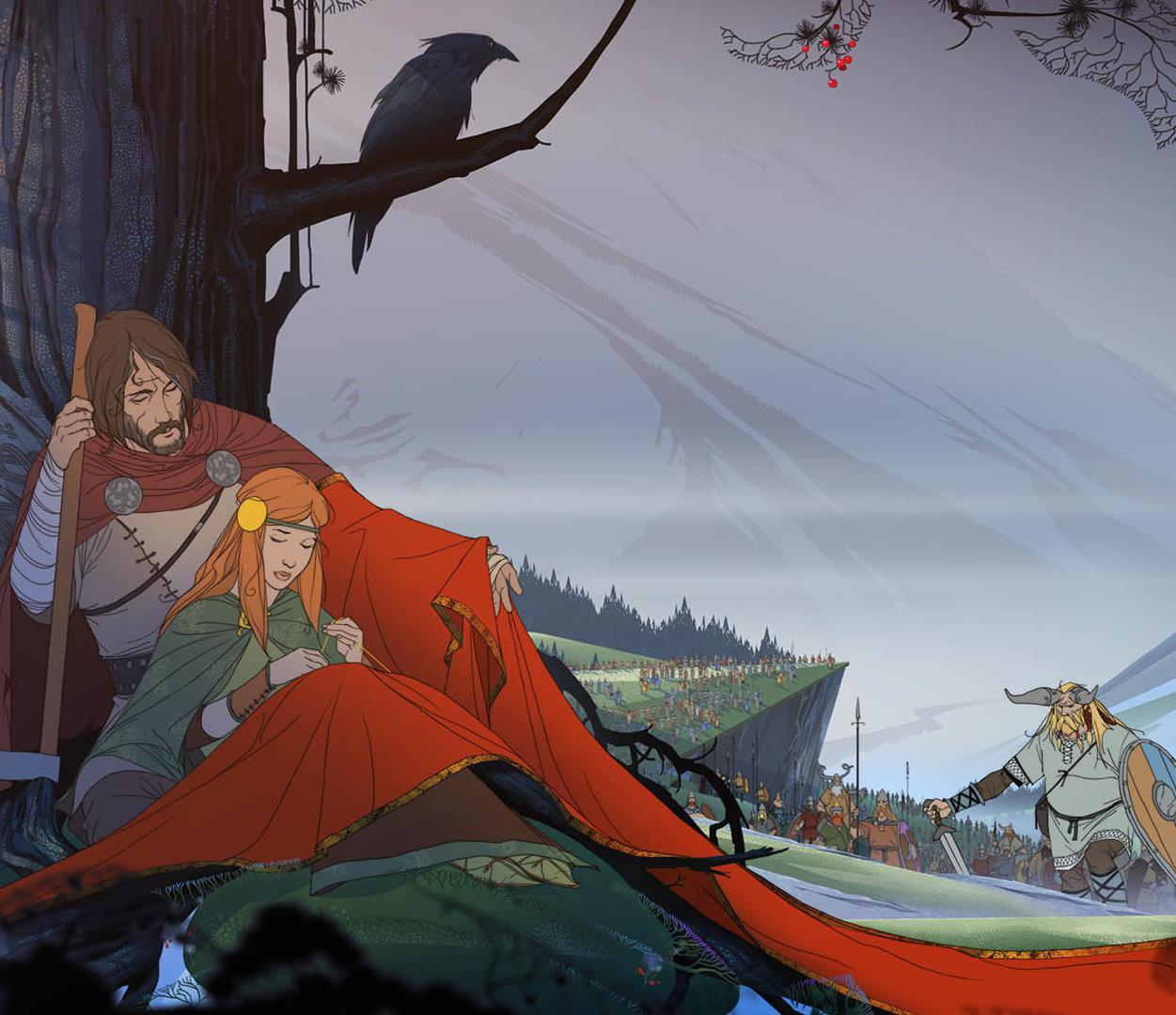
A caravan of humans and giants flees an encroaching darkness and a mechanical army. As the leader you must manage supplies and morale while making difficult tactical decisions in battle. Characters can die permanently due to poor resource management or bad story choices. The narrative carries over across the trilogy and respects decisions made in the first game.
‘As Dusk Falls’ (2022)
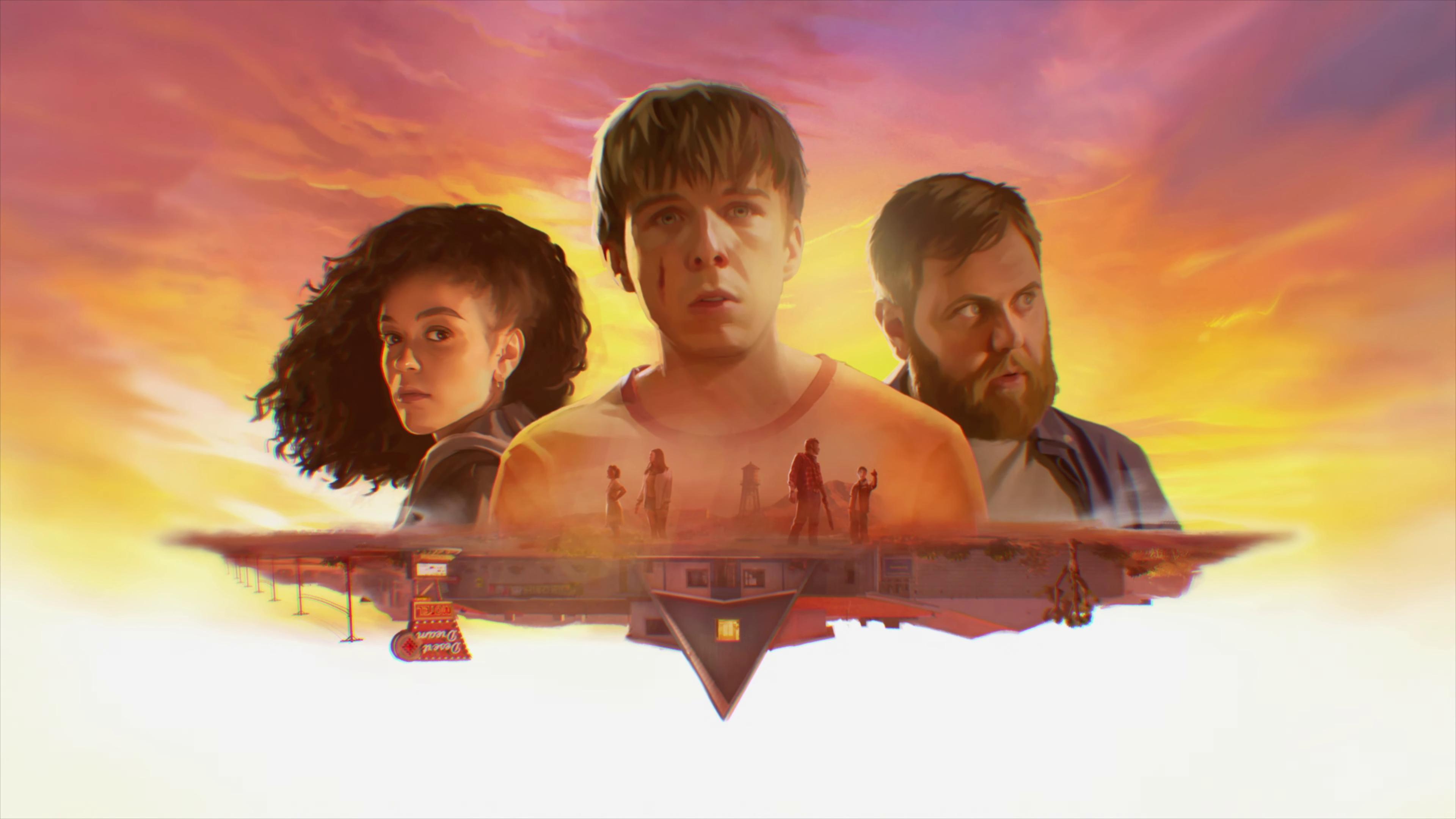
Two families are entangled in a hostage situation at a roadside motel in Arizona. The story plays out as an interactive drama where every character has a branching destiny. At the end of each chapter the game reveals the decision tree and shows the percentage of players who made similar choices. It explores themes of generational trauma and allows for redemption or tragedy for all involved.
Share your favorite branching narrative moments and which outcomes you unlocked in the comments.