Anime Series Hiding Composer Cameos in the Crowd Scenes

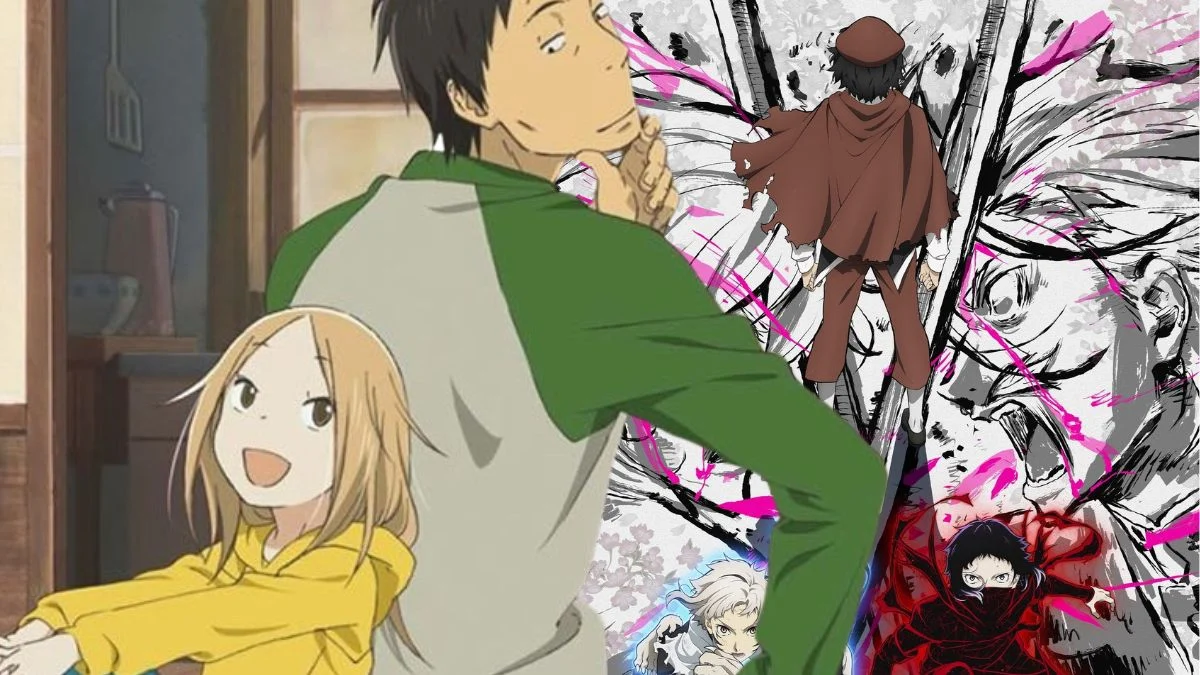

The symbiotic relationship between anime animation and its musical score often defines the long-term success of a series. Production studios frequently honor this partnership by sneaking the composers, singers, and bands directly into the background art or casting them in minor roles. These cameos range from subtle appearances in crowd shots to fully voiced characters that intentionally parody the artist’s real-life persona. Spotting these musical Easter eggs rewards observant fans who appreciate the artists responsible for the show’s sonic identity. This collection explores instances where the creators of the soundtrack crossed the barrier into the animation itself.
‘Interstella 5555: The 5tory of the 5ecret 5tar 5ystem’ (2003)
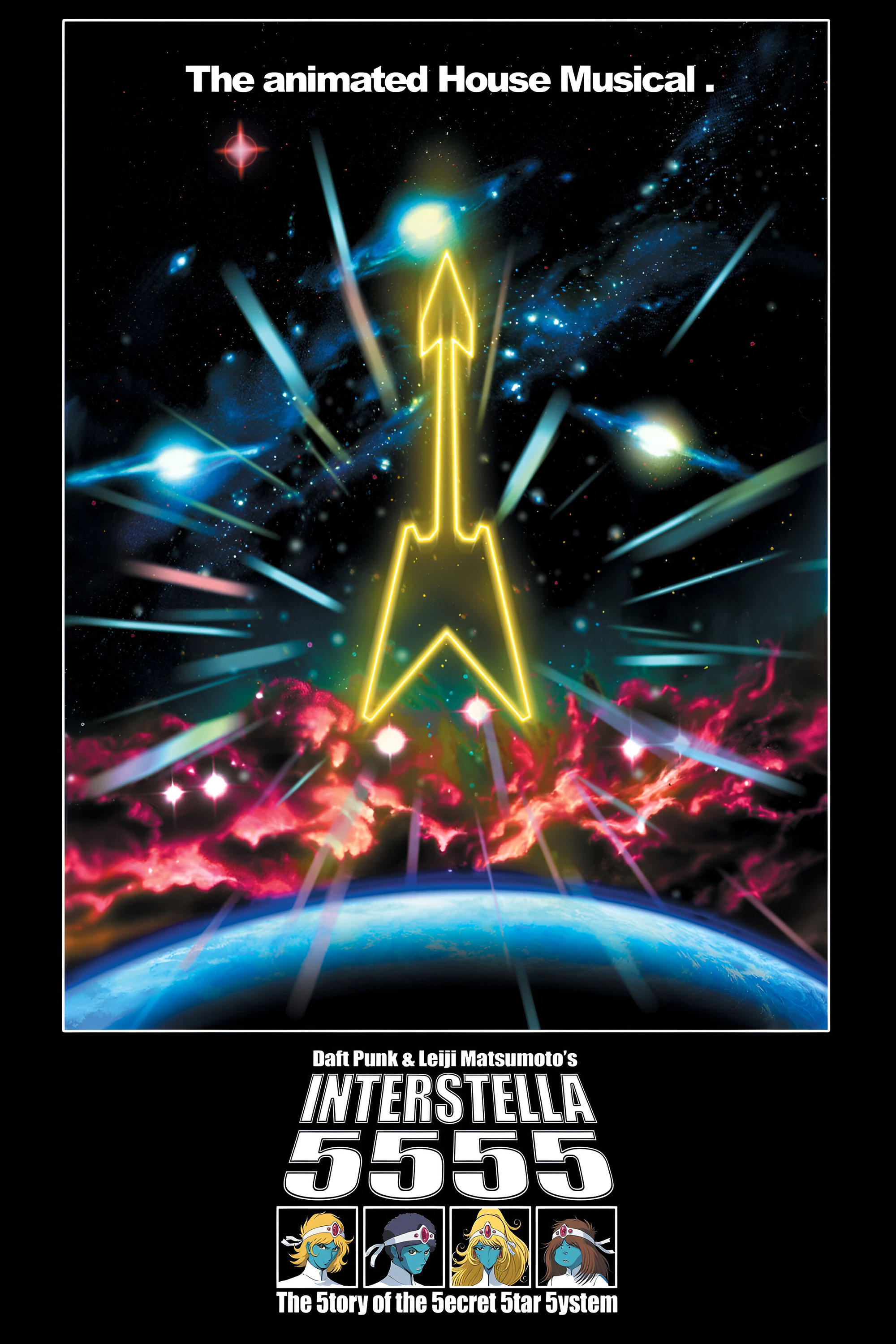
This visual companion to Daft Punk’s album Discovery features the legendary electronic duo in a brief but memorable scene. During the music award ceremony sequence, Thomas Bangalter and Guy-Manuel de Homem-Christo appear as nominees in their signature robot helmets. They sit in the auditorium among other alien musicians while the Crescendolls receive their prize. The film credits the duo with the concept and music, making their animated appearance a direct nod to their creative control over the project.
‘Attack on Titan: Junior High’ (2015)
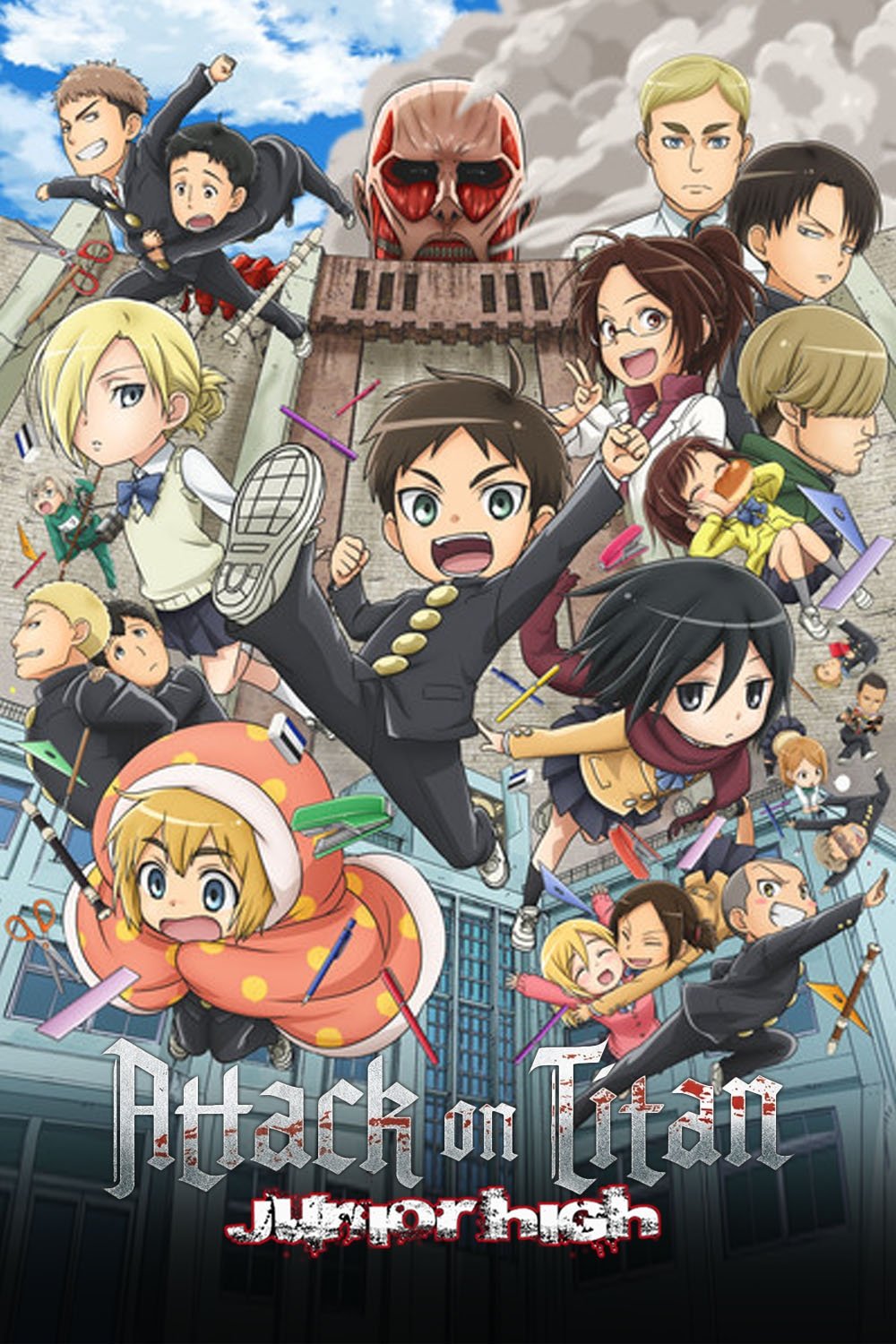
Revo, the frontman of the band Linked Horizon, makes a distinct cameo in this parody spin-off series. Known for composing the iconic opening anthems of the main franchise, Revo appears in the background of a scene involving the school band. His character design mimics his real-life stage persona, complete with sunglasses and his signature hairstyle. The character is shown admiring the musical talents of the main cast, bridging the gap between the show’s soundtrack and its animated world.
‘Detective Conan’ (1996–Present)
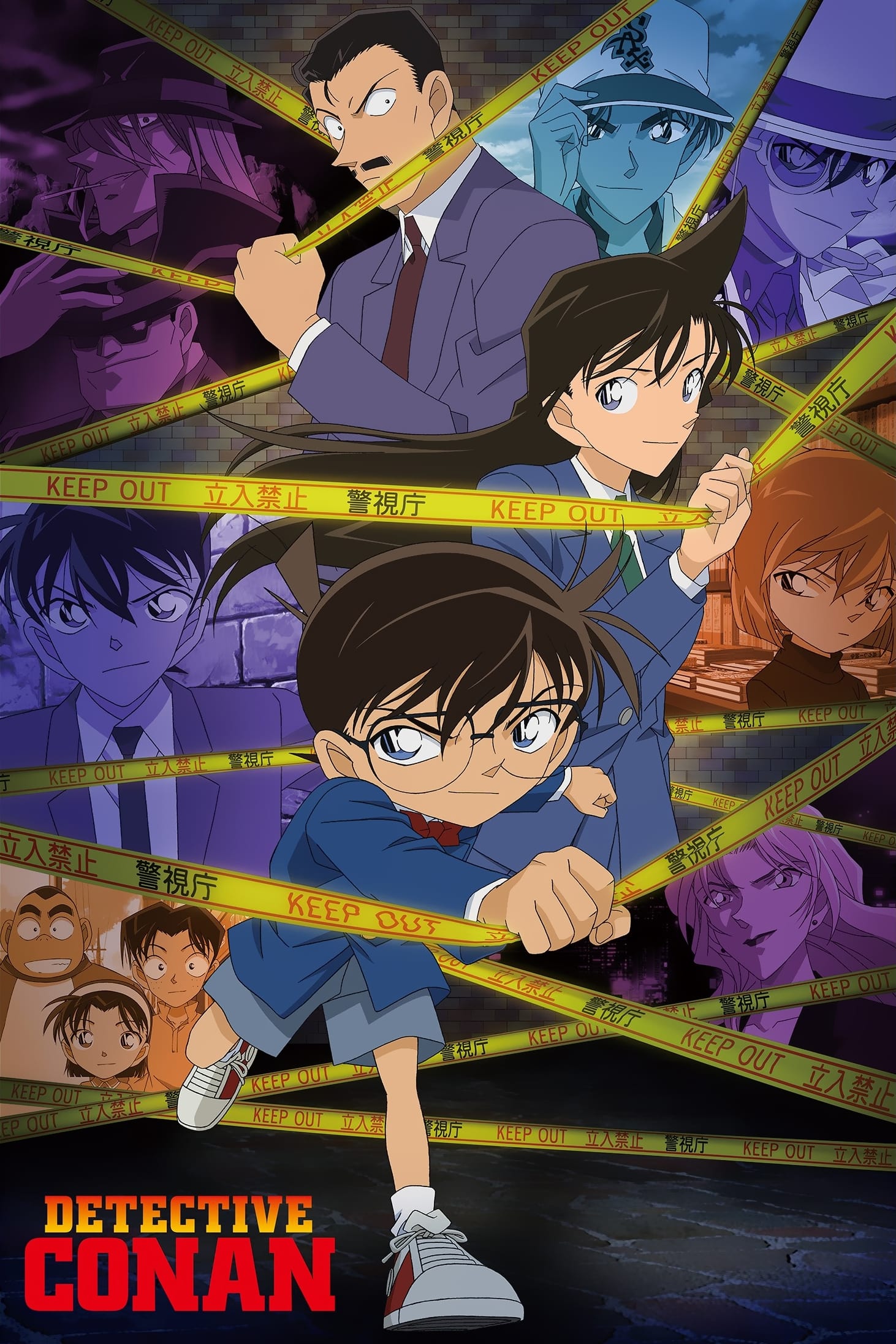
The pop duo Two-Mix, consisting of vocalist Minami Takayama and composer Shiina Nagano, appear as themselves in a two-part special titled ‘The Kidnapping of a Popular Artist Case’. Takayama is also the real-life voice actress for the protagonist Conan Edogawa, creating a unique meta-narrative where she voices both the detective and her singer alter-ego. The duo performs their hit songs within the episode, which also serve as opening themes for the series. Conan even remarks on the singer’s voice sounding familiar, adding a layer of humor for the audience.
‘Mobile Suit Gundam SEED’ (2002–2003)
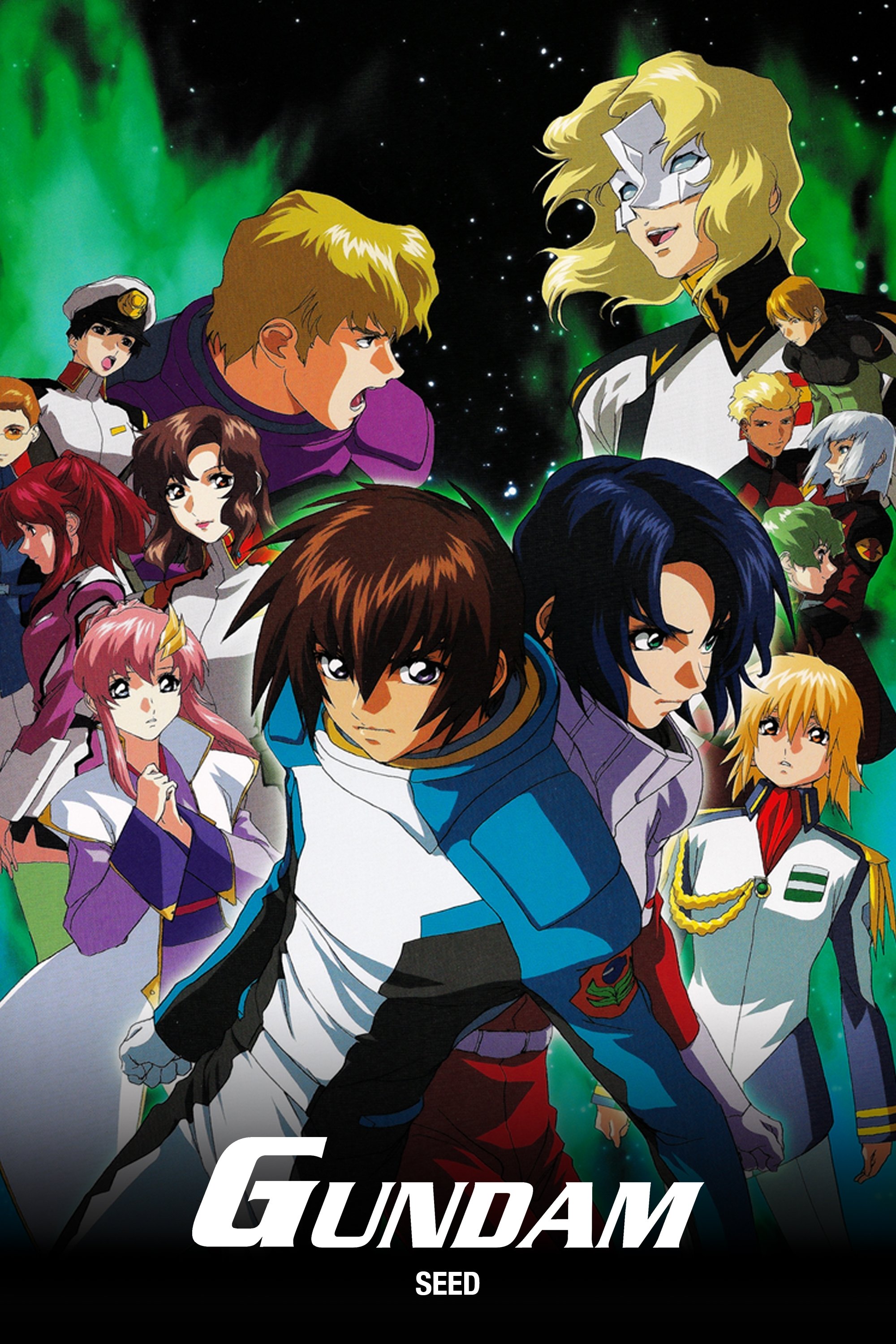
T.M. Revolution, who performed the fiery opening theme “Invoke”, lends his voice and likeness to the character Miguel Aiman. Although Miguel is a pilot and not a musician in the show, his character design draws heavy inspiration from the singer’s appearance. The artist later returns in the sequel series Mobile Suit Gundam SEED Destiny to voice Heine Westenfluss, another character modeled after him. His musical contributions defined the high-energy tone of the series, making his presence as a pilot a significant Easter egg.
‘Sket Dance’ (2011–2012)
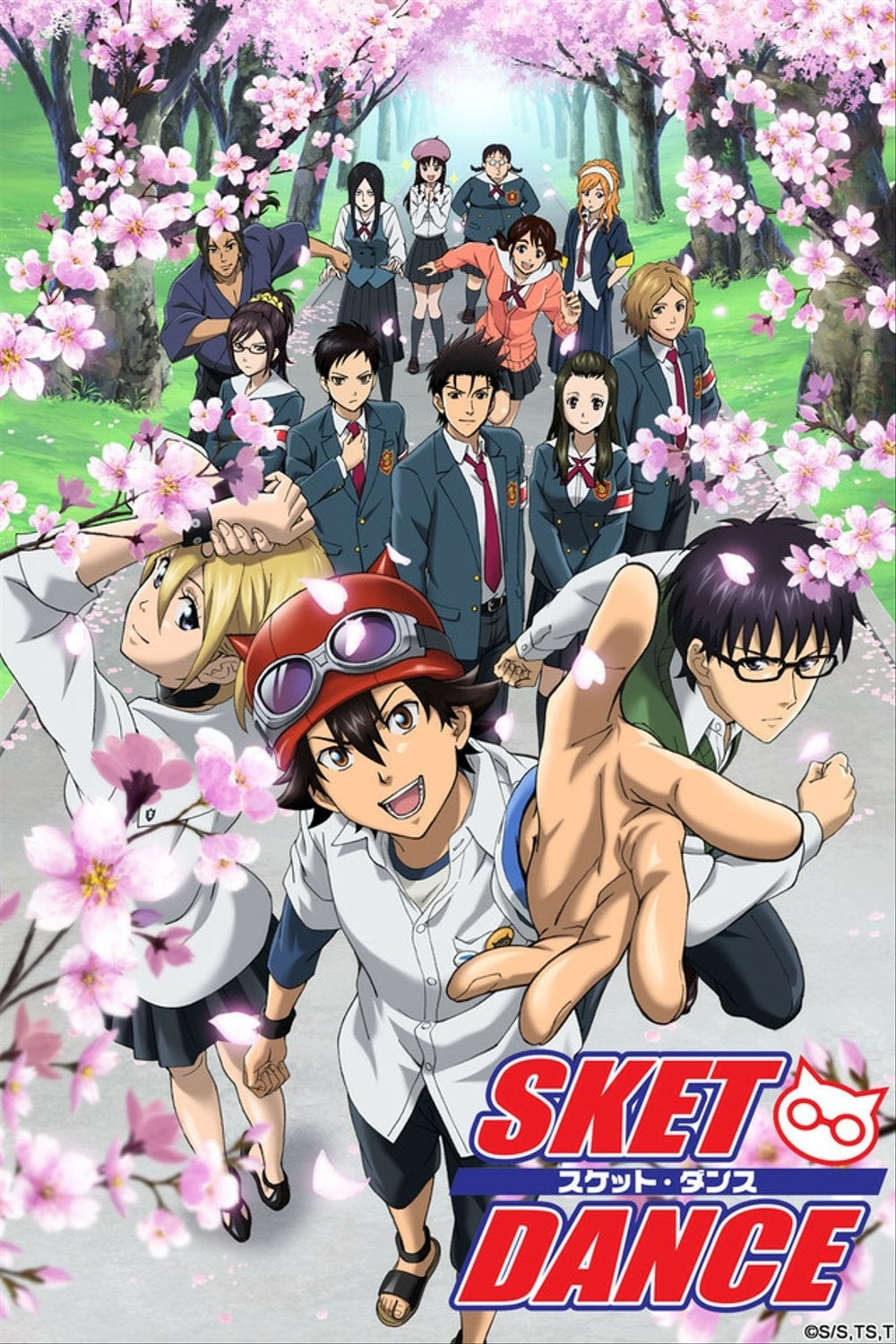
Rock musician Gackt appears in the series as Dante, the lead singer of a visual kei band called JardiN. The character is a direct parody of Gackt’s real-life persona, featuring his mannerisms and dramatic speaking style. Gackt voices the character and performs the song “Graffiti” for the show, blurring the line between his real career and his anime counterpart. The protagonist Bossun struggles to communicate with Dante due to his cryptic artistic speech, creating a humorous dynamic centered on the musician’s fame.
‘Call of the Night’ (2022)
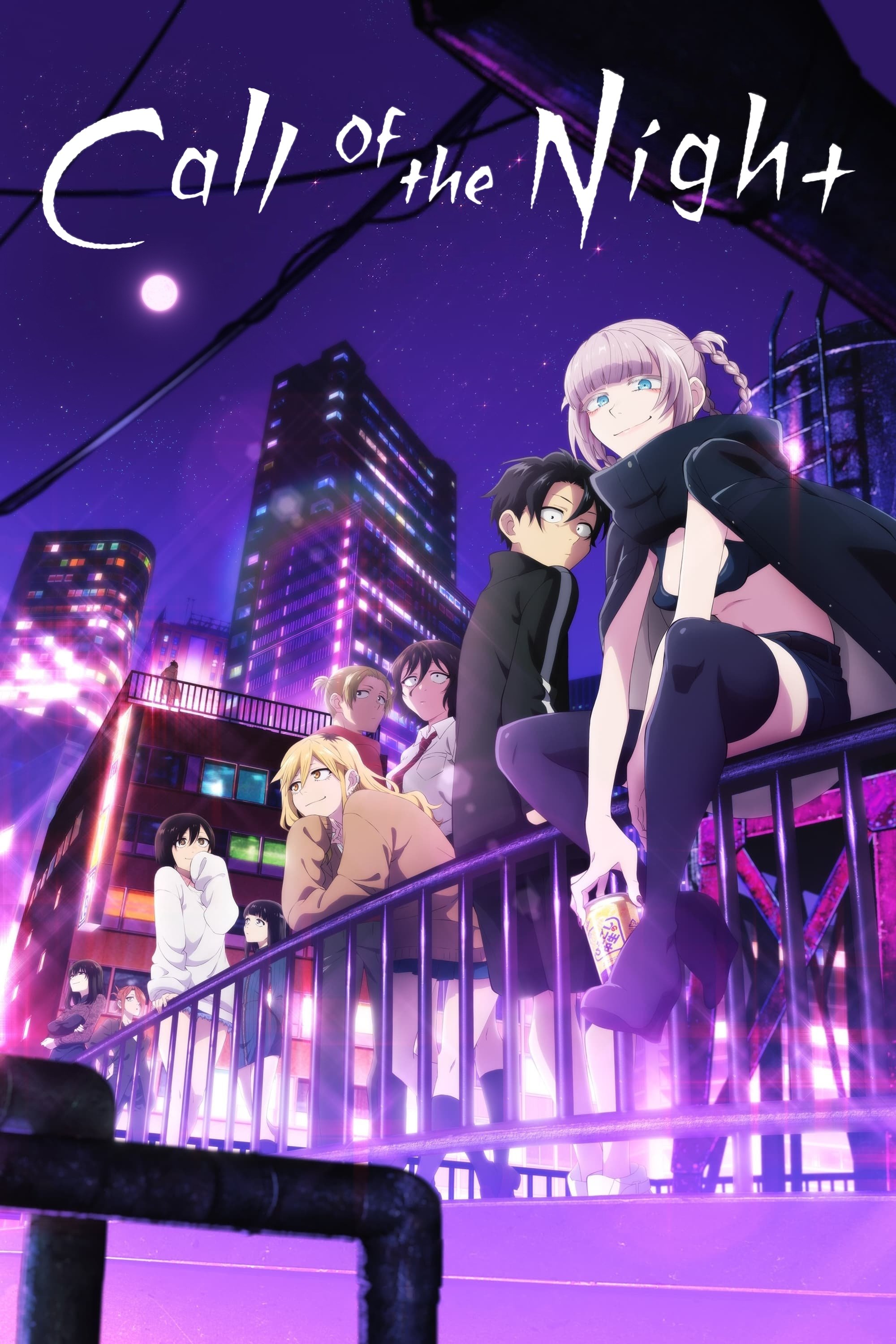
The hip-hop duo Creepy Nuts, who perform the opening and ending themes, make a cameo appearance in the sixth episode. They play two background characters who attempt to flirt with the vampire Nazuna Nanakusa at a night pool. The anime adapts their song “Yofukashi no Uta” as the ending theme, and the manga itself was named after their music. Their animated avatars closely resemble DJ Matsunaga and R-Shitei, acknowledging their massive influence on the series’ identity.
‘Usagi Drop’ (2011)
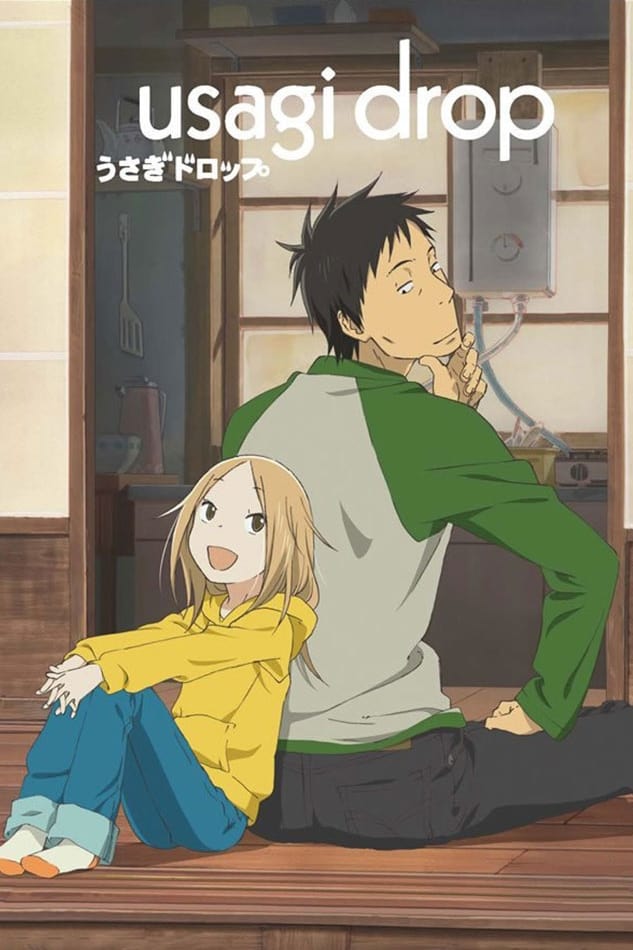
Pop duo Puffy AmiYumi, known for the opening theme “Sweet Drops”, appear in episode nine as background characters. They are depicted as mothers at a playground where the main characters Daikichi and Rin are present. The singers provide the voices for these incidental characters, engaging in casual conversation about raising children. This subtle inclusion integrates the artists into the slice-of-life atmosphere they helped establish with their music.
‘Carole & Tuesday’ (2019)
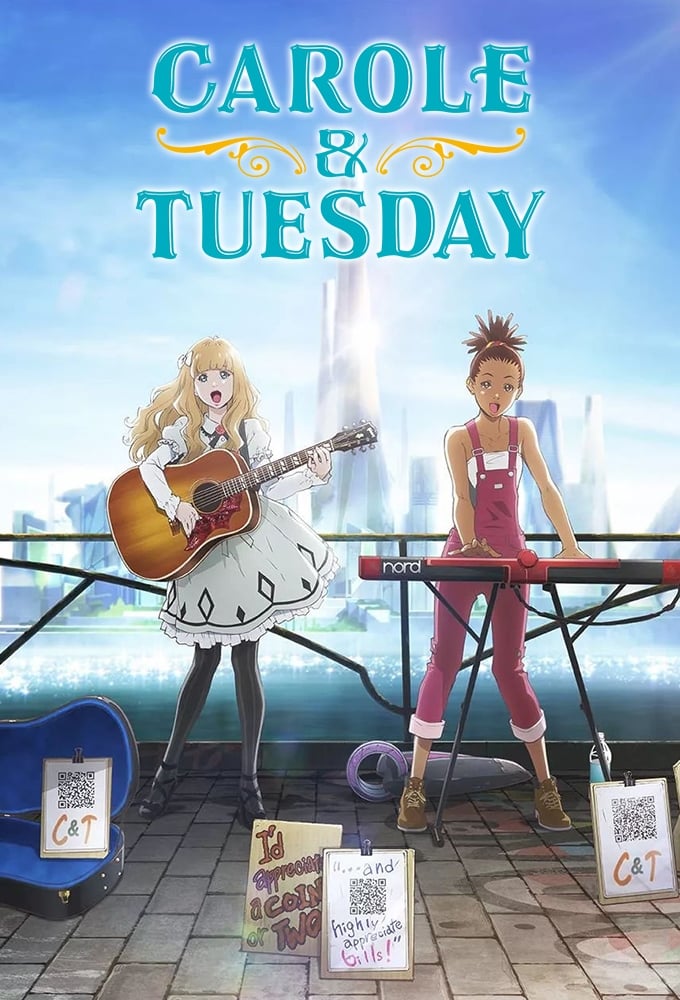
American bassist and singer Thundercat makes a guest appearance in the series as a character named Skip. Thundercat contributed original music to the show’s soundtrack, which focuses heavily on the music industry on Mars. His character retains his real-world aesthetic and musical style, performing a song that highlights his signature bass skills. The series features numerous collaborations with real-world musicians, but Thundercat’s role stands out as a direct integration of a contributing composer.
‘Eromanga Sensei’ (2017)
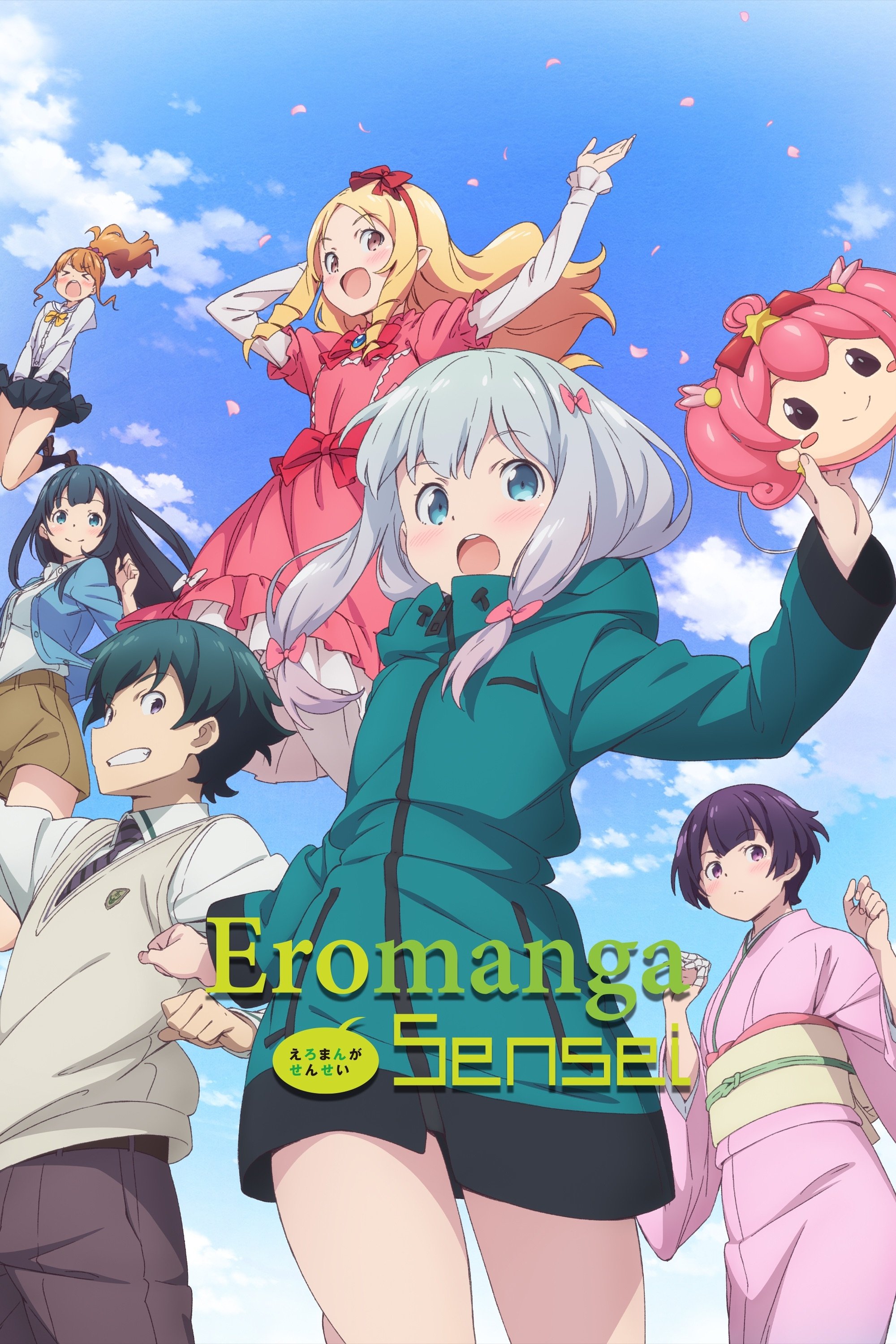
The idol duo ClariS, famous for their secretive identity and anime theme songs, appear as illustrated characters in the series. They perform the opening theme “Hitorigoto” and are shown on television screens within the anime’s universe. The series portrays them in their official character designs, maintaining their anonymity while acknowledging their real-world popularity. This cameo strengthens the connection between the show and the duo, who also provided themes for the author’s previous work, Oreimo.
‘Pop Team Epic’ (2018–Present)

Shouta Aoi, a popular voice actor and singer who performs the ending theme, appears as himself in the series finale. Unlike traditional animation, he appears in live-action footage, interacting with the animated world in a surreal breaking of the fourth wall. He later returns in the second season for another live-action segment that parodies tokusatsu tropes. His appearances are integral to the show’s chaotic and experimental format, placing the musical artist directly into the visual narrative.
‘Lucky Star’ (2007)
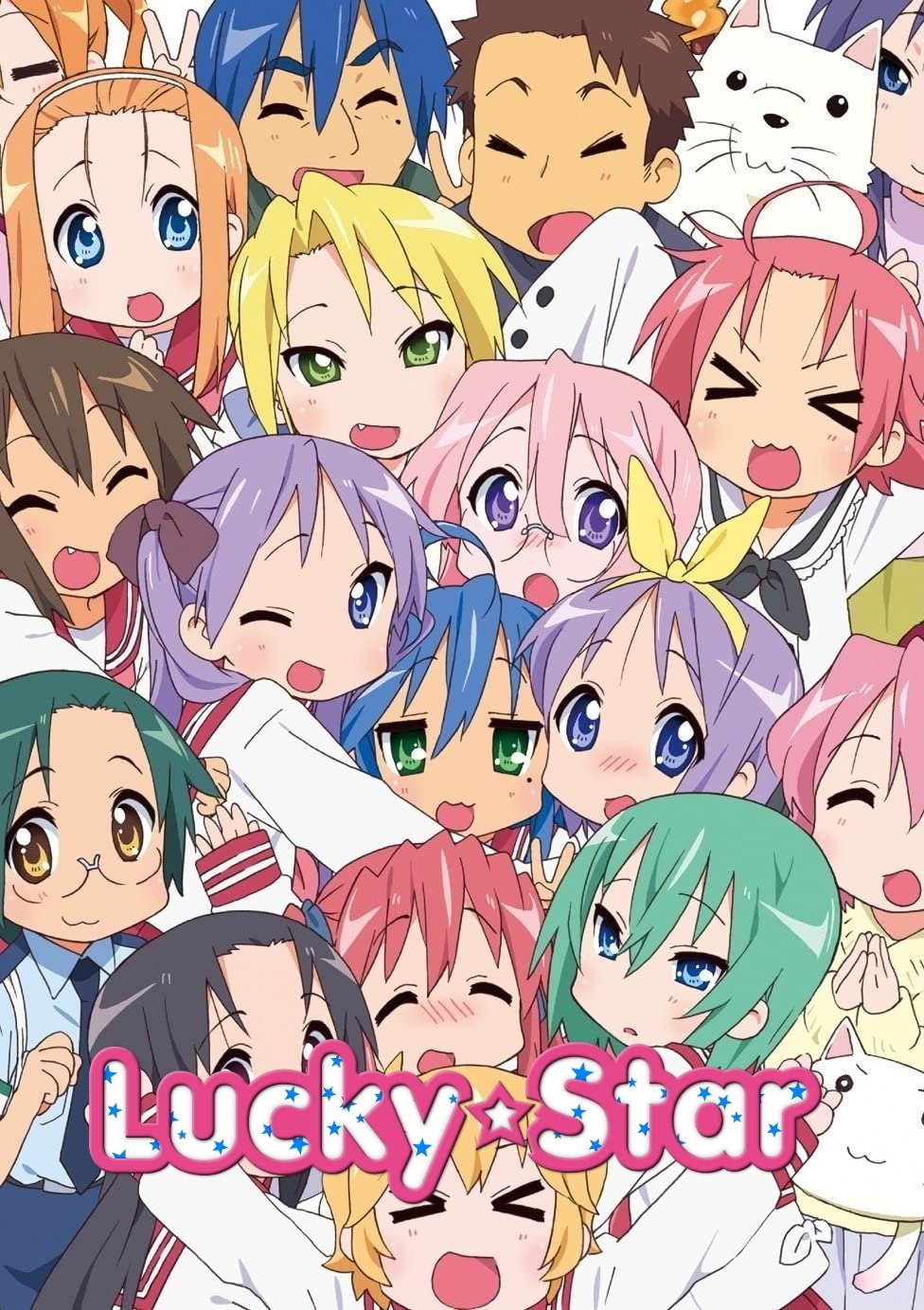
Aya Hirano, the voice of main character Konata Izumi and singer of the opening theme, appears as herself in episode 15. The animated version of Hirano participates in a concert event within the show, distinct from her role as Konata. The scene highlights the industry side of anime production, referencing her real-life status as a rising idol and singer at the time. Other cast members also make appearances as themselves, creating a multi-layered joke about voice acting and singing careers.
‘Detroit Metal City’ (2008)
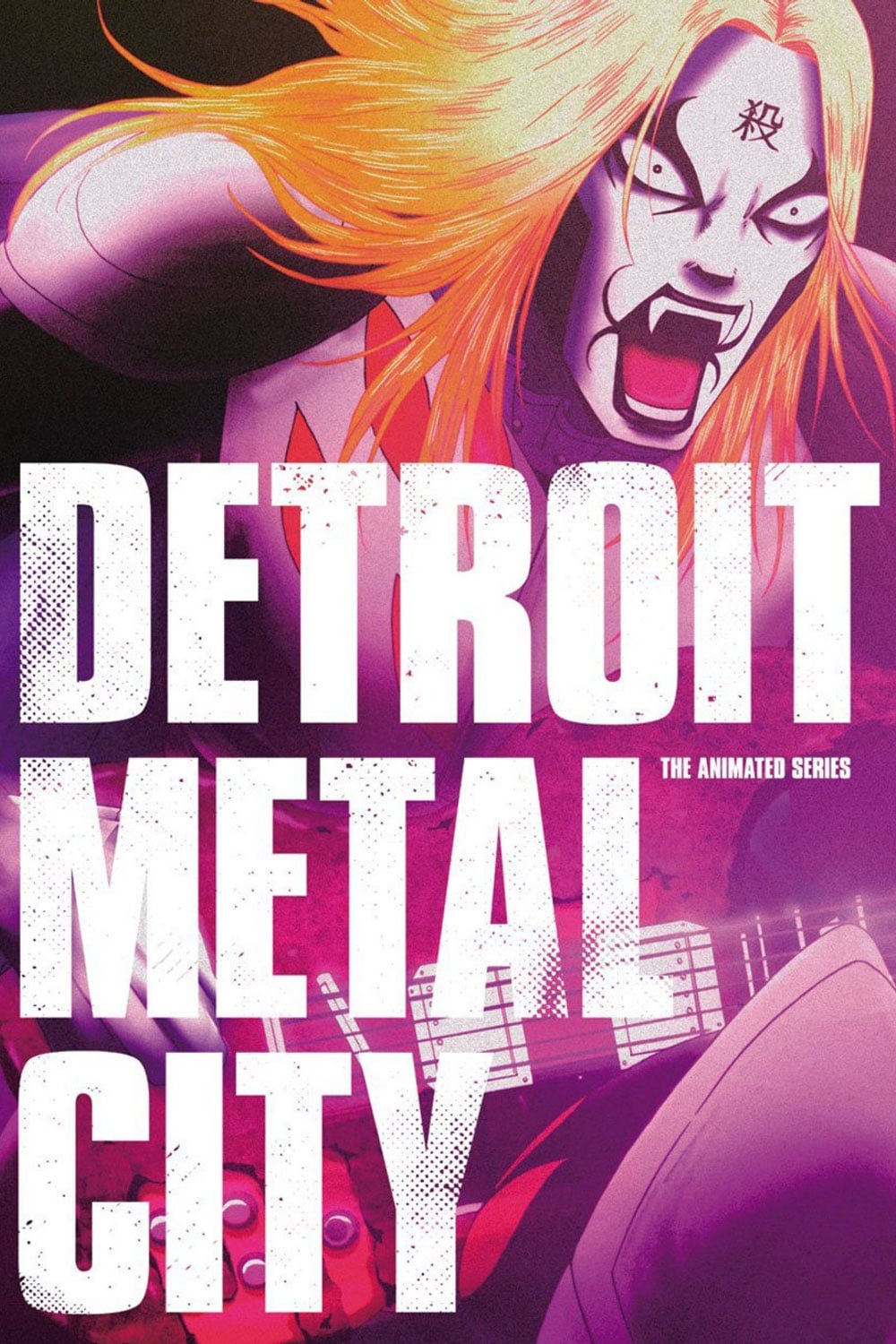
American rock legend Gene Simmons of KISS makes a cameo appearance as the voice of the Demon God of Rock and Roll. While not the composer of the show’s score, his influence on the death metal genre depicted in the anime is paramount. His character serves as a legendary figure that the protagonist looks up to, mirroring Simmons’ real-world status. The cameo bridges the gap between the parody metal band in the anime and the real heavy metal icons who inspired them.
‘Show by Rock!!’ (2015)

The band 04 Limited Sazabys appears in the series as the animal-themed band “04 Tobizarys”. They provide the insert songs and their characters are modeled after the real band members. The franchise regularly incorporates real Japanese rock bands into its setting by reimagining them as “Midi City” inhabitants. This integration allows the composers of the music to exist as canon characters within the story they score.
‘Joshiraku’ (2012)
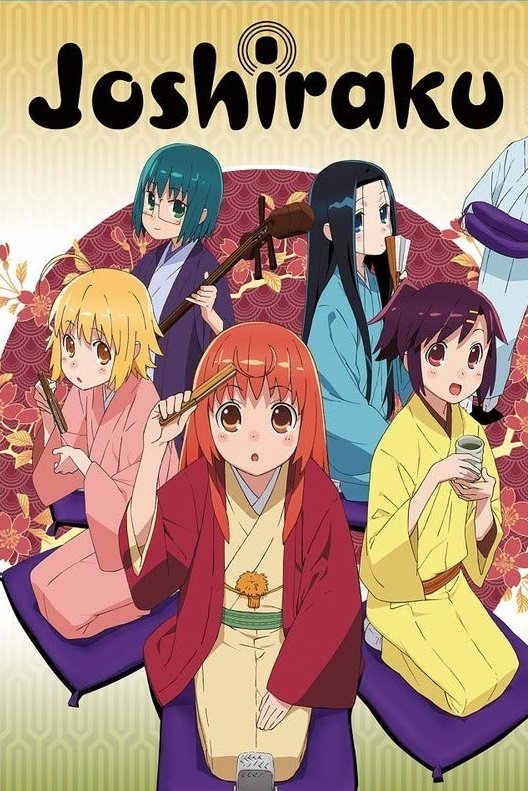
The idol group Momoiro Clover Z, who perform the ending theme “Nippon Egao Hyakkei”, appear in the show’s ending sequence. While the main show is animated, the ending often features live-action or stylized footage of the group performing the song. The anime focuses on rakugo performers, and the high-energy idol song provides a sharp contrast to the traditional setting. Their visual presence reinforces the collaboration between the traditional comedy and modern pop culture.
‘Zombie Land Saga’ (2018)
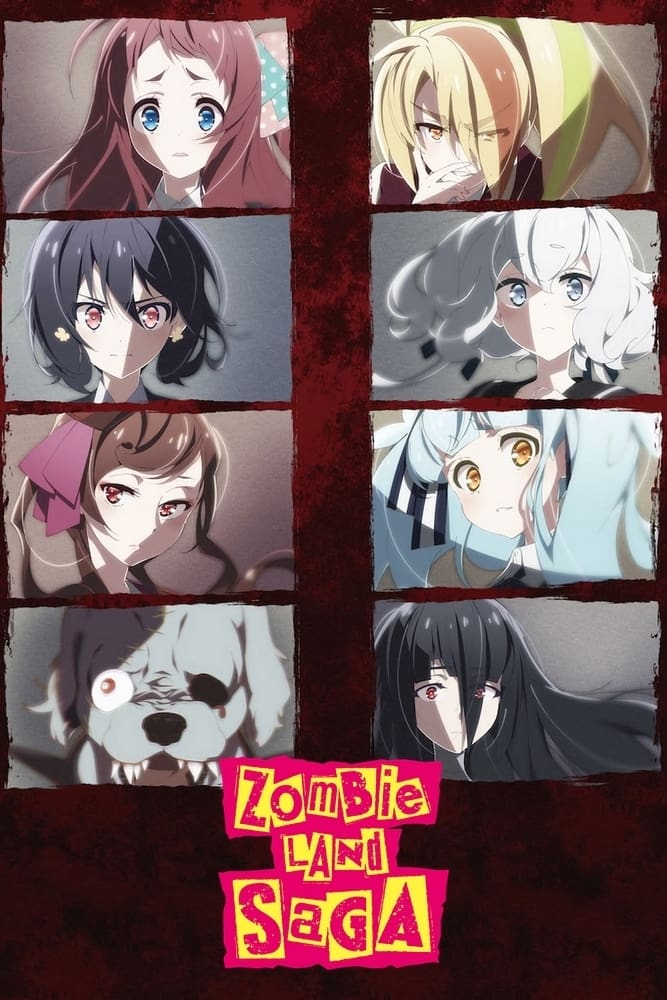
Kotono Mitsuishi, a legendary voice actress and singer known for Sailor Moon, voices the character Tae Yamada. Although Tae is a zombie who mostly groans, Mitsuishi’s musical background is utilized in specific rhythm segments and gag scenes. The show centers on an idol group saving the Saga prefecture, and casting a veteran singer in a non-verbal role serves as an ironic inside joke. Her credit in the opening themes alongside the younger cast highlights her continued presence in the music anime genre.
‘Akiba’s Trip The Animation’ (2017)
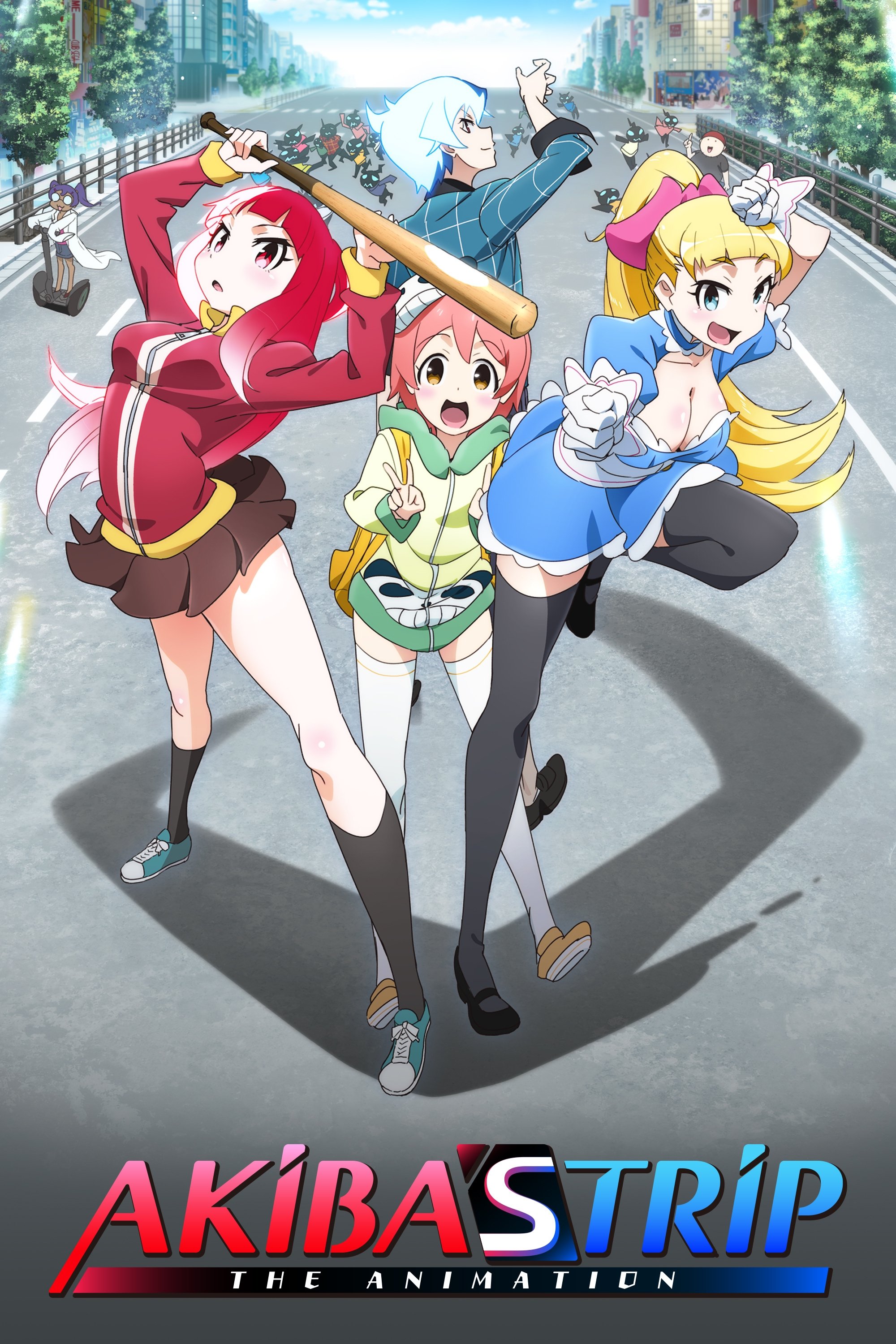
Shoko Nakagawa, a singer known for the Gurren Lagann opening, voices the character Risa Beinhof. Nakagawa is a well-known figure in Akihabara culture, making her inclusion in an anime about the district thematically appropriate. She also contributes musically to the franchise, solidifying her role as both a character and a musical representative of the setting. Her character’s actions often reflect Nakagawa’s real-life energetic personality and otaku interests.
‘Bungo Stray Dogs’ (2016–Present)
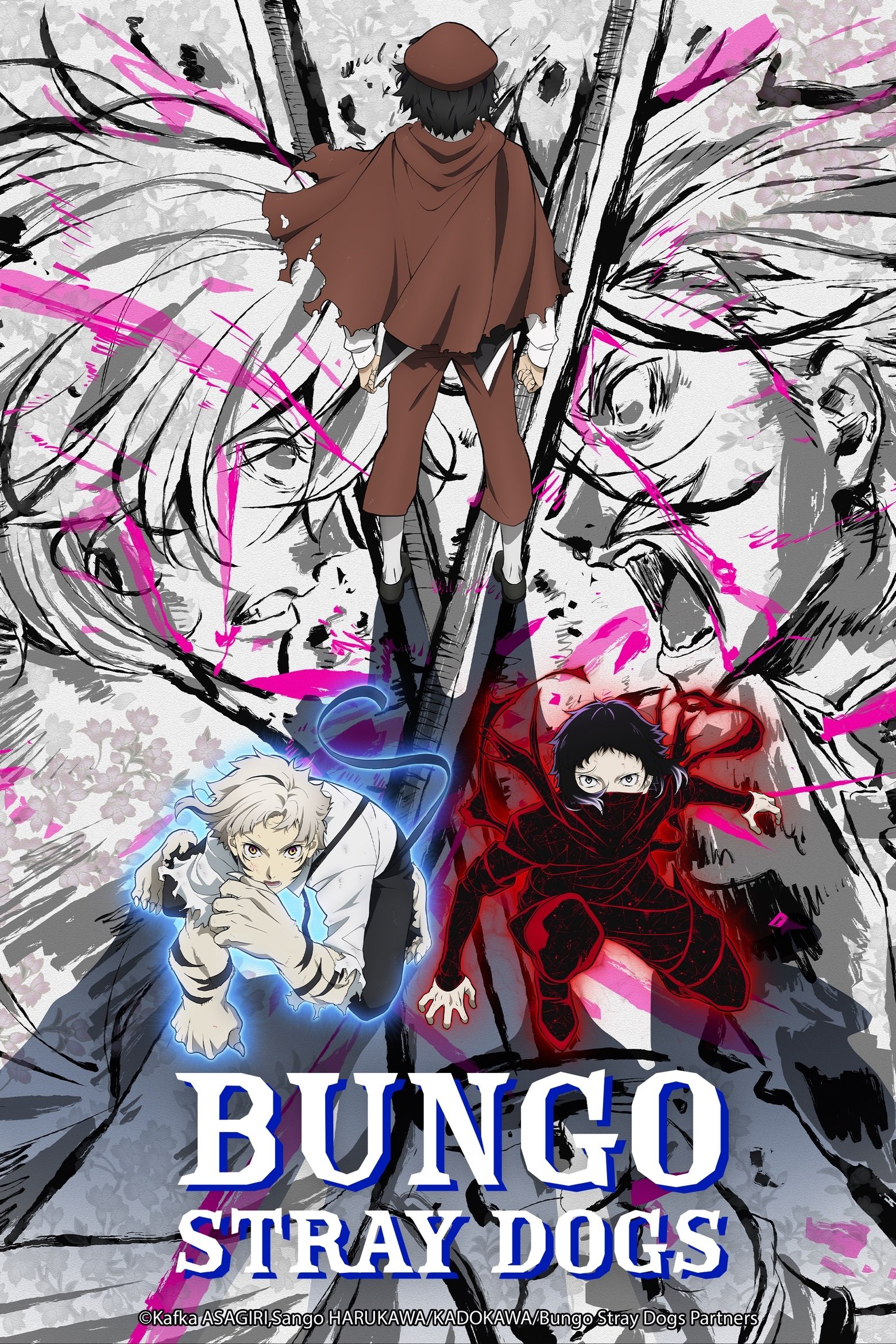
Kishow Taniyama, the vocalist of the rock unit GRANRODEO, voices the major character Chuuya Nakahara. GRANRODEO performs multiple opening themes for the series, creating a strong link between the character and the show’s musical identity. Taniyama’s distinct vocal style is recognizable in both the character’s dialogue and the high-octane rock tracks that open the episodes. This dual role allows the lead singer to dominate both the audio and narrative landscape of the series.
‘Pokémon: The First Movie’ (1998)
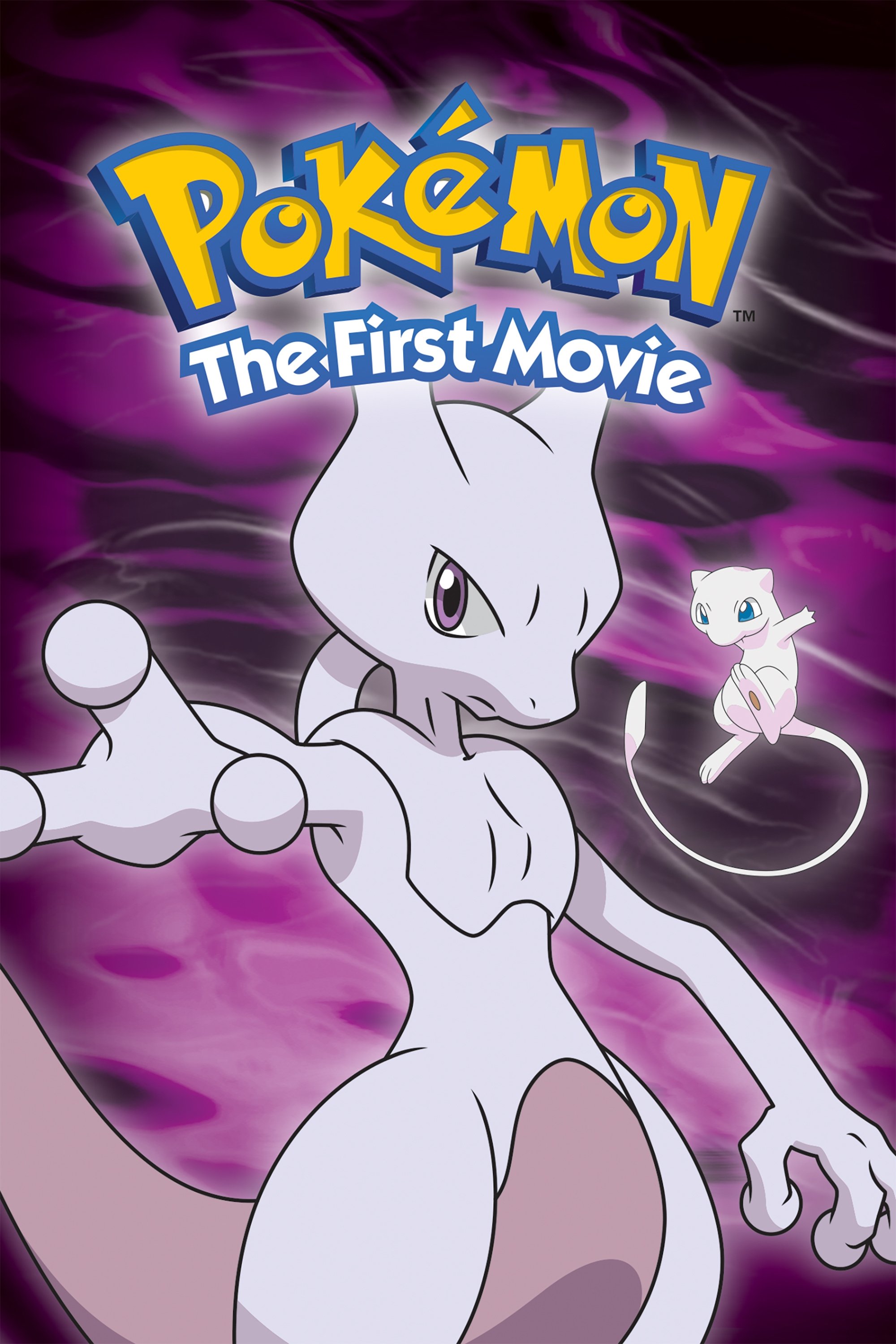
Singer Sachiko Kobayashi, who performed the ending theme “Kaze to Issho ni”, voices the character Voyager in the film. Voyager is the harbor manager who warns the trainers about the storm preventing travel to New Island. Kobayashi’s cameo pays homage to her status as a prominent enka singer in Japan. The role allows her to participate directly in the narrative setup for the film’s climax, which features her emotional ballad.
Share your favorite musical cameos or hidden details you’ve spotted in anime in the comments!