20 TV Shows With Prop Departments Building Functional Gadgets



Television production relies heavily on the creativity of prop masters to bring fictional worlds to life through tangible objects. While visual effects can simulate magic, many series utilize practical engineering to build gadgets that actually operate on set. These items range from complex animatronics to working electronic interfaces that actors manipulate in real time. The following list highlights shows where the prop departments went the extra mile to create functional technology.
‘MythBusters’ (2003–2016)
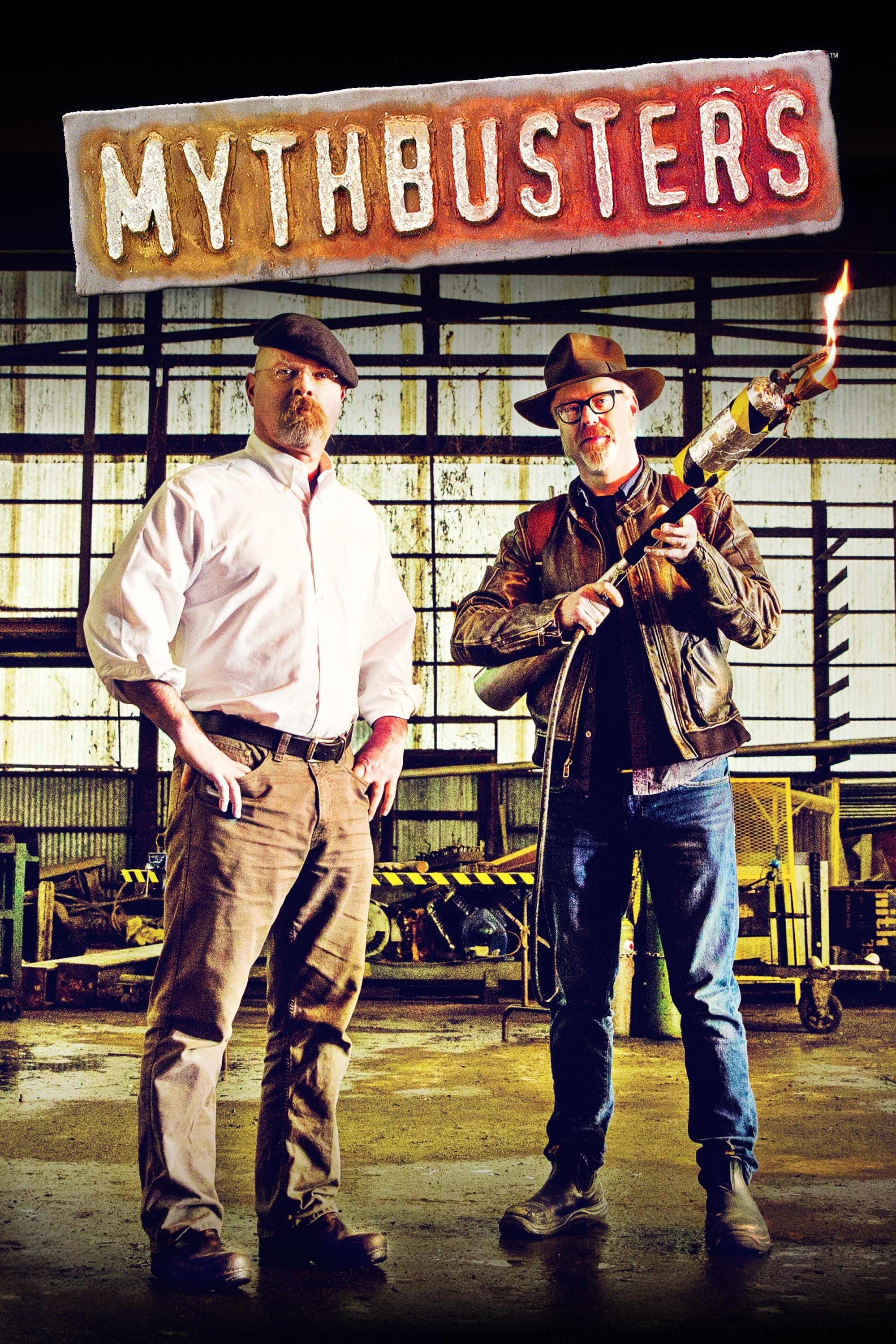
The entire premise of this series revolved around a dedicated team constructing functional devices to test various urban legends. Jamie Hyneman and Adam Savage led a build team that engineered everything from rocket cars to elaborate pulley systems. The prop department often had to invent machines that did not exist solely to replicate specific movie scenes or historical events. Every gadget seen on screen was a fully operational prototype designed to withstand immense physical stress.
‘The Mandalorian’ (2019–Present)

Legacy Effects created an advanced animatronic puppet for the character Grogu that required multiple technicians to operate. The prop included motorized ears and eyes that allowed for subtle expressions during filming. Filmmakers utilized this physical gadget to give the actors a tangible performance partner rather than relying solely on computer graphics. The dedication to practical effects extended to the IG-11 droid which involved intricate mechanical engineering.
‘Star Trek’ (1966–1969)
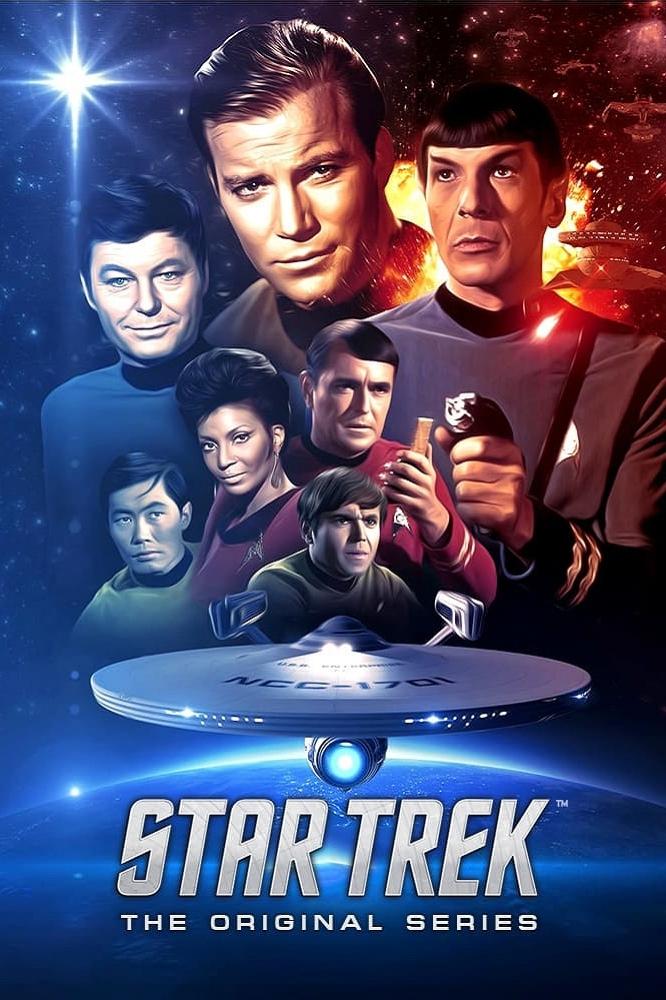
Wah Chang designed the iconic communicator which featured a flip-top antenna grid that inspired modern flip phones. The prop department included a spinning mechanism inside the tricorders to simulate scanning activity. These handheld devices relied on clockwork parts and simple lighting effects to convey futuristic technology. The functional design allowed the actors to interact convincingly with the equipment during scenes of planetary exploration.
‘Fallout’ (2024–Present)
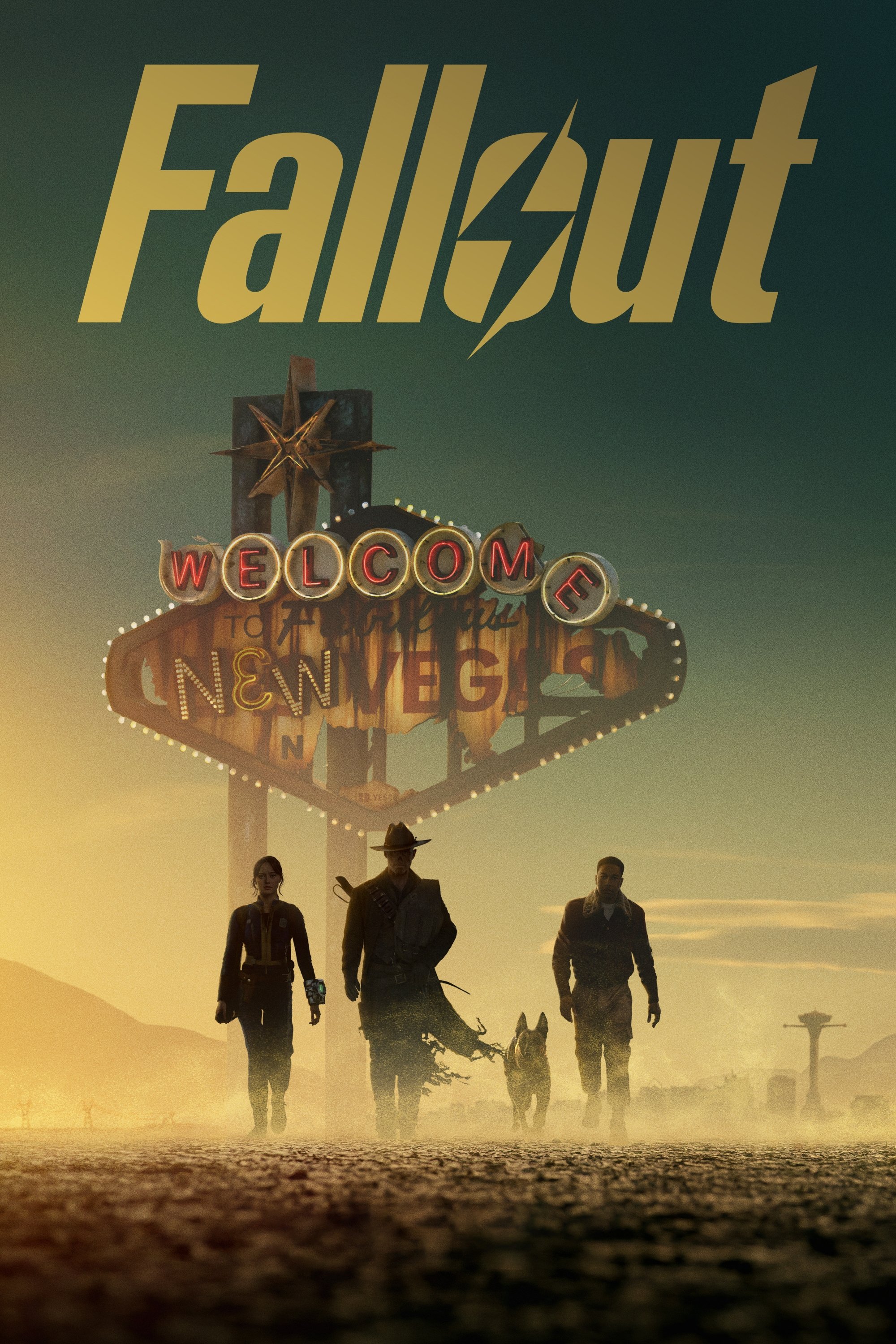
The production team constructed massive power armor suits that actors could actually wear and move in on set. They also created a fully functional Pip-Boy prop which featured a working screen capable of displaying maps and data. This attention to detail meant the actors were often looking at real interfaces rather than green screens. The tangible nature of these gadgets helped ground the fantastical post-apocalyptic setting in reality.
‘Knight Rider’ (1982–1986)

KITT featured a highly complex dashboard filled with working LED displays and CRT monitors. The prop department wired the car with functional buttons that the actor could press to trigger specific lighting sequences. This customized Pontiac Trans Am became a character in itself due to the intricate electronics installed throughout the cockpit. The sweeping red scanner light on the front was a practical lighting rig that became the trademark of the series.
‘Breaking Bad’ (2008–2013)
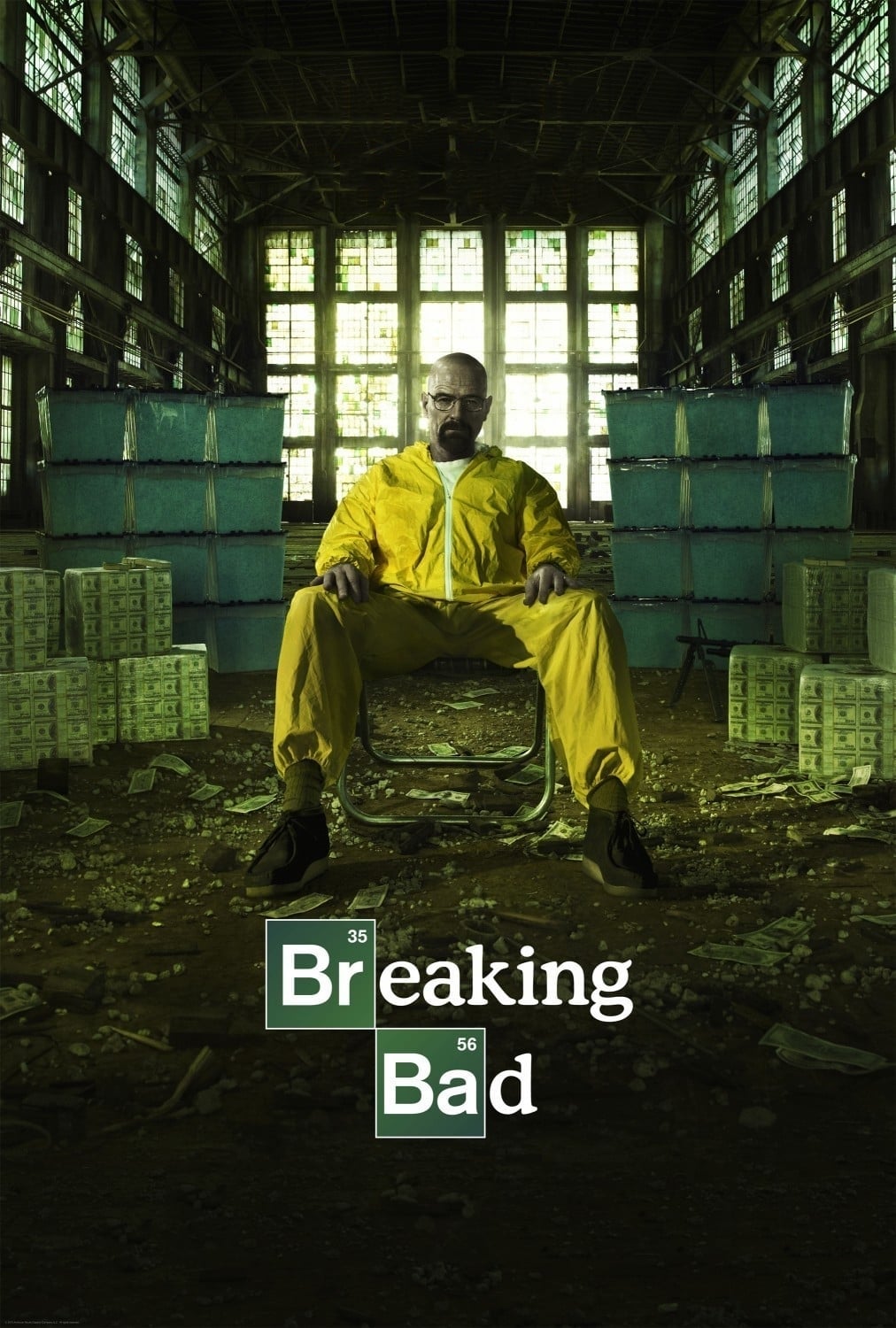
The series finale featured a remote-controlled M60 machine gun turret built specifically for the scene. Special effects supervisors engineered a mechanism that allowed the gun to sweep back and forth while firing blanks. Bryan Cranston’s character utilizes this homemade gadget to exact revenge on a neo-Nazi gang. The device demonstrated the lethal ingenuity of the protagonist through practical mechanical engineering.
‘Doctor Who’ (1963–Present)
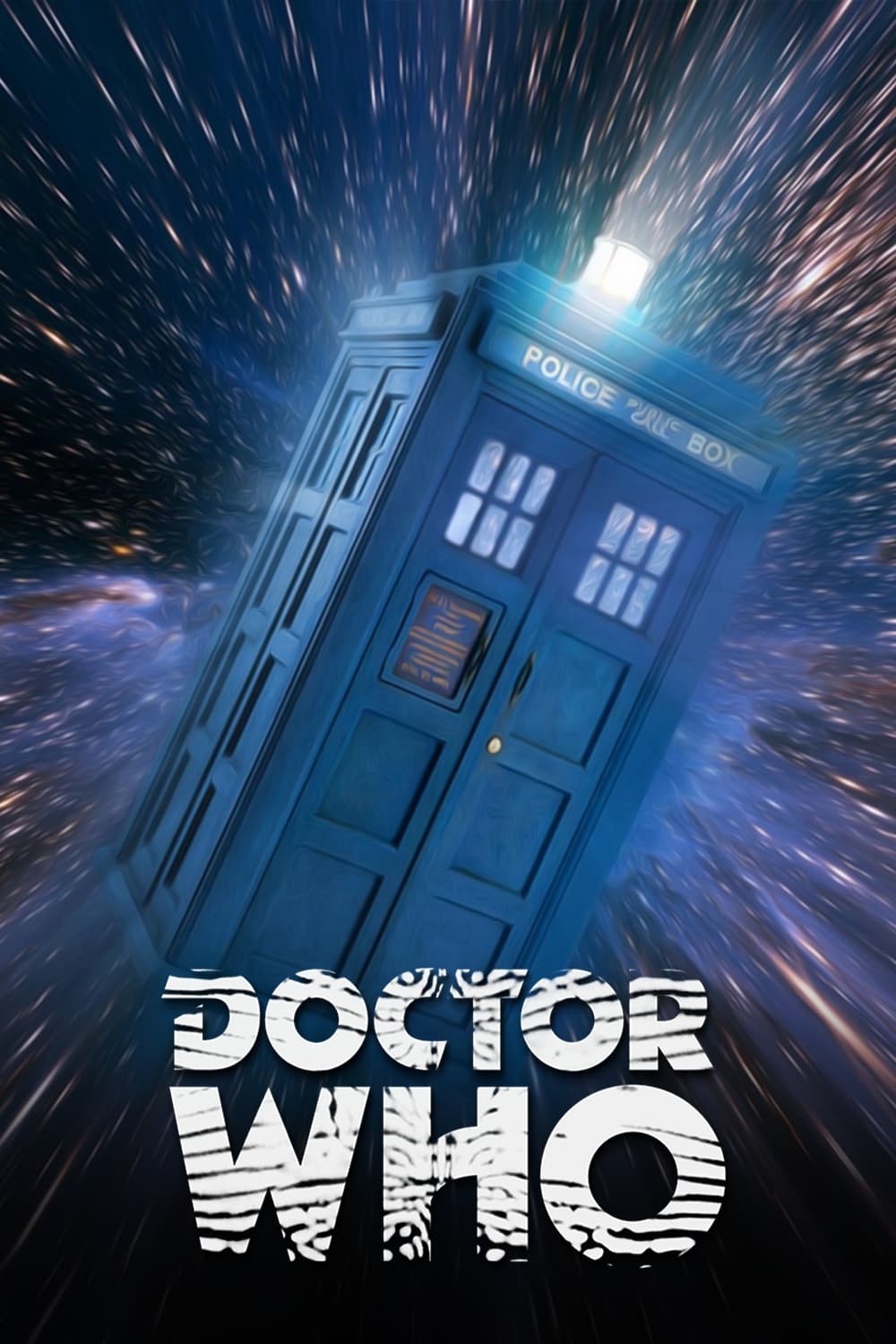
The Daleks are manned props that require an operator to sit inside and manipulate the dome and arms physically. Various iterations of the sonic screwdriver have included working lights and extendable claws to enhance the on-screen effect. K-9 was a radio-controlled unit that could move and extend a probe during interactions with the cast. The long-running nature of the show has led to decades of functional alien technology being built by the art department.
‘Mr. Robot’ (2015–2019)

Rami Malek and the cast used real computers running actual code during the filming of hacking sequences. The production prioritized technical accuracy by ensuring screens displayed legitimate Linux commands rather than gibberish loops. Hardware gadgets used for cloning keycards or intercepting signals were often based on real-world schematics. This commitment to realism required the prop master to acquire and modify functional tech equipment.
‘Stranger Things’ (2016–2025)

The Duffer Brothers commissioned a practical animatronic Demogorgon head with moving petals for close-up shots. The prop department also built the massive Russian laser drill which featured rotating parts and practical lighting effects. The portable ham radio tower named Cerebro was a physical build that had to withstand outdoor filming conditions. These tangible gadgets helped maintain the nostalgic aesthetic of the 1980s setting.
‘Dark’ (2017–2020)

The time travel apparatus known as the Tannhaus device was a meticulously crafted brass prop. It featured intricate gears and rotating cylinders that moved when the characters activated the machine. The art department designed the box to look like a piece of 19th-century clockwork engineering. The tangible nature of the spinning mechanism added weight and realism to the complex sci-fi narrative.
‘Batman’ (1966–1968)
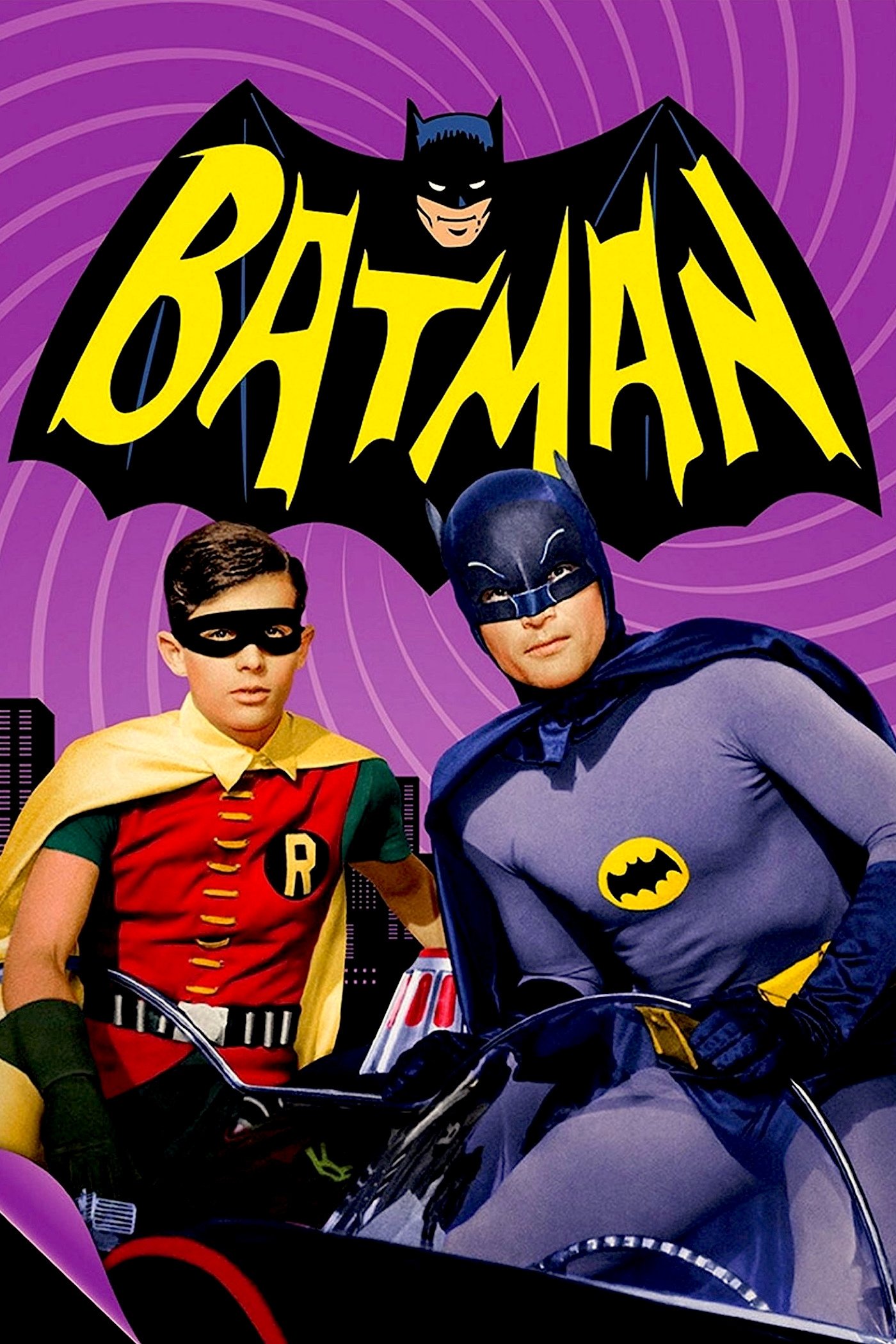
The utility belt worn by Adam West contained various oversized compartments that held actual props. Designers created a functional Batphone with a glowing red light that sat on the desk of Commissioner Gordon. The Batmobile itself was a customized Lincoln Futura equipped with a working rocket exhaust turbine on the rear. These gadgets relied on practical stage effects and pyrotechnics to sell the comic book nature of the show.
‘BattleBots’ (2000–Present)

Every machine featured on the show is a fully functional combat robot designed by engineering teams. The builders construct these remote-controlled devices with active weapons like spinning blades and hydraulic flippers. The arena contains hazardous props including working floor saws and pulverizers that activate during matches. The show captures the destruction of these operational gadgets in real time without special effects.
‘Stargate SG-1’ (1997–2007)
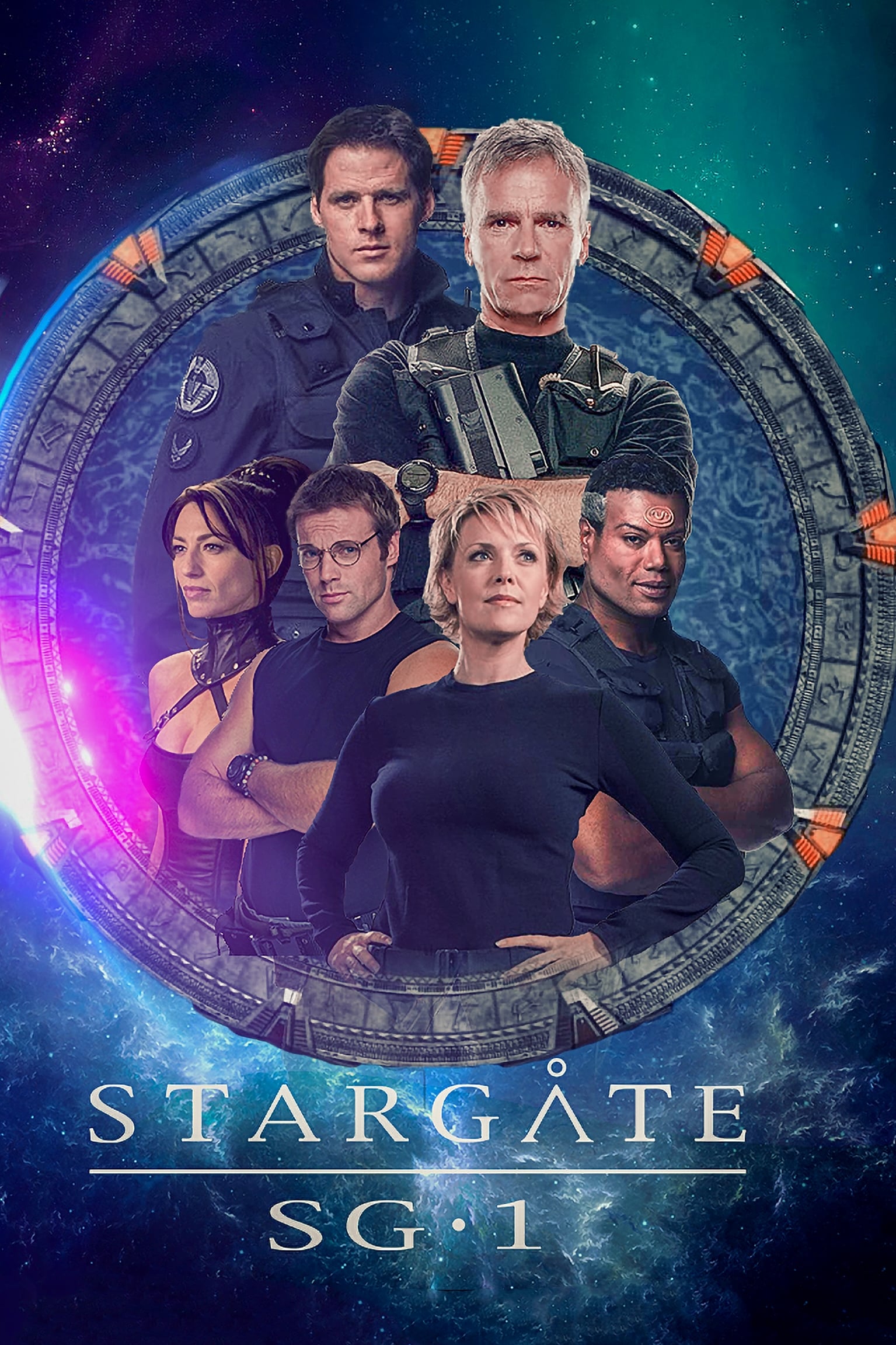
The massive Stargate ring used on set was a twenty-two foot circle with a working motor. It featured an inner track that physically rotated the glyphs when the characters dialed an address. The prop department synchronized the spinning mechanism with lighting cues to simulate the wormhole activation sequence. This practical functionality allowed the cast to react to the movement and sound of the giant device.
‘Severance’ (2022–Present)
The data refinement terminals were custom-built computers with retro-futuristic CRT monitors. The keyboards featured a unique mechanical layout that the actors actually typed on during scenes. Designers created a specialized trackball interface that functioned as the primary input method for the refining software. The tactile nature of the workstation was essential for conveying the drudgery of the corporate environment.
‘MacGyver’ (1985–1992)
Richard Dean Anderson often assembled gadgets that were based on real scientific principles. The prop department created devices that looked cobbled together from household items but contained hidden mechanisms to function on camera. Explosives and chemical reactions were typically rigged practically to demonstrate the result of the improvisation. The show prided itself on the plausibility of the inventions even if the timing was exaggerated.
‘Westworld’ (2016–2022)
The production utilized advanced 3D printing techniques to create the white host bodies seen in the laboratories. Actors handled folding tablets that were custom-built props with practical hinges and lighting elements. The player pianos in the saloon were automated to play specific songs without human intervention. These functional props blurred the line between the historical setting and the advanced technology running the park.
‘Get Smart’ (1965–1970)
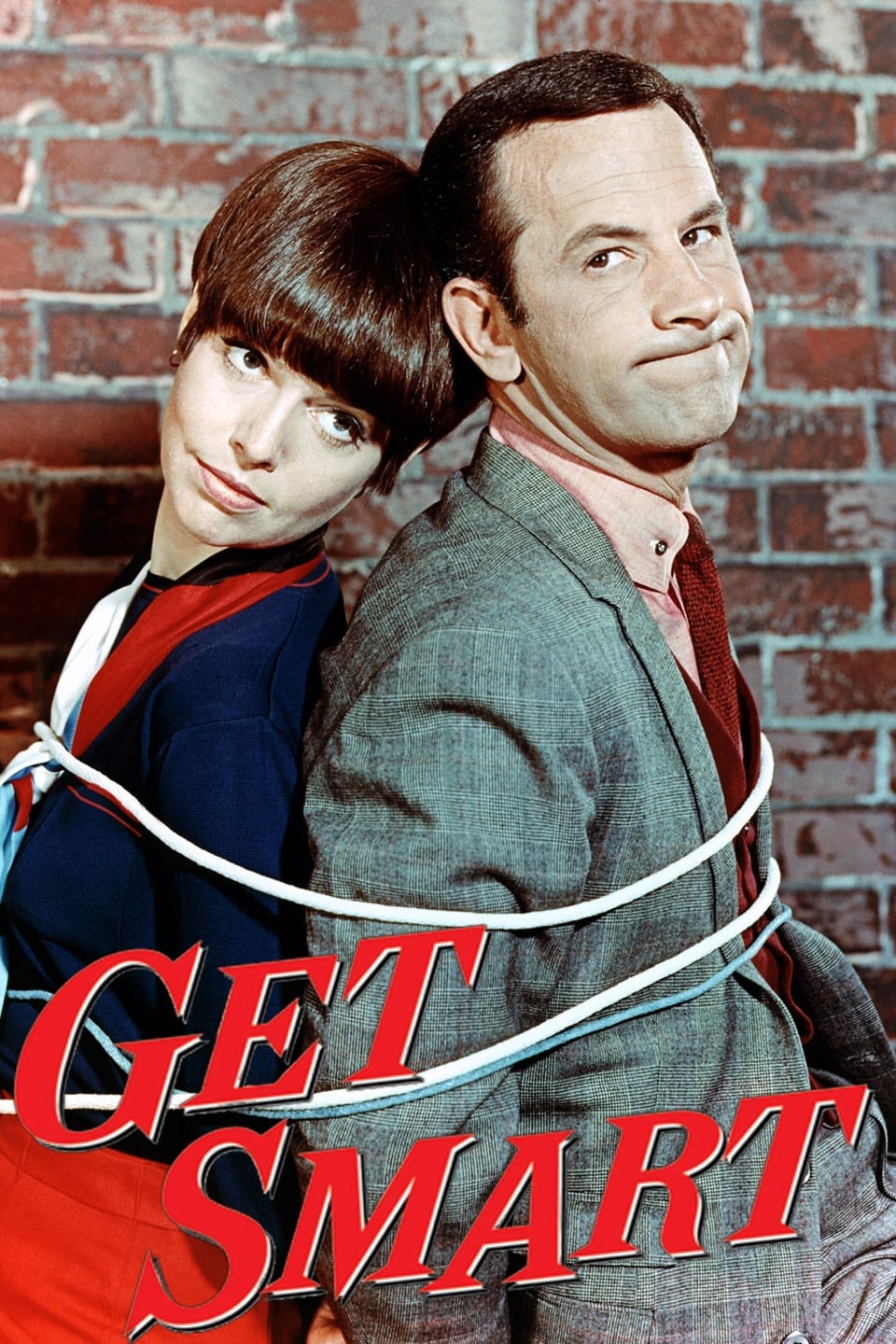
The shoe phone was a practical prop that contained a transmitter and receiver within the heel. Don Adams had to hold the actual shoe to his ear and mouth to perform the iconic gag. The prop department created multiple versions including one with a rotary dial hidden under a flap. This silly gadget became one of the most recognizable spy tools in television history.
‘The Expanse’ (2015–2022)

The hand terminals used by the crew of the Rocinante were transparent props with illuminated edges. Actors wore vacuum suits with functioning LED displays and ventilation fans to keep them cool. The magnetic boots were simulated using practical riggings but the suit lights were fully integrated into the costume. This attention to functional wardrobe tech enhanced the gritty realism of the space opera.
‘Marvel’s Agents of S.H.I.E.L.D.’ (2013–2020)

The prop team fabricated the Night-Night gun which fired non-lethal dendrotoxin rounds. Coulson’s prosthetic hand was a detailed prop that included interchangeable parts for different mission requirements. The containment modules were practical sets with working hydraulic doors and lighting systems. These physical assets grounded the Marvel universe technology in a tangible reality.
‘Lost’ (2004–2010)

The Swan station computer was an Apple II Plus that the actors physically typed on to enter the numbers. The countdown timer was a functional flip-digit display that had to be reset manually for the scenes. The Dharma Initiative orientation films were played on actual projectors found within the set. These working vintage electronics were crucial for building the mystery of the island.
Tell us which TV show gadget you wish you could own in the comments.