21 TV Series That Used Vintage Cameras for Flashbacks

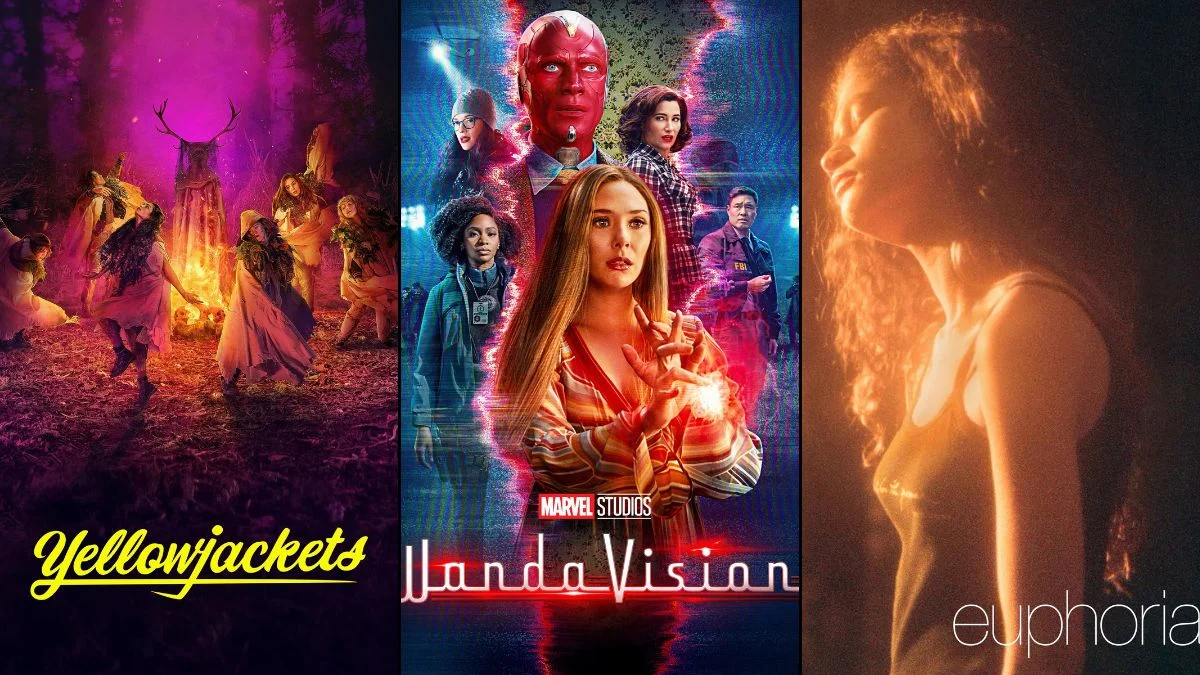

Visual storytelling often relies on distinct aesthetic choices to separate different timelines or realities within a narrative. Directors and cinematographers frequently utilize vintage cameras, specific film stocks, and period-appropriate lenses to create authentic textures for flashback sequences. This technique allows the audience to immediately distinguish between the past and the present without the need for on-screen text or dialogue cues. The following television series mastered this approach by integrating archaic equipment to craft a nostalgic and immersive viewing experience.
‘Winning Time: The Rise of the Lakers Dynasty’ (2022–2023)
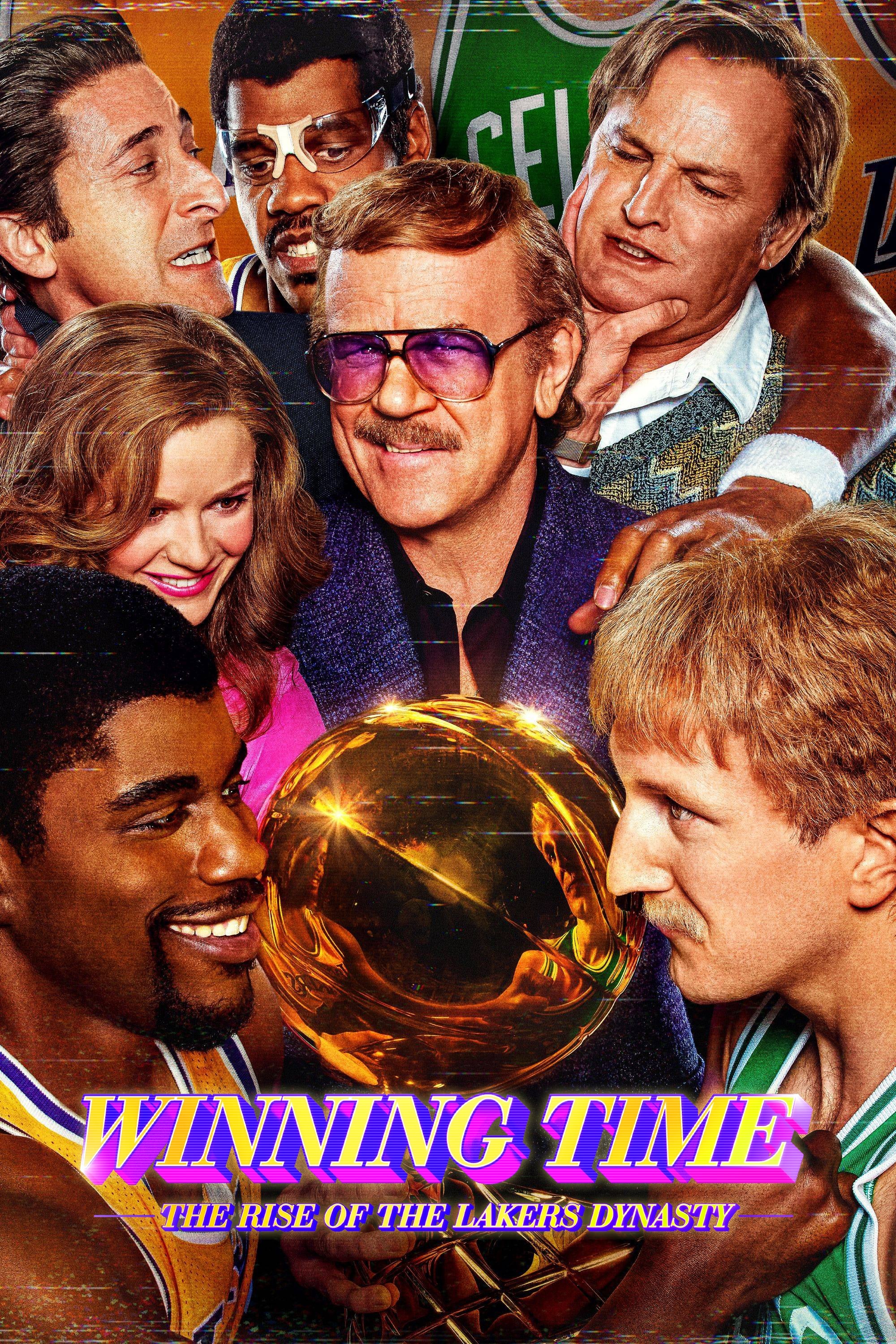
The production team for this sports drama went to great lengths to recreate the texture of the 1980s. Cinematographers utilized a mix of formats including 35mm film and 8mm film to capture the gritty glamour of the era. They also employed vintage Ikegami tube cameras to replicate the specific look of television broadcasts from that decade. This unique blend of formats resulted in a visual style that felt like a discovered artifact rather than a modern recreation.
‘Euphoria’ (2019–Present)
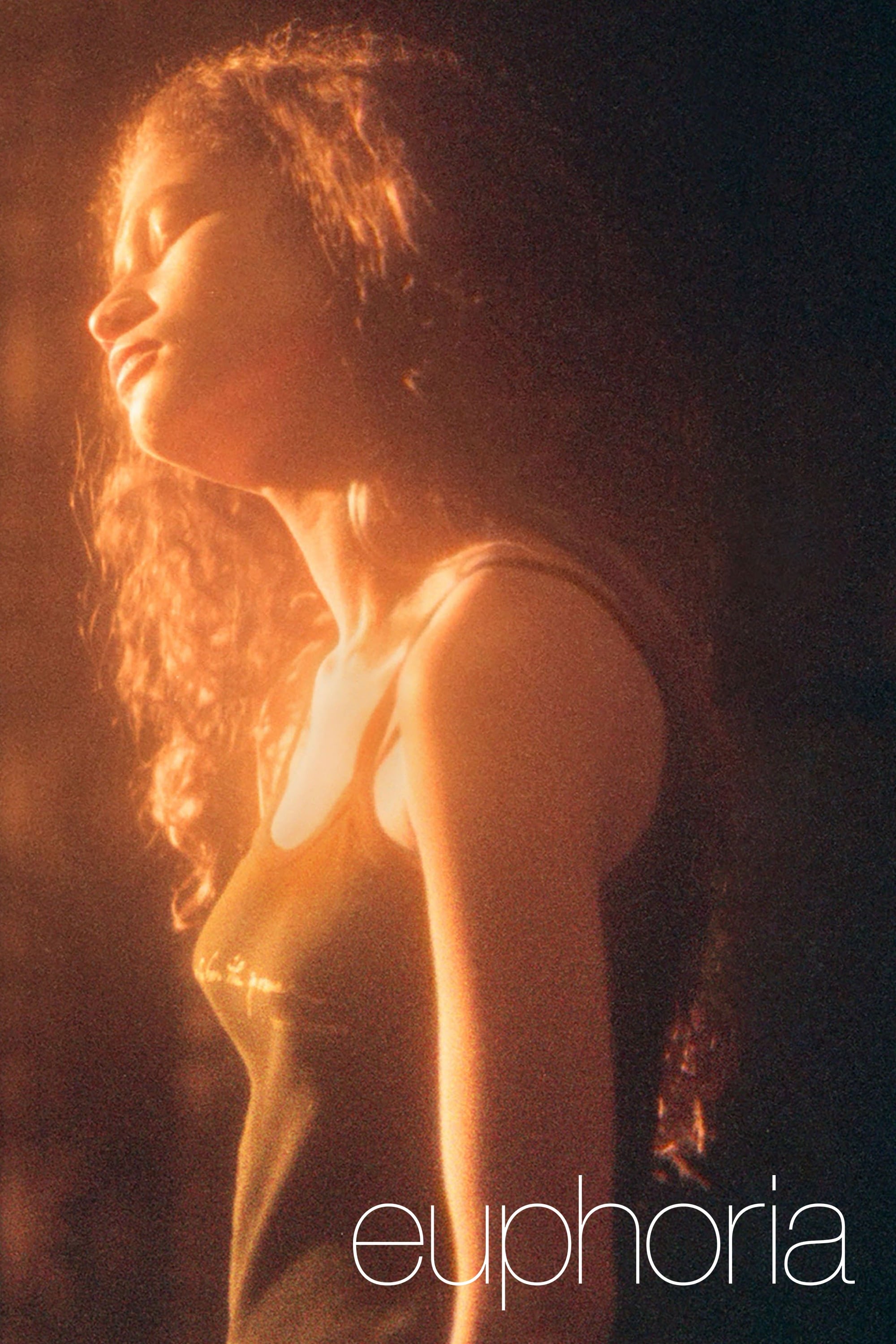
While the series is known for its modern digital crispness, the production shifted gears for specific emotional sequences. The special episodes focusing on Rue were partially shot using Kodak Ektachrome film. This reversal film stock is famous for its rich saturation and distinct grain structure which gives the memories a dreamlike quality. The use of actual film created a tangible separation between the character’s internal reflections and her harsh reality.
‘WandaVision’ (2021)
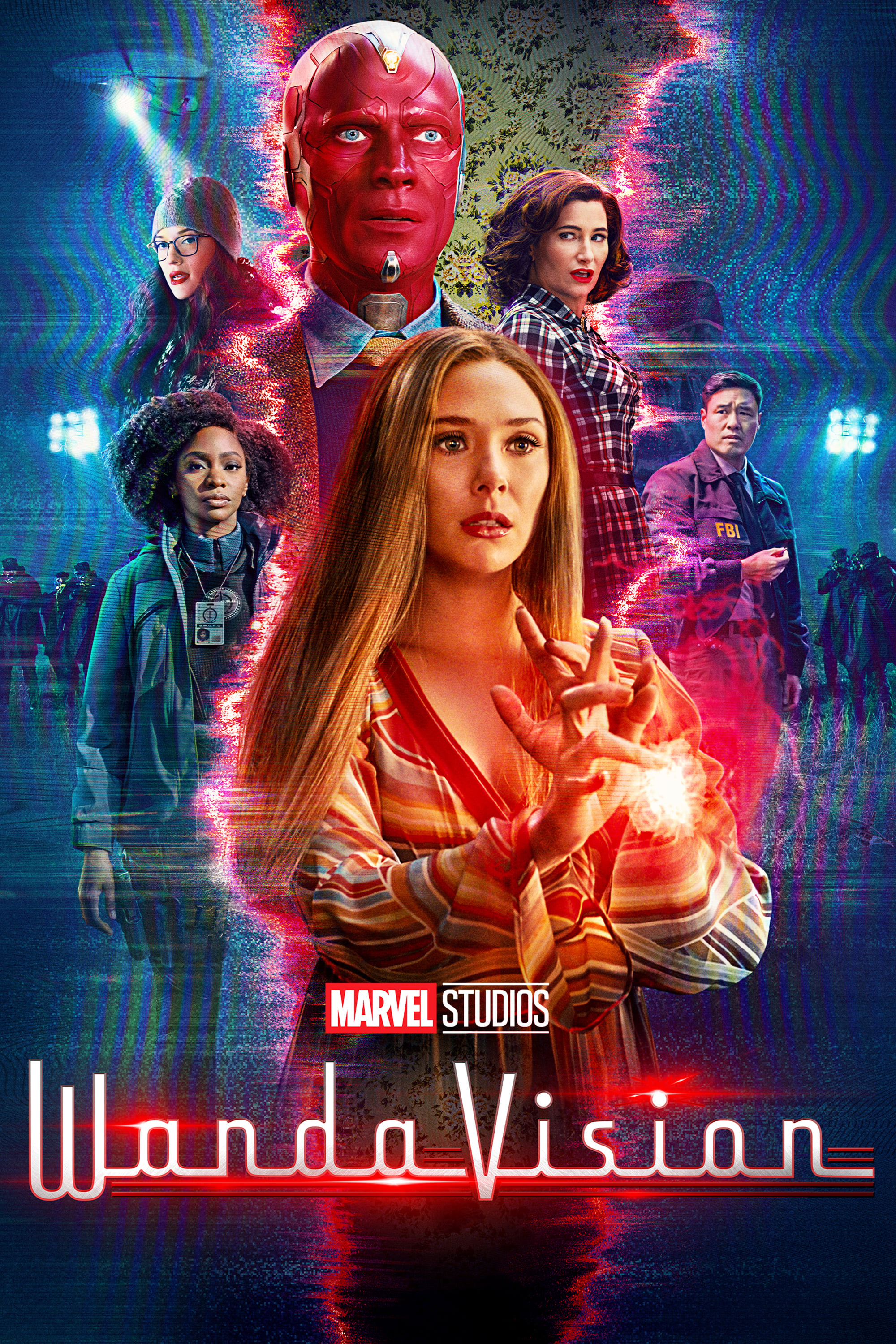
This Marvel series paid homage to the history of American sitcoms by adopting the filmmaking techniques of each respective decade. The crew used period-appropriate lenses and lighting setups to mimic the look of shows from the 1950s through the 1990s. For the early black-and-white episodes, they utilized 47 different camera lenses to ensure the optical characteristics matched the era perfectly. The aspect ratio and picture quality evolved with each episode to reflect the advancement of television technology over time.
‘Cold Case’ (2003–2010)
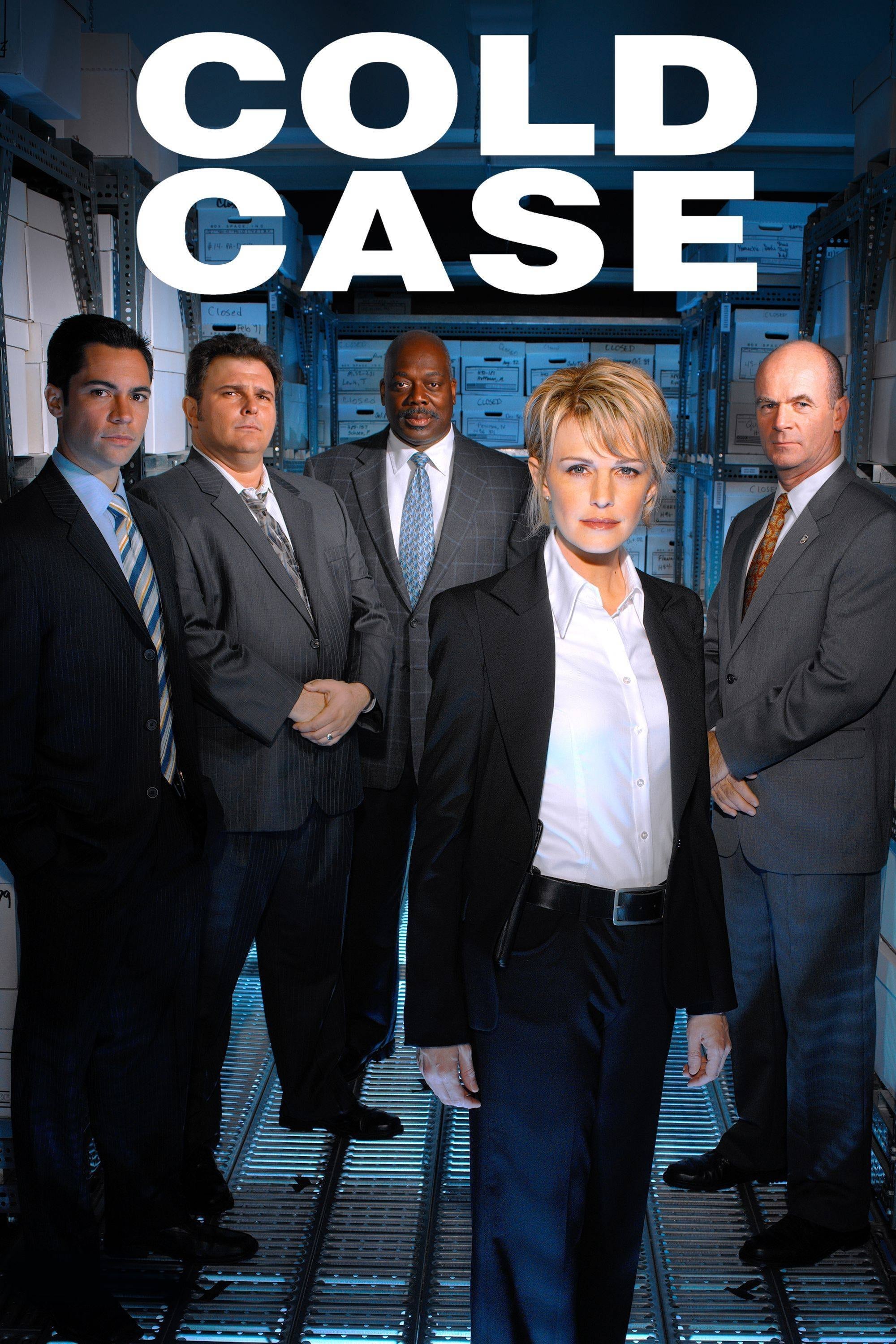
This procedural drama was a pioneer in using multi-format cinematography to distinguish its flashback sequences. Each episode investigated a crime from a different year and the flashbacks were filmed to look like the media of that specific time. The cinematographers utilized Super 8 film, 16mm film, and various color processes like bleach bypass to evoke the correct period feel. This commitment to visual authenticity helped the audience instantly recognize which decade the investigation had moved to.
‘Better Call Saul’ (2015–2022)
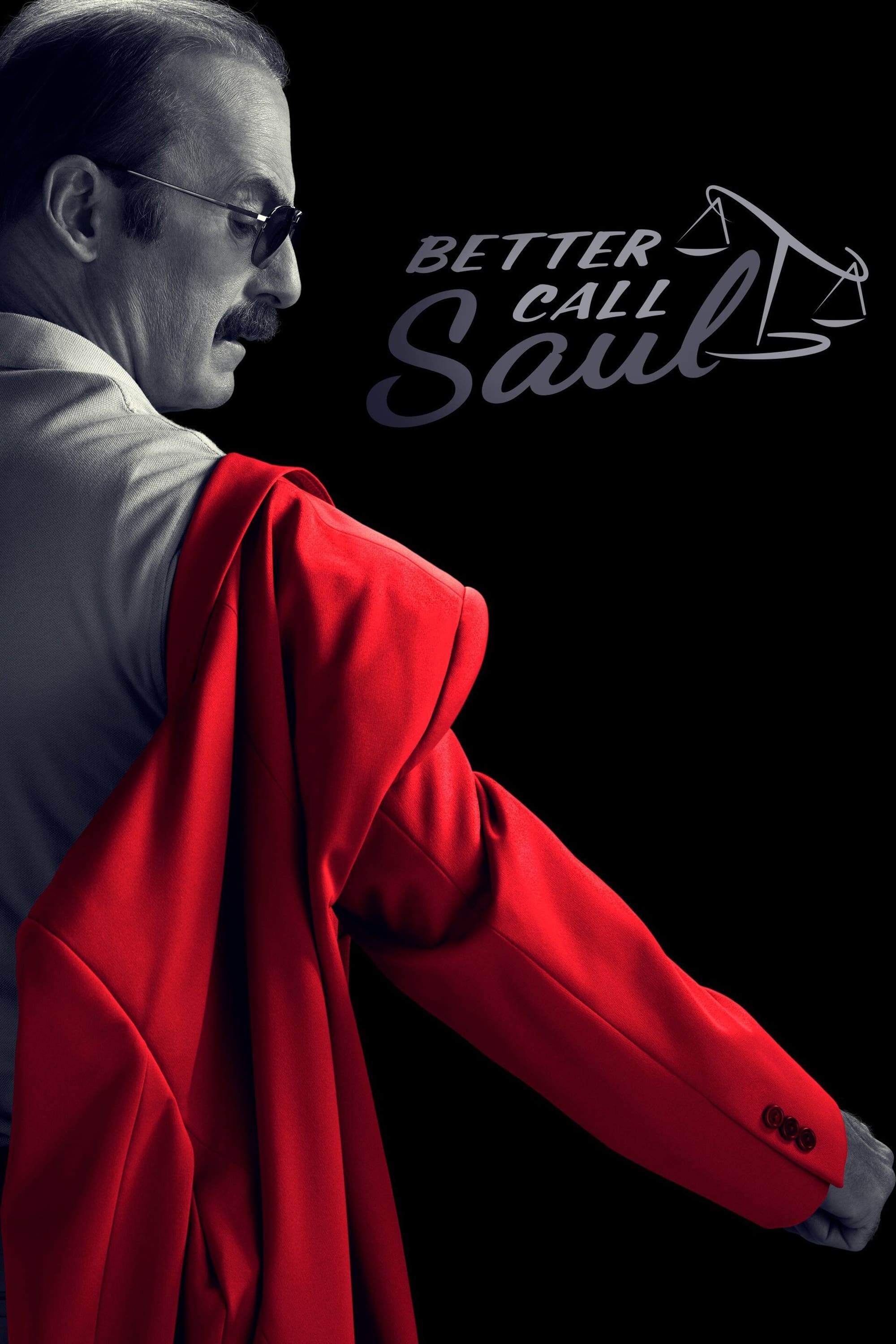
The creative team behind this legal drama used various visual formats to delineate its complex timeline. The black-and-white sequences featuring Gene Takovic provide a stark contrast to the colorful days of Jimmy McGill. Additionally, the show often featured television commercials within the narrative that were shot using standard definition video cameras to replicate the low-budget look of local 1990s advertising. These intentionally degraded visuals added a layer of realism to the world-building of the series.
‘Yellowjackets’ (2021–Present)
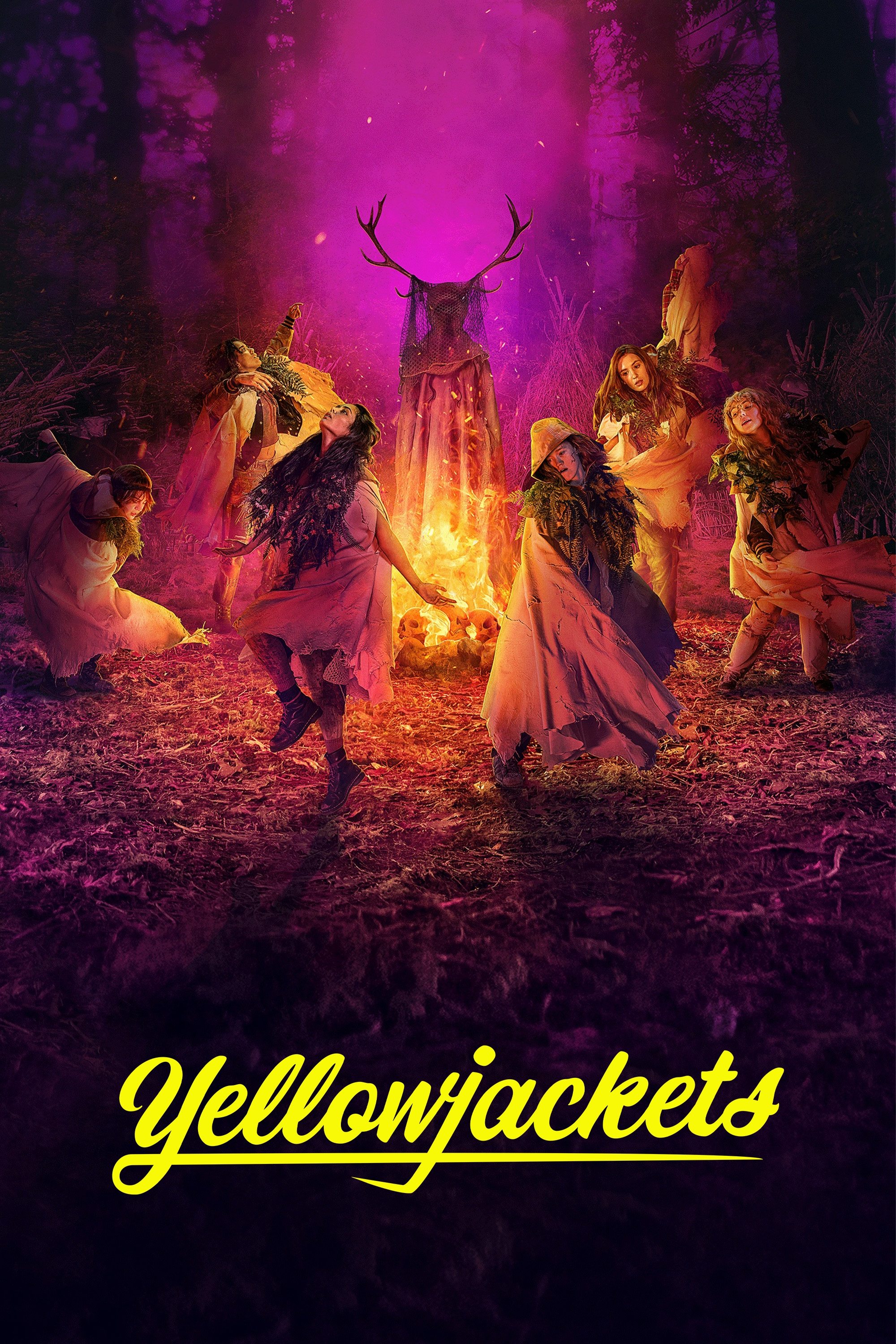
The narrative of this survival thriller splits its time between a plane crash in 1996 and the survivors’ lives in the present day. To distinguish the 1990s timeline, the cinematographers used uncoated vintage lenses that created a softer image with lower contrast. This optical choice produced distinct flares and a raw texture that contrasted with the sharp and cold look of the modern scenes. The visual disparity reinforces the psychological distance between the traumatic past and the haunting present.
‘Documentary Now!’ (2015–Present)

Authenticity is the primary goal of this mockumentary series which parodies famous non-fiction films. The directors go to extreme lengths to source the exact camera models and lenses used in the original documentaries they are spoofing. For the episode parodying ‘Grey Gardens’, the crew tracked down the specific lens types used by the Maysles brothers to replicate the handheld feel of the 1975 classic. This dedication to hardware ensures that each episode looks exactly like the source material it satirizes.
‘Pam & Tommy’ (2022)
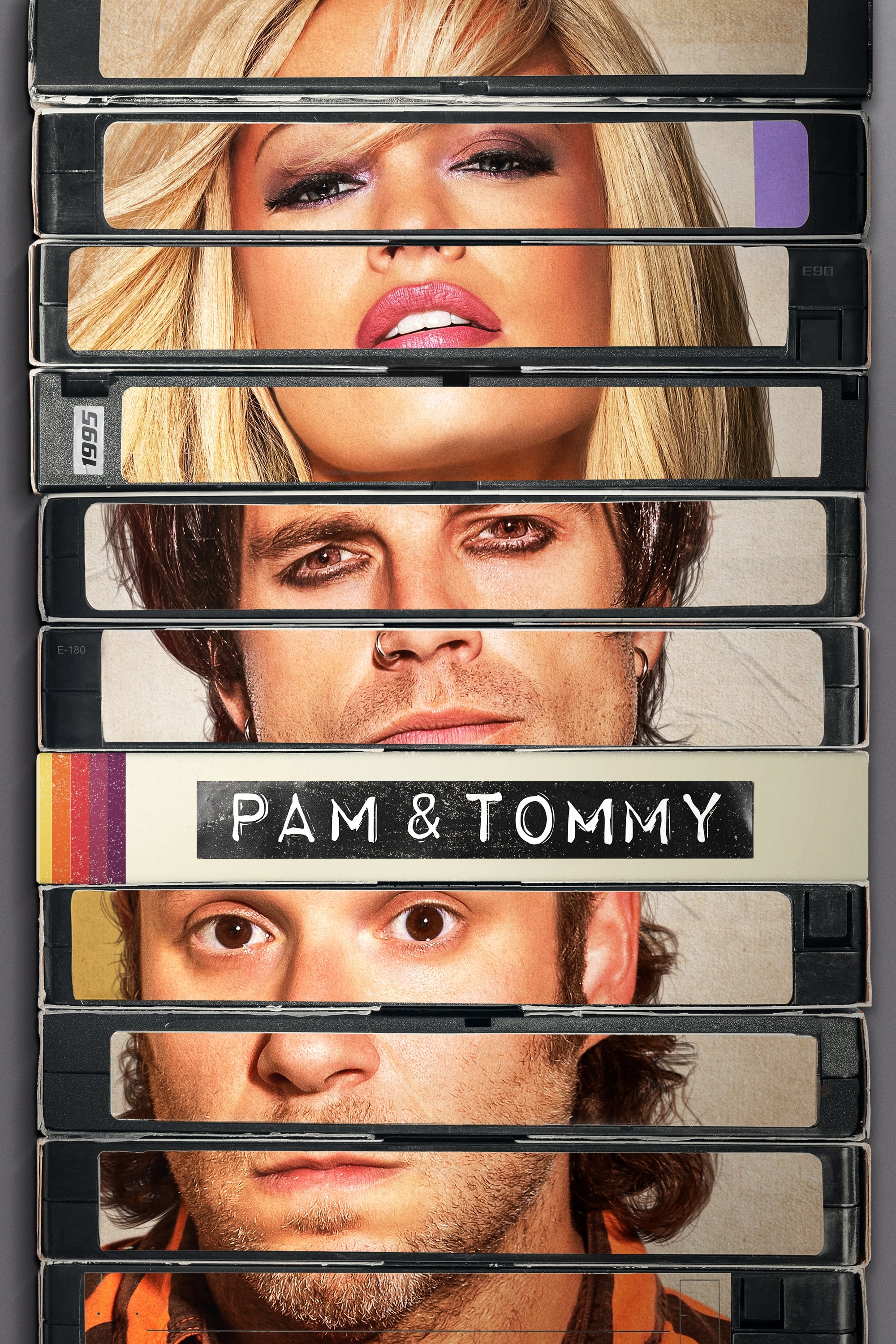
To capture the chaotic energy of the mid-1990s, the series incorporated mixed media into its storytelling. The actors utilized functional Hi8 camcorders during scenes that depicted the couple filming their private lives. This footage was then integrated directly into the final cut to provide a grainy and intimate perspective that digital cameras could not fake. The use of consumer-grade video tape anchored the show in the specific technological reality of 1995.
‘Archive 81’ (2022)
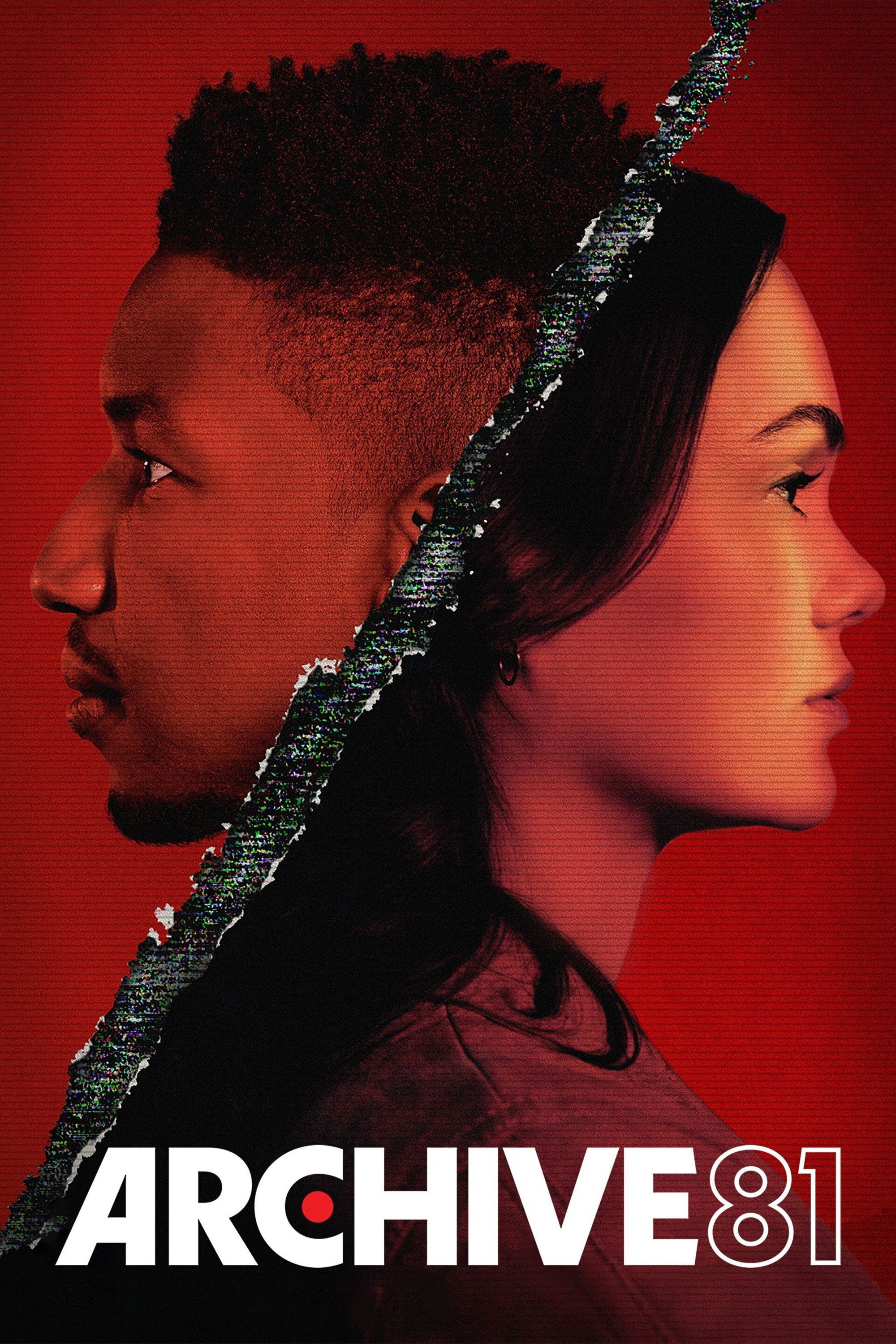
Found footage is a central plot device in this supernatural horror series. The show features a dual timeline where the protagonist restores damaged videotapes from 1994. The past timeline was captured using Hi8 and VHS cameras to create legitimate analog noise and tracking errors. These genuine artifacts of magnetic tape media played a crucial role in building the eerie atmosphere of the recovered footage.
‘Daisy Jones & The Six’ (2023)
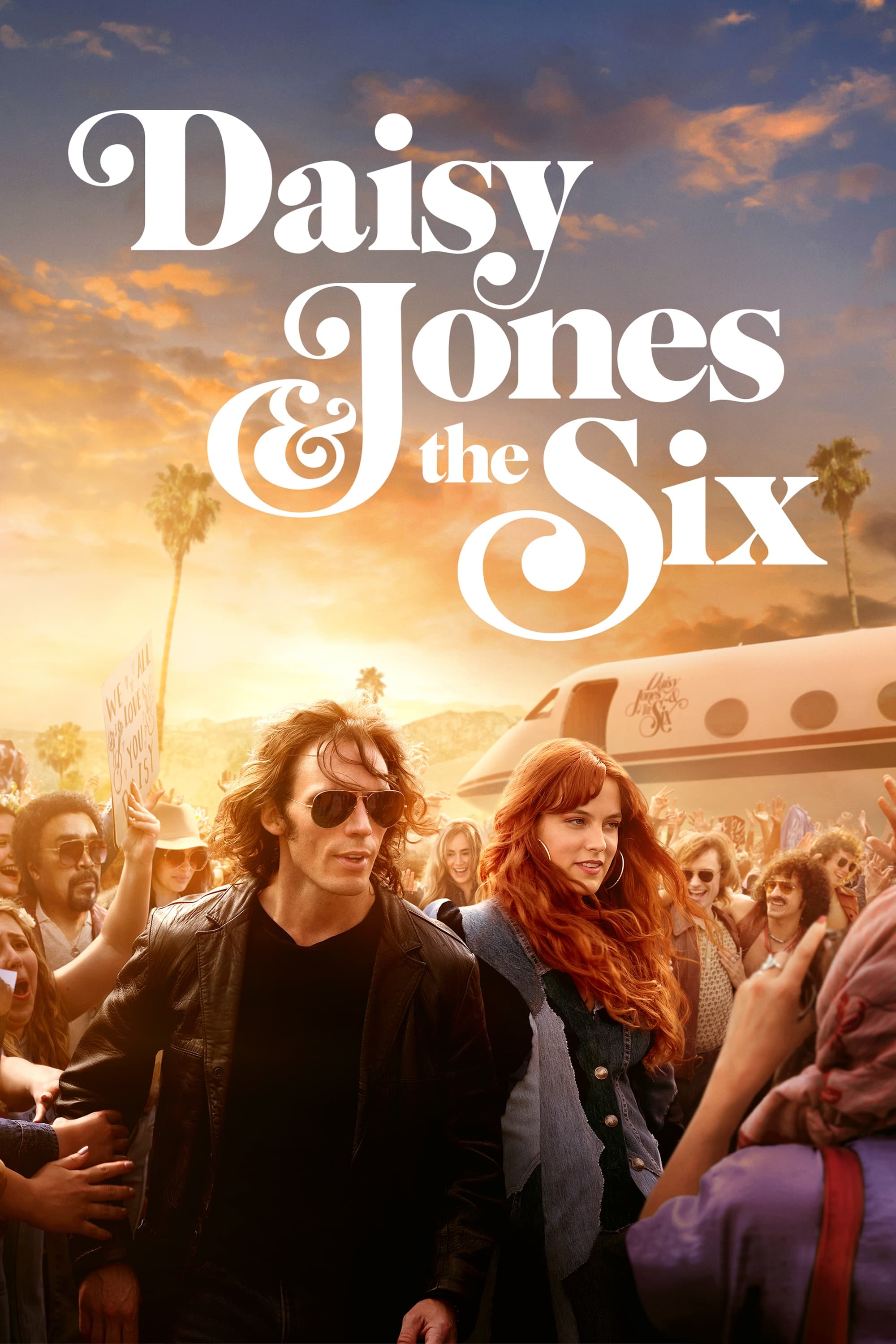
This musical drama mimics the style of a rock documentary filming a band during the 1970s. The production used Super 8 cameras to capture candid moments and home movie sequences of the band members. The small gauge film format provided a warm and nostalgic texture that digital filters often fail to replicate fully. These segments served to humanize the rock stars by presenting them through the lens of a personal handheld camera.
‘Cruel Summer’ (2021)
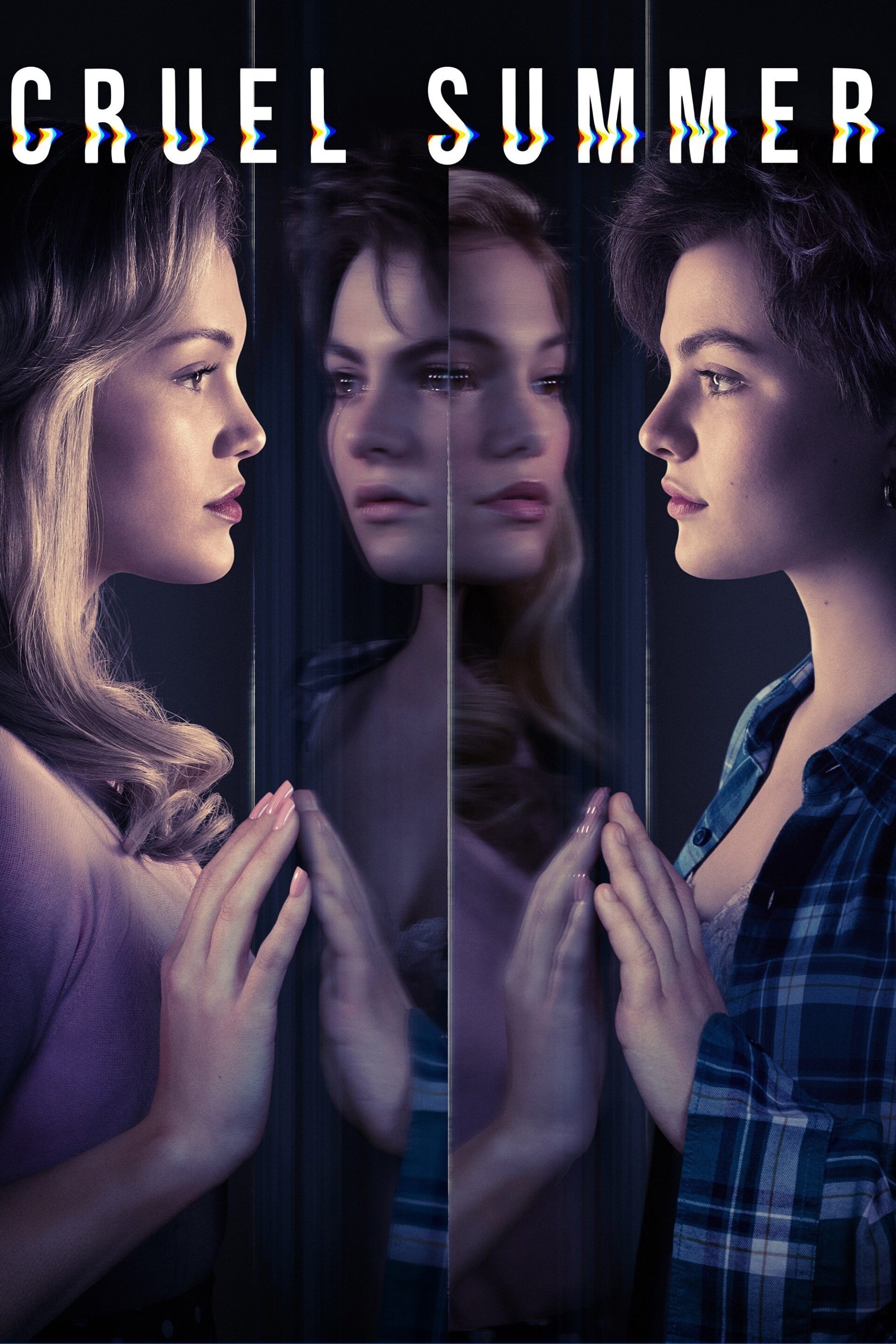
The first season of this mystery anthology takes place over three consecutive summers in the 1990s. The cinematographers used different filters and lenses to create a unique color palette and visual tone for 1993, 1994, and 1995. The earliest timeline appears bright and warm while the subsequent years become progressively darker and more desaturated. These optical changes allow the viewer to instantly identify the year without needing title cards.
‘The Staircase’ (2022)

Retelling a true crime story required the production to navigate three distinct time periods including the filming of a documentary within the show. The filmmakers used different aspect ratios and camera formats to separate the family drama from the courtroom scenes and the documentary footage. They employed digital cameras treated to look like early 2000s video for the documentary segments. This visual layering helped organize the dense narrative spanning nearly two decades.
‘Watchmen’ (2019)
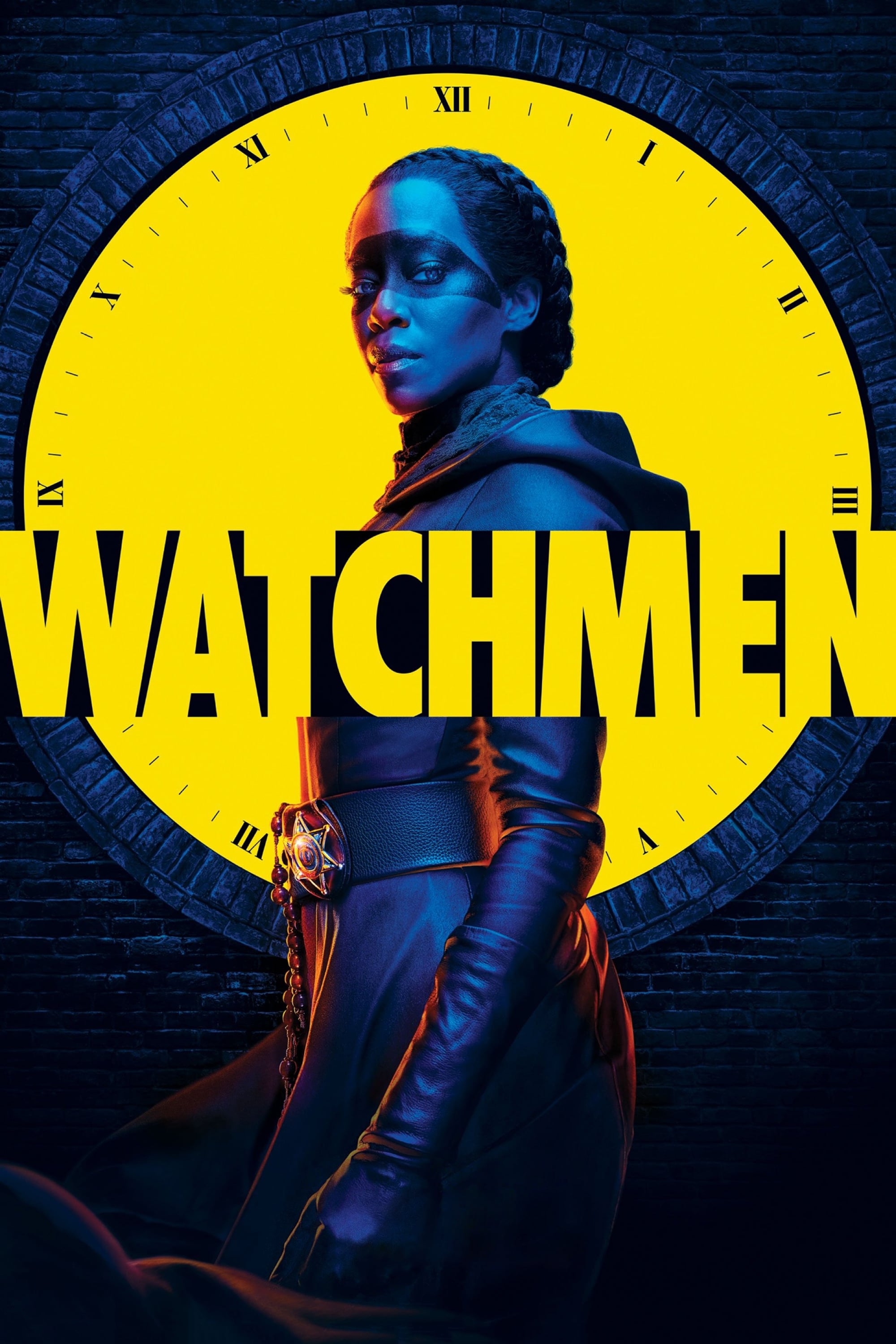
The episode focused on the origin story of Hooded Justice utilized a striking visual departure from the rest of the series. The cinematographer filmed the sequence in black and white with a specific film grain structure to evoke the feeling of memories induced by the fictional drug Nostalgia. They used wide vintage lenses and long takes to create a fluid and dreamlike perspective. This stylistic shift immediately signaled that the audience was witnessing a subjective and fragmented recollection of the past.
‘Stranger Things’ (2016–Present)
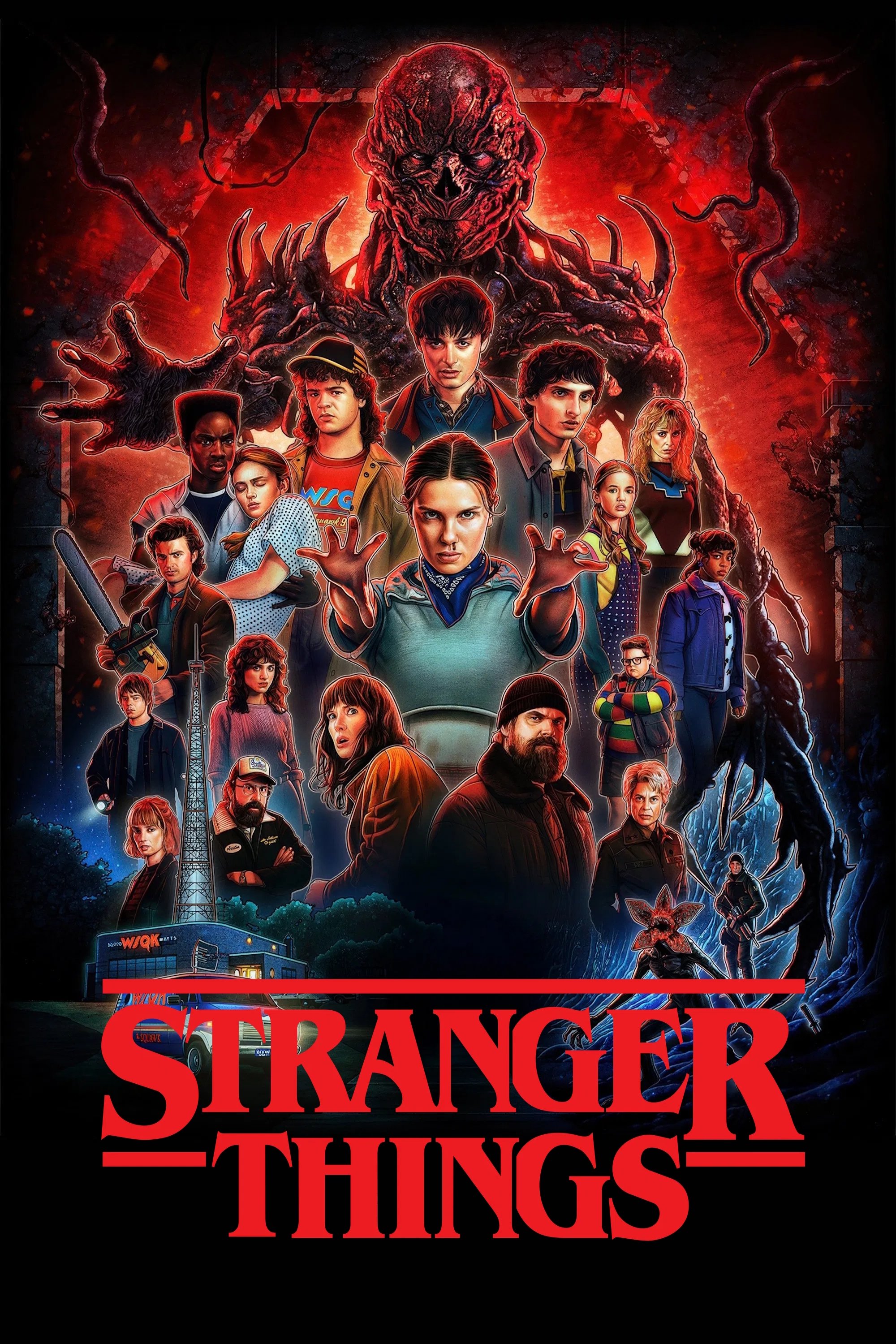
While shot on modern digital cinema cameras, the show is famous for its heavy 1980s aesthetic. The production relies on vintage Leica and Panavision lenses to introduce optical imperfections common in films from that era. A layer of synthetic grain is added in post-production to mimic the texture of 35mm film stock. These technical choices ensure the show maintains the visual integrity of the Amblin-style movies that inspired it.
‘Mindhunter’ (2017–2019)
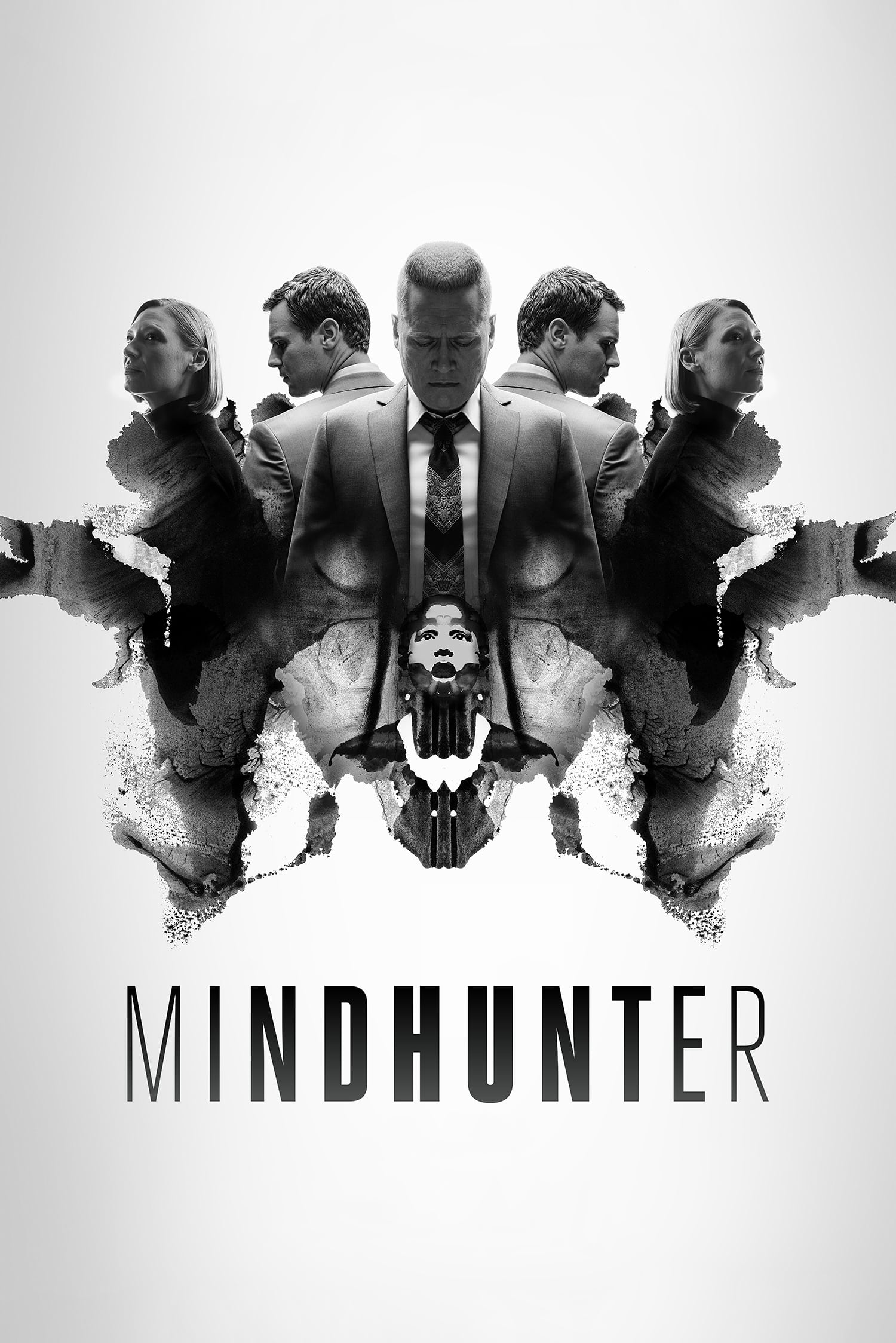
Director David Fincher is known for his precise digital workflow but he wanted a specific period look for this crime thriller set in the late 1970s. The production used custom-built RED cameras with specific color science designed to emulate the film stocks of the era. The lenses were chosen to provide the geometric precision Fincher prefers while maintaining a vintage color cast. The result is a sterile yet period-accurate aesthetic that mirrors the clinical approach of the FBI agents.
‘Fringe’ (2008–2013)
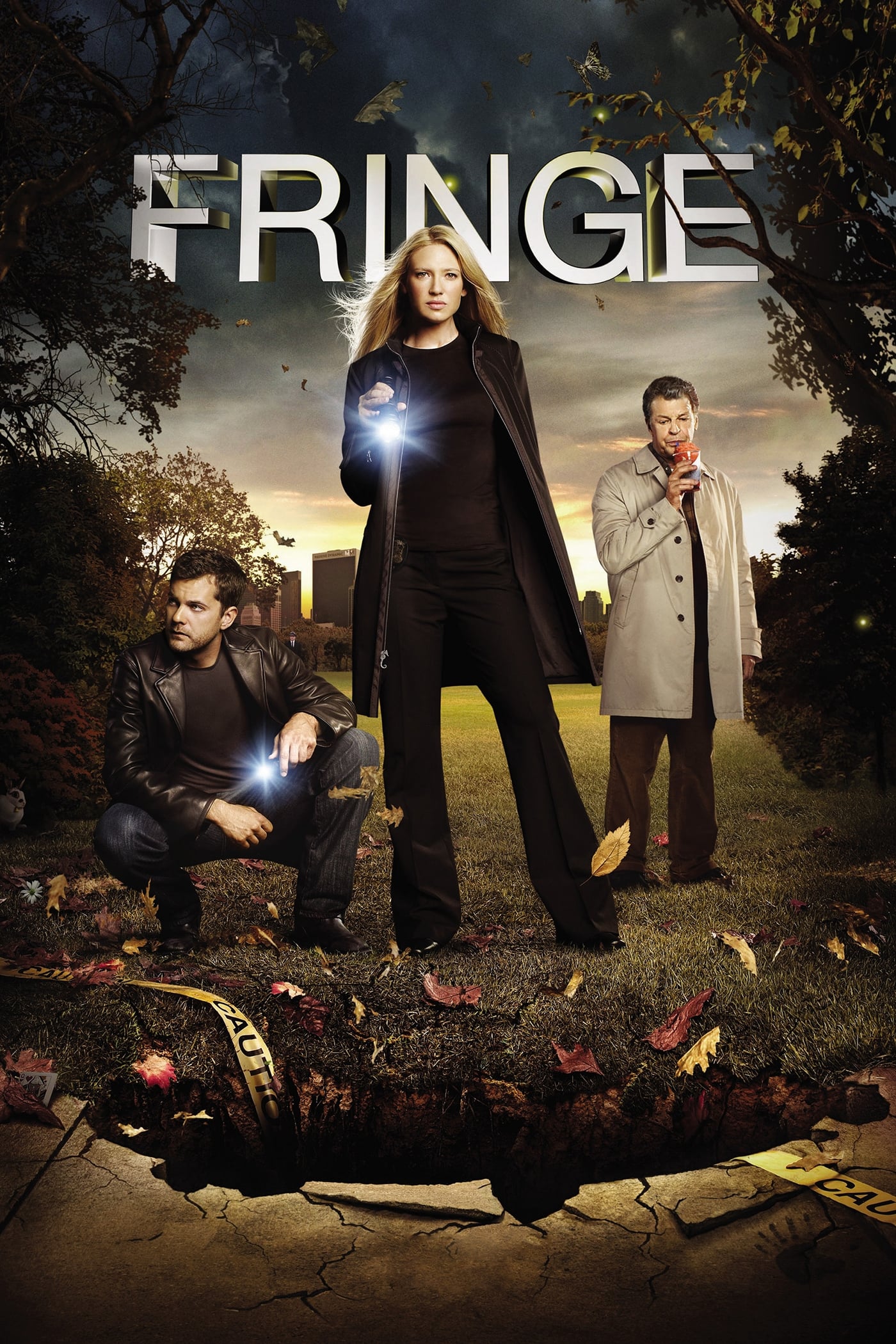
This sci-fi series experimented heavily with visual formats to denote different universes and time periods. The episode titled ‘Peter’ takes place in 1985 and features a completely redesigned title sequence and visual style. The production added heavy grain and specific color grading to mimic the look of 1980s television dramas. This commitment to the bit immersed the audience in the past before the story even began.
‘Snowfall’ (2017–2023)
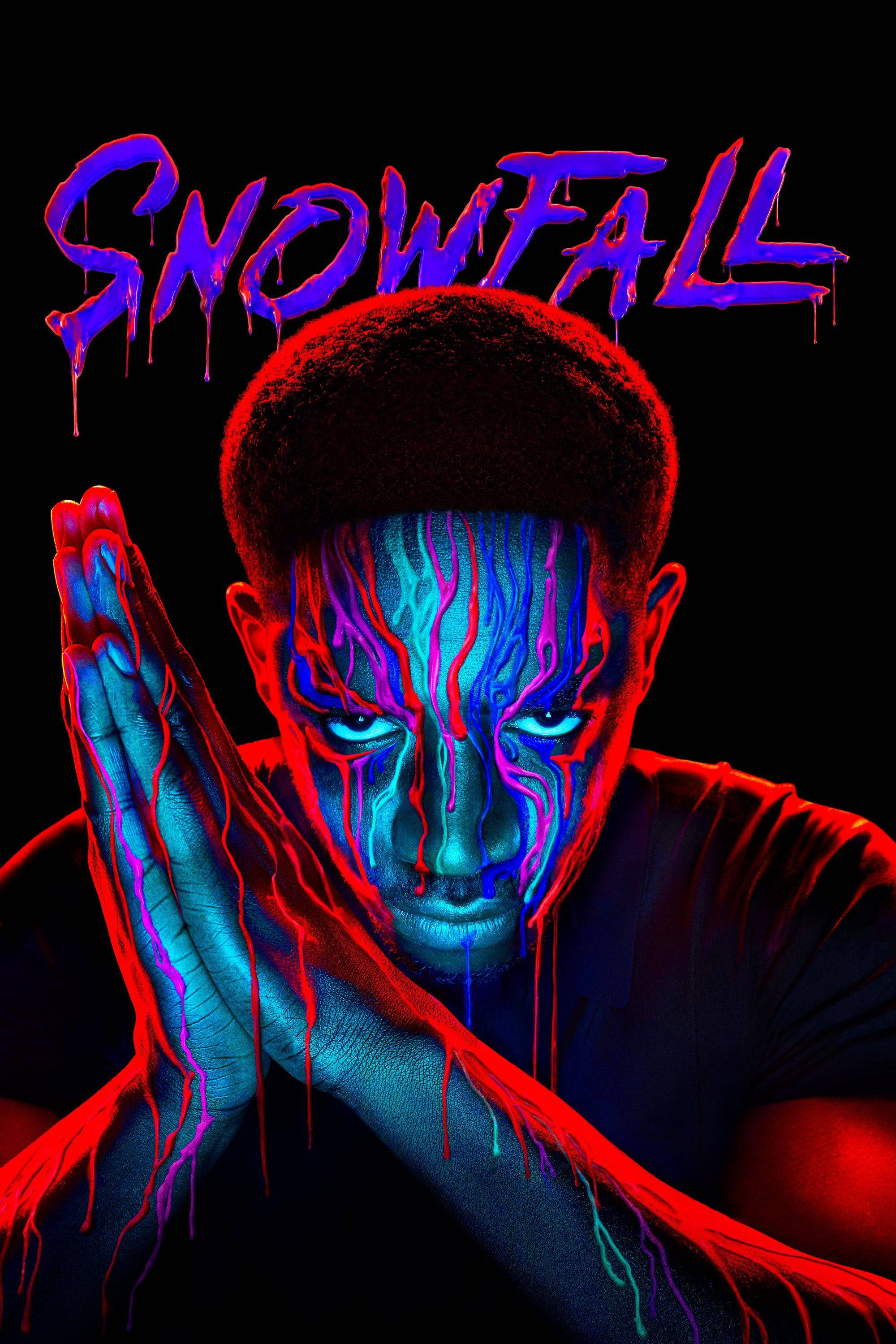
Set in Los Angeles during the crack cocaine epidemic, the show needed to capture the distinct harsh sunlight of the 1980s. The cinematography team used vintage lenses to create flares and lower contrast that evoked the feeling of the decade. They employed specific filtration to give the image a sun-bleached quality reminiscent of 80s street photography. The optical characteristics of the glass played a major role in establishing the heat and tension of the setting.
‘Atlanta’ (2016–2022)
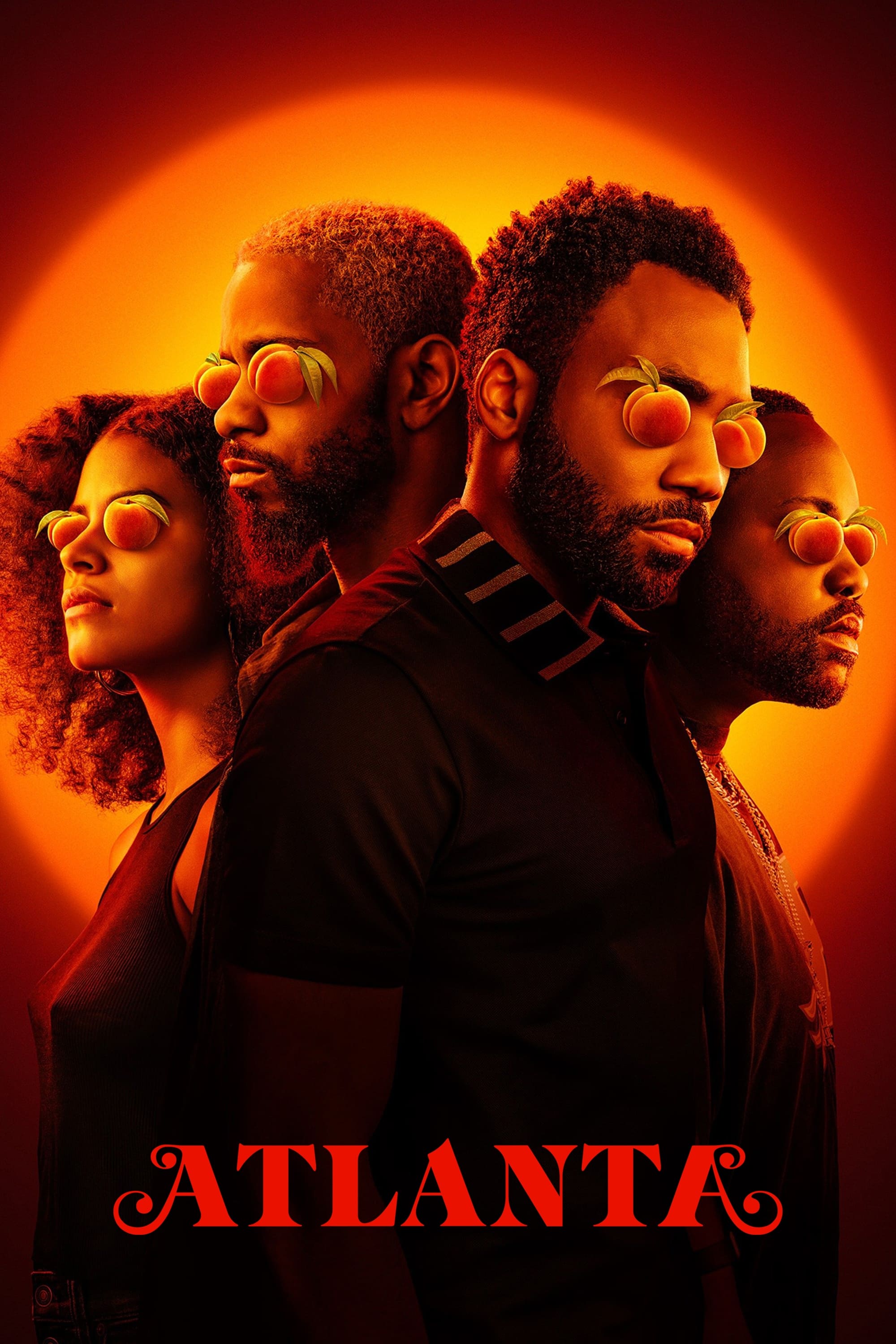
The third season of this surreal comedy-drama was shot primarily on 35mm film to give it a texture distinct from previous digital seasons. The episode ‘Teddy Perkins’ utilized a specific visual style that felt like a disturbing psychological horror film from a bygone era. The grain and dynamic range of the film stock added a layer of unease and timelessness to the visuals. This choice elevated the episode from a standard television format to a cinematic experience.
‘Westworld’ (2016–2022)
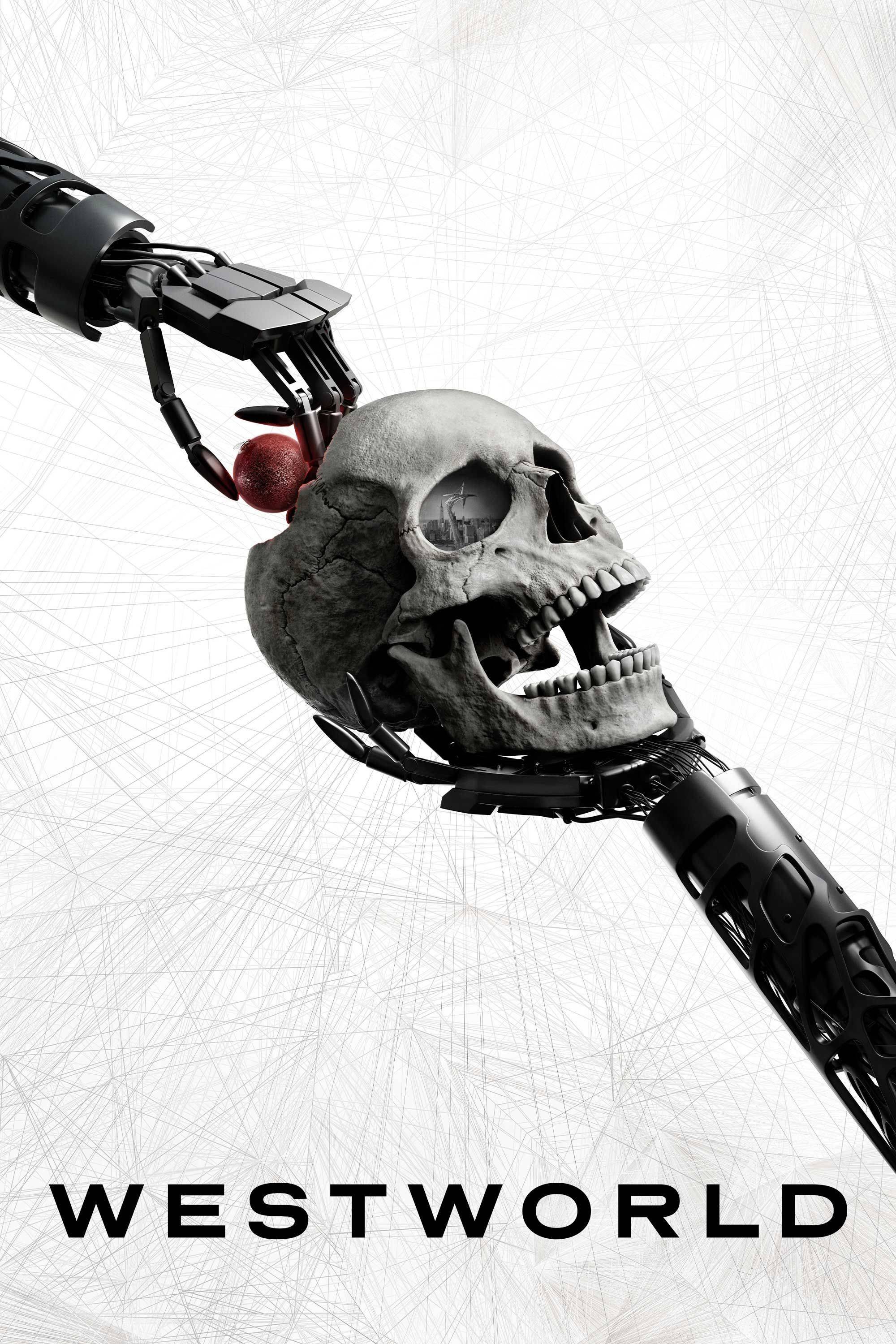
The production distinguished between the artificial world of the theme park and the sleek corporate reality using different capturing formats. The scenes within the park were largely shot on 35mm film to give them a classic western texture. Conversely, the scenes set in the high-tech laboratories and the real world were often shot on digital cameras for a cleaner and sharper look. This subtle switch helped the audience subconsciously separate the simulation from reality.
‘The Wonder Years’ (2021–2023)
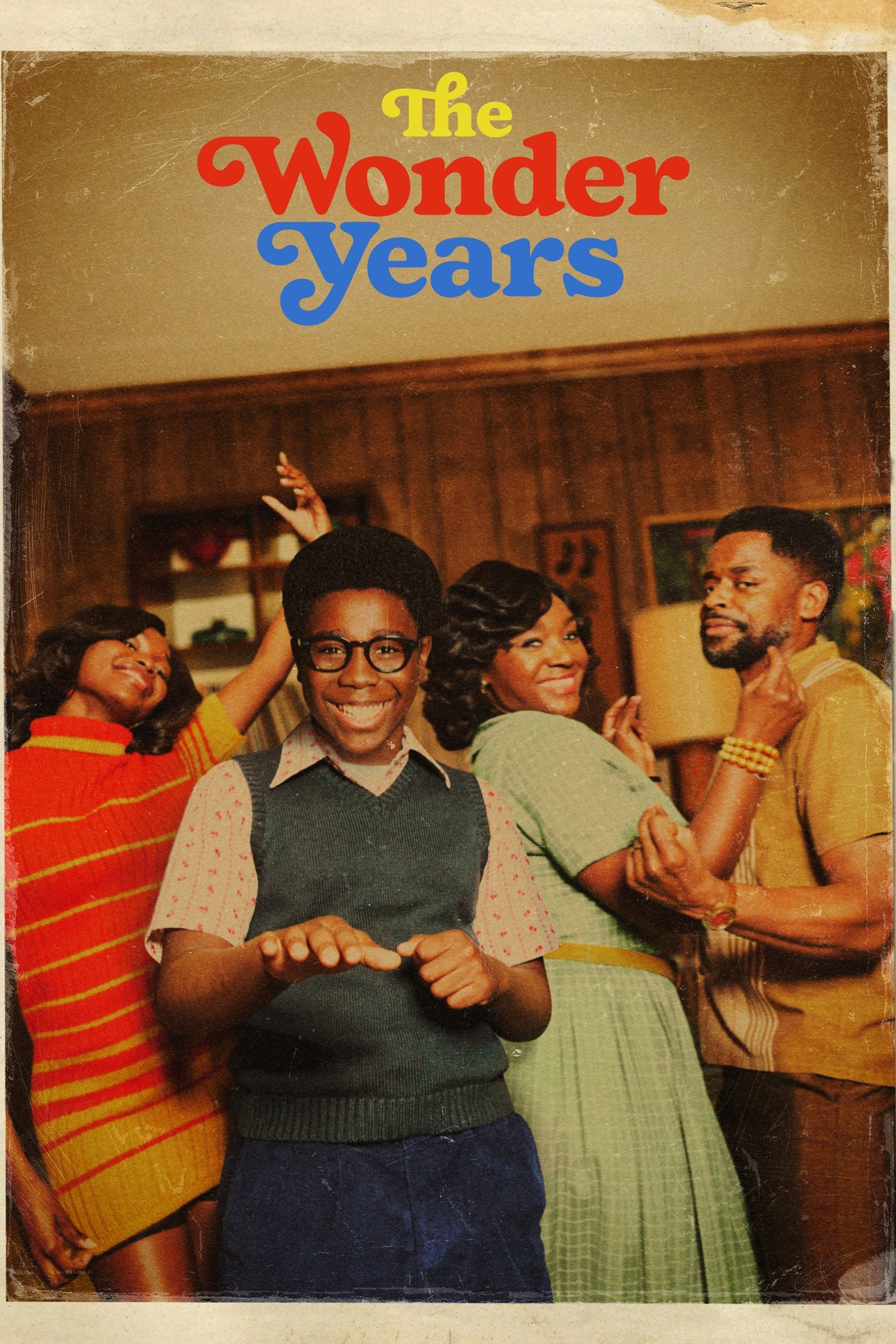
Rebooting a classic requires a delicate balance of modern quality and nostalgic atmosphere. The cinematographers filmed on digital cameras but used a heavy 16mm film emulation to replicate the look of home movies from the late 1960s. They applied specific grain structures and color shifts that mimicked the amateur film stocks of the period. This technique grounded the coming-of-age story in a visual language that felt authentic to the memory of the protagonist.
‘Succession’ (2018–2023)
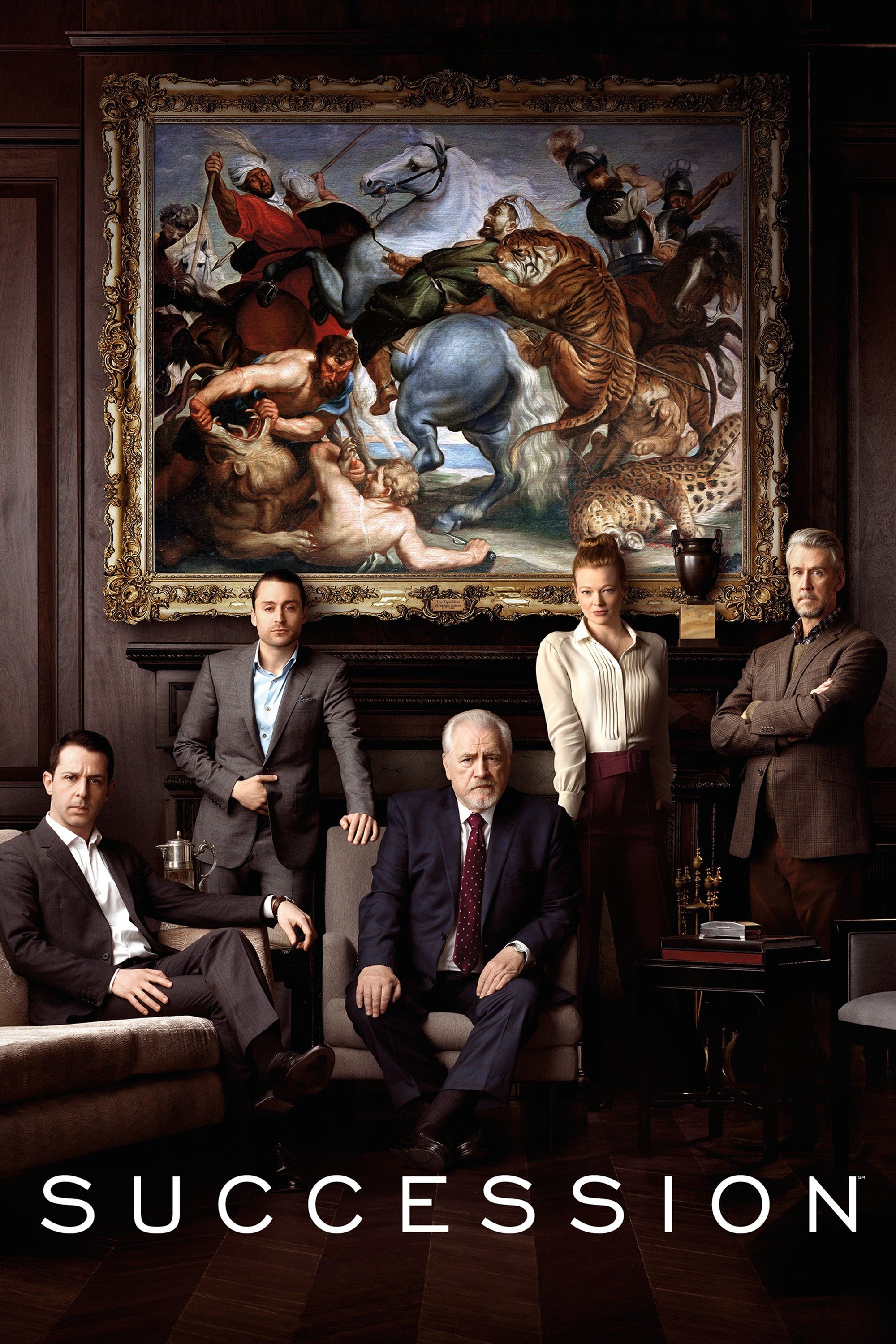
The opening title sequence of this corporate drama is one of the most recognizable uses of vintage formats on modern television. The intro combines grainy Super 8 and 16mm home movie footage to depict the childhood of the Roy siblings. These clips stand in stark contrast to the sharp and cold digital cinematography of the main show. The fuzzy and warm vintage footage effectively establishes the history of privilege and isolation that defines the characters.
Share your favorite example of visual storytelling in TV flashbacks in the comments.