20 Films With Sound Effects Layered from Household Items


Sound design is an invisible art form that shapes the way audiences experience cinema. While visual effects often grab the headlines, the audio engineers work in studios to create immersive worlds using surprisingly ordinary objects. Foley artists frequently raid kitchens, garages, and grocery stores to find the perfect texture for alien creatures or futuristic machinery. The most iconic sounds in film history often originate from items found in the average home.
‘Terminator 2: Judgment Day’ (1991)
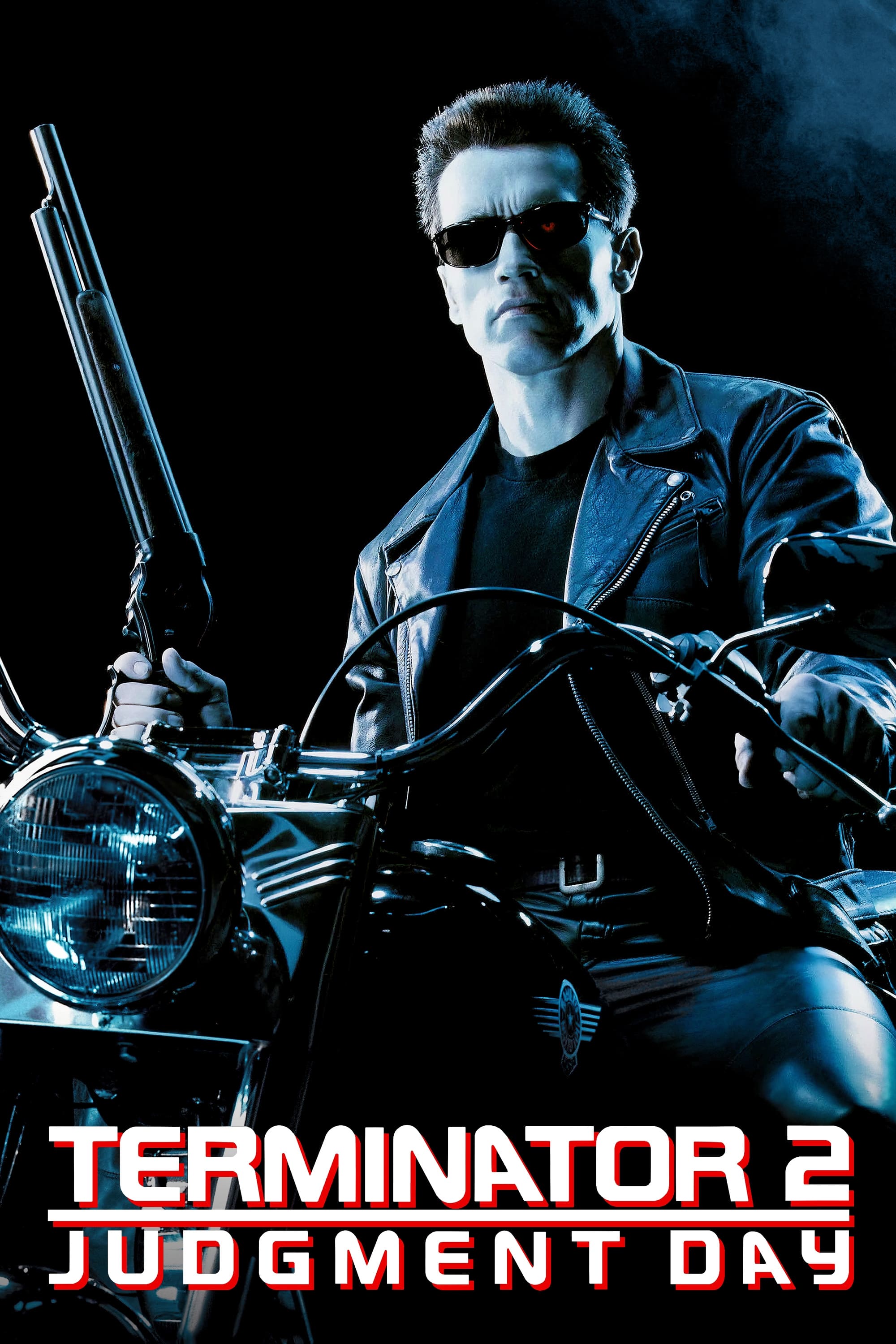
The terrifying transformation scenes of the T-1000 required a slimy and viscous audio texture. Sound designer Gary Rydstrom achieved this by recording dog food slowly sliding out of a can. He also used an inverted glass dipped into yogurt to create the distinct morphing suction sounds. These common grocery store items effectively sold the liquid metal illusion to the audience. The result was a chillingly organic sound for a synthetic killer.
‘Psycho’ (1960)
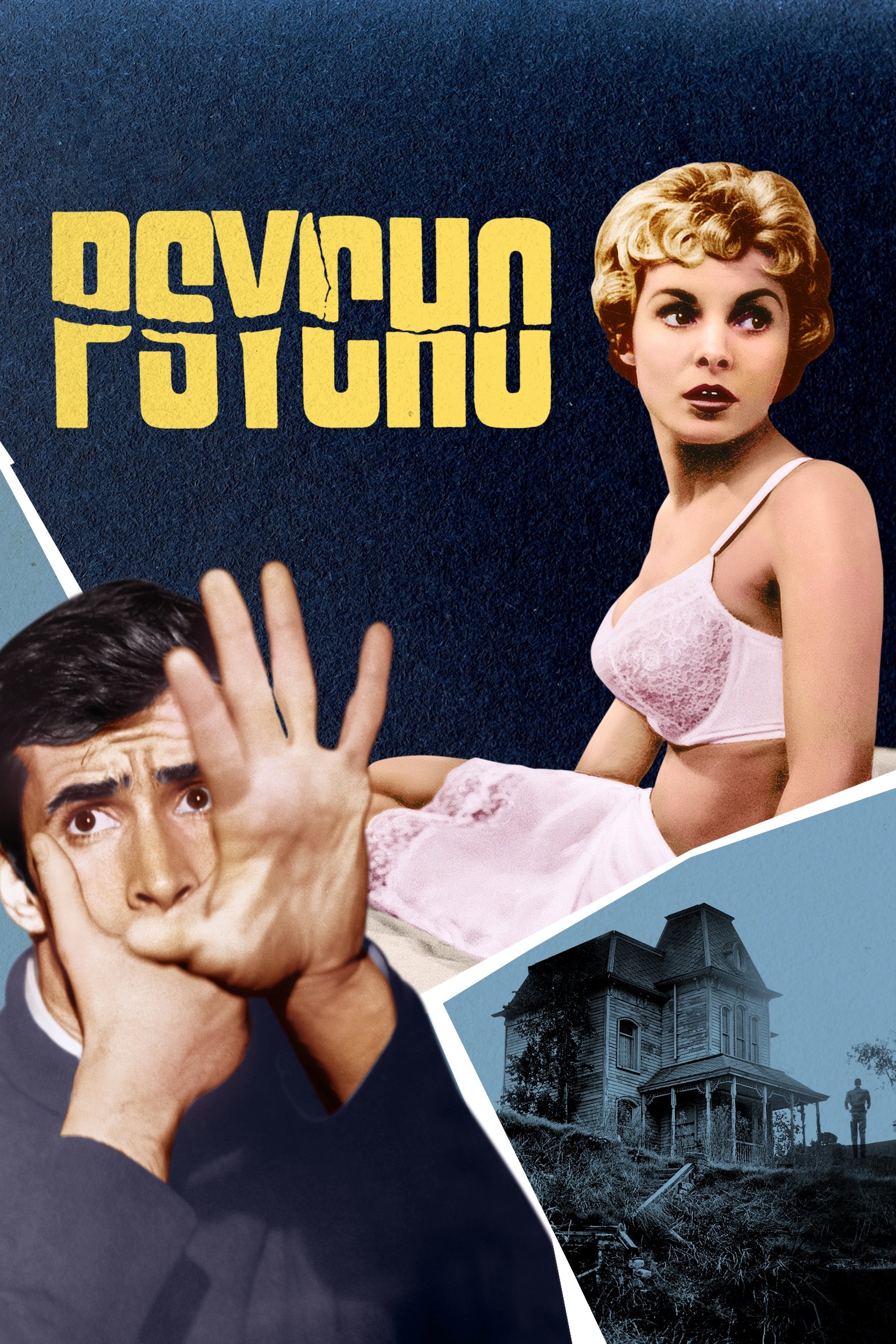
Alfred Hitchcock needed a sickeningly realistic sound for the famous shower scene stabbing. The sound designer repeatedly stabbed a Casaba melon to create the visceral tearing noise. This simple fruit mimicked the acoustic density of human flesh perfectly on the audio tape. The result became one of the most recognizable and studied sound effects in cinema history. It proved that simple practical effects often outshine synthesized audio.
‘Star Wars’ (1977)

The iconic hum of the lightsaber originated from the idle motor of an old movie projector. Ben Burtt combined this steady drone with the interference buzzing from a television set to build the base layer. He recorded the combined tone while waving a microphone near the speaker to create the famous Doppler shift. This creative layering established the signature weapon sound for the entire franchise. It demonstrates how electrical interference can be repurposed into sci-fi magic.
‘E.T. the Extra-Terrestrial’ (1982)
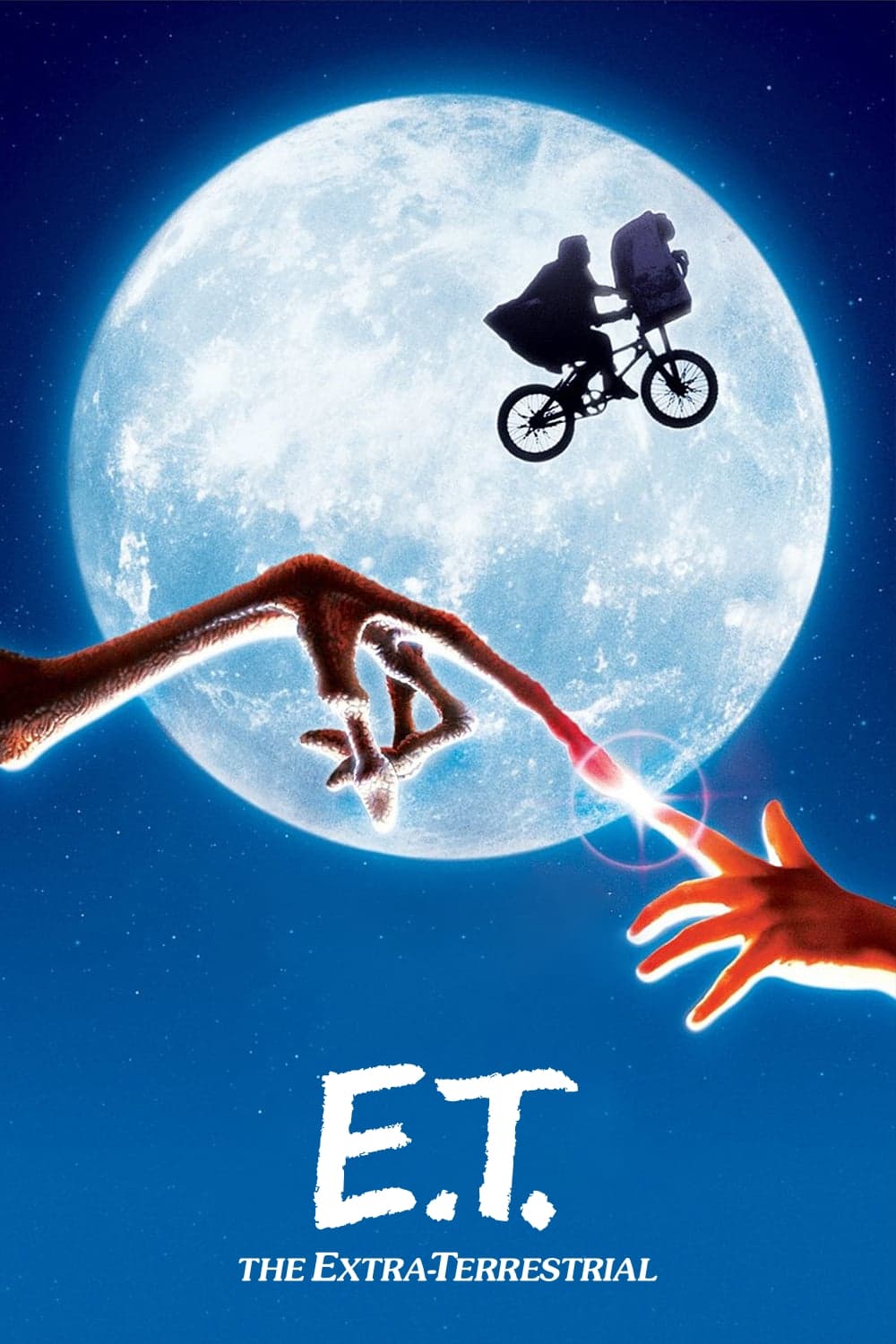
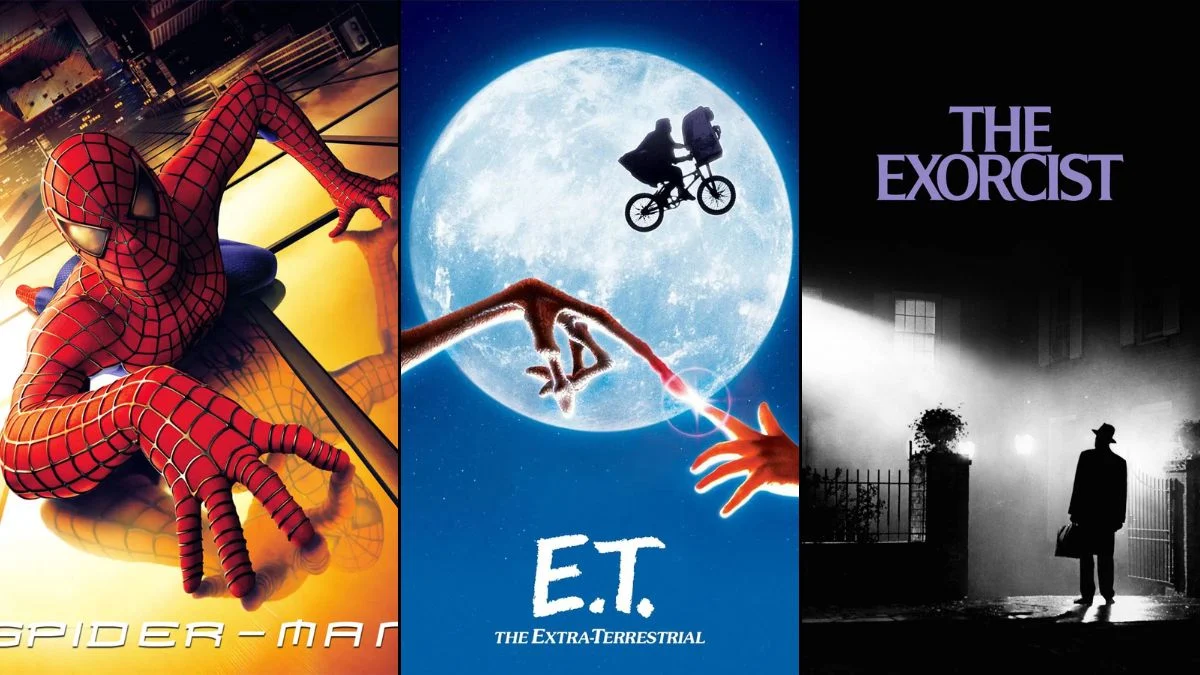
The sound of the alien moving awkwardly required a wet and slushy texture. Foley artist Joan Rowe walked around the studio wearing a damp t-shirt filled with heavy Jell-O. She also rubbed wet hands against various surfaces to capture the tactile squishiness of the character. This combination gave ‘E.T.’ a distinct organic presence unlike any mechanical movie robot. The technique helped ground the puppet in a biological reality.
‘The Exorcist’ (1973)

The scene featuring Regan possessing a full range of motion in her neck required a bone-crushing audio effect. The sound team twisted an old leather wallet filled with credit cards near a sensitive microphone. The friction of the dried leather and the snapping plastic simulated cracking vertebrae. This practical effect added a visceral layer of horror to the already shocking visual. It remains a prime example of using wallet debris to induce fear.
‘Monty Python and the Holy Grail’ (1975)

The film production could not afford real horses for the cast to ride during the shoot. The actors mimicked riding motions while assistants banged two empty coconut halves together. This rhythmic clumping became a central running joke throughout the movie. The distinct hollow thud of the coconuts perfectly emulated the sound of hooves hitting the ground. The comedic solution has since become a legendary piece of film trivia.
‘Fight Club’ (1999)

The brutal fight scenes in the underground clubs needed impacts that sounded damaging and wet. Sound designers stuffed chicken carcasses with walnuts and smashed them with baseball bats. They also cracked bleached pork ribs to simulate bones breaking under the skin. These culinary destruction methods ensured every punch felt dangerously real to the viewer. The visceral audio made the violence uncomfortable to watch.
‘Alien’ (1979)
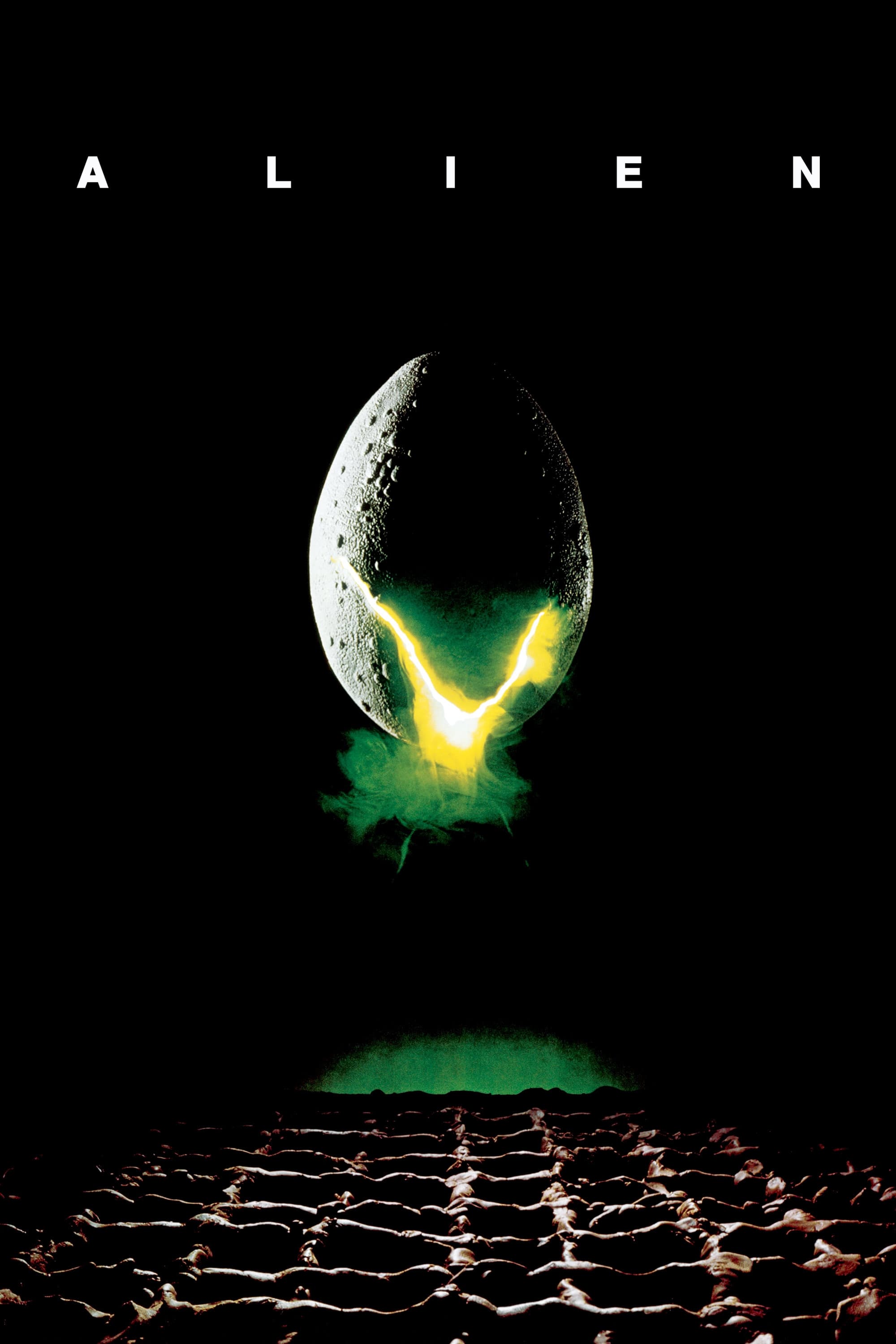
The scene where Ash is revealed to be an android featured milky white fluids and messy innards. The audio team utilized cooked pasta and milk to create the squelching noise of his internal systems. They layered this with the sound of marbles dropping to represent gears falling apart. The mixture of food items made the robotic gore feel unsettlingly organic. It blurred the line between biology and machinery.
‘Men in Black’ (1997)
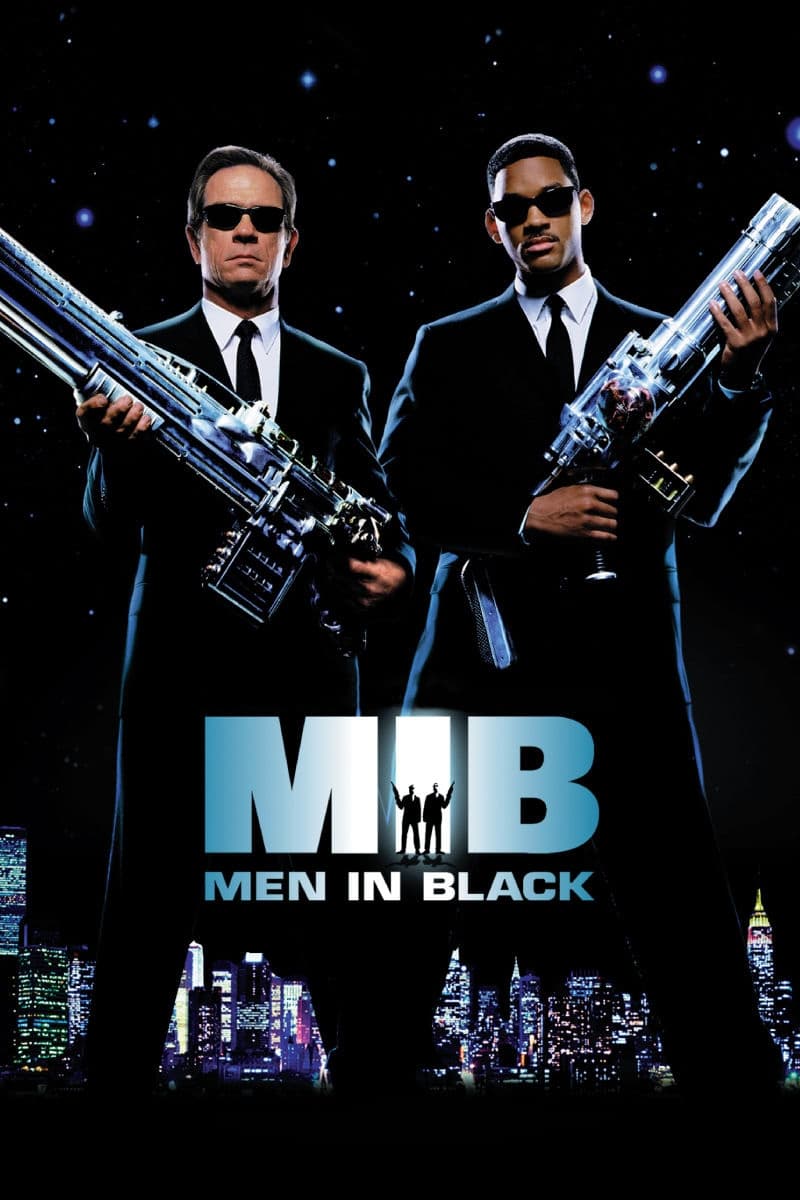
The gross explosion of alien bugs required a sharp and messy splat. Foley artists stepped on packets of mustard to achieve the initial thick burst sound. They enhanced this by breaking glass to add a crunchy texture to the insect exoskeletons. The result was a satisfyingly gooey effect that emphasized the humor of the scene. This technique turned a condiment into a weapon of mass destruction.
‘Spider-Man’ (2002)
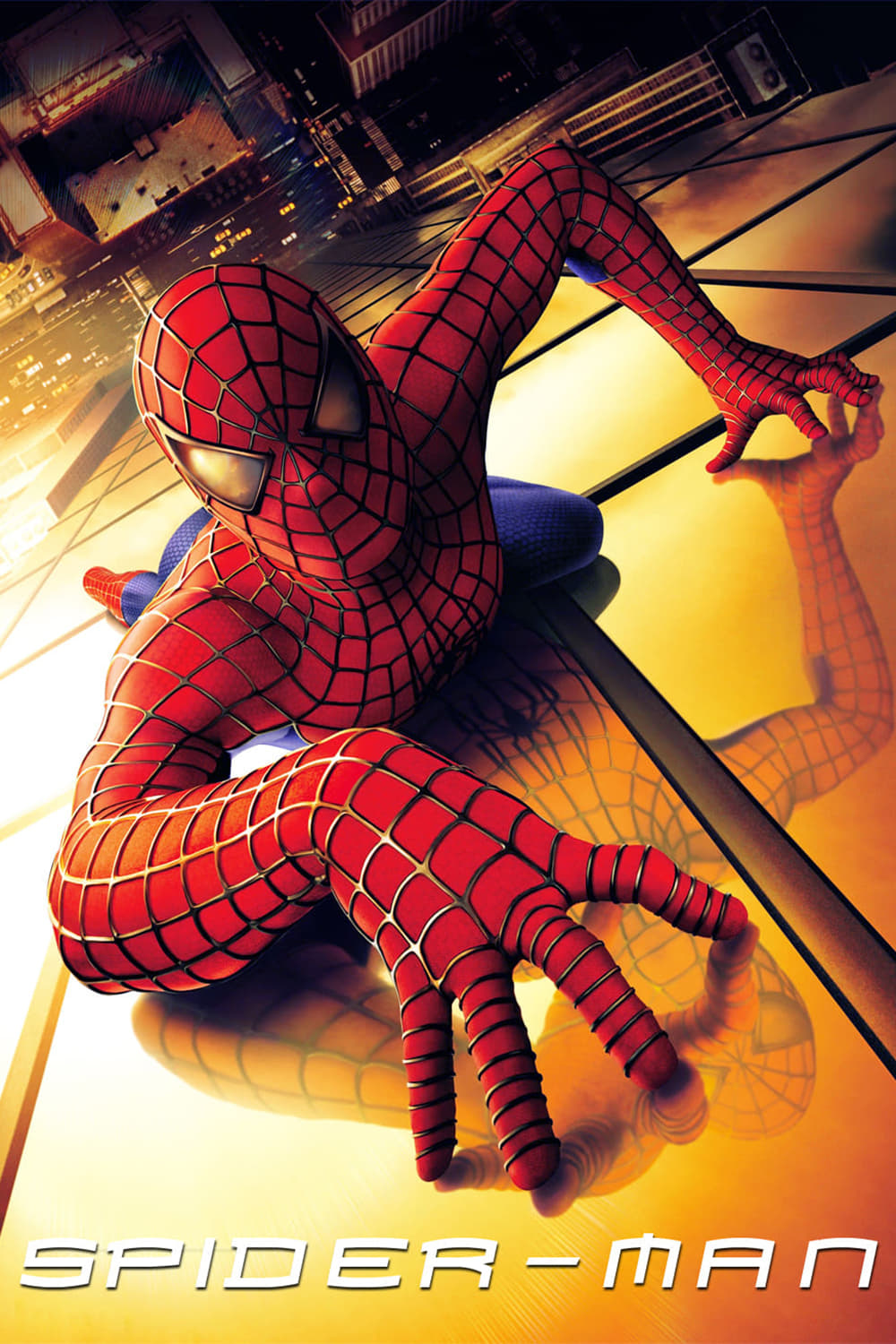
Sam Raimi wanted the organic web-shooters to sound distinct from mechanical gadgets. The foley team whipped fishing line through the air to create the swooshing projection noise. They also compressed foam and leather to simulate the webs hitting a target. These common materials helped ground the fantastical superhero abilities in acoustic reality. It gave the webs a physical presence in the soundscape.
‘Jurassic Park’ (1993)

The birth of the baby velociraptor needed to sound fragile yet sticky. Sound designer Gary Rydstrom recorded the sound of an ice cream cone being crushed. He combined this with the sound of a cantaloupe being sliced to mimic the egg breaking. This sweet combination introduced the deadly predator with a deceptively innocent sound. The contrast between the sound source and the visual is striking.
‘Evil Dead II’ (1987)

Sam Raimi films are known for their excessive use of blood and gore. The sound team dumped large amounts of creamed corn onto various surfaces to create splattering noises. This dense food product provided a heavy and wet impact sound perfect for the horror comedy tone. It remains a staple technique for low-budget horror filmmakers. The thickness of the corn creates a unique audio signature.
‘Godzilla’ (1954)
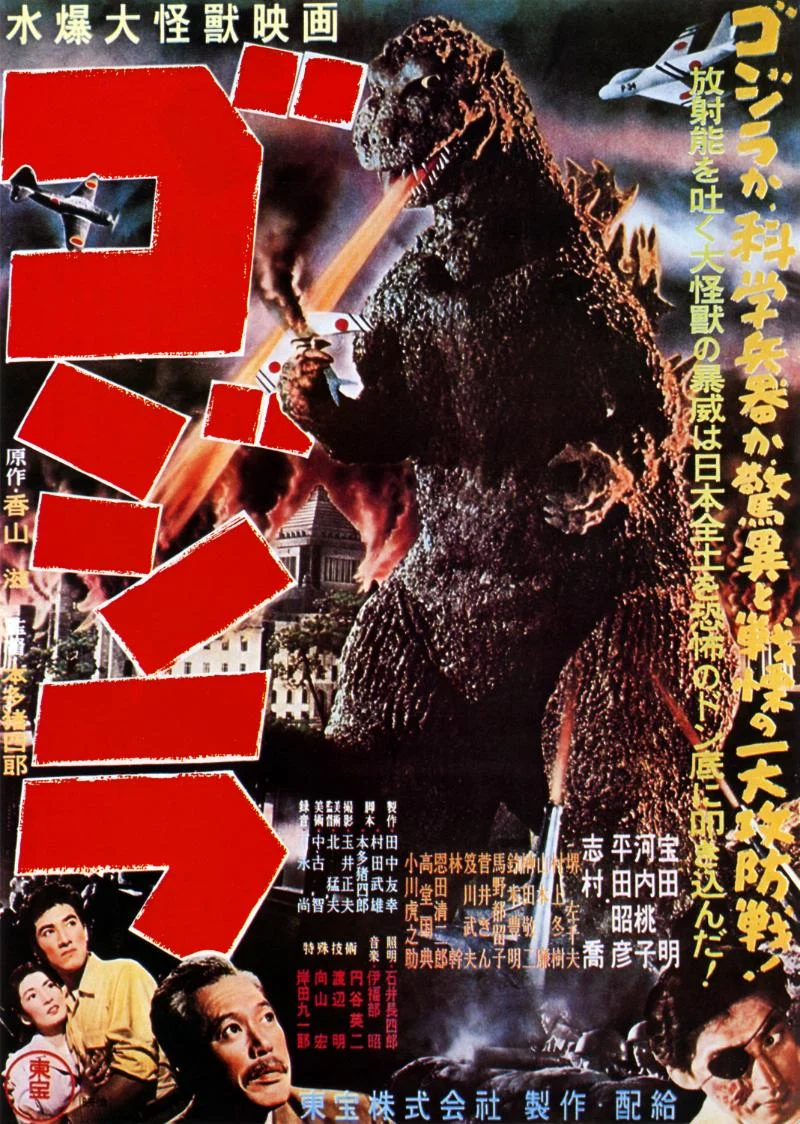
The original roar of the monster could not be created by any living animal. The composer rubbed a resin-coated leather glove over the loosened strings of a double bass. He then slowed the recording down to give it a massive and guttural quality. This musical manipulation birthed one of the most recognizable creature sounds in the world. It proves that instruments can create terror as well as music.
‘A Quiet Place’ (2018)
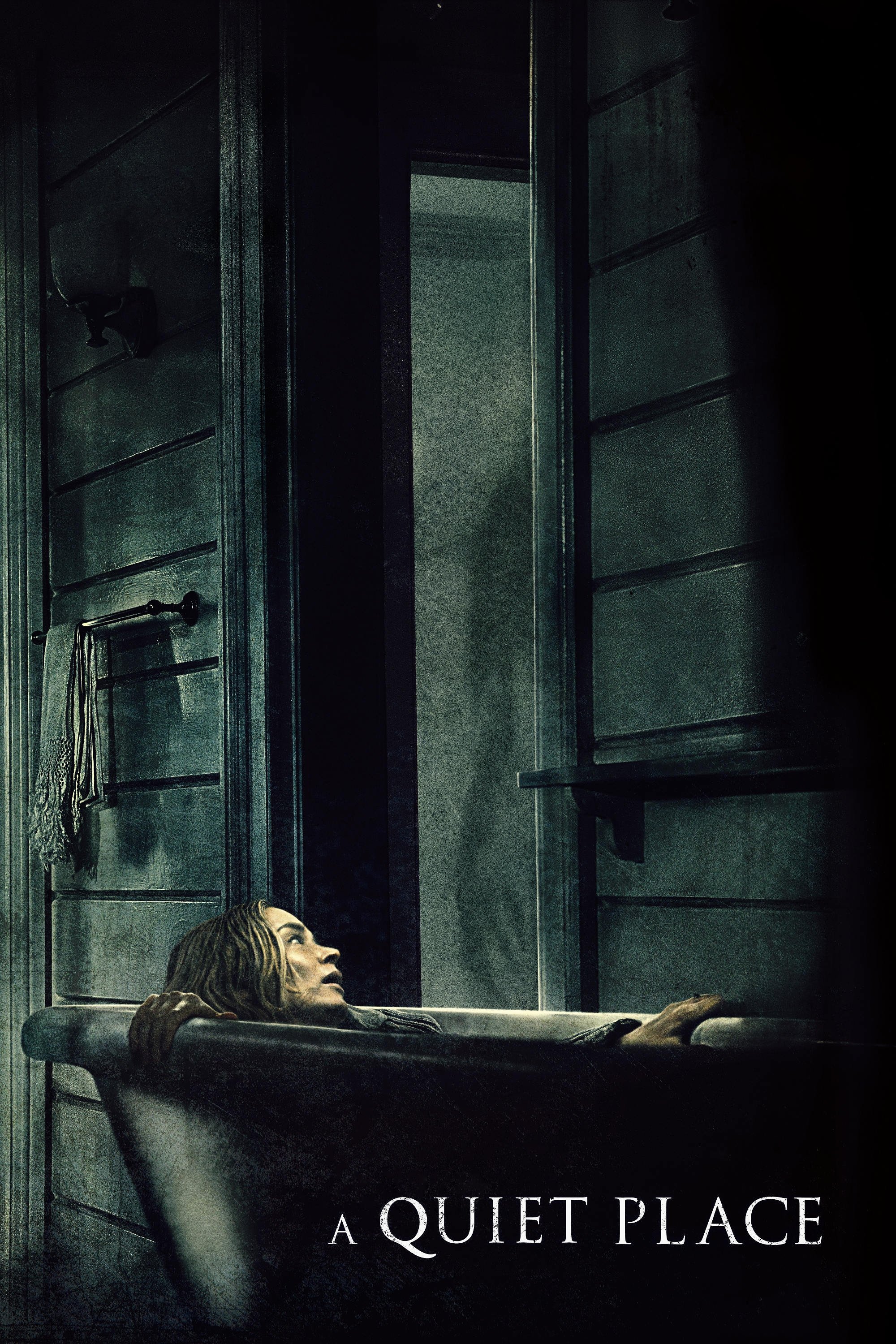
The monsters in this film hunt by sound so their own noises had to be terrifyingly detailed. Editors snapped stalks of celery and twisted wet lettuce to simulate the creatures shifting their armor plates. They cracked the vegetables close to the microphone to capture every fibrous tear. These vegetable sounds highlighted the lethal physical nature of the alien threats. The crispness of the celery added a sharp texture to the audio.
‘Raiders of the Lost Ark’ (1981)
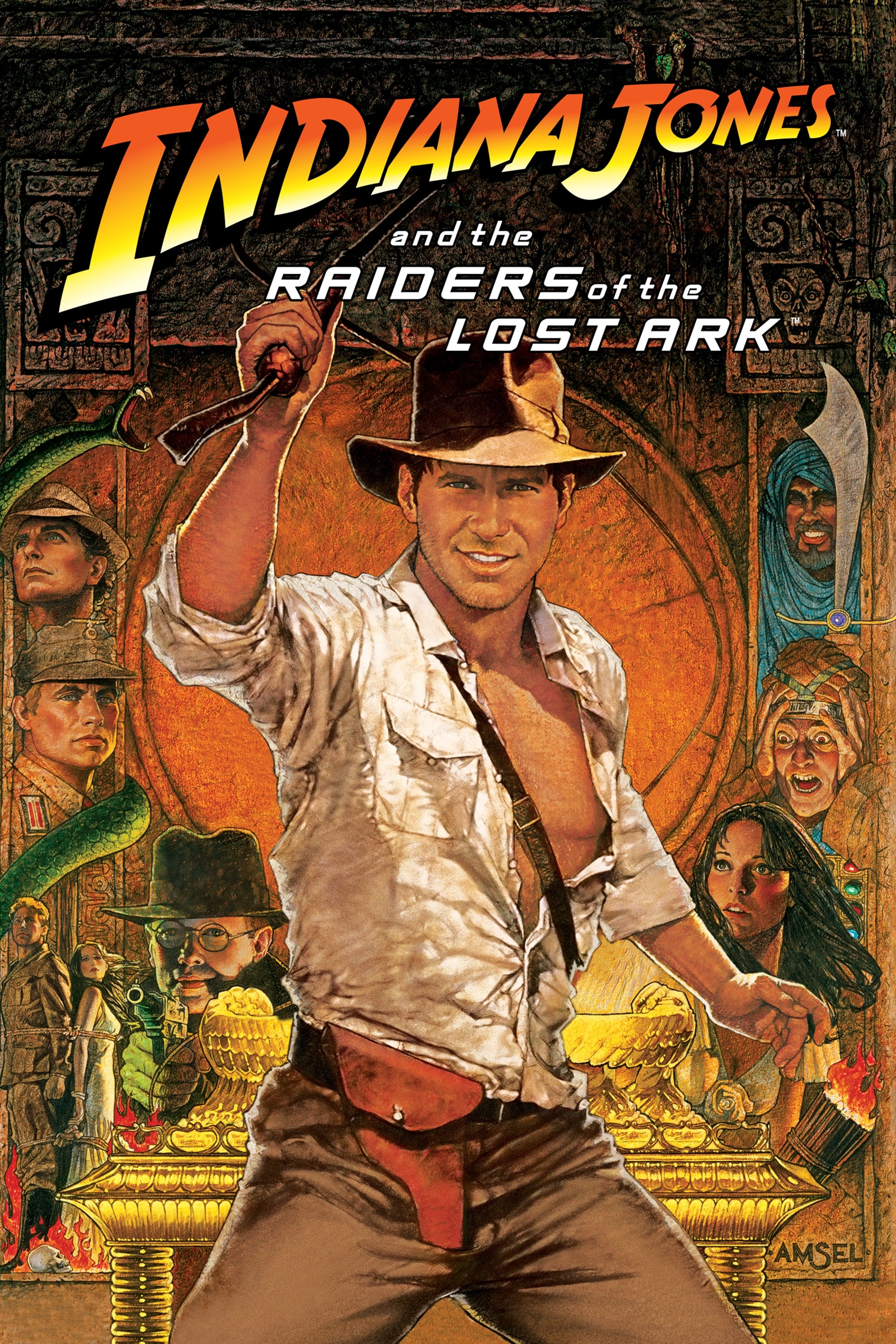
The thousands of snakes in the Well of Souls scene needed a slithering audio backdrop. The sound editors ran their fingers through a cheese casserole to create the moist friction noise. They also peeled tape off surfaces to simulate the snakes uncoiling. These sticky textures made the reptile mass feel overwhelming and gross. The layering created a sensation of infinite movement.
‘WALL·E’ (2008)
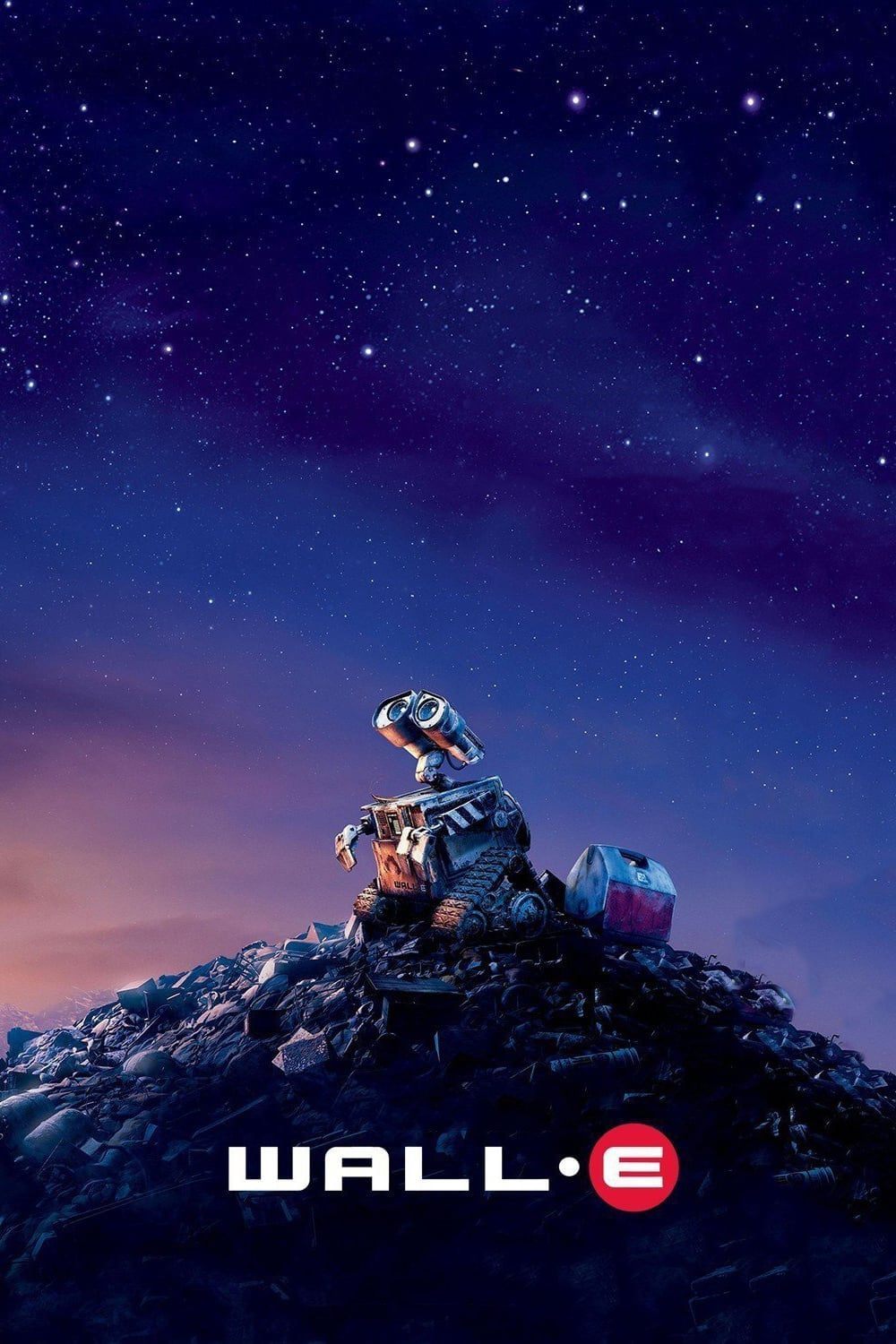
The cockroach companion required a voice that was mechanical yet expressive. Ben Burtt recorded the clicking sound of a pair of police handcuffs locking and unlocking. He pitched the recording up to make the character sound small and frantic. This simple metal mechanism gave personality to the silent insect protagonist. It turned a tool of restraint into a voice of friendship.
‘127 Hours’ (2010)

The climactic scene involving a self-amputation required a sound that would make the audience cringe. The sound team broke fresh chicken bones wrapped in towels to simulate the arm snapping. They layered this with the sound of a glockenspiel bow playing a high tension wire. The result was an audio experience that caused some theatergoers to faint. The authenticity of the bone snap was crucial to the scene’s impact.
‘Spartacus’ (1960)
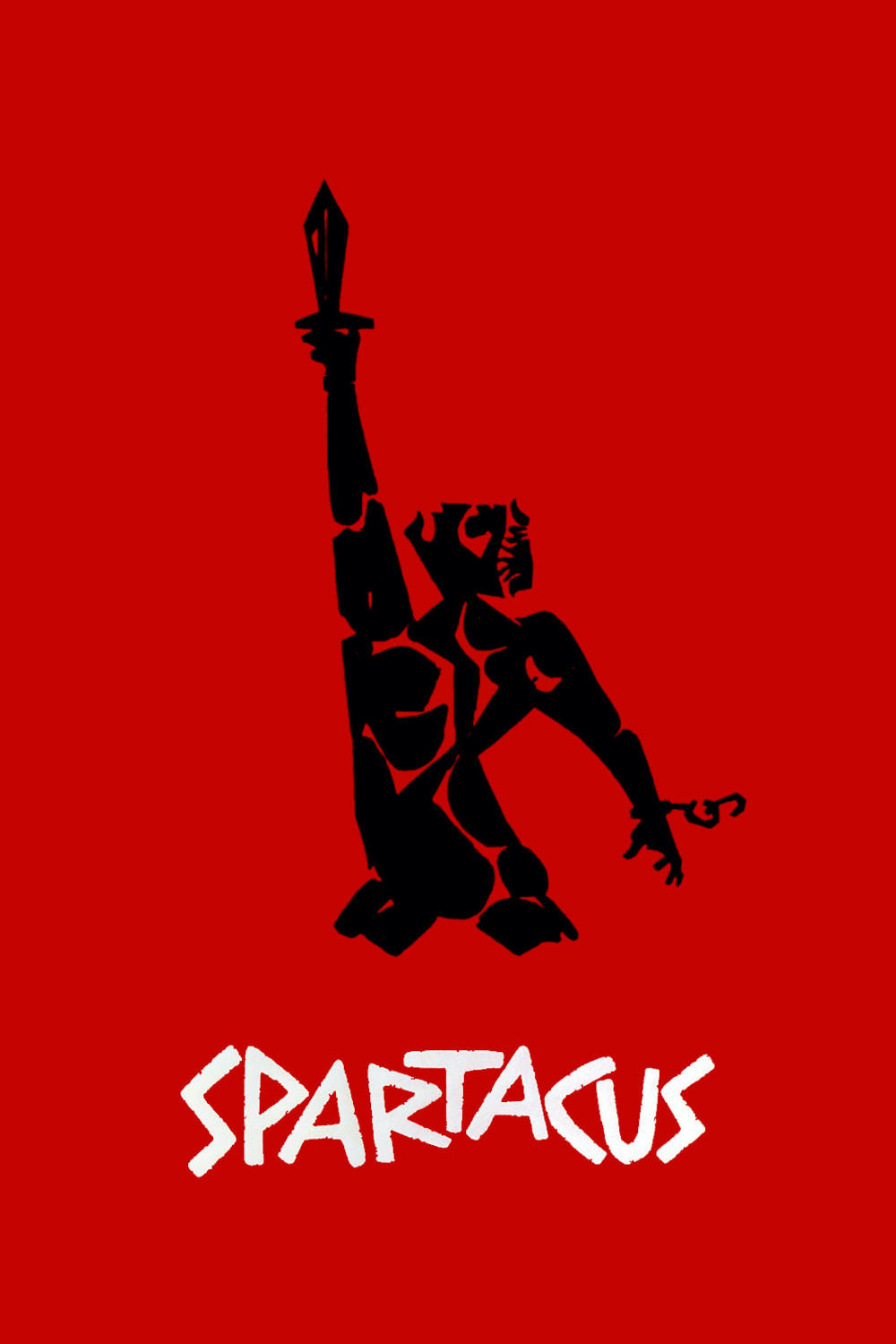
The sound of the Roman army marching in formation needed to be rhythmic and metallic. Foley artist Jack Foley shook a large ring of heavy keys in time with the soldiers’ steps. This created the jingle of armor plates clashing together without needing hundreds of extras in suits. This technique proved so effective it became an industry standard for armor sounds. It saved the production significant time and money.
‘The Matrix’ (1999)
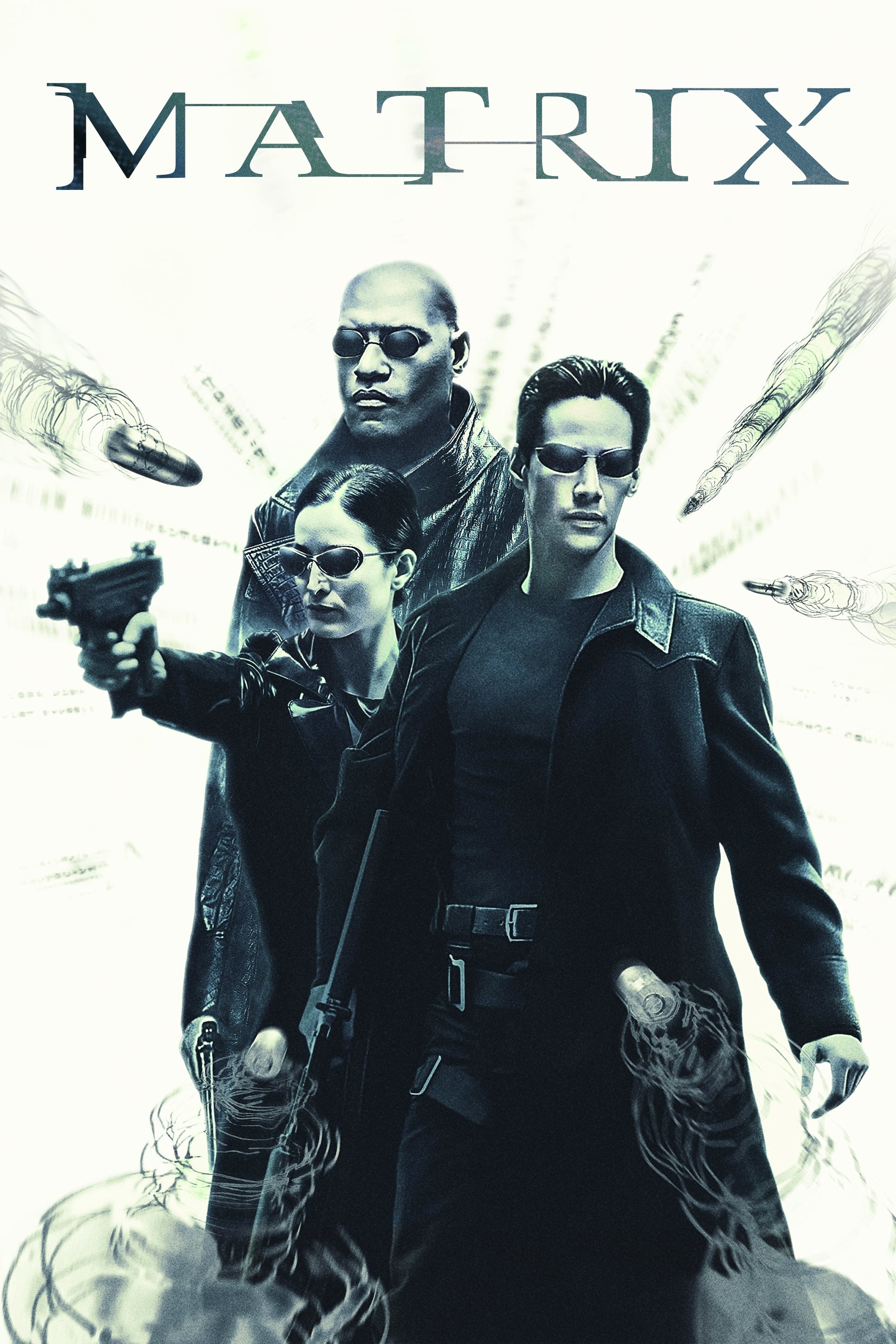
The viscous goo in the human battery pods needed to sound thick and suffocating. The production team used wallpaper paste mixed with water. They recorded stirring and slapping this mixture to create the pods’ fluid ambience. This industrial slime mixture effectively sold the dystopian reality of the human harvest. The sound added a tactile grossness to the sci-fi setting.
‘The Lord of the Rings: The Fellowship of the Ring’ (2001)

The One Ring needed to sound incredibly heavy and dense when it hit the floor inside Bag End. The sound team dropped a heavy magnet onto a wooden floor to achieve a thud without a bounce. This lack of reverberation suggested the object possessed a supernatural weight. The singular impact emphasized the burden the artifact placed on its bearer. It signaled the ring was no ordinary piece of jewelry.
Let us know which of these household sound effects surprised you the most in the comments.