22 TV Shows That Evolved Props Into Recurring Characters

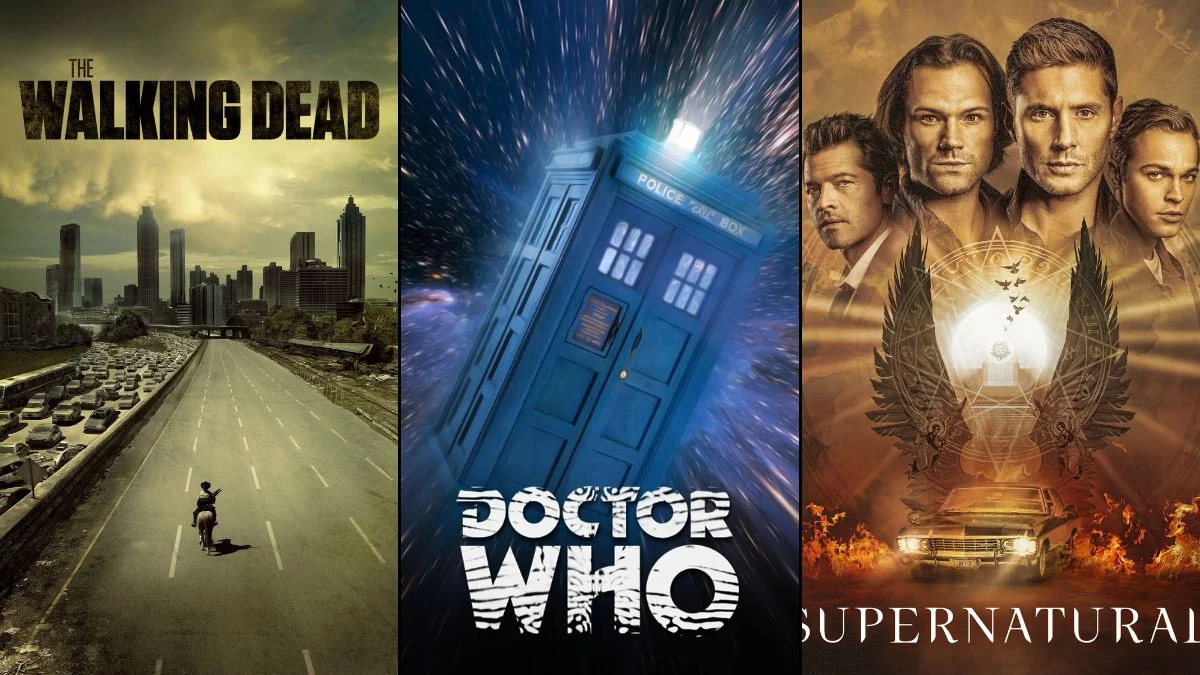

Television history is filled with inanimate objects that manage to steal the spotlight from the human cast. These items often start as simple background elements or plot devices before growing into iconic symbols of the series. Fans frequently associate these props with the show’s identity just as much as the lead actors. Scriptwriters sometimes imbue these objects with such significance that they effectively drive the narrative forward. This phenomenon demonstrates how production design contributes to visual storytelling in powerful ways.
‘Doctor Who’ (1963–Present)
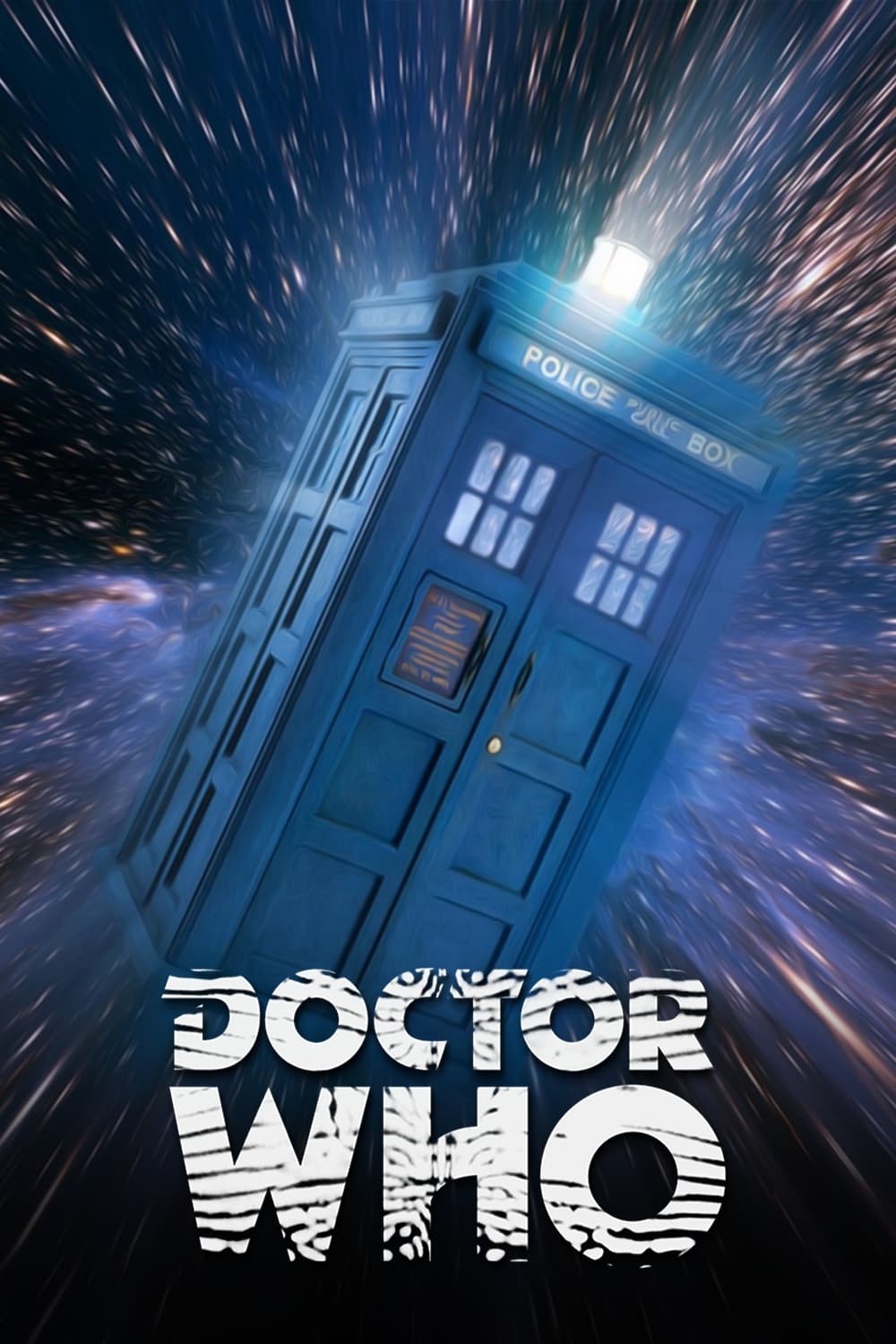
The blue police box known as the TARDIS serves as the primary mode of transportation for the time-traveling protagonist. It features a sentient interface that allows it to interact with the pilot and make independent decisions during crises. Viewers recognize the wheezing groaning sound of its engines as a signal that adventure is about to begin. The interior dimensions defy physics and constantly change to suit the needs of the narrative. This vessel remains the one constant companion throughout the many regenerations of the lead character.
‘Supernatural’ (2005–2020)
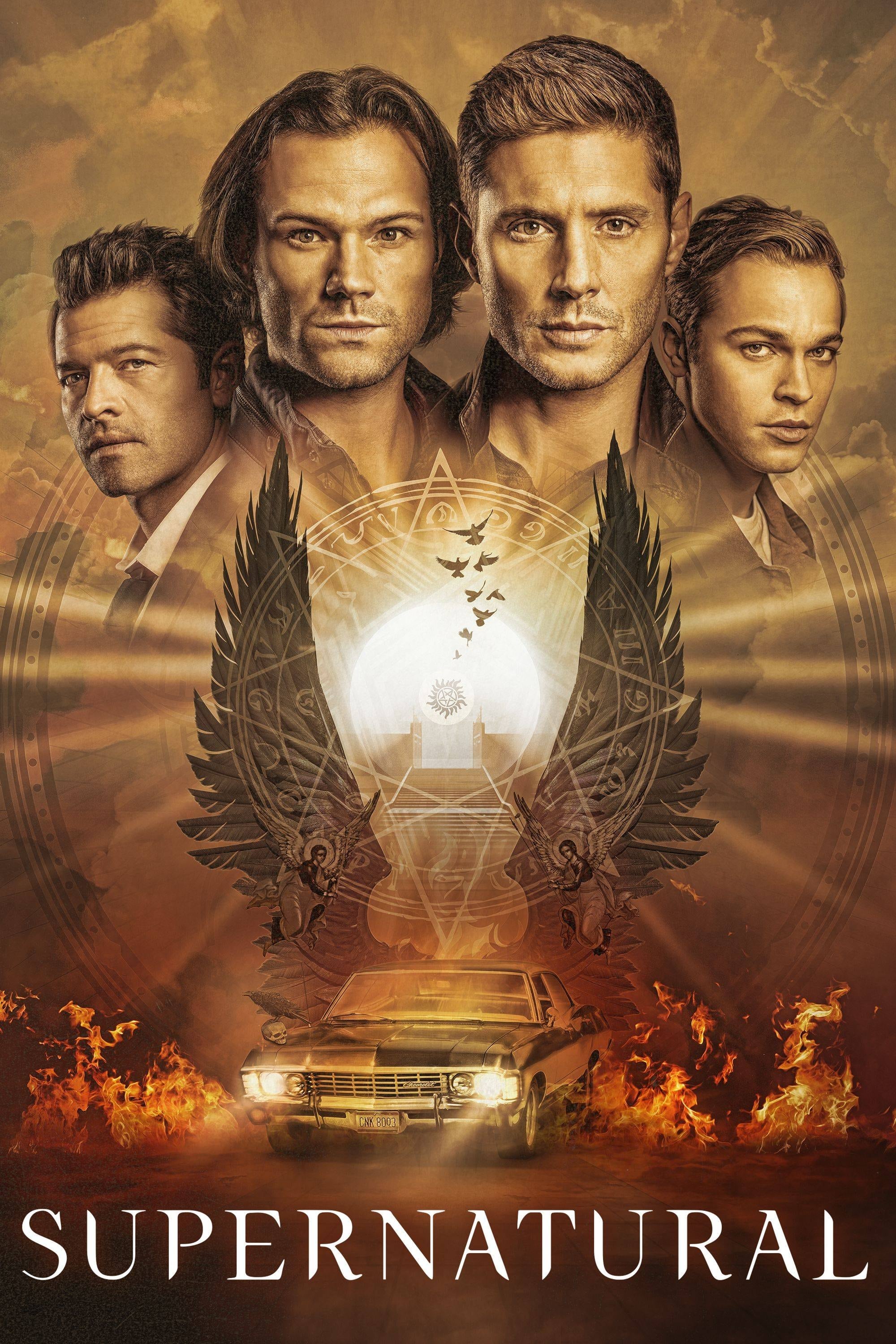
The 1967 Chevrolet Impala known as Baby is treated with as much reverence as the two brothers who drive it. Eric Kripke wrote the vehicle into the script to serve as a mobile home for the roaming hunters. The car contains a trunk full of weapons and countless memories etched into its leather seats and frame. It acts as a sanctuary where the characters share their deepest emotional burdens between battles. Fans consider the black muscle car to be the third main character of the series.
‘Twin Peaks’ (1990–1991)
The Log carried by the Log Lady is one of the most enigmatic elements of this surreal mystery drama. Margaret Lanterman cradles the piece of wood and claims it holds the spirit of her deceased husband. The object provides cryptic clues and warnings that often guide the investigation into Laura Palmer’s death. It functions as a mystic conduit that connects the townspeople to the supernatural forces in the woods. This simple wooden prop became the defining symbol of the show’s eccentric mythology.
‘The Walking Dead’ (2010–2022)
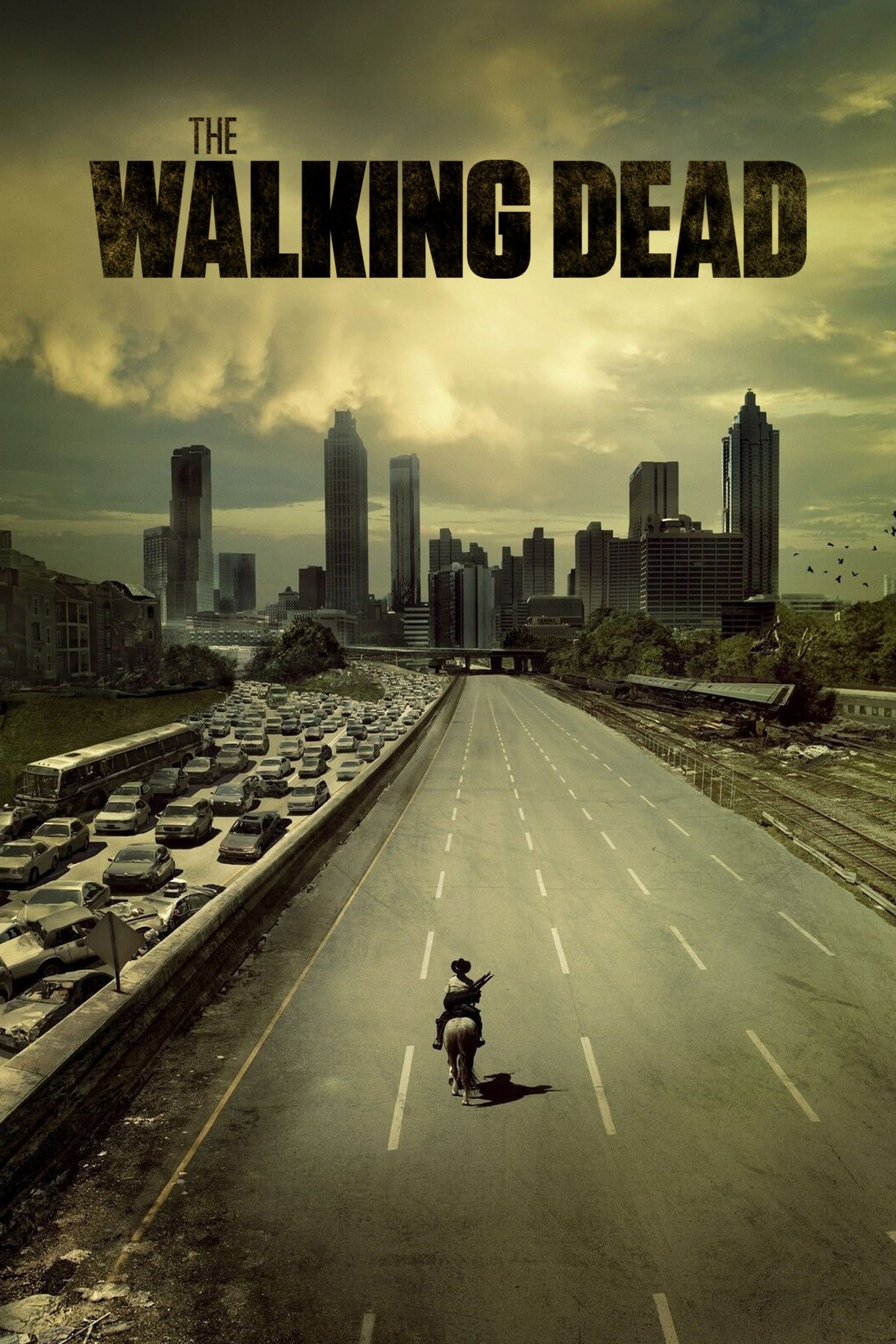
A baseball bat wrapped in barbed wire named Lucille becomes a terrifying symbol of power for the villain Negan. The antagonist speaks to the weapon as if it were a living woman and treats it with disturbing tenderness. This prop represents the brutal new world order where violence is the only currency that matters. The introduction of the bat resulted in one of the most shocking and controversial moments in television history. It serves as a constant physical threat that hangs over the protagonists for several seasons.
‘Friends’ (1994–2004)
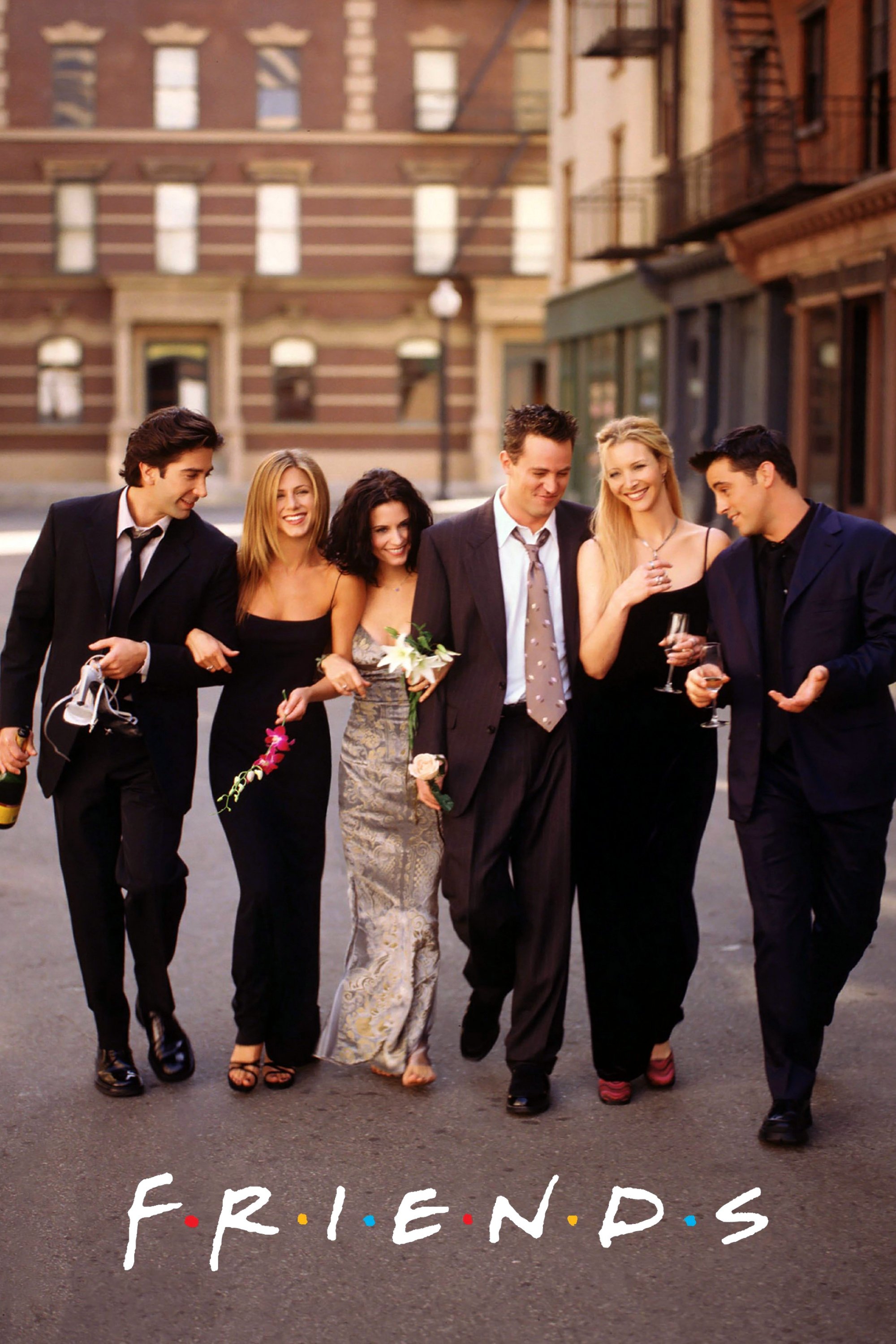
The orange velvet couch in the Central Perk coffee shop serves as the anchor for the social lives of the six main characters. It is the reserved gathering spot where the group discusses their careers and romantic failures. The furniture piece appears in the opening credits and almost every episode of the decade-long sitcom. Production designers found the item in the basement of the Warner Bros studio before it became a piece of television history. It represents the comfort and stability of the friendships depicted in the show.
‘How I Met Your Mother’ (2005–2014)
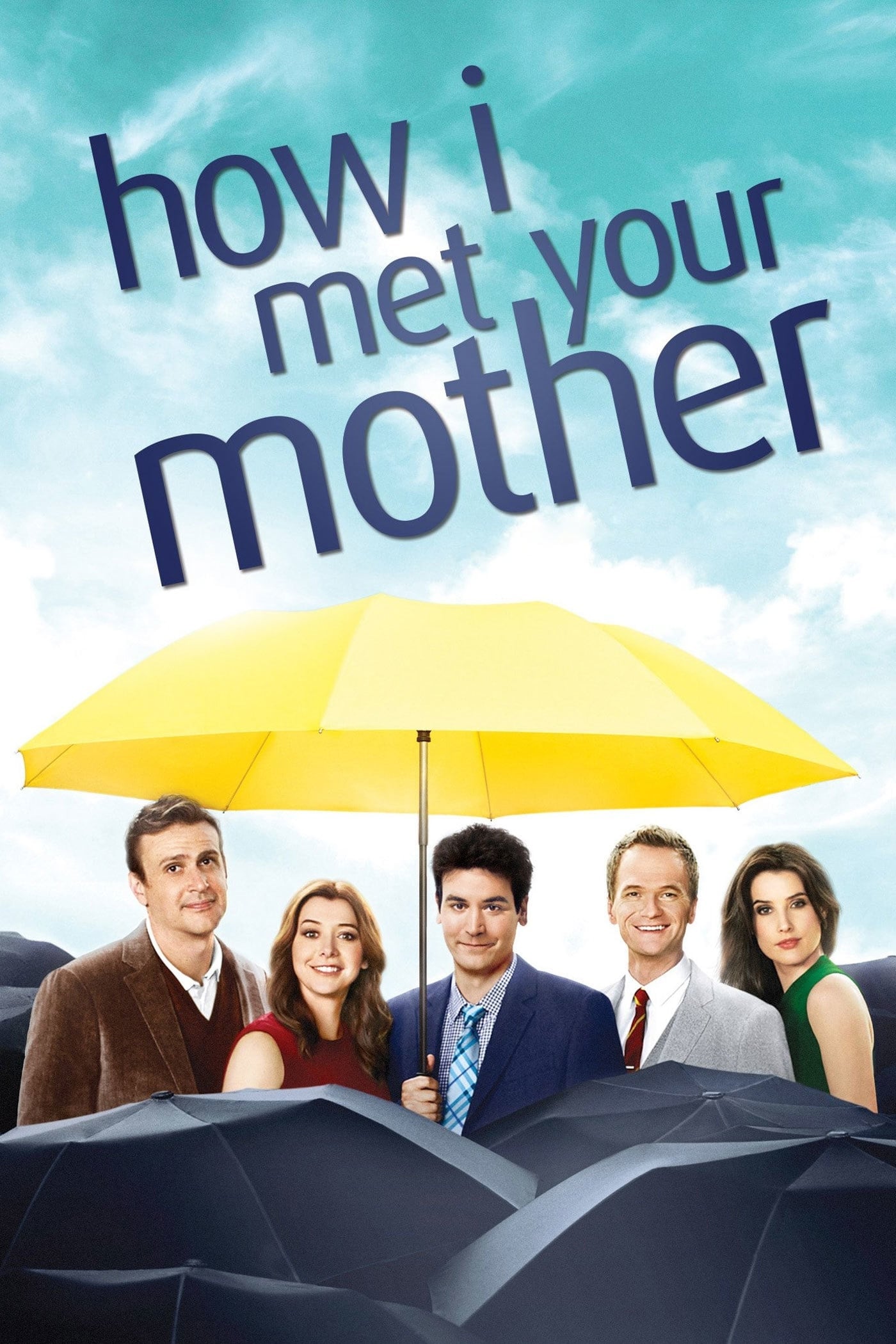
The Blue French Horn is a romantic gesture that Ted Mosby steals for Robin Scherbatsky in the pilot episode. This distinct instrument reappears throughout the series to symbolize Ted’s enduring and often irrational love for her. It serves as a visual bookend that marks the beginning and the controversial end of the narrative. The object represents the lengths the protagonist is willing to go to for romance. Writers used the prop to track the timing and intensity of the relationship between the two characters.
‘Breaking Bad’ (2008–2013)
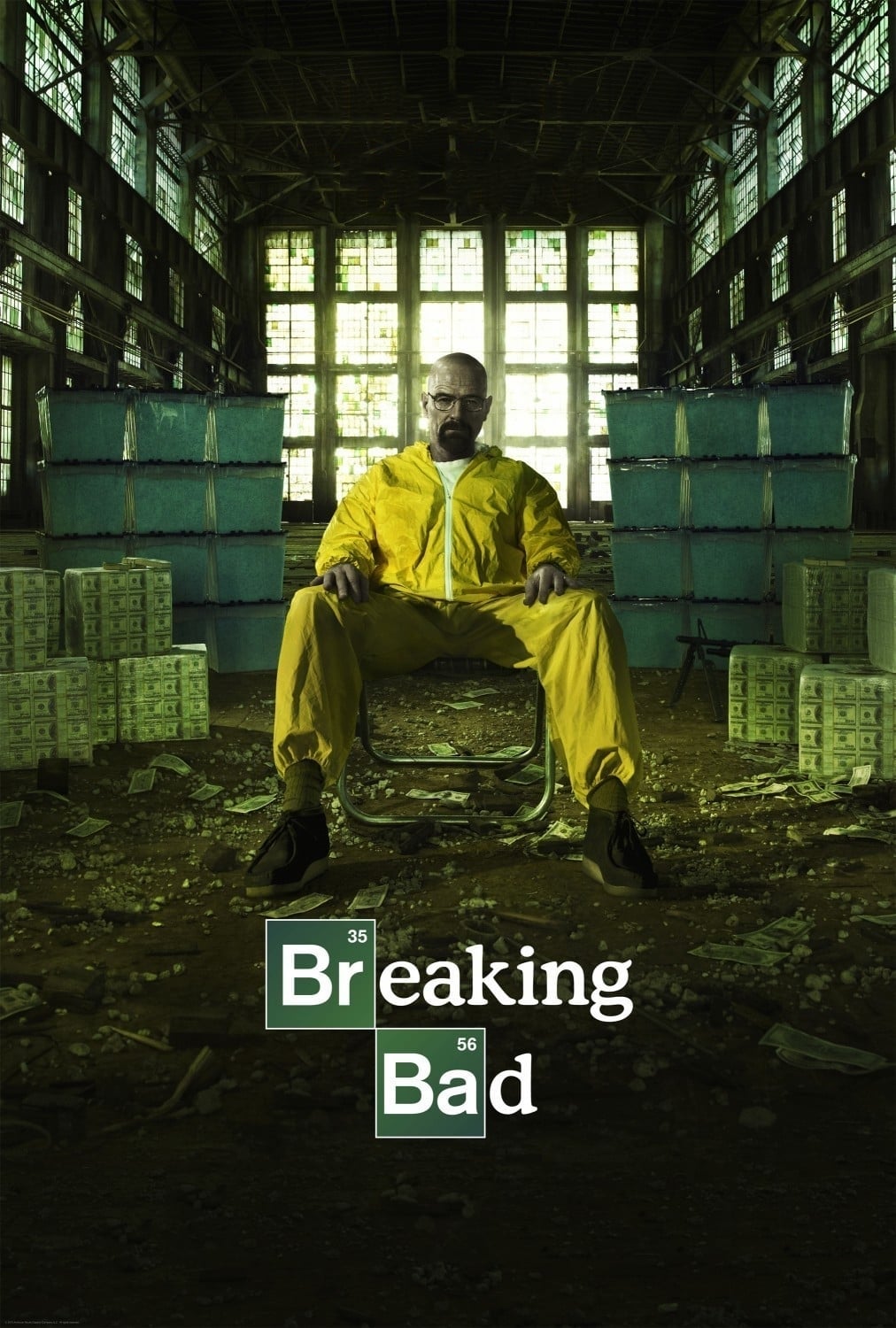
A scorched pink teddy bear floating in a swimming pool provides a grim foreshadowing of the consequences of Walter White’s actions. The toy appears in cryptic flash-forward sequences before its origin is revealed in a catastrophic event. Its missing eye becomes a recurring motif that the protagonist carries with him in later episodes. The prop symbolizes the loss of innocence and the collateral damage caused by the drug trade. This jarring visual cue ties the domestic life of the main character to the violence of his criminal enterprise.
‘Game of Thrones’ (2011–2019)
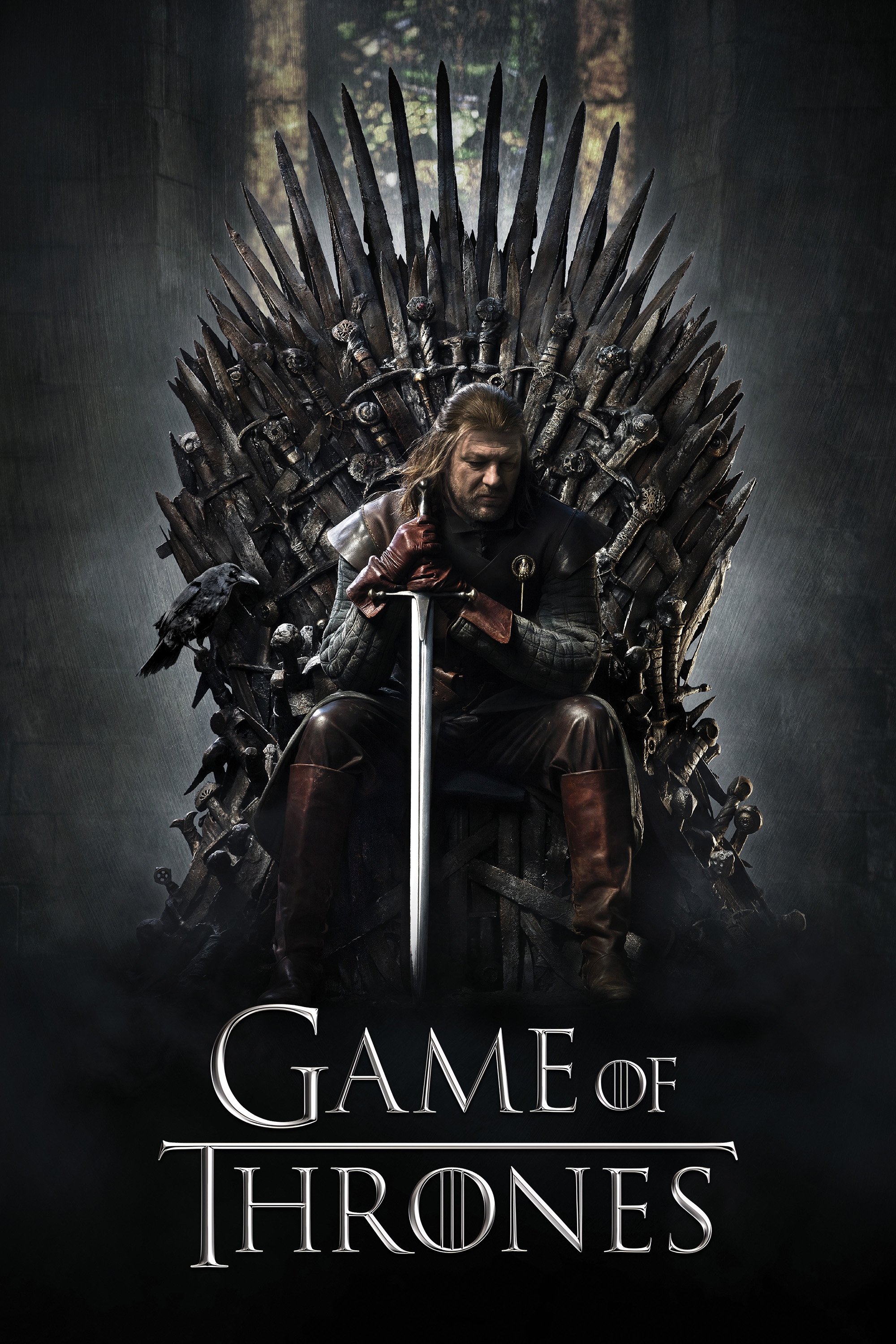
The Iron Throne is a massive chair forged from a thousand swords surrendered by the enemies of Aegon the Conqueror. It represents the ultimate power in Westeros and serves as the primary motivation for the entire conflicts of the series. Characters conspire and wage war specifically to sit upon this uncomfortable seat of authority. The design of the chair is meant to remind the ruler that a king should never sit easy. It stands as a looming character that demands blood sacrifice from anyone who seeks it.
‘The Office’ (2005–2013)
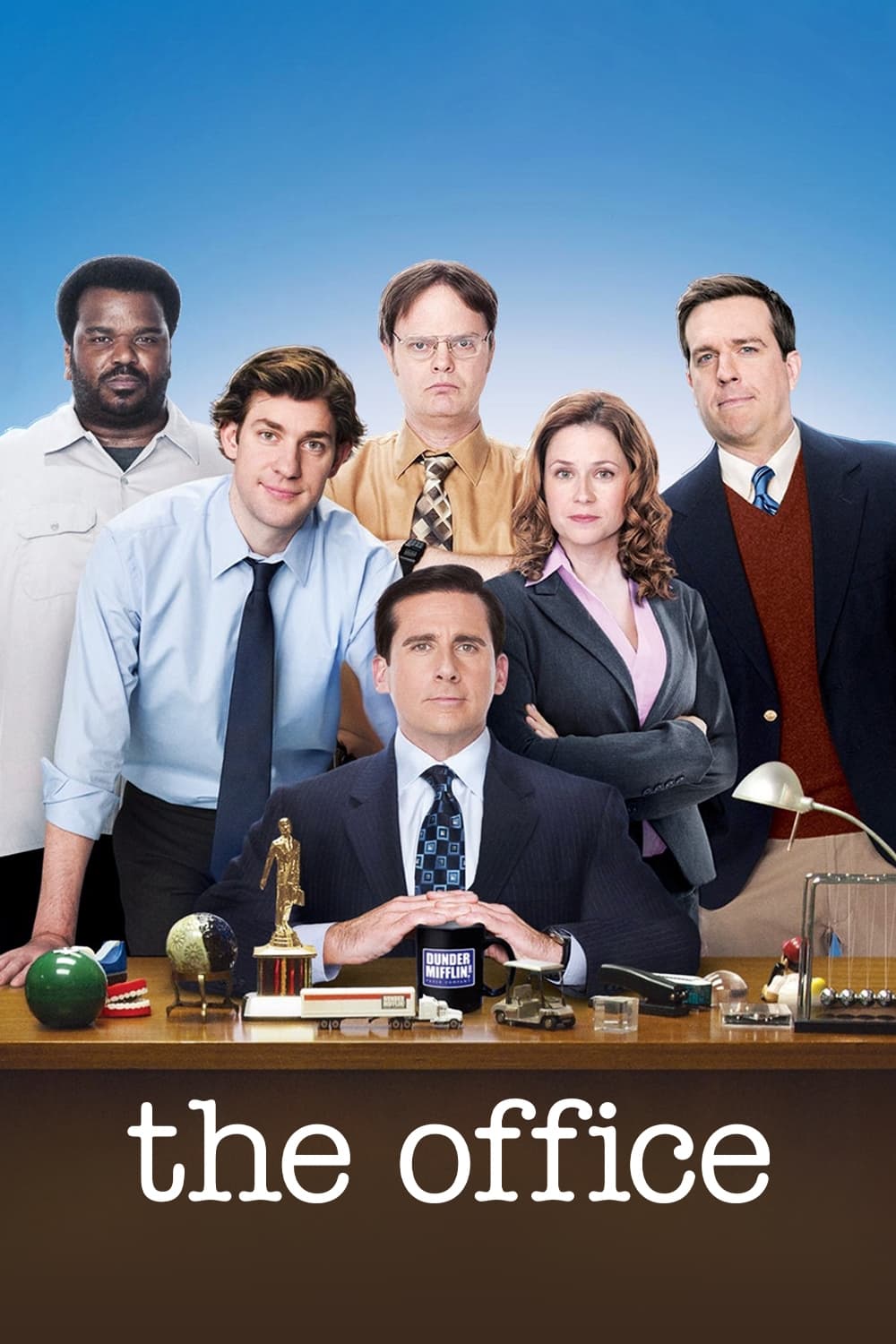
The Dundie Award is a cheap plastic trophy given to employees by manager Michael Scott during his annual ceremony. While the characters initially mock the statues, they eventually come to cherish them as symbols of validation. The statuette features a generic businessman figure and often comes with an embarrassing or inappropriate superlative. It appears on desks and in plotlines throughout the series as a marker of office morale. The trophy ultimately represents the dysfunction and surprising heart of the Dunder Mifflin workplace.
‘Psych’ (2006–2014)
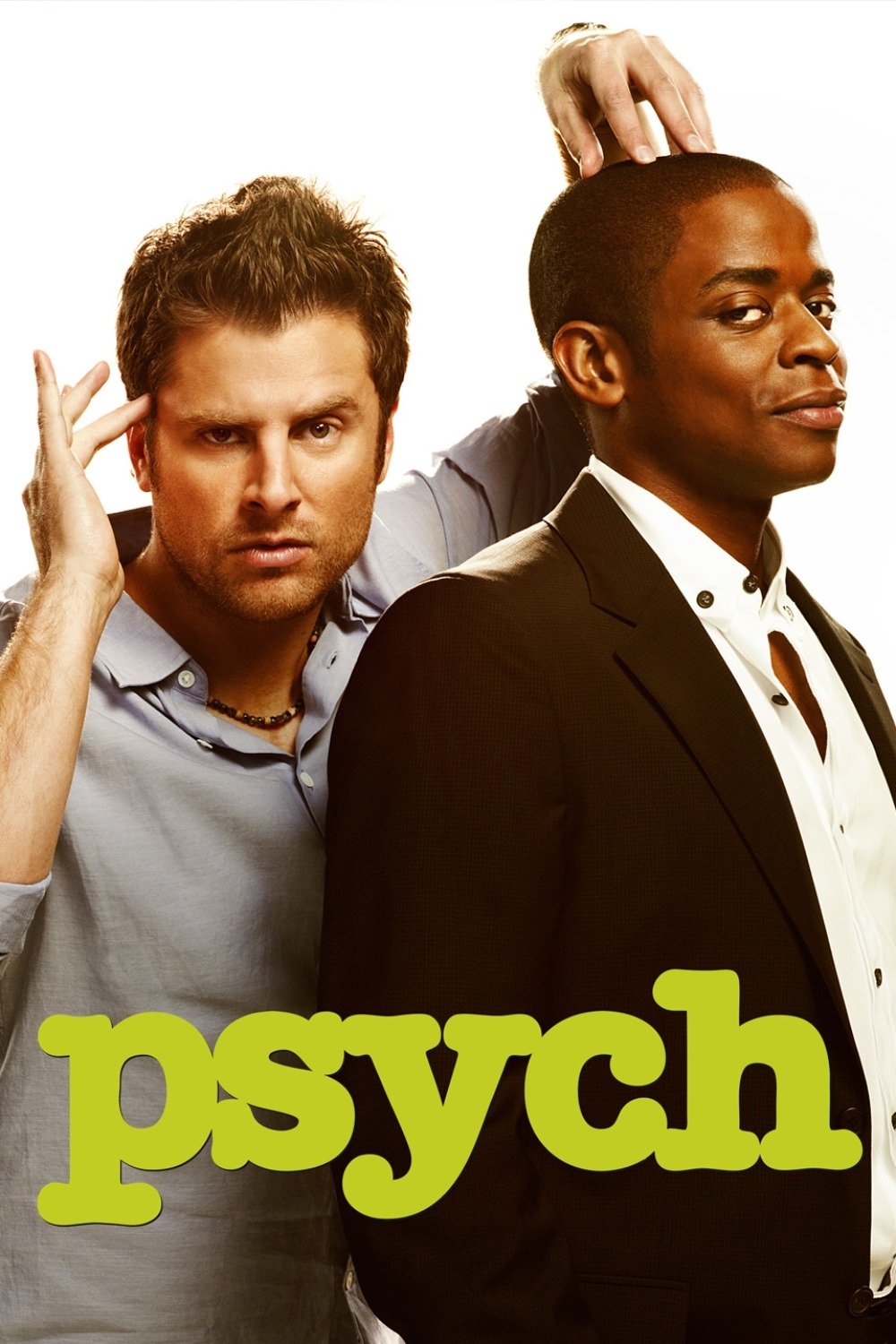
Creators hid a pineapple in almost every episode of the series as a running gag for observant fans to find. This tropical fruit appeared in various forms including distinct set decorations and printed patterns on clothing. The tradition began as an improvised moment by actor James Roday Rodriguez in the pilot episode. It eventually became the official mascot of the show and sparked immense engagement from the audience. Finding the fruit became a secondary game that viewers played alongside solving the mystery of the week.
‘It’s Always Sunny in Philadelphia’ (2005–Present)
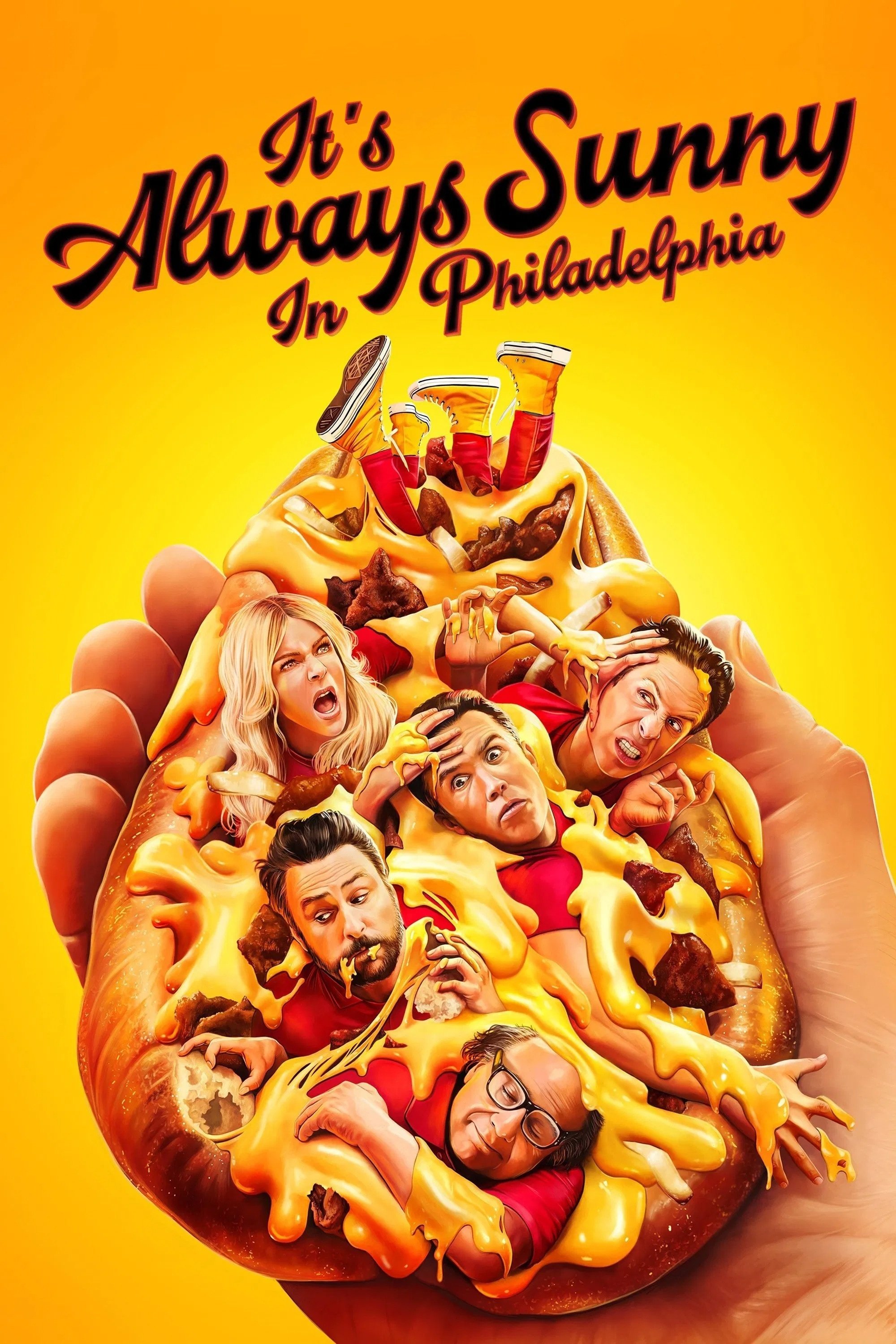
The Rum Ham is a ham soaked in high-proof liquor that became an unexpected icon during a trip to the Jersey Shore. Frank Reynolds treats the meat product with an alarming amount of affection and grief when it is lost at sea. The prop returned in later seasons as a hallucinatory guide and a symbol of the gang’s depravity. It represents the surreal and often grotesque humor that defines the long-running comedy series. Merchandise and fan art featuring the alcohol-infused food continue to circulate years after its debut.
‘Buffy the Vampire Slayer’ (1997–2003)
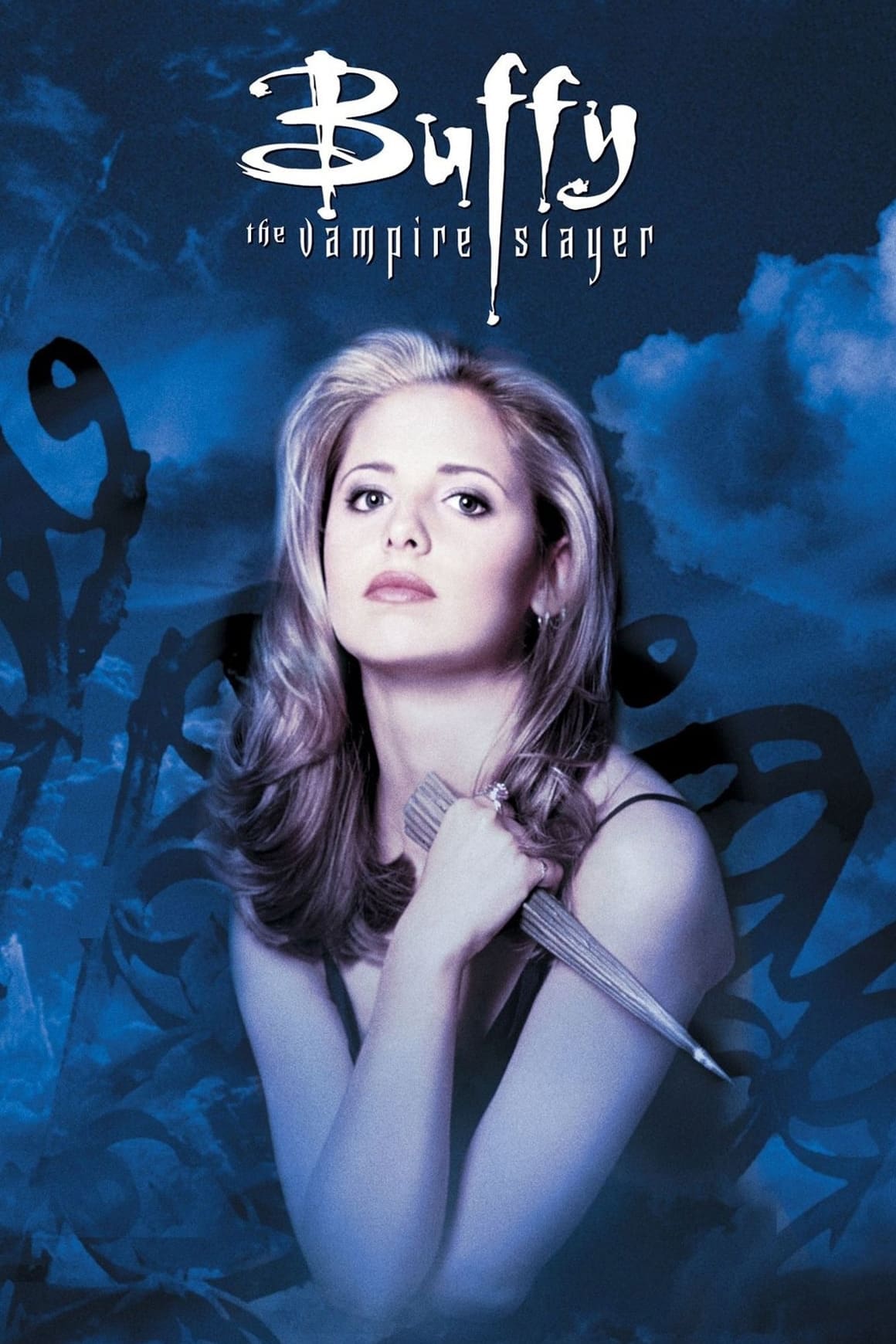
Mr. Pointy is the lucky stake that the slayer Kendra passes down to Buffy Summers. The weapon becomes a trusted tool in the fight against the forces of darkness in Sunnydale. While just a piece of wood, it holds sentimental value as a connection between the two slayers. The prop symbolizes the acceptance of destiny and the shared burden of the chosen ones. It remains one of the most recognizable artifacts from the supernatural teen drama.
‘Firefly’ (2002–2003)
Vera is the beloved Callahan Fullbore Autolock rifle owned by the mercenary Jayne Cobb. Jayne speaks to the gun and treats it with more respect than he shows most of his human crewmates. The weapon serves as a comedic device to highlight the character’s skewed priorities and violent nature. It also functions as a formidable tool that saves the crew during intense firefights. The prop became a fan favorite despite the show’s short run on television.
‘Arrested Development’ (2003–2019)
The stair car is the only remaining vehicle for the wealthy Bluth family after their assets are frozen. Its ridiculous appearance and impracticality serve as a constant visual punchline about the family’s fall from grace. Drivers must watch out for hop-ons who try to ride the stairs while the truck is in motion. The vehicle creates numerous physical comedy moments involving low bridges and banners. It stands as a mobile monument to the incompetence and corruption of the Bluth company.
‘Stranger Things’ (2016–Present)
The wall of Christmas lights and painted alphabet letters serves as a communication device between dimensions. Joyce Byers constructs this frantic display to speak with her missing son trapped in the Upside Down. The blinking lights translate complex messages and confirm supernatural presence in the home. This visual setup became the defining image of the first season and pop culture at large. It represents a mother’s refusal to give up hope even when facing insanity.
‘The X-Files’ (1993–2018)
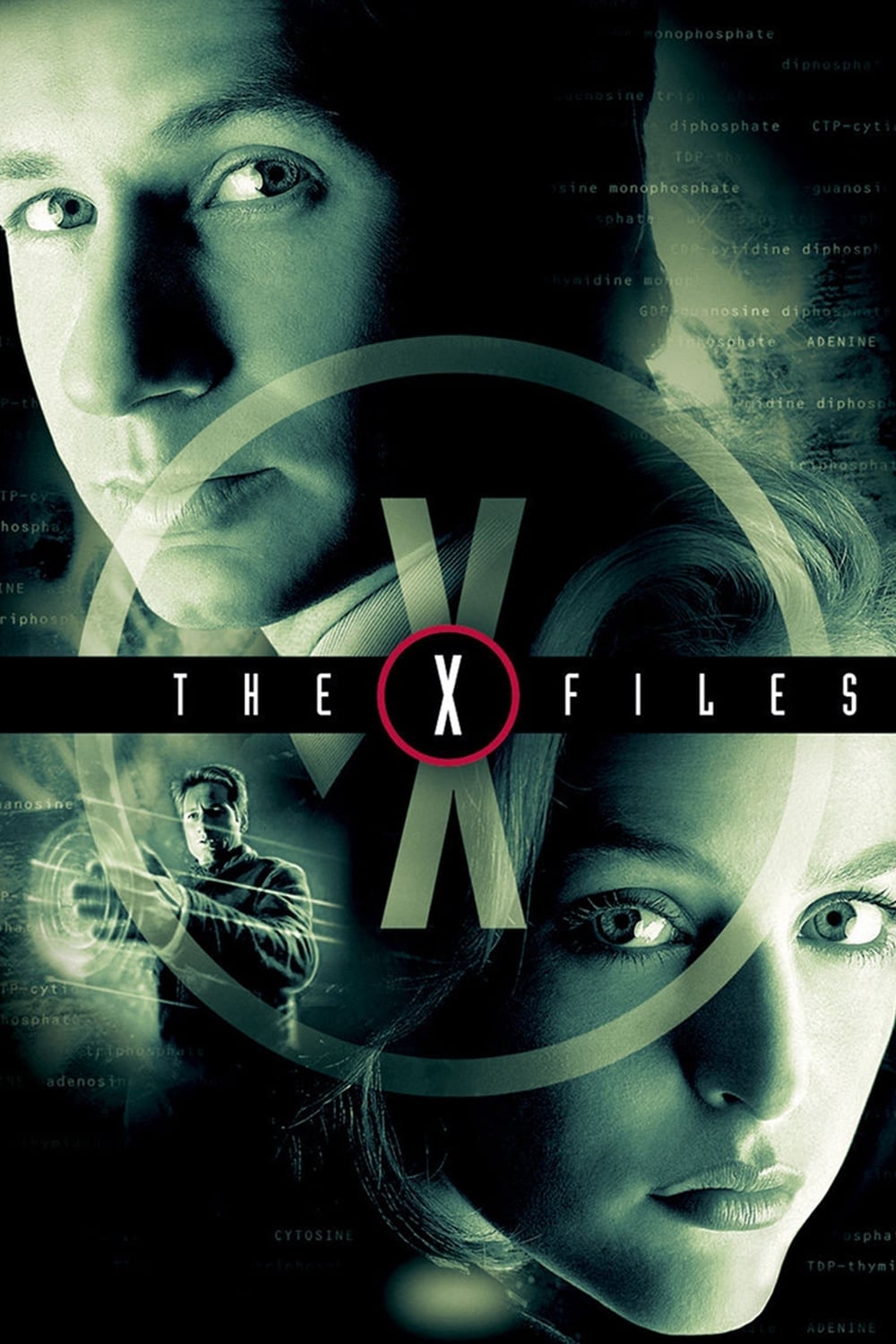
The poster featuring a UFO and the phrase I Want to Believe hangs in the office of Fox Mulder. It encapsulates the agent’s obsession with extraterrestrial life and his quest for the truth. The object is destroyed and replaced multiple times but always returns to center the philosophy of the show. It serves as a visual manifesto for the partnership between the skeptic Scully and the believer Mulder. The image became a cultural touchstone for conspiracy theorists and sci-fi fans.
‘Dexter’ (2006–2013)
A wooden box containing blood slides serves as the trophy collection for the serial killer protagonist. Dexter Morgan takes a drop of blood from each victim to preserve the memory of his vigilante justice. The box represents his hidden dark passenger and the meticulous code he follows to avoid capture. He hides this incriminating evidence inside his air conditioner unit to keep his two lives separate. The discovery or near-discovery of the slides drives the tension in several major story arcs.
‘Sons of Anarchy’ (2008–2014)
The gavel used by the club president represents the weight of leadership and the democratic rules of the motorcycle gang. Clay Morrow and later Jax Teller use the wooden mallet to bring meetings to order and finalize deadly decisions. The sound of the gavel striking the table often signals a turning point in the club’s history. It symbolizes the shift from brotherhood to organized crime as the series progresses. The prop is treated with ceremonial respect within the chaotic world of the outlaws.
‘Parks and Recreation’ (2009–2015)
The Cones of Dunshire is a ridiculously complex board game invented by Ben Wyatt during a period of unemployment. The game involves dice, cards, and a chaotic amount of miniature cones that confuse everyone but the creator. It unexpectedly gains popularity and becomes a recurring plot point involving copyright and accounting firms. The prop highlights the nerdy eccentricities of the character and his ability to find joy in structure. It remains a favorite reference for fans of the show’s wholesome humor.
‘Sherlock’ (2010–2017)
The deerstalker hat is a prop that the modern detective tries to avoid but cannot escape. While Sherlock Holmes never intends to wear it as a trademark, the media seizes upon the image. It represents the public persona that the detective finds tedious and reductive. The show uses the hat to comment on the literary history of the character while updating him for the present day. It serves as a meta-commentary on the legacy of the Arthur Conan Doyle stories.
‘Community’ (2009–2015)
The Darkest Timeline dice are a set of Yahtzee dice that create six different parallel realities in a single episode. The roll of the die determines who goes to get the pizza and inadvertently splits the narrative. This prop introduced the concept of the Evil Study Group and sci-fi elements to the college sitcom. It symbolizes the show’s willingness to experiment with high-concept storytelling and genre parodies. The felt goatees associated with this timeline became iconic visual gags.
‘Better Call Saul’ (2015–2022)
The yellow Suzuki Esteem with one red door is the battered vehicle that Jimmy McGill drives before becoming Saul Goodman. The car represents his struggle for legitimacy and his financial hardships in the early stages of his legal career. It endures bullet holes and crashes while serving as a mobile office for his questionable dealings. The distinct lack of uniformity in its color mirrors the chaotic and colorful life of its owner. Viewers see the destruction of the car as a symbolic step toward his full transformation into a criminal lawyer.
Tell us which TV prop you think had the best character arc in the comments.