Games Where Weather Systems Influence Moral Choices

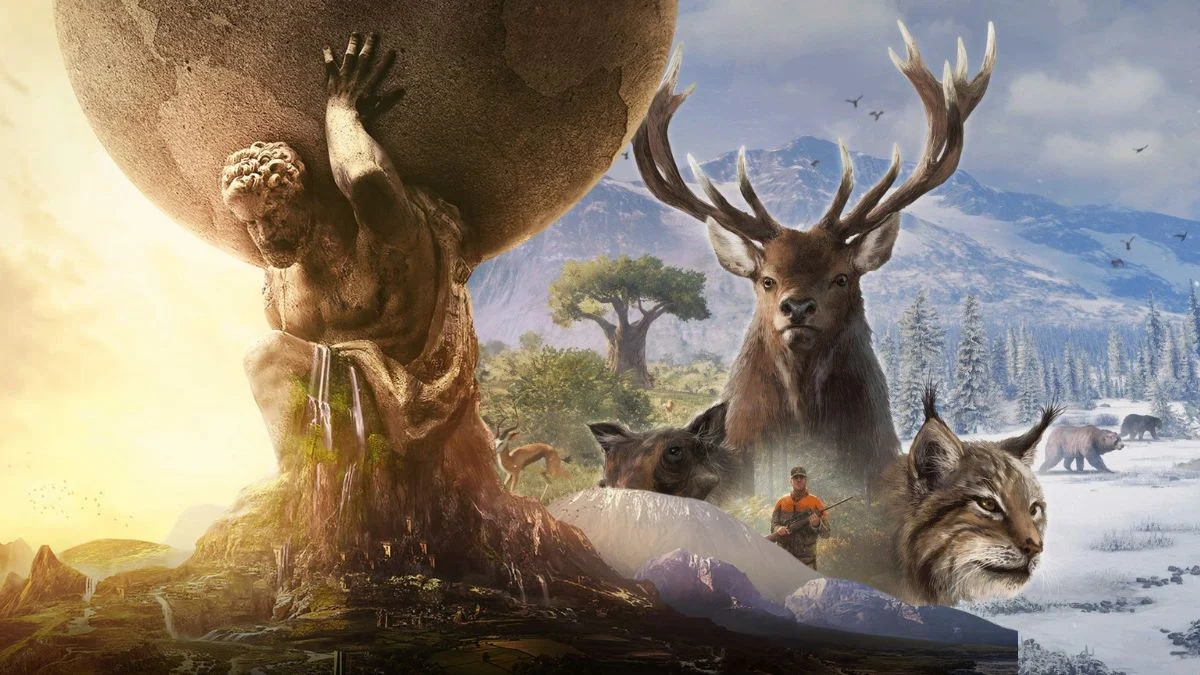

Dynamic weather systems in video games often serve as more than just aesthetic backdrops or visual spectacles. Developers utilize harsh climates and shifting atmospheric conditions to raise the stakes and force players into difficult predicaments. These environmental mechanics can restrict resources or limit exploration to create scenarios where ethical compromises become necessary for survival. The following titles demonstrate how rain, snow, and storms can act as catalysts for profound decision-making and narrative divergence.
‘Frostpunk’ (2018)
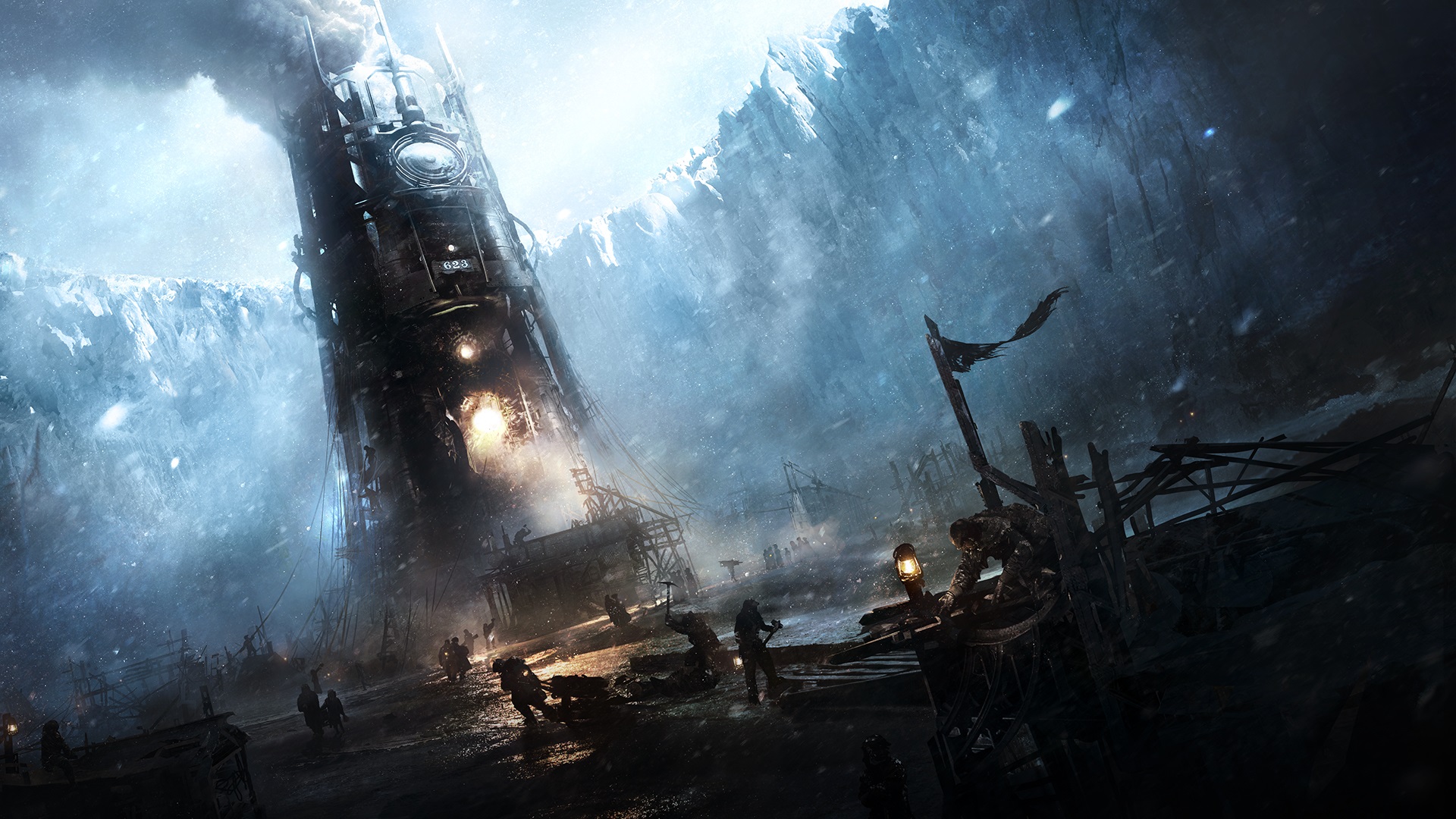
The entire premise of this city-building survival game revolves around a volcanic winter that threatens to extinguish the human race. Players act as the Captain and must decide whether to enforce child labor or serve food additives to combat the plummeting temperatures. The weather dictates the urgency of every decision and forces you to choose between retaining your humanity or surviving at any cost. Every drop in the thermometer introduces new social dilemmas that test the moral fiber of your leadership.
‘The Long Dark’ (2014)
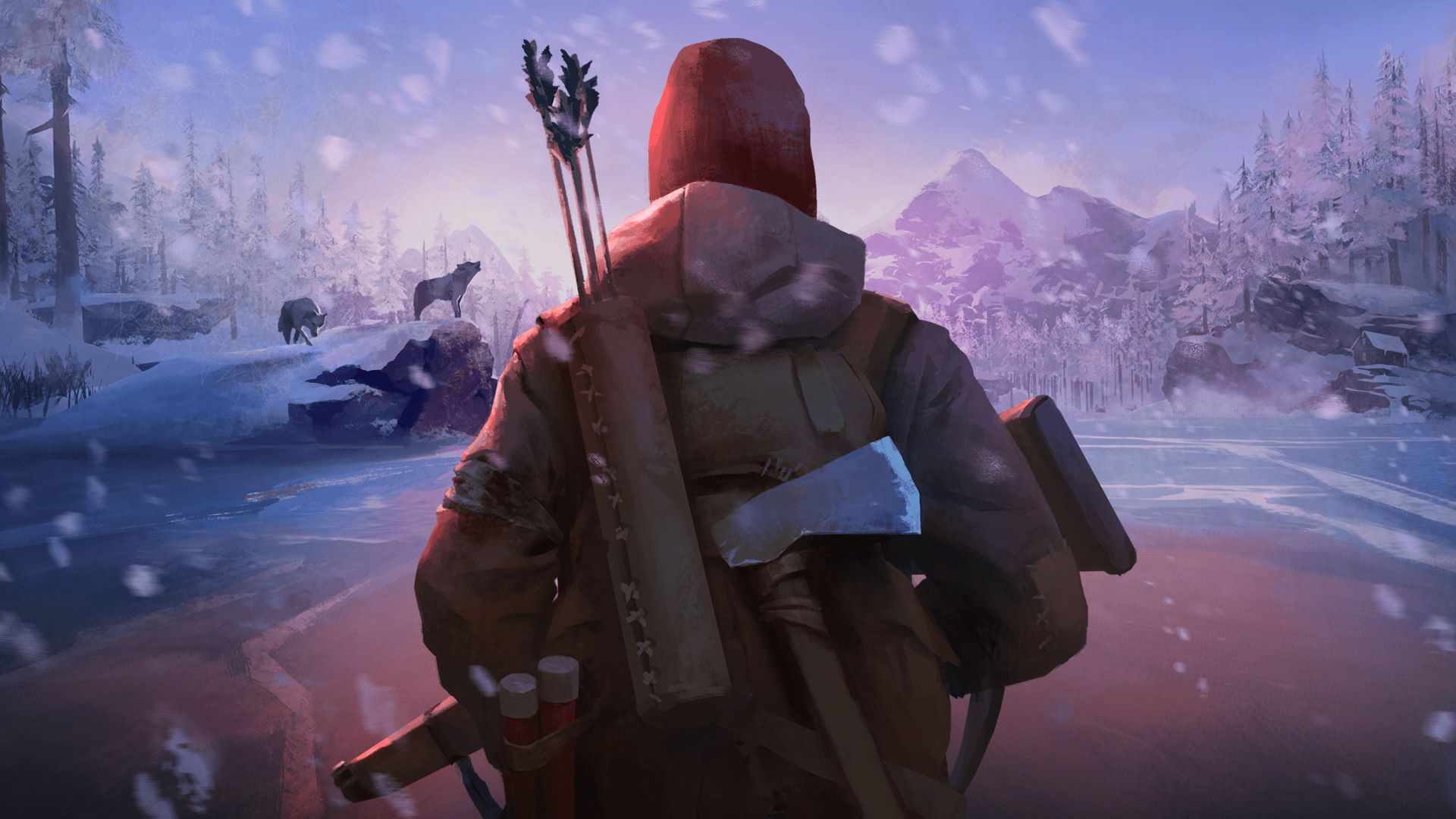
Geomagnetic storms and bitter cold create a persistent threat in this exploration survival experience. Players must weigh the risk of freezing to death against the moral weight of looting supplies from abandoned bodies or homes. The dynamic weather system forces you to make split-second decisions about whether to share resources with others or hoard them for yourself. Blizzards often obscure paths and compel you to take dangerous shortcuts that can lead to fatal consequences.
‘This War of Mine’ (2014)
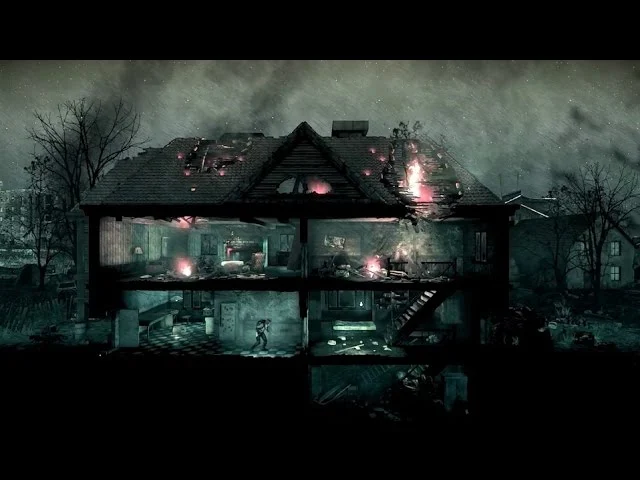
Winter brings a brutal layer of difficulty to this survival game set in a war-torn city. The cold weather forces players to burn valuable books or furniture for warmth instead of trading them for food or medicine. You must decide who in your group receives the limited warm clothing and who stays behind to guard the shelter. The harsh climate amplifies the desperation that leads to theft and violence against neighbors.
‘Life is Strange’ (2015)
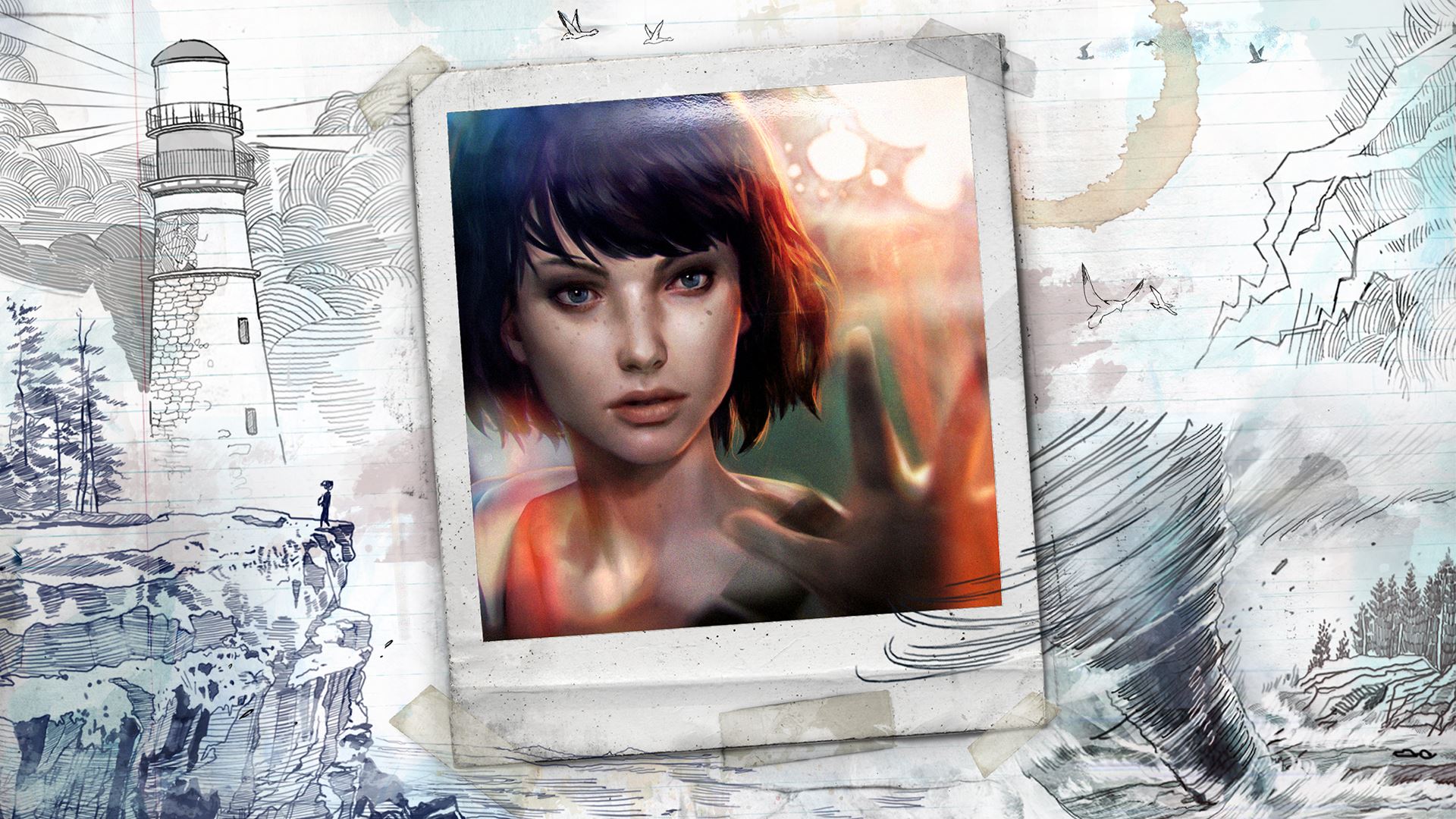
A massive tornado approaching Arcadia Bay serves as the central looming threat throughout the narrative. The supernatural storm mirrors the escalating chaos caused by the protagonist altering the timeline. Players must ultimately decide whether to sacrifice a loved one to prevent the weather event or let the storm destroy the town. This climatic disaster frames the final moral choice regarding utilitarianism versus personal attachment.
‘Spec Ops: The Line’ (2012)
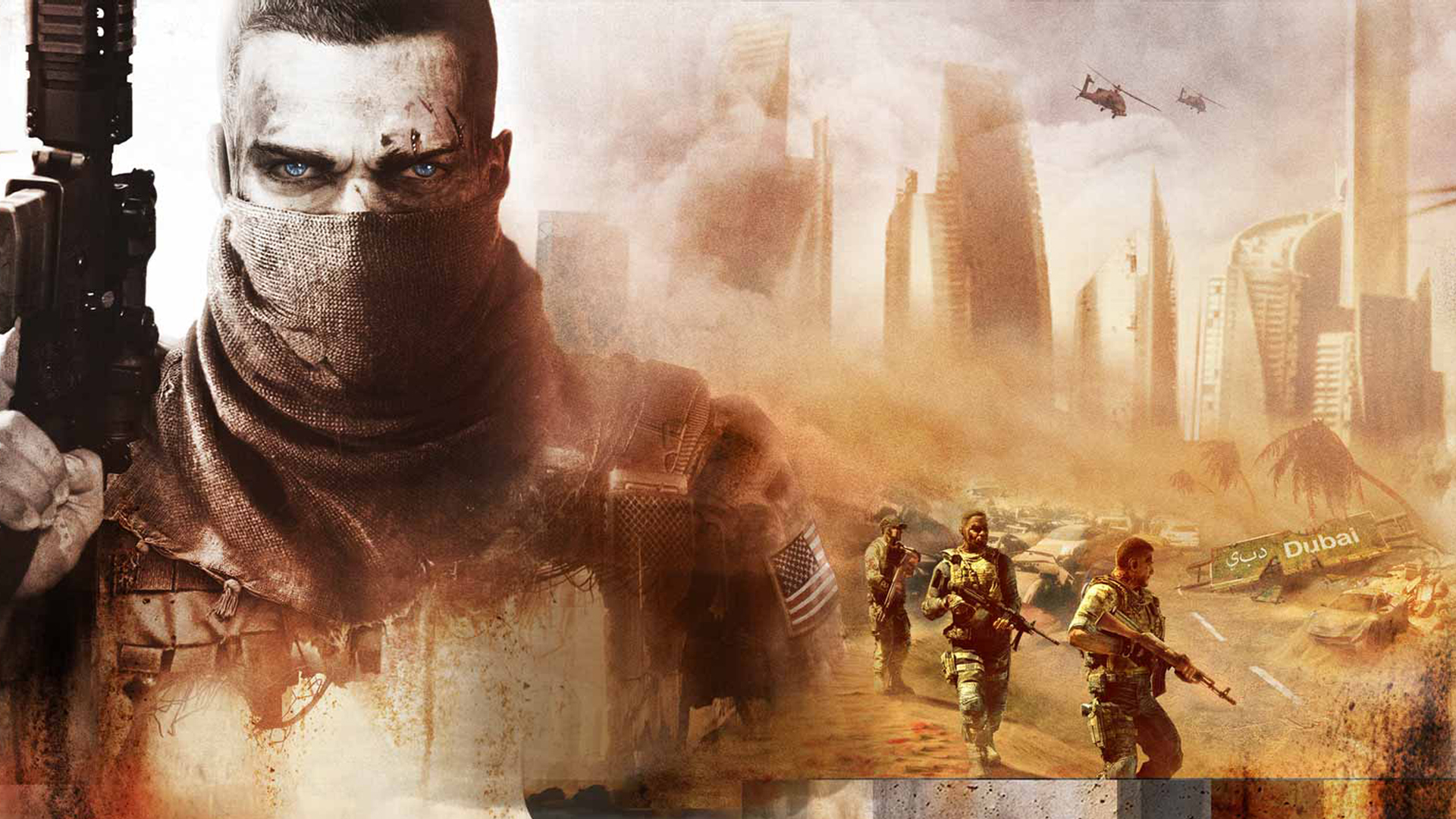
Unpredictable sandstorms in Dubai dynamically alter the battlefield and force players into chaotic combat situations. The low visibility and confusion caused by the weather often lead to collateral damage and tragic mistakes. These environmental conditions mirror the deteriorating mental state of Captain Walker as he descends into madness. The sand itself becomes a tool for destruction that complicates the morality of American interventionism.
‘The Banner Saga’ (2014)
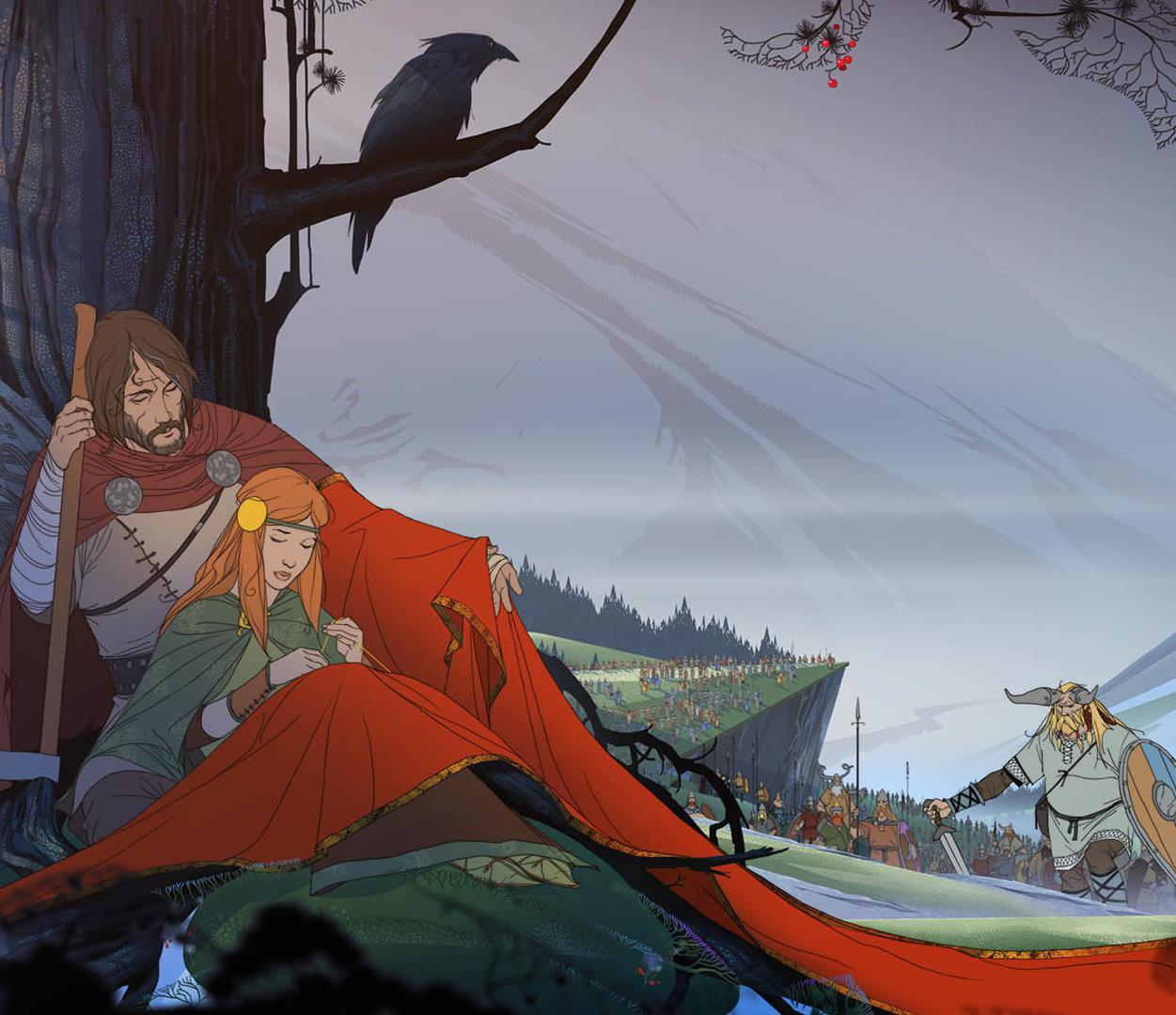
The harsh Nordic winter acts as a relentless adversary that depletes supplies and lowers caravan morale. Players must make difficult leadership decisions about rationing food or leaving weak clansmen behind as the snow deepens. The weather conditions directly impact the movement speed of your caravan and the likelihood of starvation. These elements force you to choose between being a benevolent leader or a ruthless pragmatist.
‘RimWorld’ (2018)
Procedurally generated weather events like toxic fallout and cold snaps drastically alter colony management. Players may be forced to butcher pets or resort to cannibalism when crops fail due to extreme weather. The environmental pressure creates scenarios where you must decide which colonists are essential and which are expendable. These desperate choices leave lasting mood debuffs that affect the social fabric of the settlement.
‘Heavy Rain’ (2010)

A continuous downpour sets the somber tone and acts as a ticking clock for the narrative. The antagonist uses the rising rainwater to trap victims in storm drains and force the protagonist into dangerous trials. Players must navigate these trials quickly or risk the death of a child due to drowning. The relentless rain creates an atmosphere of urgency that pressures you into making rash and ethically questionable decisions.
‘Civilization VI’ (2016)
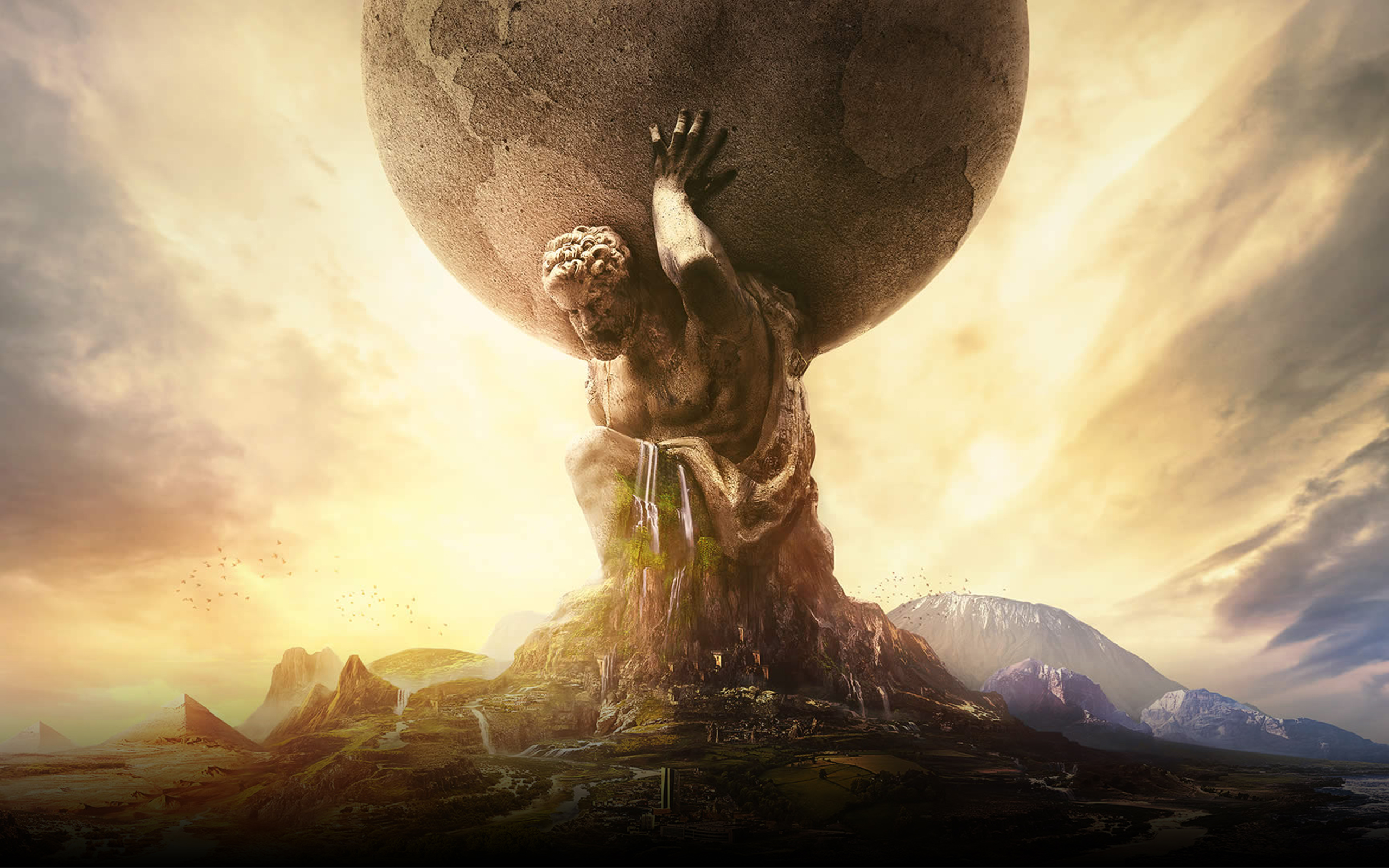
The Gathering Storm expansion introduces climate change mechanics that respond to industrial choices. Players must decide whether to exploit fossil fuels for short-term gain or invest in green energy to prevent global disasters. Rising sea levels and natural disasters can destroy alliances or force nations into conflict over habitable land. The weather system turns environmental stewardship into a central diplomatic and moral strategy.
‘Metro Exodus’ (2019)
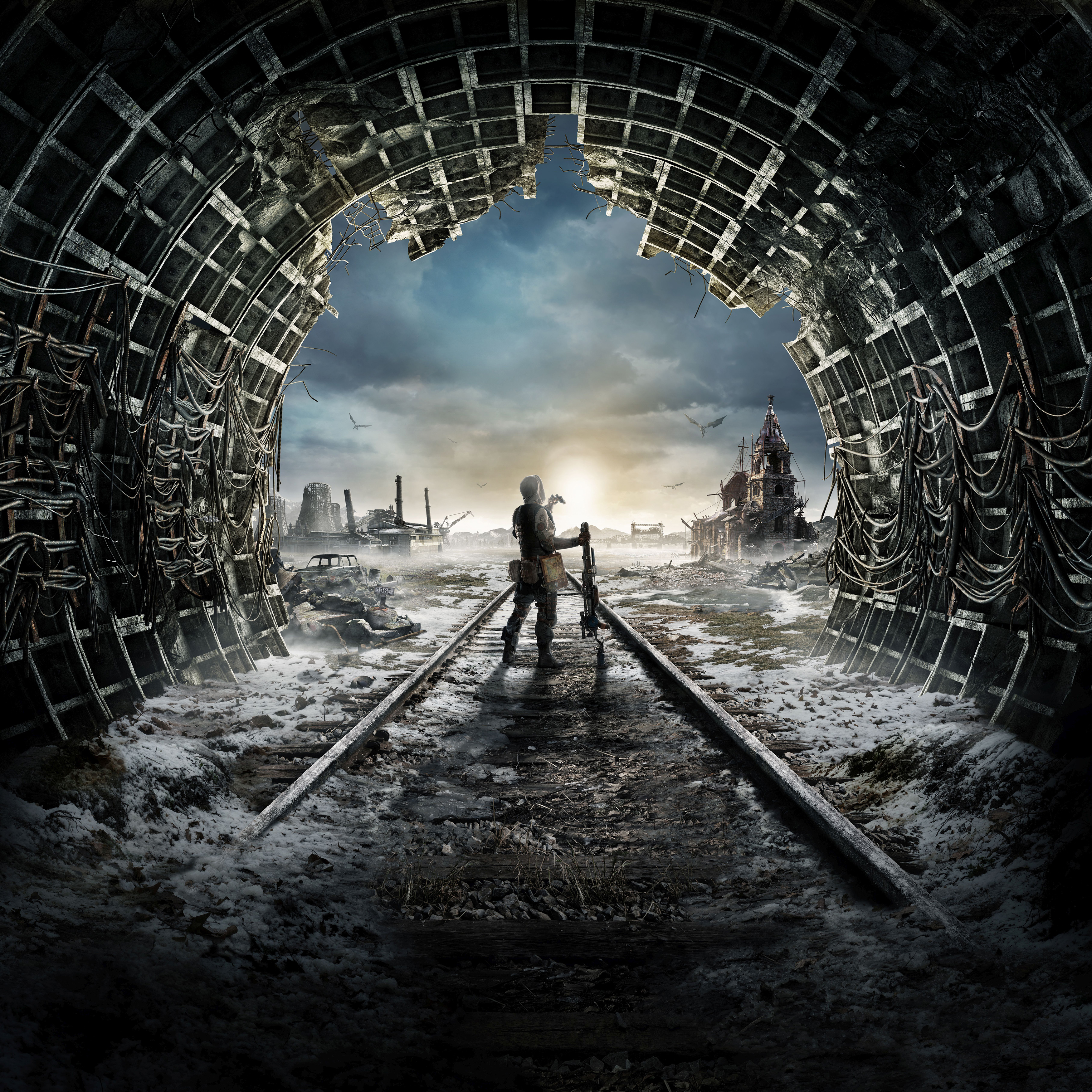
The surface world creates a hostile environment filled with radiation and dynamic weather patterns. Sandstorms and thunderstorms force players to seek shelter or alter their stealth approach during missions. You must decide whether to risk exposure to the elements to rescue civilians or conserve your gas mask filters for yourself. The unforgiving climate emphasizes the scarcity of resources and the value of altruism in a post-apocalyptic world.
‘Death Stranding’ (2019)
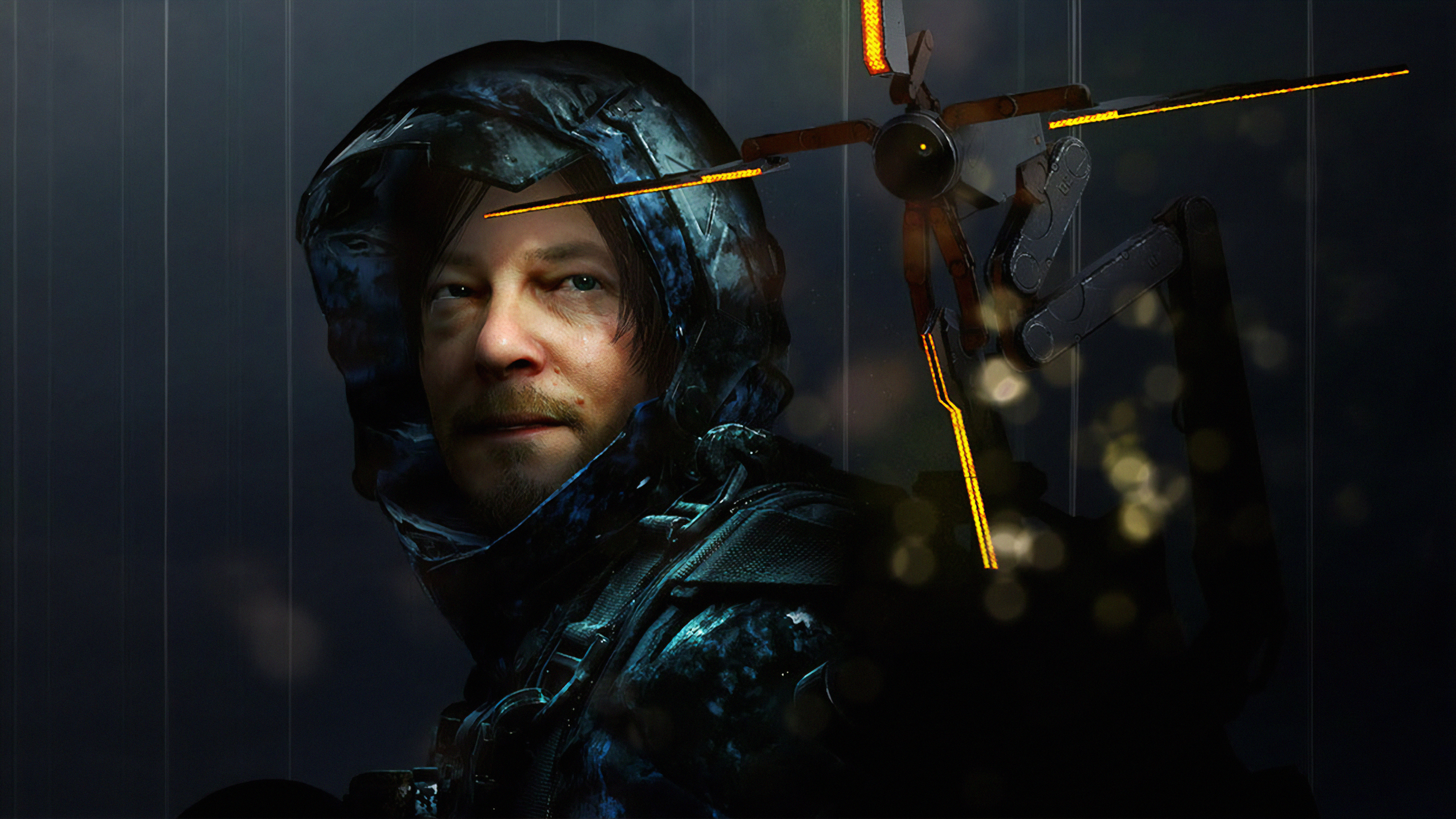
Timefall rain accelerates the aging process of anything it touches and damages cargo upon contact. Players must choose whether to take longer safe routes or risk their delivery cargo through heavy precipitation. The weather forces you to prioritize the condition of relief supplies over your own safety and equipment. These trekking decisions reflect the central theme of connection and the burden of carrying hope for others.
‘Eco’ (2018)
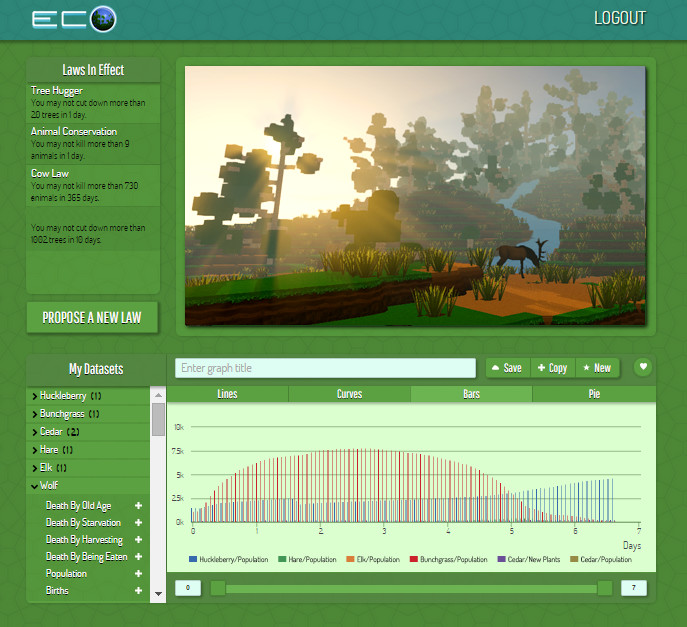
A looming meteor strike forces players to build a civilization capable of destroying the threat within a limited time. The game simulates a fully reactive ecosystem where pollution and deforestation impact weather and agriculture. Players must legislate laws to balance industrial progress with environmental preservation to avoid destroying the world before saving it. The climate mechanics turn every resource extraction into a moral debate about sustainability.
‘Red Dead Redemption 2’ (2018)
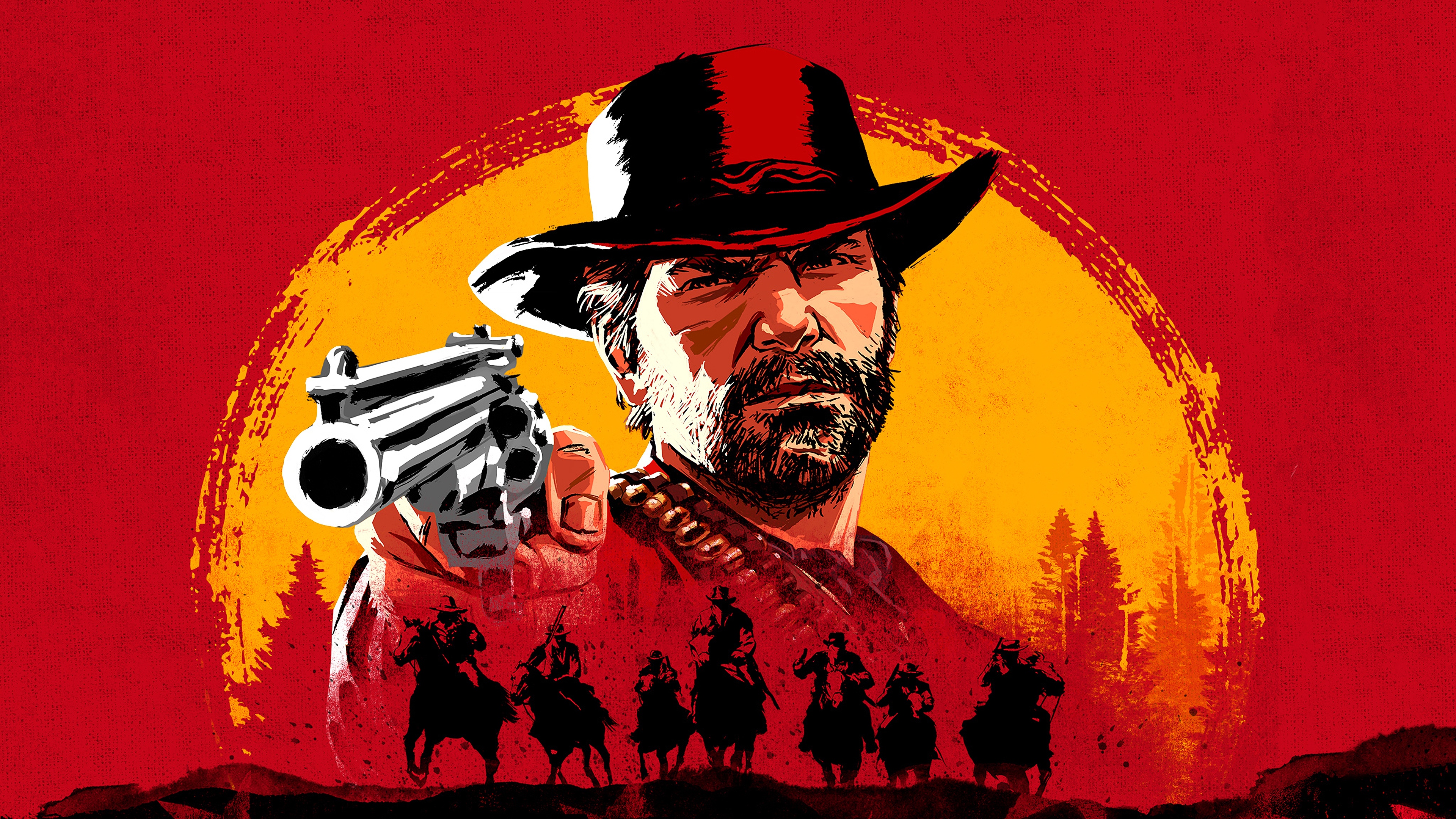
The prologue sets the stage with a massive blizzard that threatens the survival of the Van der Linde gang. Arthur Morgan must navigate the deep snow to find food and shelter for the vulnerable members of the camp. The weather dictates the pacing and forces the player to engage in risky rescue missions despite low visibility. These early moments establish the loyalty and moral code that defines the rest of the narrative.
‘Impact Winter’ (2017)
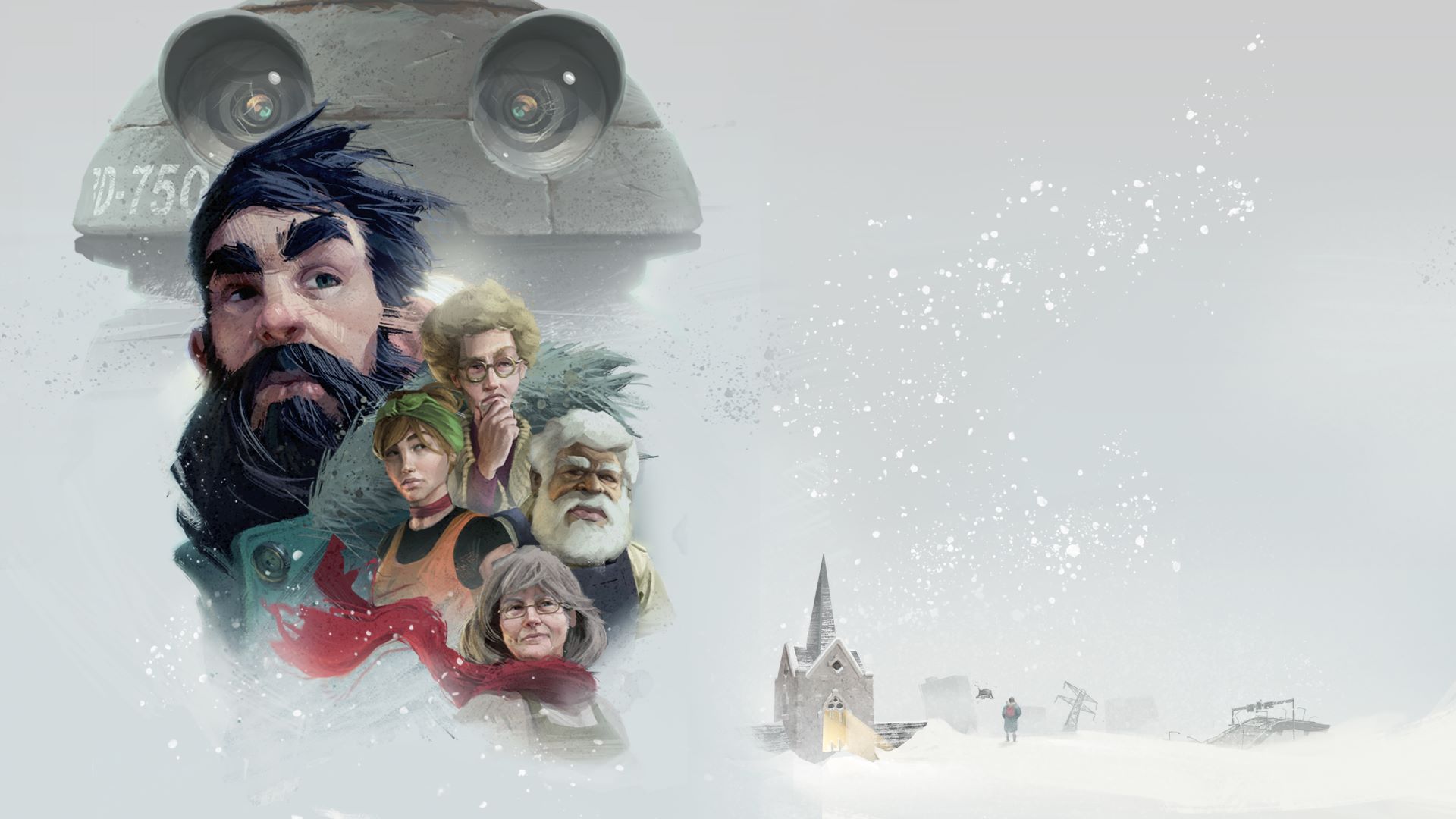
An asteroid impact has covered the Earth in snow and players must lead a group of survivors for thirty days. The freezing temperatures limit exploration time and force you to prioritize certain signals or supplies over others. You must decide how to distribute limited rations and fuel among a team with unique skills and needs. The constant cold serves as the primary driver for all risk-management decisions.
‘State of Decay 2’ (2018)
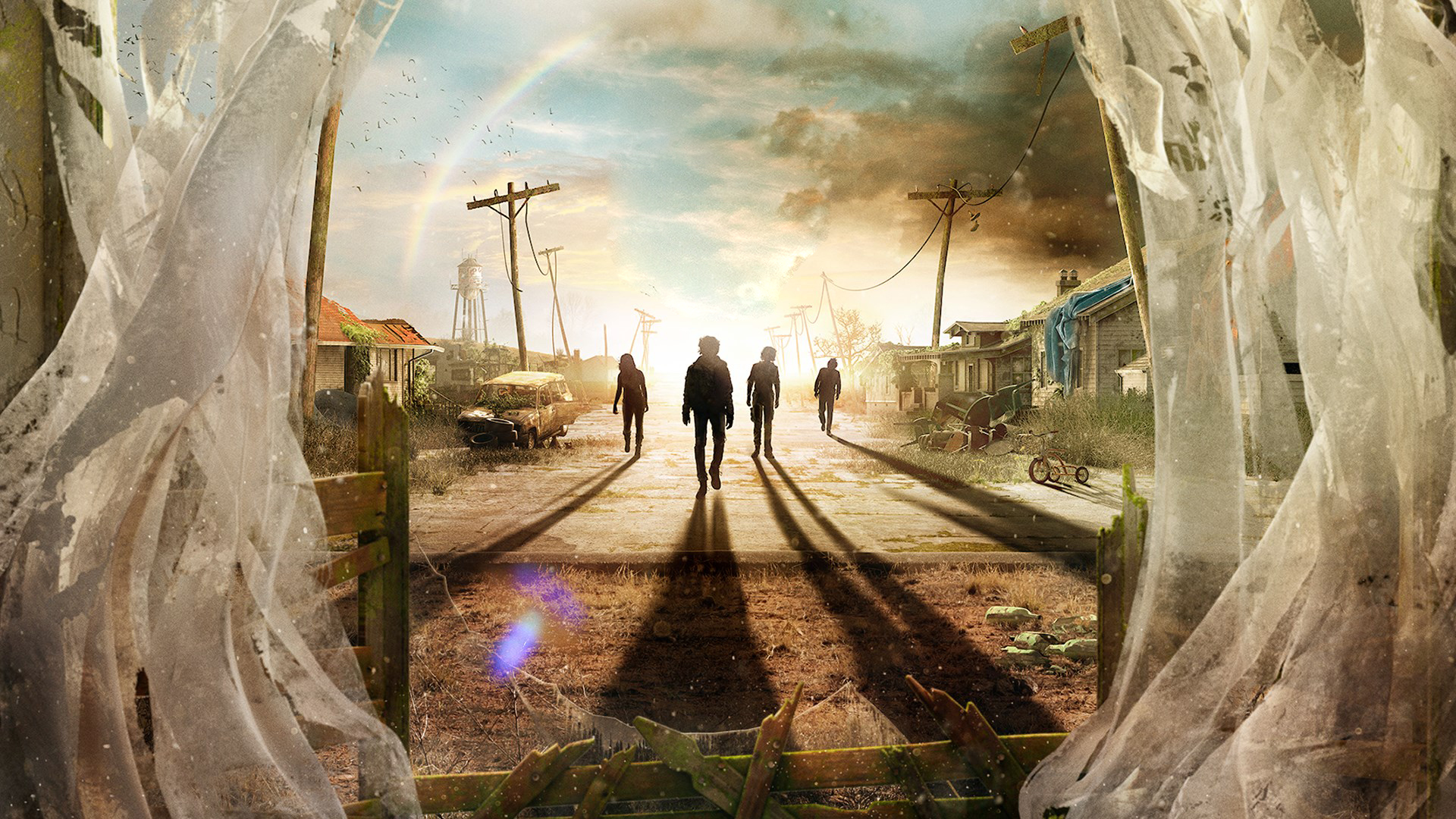
Updates to the game introduced weather curves that affect visibility and zombie behavior. Heavy storms mask the sound of approaching hordes and make scavenging runs significantly more dangerous. Players must decide whether to risk the lives of their community members to gather resources during inclement weather. The environment tests your willingness to endanger the few for the survival of the many.
‘Project Zomboid’ (2013)
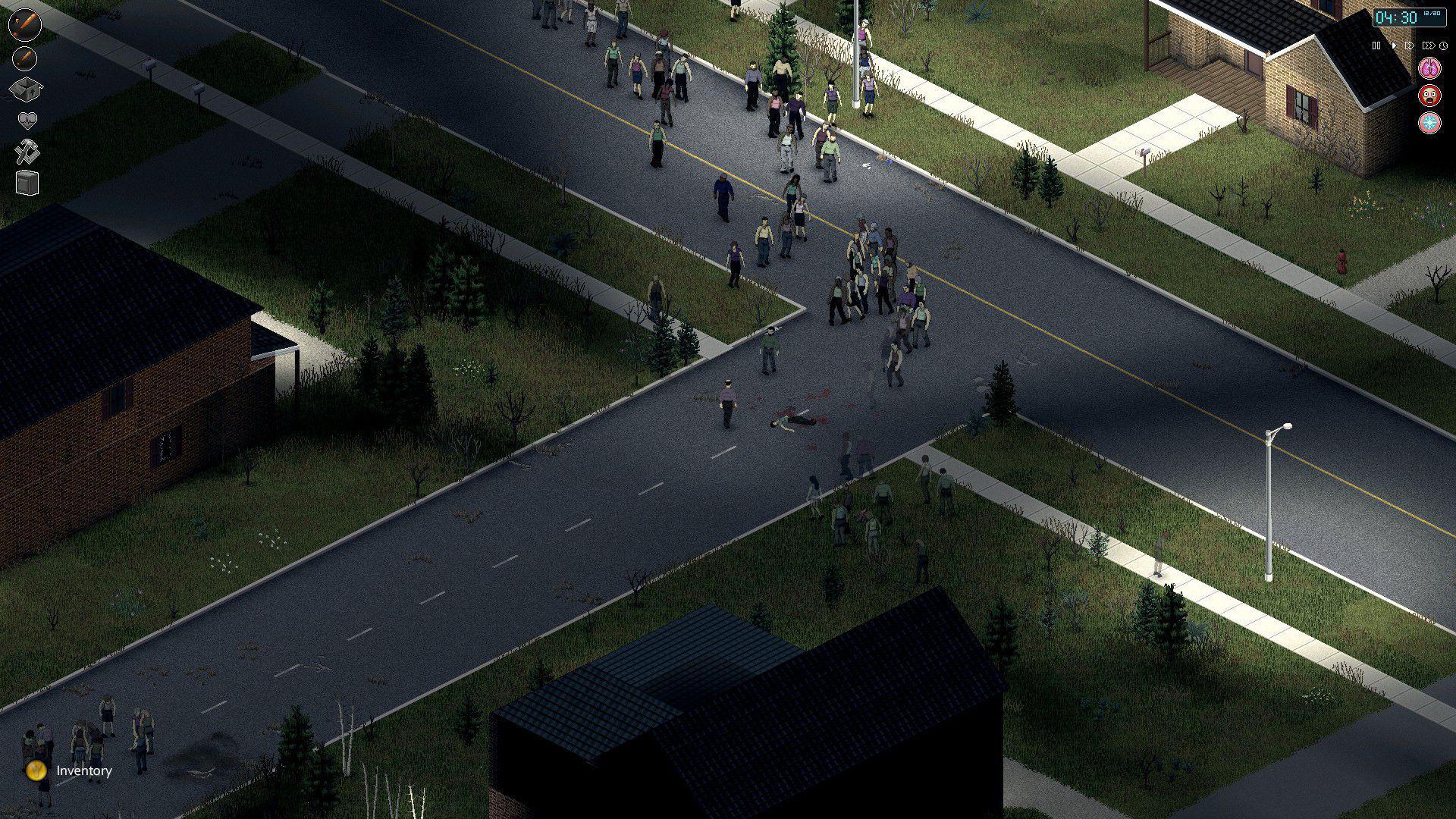
The weather system includes dynamic seasons that bring fog and snow which impact health and visibility. Players must prepare for winter by hoarding food and securing heat sources to prevent hypothermia. The harsh conditions often force you to loot risky locations or steal from other survivors. Staying alive requires constant adaptation to the climate which often leads to ethical compromises.
‘The Wild Eight’ (2017)
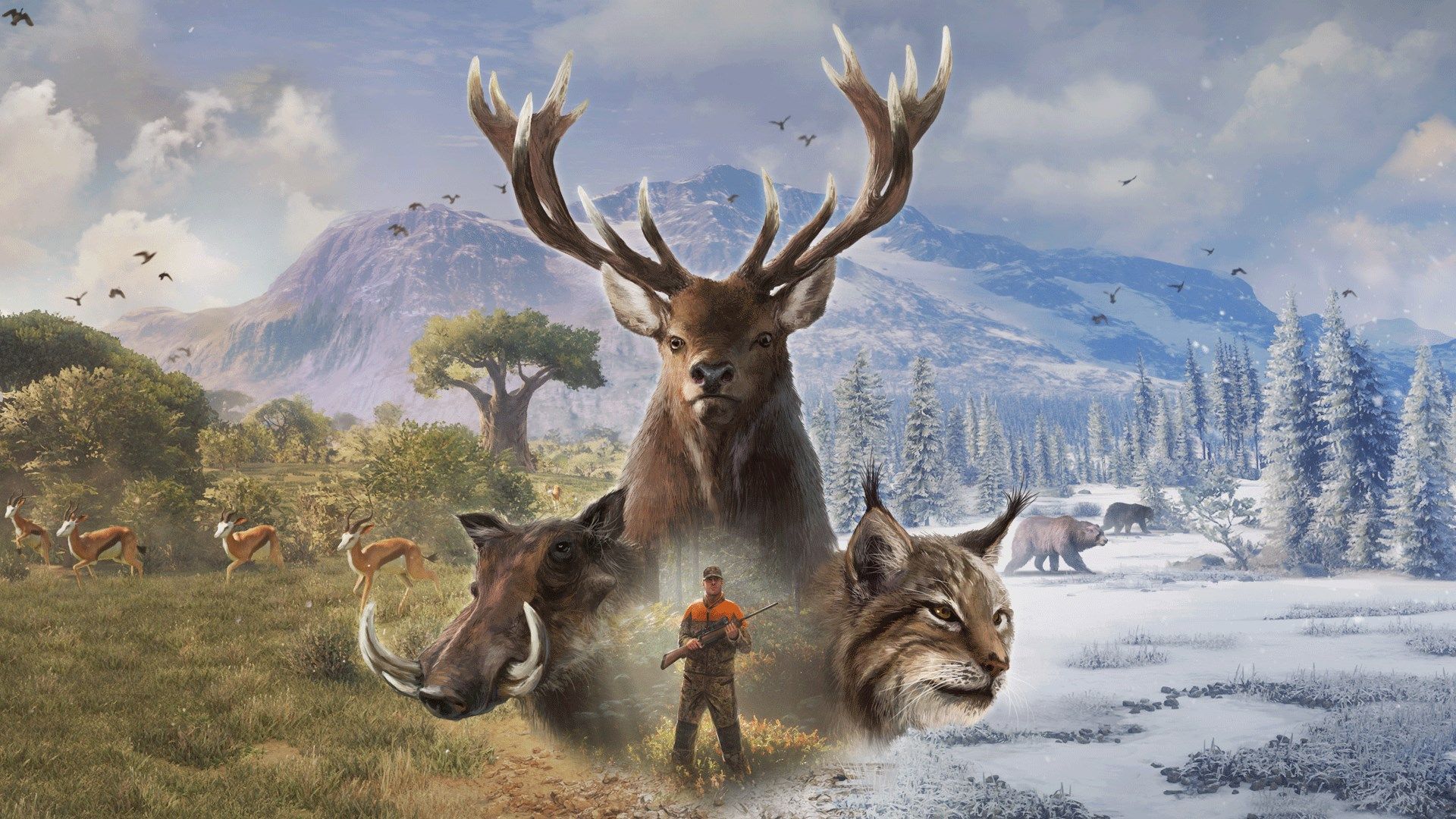
Survivors of a plane crash in Alaska must work together or betray each other to survive the biting cold. Blizzards reduce body heat rapidly and force players to share warmth or fight for clothing. The weather mechanics encourage cooperation but also create opportunities for selfishness when resources are scarce. You must balance your own survival needs against the collective well-being of the group.
‘Fade to Silence’ (2019)
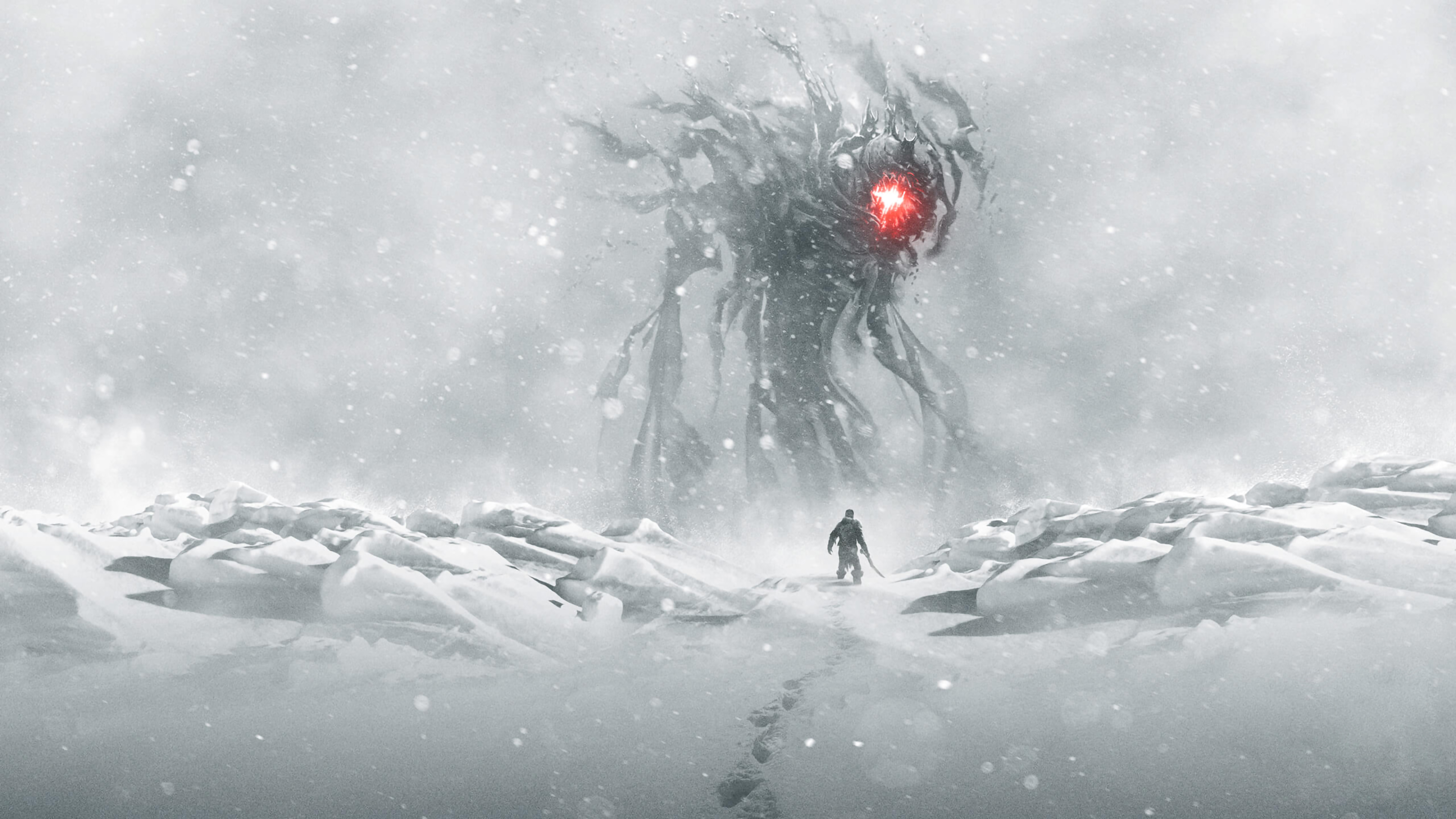
A post-apocalyptic winter creates a constant struggle against freezing temperatures and eldritch monsters. Blizzards destroy buildings and limit the time players can spend exploring the wilderness. You must decide which survivors to recruit and how to allocate scarce resources to keep the refuge warm. The weather acts as a judge that punishes poor planning with permanent death.
‘Help Will Come Tomorrow’ (2020)
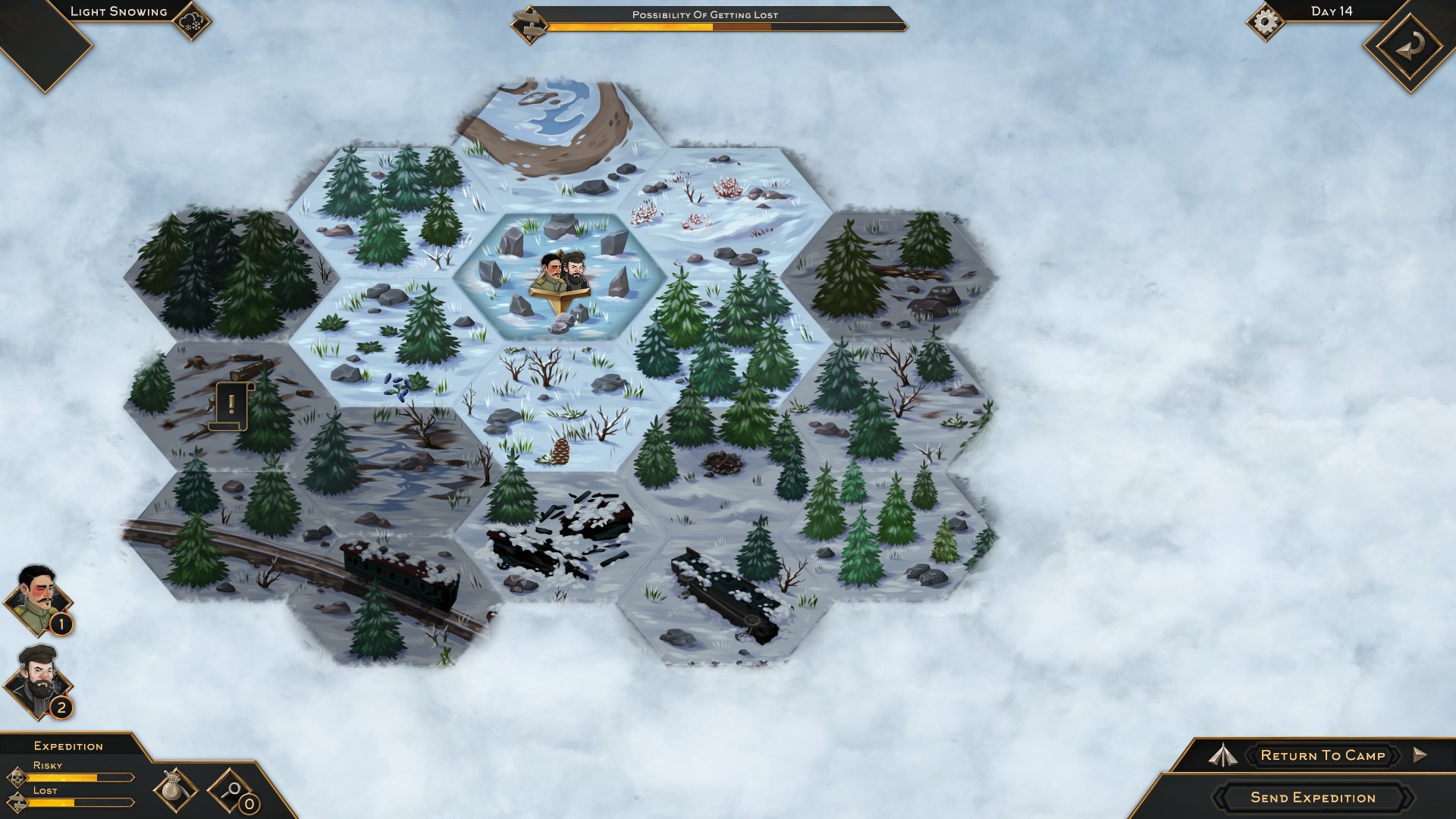
Passengers survive a train crash in the Siberian wilderness and must endure until rescue arrives. The game focuses on managing the physical and mental states of four characters with different political backgrounds. Weather conditions determine the success of scavenging and the severity of illness within the camp. Players must navigate class conflicts and ration supplies while the cold slowly kills the group.
‘Kona’ (2017)
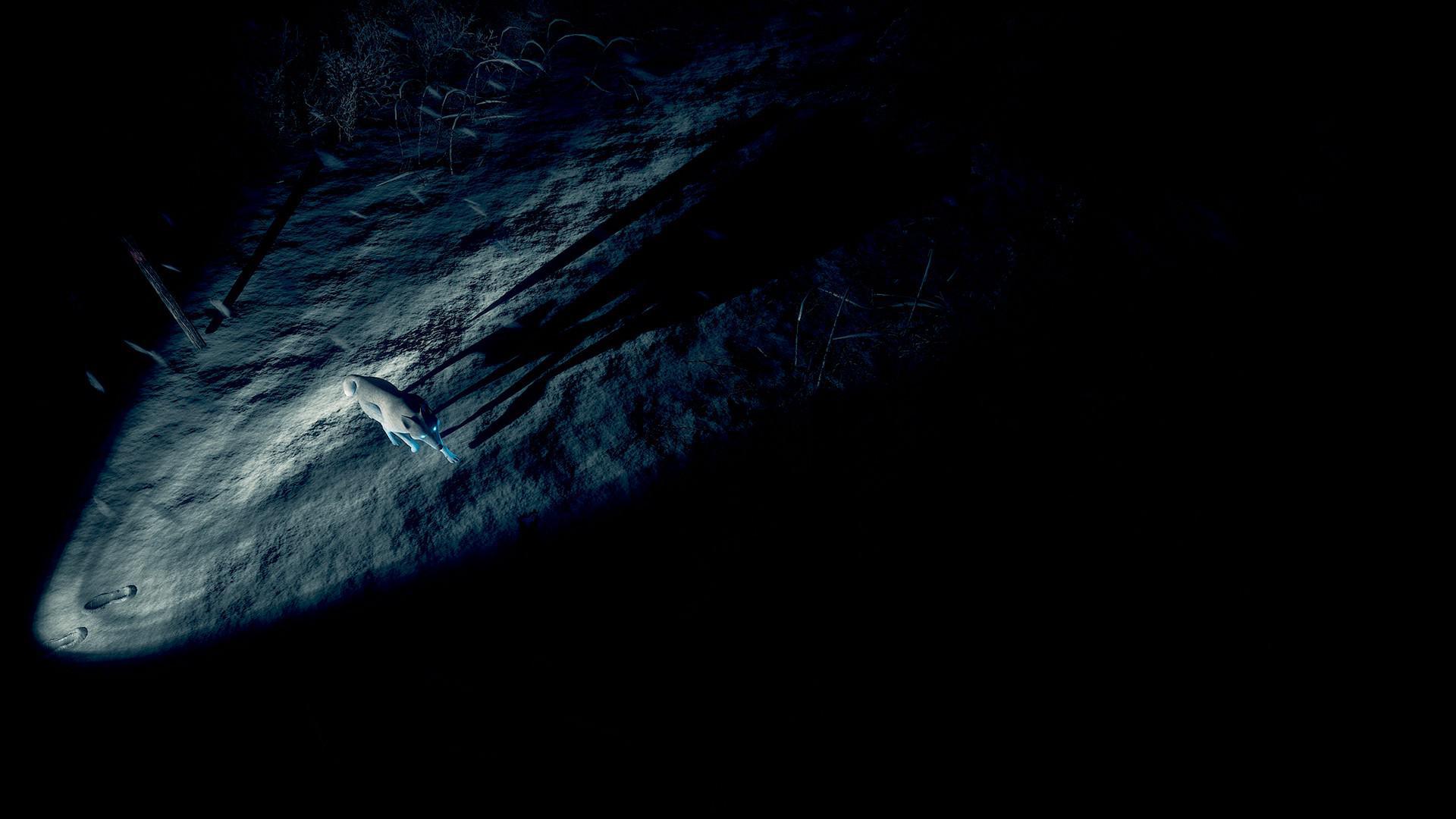
A private detective investigates a mysterious village in Northern Canada during a blizzard. The cold is a tangible mechanic that drains health and forces the player to constantly seek heat sources. You must decide whether to break into private homes and steal supplies to stay warm. The weather creates a desperate atmosphere that blurs the line between investigation and survival.
‘Banished’ (2014)
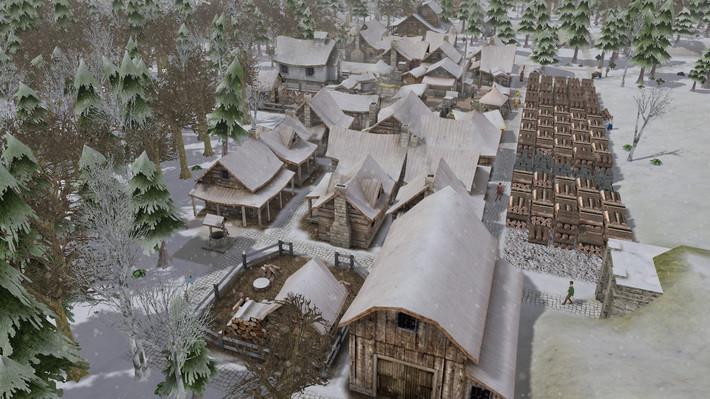
This city-building strategy game focuses heavily on surviving harsh winters with a medieval population. Poor harvest planning or lack of firewood leads to mass death when the temperature drops. Players must make difficult choices about resource allocation and population control to ensure the settlement survives the season. The weather creates a cyclical test of your ability to prioritize the greater good.
‘Pathologic 2’ (2019)
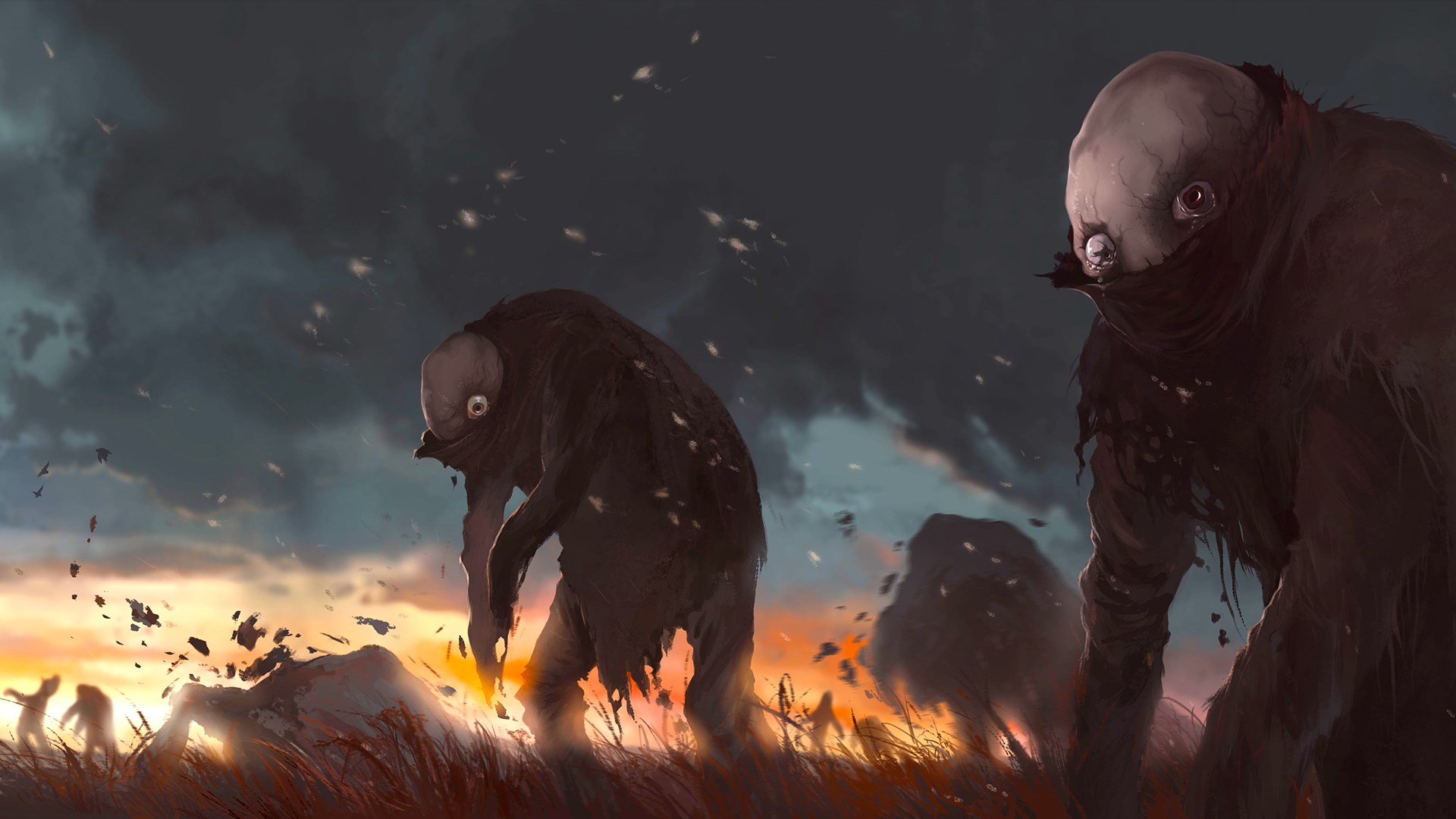
The town is gripped by a plague and the weather contributes to the oppressive atmosphere of decay. Environmental conditions affect the spread of disease and the availability of clean water. Players must choose who to heal with limited medicine while navigating a dying city. The gloomy atmosphere reinforces the bleak nature of the triage decisions you must make.
‘The Solus Project’ (2016)
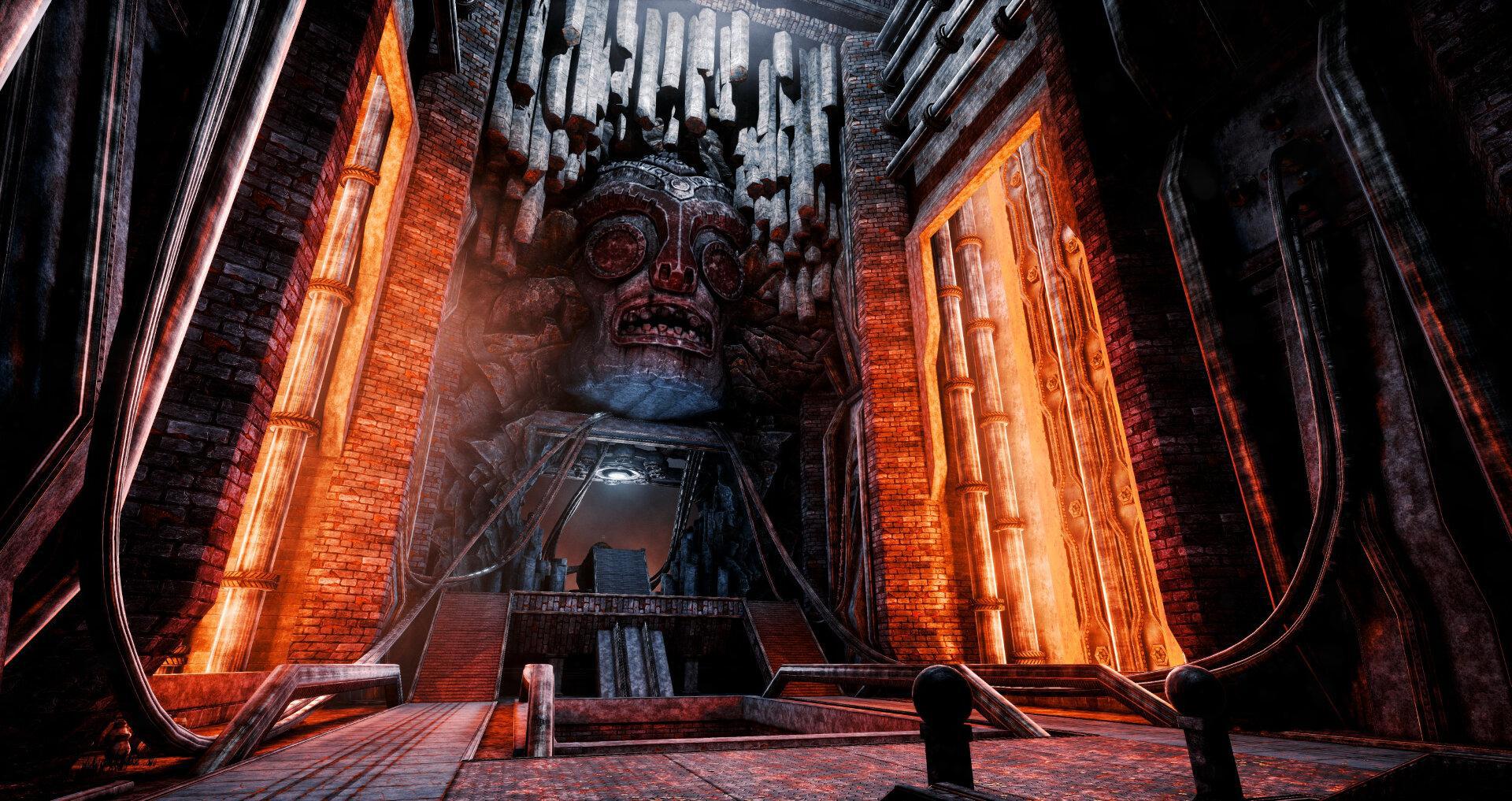
Extreme weather events on an alien planet pose a greater threat than any creature. Tornadoes and meteor showers force the player to seek underground shelter and abandon current objectives. You must decide whether to push forward to find a way to save humanity or retreat to preserve your own life. The planet’s climate acts as a hostile entity that constantly challenges your determination.
‘Mad Max’ (2015)
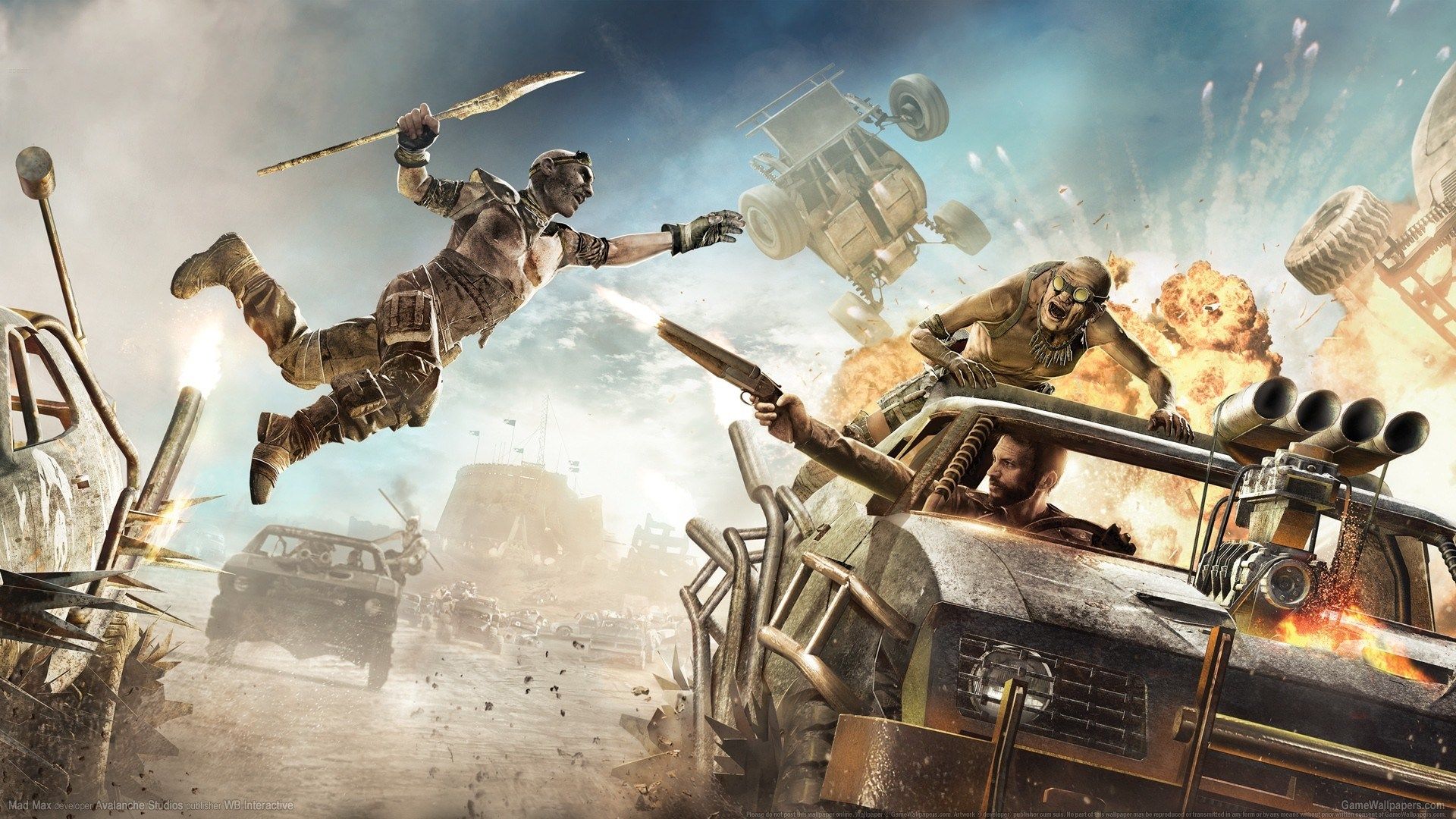
Massive sandstorms sweep across the wasteland and bring high-value loot crates known as Muthaloot. Players must decide whether to drive into the dangerous storm to secure these resources or seek safety. The risk of destroying the Magnum Opus vehicle is weighed against the potential reward. The weather turns scavenging into a high-stakes gamble with life-or-death consequences.
‘Don’t Starve’ (2013)
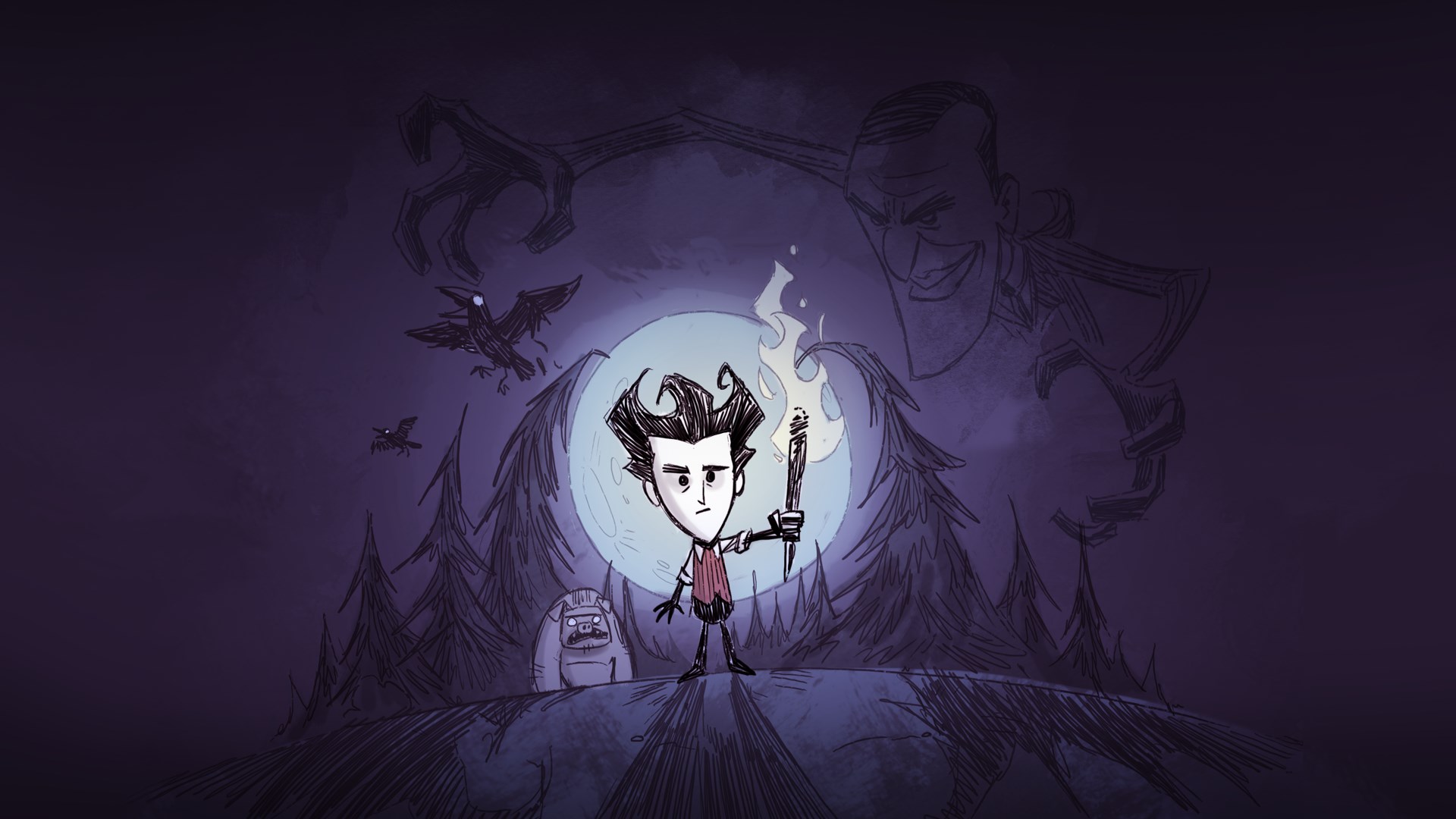
The cycle of seasons introduces new threats like freezing winters and overheating summers. Players must prepare for these shifts by stockpiling food and crafting appropriate gear. The pressure of the approaching winter often forces risky behavior and desperate resource gathering. The unforgiving climate creates a survival loop where ethical considerations are secondary to not starving.
‘Days Gone’ (2019)
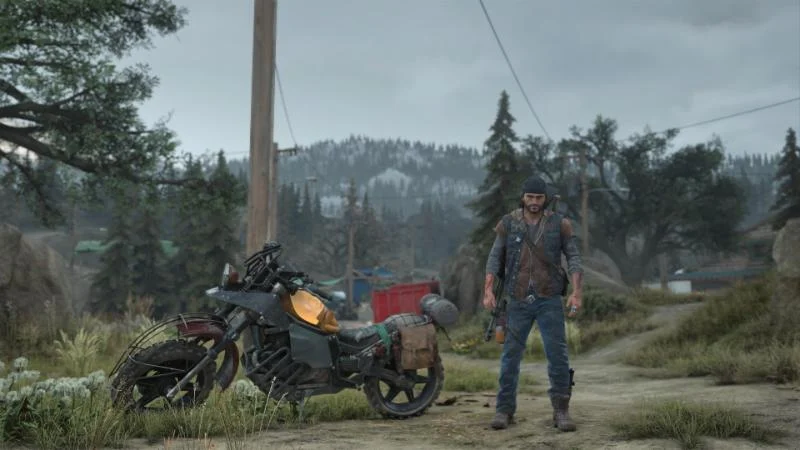
Dynamic weather affects the behavior and strength of the freaker hordes roaming Oregon. Rain dampens sound to aid stealth while snow makes the motorcycle harder to control. Players must decide whether to engage enemies during storms when they are stronger but the player is harder to detect. The environment dictates the tactical approach to every combat encounter.
‘Ghost of Tsushima’ (2020)
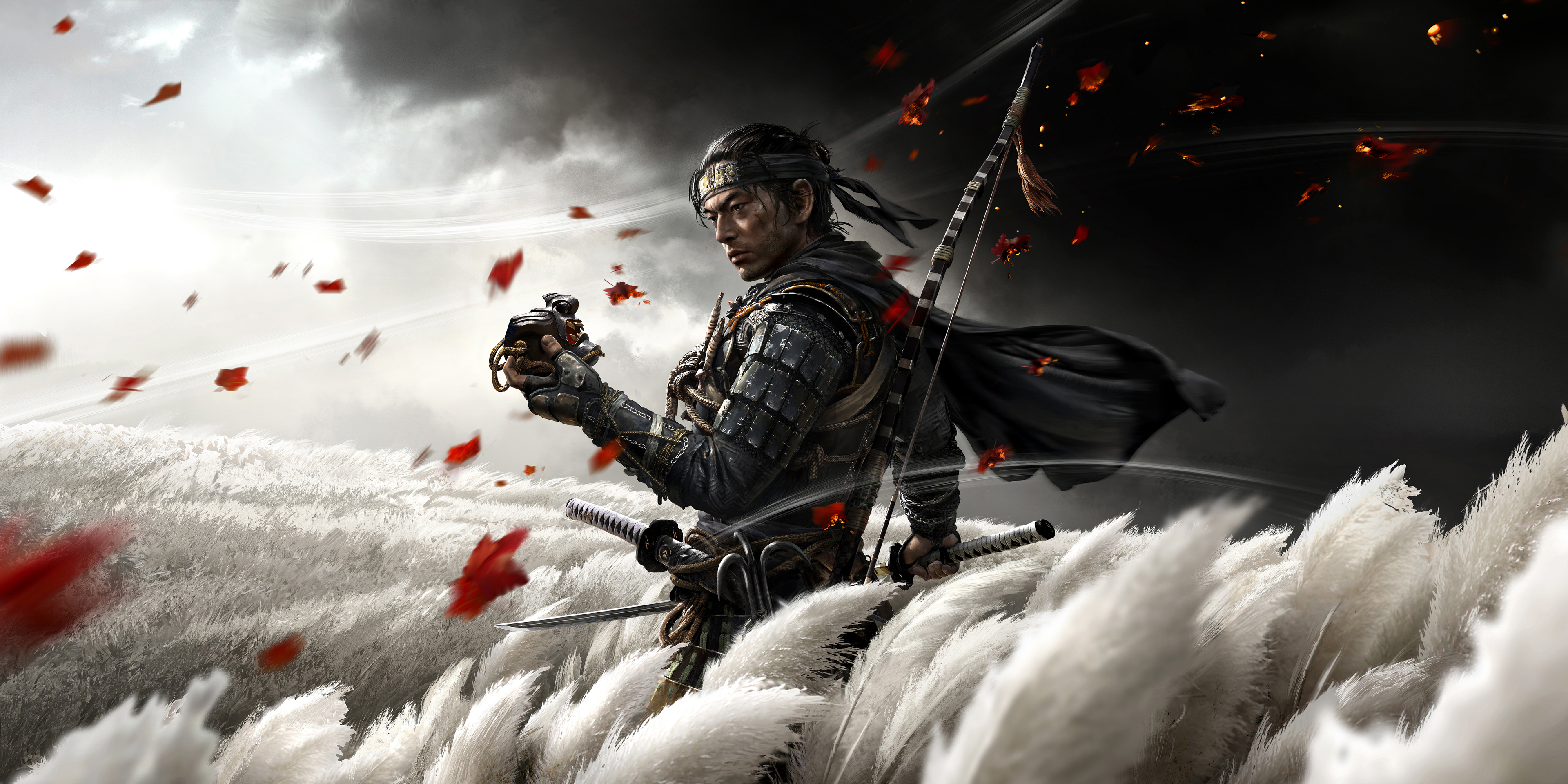
Storms in the game intensify visually as the protagonist drifts further from the samurai code. While the weather reflects the moral state of Jin Sakai rather than influencing it directly, it reinforces the narrative weight of his choices. Players who embrace the path of the Ghost will see more thunder and lightning during gameplay. The atmosphere serves as a constant reminder of the honor sacrificed for victory.
‘I Am Alive’ (2012)
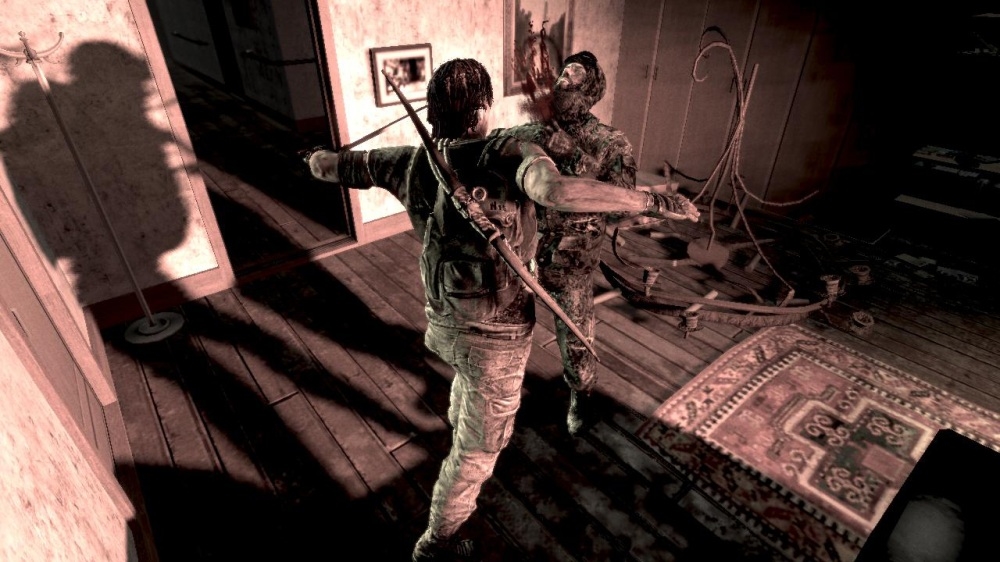
A massive dust cloud covers the city and drains the player’s stamina while climbing. You must manage your exertion carefully and decide which survivors you can afford to help with your limited resources. The dust restricts exploration paths and forces you to confront enemies in unfavorable conditions. The oppressive environment makes every act of kindness a significant tactical disadvantage.
‘Dysmantle’ (2021)
The post-apocalyptic island features different biomes with extreme temperatures that require specific gear. Players must choose to grind for materials to craft protective clothing or rush through dangerous areas. The weather gates progression and forces you to exploit the environment to survive. Survival often involves destroying the remnants of civilization to build your own future.
‘Sheltered’ (2015)
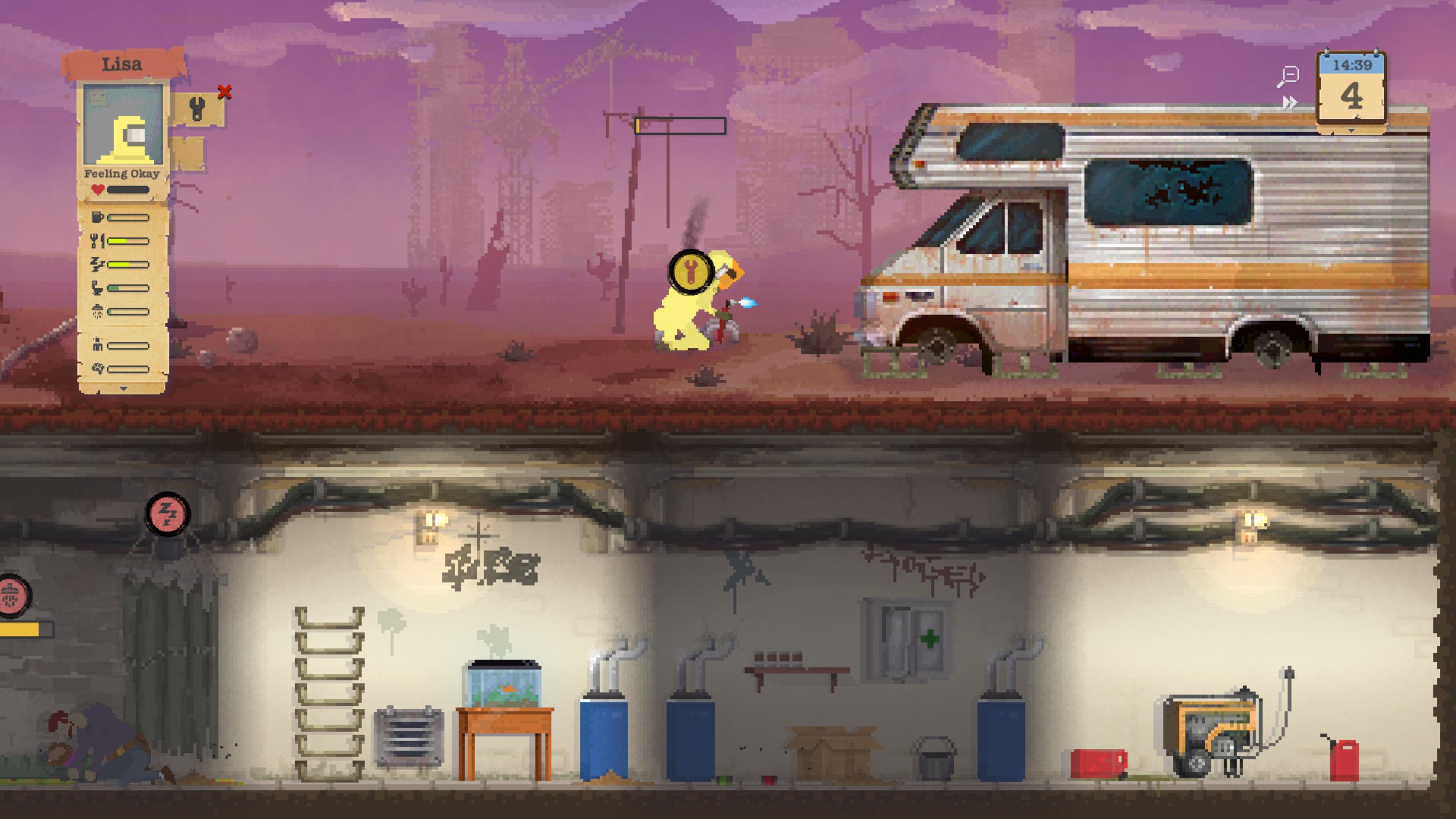
A family survives in an underground bunker while dust storms and radiation plague the surface. Players must decide when to send family members out to scavenge despite the high risk of radiation sickness. The weather dictates the safety of the surface and the availability of water for the filtration system. You are constantly balancing the health of your family against the need for supplies.
‘Conan Exiles’ (2017)

Sandstorms in the desert biome strip health and obscure vision for unprepared players. You must build shelter or craft masks to survive these sudden environmental assaults. The weather forces players to pause their conquest and focus on immediate survival needs. These interruptions often occur during critical moments of combat or exploration.
‘Subnautica: Below Zero’ (2021)
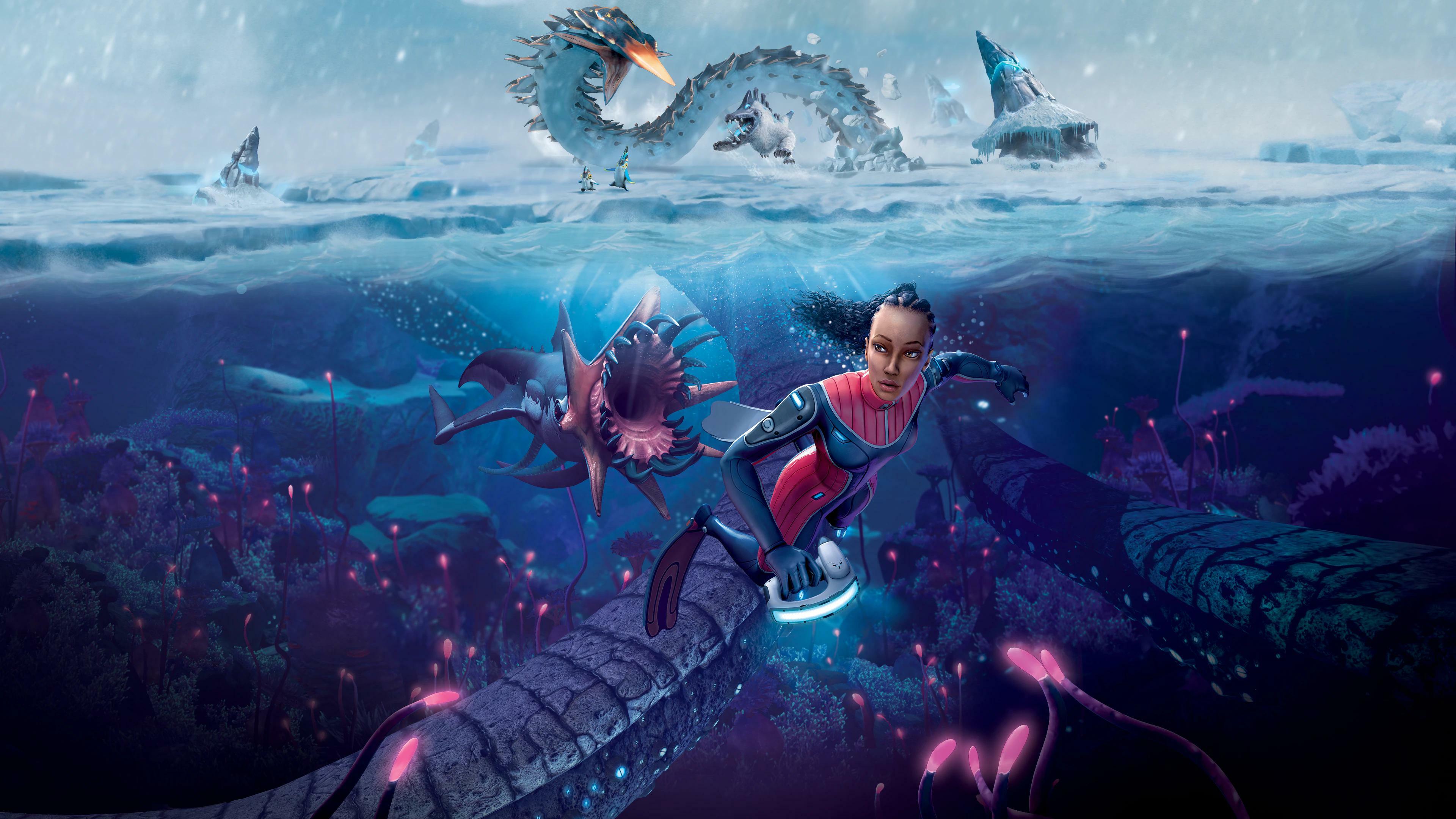
The arctic surface introduces a temperature mechanic that requires players to manage body heat. Blizzards reduce visibility to zero and disorient the player during land expeditions. You must decide whether to exploit the local fauna for warmth or build expensive thermal structures. The cold weather adds a layer of urgency to the otherwise calm exploration.
‘Green Hell’ (2019)

The Amazon rainforest features a dynamic weather system that affects sanity and physical health. heavy rain can wash away fires and leave the player vulnerable to parasites and predators. You must choose between sleeping on the ground to save energy or building a shelter to stay dry. The environment punishes every shortcut with potential illness or death.
‘Valheim’ (2021)
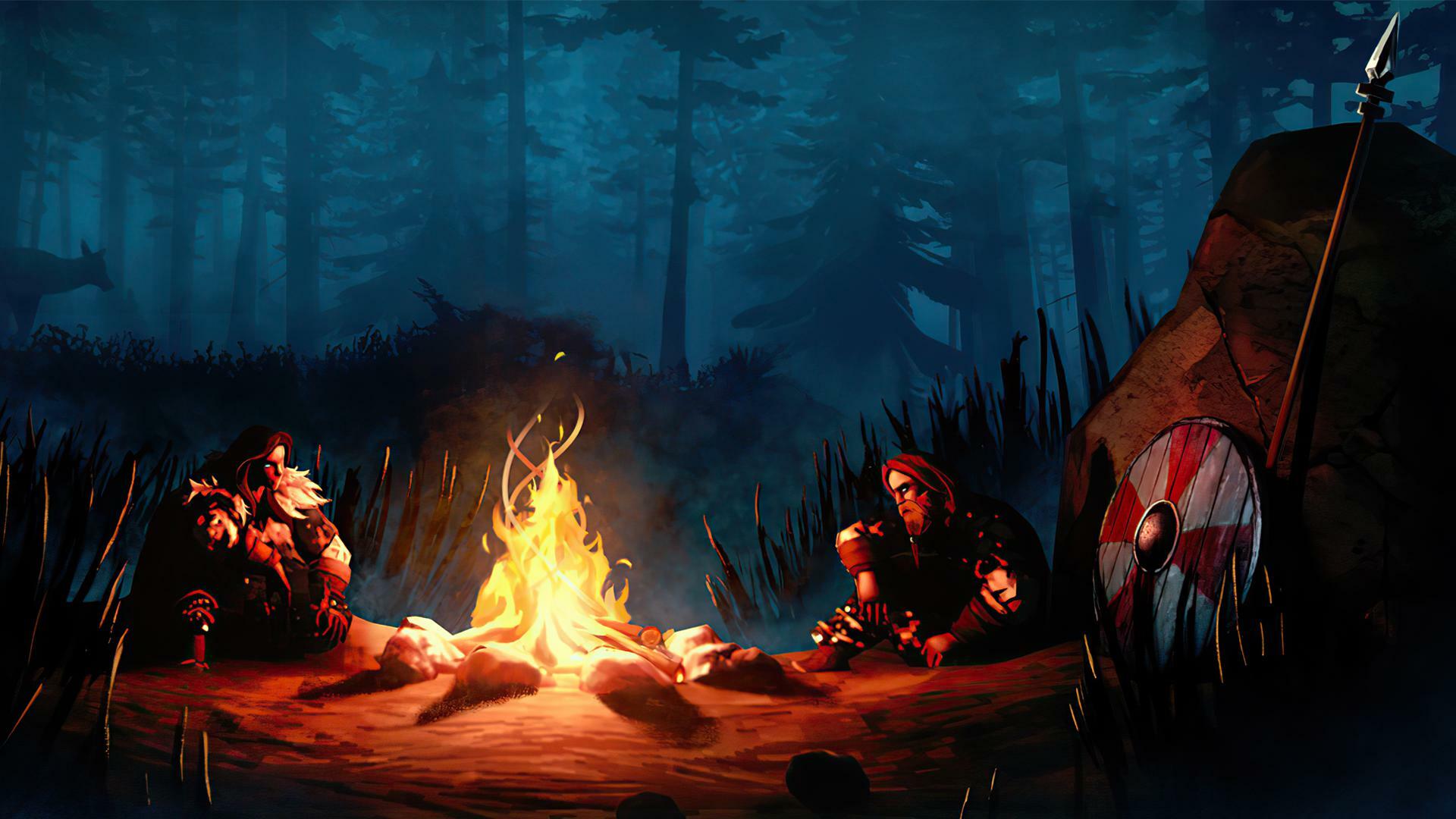
Wind direction is crucial for sailing and rain degrades wooden structures over time. Players must decide whether to brave the ocean during a storm to transport metal ore or wait for calm seas. The weather impacts combat stamina and health regeneration which complicates boss fights. You must respect the elements or lose hours of progress to a shipwreck.
‘No Man’s Sky’ (2016)
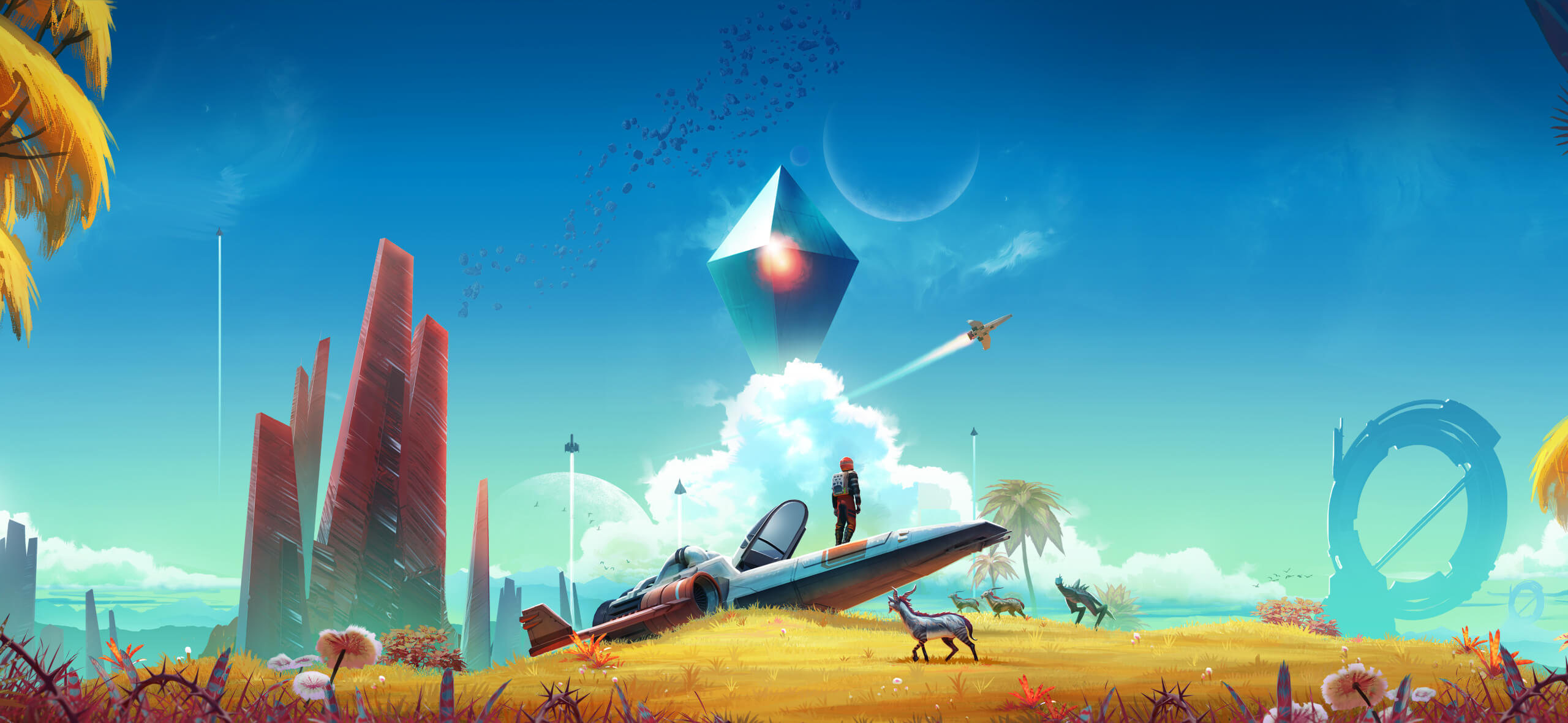
Procedurally generated planets feature extreme weather events like firestorms and toxic rain. Players must constantly recharge hazard protection suits using resources that could be used for trading or crafting. The weather forces you to decide between exploring a resource-rich planet or fleeing to a safer system. The environment is the primary antagonist in the survival mode.
‘Ancestors: The Humankind Odyssey’ (2019)

Weather affects the primitive hominids’ protection against the cold and predators. Players must decide whether to move the clan to a new settlement during rain or stay in a suboptimal location. The elements test your ability to adapt and evolve the lineage. Survival depends on learning to mitigate the effects of the weather on your clan’s stamina.
‘Medieval Dynasty’ (2020)
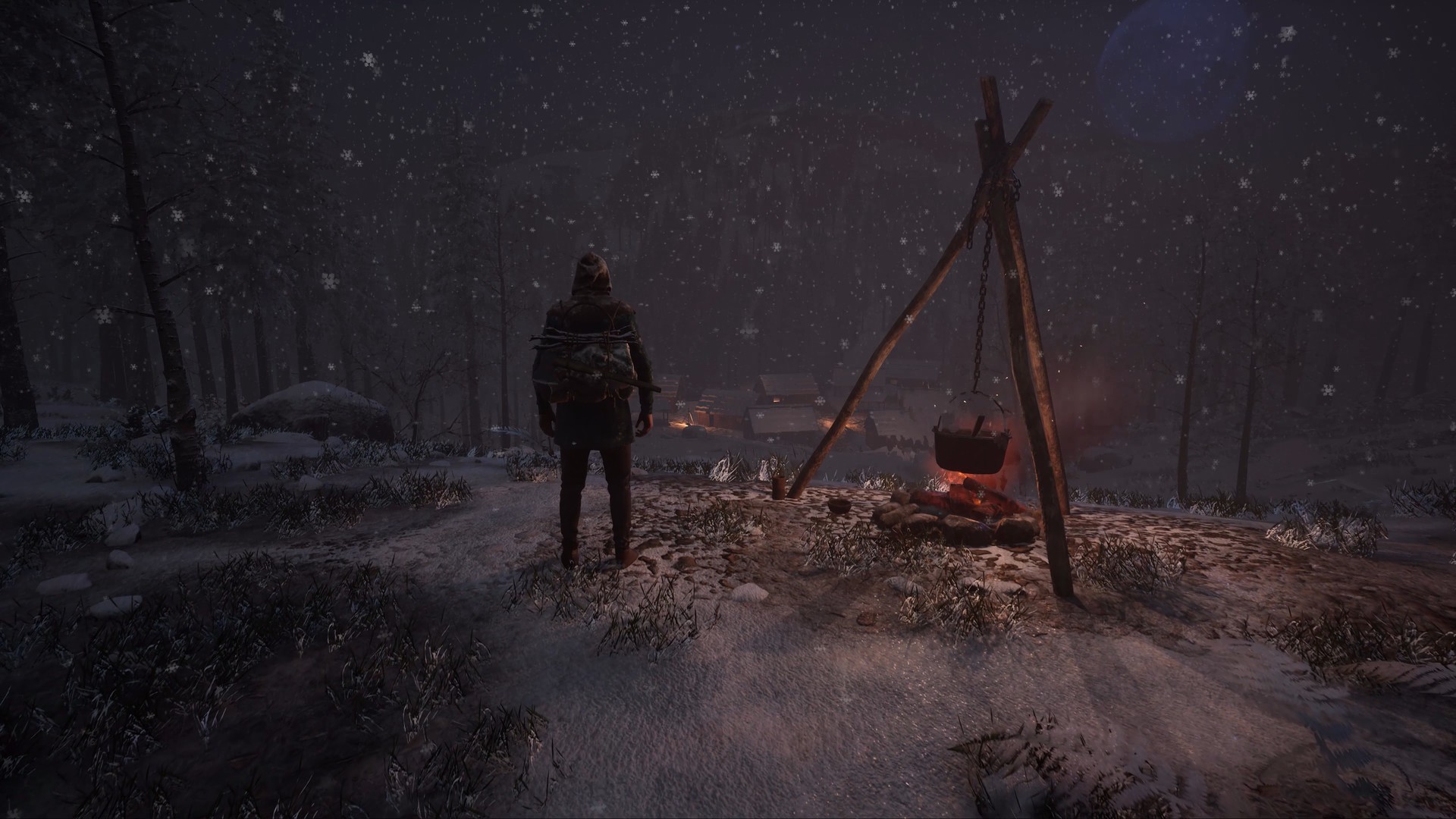
Seasons dictate the agricultural cycle and the survival needs of the village inhabitants. Winter prevents farming and increases the consumption of firewood and food. Players must ensure their villagers have enough supplies to survive or face abandonment. The weather forces long-term planning and responsible stewardship of the community.
‘The Forest’ (2014)
Rain washes away blood to prevent infection but also extinguishes fires needed for warmth and cooking. Players must decide whether to build a base in the open for better visibility or in the trees for protection from the rain. The cold mechanic at night and during rain adds a survival pressure to the horror elements. The environment forces you to balance defense against physiological needs.
‘Sons of the Forest’ (2024)

The sequel introduces a full seasonal cycle that changes resource availability and enemy behavior. Frozen lakes in winter open new paths but the cold requires warmer clothing and more food. Players must prepare for the changing seasons or risk starvation and freezing. The shifting climate ensures that no survival strategy remains effective indefinitely.
‘7 Days to Die’ (2013)
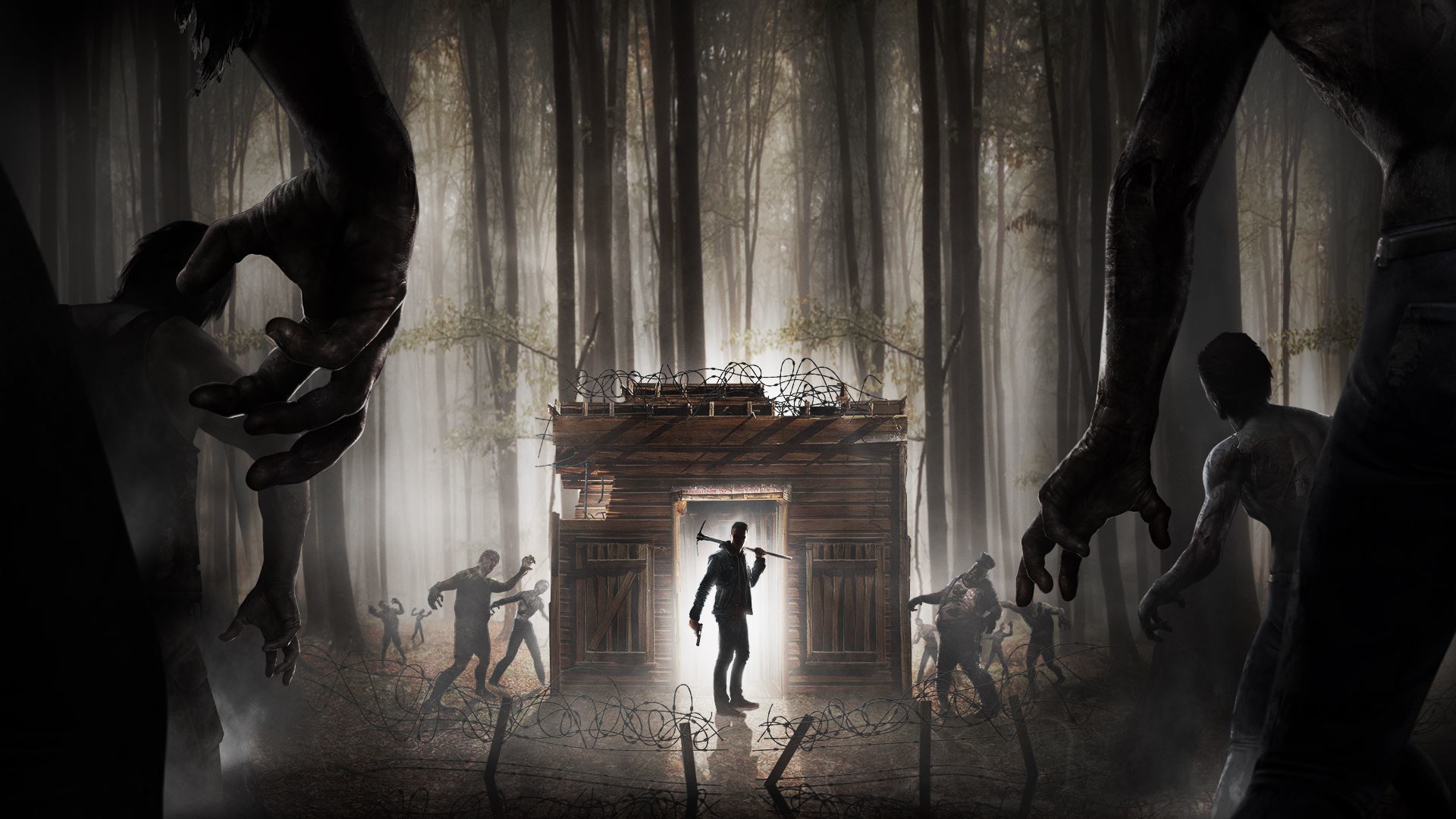
Temperature and weather systems affect the player’s core stats and chance of illness. You must dress appropriately for the biome and weather conditions to avoid heatstroke or hypothermia. The weather complicates the already difficult task of defending against zombie hordes. Players must prioritize clothing and shelter as highly as weapons.
‘Rust’ (2013)

Cold climates require warm clothing which often offers less protection against bullets. Players must decide whether to gear up for combat or for survival against the elements. Nighttime brings extreme darkness and cold that forces players to use light sources that reveal their position. The weather creates a risk-reward dynamic in player-versus-player interactions.
‘DayZ’ (2018)
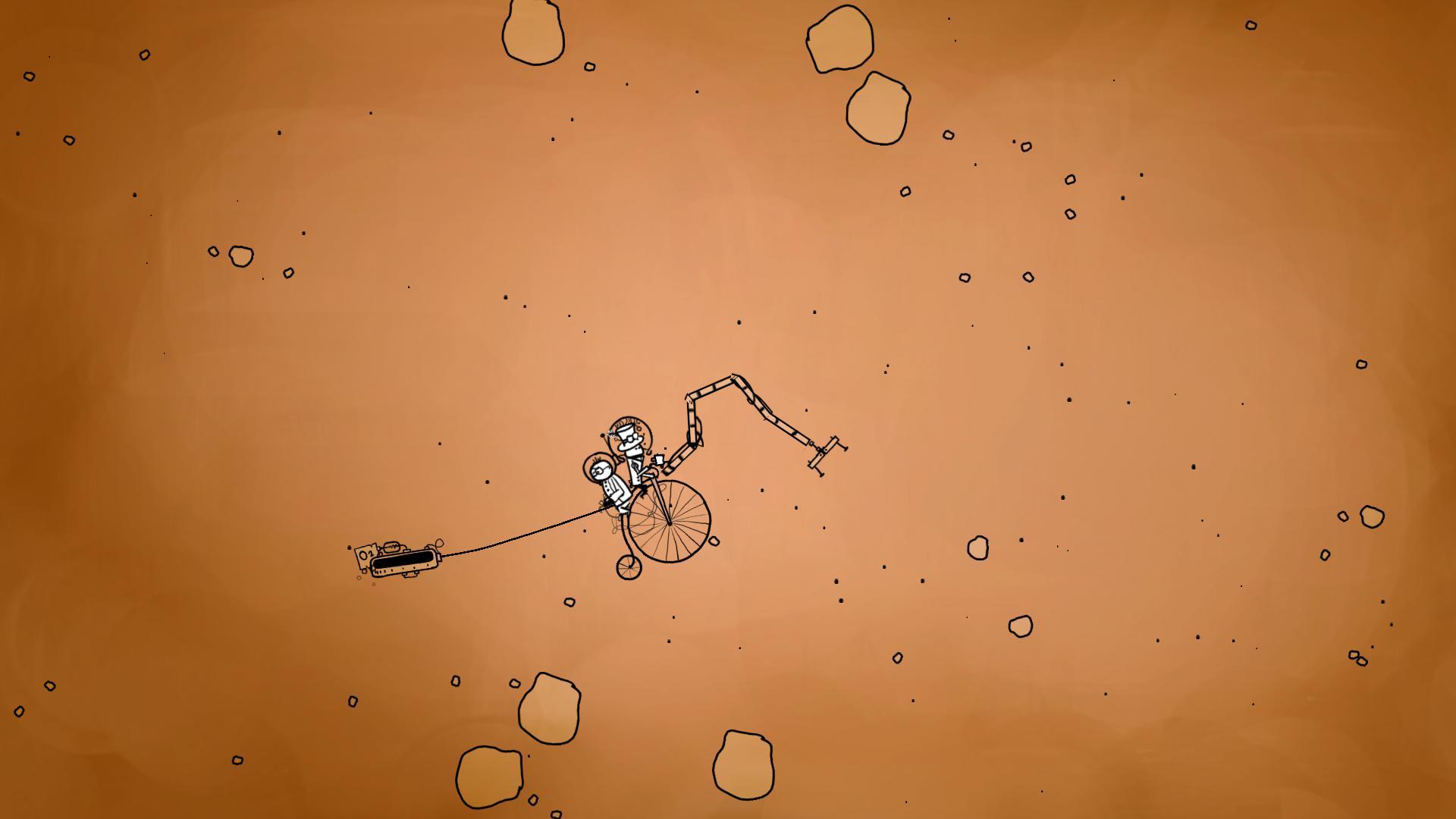
Rain soaks clothing which increases the weight of gear and the risk of hypothermia. Players must stop to wring out clothes and build fires to dry off or risk dying from illness. The weather forces you to seek shelter in dangerous towns where other players may be waiting. The environment turns simple travel into a complex logistical challenge.
‘SCUM’ (2018)
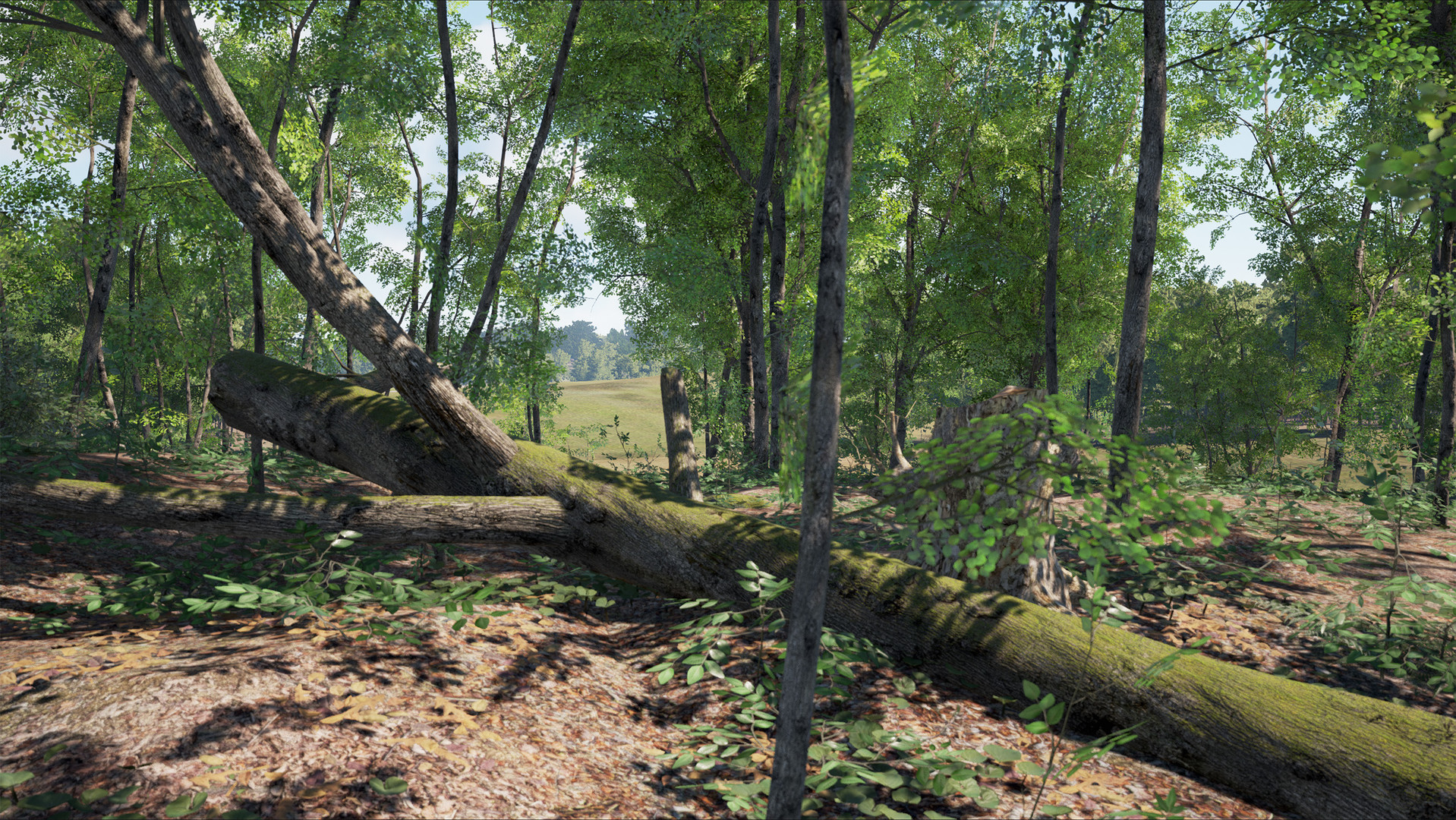
The game features an incredibly detailed metabolism system that reacts to weather and temperature. Rain adds weight to clothes which affects stamina and buoyancy in water. Players must manage their body temperature to prevent illness that can debilitate their character. The weather is a constant variable that complicates every survival calculation.
‘Kingdom Come: Deliverance’ (2018)
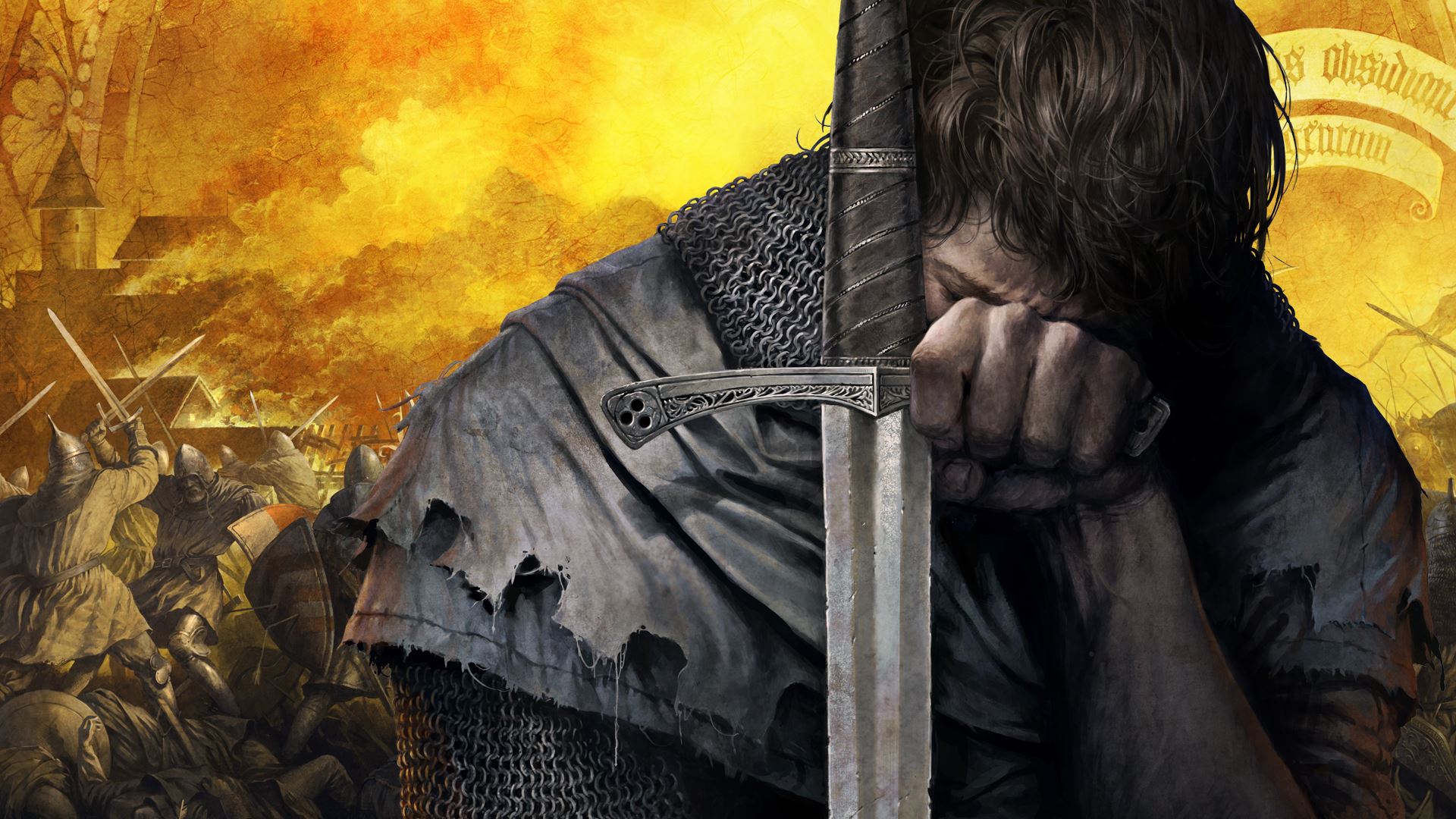
In Hardcore Mode, the weather lacks a visual UI indicator and players must judge conditions by sight. Rain affects visibility and noise levels which impacts stealth and combat opportunities. You must decide whether to travel during a storm to avoid detection or wait for better conditions. The realism of the weather system enforces a grounded approach to medieval survival.
‘Distrust’ (2017)
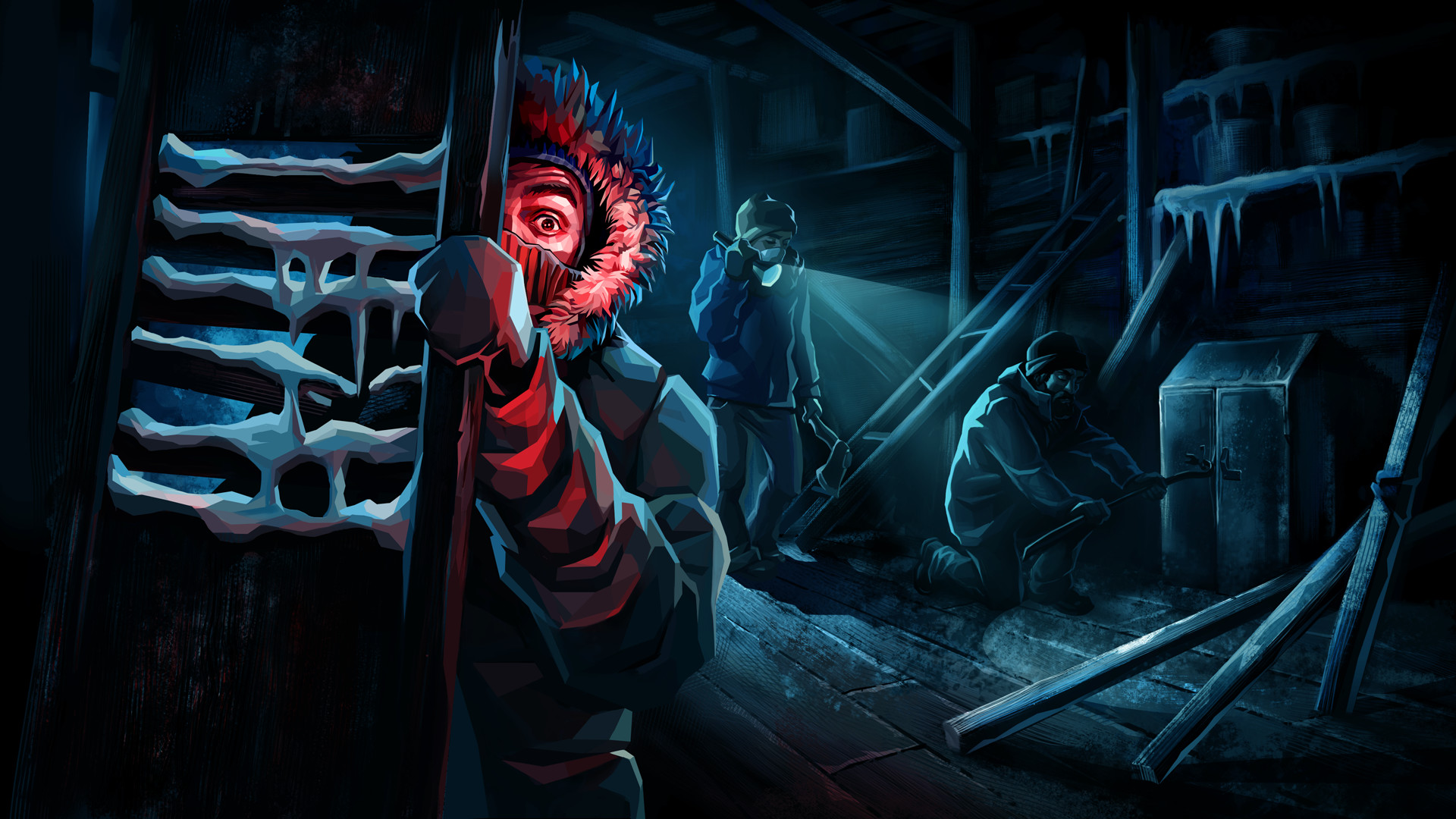
Inspired by The Thing, this game involves surviving at an arctic base where sleep attracts aliens. The freezing weather forces players to move quickly between buildings to maintain body heat. You must decide which survivors to expose to the cold to complete objectives. The climate acts as a barrier that constantly drains the group’s limited resources.
‘Near Death’ (2016)
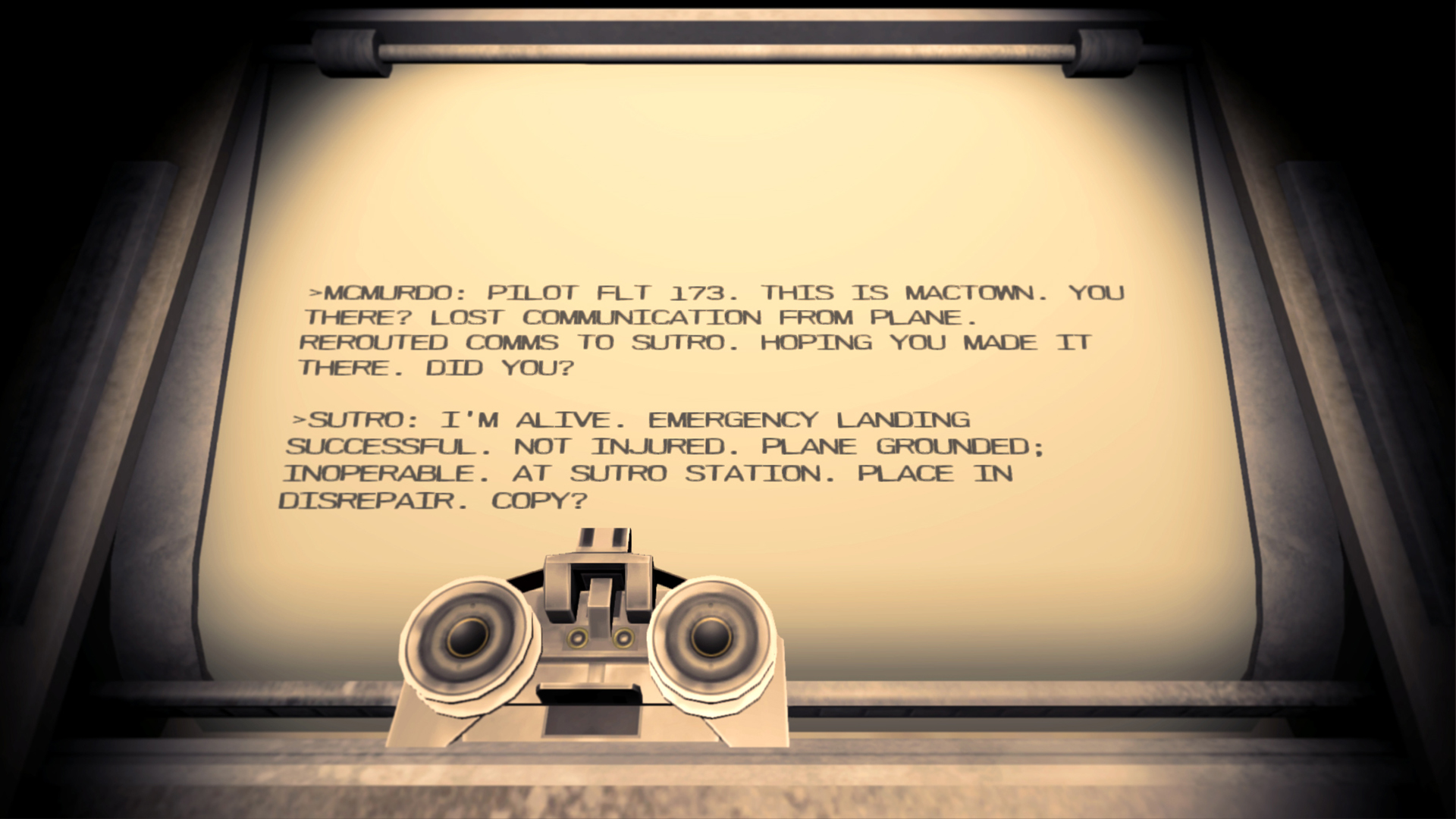
After a plane crash in Antarctica, the player must survive a blizzard with zero visibility. The game uses a dynamic temperature system that simulates light freezing and wind chill. You must use portable heaters and close windows to create pockets of warmth. The weather is the sole enemy and forces you to claw your way to survival inch by inch.
‘The Flame in the Flood’ (2016)
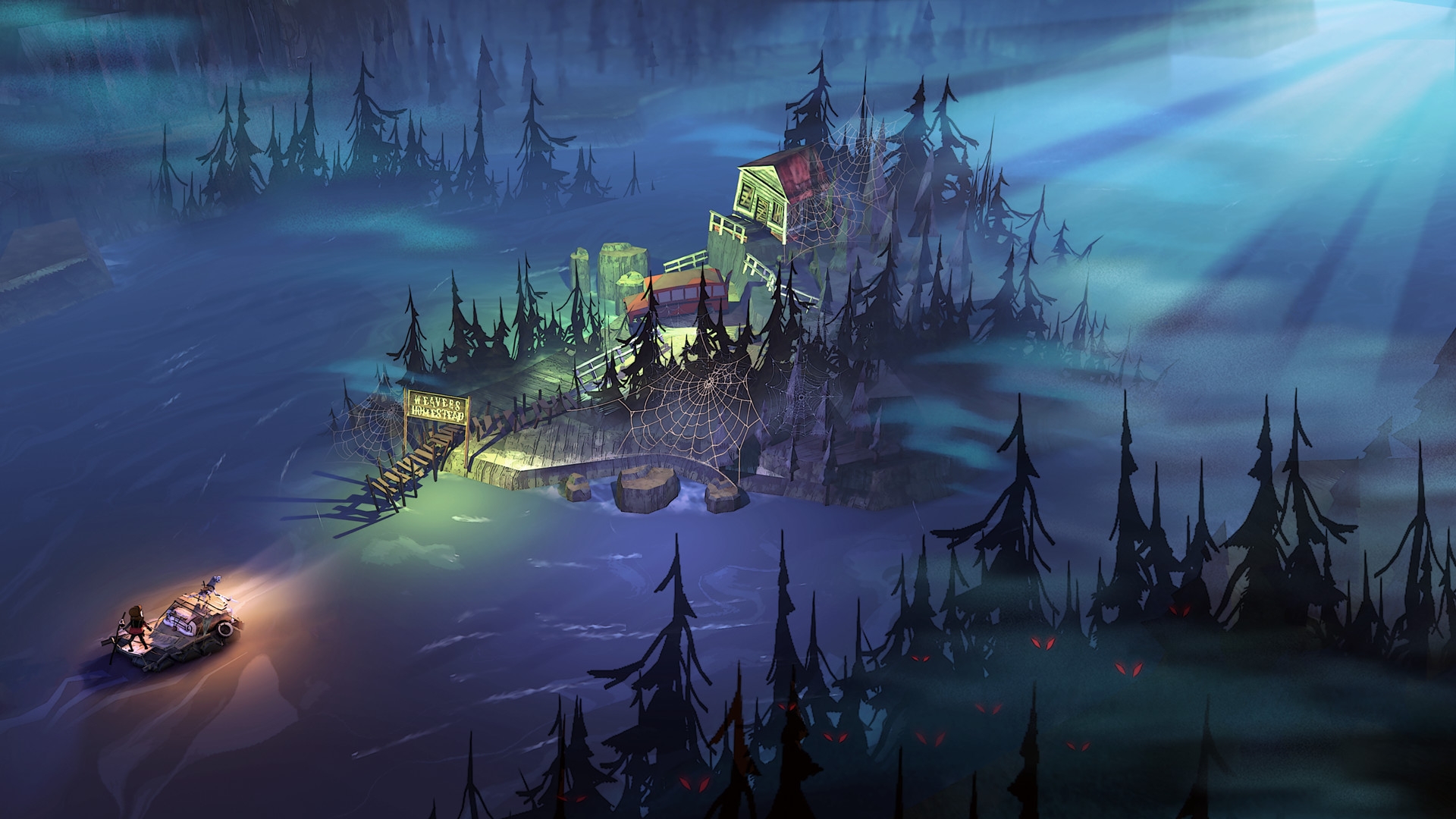
Players navigate a flooded America on a raft while managing hunger, thirst, and temperature. Rain lowers body temperature and makes the raft harder to steer through rapids. You must decide whether to dock at dangerous locations to find dry supplies or keep moving. The weather drives the momentum of the journey and the urgency of resource gathering.
‘Gears of War 4’ (2016)
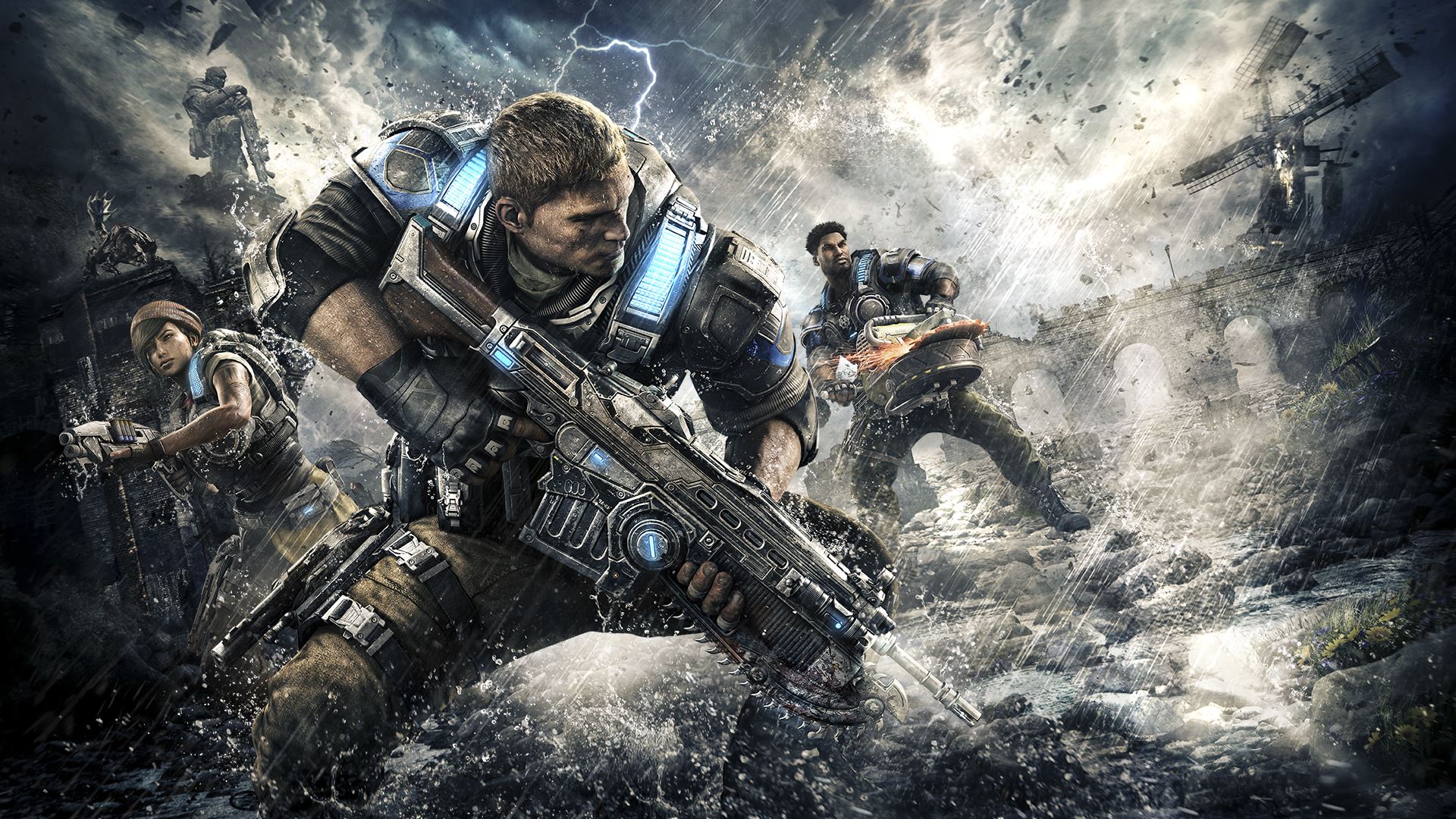
Windflares are massive electrical storms that alter the battlefield and affect projectile physics. Players must decide whether to destroy environmental obstacles to crush enemies with wind-blown debris. The storms force you to change cover and movement tactics instantly. The weather serves as a destructive tool that can be used for or against the player.
‘Batman: Arkham Knight’ (2015)
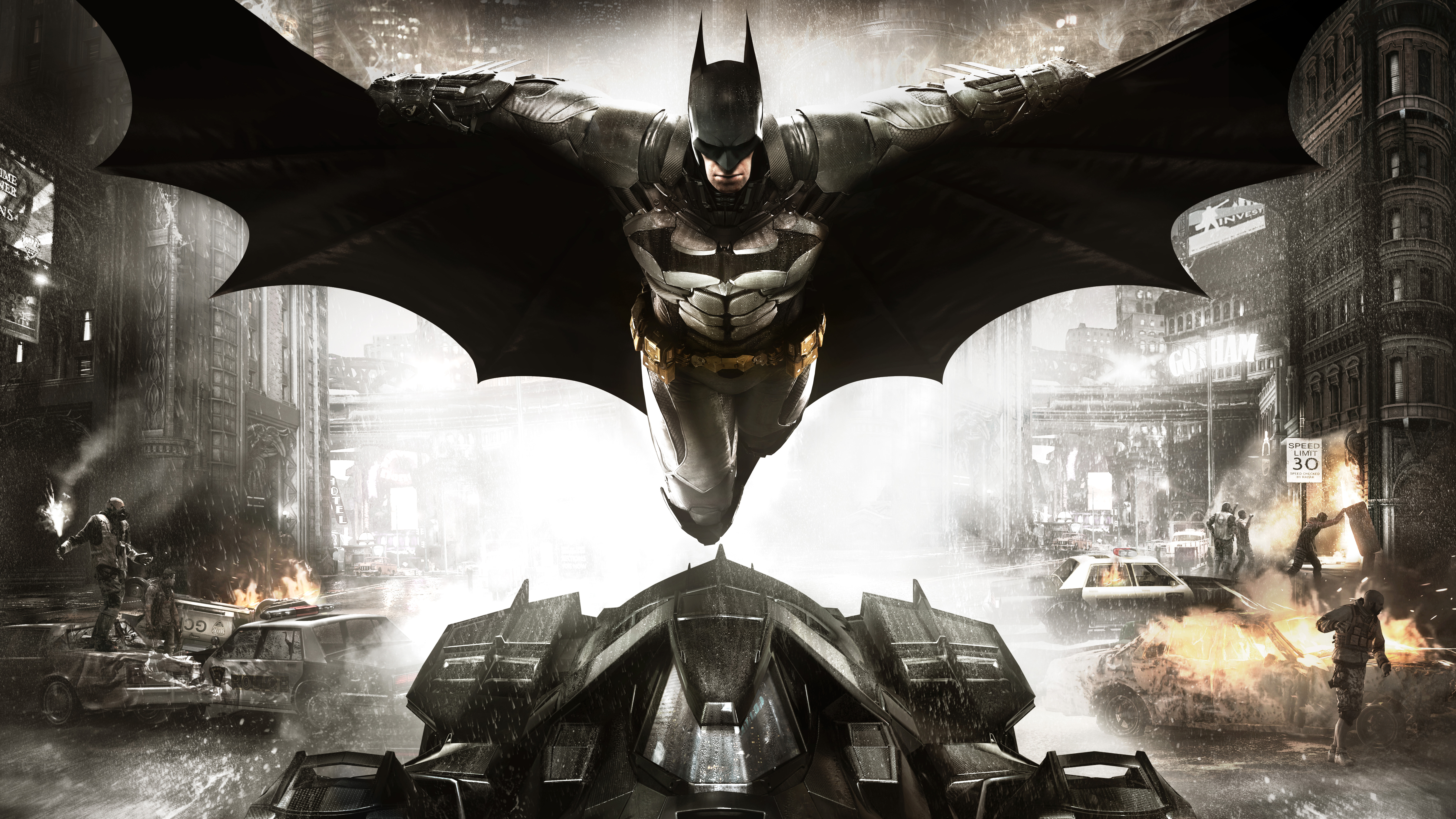
While the rain is constant, the cloudburst event covers Gotham in a fear toxin that changes the city’s atmosphere. Batman must navigate the toxin-filled streets which affects visibility and enemy aggression. The environmental change raises the stakes and forces Batman to rely on the Batmobile. The weather reflects the psychological warfare being waged on the protagonist.
‘Sea of Thieves’ (2018)
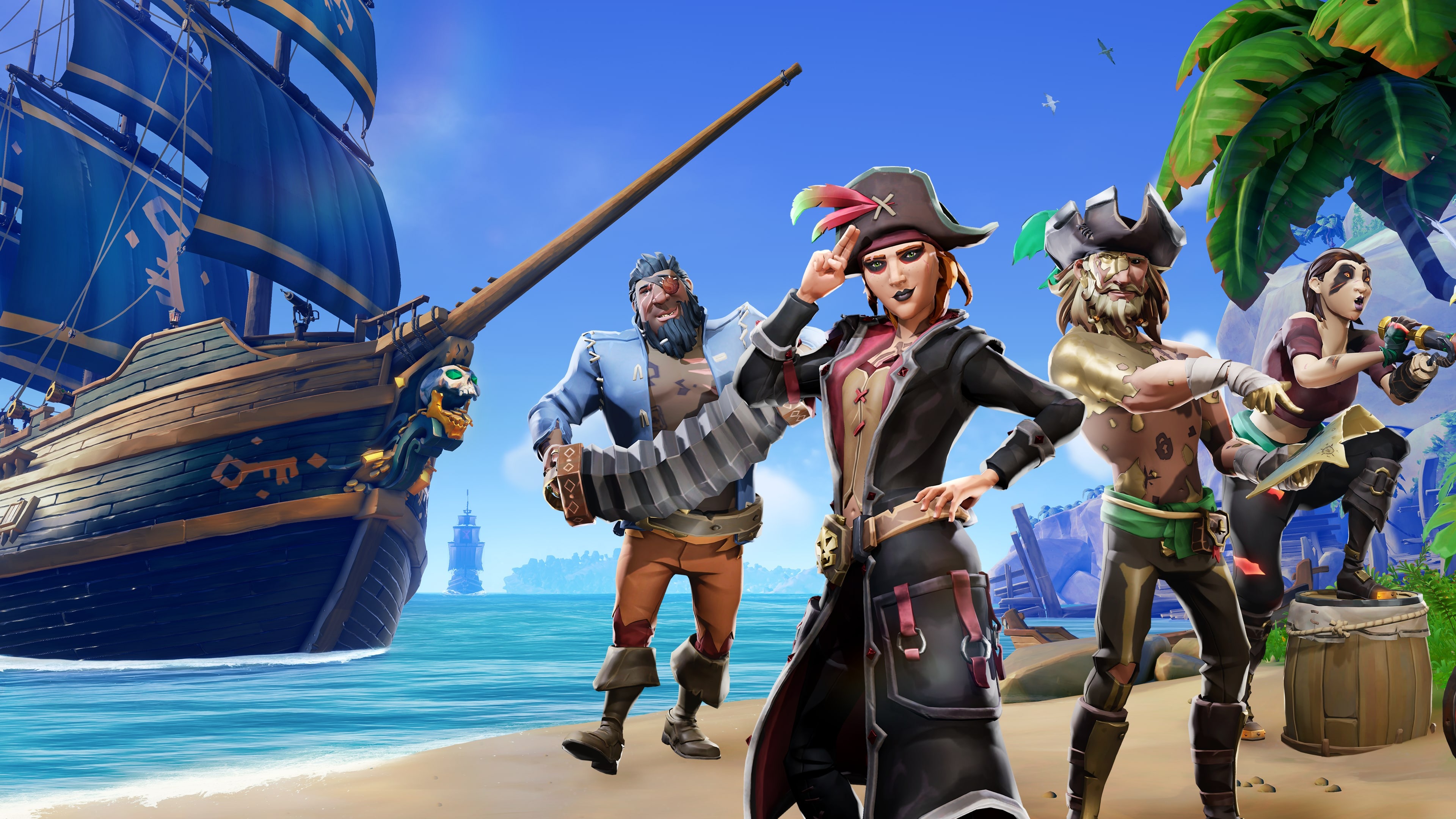
Dynamic storms make sailing difficult by filling the ship with water and damaging the wheel. Crews must decide whether to sail through a storm to shake off pursuers or go around it. The weather impacts visibility and compass reliability which tests the crew’s communication. Storms often create emergent storytelling moments where decisions lead to sinking or survival.
Discuss your favorite in-game weather moments and how they changed your decisions in the comments.