Anime That Subtly Critiqued Real-World Dictators


Anime has long served as a medium for social commentary and historical reflection. Creators often weave narratives that mirror the rise and fall of real-world authoritarian regimes through fictional settings. These stories expose the dangers of unchecked power and the devastating impact of totalitarianism on society. The following titles provide subtle and overt critiques of historical dictatorships through their complex villains and oppressive governments.
‘Mobile Suit Gundam’ (1979–1980)
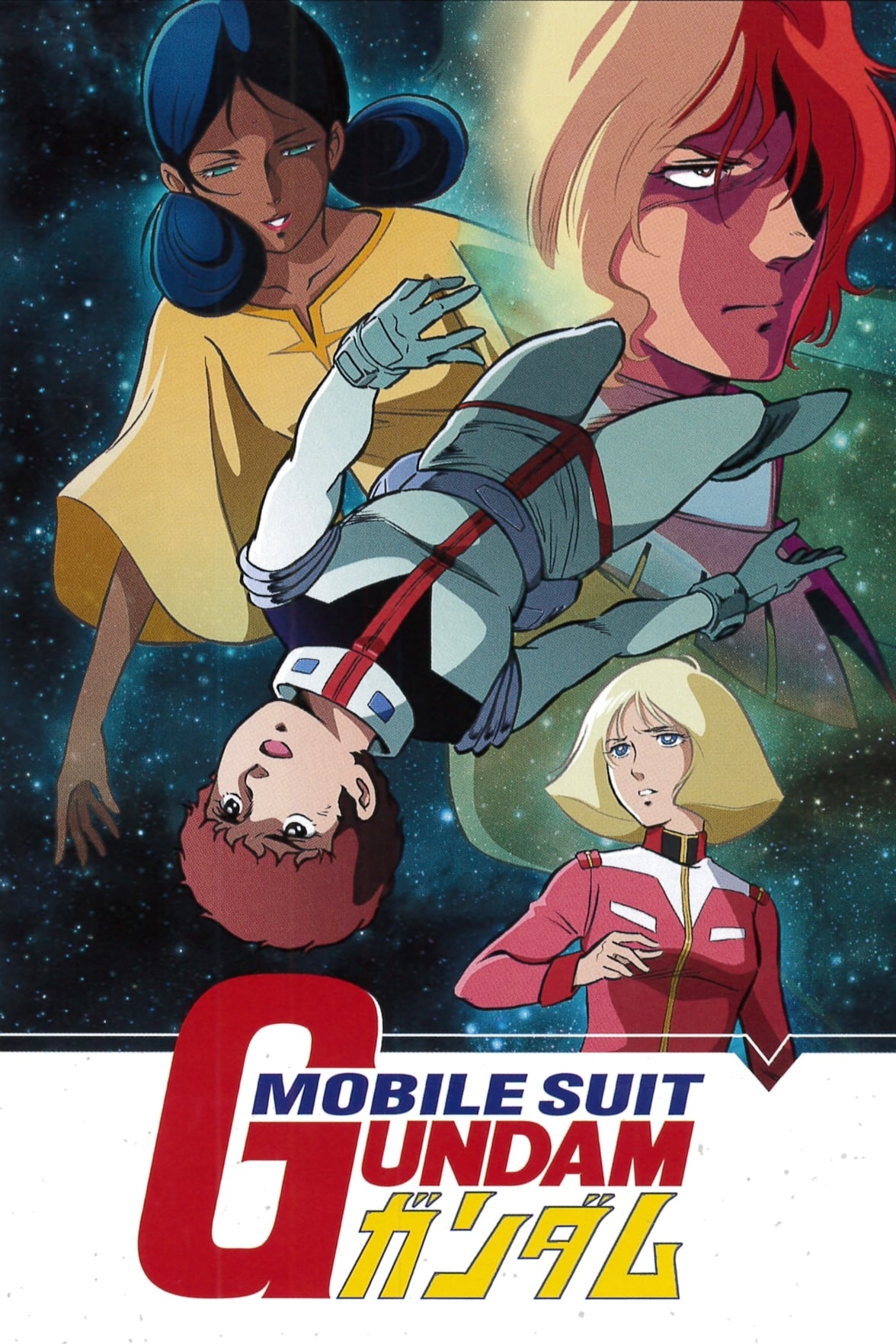
The Principality of Zeon serves as a direct parallel to Nazi Germany during the events of World War II. The Zabi family seizes control and transforms a republic into a militaristic autocracy driven by ideologies of racial superiority. Their use of colony drops mirrors the devastation of weapons of mass destruction on civilian populations. Creators designed the uniforms and rhetoric to evoke grim memories of the Axis powers.
‘Fullmetal Alchemist: Brotherhood’ (2009–2010)
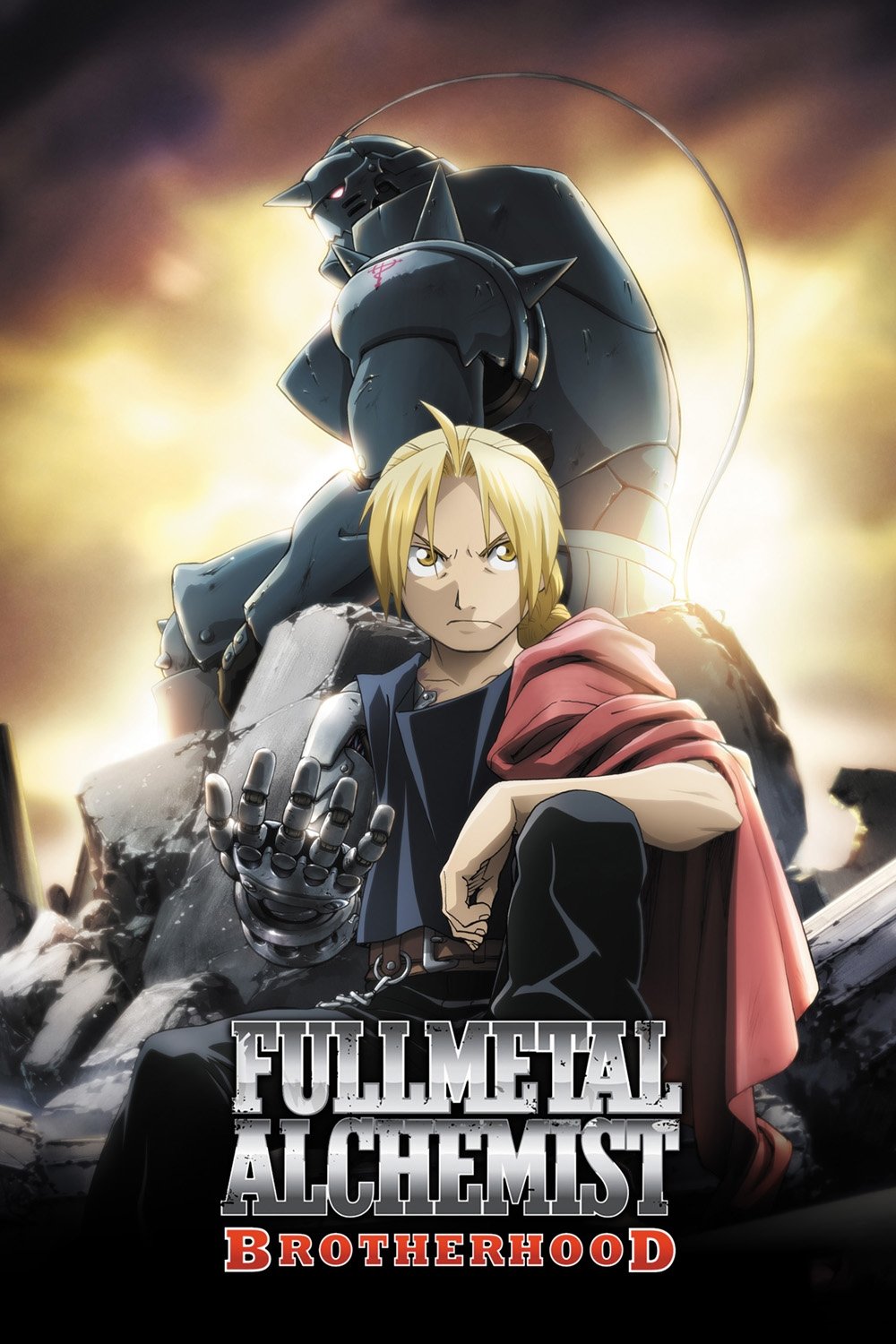
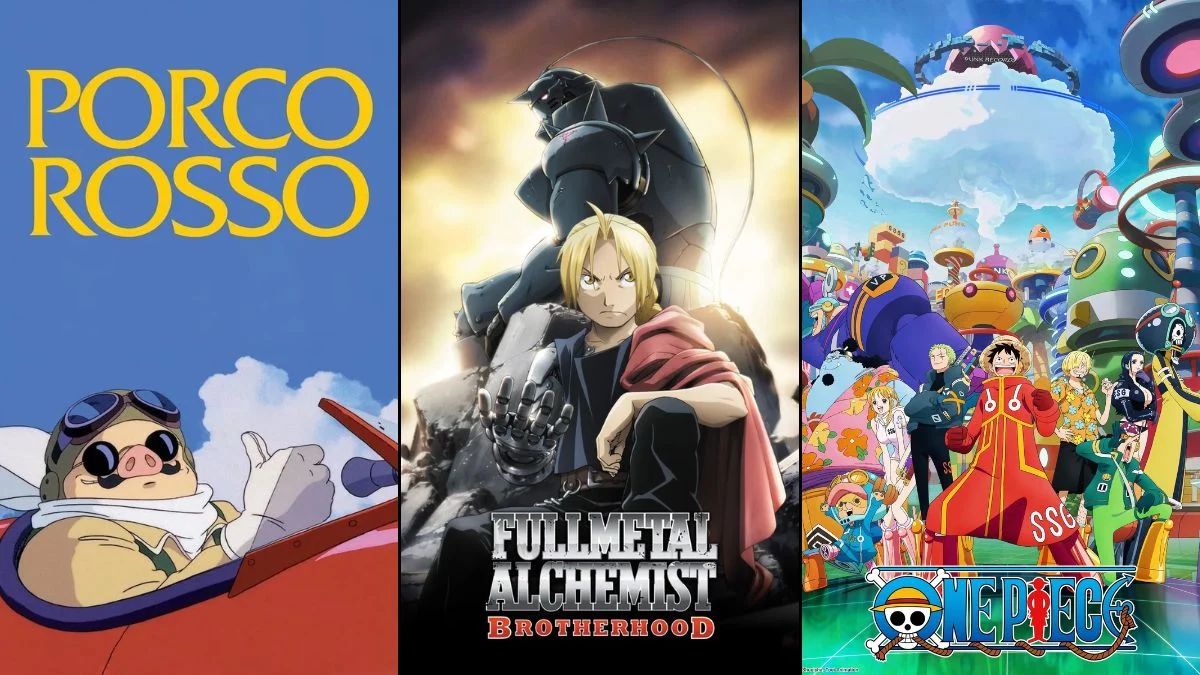
King Bradley acts as the Fuhrer of Amestris and leads a government built on endless military expansion. The country functions under a stratocracy where the military permeates every aspect of civilian life and decision-making. Visual cues such as the architecture and officer uniforms resemble those of early 20th-century Germany. The narrative explores how propaganda and state alchemy are used to manipulate the populace into supporting wars.
‘Attack on Titan’ (2013–2023)
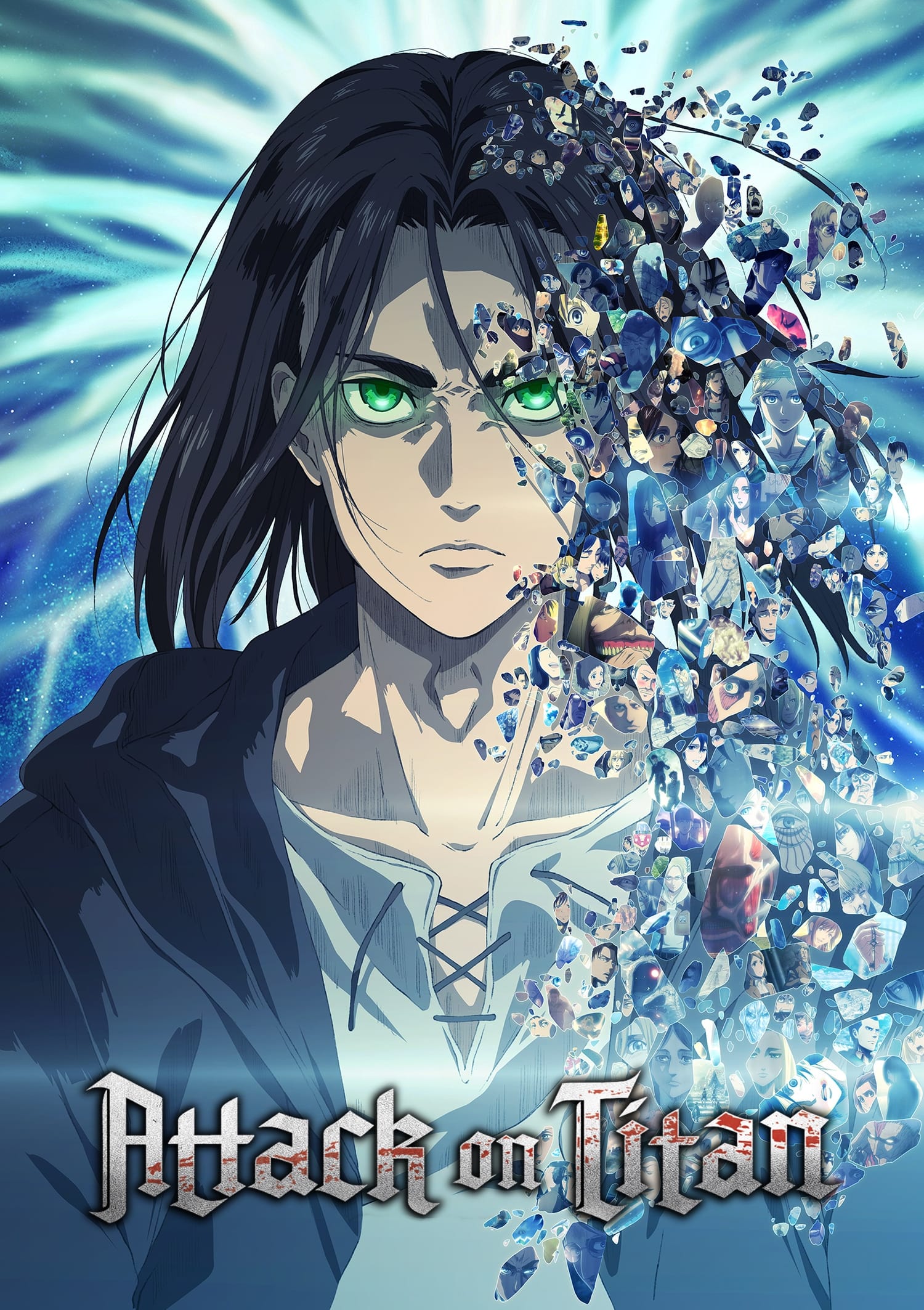
The nation of Marley enforces strict segregation and dehumanization of the Eldian people within walled internment zones. This treatment directly references the Jewish ghettos established by fascist regimes in Europe during the 1930s and 40s. The government utilizes indoctrination to turn Eldian children into weapons of war against their own kind. The story examines the cyclical nature of hatred and the consequences of radical nationalism.
‘Code Geass: Lelouch of the Rebellion’ (2006–2007)
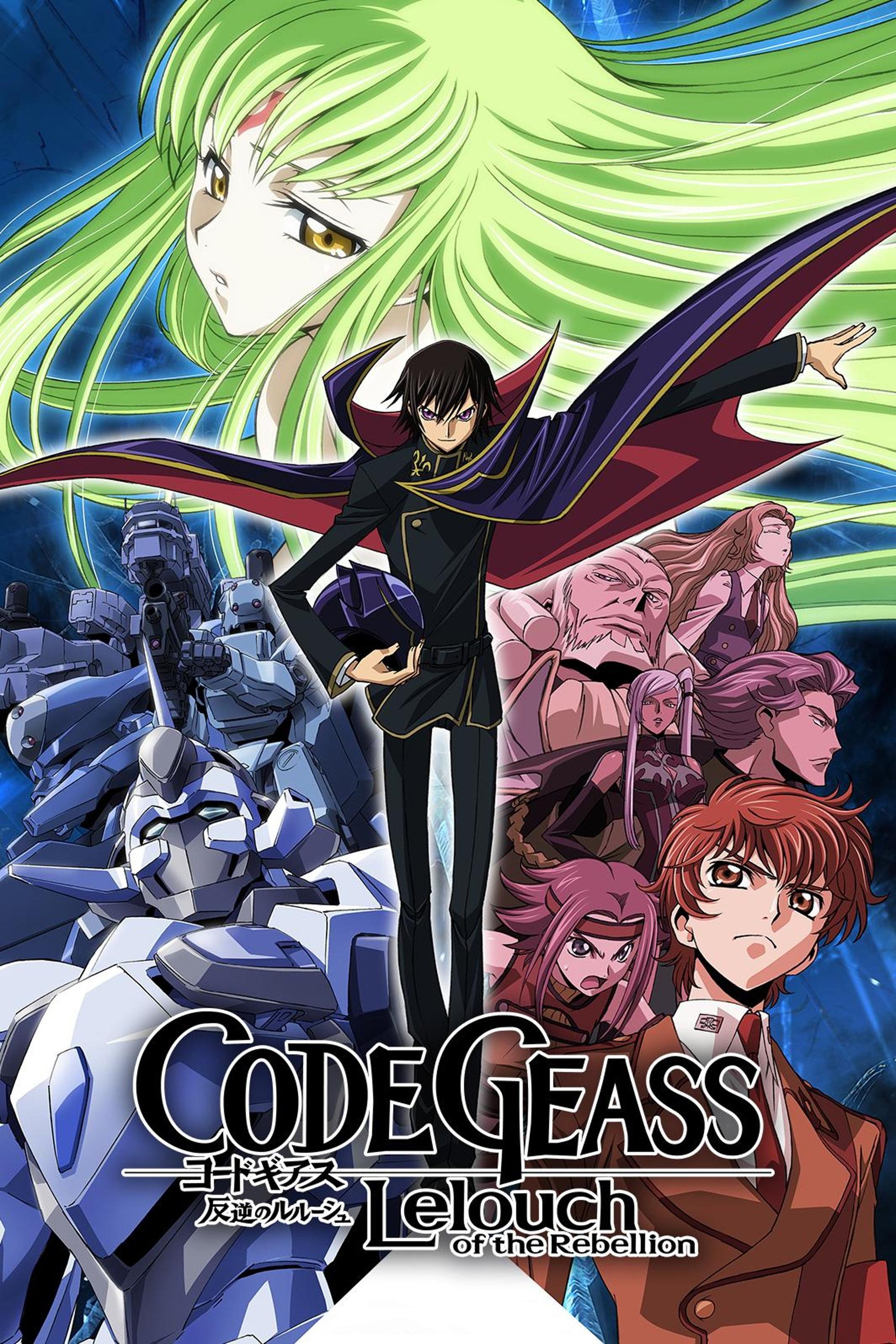
The Holy Britannian Empire embodies the principles of social Darwinism and aggressive colonialism on a global scale. Emperor Charles zi Britannia delivers speeches that justify inequality and the subjugation of weaker nations by the strong. The numbering of colonized areas and the stripping of national identities critique historical imperialism. The protagonist fights against a system that prioritizes the elite over the rights of the common people.
‘Legend of the Galactic Heroes’ (1988–1997)
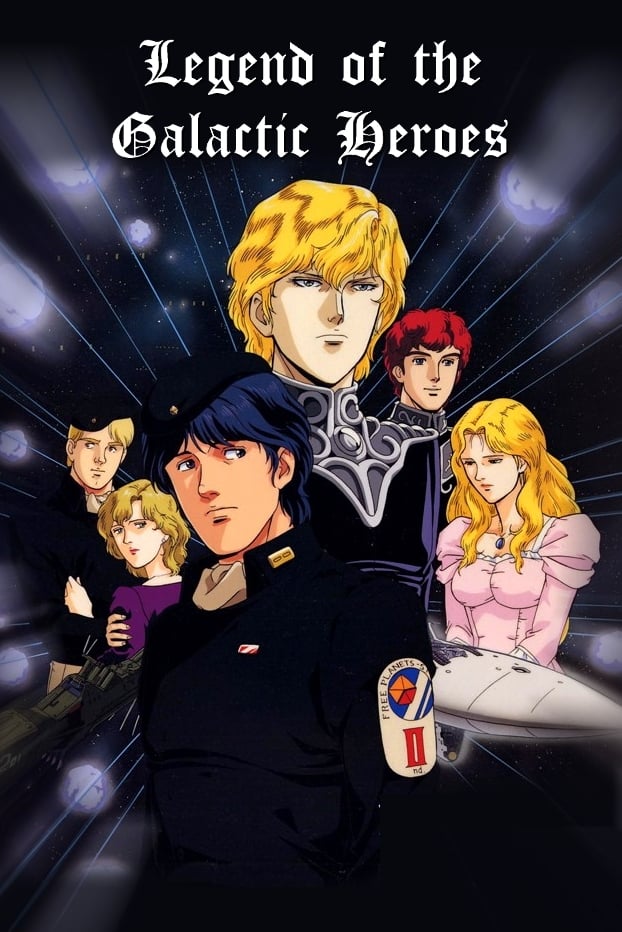
Rudolf von Goldenbaum rises from a democratic leader to a galactic emperor through populist rhetoric and political maneuvering. His founding of the Galactic Empire mirrors the historical transition from the Weimar Republic to the Third Reich. He enforces rigid social hierarchies and eliminates those he deems genetically inferior to strengthen the human race. The series engages in a deep political debate regarding the flaws of democracy versus the efficiency of autocracy.
‘Porco Rosso’ (1992)

The film takes place in Italy during the interwar period as the Fascist party rises to power. The protagonist actively refuses to align himself with the regime and famously states he would rather be a pig than a fascist. Miyazaki critiques the glorification of war and the blind nationalism that swept through Italy under Mussolini. The secret police and military pressure highlight the suffocating atmosphere of the era.
‘Hellsing Ultimate’ (2006–2012)

The organization Millennium is composed of remnants of a Nazi battalion attempting to incite eternal war. The Major serves as a terrifying ideologue who loves the chaos and destruction of conflict above all else. His speeches mimic the fervor of historical dictators who rallied their followers into frenzies of violence. The anime depicts the grotesque nature of obsessing over military might and racial purity.
‘Saga of Tanya the Evil’ (2017)
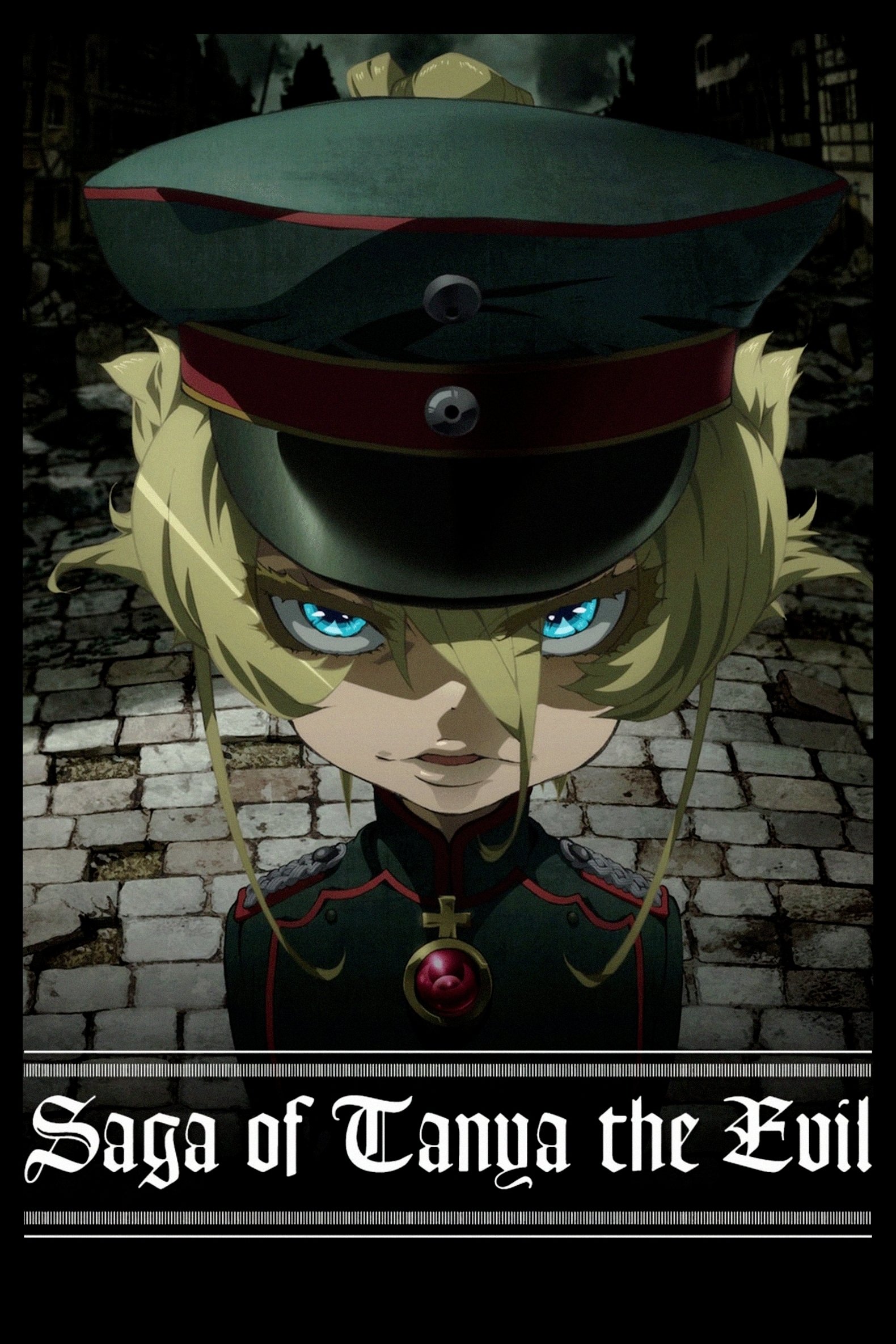
The Empire depicted in the series functions as a blend of Imperial and Nazi Germany. The protagonist fights for a regime that values efficiency and logic over human life and morality. Strategic maps and military operations in the show align closely with historical European conflicts. It highlights how bureaucratic evil allows individuals to commit atrocities under the guise of following orders.
‘Psycho-Pass’ (2012–2013)
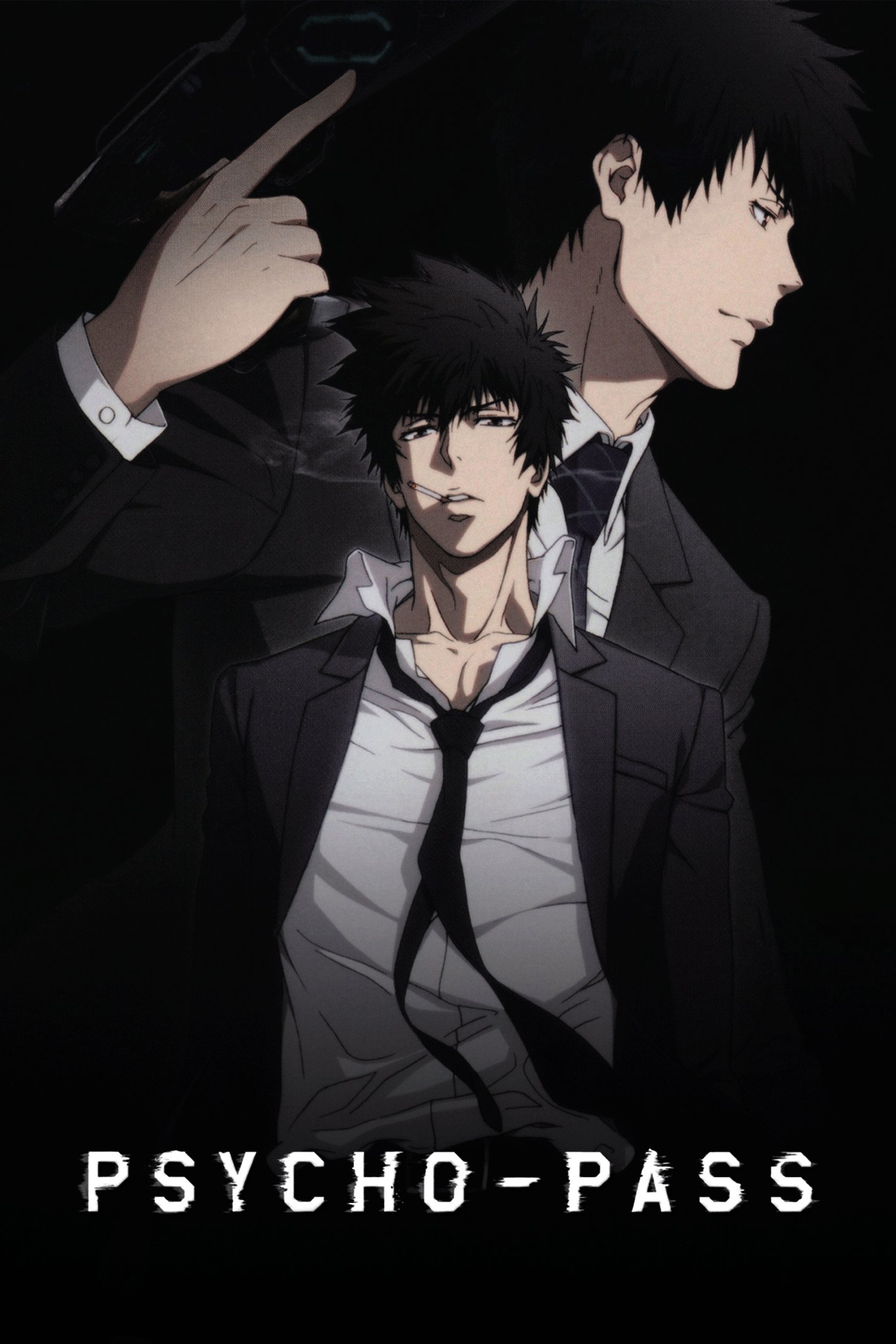
The Sibyl System governs society through constant surveillance and the quantification of human mental states. This absolute control eliminates crime but strips citizens of their free will and personal privacy. The governance style reflects totalitarian regimes that police thought and behavior to maintain order. The show questions whether safety is worth the price of personal liberty and human agency.
’86 Eighty-Six’ (2021–2022)
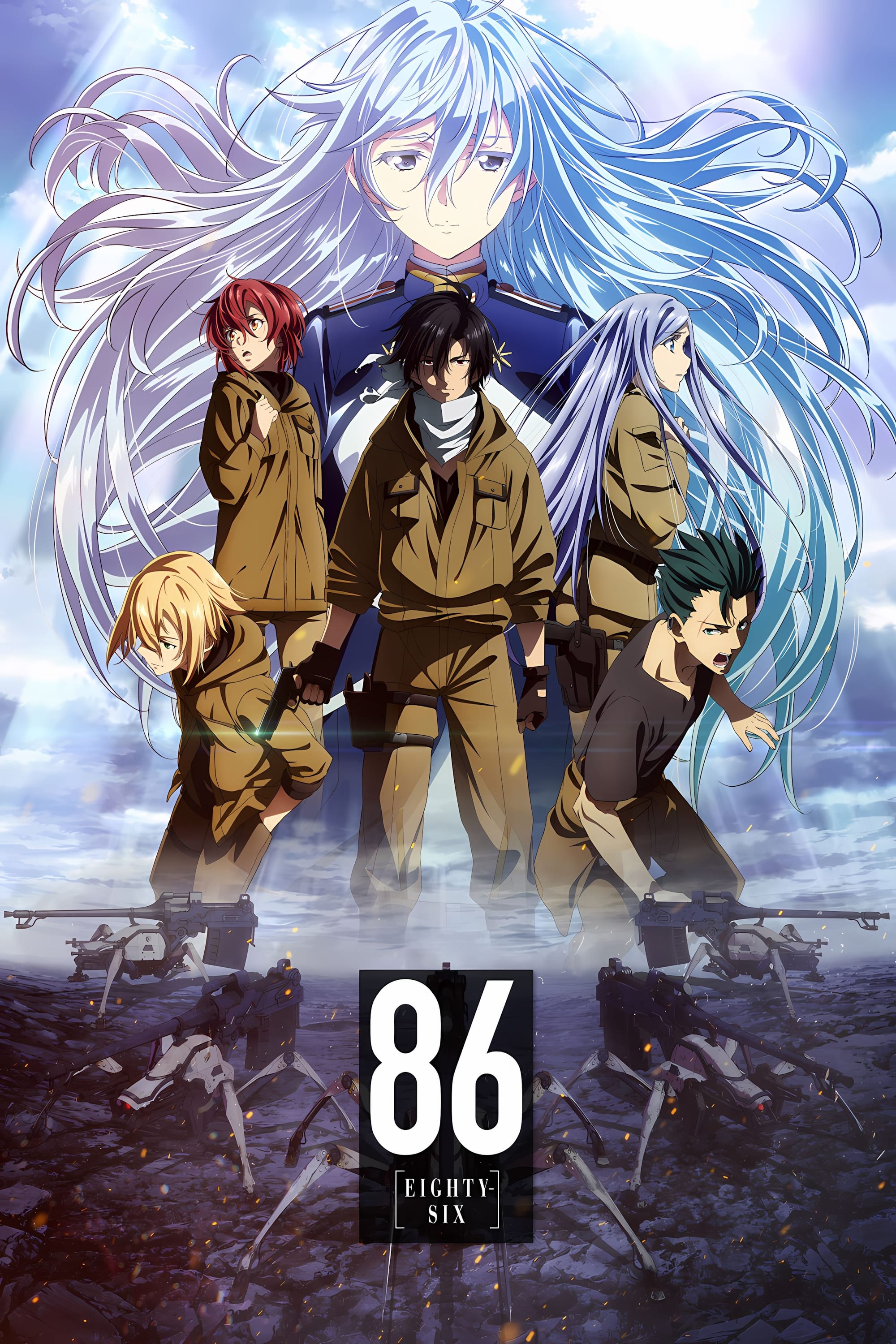
The Republic of San Magnolia detains the Colorata minority in the eighty-sixth sector while denying their humanity. The Alba majority lives in ignorance while the oppressed group fights their wars in automated drones. This setup critiques apartheid systems and the use of propaganda to dehumanize specific ethnic groups. The narrative exposes the hypocrisy of democracies that rely on the exploitation of an underclass.
‘Now and Then, Here and There’ (1999–2000)
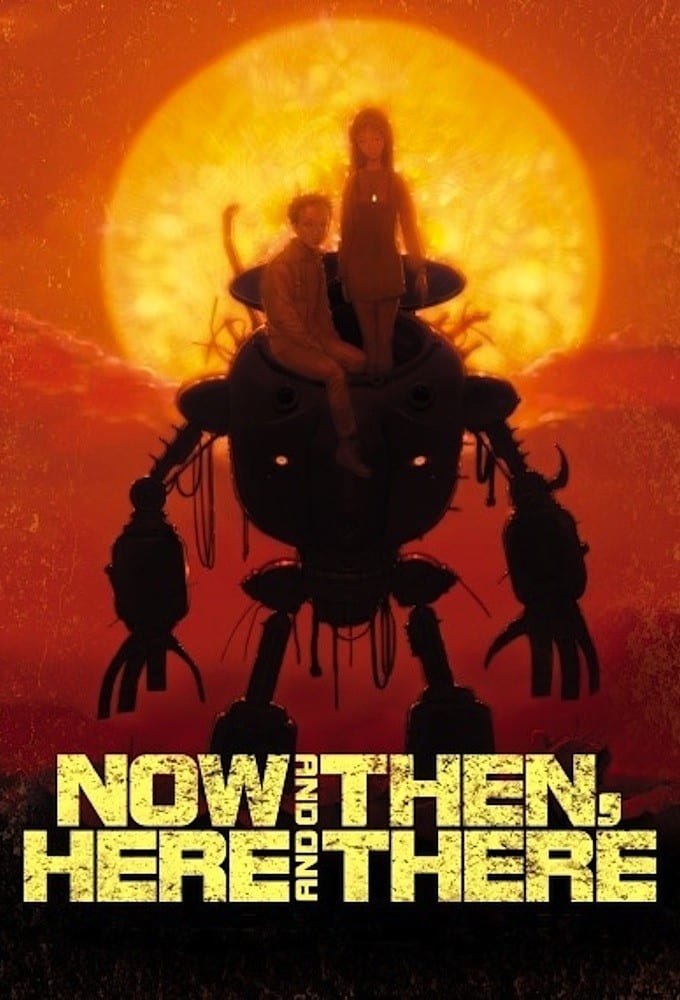
King Hamdo is a delusional tyrant who forces children into military service to satisfy his paranoia. His erratic behavior and disregard for human life mirror the actions of dictators like Idi Amin. The anime portrays the brutal reality of child soldiers and the suffering caused by megalomaniacal leadership. It serves as a grim reminder of the impact of war on the most vulnerable members of society.
‘Space Battleship Yamato 2199’ (2012–2013)
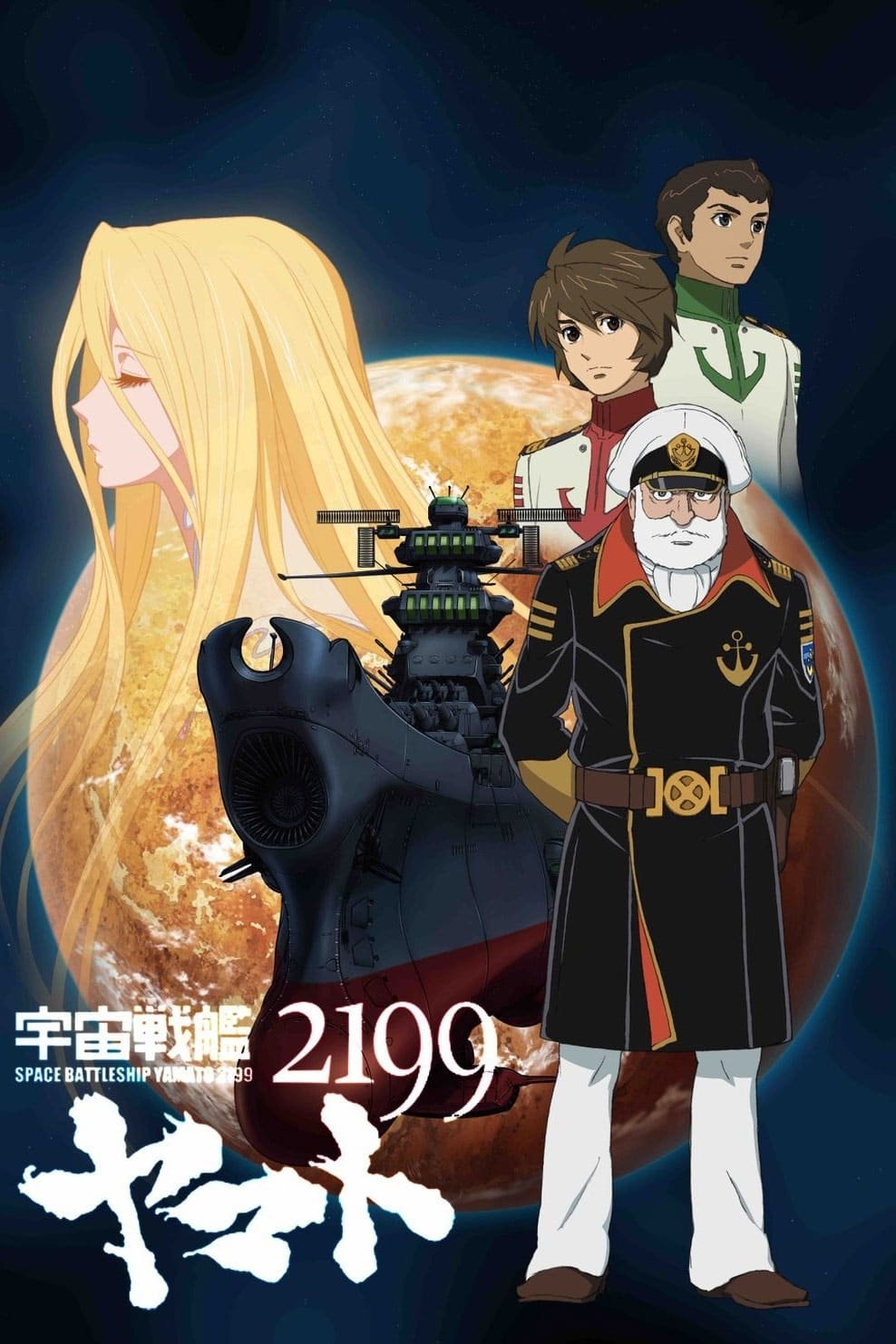
Leader Dessler of the Gamilas Empire commands a regime obsessed with expansion and cultural assimilation. The Gamilan society reflects the aesthetics and hierarchy of the Third Reich. Dessler justifies the destruction of Earth as a necessary step for the survival and glory of his own people. The series illustrates the dangers of a leader who views genocide as a legitimate political tool.
‘Jin-Roh: The Wolf Brigade’ (1999)
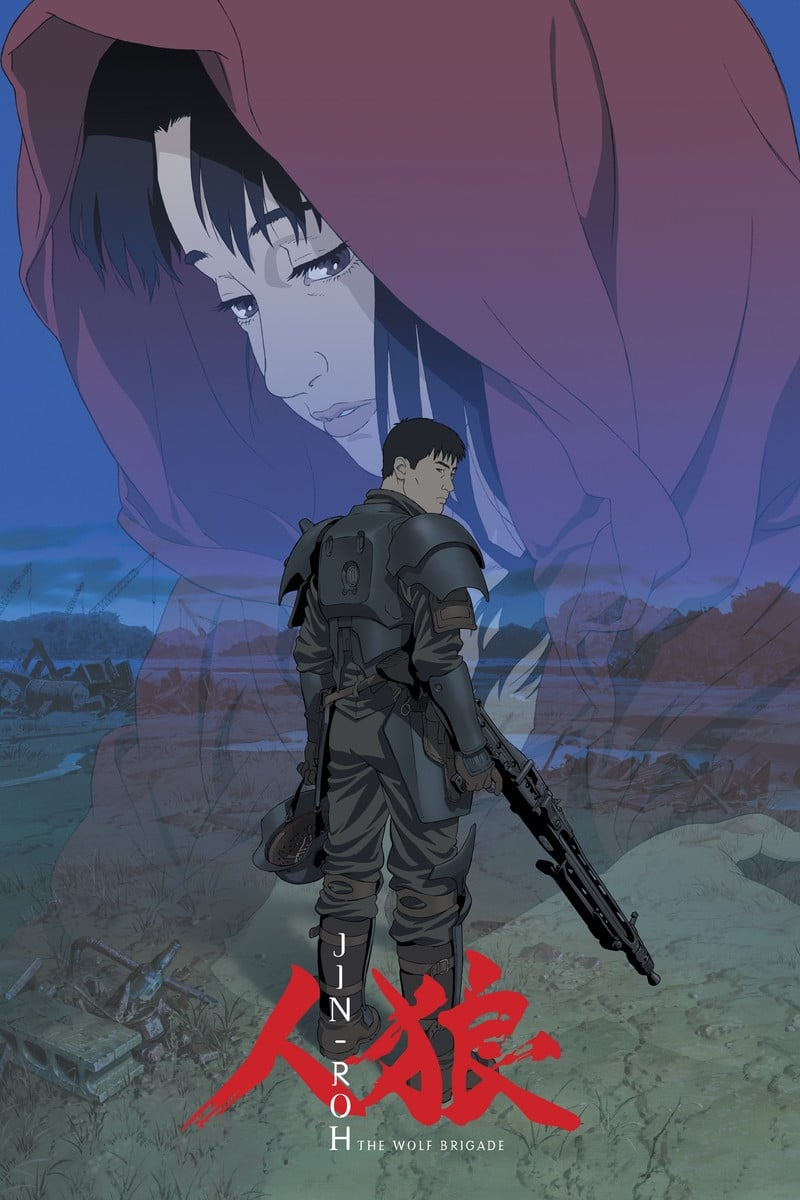
The story is set in an alternate 1950s Japan where a totalitarian government uses a heavily armed police force to crush dissent. The Capital Police Organization operates outside standard law to eliminate anti-government groups. This depiction parallels the rise of police states where the government prioritizes control over civil rights. The visual imagery emphasizes the terrifying anonymity of state-sanctioned violence.
‘Akame ga Kill!’ (2014)

Prime Minister Honest manipulates a child emperor to rule the empire with unchecked corruption and brutality. The capital flourishes while the countryside suffers from extreme poverty and overtaxation. The regime uses public executions and torture to instill fear in the population. The anime critiques how puppet rulers are used to mask the greed of those truly in power.
‘One Piece’ (1999–Present)
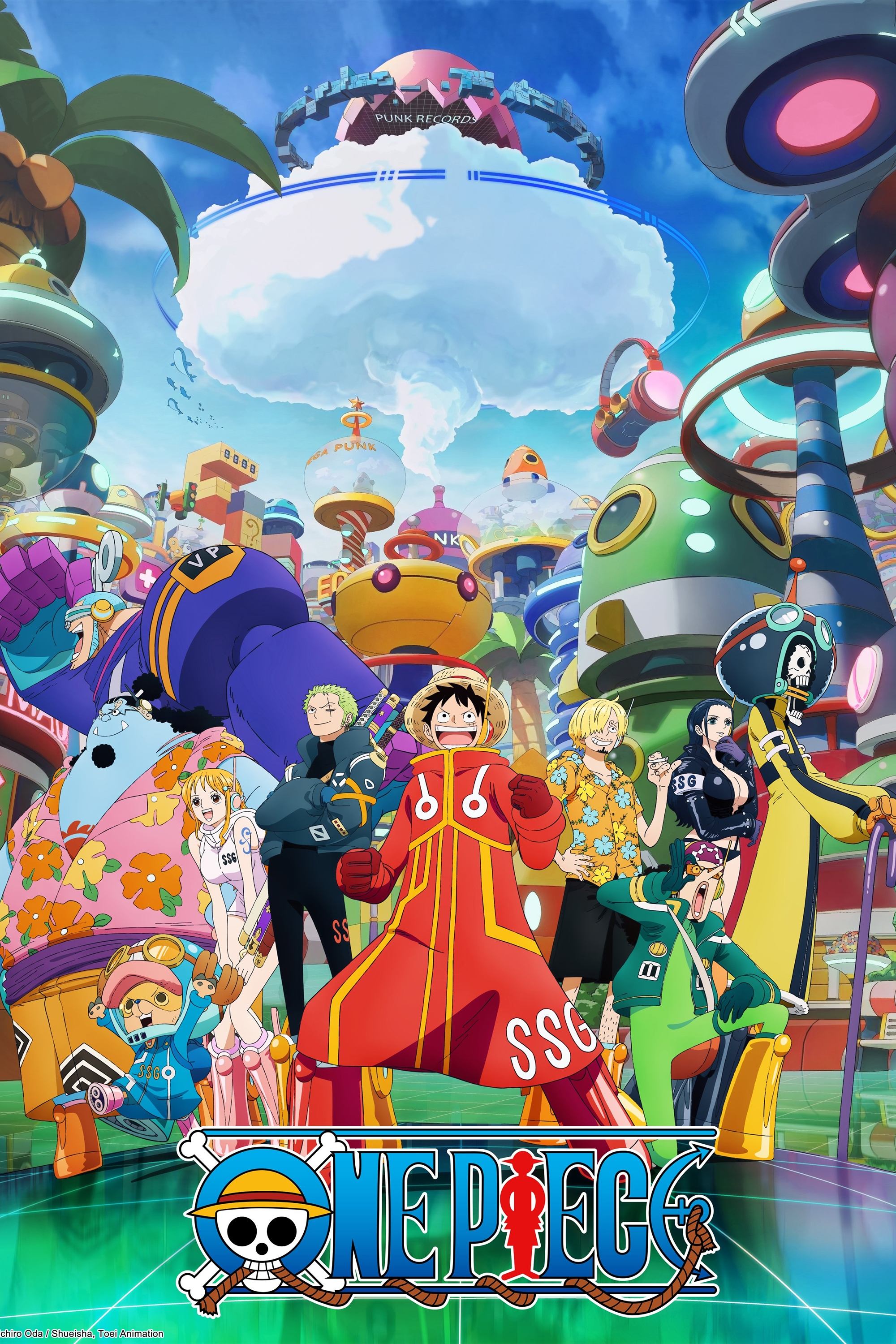
The World Government and the Celestial Dragons exercise absolute authority over the world and sanction slavery. They erase inconvenient history and destroy entire nations to maintain their grip on power. The concepts of absolute justice and the Void Century reflect how real regimes censor information to control the narrative. The story champions freedom against a system built on oppression and inherited privilege.
‘Kill la Kill’ (2013–2014)
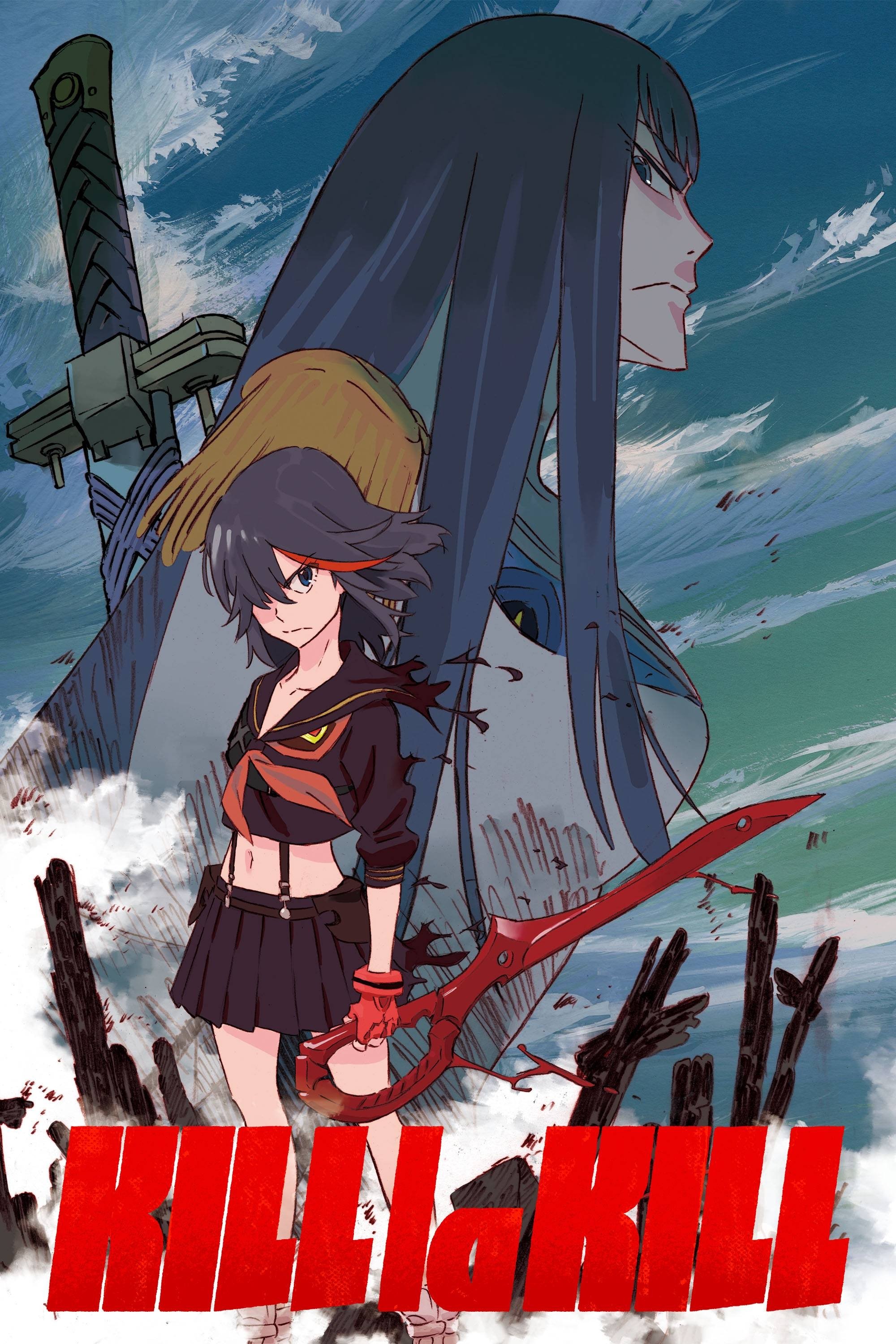
Honnouji Academy functions as a fascist microstructure where social status is determined by uniform strength. Satsuki Kiryuin rules with an iron fist and preaches that fear is freedom and subjugation is liberation. The school layout and student council hierarchy mimic the structure of totalitarian organizations. The narrative uses hyperbole to satire the absurdity of conforming to oppressive societal norms.
‘The Rose of Versailles’ (1979–1980)

The series depicts the excesses of the French monarchy and the aristocracy leading up to the French Revolution. It highlights the vast wealth disparity and the indifference of the ruling class toward the starving populace. King Louis XVI and Marie Antoinette represent leaders disconnected from the reality of their subjects. The anime captures the social unrest that inevitably topples regimes that ignore the needs of the people.
‘Appleseed’ (1988)
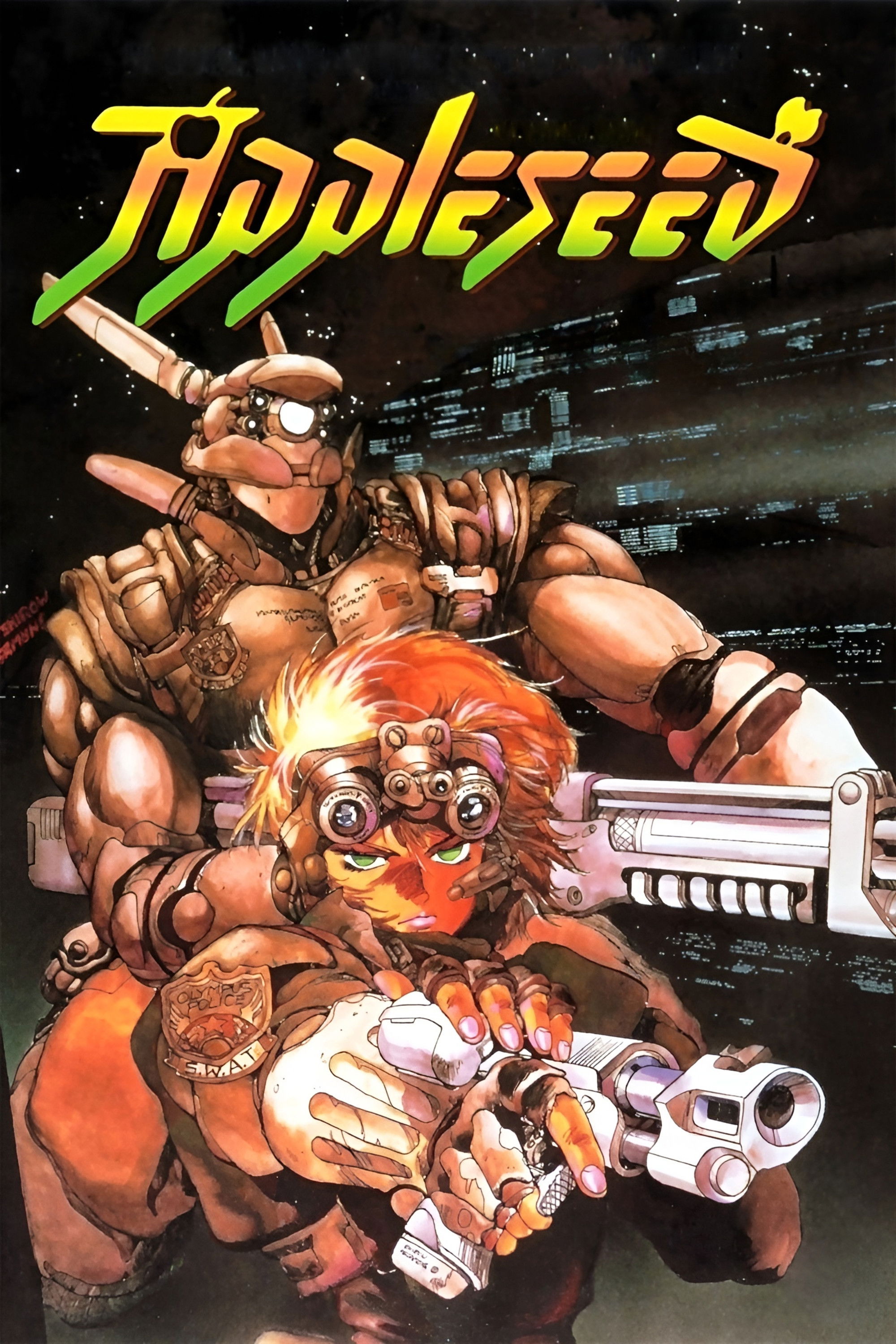
The city of Olympus is governed by a supercomputer named Gaia and a council of bioroids. This utopian society maintains peace by strictly managing human emotions and suppressing aggressive tendencies. The narrative explores the concept of a benevolent dictatorship where freedom is sacrificed for stability. It questions whether a managed peace is superior to the chaotic nature of true human liberty.
‘No. 6’ (2011)
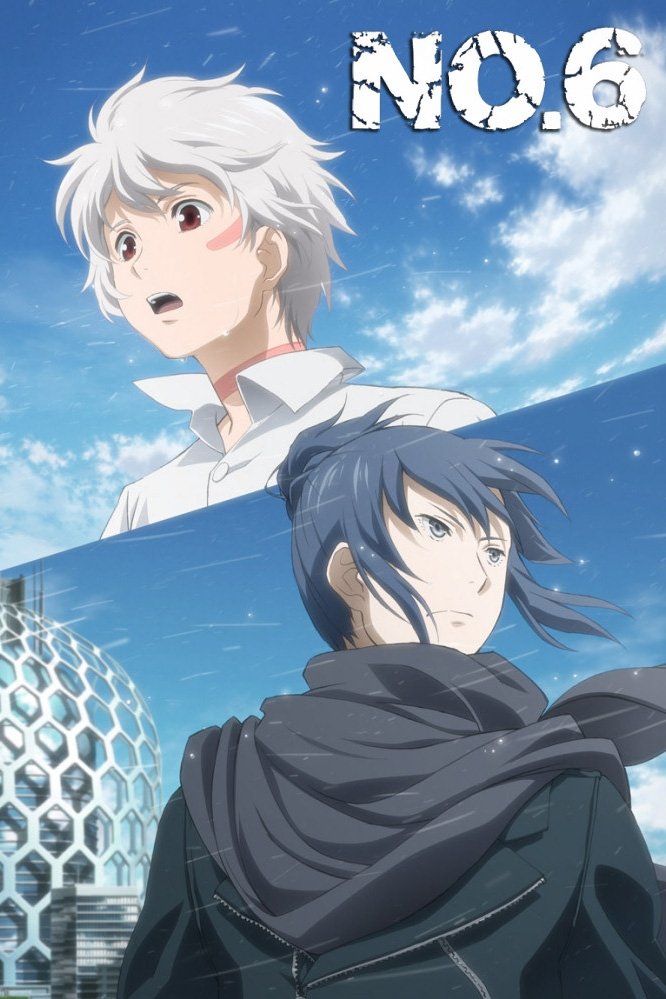
The city-state of No. 6 presents itself as a utopia while secretly purging dissenters and hiding the truth. A massive wall separates the privileged citizens from the impoverished people living in the West Block. The government controls all information and uses a specialized correctional facility to silence opposition. The story reveals how authoritarian regimes often hide their atrocities behind a veneer of perfection.
‘Guilty Crown’ (2011–2012)
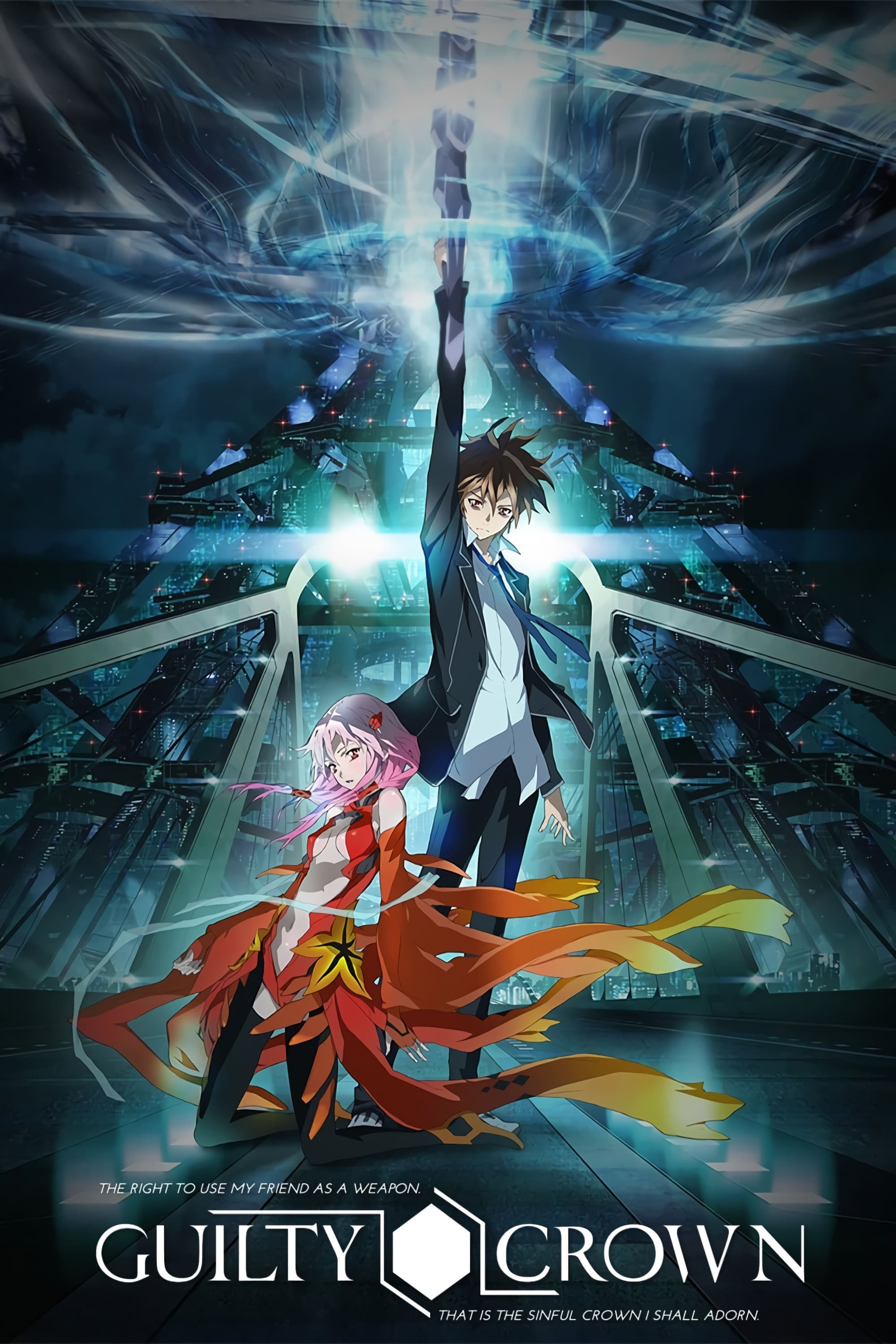
The GHQ places Japan under martial law following a biological disaster known as the Lost Christmas. The military government treats Japanese citizens as second-class subjects and enforces strict quarantines. They utilize the crisis to suspend constitutional rights and maintain absolute control over the region. The anime critiques foreign occupation and the exploitation of national tragedies for political gain.
Share your thoughts on which of these fictional regimes felt the most realistic in the comments.