25 Movies Where the DoP’s Choices Defined the Mood


Cinematography serves as the visual language of film and dictates how an audience perceives the emotional weight of a story. A Director of Photography makes critical decisions regarding lighting, lens selection, and color grading to build a cohesive atmosphere. These choices can transform a standard script into a visceral experience that lingers in the mind of the viewer long after the credits roll. The following films showcase instances where the cinematographer was instrumental in crafting the defining mood of the picture.
‘Blade Runner 2049’ (2017)
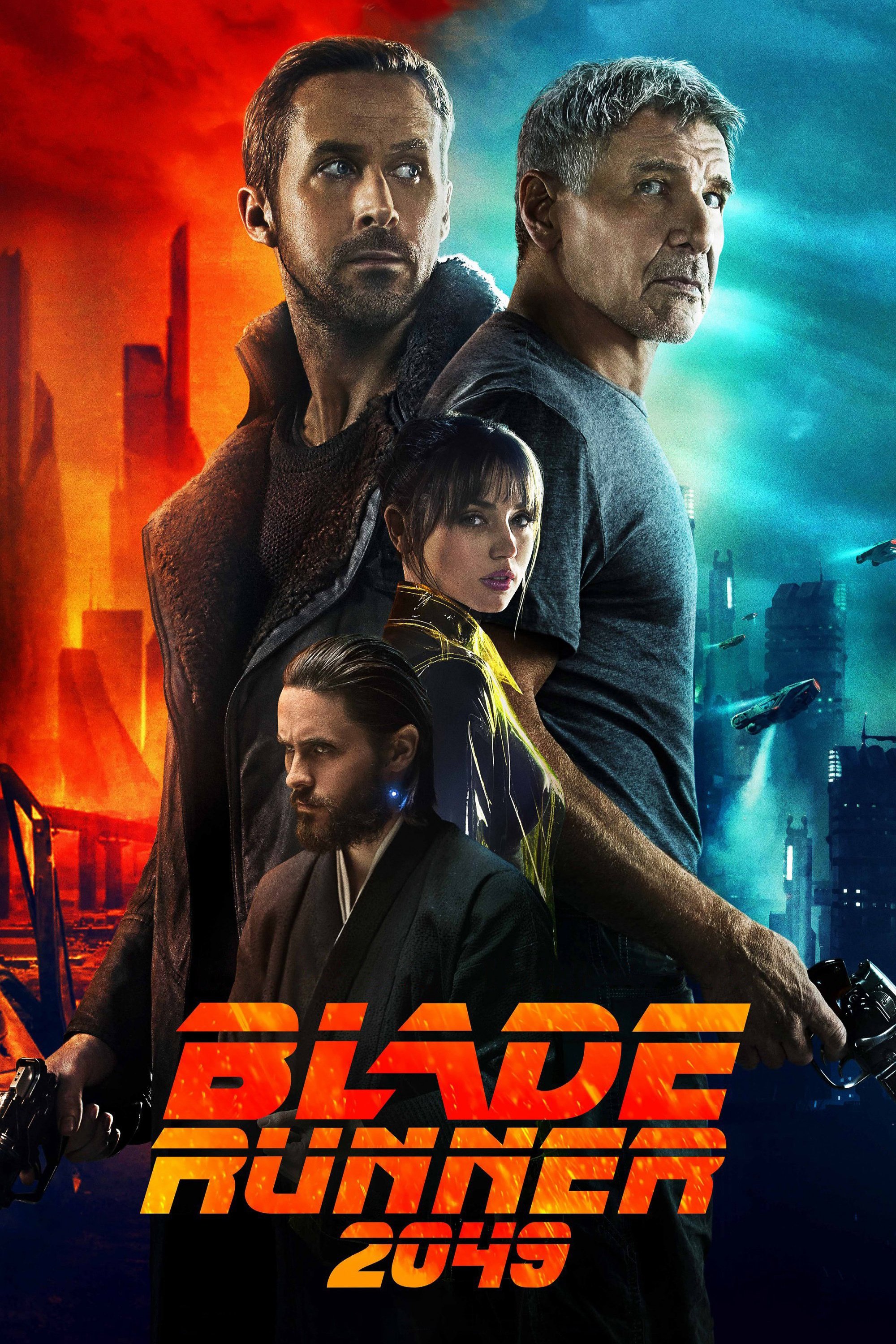
Roger Deakins employed a distinct color palette to differentiate the various environments within this dystopian future. The radioactive ruins of Las Vegas are bathed in a hazy orange glow that suggests a toxic yet beautiful wasteland. Stark silhouettes and brutalist architecture dominate the frame to emphasize the isolation of the protagonist. Every shot utilizes precise lighting to create a sense of scale and overwhelming loneliness.
‘In the Mood for Love’ (2000)
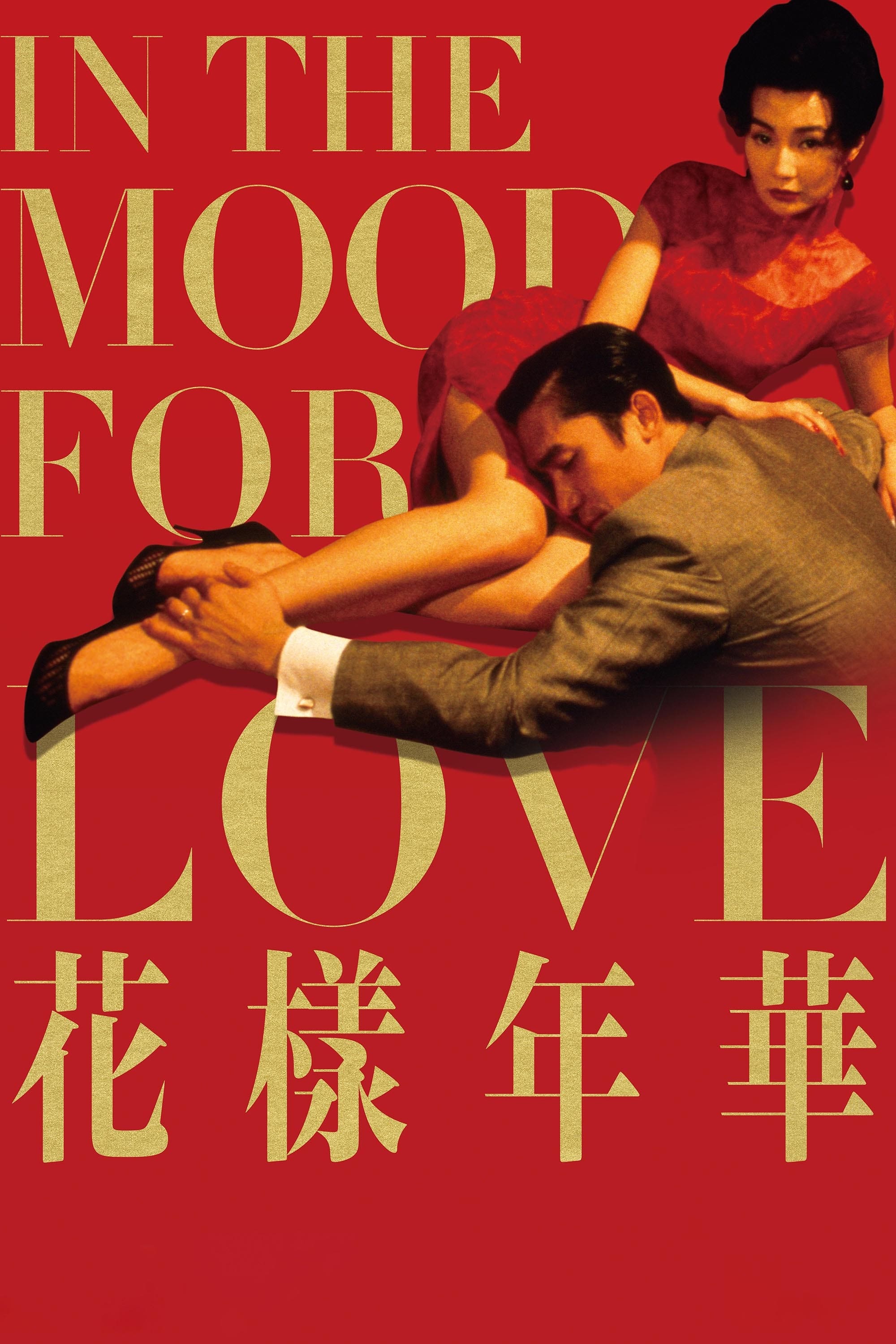
Christopher Doyle and Mark Lee Ping-bin collaborated to create a suffocating yet romantic atmosphere through tight framing. The camera often views characters through doorways or reflections to simulate the feeling of spying on private moments. Rich reds and deep shadows permeate the screen to reflect the suppressed passions of the lead characters. The visual style turns the cramped apartments of Hong Kong into a landscape of longing and restraint.
‘The Grand Budapest Hotel’ (2014)
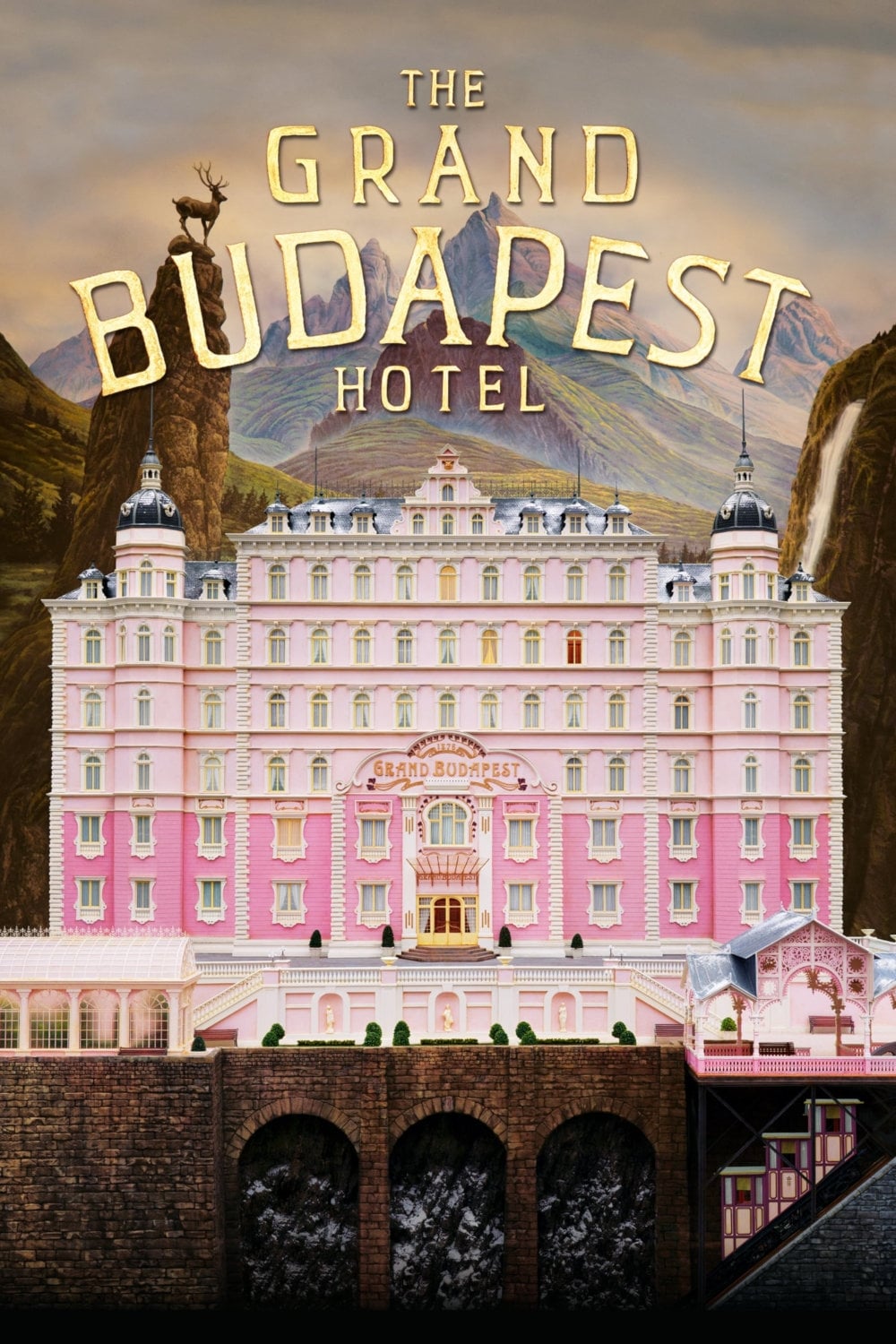
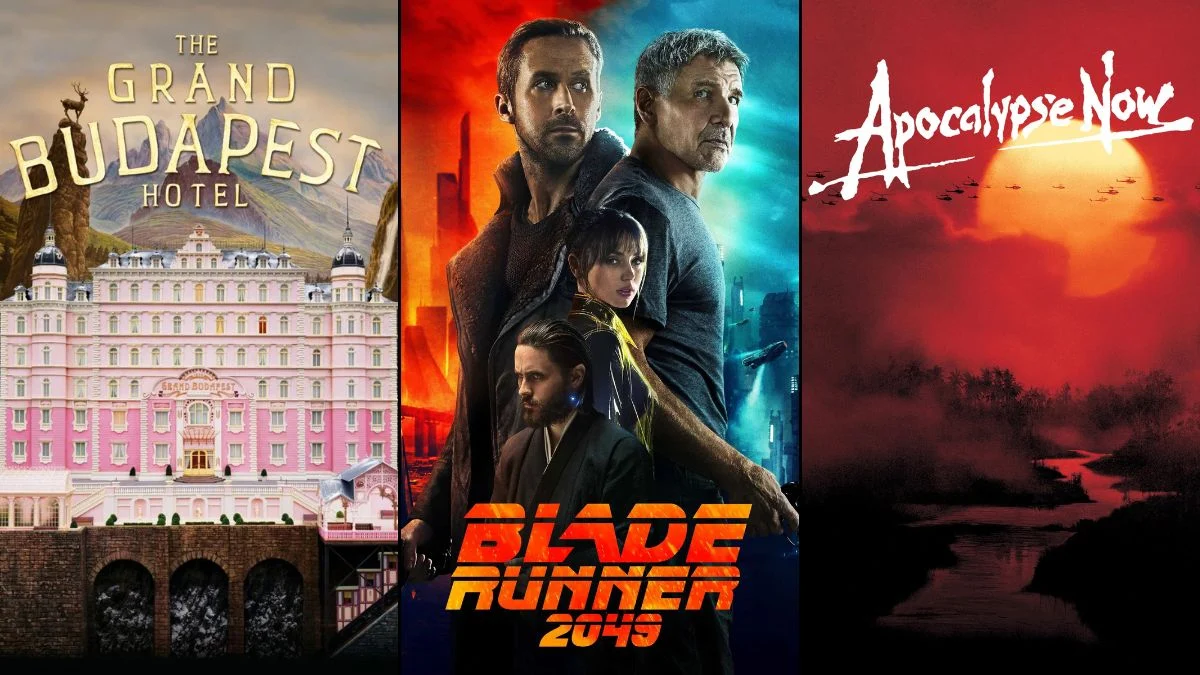
Robert Yeoman utilized varying aspect ratios to indicate different time periods within the narrative structure. The camera movements consist of precise pans and tilts that mirror the fastidious nature of the protagonist Gustave H. The pastel color palette gives the fictional republic of Zubrowka a storybook quality that feels detached from reality. Symmetrical composition is used throughout the film to maintain a sense of ordered whimsy.
‘Apocalypse Now’ (1979)
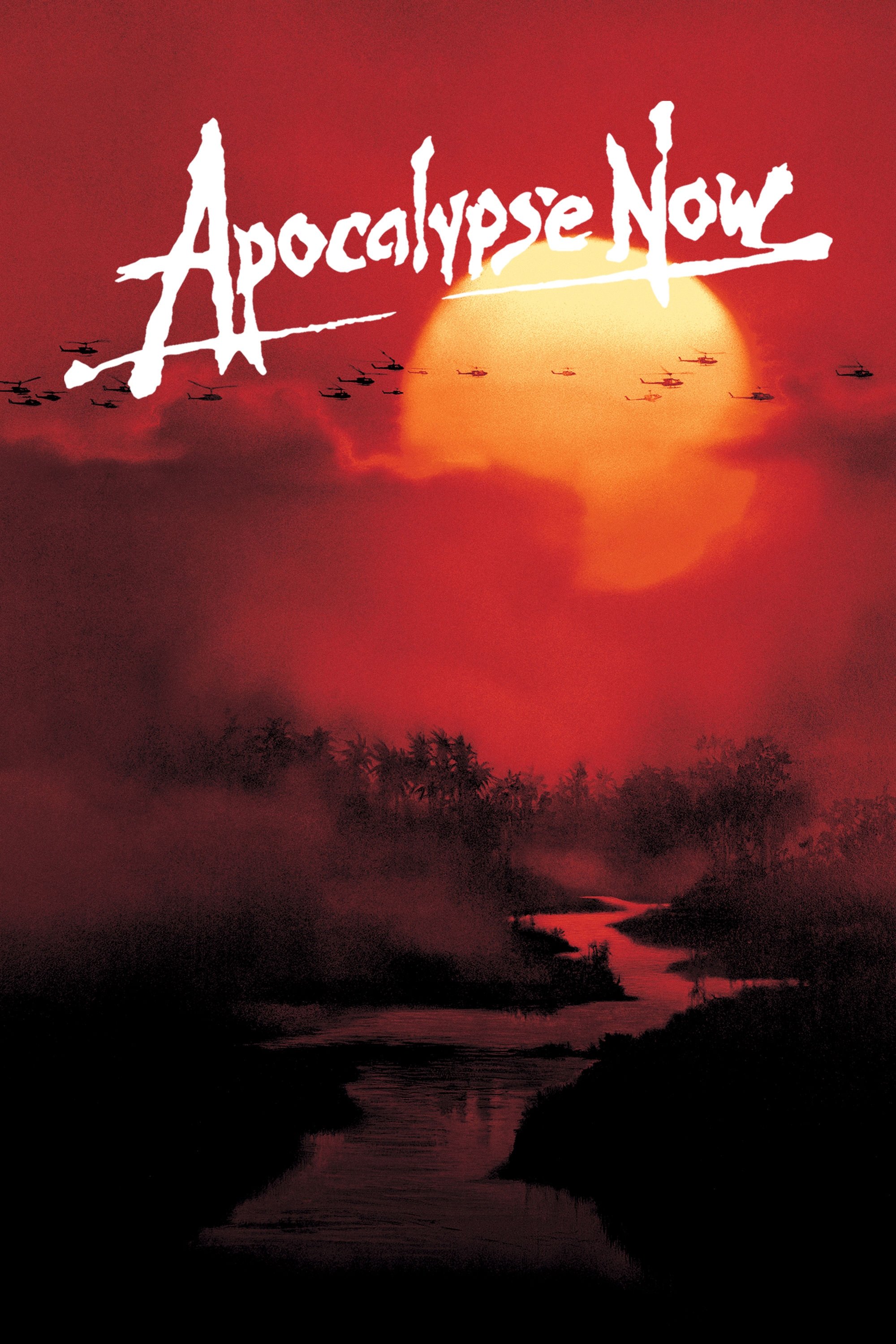
Vittorio Storaro captured the descent into madness through the use of high-contrast lighting and vibrant colors. The artificial smoke and orange flares create a hellish landscape that mirrors the psychological state of the characters. Storaro prioritized the interplay between light and shadow to represent the duality of civilization and primal instinct. The jungle environment feels alive and oppressive due to the dense texturing of the visuals.
‘Barry Lyndon’ (1975)
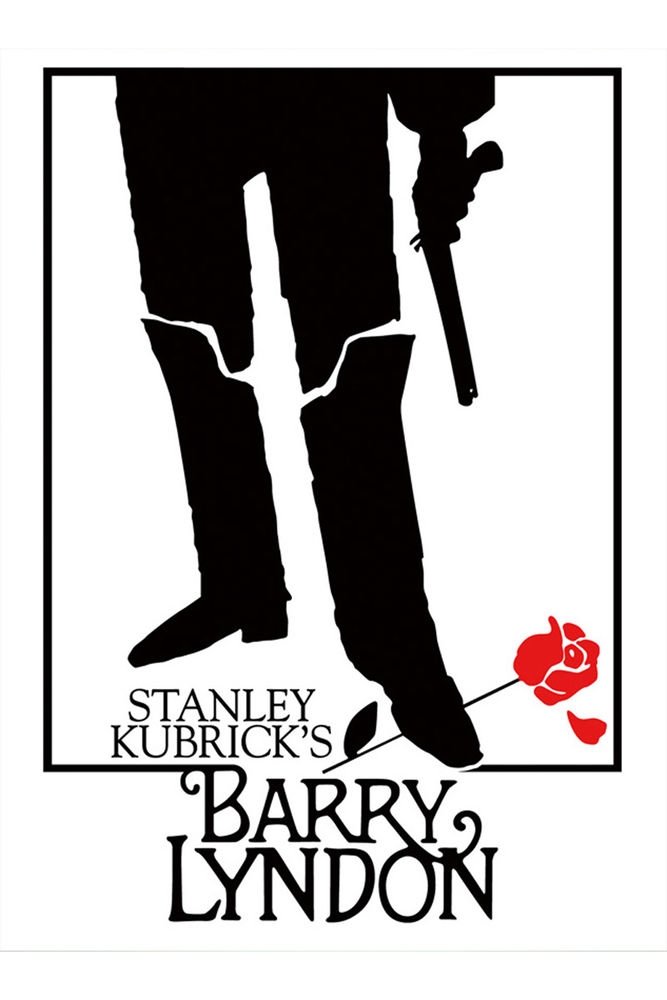
John Alcott pushed the boundaries of cinematography by filming scenes entirely by candlelight. The production utilized special lenses originally developed for NASA to capture images in extremely low light conditions. This technique gives the film the appearance of an 18th-century oil painting brought to life. The natural lighting grounds the period drama in a reality rarely seen in historical epics.
‘Moonlight’ (2016)
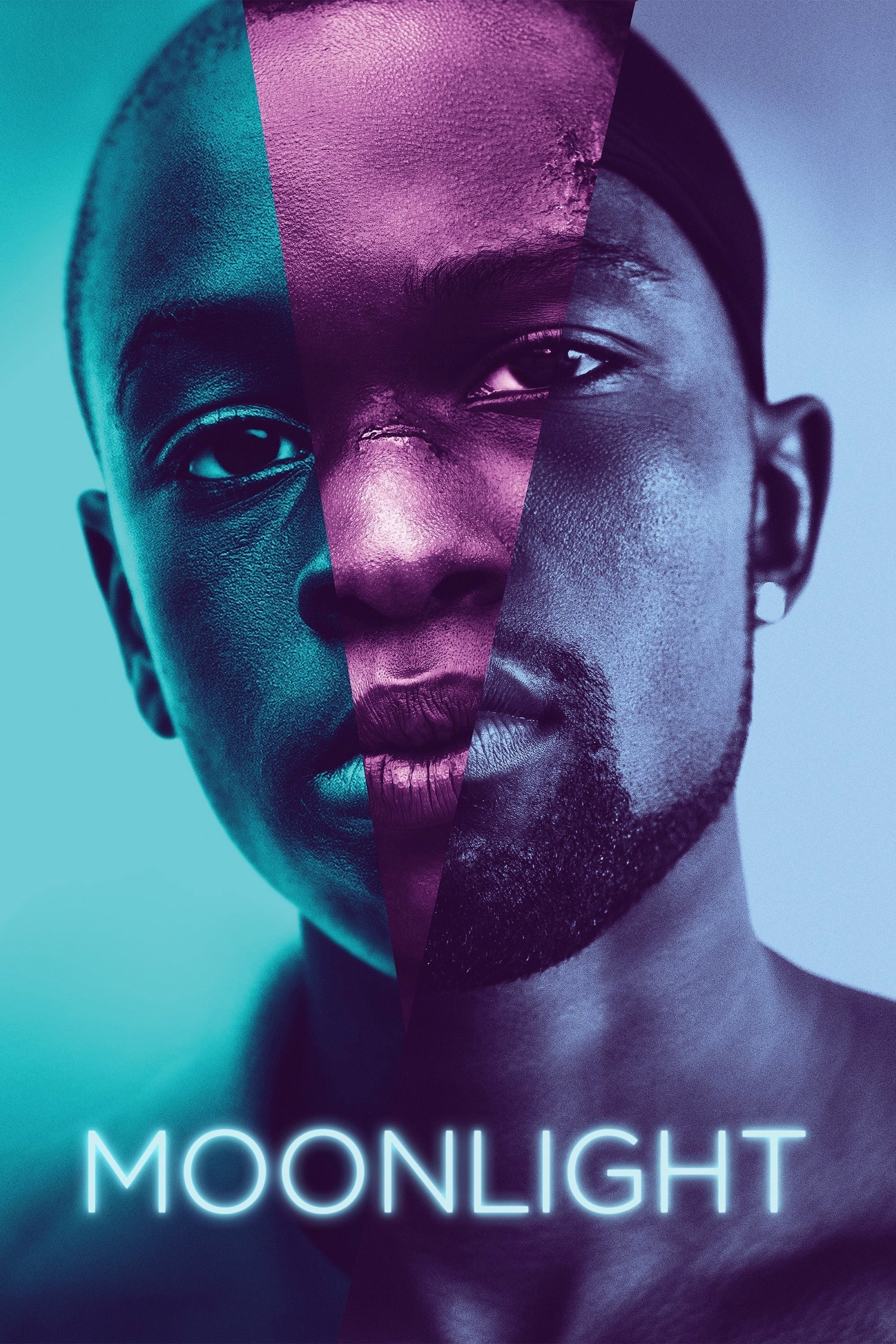
James Laxton utilized high-contrast colors and sharp focus to capture the humidity and heat of Miami. The camera treats black skin with immense care by using oil to enhance the reflection of light on the actors. Intimate close-ups with a shallow depth of field force the audience to confront the raw emotions of the characters. The blue and purple hues create a dreamlike quality that softens the harsh realities depicted in the story.
‘Children of Men’ (2006)
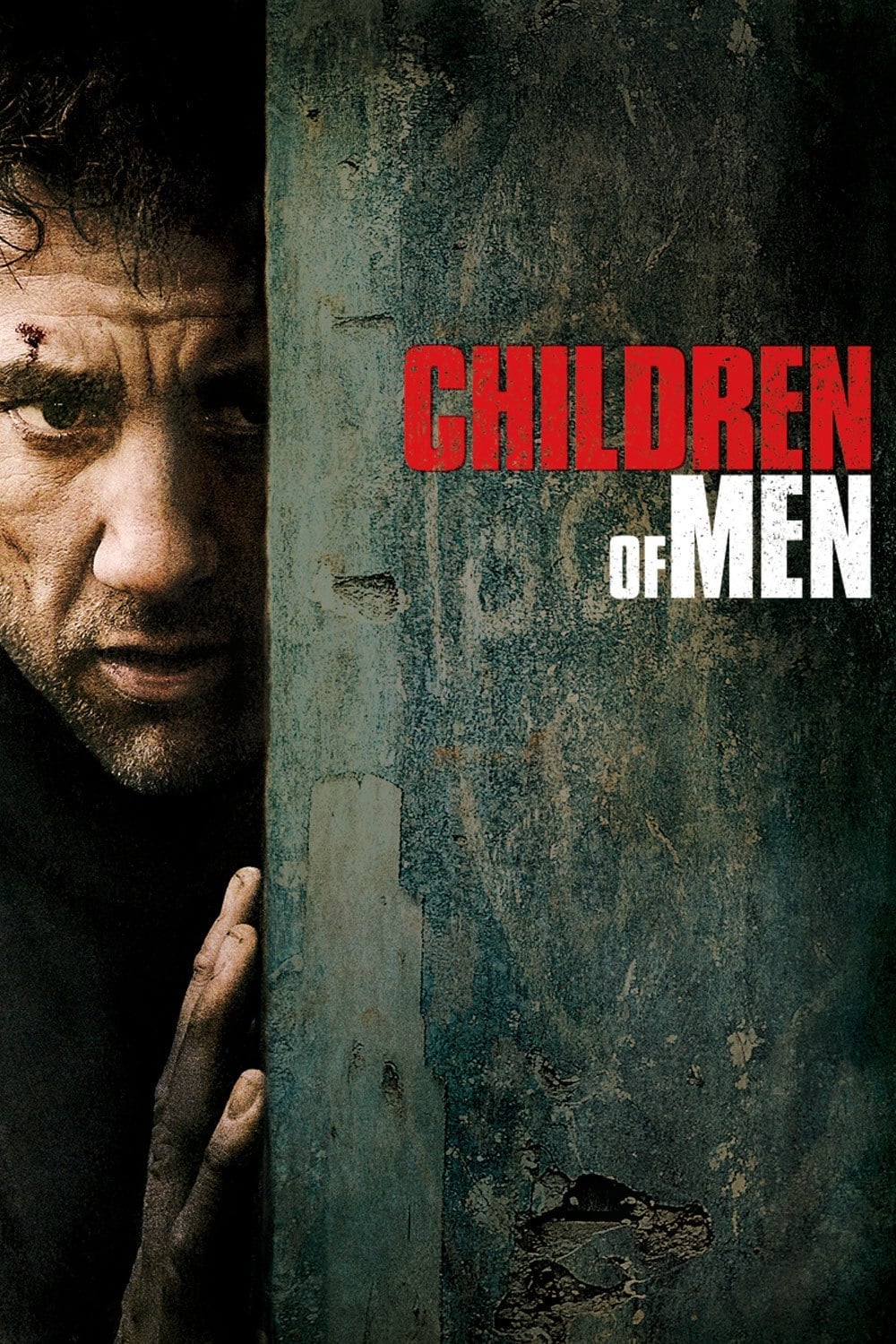
Emmanuel Lubezki employed long and continuous takes to immerse the viewer in the chaos of a collapsing society. The camera moves with a documentary realism that catches blood splatters and debris on the lens. Natural lighting enhances the grim and desaturated look of a world without a future. The fluidity of the camera movement creates a sense of urgency that never allows the audience to relax.
‘The Godfather’ (1972)
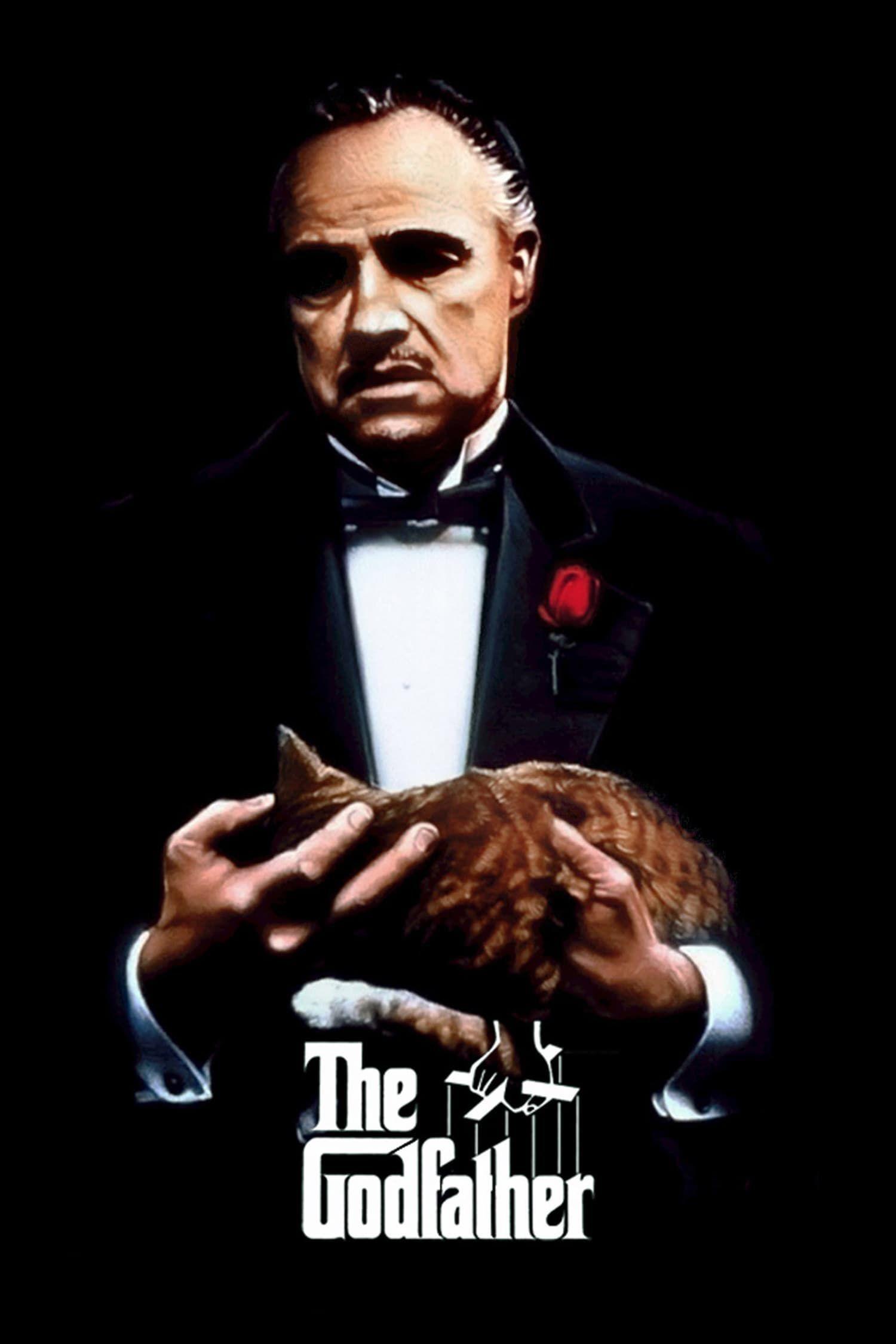
Gordon Willis earned the nickname The Prince of Darkness for his revolutionary use of underexposed film stocks. He utilized overhead lighting that frequently obscured the eyes of the actors to suggest their hidden motives. The warm and yellow tones of the interior scenes contrast sharply with the cold blue light of the exterior world. This visual strategy effectively separates the insular family business from the rest of society.
‘Mad Max: Fury Road’ (2015)
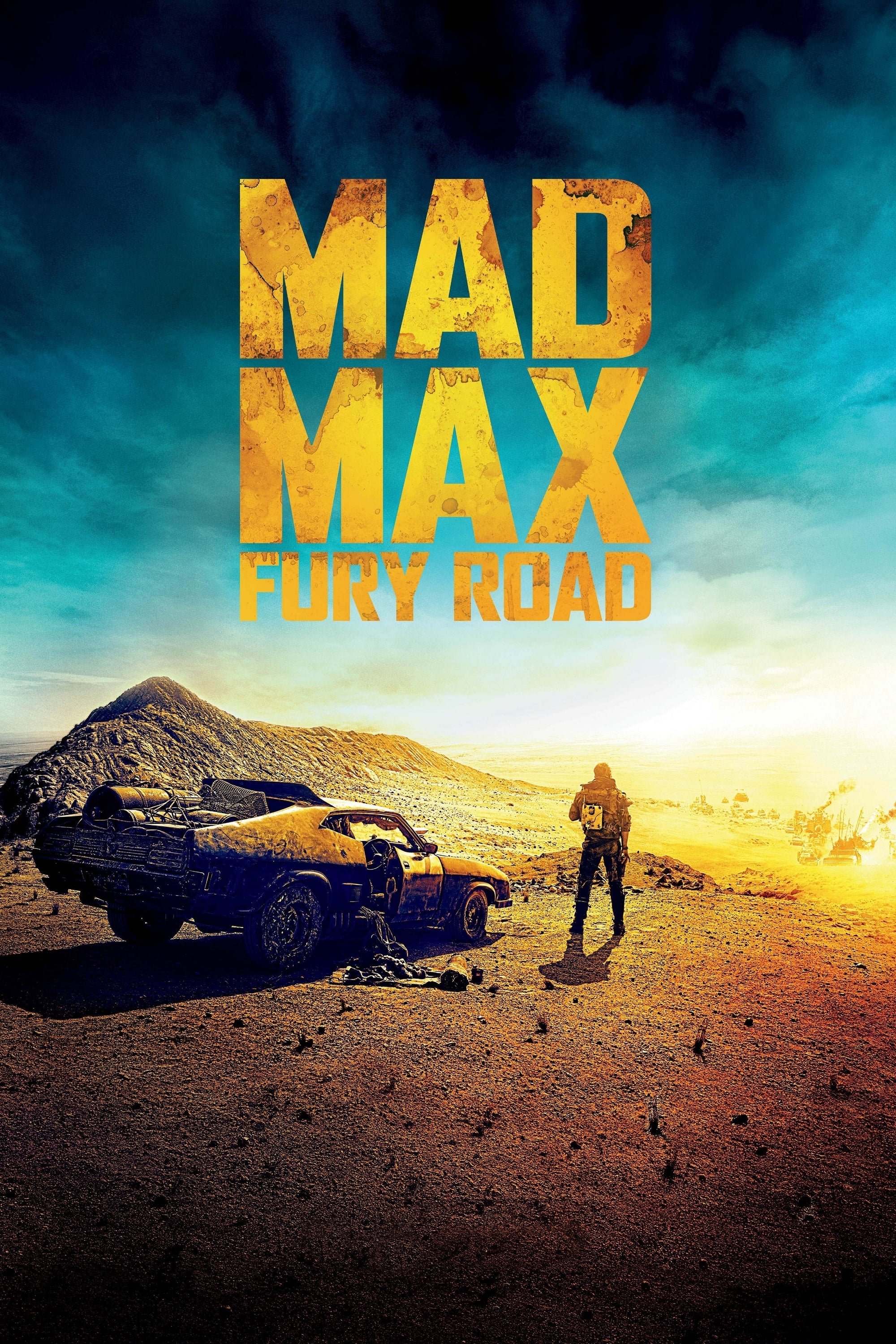
John Seale returned from retirement to shoot this high-octane action film with a focus on center framing. This technique allowed the audience to track the action easily despite the rapid editing pace. The color grading rejects the standard apocalyptic desaturation in favor of vibrant oranges and teals. The day-for-night sequences utilize a distinct blue tint that gives the night scenes a surreal and graphic novel aesthetic.
‘Lawrence of Arabia’ (1962)
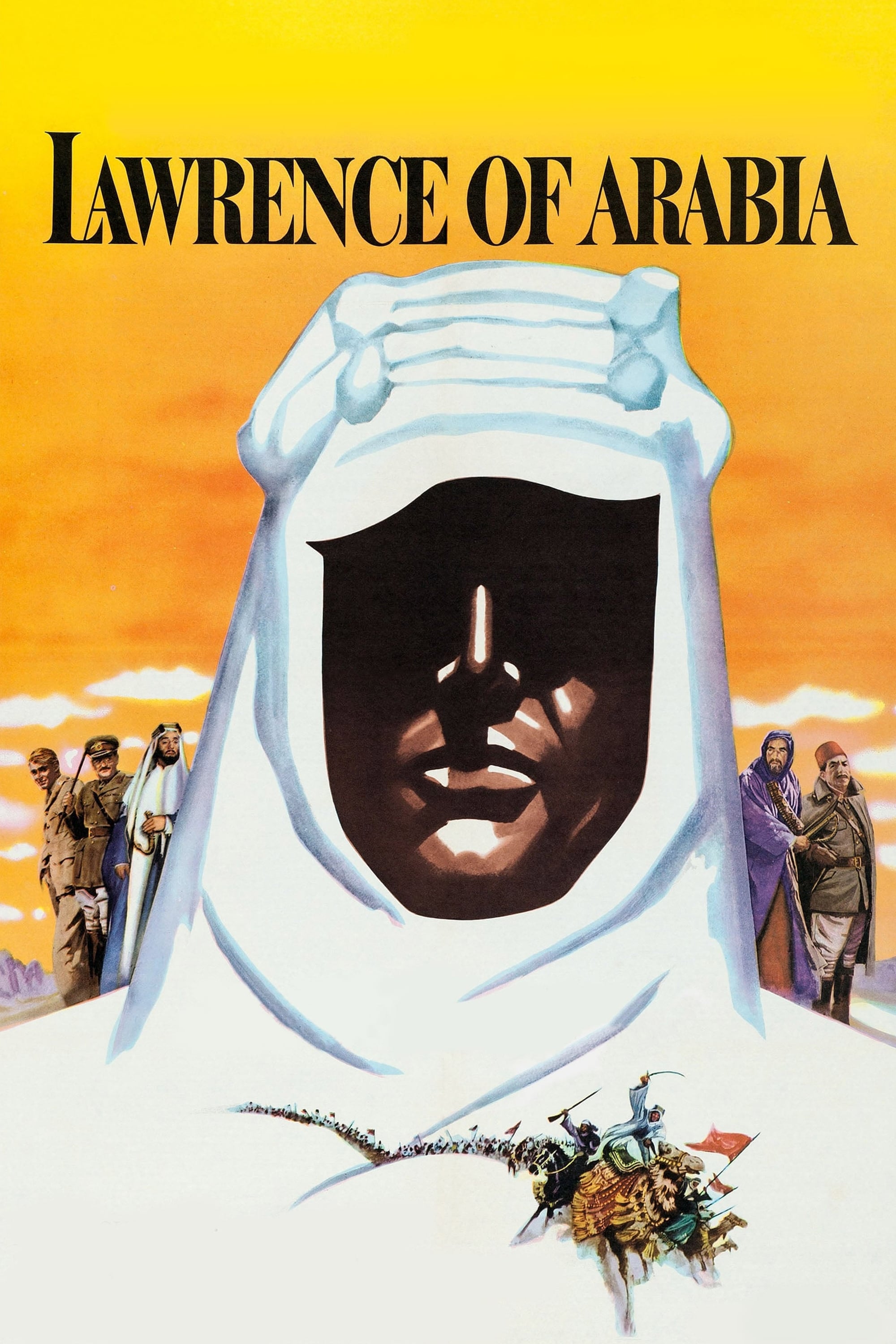
Freddie Young captured the vastness of the desert using 70mm film to emphasize the insignificance of the individual against nature. The cinematographer waited days for the perfect natural light to capture the texture of the shifting sand dunes. A special telephoto lens was used to create the famous mirage sequence where a character slowly emerges from the heat haze. The sheer scale of the imagery communicates the epic scope of the journey effectively.
‘Her’ (2013)
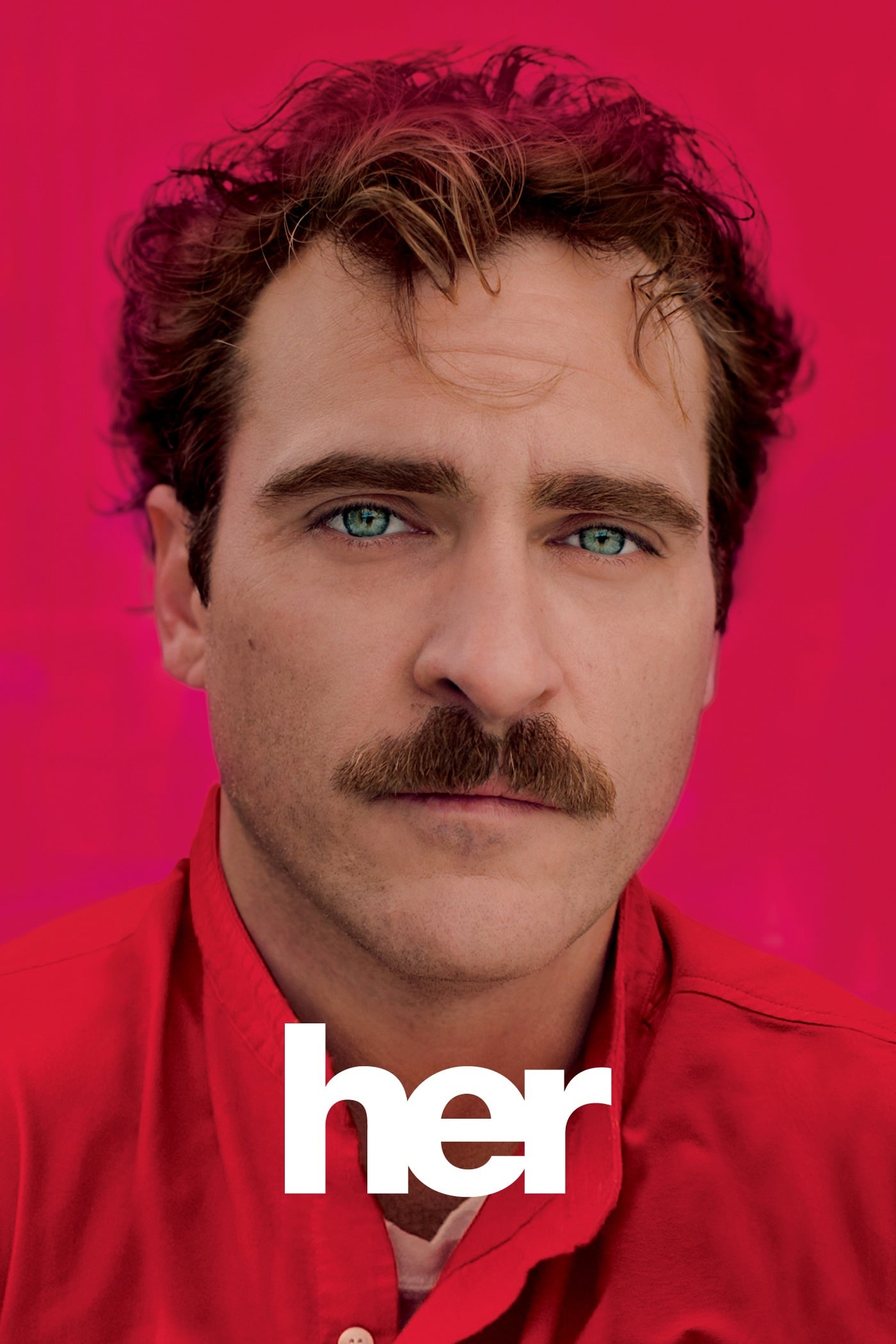
Hoyte van Hoytema avoided the cold blues typically associated with science fiction in favor of warm reds and oranges. The soft focus and shallow depth of field isolate the protagonist to reflect his loneliness in a crowded city. High-rise apartments and offices are lit to feel inviting rather than sterile. The visual choices create a gentle and melancholic future that feels plausible and intimate.
‘Dune’ (2021)

Greig Fraser combined digital photography with a film-out process to give the image a tangible and organic texture. The lighting often relies on soft sources to mimic the harsh sun of the desert planet Arrakis. Massive brutalist sets are framed to dwarf the characters and emphasize the power of the imperial structures. The monochromatic palette of sands and grays reinforces the stark and unforgiving nature of the environment.
‘Lost in Translation’ (2003)
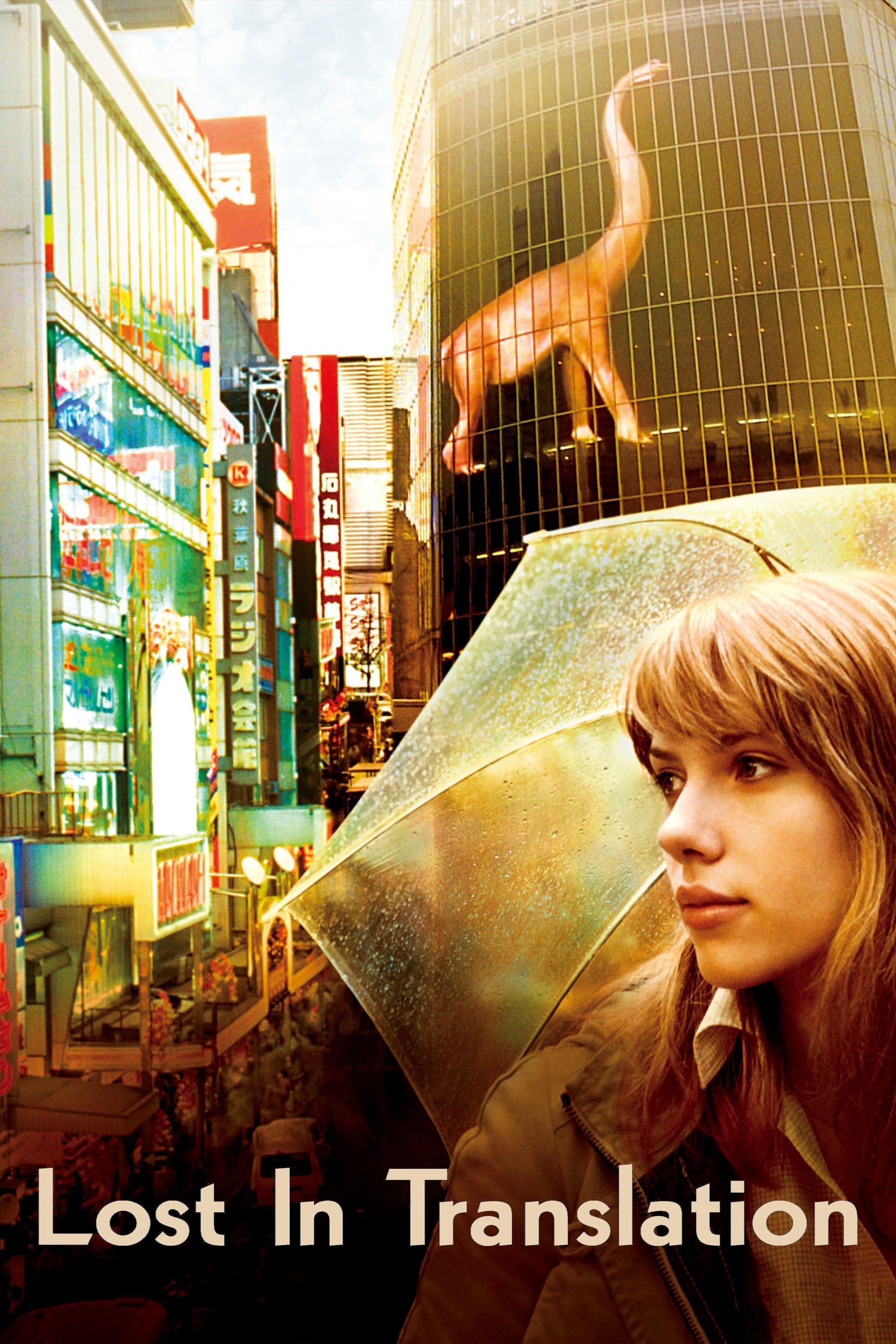
Lance Acord shot extensively with available light to capture the neon-soaked atmosphere of Tokyo at night. The handheld camera work adds a layer of intimacy and spontaneity to the interactions between the two leads. Reflections in taxi windows and hotel glass emphasize the feeling of detachment and isolation. The soft and grainy texture of the film stock mirrors the jet lag and haze experienced by the characters.
‘Schindler’s List’ (1993)
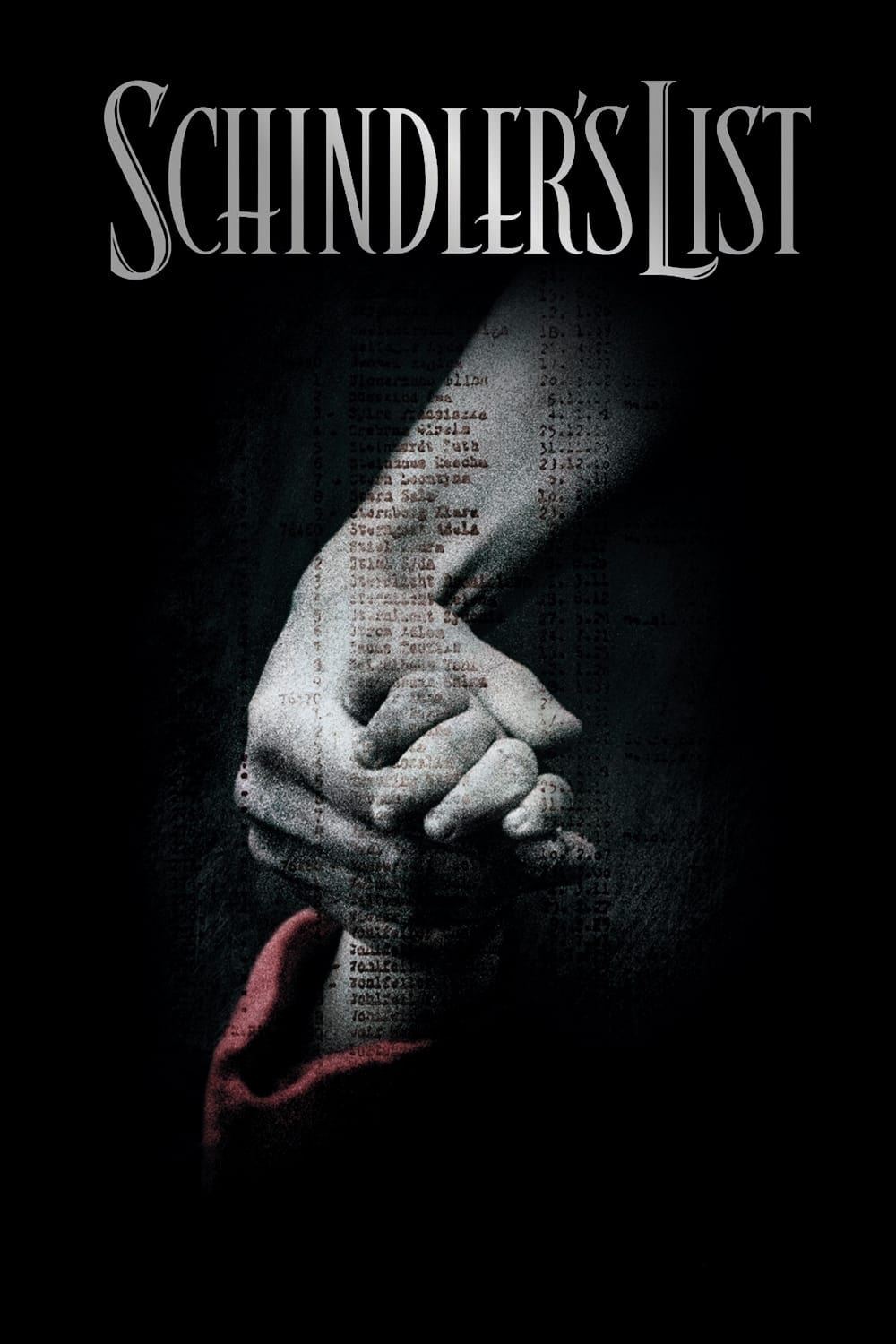
Janusz Kamiński shot the film in high-contrast black and white to evoke the feeling of archival footage from the 1940s. Handheld cameras were used during scenes of violence to create a sense of chaotic realism. The lack of color strips away any potential for romanticism and forces the viewer to confront the brutality directly. Occasional uses of spot color serve as narrative anchors within the monochrome world.
‘The Lighthouse’ (2019)
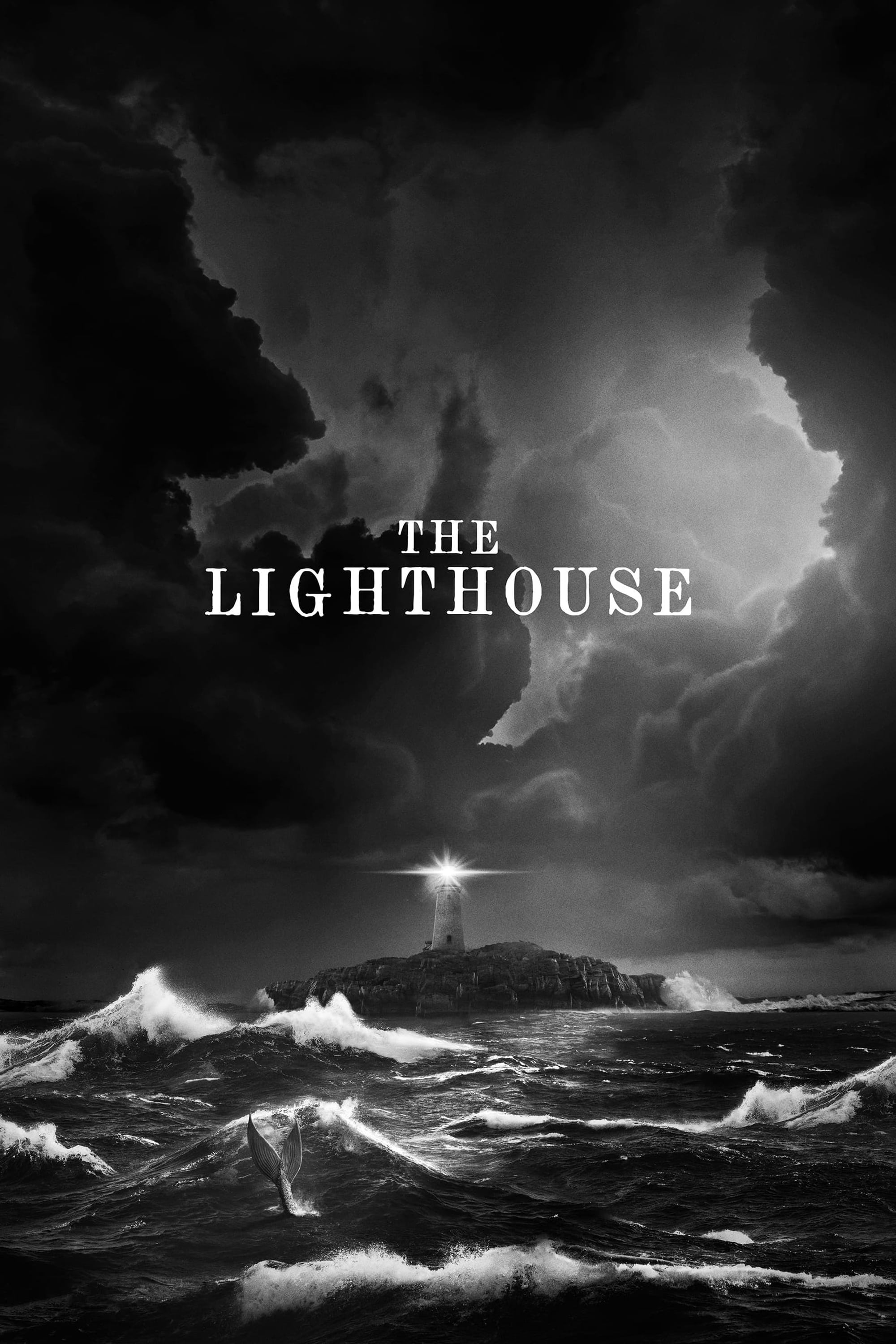
Jarin Blaschke utilized a nearly square 1.19:1 aspect ratio to create a claustrophobic vertical frame. The use of orthochromatic film stock renders skin tones with a rough texture and deepens the shadows. Harsh lighting mimics the early days of photography and adds to the gothic horror atmosphere. The visual isolation of the characters is heightened by the surrounding darkness that threatens to consume the frame.
‘2001: A Space Odyssey’ (1968)
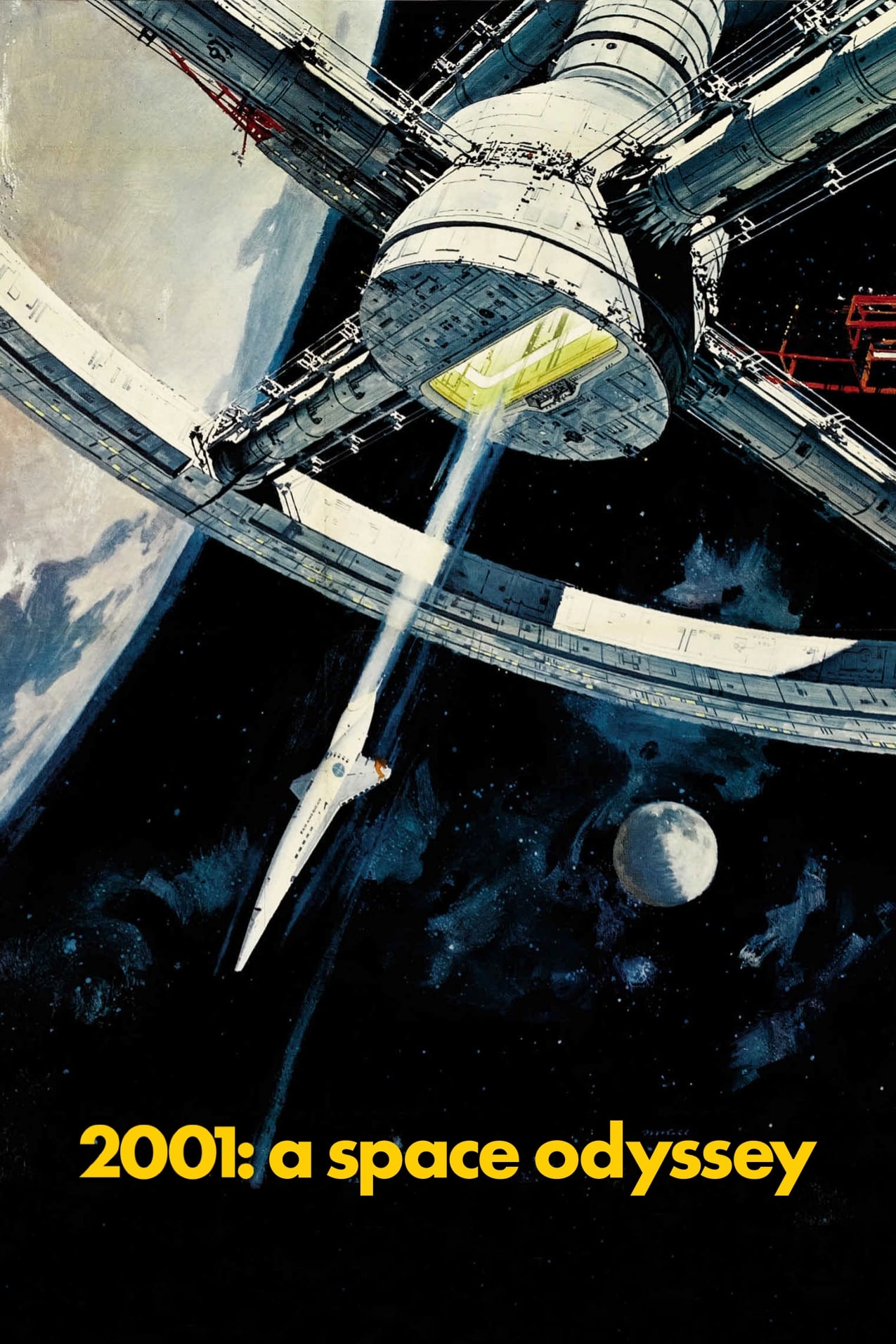
Geoffrey Unsworth created a sterile and futuristic look through the use of bright white lighting and symmetrical set design. The vastness of space is depicted with absolute blackness to contrast with the detailed models of the spacecraft. Wide-angle lenses are used to exaggerate the depth of the corridors and the isolation of the astronauts. The visual precision mirrors the cold logic of the artificial intelligence HAL 9000.
‘Taxi Driver’ (1976)
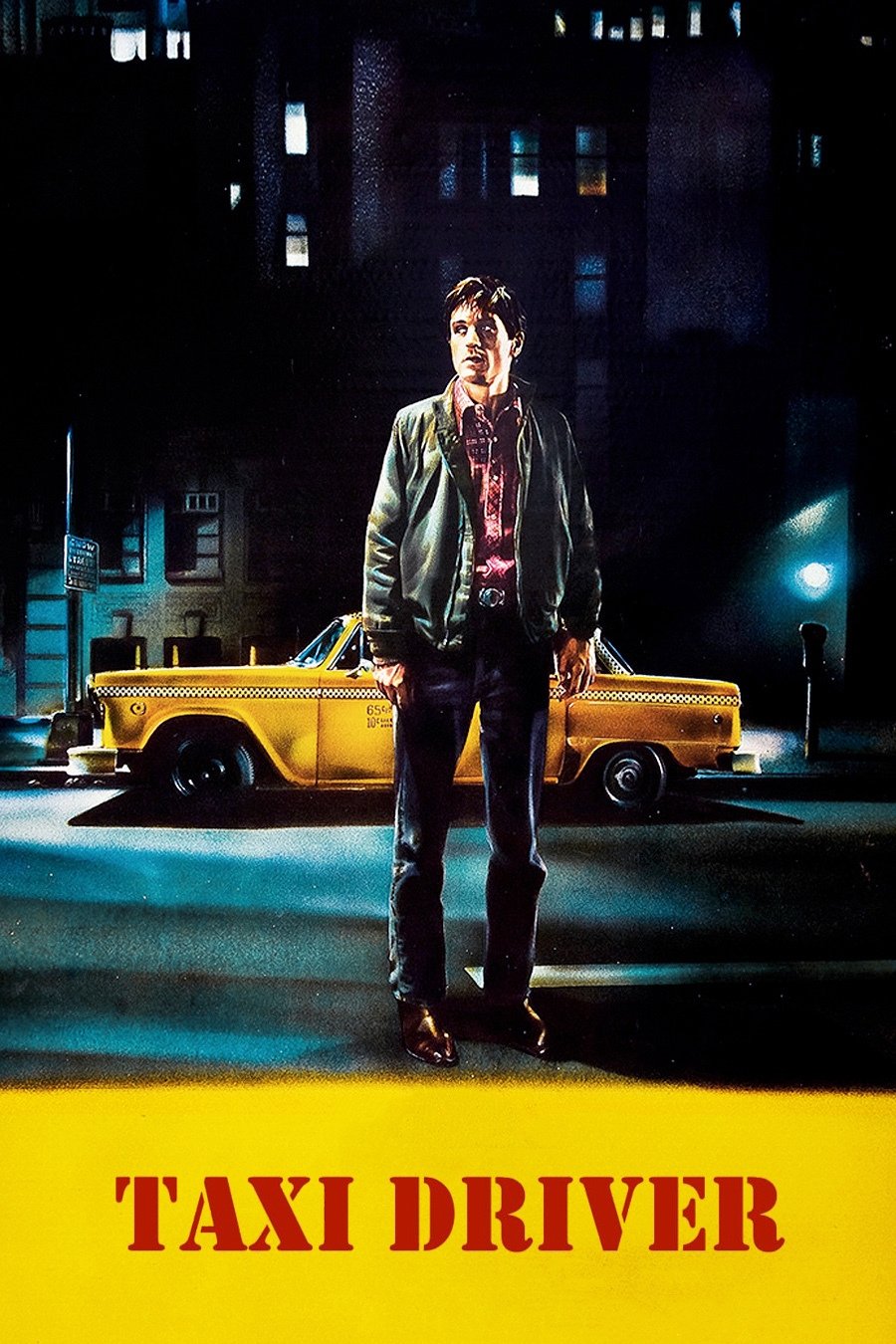
Michael Chapman captured the grit of 1970s New York City using the available light of streetlamps and neon signs. The wet streets reflect the red and green lights to create a sleazy and feverish atmosphere. Slow camera movements suggest the predatory nature of the protagonist as he prowls the city. The darkness of the frame often swallows the character to emphasize his psychological detachment from society.
‘Citizen Kane’ (1941)
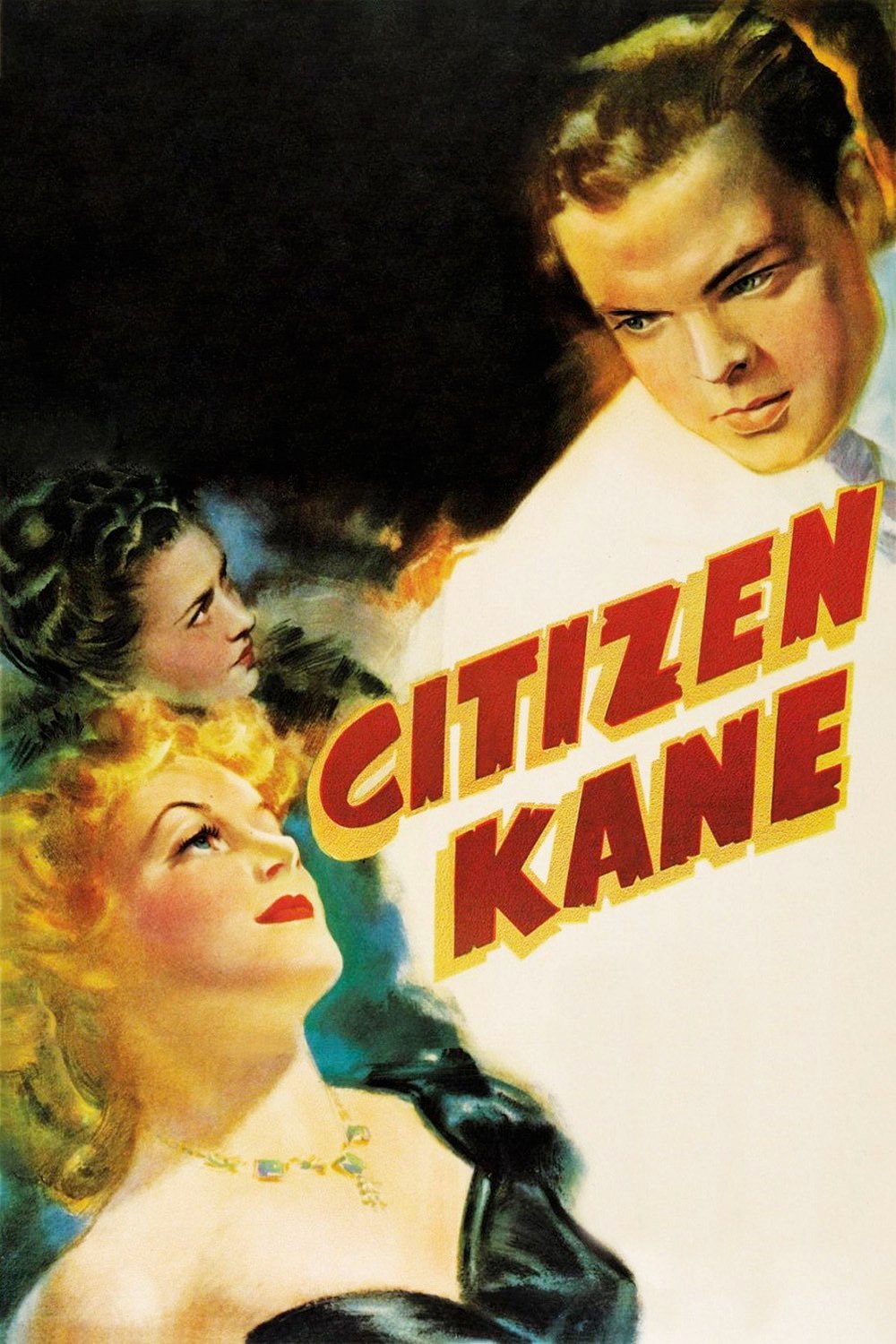
Gregg Toland revolutionized cinematography with his extensive use of deep focus photography. This technique allows objects in the foreground and background to remain sharp simultaneously. Low-angle shots were achieved by cutting holes in the floor to make the title character appear larger than life. The lighting often utilizes heavy shadows to obscure faces and suggest moral ambiguity.
‘Enter the Void’ (2009)
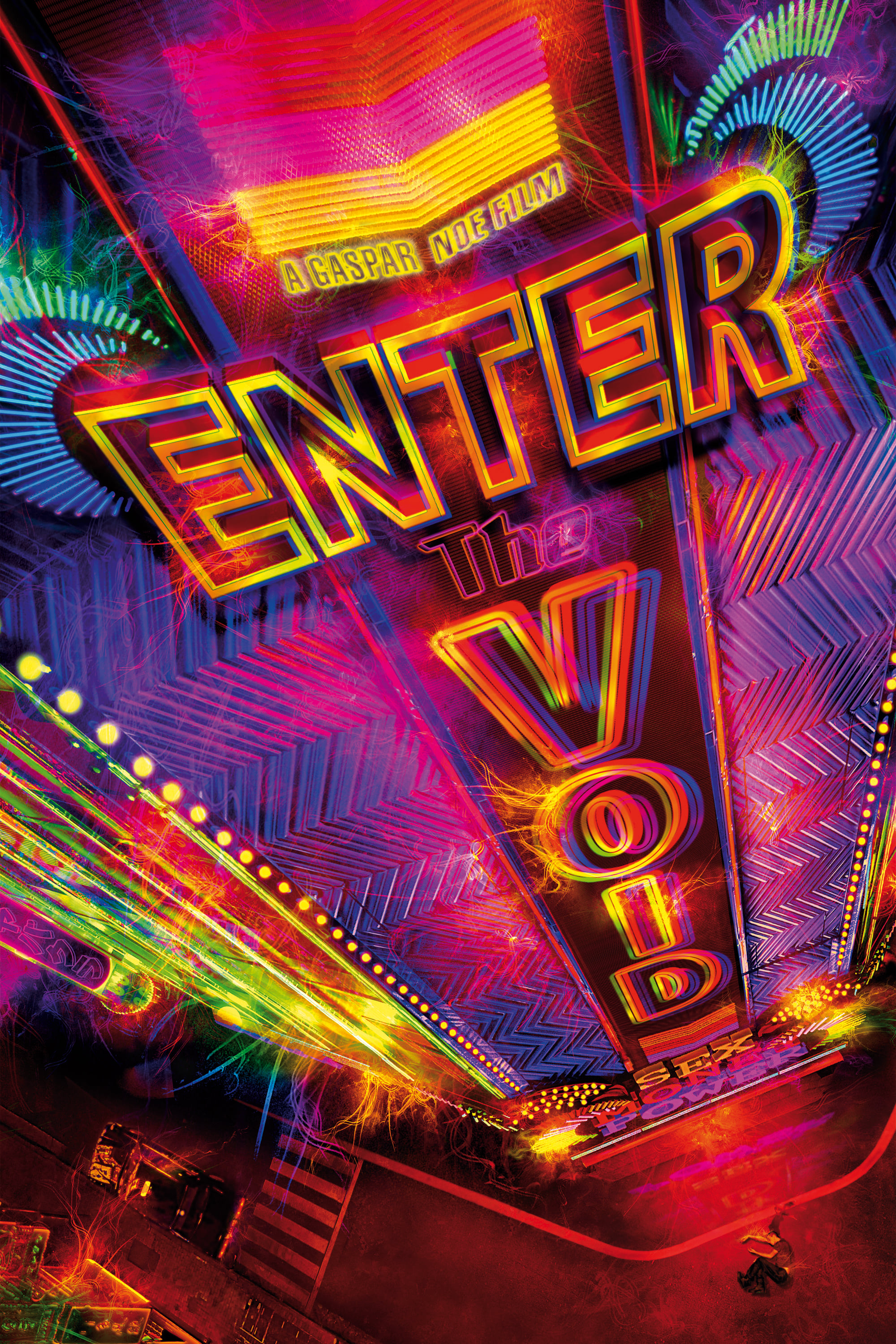
Benoît Debie executed a complex visual strategy that mimics the perspective of a disembodied spirit. The camera floats above the city of Tokyo and passes through walls and ceilings without cutting. Strobe lights and neon colors pulsate to replicate the effects of a psychedelic trip. The subjective camera work forces the audience to experience the disorientation of the protagonist directly.
‘There Will Be Blood’ (2007)
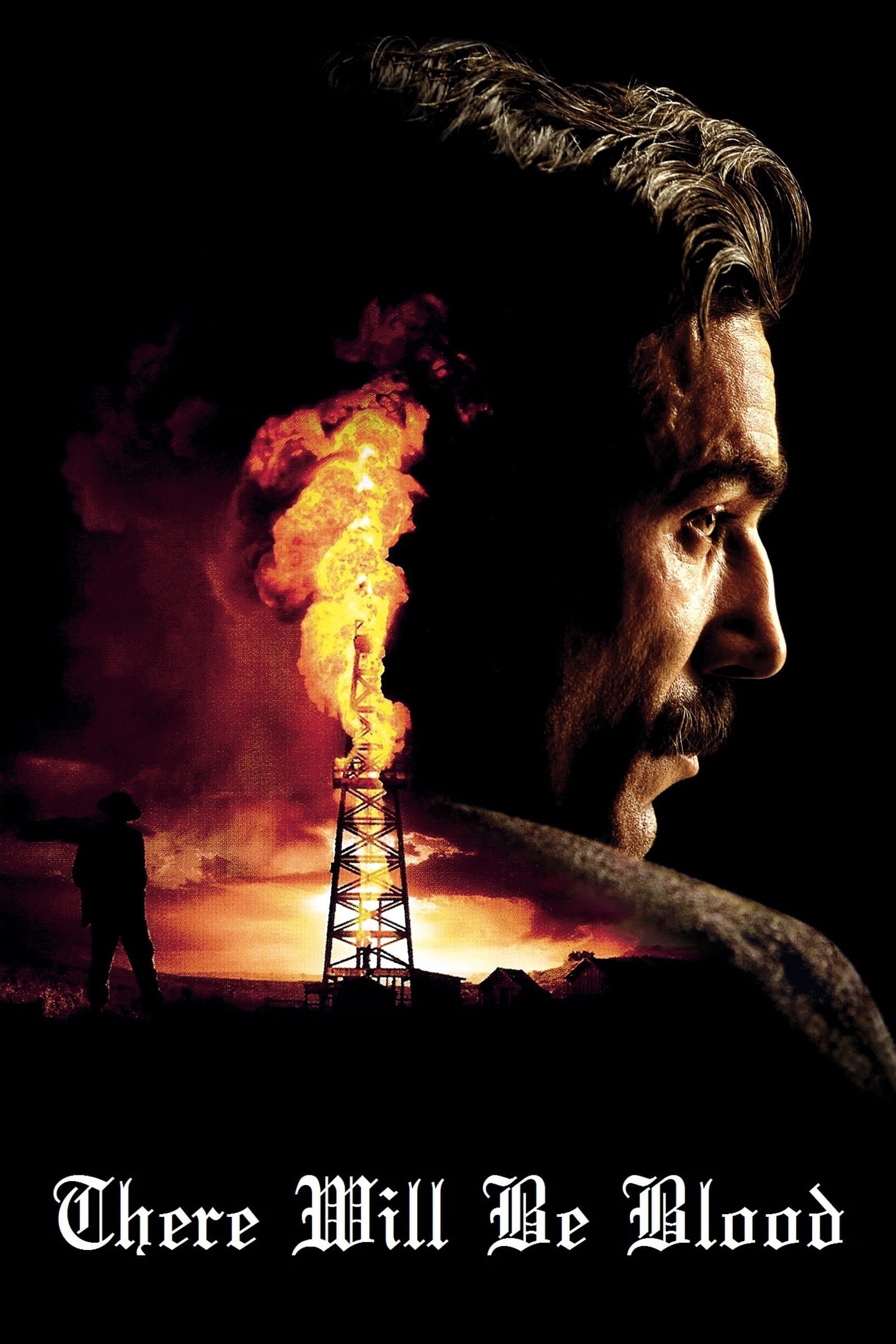
Robert Elswit used natural light to capture the harsh and arid landscapes of early 20th-century California. The pivotal oil derrick fire scene is lit almost entirely by the flames of the burning well. Long takes and wide shots emphasize the physical labor involved in the oil drilling process. The cinematography creates a grounded and gritty texture that reflects the obsession of the main character.
‘Se7en’ (1995)
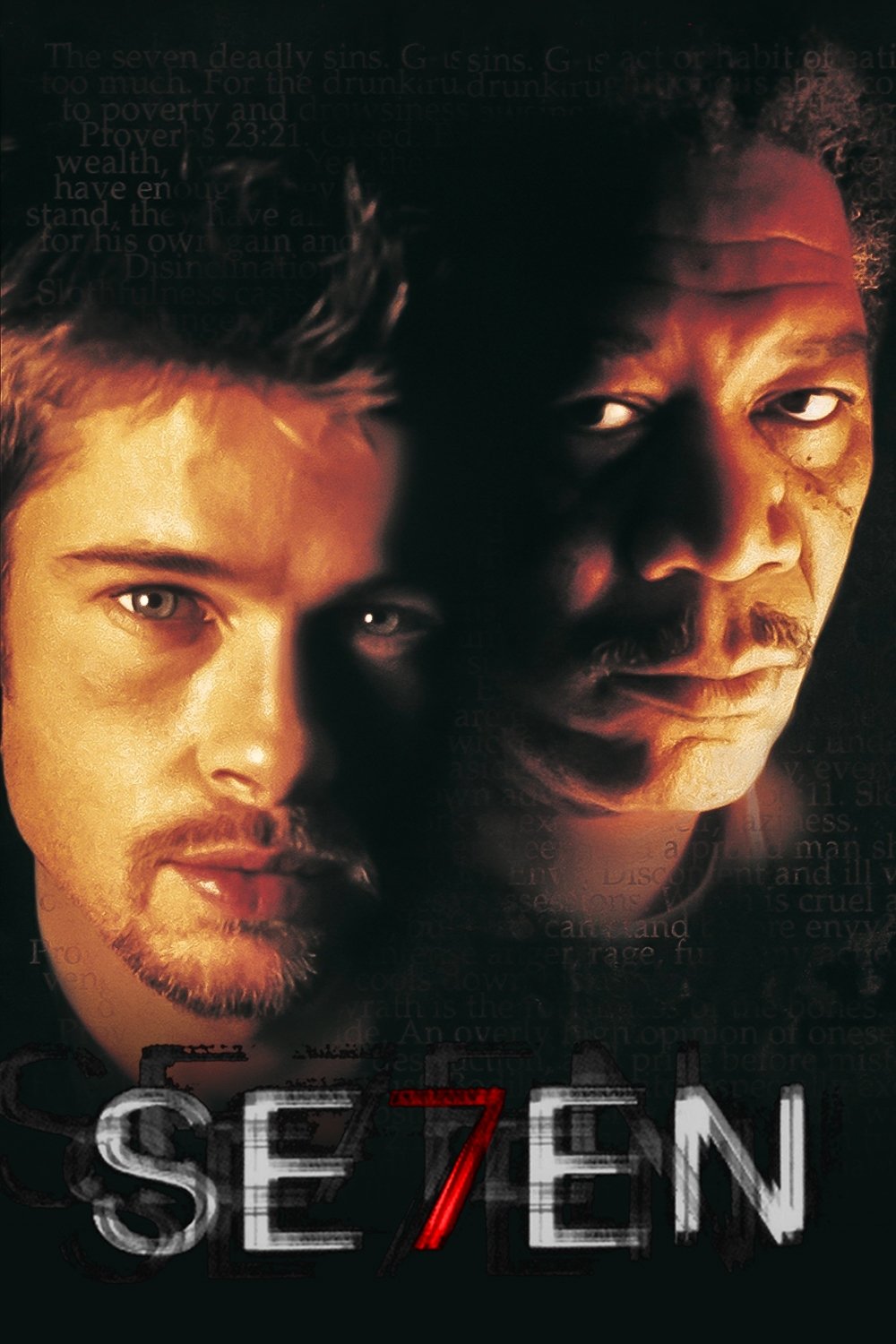
Darius Khondji utilized a silver retention process on the film negatives to create deeper blacks and increased contrast. The lighting is often motivated by flashlights or dim lamps to enhance the gloom of the rainy city. Desaturated colors contribute to the feeling of decay and hopelessness that permeates the narrative. The grime and darkness of the visuals become a physical manifestation of the moral rot in the story.
‘Hero’ (2002)

Christopher Doyle divided the narrative into distinct sections defined by dominant colors like red, blue, and white. These color shifts indicate different versions of the truth as recounted by the protagonist. The movement of fabric and leaves is captured with high-speed photography to create a dance-like quality. The visual splendor serves as a crucial storytelling device rather than just aesthetic decoration.
‘Stalker’ (1979)

Alexander Knyazhinsky captured the Zone using a muted color palette that contrasts with the sepia tones of the real world. The camera moves with a slow and hypnotic rhythm to match the philosophical pacing of the film. Damp textures and decaying industrial structures are filmed with a reverence for their material reality. The visuals create a metaphysical space where the laws of physics seem to bend.
‘The Assassination of Jesse James by the Coward Robert Ford’ (2007)
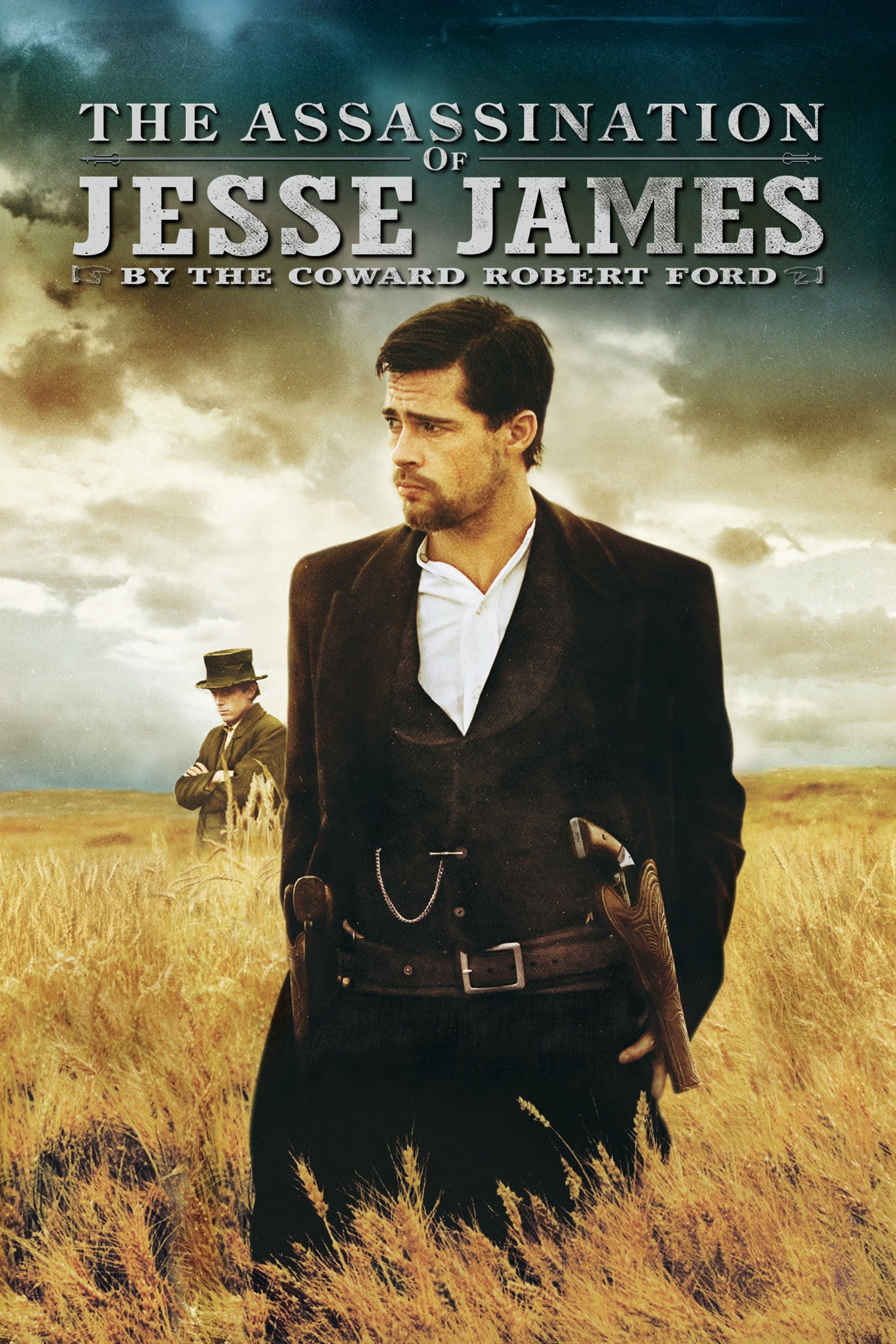
Roger Deakins utilized custom lenses to create a blurred vignette effect that mimics early photography. The lighting often relies on lanterns and natural sources to obscure characters in shadow. Train robbery sequences are illuminated by the singular beam of the train light cutting through the darkness. The result is a film that looks like a fading memory or a moving tintype photograph.
‘Portrait of a Lady on Fire’ (2019)
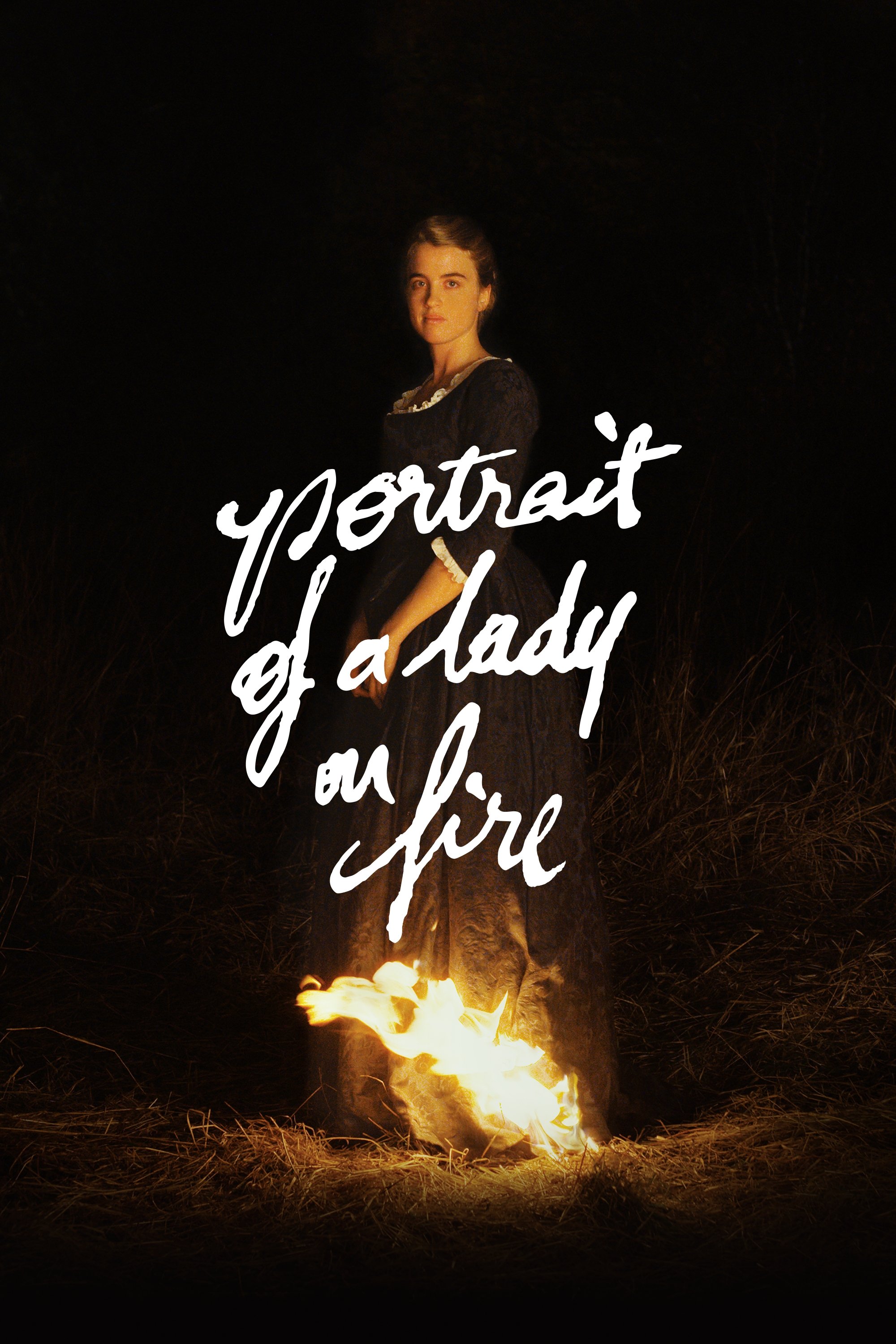
Claire Mathon approached the cinematography with a painterly eye to match the subject matter of the film. The lighting emphasizes the texture of skin and fabric to create a tactile visual experience. Night scenes are lit by firelight to produce warm and intimate glows on the faces of the actors. The composition often frames the characters like subjects in an 18th-century portrait.
Please share your favorite visually striking films and how they made you feel in the comments.