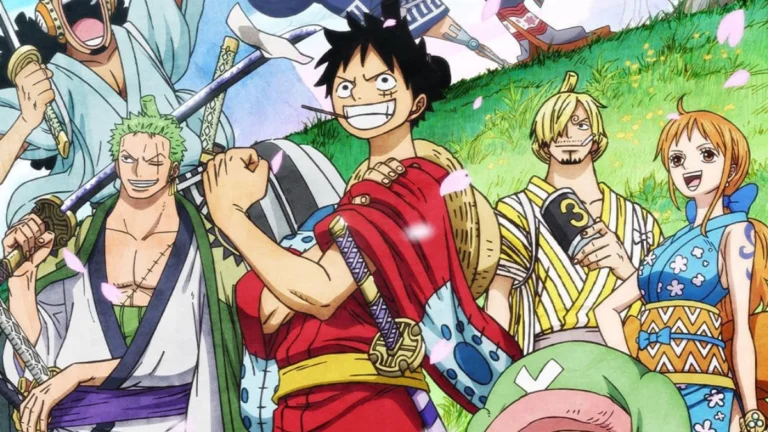
Anime Series That Hide Profound Moral Lessons in Side Dialogues


Anime frequently captivates audiences with flashy battles and intricate plots but the true depth often lies in the quieter moments. Writers often bury philosophical questions and moral quandaries within casual conversations between characters. These subtle exchanges encourage viewers to reflect on their own values regarding life and human nature. The following series masterfully weave complex themes into the fabric of their everyday dialogue.
‘Monster’ (2004–2005)

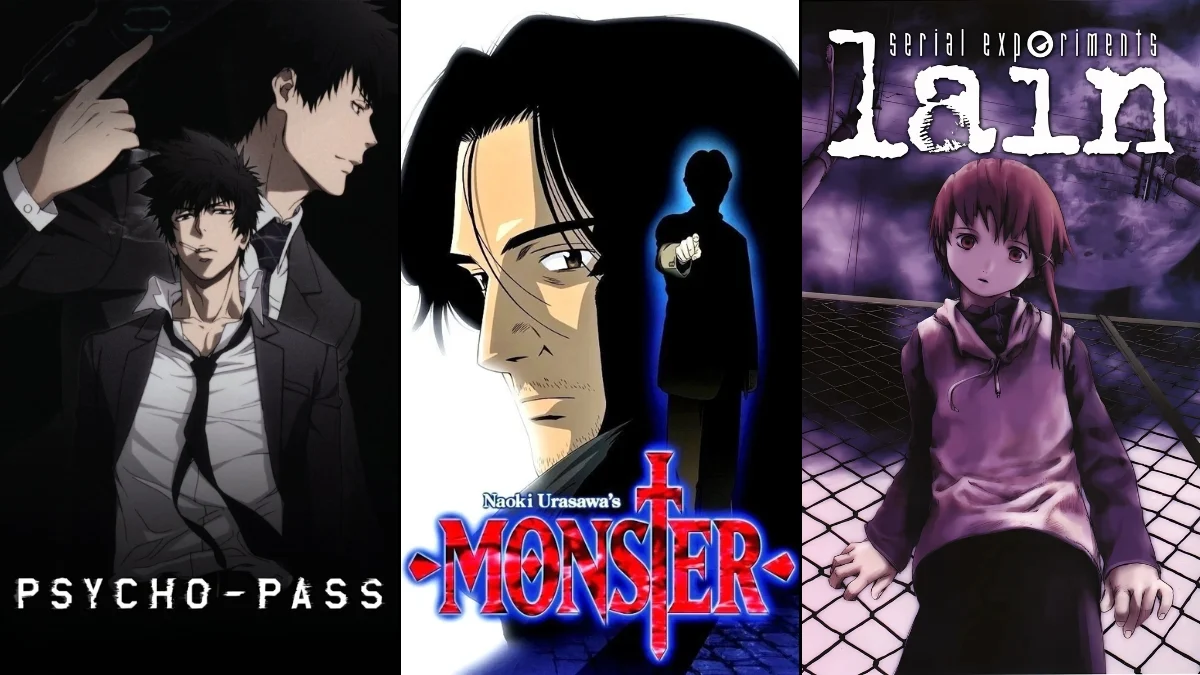
Dr Kenzo Tenma saves a young boy over the mayor and sets off a chain of horrific events. The series explores the value of human life through chilling conversations with serial killers and ordinary citizens. Side characters often debate whether all lives are truly created equal or if some hold more weight than others. These discussions challenge the protagonist and the audience to define the nature of true evil.
‘Mushi-shi’ (2005–2006)
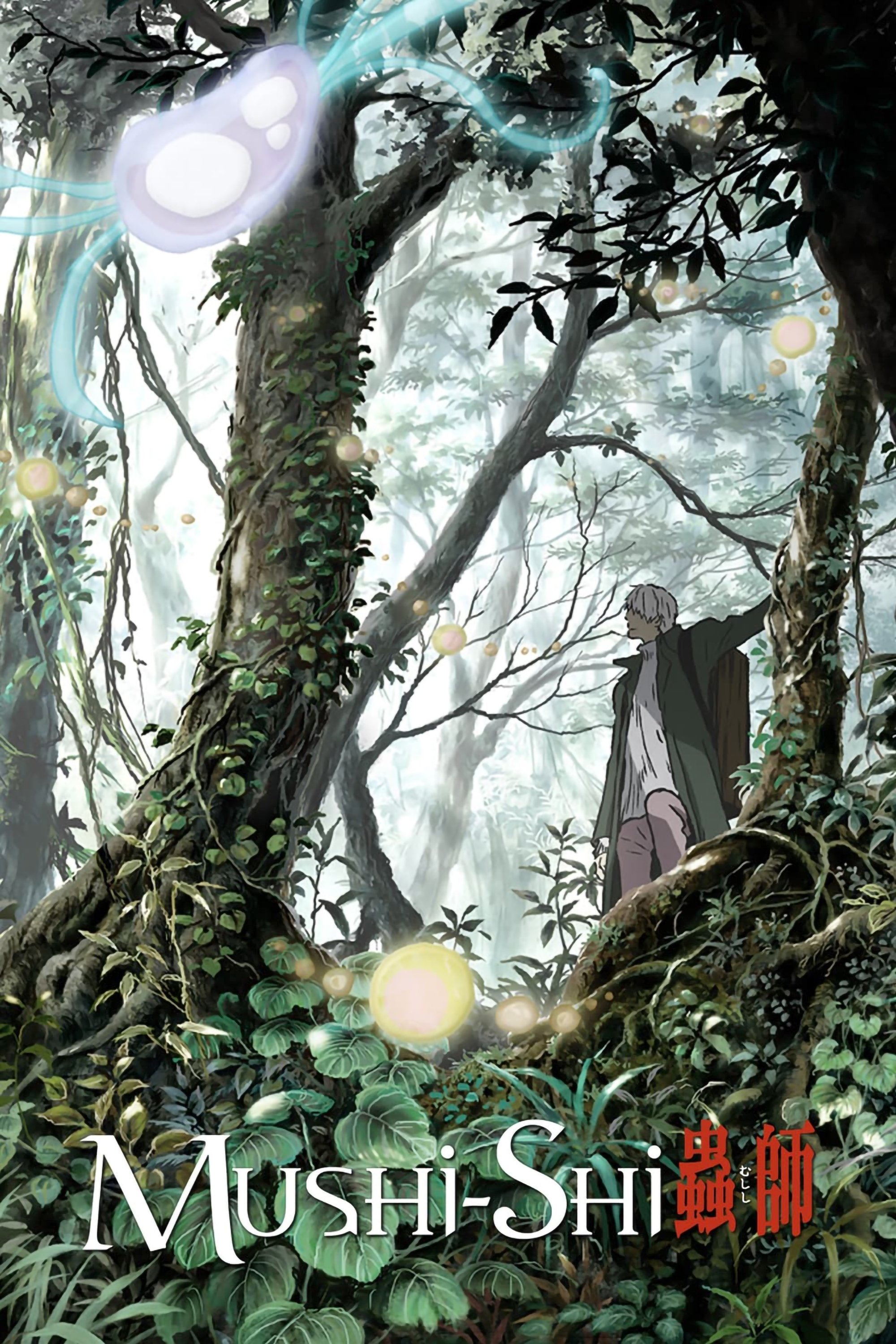
Ginko travels the countryside to solve problems caused by supernatural creatures known as Mushi. The show uses episodic stories to discuss the balance between humanity and nature. Villagers frequently express fear of the unknown while Ginko advocates for understanding and coexistence. The dialogue quietly suggests that humans are merely one small part of a much larger ecosystem.
‘Psycho-Pass’ (2012–2013)
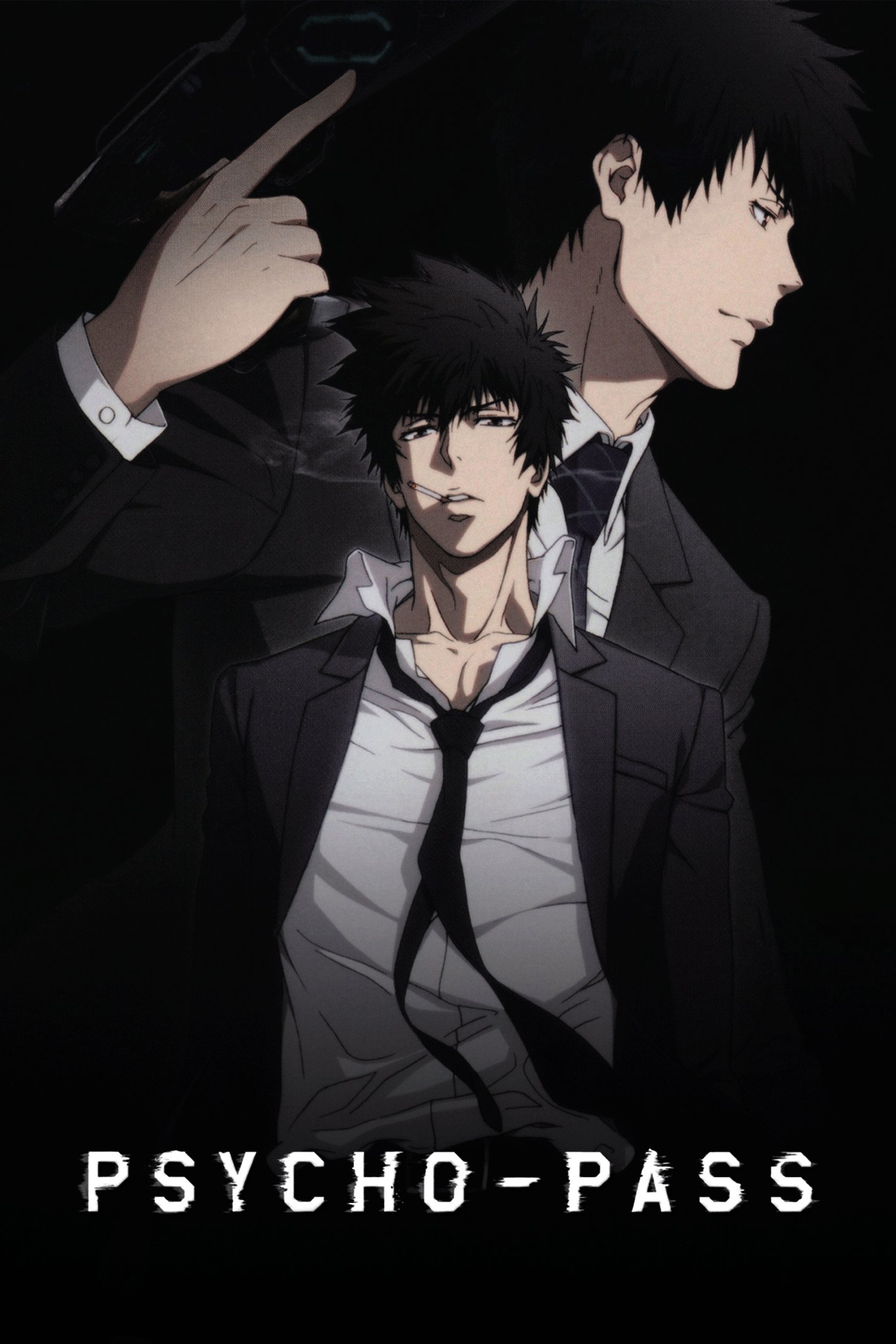
The story takes place in a future where a computer system creates a comprehensive psychological profile for every citizen. Officers often discuss the trade-off between absolute safety and personal freedom during their investigations. The antagonists challenge the morality of a society that preemptively judges individuals before they commit crimes. These verbal clashes force the characters to question the definition of justice.
‘Kino’s Journey’ (2003)
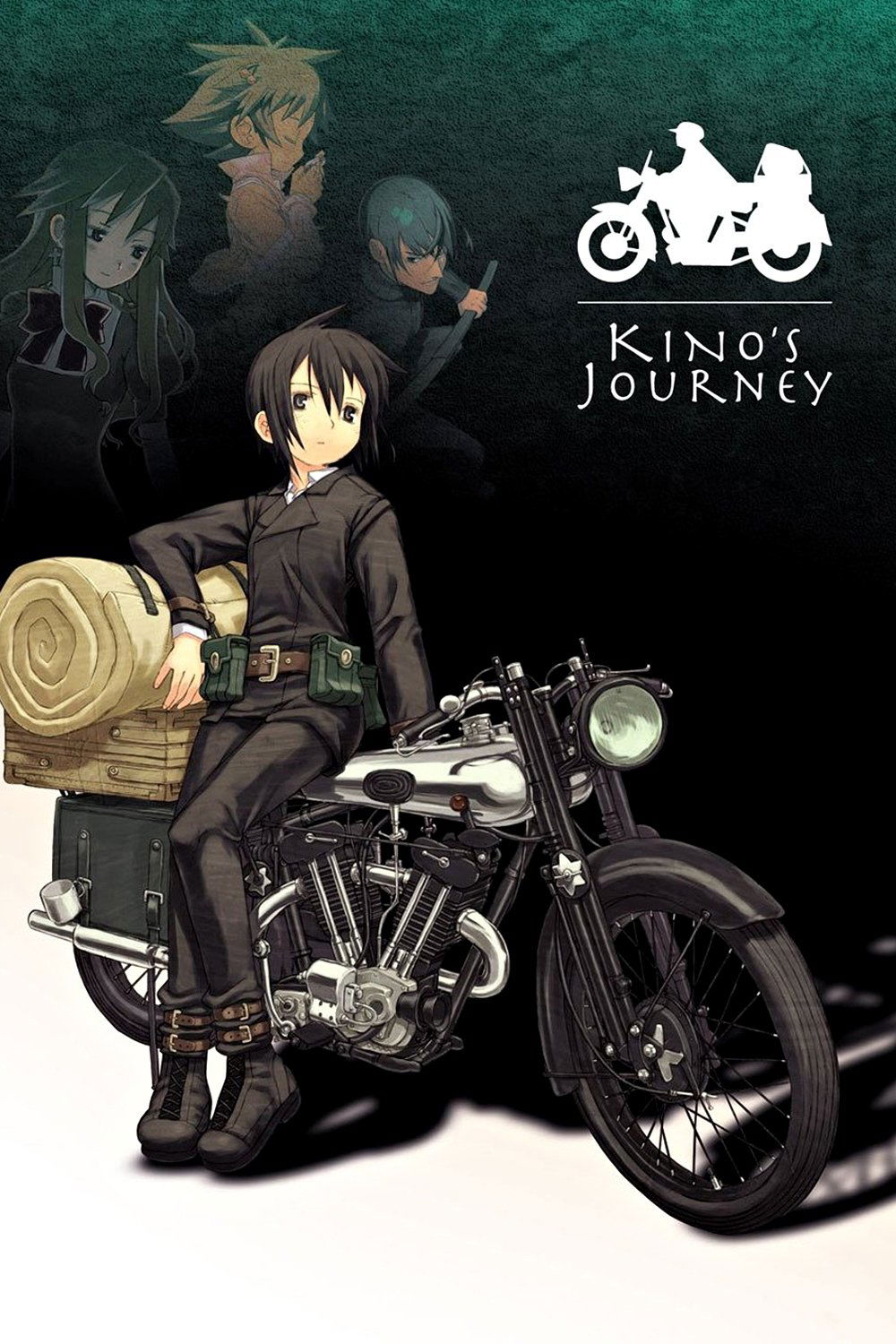
Kino travels to different countries that each operate under unique and often bizarre social rules. Conversations with local residents reveal the contradictions and flaws in their varied societal structures. The protagonist acts as a neutral observer who allows the locals to explain their own twisted logic. The series uses these interactions to demonstrate moral relativism and the complexity of human customs.
‘Ghost in the Shell: Stand Alone Complex’ (2002–2003)

Members of Section 9 investigate cybernetic crimes in a world where humanity has merged with technology. The agents frequently engage in philosophical debates about what constitutes a soul when the body is entirely artificial. They discuss the implications of memory manipulation and the potential loss of individuality. ‘Ghost in the Shell: Stand Alone Complex’ uses these technical talks to probe the essence of human consciousness.
‘Cowboy Bebop’ (1998–1999)

Bounty hunters travel through space while trying to outrun their traumatic pasts. The characters often share melancholic thoughts about existence and loneliness during long periods of downtime. Spike Spiegel and Jet Black have conversations that touch on the inability to escape one’s history. The show uses these laid-back dialogues to explore themes of existential ennui and acceptance.
‘Fullmetal Alchemist: Brotherhood’ (2009–2010)
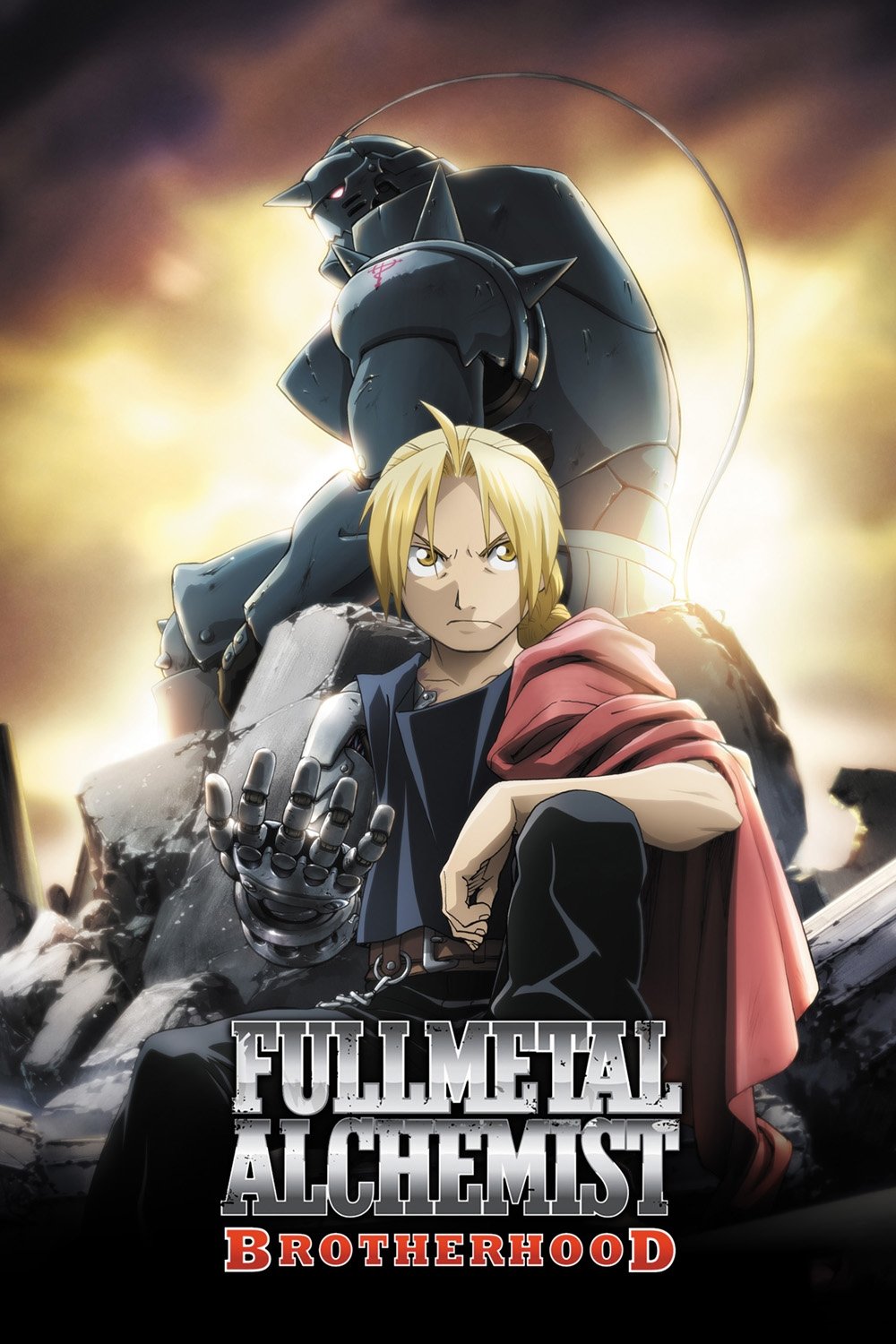
Two brothers search for a way to restore their bodies after a failed alchemical experiment. The principle of equivalent exchange serves as a constant topic of conversation among alchemists and civilians alike. Characters frequently argue about the moral cost of power and the consequences of playing god. The dialogue emphasizes that every gain requires a sacrifice and nothing comes without a price.
‘Trigun’ (1998)

Vash the Stampede wanders a desert planet while adhering to a strict pacifist code despite his immense power. He often finds himself debating the practicality of non-violence with cynical companions like Wolfwood. These arguments highlight the immense difficulty of maintaining moral purity in a harsh and unforgiving world. The series questions whether saving everyone is a naive dream or a necessary ideal.
‘Parasyte -the maxim-‘ (2014–2015)
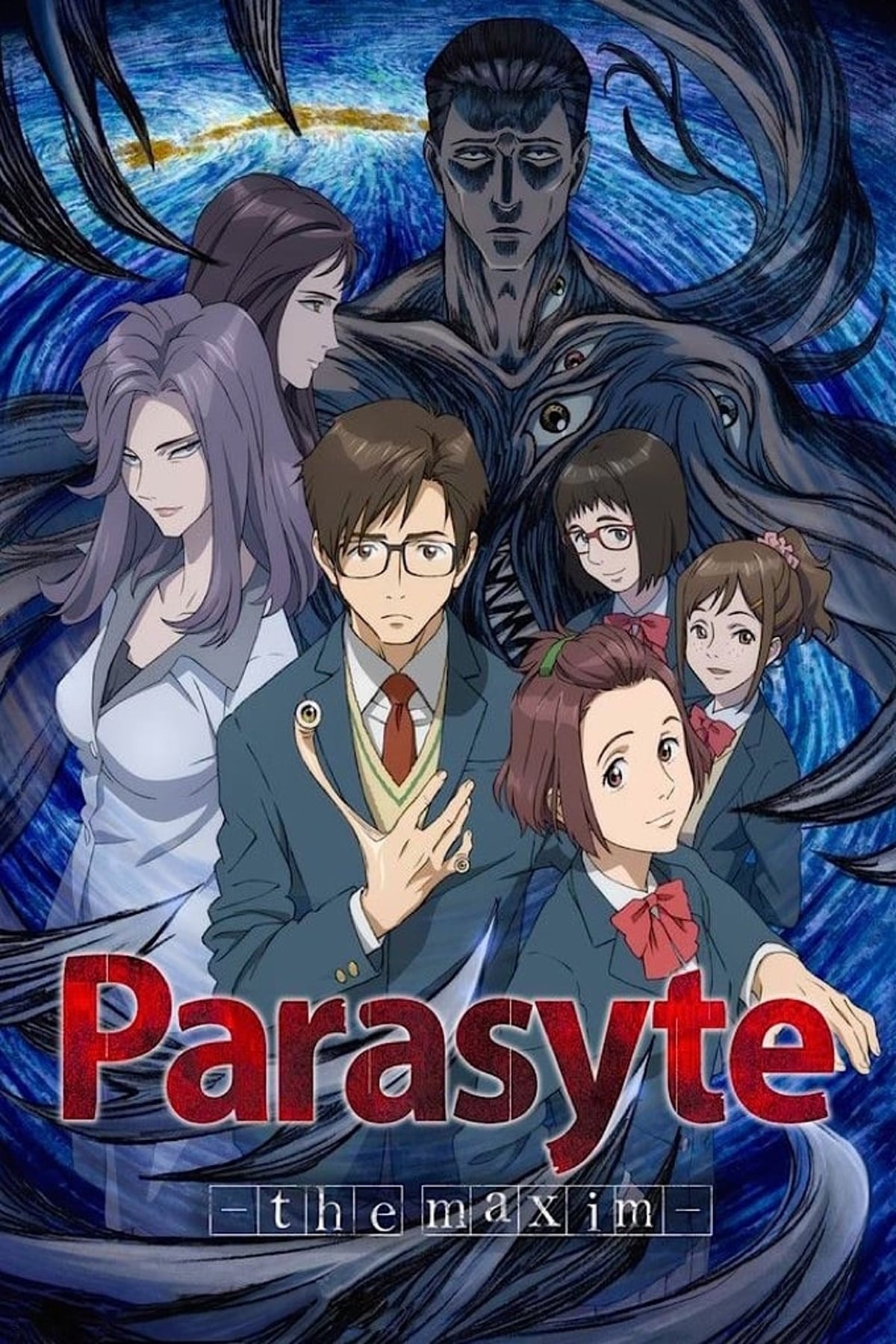
Alien parasites invade Earth and take over human hosts to survive. The parasite Migi and his host Shinichi often discuss the biological imperative of survival versus human ethics. They debate whether humans have the right to claim moral superiority over other species that kill for food. ‘Parasyte: The Maxim’ uses cold logic to deconstruct the hypocrisy often found in human altruism.
‘Violet Evergarden’ (2018)

A former child soldier works as a ghostwriter to understand the meaning of the words “I love you”. Violet learns about grief and empathy through the letters she writes for various clients. Her interactions with grieving families reveal the transformative power of communicating one’s true feelings. The show suggests that words are essential tools for healing emotional wounds and connecting with others.
‘Death Note’ (2006–2007)

Light Yagami finds a notebook that allows him to kill anyone by writing their name. The police force and the detective L engage in intense psychological battles that revolve around their conflicting definitions of justice. Conversations often center on whether the ends justify the means when eliminating criminals. The series forces viewers to consider if a utopia built on fear is worth the moral cost.
‘Neon Genesis Evangelion’ (1995–1996)
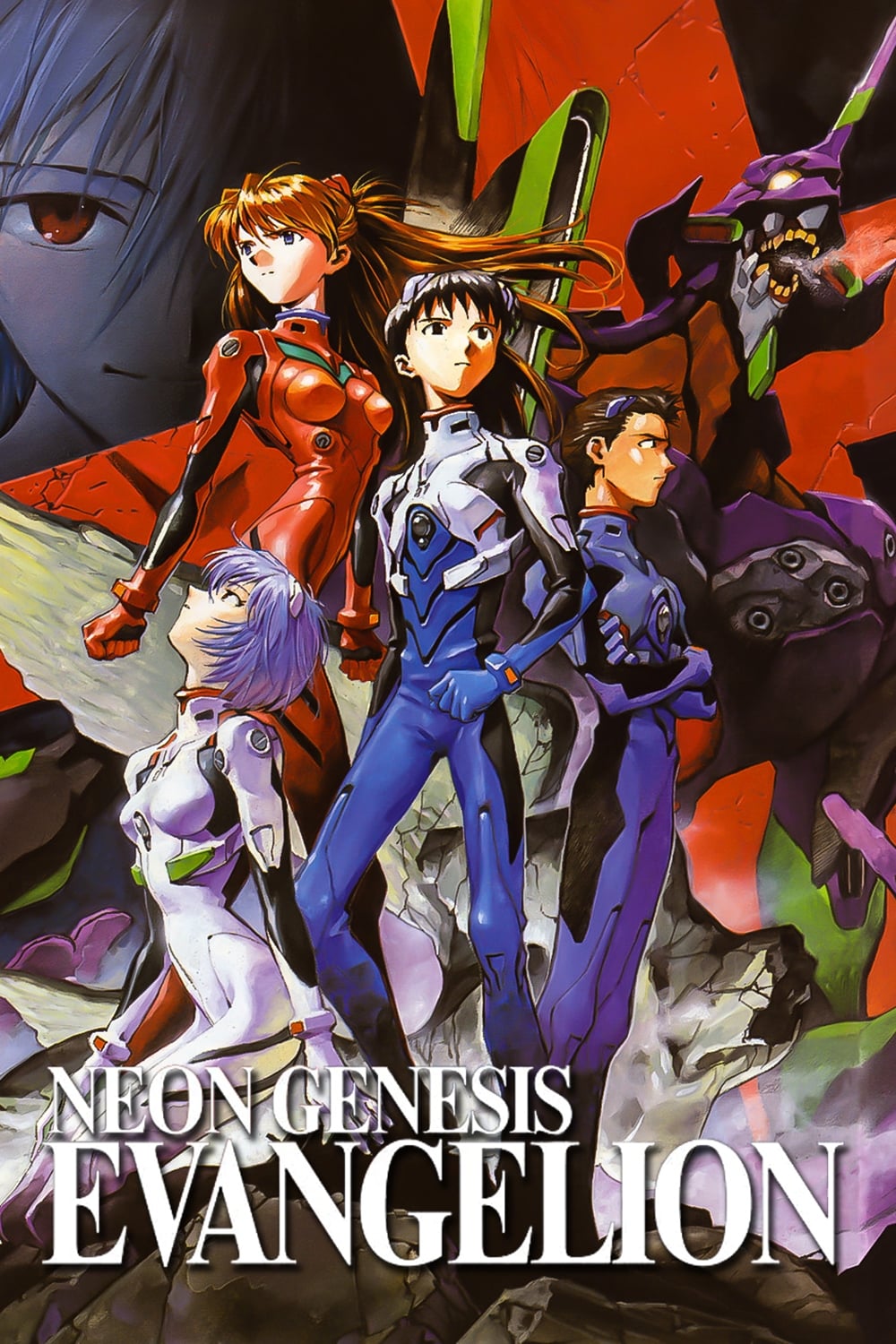
Teenagers pilot giant robots to defend humanity from mysterious entities called Angels. The characters frequently discuss the Hedgehog’s Dilemma and the pain inherent in human intimacy. Philosophically charged monologues explore the boundaries between self and others. The anime suggests that fear of rejection often prevents people from forming the connections they desperately need.
‘The Tatami Galaxy’ (2010)
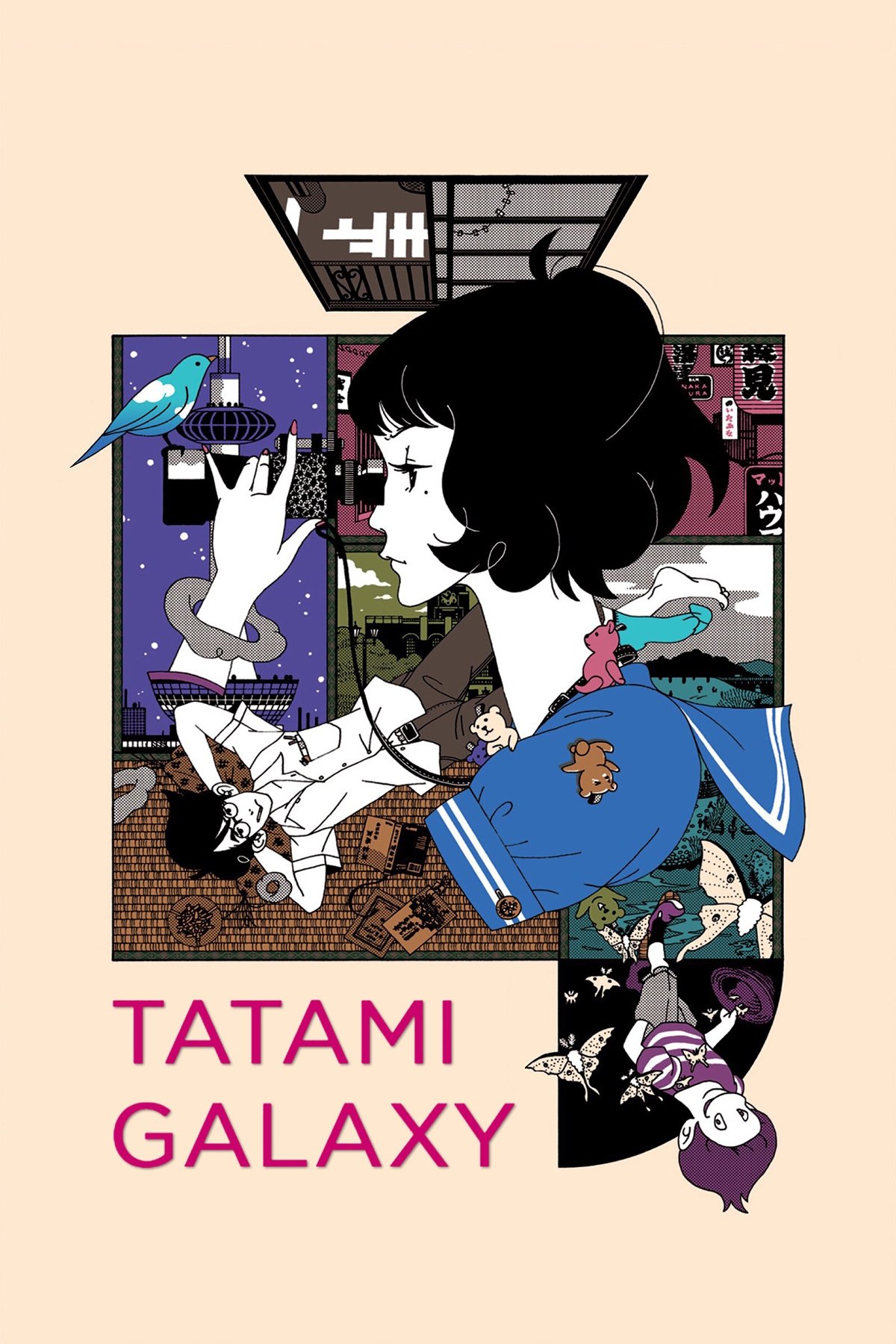
A college student relives his university years in parallel universes while searching for a rose-colored campus life. The rapid-fire dialogue is filled with musings on opportunity costs and the futility of seeking perfection. Side characters remind the protagonist that happiness is found in the present rather than in hypothetical scenarios. The series posits that every choice leads to a valuable experience regardless of the outcome.
‘March Comes in Like a Lion’ (2016–2017)
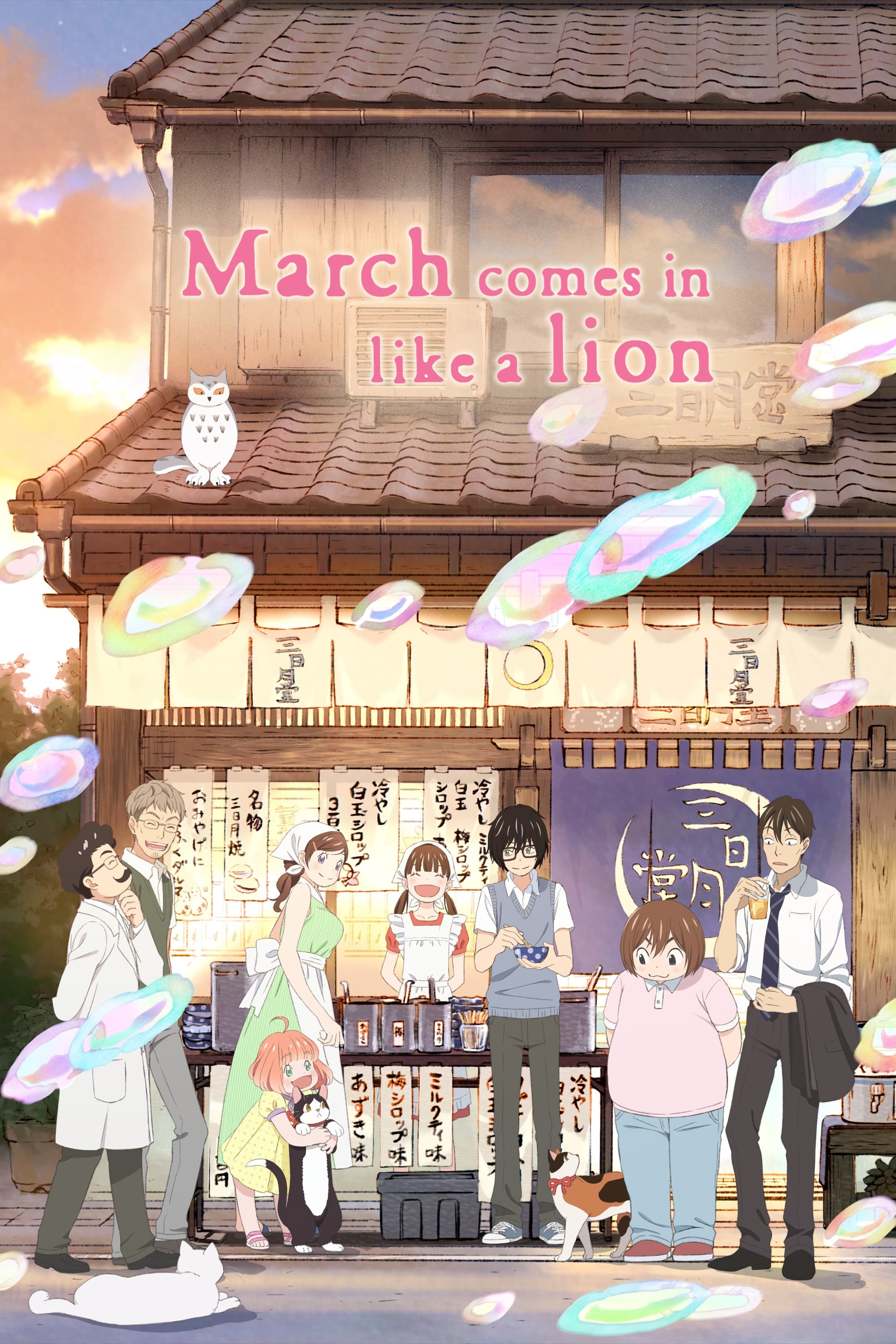
A young professional shogi player deals with depression and isolation after losing his family. His interactions with the warm Kawamoto sisters contrast sharply with the cutthroat world of competitive shogi. Characters discuss the importance of relying on others and the strength found in vulnerability. The show illustrates how simple acts of kindness can pull someone out of deep despair.
‘Vinland Saga’ (2019)

Thorfinn seeks revenge against the man who killed his father in a setting dominated by Viking warriors. The dialogue often shifts to the nature of a true warrior and the futility of endless violence. Characters like Thors and Askeladd deliver profound speeches about slavery to one’s emotions and the emptiness of revenge. The story argues that true strength lies in the ability to forgive rather than to destroy.
‘Great Teacher Onizuka’ (1999–2000)
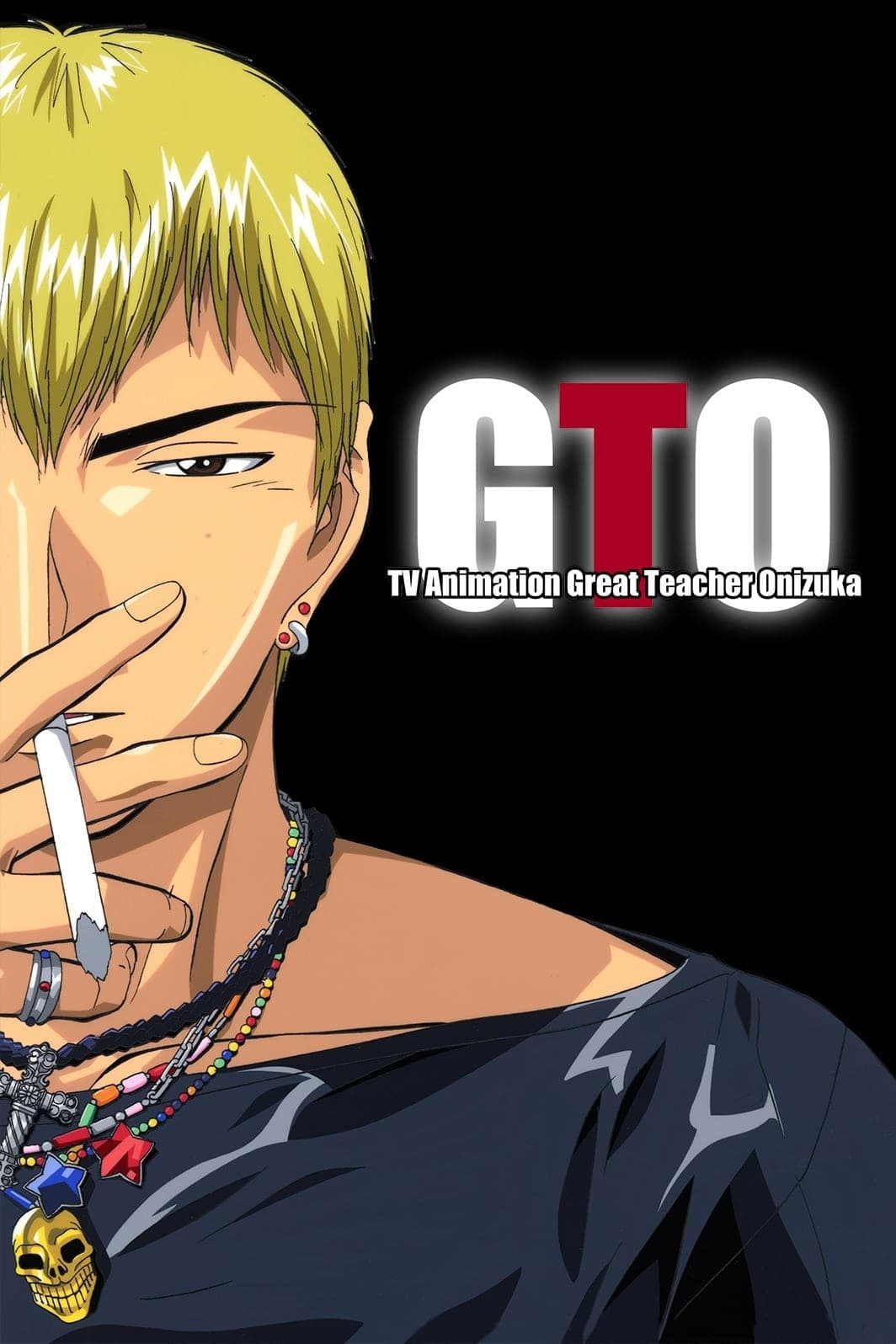
A former gang member becomes a teacher and uses unconventional methods to solve his students’ problems. Onizuka often gives rough but heartfelt lectures about the failings of the education system and societal expectations. He emphasizes that grades are less important than integrity and treating others with respect. ‘Great Teacher Onizuka’ champions the idea that life experience is the most valuable teacher of all.
‘Mob Psycho 100’ (2016–2022)
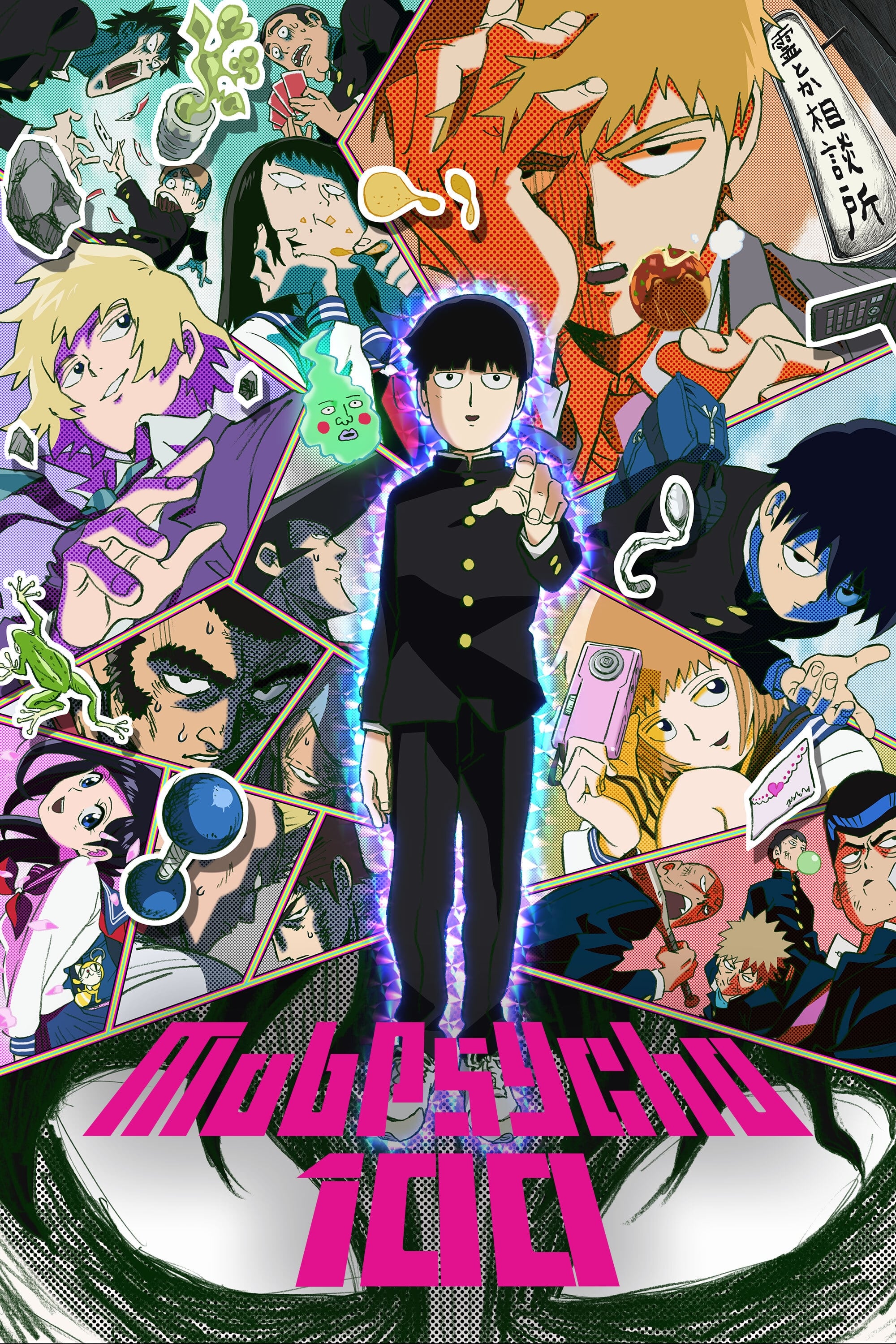
A powerful psychic middle schooler tries to live a normal life without relying on his special abilities. His mentor Reigen often tells him that having powers does not make him better than anyone else. The dialogue reinforces the idea that kindness and hard work are more admirable traits than natural talent. The series focuses on the importance of emotional maturity over physical or supernatural strength.
‘Serial Experiments Lain’ (1998)

Lain Iwakura becomes increasingly involved in the Wired which is a global communication network similar to the internet. Conversations in the show blur the lines between the real world and the digital realm. Characters question whether existence is defined by physical presence or by the perception of others. The anime eerily predicted modern dilemmas regarding online identity and the loss of privacy.
‘Natsume’s Book of Friends’ (2008)
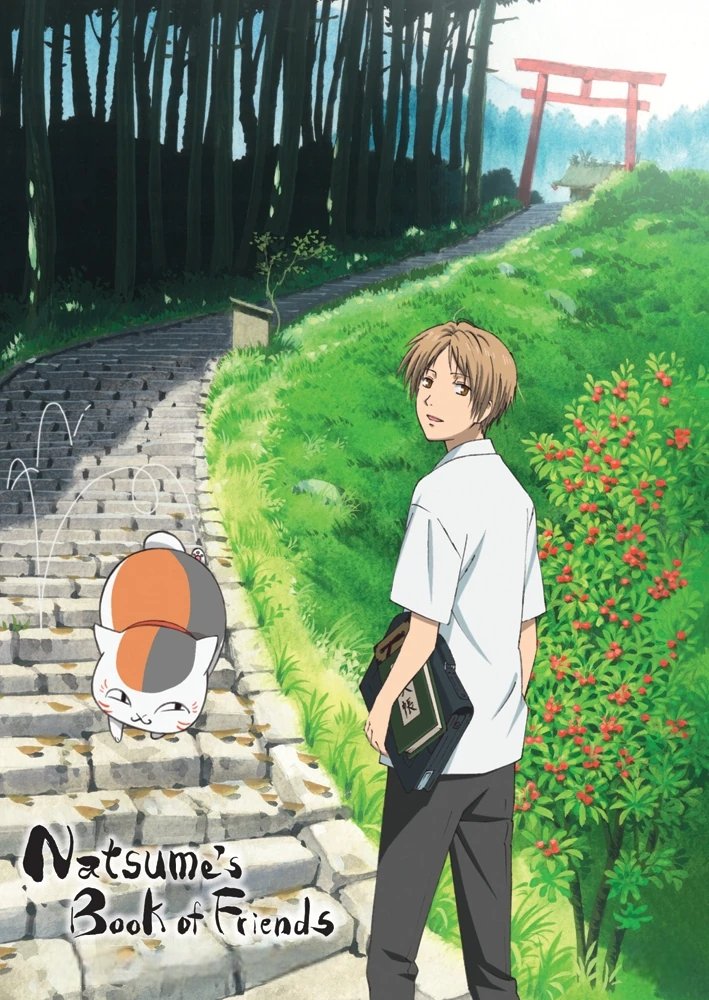
Natsume can see spirits and spends his days returning names to them from a book his grandmother left behind. The spirits often share stories of loneliness and the fleeting nature of their interactions with humans. These brief encounters highlight the pain of being forgotten and the joy of being remembered. The series teaches that even temporary connections can leave a lasting impact on the soul.
‘Haibane Renmei’ (2002)
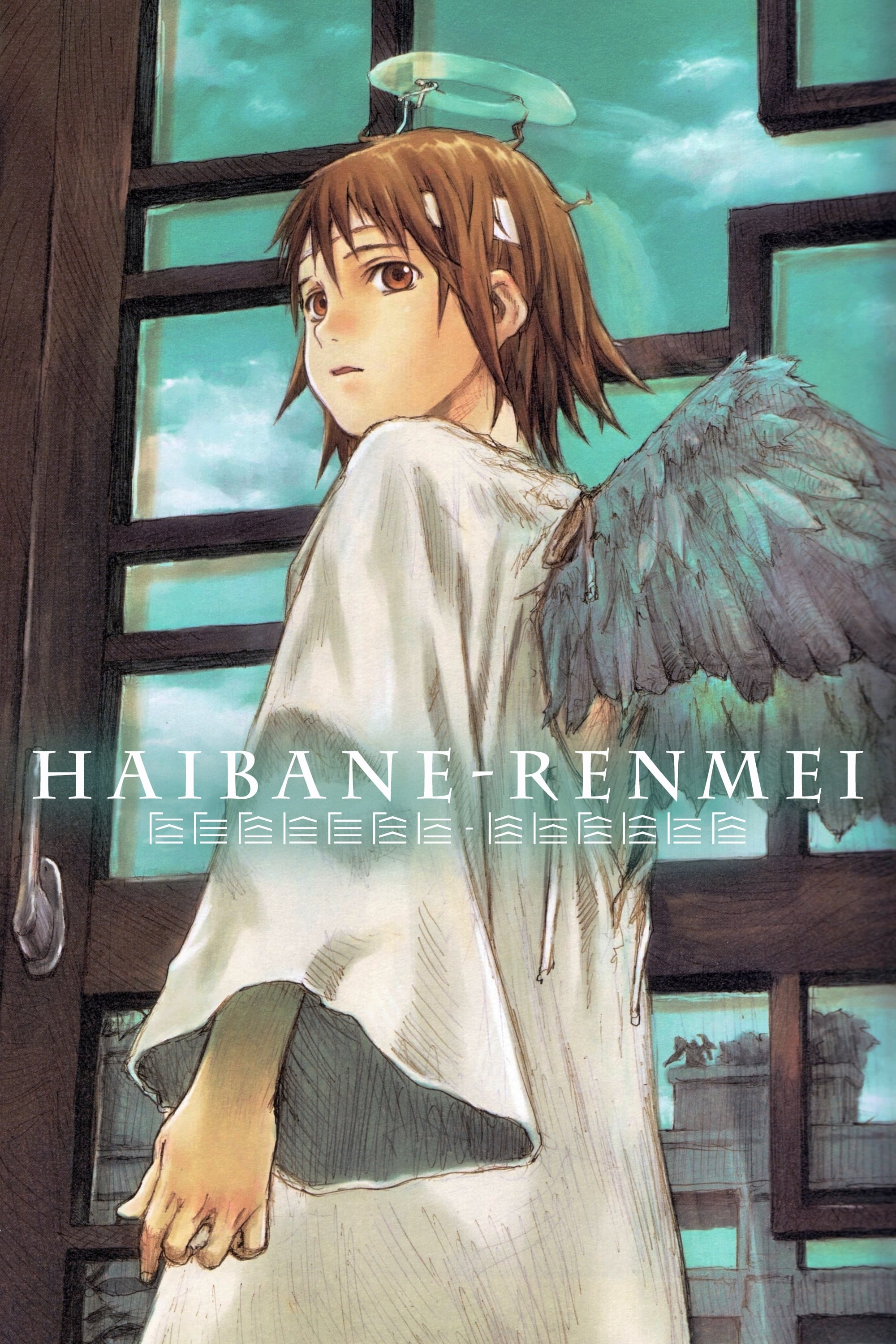
Beings with wings and halos live in a walled town with no memory of their past lives. The characters discuss the nature of sin and the necessity of accepting help from others to find redemption. Dialogue focuses on the cycle of guilt and the struggle to forgive oneself for unknown mistakes. The show presents a gentle allegory for purgatory and the process of moving on from trauma.
Please tell us which of these series made you think the most in the comments.