15 Games with Hidden Developer Rooms Full of Secrets



Developer rooms are the kinds of leftover spaces most players never see—test halls packed with items, “employee only” basements with inside jokes, and secret areas that double as a peek behind the curtain. Sometimes you reach them through a legit in-game puzzle, sometimes through a weird real-world trick like changing your system clock, and sometimes only through console commands. Here are 15 games where those hidden rooms are absolutely loaded with secrets.
‘Dying Light 2 Stay Human’ (2022)

Techland developed and released this game, and it hides a “dev room” that doubles as a reward stash for players who like hunting Easter eggs. The room is accessed through a specific sequence tied to a skyscraper location, and it’s famous for containing the Korek Weapon Charm and a blueprint tied to the “finger gun” gag weapon. It’s the kind of space that clearly feels like a testing hub turned into a collectible hunt. If you go after it, make sure you’ve progressed far enough in the story to reach the area safely.
‘Tiny Tina’s Wonderlands’ (2022)

Gearbox Software developed the game and 2K published it, and there’s a secret developer room tucked away with an obvious “made by Gearbox” wink. The main requirement is being far enough along that you can access the needed area and trigger the path into the room. Once inside, the space is basically a tribute zone with hidden goodies meant for curious explorers. Guides typically route you through Brighthoof and a specific entry method that’s easy to miss if you aren’t looking for it. It’s a great example of a dev room that’s intentionally discoverable without glitches.
‘Celeste’ (2018)

Maddy Makes Games both developed and released the game, and it includes a secret developer room that’s essentially an Easter-egg showcase. You generally need story progression before you can reasonably attempt the route to reach it, and the entry path relies on advanced movement skills. Inside, the room is set up as a behind-the-scenes nod, including references that tie back to the team’s earlier work. Because access is skill-gated, it feels more like a “you earned this” bonus than a random hidden closet. If you’re practicing tech, it’s also a fun benchmark destination.
‘Cyberpunk 2077’ (2020)

CD Projekt Red developed the game and CD Projekt published it, and it hides a locked room that functions like a secret dev-team cameo space. The entry is tied to a keypad code, and guides point players to a specific market location where the door can be opened. Instead of loot, the payoff is the room itself—more of an Easter egg and a peek at dev memorabilia than a reward chest. It’s the sort of find you’ll only stumble into if you’re checking every locked door and keypad you see. If you’re doing a “secrets tour” run, it’s a must-stop.
‘Saints Row IV’ (2013)

Volition developed the game and Deep Silver released it, and it has a famously silly “Volition room” setup hidden behind an “employees only” door. The usual method involves visiting a specific shop and forcing entry the game clearly doesn’t expect casual players to try. The room is tied to an Easter egg weapon called the Tiny Pistol, which is treated like a unique secret reward. It’s a classic Saints Row-style joke that still counts as a dev-room-style hideout because it’s built around the studio’s identity. If you’re collecting weird weapons, this one is part of the checklist.
‘Ratchet & Clank: Going Commando’ (2003)

Insomniac Games developed the game and Sony Computer Entertainment published it, and it includes the Insomniac Museum—one of the most famous “developer office” secret areas in console gaming. Access methods vary, but a widely known route involves setting the console’s internal clock so a teleporter activates at a specific time. Once inside, the museum acts like a behind-the-scenes gallery with developer-style exhibits and cut-content vibes. It’s structured like a real reward space rather than a random glitch room, which makes it feel intentionally “for the fans.” If you’re hunting secrets, treat it like a full destination, not a quick stop.
‘Lock’s Quest’ (2008)
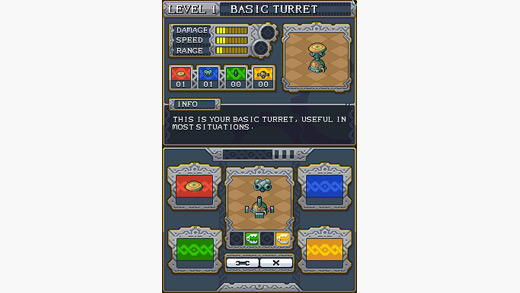
5th Cell developed the game and THQ released it, and it has a post-completion Developer’s Room called the Hall of Heroes. The path to reach it is a multi-step unlock that starts after finishing the game and then requires interacting with specific objects and traveling to a newly appearing map point. Once you’re in, the room is framed as a special extra—basically a hidden “you beat it” bonus that many players never realize exists. It’s also one of those secrets that feels like it was designed for guides and word-of-mouth discovery. If you’re revisiting the game, it’s an easy reason to load a cleared save.
‘Chrono Trigger’ (1995)

Square both developed and published the game, and one of its endings functions as a full-on developer room experience. The “development room” ending is tied to very specific conditions, commonly associated with New Game+ behavior and timing choices that change which ending you trigger. In that ending, the game explicitly frames the space as a developer room and lets you walk around to see what the team has to say. It’s a great example of a dev room delivered through narrative structure instead of a hidden doorway. If you’re aiming to see every ending, this one is the most “behind-the-scenes” of the bunch.
‘Undertale’ (2015)

Toby Fox developed the game and also published it (with console publishing handled through 8-4 for certain releases), and it includes hidden rooms tied to the Dog Shrine and related content. Depending on platform and version, some of these rooms are accessible in-game while others are considered inaccessible without unusual methods. The Dog Shrine itself acts like a secret-space gag area with unique interactions that feel like a developer wink to players who poke around everywhere. Because version differences matter, it’s the kind of secret that can be “real” on one platform and basically blocked on another. If you’re exploring, it’s worth checking what content your version actually supports.
‘The Legend of Zelda: A Link to the Past’ (1991)

Nintendo EAD developed the game and Nintendo released it, and it contains the famous Chris Houlihan Room—a hidden space that reads like a top-secret developer joke. The room is typically reached through unusual entry conditions that act like a failsafe for certain glitches, which is why many players only hear about it instead of finding it naturally. Inside are rupees and a message tile that identifies the room as “top secret,” making it feel like a developer stash that accidentally became legend. It’s one of the earliest examples of a secret room that spread through playground rumors and later got documented in detail. If you want to “tour” classic secrets, this is a core stop.
‘Doom II’ (1994)

id Software developed and released the game, and its late-game secrets include one of the most infamous hidden “dev gag” setups in FPS history. The best-known example is tied to the Icon of Sin finale, where a concealed element functions as a hidden developer in-joke that players only learn about through exploration and community documentation. It’s not presented like a normal collectible room—it’s more like a secret stuffed into the level’s structure, rewarding people who experiment with how the map is built. Because Doom’s levels are so thoroughly dissected, this kind of hidden content became part of the game’s long-term mythos. If you’re playing with a secrets mindset, the endgame is where the deepest weirdness lives.
‘The Elder Scrolls V: Skyrim’ (2011)

Bethesda Game Studios developed the game and Bethesda Softworks published it, and it includes the legendary QASmoke testing hall—basically a developer item warehouse. On PC, it’s reachable via console command, and it’s filled with containers holding massive sets of gear and materials used for QA and testing. This is the purest form of “developer room,” since it’s clearly designed to quickly access huge chunks of the game’s content. It’s also a reminder to be careful: grabbing too much or messing with test content can destabilize saves. If you’re using it for experimentation, do it on a backup file.
‘The Elder Scrolls IV: Oblivion’ (2006)

Bethesda Game Studios developed the game, and it was published by Bethesda Softworks (with 2K Games also involved in publishing for some platforms), and it contains multiple interior test cells. These locations exist in the game data but aren’t part of normal gameplay, and they’re typically accessed through console commands rather than discovered in the world. The point of these rooms is practical: they let developers test assets, lighting, NPC setups, and systems without building full playable routes. For players, they’re a fascinating peek at how much unused or dev-only space can exist behind a finished RPG. If you enter them, always plan an exit strategy, because not every test area is designed to lead back out cleanly.
‘Fallout 4’ (2015)

Bethesda Game Studios developed the game and Bethesda Softworks released it, and it has its own version of the QASmoke-style test room packed with items. On PC, the well-known access method is using a console command that teleports you into a developer testing space filled with containers holding huge inventories. It’s essentially a “everything bin” that makes it obvious how QA teams verify item placement and category organization. Because it can hand you gear you’d normally never have at that point, it’s best treated as a sandbox tool rather than part of a regular playthrough. If you want to see how the game’s loot ecosystem is structured, it’s one of the most direct ways to do it.
‘Fallout 76’ (2018)

Bethesda Game Studios developed the game and Bethesda Softworks published it, and it became notorious for a secret developer room players accessed through exploits. Reports described the room as containing effectively every item—including unreleased content—since it functioned like a dev/testing stash rather than a normal playable area. Coverage at the time also noted Bethesda responding with enforcement actions against accounts tied to accessing the room via cheating methods. What makes this dev room different from most is that it wasn’t a cute Easter egg—it was a live-service security problem because it could impact the game’s economy. If you’re reading about it now, it’s best understood as an example of why dev/test spaces can be risky when players find a way in.
What other games have you found with hidden developer rooms or secret test spaces—drop your best discoveries in the comments.