Great Horror Movies That Don’t Really Make Much Sense


Some horror movies scare you because you understand exactly what’s happening, and others get under your skin because they refuse to explain themselves. The films below lean into dream logic, unreliable perspectives, slippery timelines, and rules that keep changing mid-story. If you like horror that makes you work for it, these are the kinds of watches that leave you replaying scenes in your head afterward. Here are some great picks that are famous for being baffling in all the best ways.
‘The Shining’ (1980)
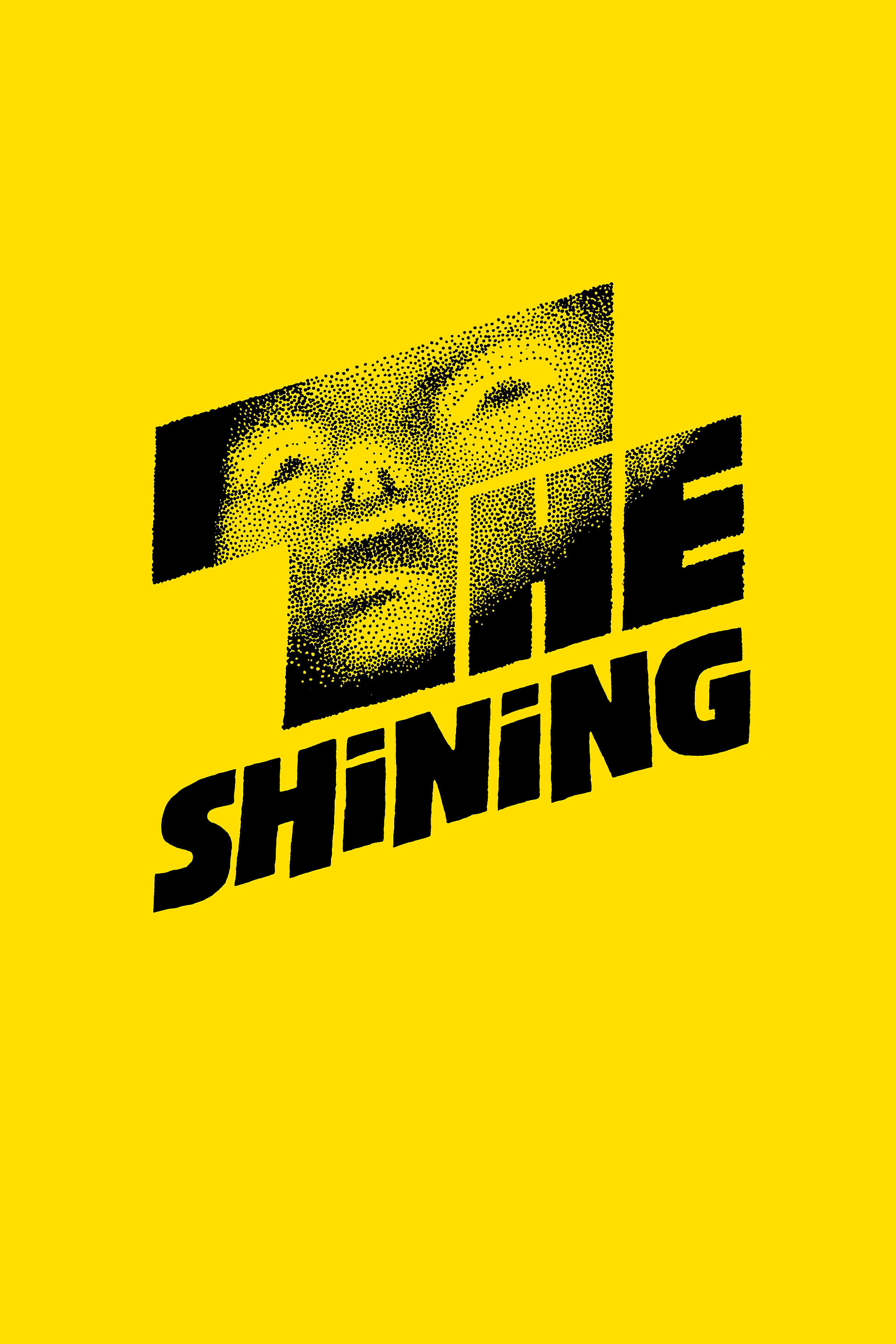
‘The Shining’ uses long stretches of quiet, disconnected moments that make the Overlook Hotel feel like it’s operating on its own logic. The layout of the building doesn’t always add up, and small continuity shifts can make scenes feel like they’re happening in different versions of the same place. Characters react to supernatural events in ways that don’t establish consistent rules, which keeps the threat slippery. Even the ending leaves key details open, especially around what the hotel “wants” and what it can make people become.
‘Suspiria’ (1977)
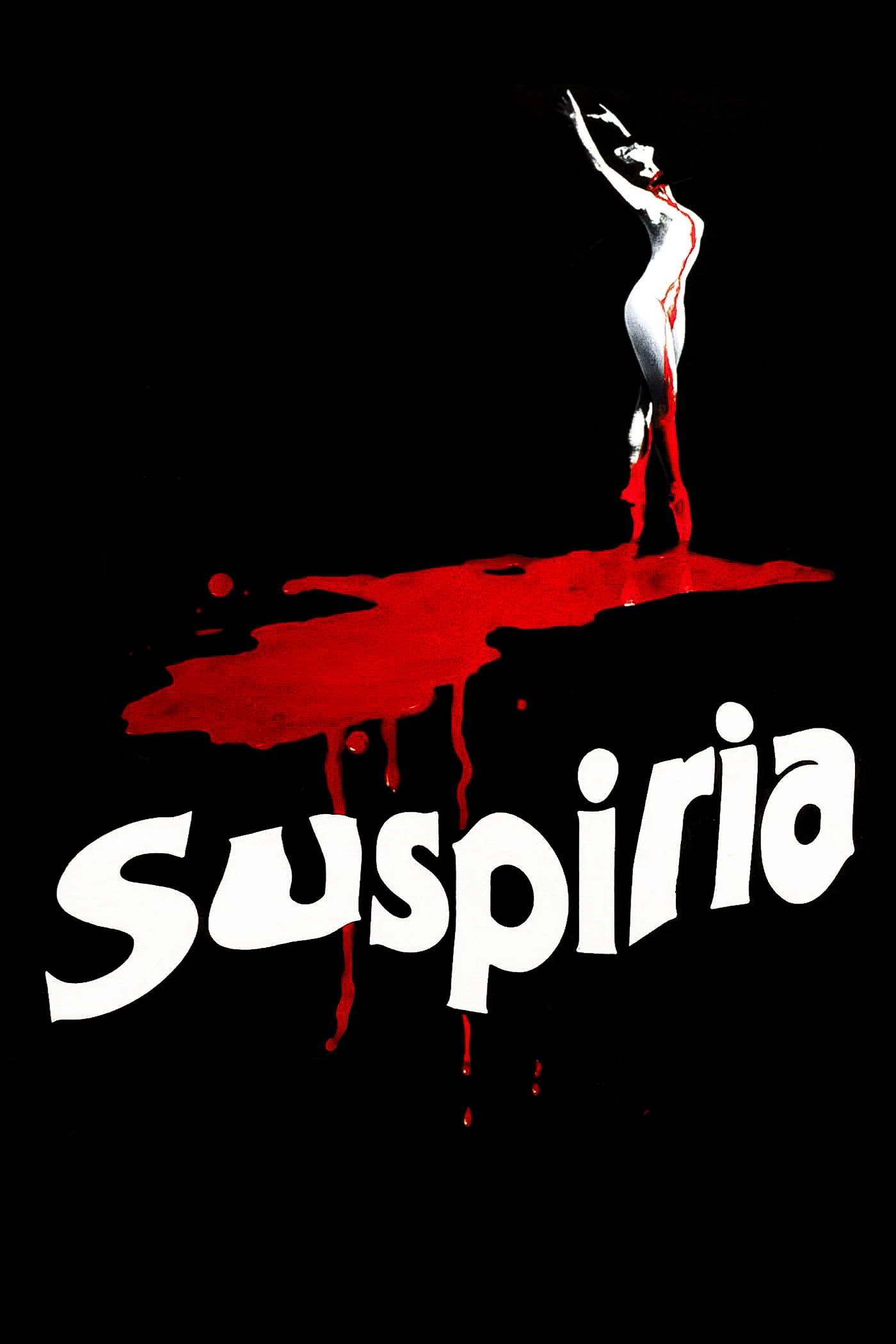
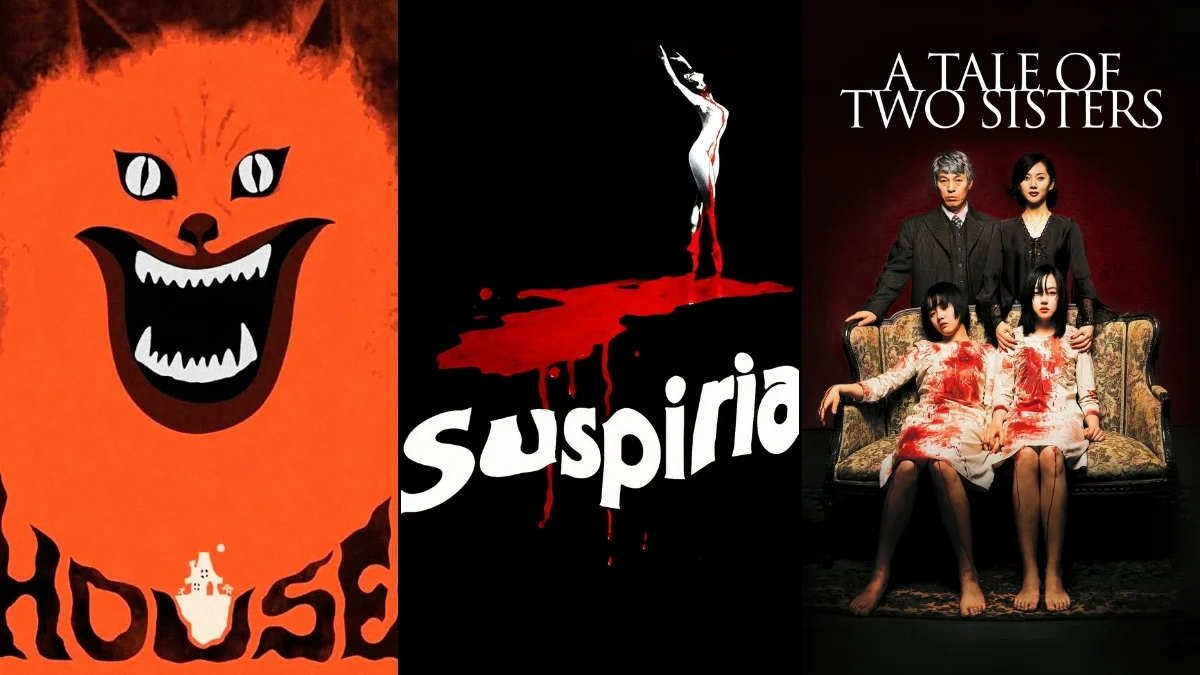
‘Suspiria’ drops you into a dance academy where cause-and-effect often takes a back seat to mood, symbols, and sudden bursts of violence. The story hints at a hidden hierarchy and ritual structure, but it only reveals fragments, so you’re piecing together the “how” while things are already going wrong. Characters move through the setting as if they’re trapped in a nightmare that keeps changing the rules. The result is a plot that’s technically there, but deliberately hard to pin down.
‘House’ (1977)
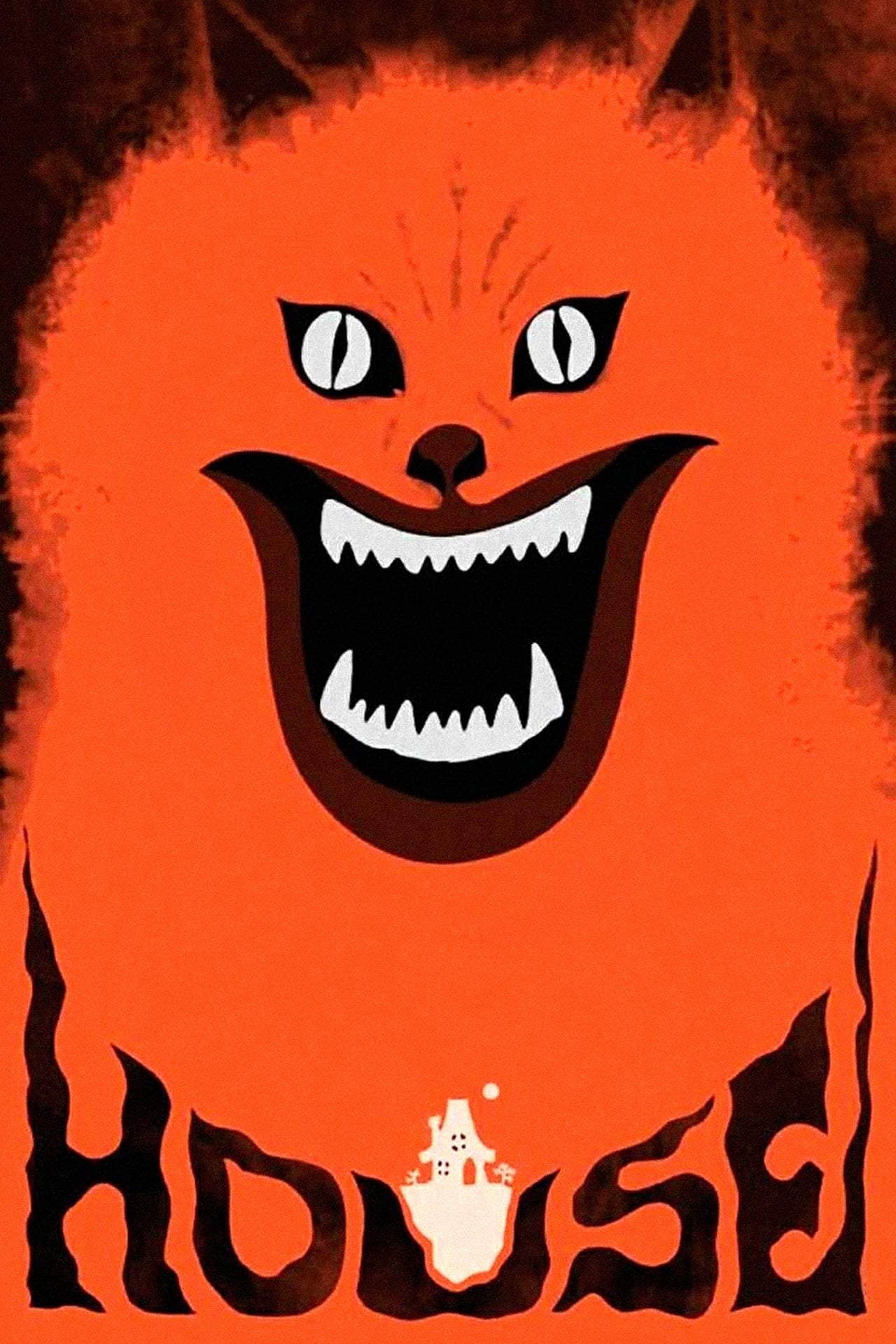
‘House’ plays like a haunted-house story filtered through surreal sketch comedy, animation-like visuals, and abrupt tonal shifts. It introduces supernatural set pieces that don’t build on each other so much as appear whenever the movie wants a new kind of threat. The “rules” of the house aren’t explained, and reality bends without warning, so normal logic stops being useful early on. If you try to map out what’s literally happening versus what’s metaphor, the movie keeps slipping away.
‘Eraserhead’ (1977)
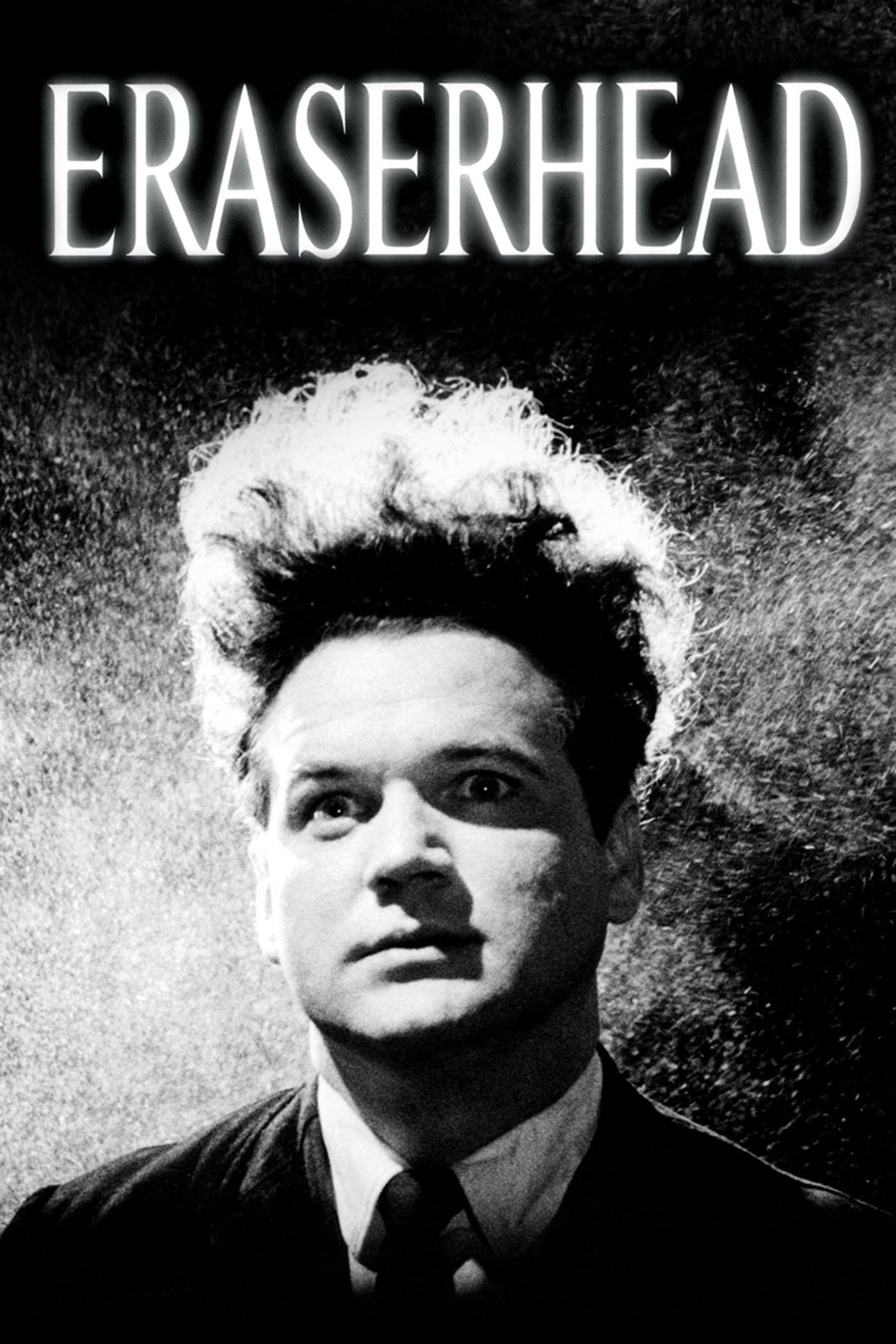
‘Eraserhead’ is structured around unsettling imagery and sound design more than a clear sequence of plot events. Scenes connect like dream fragments, with sudden transitions that don’t clarify where you are or how time is passing. Characters behave in ways that feel ritualistic or symbolic, which makes motivations hard to read. By the end, the film offers experiences and implications rather than answers you can neatly summarize.
‘Phantasm’ (1979)
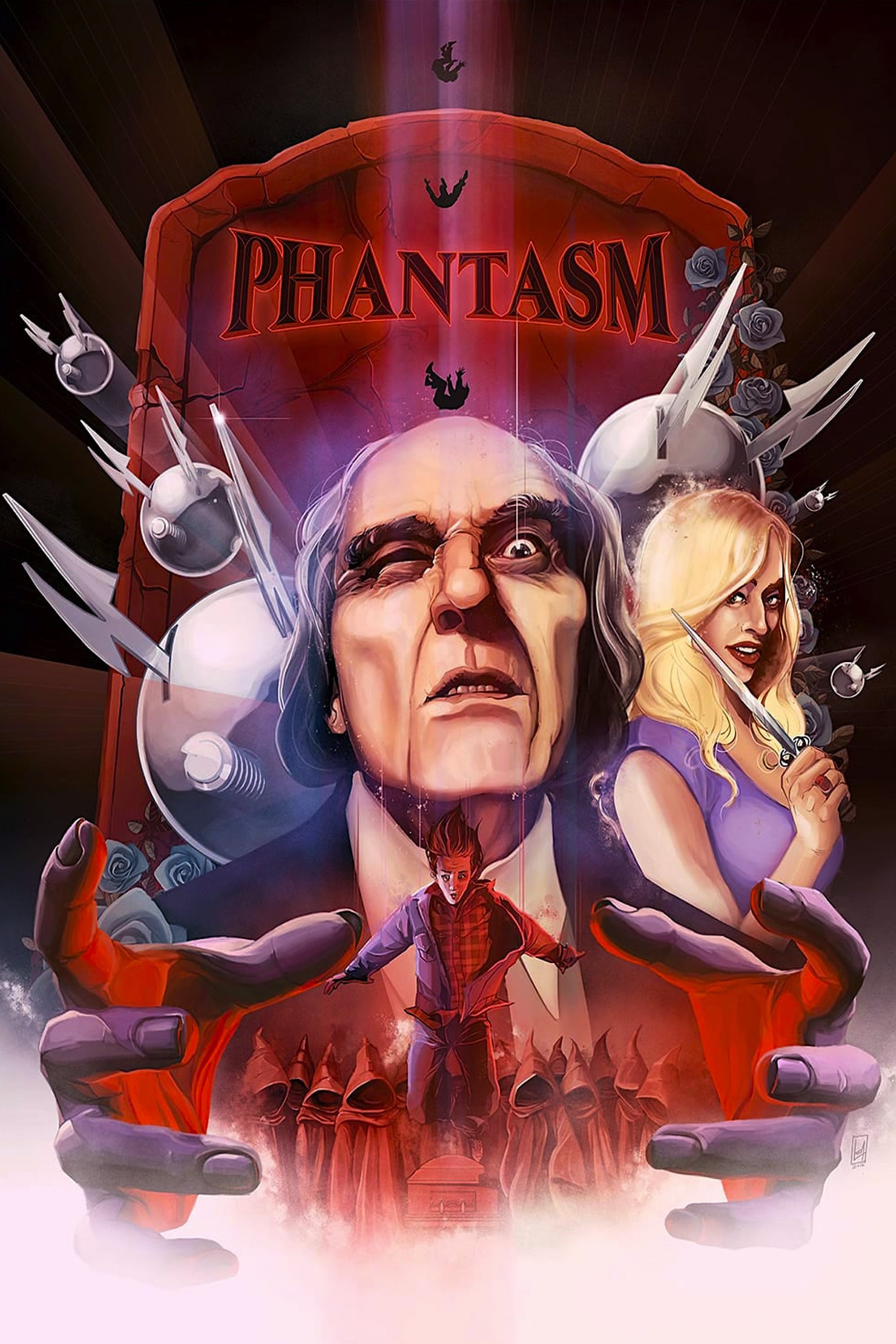
‘Phantasm’ introduces a villain, alternate dimensions, and sci-fi-style horror devices, but it reveals information in ways that can contradict what you thought you knew. The movie often shifts perspective and reality, making it unclear which events are literal and which are distortions. It drops lore in quick bursts—portals, spheres, doubles—without fully explaining the mechanics. That constant escalation creates a story you can follow scene to scene, but not always as a coherent whole.
‘Possession’ (1981)
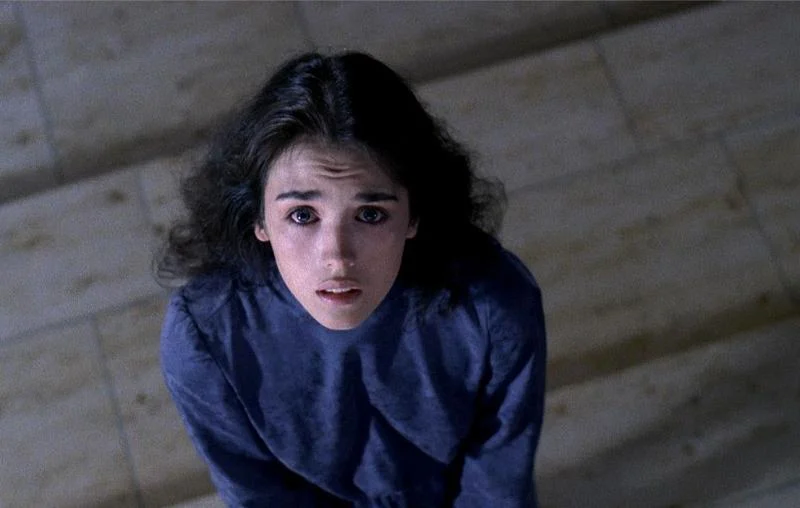
‘Possession’ starts with a relationship breakdown and then spirals into behavior that’s intentionally hard to interpret as realistic or supernatural. Characters swing between emotional extremes so sharply that it’s difficult to tell what is performance, madness, or something outside human control. The film layers political and domestic settings with strange doubles and unexplained transformations. You can track the events, but the meaning behind them stays unstable.
‘Videodrome’ (1983)
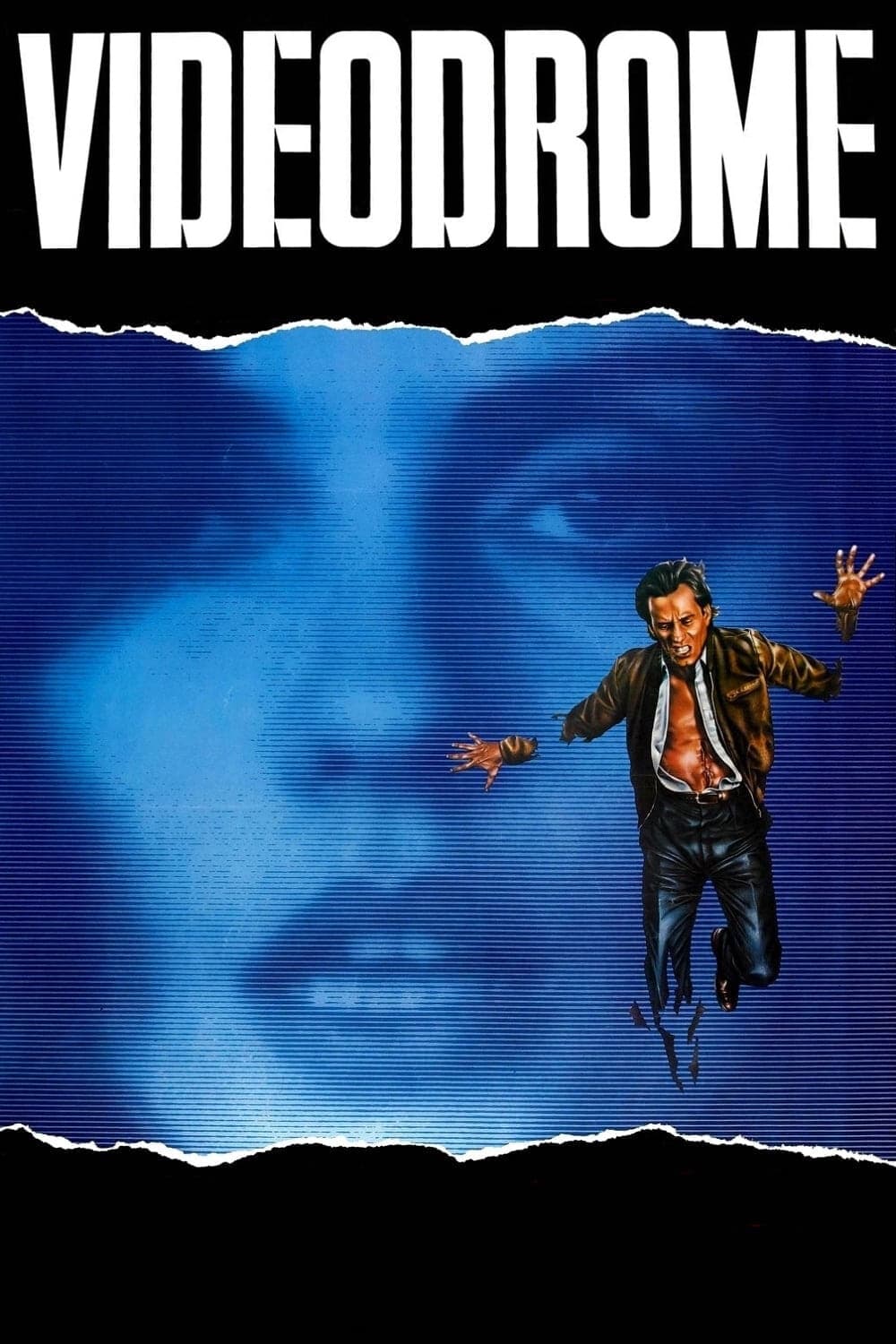
‘Videodrome’ builds its horror around media, hallucination, and bodily transformation, but it blurs the boundary between what the protagonist sees and what actually happens. As the story progresses, the film introduces conspiracies and “signals” that reshape reality, yet it never pins down a firm baseline. Characters and organizations appear to shift motives as if the world is being rewritten in real time. The confusion is part of the point: the movie treats perception as something that can be edited.
‘Hellraiser’ (1987)
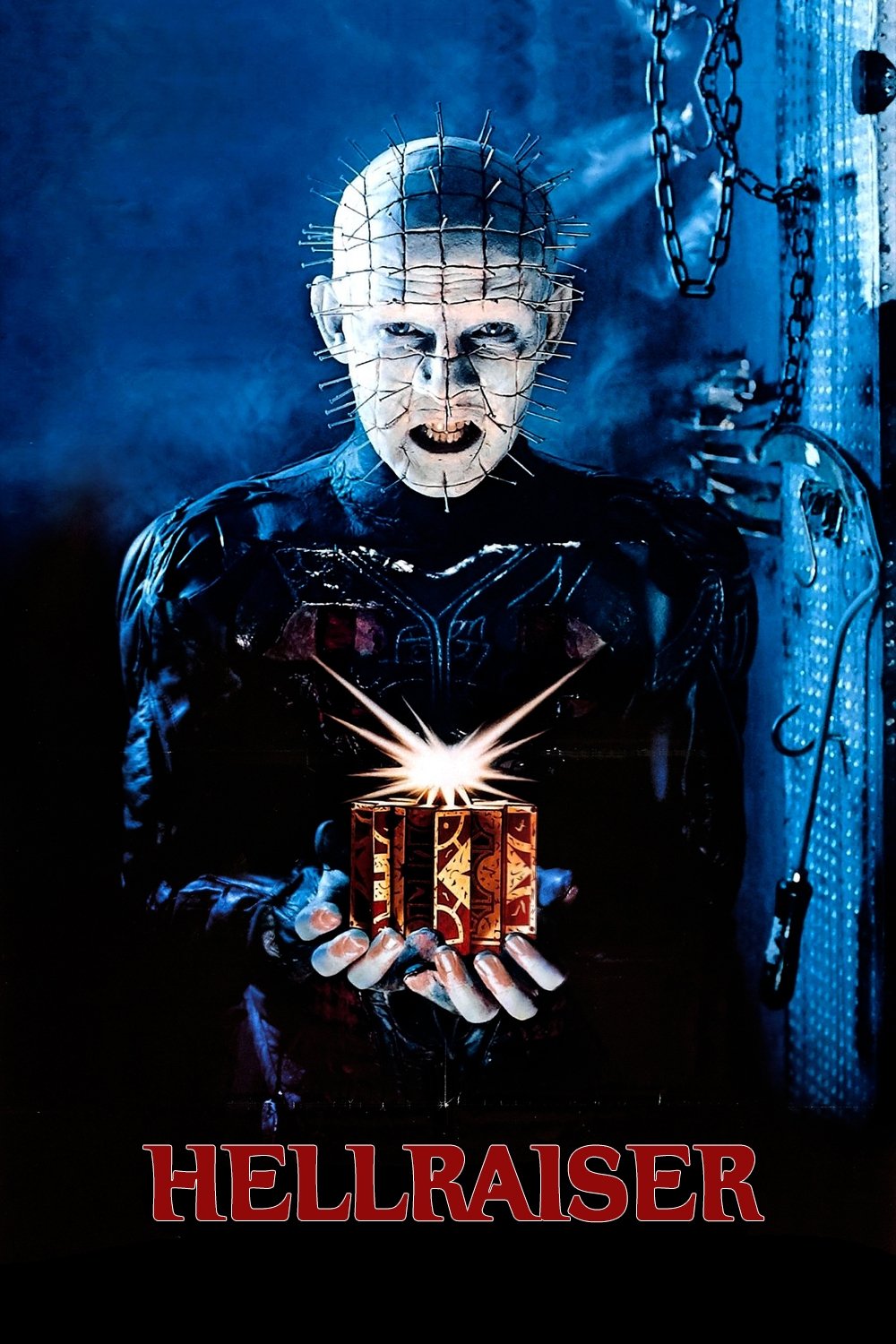
‘Hellraiser’ gives you iconic imagery and a clear inciting object, but the supernatural system behind it stays murky. The puzzle box triggers a world of beings with their own codes, yet those rules are only partly explained and sometimes feel inconsistent. Characters make choices that pull the story in different directions—family drama, occult obsession, and monstrous transformation—without one clean set of stakes. It’s easy to follow the major beats while still wondering what the box can truly do and why.
‘Jacob’s Ladder’ (1990)

‘Jacob’s Ladder’ keeps you in a constant state of uncertainty by mixing everyday life with sudden, disturbing intrusions. The film uses memory gaps, shifting locations, and recurring figures that may be people, hallucinations, or something else entirely. Because the protagonist’s perception is unreliable, even basic details—who’s alive, what’s real, what’s past—stay in question. The ending recontextualizes a lot, but it still leaves room for multiple interpretations of the journey.
‘In the Mouth of Madness’ (1994)
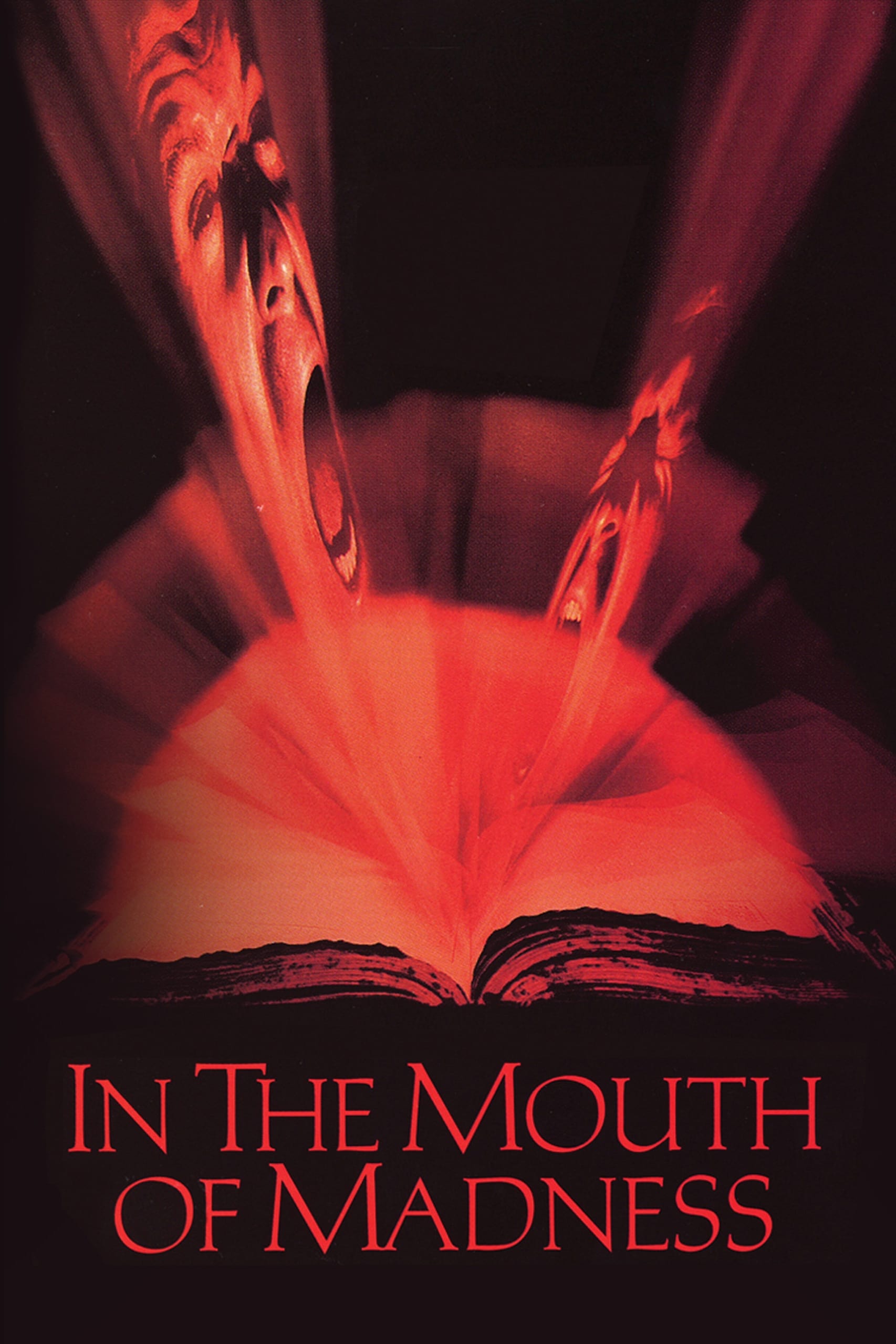
‘In the Mouth of Madness’ turns reality into a story that can be rewritten, and the movie commits to that idea by repeatedly pulling the rug out from under the viewer. As the protagonist investigates, he finds himself in situations where fiction and “real life” overlap in ways that don’t follow normal logic. The film plays with loops, self-referential clues, and scenes that seem to comment on themselves. You can track the investigation, but the conclusions keep dissolving as the world changes shape.
‘Event Horizon’ (1997)
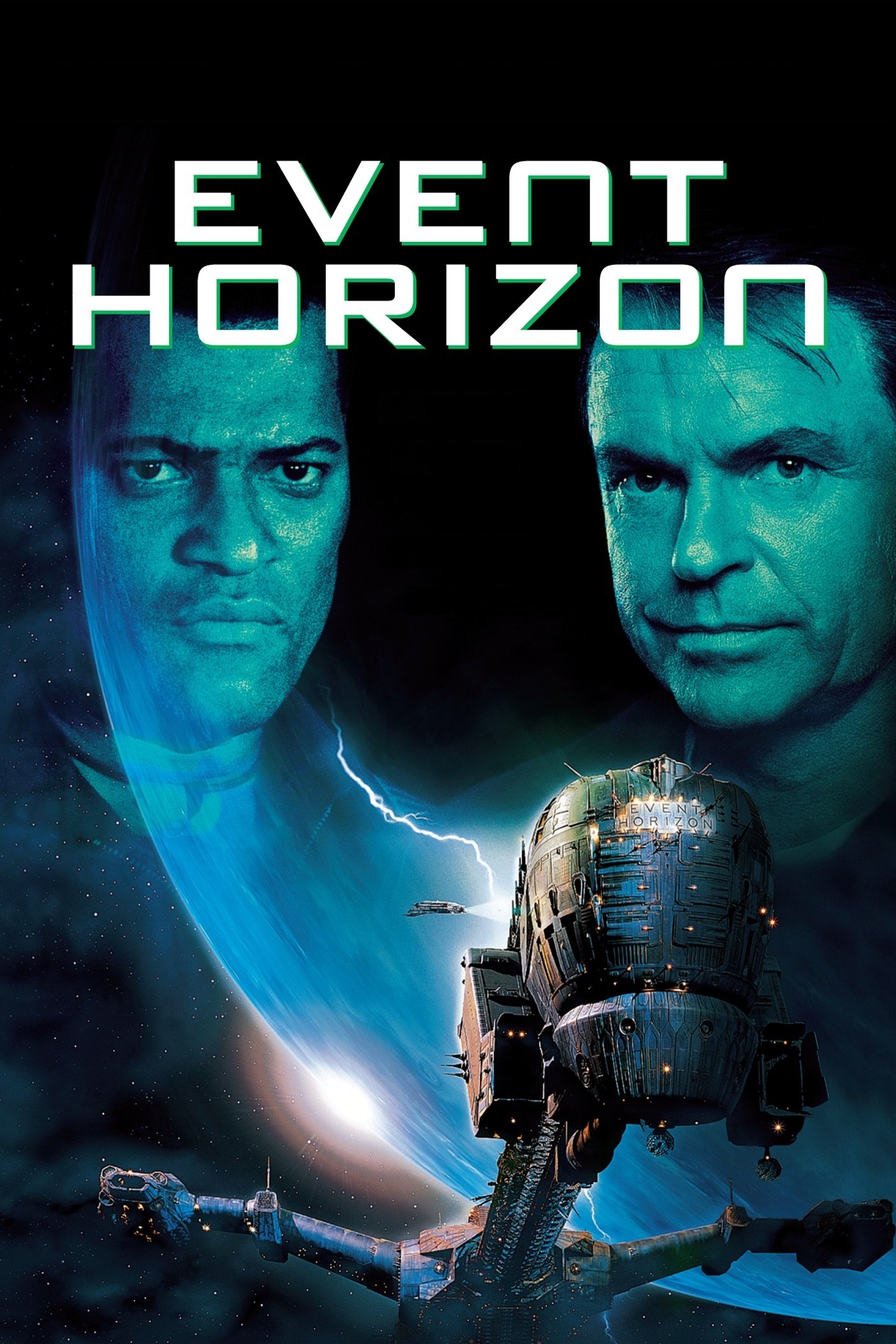
‘Event Horizon’ sets up a rescue mission with a clear objective, but the horror escalates into visions and phenomena the film intentionally doesn’t fully define. The ship’s history is explained in fragments, while characters experience personalized terrors that muddy what’s happening in the present. The science-fiction framing suggests rules, yet the events tilt into the uncanny in a way that resists neat explanation. By the end, you can describe the outcome, but the “how” remains unsettlingly vague.
‘Cube’ (1997)
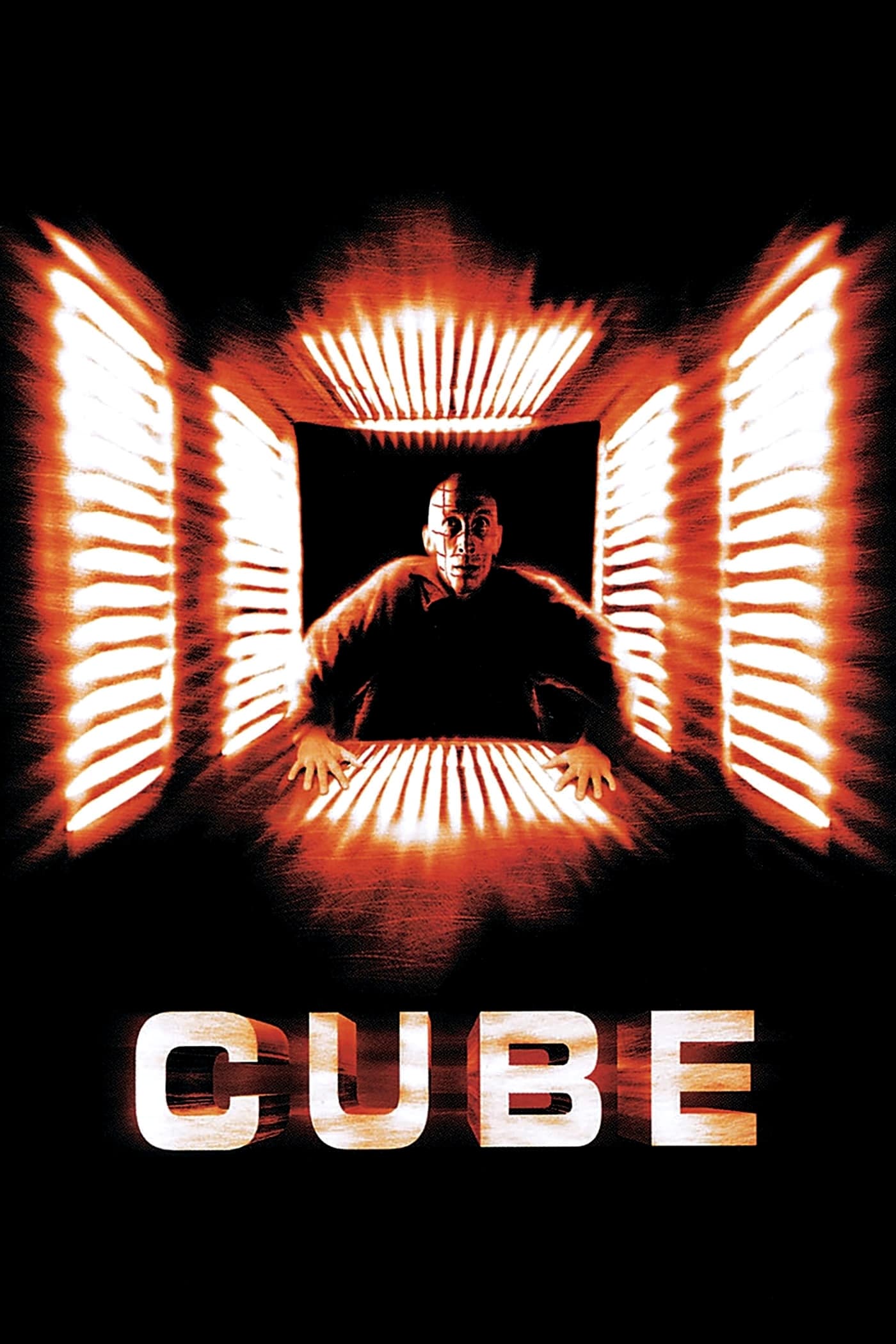
‘Cube’ traps its characters inside a shifting maze governed by mathematical patterns that are only partly deciphered. The group debates coordinates, rotations, and codes, but the structure changes fast enough that certainty is always temporary. The film withholds the purpose of the maze and the identity of whoever built it, so the central mystery never gets a clean reveal. You’re left with a survival story that’s logical in moments, but never fully solvable.
‘The Blair Witch Project’ (1999)
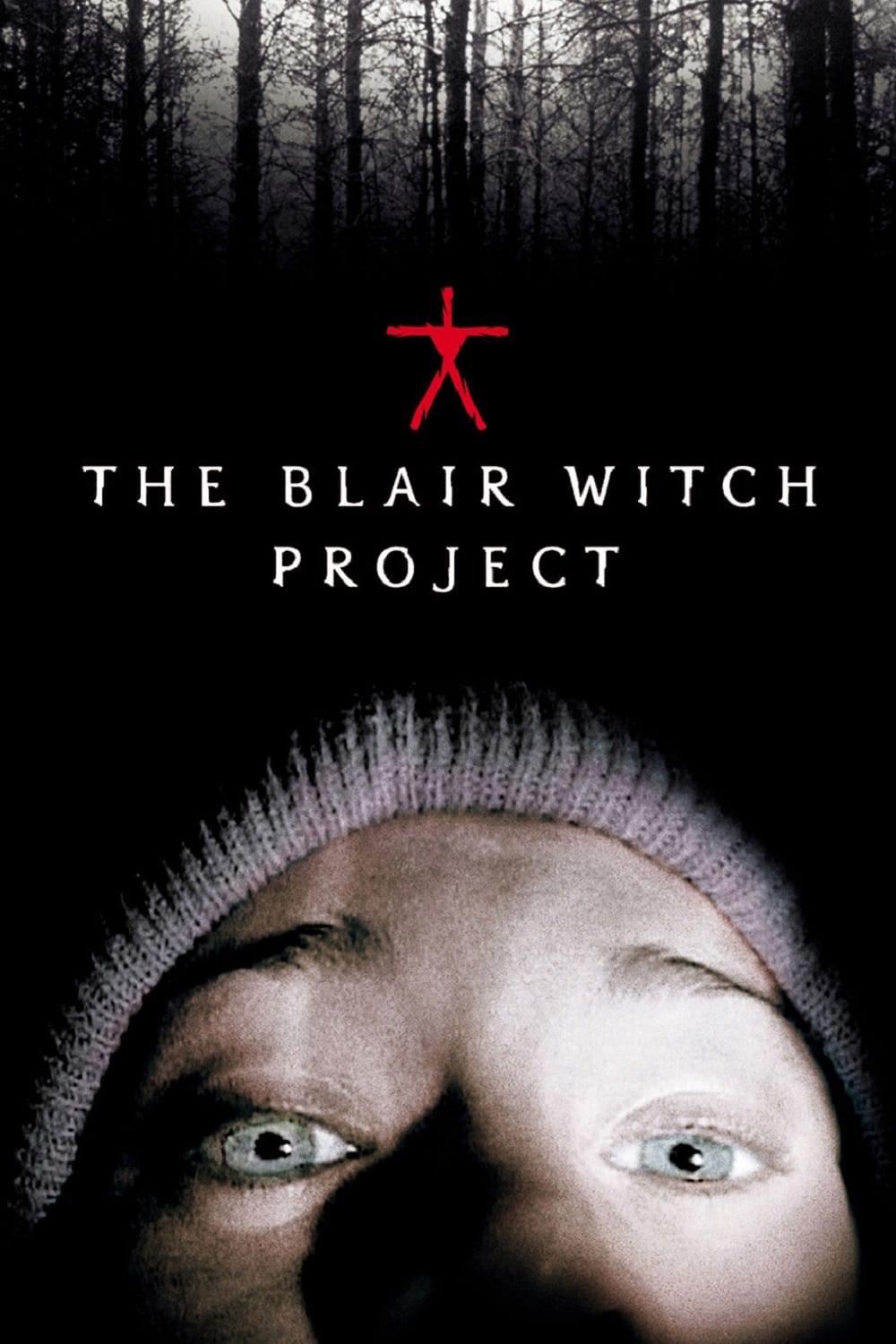
‘The Blair Witch Project’ uses the found-footage format to limit what you can know, showing only what the characters manage to record. The “evidence” of a witch is mostly indirect—sounds, symbols, missing time—so explanations stay out of reach. As the group becomes lost, the geography stops making sense, and the film never supplies an outside perspective to correct it. The ending is memorable precisely because it’s concrete in imagery but unclear in meaning.
‘Donnie Darko’ (2001)
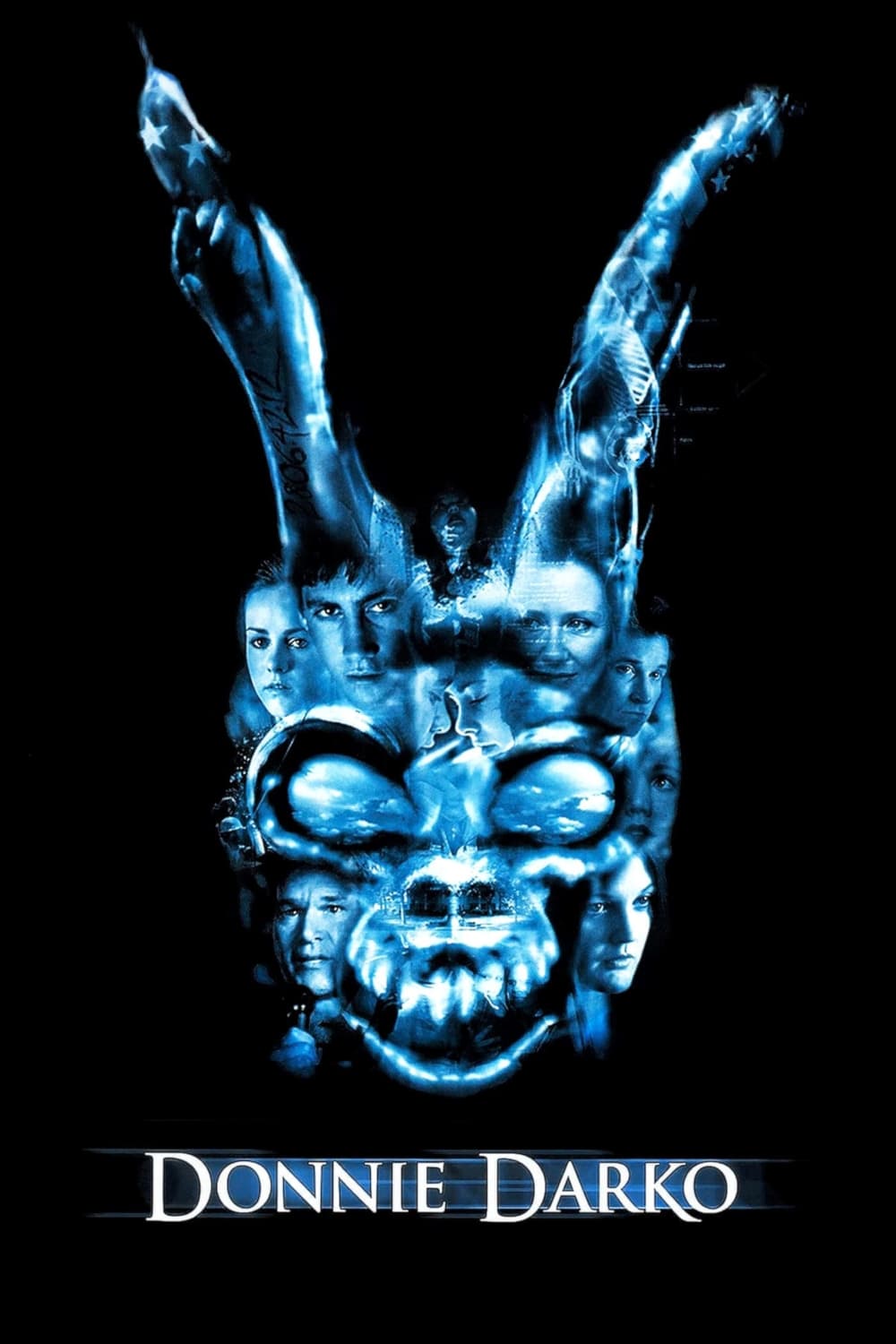
‘Donnie Darko’ blends suburban dread with time loops and cryptic guidance, but it drip-feeds its rules through scattered details rather than straightforward exposition. The story revolves around cause-and-effect that appears to run backward, which can make motivations and consequences hard to line up. Key concepts are introduced like clues, not answers, and different readings can change what you think the ending “means.” Even if you follow the emotional arc, the mechanics of the timeline remain debated.
‘Mulholland Drive’ (2001)
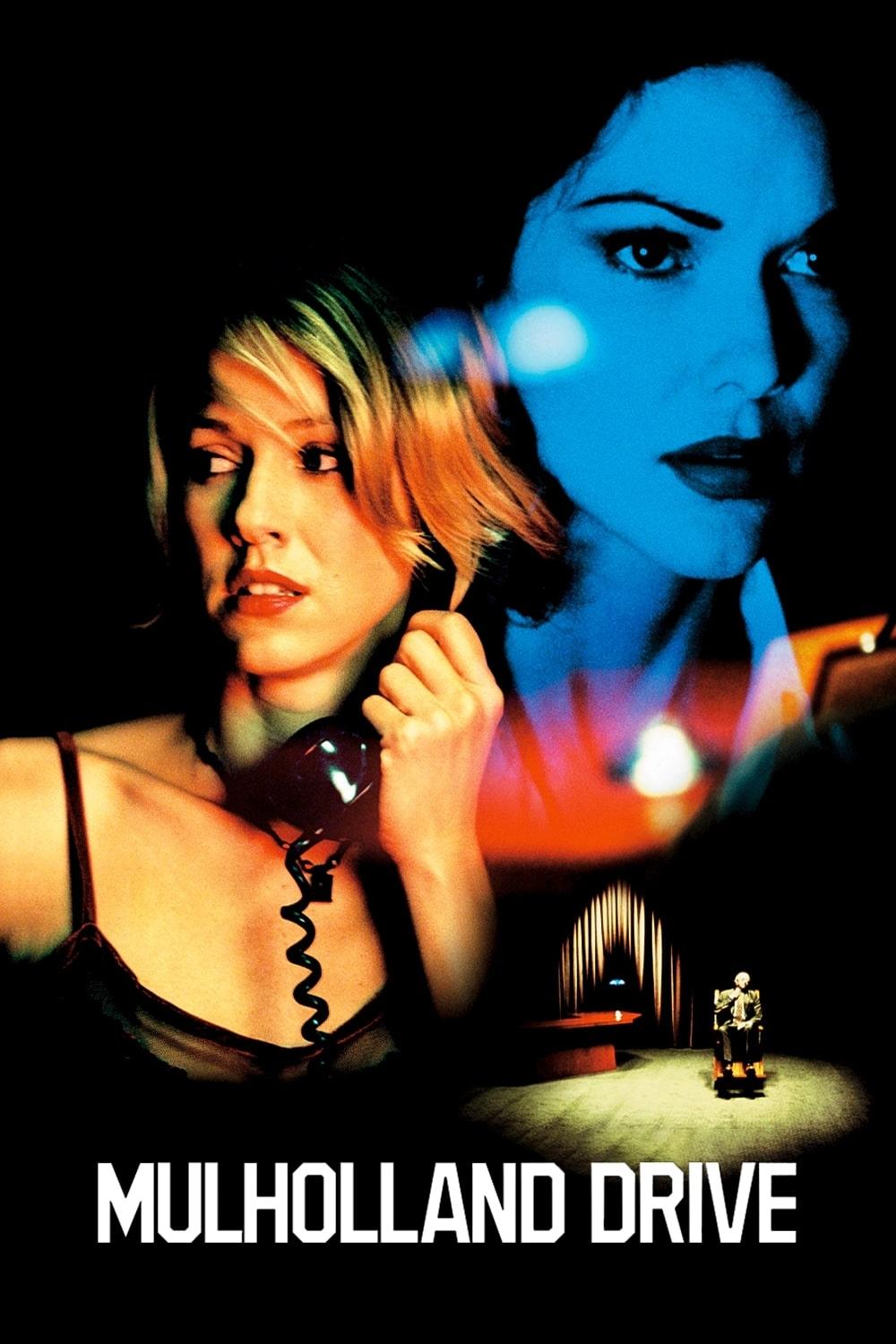
‘Mulholland Drive’ presents itself like a mystery, then breaks into an identity puzzle where characters and relationships seem to rearrange. The film uses doubles, performance, and abrupt shifts in perspective to destabilize the idea of a single true storyline. Scenes echo each other with altered details, making it hard to tell what’s memory, fantasy, or an alternate version of events. You can connect themes and repeating motifs, but a definitive plot summary is intentionally slippery.
‘A Tale of Two Sisters’ (2003)

‘A Tale of Two Sisters’ uses a family’s tense home life as a stage for events that don’t always align with reality. The film plants details that later change meaning, especially around who is present in certain scenes and what relationships truly are. Because the perspective is tied to a damaged emotional state, the timeline and even the cast can feel unstable. When the truth begins to surface, it clarifies some things while making earlier moments even more haunting to reconsider.
‘Antichrist’ (2009)
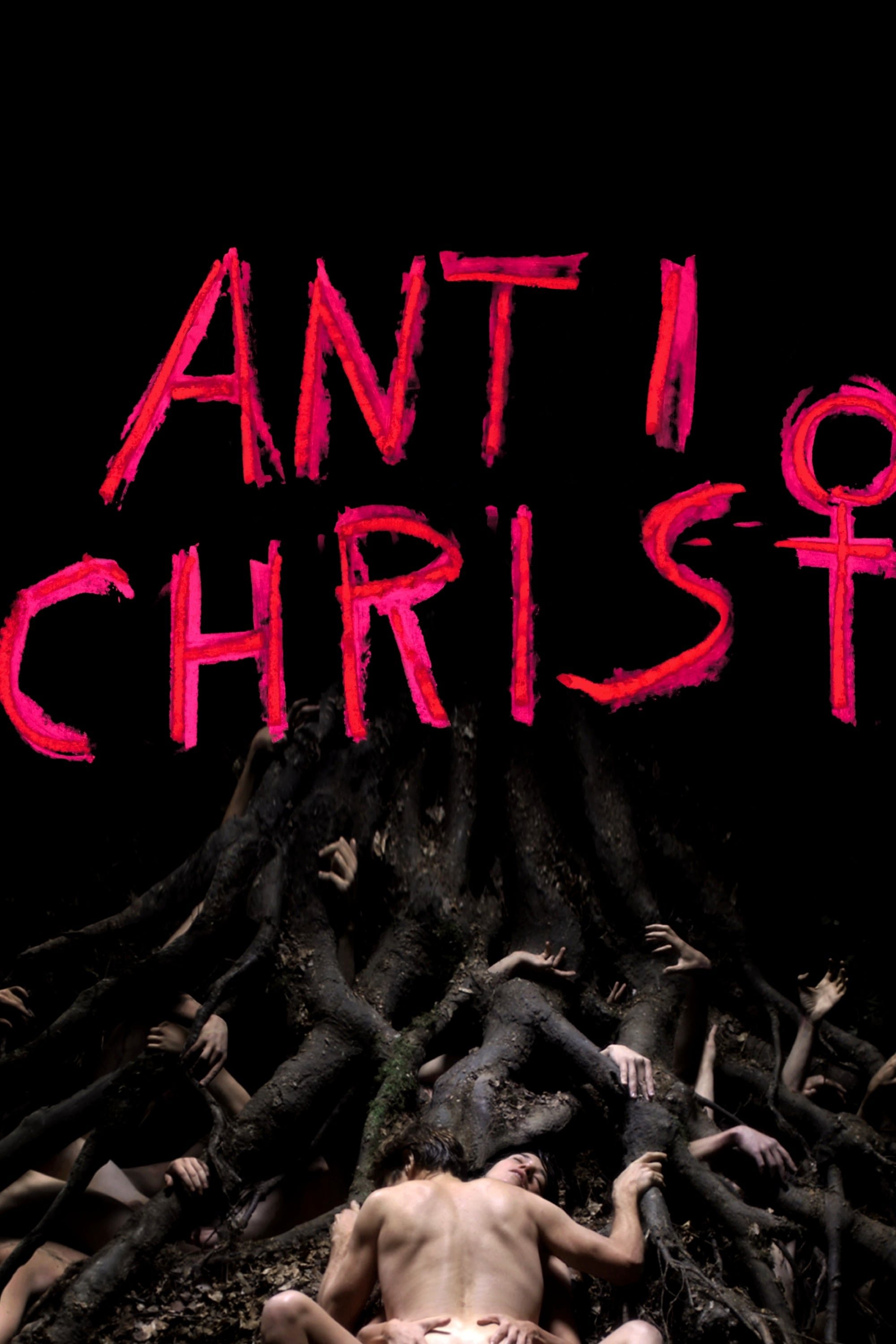
‘Antichrist’ frames its story around grief and a retreat into the woods, but it quickly shifts into symbolic horror where events feel more like allegory than literal plot. The setting becomes a pressure cooker for strange behavior, disturbing imagery, and sudden changes in tone. The film introduces ideas about nature, guilt, and punishment without anchoring them to a single clear explanation. You can describe what happens scene by scene, yet the “why” remains intentionally provocative and unclear.
‘Beyond the Black Rainbow’ (2010)
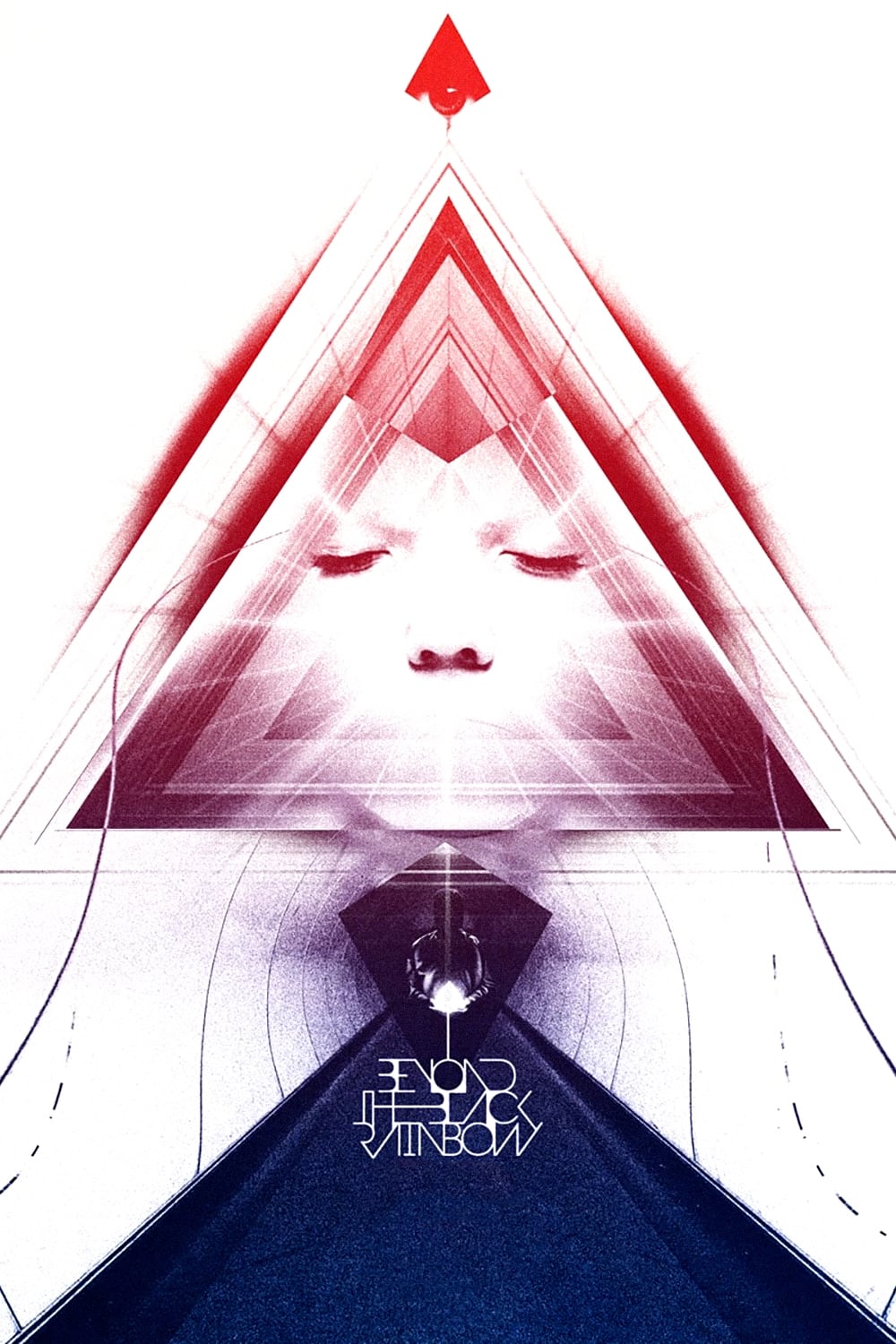
‘Beyond the Black Rainbow’ takes place in a sterile, controlled environment where plot details are delivered in minimal, cryptic fragments. The film emphasizes atmosphere and sensory unease over clear explanations of experiments, institutions, or objectives. Characters’ histories and motivations are suggested more than stated, which makes cause-and-effect feel distant. You’re left assembling a story from visuals, mood, and implication rather than direct narrative clarity.
‘Under the Skin’ (2013)
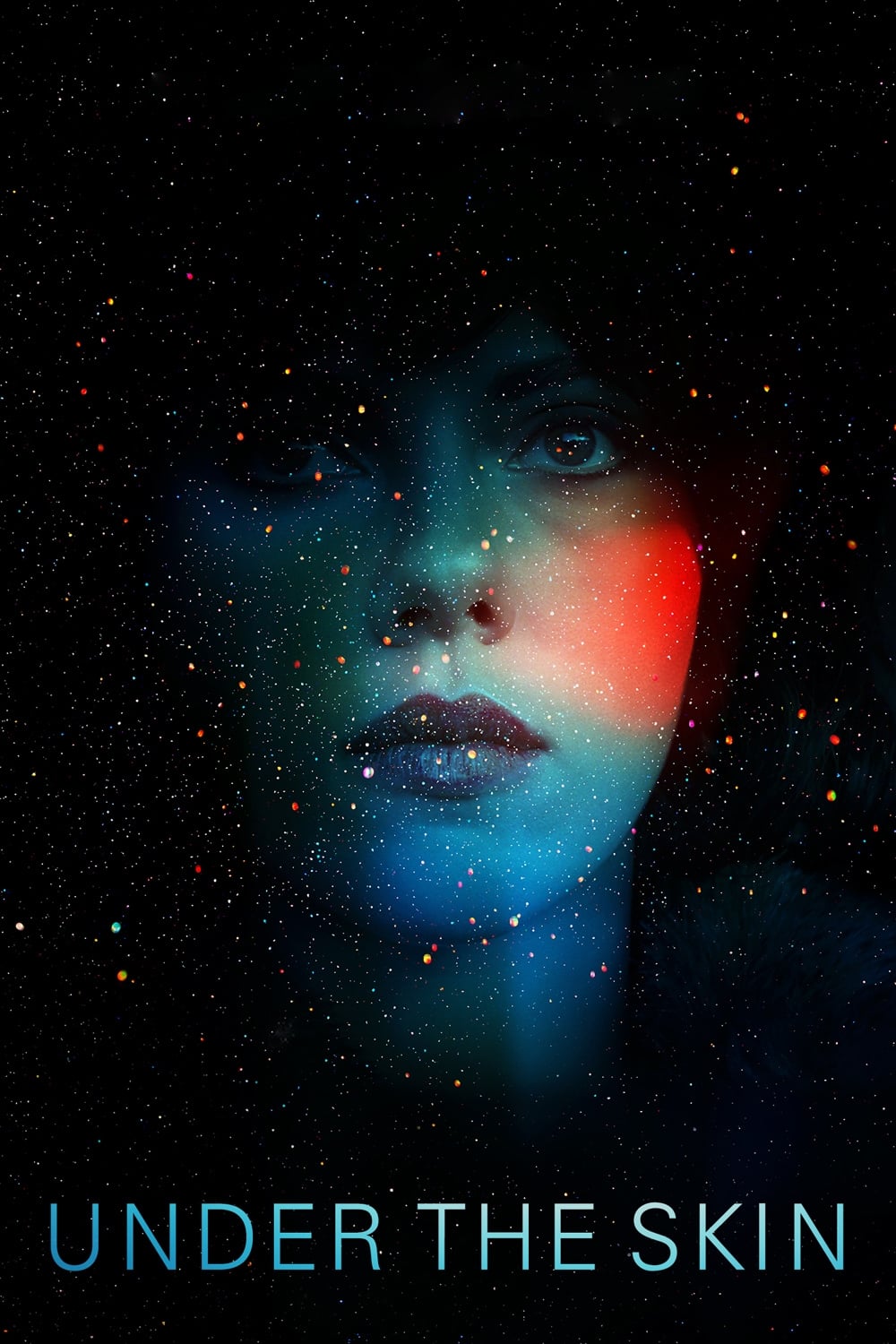
‘Under the Skin’ follows an alien presence moving through human spaces, but it keeps the alien’s purpose and methods largely unexplained. Many scenes play with observational realism, while the most important moments happen in abstract, otherworldly environments that don’t come with instructions. Because the central character is learning and adapting, her actions can feel inconsistent in a way that mirrors her nonhuman perspective. The film provides striking events without turning them into a neat, explained mythology.
‘The Void’ (2016)
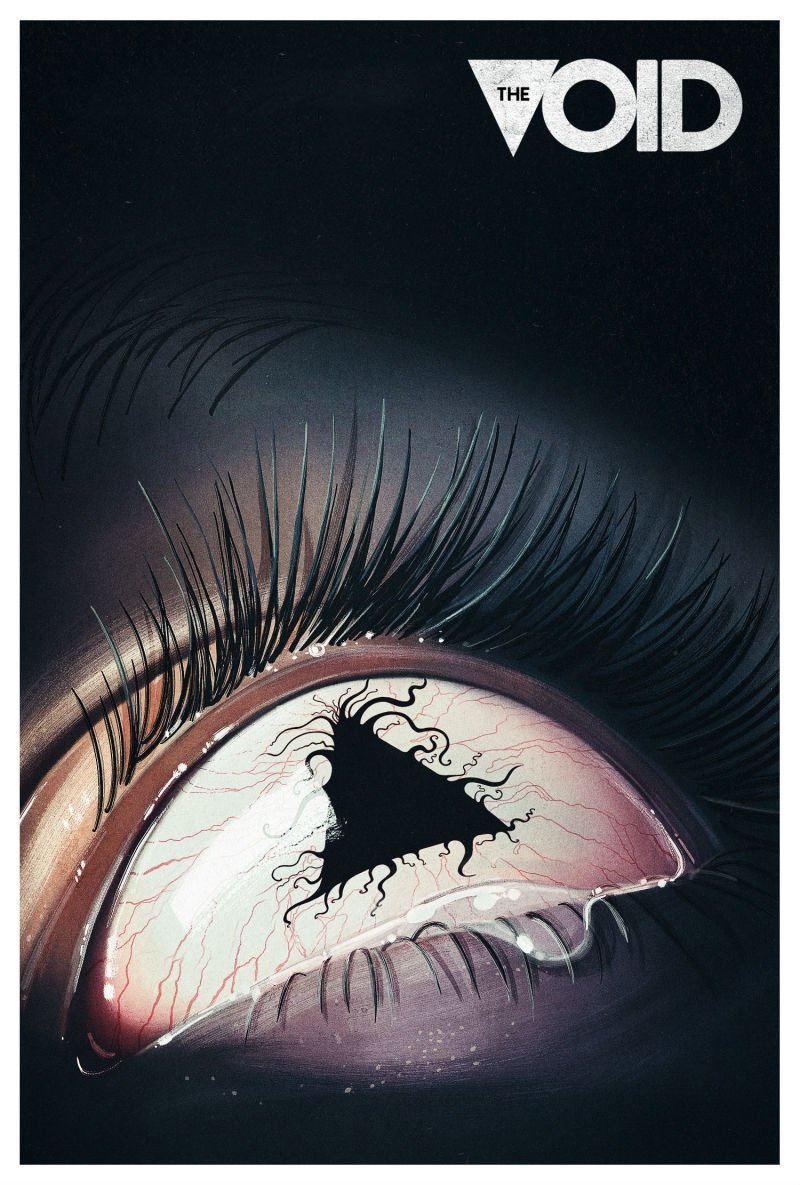
‘The Void’ piles cosmic horror and cult imagery onto a contained siege setup, then escalates into transformations that don’t come with a clear rulebook. It hints at experiments, other dimensions, and ritual intent, but it reveals information in bursts rather than a full explanation. As the setting becomes more impossible, characters struggle to understand what they’re facing, and the audience stays in that same uncertainty. The ending commits to the unknown, leaning into dread rather than closure.
‘Mother!’ (2017)

‘Mother!’ is staged like a home-invasion nightmare that keeps introducing new “guests” and social violations without normal consequences. The film’s events escalate in a way that feels logical emotionally, but not literally, because the house becomes a space where metaphor drives reality. Characters behave according to symbolic roles more than everyday psychology, which makes the situation feel unreal but intensely focused. By the final act, the movie is less about plot logic and more about a relentless chain of symbolic catastrophes.
‘Annihilation’ (2018)
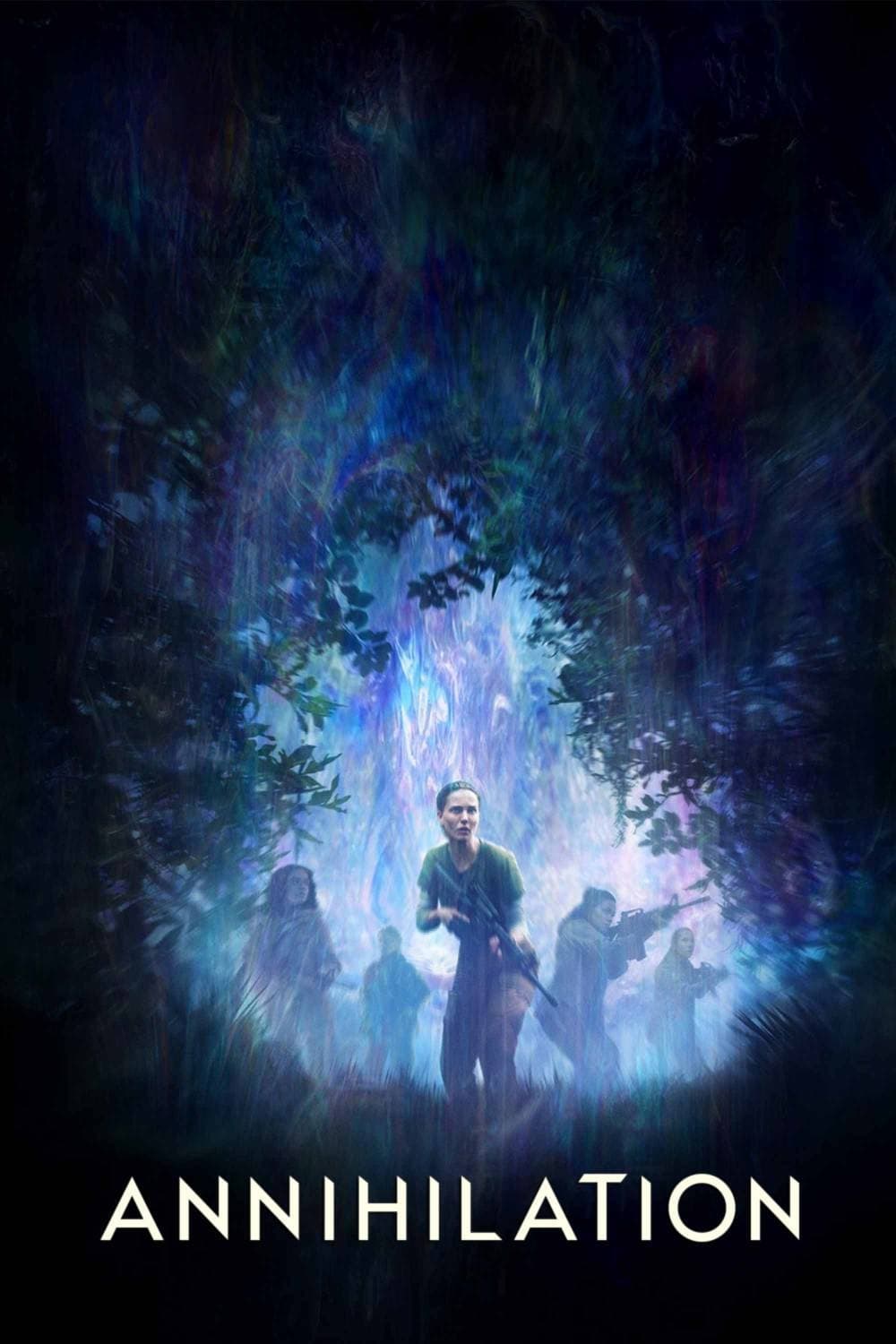
‘Annihilation’ centers on an expanding phenomenon that rewrites biology and perception, and the film portrays it as something humans can observe but not truly define. The environment produces mutations and echoes of life that blur where one organism ends and another begins. Because memory and identity are affected, characters’ experiences can’t be treated as reliable evidence of a stable world. The climax offers a confrontation that’s vivid and concrete on screen while still resisting a single, tidy explanation.
‘The Lighthouse’ (2019)
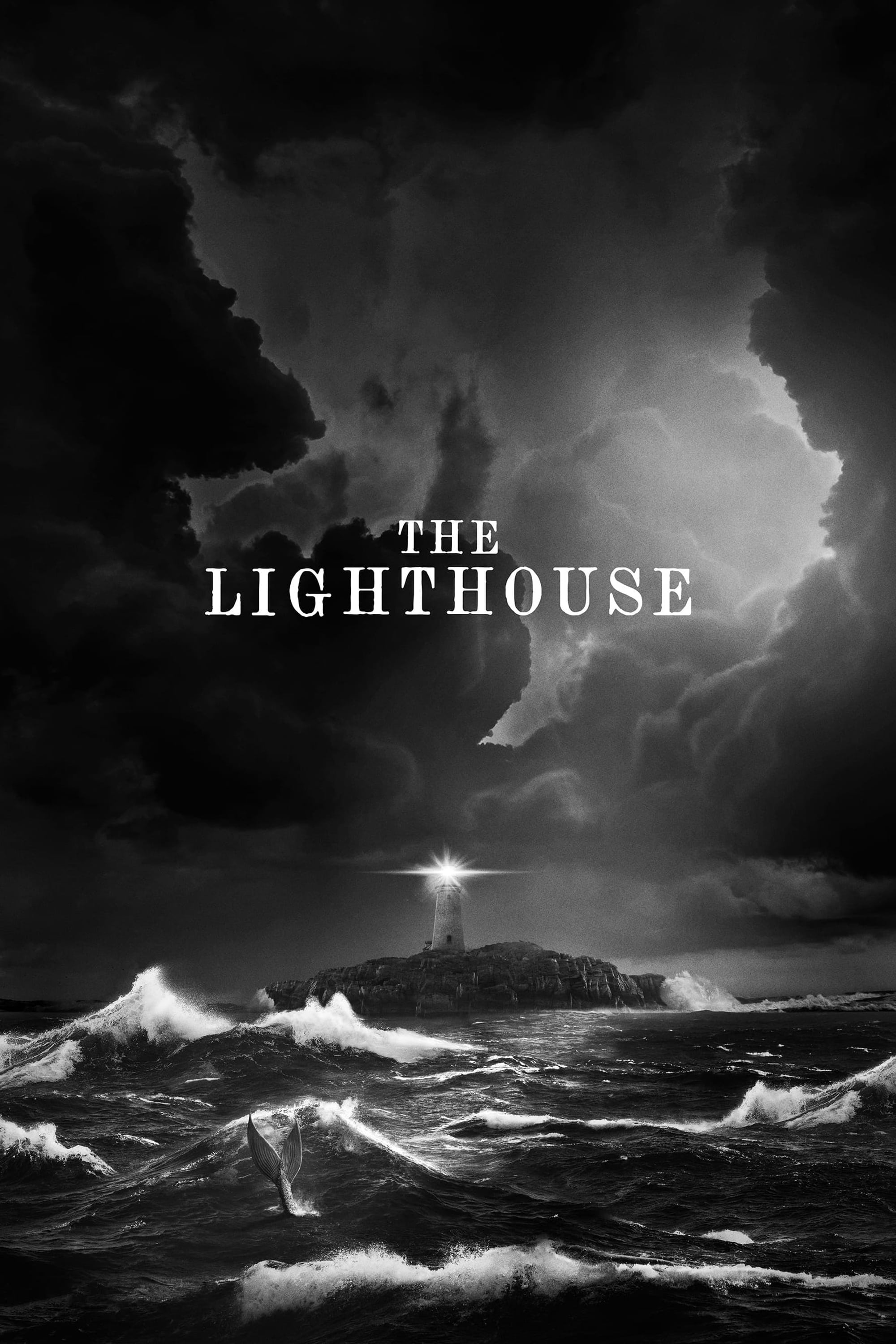
‘The Lighthouse’ traps two men in isolation and steadily blurs the line between conflict, hallucination, and supernatural influence. The film uses repeating routines, sudden time jumps, and contradictory details to make it unclear how long events have been unfolding. Mythic imagery and maritime folklore appear alongside mundane misery, but the story never confirms which elements are “real.” You can follow the deterioration, yet the exact causes and timeline stay deliberately uncertain.
‘Skinamarink’ (2022)
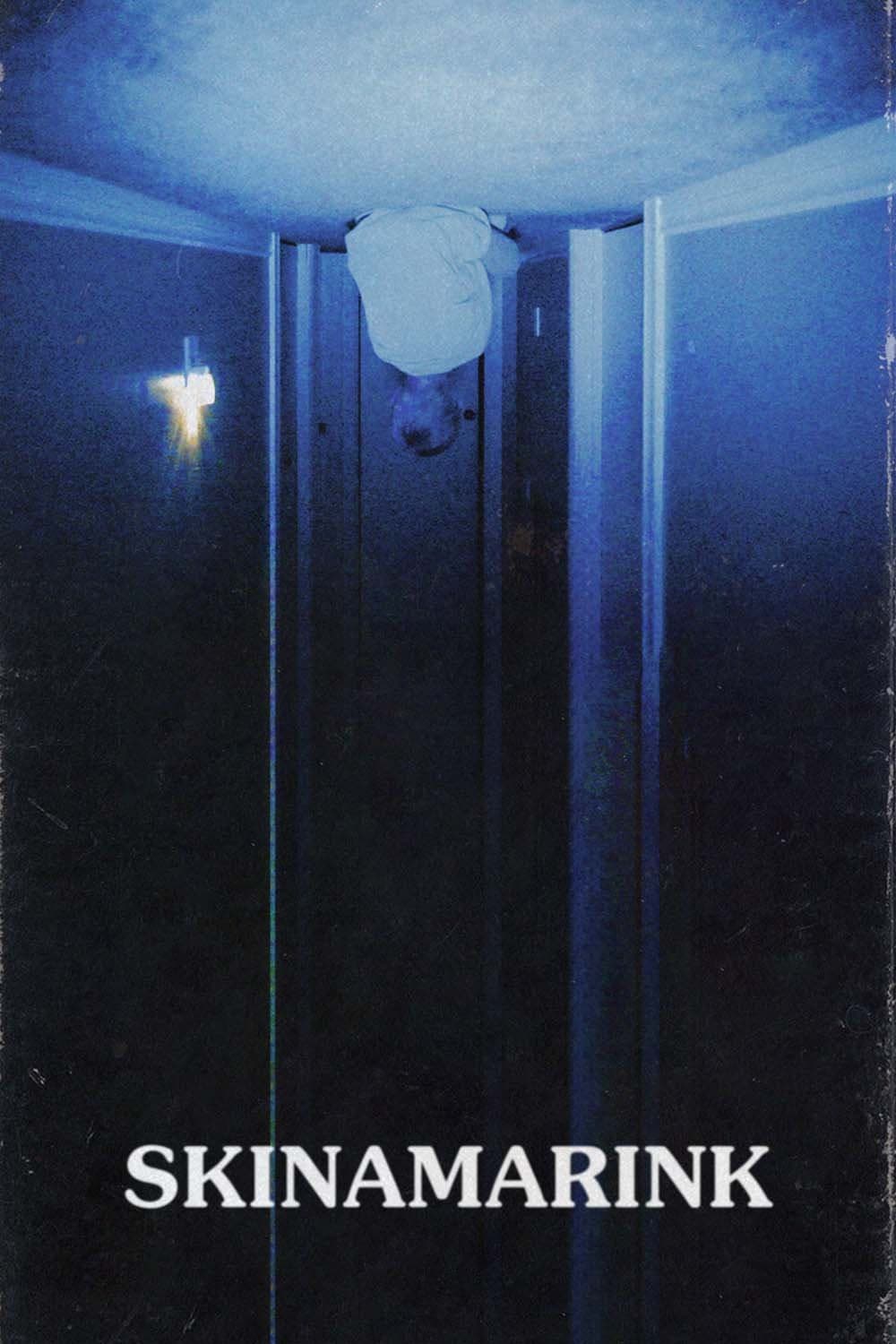
‘Skinamarink’ uses minimal dialogue and fragmented visuals to suggest a nightmare scenario where a home becomes an impossible maze. The film focuses on corners, darkness, and distant sounds, withholding clear establishing information about what’s happening or why. Because it avoids conventional scene structure, time and space feel unmoored, and even basic stakes are implied rather than explained. It becomes less a story you “understand” and more a sustained, unsettling experience you piece together afterward.
Share which of these mind-bending horror movies messed with your head the most in the comments.