The Worst RPG Games of All Time

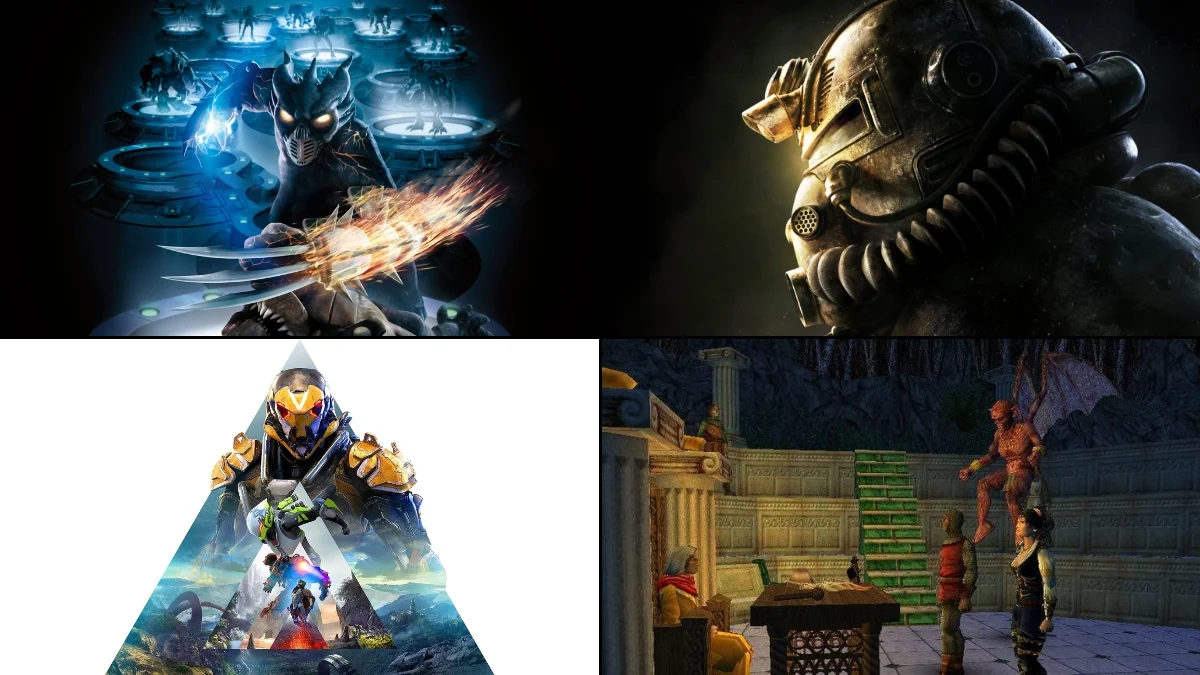

RPGs are supposed to reward you for sticking with them, but some releases become infamous for the wrong reasons—broken launches, baffling systems, or design choices that fight the player at every step. Below are 20 RPGs that regularly show up in “what went wrong?” conversations, with quick context on who made them and what issues shaped their reputations.
‘Hoshi Wo Miru Hito’ (1987)
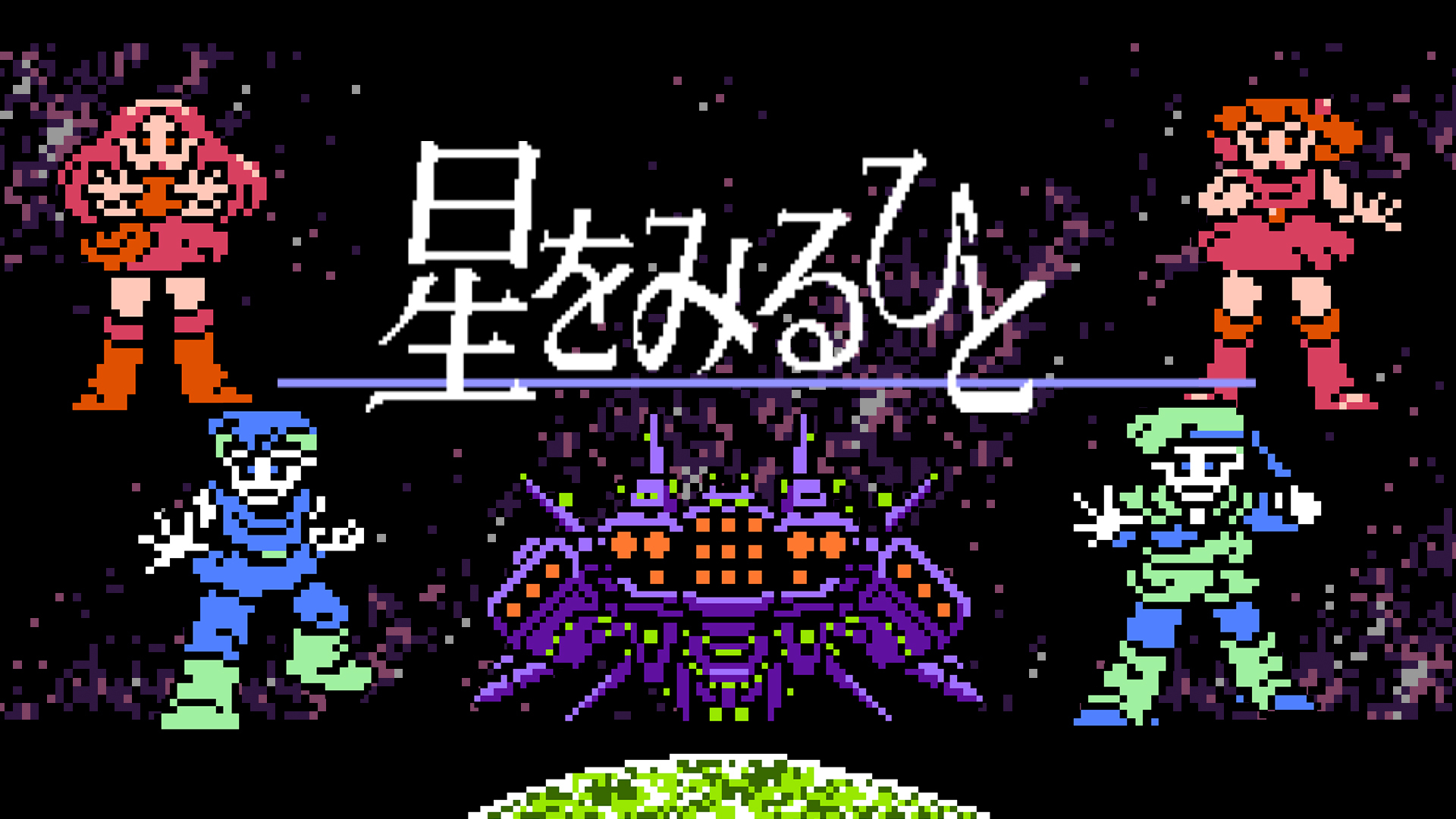
Developed by Another and published by HOT-B, Hoshi Wo Miru Hito is a Famicom RPG that became notorious for confusing progression and punishing difficulty spikes. Players often get little guidance on where to go next, and basic survival can hinge on trial-and-error choices. Its long-standing reputation in Japan as a “legendary bad game” is tied to how opaque and unforgiving its mechanics are.
‘Hydlide’ (1984)
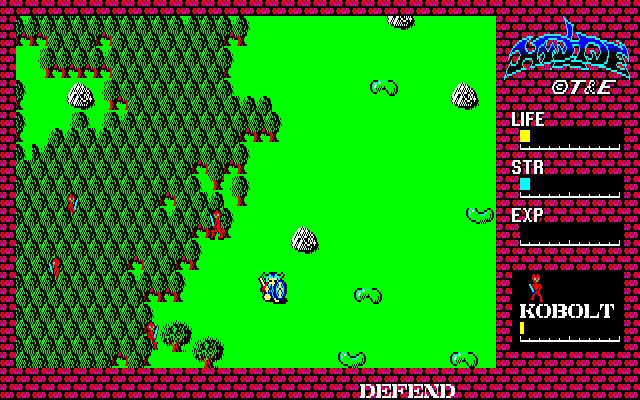
Hydlide is an early action RPG developed and published by T&E Soft, later localized for the NES by Fujisankei Communications International (FCI). While historically important, the game’s reputation in English-speaking regions is tied to its clunky feel and dated combat and exploration rules. The NES version in particular became a common example of how rough early action-RPG conventions could be when paired with unclear feedback.
‘Quest 64’ (1998)
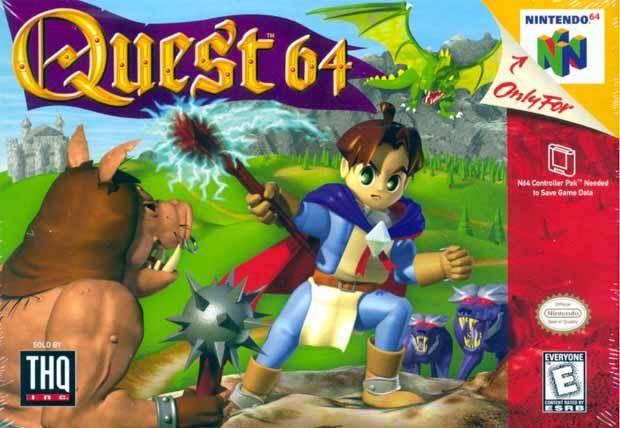
Quest 64 was developed by Imagineer and released by different publishers by region, including THQ in North America and Konami in Europe. It’s often cited as a barebones console RPG, with limited storytelling and a progression system that many players found repetitive. Its historical footnote as an early North American Nintendo 64 RPG also meant it was judged against higher expectations for the genre.
‘Aidyn Chronicles: The First Mage’ (2001)

Developed by H2O Entertainment and published by THQ, Aidyn Chronicles: The First Mage arrived late in the Nintendo 64 lifecycle. It’s frequently criticized for technical roughness and presentation issues that make long sessions feel slower and more awkward than they should. The ambition is easy to spot, but performance and pacing complaints have followed it for years.
‘Beyond the Beyond’ (1995)

Beyond the Beyond is a PlayStation JRPG developed by Camelot Software Planning and published by Sony Computer Entertainment. Its reception leaned heavily on comparisons to better-known genre peers, with critics describing it as derivative and slow-moving. Even positive takes tended to frame it as serviceable for die-hard fans rather than a standout release.
‘Lunar: Dragon Song’ (2005)
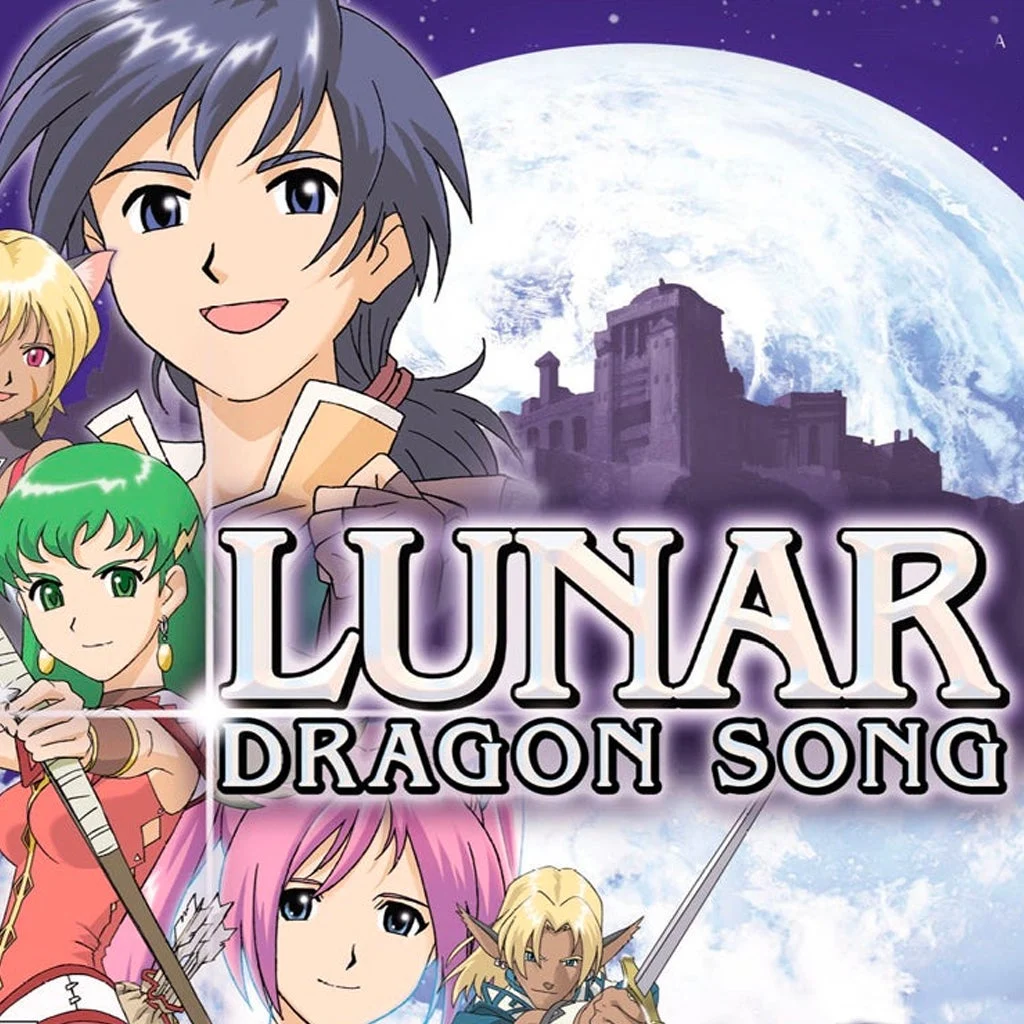
Lunar: Dragon Song was developed by Japan Art Media and launched in Japan via Marvelous Interactive, with Ubisoft handling North America and Rising Star Games releasing it in Europe. It drew criticism for mechanics that actively discourage exploration, alongside other gameplay changes that frustrated series fans. Review aggregates and retrospectives frequently point to it as one of the weaker handheld RPG releases of its era.
‘Unlimited SaGa’ (2002)
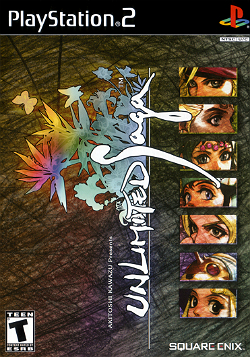
Developed and published by Square (later Square Enix), with Atari publishing in parts of Europe, Unlimited SaGa is known for systems that many players found hard to read and harder to learn. Its board-game-like structure and complex combat mechanics produced a sharply polarized response, especially outside Japan. For people expecting a conventional JRPG flow, the game’s presentation and rules can feel like a wall.
‘Two Worlds’ (2007)
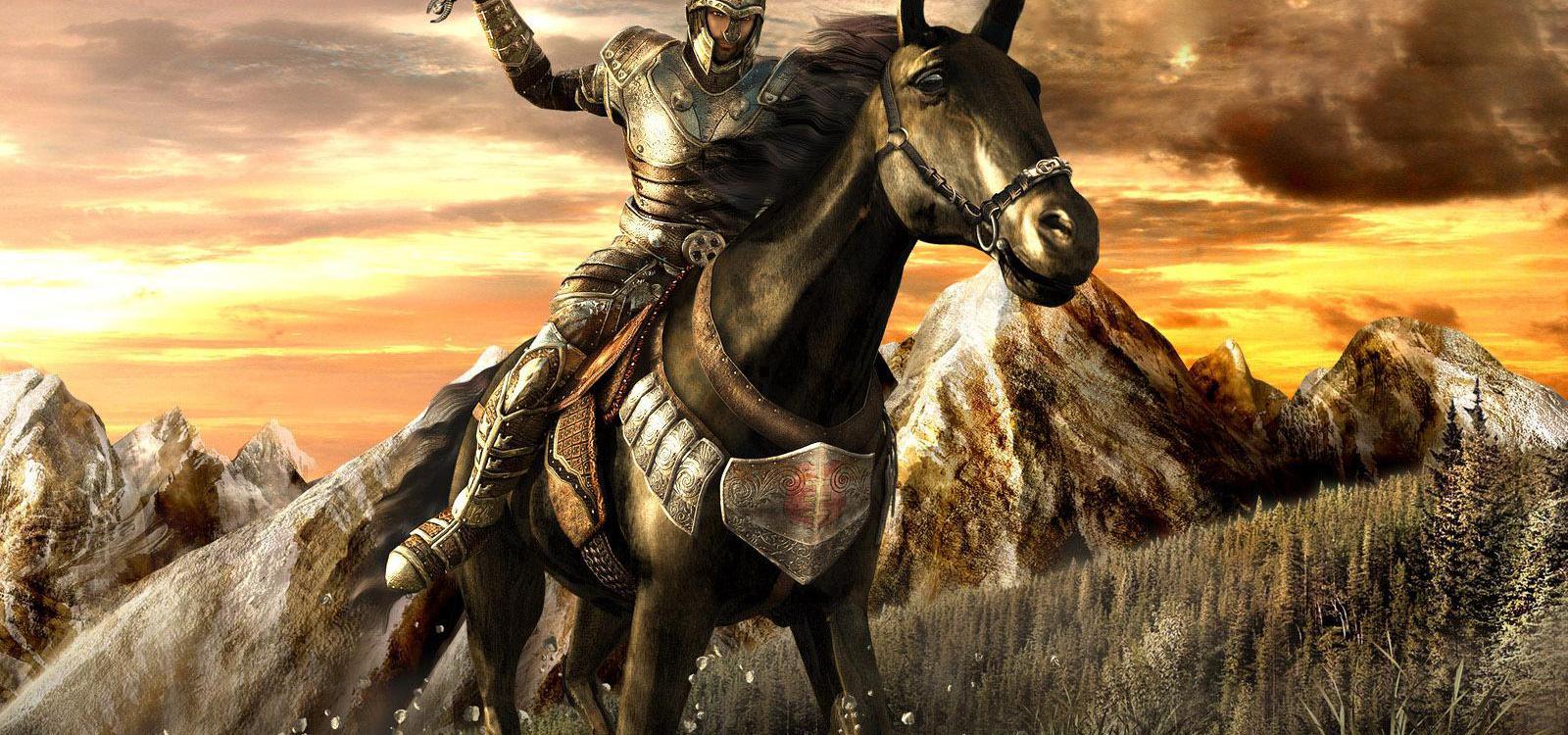
Two Worlds is an action RPG developed by Reality Pump and published by TopWare Interactive in Europe and SouthPeak Games in North America. Reviews at launch were mixed overall, with the Xbox 360 version receiving notably harsher reception than the PC release. It became a shorthand example of how technical issues and uneven polish can swamp otherwise solid RPG ideas.
‘Dungeon Lords’ (2005)
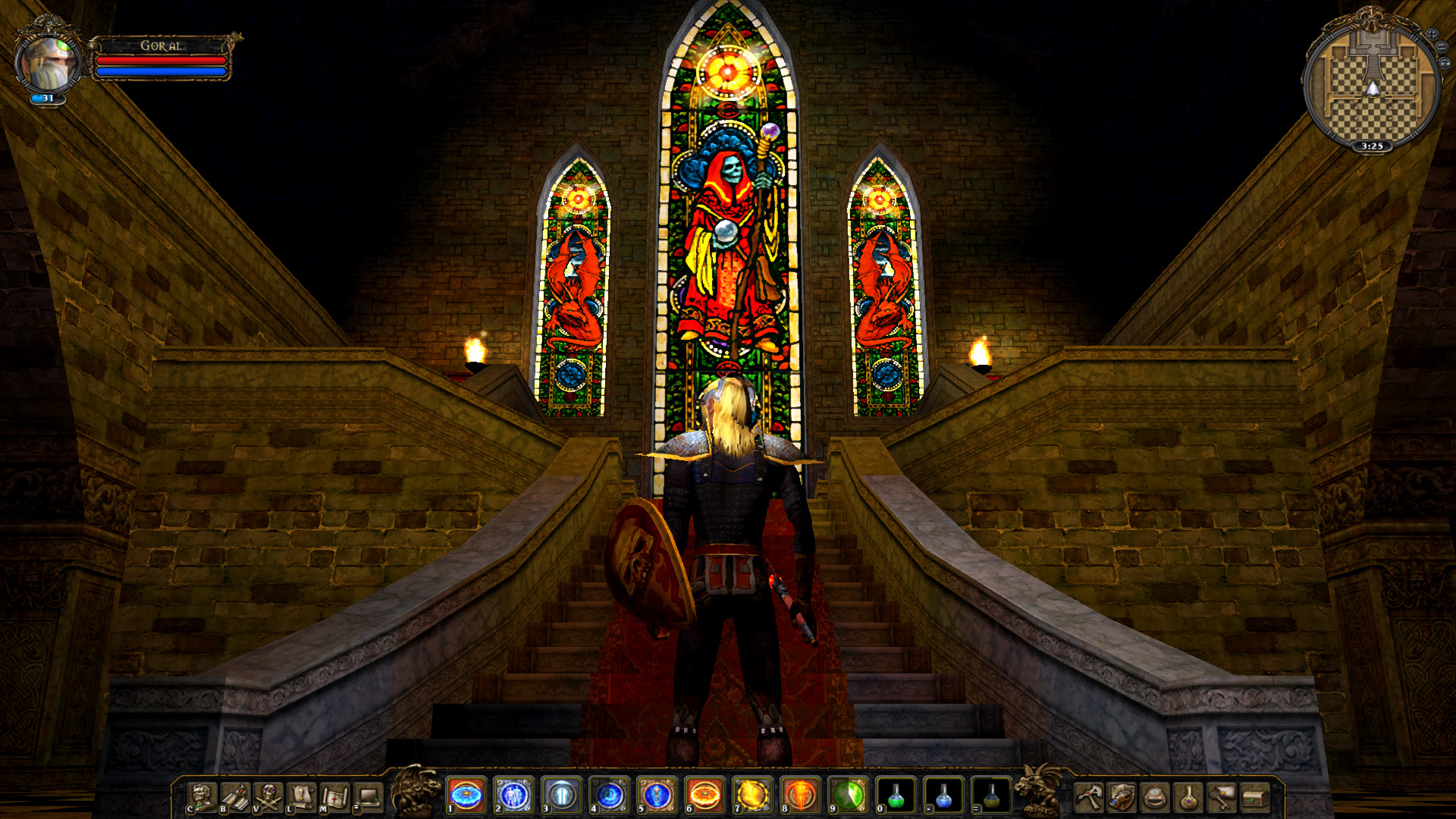
Dungeon Lords was developed by Heuristic Park and originally published by DreamCatcher Interactive (with additional publishers in other regions). The initial release is widely documented as rushed, with missing features and major quest-breaking bugs reported by players. A later Collector’s Edition and subsequent re-releases tried to restore cut content and stabilize the game, but the first impression stuck.
‘Ultima IX: Ascension’ (1999)
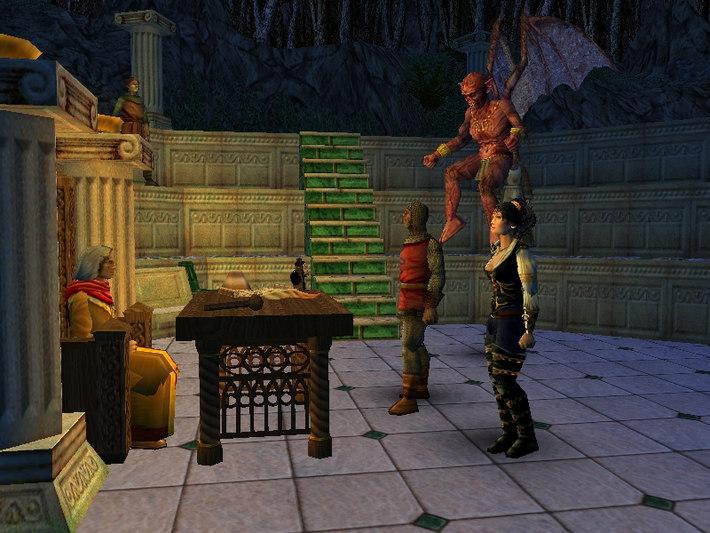
Developed by Origin Systems and published by Electronic Arts, Ultima IX: Ascension is remembered for a buggy launch and hardware demands that were steep for its time. Fans also criticized how it handled series continuity, which added fuel to the backlash beyond pure technical problems. While patches improved parts of the experience, the release version shaped its long-term reputation.
‘Might and Magic IX’ (2002)
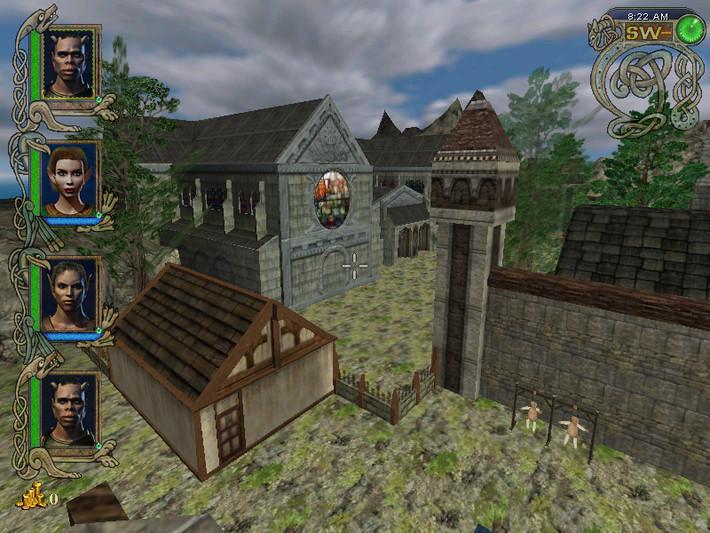
Might and Magic IX was developed by New World Computing and published by The 3DO Company. Critics often highlighted a lack of polish, underwhelming visuals, and bugs severe enough to require patching soon after release. With 3DO later dissolving, official support was limited, leaving many problems to linger compared to earlier entries’ reputations for stability.
‘Fallout: Brotherhood of Steel’ (2004)
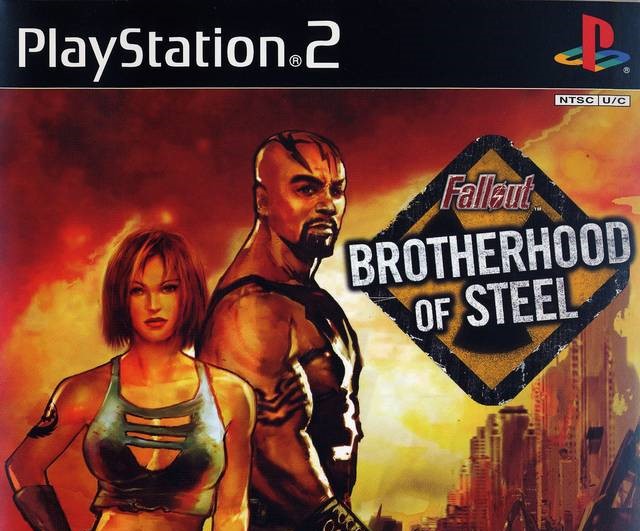
Fallout: Brotherhood of Steel was developed and published by Interplay Entertainment for PlayStation 2 and Xbox. It’s known as a major tonal and mechanical departure from earlier Fallout games, aiming for a simplified action-RPG approach on consoles. Reviews were mixed, and even within the franchise’s history it’s frequently treated as an odd outlier.
‘Sonic Chronicles: The Dark Brotherhood’ (2008)
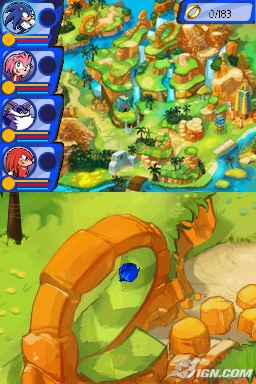
Sonic Chronicles: The Dark Brotherhood is a Nintendo DS RPG developed by BioWare and published by Sega. It landed to mixed-to-average critical response, with complaints commonly focusing on presentation and technical roughness relative to expectations for both BioWare and the Sonic brand. As the franchise’s main RPG experiment, its shortcomings became hard to ignore.
‘Darkspore’ (2011)
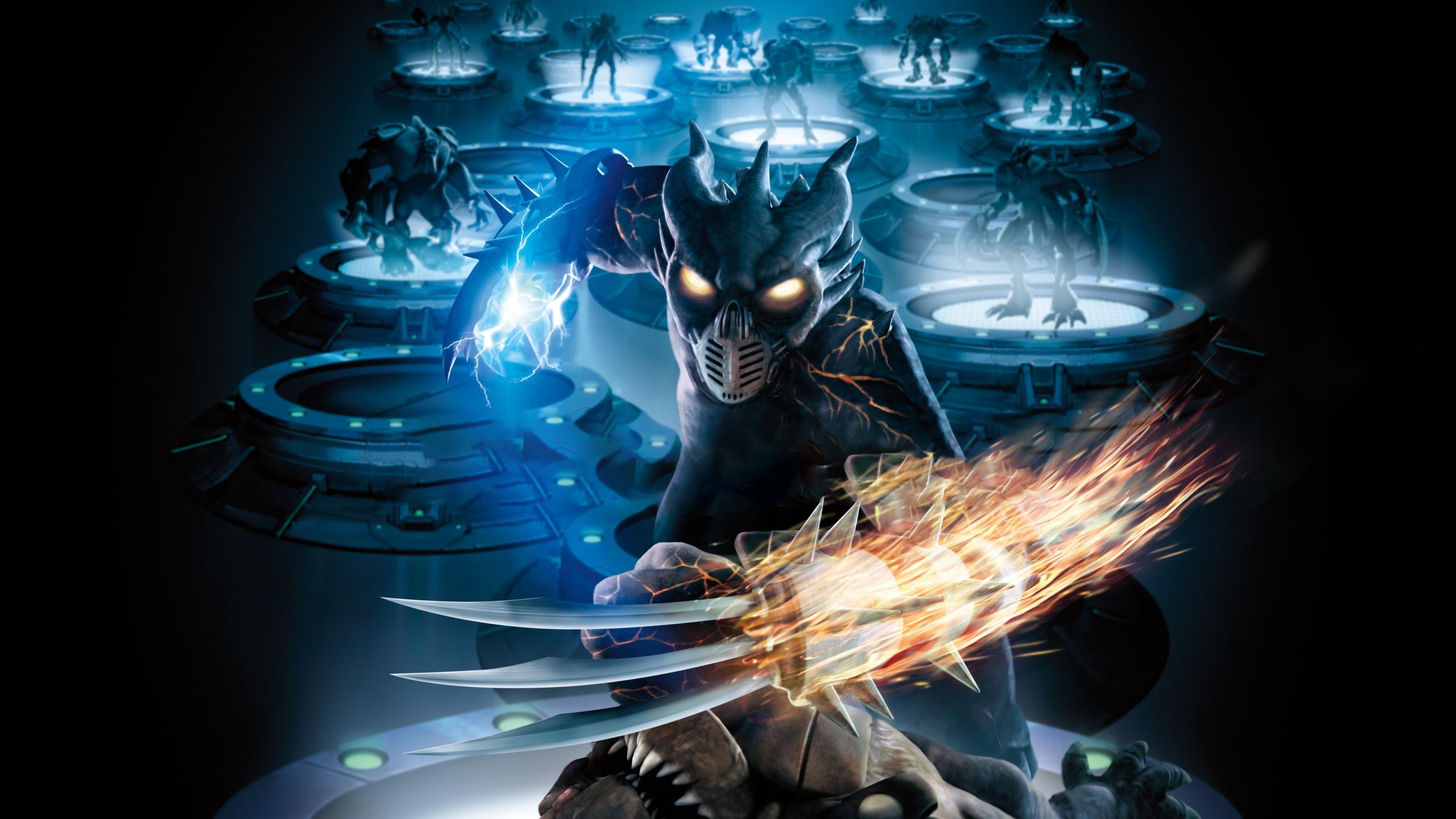
Darkspore was developed by Maxis and published by Electronic Arts as an action RPG with online requirements. Beyond its mixed reviews, the game became a cautionary tale about always-online dependencies: once servers shut down, playing it normally became impossible. That end-of-life reality is a big part of why it’s remembered negatively today.
‘Sacred 3’ (2014)
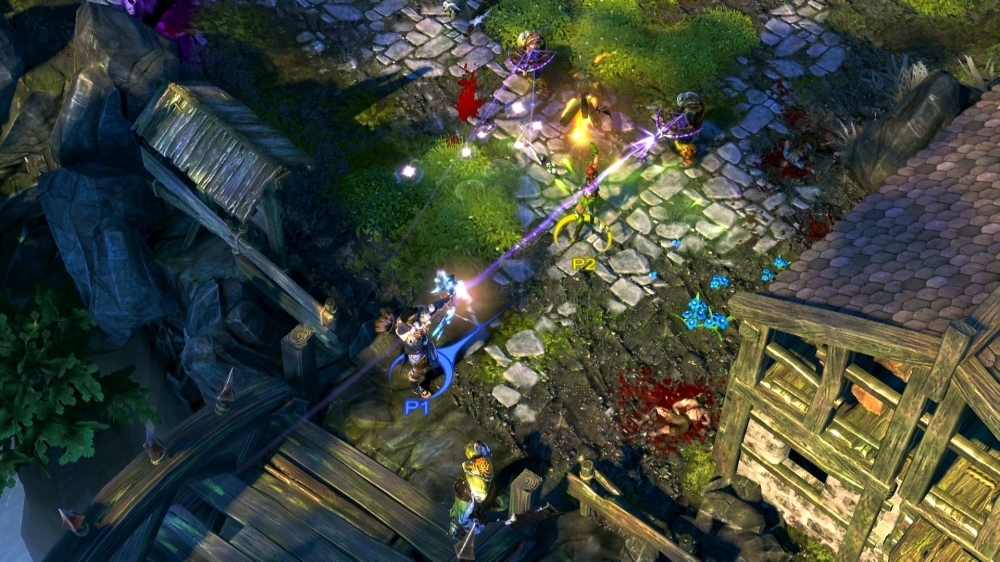
Sacred 3 was developed by Keen Games and published by Deep Silver, and it shifted away from what many fans expected from the series. Reception skewed mixed-to-negative, with critics and players noting how different its structure and gameplay feel were compared to earlier entries. When a sequel changes core identity this dramatically, the release tends to be judged as much on expectations as on execution.
‘Gothic 3’ (2006)
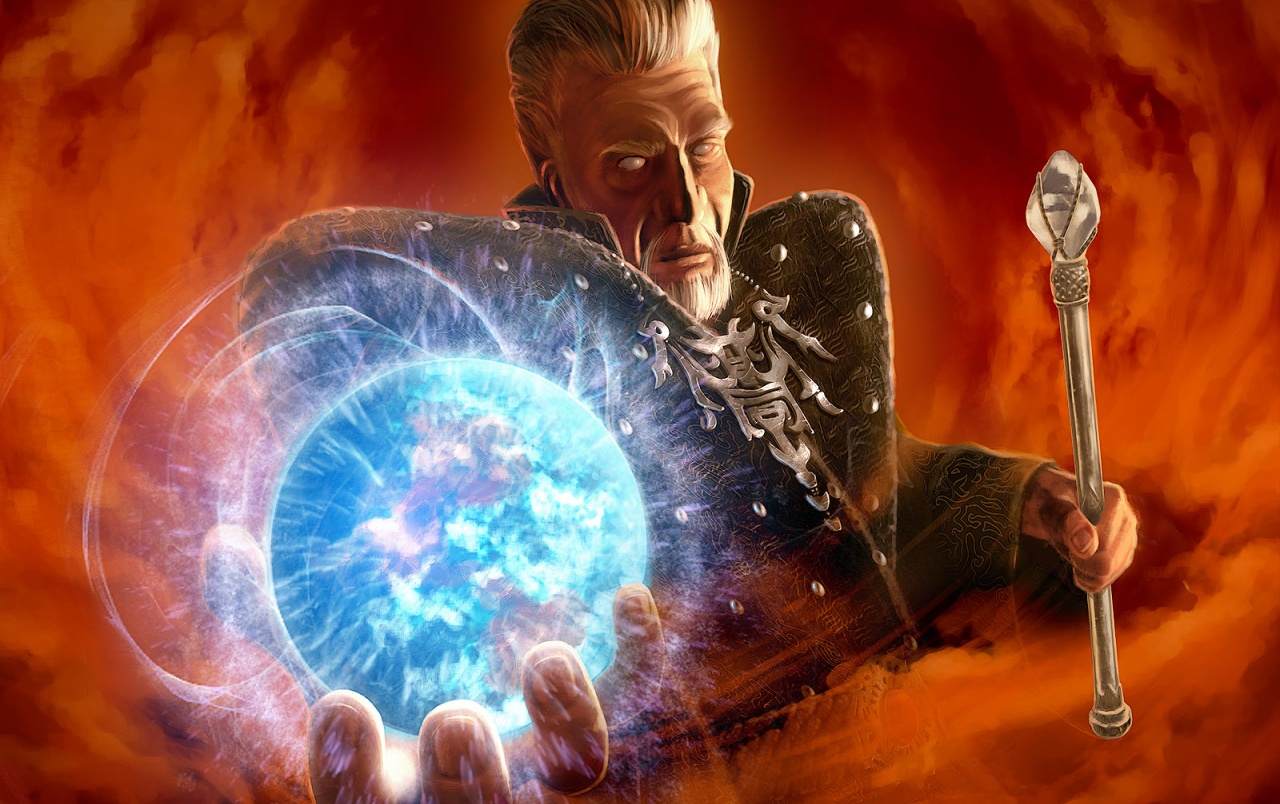
Gothic 3 is an open-world action RPG developed by Piranha Bytes, with publishers varying by region including JoWooD Productions and others. It received mixed critical reception, and its post-launch history is closely associated with patching and stability improvements over time. Even when the scope is impressive, uneven polish can dominate the conversation around a release.
‘Final Fantasy XIV’ (2010)
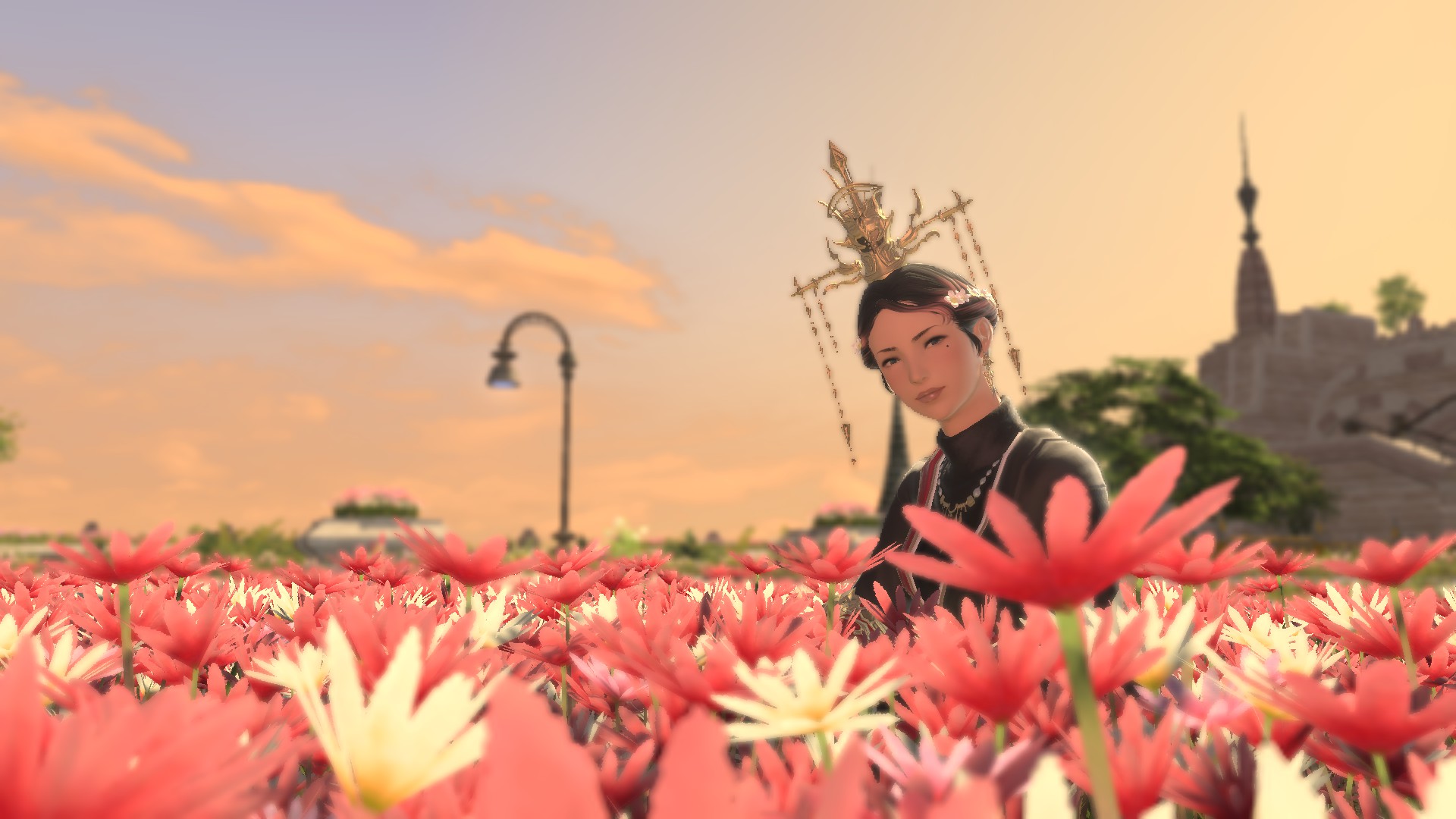
The original version of Final Fantasy XIV was developed and published by Square Enix, and its launch backlash was severe enough to trigger major changes in management and planning. Square Enix suspended subscription fees, delayed the PlayStation 3 version indefinitely, and ultimately rebuilt the game into a new release. It’s one of the clearest examples of a big-budget MMO-RPG that had to be structurally reinvented after release.
‘Fallout 76’ (2018)
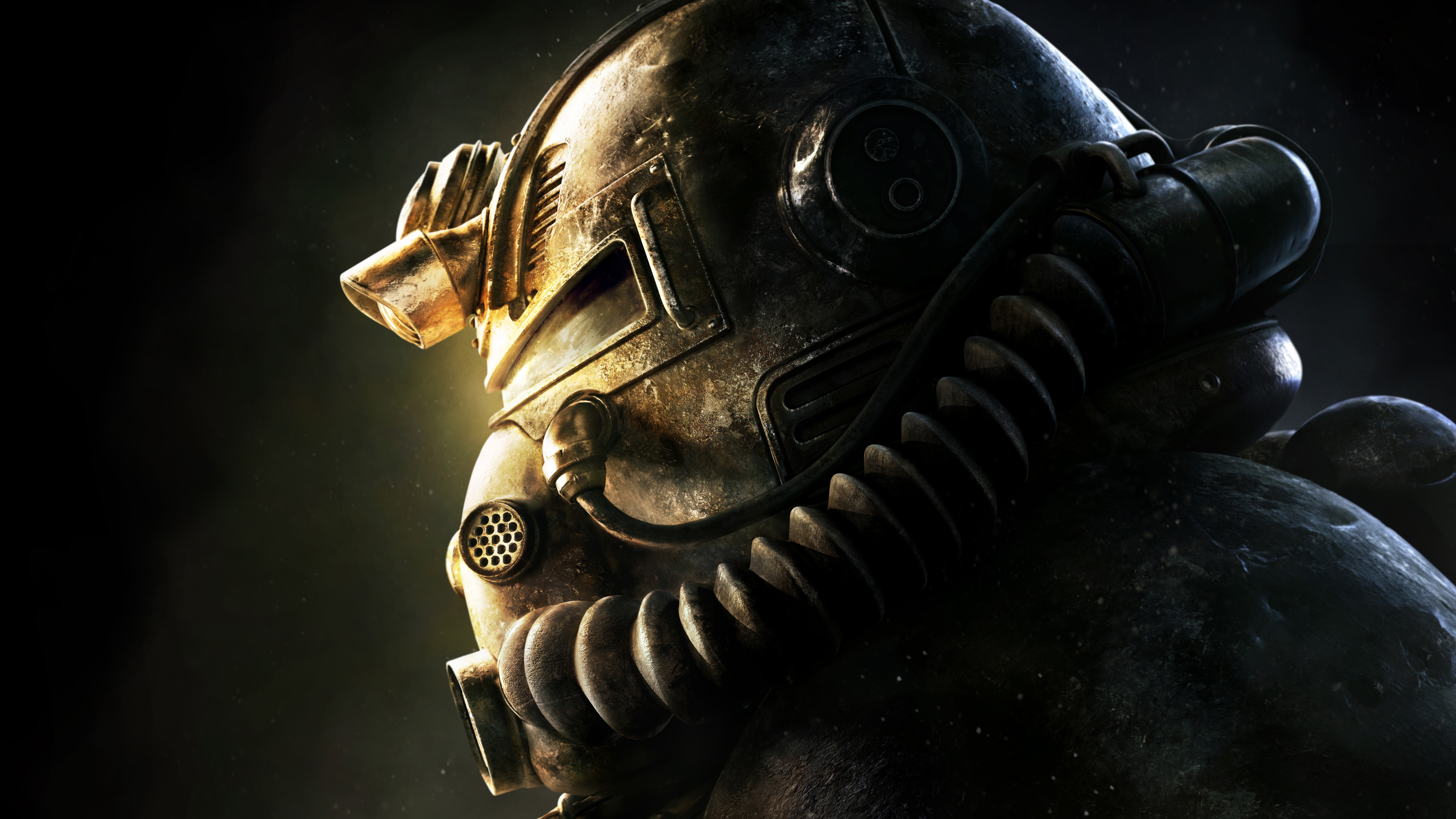
Fallout 76 is an action RPG developed by Bethesda Game Studios and published by Bethesda Softworks. Early reception focused heavily on technical issues and design complaints, including the initial lack of human NPCs and a sense of thin narrative structure. Bethesda later released major updates—most notably one that introduced human NPCs—to address some of the most common criticisms.
‘Anthem’ (2019)
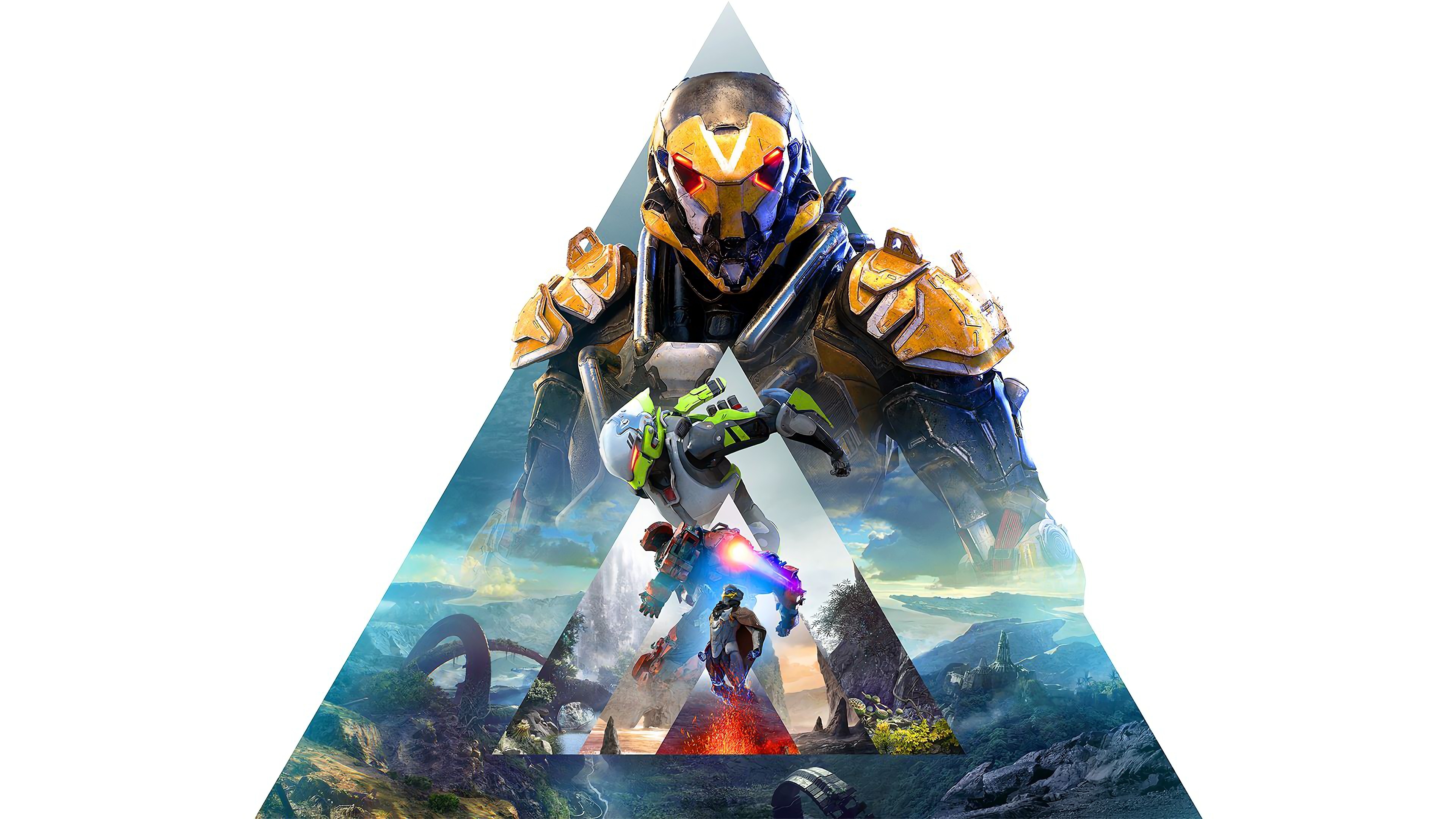
Anthem was developed by BioWare and published by Electronic Arts as an online-focused action RPG. Reviews called out repetitive structure, thin endgame content, and an overall lack of depth compared to the game’s ambitions. Its dependence on online servers also means its long-term accessibility is limited, with EA announcing a shutdown date that will make it unplayable online-only going forward.
‘Cyberpunk 2077’ (2020)

Cyberpunk 2077 was developed by CD Projekt Red and published by CD Projekt, launching with major technical problems—especially on last-gen console versions. Sony removed it from the PlayStation Store for a period while CD Projekt worked on fixes, which became one of the most visible consequences of the launch state. Even with later improvements and expansions, the release-period issues remain central to how many people describe the game’s history.
Drop your own “how did this ship?” RPG pick in the comments and say what made it fall apart for you.