Movies From the 1990s That Are Completely Unwatchable Today

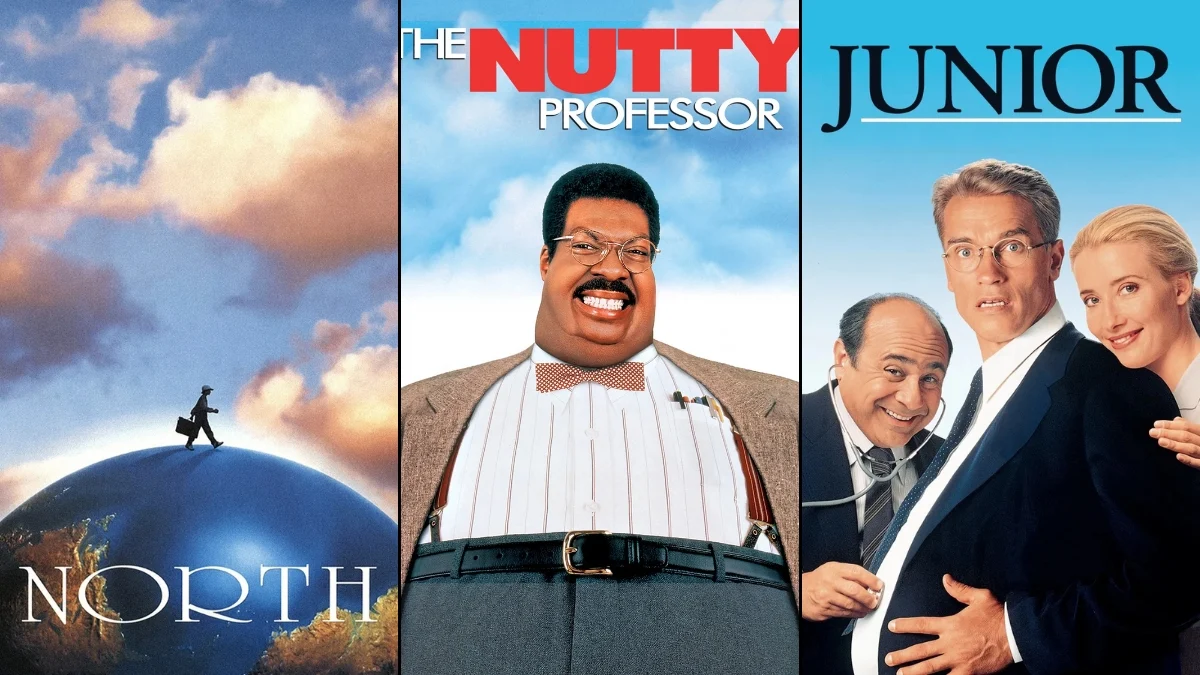

Some 1990s movies are tough to revisit because their jokes, messaging, or filmmaking choices lean on trends and assumptions that don’t land the same way now. Whether it’s outdated stereotypes, consent played for laughs, glamorized creepiness, or tech fantasies that feel like time capsules, these films often come with big “watch at your own risk” warnings today. If you’re curious, it helps to know what you’re walking into before pressing play.
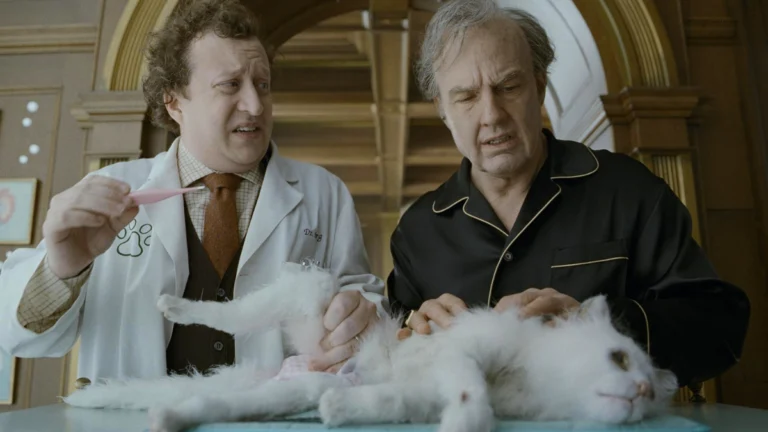
‘Ace Ventura: Pet Detective’ (1994)
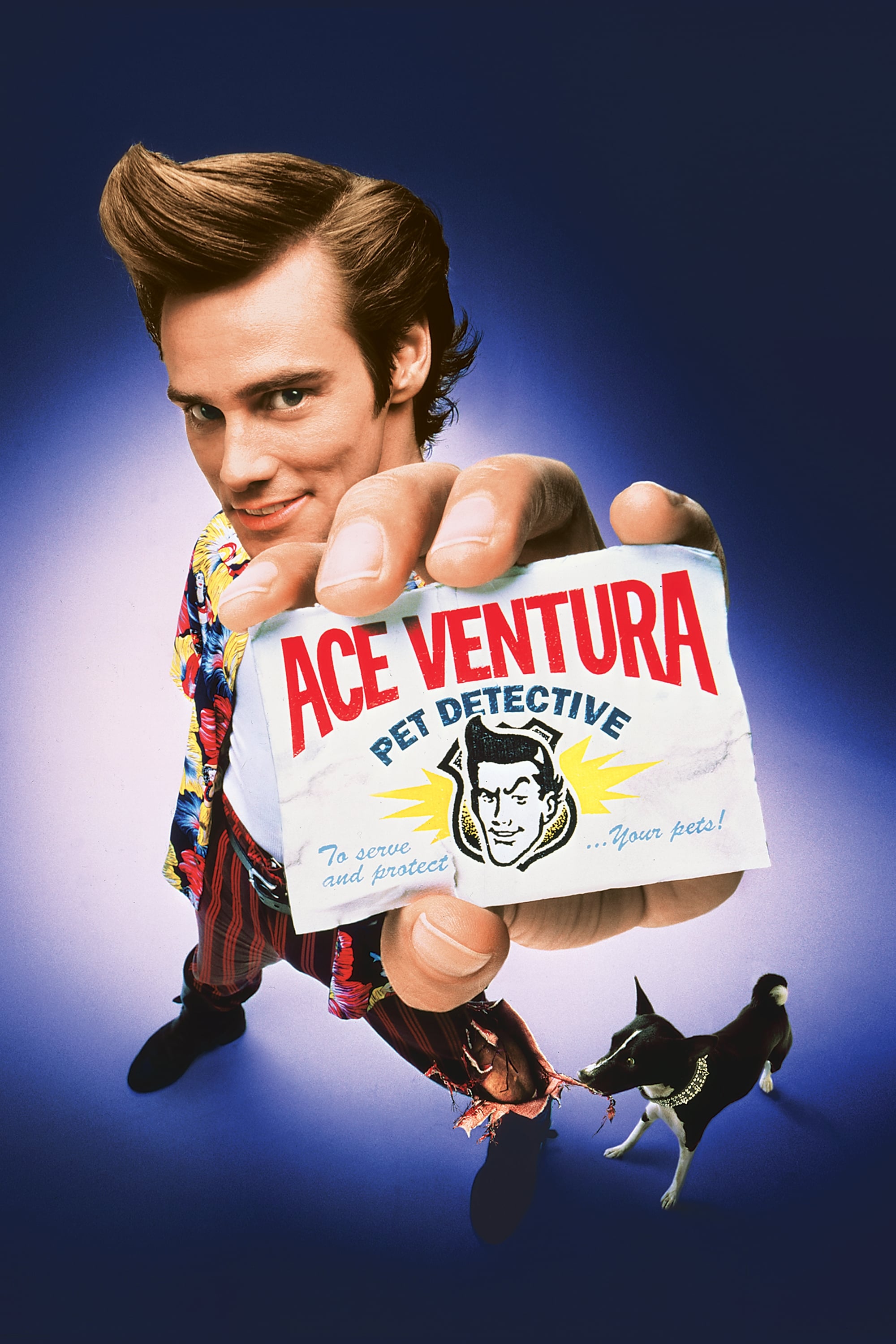
This comedy has become a frequent example of how a final-act “twist” can turn into a punchline built around gender identity. The reveal is played for shock and disgust, which many viewers now read as openly dehumanizing. If you revisit it, the biggest issue is how the film frames humiliation as the central joke rather than situational comedy. It’s also a good reminder to check modern content notes if you’re sharing it with someone new.
‘Ace Ventura: When Nature Calls’ (1995)
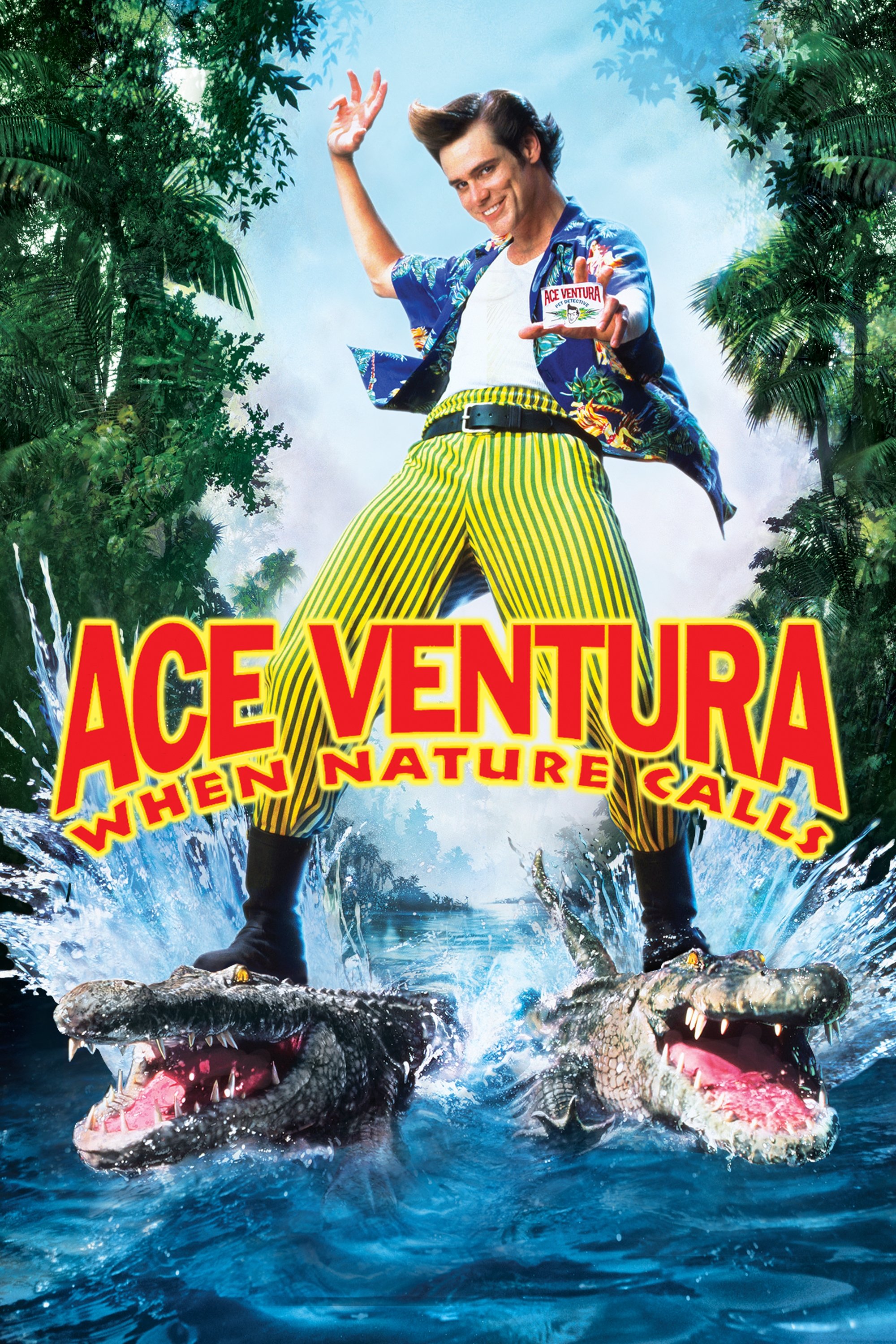
A lot of the humor here relies on broad “tribal” imagery and cartoonish portrayals of African cultures. The movie leans into exoticism and caricature rather than real specificity, which makes scenes feel more like parody of a place than a story set in one. If you’re revisiting, pay attention to how costumes, accents, and rituals are used as joke fuel. That mix is why it’s often cited as a comedy that aged poorly.
‘American Pie’ (1999)
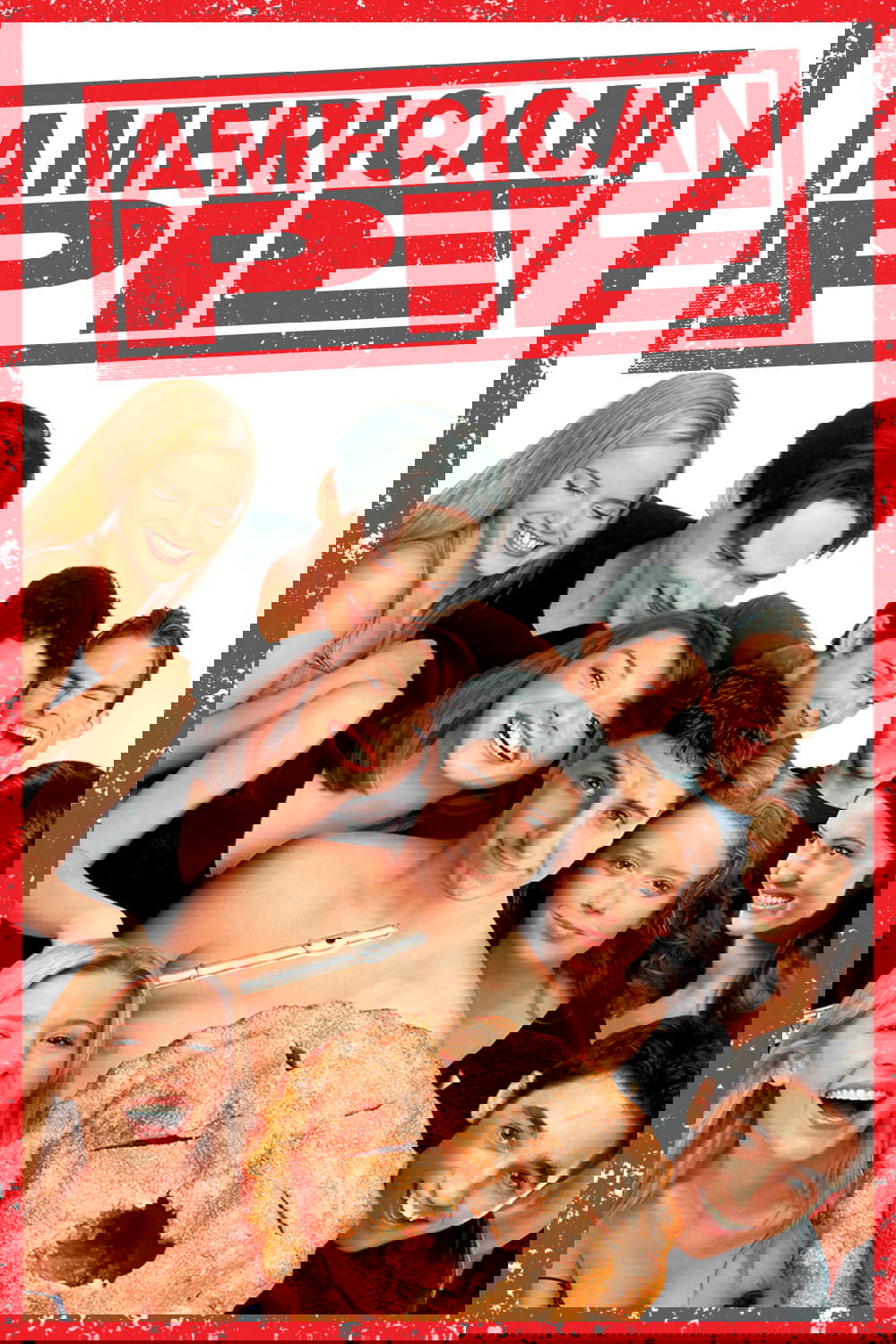
This teen comedy is notorious for treating invasions of privacy as a throwaway gag. A key plot beat involves filming and sharing someone without consent, and the movie largely plays it as mischievous rather than harmful. That lands very differently now, especially with how familiar people are with real-world consequences. If you watch it today, it’s useful to view it as a snapshot of what mainstream teen comedies used to excuse.
‘There’s Something About Mary’ (1998)
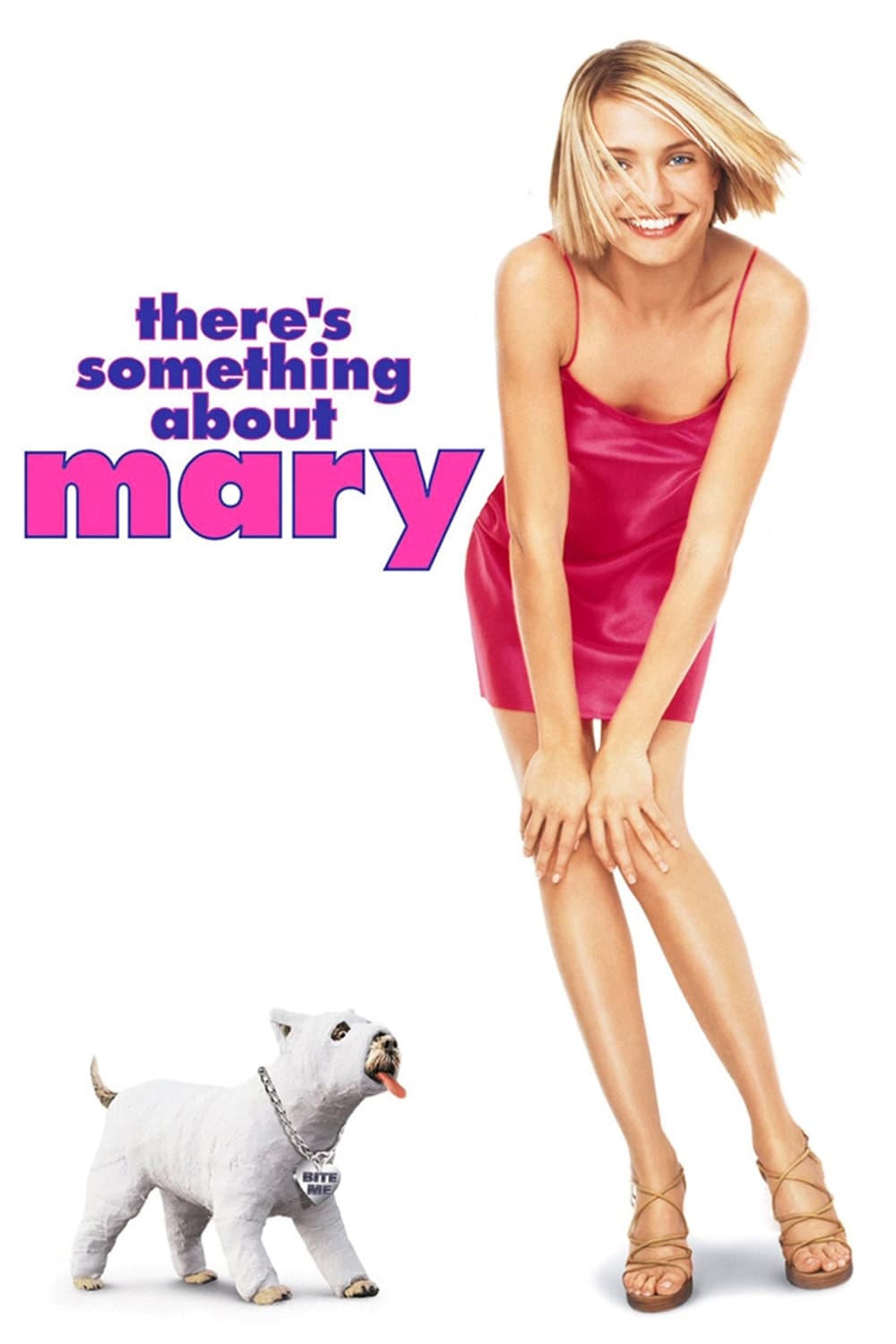
The film is packed with mean-spirited bits that revolve around humiliation, stalking-like persistence, and jokes aimed at disability. Several characters’ bad behavior is treated as quirky or romantic rather than troubling. The comedy style depends heavily on pushing boundaries, so if you’re sensitive to cruelty-as-humor, it can be a rough sit. Looking up scene-specific content notes helps a lot with this one.
‘The Nutty Professor’ (1996)
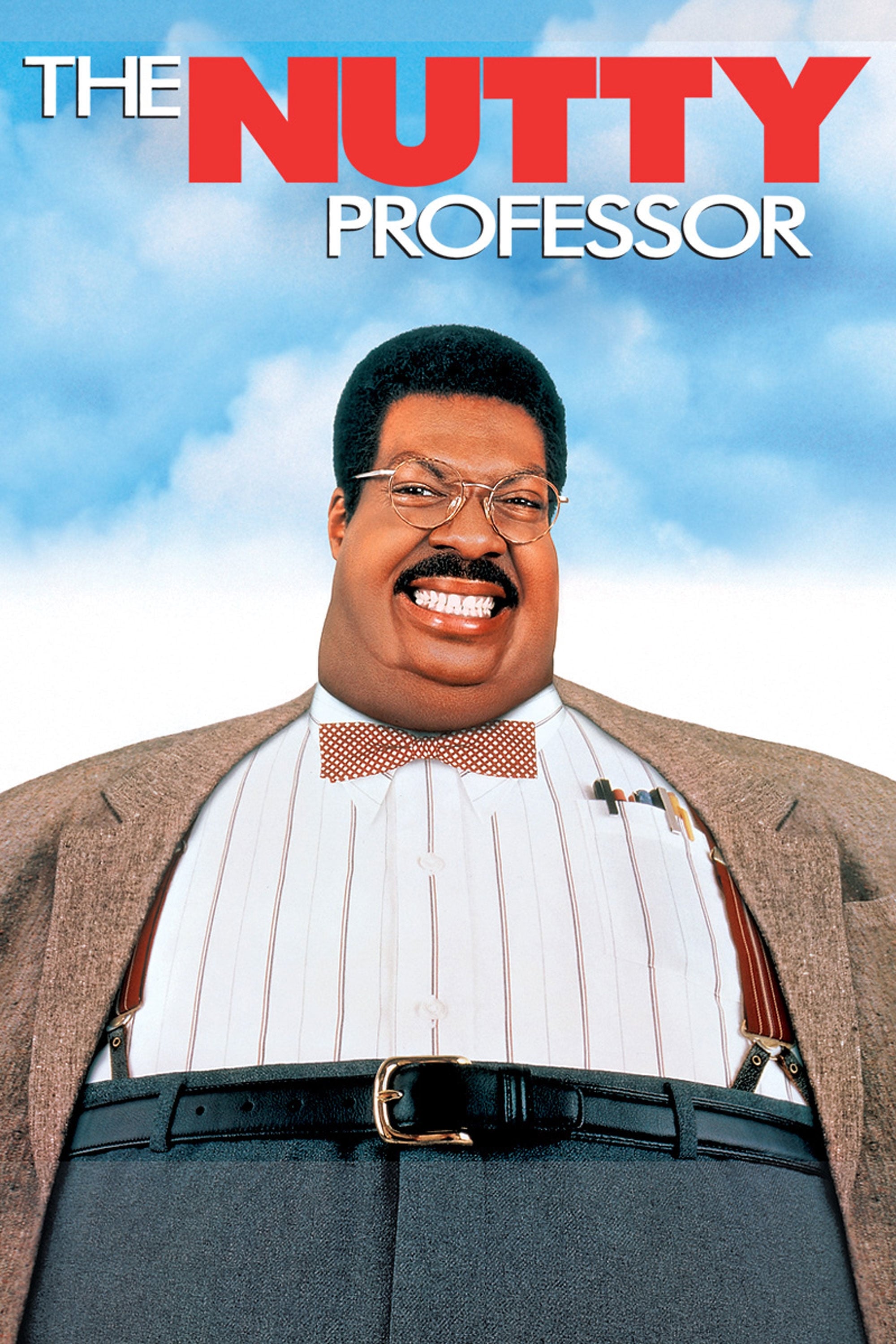
A major reason this one feels dated is how often body size is used as the punchline. The movie repeatedly equates weight with shame, lack of control, or social worth, even when it tries to deliver a sweeter message. That contrast can make the humor feel harsher on rewatch. It’s also a useful case study in how studio comedies once treated fat jokes as “default” rather than targeted.
‘Junior’ (1994)
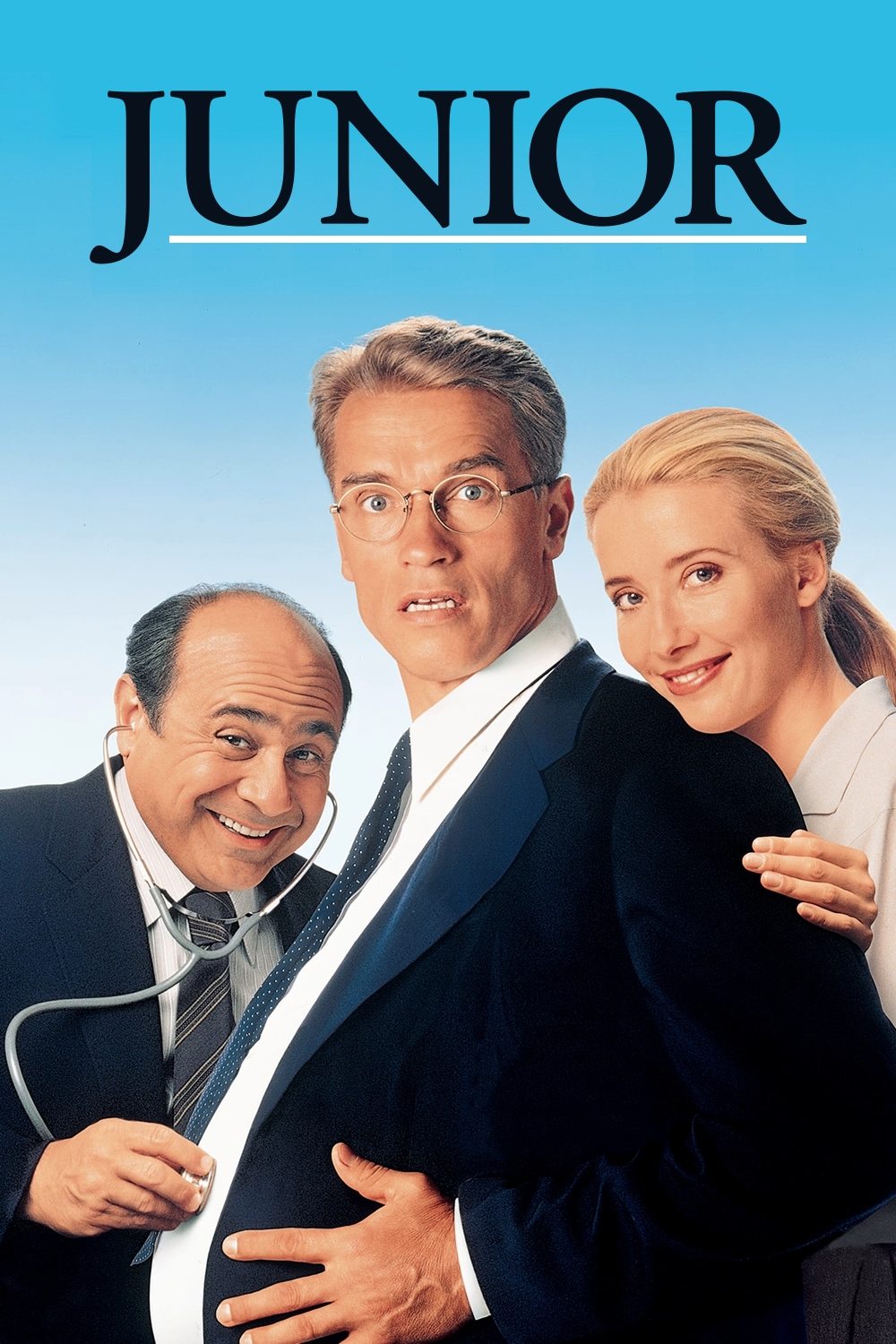
The premise centers on pregnancy as a gag and leans on gender stereotypes for laughs. It’s often criticized for treating reproductive themes as novelty instead of something human and nuanced. Some scenes also play discomfort and misunderstanding as comedy rather than exploring the situation thoughtfully. If you revisit it, it helps to approach it as a high-concept farce with very dated assumptions.
‘Blank Check’ (1994)

This family movie raises eyebrows now because it frames an adult’s flirtation with a child as cute and harmless. One moment in particular is frequently brought up as a “how did this get made?” example for modern audiences. Beyond that, the story normalizes a kid being placed in situations with little adult safeguarding. It’s a good candidate for checking parental guides before a rewatch.
‘Problem Child 2’ (1991)
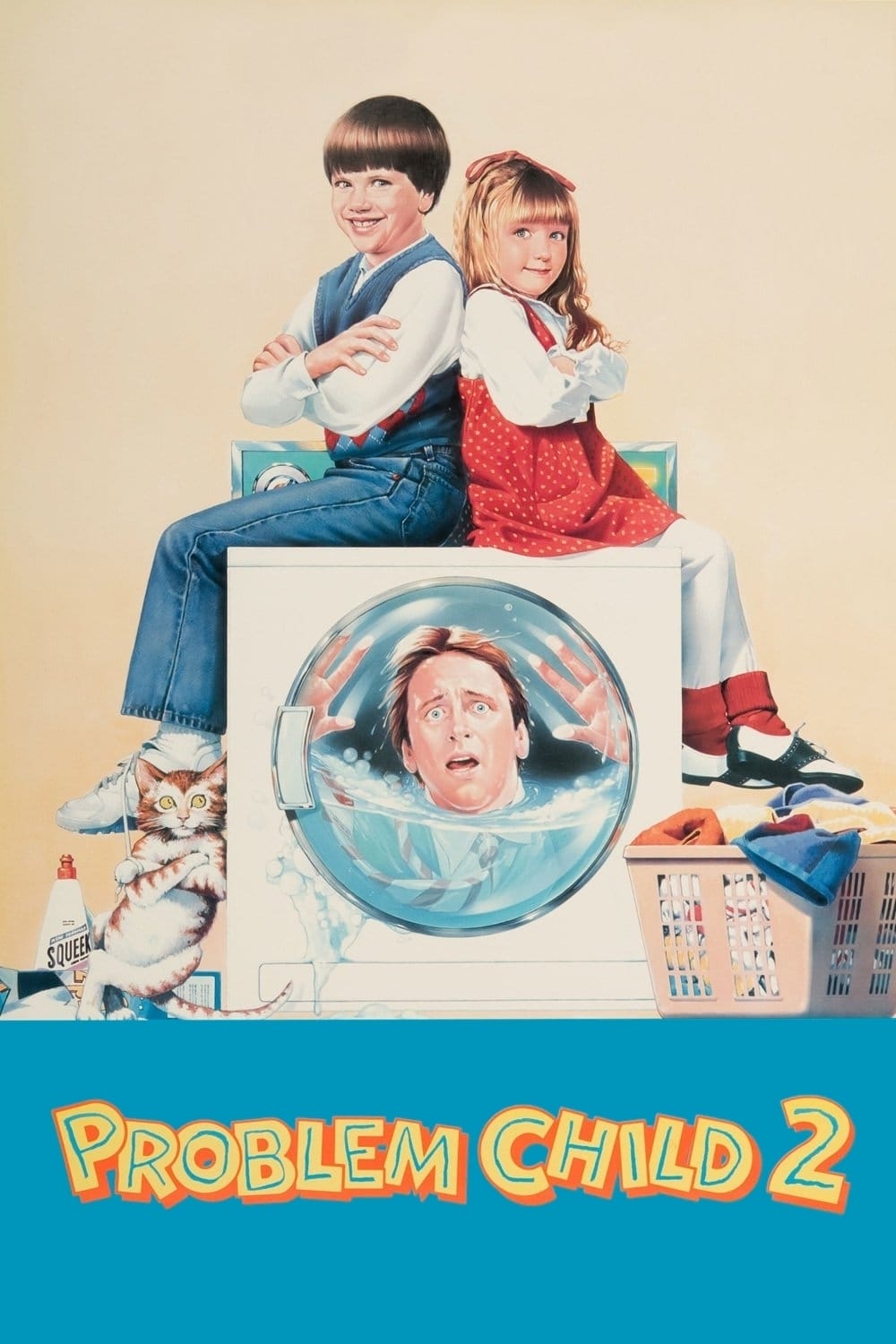
The humor here is built on cruelty, chaos, and kids being hurt or humiliated for laughs. That style can feel exhausting now, especially for viewers who prefer mischief without meanness. The movie also treats bad behavior as the main engine of entertainment, rather than something the story genuinely challenges. If you rewatch, it’s worth knowing the tone is intentionally abrasive.
‘Cool as Ice’ (1991)
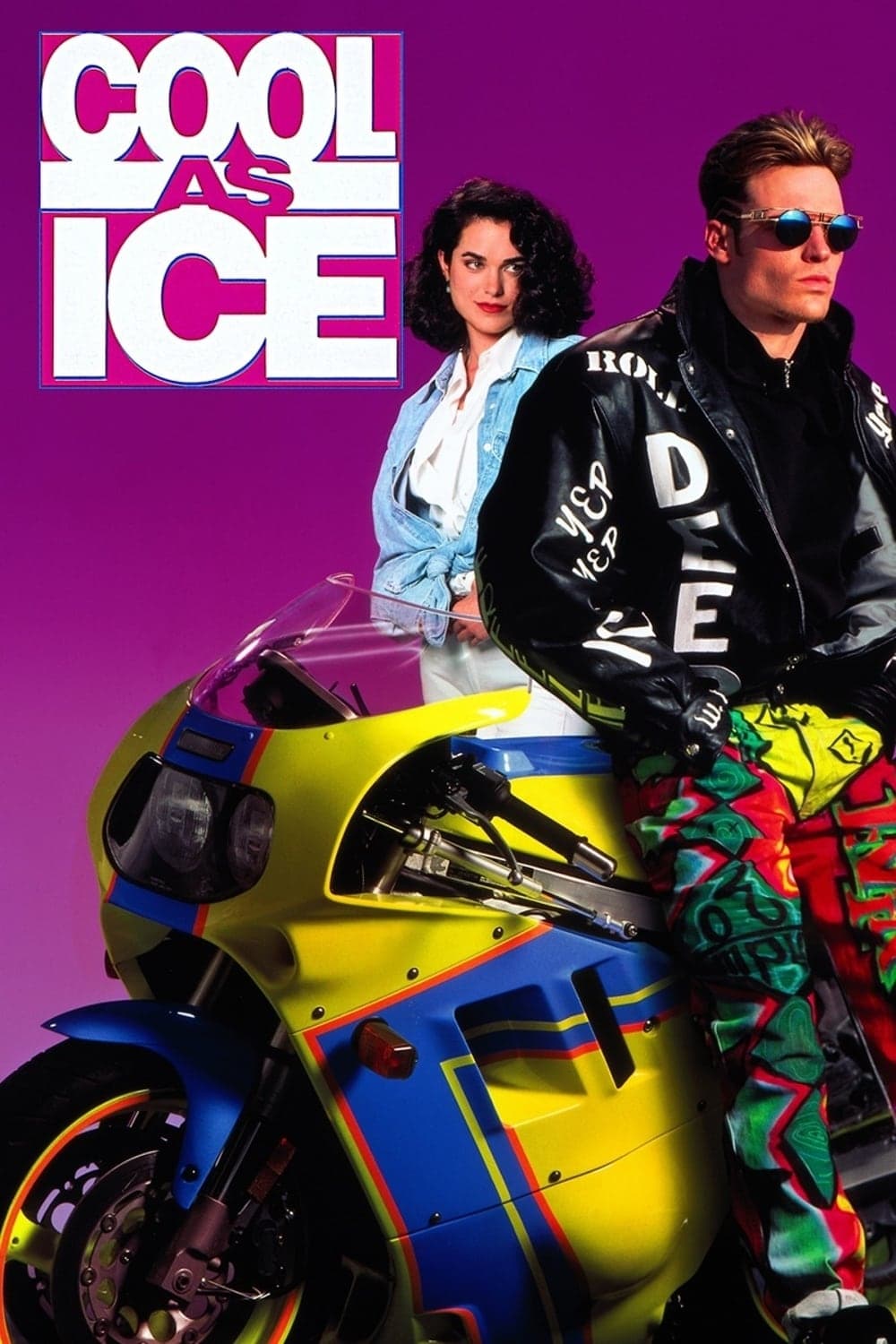
This is often remembered less as a movie and more as a pop-culture artifact tied to a moment in music branding. The dialogue and “cool” persona play like a forced image campaign rather than natural characterization. A lot of scenes depend on posing, posturing, and dated slang to sell attitude. If you watch it today, it helps to treat it as a time capsule of early-’90s marketing.
‘North’ (1994)
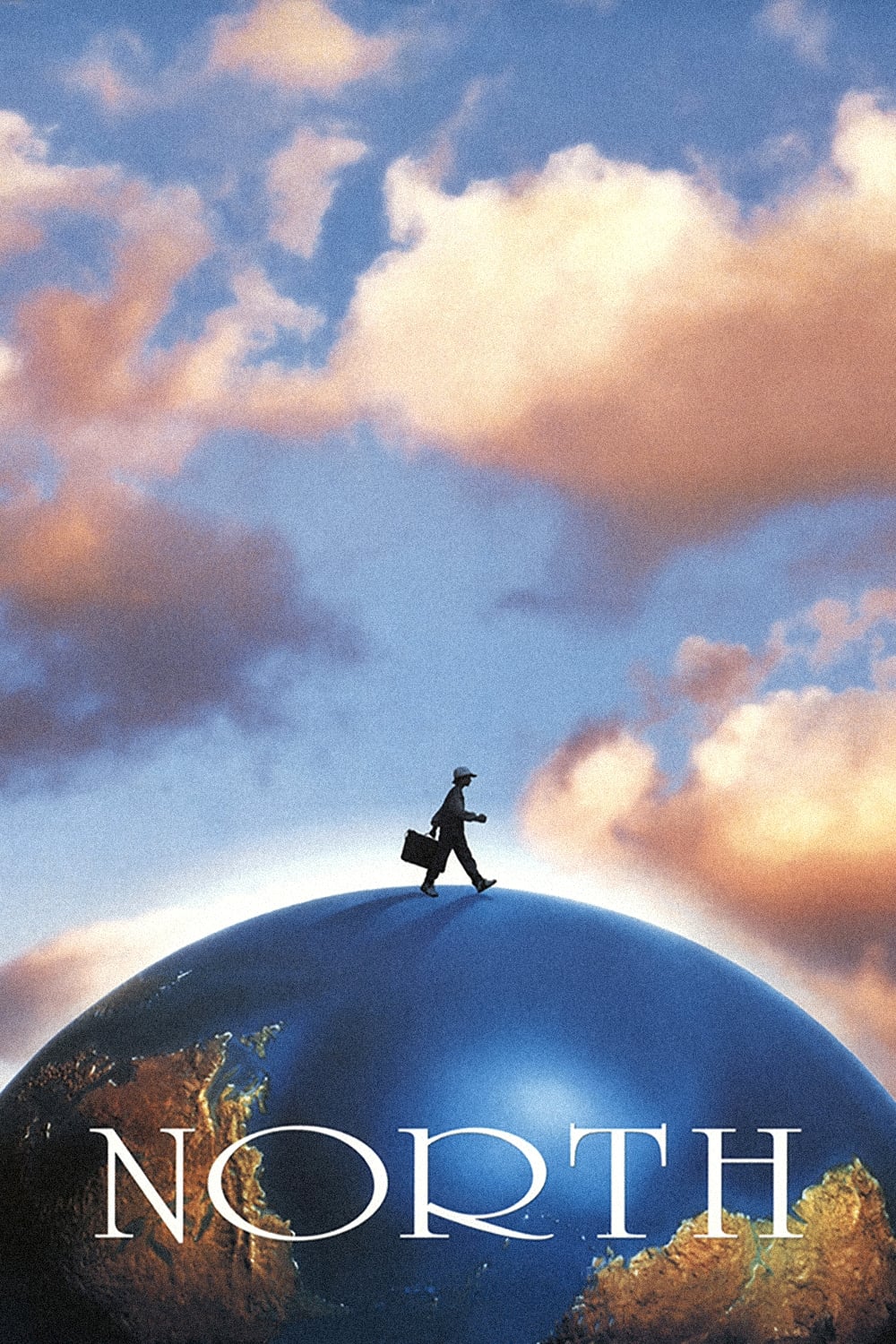
This one is widely mocked for its concept and tone, which swings between whimsical and strangely bleak. The story asks the audience to accept extremes—especially around family and childhood—that can feel uncomfortable rather than funny. It also stacks celebrity cameos in a way that can distract from the plot instead of enhancing it. Knowing its reputation going in can make it easier to watch with the right expectations.
‘The Pest’ (1997)
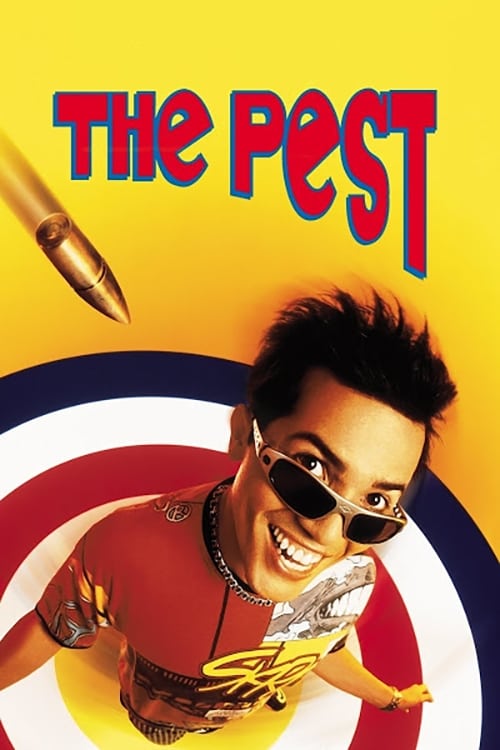
The comedy relies heavily on ethnic impressions and exaggerated stereotypes, which is the main reason it’s often flagged as hard to sit through now. Many jokes are built around caricature rather than character, so they don’t age gracefully. The pacing is also relentless, which can amplify how grating the humor feels on rewatch. If you’re revisiting, it’s worth being ready for a very broad, very dated style.
‘Bio-Dome’ (1996)
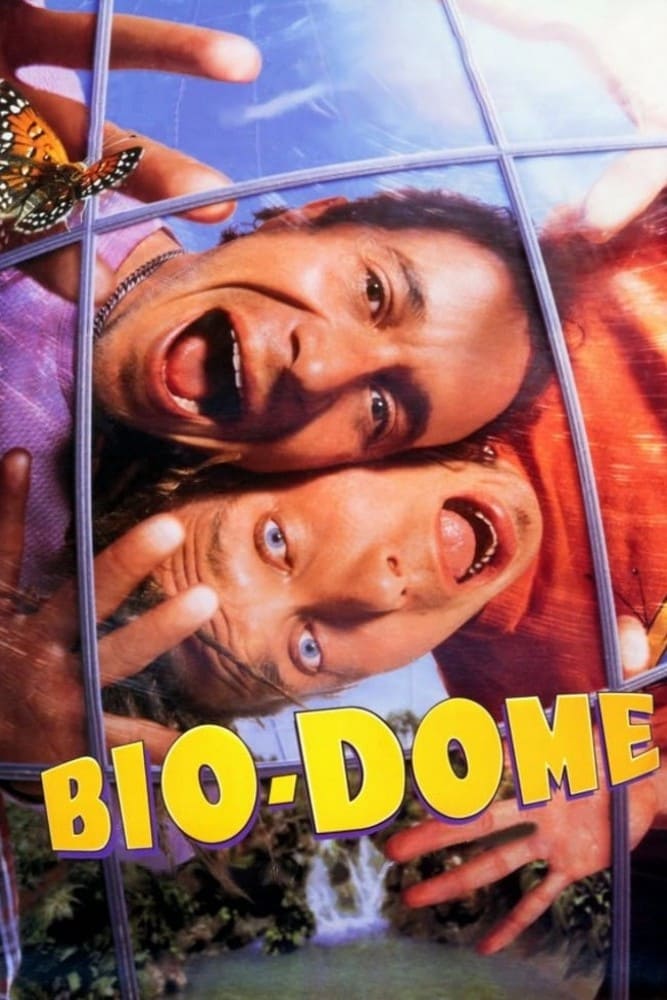
This is a classic example of gross-out comedy that treats immaturity as the whole point. A lot of the gags revolve around bodily functions, harassment played as flirtation, and “loser” behavior rewarded with little consequence. Modern audiences often bounce off how little the movie challenges its leads’ actions. If you watch today, it’s mostly useful as a marker of what studio comedies once greenlit.
‘Batman & Robin’ (1997)
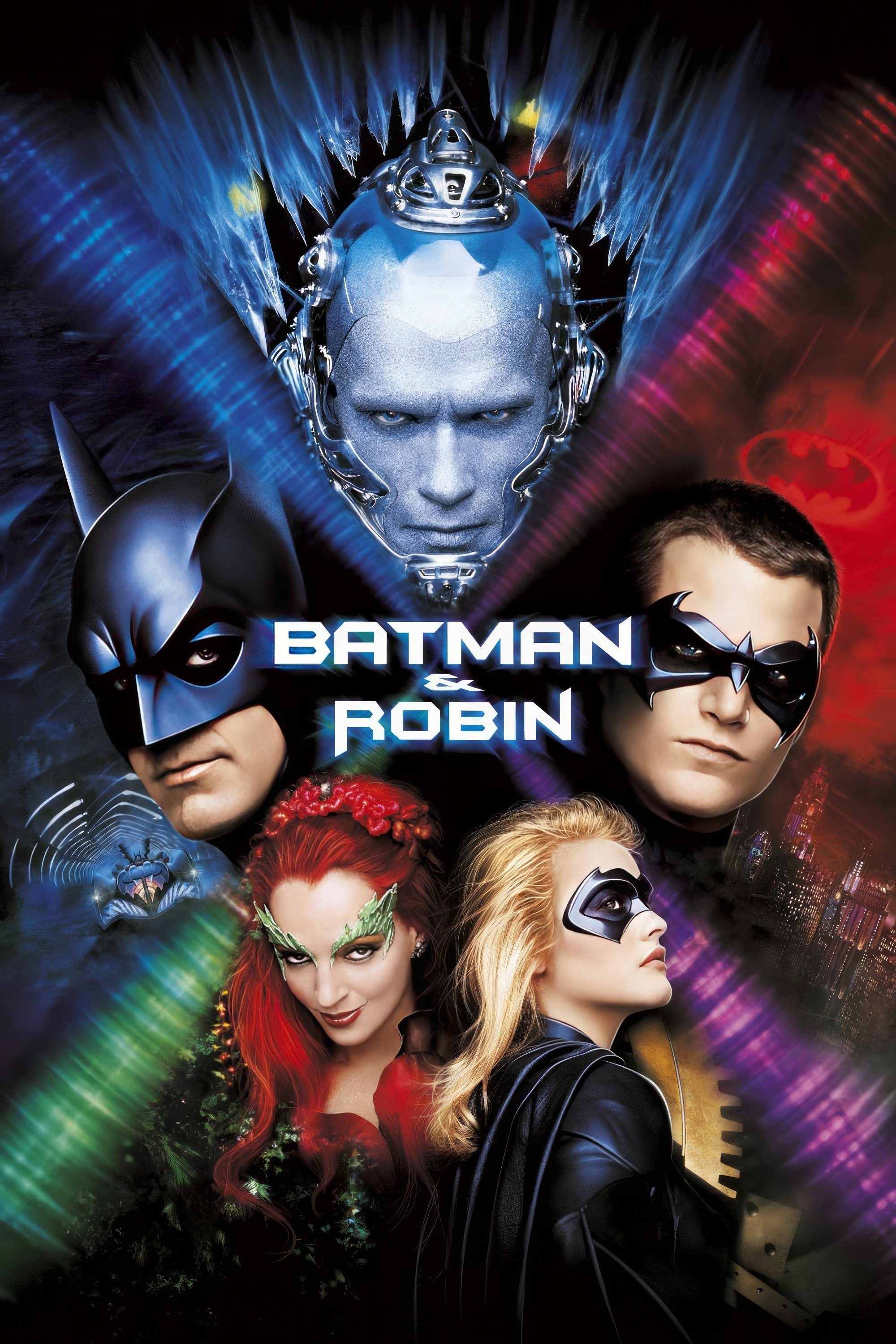
The film is frequently criticized for feeling more like a toy commercial than a coherent superhero story. Its humor is packed with puns and exaggerated performances that aim for camp but can come off as grating. The visual style is loud and glossy in a way that many viewers find overwhelming now. If you revisit it, it helps to view it as a neon spectacle rather than a character-driven comic-book film.
‘Street Fighter’ (1994)
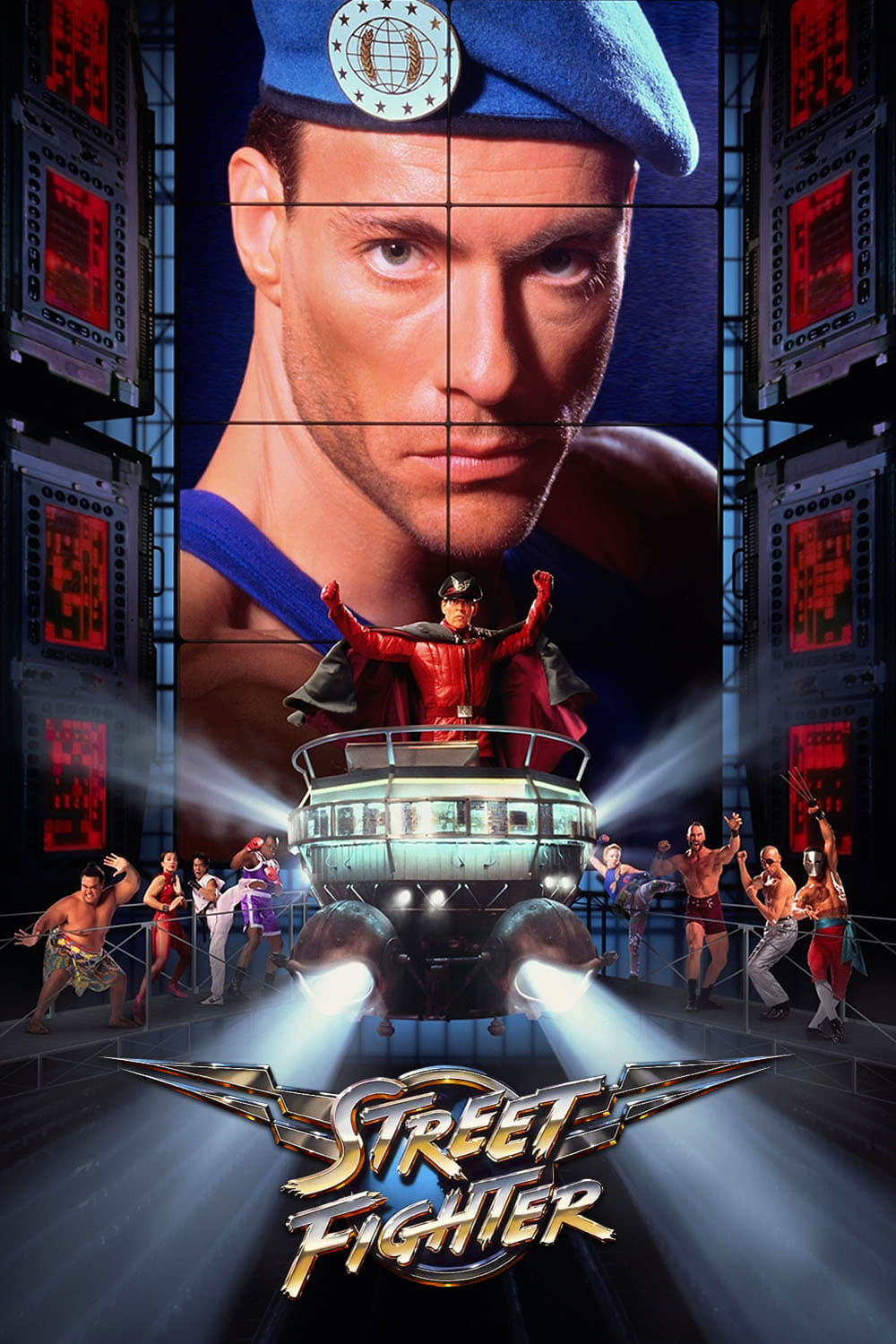
This adaptation is often remembered for tonal confusion and a plot that tries to juggle too many characters at once. The dialogue and staging can feel more like an exaggerated sketch than an action movie with stakes. Even fans of the game frequently point to uneven performances and awkward set pieces. Going in with “so-bad-it’s-fun” expectations is usually how people get through it.
‘Mortal Kombat: Annihilation’ (1997)
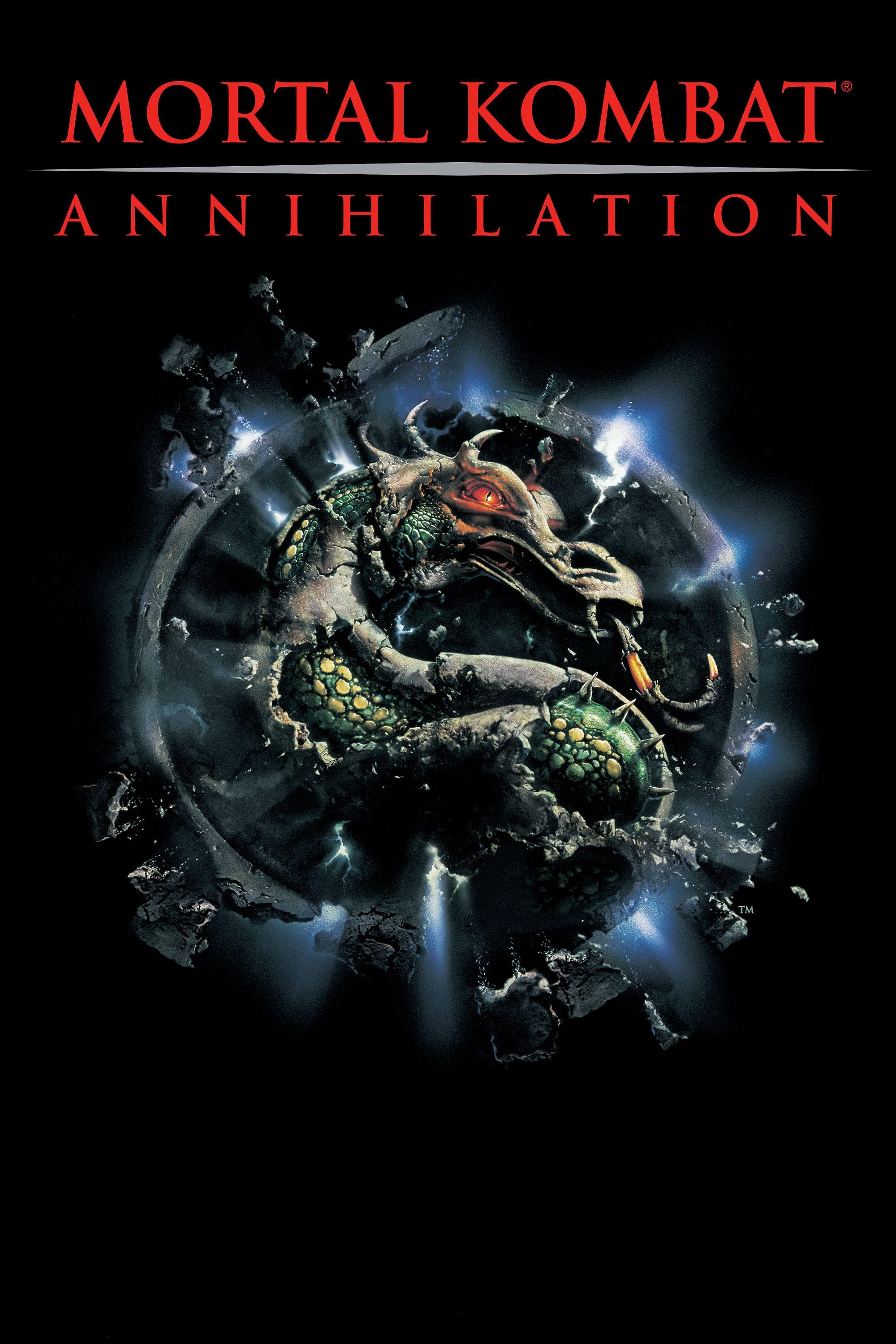
The movie is notorious for rapid-fire scene changes and a story that barely pauses to explain itself. Effects and fight choreography have a highly dated look, especially compared to modern action standards. Character motivations often shift abruptly, which makes it hard to stay invested. It’s a common pick for “what went wrong” discussions about rushed sequels.
‘Showgirls’ (1995)

This film is often debated, but many viewers find it difficult due to its blend of exploitation, sensationalism, and harsh sexual politics. Some scenes are especially upsetting and are frequently cited in content warnings. The movie’s tone can feel inconsistent, mixing satire-adjacent moments with material that plays far more brutally than it seems to intend. If you’re revisiting, checking detailed trigger lists beforehand is a smart move.
‘The Postman’ (1997)
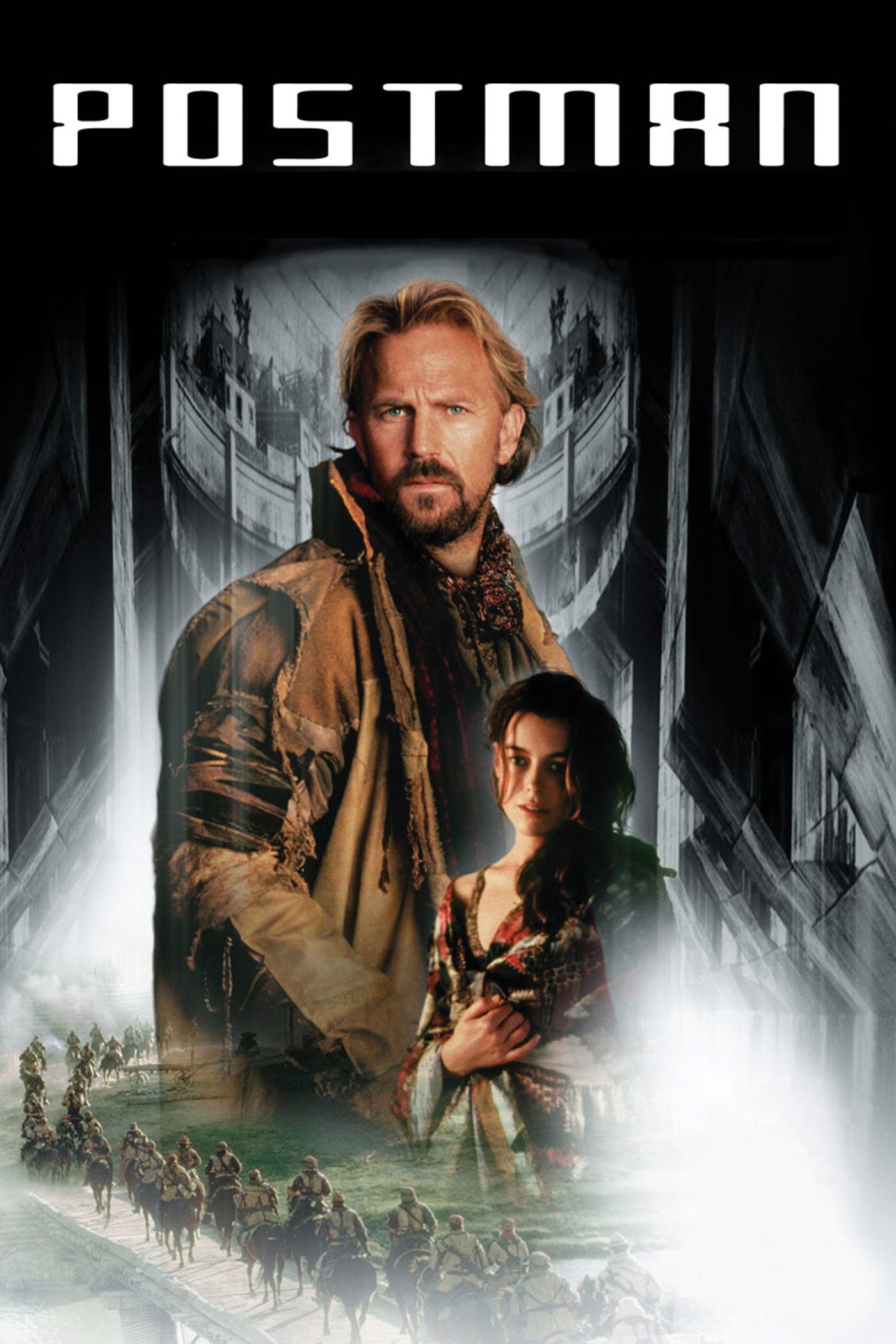
This one is often criticized for being overlong and self-serious in a way that can feel punishing. The storytelling leans on grand speeches and sweeping heroism that some viewers now find heavy-handed. Its pacing makes it a tough rewatch if you prefer tighter narratives. It’s frequently used as an example of big-budget ambition that didn’t translate to a compelling viewing experience.
‘The Island of Dr. Moreau’ (1996)
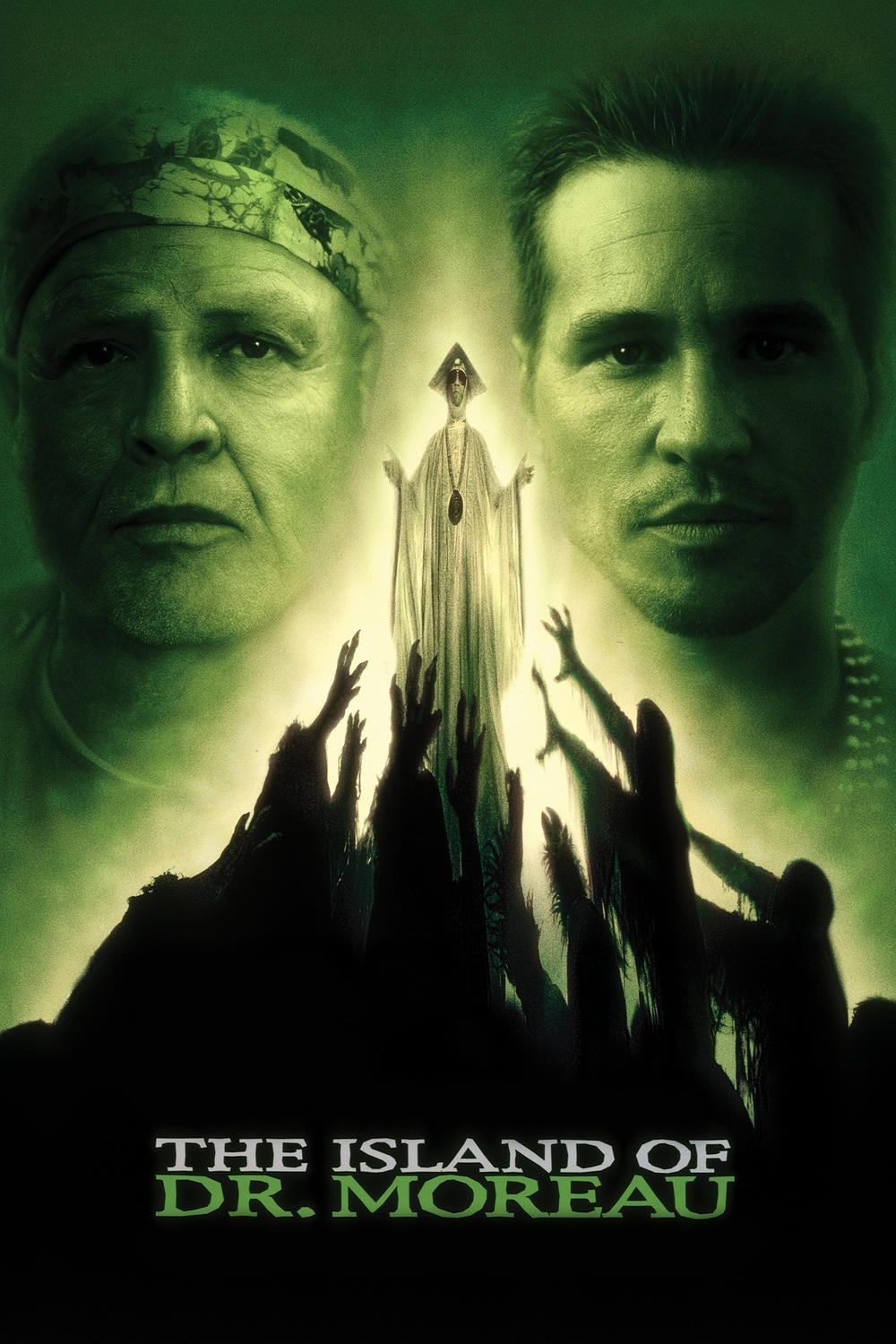
The film’s troubled production shows up on screen through uneven tone, inconsistent character work, and scenes that feel stitched together. It also features creature designs and themes that can read as unsettling without clear purpose. Viewers often describe it as confusing rather than intriguingly strange. It’s become more famous as a behind-the-scenes cautionary tale than as a satisfying sci-fi story.
‘Wild Wild West’ (1999)
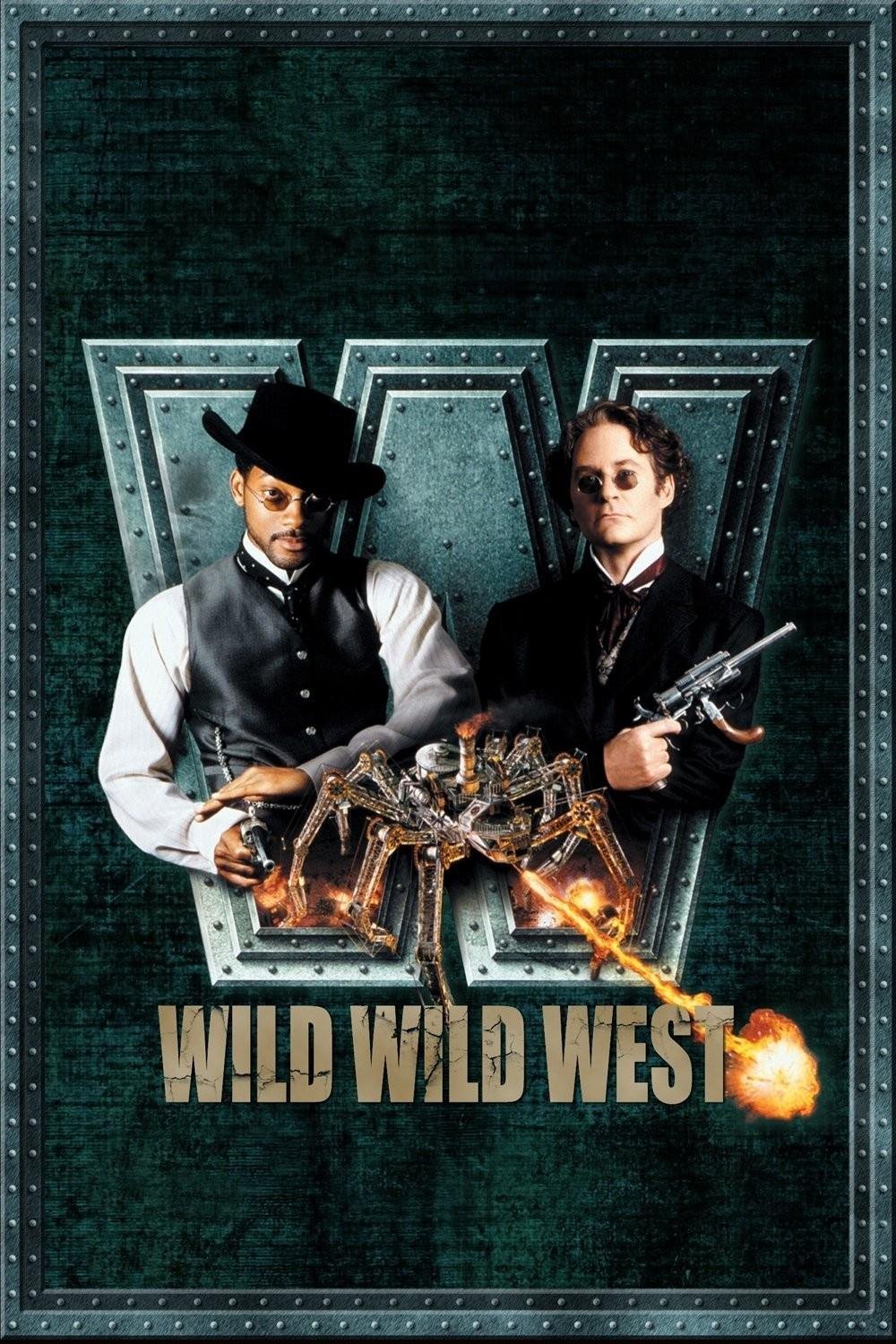
This is often cited as a blockbuster overloaded with gimmicks and tonal whiplash. It leans on broad jokes and spectacle-first plotting, with set pieces that feel more like a parade of concepts than a focused story. Some humor and portrayals also read as dated in ways that distract from the adventure. If you revisit it, it’s useful to expect a loud, messy mash-up rather than a tight action-comedy.
‘The Net’ (1995)

The depiction of online life and cybersecurity is a big reason this feels like a time capsule now. The movie treats basic digital concepts as mysterious and magical, which can be unintentionally funny for modern viewers. Its thriller stakes depend on fears and systems that don’t map neatly onto how people experience the internet today. It’s a useful watch mainly for seeing early mainstream “computer paranoia” storytelling.
‘Hackers’ (1995)
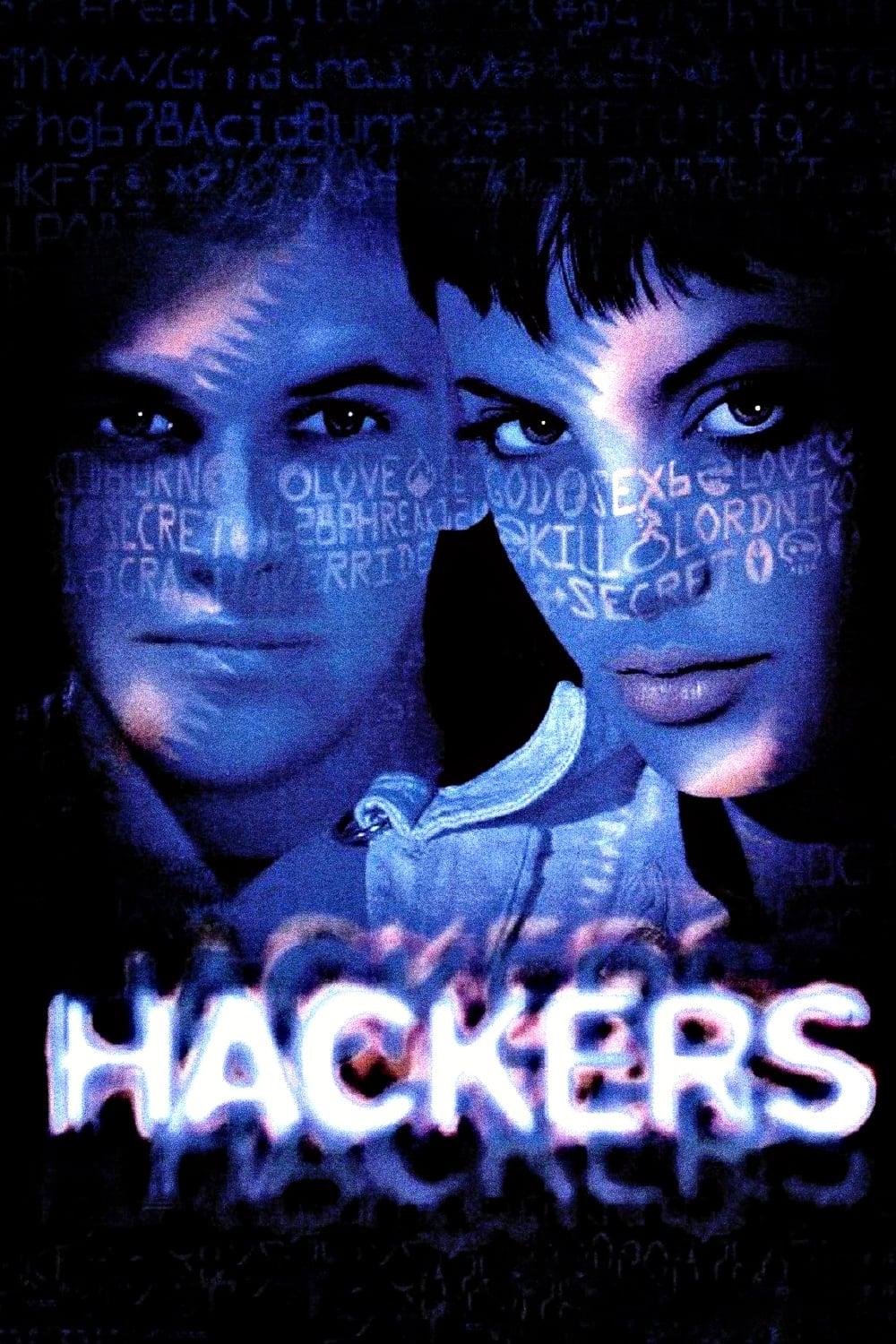
This movie’s version of hacking is stylized to the point of fantasy, with visuals and jargon that feel more like fashion than function. That can make it hard to take seriously if you’re expecting anything grounded. Many scenes depend on “cool tech rebel” vibes rather than believable problem-solving. Rewatching it works best if you treat it as cyber-aesthetic fiction, not a tech thriller.
‘Beverly Hills Ninja’ (1997)
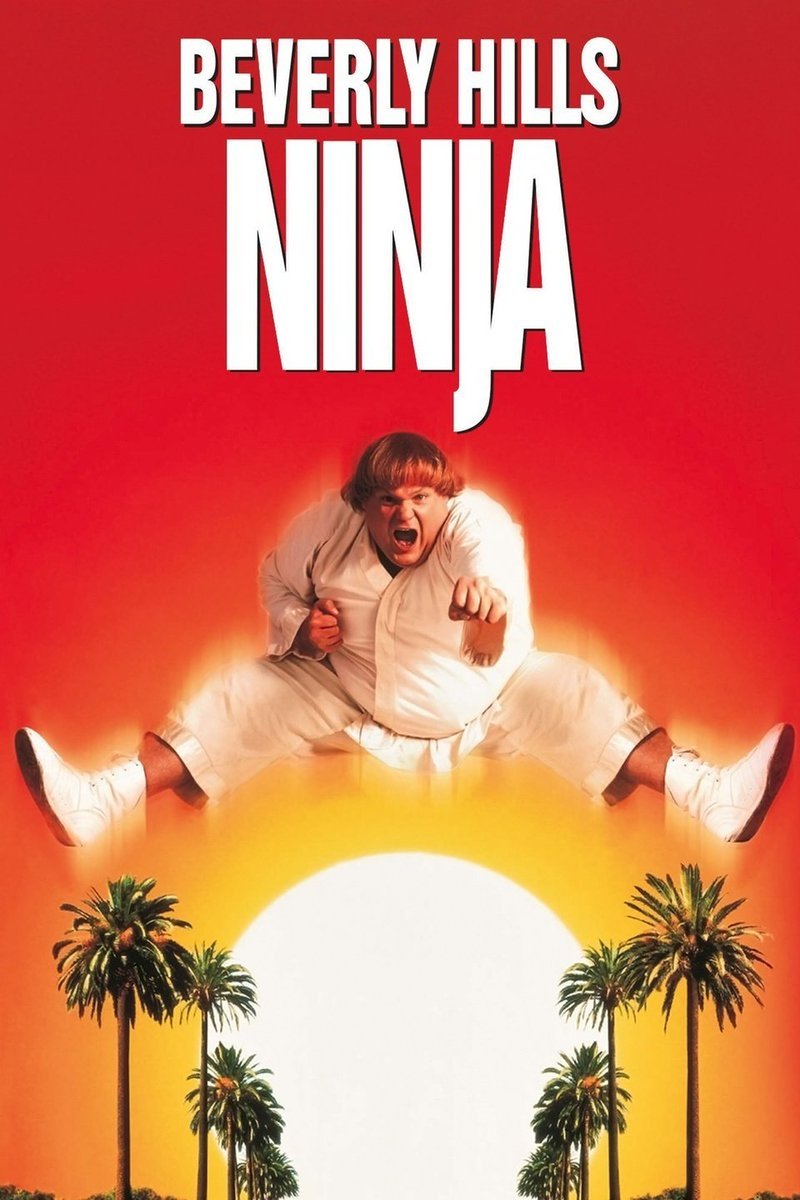
A major criticism of this comedy is how it plays with Asian martial-arts imagery in a way that can slide into stereotype. The humor also leans heavily on clumsiness and mockery, which can feel one-note. Some gags hinge on cultural shorthand rather than character-driven comedy. If you revisit, it helps to be aware of how much of the movie’s identity is built on borrowed tropes.
‘Jingle All the Way’ (1996)
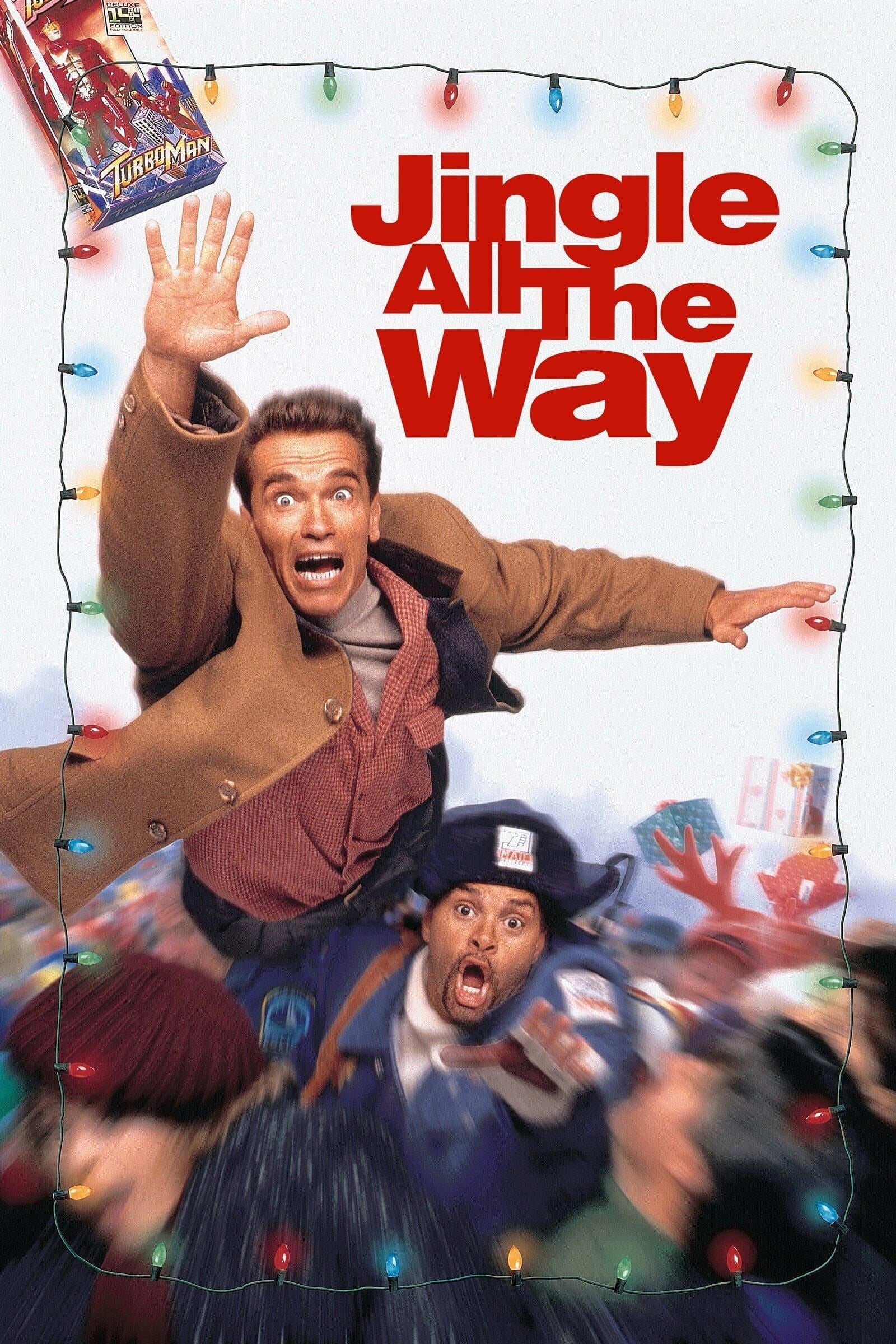
The story is driven by consumer panic and frantic competition that can feel extra grating now. It also frames chaotic behavior—lying, scheming, and escalating conflict—as the normal way to solve a family problem. The satire is broad enough that it sometimes blurs into endorsement of the frenzy it’s showing. If you watch it today, it’s worth focusing on how it reflects holiday retail culture of its era.
‘She’s All That’ (1999)
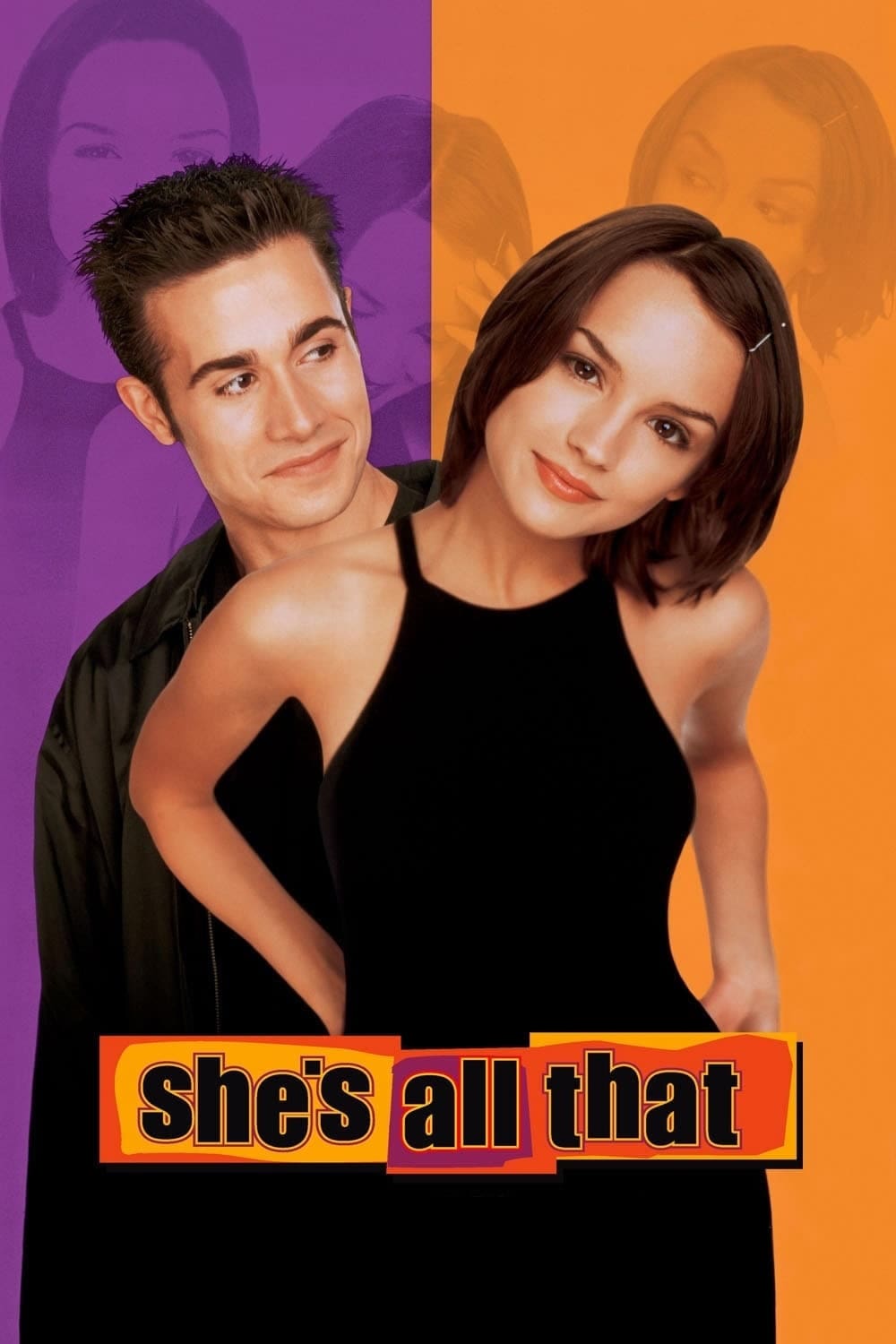
This teen romance is often revisited with fresh criticism because its makeover premise treats social status as something you can “fix” through appearance. It also includes manipulative behavior that the story frames as playful rather than harmful. Several relationship dynamics depend on deception, which lands differently now. If you rewatch, it’s helpful to keep an eye on how the film defines worth and popularity.
‘Can’t Hardly Wait’ (1998)
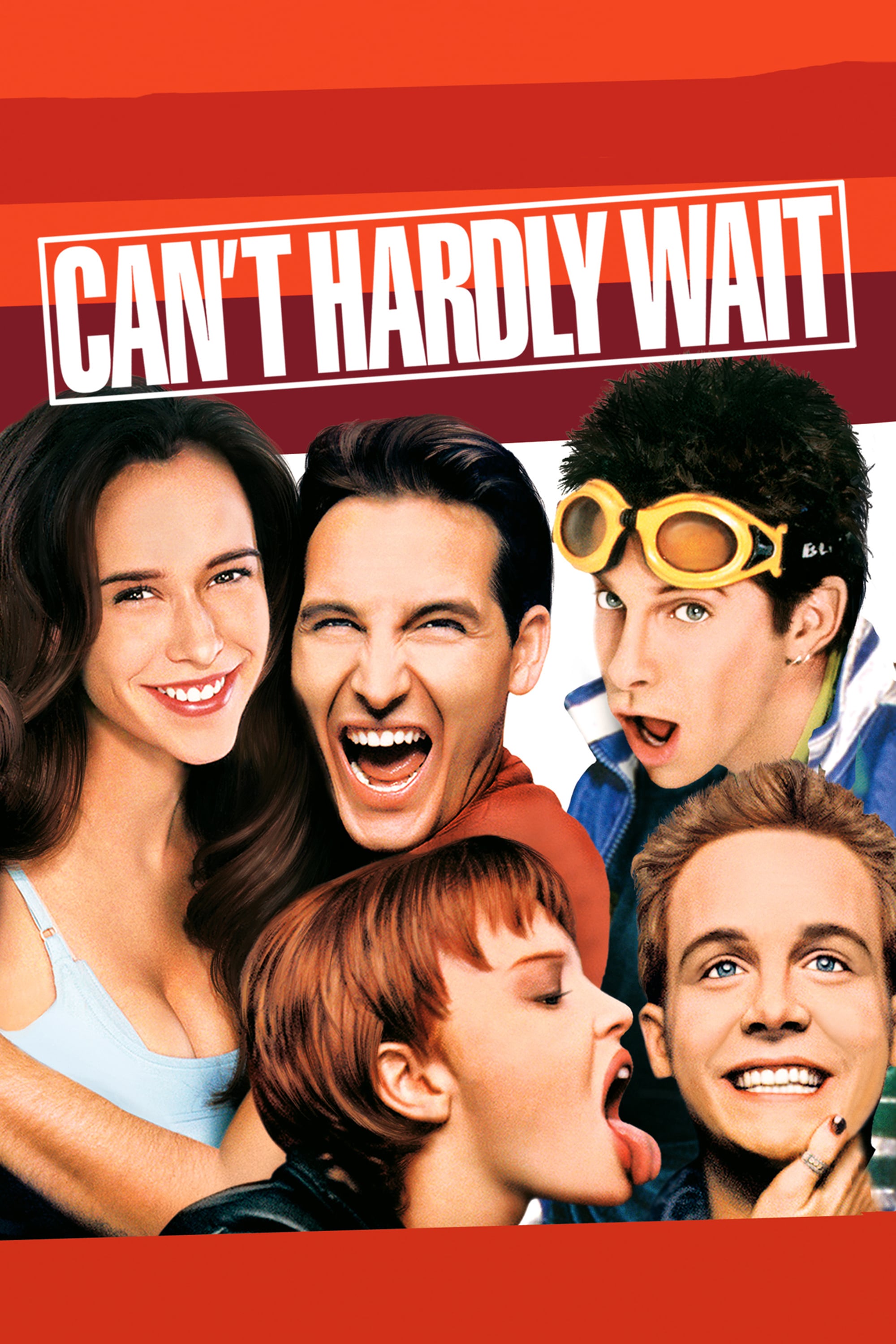
A lot of the comedy relies on broad stereotypes and party behavior that brushes past consent and boundaries. Characters frequently treat persistence and peer pressure as normal, even when it makes situations uncomfortable. The tone is light, but the social dynamics can feel dated and meaner than intended. Checking a quick scene breakdown can help you decide if it’s your kind of nostalgia.
‘Cruel Intentions’ (1999)
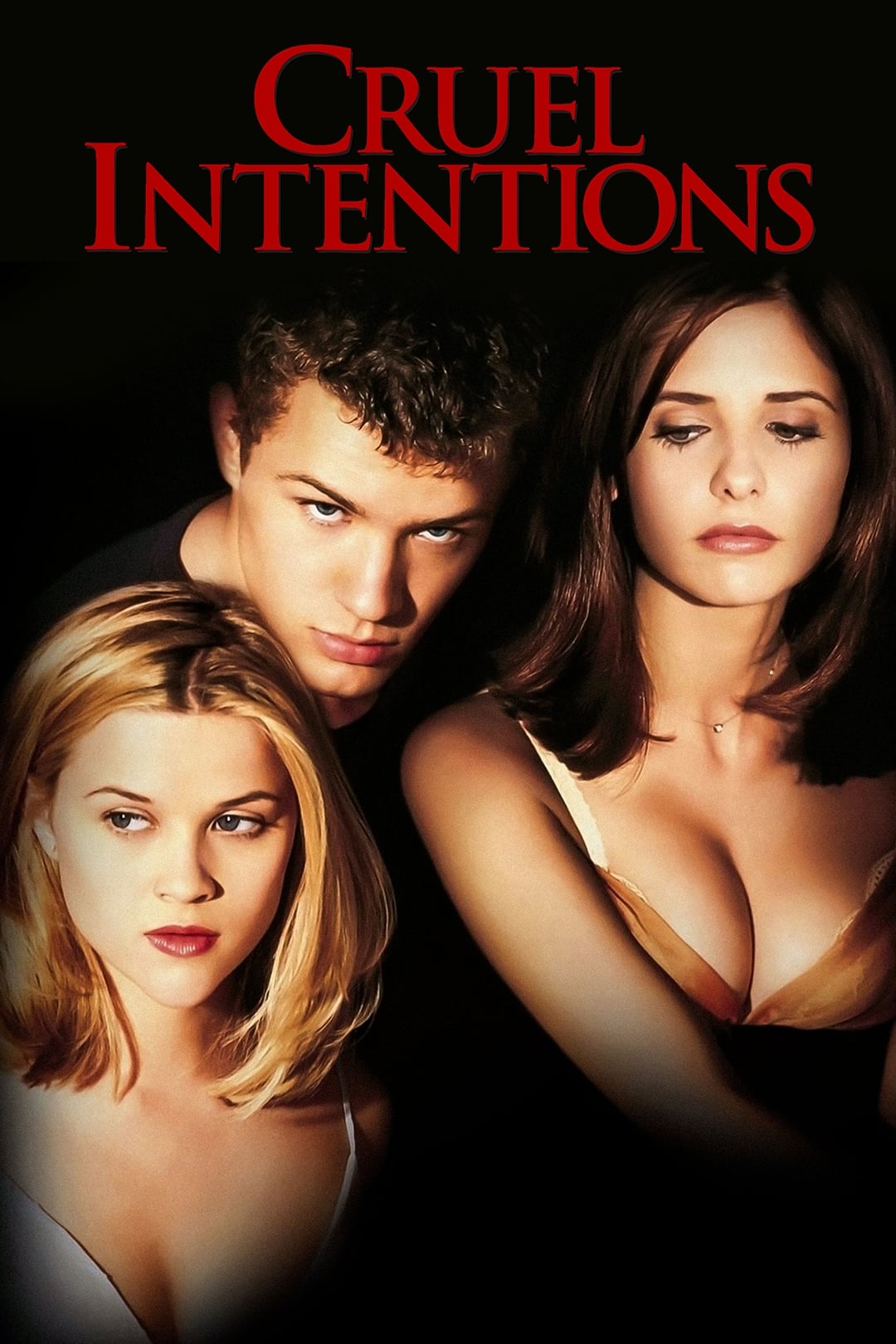
This film centers on manipulation, coercion, and sexual power games, and it often treats cruelty as glamorous. Some plot points revolve around consent in ways that many viewers now find deeply uncomfortable. The movie’s appeal depends on enjoying the characters’ moral rot, which isn’t everyone’s idea of a good time anymore. If you revisit it, content warnings are especially useful here.
‘American Beauty’ (1999)

Modern reappraisals often focus on how the story frames a middle-aged man’s fixation on a teenager. What the film presents as edgy or meaningful can read as unsettling in a way that overshadows everything else. Several themes hinge on voyeurism and idealization that many audiences now push back against. Going in with that context changes how the movie plays moment to moment.
‘Disclosure’ (1994)
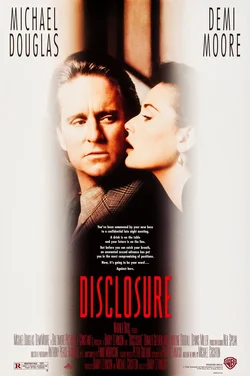
The film is frequently criticized for sensationalizing workplace harassment and for leaning on trans panic tropes. Its thriller framing turns complex issues into plot devices designed for shock rather than understanding. That approach can make key scenes feel exploitative and misleading to modern viewers. If you watch it today, it’s best approached with awareness of how far public conversations have moved on.
‘The Bonfire of the Vanities’ (1990)
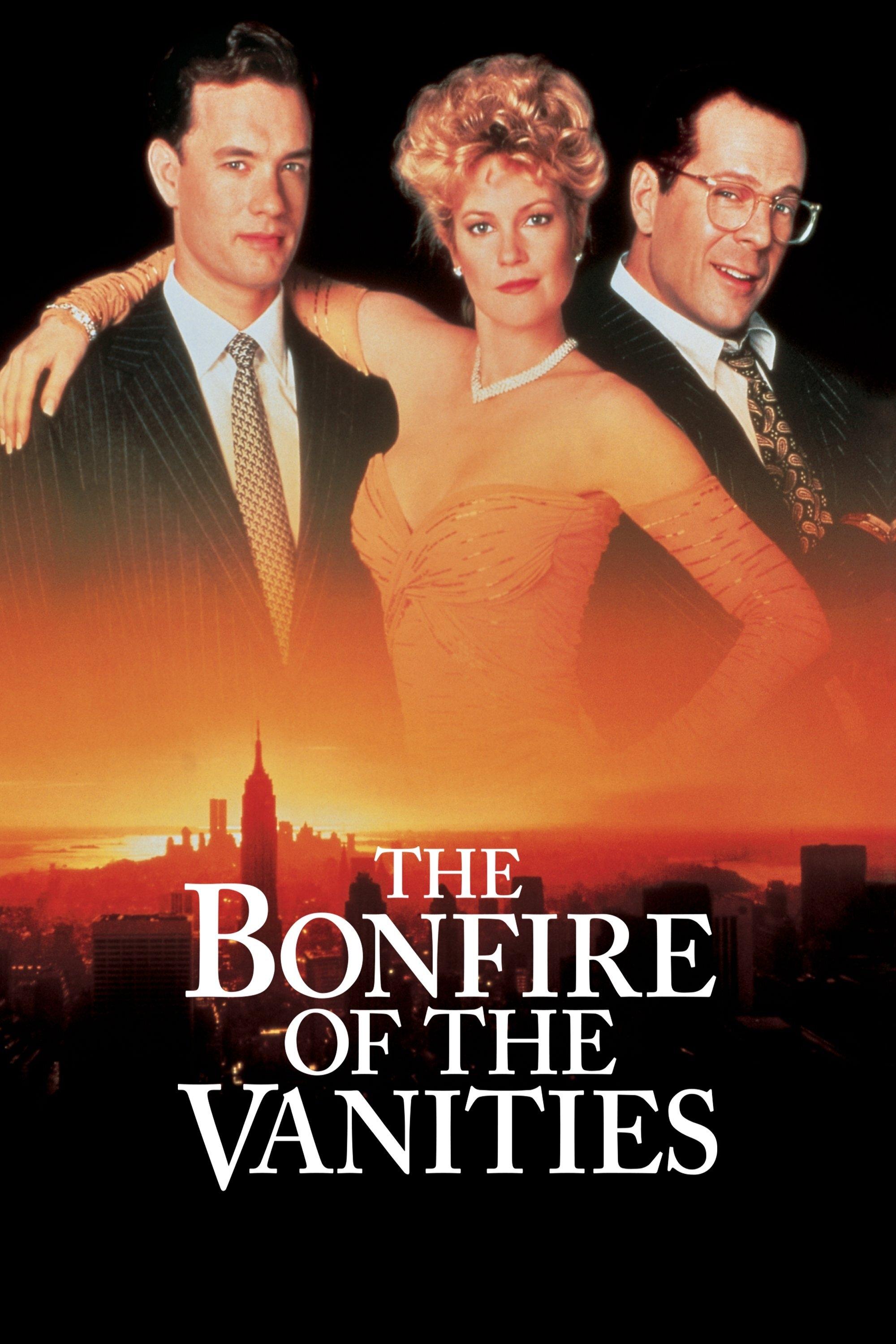
This adaptation is often considered a misfire because its satire and social critique get muddled in tone and characterization. Many viewers find it hard to connect with the story because it struggles to balance comedy, drama, and condemnation. The result can feel like a glossy surface without clear bite. It’s frequently discussed as an example of how tricky it is to translate sharp social novels to film.
‘Freddy’s Dead: The Final Nightmare’ (1991)
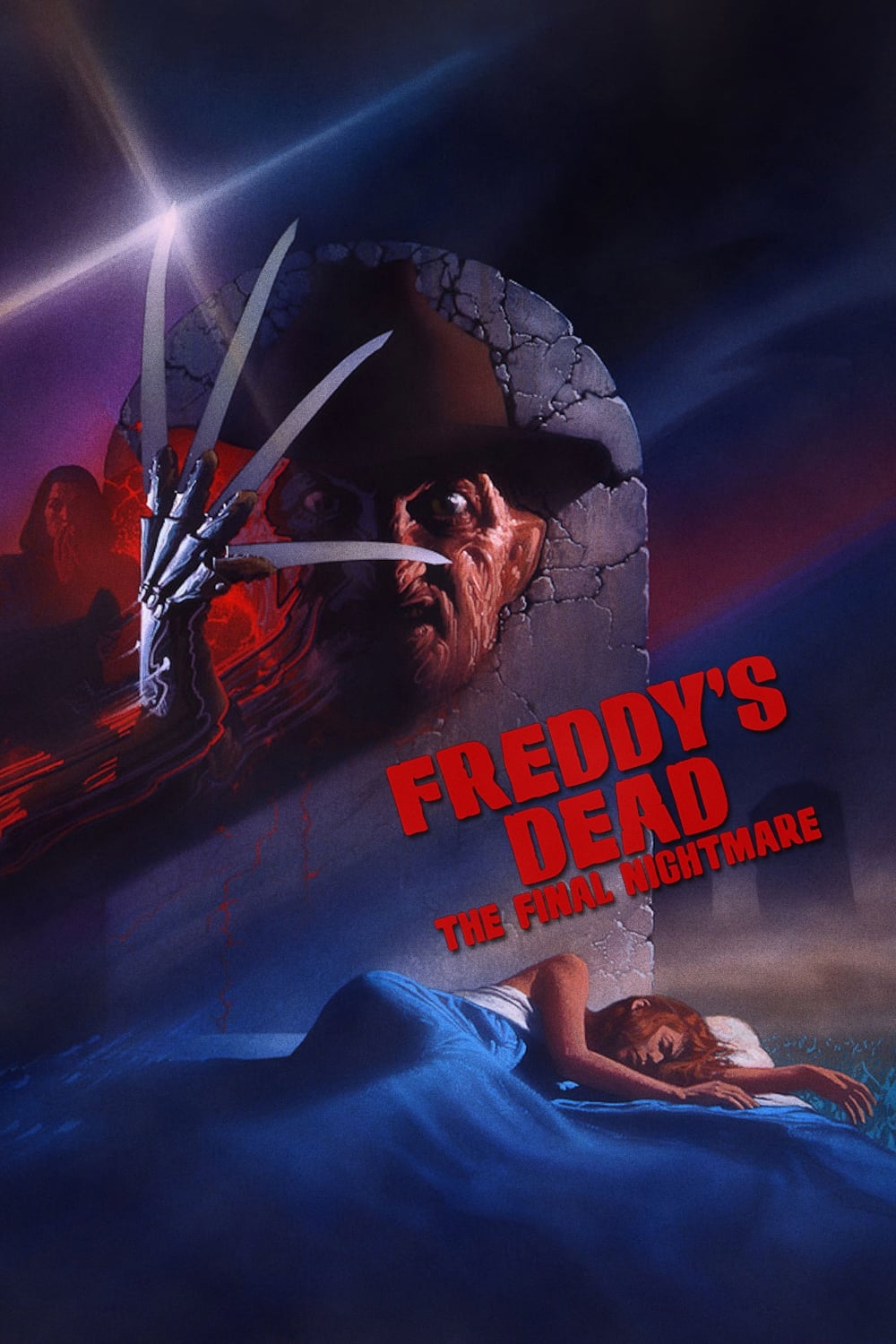
This installment is commonly singled out for leaning into cartoonish humor that undercuts any horror tension. The tone is aggressively jokey, which can make it feel more like a skit collection than a scary movie. It also packs in gimmicks that quickly date it compared to stronger entries in the genre. If you’re revisiting, it helps to expect campy chaos rather than classic horror.
Drop your own “aged the worst” picks in the comments—especially the ones you tried to rewatch and immediately turned off.