Great Sci-Fi Movies That Don’t Really Make Much Sense


Sci-fi is at its most addictive when it asks big questions and leaves you doing mental math long after the credits roll. Some films lean so hard into time loops, shifting realities, unreliable perspectives, or dream-logic that “explaining it” becomes part of the experience. The movies below are all packed with ideas—yet their rules can feel slippery, contradictory, or intentionally incomplete. If you like stories that reward rewatching, rabbit-hole reading, and arguing with friends, this is your kind of list.
‘2001: A Space Odyssey’ (1968)
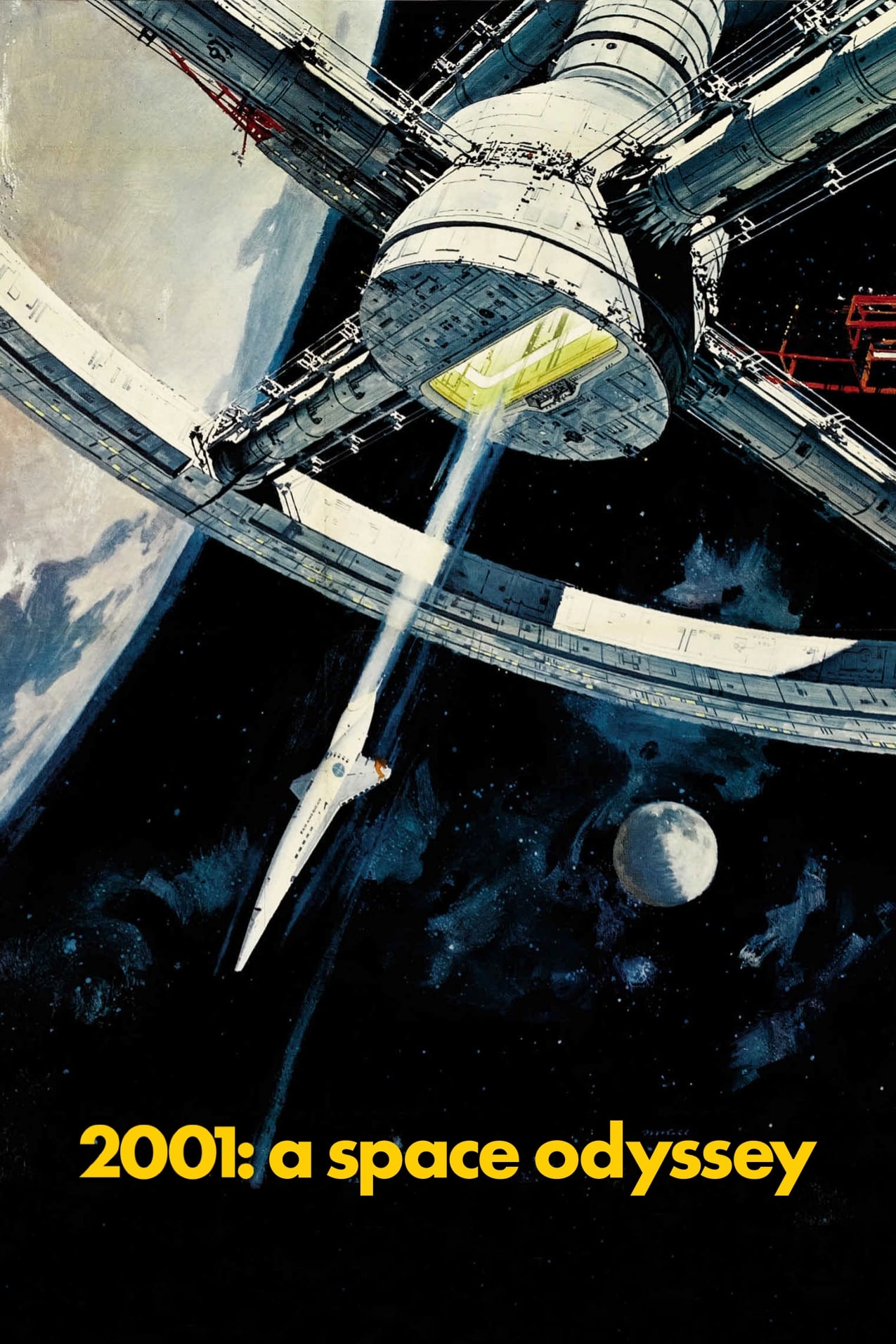
Stanley Kubrick’s film jumps from prehistoric mystery to deep-space routine and then into a finale that plays like a visual riddle. The monolith appears to “trigger” evolution and transformation, but the mechanism is never spelled out in concrete terms. The final act’s abrupt shift in setting and time perception raises questions about whether you’re watching alien intervention, a metaphorical afterlife, or a human mind breaking under the sublime. Paying attention to repeated shapes, cuts, and sound cues helps track the film’s internal pattern even when the plot turns abstract.
‘Solaris’ (1972)

This story centers on a space station orbiting a planet that seems to respond to human memory and guilt. The planet’s phenomena produce physical “visitors,” but the film never clarifies whether they’re copies, projections, or something stranger with agency. Characters debate science, philosophy, and grief, yet the rules for what the planet can do shift as the emotional stakes change. It’s useful to watch it as a study of perception and accountability rather than a puzzle with a single solution.
‘Stalker’ (1979)

A forbidden area known as the Zone supposedly contains a room that grants a person’s deepest desire, but the film withholds proof and clear cause-and-effect. The route through the Zone changes, and the guide’s “rules” often sound like superstition, leaving you unsure what is real danger versus psychological pressure. Objects and events are loaded with significance, but the narrative refuses to confirm what matters and why. Tracking the characters’ motivations is often more grounding than trying to map the Zone like a normal setting.
‘Brazil’ (1985)
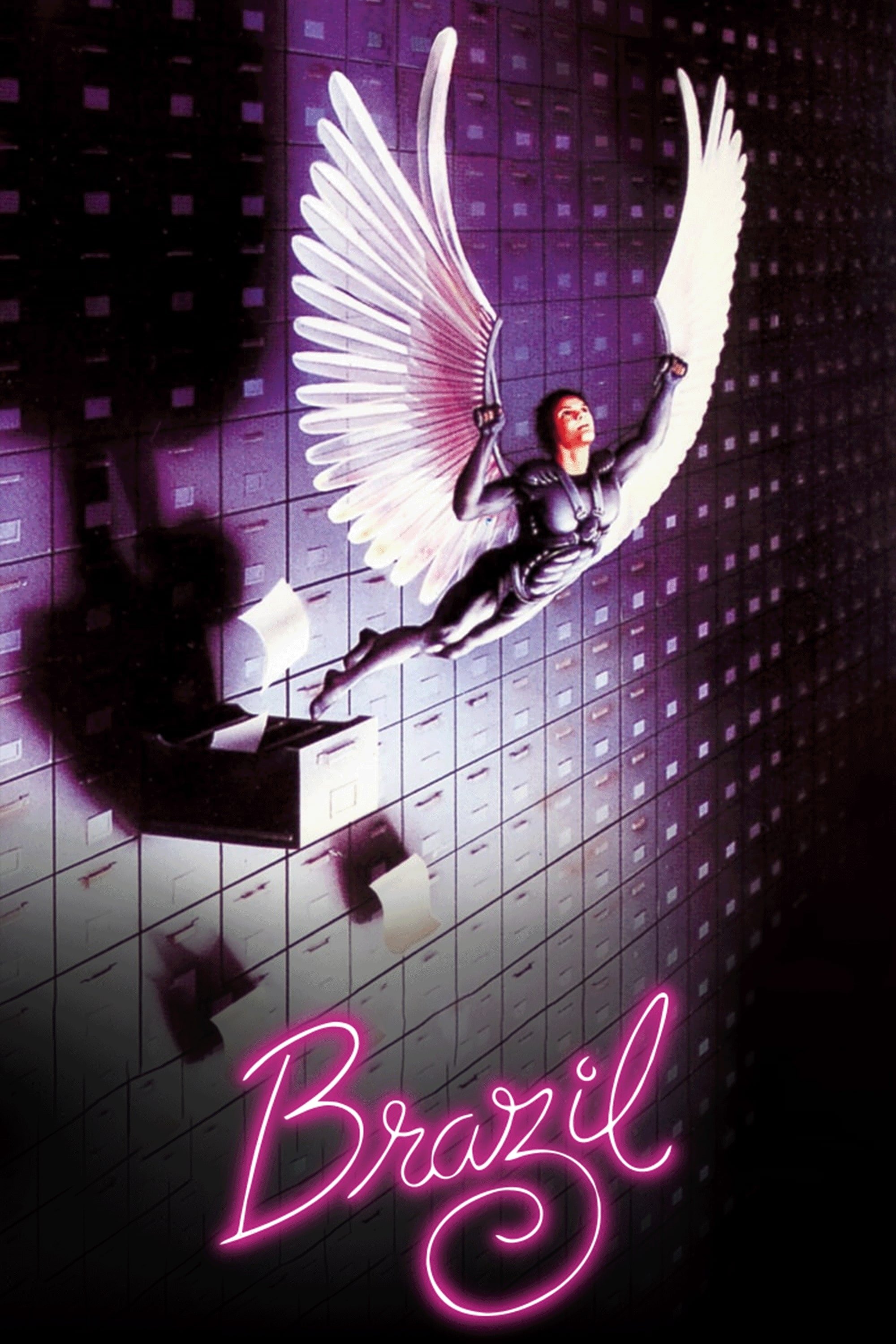
Terry Gilliam’s dystopia mixes bureaucracy, dream sequences, and shifting identities in ways that blur fantasy and reality. The protagonist’s escapes into heroic visions collide with a system that rewrites facts, records, and even faces through cosmetic “repairs.” The ending’s perspective shift is especially disorienting because it reframes what you thought you were watching. It helps to treat the administrative chaos as part of the science-fiction premise—information control becomes the “technology” that distorts the world.
‘Akira’ (1988)
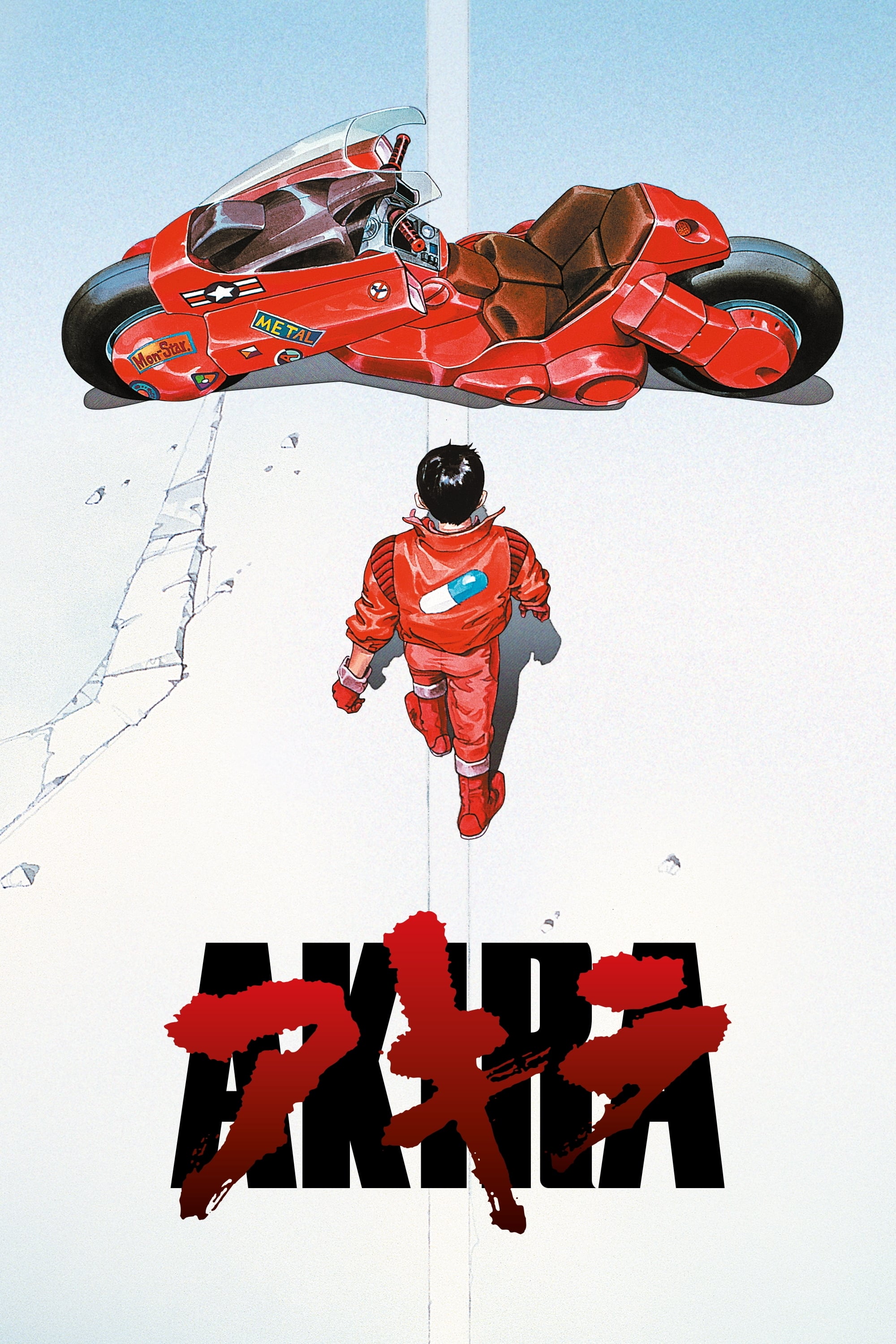
The story escalates from biker-gang conflict into psychic experimentation and reality-warping power, but the leaps can feel sudden and unbounded. Government factions, rebels, and secret research all collide, yet key motivations and timelines are implied more than explained. As Tetsuo’s abilities grow, the film shifts into imagery-driven storytelling where physics and biology stop behaving predictably. Following the political tensions and lab history gives you a backbone when the spectacle goes fully surreal.
‘Total Recall’ (1990)
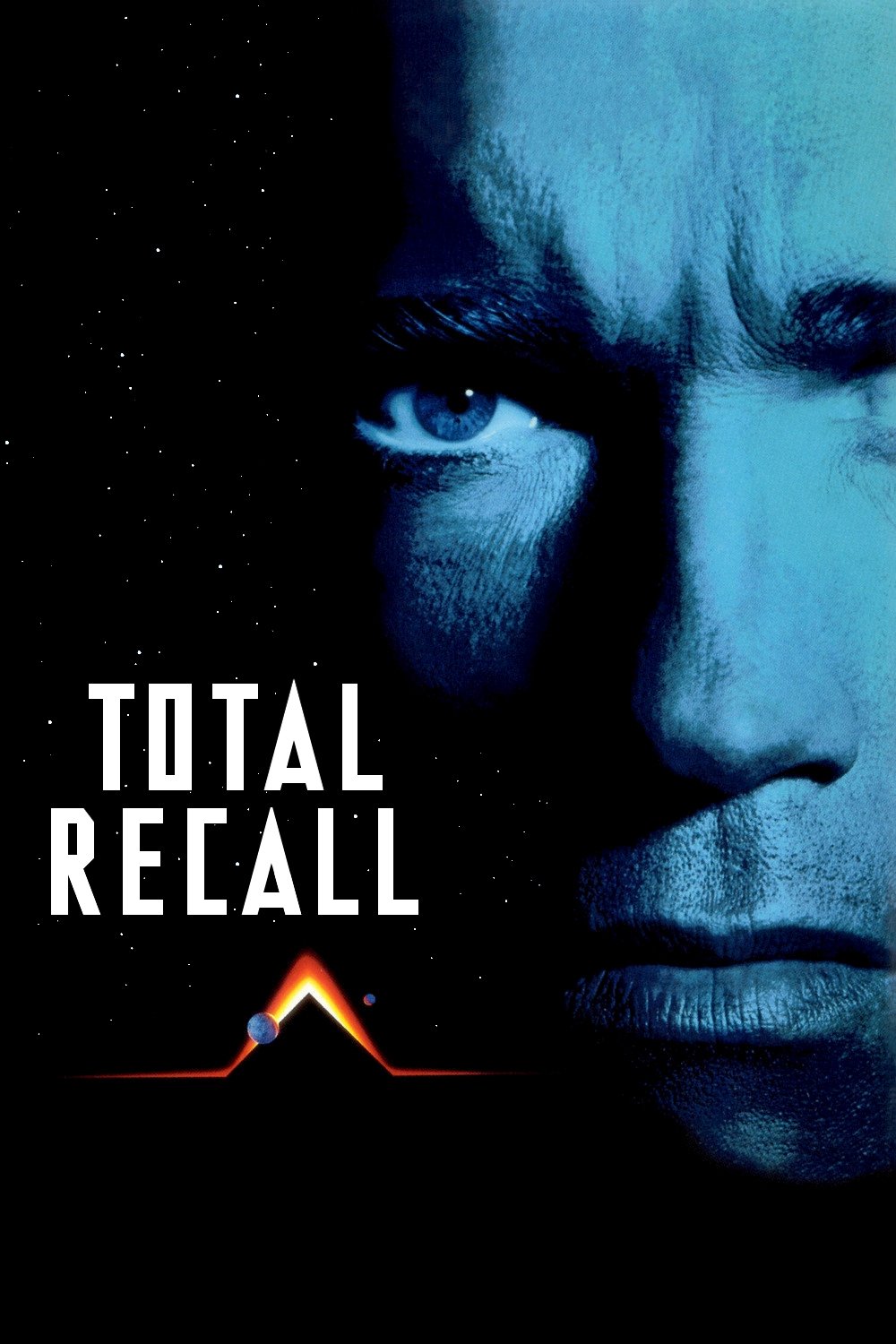
A man buys a memory vacation and immediately falls into a chain of events that may be real, implanted, or a mix of both. The film plants “tells” that support competing readings, including scenes that play like wish fulfillment and others that hint at a constructed narrative. Because the technology involves identity and recall, every revelation can be interpreted as either plot twist or programmed beat. Watching for when characters “confirm” his new identity—and who benefits from it—keeps the ambiguity sharp.
‘Jacob’s Ladder’ (1990)

This film uses hallucination, time slippage, and shifting settings to keep you unsure what is happening and when. The protagonist’s experiences oscillate between domestic life and horrific encounters that don’t obey consistent rules. Explanations arrive in fragments, but they never fully lock the events into a single, testable reality. It’s often easiest to follow the emotional through-line—fear, denial, acceptance—rather than treat each scene as literal plot.
‘Dark City’ (1998)
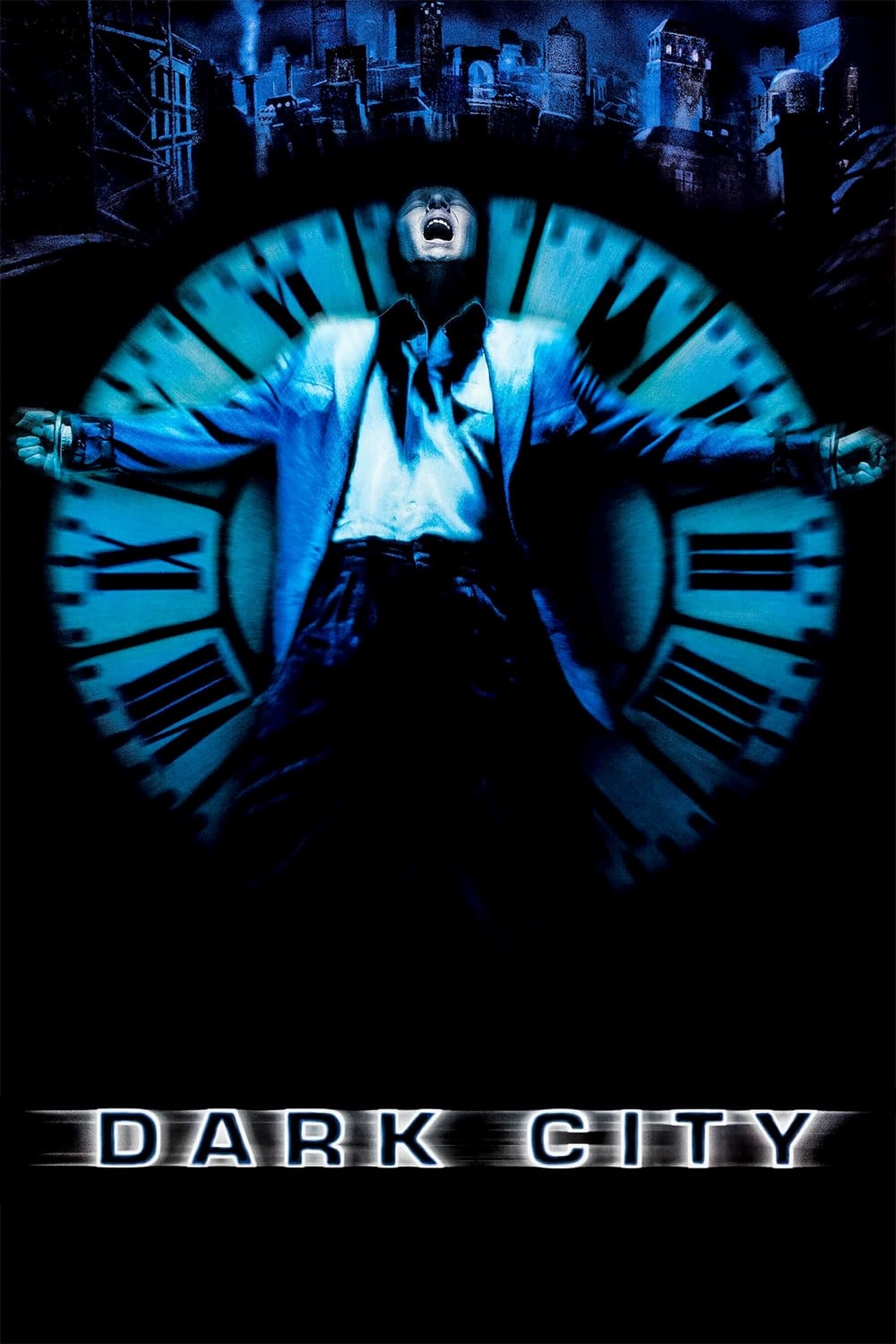
A city resets overnight, people wake with new memories, and the architecture reshapes as if the world is a stage set. The villains’ powers and objectives are laid out, but the exact mechanics of “tuning” reality can feel conveniently flexible. The protagonist’s abilities evolve rapidly, raising questions about why the system ever worked as long as it did. Noting how memory is used as currency—and how identity changes with it—makes the story’s weirdness feel more coherent.
‘The Thirteenth Floor’ (1999)
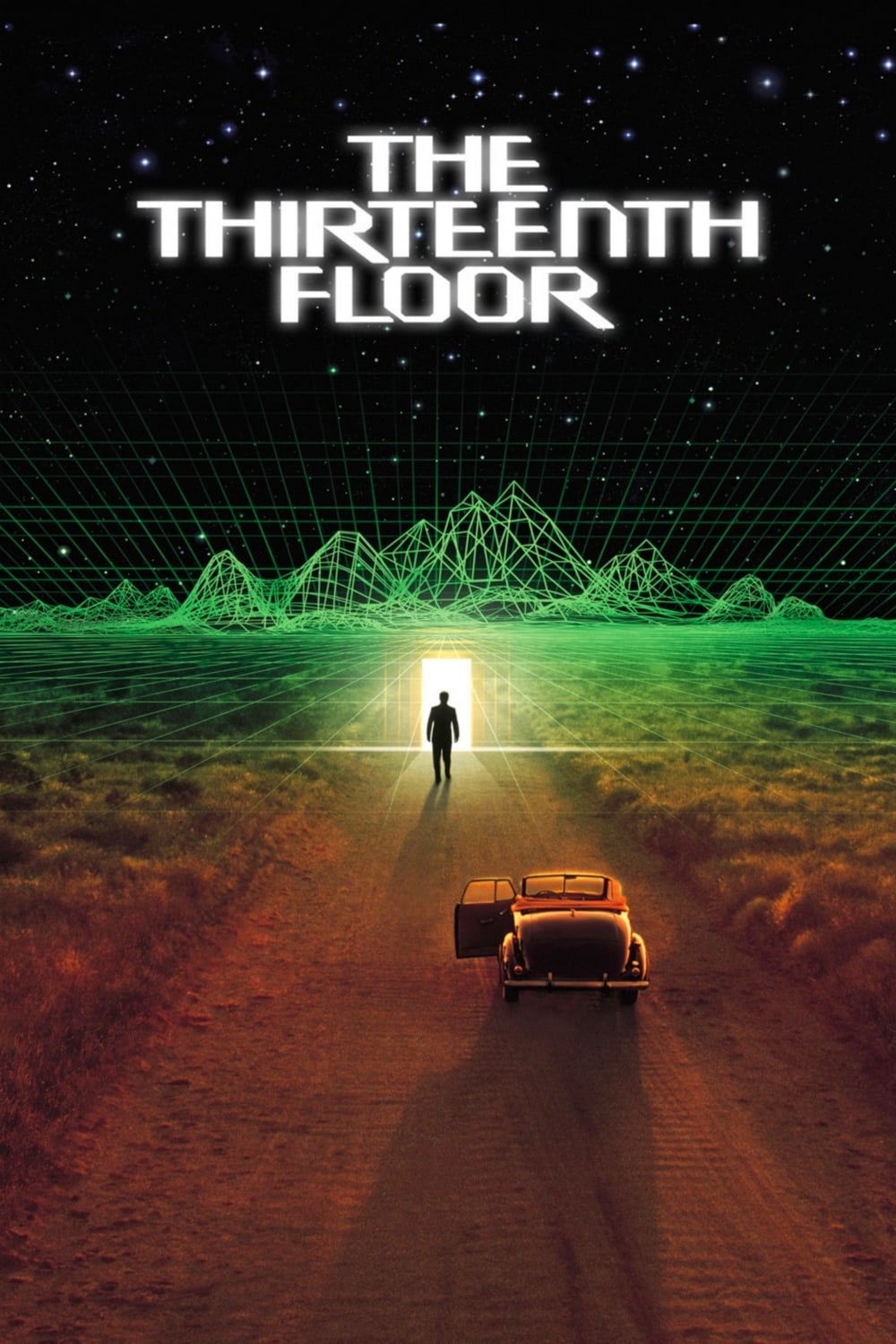
This one layers simulated worlds on top of each other, with characters moving between realities while trying to solve a murder. The problem is that each reveal forces you to reconsider what counts as evidence, since any “clue” might exist only inside a programmed layer. The film also plays with identity transfer in a way that raises practical questions about continuity and consciousness. Keeping track of who is “driving” which body is the key to staying oriented.
‘The Matrix Reloaded’ (2003)
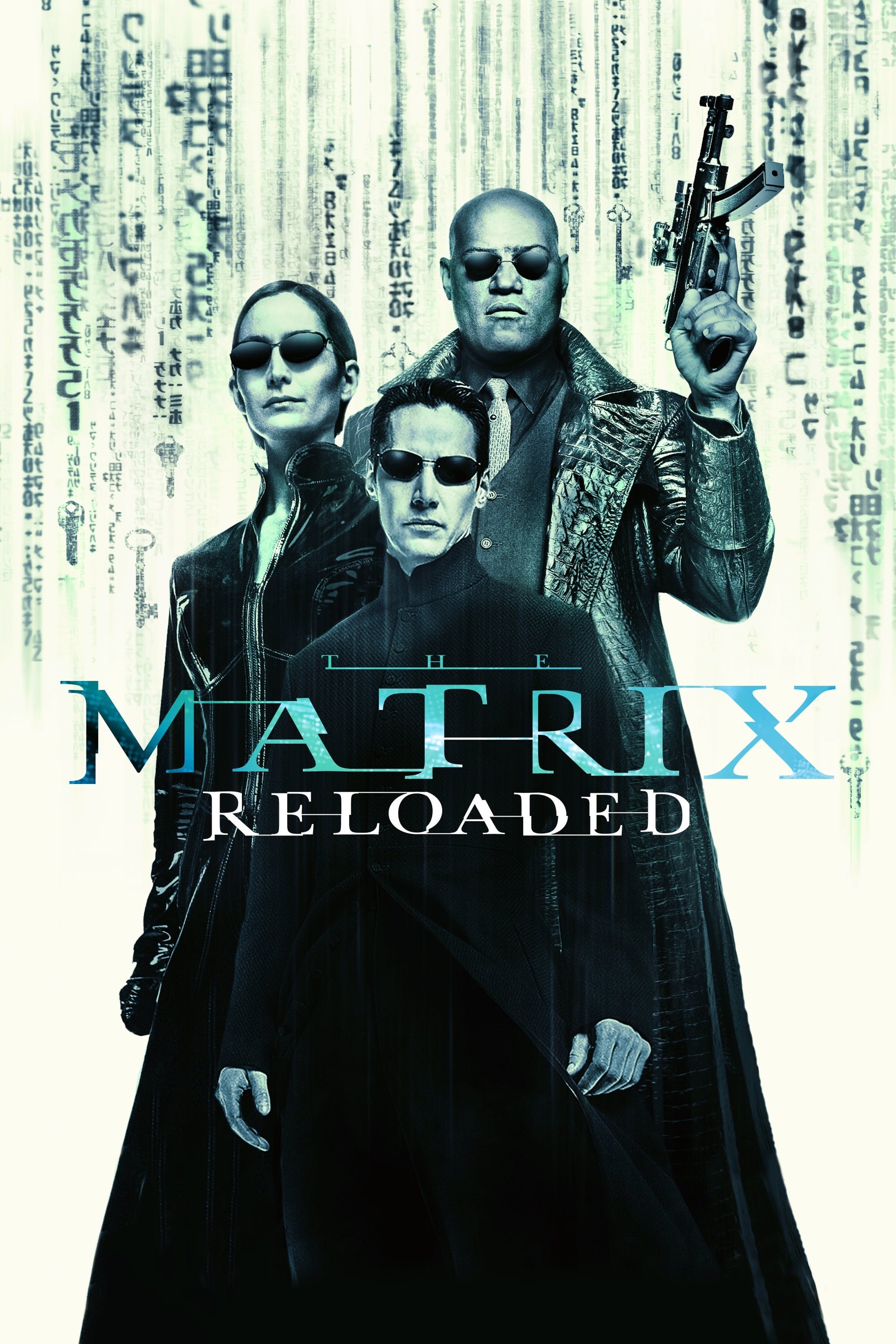
The sequel expands the rules of the Matrix with new factions, new powers, and a mythology that introduces recursion and “control” as core concepts. The Architect’s explanation reframes earlier events, but it also creates contradictions about prophecy, choice, and why the system needs such elaborate drama to function. Action set pieces involve physics-bending moments that strain the internal logic of both the simulation and the real world. Focusing on the system-design angle—how a machine society manages dissent—can make the dense exposition feel less slippery.
‘Eternal Sunshine of the Spotless Mind’ (2004)
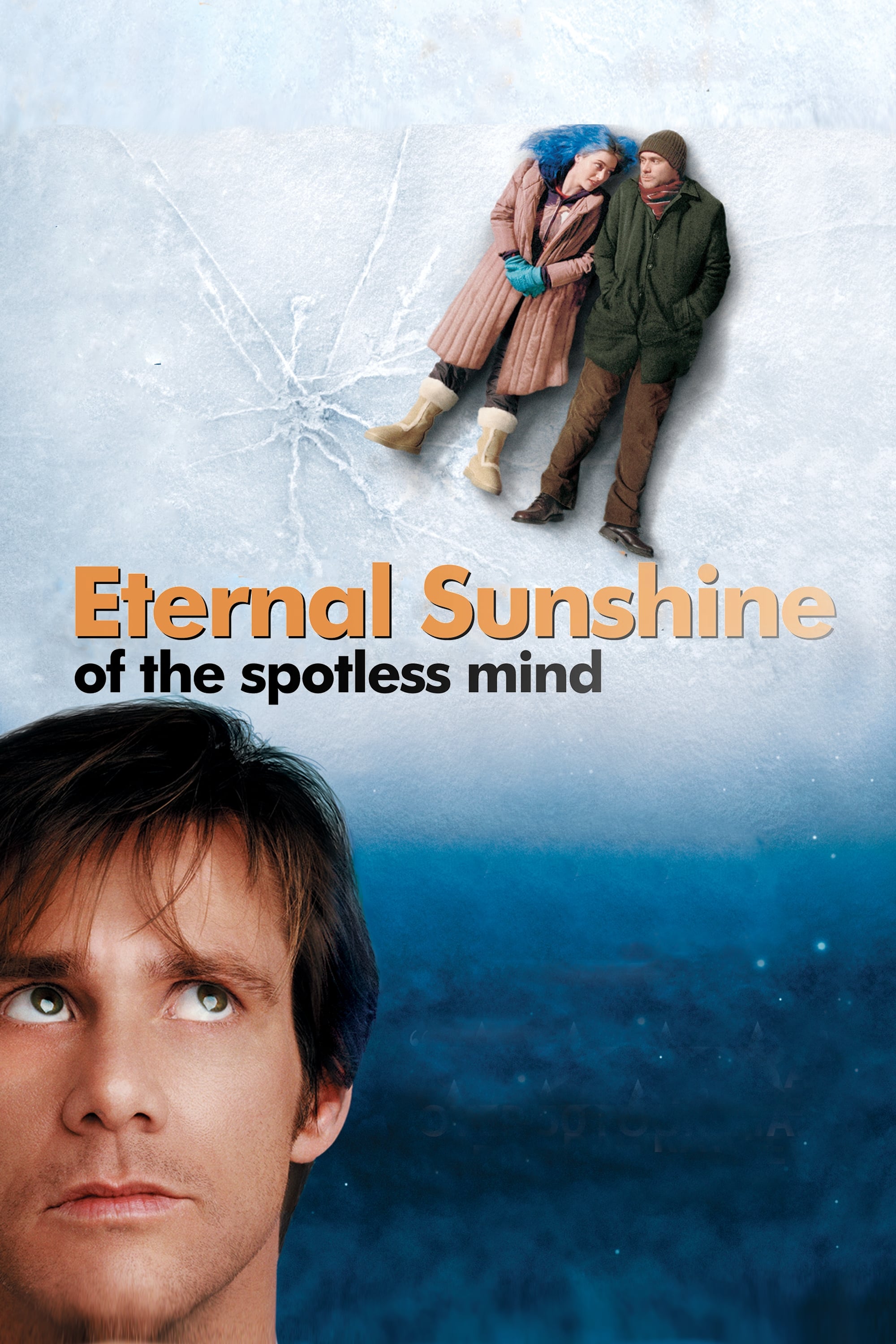
Memory erasure becomes a literal landscape, with scenes collapsing and rearranging as the procedure progresses. The film’s timeline loops and doubles back, so cause-and-effect is deliberately scrambled between relationship beats and clinical steps. Because memories are subjective, the story keeps challenging whether what you’re seeing is accurate, edited, or reconstructed on the fly. Watching for repeated phrases and locations helps you connect the emotional “chapters” even when chronology breaks.
‘Primer’ (2004)
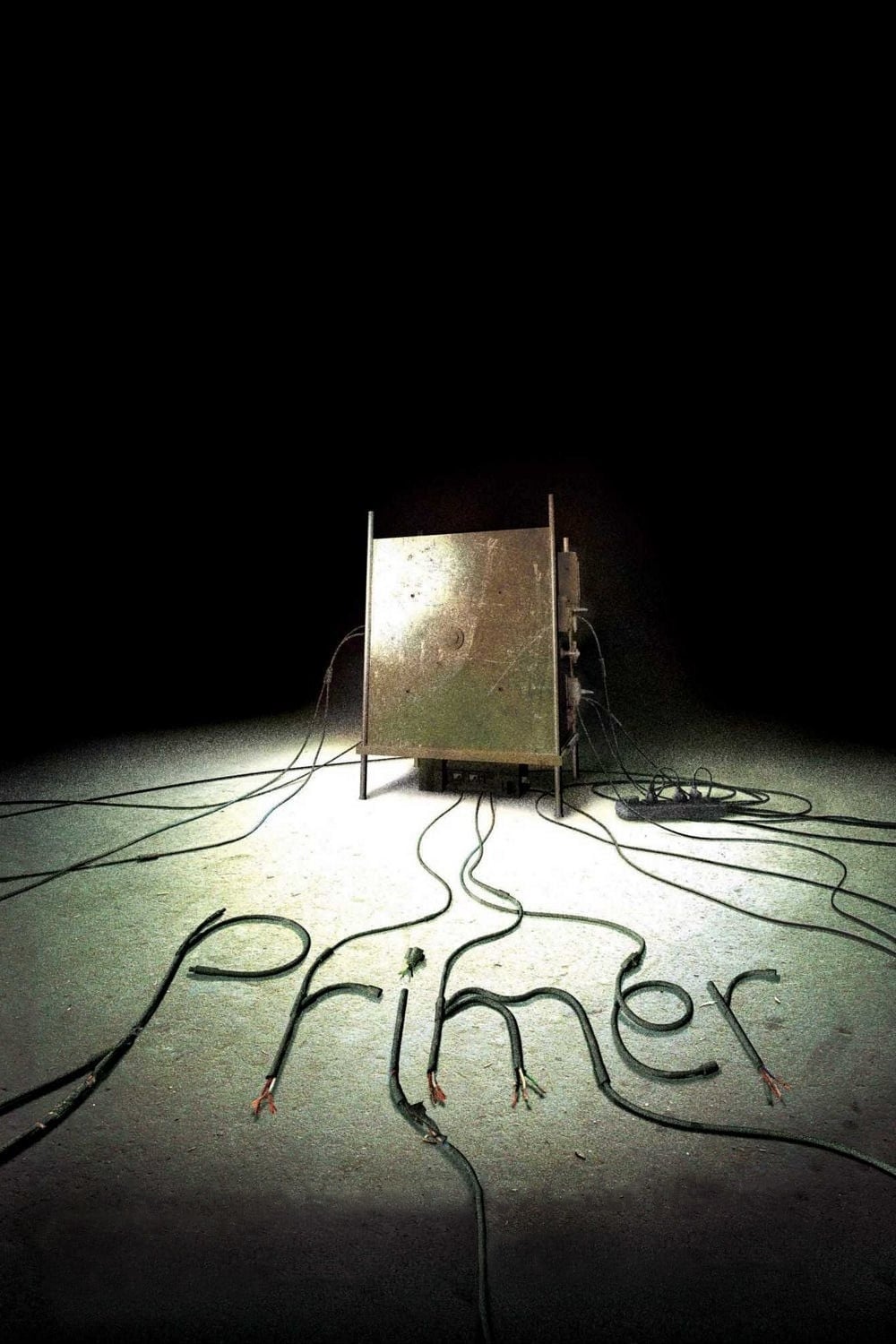
Two engineers create a time-travel device, then quickly run into overlapping versions of themselves operating on different schedules. The film rarely pauses to clarify rules, so the plot becomes a maze of duplicates, cover stories, and “off-screen” trips you’re expected to infer. Small decisions create big branching consequences, but the characters also lie, making the timeline harder to trust. Many viewers rely on diagrams afterward because the movie’s realism is in the details, not in hand-holding.
‘A Scanner Darkly’ (2006)
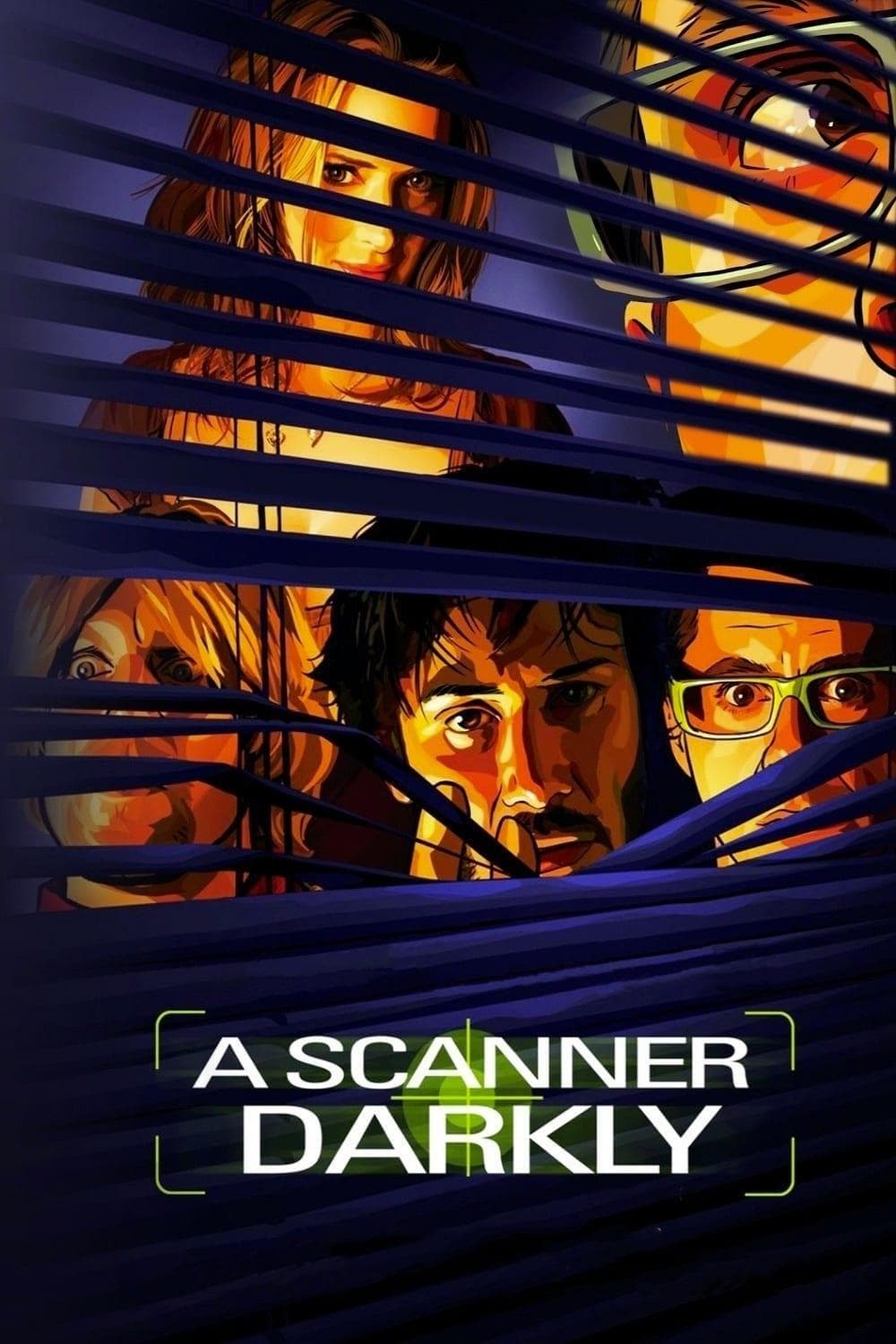
An undercover agent surveils a drug culture while slowly losing his ability to distinguish his real identity from his cover. The scramble suit conceals appearance and can complicate who is speaking to whom, especially as paranoia spreads. The drug’s effects make perception unreliable, so even “objective” scenes may be filtered through a compromised mind. Treating it as a story about surveillance feedback loops—watching changes the watcher—helps the fragmented reality click.
‘Paprika’ (2006)

Dream technology allows therapists to enter patients’ subconscious, but the film’s dream sequences spill into waking life with little warning. Once boundaries collapse, objects and characters transform mid-scene, and the rules become more symbolic than scientific. The narrative still has a central mystery, yet the method of solving it often depends on surreal association rather than logic. Tracking the device’s access, control, and theft provides structure amid the kaleidoscopic imagery.
‘Children of Men’ (2006)
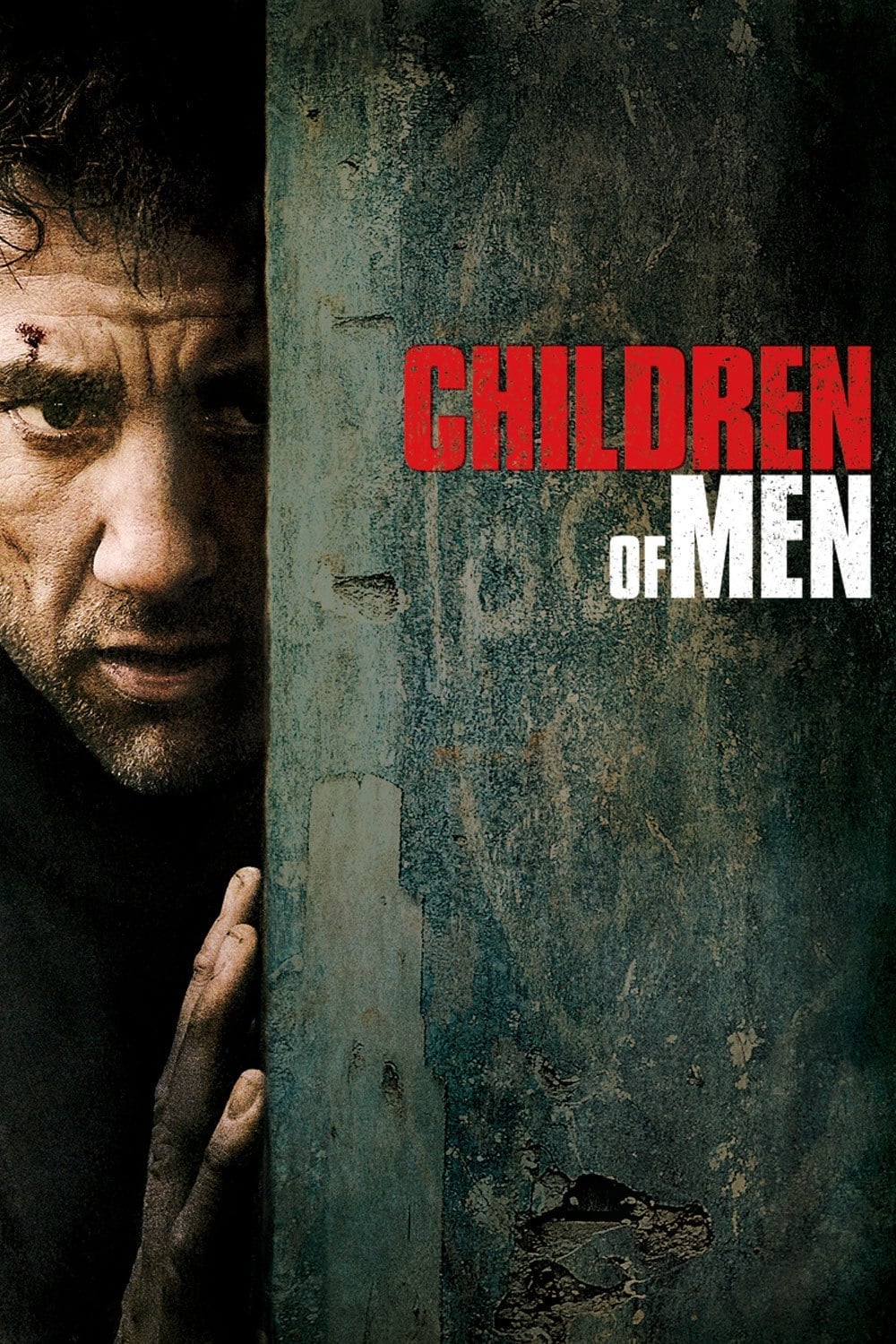
The premise is clear—humanity can’t reproduce—but the reasons behind the infertility remain largely unexplained. Political factions, medical possibilities, and global conditions are sketched in ways that feel realistic yet incomplete, which can make the world’s logic feel unsettlingly unresolved. Key character decisions also hinge on trust and ideology more than on a concrete “plan,” creating tension without tidy answers. Paying attention to how institutions respond to crisis—the propaganda, policing, and refugee systems—fills in the gaps the script leaves open.
‘The Fountain’ (2006)
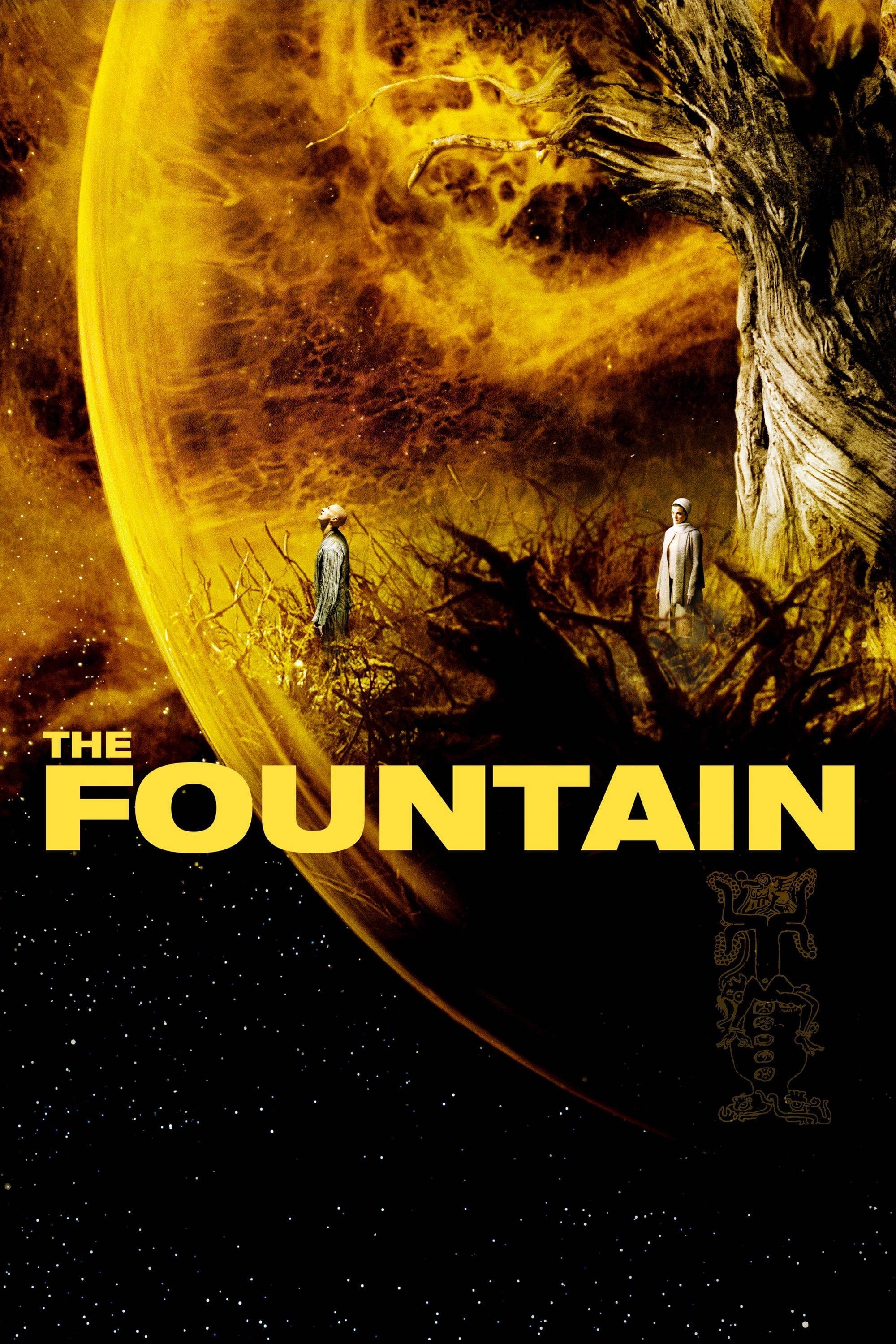
Three interwoven storylines—medical quest, mythic journey, and cosmic meditation—echo each other without confirming whether they’re literal, metaphorical, or imaginative writing. Symbols repeat across centuries and settings, but the film resists clarifying what “really happened” versus what’s being processed emotionally. Science, spirituality, and love are braided together, so the logic is thematic rather than procedural. Looking for mirrored objects and repeated choices helps you see how the film connects its timelines.
‘Sunshine’ (2007)

A mission to reignite the Sun starts as grounded sci-fi, then swerves into a different kind of story with tonal and logical whiplash. The ship’s constraints and physics matter early on, but later developments introduce threats that don’t fit neatly with the established problem-solving approach. Characters make high-stakes decisions under stress, and the film sometimes prioritizes intensity over consistent procedure. Keeping the focus on mission failure cascades—small errors amplifying into catastrophe—makes the plot turns easier to accept.
‘Donnie Darko’ (2001)
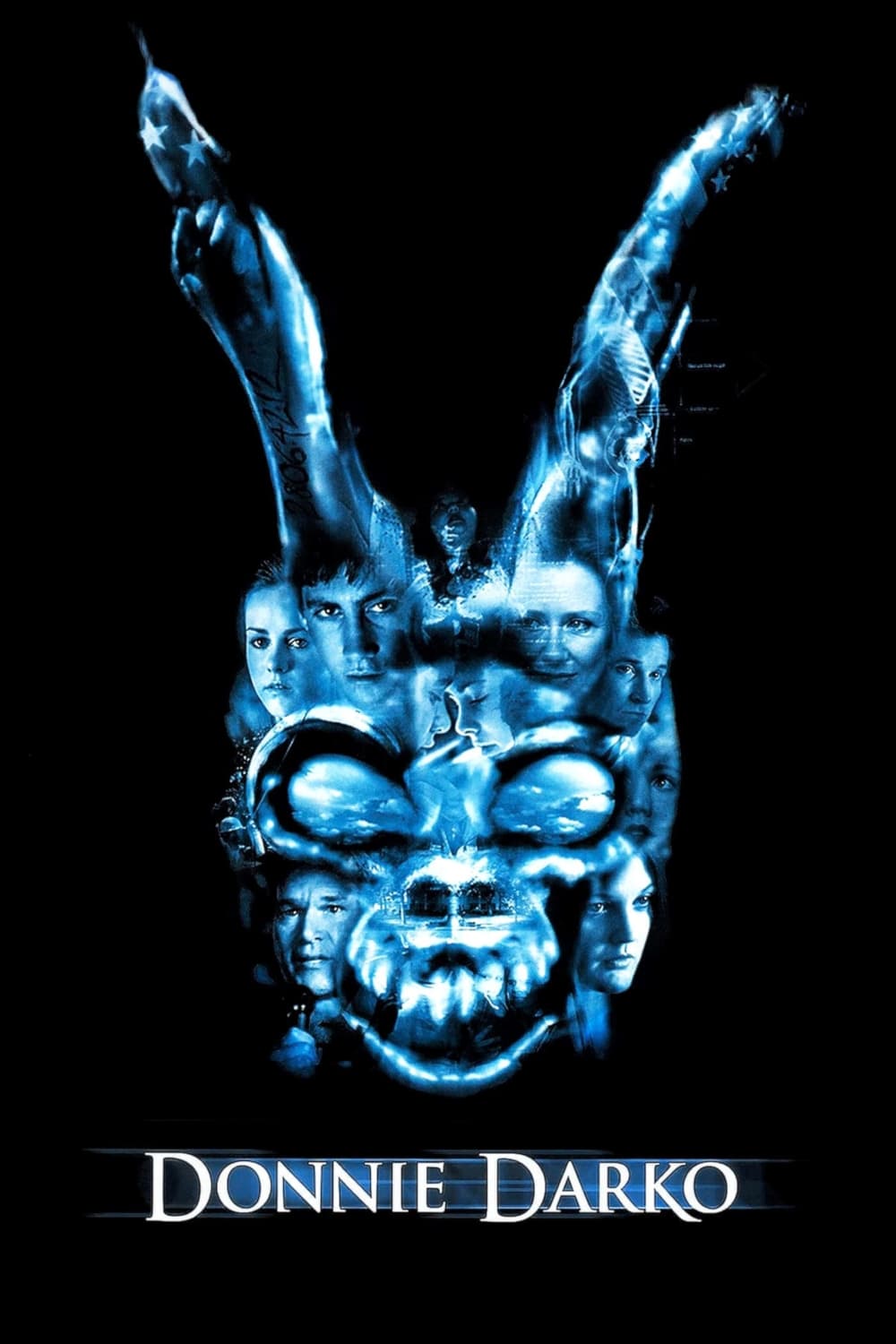
A teenager experiences visions, time anomalies, and cryptic guidance that suggest a universe correcting itself. The film drops concepts like tangent realities and living receivers, but it doesn’t fully define them inside the main narrative. Key events can be read as supernatural intervention, mental illness, or a hybrid explanation that changes scene by scene. Paying attention to clocks, repeated conversations, and the “rules” implied by the book excerpts helps you track the intended framework.
‘Mr. Nobody’ (2009)
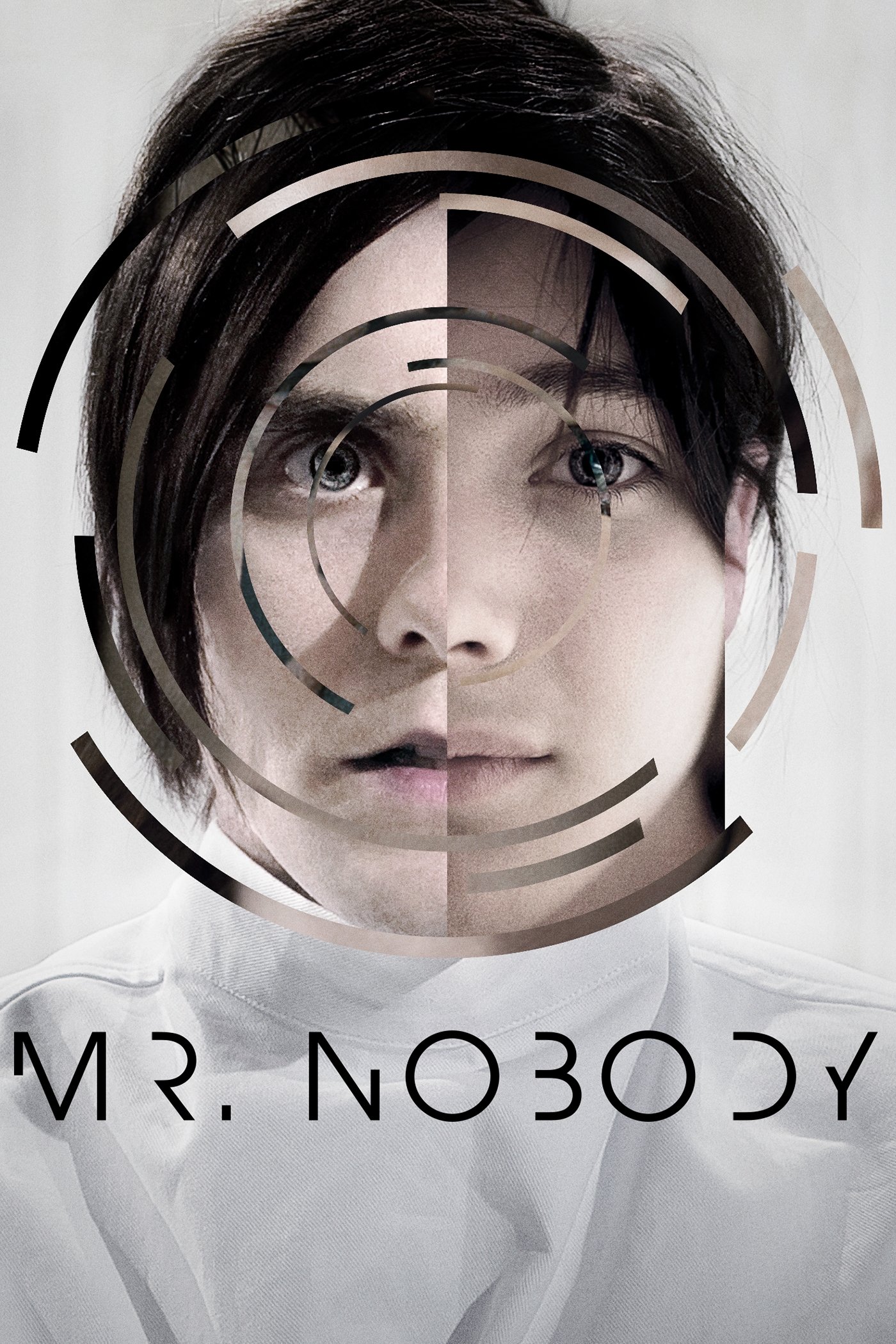
One man’s life splinters into multiple paths based on choices, but the film keeps sliding between possibilities without labeling them cleanly. Some timelines contradict others, and the framing device complicates whether you’re watching memory, imagination, or a cosmic thought experiment. Science concepts appear alongside romance beats, but the structure is built to keep every branch emotionally plausible even when facts collide. Watching it as a map of decision points—rather than a single biography—makes the shifting realities feel purposeful.
‘Inception’ (2010)
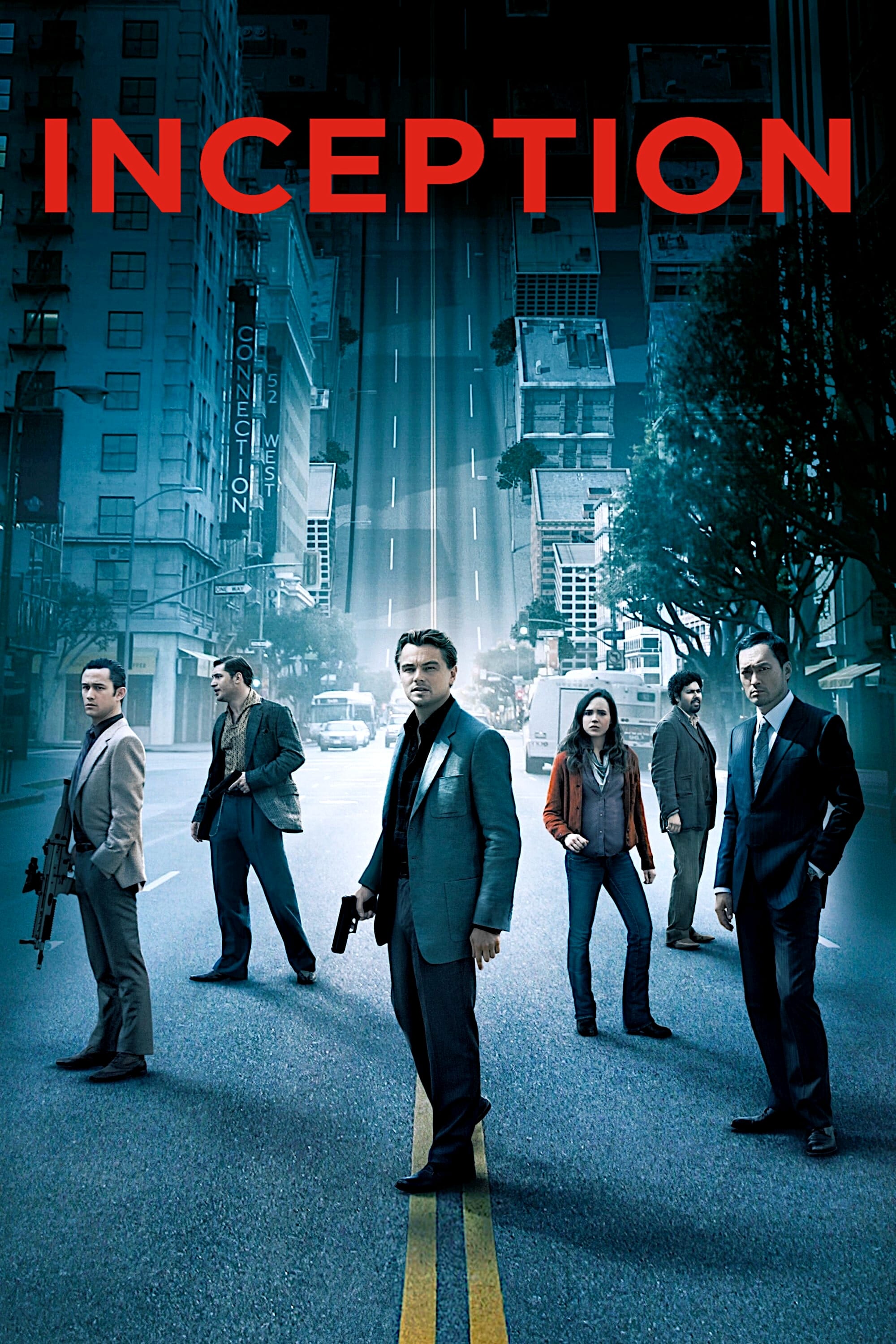
Dream layers stack like nested puzzles, yet the film’s rules sometimes bend when the plot needs speed or spectacle. Time dilation, limbo, and shared construction are described clearly, but the emotional stakes often override strict mechanics, especially around memory projection. The ending’s ambiguity keeps the “real” layer uncertain, which retroactively destabilizes how you interpret the mission’s success. Following the team’s objective checkpoints—target, defense, extraction—helps you stay grounded amid the shifting levels.
‘Under the Skin’ (2013)

An alien presence moves through ordinary spaces, but the film provides minimal exposition about purpose, method, or even identity. Many scenes play like observational fragments, making it hard to tell what is strategy, curiosity, or malfunction. The “black room” sequences suggest a process, yet the mechanics and stakes remain opaque. Treating it as an alien-ethnography story—watching humans as a strange species—can make the quiet gaps feel intentional.
‘Upstream Color’ (2013)

A parasite, a handler, and a chain of psychological effects connect strangers in ways that feel more like a system than a plot. The film withholds explanations and repeats motifs—sound, water, pigs—without spelling out the causal links in plain terms. Identity and memory get disrupted, so relationships form under forces the characters don’t understand. Watching for how control is transferred—from person to person, and from nature to humans—helps decode the pattern.
‘Snowpiercer’ (2013)
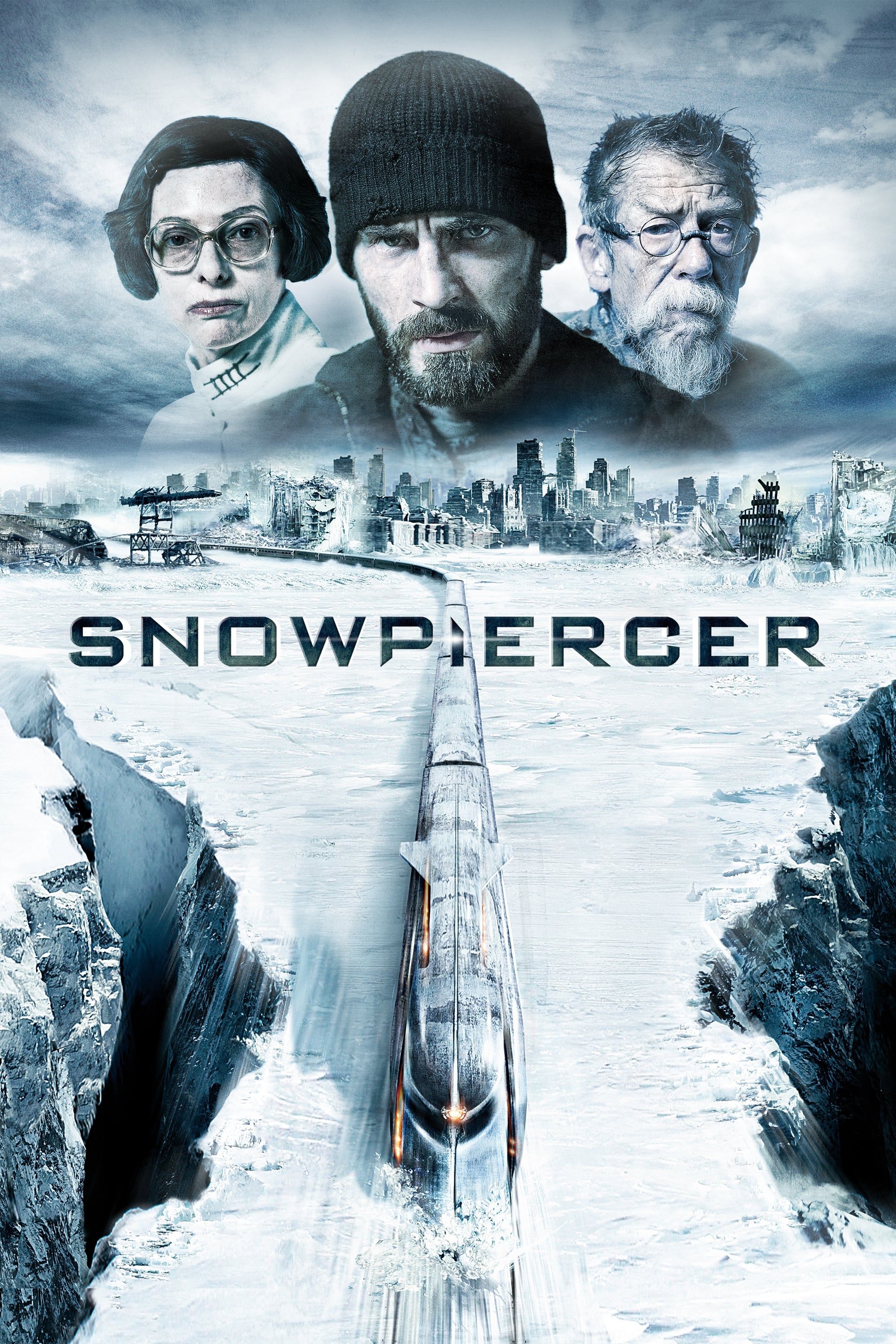
A perpetual-motion train sustains the last humans, but the logistics of ecology, engineering, and population management raise more questions than the film answers. The rigid class structure is clear, yet the practical feasibility of the system often feels secondary to allegory. Revelations about leadership and rebellion reframe earlier events in a way that can feel both clever and inconsistent. Following the train as a self-contained political economy—labor, food, enforcement—makes the setting’s strangeness easier to track.
‘Predestination’ (2014)
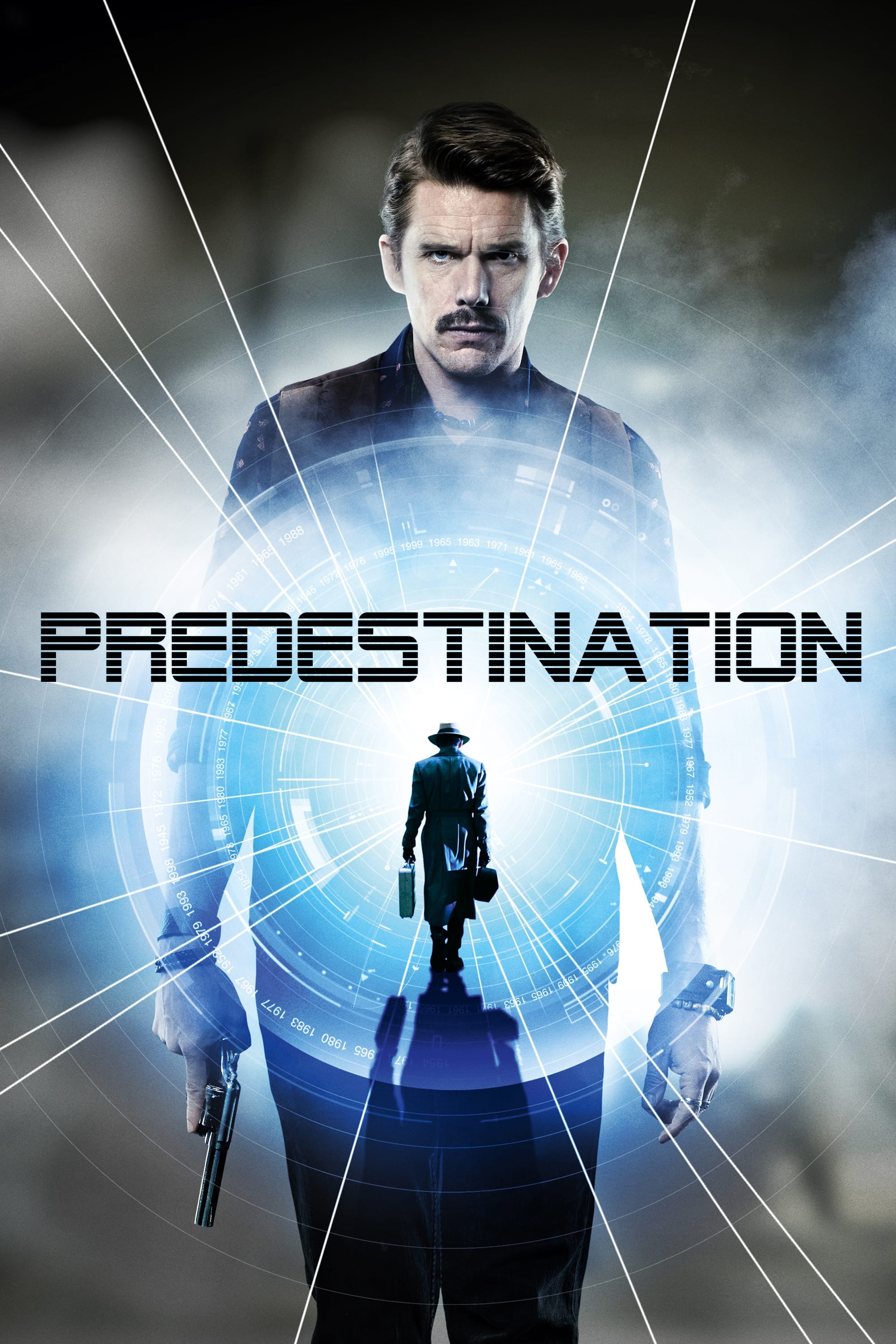
Time travel is used to create a closed loop of identity where causes and effects fold into each other repeatedly. The film’s reveals are logically “consistent” inside the loop, yet they can feel impossible because every relationship becomes self-referential. Each new twist forces you to reinterpret previous scenes, often turning straightforward moments into paradoxical ones. Keeping the focus on who has agency at each point—who is recruiting, who is being recruited—helps untangle the loop’s shape.
‘Interstellar’ (2014)
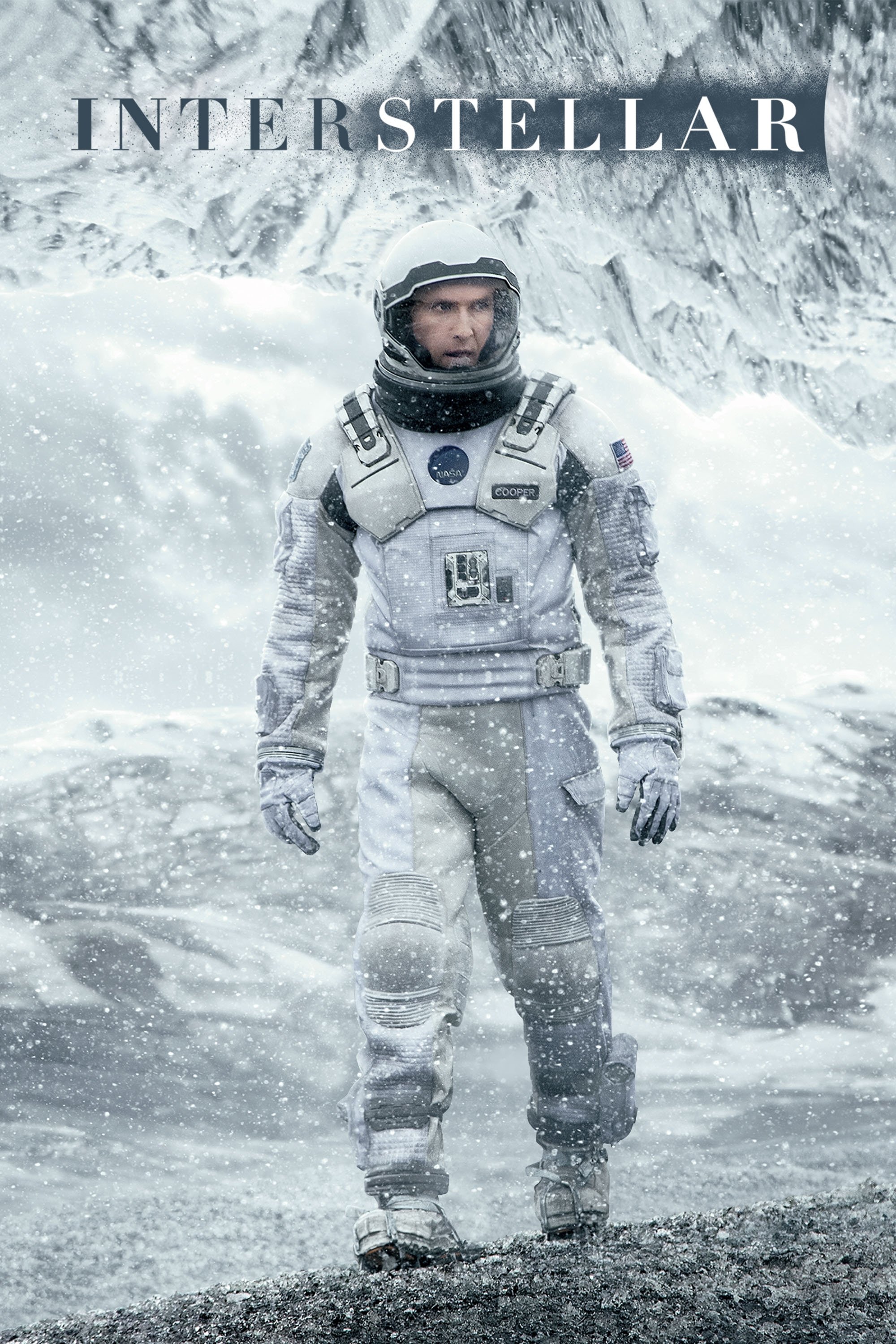
Wormholes, relativity, and higher-dimensional space are presented with confident language, but the story’s emotional core introduces leaps that feel more metaphysical than scientific. The tesseract sequence reframes gravity and communication in a way that invites questions about causality and who built what, when, and why. The narrative also relies on perfectly timed intersections across vast distances, which can feel narratively convenient. Tracking the film’s two parallel problems—survival on Earth and settlement elsewhere—helps separate the science set pieces from the fate-driven coincidences.
‘Annihilation’ (2018)
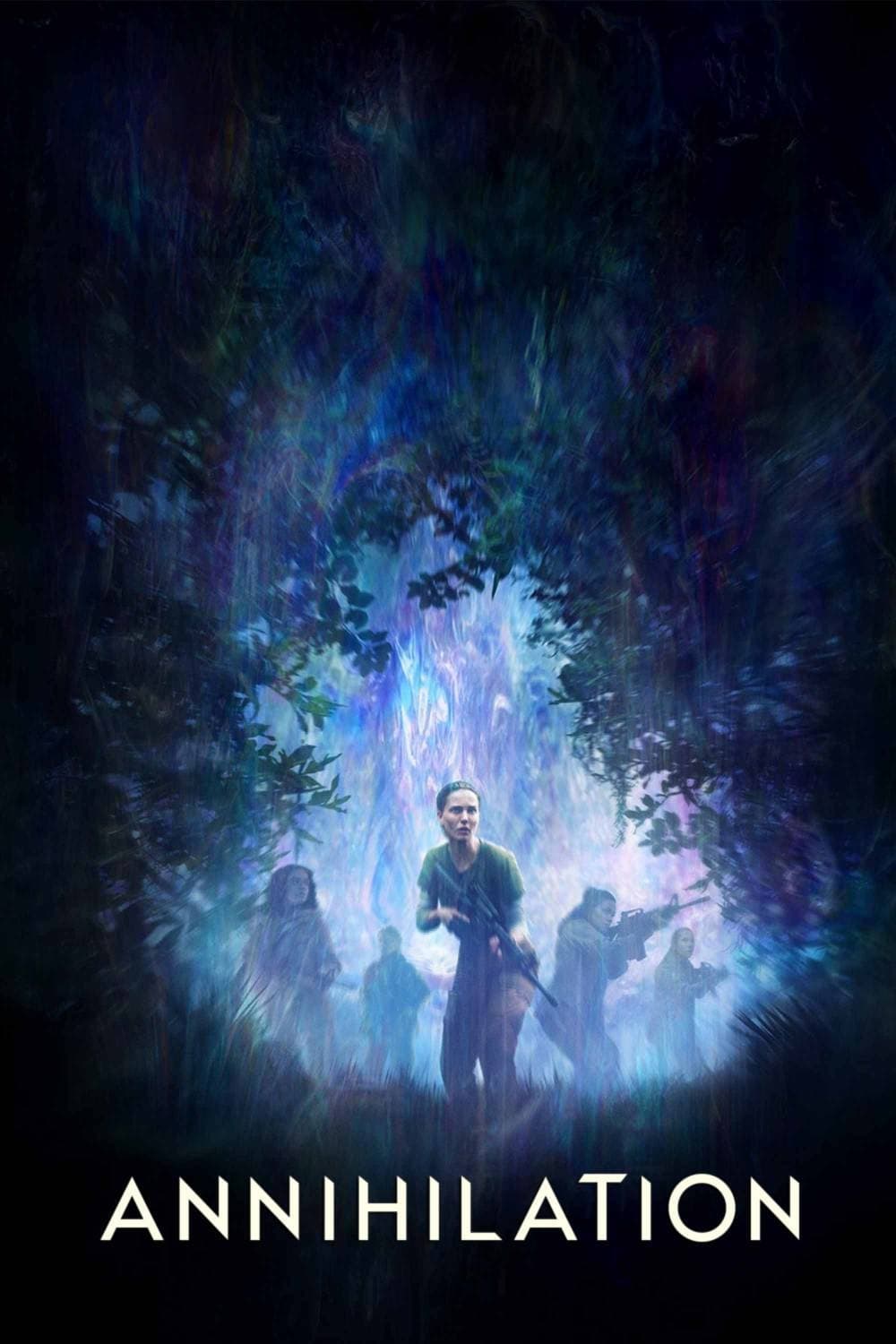
A quarantined zone refracts biology and perception, but the film never pins down whether the phenomenon is alien intent, natural process, or something beyond motivation. Inside the Shimmer, transformation follows a dreamlike logic—part mutation, part mirroring—which makes outcomes feel unpredictable. The climax emphasizes duplication and identity drift rather than a clear “battle” or explanation. Watching for how each character changes in response to the environment provides a clearer through-line than trying to define a single rule set.
‘Sorry to Bother You’ (2018)
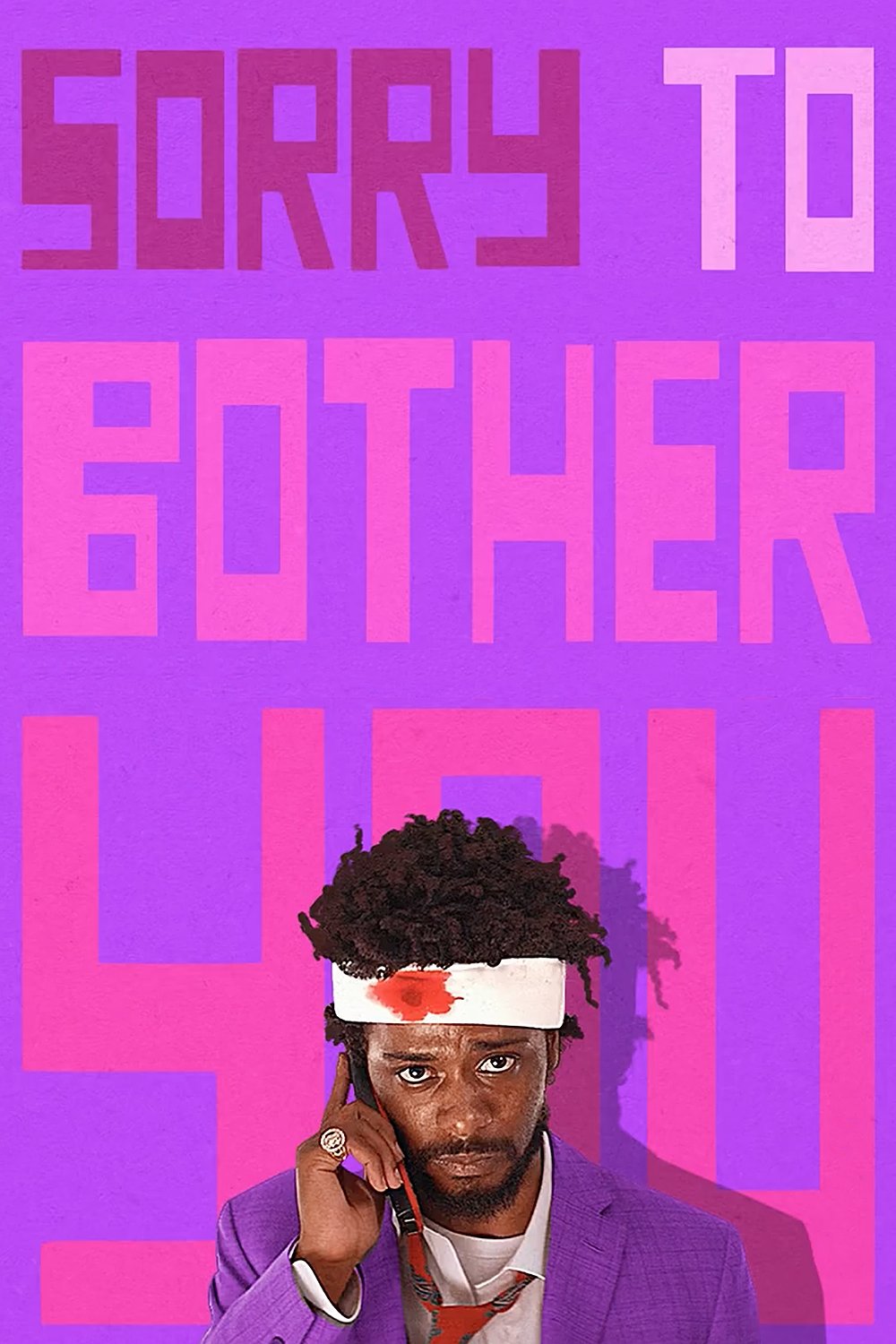
This begins with workplace satire and gradually reveals sci-fi elements that radically change the stakes. The tonal jumps can make the world feel inconsistent, yet the film builds a through-line around labor, commodification, and corporate power. Once the central twist lands, it raises practical questions about scale, secrecy, and why the system looks the way it does. Following the company’s incentives and the protagonist’s career ladder helps the escalating absurdity feel connected.
‘Tenet’ (2020)
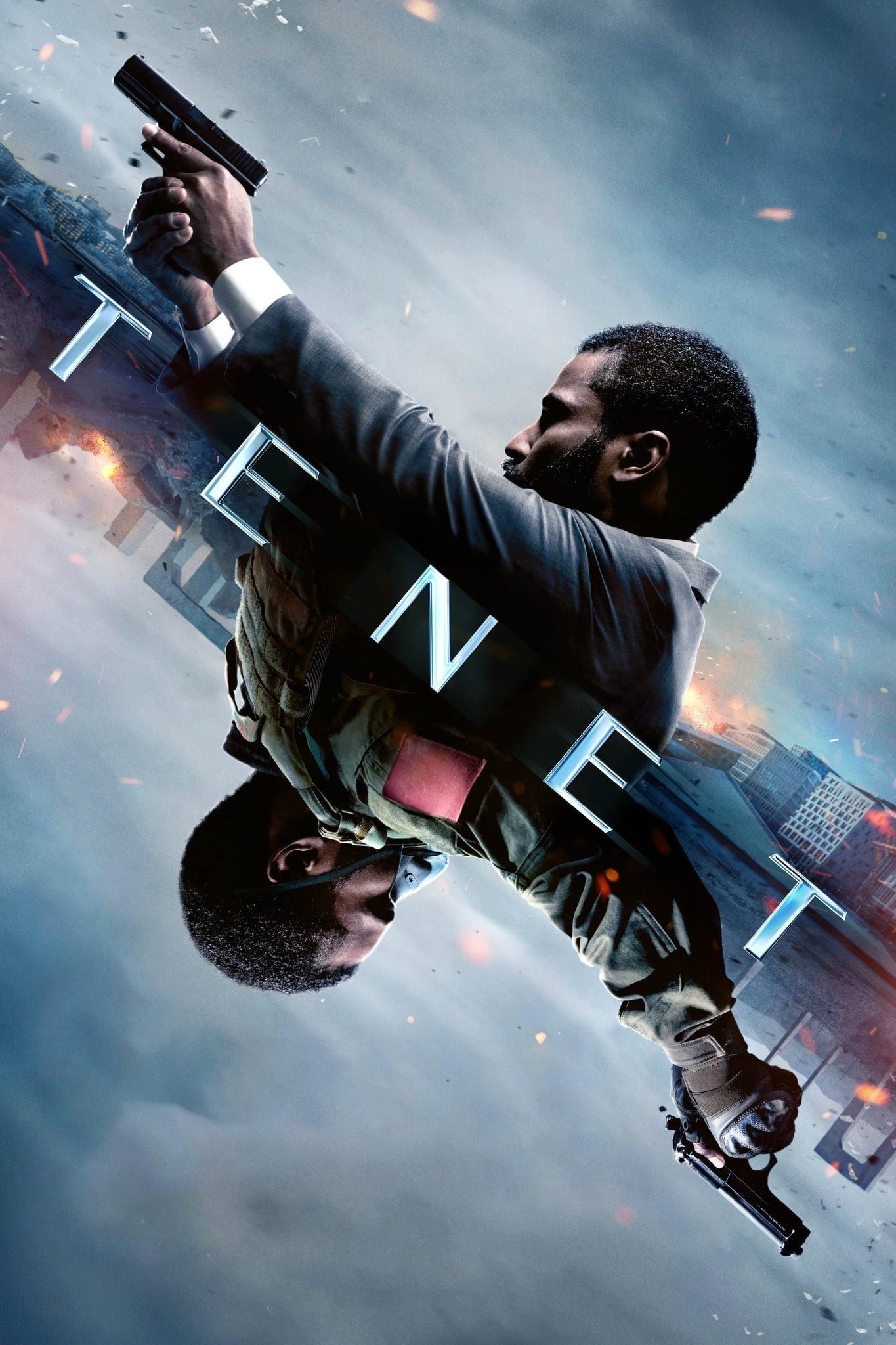
Objects and people moving backward through time create set pieces where cause-and-effect runs in two directions at once. The film explains inversion in broad strokes, but the exact rules for interaction, information transfer, and planning can feel like they change depending on the scene. Dialogue often prioritizes momentum over clarity, so you’re left reconstructing motives from outcomes. Tracking the “pincer” idea—events attacked from both temporal directions—makes the action easier to parse.
‘Everything Everywhere All at Once’ (2022)

The multiverse premise is simple, but the film treats universes like emotional pathways rather than consistent scientific branches. “Verse-jumping” relies on actions that are deliberately irrational, which makes the mechanics feel more like a narrative language than a rule-bound system. Rapid shifts in tone and setting can make it hard to tell which stakes are literal and which are metaphorical. Keeping an eye on what each universe teaches the protagonist—skills, perspective, choice—helps connect the chaos into a coherent arc.
If you’ve seen any of these and walked away with your own explanation, share it in the comments and tell everyone which one scrambled your brain the most.