Actors Who Absolutely Hated Their Character


Sometimes an actor nails a role so well that the character becomes inseparable from their public image, even when the actor wishes it wouldn’t. In interviews, press tours, and memoirs, plenty of leading men have admitted they didn’t like the character they played, the project around them, or the way the role followed them afterward. Here are some of the most talked-about examples, and what they’ve said about those complicated performances.
Robert Pattinson

Robert Pattinson has been unusually candid about how quickly he soured on Edward Cullen while working on ‘Twilight’. He described reading the script and feeling increasingly irritated with the character’s personality and motivations, which shaped how he approached the performance. He’s also talked about feeling boxed in by how intensely the character was embraced by fans and marketing. Even while acknowledging what the role did for his career, he’s repeatedly framed the experience as creatively frustrating.
Harrison Ford
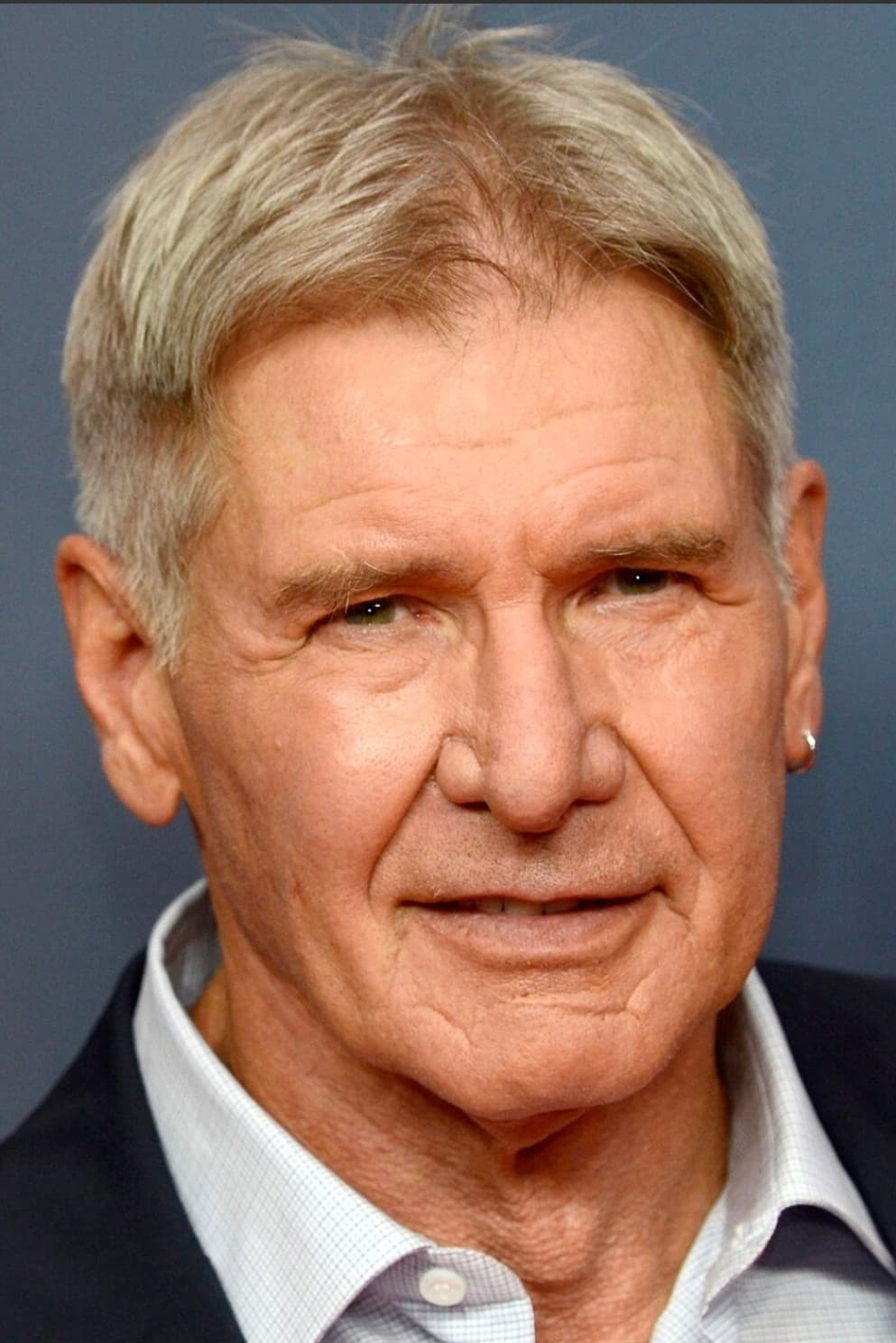
Harrison Ford has spoken for years about having a complicated relationship with Han Solo from the ‘Star Wars’ films. In older interviews, he explained that he wanted a definitive ending for the character and felt the arc had run its course. He’s also described being ready to move on after spending so much time in the costume and in the franchise’s orbit. Those feelings became part of the public narrative around his eventual return to the series.
Sean Connery
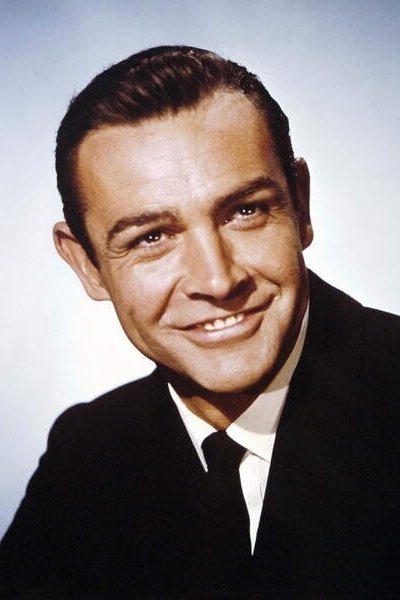
Sean Connery’s frustration with being defined by James Bond became one of the most famous examples of an actor rejecting a signature character. He openly complained about how the role dominated public perception and limited what people expected from him. Over time, he expressed anger at how the character followed him, even as the films remained popular. The tension between the role’s legacy and his personal feelings is still widely referenced when actors talk about typecasting.
Daniel Craig
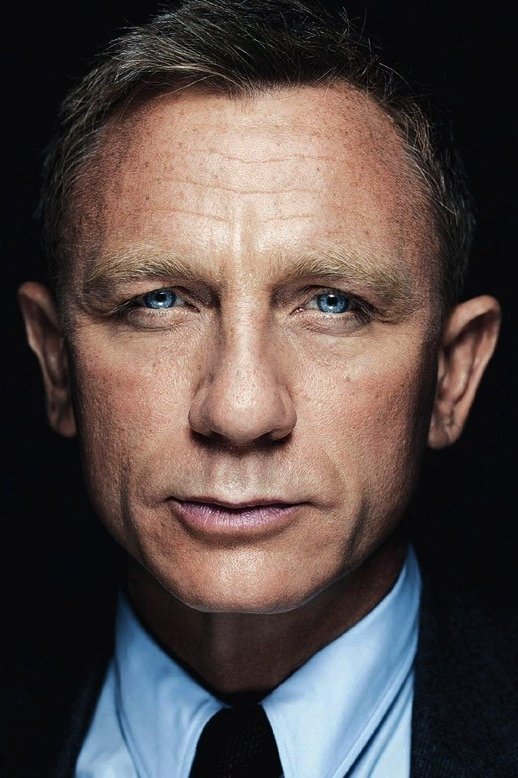
Daniel Craig has repeatedly acknowledged that playing Bond was physically draining and emotionally exhausting over multiple films. He’s described the workload as punishing, especially during the most intense production stretches. Even when he clarified comments later, the broader point remained that the character came with a heavy personal cost. That honesty helped normalize actors talking about blockbuster roles as demanding jobs rather than pure wish fulfillment.
Alec Guinness
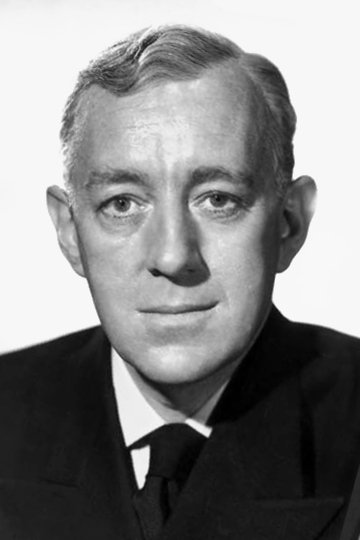
Alec Guinness is often cited as a classic case of a celebrated actor feeling disconnected from a cultural phenomenon. He reportedly disliked the dialogue and felt the material wasn’t the kind of acting challenge he valued. As the franchise exploded, he also grew weary of how often the role overshadowed the rest of his career. Stories about his guarded attitude toward the film have become part of ‘Star Wars’ lore.
Ben Affleck
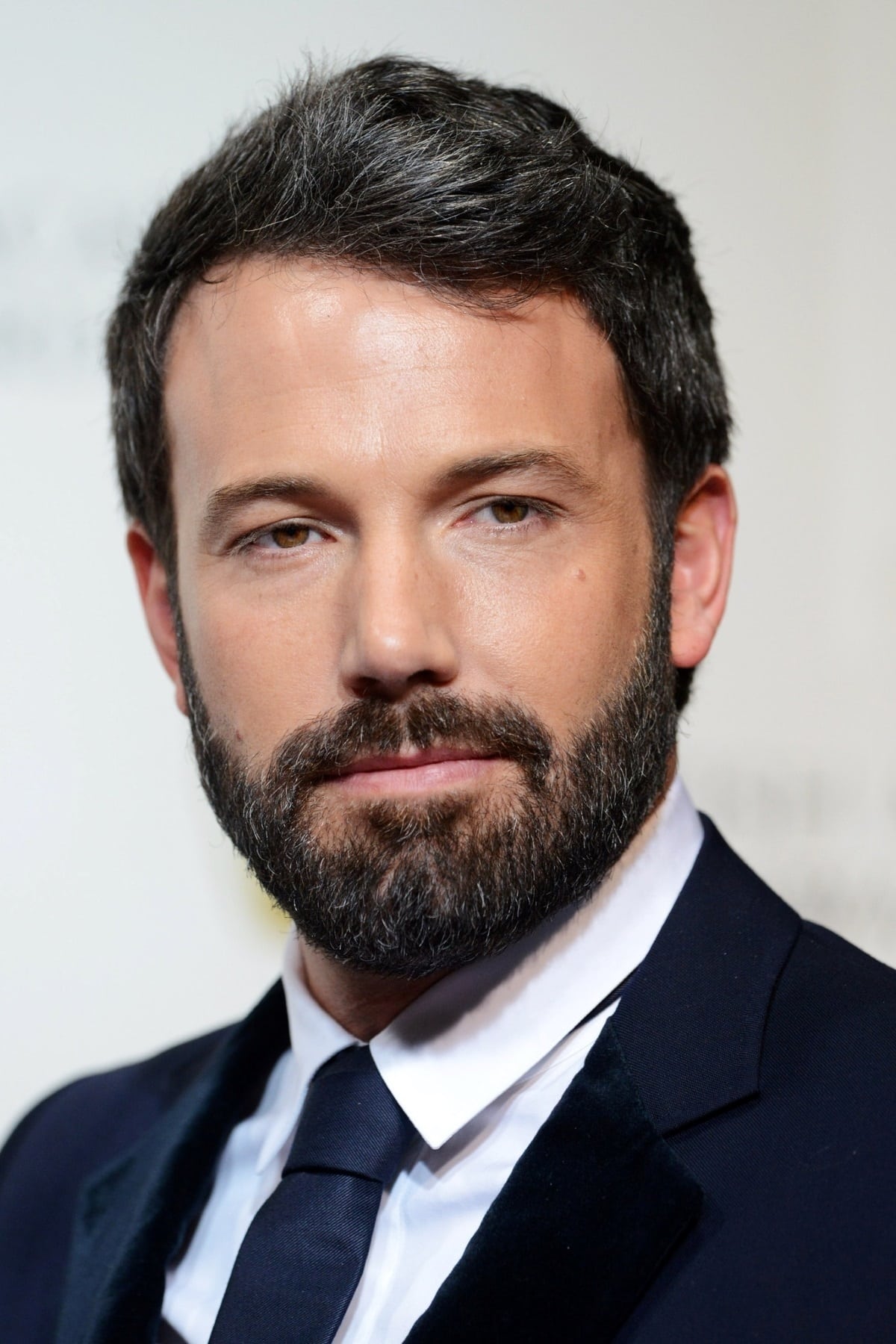
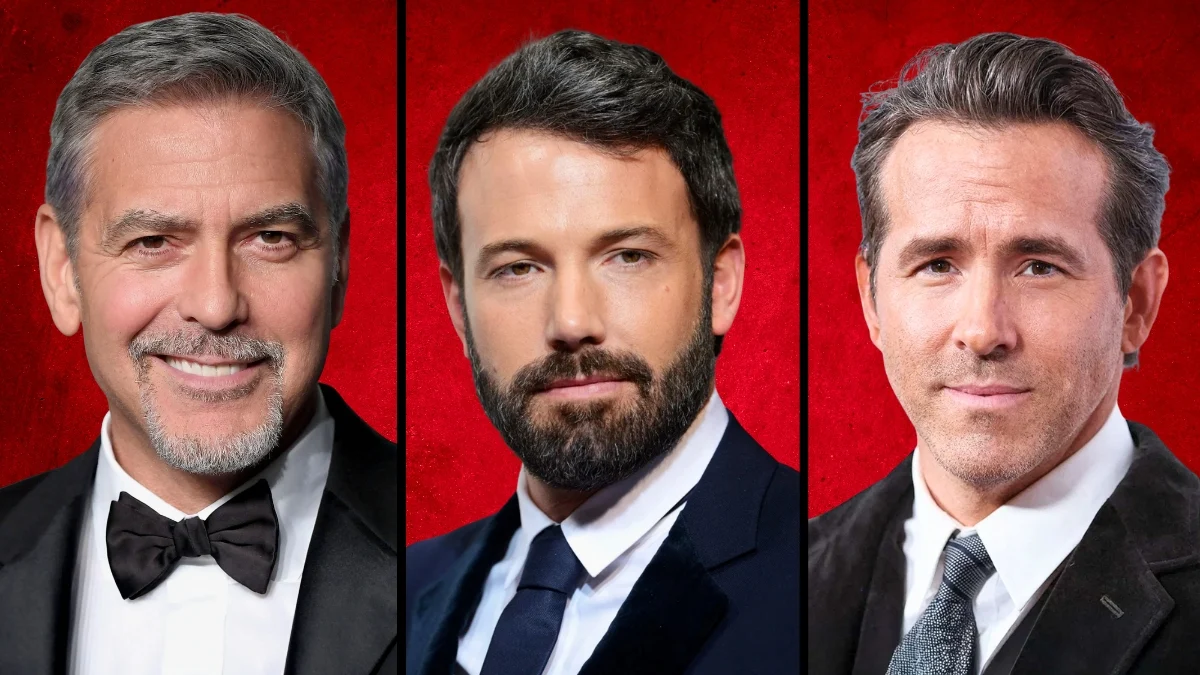
Ben Affleck has called ‘Daredevil’ the film role he most regrets and has spoken about how the final result disappointed him. He’s said the character deserved better execution and that the experience stuck with him in a negative way. His comments are often brought up in conversations about early superhero adaptations struggling with tone and storytelling. It’s also one reason he’s been candid about what he wanted to avoid in later franchise work.
George Clooney
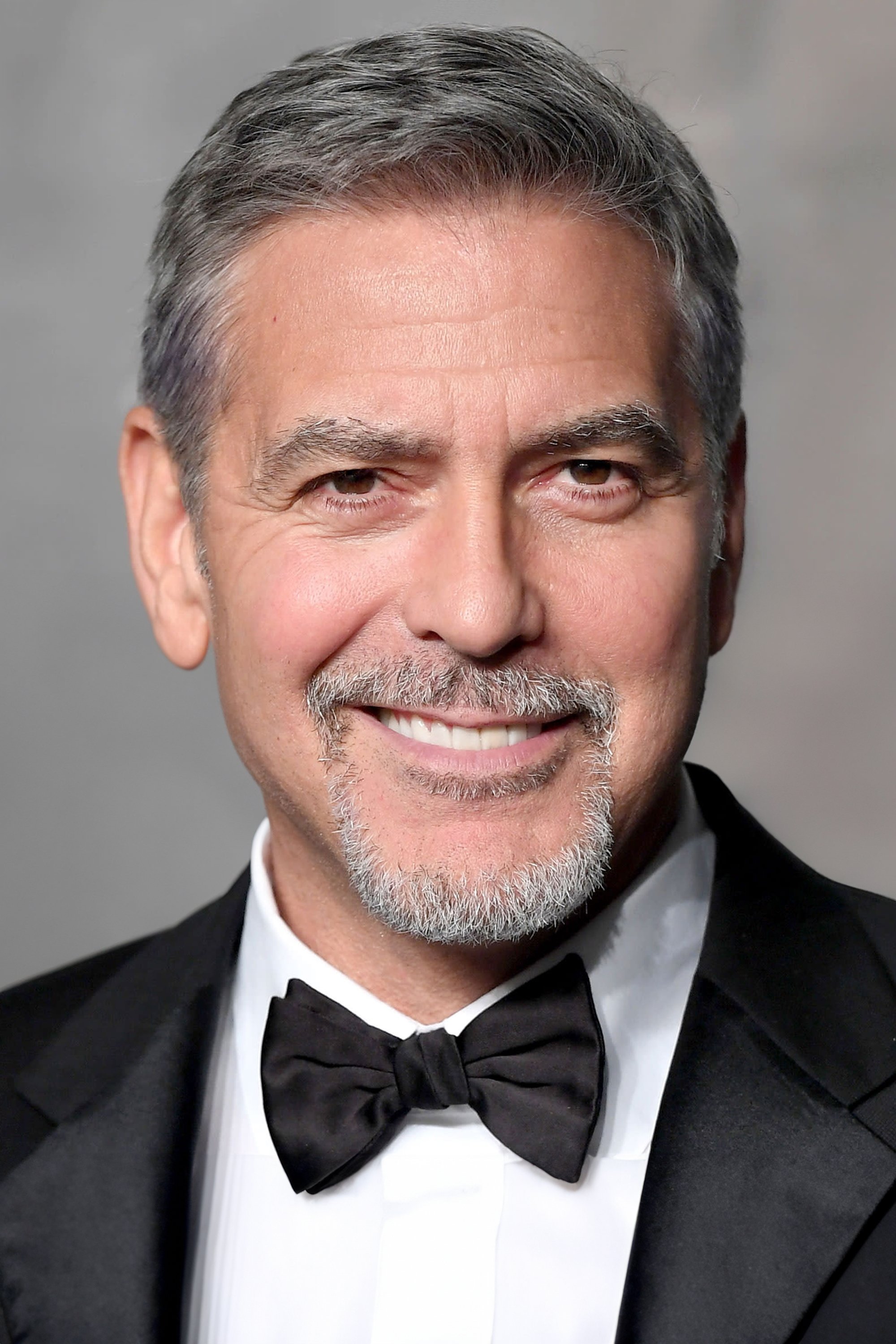
George Clooney has repeatedly apologized for his turn as Batman in ‘Batman & Robin’ and jokes about the film’s notorious creative choices. He’s framed it as a lesson in how a big role can go sideways when the tone doesn’t land with audiences. Over time, he turned the regret into a kind of running gag, which only kept the association alive. It’s a good example of how even self-deprecating honesty can become part of a role’s long-term reputation.
Ryan Reynolds
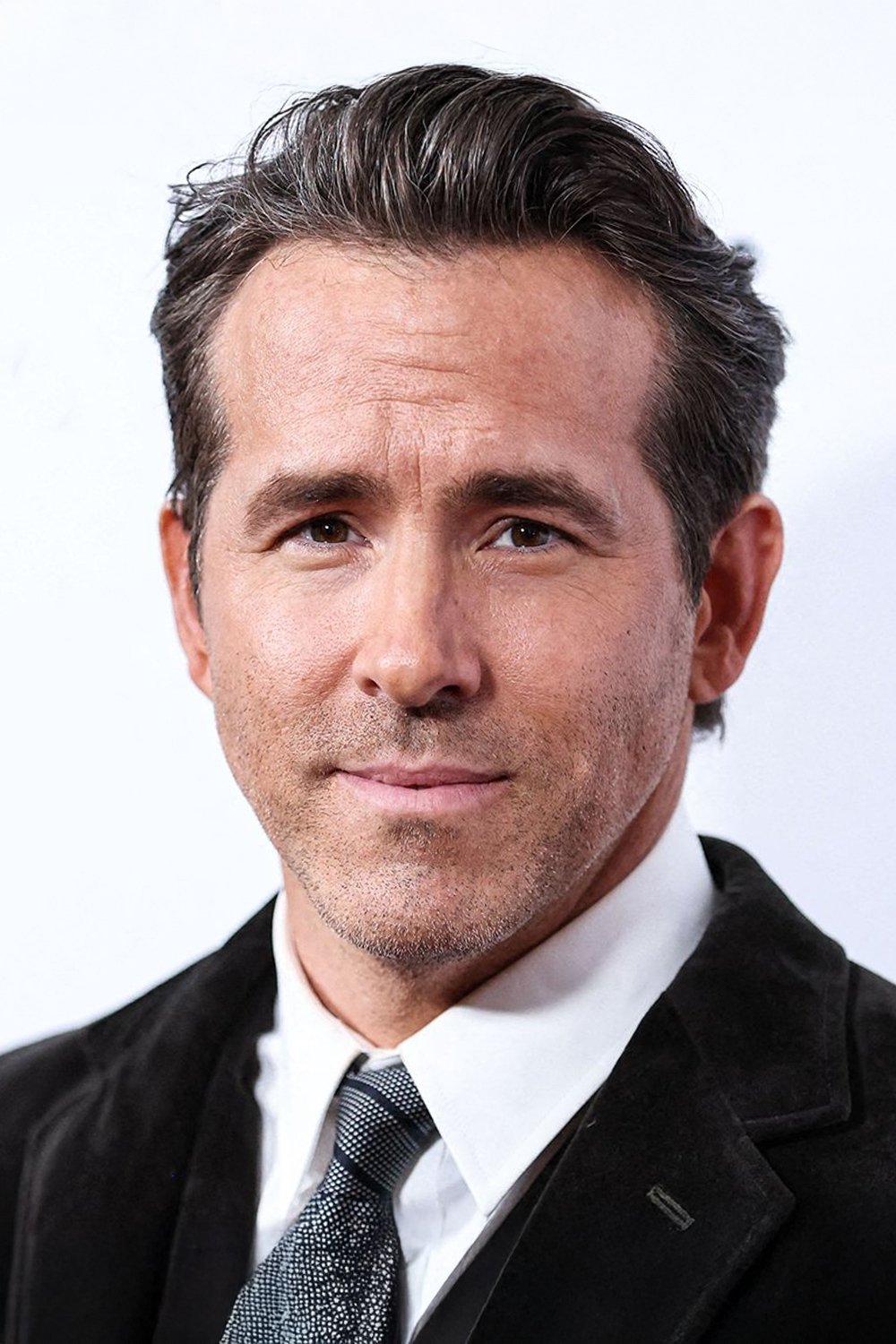
Ryan Reynolds has made ‘Green Lantern’ a frequent punchline in his public persona, including in projects that reference his own filmography. He’s joked about choices made in the movie and treated it as a career misstep he’s happy to roast. The way he talks about it shows how an actor can reclaim a disliked role by controlling the narrative with humor. It also highlights how superhero casting can feel like a gamble when the script and tone don’t click.
Brad Pitt
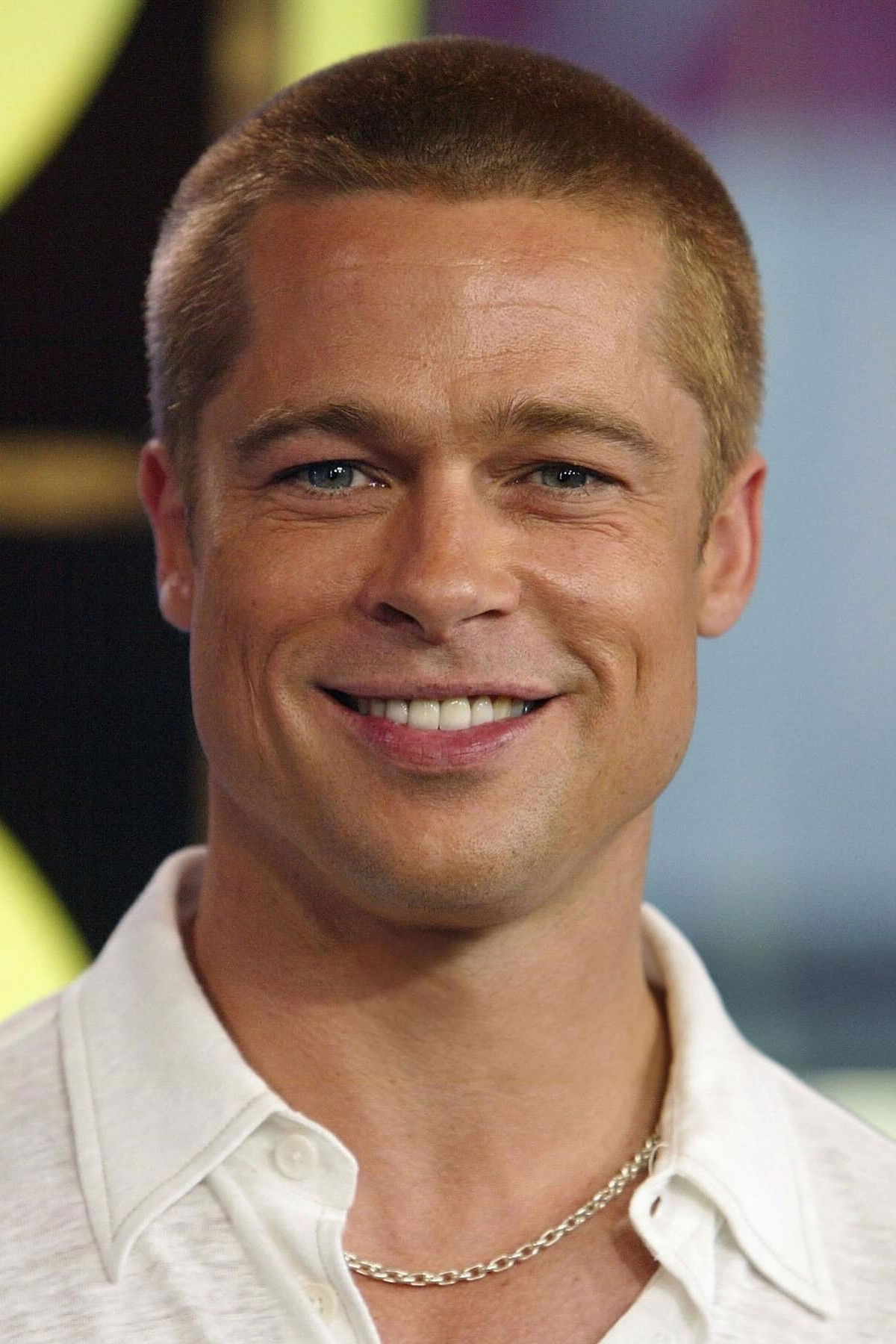
Brad Pitt publicly criticized the production process around ‘The Devil’s Own’, pointing to major script problems that affected the film while it was being made. His frustration centered on having to shape a character without stable story foundations. When an actor says a role felt like improvising a full movie under pressure, it tells you how hard it can be to protect character consistency. The comments also became a cautionary tale about late-stage rewrites on major studio projects.
Bill Murray
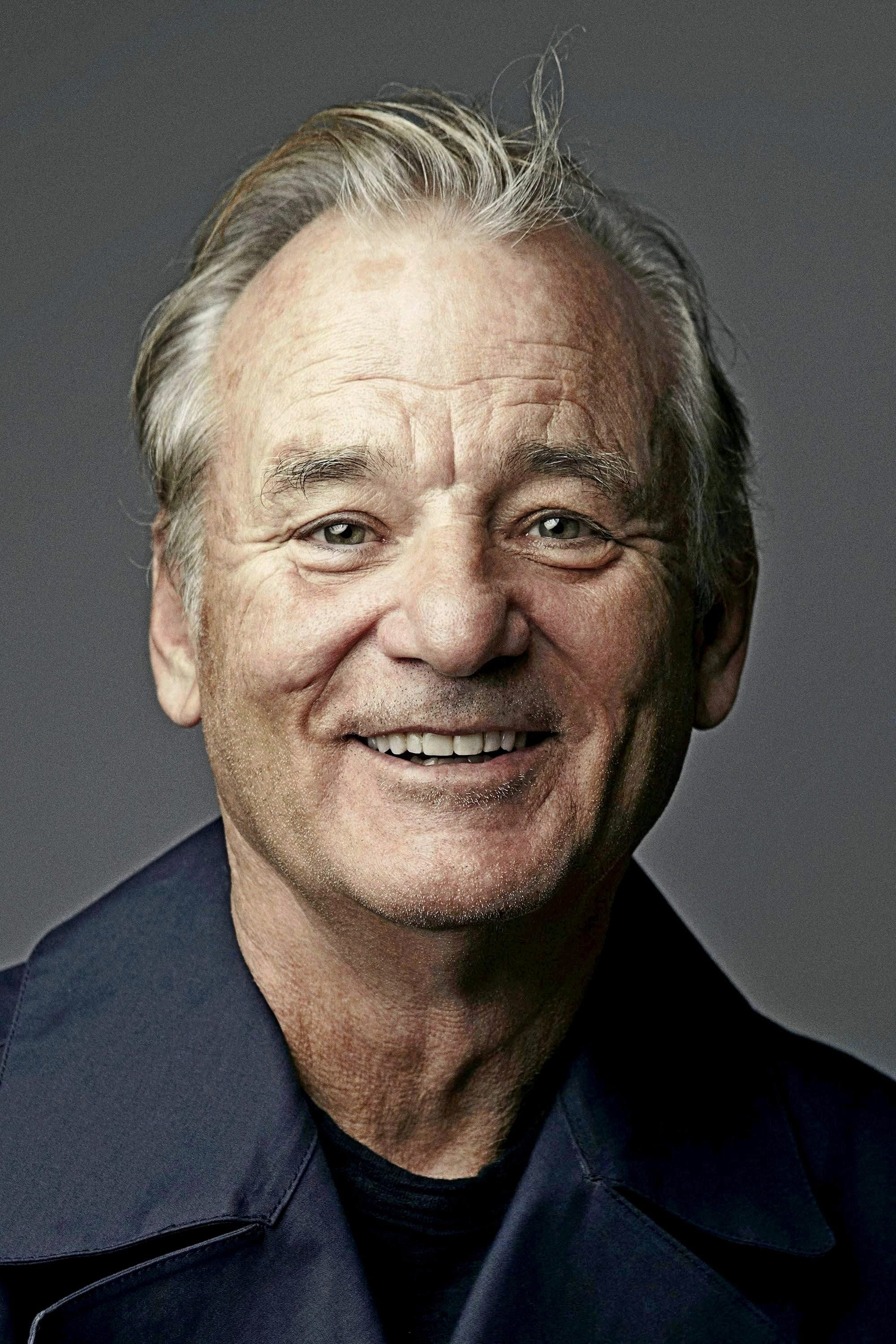
Bill Murray has acknowledged regretting his involvement with ‘Garfield’, which is often cited as an example of an actor taking a project that didn’t match their strengths. He’s been linked to the role mostly through the contrast between his comedic style and the family-film packaging. Because the character is so widely known, the mismatch became an easy “what happened there?” pop-culture question. It’s also a reminder that even veteran actors can end up in roles they’d rather forget.
Mark Wahlberg
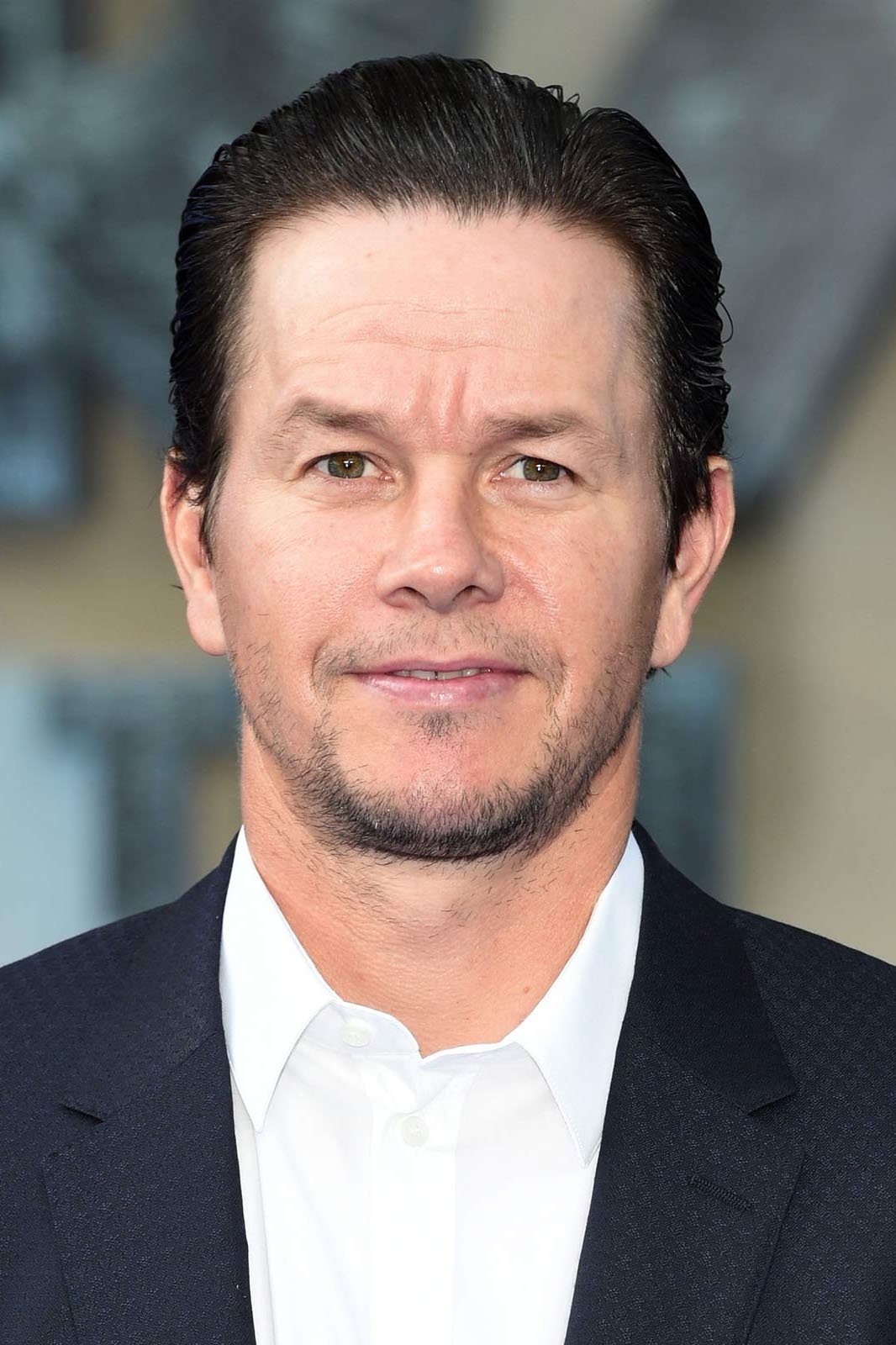
Mark Wahlberg has openly mocked ‘The Happening’ and has been blunt about not loving the part he played. He’s pointed out how unusual it was to be cast in a role that didn’t feel natural for his screen persona. The performance became a reference point in discussions about how casting and tone can clash in high-concept thrillers. When the lead actor isn’t convinced by the character, audiences tend to feel that uncertainty too.
Channing Tatum
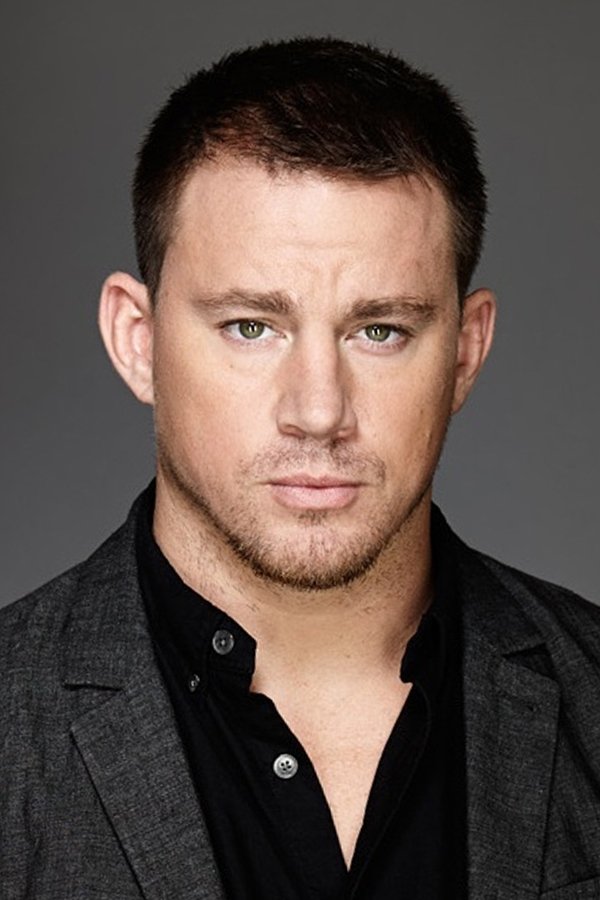
Channing Tatum has been associated with public frustration over being tied to a franchise role that didn’t reflect the kind of work he wanted to pursue. The character is a straightforward action-hero archetype, and he’s talked about feeling uneasy with that fit early in his career. That kind of discomfort often shows up when actors transition from “available for anything” to becoming more selective. It’s also a case where a blockbuster credit can still feel like the wrong creative match.
Josh Brolin
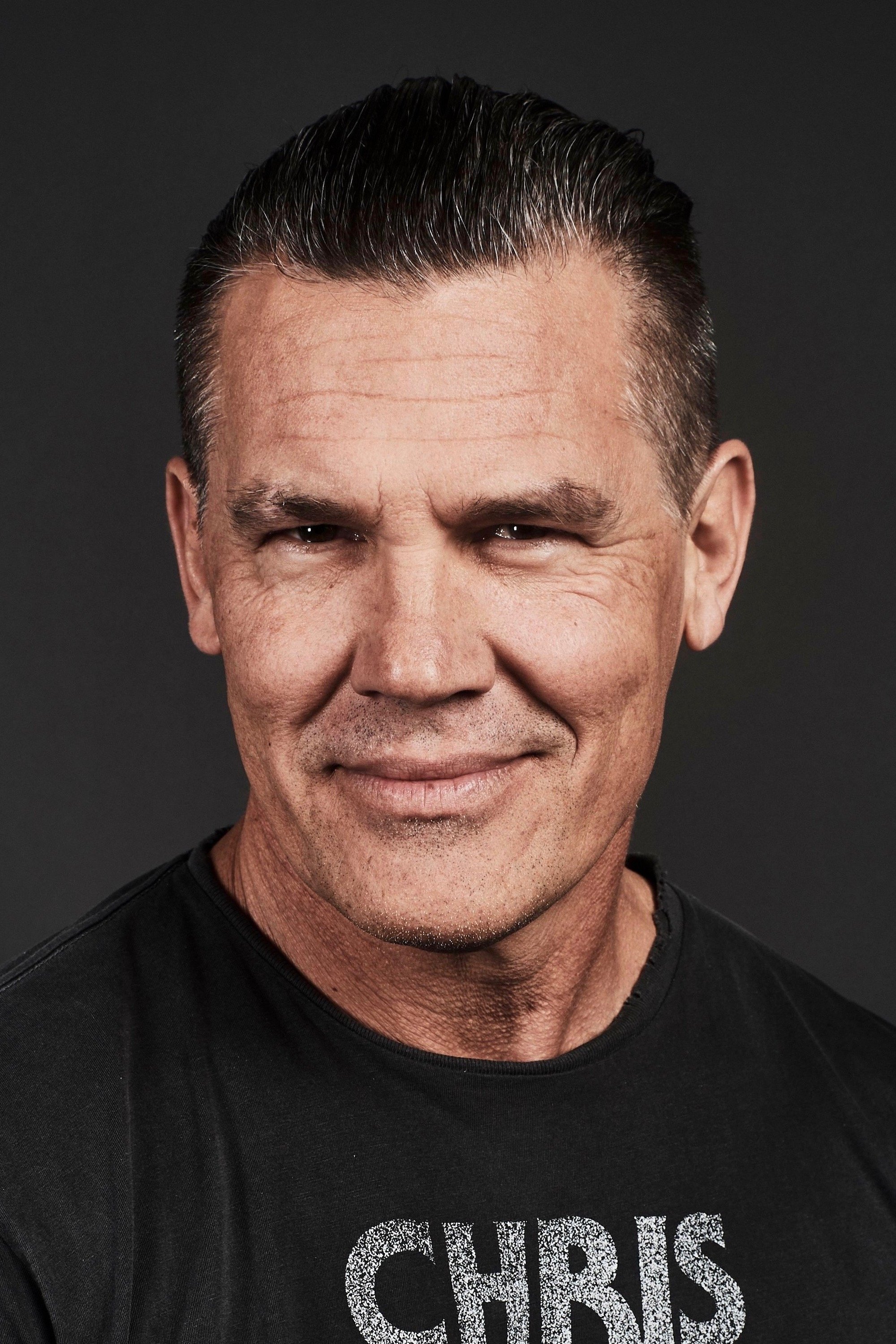
Josh Brolin has spoken about disliking how ‘Jonah Hex’ turned out, and the role is frequently mentioned as one he’d rather not be remembered for. The character’s grim tone and the film’s choppy reputation made it an easy target for regret in hindsight. When an actor is proud of the character concept but unhappy with execution, the role can become a lingering frustration. Brolin’s later success only made the contrast more noticeable.
Jim Carrey
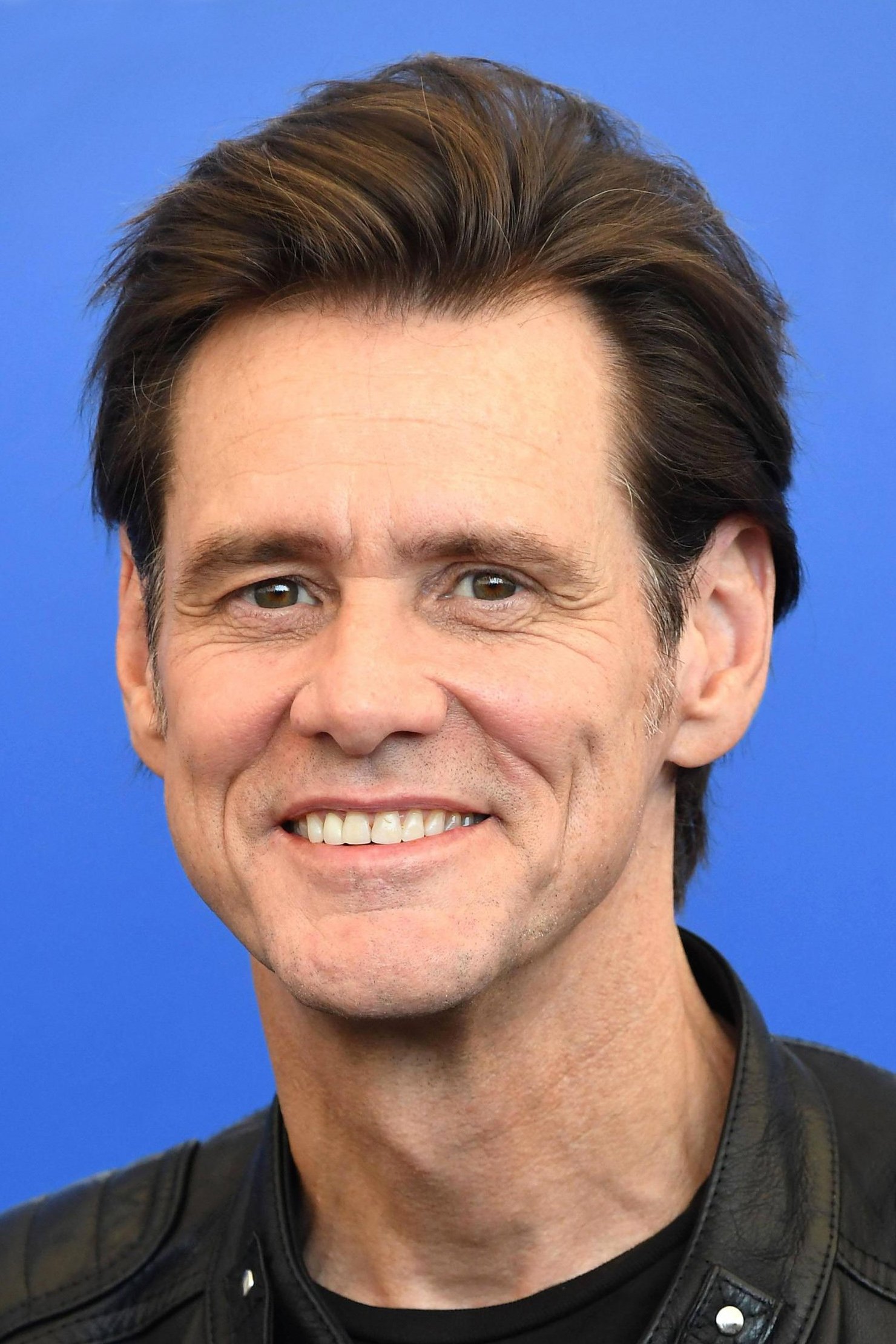
Jim Carrey has, at different times, distanced himself from past roles when he felt the character’s broader cultural footprint didn’t reflect who he was later in life. With a character as huge and cartoonish as Stanley Ipkiss in ‘The Mask’, that reaction makes sense because the performance can overshadow everything else. When a character becomes a brand, the actor’s relationship to it can change dramatically over time. It’s a reminder that “iconic” doesn’t always mean “comfortable.”
Colin Farrell
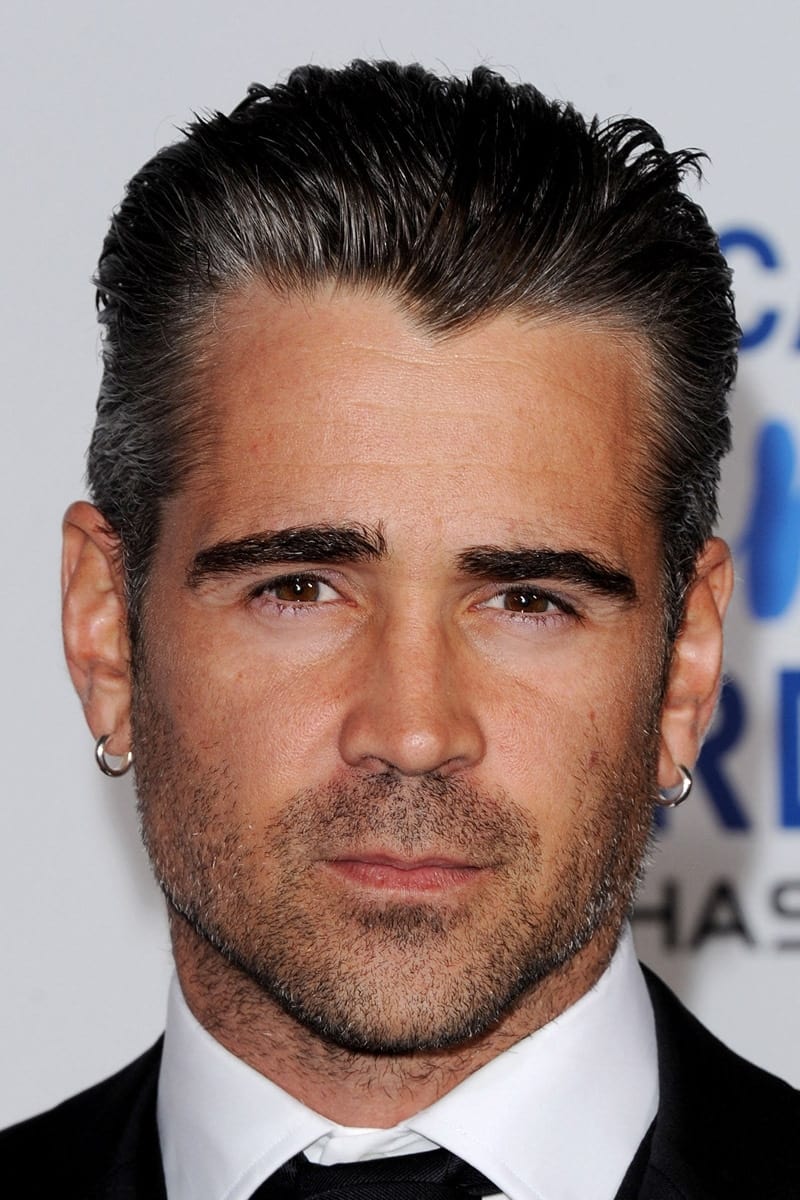
Colin Farrell has been candid about not liking how ‘Alexander’ came together, and the title role is often cited among performances he doesn’t look back on fondly. Playing a historical figure at that scale comes with expectations the final film has to support, and he’s suggested it didn’t. When the lead character is meant to anchor an epic, weaknesses in tone or structure tend to land on the actor’s shoulders. Farrell’s later career choices show a clear pivot away from that kind of glossy historical lead.
Arnold Schwarzenegger
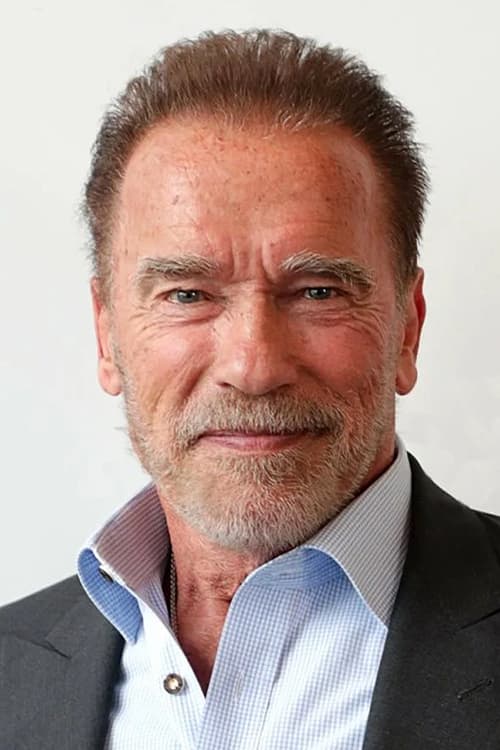
Arnold Schwarzenegger has acknowledged misfires in his filmography, and some late-era action roles became examples of projects that didn’t connect the way studios hoped. Characters built primarily around spectacle can leave actors feeling like they’re repeating themselves. When a role is remembered more for the concept than the character, it can be hard for the actor to value it as acting work. For big stars, those phases often become turning points toward reinventing their image.
Oscar Isaac
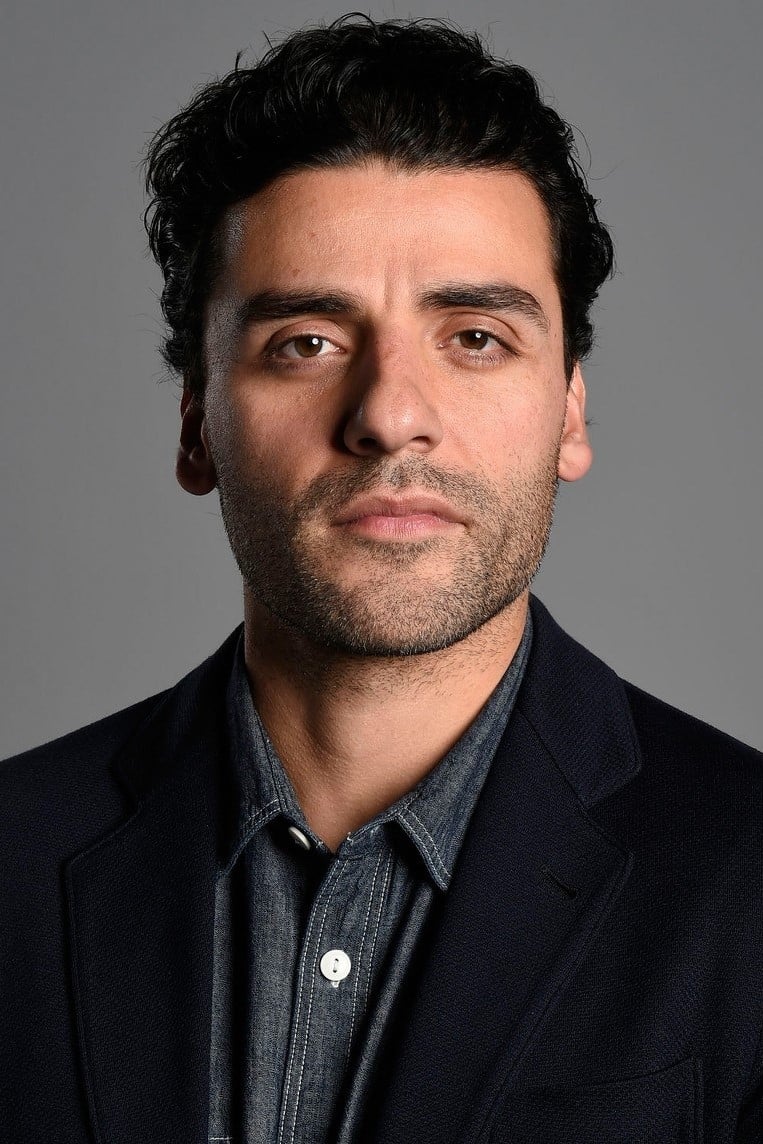
Oscar Isaac has described the experience of playing Apocalypse in ‘X-Men: Apocalypse’ as physically miserable because of heavy prosthetics and limited mobility. When an actor can’t properly see, move, or connect with scene partners, it can make the character feel like a technical obstacle instead of a performance. That kind of limitation often affects how actors talk about the role afterward, even if they respect the franchise. It’s a useful example of how “villain in makeup” roles can be far tougher than they look.
Shia LaBeouf
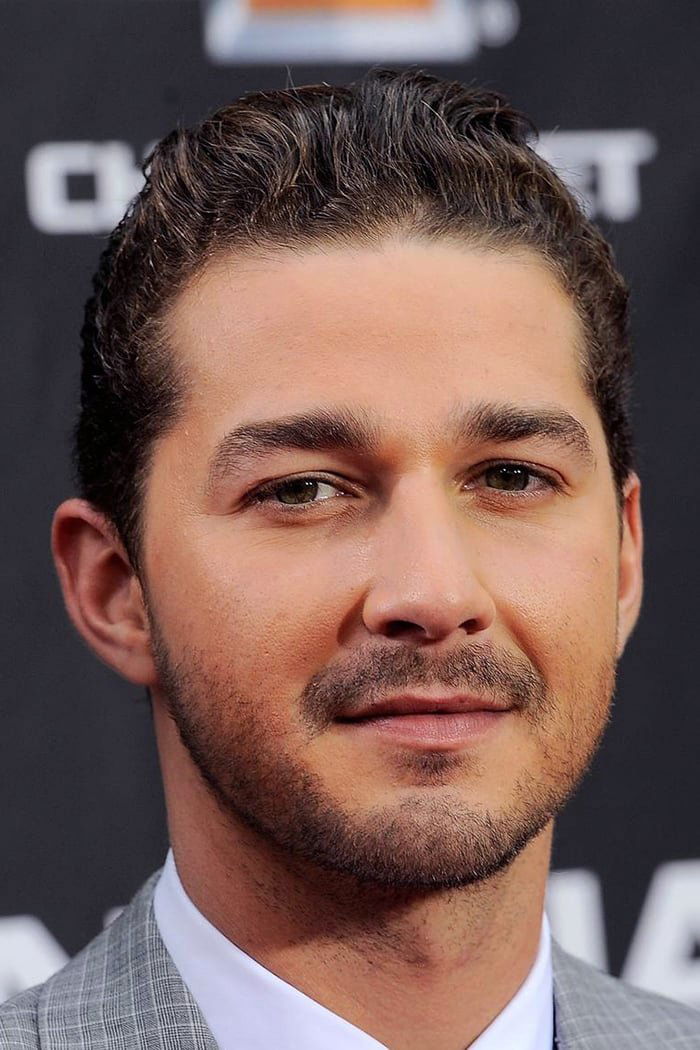
Shia LaBeouf publicly criticized his own work in ‘Indiana Jones and the Kingdom of the Crystal Skull’ and has talked about feeling he didn’t deliver what the role required. He framed it as an actor’s responsibility to make the character work and admitted he felt he fell short. When an actor critiques their own performance that directly, it becomes part of how the character is remembered. It also shows how franchise expectations can magnify a performer’s self-criticism.
Christopher Plummer
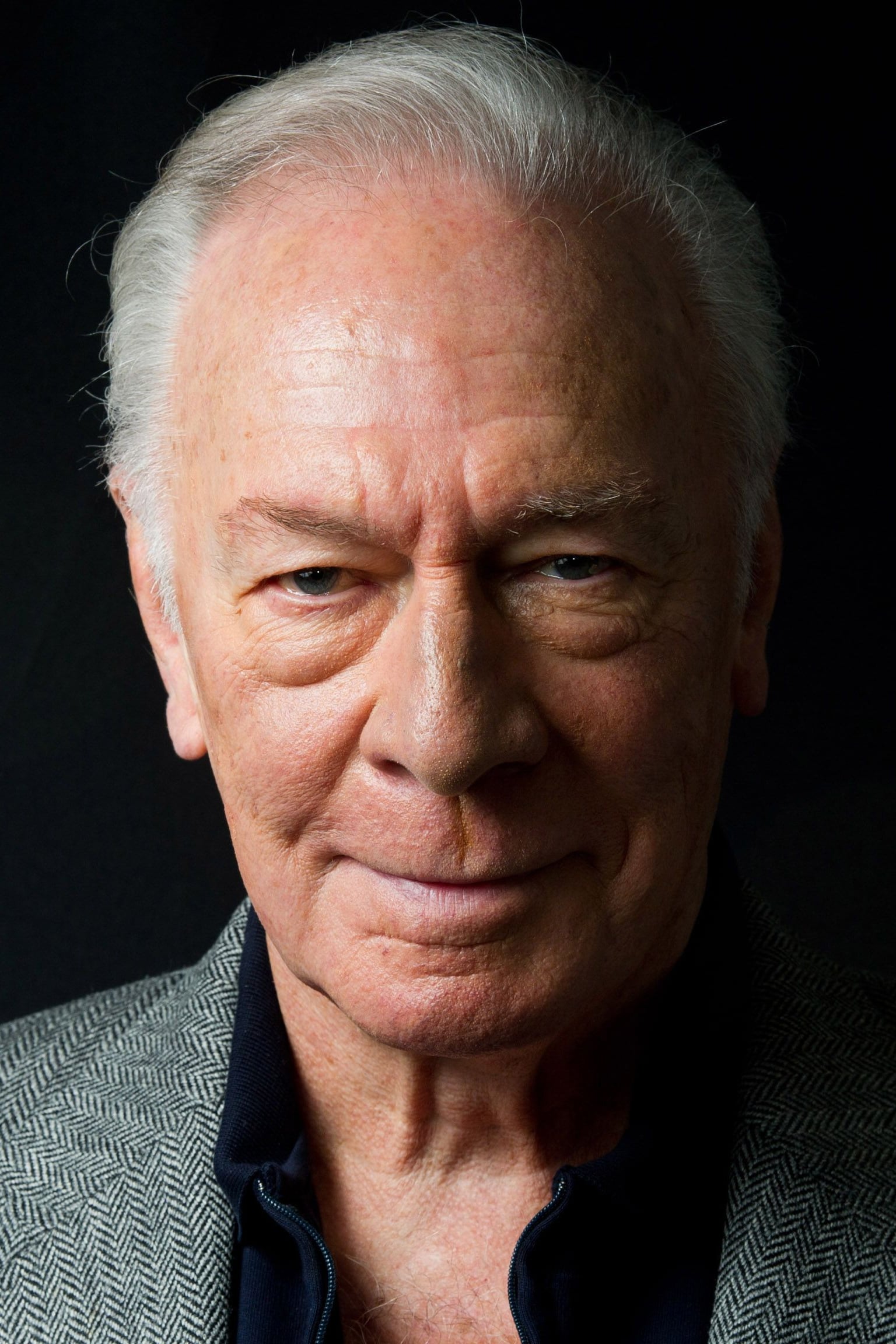
Christopher Plummer spent years making it clear he didn’t like being defined by ‘The Sound of Music’, and he’s talked about being bored by aspects of the character. He also criticized the film’s sentimental tone, which shaped how he viewed the role in retrospect. When an actor feels the material doesn’t match their taste, even a career-making part can become a lifelong annoyance. Plummer’s comments became famous precisely because the film is so beloved.
Marlon Brando
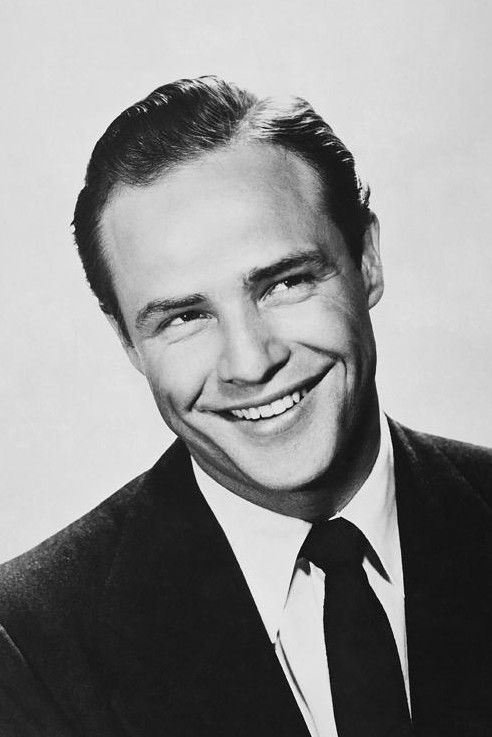
Marlon Brando is associated with blunt remarks about Stanley Kowalski in ‘A Streetcar Named Desire’, including clear disdain for the character’s nature. When an actor actively dislikes a role’s morality or behavior, it can create an intense performance while also leaving lasting resentment. Brando’s relationship to the character is often discussed as an example of separating craft from personal comfort. It also shows that even legendary performances can come from a place of resistance.
Penn Badgley
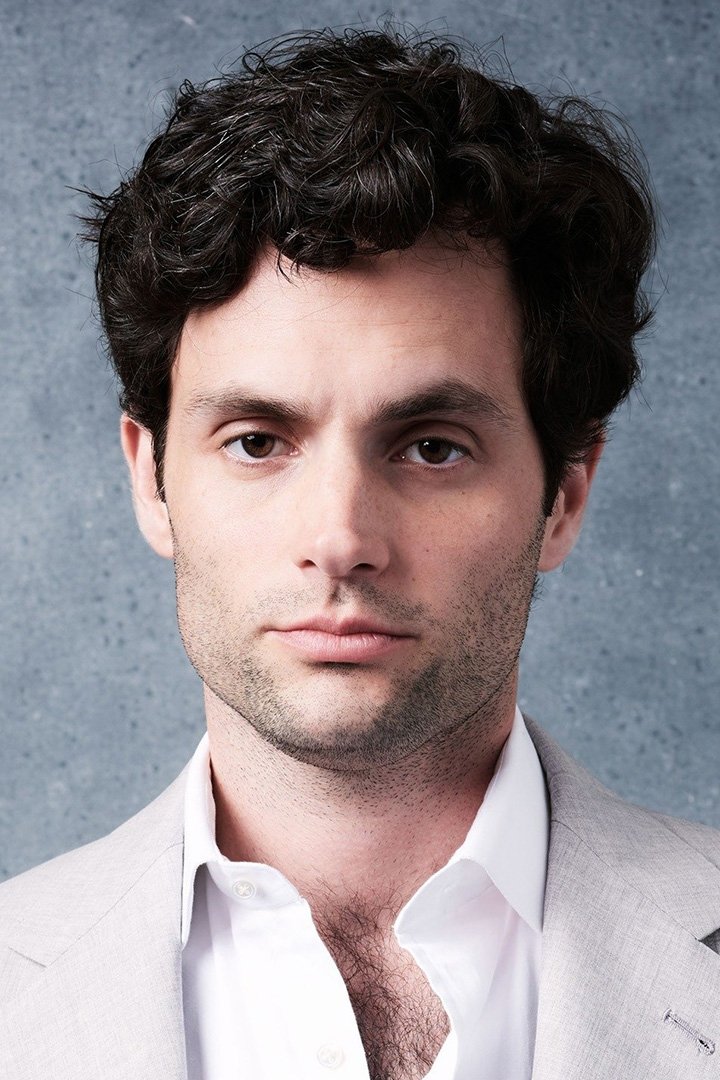
Penn Badgley has repeatedly expressed dislike for Dan Humphrey in ‘Gossip Girl’, especially as the character’s choices became harder to defend. He’s talked about feeling uncomfortable with what the character represented and how audiences interpreted him. That honesty became part of the show’s ongoing pop-culture life, because fans love hearing actors “tell the truth” about messy characters. It’s also a good example of a role that can feel different when revisited years later.
Mandy Patinkin

Mandy Patinkin has said he regretted his time on ‘Criminal Minds’ because of what he felt the show was putting into the world. When an actor feels the content is too violent or psychologically heavy, it can make the character feel like a burden rather than a job. His departure is often cited as a rare case of a lead leaving on principle about tone. It also sparked bigger conversations about how long-running crime shows affect the people making them.
Adam Brody

Adam Brody has spoken about how fame from ‘The O.C.’ didn’t always match how he saw himself, and Seth Cohen became a character he had to live with publicly. When a role turns into a cultural “type,” actors often get tired of being treated like the character in real life. That pressure can shift how they talk about the part, even if they’re grateful it launched their career. It’s a common pattern for breakout TV stars in teen-driven hits.
Dev Patel

Dev Patel has discussed how sudden global visibility after ‘Slumdog Millionaire’ changed his life, and roles tied to early fame can become complicated touchstones. When an actor is still building a range, a hugely defining character can feel like an identity people try to lock them into. That tension often shows up later as careful distance from the role’s public baggage. It’s less about disliking the story and more about resisting being permanently framed by one character.
Justin Guarini
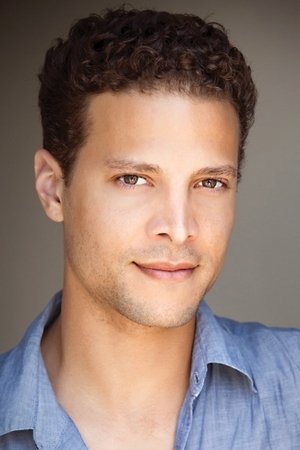
Justin Guarini became strongly associated with the Lil’ Sweet character through the long-running Dr Pepper campaign. When a commercial persona gets more attention than an actor’s other work, it can create a strange kind of typecasting. Actors can end up feeling trapped by a character that wasn’t meant to define them beyond advertising. It’s a reminder that “most famous character” doesn’t always come from film or TV.
Sylvester Stallone
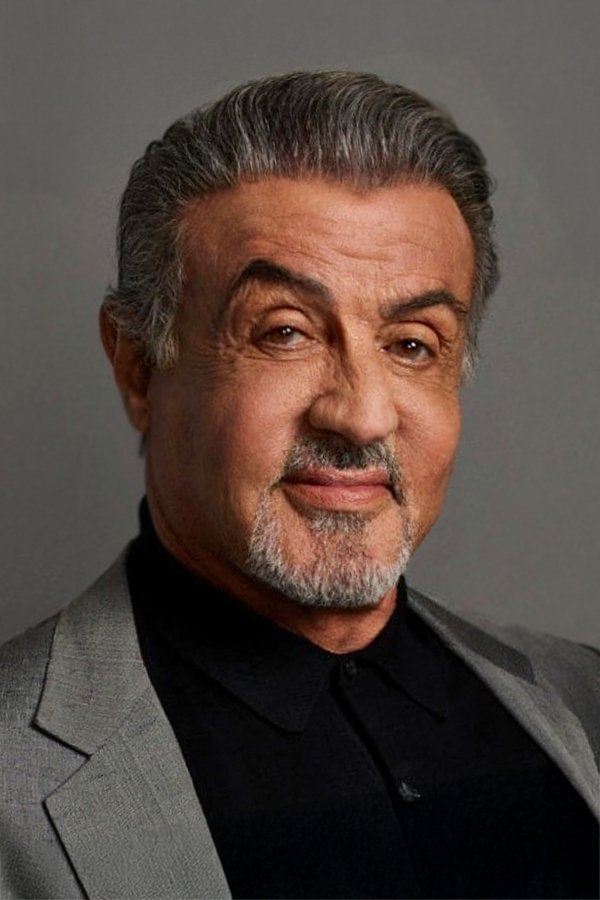
Sylvester Stallone has publicly trashed ‘Stop! Or My Mom Will Shoot’ and treated the role as a career low point. When a star known for tough-guy characters plays a part that feels like a forced comedy detour, the mismatch can become painful in hindsight. Stallone’s comments also show how actors can be brutally honest about a character that didn’t serve their brand. The role remains a go-to example of a star regretting a family-comedy pivot.
Michael Caine
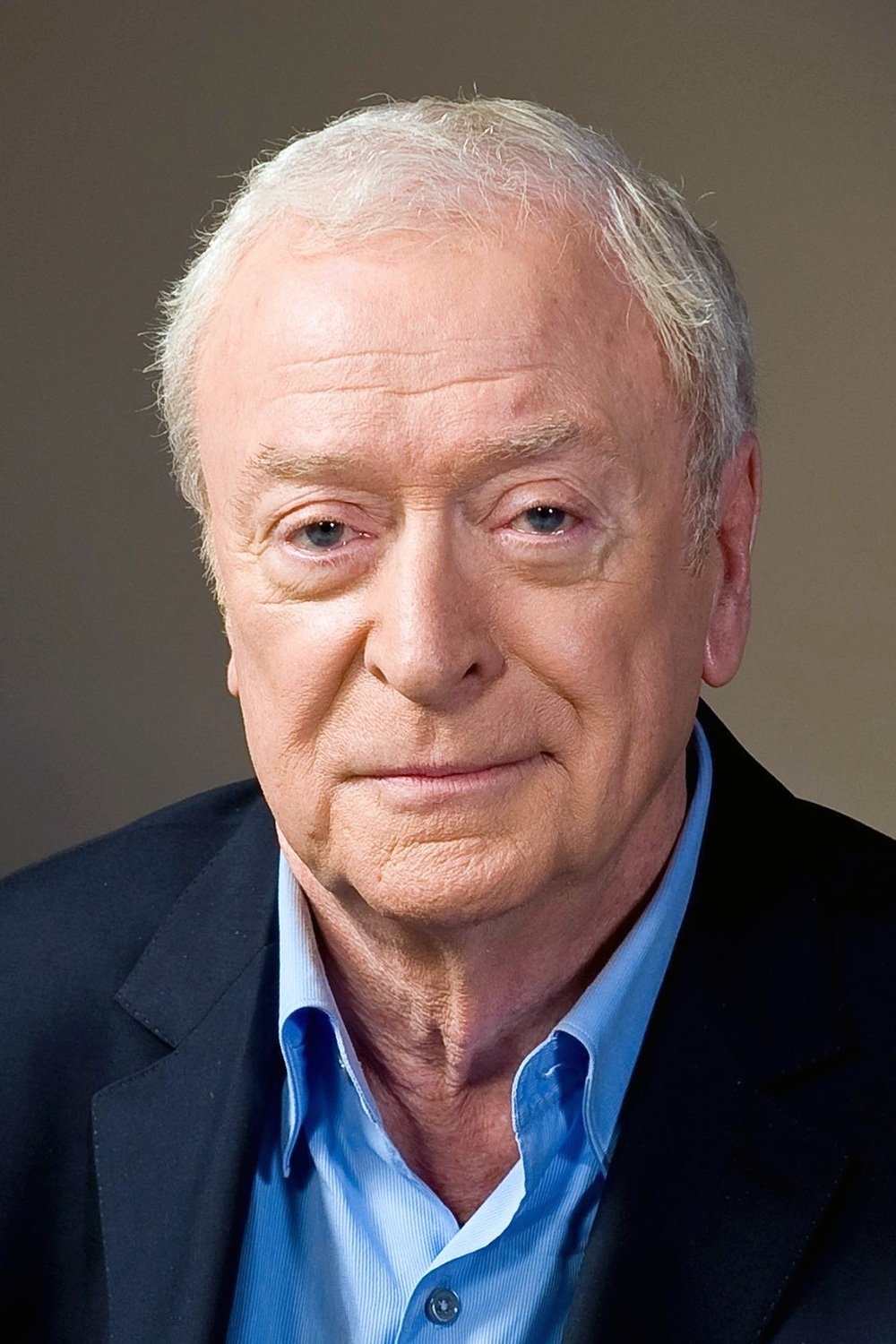
Michael Caine famously joked that he never watched ‘Jaws: The Revenge’ but appreciated the house it paid for, which became shorthand for “I did it for practical reasons.” When an actor is that open about separating craft from paycheck, the character can feel like an obligation instead of a creative choice. It’s also a clear example of how sequel roles can become résumé footnotes for even the most respected performers. Caine’s quote is still widely repeated because it’s so direct.
Bob Hoskins
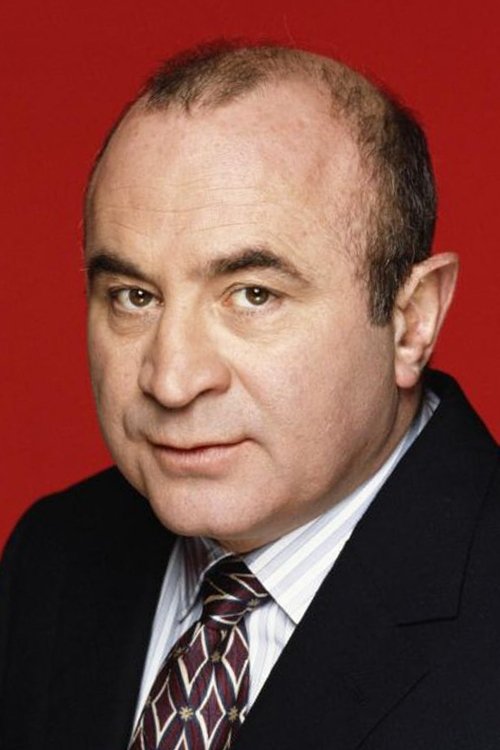
Bob Hoskins was blunt about how miserable the experience of ‘Super Mario Bros.’ was and described the production as a nightmare. When the actor playing the lead feels the set itself is chaotic, that frustration often transfers into how they remember the character. Hoskins’ comments are frequently cited in discussions of early video-game adaptations and why so many struggled. The role became infamous partly because he didn’t sugarcoat what it was like.
Gary Oldman
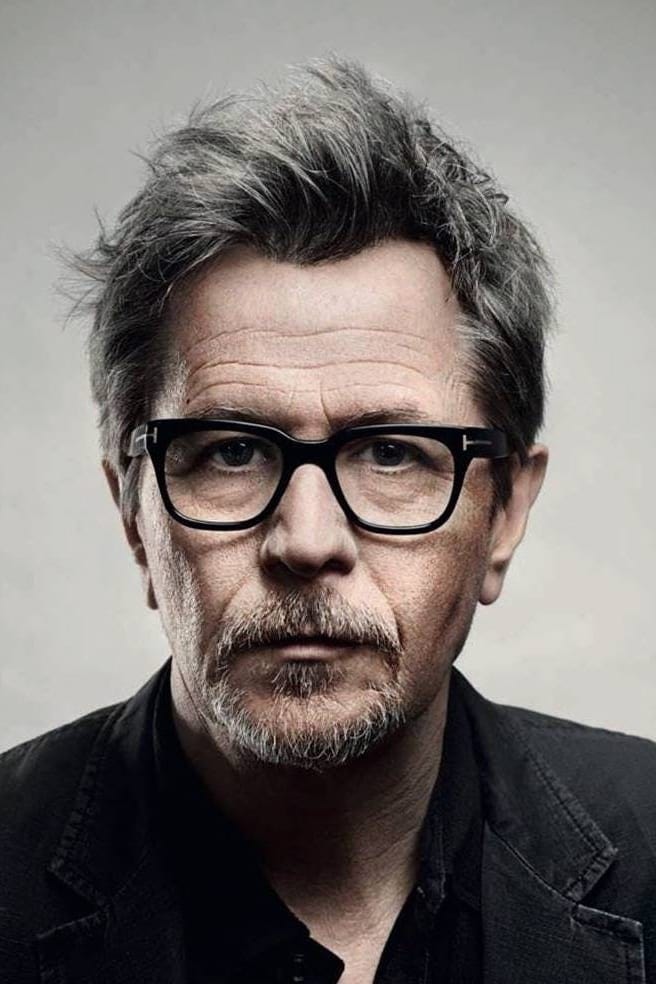
Gary Oldman’s involvement in ‘Tiptoes’ is often referenced because of how strange and controversial the character work was, and the film’s reputation has overshadowed any intended nuance. When a role becomes internet-famous for the wrong reasons, actors can end up wanting distance simply to avoid the joke. Oldman’s broader career makes the part stand out as an oddity people still bring up. It’s a case where the character becomes a meme more than a performance.
Mickey Rourke
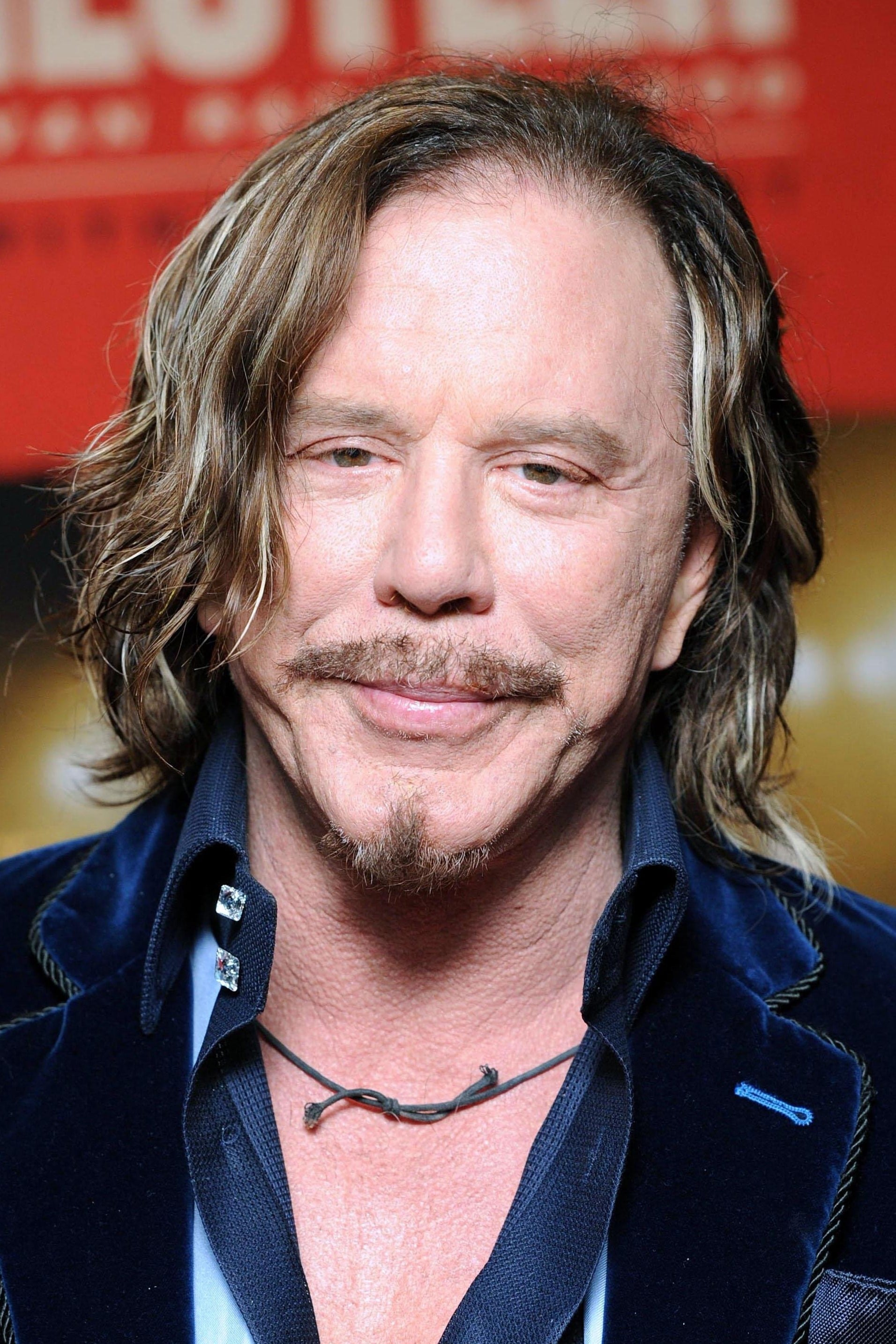
Mickey Rourke has openly criticized some of his own films, and roles like Nate Poole in ‘Passion Play’ became examples he dismissed as bad choices. When an actor labels a project as “terrible,” it usually means the character didn’t feel worth defending either. That kind of blunt self-critique can reshape how audiences view the role, because it signals the actor has moved on. It’s a reminder that actors sometimes judge their own characters more harshly than critics do.
Zac Efron
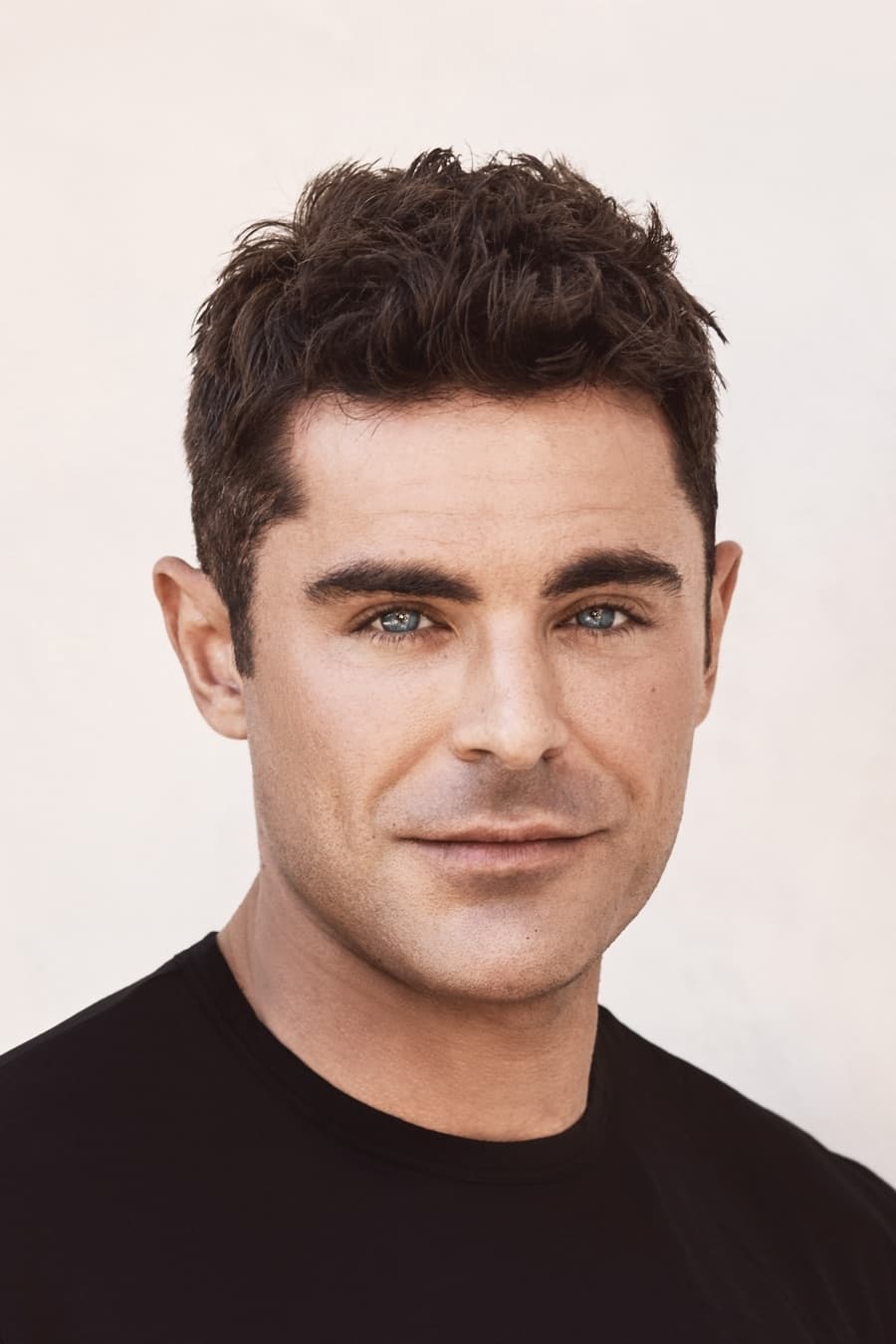
Zac Efron has talked about looking back at his ‘High School Musical’ era and feeling embarrassed by how he was perceived at the time. When a character becomes a clean-cut symbol that follows an actor into adulthood, it can create a real desire to break away. Efron’s comments are often brought up as an example of a star trying to outgrow an iconic teen identity. The character’s popularity made that separation harder, not easier.
Jamie Dornan
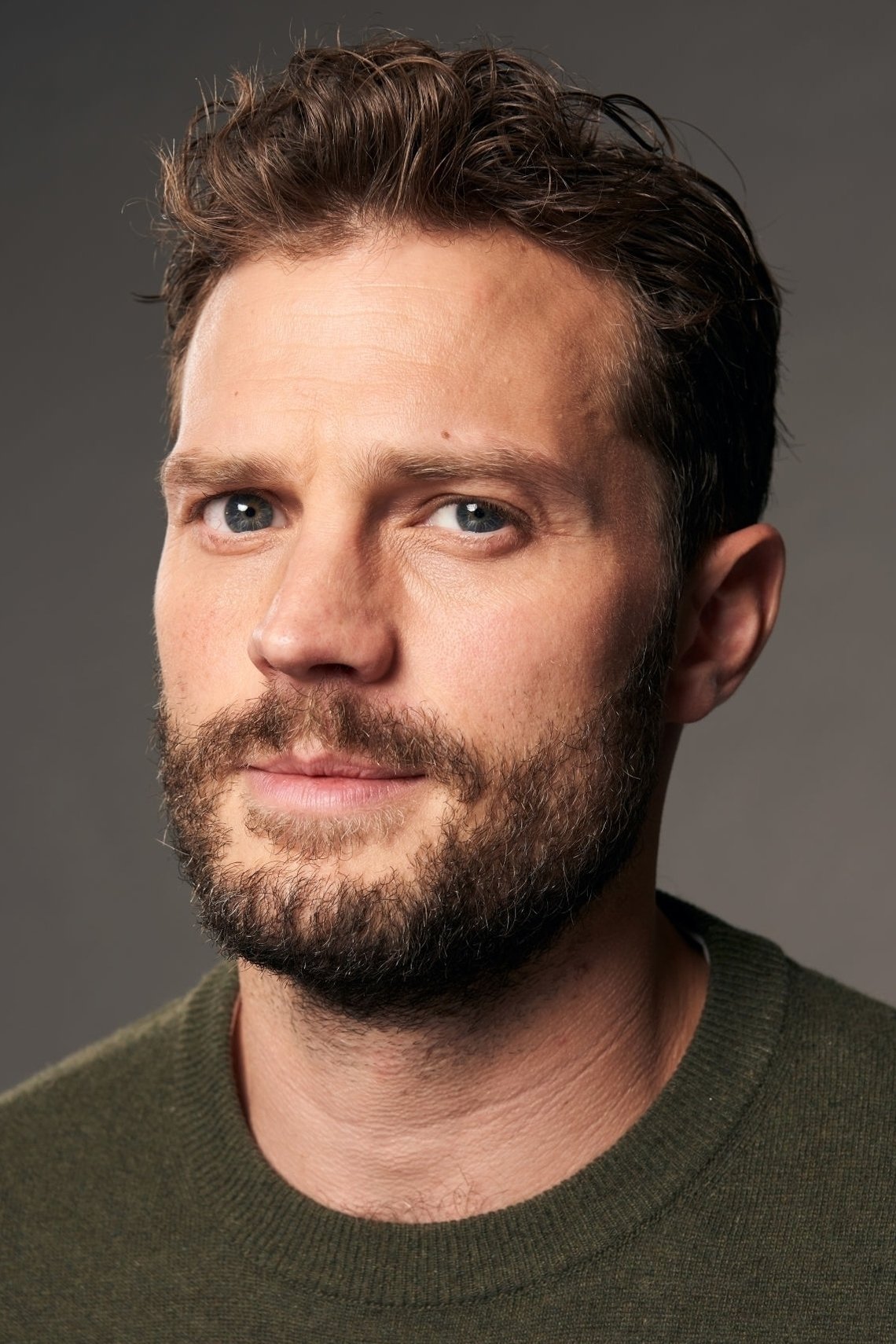
Jamie Dornan has said he wouldn’t want to be friends with Christian Grey, which is one of the clearest ways an actor can distance themselves from a character. When a role is built on intensity and control, it’s common for the actor to emphasize that the personality isn’t admirable in real life. That kind of framing helps audiences separate the fantasy from the character’s behavior. It also shows how actors sometimes manage controversy by being honest about discomfort.
John Cusack
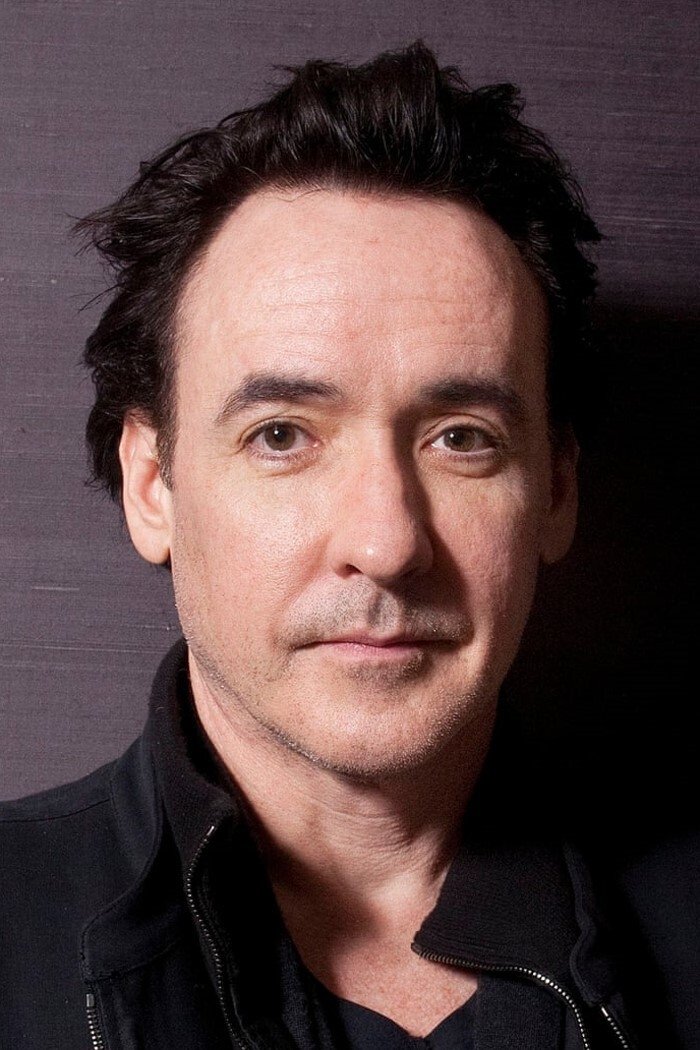
John Cusack has been linked to stories about disliking ‘Better Off Dead’, with accounts suggesting he felt the film made him look foolish. Even when actors soften their stance later, the initial frustration can become part of a movie’s mythology and how the character is remembered. Lane Meyer is beloved by many fans, which makes the actor’s reported reaction stand out even more. It’s a classic example of a cult character meaning more to audiences than to the actor who played him.
Will Smith
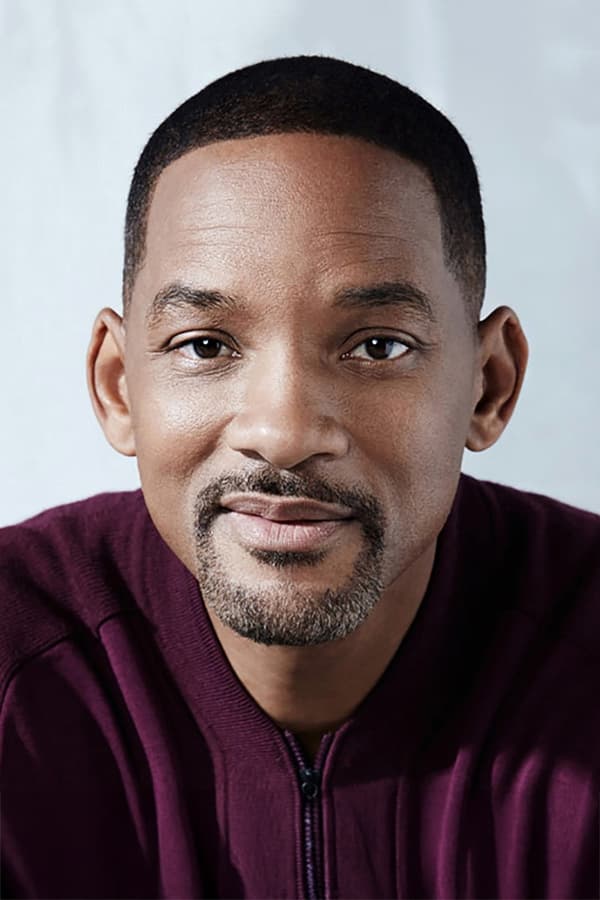
Will Smith has called ‘Wild Wild West’ his worst movie and described it as a lingering regret in his career. When a star publicly points to a role as a mistake, it often reflects frustration with both the character and the decision-making that led there. The fact that the character is tied to a major “what if” career moment only keeps the story alive. Smith’s honesty turned the role into a clear cautionary tale about choosing projects for the wrong reasons.
David Cross
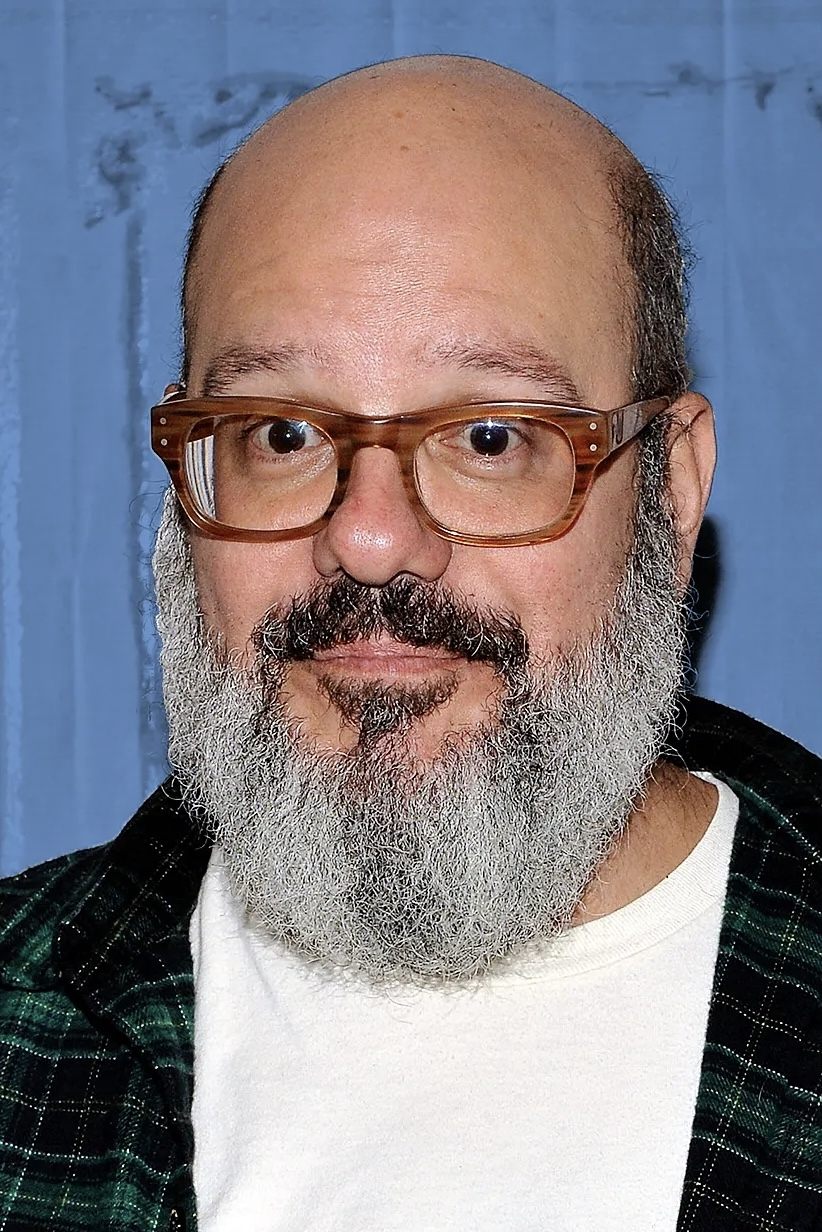
David Cross publicly trashed ‘Alvin and the Chipmunks: Chipwrecked’ while promoting it, which is rare in an industry that usually demands polite enthusiasm. When an actor advises people not to see a project, it signals a total lack of attachment to the character and the film’s goals. That kind of candor becomes part of the character’s legacy because it’s so unusual. It’s also a reminder that even broad family-franchise roles can leave performers feeling creatively empty.
Drop your own picks in the comments—who’s the most surprising actor on this list, and which “hated” character do you still love watching anyway?