The Greatest Sci-Fi Movies You Forgot About (& It’s Time for a Rewatch)


Sci-fi has a funny way of slipping through the cracks—especially the mid-budget gems, the cult oddities, and the brainy thrillers that didn’t become permanent pop-culture fixtures. If you’re craving big ideas, weird worlds, and stories that hit differently on a second viewing, this rewatch pile is packed with under-discussed favorites. Here are some standout sci-fi movies you might’ve lost track of, but absolutely deserve another spin.
‘Moon’ (2009)
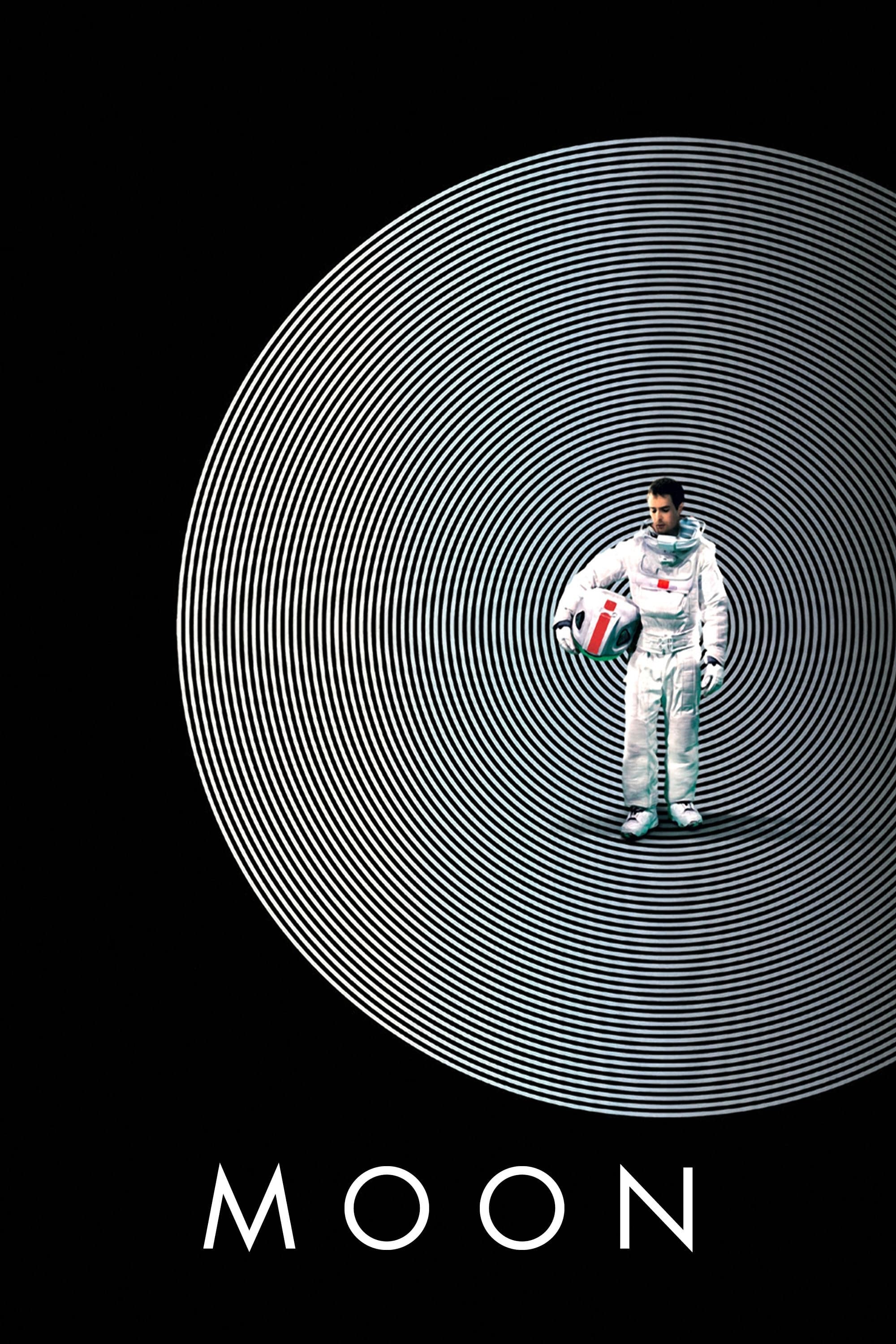
Set almost entirely in a lunar facility, ‘Moon’ follows a solitary worker nearing the end of his contract who starts noticing unsettling inconsistencies in his routine. The film uses limited locations and clean production design to keep attention on its central mystery. Sam Rockwell carries the story with a performance built on small behavioral shifts and mounting doubt. Rewatching helps you spot the careful setup in the station’s details and the way the script seeds its reveals. It’s also a great pick if you like sci-fi that leans on identity and ethics rather than action.
‘Primer’ (2004)
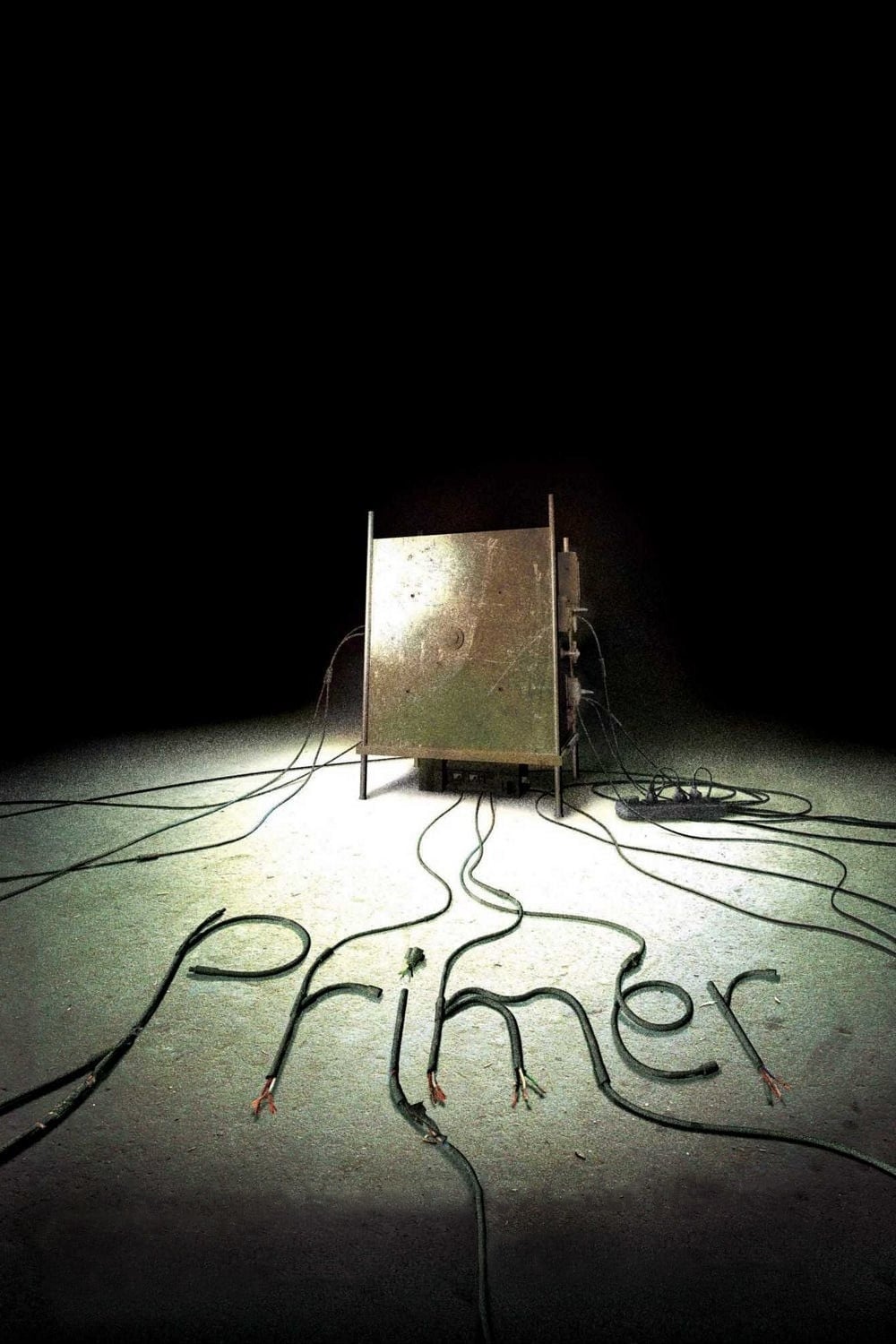
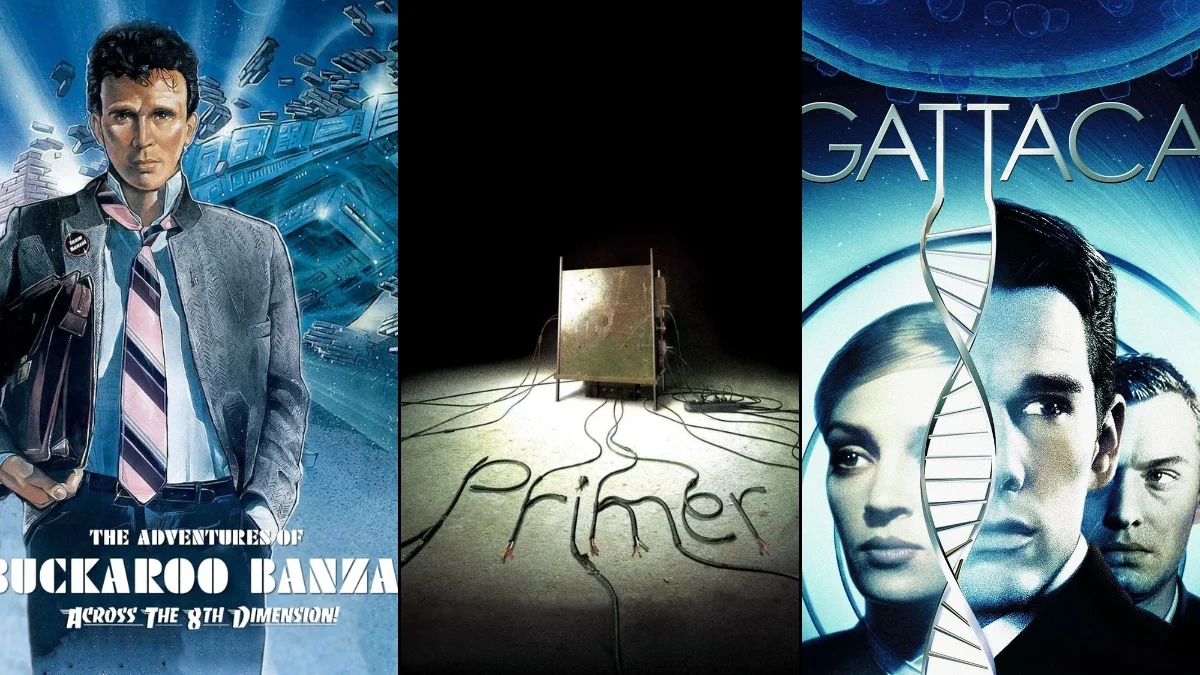
‘Primer’ drops you into a shoestring world of garage inventors who stumble into something that rewires their lives. It treats time travel like an engineering problem, with jargon-heavy dialogue that feels closer to real lab talk than Hollywood exposition. The story’s overlapping timelines reward close attention to who knows what, and when. A rewatch makes the power dynamics between the two leads clearer as their choices escalate. If you enjoy piecing together puzzles, this one practically invites note-taking.
‘Coherence’ (2013)
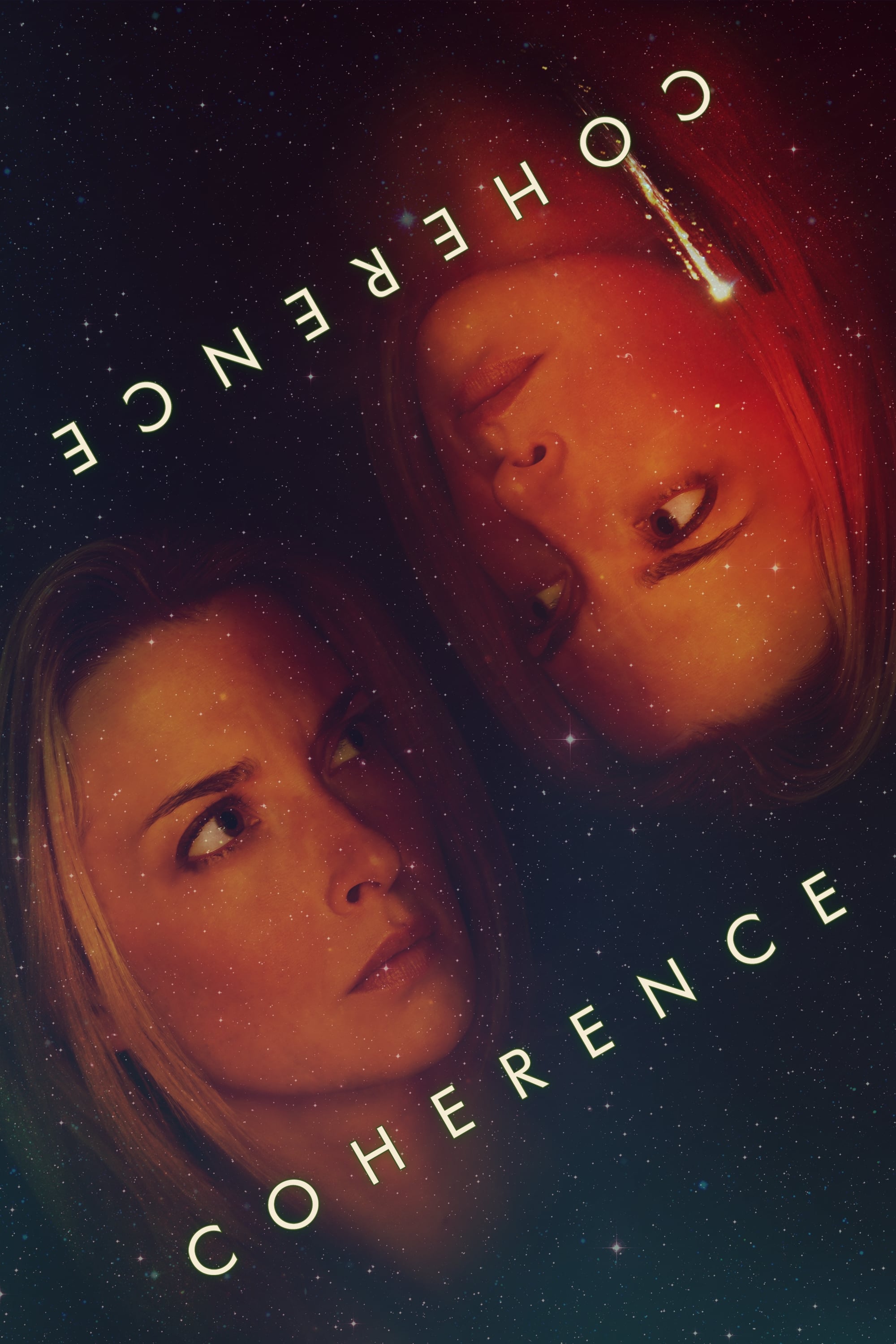
‘Coherence’ begins as a dinner party among friends and slowly turns into a reality-bending nightmare when a strange astronomical event hits. It’s built around naturalistic conversation that makes the escalating weirdness feel uncomfortably plausible. Small props, offhand remarks, and shifting group alliances become key clues as the situation spirals. Watching it again helps you track the subtle identity swaps and the logic behind the characters’ increasingly risky decisions. It’s a tight, contained sci-fi thriller that thrives on tension and confusion.
‘Dark City’ (1998)
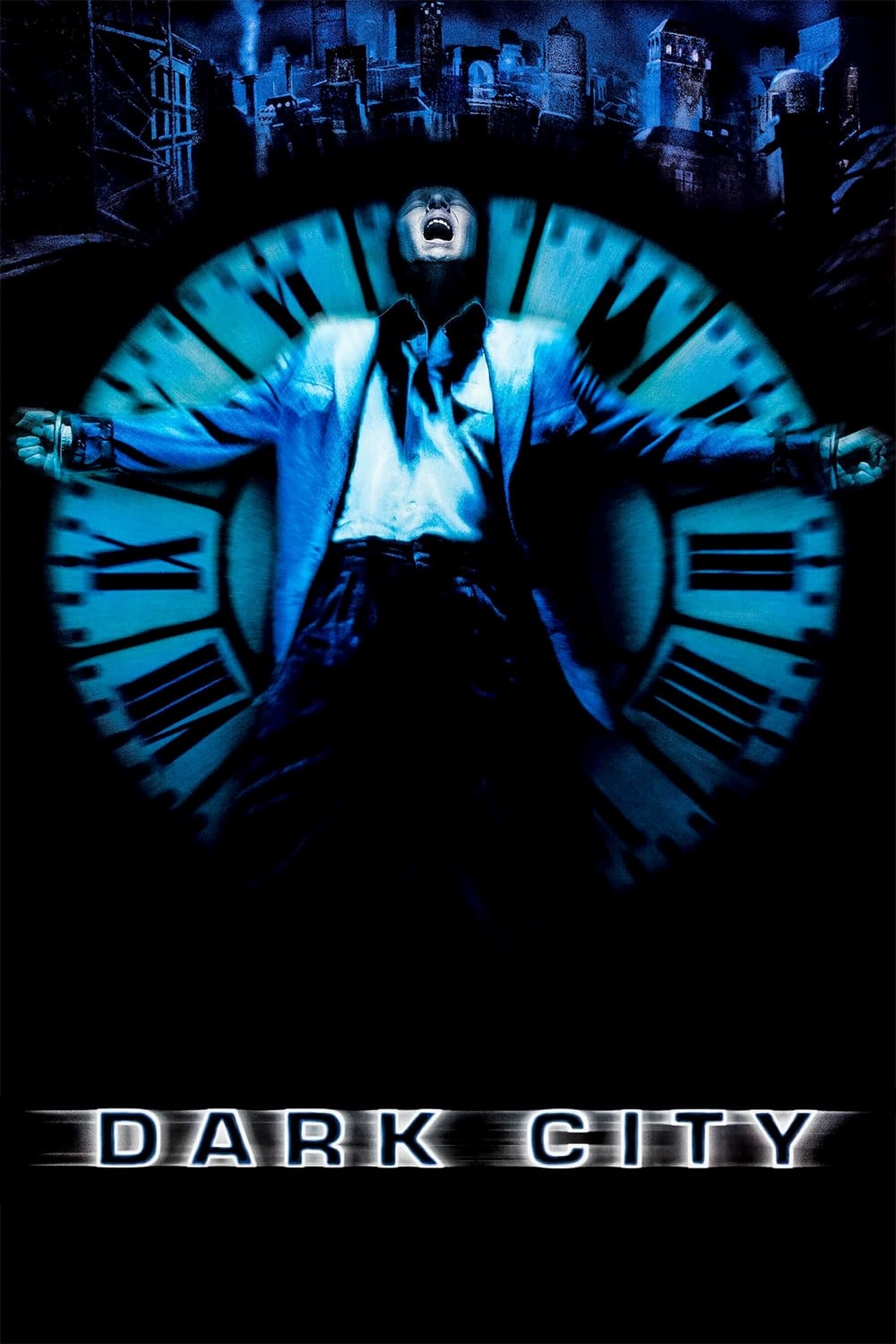
In ‘Dark City’, a man wakes up with no memory and realizes his world behaves like a staged set controlled by something unseen. The film’s noir style—shadowy streets, stark lighting, and creeping paranoia—pairs perfectly with its sci-fi premise. Its story plays with perception, free will, and the idea that identity can be constructed. A rewatch makes the visual foreshadowing pop, especially in how spaces change and people repeat patterns. It’s also a great companion piece if you like reality-warping mysteries.
‘Gattaca’ (1997)
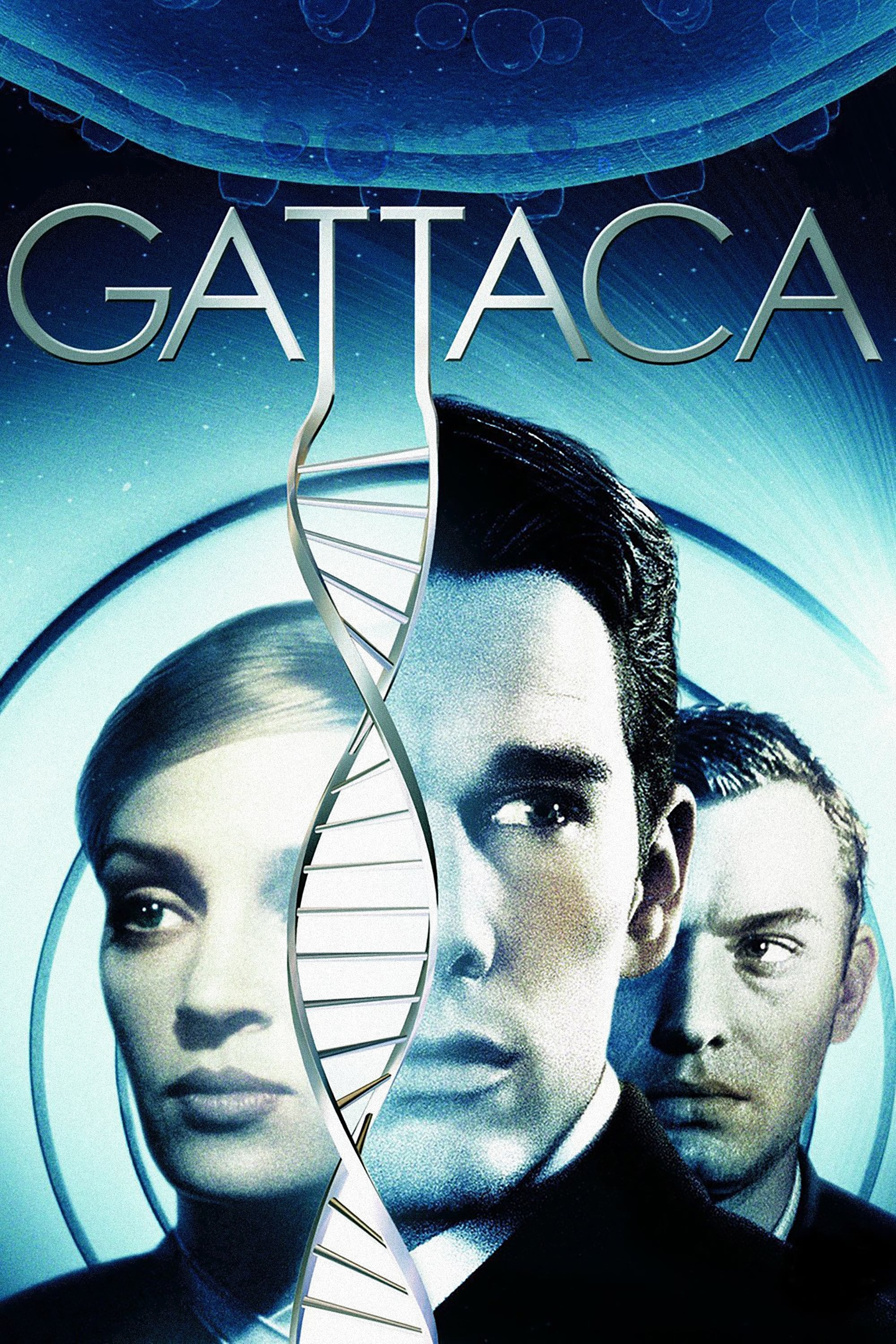
‘Gattaca’ imagines a society where genetic profiling quietly decides who gets opportunity and who gets sidelined. The plot follows a man trying to beat that system through discipline, deception, and a carefully maintained cover identity. Costume and set design do a lot of world-building without flashy tech, keeping the future feel grounded. Rewatching highlights how much the story is about procedure—tests, surveillance, and routines that become social barriers. It’s a sharp sci-fi pick if you like themes about merit, bias, and bodily autonomy.
‘The Thirteenth Floor’ (1999)
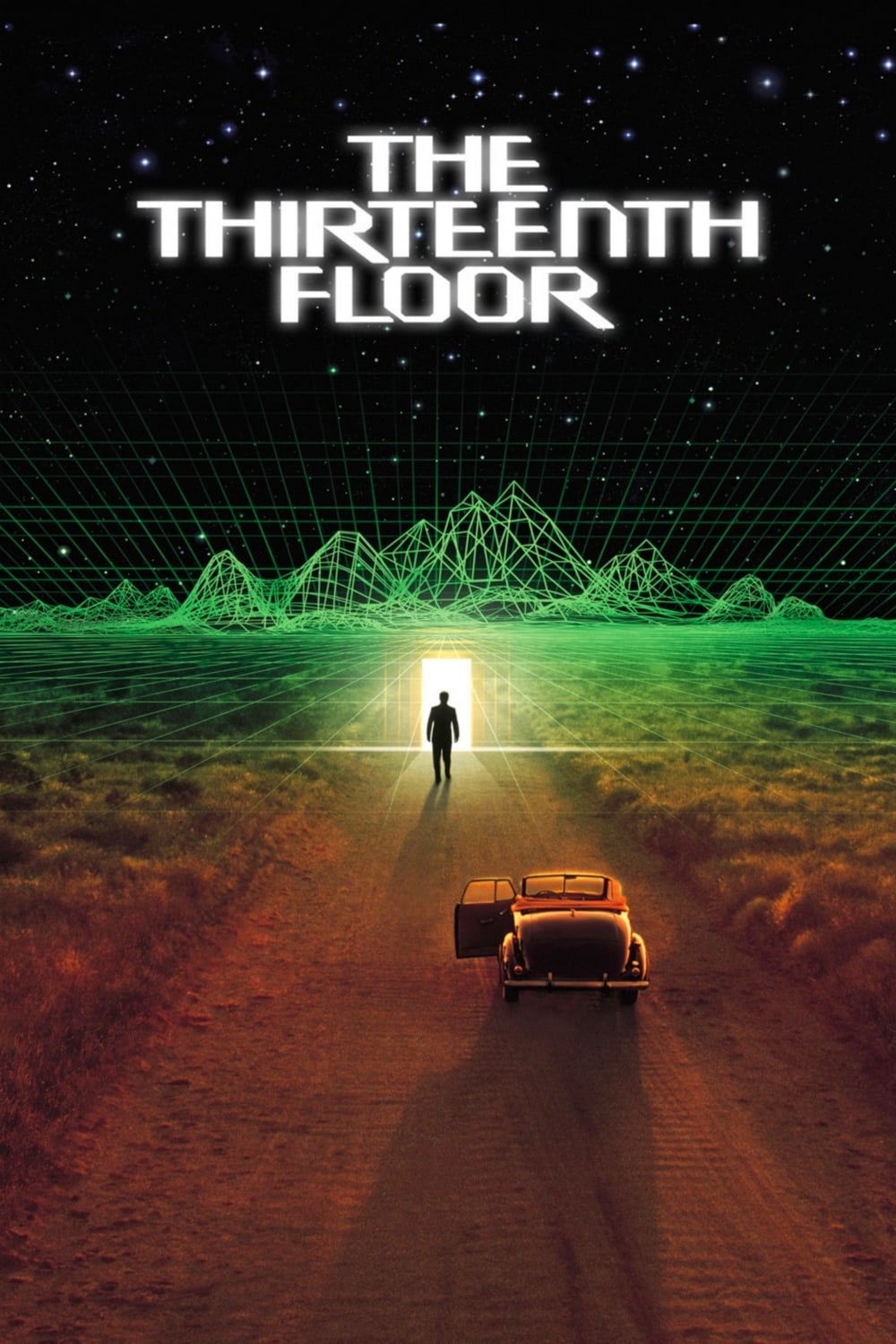
‘The Thirteenth Floor’ revolves around a simulated world project that starts colliding with a murder investigation in the “real” one. It mixes noir vibes with layered reality twists that keep re-contextualizing earlier scenes. The film is especially interesting in how it treats simulation as both a product and a trap. On a rewatch, the logic of the world-hops and the significance of small tells become easier to follow. It’s a good choice for anyone who likes sci-fi that questions what “real” even means.
‘eXistenZ’ (1999)

David Cronenberg’s ‘eXistenZ’ dives into organic biotech gaming, where players connect to a living system that blurs fantasy and reality. The story keeps shifting its ground rules, forcing you to question whether characters are acting freely or following a “program.” Its body-horror textures make the technology feel unsettlingly physical rather than sleek and digital. Rewatching helps you catch how often the film signals a transition before you’re aware it happened. It’s a smart pick if you like sci-fi that feels slippery and slightly gross—in a purposeful way.
‘Timecrimes’ (2007)
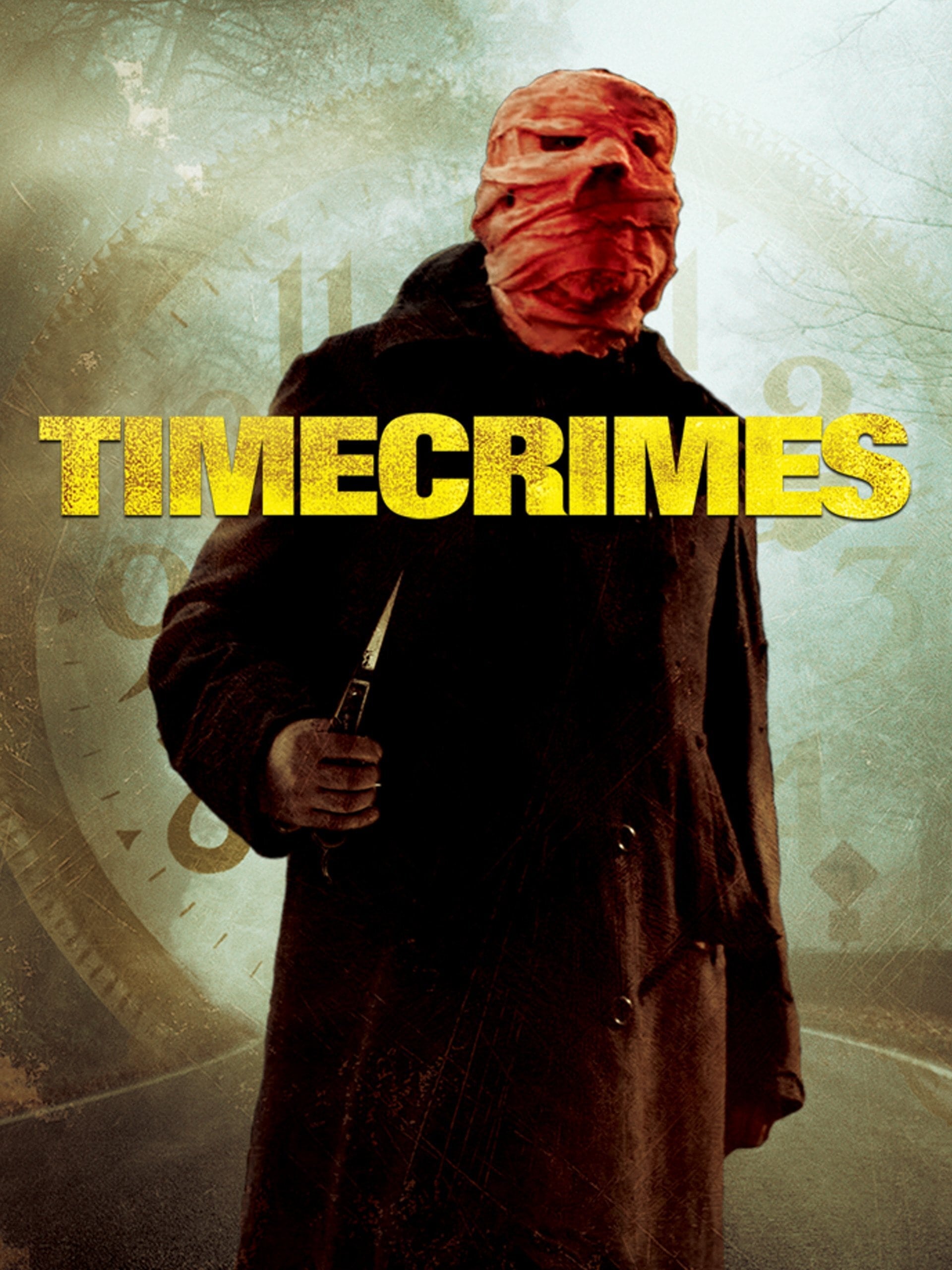
‘Timecrimes’ starts with an ordinary man stumbling into a time loop that quickly turns into a chain of cause-and-effect problems. The film is structured like a domino run, where one small choice forces the next, and every attempt to “fix” things creates new damage. It keeps its scope tight, which makes the paradox mechanics easier to track than in many bigger time-travel stories. Watching again clarifies how each version of the protagonist becomes the catalyst for later events. It’s a strong rewatch for anyone who likes clean, tense sci-fi plotting.
‘La Jetée’ (1962)
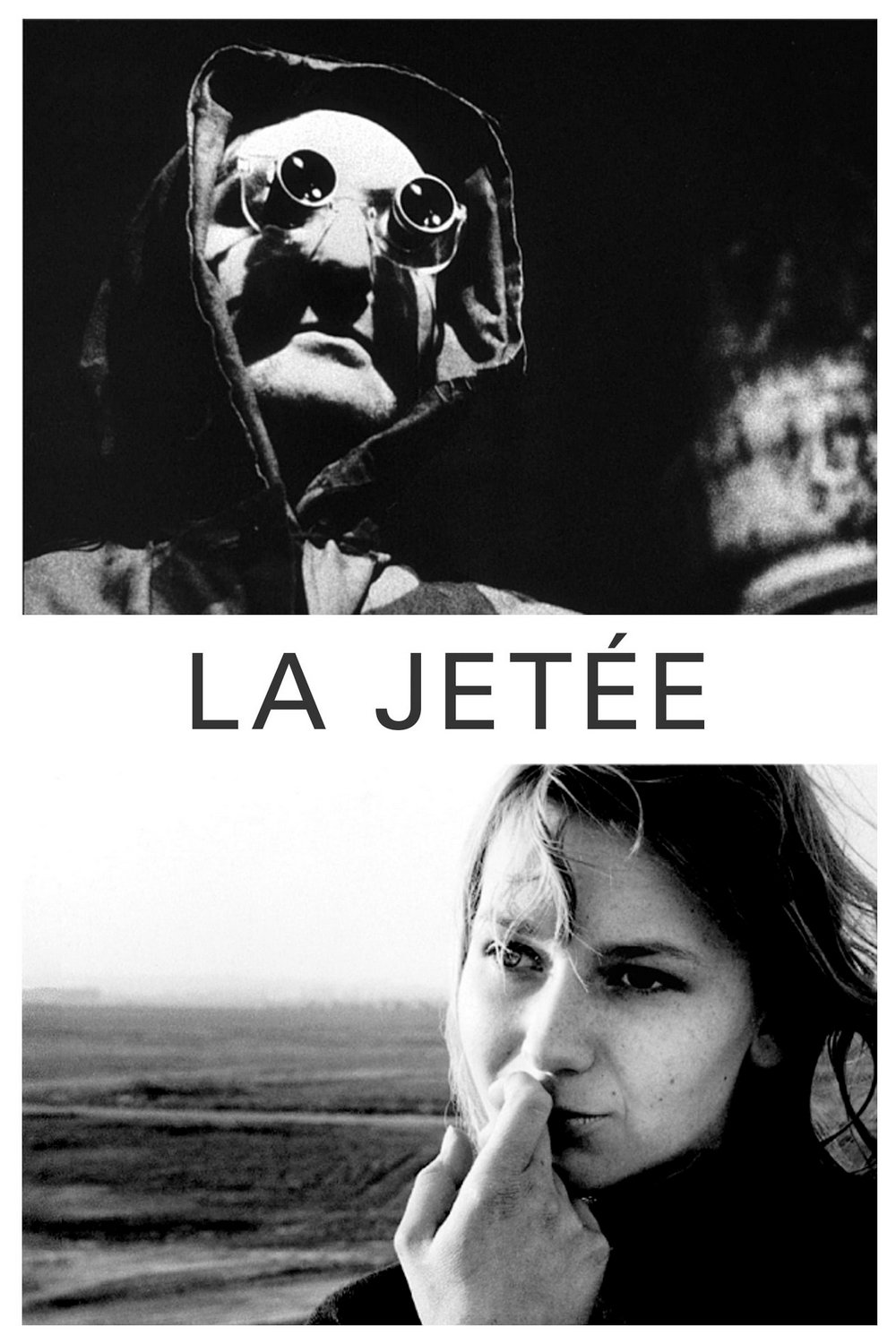
Told almost entirely through still images, ‘La Jetée’ follows a man used in a time-travel experiment after catastrophe reshapes society. The format is deceptively simple, but it creates a hypnotic rhythm that makes individual images feel loaded with meaning. Its core is a story about memory—how one moment can define a life and also distort it. Rewatching makes the emotional logic land harder, especially the way the narrative circles back on itself. It’s short, striking, and hugely influential on later time-travel storytelling.
‘The Hidden’ (1987)

‘The Hidden’ blends sci-fi with a police procedural as an agent teams up with a detective to hunt a body-hopping parasite. The creature’s behavior creates a distinctive pattern: thrill-seeking crimes that feel random until you understand the motive. Action beats land because the story keeps the rules simple and the stakes personal. A rewatch lets you focus on the clues in behavior and the escalating desperation of the chase. It’s a fun pick if you want sci-fi with a gritty, street-level vibe.
‘The Last Starfighter’ (1984)
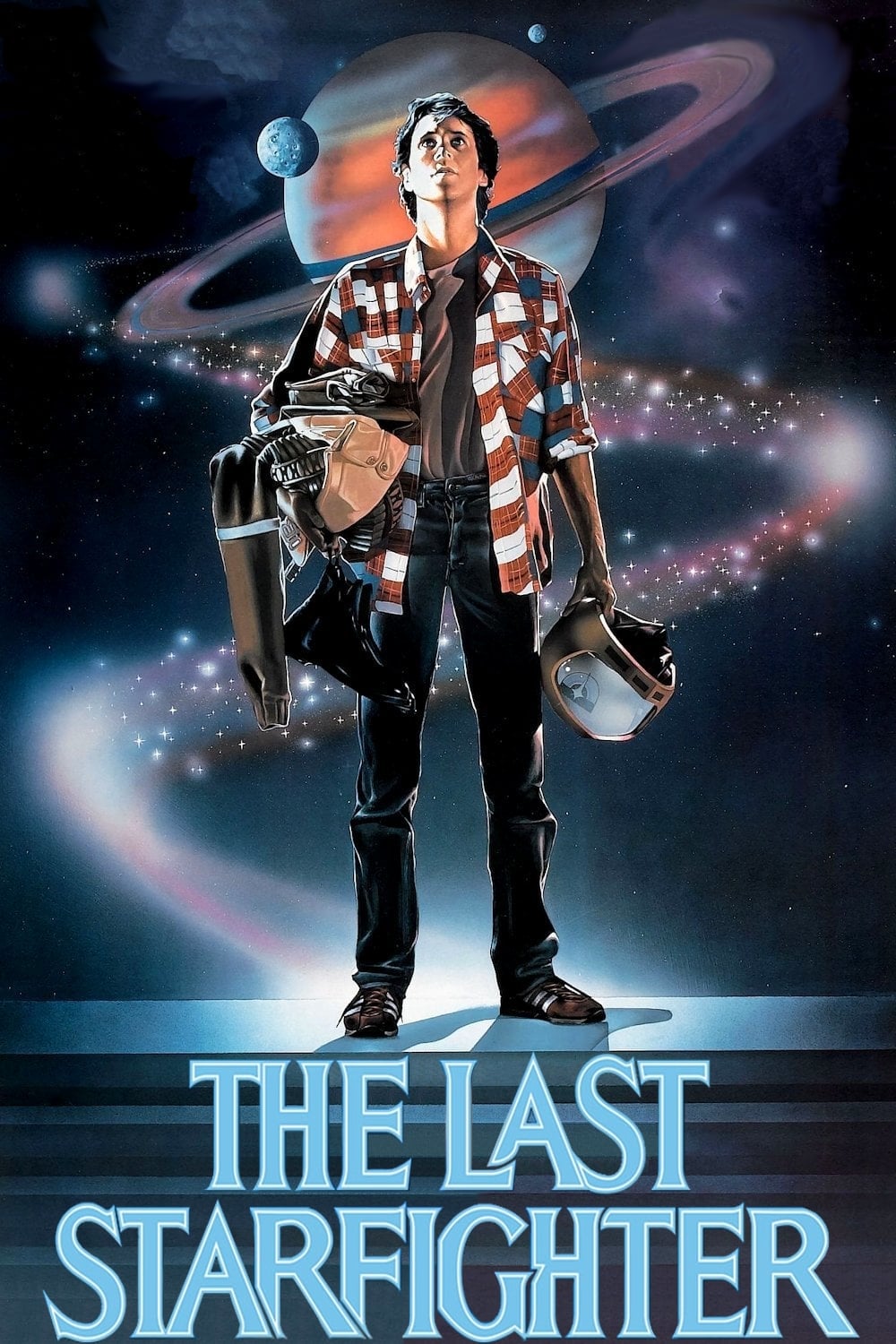
‘The Last Starfighter’ follows a teen who becomes an unlikely recruit after mastering an arcade game that turns out to be a test. It’s a classic wish-fulfillment setup with real stakes once the hero realizes the “game” was a scouting tool. The film mixes space combat, fish-out-of-water comedy, and a surprisingly earnest coming-of-age arc. Rewatching is great for spotting how it balances small-town grounding with bigger interstellar politics. It’s also a neat time capsule of early feature CGI ambitions.
‘Enemy Mine’ (1985)
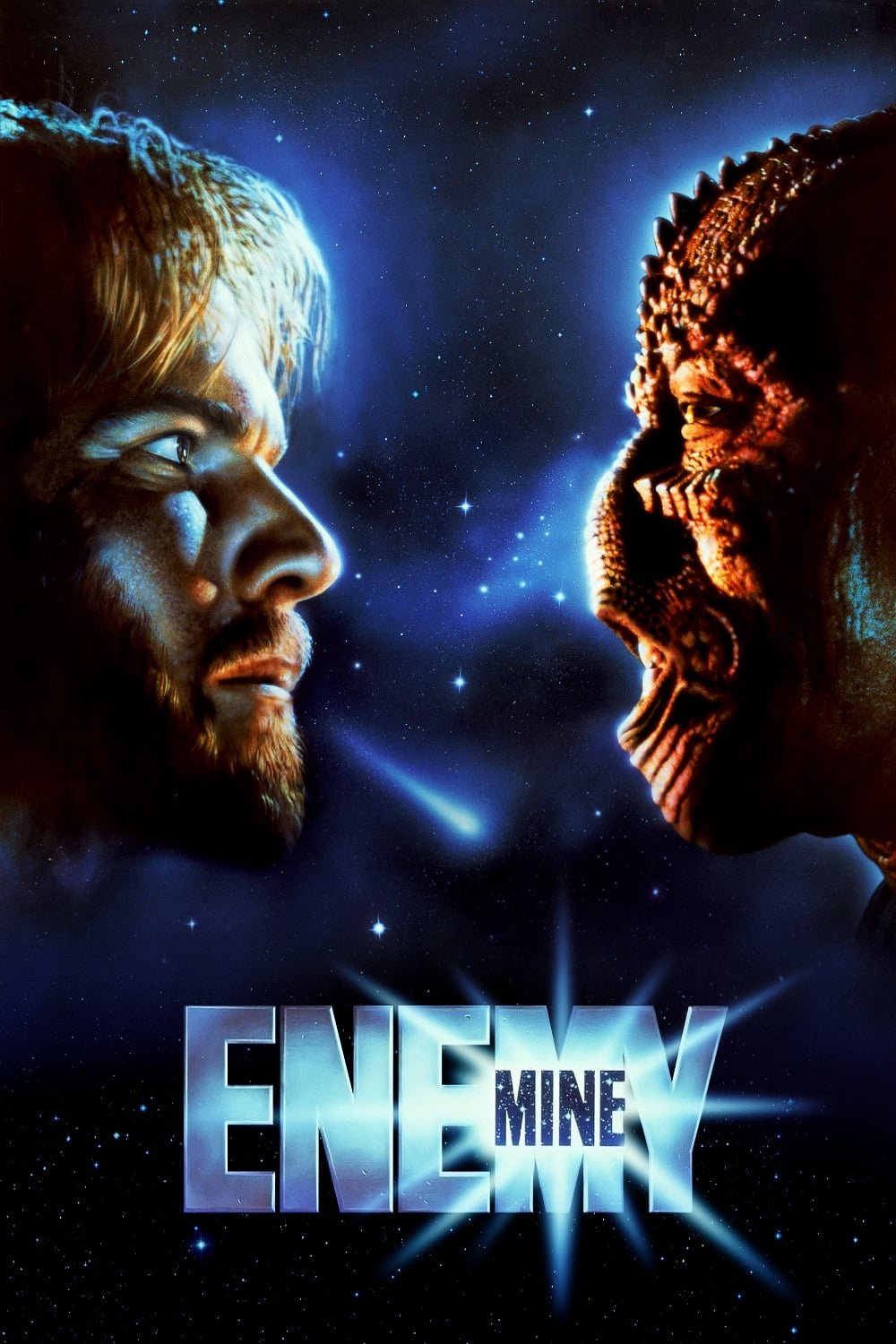
In ‘Enemy Mine’, a human pilot and an alien soldier crash on a hostile planet and are forced to survive together. What begins as hatred shifts into a relationship shaped by shared hardship and reluctant empathy. The film builds tension from practical survival problems—shelter, food, injury—rather than constant combat. Rewatching makes the cultural exchange elements stand out, especially the way language and ritual become bridges. It’s a strong choice if you like sci-fi that uses aliens to explore humanity.
‘The Abyss’ (1989)
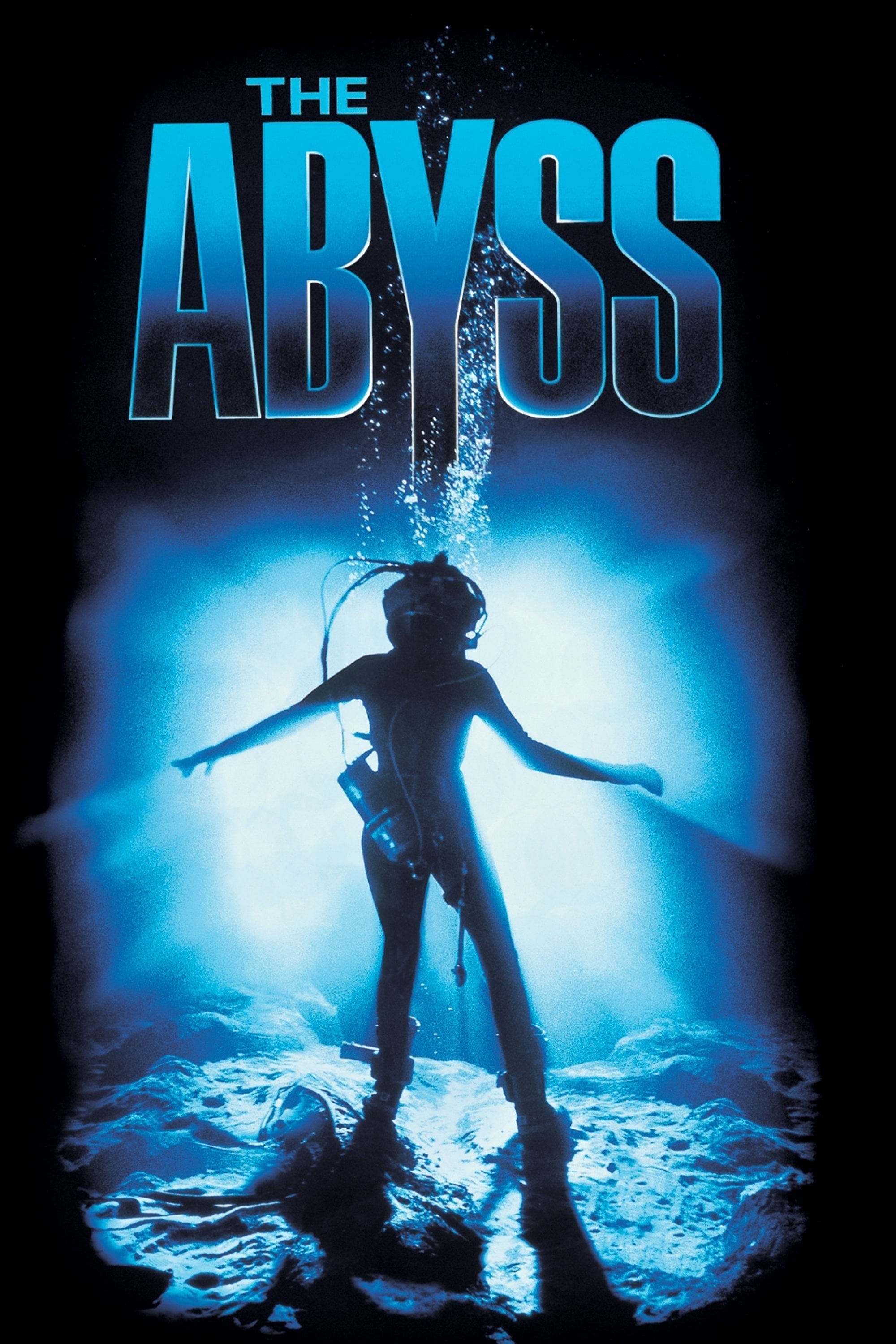
‘The Abyss’ centers on a deep-sea recovery mission that turns into a high-pressure survival situation with unexpected contact. It treats the underwater environment like an alien world, using isolation and limited resources to drive suspense. The story also weaves in military tension, mistrust, and the psychological effects of confinement. A rewatch makes the film’s technical staging easier to appreciate, especially how it uses space and movement in cramped environments. It’s a great pick for sci-fi that feels physical, tense, and immersive.
‘The Adventures of Buckaroo Banzai Across the 8th Dimension’ (1984)

This genre-mash follows a polymath rock-star scientist who stumbles into interdimensional trouble and a bizarre alien conflict. The movie throws out lore with total confidence—characters, factions, and terminology arrive fast and rarely pause to explain themselves. That density is exactly why it rewards a rewatch, because details that felt random become part of its internal logic. It’s also packed with memorable supporting characters and a lived-in sense of an ongoing world. If you like sci-fi that’s eccentric and lore-heavy, it’s a good rewatch bet.
‘Starman’ (1984)

‘Starman’ is a road movie where an alien takes human form and travels with a woman who’s grieving, while government agents close in. The sci-fi elements stay intimate, focusing on learning, empathy, and what it means to be “human” through small interactions. The tension comes from time limits and pursuit rather than cosmic battles. Rewatching highlights how carefully the film builds trust between the leads through practical moments and quiet choices. It’s a warm sci-fi option that still has urgency.
‘The Quiet Earth’ (1985)
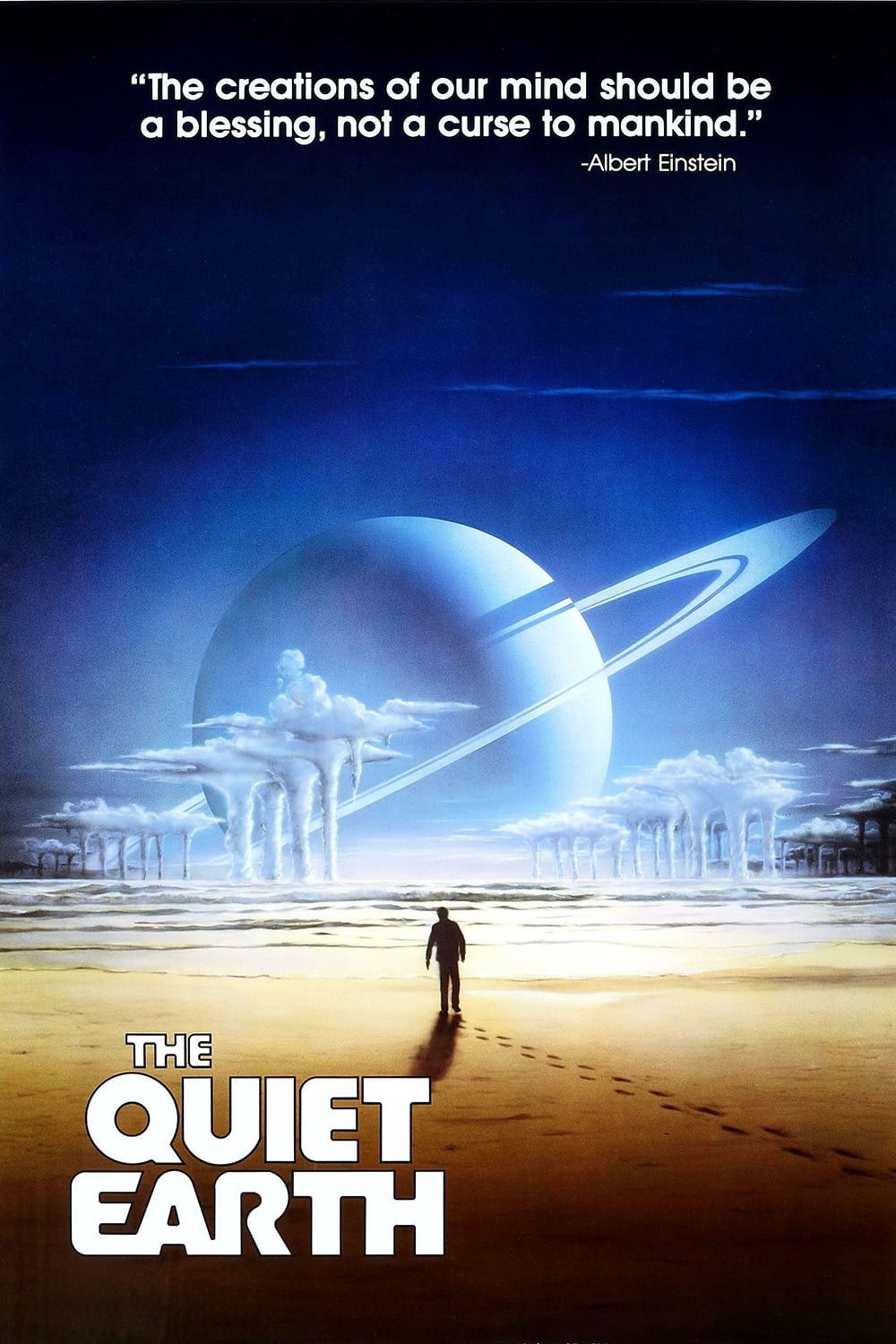
‘The Quiet Earth’ opens with a man seemingly alone in the world after an unexplained event wipes everyone out. The film leans into isolation and routine before introducing other survivors and deeper mysteries. It’s as much about psychology and ethics as it is about the sci-fi setup. On rewatch, the film’s early scenes feel like a map of the character’s coping mechanisms and blind spots. The ending also plays differently once you notice the story’s subtle warning signs.
‘A Boy and His Dog’ (1975)

Set in a bleak wasteland, ‘A Boy and His Dog’ follows a teen and his telepathic dog navigating scarcity, violence, and deceptive “safe” spaces. It’s a post-apocalyptic film that mixes dark comedy with harsh survival logic. The world-building is blunt and cynical, showing how societies can rebuild in disturbing ways. Rewatching emphasizes how carefully it sets up its social satire beneath the shock value. It’s best for viewers who want sci-fi that’s provocative and rough-edged.
‘Silent Running’ (1972)
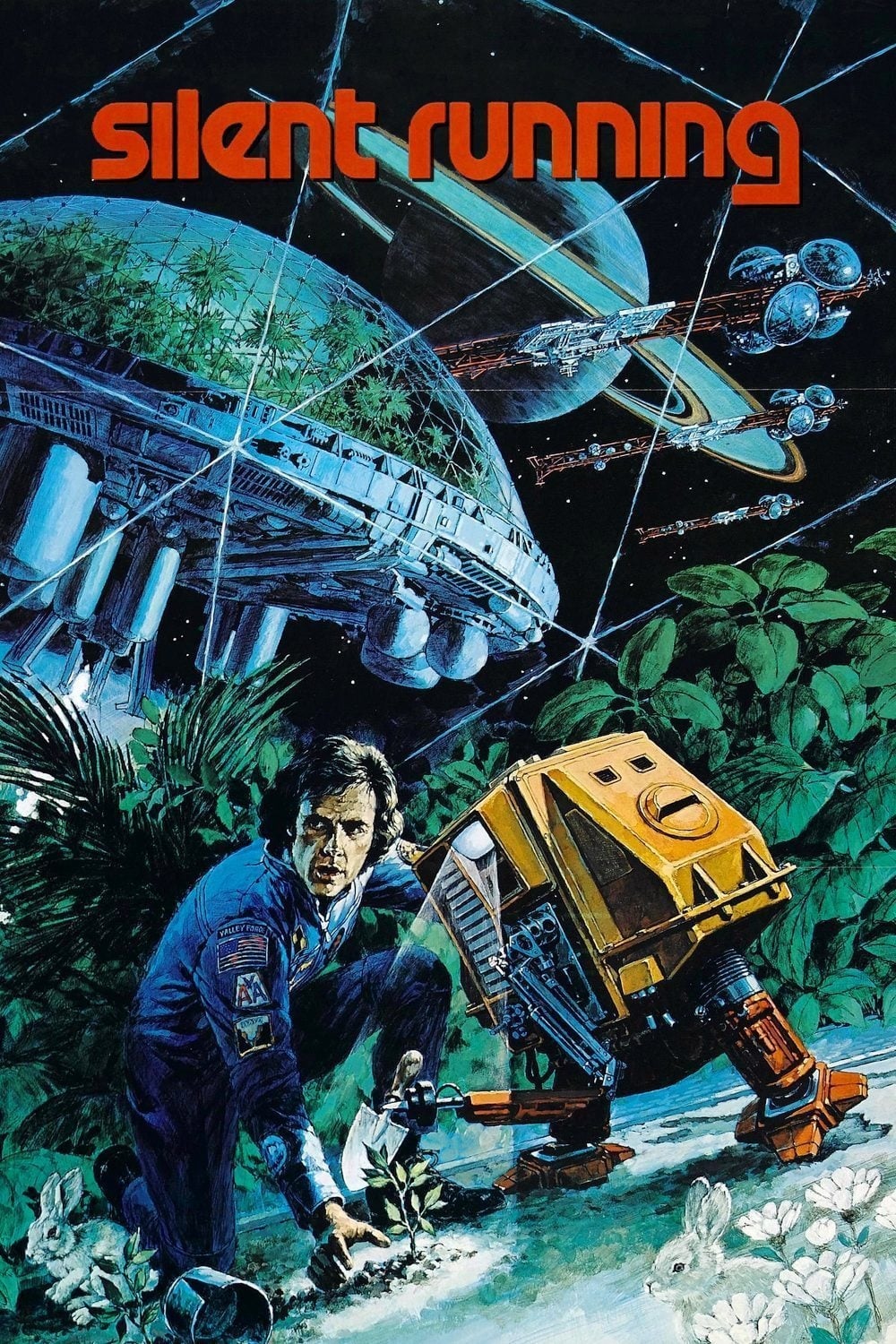
‘Silent Running’ takes place aboard a spacecraft preserving Earth’s last forests in giant greenhouse domes. When orders come down to destroy the ecosystems, one crew member makes a desperate choice to protect them. The film’s strength is how it uses solitude, routine labor, and companionship to make environmental stakes feel personal. A rewatch brings out the quiet tragedy in the character’s decisions and the cost of isolation. It’s a thoughtful sci-fi watch if you want something reflective and ecological.
‘Phase IV’ (1974)

‘Phase IV’ imagines an event that accelerates ant intelligence, turning a desert research station into a battlefield of adaptation and strategy. The film frames its conflict like a scientific case study, with experiments, observations, and escalating anomalies. Its visuals pay special attention to insect behavior, making the threat feel methodical rather than monstrous. Rewatching helps you track the way the ants “communicate” through patterns and environmental engineering. It’s a unique sci-fi pick for fans of nature-as-alien storytelling.
‘Solaris’ (1972)

‘Solaris’ follows a psychologist sent to a space station orbiting a mysterious planet that seems to manifest human memories. The film focuses on grief, guilt, and the way people carry emotional damage into even the most distant environments. Its pacing is deliberate, giving scenes time to breathe and become unsettling. A rewatch clarifies how the planet’s phenomena mirror the characters’ internal conflicts rather than functioning like a standard “mystery.” It’s ideal if you want sci-fi that feels philosophical and haunting.
‘Seconds’ (1966)

‘Seconds’ centers on a man offered a complete new life through a radical procedure that reshapes identity, appearance, and social position. The film explores how reinvention can become another kind of trap when the underlying self doesn’t change. Its paranoia and disorientation come through in camera choices and staged social scenes that feel slightly “off.” Rewatching reveals the warning signs in how the organization controls clients and sells fantasy as therapy. It’s a great sci-fi thriller if you like stories about identity and manipulation.
‘Fantastic Planet’ (1973)

Animated and surreal, ‘Fantastic Planet’ depicts humans as tiny, oppressed beings living under giant alien rulers. The film’s strangeness is purposeful: bizarre biology, unfamiliar rituals, and dreamlike imagery create a truly alien feeling. Underneath that, it’s a story about power, education, and resistance. Rewatching helps you catch the visual storytelling—how environments and creatures communicate rules without exposition. It’s a standout choice if you want sci-fi that’s imaginative in a way live-action rarely matches.
‘The Man from Earth’ (2007)
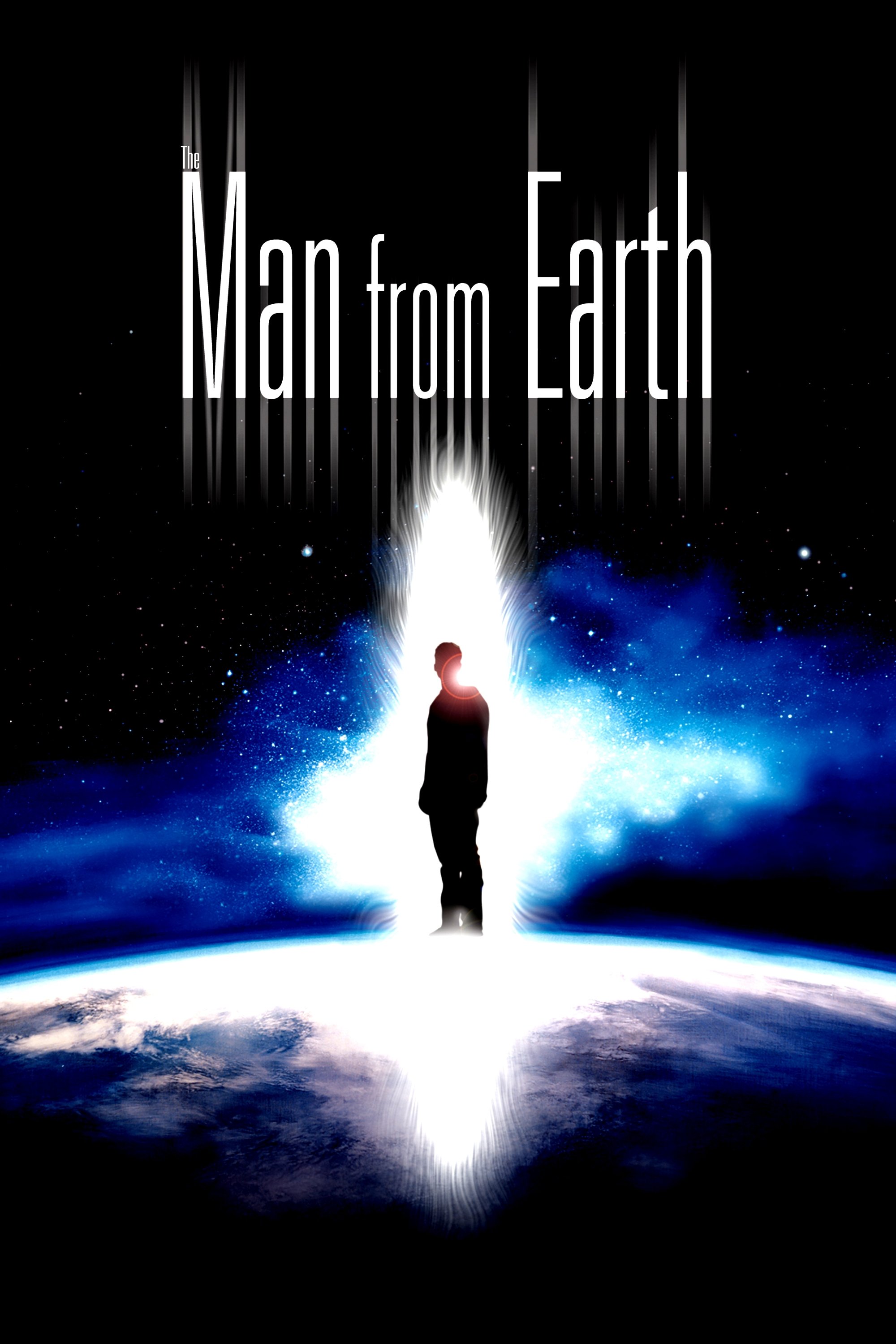
‘The Man from Earth’ is mostly a conversation, centered on a professor who claims he’s lived for millennia and calmly answers questions from skeptical friends. The sci-fi hook is delivered through debate, logic, and shifting emotional reactions rather than special effects. Each character pushes from a different angle—history, biology, faith, and ethics—so the discussion keeps evolving. Rewatching makes it easier to track the arguments and how the group’s dynamics change as disbelief turns into discomfort. It’s perfect for viewers who like idea-driven sci-fi built on dialogue.
‘Europa Report’ (2013)
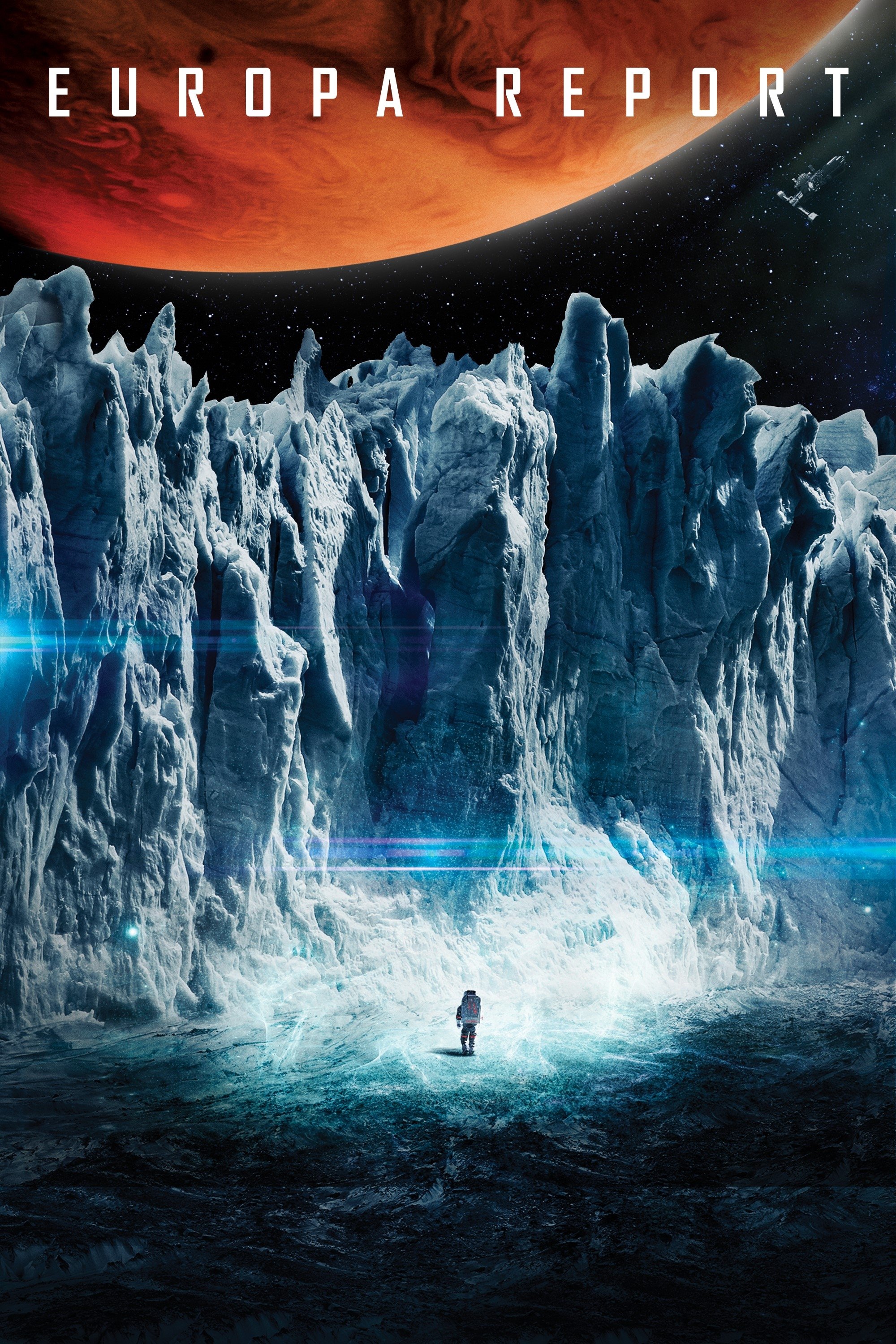
Shot in a found-footage style, ‘Europa Report’ follows a mission to one of Jupiter’s moons as the crew documents triumphs and failures on the way to a high-risk discovery. The film builds tension from realism: system malfunctions, resource limits, and the slow grind of distance. It uses onboard recordings to reveal events in pieces, which makes the story feel investigative even as it unfolds. Rewatching helps you connect early technical details to later consequences and notice how the film foreshadows its turning points. It’s a grounded sci-fi watch with a strong exploration vibe.
‘Sunshine’ (2007)

‘Sunshine’ follows a crew on a mission to reignite a dying sun, with the fate of humanity hanging on engineering decisions and psychological endurance. The film balances hard-mission logistics—power, oxygen, navigation—with the human cost of isolation and pressure. Visual motifs around light, heat, and exposure become increasingly important as the story intensifies. A rewatch makes it easier to see how each character’s role affects group survival and why conflicts erupt when they do. It’s a good rewatch if you like space missions that feel both technical and existential.
‘The Fountain’ (2006)
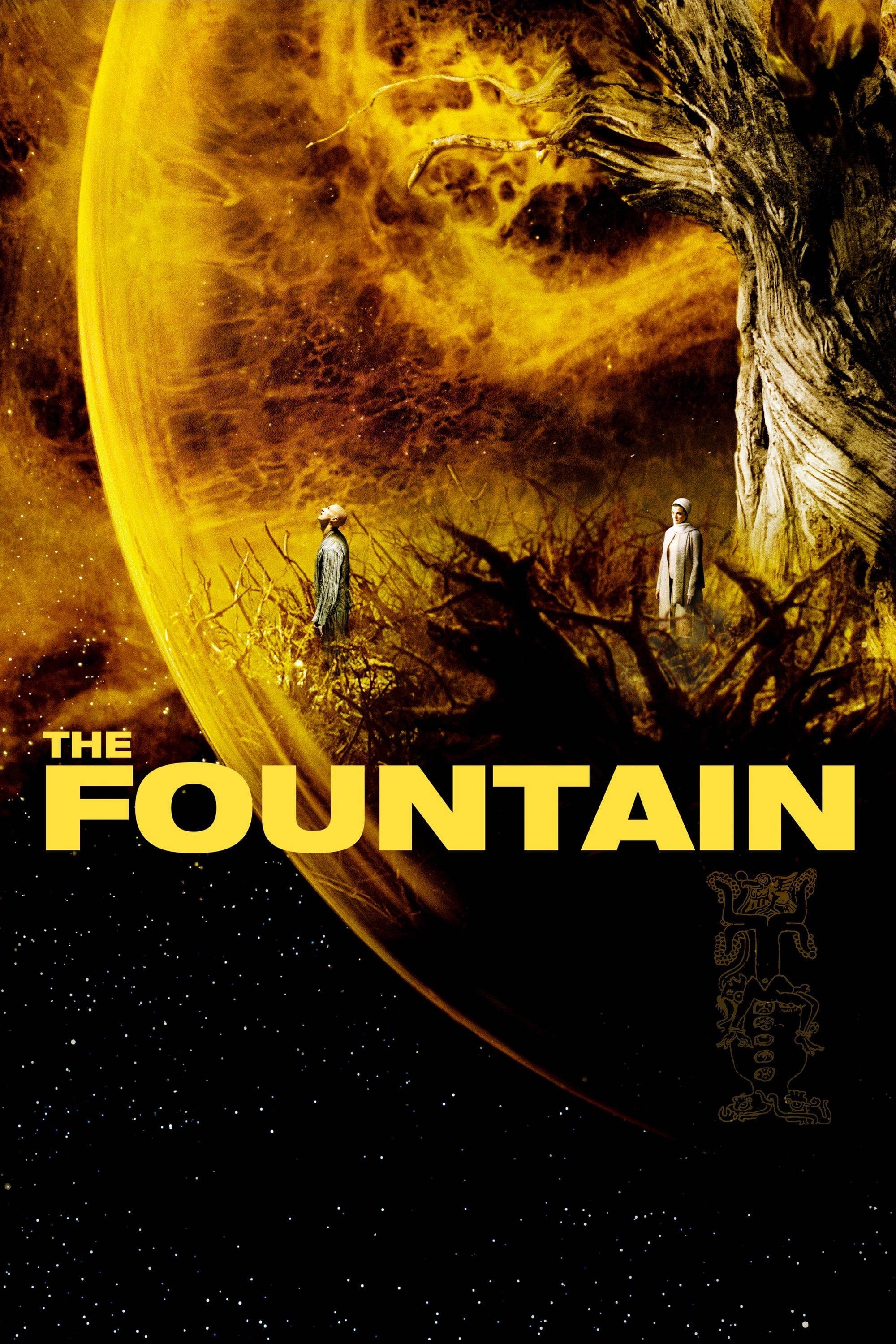
‘The Fountain’ weaves together intertwined stories linked by themes of mortality, devotion, and the search for meaning. It uses recurring symbols and mirrored scenes to connect its timelines without spelling everything out. The sci-fi component ties into medicine, exploration, and the desire to overcome death’s limits. Rewatching is especially useful here because the film’s structure is designed to be reinterpreted as you connect parallels across story threads. It’s a strong pick if you like science fiction that blends emotional storytelling with abstract construction.
‘Predestination’ (2014)
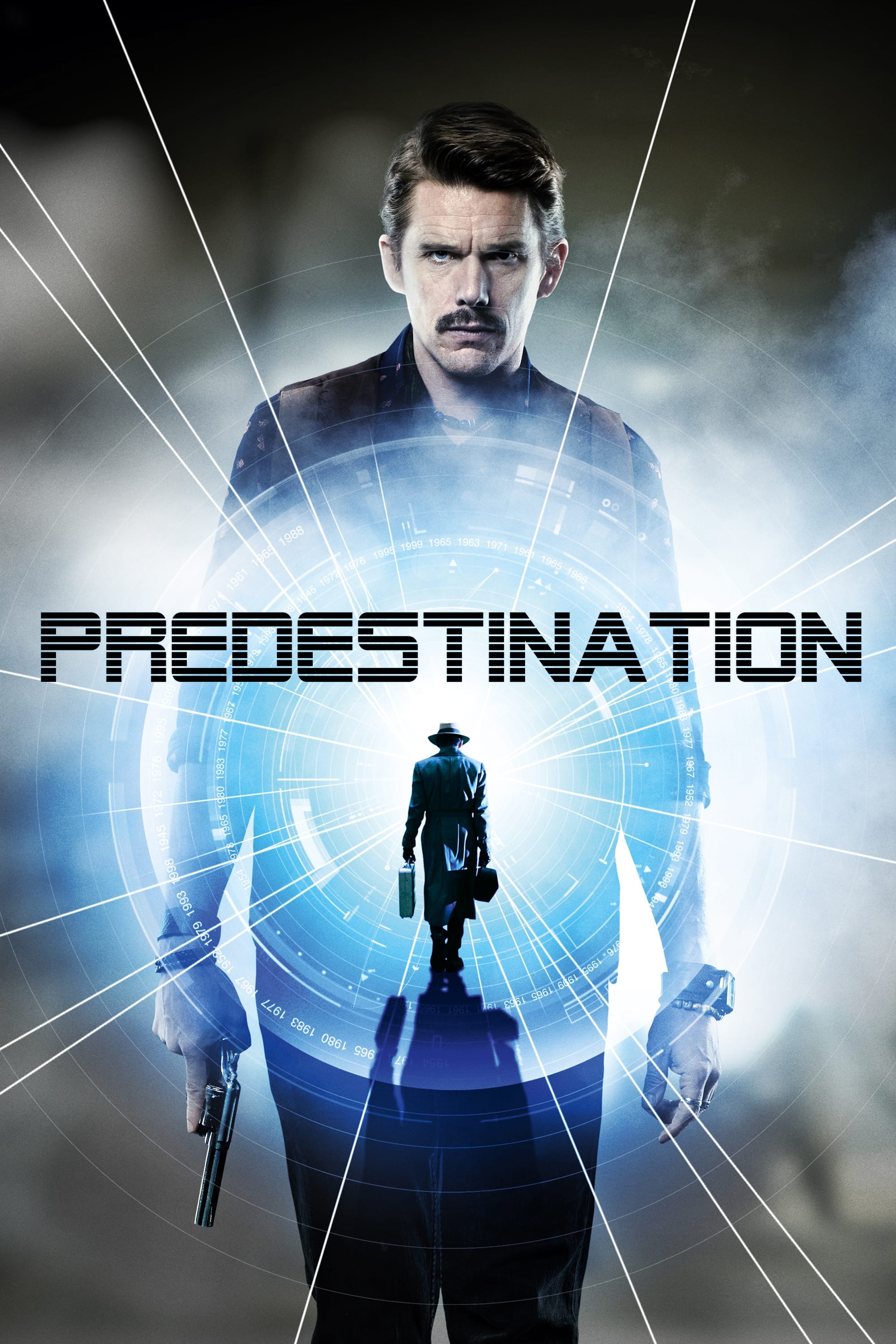
‘Predestination’ is built around a time-travel agent tracking a mysterious bomber, but it quickly becomes a story about identity and causality. The film is tightly plotted, with details that matter far more than they first appear. Performances carry a lot of the narrative load, since the story depends on character history as much as on sci-fi mechanics. A rewatch lets you see how the film lays its track early, planting information that only feels significant later. It’s a satisfying option if you want twisty time-travel with internal logic.
‘Upgrade’ (2018)
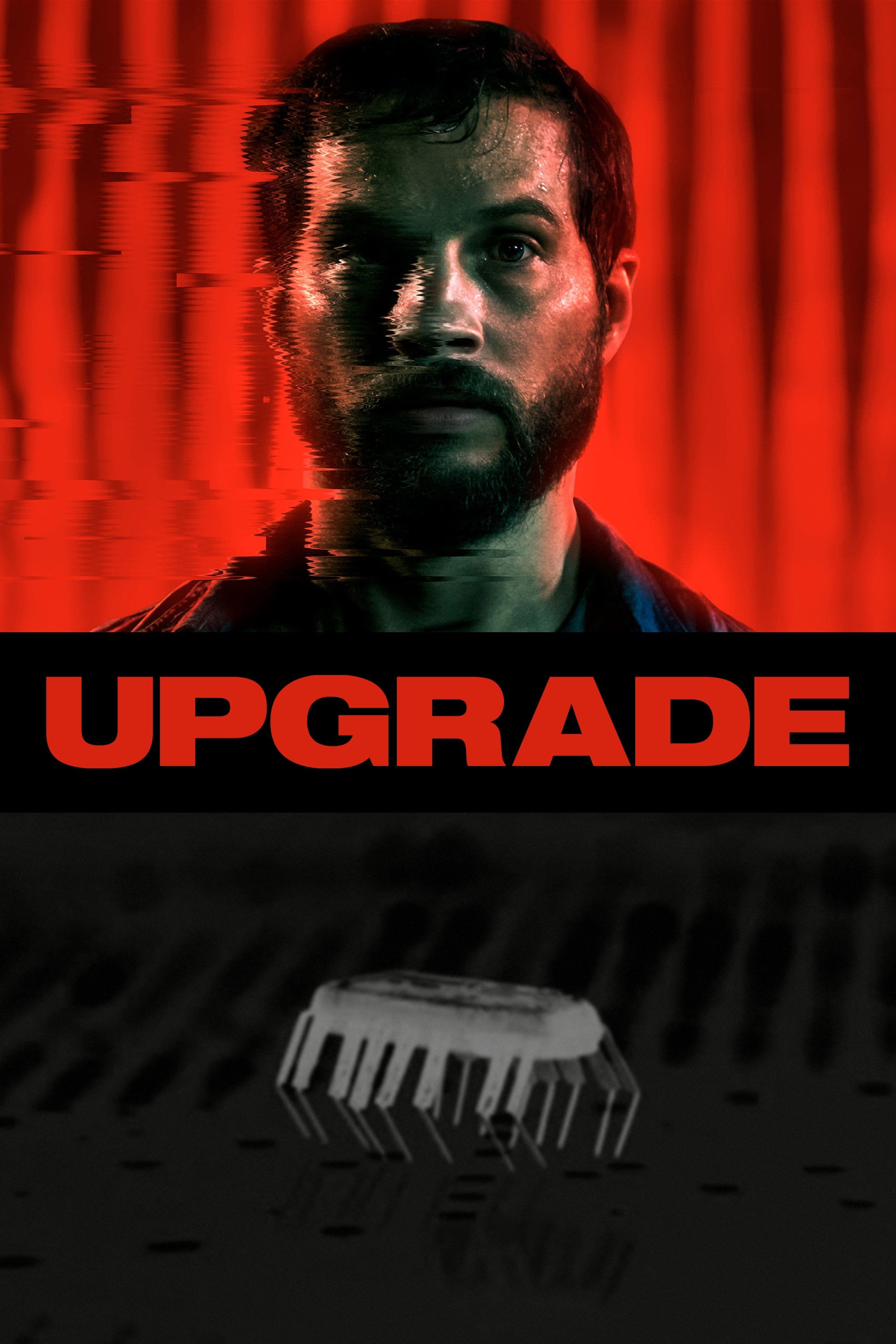
‘Upgrade’ follows a man who receives an experimental implant that can control his body after a violent attack leaves him unable to move. The film uses that setup to explore autonomy, surveillance, and what happens when technology becomes an active decision-maker. Action scenes are staged around the implant’s precision, creating a distinctive physical style that reflects the story’s premise. Rewatching helps you track the gradual shift in control and the small moments where the implant’s “help” becomes something else. It’s a sharp sci-fi thriller for fans of near-future tech gone wrong.
‘I Origins’ (2014)
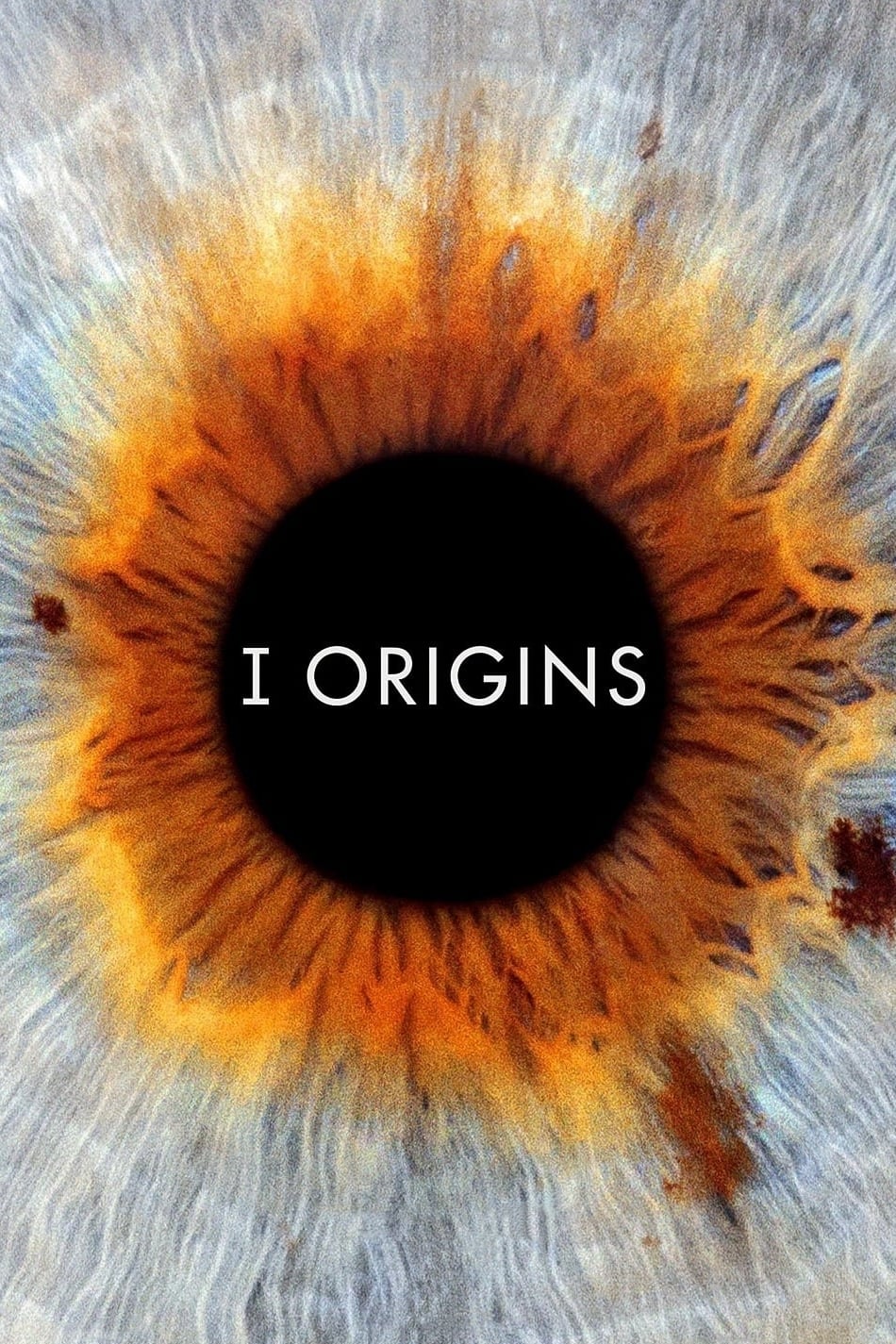
‘I, Origins’ blends scientific research with a mystery that challenges the boundaries between data and belief. The story follows a researcher studying vision who encounters patterns that don’t fit neatly into his worldview. It treats science as process—testing, skepticism, peer pressure—while still committing to a larger speculative idea. Rewatching can help you connect earlier motifs and understand how the film builds its argument through repetition and echoes. It’s a good fit if you like sci-fi that stays personal while reaching for big questions.
‘Beyond the Black Rainbow’ (2010)

‘Beyond the Black Rainbow’ is set in a sterile research facility where control, experimentation, and altered consciousness collide. The film is heavy on atmosphere, using sound, color, and minimalist dialogue to create unease. Plot details are deliberately sparse, which makes the viewing experience more like decoding a mood and a myth. A rewatch helps you piece together relationships, institutional motives, and the timeline of how the facility became what it is. It’s best for viewers who enjoy sci-fi that feels like an art-horror fever dream.
‘The Brother from Another Planet’ (1984)
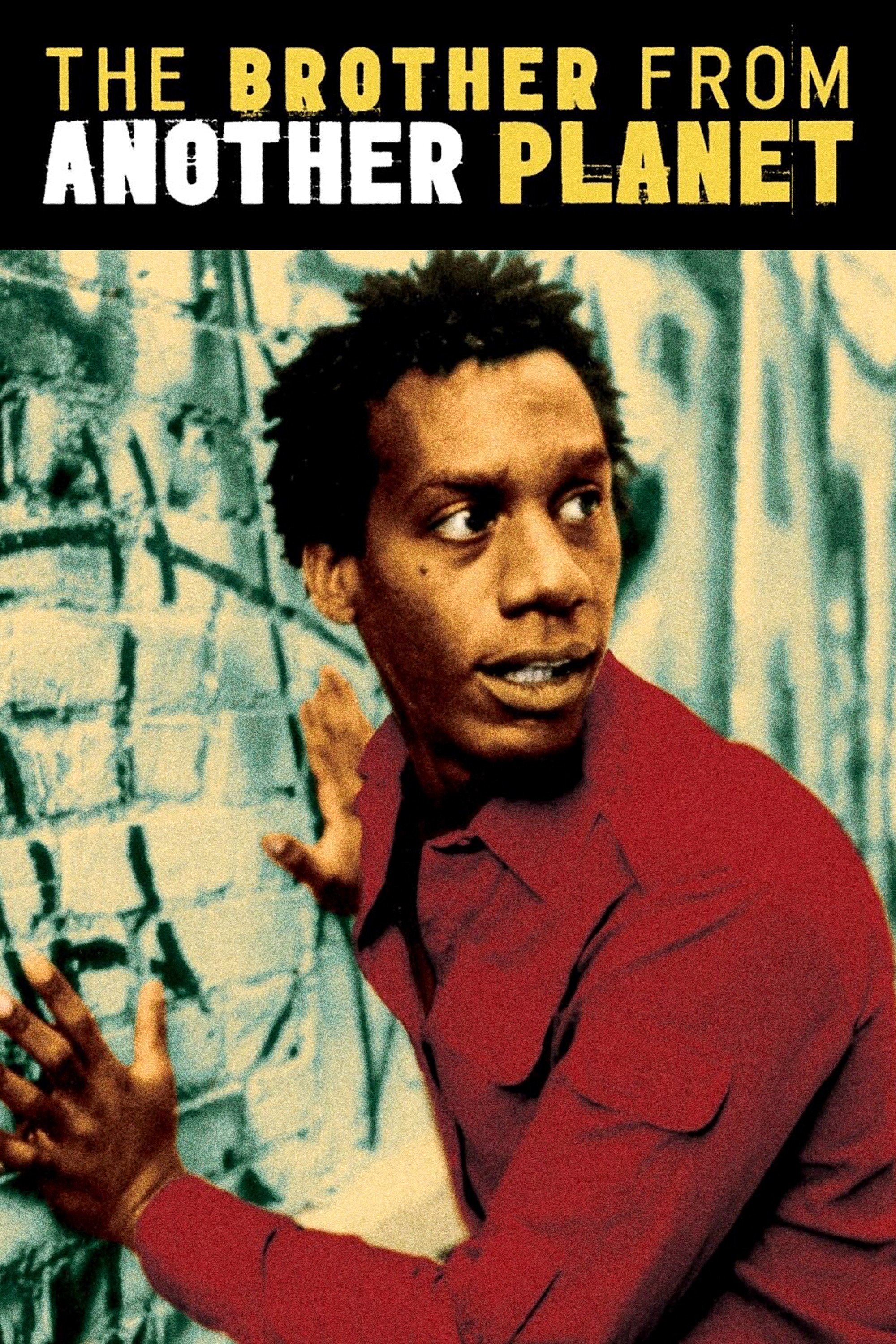
In ‘The Brother from Another Planet’, an alien who can’t speak escapes captivity and navigates everyday life in an American city while hunters pursue him. The film uses its sci-fi premise to highlight language barriers, labor, and community, keeping the focus on small interactions rather than spectacle. Its humor and tension come from how the protagonist problem-solves without shared speech. Rewatching makes the social commentary clearer, especially in how different people choose to help—or exploit—someone vulnerable. It’s a grounded sci-fi story that works through human behavior.
‘Strange Days’ (1995)
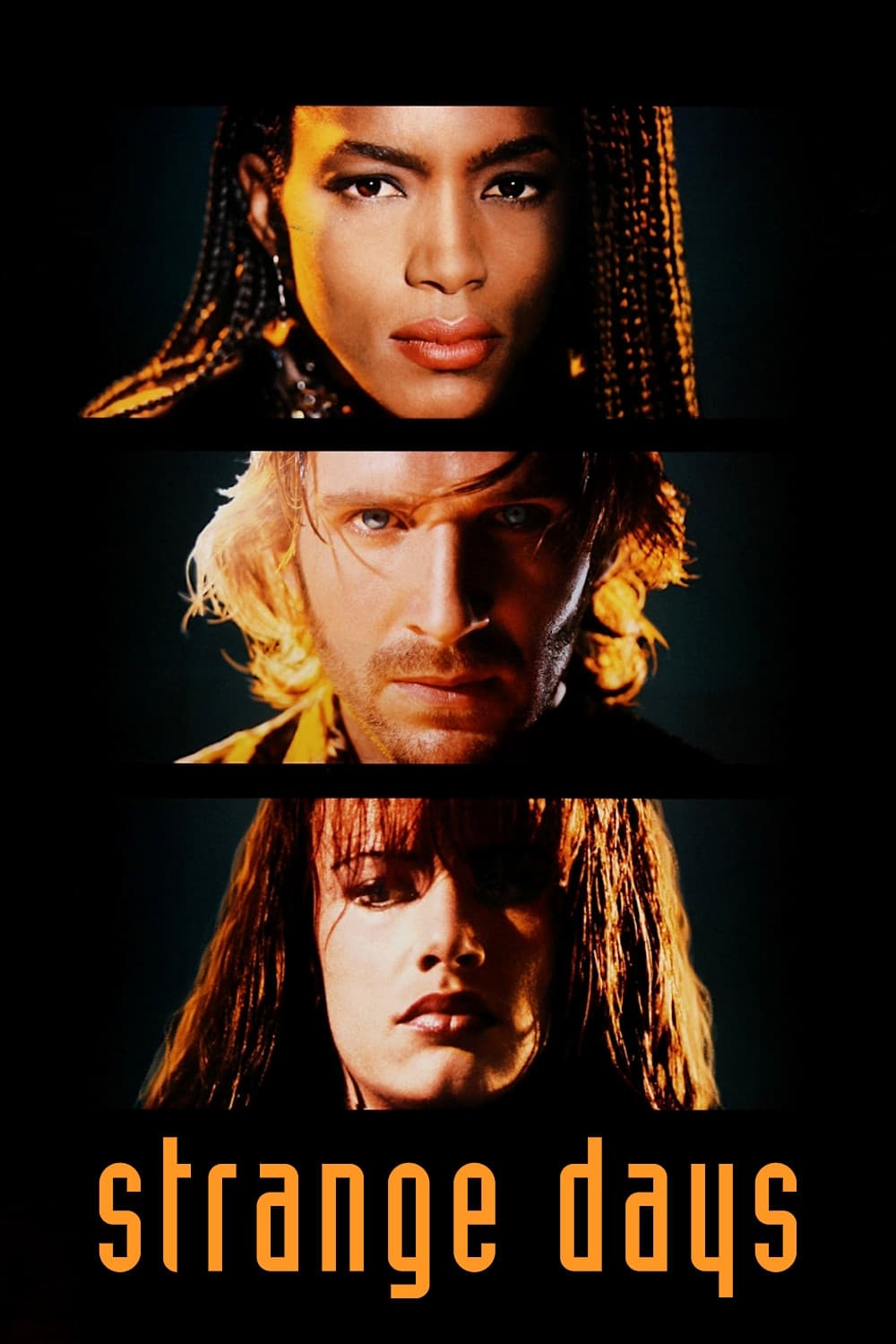
‘Strange Days’ imagines a black-market tech that records lived experiences so others can replay them, turning memory into commodity. The story plays out like a crime thriller, with conspiracy and violence tied to what people are willing to buy and sell. It’s especially relevant for how it treats voyeurism, consent, and addiction to mediated experience. Rewatching highlights how the film builds its world through street-level details, not futuristic skylines. It’s a strong pick if you like sci-fi that feels messy, political, and urgent.
‘The Andromeda Strain’ (1971)

‘The Andromeda Strain’ is a procedural about scientists racing to understand a deadly extraterrestrial microorganism after a small town is wiped out. The tension comes from protocols—containment, lab procedures, and layered safety systems that can still fail. It treats the scientific method as drama, making the investigation itself the “action.” Rewatching helps you appreciate how the film stages information: experiments, setbacks, and hypothesis shifts that feel like real problem-solving. It’s a great rewatch if you want clinical, grounded sci-fi.
‘Logan’s Run’ (1976)
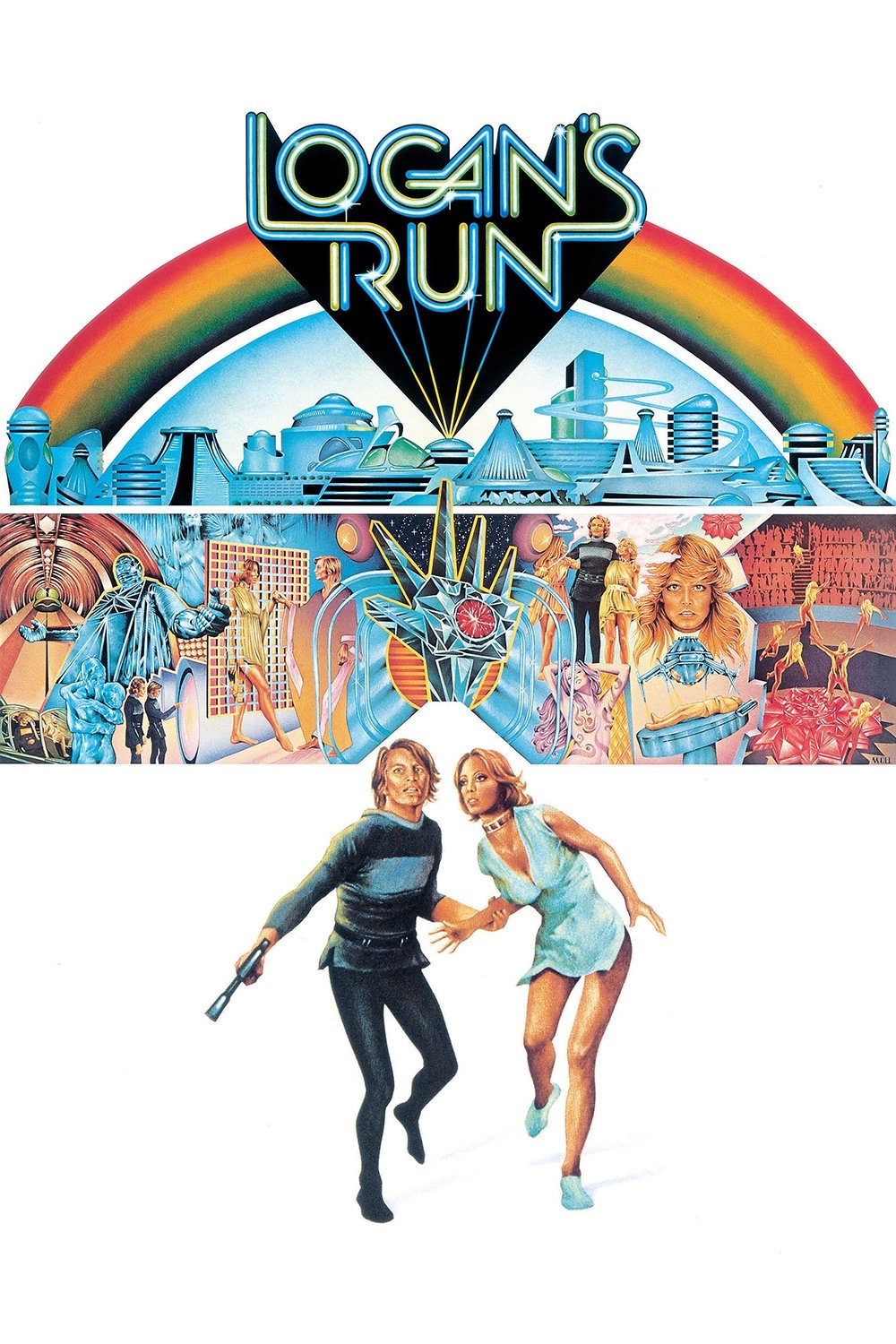
‘Logan’s Run’ follows an enforcer in a seemingly utopian city where life is tightly controlled by a rule that becomes impossible to ignore. The film uses bright, stylized environments to mask how oppressive its system is, which makes the escape plot feel like a wake-up call. It’s packed with big-concept questions about aging, social control, and manufactured happiness. A rewatch makes the world-building details stand out, especially how entertainment and comfort function as containment. It’s a classic choice if you like dystopias with adventurous momentum.
‘The Black Hole’ (1979)
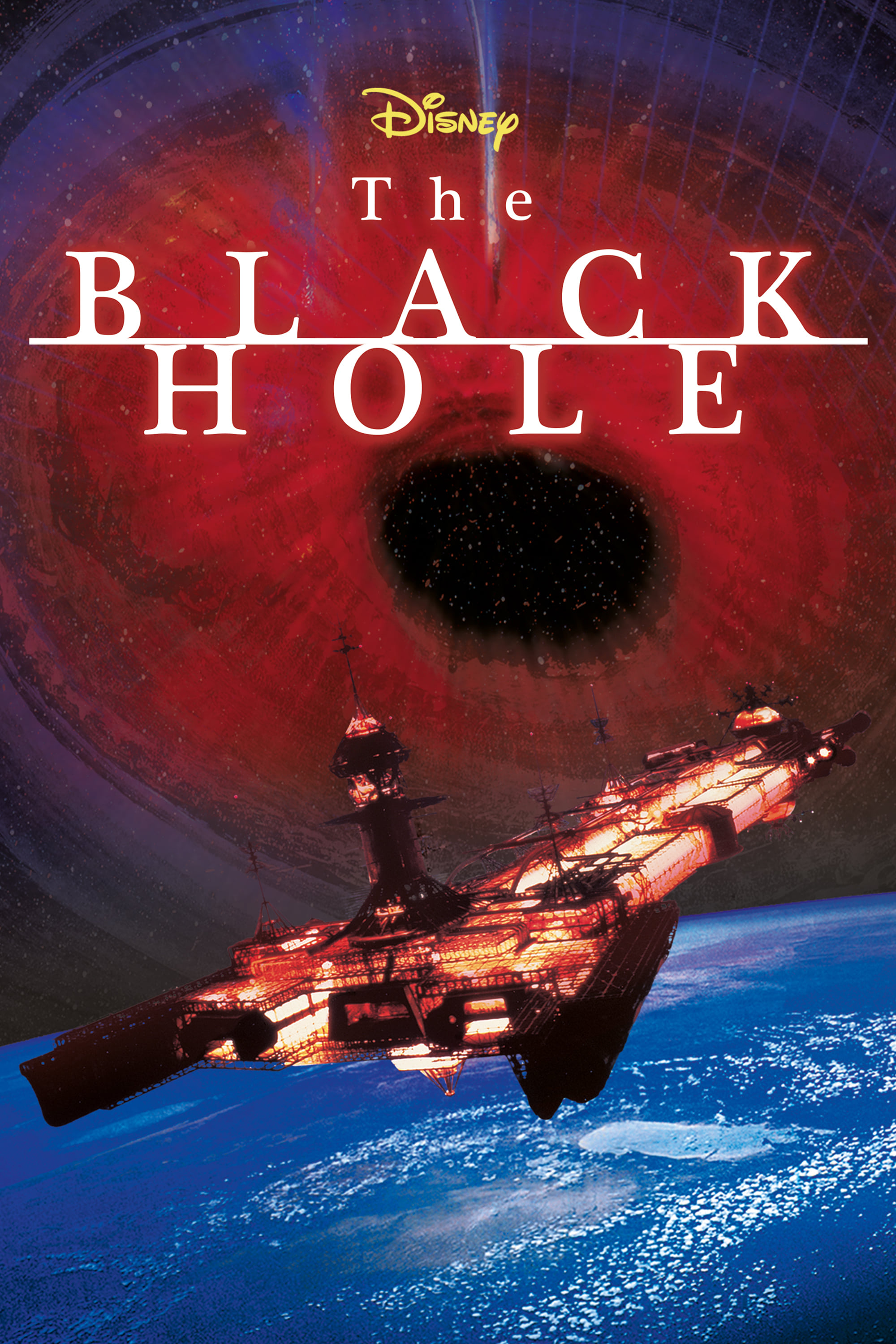
‘The Black Hole’ centers on a salvage crew that finds a lost spaceship near a cosmic phenomenon and discovers unsettling secrets aboard. It mixes space-opera scale with eerie, almost gothic setpieces, giving its sci-fi a darker tone than many contemporaries. The film’s robots and ship interiors do a lot of character work, reflecting power structures and hidden agendas. Rewatching helps you track the film’s shifting mood from exploration to dread and notice the clues about who’s really in control. It’s a solid pick if you want a space mystery with a strange edge.
Share your own favorite forgotten sci-fi rewatch picks in the comments and tell everyone which one deserves a comeback night first.