Games with Procedural Music that Evolves with You



Procedural and adaptive game music is built to shift in real time—adding layers, swapping themes, or rearranging stems based on what you’re doing—so the soundtrack feels like it’s “playing along” rather than looping the same track. These games lean into that idea in different ways, from algorithmic composition to state-based transitions that react to danger, exploration, speed, and player decisions.
‘No Man’s Sky’ (2016)
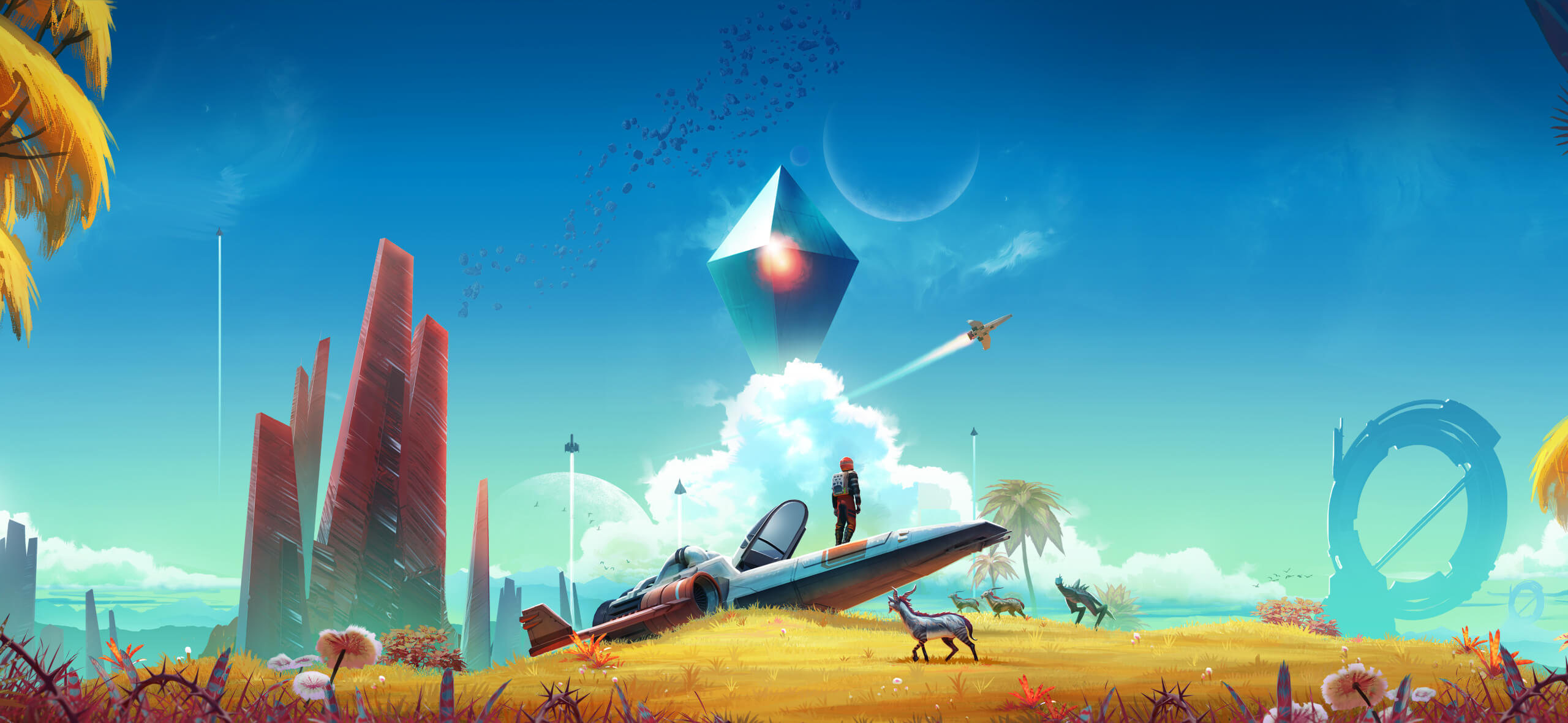
Developed and published by Hello Games, ‘No Man’s Sky’ pairs its procedurally generated universe with an algorithm-driven score built from recorded elements by 65daysofstatic and audio work by Paul Weir. Instead of relying on fixed tracks, the game recombines a library of musical parts in real time as you explore, travel, and hit higher-intensity moments. That structure lets the soundtrack stay coherent while still changing to match what’s happening around you. It’s a good example of procedural music that’s designed to be both reactive and essentially endless.
‘Spore’ (2008)

Developed by Maxis and published by Electronic Arts, ‘Spore’ is built around procedural generation in both its worlds and its audio approach. Brian Eno was brought in to create a generative score concept so the music could behave more like a system than a playlist. The result is a soundtrack approach designed to keep shifting as your creature evolves through different stages and play styles. It’s one of the more famous examples of a big-budget game deliberately aiming for never-quite-the-same musical output.
‘Proteus’ (2013)
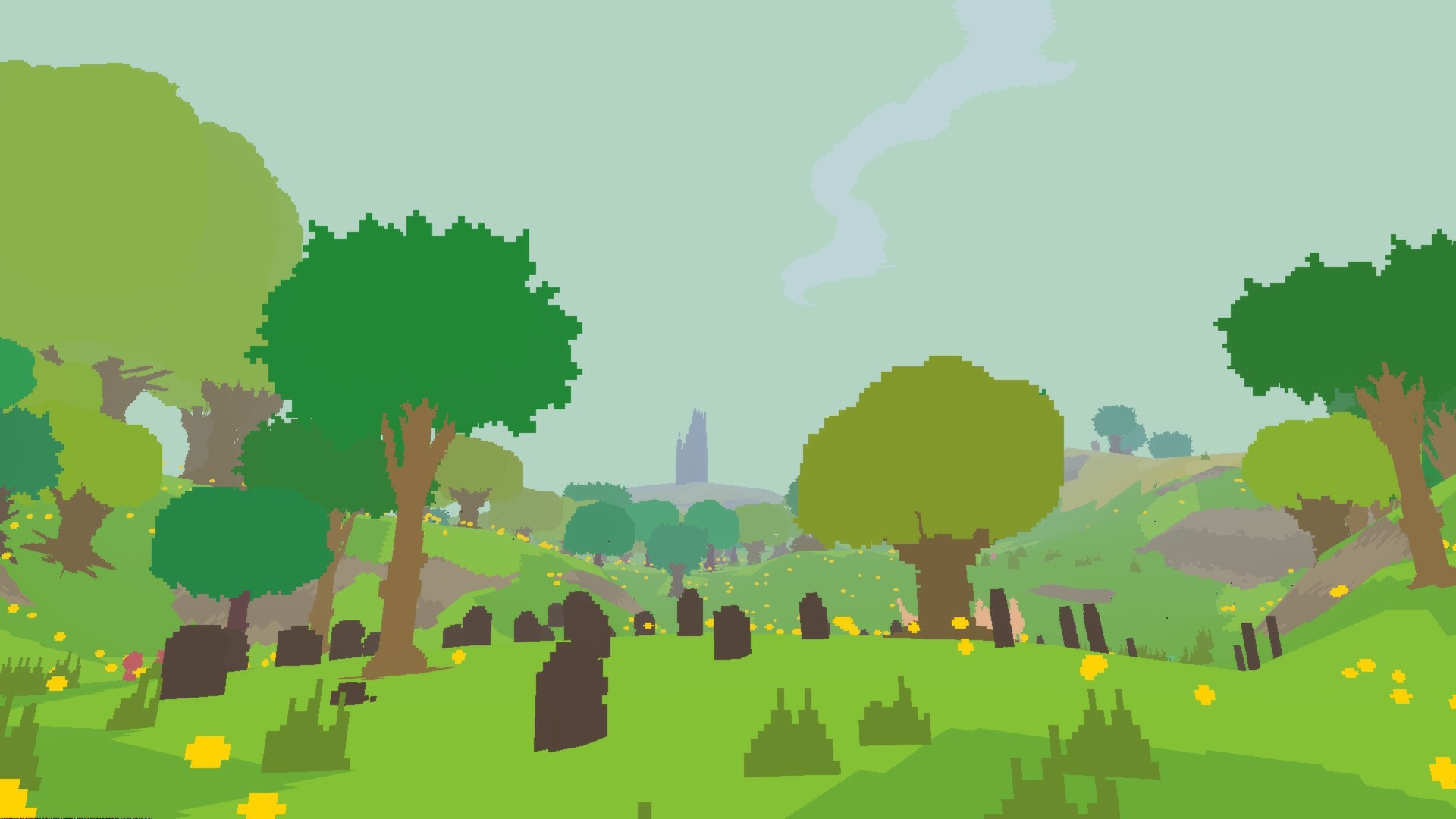
Created by Ed Key and David Kanaga and published under Twisted Tree for PC releases, ‘Proteus’ turns exploration into an evolving sound mix. The island’s flora, fauna, and environmental features emit distinct musical “signatures,” and the combinations around you drive dynamic changes in what you hear. As you move through spaces and seasons, the audio shifts in instrumentation and texture based on proximity and context rather than scripted events. It’s a clear case where the soundtrack is effectively generated by your route through the world.
‘PANORAMICAL’ (2015)

Developed by Fernando Ramallo and David Kanaga and published by Finji, ‘PANORAMICAL’ is built around manipulating a living audiovisual system. Each environment gives you controls that morph parameters—changing both the look of the landscape and the soundscape that comes with it. Because the audio responds continuously to your adjustments, the music evolves as you explore different settings and extremes in each scene. It’s less “track-based” and more like steering an instrument that generates the score with you.
‘Fract OSC’ (2014)
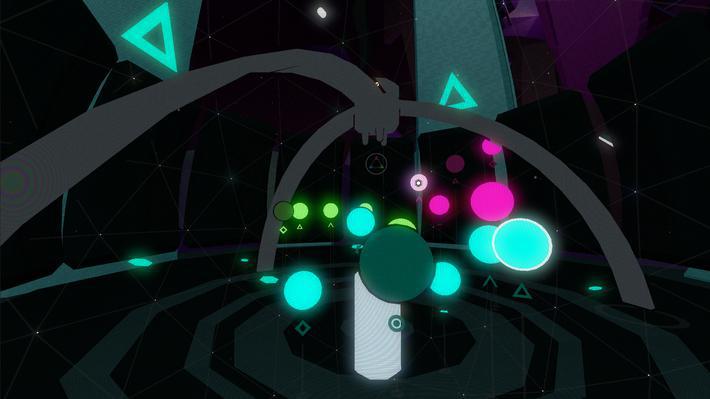
Developed and published by Phosfiend Systems, ‘Fract OSC’ ties progression directly to building the soundtrack. As you complete puzzles across its abstract world, you restore musical layers that remain in the environment, so the soundscape becomes richer the more you solve. The game also unlocks parts of an in-world synthesis setup, connecting exploration, puzzle completion, and music creation into one loop. By design, what you’ve done and where you’ve been is reflected in what you’re hearing.
‘Rez Infinite’ (2016)
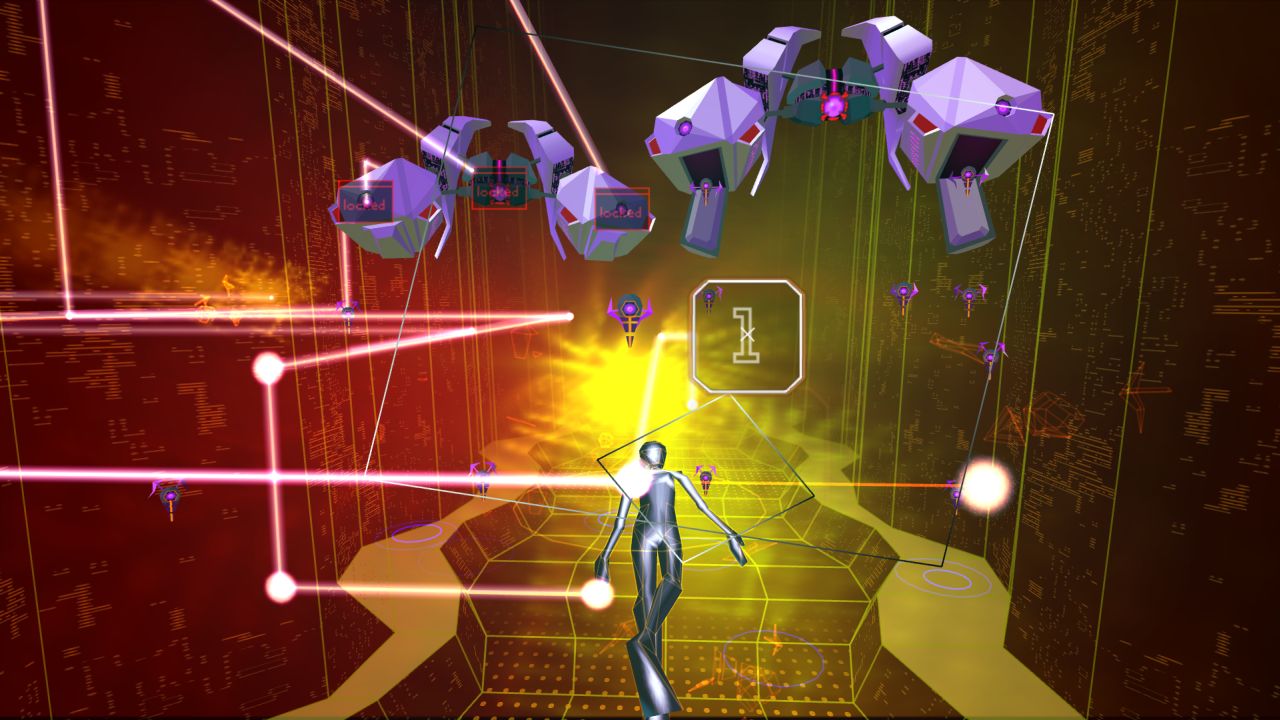
Co-developed and released in modern form through Enhance Games, Resonair, and Monstars, ‘Rez Infinite’ synchronizes your actions with audio in a way that makes the music feel player-driven. Shots, hits, and movement are designed to lock into the beat, creating a layered rhythmic result that changes as your inputs change. That setup reinforces a synesthesia-style blend of visuals and sound, where gameplay feedback is part of the musical texture. The more active you are, the more the soundtrack “fills in” around what you’re doing.
‘Tetris Effect’ (2018)

Developed by Monstars and Resonair and published by Enhance Games, ‘Tetris Effect’ is structured so that music, effects, and gameplay feedback are tightly linked. Player actions trigger musical responses, and line clears, drops, and momentum changes are reflected in the audiovisual presentation. Because the soundtrack reacts to what you do moment to moment, the same stage can feel different depending on how you’re playing. It’s a strong example of reactive music design built to reinforce flow and performance.
‘Left 4 Dead’ (2008)

Developed by Valve South and published by Valve, ‘Left 4 Dead’ uses its Director system to vary pacing and pressure, and the soundtrack follows that same logic. Music is presented as dynamic and Director-controlled, using cues and shifts to build tension, signal threats, and support sudden spikes in danger. Because encounters and intensity can change run to run, the musical feedback isn’t locked to the same fixed sequence. The overall effect is a score that tracks the volatility of your session rather than a set mission script.
‘FTL: Faster Than Light’ (2012)

Created, developed, and published by Subset Games, ‘FTL: Faster Than Light’ supports its roguelike unpredictability with a score that pivots with your situation. The music emphasizes different moods for travel versus combat, helping you read the current stakes through sound as conditions change. Because runs generate different chains of events, the pattern of calm and crisis—and the musical shifts that follow—can feel meaningfully different each time. It’s a practical form of adaptive scoring built around the game’s constant state changes.
‘Electroplankton’ (2005)
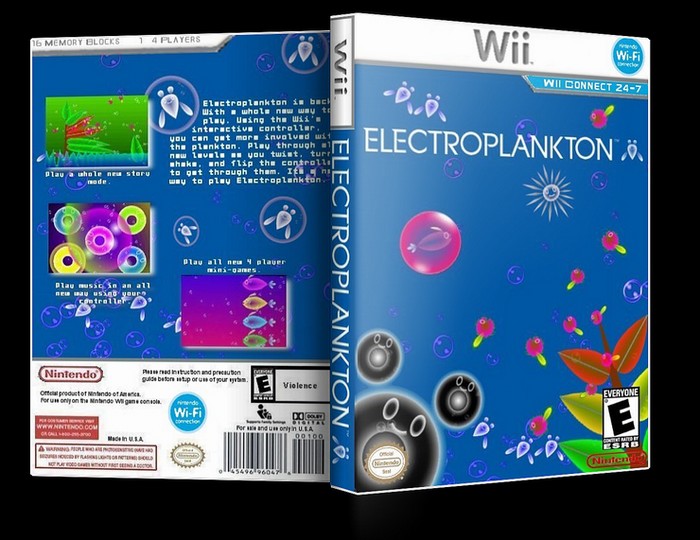
Developed by indieszero and published by Nintendo, ‘Electroplankton’ is essentially a suite of interactive musical toys. Each plankton “instrument” reacts to taps, drags, and microphone input, producing evolving loops and patterns as you experiment. Since the output depends on how you interact and in what order, the resulting music is effectively generated by your behavior. It’s a foundational example of a handheld game treating music as a responsive system rather than background audio.
‘Ape Out’ (2019)

Developed by Gabe Cuzzillo (with key creative contributions credited alongside Bennett Foddy and Maxi Boch on PC storefront listings) and published by Devolver Digital, ‘Ape Out’ is built around a reactive, procedurally generated percussion score. The soundtrack dynamically responds to gameplay by shifting intensity and triggering hits tied to actions like kills and movement speed. It also draws from a large bank of recorded drum sounds and combines them to fit what’s happening, so playthroughs can sound meaningfully different. The result is a music system that “improvises” with your escape attempt.
‘The Legend of Zelda: Breath of the Wild’ (2017)

Developed by Nintendo EPD and published by Nintendo, ‘The Legend of Zelda: Breath of the Wild’ uses a minimalist approach that adapts to context rather than relying on constant themes. The score shifts its emphasis depending on what you’re doing—exploration, discovery, or sudden threat—so the music tracks the feel of the moment. That design helps keep long stretches of travel from feeling repetitive while still making danger and key encounters stand out immediately. It’s a modern example of adaptive scoring used as world feedback as much as atmosphere.
‘Doom’ (2016)
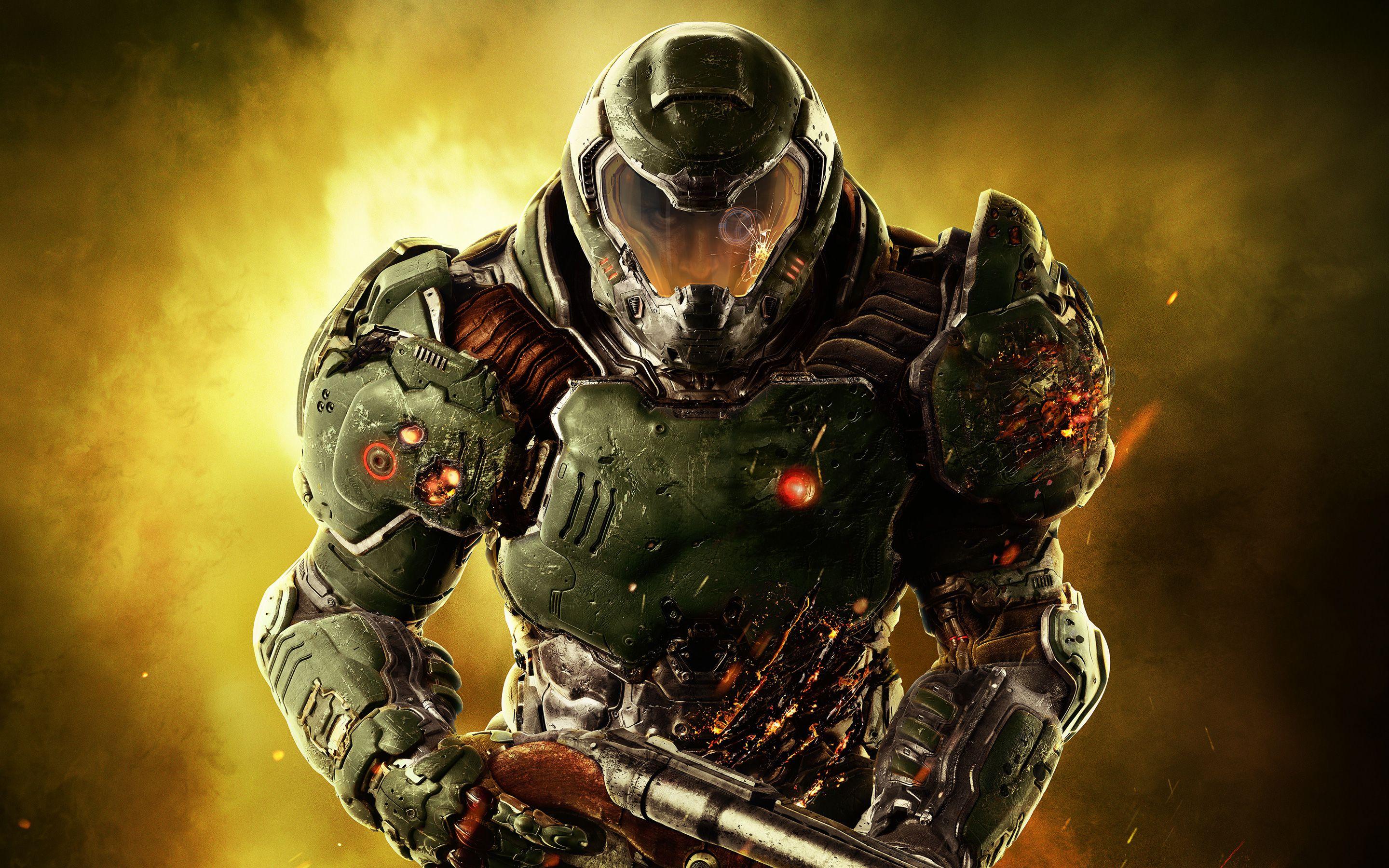
Developed by id Software and published by Bethesda Softworks, ‘Doom’ is known for a soundtrack approach that escalates with combat intensity instead of staying flat. The music system is designed to push harder when fights heat up and pull back when pressure drops, keeping momentum aligned with what you’re facing. That makes encounters feel more dynamically scored, since pacing can vary based on your movement and aggression. It’s a widely cited example of action scoring that behaves like an engine responding to combat flow.
‘Red Dead Redemption 2’ (2018)

Developed and published by Rockstar Games, ‘Red Dead Redemption 2’ uses an explicitly interactive score structure with different categories of music for missions, roaming, and environmental performance. Its music is described as regularly reacting to player decisions in the world, aligning tone and texture with evolving circumstances. That approach supports long-form open-world play by avoiding a single fixed loop and instead shifting musical language as situations change. The result is a soundtrack that feels more like a responsive layer of the simulation than a static playlist.
‘Ghost of Tsushima’ (2020)

Developed by Sucker Punch Productions and published by Sony Interactive Entertainment, ‘Ghost of Tsushima’ leans heavily on interactive scoring techniques for both exploration and combat. The music system is described as using deep vertical layering, where individual instrumental stems can be added or removed in real time to match how an encounter is progressing. It also tracks broader world states—like exploration, infiltration, alarm, and combat—to guide transitions in a way that stays musically coherent. That setup helps reduce repetition across long play sessions while keeping the score closely tied to what you’re doing.
‘Returnal’ (2021)
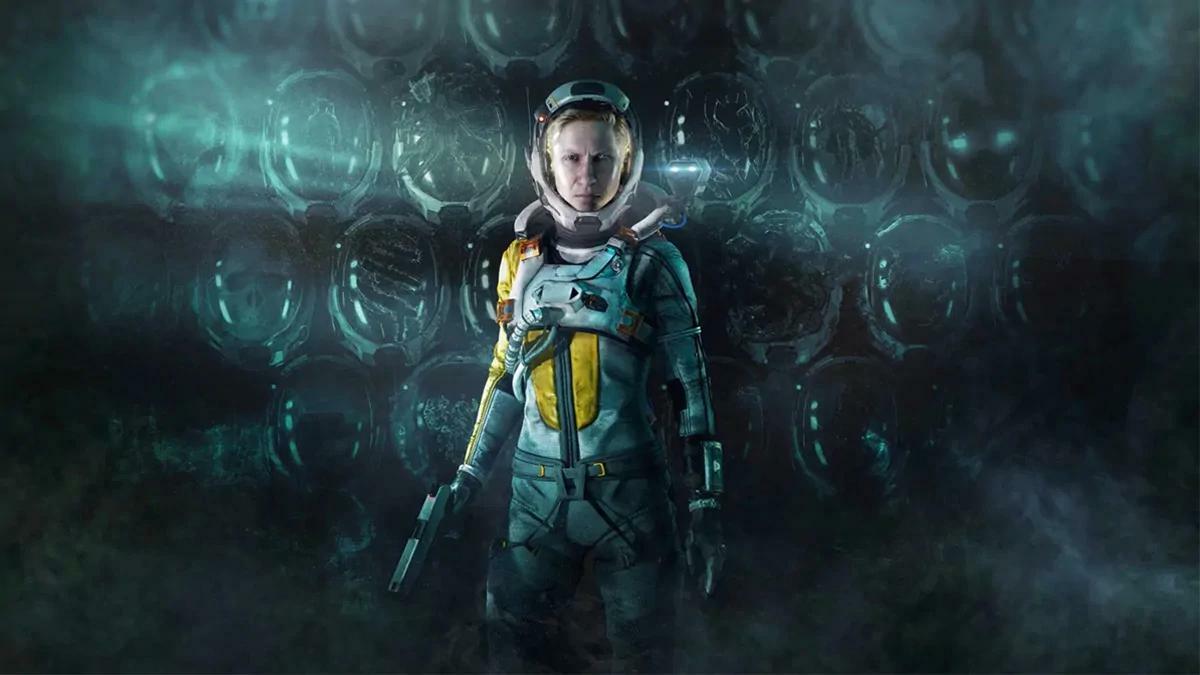
Developed by Housemarque and published by Sony Interactive Entertainment, ‘Returnal’ builds its score around scalable environmental themes that shift with action. Composer Bobby Krlic has described an in-game construction where each biome has a “main bed,” with additional combat and location-based variations that can grow or shrink depending on what’s happening. Because moment-to-moment play can change dramatically in a roguelike structure, that flexibility helps the soundtrack stay responsive without needing a single linear cue. It’s a clear example of music authored for non-linear pacing and player-driven timing.
Share your favorite examples of evolving, procedural game music in the comments—and which soundtrack system you wish more games would copy.