Black Actors Who Called Out Political Hypocrisy in Hollywood

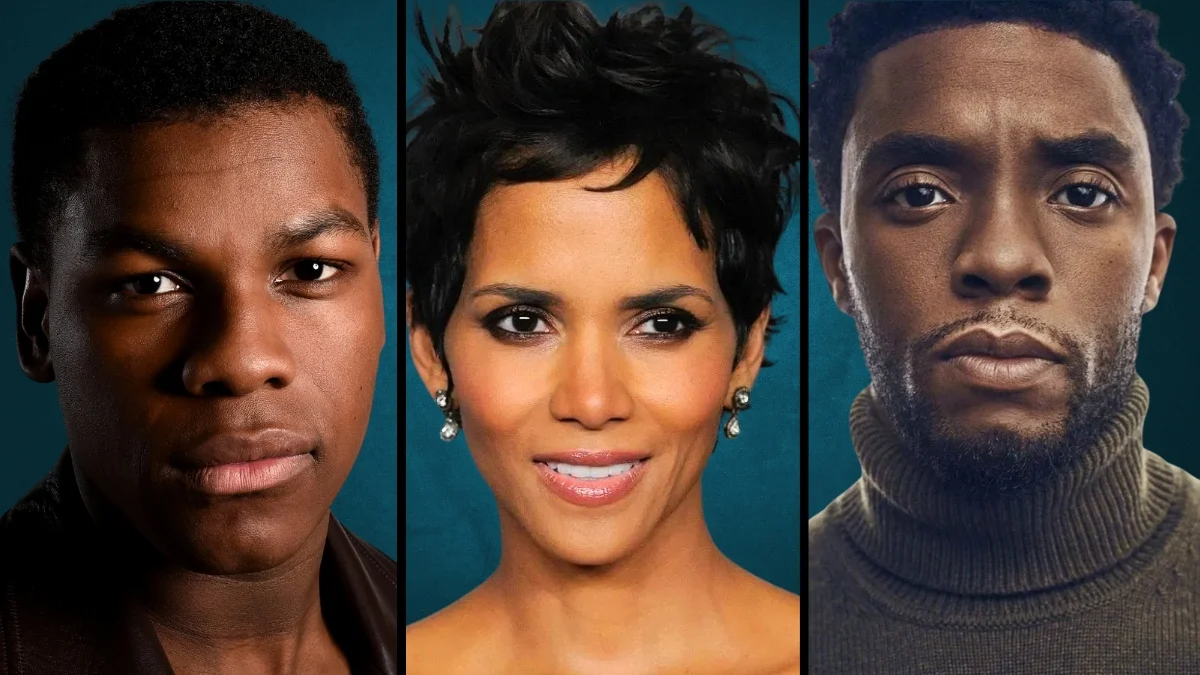

Hollywood frequently presents itself as a beacon of progressive values and inclusivity while failing to uphold those standards internally. Many Black actors have pointed out the significant gap between this public image and the reality of industry practices. These performers utilize their massive platforms to highlight systemic racism and pay disparities that persist behind closed doors. Their courage brings necessary conversations about equity and representation to the forefront of the global entertainment world.
John Boyega
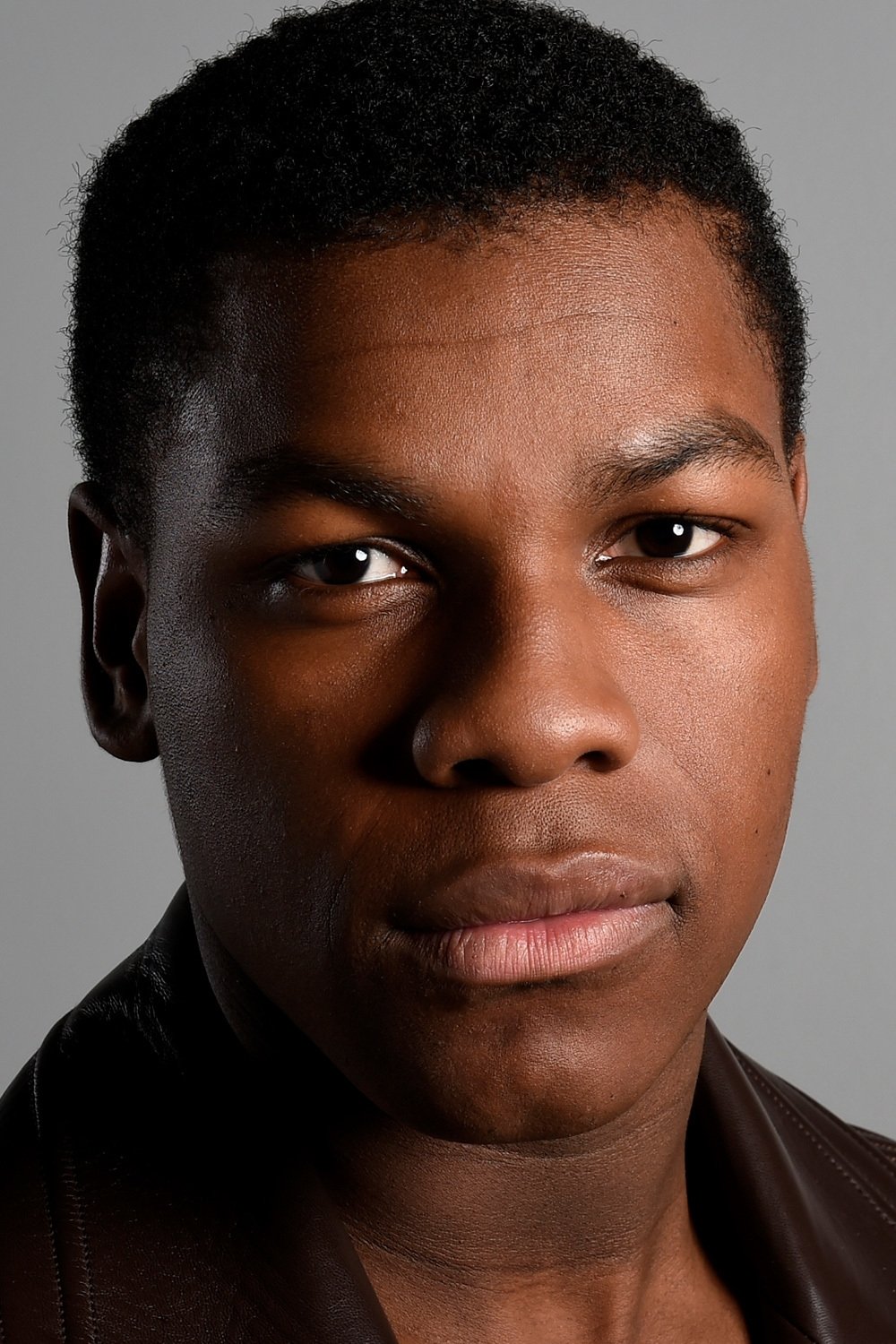
The British actor famously risked his career by speaking passionately at a Black Lives Matter protest in London. Boyega later criticized the ‘Star Wars’ franchise for sidelining minority characters in favor of white leads. He highlighted how studios market Black characters as important but diminish their roles in the actual films. His comments sparked a broader conversation about performative diversity in blockbuster franchises.
Viola Davis
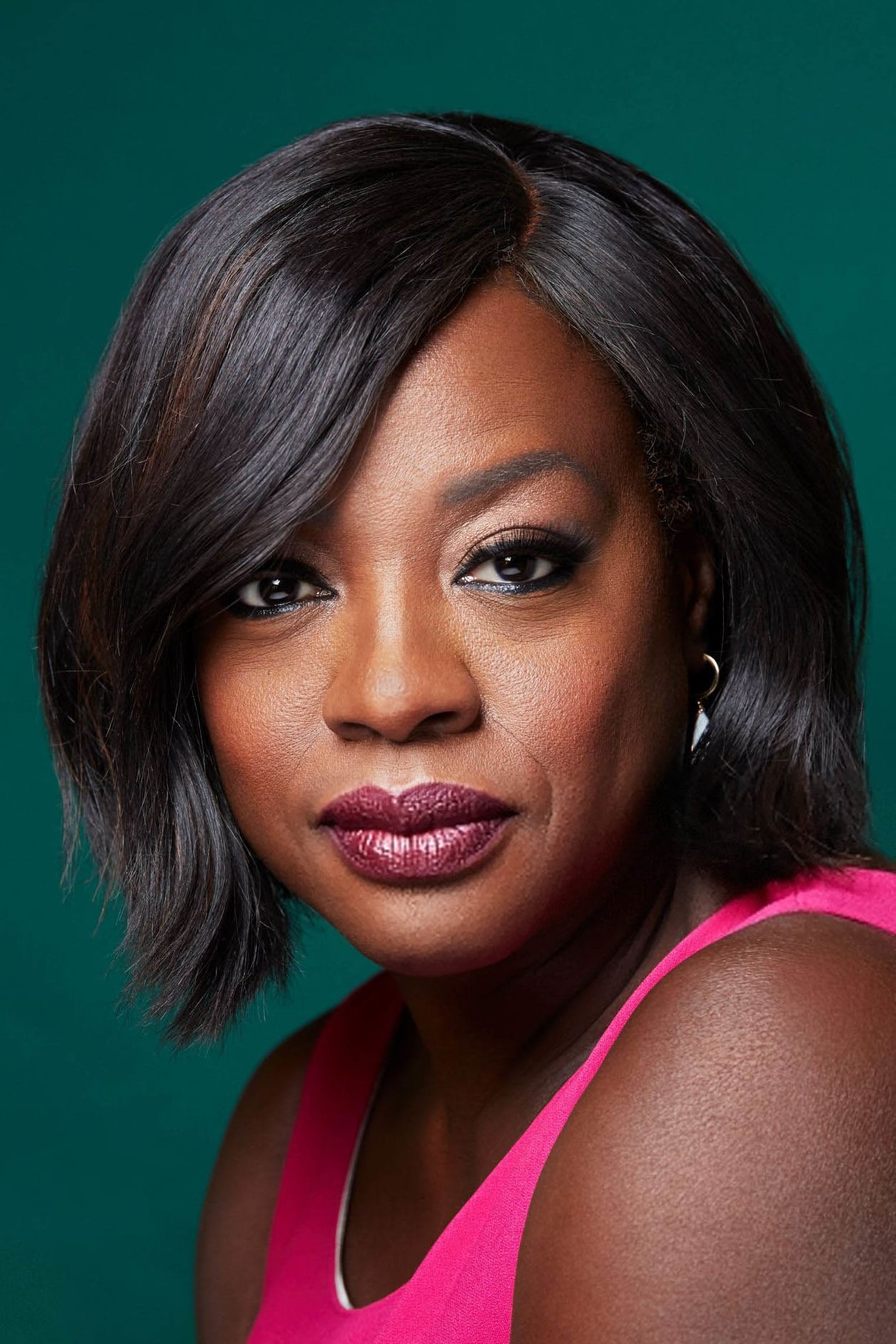
The Academy Award winner has frequently addressed the pay gap between Black actresses and their white counterparts. She noted that despite having comparable talent and accolades she often receives significantly lower offers. Davis emphasized that opportunity remains the primary hurdle for women of color in the industry. Her speeches often challenge studio executives to value Black talent monetarily rather than just symbolically.
Anthony Mackie
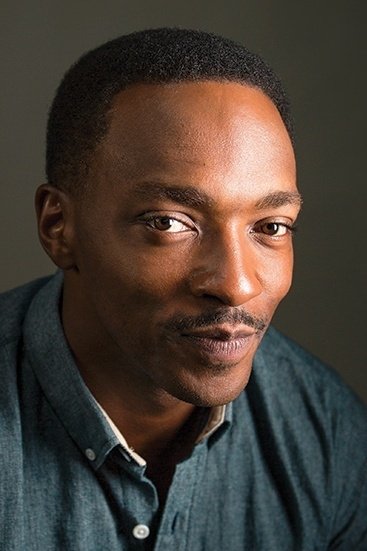
This Marvel star called out the studio for its lack of diversity among crew members behind the camera. He observed that production sets for major blockbusters were predominantly white while his ‘Black Panther’ experience was the exception. Mackie argued that hiring practices should reflect reality rather than pigeonholing Black workers into specific productions. He demanded that studios normalize diversity across all departments rather than treating it as a special event.
Gabrielle Union
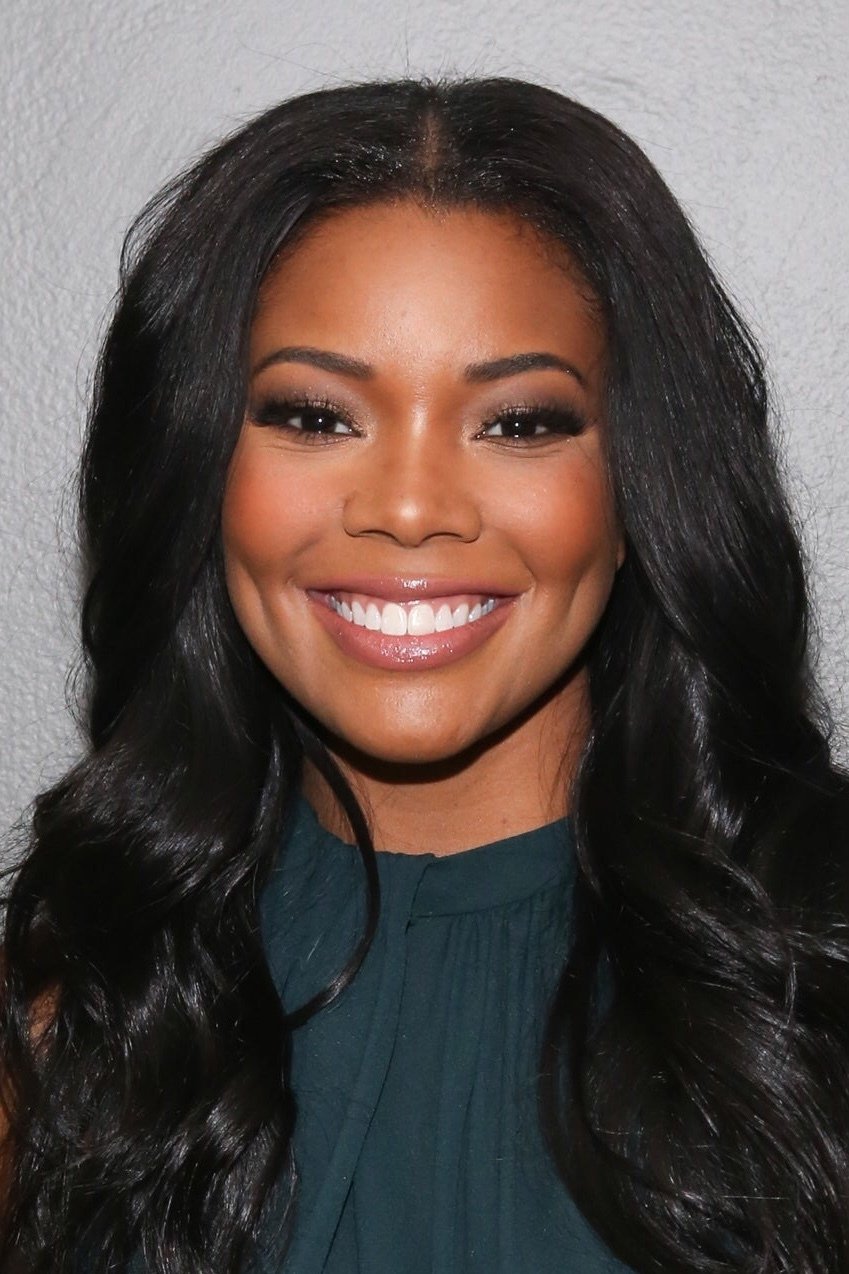
Union spoke out against the toxic workplace culture she experienced as a judge on ‘America’s Got Talent’. She detailed specific instances of racism and lack of support from the network executives. Her dismissal from the show prompted an internal investigation and public debate about the treatment of Black women in media. She continues to advocate for safer and more equitable work environments for talent.
Mo’Nique
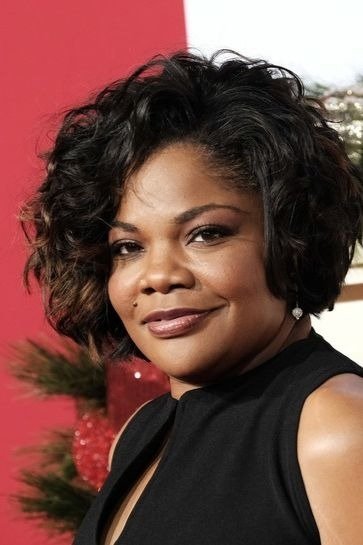
The comedian and actress called for a boycott of Netflix after receiving a lowball offer for a comedy special. She argued that the streaming giant offered her a fraction of what they paid white comedians and male counterparts. Her lawsuit against the company highlighted the intersection of gender and racial bias in salary negotiations. Mo’Nique stood firm in her demand for fair compensation commensurate with her legendary status.
Ray Fisher
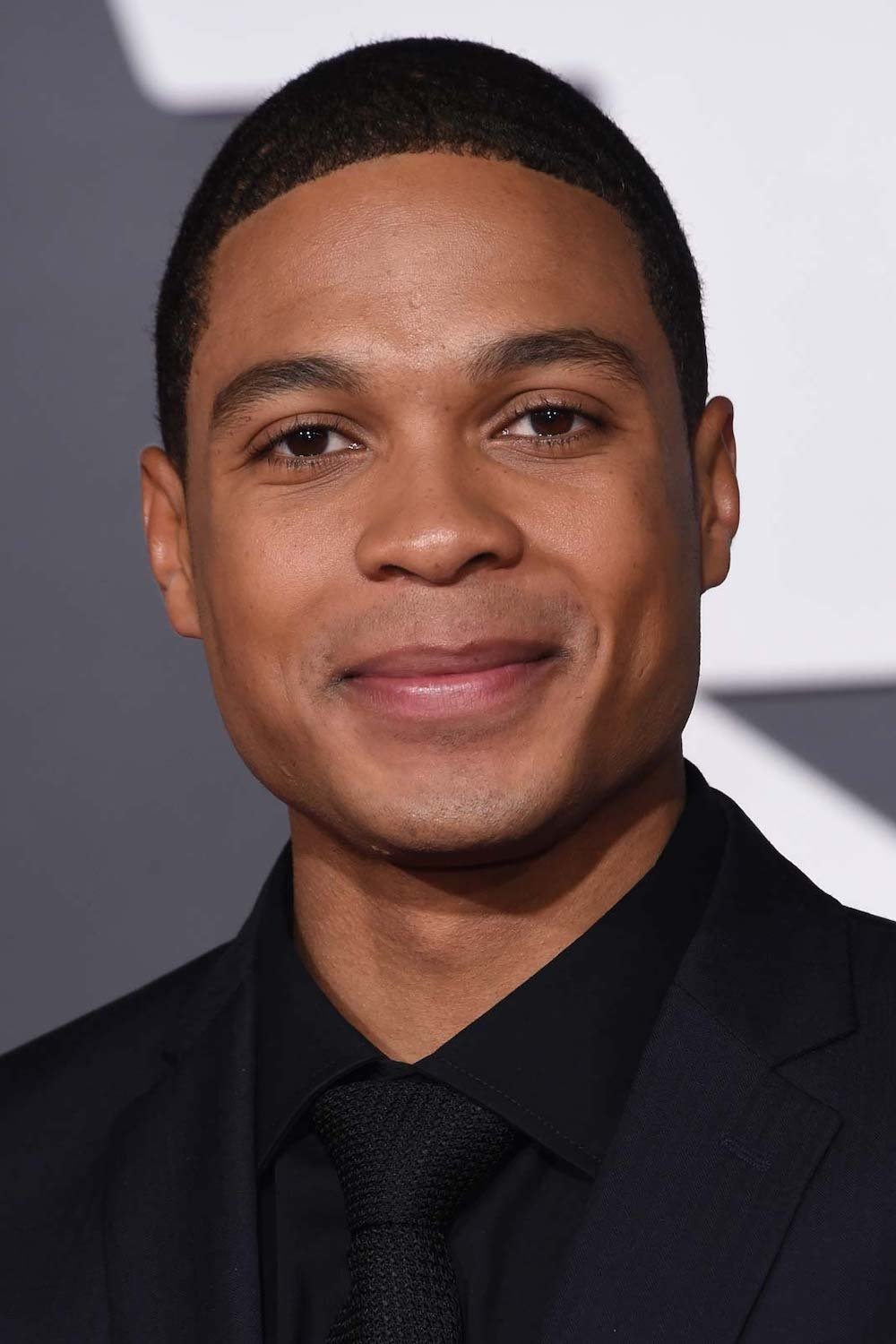
Fisher accused director Joss Whedon of abusive behavior on the set of ‘Justice League’. He also alleged that Warner Bros executives enabled this toxic environment and hampered the subsequent investigation. His public statements exposed the lack of accountability for powerful figures within major studios. Fisher sacrificed his role as Cyborg to ensure the truth about the production was brought to light.
Will Smith
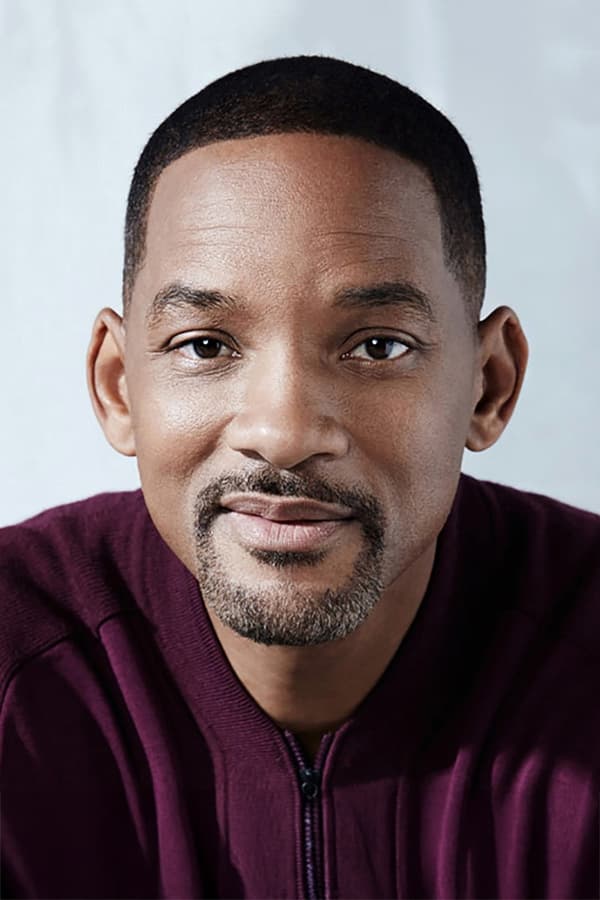
The global superstar joined the boycott of the Academy Awards during the Oscars So White controversy. He expressed disappointment that the nominations failed to reflect the diverse beauty of the American film community. Smith argued that participating in the ceremony would imply support for an exclusionary system. His stance helped pressure the Academy to diversify its voting body and membership.
Jada Pinkett Smith
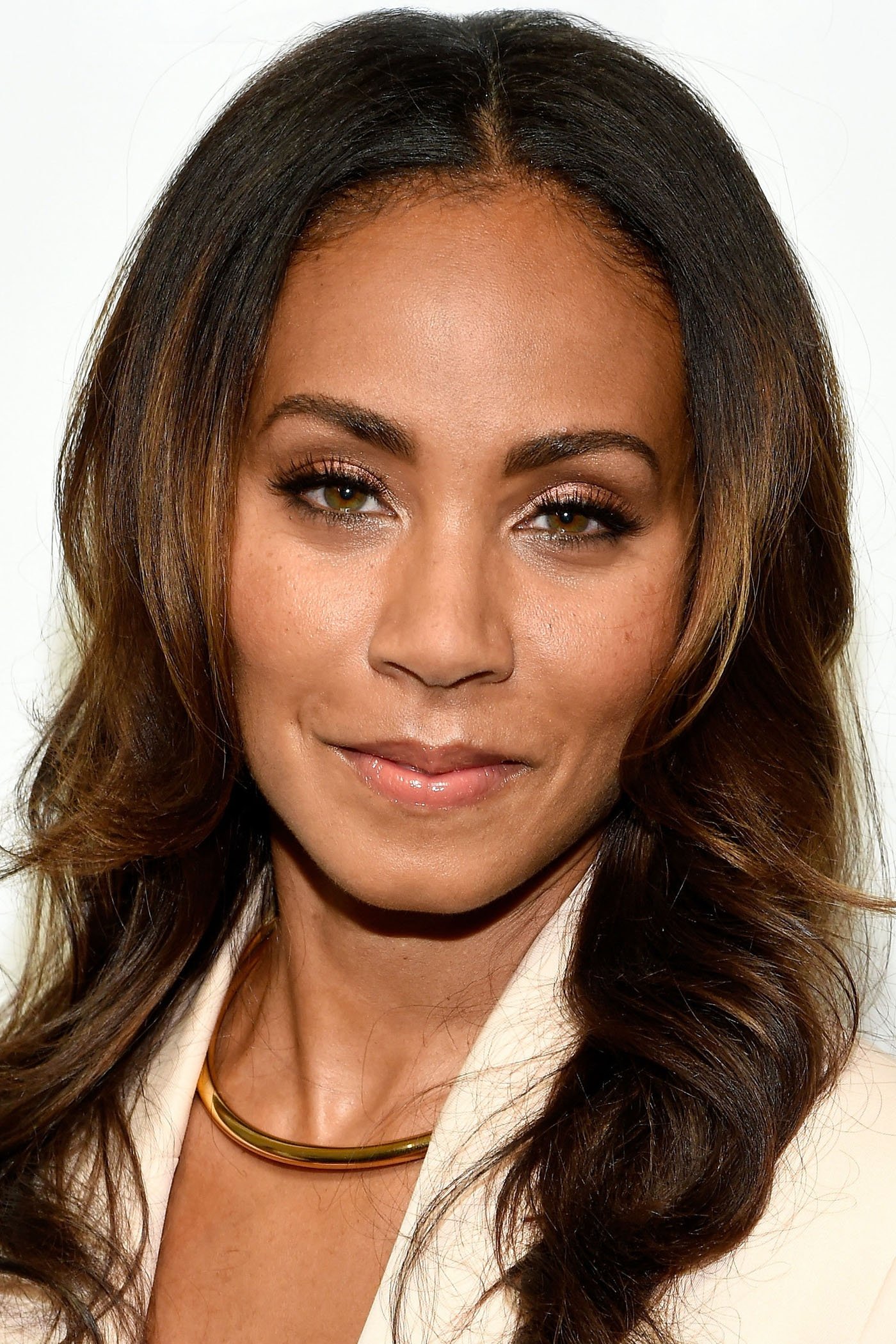
She initiated the conversation around boycotting the Oscars when no actors of color were nominated in major categories. Her video message sparked a massive industry debate about systemic exclusion in awards season. Pinkett Smith questioned why Black culture is celebrated for entertainment while Black achievements are ignored. Her actions served as a catalyst for significant structural changes within the Academy.
Idris Elba
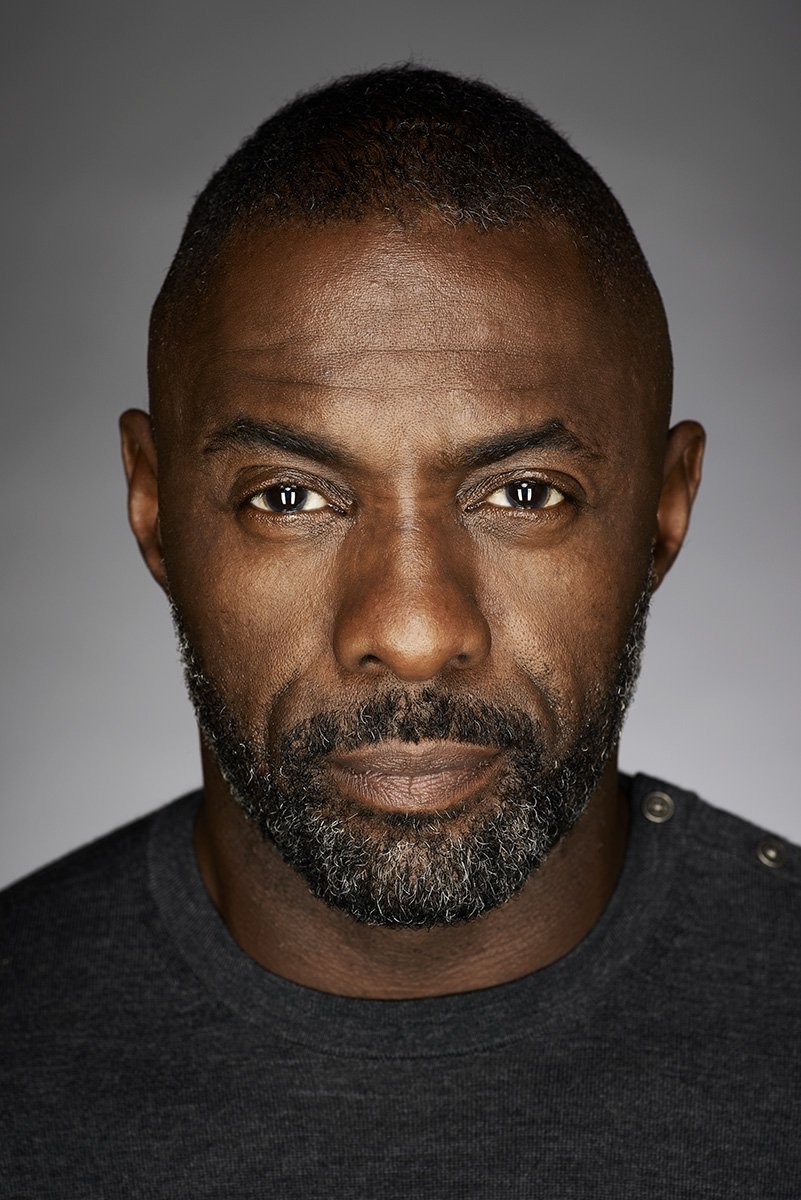
The British actor addressed the UK Parliament regarding the lack of diversity in British television. He explained that talent was being forced to move to America because opportunities at home were nonexistent. Elba emphasized that imagination and storytelling suffer when casting ignores the multicultural reality of society. His advocacy pushed broadcasters to examine their commissioning and casting processes more critically.
David Oyelowo
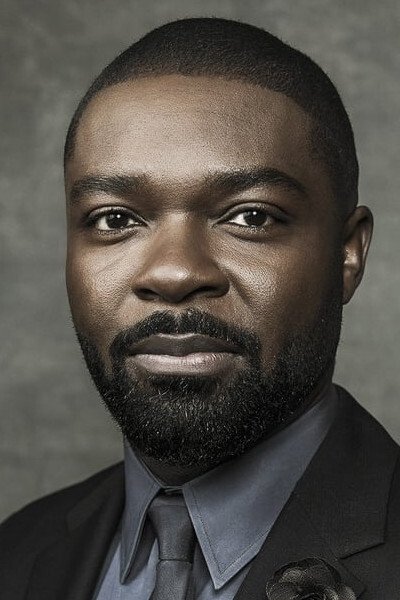
Oyelowo criticized the industry for rewarding Black actors primarily for playing subservient or suffering roles. He noted that films depicting Black excellence or power often struggle to find distribution or awards recognition. The actor pointed out the difficulty of getting ‘Selma’ recognized compared to films about slavery. He consistently pushes for narratives that showcase the full spectrum of the Black experience.
Halle Berry
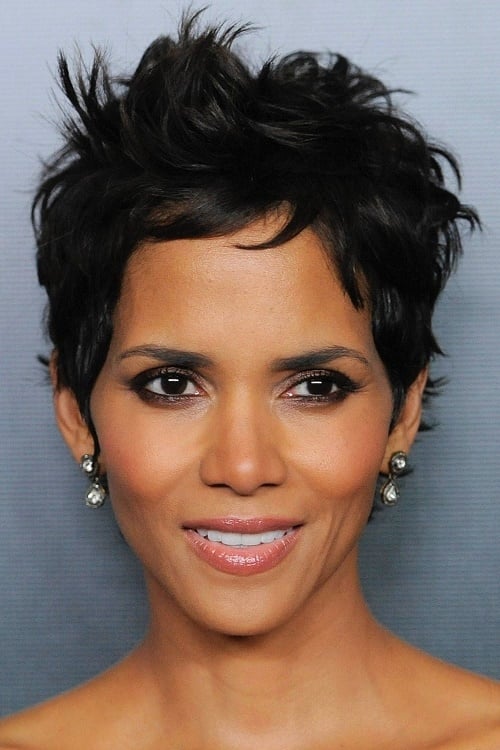
Berry has expressed frustration that her historic Best Actress win did not open the door for more Black women as she had hoped. She pointed out that she remains the only Black woman to have won the award nearly two decades later. Her comments highlighted the stagnation of progress despite superficial claims of improvement. She urges the industry to create more leading roles that act as contenders for major awards.
Taraji P. Henson
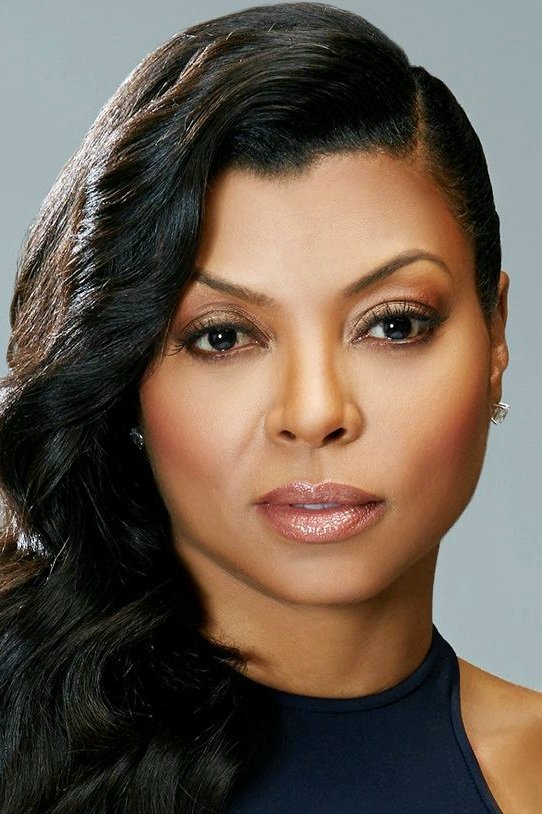
Henson revealed she was paid significantly less than her co-stars for ‘The Curious Case of Benjamin Button’. She explained that she had to swallow her pride to build her resume despite the unfair compensation. Her story shed light on how studios use the lack of international recognition as an excuse to underpay Black talent. She now demands fair pay and refuses projects that devalue her worth.
Regina King
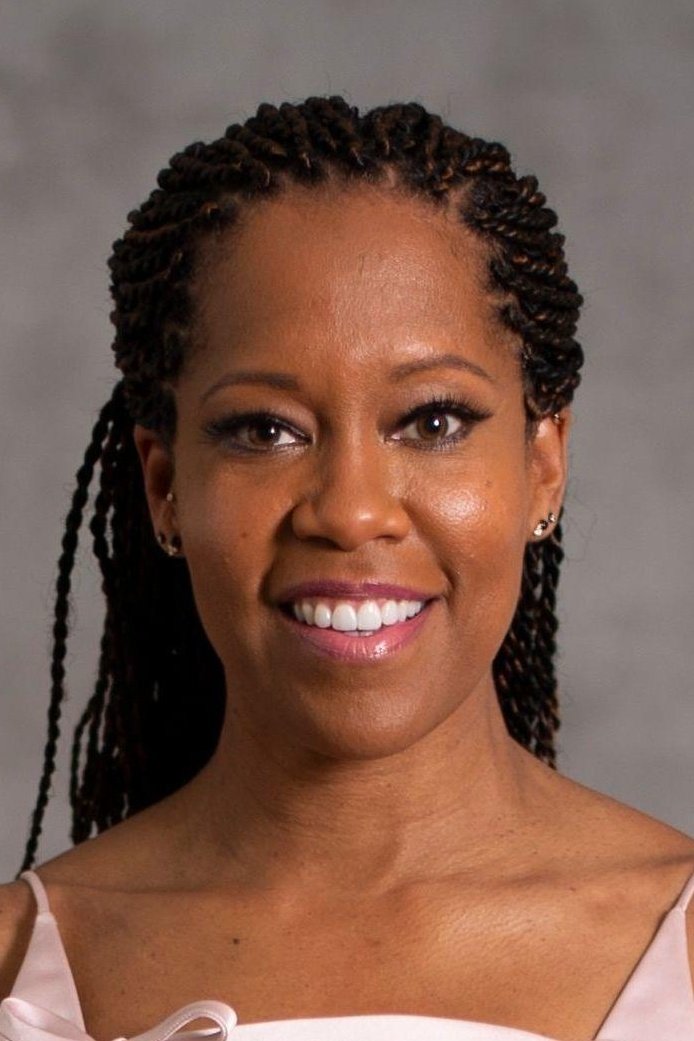
King used her Golden Globe acceptance speech to make a concrete pledge for gender parity. She vowed that everything she produces in the next two years would be fifty percent women. The actress challenged others in positions of power to make similar commitments to tangible change. Her declaration moved the conversation from theoretical support to actionable hiring quotas.
Michael B. Jordan
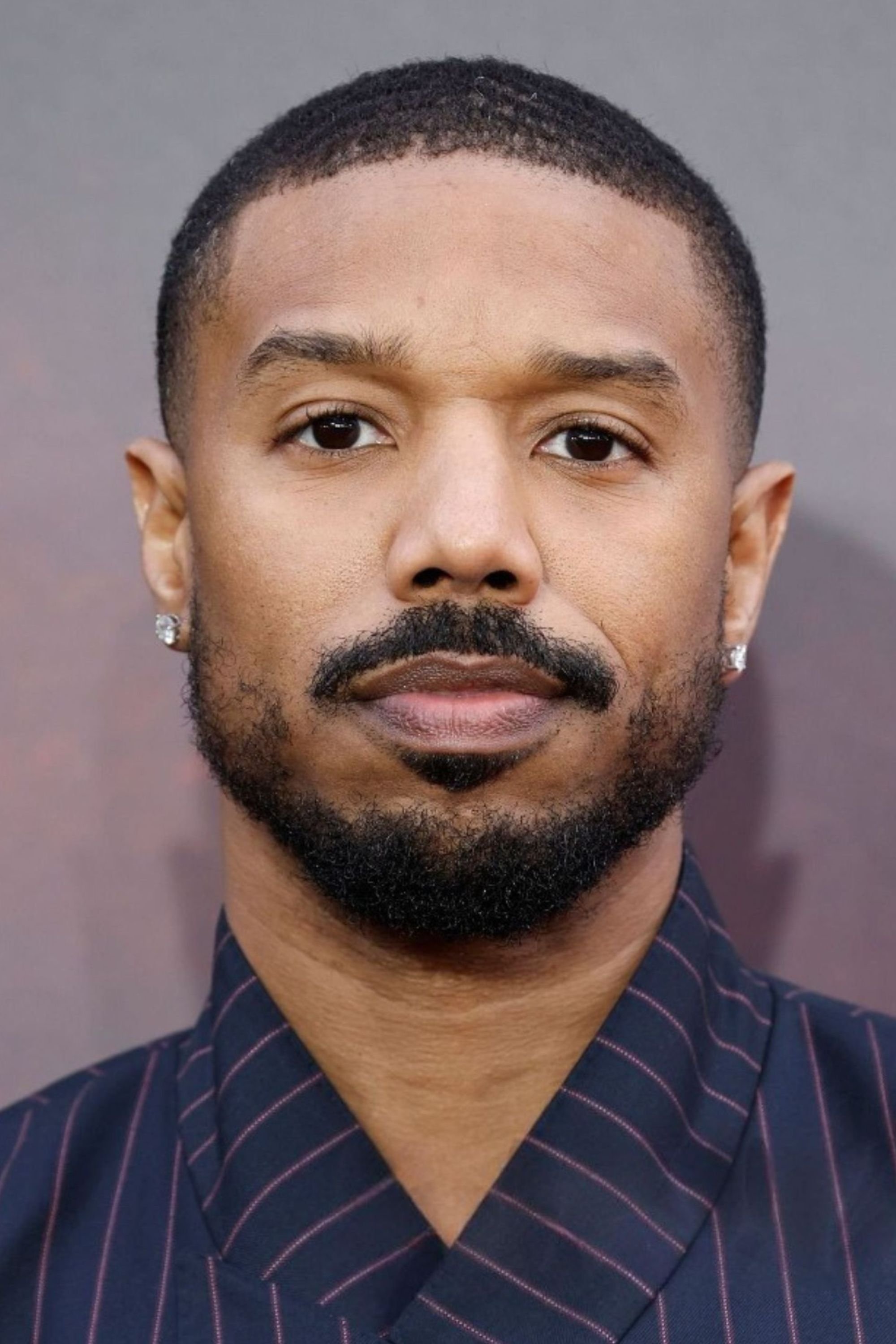
Jordan was one of the first major stars to adopt an inclusion rider for all his production company projects. This contractual clause mandates a certain level of diversity in the cast and crew. He actively uses his star power to force studios to look beyond their traditional hiring pools. His efforts demonstrate how A-list actors can leverage their influence to create structural change.
Chadwick Boseman
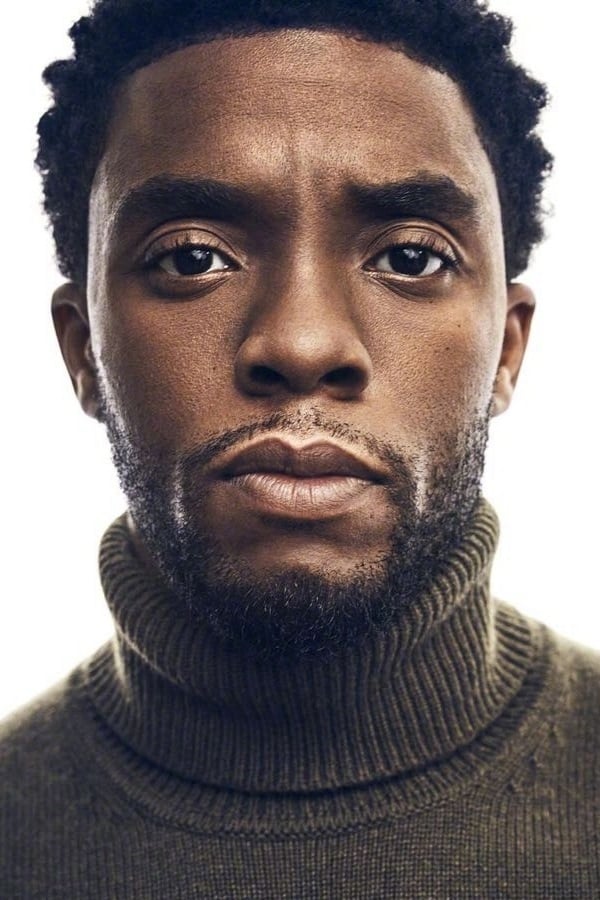
The late actor spoke about the difficulties of finding roles that did not perpetuate harmful stereotypes. He discussed the internal conflict of navigating a system that often views Black history through a narrow lens. Boseman championed films like ‘Black Panther’ that allowed African characters to exist without colonial subservience. His legacy includes a constant push for dignity and complexity in Black storytelling.
Thandiwe Newton

Newton has been vocal about the sexual abuse and objectification she faced early in her career. She criticized the industry for silencing victims and protecting powerful predators for decades. The actress also addressed how colorism impacts casting decisions and the perception of Black women. Her honesty has emboldened other survivors to speak out against systemic abuse.
Octavia Spencer
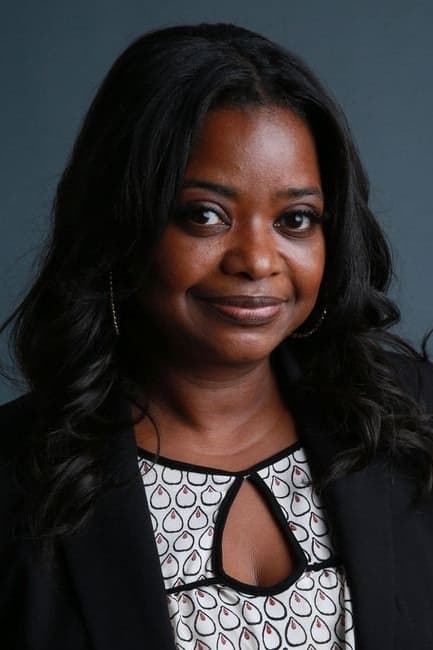
Spencer revealed that Jessica Chastain helped her negotiate five times her salary for a joint project. She highlighted that women of color are often paid far less than their white female counterparts. Her transparency about the negotiation process educated the public on the layers of the gender pay gap. She advocates for white allies to use their privilege to ensure equitable pay for Black women.
Jamie Foxx
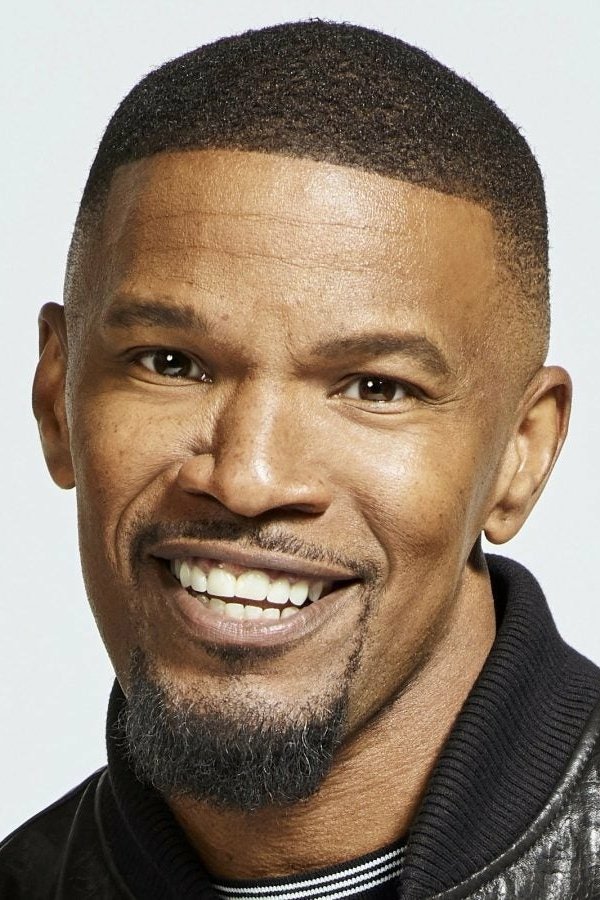
Foxx addressed the Oscars So White controversy by suggesting that Black actors should focus on their own creative output. He criticized the reliance on validation from institutions that historically exclude minorities. The actor urged the community to support Black award shows and independent productions. His perspective shifted the focus toward building self-sustaining ecosystems within the industry.
Kerry Washington
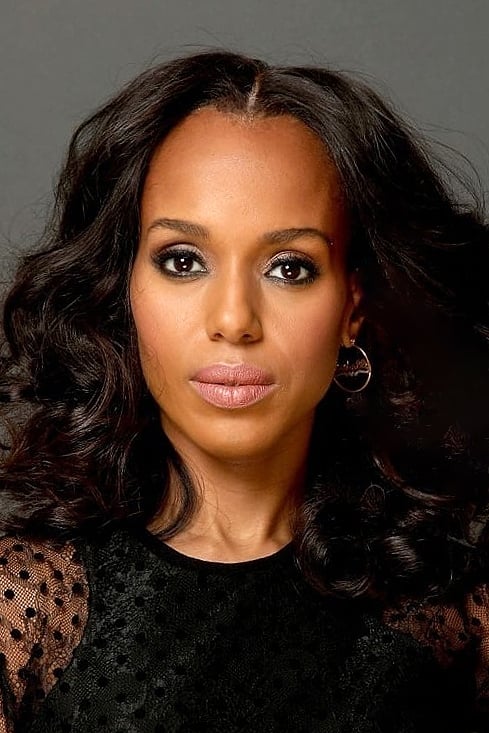
Washington consistently uses her platform to discuss voting rights and political engagement. She criticizes the industry for often remaining silent on crucial legislative issues that affect marginalized communities. The actress produces projects that specifically highlight the complexities of race and gender in America. She argues that art cannot be separated from the political reality of the viewers.
Don Cheadle
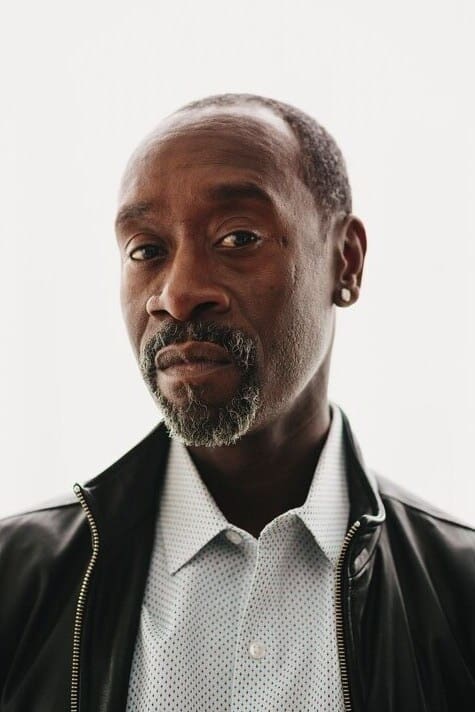
Cheadle famously wore a shirt advocating for transgender rights during a ‘Saturday Night Live’ appearance. He frequently calls out the industry for performative activism that disappears when profits are threatened. The actor uses press tours to redirect attention toward social justice causes and climate change. He insists that celebrities have a moral obligation to speak on issues beyond entertainment.
Zendaya

The actress has acknowledged that she is often the industry’s acceptable version of a Black girl due to her light skin. She publicly stated that she wants to use her privilege to open doors for darker-skinned actresses. Zendaya criticized the colorism that limits opportunities for many talented Black women. Her comments forced a reckoning regarding beauty standards within Hollywood casting.
Amandla Stenberg
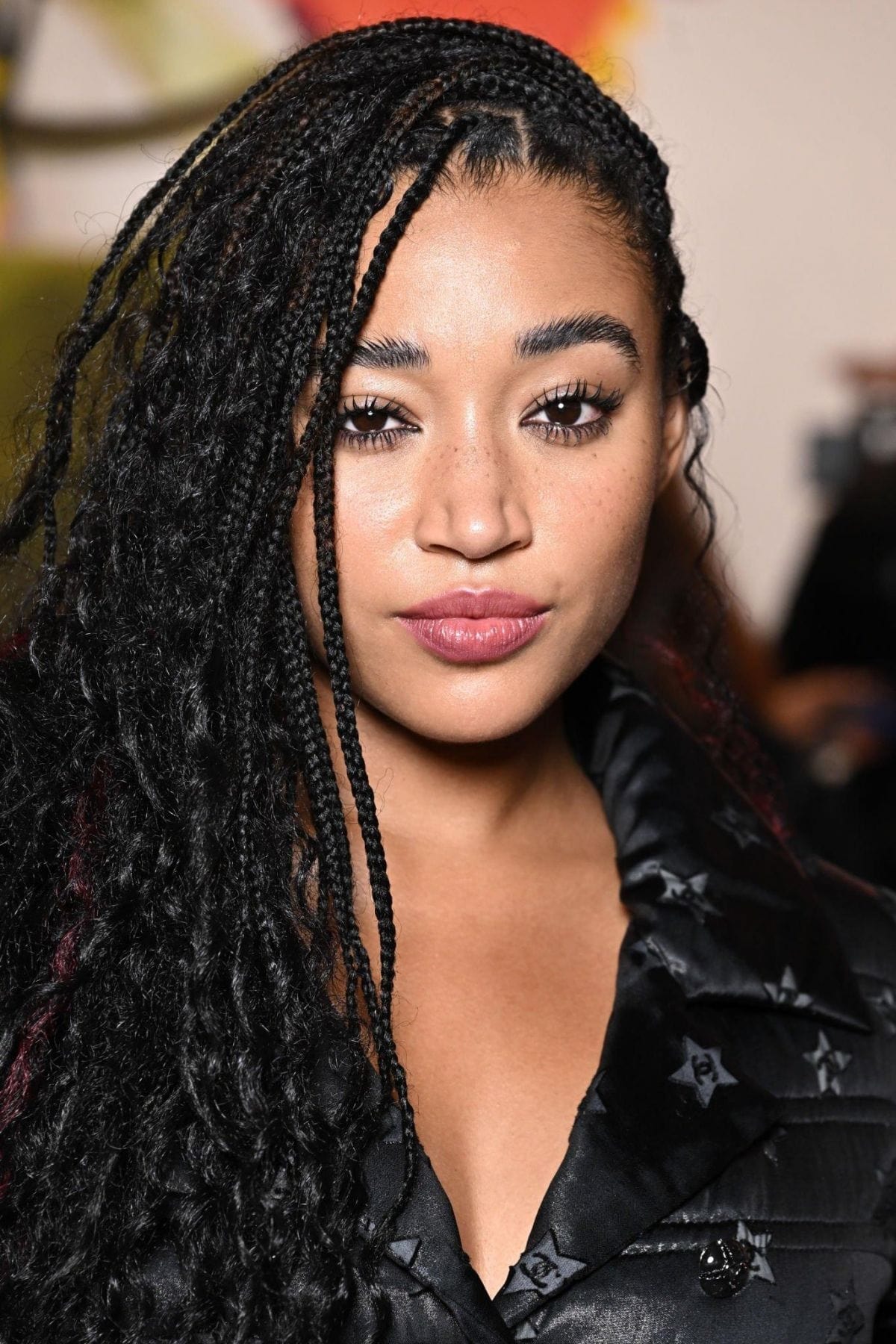
Stenberg released a viral video explaining cultural appropriation and its impact on Black identity. She questioned why the industry loves Black culture but fails to protect Black people. The actress has been a vocal critic of casting choices that erase dark-skinned characters from book adaptations. She continues to challenge the commodification of Black aesthetics without respect for their origins.
Yahya Abdul-Mateen II
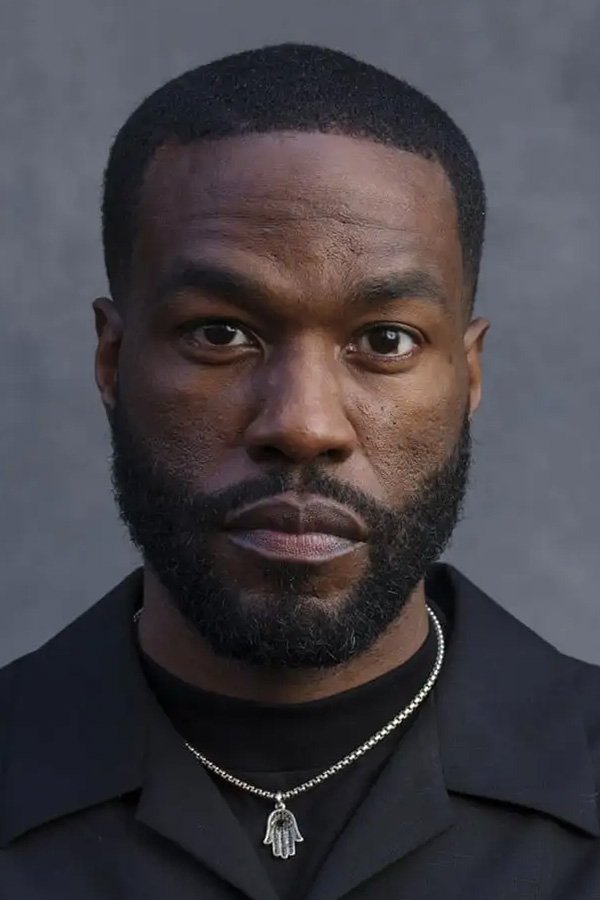
He spoke about the difference between working on stories about Black trauma versus Black joy. The actor criticized the industry’s obsession with narratives that focus solely on Black suffering. He actively seeks roles that portray Black characters in positions of triumph and normalcy. His choices challenge the limited scope of stories studios are willing to finance.
Tessa Thompson
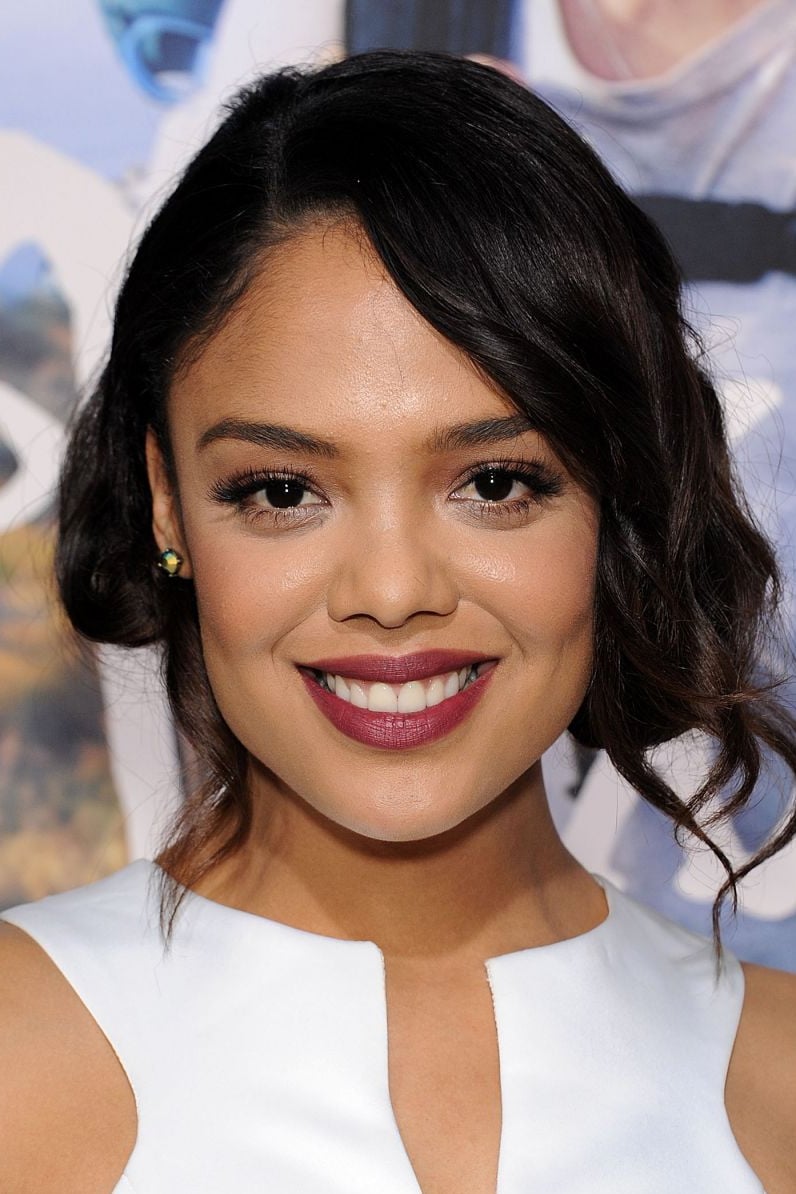
Thompson announced she would use an inclusion rider to ensure diversity on her sets. She criticized the lack of female directors and writers of color in major studio projects. The actress works to dismantle the male-dominated hierarchy of film production. Her advocacy focuses on changing who gets to tell the stories behind the camera.
Kendrick Sampson
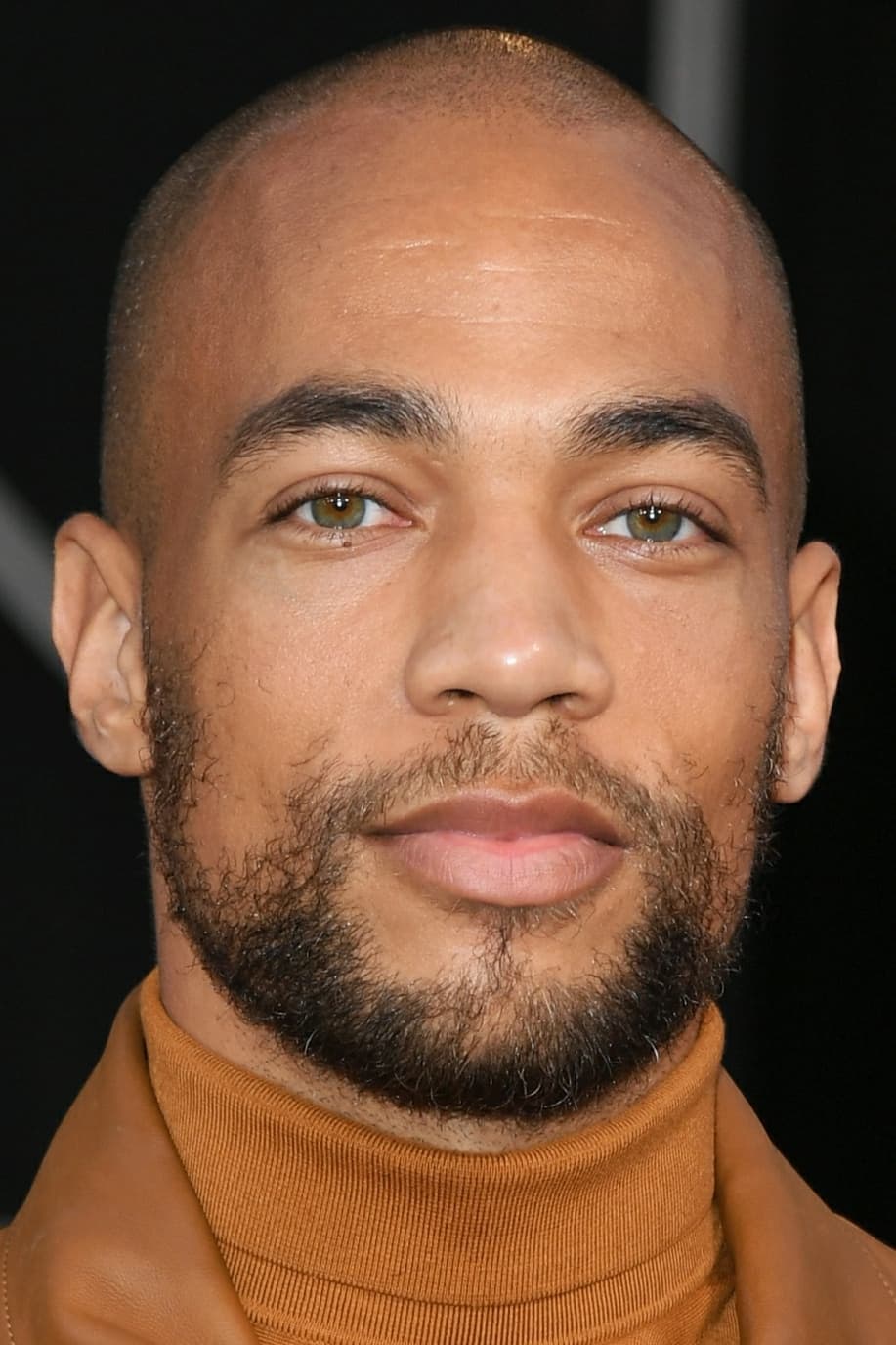
The ‘Insecure’ actor has been on the front lines of protests and called out Hollywood’s relationship with police. He criticized the industry for producing content that glorifies police violence while ignoring systemic brutality. Sampson demanded that studios divest from police unions and invest in Black communities. His activism highlights the direct link between media propaganda and real-world violence.
Please share your thoughts on which of these actors has made the biggest impact in the comments.