Anime Series Hiding Clues in Background Graffiti


Visual storytelling in anime often extends beyond character dialogue and main action sequences. Directors and background artists frequently utilize environmental details like graffiti to foreshadow plot twists or add layers to the world-building. These scribbled messages and artistic tags encourage viewers to pay close attention to the scenery for hidden meanings. The following series effectively use background art to enhance the narrative experience.
‘FLCL’ (2000–2001)
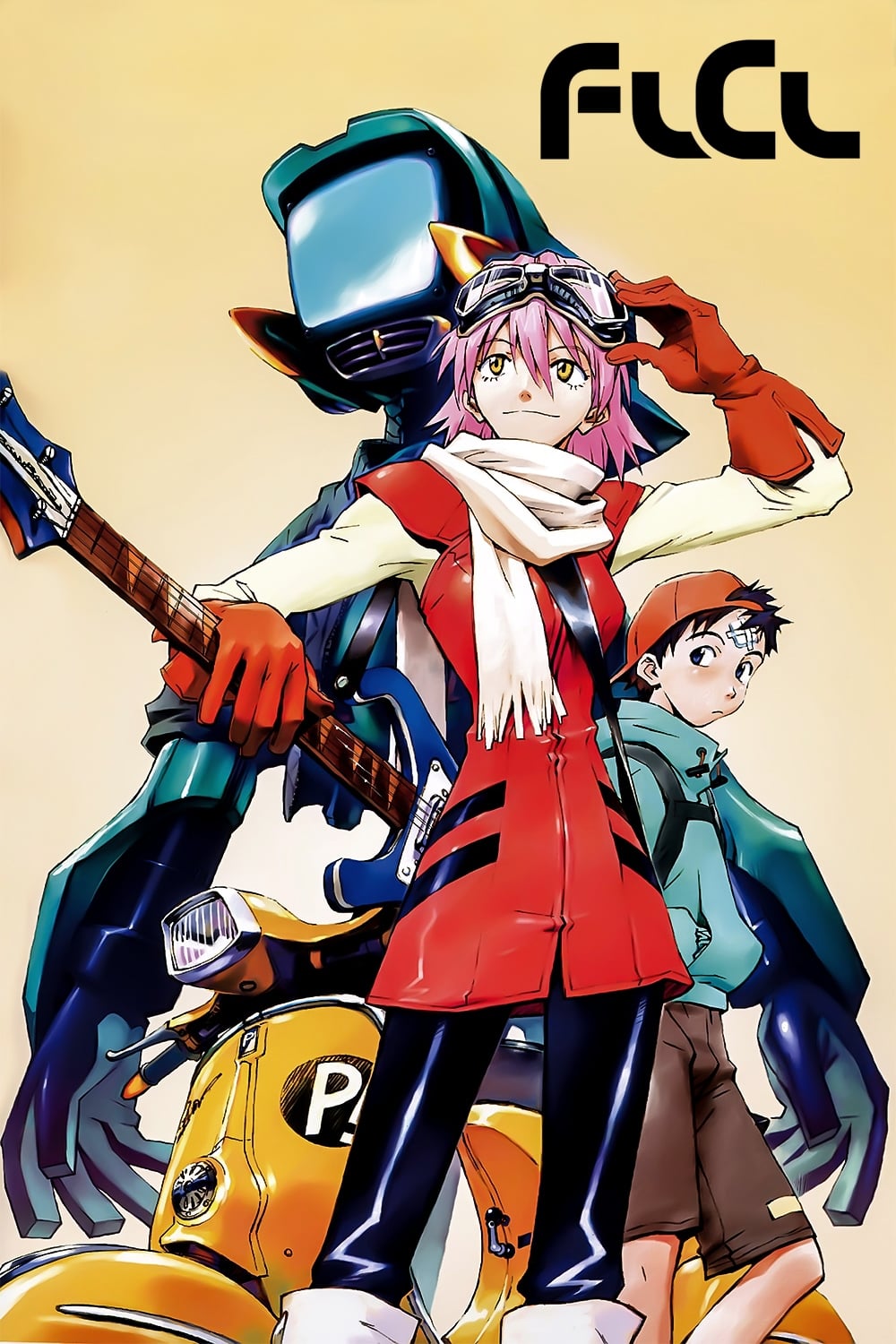
The chaotic world of this OVA series uses urban decay and scribbled messages to reflect the protagonist’s internal confusion. Background walls often feature the phrase “Never Knows Best” which becomes a central thematic element. This specific graffiti connects to the character Mamimi and her smoking habit while symbolizing the aimlessness of adolescence. The text appears in various scenes to remind the audience of the lingering stagnation in the town of Mabase.
‘Durarara!!’ (2010)
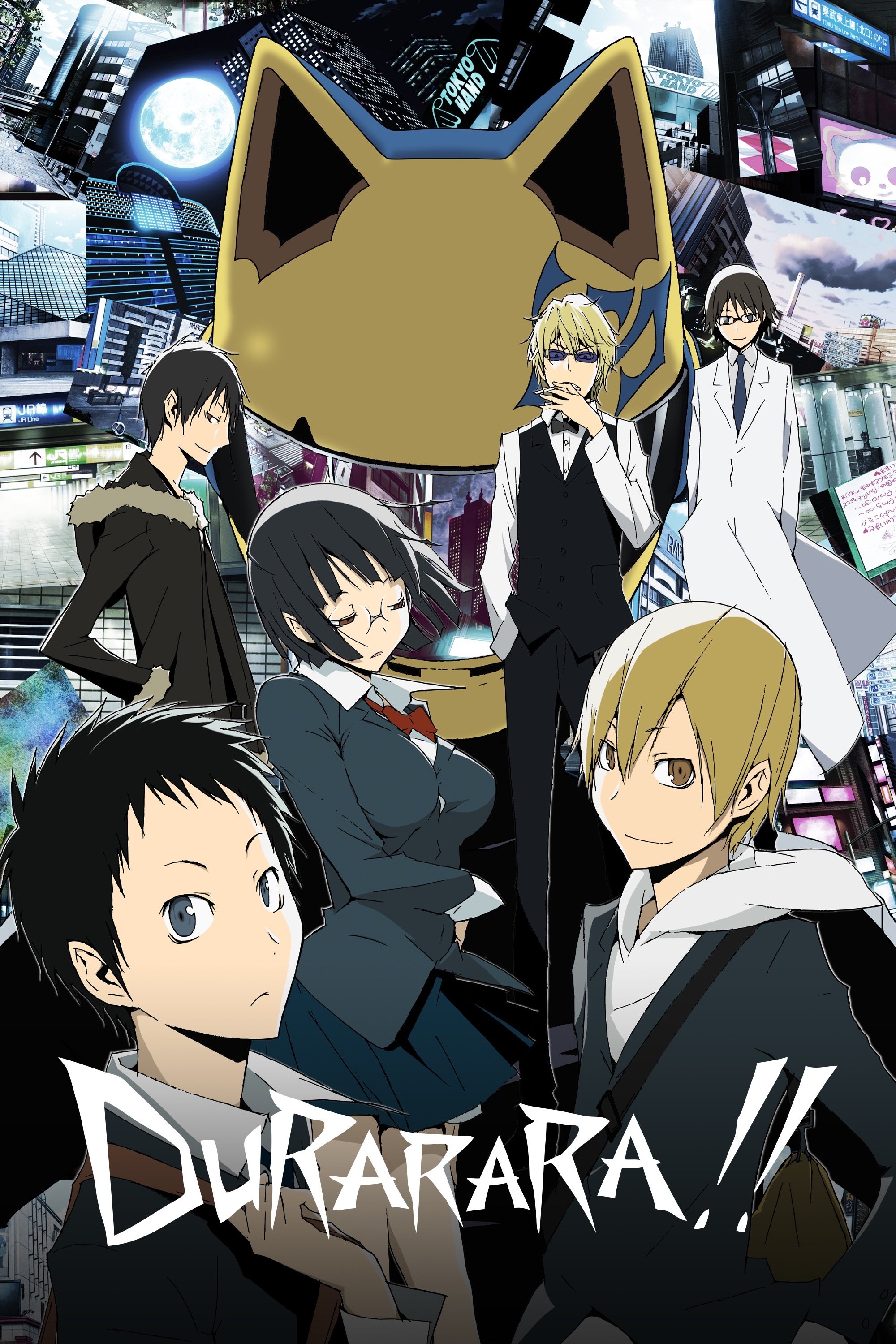
Ikebukuro serves as a living character in this series where the streets are filled with hidden gangs and urban legends. The Dollars gang uses an online network that manifests physically through tags and stickers seen on vending machines and light poles. These background markers indicate the invisible influence of the group before the main characters even realize the scale of the organization. Viewers can track the growing power of the Dollars by observing the frequency of these symbols in the background art.
‘Puella Magi Madoka Magica’ (2011)
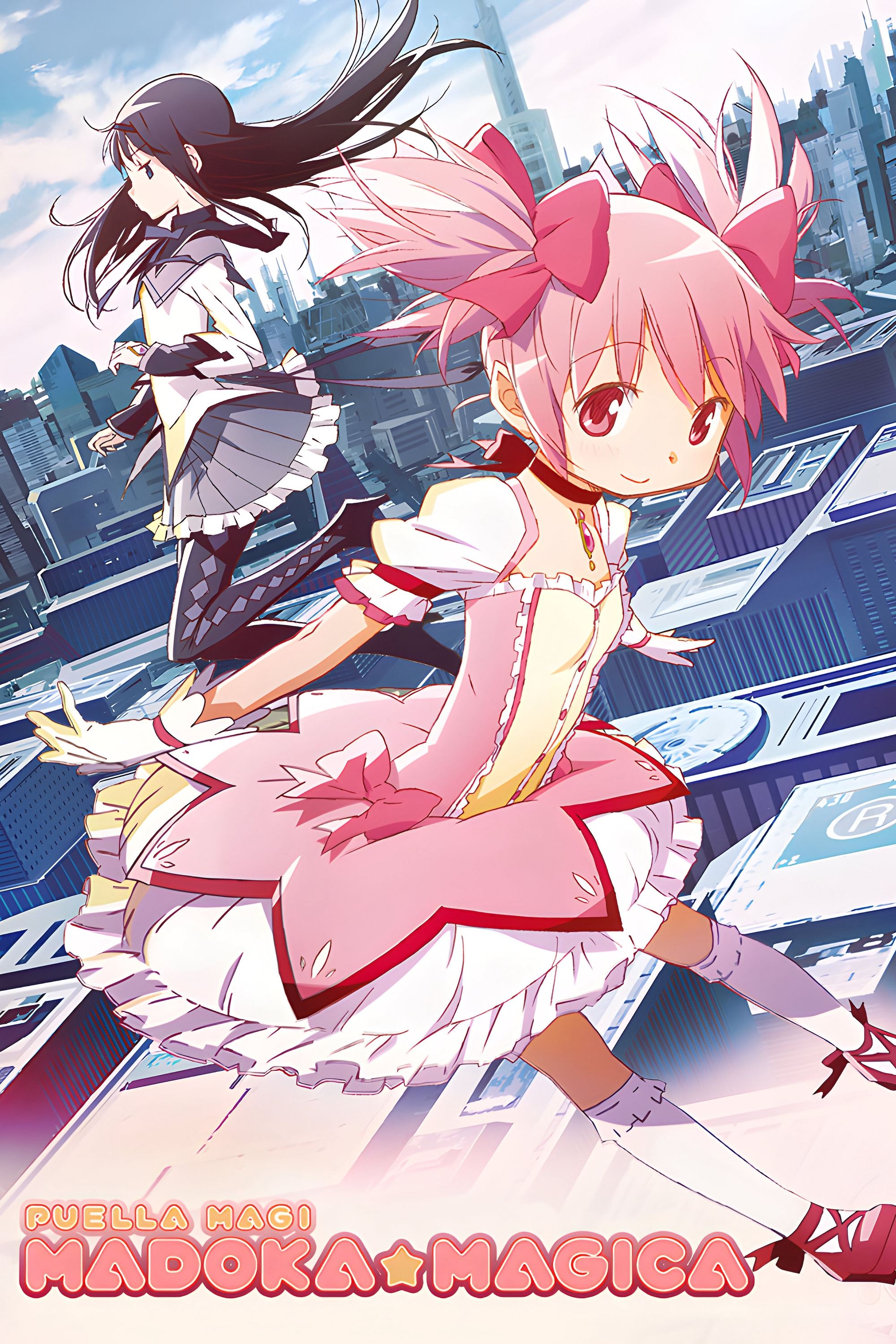
The labyrinths created by the witches in this series are filled with surreal imagery and cryptic text. Studio Shaft utilized runic alphabets in the background art that can be deciphered to reveal dark secrets about the magical girl system. These runes often appear on walls or floating objects to foreshadow tragic events before they occur on screen. Fans who translate these background messages gain early insight into the true nature of the witches.
‘Kill la Kill’ (2013)
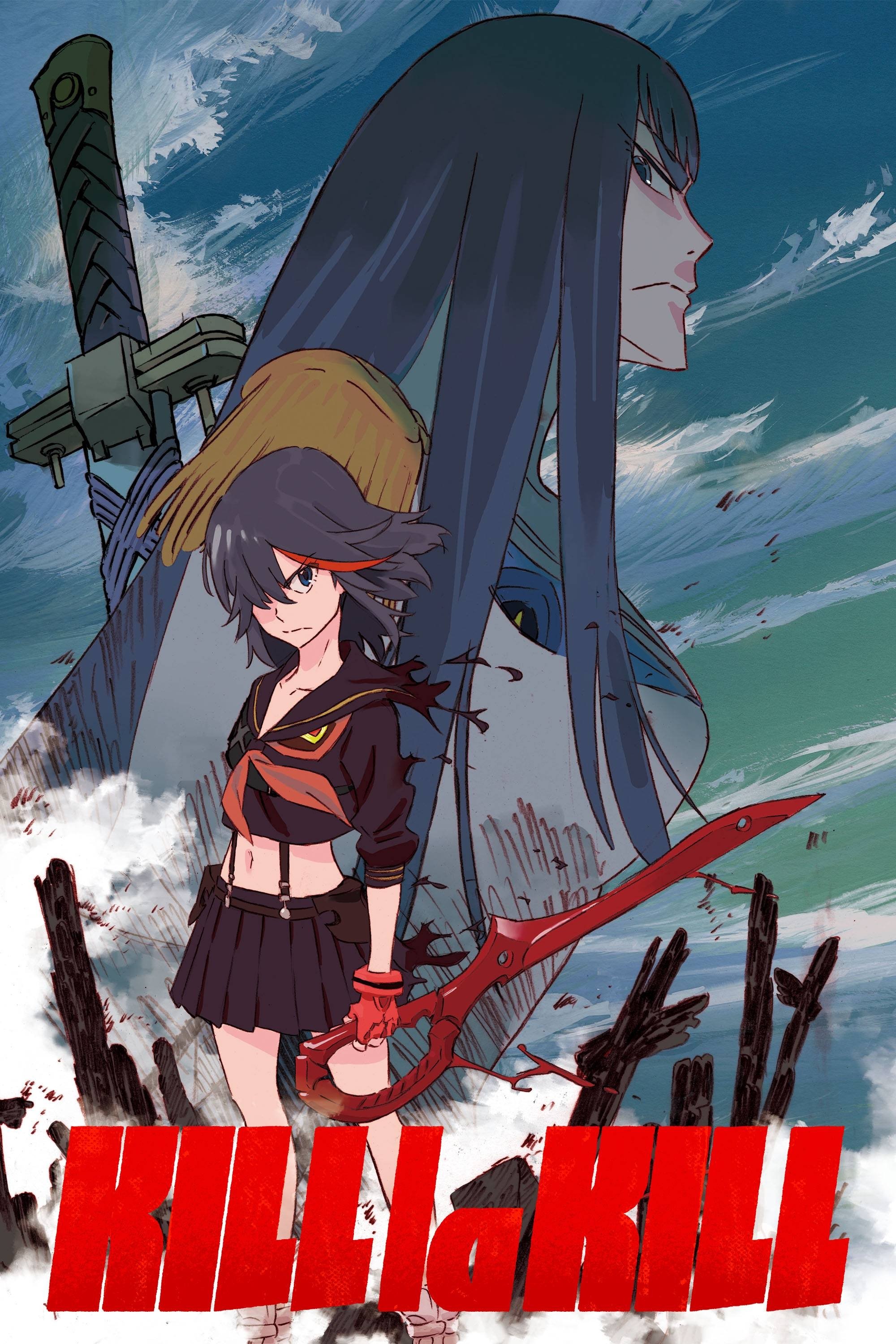
Huge red block text frequently slams onto the screen and integrates into the background environments. This distinctive typography acts as a physical part of the world that characters sometimes interact with or stand behind. The massive kanji labels designate locations and attack names while reinforcing the loud and aggressive tone of the show. This stylistic choice transforms standard exposition into a graphic design element that dominates the frame.
‘Psycho-Pass’ (2012–2013)
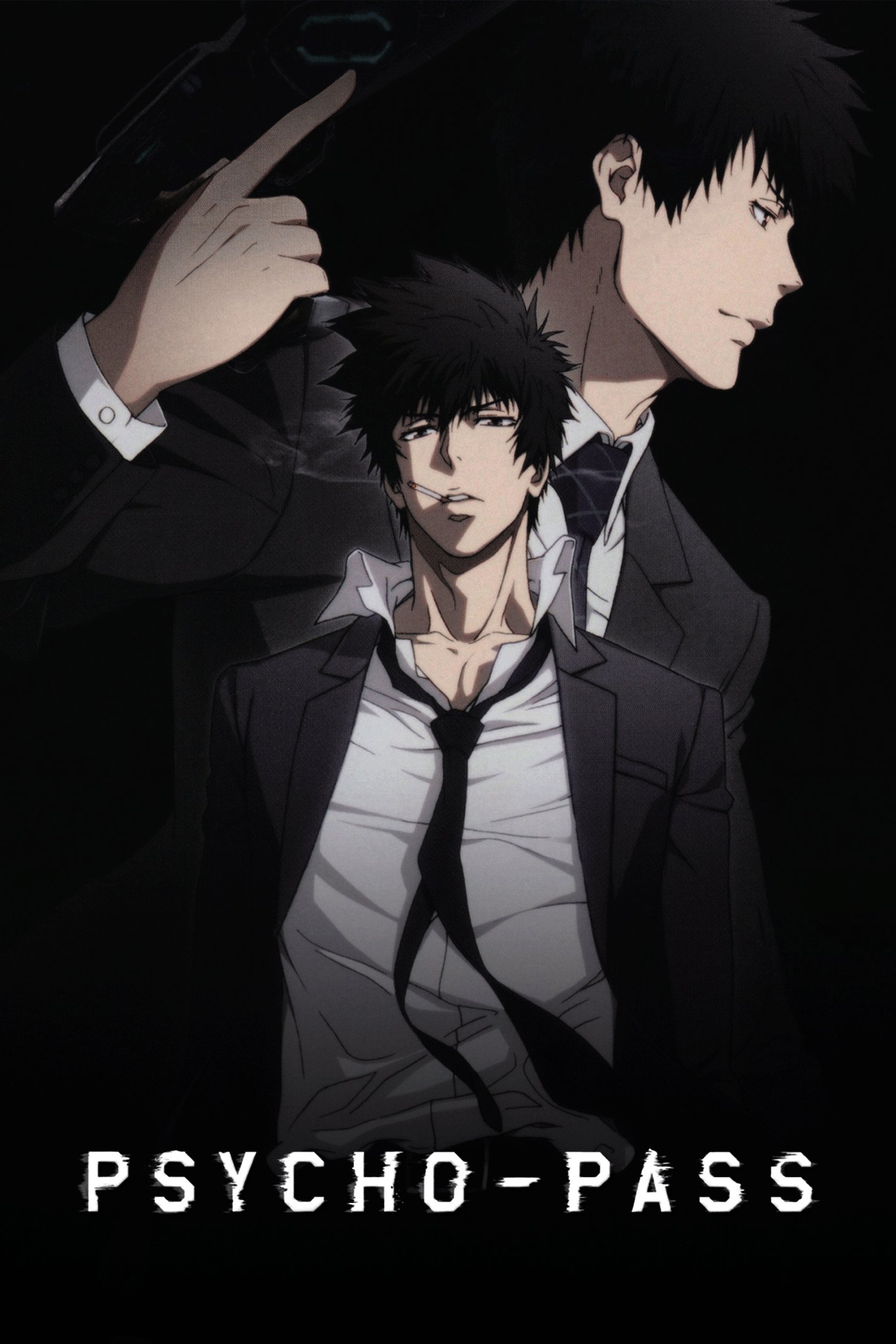
The futuristic setting of this cyberpunk series features holographic tags and digital graffiti that overlay the physical world. These background details often display the Crime Coefficient levels of the population or anti-system slogans from agitators. The digital clutter represents the pervasive surveillance state and the inability of citizens to escape the judgment of the Sibyl System. Visual clues in the slums offer a stark contrast to the clean interfaces seen in the upper-class districts.
‘Akira’ (1988)
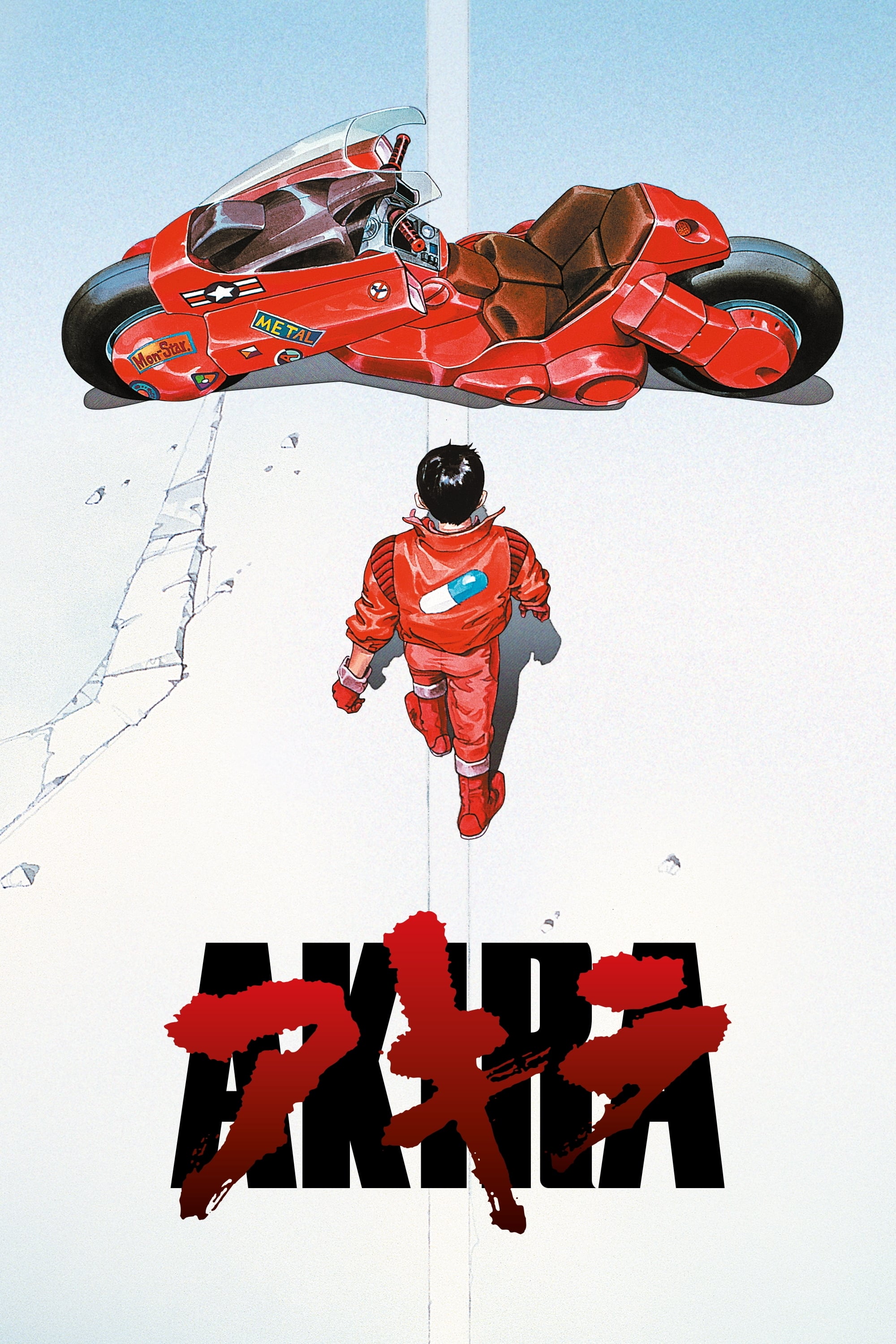
Neo-Tokyo is depicted as a sprawling metropolis covered in the scars of civil unrest and biker gang warfare. The walls of the city are plastered with anti-government protest signs and political graffiti that provide context to the social instability. These background details establish the history of the setting without needing lengthy exposition dumps. The specific tags used by the Capsules and the Clowns define their territories and hint at the escalating conflict.
‘Soul Eater’ (2008–2009)
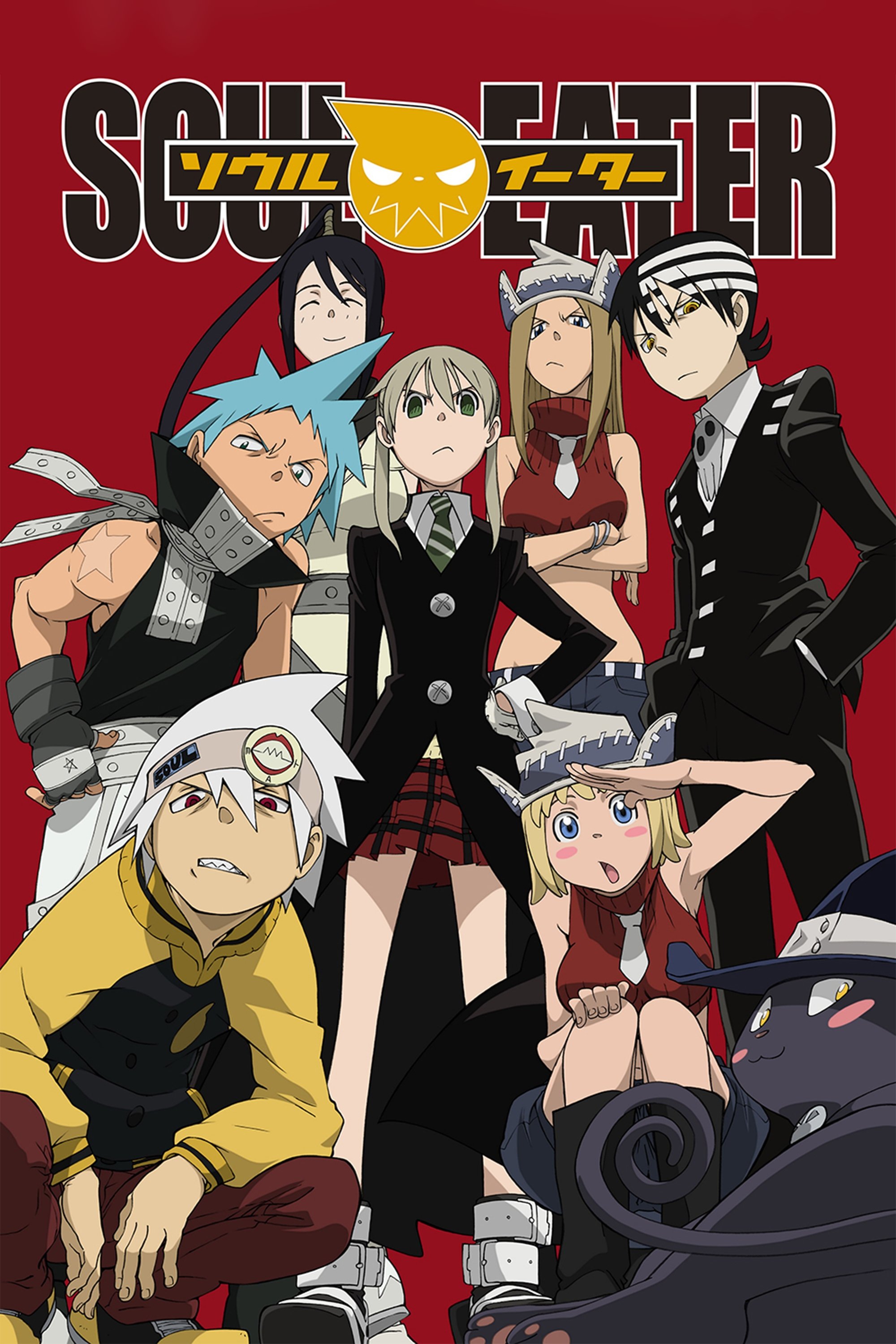
The setting of Death City features a distinctive Halloween aesthetic where almost every object has a face or a soul. Background walls and moon imagery often change expressions to reflect the mood of the current scene or the madness level of a character. Graffiti in the winding alleyways reinforces the eccentric and spooky atmosphere of the academy. The visual consistencies in the background art remind the audience that the world itself is alive and reactive.
‘Fire Force’ (2019)
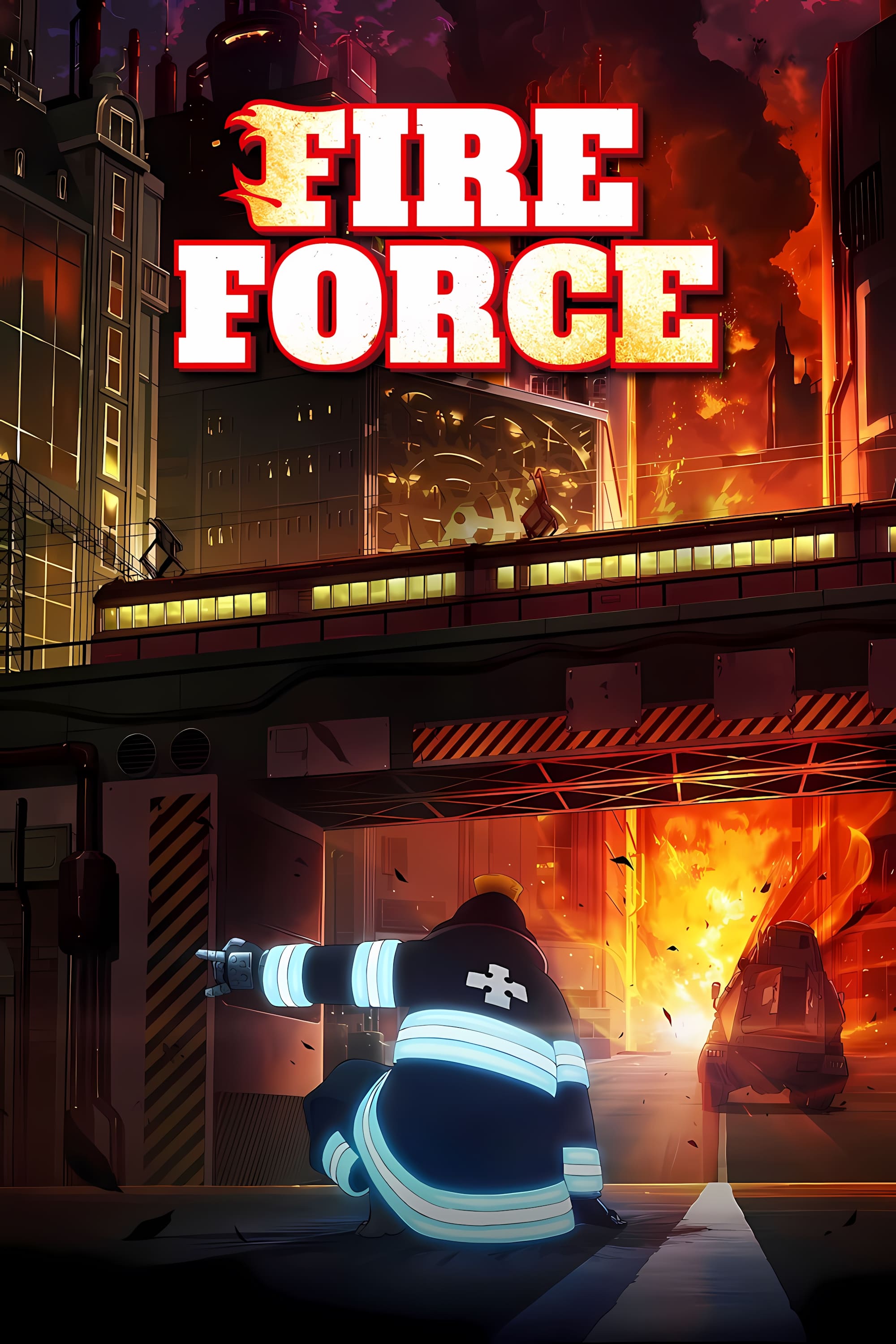
The crumbling infrastructure of the Tokyo Empire is often marked with symbols of the Holy Sol Temple and the various fire brigades. Background art reveals the history of the Great Cataclysm through worn posters and faded warning signs on the subway walls. These environmental clues hint at the lost technology and the religious dogma that controls the current society. The contrast between the clean church insignias and the soot-stained streets highlights the class disparity in the setting.
‘Cowboy Bebop’ (1998–1999)
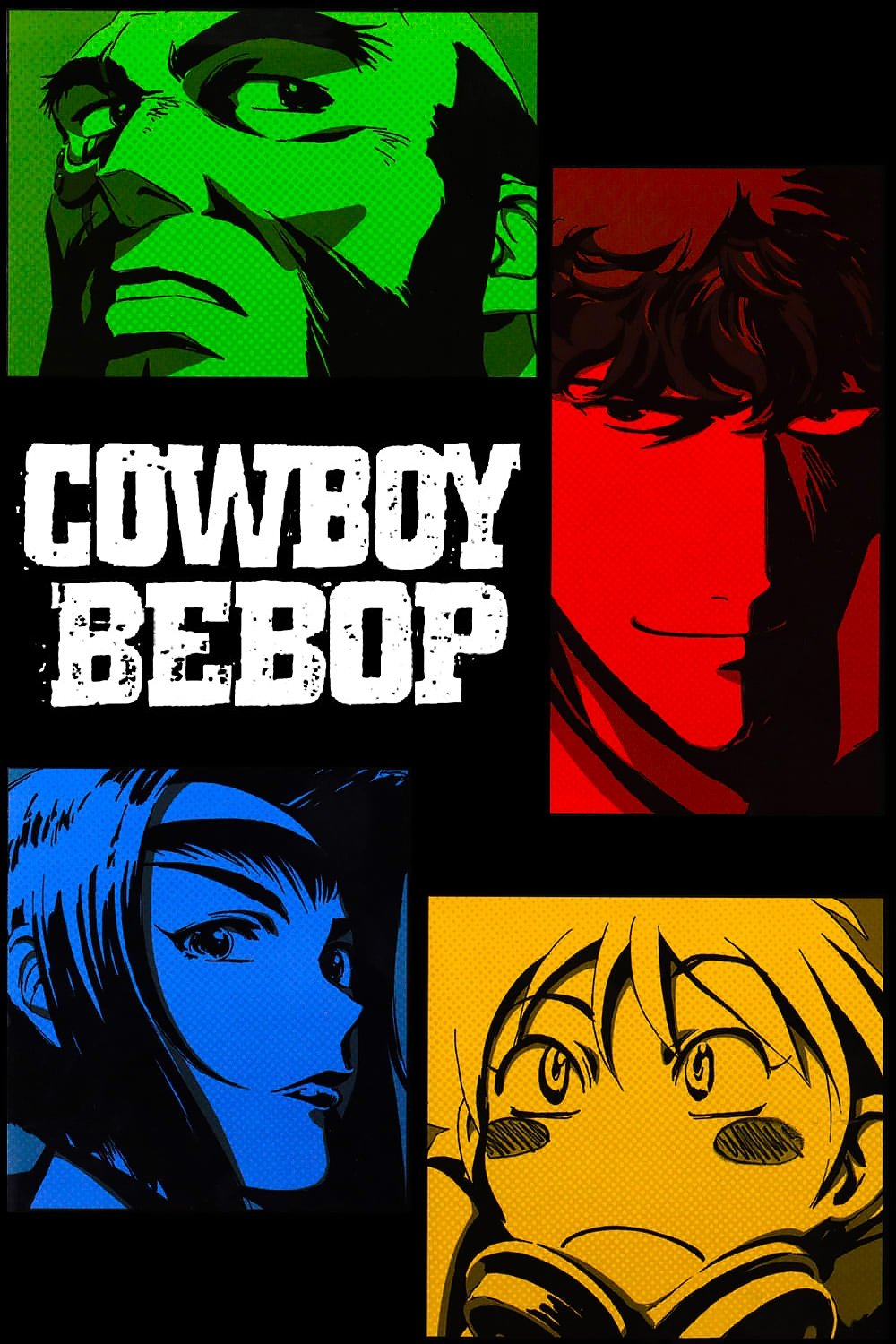
The various planets and space stations visited by the crew features distinct cultural influences visible in the street art. Background advertisements and scrawled notices are often written in multiple languages to show the melting pot nature of the solar system. These visual details add depth to the world-building by suggesting a complex history of human migration and cultural blending. The griminess of the environments is emphasized by the layers of peeling posters and tags.
‘Samurai Champloo’ (2004–2005)
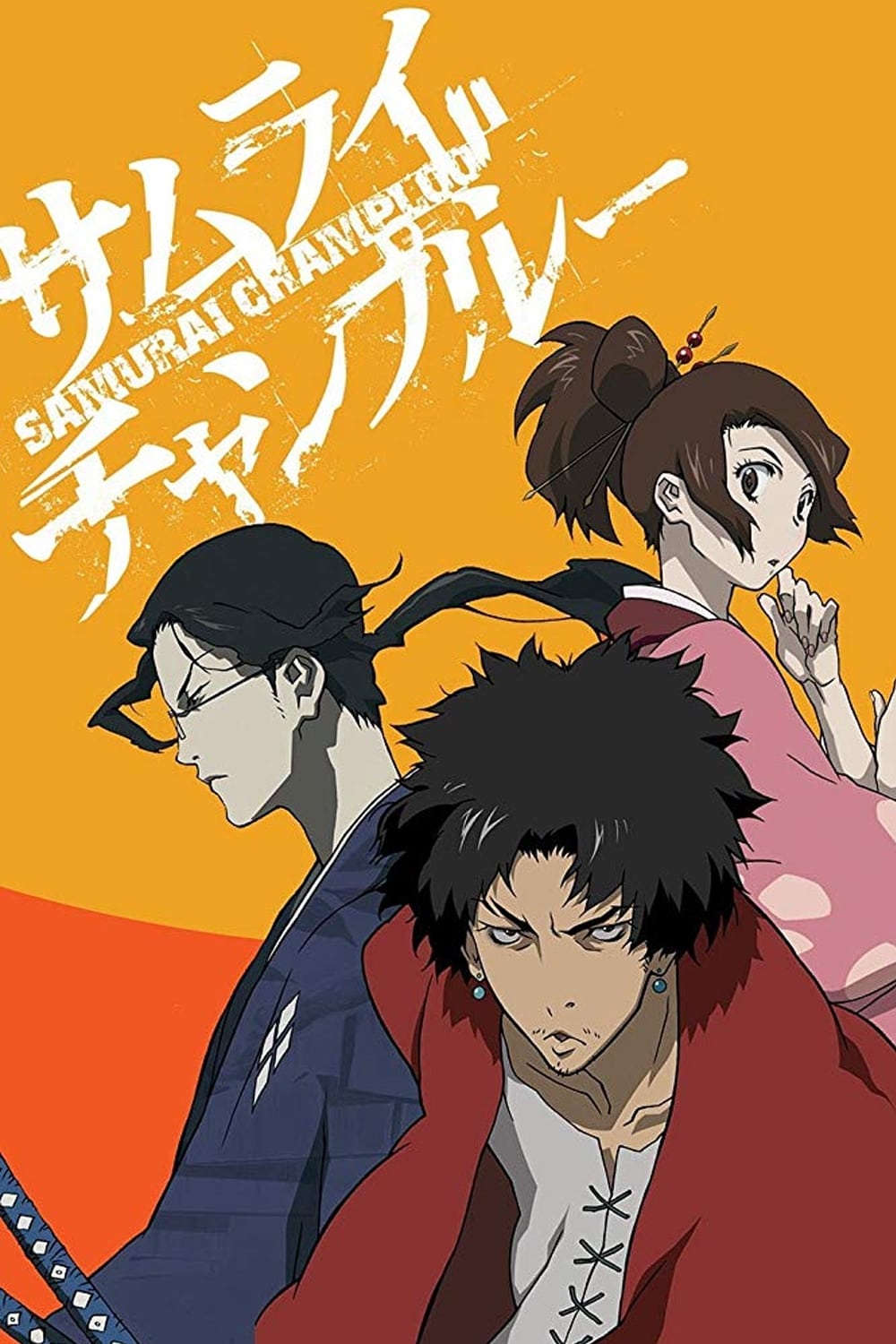
This series blends Edo-period history with modern hip-hop culture through its visual presentation and musical score. Anachronistic graffiti tags occasionally appear in the background of traditional Japanese landscapes to bridge the gap between the two eras. These artistic flourishes serve as a visual representation of the show’s unique stylistic fusion. The presence of street art in a feudal setting subtly disrupts the historical accuracy to match the rebellious tone.
‘Cyberpunk: Edgerunners’ (2022)
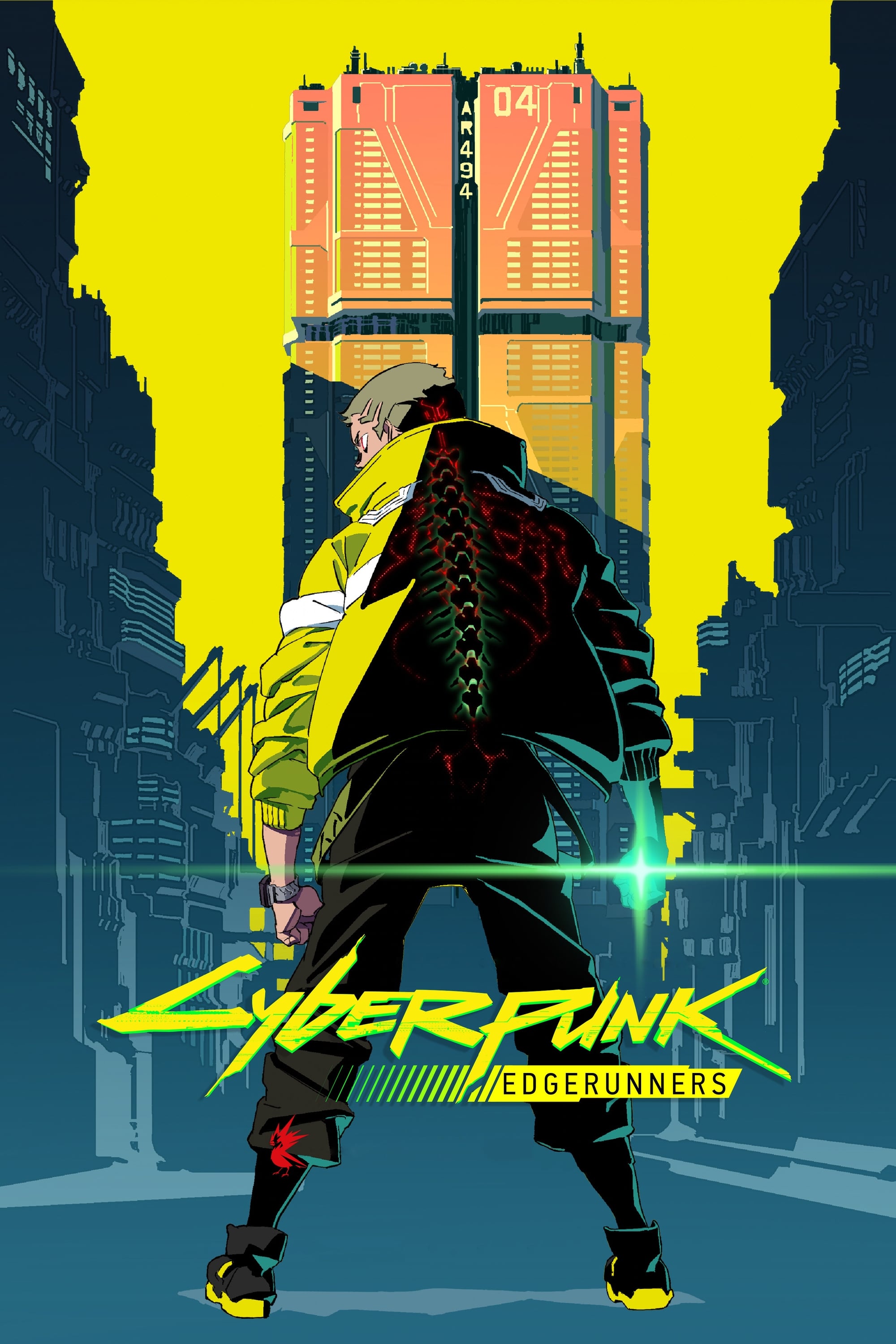
Night City is an assault on the senses with its neon signage and constant stream of digital information. The background art is packed with slang warnings and gang tags that define the dangerous nature of specific districts. Viewers can spot references to the original video game lore hidden in the graffiti and advertisements. The overwhelming amount of visual noise in the environment mirrors the mental state of characters suffering from cyberpsychosis.
‘Great Pretender’ (2020)
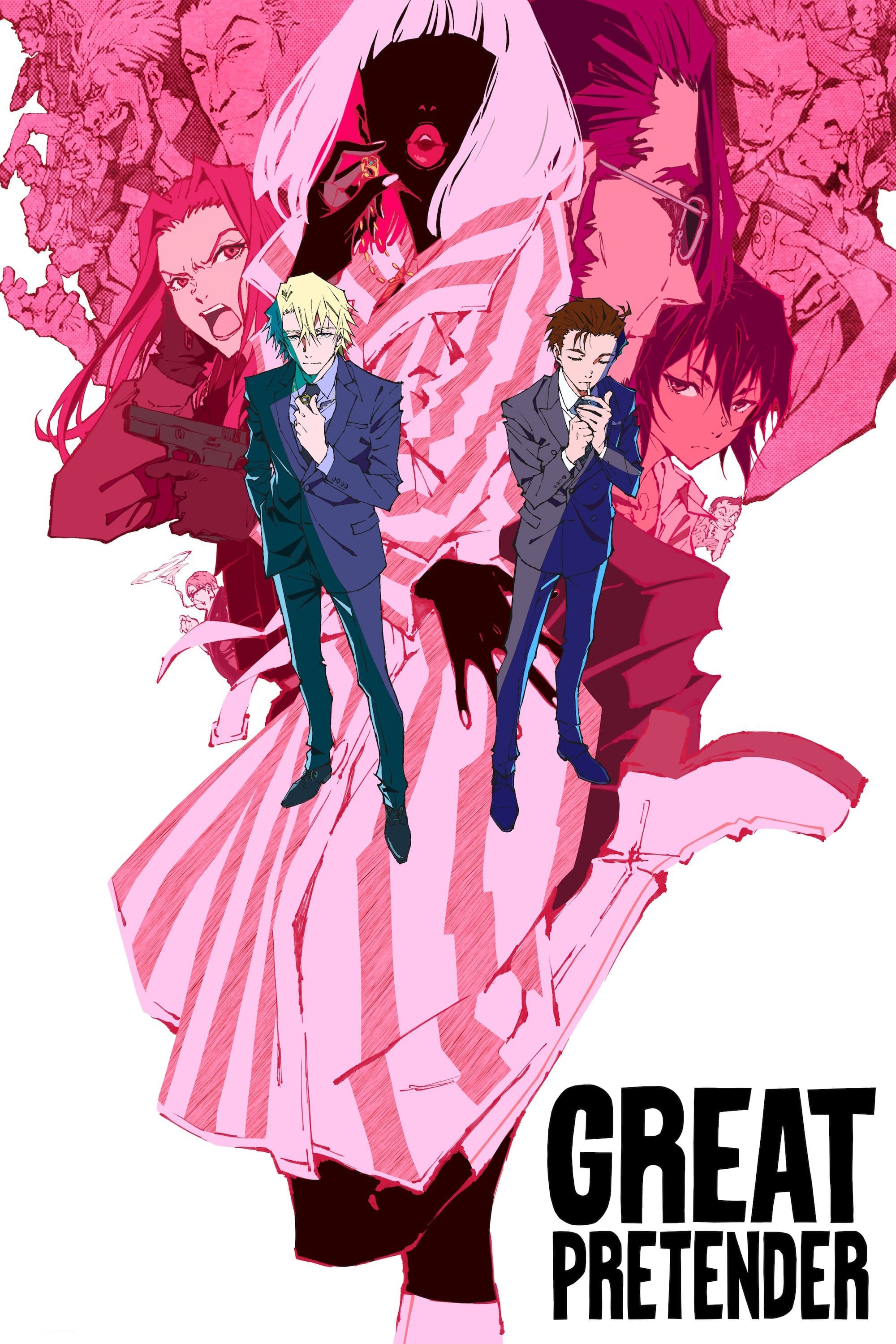
The vibrant backgrounds of this series use a pop-art style that often hides details within the color palettes. Locations around the world are depicted with stylized posters and street markings that hint at the next phase of the heist. The artistic direction ensures that even the grime of a city looks like a deliberate painting. Careful observation of the background scenery often reveals the planning stages of the confidence tricks.
‘Banana Fish’ (2018)
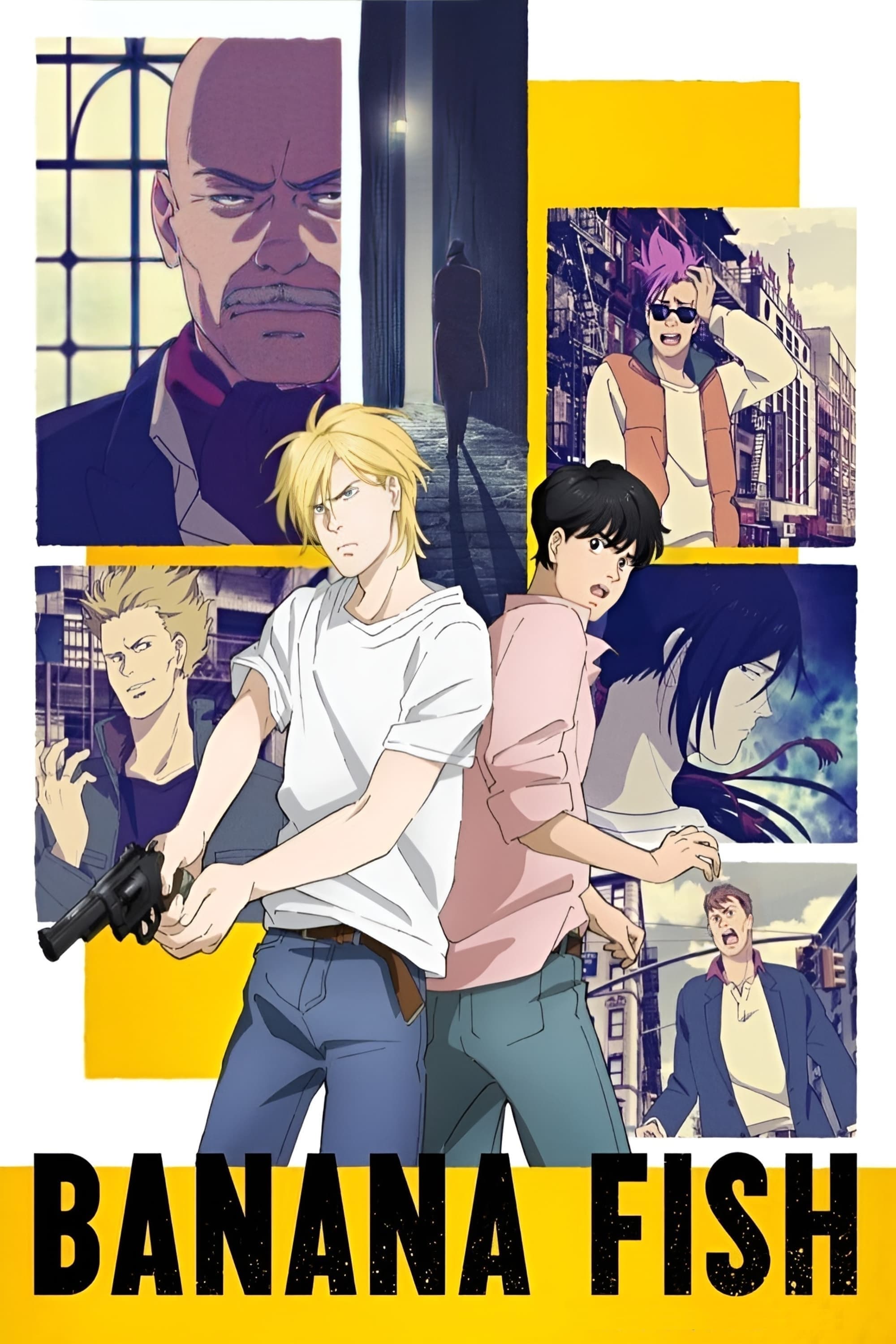
The gritty depiction of New York City includes realistic street art and gang tags that demarcate territory. Ash Lynx and his distinct relationship with the city are reflected in the specific locations and the writing on the walls. The graffiti serves as a constant reminder of the street violence that dictates the lives of the characters. These background elements ground the story in a harsh reality that contrasts with the more tender character moments.
‘Air Gear’ (2006)
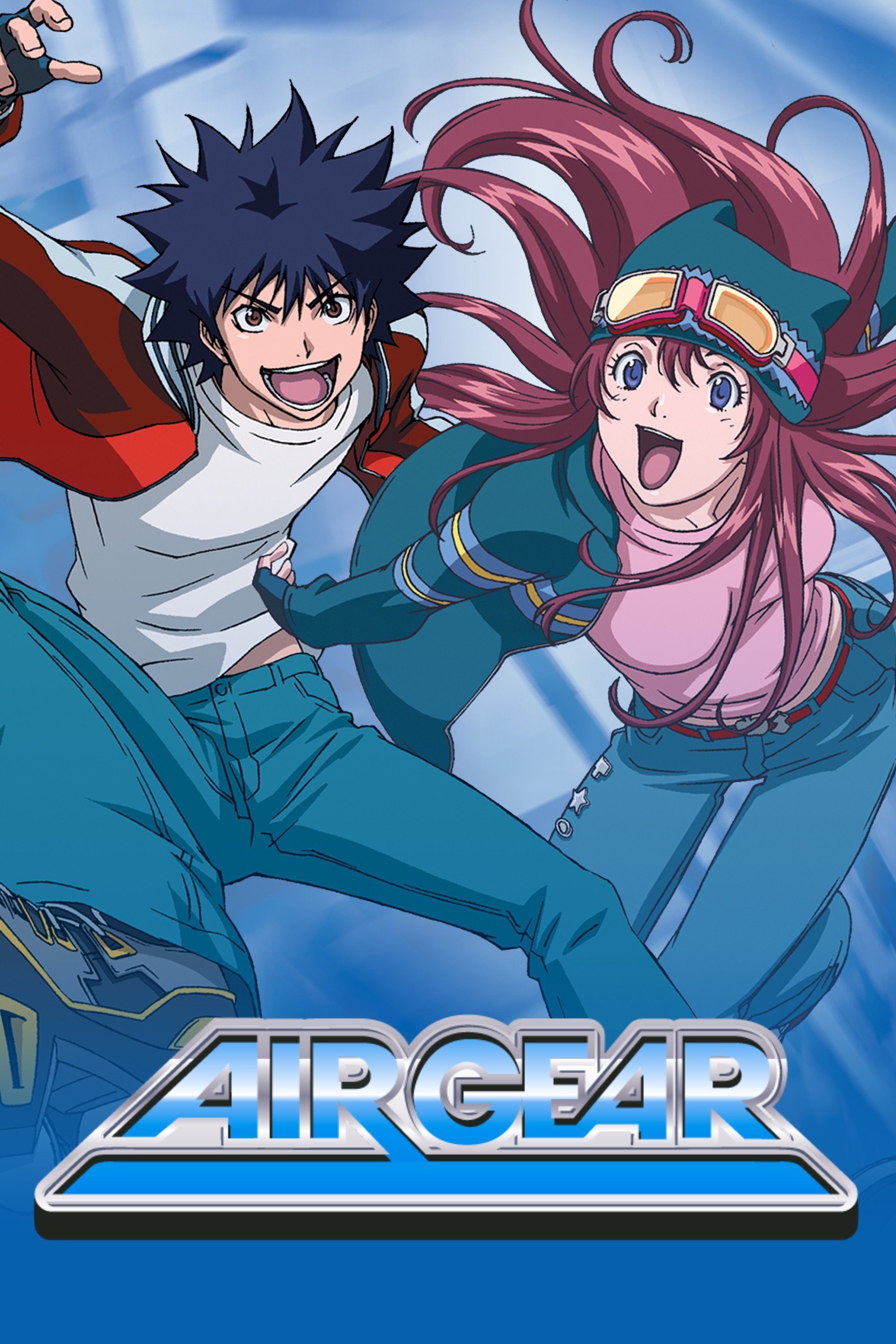
Graffiti and emblems are central to the plot as storm riders use stickers to claim territory and challenge other teams. The background art features unique team logos that convey the hierarchy and influence of different groups. Characters frequently interact with these marks to initiate battles or signal alliances. The visual design of each tag reflects the fighting style and philosophy of the team it represents.
‘Tokyo Revengers’ (2021)
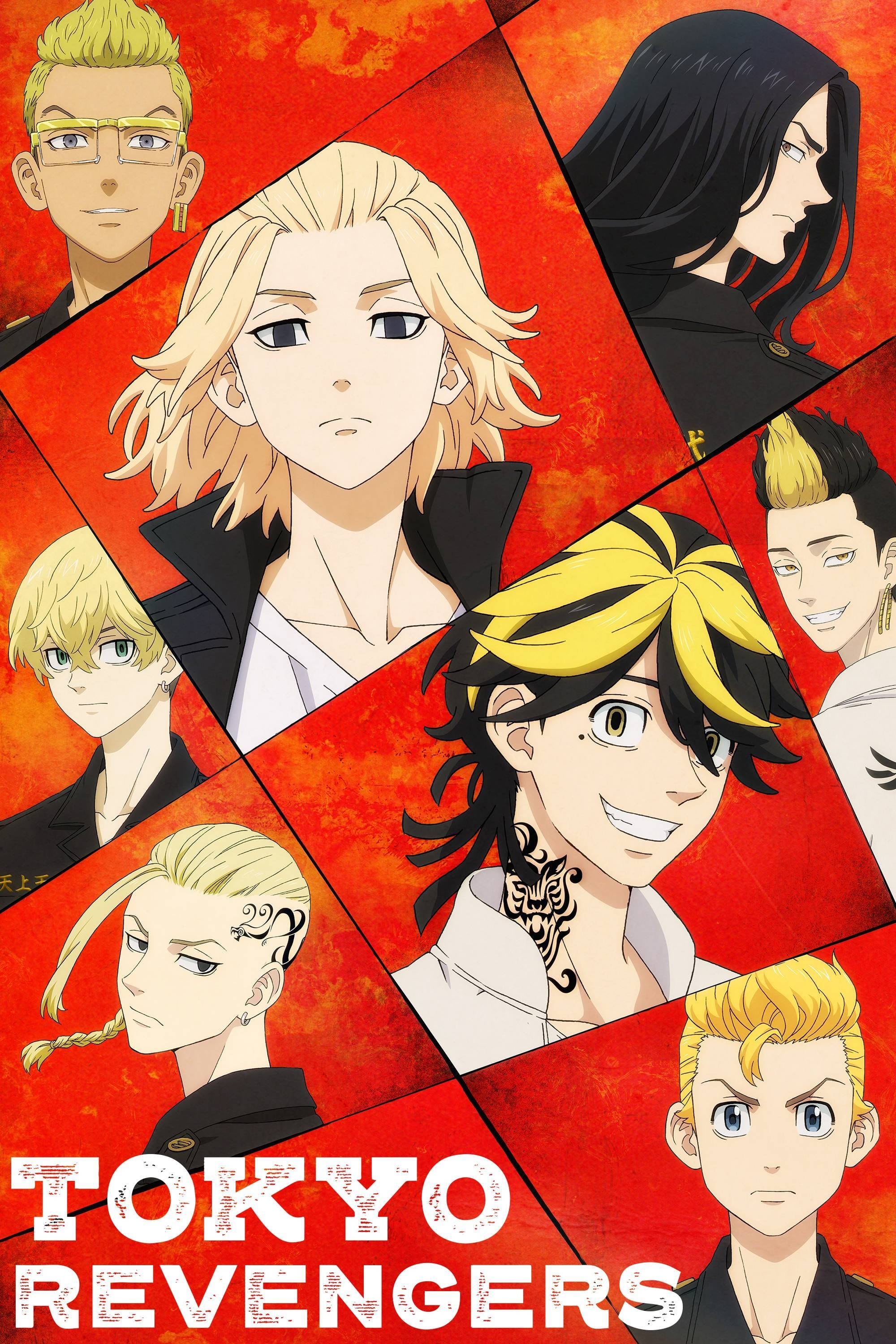
The delinquent culture of the series is visually represented through the uniforms and the symbols marked on their gathering spots. Background walls at shrines and warehouses often feature the insignias of Toman and rival gangs. These markings track the shifting power dynamics and the timeline changes caused by the protagonist. The presence or absence of specific graffiti can indicate which timeline the main character is currently experiencing.
‘Eureka Seven’ (2005–2006)
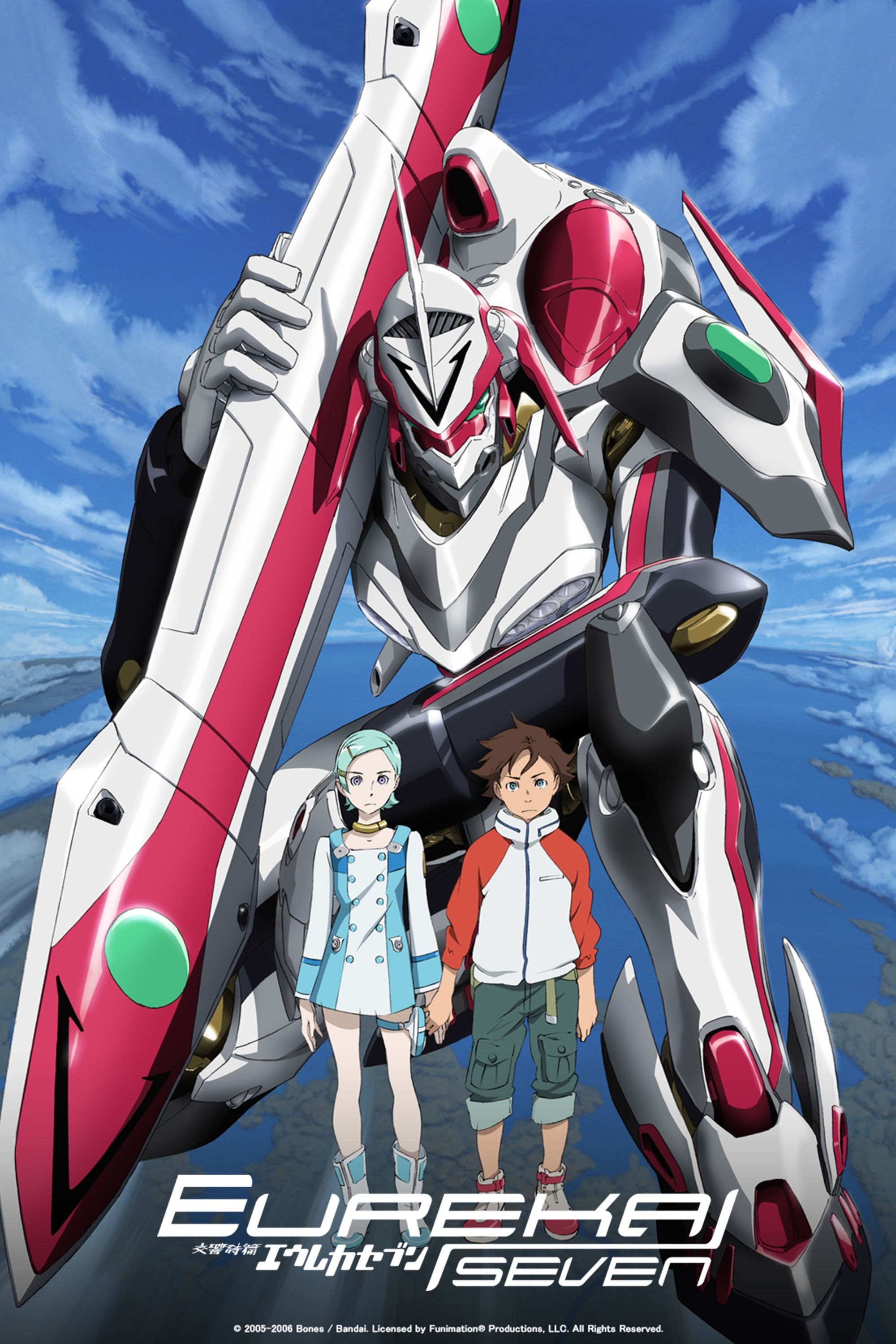
The Gekkostate counter-culture group uses their magazine and visual aesthetic to inspire rebellion across the world. Background monitors and city walls often display the distinct graphic design associated with the group’s lifting culture. These visuals serve as a beacon for characters seeking freedom from the oppressive military regime. The ubiquitous nature of their symbols highlights the massive cultural impact the group has on the youth.
‘Neon Genesis Evangelion’ (1995–1996)
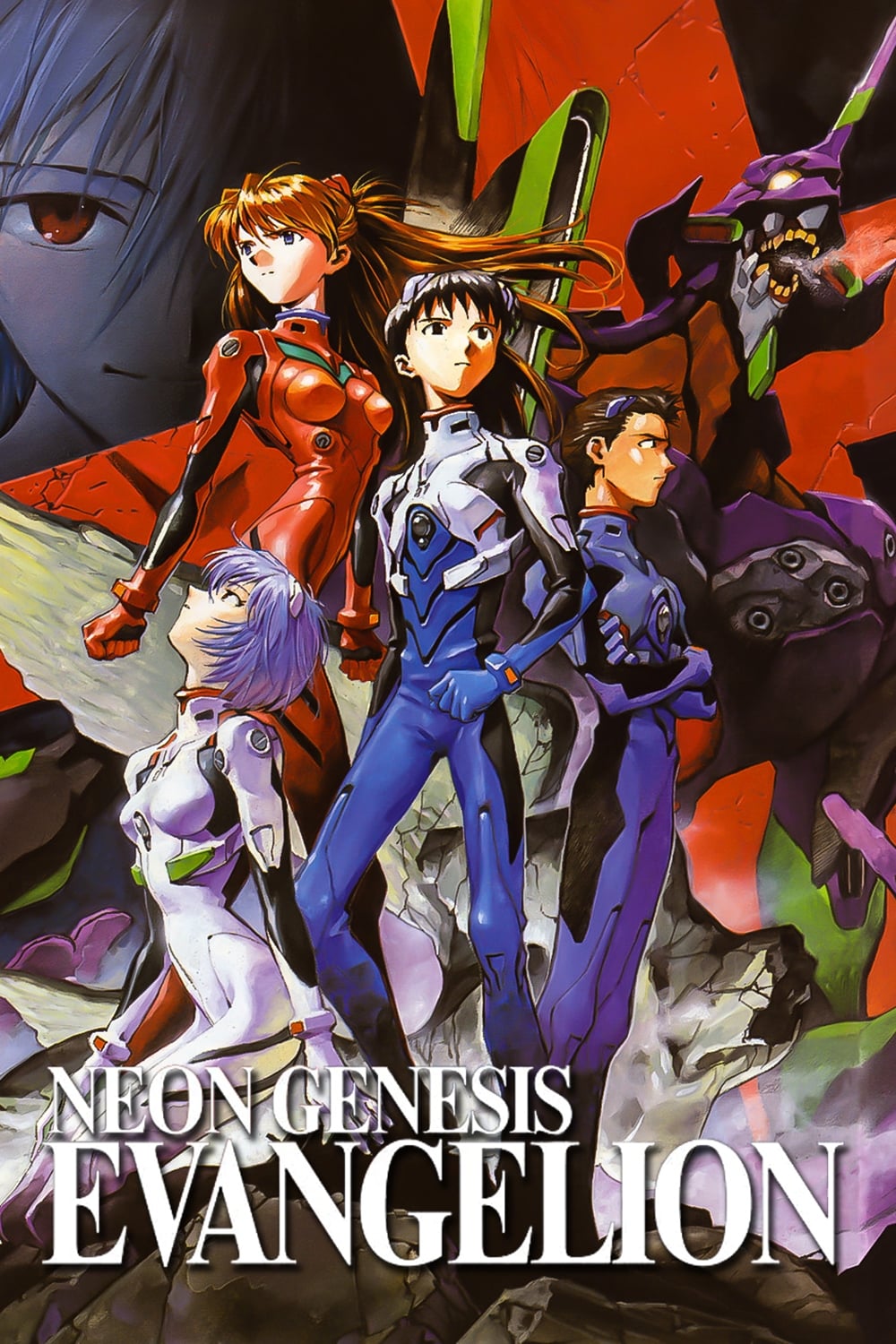
Tokyo-3 is filled with hazard warnings and NERV branding that creates an atmosphere of constant emergency. The background art frequently includes religious symbolism and Kabbalistic diagrams scrawled on walls or displayed on screens. These visual clues foreshadow the metaphysical nature of the Human Instrumentality Project. The sterile environment is often broken by these cryptic messages that hint at the mental instability of the cast.
‘Serial Experiments Lain’ (1998)
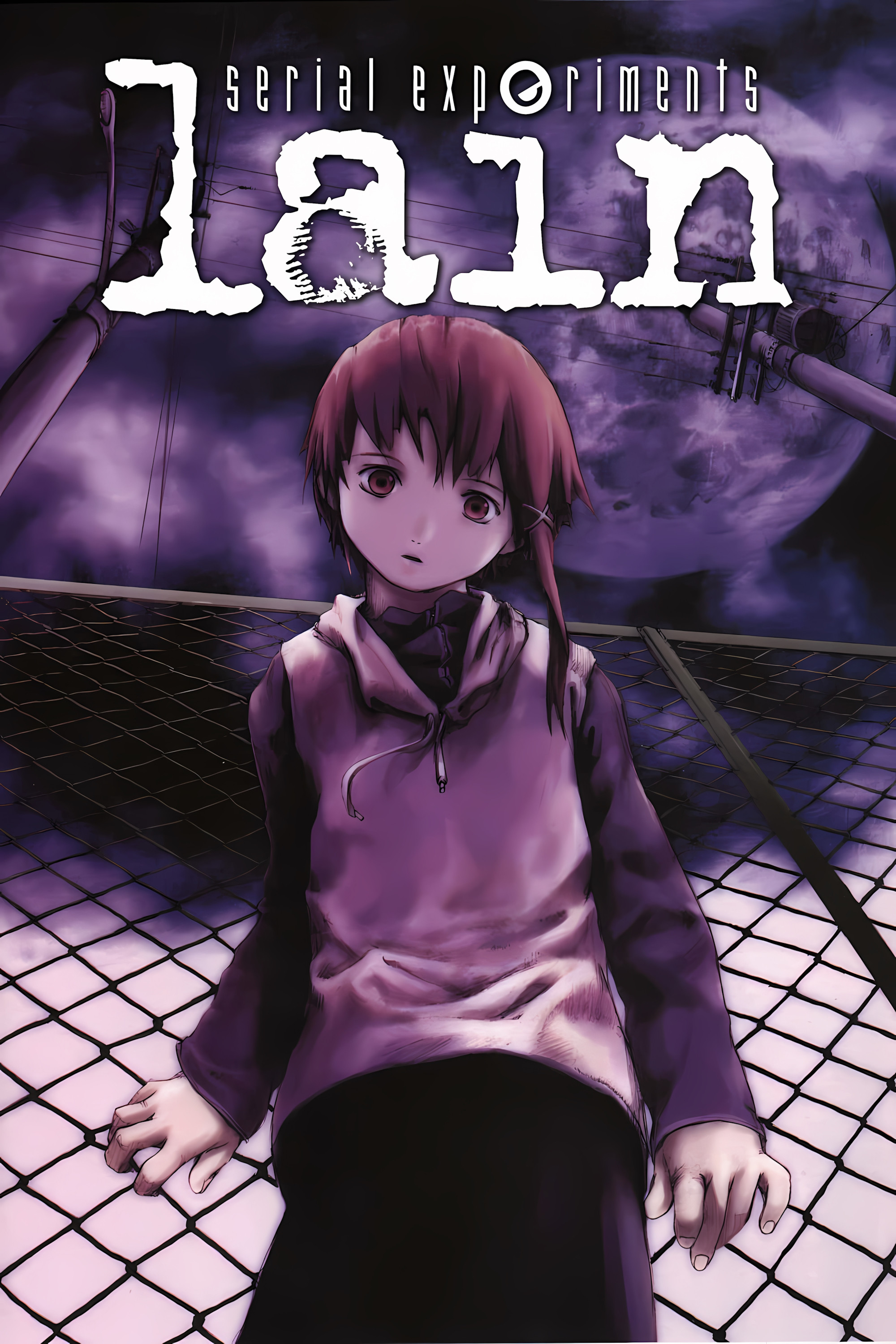
The boundary between the physical world and the Wired blurs through the use of bleeding shadows and digital text. Backgrounds often feature red splotches and electronic noise that look like corrupted data or graffiti. These visual anomalies increase in frequency as Lain loses her grip on reality. The text often asks existential questions that force the viewer to question the nature of the narrative.
‘Ghost in the Shell: Stand Alone Complex’ (2002–2003)
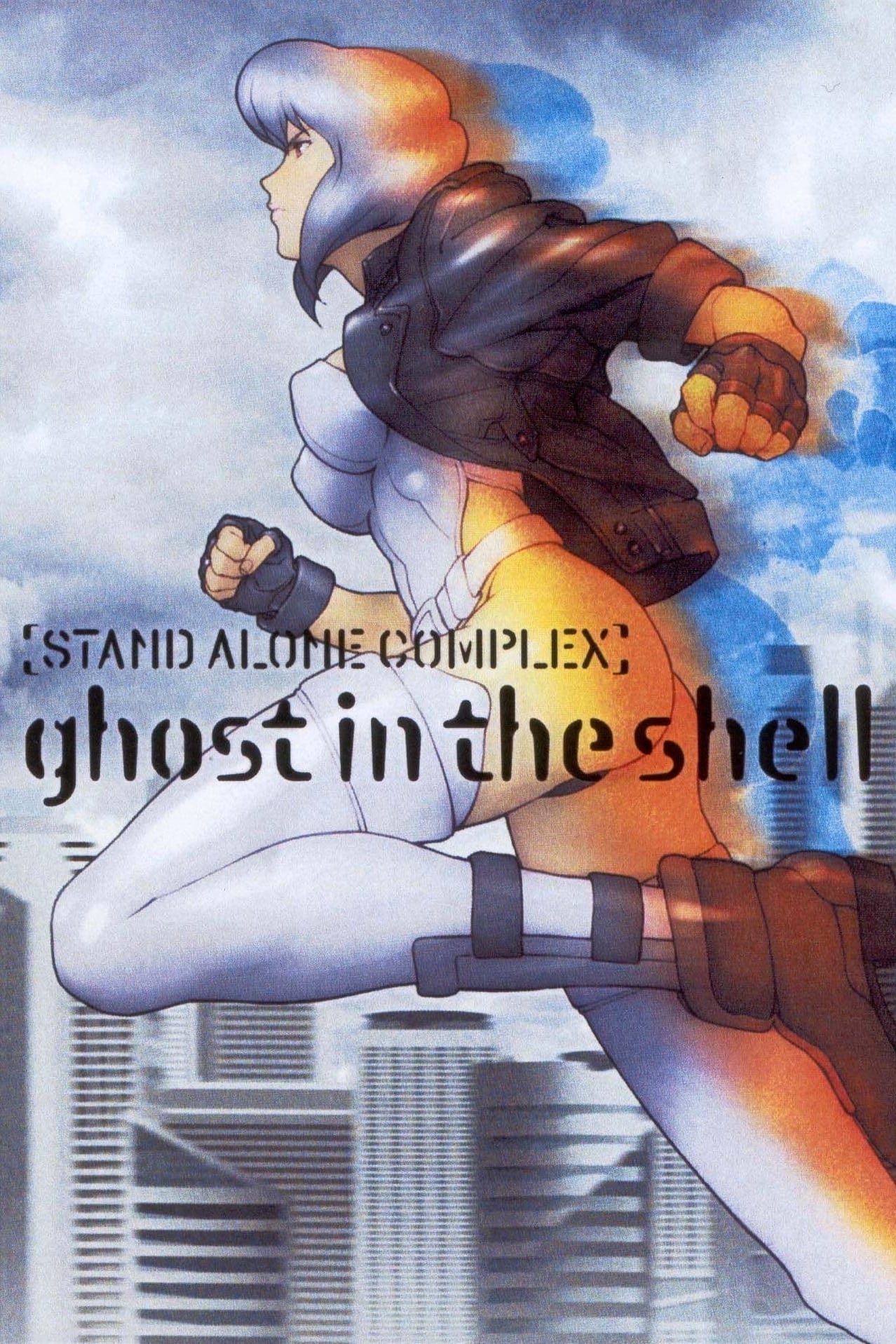
The complex political landscape is fleshed out through news tickers and holographic advertisements in the background. Digital graffiti and hacking signatures often appear in the augmented reality vision of the cyborg characters. These details provide context on the refugee crisis and the corporate espionage driving the plot. The layered visual information requires viewers to pay attention to the periphery of the frame.
‘Ergo Proxy’ (2006)
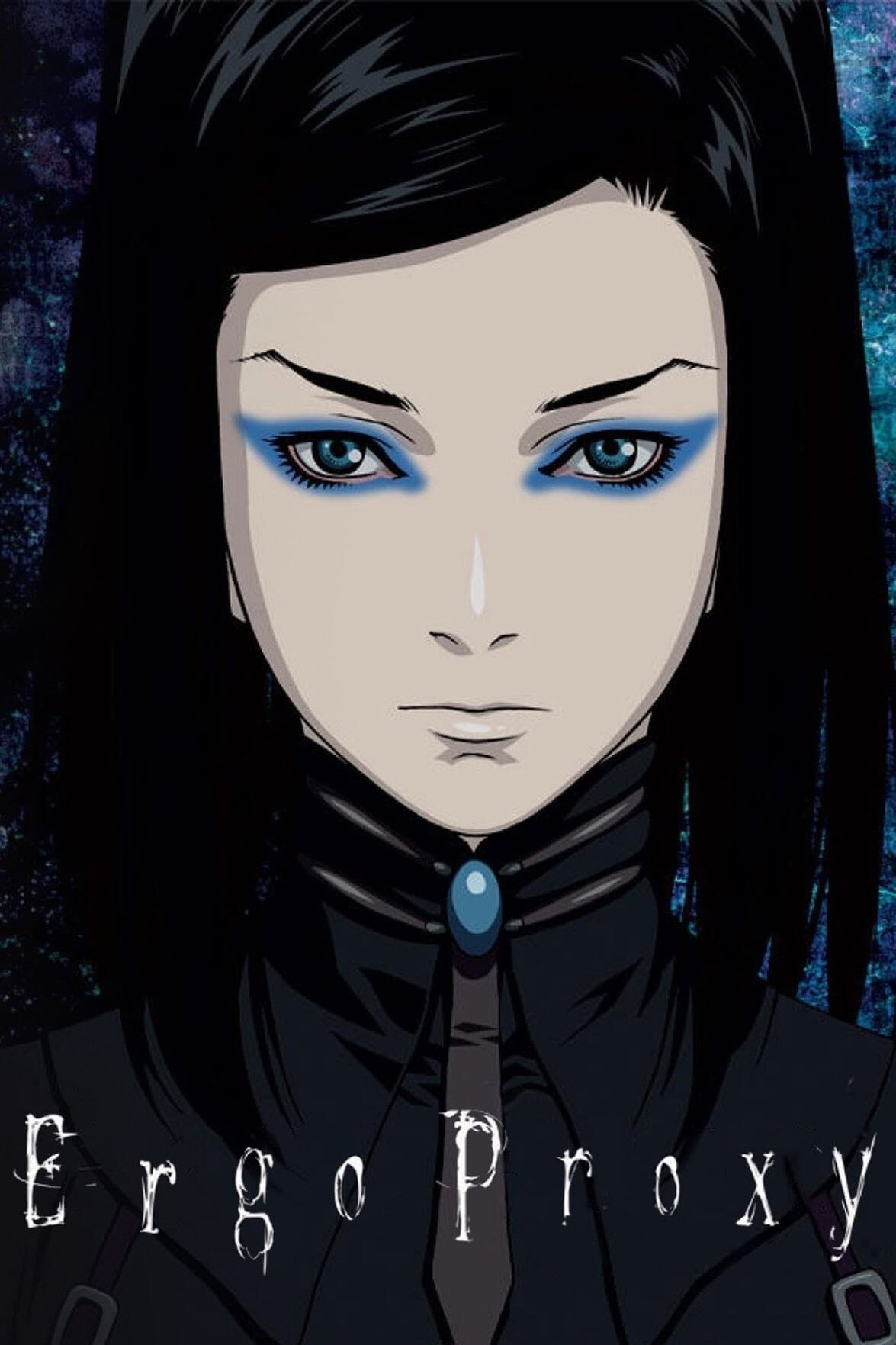
The domed city of Romdeau features authoritarian slogans while the wasteland outside is marked by the desperate scrawls of exiles. Background text often references philosophy and literature that parallels the journey of the protagonist Re-l Mayer. The AutoReivs infected with the Cogito virus sometimes leave messages that hint at their awakening consciousness. These environmental details reinforce the themes of existentialism and the search for a soul.
‘Devilman Crybaby’ (2018)
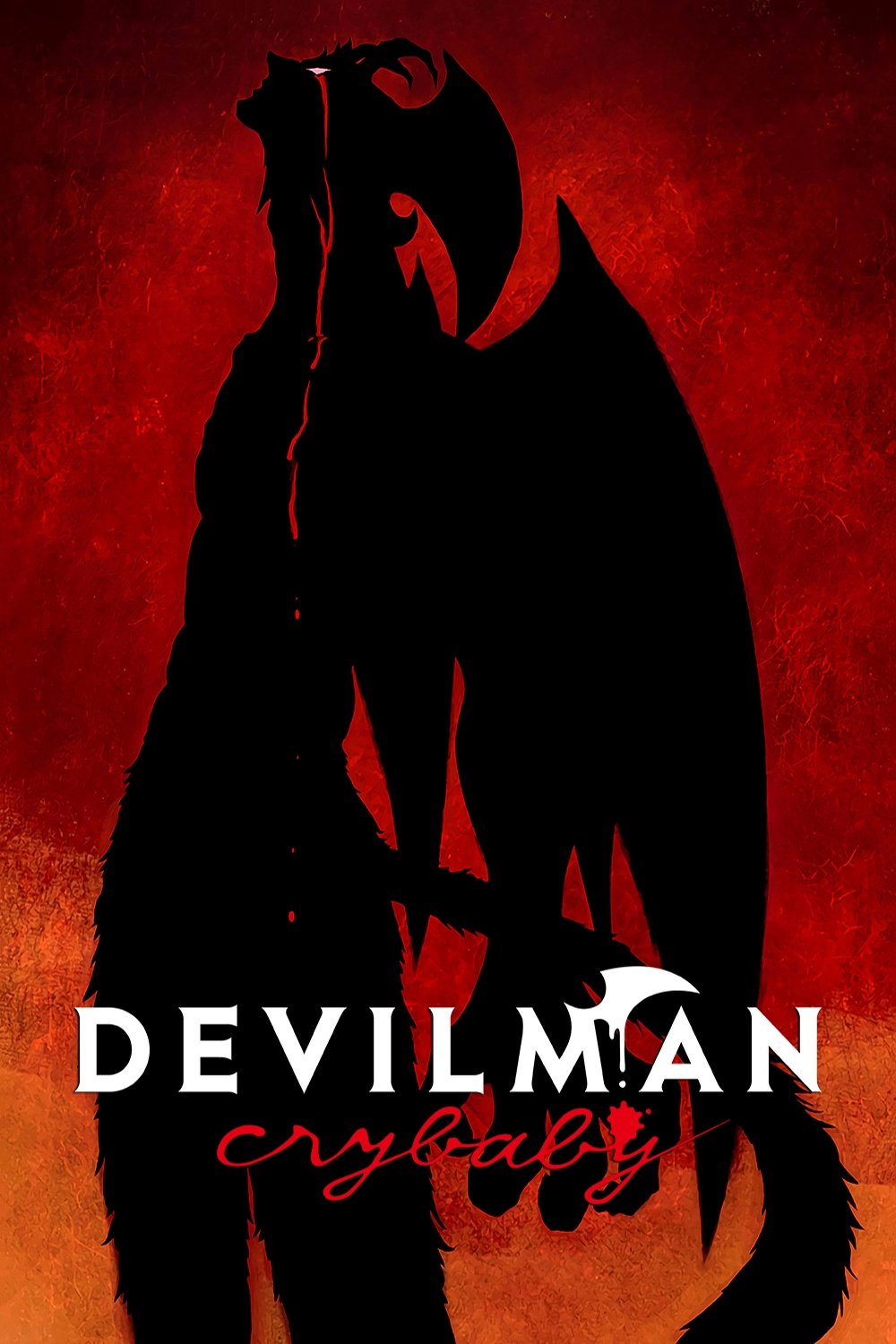
Director Masaaki Yuasa uses shifting background art to represent the corruption spreading through humanity. Graffiti and street signs become increasingly violent and chaotic as the demons begin to take over the world. The transition from clean cityscapes to blood-soaked ruins is chronicled through the background details. Subliminal imagery in the scenery foreshadows the tragic conclusion of the friendship between Akira and Ryo.
‘Sarazanmai’ (2019)
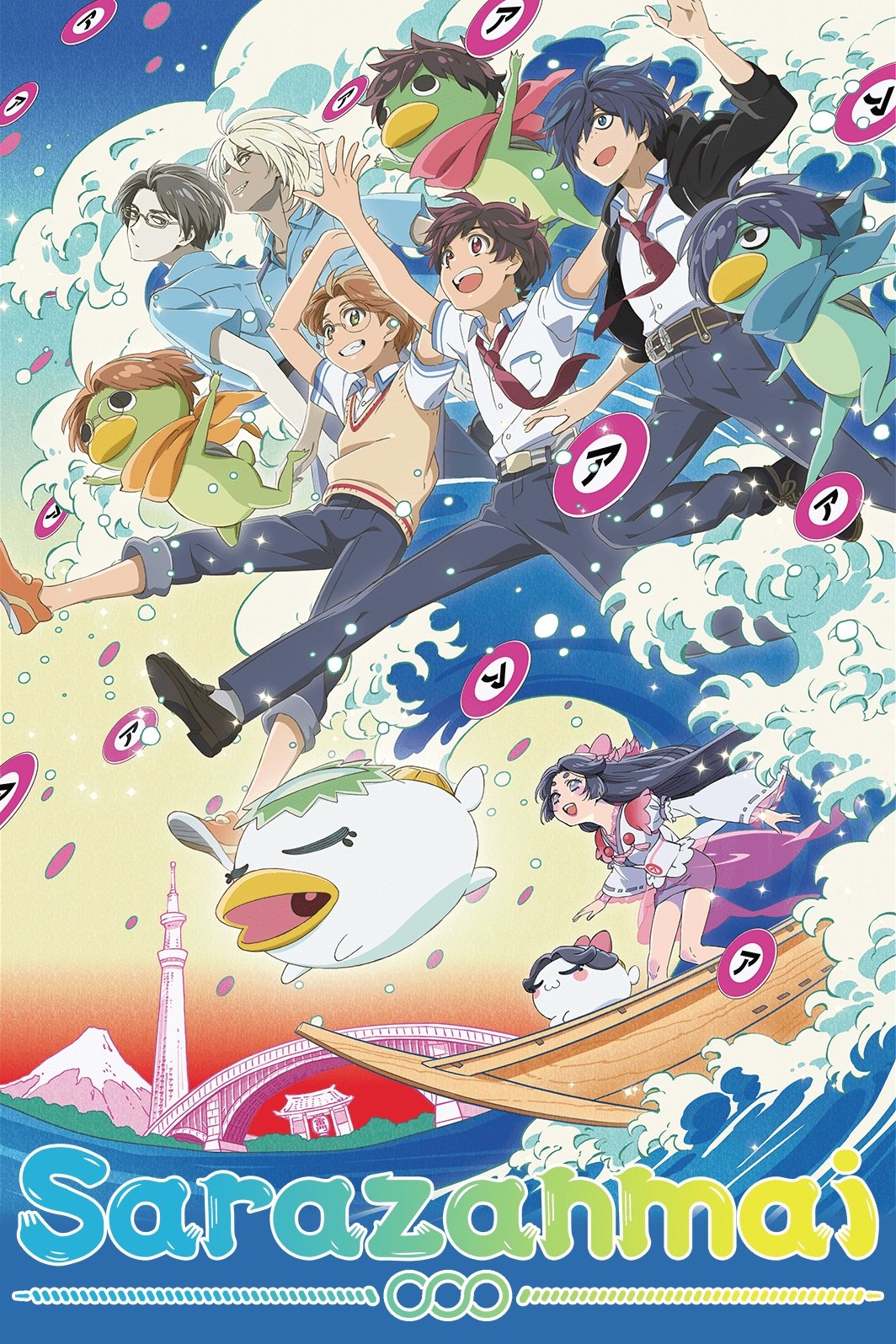
The district of Asakusa is rendered with photo-realistic backgrounds overlayed with stylized “a” symbols. Signage on boxes and walls changes to reflect the secrets that the characters are trying to hide from one another. The recurrent use of specific kanji in the environment underscores the themes of connection and desire. Viewers must look at the writing on the cardboard boxes to understand the deeper emotional context of the scenes.
‘Revolutionary Girl Utena’ (1997)
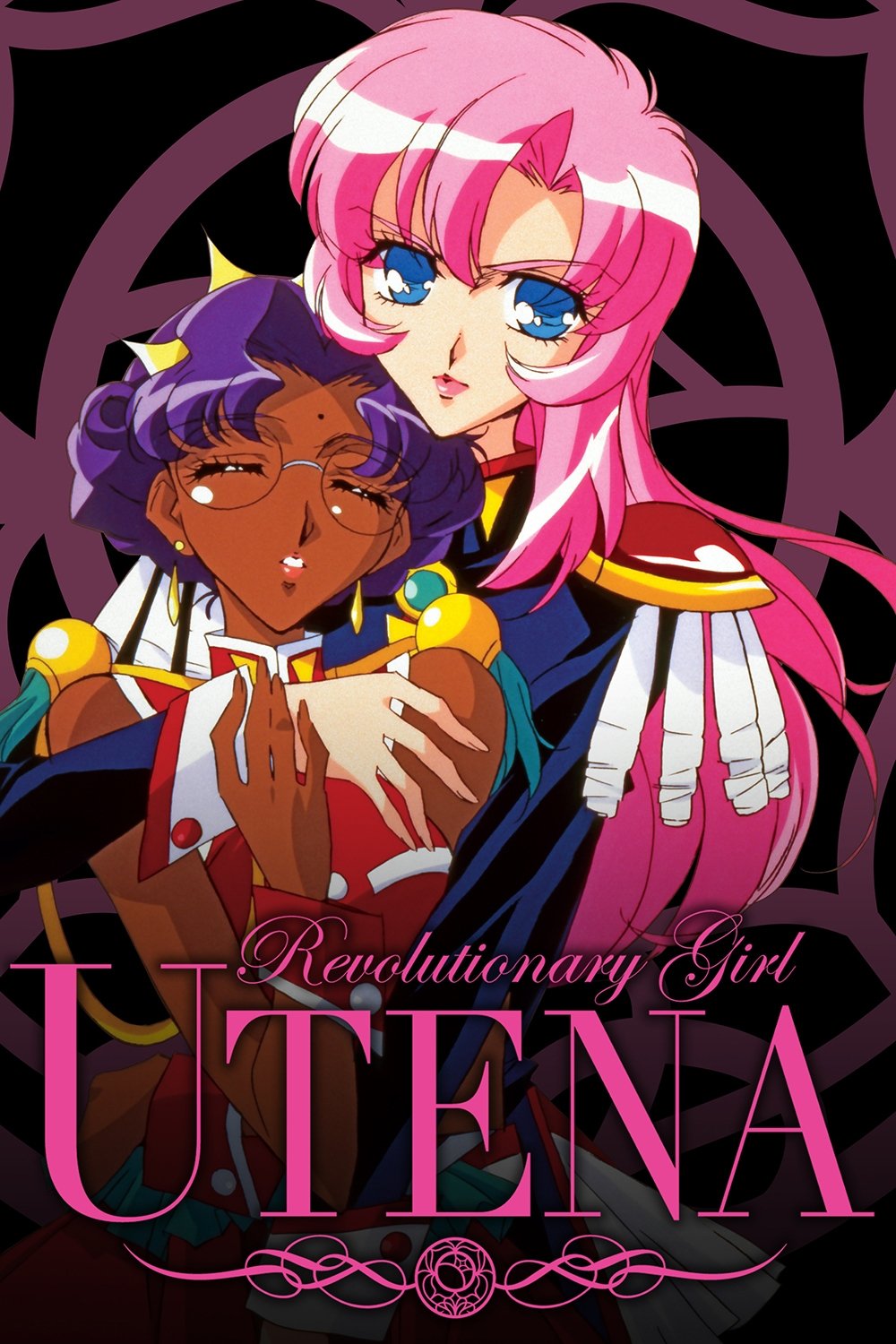
The surreal architecture of Ohtori Academy includes rose motifs and shadow girls that act as a Greek chorus. Background crests and statues often mirror the psychological state of the duelists in the arena. The layout of the school itself seems to change based on the symbolic needs of the narrative. These environmental details prioritize thematic resonance over spatial logic.
‘Mob Psycho 100’ (2016)
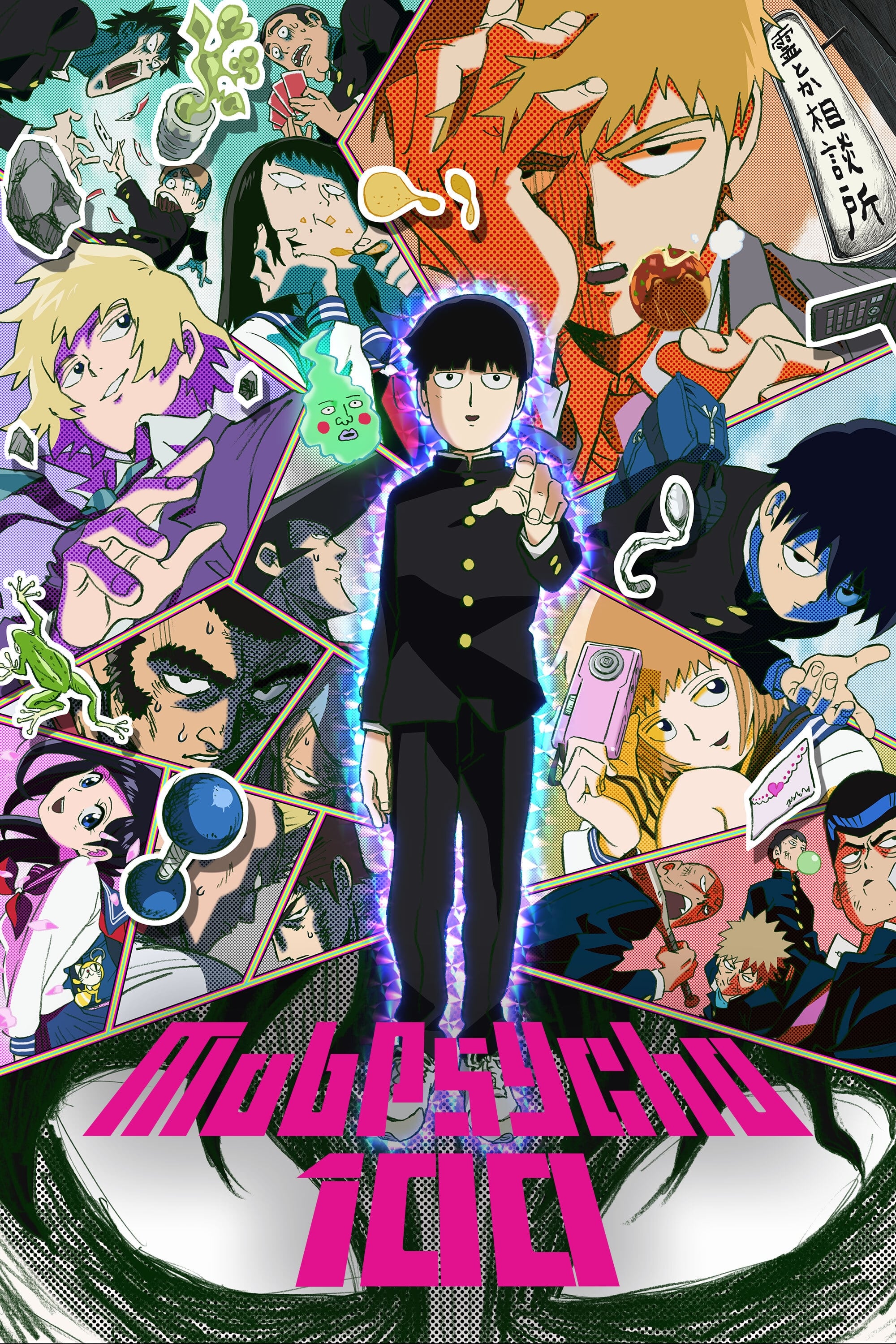
The world surrounding Mob is filled with visual gags and psychic distortions that appear in the background. Posters and magazines often feature references to One’s other works or subtle jokes about the characters. When psychic power levels rise the environment warps and the lines of the background art become jagged and intense. These visual shifts signal the emotional outbursts that drive the plot forward.
‘JoJo’s Bizarre Adventure’ (2012–Present)
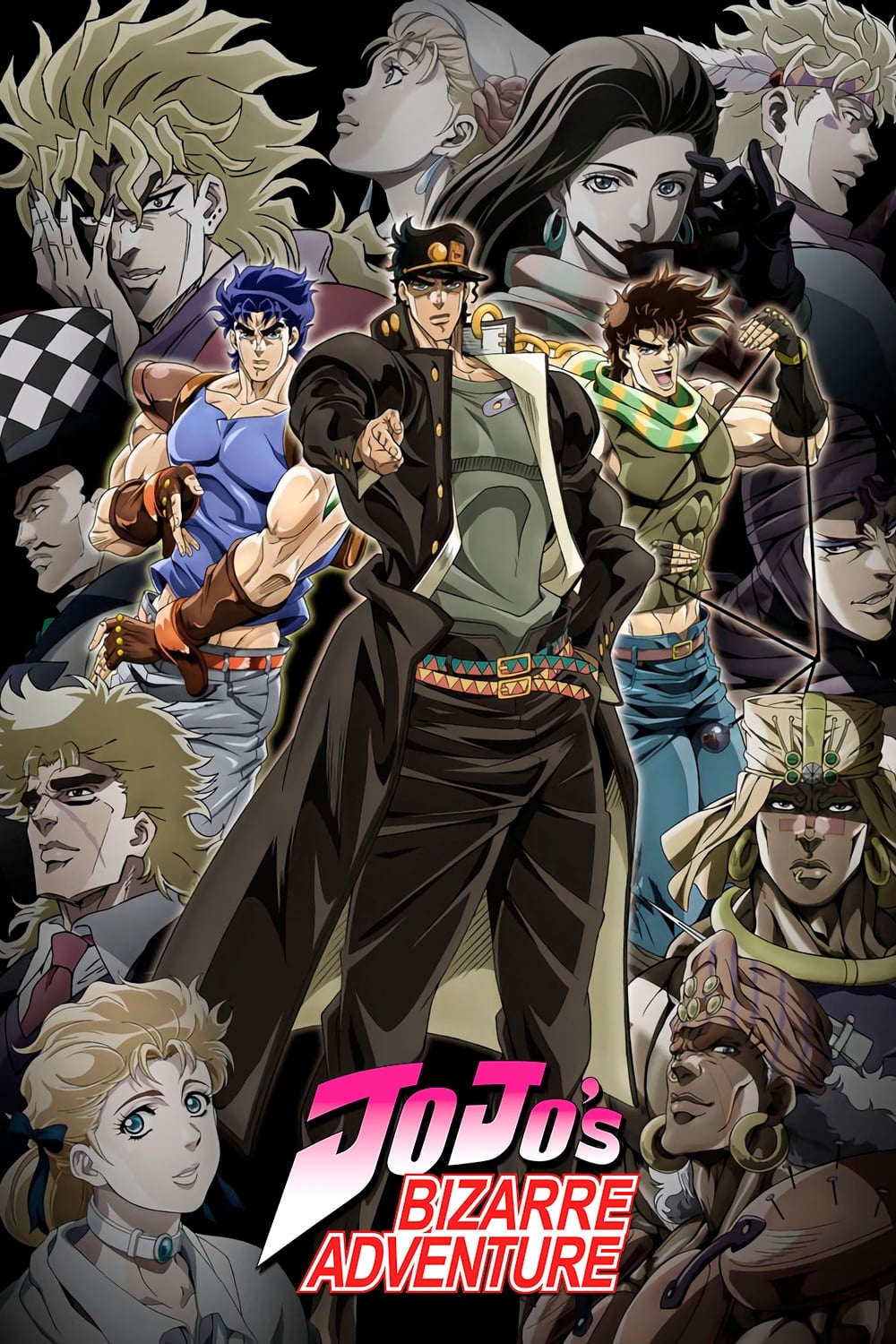
The series is famous for incorporating sound effects into the visual composition of the scene. Massive katakana characters float in the background or attach to surfaces to emphasize the impact of actions. This stylistic choice brings the manga aesthetic directly into the anime medium. The “menacing” rumble text has become an iconic part of the background art that signals impending danger.
‘Promare’ (2019)
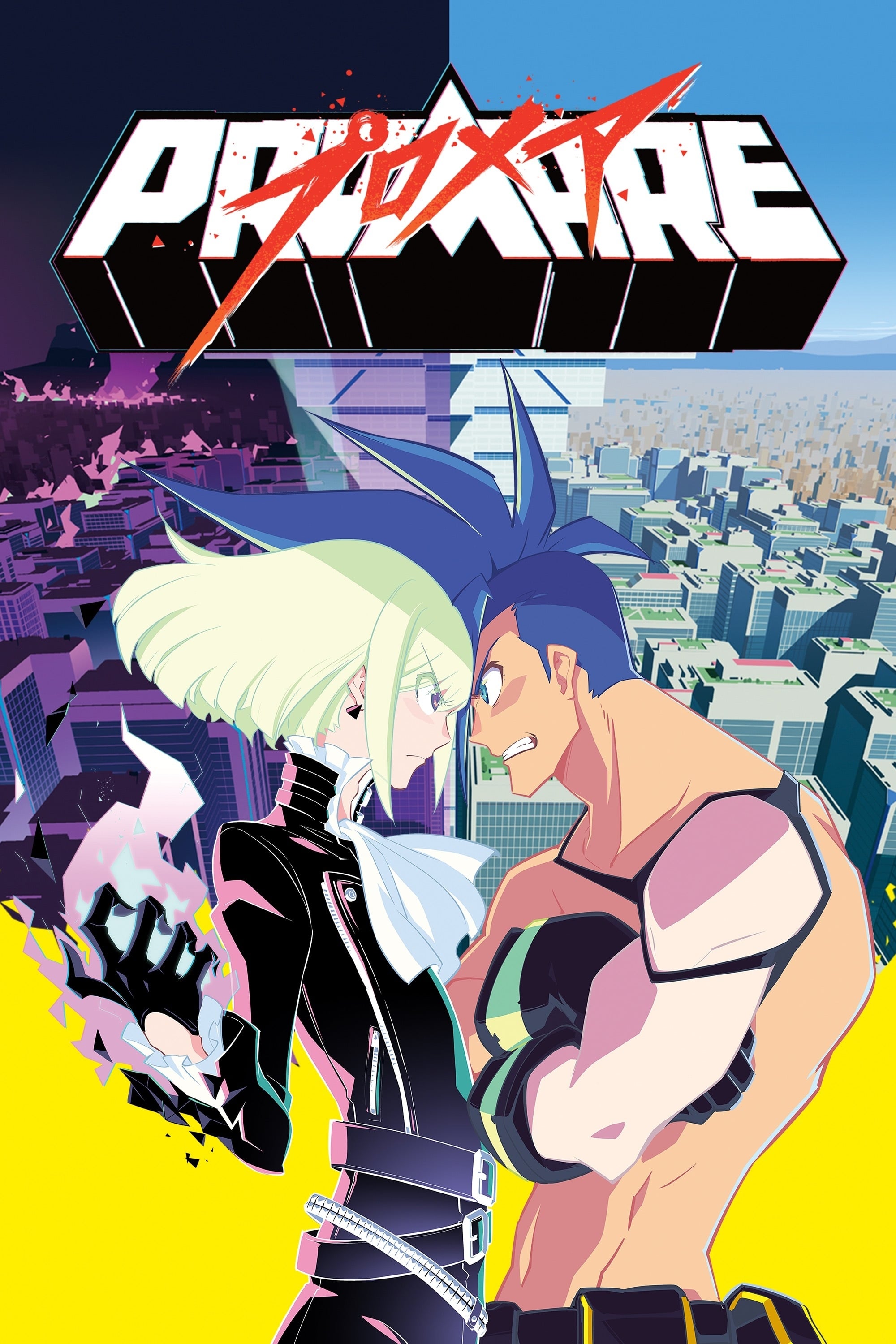
The visual style uses geometric shapes and neon colors to create a distinctive look for the city of Promepolis. Background text and holographic displays are integrated into the architecture with sharp angles and flat shading. The propaganda posters seen in the background establish the fascist undertones of the governing force. Every frame is designed with a graphic intensity that makes the setting feel artificial and controlled.
‘Dead Leaves’ (2004)
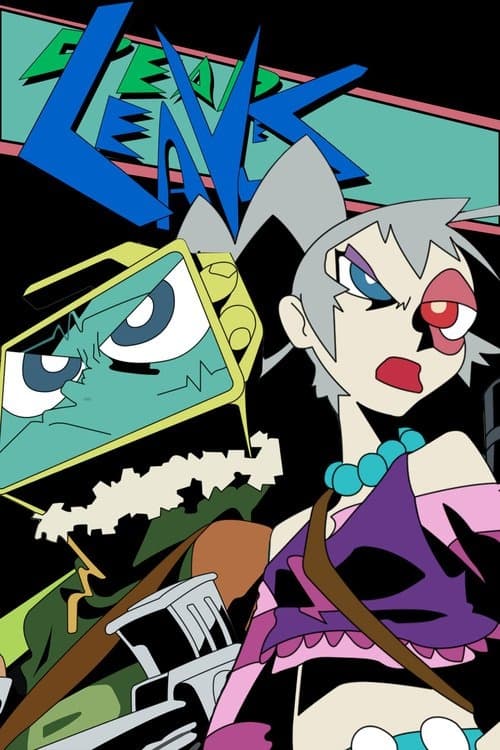
The lunar prison setting is rendered in a rough and scribbly style that resembles a moving comic book. Graffiti covers almost every surface and contributes to the visual overload of the film. The chaotic background art matches the amnesiac confusion of the main characters. Many of the scribbles contain jokes or crude drawings that fit the mature tone of the animation.
‘Redline’ (2009)
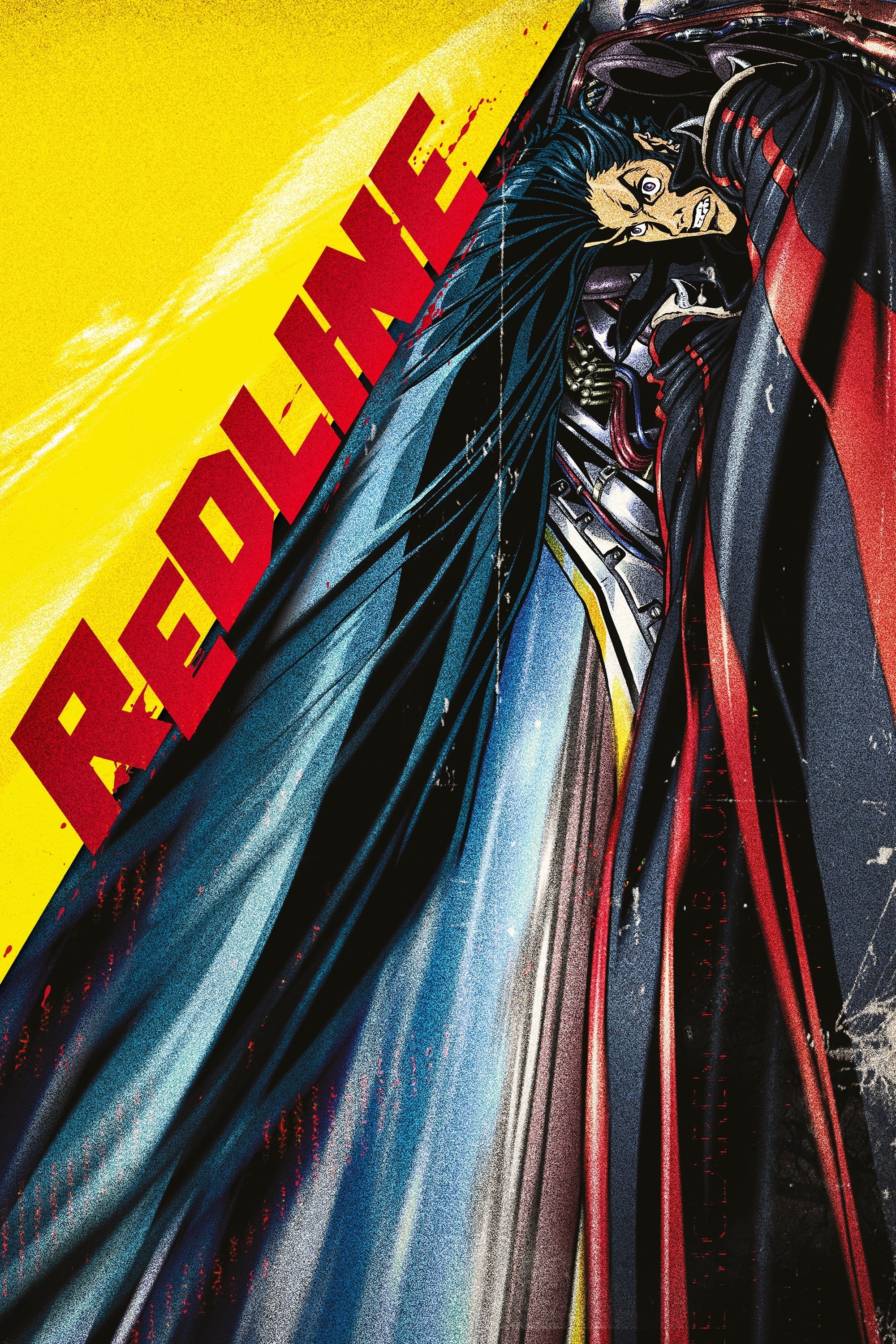
The intergalactic race track is filled with alien advertisements and fan messages scrawled on the barriers. Background details are meticulously animated to show the grime and grease of the racing culture. The sheer density of the crowd scenes and the environmental clutter adds to the sense of speed and scale. Every inch of the screen is packed with visual information that builds a believable sci-fi world.
‘Tekkonkinkreet’ (2006)
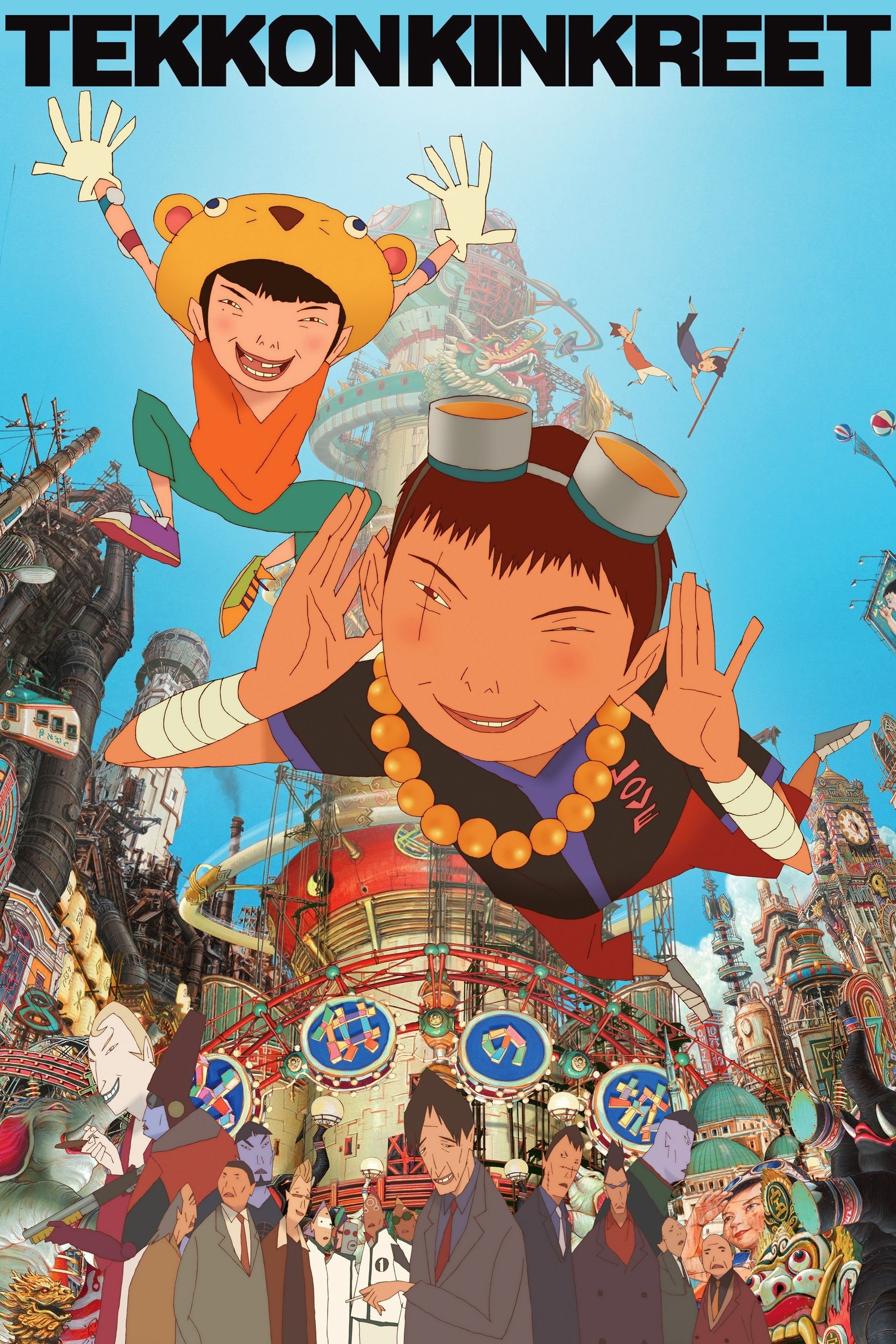
Treasure Town is a dense and colorful location that feels lived-in and aging. The background art is incredibly detailed with rust and cracks and peeling paint visible on every building. Traditional Japanese elements clash with modern urbanization in the signage and architecture. The visual complexity of the town mirrors the complex bond between the two orphan protagonists.
‘Dorohedoro’ (2020)
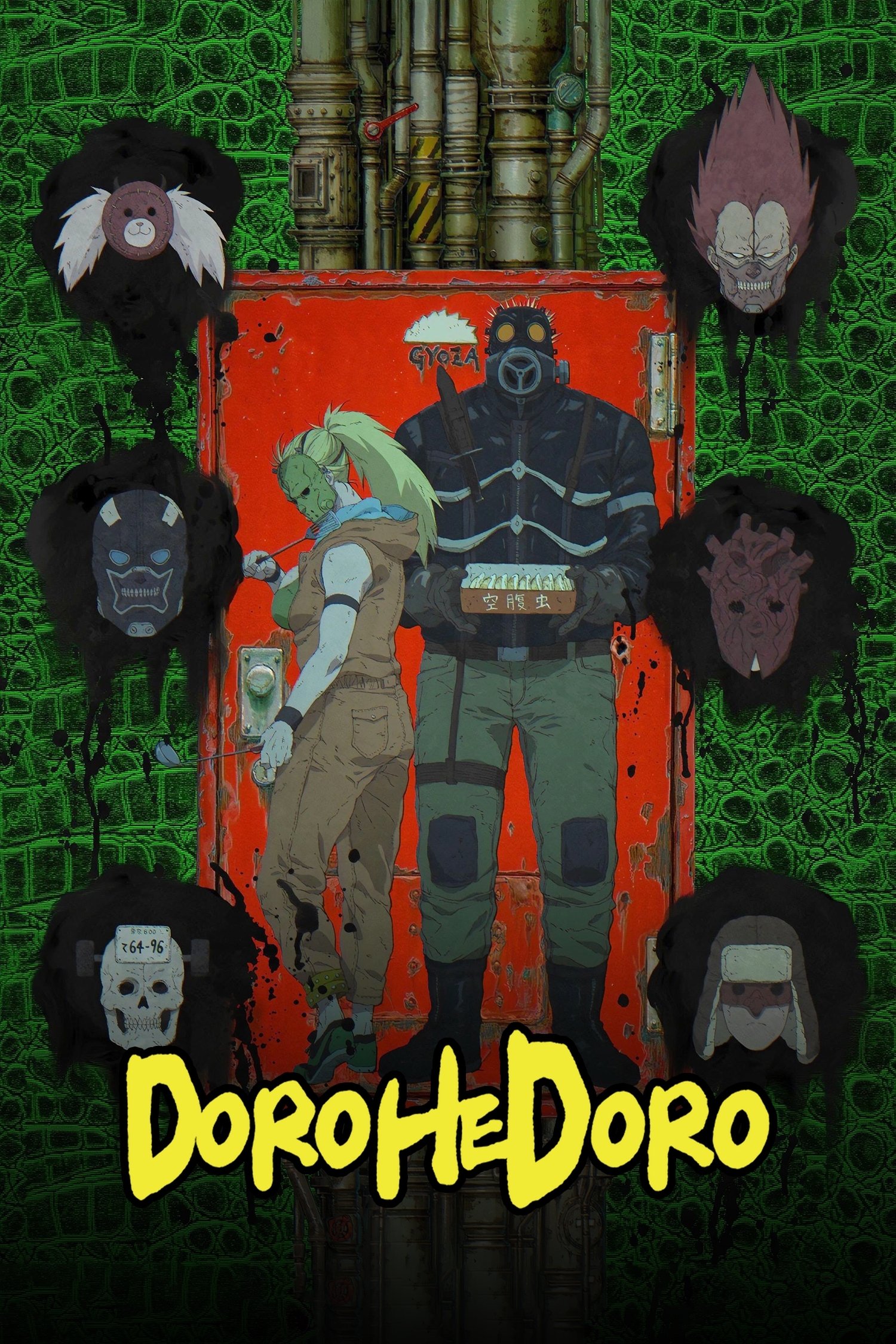
The Hole is a grim and dirty city where magic users test their powers on helpless victims. Backgrounds are rendered with a gritty texture that makes the grime feel palpable. Posters for missing persons and warnings about sorcerers litter the alleyways. The graffiti and decay establish the hopeless atmosphere that the residents have learned to accept.
‘Paranoia Agent’ (2004)
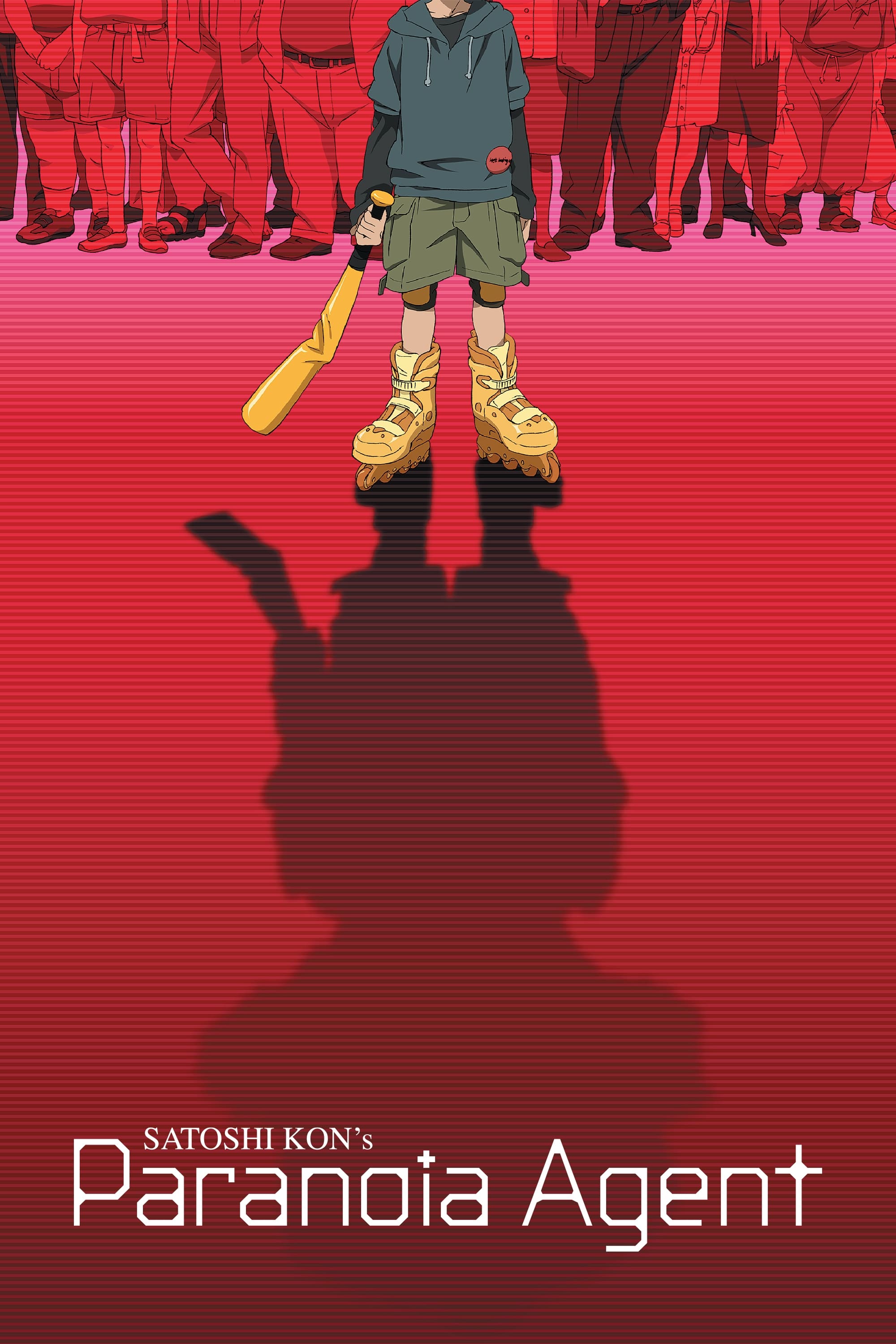
The cute mascot character Maromi appears on merchandise and posters throughout the city. As the mass hysteria regarding Shonen Bat spreads the Maromi imagery becomes more distorted and ubiquitous in the background. The contrast between the cute design and the dark psychological themes is highlighted through these environmental details. The background art tracks the societal collapse caused by the collective escapism.
‘Paprika’ (2006)
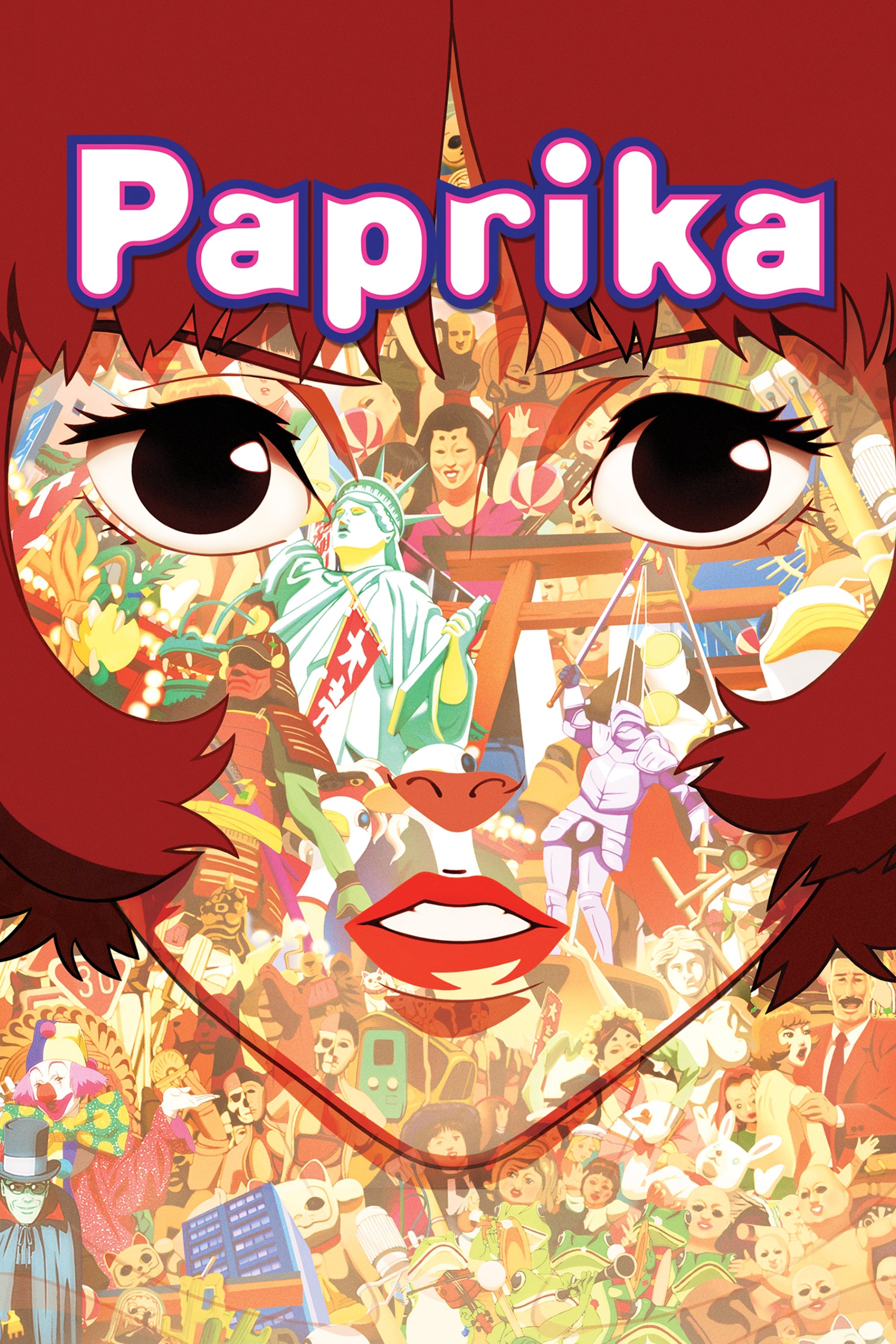
The dream world invades reality through a chaotic parade that absorbs objects and text from the city. Store signs and billboards come to life and march alongside the surreal dream logic. The background text often twists into nonsense or ominous messages as the boundary between worlds dissolves. Satoshi Kon uses these visual elements to represent the loss of control over one’s own subconscious.
‘Space Dandy’ (2014)
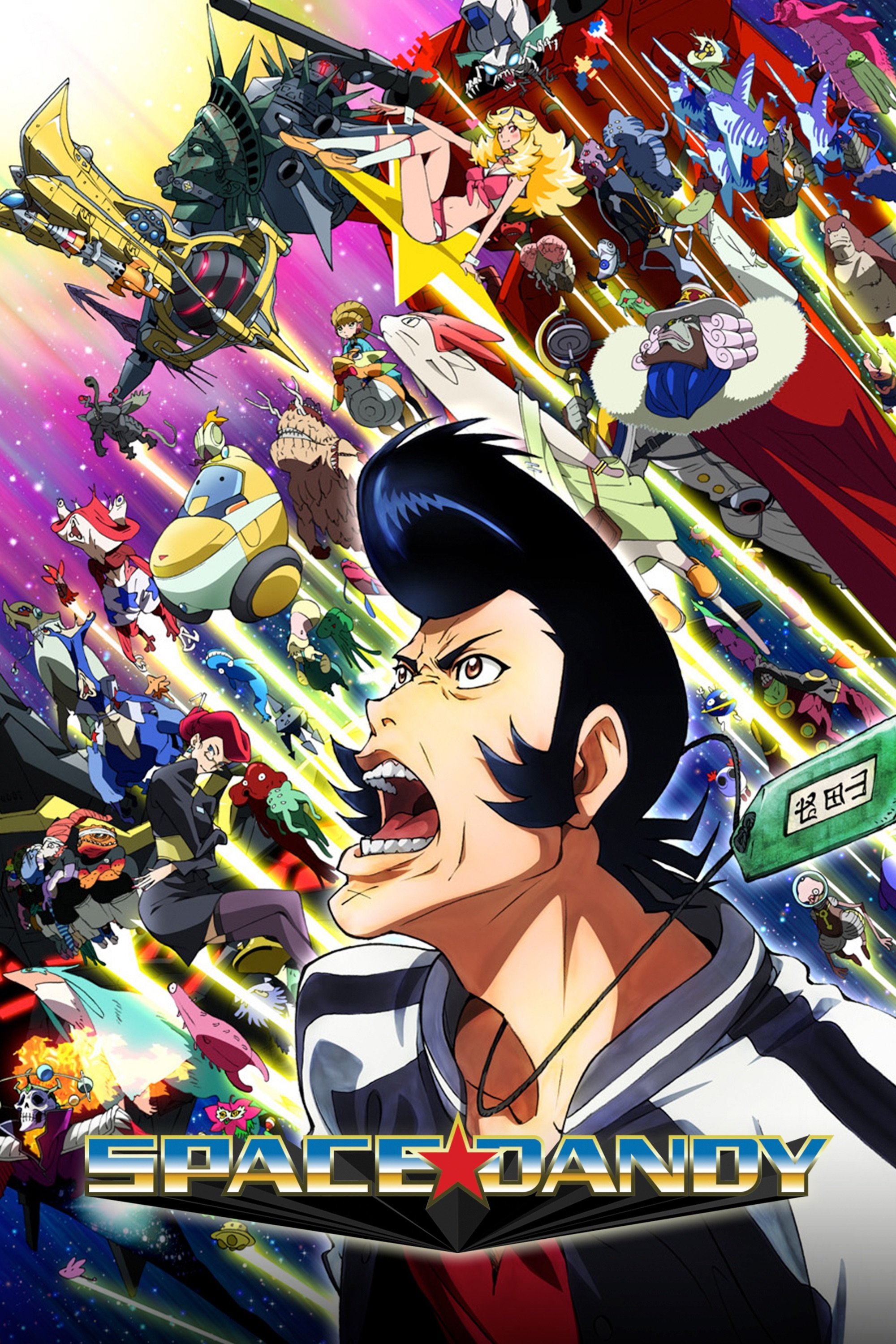
The alien worlds visited by Dandy features distinct languages and scripts on the walls and signs. These background details were often designed by guest artists to give each episode a unique flavor. The graffiti and advertisements help to establish the culture of each new planet in a short amount of time. The visual variety creates a sense of a vast and diverse universe.
‘Michiko & Hatchin’ (2008–2009)

The fictional South American setting is brought to life with Portuguese signage and favela street art. Background details include political posters and religious iconography that ground the chase in a specific cultural context. The poverty and vibrancy of the locations are communicated through the peeling paint and colorful murals. These environmental textures add realism to the road trip narrative.
‘Black Lagoon’ (2006)
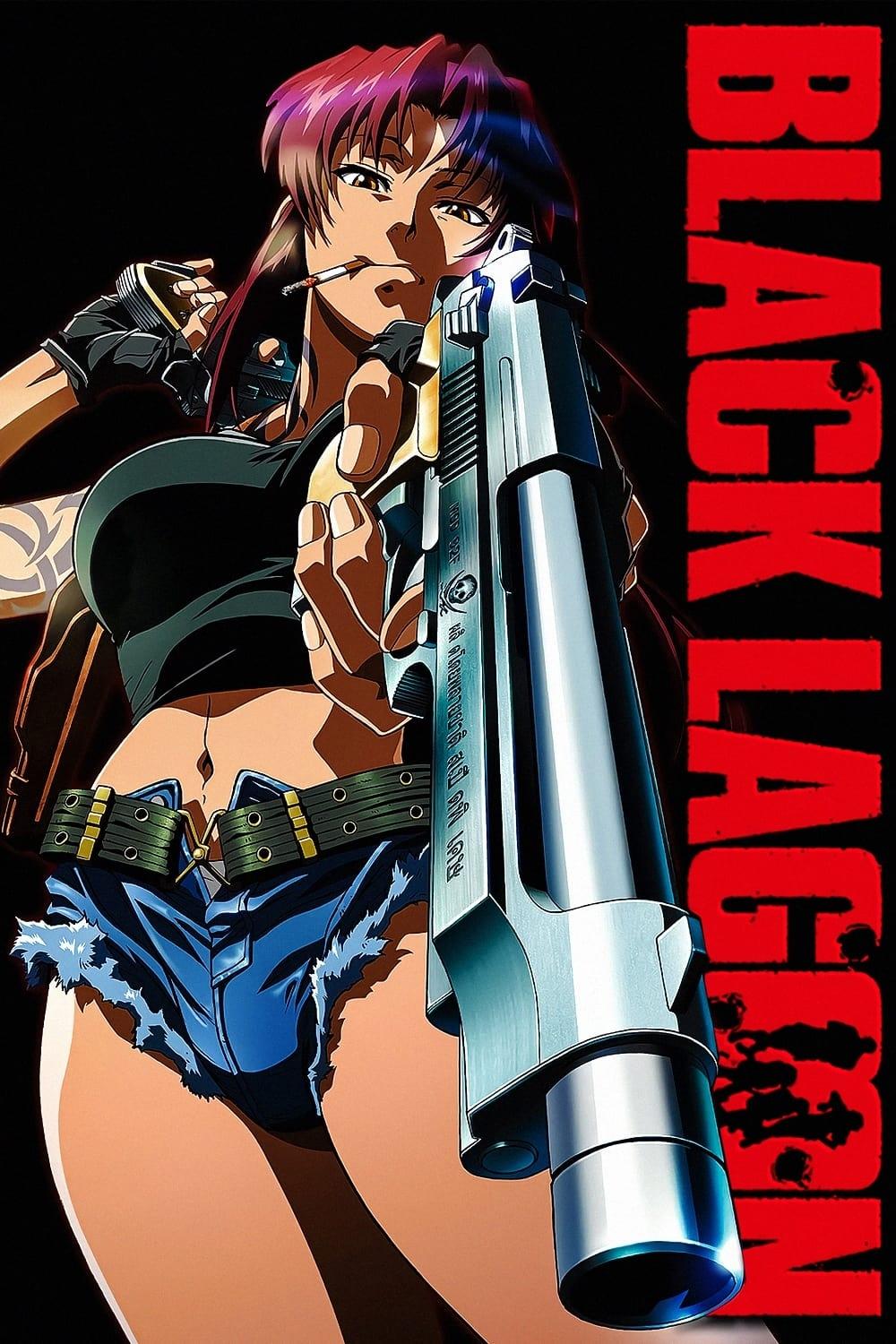
The criminal haven of Roanapur is defined by its neon bar signs and bullet-riddled walls. Background art features distinct territories controlled by the Russian mafia and the Triads marked by their respective languages. The signage often references western pop culture and guns to fit the action movie tone. The grimy details of the city emphasize the lawlessness of the setting.
‘Darker Than Black’ (2007)
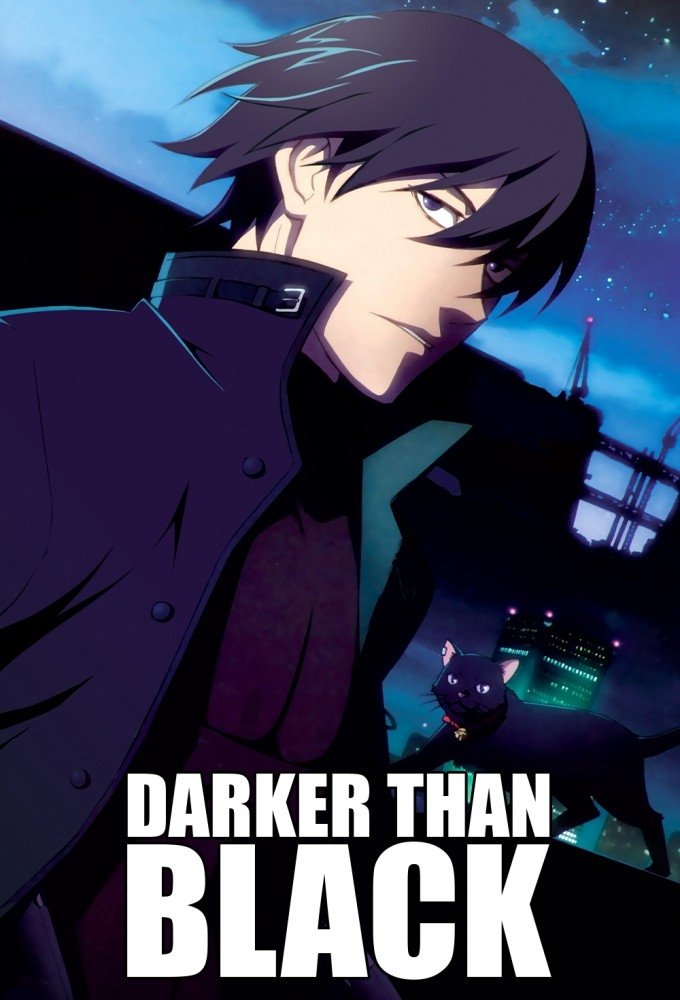
The appearance of the Hell’s Gate in Tokyo changes the night sky and the city layout. Background details often show the wall erected around the zone and the surveillance equipment monitoring it. The stars in the fake sky correspond to the lives of Contractors and observant viewers can track their deaths. The sterile look of the Syndicate’s facilities contrasts with the urban decay near the wall.
‘K’ (2012)
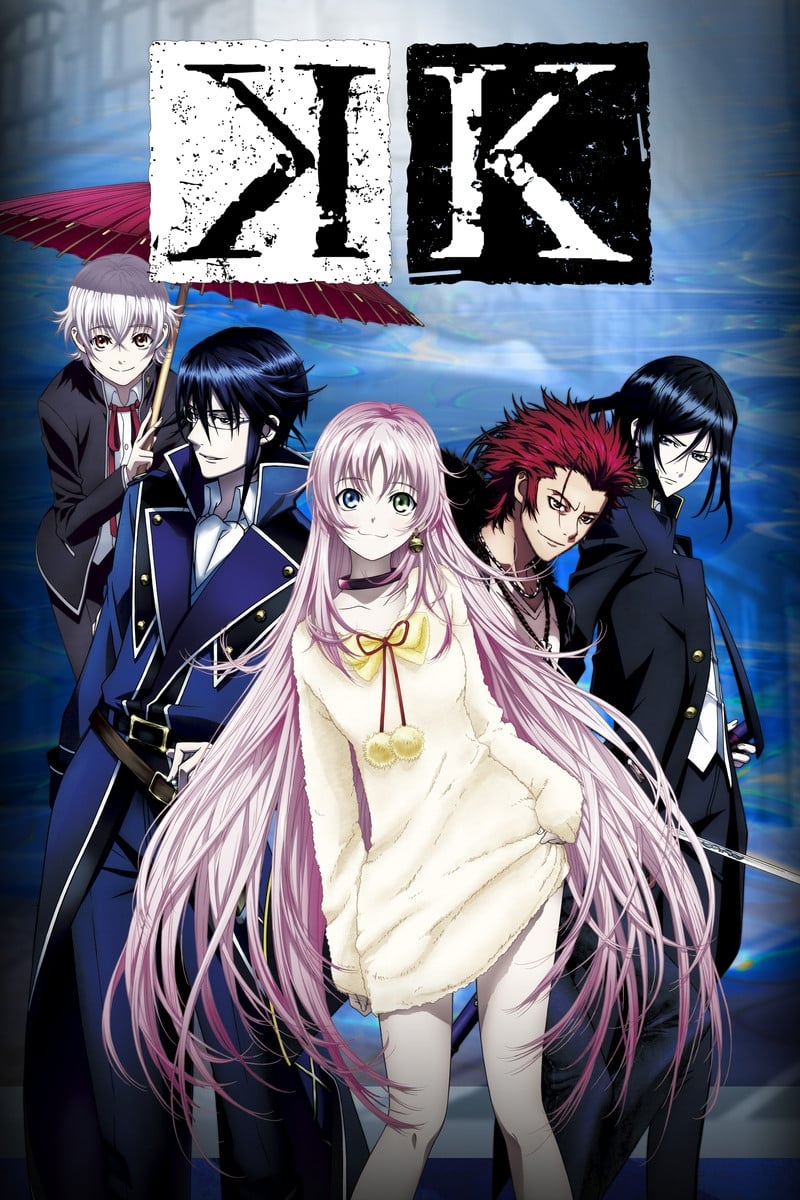
The visual style uses heavy filters and lighting effects to create a distinct atmosphere for the modern fantasy setting. Clan insignias like the Homra flame appear as projections or physical marks in the team’s territory. These symbols in the background define the safe zones and the battlegrounds for the psychic kings. The color coding of the environments helps the audience track the complex allegiances.
‘Bungo Stray Dogs’ (2016–Present)
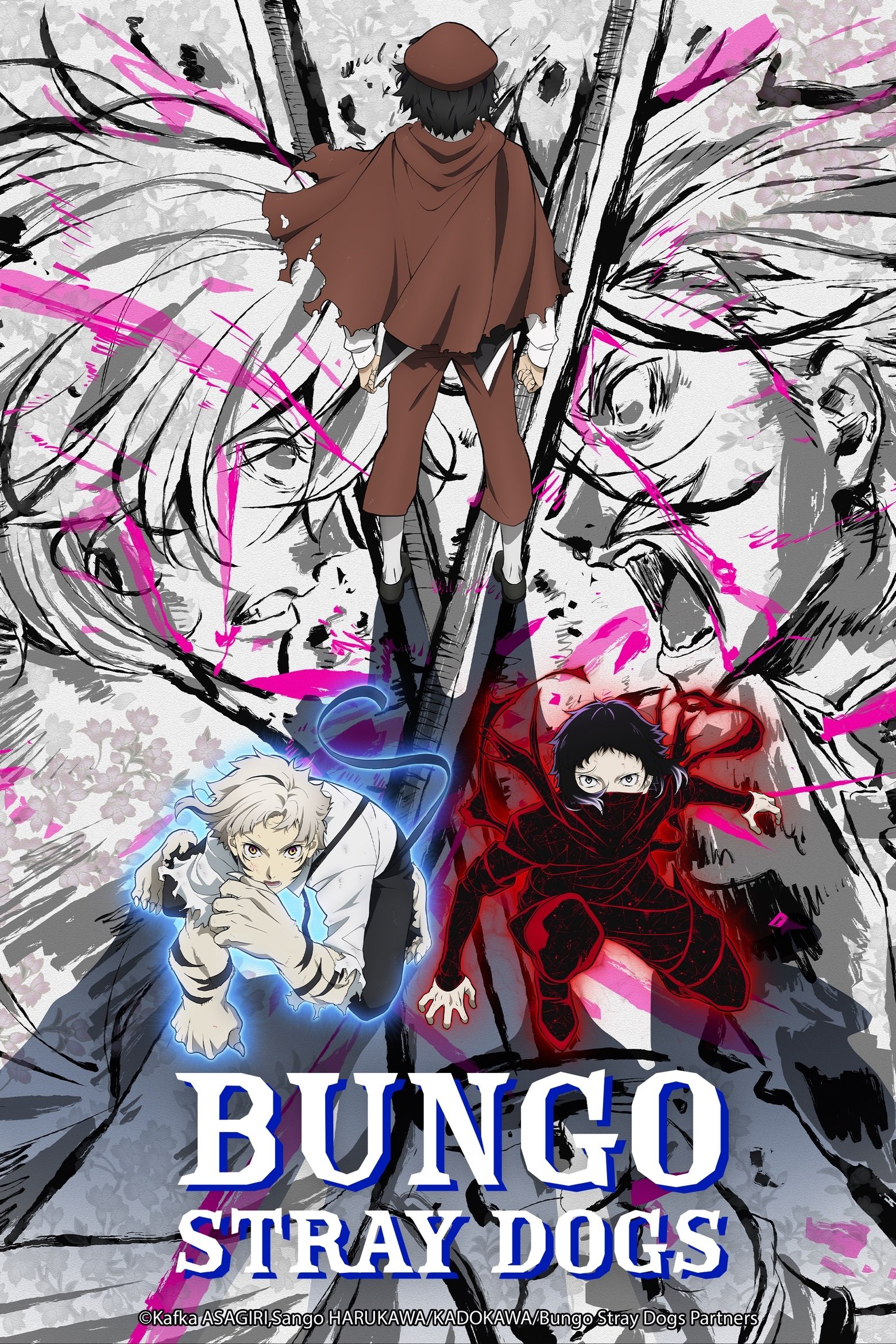
The Port Mafia and the Armed Detective Agency have distinct visual identities reflected in their headquarters. Background art in Yokohama often features literary references or subtle foreshadowing of the characters’ abilities. The gloom of the mafia hideouts contrasts with the warmth of the agency office. Warning signs and police tape frequently appear to indicate the aftermath of ability battles.
‘Akudama Drive’ (2020)
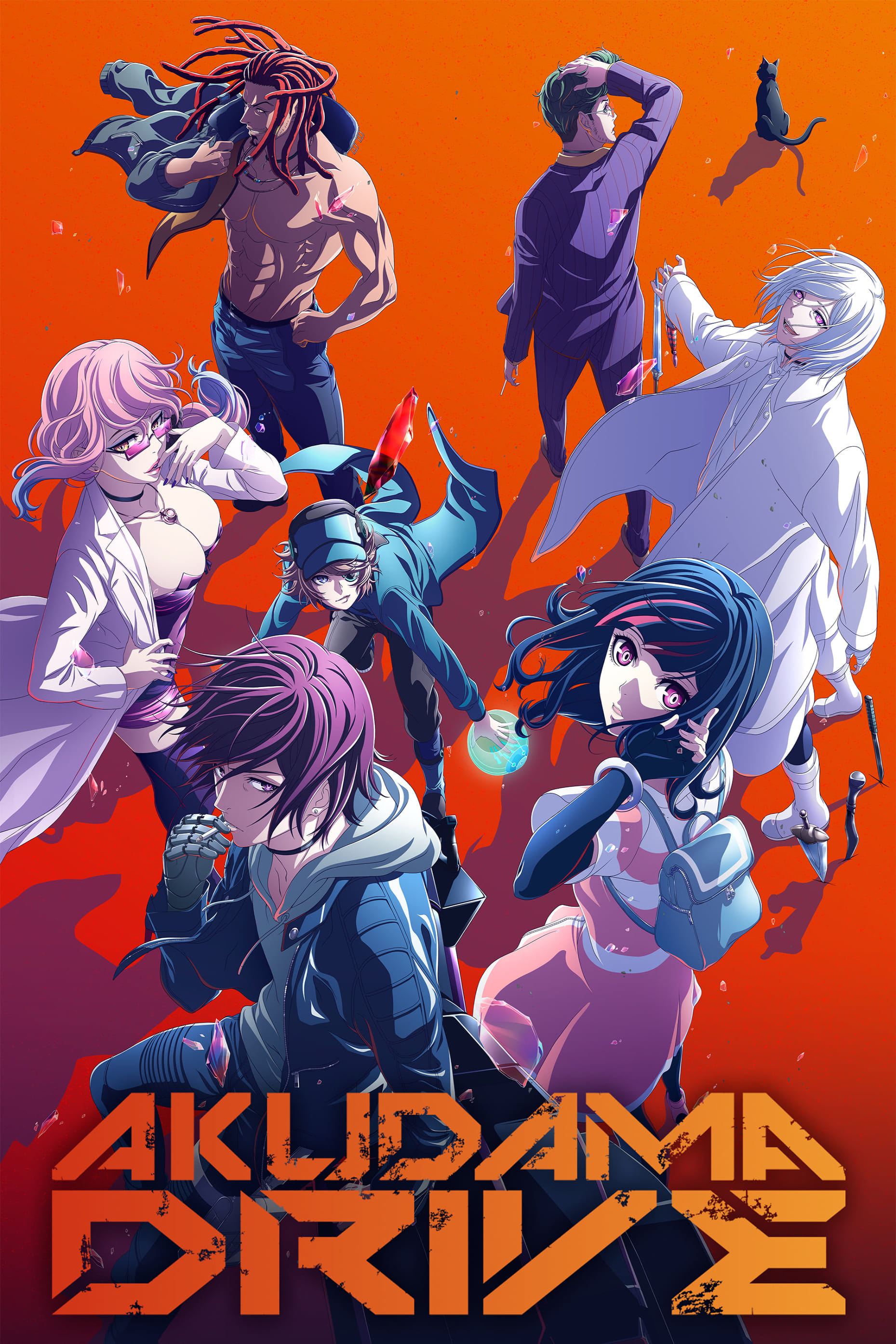
The cyberpunk version of Kansai is drenched in neon lights and holographic projections. Background advertisements and public service announcements constantly reinforce the dystopian rules of the society. The execution division’s symbols are plastered everywhere to instill fear in the populace. The visual overload serves as a critique of consumerism and state control.
‘Zom 100: Bucket List of the Dead’ (2023)

The zombie apocalypse is depicted with bright splashes of neon paint instead of dark red blood. Backgrounds often feature the protagonist’s bucket list text integrated into the action sequences. The colorful graffiti style transforms the horror of the situation into a celebration of newfound freedom. This artistic choice visually separates the series from standard zombie survival tropes.
‘Gintama’ (2006–2018)
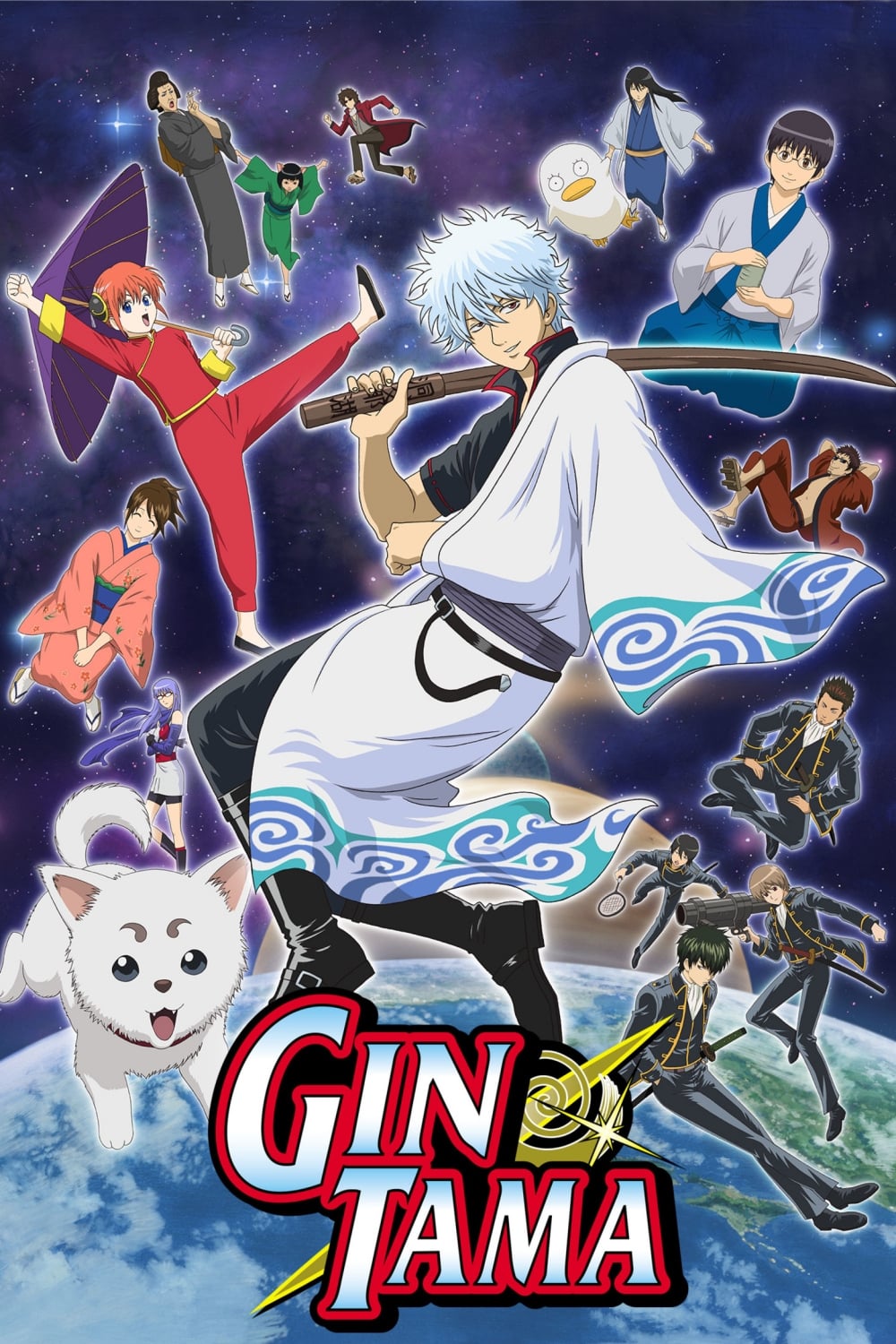
The Edo period setting is invaded by aliens resulting in a mix of traditional architecture and sci-fi technology. Background signs often contain puns or break the fourth wall to complain about the animation budget. These text gags are a staple of the show’s comedy and reward viewers for pausing the screen. The absurdity of the world is constantly reinforced by the mismatched visual elements.
‘Assassination Classroom’ (2015–2016)
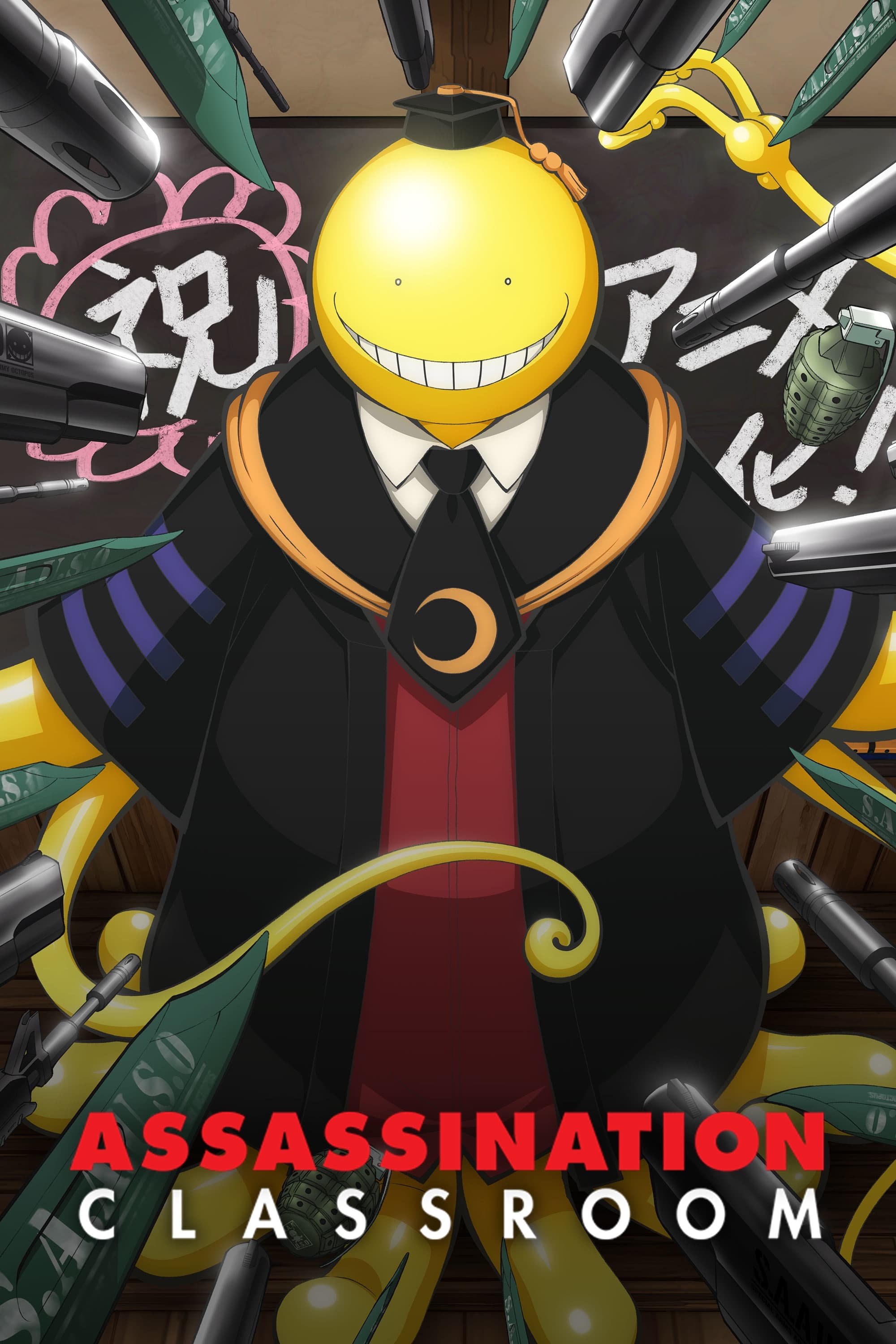
The chaotic classroom environment is often filled with the aftermath of assassination attempts. Background details include bullet holes and scorch marks that the characters casually ignore. Koro-sensei’s face or color scheme is frequently hidden in the patterns of the scenery as a visual gag. These elements emphasize the surreal daily life of the students.
‘The Tatami Galaxy’ (2010)
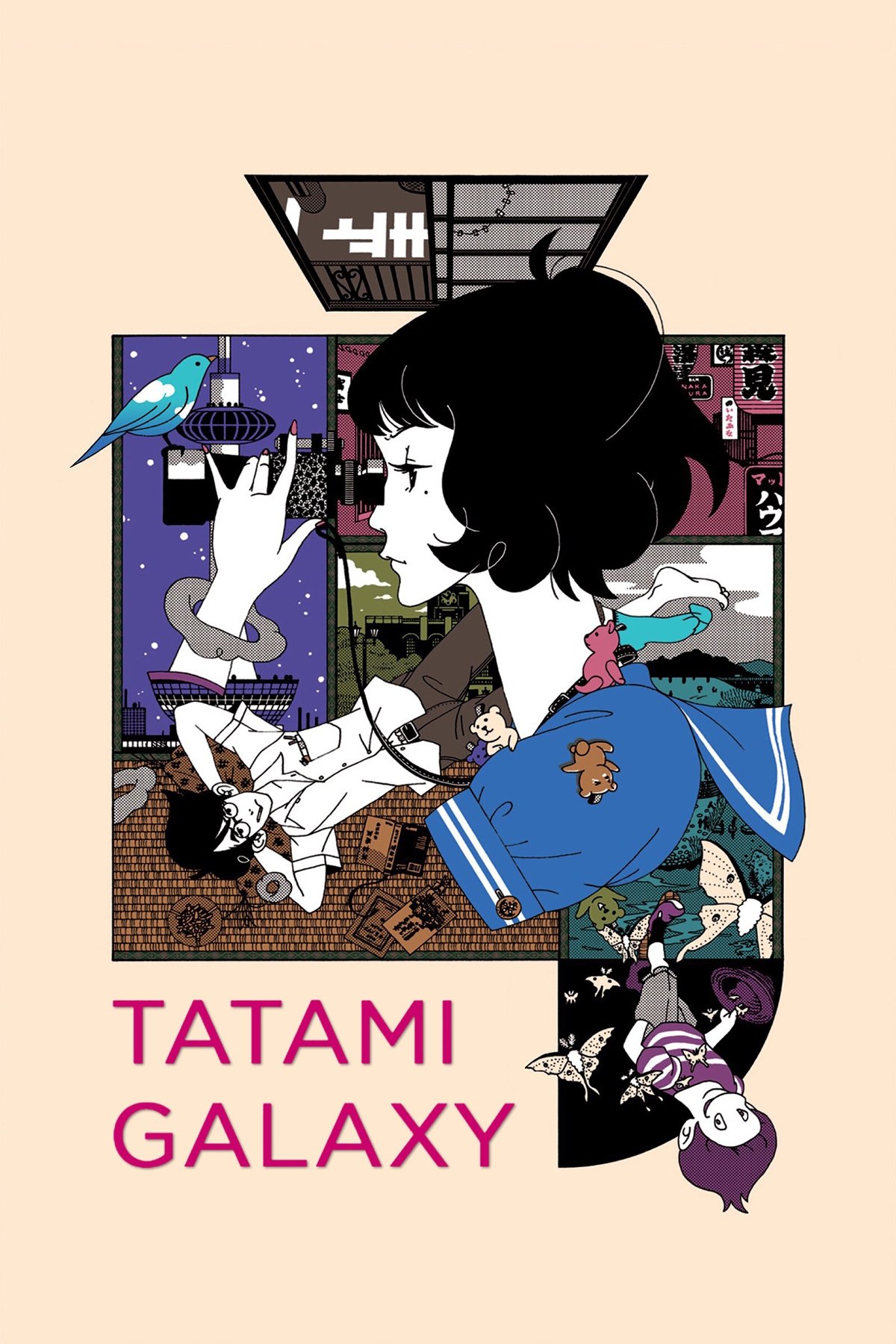
The fast-paced dialogue is matched by rapid-fire visual information in the background. Signs and text often fly by at high speeds representing the protagonist’s racing thoughts. The stylized backgrounds use warped perspectives to reflect the loop of the narrative. Viewers must pay close attention to the visual shifts to catch clues about the alternate timelines.
‘Sonny Boy’ (2021)
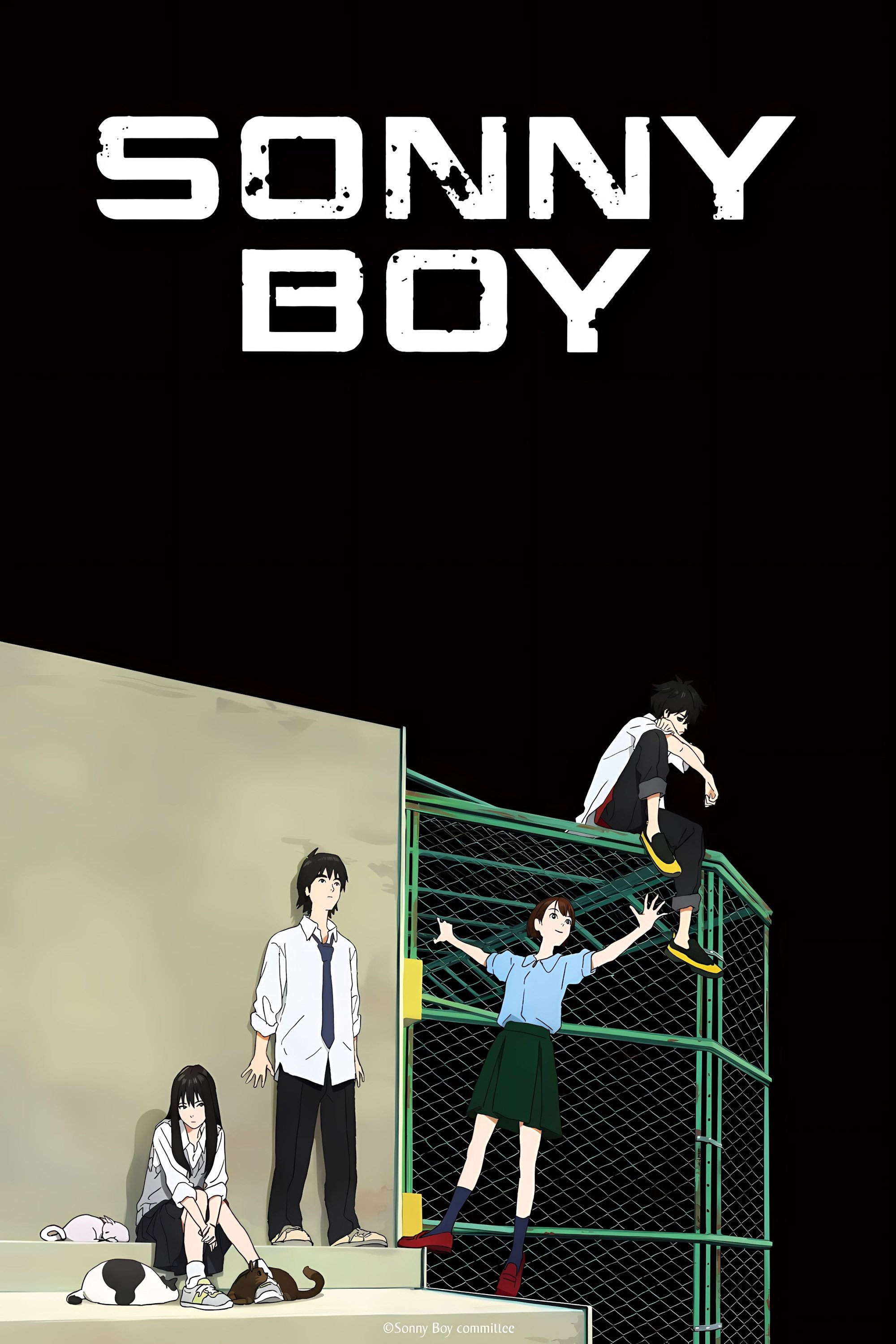
The void worlds that the students drift through operate on abstract rules often hinted at in the background art. Visual anomalies and shifting landscapes serve as the primary method of storytelling in this surreal series. The lack of traditional graffiti is replaced by impossible geometries that act as clues to the nature of the dimension. The minimalist art style forces the audience to focus on these subtle environmental changes.
‘Wonder Egg Priority’ (2021)
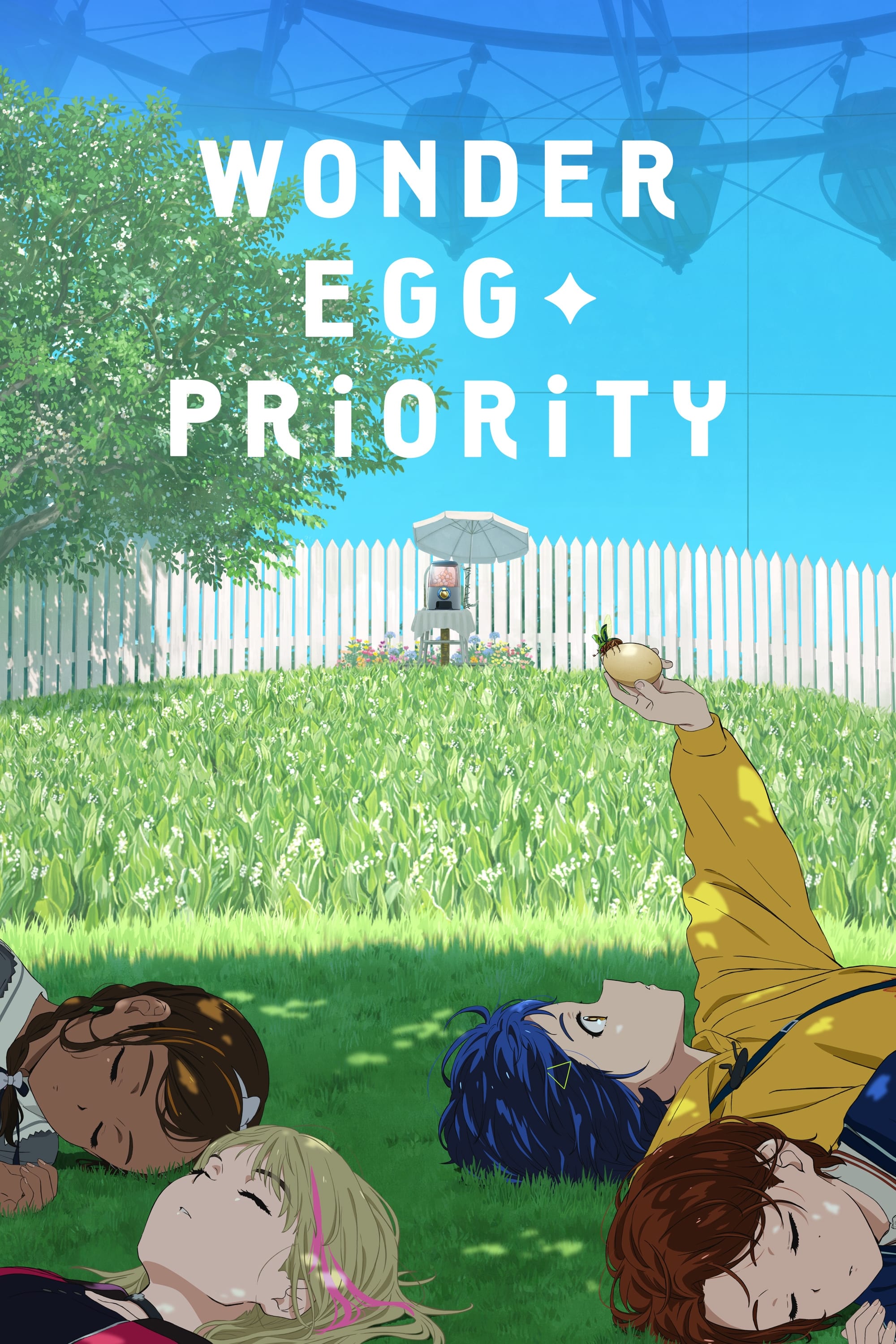
The dream worlds in this series are populated by the traumas of the victims manifested as monsters and environment. Background text on blackboards or walls often hints at the specific reason for the character’s suicide. These clues provide the necessary context to understand the “Wonder Killer” of the week. The bright colors of the dreamscape often hide these dark messages in plain sight.
‘Panty & Stocking with Garterbelt’ (2010)
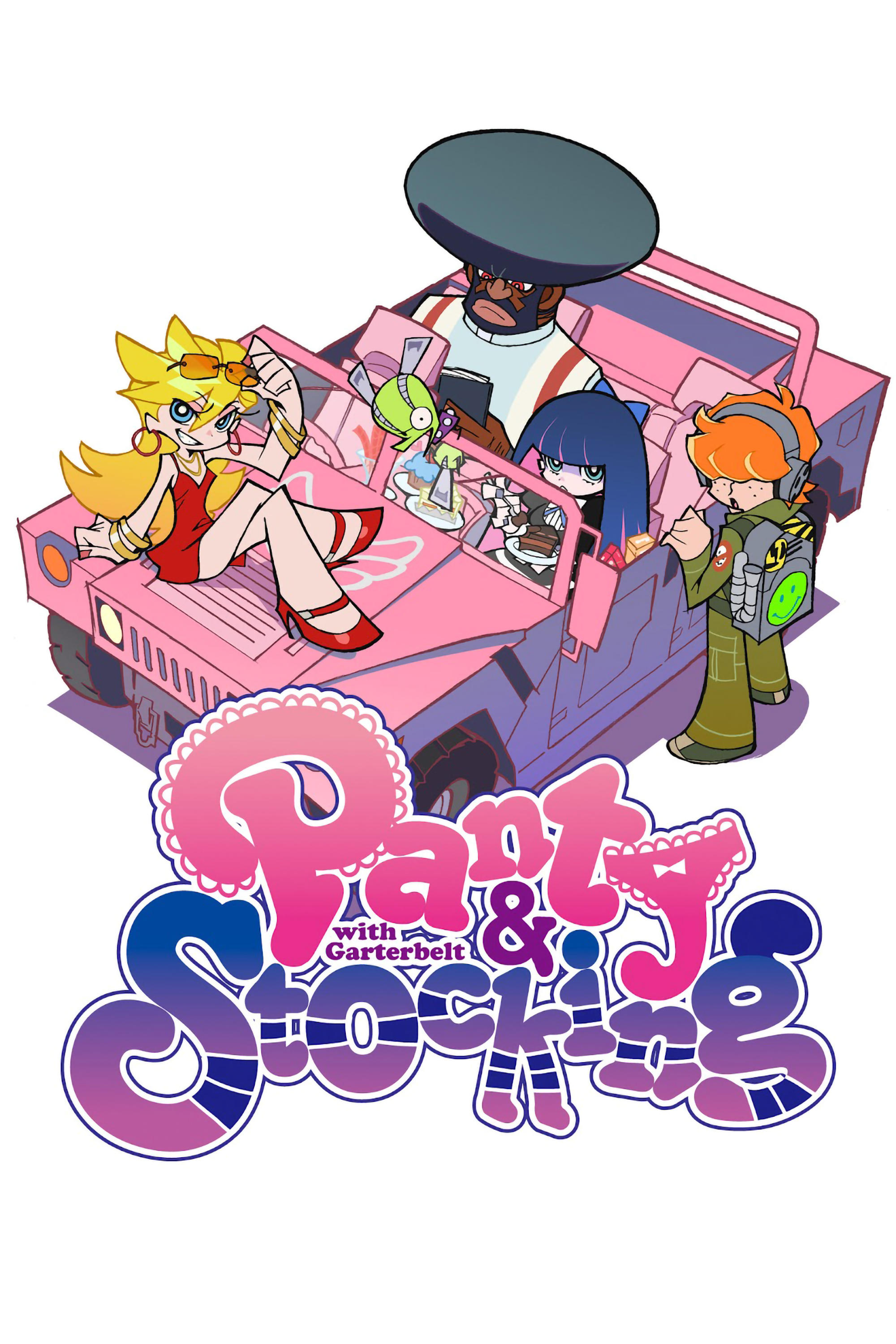
The visual style mimics American cartoons but fills the background with mature jokes and references. Graffiti in Daten City often contains crude humor or insults directed at the main characters. The stylized backgrounds use thick lines and flat colors to make the text pop out. These hidden gags contribute to the raunchy and irreverent tone of the show.
Share your favorite hidden anime details and what you spotted in these series in the comments.