Anime That Blended Cuisine Into Summoning Rituals


Anime has long explored the mystical connection between sustenance and the supernatural, often turning the act of cooking or eating into a magical ceremony. From chefs who conjure monsters with recipes to ordinary dishes that bridge the gap between the human and spirit worlds, these series showcase how culinary arts can serve as powerful incantations. In these stories, ingredients become catalysts for summoning entities, forging contracts, or awakening dormant powers within the consumer. The following list explores fifty anime series where cuisine functions as an essential component of summoning rituals and magical bindings.
‘Fighting Foodons’ (2001)
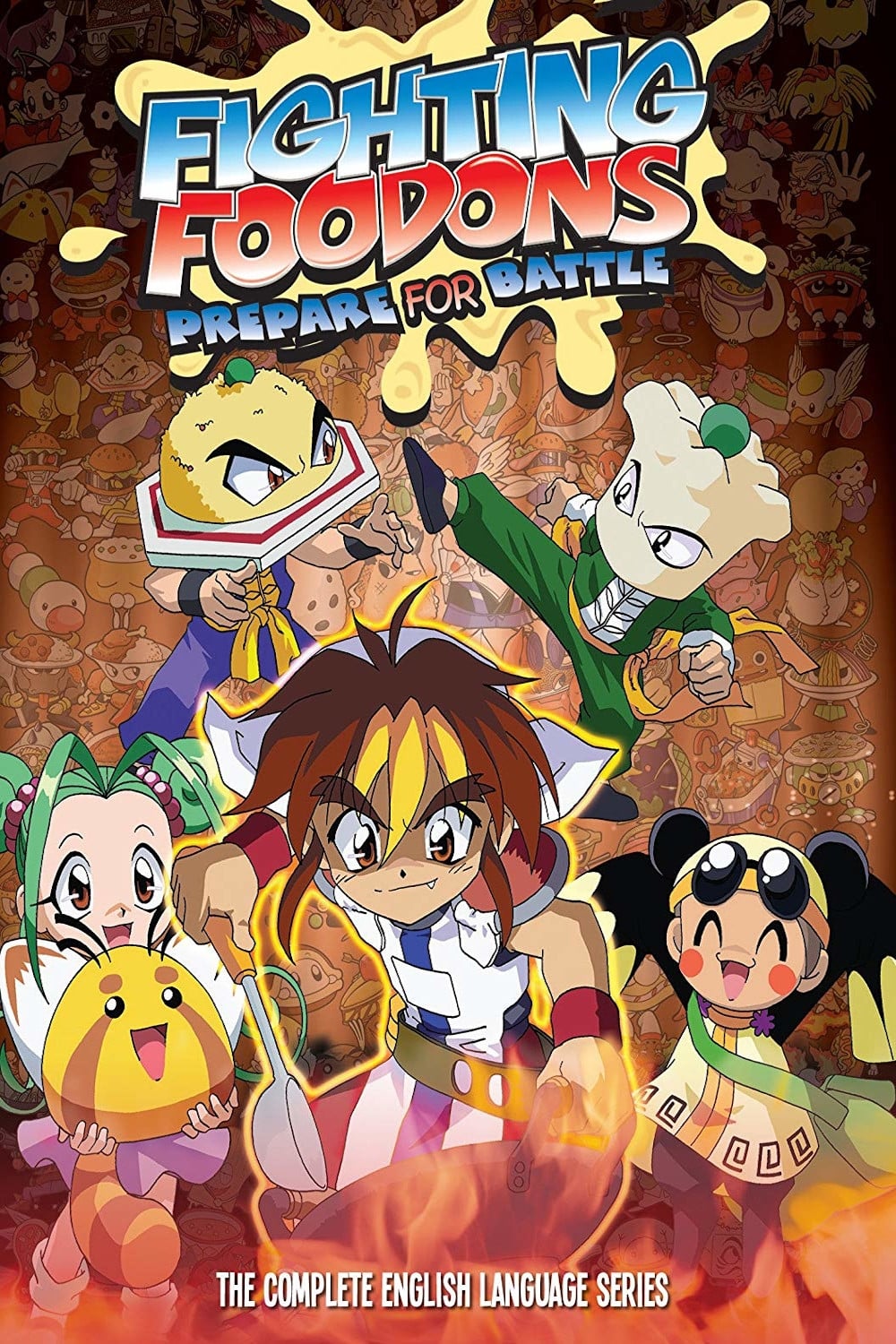
In this unique series, culinary preparation serves as the literal mechanism for summoning monstrous entities known as Foodons. Chefs use magical Meal Tickets to transform their completed dishes into combat-ready creatures that battle for their masters. The strength and ability of the summoned Foodon depend entirely on the quality of the cooking and the chef’s skill. This show creates a direct and literal link between the art of cooking and the ritual of summoning.
‘Campfire Cooking in Another World with My Absurd Skill’ (2023)
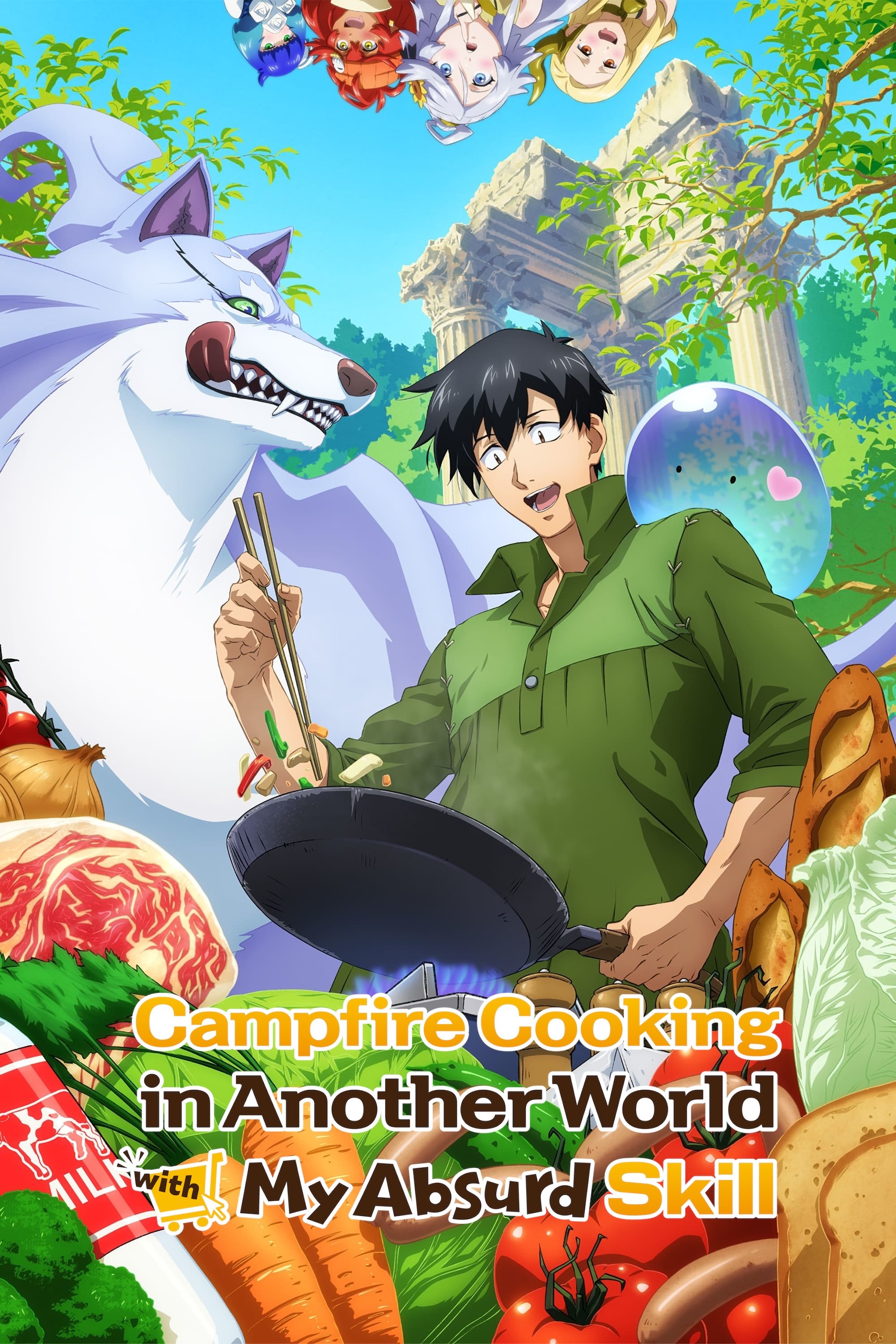
The protagonist Mukoda is transported to a fantasy world where his unique skill allows him to summon modern food ingredients from an online supermarket. His cooking is so aromatic and delicious that it involuntarily summons the legendary wolf Fenrir, who demands a contract in exchange for constant meals. Later, a slime monster named Sui is also drawn in by the food, forming a familiar bond through the act of feeding. The series reframes summoning not as a spell circle, but as the irresistible lure of high-quality cuisine.
‘Restaurant to Another World’ (2017)
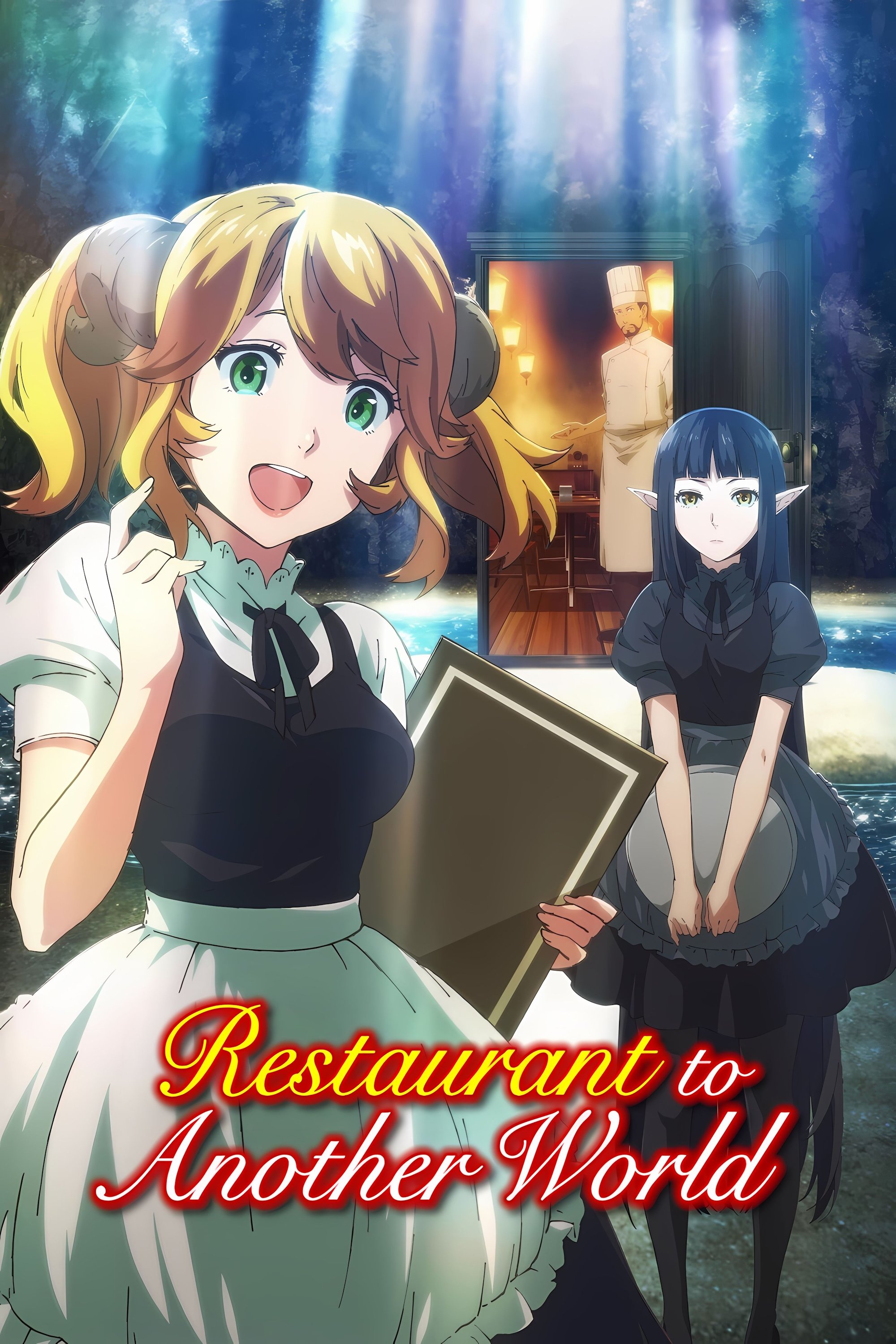
Every seven days, a mysterious door appears in various locations across fantasy realms, acting as a summoning gate to a Western-style restaurant in Tokyo. The ritual here is automatic, drawing in dragons, elves, and demons who seek the otherworldly flavors of human cuisine. These patrons treat their weekly visits as sacred pilgrimages, with specific dishes serving as the anchor for their return. The restaurant itself functions as a summoned sanctuary where diverse species gather in peace.
‘Delicious in Dungeon’ (2024)
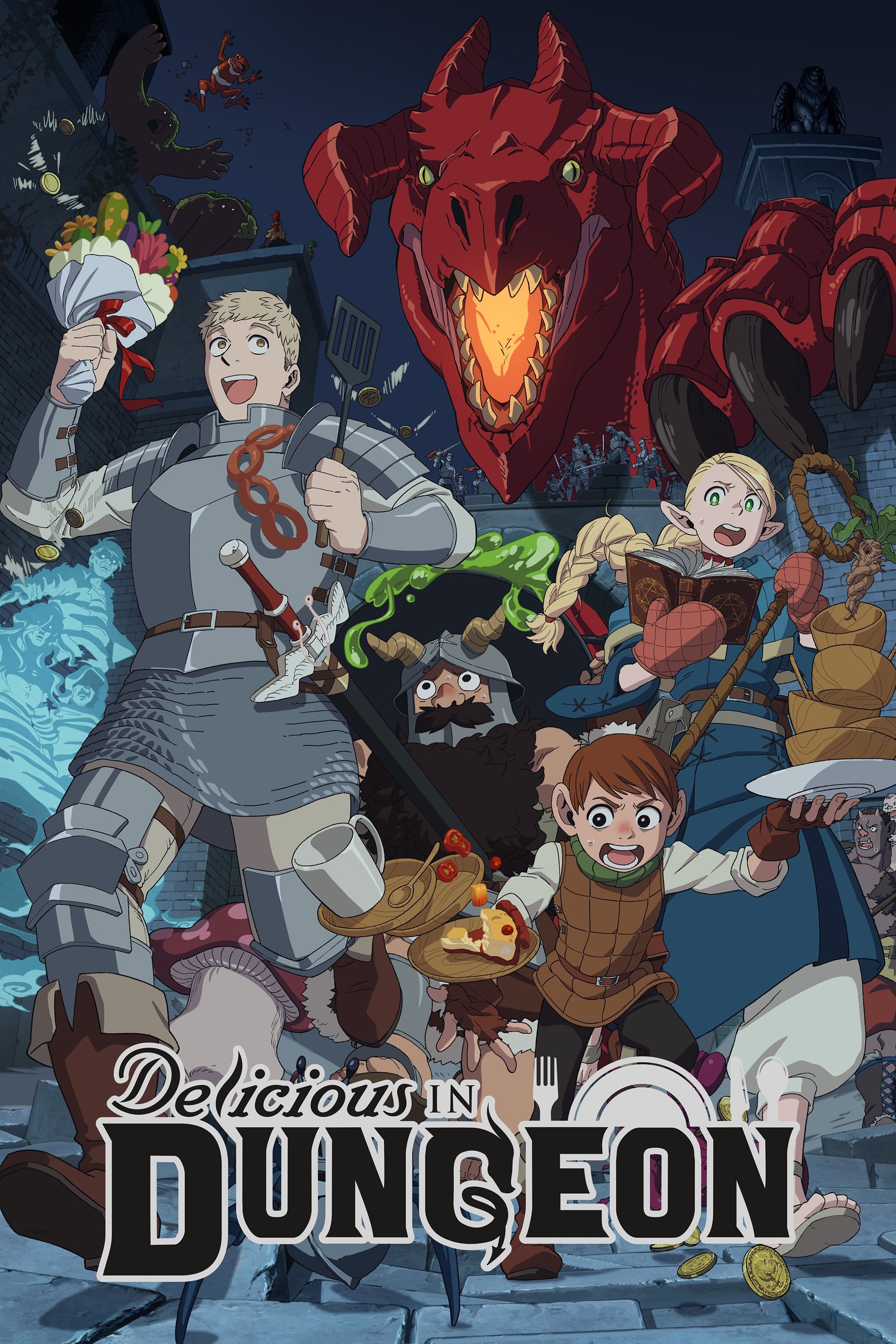
While primarily focused on survival, the series features a profound ritual where the cooking of dragon meat is used to resurrect a fallen party member. The characters must understand the anatomy and magical properties of the monsters they eat, turning the dungeon’s ecosystem into a source of power. Consuming the monsters is portrayed as a ritual of returning energy to the cycle of life, binding the adventurers to the dungeon. The preparation of the red dragon steak specifically serves as a blood-magic ritual to summon a soul back to its vessel.
‘Toriko’ (2011–2014)
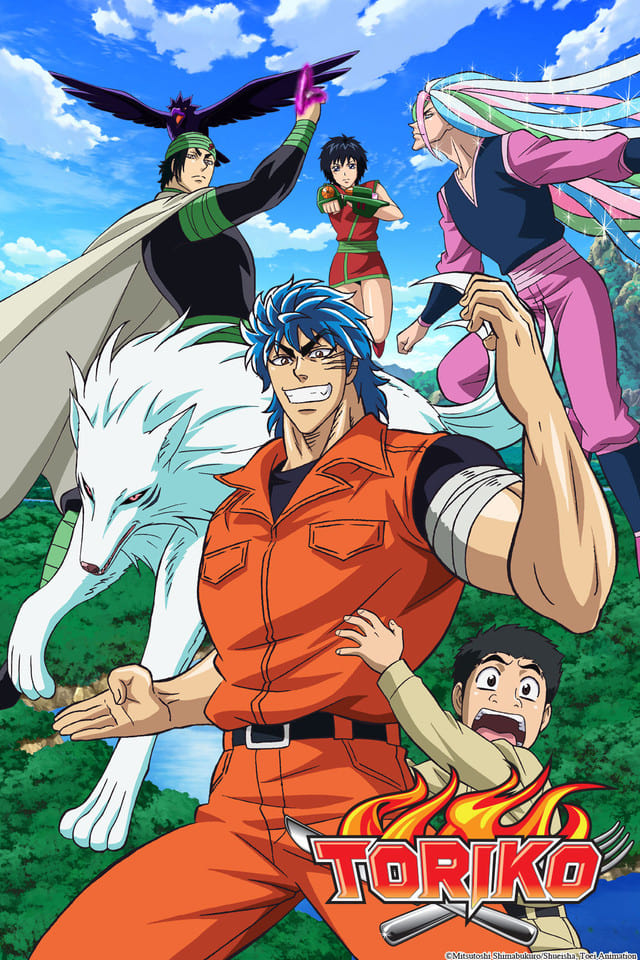
In the Gourmet Age, Hunters seek out rare ingredients, often performing elaborate rituals to locate or prepare them. The ultimate goal is to complete a Full Course Menu, which serves as a summoning offering to awaken the Gourmet Demon residing within the Hunter. Specific ingredients like the Century Soup have the power to call forth reactions from the planet itself, manifesting auroras and attracting wildlife. Eating in this world is a ceremony that evolves the consumer’s cellular potential.
‘Yumeiro Patissiere’ (2009–2010)
Talented pastry chefs in this series are paired with Sweets Spirits, small fairies that are summoned by the chef’s passion and skill. The protagonist Ichigo summons her partner Vanilla through her dedication to making cakes, establishing a magical partnership. These spirits aid their partners in creating desserts that can evoke powerful emotions and memories in those who eat them. The bond is maintained through the ritualistic creation of sweets.
‘Sugar Apple Fairy Tale’ (2023)
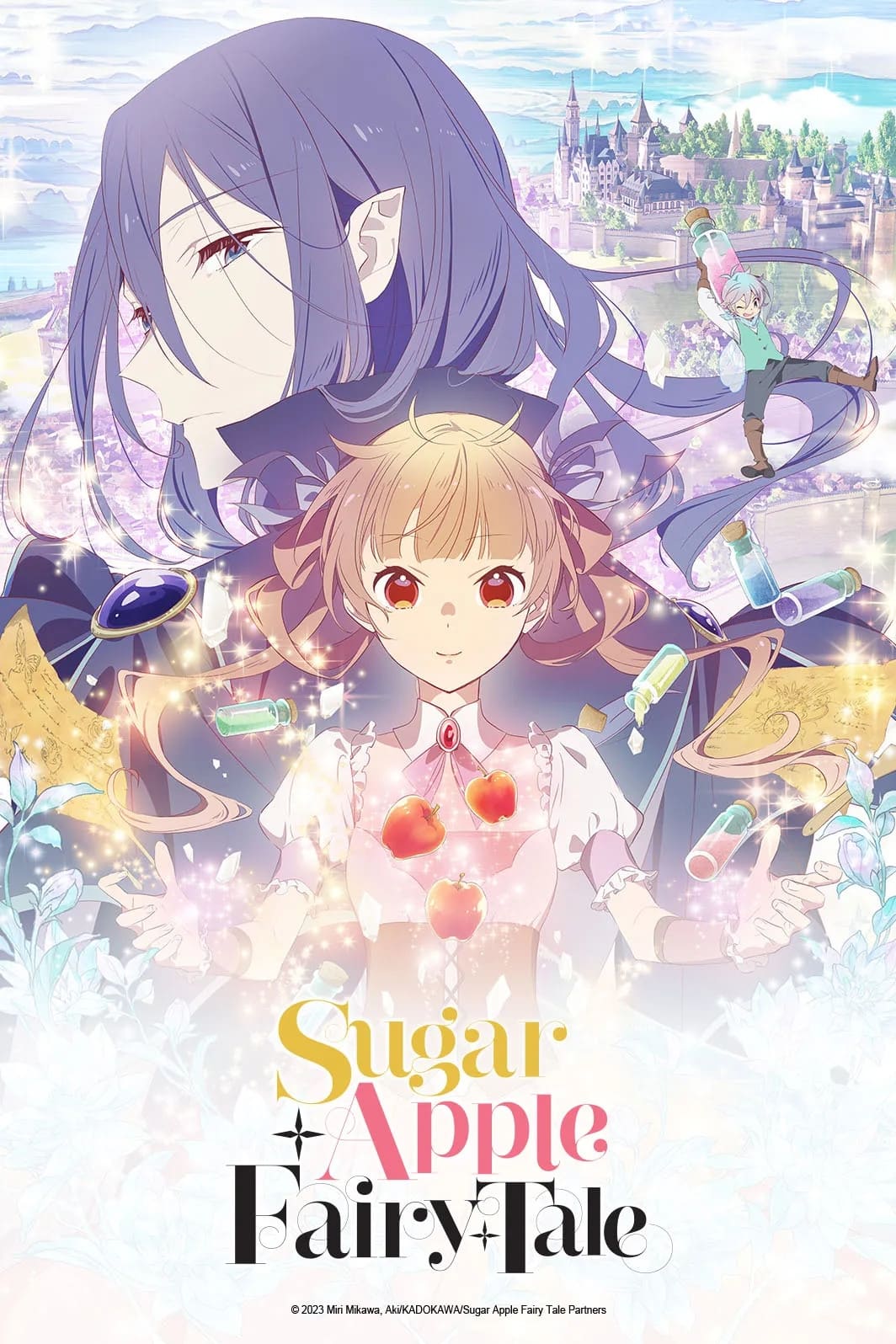
In the Kingdom of Highland, humans use confections made from silver sugar to control fairies, effectively summoning and binding them to their will. The protagonist Anne aims to become a Silver Sugar Master but seeks to befriend fairies rather than enslave them. The crafting of sacred sugar confections is the primary ritual used to interact with the life force of these magical beings. The quality of the candy determines the strength of the bond or the duration of the fairy’s lifespan.
‘Fate/Stay Night’ (2006)

While primarily about battling mages, the transfer of mana required to sustain a summoned Servant often involves ritualistic consumption. In the absence of formal magical circuits, the protagonist Shirou Emiya replenishes Saber’s energy through the preparation and sharing of meals. This domestic ritual anchors the heroic spirit to the physical world, substituting traditional mana transfer with the life force found in food. The spinoff ‘Emiya-san Chi no Kyou no Gohan’ emphasizes this, using dinner to summon a temporary truce and peace among warring spirits.
‘Jujutsu Kaisen’ (2020–2023)

The entire plot is kickstarted by the consumption of a cursed object that resembles a desiccated finger, which acts as a summoning ritual for the King of Curses, Ryomen Sukuna. Yuji Itadori’s act of eating the finger allows Sukuna to manifest within his body, blending ingestion with possession. The series treats the consumption of these cursed items as a binding contract that merges two souls. Later arcs explore the consumption of other cursed womb paintings to summon new powers.
‘Spirited Away’ (2001)
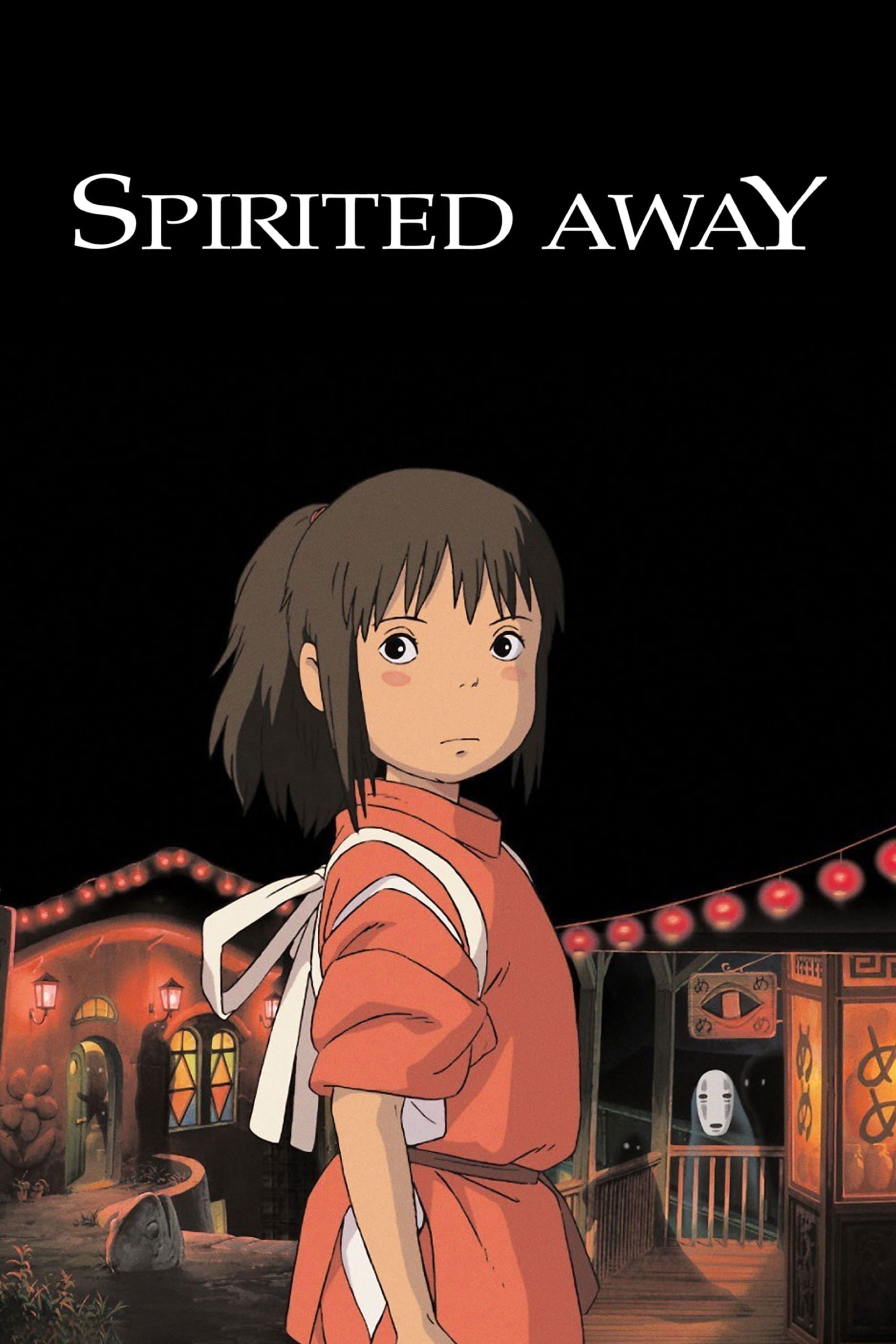
Chihiro is trapped in the spirit world after her parents undergo a grotesque transformation caused by eating spirit food without permission. To avoid fading away, she must consume food from that world, a ritual act that binds her existence to the supernatural plane. This inverted summoning anchors her physical form in a realm where humans do not belong. The giving of the herbal medicine cake to No-Face and Haku is a counter-ritual to purge negative energies.
‘Natsume’s Book of Friends’ (2008–2017)
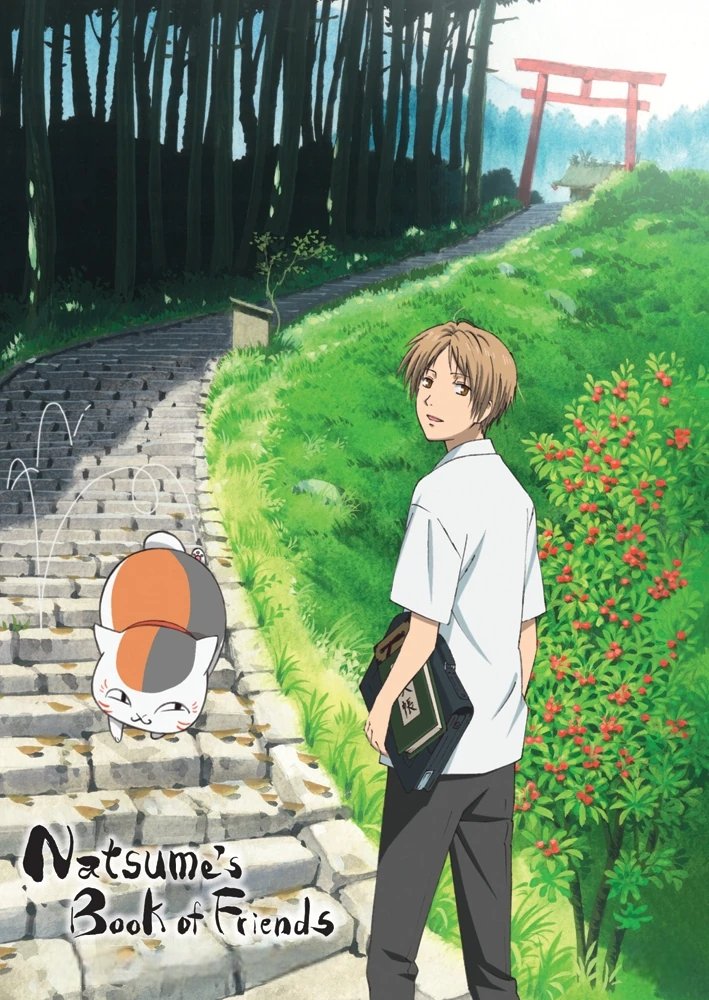
Takashi Natsume often uses food offerings, such as manju or sake, to summon or appease local yokai. These small rituals of sharing food allow him to communicate with spirits that are otherwise hostile or elusive. His bodyguard, Madara (Nyanko-sensei), is frequently summoned or motivated solely by the promise of fried shrimp or squid. The act of sharing a meal bridges the gap between the human and spirit perceptions.
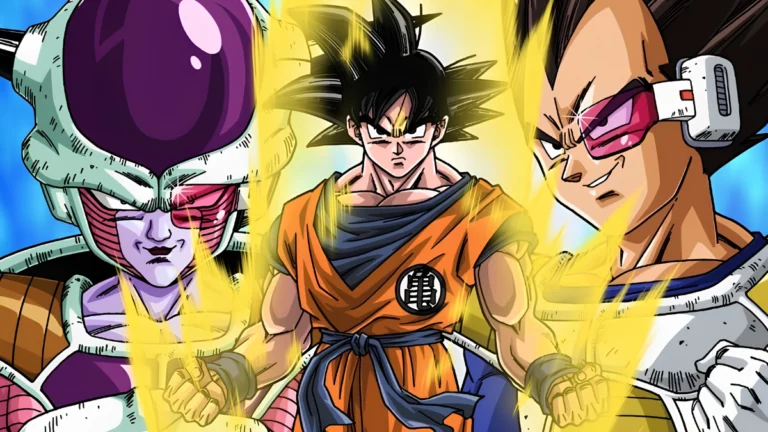
‘Dragon Ball Super’ (2015–2018)

The God of Destruction Beerus and his angel attendant Whis are frequently summoned to Earth not by energy signatures, but by the offering of delicious delicacies. Bulma utilizes the planet’s cuisine as a ritualistic tribute to keep the destructive deity appeased and present for protection. This flips the trope of offering sacrifices to gods, replacing fear with the pleasure of dining. The entire safety of the planet often hinges on the quality of the food ritual presented to these cosmic beings.
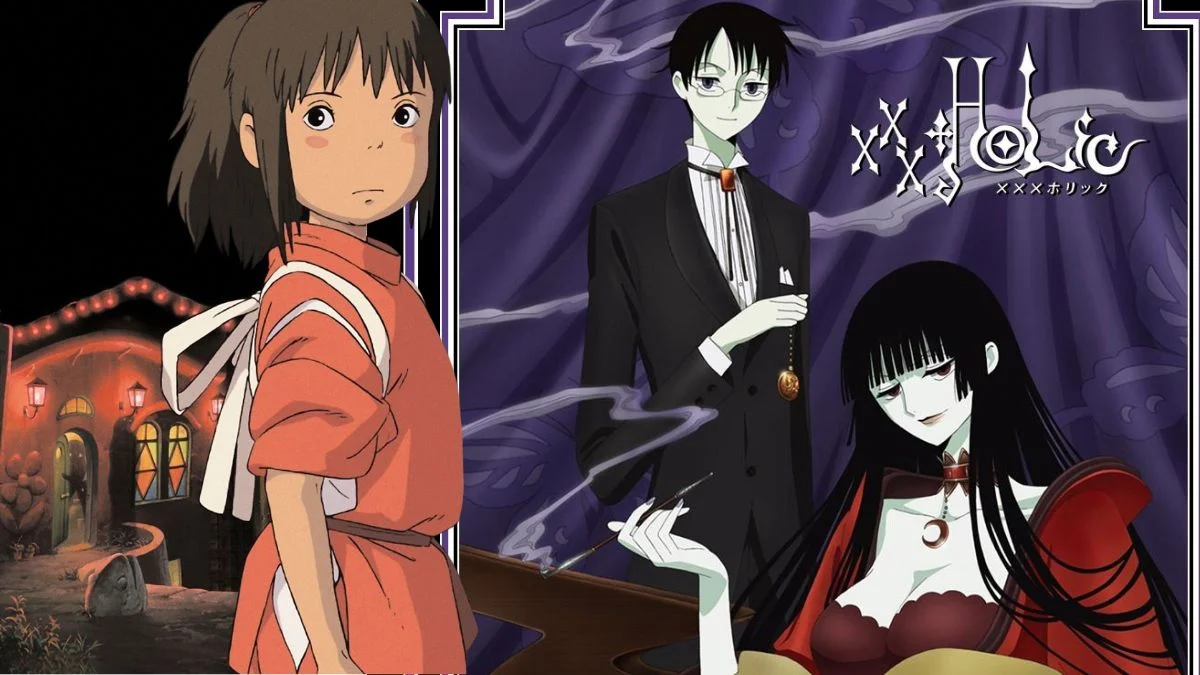
‘xxxHolic’ (2006)

Yuko Ichihara, the dimensional witch, often employs food and sake in her dealings with the supernatural. Clients or spirits are drawn to her shop where meals serve as payment or mediums for magical transactions. Watanuki’s cooking is frequently used to settle debts or appease spirits that have attached themselves to him. The preparation of food in the shop is a ritual that maintains the balance between the human world and the void.
‘Your Name.’ (2016)

The creation of Kuchikamizake, a rice wine made by chewing rice and spitting it out, is a sacred Shinto ritual performed by the protagonist Mitsuha. This “half of her soul” is left as an offering to the local god, later acting as a summoning catalyst for Taki to reconnect with her across time. Drinking the sake in the spirit realm summons the memories and soul connection required to alter fate. It is a profound example of cuisine serving as a literal vessel for a person’s spirit.
‘The Morose Mononokean’ (2016)
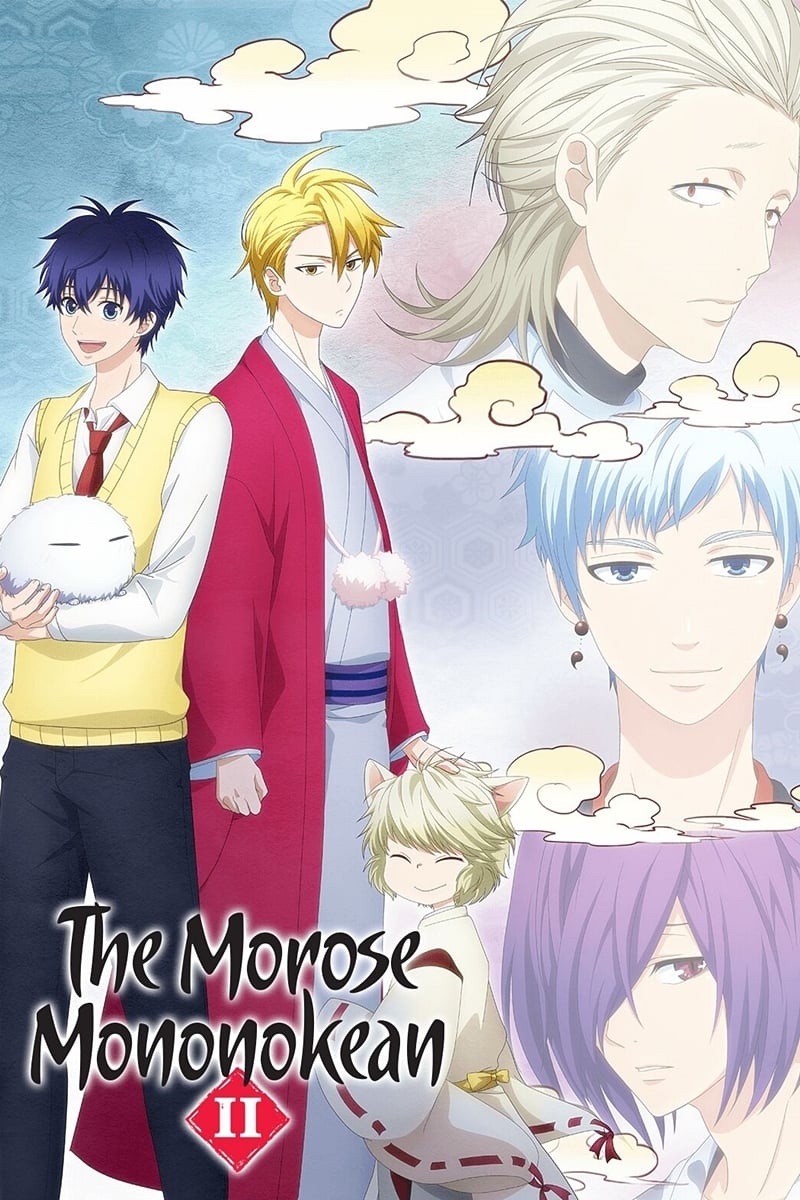
Hanae Ashiya and Haruitsuki Abeno work to exorcise yokai, often using food as a lure or offering to facilitate their passage to the Underworld. Many spirits are summoned or revealed when they are attracted to human food or specific crops. The job often involves preparing or finding the correct “last meal” for a spirit to help it move on. These dietary rituals are essential for maintaining the boundaries between worlds.
‘Kamisama Kiss’ (2012)

Nanami Momozono, as a newly appointed land god, learns that offerings of food are essential for maintaining the strength of her shrine and familiars. Her familiar Tomoe prepares meals that not only sustain her but also strengthen the spiritual bond between god and servant. During festivals, food stalls and offerings act as summoning beacons for other spirits and minor deities. The exchange of food is a sign of contract renewal and divine favor.
‘Flying Witch’ (2016)
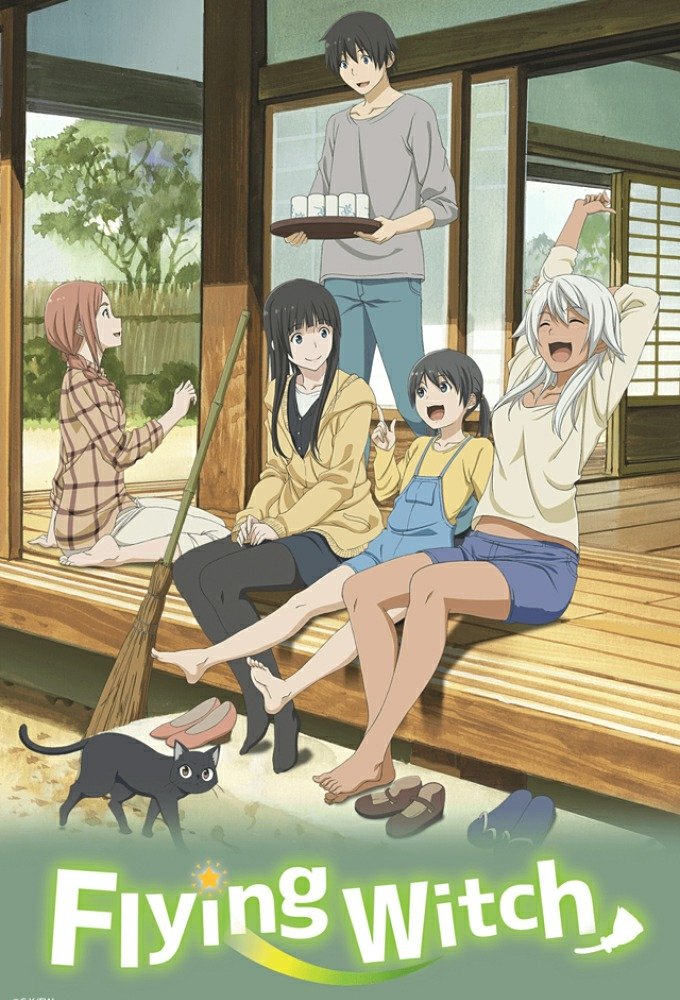
Makoto Kowata is a witch who incorporates farming and cooking into her magical practice. She cultivates mandrakes and other magical plants to create dishes that can summon specific effects or attract magical creatures like the Harbinger of Spring. The preparation of these magical ingredients is treated with the same gravity as casting a spell. Her cooking often serves as a gentle medium to introduce normal humans to the world of magic.
‘Princess Connect! Re:Dive’ (2020)
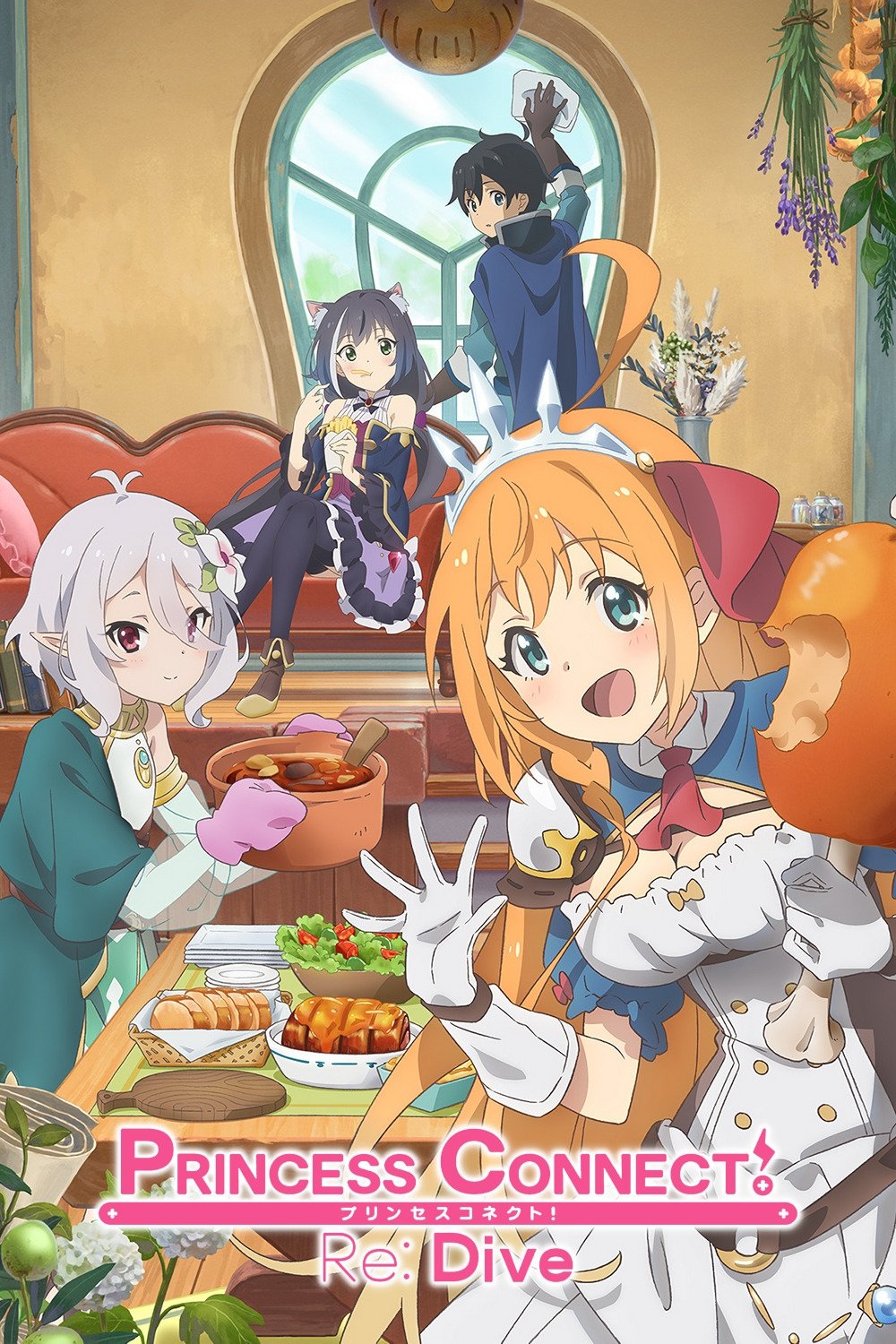
The protagonist Yuuki and his guild, the Gourmet Edifice, are dedicated to exploring the world to find new ingredients and recipes. The character Pecorine draws her immense strength directly from the consumption of vast quantities of food, treating eating as a ritual to summon her “Princess Strike” powers. Monsters are frequently hunted not just for safety, but to be turned into meals that empower the heroes. The “Ultimate Seasoning” is a sought-after item that drives the group’s questing and summoning of trouble.
‘Akikan!’ (2009)

In a bizarre twist on summoning, this series features magical girls who are summoned when a protagonist opens and drinks from a specific can of juice or soda. Each girl, known as an “Akikan,” represents a different beverage type, such as melon soda or sports drink. The carbonation and consumption process is the activation ritual that brings these warriors to life. The bond between the owner and the Akikan is maintained through the beverage they represent.
‘Yakitate!! Japan’ (2004–2006)

While technically a baking show, the reactions to the protagonist’s bread, known as “Ja-Pan,” often summon celestial beings, judges from heaven, or alter reality itself. The “reactions” are so intense they manifest as physical transformations or summonings of legendary figures to judge the taste. One reaction literally transports the judges to a different dimension or timeline. The baking process is elevated to a reality-warping ritual.
‘Food Wars! Shokugeki no Soma’ (2015–2020)
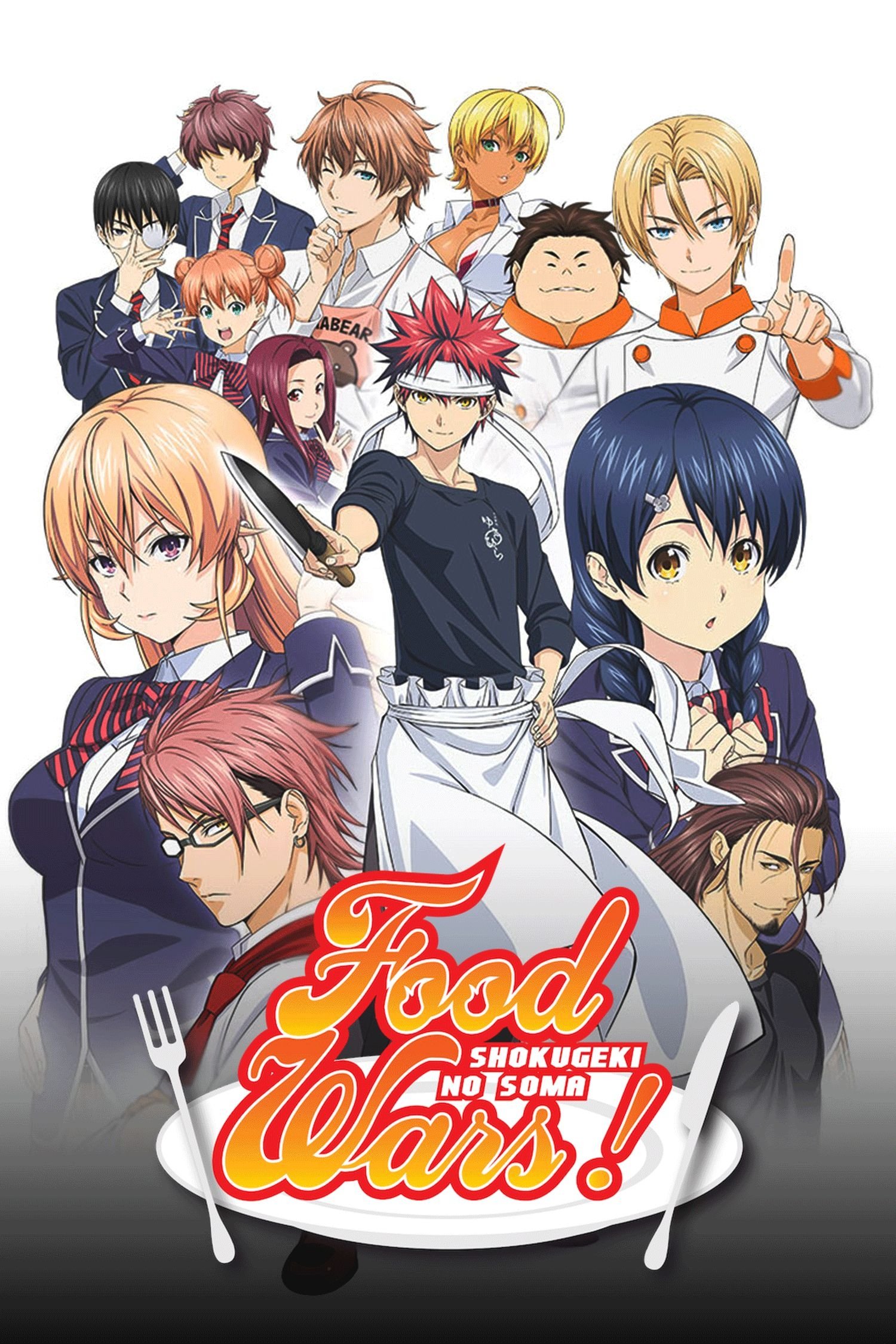
The “foodgasms” in this series are metaphorical summonings where the taste of a dish transports the eater to a different mental landscape. However, the preparation of the food is treated as a battle ritual, summoning the “spirit” of the chef’s culinary philosophy. In later arcs, the “God Tongue” ability allows Erina to pass judgment that can make or break the culinary world, acting like a summoned deity of taste. The dishes themselves conjure vivid, shared hallucinations that function like summoned illusions.
‘Log Horizon’ (2013–2014)

When players are trapped in the game world, the food initially tastes like nothing, leading to a depression that weakens their spirits. The discovery of how to cook real food using manual preparation acts as a ritual that “summons” flavor and life back into the world. This culinary revolution restores the players’ will to live and strengthens their connection to the new reality. It is a metaphysical summoning of the “soul” of the ingredients which the game system had suppressed.
‘Humanity Has Declined’ (2012)
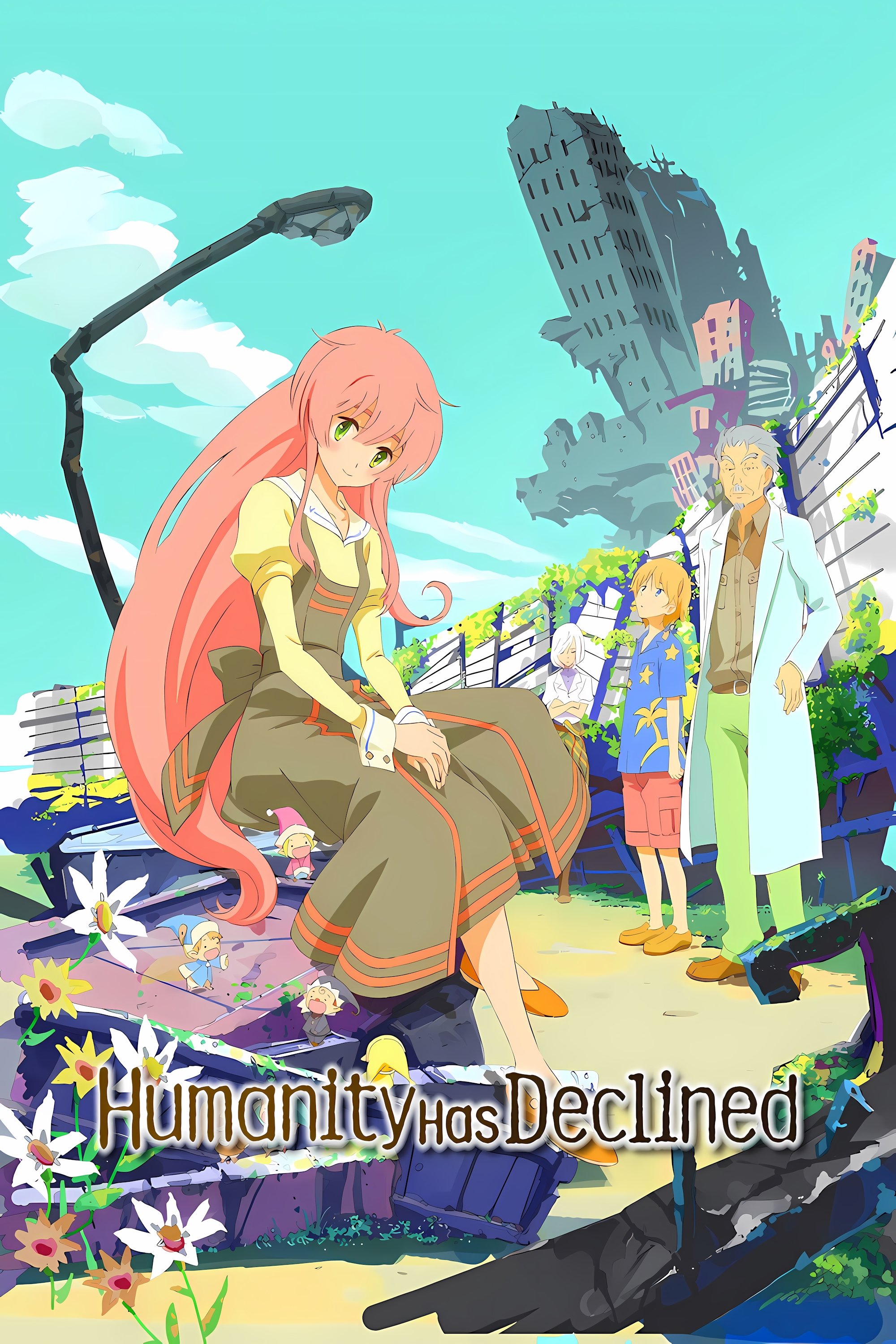
The protagonist acts as a mediator between humans and the Fairies, tiny creatures with god-like powers who love sweets. By providing them with candy or snacks, she can unintentionally summon bizarre magical items or alter reality. The Fairies’ gratitude for the food manifests as chaotic civilizations or sentient processed foods appearing overnight. The exchange of sweets is the primary ritual for invoking the Fairies’ potent but unpredictable magic.
‘Alice & Zoroku’ (2017)
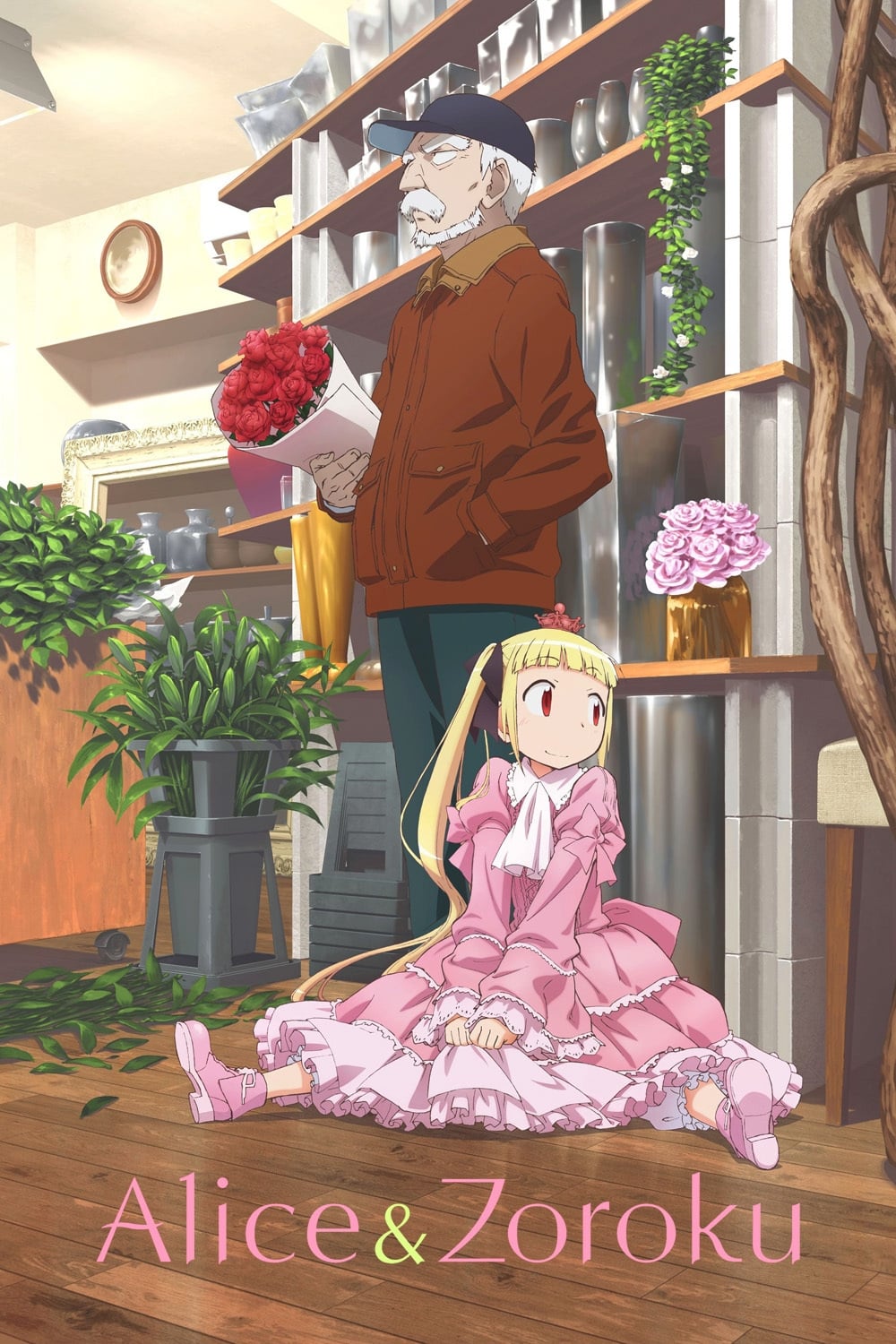
Sana, a young girl with the power to materialize anything from her imagination, often uses food as a bridge to understand the human world. Her creation of food is a manifestation of her power, effectively summoning matter from nothingness based on her memories of taste. The act of eating with Zoroku becomes a ritual that stabilizes her powers and grounds her in reality. Food serves as the anchor that prevents her from losing control of her “Dreams of Alice” ability.
‘Hell’s Paradise’ (2023)

The search for the Elixir of Life involves a dark twist on consumption, where the local creatures and the Tensen consume humans to summon the Tao energy required for immortality. The production of “Tan” is a horrific culinary ritual involving the processing of living beings to distill their life force. Consuming this elixir is the ultimate summoning ritual for achieving godhood. The protagonists must navigate a world where they are the ingredients for this divine feast.
‘Golden Kamuy’ (2018–2023)

The preparation of “Chitatap” by chopping meat and chanting is a cultural ritual of the Ainu people depicted in the show. While not magic, the ritual invokes the spirit of the animal and expresses gratitude to the Kamuy (gods) of nature. Eating the brain or eyes is a ceremony to absorb the animal’s strength and honor its life. This culinary reverence effectively “summons” the protection and favor of the wilderness gods.
‘That Time I Got Reincarnated as a Slime’ (2018)

Rimuru Tempest’s unique skill “Predator” (later “Gluttony”) allows him to absorb monsters and summon their skills by consuming them. This makes eating the primary ritual for his evolution and power acquisition. Later, his subordinate Shion gains the “Chef” skill, which allows her to rewrite the reality of the food she cooks, effectively summoning new properties into existence. The founding of the nation is celebrated with feasts that attract and bind diverse monster races together.
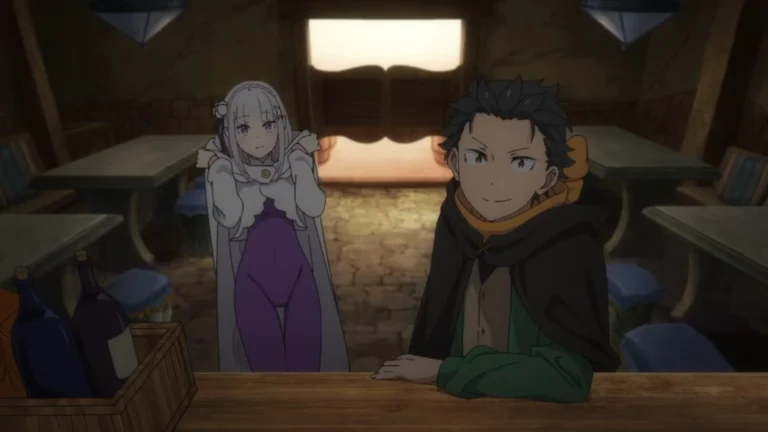
‘Re:Zero – Starting Life in Another World’ (2016)

The Witches’ Tea Party is a metaphysical space summoned by the Witch of Greed, Echidna. To enter or interact, Subaru is often invited to sit and drink tea, which is actually a fluid constructed from Echidna’s own body fluids/magic. Consuming this tea stabilizes the summoning of his consciousness into her realm and allows the transfer of the Witch Factor. The tea party serves as a ritualistic communion between the human and the witches.
‘So I’m a Spider, So What?’ (2021)
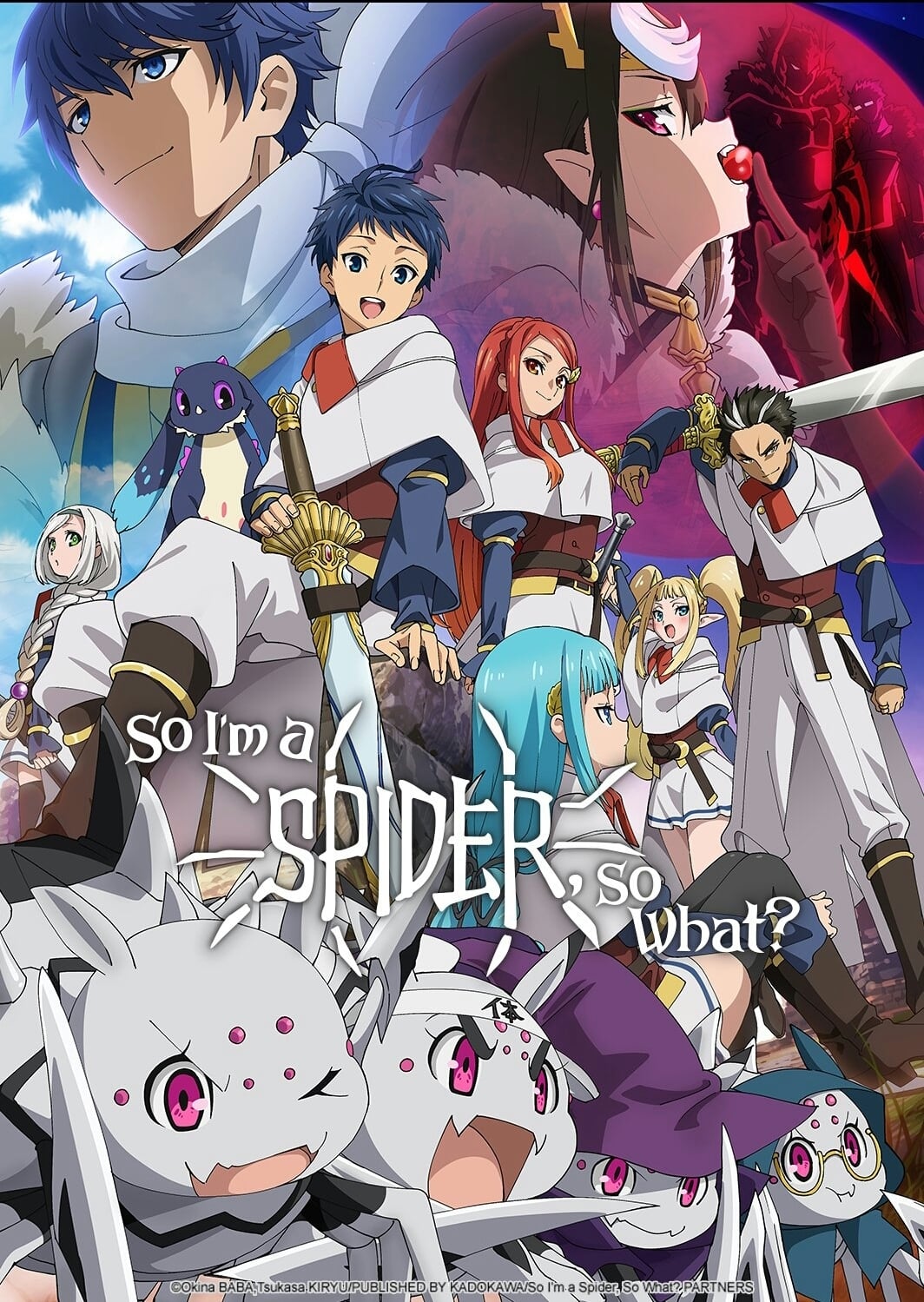
The protagonist Kumoko must survive in a dungeon by eating monsters, which is the sole method for leveling up and evolving. Every meal is a ritual of acquiring genetic data and skill points, eventually allowing her to summon magic and evolve into an arachne and later a god. The act of eating the “Taboo” food items triggers the summoning of administrative authority from the system. It is a survival-of-the-fittest ritual where cuisine equals evolution.
‘Arifureta: From Commonplace to World’s Strongest’ (2019)

Hajime Nagumo survives a fall into the abyss by eating monster meat, which is poisonous to humans. This desperate act triggers a mutation ritual that breaks his human limits and allows him to summon powerful transmutation magic. The consumption of various monsters grants him their specific abilities, turning his diet into a summoning catalog of skills. He continues to cook and eat monsters to maintain this power.
‘Dorohedoro’ (2020)
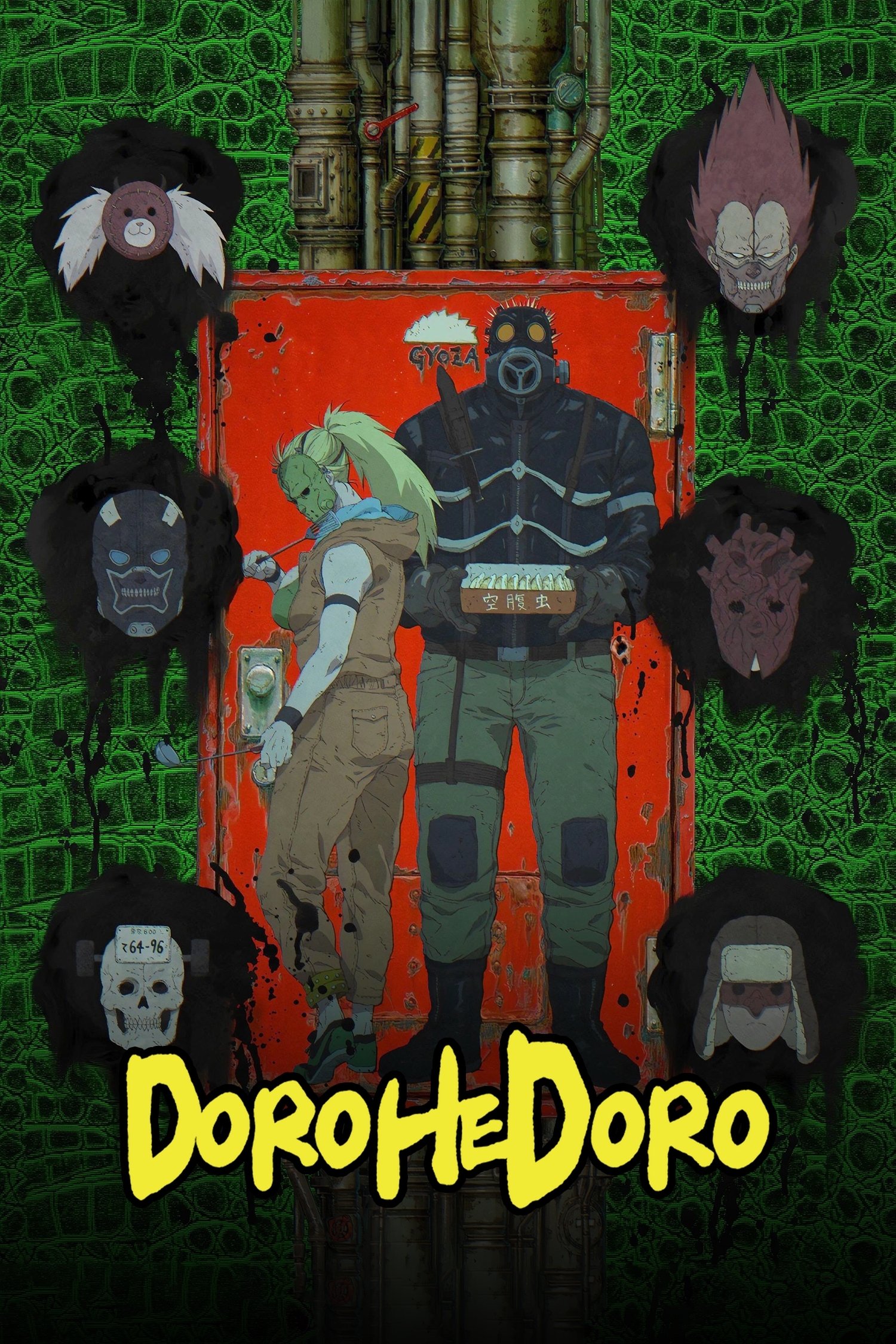
The sorcerers in this world produce “Smoke” to perform magic, but the protagonist Caiman loves gyoza. The owner of the Hungry Bug restaurant, Nikaido, is a secret sorcerer whose cooking keeps Caiman grounded. While not a direct summoning, the “Devil” Chidaruma creates life and sorcerers often through bizarre rituals involving organic matter and mushrooms. The annual “Living Dead Day” involves food rituals to appease the zombies summoned from the ground.
‘The Rising of the Shield Hero’ (2019)
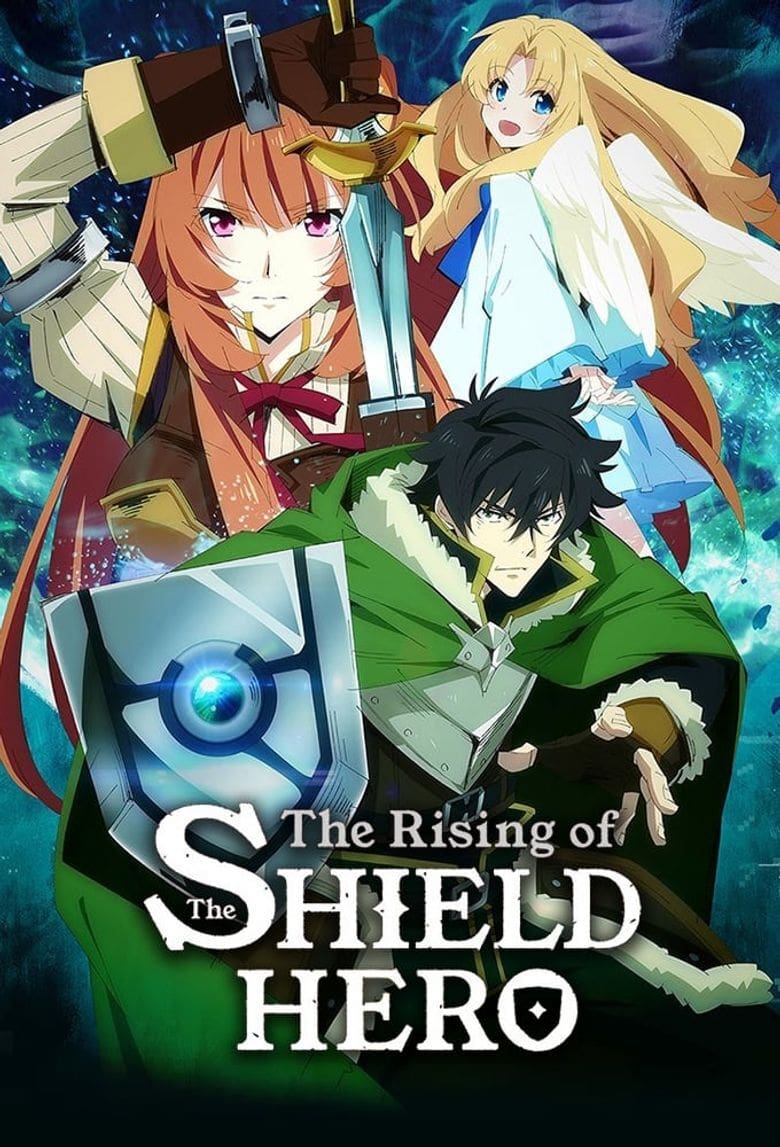
Naofumi’s cooking skill is unexpectedly high, and he uses it to trigger status-boosting effects in his party. His food acts as a lure to summon the loyalty of the Filolial Queen and other monsters. The preparation of monster meat with herbs is a crafting ritual that unlocks new shields and abilities in his legendary weapon. The Shield itself absorbs these ingredients to “summon” new defensive forms.
‘Chainsaw Man’ (2022)

The devils in this series gain power from fear, but contracts are often sealed with the consumption of body parts. The final act of the first major arc involves a twisted form of “cuisine” where the protagonist must consume a high-ranking devil to bypass its regeneration. This act is a ritual of permanent erasure and absorption of the devil’s existence. It is a grotesque parody of communion.
‘Toilet-bound Hanako-kun’ (2020)

Nene Yashiro initially summons Hanako by knocking on a stall, but she becomes bound to him after consuming a mermaid scale. This swallowing of a cursed object acts as a summoning contract that curses her but allows her to interact with the spirit world. The series features “Donuts” as Hanako’s favorite snack, which Nene uses as an offering to summon his good mood or cooperation. The consumption of the scale is the key ritual of the series.
‘InuYasha’ (2000–2004)

While the Bone Eater’s Well is the main transport, the “Buyo” (cat) is often summoned by food. More seriously, demons are often summoned or empowered by consuming humans or the Shikon Jewel. However, the “Ninja Food” episodes feature dried food that expands instantly, acting as a comedic summoning of instant meals. Offerings to shrine spirits are occasionally depicted as necessary rituals for protection.
‘Noragami’ (2014–2015)
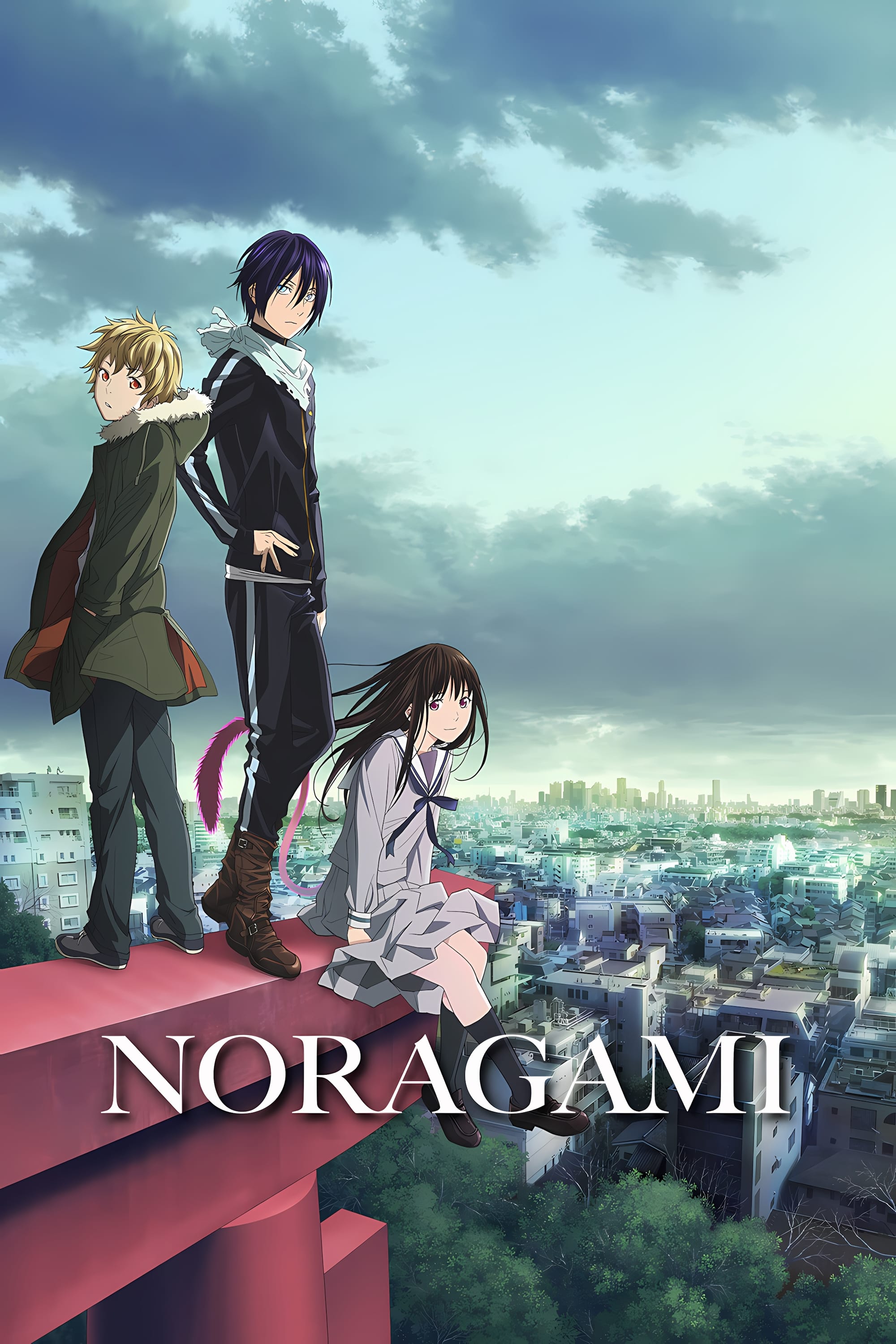
Yato, a minor god, has no shrine and thus relies on small offerings (often 5 yen coins, but also food) to sustain his existence. Hiyori often brings him food, which acts as a tether keeping him anchored to the human world and preventing him from fading. The ritual of “sharing a meal” is emphasized as a way to form bonds between gods and their Regalia. Without these offerings, a god cannot be “summoned” to perform tasks.
‘Wonder Egg Priority’ (2021)
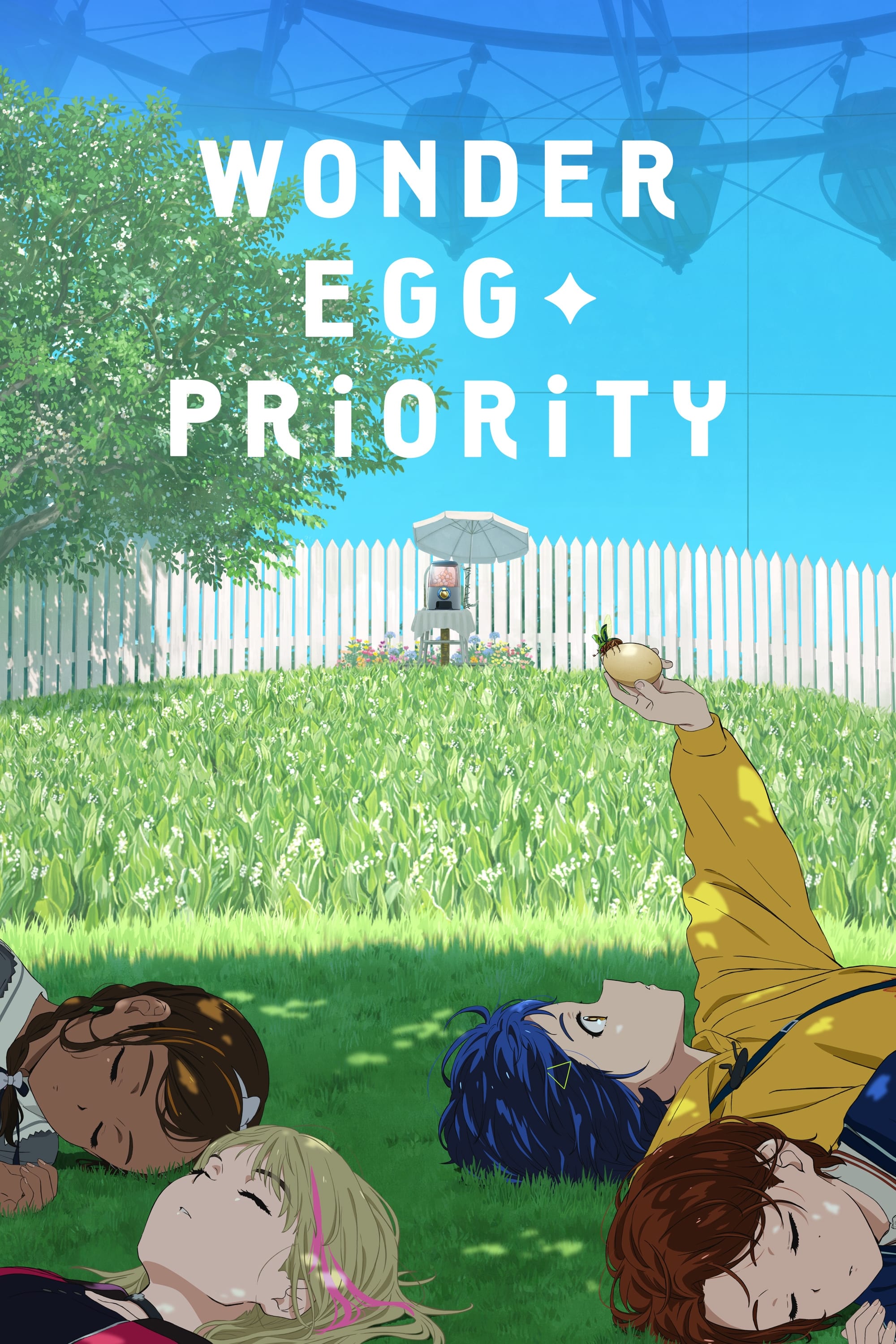
The protagonists buy “Wonder Eggs” which, when broken (a form of cracking an egg for cooking), summon a girl from a dream world who needs saving. The hatching process is visually similar to cracking an egg into a pan, acting as the ritual start of a battle. This connects the imagery of breakfast preparation with the summoning of trauma victims. The “Acca” mannequins guide them through these ritualistic hatchings.
‘Sarazanmai’ (2019)
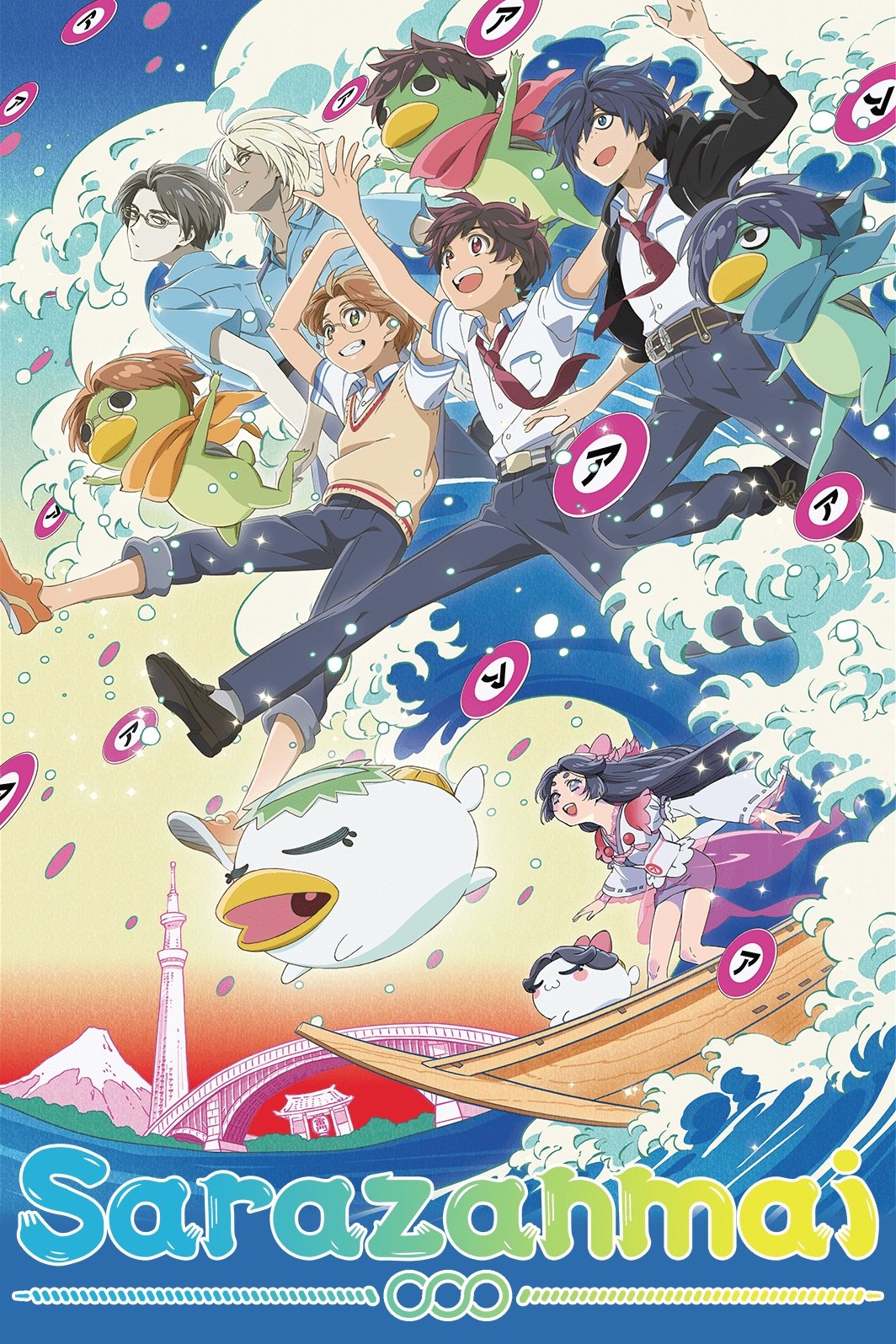
The main characters transform into kappas and must extract “shirikodama” from zombies to summon the prince Keppi. The show focuses heavily on the desire for connection, often symbolized through dishes like kappa-maki (cucumber rolls). The “Sara” dishes collected are used in a wish-granting ritual. The entire process is a psychedelic digestion ritual involving extraction and consumption.
‘Weathering With You’ (2019)

Hina Amano cooks a dish using potato chips and fried rice that becomes a viral sensation, but her role as the “Sunshine Girl” involves a ritualistic sacrifice to the sky. The food she cooks for Hodaka represents the warmth of the human world she is destined to leave. The “offering” of herself is the ultimate ritual to summon clear weather. The shared meals are the anchors trying to prevent this summoning.
‘Farming Life in Another World’ (2023)
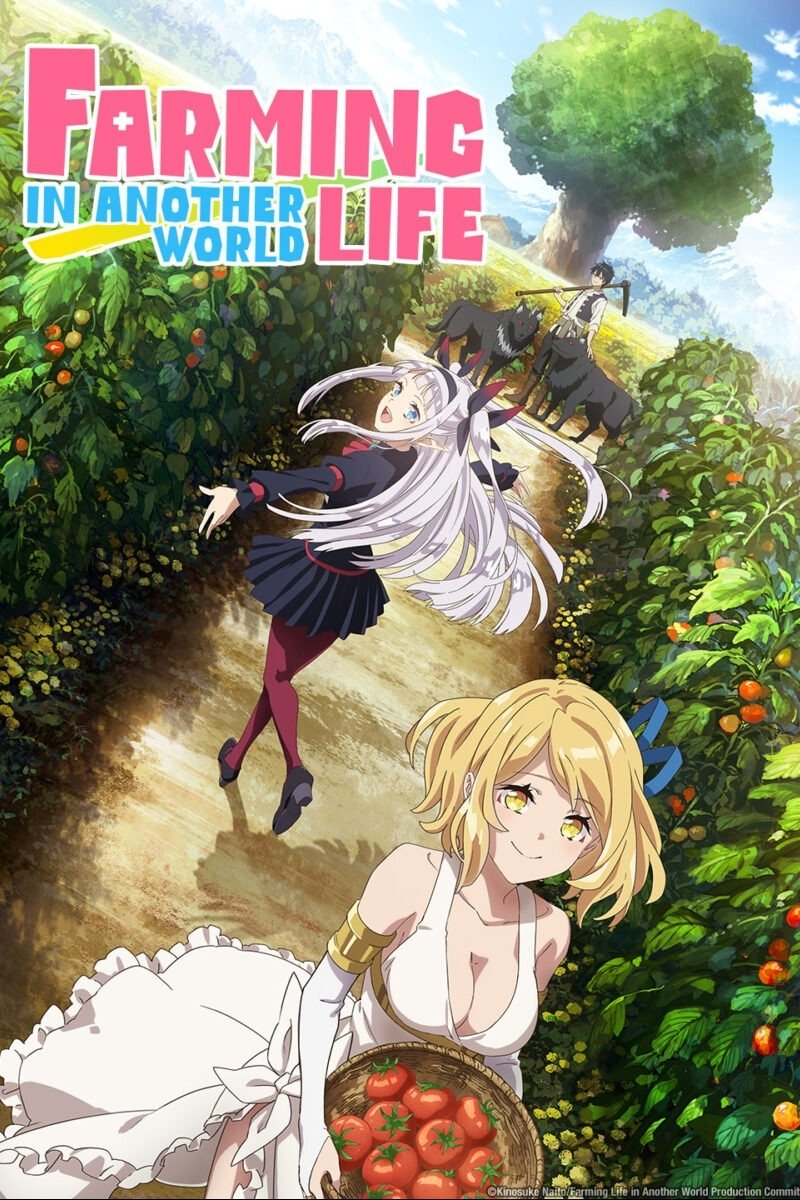
Hiraku Machio uses the “Healthy Body” and “All-Purpose Farming Tool” granted by a god to cultivate a deadly forest. His farming acts as a beacon that summons various races (elves, dragons, beastmen) who are drawn to the high-quality food. The “summoning” here is the agricultural output attracting residents to build a village. High-ranking dragons and vampire progenitors are tamed simply by the ritual of sharing his crops.
‘Parallel World Pharmacy’ (2022)

The protagonist uses his knowledge to create sweets and medicines, often using the creation of delicious treats to appease noble spirits or divine the nature of ailments. The “Divine Arts” he uses are gifts from the Medicine God, and his creation of new recipes acts as a summoning of modern medical knowledge into a fantasy realm. He prepares sweets to summon the favor of the Empress and the spirits guarding the land.
Share your favorite food-based magical moment in the comments!