Anime That Wove Astronomy Into Character Backstories


Anime has long looked to the stars for inspiration when crafting complex worlds and compelling character origins. Many series utilize astronomy to define magic systems or explain the biological roots of their protagonists. We see characters named after constellations and entire civilizations born from the colonization of distant planets. These stories use the vastness of space to ground their narratives in scientific theory or mythological wonder.
‘Saint Seiya’ (1986–1989)
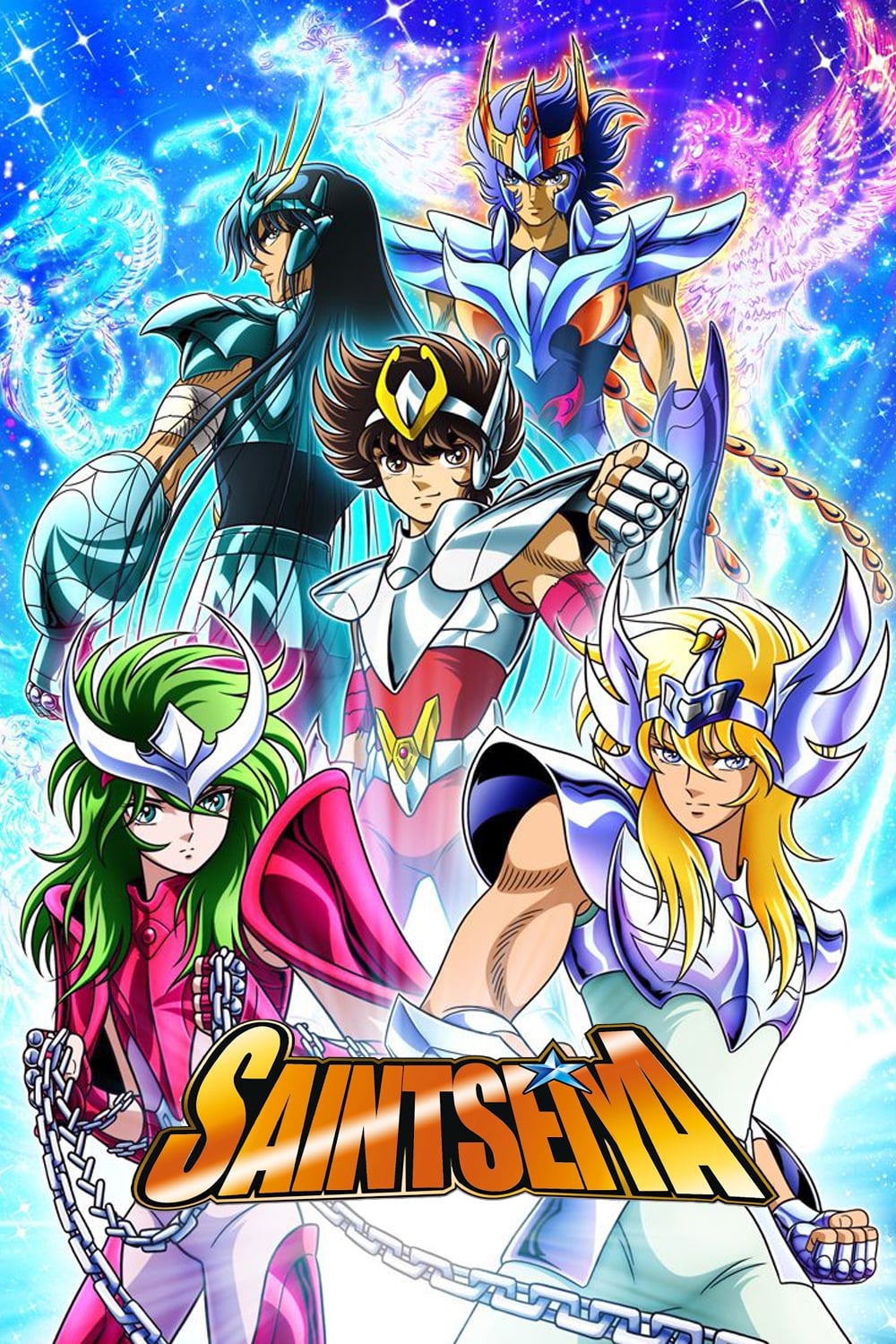
The narrative focuses on orphans known as Saints who channel the energy of the cosmos through their bodies. Each character draws strength and protective armor from a specific constellation in the night sky. Seiya serves as the Pegasus Saint while his companions represent the Dragon and Cygnus and Andromeda and Phoenix constellations. Their backstories are intrinsically tied to the mythology surrounding these star patterns and their duty to protect Athena. The series blends Greek mythology with astronomical themes to create a unique battle system.
‘Sailor Moon’ (1992–1997)
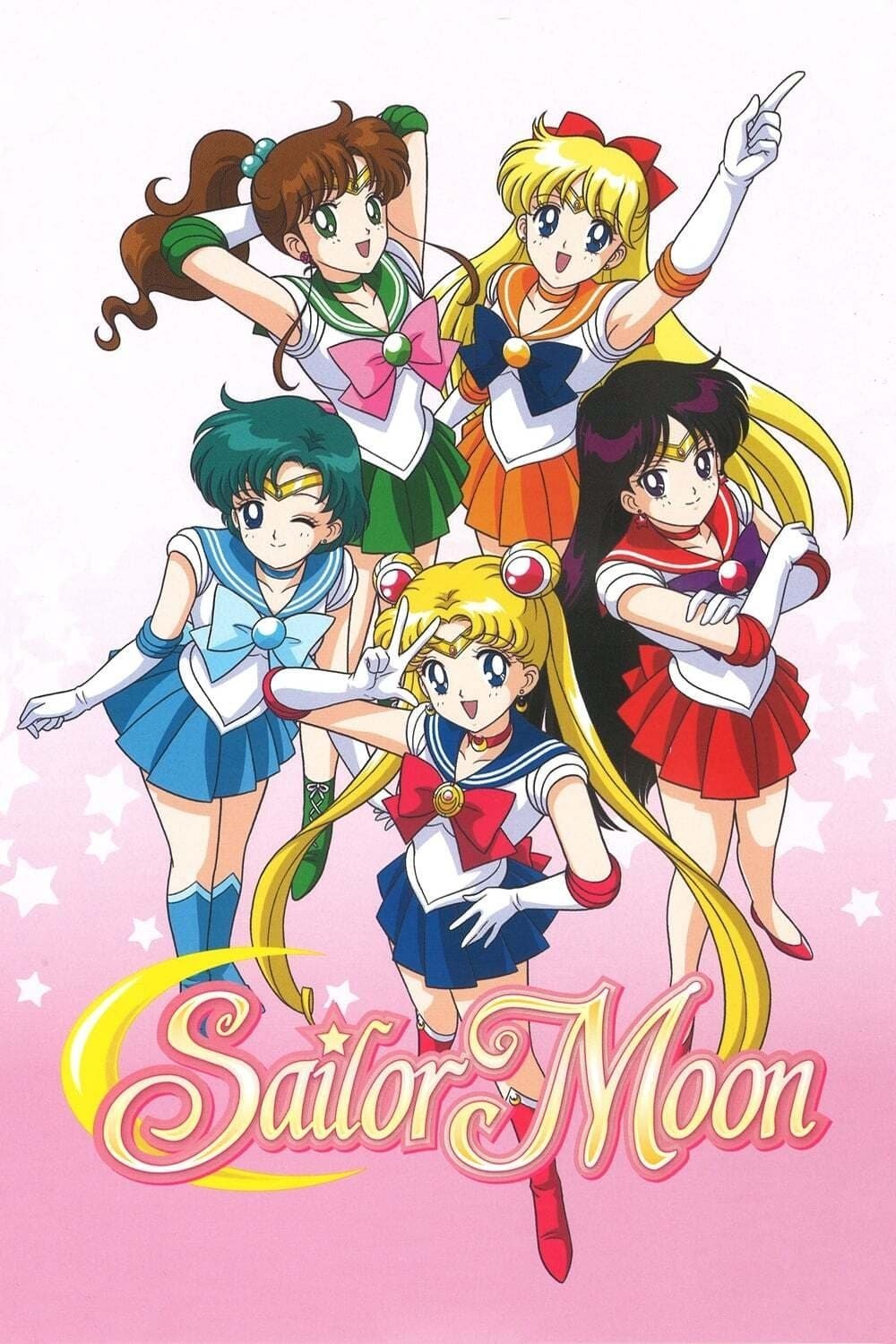
Usagi Tsukino discovers she is the reincarnation of Princess Serenity from the ancient Moon Kingdom. Her fellow guardians are named after the planets of the solar system and wield powers corresponding to their celestial namesakes. The backstory involves a tragic past where the inhabitants of the Moon and Earth coexisted before a cataclysmic war. Astronomy dictates the hierarchy of the characters and the elemental nature of their magical abilities. The inclusion of the Outer Senshi later expands the lore to include Pluto and Uranus and Neptune and Saturn.
‘Dragon Ball Z’ (1989–1996)

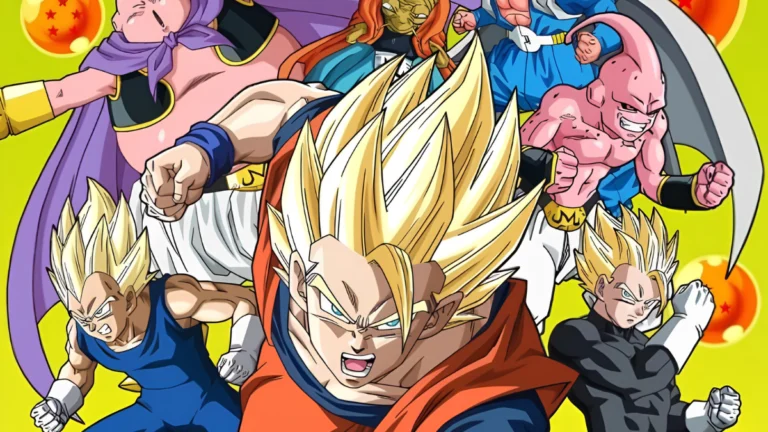
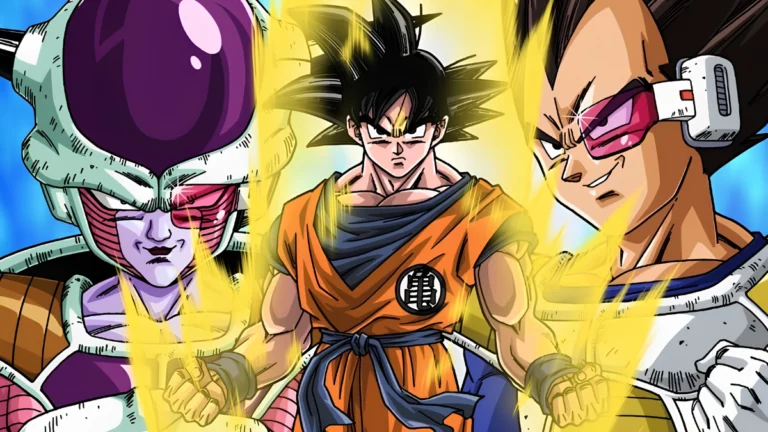
Goku learns that he is actually a member of the warrior Saiyan race from the planet Vegeta. His backstory reveals that he was sent to Earth as an infant just before his home world was destroyed by a tyrant. The series frequently incorporates space travel and alien species that expand the scope of the martial arts narrative. Characters are named after vegetables but their origins are deeply rooted in the politics of galactic conquest. The existence of the Dragon Balls themselves is linked to the extraterrestrial Namekians.
‘Cowboy Bebop’ (1998–1999)

Humanity was forced to flee Earth after a hyperspace gateway accident shattered the Moon and caused catastrophic meteor showers. The characters traverse the solar system in a reality defined by this astronomical disaster. Spike Spiegel and his crew live as bounty hunters who drift between colonized planets like Mars and Jupiter. The backstory of the entire human race in this series hinges on the failure of space travel technology. Astronomy dictates the setting and the melancholic tone of their drifting existence.
‘Legend of the Galactic Heroes’ (1988–1997)
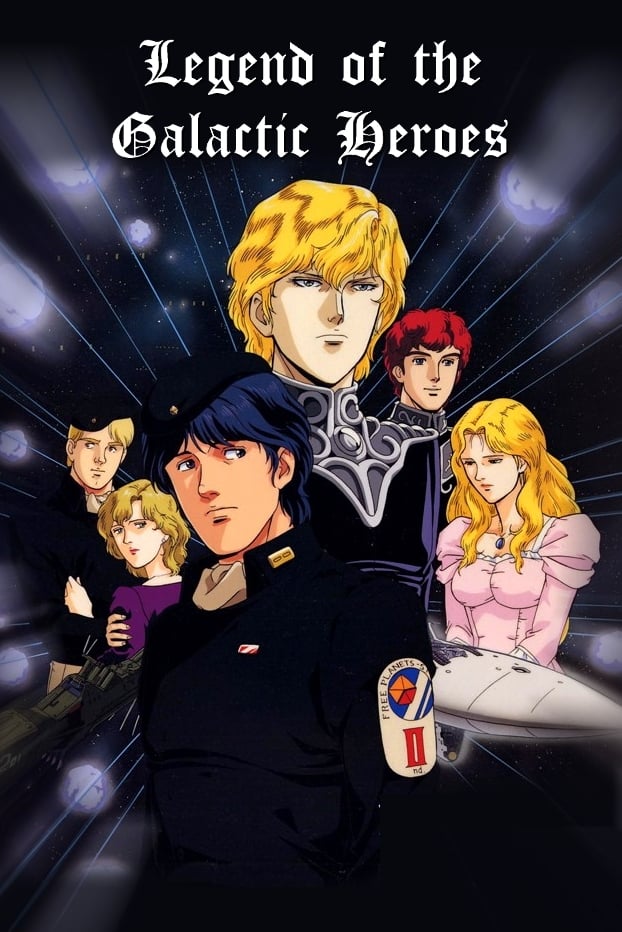
The story details a century-long stalemate between the Galactic Empire and the Free Planets Alliance. Characters are defined by their roles within these massive interstellar nations that span across numerous star systems. The anime treats space not just as a setting but as a terrain that dictates military strategy and political boundaries. Heroes like Reinhard von Lohengramm have backstories shaped by the harsh realities of living in a colonized galaxy. Historical events in the series are marked by dates relative to the expansion of humanity into the stars.
‘Gurren Lagann’ (2007)
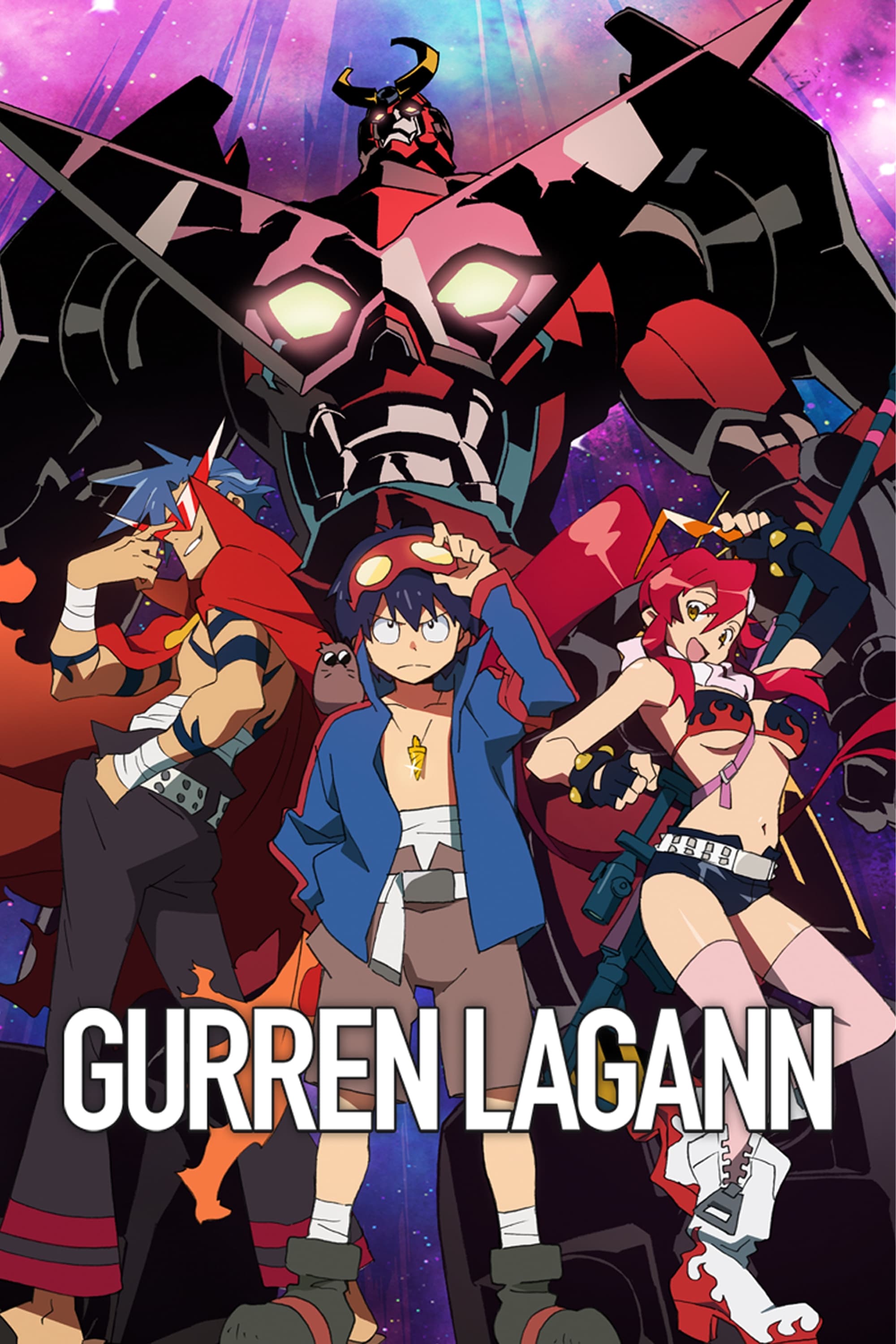
Simon and Kamina start their journey living in subterranean villages before drilling to the surface to discover a world ruled by Beastmen. The plot escalates until the characters are piloting massive mechs that use galaxies as throwing weapons. The backstory reveals that humanity was driven underground by the Anti-Spiral race to prevent the universe from collapsing. Spiral energy is a power source that connects the evolution of life with the very fabric of the cosmos. The show uses astronomy to visualize the limitless potential of the human spirit.
‘Space Brothers’ (2012–2014)
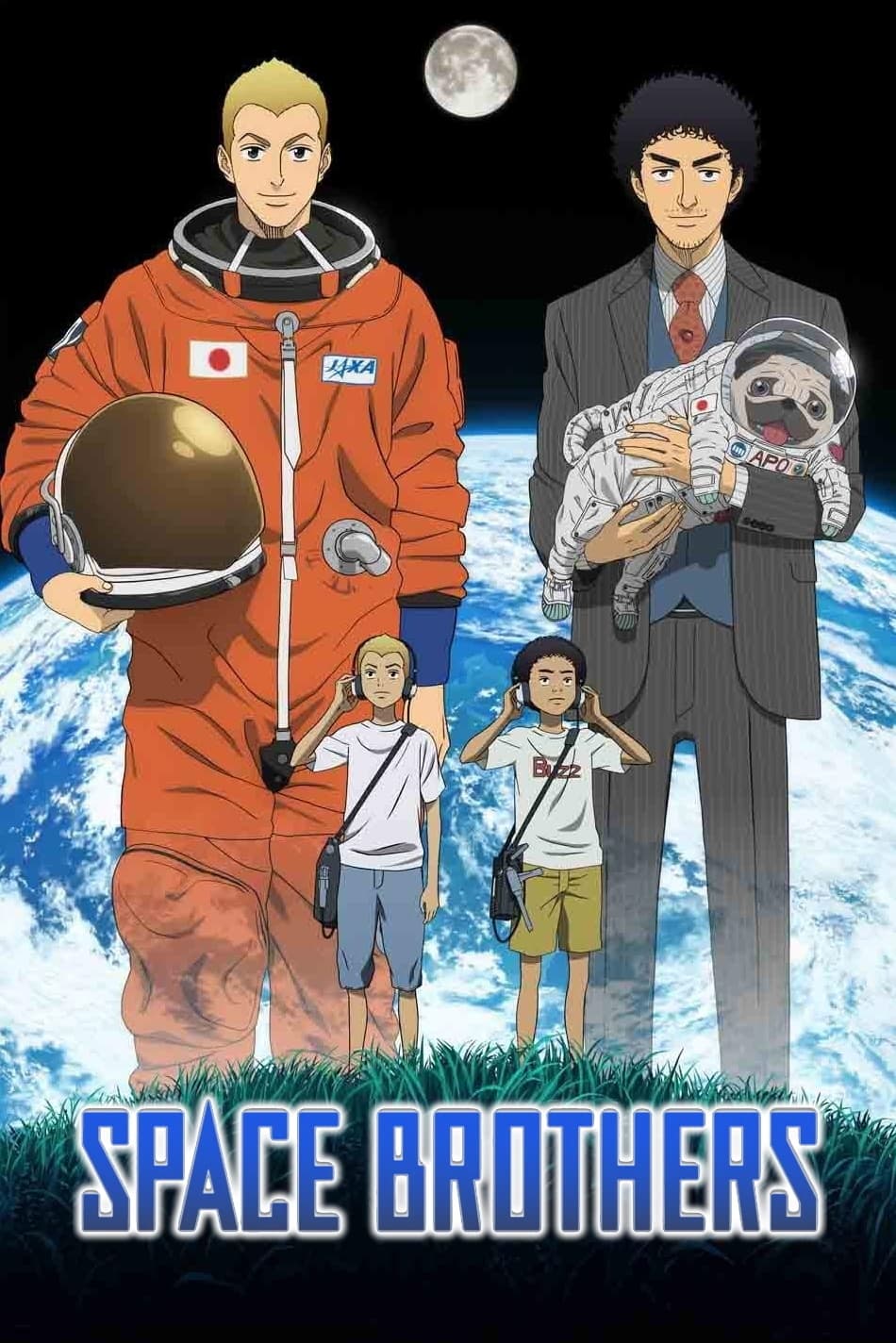
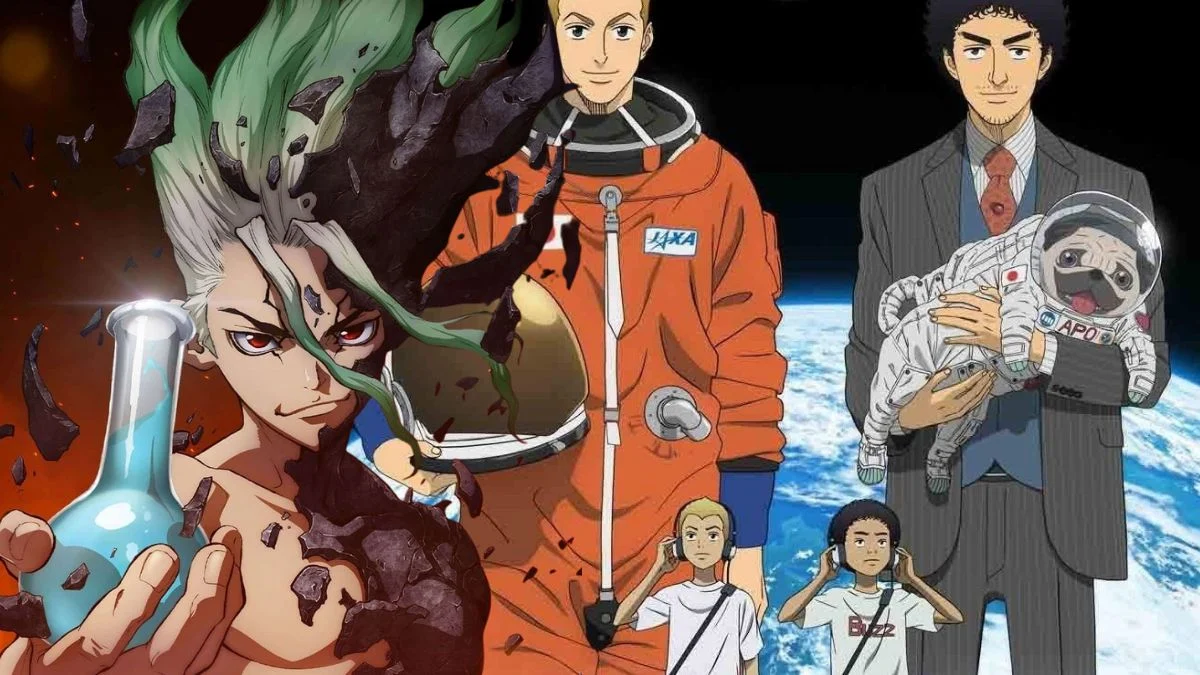
Two brothers witness a UFO as children and make a pact to become astronauts when they grow up. Mutta and Hibito Nanba pursue careers with JAXA and NASA to fulfill this shared childhood dream. The series provides a grounded look at the rigorous training and scientific knowledge required to leave the atmosphere. Their character motivations are entirely driven by their fascination with the Moon and Mars. Real astronomical concepts and space history form the foundation of their emotional journey.
‘Planetes’ (2003–2004)
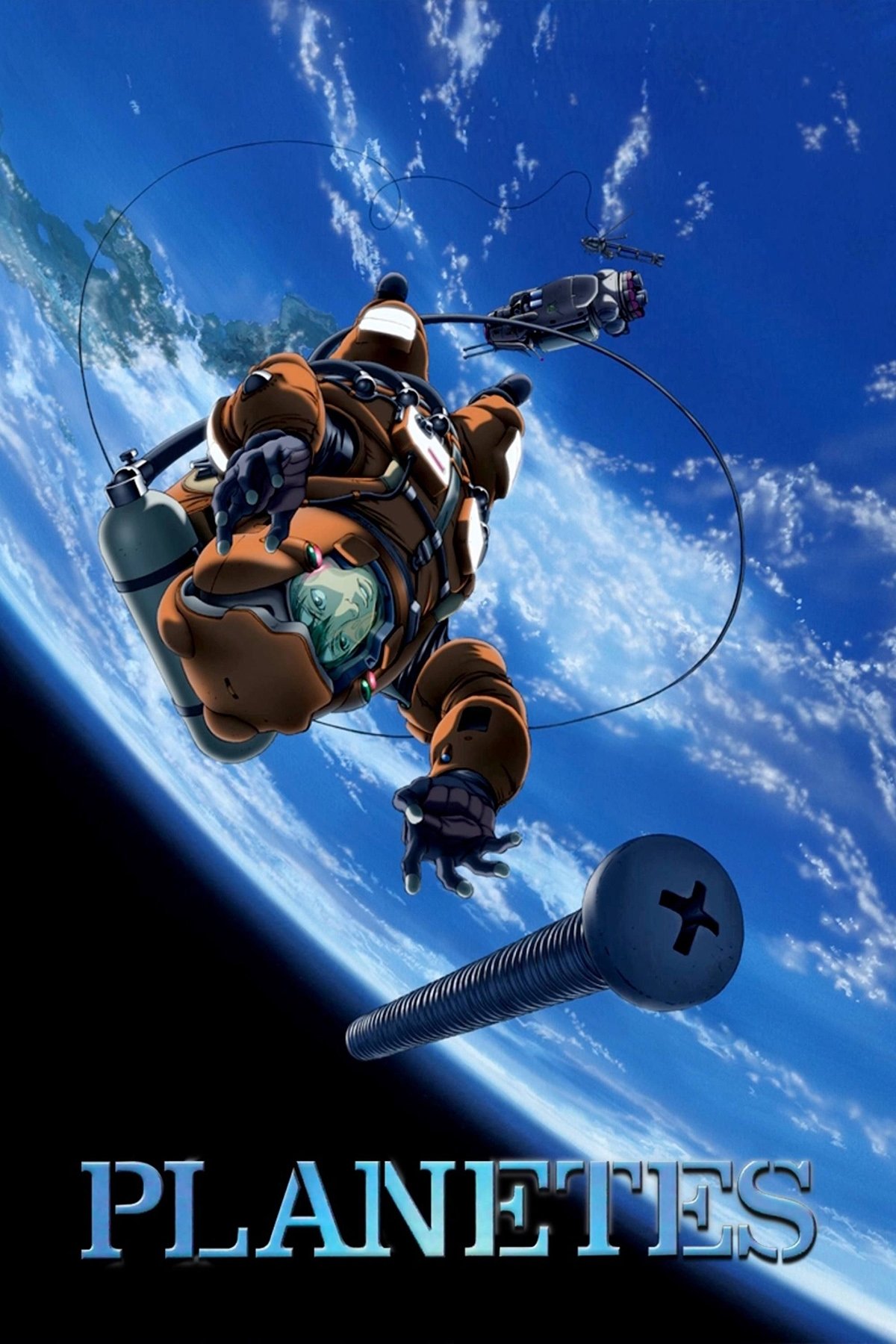
The protagonist Hachimaki works as a debris hauler clearing dangerous space junk from Earth’s orbit. His backstory and daily life revolve around the commercialization of space and the hazards of orbital mechanics. The series explores the disparity between those who live on Earth and the Lunarians born on the Moon. Characters deal with the physical and psychological toll of living in a low gravity environment. It presents a realistic vision of how astronomy impacts the economy and social structure of the future.
‘Mobile Suit Gundam’ (1979–1980)
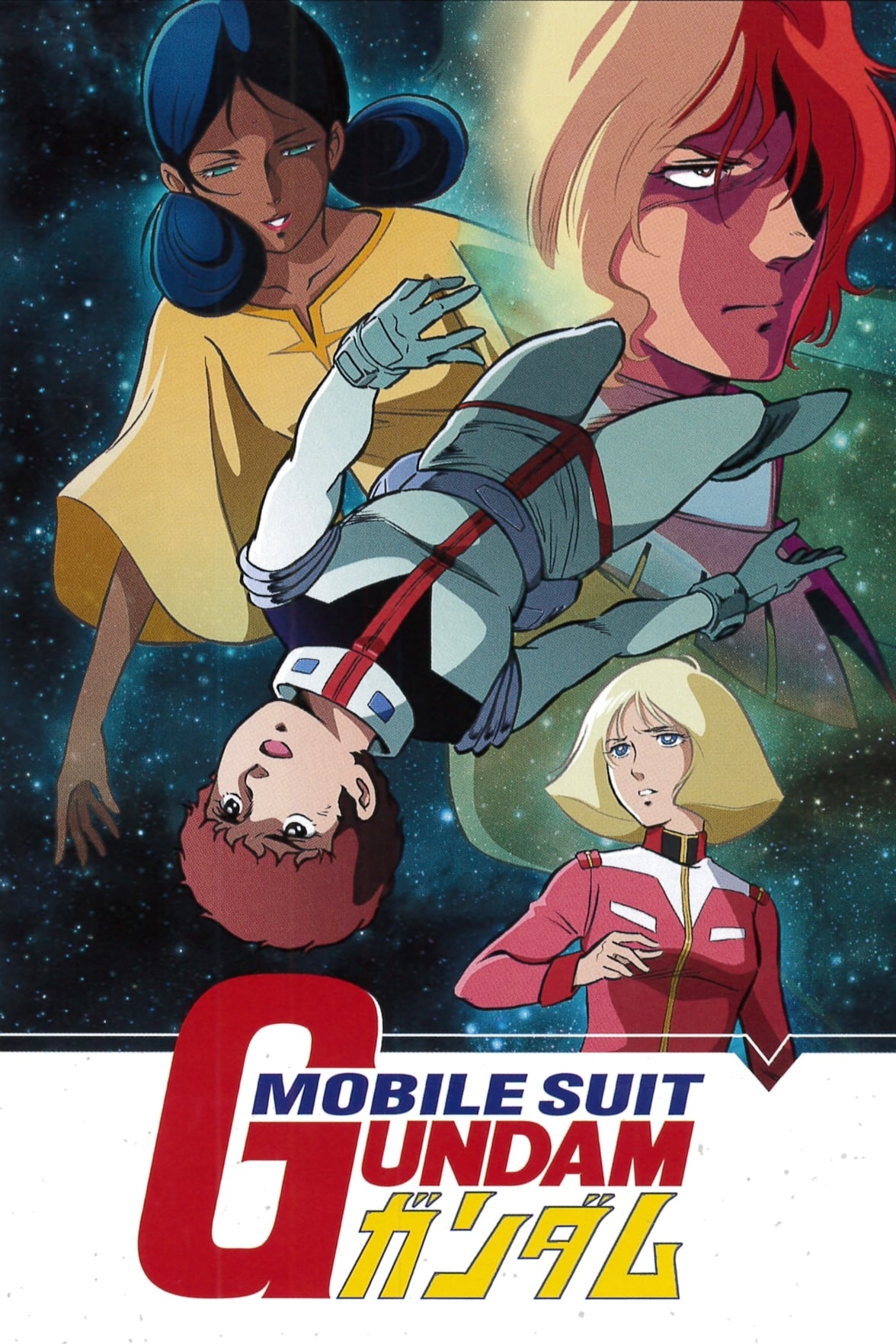
The conflict arises between the Earth Federation and the Principality of Zeon which consists of space colonies. Amuro Ray becomes the pilot of the Gundam after his home colony is attacked during the One Year War. The backstory of the Zeon inhabitants focuses on their identity as Spacenoids who want independence from Earth rule. Physics and orbital positioning play a crucial role in the military tactics used by both sides. The series established the Real Robot genre by treating space as a harsh battlefield.
‘Neon Genesis Evangelion’ (1995–1996)
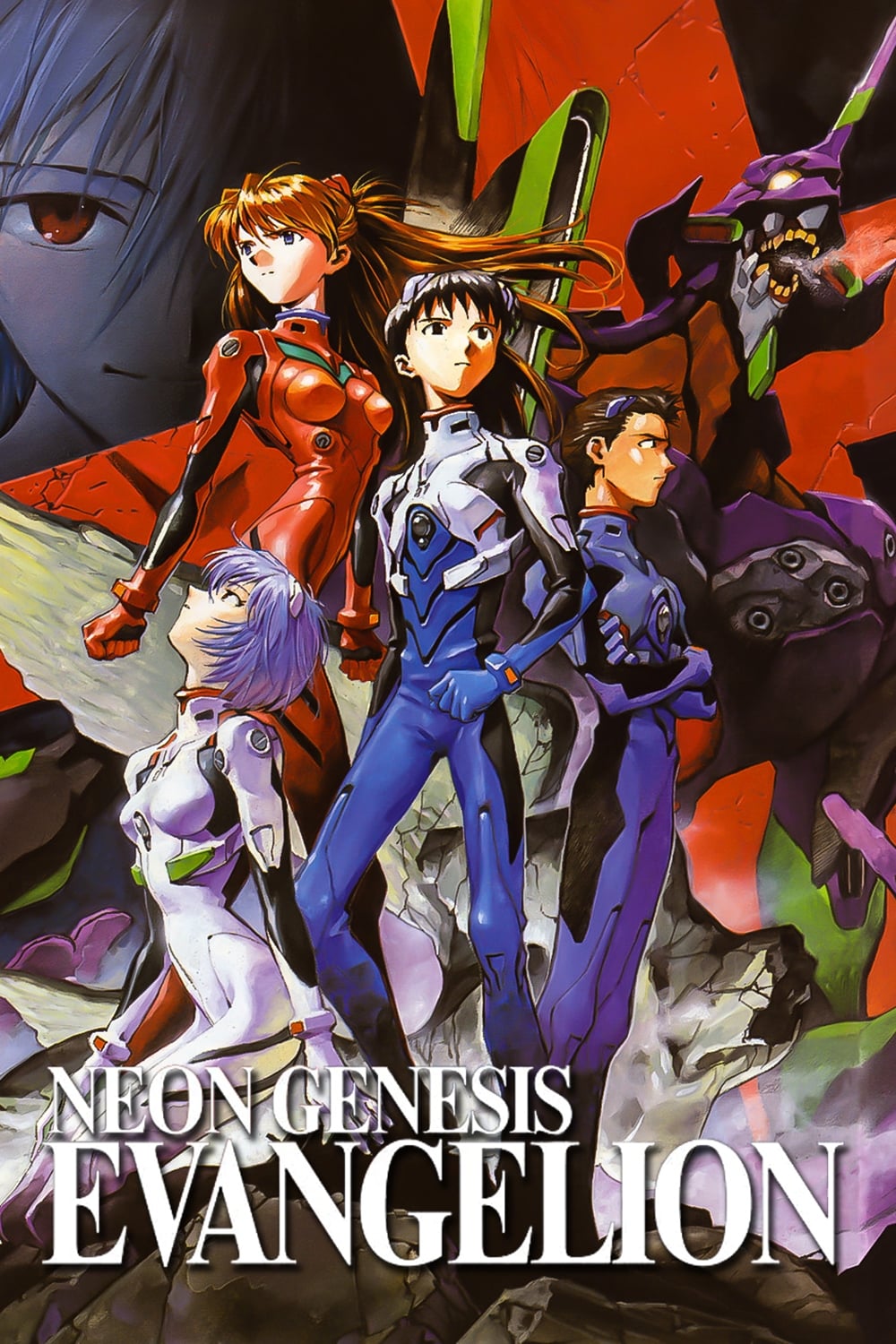
The backstory involves the discovery of godlike beings known as Adam and Lilith which are associated with the White and Black Moons. These celestial transport vessels arrived on Earth billions of years ago and shaped the evolution of life. The secret organization SEELE aims to initiate the Human Instrumentality Project based on information from the Dead Sea Scrolls. Astronomical terms and religious symbolism are intertwined to explain the origins of the Angels. The narrative treats the Earth and Moon as pivotal cosmic artifacts in a metaphysical war.
‘Cardcaptor Sakura’ (1998–2000)
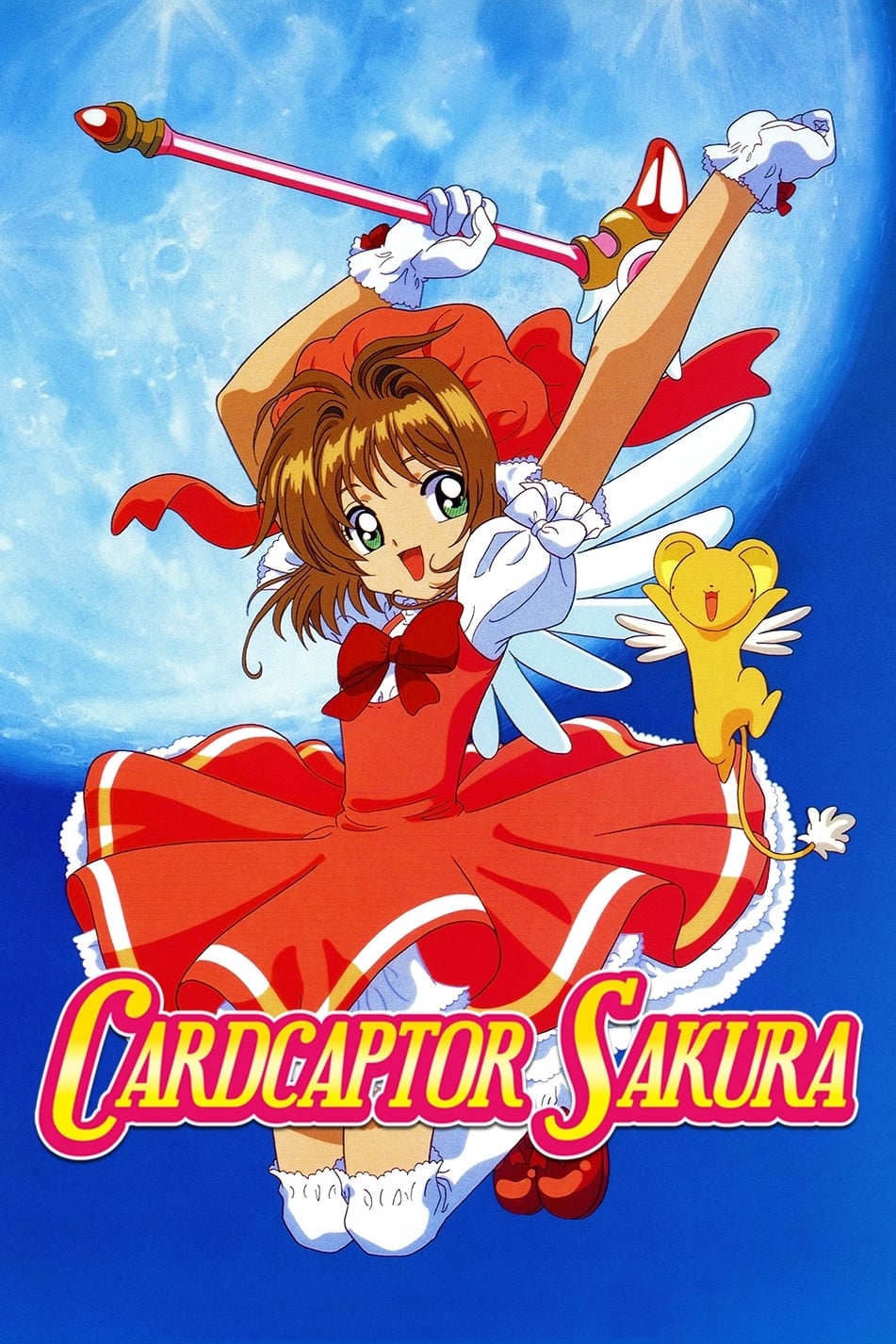
Sakura Kinomoto accidentally releases magical cards created by the sorcerer Clow Reed. Her powers and the cards themselves are governed by celestial bodies like the Sun and the Moon. The guardians Keroberos and Yue represent these two heavenly bodies and draw their energy from them. Later arcs introduce magic based on stars which allows Sakura to create her own distinct power source. The backstory of Clow Reed involves a balance of Eastern and Western magic tied to astronomical alignments.
‘Astra Lost in Space’ (2019)
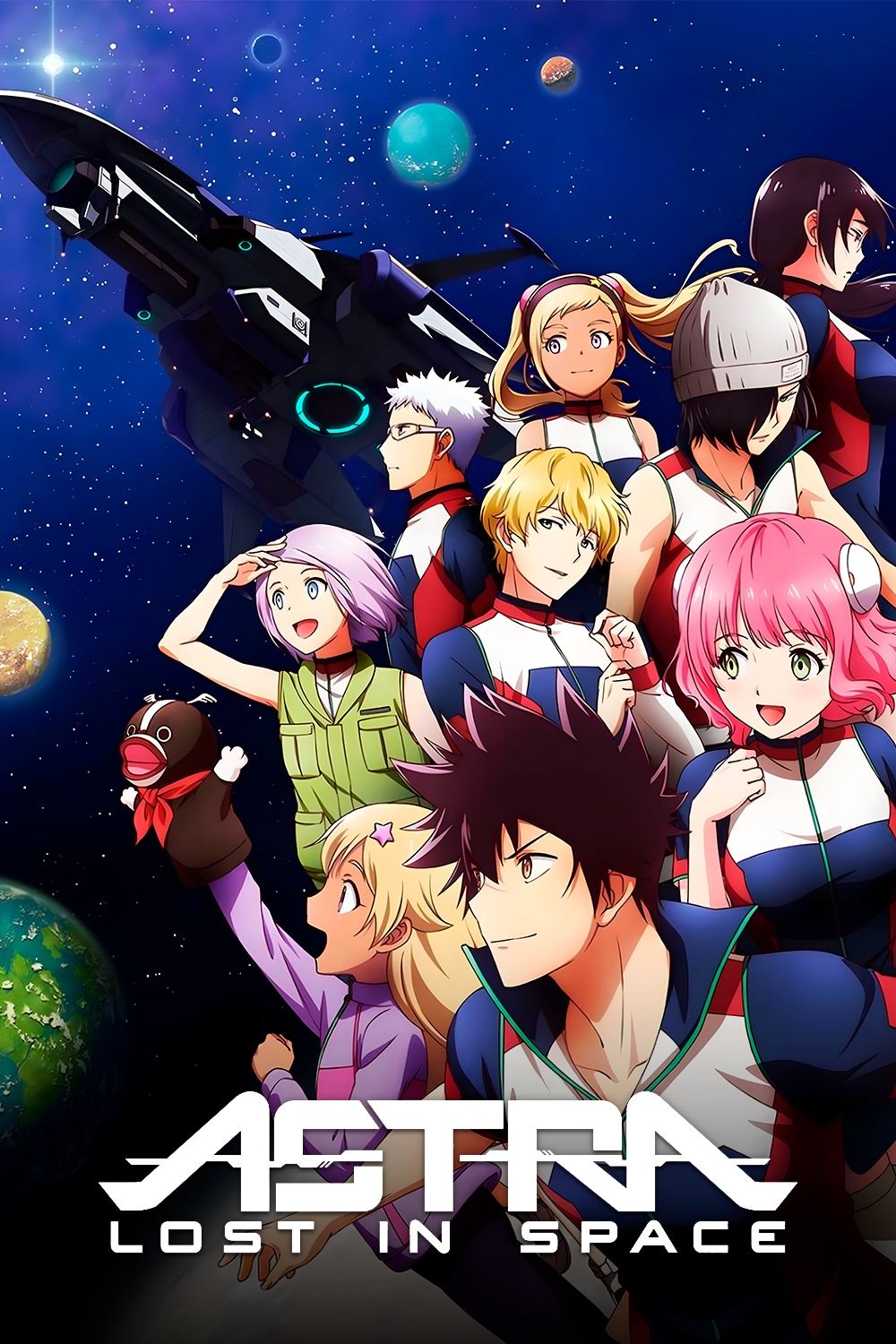
A group of students is transported thousands of light years away from home during a school space camp. They must navigate an abandoned ship across various planets to return to their home world. The backstory of each character is slowly revealed as they bond over the struggle to survive in the vacuum of space. The series uses actual biological and astronomical theories to craft the ecosystems of the alien worlds they visit. A major plot twist relies heavily on the understanding of planetary positions and history.
‘Land of the Lustrous’ (2017)
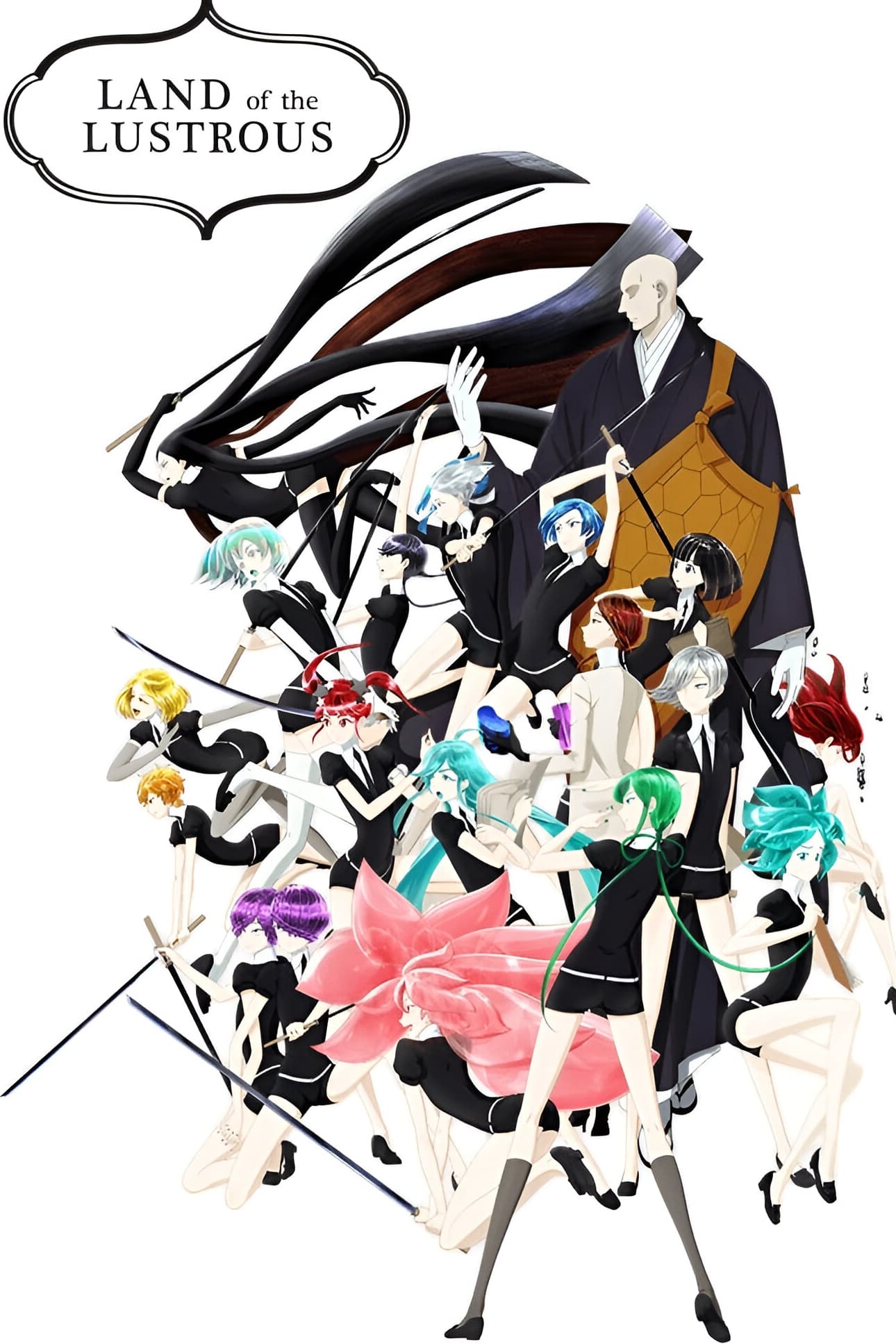
The characters are sentient gemstones who fight against the Lunarians descending from the Moon. The backstory explains that humanity split into three distinct forms representing bone and flesh and soul. The Lunarians attack the gems to harvest them for decoration on their lunar home. The relationship between the Earth and the Moon is framed as a predatory cycle of conflict. Astronomy provides the setting for the antagonists and the origin of the post-human world.
‘Darling in the Franxx’ (2018)
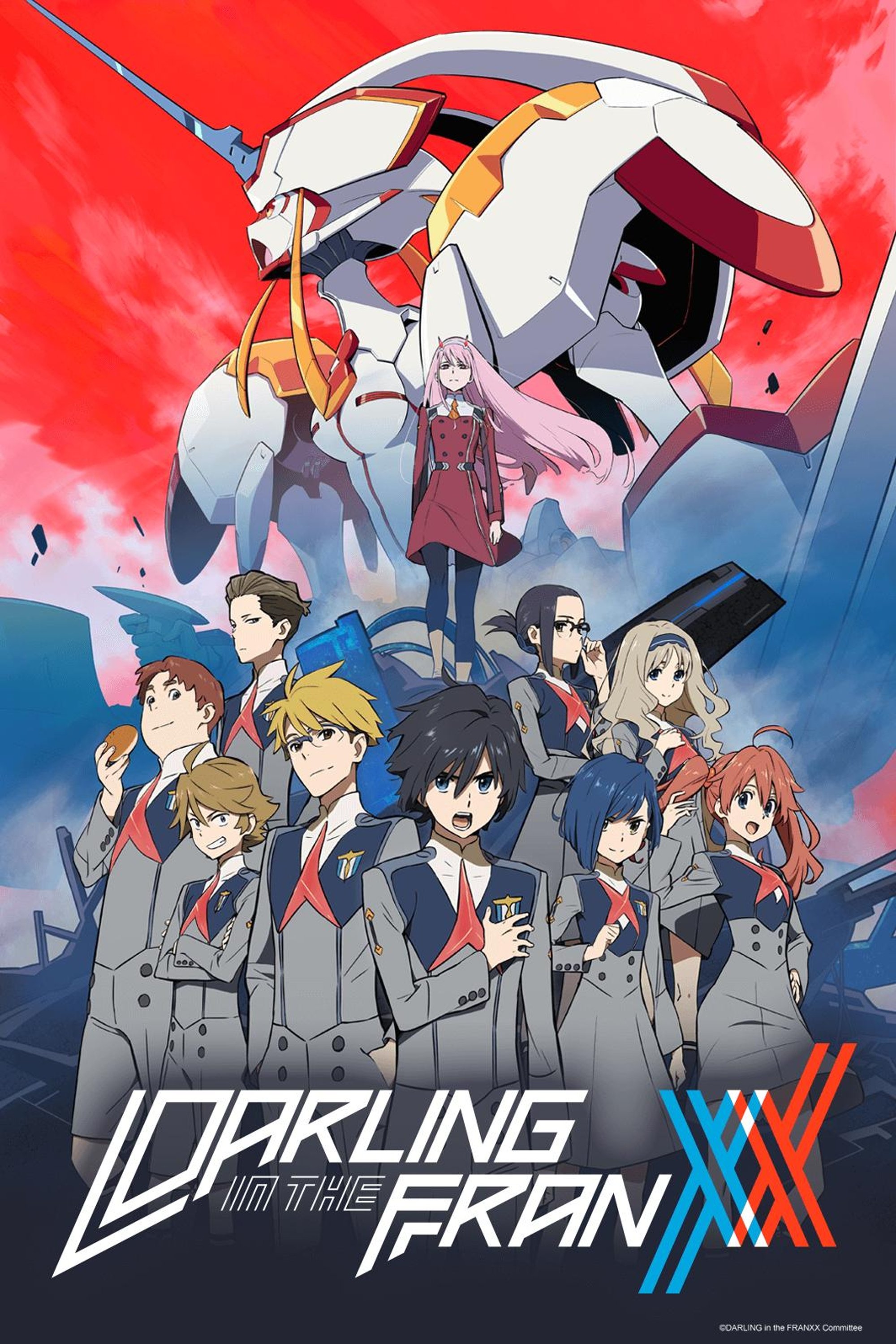
Humanity lives in mobile plantation cities to protect themselves from klaxosaurs while children pilot mechs called Franxx. The overarching enemy is eventually revealed to be an alien consciousness known as VIRM that assimilates civilizations. The backstory connects the klaxosaurs to the ancient history of the planet and its defense against space invaders. Zero Two desires to fly through the stars and her origin is tied to the Klaxosaur Princess. The conflict escalates from terrestrial battles to an interstellar war against a galactic hive mind.
‘Urusei Yatsura’ (1981–1986)

The story begins when an alien race known as the Oni invades Earth but offers humanity a chance to save itself through a game of tag. Ataru Moroboshi wins the game but accidentally proposes marriage to the alien princess Lum. Lum’s backstory involves her life as an invader and her friends from various other planets. The show features a constant influx of weird creatures from across the galaxy. Astronomy serves as a backdrop for the chaotic romantic comedy antics.
‘Space Dandy’ (2014)
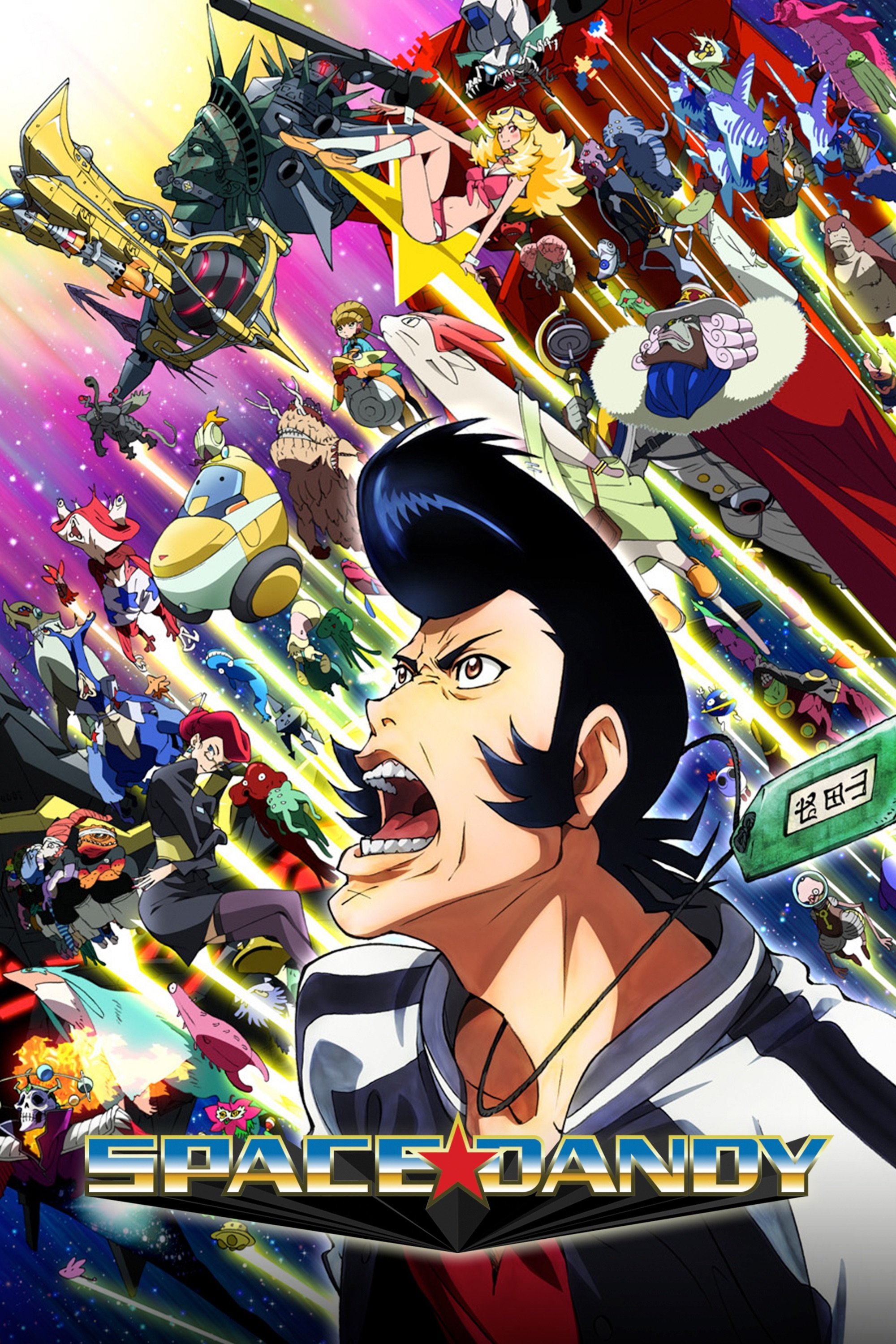
Dandy is an alien hunter who travels the galaxy in search of new and unregistered species. His job requires him to visit strange planets and navigate the bureaucracy of the galactic registration center. The backstory of the universe includes a war between the Gogol and Jaicro empires. Dandy himself holds a secret power related to the warping of reality and the universe’s timeline. The show experiments with different animation styles to depict the diversity of the cosmos.
‘Aldnoah.Zero’ (2014–2015)
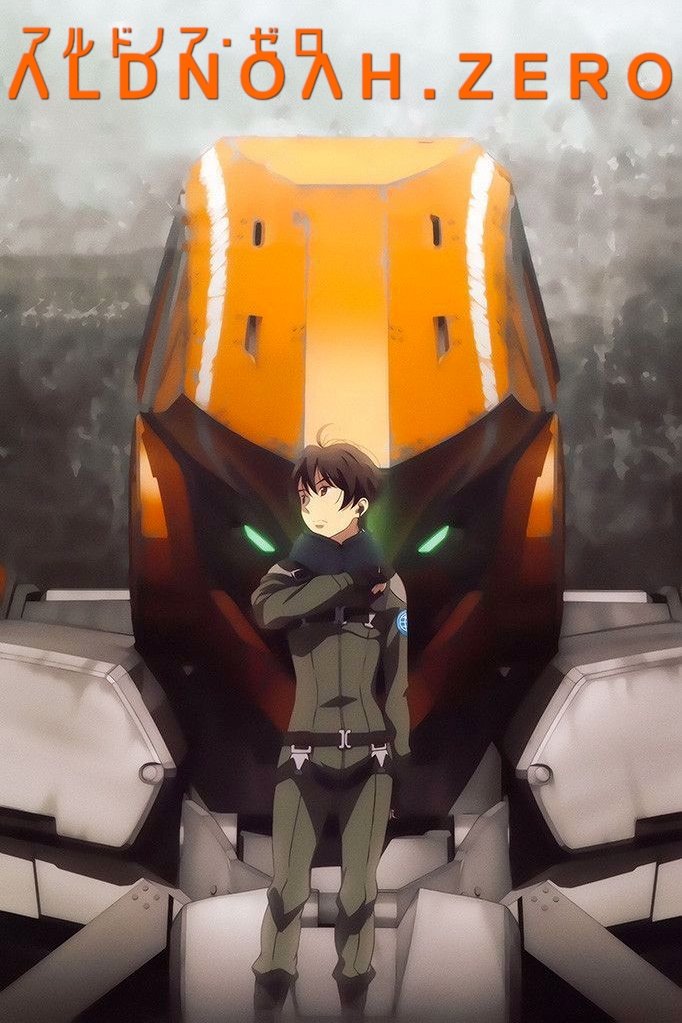
Apollo 17 astronauts discovered a hypergate on the Moon that allowed humanity to colonize Mars. The settlers founded the Vers Empire and discovered an ancient technology called Aldnoah. War breaks out between the Terrans on Earth and the Martians who claim superiority due to their advanced tech. The backstory is defined by the splitting of the human race into two distinct planetary factions. Orbital mechanics and gravity play significant roles in the strategic battles between mechs.
‘Knights of Sidonia’ (2014–2015)
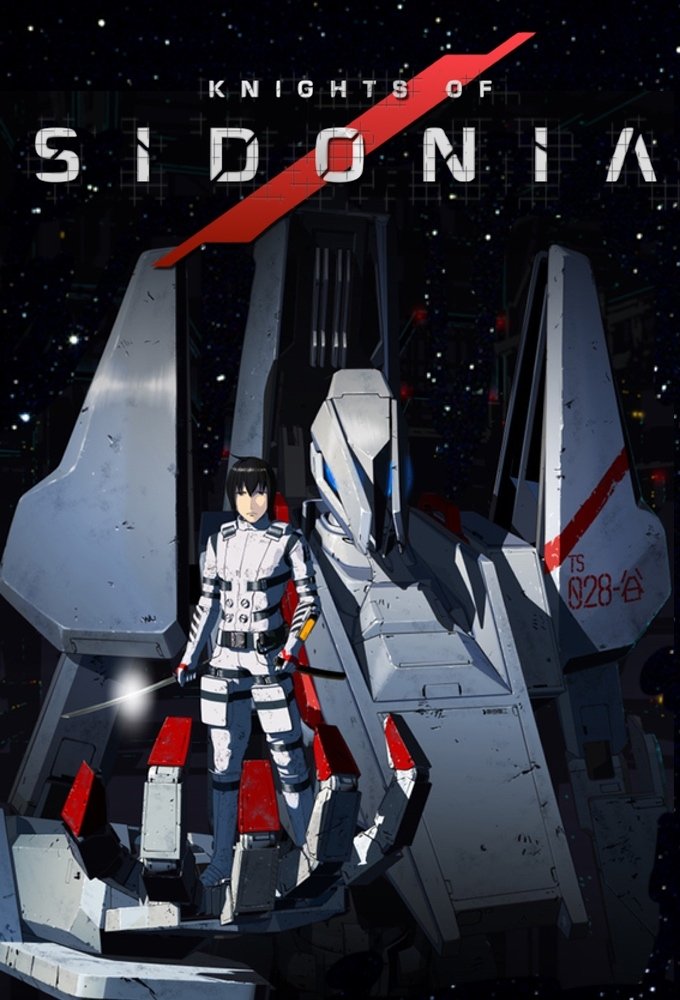
The seed ship Sidonia wanders through space a thousand years after the solar system was destroyed by the Gauna. Nagate Tanikaze emerges from the bowels of the ship to pilot a Guardian mech against the shapeshifting aliens. The backstory involves the genetic engineering of humans to photosynthesize like plants to survive long space travel. Astronomy is central to the plot as the ship constantly searches for hospitable planets while avoiding detection. The series focuses on the isolation and fragility of human life in the void.
‘Space Battleship Yamato 2199’ (2012–2013)
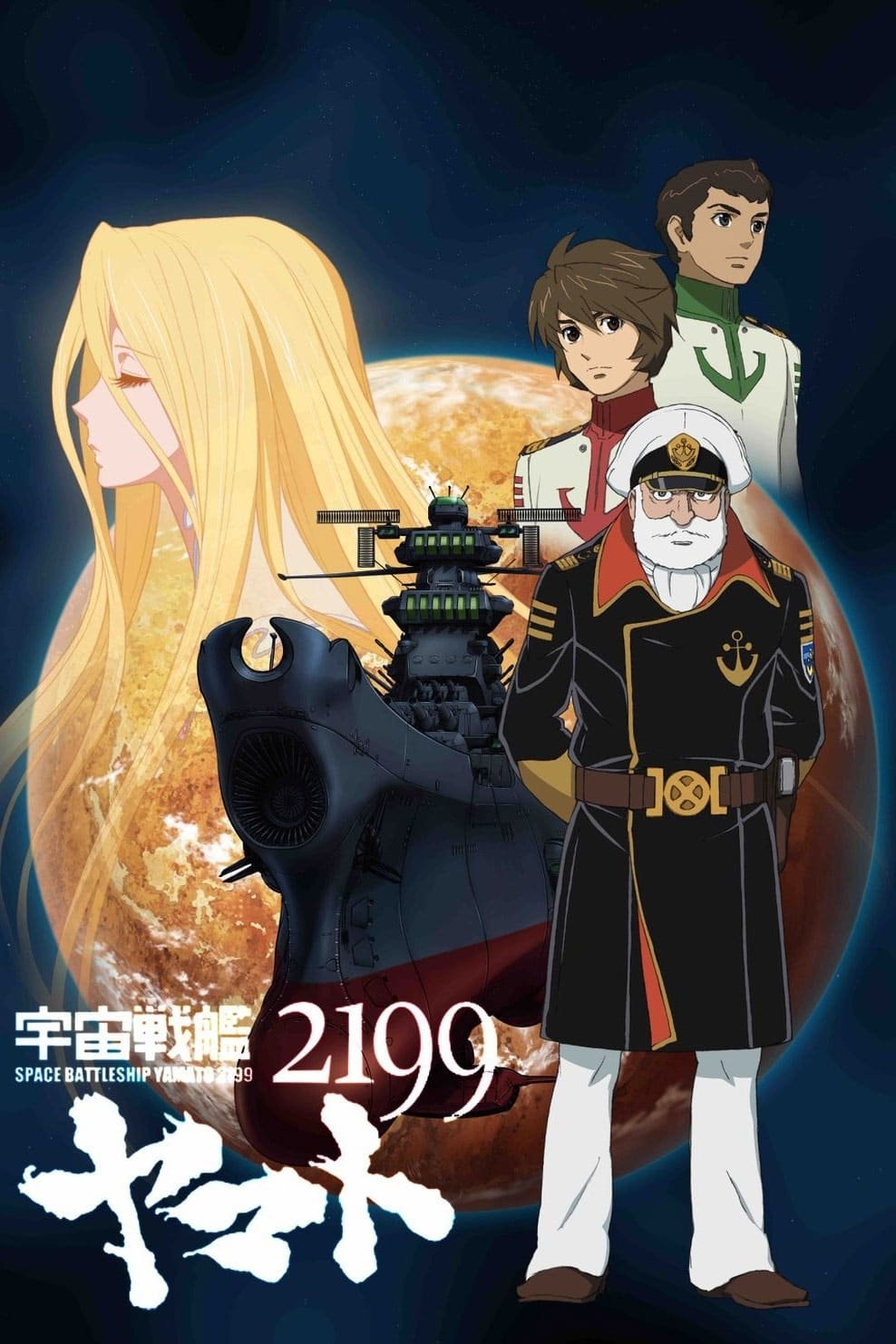
Earth is bombarded by radioactive meteorites from the Gamilas Empire and humanity retreats underground. The crew of the Yamato must travel to the Large Magellanic Cloud to retrieve a device that can restore the planet. The backstory involves the politics of the Gamilas and their need to find a new home for their dying race. The ship uses a wave motion engine to warp across vast astronomical distances. It is a classic space opera that emphasizes the naval aspects of interstellar warfare.
‘Galaxy Express 999’ (1978–1981)

Tetsuro Hoshino travels on a space train to the Andromeda galaxy to obtain a machine body. His journey takes him to dozens of planets where he witnesses different societies and moral dilemmas. The backstory of the universe involves a class divide between wealthy mechanized humans and poor organic humans. The train itself is a magical vessel that runs on the rails of the cosmos. Astronomy provides the structure for the episodic nature of the adventure.
‘Gunbuster’ (1988–1989)
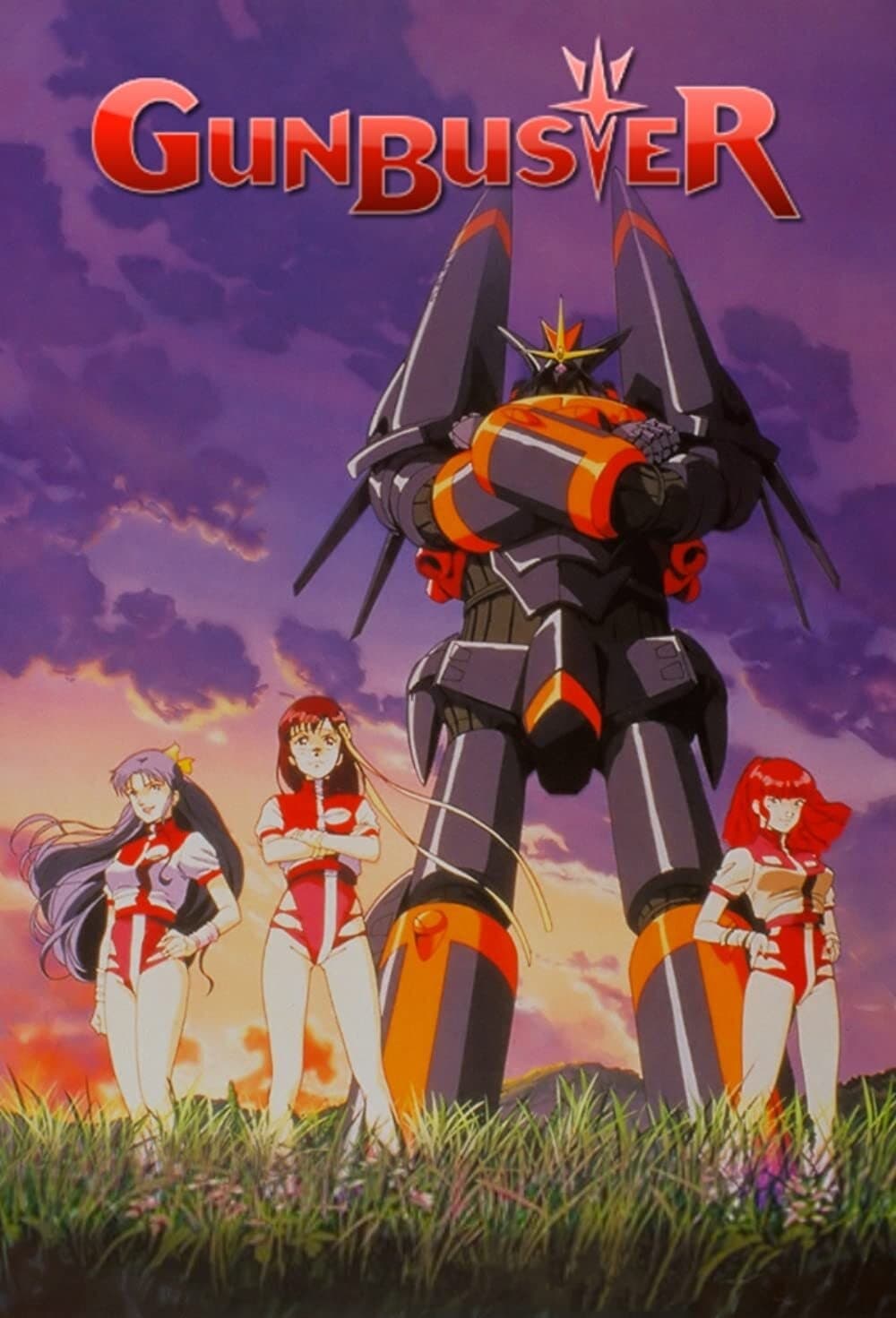
Noriko Takaya trains to become a pilot to follow in the footsteps of her father who was lost in space. The series deals heavily with the concept of time dilation and how space travel affects personal relationships. As the characters travel faster and further the time gap between them and their loved ones on Earth grows. The backstory involves a secret war against space monsters that threaten to wipe out humanity. It effectively uses real physics concepts to create emotional drama.
‘Trigun’ (1998)
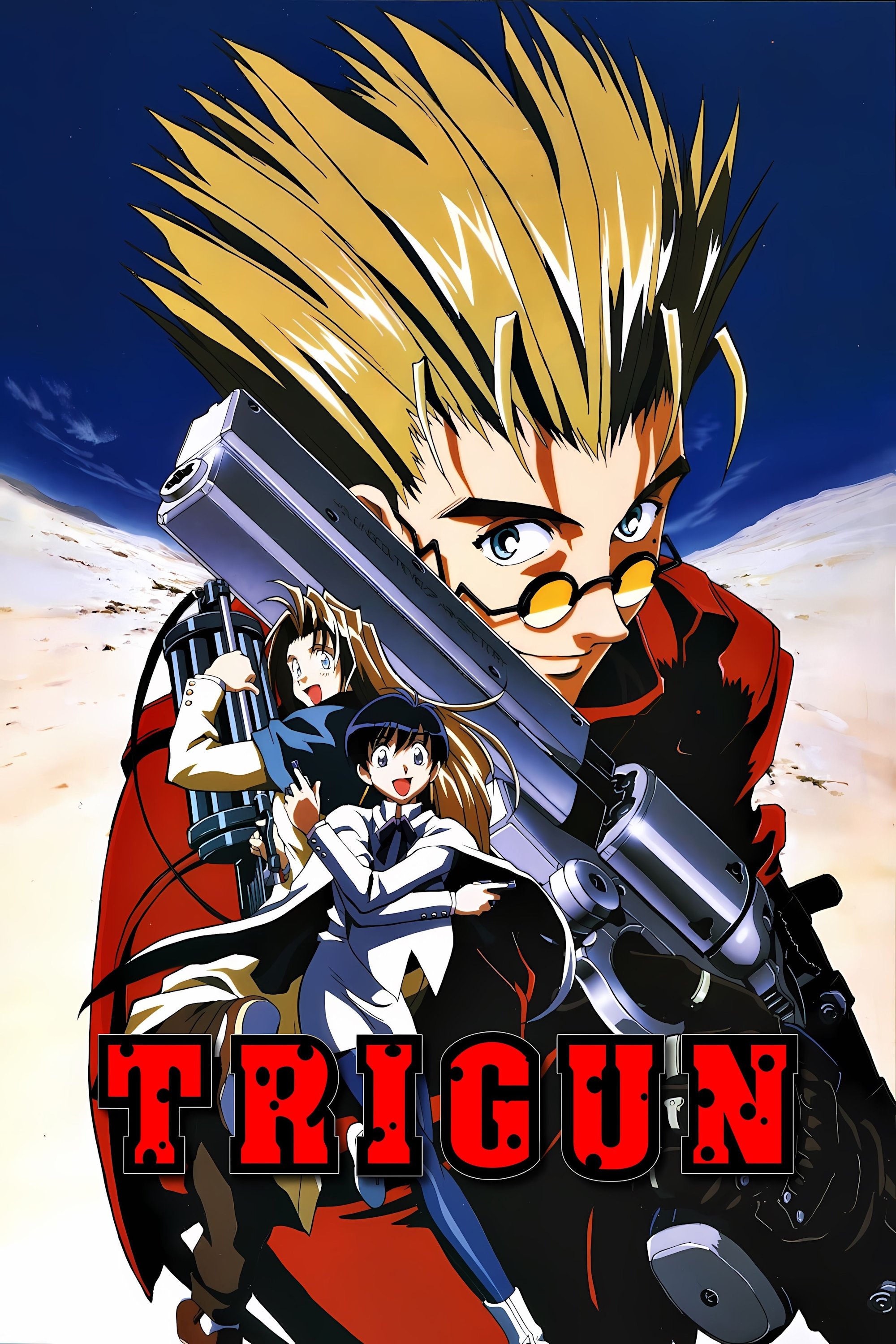
Vash the Stampede wanders the desert planet Gunsmoke which is illuminated by two suns. The backstory reveals that the human population descends from the survivors of crashed colonization ships called Project Seeds. These ships were meant to find a new home for humanity after fleeing Earth. The technology lost during the crash creates a disparity between the advanced Plant power sources and the western lifestyle. The entire setting is a result of a failed astronomical migration.
‘Edens Zero’ (2021–2023)
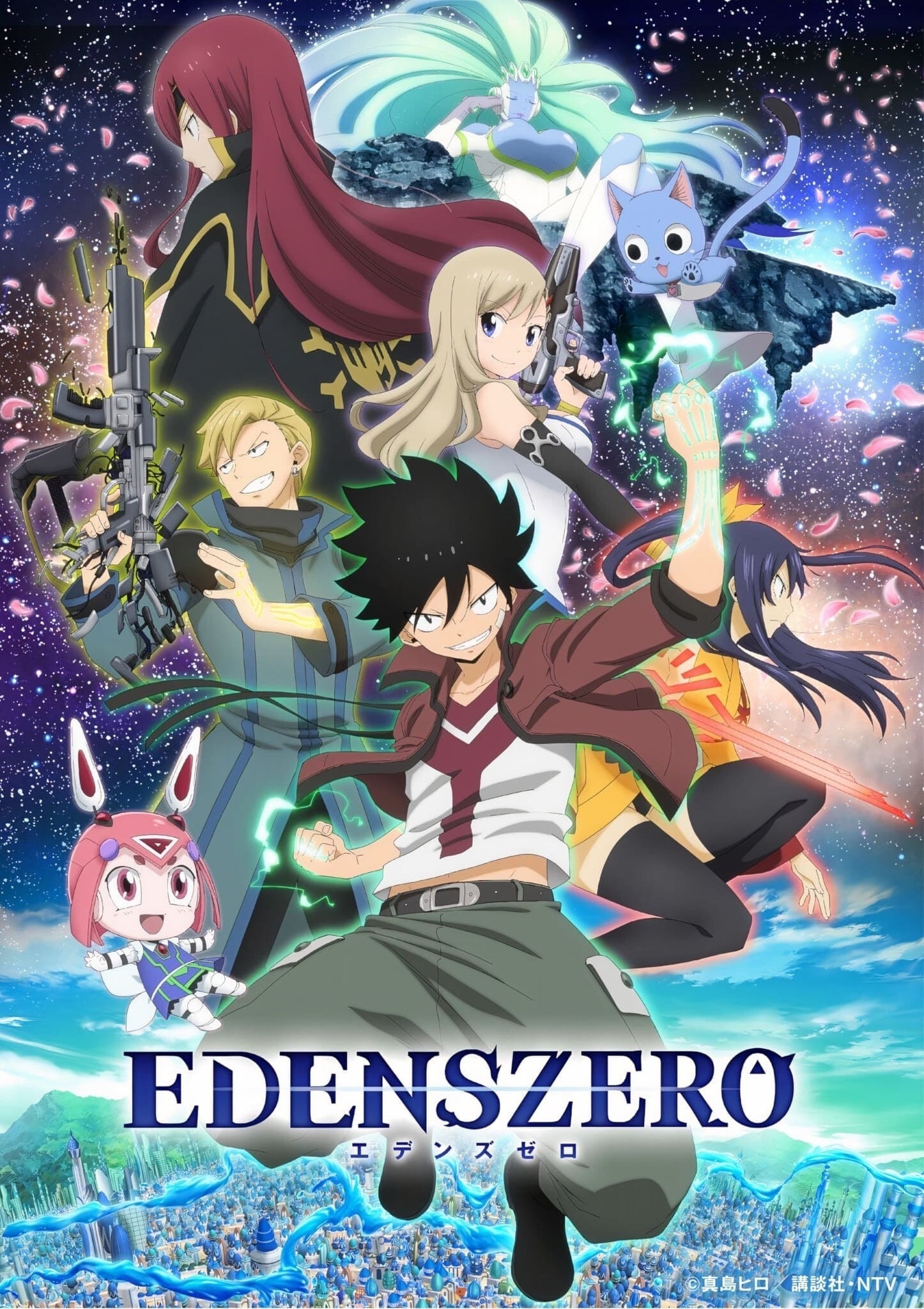
Shiki Granbell lives on a planet of robots before setting out into the cosmos to find the goddess Mother. The characters use a power called Ether Gear which is derived from the energy flowing through the universe. The backstory involves the search for a legendary entity that exists beyond the Sakura Cosmos. The crew travels on a sentient spaceship and visits planets with unique environments and time flows. It frames space travel as a whimsical fantasy adventure rather than hard science fiction.
‘Irina: The Vampire Cosmonaut’ (2021)
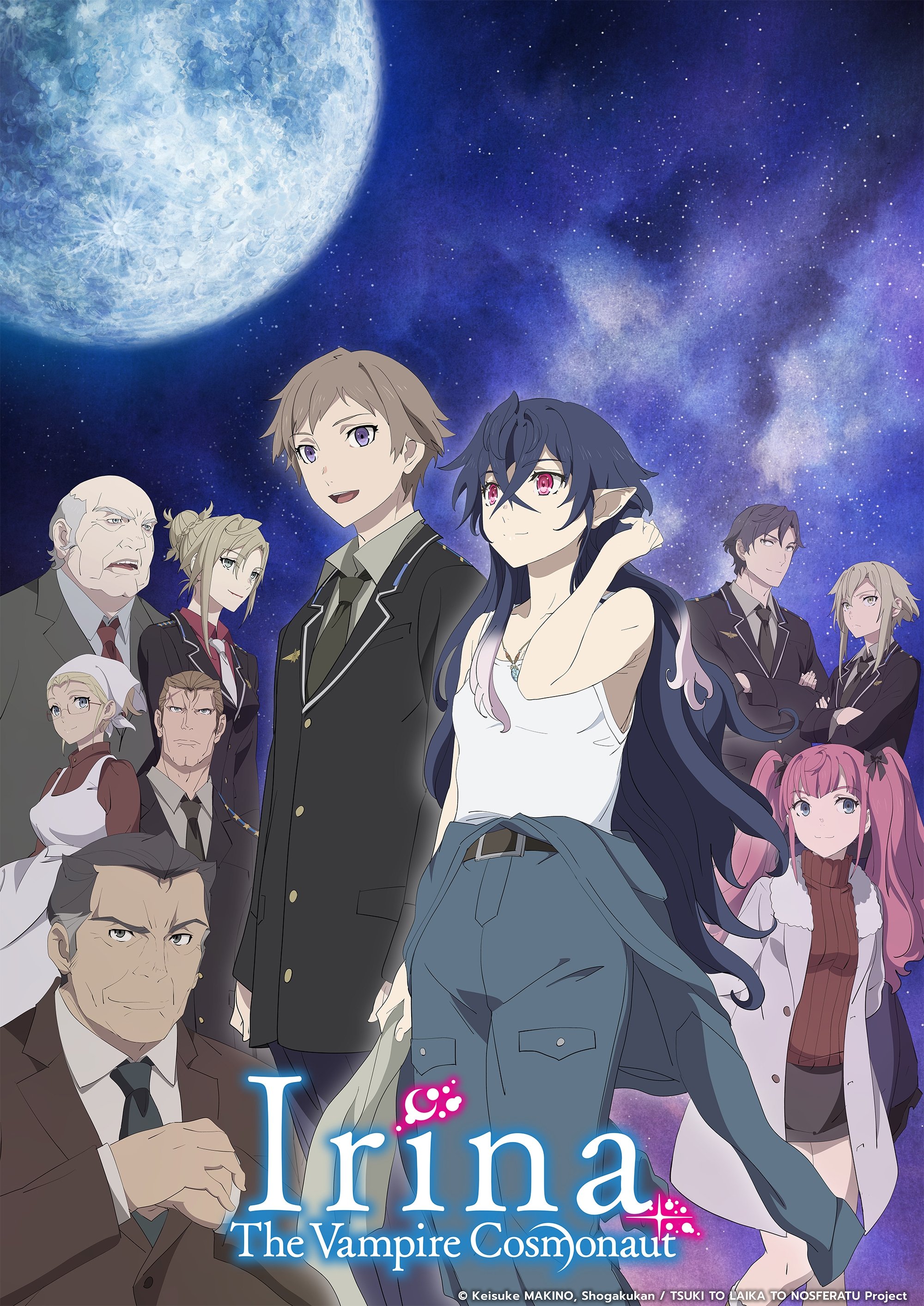
The story is set in a fictionalized version of the Cold War space race between two superpowers. A vampire girl named Irina is used as a test subject for the first manned space flight to ensure it is safe for humans. Her backstory involves the persecution of her species and her desire to see the moon up close. The anime focuses on the rigorous astronaut training and the politics of early space exploration. It highlights the prejudice faced by the test subject despite her contribution to astronomy.
‘Asteroid in Love’ (2020)
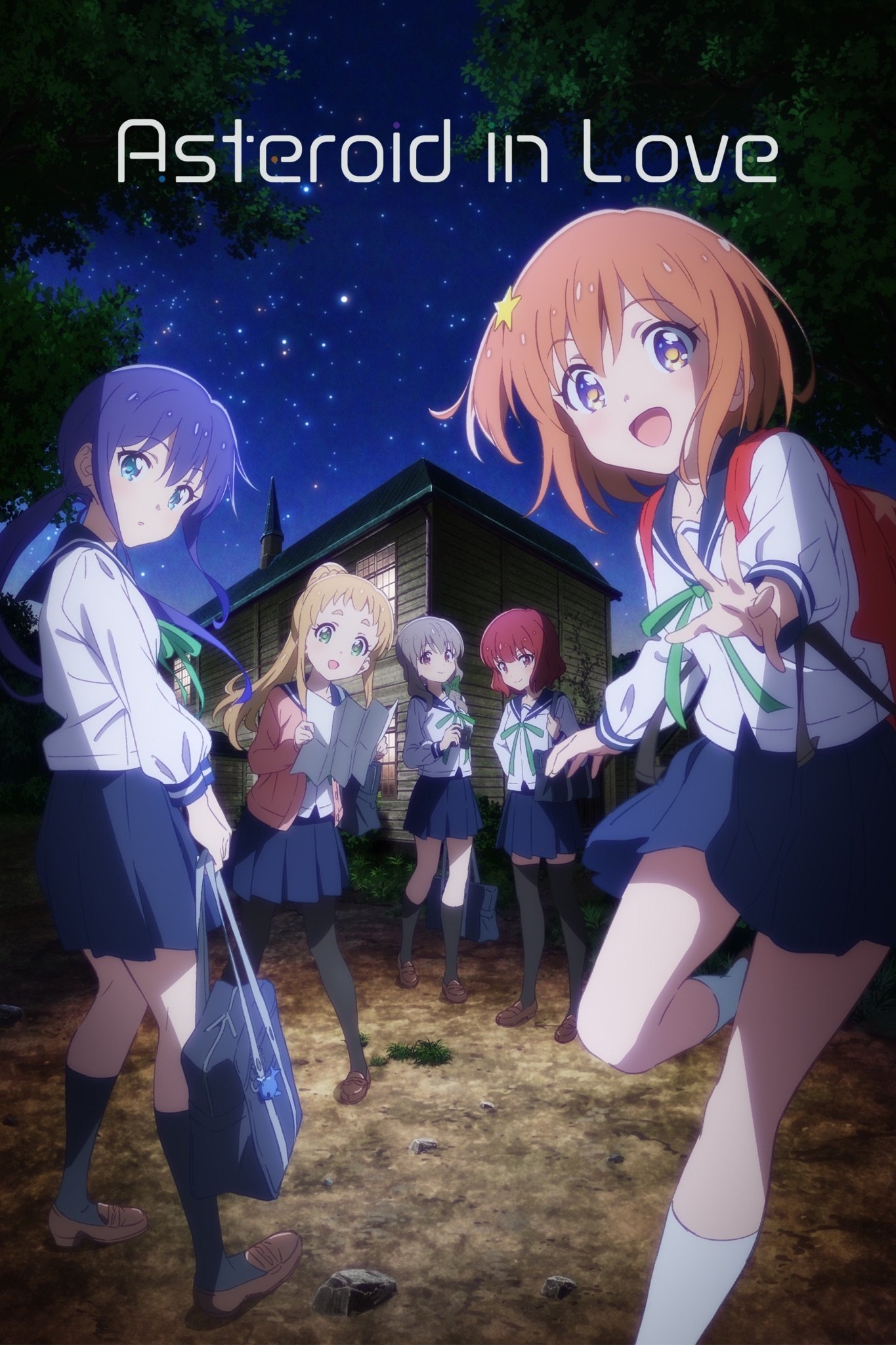
Mira Konohata joins the Earth Sciences Club in high school to fulfill a promise to find an asteroid. She wants to name a star after a boy she met at a campsite who actually turns out to be a girl named Ao. The backstory of their friendship is built entirely around their shared love for stargazing and astronomy. The series educates viewers on different types of stars and the process of cataloging celestial bodies. It is a slice of life story driven by the scientific passion of its characters.
‘Insomniacs After School’ (2023)
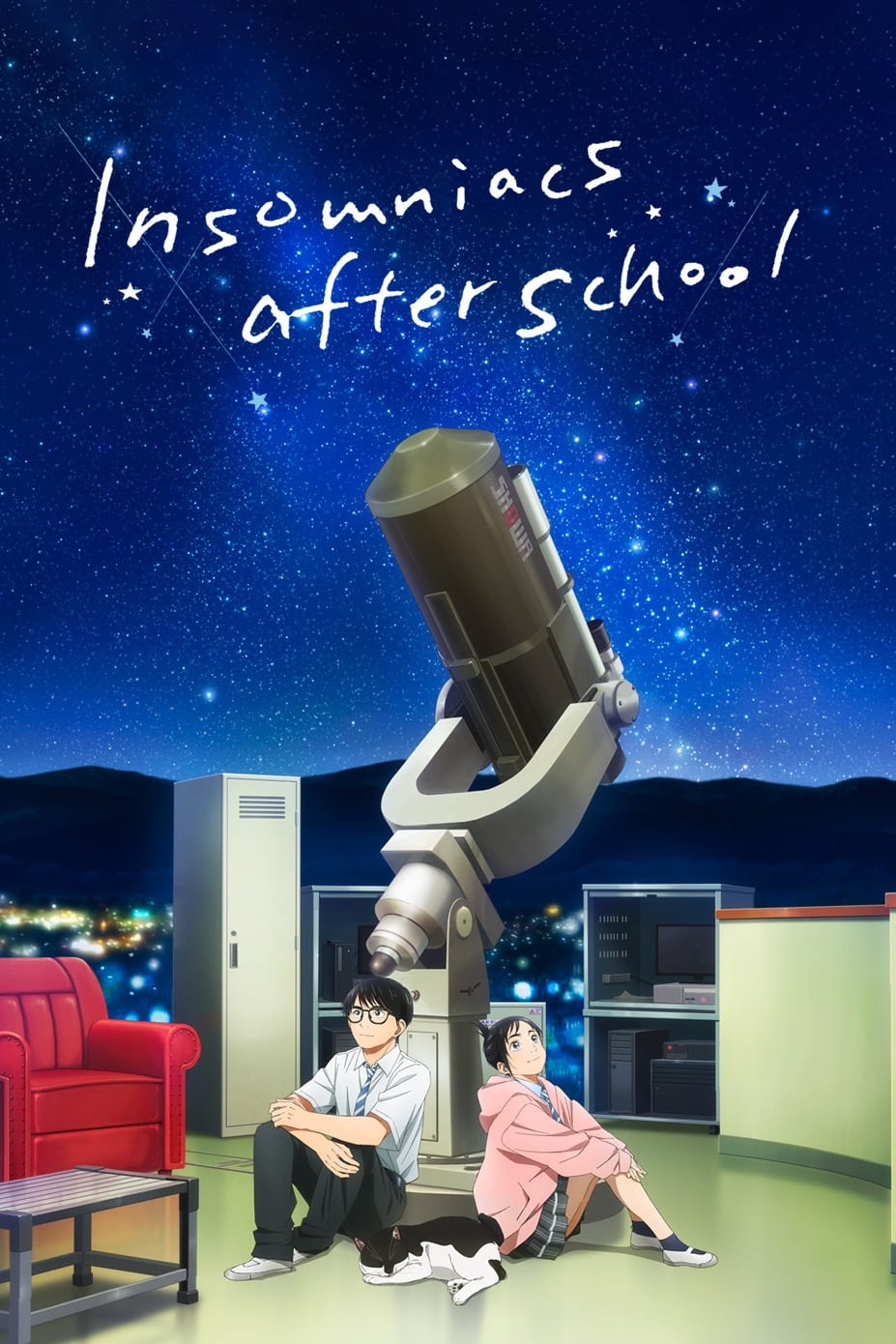
Ganta and Isaki bond over their shared insomnia and decide to revive their school’s defunct astronomy club. They spend their nights taking photographs of the stars and planning observation trips. The backstory involves the history of the club and the previous members who found solace in the night sky. The show highlights the technical aspects of astrophotography and star charts. Their relationship develops alongside their growing knowledge of the constellations.
‘Bodacious Space Pirates’ (2012)
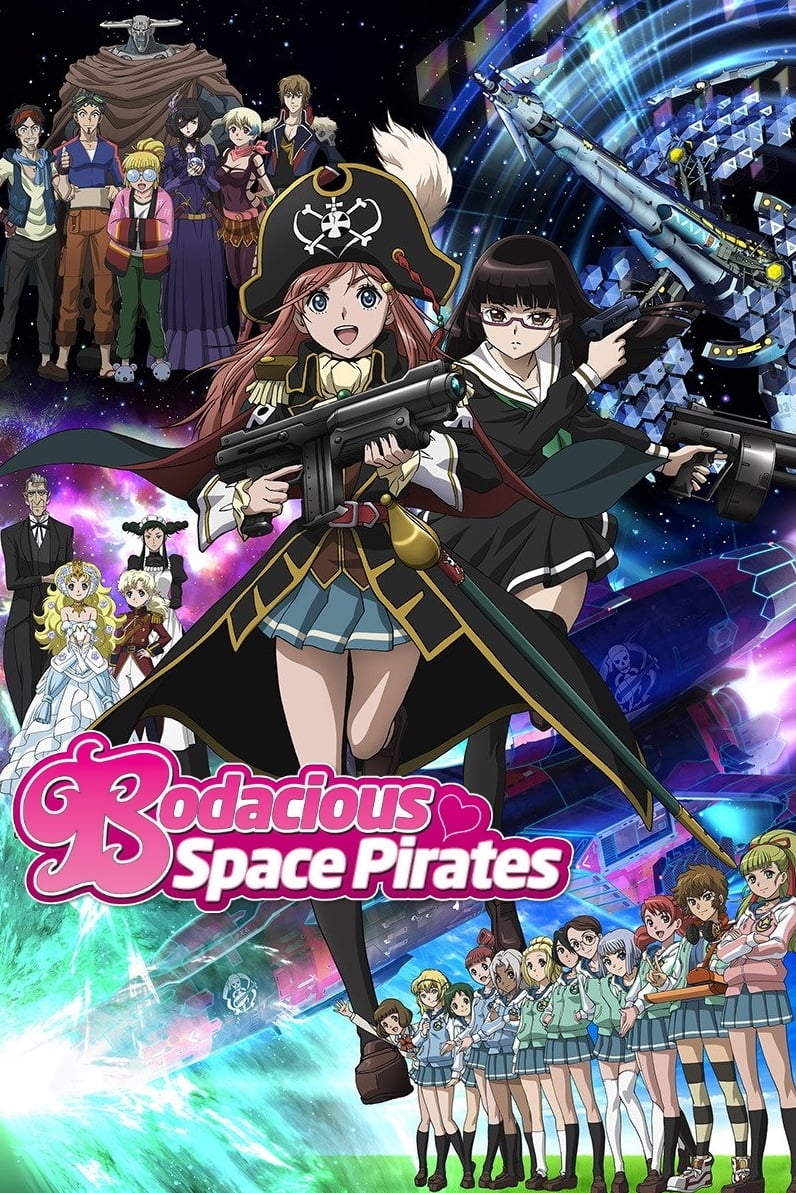
Marika Kato learns that her late father was a legendary space pirate with a legal Letter of Marque. She must balance her high school life with captaining the spacecraft Bentenmaru. The backstory involves a war for independence where the government hired pirates to bolster their forces. The series features electronic warfare and realistic orbital maneuvering during ship battles. It combines the age of sail tropes with a futuristic astronomical setting.
‘Crest of the Stars’ (1999)

Jinto Lin is a young nobleman whose planet was annexed by the humanoid Abh Empire. He meets the Abh princess Lafiel and they are forced to flee together during a sudden war. The Abh backstory defines them as a race genetically engineered for life in space with blue hair and special sensory organs. The series focuses heavily on the dialogue and cultural differences between the space dwellers and the grounders. Astronomy shapes the Abh language and their entire philosophy of existence.
‘Heroic Age’ (2007)
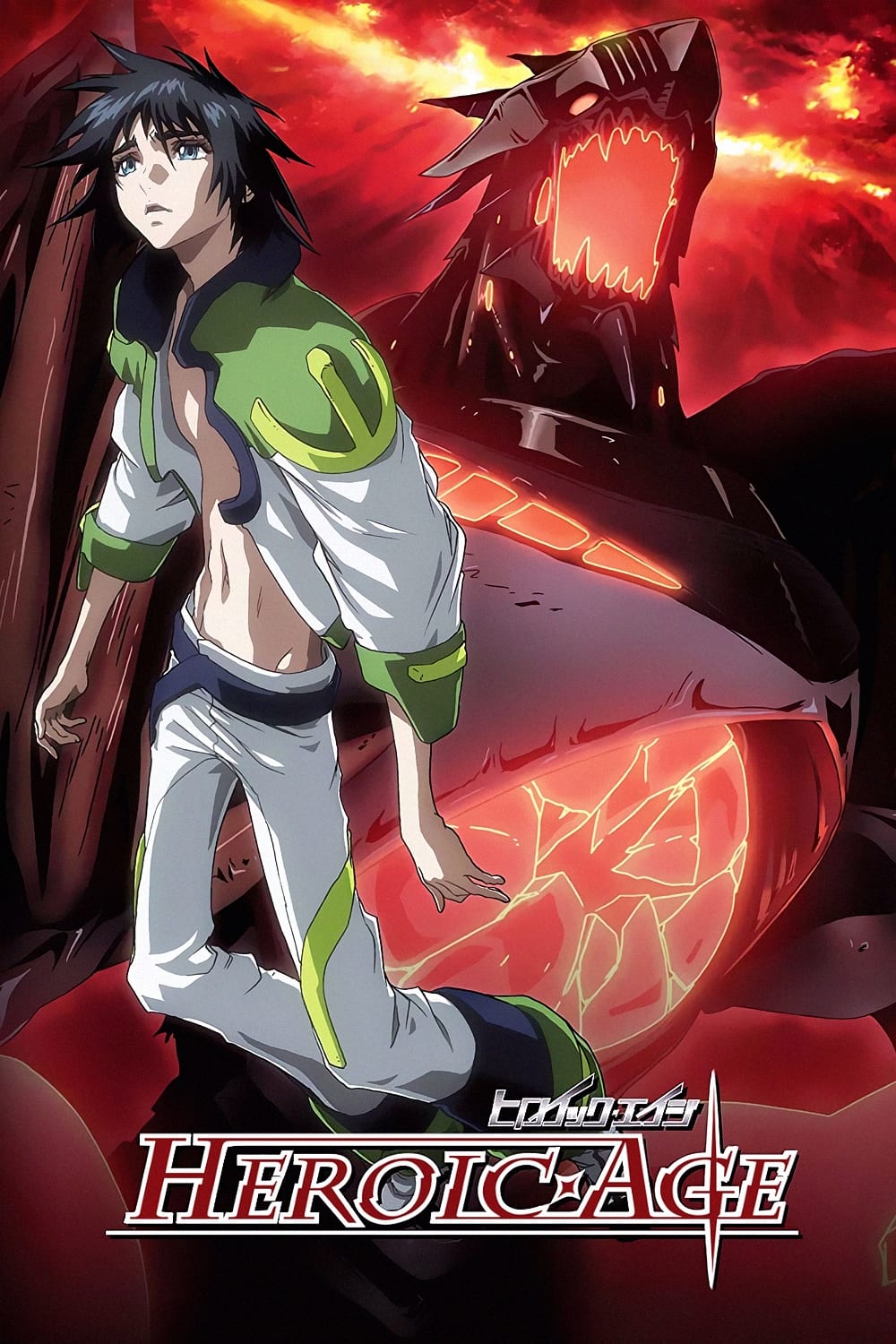
The Golden Tribe called out to other races to join them in the stars before departing to another universe. Humanity is the last race to answer the call and is dubbed the Iron Tribe. The protagonist Age was raised by the Golden Tribe and holds the essence of a heroic race within him. The backstory is a grand mythos involving the hierarchy of civilizations in the galaxy. The battles involve destroying planets and reshaping star systems.
‘Infinite Ryvius’ (1999–2000)
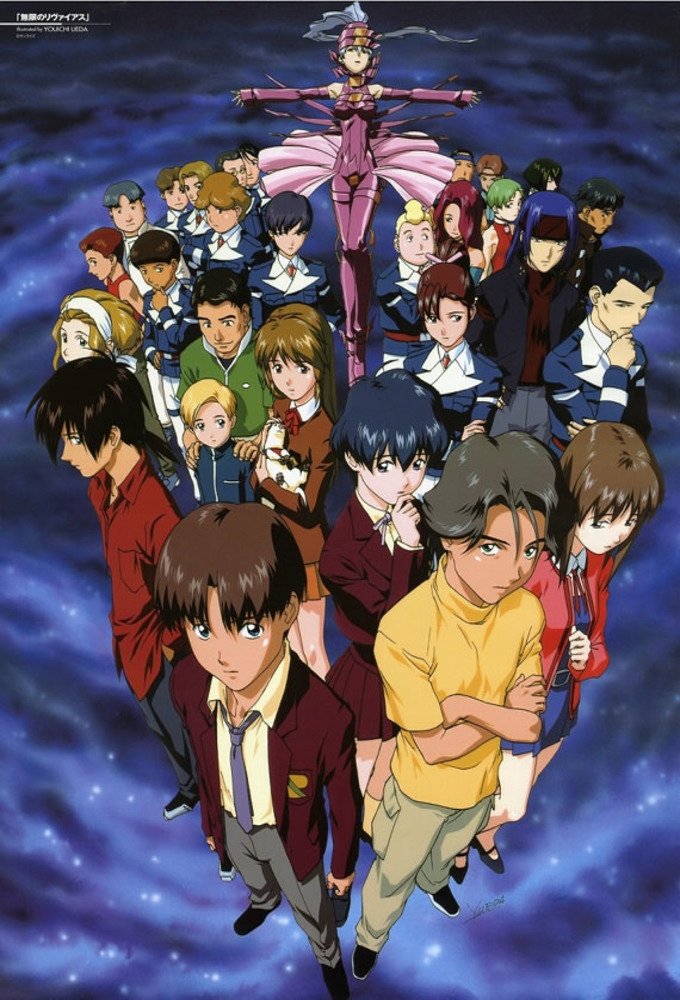
A sabotage event destroys a space station and leaves a group of teenagers stranded on a mysterious ship called the Ryvius. The ship travels through the Geduld Sea which is a dense plasma field in space. The characters must organize a society to survive while being hunted by the orbital patrol. The backstory involves the mystery of the ship’s origin and the strange entity that powers it. The hostile astronomical environment forces the students to confront their darker natures.
‘Eureka Seven’ (2005–2006)
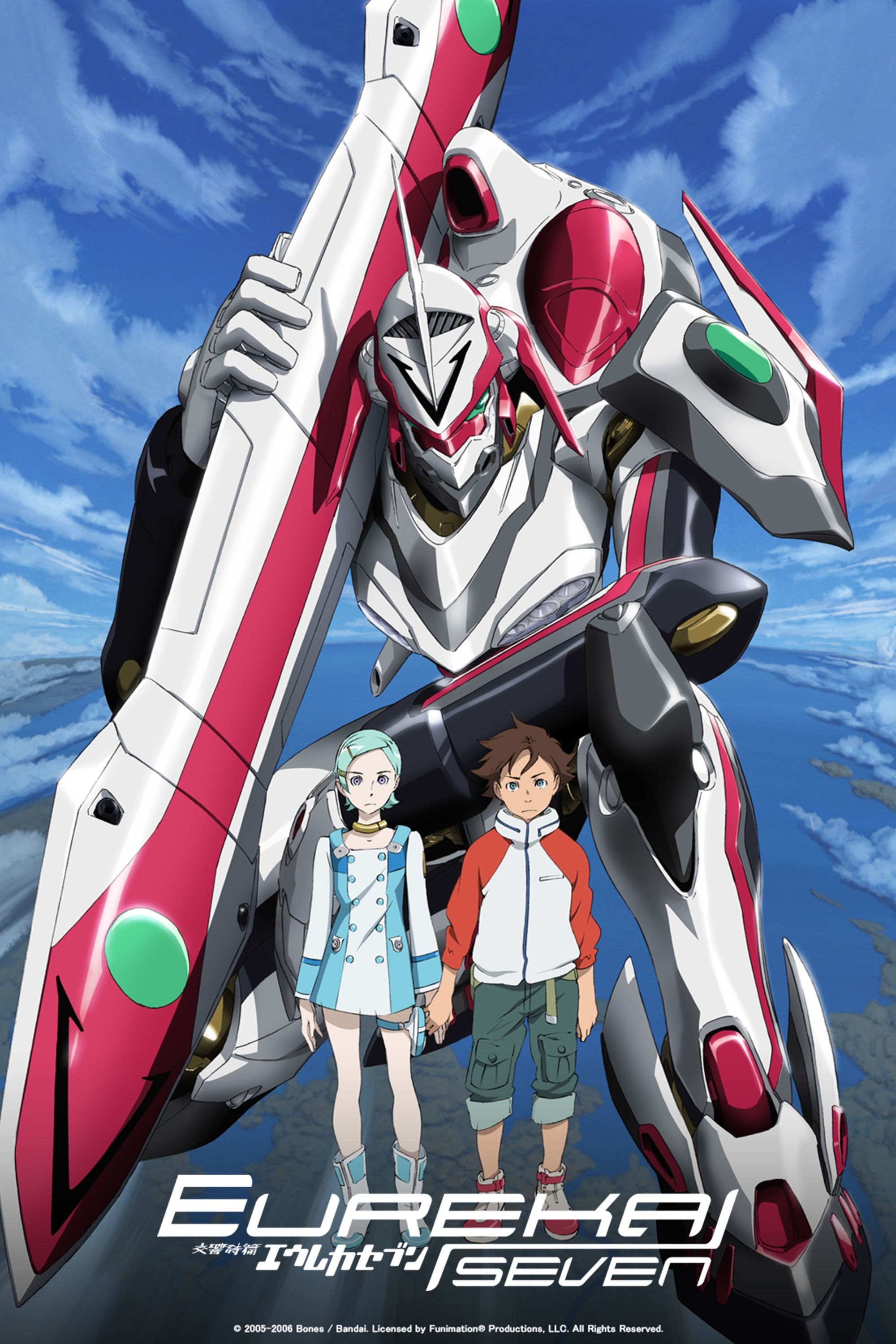
Renton Thurston joins a group of outlaws who ride waves of Trapar particles in the air. The backstory reveals that the planet is actually Earth covered by an alien life form known as the Scub Coral. The Scub Coral arrived from space via a meteor and merged with the planet. The mysterious girl Eureka is a human-form Coralian created by the alien intelligence to communicate. The entire ecosystem of the world is a result of this extraterrestrial assimilation.
‘Fairy Tail’ (2009–2019)
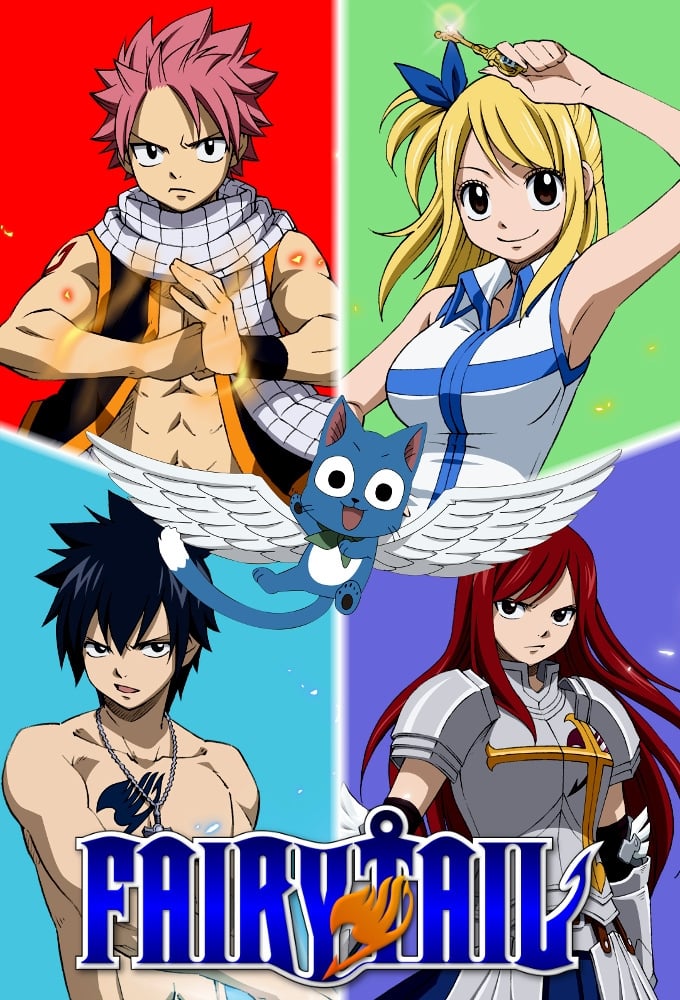
Lucy Heartfilia is a Celestial Spirit Mage who summons spirits from another dimension using keys. Her spirits are named after the Zodiac constellations like Taurus and Aquarius and Leo. The backstory of these spirits is tied to the Spirit King and the contracts they make with humans. The magic system relies heavily on the alignment of stars and the bonds between the mage and the constellation avatars. Later arcs explore the history of the Celestial Spirit World and its different flow of time.
‘Macross Frontier’ (2008)
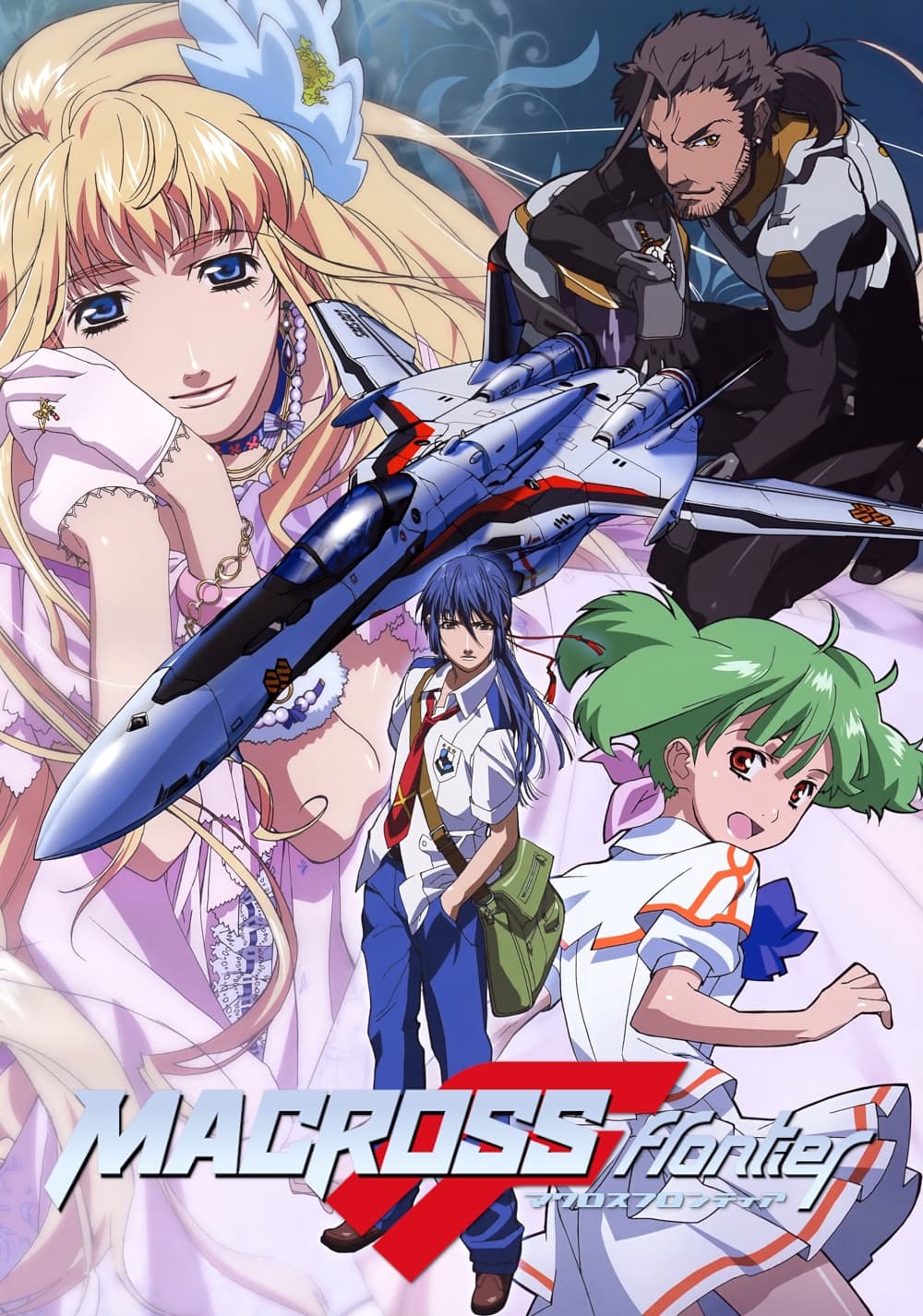
The Macross Frontier fleet travels through space to find a new home for humanity while fighting the alien Vajra. The backstory involves the protoculture that seeded life across the galaxy. Pop idol Ranka Lee has a mysterious connection to the Vajra through her singing voice. The series combines mecha combat with music and space exploration. The Vajra themselves are a hive mind species that can fold through space without ships.
‘Voices of a Distant Star’ (2002)
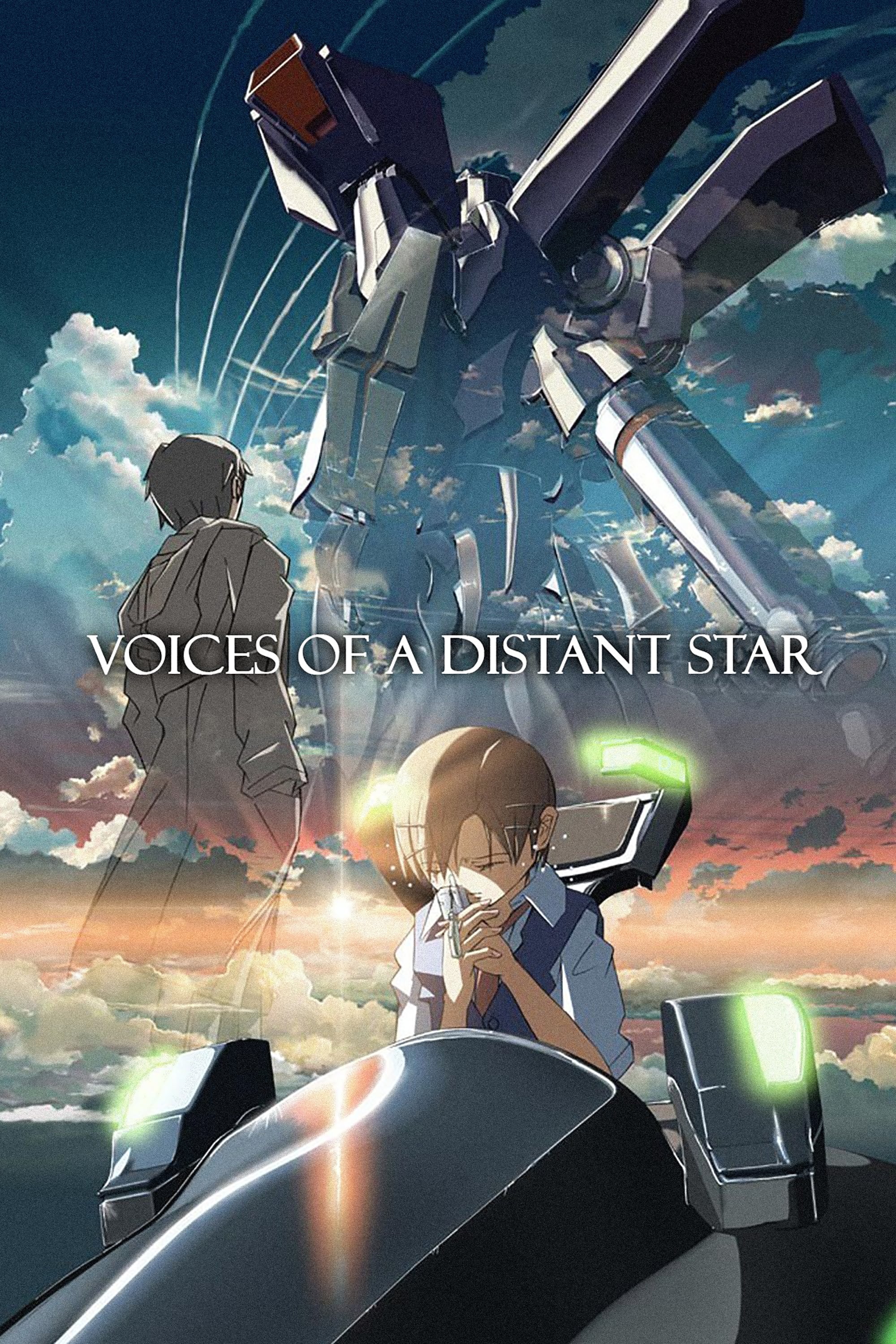
Mikako Nagamine is recruited into the UN Space Army to fight aliens called Tarsians. As she travels deeper into space to follow the enemy fleet the messages she sends to her friend Noboru take longer to reach Earth. The backstory is a simple premise of an interstellar war separating two lovers. The narrative is driven entirely by the realistic time delays caused by light speed communication. It uses astronomy to quantify the growing emotional distance between the characters.
‘5 Centimeters Per Second’ (2007)
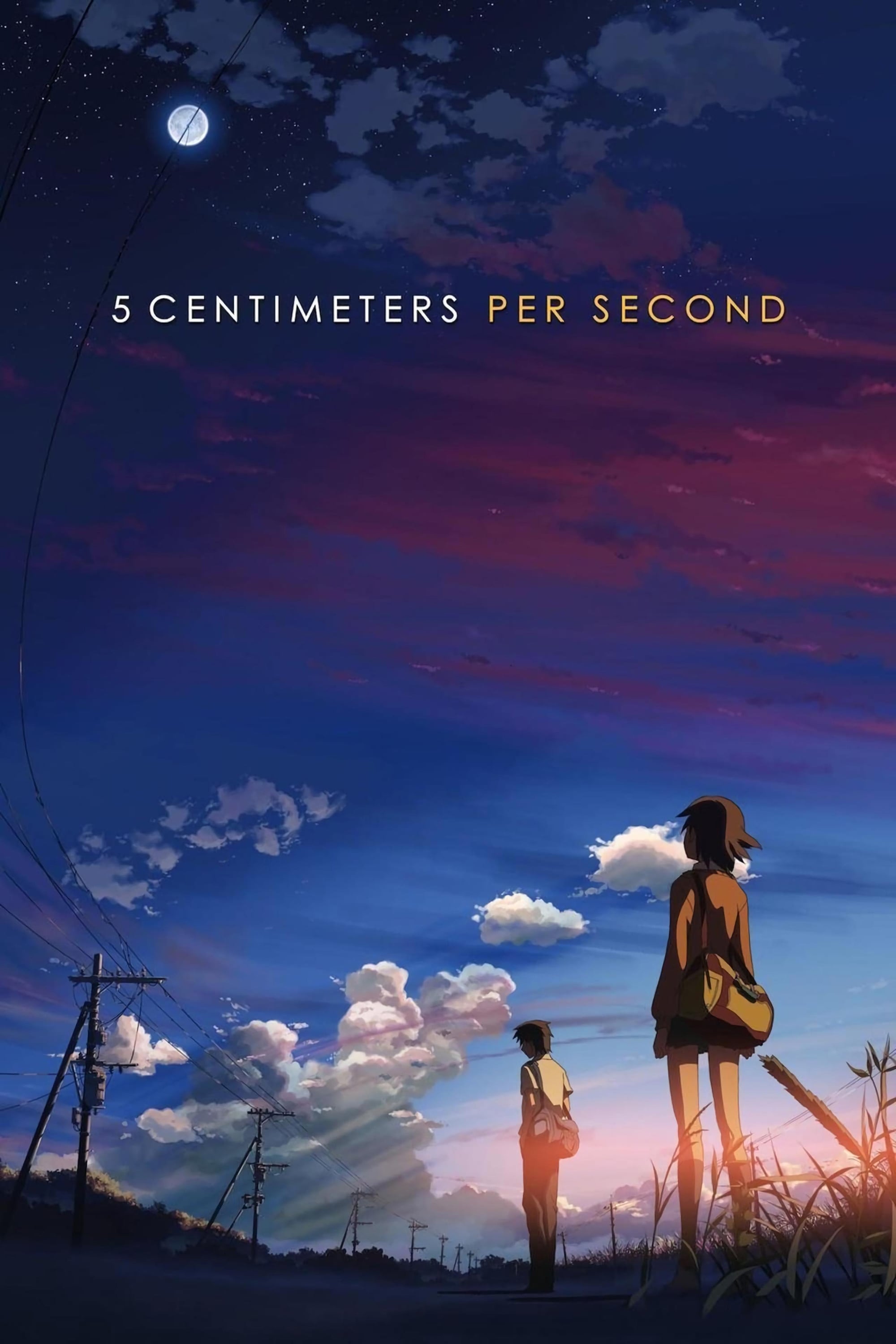
The second segment of the film features a protagonist who watches the launch of a cosmonaut mission. The backstory of the character Kanae is influenced by the presence of the space center on her island. The imagery of the rocket launching into the deep void mirrors the male lead’s longing for a distant love. While not a sci-fi story the astronomical setting provides the central metaphor for the narrative. The vastness of space represents the insurmountable gap between people.
‘Terra Formars’ (2014)
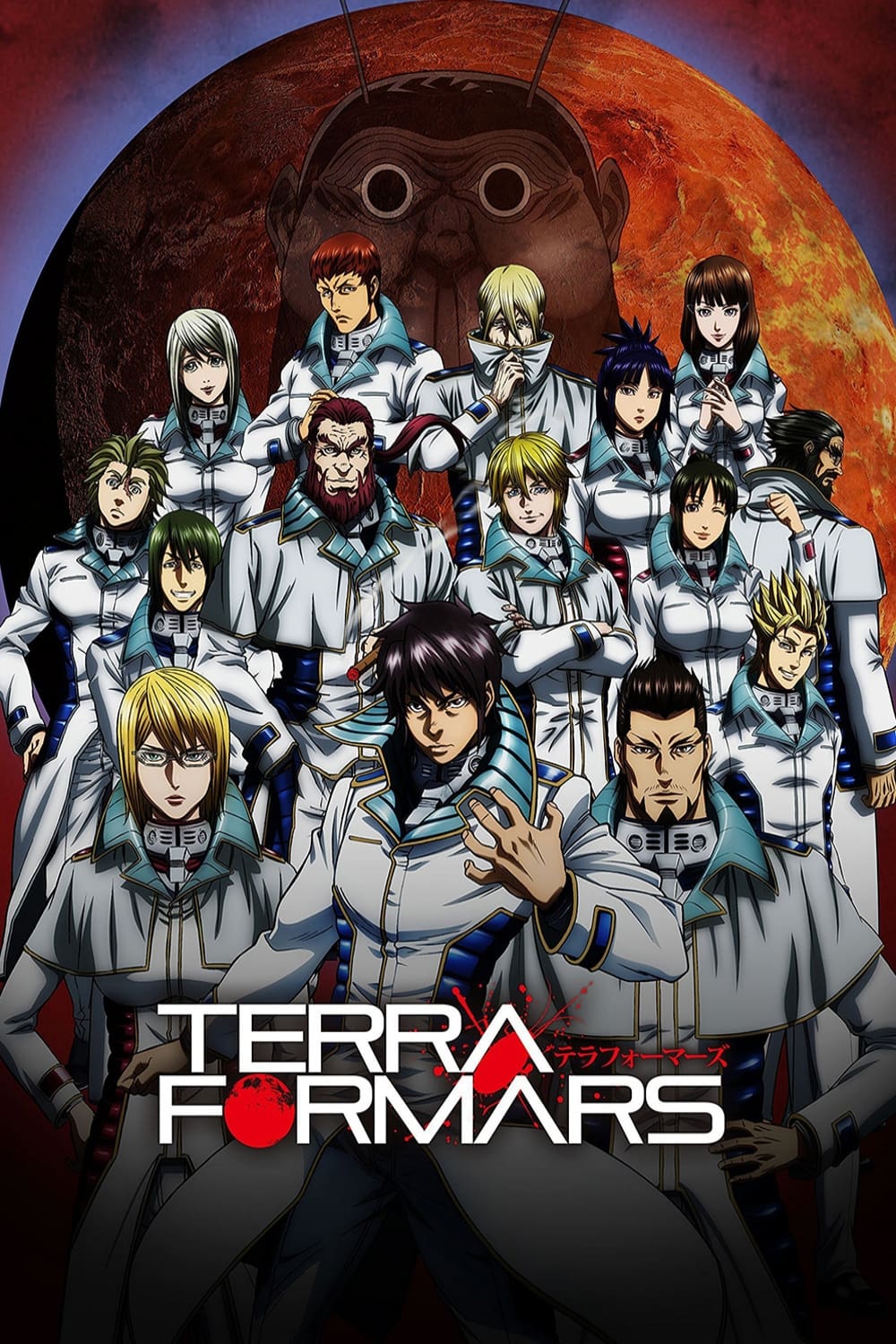
Scientists sent cockroaches and moss to Mars to terraform the planet and make it habitable for humans. The backstory picks up 500 years later when a virus forces humanity to return to Mars to find a cure. They discover that the cockroaches have evolved into super strong humanoid monsters. The characters undergo surgery to gain the abilities of insects to fight the Martian threat. The entire premise is built on a terraforming project gone horribly wrong.
‘Gintama’ (2006–2018)
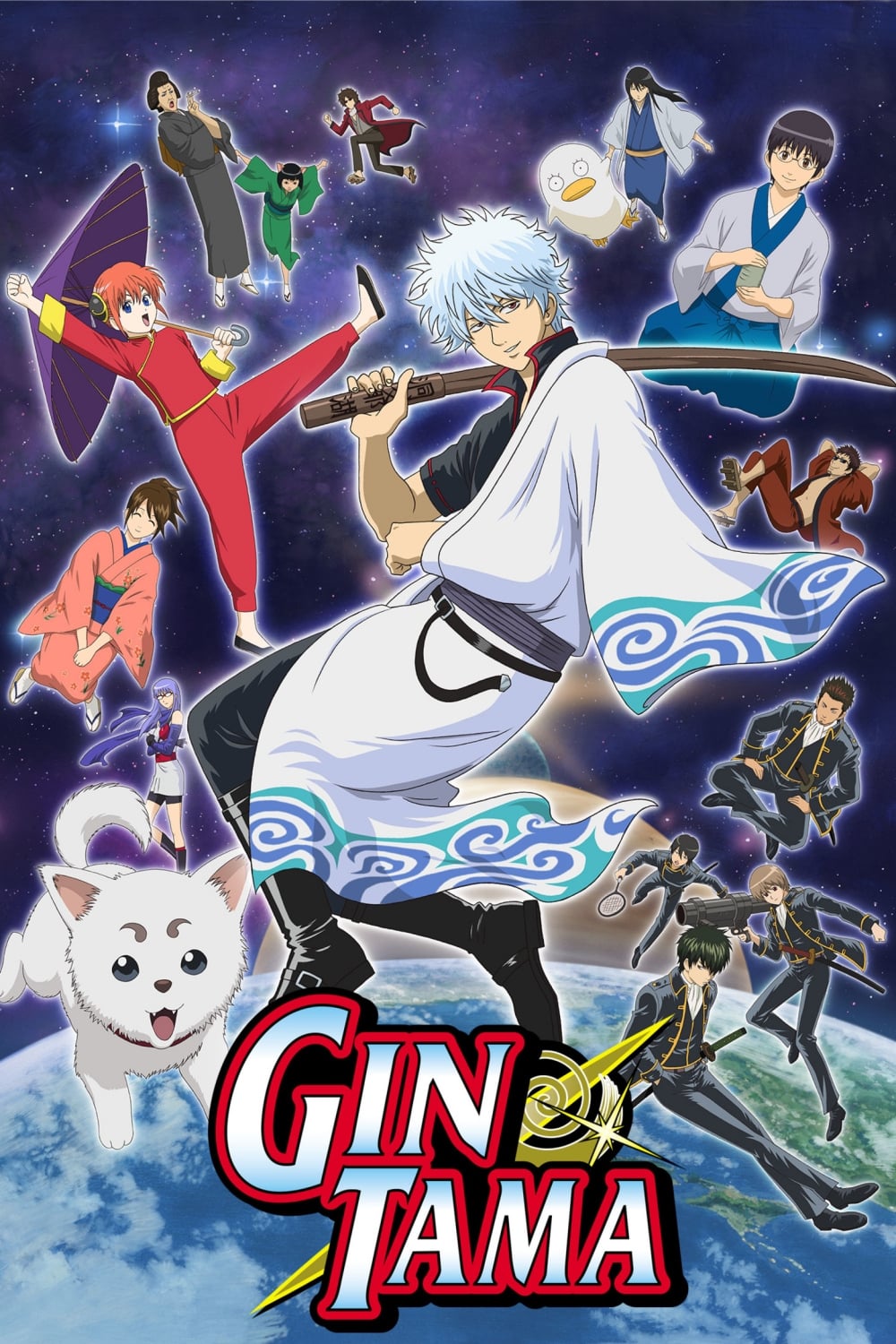
The series is set in an alternate Edo period where aliens called Amanto invaded and conquered Japan. The backstory involves the samurai losing the war against the advanced space technology of the invaders. Gintoki Sakata fights to maintain his samurai spirit in a world modernized by extraterrestrial influence. The presence of spaceships and aliens creates a unique blend of historical drama and sci-fi comedy. Astronomy provides the excuse for the anachronistic setting.
‘Martian Successor Nadesico’ (1996–1997)

Akito Tenkawa works as a cook on the battleship Nadesico which fights against the Jovian Lizards. The backstory reveals that the enemies are actually humans who were exiled to Mars and forgotten. The series deconstructs the mecha genre and the tropes of space war anime. The protagonist loves an in-universe anime called Gekiganger III which influences the crew’s behavior. The conflict is fueled by a misunderstanding between Earth and its Martian colony.
‘Vandread’ (2000)
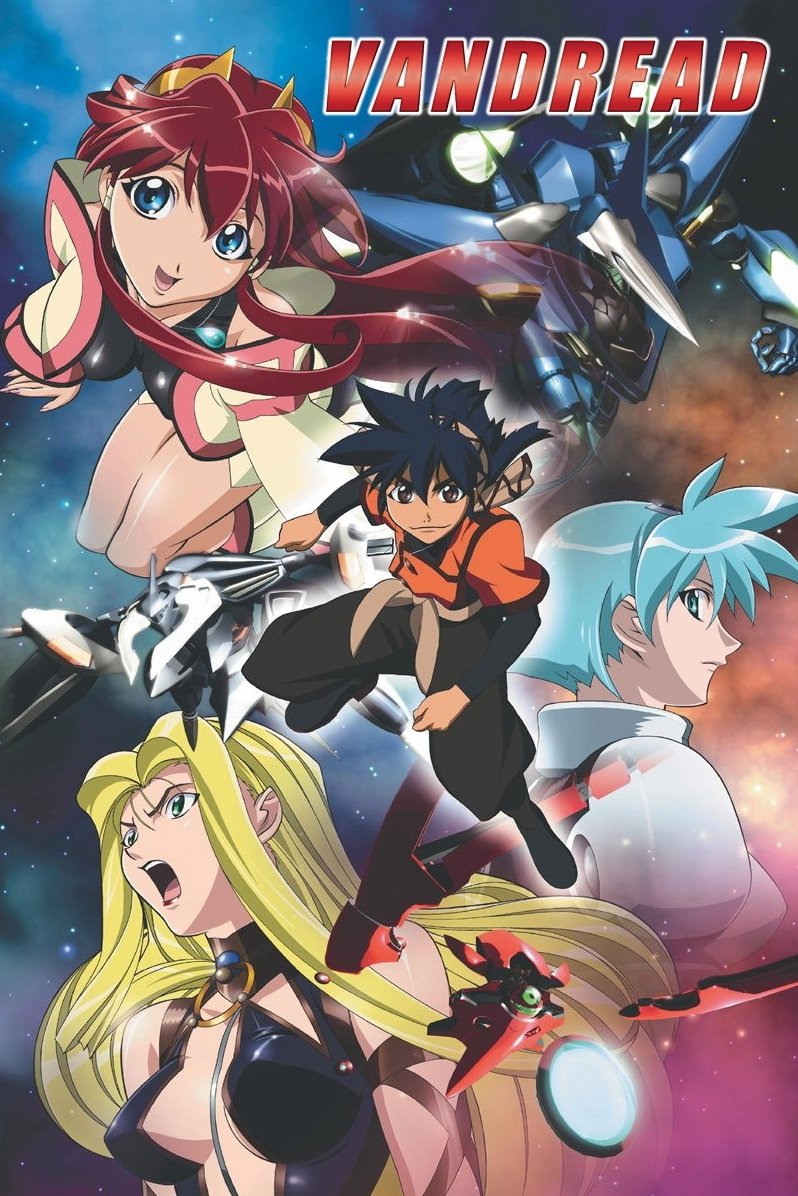
Men and women live on separate planets and have been at war with each other for generations. The backstory involves a colonization ship where the genders were separated and eventually forgot their shared origin. Hibiki Tokai is captured by female pirates and they discover a new enemy harvesting human organs. The characters must learn to cooperate and combine their mecha to survive. The series uses the astronomical separation of the sexes to explore gender roles.
‘Star Driver’ (2010–2011)
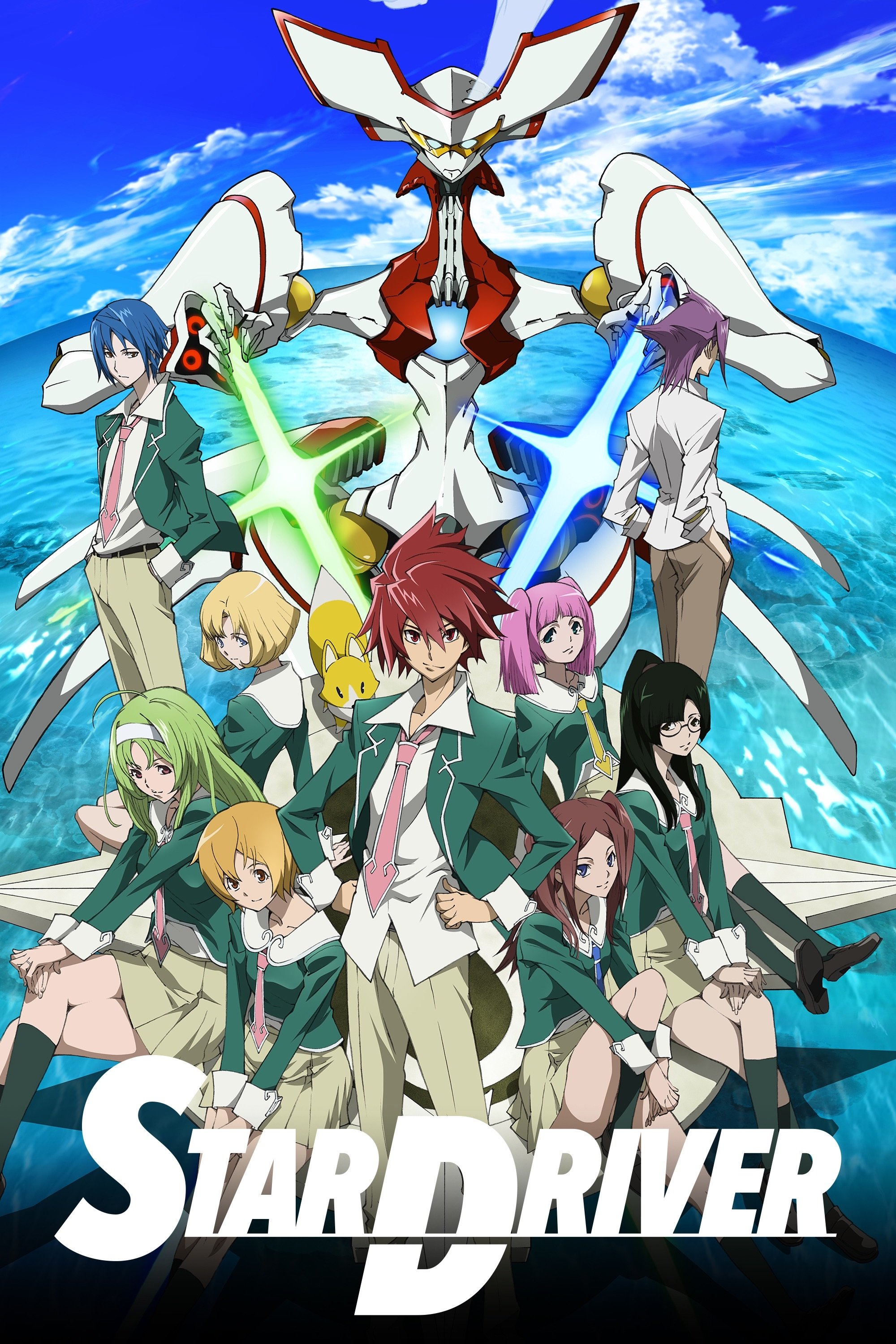
Takuto Tsunashi arrives on Southern Cross Isle to join the high school and finds a secret society. The Order of the Glittering Star seeks to unseal giant cyborgs called Cybodies hidden underground. The backstory involves an ancient alien civilization and the shrine maidens who protect the seals. The mechs and the antagonists are all named after stars and constellations. The battles take place in Zero Time which is a pocket dimension.
‘Wish Upon the Pleiades’ (2015)
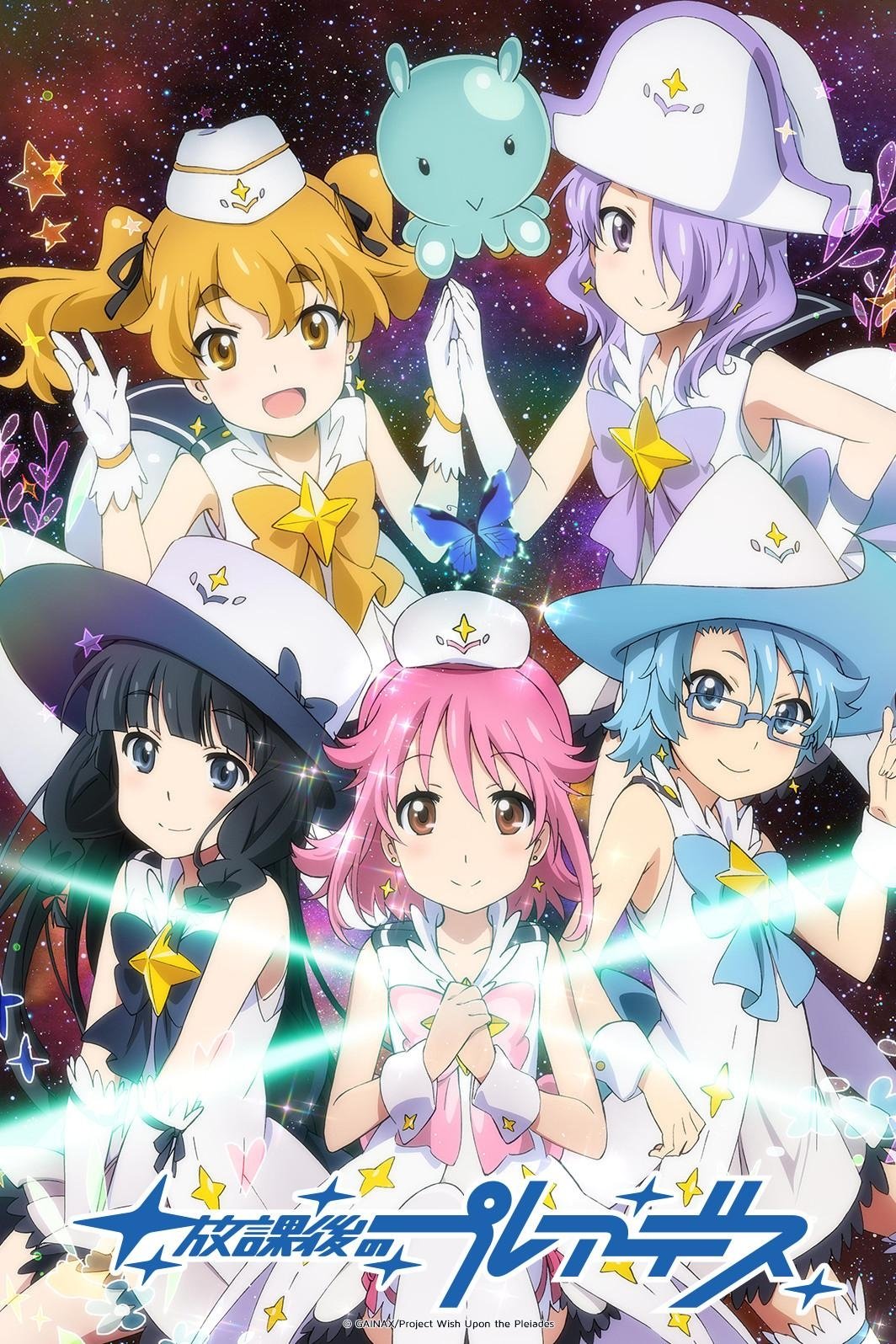
Subaru discovers a group of magical girls who are collecting engine fragments to fix an alien spaceship. The alien takes the form of a blob and recruits the girls to help him return to the Pleiades star cluster. The backstory connects each girl’s potential to the stars and the limitless possibilities of the universe. The show features accurate representations of telescopes and astronomical observation. It was originally created as a collaboration with the car manufacturer Subaru which is named after the cluster.
‘Toward the Terra’ (2007)
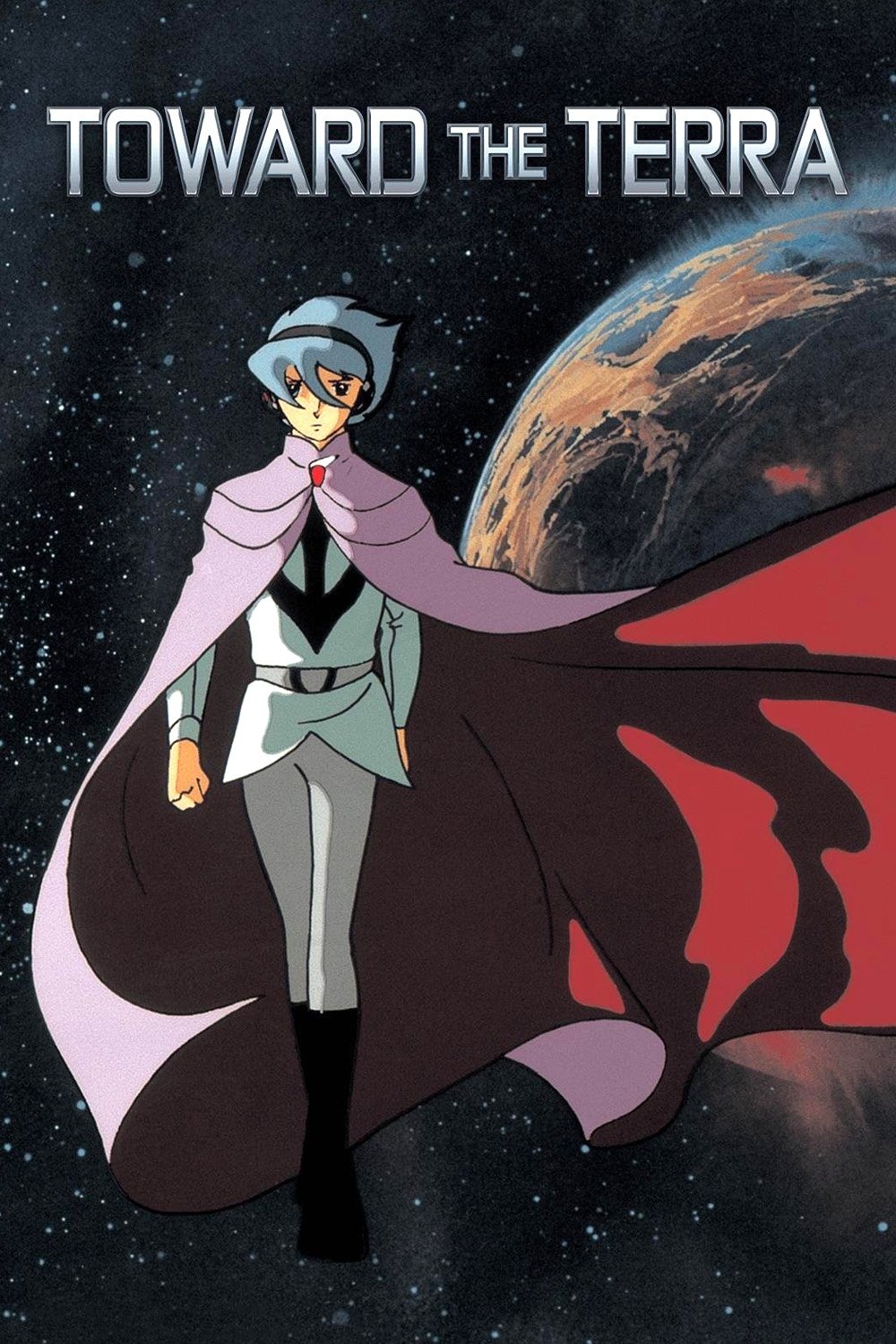
Humanity lives under a strict computer-controlled society and has abandoned the ruined Earth. A new race of humans with psychic abilities called the Mu begins to emerge and is persecuted. The backstory involves the Mu’s desire to return to Terra which has become a mythical location. The series spans many years and covers the interstellar exodus of the Mu people. Astronomy serves as the symbol of hope and the destination of their long journey.
‘Moonlight Mile’ (2007)

Goro and Lostman are two climbers who decide to aim for space after conquering every peak on Earth. The backstory involves the construction of a massive Nexus base on the Moon for energy mining. The series focuses on the geopolitical tension between nations as the Cold War extends into space. It depicts a realistic near-future scenario of lunar industrialization. The characters are driven by the physical challenge of the space environment.
‘Planetarian: The Reverie of a Little Planet’ (2016)
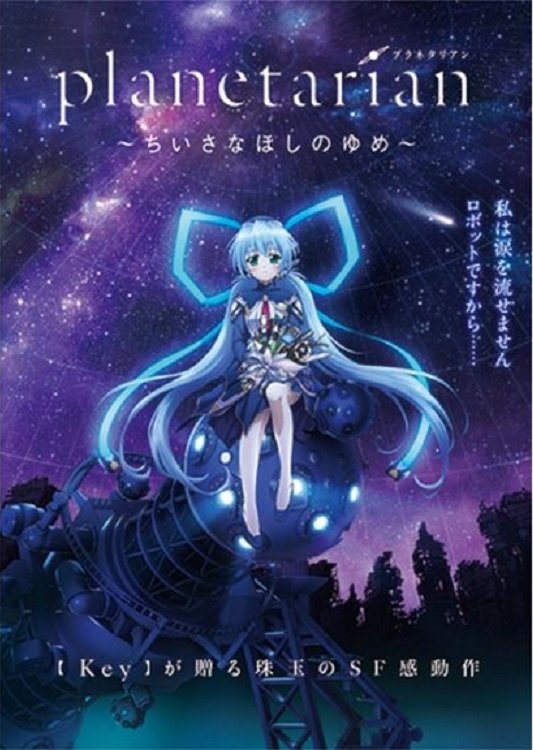
The story takes place in a post-apocalyptic world where a Junker meets a robot named Yumemi. Yumemi is a presenter at an abandoned rooftop planetarium and waits for customers who will never arrive. Her backstory is defined by her programming to show the stars to humans despite the destruction outside. The series juxtaposes the beauty of the projected cosmos with the ruined city. It emphasizes the enduring human fascination with astronomy even at the end of the world.
‘Outlaw Star’ (1998)
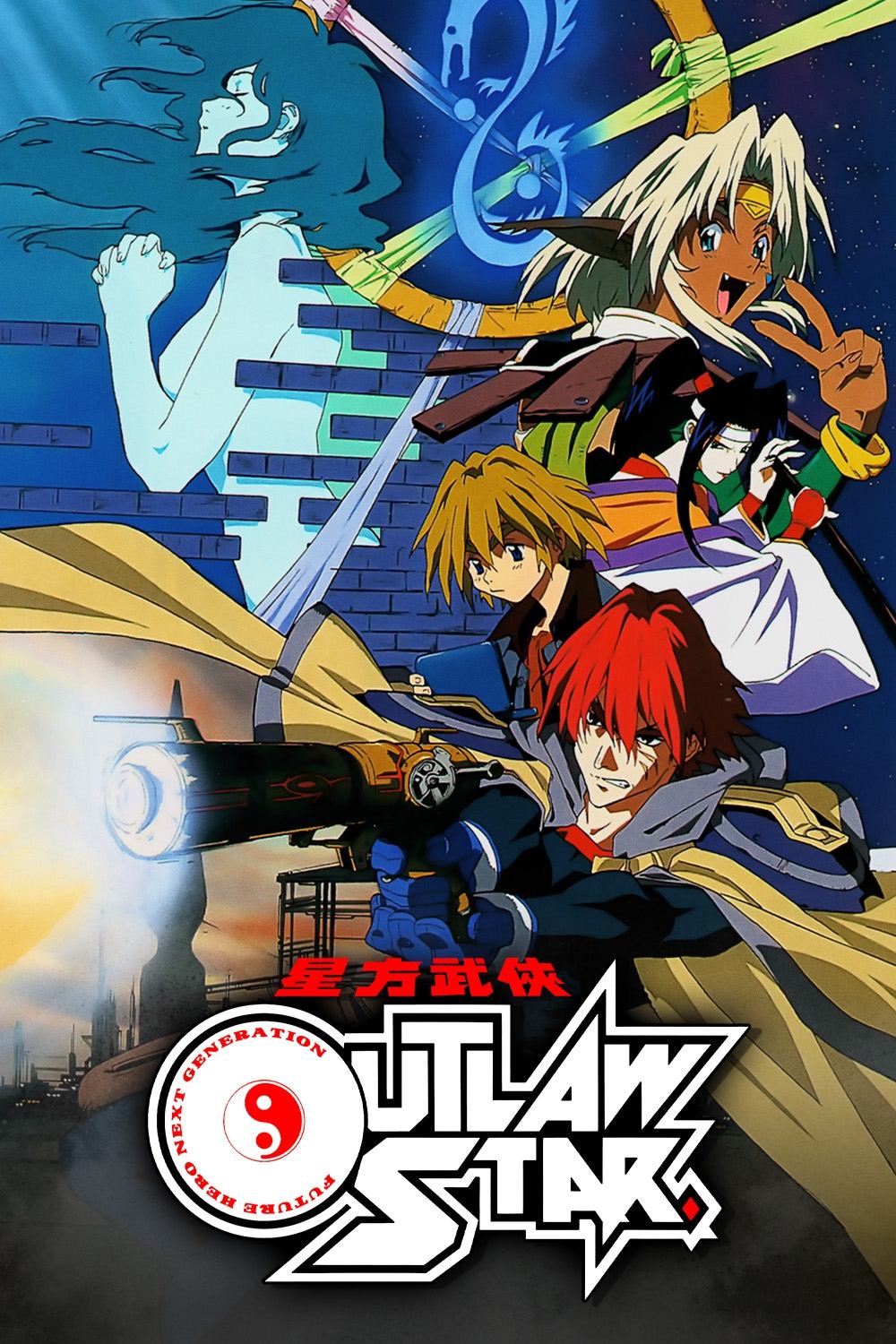
Gene Starwind obtains an advanced grappling ship and searches for the Galactic Leyline. The backstory of the universe involves a rush to find this legendary place that grants absolute power. The ship itself was designed by space pirates and utilizes a rare navigation system. The crew consists of an android and a cat-girl and a hitwoman who travel across dangerous star systems. Magic and technology blend together in this wild west version of space.
‘Dr. Stone’ (2019–2023)
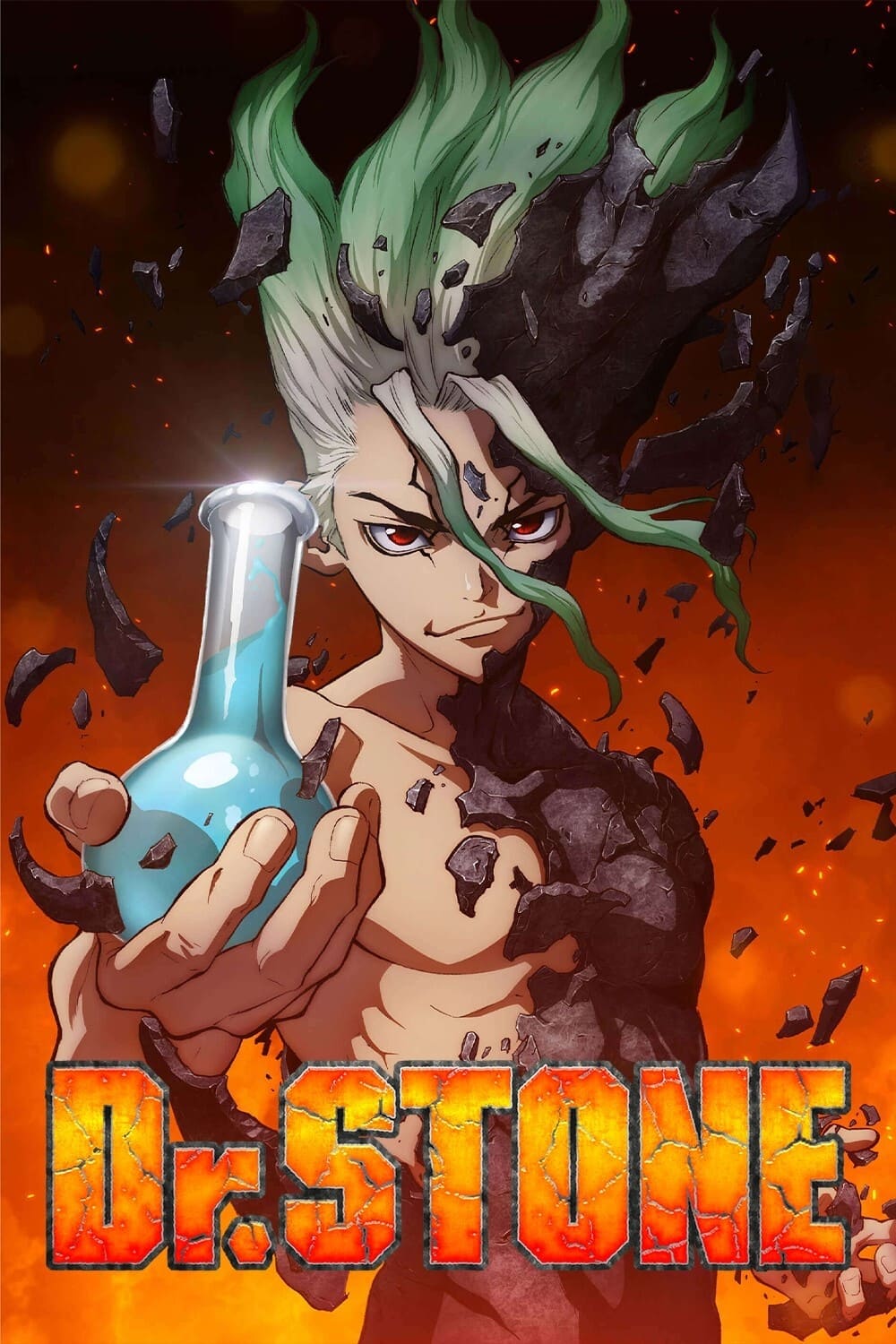
Senku Ishigami awakens thousands of years after humanity was petrified by a mysterious green light. A crucial part of the backstory involves his father Byakuya who was on the International Space Station during the event. The astronauts on the ISS were the only humans spared and they returned to Earth to found a new village. Senku uses his knowledge of science to rebuild civilization and investigate the source of the petrification. The connection to the space station provides the only historical link to the modern world.
In the comments, let us know which anime character with a cosmic origin story is your favorite.