Actors Who Refused to Let Studios Add “Urban” Accents in Post-Production

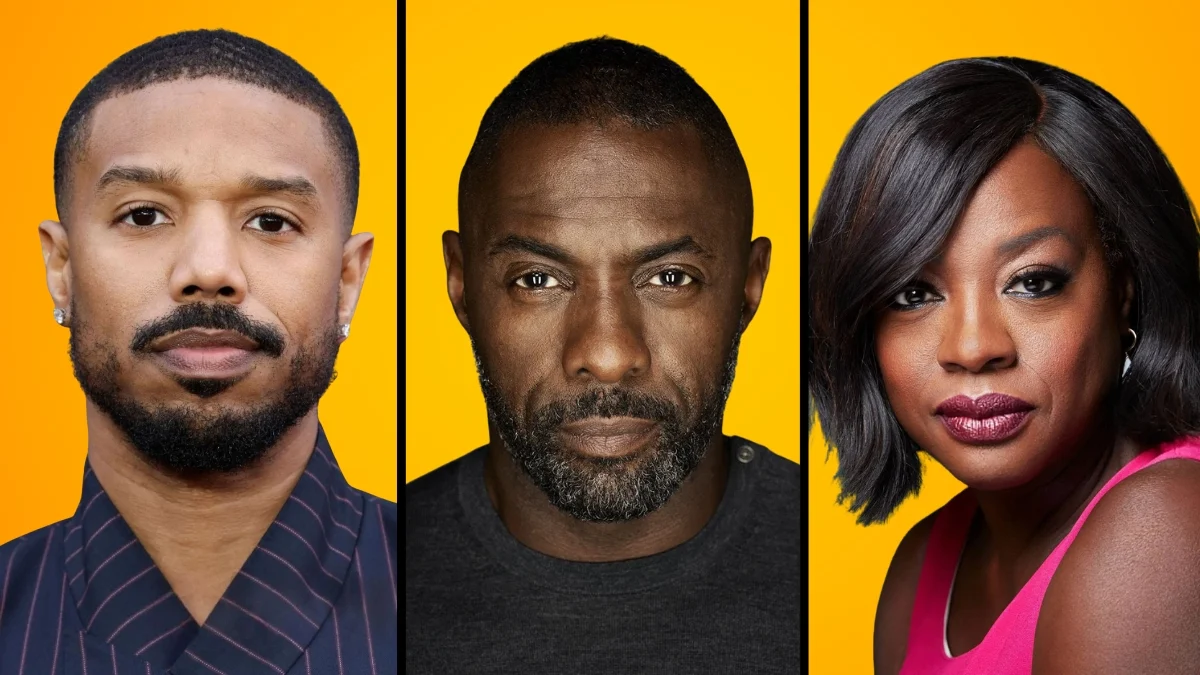

Studios frequently attempt to alter performances during the editing process to fit demographic projections or executive expectations regarding character appeal. This interference often targets Black actors by pressuring them to adopt stereotypical inner-city dialects or slang that was not part of the original script. Many performers have taken a firm stand against this practice to preserve the cultural integrity and dignity of the roles they inhabit. These talented individuals fought to ensure their vocal choices remained intact and free from mandated caricatures.
Chadwick Boseman
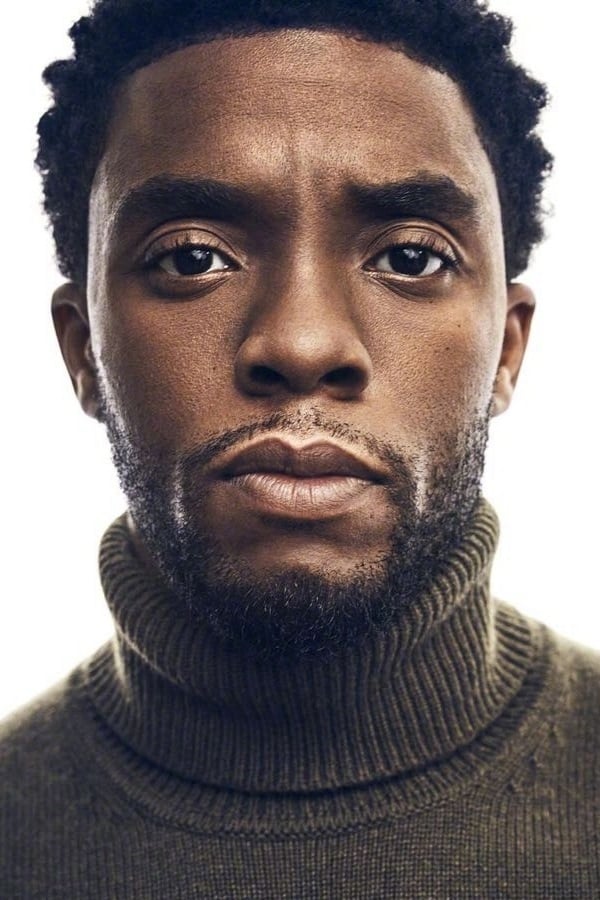
The late actor famously engaged in a significant creative debate with Marvel executives regarding the accent of King T’Challa. The studio initially suggested that the character should speak with an American or British dialect to be more palatable to general audiences. Boseman argued that an African king would not speak with the accent of a colonizer and insisted on a Xhosa-inspired dialect. His refusal to yield ensured that ‘Black Panther’ maintained its cultural specificity and regal tone. This decision proved vital in establishing the immersive and authentic world of Wakanda.
Idris Elba
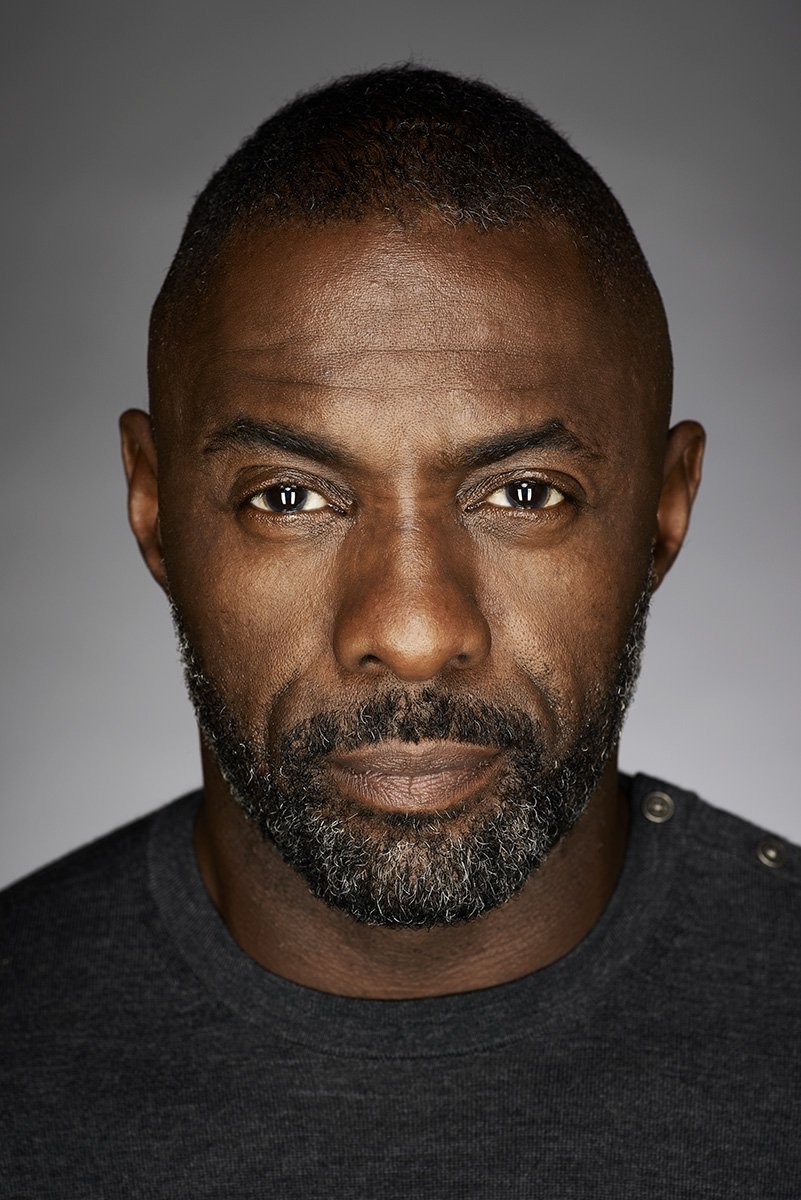
Elba has built a career on his ability to master various dialects ranging from Baltimore street vernacular to his native East London cockney. He has spoken about the pressure industry executives place on Black British actors to sound indistinguishable from American stereotypes. The actor consistently pushes back against direction that seeks to flatten his vocal performance into a generic urban trope. He works meticulously with dialect coaches to ensure specificity rather than allowing producers to dub or alter his voice in post-production.
Daniel Kaluuya
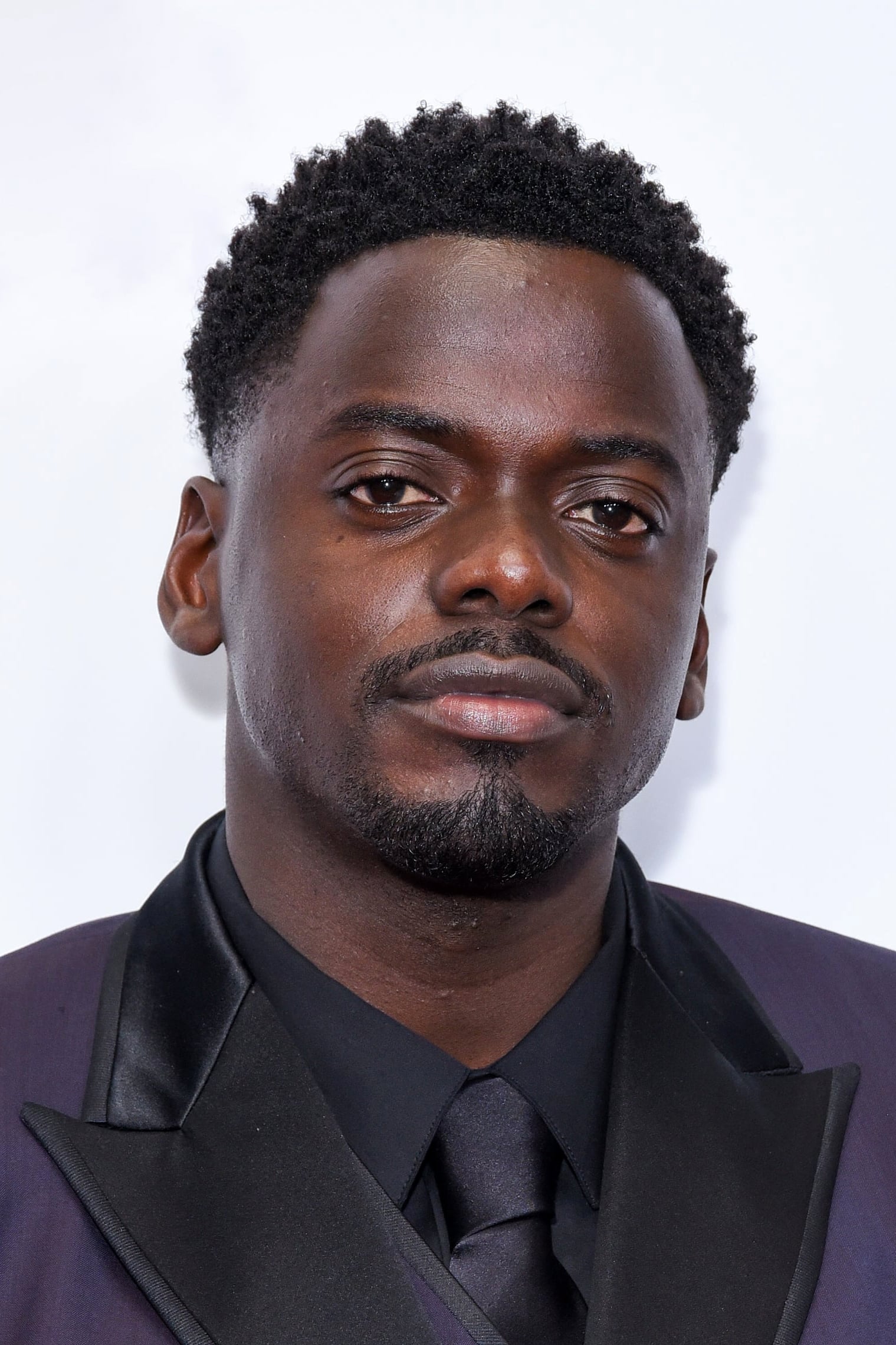
This British actor faces constant scrutiny regarding his ability to portray African American figures authentically. During the production of ‘Judas and the Black Messiah’ he dedicated himself to mastering the specific vocal cadence of Fred Hampton. Kaluuya resisted any suggestions to soften the speech patterns or make them more digestible for international viewers. He maintained that the power of the performance lay in the raw and accurate delivery of the dialogue.
Viola Davis
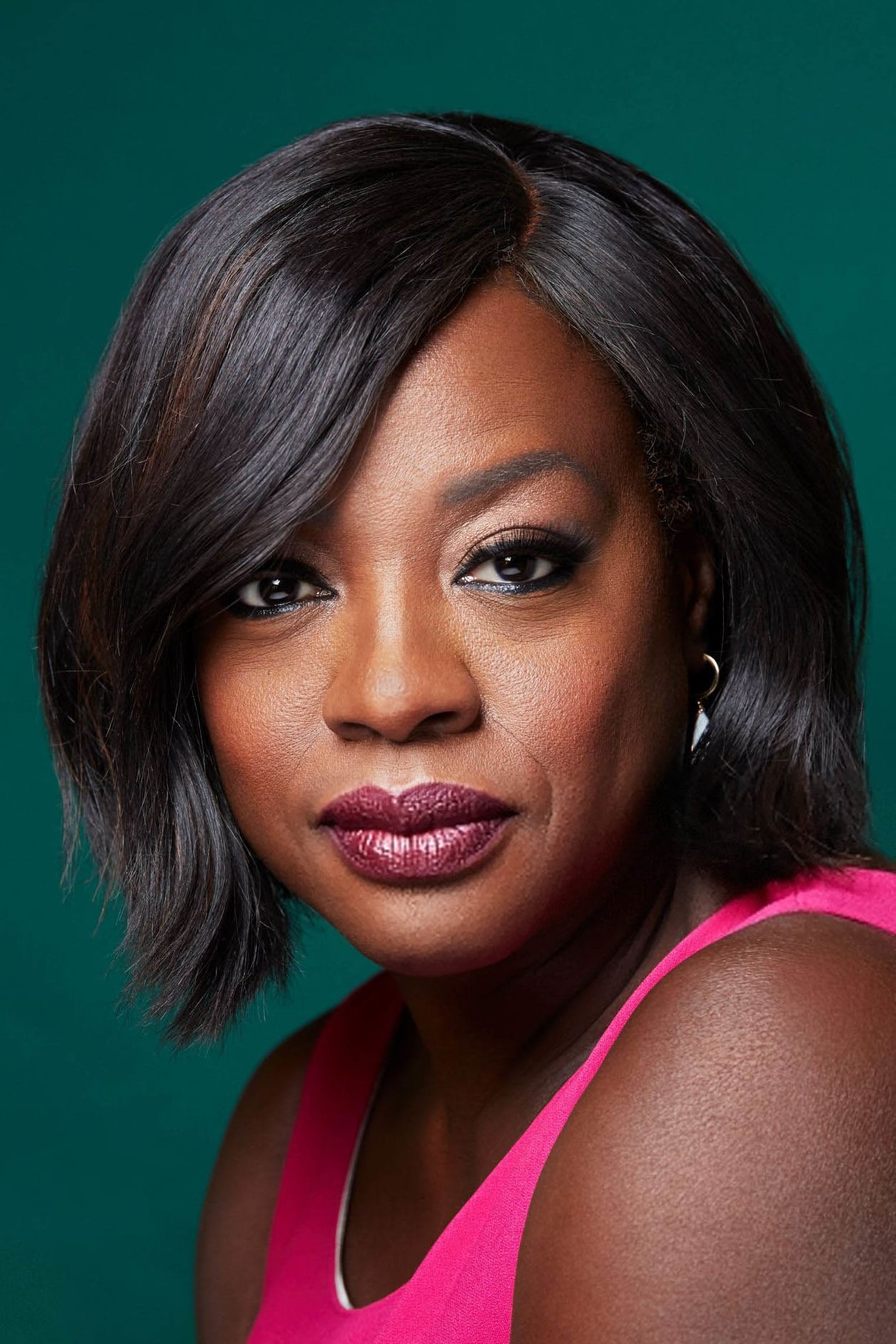
Davis is a fierce advocate for realism and refuses to let studios polish her characters to make them more comfortable for mainstream viewing. She has frequently pushed back against notes asking her to adjust her dialect to sound more or less “urban” depending on the scene. Her work in ‘Ma Rainey’s Black Bottom’ showcased her commitment to a gritty and historically accurate blues voice. She ensures that sound mixing and ADR sessions do not strip away the raw edges of her vocal performance.
John Boyega
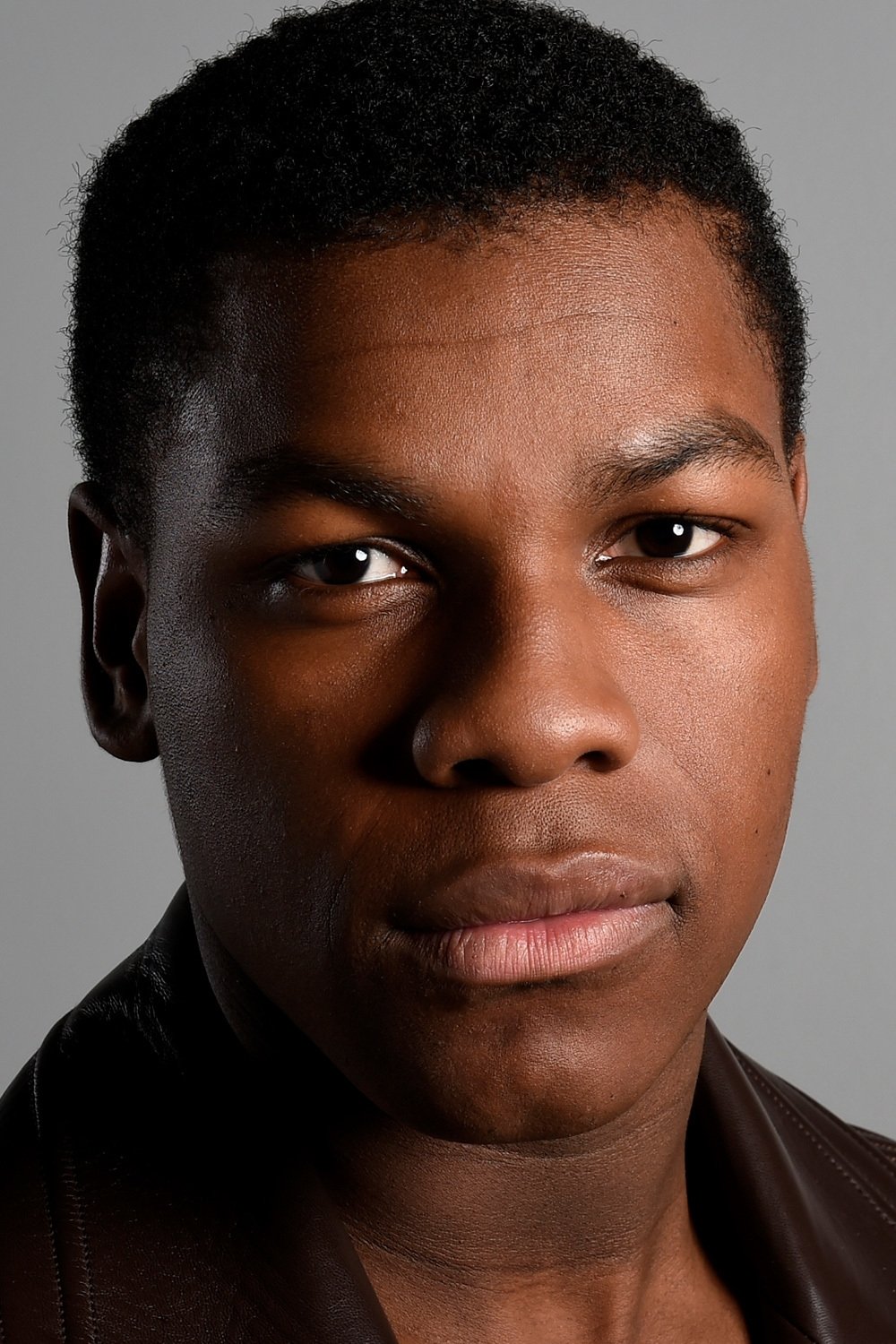
Boyega has been vocal about the treatment of minority characters in major franchises and the importance of allowing them to retain their cultural identity. In ‘Attack the Block’ he utilized his natural South London accent rather than adopting a forced American dialect that some producers might prefer for global reach. He actively resists the industry tendency to homogenize Black voices into a single monolithic sound. His insistence on vocal authenticity helps ground his characters in their specific environments.
Lupita Nyong’o
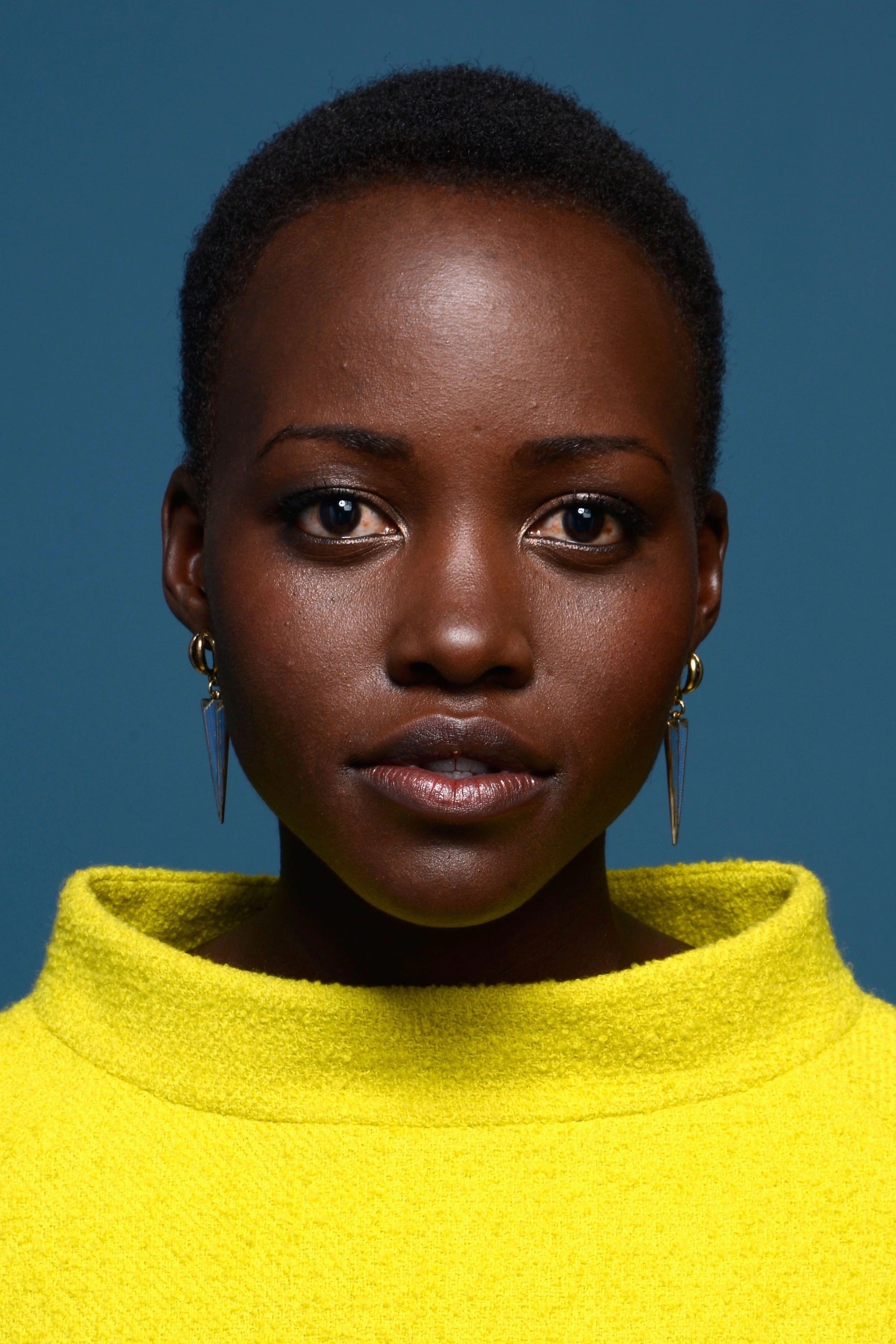
Nyong’o approaches her roles with academic precision and refuses to allow post-production simplification of her linguistic work. When voicing characters or performing live action she develops specific backstories for her accents that defy generic categorization. Studios often attempt to smooth out distinct dialects to ensure clarity for all audiences but she fights to keep the nuance. Her performance in ‘Us’ demonstrated her ability to weaponize her voice without relying on tired tropes.
Mahershala Ali
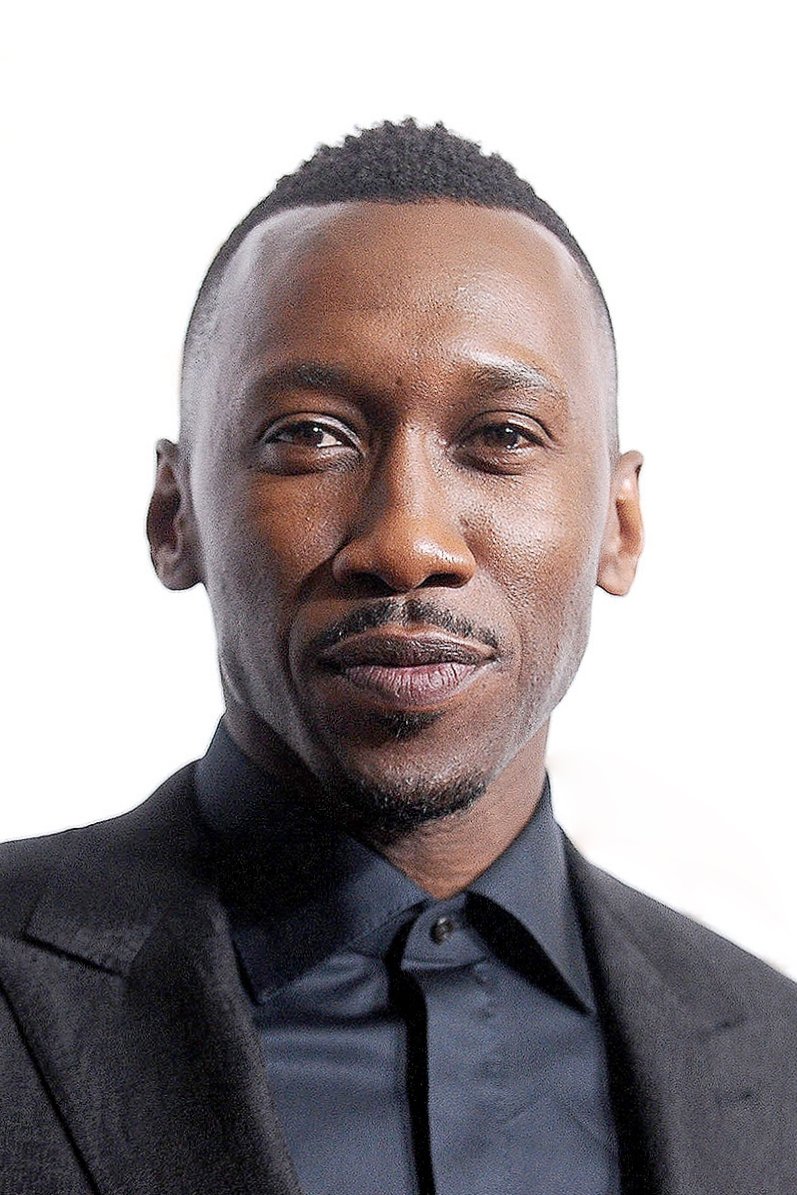
Ali is known for his quiet intensity and precise control over his vocal register. He avoids the loud and boisterous delivery often expected of characters in crime dramas and instead opts for a grounded approach. The actor works to ensure that his dialogue is not replaced with more aggressive takes during the editing phase. His portrayal of Cottonmouth in ‘Luke Cage’ stood out because he brought a sophisticated elegance to a role that could have been a caricature.
David Oyelowo
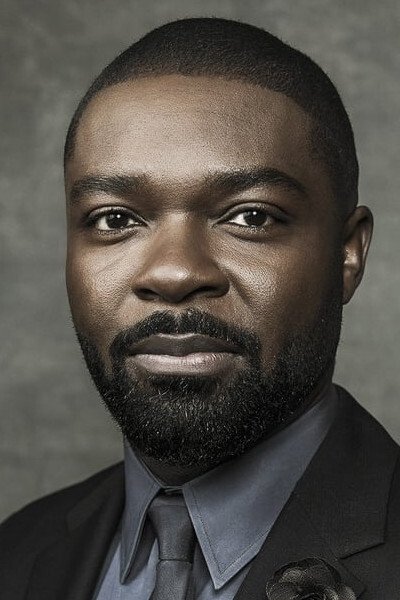
The British actor faced immense pressure when taking on the role of Martin Luther King Jr. in ‘Selma’. He refused to deliver a mimicry that relied on public perception and instead focused on the private voice of the man. Oyelowo blocked any attempts to over-dramatize the accent for cinematic effect. He maintains strict control over his ADR sessions to ensure the emotional truth of the performance is not tampered with.
Forest Whitaker
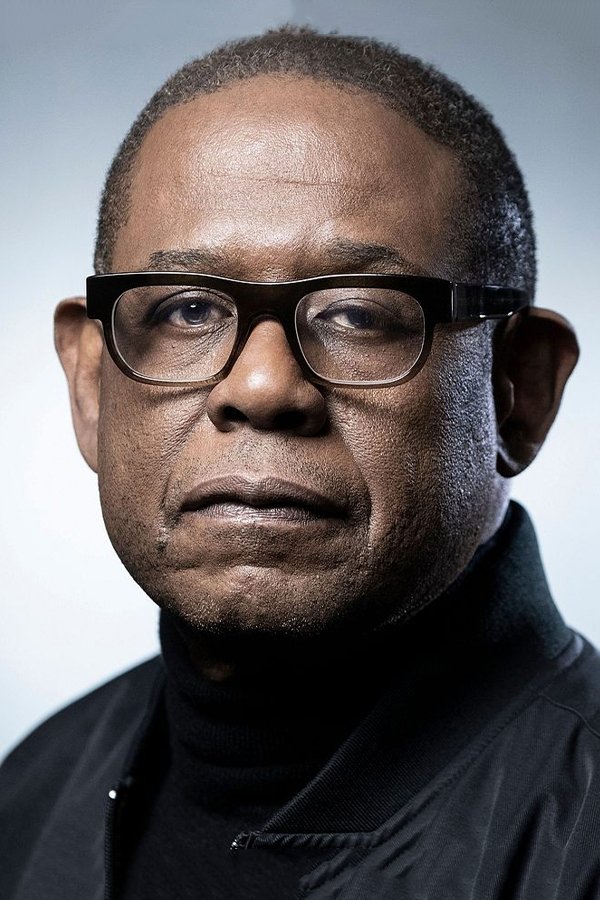
Whitaker develops unique vocal patterns for every character he plays and protects these choices fiercely. In ‘Godfather of Harlem’ he utilized a specific cadence that reflected the era and region rather than a modern urban blaccent. He resists studio notes that ask for more volume or aggression in his delivery. This dedication preserves the internal logic of his characters and prevents them from becoming stereotypes.
Lakeith Stanfield
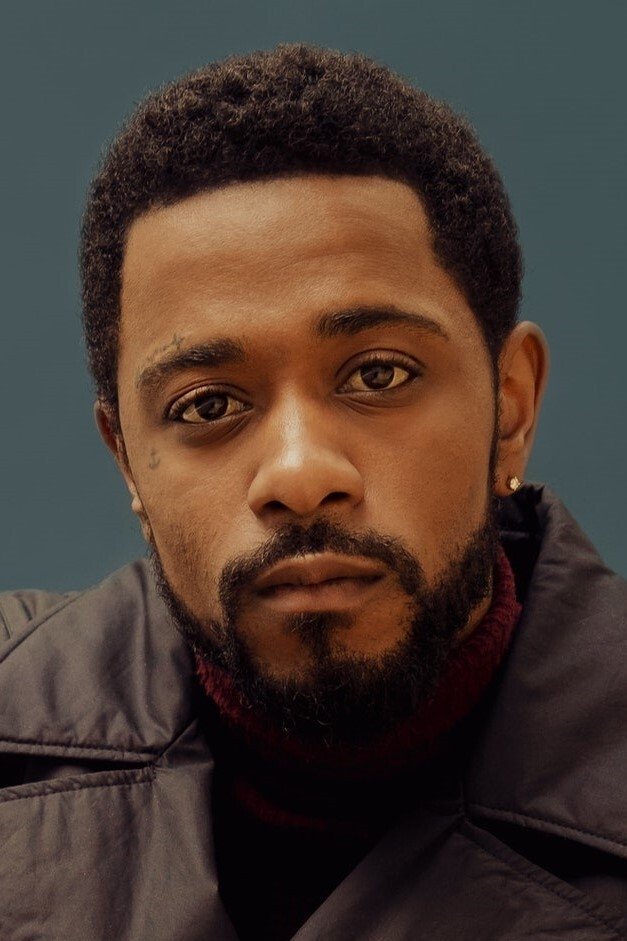
Stanfield often chooses roles that critique the very concept of performative blackness and code-switching. His performance in ‘Sorry to Bother You’ directly addressed the commercialization of the “white voice” versus natural speech. He is known for improvising and keeping his delivery unpredictable to prevent editors from assembling a standard performance. He refuses to let his characters be boxed into a specific demographic demographic through sound design.
Chiwetel Ejiofor
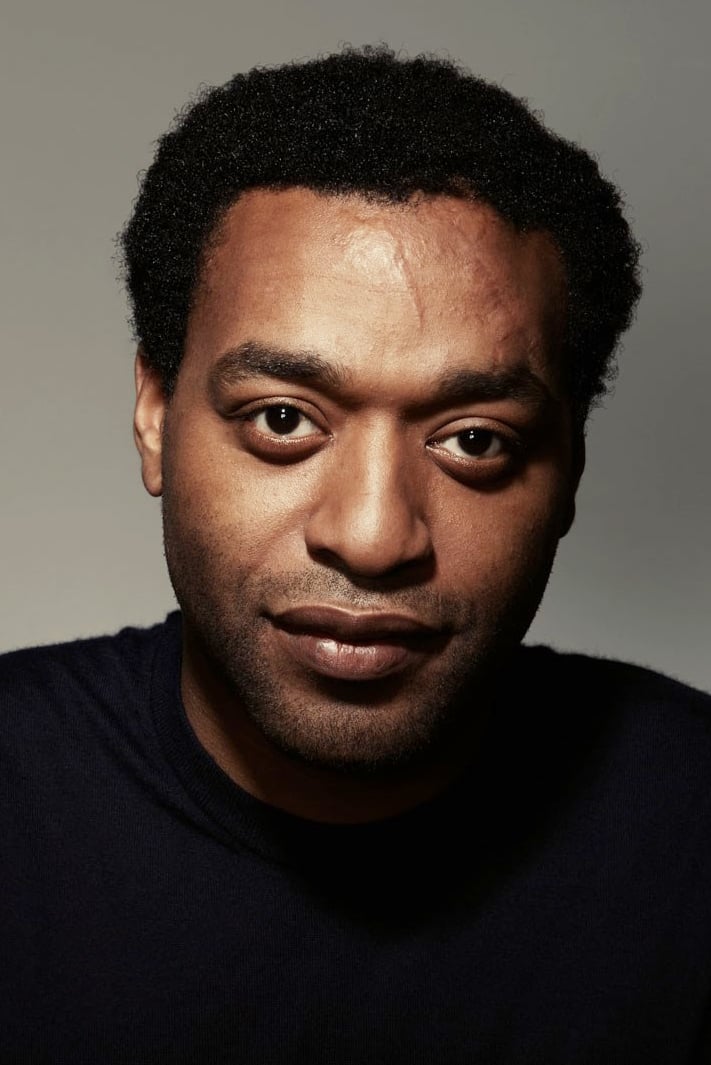
Ejiofor brings a classical training to his roles that gives his characters a distinct sense of gravity. He resists the industry trend of forcing Black actors to adopt “street” accents for roles that do not require them. His work in ’12 Years a Slave’ showcased a historical dialect that he refused to modernize for audience comfort. He ensures that his voice remains consistent from the set to the final cut.
Naomie Harris
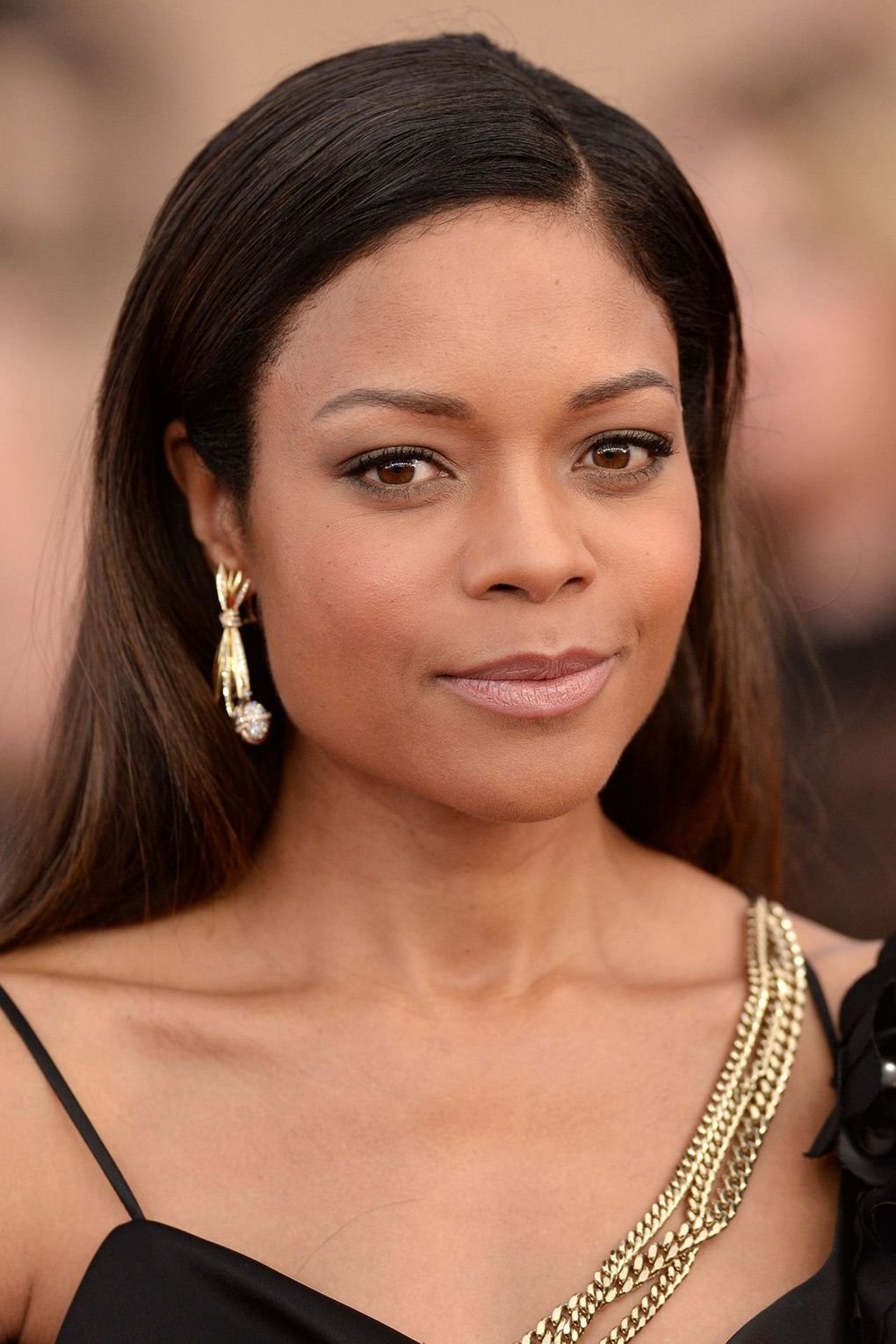
Harris conducts deep research into the specific backgrounds of her characters to build their voices from the ground up. For her role in ‘Moonlight’ she studied the speech patterns of addiction survivors rather than relying on media stereotypes. She refuses to allow post-production teams to alter the emotional weight of her delivery with generic sound bites. Her commitment ensures that her characters sound like real human beings rather than plot devices.
Brian Tyree Henry
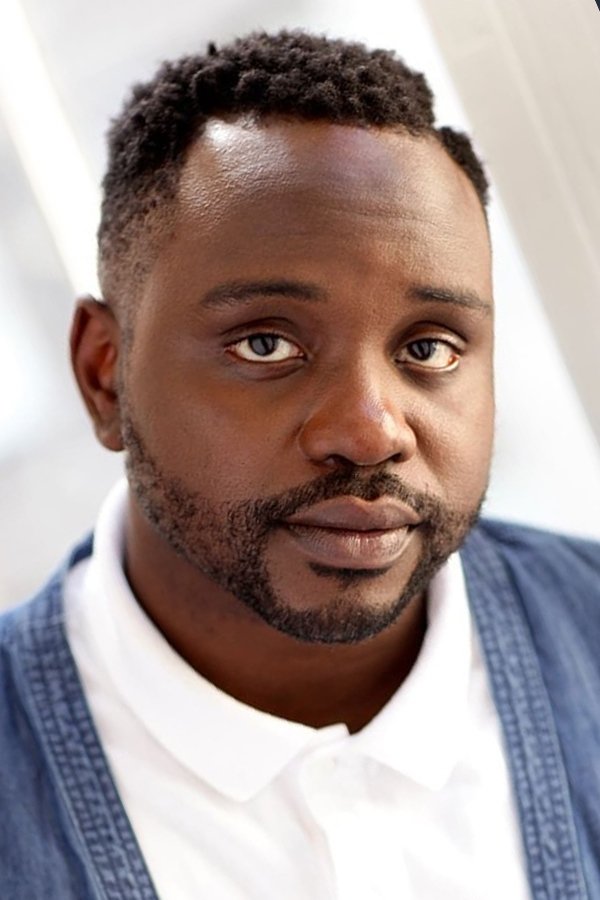
Henry is celebrated for bringing depth and vulnerability to characters that might otherwise be written as one-dimensional tough guys. In ‘Atlanta’ he utilized a relaxed and specific dialect that countered the high-energy stereotypes often seen in hip-hop narratives. He resists direction that pushes for a more performative or aggressive “urban” sound. This subtlety forces the audience to lean in rather than being bombarded by clichés.
Regina King
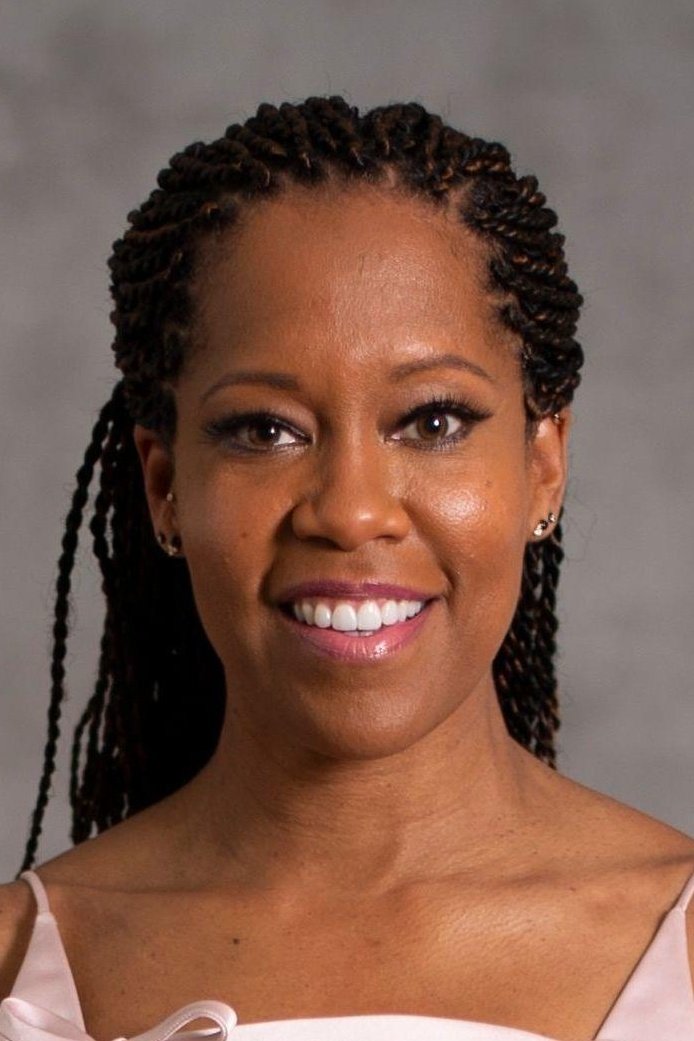
King has spent decades in the industry and has learned to protect her performances from interference. She ensures that her characters speak with the authority and inflection appropriate to their specific background and profession. In ‘Watchmen’ she navigated multiple identities without slipping into a caricature of a vigilante. She oversees her post-production loops to guarantee the intent of her dialogue remains clear.
Don Cheadle
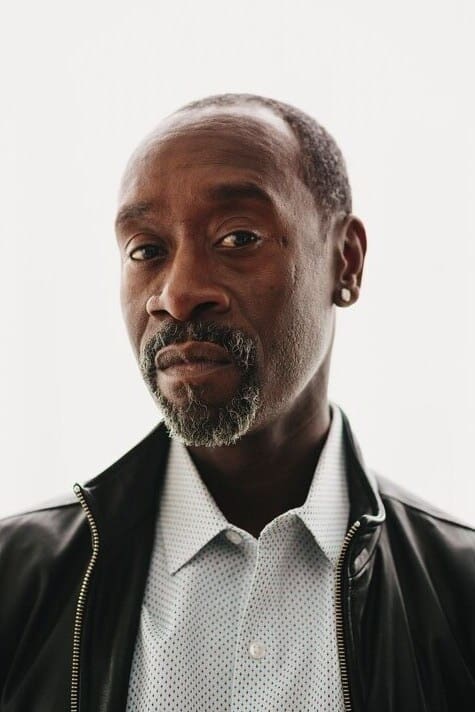
Cheadle is known for his versatility and his refusal to be pigeonholed into specific types of roles. He fought to capture the raspy and distinct voice of Miles Davis in ‘Miles Ahead’ without studio sanitation. The actor understands that voice is a key part of character psychology and protects it from executive meddling. He ensures that the grit and imperfections of his speech are preserved in the final mix.
Ruth Negga
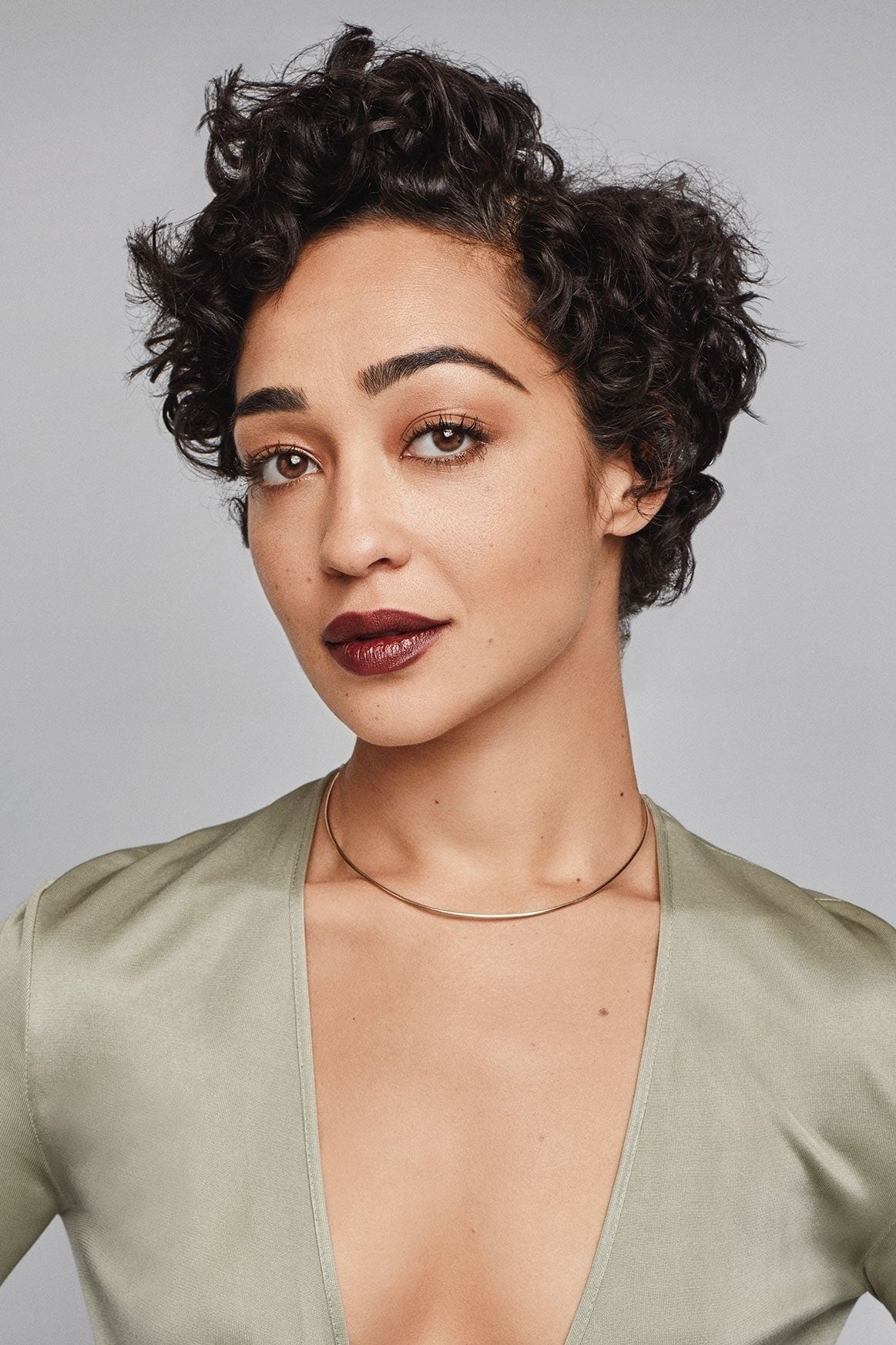
Negga immerses herself in the specific regional dialects of her characters to ensure absolute authenticity. For ‘Loving’ she mastered a rural Virginian accent that was quiet and historically accurate. She refused to heighten the drama of her speech to fit modern cinematic standards of articulation. Her dedication prevents her performances from being dubbed over with clearer but less accurate audio.
Samuel L. Jackson
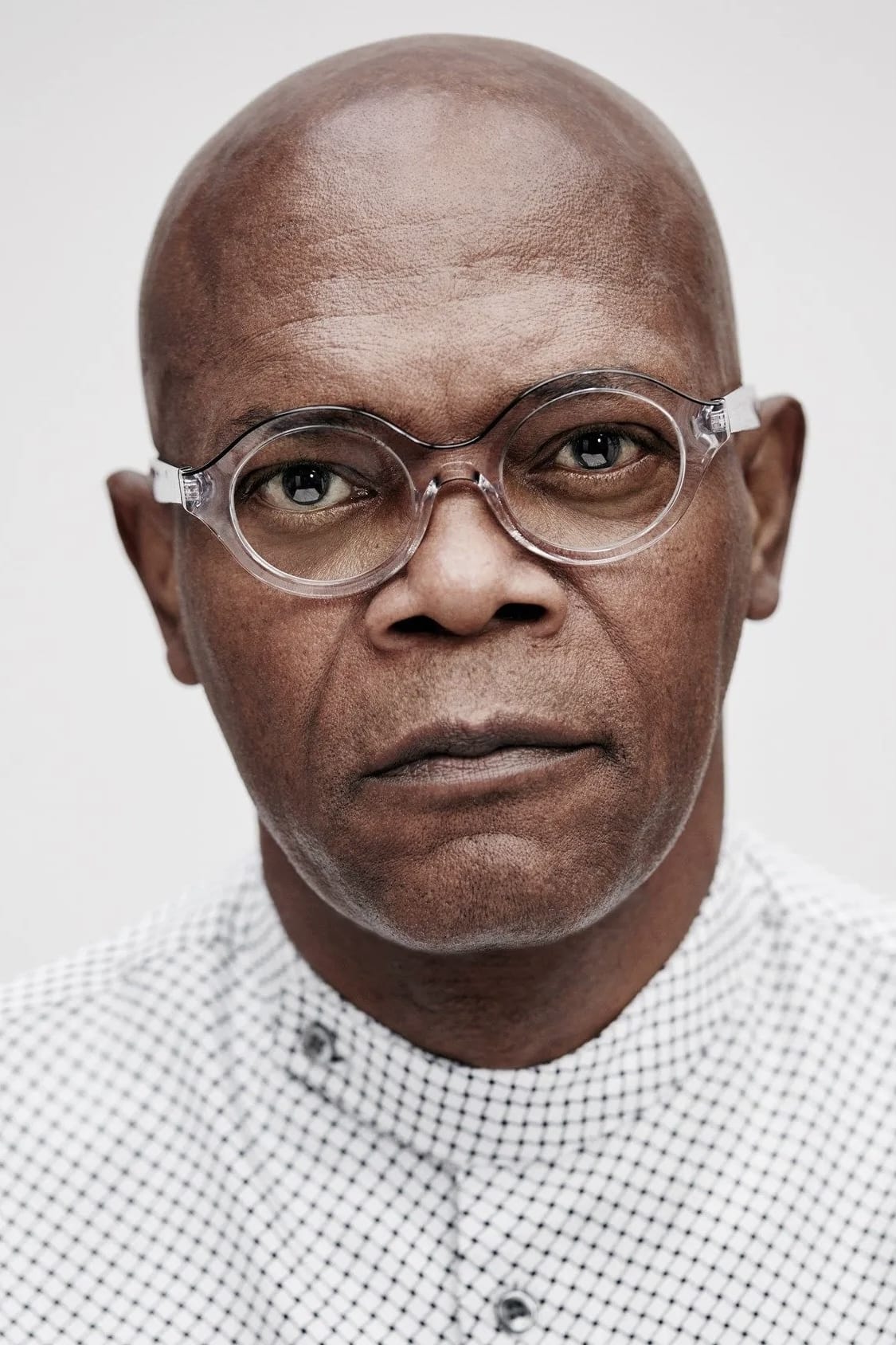
Jackson is famous for rewriting his lines and dictating exactly how his characters should sound. He has enough clout to refuse any post-production attempts to tone down or alter his delivery. He ensures that his specific brand of dialogue remains uncut and unaltered by studio executives. His voice is his trademark and he does not allow it to be manipulated to fit a demographic test.
Angela Bassett
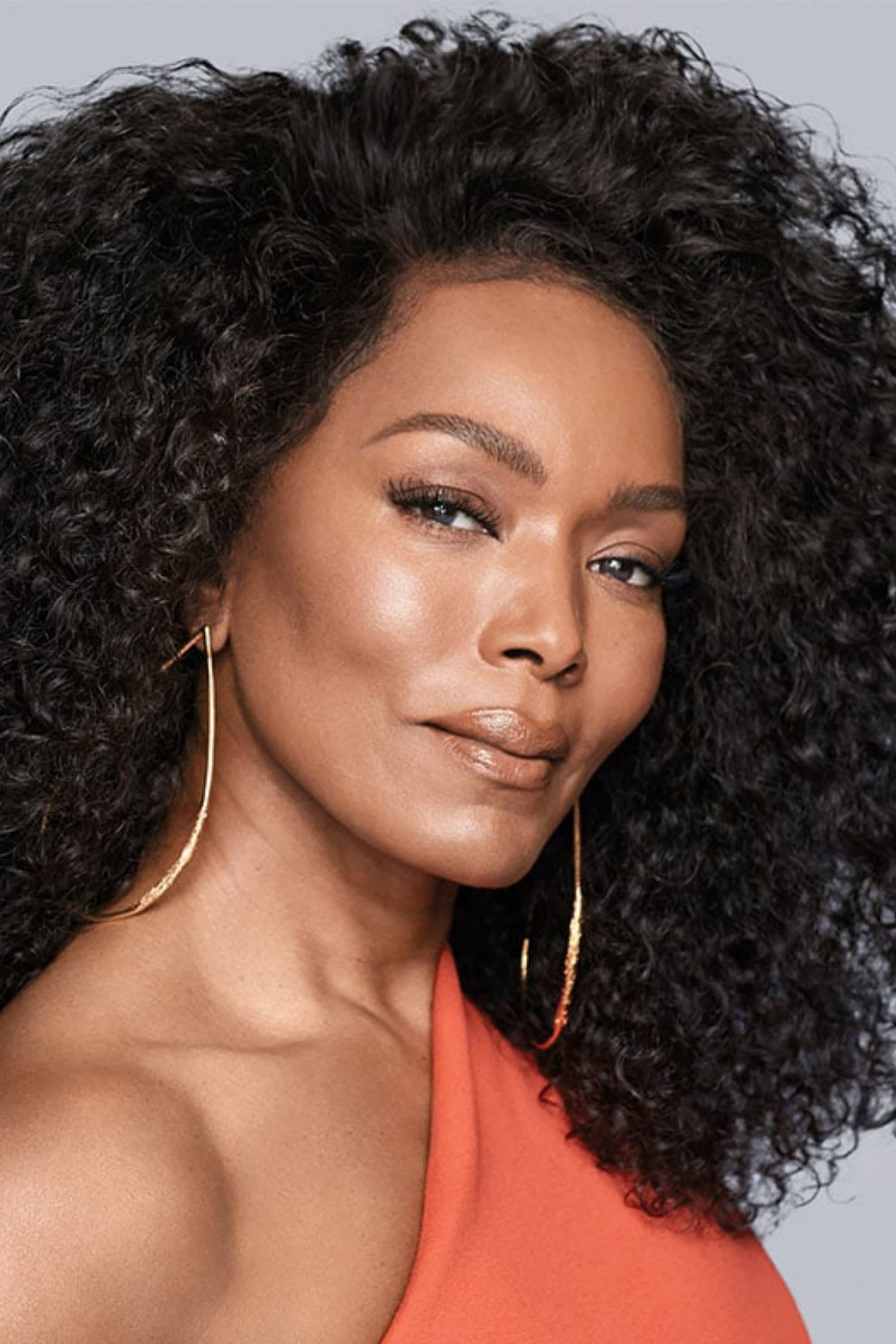
Bassett commands a screen presence that is amplified by her precise and powerful diction. She resists any direction that attempts to make her characters sound less intelligent or regal than they are written. In ‘Black Panther: Wakanda Forever’ she delivered a monologue that demanded the preservation of her raw emotional vocals. She does not permit sound editors to soften her delivery or alter her pitch.
Michael B. Jordan
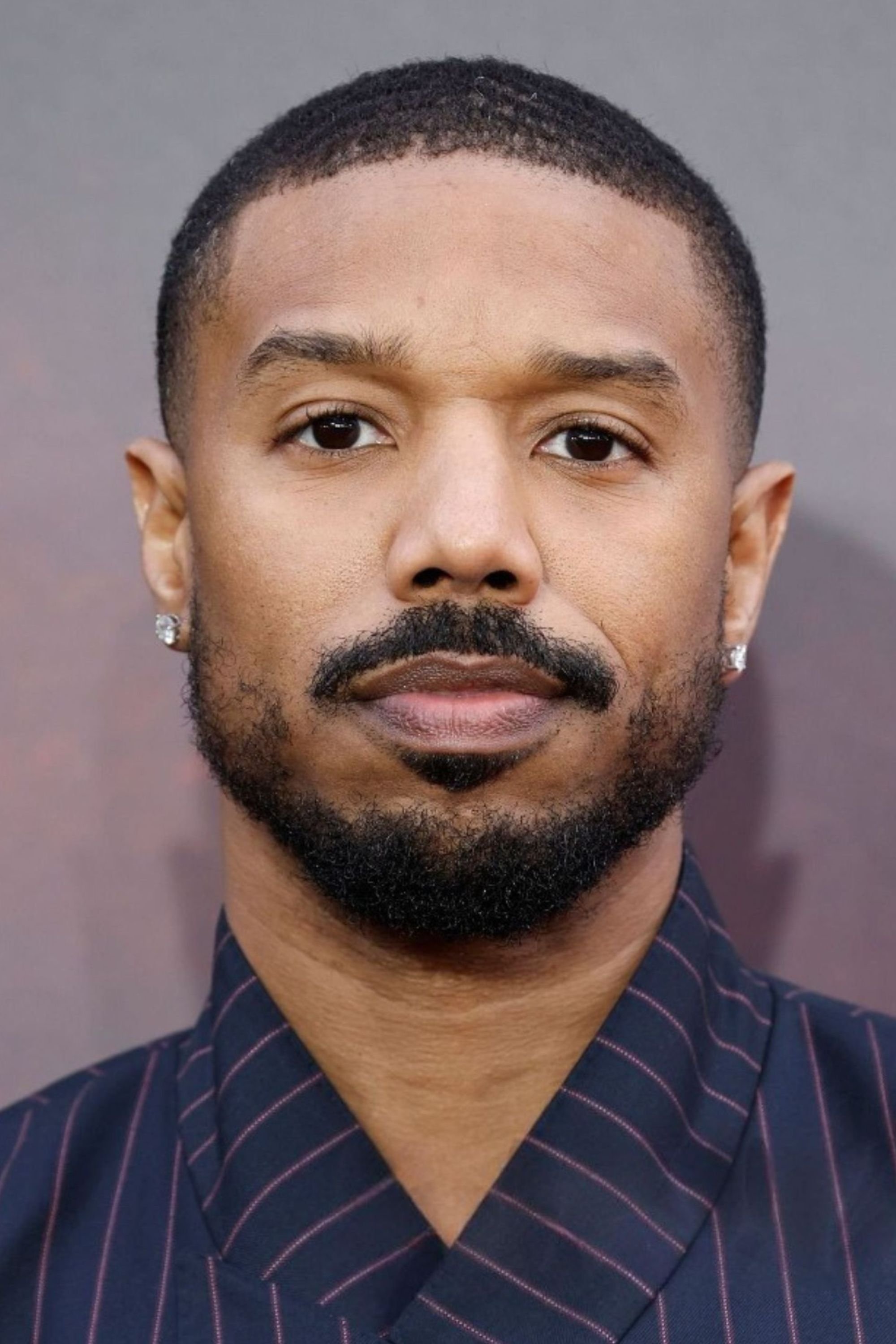
Jordan has worked to differentiate his characters through vocal changes and physical transformation. For ‘Black Panther’ he adopted a specific American vernacular that contrasted sharply with the Wakandan accents around him. He fought to ensure this distinction was narrative-driven rather than a lazy stereotype. He protects the integrity of his dialogue to ensure his villains have just as much depth as his heroes.
Sterling K. Brown
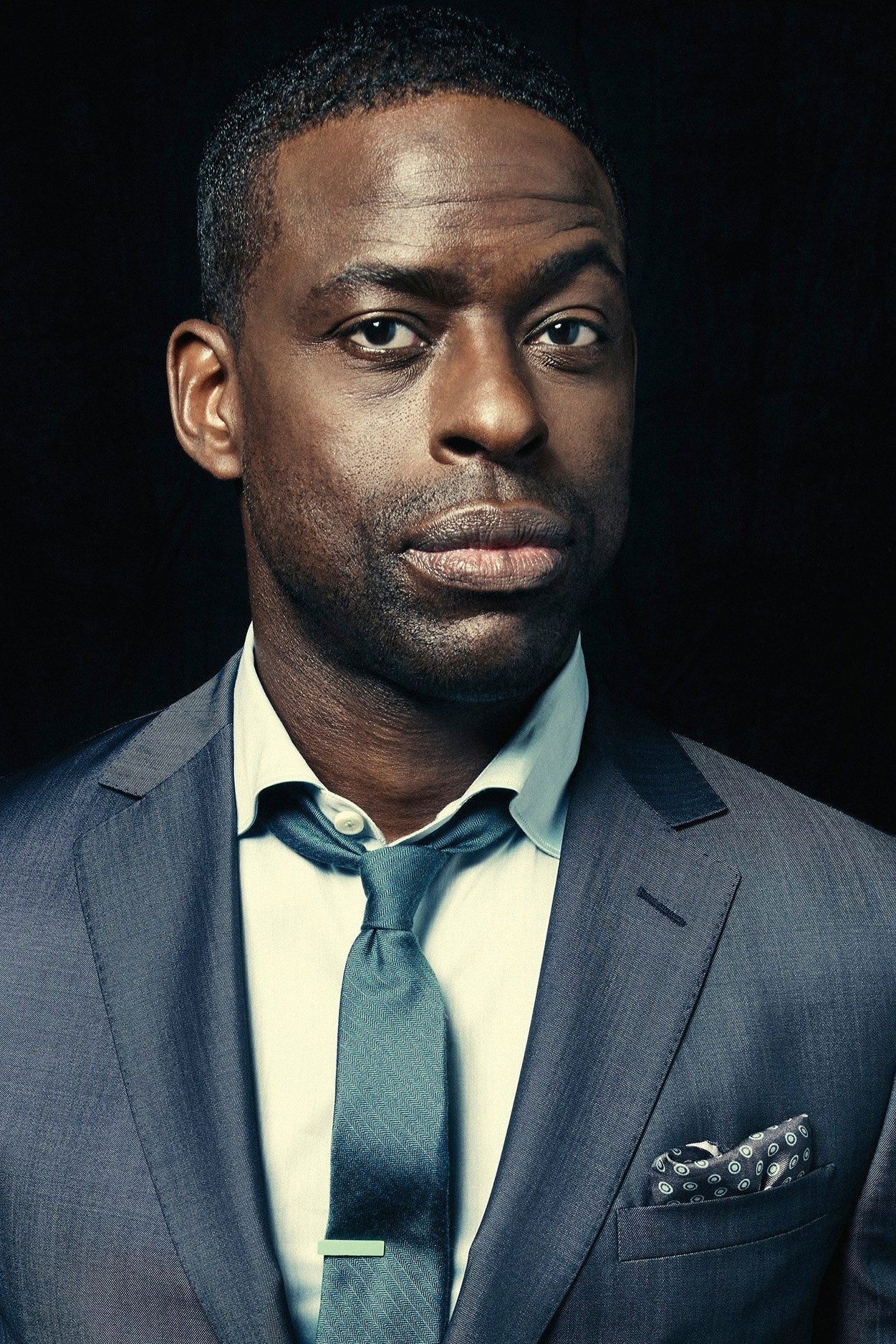
Brown is known for his rapid-fire delivery and emotional resonance which he refuses to compromise. He pushes back against any suggestion that his characters need to “sound Blacker” to fit a scene’s mood. His work in ‘American Crime Story’ showcased his ability to mimic a real person without descending into parody. He maintains strict oversight on how his voice is utilized in the final edit.
Please tell us which of these actors gave the most powerful vocal performance in the comments.