The Academy Has Reveales the Best Cinematography Contenders Shortlist for the 2026 Oscars


The Academy of Motion Picture Arts and Sciences has officially announced the sixteen films that will advance to the next round of voting for Best Cinematography at the 98th Academy Awards. This year’s selection highlights a diverse array of visual storytelling, ranging from high-octane blockbusters filmed with cutting-edge technology to intimate character studies shot on 35mm film. The Cinematographers Branch has recognized work that pushes the boundaries of lighting, composition, and camera movement to serve the director’s vision. Competition is fierce as industry veterans and rising stars vie for a spot in the final five nominees.
‘Ballad of a Small Player’ (2025)
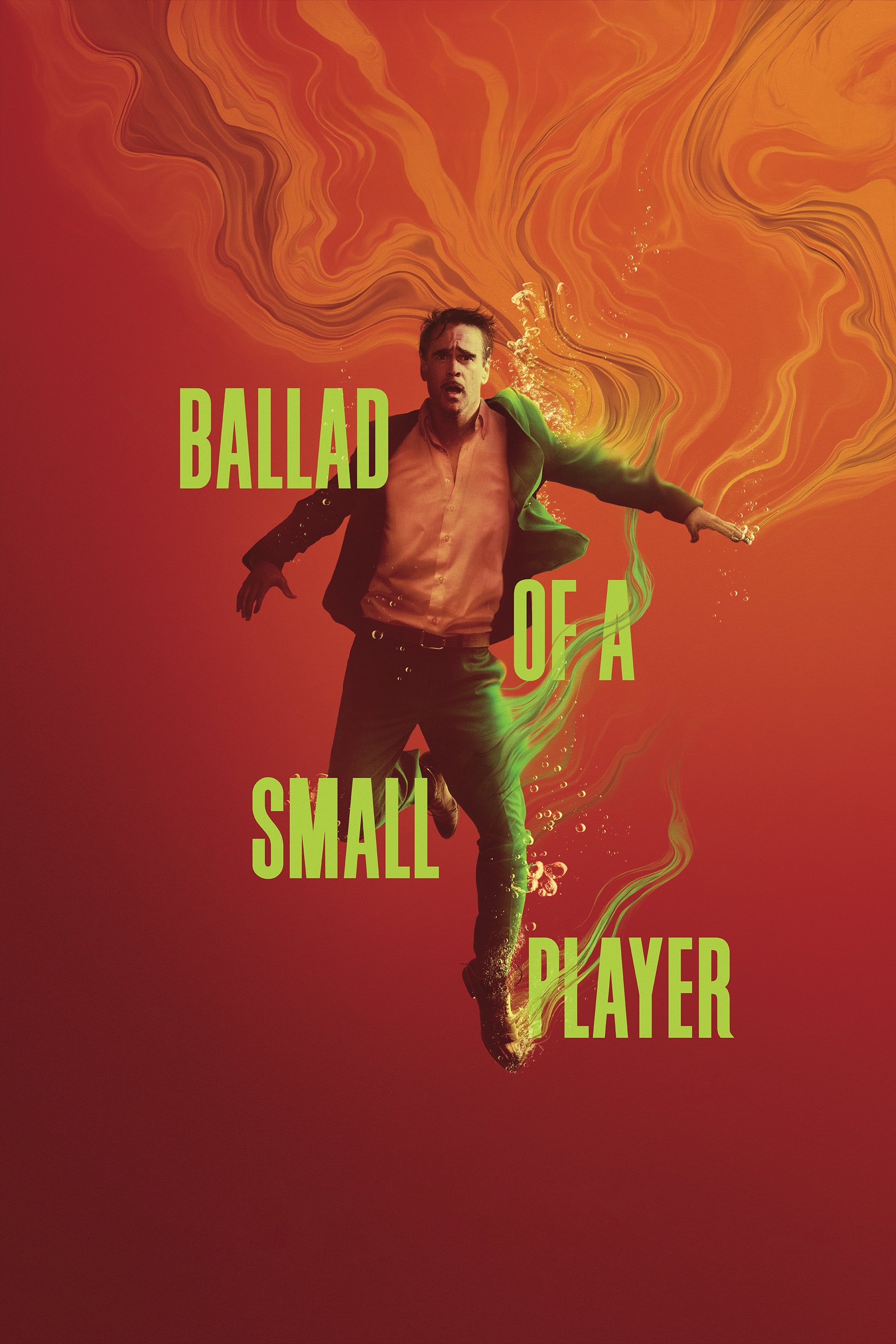
Directed by Edward Berger, this adaptation of Lawrence Osborne’s novel plunges viewers into the neon-lit, claustrophobic world of a high-stakes gambler in Macau. The cinematography expertly contrasts the opulent, artificial glare of the casinos with the misty, spiritual atmosphere of the protagonist’s personal journey. Shadows play a crucial role in the visual language, reflecting the character’s hidden past and moral ambiguity. The camera work is fluid yet unsettling, mirroring the unstable nature of a life built on chance and deception.
‘Bugonia’ (2025)

Yorgos Lanthimos reunites with his creative team to deliver a sci-fi comedy that is as visually eccentric as it is narrative-bending. The film utilizes Lanthimos’s signature wide-angle lenses and distinct color grading to create a world that feels slightly off-kilter and surreal. Cinematographer Robbie Ryan employs a mix of stark natural lighting and deliberate, stylized compositions that isolate the characters in their bizarre environment. The visual texture of the film enhances its satirical edge, making every frame feel like a carefully constructed painting.
‘Die My Love’ (2025)
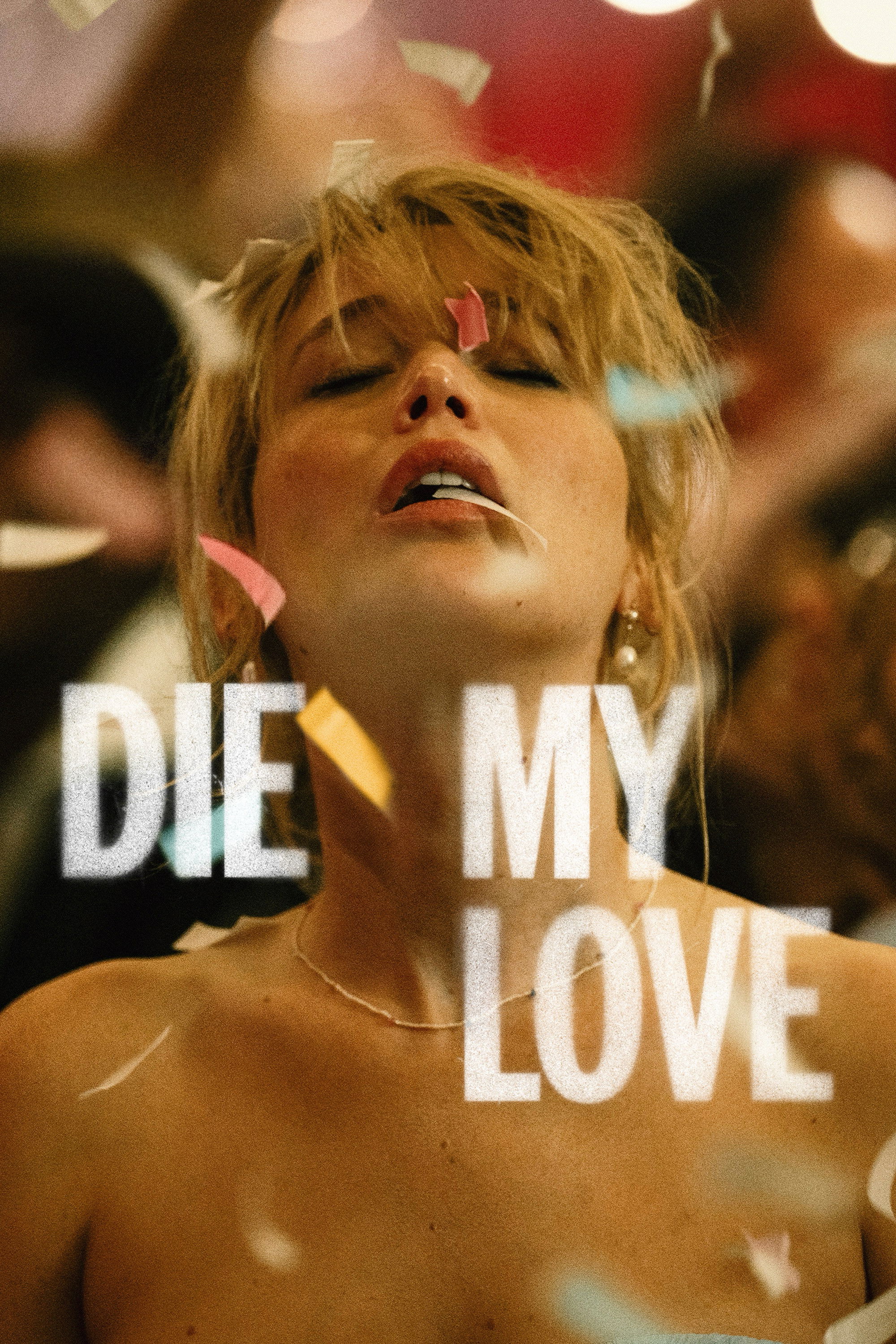
Lynne Ramsay’s psychological drama starring Jennifer Lawrence is a masterclass in subjective camera work, drawing the audience deep into the protagonist’s unraveling mind. The cinematography focuses on tactile details and extreme close-ups, creating an intense intimacy that borders on suffocation. Natural light is used to haunting effect, shifting from idyllic rural beauty to stark, menacing shadows as the narrative darkens. The visual pacing aligns perfectly with the film’s emotional rhythm, using the camera to express internal turmoil that words cannot.
‘F1’ (2025)

Director Joseph Kosinski and cinematographer Claudio Miranda push the envelope of action filmmaking by placing 6k cameras directly inside the cockpits of Formula 1 cars. The film captures the visceral speed and danger of the sport with unprecedented clarity and immersion, avoiding green screens for real-track authenticity. Wide shots of the circuits emphasize the scale of the events, while the cockpit footage provides a claustrophobic, adrenaline-fueled perspective. This technical achievement offers a sensory experience that translates the G-force and intensity of racing onto the big screen.
‘Frankenstein’ (2025)
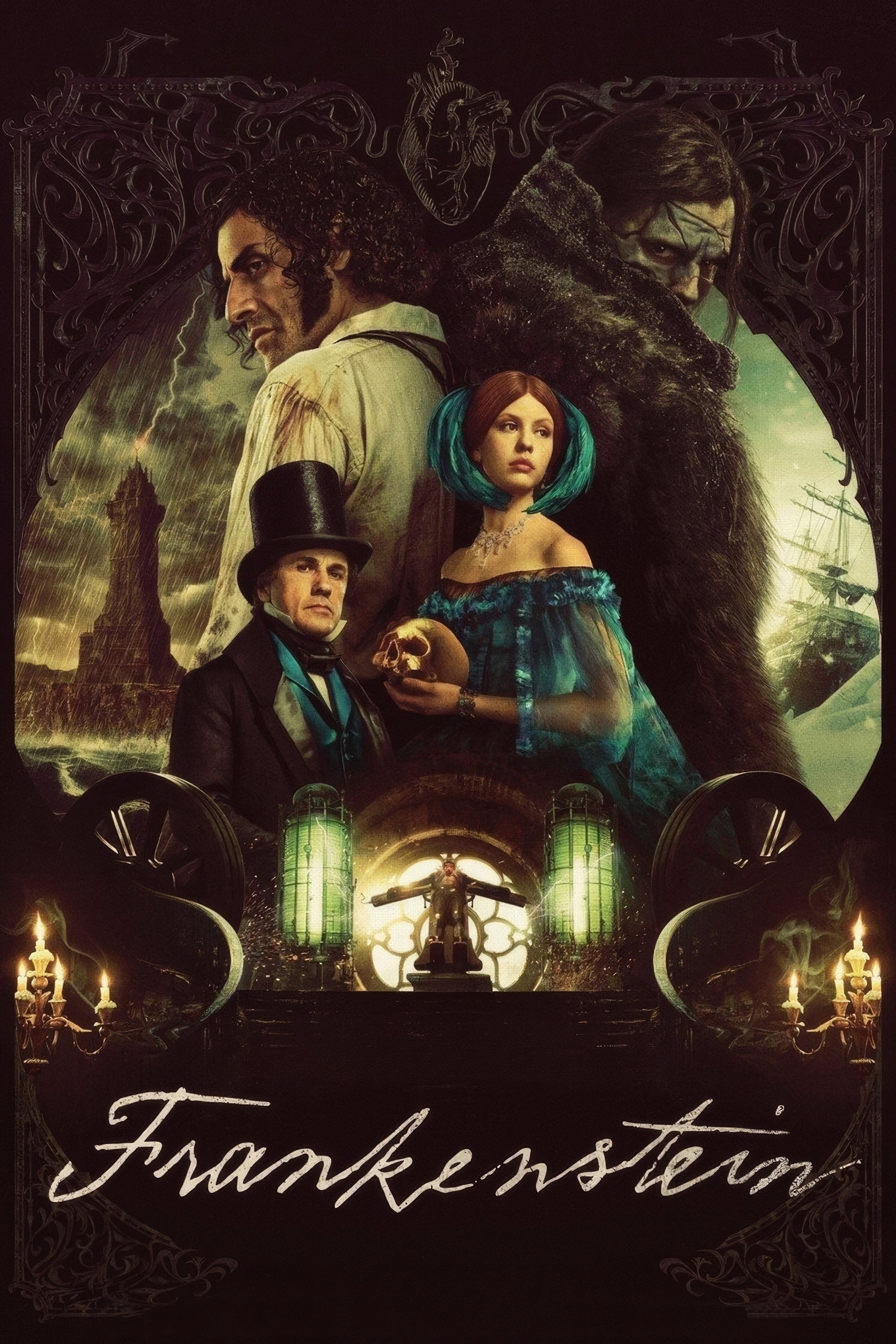
Guillermo del Toro’s interpretation of the classic Mary Shelley tale is a gothic visual feast, defined by its rich textures and atmospheric lighting. Cinematographer Dan Laustsen uses a chiaroscuro approach, carving characters out of the darkness with firelight and lantern glow to emphasize the story’s tragic horror. The camera glides through intricate sets, capturing the grotesque beauty of the creature and the obsessiveness of its creator. The color palette is deeply saturated, utilizing cold blues and deep crimsons to underscore the themes of life, death, and hubris.
‘Hamnet’ (2025)

Chloé Zhao brings her naturalistic visual style to this adaptation of Maggie O’Farrell’s novel, focusing on the grief and resilience of Shakespeare’s family. The cinematography by Joshua James Richards relies heavily on magic hour lighting and handheld camera work to create an organic, lived-in feel. The imagery connects the characters to the landscape, finding beauty in the quiet, pastoral settings of Elizabethan England. Every shot feels intimate and unforced, allowing the emotional weight of the story to breathe through the visual silence.
‘Marty Supreme’ (2025)
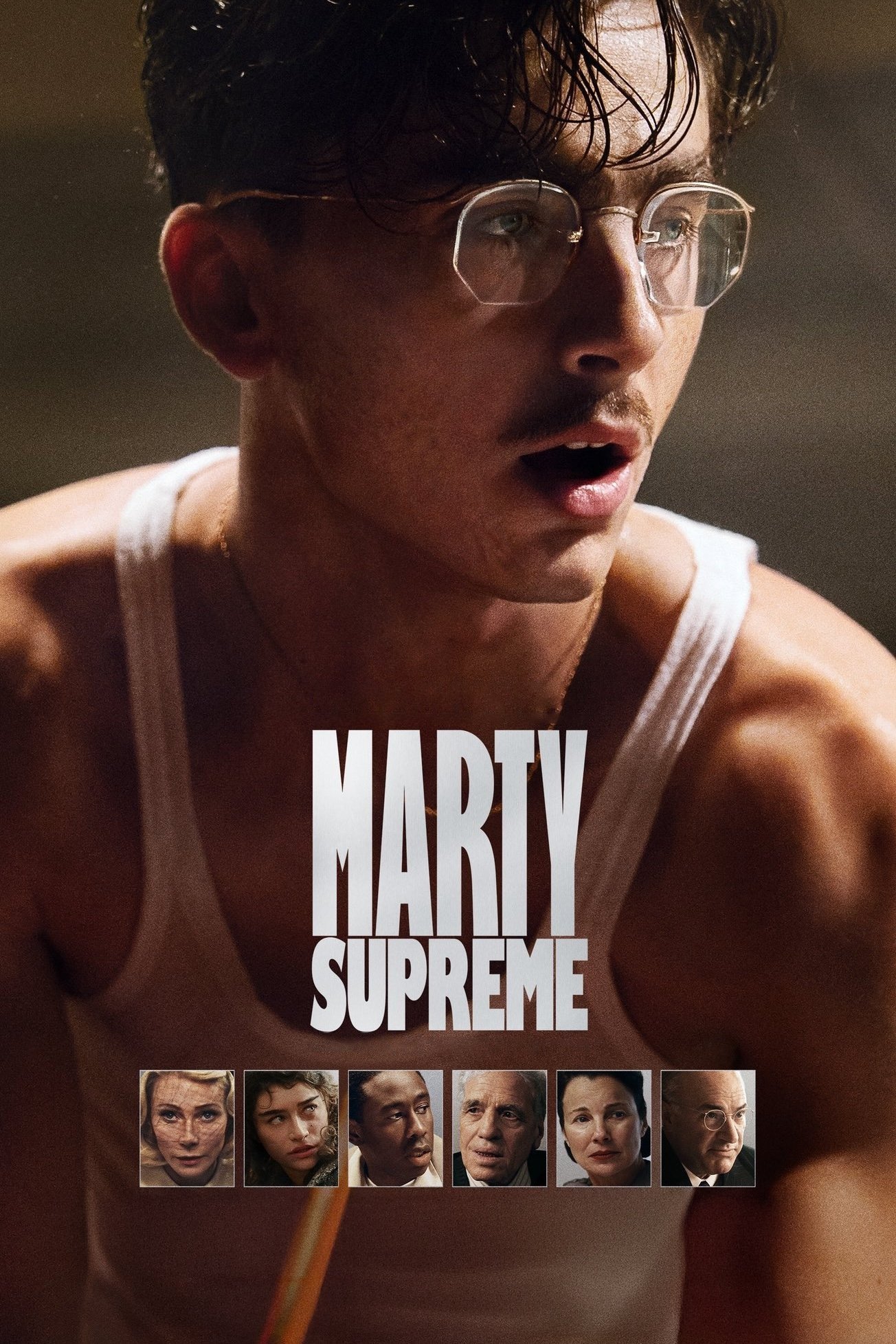
Josh Safdie’s solo directorial effort captures the kinetic energy of professional ping pong in the 1950s with a gritty, high-tempo visual style. The camera is rarely static, mirroring the fast-paced nature of the sport and the chaotic life of the protagonist. Cinematographer Darius Khondji employs a vibrant, period-appropriate color palette that pops against the smoky, dim interiors of the tournament halls. The film’s grain structure adds a layer of texture that evokes the era while maintaining a modern, frenetic edge.
‘Nouvelle Vague’ (2025)
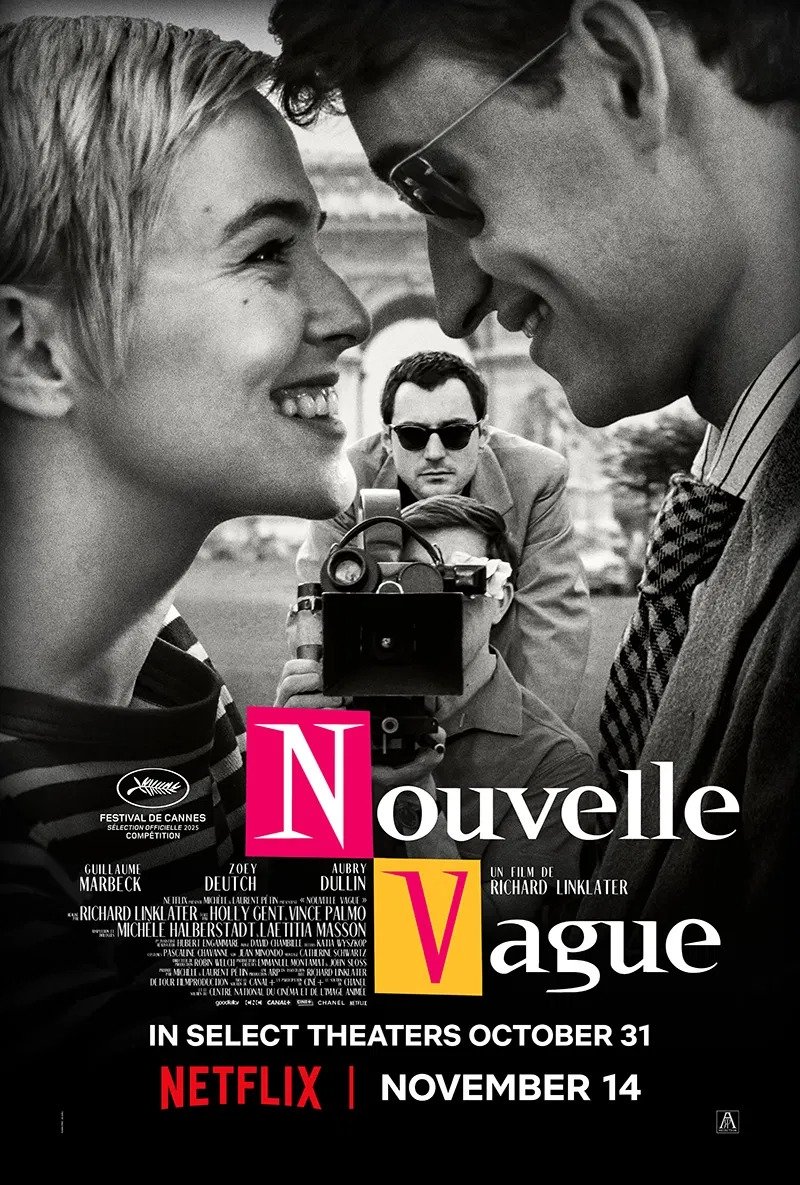
Richard Linklater’s ode to the French New Wave is a visual love letter to the cinema of the 1960s, meticulously recreating the aesthetic of the era. The film is shot in stark black and white, utilizing handheld cameras and natural lighting to mimic the guerrilla filmmaking style of Godard and Truffaut. The composition often breaks traditional rules, employing jump cuts and unconventional framing to capture the rebellious spirit of the subject matter. It is a technical feat of emulation that manages to feel fresh and energetic rather than merely nostalgic.
‘One Battle after Another’ (2025)

This visceral war drama immerses the audience in the relentless and exhausting nature of conflict through its immersive cinematography. The camera acts as a silent observer, often tracking characters through long, unbroken takes that emphasize the continuity of their struggle. The color grading is desaturated and gritty, reflecting the harsh realities of the battlefield without glorifying the violence. Use of available light in night sequences adds a layer of terrifying realism, forcing the viewer to scan the darkness alongside the soldiers.
‘Sentimental Value’ (2025)
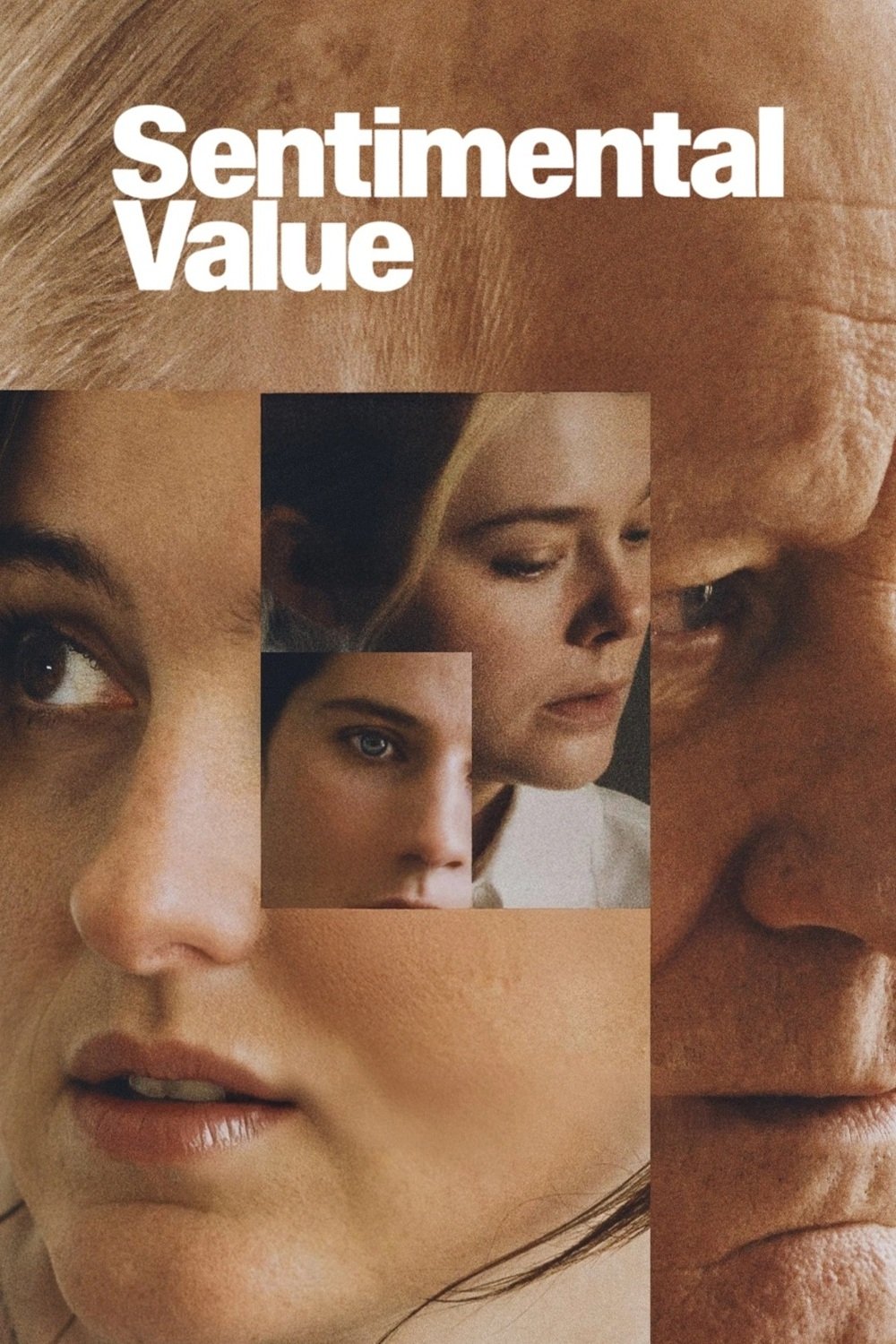
Joachim Trier’s latest film is a visually tender exploration of memory and family dynamics, set against the backdrop of a changing Oslo. The cinematography combines crisp, modern architectural shots with softer, warmer tones for scenes of personal intimacy. 35mm film stock is used to give the images a nostalgic texture, reinforcing the themes of looking back and holding on. The framing often isolates characters within the frame, visually representing their emotional distance before bringing them together in shared spaces.
‘Sinners’ (2025)
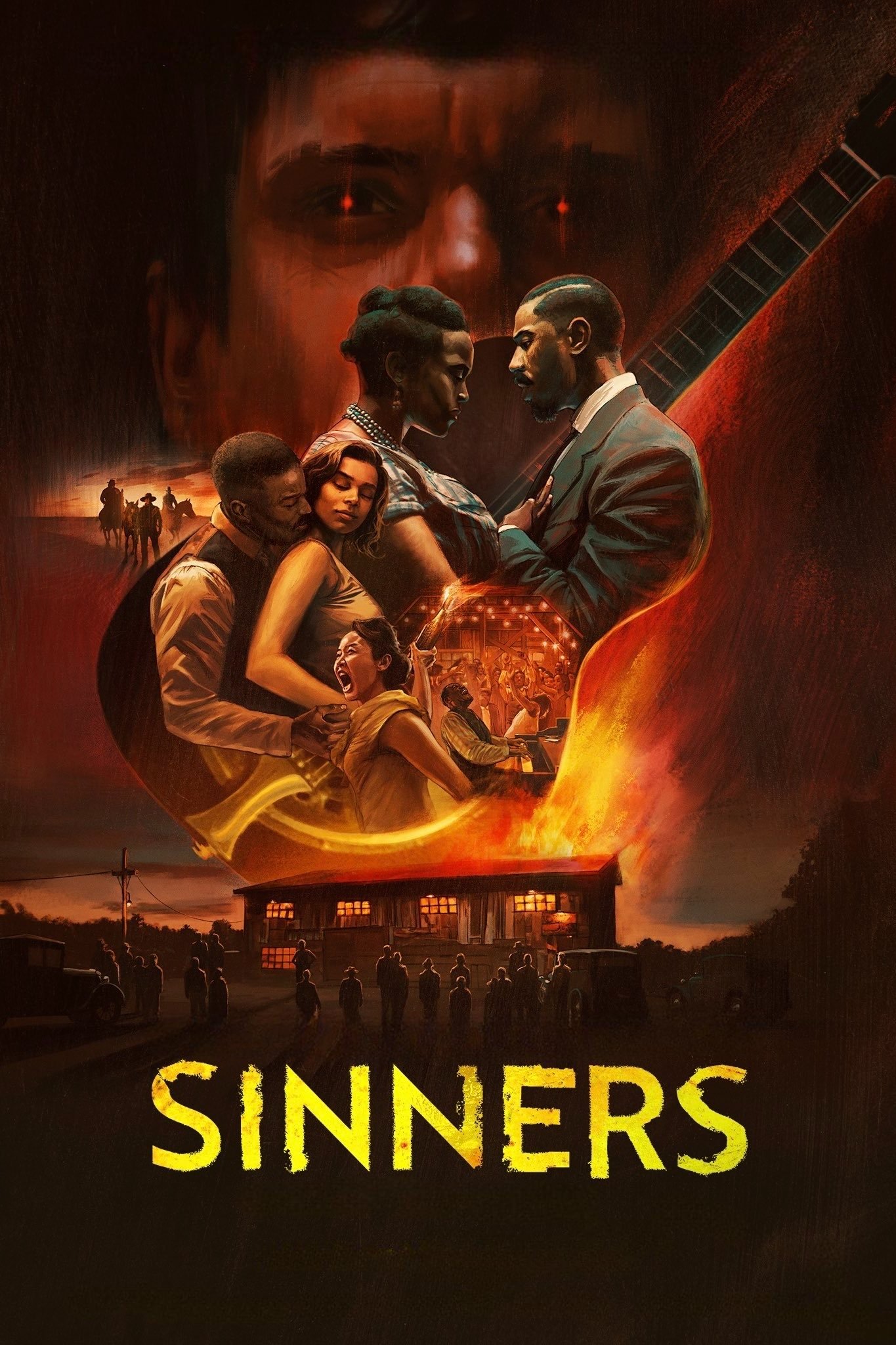
Ryan Coogler returns with a genre-bending vampire thriller that utilizes the Southern Gothic aesthetic to chilling effect. Cinematographer Autumn Durald Arkapaw masters the art of night shooting, creating deep, rich blacks that hide the terrifying threats lurking in the shadows. The visual language balances the supernatural horror with a grounded, period reality, using humidity and texture to make the setting feel oppressive. The camera movement is predatory and stalking, aligning the viewer’s perspective with the danger hunting the protagonists.
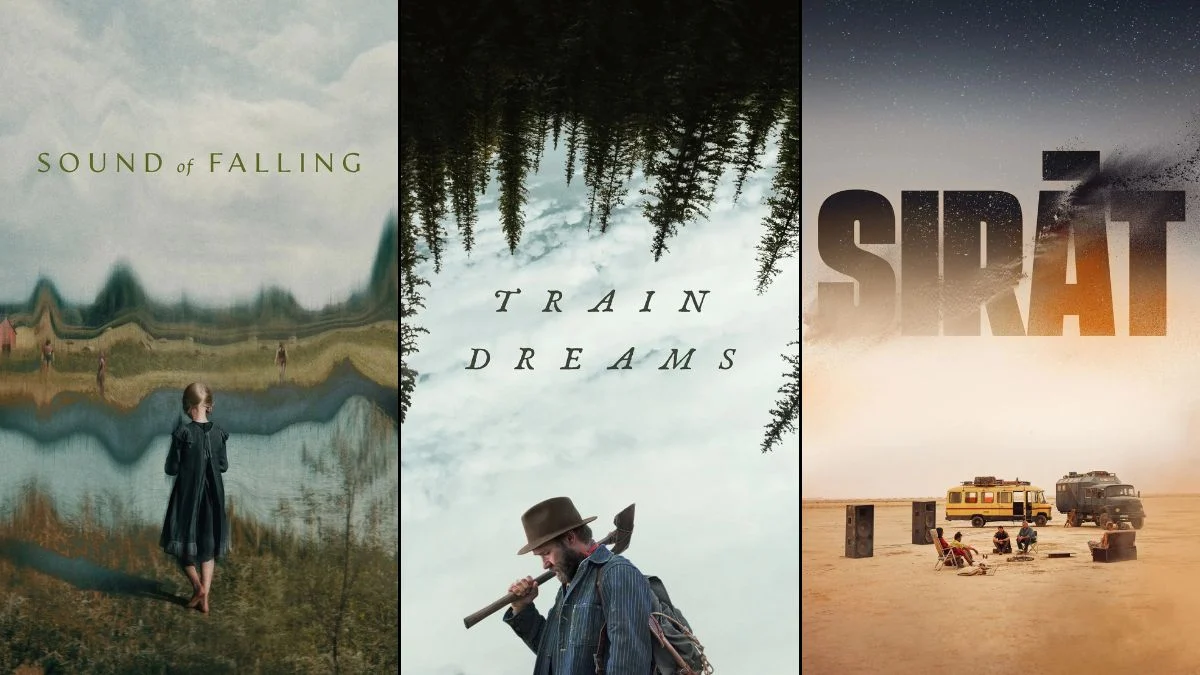
‘Sirāt’ (2025)
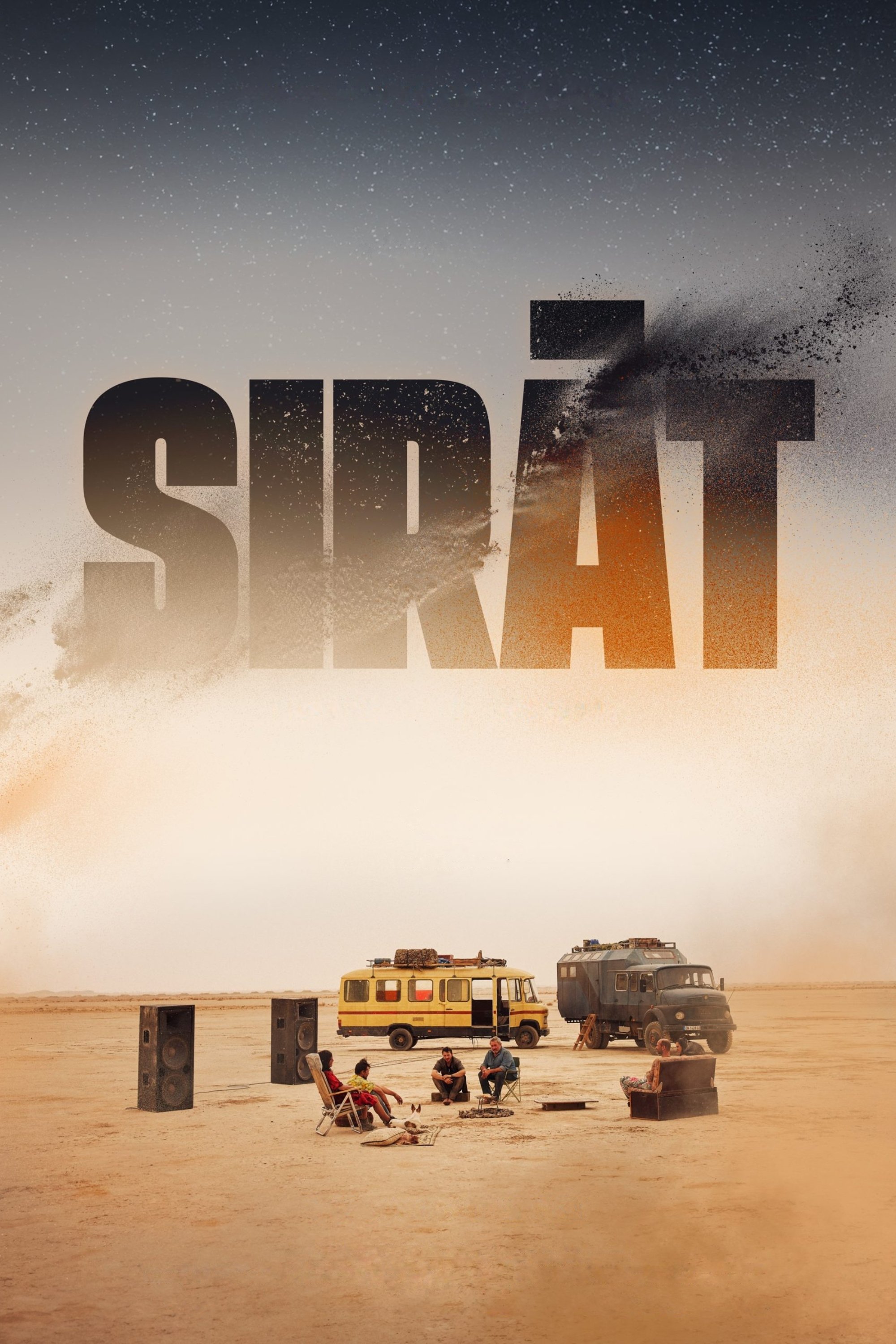
This visually ambitious film uses the metaphor of a bridge to explore themes of spiritual and physical transition. The cinematography is defined by its verticality and use of precarious angles, creating a constant sense of vertigo and danger. Light plays a symbolic role, with characters often moving from darkness towards a blinding, ethereal light source. The visual landscape is vast and unforgiving, diminishing the human figures to emphasize the magnitude of their journey and the stakes of their survival.
‘Song Sung Blue’ (2025)
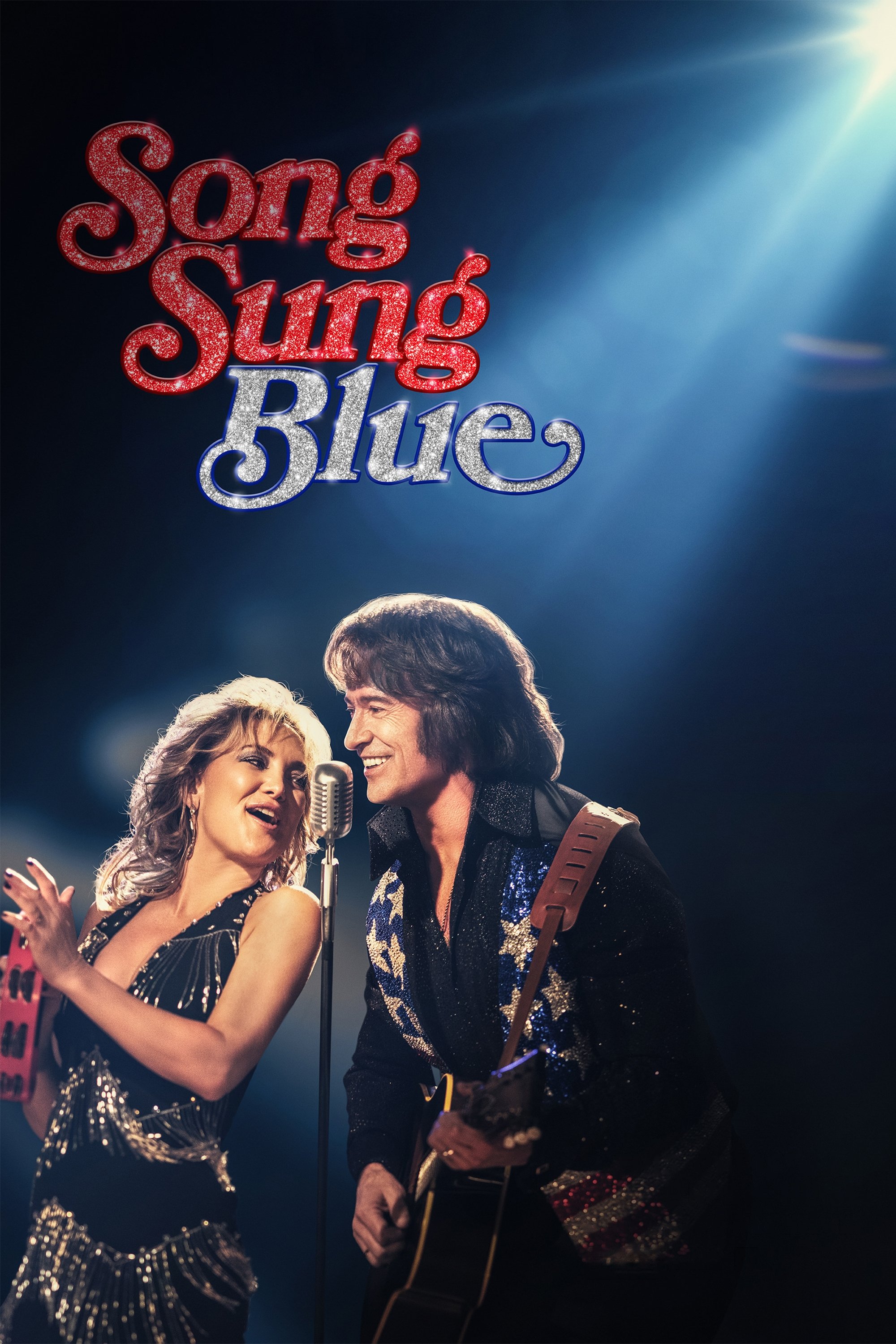
Craig Brewer’s musical drama captures the raw energy of live performance and the gritty reality of a working-class milieu. The cinematography shifts between the smoky, colorful intimacy of dive bars and the harsh, flat lighting of domestic struggles. Performance scenes are shot with a dynamic, handheld energy that places the viewer directly on stage with the band. The visual contrast between the dream of music and the reality of life is starkly rendered through the lighting choices and color saturation.
‘Sound of Falling’ (2025)
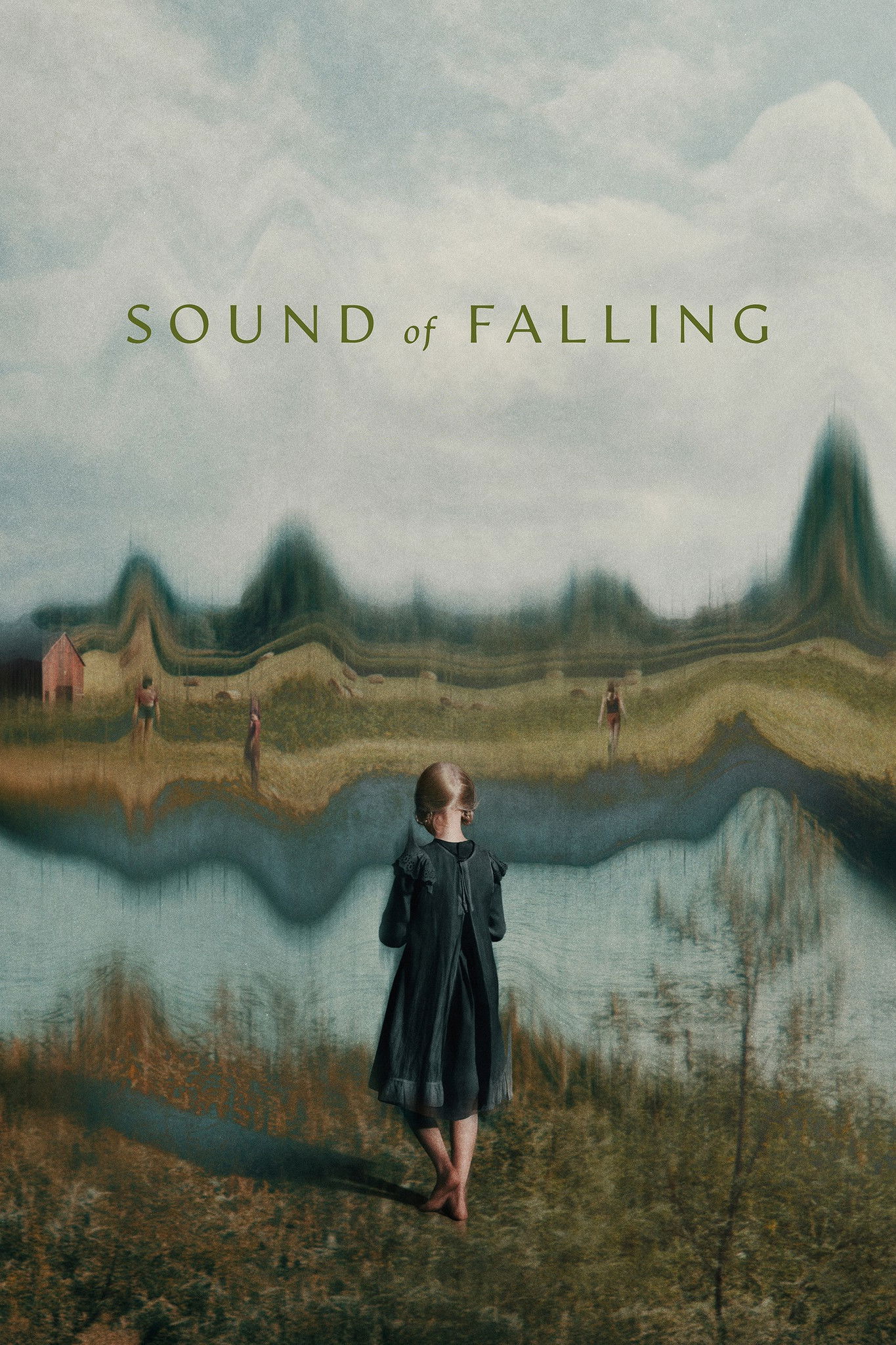
This atmospheric drama relies on a visual language of isolation and gravity to tell its story of decline and resilience. The cinematography frequently utilizes high-angle shots and negative space to dwarf the characters within their environment. The color palette is cool and muted, evoking a sense of melancholy and emotional detachment. Slow, deliberate camera zooms create a sense of inevitable momentum, mirroring the thematic descent central to the narrative.
‘Train Dreams’ (2025)
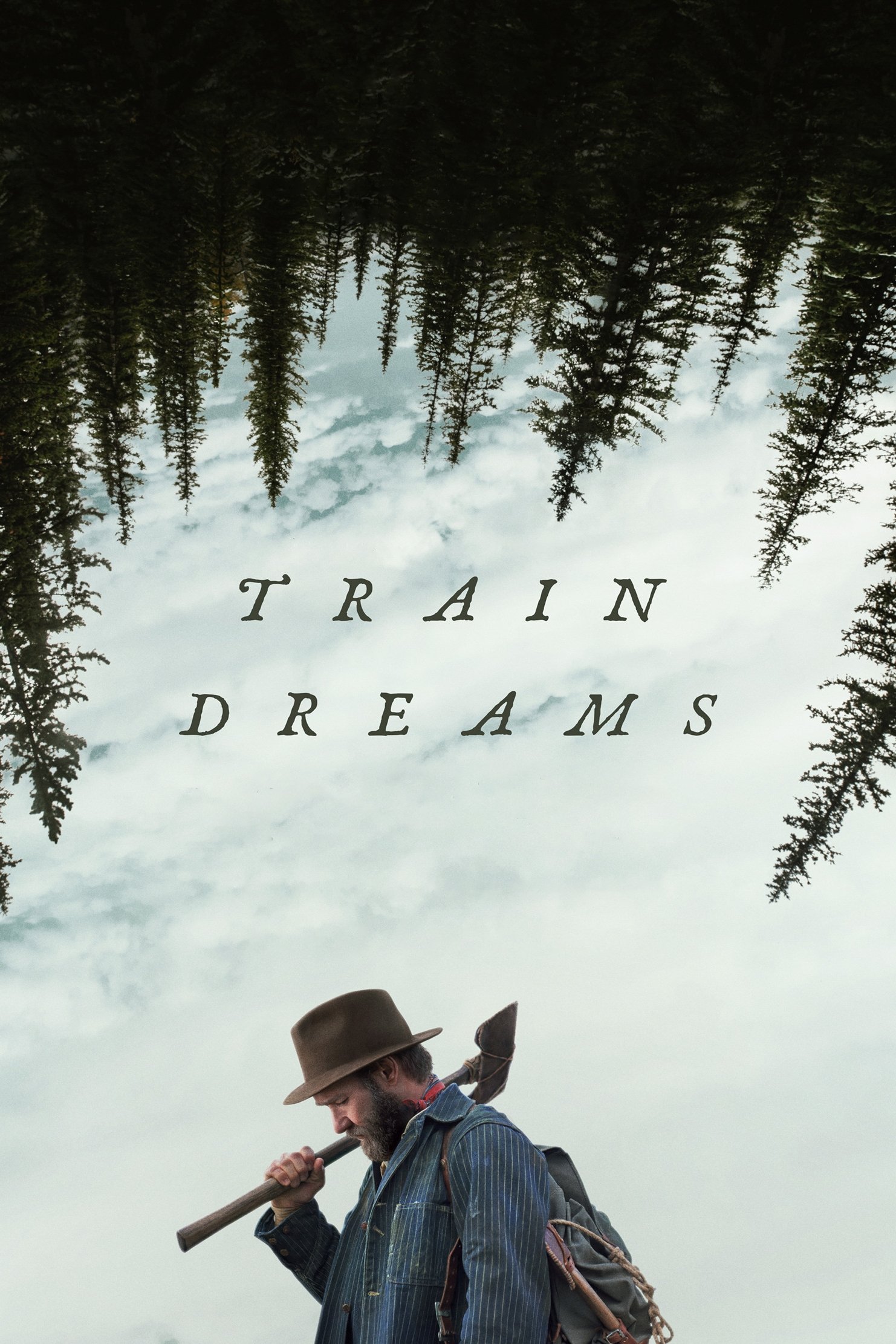
Based on Denis Johnson’s novella, this film captures the sweeping, untamed beauty of the American West in the early 20th century. The cinematography favors wide, panoramic shots that highlight the majesty of nature and the insignificance of man within it. Natural light is used exclusively to illuminate the rugged landscapes and the weathered faces of the cast. The visual pacing is meditative and slow, allowing the audience to absorb the texture of the era and the silence of the wilderness.
‘Wicked: For Good’ (2025)
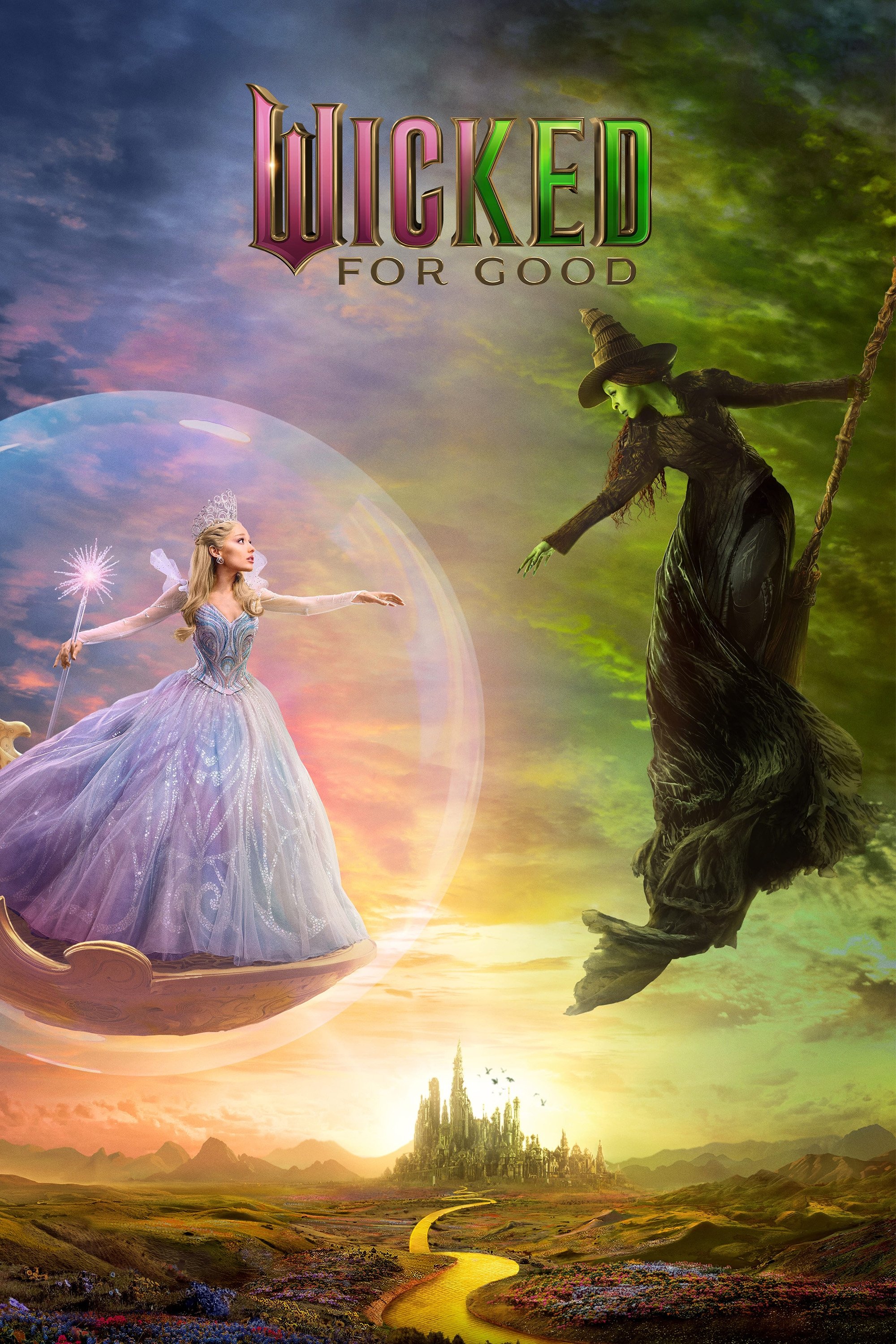
The conclusion to the two-part adaptation of the hit musical expands the visual world of Oz with even more grandeur and spectacle. Cinematographer Alice Brooks employs a vibrant, Technicolor-inspired palette that distinguishes the magical realms from the darker, more political undertones of the plot. Sweeping crane shots and complex camera movements capture the elaborate musical numbers with fluidity and grace. The visual effects are seamlessly integrated with live-action photography, creating a cohesive, immersive fantasy world that feels both theatrical and cinematic.
Which of these visually stunning films do you think deserves to take home the Oscar? let us know in the comments.