Actors Who Say Hollywood Is Scared of Happy Black Queer Stories

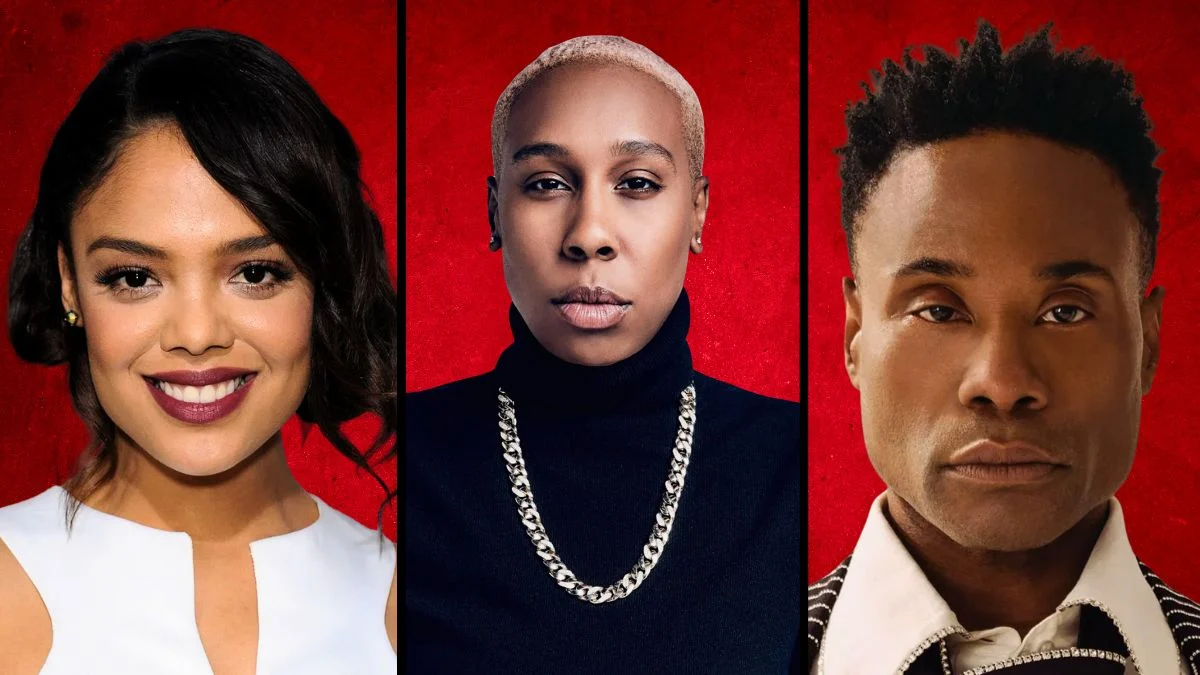

Black queer representation in Hollywood has historically leaned heavily into narratives of trauma and suffering. Many actors have begun to speak out against this trend and advocate for stories that center on joy, romance, and success. They argue that the industry often hesitates to greenlight projects where Black LGBTQ+ characters simply live happy lives without tragedy. These performers are using their platforms to demand more nuance and celebration in the scripts they accept.
Jeremy Pope
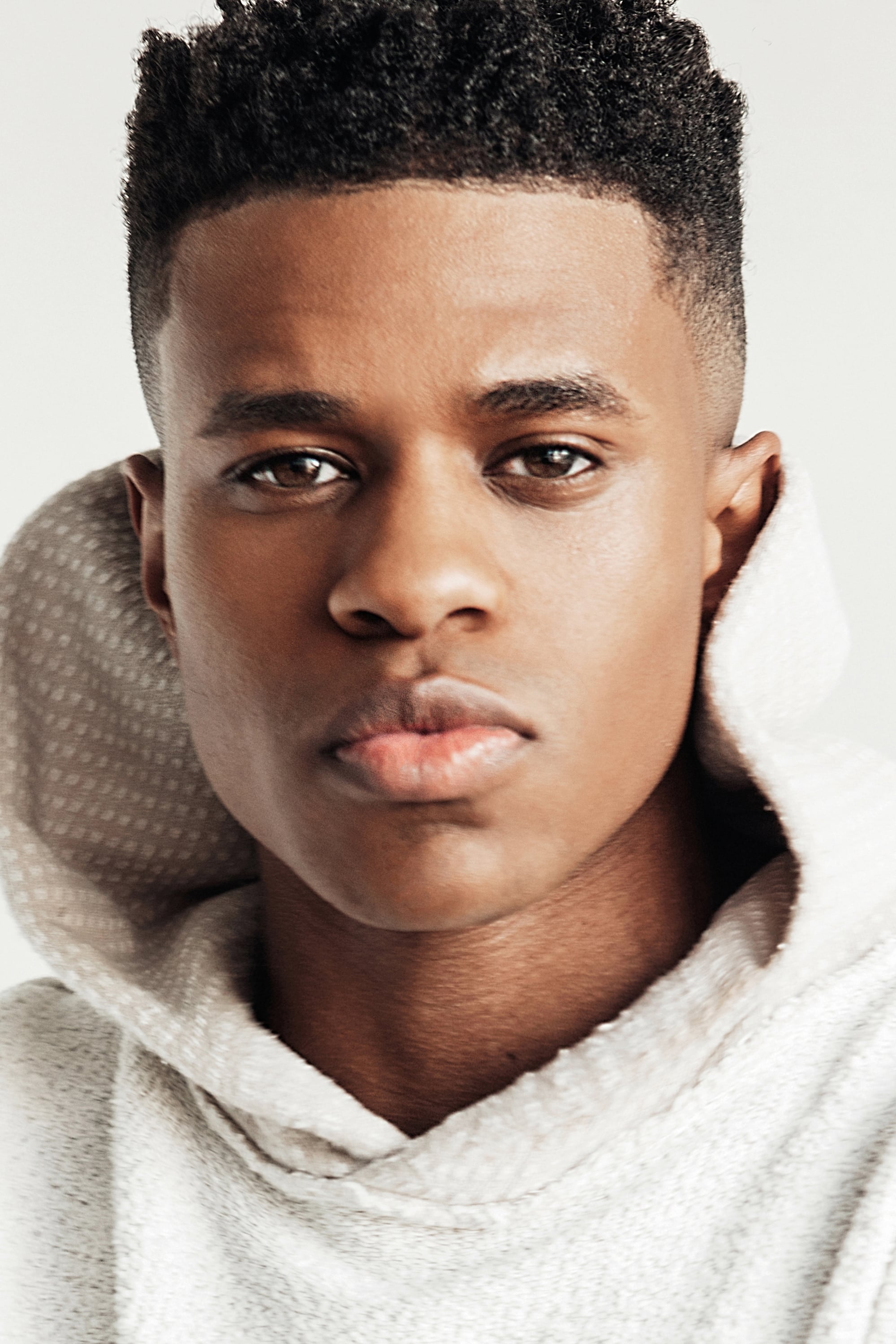
Jeremy Pope garnered critical acclaim for his role in ‘The Inspection’ but has been vocal about the emotional toll of playing traumatic roles. He has expressed a strong desire to see Black queer characters exist in spaces of lightness and love rather than constant peril. Pope believes that while portraying struggle is historically significant, it should not be the only narrative available to Black actors. He continues to push for scripts that allow for the complexity of joy and ordinary existence.
Gabrielle Union
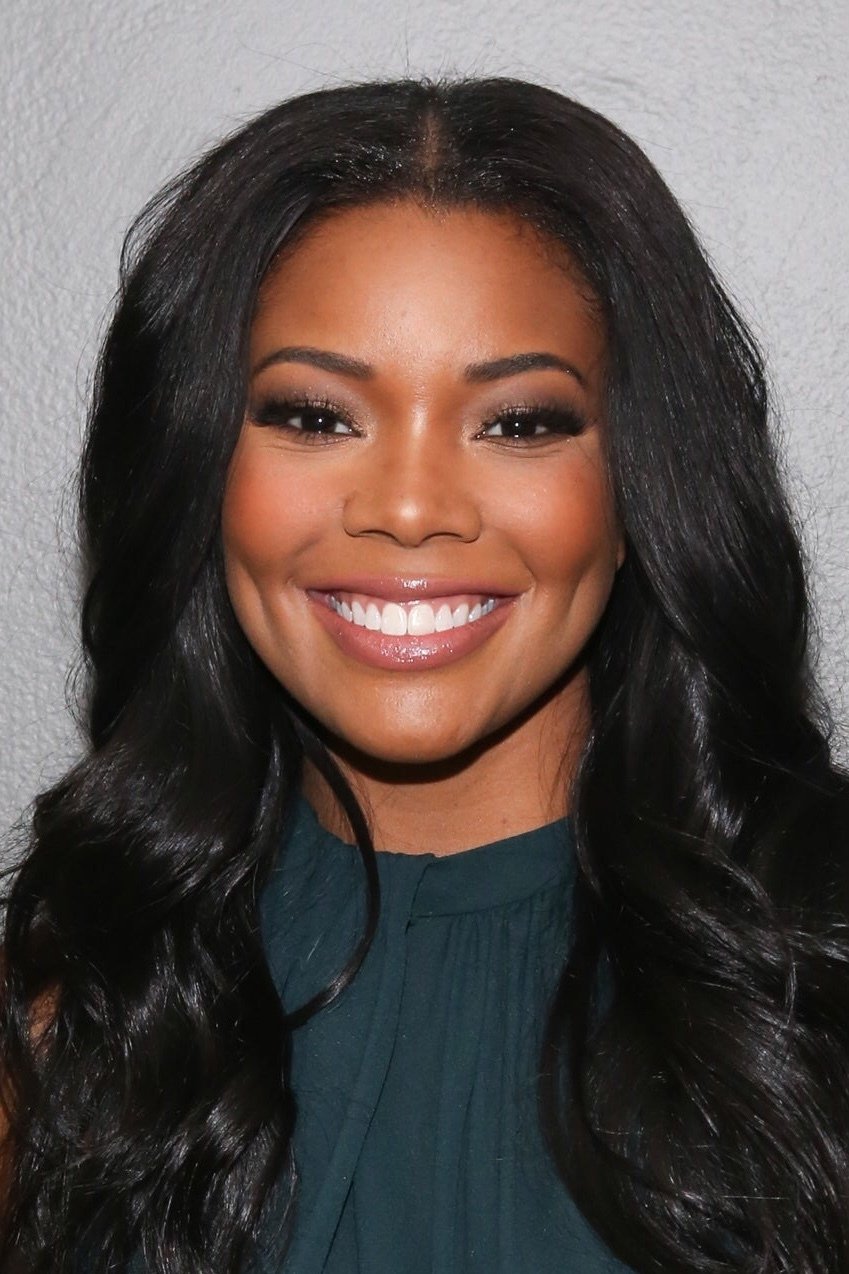
Gabrielle Union has long been a fierce advocate for inclusive storytelling both in front of and behind the camera. As a producer on ‘The Inspection’, she fought to bring a difficult story to light but frequently discusses the need for balance with happy endings. Union argues that Hollywood executives often view Black queer joy as a financial risk or a niche interest. She consistently champions projects that normalize diverse families and happy outcomes for marginalized communities.
Billy Porter
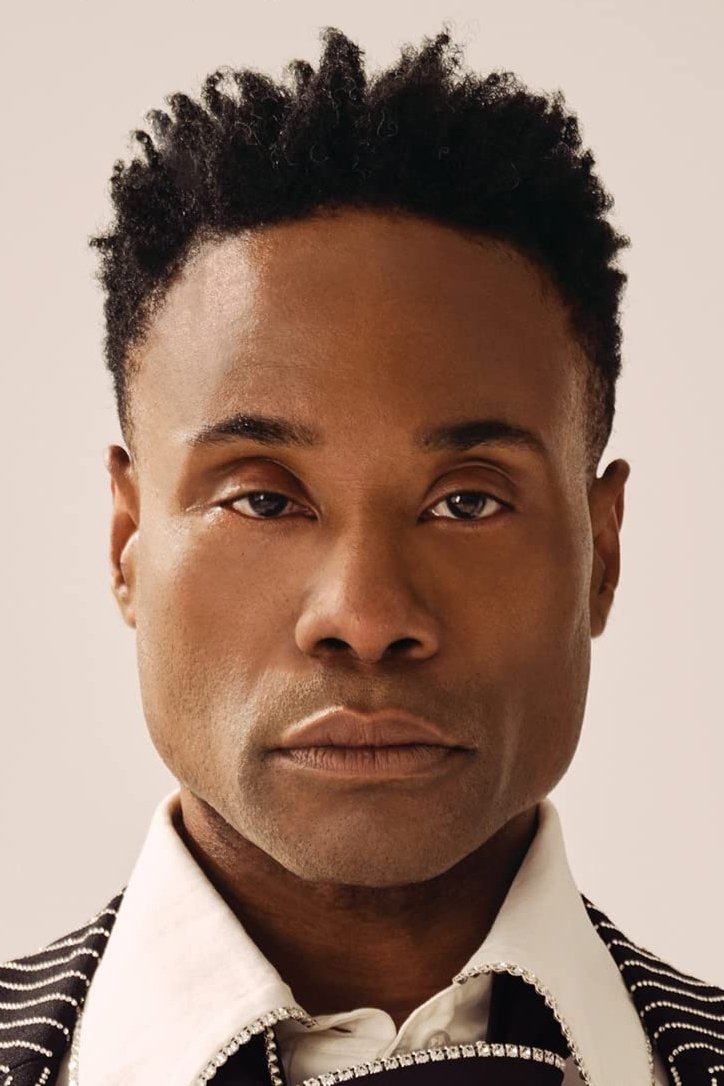
Billy Porter has revolutionized the industry with his role in ‘Pose’ but remains critical of how Hollywood limits Black queer talent. He has stated that the industry is often comfortable with LGBTQ+ characters only when they are tragic figures or subservient sidekicks. Porter actively seeks out roles that empower him to showcase triumph and leadership, such as his work in ‘Cinderella’. He insists that Black queer joy is a revolutionary act that the mainstream media needs to embrace more fully.
Lena Waithe
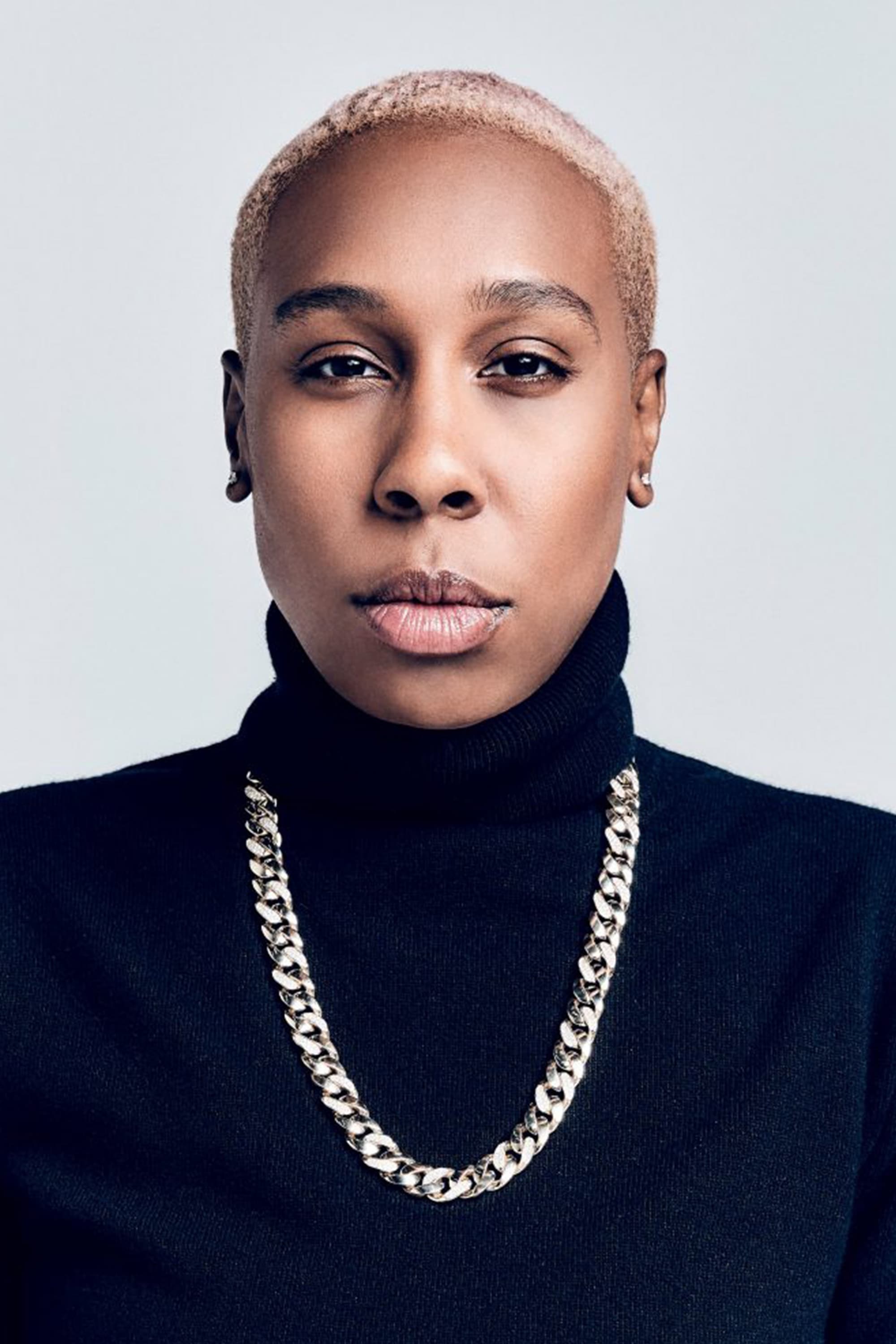
Lena Waithe made history with her writing on ‘Master of None’ and has since dedicated her career to filling the void of happy Black queer stories. She created the series ‘Twenties’ specifically to showcase a lesbian protagonist navigating life and career without the heavy burden of tragic tropes. Waithe has remarked that studios often struggle to see Black queer people as universal leads in romantic comedies. Her production company focuses on narratives that celebrate the mundane and the victorious aspects of these lives.
Colman Domingo
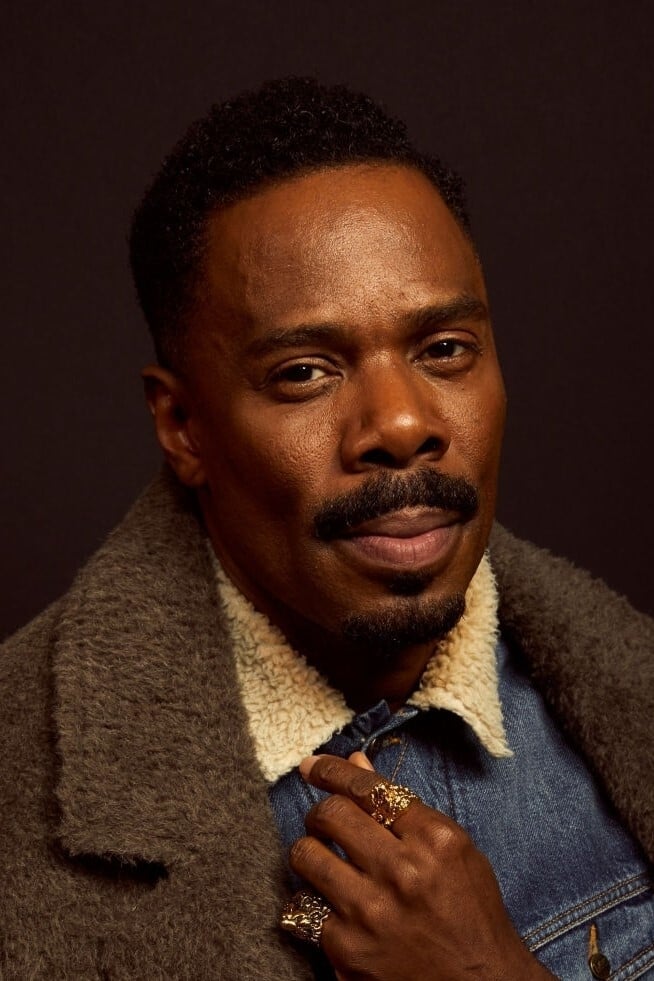
Colman Domingo has enjoyed a career resurgence with roles in ‘Rustin’ and ‘Euphoria’ that showcase his immense range. He has spoken about the importance of portraying Black gay men who are leaders, lovers, and fully realized human beings. Domingo believes the industry often underestimates the audience’s hunger for stories where queer characters win. He chooses projects that highlight dignity and resilience rather than just victimization.
Michaela Jaé Rodriguez
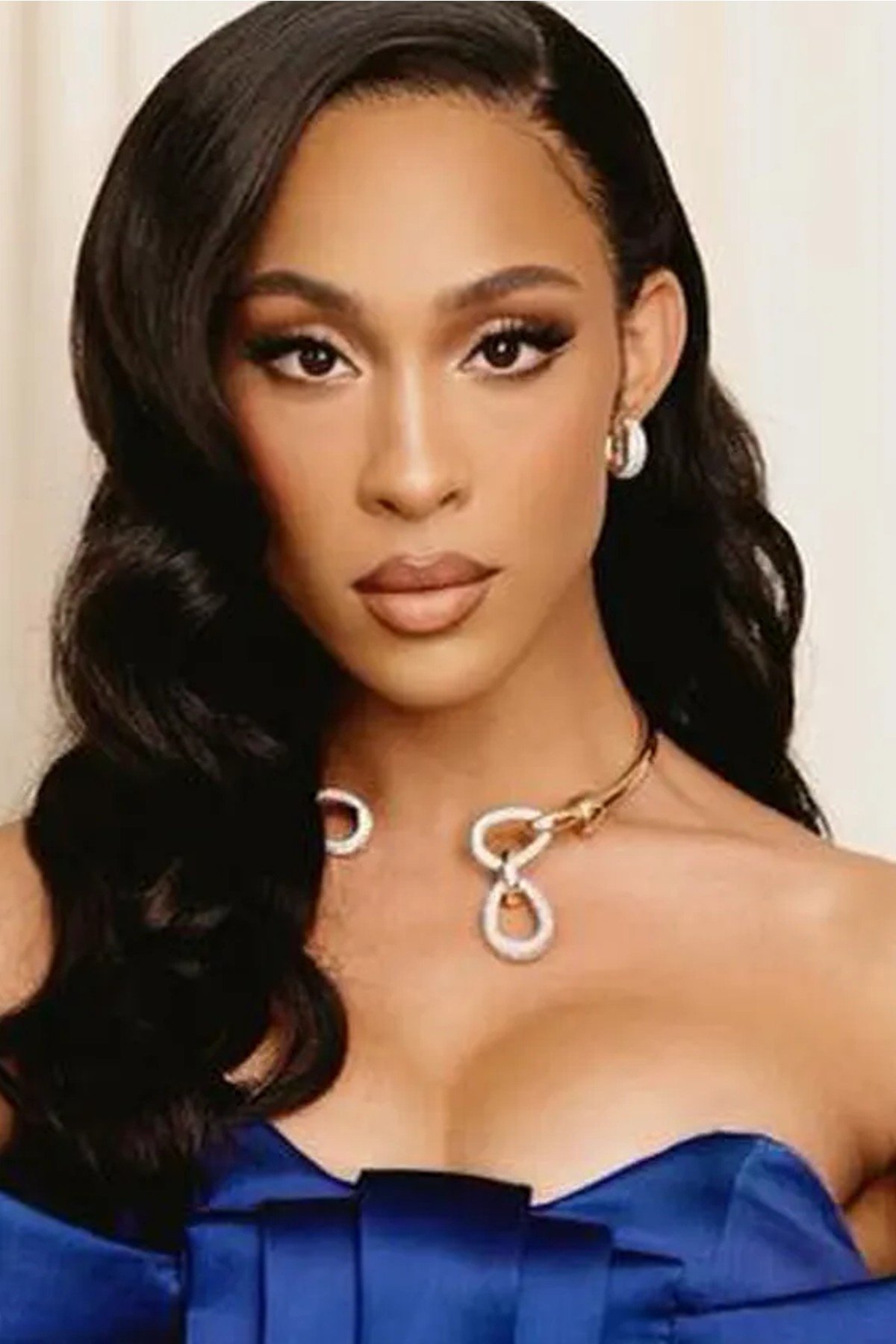
After her breakout role in ‘Pose’, Michaela Jaé Rodriguez has been adamant about moving away from narratives centered solely on trans trauma. She has expressed excitement for roles like the one in ‘Loot’ where her character’s identity is incidental to the comedy and plot. Rodriguez feels that Hollywood fears casting trans women in roles that are simply about living a successful life. She advocates for representation that shows trans women thriving in boardrooms and romances alike.
Janelle Monáe
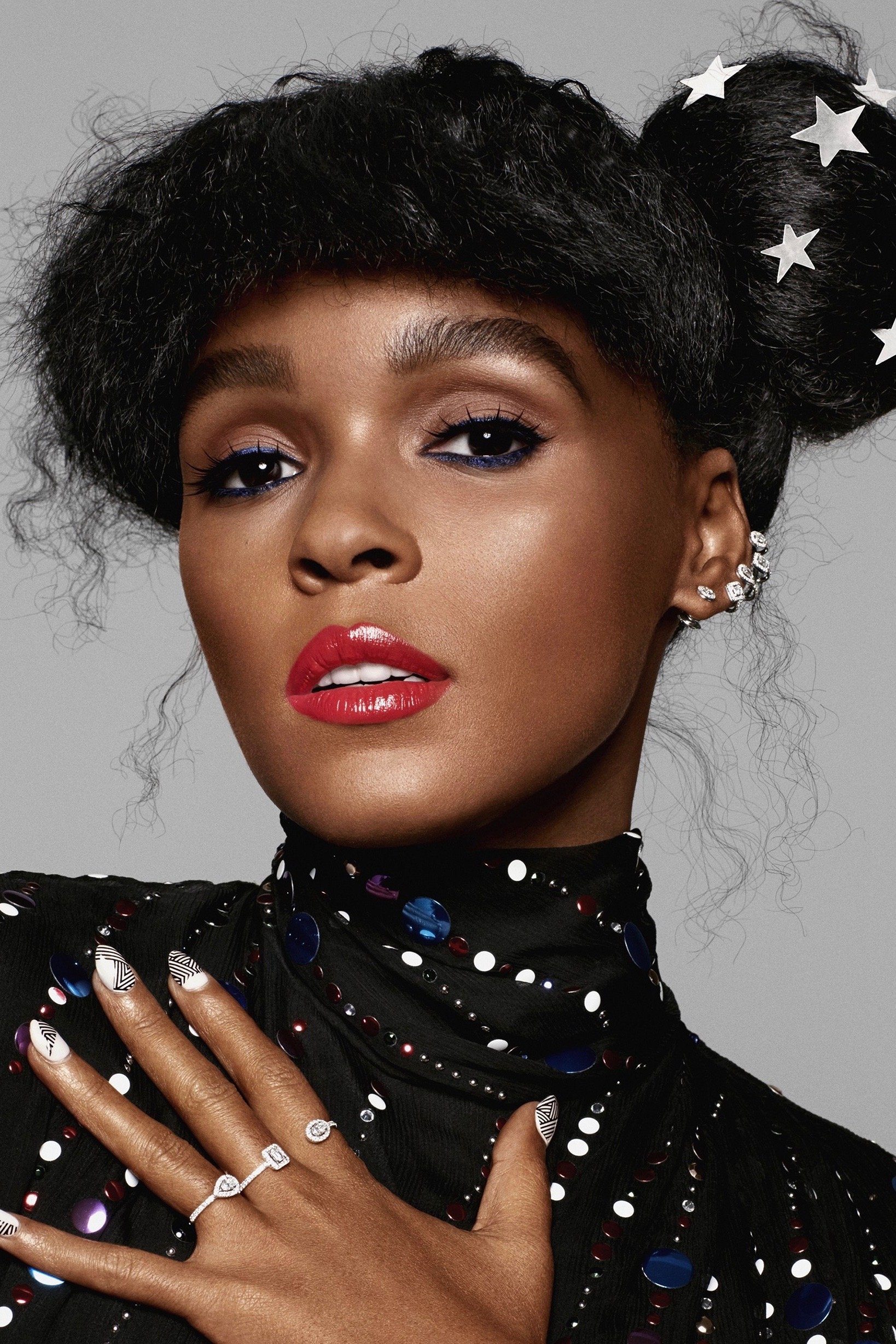
Janelle Monáe has lived her truth loudly and uses her roles in films like ‘Glass Onion’ to subvert expectations. She frequently discusses the “politics of joy” and how existing happily as a Black queer non-binary person is an act of defiance. Monáe criticizes the industry’s tendency to erase queer identity or relegate it to the background unless it serves a tragic plot point. Her work consistently centers on liberation, futurism, and the celebration of the “other.”
Tessa Thompson
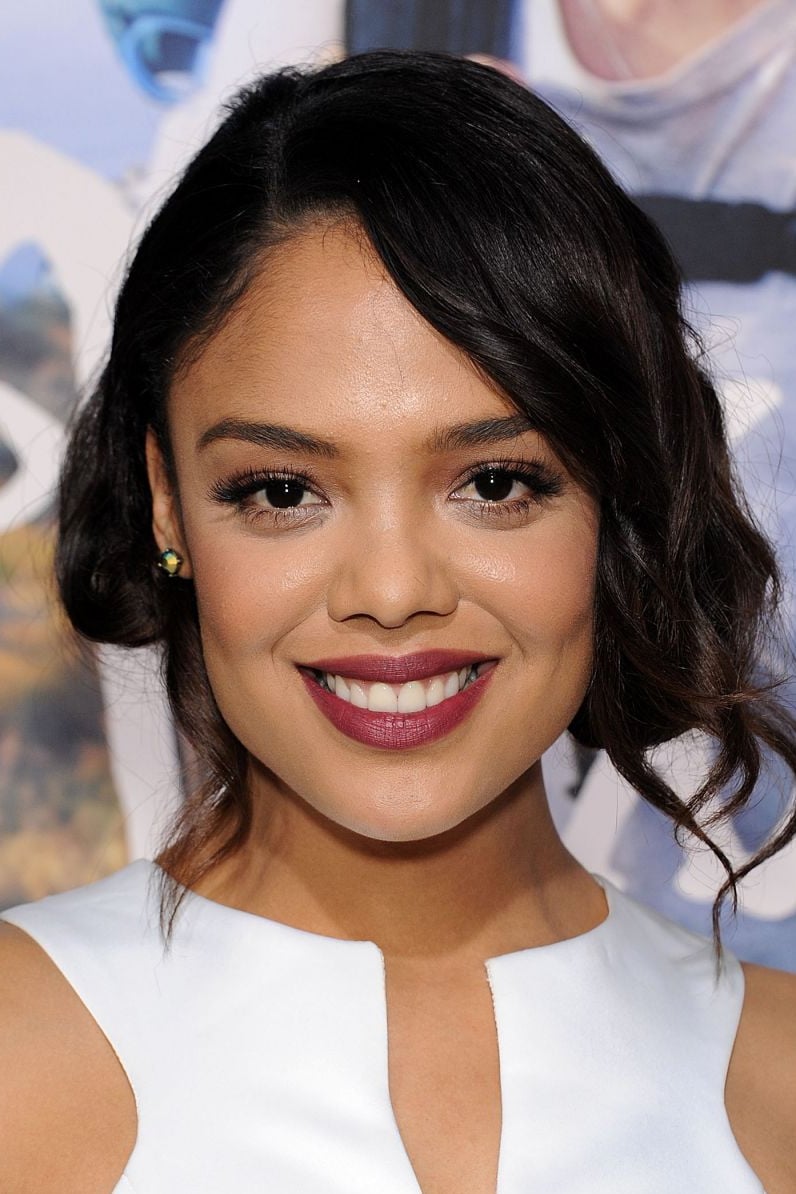
Tessa Thompson has pushed for greater visibility of her characters’ bisexuality in major franchises like the Marvel Cinematic Universe. She has noted that big studios are often hesitant to commit to explicit queer storylines for fear of alienating certain global markets. Thompson fights for moments in films like ‘Thor: Love and Thunder’ that normalize queer desire and leadership. She believes that seeing Black queer characters as heroes and kings is essential for changing cultural perceptions.
Ncuti Gatwa
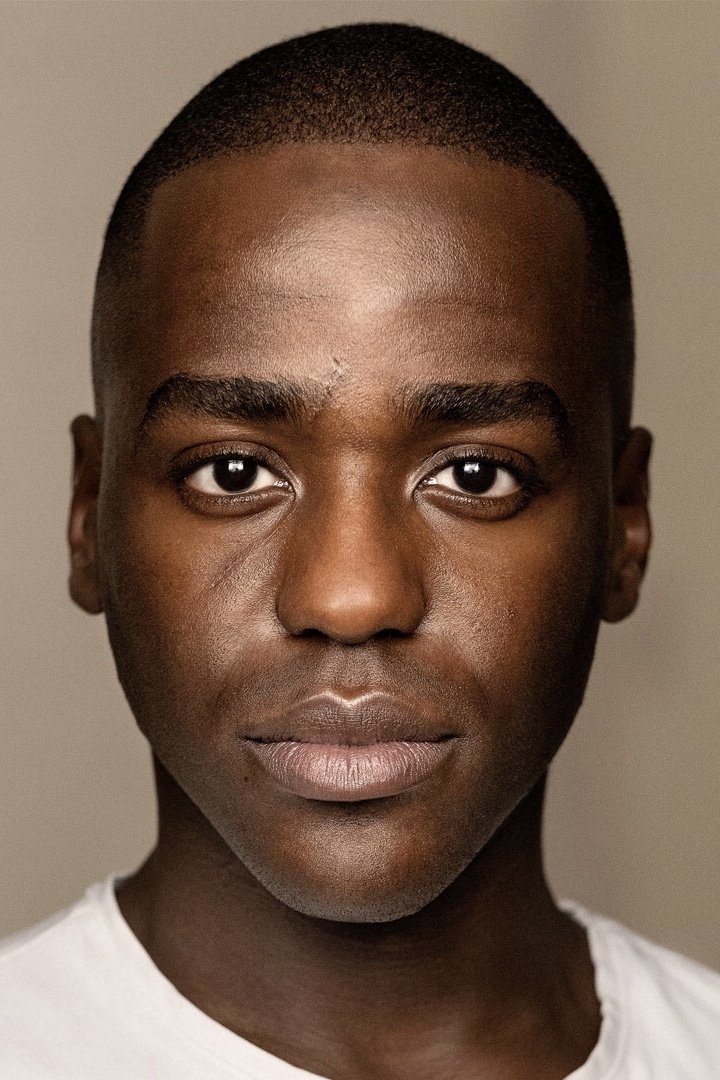
Ncuti Gatwa became a global star through ‘Sex Education’ by portraying a Black gay teen who was complex, joyful, and unapologetic. He has contrasted this experience with the limited and often stereotypical roles usually offered to Black actors in the UK and Hollywood. Gatwa argues that the industry needs to move past the “sad gay best friend” trope. He champions characters who are allowed to be the main protagonists of their own happy stories.
Amandla Stenberg
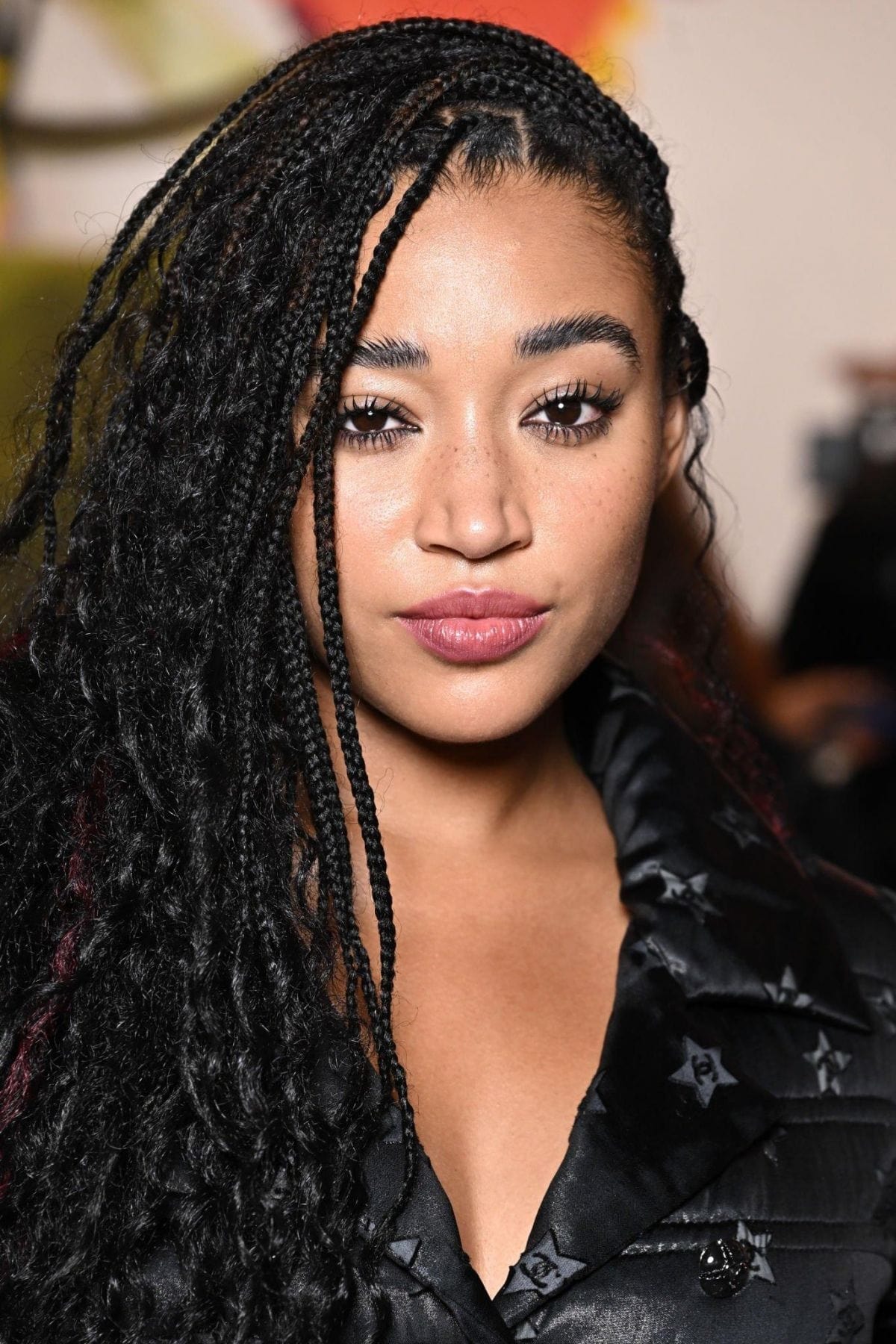
Amandla Stenberg has been a vocal critic of the “trauma porn” that often dominates Black cinema. She actively seeks out projects that allow for whimsy, romance, and sci-fi adventure rather than just civil rights struggles. Stenberg believes that Hollywood is afraid to let Black queer youth just have fun on screen. She pushes for representation that reflects the diverse and colorful reality of her generation.
Brian Tyree Henry
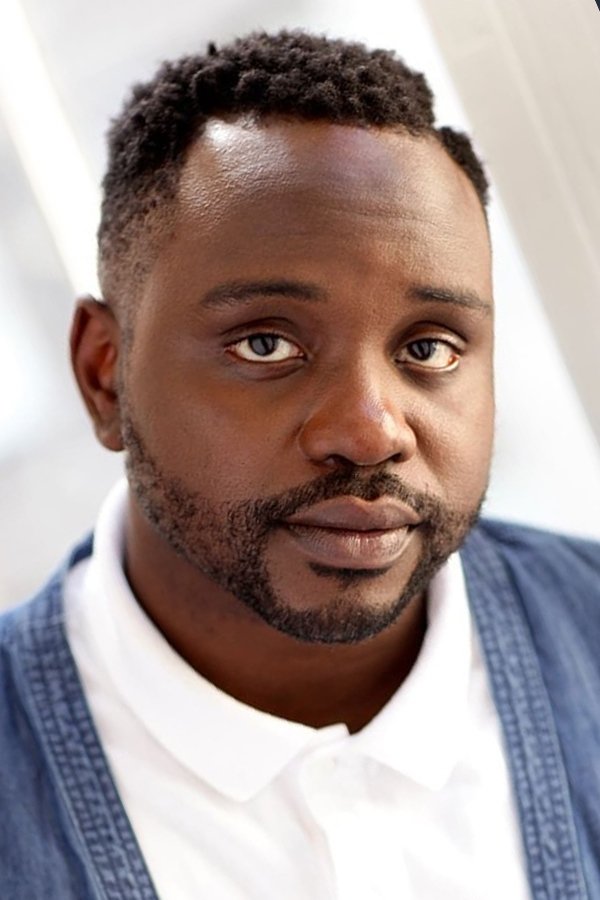
Brian Tyree Henry broke ground in ‘Eternals’ by playing the first gay superhero in the MCU who had a husband and a happy family life. He spoke about how rare and necessary it was to show a Black gay man whose storyline was about love and protection rather than pain. Henry has noted that the industry often struggles to imagine Black men in vulnerable, loving domestic roles. He advocates for more images of Black queer domesticity to be beamed into mainstream theaters.
Niecy Nash-Betts
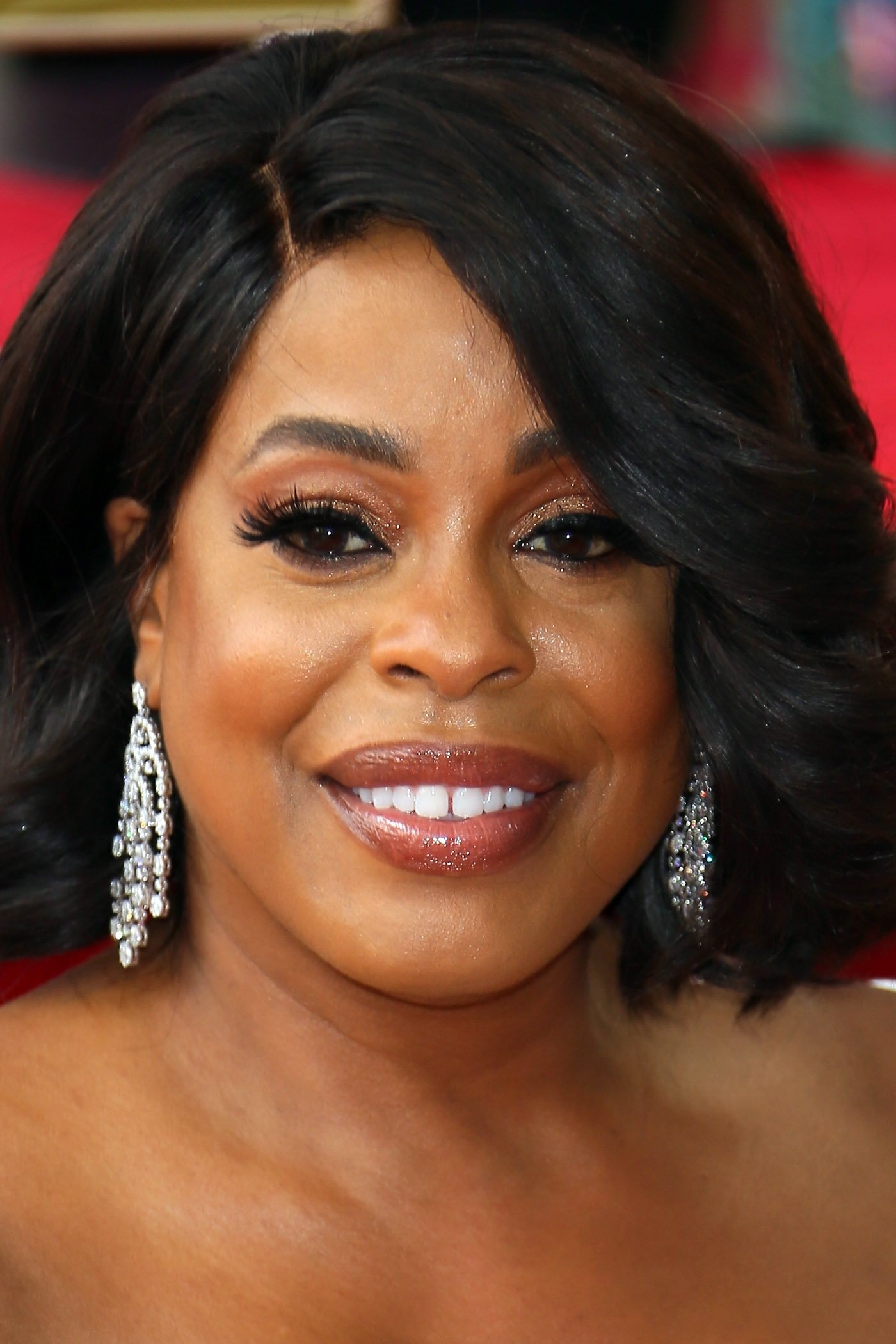
Niecy Nash-Betts surprised the world with her marriage to Jessica Betts and has since become a beacon of mid-life queer joy. She has challenged the industry to tell love stories that involve older Black women finding happiness with partners of any gender. Nash-Betts believes Hollywood focuses too much on the coming-of-age struggle and ignores the beauty of established queer love. She uses her visibility to prove that happy endings are possible and marketable.
Keke Palmer

Keke Palmer has utilized her own platform, KeyTV, to bypass traditional Hollywood gatekeepers and tell the stories she wants to see. She has spoken about the fluidity of her generation and how rigid industry labels fail to capture their reality. Palmer believes the mainstream industry is intimidated by the freedom with which young Black people express their identities today. She advocates for content that is as dynamic and unboxed as the people creating it.
Raven-Symoné
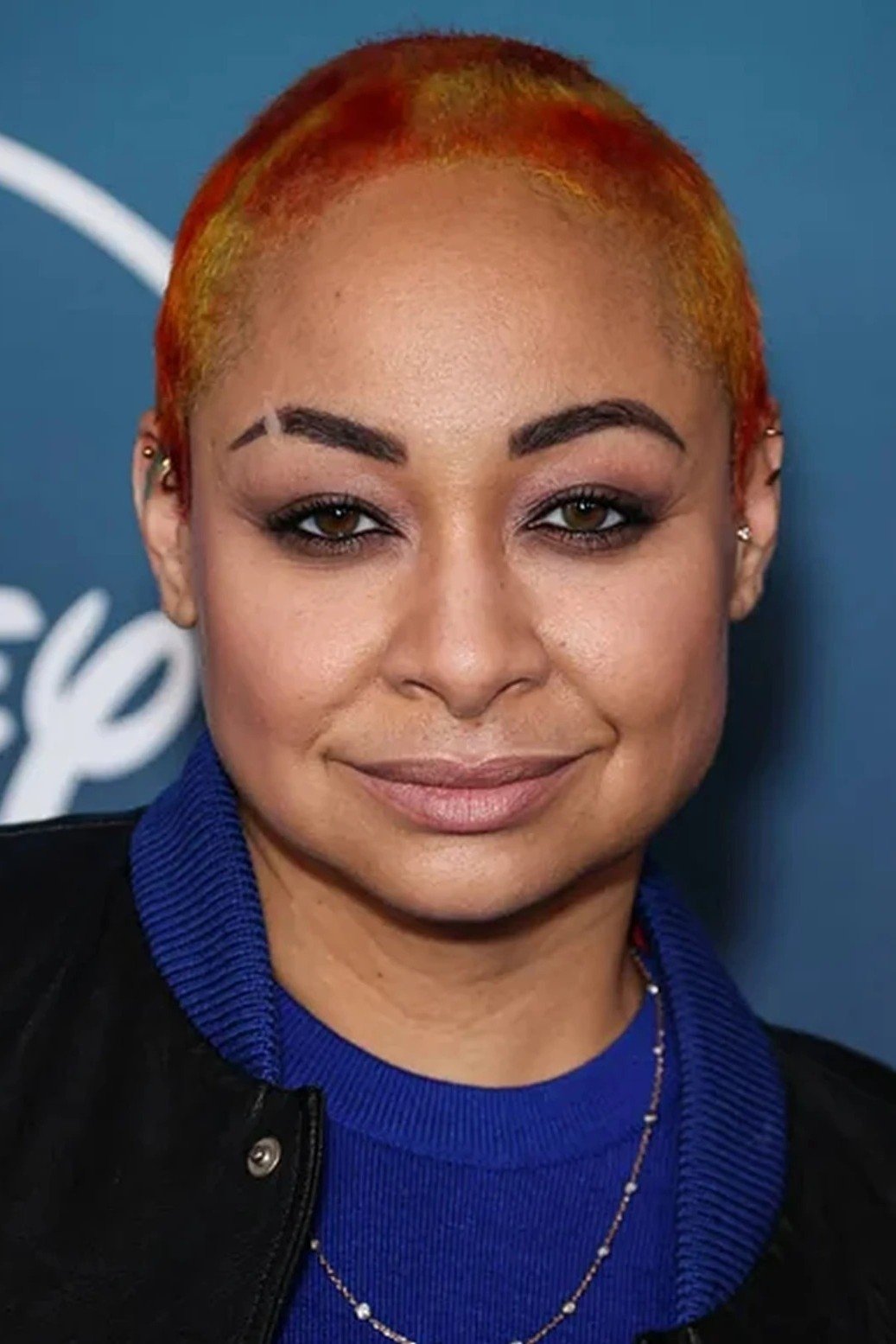
Raven-Symoné has been in the industry for decades and has criticized the modern push to make every queer character a political statement. She has expressed a desire for characters who just happen to be gay while living normal, sitcom-style lives. Raven argues that true equality in Hollywood will be achieved when a Black queer character’s sexuality is as unremarkable as their coffee order. She pushes for “normalcy” as a radical form of representation.
Tituss Burgess
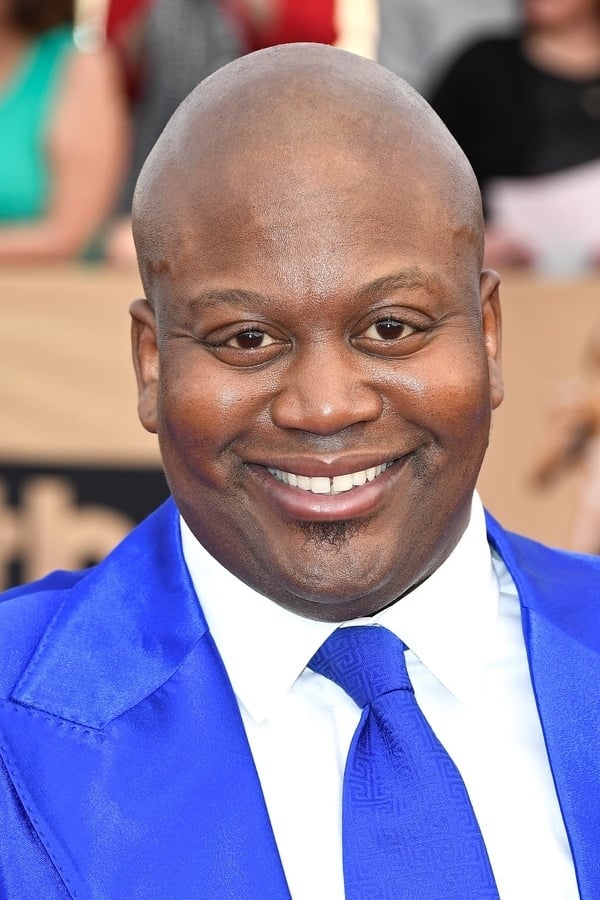
Tituss Burgess became a fan favorite on ‘Unbreakable Kimmy Schmidt’ but has spoken about the difficulty of finding leading roles afterward. He has criticized the industry for wanting him to play the “sassy sidekick” indefinitely rather than the romantic lead. Burgess wants to see Black queer men at the center of romantic comedies where they get the guy and the happy ending. He believes Hollywood’s fear of this shift denies audiences the chance to see the full spectrum of Black humanity.
Tell us which of these actors you would like to see star in a major romantic comedy in the comments.