LGBTQ+ Actors Who Say Awards Shows Still Ignore Them

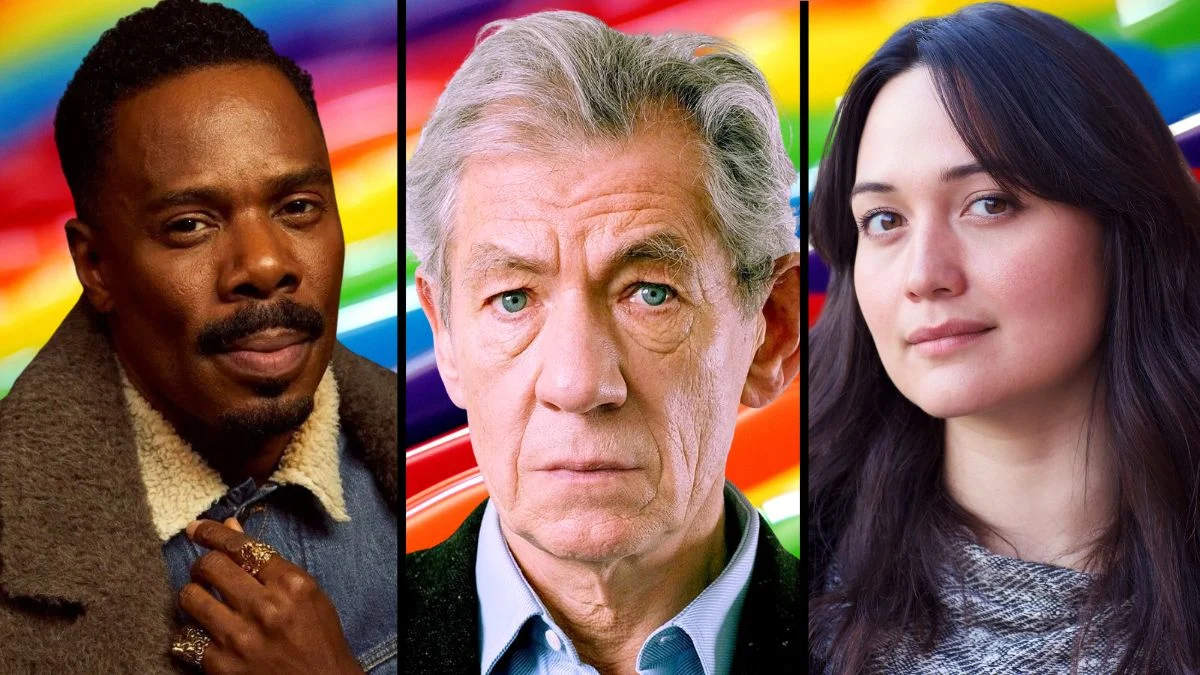

The conversation surrounding representation in Hollywood has grown increasingly loud in recent years as LGBTQ+ actors continue to break barriers on screen. Many performers have started to voice their frustration with an awards system that often fails to recognize their work or identities properly. The structure of major ceremonies like the Oscars and Emmys has come under fire for relying on binary gender categories that exclude non-binary and gender-non-conforming talent. These twenty actors have publicly spoken out about being snubbed, ignored, or shut out by the very institutions designed to celebrate them.
Ian McKellen
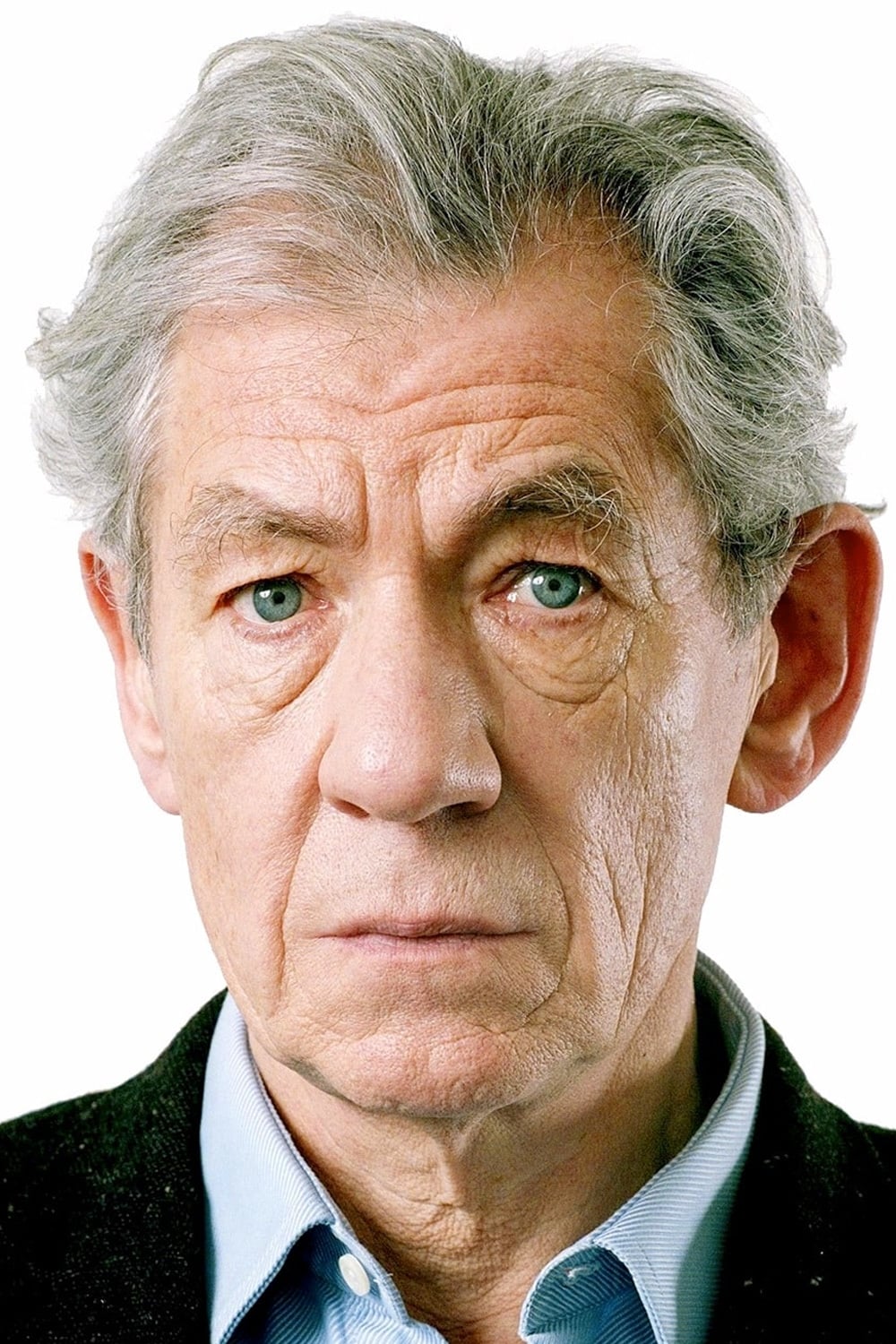
Sir Ian McKellen has long criticized the Academy for its historical failure to award openly gay men in the Best Actor category. He famously noted in 2016 that while straight men frequently win Oscars for playing gay characters the reverse has never happened in the lead category. McKellen questioned whether this disparity was a result of prejudice within the voting body or a statistical anomaly. His comments highlighted a double standard where queer stories are celebrated only when performed by cisgender straight actors. This observation remains a pivotal point in discussions about authentic representation and industry acclaim.
Liv Hewson
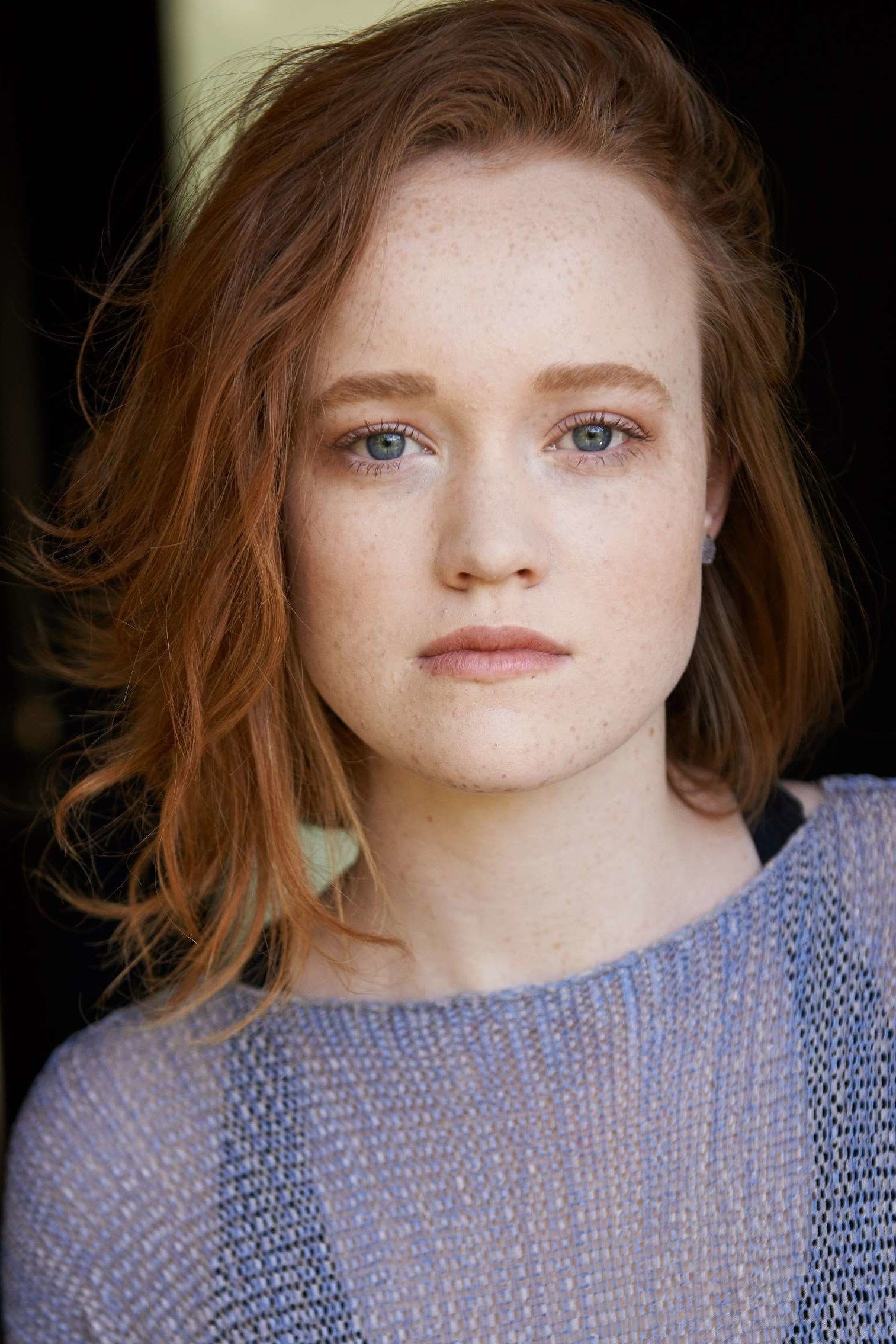
Liv Hewson made a significant statement by choosing not to submit themselves for Emmy consideration for their role in ‘Yellowjackets’. The actor explained that the gendered categories of Best Supporting Actor and Best Supporting Actress did not offer a space for their non-binary identity. Hewson stated that it would be impossible to participate in the competition without compromising their authentic self. They argued that the industry must evolve its structures to accommodate performers who exist outside the gender binary. This decision sparked widespread debate about the necessity of gender-neutral awards.
Emma Corrin

Emma Corrin has been a vocal advocate for the implementation of gender-neutral categories at major award shows. After winning a Golden Globe for ‘The Crown’ and identifying as non-binary the actor expressed discomfort with having to choose between gendered fields. Corrin stated that the current system lacks inclusivity and fails to properly acknowledge the diversity of the acting community. They have urged the industry to focus on the quality of the performance rather than the gender of the performer. These calls for change have intensified pressure on organizations like the BAFTA and the Academy to reform.
Angelica Ross
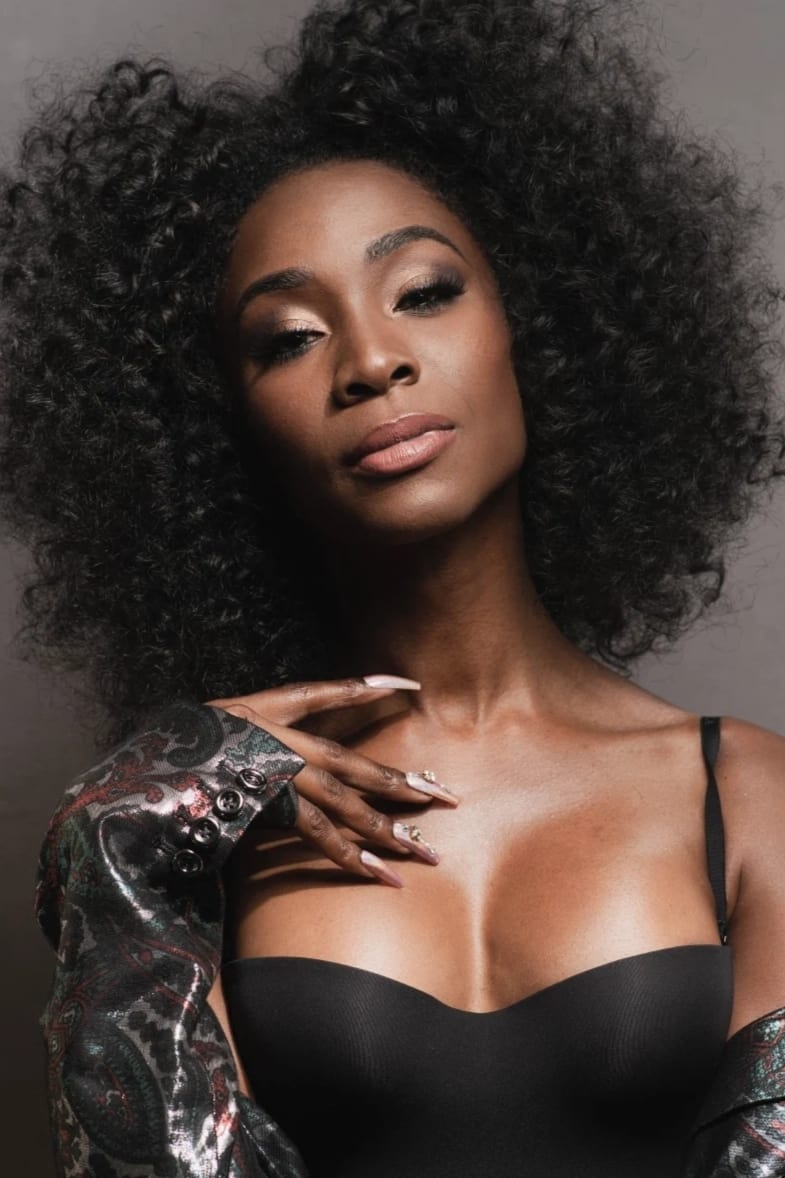
Angelica Ross took to social media to express her frustration after the Television Academy failed to nominate the cast of ‘Pose’ for major acting awards. The actor criticized the industry for claiming to value diversity while consistently ignoring the Black trans women who anchored the critically acclaimed show. Ross highlighted the disconnect between the praise the show received and the lack of tangible recognition for its stars. She pointed out that verbal support from the industry means little without the validation of nominations and wins. Her candid remarks shed light on the performative nature of Hollywood inclusivity.
Rupert Everett
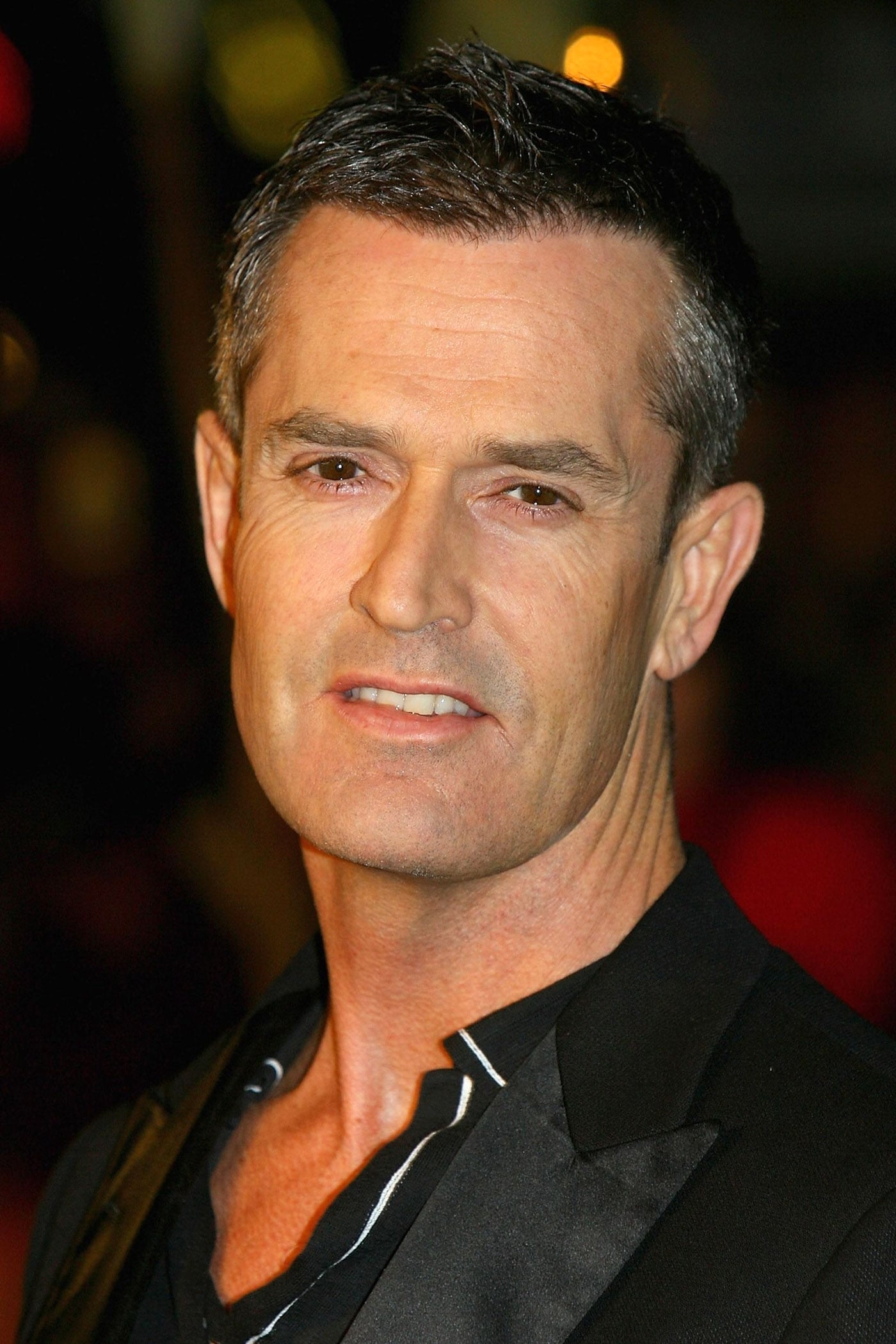
Rupert Everett has famously declared that coming out as gay significantly damaged his career and his chances of winning major Hollywood awards. The actor stated in several interviews that he felt the industry marginalized him after he was open about his sexuality. He suggested that the elusive “leading man” status and the accolades that come with it are often gatekept from openly queer performers. Everett has argued that the film business remains conservative despite its liberal image. His experiences serve as a cautionary tale about the professional cost of honesty in the entertainment world.
Asia Kate Dillon

Asia Kate Dillon was one of the first actors to formally challenge the Television Academy regarding their gendered categories. When submitting for their role in ‘Billions’ the actor initiated a dialogue with the organization to clarify how non-binary performers should be classified. Dillon argued that acting distinctions based on gender are arbitrary and exclusionary. Their advocacy led the MTV Movie & TV Awards to adopt gender-neutral categories. This pioneering effort paved the way for subsequent actors to question and opt out of the binary system.
Bella Ramsey
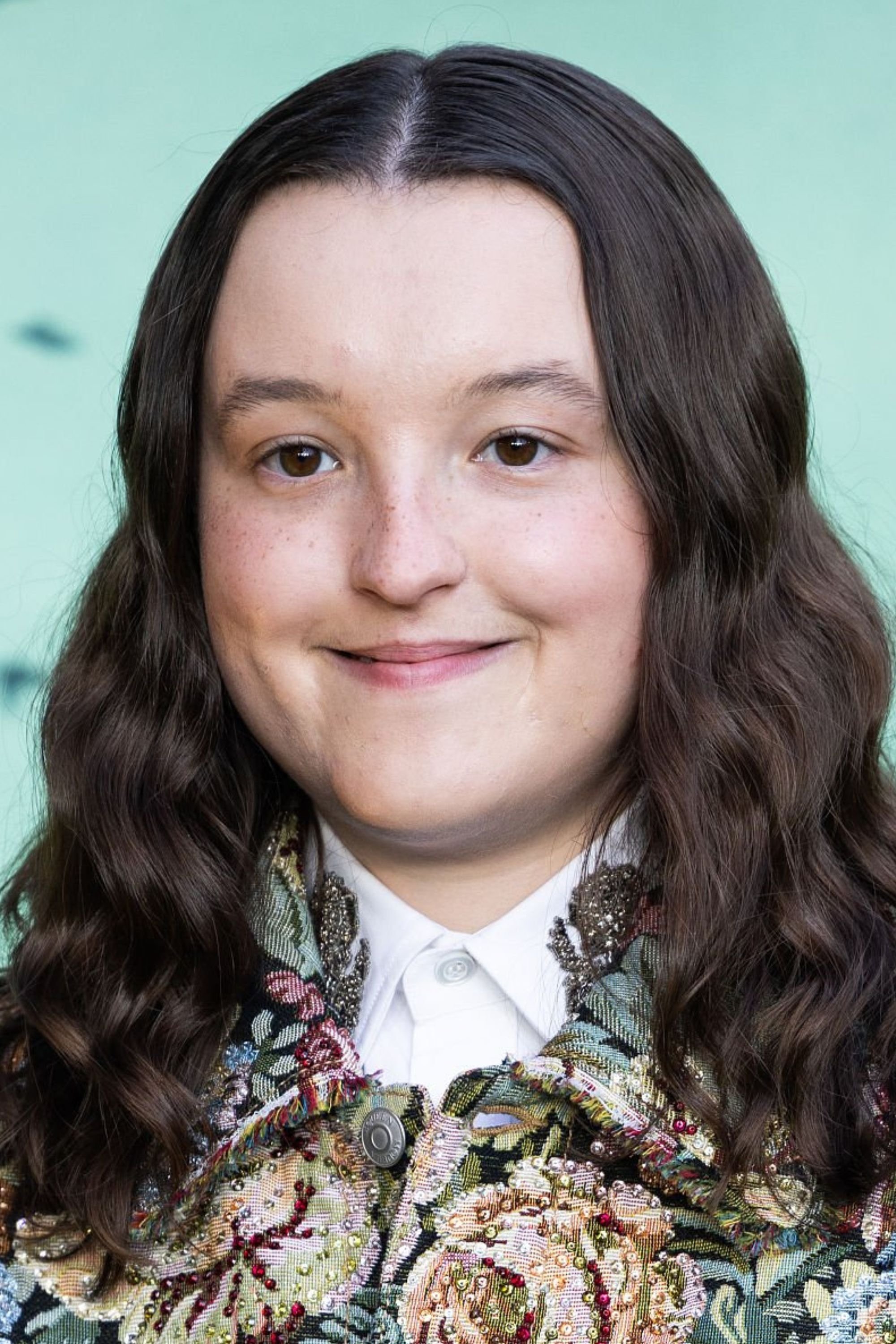
Bella Ramsey gained massive acclaim for their role in ‘The Last of Us’ but admitted to feeling uncomfortable with the Emmy nomination process. The non-binary actor ultimately submitted in the Actress category but spoke publicly about the awkwardness of being forced into a binary box. Ramsey voiced a desire for categories that depend less on gender and more on the merit of the work. They noted that the current labels limit who can be celebrated and how they are perceived. Their comments added significant weight to the growing movement for awards reform.
Indya Moore
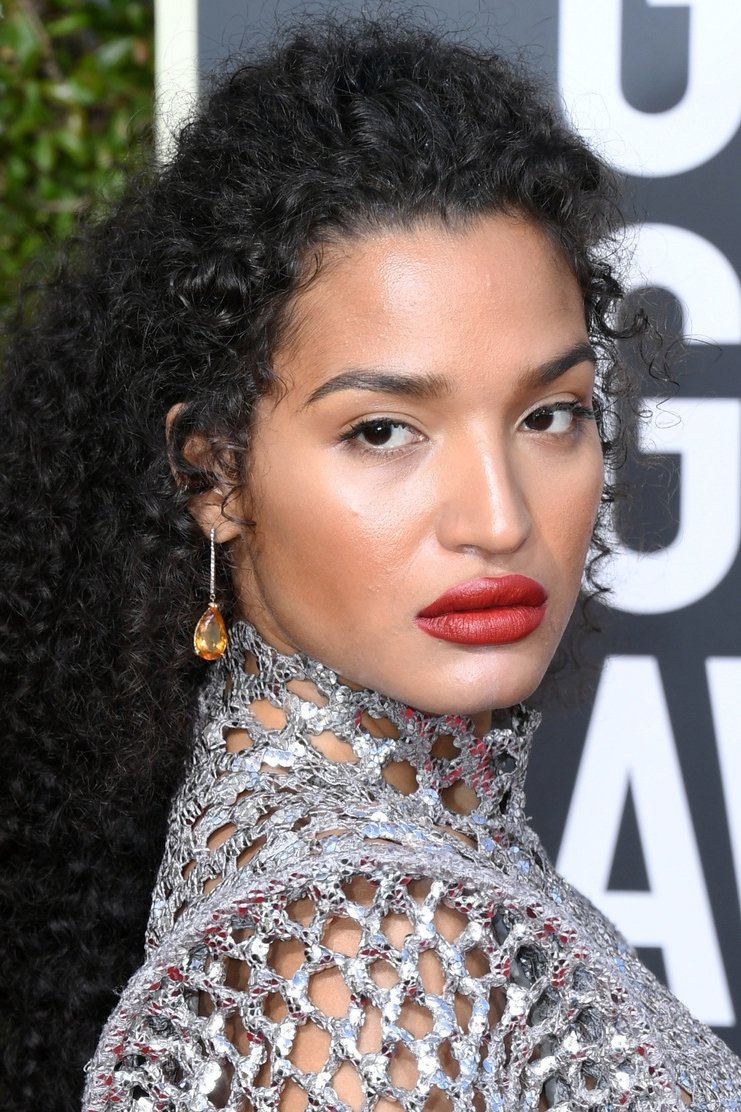
Indya Moore frequently used their platform to call out the lack of awards recognition for the trans actors in ‘Pose’. The actor argued that the show was groundbreaking for its representation yet the trans talent was often overlooked in favor of cisgender creators. Moore expressed that the emotional labor given by the cast deserved equal prestige to other prestige dramas. They criticized the system for profiting from trans stories while hesitating to award trans people. These statements emphasized the gap between visibility on screen and respect during awards season.
Abbi Jacobson
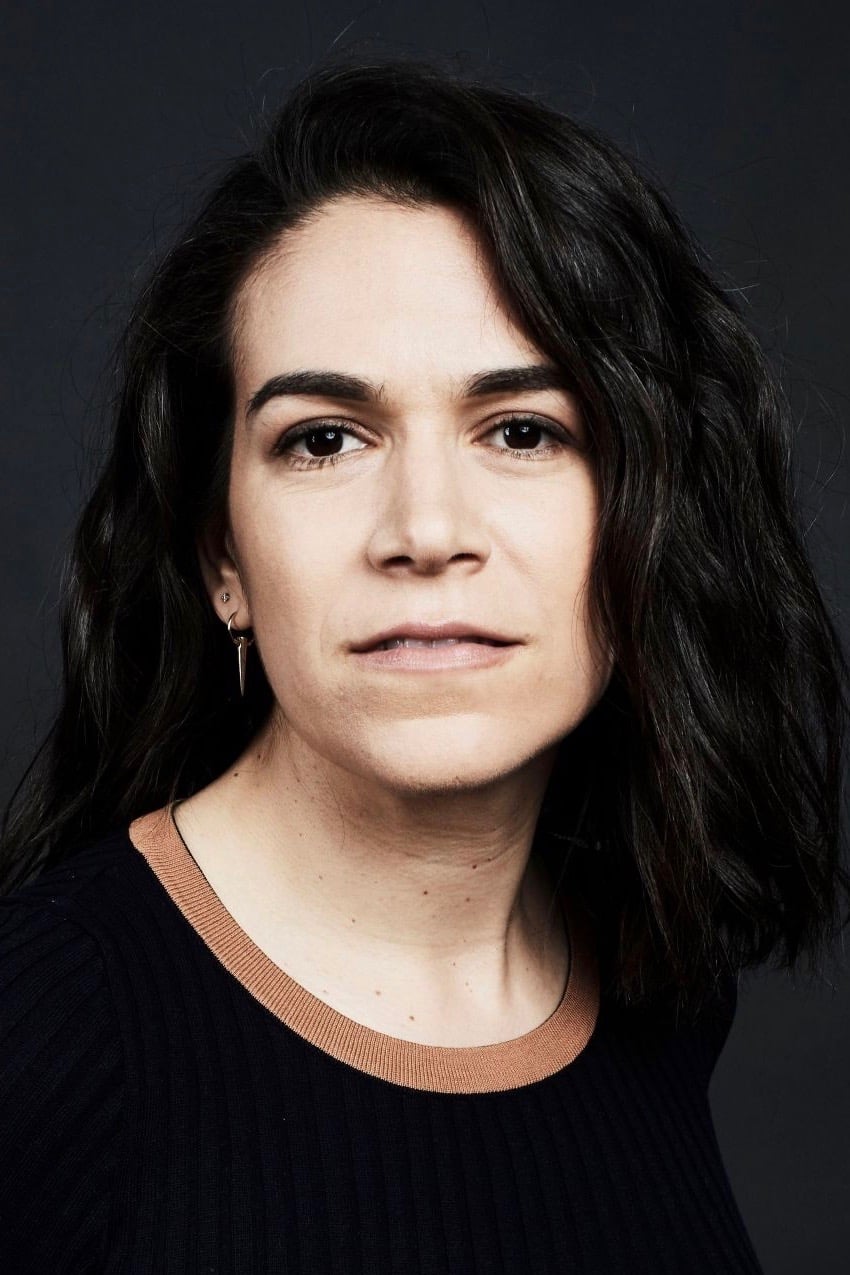
Abbi Jacobson publicly criticized the Television Academy after her series ‘A League of Their Own’ received zero Emmy nominations. The creator and star pointed out that the show centered on queer stories that are rarely told with such depth and joy. She expressed disappointment that the industry continues to overlook narratives that center marginalized communities despite vocal fan support. Jacobson called the snub a disservice to the work put in by the diverse cast and crew. Her reaction underscored the feeling that queer-centric shows often have to work twice as hard for recognition.
Emma D’Arcy
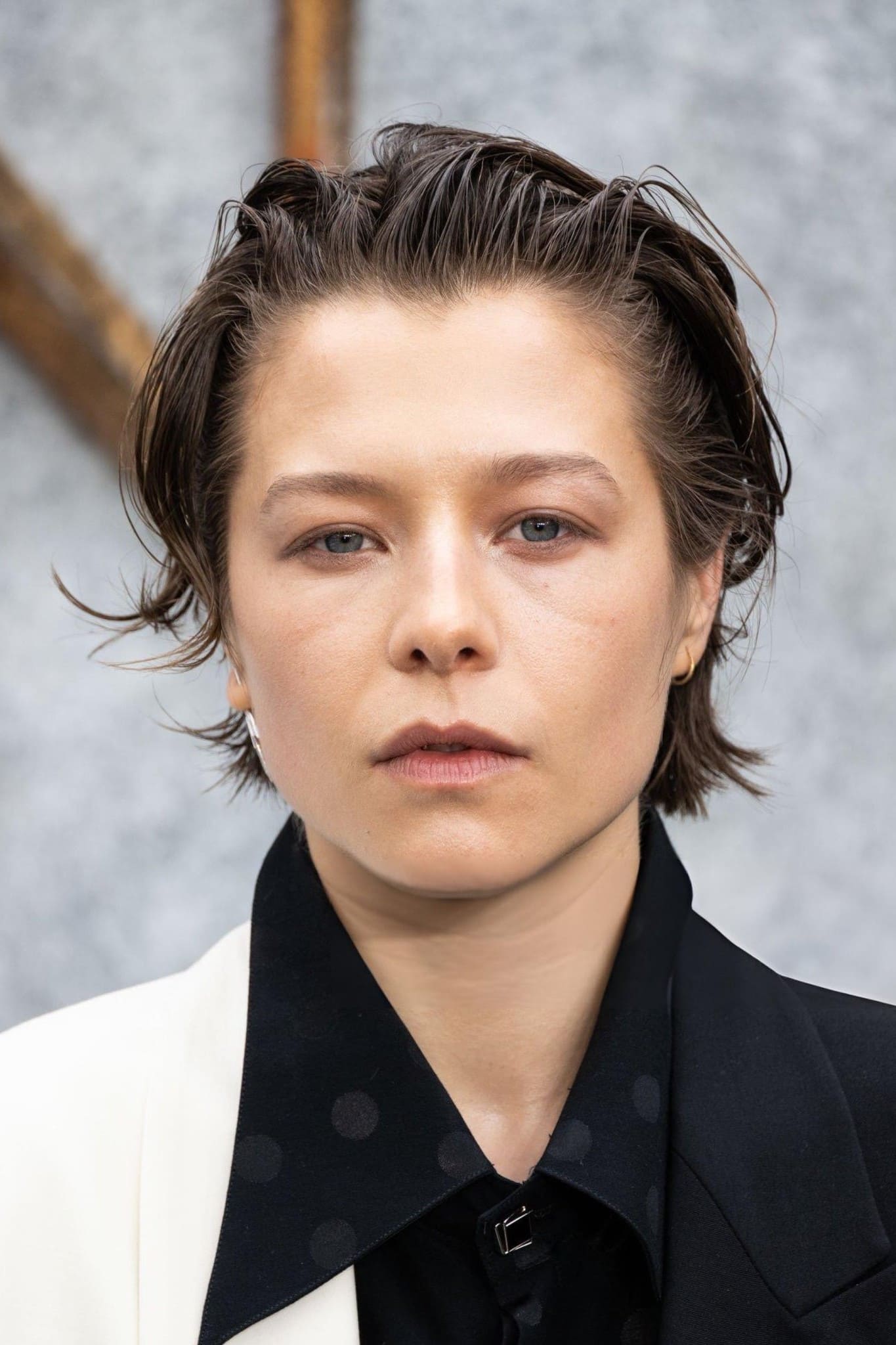
Emma D’Arcy described the experience of being nominated for a Golden Globe in the Best Actress category as ironic given their non-binary identity. The ‘House of the Dragon’ star acknowledged the prestige of the nomination but noted the surreal nature of being celebrated under a gendered label they do not align with. D’Arcy stated that they felt like an imposter stepping into a category defined by womanhood. They expressed hope that the industry would eventually figure out a way to include those who fall outside the binary. This perspective highlighted the internal conflict many non-binary actors face during awards season.
Mason Alexander Park
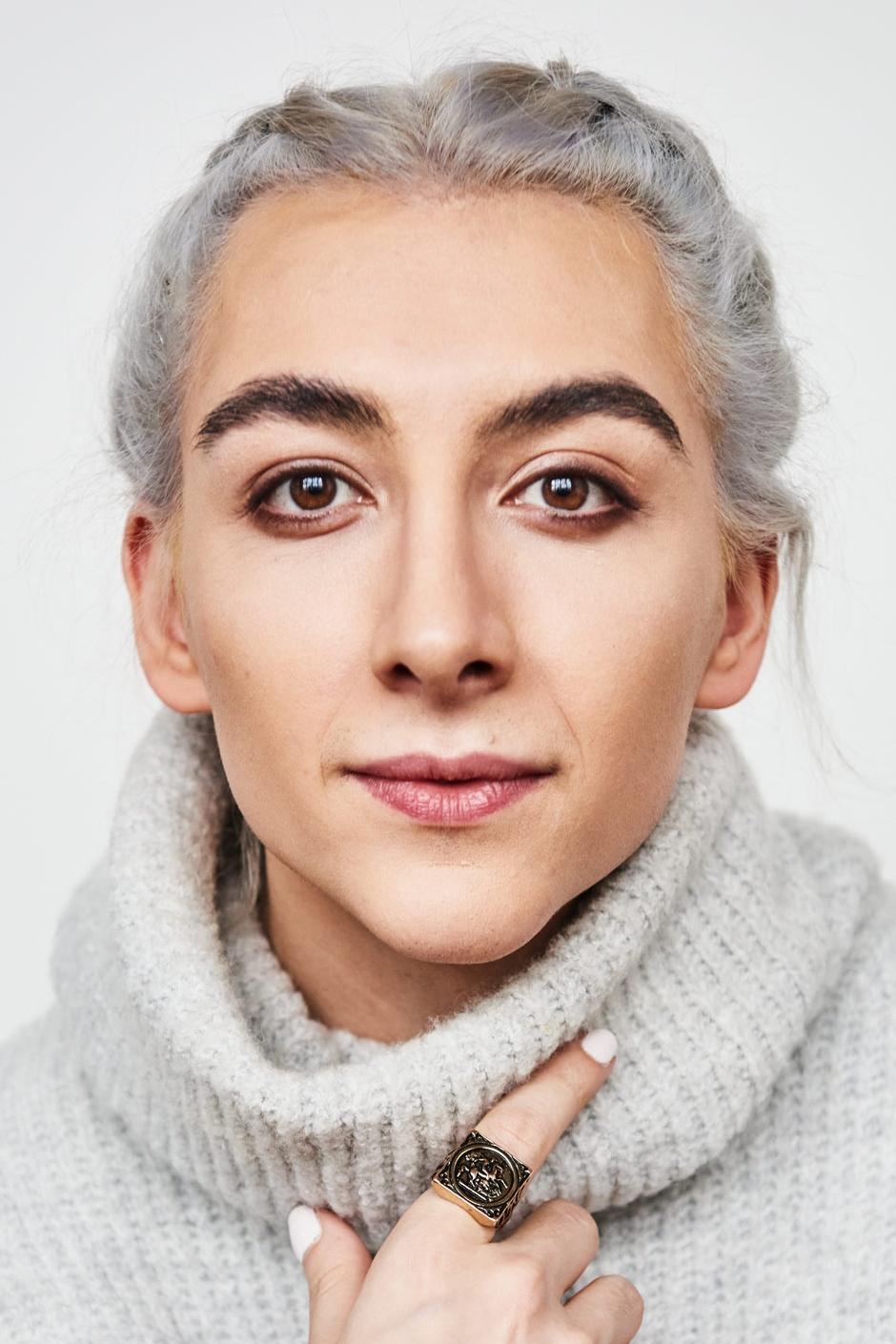
Mason Alexander Park has been an outspoken critic of the lack of space for gender-diverse actors in traditional awards ceremonies. The ‘Sandman’ actor uses social media to educate the public and the industry on why gendered categories are outdated. Park has argued that segregating actors by gender implies a difference in ability or craft that does not exist. They have consistently pushed for a singular acting category that judges performance solely on skill. Their advocacy focuses on dismantling the systemic barriers that render non-binary actors invisible.
Billy Porter
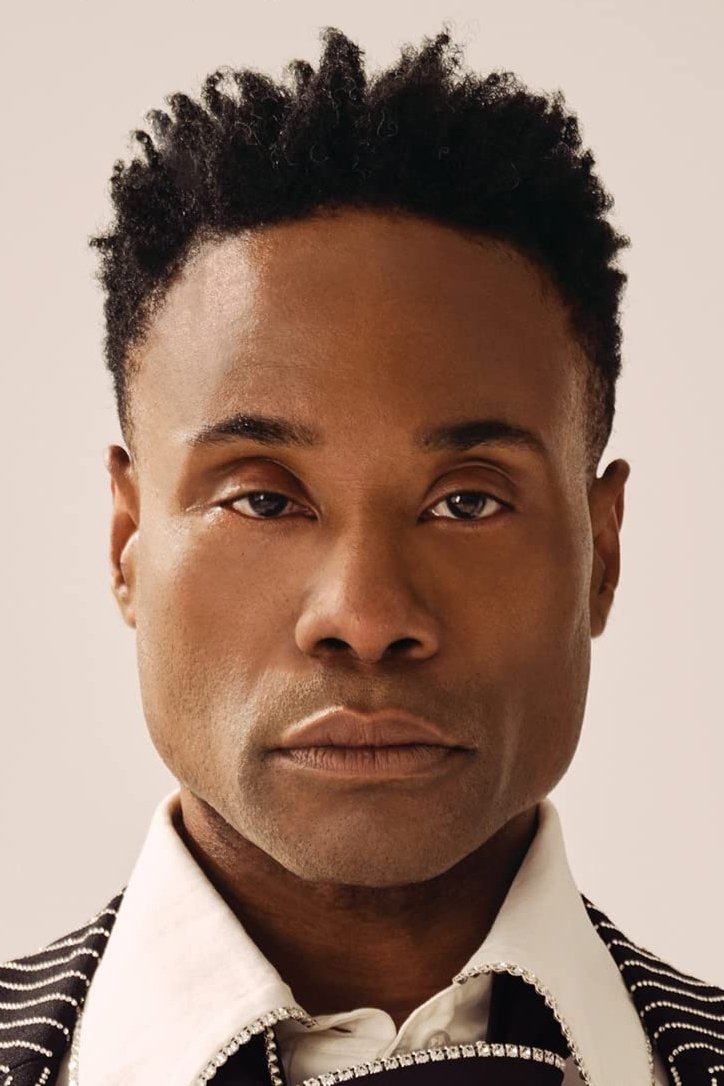
Billy Porter has frequently discussed the decades of exclusion he faced before finally winning an Emmy for ‘Pose’. The actor has stated that for many years the industry did not know what to do with an outspoken Black queer performer. Porter emphasized that his eventual recognition came only after he refused to dim his light to fit into Hollywood’s boxes. He has criticized the gatekeepers who delayed his success and the success of others like him. His speeches often remind audiences that the fight for true equity in awards is far from over.
Trace Lysette
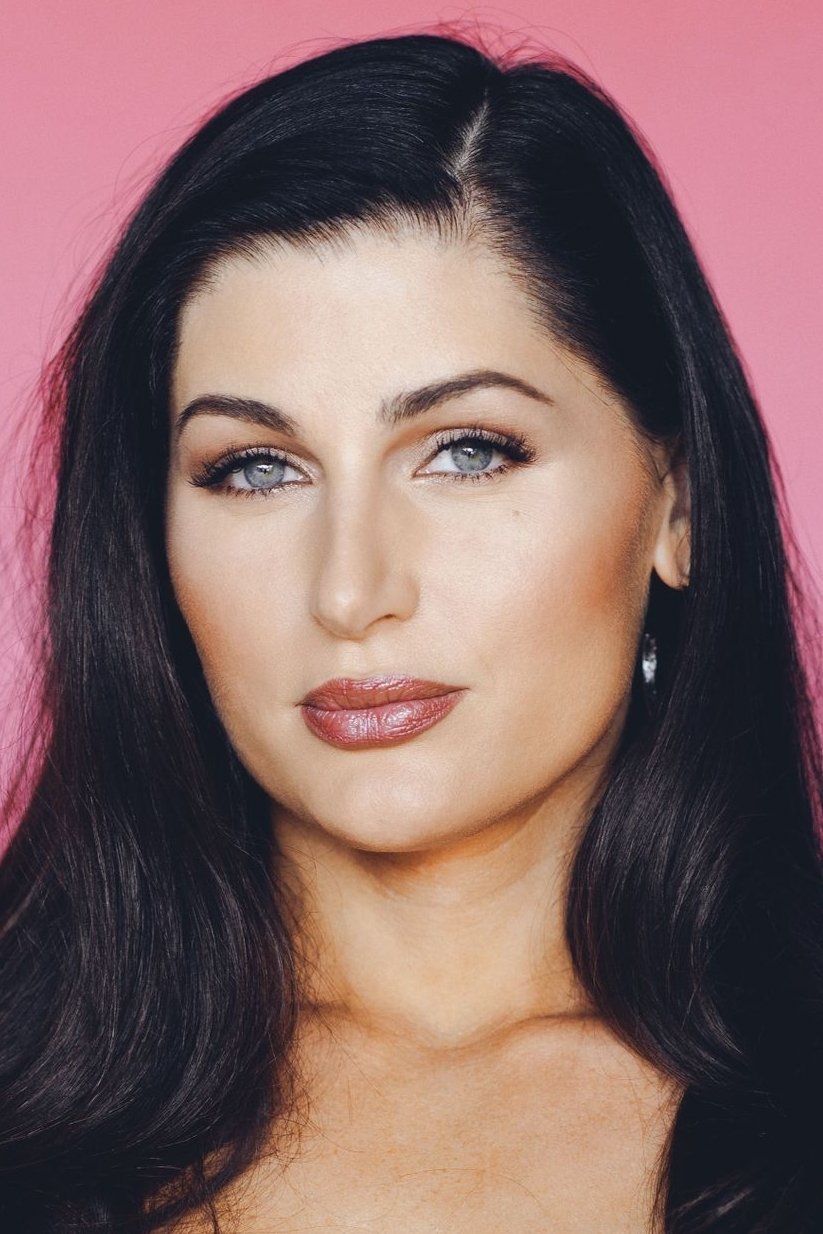
Trace Lysette spoke candidly about the disappointment of being shut out of the Oscar race for her lead role in the film ‘Monica’. The actress noted that while the film received standing ovations at festivals the awards machinery often fails to support independent trans-led cinema. Lysette highlighted the difficulty trans actors face in getting the necessary campaign funding and industry attention. She argued that the awards system favors established cisgender names over breakthrough queer talent. Her experience illustrated the financial and systemic hurdles that prevent LGBTQ+ actors from securing nominations.
Mae Martin
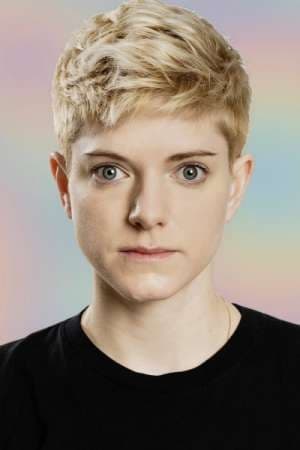
Mae Martin has used their platform to question why acting awards are still separated by gender when other professions are not. The ‘Feel Good’ creator and star identifies as non-binary and has expressed confusion over the industry’s resistance to change. Martin suggested that merging categories would elevate the competition and remove unnecessary barriers. They have noted that the current system forces queer actors to make political statements just to do their jobs. This pragmatic approach calls for a modernization of how artistic merit is evaluated.
E.R. Fightmaster
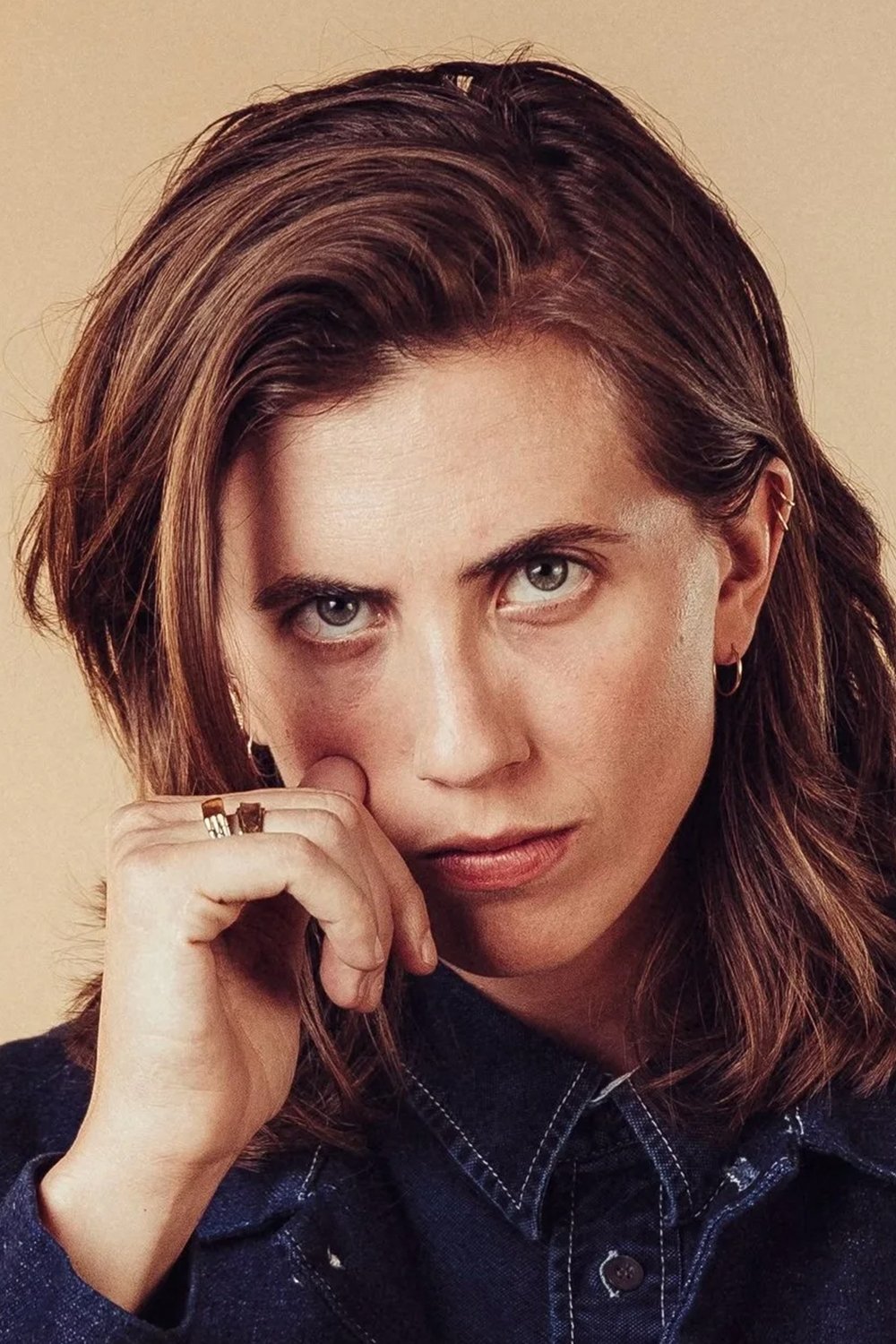
E.R. Fightmaster became the first non-binary doctor on ‘Grey’s Anatomy’ and has spoken about the need for the industry to catch up to reality. The actor has discussed how gendered awards categories create an environment where non-binary performers feel unseen. Fightmaster has urged the powers that be to listen to the actors who are directly affected by these exclusionary policies. They believe that the hesitation to change is rooted in tradition rather than logic. Their comments advocate for a future where talent is not categorized by gender identity.
Michaela Jaé Rodriguez
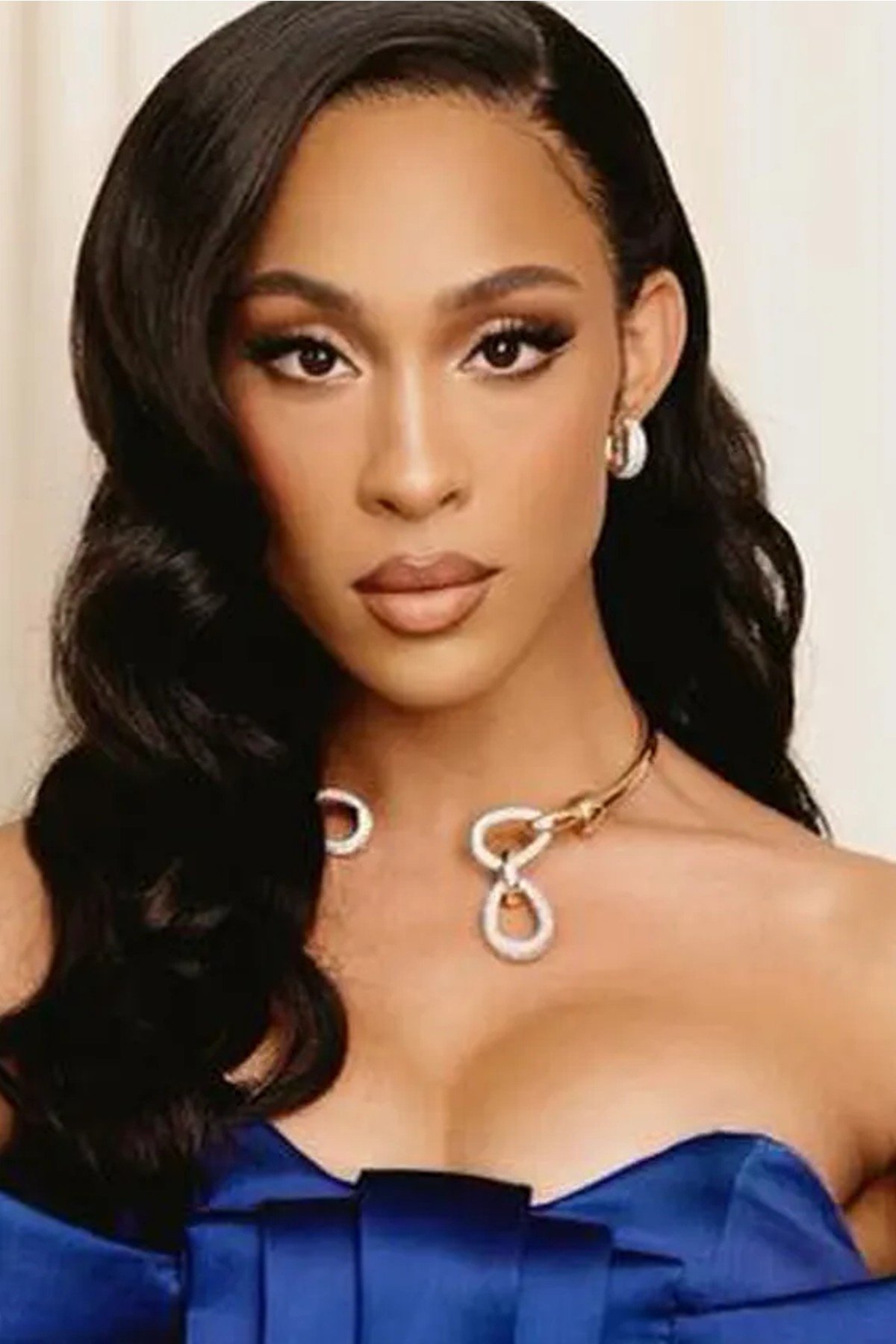
Mj Rodriguez made history with her Golden Globe win but has also spoken about the long road to get there and the snubs along the way. The ‘Pose’ star acknowledged the pain of seeing her show and castmates ignored by the Emmys for multiple seasons. She expressed that the lack of recognition was disheartening for the trans community that saw themselves in her character. Rodriguez has used her platform to demand that the industry open its doors wider for trans women of color. Her resilience highlights the emotional toll of fighting for validation in a slow-moving industry.
Vico Ortiz
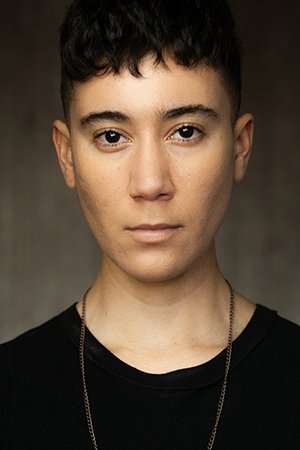
Vico Ortiz has utilized their role in ‘Our Flag Means Death’ to advocate for better treatment of non-binary actors in all aspects of the industry including awards. The actor has spoken about the importance of having categories that reflect the full spectrum of human identity. Ortiz argues that sticking to binary categories erases the existence of actors who do not fit into those boxes. They have encouraged award bodies to be brave enough to restructure their voting processes. Their activism is part of a larger movement demanding visibility and respect.
Lily Gladstone
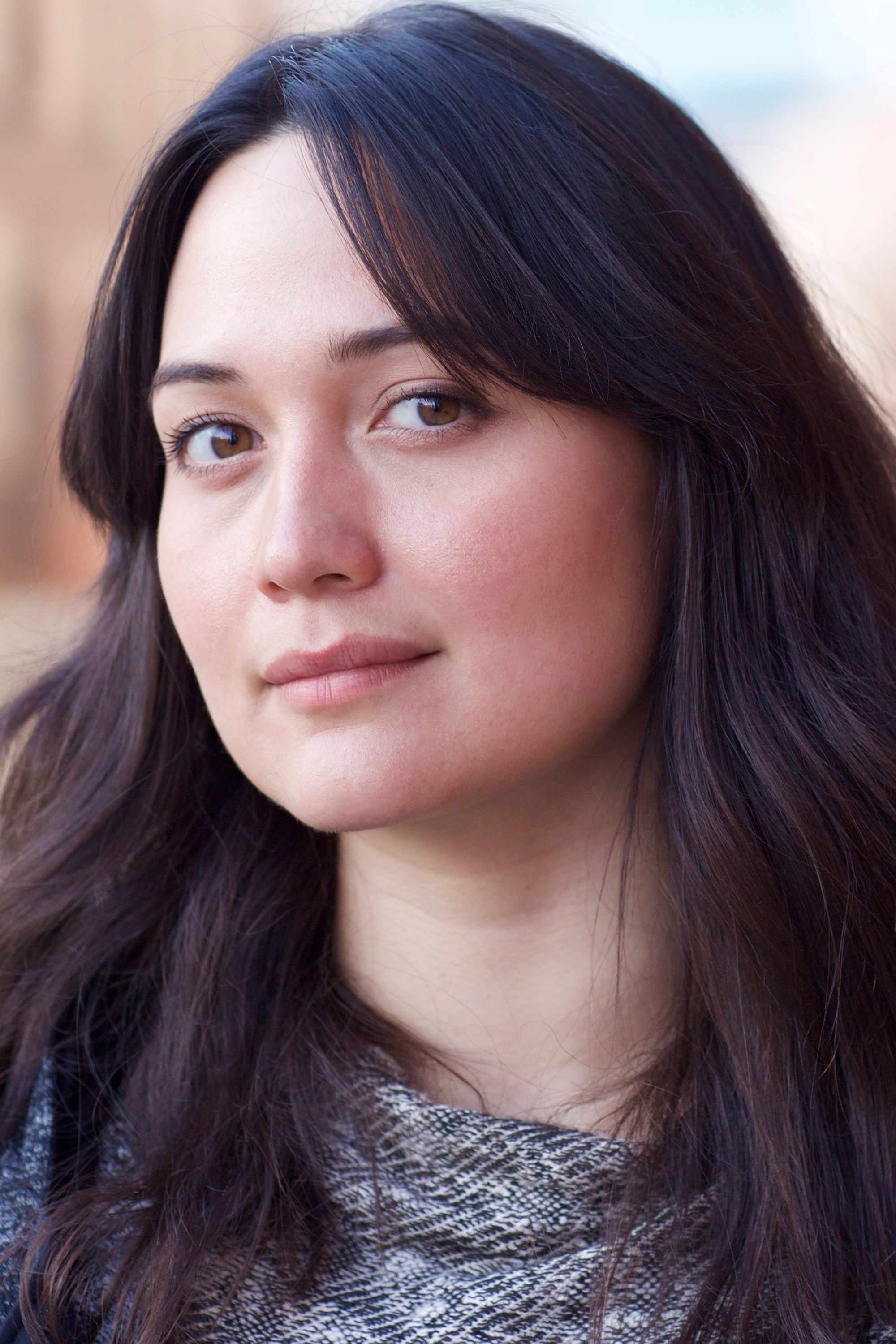
Lily Gladstone has spoken with nuance about the complexity of the Best Actress category as a person who uses she and they pronouns. While she accepted her nomination and win she acknowledged the historical exclusion of Two-Spirit and gender-diverse people from these spaces. Gladstone expressed a desire for the industry to eventually move beyond gendered silos. She stated that her presence in the category was a step forward but not the final destination for inclusivity. Her perspective bridges the gap between participating in the current system and advocating for its evolution.
Colman Domingo
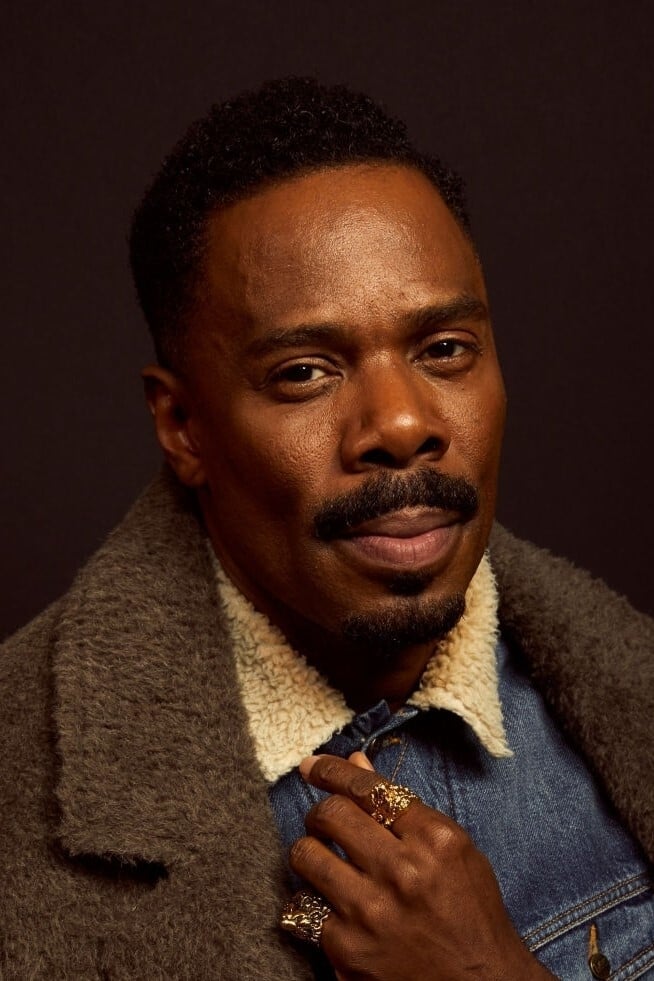
Colman Domingo pointed out the rarity of his Oscar nomination for playing the gay civil rights leader Bayard Rustin. The actor noted that he was only the second openly gay man to be nominated for playing a gay character in the history of the Academy. Domingo highlighted that this statistic proves how infrequently the industry rewards authentic queer storytelling. He has spoken about the need for more consistent recognition rather than exceptional individual moments. His comments underscore the persistent gap between queer talent and industry accolades.
Share your thoughts on which of these actors you believe deserves more recognition in the comments.