Anime That Let Viewers Vote on Political Plot Twists


In the realm of anime, political intrigue often drives the narrative, forcing characters to navigate complex systems of governance, public opinion, and power struggles. While few series offer real-time interactive voting for the audience at home, many shows simulate this experience by incorporating high-stakes elections, popularity polls, and democratic decision-making directly into the plot. These stories immerse the viewer in the tension of the ballot box, where the collective will of the masses—or a manipulated majority—can alter the fate of nations. From student council elections that determine social hierarchies to galactic democracies teetering on the brink of collapse, these anime showcase how voting can be the ultimate plot twist.
‘Gatchaman Crowds’ (2013)

This series modernizes the superhero genre by introducing the GALAX app, a social media platform that allows the public to vote on societal issues and intervene in crises. The story explores the power of “gamified” civic engagement, where the collective intelligence of the user base challenges traditional leadership. As the alien threat MESS appears, the population’s reliance on the app’s charismatic leader, Rui Ninomiya, creates a volatile political landscape. The narrative questions whether direct democracy through technology leads to utopia or mob rule, with the “viewers” (app users) ultimately deciding the fate of their world.
‘Babylon’ (2019–2020)
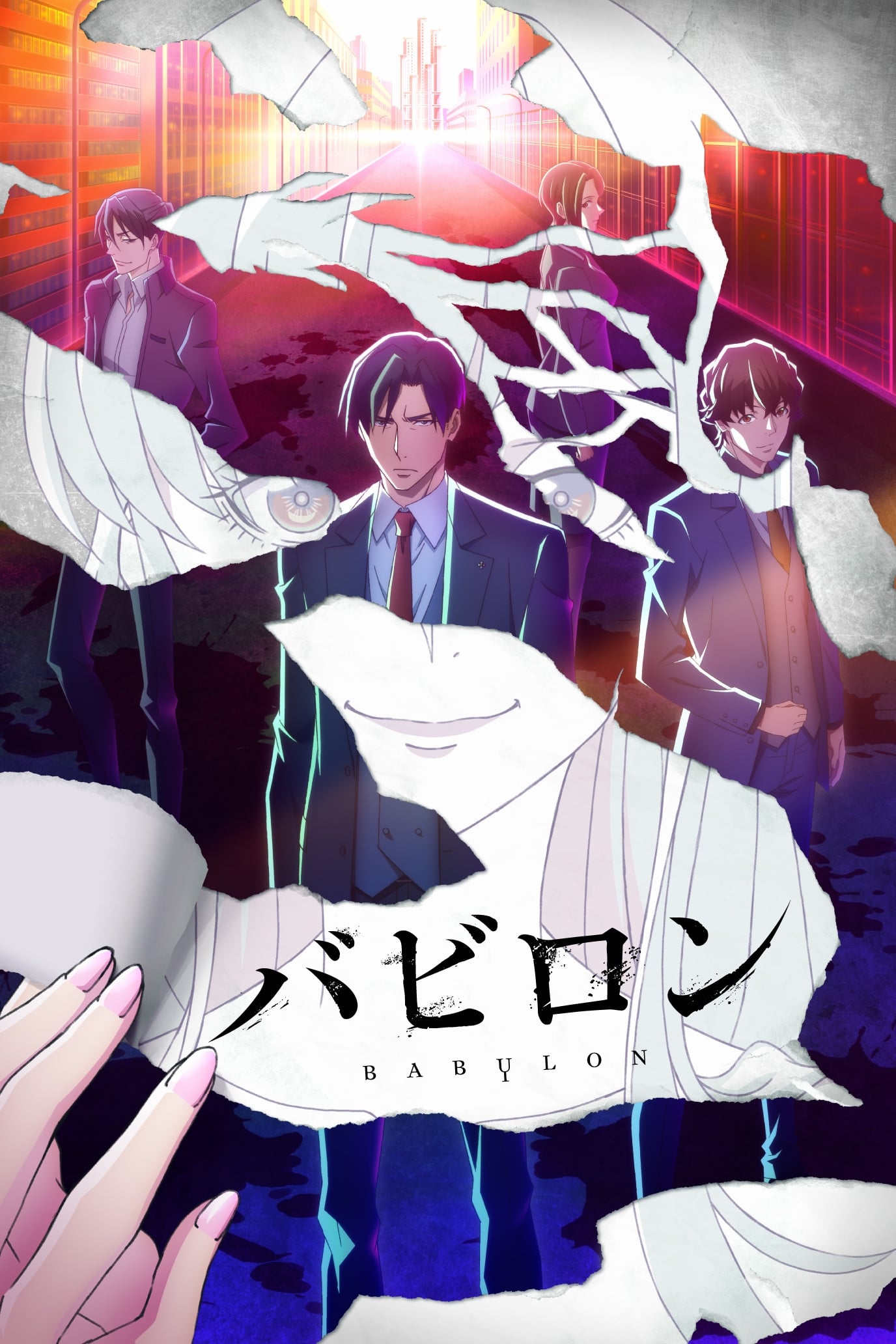
A chilling political thriller that centers on the introduction of a new legislation called the Suicide Law within a newly formed experimental zone in Japan. Public prosecutor Zen Seizaki uncovers a conspiracy behind the law, which allows citizens to legally vote on ending their own lives. The antagonist, Ai Magase, manipulates the public and world leaders through seduction and psychological warfare, turning the G7 summit into a global debate on the morality of death. The anime depicts the terrifying sway of public opinion as the entire world watches and “votes” on the value of human life.
‘Hunter x Hunter’ (2011–2014)
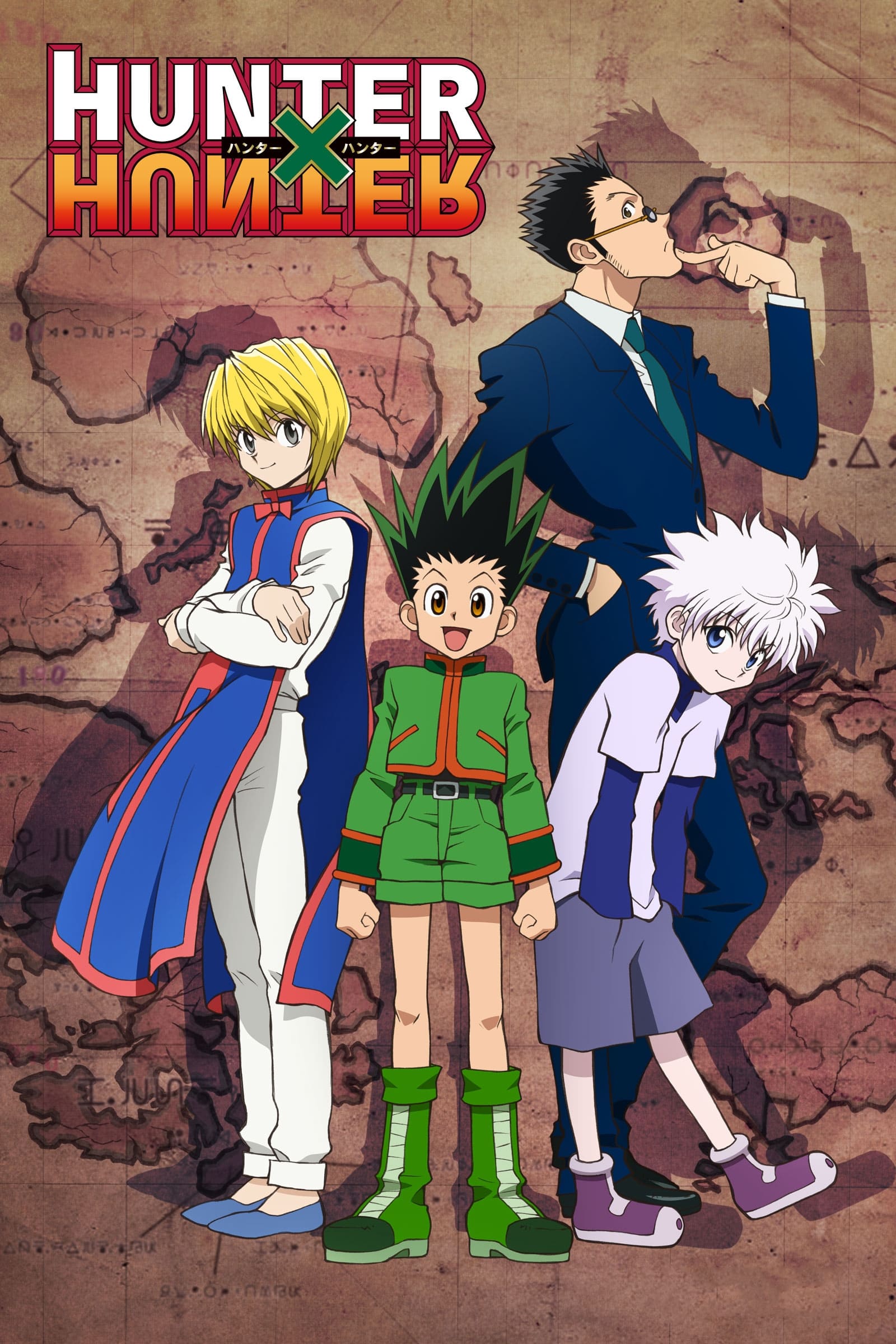
Following the death of the Hunter Association’s chairman, the series enters the 13th Hunter Chairman Election Arc, a complex political battle of wits and rules. The Zodiacs, a council of high-ranking Hunters, must navigate a labyrinthine voting system designed by the late chairman to ensure a chaotic and unpredictable outcome. Viewers watch as alliances form and fracture, with candidates like Pariston Hill manipulating the voters through charm and deceit. The election serves as a backdrop for character development and shifts the power dynamics of the entire organization.
‘Kakegurui’ (2017–2019)

At Hyakkaou Private Academy, the student council president election is not just a popularity contest but a high-stakes gambling event involving the entire student body. Every student receives a gambling chip that represents a vote, turning the democratic process into a chaotic free-for-all where votes can be won, lost, or traded. The protagonist, Yumeko Jabami, thrives in this environment, challenging the absolute authority of the student council through sheer risk-taking. The election arc deconstructs the concept of voting, portraying it as a ruthless game of strategy and resource management.
‘Code Geass: Lelouch of the Rebellion’ (2006–2008)
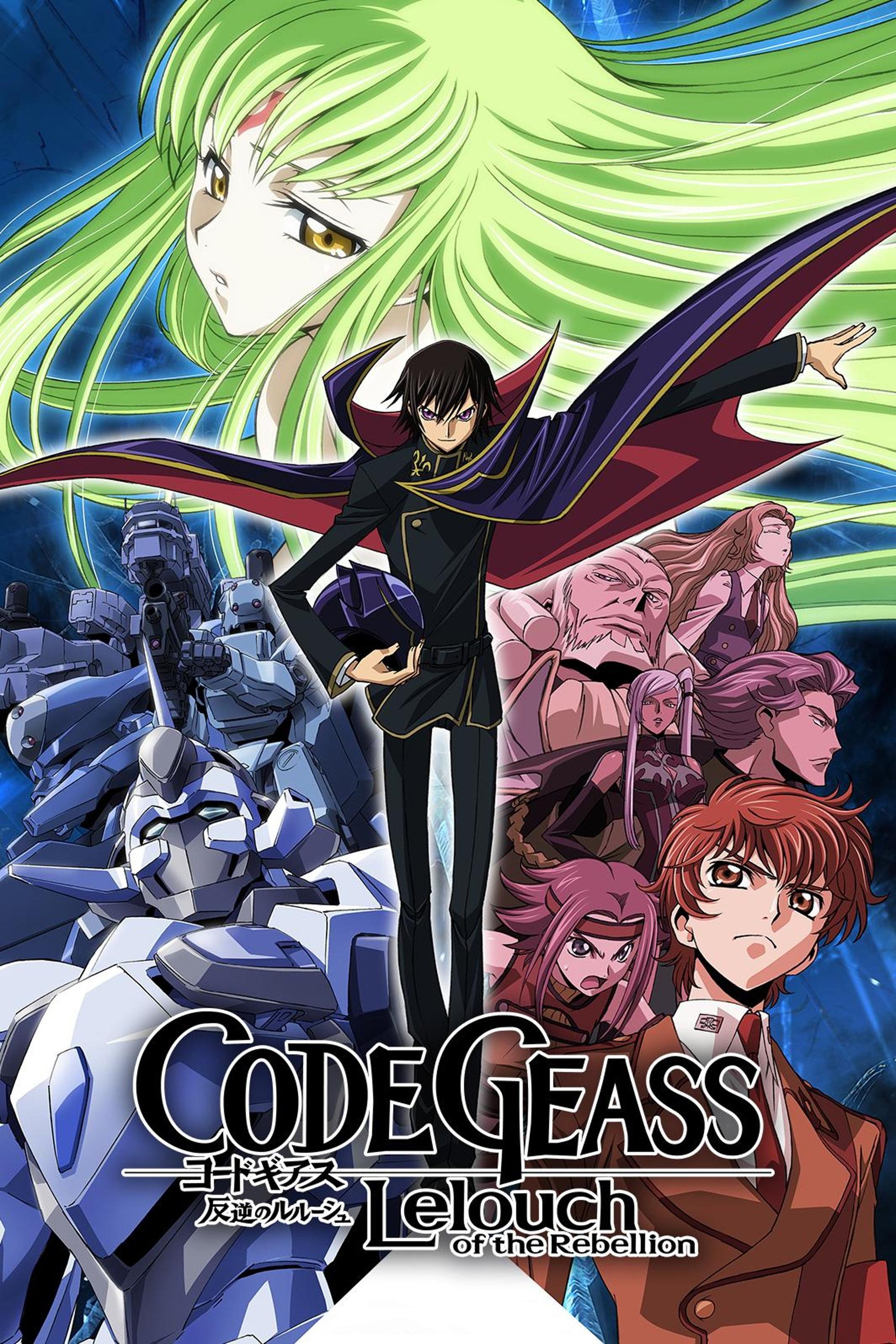
While primarily a war drama, the series heavily features the manipulation of political systems and public sentiment to overthrow the Holy Britannian Empire. Lelouch Lamperouge uses his alter ego, Zero, to garner the support of the Japanese people, eventually forming the United Federation of Nations which operates on democratic voting principles to oppose tyranny. The plot twists often hinge on public addresses and the shifting loyalty of the masses, which Lelouch orchestrates like a grand chess master. The creation of the UFN requires ratification by vote, contrasting the Emperor’s autocracy with a fragile, manipulated democracy.
‘Legend of the Galactic Heroes’ (1988–1997)
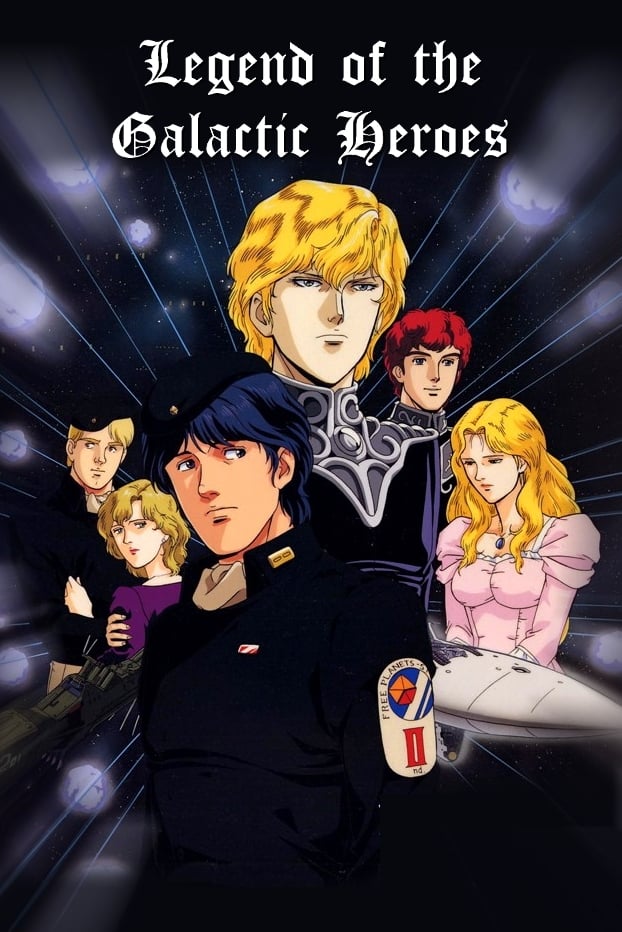
This space opera is the definitive examination of autocracy versus democracy, pitting the Galactic Empire against the Free Planets Alliance. The series dedicates significant screen time to the mechanics of voting, political campaigning, and the corruption that can rot a democratic system from within. Viewers are treated to debates on whether a benevolent dictator is preferable to an incompetent elected official. The political plot twists are driven by election results, military coups, and the apathy of the voting public, offering a sobering reflection on governance.
‘ACCA: 13-Territory Inspection Dept.’ (2017)
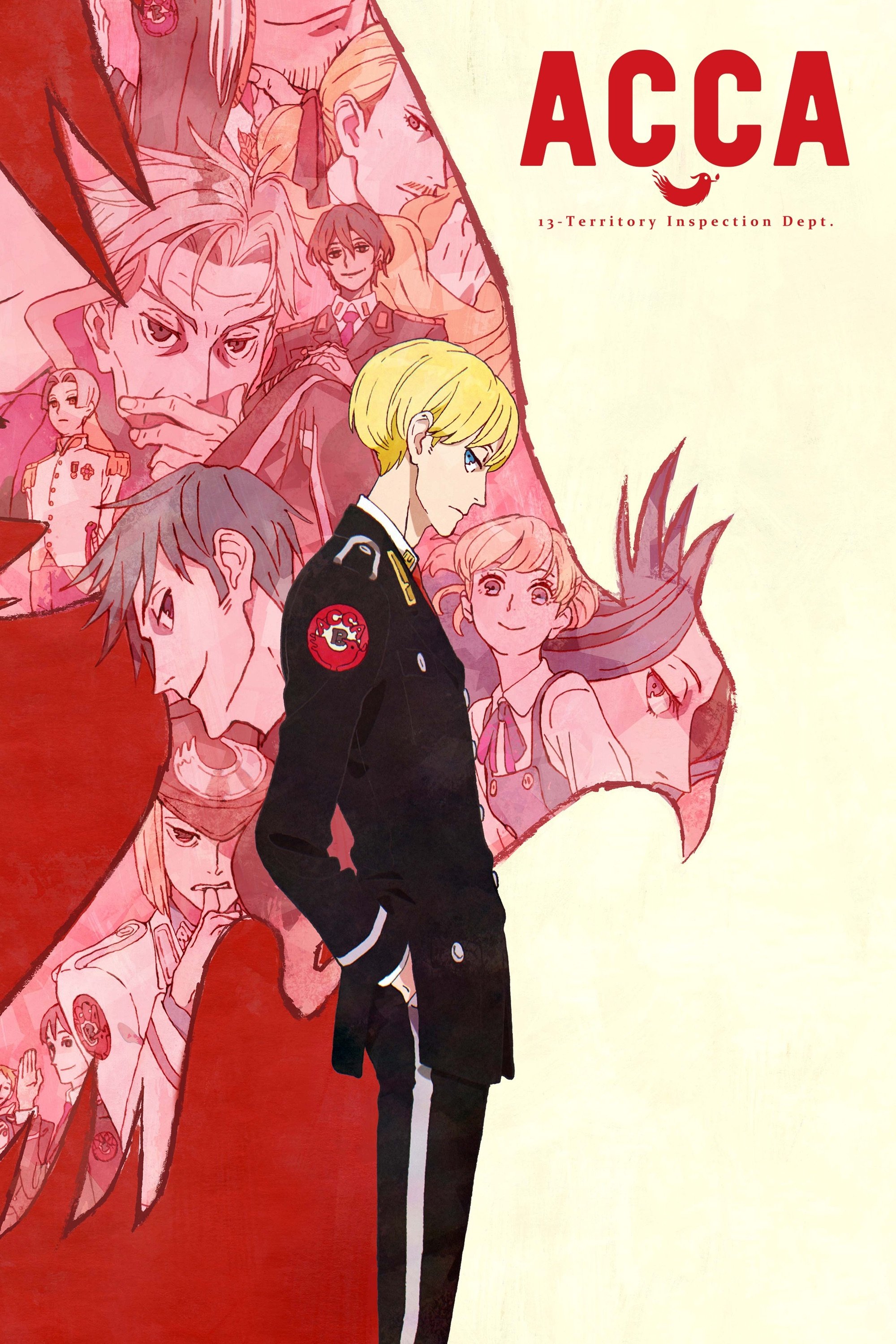
Set in the Kingdom of Dowa, which is divided into 13 autonomous districts, the story follows Jean Otus as he inspects the branches of the massive bureaucracy known as ACCA. Rumors of a coup d’état circulate, forcing the district leaders and the central government to maneuver politically to maintain or seize power. The tension builds toward a potential vote for independence or a restructuring of the kingdom’s federal system. The anime is a slow-burn political drama where conversations, handshakes, and consensus-building replace traditional action scenes.
‘Psycho-Pass’ (2012–2013)
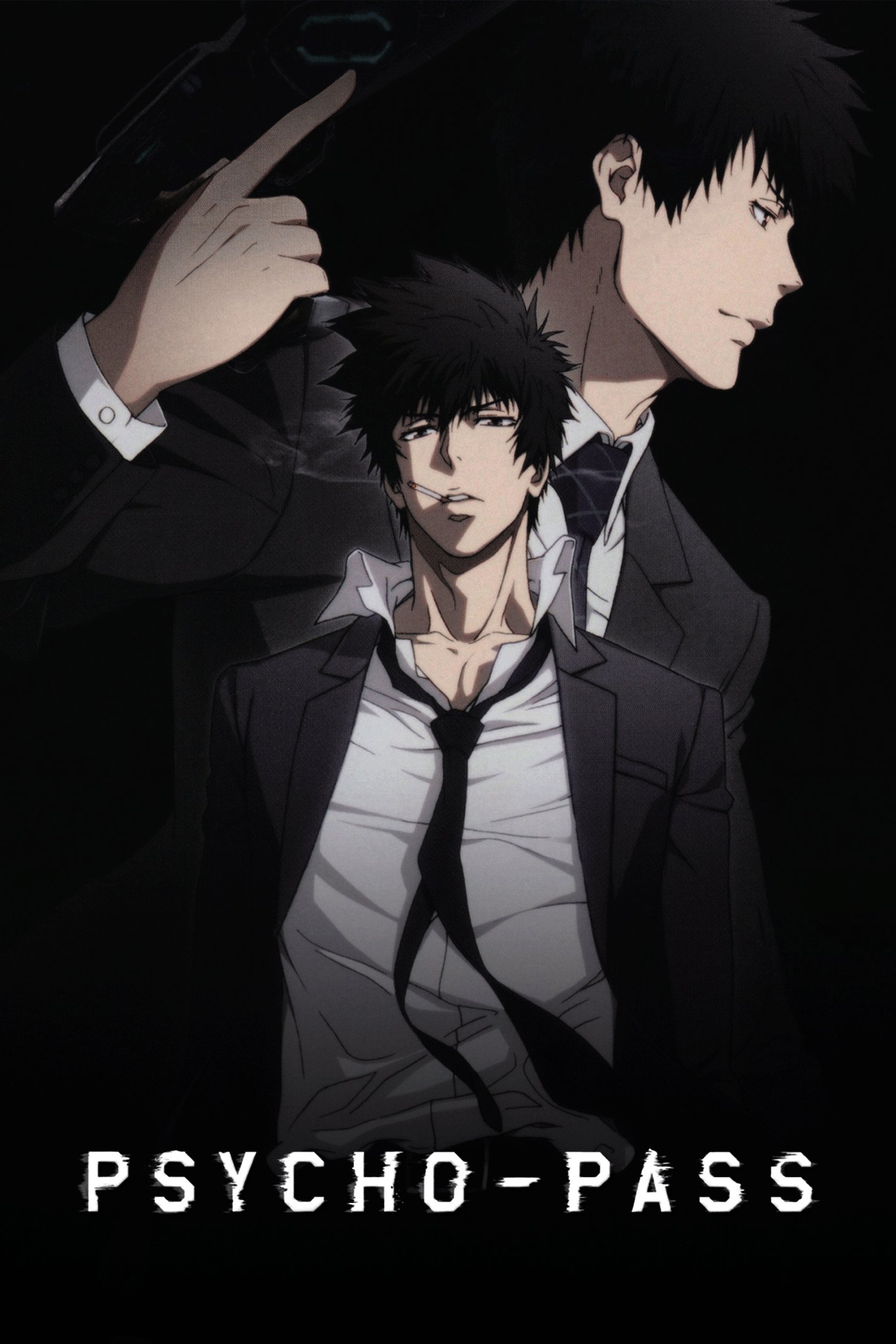
In a future society governed by the Sibyl System, the “vote” is replaced by a collective psychological scan that determines the best outcome for the greatest number of people. However, the secrecy behind Sibyl represents a twisted form of representative governance where the public unknowingly consents to rule by a hive mind. The plot twists reveal the true nature of this consensus and question whether safety is worth the loss of the democratic process. The protagonist, Akane Tsunemori, must decide whether to reveal the truth to the public, essentially holding a casting vote on the future of society.
‘Eden of the East’ (2009)
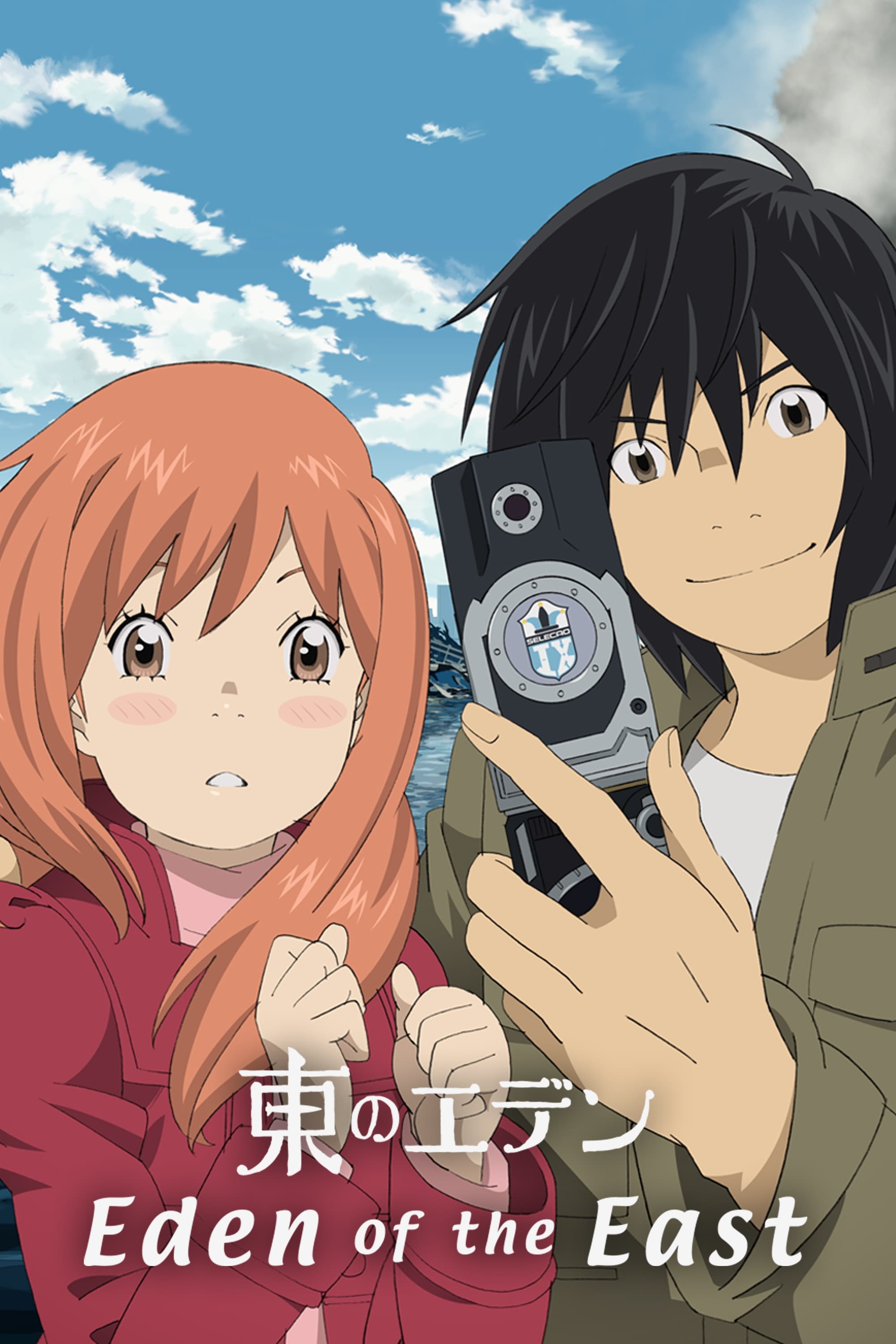
Twelve individuals are selected as “Selecao” and given 10 billion yen to save Japan, with their actions monitored and judged by a mysterious entity. The protagonist, Akira Takizawa, uses his phone to influence politics and public opinion, often mobilizing the “NEET” population to act as a voting bloc or a workforce. The series explores the power of the disenfranchised youth and how mobile technology can be used to bypass traditional political gridlock. The climax hinges on a massive act of public engagement that serves as a referendum on the country’s future.
‘Classroom of the Elite’ (2017–Present)
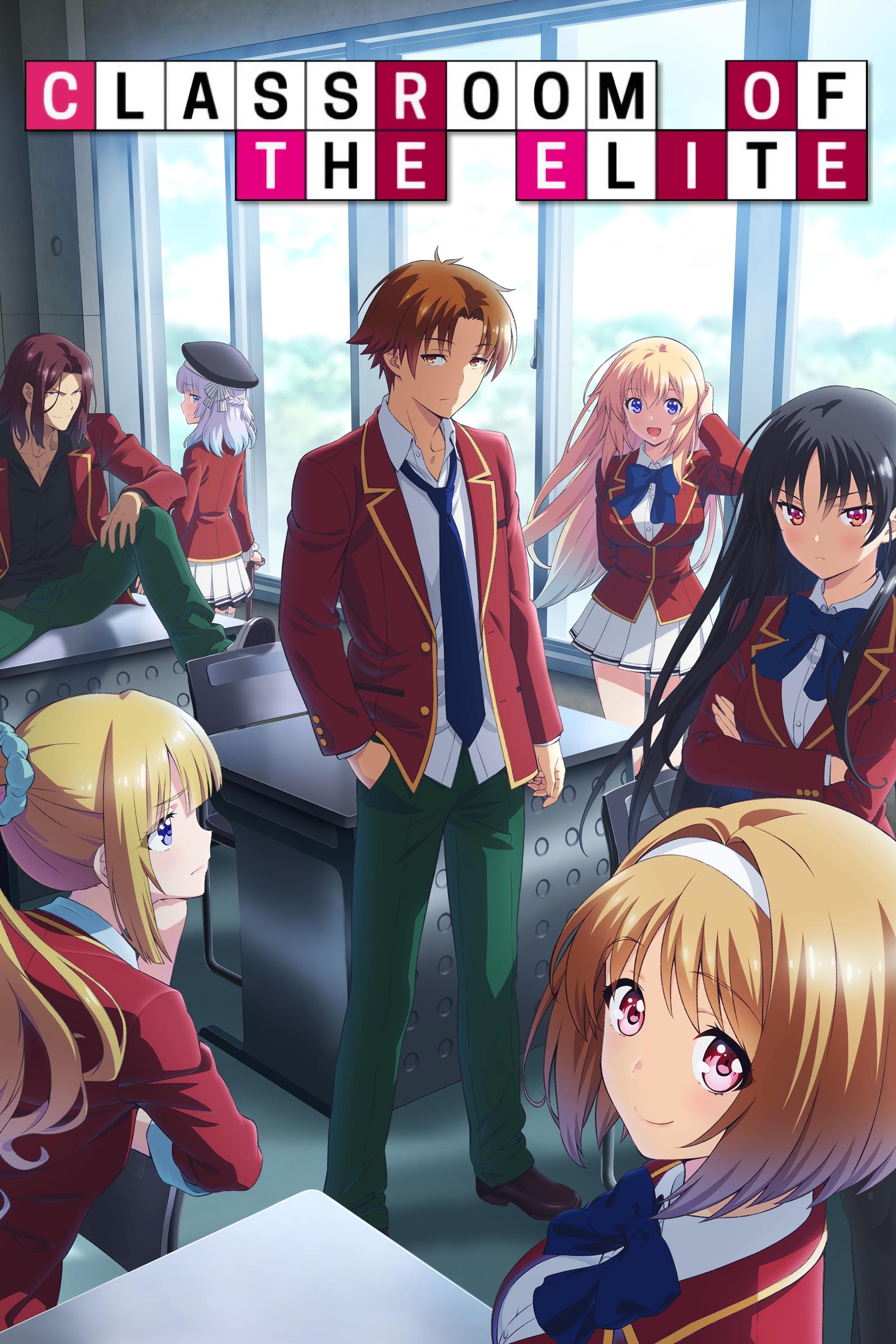
The Tokyo Metropolitan Advanced Nurturing High School operates on a strict meritocracy where class points determine social standing and privileges. Special exams often involve voting mechanics, such as the “Class Poll” exam where students must vote to expel one of their own classmates to gain points. These arcs force characters to form political factions, campaign for survival, and betray their friends to avoid the “lowest” ranking. The psychological warfare centers on manipulating the class vote, proving that democracy can be weaponized.
‘High School Prodigies Have It Easy Even In Another World!’ (2019)
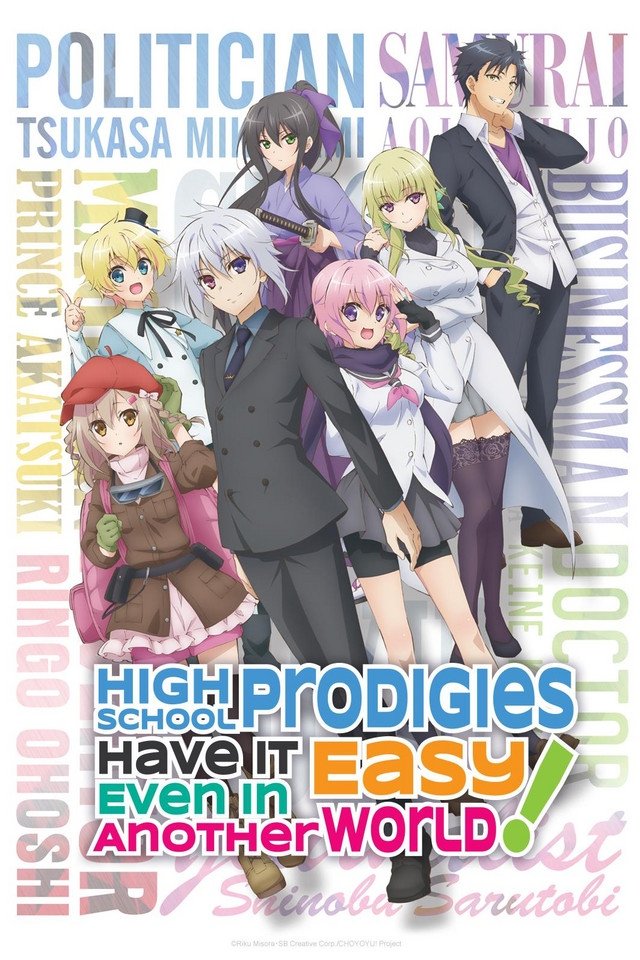
Seven genius high school students are transported to a fantasy world and proceed to revolutionize its primitive society using their advanced knowledge. One of the prodigies is a world-class politician who introduces the concept of democratic elections to a feudal society to overthrow a corrupt nobility. The anime features scenes of campaigning, speech-making, and the education of the peasantry on the power of the vote. The plot twist lies in how easily modern political tactics can dominate a world unfamiliar with the concept of public choice.
‘Death Note’ (2006–2007)
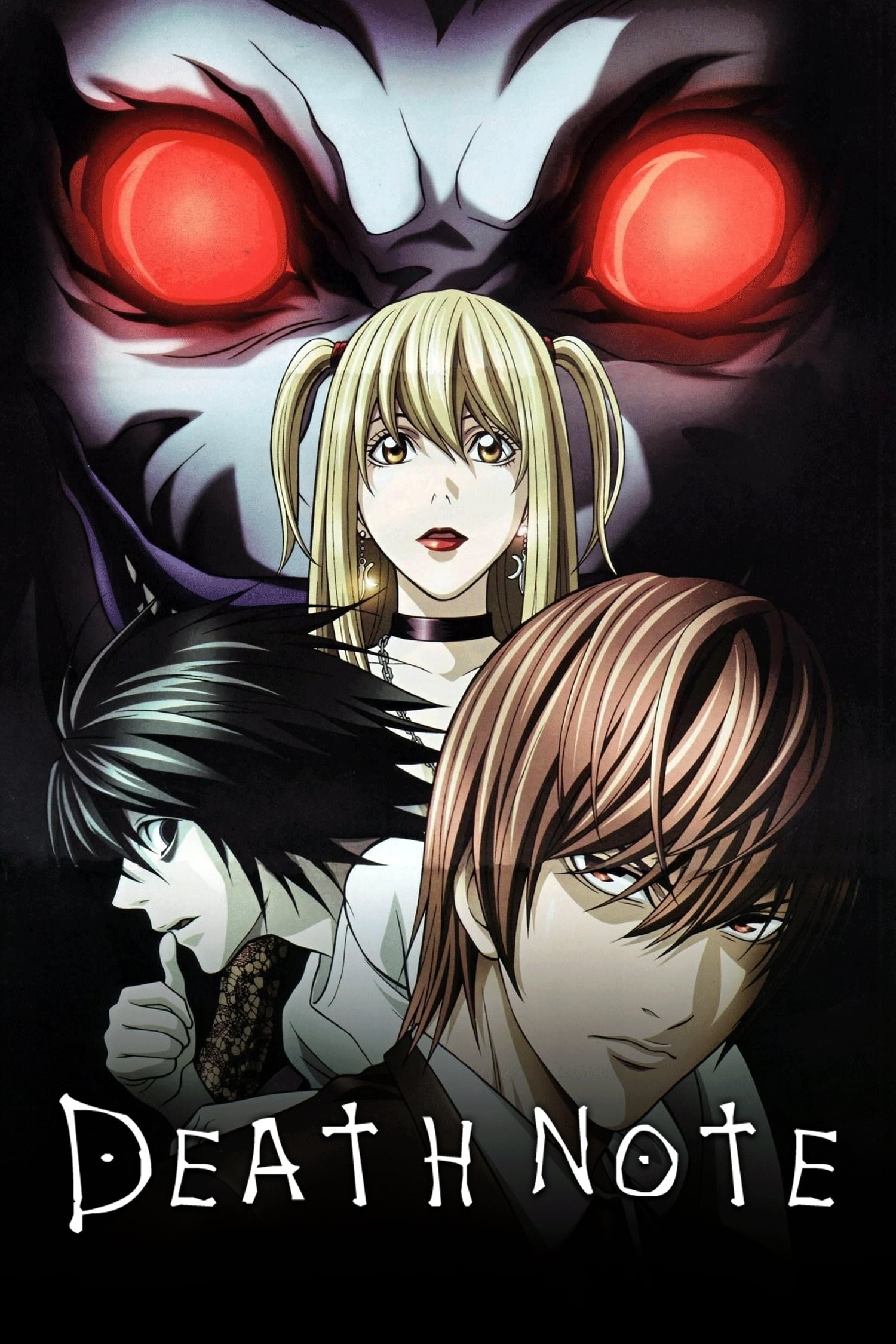
While not a traditional election anime, the battle between Light Yagami (Kira) and L is a war for the court of public opinion. Light aims to become the god of a new world, and his legitimacy hinges on the silent “vote” of the global population accepting his judgment of criminals. The series depicts the shift in societal norms as the public begins to root for Kira, effectively voting for authoritarian justice over due process. The major twists occur when this public support is manipulated or turned against the investigators.
‘Platinum End’ (2021–2022)
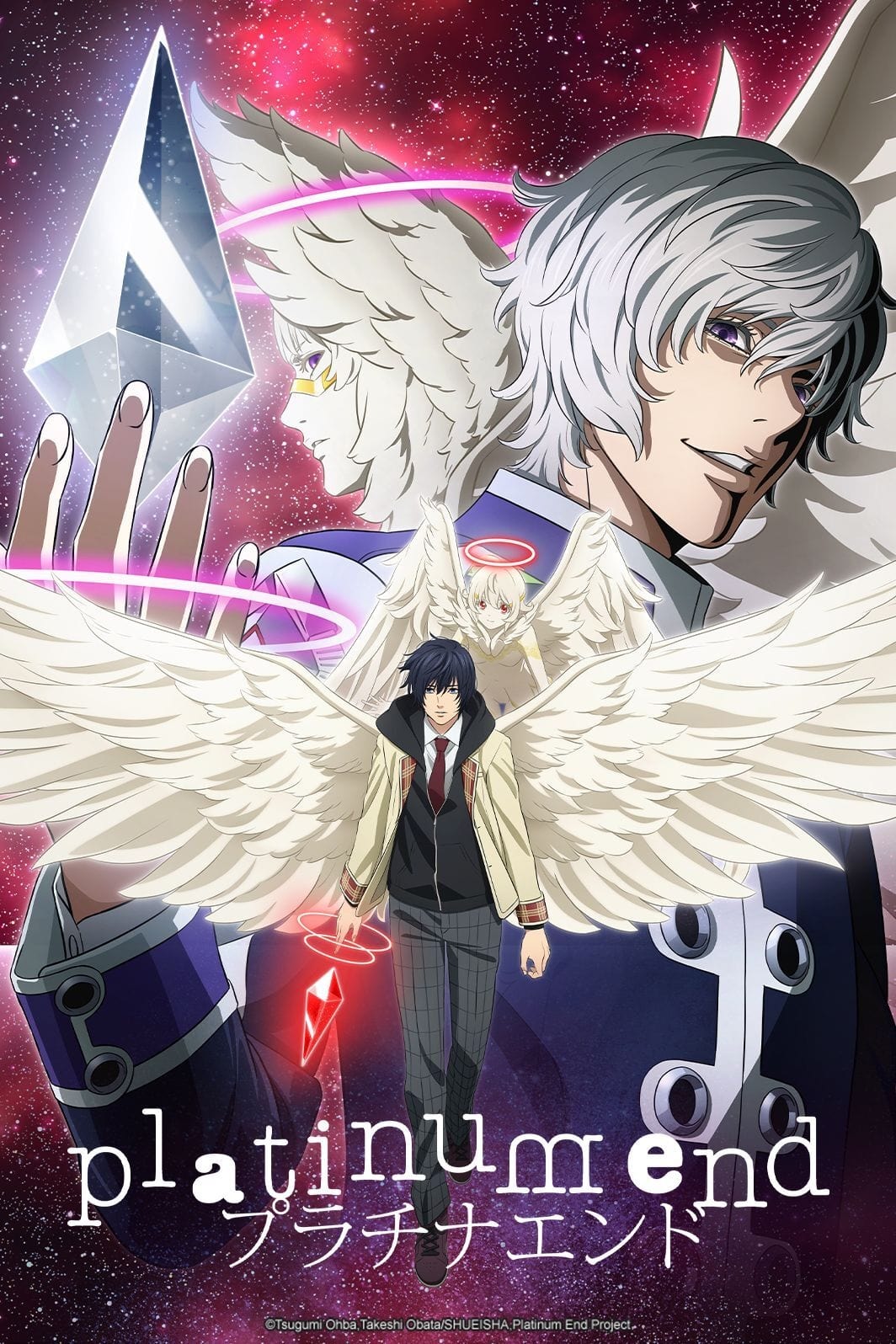
From the creators of ‘Death Note’, this series features a battle royale among God Candidates to replace the retiring deity. The final phase of the selection process involves the candidates revealing themselves to humanity and asking for their support, effectively turning the selection of God into a global election. The candidates act as politicians, offering different visions for the future of mankind to secure the “votes” or faith of the populace. The narrative explores how humanity would react if given the chance to democratically select their omnipotent ruler.
‘Log Horizon’ (2013–2014)

Trapped in the world of an MMORPG, the players must form a functioning society within the city of Akihabara. The protagonist, Shiroe, establishes the Round Table Conference, a governing body representing the major guilds, to bring order and laws to the lawless zone. The anime delves into the intricacies of political negotiation, taxation, and the need for consensus among disparate groups. Plot points revolve around maintaining the fragile trust of the “adventurers” and the non-player characters (People of the Land) through diplomacy rather than force.
‘No Game No Life’ (2014)
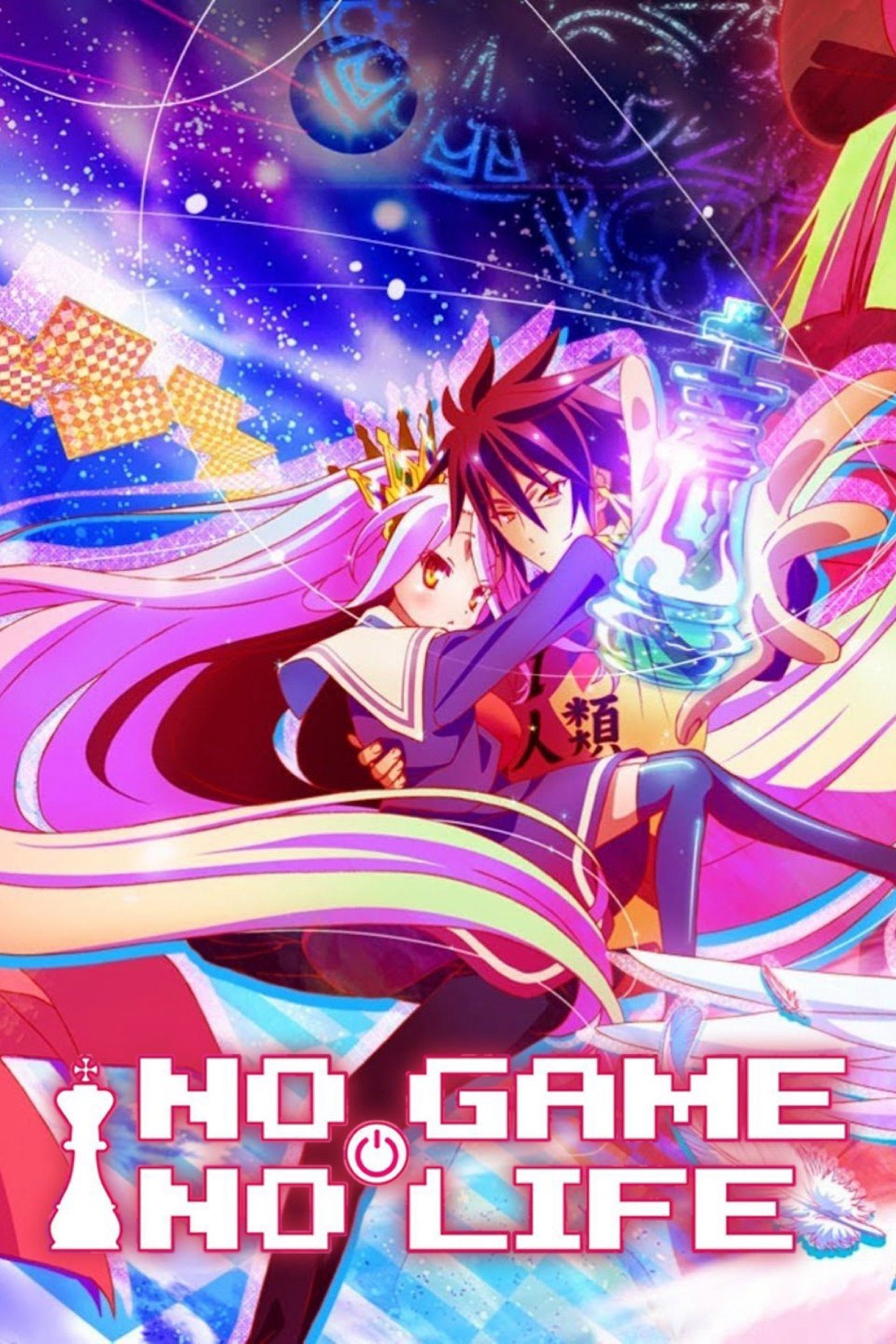
In the fantasy world of Disboard, all conflicts are resolved through games, including the selection of the next king of Elkia. Sora and Shiro must participate in a high-stakes gambling tournament to win the crown, navigating a political landscape where cheating is allowed if undetected. The “election” is a battle of intellect where the citizens pledged their loyalty to the winner, making the political transition a literal game. The twist involves how the duo uses the rules of the game to manipulate the political hierarchy of the entire world.
‘Kingdom’ (2012–Present)
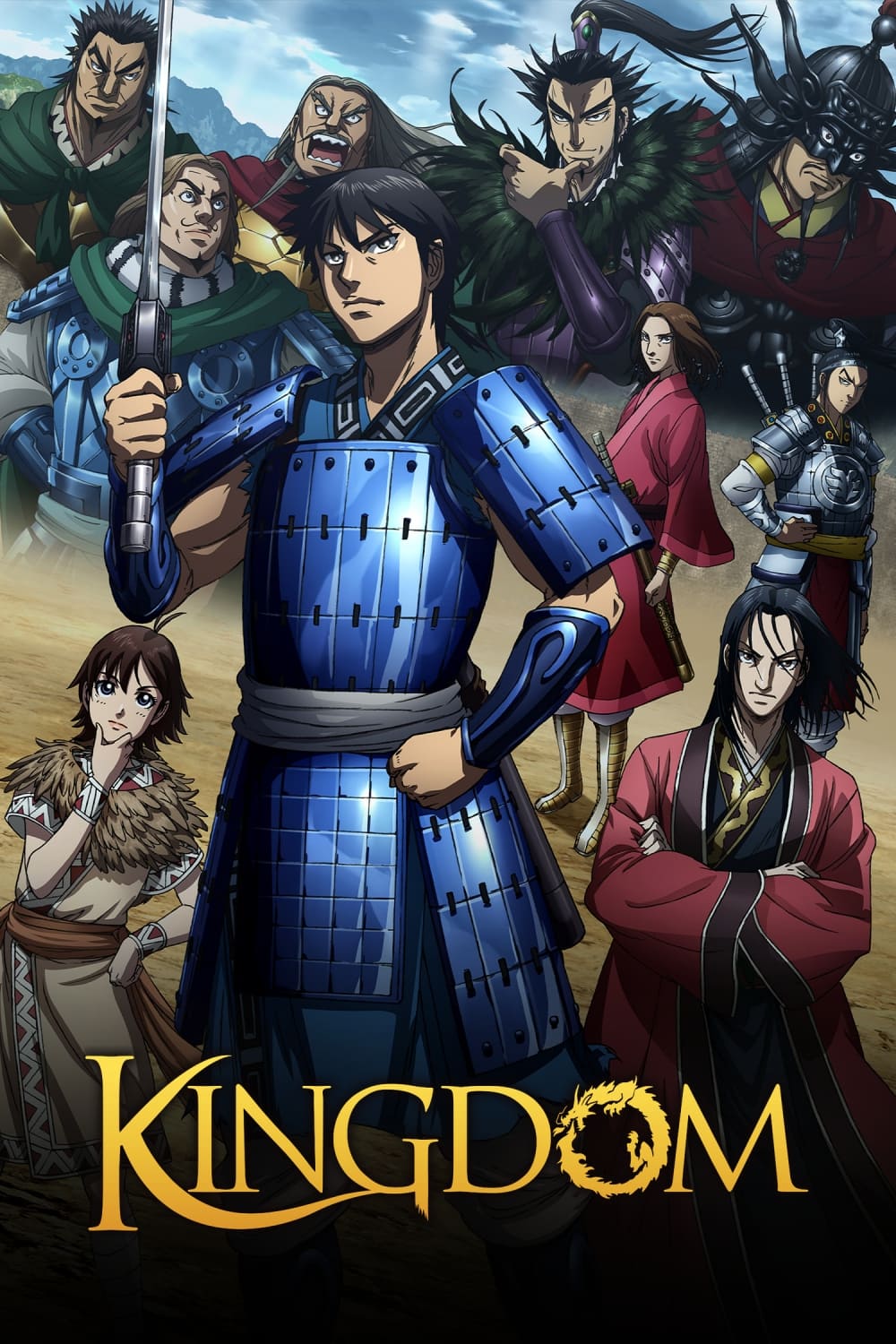
Set during China’s Warring States period, this series combines massive battlefield action with intense court politics within the state of Qin. The young King Ei Sei faces constant threats from political factions led by his chancellor, Ryo Fui, who attempts to seize power through bureaucratic maneuvering and influence. The “voting” here takes the form of gathering support from ministers, generals, and the royal court to pass edicts or survive coup attempts. The internal political struggle is just as lethal as the physical wars, with twists dependent on shifting allegiances.
‘The Genius Prince’s Guide to Raising a Nation Out of Debt’ (2022)
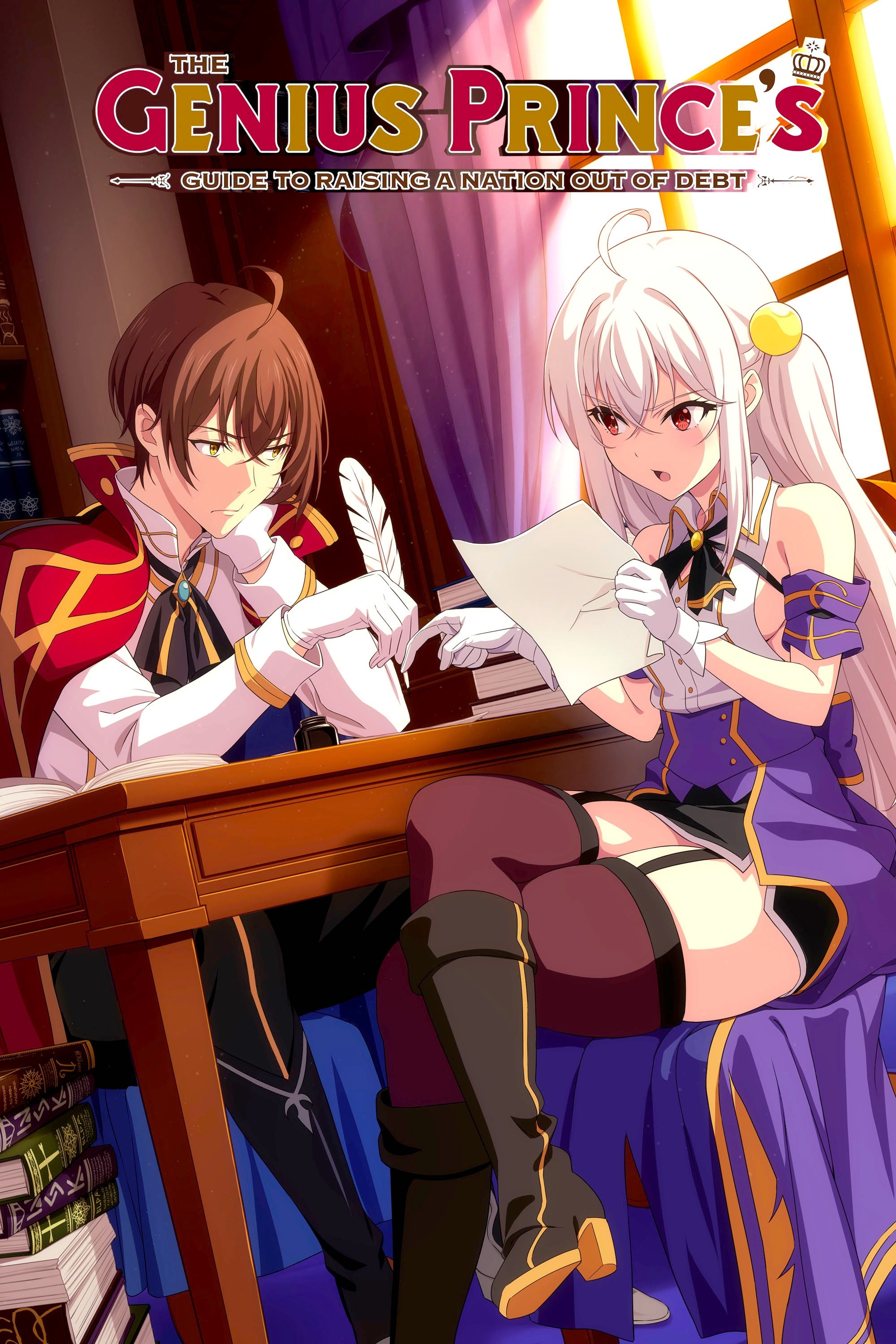
Prince Wein wants nothing more than to sell his small kingdom of Natra and retire to a life of leisure, but his political schemes keep accidentally resulting in military victories and expansion. The comedy stems from his attempts to sabotage his own political standing, only for the public and his retainers to interpret his actions as genius leadership. The series is a satire of political maneuvering, where the “twist” is always the protagonist succeeding against his will. It highlights the disconnect between a leader’s intent and the public’s perception.
‘Attack on Titan’ (2013–2023)
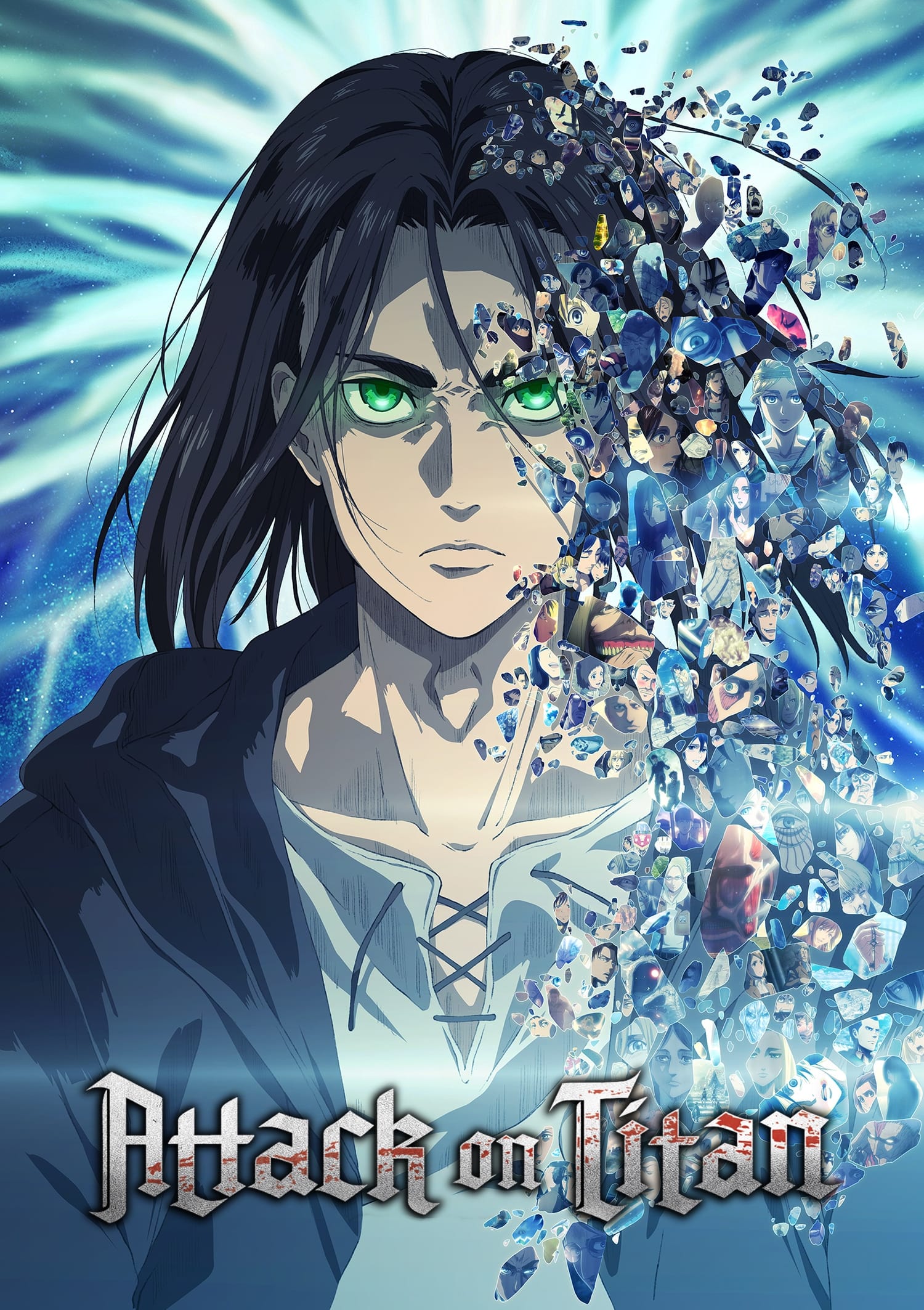
As the truth of the world is revealed, the narrative shifts from survival horror to a complex political drama involving coups, military tribunals, and the manipulation of history. The Royal Government arc focuses on overthrowing a puppet monarchy to install the rightful queen, Historia, requiring the support of the military and the populace. Public opinion is weaponized through journalism and propaganda, turning the citizens against the corrupt interior police. The ultimate political twist involves the conflicting ideologies of the world’s nations regarding the “Island Devils.”
’86 EIGHTY-SIX’ (2021–2022)
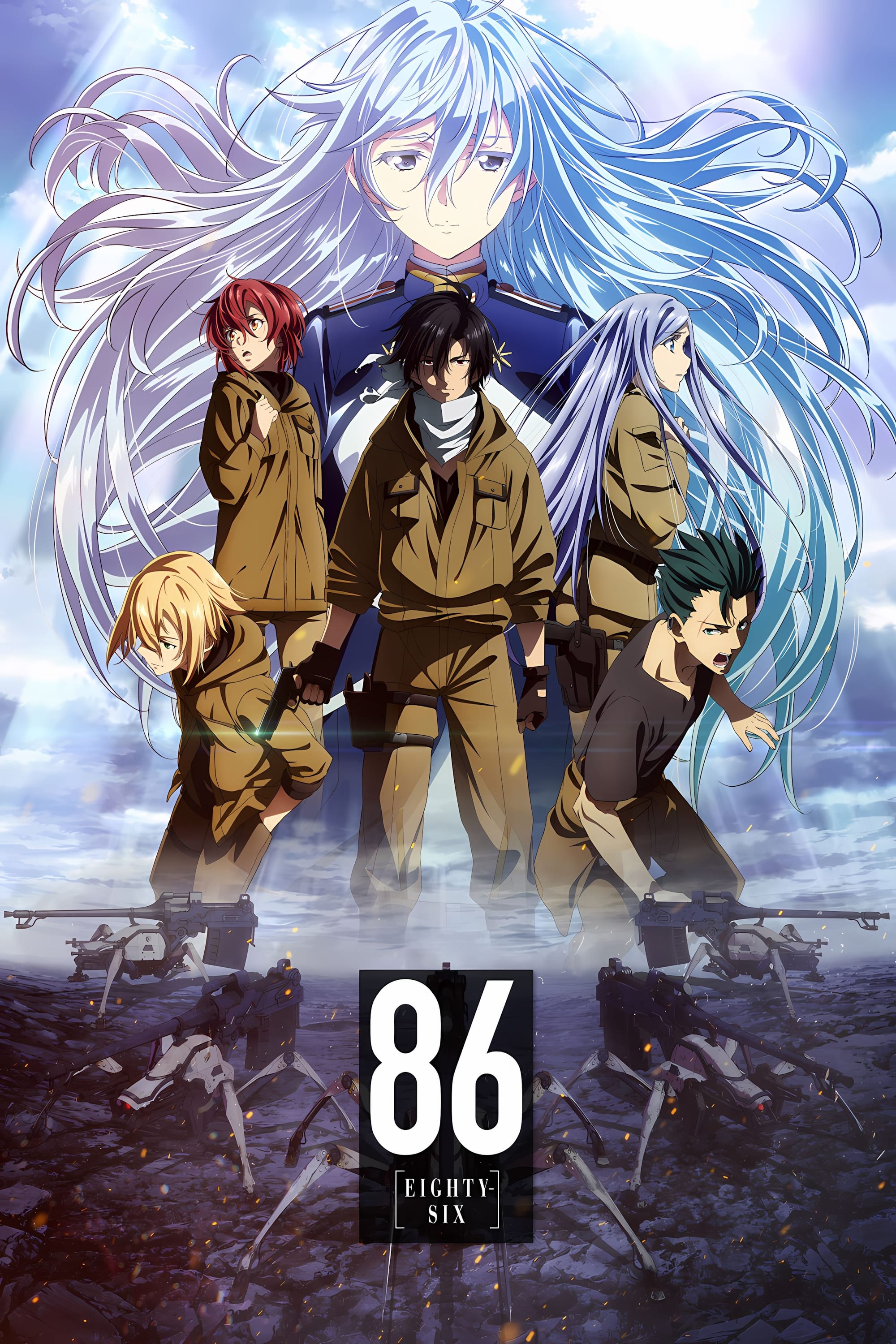
The Republic of San Magnolia prides itself on being a democracy, but it has stripped the rights of the Colorata minority, forcing them to pilot drones in a war against autonomous machines. The anime critiques the tyranny of the majority, showing how a democratic society can commit atrocities if the voting populace is fed propaganda. The political twists involve the exposure of the Republic’s lies and the shifting geopolitical landscape as the “86” fight for recognition. It is a stark look at how racism can be institutionalized through the will of the people.
‘Gate’ (2015–2016)
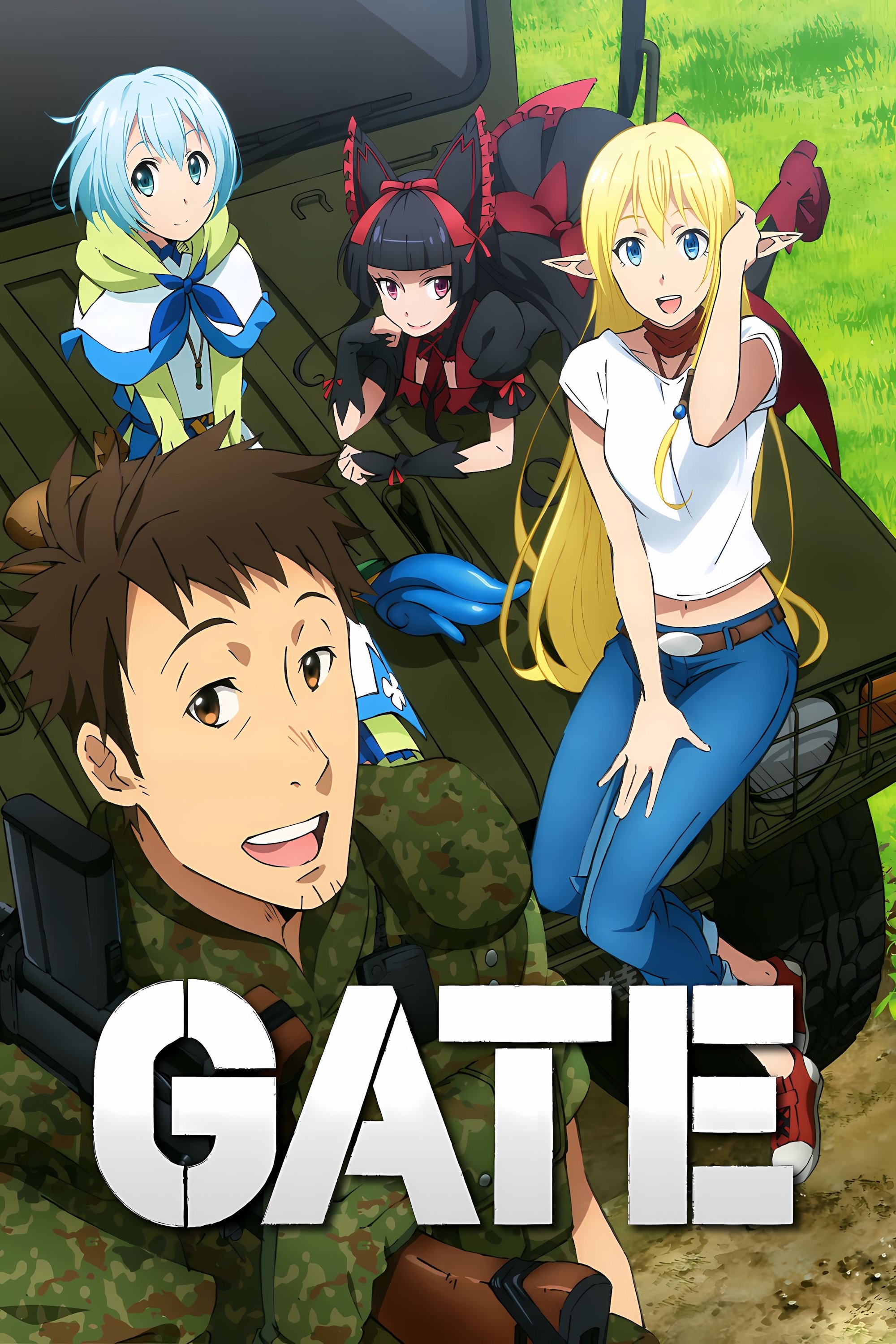
When a portal to a fantasy world opens in Tokyo, the Japanese government must navigate the tricky politics of claiming the “Special Region” while dealing with international pressure from the US, China, and Russia. The anime features detailed scenes of the Japanese Diet (parliament) debating the legality of military action and the rights of the fantasy inhabitants. The plot twists often come from the clash between modern international law and the medieval politics of the Empire beyond the gate. It highlights how domestic approval ratings influence foreign policy decisions.
‘Kill la Kill’ (2013–2014)
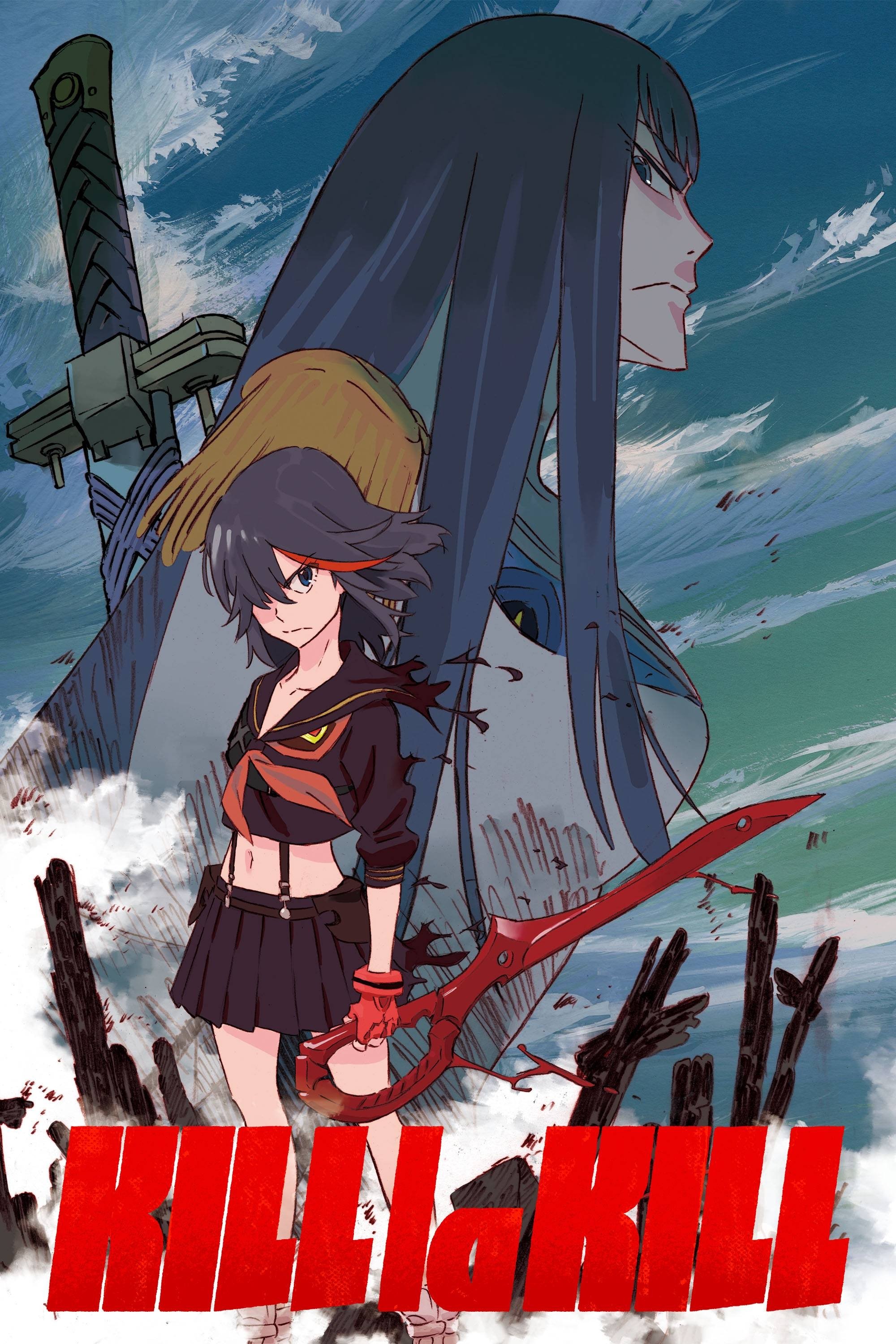
Honnoji Academy is a dictatorship run by Satsuki Kiryuin, but the student dynamics are governed by a fierce hierarchy that mocks typical school elections. The “Naturals Election” arc resets the power structure, forcing the student council members and the general student body to fight for their positions and Goku Uniforms. While violent, the event serves as a radical restructuring of the social order, where power is voted on through combat prowess. The twist lies in the true purpose of the academy and the clothing, which subverts the students’ fight for status.
‘Food Wars! Shokugeki no Soma’ (2015–2020)
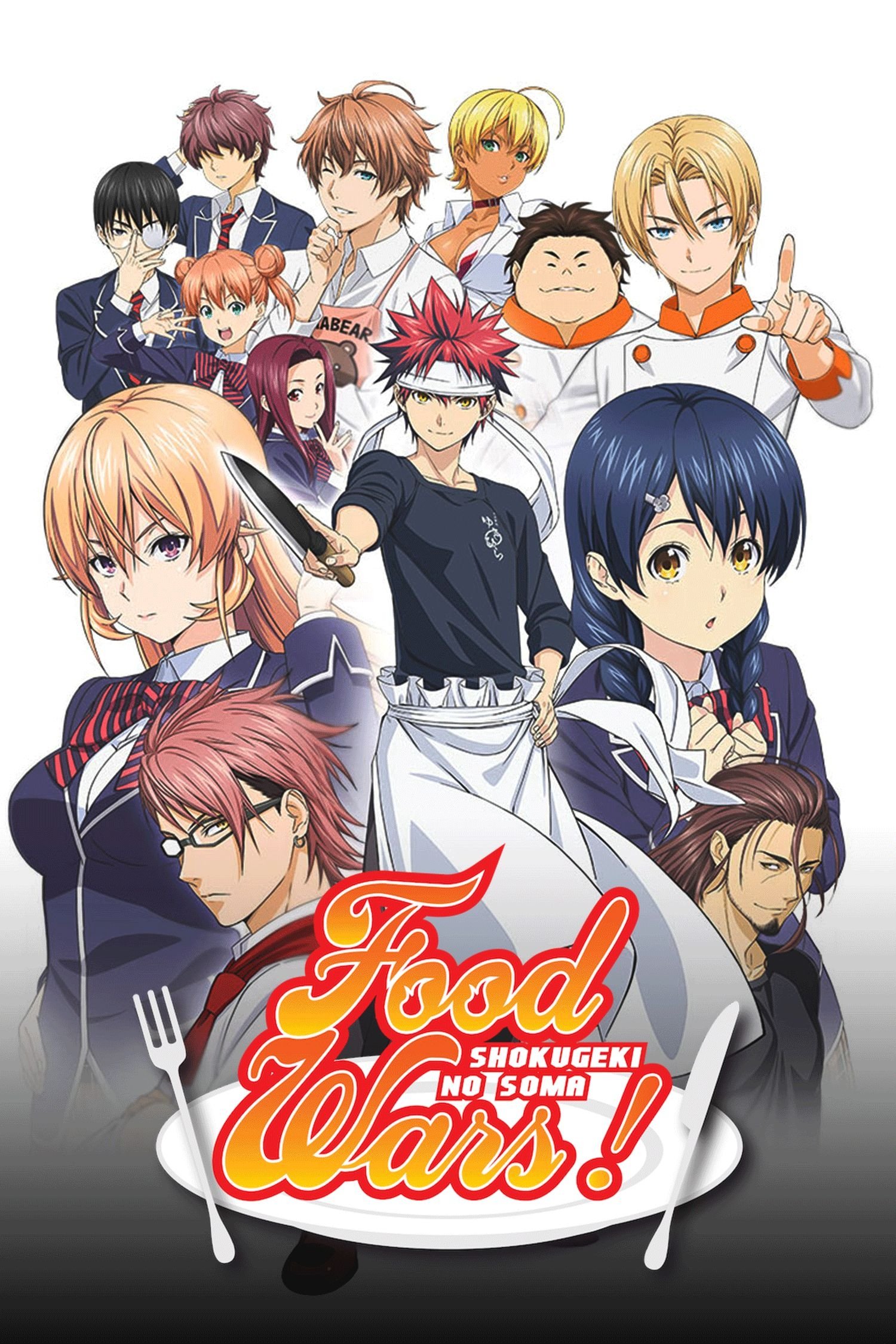
At Totsuki Culinary Academy, the Council of Ten Masters holds the highest authority, even above the director, and their seats are decided through “Shokugeki” cooking battles. The ultimate political twist occurs when the Council votes to overthrow the director, Azami Nakiri, instigating a regime change that alters the school’s entire educational philosophy. The protagonists must engage in a team Shokugeki—a proxy election—to win back the majority of the seats and restore the school’s freedom. It is a culinary interpretation of a parliamentary coup.
‘Kaguya-sama: Love is War’ (2019–Present)

The Student Council Election arc is a pivotal point in the series, shifting the genre from romantic comedy to political campaign drama. Miyuki Shirogane must run for re-election against Miko Iino, a strict disciplinarian with strong moral support. The characters engage in speech writing, smear campaign mitigation, and auditorium debates to sway the student voters. The twist reveals the behind-the-scenes manipulations Kaguya employs to ensure Shirogane’s victory while protecting his pride.
‘Prison School’ (2015)
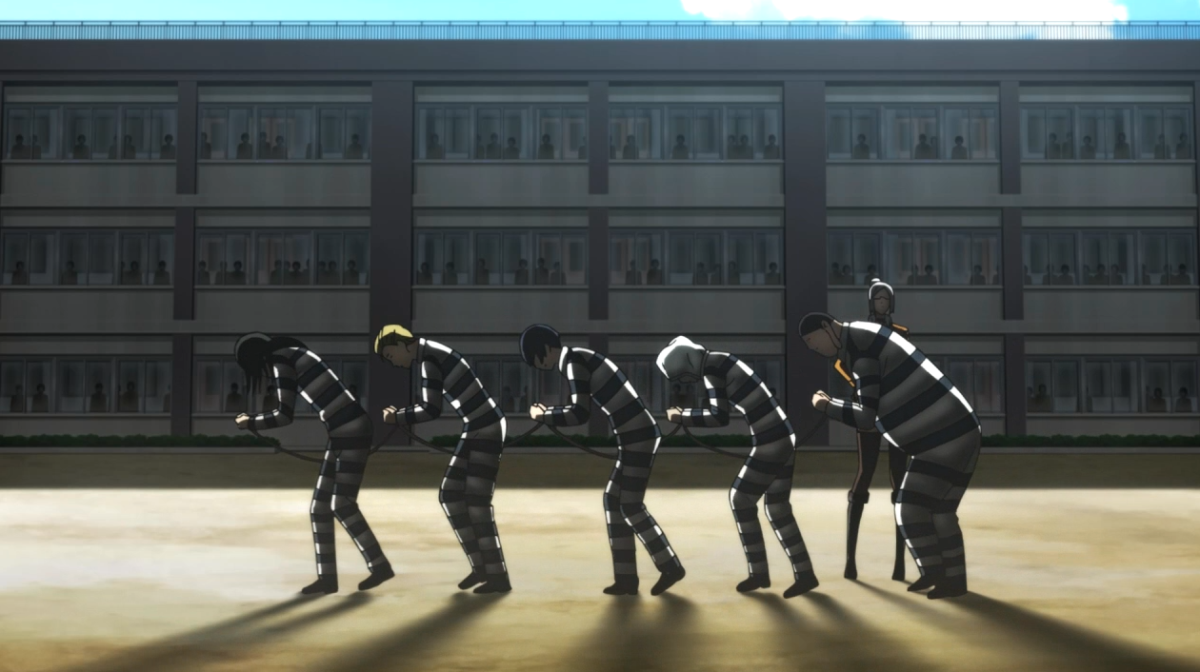
The Underground Student Council creates a complex entrapment scheme to expel the male students, operating like a shadow government within the school. The boys must navigate the school’s strict rules and the Council’s surveillance to prove their innocence or expose the Council’s corruption. The eventual “prison break” and subsequent challenges involve shifting the support of the school chairman and the general student body. It is a comedic yet intense look at bureaucratic overreach and the struggle to overturn an unjust system.
‘Valvrave the Liberator’ (2013)
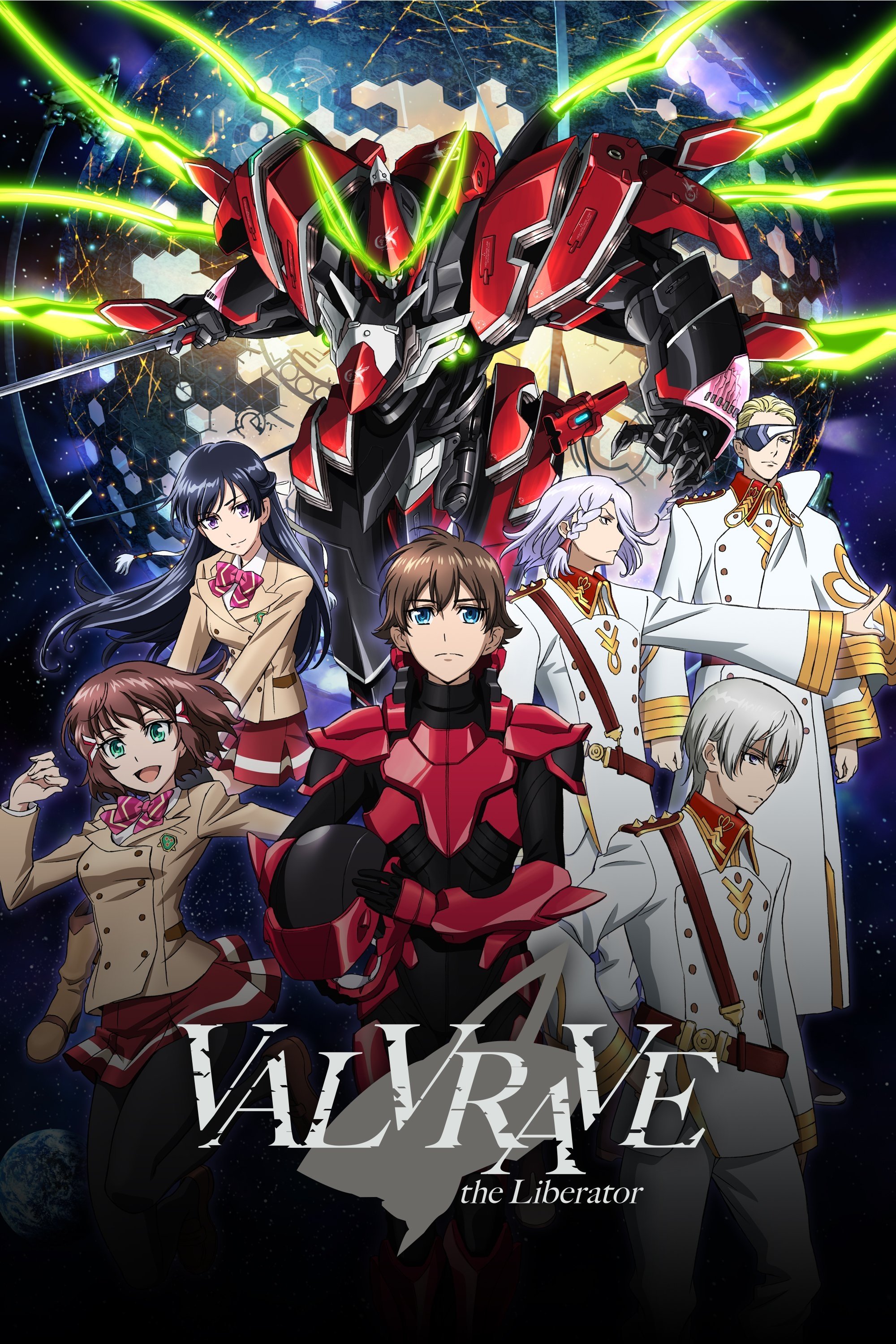
After declaring independence from the major superpowers, the students of Module 77 establish their own nation and hold a general election to choose their leader. The anime explores the immediate difficulties of a teenage-run democracy, including popularity contests, social media influence on voting, and the lack of political experience. The election results lead to unexpected leadership dynamics and internal strife as the students face the reality of governance. The series uses the election to highlight the volatility of public opinion during a crisis.
‘Akame ga Kill!’ (2014)

The story follows the assassin group Night Raid as they work to dismantle a corrupt empire from the shadows to pave the way for a revolution. The political goal is to incite the citizens to rise up against the Prime Minister who manipulates the child emperor. The “vote” here is the popular uprising, with the protagonists acting as the catalyst to shift public sentiment from fear to rebellion. The plot twists involve the moral ambiguity of violent revolution and the cost of changing a regime.
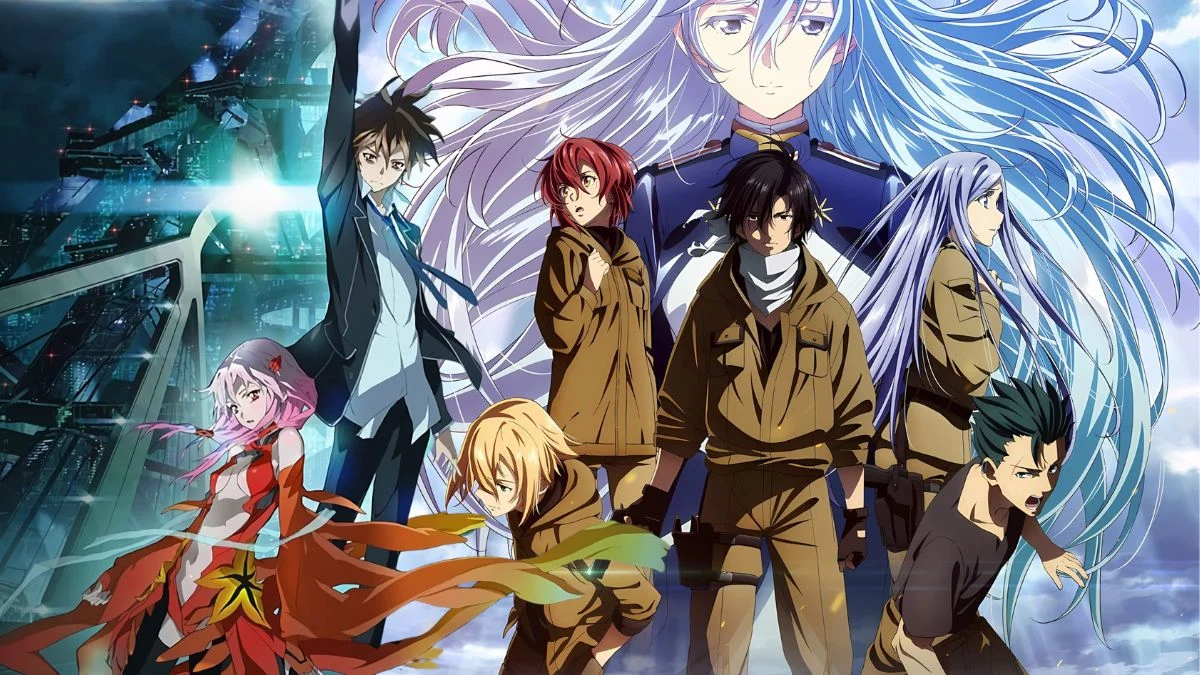
‘Guilty Crown’ (2011–2012)
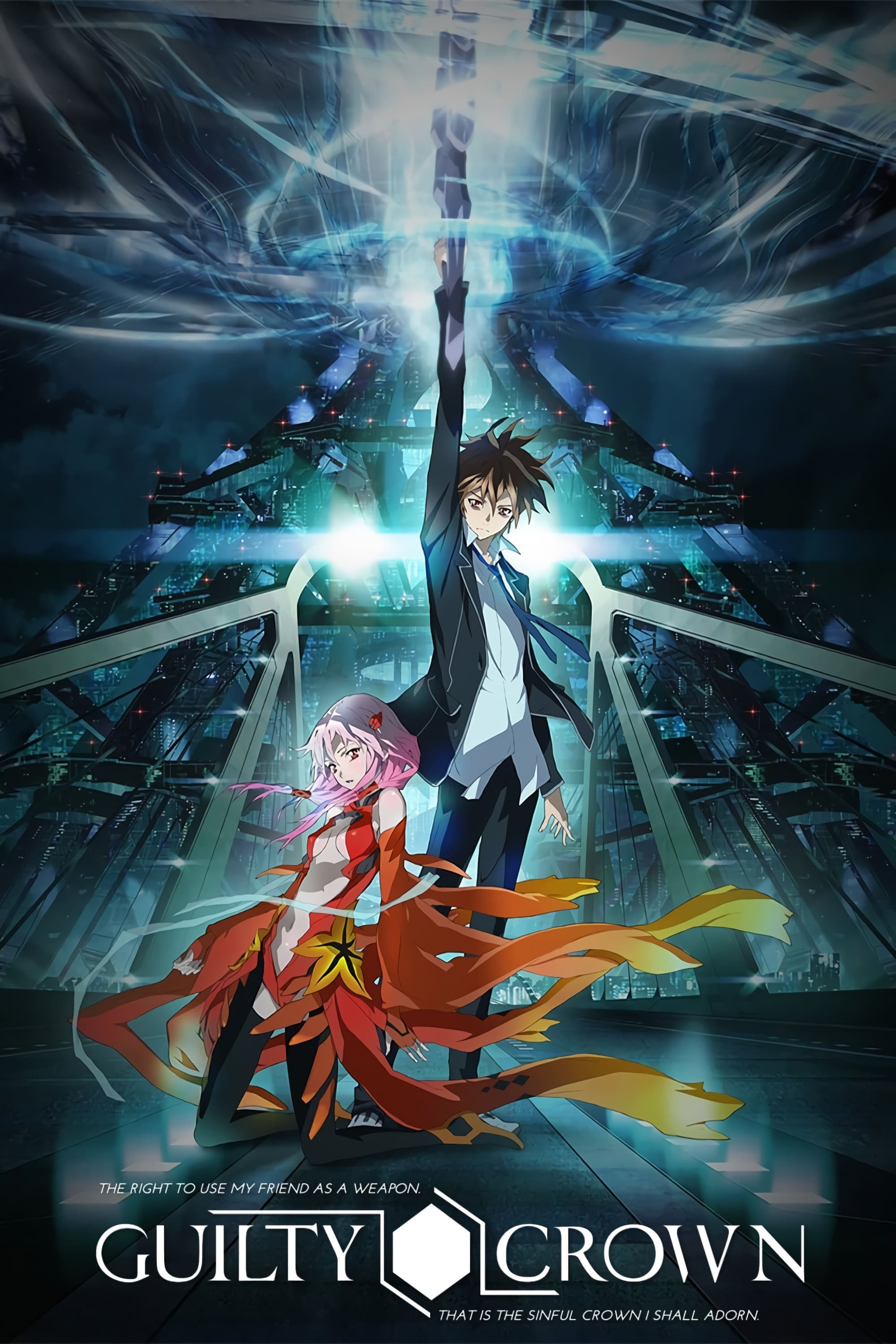
Following a biological apocalypse, high school student Shu Ouma finds himself leading a group of students isolated in a quarantined Tokyo. The narrative shifts into a “Kingdom” arc where the students are ranked and assigned roles based on the utility of their “Voids” (manifested souls). A coup leads to a vote of no confidence in Shu’s leadership, forcing a transition to a more ruthless, utilitarian governance style. The series examines how fear drives a democratic body toward fascism.
‘Darling in the FranXX’ (2018)
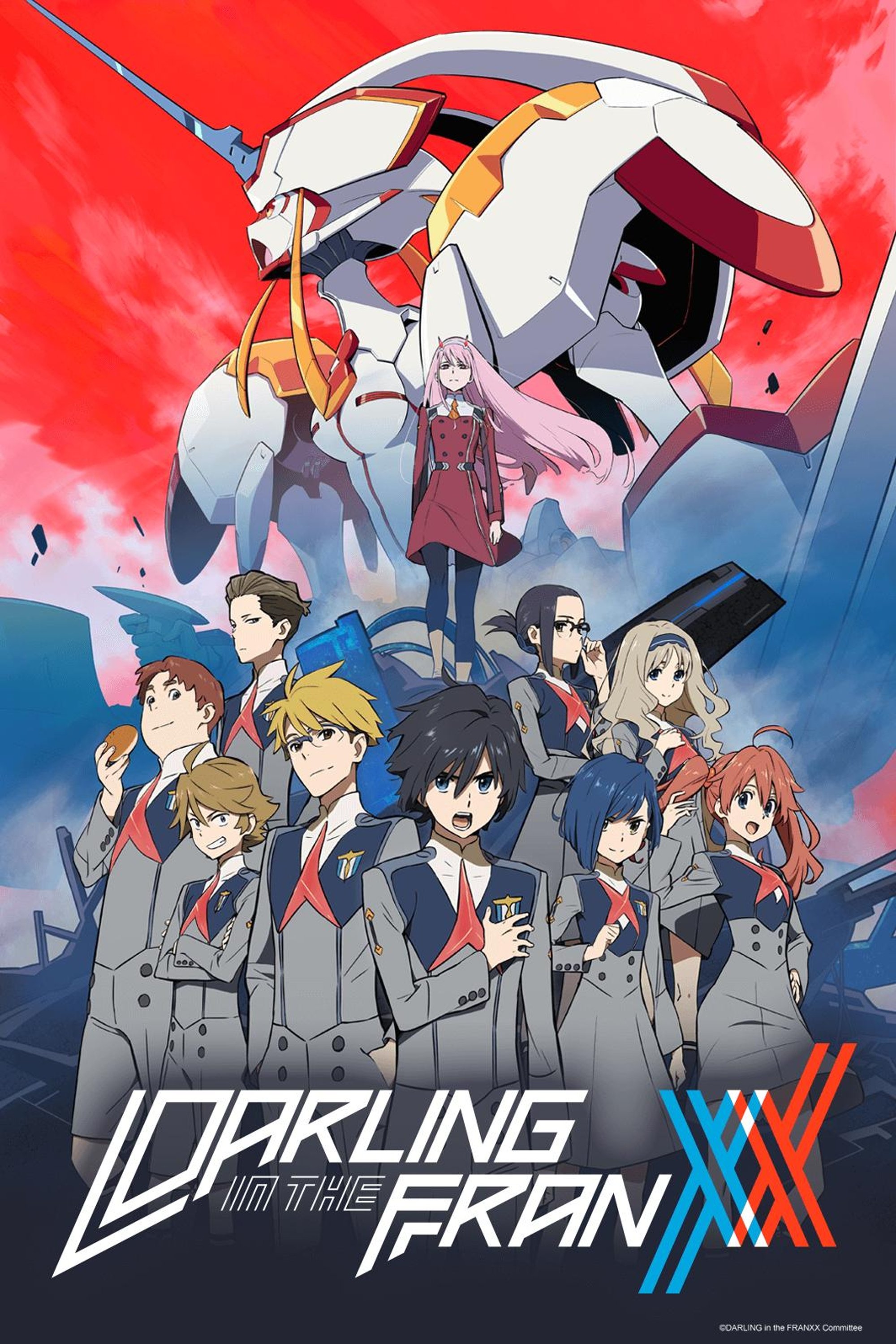
The remnants of humanity are ruled by APE, a council of seven masked administrators who dictate the lives of the “parasites” and the adults in the plantations. The political structure is a technocracy where dissent is nonexistent, and the “happiness” of the population is manufactured. The plot twists unravel the history of this government and the true nature of the Council, leading to a rebellion against the established order. The “viewers” (humanity) are revealed to be passive participants in their own extinction until the protagonists challenge the system.
‘Mobile Suit Gundam SEED’ (2002–2003)
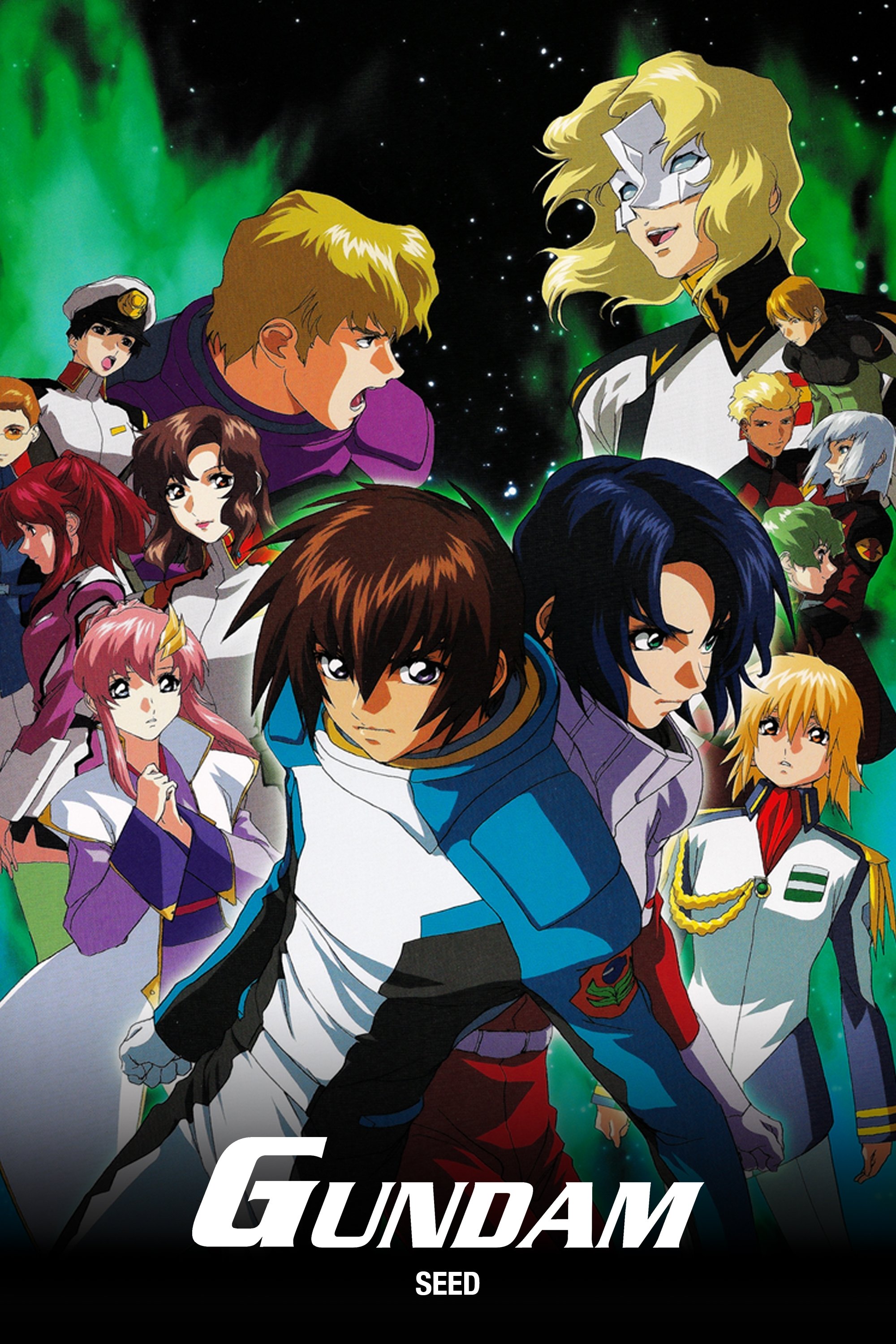
The conflict between Naturals (Earth Alliance) and Coordinators (ZAFT) is driven by deep-seated racial and political animosity. The series features the PLANT Supreme Council, where representatives from different colonies vote on war escalation and diplomatic strategies. Characters like Lacus Clyne use their status as pop culture icons to influence the political will of the people, effectively weaponizing their celebrity to bypass the council’s decisions. The plot twists often involve the shifting of public support away from the war hawks toward the peace faction.
‘Fullmetal Alchemist: Brotherhood’ (2009–2010)
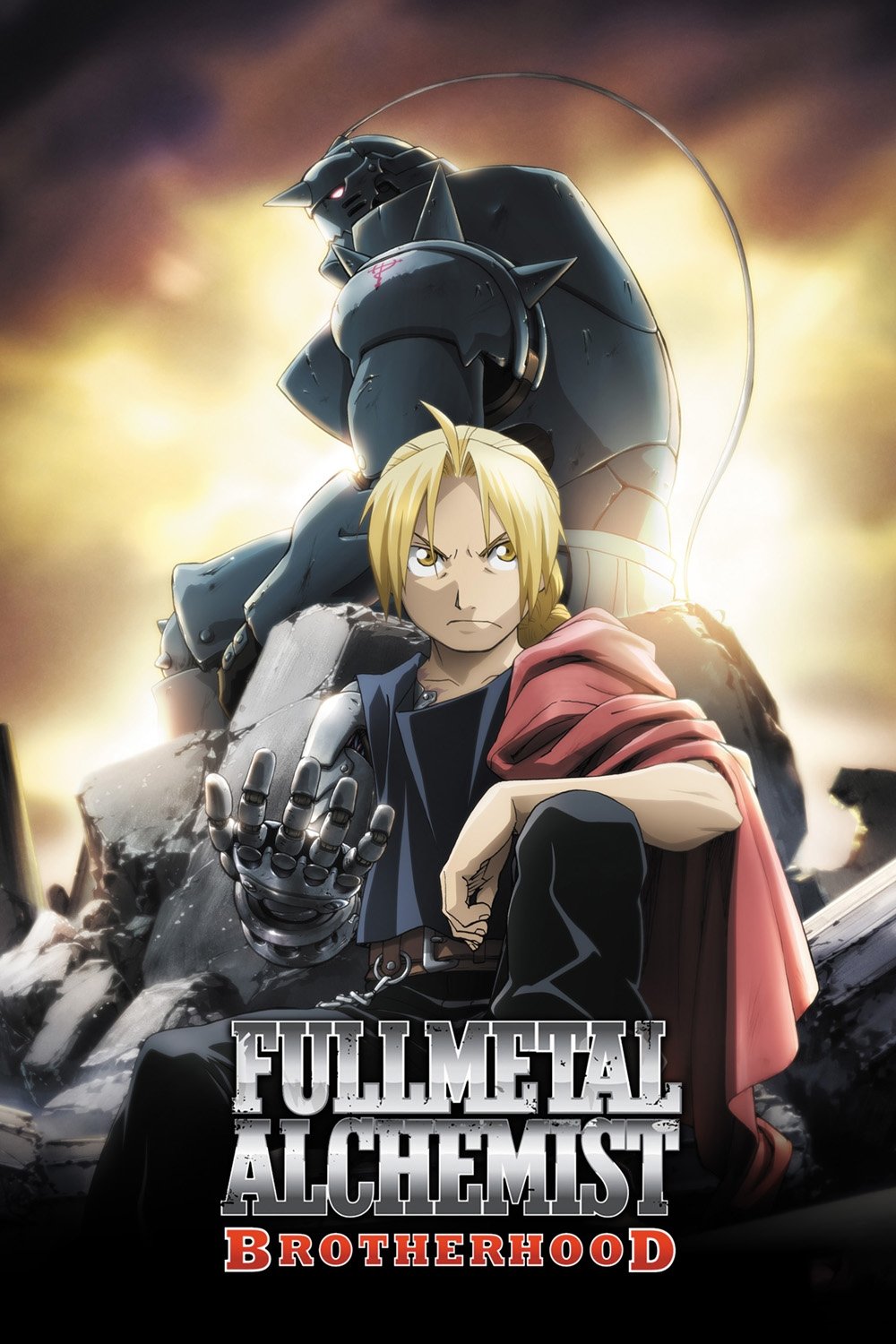
Amestris is a military dictatorship run by King Bradley, but the internal politics of the military hierarchy drive the plot. The “Promised Day” coup requires the protagonists to dismantle the government’s legitimacy and reveal the truth to the citizens and the lower-ranking soldiers. The series deals with the propaganda used to justify the Ishvalan Civil War and the silence of the general public. The ultimate twist is the exposure of the entire government structure as a front for a centuries-old alchemical conspiracy.
‘Terror in Resonance’ (2014)
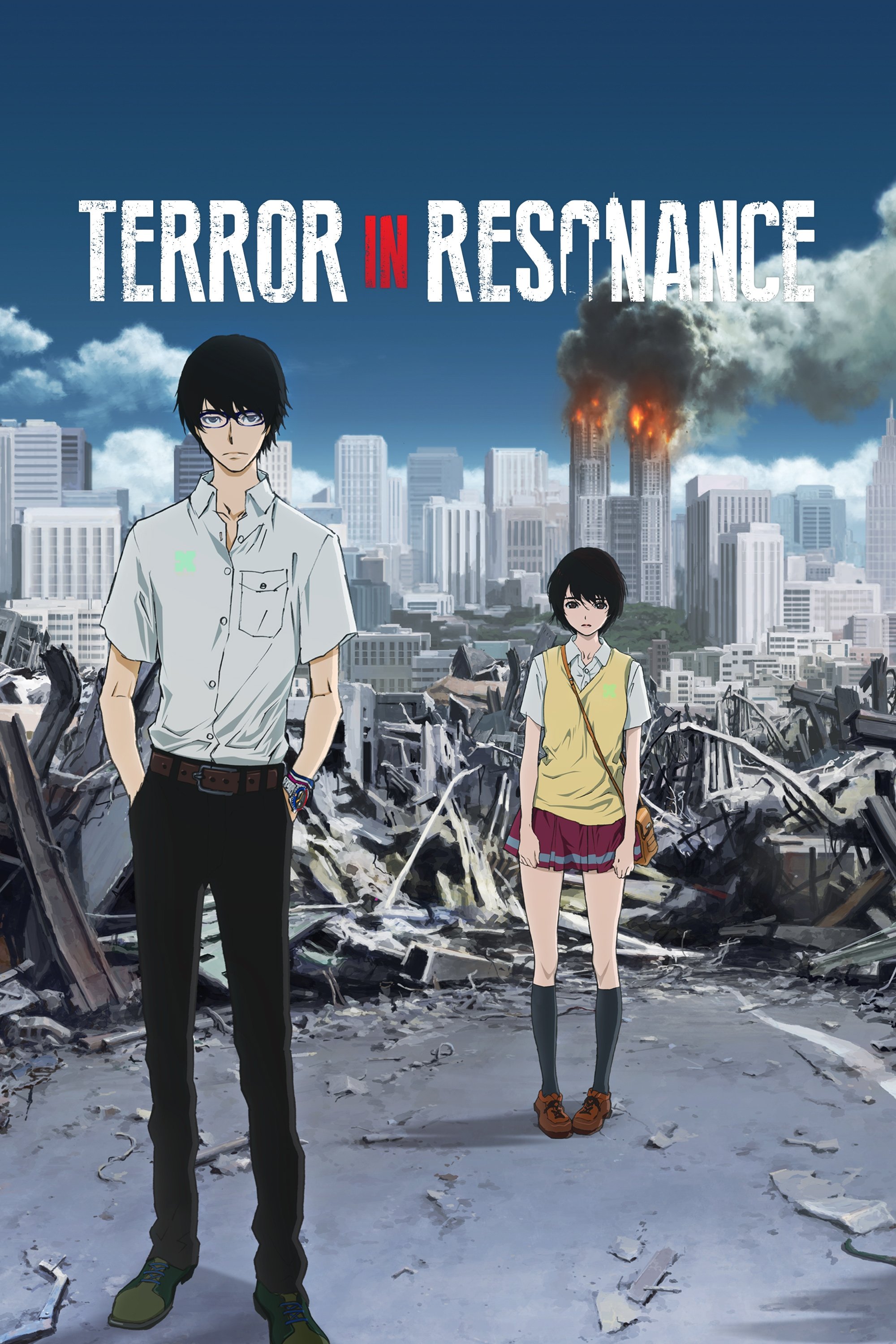
Two teenage terrorists, Nine and Twelve, stage bombings across Tokyo to wake up the Japanese public to a covered-up conspiracy. They use riddles and online videos to engage the “viewers” (the general public and police), forcing them to pay attention to the buried history of the Rising Peace Academy. The anime explores how terrorism can be a form of violent political communication intended to shift public perception. The climax relies on the public learning the truth, effectively casting a “vote” of judgment against the government’s past actions.
‘Planetes’ (2003–2004)
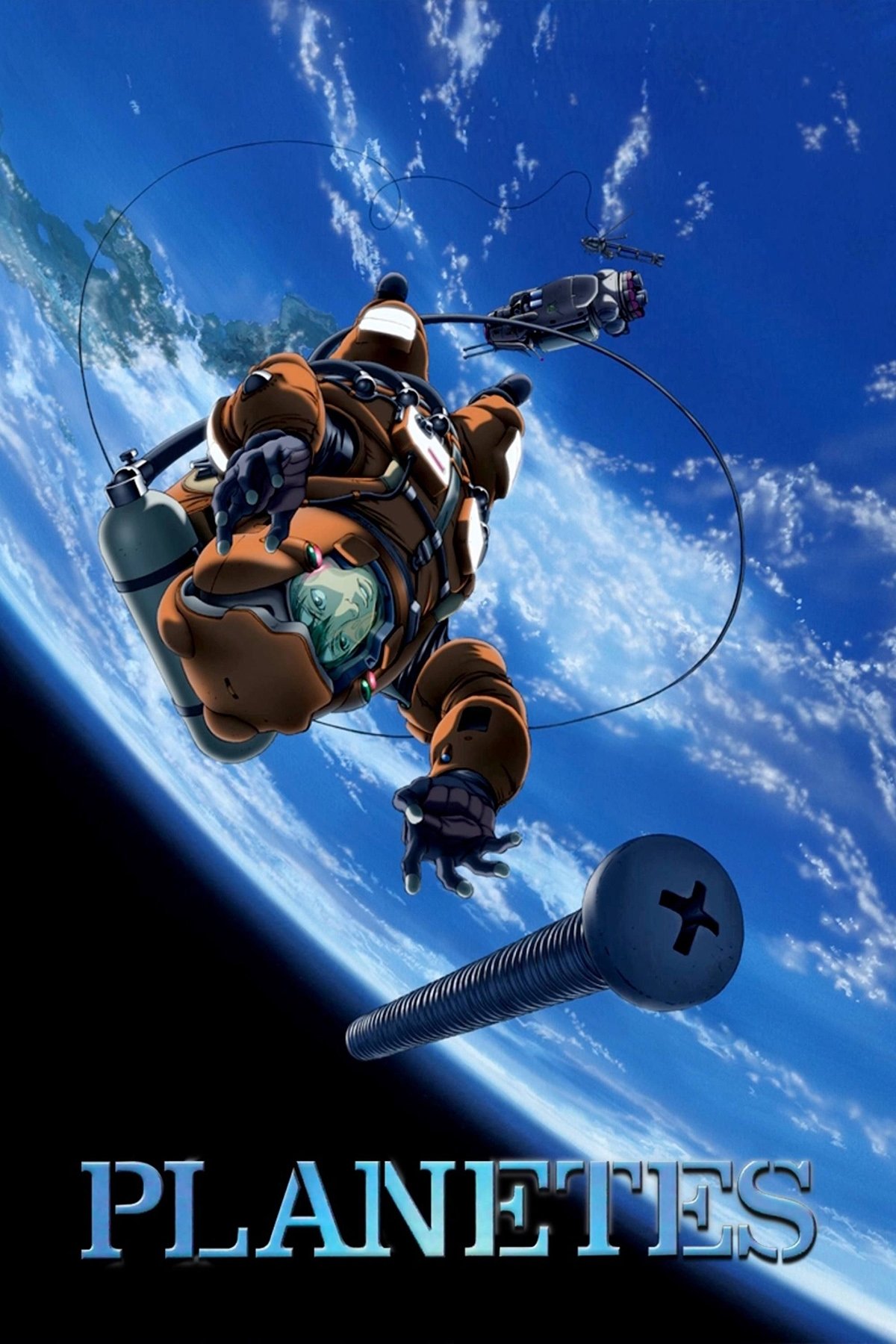
Set in a realistic future where space debris is a major hazard, the series explores the corporate politics of the Technora Corporation and the geopolitical tensions between developed and developing nations in space. The plot deals with terrorism by the Space Defense Front, which claims that space exploration is widening the gap between the rich and poor on Earth. The characters must navigate the bureaucracy of corporate advancement and the global debate on who owns space. The twists are grounded in socio-economic reality rather than fantasy.
‘Ghost in the Shell: Stand Alone Complex’ (2002–2003)
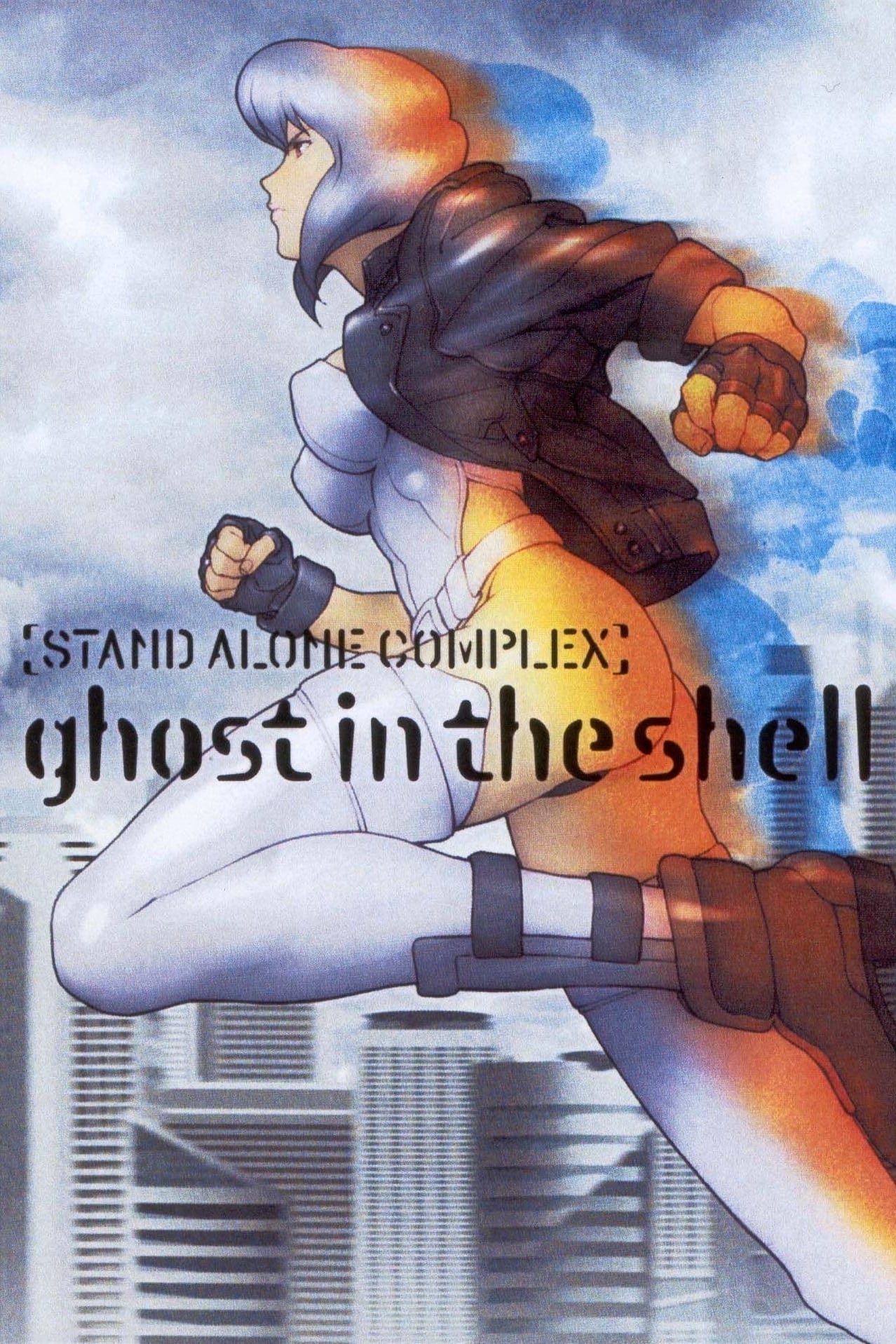
Section 9 deals with cyber-terrorism in a world where the line between human and machine is blurred. The “Laughing Man” incident demonstrates how a hacker can manipulate public opinion and expose corporate corruption through real-time media hijacking. The series delves deep into the politics of the refugee crisis, the Japanese Prime Minister’s cabinet, and the complex relationship between the private sector and the government. The narrative shows how the “public” can be hacked just as easily as a computer.
‘Uninhabited Planet Survive!’ (2003–2004)
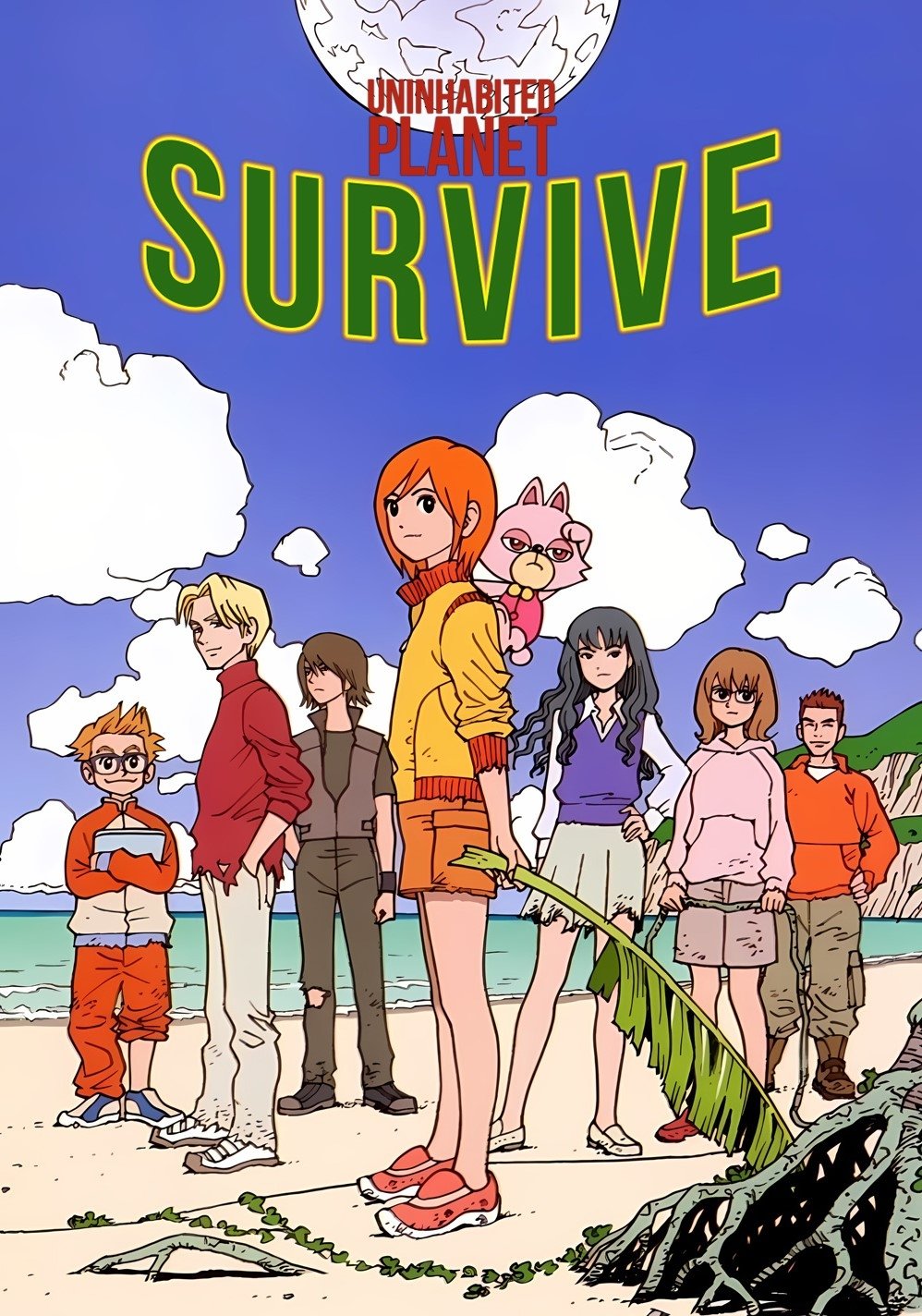
A group of students is stranded on a hostile planet and must build a society from scratch. They immediately face the challenge of leadership, initially trying to survive under the rule of the arrogant Howard before shifting to a more cooperative, democratic system led by Luna. The anime serves as a primer on political philosophy, showing why authoritarianism fails and how consensus-building is essential for survival. The plot twists involve the discovery of the planet’s history and the need to vote on whether to risk escape or build a permanent home.
‘Infinite Ryvius’ (1999–2000)
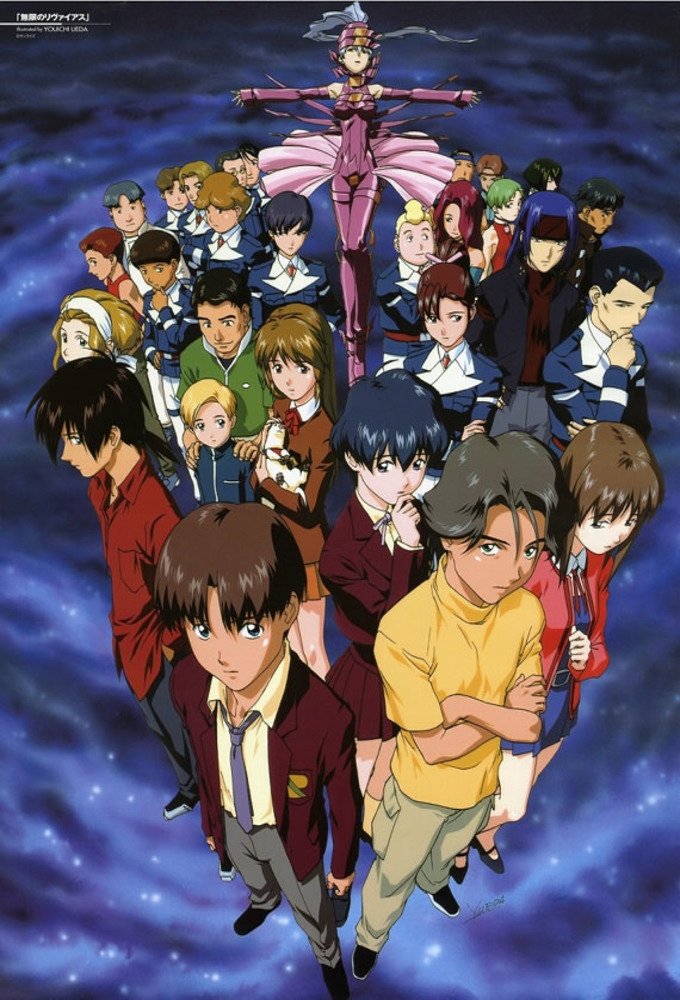
Often described as “Lord of the Flies in Space,” this series follows hundreds of students trapped on a spaceship drifting through the solar system. The social order collapses and rebuilds multiple times, cycling through democracy, tyranny, and anarchy. The students hold votes to distribute limited resources, punish rule-breakers, and choose captains, with each system failing due to fear and stress. The psychological tension comes from the realization that the greatest threat to their survival is their own inability to govern themselves.
Make your voice heard and let us know which political plot twist shocked you the most in the comments!