Games Where Black Leaders Rise Through Policy Choices

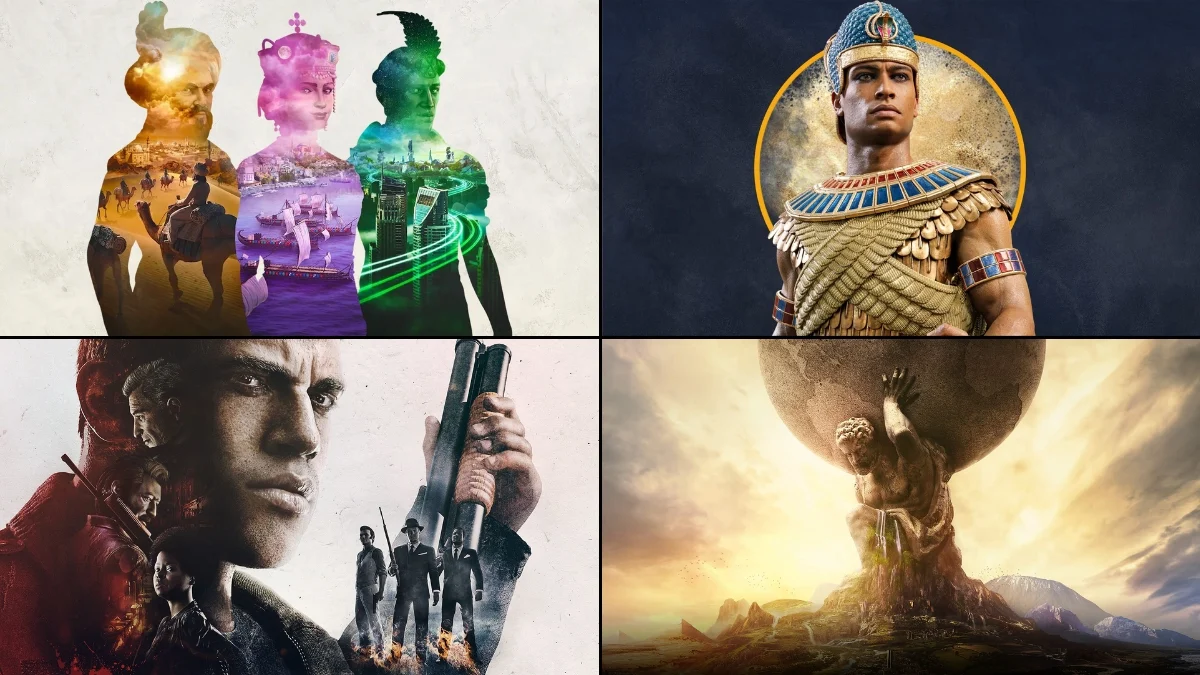

Representation in strategy and simulation games allows players to explore history and fiction through diverse perspectives, including those of powerful Black leaders. These titles task players with guiding nations, movements, or organizations, requiring complex policy decisions that shape the fate of their people. From ancient African empires to futuristic societies, these games showcase leadership that rises through diplomacy, economics, and warfare.
‘Civilization VII’ (2025)
Firaxis Games and 2K continue their legendary 4X franchise by deepening the representation of African history with the inclusion of the Aksumite, Songhai, and Bugandan civilizations. Players can guide these nations through distinct ages, making critical cultural and military decisions that define their legacy on the global stage. The game introduces new leader mechanics that allow for more nuanced diplomatic and domestic policies, reflecting the unique challenges and triumphs of these African powers. By managing trade routes and technological advancements, players ensure their civilization stands the test of time against rival empires.
‘Ara: History Untold’ (2024)

Developed by Oxide Games and published by Xbox Game Studios, this grand strategy title features prominent historical figures such as Yaa Asantewaa of Ghana and Haile Selassie of Ethiopia. Players oversee their chosen nation’s development through a simultaneous turn-based system, which adds weight to every policy enactment and resource allocation. The game emphasizes the living world, where leaders must balance the prestige of their empire with the tangible quality of life of their citizens. Leading these African nations requires strategic foresight in crafting a legacy that outshines competitors on a dynamic historical canvas.
‘Total War: Pharaoh’ (2023)

Creative Assembly and Sega transport players to the collapsing Bronze Age, where they can assume the role of Amenmesse, the Kushite Viceroy. As a claimant to the throne, Amenmesse must leverage the economic might of Nubia and its gold reserves to build armies and influence political courts. The game’s mechanics force players to navigate the crumbling stability of the region, making tough choices between preserving local traditions or adopting Egyptian customs to secure legitimacy. Rising from the southern lands, the Kushite faction offers a distinct strategic pathway focused on archers and economic dominance.
‘We Are The Caretakers’ (2023)

Heart Shaped Games delivers an Afrofuturist sci-fi squad management RPG where the player acts as the Conductor, a leader protecting the planet and its endangered wildlife. The gameplay revolves around balancing reputation, funds, and technology while navigating diplomatic relations with rival factions and global councils. Policy choices in this title are moral and political, determining how the Caretakers interact with poachers and the communities relying on the land. The narrative centers on Black leadership in a futuristic setting, emphasizing conservation and empathy alongside tactical combat.
‘Victoria 3’ (2022)

Paradox Interactive’s intricate societal simulation allows players to guide nations like Ethiopia during the Victorian era’s industrial and colonial upheavals. Players must navigate the “Princes of Ethiopia” content to unify the fragmented region under a single emperor, such as the historical Menelik II. The game’s deep economic and political systems require careful management of laws, trade, and modernization efforts to resist foreign colonization. Success depends on balancing traditional power structures with the need for industrial progress and diplomatic recognition.
‘Old World’ (2021)
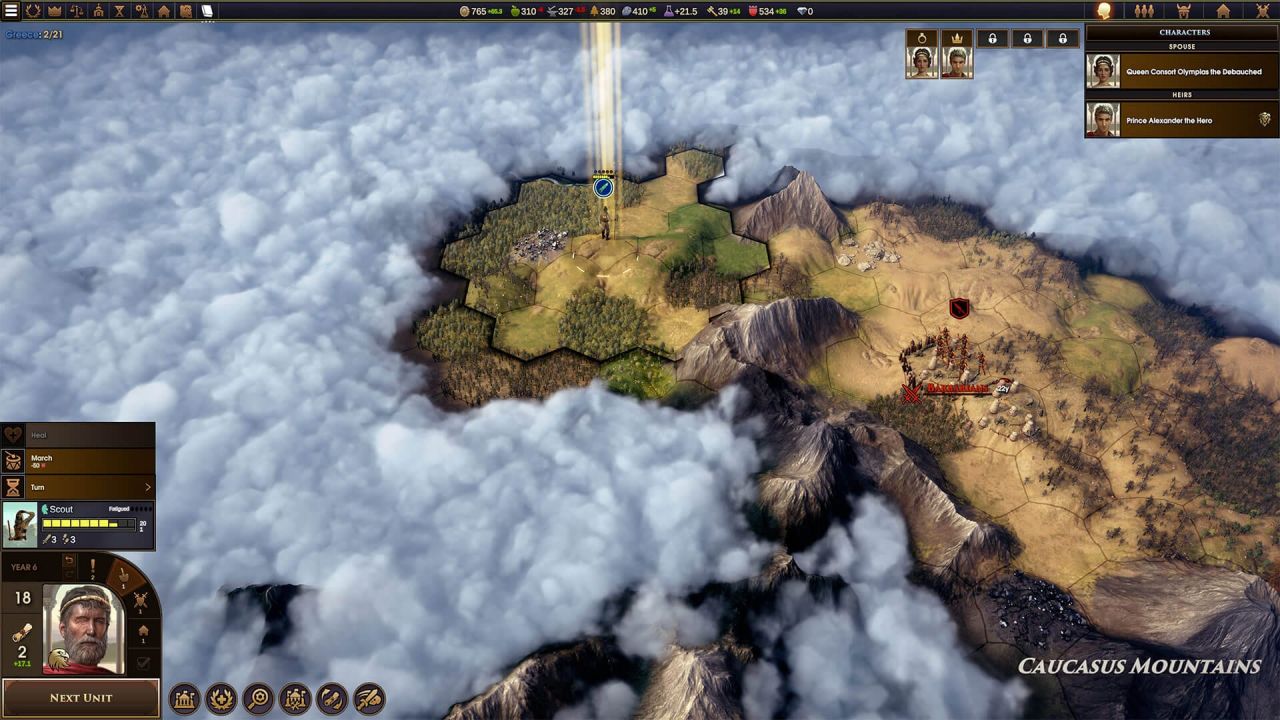
Mohawk Games and Hooded Horse expanded their classical 4X strategy game with the Pharaohs of the Nile DLC, introducing the Kingdom of Kush as a fully playable faction. Players can lead a dynasty of Kushite monarchs, engaging in the game’s unique character-driven event system that blends role-playing with empire management. Decisions involve raising heirs, managing court intrigue, and constructing unique pyramids that differ from their Egyptian neighbors. The inclusion of Kush highlights the distinct political and religious traditions of this ancient Nubian power.
‘Humankind’ (2021)

Amplitude Studios and Sega offer a historical strategy experience where players can evolve their society through various cultures, including the Bantu, Garamantes, Ghanaians, and Ethiopians. The Cultures of Africa DLC specifically enriches the game with these options, allowing players to adopt unique agrarian or militaristic policies suited to each culture’s strengths. As leaders, players make narrative choices that define their empire’s ideology, shifting between collectivism, authority, and liberty. This fluidity allows for a civilization that reflects the diverse political histories of the African continent across different eras.
‘Age of Empires III: Definitive Edition’ (2020)
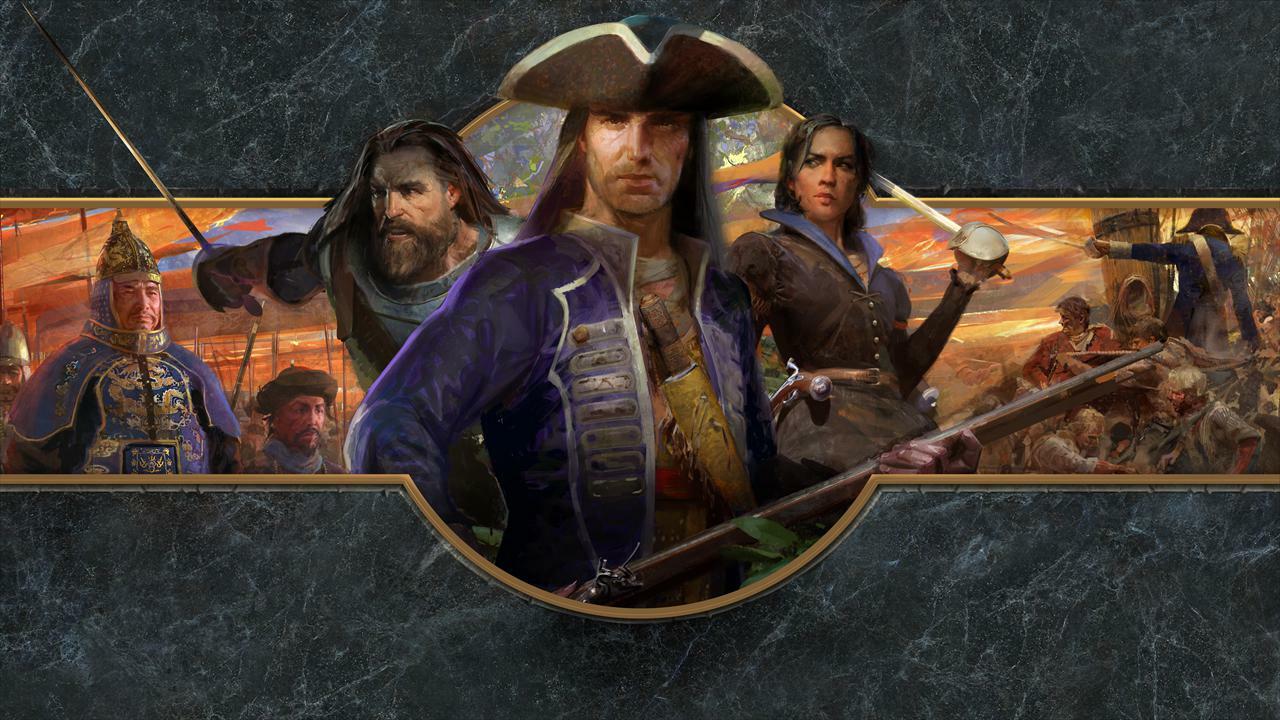
Tantalus Media and World’s Edge revitalized this classic RTS by adding the Hausa and Ethiopian civilizations in The African Royals expansion. Players can utilize the unique “Influence” resource to recruit mercenaries and forge alliances, representing a distinct style of leadership and diplomacy. The campaign and skirmish modes showcase leaders engaging in trade and warfare to secure their borders against colonial incursions. These additions provide a mechanically rich representation of African sovereignty and military organization during the early modern period.
‘Crusader Kings III’ (2020)
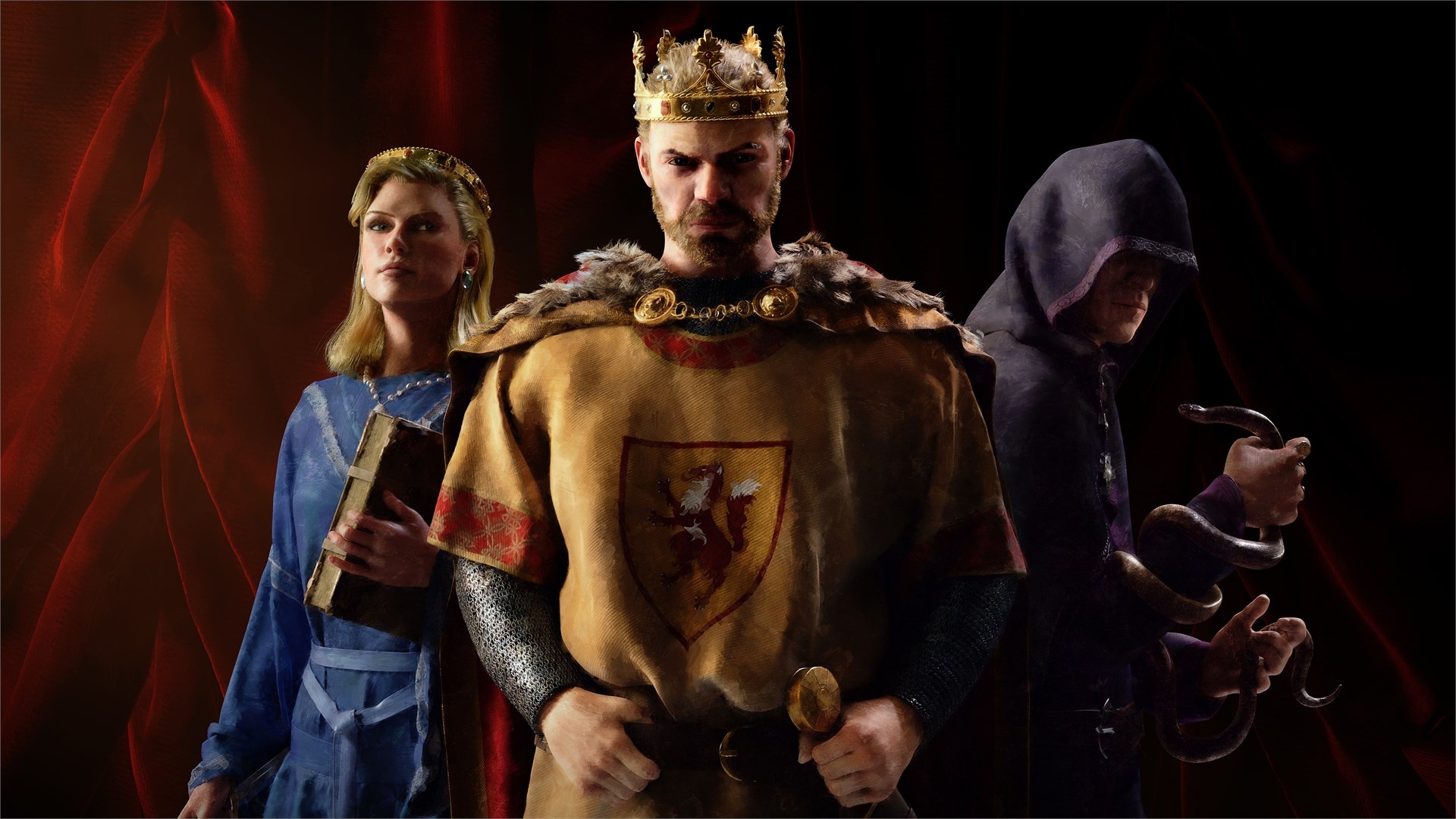
Paradox Development Studio’s grand strategy RPG allows players to start as Daurama Daura, a Hausa ruler, in the “Mother of Us All” achievement run. The game simulates the complexities of medieval lineage, requiring players to manage vassals, arrange marriages, and reform religions to unite the African continent. Daurama’s campaign is particularly focused on gender laws and religious policy, offering a unique challenge in establishing a matriarchal lineage. Every decision impacts the stability of the realm and the loyalty of the court, creating a deeply personal narrative of leadership.
‘Empire of Sin’ (2020)

Romero Games and Paradox Interactive present a strategy management game set in 1920s Chicago, featuring Stephanie St. Clair, the historical “Queen of Numbers” from Harlem. As a playable boss, she leads a criminal empire, making ruthless policy choices regarding territory management, police bribery, and gang warfare. Her unique abilities and storyline highlight her fight for independence and respect in a male-dominated, segregated criminal underworld. Players must balance the economics of their rackets with the violent necessity of defending their turf.
‘Civilization VI’ (2016)

Firaxis Games and 2K feature multiple Black leaders, including Mvemba a Nzinga and Nzinga Mbande of the Kongo, Menelik II of Ethiopia, and Shaka of the Zulu. Each leader possesses unique policy cards and abilities, such as Menelik’s focus on faith and culture to defend against stronger technological civilizations. The game’s policy system allows players to slot in diplomatic, military, and economic policies that align with their chosen leader’s historical strengths. These campaigns offer diverse playstyles, from the Kongo’s religious conversion tactics to the Zulu’s overwhelming military mobilization.
‘Hearts of Iron IV’ (2016)

Paradox Development Studio empowers players to lead Ethiopia under Haile Selassie in the By Blood Alone expansion, facing the immediate threat of Italian invasion in the 1930s. The focus tree allows for intricate political maneuvering, including appeals to the League of Nations or the formation of a government in exile. Players must modernize their military and industry rapidly while managing internal stability and international diplomacy. This scenario is one of the most challenging in the game, emphasizing the resilience and political acumen required to preserve African independence during World War II.
‘Mafia III’ (2016)

Hangar 13 and 2K tell the story of Lincoln Clay, a biracial Vietnam veteran building a criminal organization in the fictional city of New Bordeaux. While an action-adventure game, the “Sit-Down” mechanic forces players to make high-stakes policy decisions by assigning conquered districts to one of three lieutenants, including the Haitian leader Cassandra. These choices affect the loyalty of his underbosses, the perks Lincoln unlocks, and ultimately the game’s narrative ending. The game explores themes of systemic racism and power, with Lincoln’s leadership style directly shaping the future of the city’s criminal underworld.
‘Europa Universalis IV’ (2013)

Paradox Development Studio significantly deepened the African region with the Origins DLC, fleshing out mission trees for nations like Mali, Songhai, and Ethiopia. Players guiding the Mali Empire must manage the destabilizing effects of Mansa Musa’s vast wealth and handle the decline of imperial authority. The updated mechanics require thoughtful policy choices regarding estate privileges, religious unity, and interactions with European colonizers. Successfully navigating these centuries of history allows players to turn these nations into global superpowers that rival their European counterparts.
‘Civilization V’ (2010)

Firaxis Games and 2K included Haile Selassie of Ethiopia and Askia of the Songhai in this beloved strategy title, offering distinct paths to victory. Haile Selassie’s unique ability grants a combat bonus when fighting larger civilizations, encouraging a defensive and tall empire-building policy. Askia, conversely, is rewarded for aggressive expansion and plundering barbarian encampments, promoting a militaristic leadership style. These leaders require players to adopt specific social policies to maximize their unique national traits and achieve cultural or domination victories.
Tell us which of these strategy games best captures the experience of historical leadership for you in the comments.