TV Shows Where Black Characters Lead Policy Reforms


Television has long been a mirror for societal change but recent years have seen a significant shift in how Black characters influence the political and legal landscape on screen. Rather than merely participating in existing systems these characters are increasingly depicted as architects of structural reform. From re-imagining public safety to dismantling systemic inequality in healthcare and law these storylines offer complex examinations of power and governance. This trend highlights a move towards narratives that prioritize agency and systemic critique over passive observation. The following series feature Black protagonists who actively shape policy and drive legislative change within their respective worlds.
‘How to Get Away with Murder’ (2014–2020)

Annalise Keating, a high-profile criminal defense attorney and law professor, takes her battle for justice all the way to the Supreme Court. In a pivotal storyline, she spearheads a class-action lawsuit against the government to address the systemic failures of the public defender system. Her argument focuses on the lack of resources that disproportionately affects impoverished defendants and people of color. The arc showcases the immense legal and political hurdles involved in reforming the judicial infrastructure on a federal level.
‘Scandal’ (2012–2018)

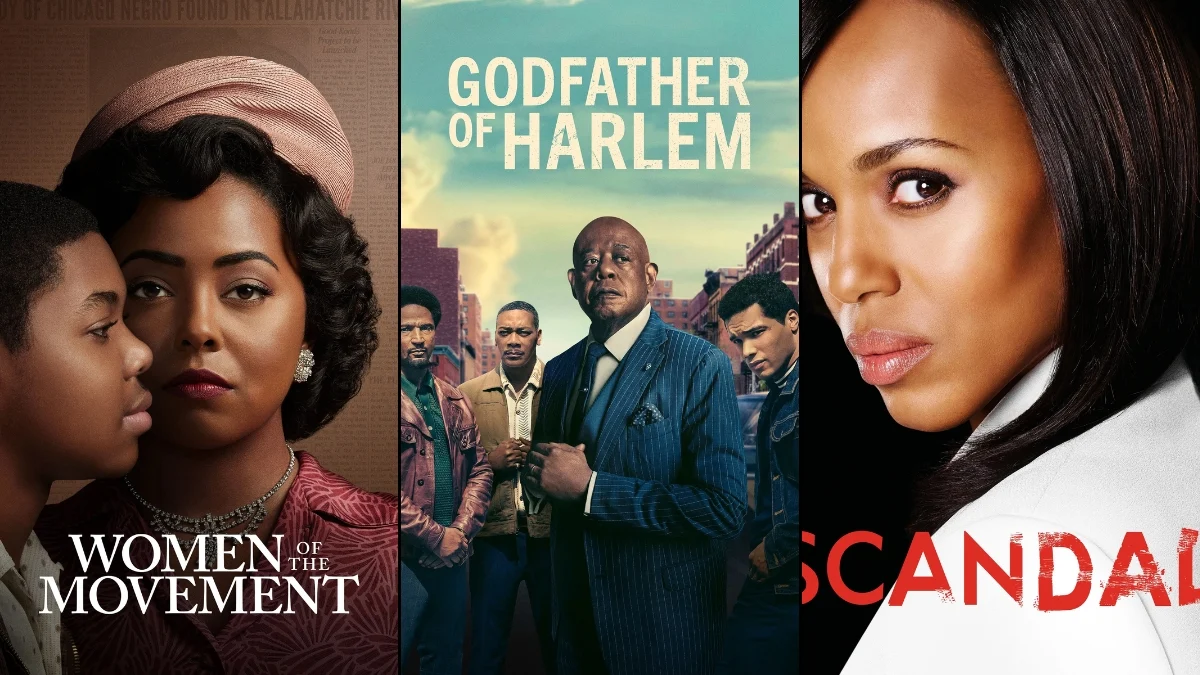
Olivia Pope is a crisis manager who frequently operates within the highest corridors of power in Washington D.C., influencing legislation and public opinion. Throughout the series, she manipulates and negotiates political outcomes, often shaping the presidency and national policy to fit her vision of justice. Her father, Rowan Pope, also commands a secret government organization that dictates foreign and domestic policy from the shadows. The show illustrates how unelected figures can steer the helm of democracy through intelligence, leverage, and sheer will.
‘The Wire’ (2002–2008)
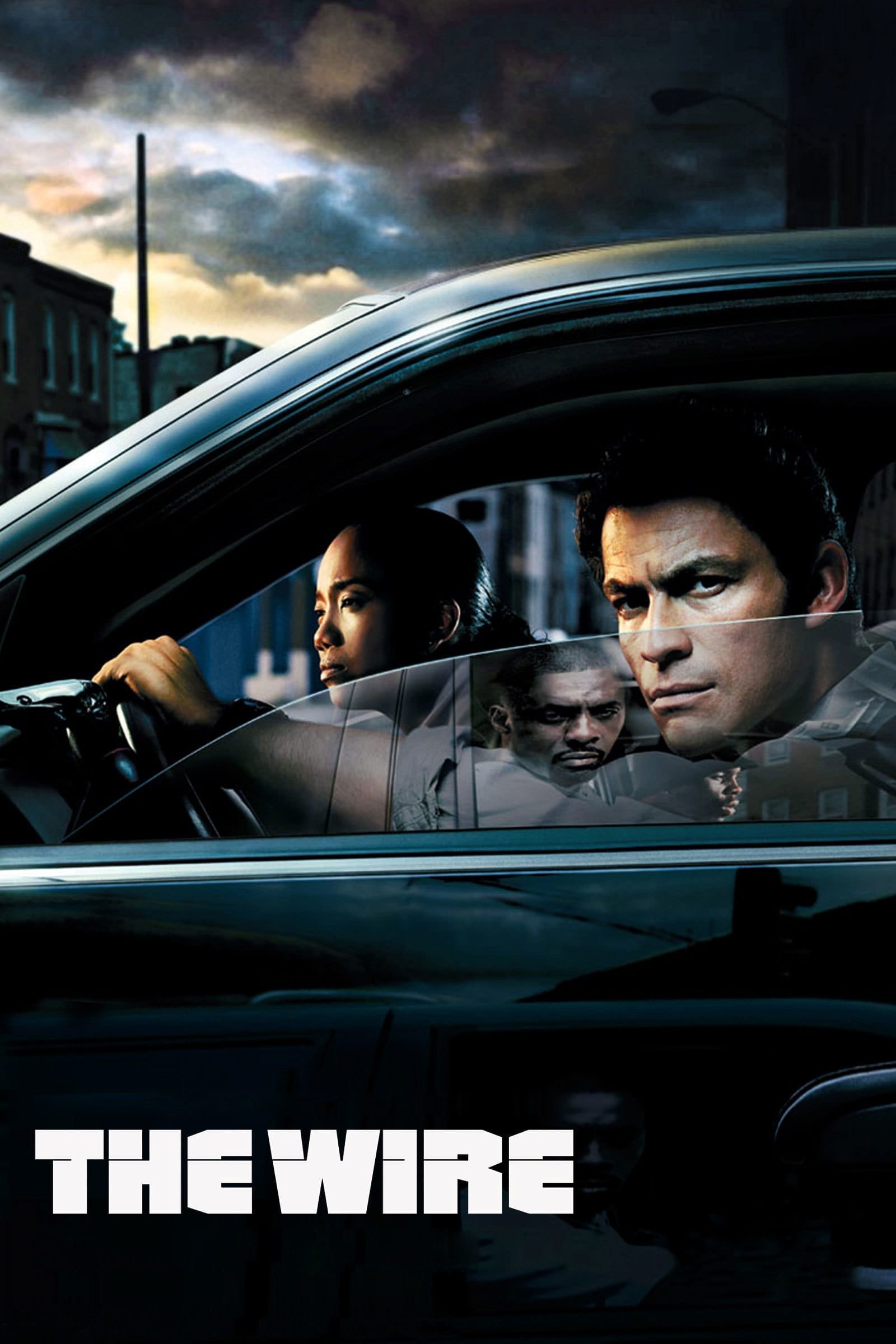
Major Bunny Colvin acts on his frustration with the failed war on drugs by unilaterally instituting a radical policy experiment known as ‘Hamsterdam’. By effectively legalizing drug sales within designated zones, he aims to reduce violent crime in residential neighborhoods and prioritize community safety. This controversial move explores the sociological impact of harm reduction strategies versus traditional policing methods. Colvin’s storyline provides a gritty examination of how bureaucratic metrics often stifle genuine attempts at police reform.
‘For Life’ (2020–2021)
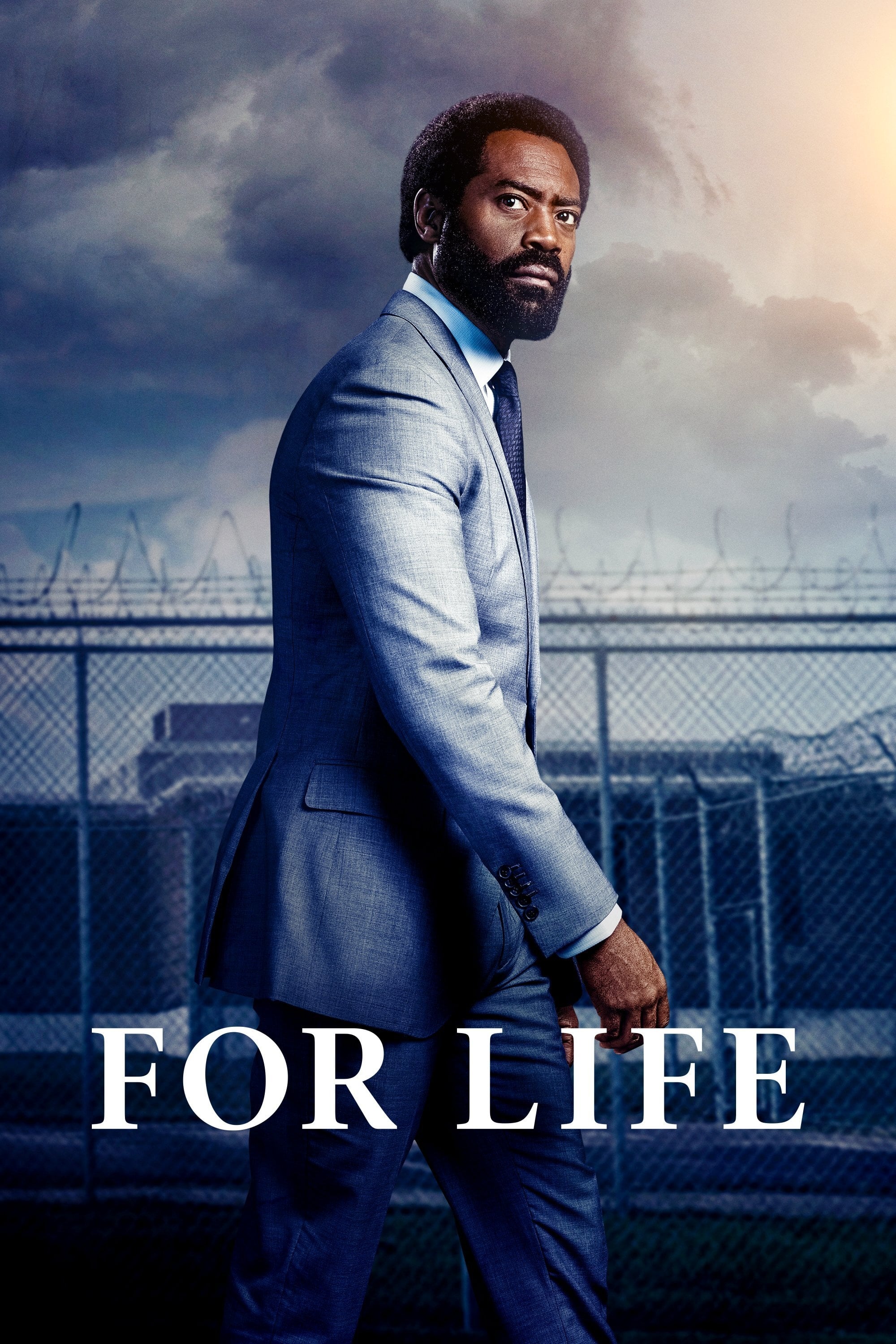
Aaron Wallace, a man wrongfully convicted and sentenced to life in prison, becomes a lawyer behind bars to fight for his own exoneration and that of his fellow inmates. Based on the real life of Isaac Wright Jr., the series focuses on Wallace’s legal battles to expose corruption within the prosecutorial system. He leverages his unique position to challenge unjust policies and overturn wrongful convictions, highlighting the flaws in the criminal justice machine. His work eventually leads to broader discussions about prison reform and the rights of the incarcerated.
‘Grey’s Anatomy’ (2005–Present)

Dr. Jackson Avery undergoes a significant character evolution that culminates in him leaving the hospital to take over the Catherine Fox Foundation. His primary objective shifts toward dismantling systemic racism in healthcare and instituting medical equity policies across the foundation’s network. This narrative arc addresses the racial disparities in medical treatment and the necessity of top-down institutional change. Avery’s departure marks a transition from saving individual lives in the operating room to healing the medical system itself.
‘Station 19’ (2018–2024)

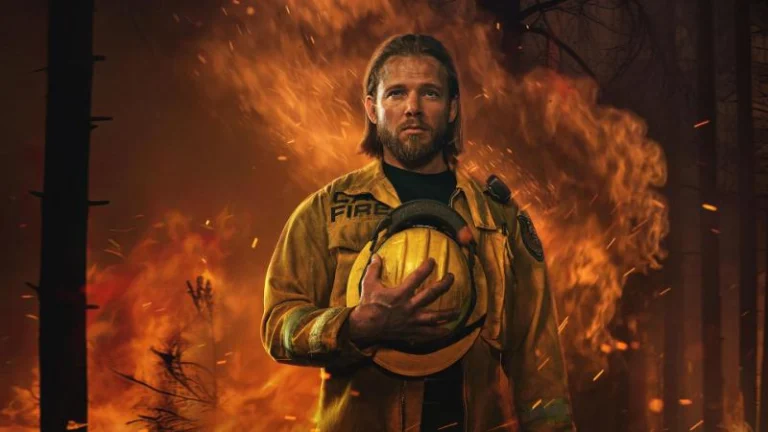
Dean Miller, a firefighter with a law background, launches a program called Crisis One to change how first responders handle non-violent emergency calls. The initiative pairs firefighters with social workers to de-escalate mental health crises without police intervention, aiming to prevent unnecessary violence. His advocacy for this policy faces resistance but eventually gains traction as a model for modern emergency response. Miller’s legacy in the show is defined by this structural reform designed to protect vulnerable community members.
‘Empire’ (2015–2020)
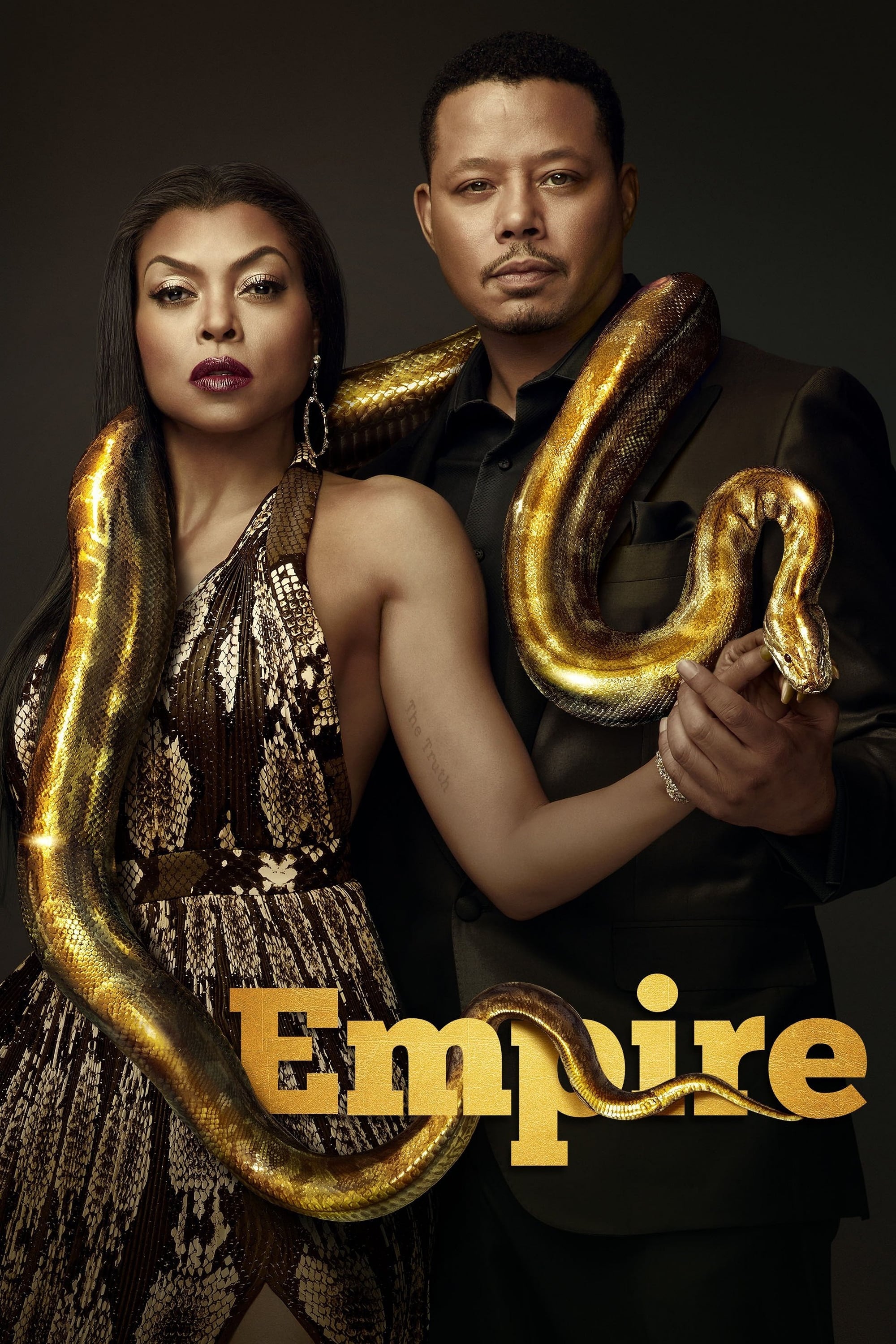
Cookie Lyon uses her newfound influence and personal history of incarceration to advocate for prison reform. After spending 17 years in prison, she organizes concerts and leverages her media empire to shine a spotlight on the inhumane conditions within the correctional system. Her storyline involves confronting investors and politicians to push for changes in how inmates are treated. The show uses her platform to discuss the intersection of celebrity, capitalism, and social justice activism.
‘Power’ (2014–2020)
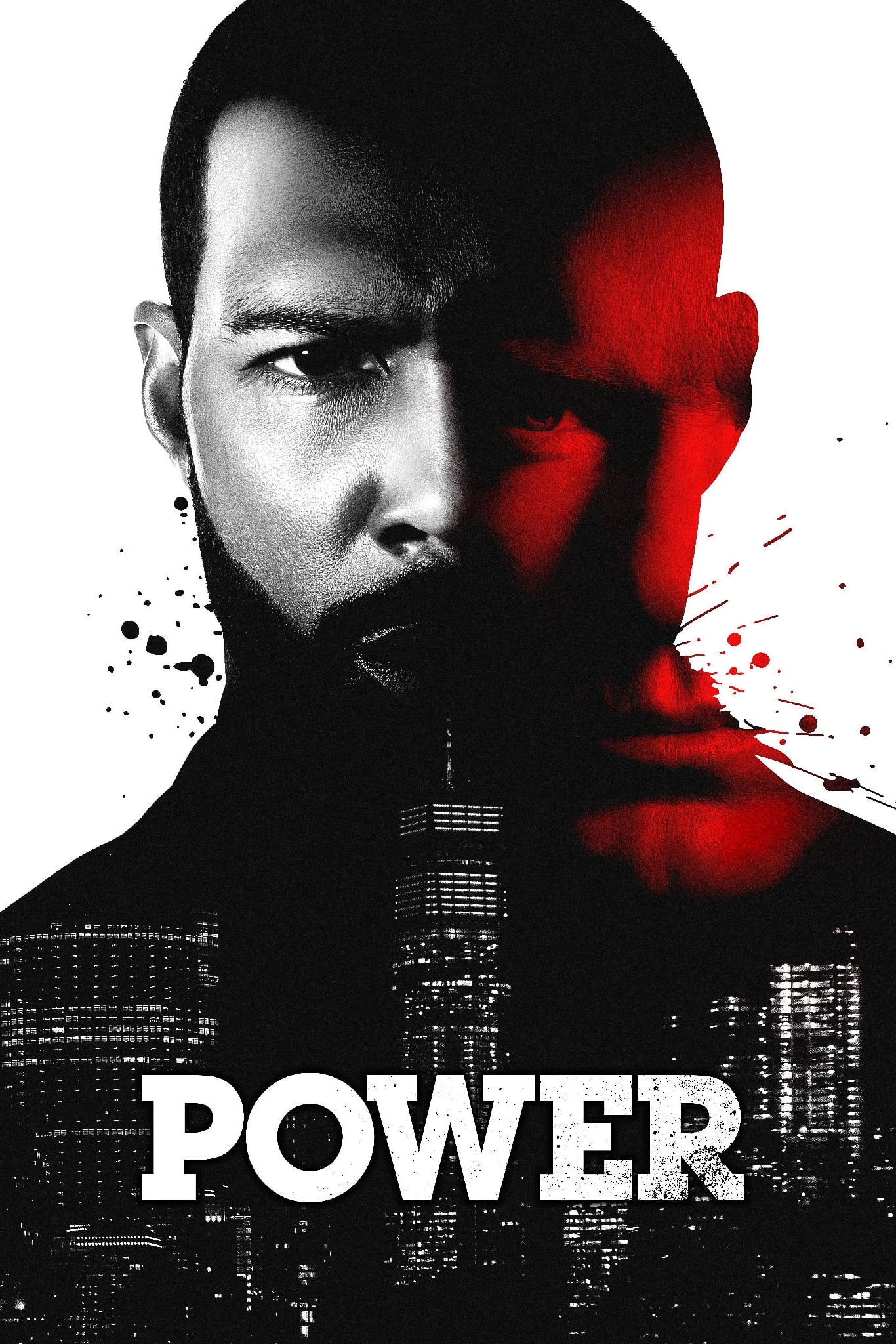
James ‘Ghost’ St. Patrick attempts to leave his criminal life behind by entering the political arena, running for the office of Lieutenant Governor of New York. His platform focuses on the Queen’s Child Project, an economic development initiative designed to revitalize his old neighborhood and provide opportunities for at-risk youth. St. Patrick’s political ambition is driven by a desire to legislate change that he could not achieve through illicit means. The narrative explores the complexities of transitioning from a street boss to a legitimate policymaker.
‘The Good Fight’ (2017–2022)
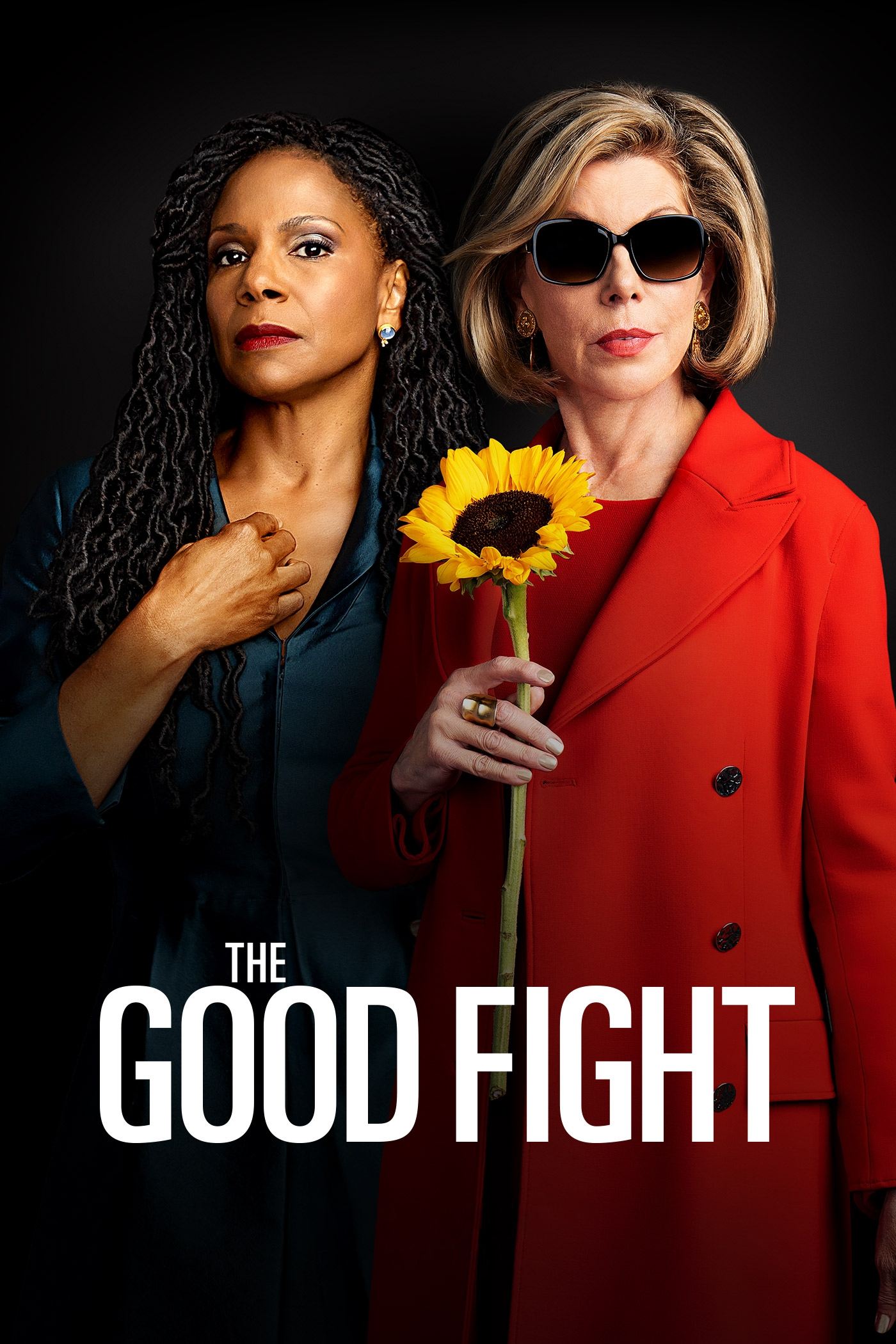
Liz Reddick and Adrian Boseman lead an all-Black law firm that frequently takes on cases involving police brutality and workplace discrimination. They actively enforce the Rooney Rule within their own hiring practices and litigate against firms that fail to meet diversity standards. The show tackles current political issues, seeing the characters navigate the legalities of the resistance movement and civil rights law. Their work highlights how private firms can influence public policy through precedent-setting litigation.
‘Queen Sugar’ (2016–2022)

Nova Bordelon acts as a community organizer and journalist who tirelessly advocates for social justice in rural Louisiana. Her storylines involve fighting against the prison-industrial complex, exposing police corruption, and organizing bail funds for local residents. Nova eventually works on policy changes regarding community policing and environmental racism affecting Black farmers. The series portrays the emotional and physical toll of grassroots activism and the slow process of legislative change.
‘Black Lightning’ (2018–2021)

Jefferson Pierce serves as a high school principal and a superhero, fighting for the future of the community of Freeland. Beyond his vigilante activities, he advocates for educational reform and the protection of meta-humans against government exploitation. He works to expose the corrupt A.S.A. organization and shape policies that prevent the weaponization of his students. The show blends superhero elements with real-world commentary on government overreach and community resilience.
‘Abbott Elementary’ (2021–Present)

Janine Teagues accepts a fellowship at the school district aimed at improving educational policies for Philadelphia’s public schools. During her tenure, she attempts to implement district-wide initiatives, such as a library program, to route more resources to underfunded institutions. Her experience underscores the disconnect between administrative bureaucracy and the immediate needs of teachers and students. Janine’s arc demonstrates the difficulty of effecting systemic change from within a rigid government structure.
‘Godfather of Harlem’ (2019–Present)
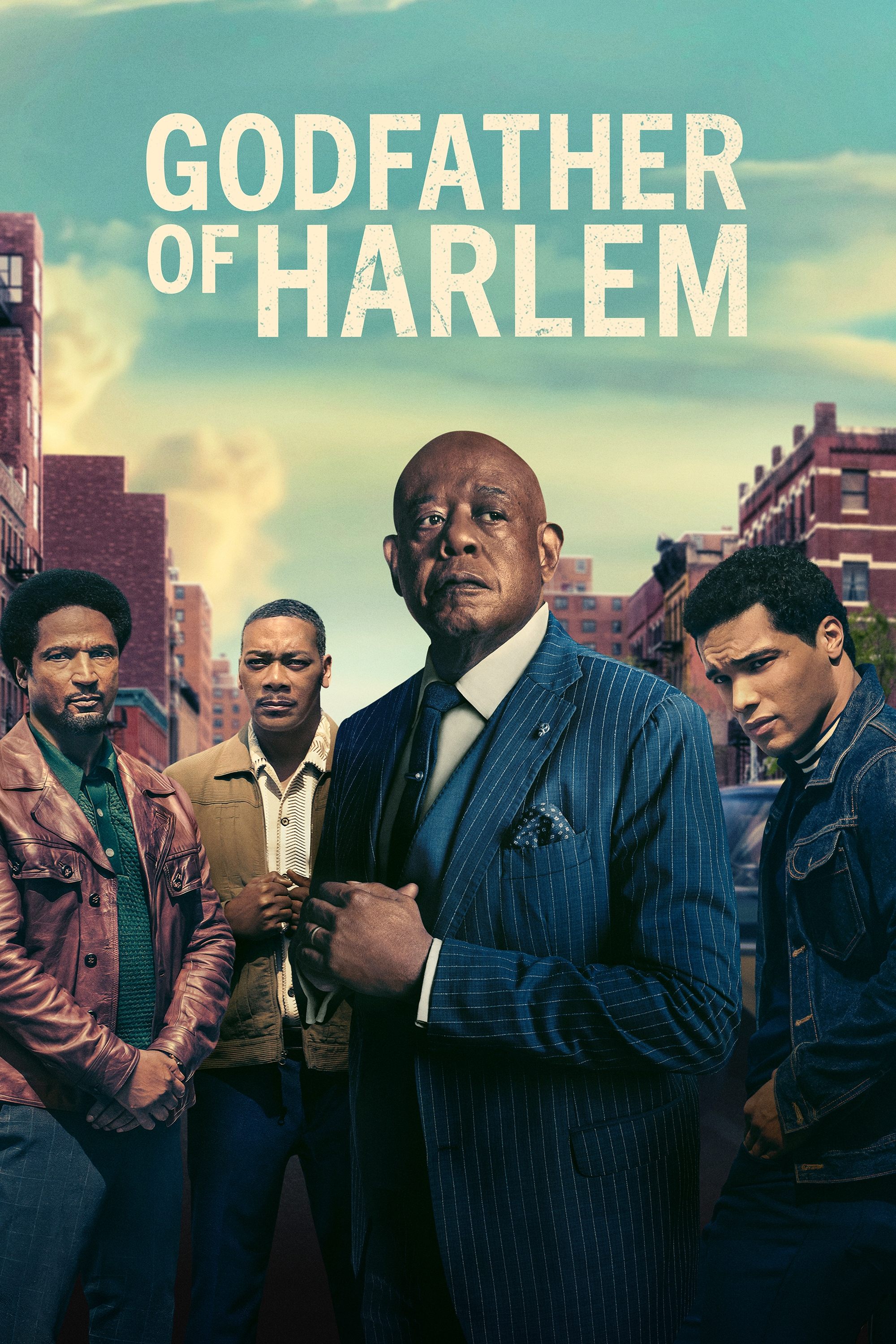
Bumpy Johnson, a crime boss, forms a complex alliance with civil rights leader Malcolm X to empower the residents of Harlem. While Johnson operates outside the law, his collaboration with Malcolm X involves strategizing on community protection and economic independence. The show depicts their efforts to influence local politics and fight against the systemic racism enforced by the establishment. It provides a historical fiction lens on how different methods of leadership converged to seek justice for Black Americans.
‘Mrs. America’ (2020)

Shirley Chisholm, the first Black woman elected to the United States Congress, features prominently as she runs for President in 1972. The limited series details her fight to ensure that the Equal Rights Amendment and other policies include the perspectives of women of color. Chisholm challenges the political establishment and the feminist movement to broaden their policy agendas. Her campaign is portrayed as a groundbreaking effort to reshape the American political landscape for future generations.
‘Women of the Movement’ (2022)
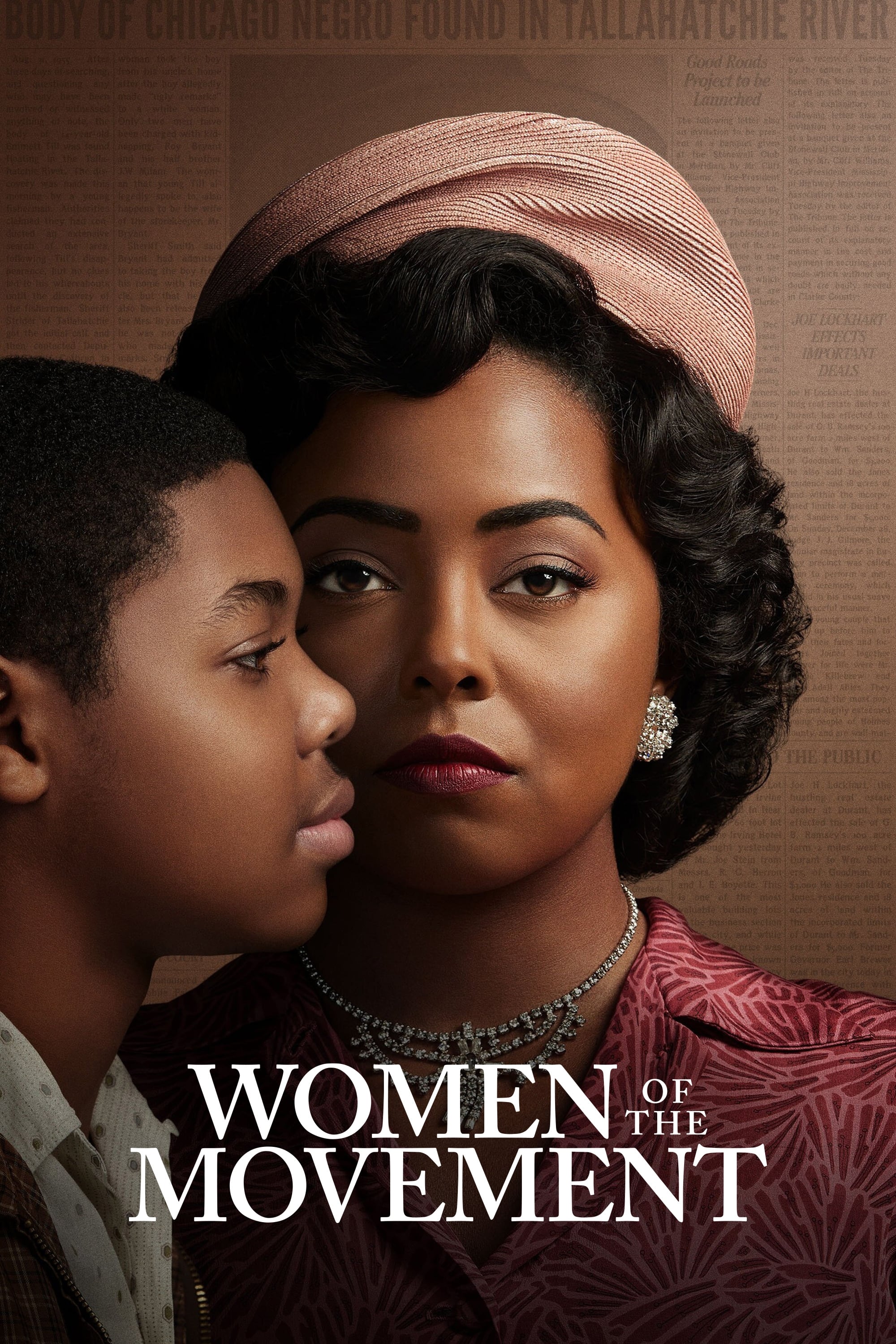
Mamie Till-Mobley transforms her grief over the murder of her son, Emmett Till, into a crusade for justice that sparks the Civil Rights Movement. She strategically uses the media and the legal system to expose the brutality of Jim Crow laws, effectively pressuring the government to address racial violence. Her advocacy lays the groundwork for future civil rights legislation and federal anti-lynching policies. The series highlights the power of a single individual to shift national consciousness and demand legislative action.
‘Small Axe’ (2020)

In the ‘Mangrove’ installment, the story focuses on the Mangrove Nine, a group of Black activists who faced trial for inciting a riot during a protest against police harassment. The defendants, including Darcus Howe and Altheia Jones-LeCointe, use the courtroom to put the judicial system itself on trial, exposing institutional racism in the London police force. Their legal strategy results in a landmark recognition of racial hatred within the police, influencing future judicial policies. The anthology highlights pivotal moments where Black Britons fought for legal reform.
‘S.W.A.T.’ (2017–Present)

Daniel ‘Hondo’ Harrelson leads his S.W.A.T. team with a philosophy of bridging the gap between law enforcement and the Black community. He frequently challenges outdated policing tactics and pushes for internal reforms to reduce the use of lethal force. Hondo’s storyline explores the concept of “Black in Blue,” as he navigates the tension of changing police culture from the inside. His leadership emphasizes community-based policing and accountability within the department.
‘Good Trouble’ (2019–2024)
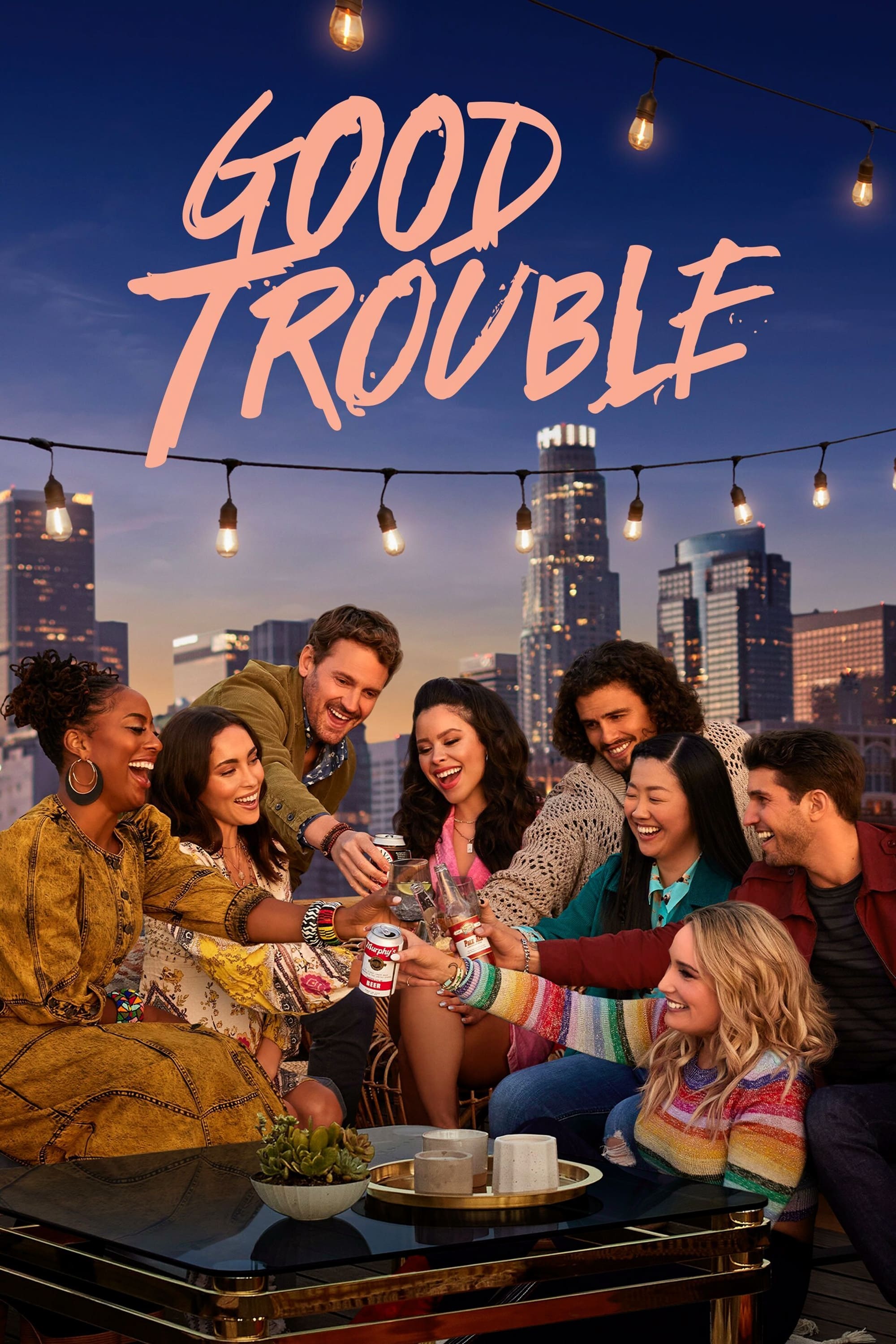
Malika Williams dives into social justice activism, eventually working for a City Council member to craft policy solutions for homelessness and incarceration. Her arc involves the transition from protesting in the streets to writing legislation that secures funding for women’s shelters and alternatives to jail. The show details the compromises and victories involved in municipal politics. Malika’s journey illustrates the practical application of activist ideals in the realm of city governance.
‘The Chi’ (2018–Present)

Victor ‘Trig’ Taylor evolves from a street-level protector to a City Councilman dedicated to revitalizing the South Side of Chicago. He runs on a platform of community investment, aiming to divert resources toward social programs rather than aggressive policing. His political career forces him to navigate the corrupt machinery of Chicago politics while trying to remain true to his constituents. Trig’s character represents the effort to translate neighborhood influence into formal legislative power.
‘Pearson’ (2019)
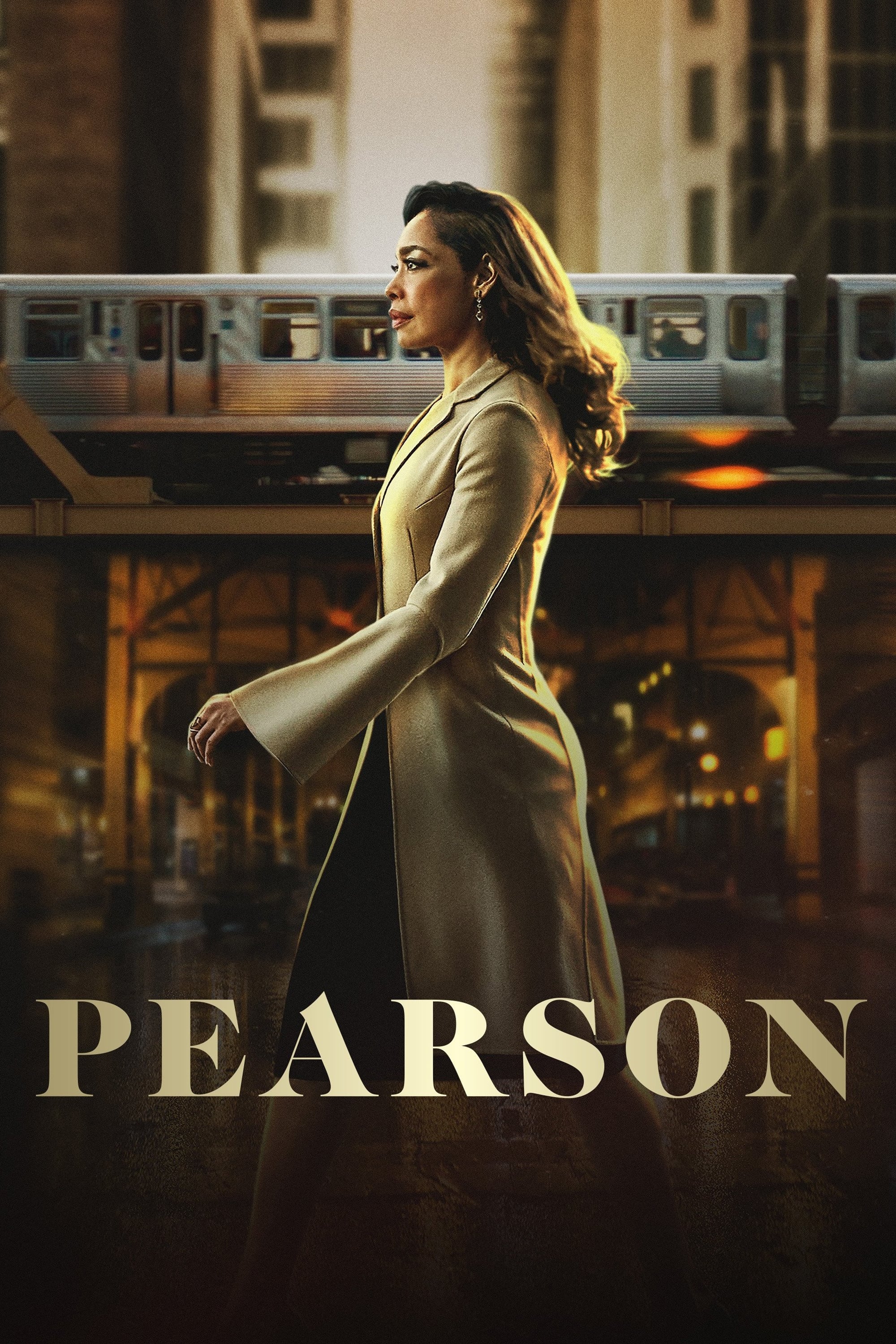
Jessica Pearson enters the dirty world of Chicago politics as a fixer for the Mayor, where she navigates complex housing and zoning policies. She uses her legal expertise to broker deals that balance the city’s development needs with the rights of residents in low-income housing projects. The series focuses on the moral ambiguity of political power and the deals made behind closed doors to shape city infrastructure. Pearson strives to use her position to effect change in a system rife with patronage and corruption.
Share your favorite example of a character fighting for change in the comments.