Anime That Predicted Global Alliances Gone Wrong


Anime has frequently explored the complexities of international relations and the fragile nature of political treaties. These narratives often depict a world where global alliances are formed under the guise of peace but eventually lead to systemic collapse or widespread conflict. From resource wars to ideological divides, these stories reflect real world anxieties regarding the stability of international cooperation. The following series provide a look at how global partnerships can deteriorate when hidden agendas and historical grievances take precedence over collective security.
‘Darker than Black’ (2007–2009)

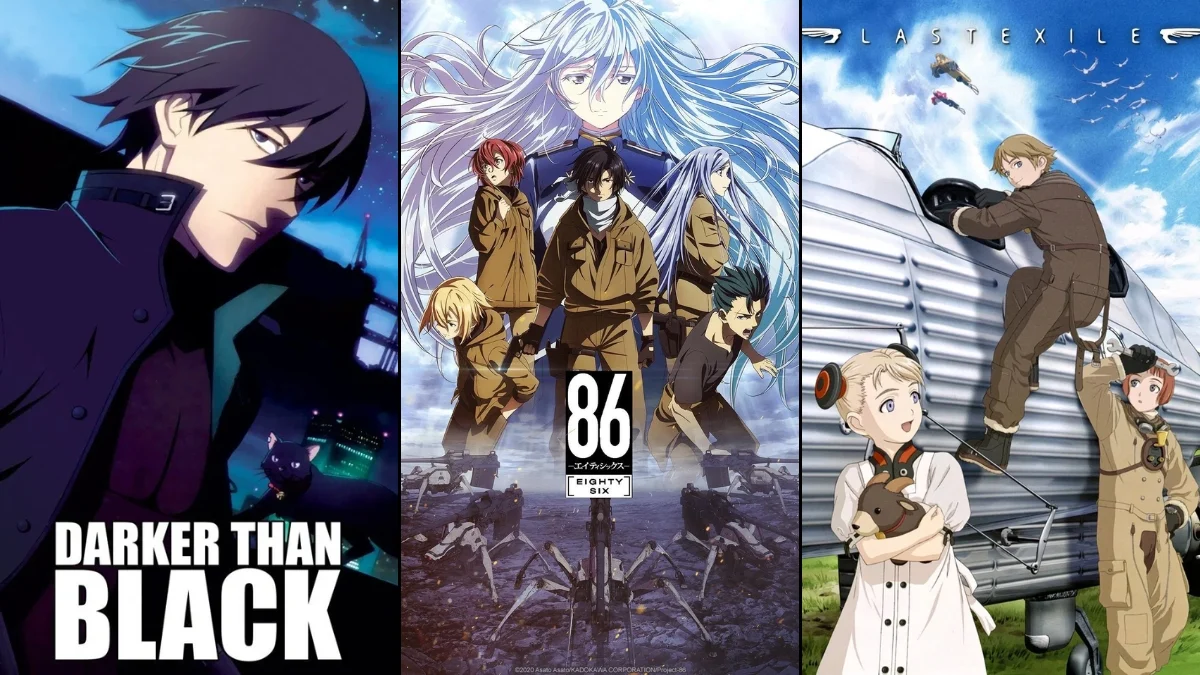
Following the appearance of mysterious spatial anomalies in Tokyo and South America, international intelligence agencies form a secret coalition to manage the supernatural phenomenon. These agencies hire individuals with superhuman abilities to perform clandestine operations and eliminate political rivals. The alliances are constantly shifting as nations attempt to gain a secret advantage in researching the anomalies. ‘Darker than Black’ portrays a world defined by a lack of trust where global cooperation is merely a cover for corporate and state espionage.
‘Eureka Seven’ (2005–2006)
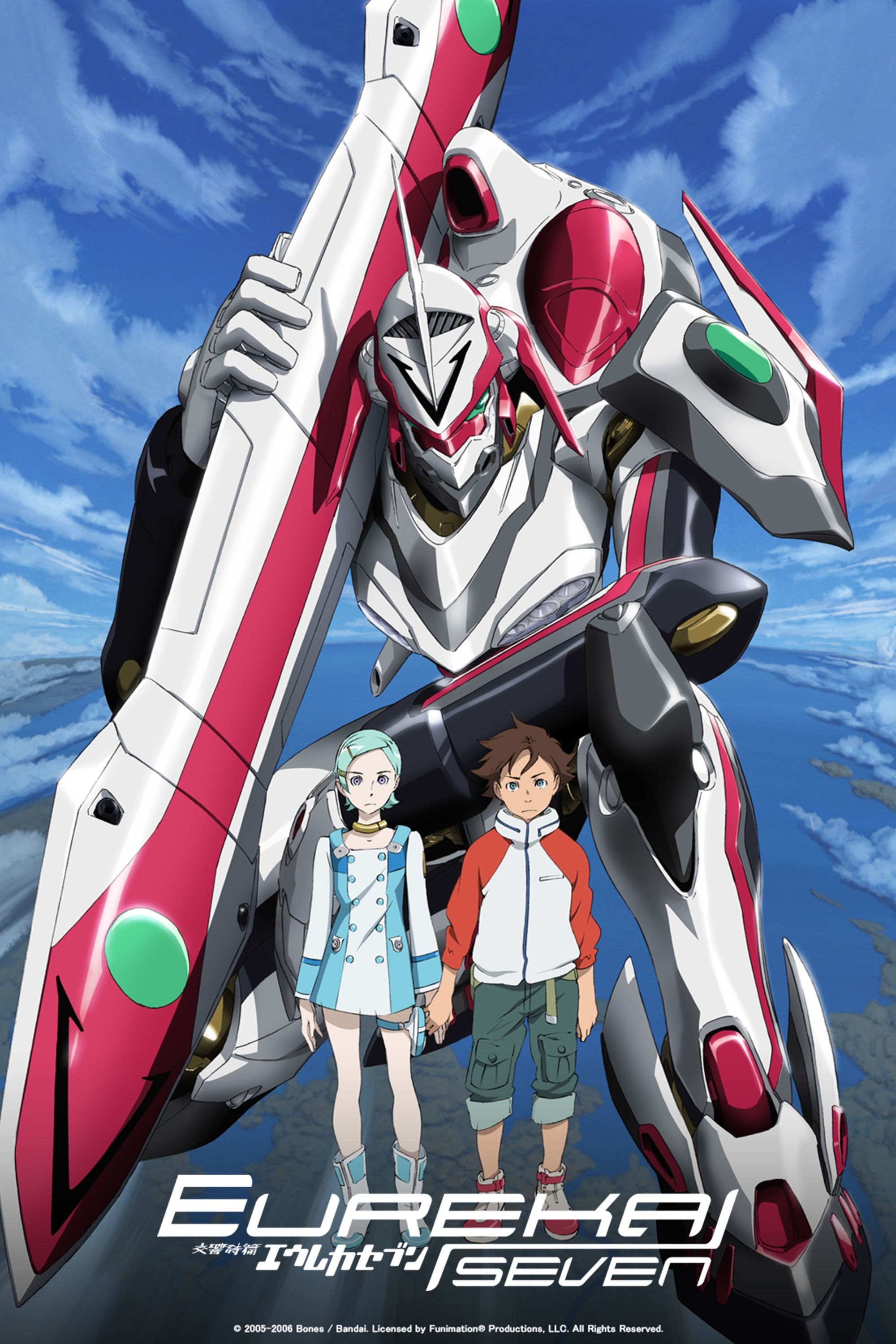
The United Federation of Predestined States maintains order on a planet where the land itself is a volatile and living entity. Military alliances are used to suppress religious movements and control the flow of vital resources needed for survival. The government uses the fear of an alien threat to justify its expanding territorial reach and aggressive colonization. ‘Eureka Seven’ shows how these global structures eventually crumble when the truth about the origins of the world and its inhabitants is revealed to the public.
‘Last Exile’ (2003)
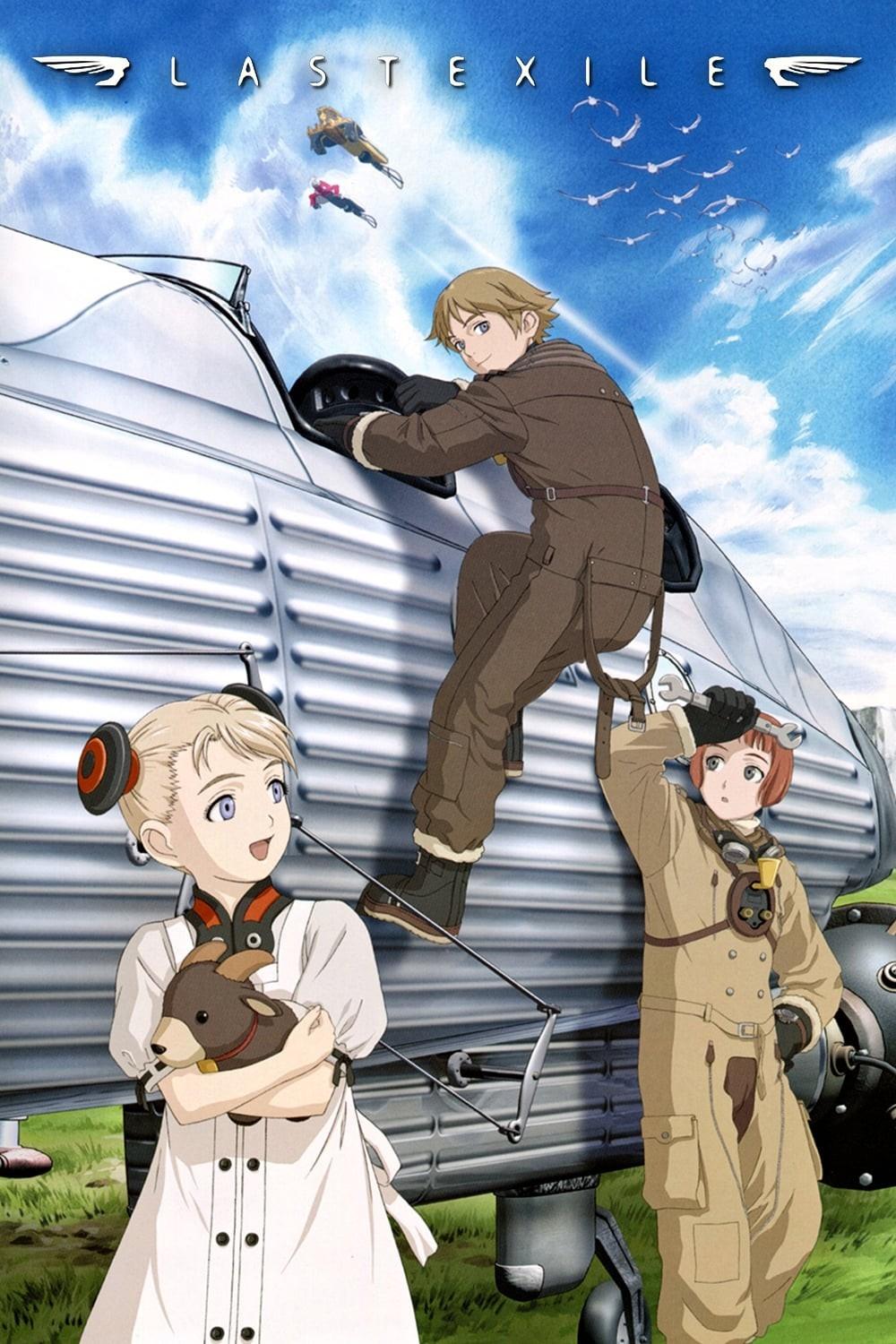
Two nations are locked in an endless war that is strictly regulated by a mysterious third party known as the Guild. This organization manages the resources and technological limits of both sides to ensure the conflict continues without a decisive winner. This artificial alliance of convenience prevents either side from achieving true peace or social progress. The characters in ‘Last Exile’ must uncover the truth about this global manipulation to find a way to end the cycle of destruction.
‘Mobile Suit Gundam: Iron-Blooded Orphans’ (2015–2017)

Mars is exploited by Earth based economic blocs that maintain a fragile peace through a global peacekeeping organization. The story follows child soldiers who rebel against this system of economic slavery and deep seated corruption. The alliances between the major Earth powers are shown to be predatory and focused on maintaining a status quo that only benefits the elite. This struggle highlights how global oversight can quickly become a tool for systemic oppression and the marginalization of colonial territories.
‘Mobile Suit Gundam Wing’ (1995–1996)

The United Earth Sphere Alliance rules over various space colonies with an iron fist until internal coups destabilize the entire government. This leads to the rise of secret societies and aristocratic foundations that seek to control the world through automated military technology. The colonies respond by sending elite pilots to dismantle the oppressive regime and reclaim their sovereignty. ‘Gundam Wing’ portrays global alliances as tools for corporate and private interests rather than the common good of the citizens.
‘Vivy: Fluorite Eye’s Song’ (2021)

In a world where humans and artificial intelligence coexist through various technological agreements, a future war breaks out between the two factions. The story follows a songstress tasked with preventing this timeline by altering key historical events over a century. These events often involve the failure of international laws and ethical standards governing the development of advanced machinery. The narrative shows how even the most well intentioned global standards can lead to catastrophic consequences if they are not properly monitored.
‘Mobile Suit Gundam 00’ (2007–2009)
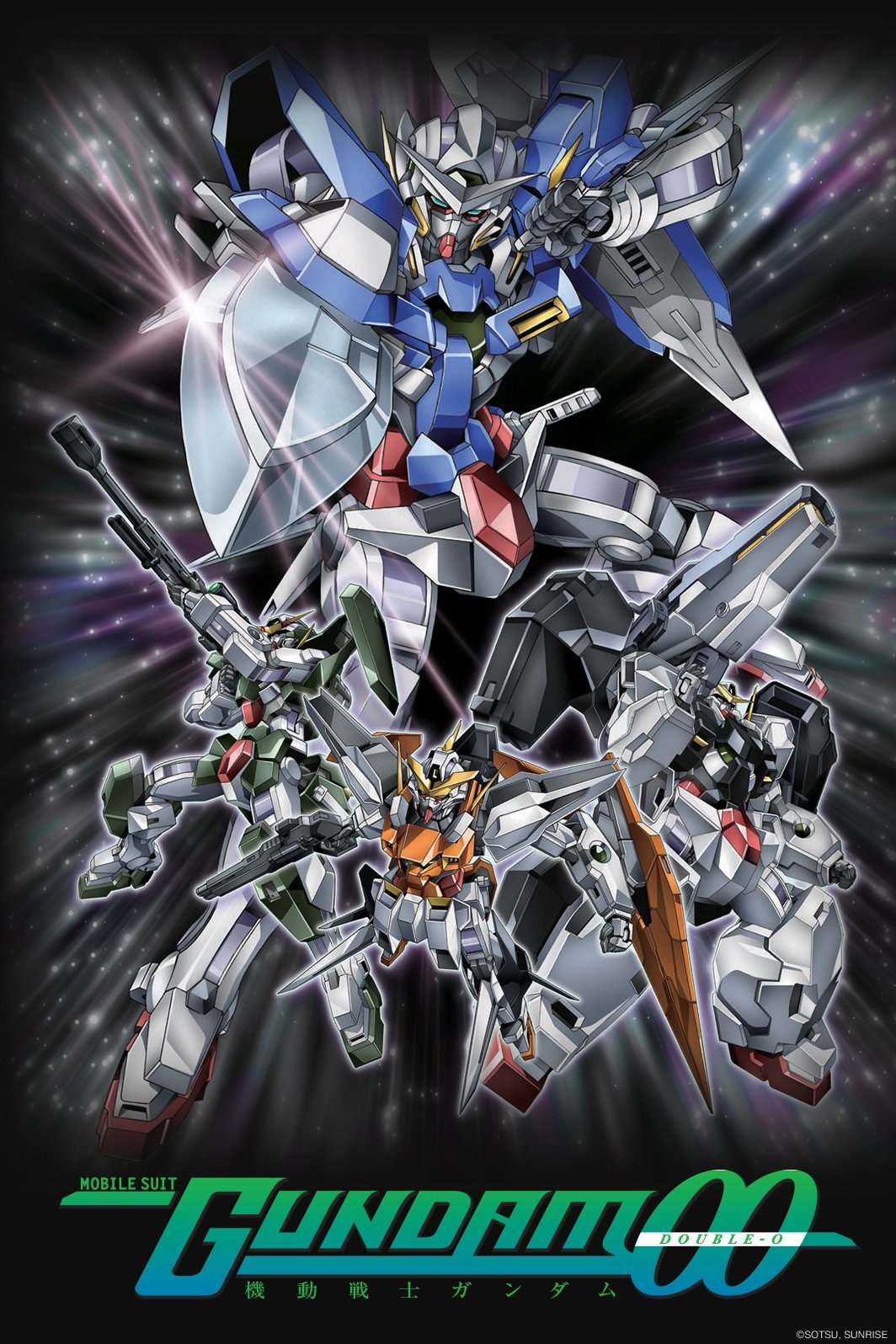
Three major superpowers compete for control over orbital elevators and solar energy in a world divided by economic and military interests. Their constant skirmishes and proxy wars create a global environment where peace is only a temporary pause in hostilities. A private paramilitary group intervenes to end these conflicts through overwhelming force and targeted strikes. ‘Gundam 00’ illustrates how this intervention eventually forces the rival alliances to unite into a single global government with its own set of oppressive flaws.
’86 Eighty-Six’ (2021–2022)
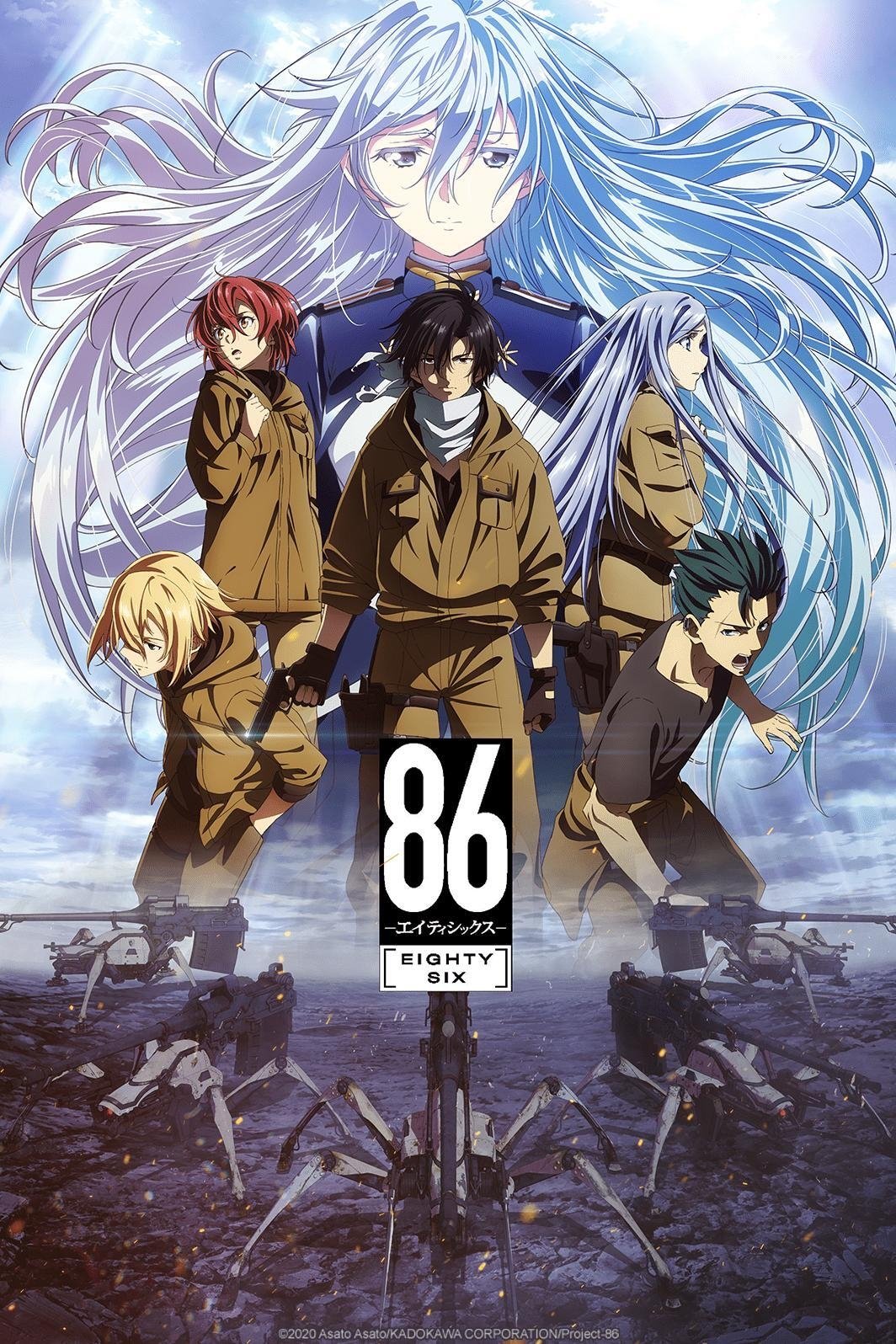
The Republic of San Magnolia maintains a facade of peace while forcing a marginalized minority to fight a war against automated machines. This conflict stems from the collapse of neighboring nations and the failure of previous regional defense pacts. The fallen empire that created the automated military force once held the continent together but its transformation destroyed all previous global alliances. ’86’ depicts a world where international aid is non existent and every surviving nation fights only for its own immediate survival.
‘Psycho-Pass’ (2012–2019)

While Japan thrives under a sophisticated psychological monitoring system, the rest of the world has fallen into chaotic civil wars and failed alliances. The government maintains a strict policy of isolationism to prevent the spread of foreign instability and ideological conflict. International relations are portrayed as dangerous and volatile due to the lack of a unifying standard for maintaining social order. ‘Psycho Pass’ suggests that global cooperation becomes impossible when different cultures have fundamentally different standards for human rights and justice.
‘Neon Genesis Evangelion’ (1995–1996)
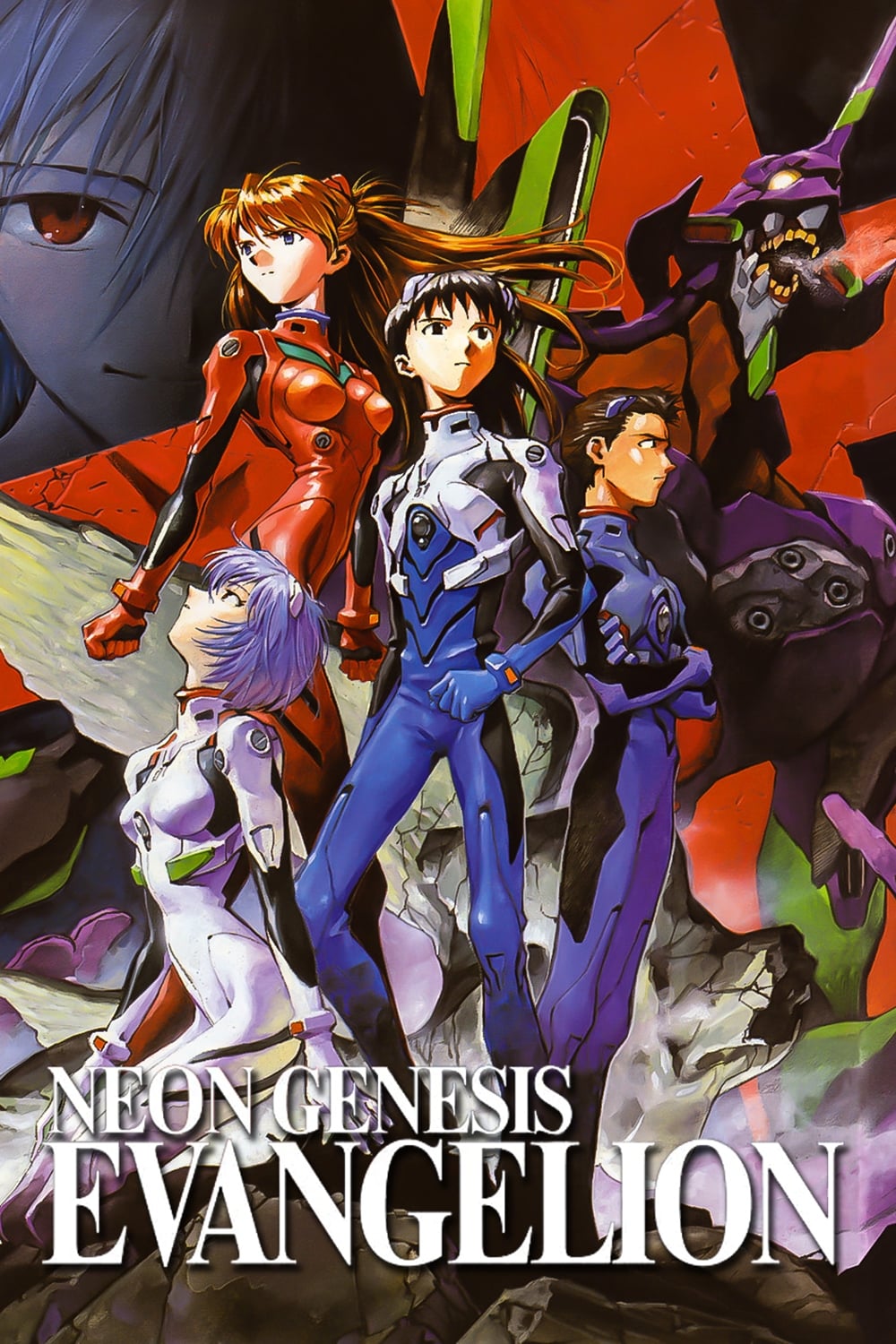
The United Nations and a secret organization form an uneasy alliance to defend Earth against extraterrestrial threats. This partnership is characterized by deep deceit and hidden agendas concerning the future of human evolution. The military defense force serves as the front for this global cooperation but operates with its own set of conflicting and private goals. ‘Neon Genesis Evangelion’ shows the alliance eventually collapsing into a direct military confrontation between its founding members as their true intentions are revealed.
‘Ghost in the Shell: Stand Alone Complex’ (2002–2005)
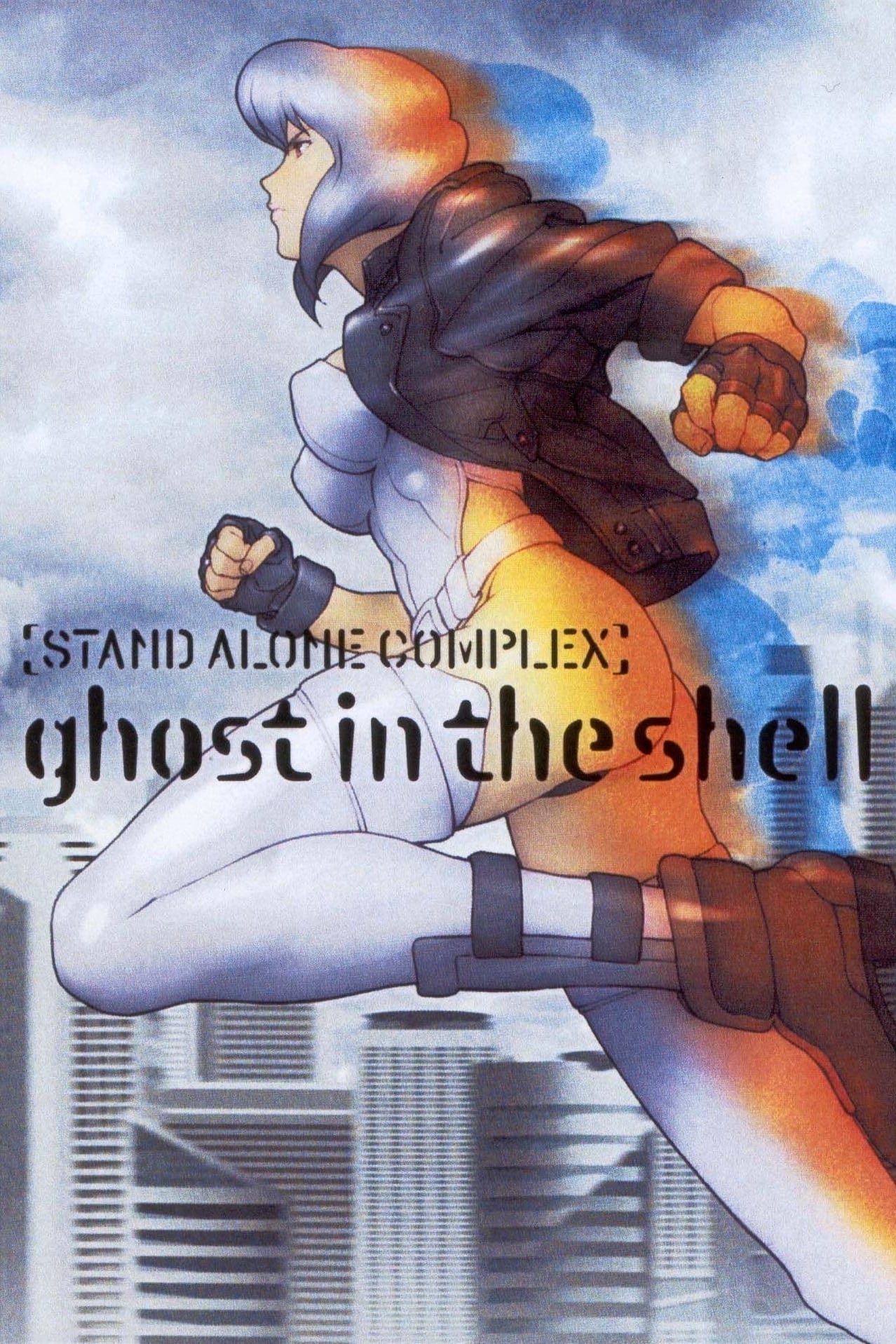
Set in a future where cybernetics have integrated humanity into a global network, the show examines the friction between major world powers and Japan. International security agreements are constantly tested by the presence of displaced refugees and high level corporate espionage. The government must navigate complex treaties while dealing with individual actors who exploit technological loopholes for political gain. ‘Ghost in the Shell’ highlights how global alliances often fail to protect individual citizens when digital warfare and information control become the primary weapons.
‘Code Geass: Lelouch of the Rebellion’ (2006–2008)
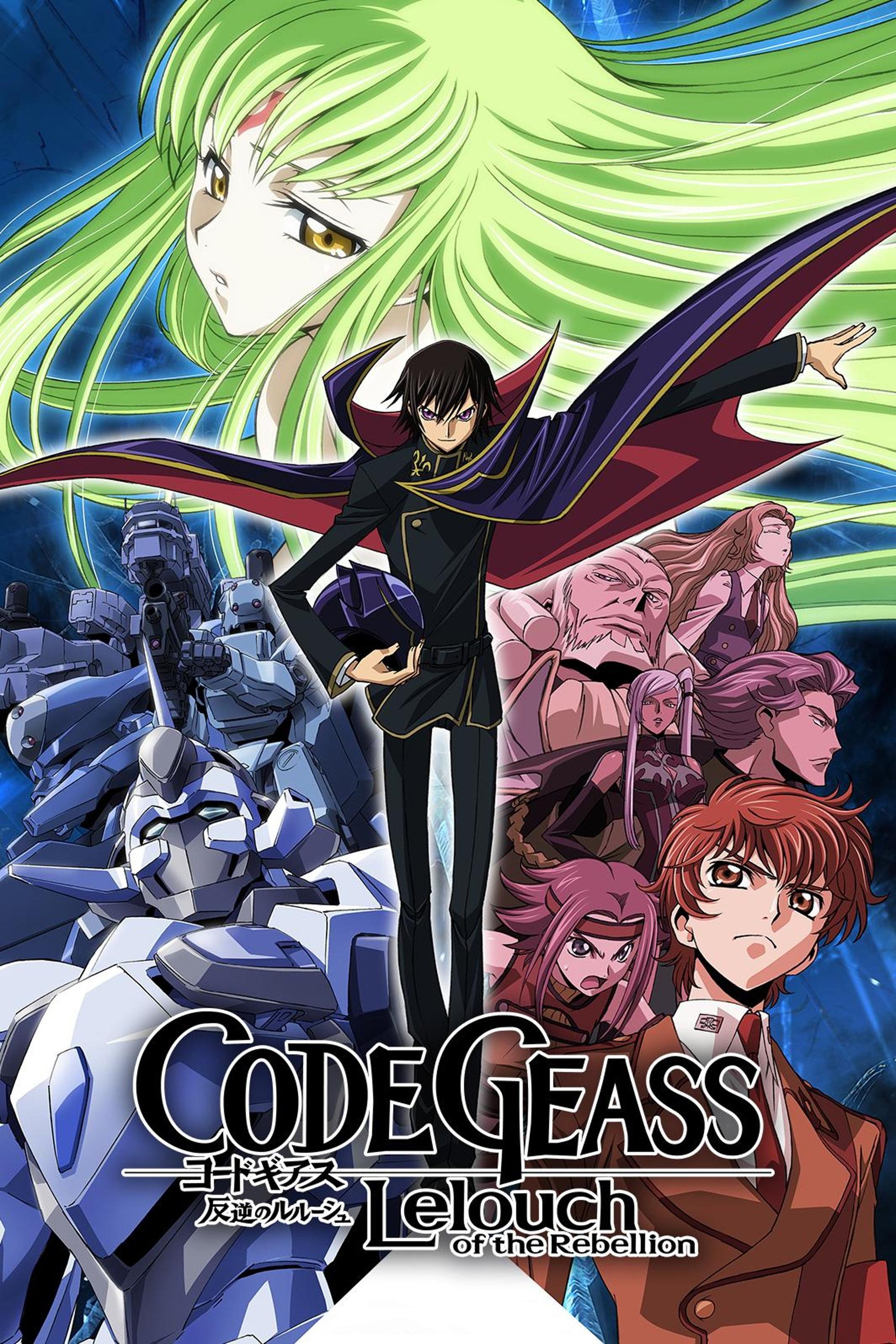
The Holy Britannian Empire dominates the world through aggressive colonization and the formation of numerous puppet states. Opposing this expansion are other global powers that struggle to maintain their sovereignty against the imperial threat. These alliances frequently shift as leaders betray one another for territorial advantages or personal power. ‘Code Geass’ illustrates how international treaties are often discarded the moment a more powerful military force or a new tactical advantage emerges.
‘Legend of the Galactic Heroes’ (1988–1997)
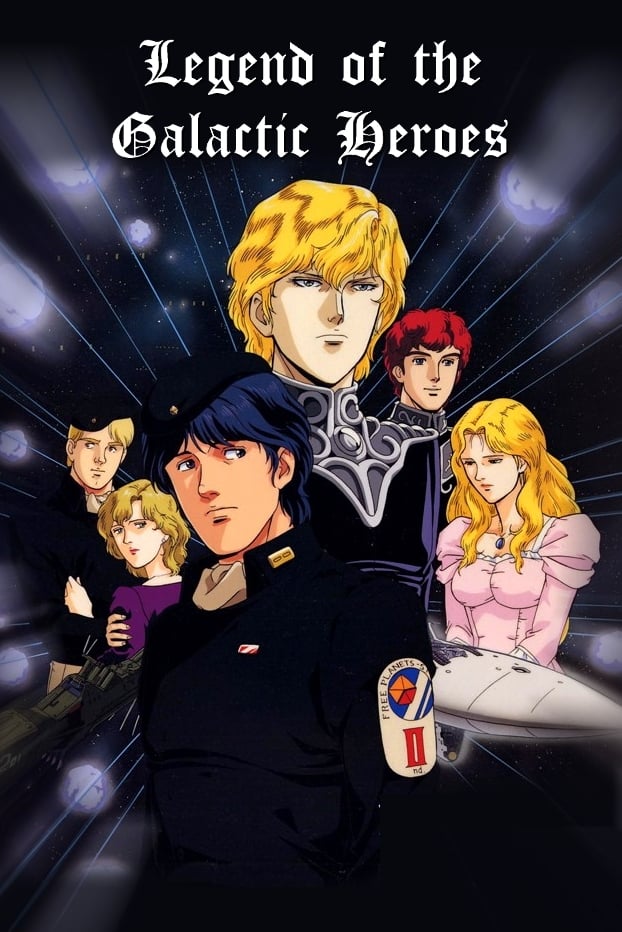
The story depicts a centuries long war between a monarchist empire and a democratic federation of planets. Both factions are plagued by internal corruption and an inability to maintain stable diplomatic relations with their own allies. The conflict explores how ideological differences lead to total mobilization and the gradual erosion of democratic values in the name of security. ‘Legend of the Galactic Heroes’ shows how these global alliances result in a stalemate that primarily serves the interests of third party manipulators.
‘Attack on Titan’ (2013–2023)
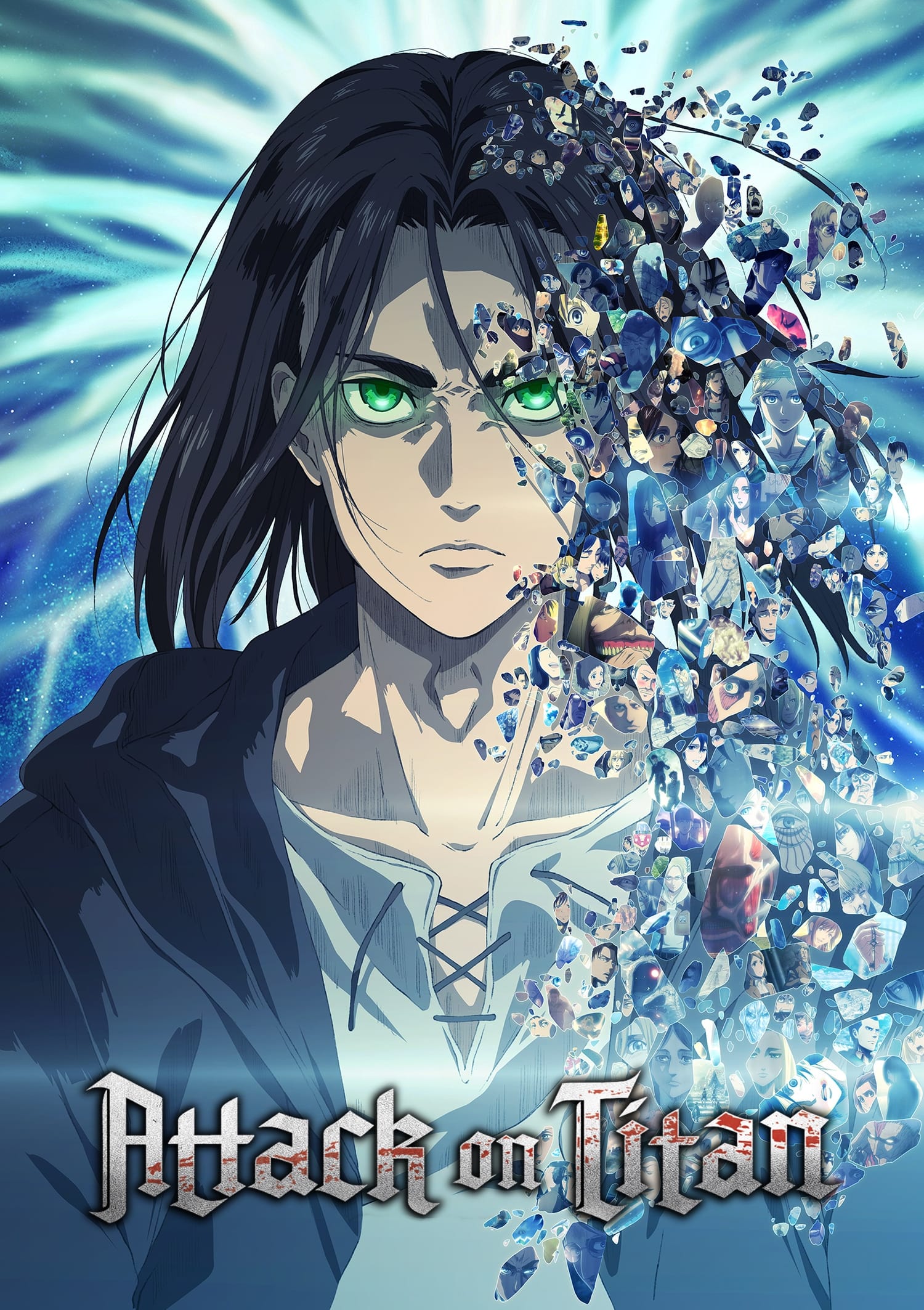
Global powers unite in a fragile coalition to eliminate a perceived threat from an isolated island nation. This alliance is built on centuries of historical resentment and the strategic need for rare mineral resources. The dominant empire uses diplomatic pressure and staged events to turn the entire world against a specific ethnic group. ‘Attack on Titan’ demonstrates how the cycle of hatred and propaganda leads to a catastrophic event that eventually threatens the existence of every nation involved in the alliance.
‘Fullmetal Alchemist: Brotherhood’ (2009–2010)
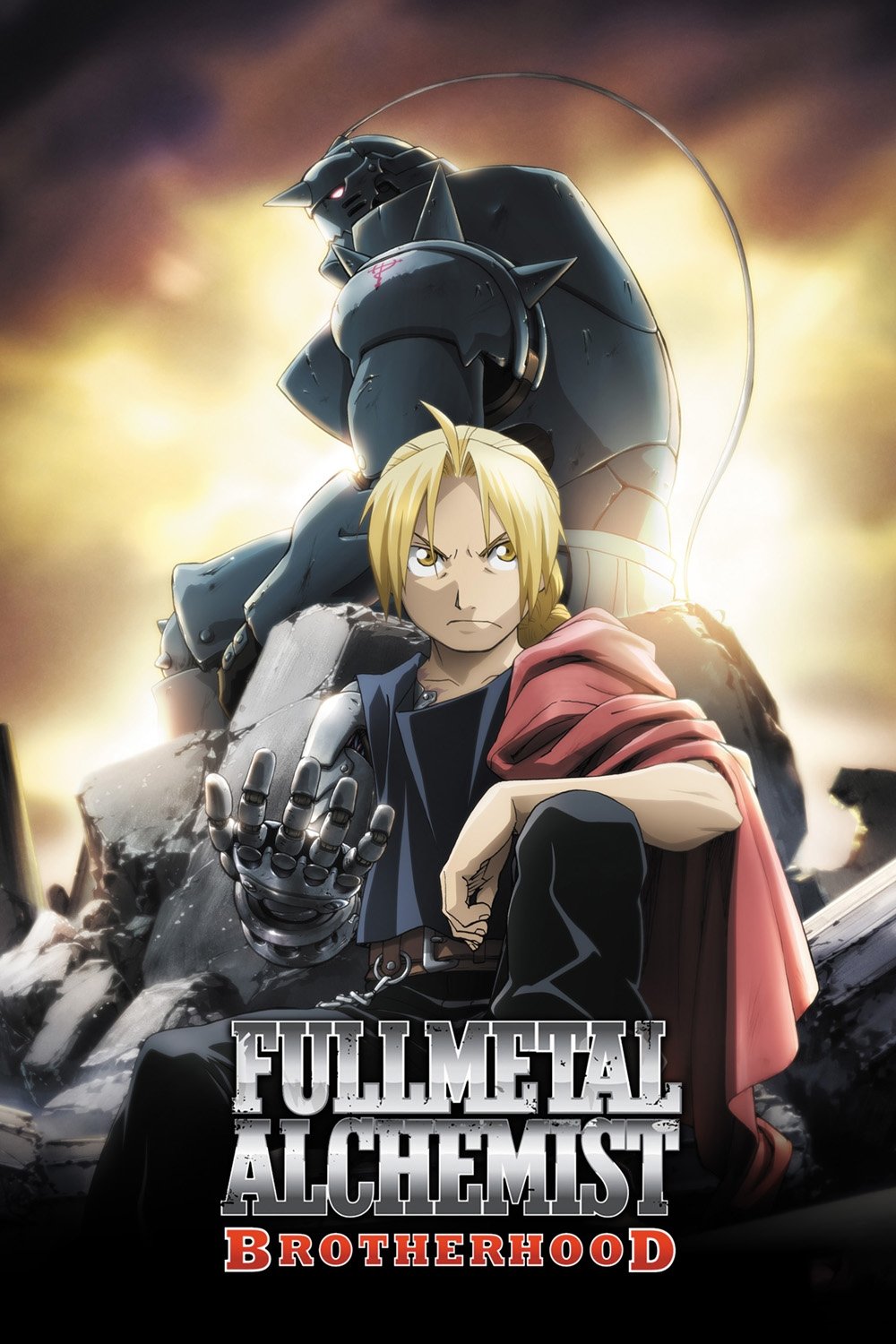
Amestris is a military state built on expansionist alliances that hide a sinister and supernatural purpose. The nation engages in frequent border conflicts with neighboring countries to fulfill the requirements of a massive transmutation circle. These alliances and wars are secretly orchestrated by non human entities to sacrifice the entire population for ultimate power. ‘Fullmetal Alchemist’ explores how international tension is often manufactured by those in power to achieve goals that have nothing to do with national security.
Please share your thoughts on which of these series had the most realistic portrayal of global politics in the comments.