LGBTQ+ Actors Who Challenged Network Censors on Politics

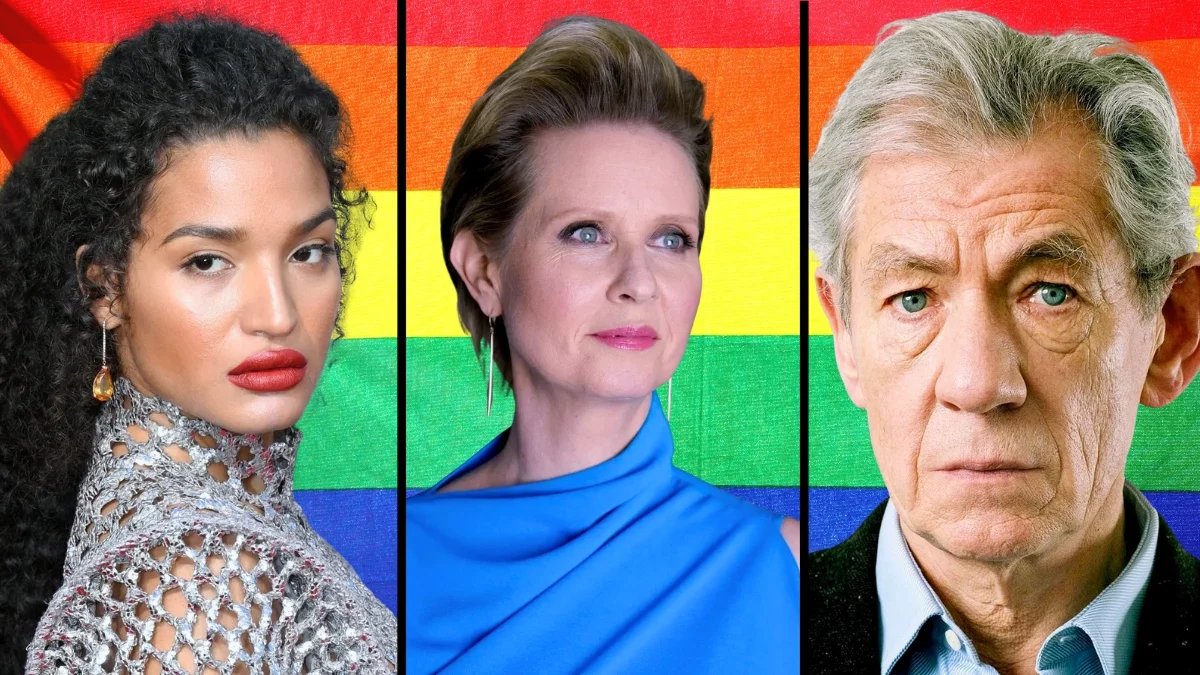

LGBTQ+ actors have long navigated a complex relationship with television networks while striving for authentic representation. Many performers have risked their careers to challenge restrictive censorship rules that aimed to sanitize or erase political identities. These individuals used their visibility to demand social change and force media executives to confront systemic biases. Their persistence has led to a fundamental shift in how political and social issues are integrated into mainstream programming.
Ellen DeGeneres
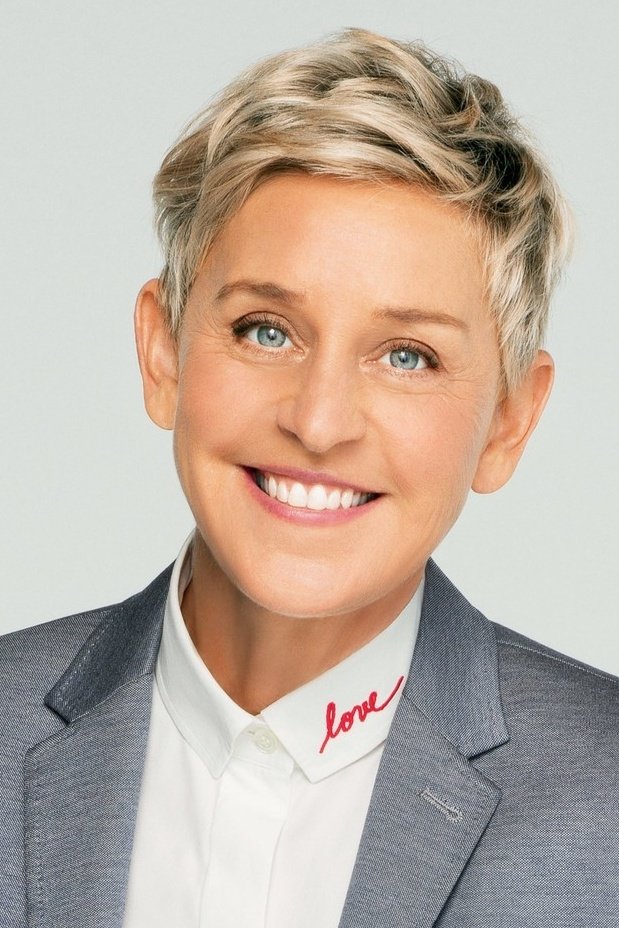
Ellen DeGeneres made history when her character came out as gay on the sitcom ‘Ellen’ during the late nineties. This decision faced immense pushback from ABC executives and advertisers who feared public backlash. DeGeneres insisted on the narrative change despite warnings that it could end her professional career. The episode sparked national debate and challenged the conservative standards of network television at the time. Her actions influenced the inclusion of diverse characters in future programming across all major networks.
Wilson Cruz
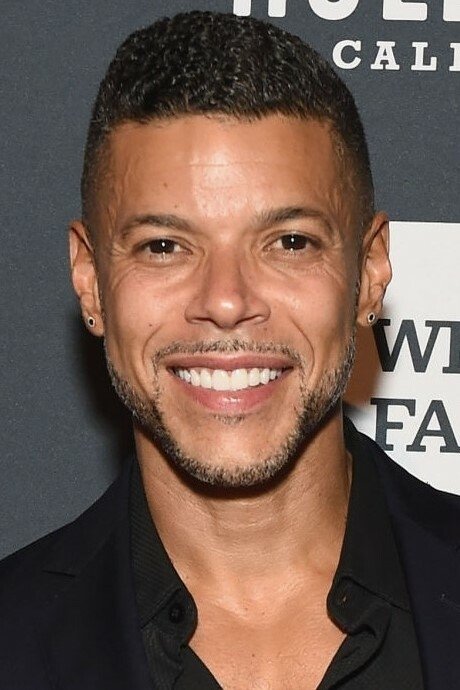
Wilson Cruz portrayed Rickie Vasquez on the show ‘My So Called Life’ in the mid nineties. He was the first openly gay actor to play an openly gay teenager on a major television network. Cruz actively worked with producers to ensure the character remained authentic and politically resonant. He faced scrutiny from censors regarding the portrayal of homophobia and youth homelessness. His presence on screen encouraged networks to include more stories about the struggles and triumphs of LGBTQ+ youth.
Billy Porter
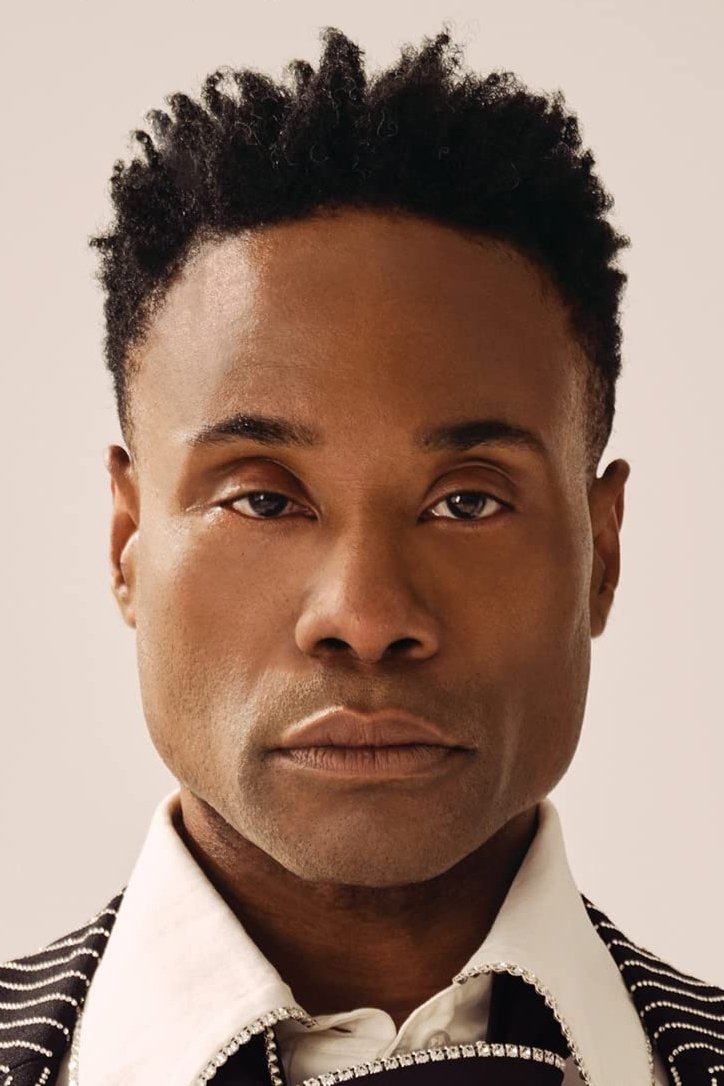
Billy Porter has consistently used his platform on shows like ‘Pose’ to challenge traditional gender norms and political silence. He has been vocal about the lack of representation for Black queer individuals in major network productions. Porter frequently uses red carpet appearances and televised speeches to deliver messages about social justice and civil rights. He famously pushed back against restrictive dress codes and binary expectations during high profile awards ceremonies. His advocacy has changed how networks handle intersectional political issues in modern entertainment.
George Takei
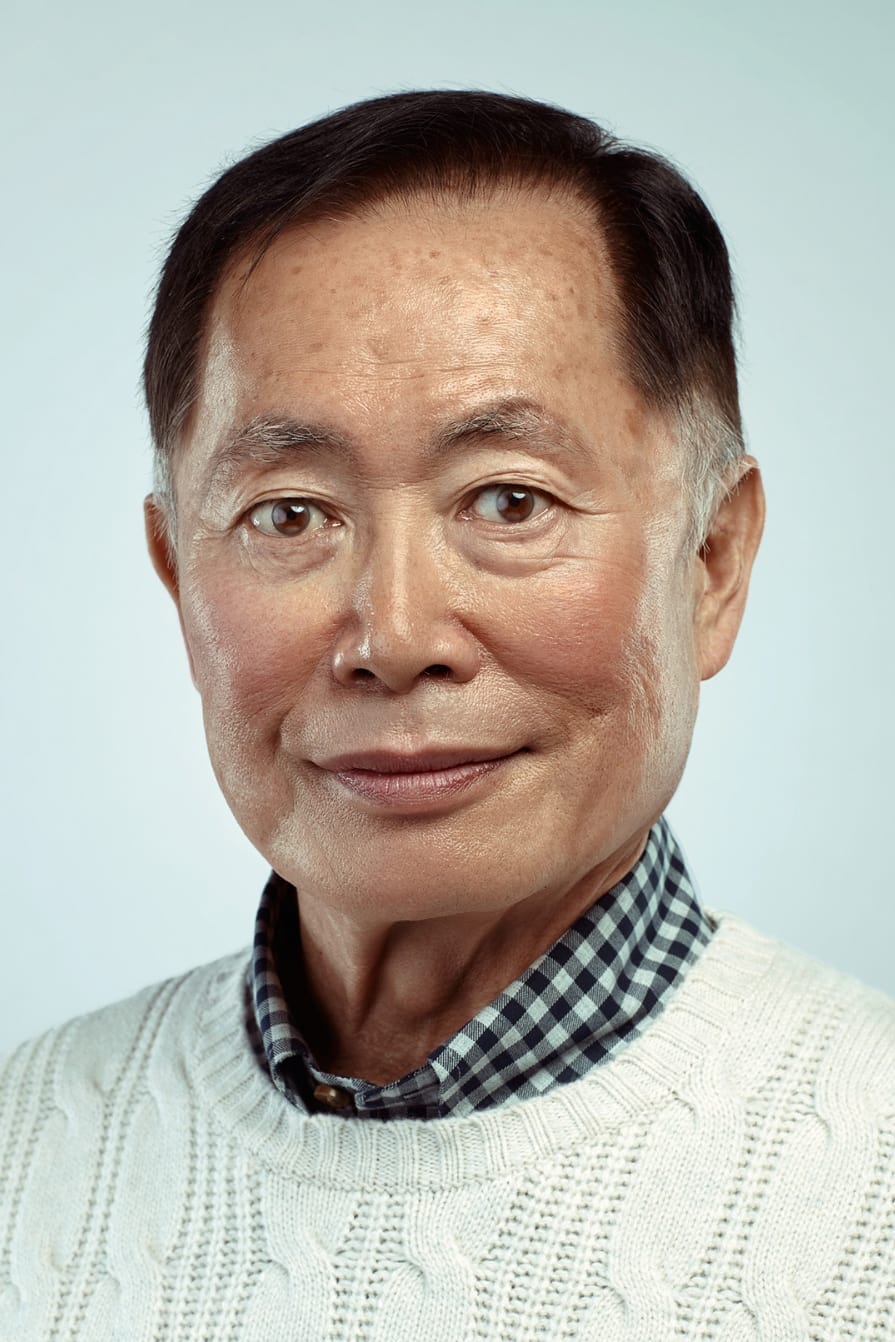
George Takei became a prominent voice for civil liberties after coming out publicly in two thousand five. He often reflects on his experience in ‘Star Trek’ and how the political climate of the sixties prevented him from being his true self. Takei has used his massive social media presence and television guest spots to challenge discriminatory laws across the United States. He frequently targets network news segments to advocate for the rights of marginalized communities. His work connects Hollywood history with modern civil rights efforts and political transparency.
Indya Moore
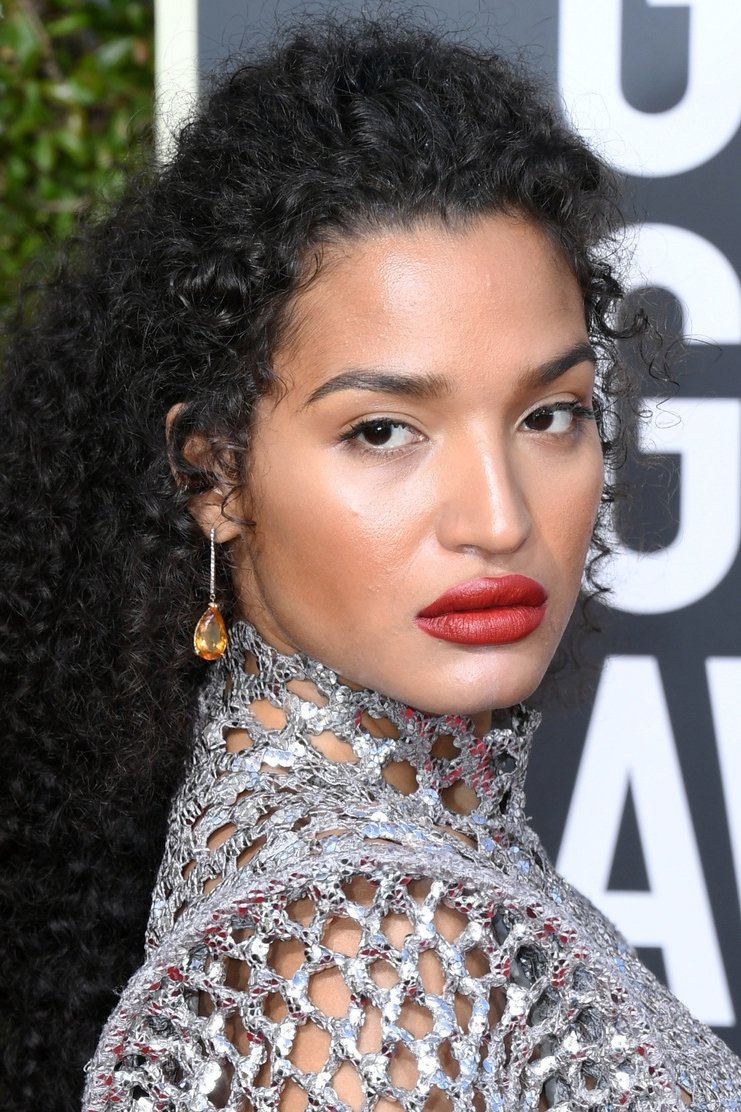
Indya Moore rose to prominence through the series ‘Pose’ and quickly became a vocal advocate for trans rights. They have openly criticized the fashion and film industries for the lack of safety and respect provided to gender nonconforming performers. Moore uses their public appearances to highlight political violence against the trans community and demands accountability from media conglomerates. They have challenged network censors by speaking candidly about systemic oppression during live broadcasts. Their refusal to conform to industry norms has sparked essential dialogue about trans representation and political equity.
Cynthia Nixon
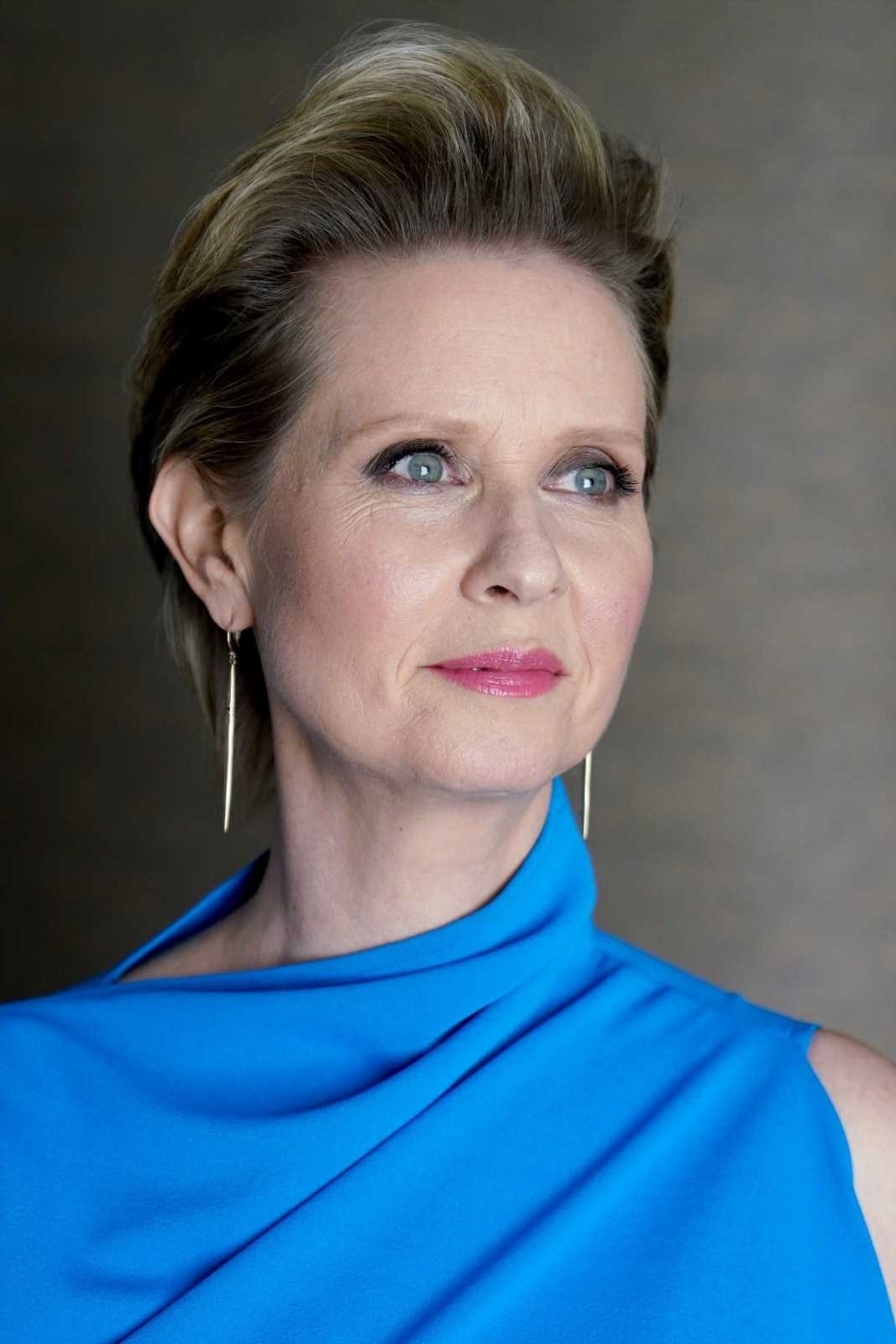
Cynthia Nixon used her fame from ‘Sex and the City’ to pivot into serious political activism and a run for public office. She has consistently challenged network narratives that shy away from progressive economic and social policies. Nixon utilized her media appearances to discuss topics like healthcare and education reform that were often deemed too controversial for entertainment segments. She advocated for more authentic portrayals of queer women in her television and film projects. Her transition to political leadership prompted networks to engage more deeply with celebrity activism as a serious force.
Laverne Cox
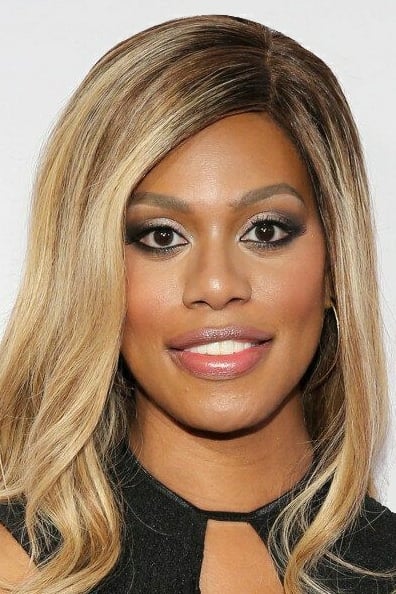
Laverne Cox became a household name through her role in ‘Orange Is the New Black’ and used her platform to address trans rights. She has been vocal about the way networks historically dehumanized or mocked gender nonconforming individuals. Cox challenged media censors by discussing the political implications of trans healthcare and legislation during live interviews. She was instrumental in the ‘The T Word’ documentary which brought trans youth issues to a mainstream audience. Her presence has expanded the boundaries of political discourse regarding gender identity on television.
Ian McKellen
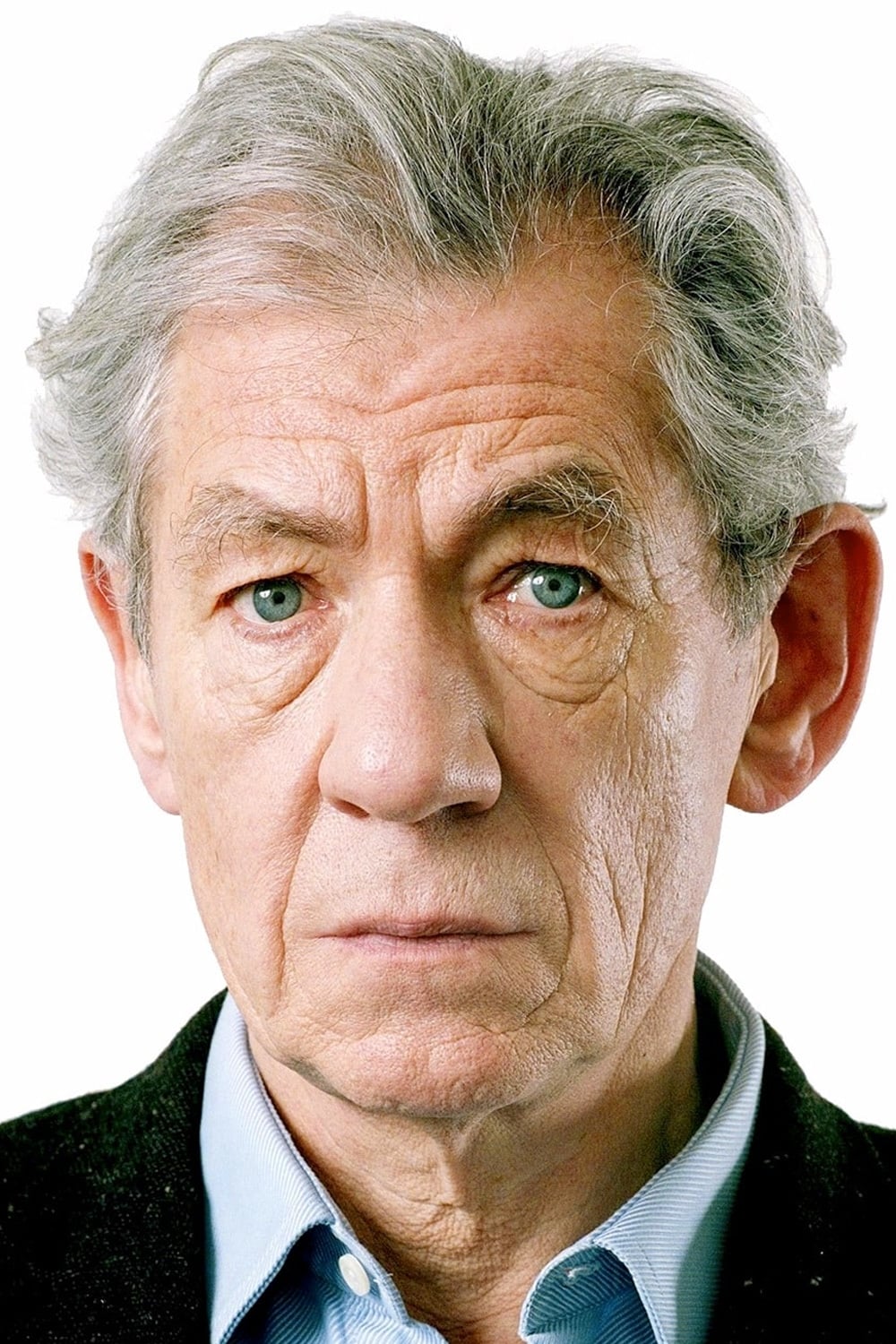
Ian McKellen has been a consistent advocate for LGBTQ+ rights since coming out in the late eighties during a protest against restrictive legislation. He has often used his status as a prolific actor in films like ‘The Lord of the Rings’ to lobby for political change. McKellen has challenged broadcasting standards by refusing to hide his identity during promotional tours for major global blockbusters. He remains active in political organizations that fight for equality and has spoken out against censorship in international media markets. His career demonstrates a long history of successfully combining professional work with political activism.
Please share your thoughts on these actors and their political activism in the comments.