TV Shows That Handled Black Queer Coming-Out Without Parental Rejection


Television narratives have shifted toward more affirming depictions of the Black queer experience in recent years. Many modern series choose to showcase coming out stories that are rooted in family support rather than conflict. These examples provide positive visibility and counteract historical tropes of trauma within the community. The following shows highlight characters whose parents and families embraced their identities with love and understanding.
‘Sex Education’ (2019–2023)
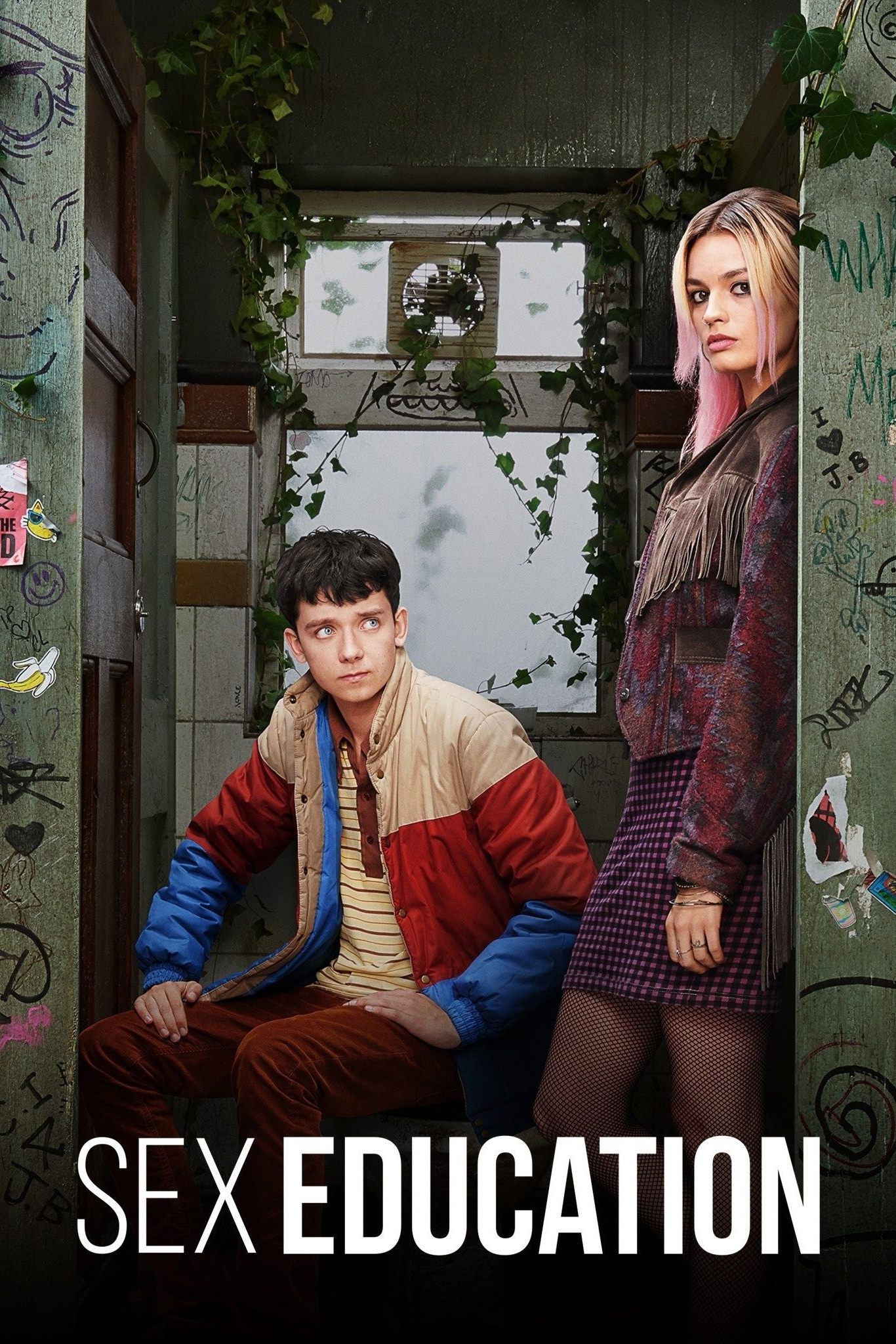
Eric Effiong navigates his identity as a gay Nigerian British teenager with the full support of his family. While he initially fears his religious father will not accept his expressive personality, the two share a touching moment of reconciliation. His father eventually encourages Eric to be exactly who he is because he loves his son. This portrayal offers a refreshing look at a young Black man finding joy in his identity.
‘Black Lightning’ (2018–2021)
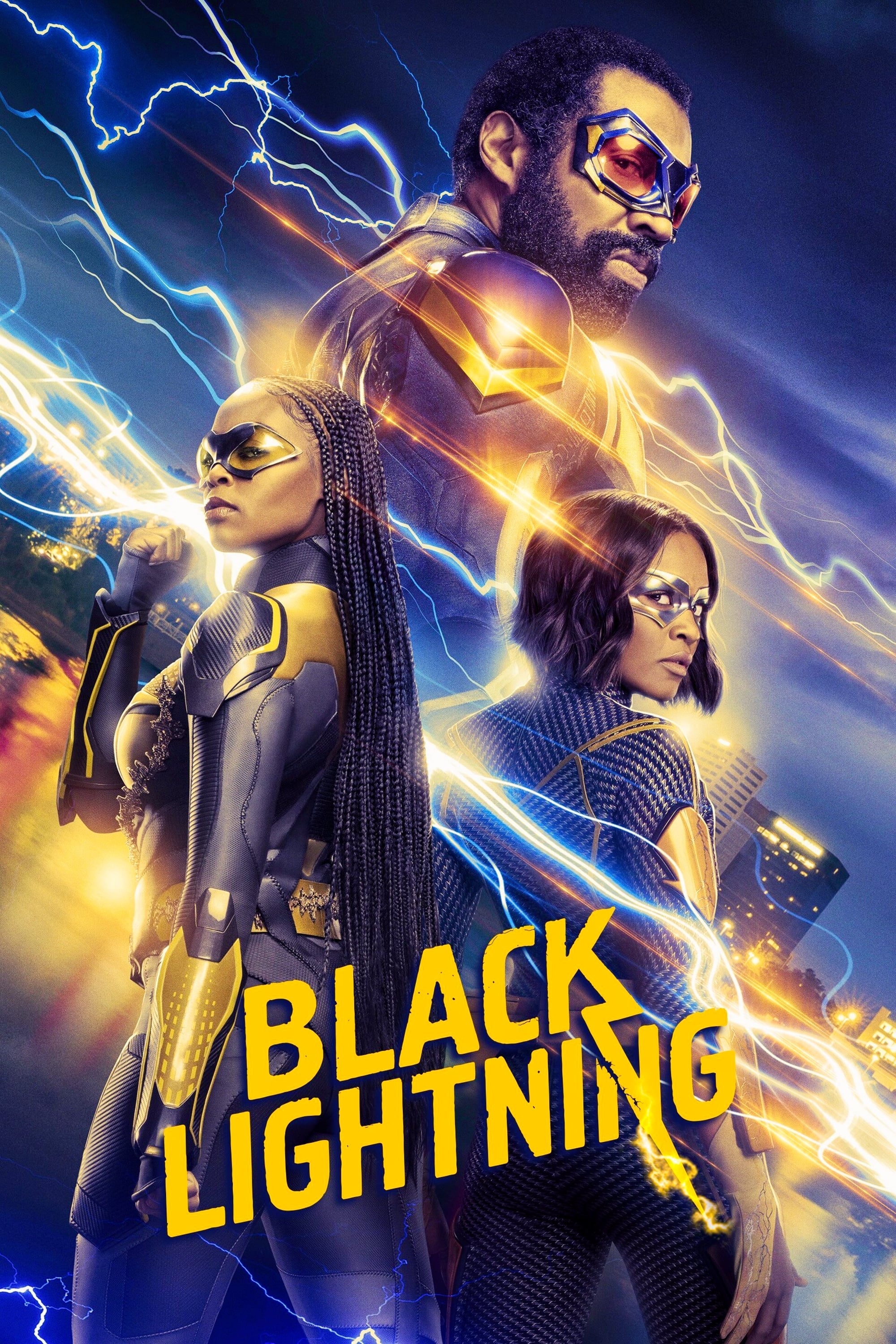
Anissa Pierce discovers her superhuman abilities alongside her developing identity as a lesbian woman. Her parents Jefferson and Lynn offer unwavering support when they learn about her girlfriend and her role as a vigilante. The Pierce family remains a strong unit where Anissa can be open about every aspect of her life. Her character serves as a groundbreaking example of a Black lesbian superhero with a stable home life.
‘Master of None’ (2015–2021)

The acclaimed episode titled Thanksgiving follows Denise across several decades as she comes out to her mother and aunt. While the conversation is initially awkward, her mother eventually expresses her deep love and desire for Denise to find happiness. The family continues their holiday traditions with Denise and her partners included at the table. This story highlights the quiet and realistic progression of acceptance within a Black family.
‘The Bold Type’ (2017–2021)

Kat Edison explores her bisexuality and later identifies as queer while working at a high profile magazine. Her parents are depicted as loving and liberal figures who embrace her journey without hesitation. They provide a safe space for her to discuss her relationships and career ambitions. This depiction removes the trauma often associated with coming out for Black characters in media.
‘Euphoria’ (2019–Present)

Rue Bennett struggles with addiction but her sexual orientation is never a source of conflict with her family. Her mother Leslie is fully aware of Rue’s feelings for Jules and treats their relationship with normalcy. The show focuses on Rue’s mental health and recovery rather than a traditional coming out struggle. This choice allows the character to exist as a queer Black girl without parental rejection being her primary obstacle.
‘Bel-Air’ (2022–Present)

Ashley Banks explores her identity and feelings for other girls with the guidance of her supportive family members. Her older sister Hillary and her parents provide a nurturing environment where she feels comfortable being herself. The reimagined series handles her discovery with gentleness and maturity. Ashley’s story emphasizes the importance of a strong familial foundation during adolescence.
‘Never Have I Ever’ (2020–2023)
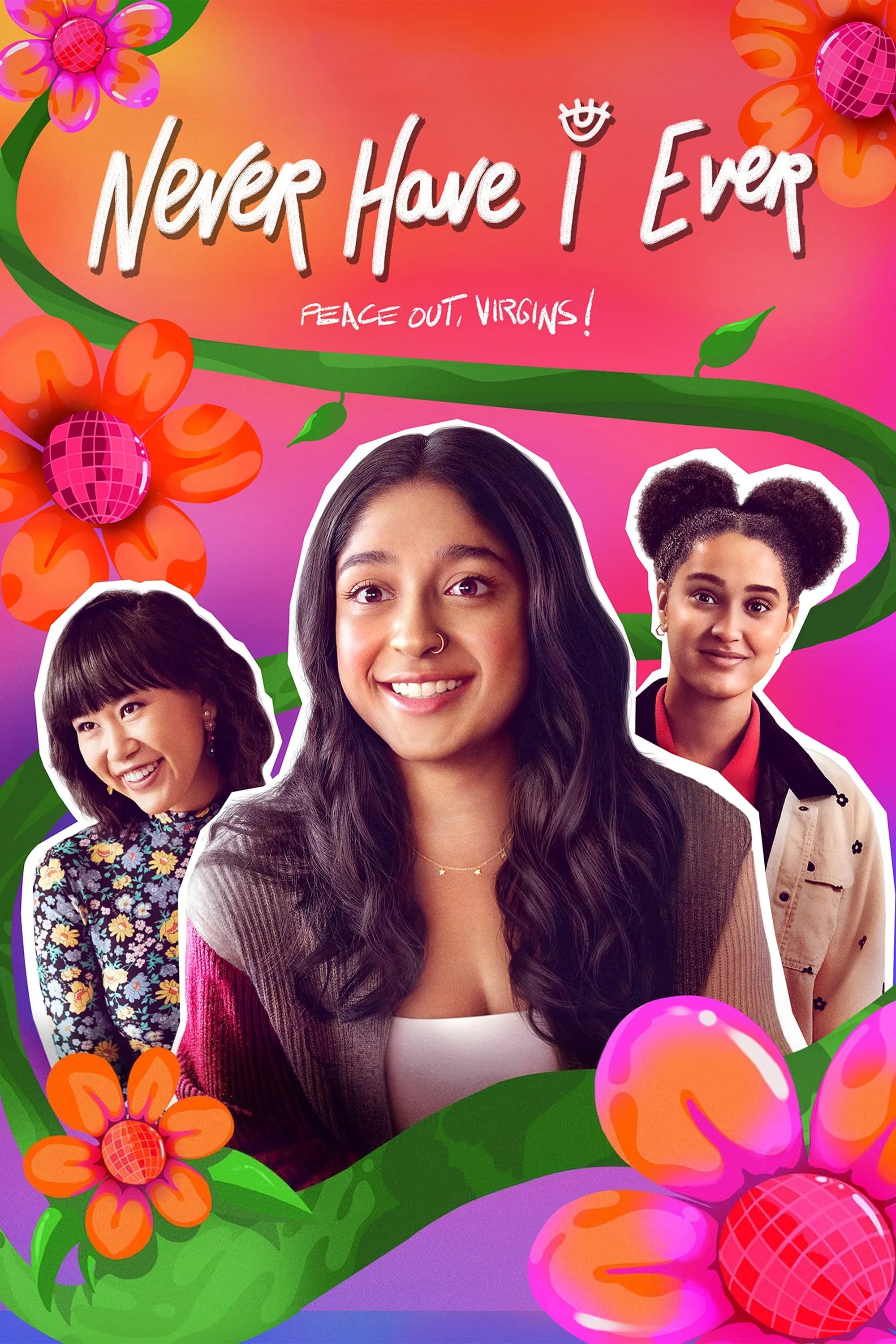
Fabiola Torres is a roboticist who comes out to her mother in a heartfelt scene that results in immediate acceptance. Her mother is excited to support her and even tries to help her navigate queer culture in her own way. The relationship between mother and daughter remains close as Fabiola gains confidence in her identity. This storyline provides a positive model for Afro Latina representation on television.
‘Heartstopper’ (2022–Present)

Tara Jones is a talented musician who is open about her relationship with her girlfriend Darcy. She mentions that her parents are supportive of her identity which allows her to focus on her school life and friendships. The series portrays her as a confident young woman who is happy in her own skin. Tara represents a rare example of a Black queer teen with a drama free home life.
‘Kipo and the Age of Wonderbeasts’ (2020)
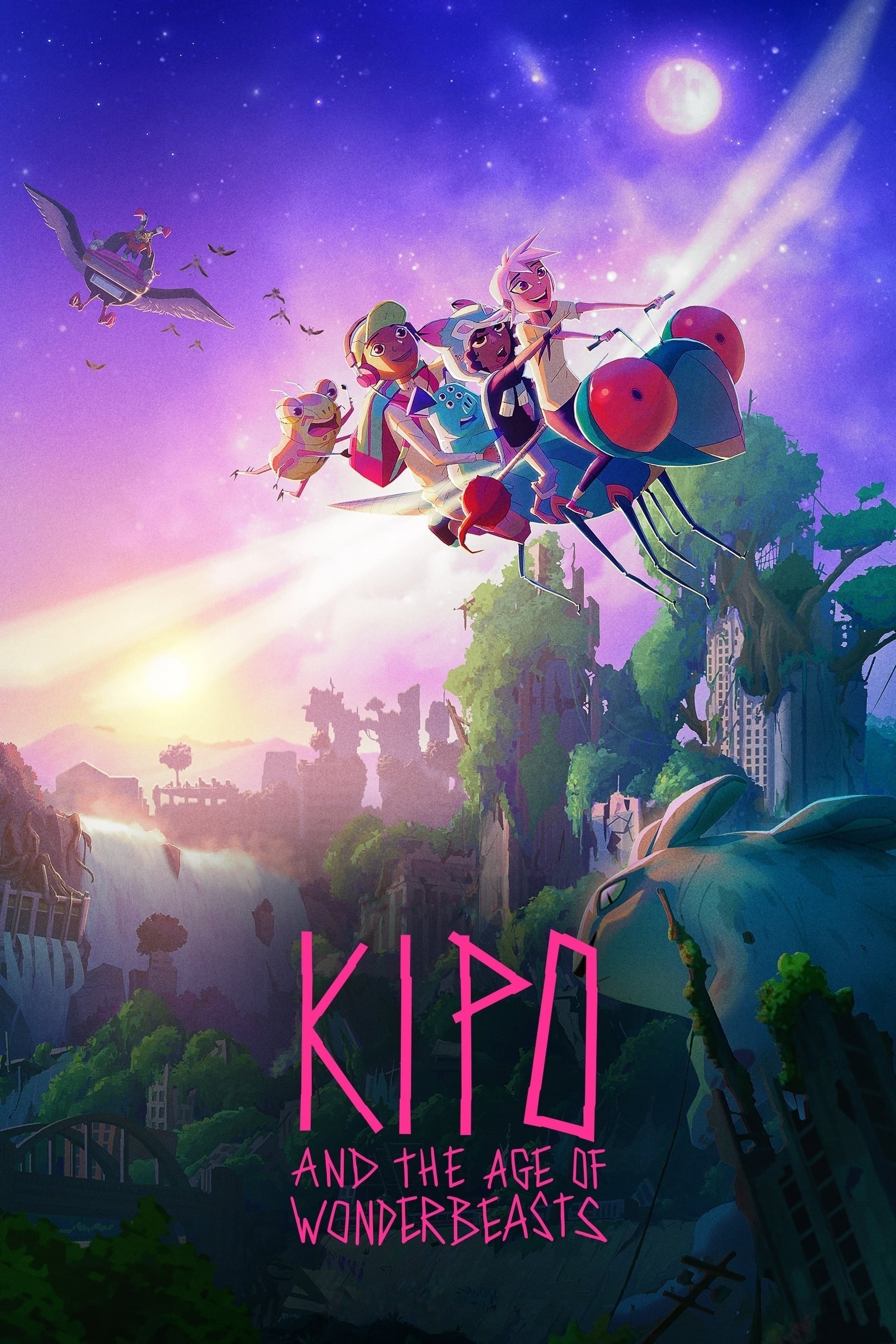
Benson is a survivor in a post apocalyptic world who casually tells his best friend that he is gay. His father is shown to be a loving and protective figure who accepts Benson exactly as he is. The two share a strong bond that is built on mutual respect and survival. This animated series broke barriers by featuring a Black gay lead whose father is his biggest ally.
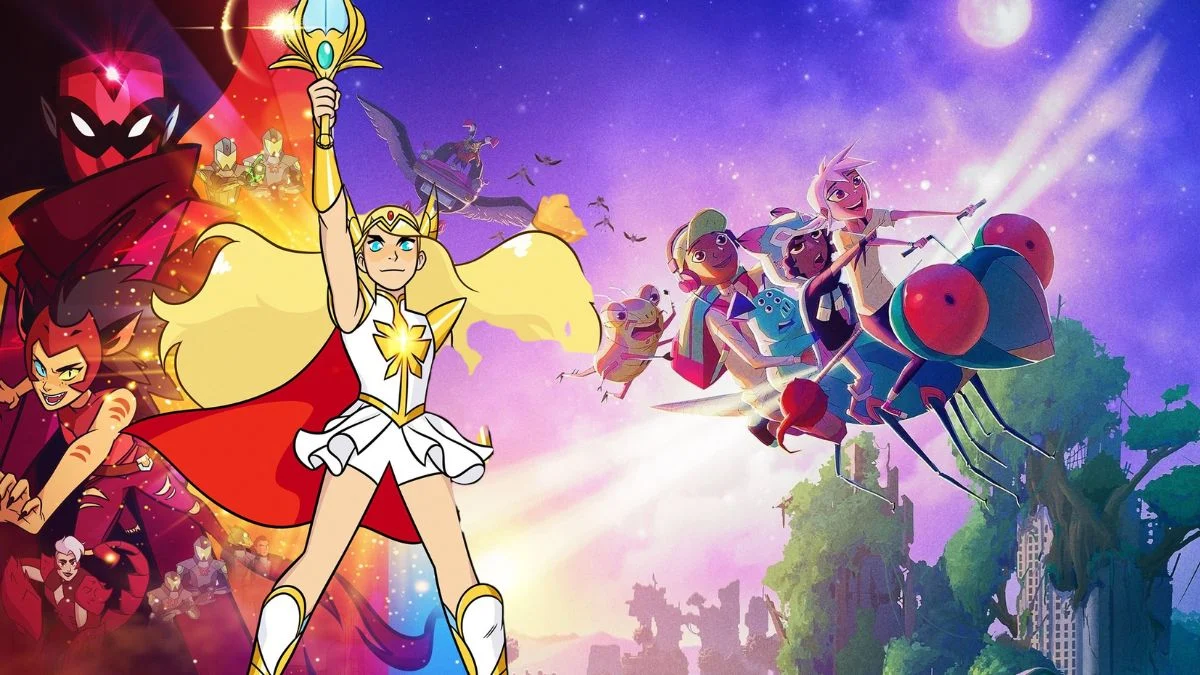
‘She-Ra and the Princesses of Power’ (2018–2020)
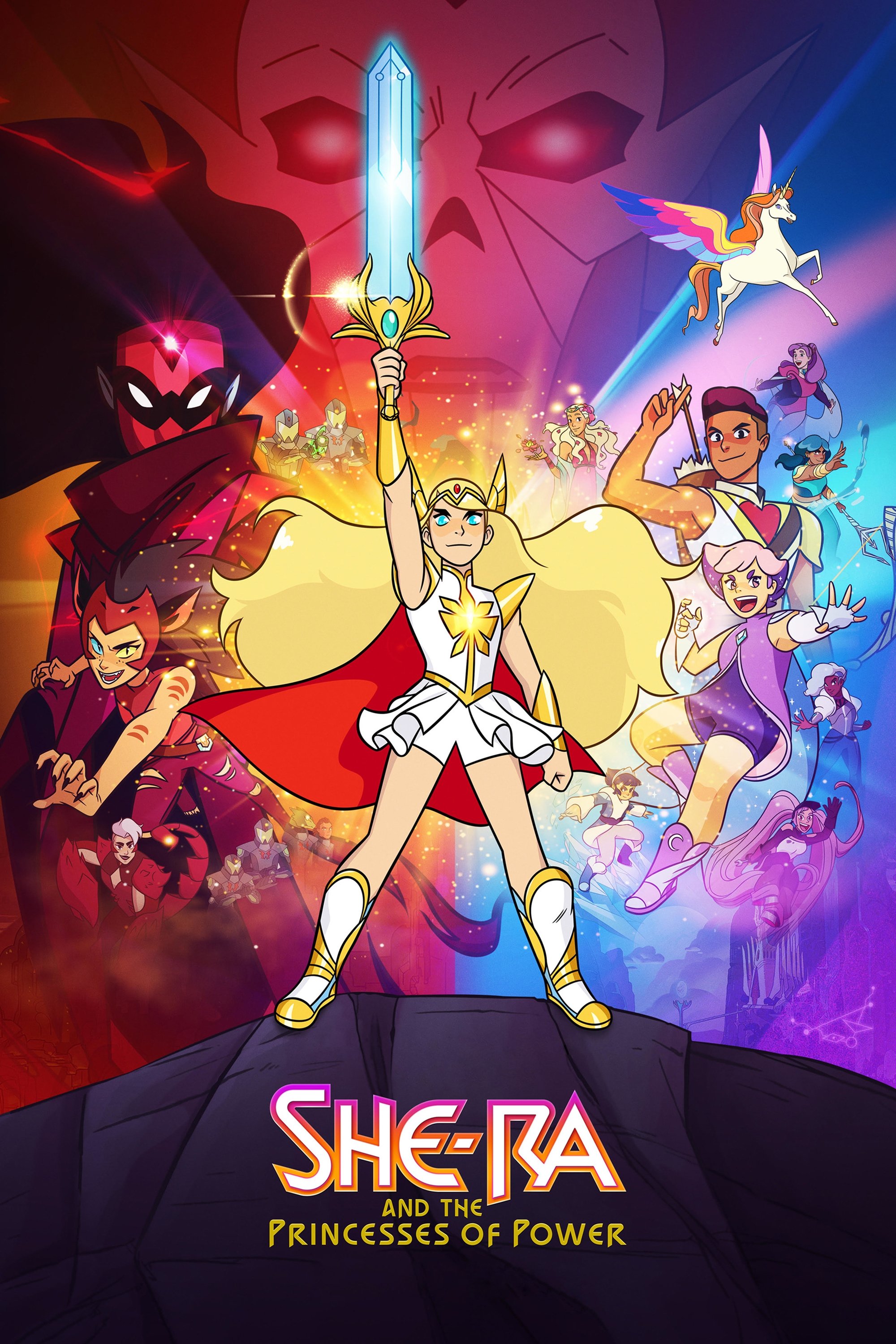
Bow is a core member of the rebellion and has two fathers named George and Lance. His parents are historians who are deeply involved in his life and show him constant affection. They support his choices even when he deviates from their expectations for his career. This inclusive family dynamic is presented as a normal part of the magical world of Etheria.
‘The Owl House’ (2020–2023)
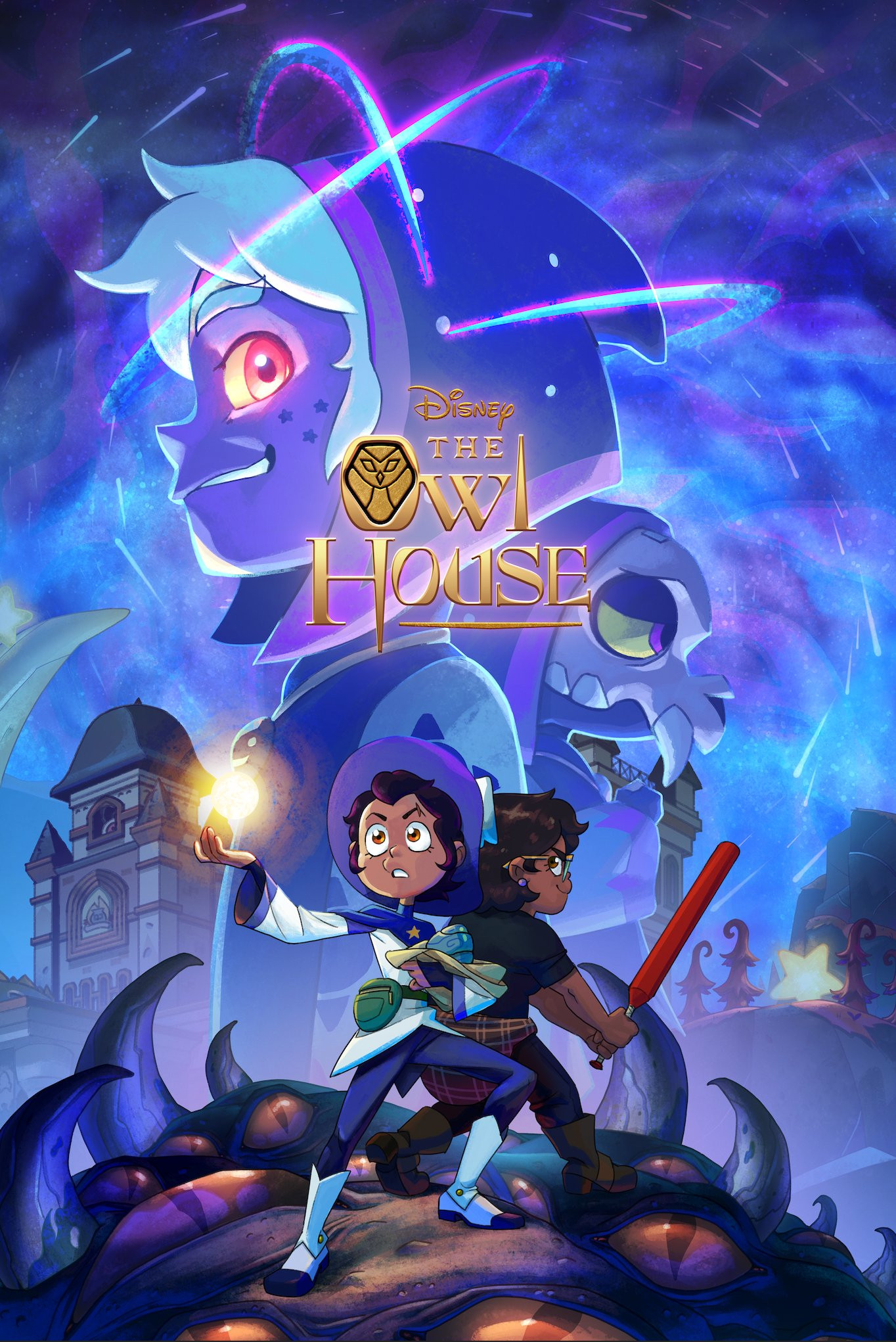
Willow Park is a powerful young witch who is raised by two loving and supportive fathers. Her parents are frequently seen cheering her on during her magical training and school events. They provide her with the emotional stability she needs to grow into a leader. The show presents their family unit as healthy and unremarkable in its acceptance.
‘First Kill’ (2022)

Calliope Burns belongs to a family of elite monster hunters who accept her identity as a lesbian. While they have strict rules regarding their profession, her orientation is never an issue for her parents. They focus on her training and safety rather than who she chooses to love. The conflict in her life arises from her supernatural circumstances rather than familial rejection.
‘With Love’ (2021–2023)

Sol Perez is a non binary doctor who navigates life and love with the help of a very supportive family. The Perez family celebrates Sol and ensures they feel included in all holiday traditions. Their identity is embraced as a natural part of the family fabric. This series showcases a warm and affirming environment for Afro Latino queer characters.
‘Glee’ (2009–2015)
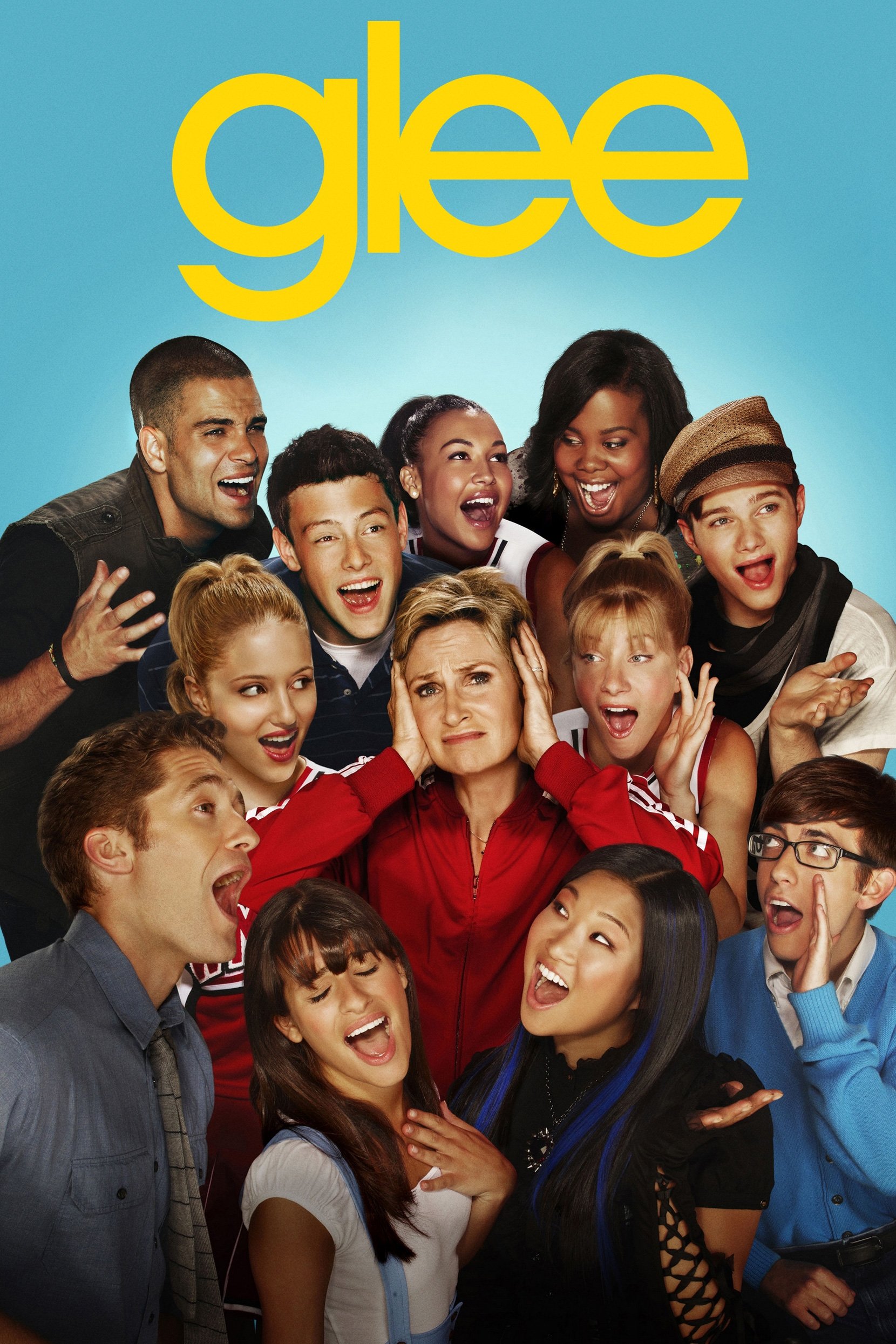
Unique Adams is a talented singer who identifies as a transgender woman and finds support in her mother. During her time in the glee club she mentions how her mother helps her pick out clothes and supports her transition. This parental backing gives her the strength to face challenges at school. Her story highlights the importance of parental advocacy for transgender youth.
‘Dear White People’ (2017–2021)
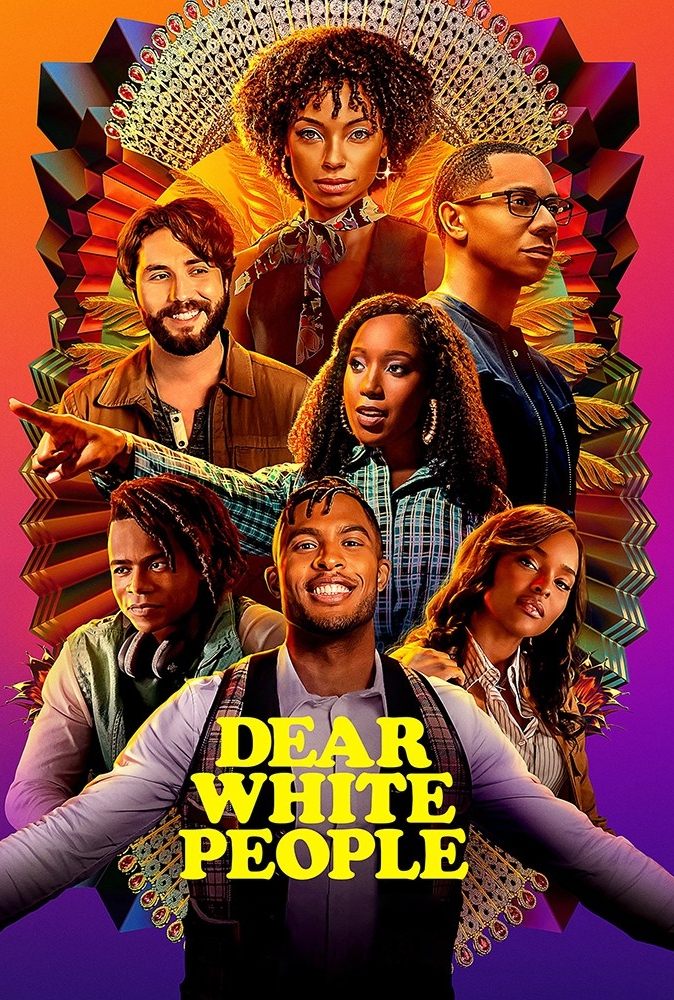
Lionel Higgins is a soft spoken journalist who slowly becomes comfortable with his gay identity. His father appears in the series as a supportive figure who cares about his son’s well being and success. Their relationship is grounded in respect and a shared passion for storytelling. Lionel’s journey is one of self discovery supported by a steady family background.
‘9-1-1’ (2018–Present)

Henrietta Wilson is a dedicated firefighter and paramedic who lives an open life with her wife and children. Her mother moves in with them and provides constant support for her career and personal life. The series emphasizes the strength of their family unit and the lack of conflict regarding her orientation. She is portrayed as a capable professional whose mother is proud of her.
‘Everything’s Gonna Be Okay’ (2020–2021)

Drea is a bright young woman who navigates her burgeoning feelings for her friend Matilda. Her father is a constant source of support and encourages her to explore her identity at her own pace. The show focuses on her perspective as a neurodivergent Black queer girl. This portrayal is notable for its gentleness and the absence of familial trauma.
‘The L Word: Generation Q’ (2019–2023)
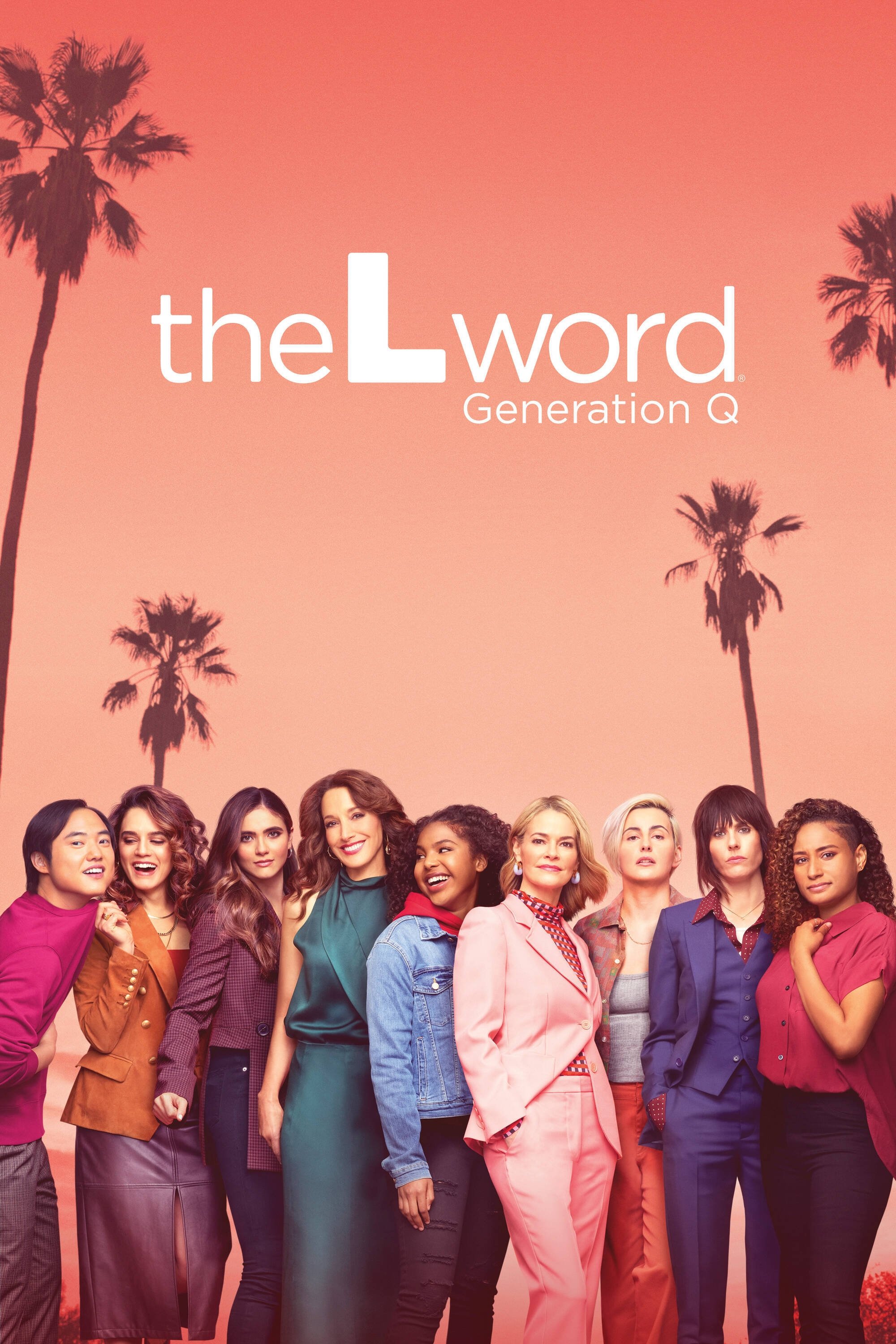
Sophie Suarez is a television producer whose large Afro Latina family is deeply involved in her life. Her mother and grandmother are supportive of her relationships and attend her wedding events. The family dynamic is characterized by loud love and constant communication. Sophie’s orientation is treated as a normal and celebrated part of her life.
‘Gossip Girl’ (2021–2023)
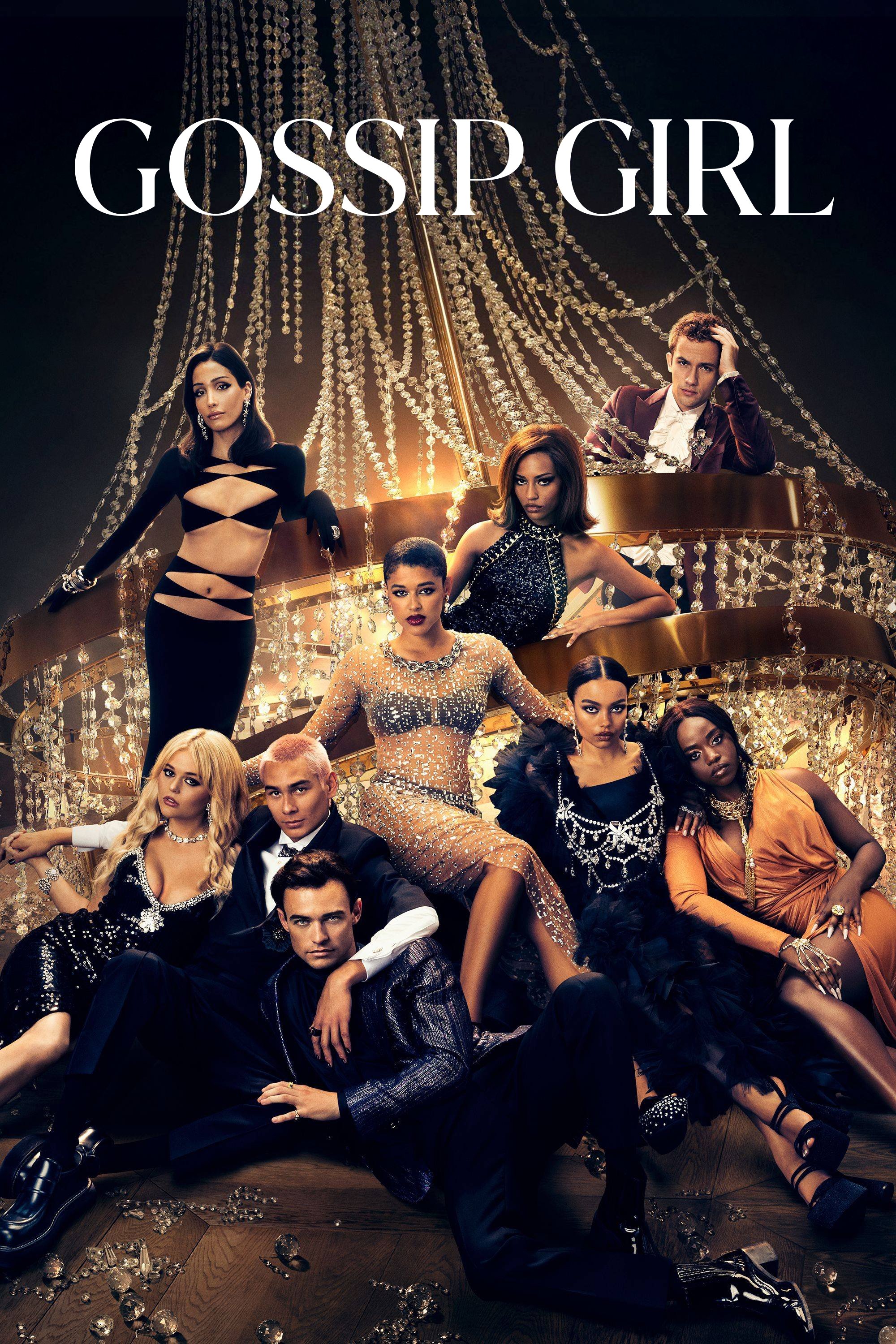
Monet de Haan is a powerful and influential student who is open about her identity as a lesbian. While her mother is demanding and often cold their conflicts are rooted in power dynamics rather than her orientation. Monet remains a dominant force in her social circle and is never marginalized for her identity. This portrayal showcases a Black queer woman in a position of high social status.
‘All American: Homecoming’ (2022–2024)
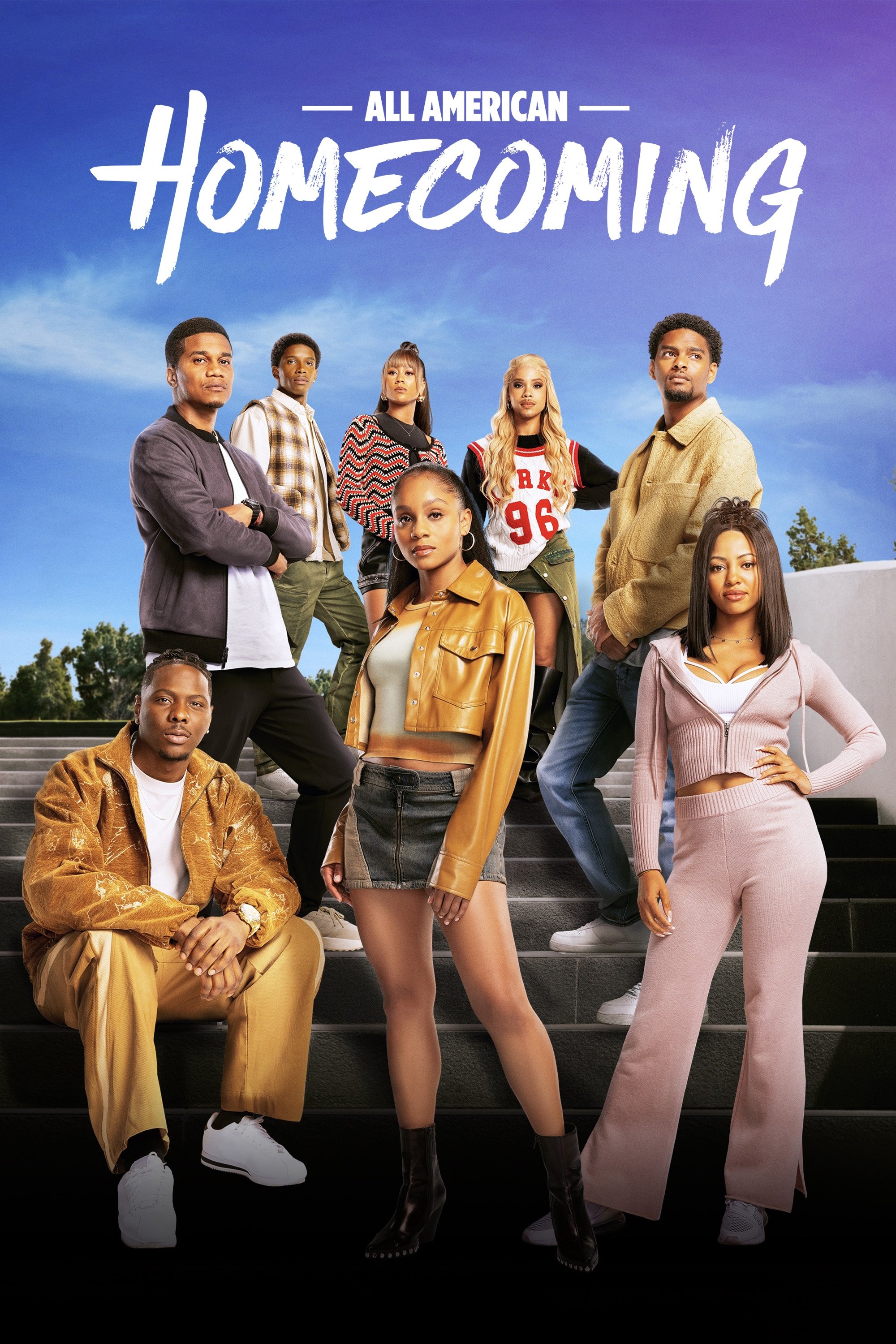
Nathaniel Hardin is a confident and stylish student who navigates university life as a transgender woman. She receives immense support from her aunt and her close knit group of friends. The show depicts her as a leader on campus who is respected for her talent and character. Her story emphasizes the power of having an affirming support system during the college years.
‘Willow’ (2022)

Jade is a determined knight in training who explores her romantic feelings for a princess. Her father is shown to be a supportive figure who values her bravery and dedication to her path. The series allows her to develop her identity while focusing on the high stakes adventure at hand. Jade represents a strong Black queer character in a traditional fantasy setting.
‘Found’ (2023–Present)
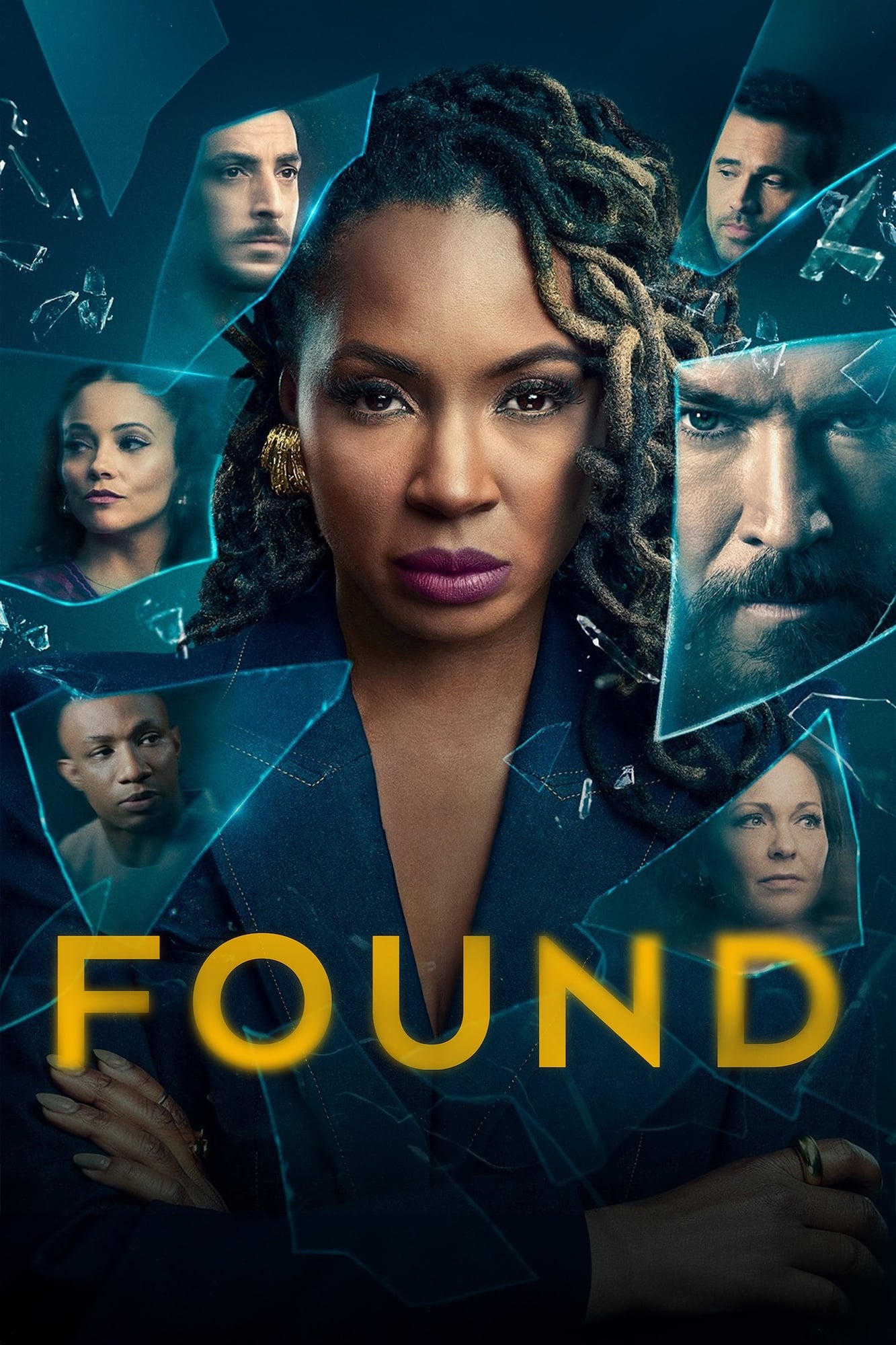
Lacey Quinn is a resilient law student who works with a team to find missing people. She is open about her identity and finds a supportive environment among her colleagues and her family. Her past experiences as a survivor are the focus of her character development rather than her orientation. She is depicted as a strong and capable woman with a solid support system.
‘Batwoman’ (2019–2022)

Ryan Wilder takes on the mantle of a hero while living as an out and proud lesbian. Although she grew up in the foster system her foster mother was a source of great love and acceptance. After her foster mother’s death Ryan continues to honor her memory while protecting the city. She finds a new family in her teammates who respect her identity completely.
‘Queen Sugar’ (2016–2022)
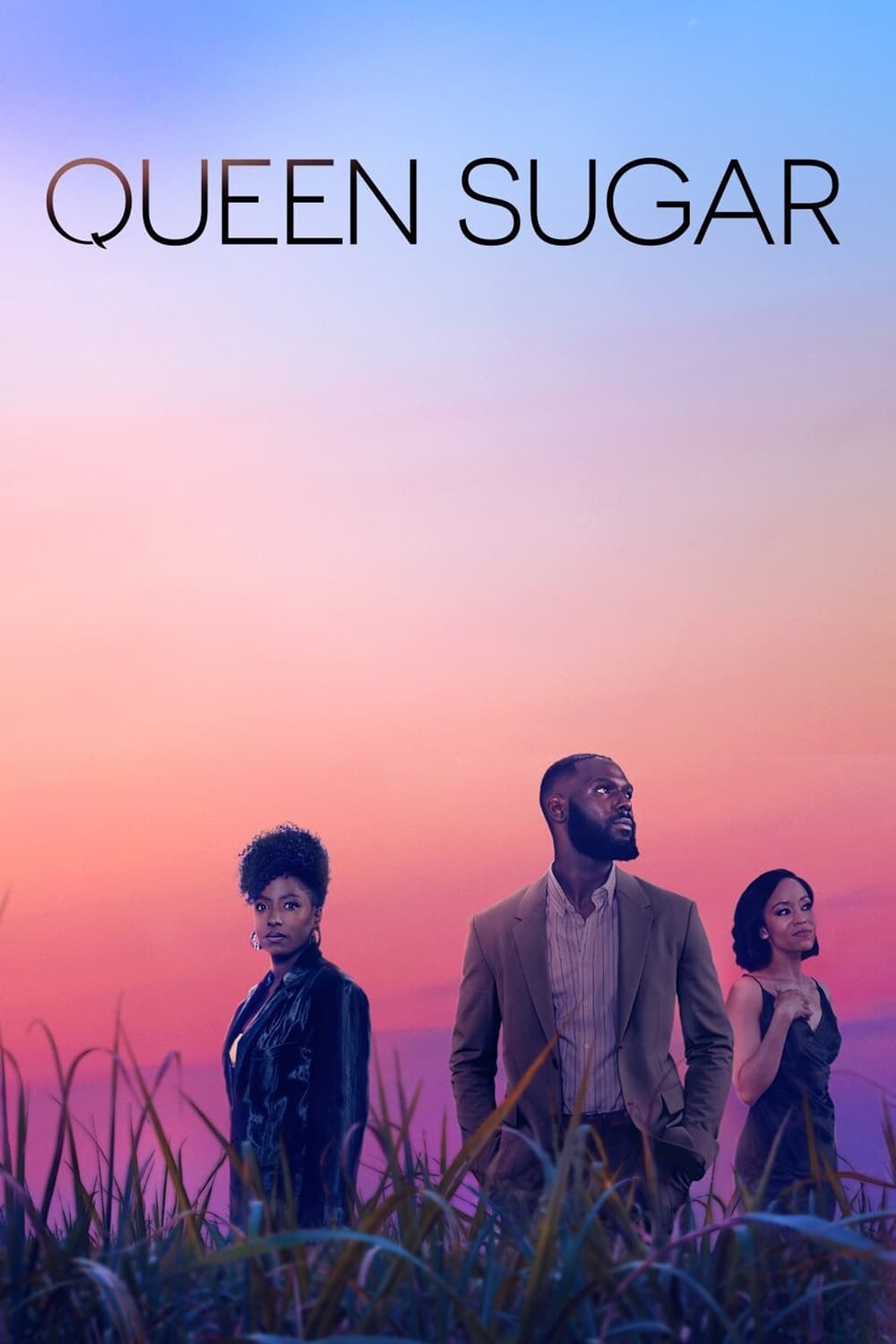
Nova Bordelon is an activist and journalist who is open about her fluid attraction to both men and women. Her siblings and extended family accept her for who she is without judgment or rejection. The series explores her complex relationships and her commitment to social justice. Nova serves as a central figure in her family whose identity is fully integrated into their lives.
‘Harlem’ (2021–Present)
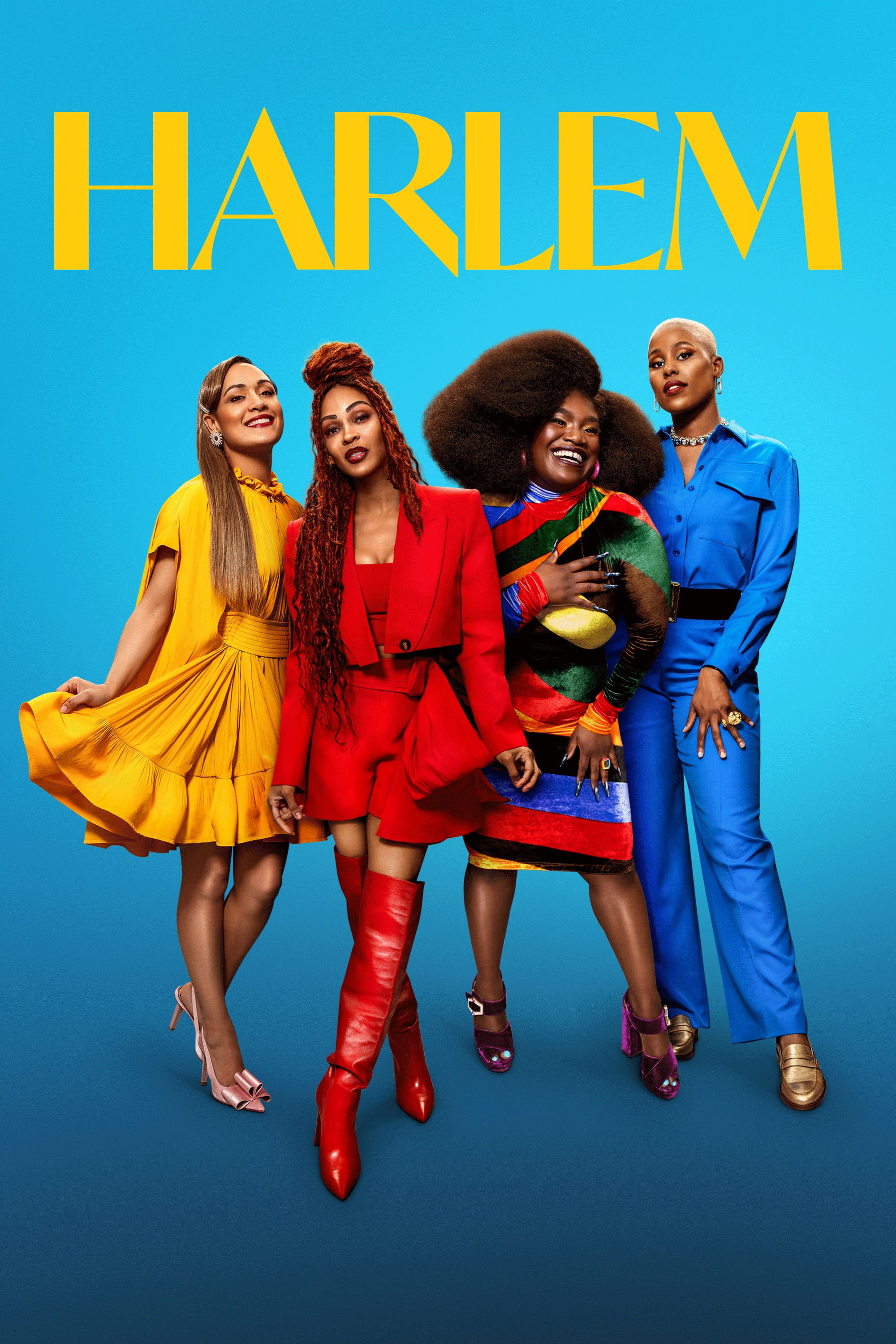
Tye Patterson is a successful tech entrepreneur who is confident in her identity as a lesbian. She has a strong network of friends and a family that does not challenge her orientation. The show focuses on her professional challenges and romantic life in the city. Her character represents a modern and empowered Black queer woman.
‘9-1-1: Lone Star’ (2020–Present)

Paul Strickland is a brave firefighter who is a transgender man with a supportive family. While he faced some distance in the past his mother is shown to be accepting of the man he has become. The show highlights his professional excellence and the respect he garners from his peers and loved ones. His story provides an important look at the life of a Black transgender man.
‘Good Trouble’ (2019–2024)
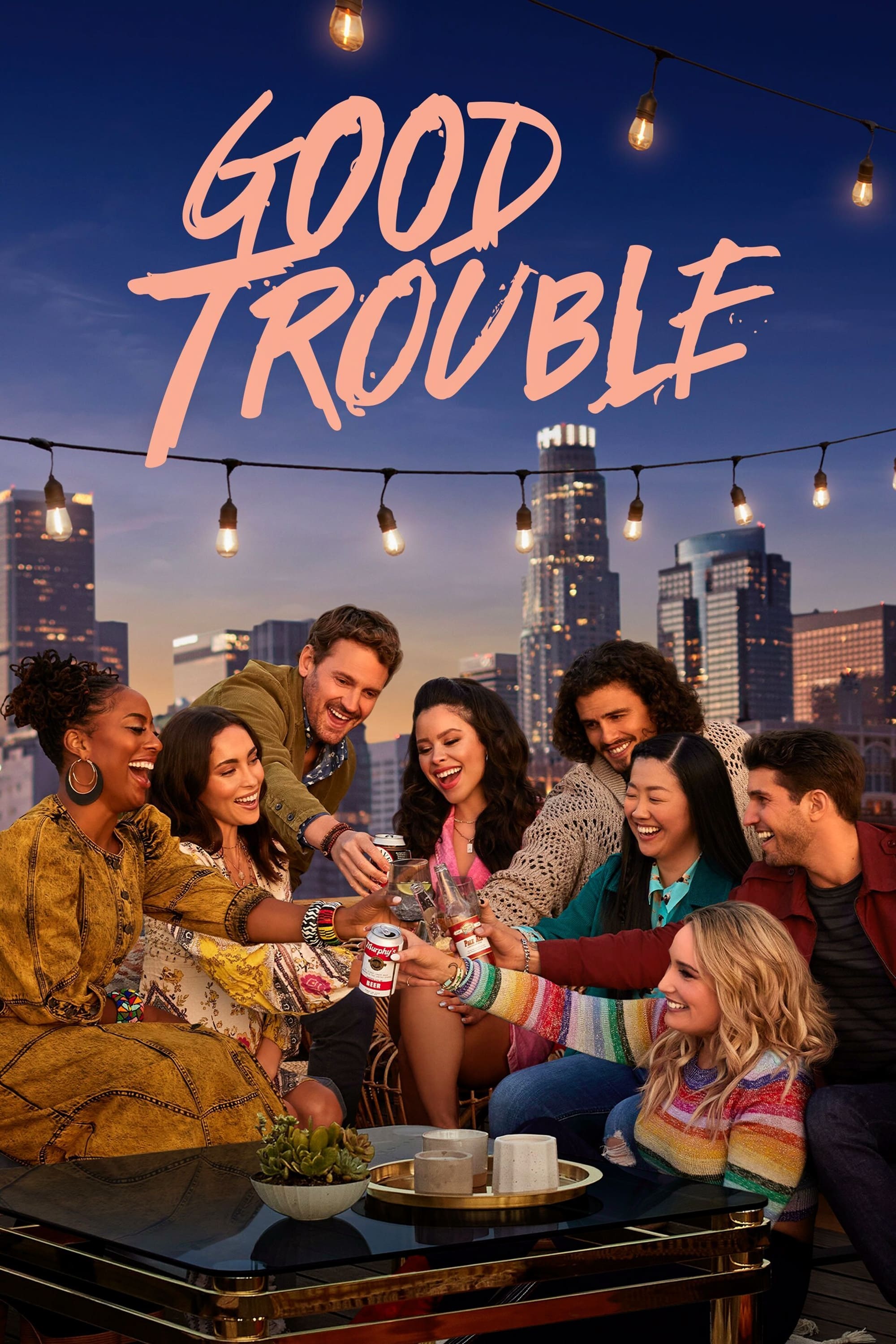
Malika Williams explores her identity as a bisexual and polyamorous woman throughout the series. Her family and friends at the Coterie offer a space where she can be her authentic self. The show handles her personal growth with care and emphasizes the importance of community. Malika’s story is one of liberation and acceptance within her social and familial circles.
‘Doctor Who’ (2005–Present)

Bill Potts is a companion to the Doctor who is open about her interest in women from her very first episode. Her foster mother is a supportive figure in her life who wants the best for her. Bill’s adventures through space and time allow her to be a hero without her identity being a conflict. She remains one of the most beloved and positive representations of a Black queer woman in science fiction.
‘The Upshaws’ (2021–Present)
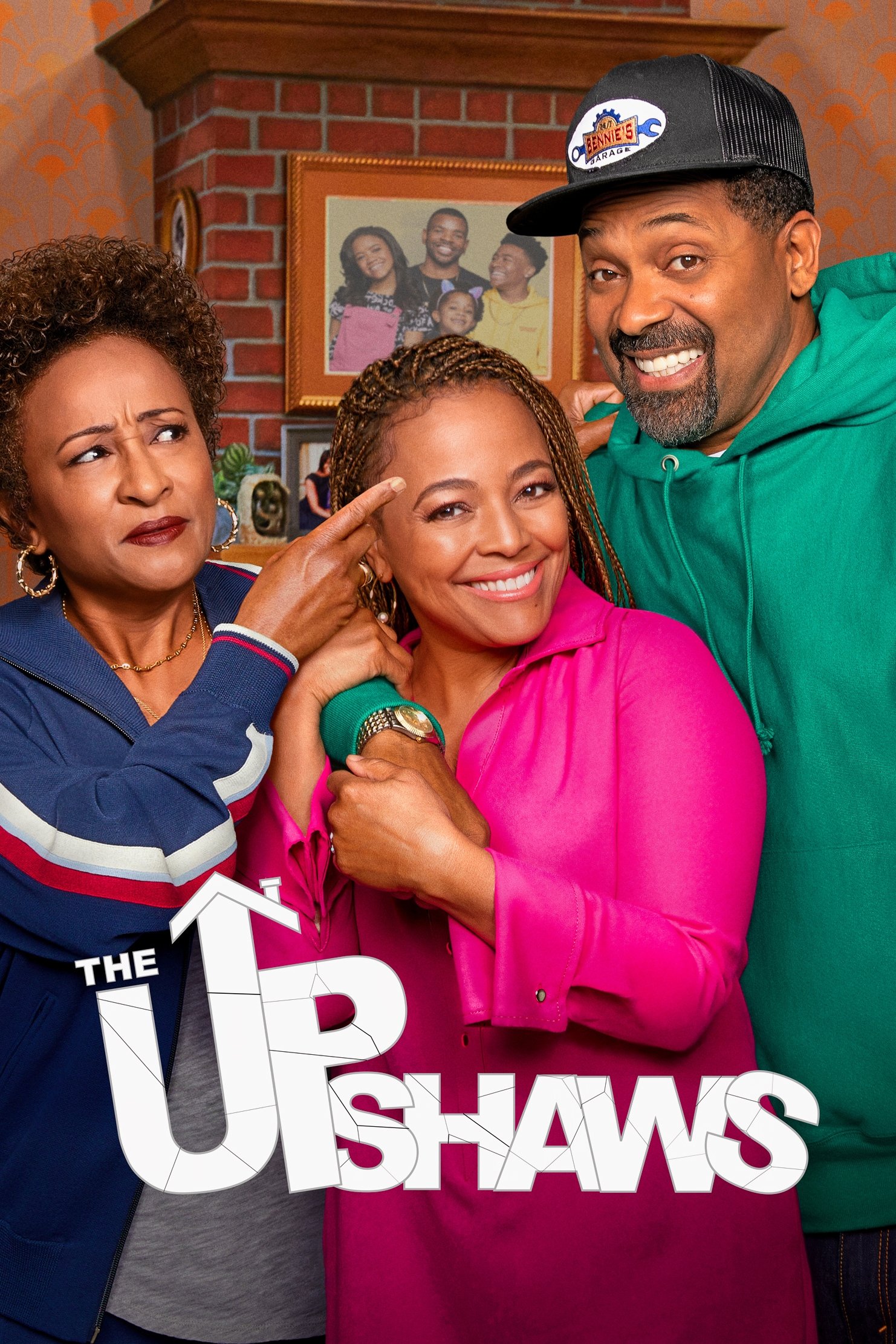
Bernard Upshaw Junior comes out to his family in a storyline that focuses on growth and eventual acceptance. While his father initially struggles with the news he quickly reaffirms his love for his son. The family dynamic remains humorous and tight knit as they navigate this new chapter together. This portrayal shows a realistic path toward acceptance within a working class Black family.
Please share your thoughts on these supportive portrayals in the comments.