Games That Let You Hack Elections (Ethically, Of Course)

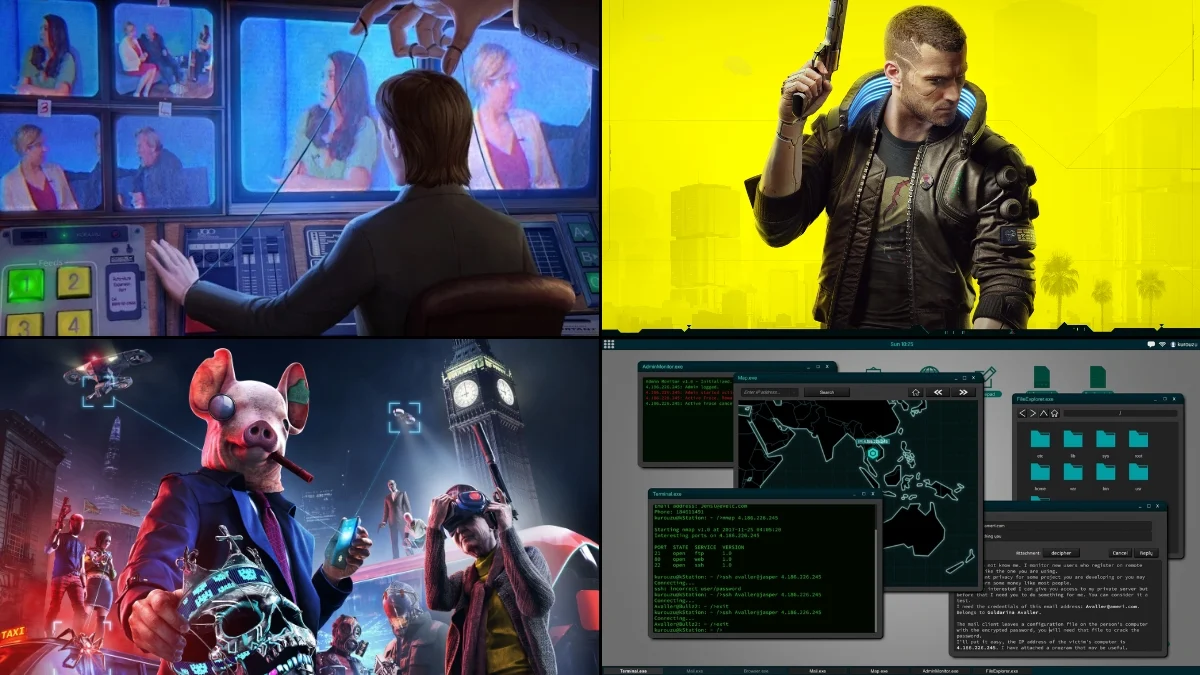

Video games frequently explore the intersection of technology and political power through complex narratives and simulation mechanics. These titles often cast players as digital investigators or white hat hackers who must navigate the moral gray areas of election security and information control. By interacting with these virtual systems, players can experience the challenges of protecting democratic integrity against digital threats. This selection of games provides a unique perspective on the power of data and the importance of ethical technology usage in modern governance.
‘Watch Dogs 2’ (2016)

Ubisoft Montreal developed ‘Watch Dogs 2’ and Ubisoft released it as an open world adventure focused on digital activism. Players control Marcus Holloway who is a talented hacker working with the group DedSec to dismantle corrupt infrastructure. One specific story arc requires the player to infiltrate a voting machine warehouse to prevent a candidate from rigging the results of a major election. This narrative explores the dangers of centralized technology and the importance of ethical intervention in political processes.
‘Cyberpunk 2077’ (2020)
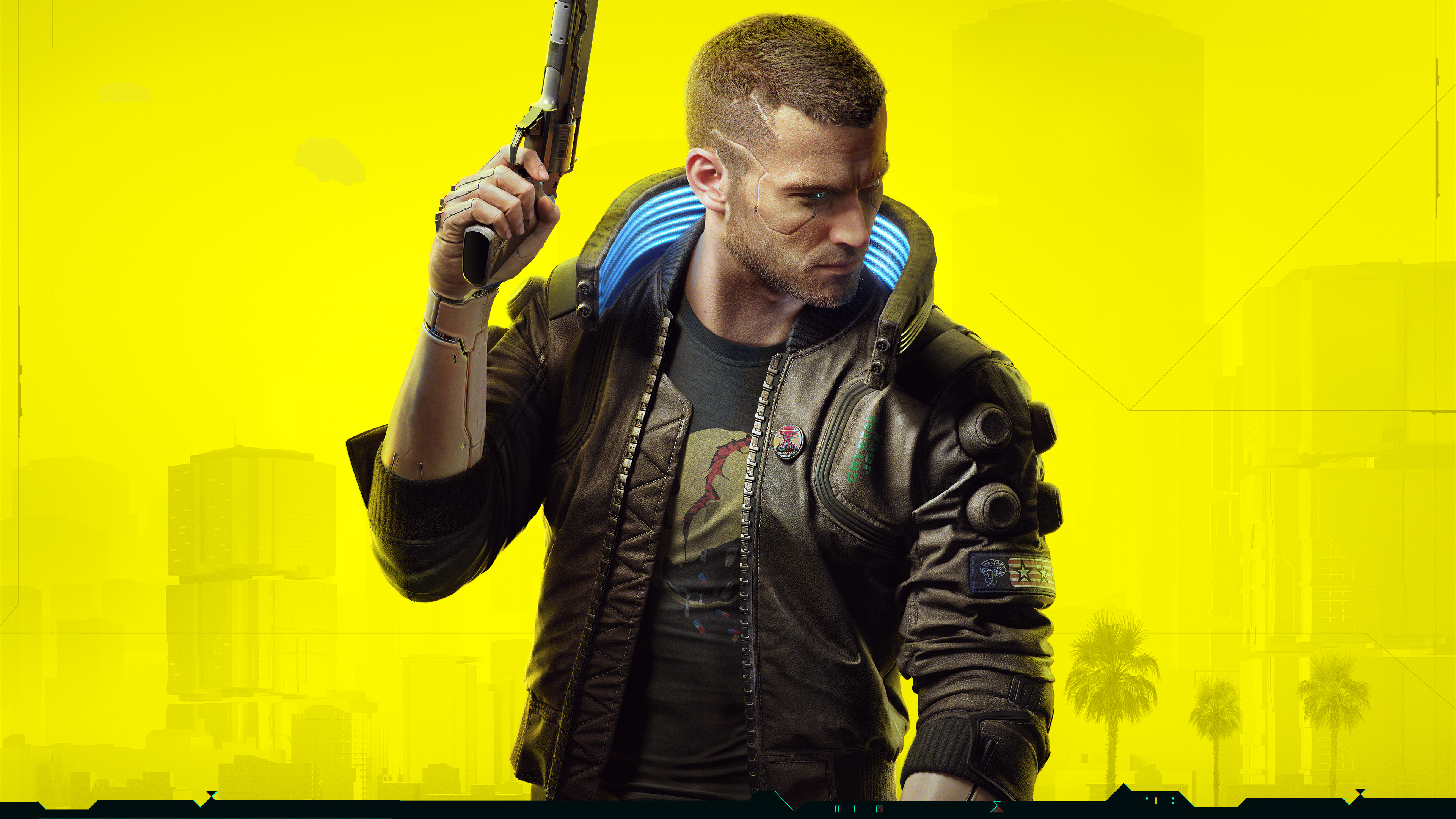
CD Projekt Red developed ‘Cyberpunk 2077’ and CD Projekt published the title featuring a deep exploration of corporate control in Night City. During the quest titled Dream On, players investigate a mayoral candidate whose mind is being surreptitiously altered by an unknown organization. The mission involves uncovering a clandestine operation that hacks the neural implants of political figures to reprogram their personalities and influence election outcomes. This narrative provides a dark look at the future of political hacking and the loss of individual autonomy.
‘Democracy 4’ (2022)

Positech Games developed and published ‘Democracy 4’ as a sophisticated political simulation that focuses on the mechanics of government. Players must manage a country while dealing with various threats including foreign cyber warfare and digital misinformation campaigns. The game features detailed models for voter behavior that react to online influence and hacking incidents in real time. This simulation demonstrates how technology and security protocols are essential for maintaining a fair and transparent democratic system.
‘Not For Broadcast’ (2022)

NotGames developed ‘Not For Broadcast’ and tinyBuild published it to offer a unique perspective on media control and public perception. Players act as a broadcast editor who must choose which footage to show the public during a time of intense political upheaval. The choices made behind the mixing desk directly influence the popularity of various political factions and the eventual results of elections. This title illustrates the power of narrative hacking through the tactical control of national television feeds.
‘Orwell Keeping an Eye on You’ (2016)

Osmotic Studios developed ‘Orwell Keeping an Eye on You’ and Surprise Attack published it as a surveillance thriller. Players assume the role of an investigator who uses a state surveillance system to monitor citizens and identify potential threats to national security. The game often forces players to decide which information to report and how to frame the digital lives of political activists. This experience explores the ethical boundaries of using personal data to influence political stability and public safety during a crisis.
‘Suzerain’ (2020)

Torpor Games developed ‘Suzerain’ and Fellow Traveller published it as a text based political drama. Players take on the role of President Anton Rayne as he leads the nation of Sordland through a period of significant transition. The game includes mechanics for managing political opponents and using various methods to secure electoral victories or pass constitutional reforms. This narrative focus allows players to see how information control and strategic deals shape the future of a developing democracy.
‘Headliner NoviNews’ (2018)

Unbound Creations developed and published ‘Headliner NoviNews’ to simulate the impact of news media on a fictional society. Players work as a lead editor who determines which stories are published to the masses and which are suppressed. These editorial decisions have a profound effect on the political climate and the eventual outcome of local elections. The game highlights the ethical responsibility of those who control the flow of information to the voting public.
‘The Red Strings Club’ (2018)

Deconstructeam developed ‘The Red Strings Club’ and Devolver Digital published it as a cyberpunk narrative experience. The story follows a bartender and a hacker who work together to stop a corporate plan involving the digital manipulation of human emotions. This conspiracy aims to eliminate social unrest and influence political leanings through a pervasive psychological hack. Players must navigate conversations and information gathering to protect the free will of the populace during a pivotal era.
‘Watch Dogs Legion’ (2020)
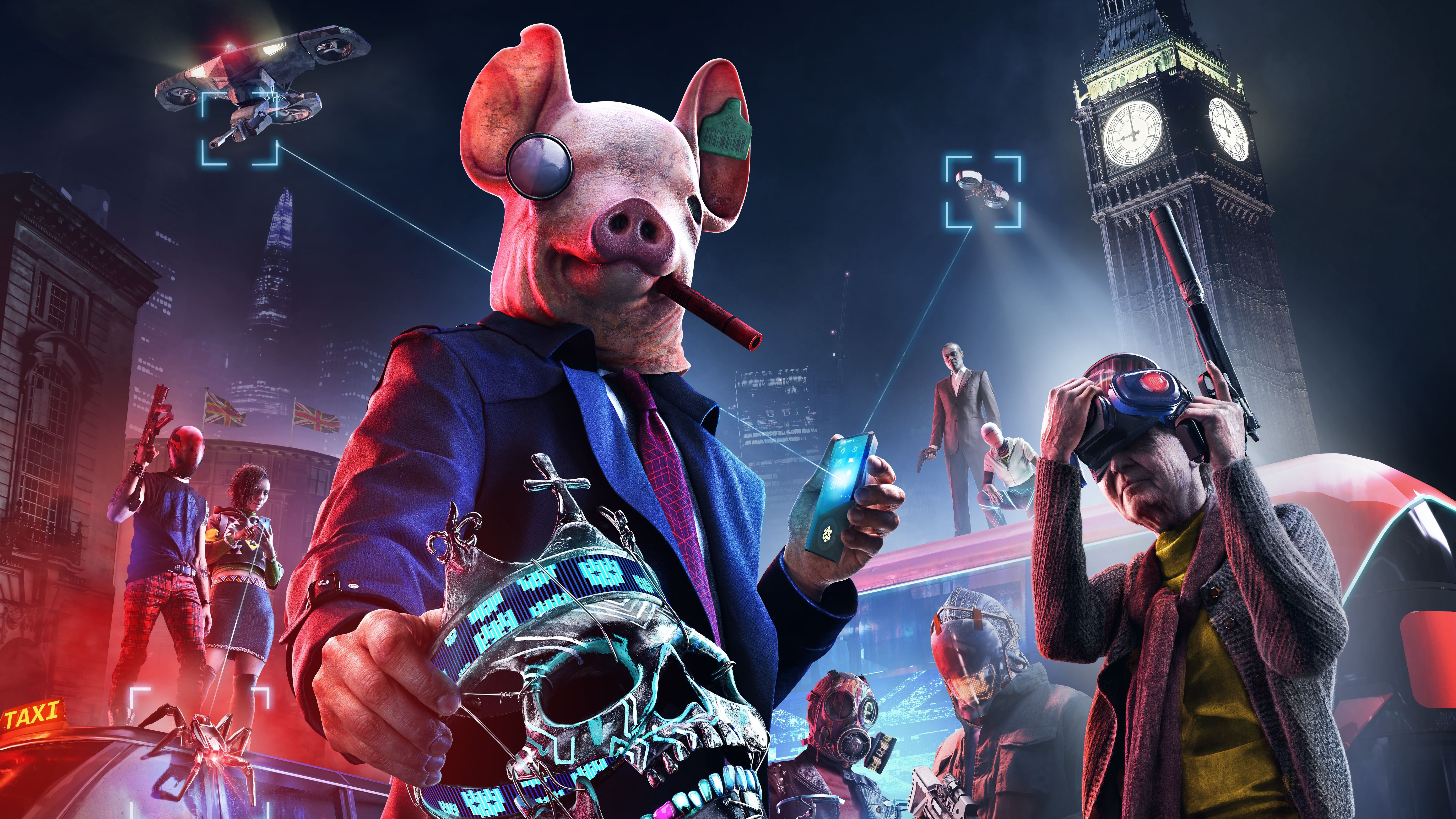
Ubisoft Toronto developed ‘Watch Dogs Legion’ and Ubisoft published it as a follow up to their popular hacking series. Set in a near future London, players must recruit a resistance movement to take back the city from an authoritarian private security firm. The game includes missions that involve securing digital servers and protecting political rallies from technological interference. This title emphasizes the collective power of citizens to use their technical skills for the restoration of democratic values.
‘Mind Scanners’ (2021)
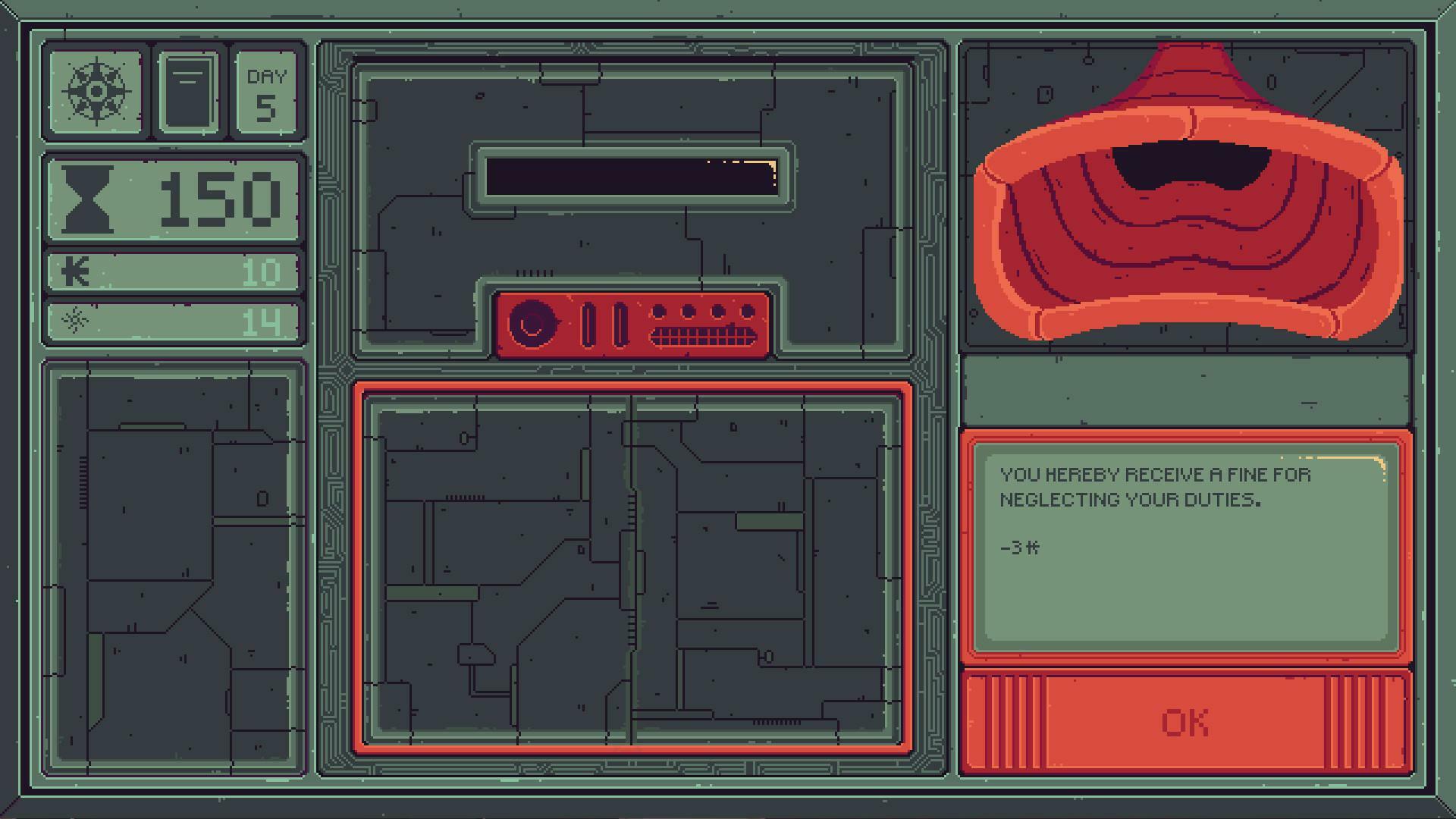
The Outer Zone developed ‘Mind Scanners’ and Brave At Night published it as a dystopian psychiatry simulator. Players are tasked with diagnosing and treating the citizens of a megastructure using various experimental tools. The process often involves manipulating the minds of individuals who hold dissenting political views or who threaten the current administration. This game explores the terrifying potential of hacking the human psyche to maintain political order and social conformity.
‘Silicon Dreams’ (2021)

Clockwork Bird developed ‘Silicon Dreams’ and James Patton published it to focus on the intersection of artificial intelligence and interrogation. Players control an android interrogator who must extract information from subjects while balancing corporate and political interests. The data gathered can be used to influence the trajectory of major societal events and the stability of the ruling power. This experience examines the ethics of information extraction and the role of digital truth in a political context.
‘Hacknet’ (2015)

Team Fractal Alligator developed ‘Hacknet’ and Surprise Attack published it as a realistic terminal based hacking simulator. The game follows the instructions of a deceased hacker to uncover a conspiracy involving a powerful cybersecurity corporation. While the core gameplay focuses on technical skills, the narrative explores how digital intrusion can expose hidden political agendas. Players must navigate a complex web of servers to find the truth behind a system that threatens the privacy of the world.
‘Mainlining’ (2017)
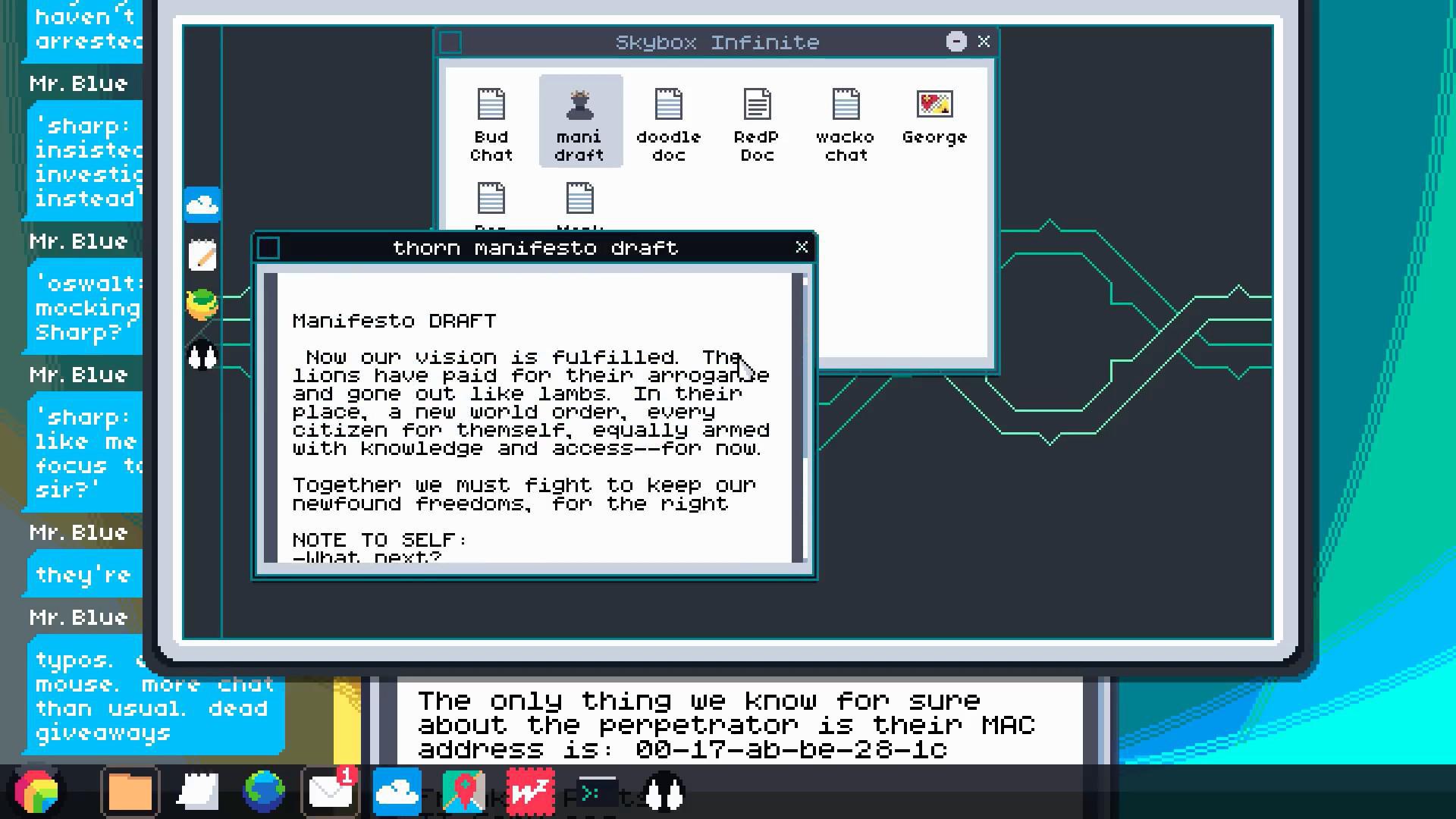
Anticleric developed ‘Mainlining’ and Merge Games published it as a point and click adventure about cybercrime. Players work as an investigator for a government agency that monitors the internet for illegal activity and political extremism. The gameplay involves using a virtual operating system to track suspects and gather evidence through digital hacking techniques. This title provides a look at the procedural side of maintaining security and the ethical choices involved in government surveillance.
‘Grey Hack’ (2017)
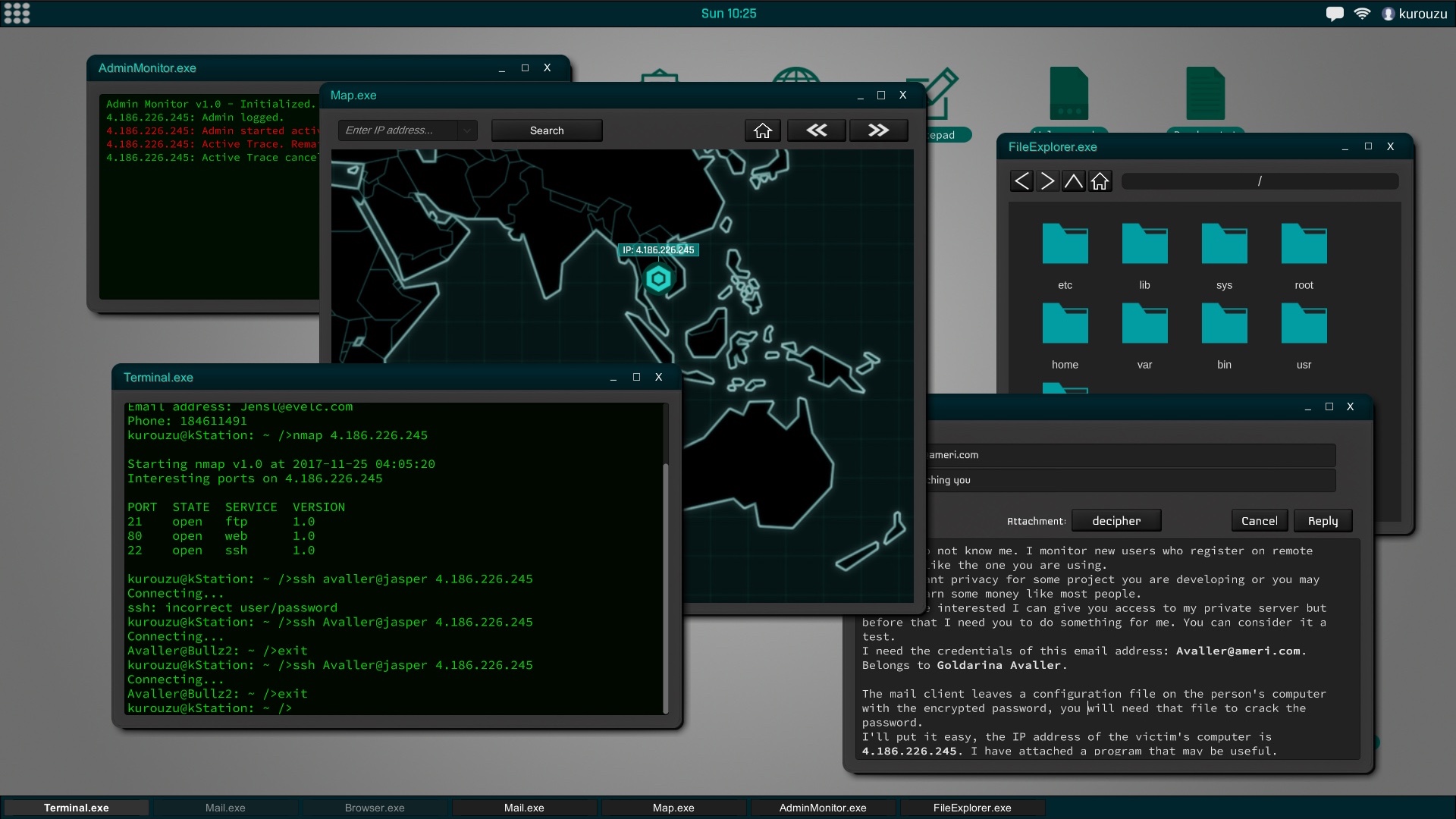
Bit Lovers developed ‘Grey Hack’ as a massive multiplayer online hacking simulator that mimics real world network systems. Players can explore a vast digital landscape and interact with servers that simulate various corporate and governmental entities. The game allows for a high degree of freedom in how players choose to use their technical abilities to influence the virtual world. This simulator provides a sandbox for understanding the tools and methods used in digital security and potential political breaches.
‘Hypnospace Outlaw’ (2019)
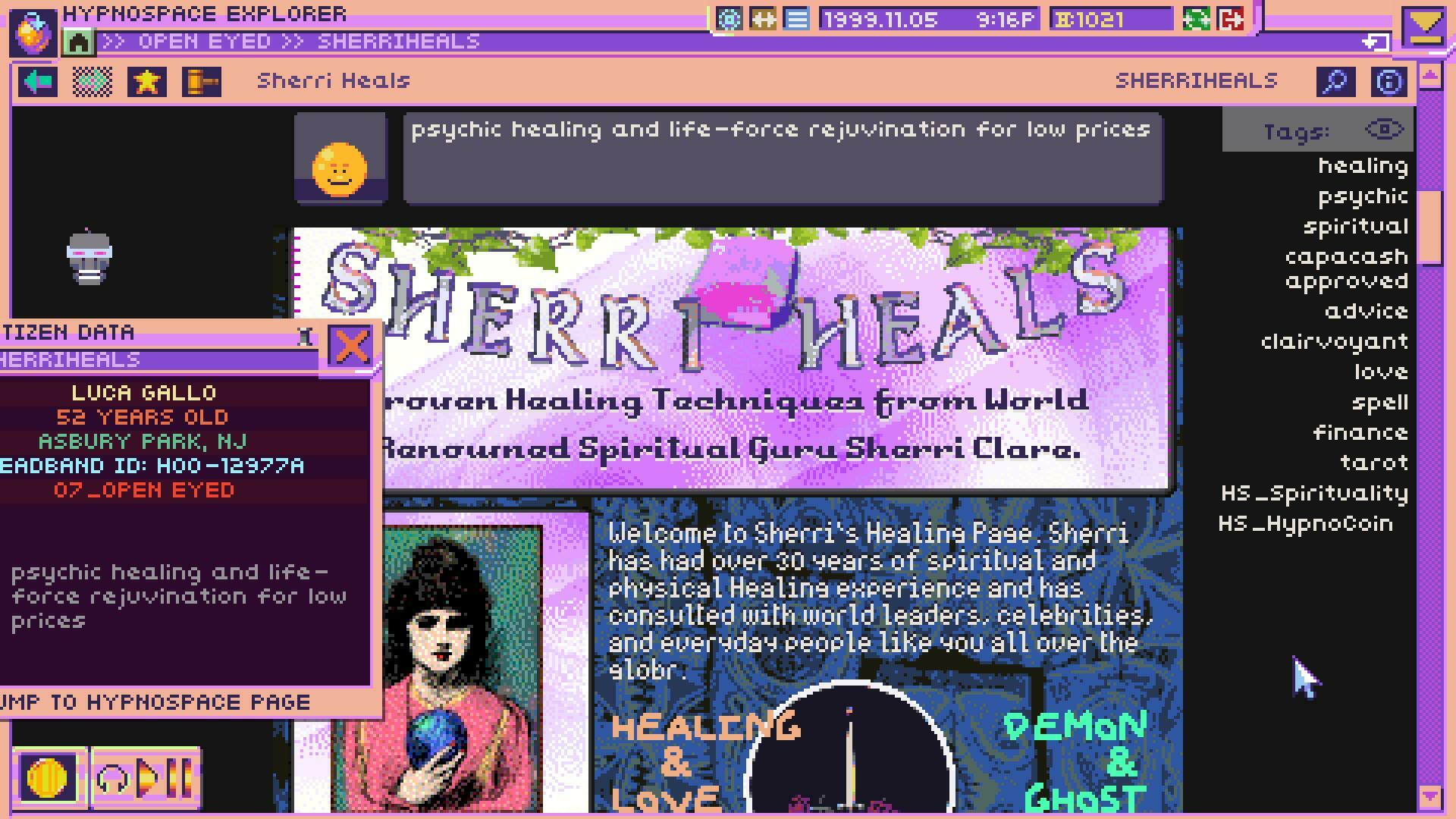
Tendershoot developed ‘Hypnospace Outlaw’ and No More Robots published it as a parody of nineties internet culture. Players act as a volunteer moderator who patrols the virtual pages of Hypnospace to remove illegal content and manage public discourse. The game highlights how the moderation of online spaces can influence public opinion and the visibility of different cultural or political movements. This colorful simulation offers a unique perspective on the early days of digital influence and information management.
Share your favorite games that explore the complexities of digital politics in the comments.