Anime Series Accused of Fetishizing Lesbian Relationships



The anime industry has a long history of exploring relationships between female characters but some productions face criticism for their execution. These series are often accused of prioritizing the male gaze over authentic queer representation or character depth. By utilizing specific tropes and focusing on fan service many shows risk alienating the audience they aim to depict. This list examines various titles that have sparked discussion regarding the line between romance and fetishization in Japanese animation.
‘Adachi and Shimamura’ (2020)

The story follows two high school girls who skip class together and slowly develop feelings for one another. While the show is praised for its slow pace some critics argue that the internal monologues focus excessively on physical attributes. The visual framing often emphasizes the characters in a way that viewers feel caters to an outside perspective rather than the girls themselves. This has led to debates about whether the series leans too heavily into voyeuristic tropes common in the genre. Some fans believe the narrative avoids deeper emotional engagement in favor of lingering on the aesthetic of the relationship.
”Bikini Warriors’ (2015)

This series is a parody of fantasy role playing games that focuses entirely on female warriors in revealing armor. The interactions between the female leads are often laden with sexual double meanings and physical intimacy intended for comedy. Critics point out that the show completely ignores character development in favor of explicit fan service and suggestive scenarios. The relationships between the women are framed strictly through the lens of titillation for the viewer. Many consider this title a blatant example of using lesbian subtext to market a product to a specific male demographic.
‘Blue Drop’ (2007)

Set in an all girls school this series follows a student who discovers her classmate is an alien involved in a secret war. While the plot contains heavy science fiction elements the focus often shifts to the intense and sometimes voyeuristic relationship between the leads. Critics have argued that the animation choices prioritize skin ship and physical proximity over the actual stakes of the invasion. Some viewers find the emotional beats to be overshadowed by a visual style that emphasizes the girls in a suggestive light. This has led to the series being labeled as one that exploits queer themes for aesthetic appeal.
‘Candy Boy’ (2008)

This series follows the daily lives of twin sisters who share an unusually close and romanticized relationship. Critics often point to the incestuous undertones as a way to fetishize the bond between the two female characters. The narrative focuses on their physical affection and jealousy in a manner that many find exploitative rather than heartfelt. The show relies on the taboo nature of their connection to drive viewer interest through a specific type of fan service. Many argue that the series uses the lesbian dynamic as a shallow hook for an audience seeking controversial themes.
‘Citrus’ (2018)

The story follows two stepsisters who develop a complicated and often non consensual romantic relationship after their parents remarry. Analysts have criticized the production for using aggressive physical encounters as a primary storytelling device rather than emotional resonance. The early episodes focus heavily on shock value and uncomfortable power dynamics that some feel exploit queer themes for titillation. This approach has led to long standing debates regarding the representation of healthy lesbian relationships in mainstream media. Many viewers believe the show prioritizes the male gaze by focusing on the illicit nature of the attraction.
‘El Cazador de la Bruja’ (2007)

This road trip anime follows a bounty hunter and a girl with mysterious powers as they flee from a secret organization. Critics have noted that the chemistry between the two leads is often presented with a heavy emphasis on voyeuristic camera angles. While the show focuses on their journey certain episodes contain scenarios that feel designed to provide titillating moments for the audience. The emotional bond is sometimes sidetracked by visual cues that suggest a more fetishized interpretation of their closeness. Some viewers feel the show uses the girls love subtext as a secondary marketing tool.
‘Fate/kaleid liner Prisma Illya’ (2013)

A spin off of a popular franchise this series transforms young characters into magical girls who must collect powerful cards. The show is notorious for including highly explicit scenes of physical intimacy between the young female characters. Critics and viewers alike have accused the production of blatant fetishization that borders on the inappropriate given the age of the cast. The narrative often stops its action to linger on these suggestive moments which many feel are unnecessary for the plot. This has made the series a central point of controversy regarding the sexualization of minors in the medium.
‘Freezing’ (2011)

Set in a future where humanity fights an alien threat the story focuses on genetically enhanced female warriors and their male partners. The series is known for its extreme violence and high levels of fan service involving the female cast. Critics argue that the physical interactions between the women are framed in a way that prioritizes sexual tension for the viewer. The show frequently utilizes clothing damage and provocative poses to maintain audience engagement during fight scenes. Many feel the series uses its lesbian subtext as just another layer of fetishized content.
‘Hybrid x Heart Magias Academy Ataraxia’ (2016)

The plot involves a world where female pilots must be sexually stimulated to power up their weapons for battle. Critics have overwhelmingly labeled this series as an extreme example of fetishization and exploitative fan service. The interactions between the female characters are mechanical and designed strictly for the viewer’s titillation. The narrative serves as little more than a framework for explicit sequences that prioritize physical arousal over storytelling. This show is frequently cited in discussions about the most egregious uses of queer themes for profit.
‘Ikki Tousen’ (2003)

This series reimagines historical figures as high school students who fight in brutal tournaments for dominance. The show is famous for its high levels of fan service including frequent clothing destruction and suggestive physical combat. Critics argue that the rivalry and intimacy between the female fighters are presented through a purely fetishistic lens. The narrative often places the women in compromising positions that emphasize their bodies over their martial skills. Many viewers feel the series exploits the concept of powerful women for the sake of male gaze entertainment.
‘Kakegurui’ (2017)

Set in an elite academy where gambling determines the social hierarchy the series features intense psychological battles. Many of the gambling matches involve female characters in highly charged and often physically suggestive situations. Critics argue that the expressions of ecstasy and the close contact between the women are designed to be provocative. The show utilizes a hyper stylized aesthetic that emphasizes the physical reactions of the girls during moments of high tension. Some viewers feel the series fetishizes the intersection of gambling addiction and female intimacy.
‘Kanamemo’ (2009)

The story follows a middle school girl who begins working at a newspaper delivery office populated entirely by eccentric women. One of the primary subplots involves a lesbian couple whose relationship is often the source of fan service and physical comedy. Critics have pointed out that their intimacy is frequently used as a gag or framed for the viewer’s amusement. The show often prioritizes suggestive imagery over exploring the actual dynamics of the couple. This has led to accusations that the series uses the characters as a source of fetishized entertainment rather than representation.
‘Kandagawa Jet Girls’ (2019)

In this sports anime girls compete in jet ski races where one acts as the pilot and the other as the shooter. The shooters use water guns to blast the clothing off their opponents leading to frequent scenes of exposure. Critics argue that the entire premise of the sport is built around a fetish for wet clothing and female physical contact. The interactions between the partners are often framed in a highly suggestive manner that emphasizes their bodies. Many viewers feel the competitive aspect is secondary to the goal of providing high levels of fan service.
‘Killing Bites’ (2018)

In a world where humans are genetically modified with animal DNA to participate in underground death matches the female fighters are often sexualized. The show features numerous scenes of physical dominance and suggestive combat between the female animal hybrids. Critics argue that the series uses the animalistic nature of the characters to justify explicit fan service and fetishized violence. The relationships between the women are typically framed through aggression and physical attraction intended for a male audience. Many feel the show prioritizes visceral shock value and sexual imagery over its plot.
‘Kuttsukiboshi’ (2010)

This two episode original video animation follows two girls who develop a romantic relationship after one discovers she has telekinetic powers. The series is noted for its high level of explicit physical intimacy and focus on the visual aspects of their connection. Critics argue that the narrative is thin and serves only as a bridge between suggestive sequences. The framing of the characters often feels voyeuristic and designed to appeal to those seeking explicit content rather than a story. Many viewers consider this title a clear example of fetishizing a private relationship for external viewing.
‘Madlax’ (2004)

This supernatural noir series follows two women who are connected by a mysterious book and a shared past. Critics have noted that the show utilizes a specific aesthetic that emphasizes the physical grace and suggestive closeness of the leads. While the plot is complex certain scenes are framed in a way that suggests a voyeuristic interest in their bond. Some viewers feel the emotional depth is occasionally sacrificed for shots that prioritize the aesthetic of the two women together. This has led to debates about the presence of the male gaze in high concept action series.
‘Maria Holic’ (2009–2011)

The story follows a girl who enrolls in an all girls school to find her true love but discovers her roommate is a cross dressing boy. While the show is a comedy it features many female characters who are obsessed with the idea of girls love in a way that feels mocking or fetishistic. Critics argue that the show treats lesbian attraction as a punchline or a weird quirk rather than a genuine identity. The visual gags often involve nosebleeds and exaggerated reactions to physical closeness between women. Many feel the series uses the genre’s tropes to create a parody that ultimately caters to the male gaze.
‘Ms. Vampire who lives in my neighborhood’ (2018)
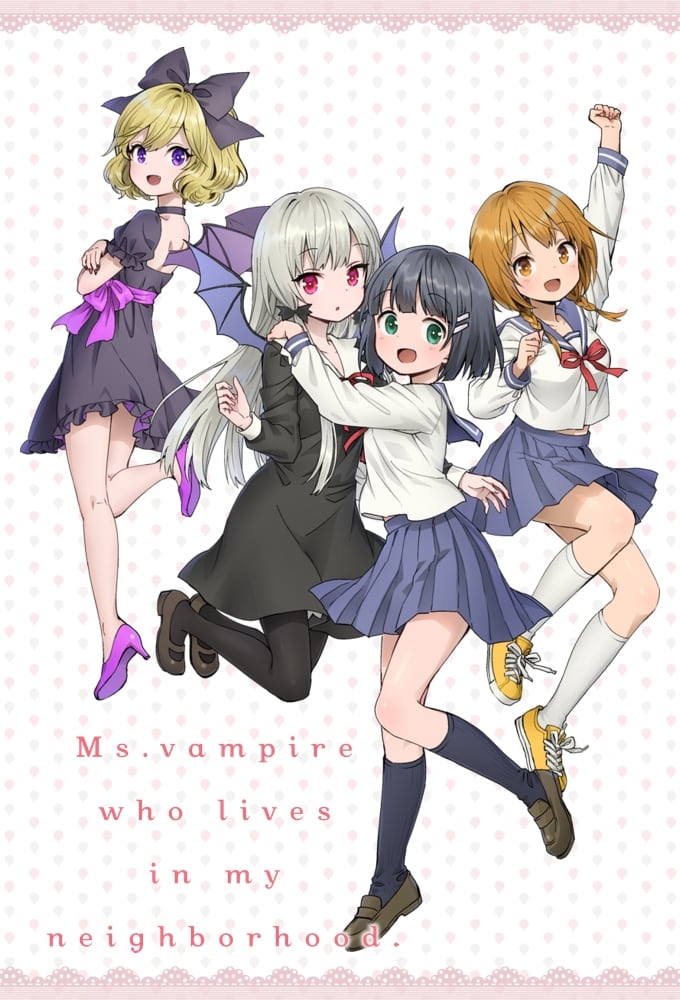
A modern comedy about a girl who becomes obsessed with a vampire and moves in with her to take care of her. The show utilizes many tropes of the cute girls doing cute things genre but with a focus on the obsessive nature of the human lead. Critics have pointed out that the physical intimacy is often played for laughs or presented as a collection of cute fetishes. The show avoids exploring any real romantic depth in favor of maintaining a safe and marketable aesthetic. Many viewers believe the series prioritizes the visual appeal of the girls over any meaningful development.
‘Noir’ (2001)

Two female assassins work together to uncover the secrets of their past while being hunted by a mysterious organization. Critics have noted that the series often focuses on the physical elegance and suggestive proximity of the two leads during quiet moments. While the show is praised for its atmosphere some feel that the lack of explicit romance allows for a lingering voyeurism. The camera often treats the women as aesthetic objects within a highly stylized world. Some viewers argue that this creates a form of fetishization that relies on subtext and visual cues rather than overt action.
‘Princess Principal’ (2017)

Set in a fictional London where five girls act as spies for a divided nation the show focuses on their teamwork and secret missions. Critics have pointed out that the intense bond between the two main characters is occasionally framed in a way that feels designed for fan service. While the plot is serious the show sometimes utilizes tropes that prioritize the aesthetic of the relationship over the political stakes. Some viewers argue that the closeness between the girls is used to maintain the interest of a specific demographic. This has led to the series being scrutinized for its use of queer subtext as a marketing element.
‘Queen’s Blade’ (2009)
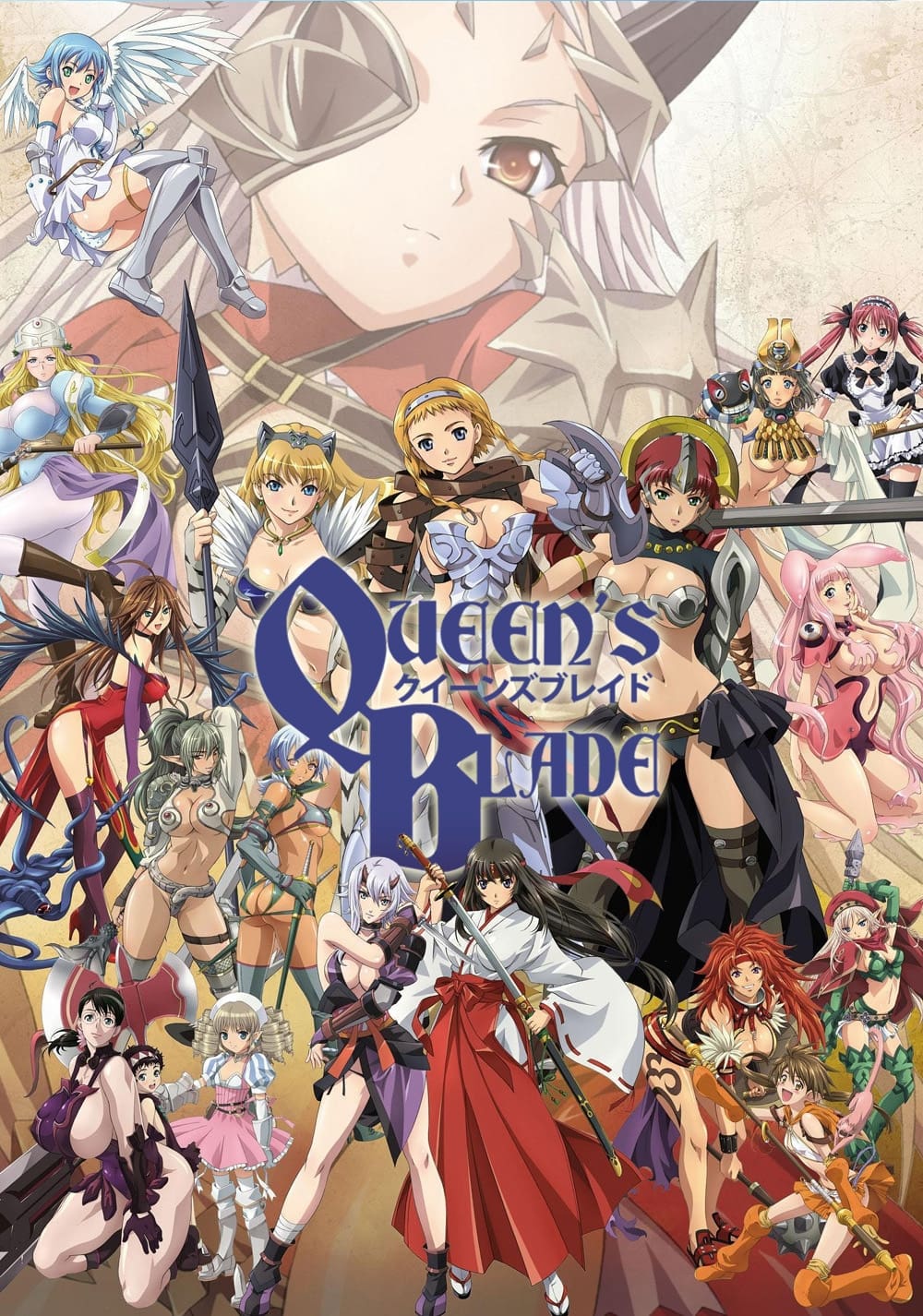
This series is famous for its cast of female warriors competing in a tournament where the loser is often subjected to humiliating situations. Critics argue that the show is a prime example of fetishizing female combat and relationships for the male gaze. The animation focuses heavily on clothing damage and suggestive physical contact during every battle. The interactions between the women are rarely given depth beyond their visual and sexual appeal. Most viewers consider this title to be a collection of fetishes tied together by a loose tournament structure.
‘Revolutionary Girl Utena’ (1997)

While this series is a landmark of queer storytelling and feminist themes it has faced some modern critiques regarding specific scenes. Some scholars argue that the visual language of the show occasionally utilizes tropes of the male gaze to critique them but risks being misinterpreted. Certain sequences of physical intimacy are framed with a high degree of stylization that some feel leans into fetish territory. Despite its revolutionary impact the show remains a subject of study regarding the boundary between artistic expression and voyeuristic imagery. This demonstrates that even critically acclaimed works can be scrutinized for their presentation of lesbian themes.
‘Riddle Story of Devil’ (2014)

In an elite school twelve assassins are tasked with killing a single target but one assassin decides to protect her instead. Critics have argued that the relationships between the various female assassins are often defined by specific character fetishes. The show frequently utilizes high tension and physical proximity to create a sense of sexual charge between the killers and their target. Some viewers feel the narrative prioritizes the aesthetic of dangerous girls over a coherent romantic plot. This has led to accusations that the series uses the lesbian dynamic to enhance the shock value of its action scenes.
‘Sakura Trick’ (2014)

This series focuses on two best friends who decide to share frequent kisses to make their relationship feel more special. Critics have pointed out that the show focuses almost entirely on the act of kissing and the physical reactions of the girls. The narrative is often sidelined in favor of repetitive and highly stylized sequences of physical intimacy. Many viewers argue that the show treats the lesbian relationship as a collection of cute and suggestive moments for the audience. This has led to the series being labeled as a pure exercise in fetishizing innocent queer romance.
‘Scum’s Wish’ (2017)

The story follows two students who enter a physical relationship to cope with their unrequited love for other people. The series features a prominent lesbian character whose obsession with the female lead is portrayed in a dark and sometimes voyeuristic manner. Critics argue that the show uses her attraction to create uncomfortable and explicit scenarios that feel exploitative. The framing often focuses on the physical pain and desperation associated with her feelings. Some viewers feel the series fetishizes the toxic and destructive side of queer attraction for dramatic effect.
‘Seven Mortal Sins’ (2017)
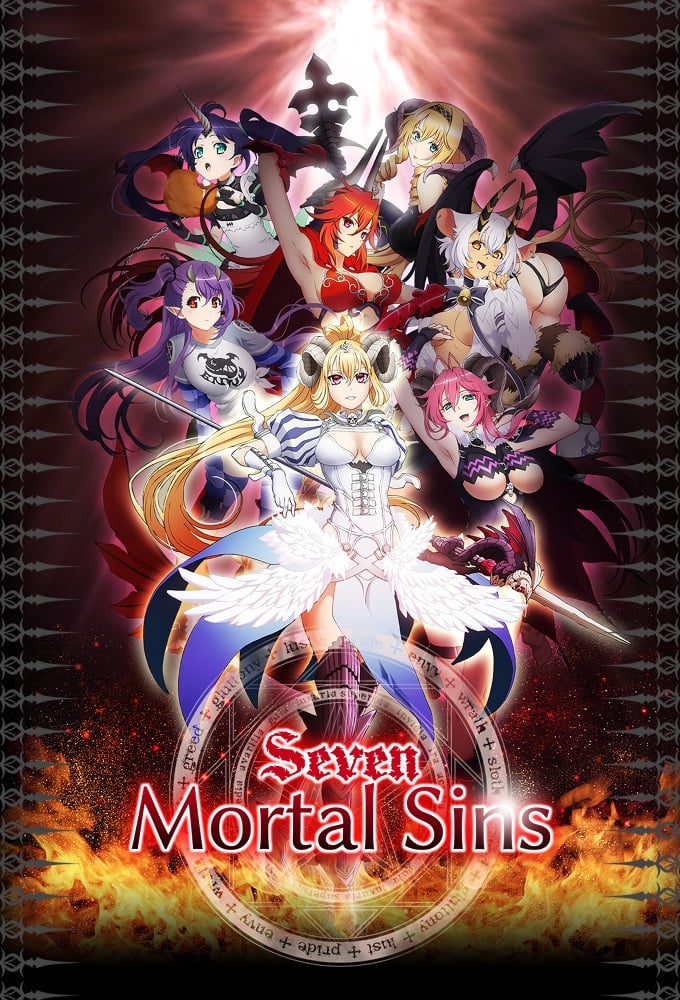
The plot follows a fallen angel who must battle the seven demon lords of hell to reclaim her power. The series is essentially a collection of explicit sequences involving the female demons and their interactions. Critics have labeled it as a highly fetishized production that prioritizes sexual scenarios over any form of character development. The relationships between the women are framed through dominance and physical submission for the viewer’s benefit. Many argue that the show is designed strictly as a product for the fan service market.
‘Simoun’ (2006)
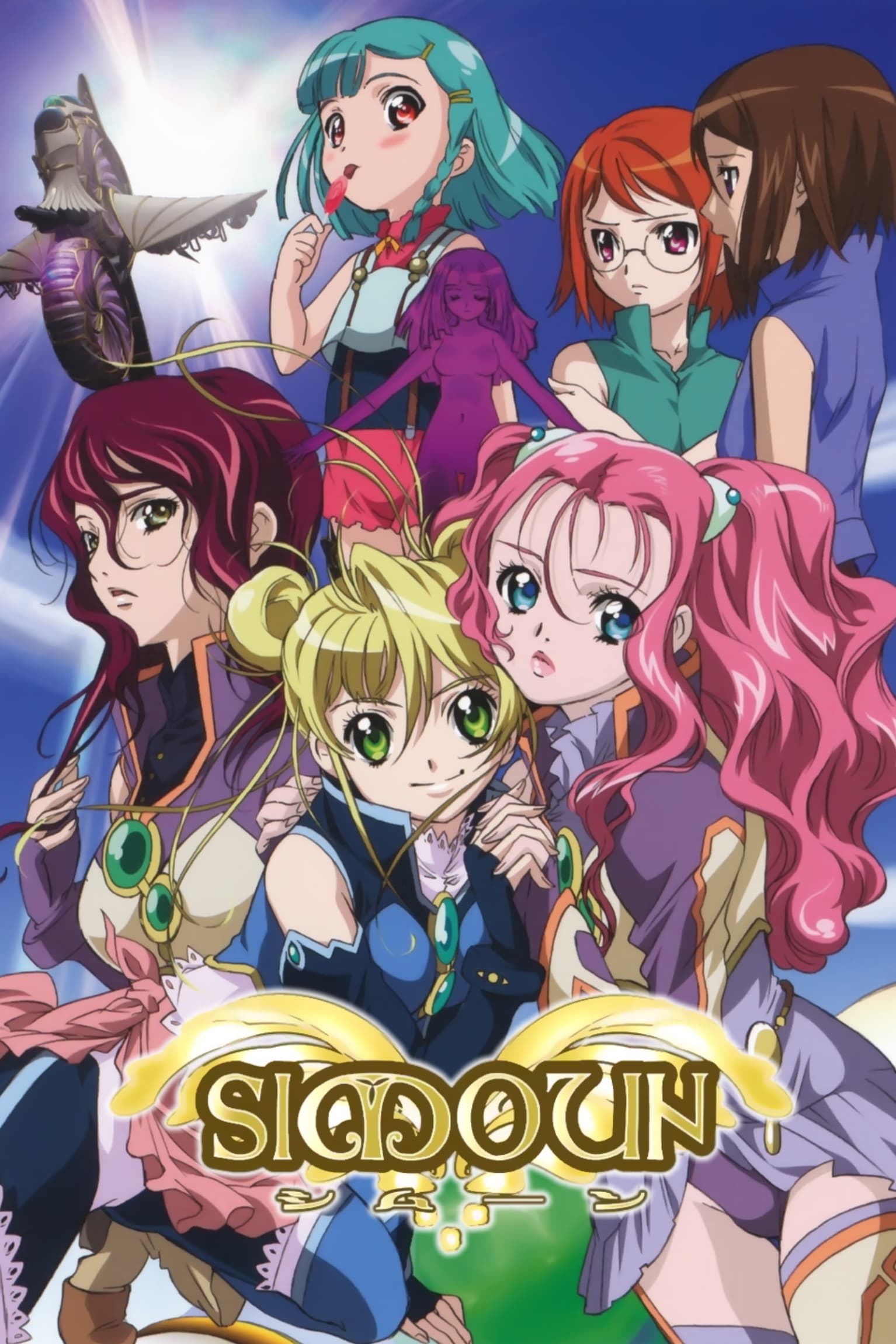
In a world where everyone is born female and must choose a permanent gender at a certain age some choose to remain priestesses. The series features complex world building but is often criticized for the way it frames the intimate rituals performed by the girls. Critics argue that the visual presentation of these rituals is heavily sexualized and caters to a voyeuristic audience. The physical closeness of the characters is a central theme that many feel is handled with a focus on aesthetic appeal. This has led to debates about whether the show explores gender or simply fetishizes a unique premise.
‘The Qwaser of Stigmata’ (2010)
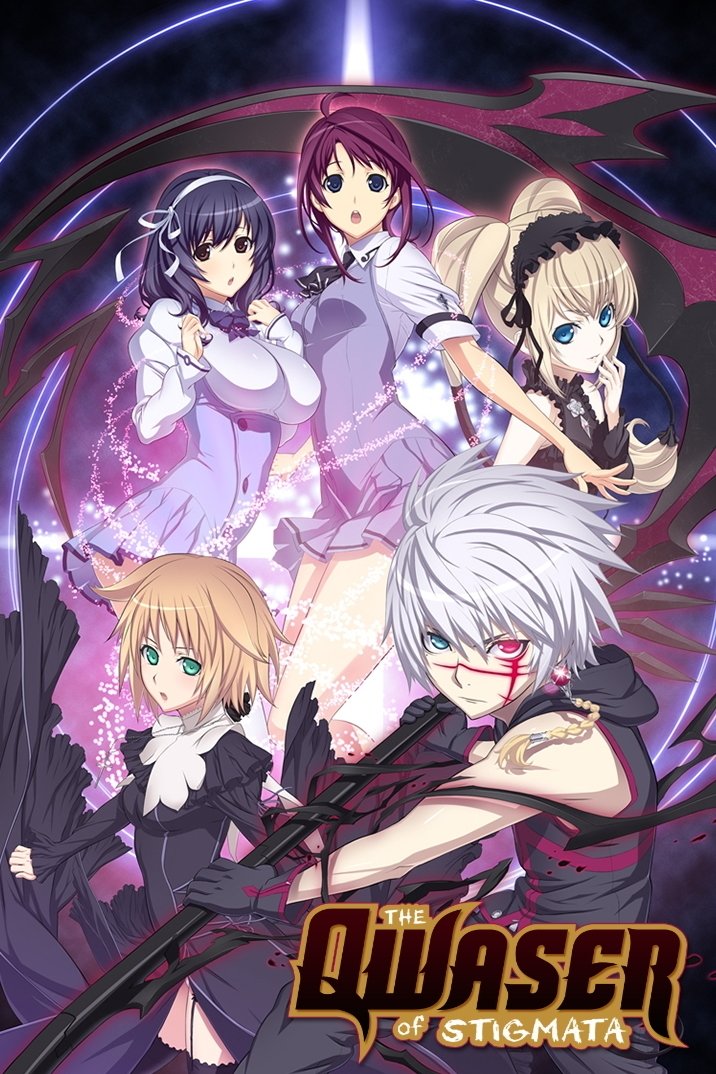
In this series warriors can manipulate elements by consuming breast milk from female partners. Critics have widely condemned the show for its extreme and bizarre fetishization of the female body. The interactions between the characters are entirely built around this mechanic which many find highly offensive and exploitative. The show focuses heavily on the physical act and the reactions of the women involved. It remains one of the most frequently cited examples of how anime can use female relationships to explore extreme fetishes.
‘Vividred Operation’ (2013)

This science fiction series features a group of girls who must merge their bodies to fight an alien threat. Critics have pointed out that the transformation and docking sequences are framed in a highly suggestive and voyeuristic manner. The show frequently utilizes camera angles that emphasize the characters’ lower bodies and physical contact. Many viewers argue that the theme of friendship is used as a cover for consistent fan service aimed at a male audience. This has led to accusations that the series fetishizes the bond between the young leads.
‘Wanna Be the Strongest in the World’ (2013)

A pop idol decides to become a professional wrestler and must endure brutal matches against other female fighters. The show focuses heavily on the physical pain and the suggestive sounds made by the characters during wrestling holds. Critics argue that the series fetishizes female suffering and the physical intimacy of combat. The animation often lingers on the characters’ bodies in a way that viewers feel is designed for titillation. Many consider this title to be a clear example of using a sports setting to market a specific kind of fetishized content.
Please share your thoughts on these series and their portrayals in the comments.