TV Shows That Added Gay Characters and Immediately Lost Longtime Fans


Television history is filled with moments where series creators chose to expand their character rosters to better reflect a diverse world. While many of these additions were praised for their inclusivity they sometimes triggered significant backlash from established fan bases. This list explores shows that introduced gay characters or storylines and subsequently experienced a notable loss of longtime viewers or intense public controversy. These instances often highlight the cultural tensions and shifting demographics within the entertainment industry.
‘Ellen’ (1994–1998)
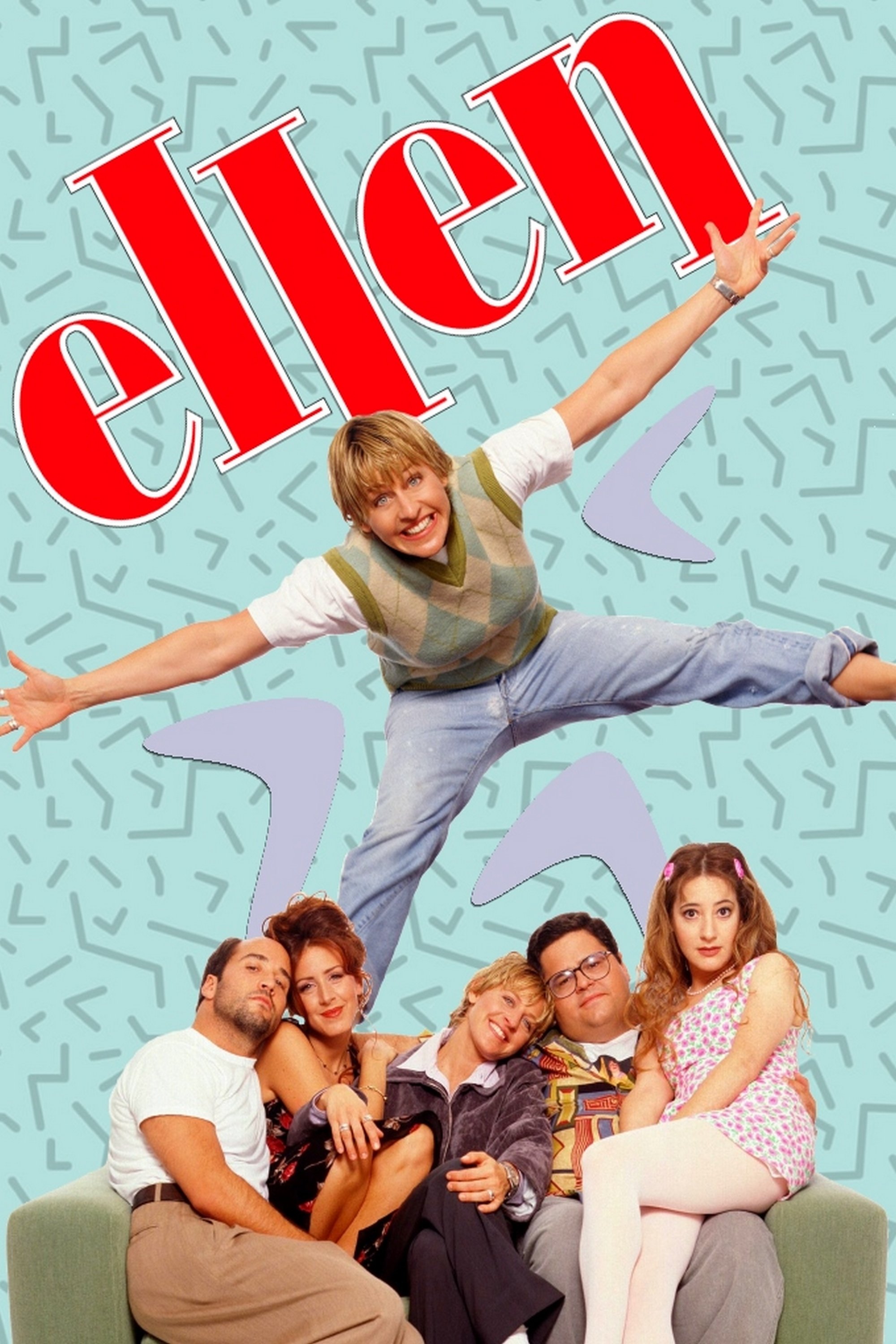
The sitcom followed the life of a bookstore owner in Los Angeles. In the 1997 episode titled The Puppy Episode the lead character revealed she was a lesbian. This historic moment drew forty two million viewers but faced immediate backlash from sponsors and conservative groups. ABC eventually canceled the series due to declining ratings and the intense public controversy surrounding the real life coming out of the lead actress.
‘Dynasty’ (1981–1989)
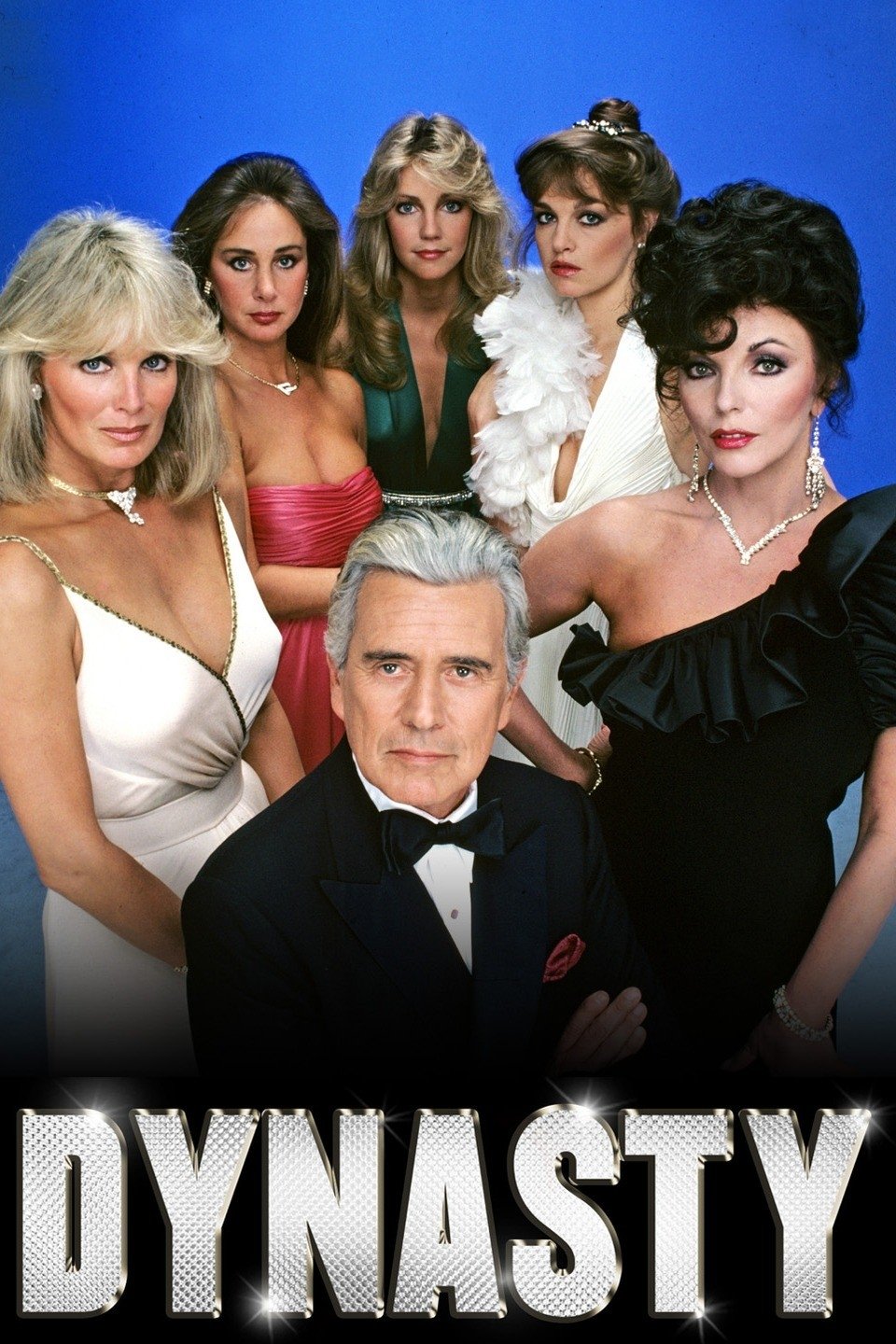
This primetime soap opera centered on the wealthy Carrington family and their business rivalries. Steven Carrington was introduced as one of the first gay main characters on American television. The show struggled with how to depict his sexuality and often wavered between having him date men or women. Many viewers reacted negatively to the inclusion of a gay heir to a business empire in the early eighties.
‘Thirtysomething’ (1987–1991)
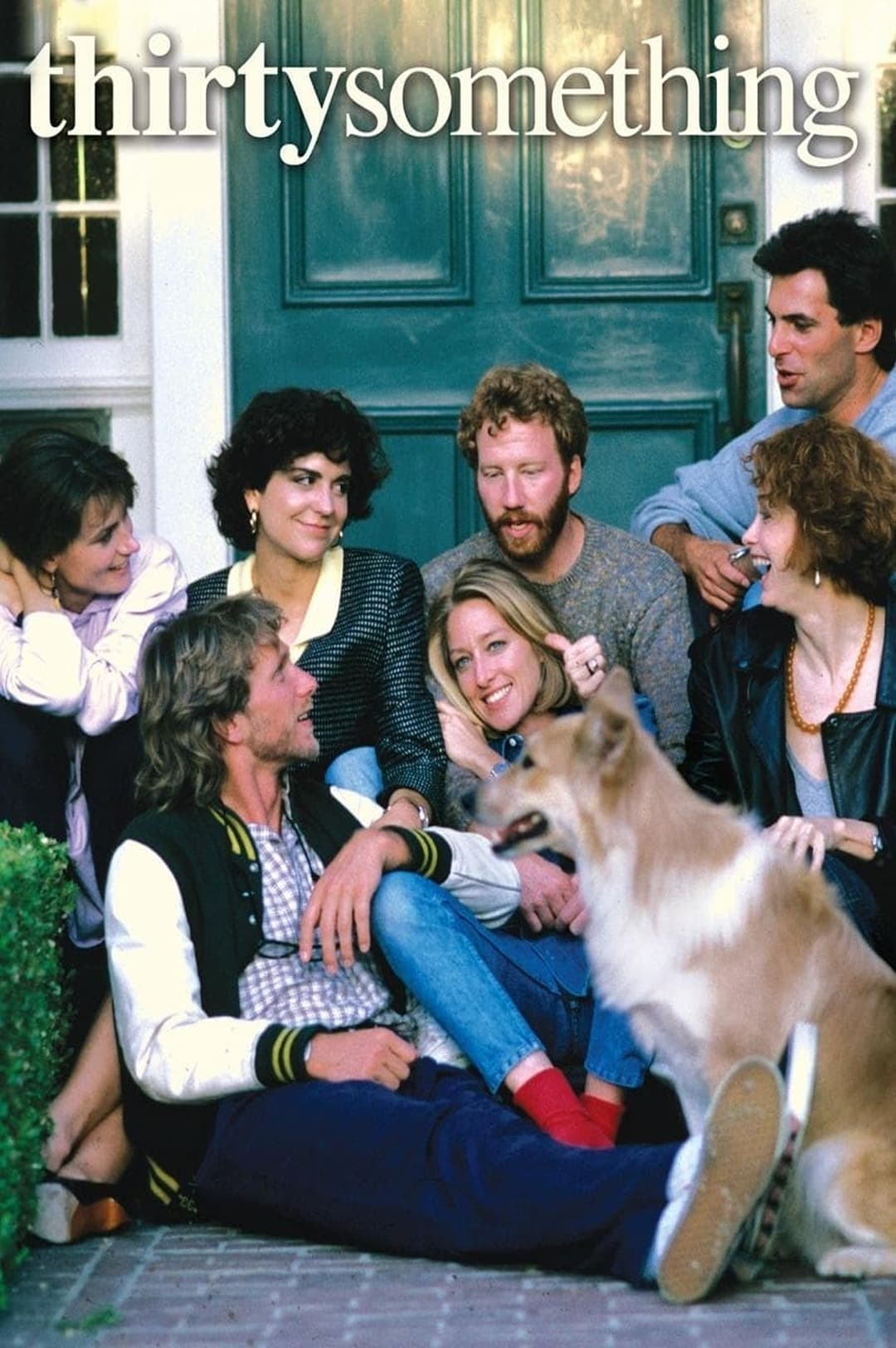
This drama series focused on a group of baby boomers living in Philadelphia. An episode in 1989 featured two gay men talking in bed together after an intimate encounter. This specific scene caused several major advertisers to pull their commercials from the broadcast. The network lost hundreds of thousands of dollars in revenue and the show faced a significant drop in its conservative viewership.
‘Roseanne’ (1988–1997)
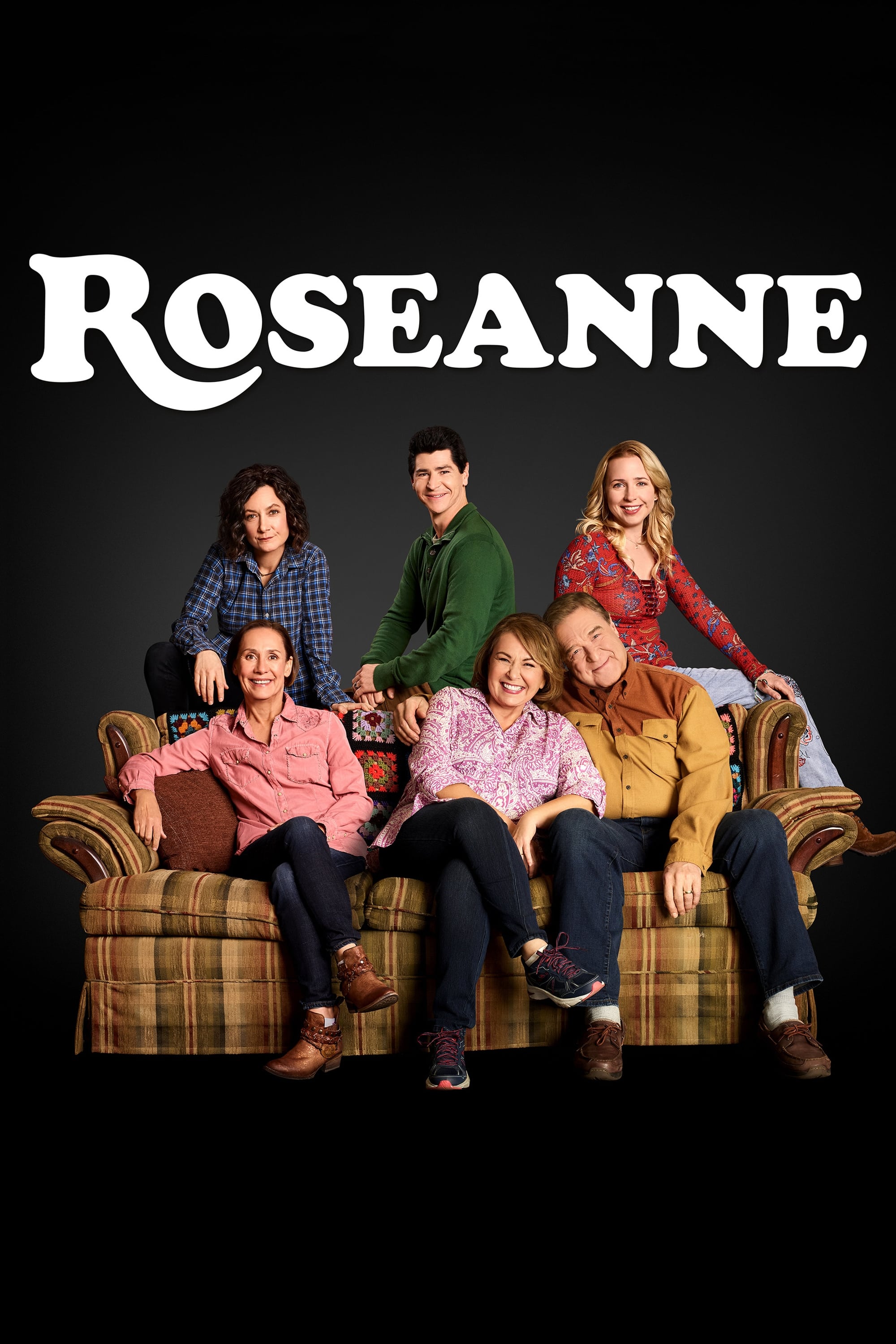
The series depicted the struggles of a working class family in Illinois. In the later seasons the character Nancy Bartlett was revealed to be in a relationship with a woman. A 1994 episode featured a kiss between the lead character and another woman at a bar. This moment prompted threats from the network to pull the episode and resulted in a notable decline in viewership among its core demographic.
‘Dawson’s Creek’ (1998–2003)
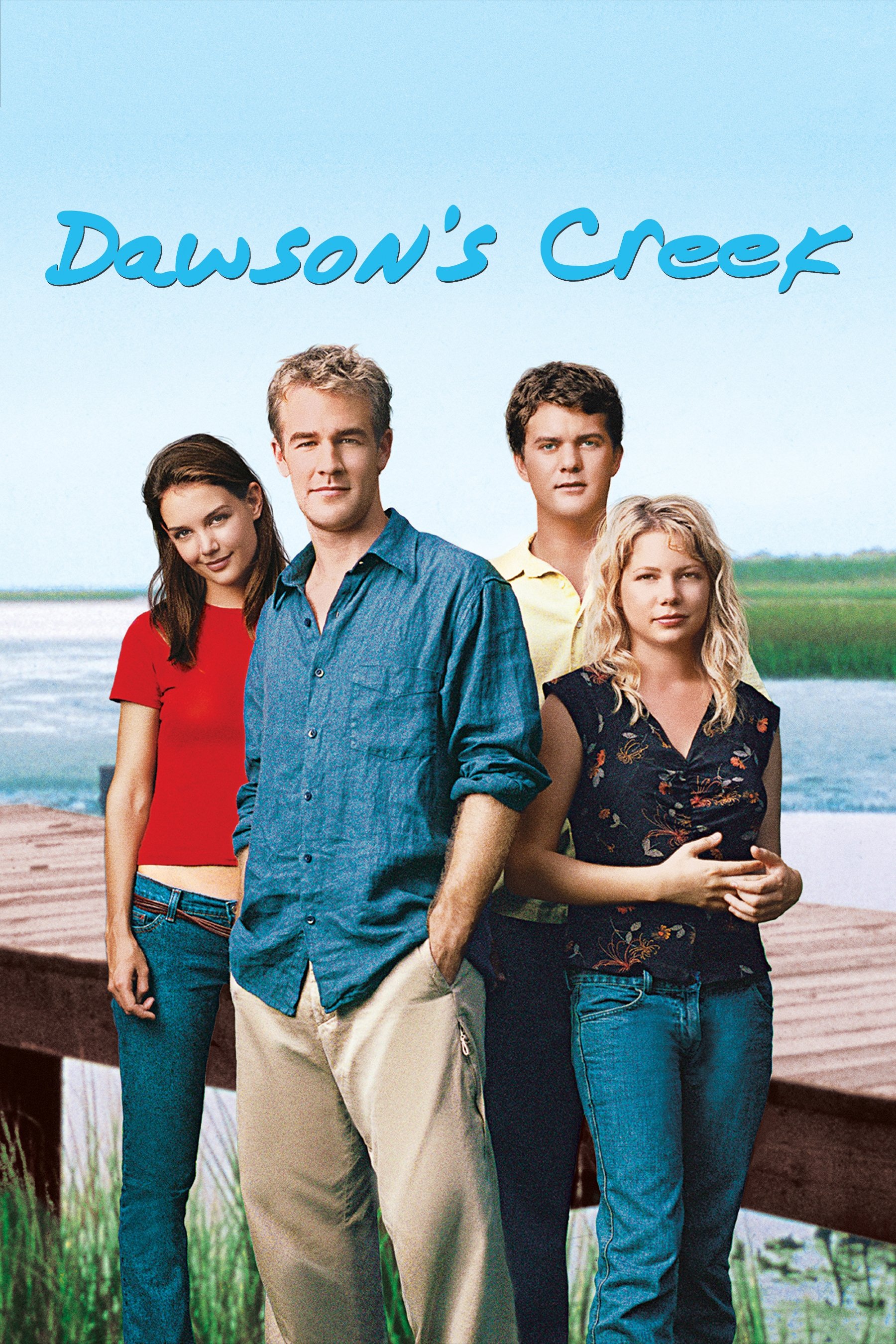
This teen drama followed the lives of friends in the fictional town of Capeside. The character Jack McPhee was introduced in the second season and eventually came out as gay. His story arc included the first romantic kiss between two men on primetime television. While the show received critical acclaim for the storyline it also faced protests and a loss of viewers who were uncomfortable with the mature themes.
‘The Walking Dead’ (2010–2022)

The horror series followed survivors of a zombie outbreak. Aaron was introduced in the fifth season as the first openly gay male character from the comic books. His romantic relationship with Eric led to significant backlash on social media from a segment of the fan base. Despite the popularity of the show some longtime viewers expressed frustration with the inclusion of LGBTQ themes in a survivalist setting.
‘Once Upon a Time’ (2011–2018)

This fantasy series reimagined classic fairy tale characters in a modern day Maine town. In the fifth season the show introduced a romantic relationship between Ruby and Dorothy Gale. This development was intended to modernize the fairy tale narratives but was met with criticism from fans who felt it was forced. Viewership ratings began a steady decline as some members of the audience felt the show had strayed from its original family friendly tone.
‘Supergirl’ (2015–2021)

The superhero series focused on the life of Kara Zor El as she protected National City. A major storyline in the second season involved Alex Danvers coming out as a lesbian. This arc was praised for its realistic portrayal of self discovery but also alienated viewers who preferred the initial focus on traditional superhero action. The shift in narrative focus contributed to a vocal divide within the online community of the show.
‘The 100’ (2014–2020)

This science fiction drama followed a group of survivors returning to Earth after a nuclear apocalypse. The introduction of the character Lexa and her subsequent relationship with the protagonist Clarke Griffin became a focal point of the show. Fans were deeply divided over the relationship and the eventual death of Lexa in the third season. This controversy led to a massive social media campaign and a permanent loss of a large portion of the dedicated audience.
‘Star Trek: Discovery’ (2017–2024)
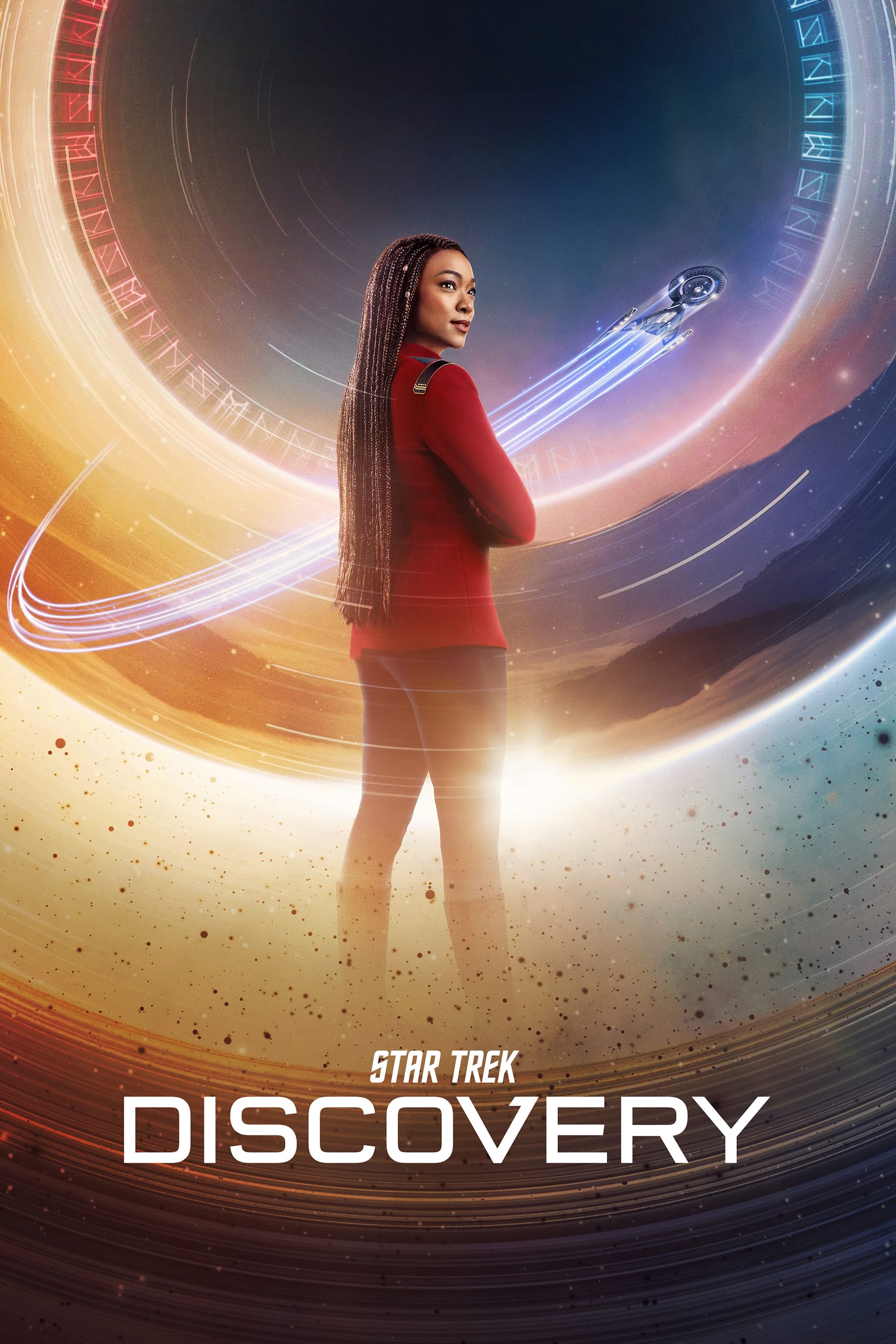
The series served as a prequel to the original franchise and featured a diverse crew. It introduced Paul Stamets and Hugh Culber as the first openly gay couple in a Star Trek television series. While the franchise has a history of social commentary some longtime fans criticized the show for being too modern in its political themes. The backlash was prominent on fan forums and contributed to a split between traditionalists and new viewers.
‘Doctor Who’ (1963–Present)

The long running British science fiction show has undergone many changes over its decades on the air. The introduction of Bill Potts as the first openly gay full time companion in 2017 sparked debate among the international audience. Some viewers felt the sexuality of the character was mentioned too frequently and distracted from the science fiction adventures. This sentiment persisted as the show continued to explore diverse identities in subsequent seasons under different showrunners.
‘Modern Family’ (2009–2020)
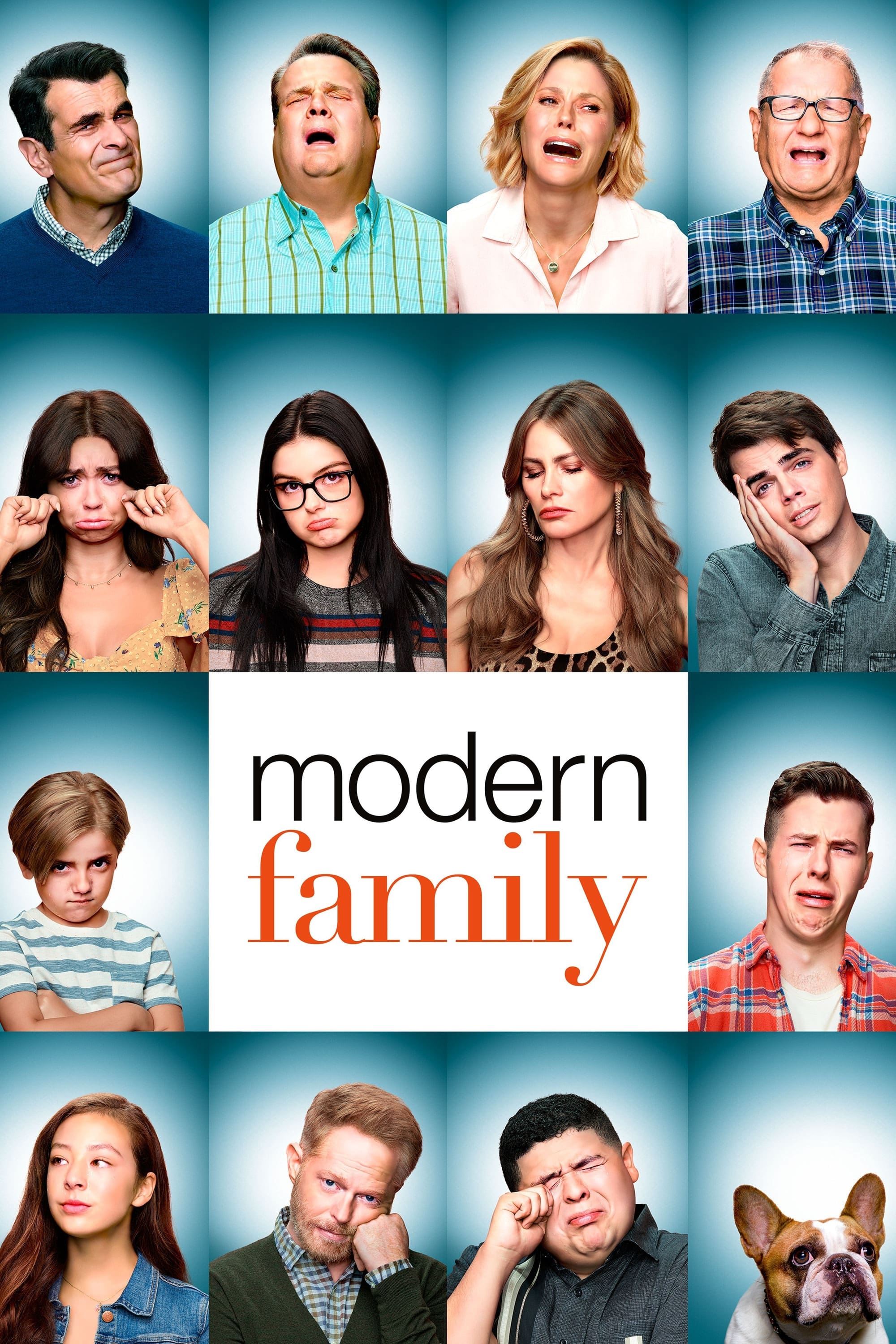
The mockumentary sitcom revolved around three related families in suburban Los Angeles. Cameron Tucker and Mitchell Pritchett were central characters from the start but their physical affection was limited in early seasons. When the show finally depicted the couple kissing after a fan campaign it faced criticism from conservative viewers. Some longtime fans felt the show was succumbing to political pressure rather than following its comedic roots.
‘Grey’s Anatomy’ (2005–Present)

This medical drama has featured many romantic entanglements among the staff of a Seattle hospital. The relationship between Callie Torres and Arizona Robbins became one of the most prominent story arcs. While the couple was beloved by many they also faced scrutiny from viewers who disapproved of the focus on their personal lives. The show experienced fluctuations in ratings as it delved deeper into the complexities of their lesbian relationship.
‘Arthur’ (1996–2022)
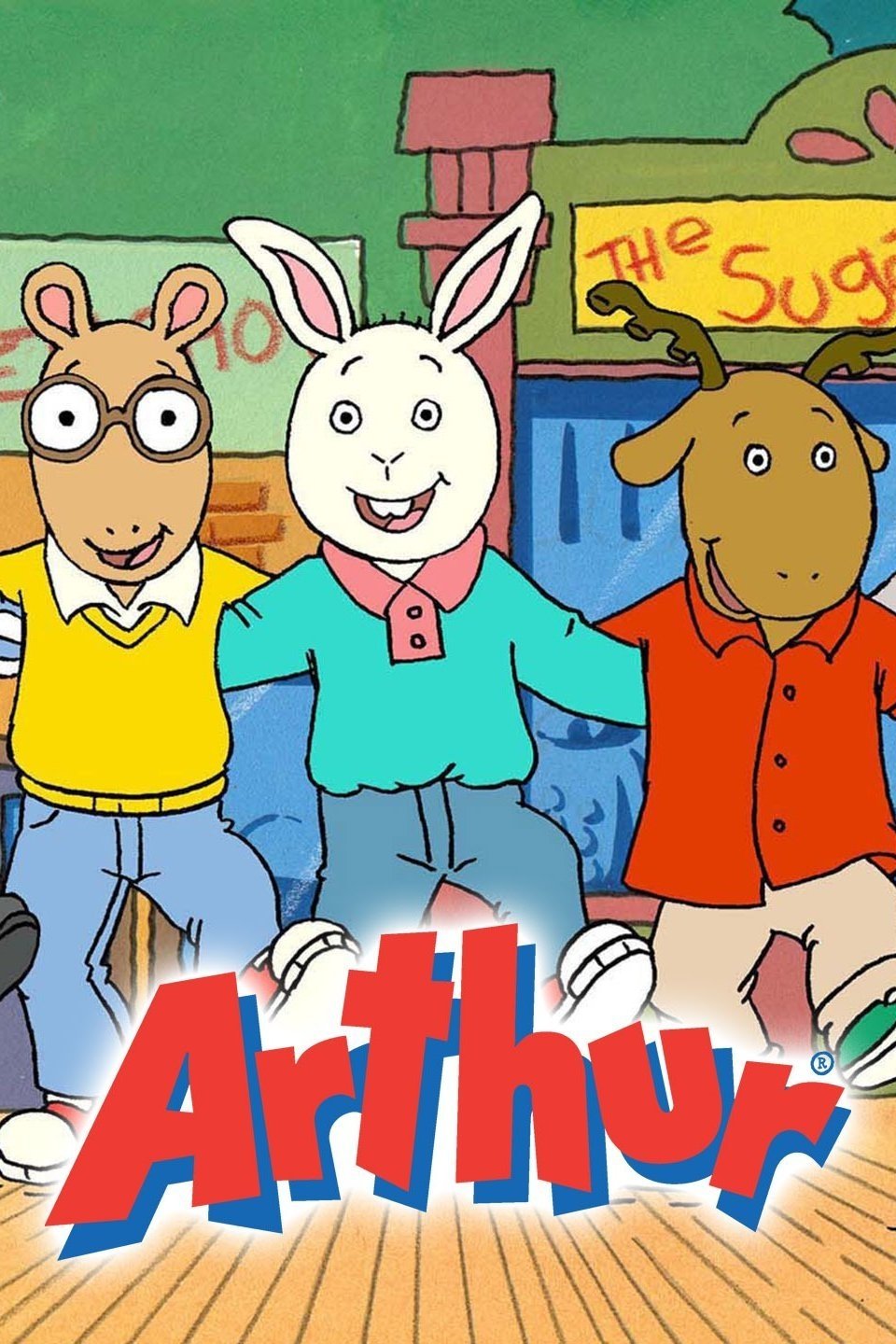
The long running animated children series focused on the life of an anthropomorphic aardvark. In the twenty second season premiere the show revealed that the teacher Mr Ratburn was gay and getting married. This episode was banned by public television stations in Alabama and Arkansas due to its content. The controversy led to a heated debate among parents and a loss of support from certain conservative viewing groups.
‘Sesame Street’ (1969–Present)
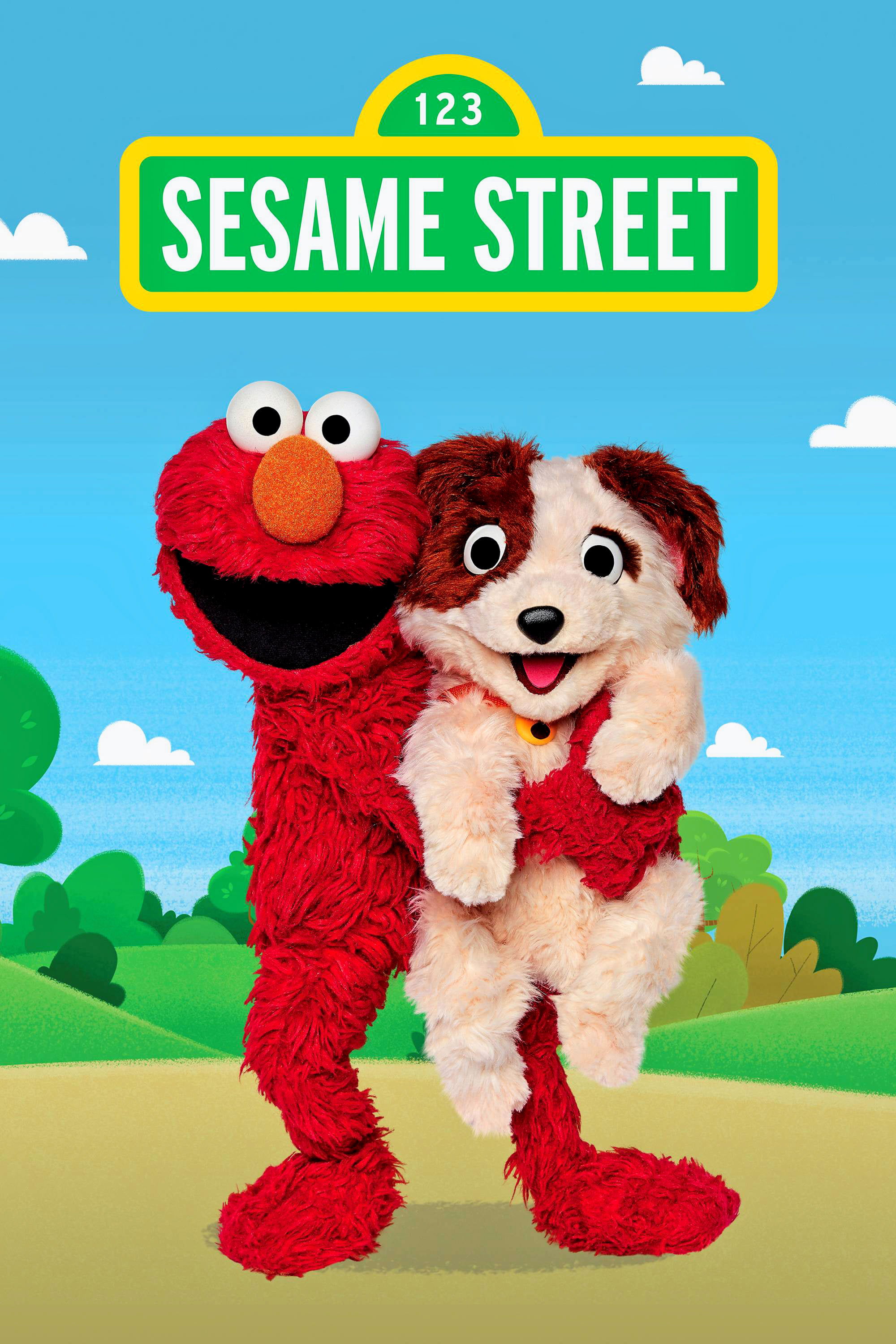
This educational program has been a staple of children television for over fifty years. In 2021 the show introduced a family with two dads during its special celebrations. While many welcomed the move it also drew criticism from certain organizations that felt the content was inappropriate for the target audience. Some longtime viewers expressed their disappointment through public statements and stopped watching the program with their children.
‘The Fosters’ (2013–2018)
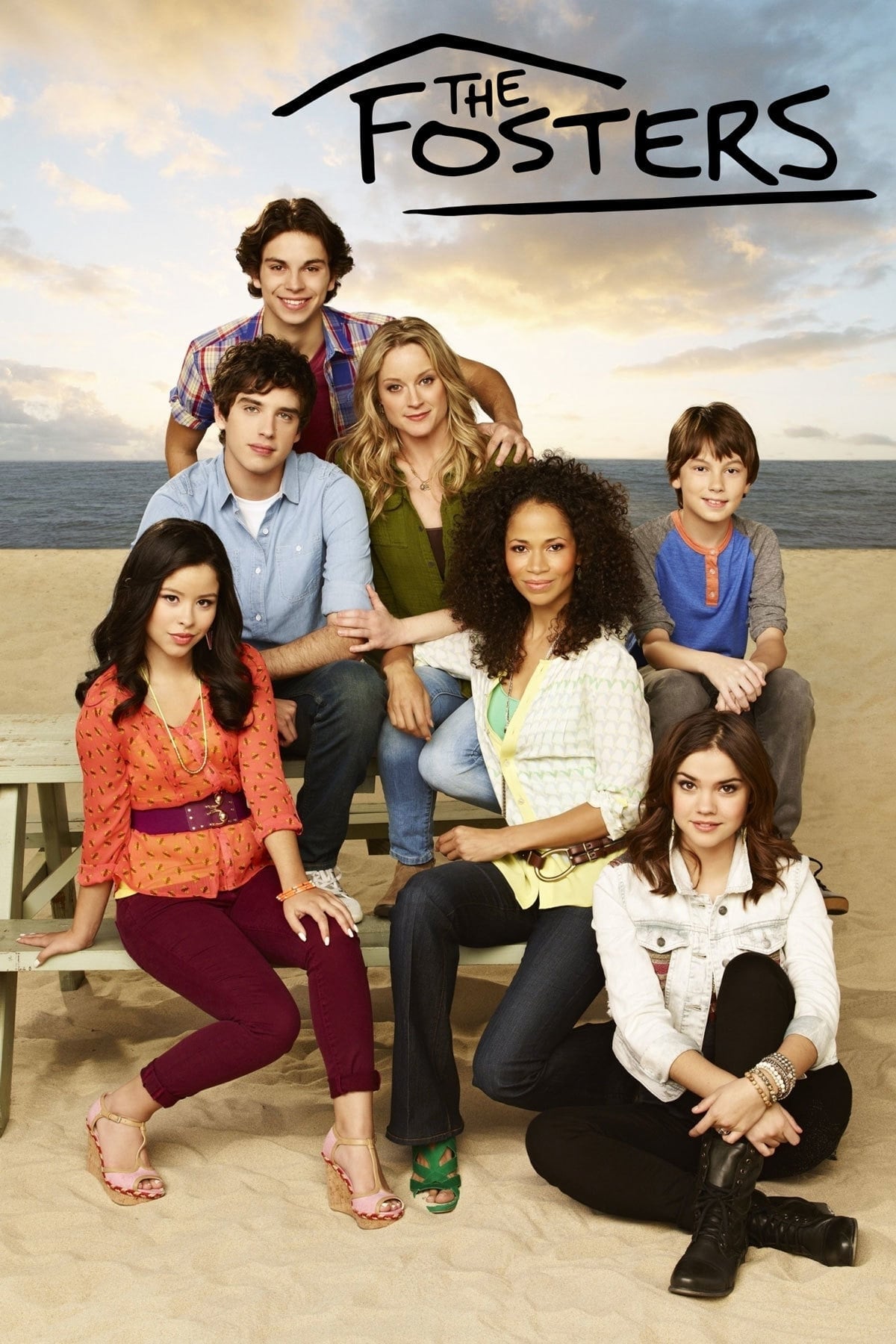
The drama series followed a multi ethnic family of foster and biological children raised by two mothers. It made headlines for featuring a romantic moment between two young characters named Jude and Connor. This development was groundbreaking but also caused a significant stir among parents. The show experienced a decrease in viewership from more traditional households following the focus on this younger romantic arc.
‘9-1-1’ (2018–Present)

The procedural drama follows the lives of first responders and their families in Los Angeles. In its seventh season the show revealed that a lead character had romantic feelings for a man named Tommy. This development came after years of fan speculation but still surprised a segment of the audience. Some longtime viewers took to social media to express their intent to stop watching the show because of this change.
‘Supernatural’ (2005–2020)
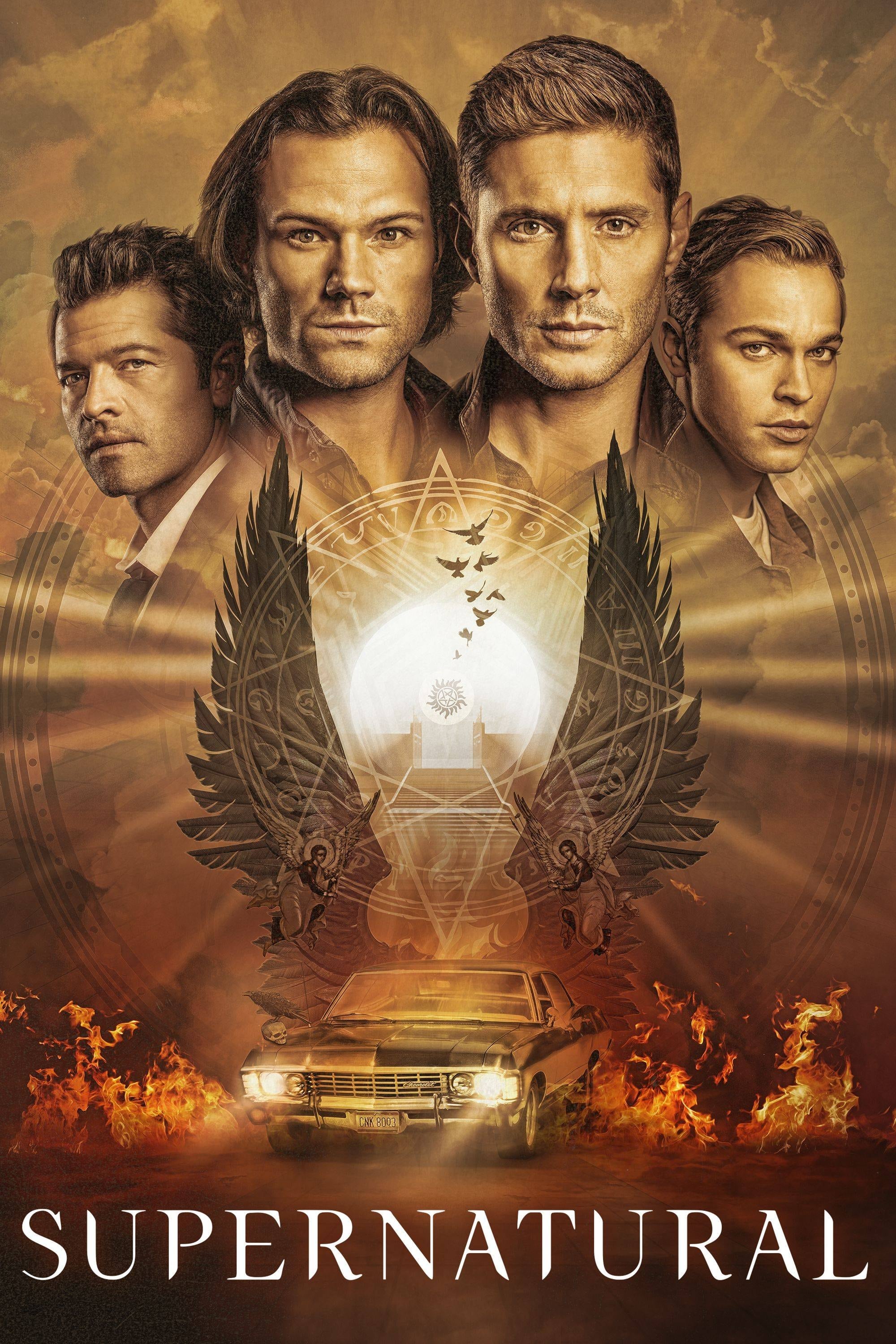
The series followed two brothers as they hunted demons and other entities across the country. In the final season the angel Castiel confessed his love for Dean Winchester in a moment that became a major point of contention. This scene caused an immediate and intense reaction from a fan base that had been divided on the topic for many years. Many fans were upset by the timing of the reveal and the subsequent fate of the character leading to a drop in satisfaction and viewership for the finale.
‘Batwoman’ (2019–2022)

The superhero series followed Kate Kane as she took on the mantle of a protector in Gotham City. From its debut the show focused on her identity as a lesbian superhero which was a central part of her comic book origins. Some viewers felt the show prioritized social themes over traditional action oriented storytelling. This perception contributed to a steady decline in viewership and a polarized reception throughout its three season run.
‘Empire’ (2015–2020)

The musical drama focused on a hip hop mogul and his family as they fought for control of his company. Jamal Lyon was introduced as the talented middle son who struggled for acceptance from his father. His story arc included numerous romantic relationships and a public coming out through a song. The show saw a massive decline in ratings after its second season with some critics pointing to a disconnect between the core audience and its specific plot developments.
Share your thoughts on how these character additions impacted your favorite series in the comments.