Anime Adaptations Accused of Erasing Queer Subtext from the Manga


Anime adaptations frequently modify their source material to suit television standards or reach broader international audiences. These changes often result in the removal or dilution of queer themes and relationships present in the original manga. Fans frequently point to these alterations as a form of erasure that impacts the depth of character development. Understanding these differences highlights the ongoing conversation regarding representation in the animation industry.
‘Sailor Moon’ (1992–1997)
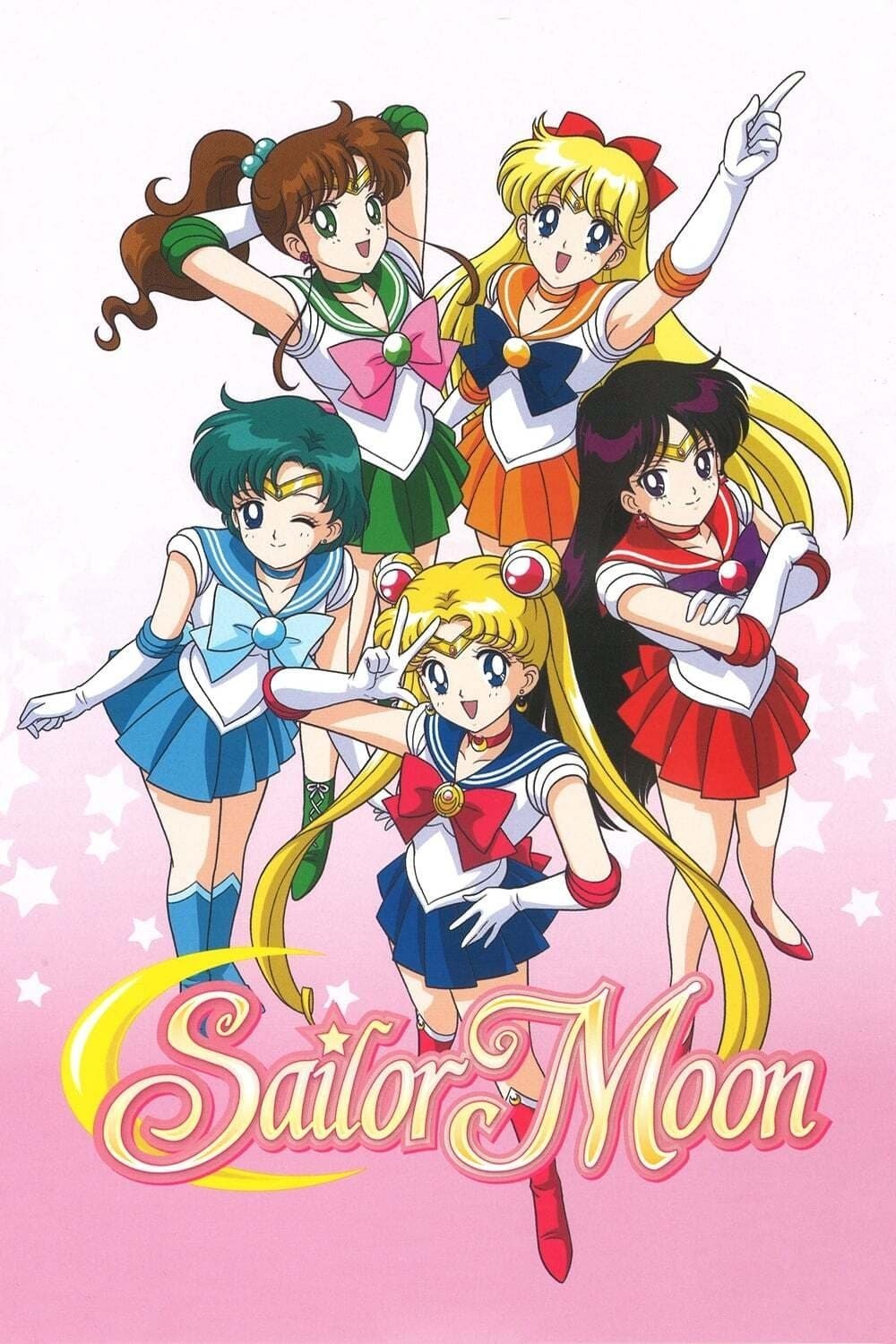
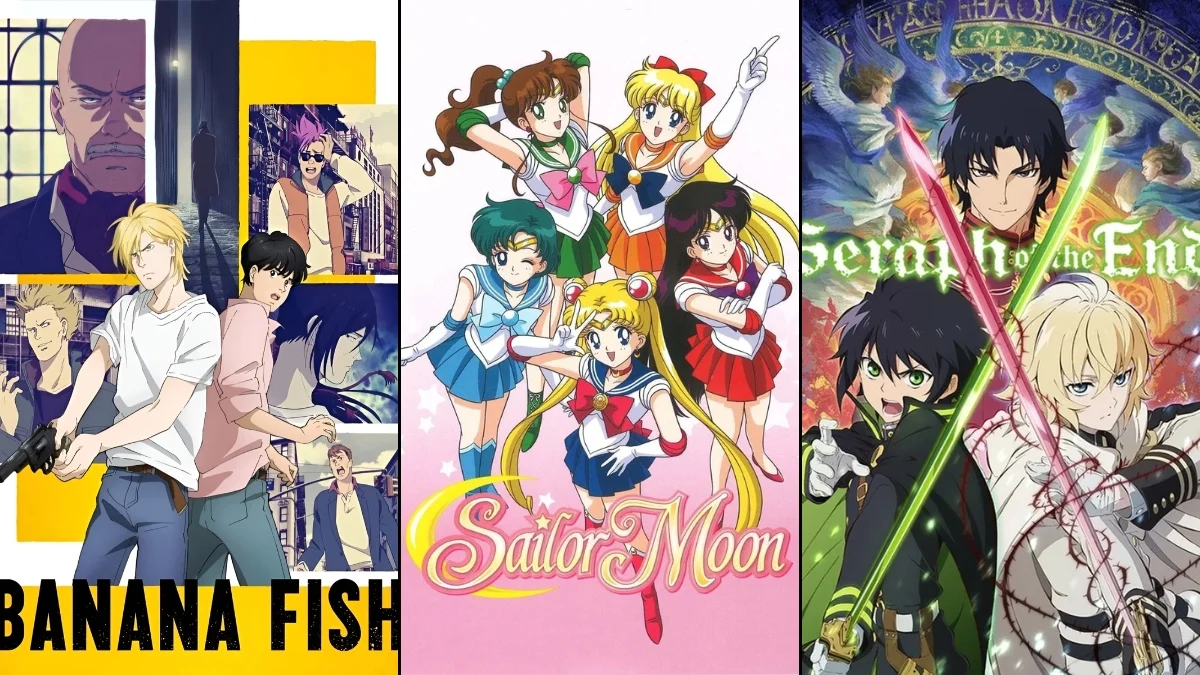
The original Japanese television series made significant changes to the relationship between Zoisite and Kunzite. While the manga depicted them as romantic partners the anime adaptation initially presented Zoisite as a woman in several international dubs to avoid depicting a same sex couple. Additionally the Sailor Starlights were depicted as men who transformed into women in the anime which differed from the manga version where they were women disguising themselves. These alterations created a disconnect for fans who appreciated the more direct representation in the original source material.
‘Cardcaptor Sakura’ (1998–2000)
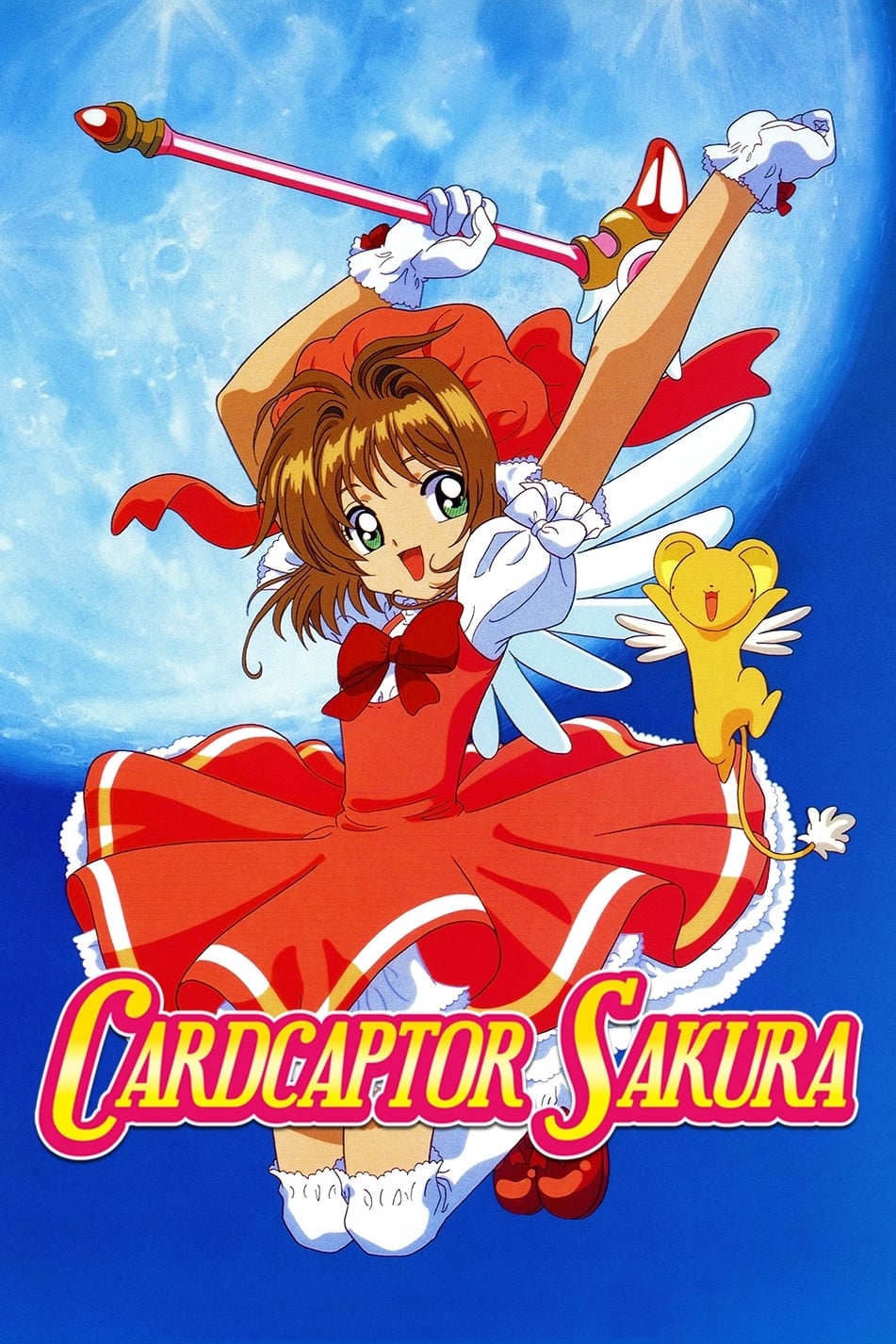
The series features several characters with queer subtext including the close relationship between Tomoyo and Sakura. In the manga Tomoyo is much more explicit about her romantic feelings for her best friend. The anime adaptation frames her devotion as a deep friendship and intense admiration instead. Similar changes were made to the relationship between Touya and Yukito to make it appear more ambiguous to younger audiences. These adjustments have led to ongoing discussions about the erasure of the original themes of the manga.
‘Berserk’ (1997–1998)
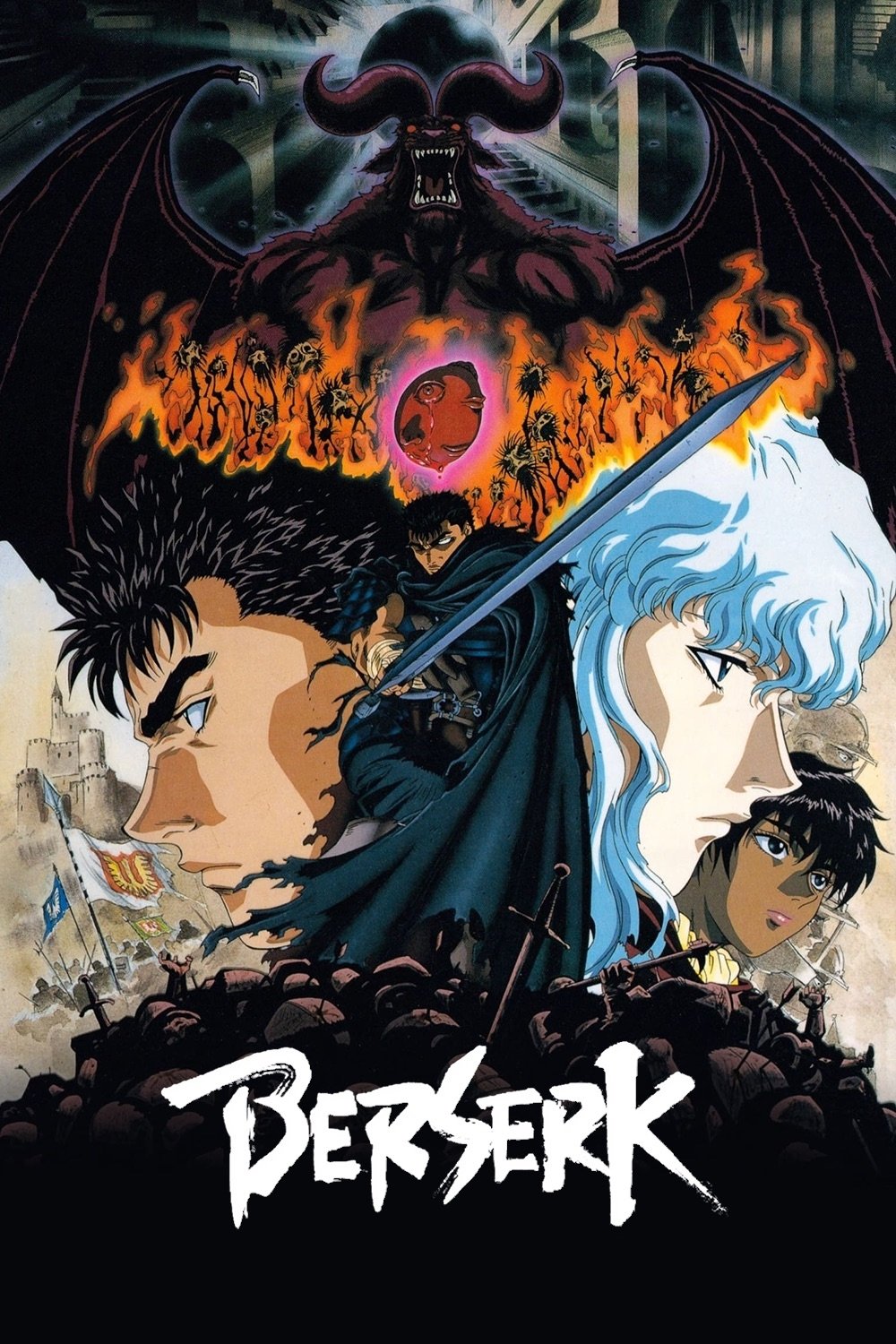
Fans of the dark fantasy series often debate the presentation of Griffith and Guts in the early anime adaptation. The manga contains subtle panels and internal monologues that suggest Griffith harbors romantic or possessive feelings for Guts. In the 1997 series these nuances are sometimes simplified into a quest for power and military dominance. This shift can change the viewer perception of the betrayal that occurs later in the story. The loss of this emotional layer makes the dynamic between the two leads feel more transactional than the source material.
‘No. 6’ (2011)
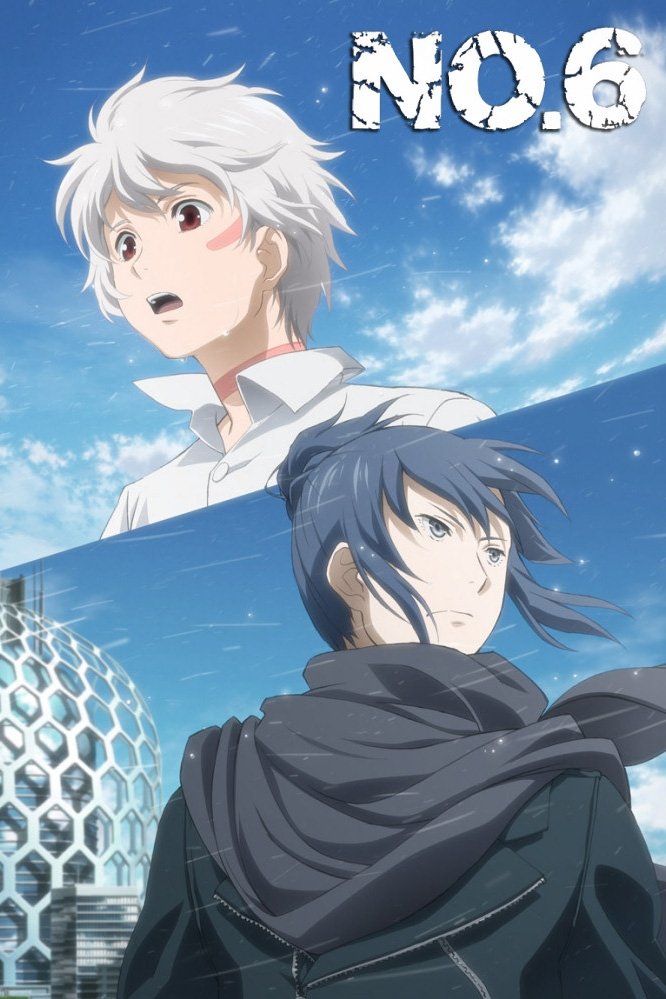
The science fiction series ‘No. 6’ follows Shion and Nezumi as they attempt to uncover the truth about a dystopian city. The light novel and manga sources contain a more gradual development of their romantic feelings and specific scenes of intimacy. The anime adaptation compresses the narrative into eleven episodes which leads to a faster pace that omits key emotional moments. This condensed format makes the central relationship feel more like a platonic friendship than the deep romance depicted by the original author.
‘Banana Fish’ (2018)
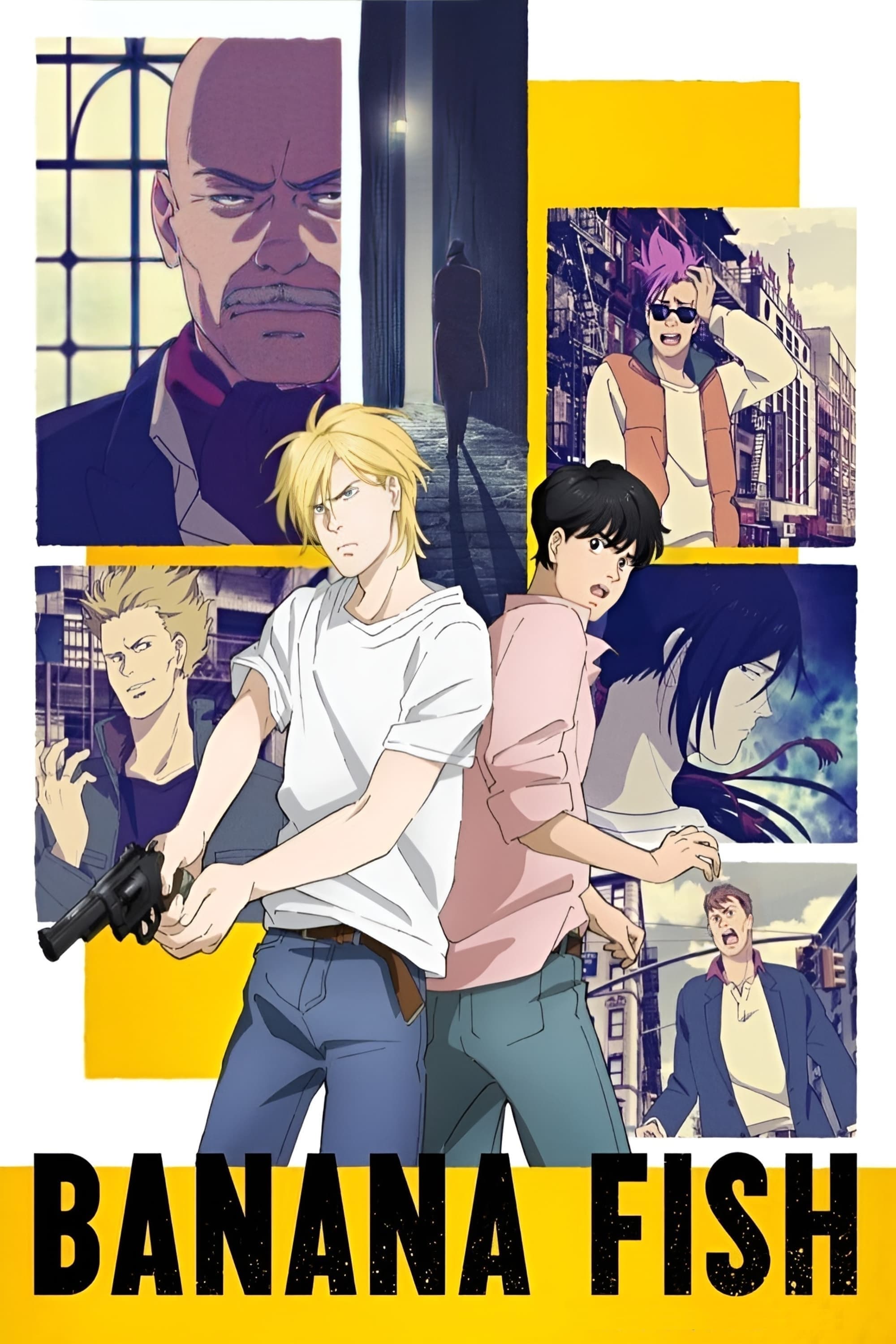
The adaptation of ‘Banana Fish’ brought the classic eighties manga into a modern setting while maintaining the core plot. Many readers pointed out that the intense bond between Ash and Eiji was framed with more romantic weight in the original artwork and dialogue. The anime focuses heavily on the action and thriller elements which some fans feel minimizes the emotional intimacy present in the manga. While the relationship remains central to the narrative the explicit nature of their connection is occasionally softened.
‘Antique Bakery’ (2008)
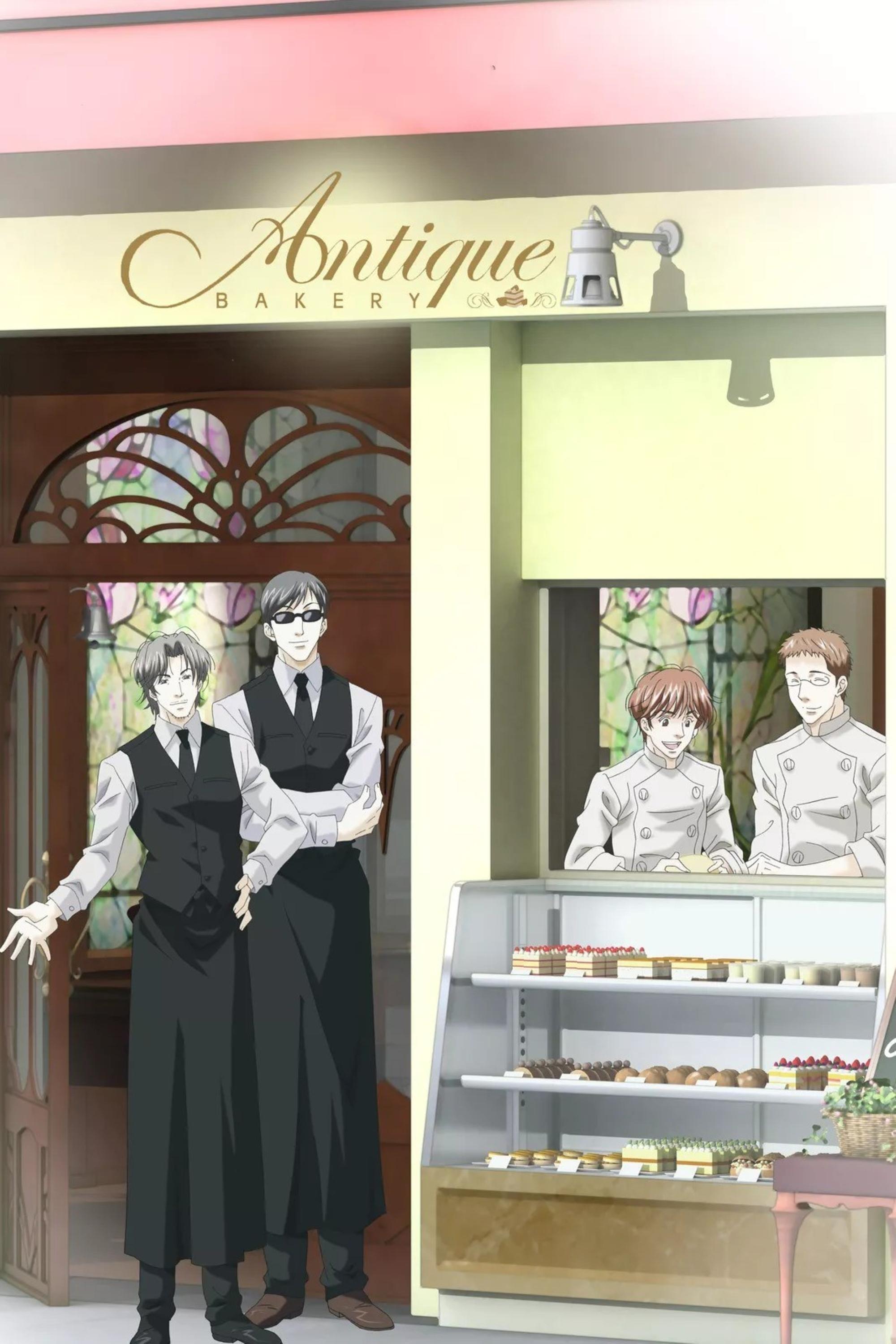
The anime adaptation was broadcast in a late night slot but still removed many of the explicit gay elements found in the manga. The original story focuses on a talented patissier who is gay and his interactions with his coworkers. In the television version the romantic pursuits of the characters are often downplayed or turned into brief comedic moments. This change disappointed fans who wanted a faithful depiction of the gay themes explored in the manga.
‘Ouran High School Host Club’ (2006)
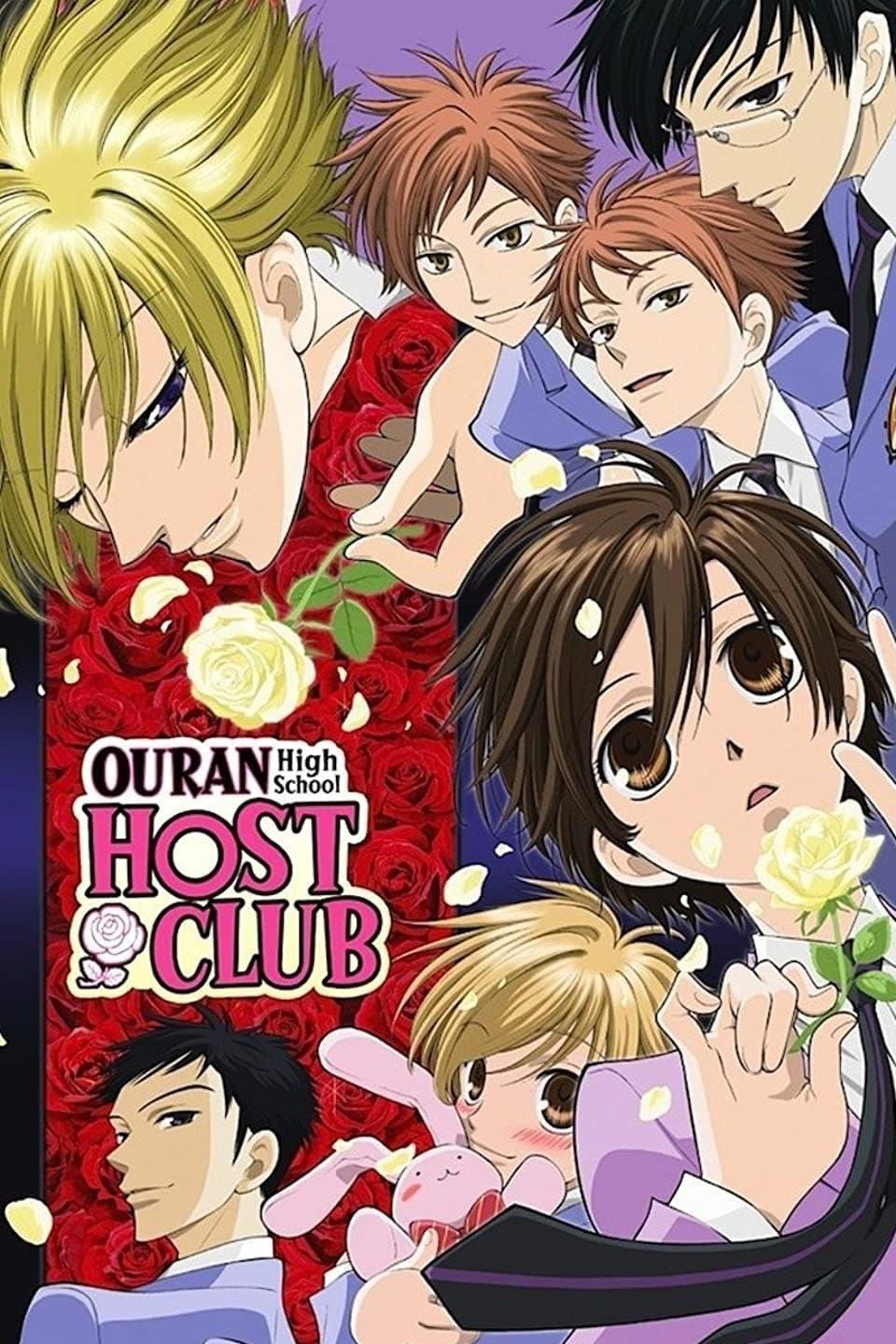
The protagonist Haruhi Fujioka is often cited as a character with a gender neutral outlook on life in the original manga. While the anime captures her indifference toward gender roles it sometimes leans more heavily into the reverse harem tropes for comedic effect. The manga provides more space to explore her identity and her feelings about the expectations placed upon her. Fans have noted that the anime occasionally simplifies her complex relationship with gender to keep the focus on the romantic comedy elements.
‘Soul Eater’ (2008–2009)
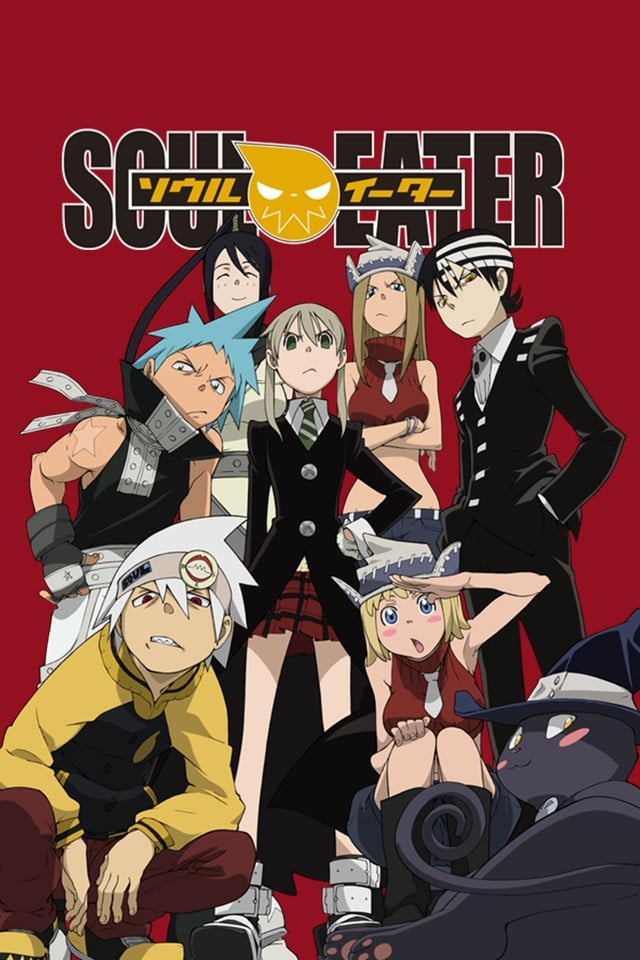
The character Crona is explicitly written as gender neutral in the original Japanese manga. The anime adaptation chose to assign masculine pronouns to the character in various translations and dubs. This decision significantly altered the way the character is perceived by the audience and removed the unique gender identity established by the author. Many viewers feel this change was a missed opportunity for non binary representation in the series.
‘Tokyo Ghoul’ (2014)
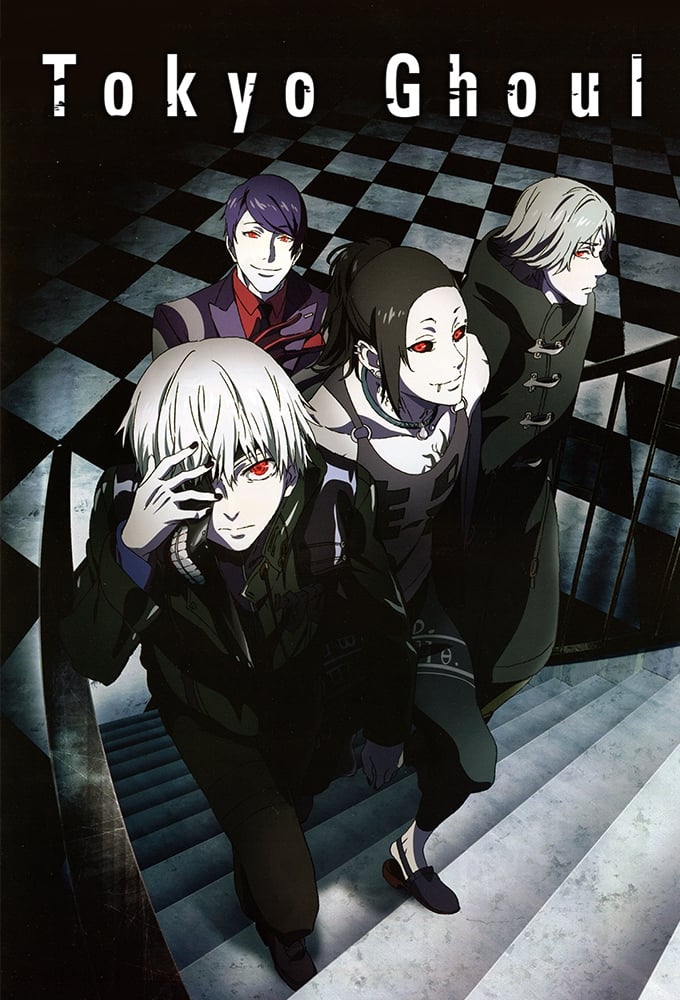
The character Shuu Tsukiyama is depicted with a flamboyant and queer coded personality in the manga that includes romantic metaphors. The anime adaptation often reduces his complex obsession with the protagonist to simple hunger or madness. Fans have noted that the removal of these specific undertones flattens the character and erases his unique identity. This shift reflects a common trend where queer subtext is replaced with more conventional villainous traits.
‘X’ (2001–2002)

The relationship between Kamui and Fuuma in the manga is filled with homoerotic subtext and tragic romantic tension. The anime adaptation focuses more on the supernatural battles and the fate of the world while distancing the characters from their intimate connection. Many readers believe that the profound emotional bond between the two leads is sanitized in the transition to the screen. This results in a narrative that feels less personal than the original work by CLAMP.
‘Black Butler’ (2008–2010)
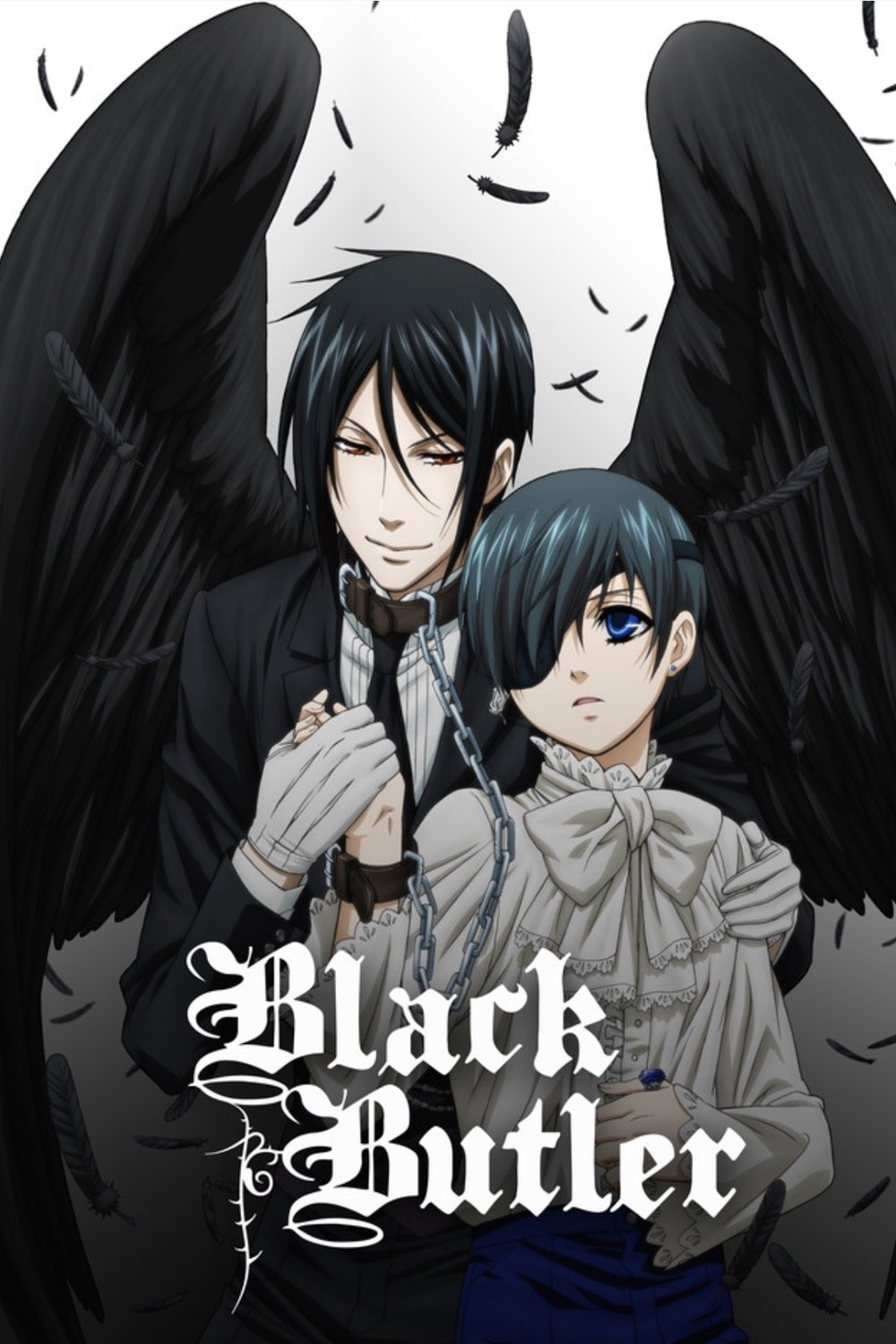
The dynamic between Ciel and Sebastian is often interpreted as having dark and romantic undertones in the original manga. The anime adaptation introduces several original storylines that shift the focus away from the character development seen in the source material. This change can dilute the specific tension that makes the original relationship so compelling to many readers. Some fans feel that the anime leans more into the gothic aesthetic while ignoring the deeper character motivations.
‘Seraph of the End’ (2015)
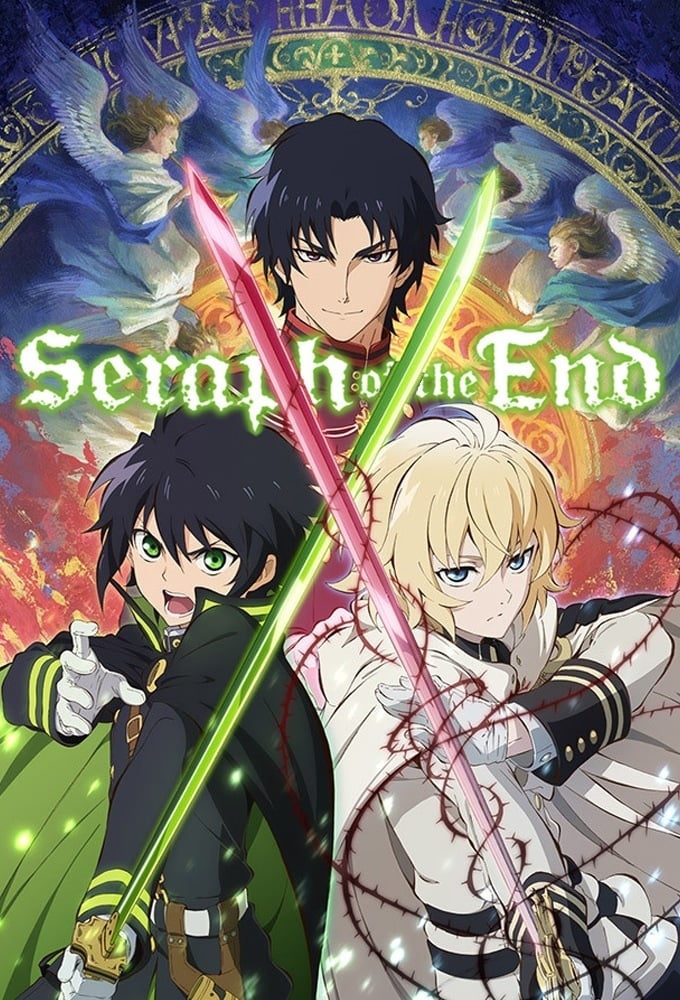
The manga version of ‘Seraph of the End’ highlights the deep emotional and romantic bond between Mikaela and Yuuichiro. In the source material Mikaela makes a specific declaration of love that is widely considered to be romantic in nature. The anime adaptation portrays this scene with more ambiguity which allows viewers to interpret their bond as strictly familial. This softening of the subtext is a frequent point of contention for fans who prefer the more explicit themes of the manga.
‘Pandora Hearts’ (2009)
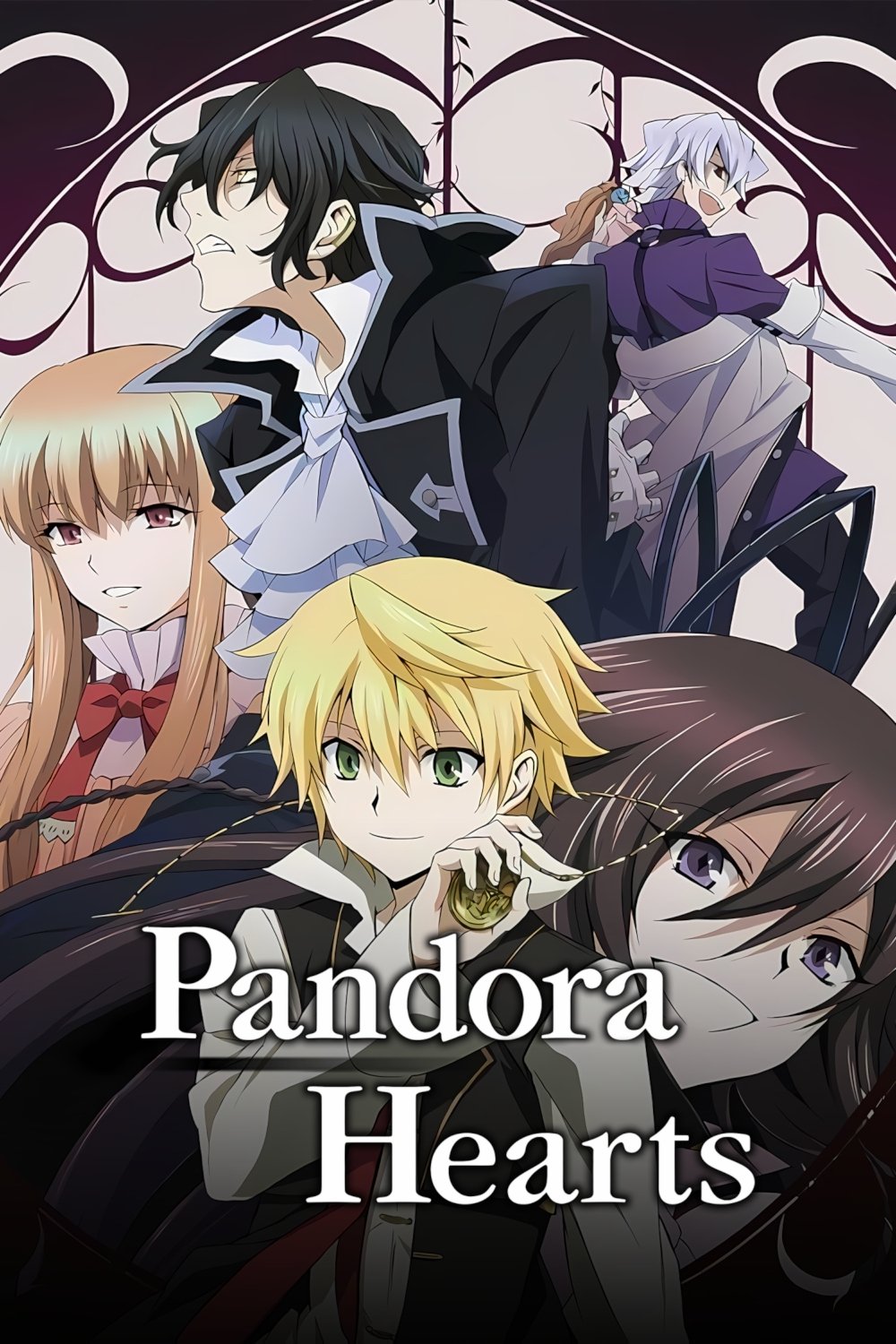
The manga series contains several characters whose relationships are filled with romantic subtext and deep emotional intimacy. The anime adaptation only covers a small portion of the story and often simplifies the complex feelings between the main cast. Many fans argue that the anime version prioritizes the fantasy plot over the delicate character work found in the manga. This results in a version of the story that lacks the queer undertones present in later chapters of the book.
’07-Ghost’ (2009)

The anime adaptation of ’07-Ghost’ follows Teito Klein as he navigates a world of military conflict and ancient magic. The manga features a strong bond between Teito and his friend Mikage that many readers interpret as romantic in nature. The television series tends to frame their relationship through the lens of brotherhood and platonic loyalty. This interpretation omits the more intimate and emotional scenes found in the early chapters of the manga.
‘Nabari no Ou’ (2008)
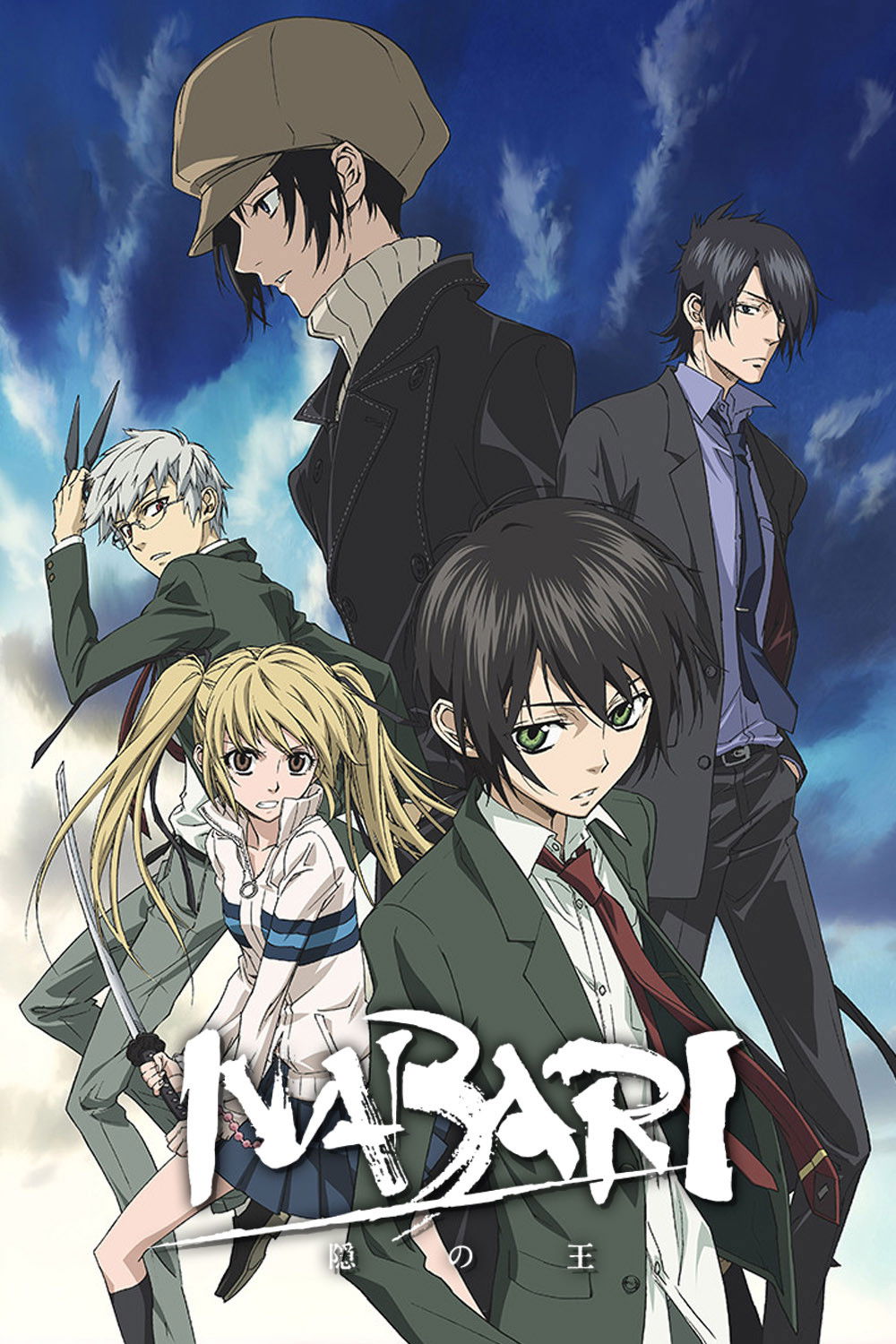
The bond between Miharu and Yoite is the central emotional arc of the ‘Nabari no Ou’ manga. In the source material their connection is described with poetic and romantic language that transcends simple friendship. The anime adaptation softens these moments and focuses more on the ninja action and political intrigue of the world. Consequently the tragic nature of their relationship feels less impactful to some viewers who are familiar with the original text.
‘Loveless’ (2005)
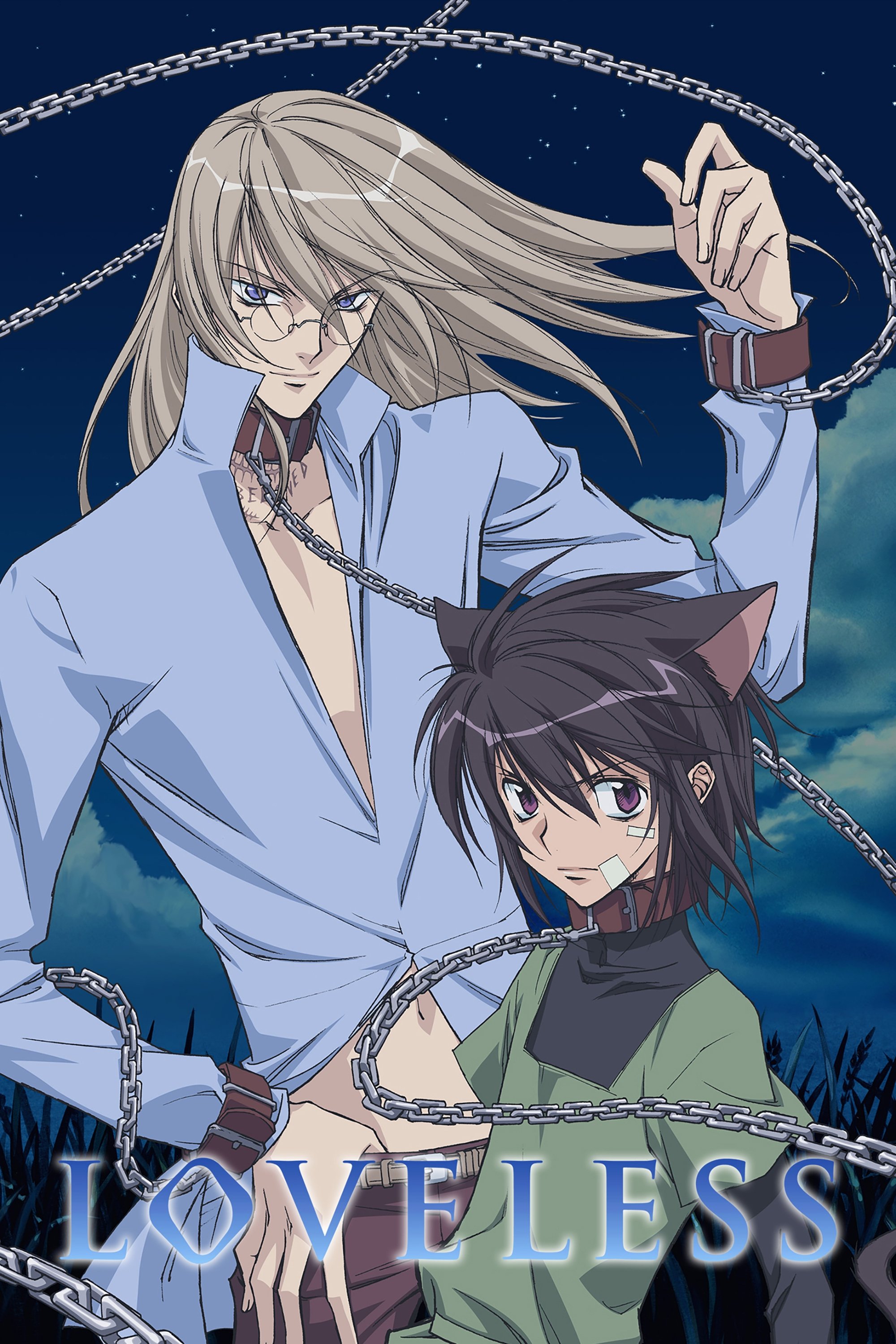
The manga ‘Loveless’ is known for its exploration of complex and often controversial romantic bonds. When it was adapted into an anime many of the more philosophical and romantic elements of the main relationship were removed or changed. The show focuses more on the supernatural combat system and less on the psychological depth of the characters. This results in a sanitized version of the story that misses the original intent of the manga creator.
‘The Rose of Versailles’ (1979–1980)
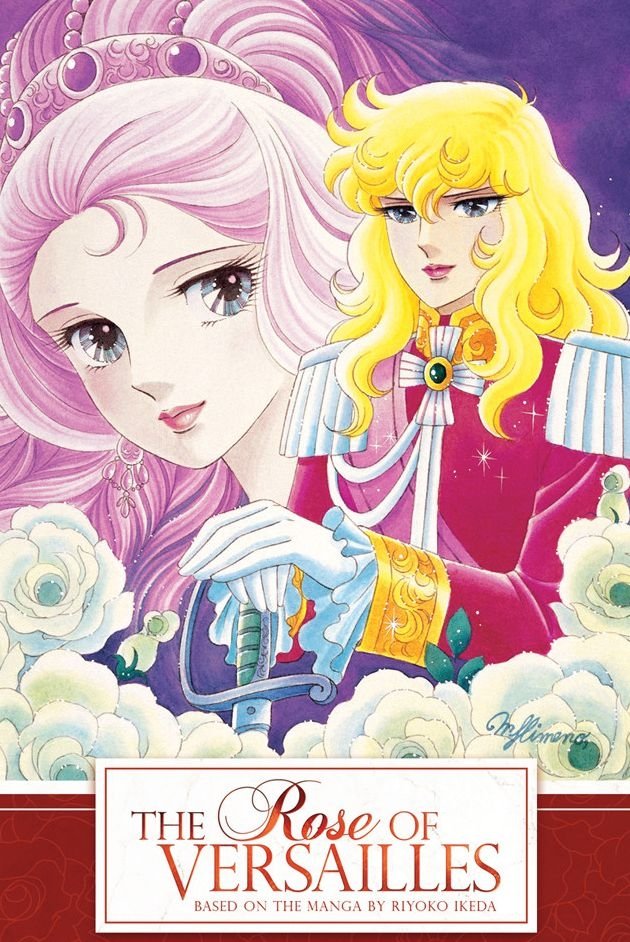
The manga by Riyoko Ikeda explores the gender identity of Oscar Francois de Jarjayes with significant complexity. While the anime is considered a classic it sometimes leans into a more traditional tragic heroine narrative. The original text offers a more nuanced look at how Oscar perceives her own gender outside of the constraints of her era. Certain scenes depicting her rejection of female societal roles were altered for the animated medium to better fit the television standards of the time.
‘Gravitation’ (2000–2001)
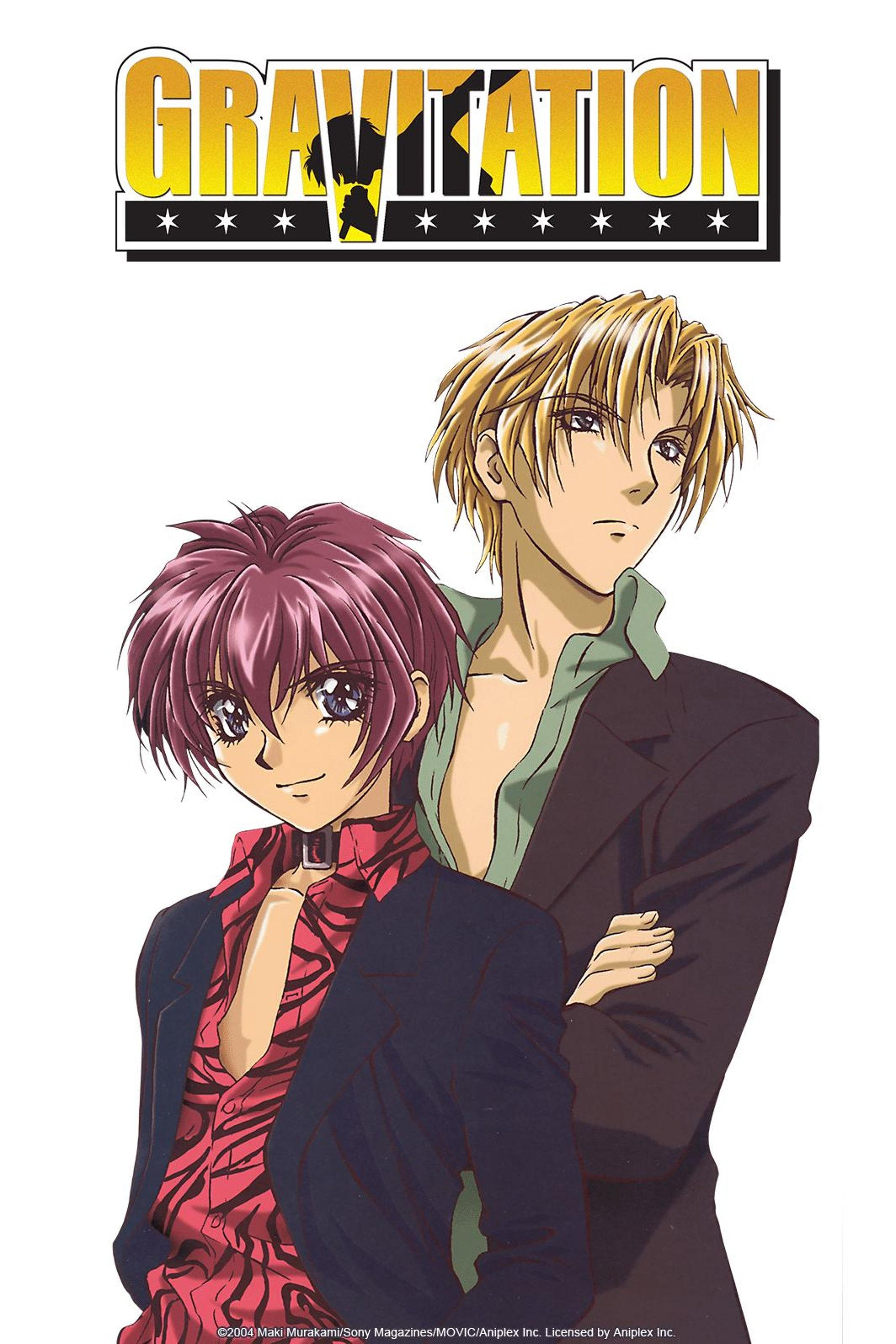
The manga version of ‘Gravitation’ is known for its explicit and chaotic depiction of the relationship between Shuichi and Eiri. When the series was adapted into an anime many of the more mature and direct elements of their romance were removed or softened. The show focuses more on the musical career of the protagonist while the central relationship feels less volatile and sexualized. This sanitization was likely intended to make the series more accessible for television broadcast.
‘Princess Knight’ (1967–1968)

The original manga by Osamu Tezuka features a protagonist who is born with the hearts of both a boy and a girl. This exploration of gender identity was quite radical for its time and provided a unique look at non binary themes. The anime adaptation often simplifies this concept by treating the characters more within a binary framework. Many scholars of the series argue that the anime loses the progressive nuances that were present in the original sixty years ago.
‘Hunter x Hunter’ (2011–2014)
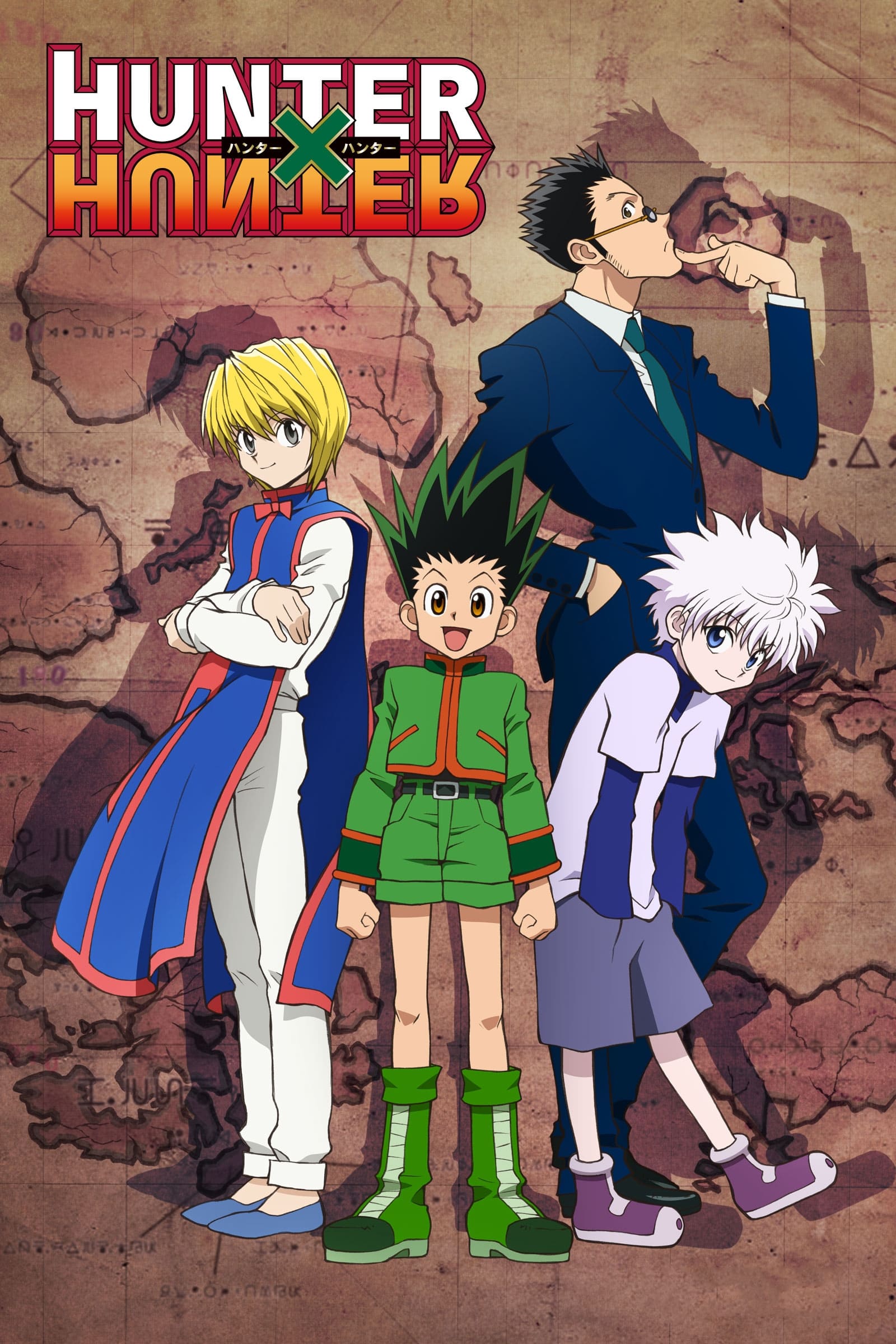
Killua’s character development in the manga includes several instances where his devotion to Gon is described in ways that suggest romantic love. The 2011 anime adaptation often removes the internal monologues that highlight the intensity of these feelings. This choice makes their relationship appear more like a standard friendship rather than the complex bond intended by Yoshihiro Togashi. Fans frequently discuss how these omissions impact the emotional core of the series throughout its long run.
Please share your thoughts on these anime adaptations and their changes in the comments.