Games That Changed Historical Figures’ Races and Got Rightfully Called Out


The intersection of historical accuracy and creative representation in video games often leads to intense public discourse among players and historians. Developers frequently take creative liberties with the races and identities of historical figures to fit modern narratives or specific artistic visions. These changes can range from subtle alterations in skin tone to complete reimaginings of famous leaders and warriors. While some fans appreciate the diversity and fresh perspectives these modifications provide others argue that they distort the reality of the past. This list explores several notable instances where gaming companies faced backlash for their portrayal of historical or mythological individuals.
‘Assassin’s Creed Shadows’ (2025)
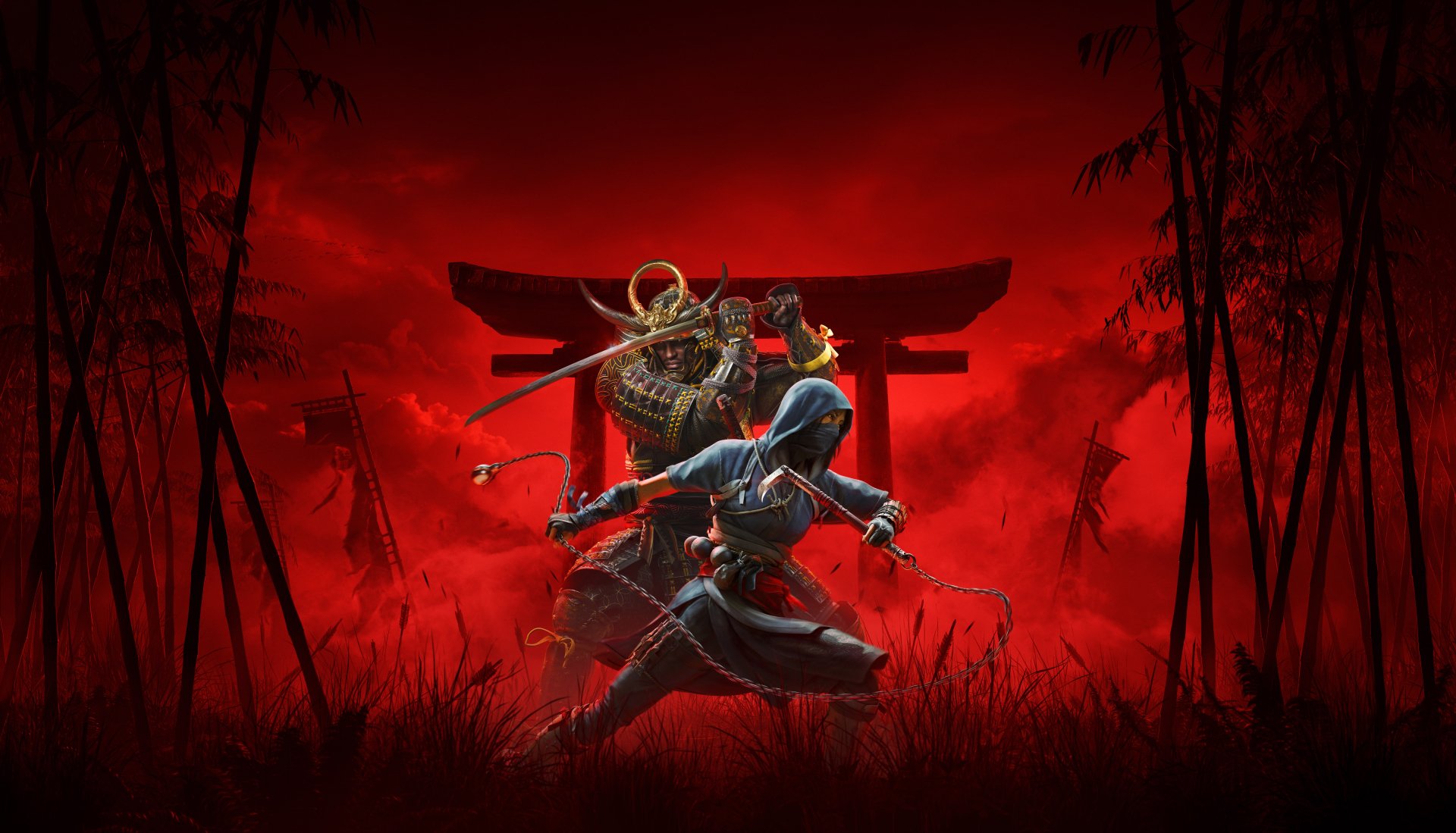
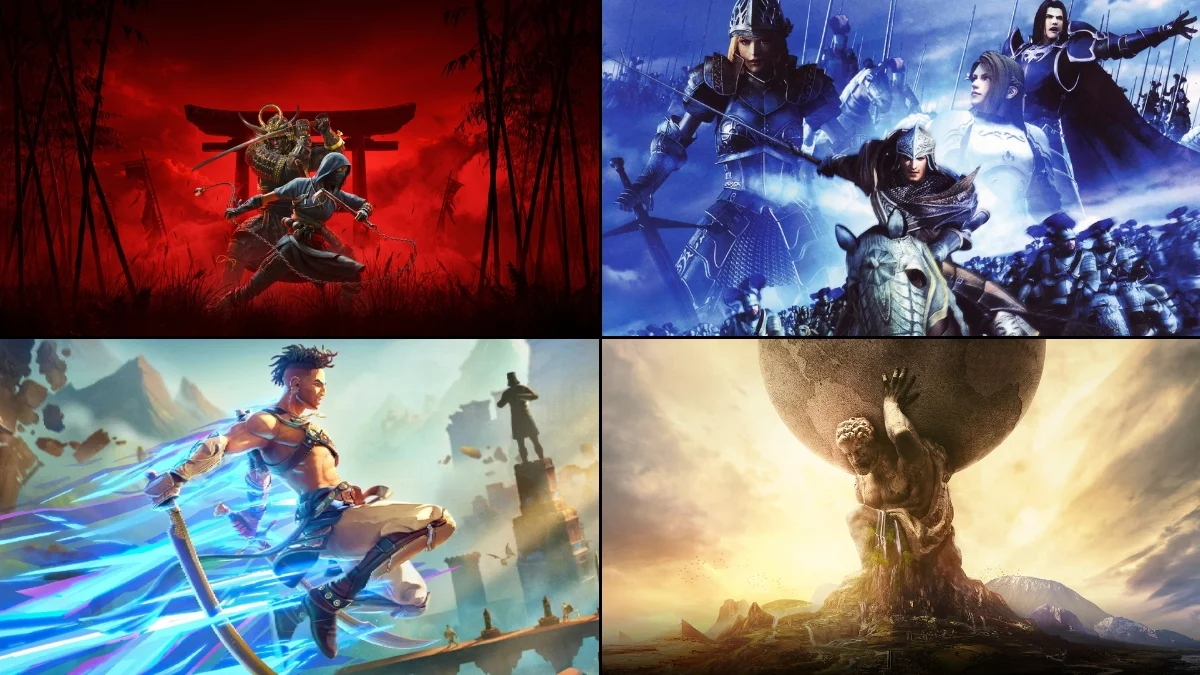
Ubisoft developed and published this title which features Yasuke as one of the main protagonists. While historical records confirm Yasuke was an African man who served under Oda Nobunaga his portrayal as a legendary samurai sparked significant debate online regarding historical accuracy and race. Critics argued that the game prioritized modern diversity over the traditional Japanese setting and cultural expectations for the series. Fans expressed concern that a non-Japanese figure was chosen to represent the samurai class in a game set during the Sengoku period. This controversy led to a large volume of online discussions and petitions calling for changes to the narrative approach before the game was eventually released in early 2025.
‘Total War Saga: TROY’ (2020)
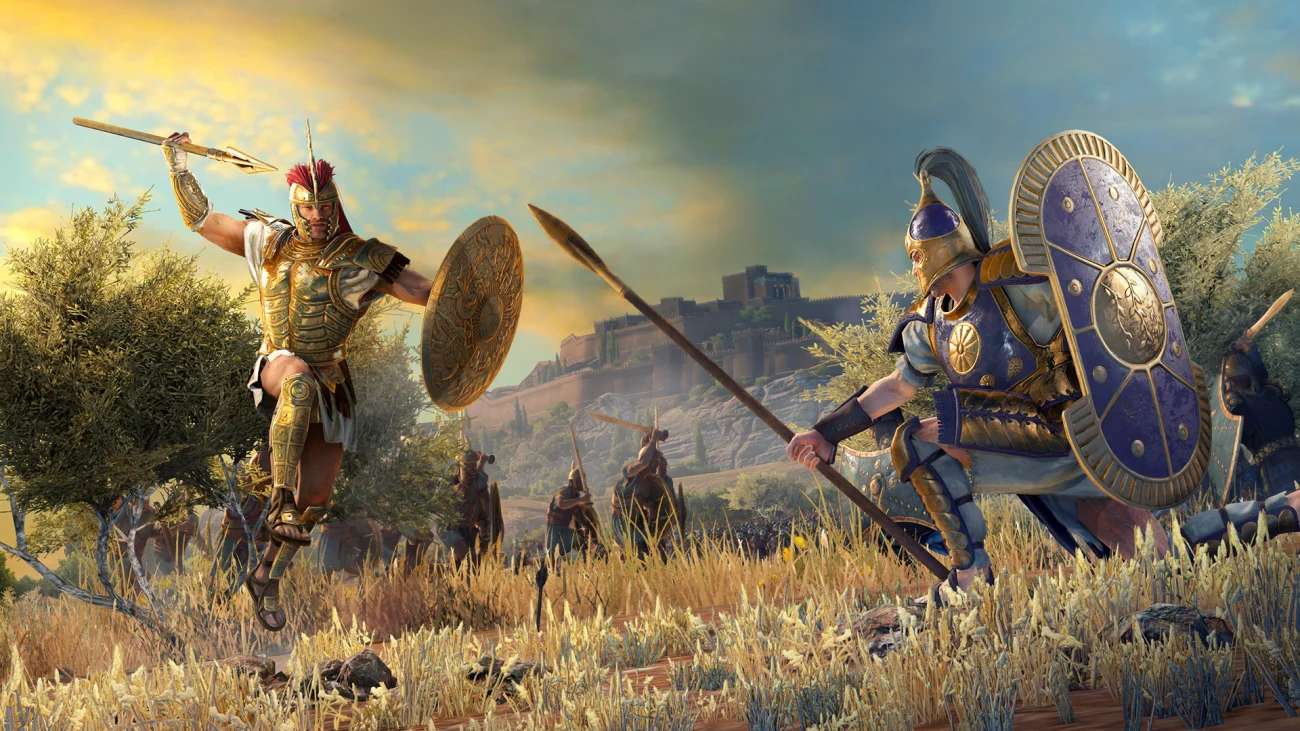
Creative Assembly developed this strategy game while Sega handled the publishing duties for the historical title. The game faced scrutiny for its depiction of certain mythological and historical figures like Achilles who were portrayed with varying skin tones that some players found inconsistent with historical or literary descriptions. Memnon was also a point of discussion as the game explored the multiethnic nature of the Trojan allies. Some players felt these design choices were an attempt to modernize the Greek setting rather than adhering strictly to traditional sources. The development team defended their creative decisions by highlighting the diverse cultures involved in the conflict.
‘Battlefield V’ (2018)
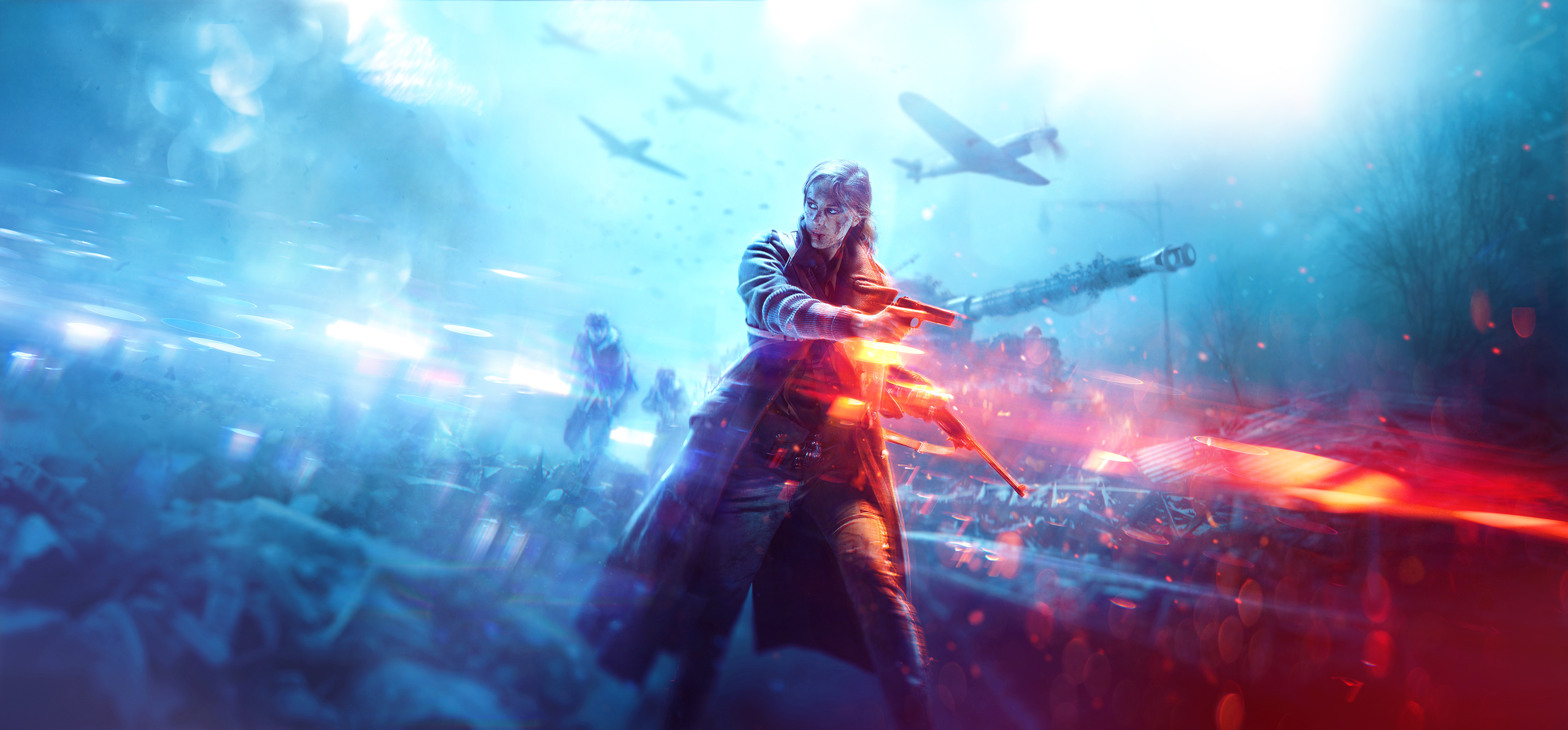
Electronic Arts published this first person shooter which was developed by the Swedish studio DICE. The game received heavy criticism upon its reveal for including diverse character options and female soldiers in front line combat roles during World War II. Players pointed out that the racial and gender representation in the British and German factions did not align with the historical demographics of the 1940s. The backlash grew so intense that it led to a widespread social media campaign questioning the creative direction of the title. Despite the controversy the developers maintained that their goal was to allow players to customize their experience in a sandbox environment.
‘Call of Duty: Vanguard’ (2021)
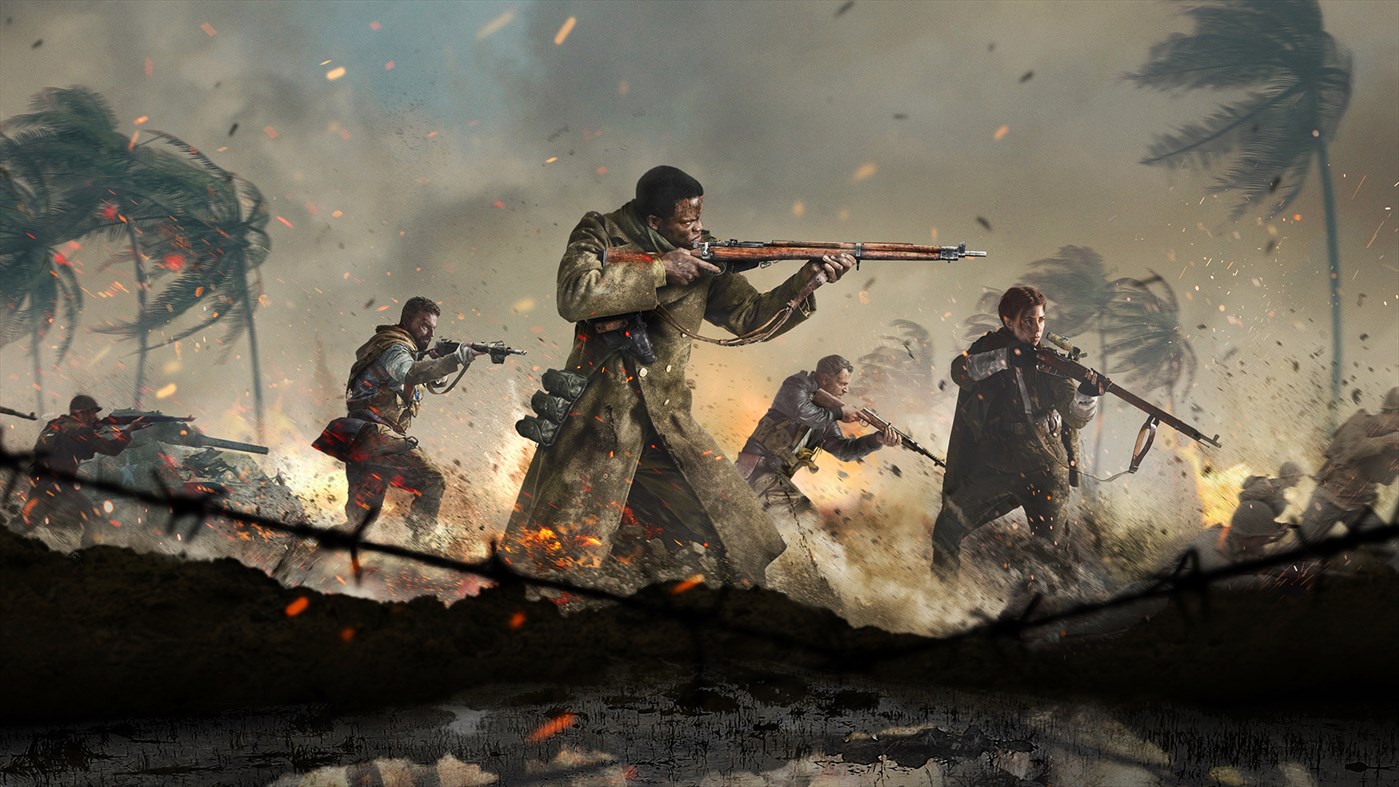
Sledgehammer Games developed this installment of the long running franchise and Activision released it across multiple platforms. The title faced backlash for its portrayal of special forces units that featured a highly diverse group of soldiers from various ethnic backgrounds during the second world war. Historical enthusiasts argued that the racial composition of these elite teams was not representative of the era and felt like a modern revision of history. The game aimed to tell a fictionalized story inspired by real events but the creative liberties taken with race and gender remained a point of contention for many. This debate highlighted the ongoing tension between historical realism and inclusive game design.
‘Fate/Grand Order’ (2015)
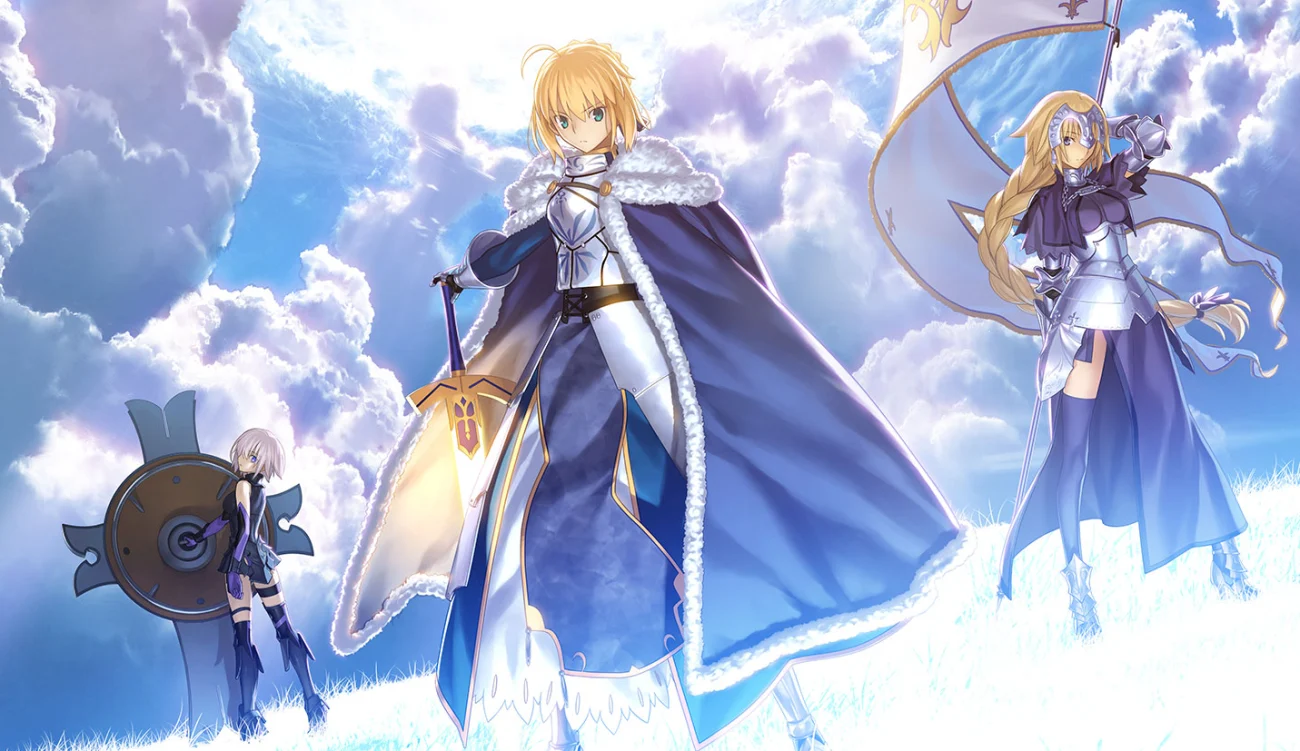
Aniplex and Lasengle are responsible for the ongoing development and management of this highly successful mobile game. The title is famous for reimagining historical and mythological figures from all over the world as different genders or races. Leonardo da Vinci is portrayed as a young woman of European descent and Thomas Edison is depicted with the head of a lion. While the game has a massive global following some critics have pointed out the drastic changes to the cultural and racial identities of these historical icons. The developers use the concept of Heroic Spirits to justify these creative reinterpretations within the established lore of the series.
‘Fate/stay night’ (2004)

Type-Moon developed this visual novel which eventually expanded into a massive multimedia franchise including several video games. The story famously reimagines the legendary King Arthur as a woman named Artoria Pendragon who is depicted with pale skin and blonde hair. While the gender swap is the primary focus the complete transformation of the British king’s identity into an anime style character was met with both shock and praise. Some fans argued that this change erased the traditional historical and cultural context of the Arthurian legends. However the character has since become one of the most recognizable icons in the world of Japanese media.
‘God of War Ragnarök’ (2022)
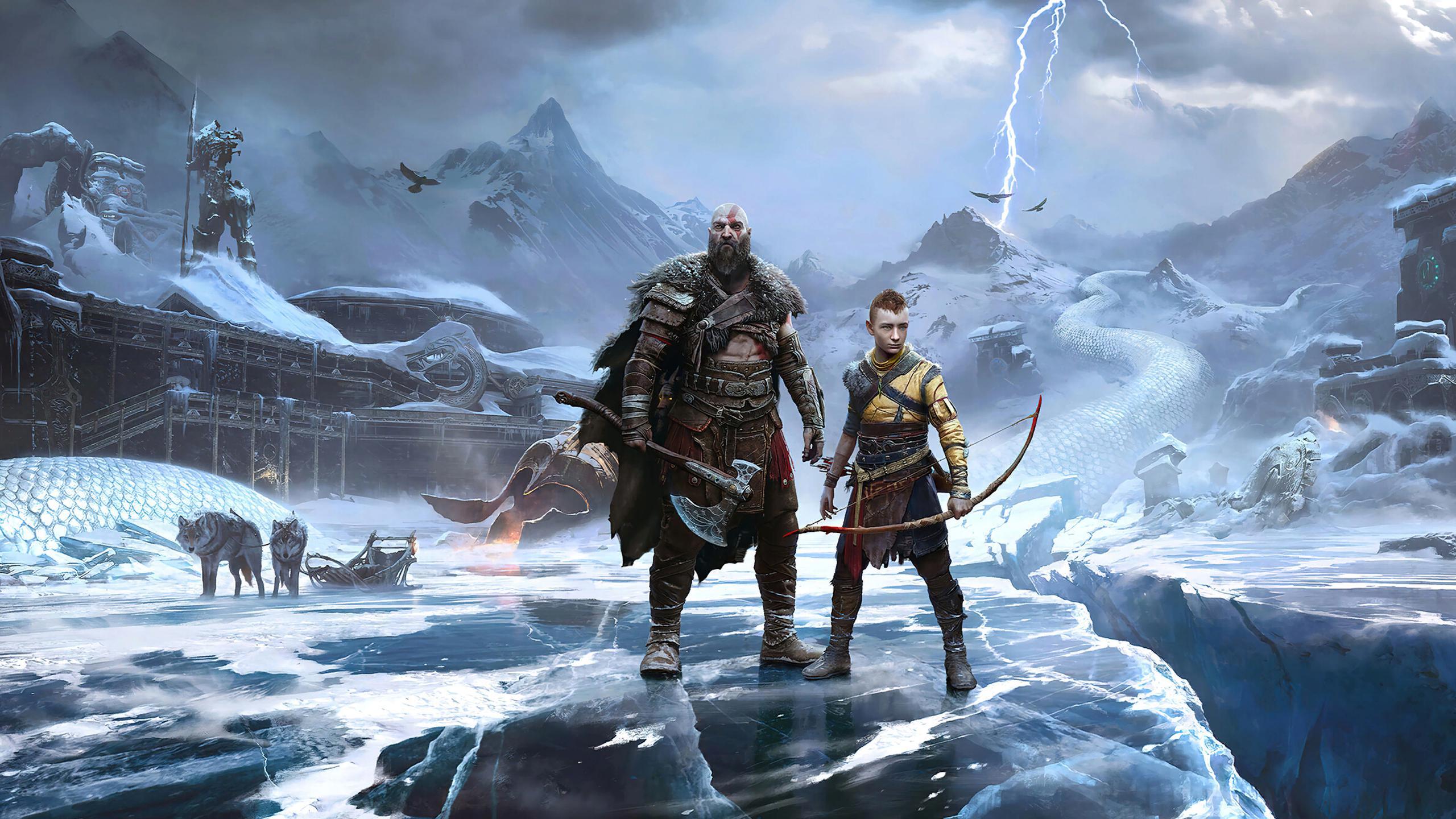
Santa Monica Studio developed this epic sequel and Sony Interactive Entertainment published it for the PlayStation consoles. The game introduced the character Angrboda who is a giantess from Norse mythology and is depicted as a young Black girl. This creative choice led to a wave of online criticism from individuals who argued that characters in Norse mythology should be portrayed as ethnically Northern European. The developers defended the decision by explaining that giants are a separate race of beings in the game world and are not tied to human ethnicities. This discussion sparked a larger conversation about race and representation in fantasy games based on European folklore.
‘Hades’ (2020)
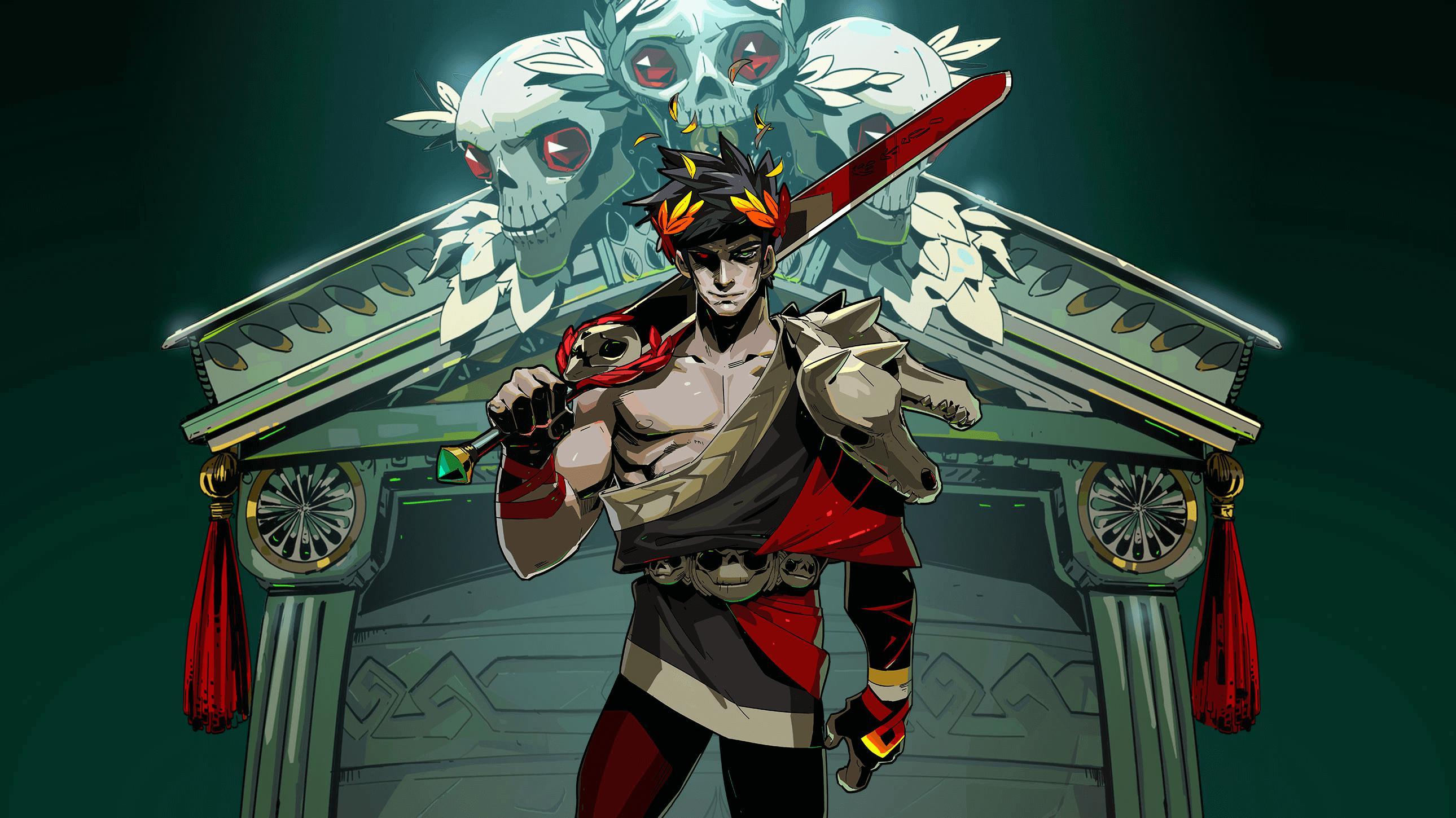
Supergiant Games developed and published this critically acclaimed roguelike that focuses on the gods of the Greek pantheon. The game features several characters with diverse skin tones including depictions of Hermes and Athena that differ from traditional neoclassical art. While the game was praised for its art direction some players questioned the historical and mythological accuracy of these racial portrayals. The developers explained that their goal was to reflect the diverse and global nature of the ancient Mediterranean world. Most of the feedback remained positive but the conversation around the racial identity of Greek gods persisted in gaming forums.
‘Total War: ROME II’ (2013)
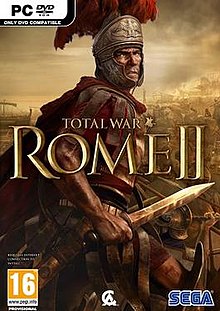
Creative Assembly developed this grand strategy title and Sega released it to a massive audience of history fans. Years after its initial release the developers issued an update that increased the spawn rate of female generals for certain factions like the Kushites and some Roman families. This change led to a review bombing campaign on Steam as players claimed the update distorted historical facts regarding military leadership in ancient Rome. The community managers at Creative Assembly faced a significant backlash when they told unhappy players that they could mod the game or simply not play it. This event became a frequently cited example of the conflict between historical accuracy and modern diversity goals in gaming.
‘Civilization VI’ (2016)
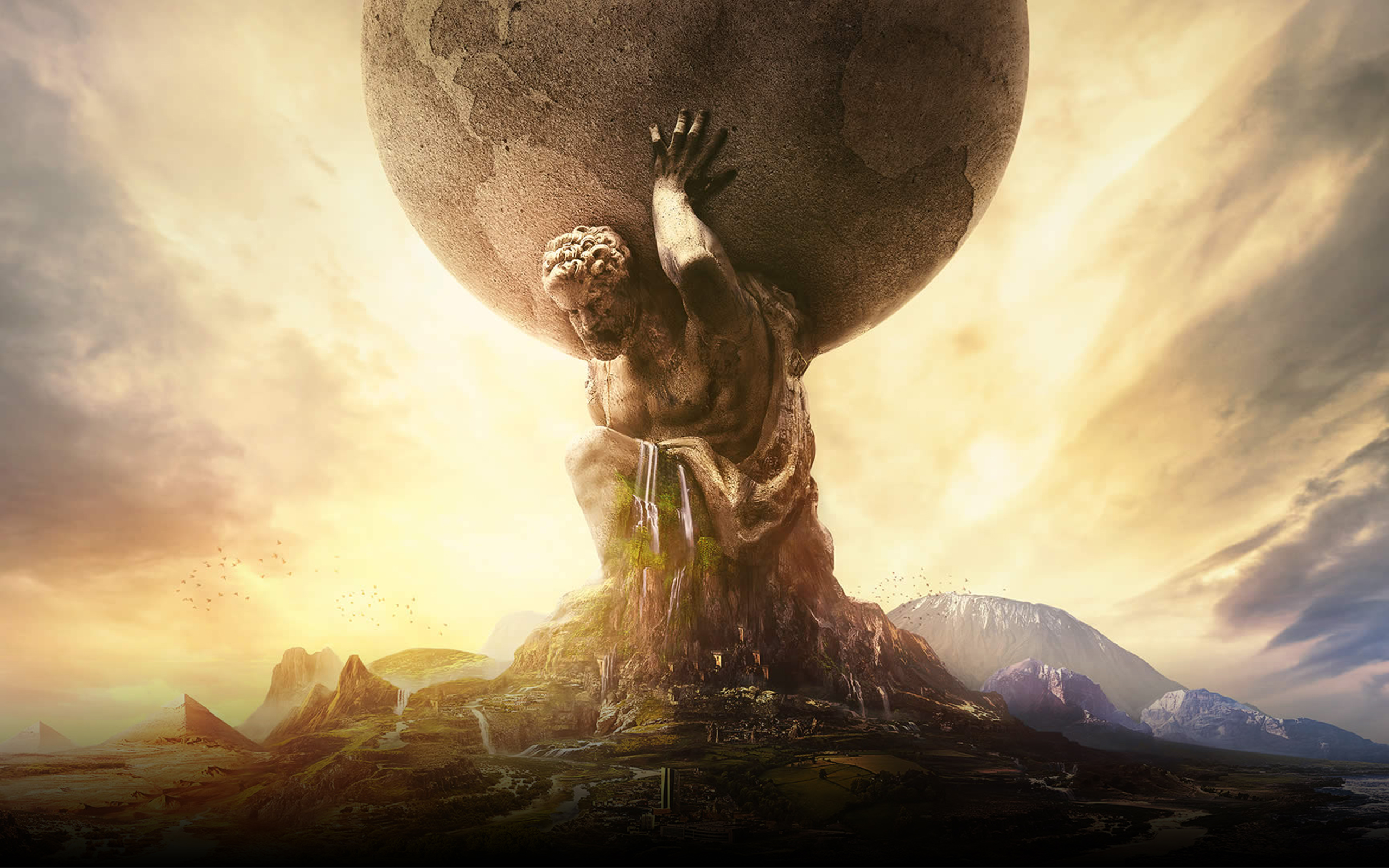
Firaxis Games developed this turn based strategy game and 2K Games published it for a wide range of devices. The game includes several historical leaders from across the globe and some players have called out the specific depictions of leaders like Kristina of Sweden or certain African rulers. Critics argued that the physical features and skin tones of some characters were altered to fit a specific aesthetic or to emphasize certain ethnic traits. The developers aimed to create a vibrant and diverse representation of human history but encountered resistance from players who preferred a more traditional look for these figures. Despite these complaints the game remains a staple for fans of the strategy genre.
‘Smite’ (2014)
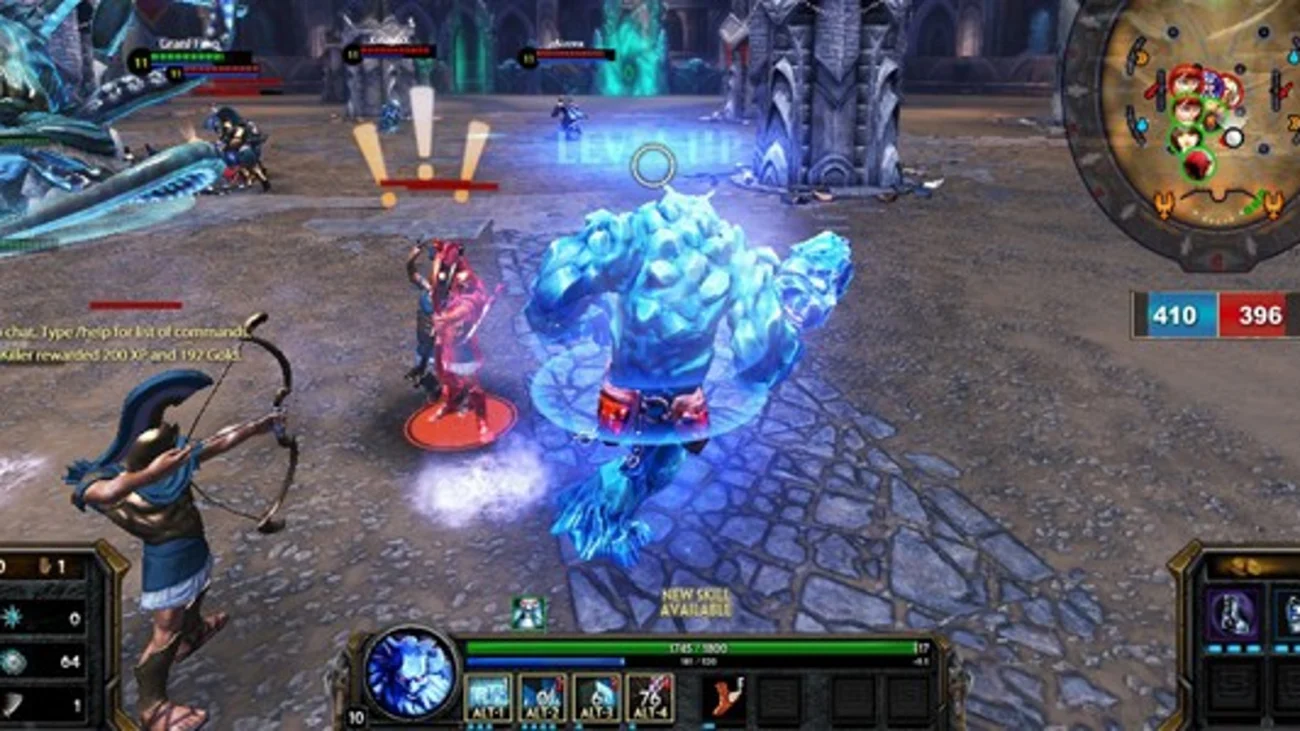
Hi-Rez Studios developed and published this third person multiplayer online battle arena game that features gods and mythological figures. The game has faced criticism for the way it depicts various deities from different cultures including skin tone changes and stylized appearances. For example some players felt that the representation of certain Hindu and African gods did not accurately reflect the cultural heritage they belong to. The developers often work with community members to adjust designs but the initial reveals sometimes cause friction among players concerned with cultural sensitivity. This ongoing dialogue has shaped the way the studio approaches new character designs for their roster.
‘Wild Hearts’ (2023)
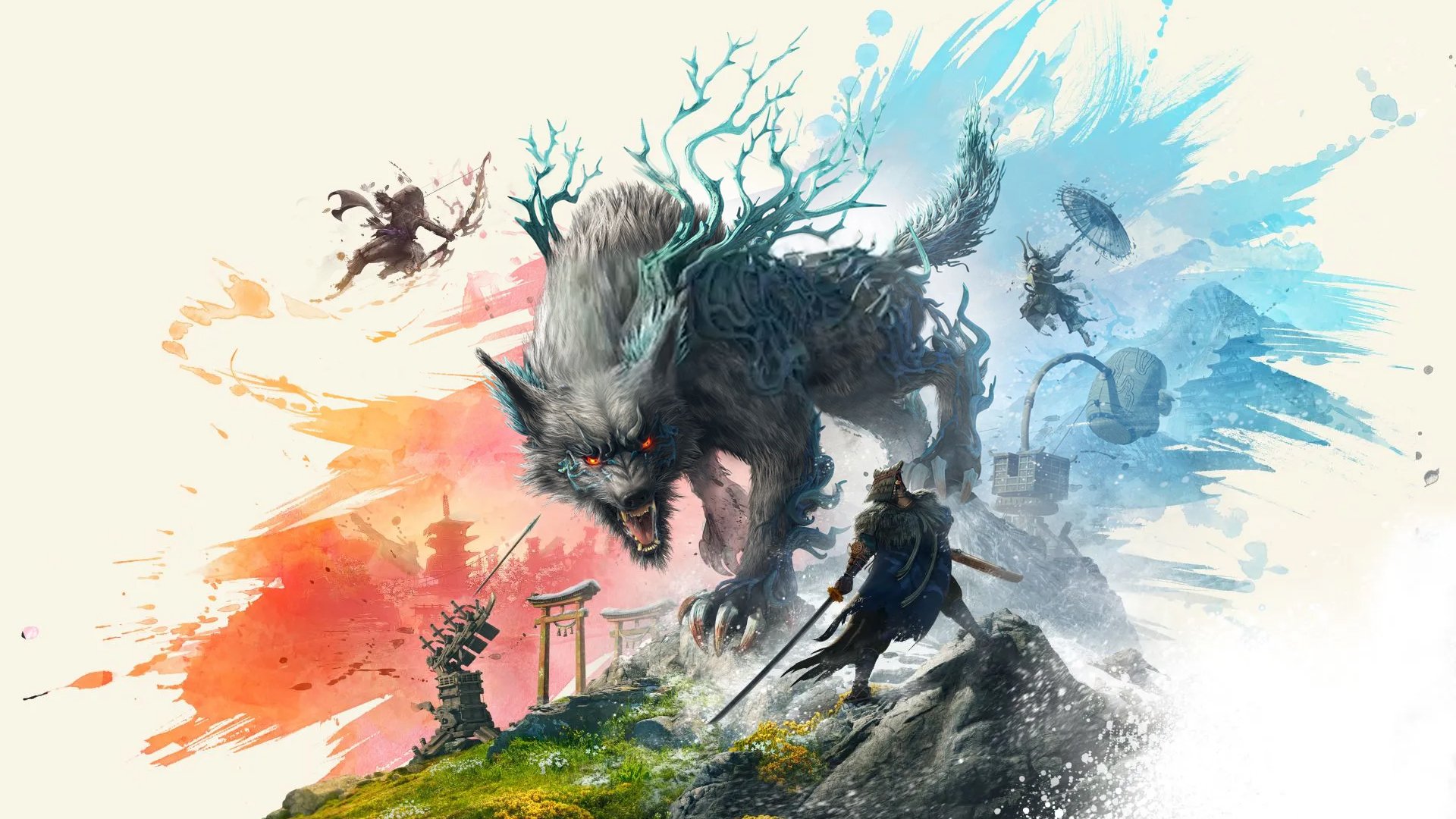
Omega Force developed this monster hunting game and Electronic Arts published it under their EA Originals label. The game is set in a fantasy version of feudal Japan and features a cast of characters with diverse appearances that some players found unexpected for the setting. While the world of Azuma is fictional it is heavily based on Japanese history and the inclusion of diverse facial features and skin tones led to discussions about representation. Some players felt these designs were a departure from the traditional aesthetic of the era the game draws inspiration from. The developers focused on creating a unique world that felt both familiar and new to players around the globe.
‘Bladestorm: The Hundred Years’ War’ (2007)

Omega Force developed this historical action game and Koei published it for major home consoles. The game presents a fictionalized version of the Hundred Years War and features historical figures like Joan of Arc and Edward the Black Prince. Some players noted that the character designs leaned heavily into anime aesthetics which altered the perceived racial and ethnic features of these European figures. The depiction of Joan of Arc in particular was a point of discussion for its departure from traditional historical iconography. This stylistic choice reflected the developer’s background in creating stylized historical action games like the Dynasty Warriors series.
‘Dynasty Warriors 9’ (2018)

Koei Tecmo developed and published this open world entry in the long running series based on the historical Romance of the Three Kingdoms. The game features hundreds of officers from ancient Chinese history including figures like Guan Yu and Lu Bu. Some players called out the character designs for being overly stylized or having skin tones that did not align with historical expectations for the region. The developers emphasized the cinematic and legendary nature of the characters to justify these aesthetic choices. Despite the criticism the series remains famous for its unique and often flamboyant takes on Chinese history.
‘Prince of Persia: The Lost Crown’ (2024)
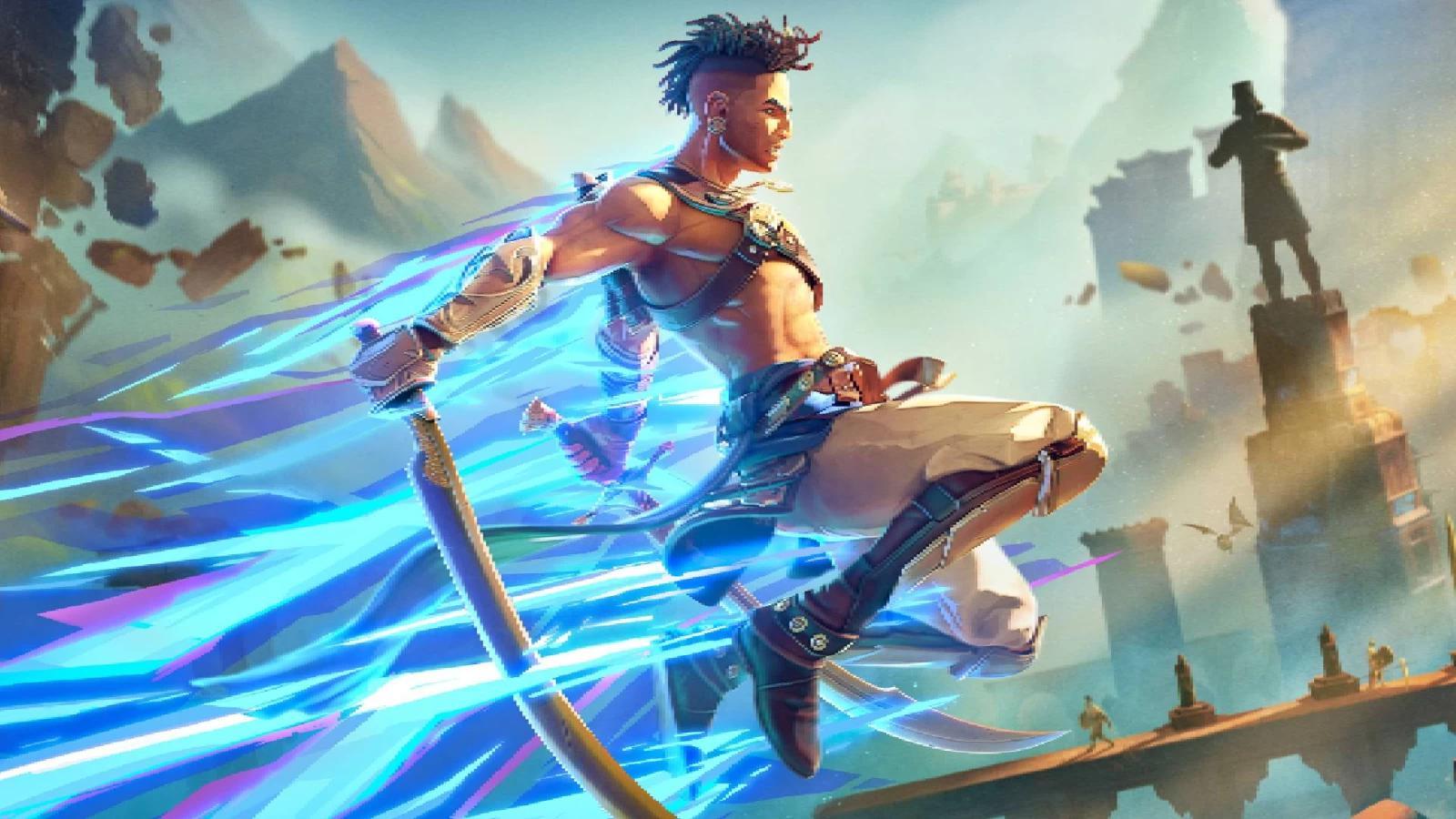
Ubisoft Montpellier developed this action adventure game and Ubisoft published it to critical acclaim. The game features a protagonist named Sargon who is a member of an elite group of warriors in a fantasy Persian setting. Some players and observers pointed out that Sargon bears the name of a famous historical Mesopotamian ruler but his character design did not align with their expectations for a Persian figure. The discussion centered on his hairstyle and physical features which some felt were more reflective of modern Western styles than ancient Persian culture. Despite the controversy the game was praised for its gameplay and its commitment to a vibrant retelling of Persian mythology.
Share your perspective on these historical depictions in the comments.