Movies That Faced Huge Boycotts Over ‘Forced Diversity’ Casting


The entertainment industry has seen a significant shift toward more inclusive casting in recent years. Studios often aim to reflect modern demographics by diversifying characters who were historically portrayed as white or male. This strategy has frequently resulted in intense backlash and calls for boycotts from certain segments of the audience. These viewers often argue that such changes prioritize political agendas over storytelling or source material accuracy. The following films experienced significant controversy and online campaigns due to casting decisions perceived as forced diversity.
‘Snow White’ (2025)
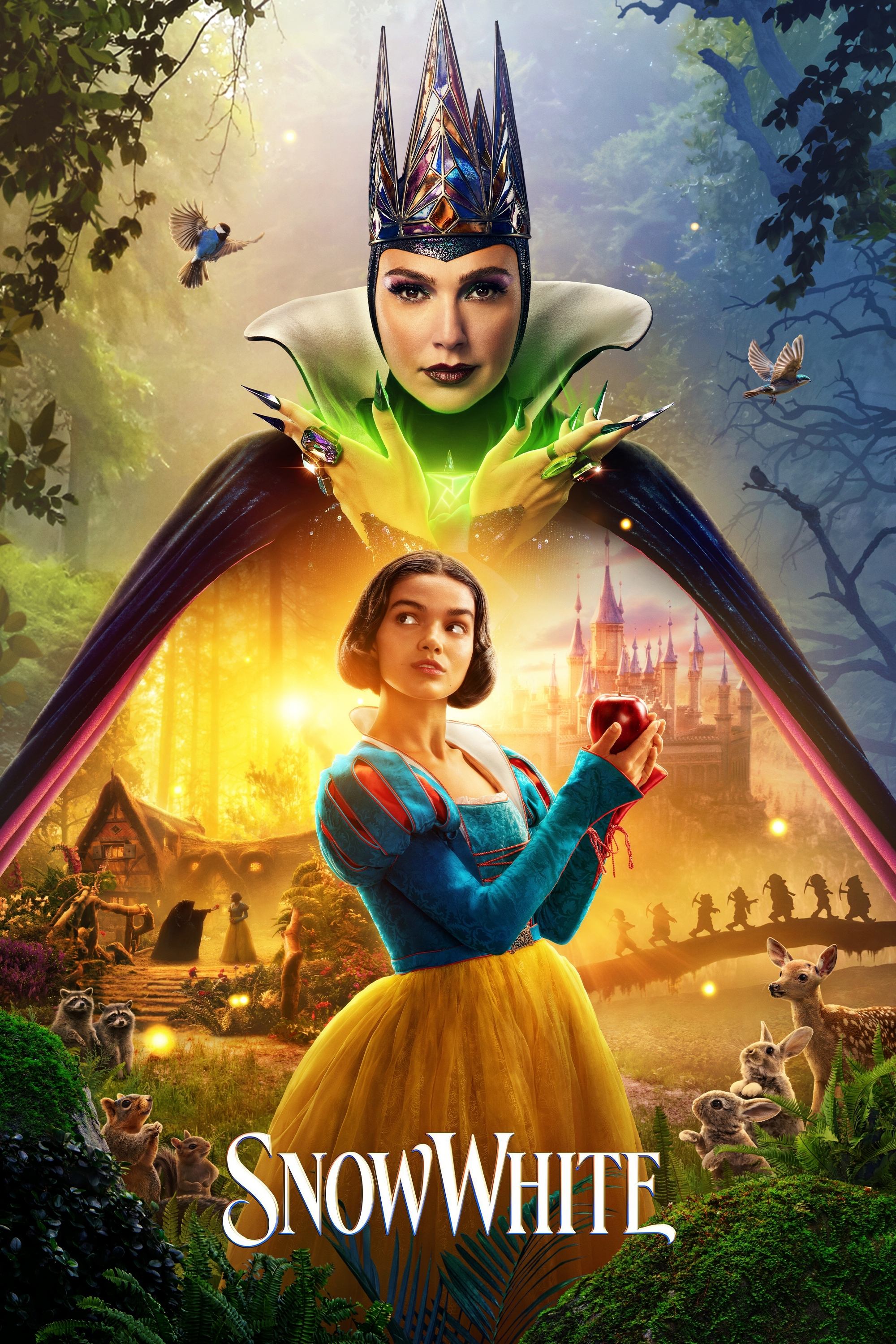
This live-action adaptation sparked heated debates well before its theatrical release due to the casting of Rachel Zegler. Traditionalists took issue with a Latina actress playing a character famously named for having skin as white as snow. The production faced further scrutiny after set photos leaked and comments from Zegler regarding the outdated nature of the original surfaced. Critics accused the studio of rewriting the narrative to remove the charming prince and modernize the themes excessively. The film became a focal point for discussions about preserving classic fairytales versus updating them for modern audiences.
‘Ghostbusters’ (2016)
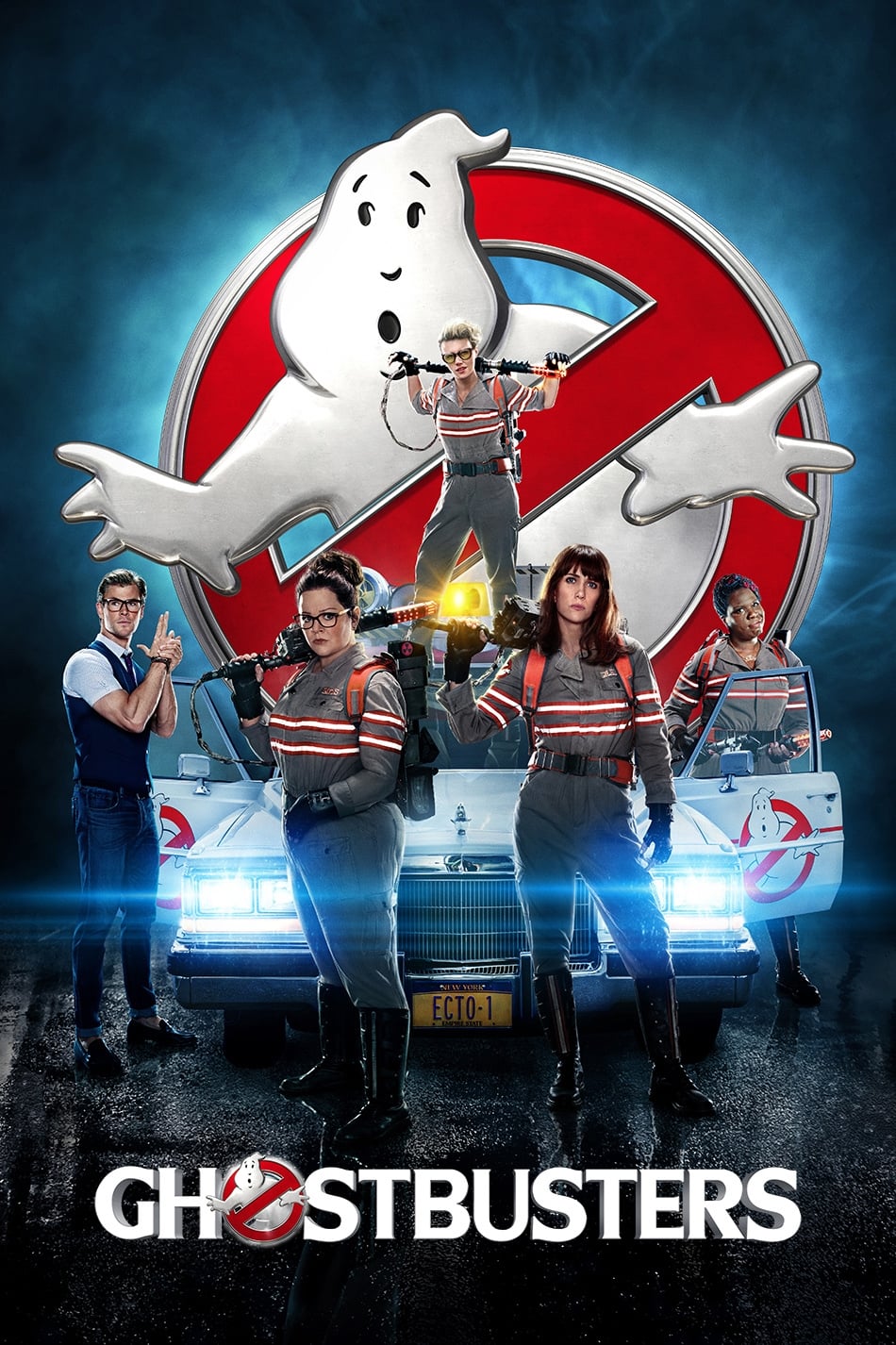
The decision to reboot the beloved 1980s franchise with an all-female central cast generated one of the most hostile online campaigns in cinema history. Fans of the original films flooded the trailer comment sections with negative remarks and complaints about the gender-swapped premise. The discourse focused heavily on the idea that the studio was forcing a feminist agenda rather than creating a genuine continuation of the story. Cast members faced severe harassment on social media platforms throughout the promotional cycle. The controversy overshadowed the actual release and contributed to a disappointing box office performance.
‘Captain Marvel’ (2019)
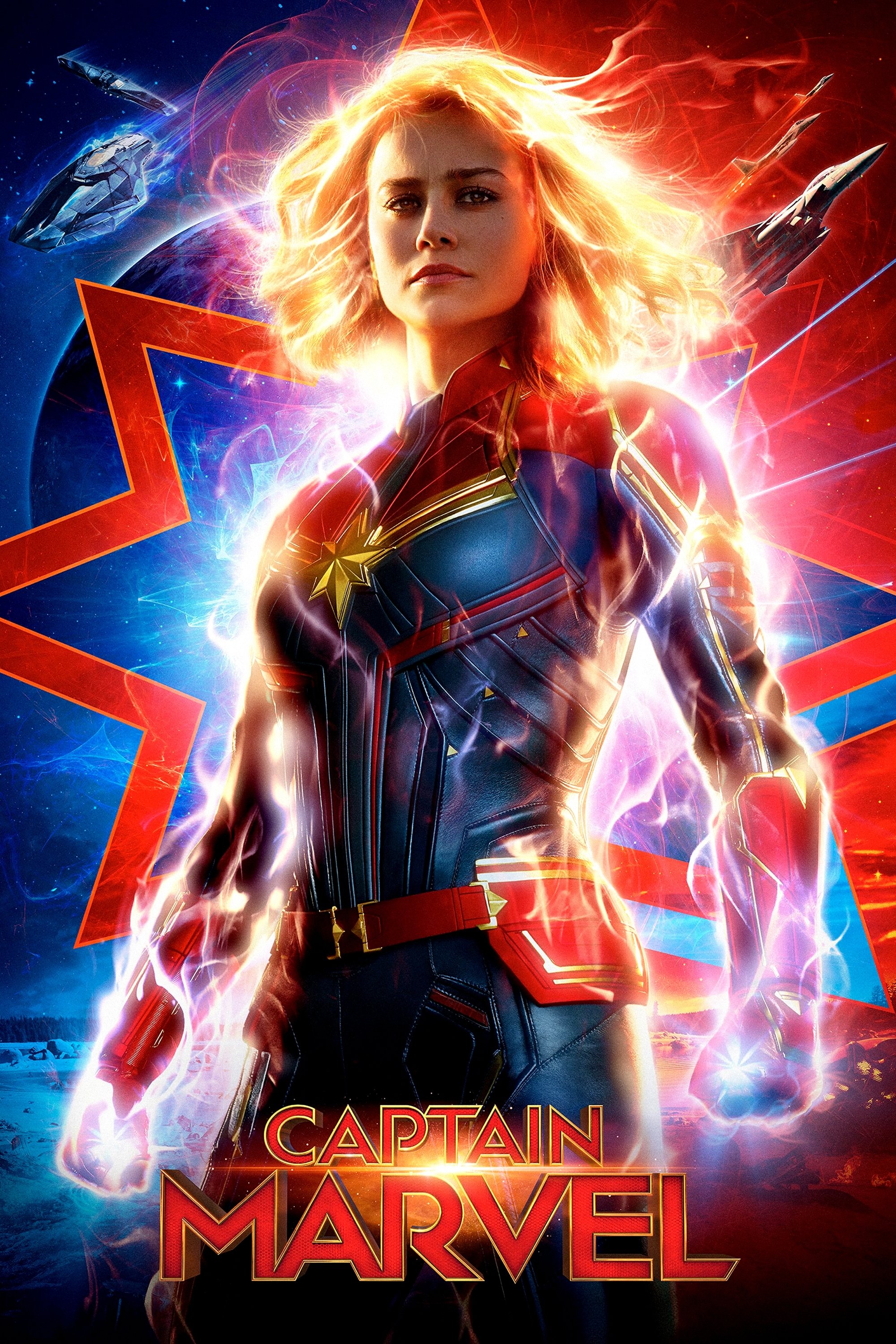
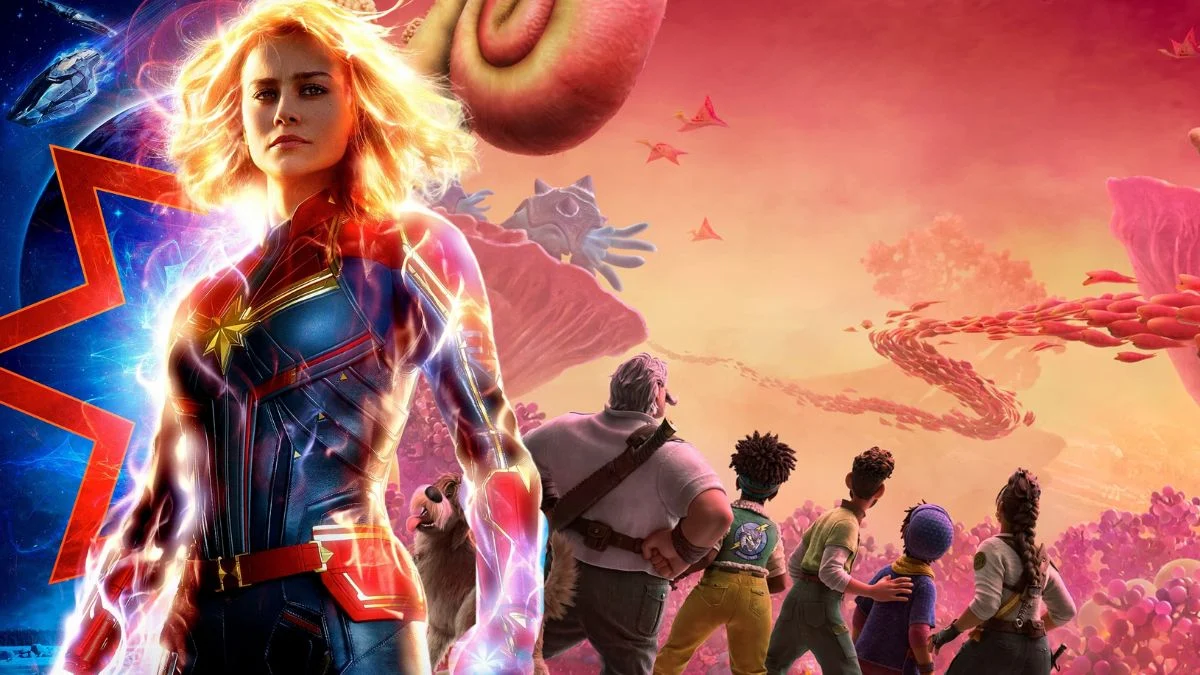
Brie Larson became a target for internet trolls who perceived the marketing of the film as hostile toward male audiences. Comments made by the actress regarding the lack of diversity among film critics were interpreted by some as an attack on white men. Review bombing campaigns were launched on aggregation sites before the movie even premiered in theaters. The narrative of the film was criticized by these groups for presenting a protagonist with no flaws who did not need to earn her powers. Despite the vocal boycott attempts, the film went on to earn over a billion dollars globally.
‘Star Wars: The Last Jedi’ (2017)
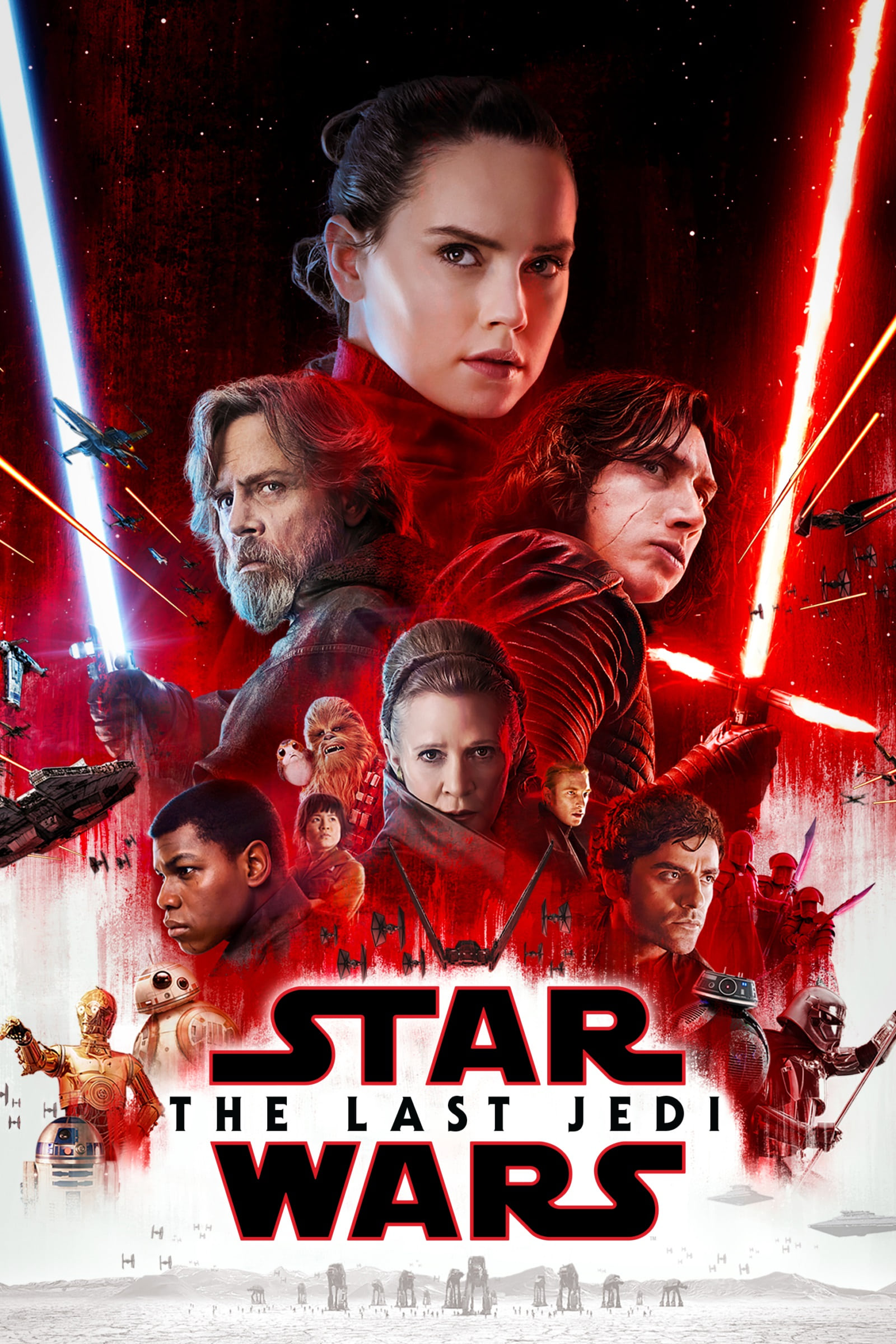
Rian Johnson directed this installment that deeply divided the fanbase and sparked outraged conversations about diversity and character treatment. The character Rose Tico played by Kelly Marie Tran became the center of a vitriolic harassment campaign that forced the actress off social media. Detractors complained that the film prioritized a diverse cast and political messaging over honoring the legacy characters like Luke Skywalker. The introduction of new female leaders was viewed by some segments of the audience as an attempt to emasculate the male heroes. This backlash solidified a permanent rift within the fandom regarding the direction of the franchise under Disney.
‘Star Wars: The Force Awakens’ (2015)
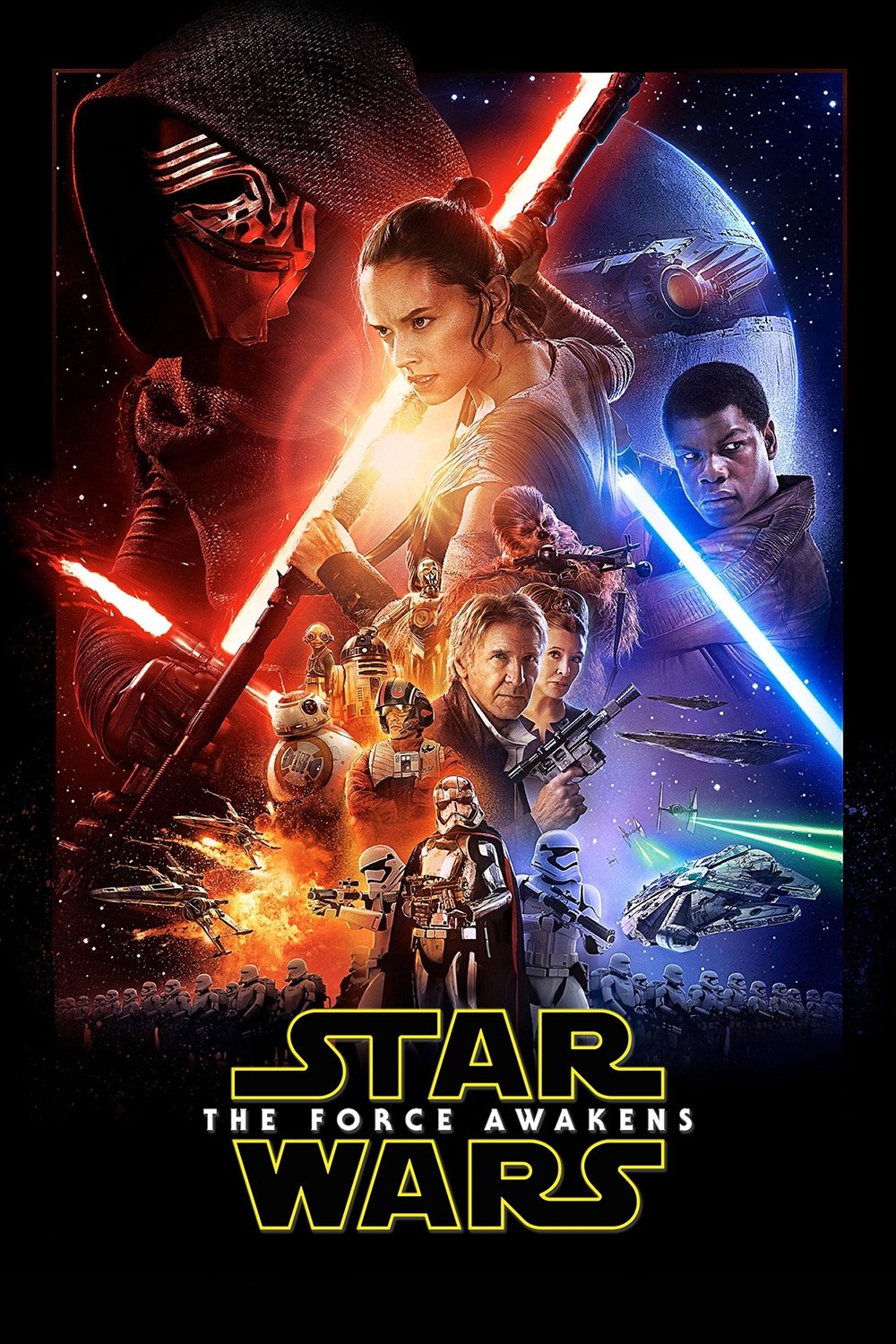
The first film of the sequel trilogy faced early resistance when the initial teaser trailer revealed a Black stormtrooper. John Boyega was subjected to racist commentary from viewers who claimed his casting broke the internal logic of the universe. These critics argued that stormtroopers were clones of Jango Fett and therefore could not be Black. Supporters pointed out that the clone program had long been discontinued in the timeline and recruits were conscripted from general populations. The boycott movement utilized social media hashtags to urge fans to skip the movie but failed to stop its massive financial success.
‘The Marvels’ (2023)
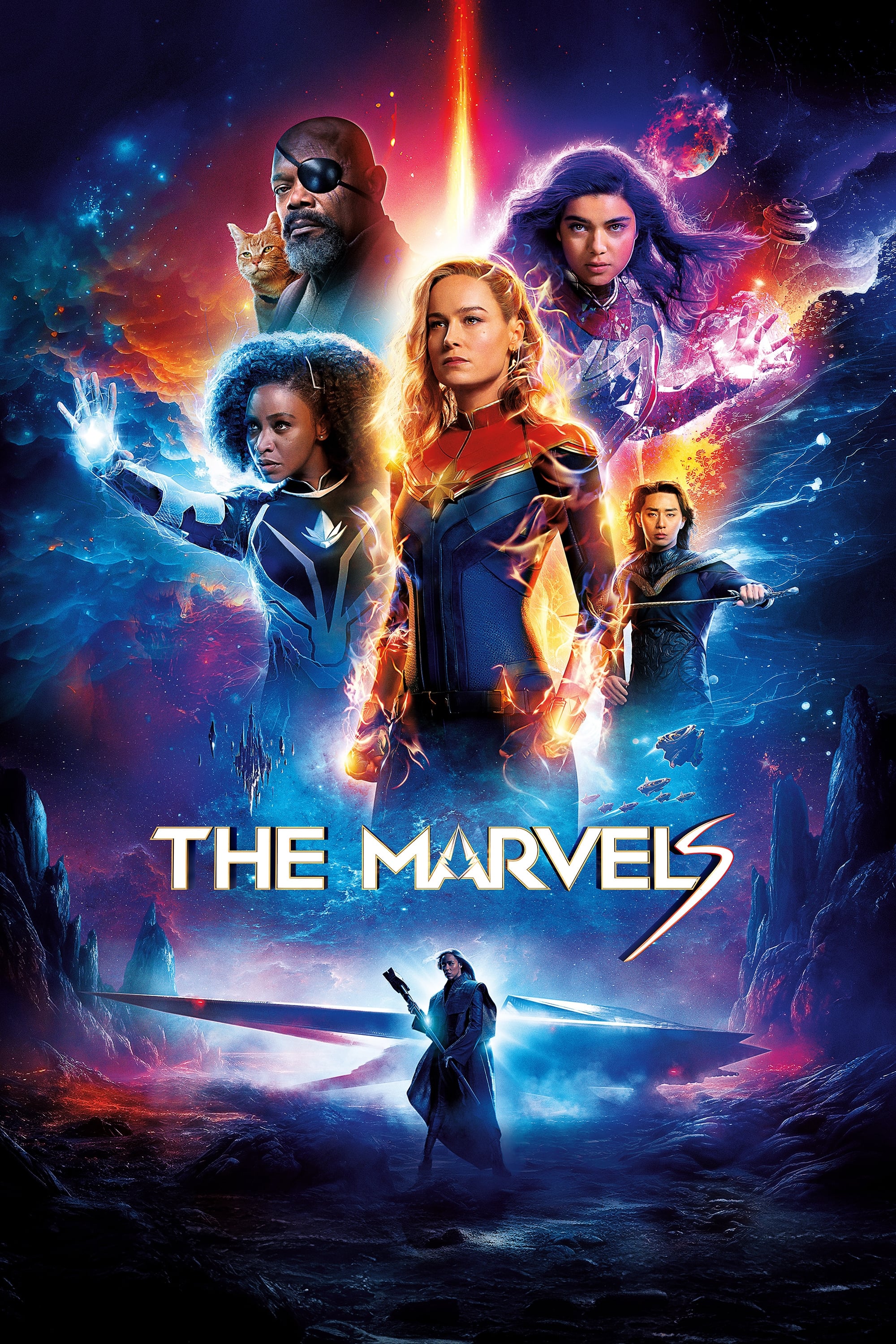
This sequel brought together three female heroes and faced significant resistance from audiences who labeled it the peak of the woke era in the Marvel Cinematic Universe. The film struggled at the box office amid complaints that the studio was alienating its core male demographic. Critics argued that the focus on female empowerment and the inclusion of diverse leads felt manufactured rather than organic. The promotional tour was also hampered by the actors strike which prevented the cast from countering the negative online narrative. It ended up becoming the lowest-grossing film in the entire franchise.
‘Peter Pan & Wendy’ (2023)
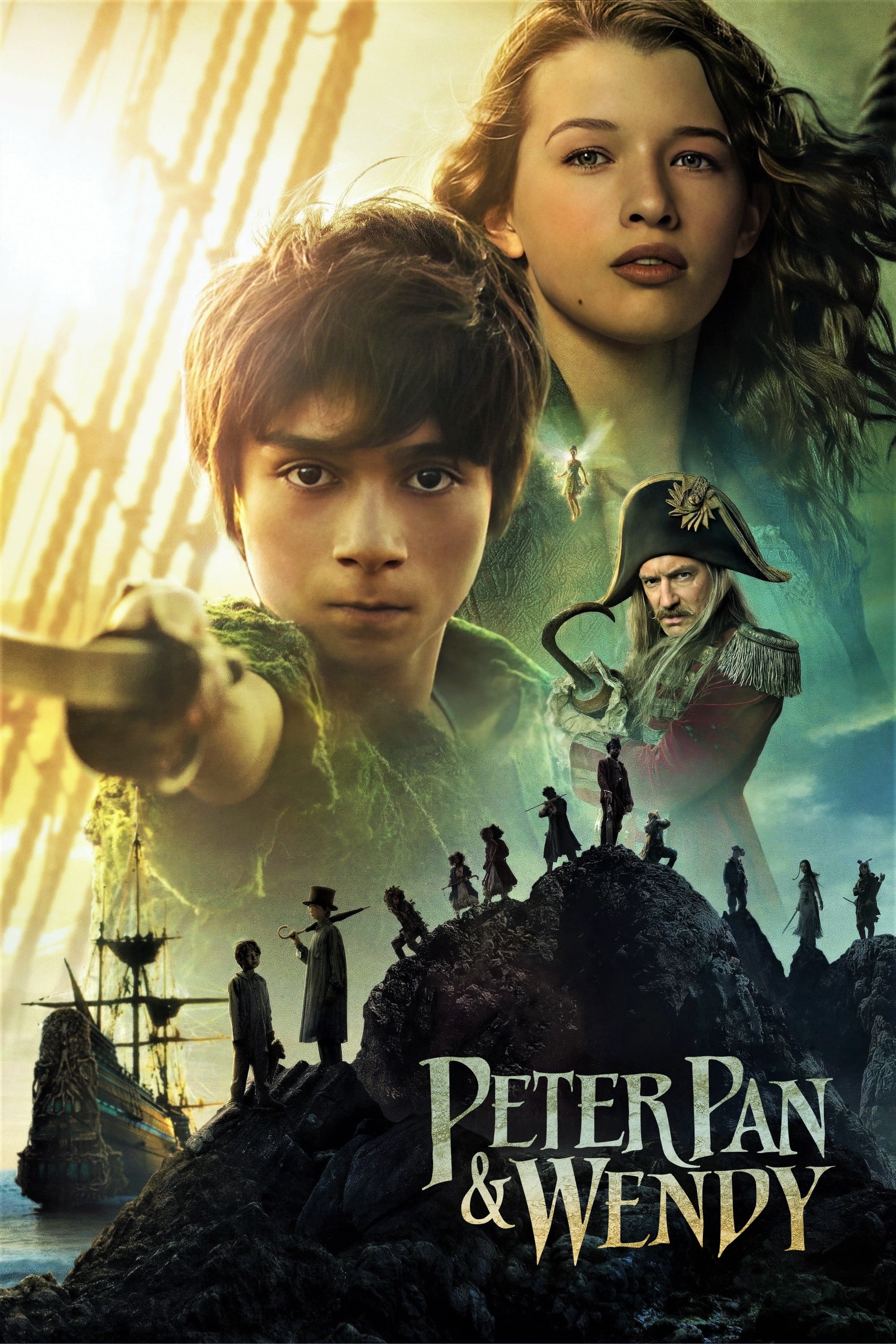
Disney released this film directly to streaming but it still managed to attract considerable controversy regarding its casting choices. The decision to cast Yara Shahidi as a Black Tinker Bell led to accusations of tokenism and unnecessary race-swapping. Further complaints were directed at the inclusion of girls within the group of Lost Boys which contradicted the original lore. Reviewers who opposed the changes claimed the studio was erasing traditional redheaded characters from their library. The film received low audience scores on various rating platforms as a result of this pushback.
‘Pinocchio’ (2022)
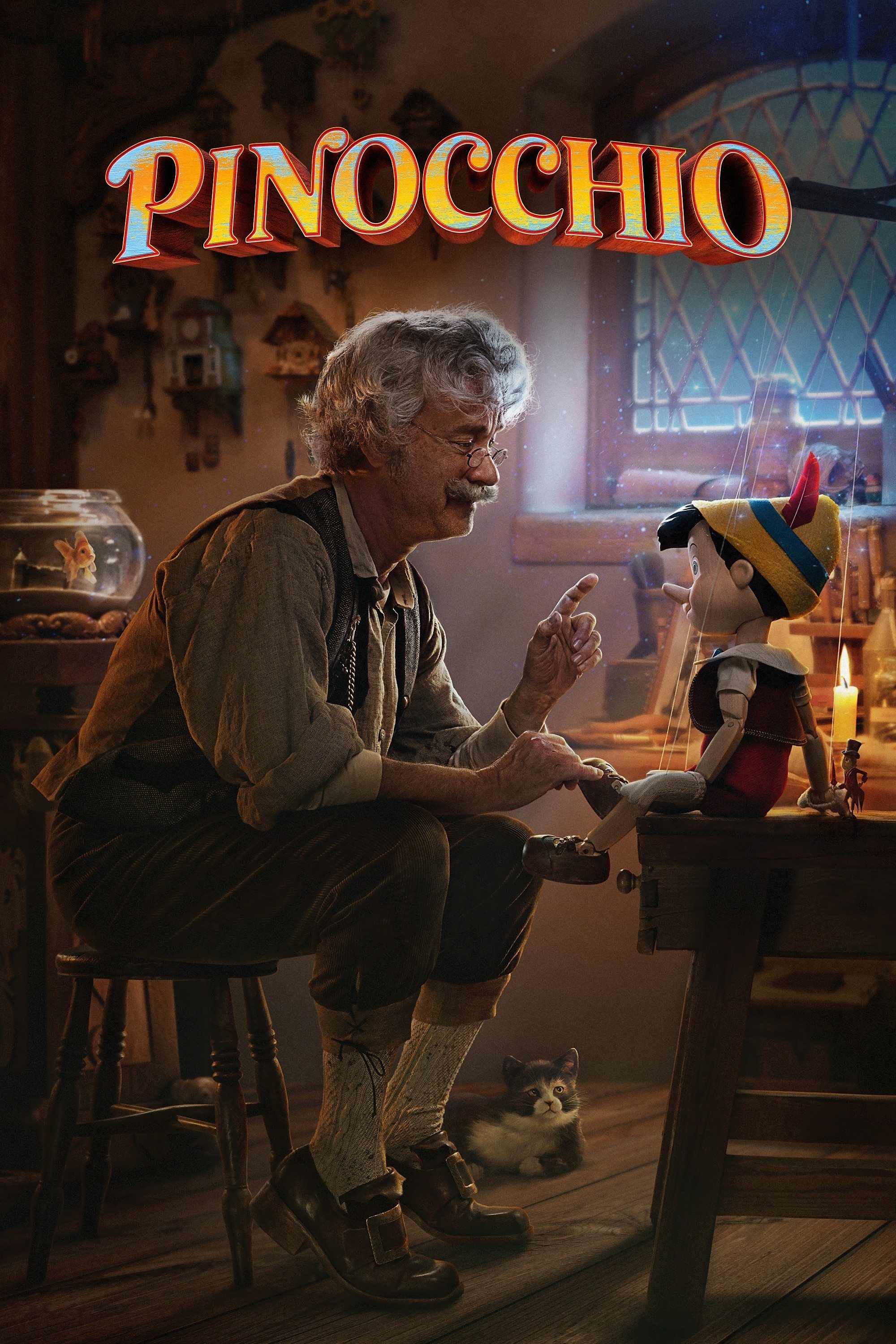
Robert Zemeckis directed this live-action retelling that faced backlash primarily for the casting of the Blue Fairy. Cynthia Erivo played the magical character and detractors were upset that she did not resemble the blonde and pale version from the animated classic. The visual departure was cited by angry viewers as another example of the studio prioritizing diversity scores over visual fidelity. This specific change became the primary talking point in negative user reviews online. The film was largely panned by critics and audiences alike for reasons extending beyond the casting.
‘Lightyear’ (2022)
Pixar found itself in the middle of a cultural firestorm due to the inclusion of a brief same-sex kiss between two female characters. Conservative groups and several countries demanded the removal of the scene which Disney refused to do. The controversy dominated the news cycle leading up to the release and overshadowed the plot of the science fiction adventure. Many parents stated on social media that they would boycott the film to avoid exposing their children to the content. The movie ultimately underperformed at the box office and many analysts attributed this failure partly to the politicized discourse.
‘Strange World’ (2022)
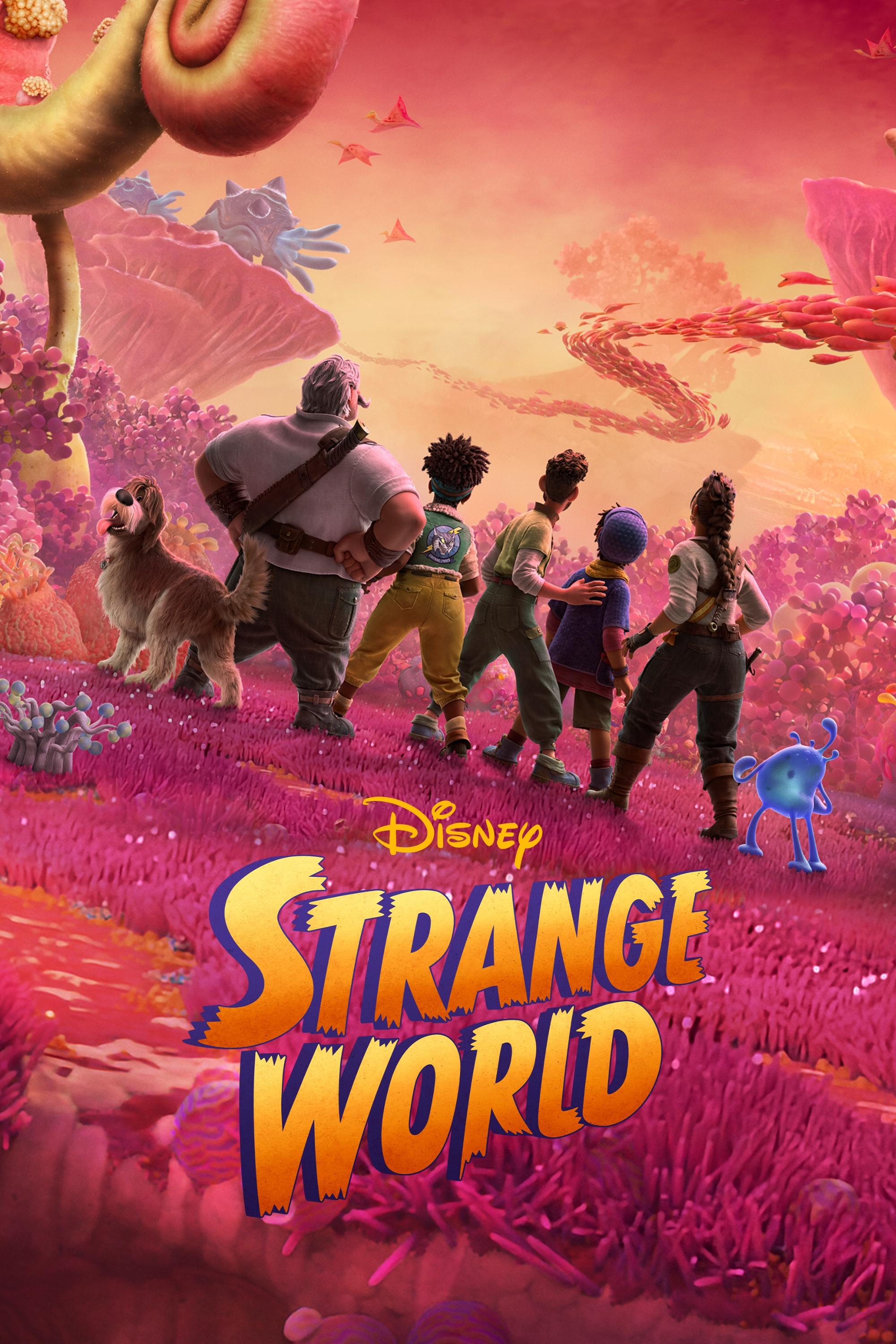
This animated feature prominently featured an openly gay teenager as one of the main protagonists. The inclusion of this romance without it being a plot twist or a lesson was praised by advocates but rejected by conservative audiences. Accusations of the studio pushing a gay agenda led to calls for a boycott from family-oriented organizations. The lack of traditional marketing combined with the polarization resulted in a historic financial loss for the studio. Discussion around the film focused almost entirely on the sexual orientation of the lead character rather than the animation style or story.
‘Indiana Jones and the Dial of Destiny’ (2023)
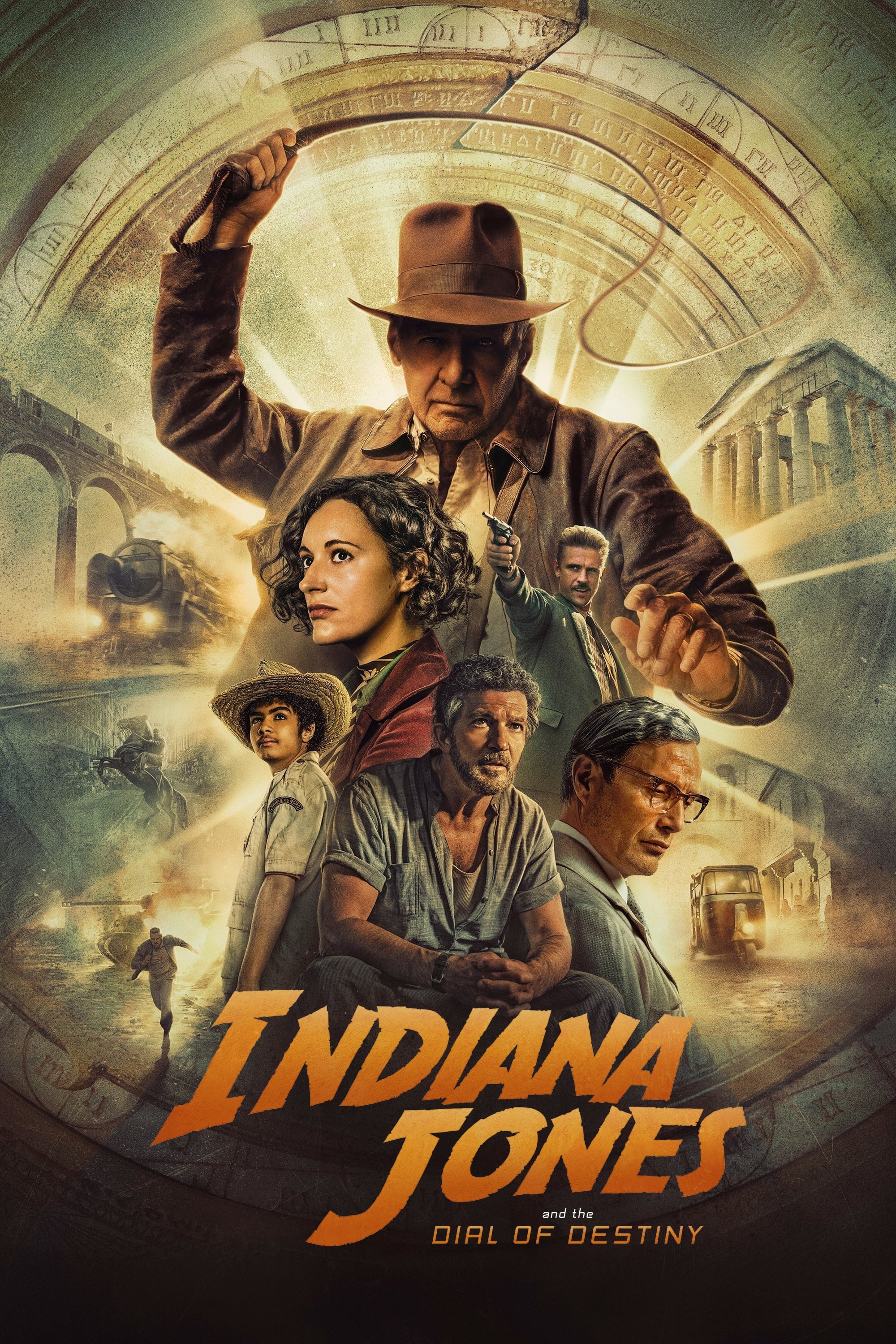
Lucasfilm faced skepticism and anger over the prominent role given to Helena Shaw who was played by Phoebe Waller-Bridge. Leaks and rumors suggested that she would emasculate the aging hero and take over the franchise. YouTube commentators framed the film as a deconstruction of a classic male icon to elevate a modern female character. The discourse created a negative cloud over the production long before audiences saw the final product. While the film did not actually replace Indiana Jones, the perception of forced inclusion harmed its box office potential.
‘No Time to Die’ (2021)
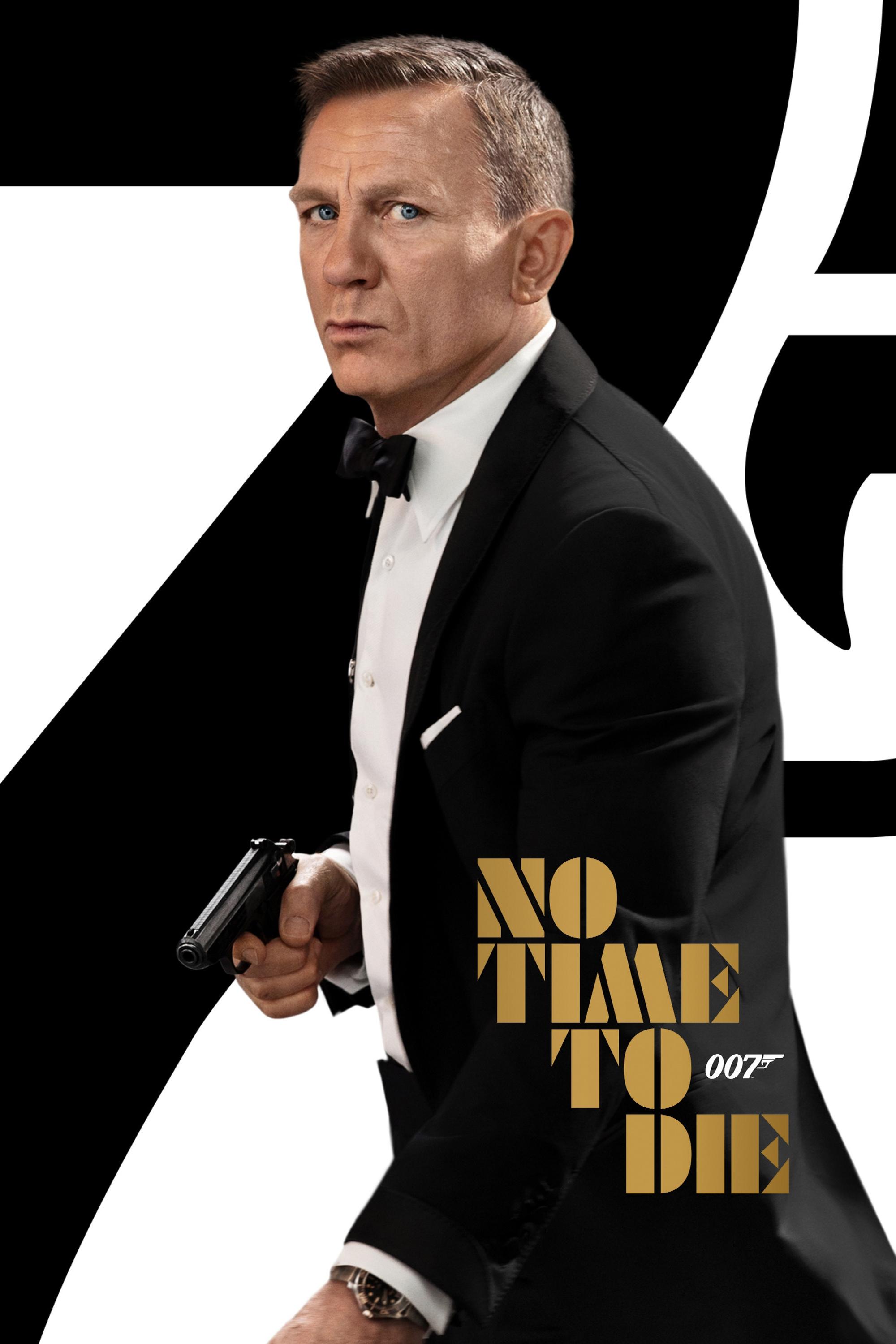
News that Lashana Lynch would portray a character holding the 007 codename sparked outrage among James Bond traditionalists. Many erroneous reports claimed she was permanently replacing James Bond as the franchise lead. The idea of a Black woman holding the iconic number was viewed by purists as a betrayal of the character created by Ian Fleming. The filmmakers clarified that she was a different agent while Bond was in retirement but the anger persisted. The backlash highlighted the intense protective nature fans feel over the identity of the British spy.
‘Thor: Love and Thunder’ (2022)
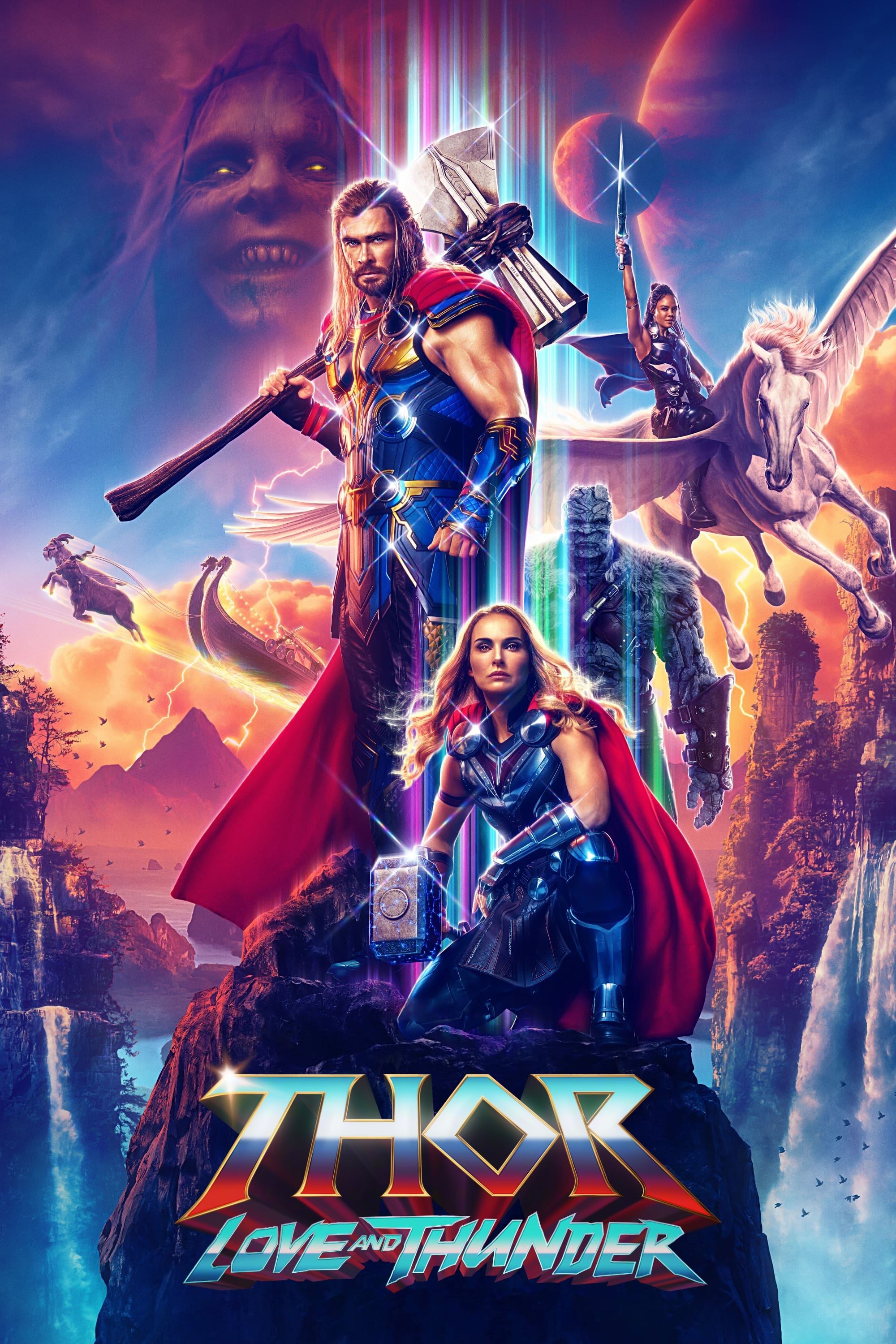
Director Taika Waititi leaned heavily into queer themes and diverse representation which alienated some viewers of the superhero franchise. The character Korg was revealed to be gay and King Valkyrie was shown searching for a queen. Backlash also focused on Jane Foster wielding the hammer Mjolnir which some viewed as diminishing the original hero. Critics of the film labeled it as performative and argued that the comedy undercut the seriousness of the story. The movie received a lower audience reception compared to its predecessor partially due to this cultural divide.
‘Eternals’ (2021)
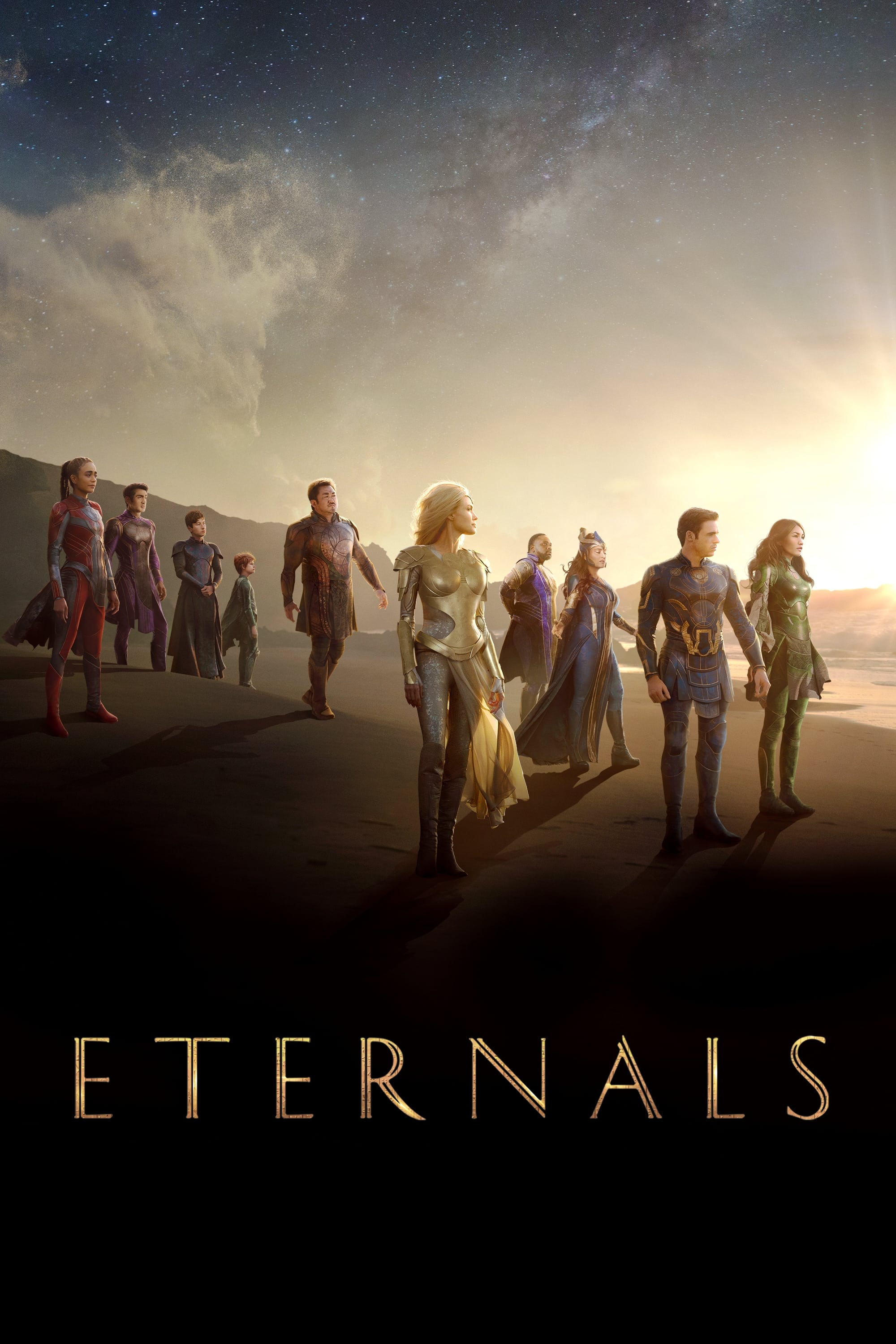
Marvel introduced a team of heroes that included deaf, gay, and race-swapped characters compared to the comic source material. The film featured the first on-screen same-sex kiss in the franchise which led to bans in several international markets. Domestic audiences were divided with some claiming the diversity felt like a checkbox exercise rather than natural character development. Review bombing occurred on IMDb causing the audience score to drop significantly prior to widespread release. The focus on social representation became the defining topic of conversation surrounding the movie.
‘Doctor Strange in the Multiverse of Madness’ (2022)
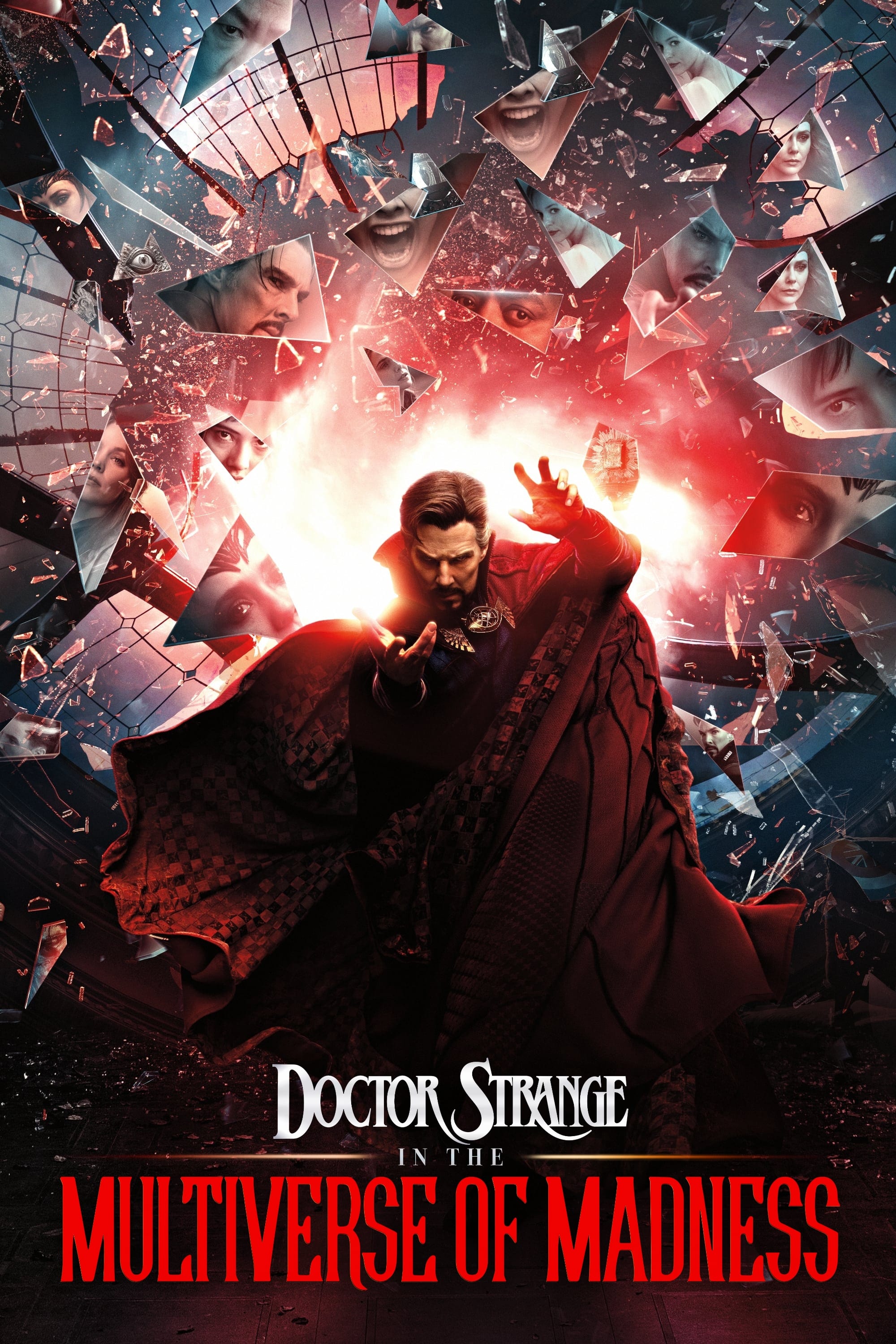
The introduction of America Chavez brought backlash because the character is a Latina teenager with two mothers. Her powers and backstory were criticized by some as a tool to introduce LGBTQ+ themes into the magical blockbuster. Several Middle Eastern countries requested cuts to dialogue referencing her mothers which Disney denied. This refusal led to the film being banned in those regions and sparked debates about global censorship. Online discourse frequently targeted the character for being a diversity inclusion rather than a necessary addition to the plot.
‘Fantastic Four’ (2015)
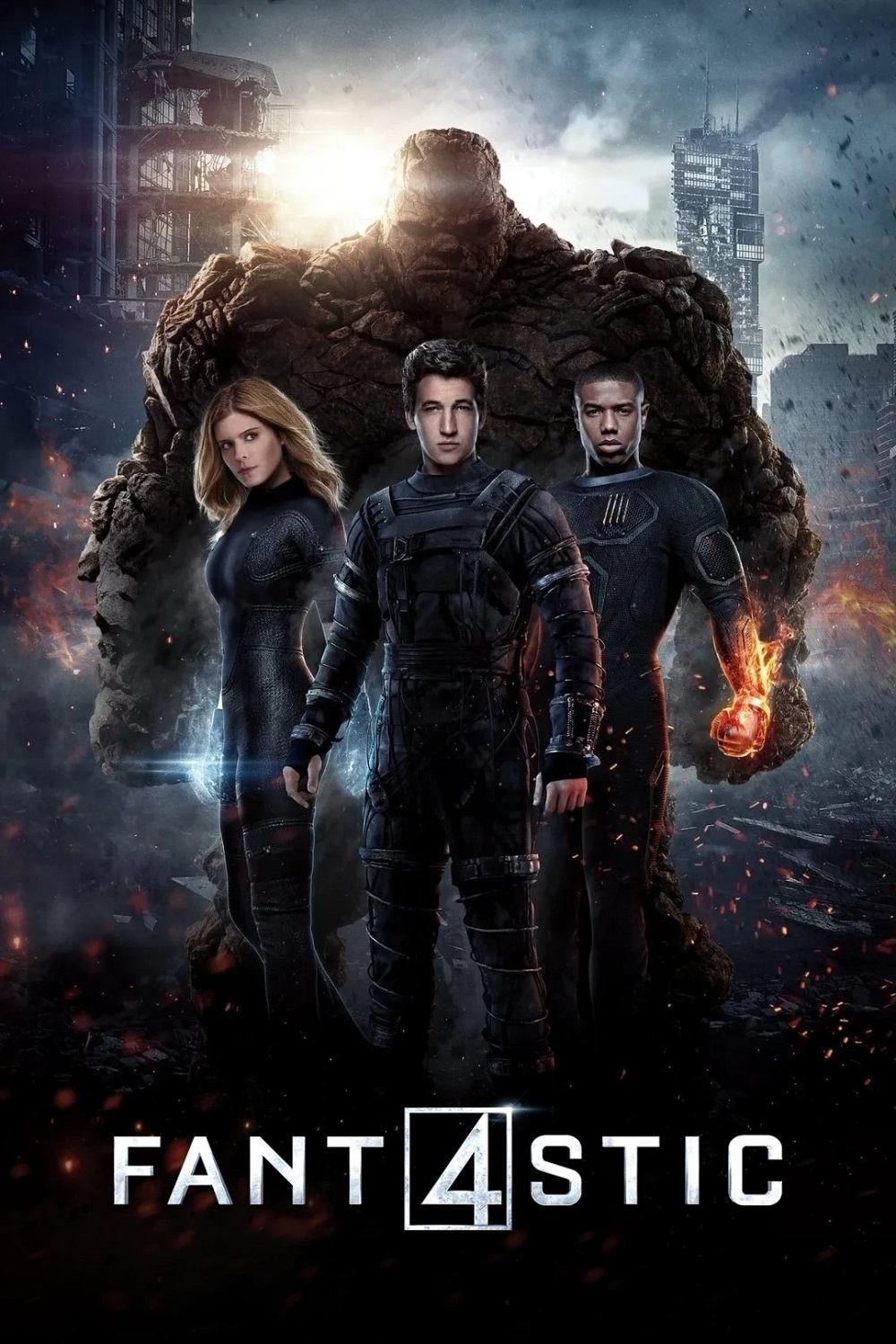
Director Josh Trank cast Michael B. Jordan as Johnny Storm and ignited a firestorm of complaints from comic book purists. The character had always been depicted as white and the biological brother of Sue Storm. Critics argued that changing his race complicated the sibling dynamic and was done solely to generate press. The production was plagued by numerous other issues but the casting controversy dominated the initial marketing phase. The film was a critical and commercial failure that is often cited in arguments against race-swapping.
‘Spider-Man: Homecoming’ (2017)

The casting of Zendaya as a character named MJ caused confusion and anger among fans who wanted a traditional Mary Jane Watson. Purists were upset that the iconic redhead love interest was reimagined as a bi-racial character with a dour personality. The actress faced racist trolling online when rumors of her role first circulated. Marvel clarified she was a new character named Michelle Jones who paid homage to the original. The backlash eventually subsided as audiences accepted her chemistry with the lead actor in subsequent films.
‘The Dark Tower’ (2017)
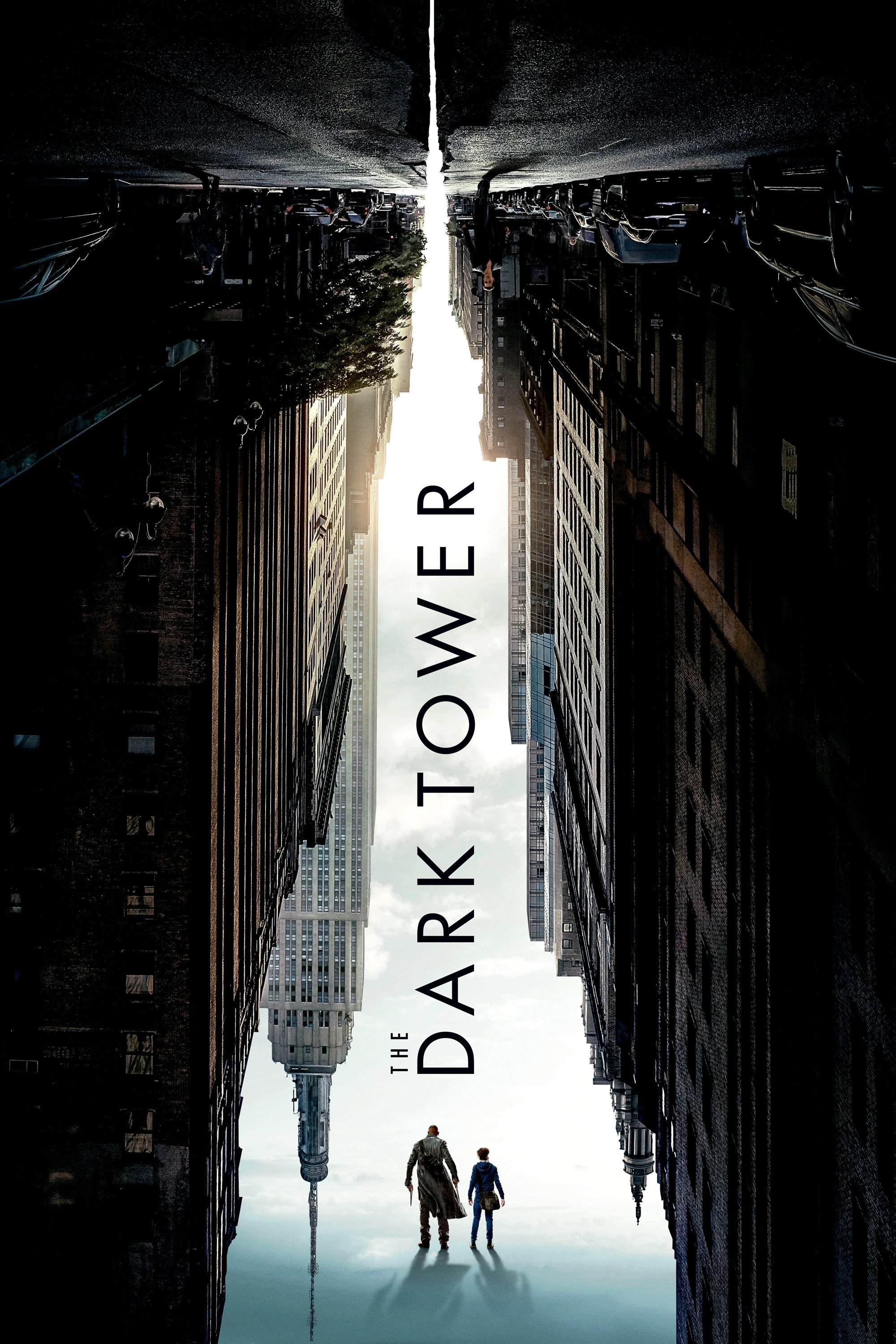
Stephen King fans were divided when Idris Elba was announced as Roland Deschain. The character in the books was frequently described with features resembling Clint Eastwood and his race was a plot point in his relationship with another character. Detractors argued that casting a Black actor fundamentally changed the dynamic of the source material. Supporters felt Elba possessed the necessary gravitas and acting ability to carry the role regardless of skin color. The movie failed to launch a franchise mostly due to a condensed script that disappointed book lovers.
‘Annie’ (2014)
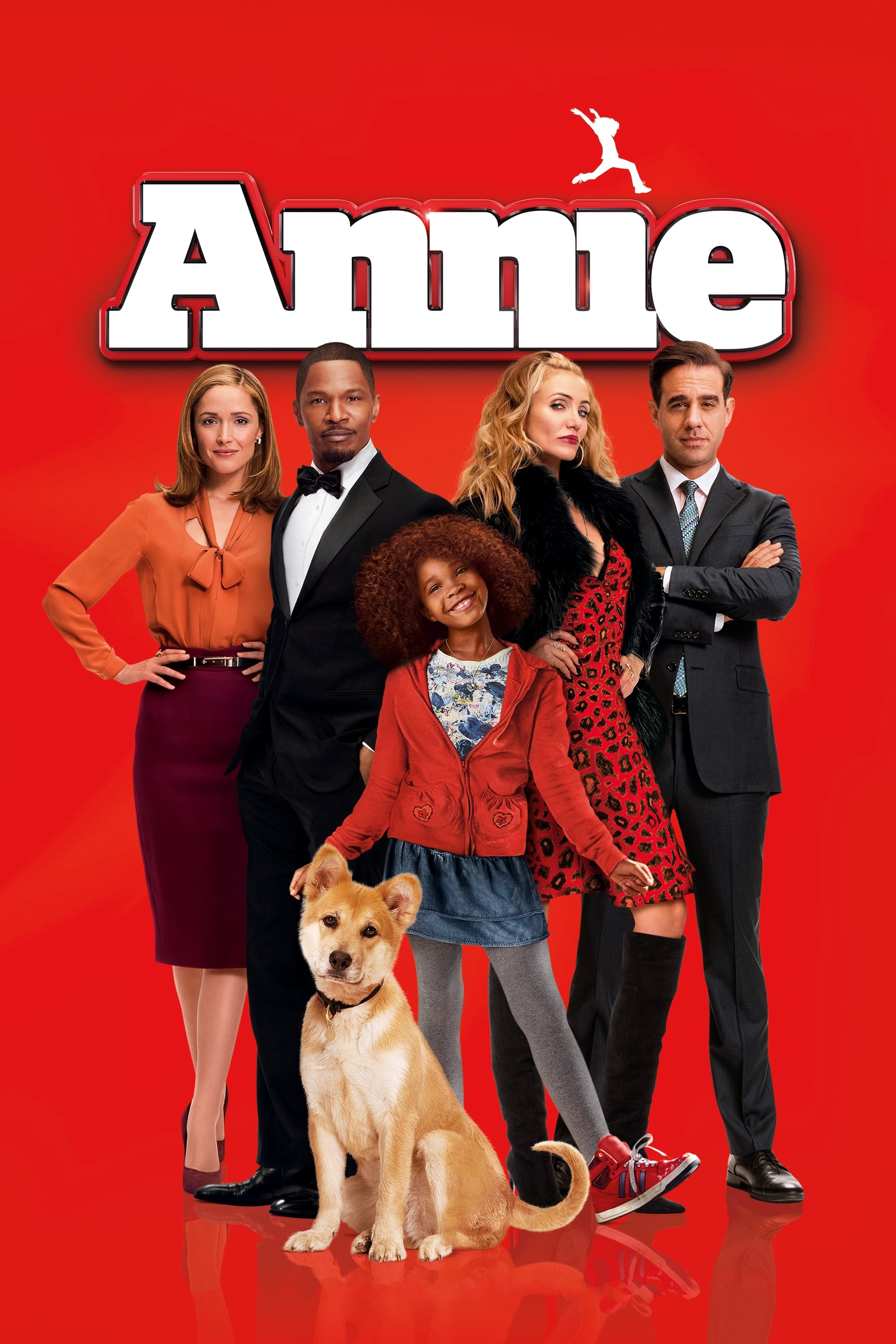
This modern update of the classic musical replaced the redheaded orphan with Quvenzhané Wallis. The announcement triggered a barrage of racist comments on Twitter and Facebook from users clinging to the original image of the character. Critics of the casting claimed that the change was unnecessary and ruined the nostalgia factor of the story. The film was also updated to a contemporary setting which further alienated fans of the period piece original. It received poor reviews and did not achieve the box office longevity of the 1982 version.
‘A Wrinkle in Time’ (2018)
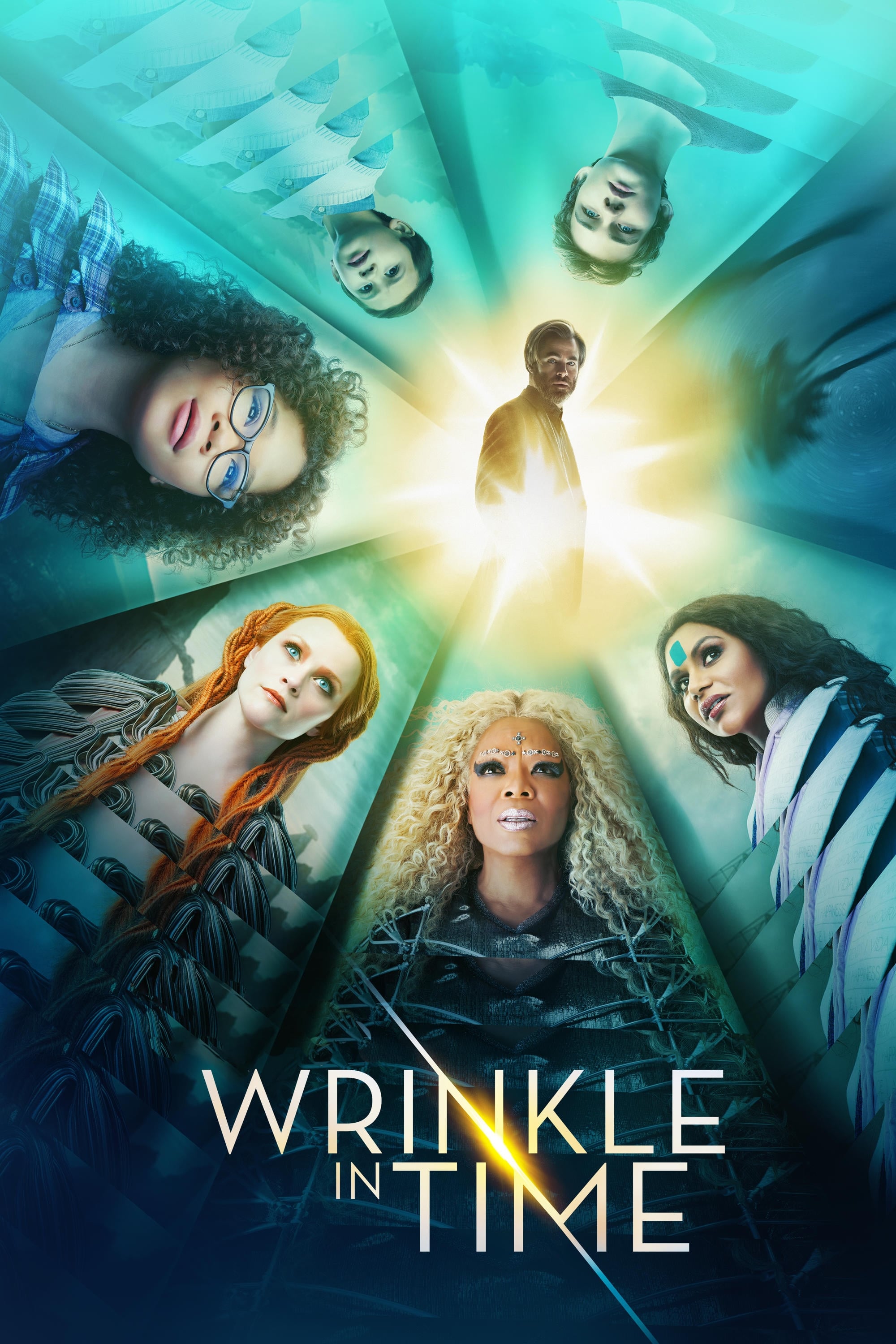
Ava DuVernay directed this adaptation with a specific focus on multicultural representation in the casting of the celestial guides. The film featured Oprah Winfrey and Mindy Kaling in roles that were not explicitly coded as diverse in the novel. Conservative critics accused the film of prioritizing identity politics over coherent storytelling and visual effects. The movie was labeled as a lecture rather than an adventure by dissatisfied viewers. The commercial failure of the project was often used by opponents to argue that diversity does not guarantee ticket sales.
‘Beauty and the Beast’ (2017)
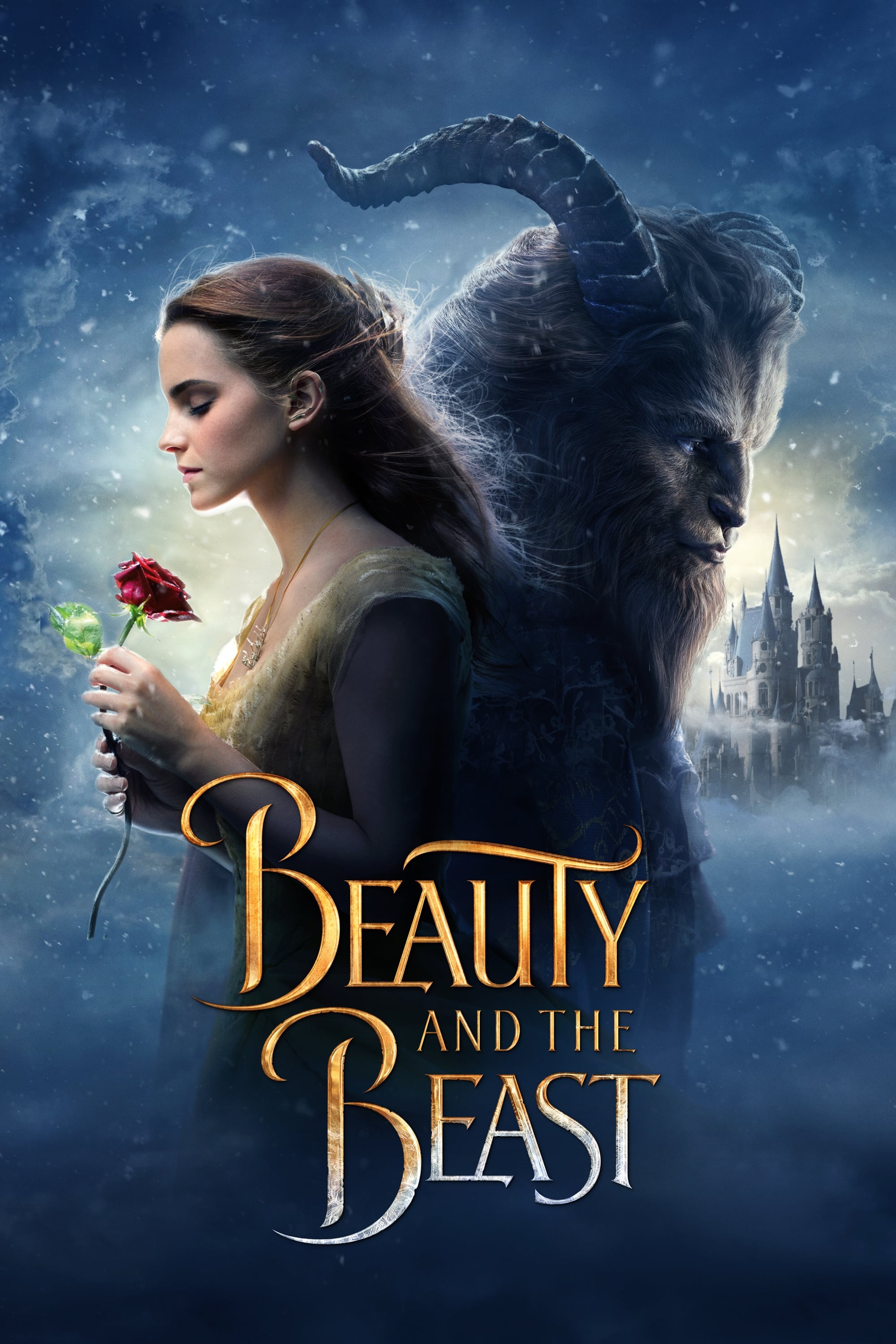
A massive controversy erupted when director Bill Condon mentioned in an interview that the character LeFou would have an exclusively gay moment. This brief scene involved the character dancing with another man in the finale. Religious groups and conservative organizations immediately called for a boycott of the family film. A drive-in theater in Alabama made headlines for refusing to screen the movie due to the content. Despite the heated moral panic the film broke box office records and became a massive financial hit.
‘Terminator: Dark Fate’ (2019)
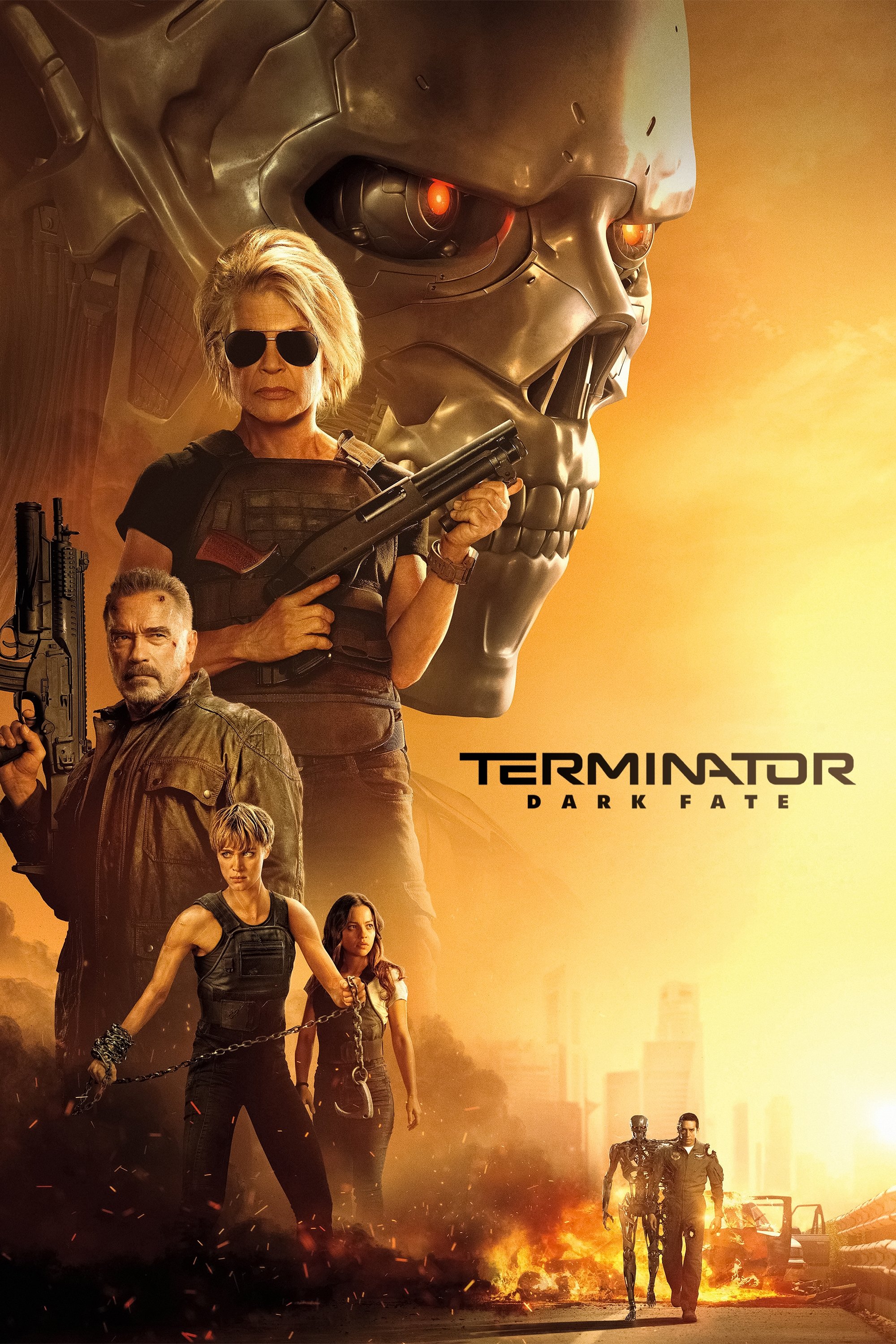
James Cameron returned to produce this sequel which killed off John Connor in the opening scene to focus on three female leads. Fans of the series were furious at the decision to eliminate the future leader of the resistance. The director Tim Miller made comments telling misogynists to not see the movie which fueled the antagonistic relationship with the fanbase. Viewers felt the franchise had been co-opted to preach about female empowerment while discarding the established lore. The movie lost a significant amount of money and effectively put the franchise on hold.
‘Charlie’s Angels’ (2019)
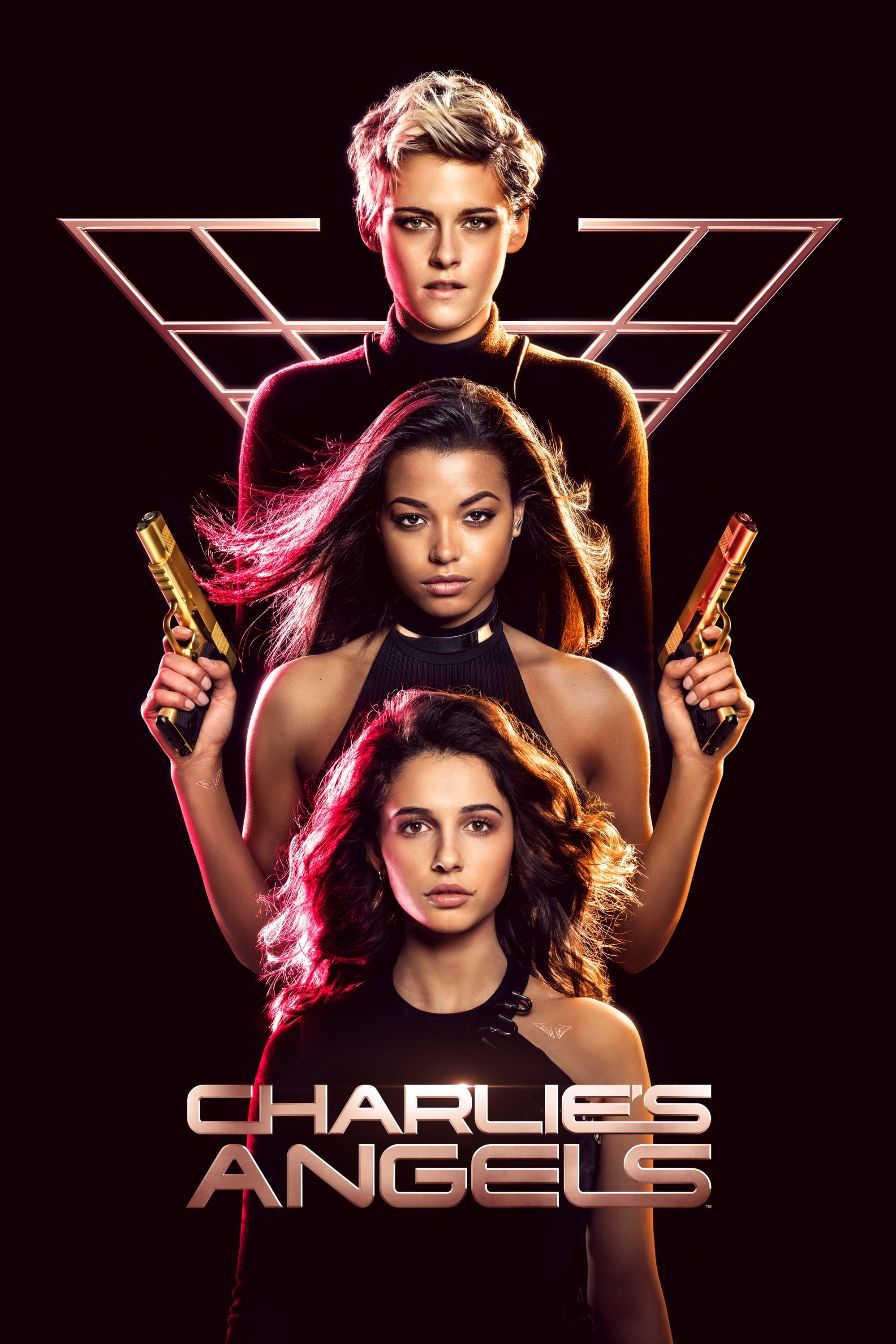
Elizabeth Banks directed this reboot and marketed it heavily as a feminist action movie. The marketing campaign seemed to suggest that the film was intended specifically for women and girls. Male audiences largely ignored the theatrical release following comments from the director about men not supporting female action movies. The film bombed at the box office and Banks blamed the failure on systemic sexism in the industry. Critics countered that the movie simply lacked the fun and star power of previous iterations.
‘Death Note’ (2017)
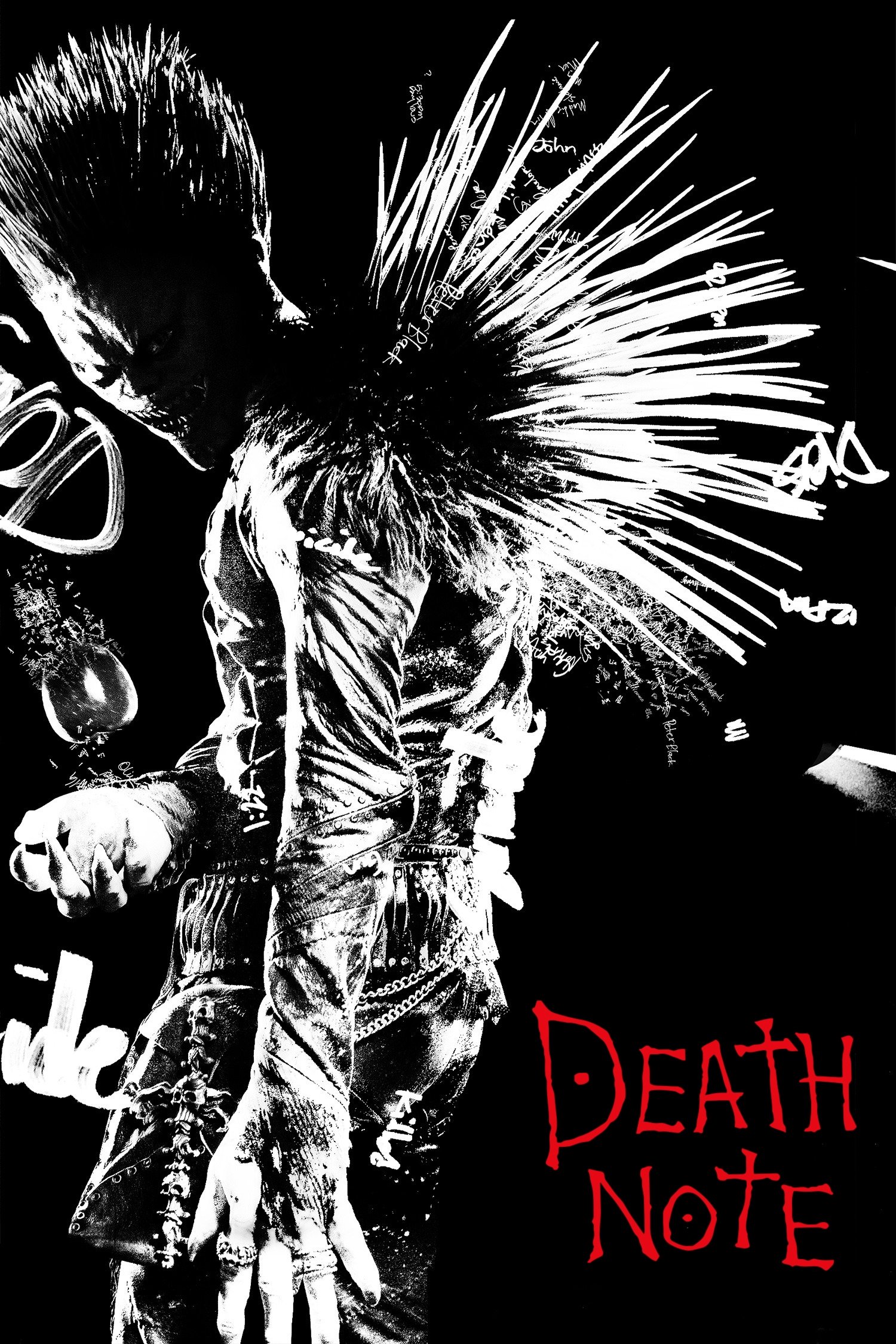
Netflix adapted the famous Japanese manga but relocated the setting to Seattle and cast Lakeith Stanfield as the detective L. Fans of the source material accused the production of whitewashing the main character Light while simultaneously forcing diversity with L. The changes to the character personalities and the American setting angered the global anime community. The director received death threats and deleted his Twitter account due to the intensity of the harassment. The film is widely considered one of the worst anime adaptations due to its disregard for the source material.
‘Resident Evil: Welcome to Raccoon City’ (2021)
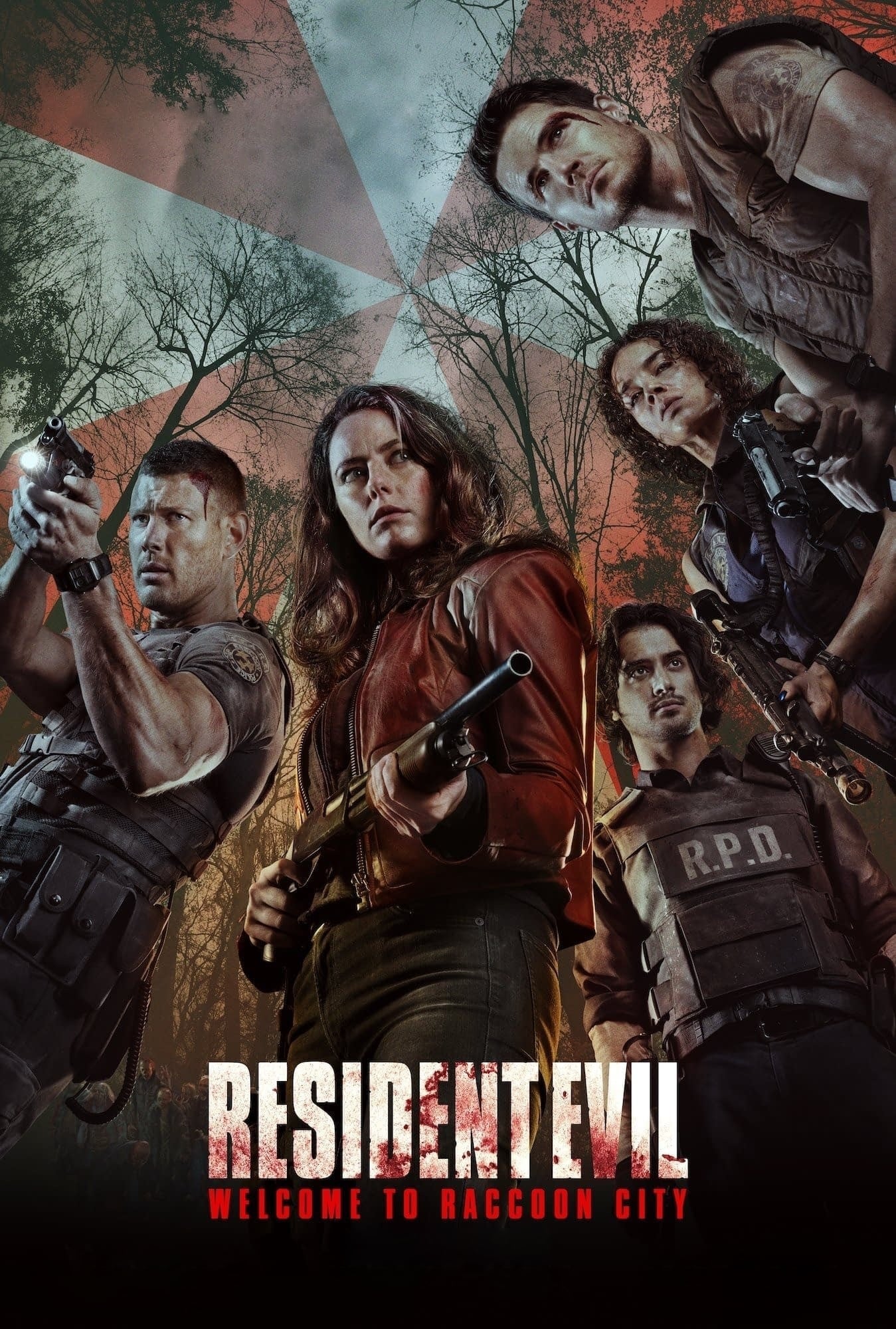
The casting of Avan Jogia as Leon Kennedy and Hannah John-Kamen as Jill Valentine drew sharp criticism from video game purists. Fans complained that the actors did not resemble the polygon models they had played as for decades. The backlash was specifically directed at the race-swapping of characters who were white in the games. The director defended the choices by stating he looked for the spirit of the characters rather than physical lookalikes. The movie failed to restart the film franchise and was dismissed by the gaming community.
‘Prey’ (2022)

This prequel to the Predator franchise starred Amber Midthunder as a Comanche warrior who battles the alien hunter. Before the film was even released critics complained that a small woman could not realistically defeat a highly advanced alien. The discourse centered on the term Mary Sue and accusations that the film was unrealistic feminist propaganda. Upon release the movie received high critical acclaim for its tactical portrayal of the fight. The initial backlash was largely discredited by the quality of the final product and its streaming success.
‘Cinderella’ (2021)
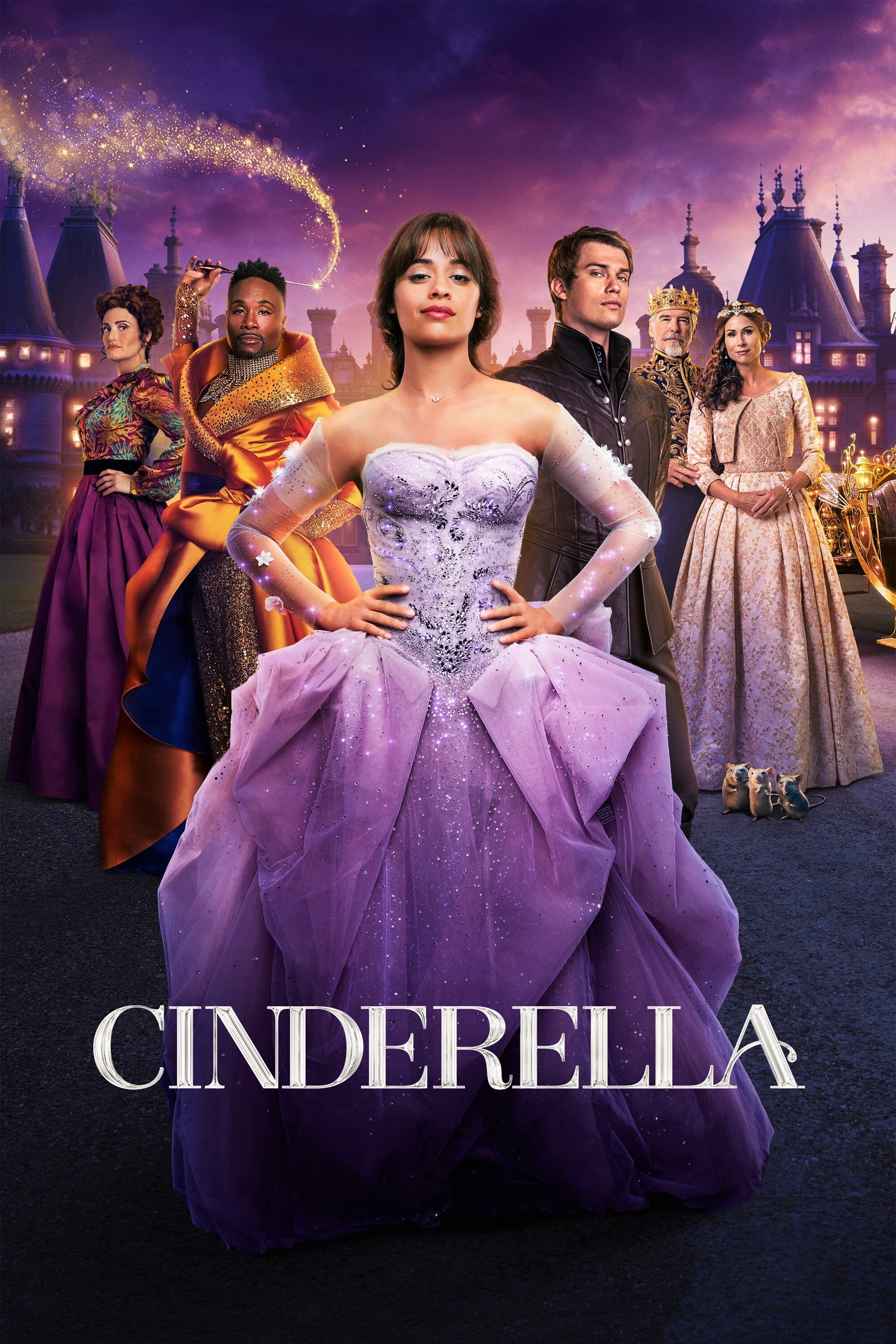
Amazon released this musical version featuring Billy Porter as a genderless Fairy Godmother named Fab G. Traditionalists were offended by the alteration of the maternal figure into a non-binary character. The film was mocked relentlessly on social media for its attempt to update the classic tale with modern slang and progressive themes. Viewers found the inclusion to be performative and distracting from the central romance. The movie holds low audience scores and is frequently cited in discussions about unnecessary modernizations of folklore.
‘Barbie’ (2023)
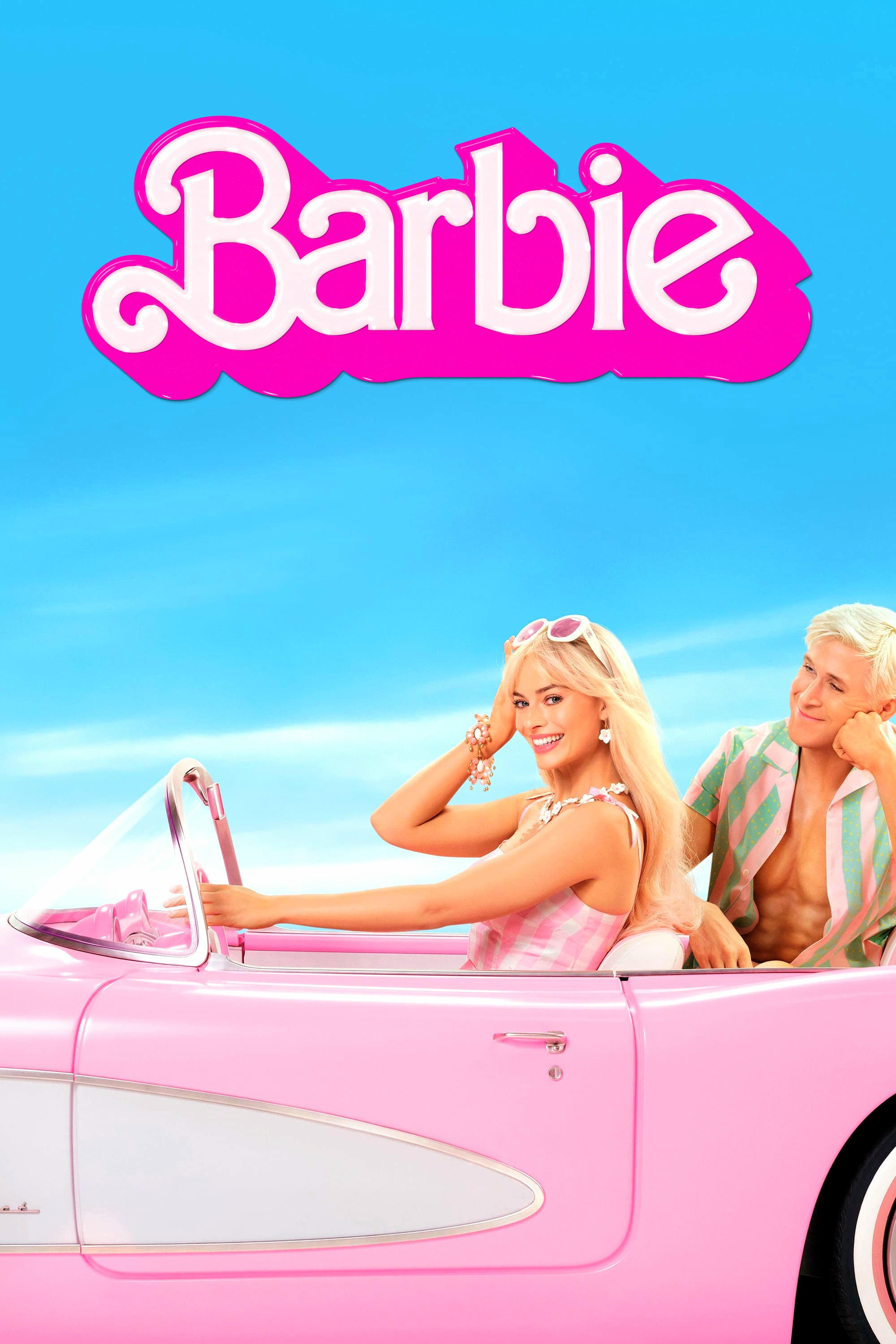
While a massive success the film faced a pre-release boycott campaign from conservatives who labeled it anti-man. The inclusion of a trans actress as one of the Barbies also drew ire from specific groups. Reviewers from right-wing outlets burned dolls and predicted the film would fail due to its woke messaging. The movie directly addressed patriarchy which fueled the debate about its suitability for children. The controversy ultimately acted as free marketing and helped the film become the highest-grossing release of the year.
‘Bros’ (2022)
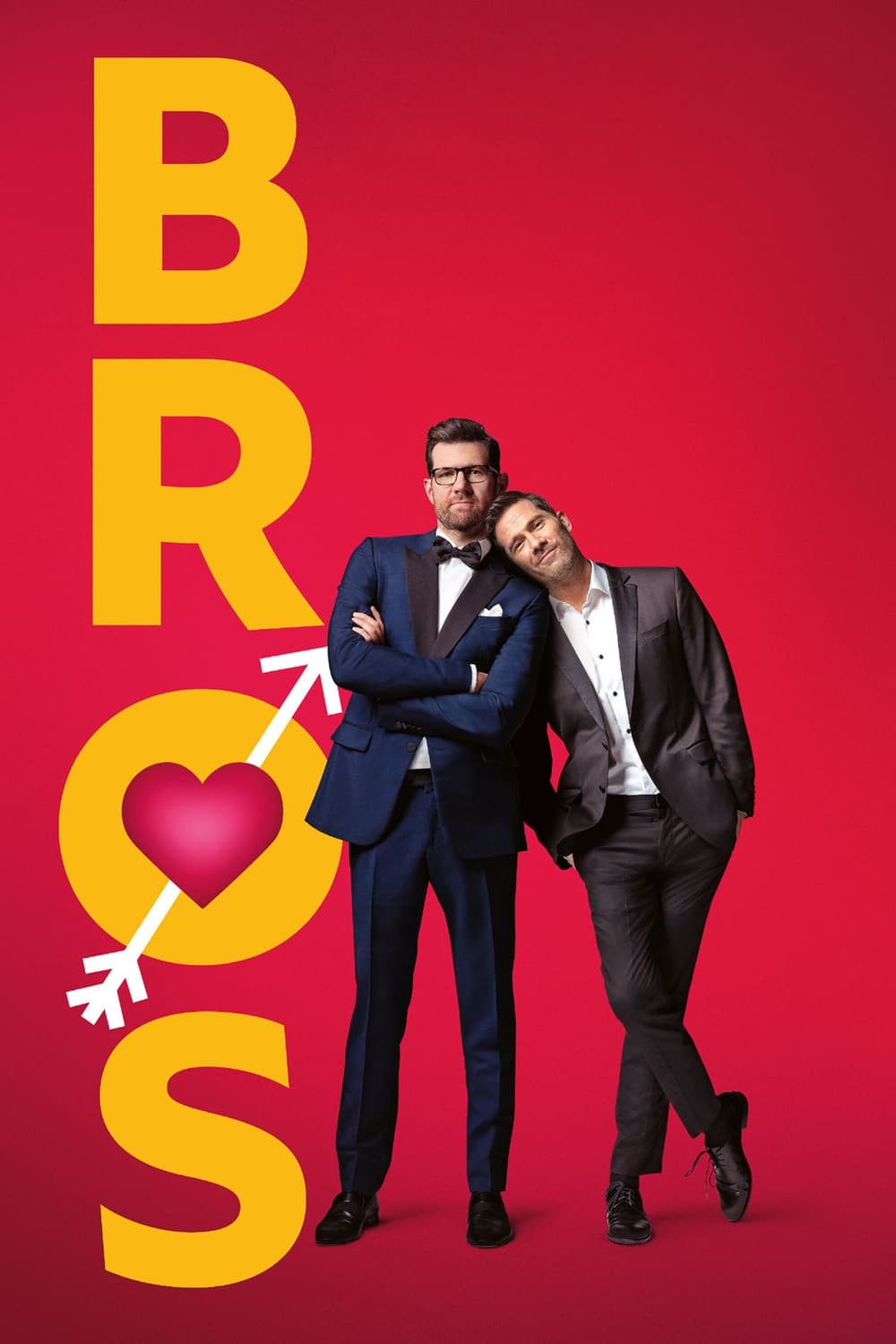
Billy Eichner wrote and starred in this romantic comedy that was marketed as the first major studio gay rom-com. When the film failed to perform at the box office Eichner blamed straight people for not showing up. This reaction caused a secondary wave of backlash where audiences accused the marketing of being aggressive and shaming. People noted that the movie was sold on its diversity milestones rather than its humor. The discourse shifted from the content of the film to the entitlement perceived in the post-release comments.
‘Mary Queen of Scots’ (2018)
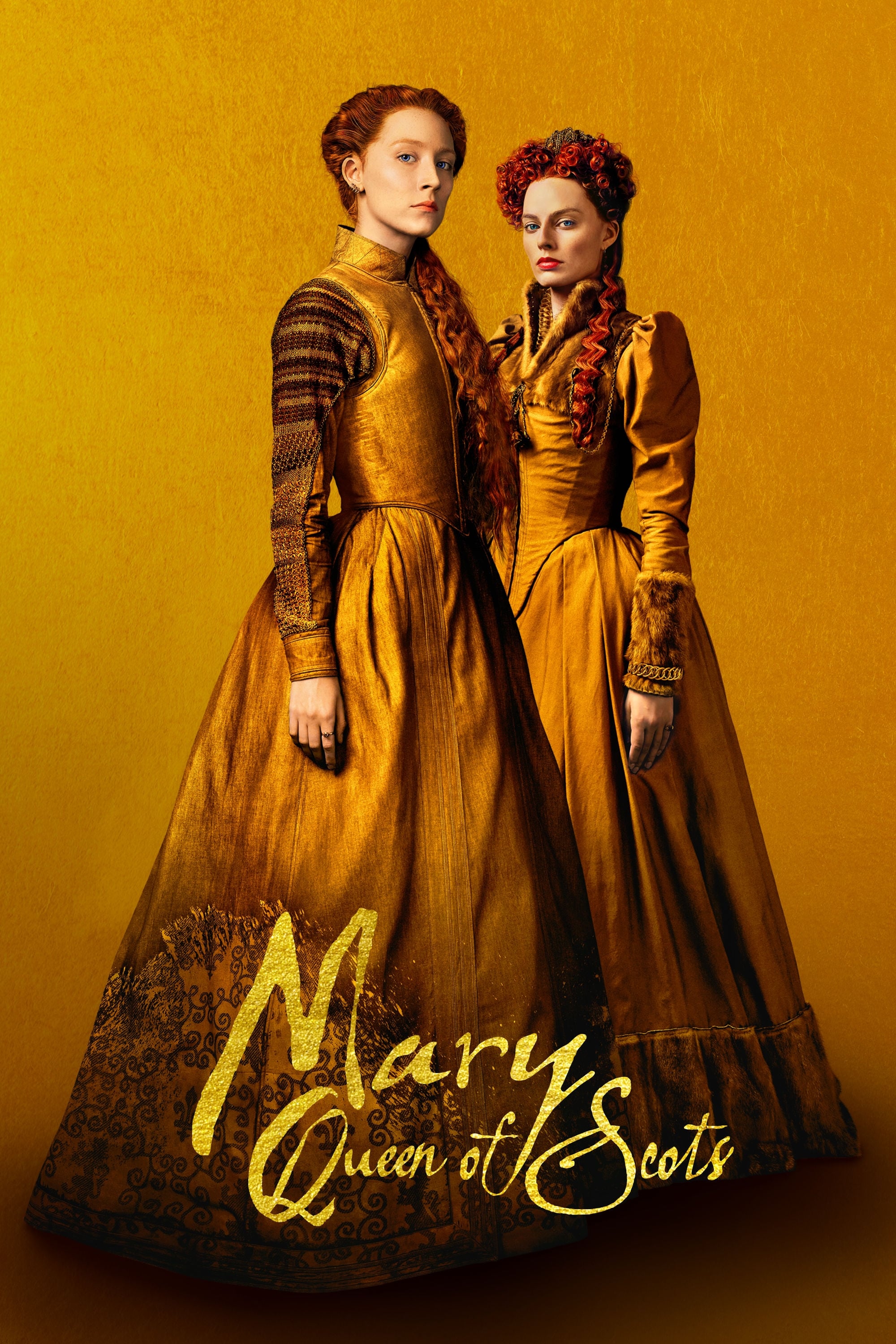
This historical drama featured Gemma Chan as Elizabeth of Hardwick and Adrian Lester as Lord Thomas Randolph. Historians and audiences pointed out that the real figures were white and accused the film of revisionist history. The director Josie Rourke defended the colorblind casting as a theatrical choice intended to reflect modern Britain. Critics argued that unlike fantasy or sci-fi historical dramas should strive for visual accuracy. The debate raised questions about where the line should be drawn between representation and historical record.
‘The Personal History of David Copperfield’ (2019)
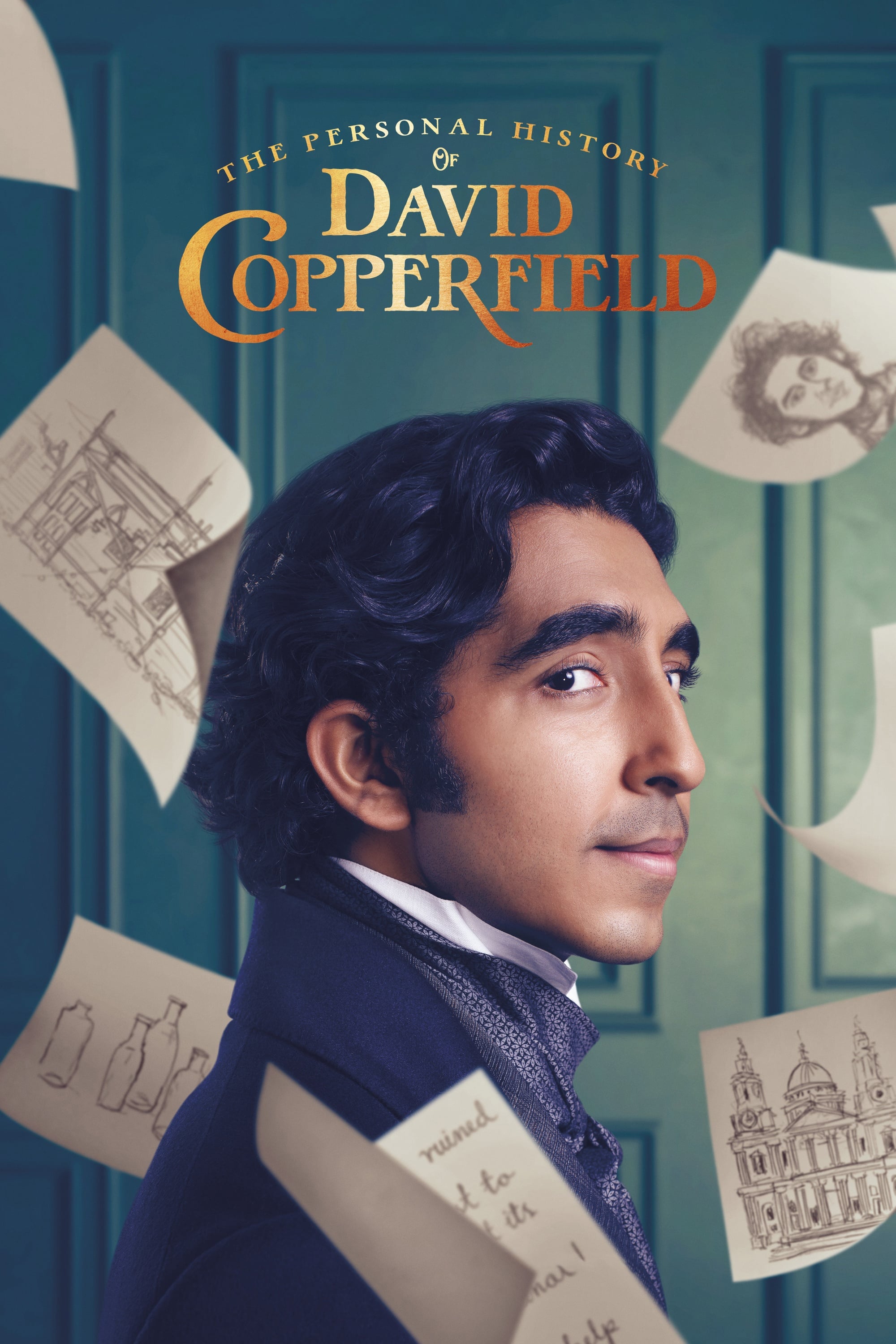
Dev Patel starred as the title character in this adaptation of the Charles Dickens novel which utilized completely colorblind casting. Some viewers found the mix of races within biological families to be confusing and distracting from the narrative. Purists of Victorian literature argued that it broke the immersion of the time period. The film was critically acclaimed for its energy but struggled to find a wide audience mainstream. It became a case study for the application of theater-style casting rules in cinema.
‘West Side Story’ (2021)
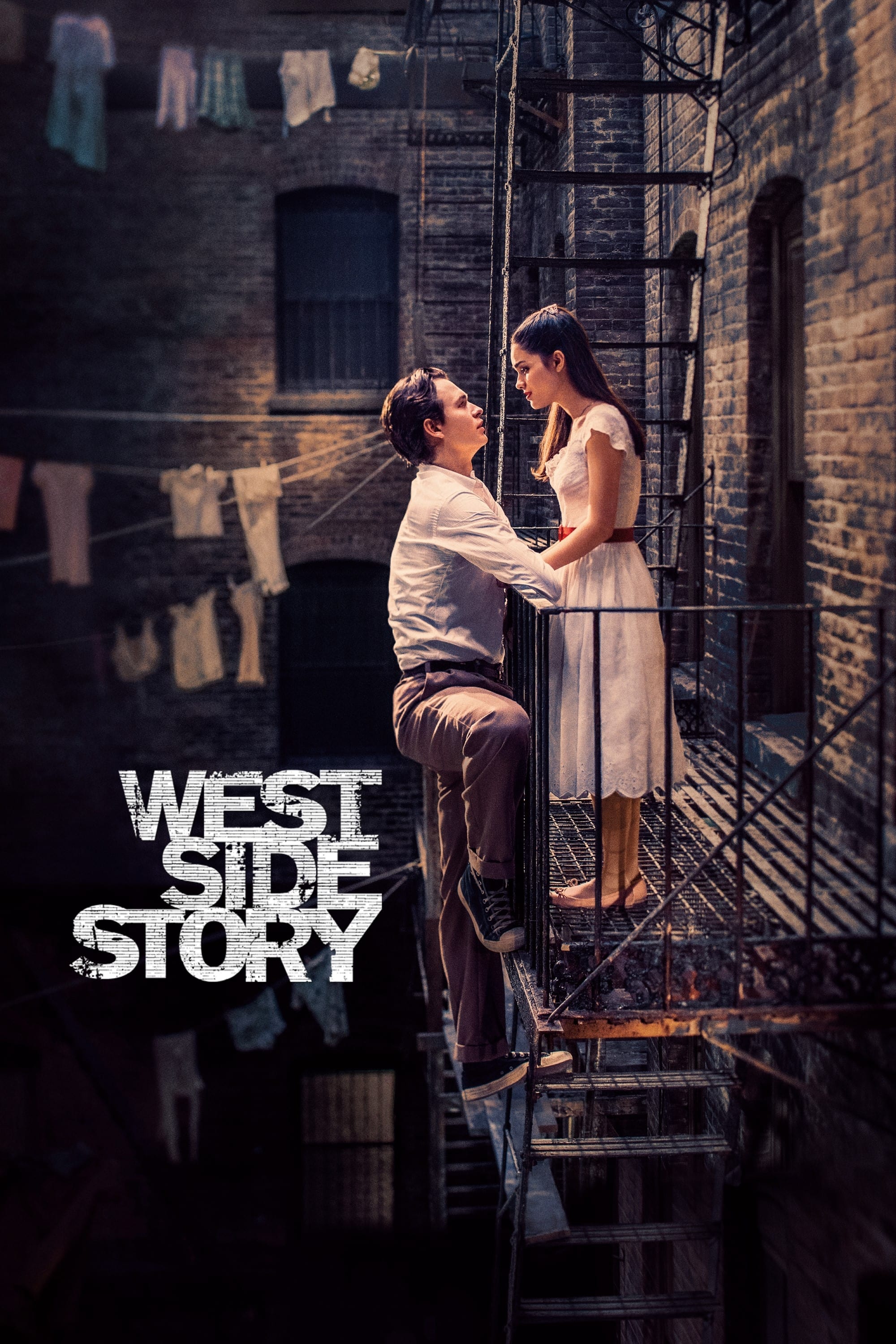
Steven Spielberg updated the classic musical and included a trans character named Anybodys played by a non-binary actor. The film was banned in several Gulf nations due to the inclusion of this character. Domestic audiences also debated the necessity of explicitly defining the gender identity of a character who was ambiguous in the original. The production also faced issues regarding the lead actor Ansel Elgort but the diversity backlash was distinct. The movie flopped financially despite receiving glowing reviews from industry critics.
‘Onward’ (2020)
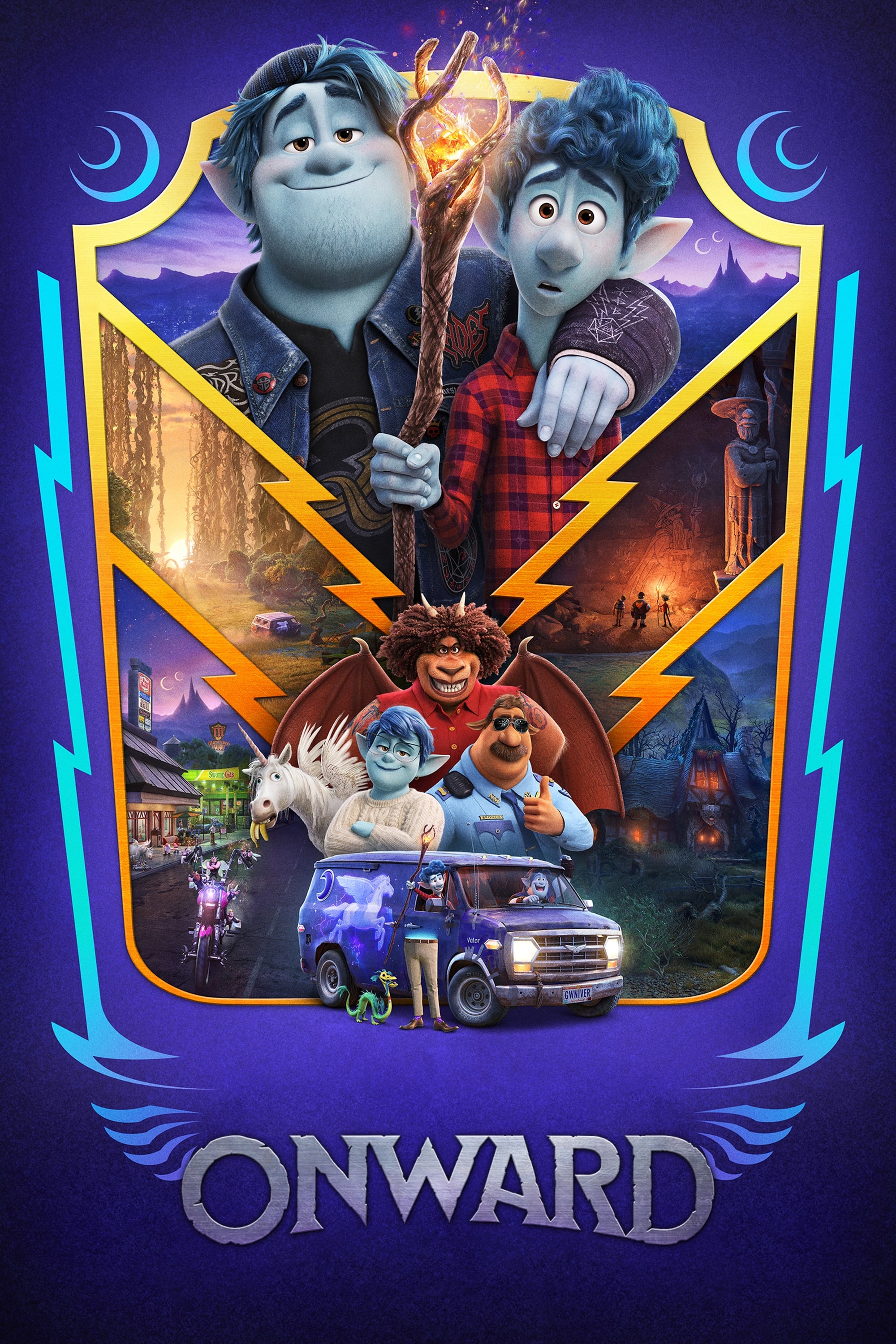
This Pixar fantasy film included a cyclops police officer who mentions her girlfriend in a single line of dialogue. This fleeting moment was enough to trigger bans in multiple Middle Eastern countries and Russia. Conservative groups in the United States warned parents about the LGBTQ+ content in the animated feature. The boycott discussions were prominent on social media during the opening week. The film had its theatrical run cut short by the pandemic but the controversy impacted its initial reception.
‘Wish’ (2023)
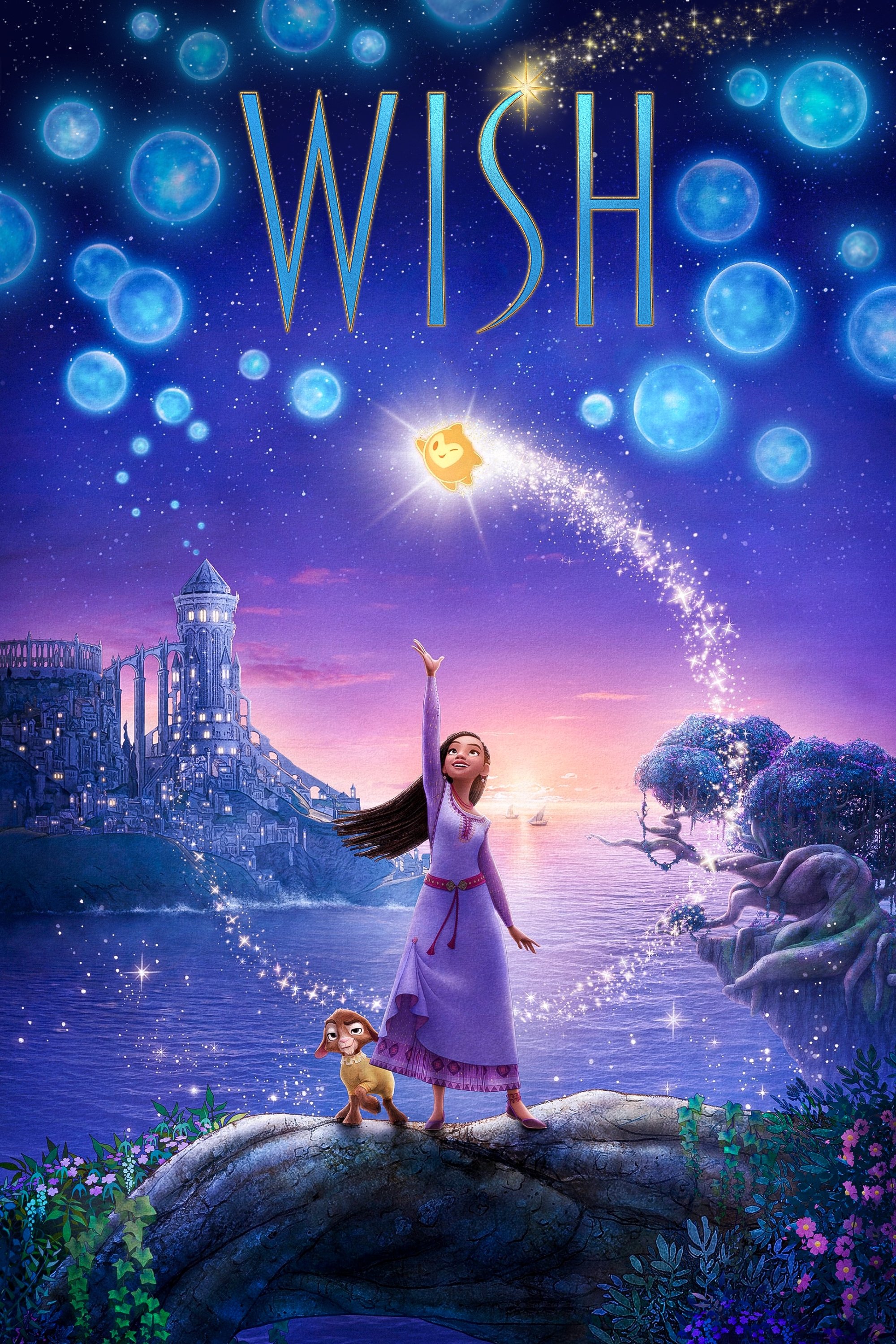
Disney celebrated its centennial with this film that featured an Afro-Latina protagonist named Asha. Anti-woke YouTubers attacked the film for not featuring a European princess to honor the studio’s traditional roots. The music and story were criticized but a significant portion of the online negativity focused on the diversity of the kingdom. Critics claimed the setting looked like a modern college campus rather than a fairy tale land. The film underperformed and fueled the ongoing narrative about the brand’s creative direction.
‘Artemis Fowl’ (2020)
Fans of the book series were baffled by the casting of Nonso Anozie as Butler who was described as Eurasian in the text. The complaint was less about the race swap and more about the removal of the character’s rich backstory and physical description. The film also changed the gender of Commander Root to a female played by Judi Dench. These changes contributed to a feeling that the source material was being disregarded for the sake of checking boxes. The adaptation is widely loathed by the fanbase for numerous deviations including the casting.
‘Mulan’ (2020)

While the primary boycotts were political regarding comments on Hong Kong the film also faced casting backlash. Fans were upset that the bisexuality icon Li Shang was removed from the story in the live-action update. The producers split his character into two men to avoid the power dynamic issues of the #MeToo era. Viewers felt this was a regression that erased a queer-coded relationship beloved in the original. The removal of the dragon Mushu also alienated audiences who wanted a faithful adaptation.
Share your thoughts on these casting controversies in the comments.