Directors who Only Use Real Locations



Many filmmakers prefer the controlled environment of a studio but some directors insist on using authentic locations to capture a specific atmosphere. These creators often reject green screens and artificial sets in favor of real streets and natural landscapes and historic buildings. This commitment to realism often requires long travel days and challenging weather conditions for the cast and crew. The following list highlights directors who prioritize genuine locations to ground their cinematic storytelling in the real world.
Werner Herzog
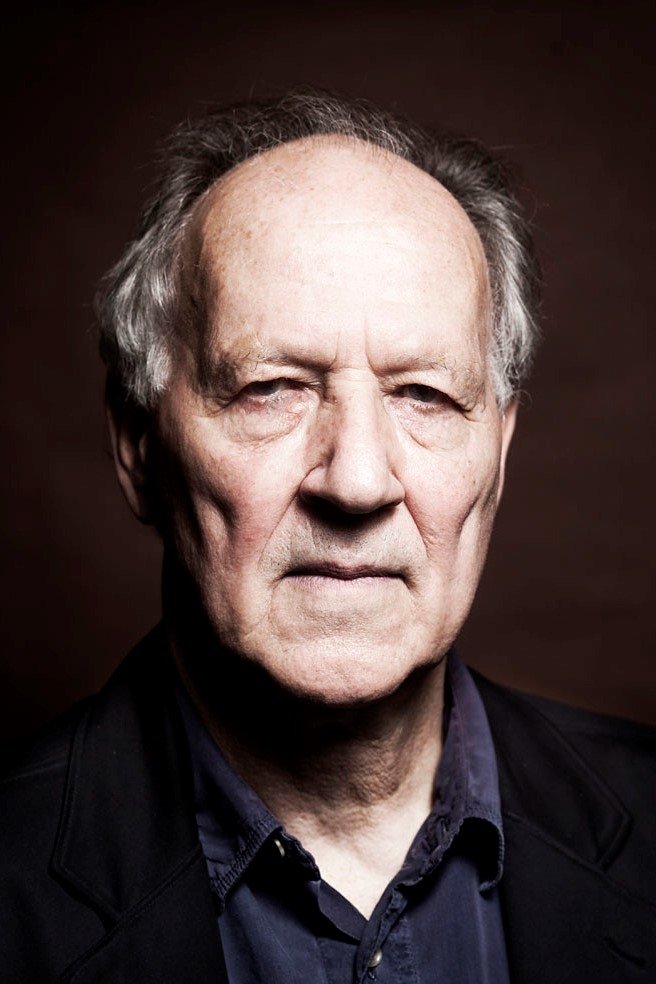
Werner Herzog is famous for transporting his film crews to the most remote and dangerous corners of the Earth. He insisted on dragging a real steamship over a hill in the Amazon for the production of ‘Fitzcarraldo’. This director avoids soundstages to ensure that the physical struggle of the characters feels authentic to the audience. His work in ‘Aguirre, the Wrath of God’ utilized the harsh terrain of the Peruvian rainforest to create a sense of genuine peril. Herzog believes that capturing the truth of a location is essential to the spirit of cinema.
Terrence Malick
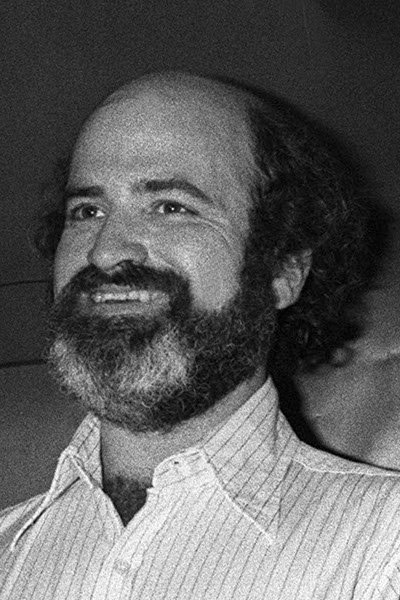
Terrence Malick frequently utilizes natural light and vast outdoor spaces to define his visual style. In movies like ‘The Tree of Life’ and ‘The Thin Red Line’ he relies on the inherent beauty of the environment rather than artificial lighting. His crews often wait for hours to capture the golden hour because he refuses to recreate that glow in a studio. This approach results in a meditative quality that emphasizes the connection between humans and nature. Malick often films on location in places like Texas or the South Pacific to maintain a grounded atmosphere.
Christopher Nolan
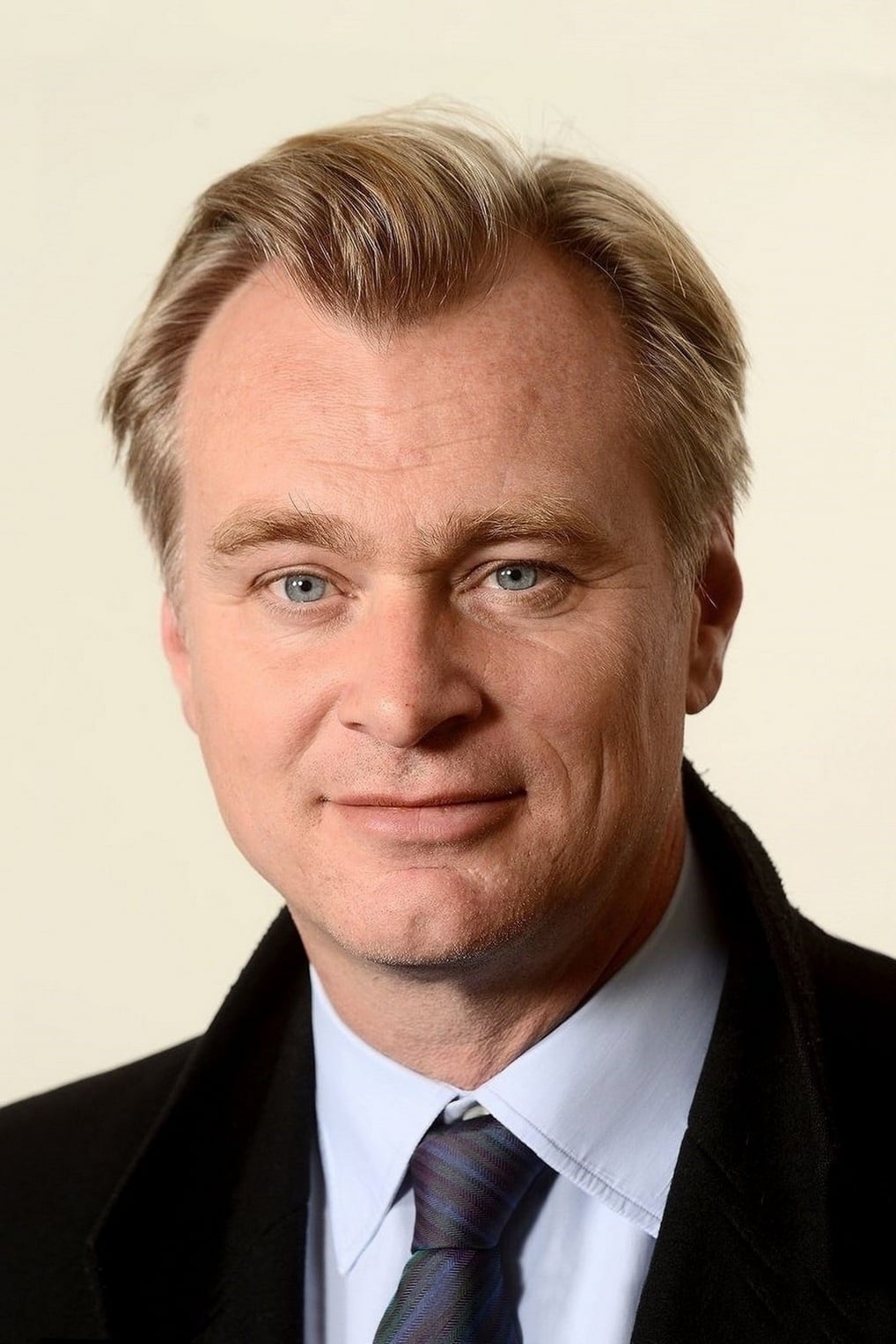
Christopher Nolan is a vocal advocate for practical effects and large format filming on location. He filmed the expansive mountain sequences in ‘Inception’ and the historical beaches of France for ‘Dunkirk’ to provide a tactile experience. For his work on ‘Oppenheimer’ he chose to film in New Mexico to replicate the specific light and geography of the Manhattan Project. This director minimizes the use of digital backgrounds by building large sets in the middle of real environments. He believes that actors perform better when they are physically present in the setting of the story.
Sean Baker

Sean Baker focuses on capturing the reality of marginalized communities by filming in the exact neighborhoods where they live. He utilized the vibrant streets surrounding Disney World for ‘The Florida Project’ and the busy sidewalks of Hollywood for ‘Tangerine’. By using real storefronts and apartment complexes he creates a documentary aesthetic that enhances the narrative. Baker often incorporates local nonprofessional actors into these environments to further the sense of realism. This method ensures that the setting functions as a living character within the film.
Andrea Arnold
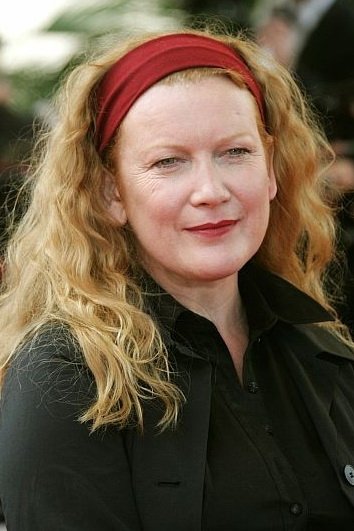
Andrea Arnold is known for her gritty and immersive style that relies heavily on handheld cameras in real settings. She took a young cast across the American Midwest to film ‘American Honey’ in actual motels and parking lots. This director avoids the artifice of soundstages to capture the spontaneous energy of youth culture. Her film ‘Fish Tank’ was shot in real housing estates in the United Kingdom to reflect the lives of her characters accurately. Arnold prefers to work with the natural constraints of a location to find unique visual moments.
Chloé Zhao
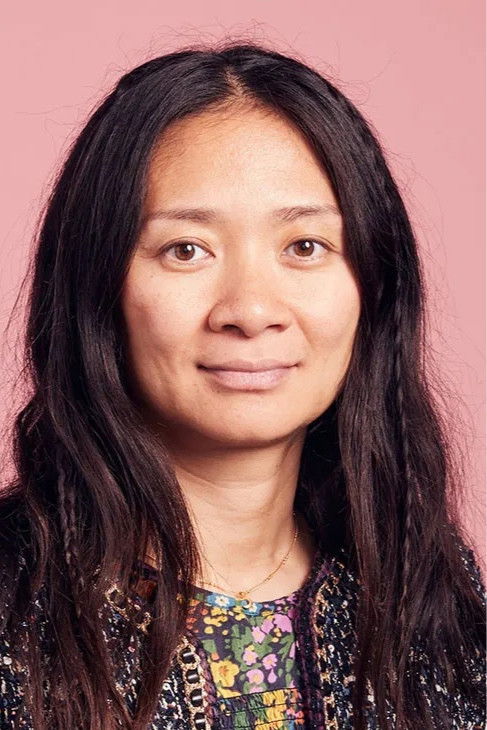
Chloe Zhao often works with nonprofessional actors who are filmed in their own homes and workplaces. For her Academy Award winning film ‘Nomadland’ she traveled across the American West with a small crew to capture the lives of modern nomads. She utilizes the natural light of the plains and the rugged beauty of the Badlands to tell her stories. This commitment to location shooting creates a deep sense of place and intimacy in ‘The Rider’. Zhao integrates her narrative into the existing landscape to maintain an honest portrayal of her subjects.
Michael Mann
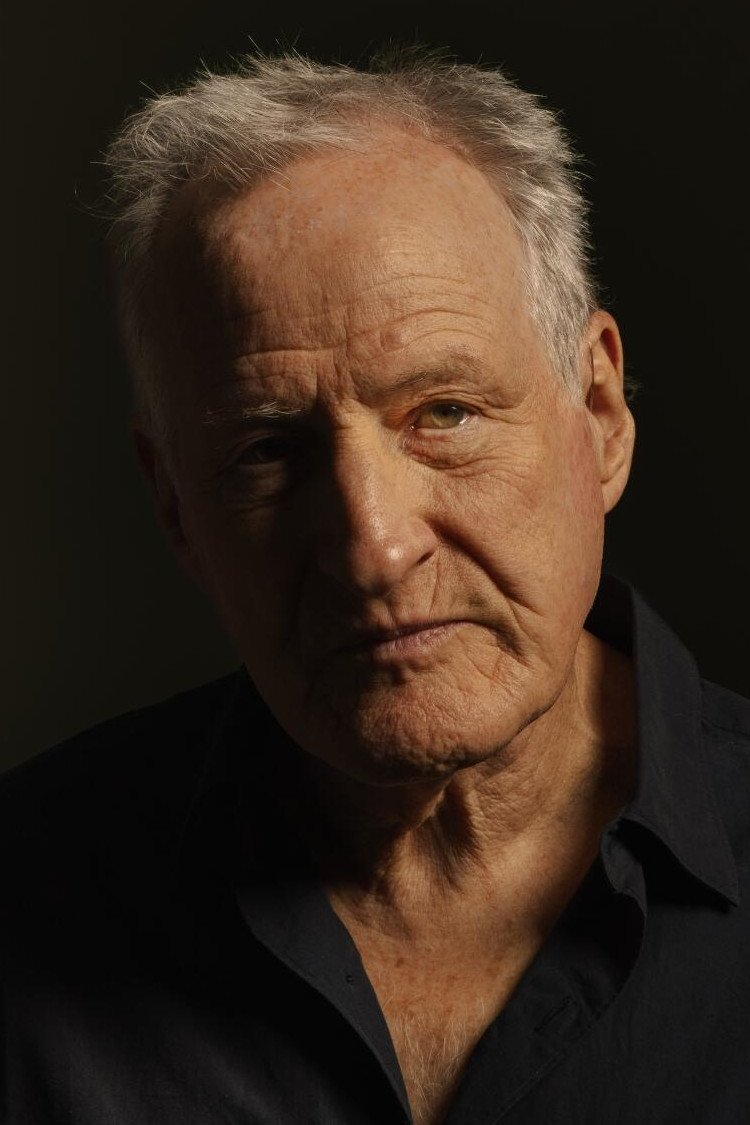
Michael Mann is recognized for his ability to transform urban environments into atmospheric landscapes. He famously filmed ‘Heat’ entirely on location in Los Angeles to capture the specific texture of the city at night. This director uses digital cameras to take advantage of existing city lights rather than relying on heavy studio rigging. His work in ‘Collateral’ showcases the transit systems and back alleys of the city with a cold and clinical precision. Mann believes that the architecture of a city informs the psychology of his characters.
Alejandro González Iñárritu
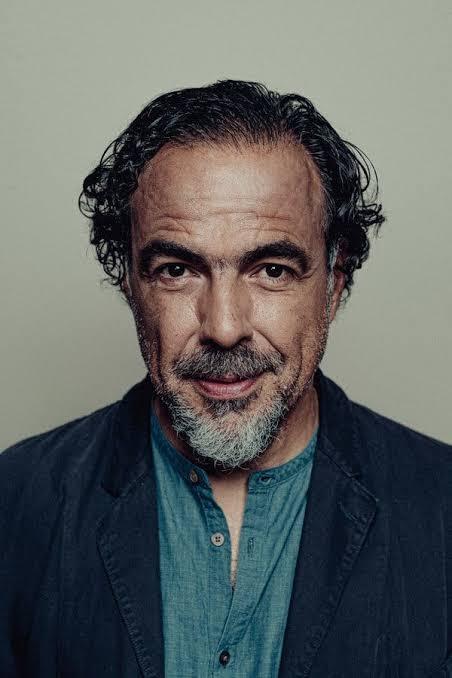
Alejandro G. Inarritu took location shooting to an extreme during the production of ‘The Revenant’. He and his crew spent months in the remote wilderness of Canada and Argentina to film in natural light only. This grueling process was designed to immerse the actors and the audience in the brutal reality of the frontier. Inarritu often avoids green screens to ensure that the physical environment dictates the rhythm of the performance. This dedication to authentic settings is also evident in the sweeping urban shots of ‘Babel’.
William Friedkin
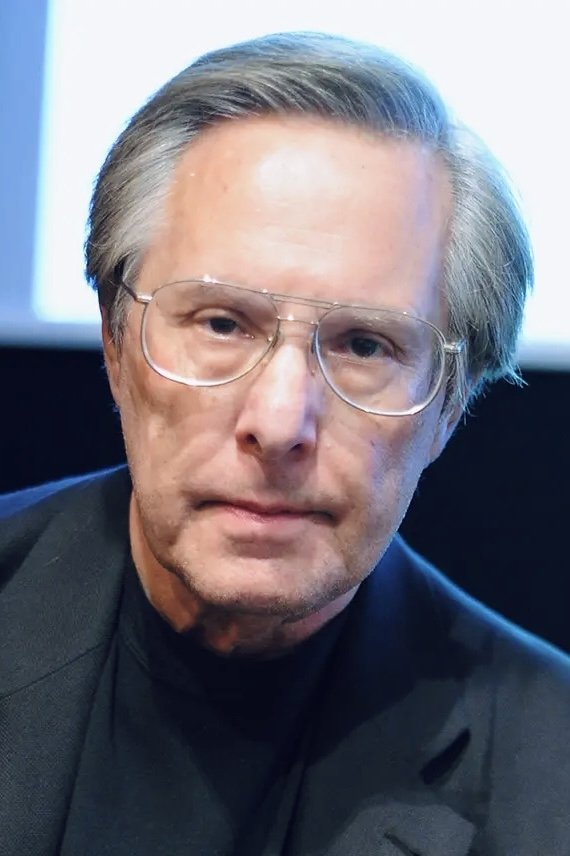
William Friedkin pushed the boundaries of realism by filming high speed chases on the busy streets of New York City for ‘The French Connection’. He often preferred the unpredictability of real crowds and public spaces over the safety of a controlled set. During the production of ‘To Live and Die in L.A.’ he captured the gritty industrial side of the city to set a dark tone. Friedkin believed that the energy of a real location could not be replicated by any production designer. His films are often remembered for their visceral and lived in quality.
Jean-Luc Godard
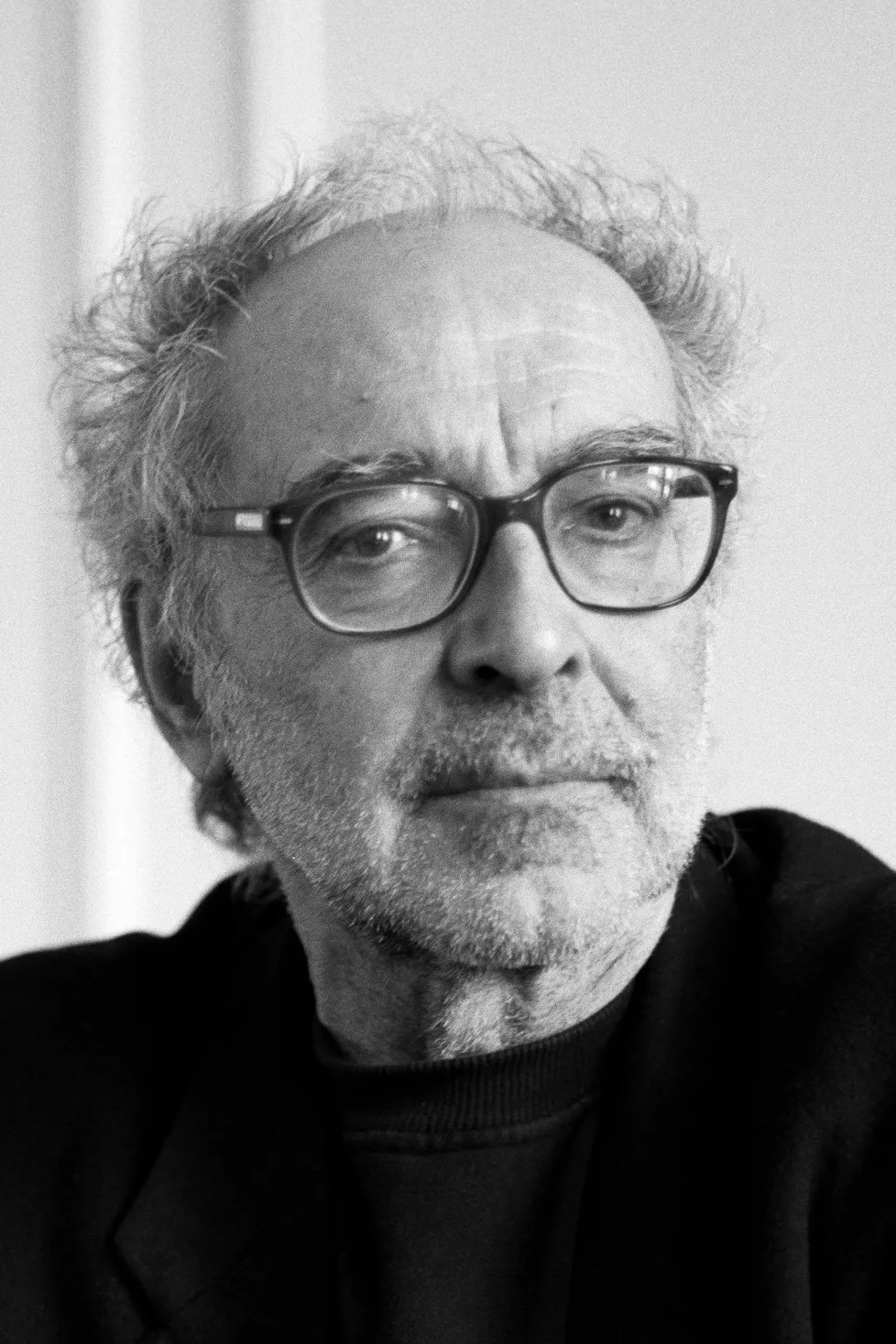
Jean Luc Godard was a pioneer of the French New Wave who took the camera out of the studio and onto the streets of Paris. His debut film ‘Breathless’ was shot using natural light and handheld cameras in real apartments and cafes. This approach broke the traditional rules of filmmaking and introduced a sense of modern spontaneity. Godard often used the sounds of the city as a natural backdrop for his dialogue. By avoiding artificial sets he was able to capture the changing social landscape of France in the middle of the twentieth century.
Wong Kar-Wai
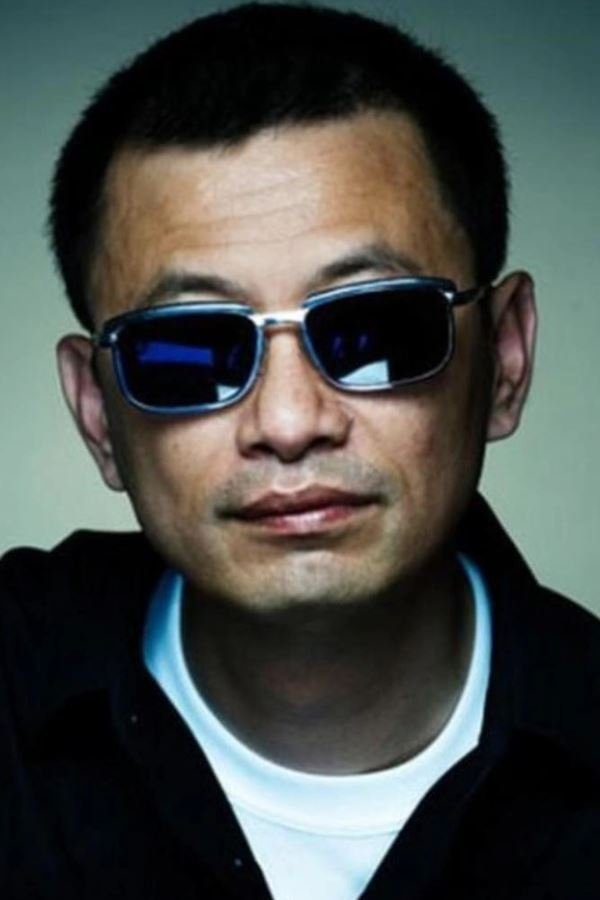
Wong Kar Wai is famous for his stylistic portrayals of Hong Kong that rely on the city’s dense urban texture. He filmed ‘Chungking Express’ in the crowded snack bars and narrow corridors of the Chungking Mansions. This director often works without a finished script and allows the locations to inspire the direction of the scene. In ‘In the Mood for Love’ the cramped hallways and rain soaked streets create a feeling of intense longing. He uses the existing colors and shadows of the city to build his unique visual language.
Abbas Kiarostami
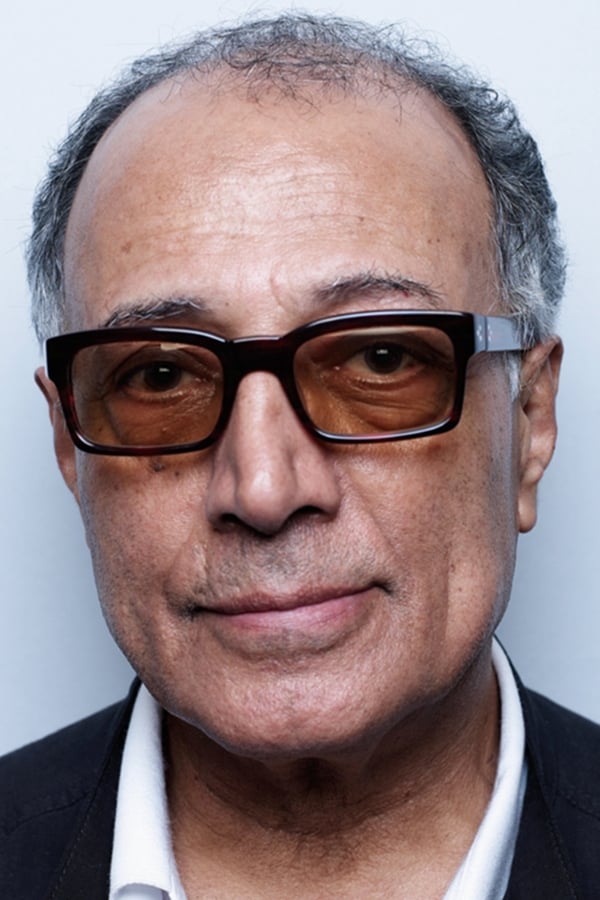
Abbas Kiarostami frequently used the dusty roads and rural landscapes of Iran as the foundation for his cinema. In ‘Taste of Cherry’ the majority of the action takes place inside a car traveling through real construction sites and hillsides. He preferred to work with nonprofessional actors in their natural environments to achieve a high degree of realism. This director used the landscape not just as a backdrop but as a philosophical element of the story. His films like ‘Where Is the Friend’s House?’ rely on the specific geography of northern Iran to drive the plot.
Richard Linklater
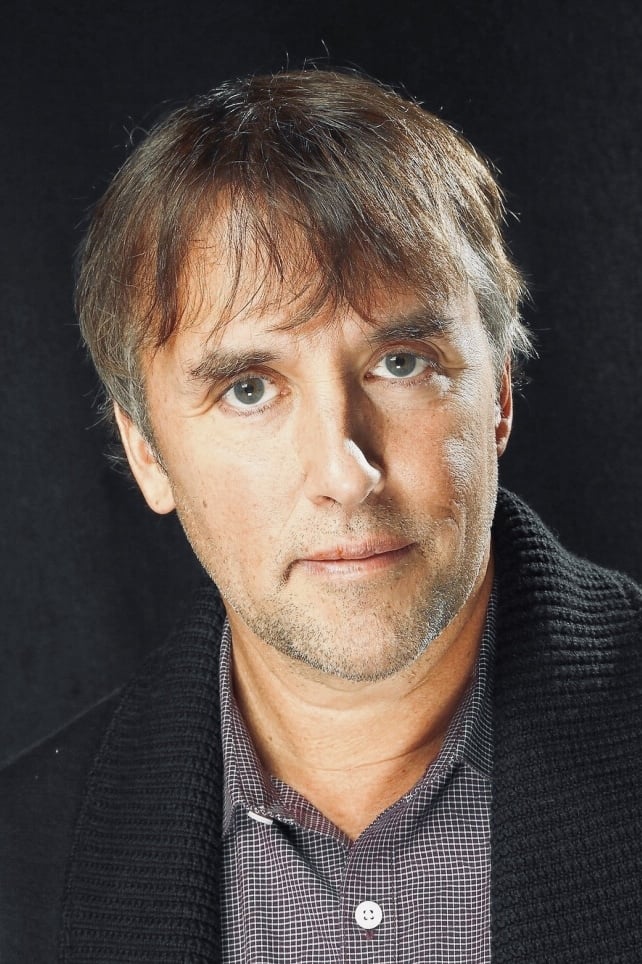
Richard Linklater is known for capturing the passage of time by returning to real locations over many years. For the ‘Before’ trilogy he filmed in the streets of Vienna and Paris and the Peloponnese to ground the romance in specific places. He famously shot ‘Boyhood’ over twelve years in various locations across Texas to maintain continuity with the lives of his actors. Linklater avoids the artificiality of studio sets to focus on the natural conversations of his characters. This commitment to reality makes the experiences of his characters feel relatable and authentic.
Kelly Reichardt
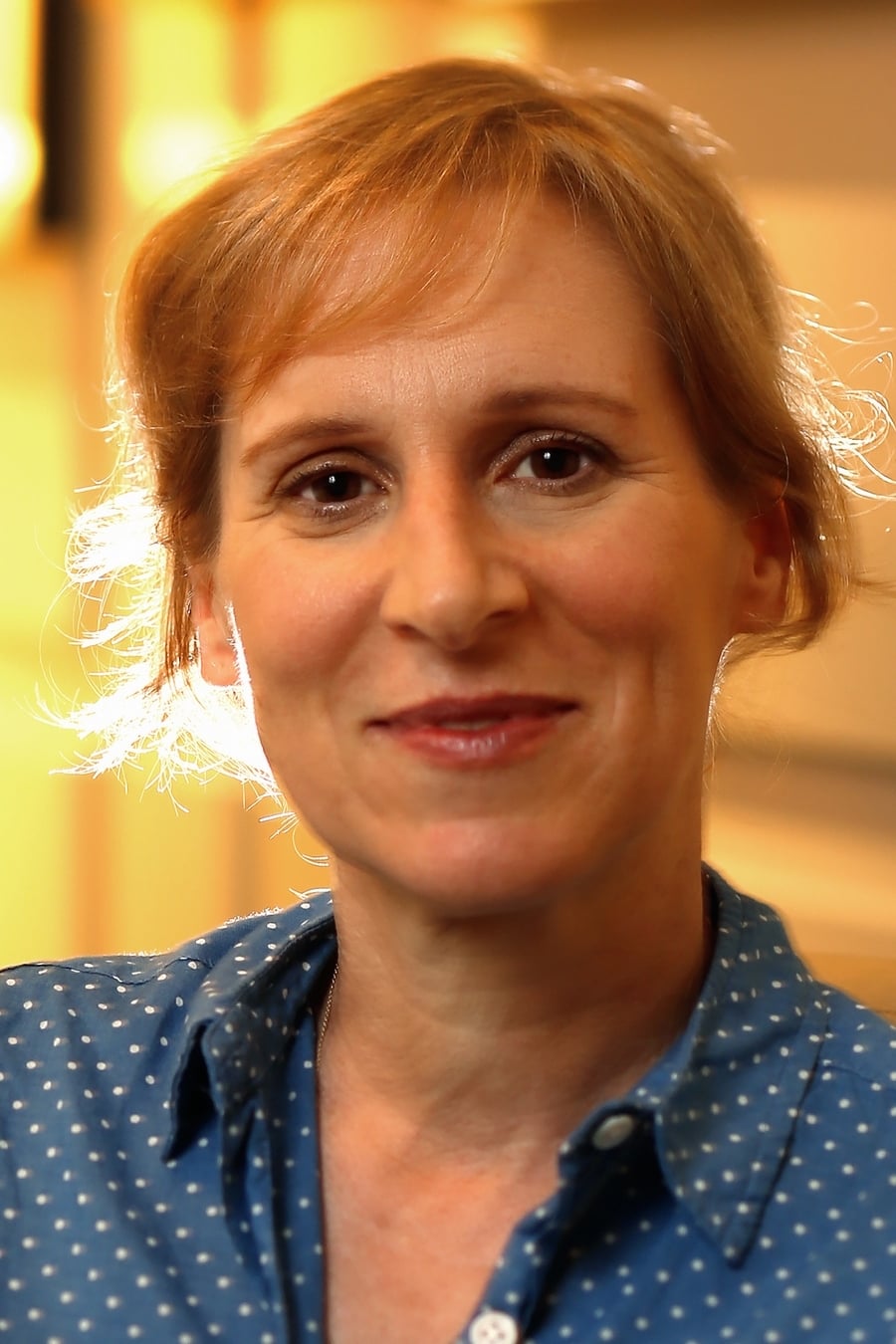
Kelly Reichardt focuses on the quiet rhythms of life in the Pacific Northwest by filming on location in Oregon. In ‘First Cow’ she used the damp forests and riverbanks to create a historical atmosphere that feels deeply authentic. Her films often feature long takes that allow the audience to soak in the natural surroundings of the characters. She avoids the use of elaborate sets in favor of real homes and small towns to reflect her minimalist storytelling style. Reichardt believes that the landscape is integral to understanding the social and economic struggles of her protagonists.
Ken Loach
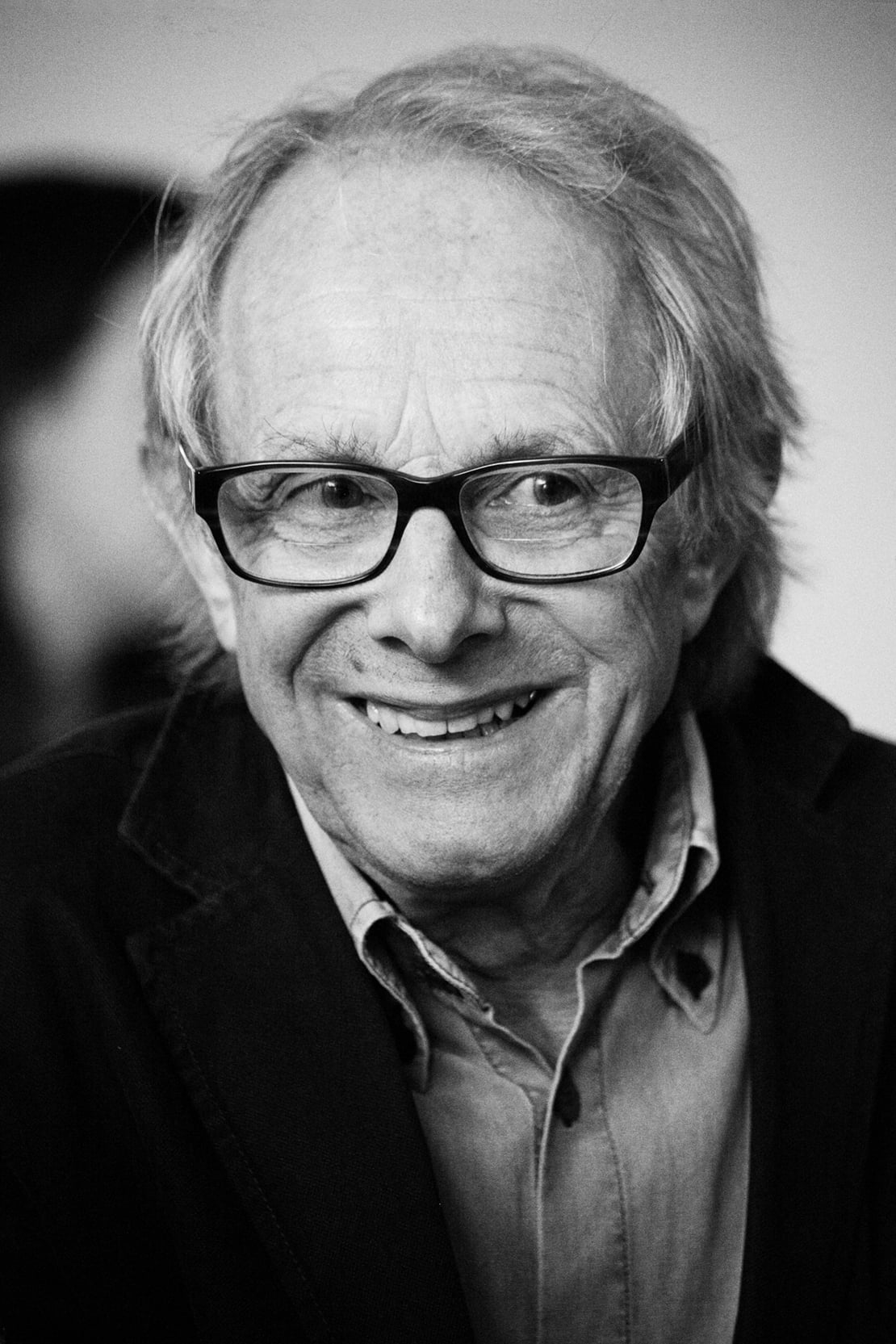
Ken Loach is a master of social realism who films exclusively in the working class neighborhoods of the United Kingdom. He uses real community centers and pubs and council housing to tell stories about the struggles of ordinary people. In ‘I, Daniel Blake’ the use of authentic locations highlights the bureaucratic challenges faced by the characters. Loach avoids the polish of studio production to maintain a documentary like honesty in his work. This approach ensures that the political messages of his films are grounded in the lived reality of his subjects.
Mike Leigh
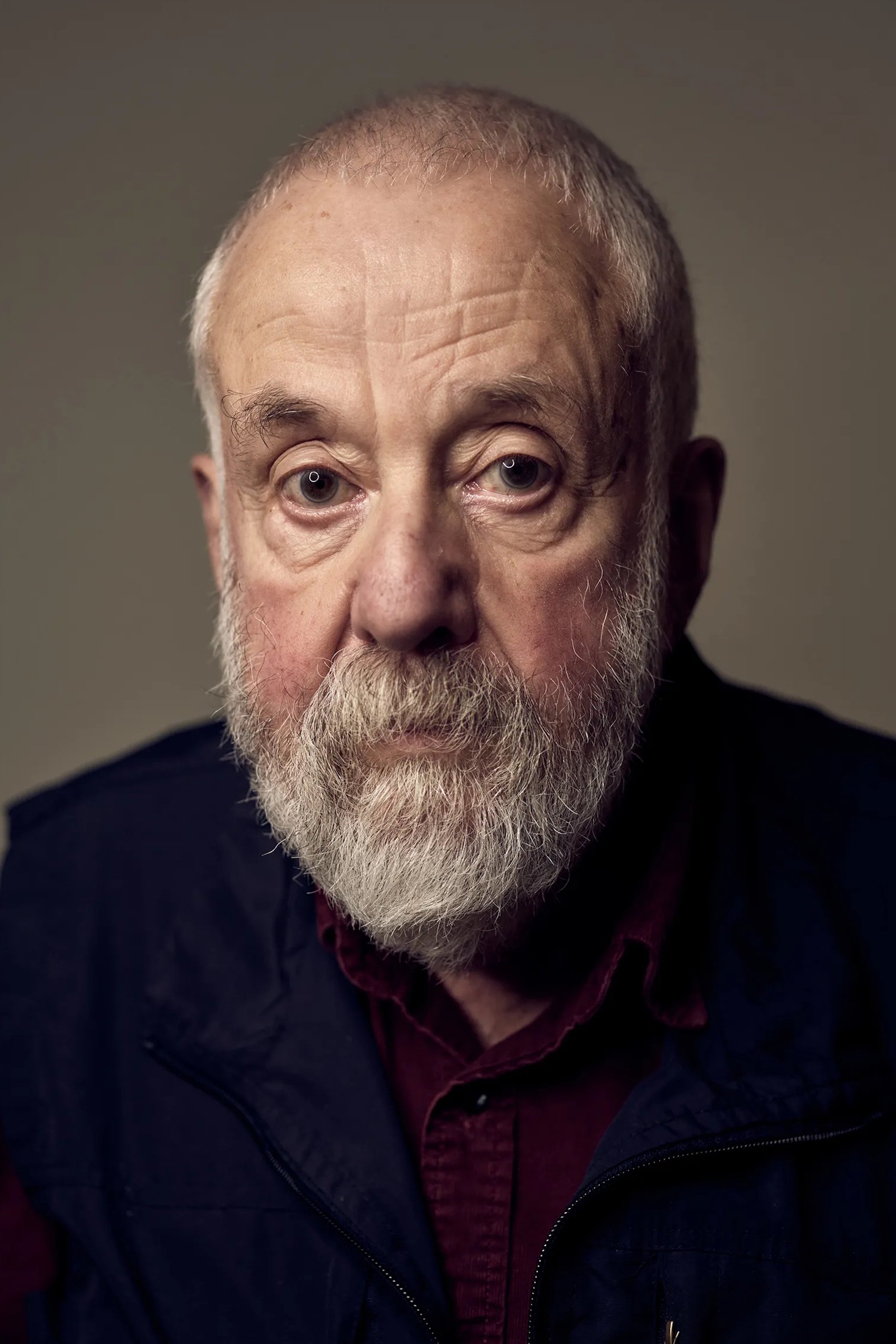
Mike Leigh develops his scripts through months of improvisation with actors in real domestic settings. He chooses actual suburban houses and flats in London to film movies like ‘Secrets and Lies’ or ‘Abigail’s Party’. This director avoids the artifice of the studio to capture the nuances of British social life and family dynamics. The cramped interiors of real homes help to create the sense of intimacy and tension required for his stories. Leigh treats the location as a vital component of the character development process.
Jean Pierre and Luc Dardenne

Jean Pierre and Luc Dardenne are Belgian brothers known for their raw and unvarnished depictions of life in industrial towns. They frequently film in the city of Seraing and utilize the real factories and streets to tell their stories. In ‘Two Days, One Night’ the protagonist walks through actual neighborhoods to confront her coworkers about her job. Their handheld camera style follows characters closely through these environments to create a sense of urgency. The Dardenne brothers avoid any cinematic flourishes that would detract from the realism of the setting.
Sofia Coppola

Sofia Coppola often uses iconic and luxury locations to explore the isolation of her characters. She filmed ‘Lost in Translation’ entirely on location in Tokyo and stayed primarily within the Park Hyatt hotel and surrounding districts. For ‘Marie Antoinette’ she was granted rare access to film inside the actual Palace of Versailles to achieve historical accuracy. She prefers the natural light and authentic textures of these famous sites over reconstructed studio versions. This choice helps to ground her dreamlike visual style in a physical reality.
Jim Jarmusch
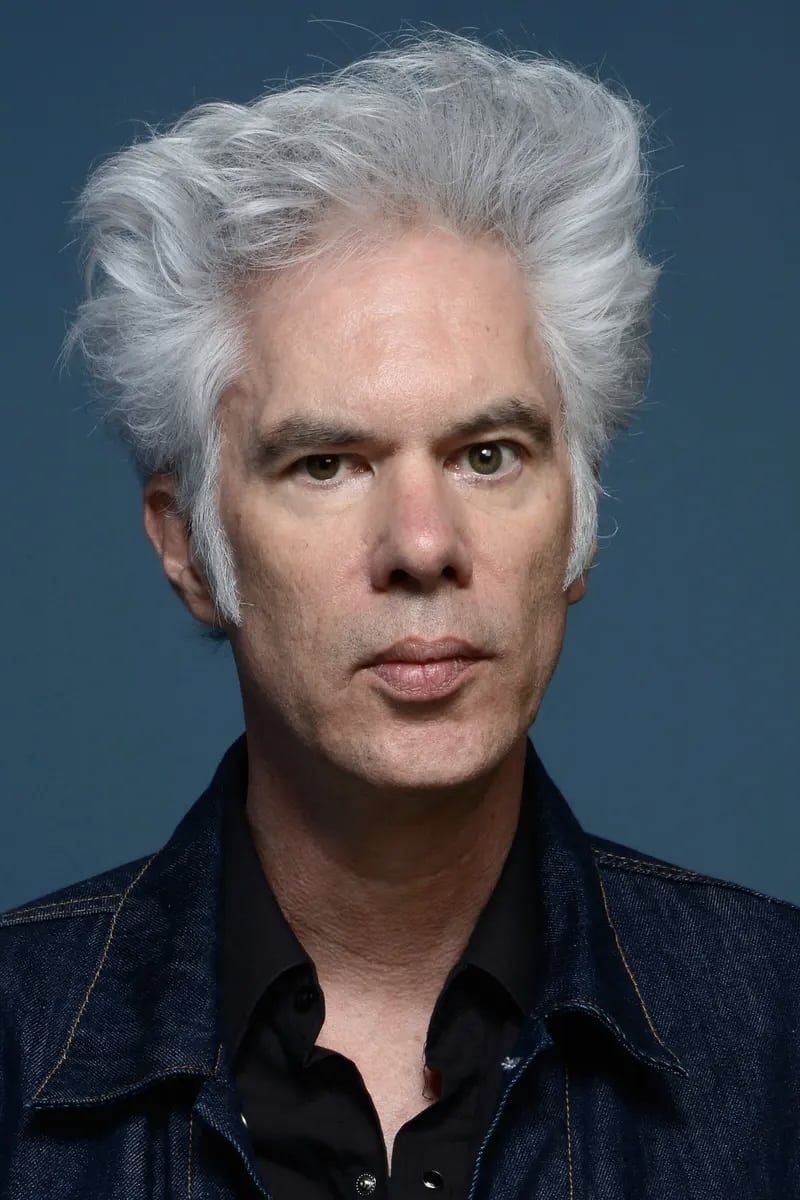
Jim Jarmusch is an independent filmmaker who often explores the overlooked corners of American cities. He filmed ‘Stranger Than Paradise’ in the bleak winter landscapes of Cleveland and the desolate flats of Florida. This director uses real dive bars and motels to establish the dry humor and aimless energy of his characters. In ‘Paterson’ he captured the everyday beauty of the city of Paterson in New Jersey through its real streets and waterfalls. Jarmusch relies on the unique character of a location to set the tone for his minimalist narratives.
Steven Soderbergh
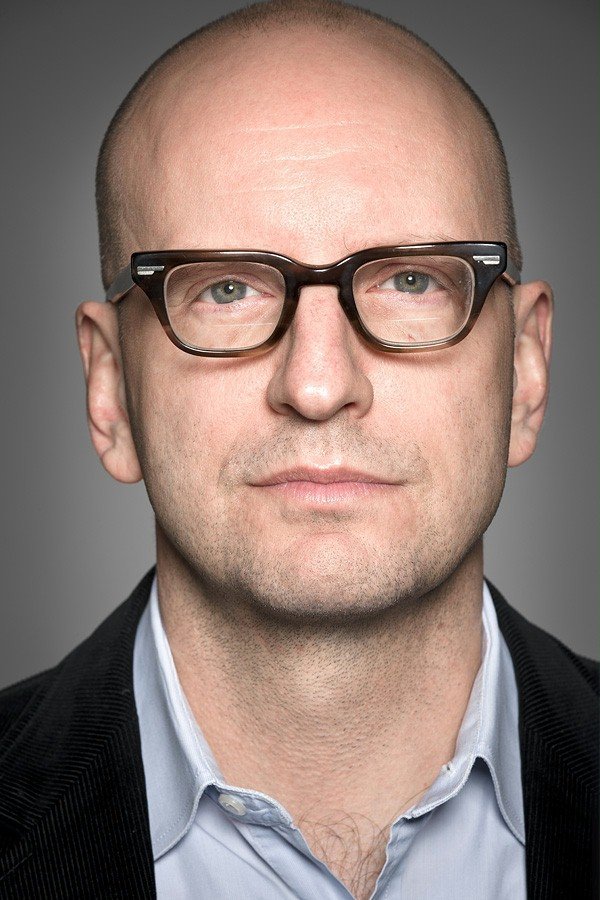
Steven Soderbergh is known for his efficiency and his willingness to experiment with digital technology on location. He often acts as his own cinematographer and uses available light to film in real hospitals and offices and hotels. In ‘Magic Mike’ he utilized actual clubs in Florida to give the movie a sense of place and energy. Soderbergh avoids the slow pace of traditional studio filming by utilizing small crews in existing environments. This allows him to produce films quickly while maintaining a high level of visual authenticity.
Agnès Varda
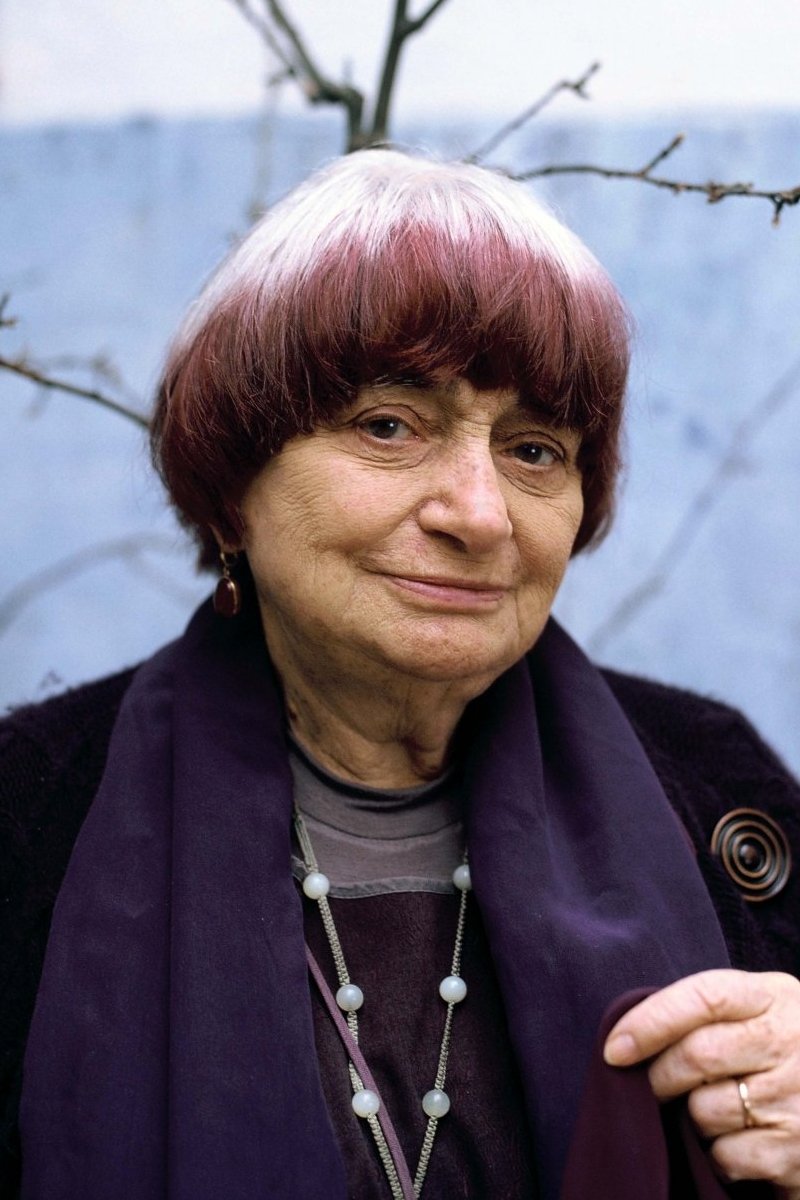
Agnes Varda was a central figure of the French New Wave who celebrated the beauty of the mundane through location shooting. Her film ‘Cleo from 5 to 7’ follows a woman through the streets of Paris in near real time. She often combined documentary and fiction by filming in the actual neighborhoods where her subjects lived. In ‘The Gleaners and I’ she traveled across the French countryside to interview people in their own fields and homes. Varda believed that the camera should be a tool for discovering the truth of the world around us.
Jia Zhangke
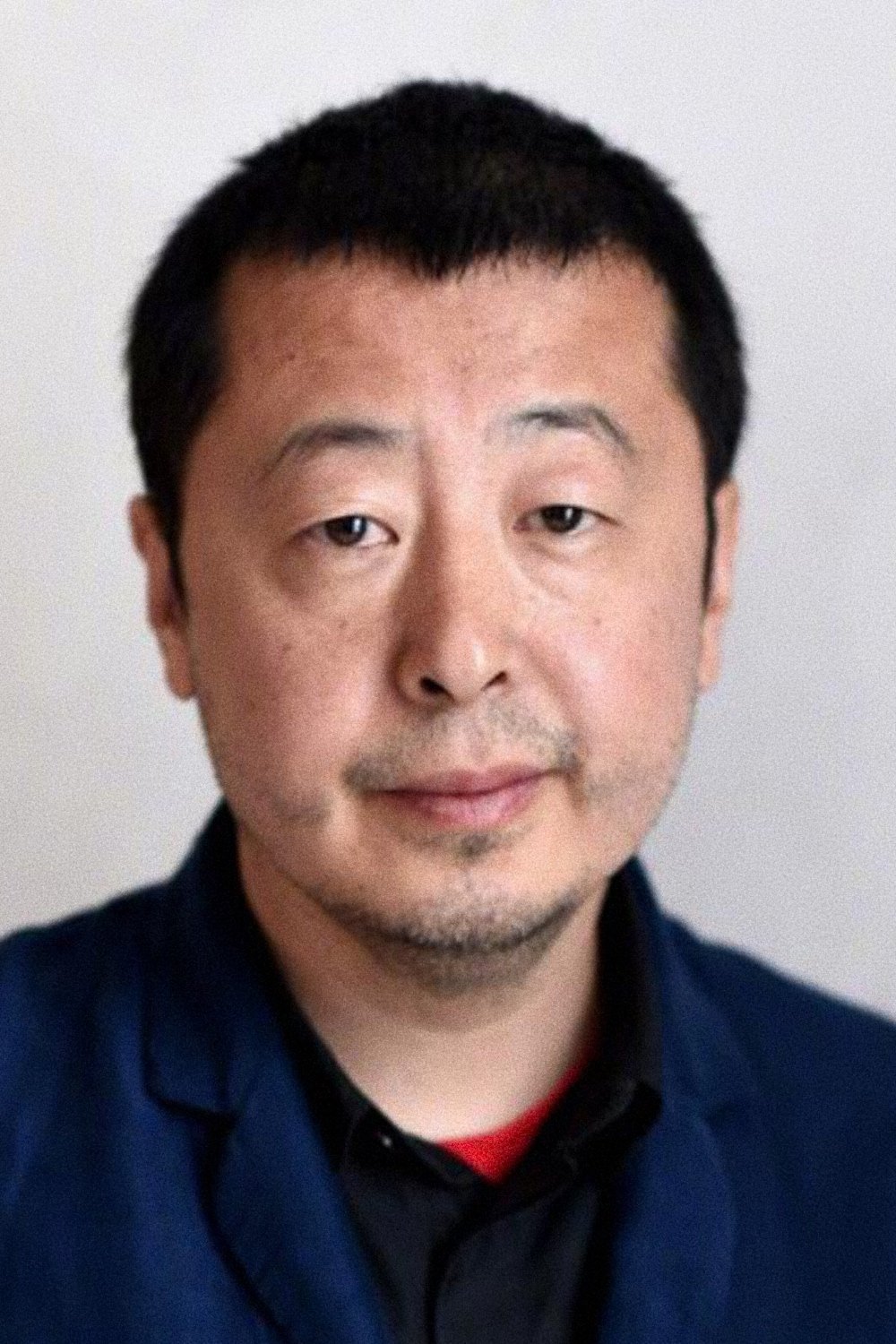
Jia Zhangke documents the rapid transformation of China by filming in towns that are in the process of being demolished or rebuilt. He used the Three Gorges Dam project as a real backdrop for his film ‘Still Life’ to capture the changing landscape. This director avoids studio sets to record the authentic sights and sounds of a society in flux. His films often feature long shots of real factories and coal mines and public squares. By using real locations he provides a powerful historical record of modern Chinese life.
Satyajit Ray
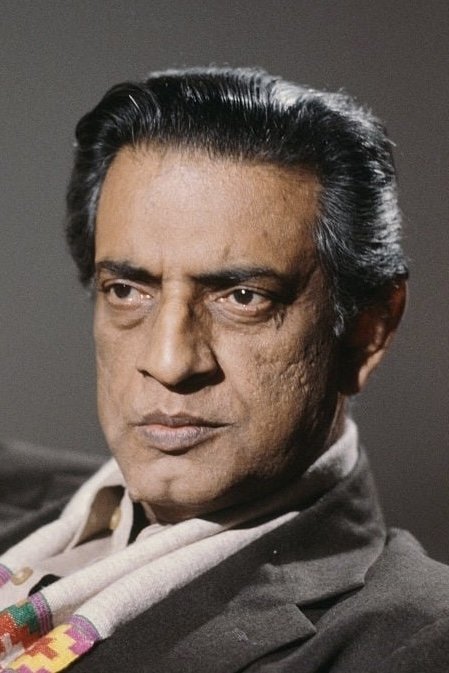
Satyajit Ray brought international attention to Indian cinema by filming the ‘Apu Trilogy’ in the rural villages of Bengal. He avoided the glitz of Bollywood studios to focus on the natural environment and the daily lives of the poor. In ‘Pather Panchali’ the rain and the fields of tall grass are essential elements that were filmed on location during actual monsoon seasons. Ray believed that the honesty of the setting was necessary to convey the emotional depth of his stories. His work established a new standard for realism in South Asian filmmaking.
Yasujirō Ozu
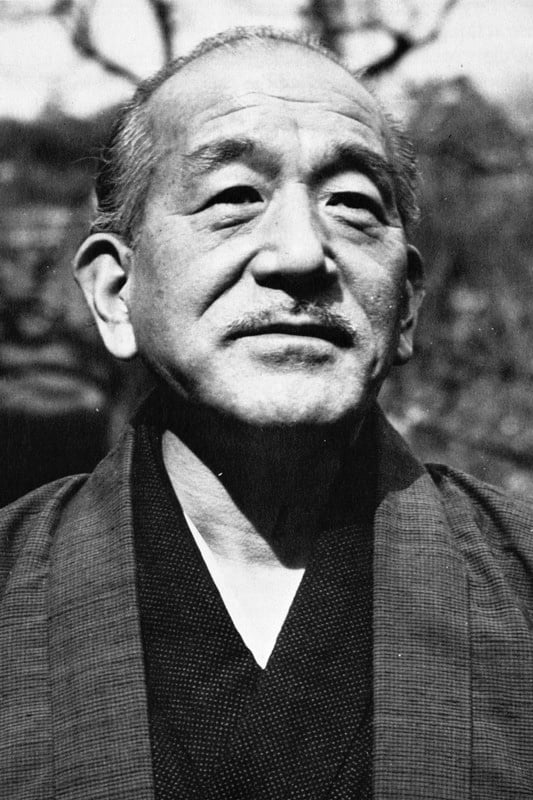
Yasujiro Ozu is famous for his domestic dramas that capture the changing social fabric of postwar Japan. He often filmed in real Japanese homes and used a low camera angle that replicated the perspective of someone sitting on a tatami mat. While he did use some sets he insisted on using real locations like the streets of Tokyo and the coastal town of Onomichi for ‘Tokyo Story’. His focus on the quiet details of everyday life required a deep connection to the physical reality of his characters. Ozu used the architecture of the home to explore themes of family and tradition.
John Cassavetes

John Cassavetes is considered the father of American independent cinema and he frequently filmed in his own house or the homes of his friends. He avoided the commercial constraints of Hollywood by using real bars and streets and apartments to tell raw stories. In ‘A Woman Under the Influence’ the domestic setting is essential to the intense emotional performances of the cast. Cassavetes encouraged improvisation and used a handheld camera to follow actors through these real spaces. This approach created a sense of intimacy and spontaneity that was rare for its time.
Lars von Trier
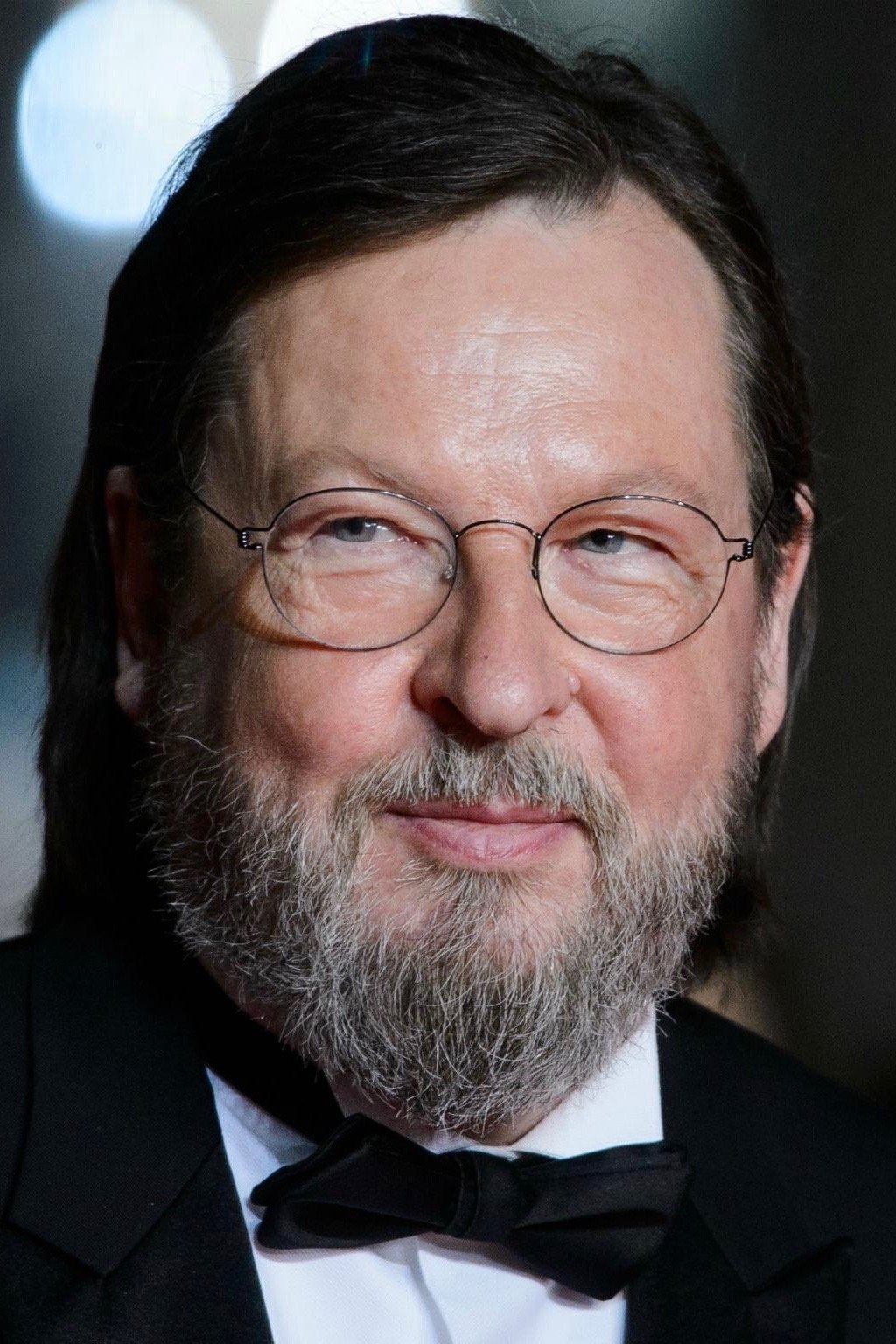
Lars von Trier cofounded the Dogme 95 movement which strictly prohibited the use of sets and props brought to a location. Under these rules he filmed ‘The Idiots’ using only the natural light and sound available at the site. This movement was designed to strip away the artifice of modern cinema and focus on the performance and the story. While he later moved toward more stylized work his early commitment to real locations influenced a generation of filmmakers. He believed that the limitations of a real environment could lead to greater creative breakthroughs.
Apichatpong Weerasethakul
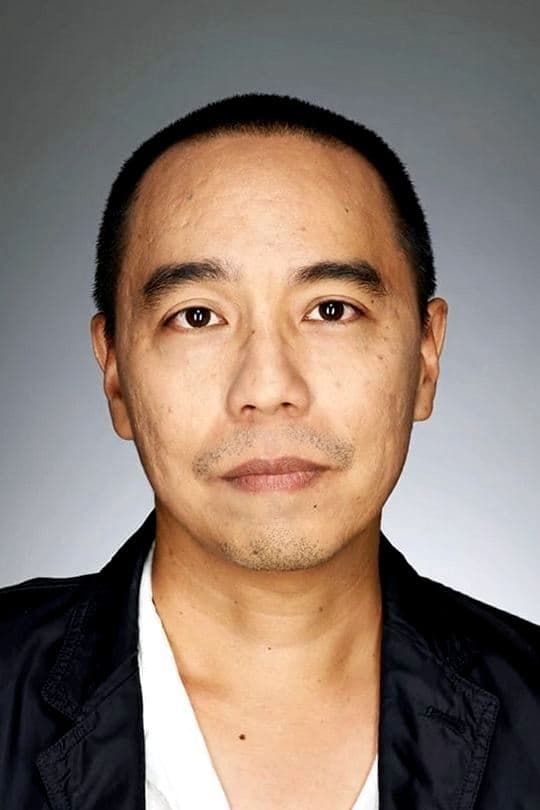
Apichatpong Weerasethakul creates dreamlike films that are deeply rooted in the jungles and rural towns of Thailand. He films on location to capture the specific sounds of insects and the shifting light of the tropical forest. In ‘Uncle Boonmee Who Can Recall His Past Lives’ the natural environment becomes a mystical space where the past and present coexist. He avoids the use of artificial sets to maintain a connection to the spiritual and cultural history of the land. His films are often described as immersive experiences that rely on the textures of the real world.
Wim Wenders
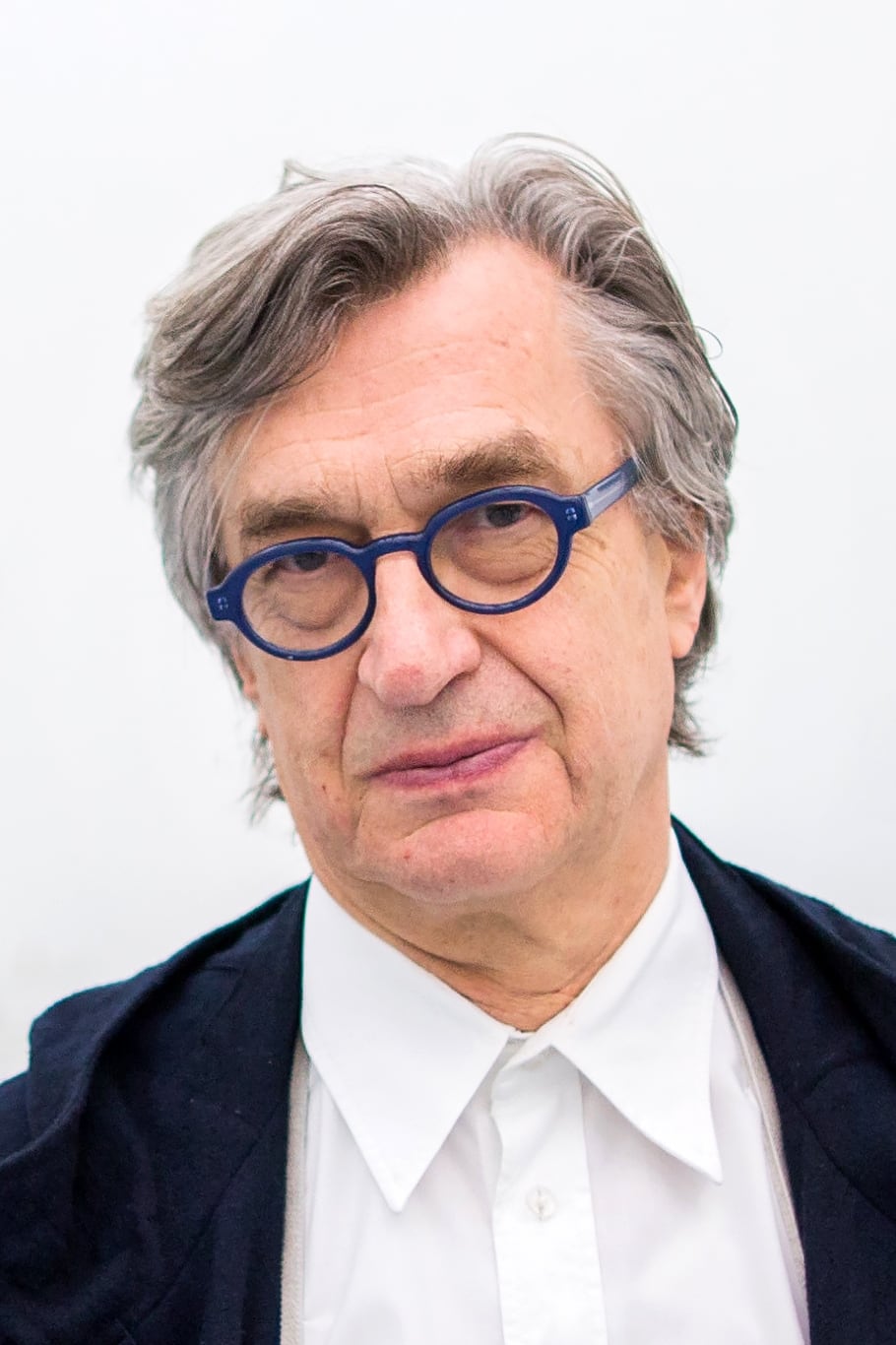
Wim Wenders is known for his road movies that explore the relationship between people and the landscapes they inhabit. He filmed ‘Paris, Texas’ across the vast deserts of the American Southwest to capture a sense of isolation and beauty. This director often travels to specific cities like Berlin or Lisbon to let the history of the location influence his storytelling. In ‘Wings of Desire’ the city of Berlin functions as a central character that defines the experiences of the angels. Wenders believes that a real location has a soul that cannot be recreated on a soundstage.
Pedro Costa
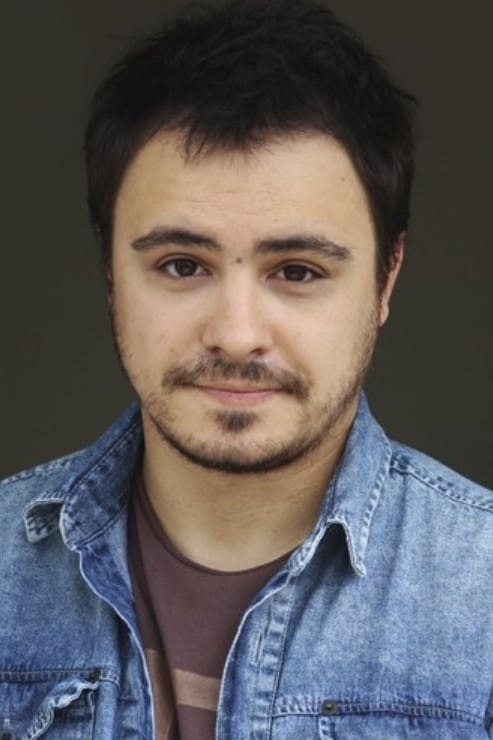
Pedro Costa is a Portuguese filmmaker who spent years filming in the Fontainhas slum of Lisbon before it was demolished. He worked with a tiny crew and digital cameras to document the lives of the residents in their own cramped rooms. In ‘Vitalina Varela’ he used the stark shadows and crumbling walls of real buildings to create a haunting visual style. This director avoids traditional production methods to spend months or even years living in the locations he films. His work collapses the boundary between fiction and documentary to reveal the truth of his subjects.
Paul Thomas Anderson
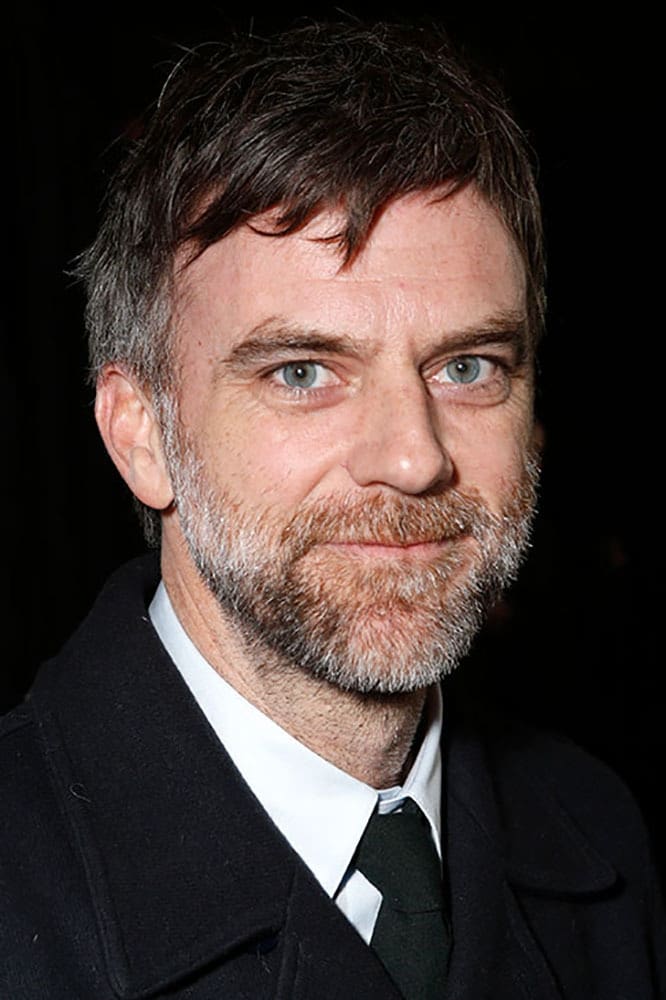
Paul Thomas Anderson often chooses specific historic locations to bring the past to life with immense detail. He filmed ‘There Will Be Blood’ on the dusty plains of Marfa in Texas to capture the rugged spirit of the oil boom. For ‘Phantom Thread’ he used a real Georgian townhouse in London instead of a set to create a sense of authenticity for the fashion house. This director values the natural limitations of real buildings because they force the camera to move in interesting ways. He believes that the weight and history of a real place can be felt by the audience.
Tell us which director captures the most atmospheric real world settings in the comments.