Games Where “Woke” Updates Caused Massive Player Drop-Off


The gaming industry has seen a significant shift in recent years as developers integrate modern social themes into established franchises. This trend has resulted in a divide between studios aiming for inclusivity and players who feel these changes disrupt the immersion or legacy of their favorite titles. Many of these games faced severe backlash that led to review bombing or declining player engagement metrics shortly after release. Studios have struggled to balance modern audience expectations with the demands of their core fanbases.
‘Concord’ (2024)
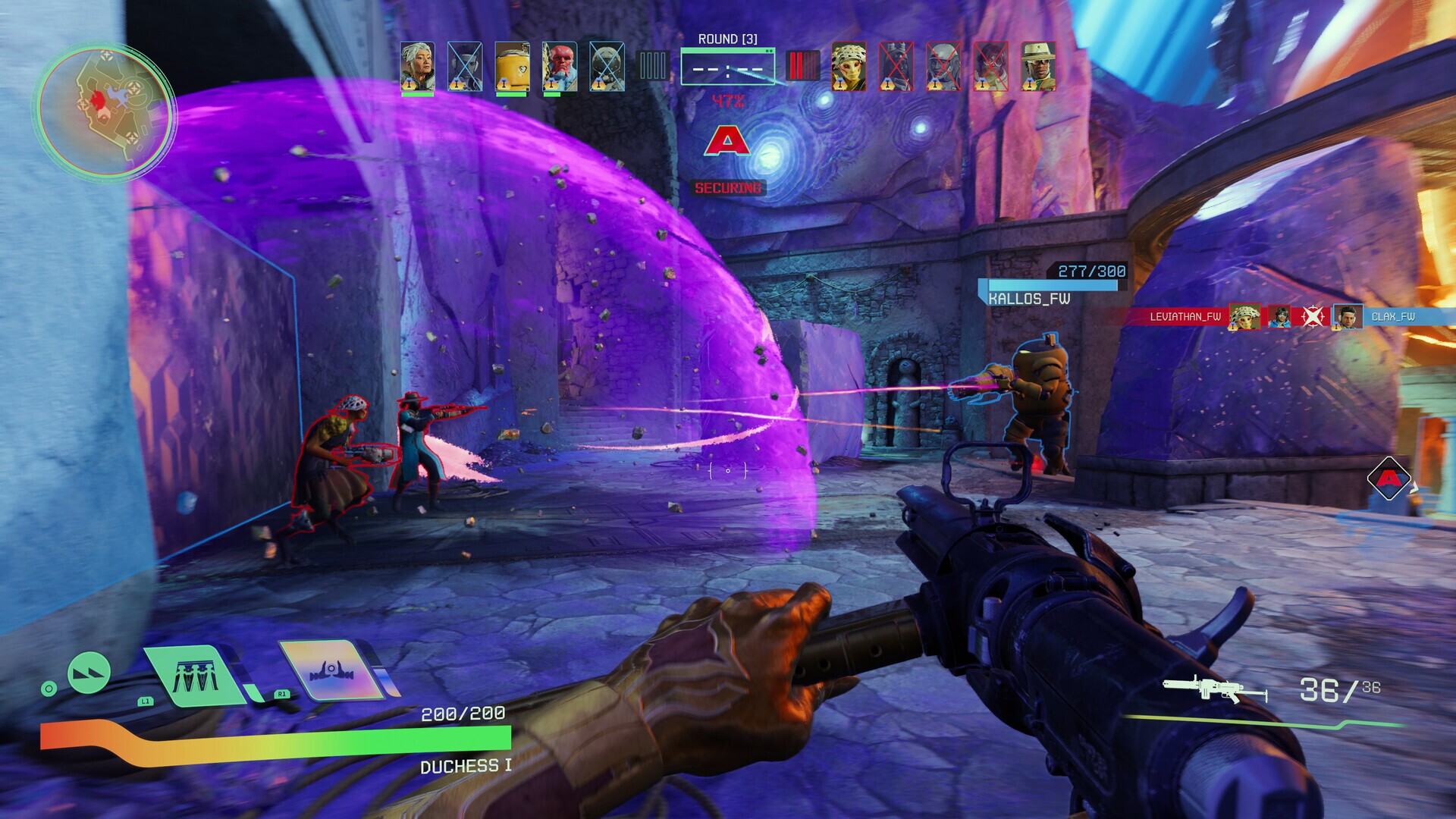
This hero shooter struggled to gain traction immediately upon its release due to character designs that many gamers felt were uninspired and prioritized political messaging over aesthetic appeal. The developers emphasized the diverse identities of the roster rather than gameplay innovation or competitive mechanics. Player counts on PC dropped to double digits within days of the launch as the audience rejected the title completely. Sony made the unprecedented decision to shut the game down and issue refunds just two weeks after it went live.
‘Saints Row’ (2022)
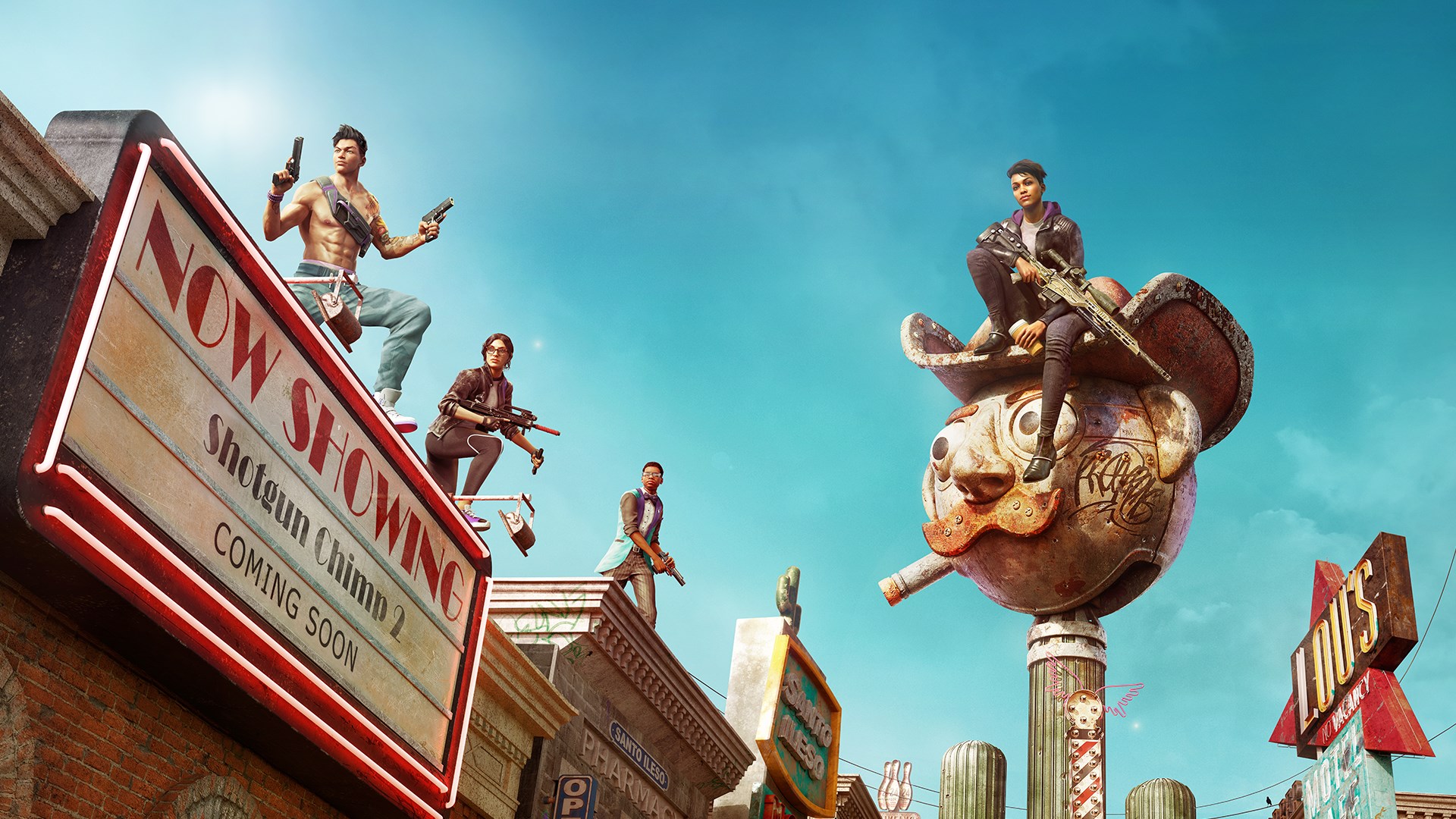
Volition attempted to reboot their chaotic gangster franchise by removing the edgy humor and offensive jokes that defined the original series. The new cast consisted of young adults worrying about student loans and rent instead of the hardened criminals fans expected. Longtime players criticized the writing for feeling sanitized and disconnected from the tone of the previous entries. The backlash was so severe that the game failed to meet sales expectations and eventually led to the closure of the studio.
‘Suicide Squad: Kill the Justice League’ (2024)
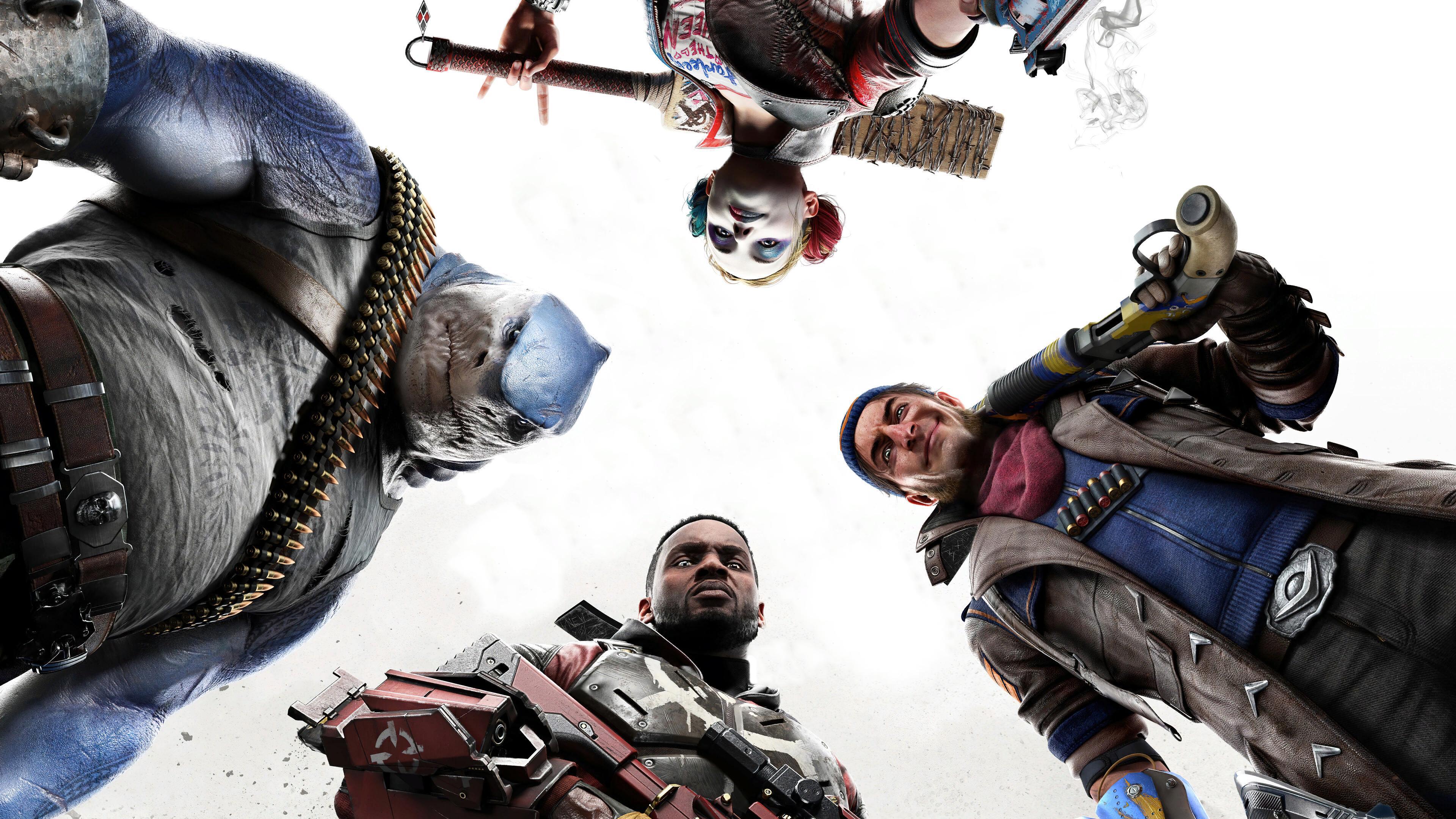
Rocksteady Studios faced immense criticism for the narrative direction taken in this live-service continuation of the Arkham universe. Fans expressed outrage over the disrespectful treatment of Batman and the lecture-heavy dialogue delivered by characters like Harley Quinn. The involvement of consultancy firm Sweet Baby Inc became a focal point for players blaming diversity initiatives for the perceived decline in writing quality. Player numbers plummeted shortly after launch as the community returned to the older single-player Batman games.
‘Dustborn’ (2024)
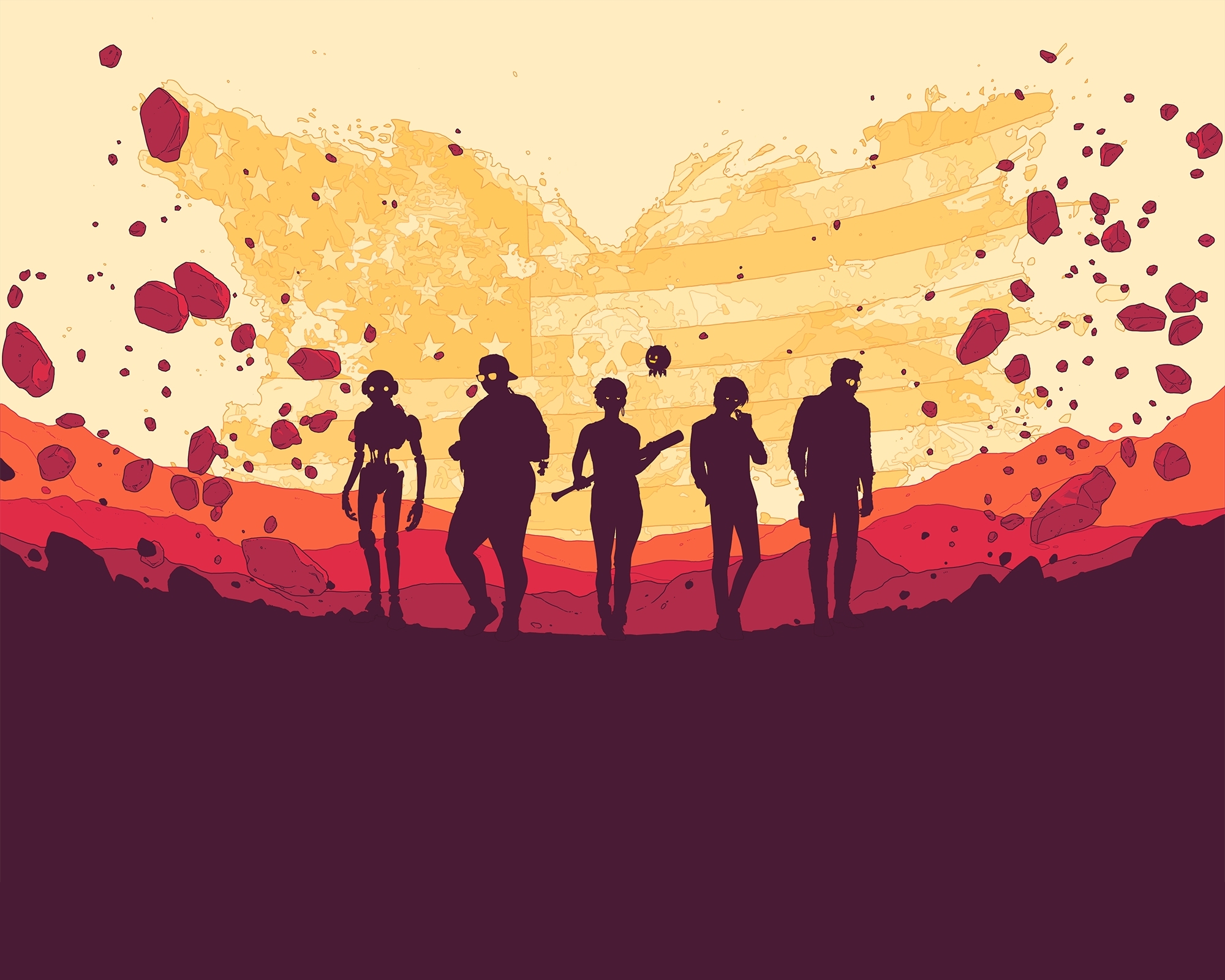
This narrative-driven action game centered entirely around modern political themes and the power of weaponized language. Marketing materials highlighted the inclusive cast and social commentary which alienated a large portion of the general gaming audience before release. The peak concurrent player count on Steam failed to reach one hundred users during its launch window. Gamers cited the overt political messaging and unlikable protagonist as primary reasons for avoiding the title.
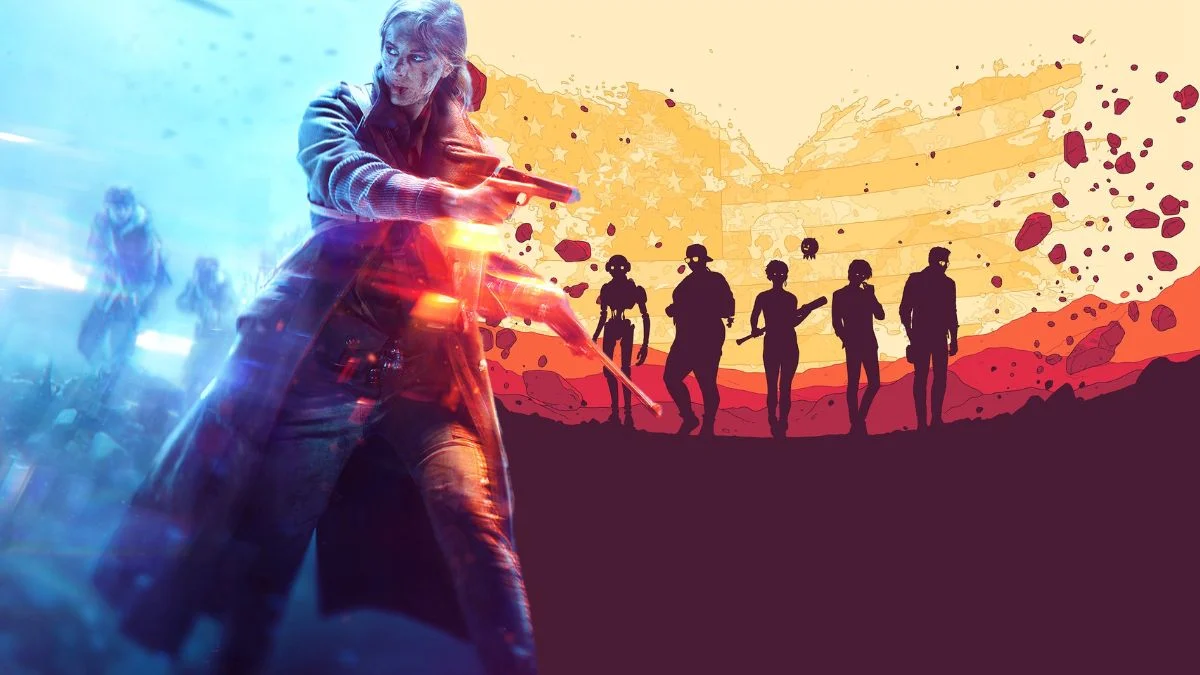
‘Battlefield V’ (2018)

EA DICE sparked controversy with the release of a trailer featuring a female soldier with a prosthetic arm on the front lines of World War II. Former executive Patrick Soderlund told players not to buy the game if they disagreed with the creative liberties taken regarding historical accuracy. The community took this advice literally and pre-order sales tracked significantly lower than previous entries in the franchise. The game struggled to retain players and eventually ceased content updates earlier than expected.
‘The Last of Us Part II’ (2020)
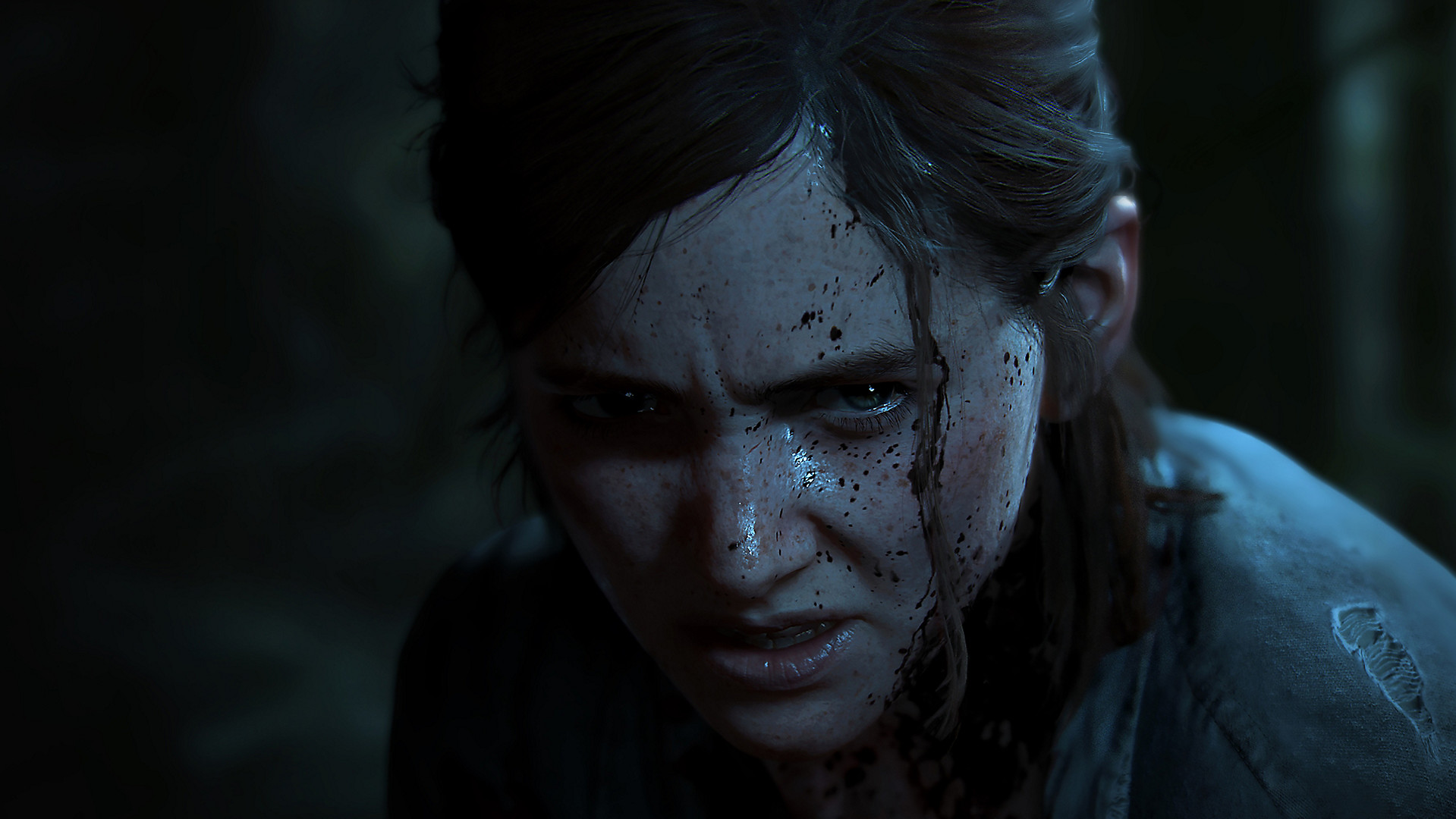
Naughty Dog released this highly anticipated sequel to a divided fanbase due to leak revelations and bold narrative choices involving the beloved protagonist Joel. Critics praised the game but user reviews were overwhelmingly negative during the launch week because of the focus on Abby and the perceived demonization of legacy characters. Many players felt the story prioritized subverting expectations and identity politics over a satisfying conclusion. The discourse surrounding the game remains one of the most polarized topics in PlayStation history.
‘Overwatch 2’ (2022)
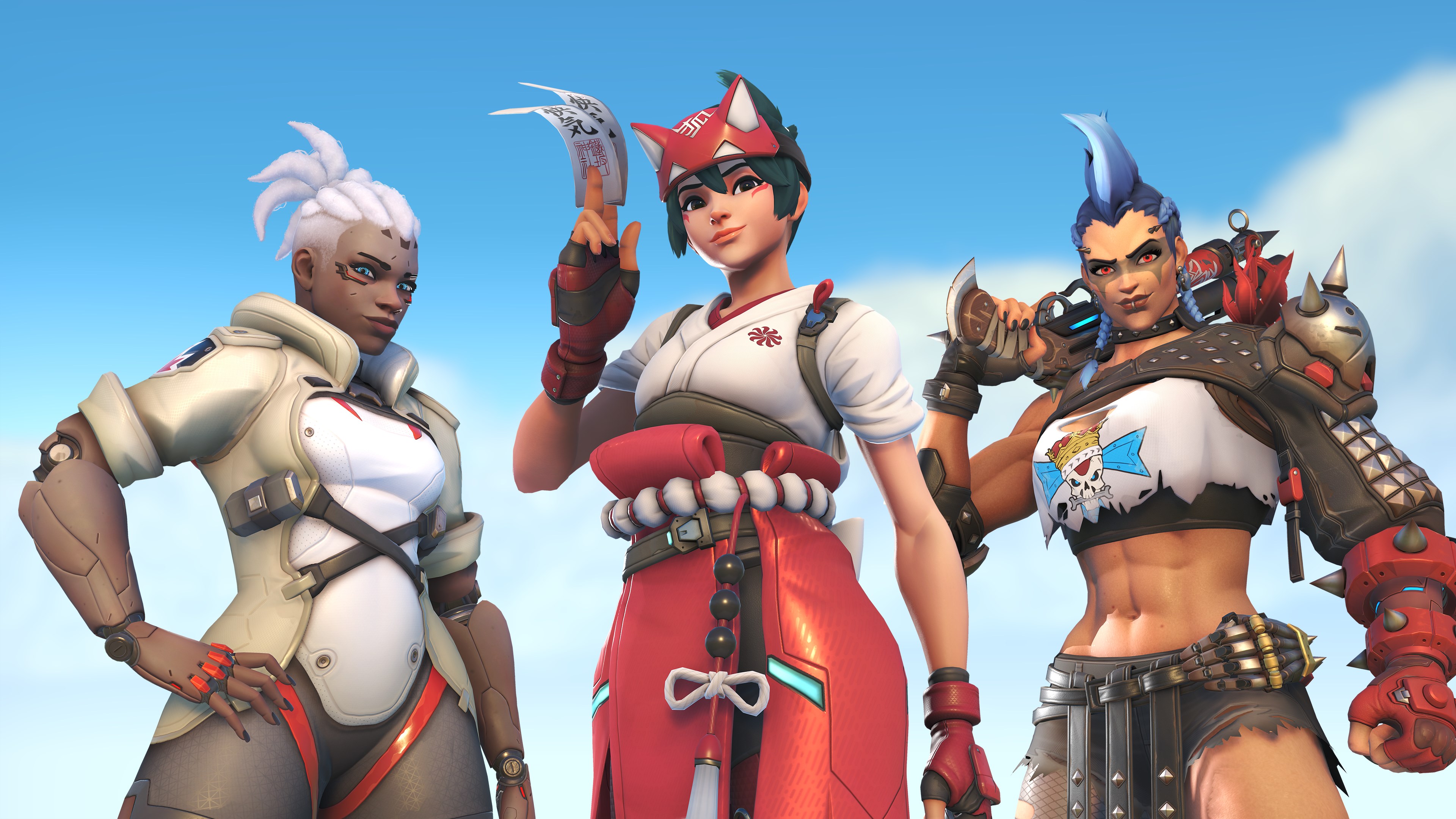
Blizzard faced backlash for cancelling the promised PvE hero mode while continuing to push aggressive monetization and identity-focused updates. The decision to reveal the sexual orientations of various characters and host in-game pride events sparked debates about the necessity of such elements in a competitive shooter. Steam reviews plummeted to make it one of the lowest-rated games on the platform as players vented their frustration. The declining engagement forced the developers to rethink their content roadmap and battle pass structure.
‘Apex Legends’ (2019)
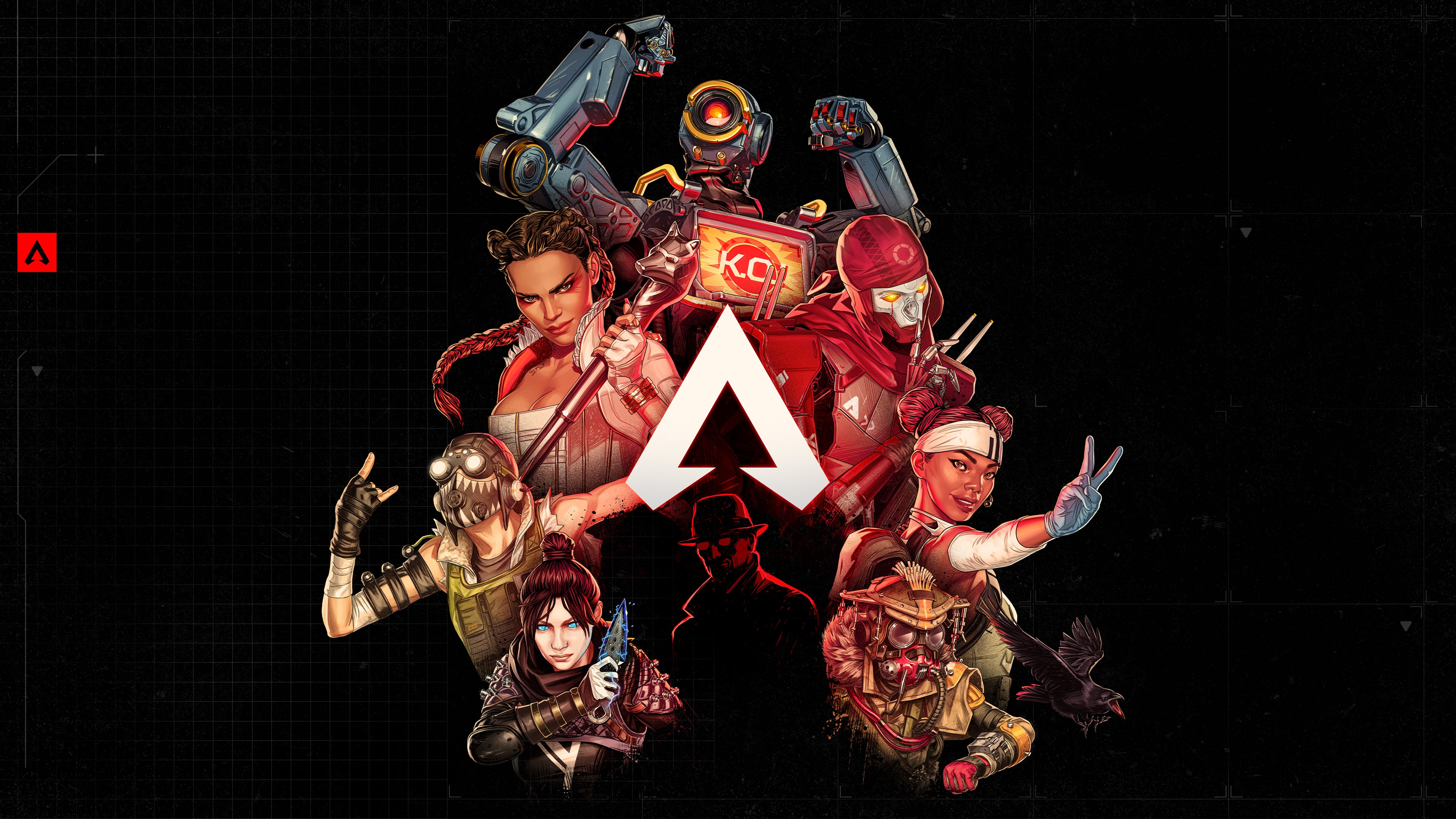
Respawn Entertainment has consistently updated the game with diverse characters including the transgender legend Catalyst. While some praised the inclusivity others felt the lore updates prioritized social representation over fixing technical issues like server stability and cheaters. A segment of the player base expressed fatigue with the constant focus on the sexual identities of the fictional combatants. This sentiment contributed to a gradual decline in user sentiment and engagement during specific seasons.
‘Starfield’ (2023)
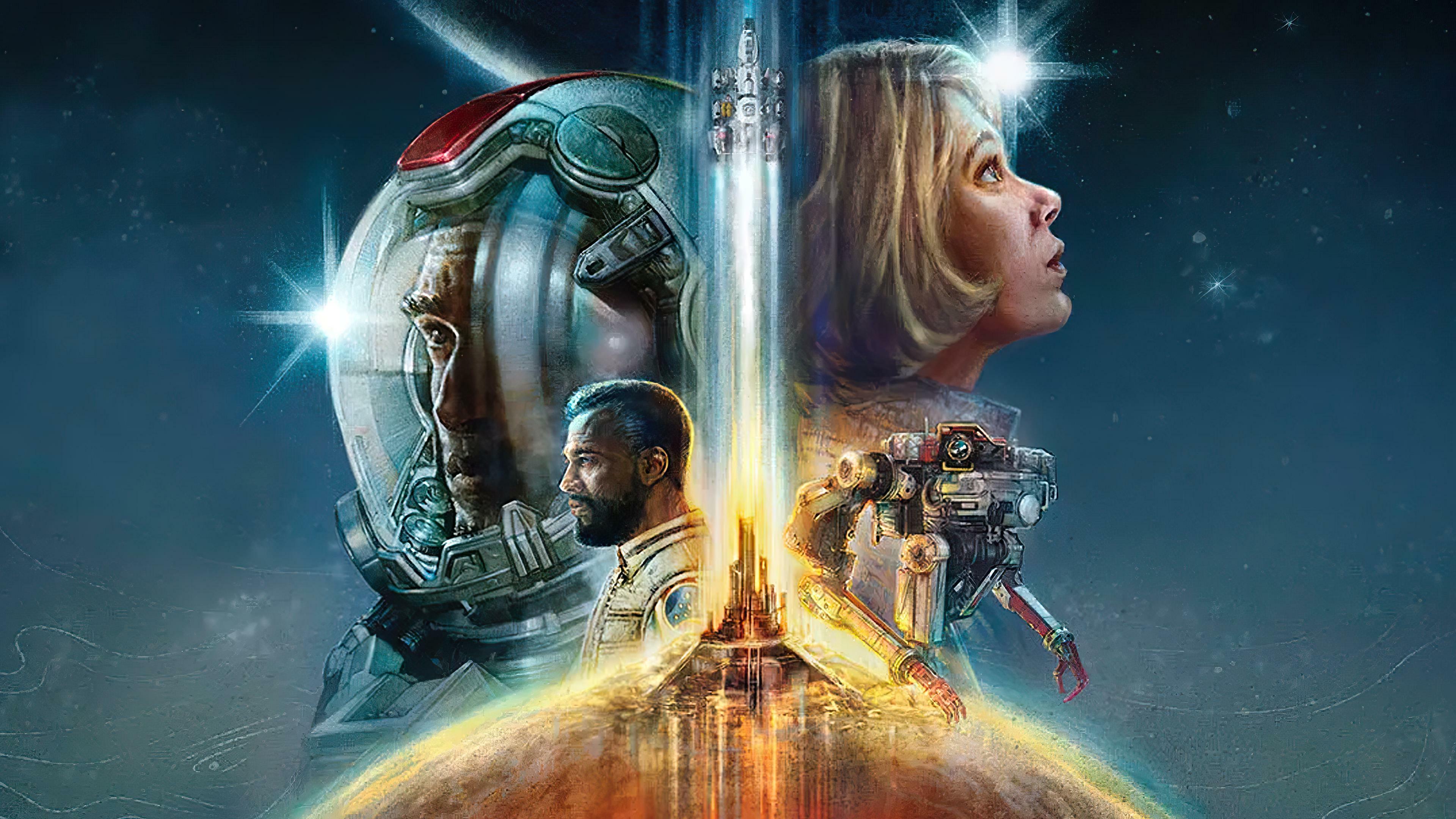
Bethesda Game Studios faced a wave of criticism regarding the inclusion of pronoun selection screens and the lack of distinct gender boundaries in the character creator. A viral rant by a prominent streamer highlighted the frustration some players felt regarding the intrusion of modern gender politics in a sci-fi RPG. The game saw a rapid drop in player count on Steam as users cited both the political elements and the outdated game design. Modders eventually created patches to remove these elements for players who wanted a more traditional experience.
‘Mortal Kombat 1’ (2023)
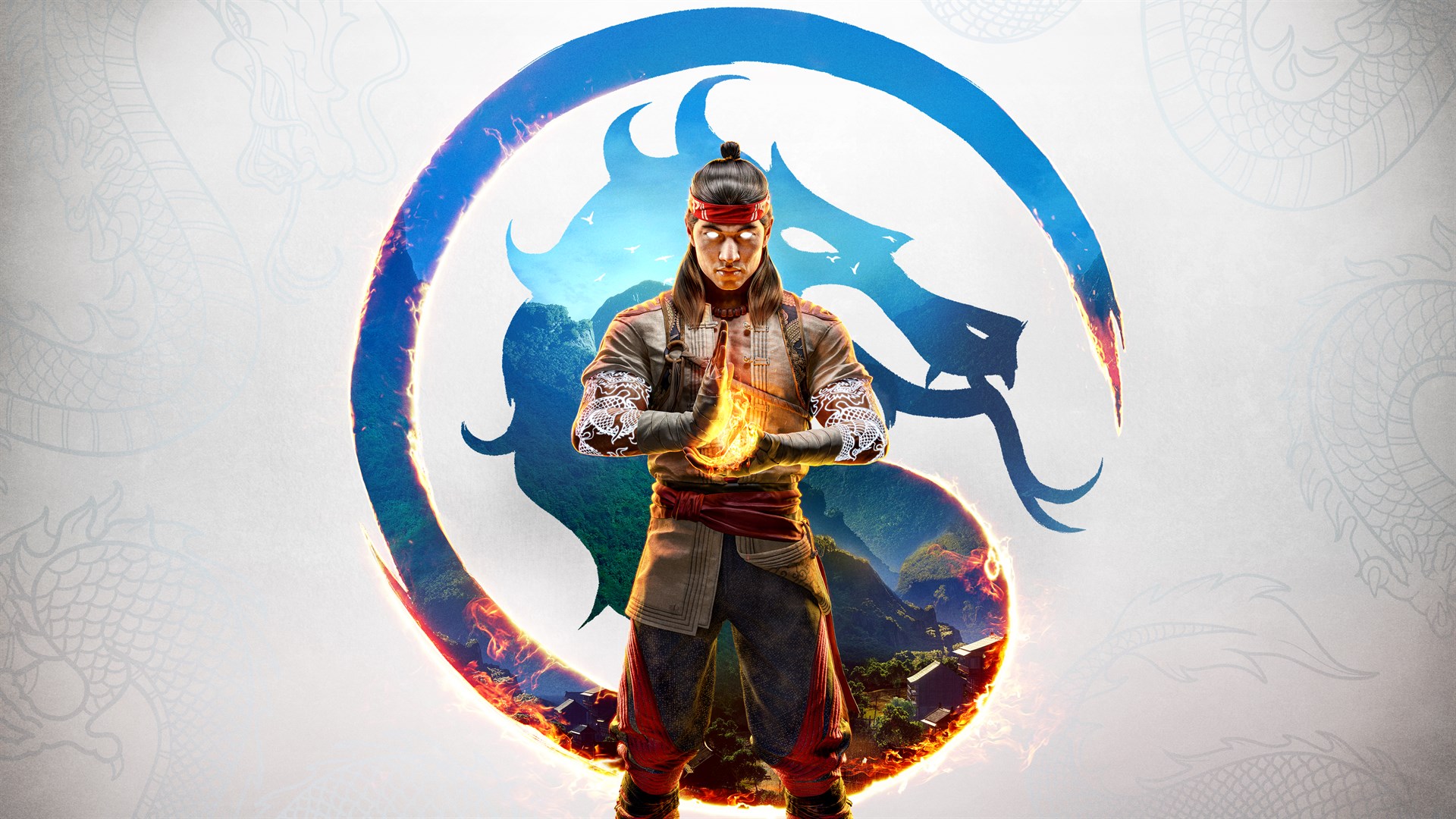
NetherRealm Studios drew criticism for the character designs of female fighters like Tanya which fans claimed were toned down compared to previous entries. Players argued that the developers were intentionally making female characters less attractive to appease modern sensitivity consultants. This visual shift combined with aggressive microtransactions led to community unrest and review bombing. The game struggled to maintain the casual player base that usually flocks to the franchise for its edgy and over-the-top presentation.
‘Marvel’s Spider-Man 2’ (2023)
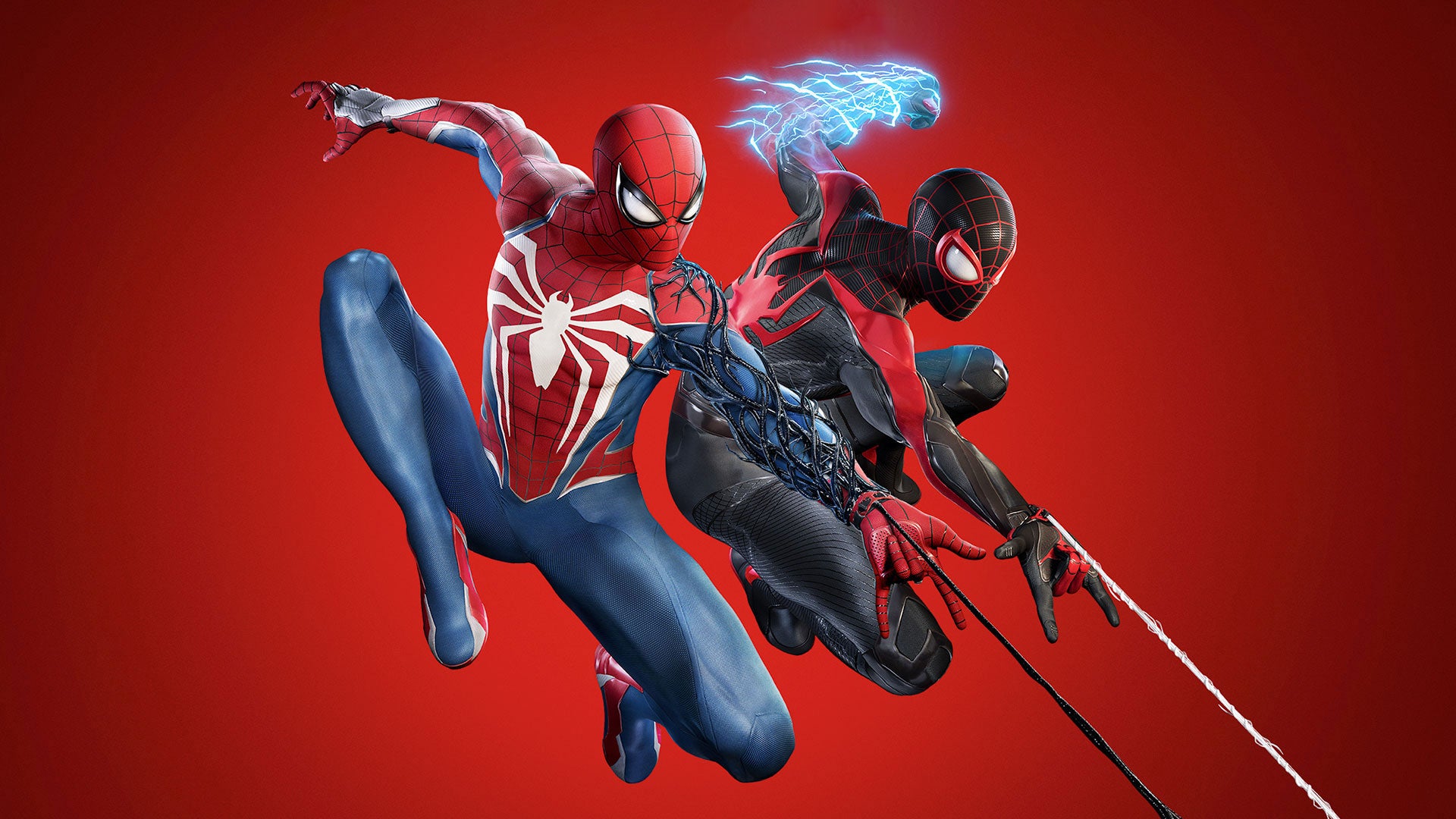
Insomniac Games faced backlash for the extensive inclusion of pride flags throughout virtual New York and the changing of the Spanish language to gender-neutral terms. Fans also criticized the missions where players controlled Mary Jane as they felt overpowered and took time away from the heroes. The narrative focus on social justice themes caused a rift in the community despite the strong sales performance. Some players expressed that they felt lectured by the game rather than entertained by a superhero fantasy.
‘World of Warcraft’ (2004)
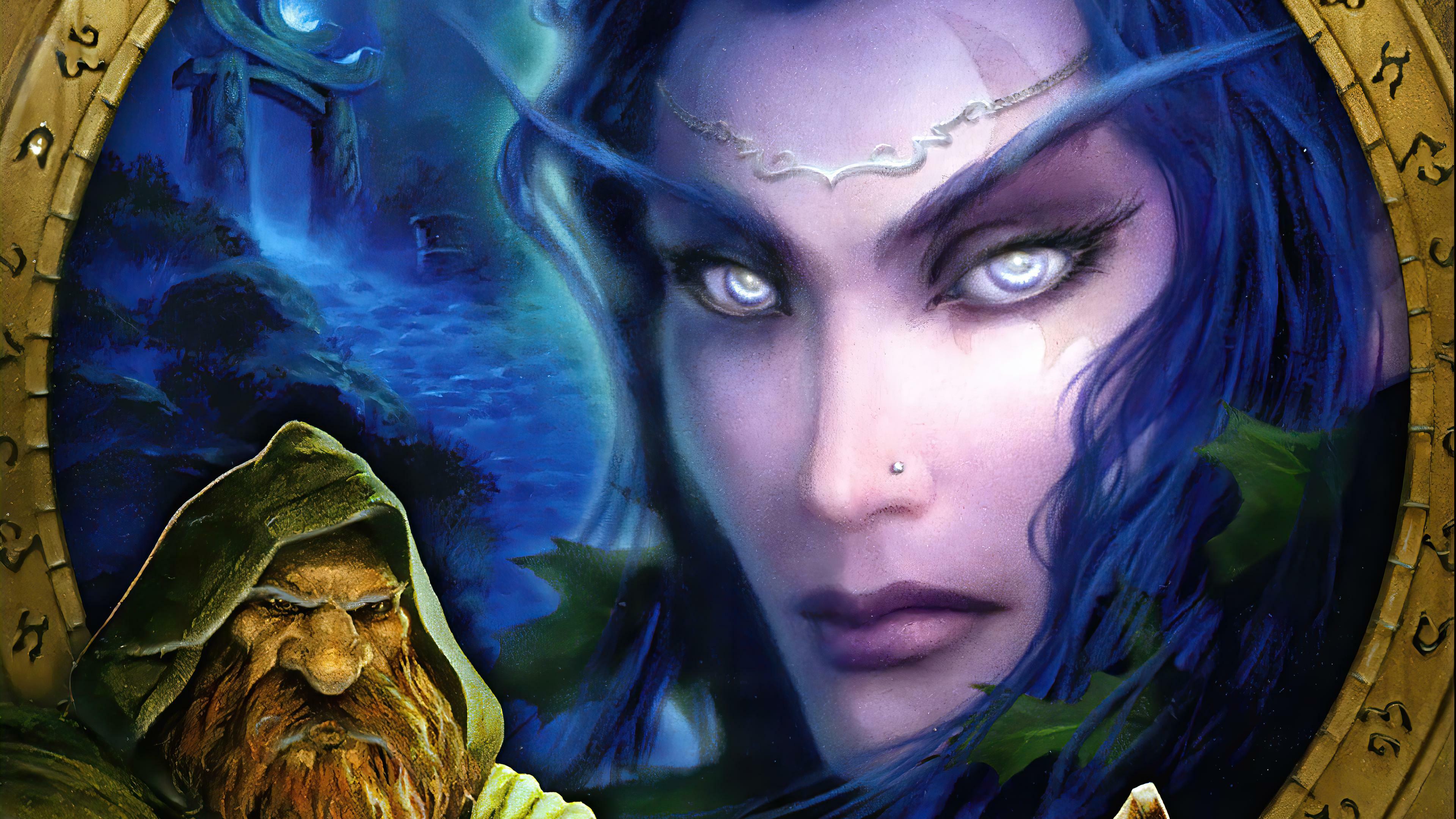
Blizzard implemented a series of changes to the classic MMO that involved removing jokes and altering paintings they deemed offensive to modern sensibilities. The developers also introduced body type options instead of gender labels and changed character creation terminology. Longtime subscribers criticized these updates as performative censorship that erased the edginess of the original fantasy world. These cultural shifts combined with lackluster expansion content contributed to subscriber fatigue during the Shadowlands era.
‘Dead Rising Deluxe Remaster’ (2024)
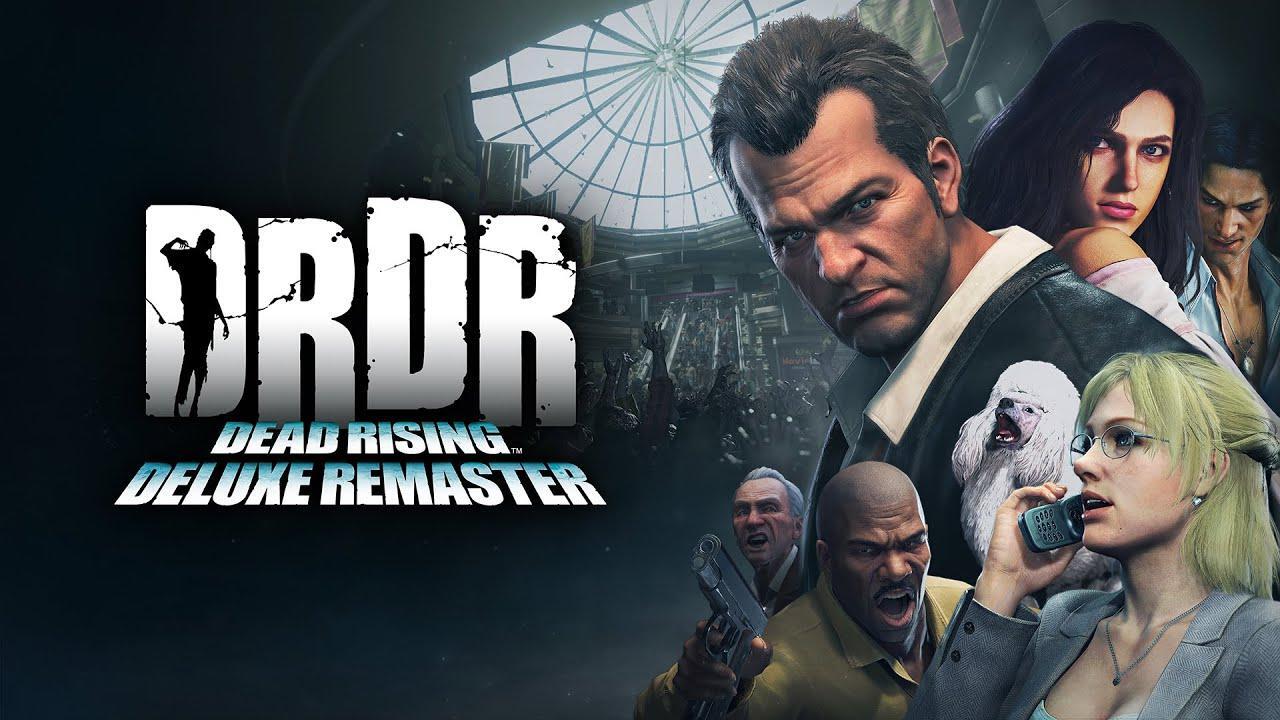
Capcom decided to remove the Erotica genre from the photography system in this updated version of the zombie slaying classic. They also altered dialogue lines from the Vietnam War veteran boss character to remove communist references. Fans of the original game accused the developers of sanitizing the experience and ruining the campy tone that made the series popular. The changes sparked debates about the preservation of art and led to many purists skipping the remaster.
‘Dragon Age: The Veilguard’ (2024)
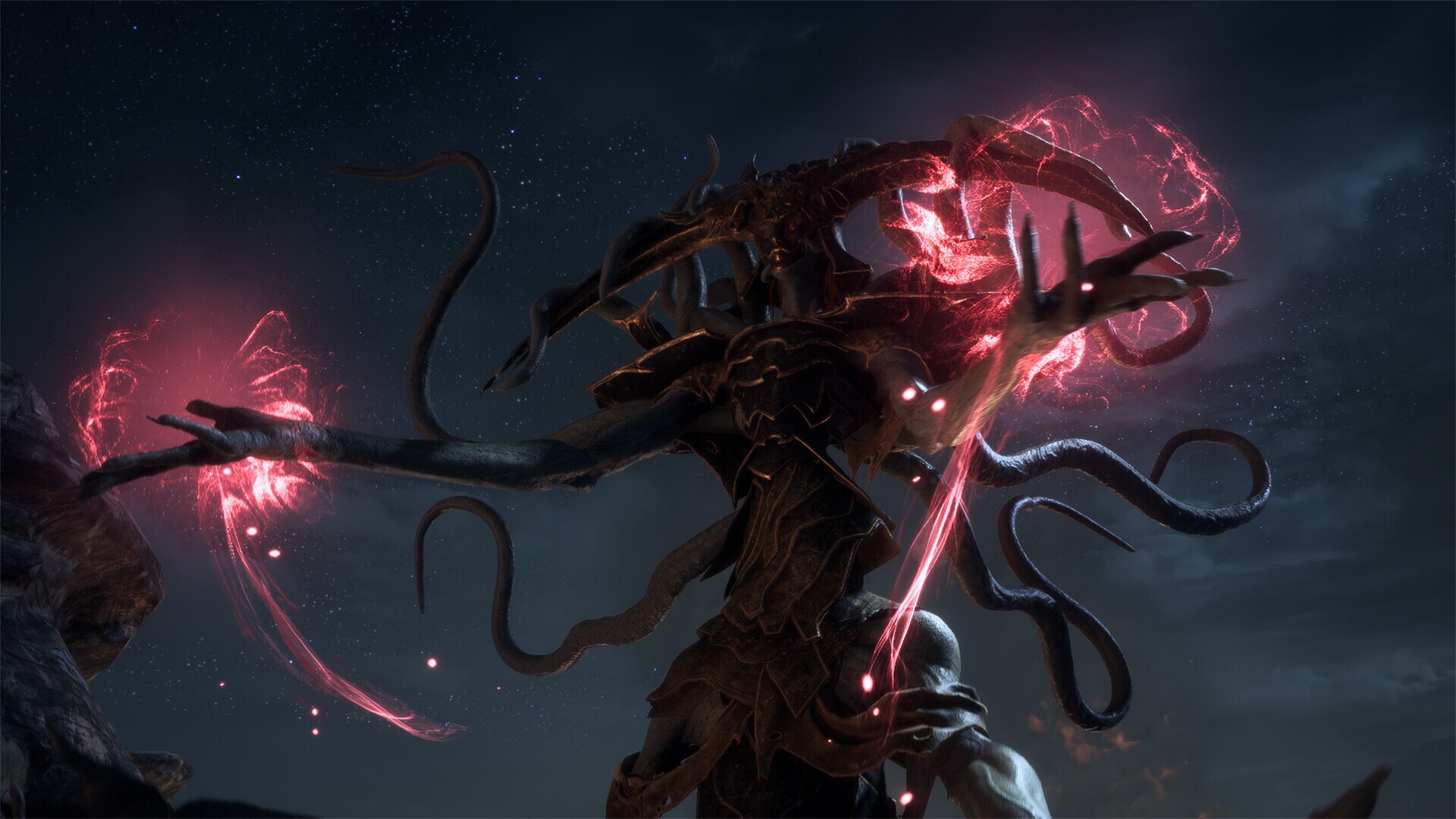
BioWare introduced robust character creation tools that included top surgery scars and non-binary dialogue options. The writing team focused heavily on identity themes which some reviewers and players felt detracted from the dark fantasy atmosphere of the series. Leaked dialogue clips regarding gender identity circulated online and caused a preemptive backlash before the game launched. The shift in tone from the gritty origins of the franchise alienated a portion of the dedicated RPG community.
‘Assassin’s Creed Shadows’ (2025)
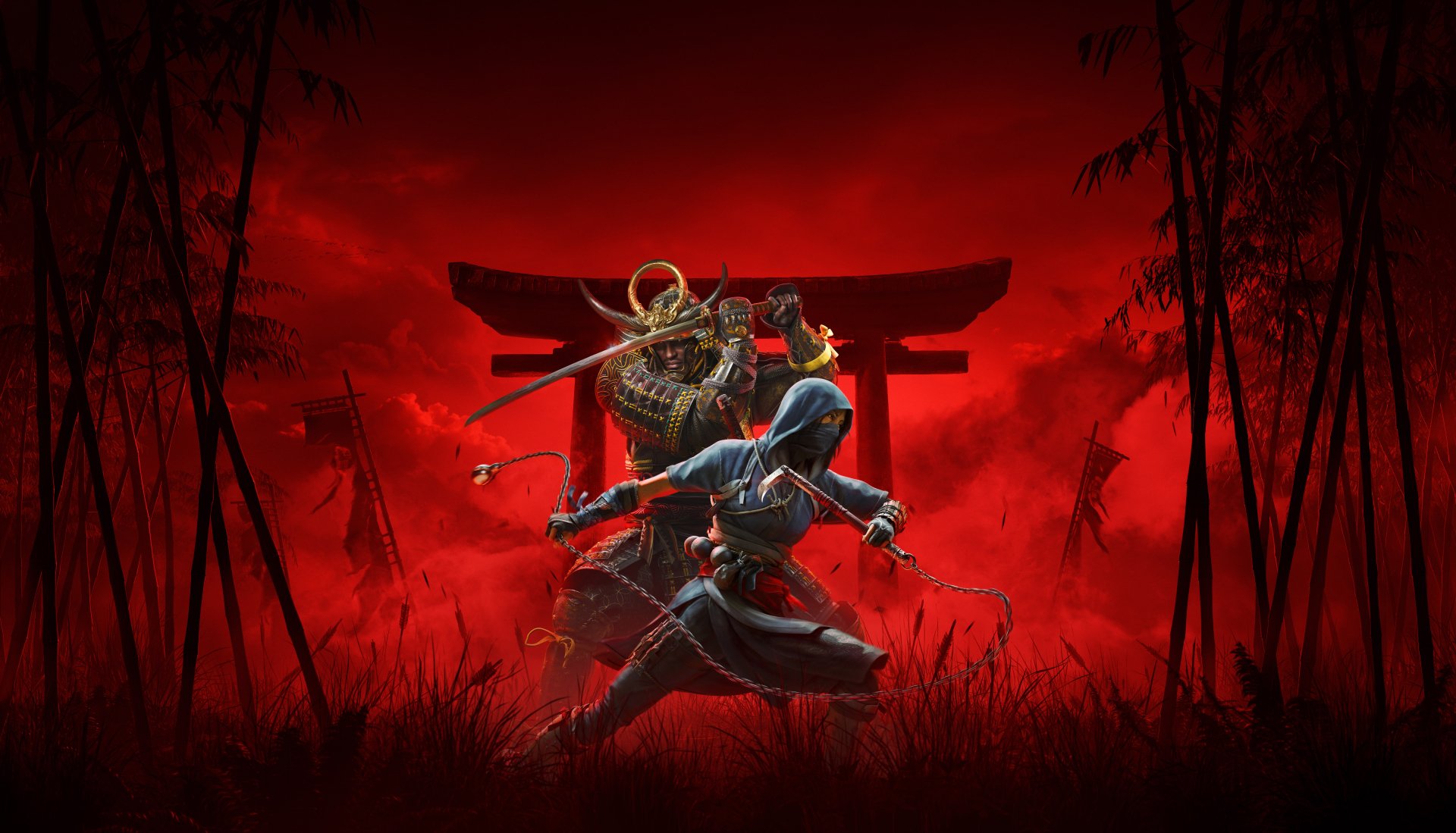
Ubisoft faced a massive public relations crisis following the reveal of Yasuke as a central protagonist in their feudal Japan setting. Japanese gamers and historians criticized the depiction for lacking historical authenticity and accused the studio of rewriting history for a western diversity agenda. The overwhelmingly negative reception to the trailers forced Ubisoft to delay the game to address the concerns. Pre-order cancellations were reported as high as trust in the brand wavered.
‘Silent Hill 2’ (2024)
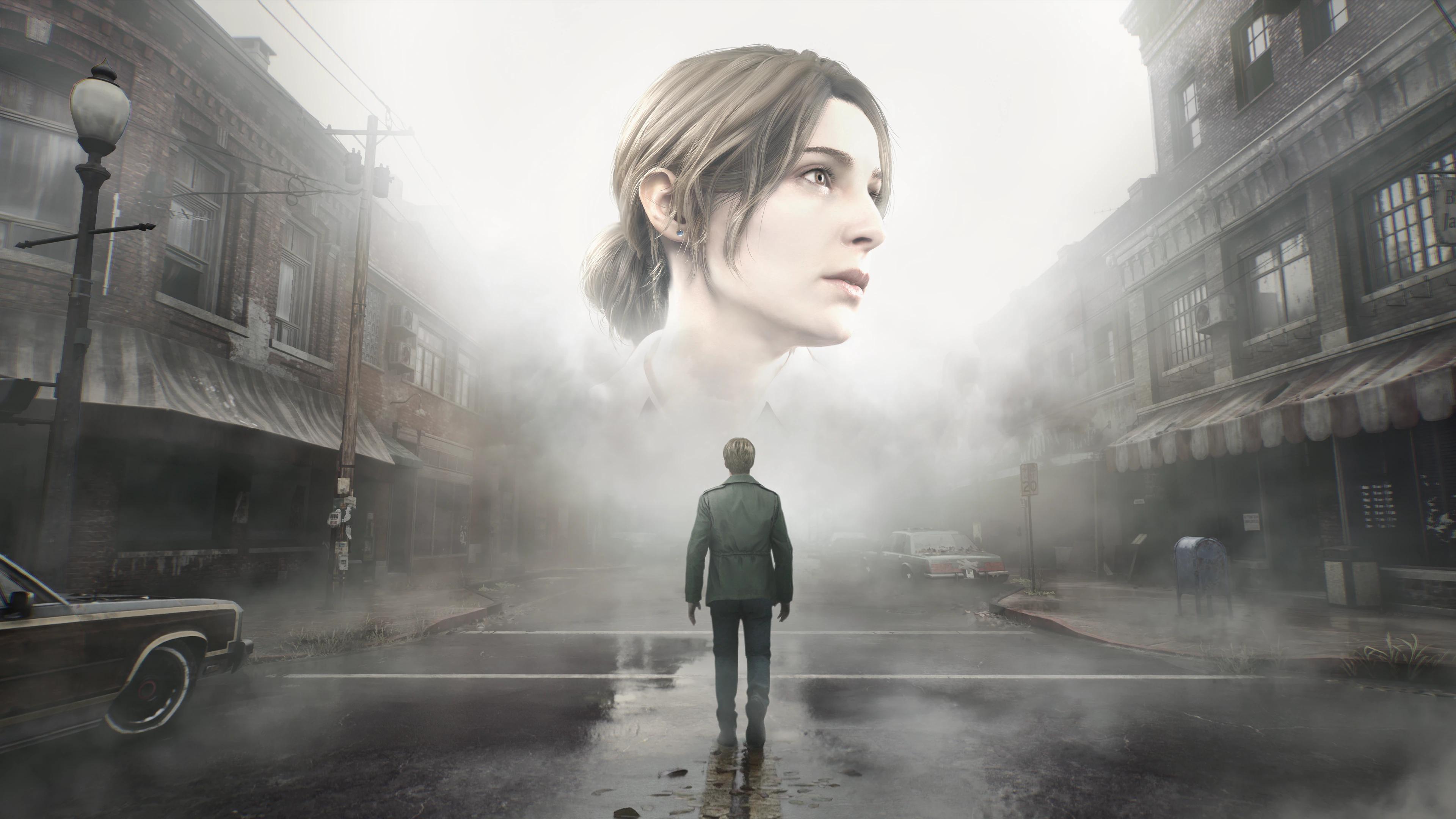
The remake of this psychological horror classic faced scrutiny over the subtle redesigns of characters like Angela and Maria. Players analyzed facial models and outfit changes that they believed were intended to de-sexualize the female cast. Bloober Team had to navigate a minefield of expectations as fans worried the modern sensitivity standards would dilute the mature themes of the original. The discourse created a divided atmosphere leading up to the release.
‘Unknown 9: Awakening’ (2024)
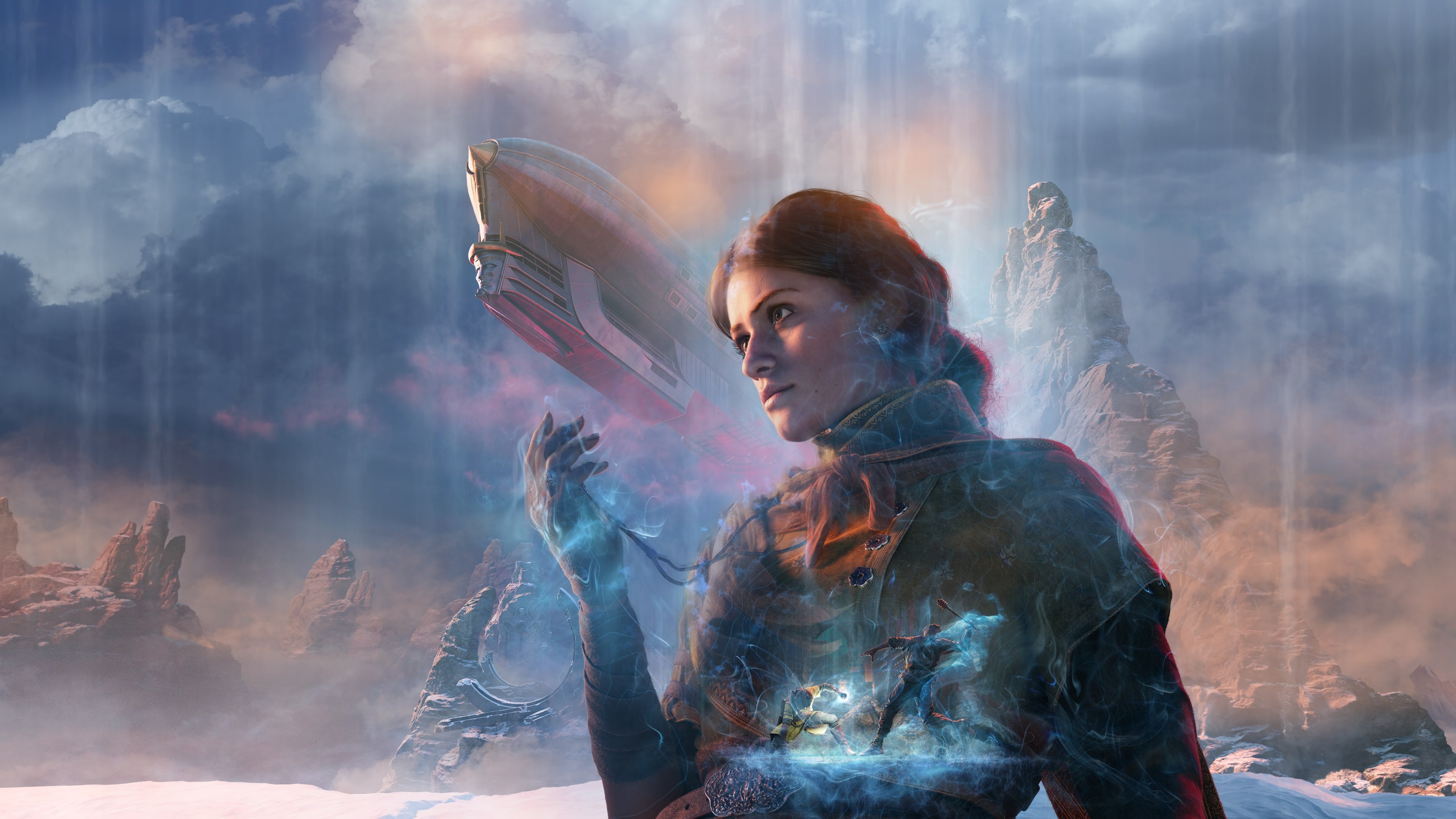
Bandai Namco published this action-adventure title that featured a protagonist designed to challenge traditional beauty standards. The involvement of Sweet Baby Inc in the narrative development was flagged by watchdog groups who warned of potential ideological content. The game launched to abysmal player numbers and failed to chart on major sales lists. Gamers largely ignored the release due to the character design and the controversy surrounding the consultancy firm.
‘Forspoken’ (2023)
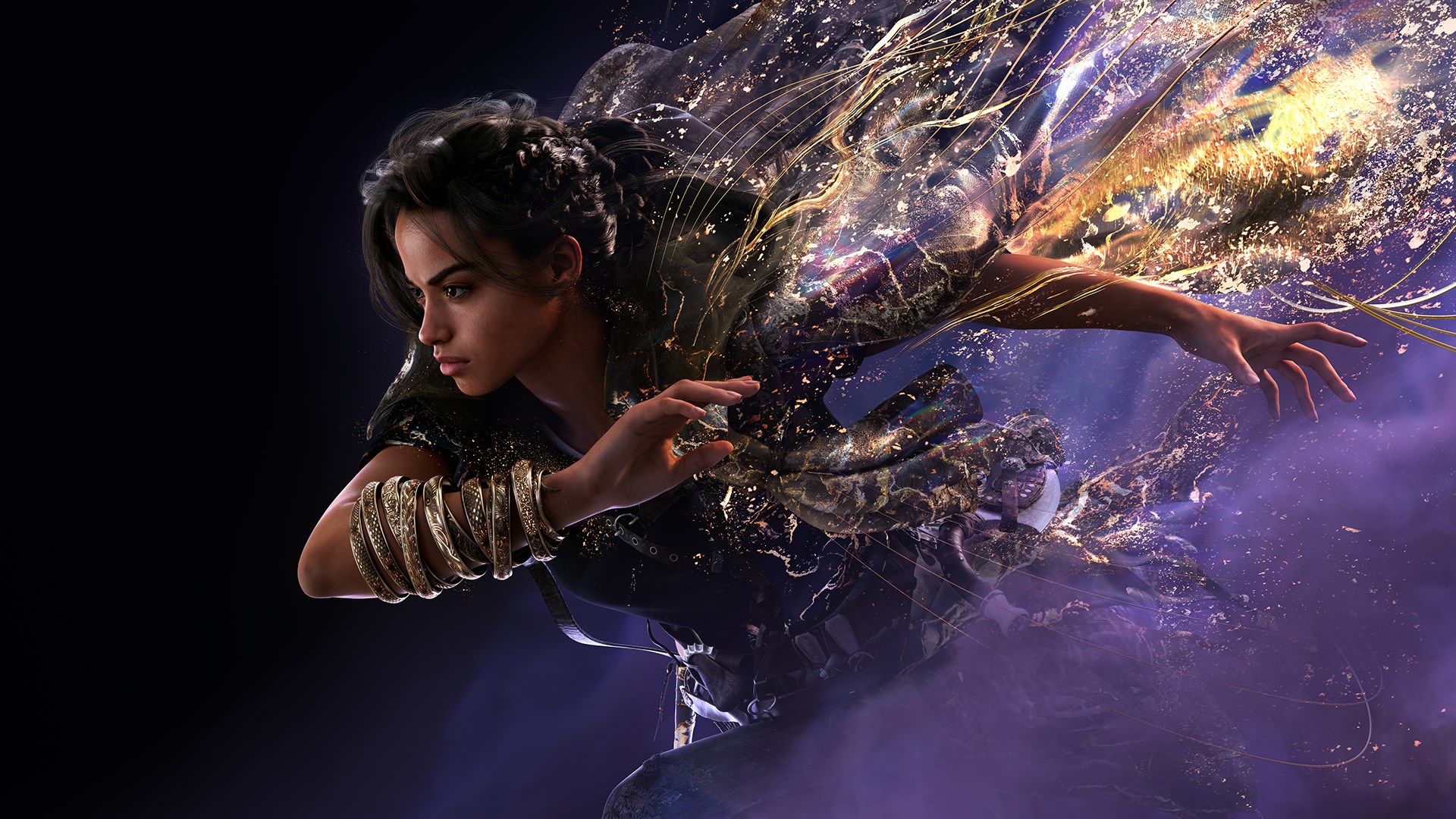
Square Enix released this open-world magic game with a protagonist whose dialogue was widely mocked for being cringeworthy and overly defensive. The writing attempted to channel a modern attitude that many players found grating and unlikeable. Clips of the main character speaking dismissively to fantasy inhabitants went viral and damaged the reputation of the game instantly. The poor reception led to the absorption of the development studio back into the main company.
‘Gotham Knights’ (2022)
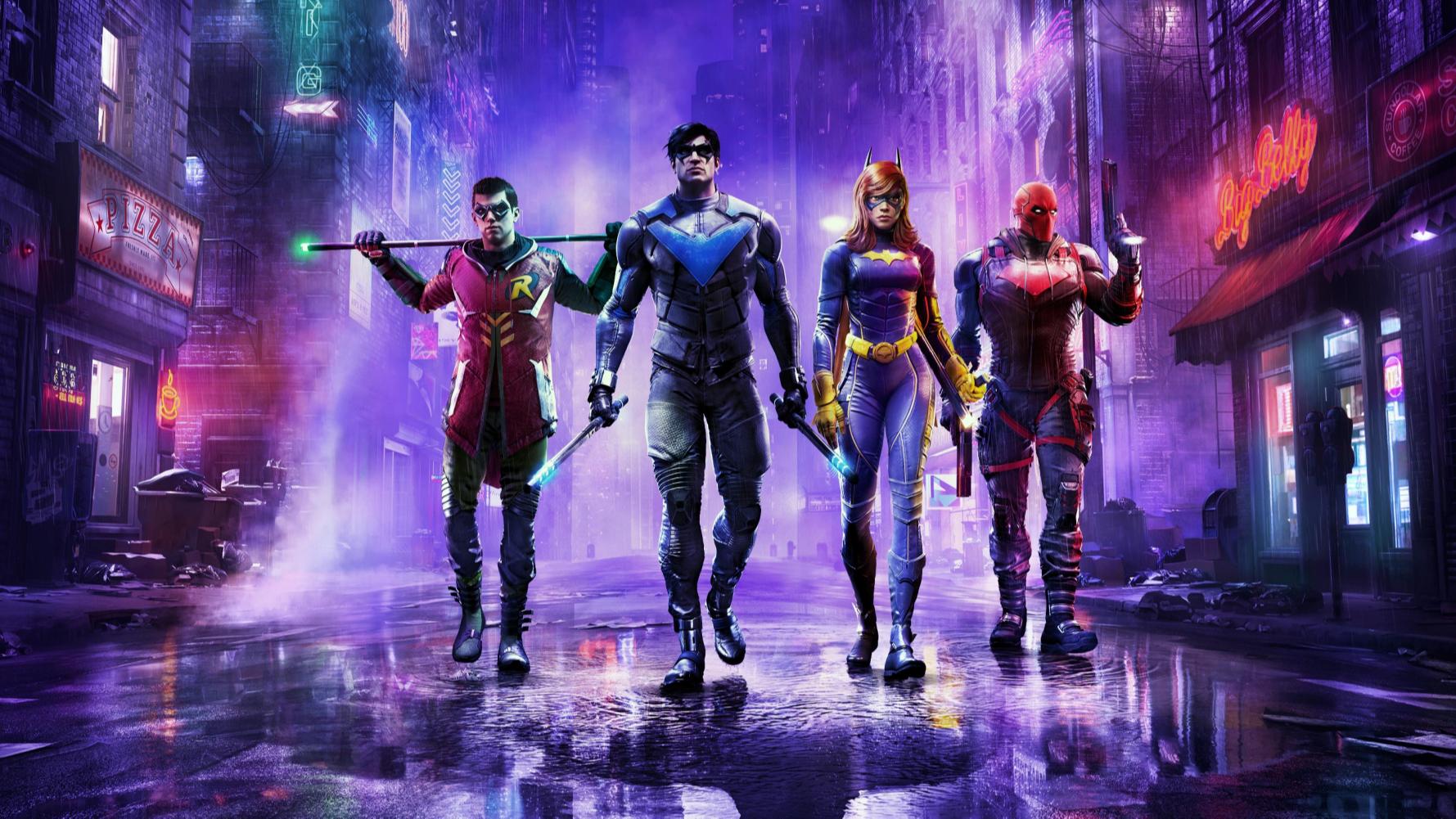
Warner Bros Montreal presented a version of the Bat-family that included pride flags in the police station and changed the backstory of Barbara Gordon. The game suffered from performance issues but the narrative changes also drew fire from comic book purists. Players felt the tone was too focused on teenage drama and social validation rather than gritty crime fighting. The title failed to retain a significant player base and was quickly discounted by retailers.
‘Horizon Forbidden West’ (2022)
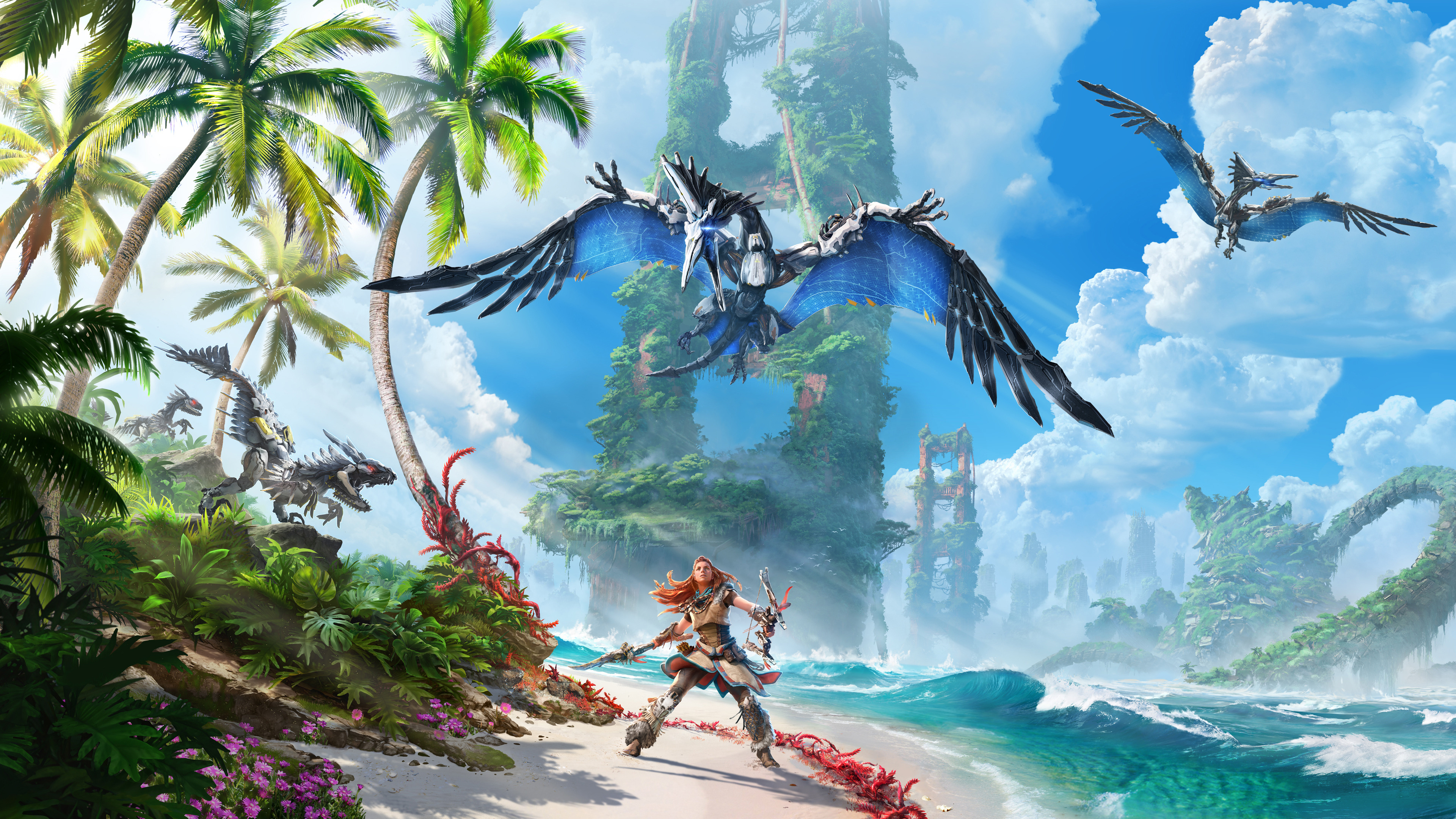
The Burning Shores expansion for this open-world hit was review bombed on Metacritic because of a scene where Aloy can kiss a female character. Players who opposed the inclusion of this romantic option flooded the user score section with zeros. Sony had to navigate the controversy as the discourse shifted away from the gameplay improvements to the sexual orientation of the protagonist. This backlash highlighted the ongoing friction regarding LGBT representation in triple-A titles.
‘Tom Clancy’s Rainbow Six Siege’ (2015)
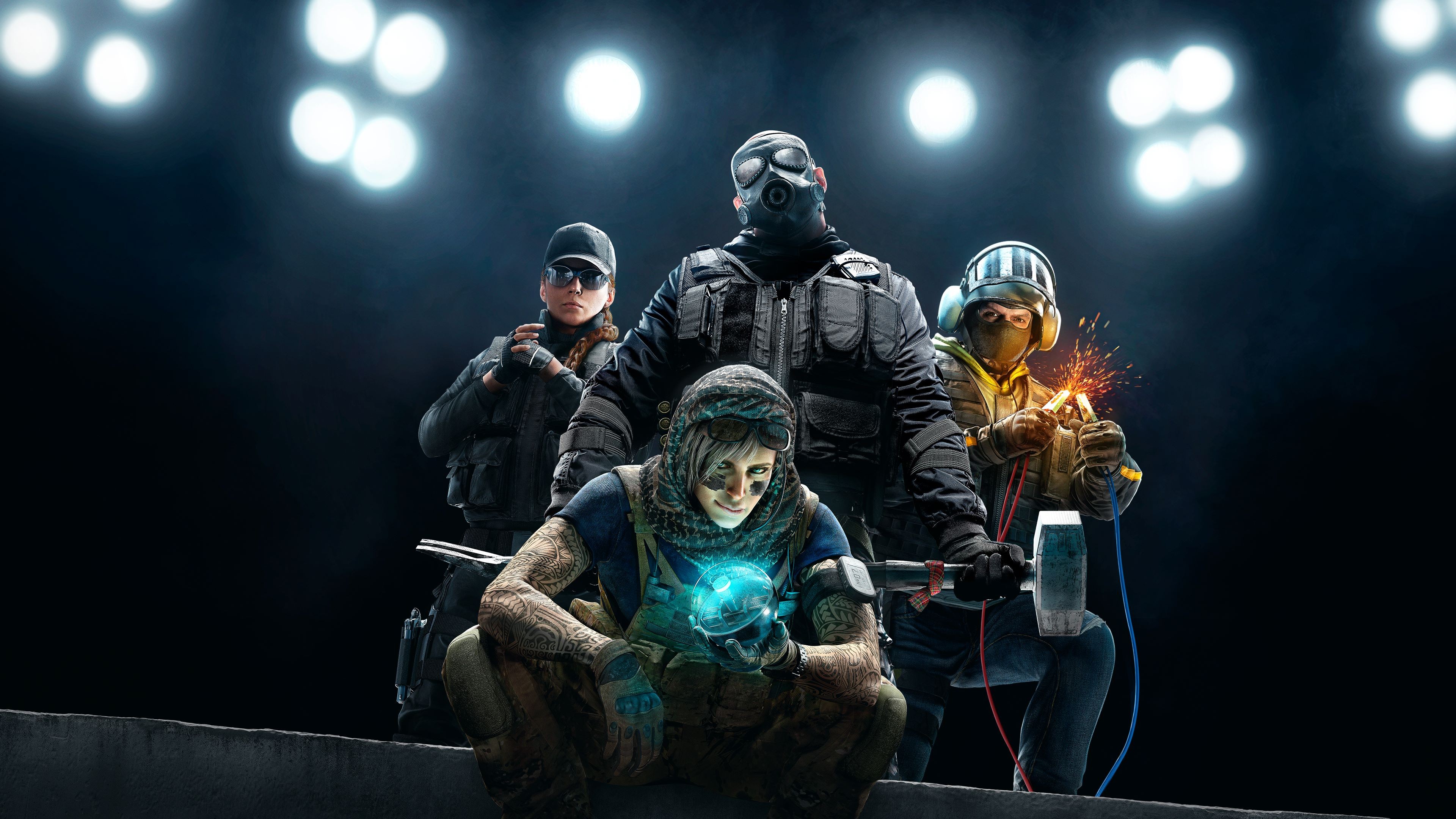
Ubisoft slowly transitioned this tactical shooter from a grounded counter-terrorism game into a hero shooter with colorful backgrounds and lore. The addition of operators with diverse sexual orientations and the inclusion of pride bundles caused friction with the milsim community. Players argued that the focus on personal identity ruined the immersion of the high-stakes tactical gameplay. This tonal shift led some veteran players to abandon the game for more realistic alternatives.
‘The Sims 4’ (2014)
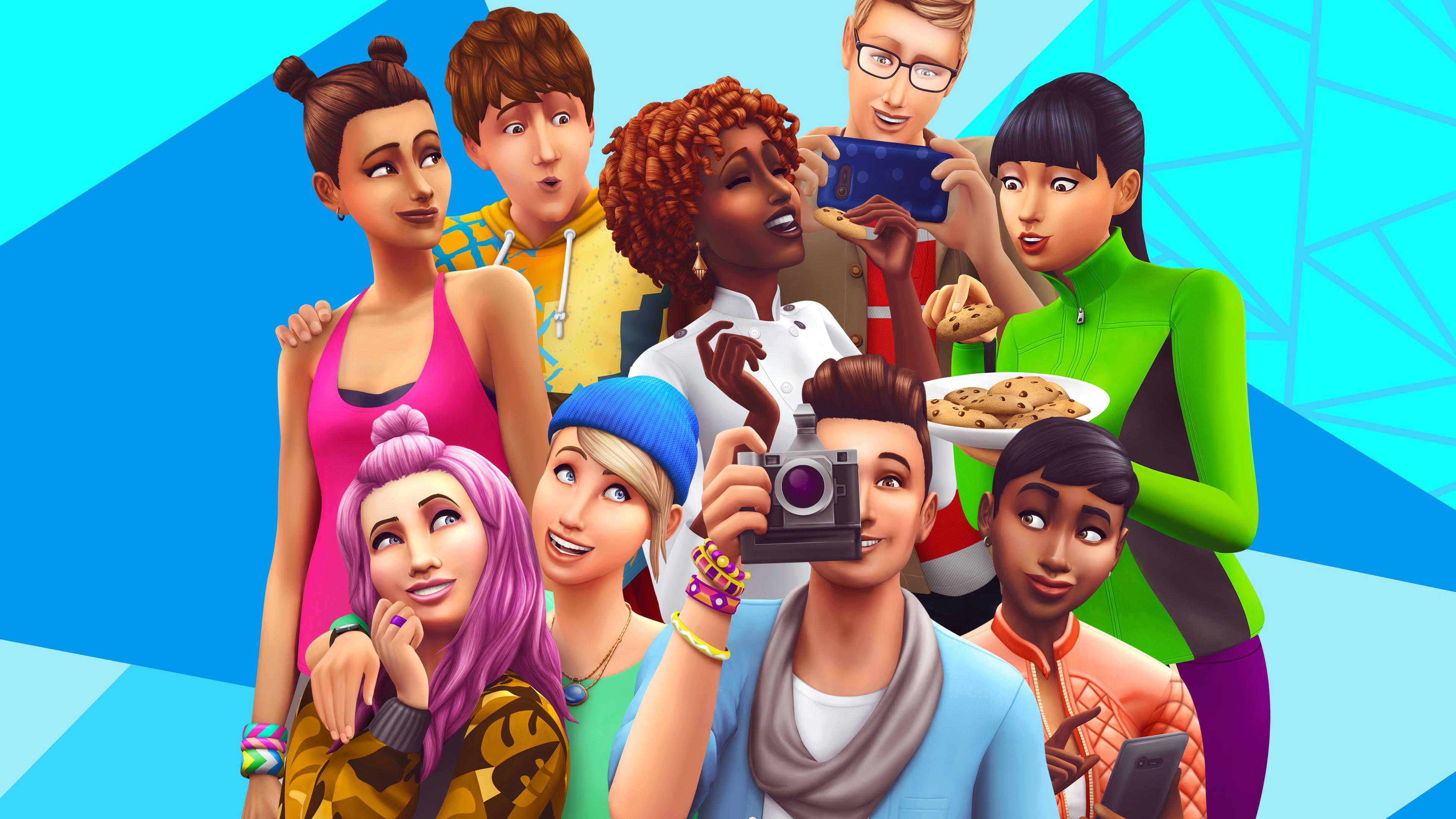
EA released updates that introduced customizable pronouns and sexual orientation settings to the life simulation game. While the core audience for this franchise is generally progressive some players felt the updates introduced bugs and focused too much on identity mechanics. The move to a free-to-play model also brought scrutiny regarding the monetization of these inclusive features. A segment of the community expressed frustration that gameplay depth was being ignored in favor of social updates.
‘Guilty Gear Strive’ (2021)
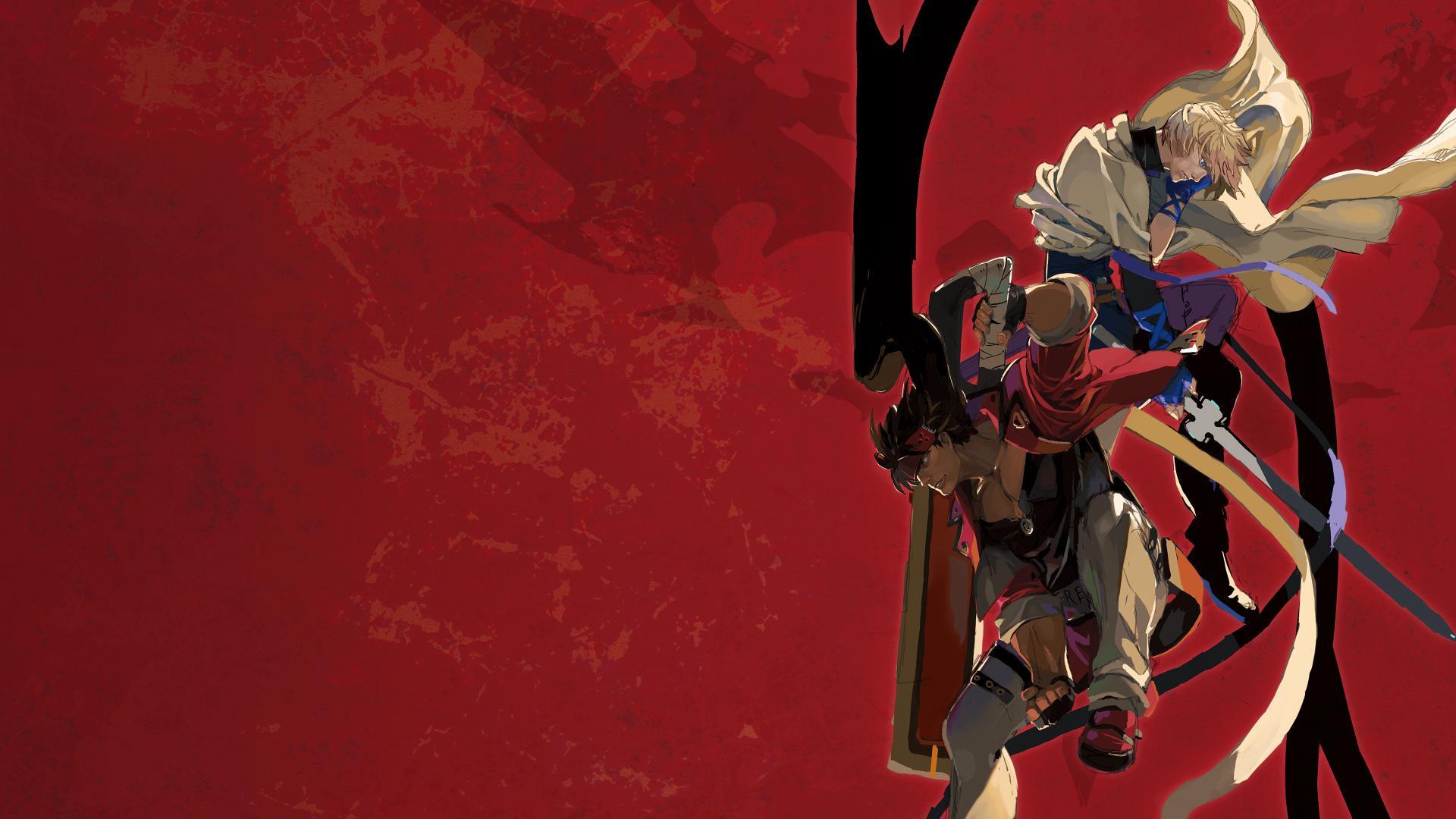
Arc System Works confirmed that the character Bridget identifies as a woman in the latest iteration of the fighting game. This revelation caused a massive debate within the fighting game community regarding the history of the character and localization accuracy. Some long-time fans felt the change was a retcon driven by western social standards rather than the original creator’s vision. The controversy dominated online discussions and overshadowed the mechanical updates for months.
‘Mass Effect Legendary Edition’ (2021)
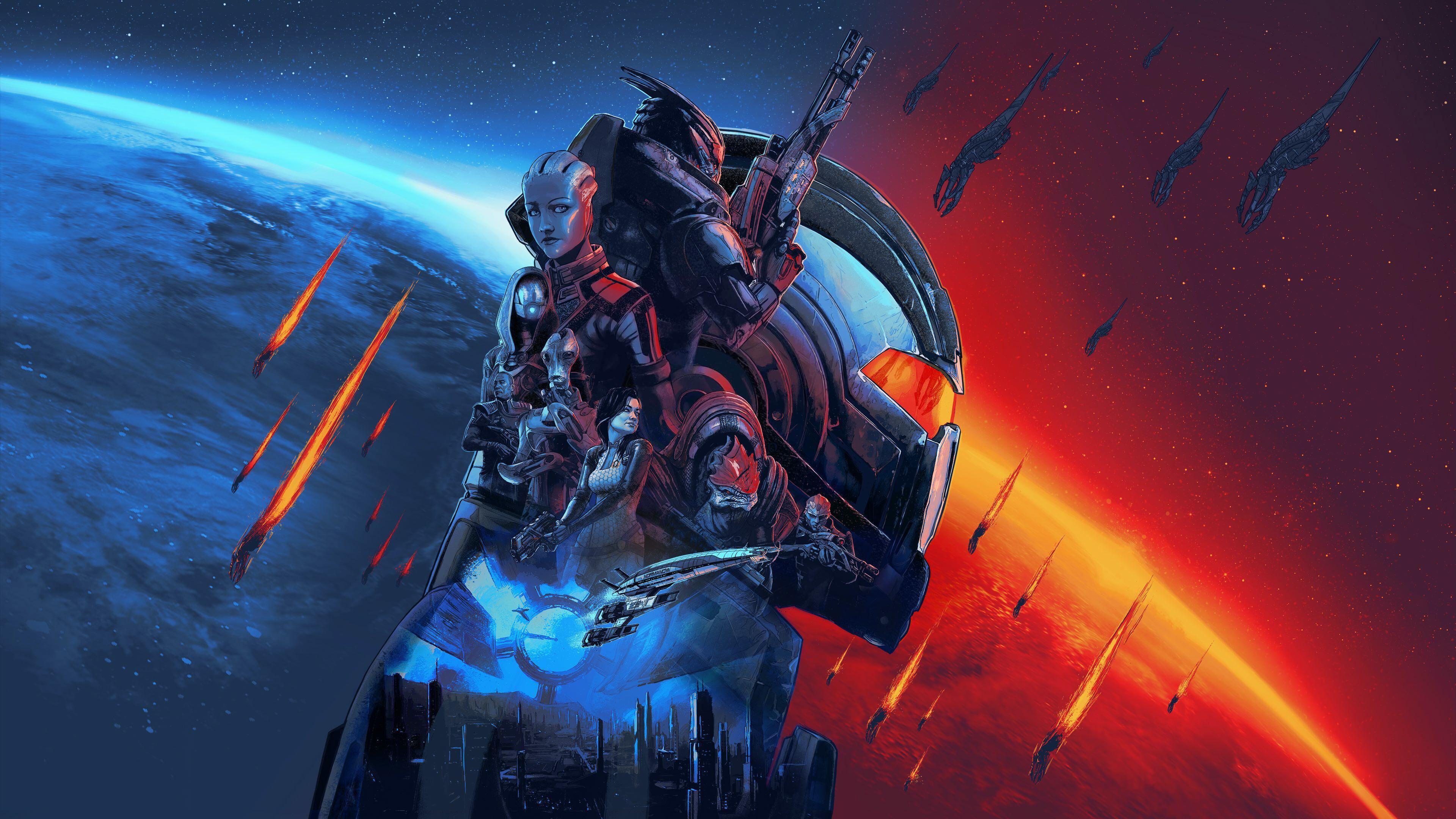
BioWare made specific changes to camera angles in the remastered trilogy to remove shots that focused on the backsides of female characters like Miranda. The developers stated they wanted to modernize the presentation and avoid objectification. Fans of the original games criticized this decision as unnecessary censorship of an M-rated game. The debate over artistic integrity versus modern sensibilities became a central talking point during the launch.
‘Call of Duty: Modern Warfare II’ (2022)
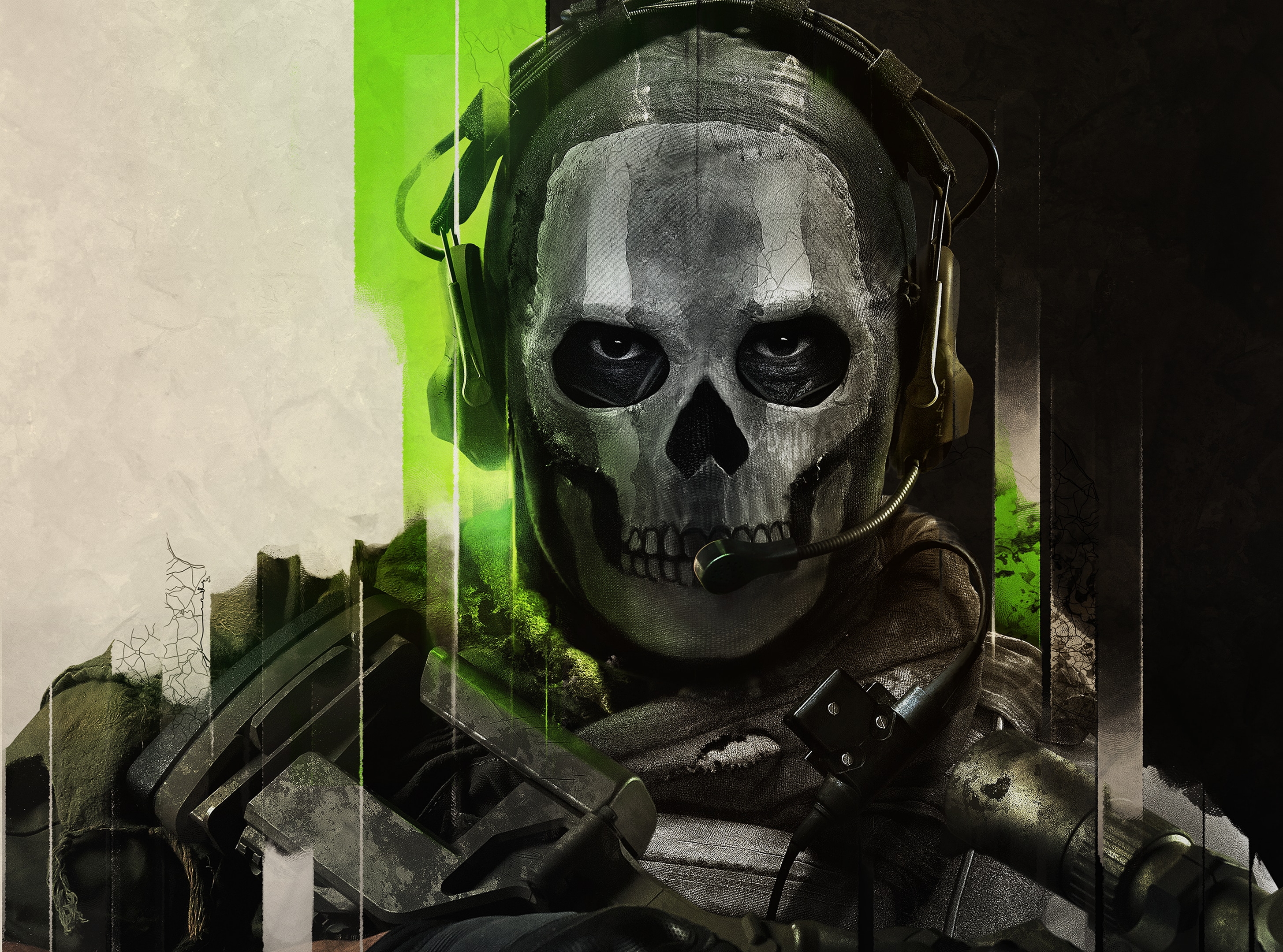
Activision removed a cosmetic bundle for the streamer Nickmercs after he made a controversial comment regarding school board decisions on LGBT topics. This action triggered a boycott from players who felt the publisher was taking a political stance and silencing creators. Other streamers requested their own bundles be removed in solidarity with Nickmercs. The incident caused a temporary dip in player sentiment and highlighted the tension between corporate values and the gaming community.
‘Wolfenstein: Youngblood’ (2019)
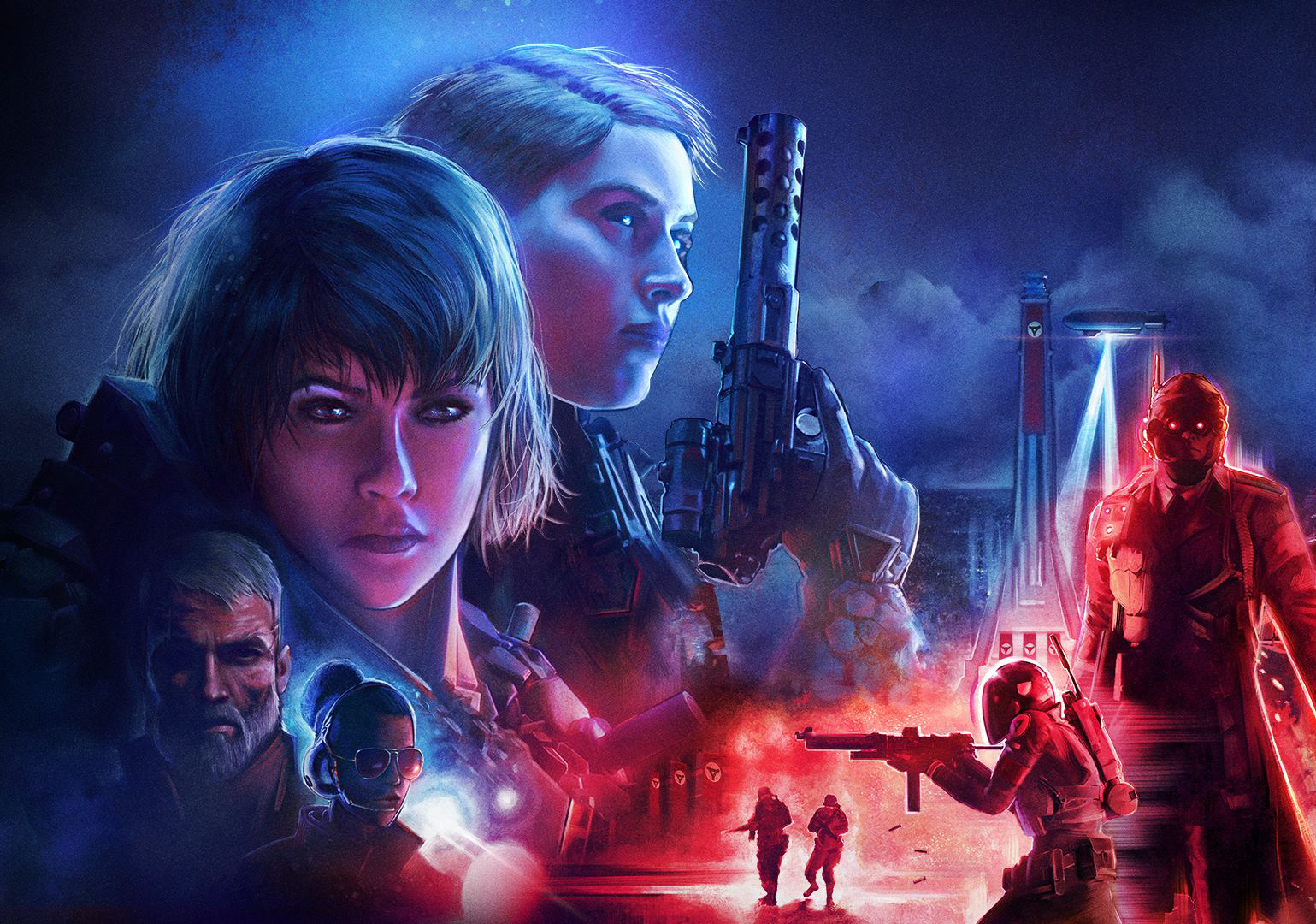
MachineGames shifted the focus from BJ Blazkowicz to his twin daughters in this co-op shooter spinoff. The dialogue and tone were criticized for being juvenile and trying too hard to present a girl power narrative. Players found the protagonists annoying and the humor completely at odds with the grim setting of the previous games. The title is often cited as the low point of the rebooted franchise due to these narrative decisions.
‘Alan Wake 2’ (2023)
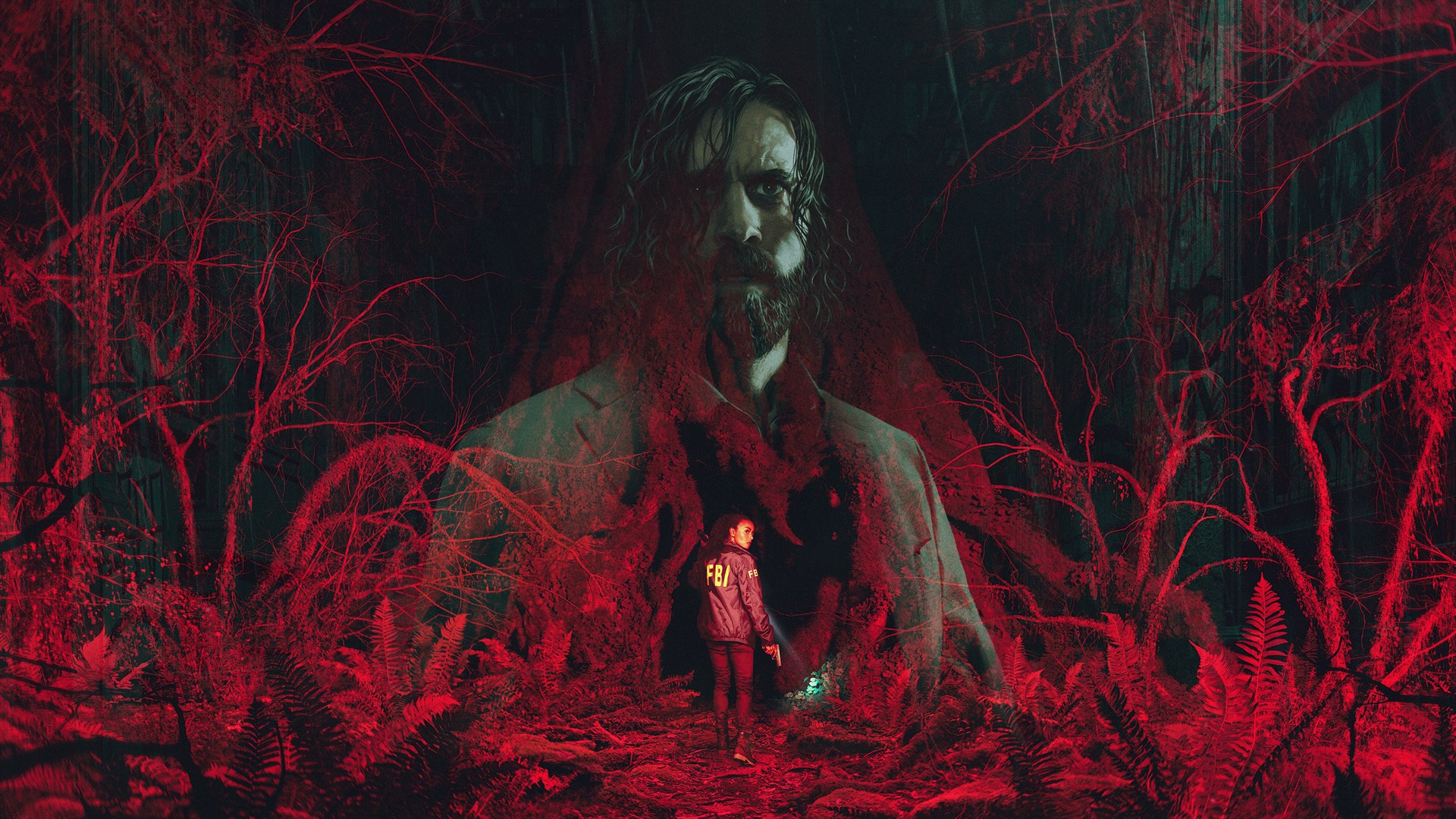
Remedy Entertainment faced accusations of race-swapping the character Saga Anderson who appeared as white in an earlier teaser. The final game featured a black protagonist which led to debates about diversity quotas and artistic changes. While critics praised the game the user scores were impacted by players unhappy with the alteration. The narrative choice remained a point of contention for those who followed the development closely.
‘Far Cry 6’ (2021)
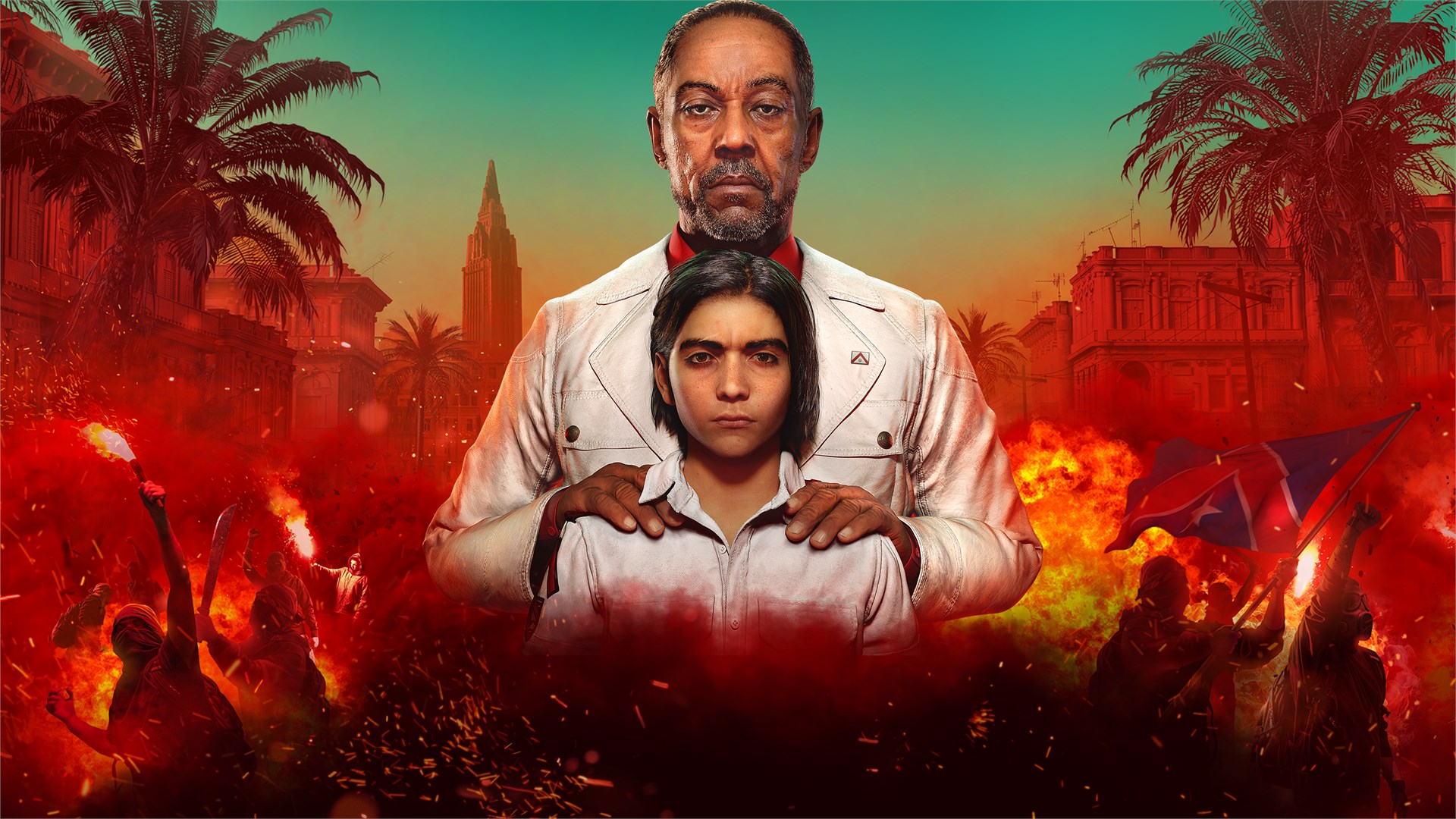
Ubisoft introduced a transgender character named Rosa Mel Paquete and focused on revolutionary themes that some felt were heavy-handed. The game featured a plotline involving the character’s transition which critics argued felt out of place in the chaotic open-world sandbox. Players expressed fatigue with the political lecturing in a series previously known for its villain-centric insanity. The mixed reception contributed to a feeling of stagnation for the long-running franchise.
‘Gears 5’ (2019)
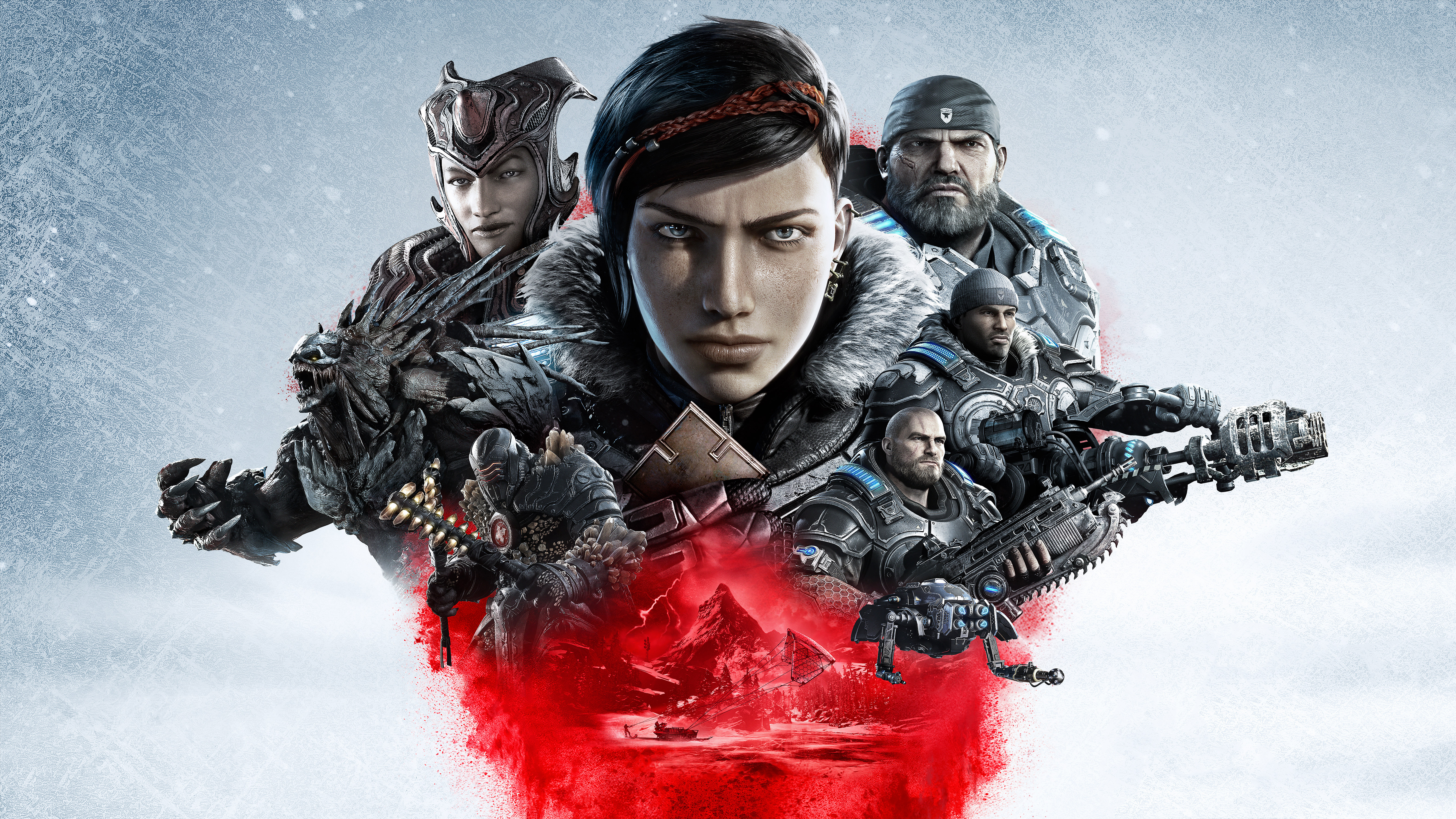
The Coalition shifted the protagonist role from JD Fenix to Kait Diaz and removed smoking references from the game. Fans of the testosterone-fueled original trilogy felt the series was losing its masculine identity to appeal to a broader demographic. The narrative focus on Kait’s emotional journey did not resonate with the core player base who preferred the brotherhood dynamic of the earlier titles. This shift resulted in lower engagement compared to the golden era of the franchise on Xbox 360.
‘New Tales from the Borderlands’ (2022)
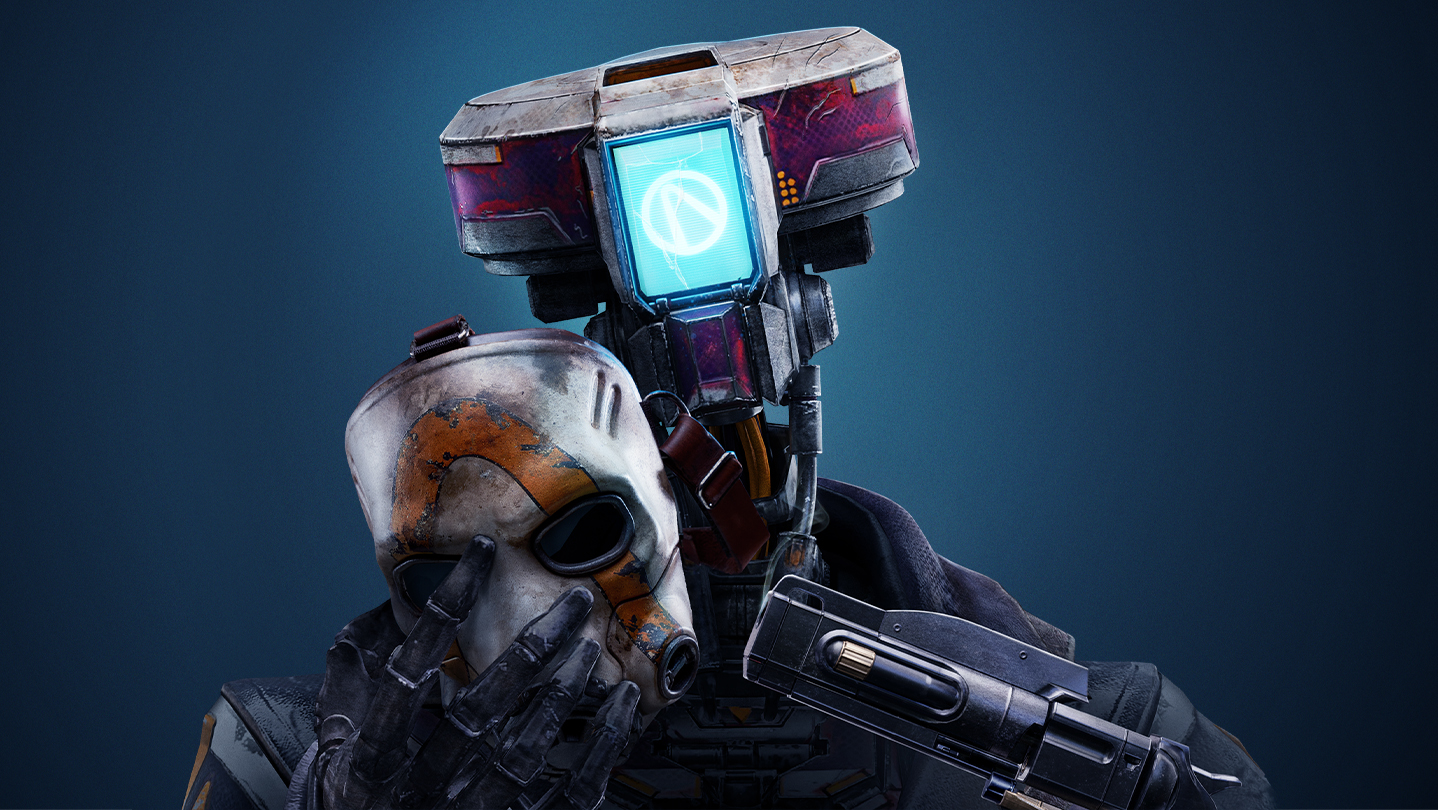
Gearbox released this narrative adventure with a new cast of characters that players found largely insufferable. The writing focused on modern social quirks and pacifism in a universe known for violence and dark humor. The reviews were scathing as fans lamented the absence of the sharp wit found in the original Telltale game. The title was quickly forgotten and considered a failure in storytelling for the Borderlands IP.
‘State of Decay 2’ (2018)
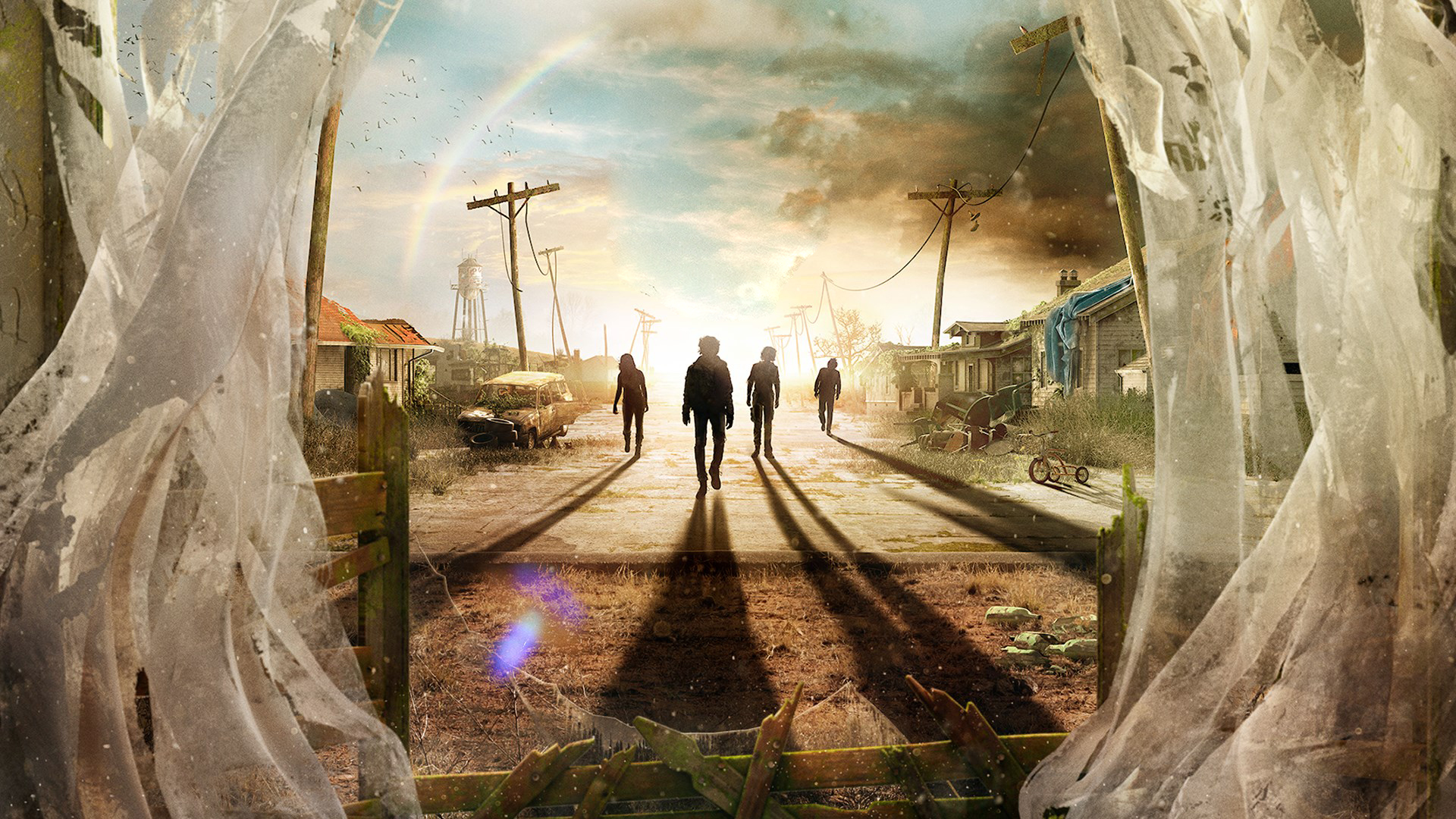
Undead Labs added political t-shirts to the zombie survival game which sparked a debate about neutrality in gaming. Some players felt that the inclusion of real-world political slogans broke the immersion of the apocalypse setting. The developers maintained that the items reflected the world as it is but the community response was divided. This update served as an early example of the friction caused by injecting modern politics into escapist entertainment.
‘Flintlock: The Siege of Dawn’ (2024)
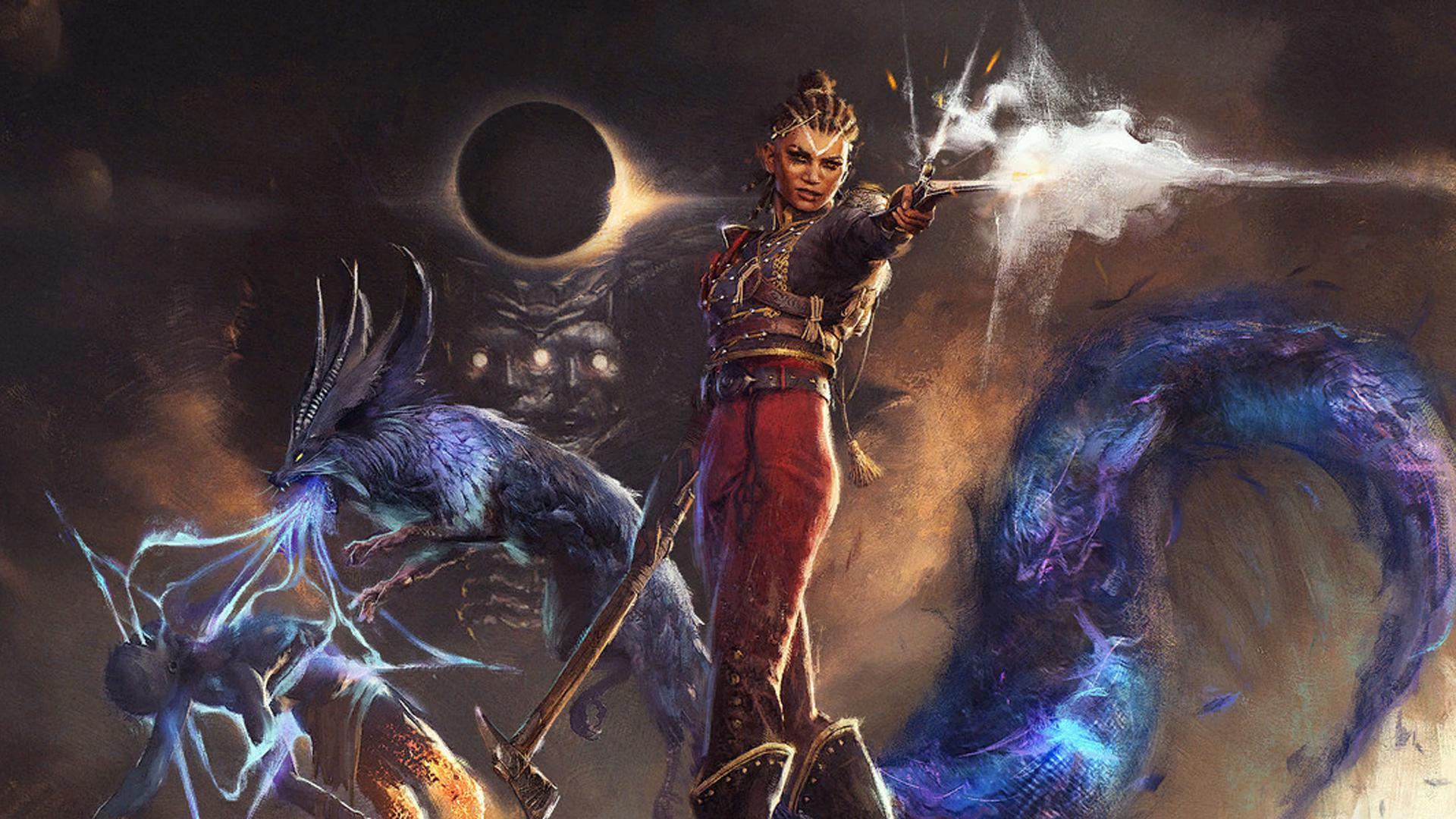
This action RPG faced scrutiny before launch due to the involvement of Sweet Baby Inc and the design of the main character. The developer criticized the lack of diversity in other fantasy games which antagonized potential customers. Player interest was low upon release as the gaming community grew wary of titles that prioritized messaging over gameplay loops. The game failed to garner a significant audience in a crowded release window.
‘Tales of Kenzera: Zau’ (2024)

The developer of this platformer publicly addressed the anti-woke harassment the team received but the game still struggled to find an audience. Marketing that focused on the emotional and cultural significance of the story failed to convert into sales. Players were skeptical of the heavy narrative focus and the title saw low concurrent player numbers on Steam. The discourse around the game became more about the industry culture war than the merits of the gameplay itself.
‘Diablo IV’ (2023)
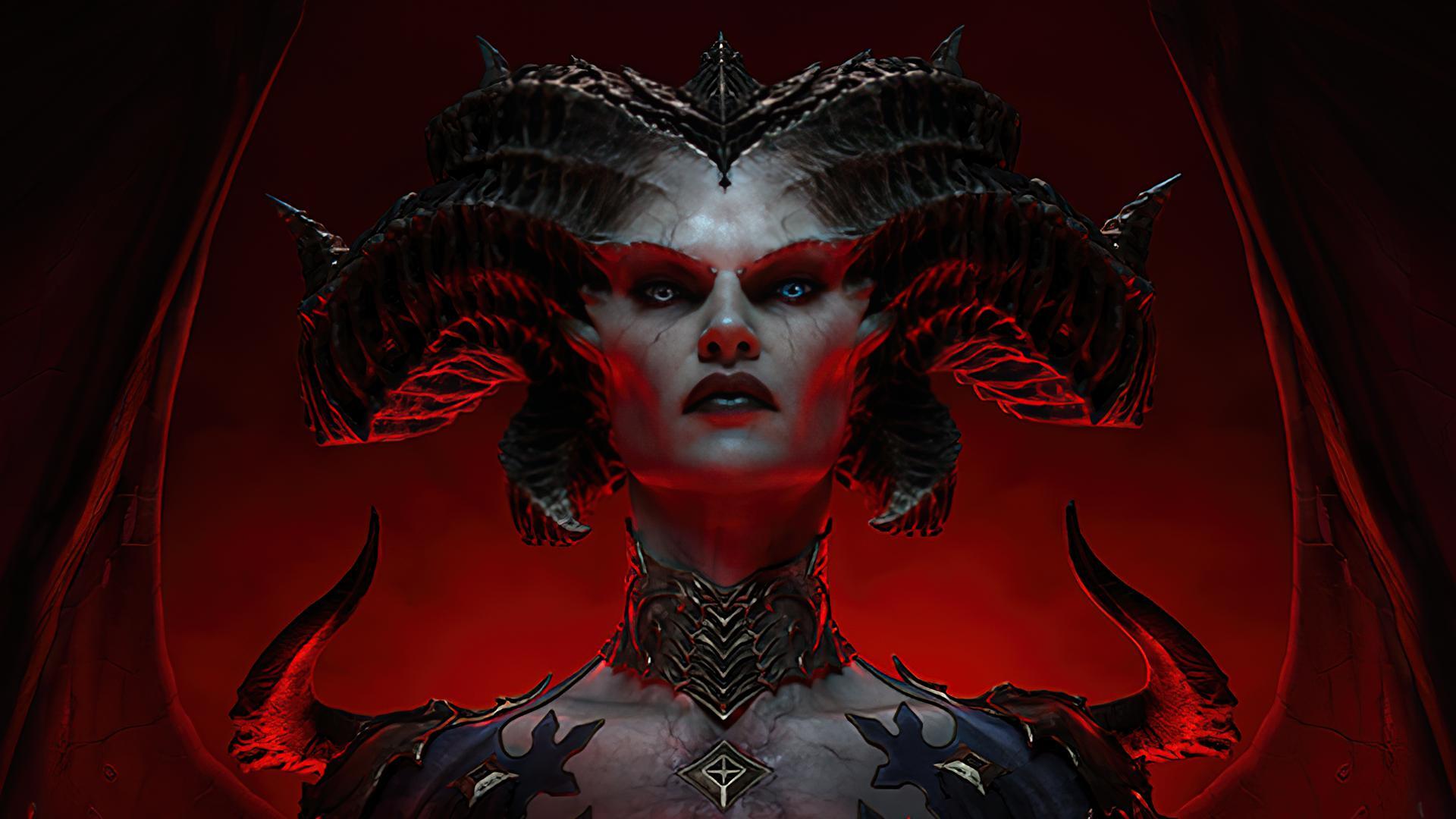
Blizzard faced criticism for the body types available for the Druid class and the general aesthetic changes to established archetypes. While the primary drop in players was due to a disastrous Season 1 patch the culture war discourse amplified the negativity. Players claimed the designs were intentionally unattractive to align with modern body positivity movements. This sentiment fueled the review bombing that occurred alongside the gameplay complaints.
‘Street Fighter 6’ (2023)
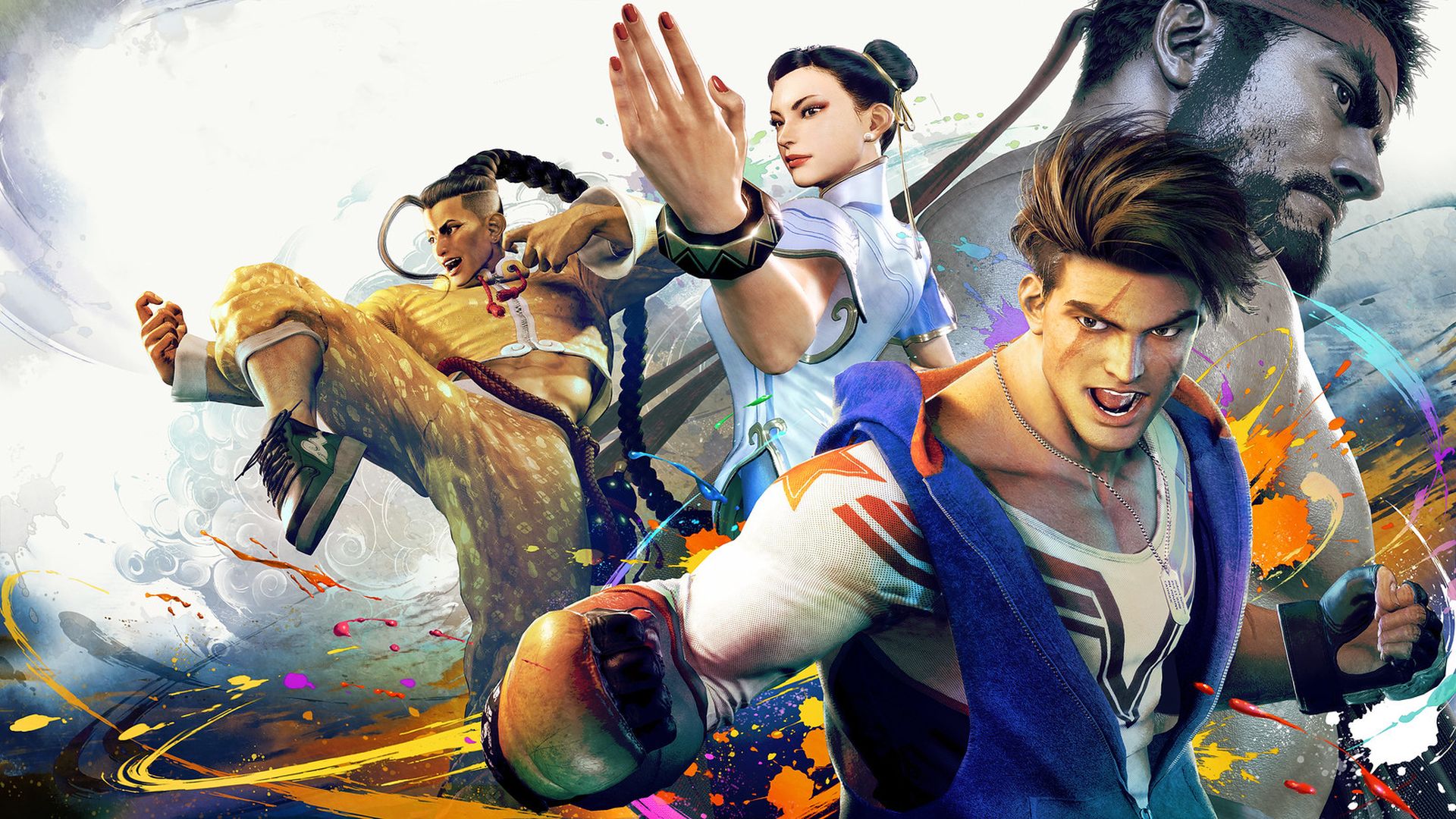
Capcom introduced a character named Eternity who hosts the Battle Hub and makes comments regarding modern audiences. The character’s flamboyant design and dialogue were highlighted by critics as an example of forced inclusivity. While the game itself was mechanically praised this specific element drew ire from players tired of modern social inserts. The debate raged in forums even as the competitive scene embraced the gameplay.
‘Fable’ (2025)
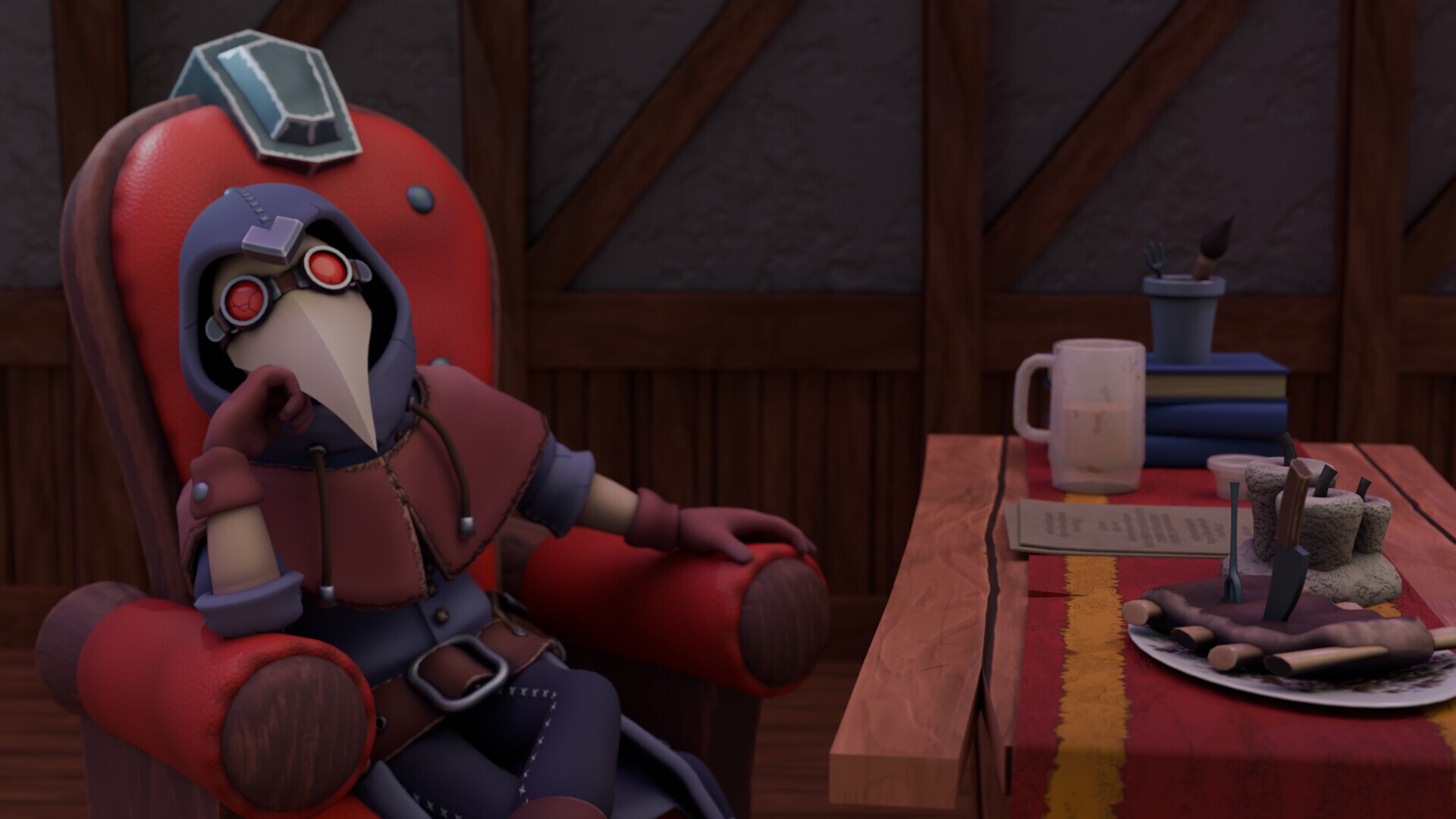
The trailer for the reboot of the classic RPG franchise received a massive number of dislikes on YouTube immediately after airing. Fans mocked the appearance of the female protagonist and accused the developers of making her deliberately unattractive. The backlash indicated a deep distrust in the direction of the reboot before any gameplay was famously shown. Microsoft had to disable comments on some uploads to manage the toxicity surrounding the reveal.
‘Skull and Bones’ (2024)
Ubisoft marketed this pirate game as a quadruple-A experience but players found the tone to be modernized and lacking historical grit. The writing and character designs were criticized for adhering to a modern checklist rather than fitting the 17th-century setting. The game failed to retain players who returned to older pirate titles like Black Flag. The live-service model collapsed quickly as the audience rejected the premise and the pricing.
‘Life is Strange: True Colors’ (2021)
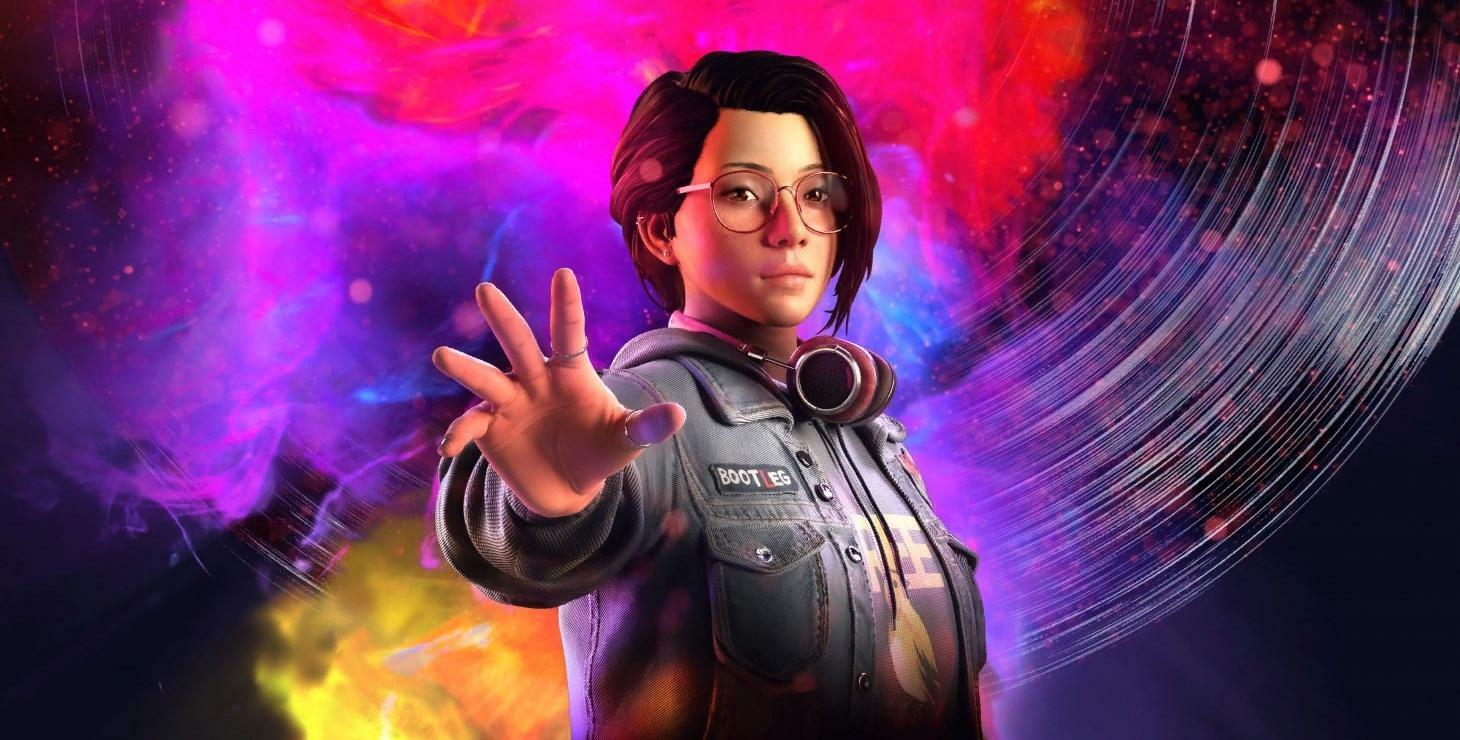
Deck Nine focused the narrative entirely on the empathic powers of Alex Chen and her struggles with the foster care system in a small town. While the series has always been progressive some players felt this entry pushed the political themes too aggressively. The presence of a Tibetan flag in the game caused it to be review bombed by Chinese players. The title struggled to match the cultural impact of the first game in the series.
Share your experiences with these updates and how they impacted your gaming habits in the comments.