High Stakes and Storytelling: Why Casinos Are So Compelling in Fiction

From neon-lit halls filled with spinning roulette wheels to shadowy back rooms where fortunes change hands in seconds, casinos have long held a special place in fiction. They’re more than just venues for gambling—they’re pressure cookers for drama, character development, and unforgettable plot twists. Whether in movies, TV shows, anime, or video games, casinos provide a perfect stage for stories about risk, temptation, and the thin line between luck and skill.
Casinos as Narrative Engines
Casinos work so well in fiction because they naturally amplify tension. Every game involves uncertainty, every decision carries consequences, and time often feels compressed. A single card draw can mean freedom or ruin. Writers use this environment to push characters to their limits—morally, emotionally, and psychologically.
Think about how often a casino scene marks a turning point in a story. The confident hero may be exposed as reckless, the quiet side character revealed as a calculating genius, or the antagonist unmasked through a single high-stakes bluff. Casinos force characters to act, not just react.
Iconic Casino Moments Across Media
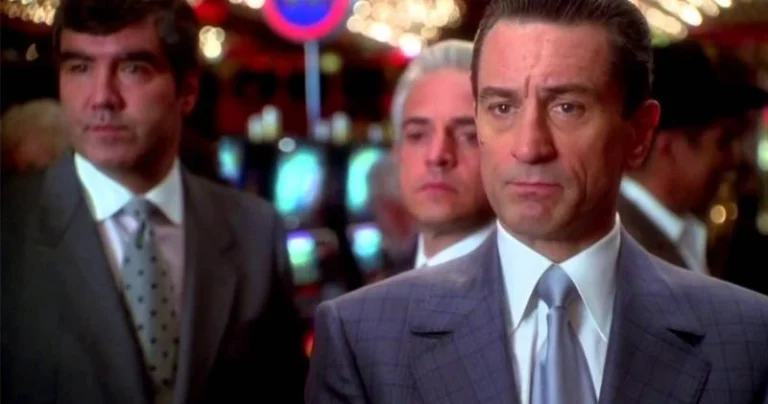
In film and television, casinos are often portrayed as glamorous yet dangerous. James Bond’s poker games aren’t really about cards—they’re about control, perception, and outsmarting an enemy without throwing a punch. Similarly, heist stories love casino settings because they combine security, spectacle, and high rewards in one location.
Anime and manga take this even further. Series centered on gambling psychology turn casinos into battlefields of the mind, where exaggerated expressions and internal monologues replace physical combat. The games may be fictional, but the stakes feel intensely real.
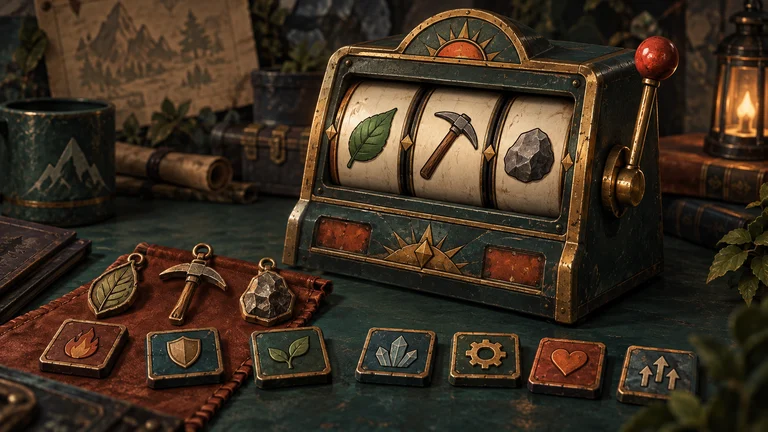
Video games, on the other hand, let audiences step directly into the action. From fully fledged casino levels to side activities like poker or blackjack, games use gambling mechanics to offer both risk and reward. Players experience firsthand the thrill—and frustration—that characters in books and shows only describe.
Why Audiences Are Drawn to Casino Stories
At their core, casino narratives tap into something universal: the allure of chance. Most people will never bet everything on a single spin of the wheel, but fiction allows us to explore that fantasy safely. We get to ask, What would I do if everything depended on one decision?
Interestingly, modern pop culture discussions sometimes blend real-world curiosity with fictional fascination. It’s not uncommon to see readers searching online for terms like “migliori casino online” after being inspired by a movie or series—less because of gambling itself, and more because fiction has reignited the mystique around casinos as places where anything can happen.
The Symbolism Behind the Games
Each casino game carries symbolic weight. Poker is about deception and reading people. Roulette represents pure chance. Blackjack balances skill and luck. Writers choose these games carefully to mirror a character’s internal struggle or the theme of the story.
A character who relies on poker may believe they can control chaos through intellect. One who bets on roulette might be surrendering to fate. These choices add layers of meaning without a single line of exposition.
Final Thoughts
Casinos endure in fiction because they condense life’s biggest questions into a single room: How much are you willing to risk? Do you trust luck, skill, or yourself? And what happens when the stakes are higher than money?
For storytellers, casinos are a gift—an environment where tension is built-in and every moment matters. For audiences, they’re a thrilling reminder that sometimes, the most compelling stories are told when everything is on the line.