Anime Remakes That Erased Original Minority Characters

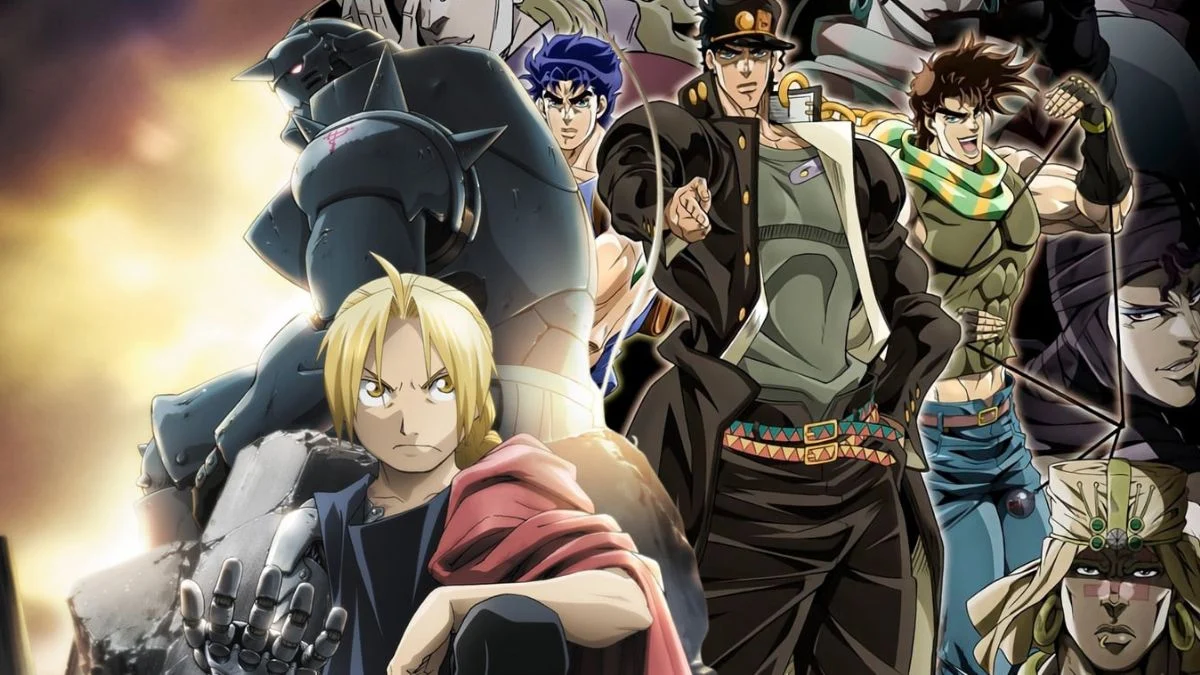

Anime remakes often aim to modernize classic stories for a new generation by updating animation techniques and streamlining plotlines. However, these updates sometimes involve significant changes to character designs or the complete removal of certain individuals from the cast. In some instances, characters belonging to minority groups or those with distinct ethnic traits in the original series are excluded or visually altered in newer versions. These decisions can stem from a desire to adhere more closely to source manga or to avoid controversial depictions from the past. This list examines several anime remakes that made changes to or erased original minority characters during their production.
‘Shaman King’ (2021)
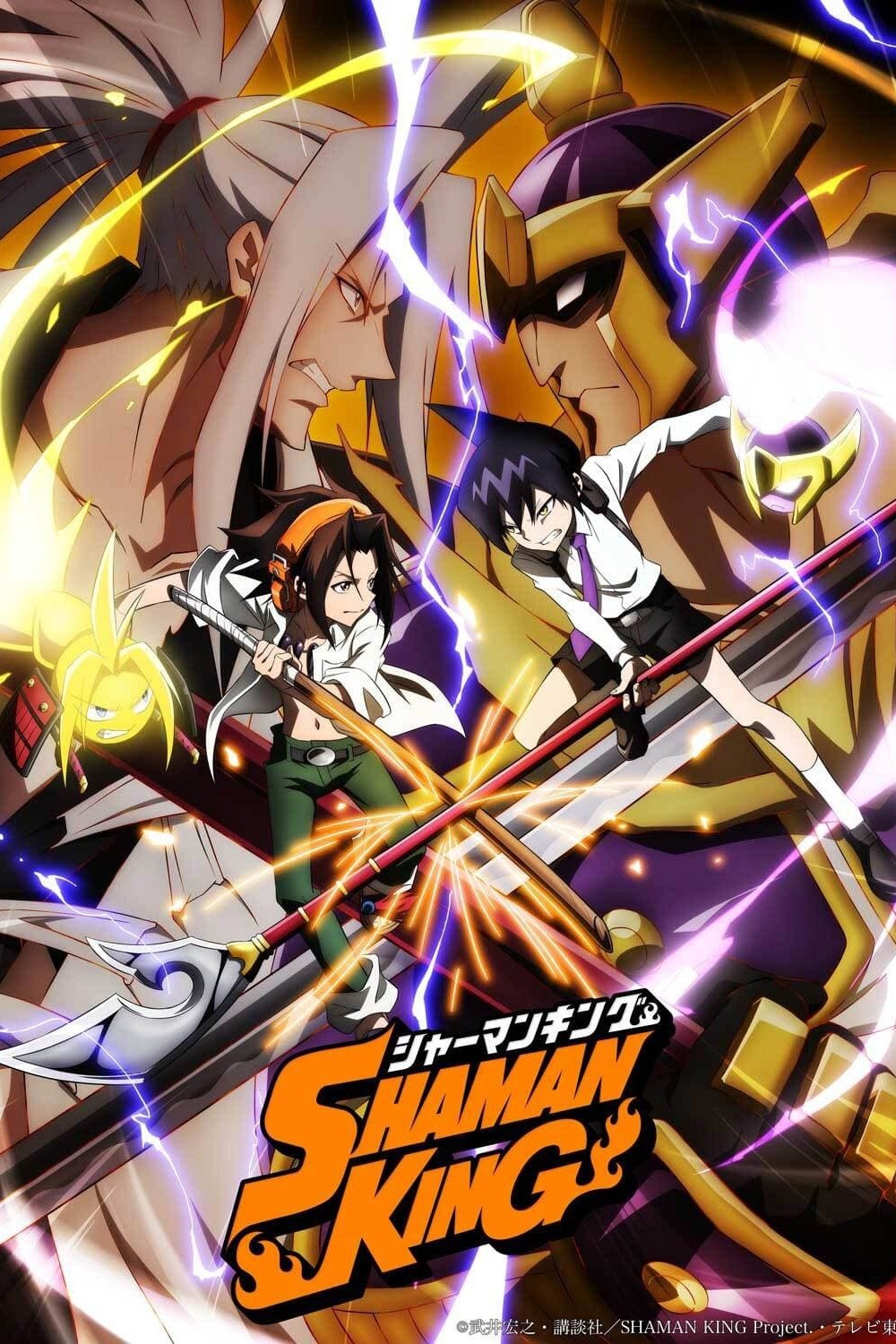
The remake of ‘Shaman King’ introduced significant visual changes to the character Joco McDonnell who was known as Chocolove in the original 2001 adaptation. His original design featured large lips and hair texture that many viewers identified as problematic caricatures of Black individuals. The 2021 production team chose to remove these specific features to create a more contemporary and less controversial appearance for the character. While this was intended to address past criticisms, it also fundamentally altered the visual identity of a prominent Black character in the series. This change represents a broader trend of sanitizing older character designs in modern anime remakes.
‘Dragon Ball Z Kai’ (2009–2011)
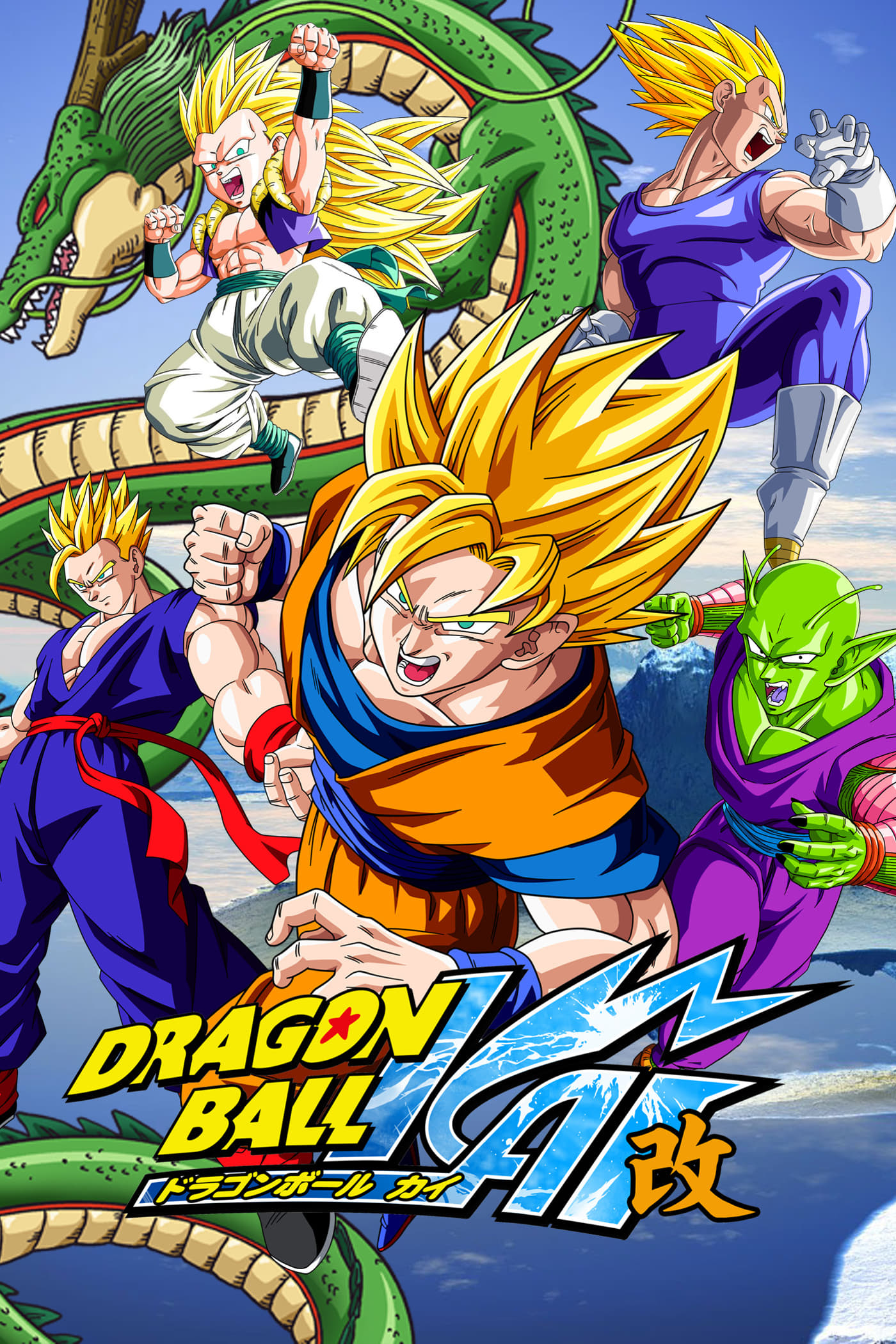
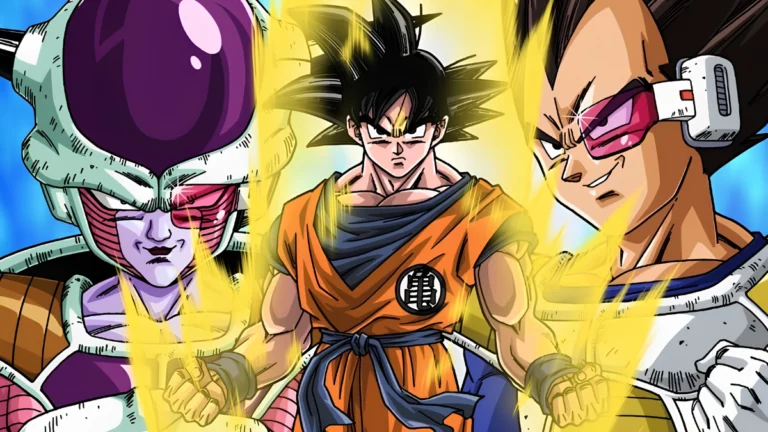
During the production of ‘Dragon Ball Z Kai’, certain broadcast versions took steps to alter the appearance of the character Mr. Popo. The original character was depicted with pitch black skin and large red lips which some international audiences viewed as a stereotypical representation. In these specific edited versions, the character skin was changed to a bright blue color to erase the original ethnic associations. This alteration was a direct response to cultural sensitivities regarding racial caricatures in animation. The change demonstrates how remakes often navigate the legacy of older character designs by using digital editing techniques.
‘Hunter x Hunter’ (2011)
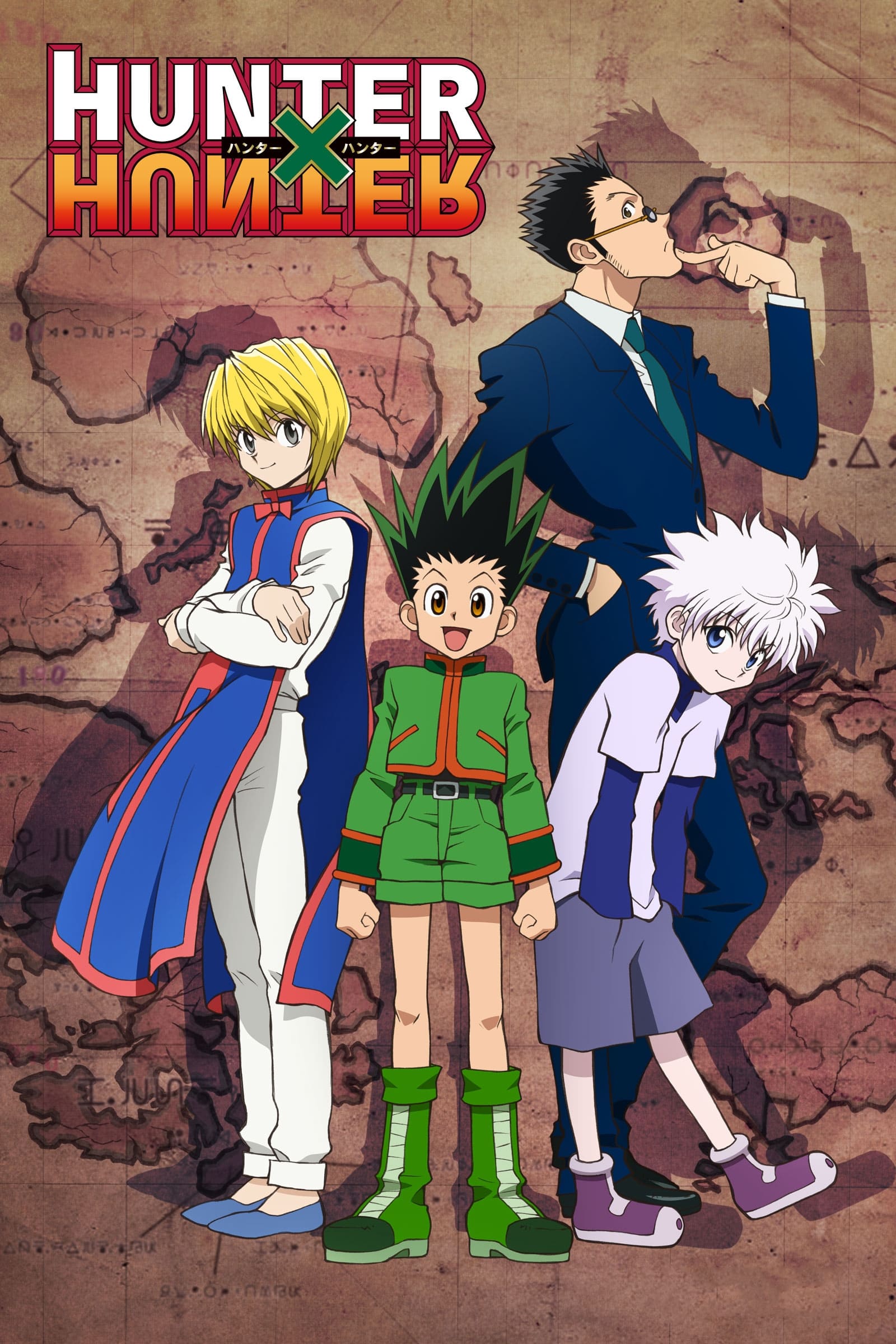
The 2011 remake of ‘Hunter x Hunter’ made several adjustments to the character Canary who serves as a guardian for the Zoldyck family. While she remains a person of color in the remake, her facial features and hair were refined in a way that some fans feel diminished her original distinctiveness. Additionally, various background characters with darker skin tones from the 1999 version were replaced with characters who have much lighter complexions. This shift in the background population of the world changed the overall diversity seen in the first anime adaptation. These subtle changes reflect a different approach to character coloring in the modern digital era of anime production.
‘Fullmetal Alchemist: Brotherhood’ (2009–2010)
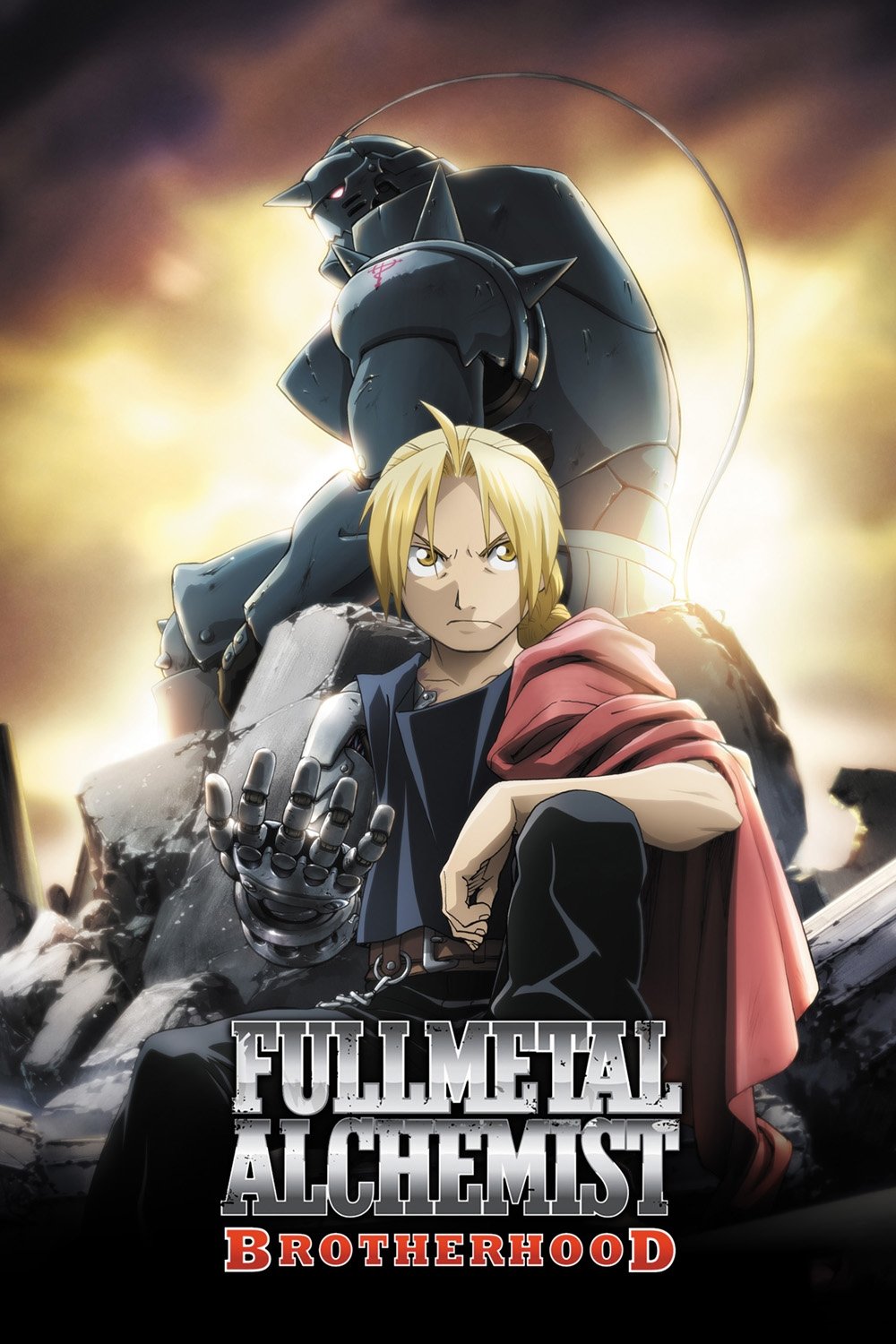
In the transition from the 2003 series to ‘Fullmetal Alchemist Brotherhood’, the portrayal of the Ishvalan people underwent several changes. The 2003 adaptation included more scenes of Ishvalan refugees and emphasized their struggle as a marginalized ethnic group within the nation of Amestris. ‘Fullmetal Alchemist Brotherhood’ followed the original manga more closely which resulted in the removal of some anime original Ishvalan characters who had expanded roles in the first series. This decision streamlined the narrative but reduced the screen time dedicated to the diverse perspectives of the displaced Ishvalan population. The remake focuses more on the central plot of the Elric brothers while spending less time on the minor supporting cast.
‘Sailor Moon Crystal’ (2014–2016)
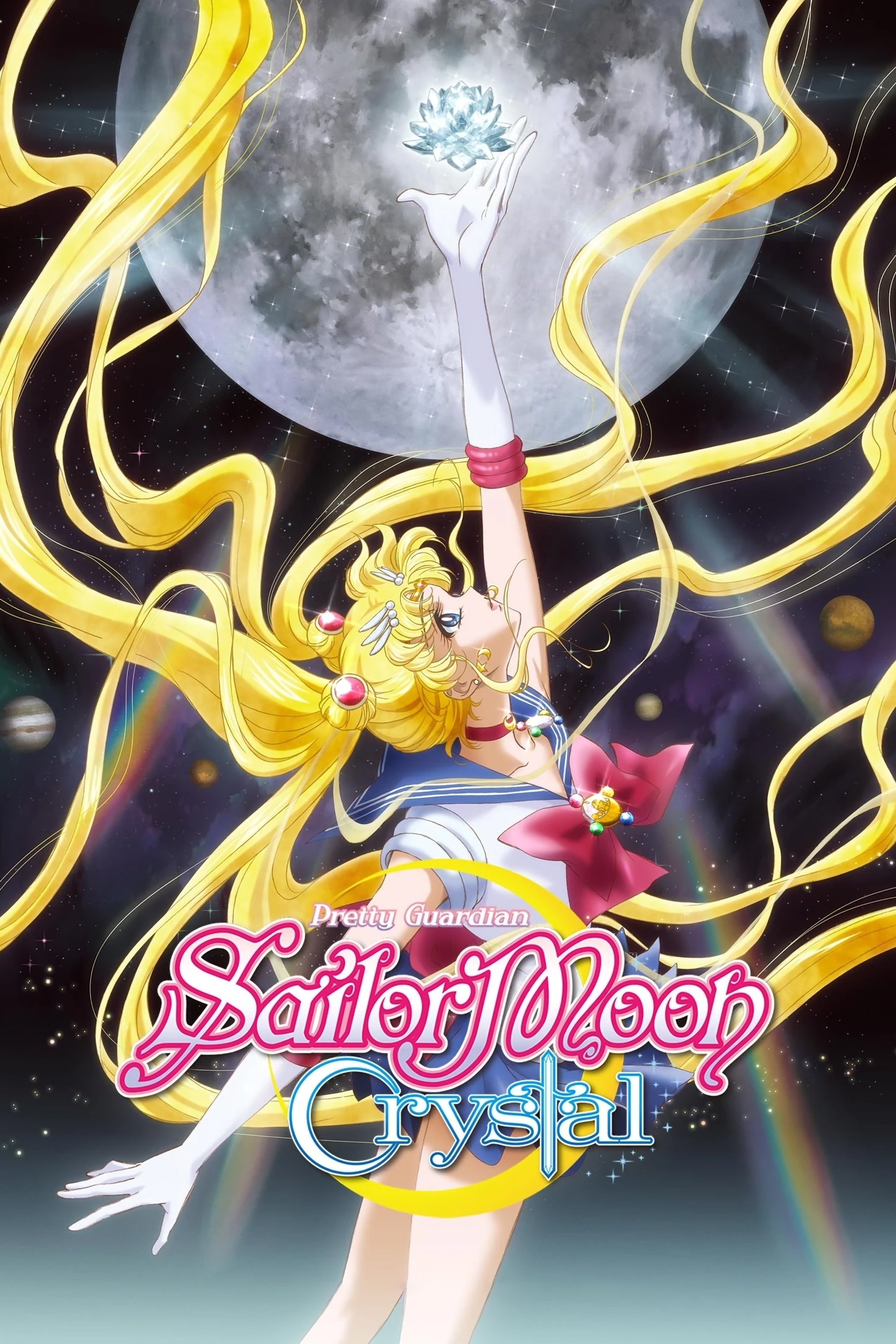
The 2014 series ‘Sailor Moon Crystal’ sought to provide a more faithful adaptation of the original manga by Naoko Takeuchi. In doing so, it omitted many of the minor characters and villains who were added as filler in the 1990s anime. Some of these omitted characters included diverse background figures and enemies who possessed unique cultural or ethnic markers. The world in the remake feels more focused on the core Senshi and less populated by the eclectic group of side characters seen in the original show. This reduction in the cast resulted in a less diverse representation of the citizens of Tokyo compared to the expansive 1990s version.
‘Urusei Yatsura’ (2022–2024)
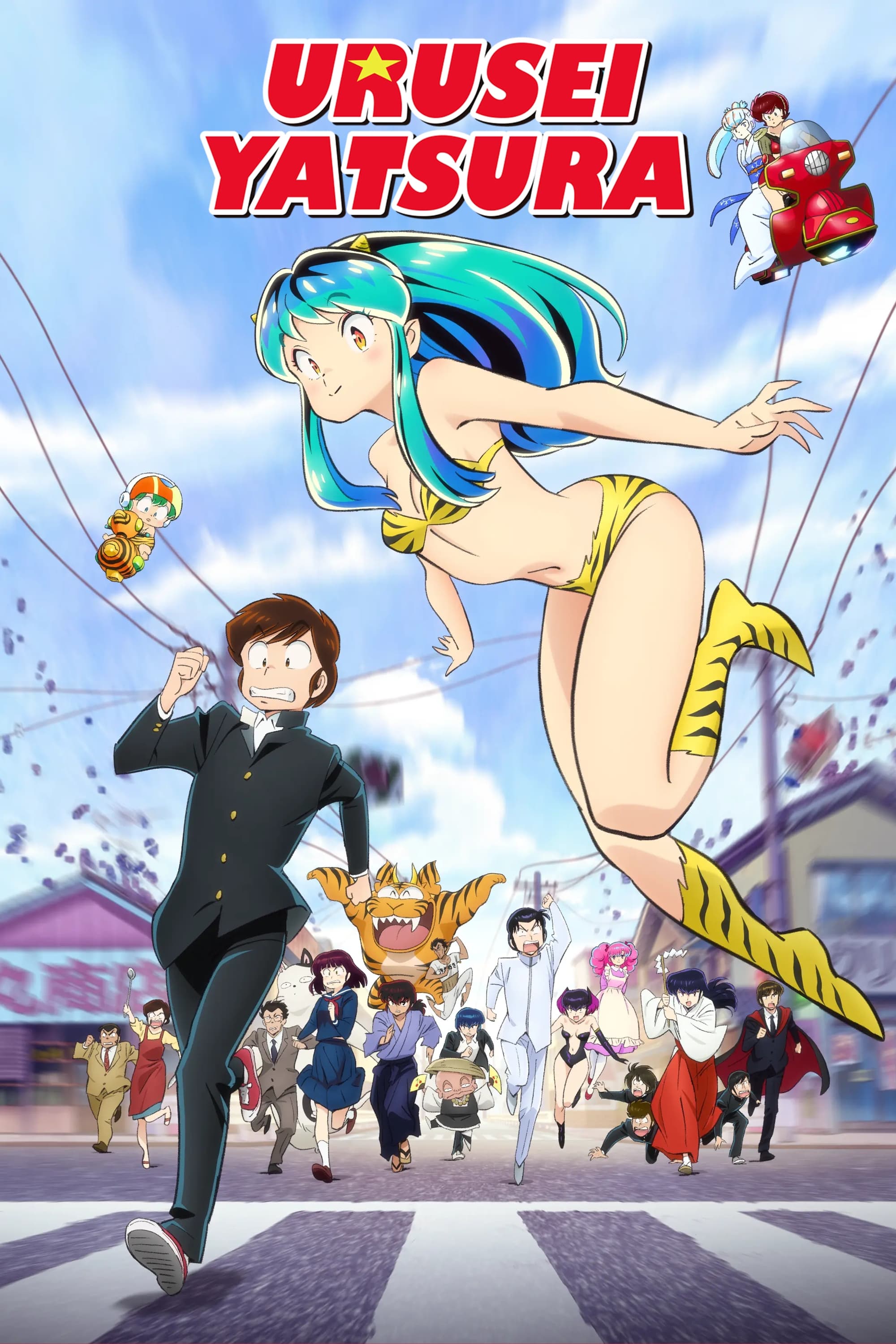
The modern remake of ‘Urusei Yatsura’ updates the classic 1980s comedy for a contemporary audience with high definition visuals. To keep the pacing brisk, the producers chose to cut many of the original series episodic stories that featured a wide variety of guest characters. Some of these excluded characters included international travelers and individuals from diverse backgrounds who appeared in the original long running show. By focusing primarily on the main cast, the remake loses some of the global and eclectic flavor that the original anime developed over its long history. This streamlining process often results in the loss of minor characters who provided cultural variety.
‘Rurouni Kenshin’ (2023–2024)
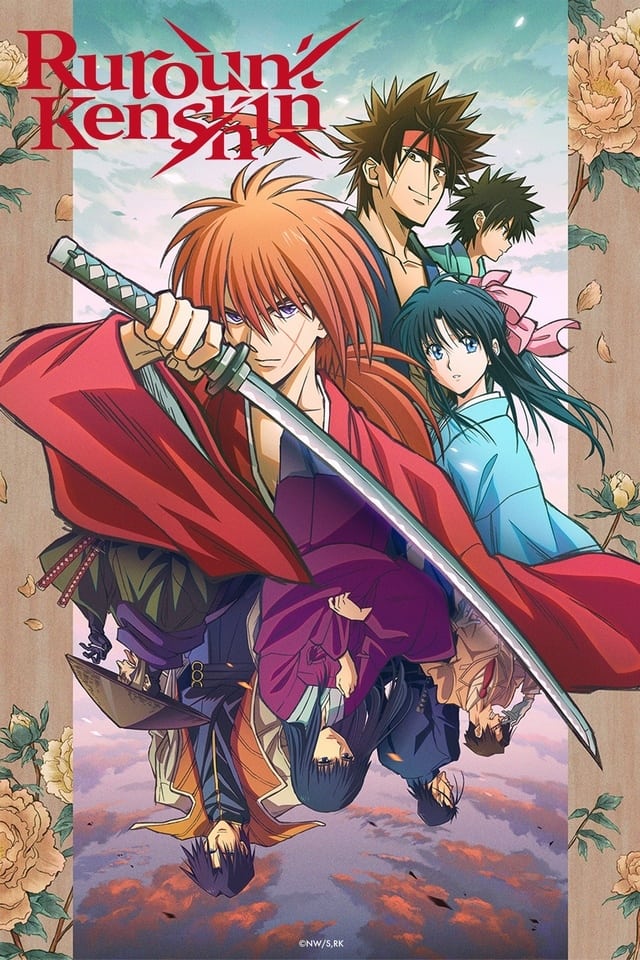
The 2023 version of ‘Rurouni Kenshin’ aims to provide a more accurate retelling of the manga by removing the original anime extensive filler arcs. Many of these filler stories in the 1990s version featured diverse groups of people, including foreign residents and minority characters living in Meiji era Japan. By sticking strictly to the source material, the remake erases these unique characters who helped flesh out the multicultural reality of the historical period. While the remake is more faithful to the author original vision, it sacrifices the broader cast of characters seen in the first adaptation. This change highlights the trade off between narrative accuracy and character diversity in remakes.
‘Trigun Stampede’ (2023)
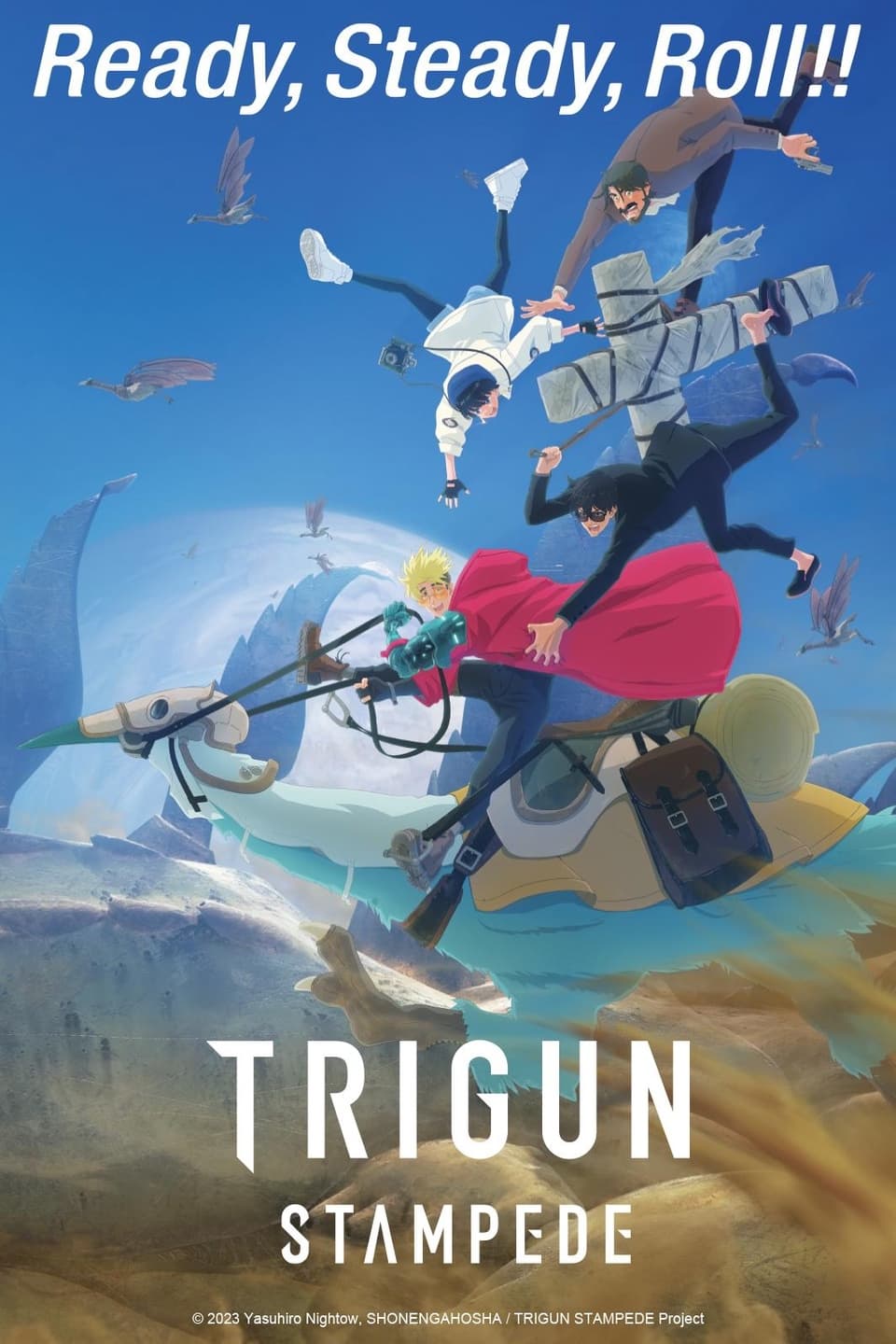
‘Trigun Stampede’ reimagines the world of Gunsmoke with a new art style and a restructured plotline. The remake streamlines the journey of Vash the Stampede and excludes several of the diverse desert communities and background characters featured in the 1998 anime. Some of these characters had distinct ethnic traits and cultural identities that added to the gritty and diverse feel of the original series. The newer version focuses on a more compact narrative which leads to the omission of these diverse side players. This creates a different atmosphere that feels more centralized on the main protagonists and their direct conflicts.
‘Astro Boy’ (2003–2004)
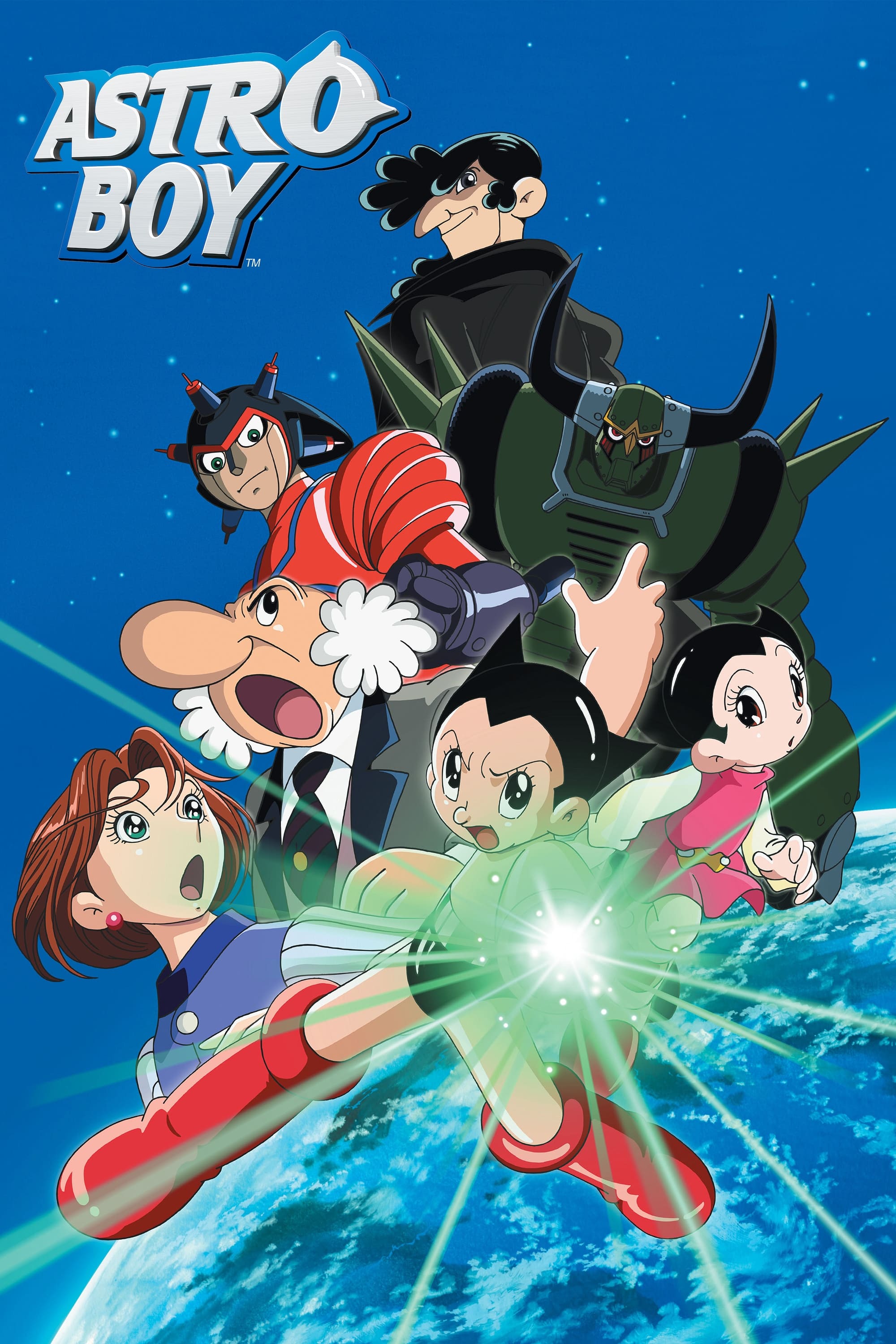
The 2003 remake of ‘Astro Boy’ updated the iconic 1960s and 1980s series for a new generation of viewers. The show uses robots as a metaphor for marginalized groups and minorities facing discrimination in a human centric society. In the 2003 version, several of the robot characters from previous iterations who represented specific cultural or ethnic archetypes were either removed or simplified. This change altered the nuance of the social commentary that was a hallmark of the original series. The remake focused more on high action sequences and less on the complex social dynamics involving these diverse robot characters.
‘GeGeGe no Kitaro’ (2018–2020)
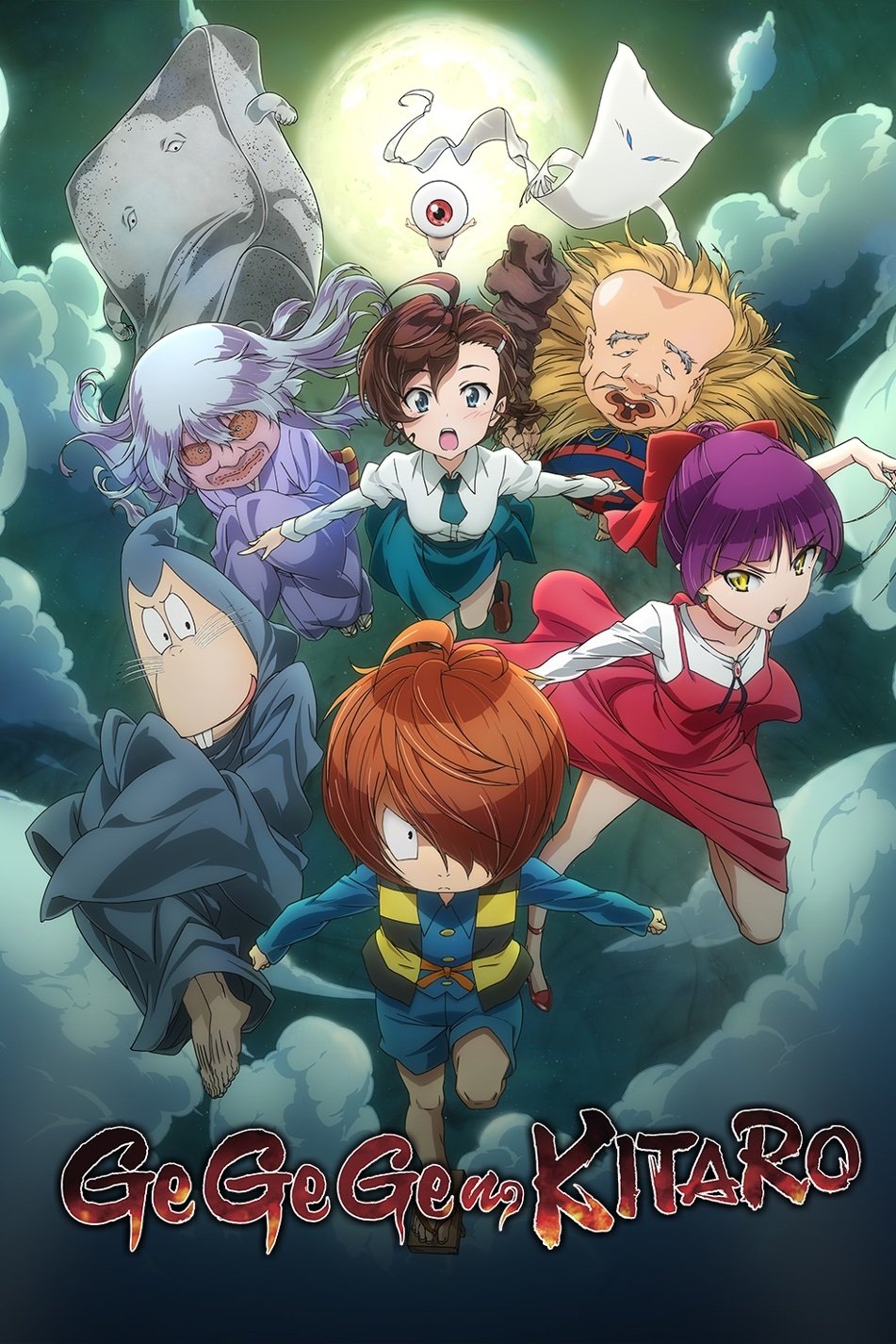
The 2018 adaptation of ‘GeGeGe no Kitaro’ modernized the traditional Japanese folklore characters for the 21st century. While the show is praised for its social commentary, it also streamlined the cast of yokai that appeared in previous decades. Some of the original minor yokai who represented specific regional minorities or traditional cultural identities were omitted from the new series. These characters often provided a link to the diverse local traditions of Japan that the remake replaced with more urban and modern themes. The result is a show that feels very current but loses some of the regional cultural diversity found in earlier versions.
‘Moominvalley’ (2019–2022)
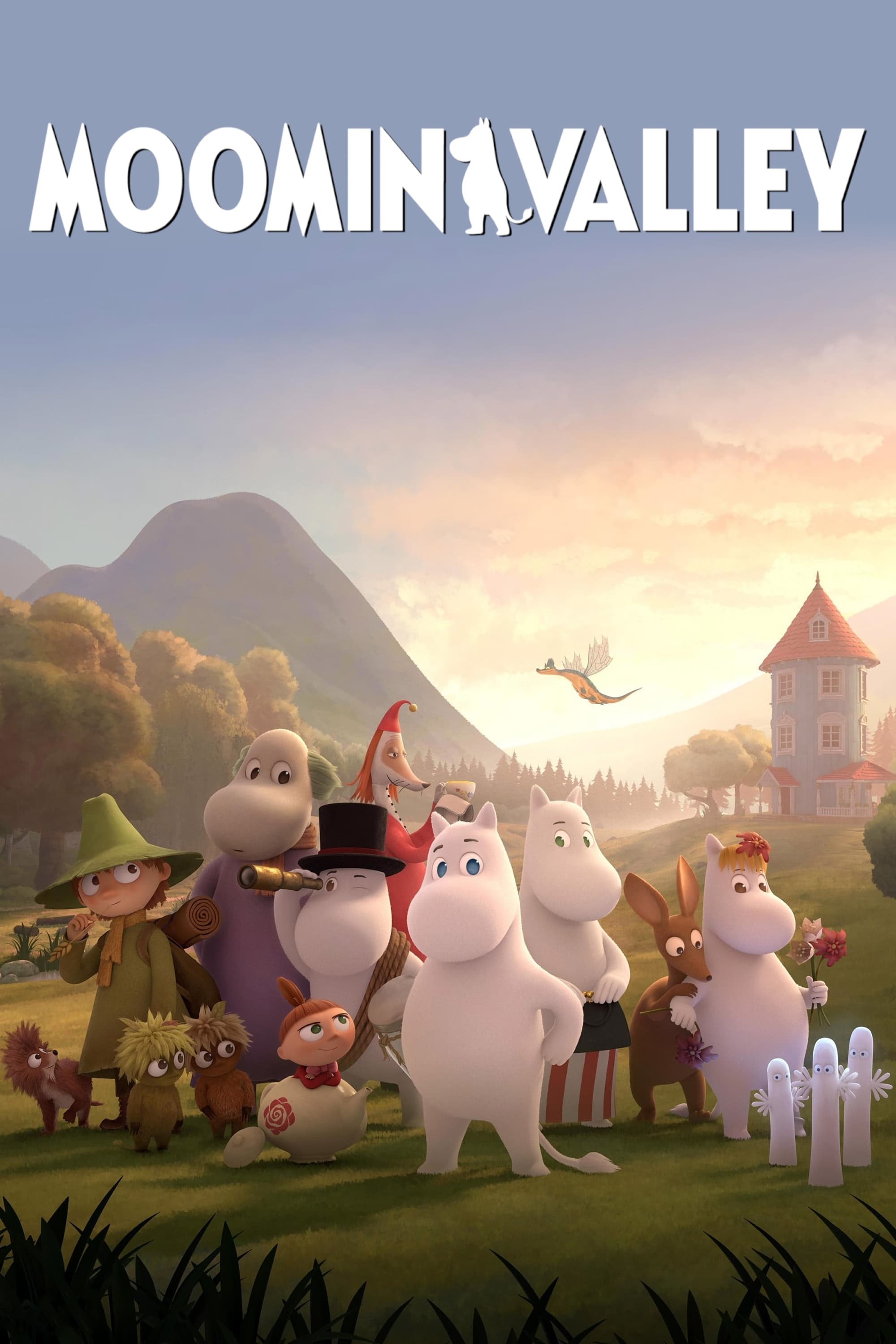
The ‘Moominvalley’ remake brought the beloved characters to life with 3D animation and a fresh narrative approach. In this version, several of the nomadic and eccentric characters who traveled through Moominvalley in the 1990s anime were left out. These characters often represented various marginalized groups and wanderers with unique perspectives on the world. Their absence in the remake makes the valley feel more isolated and less like a crossroads for diverse travelers. This shift in focus prioritizes the central Moomin family over the diverse group of friends they encountered in the past.
‘Hellsing Ultimate’ (2006–2012)

‘Hellsing Ultimate’ was produced to follow the original manga more accurately than the 2001 television series. The 2001 version had included several original characters from diverse backgrounds who worked for the Hellsing Organization or encountered Alucard. These characters were entirely erased in the remake to ensure the plot stayed true to the source material. While the remake is often considered the superior version for its action and pacing, it lost the unique diverse characters added by the first anime team. This highlights how adherence to a manga can sometimes reduce the diversity established by an earlier adaptation.
‘Berserk’ (2016–2017)
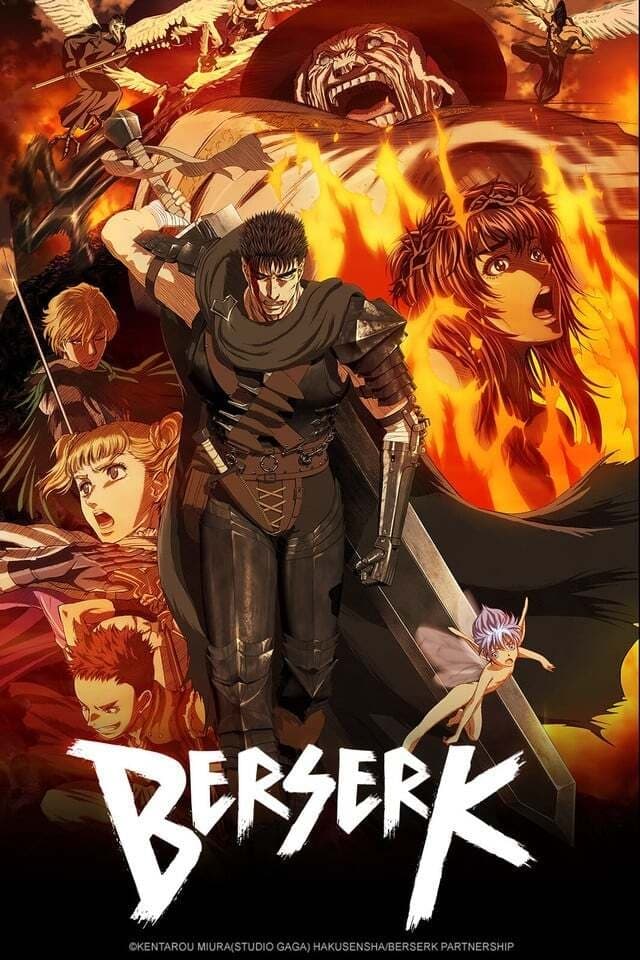
The 2016 remake and sequel of ‘Berserk’ utilized CGI to depict the dark fantasy world of Guts. This version omitted several of the Kushan characters who are depicted in the manga and were briefly touched upon in earlier adaptations. The Kushan Empire represents a major ethnic and cultural group in the ‘Berserk’ universe with designs inspired by Indian and Middle Eastern traditions. By simplifying the cast and skipping certain arcs, the remake erased the presence of these diverse characters. This change significantly reduced the cultural variety and geopolitical complexity of the world portrayed in the anime.
‘Spriggan’ (2022)
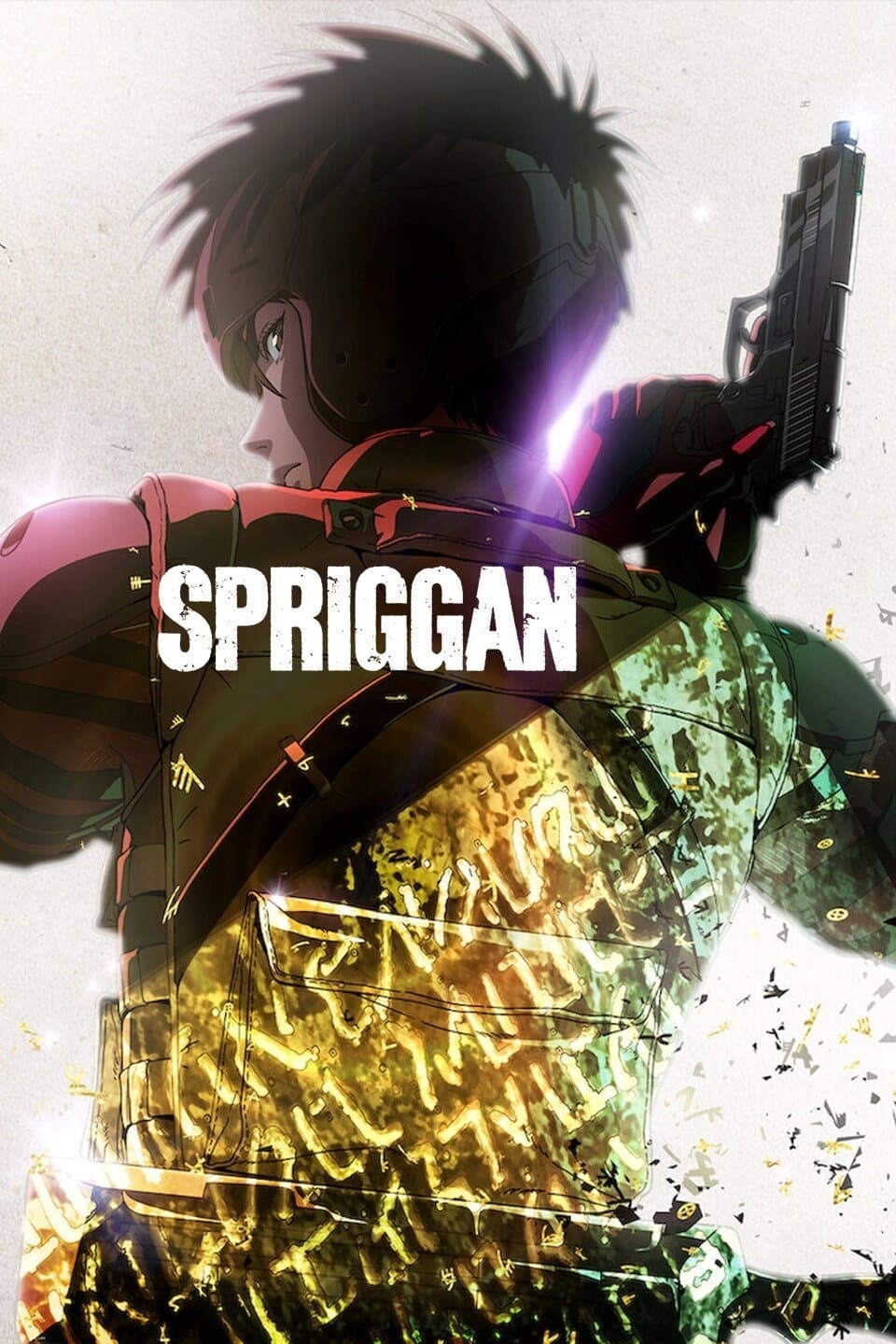
The 2022 ‘Spriggan’ remake on Netflix brought the high octane treasure hunting manga to a modern platform. In the process of updating the story, the producers simplified some of the international factions and diverse groups that the protagonist encounters. Some of the specific ethnic markers and unique cultural backgrounds of the antagonists were removed to create a more streamlined experience. This resulted in a cast that felt less internationally diverse than the one seen in the original 1998 film. The remake focused on fast paced action at the expense of the diverse world building found in the source material.
‘Baki Hanma’ (2021–2023)
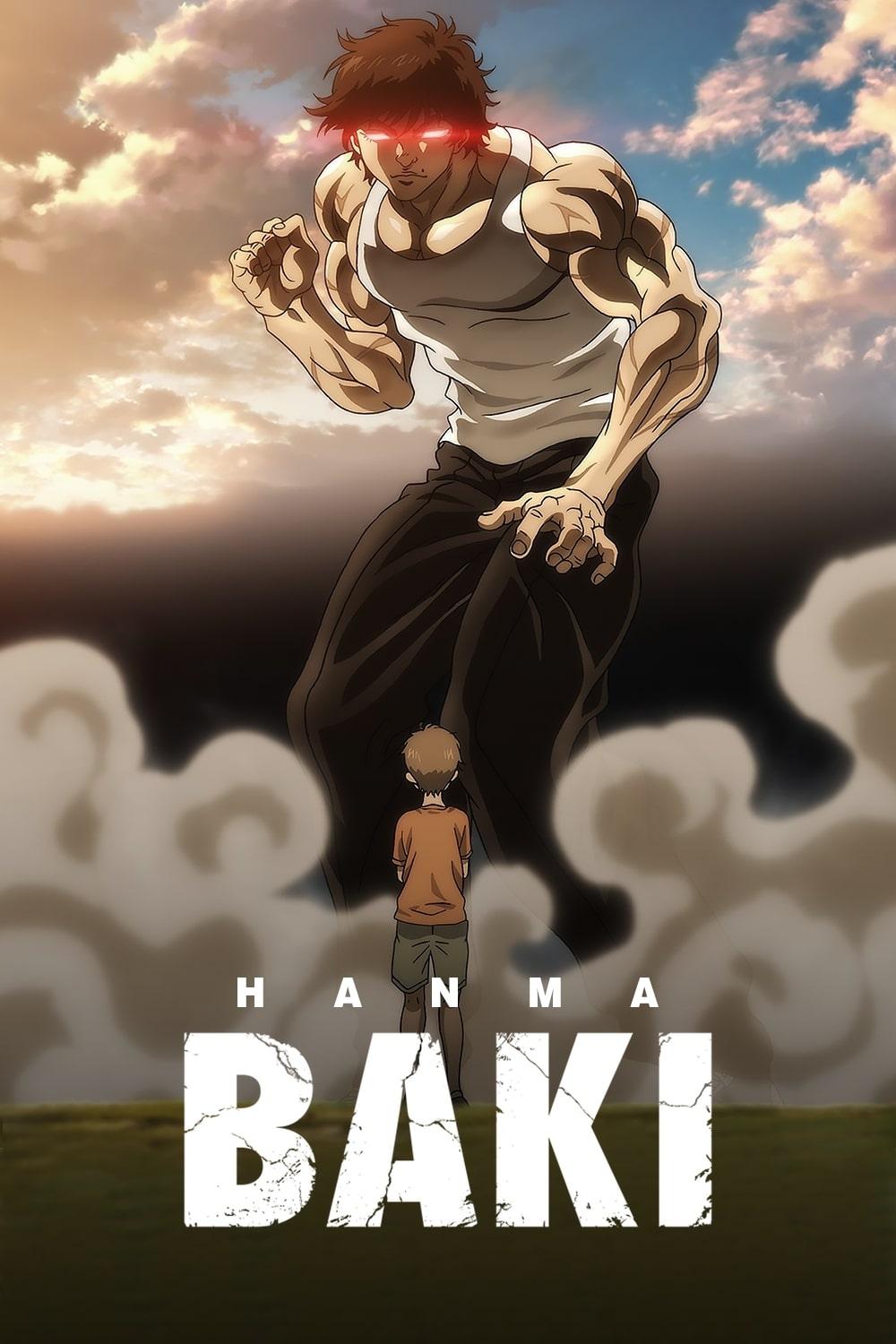
The ‘Baki Hanma’ series serves as a modern remake and continuation of the classic martial arts franchise. While the series features fighters from all over the world, many of the international fighters from the original 1990s and 2000s series were given less screen time or removed entirely. These characters often represented specific minority groups and traditional fighting styles from various cultures. The remake focuses heavily on the main family rivalry which leaves little room for the diverse international cast of the past. This shift in narrative focus led to a less diverse representation of the global martial arts community.
‘JoJo’s Bizarre Adventure’ (2012–2013)
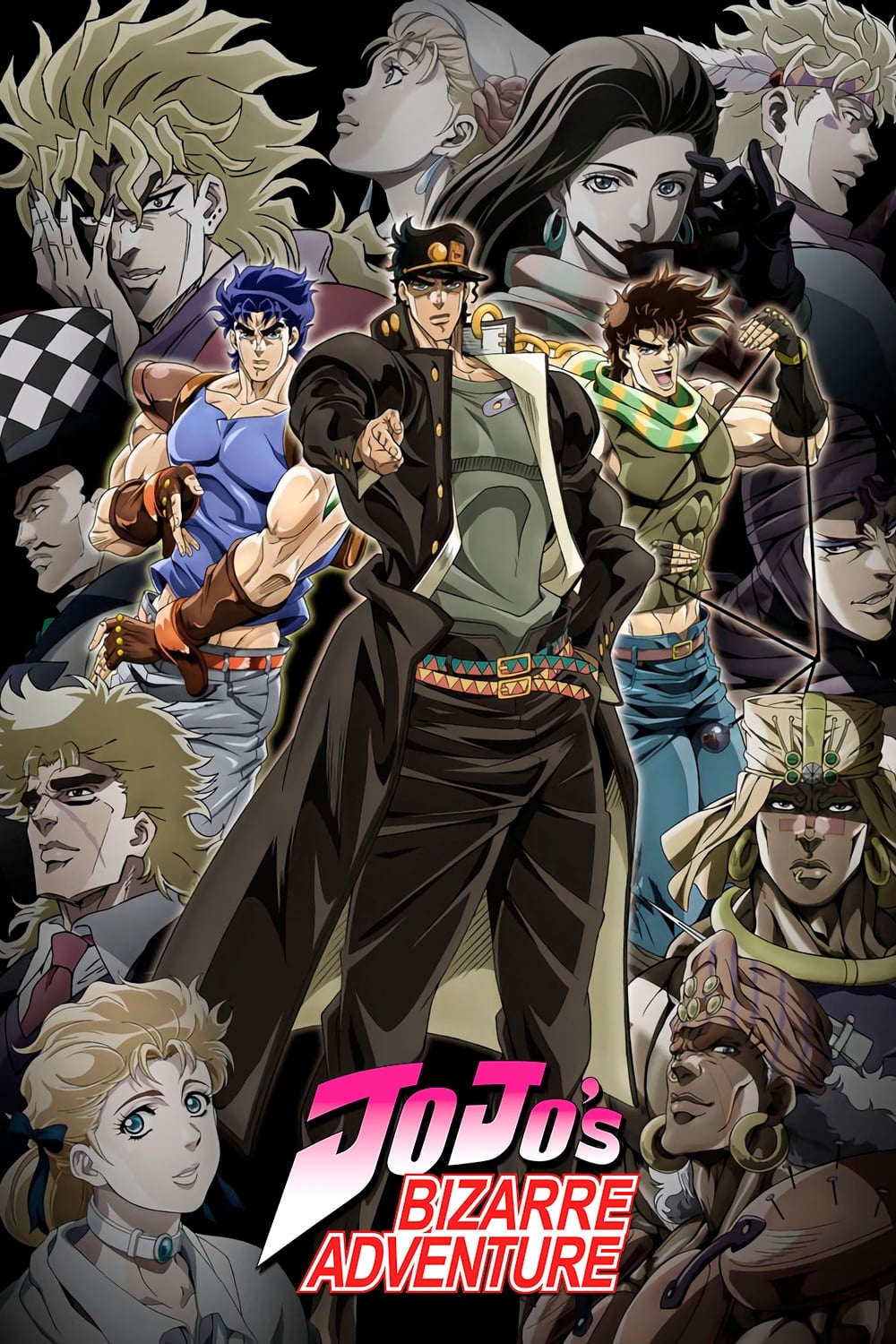
The 2012 production of ‘JoJo’s Bizarre Adventure’ brought the iconic manga to television with a faithful adaptation. However, when comparing the modern series to the 1993 OVA, some fans noticed that background crowds in the Cairo arc were simplified. The original OVA had more detailed depictions of the local Egyptian population and included diverse background characters with unique cultural markers. The modern series focused more on the stylized action and core cast which led to a less detailed portrayal of the local citizens. This change reduced the sense of place and the ethnic variety of the world the characters inhabited.
‘Fruits Basket’ (2019–2021)
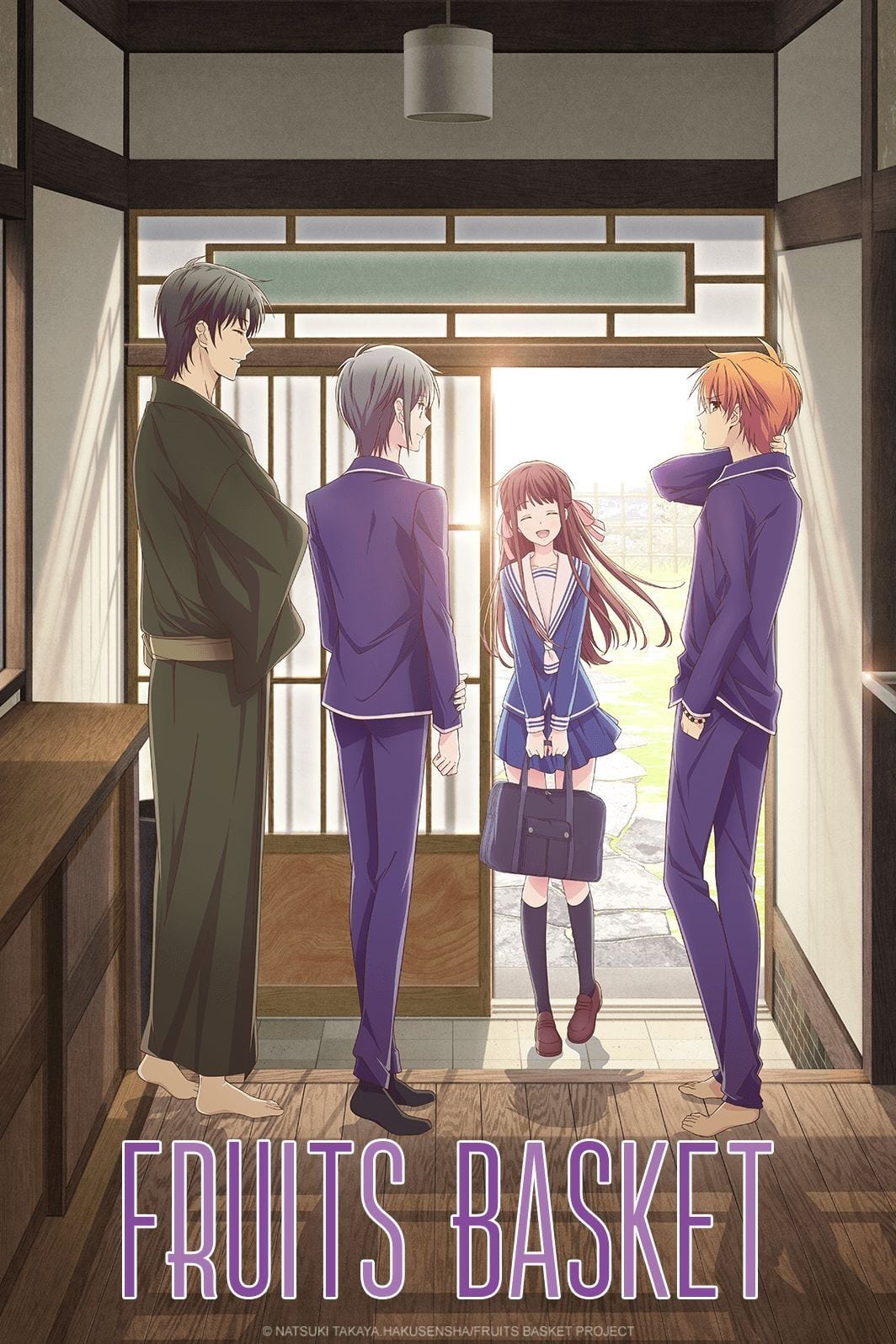
The ‘Fruits Basket’ remake was highly praised for finally adapting the entire manga story arc. To achieve this goal, the 2019 series removed several minor characters who were original to the 2001 anime adaptation. These original characters included various townspeople and schoolmates who added a level of diversity to the supporting cast. By strictly following the manga, the remake returned to a more centralized and less diverse group of characters. This demonstrated how removing anime original filler can sometimes lead to the loss of diverse supporting roles.
‘Saint Seiya: Knights of the Zodiac’ (2019–2020)
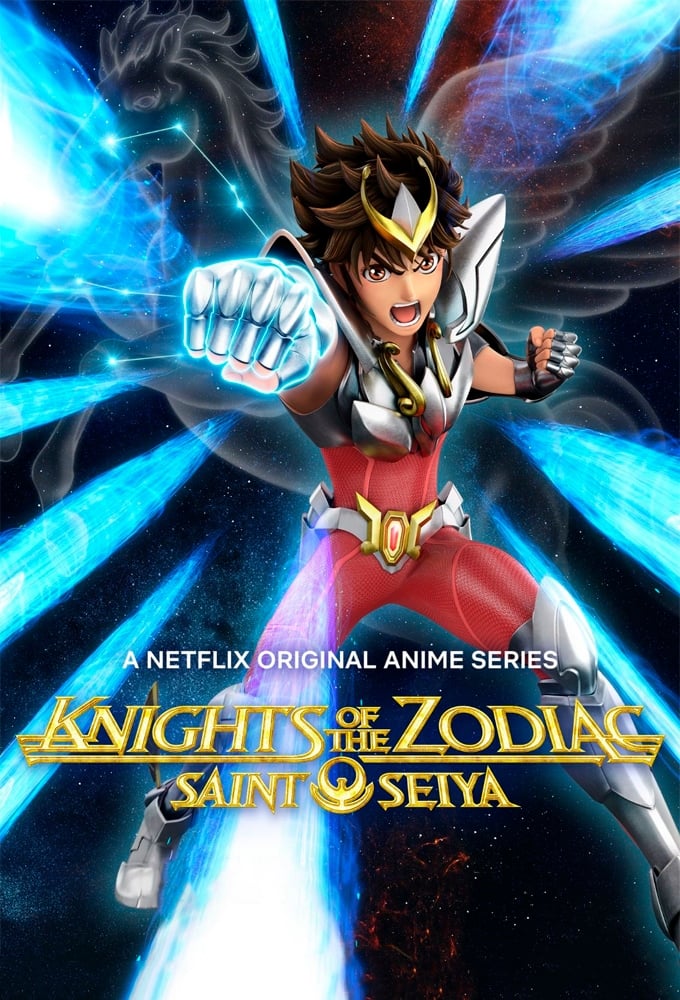
The 3D remake of ‘Saint Seiya’ made several controversial changes to the core cast of the classic series. One major decision was to change the character Shun from a male to a female character to increase gender diversity. However, in doing so, the production also removed or altered some of the original dynamics of the group which included varied international backgrounds. The remake also simplified the designs of many minor Saints from different countries who appeared in the original show. These changes resulted in a cast that felt less like a global gathering of warriors and more like a standard superhero team.
‘Devilman Crybaby’ (2018)
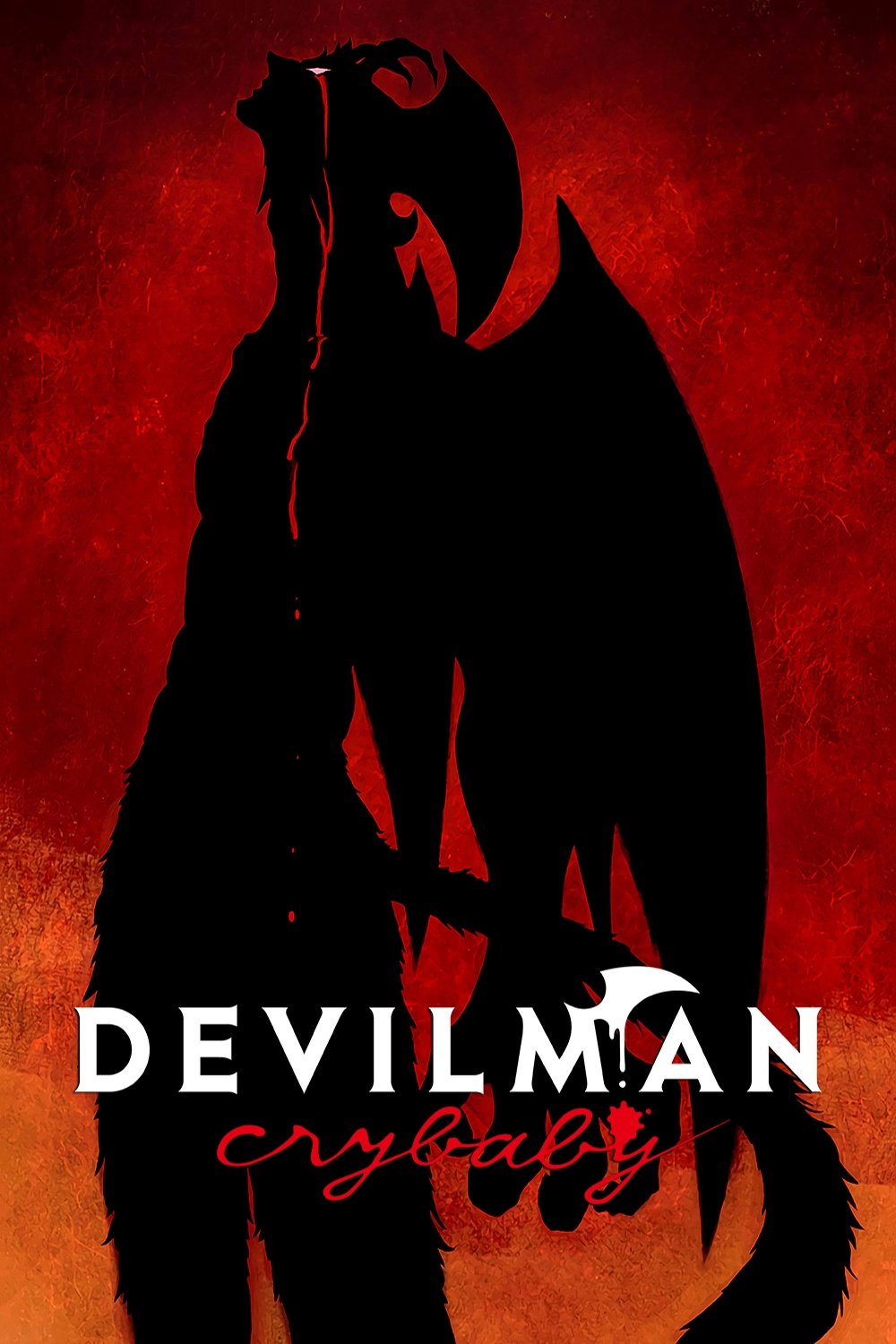
‘Devilman Crybaby’ is a modern retelling of the classic 1972 manga and anime series. While the remake introduced some new diverse characters, it also removed several characters from the original anime who had unique cultural identities. The 1972 version featured a broader range of neighborhood characters who provided a sense of community for the protagonist. The remake focuses more on the psychological and apocalyptic themes which led to the exclusion of these community based minority characters. This shift changed the tone of the story and the representation of the world surrounding Akira.
‘Dororo’ (2019)
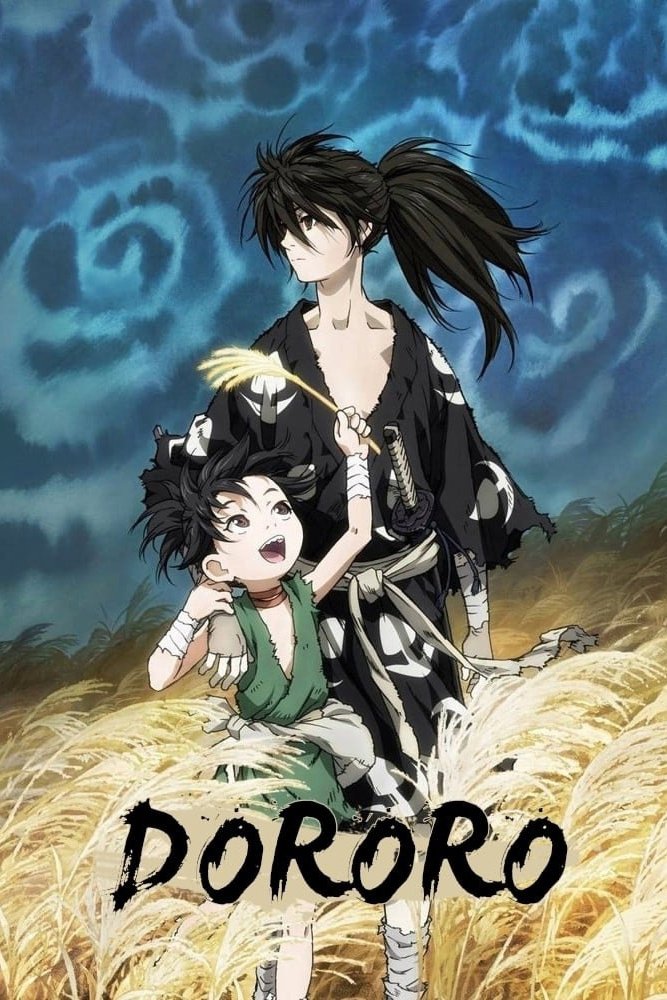
The 2019 remake of ‘Dororo’ updated the 1969 series with a much darker and more mature tone. In this process, the series omitted some of the traveling performers and marginalized groups that the protagonist encountered in the original show. These characters provided insight into the various social classes and ethnic groups of Sengoku era Japan. The remake focused more on the internal struggle of Hyakkimaru and his relationship with Dororo. Consequently, the diverse social landscape of the original series was simplified in favor of a more personal narrative.
‘Ushio and Tora’ (2015–2016)
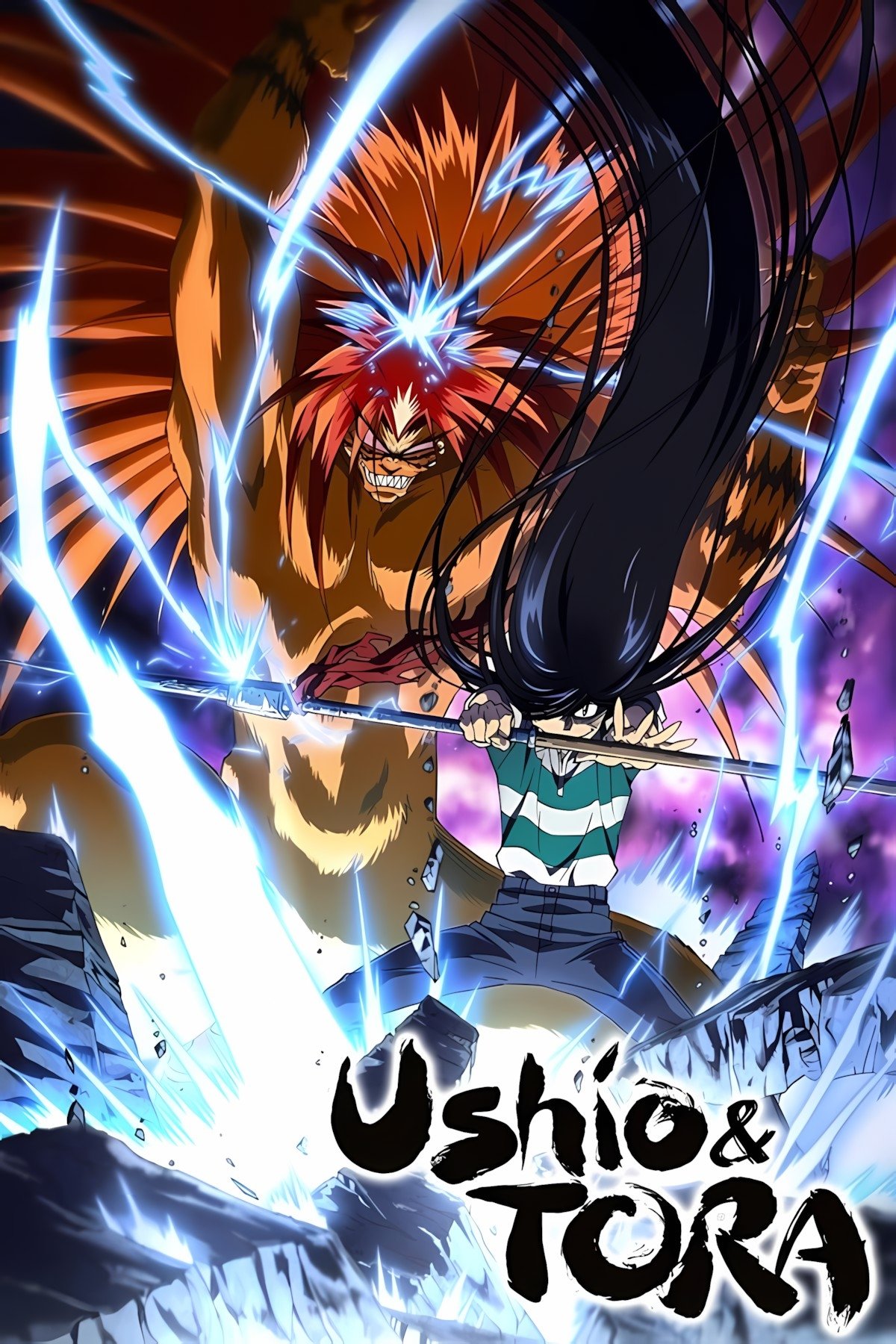
The ‘Ushio and Tora’ remake brought the 1990s manga to life with high energy animation and a condensed plot. To fit the entire story into a limited number of episodes, many of the side stories involving regional spirits and ethnic minor deities were cut. These spirits were often rooted in specific cultural traditions and provided a diverse look at Japanese folklore. Their removal in the remake erased these unique cultural representations from the show. The result is a story that feels more streamlined but less culturally rich than the original manga or previous adaptations.
‘Karakuri Circus’ (2018–2019)
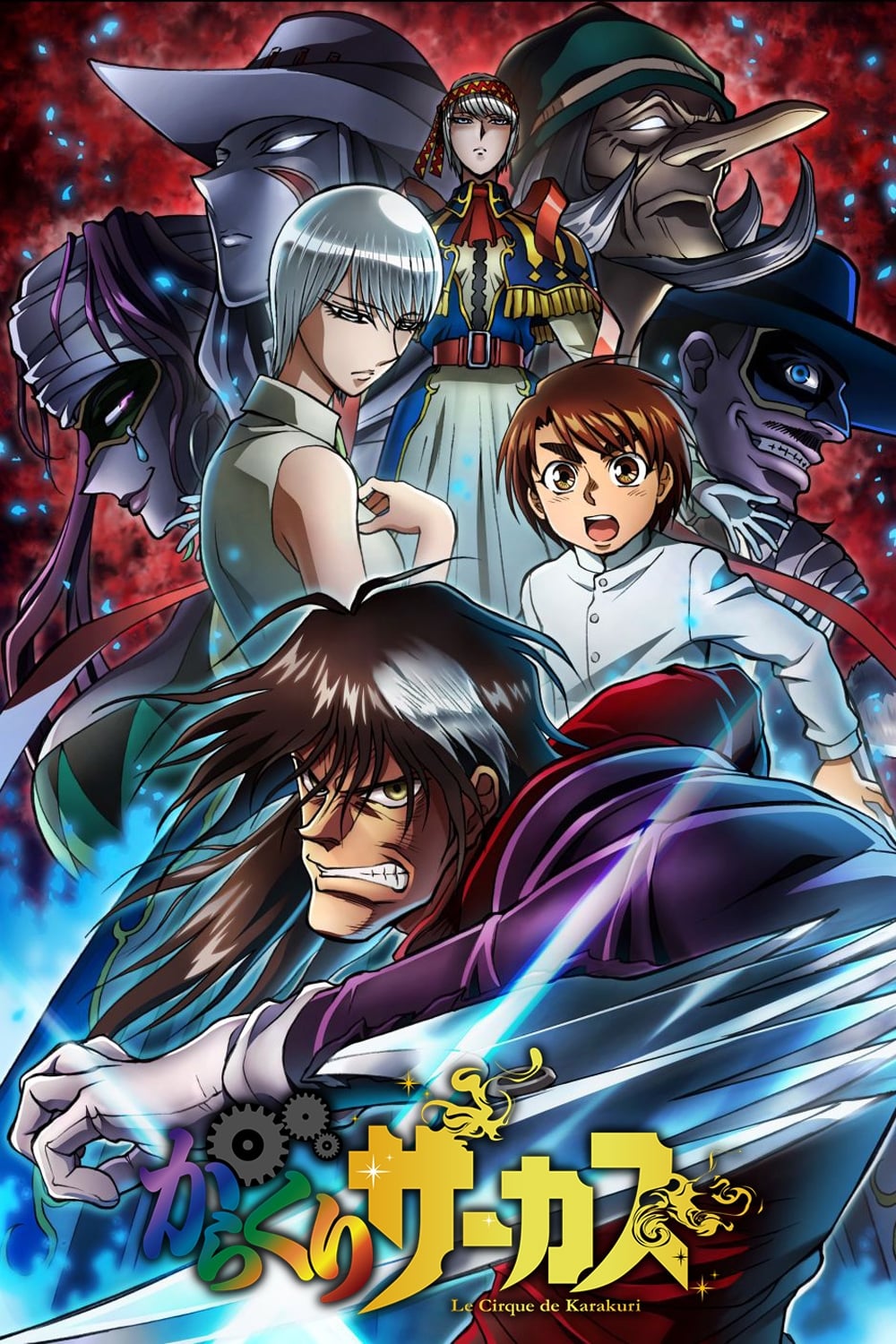
The remake of ‘Karakuri Circus’ struggled to adapt a massive manga into a single television season. This required the producers to cut dozens of characters from the international circus troupes featured in the story. Many of these characters came from diverse backgrounds across Europe and Asia and had unique cultural identities. By focusing only on the primary plot points, the remake erased the vast majority of these diverse side characters. This significantly reduced the international and multicultural feel of the circus world portrayed in the series.
‘Blade of the Immortal’ (2019–2020)
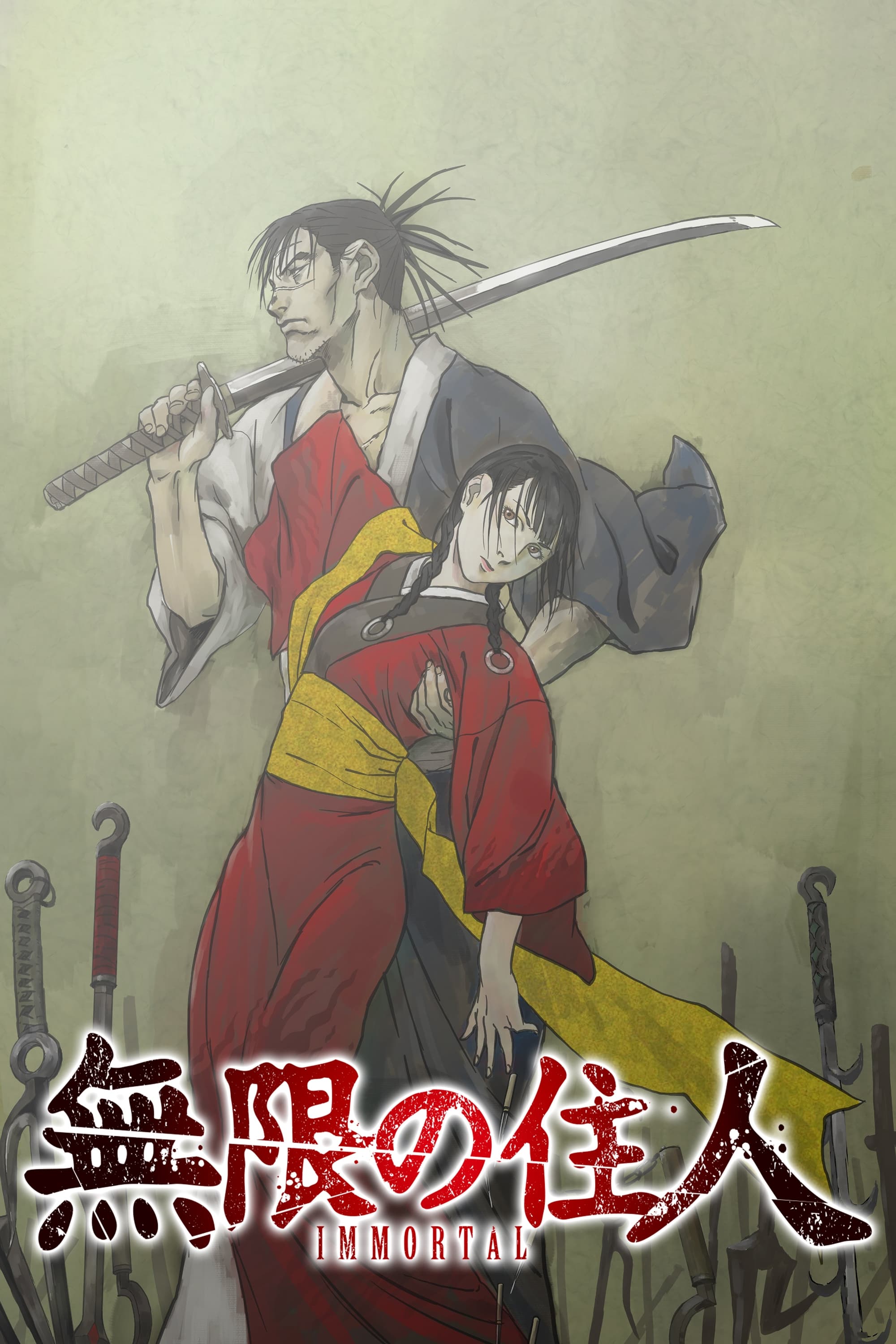
‘Blade of the Immortal’ received a new adaptation that aimed to cover the entire manga within two dozen episodes. This extremely fast pacing led to the omission of several minor clans and independent warriors who were part of the diverse fighting community. Some of these characters belonged to marginalized groups or had unique cultural backgrounds that set them apart. The remake focused almost entirely on the main conflict between Rin and the Itto ryu. This left no room for the diverse group of side characters who made the original world feel lived in and varied.
‘Tokyo Mew Mew New’ (2022–2023)
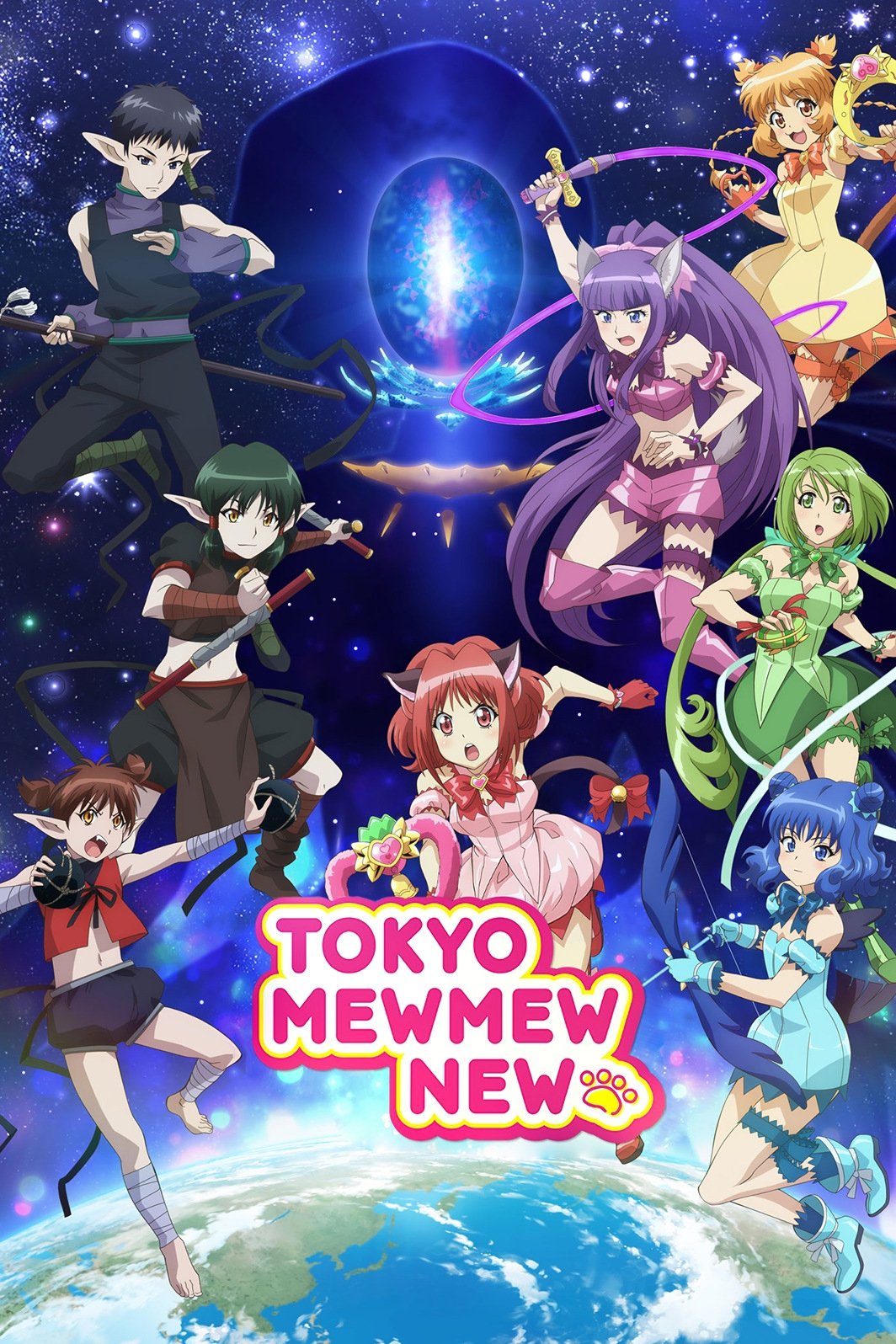
The ‘Tokyo Mew Mew New’ remake updated the magical girl series for the modern era with new character designs. The original series featured several episodes where the girls interacted with international guests and diverse patrons at their cafe. Many of these minor characters and guest roles were cut from the remake to keep the focus on the main team. This resulted in a show that felt more uniform and less engaged with the diverse global community. The remake prioritized the central cast over the multicultural interactions found in the original 2002 anime.
Share your thoughts on these changes and any other examples you have noticed in the comments.