Anime Series That Got Massive Backlash for Whitewashing Asian Characters


Anime properties have frequently faced public outcry when adapted into Western media formats or localized for international audiences. This backlash typically stems from the replacement of Asian characters with white actors or the removal of Japanese cultural elements to appeal to a broader audience. Fans often express frustration over the loss of cultural identity and the missed opportunities for Asian representation in lead roles. These instances highlight the ongoing challenges of cross cultural adaptation in the global entertainment industry. The following examples represent significant moments where audiences pushed back against these casting and creative choices.
‘Ghost in the Shell’ (2017)
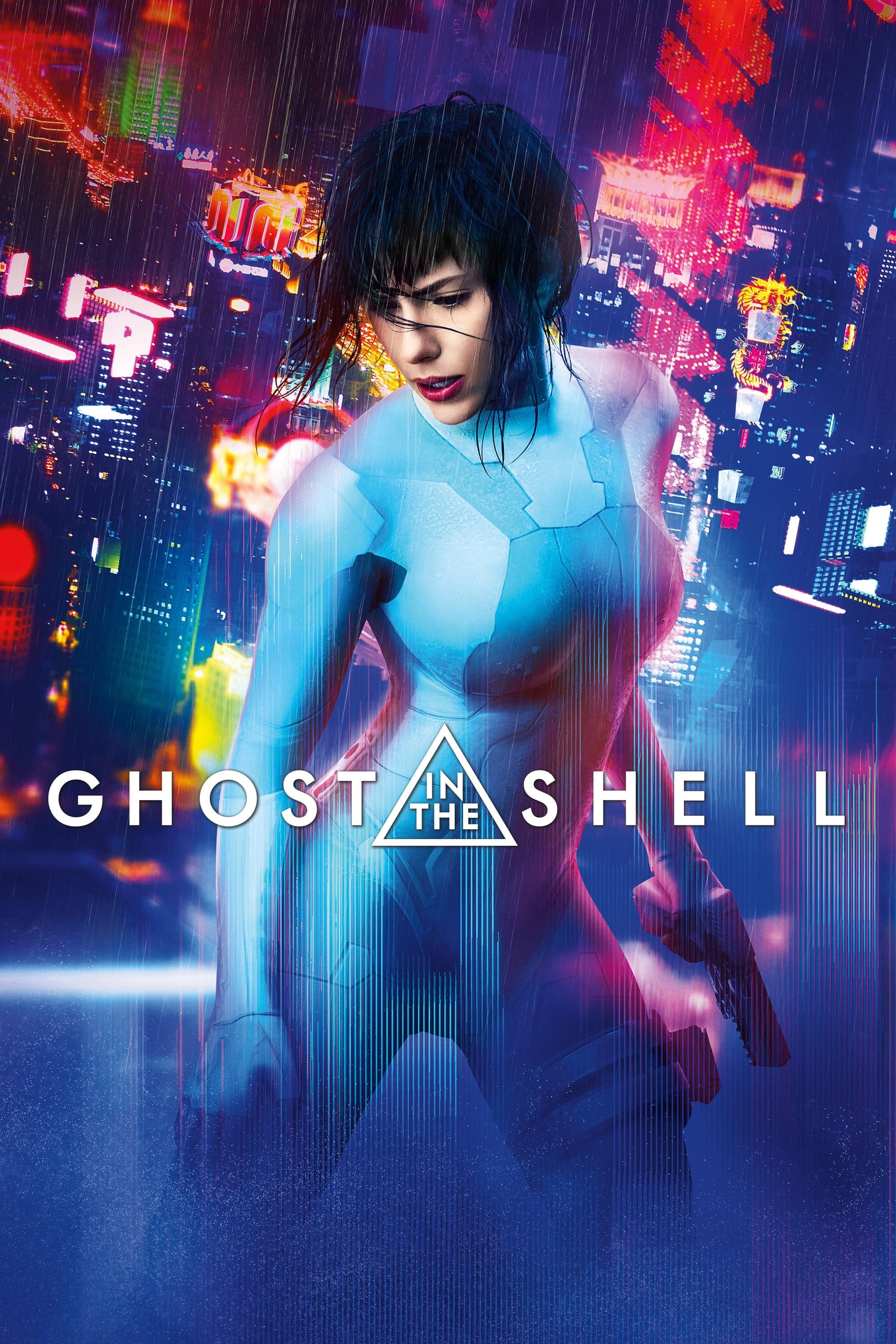
The live action version of ‘Ghost in the Shell’ drew intense criticism for casting a white actress as Major Motoko Kusanagi. This decision sparked a widespread debate regarding the erasure of Asian identities in mainstream Hollywood films. Many argued that the character should have been portrayed by an actor of Japanese descent to honor the source material. The production was accused of using technology to alter appearances which further fueled the controversy. Despite the visual quality of the film the casting choice remained a primary point of contention for many viewers.
‘Death Note’ (2017)
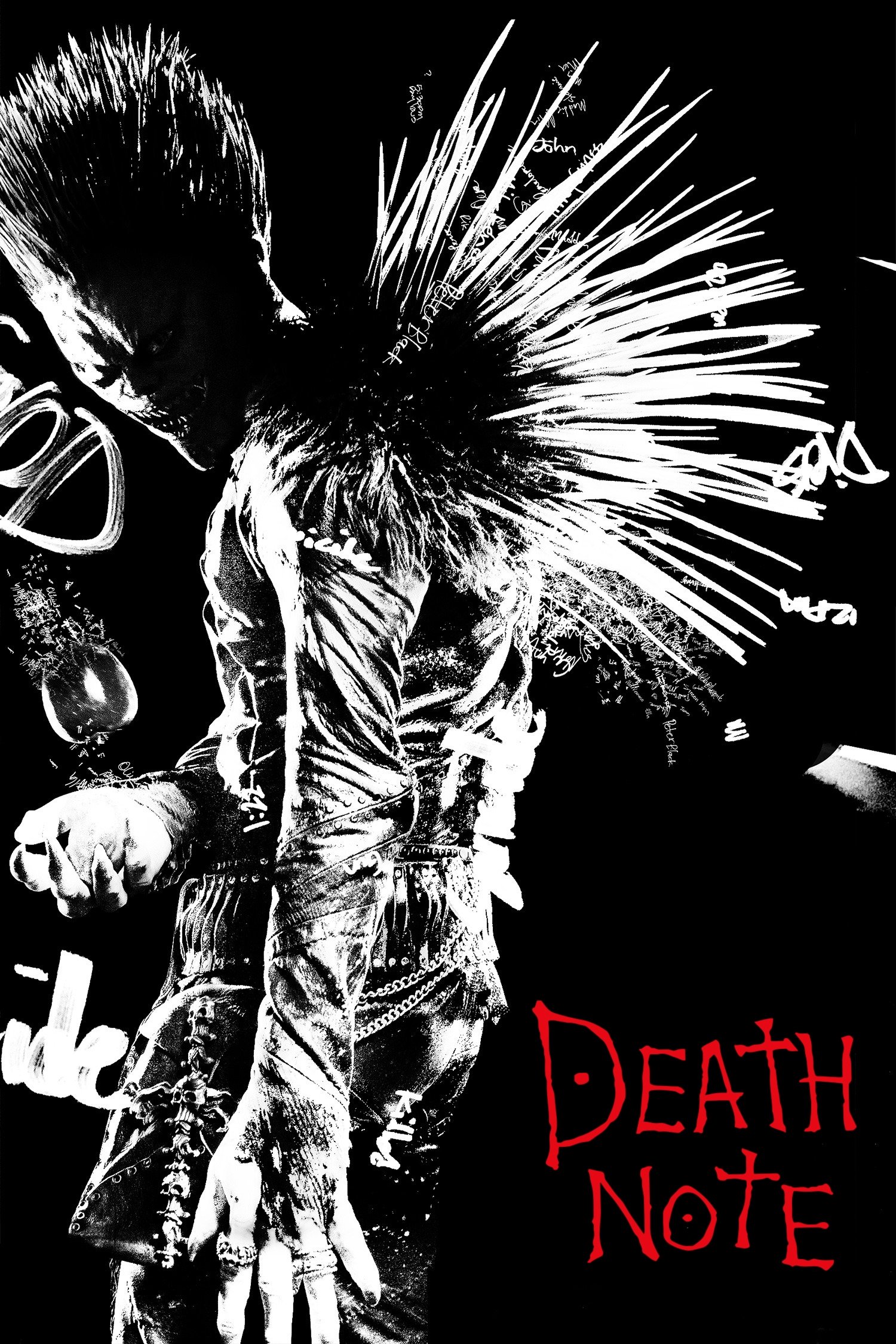
The American version of ‘Death Note’ moved the setting from Tokyo to Seattle and changed the names of the primary characters. Critics pointed out that the casting of Light Turner and Mia Sutton removed the specific cultural context of the original Japanese series. The removal of the Shinto inspired themes of justice and morality led to accusations of cultural stripping. While the creators stated they wanted to tell a universal story many fans viewed the change as unnecessary whitewashing. This adaptation remains one of the most cited examples of problematic anime to film transitions.
‘Dragonball Evolution’ (2009)
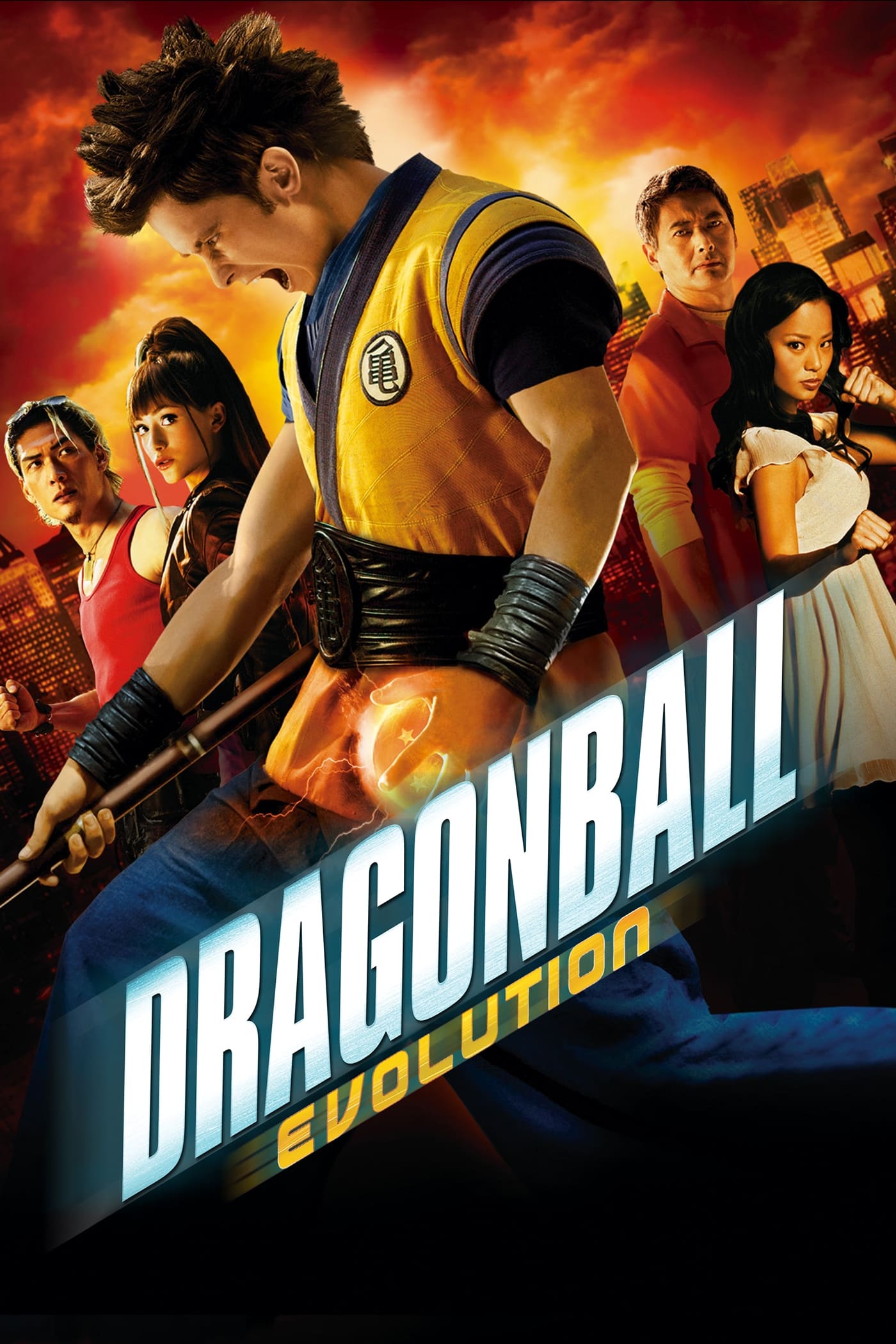
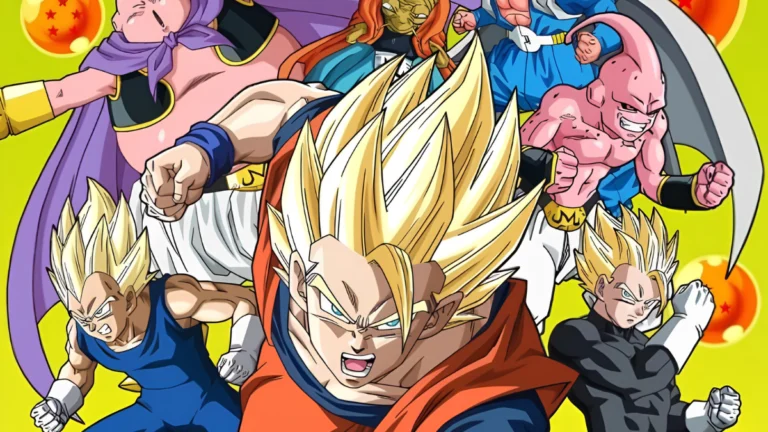
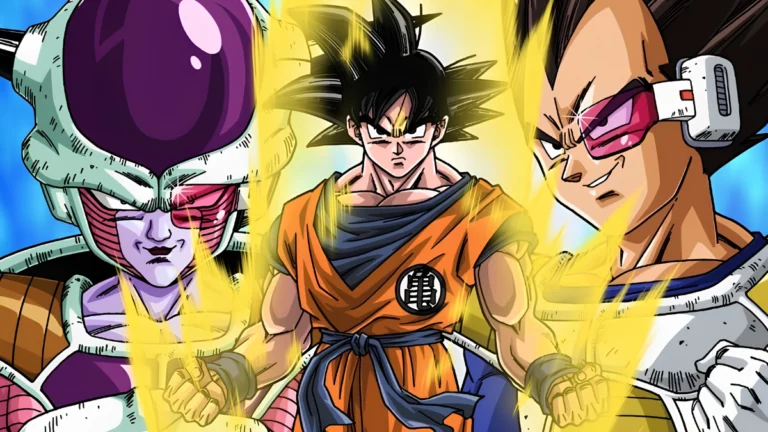
This live action film replaced the iconic Asian protagonist Goku with a white actor in a high school setting. The decision to westernize the story of ‘Dragonball’ resulted in a narrative that many felt ignored its roots in the classic Chinese novel Journey to the West. Significant backlash occurred regarding the casting of several lead roles which traditionally featured characters of East Asian heritage. The film was widely panned for its lack of fidelity to the visual and cultural style of the original anime. It is often remembered as a primary example of Hollywood failing to respect Asian source material.
‘Speed Racer’ (2008)
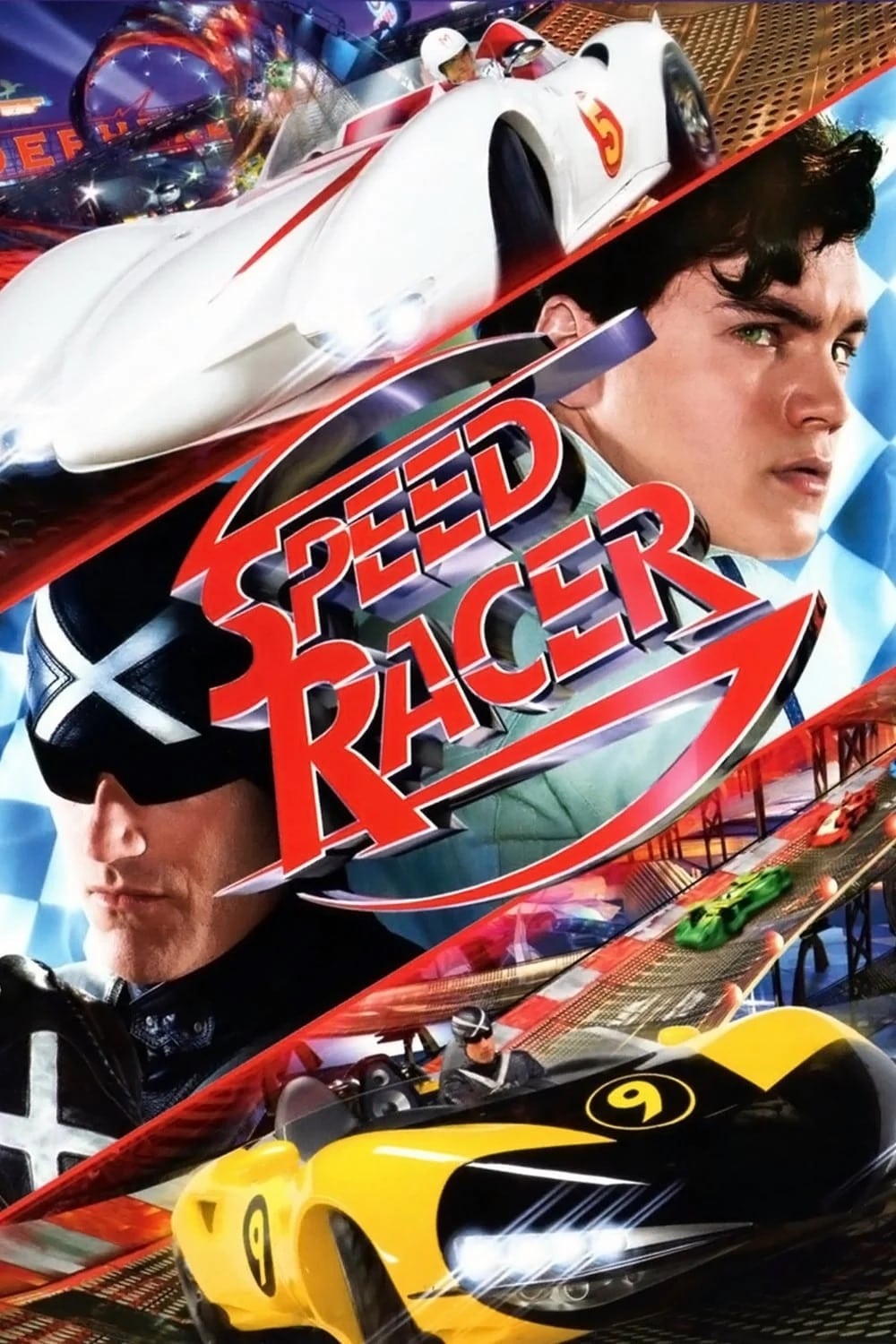
The adaptation of ‘Speed Racer’ featured a predominantly white cast for characters who were originally Japanese. While the film was praised for its visual style many fans were disappointed by the lack of Asian representation in the lead roles. The characters Pops Racer and Trixie were portrayed by actors who did not reflect the ethnicity of the original 1960s series. This casting trend followed a long history of Americanizing Japanese media for domestic consumption. Some critics argued that the film missed a chance to elevate Asian actors on a global stage.
‘Kite’ (2014)
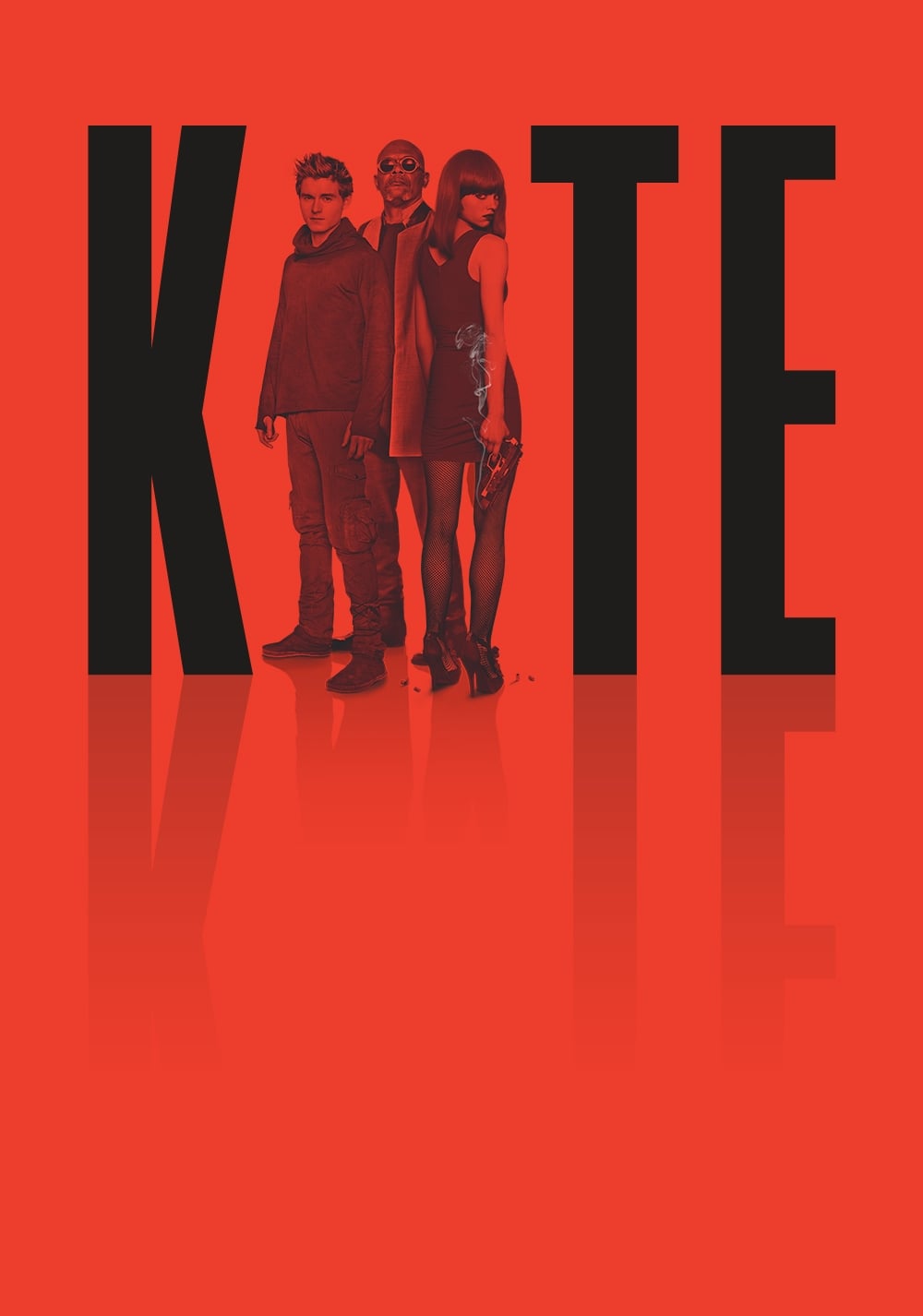
The live action version of the gritty anime ‘Kite’ faced criticism for its casting of a white lead actress in the role of Sawa. The original story is set in a fictionalized Japan and follows a young girl seeking revenge against those who killed her parents. By moving the setting and changing the ethnicity of the protagonist the film was accused of diluting the cultural essence of the source material. Many fans felt that the adaptation prioritized Western appeal over cultural accuracy. This backlash was part of a broader conversation about the lack of diversity in action cinema.
‘All You Need Is Kill’ (2014)
The film titled ‘Edge of Tomorrow’ is an adaptation of the Japanese light novel ‘All You Need Is Kill’ by Hiroshi Sakurazaka. The original story features a Japanese protagonist named Keiji Kiriya who is replaced by a white American character in the movie. This change was met with criticism from those who felt the industry was unwilling to cast an Asian lead in a big budget science fiction film. While the movie was a critical success the removal of the original character ethnicity remained a point of discussion for many years. It represents a common trend of adapting Japanese intellectual properties by stripping them of their cultural roots.
‘Fist of the North Star’ (1995)
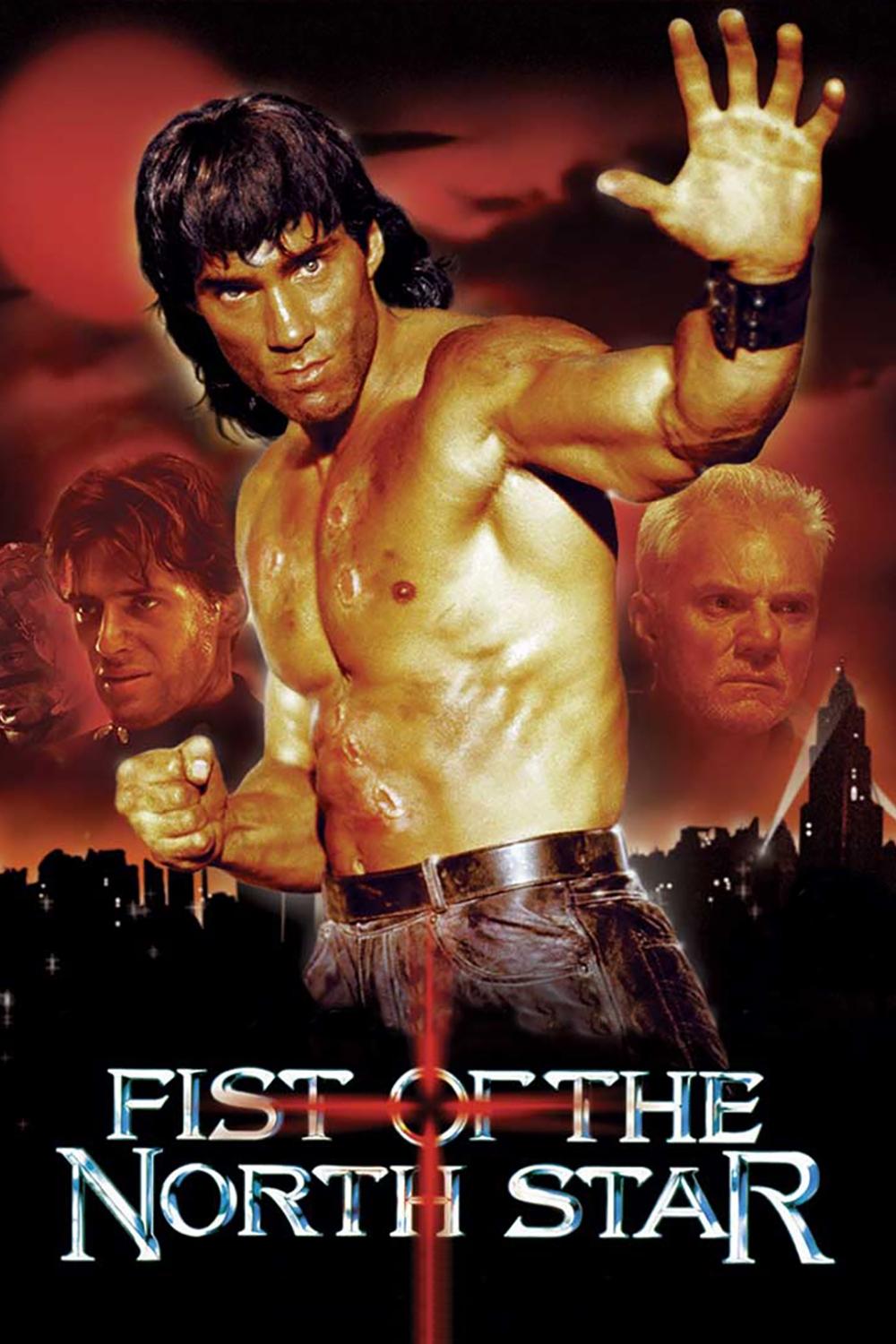
The American live action version of ‘Fist of the North Star’ replaced the legendary Kenshiro with a white actor. This decision was seen as a major departure from the visual identity of the original manga and anime series. Fans were vocal about their disappointment regarding the Westernization of a character so deeply rooted in Japanese pop culture. The film also changed many supporting characters to fit a more traditional Western action movie mold. This adaptation is often cited as a low point for faithful anime transitions.
‘The Guyver’ (1991)
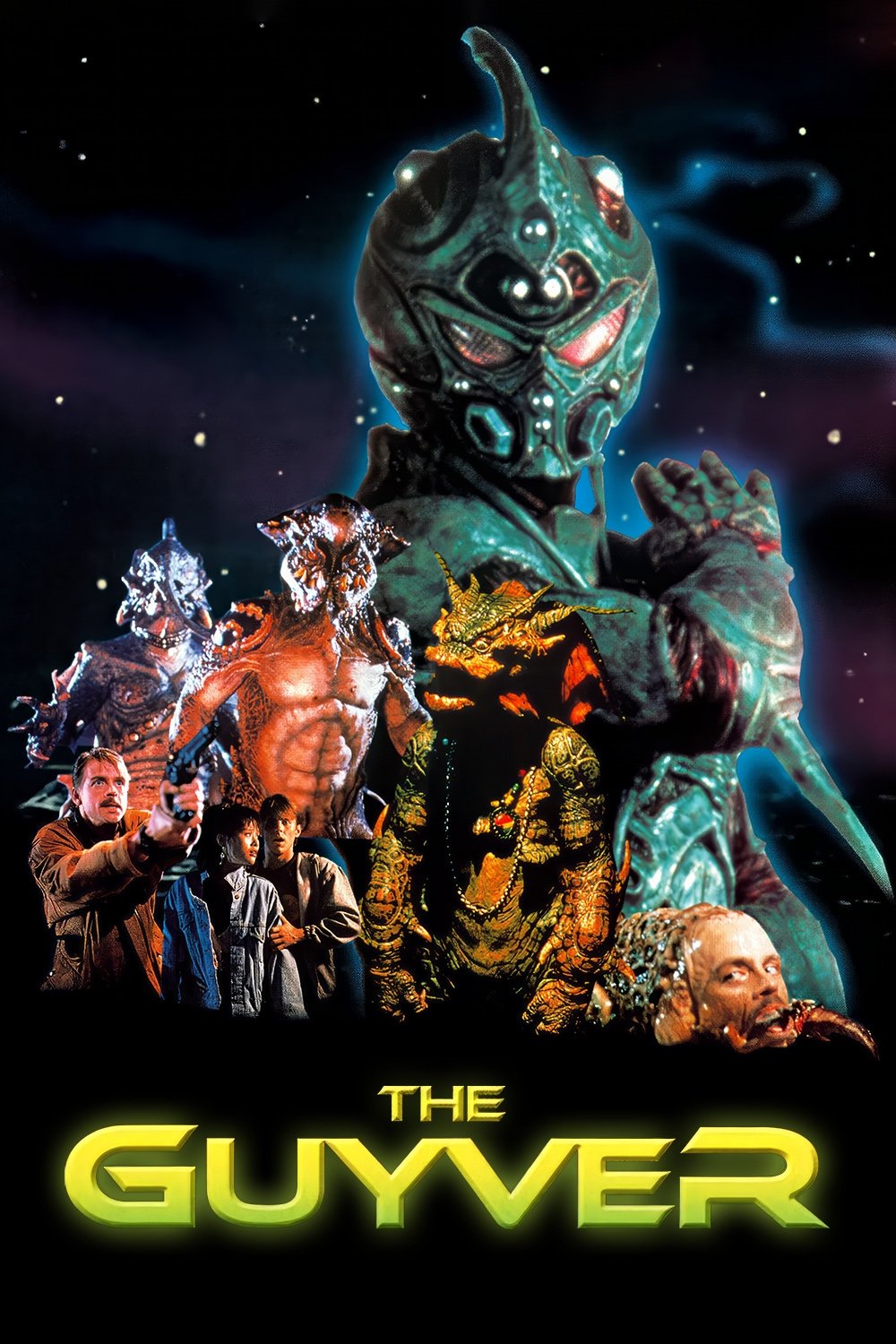
The live action adaptation of ‘The Guyver’ featured an American protagonist named Sean Barker instead of the original Sho Fukamachi. This change moved the story from Japan to the United States and removed the cultural background of the lead character. Fans of the original anime and manga were critical of the decision to whitewash the narrative for American audiences. While the film used impressive practical effects for the time the casting choice remained a major grievance for the community. It remains a notable example of the era when Japanese stories were frequently rewritten for Western viewers.
‘Oldboy’ (2013)
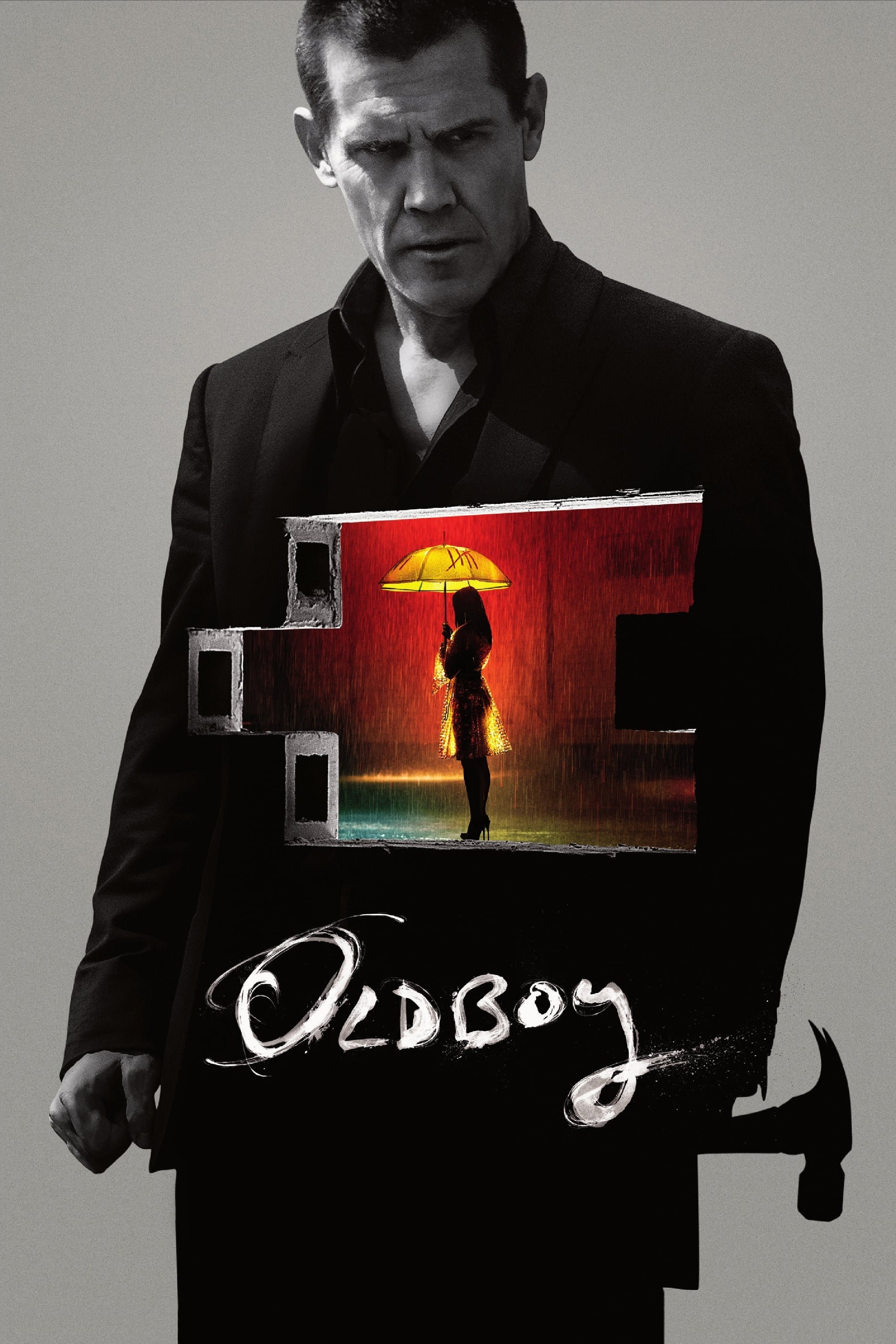
The American remake of ‘Oldboy’ based on the Japanese manga and subsequent Korean film faced backlash for its casting. The decision to cast a white lead in a story so closely associated with Asian cinema was viewed by many as unnecessary. Critics argued that the remake did not add enough new perspective to justify the change in cultural setting and character ethnicity. The film struggled to find an audience and was often compared unfavorably to the original versions. This production highlighted the difficulties of remaking cult classics for a different demographic.
‘Crying Freeman’ (1995)
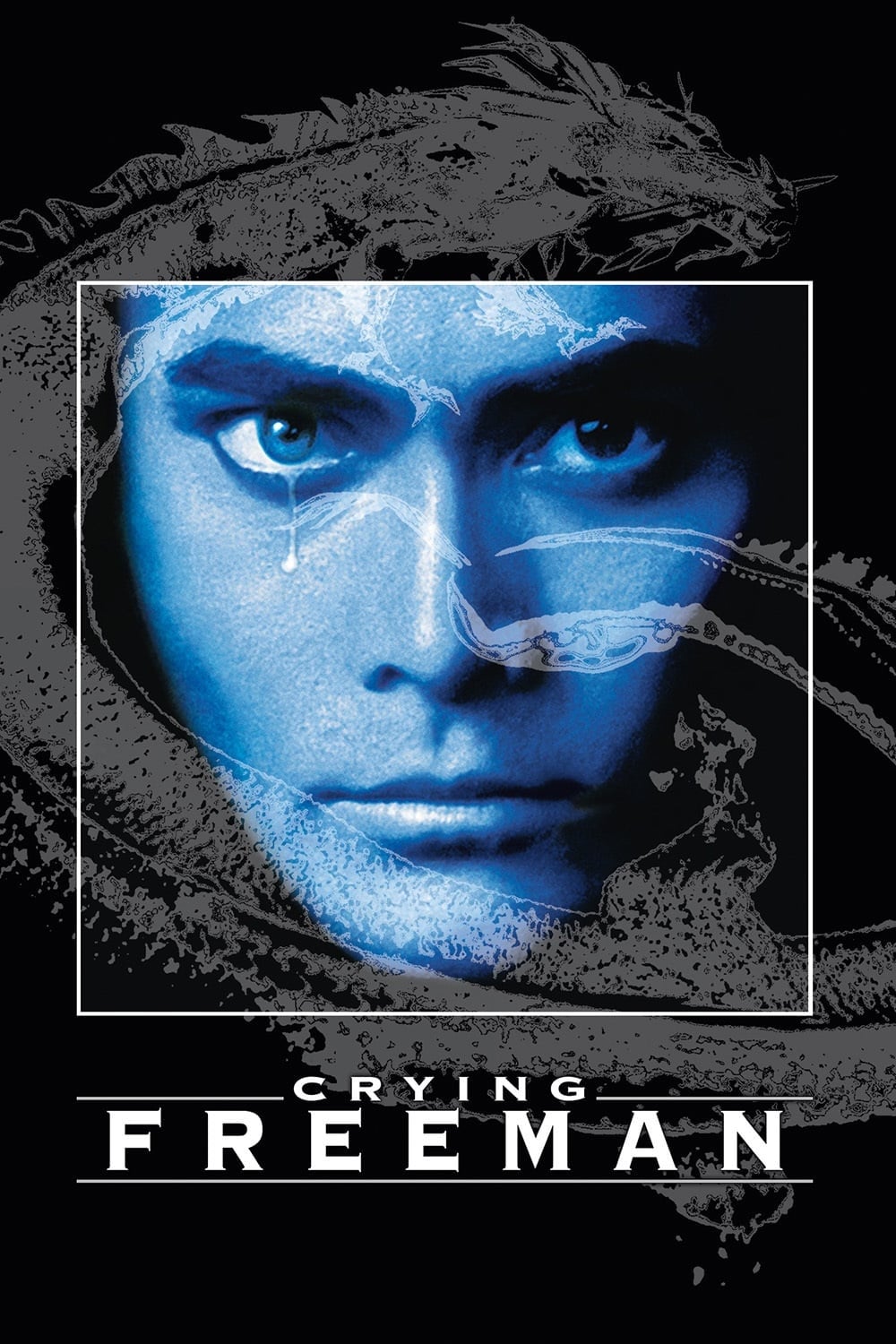
The adaptation of ‘Crying Freeman’ featured a white actor in the title role of a Japanese assassin. This casting choice was met with criticism from fans who wanted to see the character Yo Hinomura portrayed accurately. The film attempted to bridge the gap by retaining some of the original setting but the lead casting remained a sticking point. Many felt that the core of the character identity was lost in the transition to a Western production. It is one of several nineties films that contributed to the discourse on whitewashing in anime adaptations.
‘Street Fighter’ (1994)
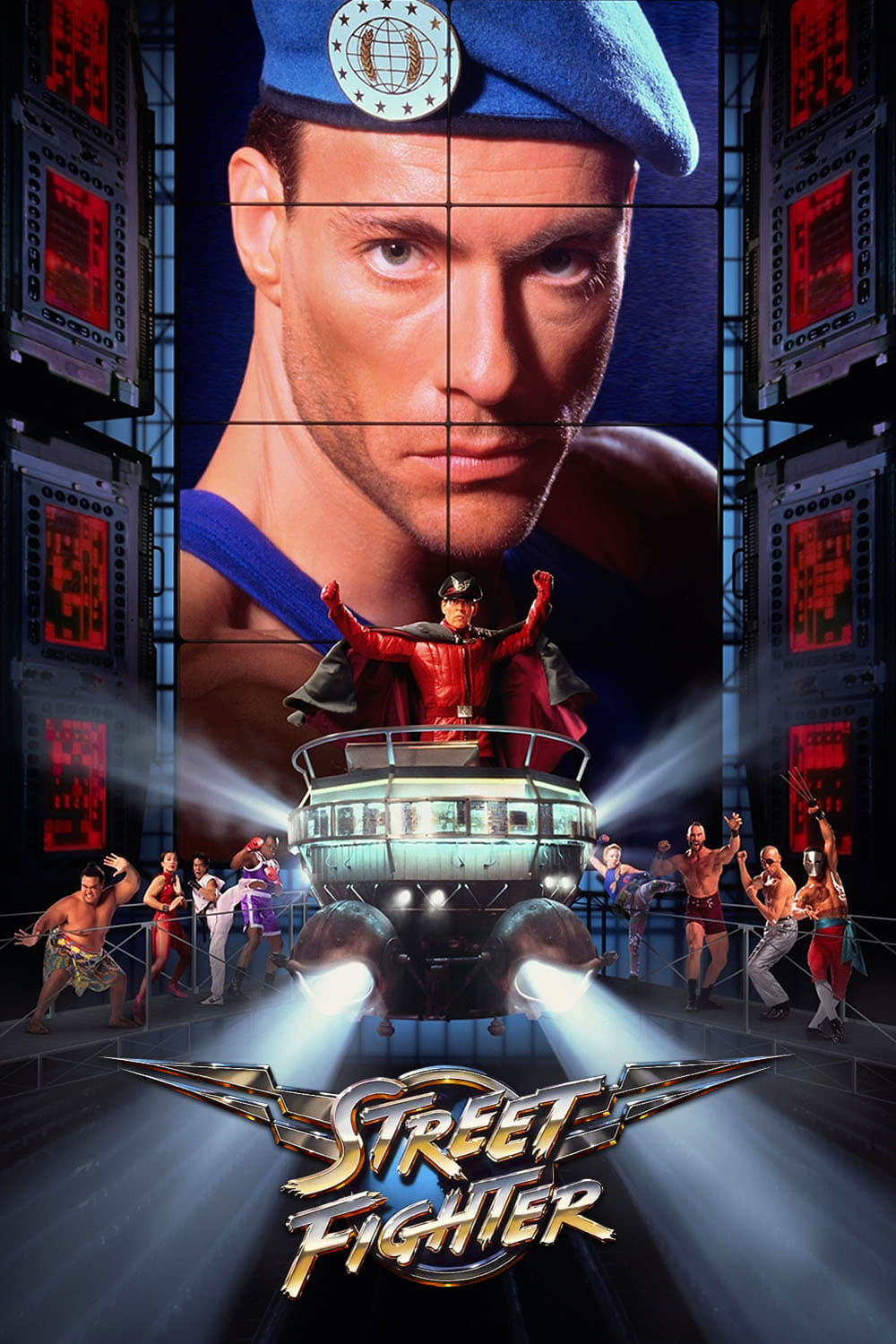
The live action ‘Street Fighter’ movie faced criticism for its casting of several iconic Asian characters with white or non Asian actors. The character of Ryu who is one of the most famous Japanese figures in gaming and anime was not played by an actor of Japanese descent. Other characters like Ken and Chun Li also saw changes that fans felt ignored their specific heritage. The film was intended to be a global blockbuster but the casting decisions were seen as a compromise of the source material. This backlash demonstrated the strong connection fans have to the ethnic identities of their favorite characters.
‘Tekken’ (2009)
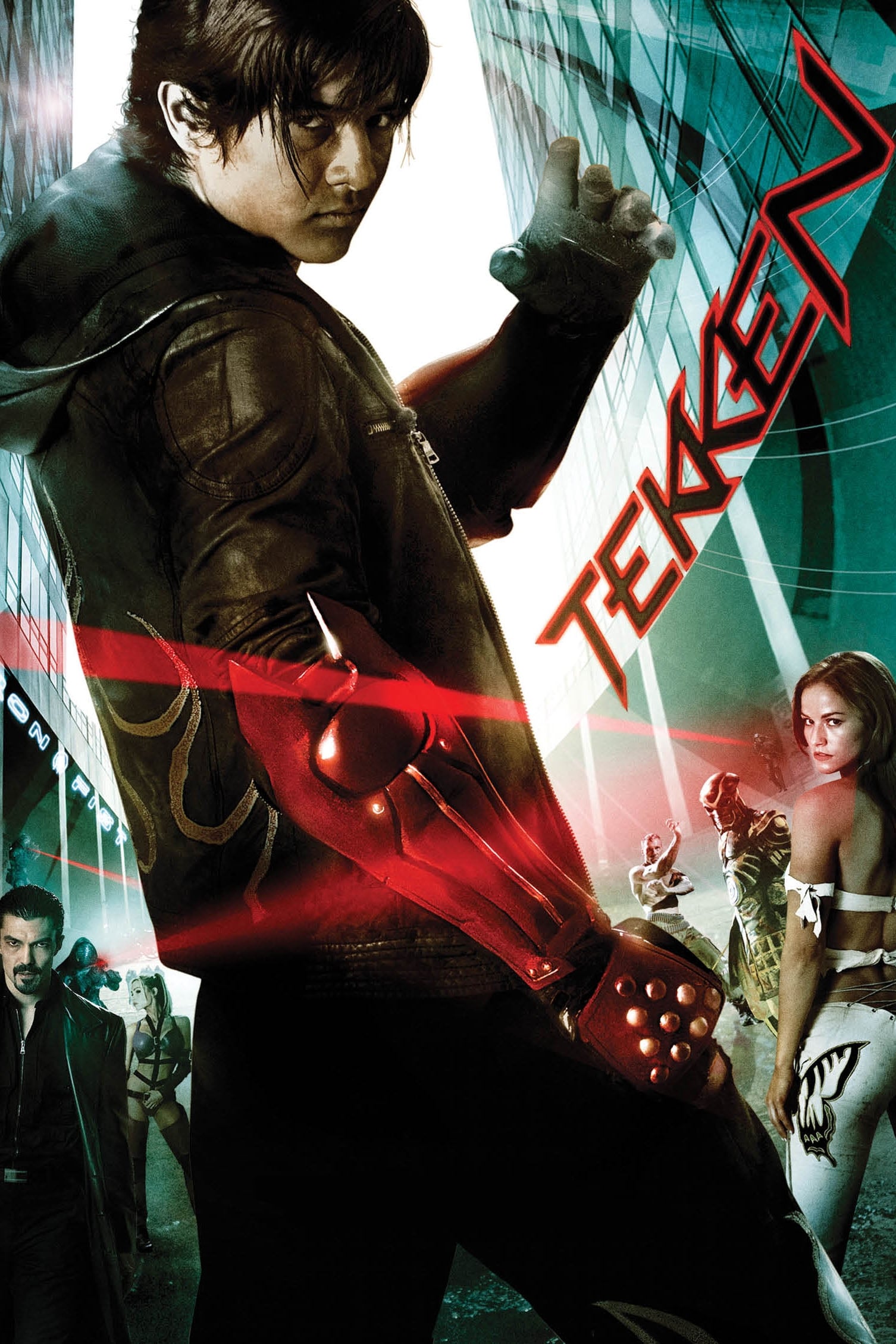
The live action ‘Tekken’ film was widely criticized for its casting of the Mishima family who are the central Japanese characters of the series. Fans were particularly upset with the portrayal of Jin Kazama and Heihachi Mishima by actors who did not share their Japanese heritage. This decision was viewed as a failure to respect the cultural foundations of the franchise. The movie was panned by both critics and fans for its poor script and lack of authentic representation. It remains a cautionary tale for studios looking to adapt popular Asian fighting games.
‘Blood: The Last Vampire’ (2009)

The live action adaptation of ‘Blood The Last Vampire’ cast a non Japanese actress as the protagonist Saya. This move was criticized because the original anime is set on a United States military base in Japan and features a Japanese lead. Fans argued that the casting choice undermined the unique cultural dynamic of the story. The film was also accused of following a generic action formula that ignored the atmospheric quality of the original work. The backlash added to the growing list of concerns regarding how Western studios handle Asian intellectual property.
‘Priest’ (2011)
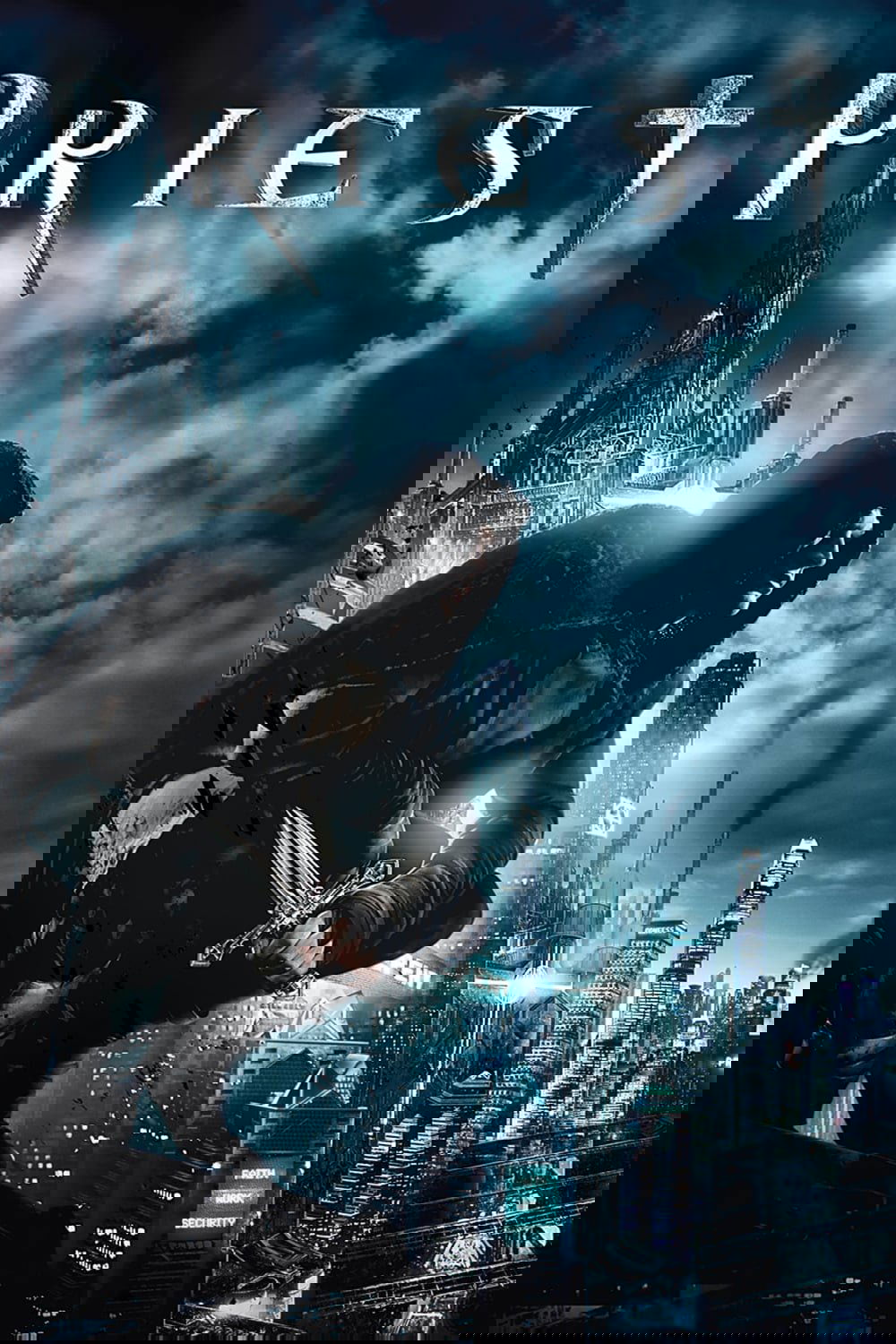
The film ‘Priest’ was based on the popular Korean manhwa of the same name which features a distinct blend of Western and Eastern horror. The adaptation moved the story into a post apocalyptic setting with a predominantly white cast. Fans of the original work were disappointed by the removal of the Korean cultural elements and characters. This shift was seen as another example of a studio taking the concept of an Asian creator and stripping it of its identity. The film received mixed reviews and failed to capture the spirit of the source material.
‘Astro Boy’ (2009)
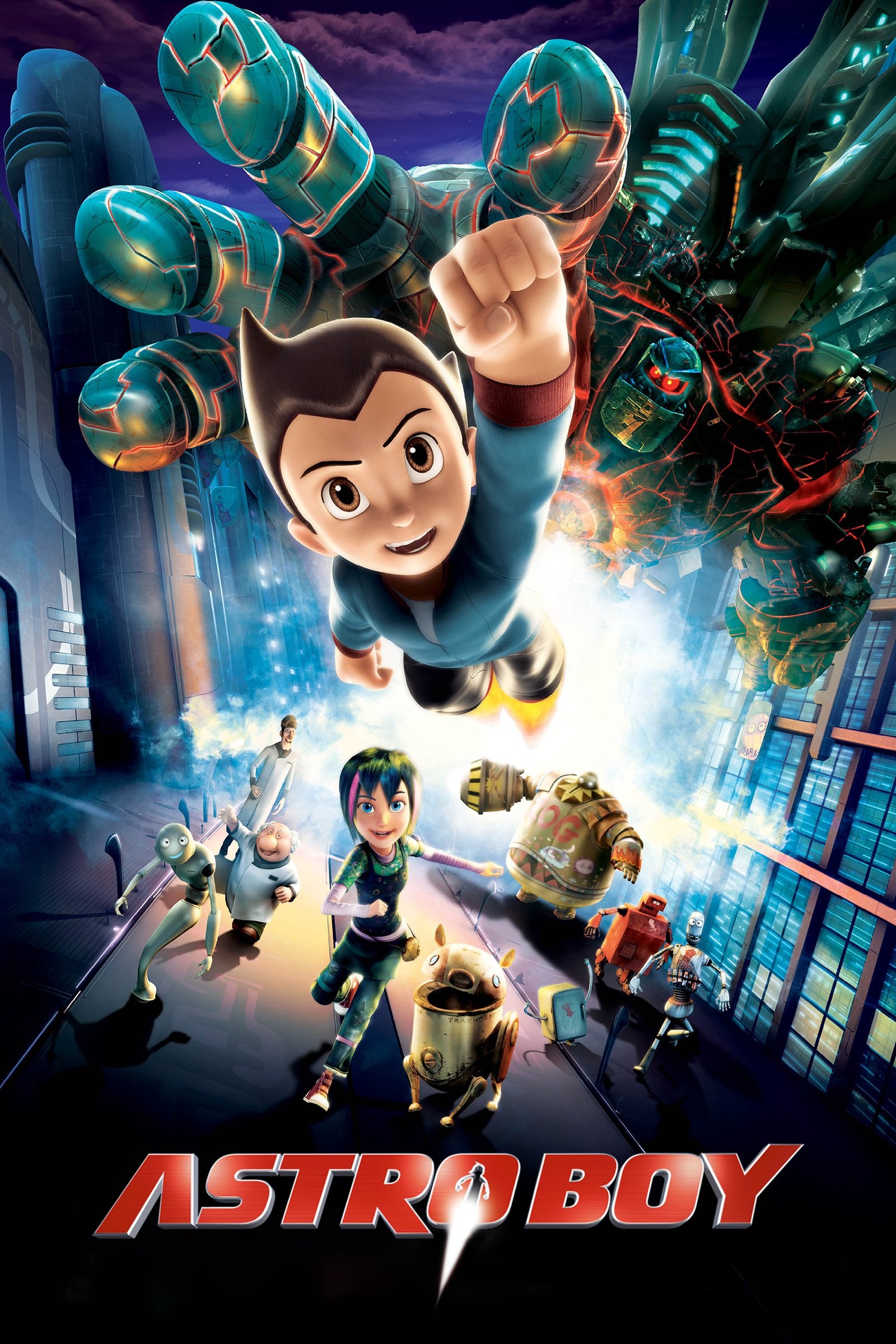
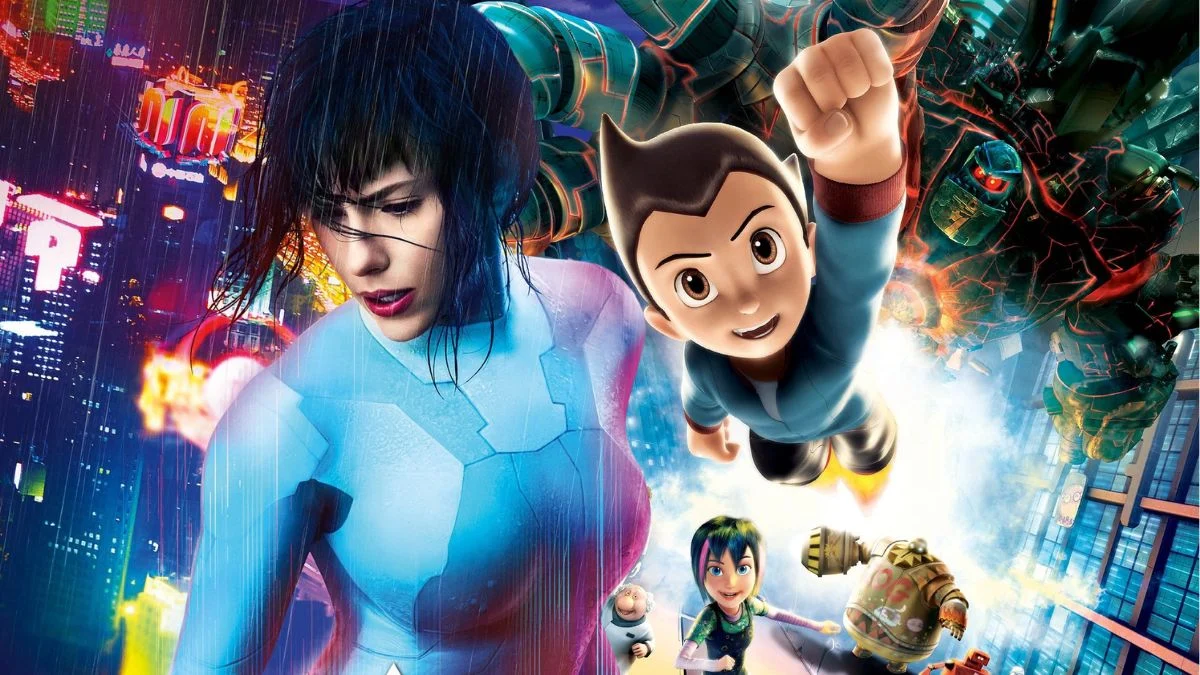
The computer animated ‘Astro Boy’ film featured a voice cast that was almost entirely white for characters originally created by Osamu Tezuka. As a pioneer of Japanese animation the works of Tezuka are held in high regard for their cultural significance. Fans noted that the decision to use American stars for all the primary roles felt like a form of vocal whitewashing. While the film was set in a futuristic city the lack of Asian voices in a Japanese story was a point of contention. This instance highlighted that whitewashing can occur even in animated adaptations through casting.
‘Robotech’ (1985)

The series ‘Robotech’ was created by combining three separate Japanese anime series into a single narrative for the North American market. During this process the production team changed the names and backstories of many characters to make them sound more Western. Characters like Hikaru Ichijyo were renamed to Rick Hunter which effectively erased their original Japanese identity. Fans of the original ‘The Super Dimension Fortress Macross’ often criticize these changes as a form of cultural erasure intended to sanitize the content for Western children. This localization style set a precedent for many anime imports during the eighties and nineties.
‘Battle of the Planets’ (1978)
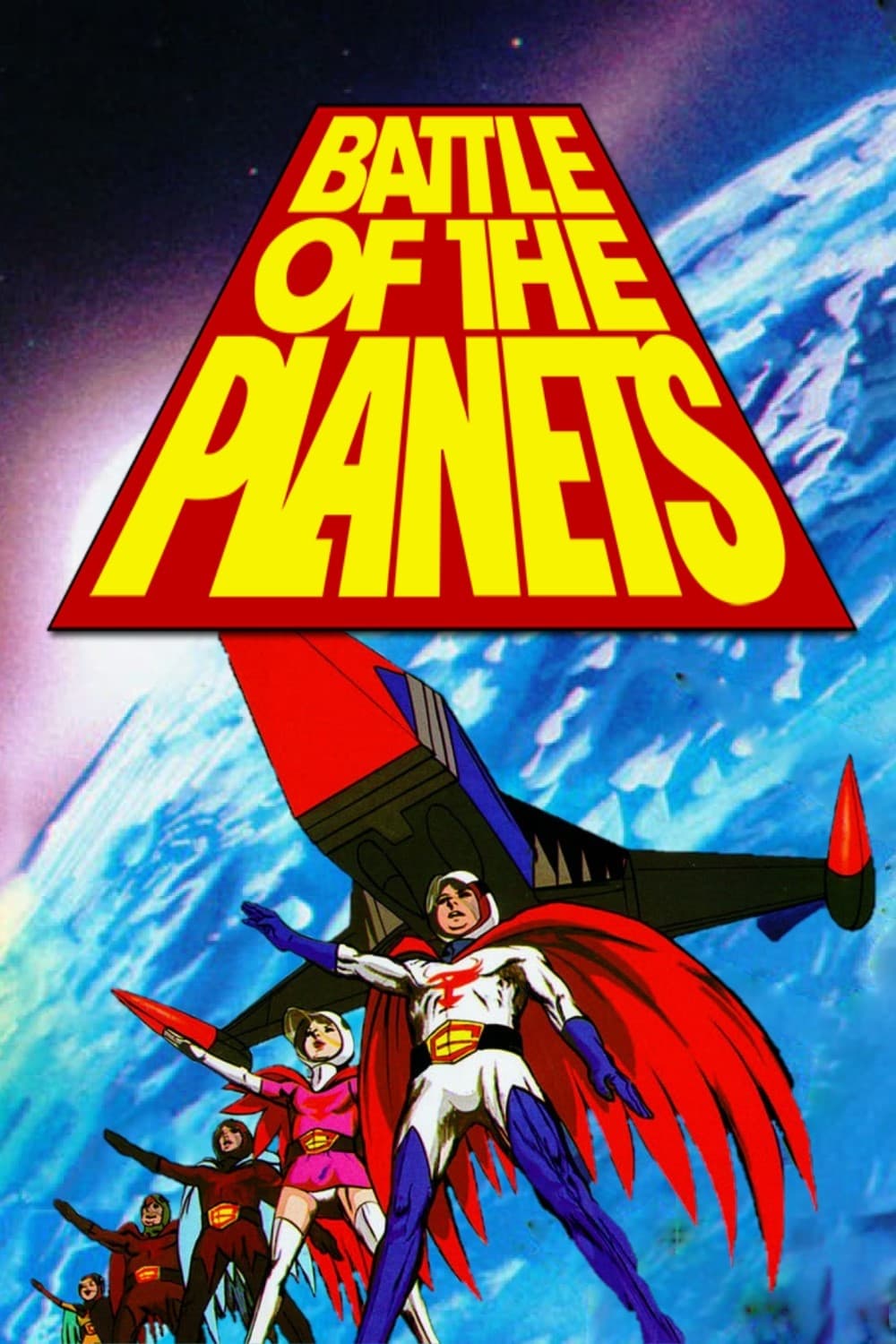
This series was an Americanized version of the Japanese anime ‘Science Ninja Team Gatchaman’. The localization process involved heavy editing and the renaming of the Japanese protagonists to Western names like Mark and Jason. The production also added a robot character to fill gaps left by removing more violent scenes from the original show. Fans of the original work have pointed to this as an early example of whitewashing Japanese culture to fit Western broadcast standards. These changes significantly altered the tone and cultural context of the original series.
‘Sailor Moon’ (1995)
The first North American dub of ‘Sailor Moon’ by DiC Entertainment is well known for its extensive localization and name changes. Characters like Usagi Tsukino were renamed to Serena and many Japanese cultural references were edited out or replaced. This included changing the relationships between characters to fit more conservative Western standards of the time. Fans have long criticized these edits as a form of cultural whitewashing that suggested the original Japanese setting was not suitable for children. Later dubs have since restored the original names and cultural context of the series.
‘Initial D’ (2005)
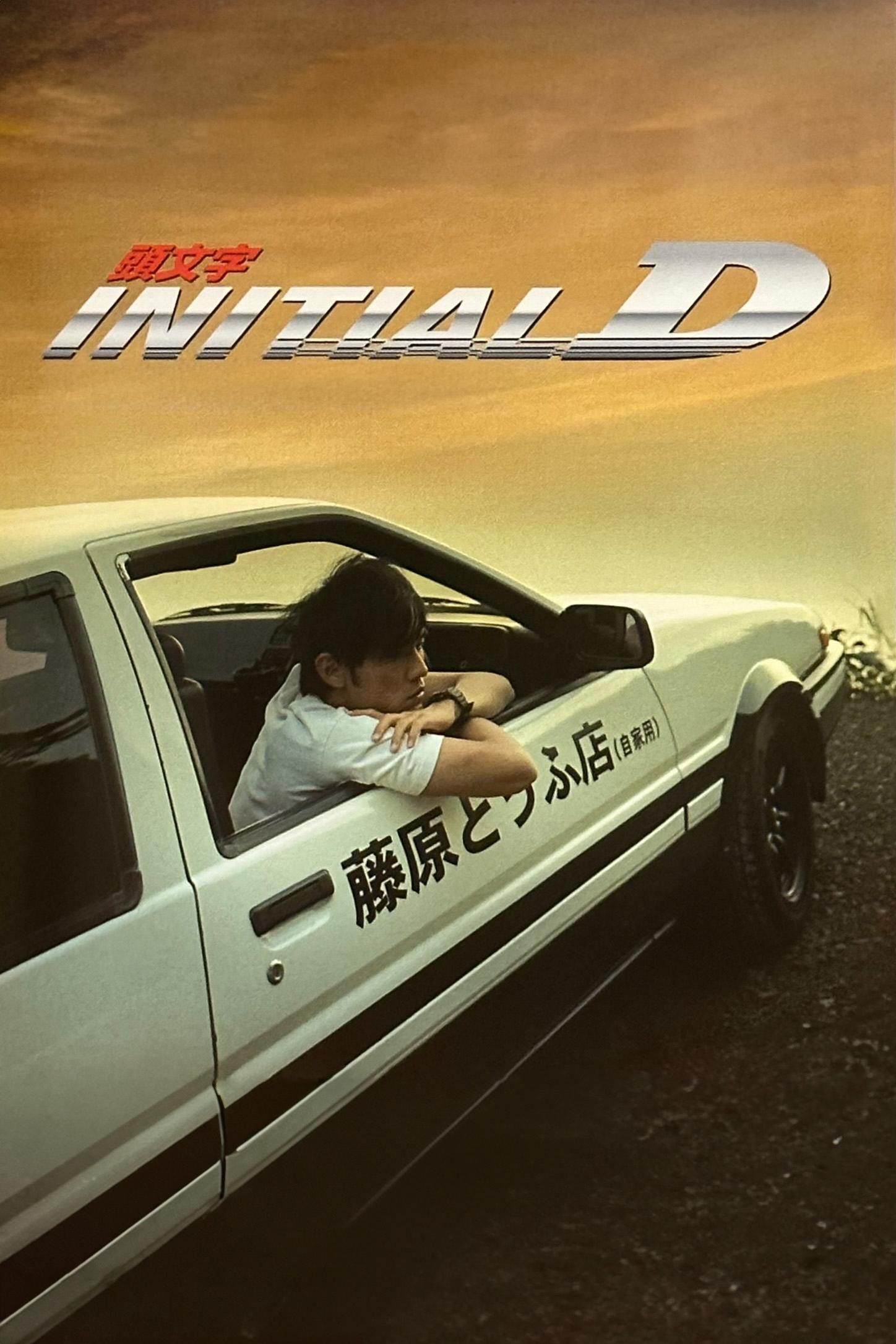
The English localization of the ‘Initial D’ anime series by Tokyopop faced massive backlash for its extensive changes to the characters and setting. To make the series more accessible the company renamed nearly every character and even changed the soundtrack to hip hop music. Fans were particularly upset that Takumi Fujiwara became Tak and his friends were given generic Western names. This move was viewed as a blatant attempt to whitewash the series and erase its distinct Japanese street racing culture. The negative response from the community eventually led to a more faithful re release by a different distributor.
‘Akira’ (1988)
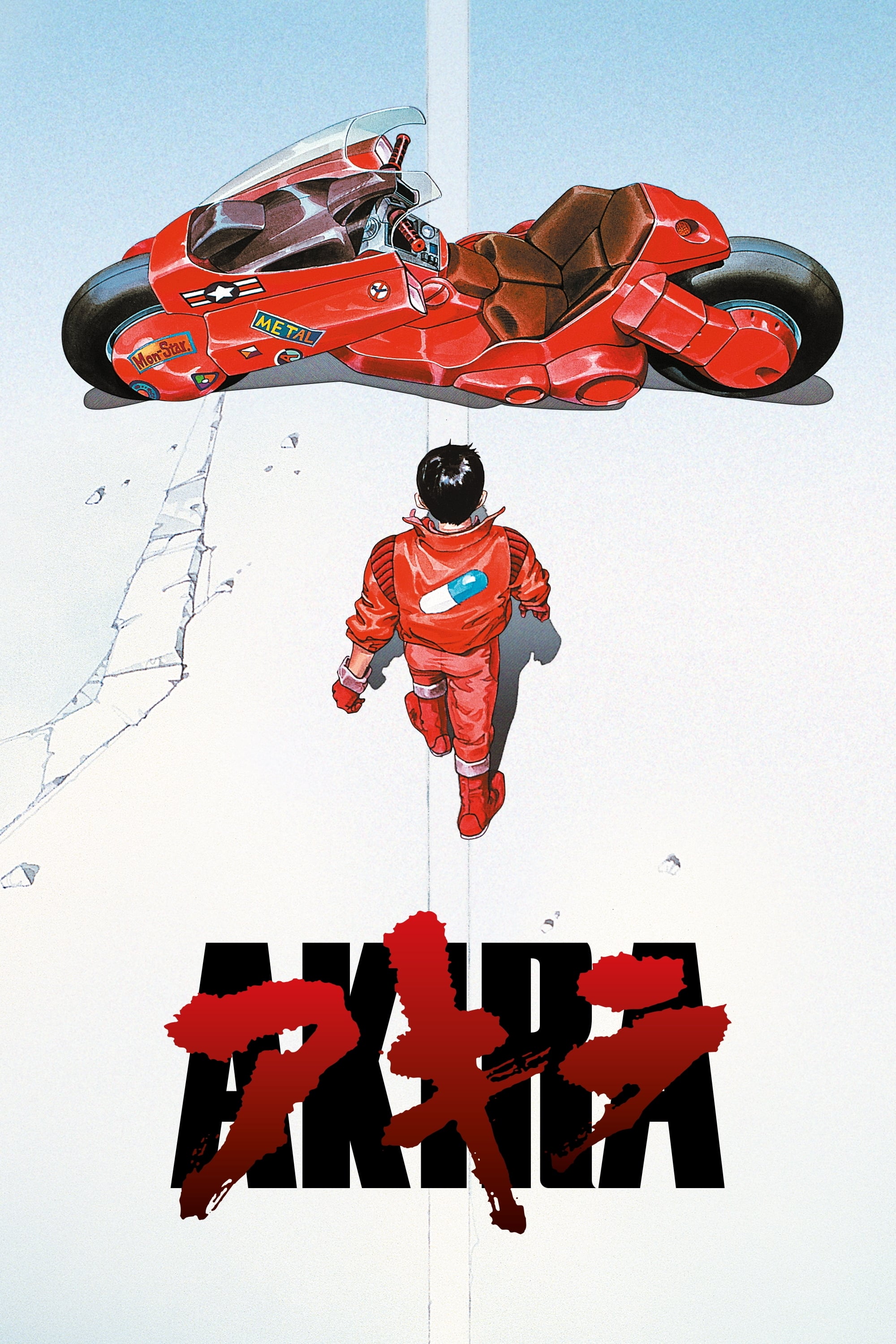
The long gestating live action adaptation of ‘Akira’ has frequently come under fire for casting rumors involving white actors. Early reports suggested that the setting would move from Neo Tokyo to New Manhattan and feature Western protagonists. These rumors led to significant public outcry from fans who felt the story of ‘Akira’ was inextricably linked to Japanese history and post war anxiety. Critics argued that removing the Japanese identity of the characters would strip the narrative of its deeper meaning. The project has faced numerous delays as a result of these creative and casting hurdles.
‘Cowboy Bebop’ (2021)
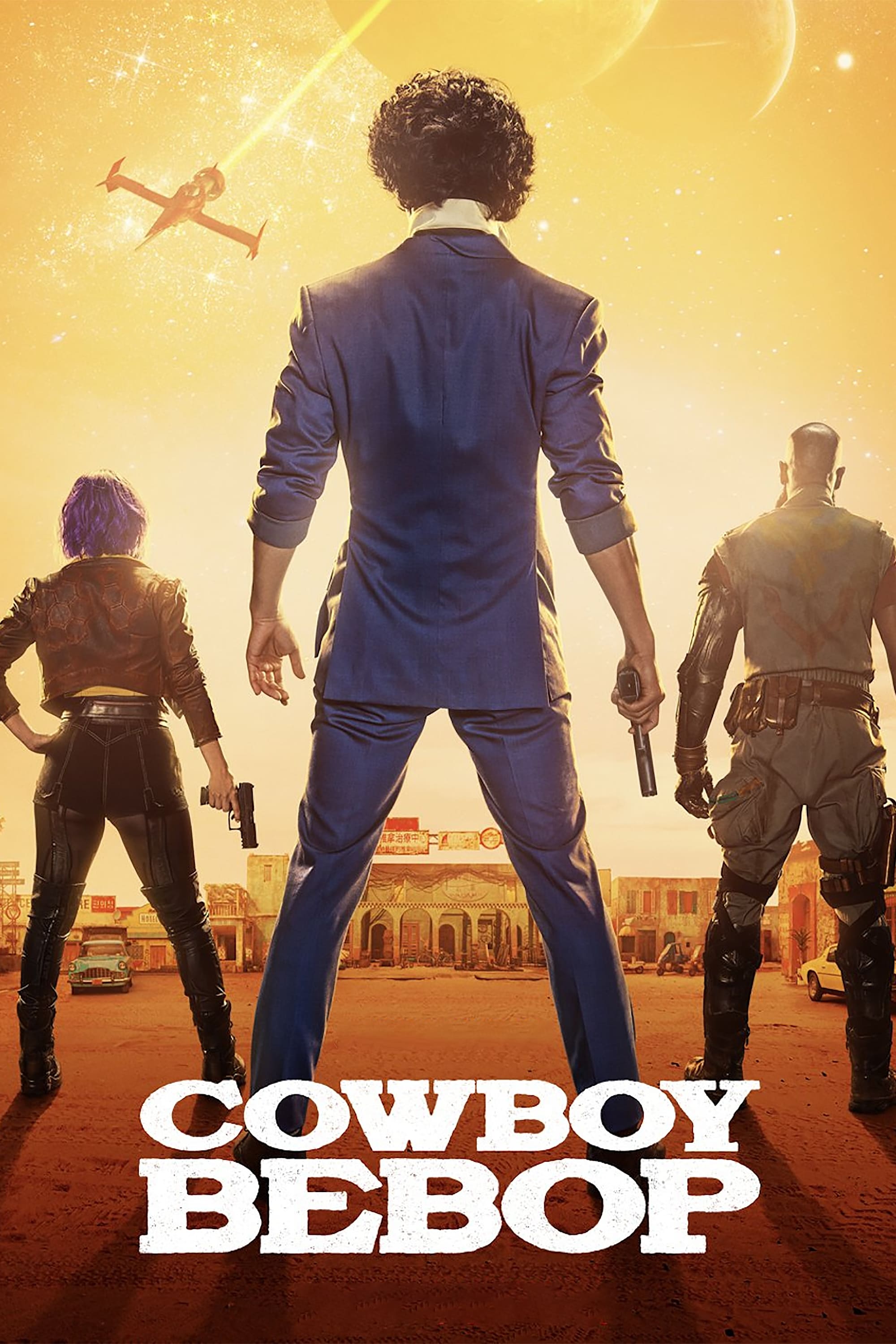
The live action ‘Cowboy Bebop’ series faced some discussion regarding the casting of characters who were originally portrayed as Asian in the anime. While the production was more diverse than many previous adaptations some fans were critical of the changes to certain character backgrounds. The debate often centered on whether the series did enough to honor the specific cultural aesthetic of the original work. Although some fans appreciated the new direction others felt it was another example of a Western studio altering an Asian masterpiece. The series was ultimately canceled after its first season.
‘One Piece’ (1999)
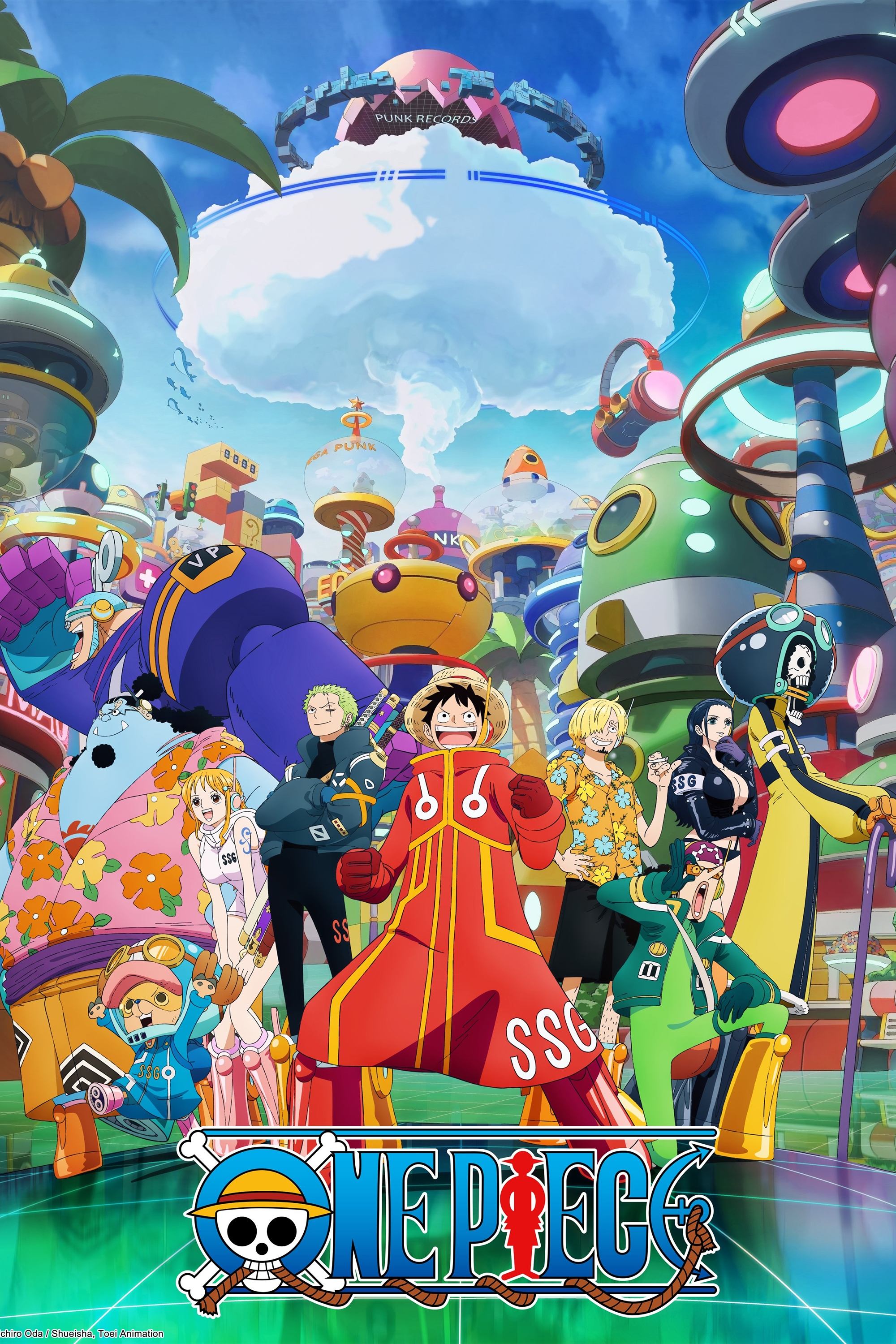
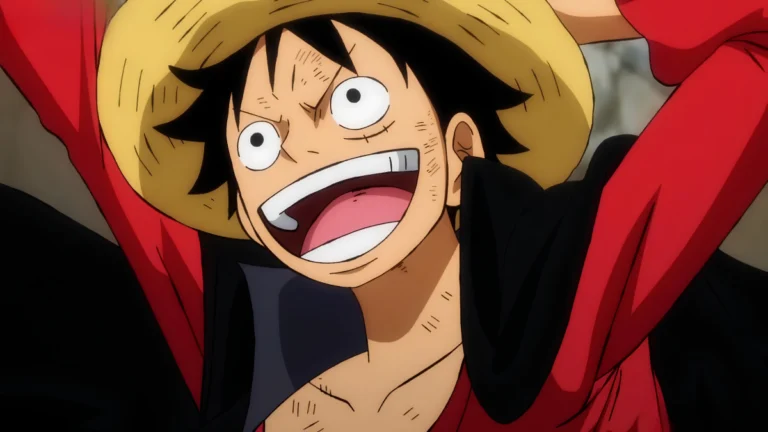
The early North American localization of ‘One Piece’ by 4Kids Entertainment is often criticized for its extensive cultural changes. Characters had their names altered and specific Japanese references were replaced with Western equivalents to appeal to a local audience. This form of cultural whitewashing included editing out traditional food items and replacing them with American snacks like crackers or cookies. Fans argued that these changes disrespected the source material and its cultural origins. The backlash eventually led to more faithful localizations of the series in later years.
‘Bleach’ (2018)

Rumors regarding a Hollywood adaptation of ‘Bleach’ have sparked fears of whitewashing among the global fan base. Fans are particularly protective of characters like Ichigo Kurosaki and Rukia Kuchiki given their strong ties to Japanese spiritualism. The backlash against potential Western casting has been vocal enough to influence public discourse about the project. Many argue that the success of the Japanese live action film proves that a native cast is the best approach. The prospect of a white Ichigo remains a point of intense controversy for anime enthusiasts.
‘Bullet Train’ (2022)
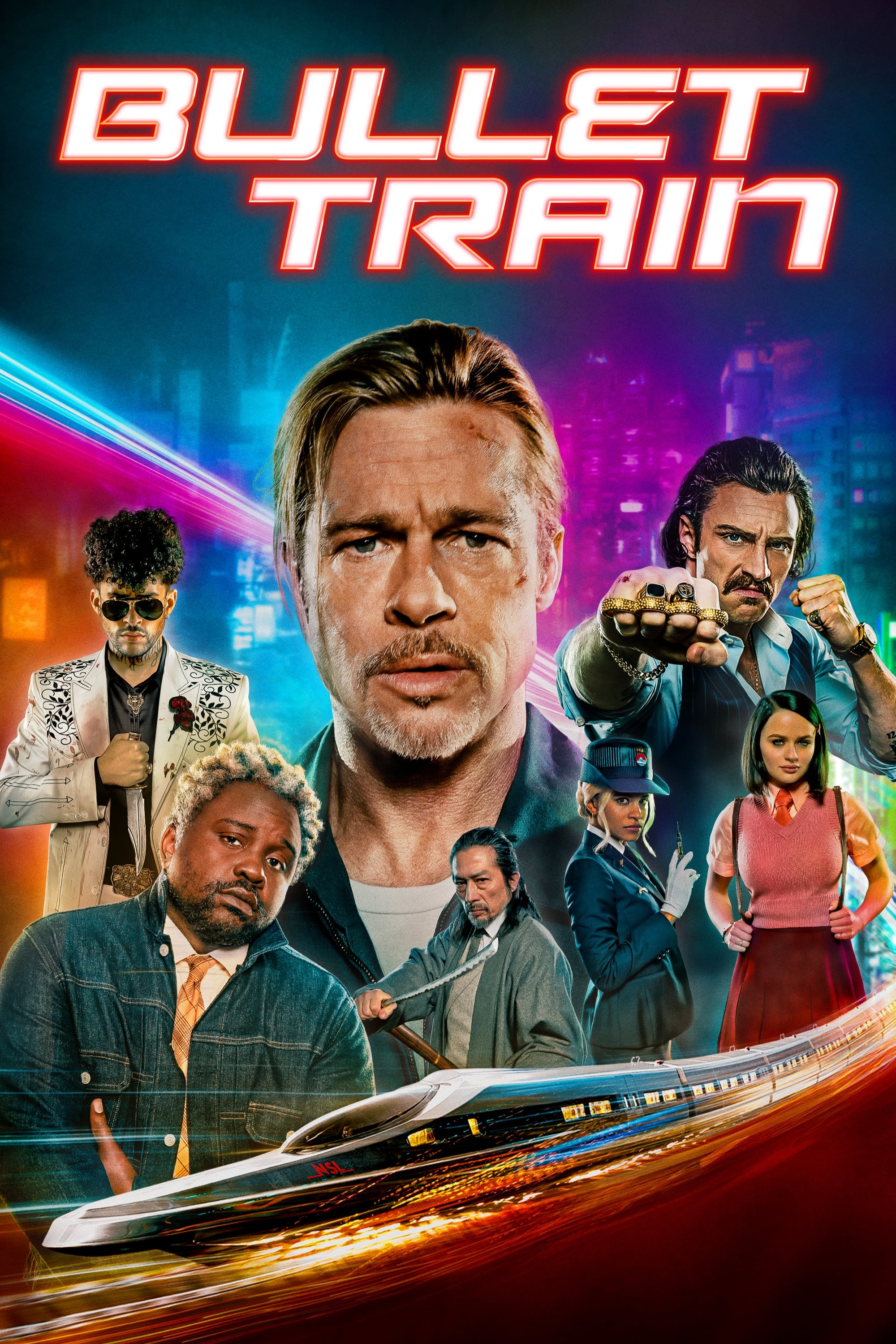
The film ‘Bullet Train’ is based on the Japanese novel ‘Maria Beetle’ by author Kotaro Isaka. While the original story is set in Japan with a predominantly Japanese cast the movie features many white actors in lead roles. Critics argued that the casting of characters like Nanao and the Prince with non Asian actors erased the cultural nuances of the source material. Some defenders of the film pointed to the global setting of the train but the backlash regarding the lack of Asian leads persisted. This production is frequently cited in discussions about the westernization of contemporary Japanese literature.
‘Rurouni Kenshin’ (1996)
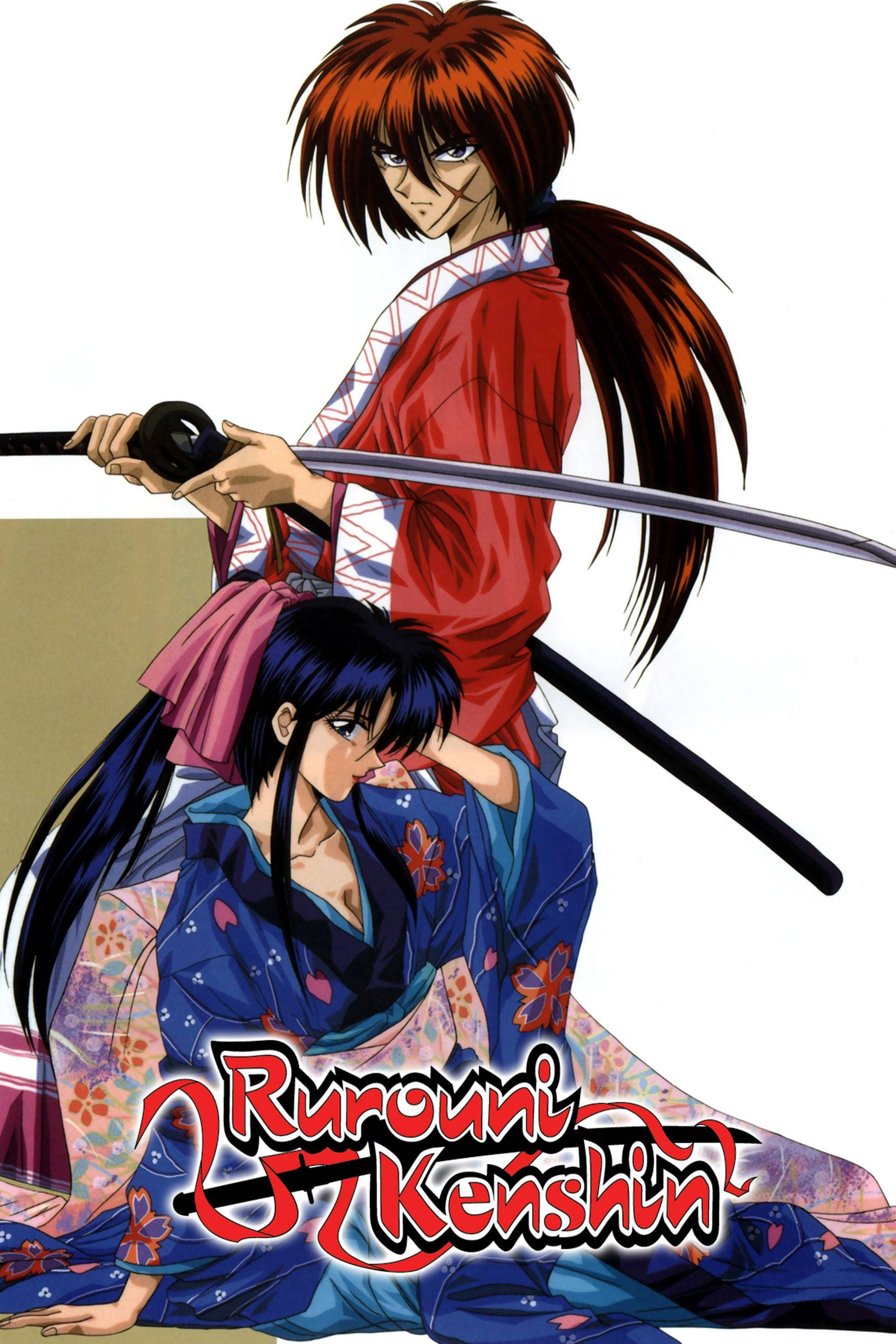
Certain early Western dubs of ‘Rurouni Kenshin’ were criticized for changing the names of the main characters to sound more European. This was an attempt to make the historical drama more relatable to Western audiences who might be unfamiliar with the Meiji era. Fans were quick to point out that these changes destroyed the historical and cultural context of the series. The backlash from the community helped ensure that later releases remained faithful to the original Japanese script. It stands as an example of how fans successfully fought against cultural erasure in anime localization.
Please share your thoughts on these controversial casting and localization decisions in the comments.