TV Shows That Ignited Social Movements


Television has long served as a mirror to society and a catalyst for profound cultural shifts across the globe. Some programs transcend entertainment to spark national conversations and mobilize viewers toward social change. These influential series have tackled topics ranging from civil rights and environmentalism to gender equality and mental health awareness. By humanizing complex issues and bringing diverse perspectives into living rooms these shows have played a vital role in shaping modern social movements.
‘Roots’ (1977)
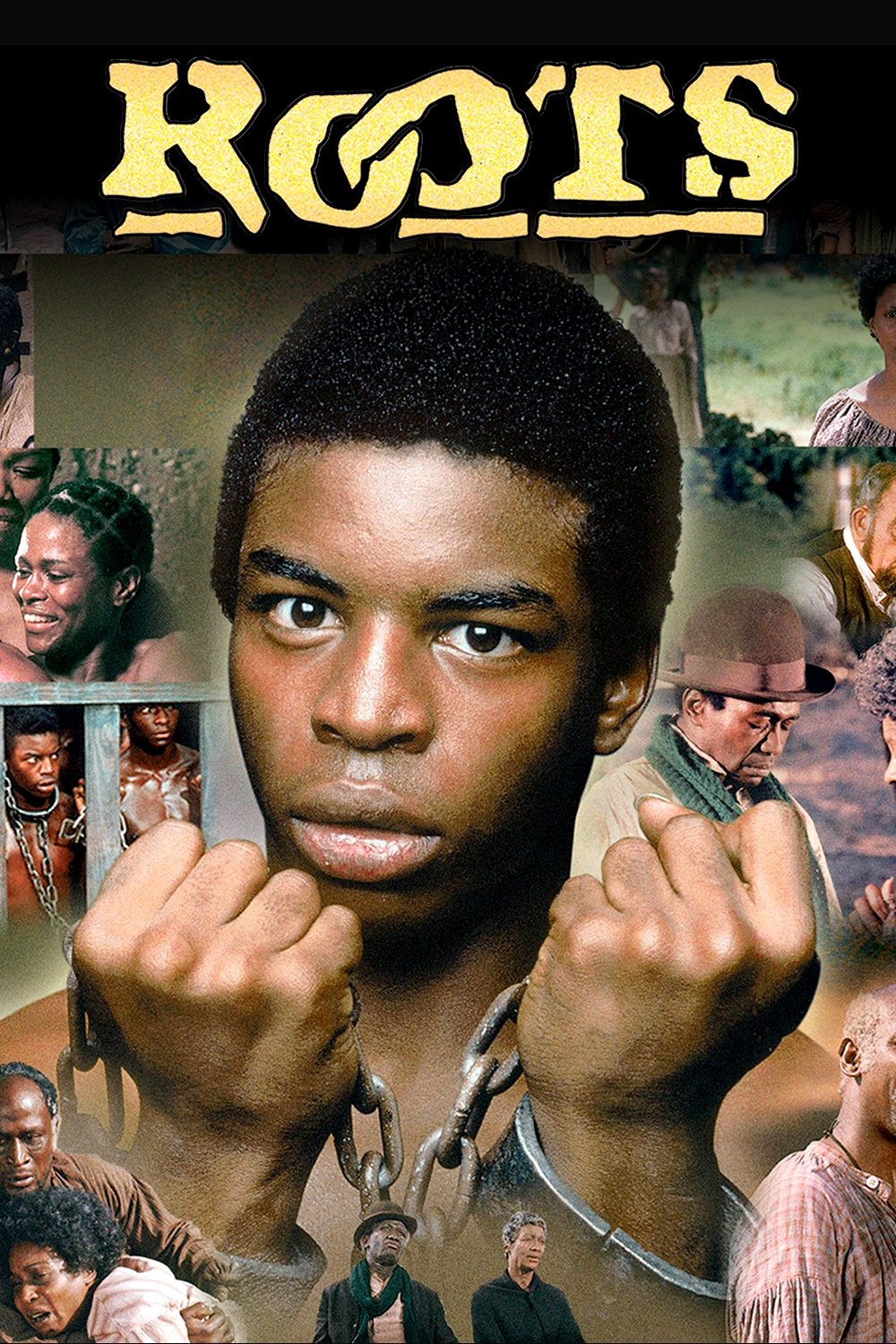
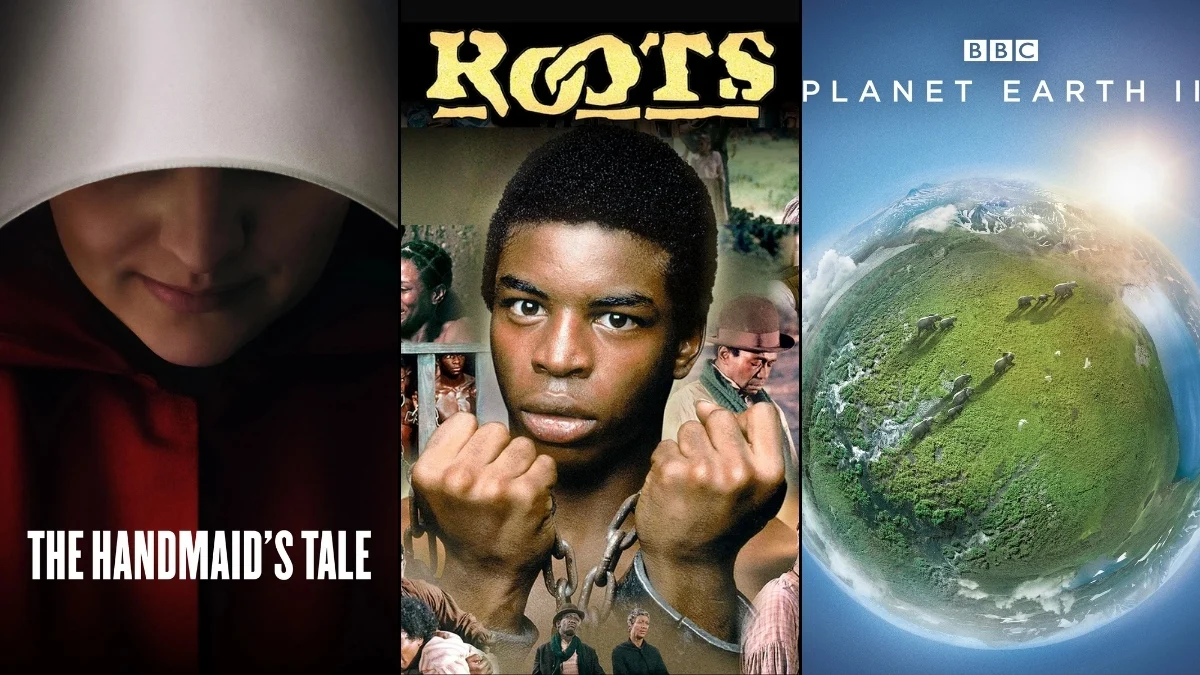
The groundbreaking miniseries ‘Roots’ transformed the way audiences perceived the history of slavery and African heritage in America. It followed the life of Kunta Kinte and his descendants across multiple generations of hardship and survival. The show reached an unprecedented audience and prompted a massive surge in interest regarding genealogical research. This cultural moment encouraged many families to explore their own ancestral backgrounds for the first time. It remains a pivotal work that fostered a deeper public understanding of the transatlantic slave trade and its lasting legacy.
‘Star Trek’ (1966–1969)

‘Star Trek’ broke significant social barriers during its original run by depicting a diverse crew working together in a peaceful future. The series featured one of the first interracial kisses on American television which challenged prevailing social norms of the time. Martin Luther King Junior famously encouraged actress Nichelle Nichols to remain on the show because of her positive representation of a Black professional. This science fiction program inspired a generation of scientists and activists to pursue a more inclusive vision of humanity. It proved that television could be a powerful tool for promoting civil rights and international cooperation.
‘The Oprah Winfrey Show’ (1986–2011)

‘The Oprah Winfrey Show’ changed the landscape of daytime television by bringing sensitive social issues into the mainstream spotlight. The program frequently addressed topics such as domestic violence and child abuse and mental health awareness. Winfrey utilized her platform to humanize marginalized groups and encourage viewers to engage in empathetic dialogue. Her influence was so significant that it became known as the Oprah Effect for its ability to shift public opinion and consumer behavior. The show empowered millions of people to speak openly about their personal struggles and seek collective healing.
‘Ellen’ (1994–1998)

‘Ellen’ made television history when its main character and the actress herself came out as gay in the famous Puppy Episode. This moment marked a major turning point for LGBTQ representation in media and sparked intense national debate. Despite facing significant backlash and a temporary loss of advertisers the show opened doors for future queer stories in prime time. It helped to humanize the gay experience for many viewers who had never seen such representation on screen before. The courage displayed by the production contributed to a broader movement for LGBTQ rights and acceptance in the late nineties.
‘All in the Family’ (1971–1979)

‘All in the Family’ used satire to confront the most divisive issues of the seventies including racism and sexism and the Vietnam War. Through the character of Archie Bunker the series exposed the prejudices and generational gaps existing in American households. It forced audiences to confront uncomfortable truths about bigotry while maintaining high viewership and critical acclaim. The show demonstrated that comedy could be used as a vehicle for serious social commentary and political reflection. By sparking dialogue in living rooms across the country it played a role in the changing social consciousness of the era.
‘The Handmaid’s Tale’ (2017–Present)

‘The Handmaid’s Tale’ depicts a dystopian future that has become a symbol for real world protests regarding women’s rights and bodily autonomy. The iconic red cloaks and white bonnets from the show are now frequently worn by activists at demonstrations globally. This adaptation of Margaret Atwood’s novel resonated deeply with modern audiences concerned about the erosion of civil liberties. It has encouraged a widespread conversation about the importance of protecting democratic institutions and gender equality. The series continues to serve as a cautionary tale and a rallying cry for various social justice movements.
‘When They See Us’ (2019)
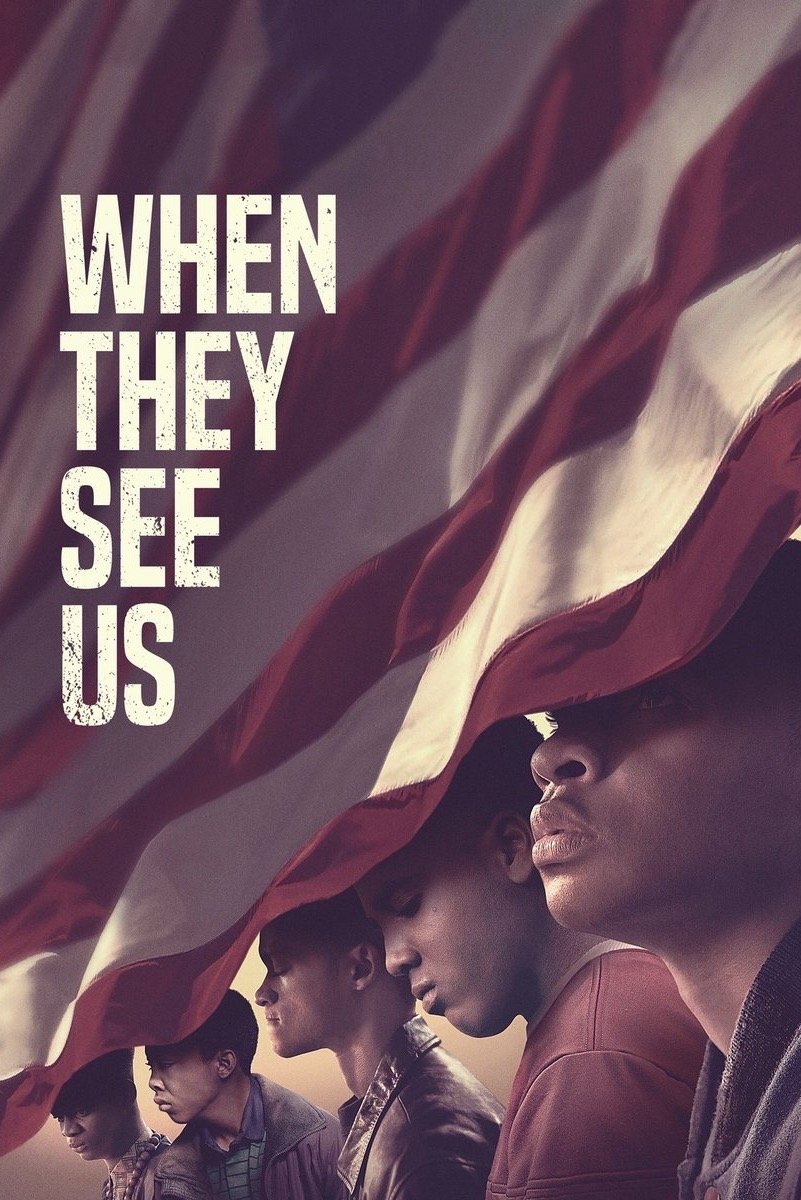
‘When They See Us’ is a powerful dramatization of the true story involving the five teenagers wrongly convicted in the Central Park jogger case. The miniseries reignited public outrage over systemic racism and flaws within the American criminal justice system. It led to a renewed focus on the treatment of youth of color by law enforcement and the legal process. Following its release there was a significant increase in support for organizations dedicated to exonerating the wrongfully convicted. The show effectively humanized the victims and their families while demanding accountability from the legal system.
‘Pose’ (2018–2021)
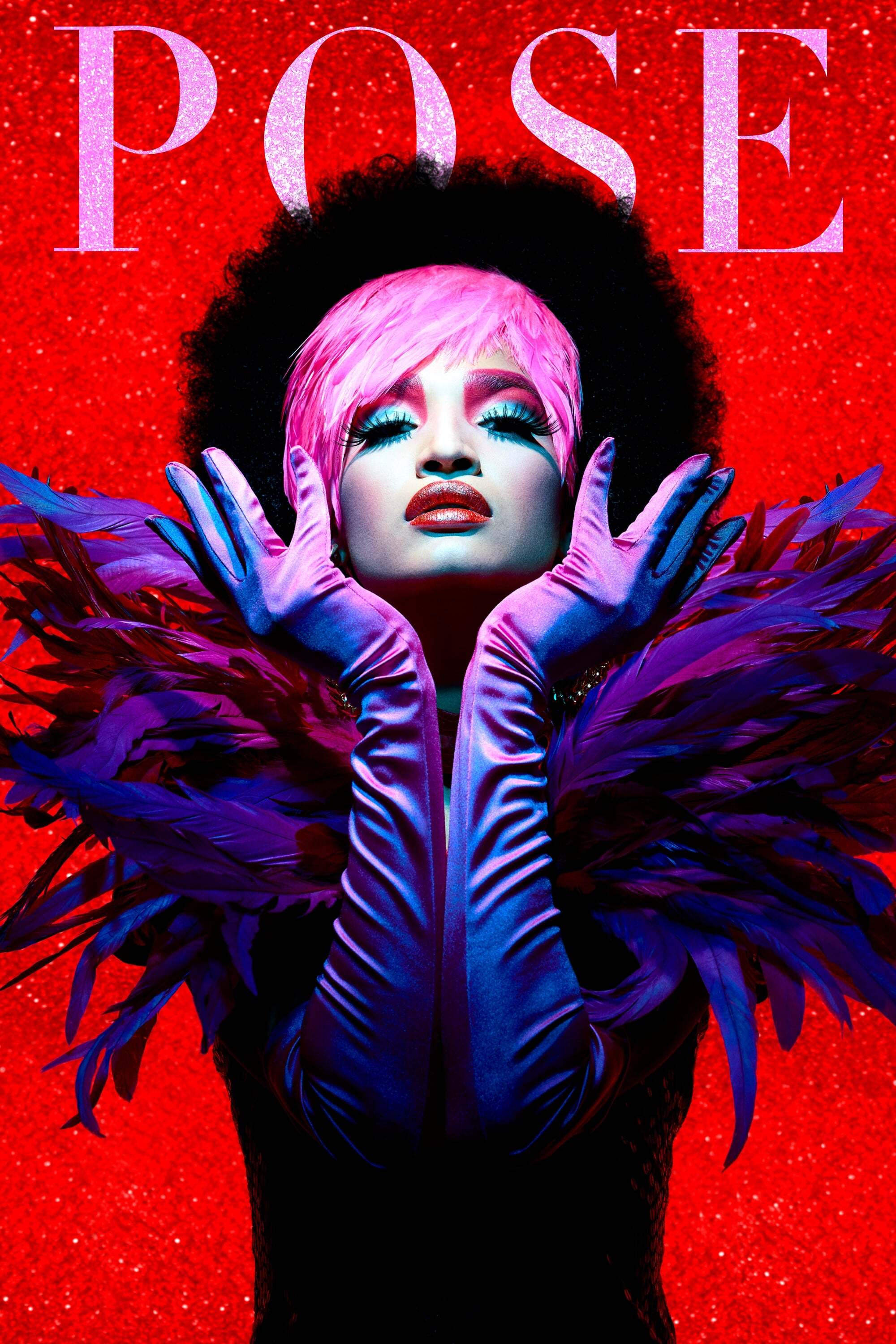
‘Pose’ made history by featuring the largest cast of transgender actors in series regular roles for a scripted show. It brought the underground ballroom culture of the eighties and nineties to a mainstream audience while highlighting the HIV and AIDS crisis. The series provided a platform for trans people of color to tell their own stories with dignity and depth. It significantly increased visibility for the transgender community and influenced the way these stories are told in Hollywood. Many viewers and activists credit the show with advancing the conversation around trans rights and healthcare access.
‘Orange Is the New Black’ (2013–2019)

‘Orange Is the New Black’ offered a rare glimpse into the lives of incarcerated women and the systemic issues within the American prison system. The series tackled themes of privatization and racial disparity and the lack of rehabilitation resources for inmates. It inspired viewers to look more closely at the realities of the carceral state and the need for significant legal reform. Advocacy groups used the popularity of the show to bring attention to the specific challenges faced by women in prison. The program succeeded in humanizing a population that is often ignored by mainstream media.
‘Will & Grace’ (1998–2020)

‘Will & Grace’ was instrumental in bringing gay characters into the heart of mainstream American culture during its initial run. Former Vice President Joe Biden once remarked that the show did more to educate the American public on LGBTQ issues than almost anything else. By portraying its lead characters as relatable professionals with complex lives it helped normalize gay identity for a broad audience. The series used humor to bridge social divides and pave the way for marriage equality discussions. It remains a landmark achievement in the history of queer representation on television.
‘Maude’ (1972–1978)
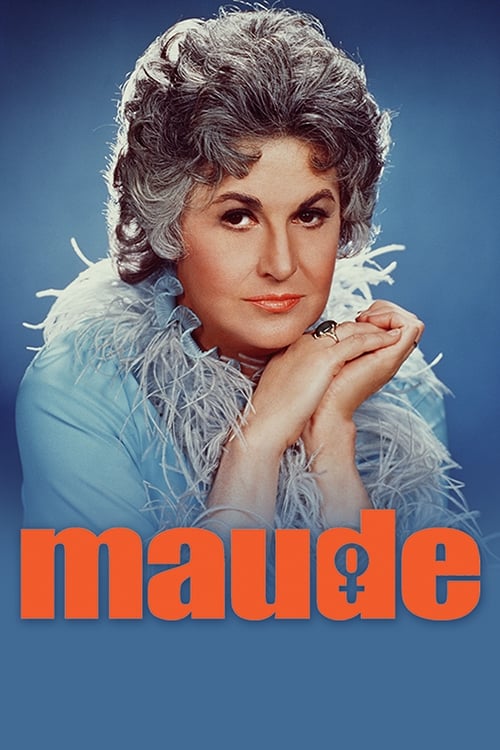
‘Maude’ became a focal point of social controversy when its title character decided to have an abortion in a two part episode. This broadcast occurred just months before the Roe v Wade decision and sparked intense protests and debate across the country. The series was known for its unflinching approach to feminist issues and the challenges facing independent women. By addressing such a taboo subject the show brought reproductive rights into the living rooms of millions. It solidified the role of the sitcom as a space for exploring the most pressing legal and moral questions of the day.
‘Blue Planet II’ (2017)

‘Blue Planet II’ had a profound and immediate impact on environmental policy and public behavior regarding plastic waste. The stunning footage of ocean life struggling with plastic pollution led to a phenomenon known as the Blue Planet effect. Following the broadcast there was a massive global increase in awareness and a subsequent reduction in single use plastic consumption. Governments and corporations were pressured to implement new regulations to protect marine ecosystems from further harm. The series proved that nature documentaries could inspire direct and widespread environmental activism.
‘The Day After’ (1983)

‘The Day After’ was a television movie that depicted the devastating effects of a nuclear war on a small town in Kansas. The broadcast was a major media event that drew over one hundred million viewers and sparked intense fear and discussion about the Cold War. It reportedly had a significant impact on President Ronald Reagan and influenced his subsequent approach to nuclear disarmament. Peace activists used the film to bolster the anti nuclear movement and demand a reduction in atomic stockpiles. It remains one of the most influential examples of television impacting international military policy.
‘Transparent’ (2014–2019)
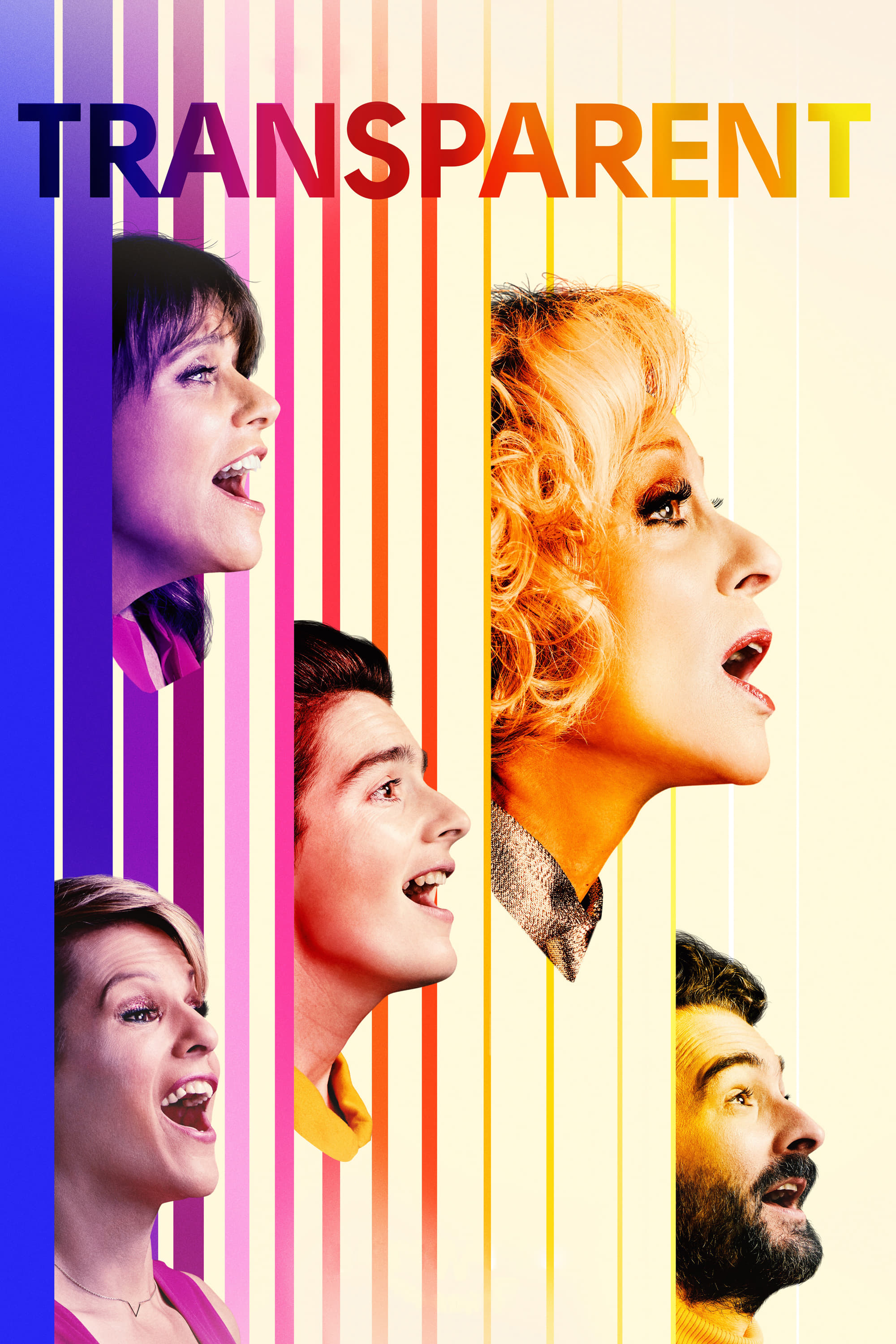
‘Transparent’ followed the journey of a family after their parent comes out as a transgender woman. The series was lauded for its nuanced portrayal of gender transition and its impact on family dynamics. It played a crucial role in bringing transgender issues to the forefront of the cultural conversation during the mid twenty tens. The production also implemented a trans affirmative hiring policy that set a new standard for inclusivity in the entertainment industry. This show helped many viewers develop a better understanding of gender identity and the importance of trans visibility.
‘Queer Eye’ (2018–Present)
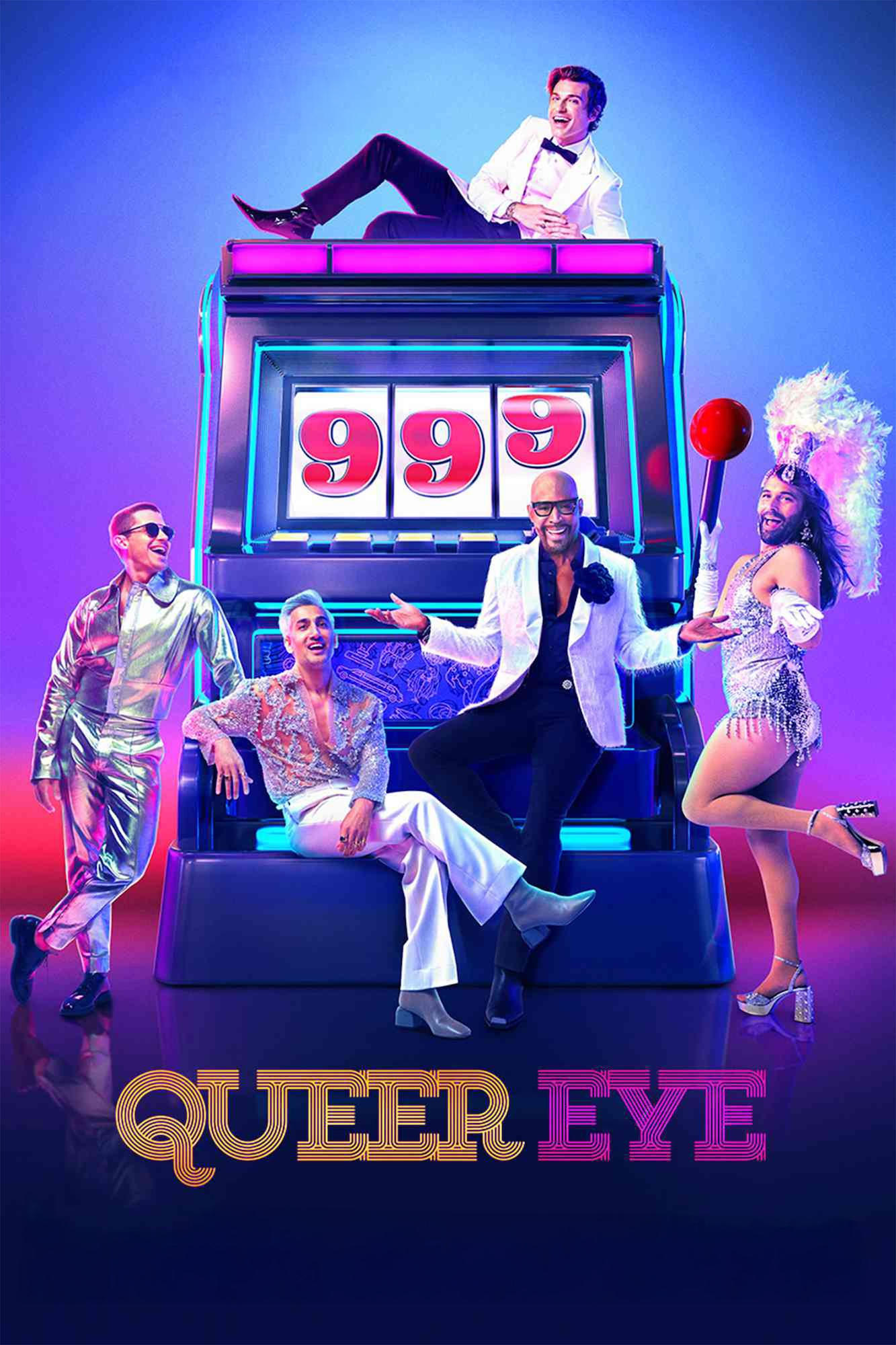
The reboot of ‘Queer Eye’ shifted the focus from simple makeovers to deep emotional connections and social bridge building. By sending five gay men into diverse communities the show addresses modern cultural divides and promotes empathy. It often highlights the commonalities between people of different backgrounds and political beliefs. The series has been praised for its positive impact on mental health awareness and self care for men. It continues to champion a message of kindness and radical acceptance that resonates with a global audience.
‘RuPaul’s Drag Race’ (2009–Present)
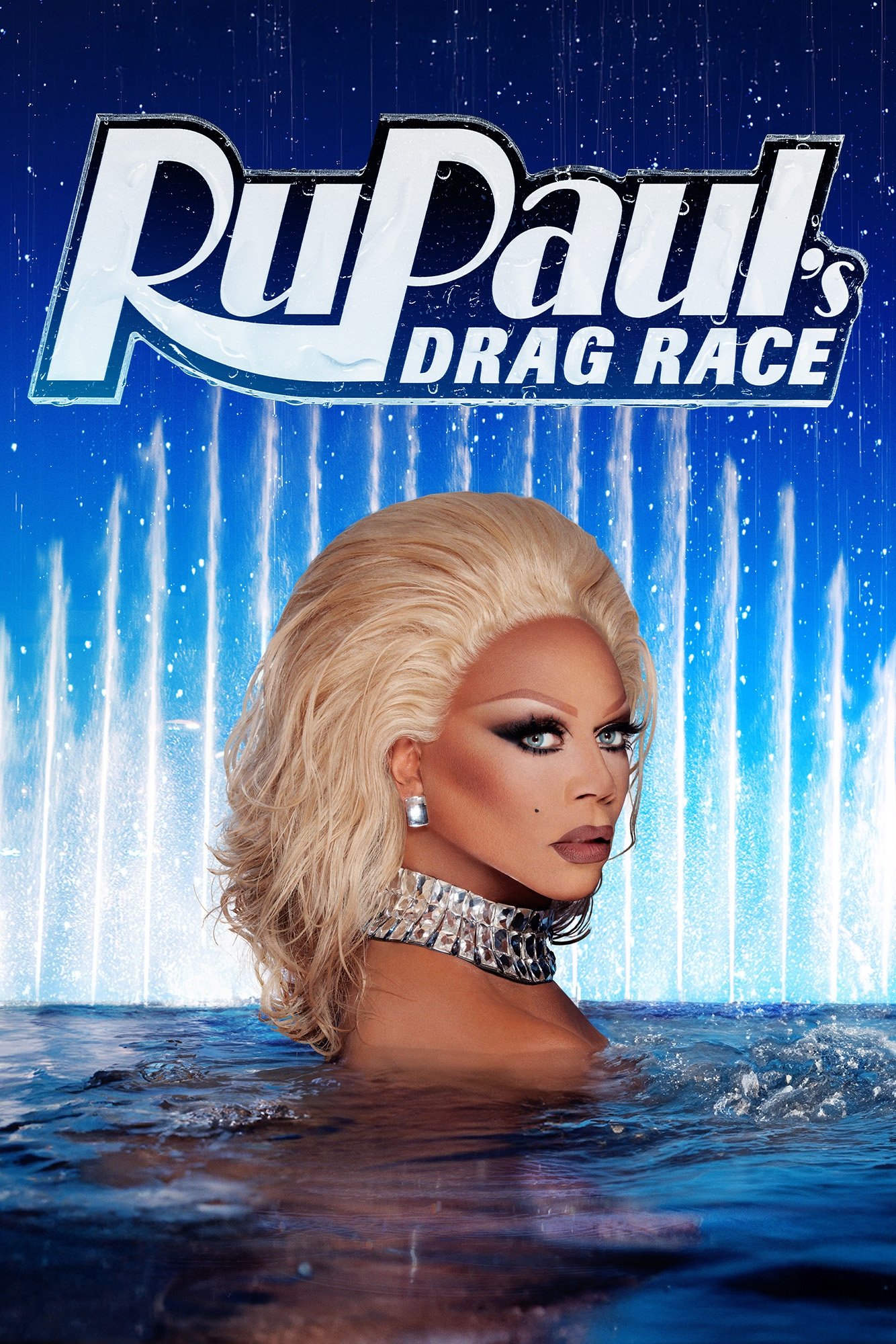
‘RuPaul’s Drag Race’ transitioned from a niche cable show to a global phenomenon that brought drag culture into the mainstream. It has provided a platform for LGBTQ artists to showcase their talents and share their personal stories of struggle and triumph. The series has been credited with revitalizing the art of drag and making it a viable career for many performers. It also addresses serious issues such as political activism and the history of the queer rights movement. The show encourages viewers to embrace their authentic selves and celebrate diversity in all its forms.
‘I May Destroy You’ (2020)
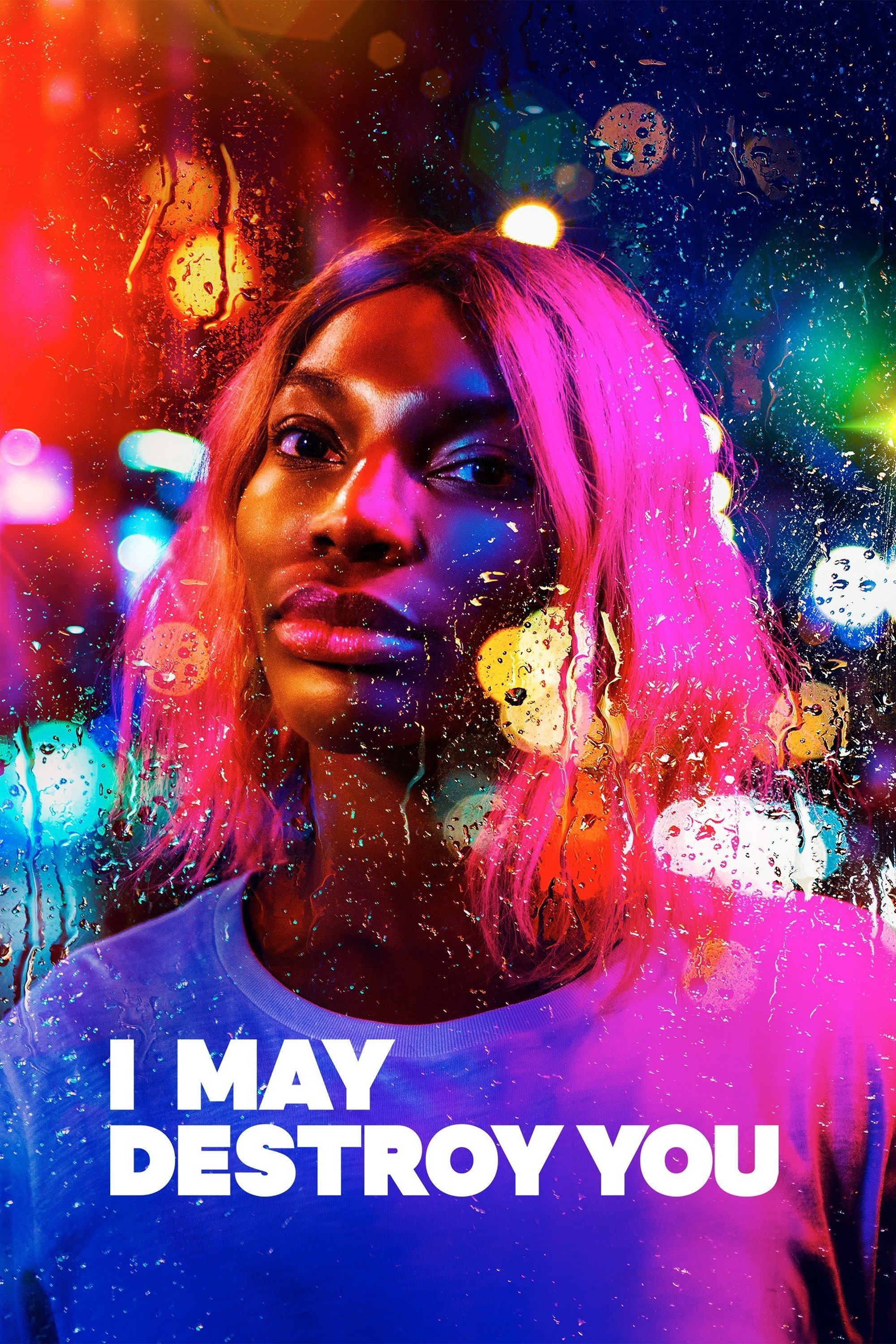
‘I May Destroy You’ explored the complexities of sexual consent and the aftermath of trauma with unprecedented honesty. Creator Michaela Coel used the series to challenge traditional narratives about sexual assault and the recovery process. The show prompted a wide ranging public discussion about modern dating culture and the boundaries of personal autonomy. Many viewers found the depiction of the protagonist’s journey to be a vital resource for understanding their own experiences. It has been recognized as a landmark work that changed the way consent is discussed in popular media.
‘Black-ish’ (2014–2022)
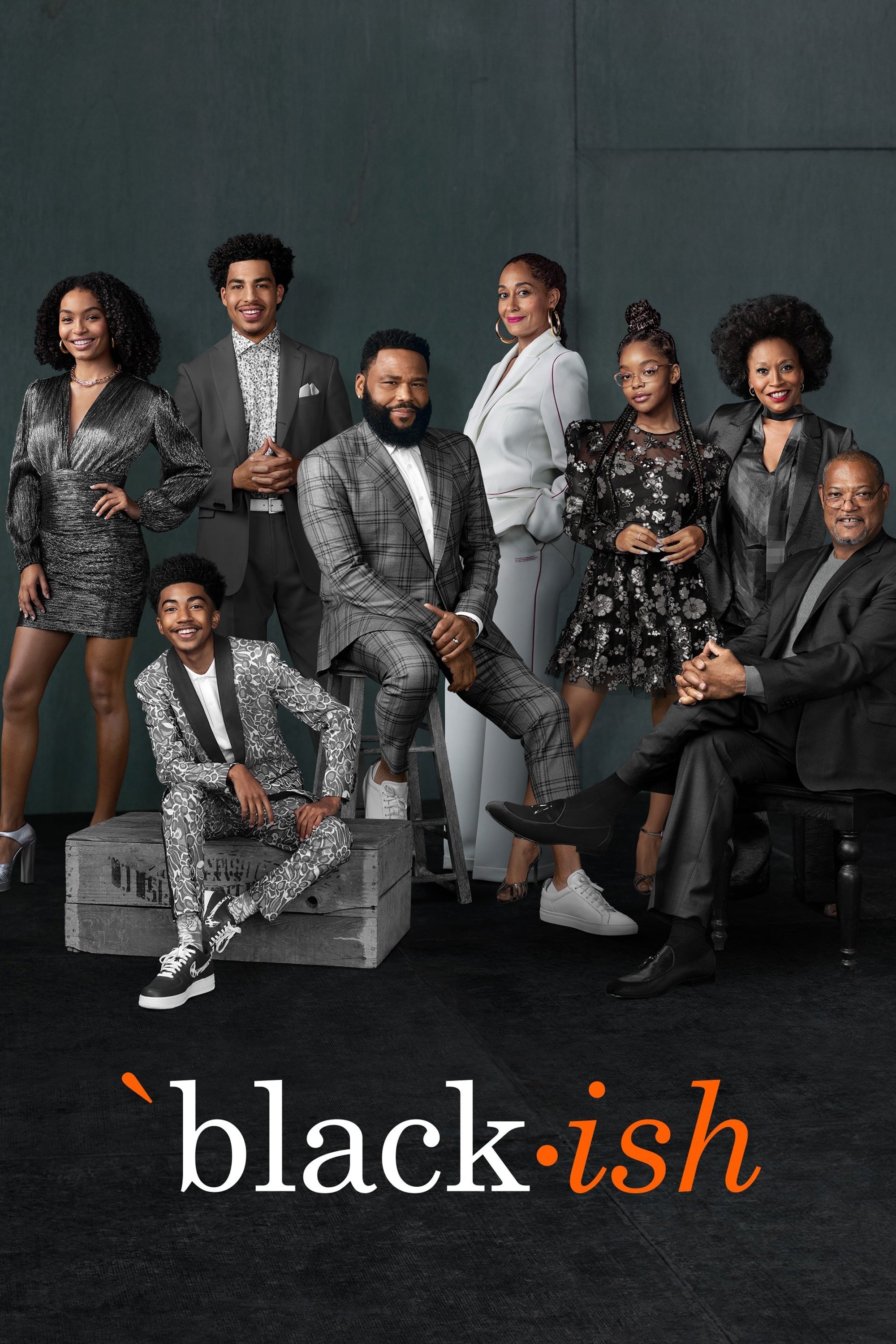
‘Black-ish’ tackled modern racial issues and the Black experience in America through the lens of a middle class family. The series became well known for its special episodes addressing police brutality and Juneteenth and the history of systemic inequality. It provided a space for families to discuss difficult topics while maintaining a comedic and accessible tone. The show was instrumental in raising awareness about Juneteenth before it became a federal holiday in the United States. Its success proved that audiences were eager for stories that combined family humor with sharp social commentary.
‘Murphy Brown’ (1988–2018)

‘Murphy Brown’ sparked a massive national debate about family values when the lead character chose to become a single mother. The Vice President at the time publicly criticized the show which led to a historic clash between a sitting politician and a fictional character. This controversy highlighted the changing reality of American families and the increasing number of single parents. The series defended the rights of women to make independent choices about their careers and personal lives. It remains a key example of how a television show can challenge traditional social expectations.
‘Dear White People’ (2017–2021)
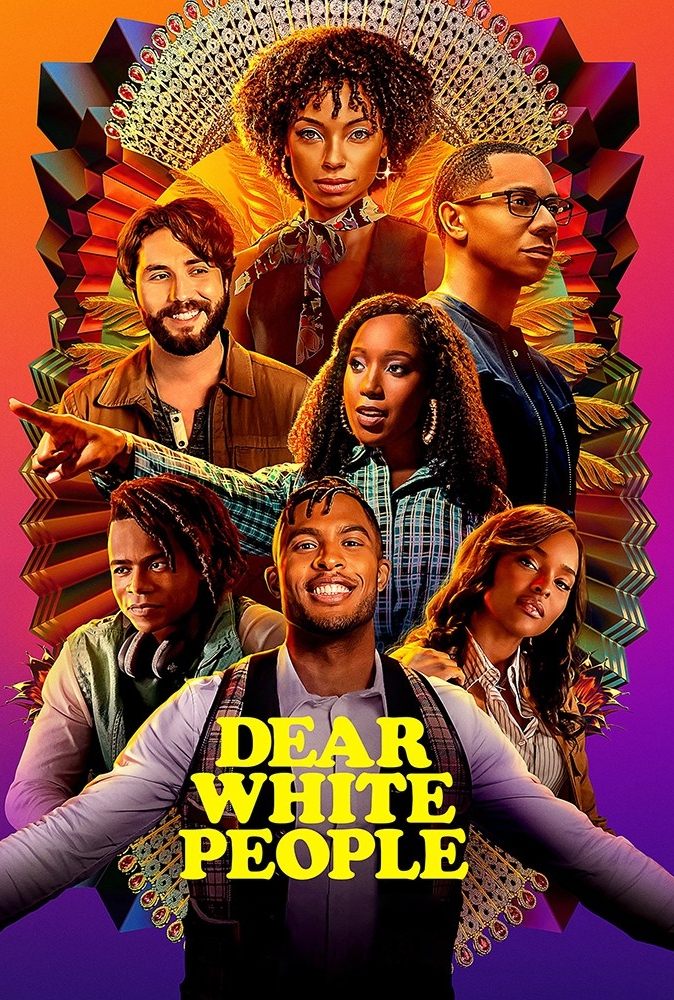
‘Dear White People’ used a fictional university setting to examine racial tensions and identity politics in the modern era. The series was notable for its exploration of the nuances of campus activism and the diversity within the Black community. It encouraged viewers to reflect on their own biases and the structural racism present in higher education. The show often used satire to critique both conservative and progressive viewpoints on social issues. It contributed to a broader cultural movement focused on social justice and racial equity during its run.
‘Insecure’ (2016–2021)

‘Insecure’ focused on the lives of Black women in Los Angeles while addressing topics like gentrification and workplace discrimination. The series was celebrated for its authentic portrayal of female friendship and the challenges of modern adulthood. It brought attention to the economic shifts in South Los Angeles and the impact on long term residents. The show also served as a launchpad for many talented creators of color in the television industry. By highlighting these specific community issues it fostered a sense of representation and empowerment for its audience.
‘Cagney & Lacey’ (1982–1988)
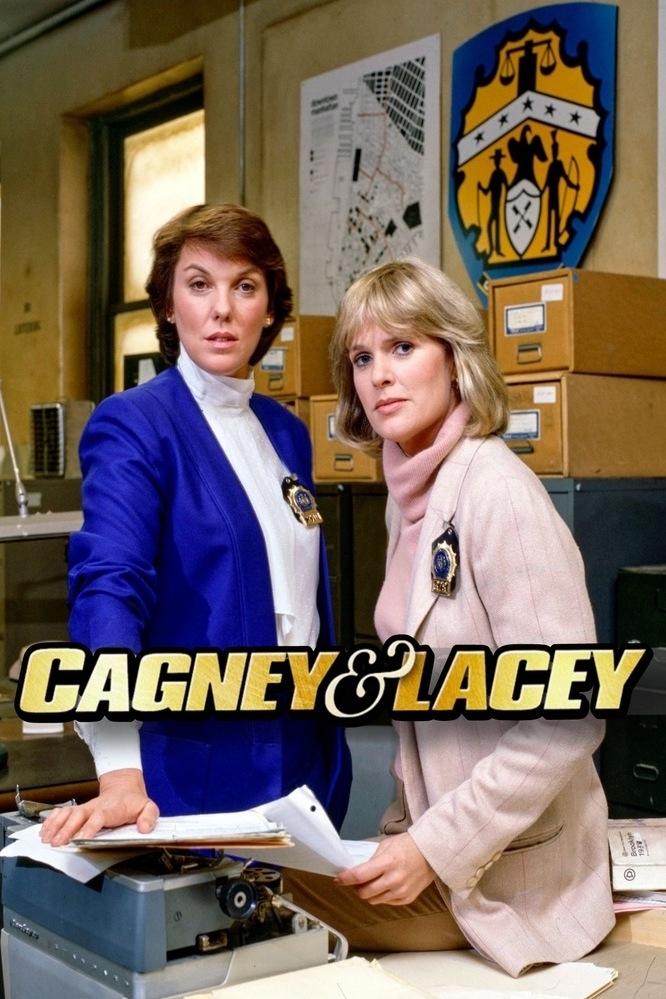
‘Cagney & Lacey’ was a pioneering police procedural that featured two female leads in a male dominated profession. The series addressed workplace sexism and the struggle to balance professional duties with personal responsibilities. It was famously saved from cancellation by a massive letter writing campaign organized by feminist activists. The show proved that audiences were interested in complex female characters who were not defined solely by their relationships with men. Its success paved the way for more diverse representations of women in positions of authority on television.
’13 Reasons Why’ (2017–2020)

’13 Reasons Why’ generated significant controversy and conversation regarding teen suicide and mental health. While it was criticized by some for its graphic depictions it also led to a massive increase in searches for suicide prevention resources. The show forced schools and parents to have difficult conversations about bullying and sexual assault and depression. Netflix later added warning labels and resources to the series in response to the public outcry and expert feedback. It highlighted the urgent need for better mental health support and awareness for young people today.
‘Planet Earth II’ (2016)

‘Planet Earth II’ utilized cutting edge technology to bring the wonders of the natural world to viewers in high definition. The series emphasized the fragility of various ecosystems and the direct impact of climate change on wildlife. It inspired a new generation of environmentalists and increased support for conservation efforts worldwide. The dramatic storytelling and visual beauty of the program made the consequences of environmental destruction feel more personal to the audience. This show played a significant role in moving the conversation about biodiversity to the forefront of public consciousness.
‘The Mary Tyler Moore Show’ (1970–1977)
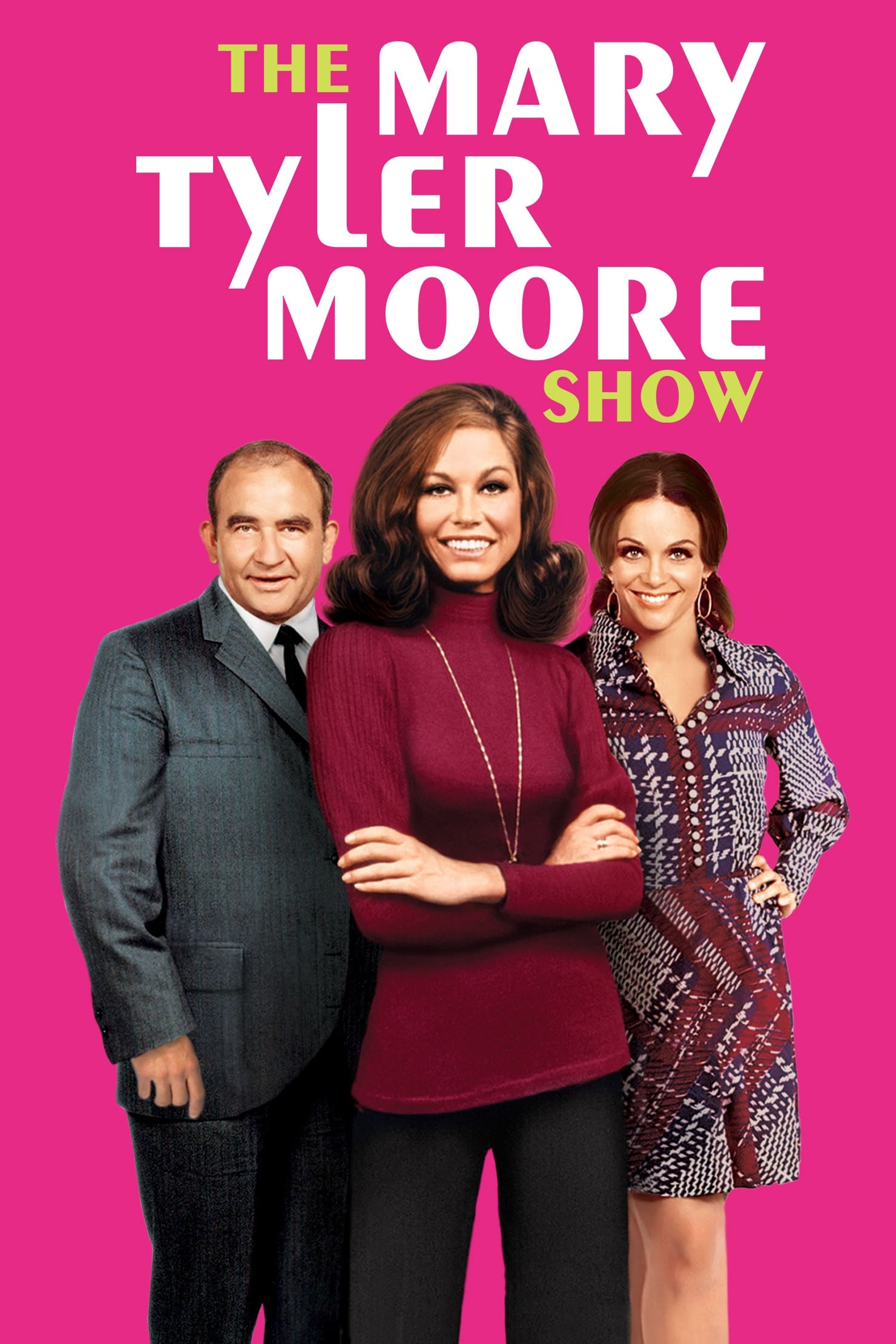
‘The Mary Tyler Moore Show’ featured a lead character who was a single professional woman focused on her career rather than finding a husband. This was a revolutionary concept at the time and aligned with the burgeoning women’s liberation movement. Mary Richards became an icon for millions of women who were entering the workforce and seeking independence. The series addressed issues like equal pay and female autonomy with humor and heart. It changed the way women were portrayed on television and inspired a generation to pursue their own professional goals.
What TV show do you believe has had the biggest impact on your own perspective of the world or sparked a meaningful change in your community? Please share your thoughts in the comments.