30 Overrated RPGs Everyone Seems To Like


Role-playing games often dominate the gaming industry due to their immersive worlds and deep progression systems, but certain titles receive critical acclaim that some players find disproportionate to the actual experience. While many of these games are commercial successes, they frequently face criticism for repetitive loops, technical inconsistencies, or outdated mechanics. This list examines high-profile releases that have sparked debate regarding their legacy and overall quality within the genre.
‘The Elder Scrolls V: Skyrim’ (2011)
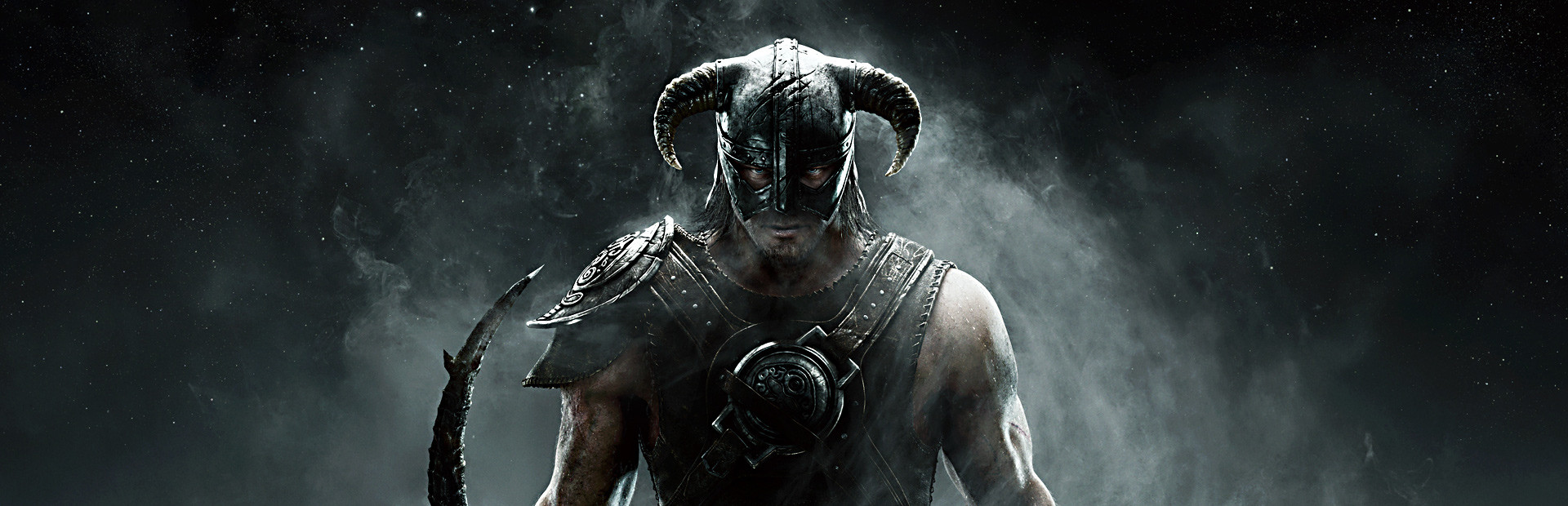
Developed and published by Bethesda Game Studios, ‘The Elder Scrolls V: Skyrim’ remains one of the most successful open-world games in history. While it is celebrated for its vast world and player freedom, critics often highlight its shallow melee combat and numerous technical glitches that persist across various ports. The main questline is frequently cited as being less compelling than the game’s various side activities. Despite its popularity, the simplified role-playing mechanics have been a point of contention for fans of the series’ more complex predecessors.
‘Final Fantasy VII’ (1997)
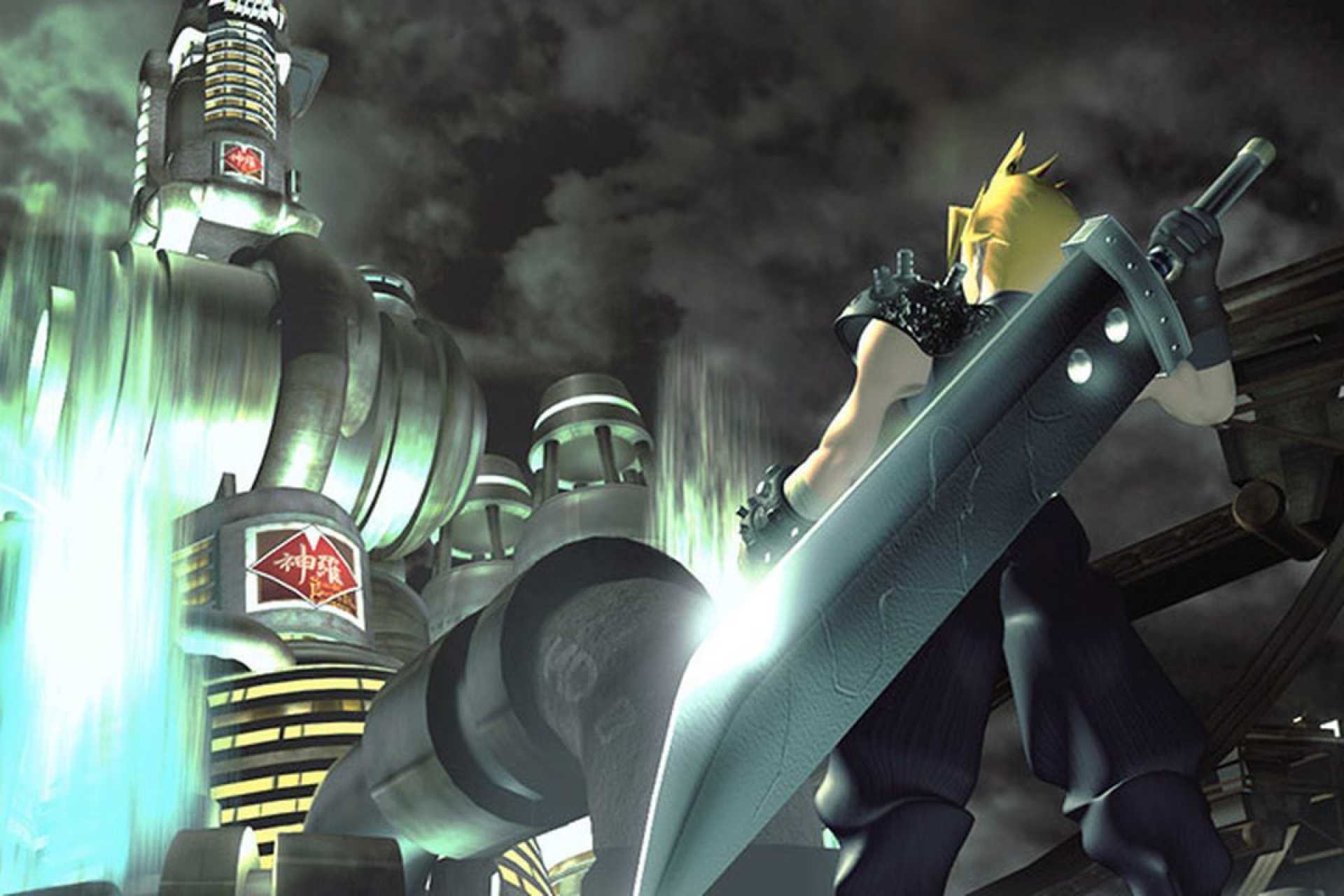
‘Final Fantasy VII’ was developed and published by Square and is widely credited with popularizing Japanese RPGs in the Western market. The story follows Cloud Strife as he battles the Shinra Electric Power Company and the antagonist Sephiroth. Modern retrospectives often point to a clunky English translation and a significant dip in narrative pacing during the second act. While its cinematic presentation was revolutionary for the PlayStation, some players find the early 3D models and linear progression haven’t aged as well as other titles in the franchise.
‘The Witcher 3: Wild Hunt’ (2015)
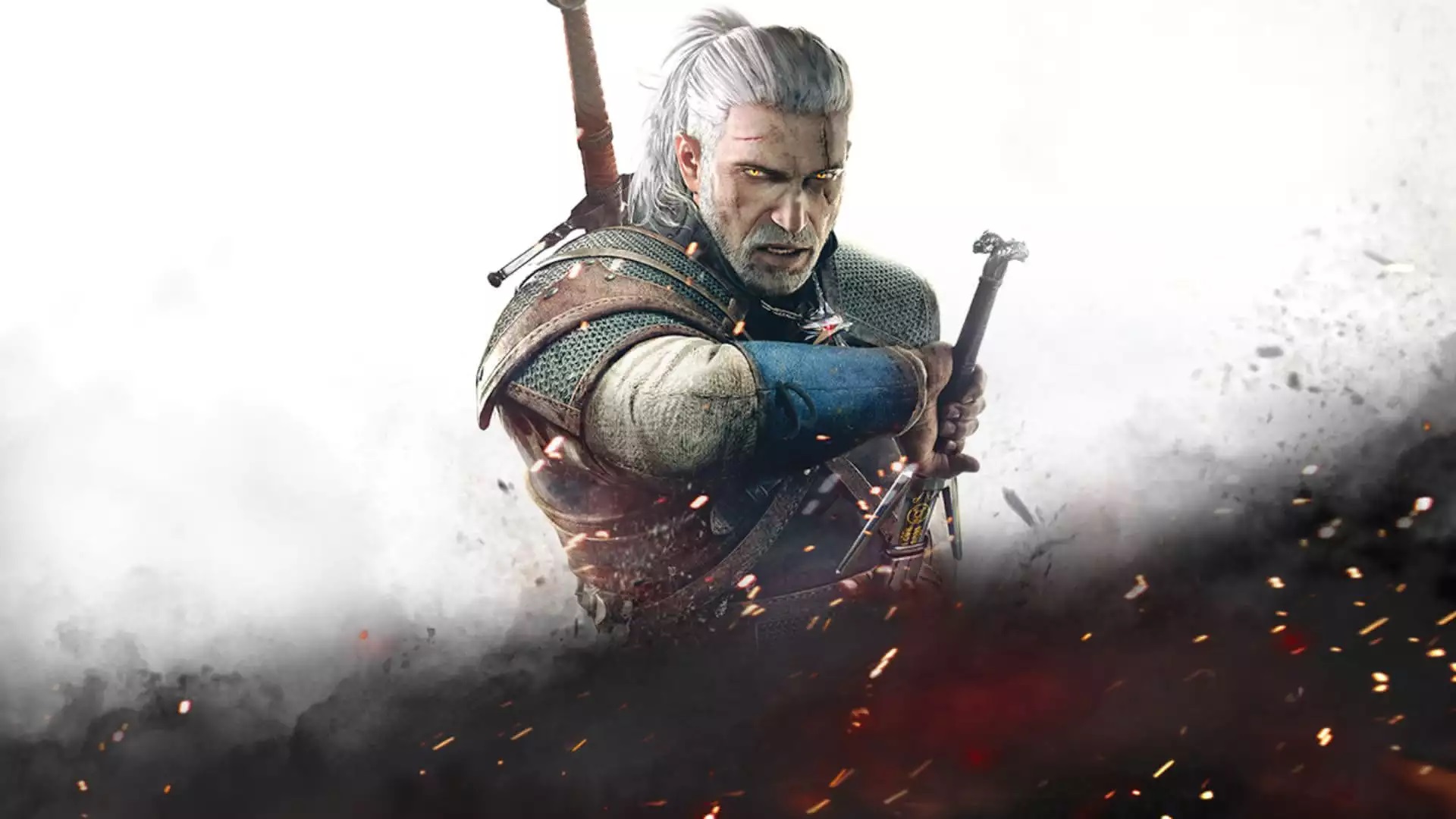
Developed and published by CD Projekt Red, ‘The Witcher 3: Wild Hunt’ is frequently cited as a masterpiece for its narrative depth and side quest design. However, many players argue that the actual gameplay mechanics, particularly the floaty combat and repetitive “Witcher Sense” investigations, are the weakest aspects of the experience. The alchemy and crafting systems are often described as overly cumbersome for the average user. While the world-building is exceptional, the mechanical execution is often viewed as lagging behind its storytelling.
‘Fallout 4’ (2015)
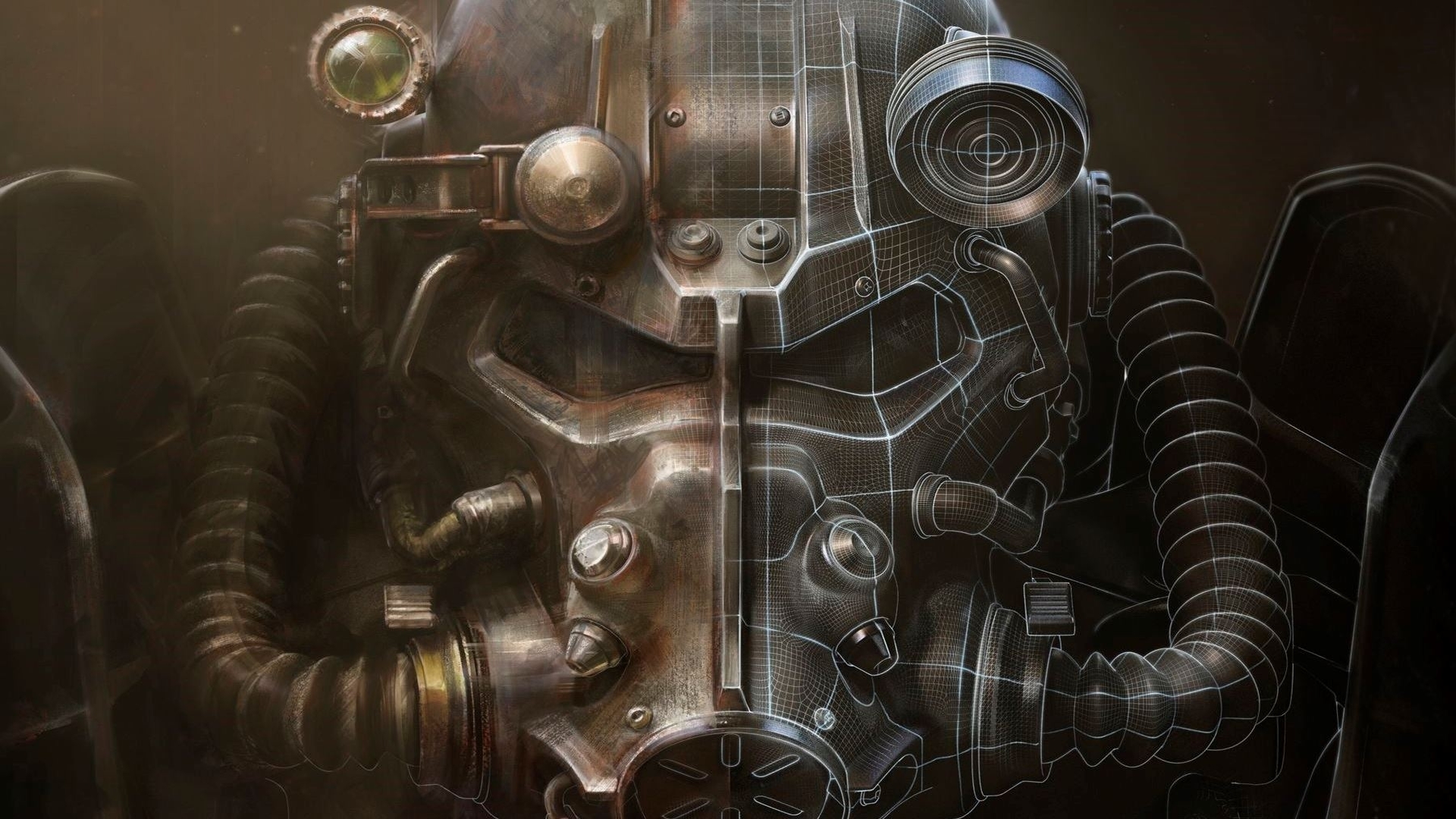
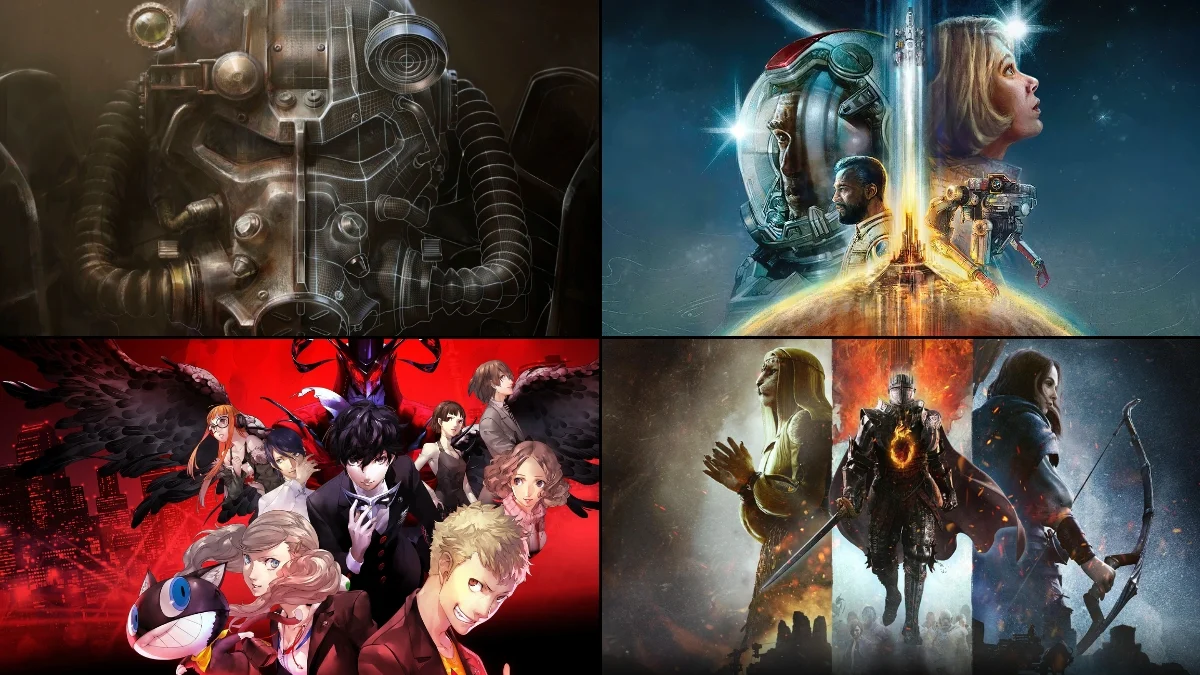
Bethesda Game Studios developed ‘Fallout 4′, which was published by Bethesda Softworks as a major entry in the post-apocalyptic franchise. The game introduced a robust settlement-building system, but this came at the cost of the series’ traditional branching dialogue and skill-based role-playing. Many longtime fans were disappointed by the voiced protagonist and the simplified “Yes/No/Sarcastic” dialogue wheel. While the gunplay saw significant improvement over previous entries, the narrative was criticized for lacking the moral complexity found in ‘Fallout: New Vegas’.
‘Dragon Age: Inquisition’ (2014)
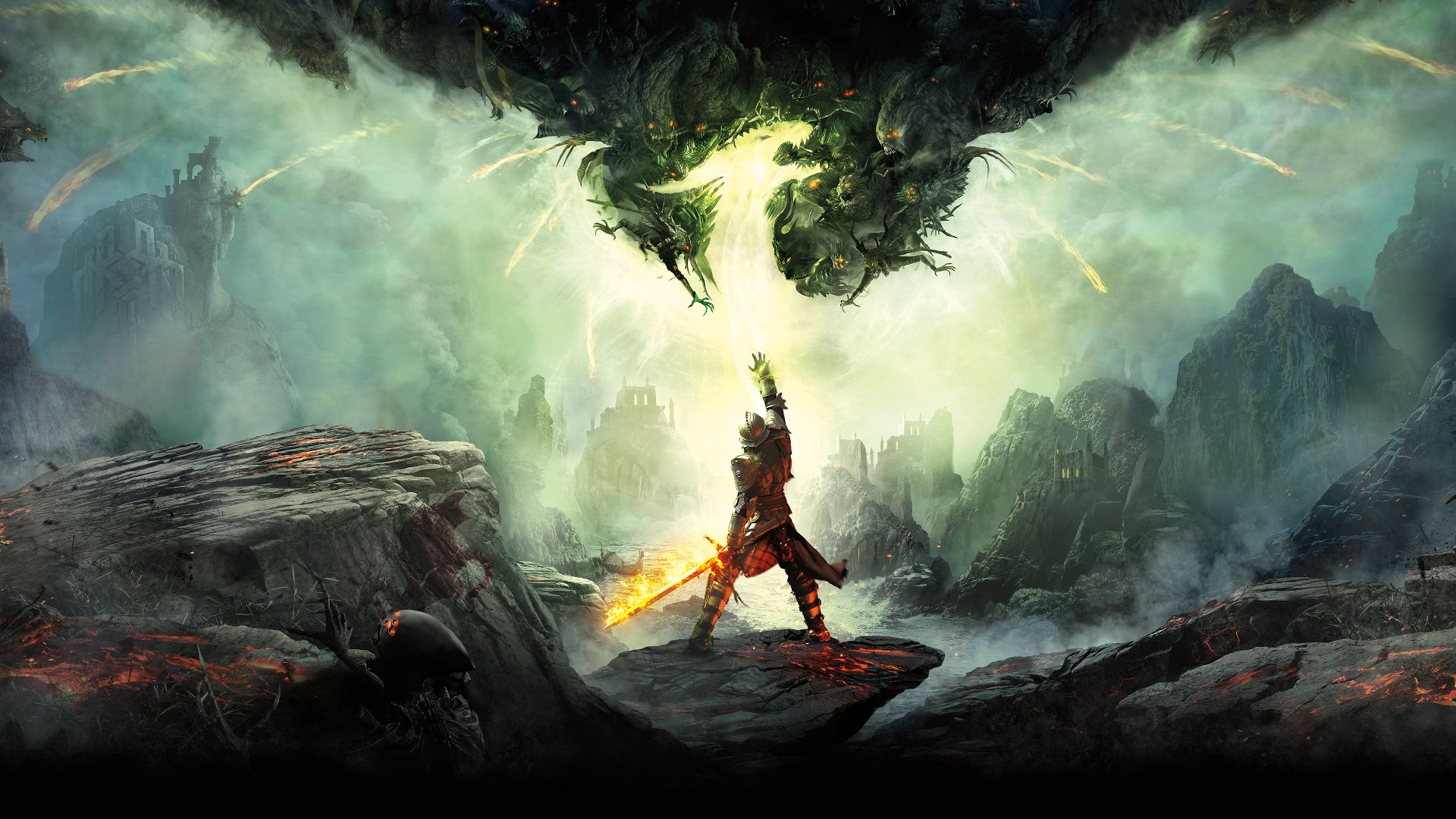
‘Dragon Age: Inquisition’ was developed by BioWare and published by Electronic Arts, winning several Game of the Year awards upon release. Despite these accolades, the game is often criticized for its “Hinterlands” problem, where the open-world areas are filled with repetitive, MMO-style fetch quests. The tactical combat system was also simplified compared to ‘Dragon Age: Origins’, leading to a more action-oriented but less strategic feel. While the character interactions remain a high point, the padding of the game’s length with filler content is a common complaint.
‘Mass Effect 3’ (2012)
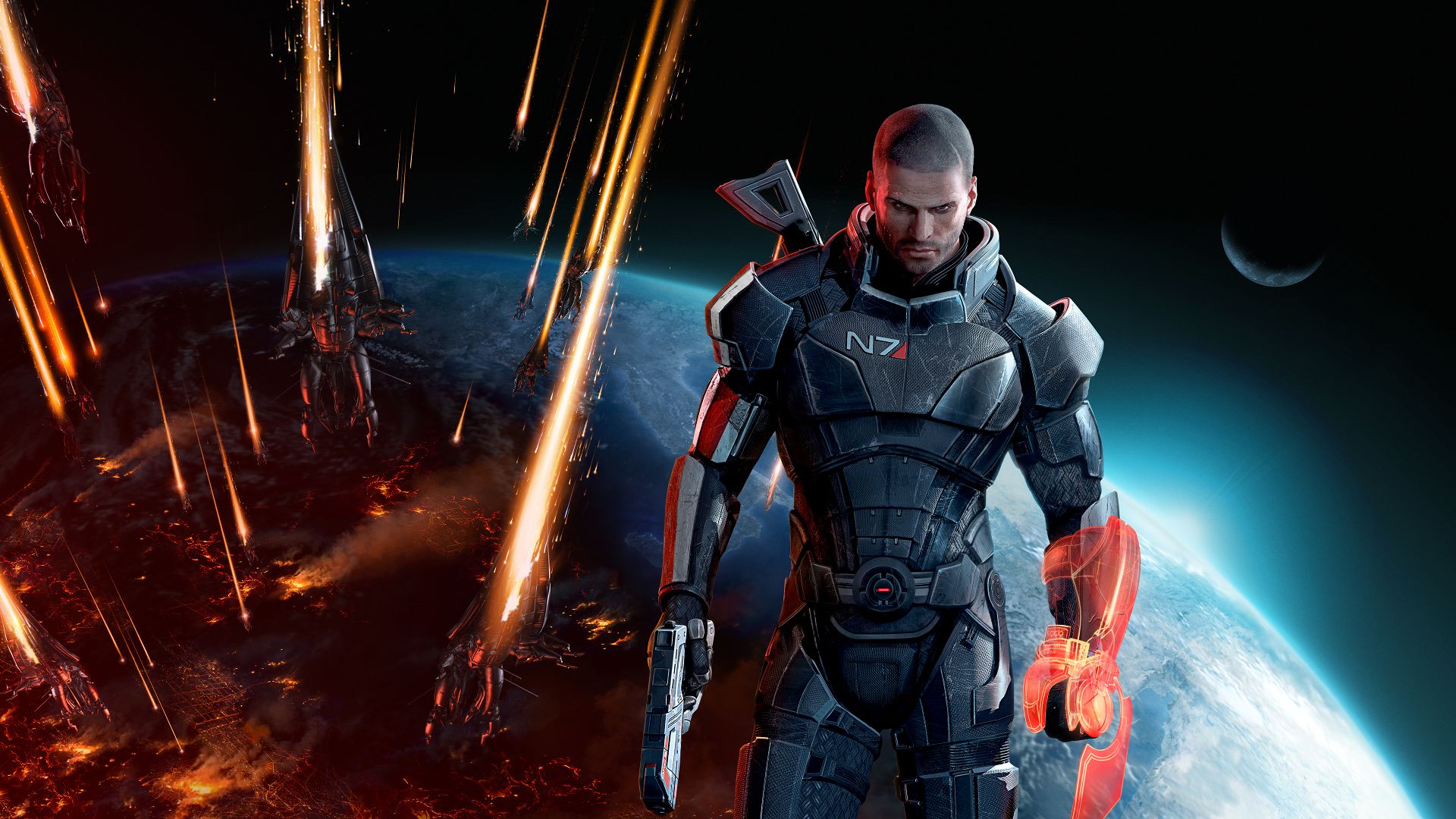
Developed by BioWare and published by Electronic Arts, ‘Mass Effect 3’ serves as the conclusion to Commander Shepard’s trilogy. The game is largely remembered for the intense controversy surrounding its original ending, which many felt disregarded the choices made throughout the series. Beyond the finale, the game stripped away many of the RPG elements of the first game in favor of cover-based shooter mechanics. While the emotional stakes were high, the reduction of planetary exploration and the introduction of a mandatory multiplayer component for the best ending were poorly received.
‘Cyberpunk 2077’ (2020)
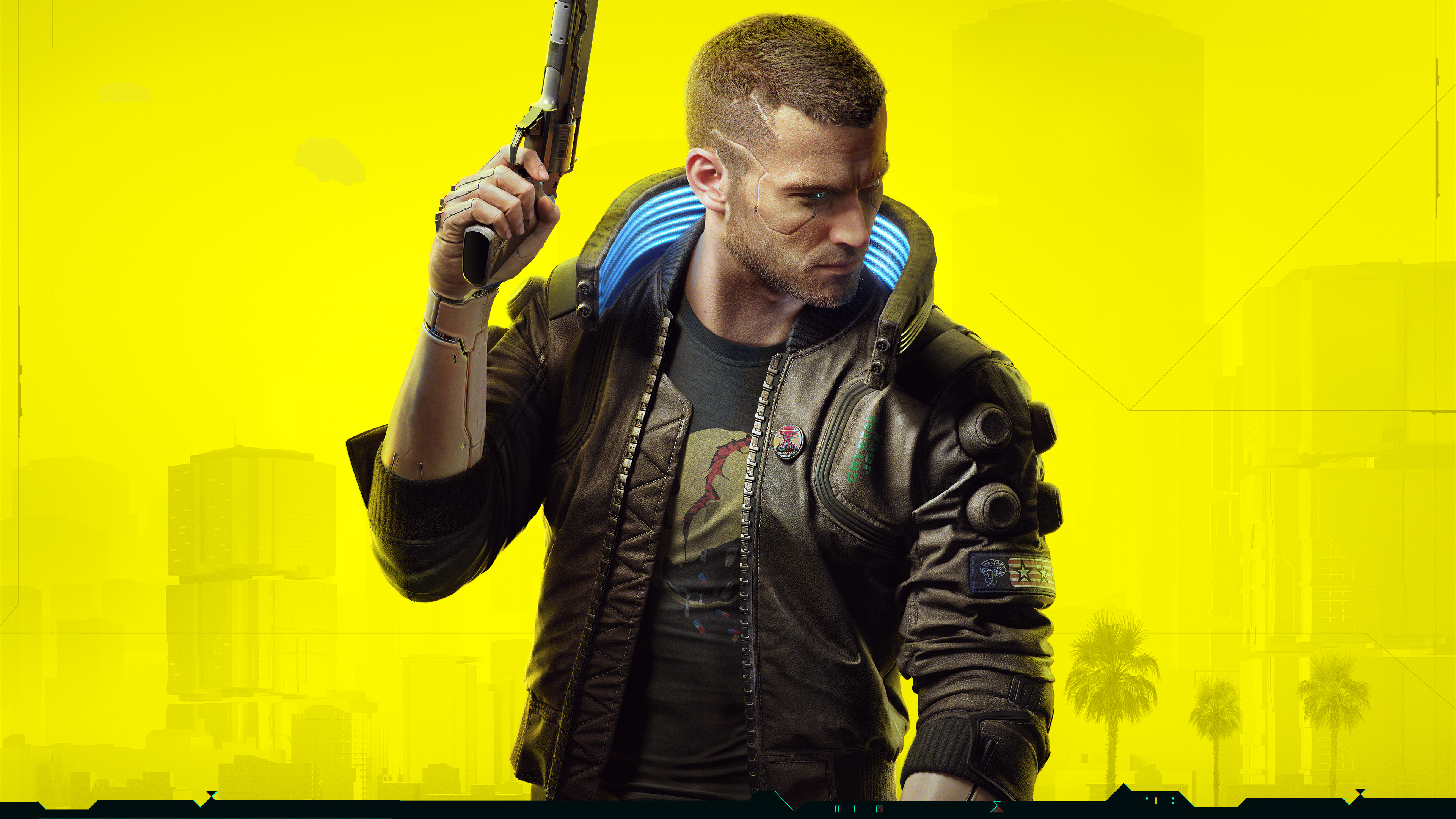
CD Projekt Red developed and published ‘Cyberpunk 2077’ amid immense hype and a troubled launch period. Although subsequent updates have improved the technical state of the game, many original promises regarding the depth of the life paths and the reactivity of the world remain unfulfilled. Critics have noted that the core role-playing systems are relatively standard for the genre, offering less innovation than the marketing suggested. The artificial intelligence of non-player characters and police forces has also been a recurring point of dissatisfaction for the community.
‘Elden Ring’ (2022)
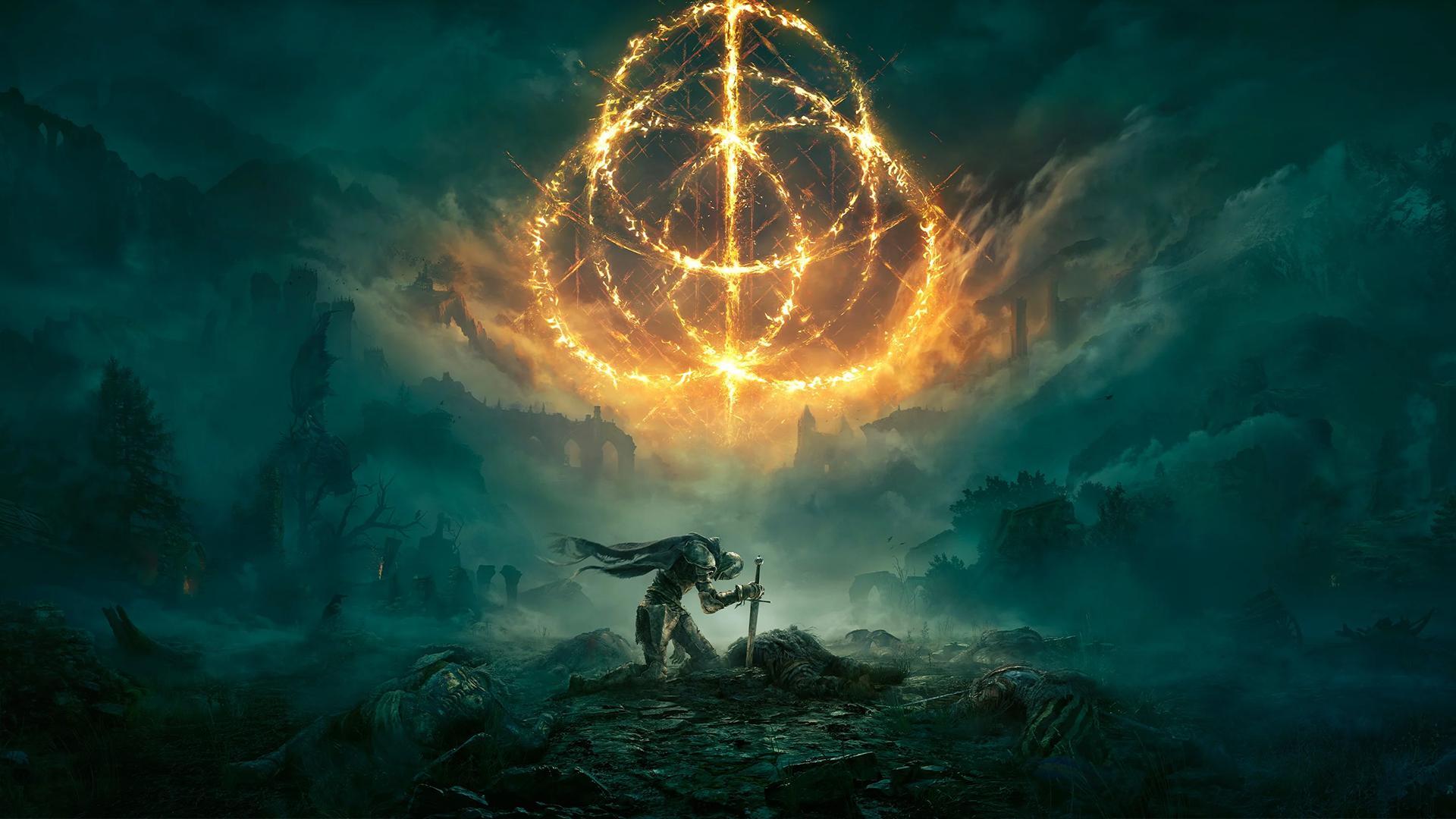
‘Elden Ring’ was developed by FromSoftware and published by Bandai Namco Entertainment, bringing the “Souls” formula to a massive open world. While the game received near-universal praise, some players find the late-game balance to be punishingly unfair compared to the earlier sections. The reuse of mini-bosses and dungeon assets throughout the Lands Between has led to accusations of repetitive content. Additionally, the lack of a traditional quest log makes the narrative difficult to follow for those not accustomed to the developer’s cryptic storytelling style.
‘Persona 5’ (2016)
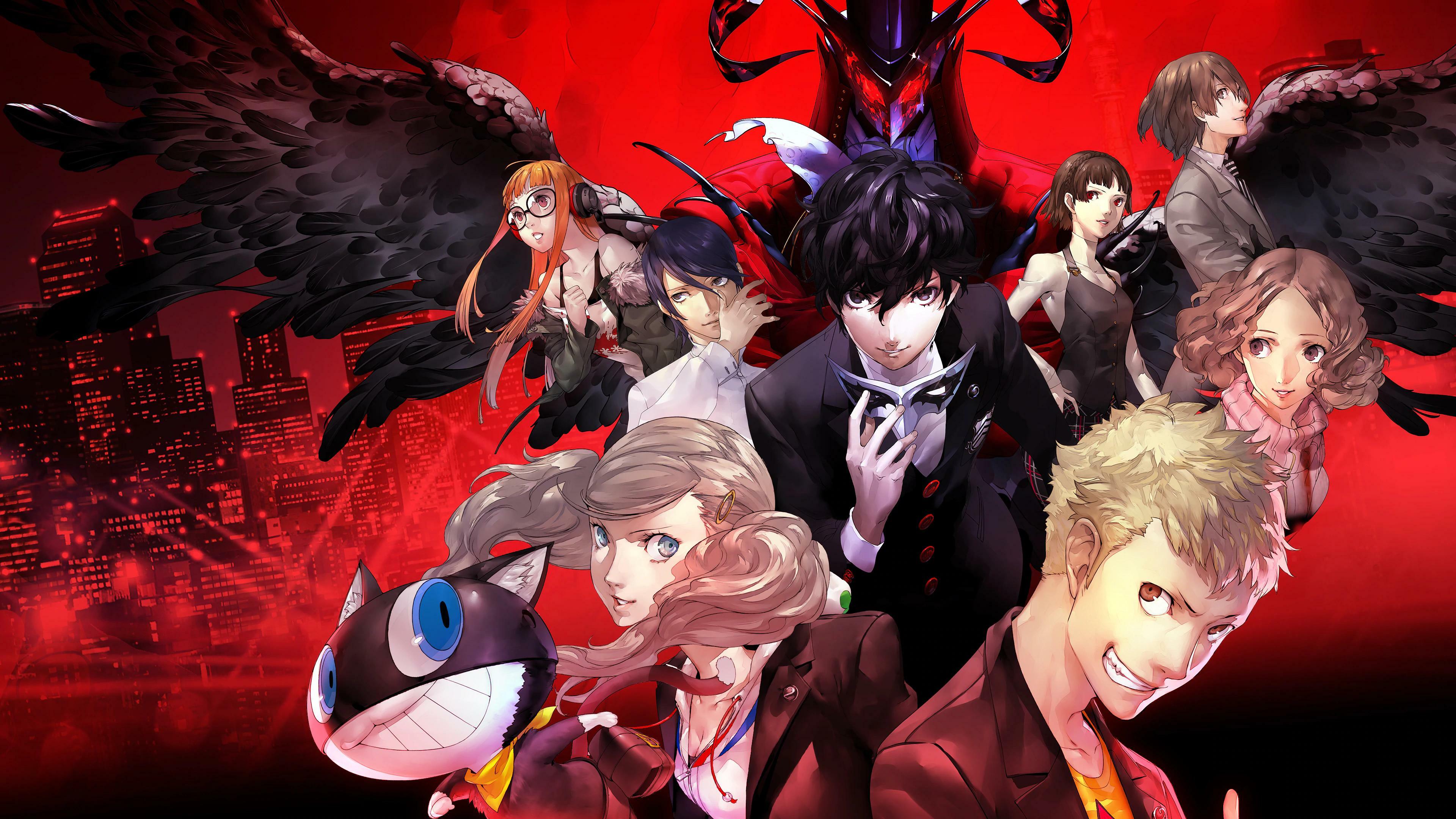
Developed by P-Studio and published by Atlus, ‘Persona 5’ is a stylized JRPG focusing on high school students who moonlight as phantom thieves. The game is highly praised for its visual aesthetic and soundtrack, but its runtime often exceeds 100 hours, which many find excessive. Critics point out that the social simulation aspects can become repetitive, and the dungeon designs in the middle of the game are often overly long. The rigid calendar system also limits the player’s freedom, forcing them to adhere to a specific schedule for optimal progression.
‘Kingdom Hearts III’ (2019)
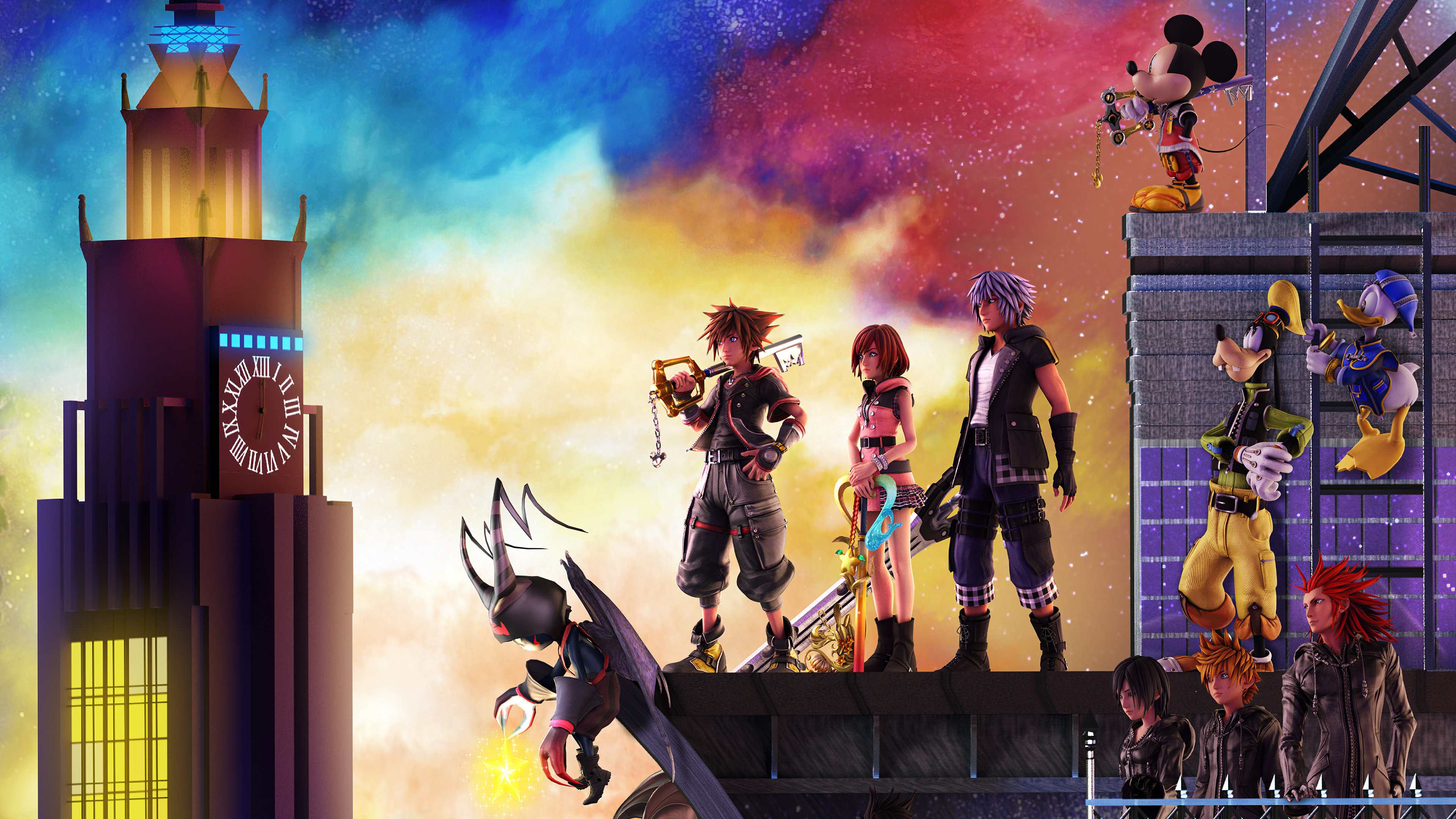
‘Kingdom Hearts III’ was developed and published by Square Enix as the long-awaited conclusion to the “Dark Seeker” saga. Many fans felt the story was overly back-loaded, with the majority of the plot progression occurring only in the final few hours. The Disney worlds often felt like filler that did not contribute significantly to the overarching narrative involving Sora and Xehanort. Furthermore, the combat was criticized for being too easy due to the frequent availability of powerful “Attraction Flow” attacks.
‘Pokémon Sword and Shield’ (2019)

Developed by Game Freak and published by Nintendo and The Pokémon Company, ‘Pokémon Sword and Shield’ represented the franchise’s first mainline entry on a home console. The games were met with significant backlash regarding the removal of the National Pokédex, which prevented players from using many older creatures. Visually, the games were criticized for having low-resolution textures and a lack of environmental detail in the “Wild Area”. The linear route design and lack of a substantial post-game also contributed to the feeling that the titles were underdeveloped.
‘Diablo III’ (2012)
‘Diablo III’ was developed and published by Blizzard Entertainment and faced a notoriously difficult launch due to server issues. The inclusion of the Real-Money Auction House was widely condemned for undermining the core gameplay loop of finding loot through combat. Longtime fans also took issue with the game’s more colorful art style, which they felt departed from the gothic atmosphere of the first two games. While the ‘Reaper of Souls’ expansion fixed many issues, the base game’s simplified skill system remained a point of contention.
‘Starfield’ (2023)
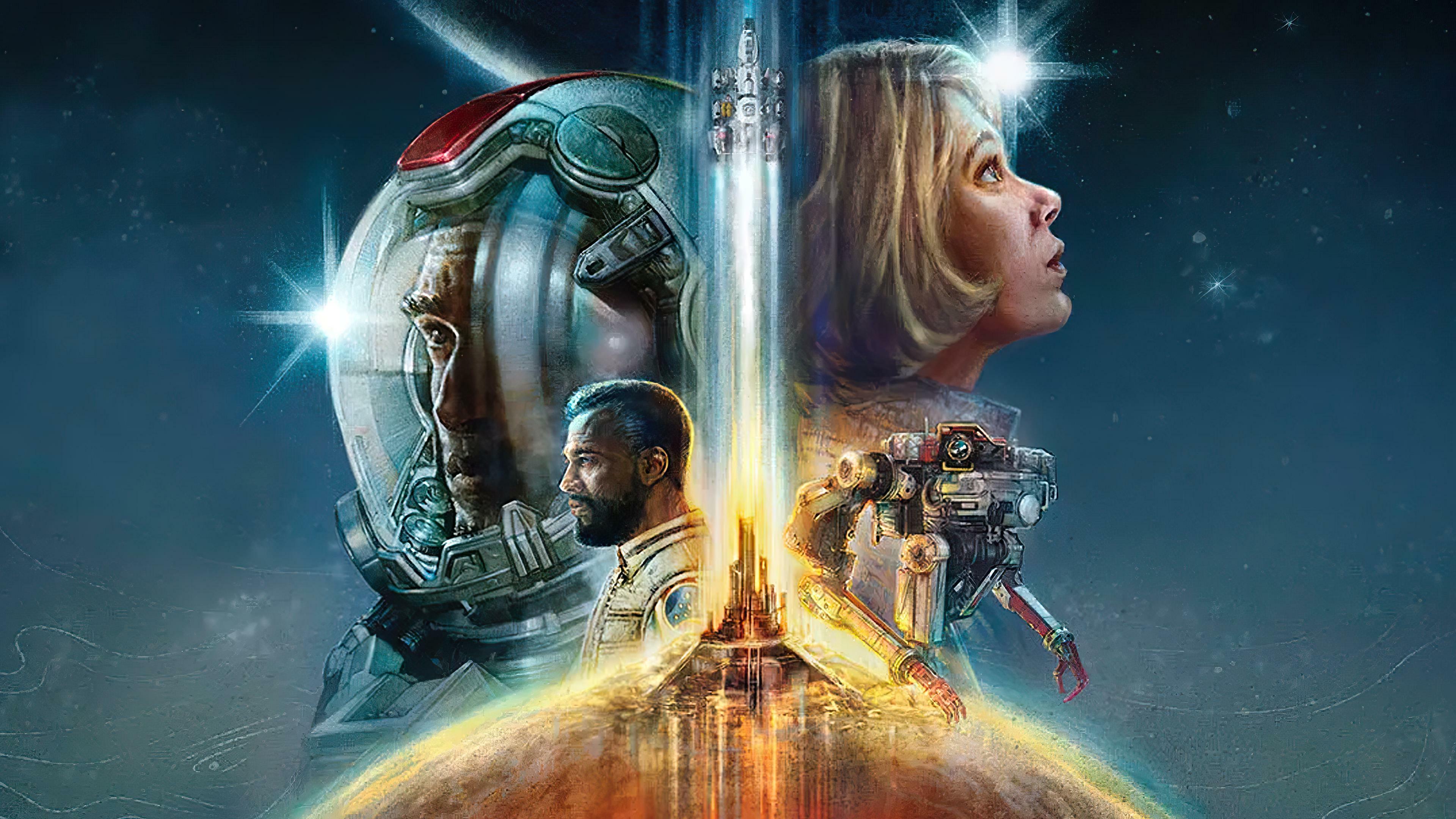
Developed and published by Bethesda Game Studios, ‘Starfield’ is an ambitious space exploration RPG that features over 1,000 planets. Many players have criticized the game for its frequent loading screens, which break the immersion of traveling through space. The procedural generation of planets often results in barren environments with repetitive points of interest that look identical across different star systems. While the ship-building mechanics are deep, the core combat and character animations are often seen as dated compared to contemporary RPGs.
‘Horizon Zero Dawn’ (2017)
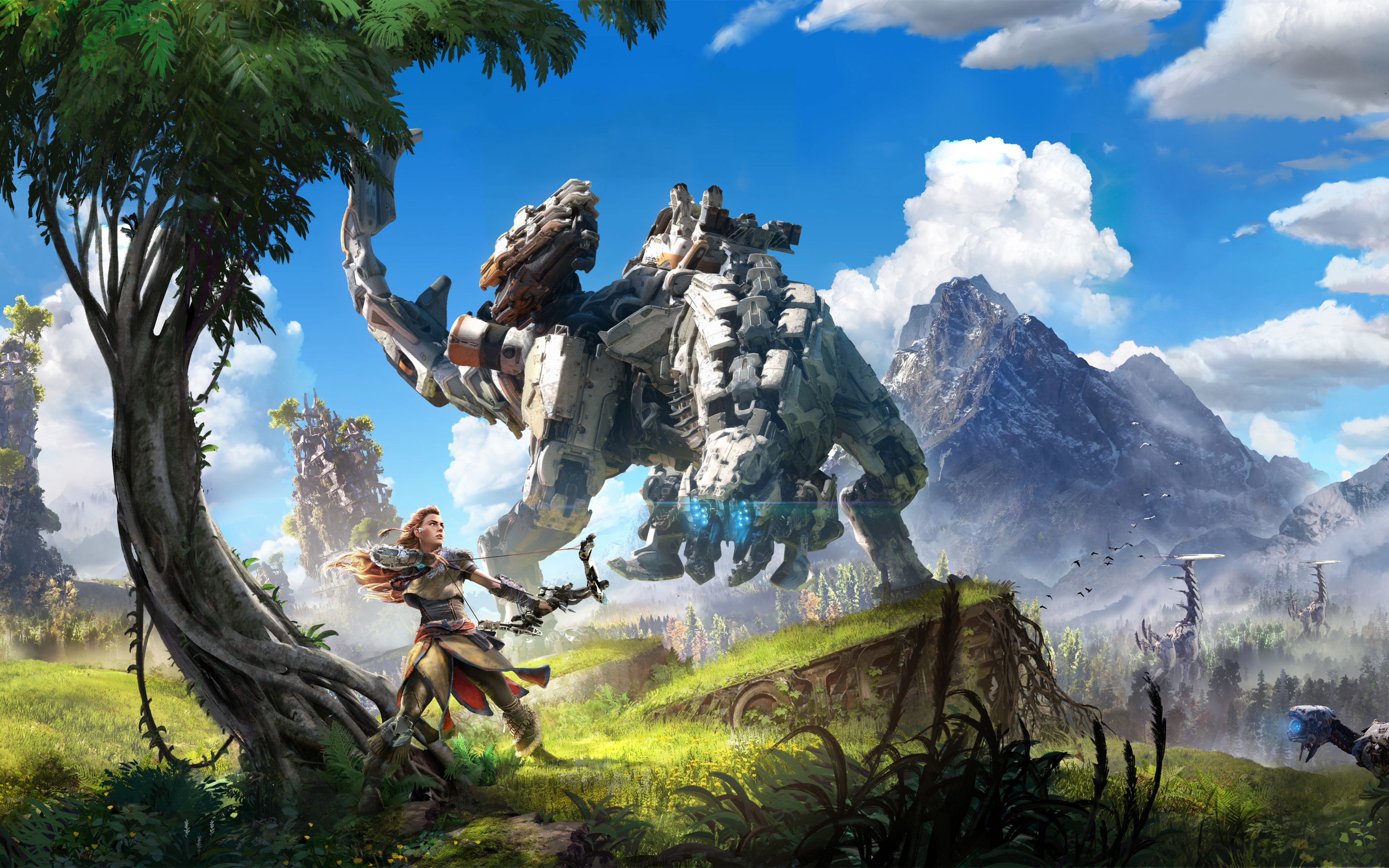
‘Horizon Zero Dawn’ was developed by Guerrilla Games and published by Sony Interactive Entertainment. While it features a unique setting with mechanical dinosaurs, the open-world structure follows a very traditional and some say stale formula established by other franchises. Activities like climbing towers to reveal the map and clearing bandit camps were seen as derivative by some critics. The melee combat is often described as clunky compared to the more polished bow mechanics. Despite its commercial success, the human characters and facial animations were frequently cited as being less expressive than the machines.
‘The Outer Worlds’ (2019)
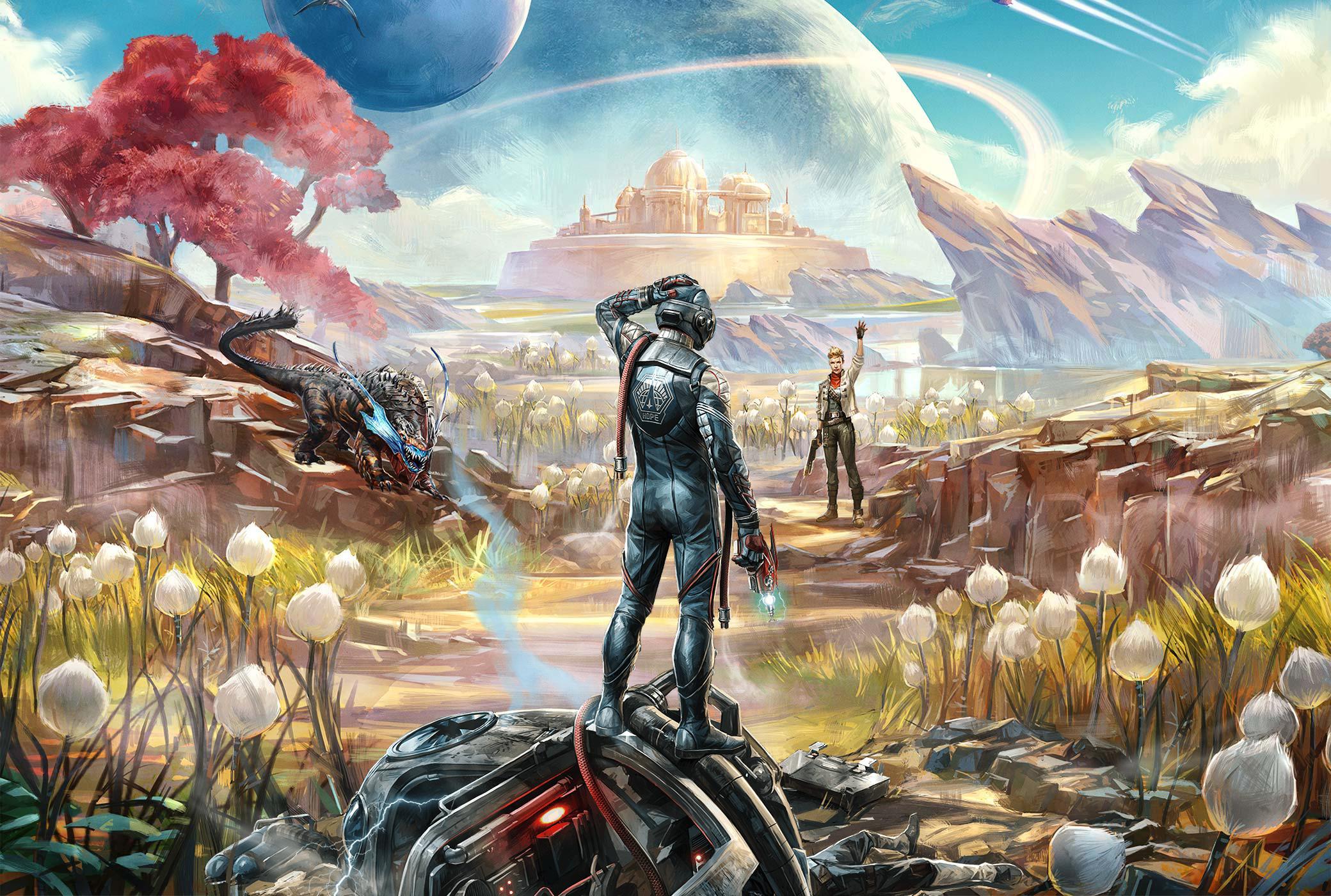
Obsidian Entertainment developed ‘The Outer Worlds’, which was published by Private Division. The game was marketed as a spiritual successor to ‘Fallout: New Vegas’, but many players found the scope of the worlds to be surprisingly small. The combat and stealth systems are relatively basic, and the gear progression lacks the variety found in larger RPGs. Critics also noted that the corporate satire, while initially charming, becomes repetitive and heavy-handed over the course of the campaign. The relatively short length of the game left some fans wanting more depth in its narrative choices.
‘Final Fantasy XV’ (2016)
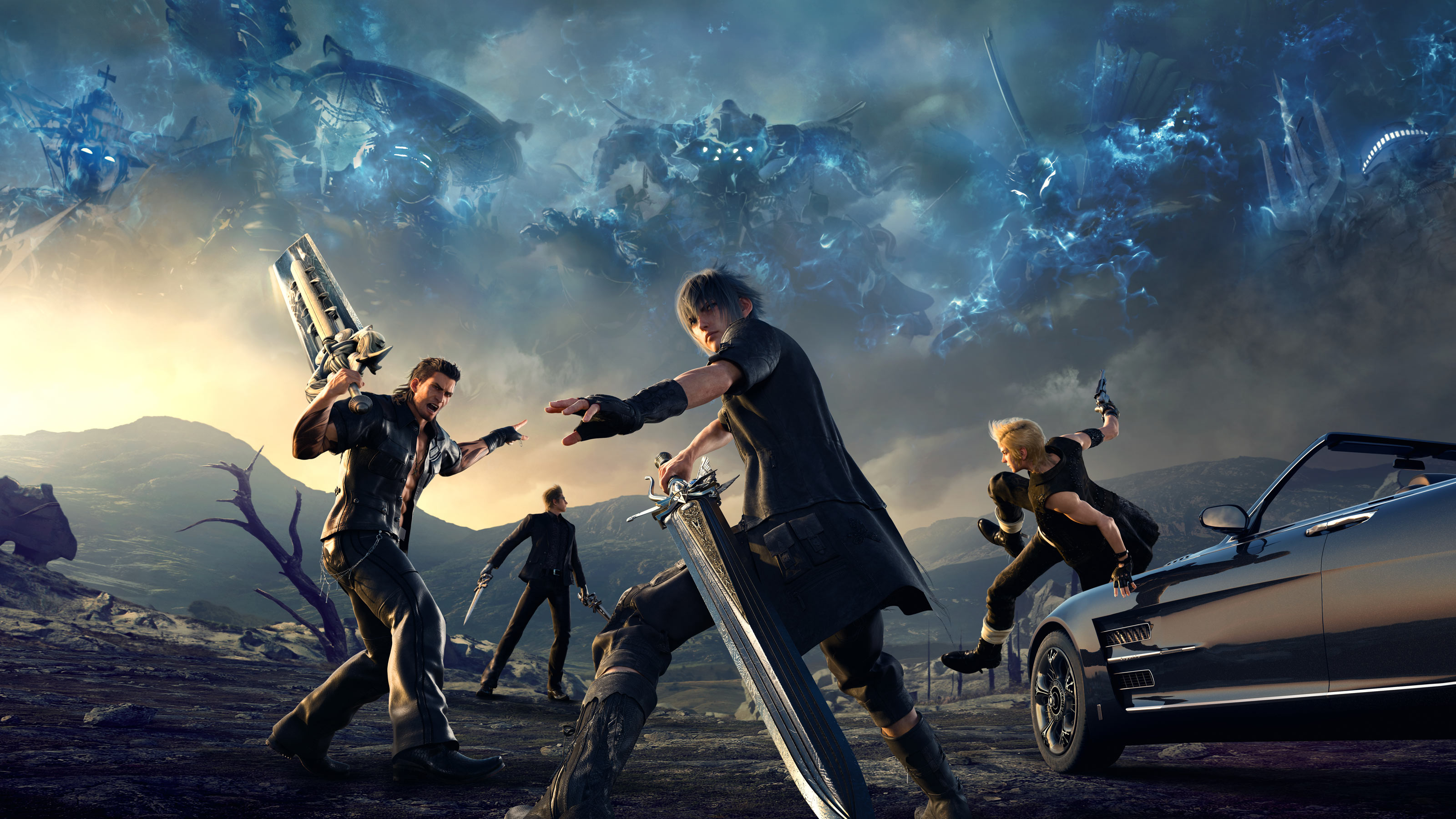
Developed and published by Square Enix, ‘Final Fantasy XV’ underwent a decade of development before its eventual release. The game was criticized for its disjointed narrative, which required players to watch a film and an anime series to fully understand the plot. At launch, the final chapters were notably linear and felt rushed, leading the developers to release multiple patches and DLCs to fill in story gaps. The combat, while visually impressive, was often criticized for being automated and requiring little strategic input from the player.
‘Assassin’s Creed Valhalla’ (2020)
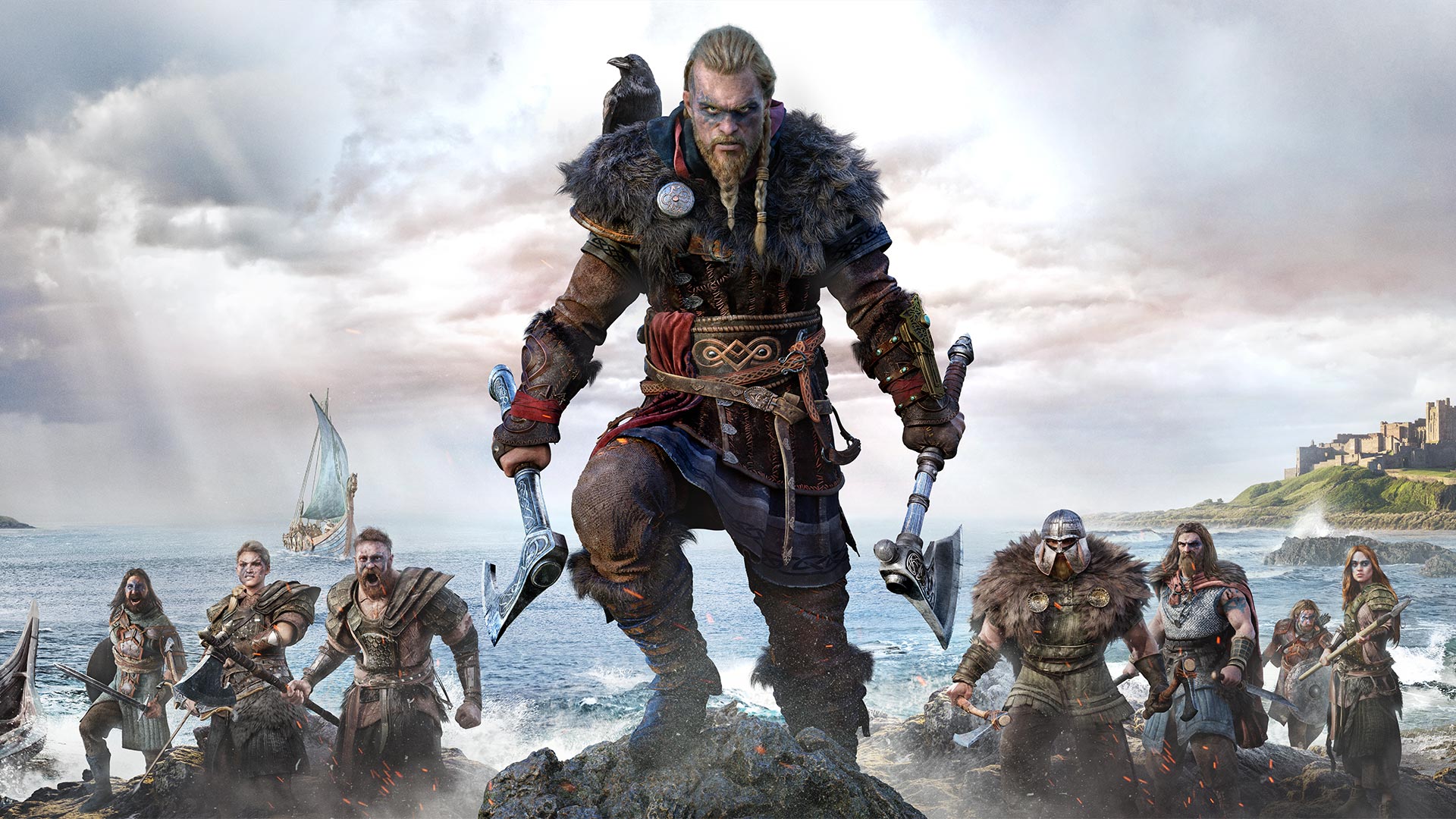
Ubisoft developed and published ‘Assassin’s Creed Valhalla’, pushing the series further into the action-RPG genre. The game is often cited for its overwhelming length, with the main story taking over 60 hours to complete, much of which involves repetitive regional alliances. Many players found the “World Events” to be shallow replacements for traditional side quests. While the Viking setting is well-realized, the bloat of the map and the grind required to progress have led to claims that the game is more exhausting than engaging.
‘Fable III’ (2010)
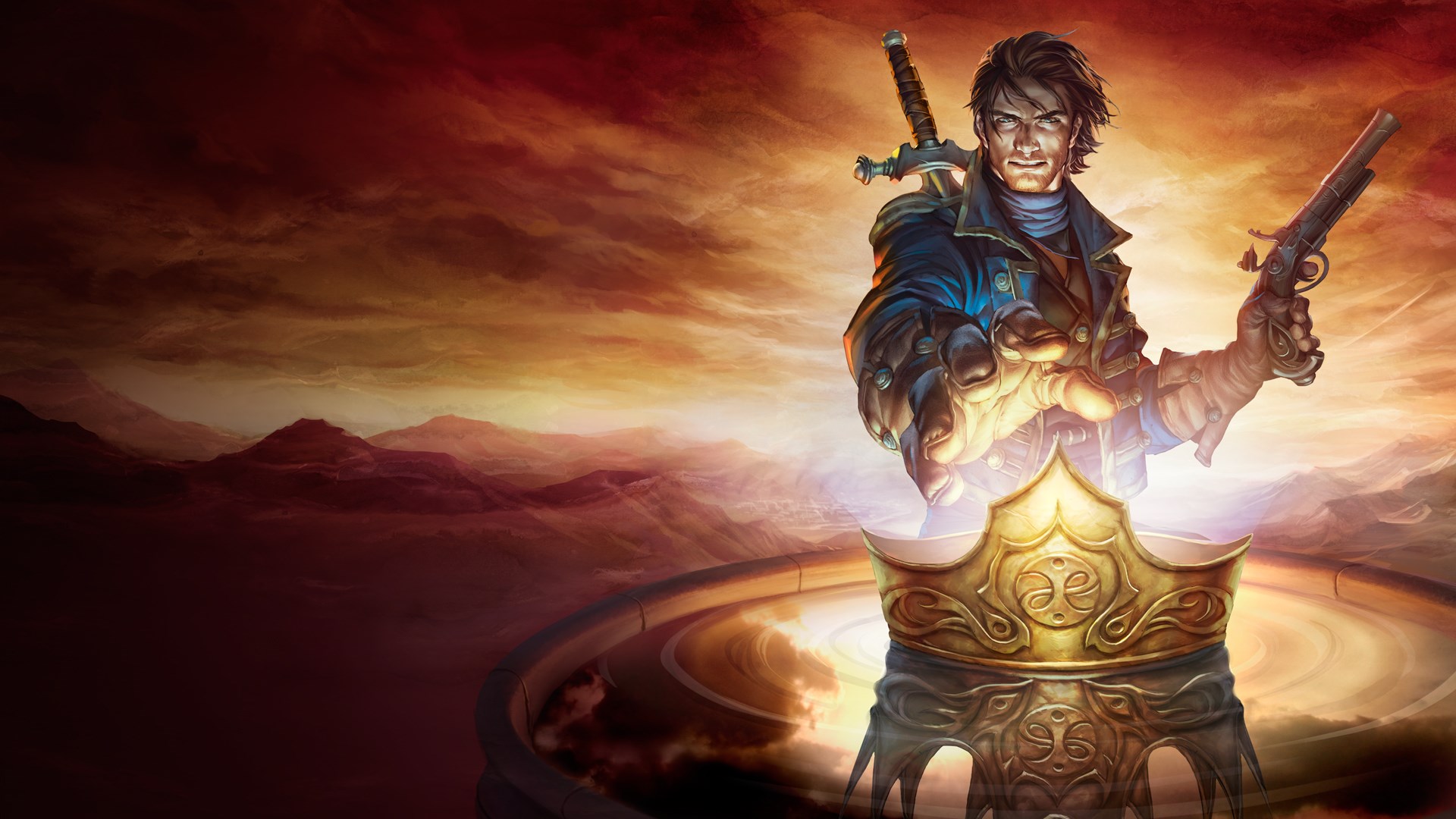
‘Fable III’ was developed by Lionhead Studios and published by Microsoft Game Studios. It was criticized for over-simplifying many of the features that made the first two games popular, such as the removal of a traditional menu in favor of the “Sanctuary” hub. The social interaction system was reduced to a few repetitive gestures, losing much of its charm. Players also found the final act of the game, where they must manage the kingdom’s finances, to be poorly balanced and frustrating. The lack of meaningful character growth and mechanical depth alienated many dedicated fans of the series.
‘Tales of Arise’ (2021)
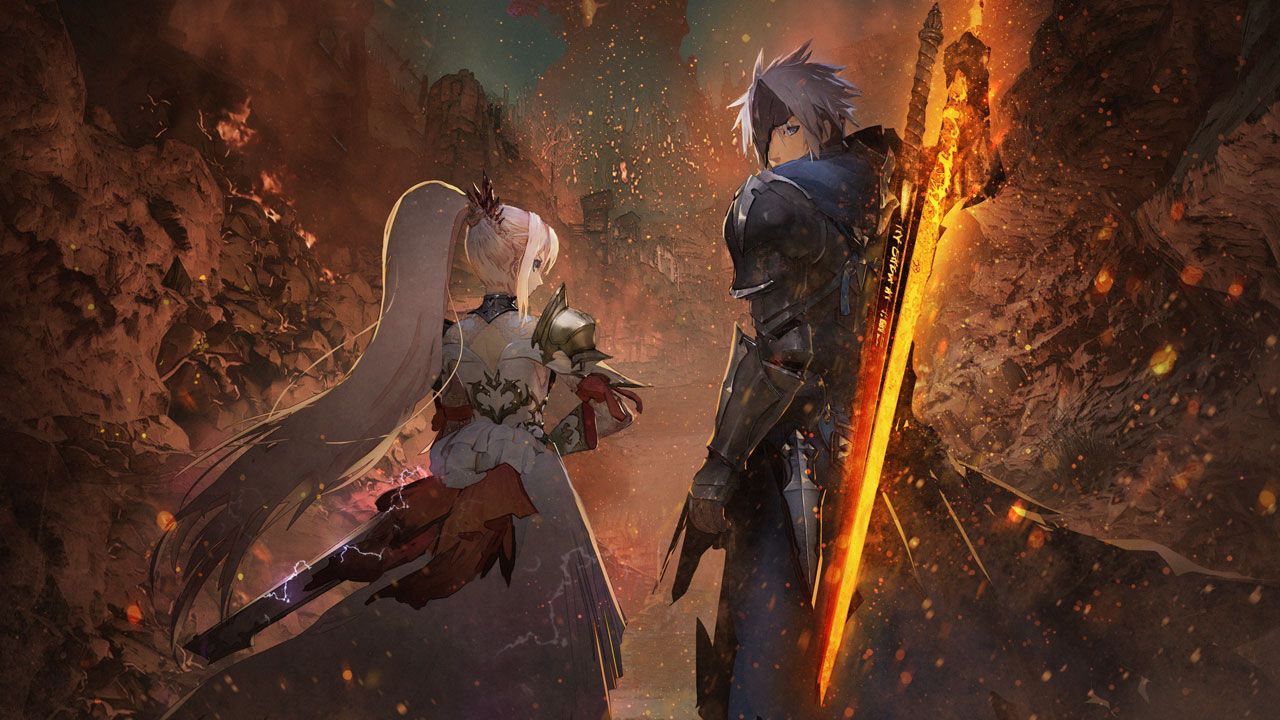
Developed and published by Bandai Namco Entertainment, ‘Tales of Arise’ was praised for modernizing the long-running series with high-quality visuals. However, the second half of the game is frequently criticized for its heavy exposition and a significant increase in enemy health, leading to “bullet sponge” combat. The narrative shifts toward a more linear and repetitive structure in the final acts, which some players found tedious. While the combat system is flashy, the high cost of healing items often forces players into an unnecessary grind.
‘Ni no Kuni II: Revenant Kingdom’ (2018)
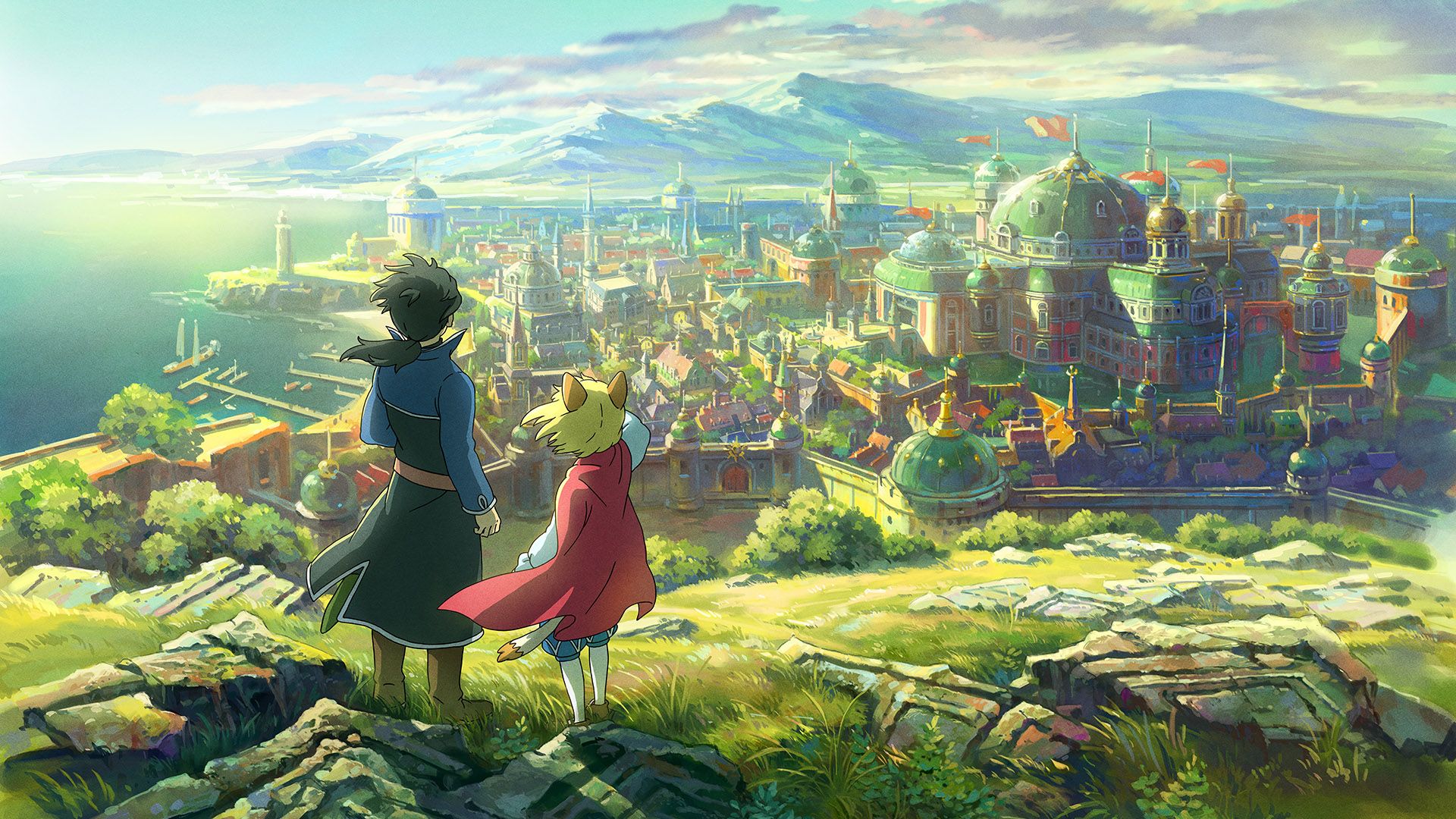
Level-5 developed ‘Ni no Kuni II: Revenant Kingdom’, which was published by Bandai Namco Entertainment. Unlike the first game, this entry removed the monster-collecting system, which many fans felt was the heart of the experience. The game was also criticized for being significantly too easy at launch, allowing players to breeze through the story without engaging with its deeper mechanics. The kingdom-building and skirmish modes were seen as shallow additions that lacked meaningful integration with the core RPG gameplay.
‘Suikoden IV’ (2004)
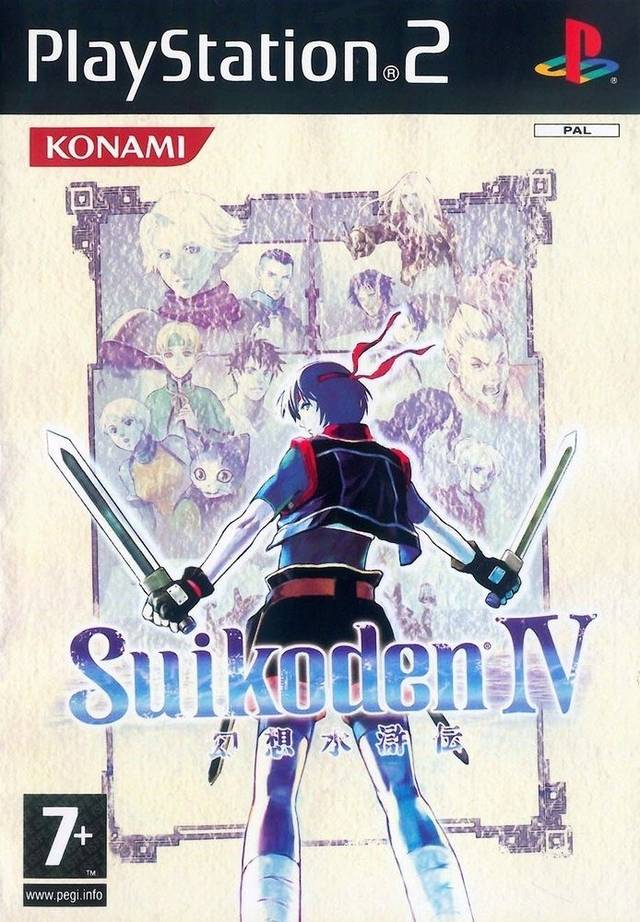
‘Suikoden IV’ was developed and published by Konami for the PlayStation 2. It is often regarded as the weakest entry in the beloved series due to its move to a four-person party system and a vast, empty ocean map. The encounter rate while sailing was notoriously high, making exploration a chore for many players. The transition to 3D graphics was also seen as a step backward, losing the detailed sprite work that defined earlier titles. Despite having the traditional 108 Stars of Destiny to recruit, the characters lacked the development found in previous games.
‘Borderlands 3’ (2019)
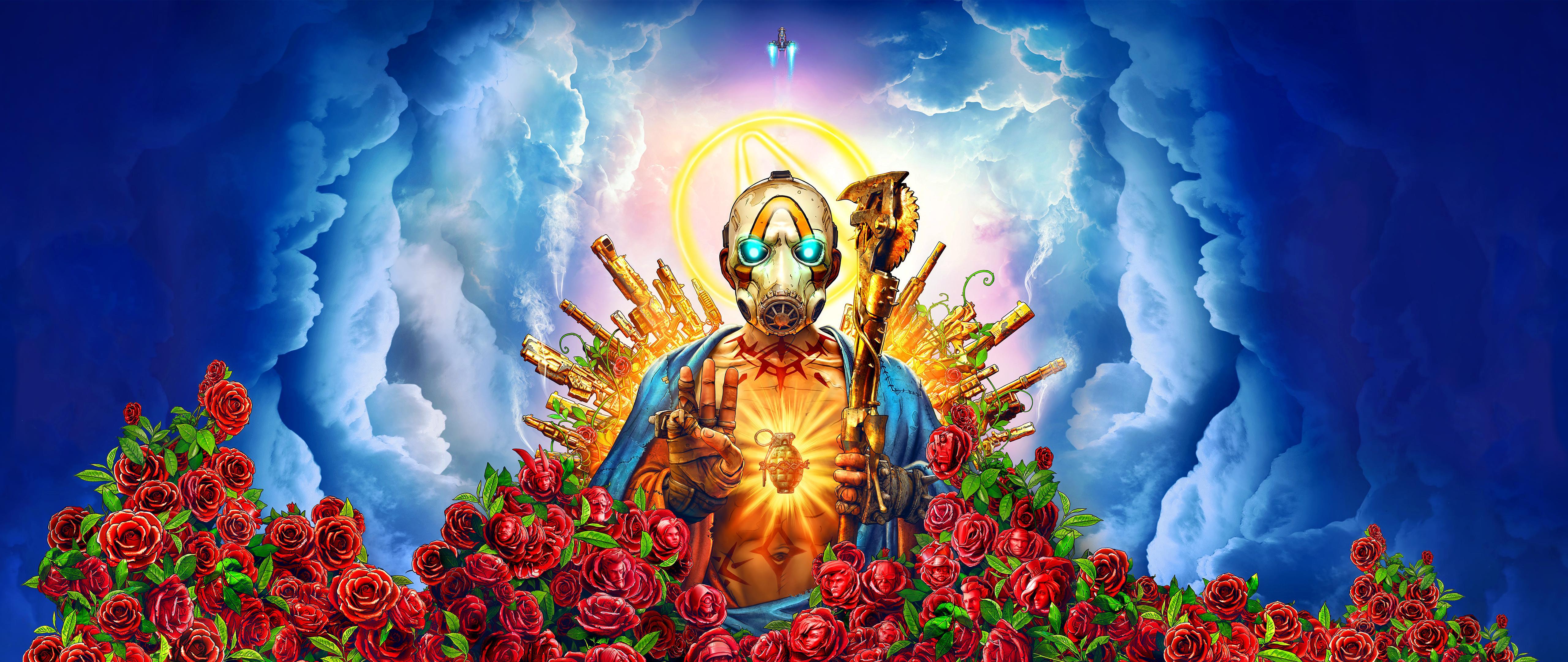
Developed by Gearbox Software and published by 2K Games, ‘Borderlands 3’ features refined gunplay and a massive amount of loot. However, the game’s writing and humor were widely criticized for being outdated and often annoying. The primary antagonists, the Calypso Twins, were generally viewed as inferior to the previous game’s villain, Handsome Jack. Frequent interruptions for dialogue and unskippable cutscenes hindered the pacing of the gameplay loop. While the mechanical foundations are solid, the narrative execution was a major point of disappointment for the fan base.
‘GreedFall’ (2019)
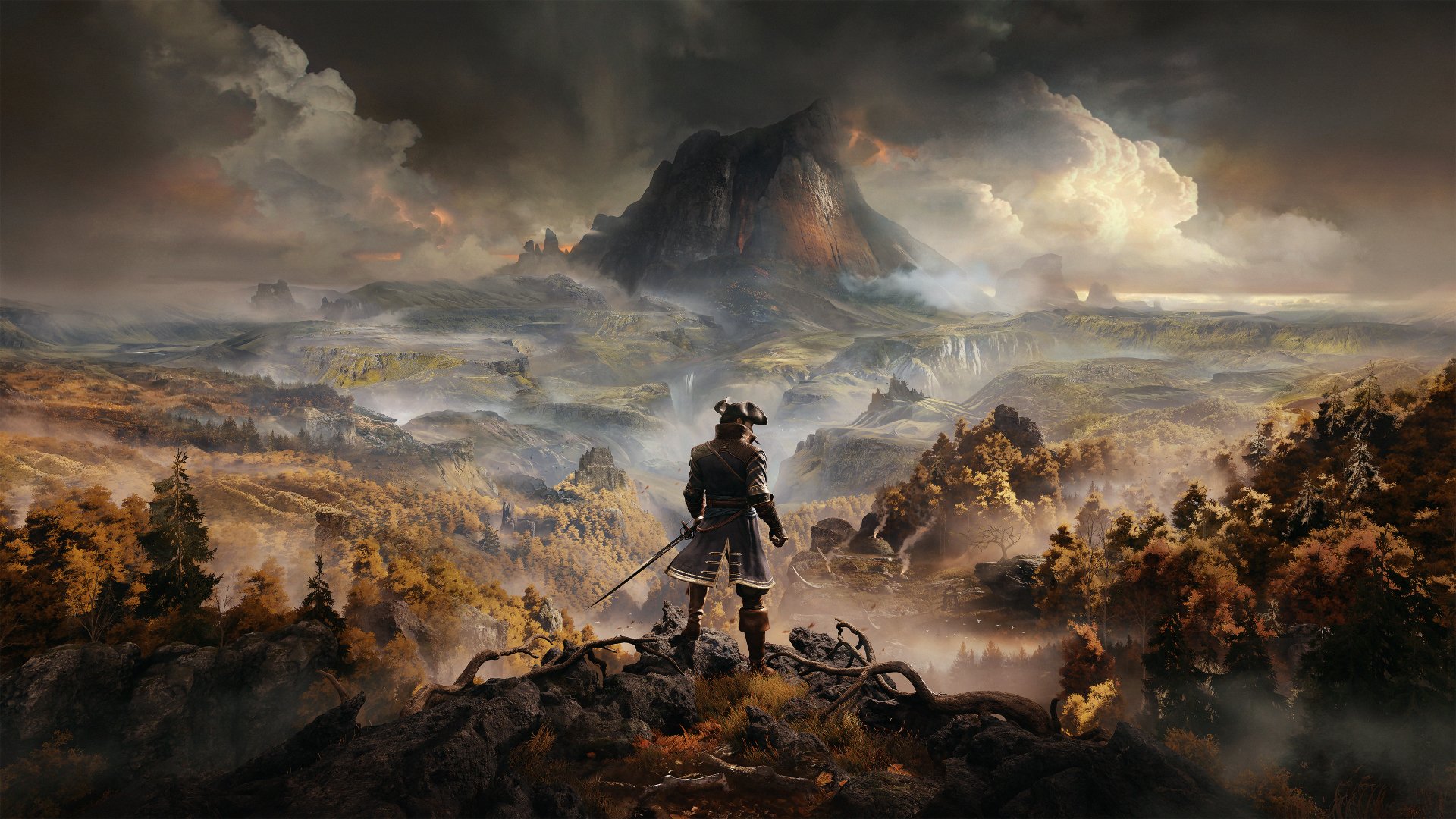
‘GreedFall’ was developed by Spiders and published by Focus Home Interactive, aiming to fill the void left by classic BioWare RPGs. While it features an interesting 17th-century fantasy setting, the game suffers from a low budget that results in reused interior environments and clunky combat. Players often complain about the excessive amount of backtracking required to complete quests across its semi-open zones. The diplomatic systems are also less reactive than they initially appear, leading to a sense of missed potential.
‘Xenoblade Chronicles 2’ (2017)
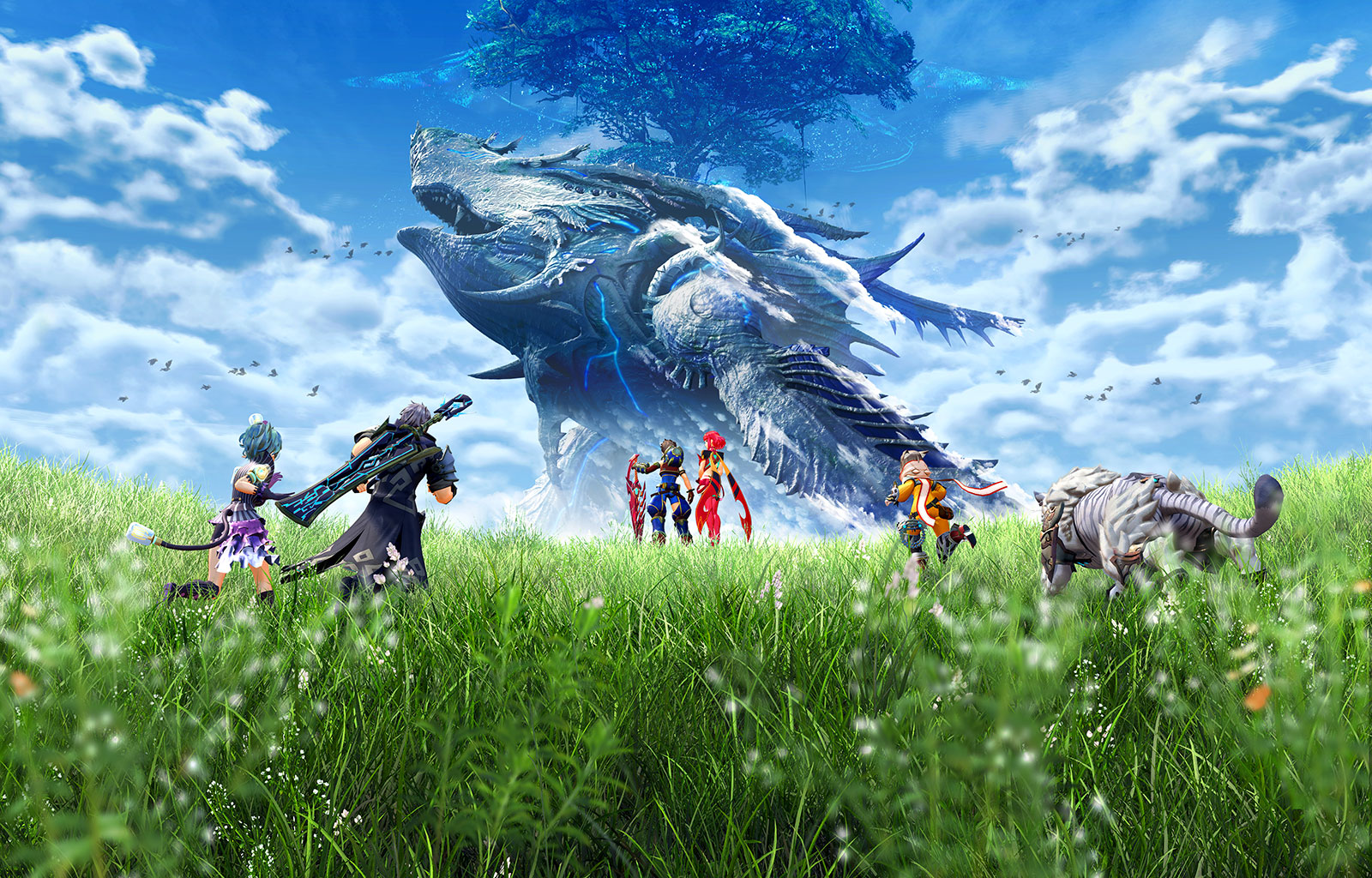
Developed by Monolith Soft and published by Nintendo, ‘Xenoblade Chronicles 2’ is a massive JRPG on the Switch. It has been criticized for its confusing user interface and a tutorial system that lasts for dozens of hours. The “Blade” recruitment system uses a randomized gacha mechanic, which frustrated players trying to obtain specific characters. Additionally, the character designs and heavy reliance on anime tropes were polarizing compared to the more grounded tone of the original game.
‘Bravely Default II’ (2021)

Claytechworks developed ‘Bravely Default II’, which was published by Square Enix and Nintendo. While it retains the classic turn-based combat of its predecessors, the game was criticized for its steep difficulty spikes and heavy reliance on grinding. The new “Counter” system for bosses often made specific job classes feel useless, limiting tactical variety. Critics also noted that the story and characters followed very predictable paths, offering little innovation for the genre. The art style, while unique, was also a point of debate regarding its technical execution.
‘Octopath Traveler’ (2018)
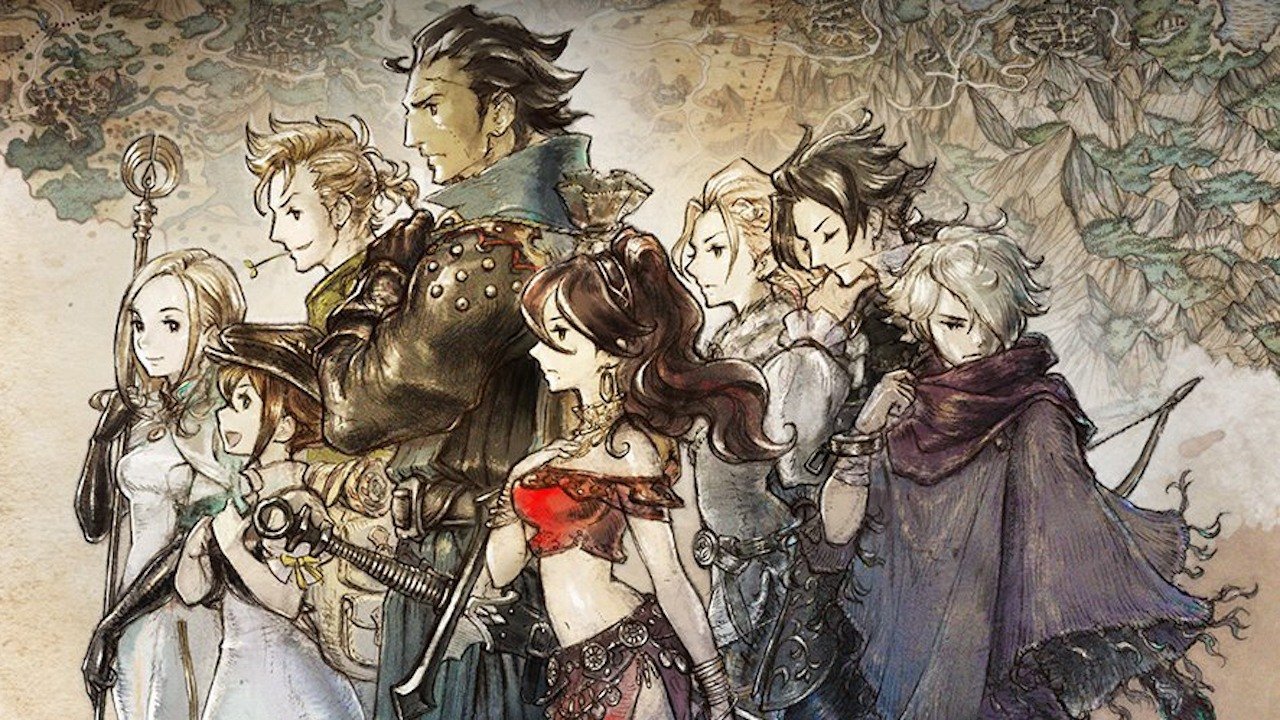
‘Octopath Traveler’ was developed by Acquire and Square Enix and published by Nintendo. It is celebrated for its beautiful “HD-2D” visual style, but the narrative structure was a major point of criticism. The eight protagonists’ stories are almost entirely disconnected, with very little interaction between them during the main campaign. This led to a feeling of repetitive gameplay as players had to complete eight separate introductory chapters. While the combat is highly regarded, the lack of a cohesive group dynamic left many players feeling underwhelmed by the journey.
‘Undertale’ (2015)
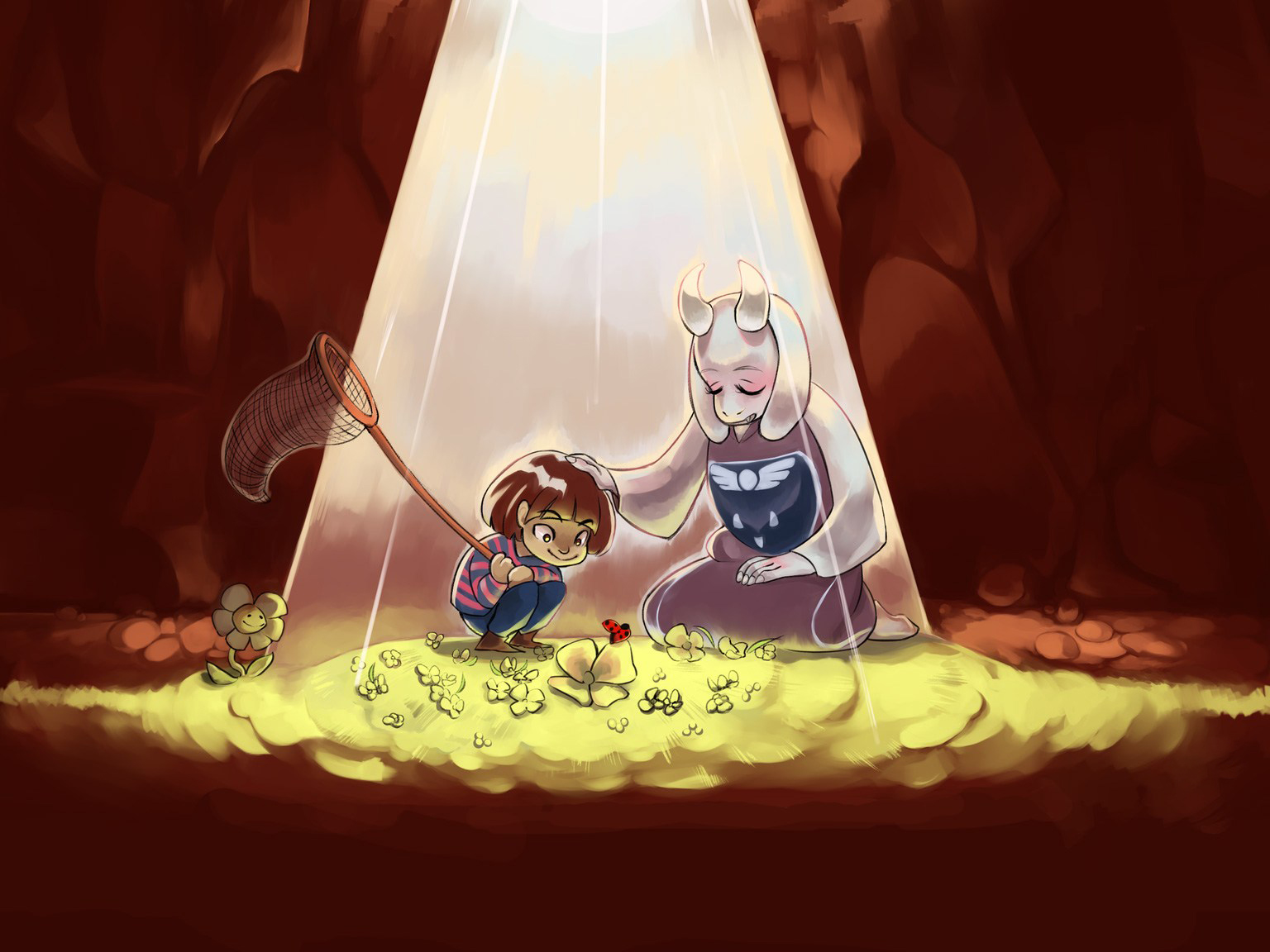
Developed and published by Toby Fox, ‘Undertale’ became an indie sensation for its unique subversion of RPG tropes and “Mercy” mechanic. While it is highly regarded for its writing, the game’s simplistic graphics and short length have led some to argue that its massive reputation is somewhat inflated. The intense fan community has also contributed to a perception of the game as being more revolutionary than it may be to a casual player. Some critics point out that the combat encounters can become tedious on repeat playthroughs required for different endings.
‘Mass Effect: Andromeda’ (2017)
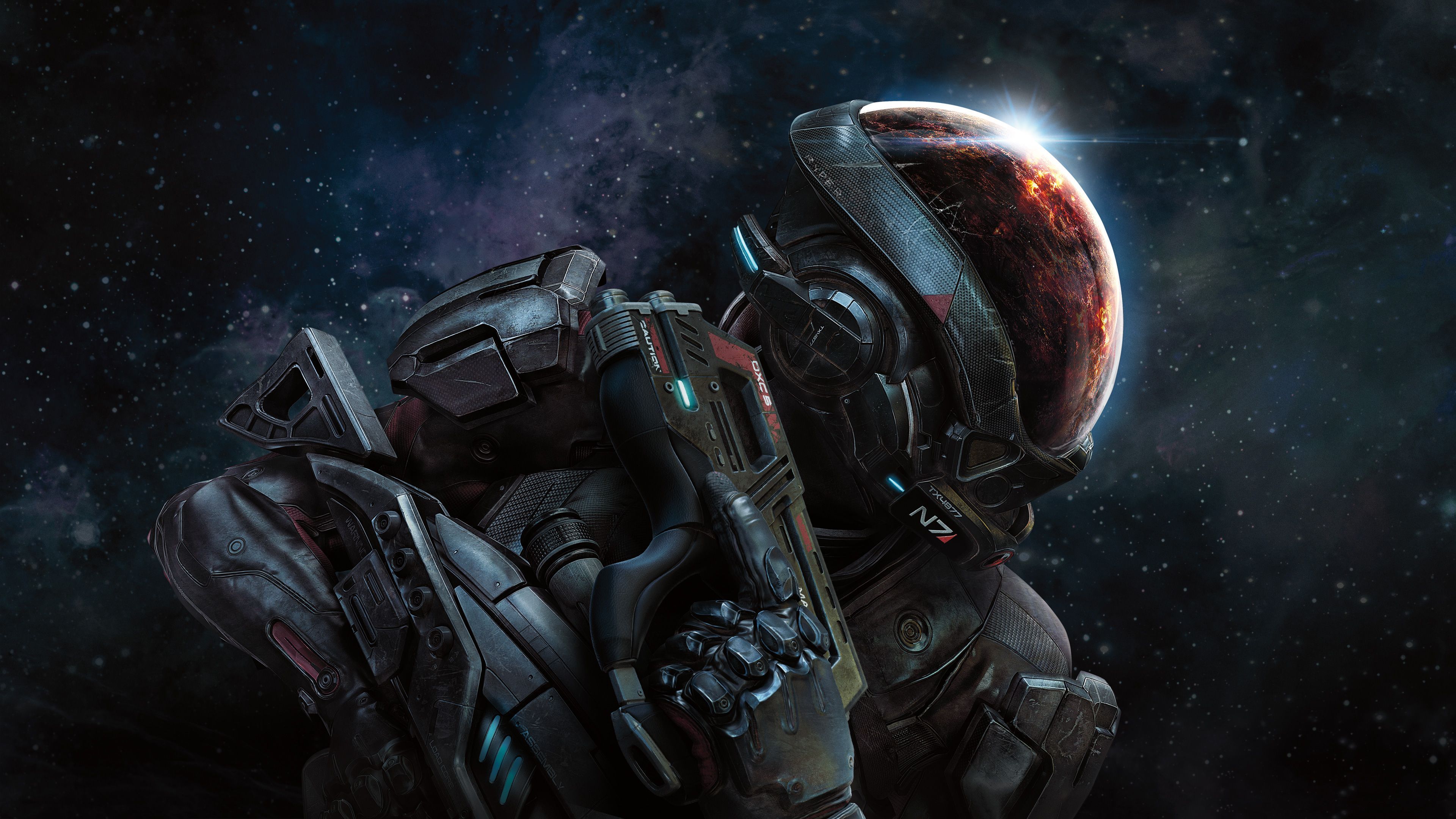
BioWare developed ‘Mass Effect: Andromeda’, which was published by Electronic Arts as a fresh start for the franchise. The game was infamous at launch for its poor facial animations and numerous technical bugs. Beyond the technical issues, the story was criticized for failing to create stakes as compelling as the original trilogy. The new planets often felt empty, and the “Sudoku” style hacking puzzles were seen as a tedious addition to the gameplay. While the combat was more fluid, the lack of memorable squadmates hindered the overall experience.
‘Hogwarts Legacy’ (2023)
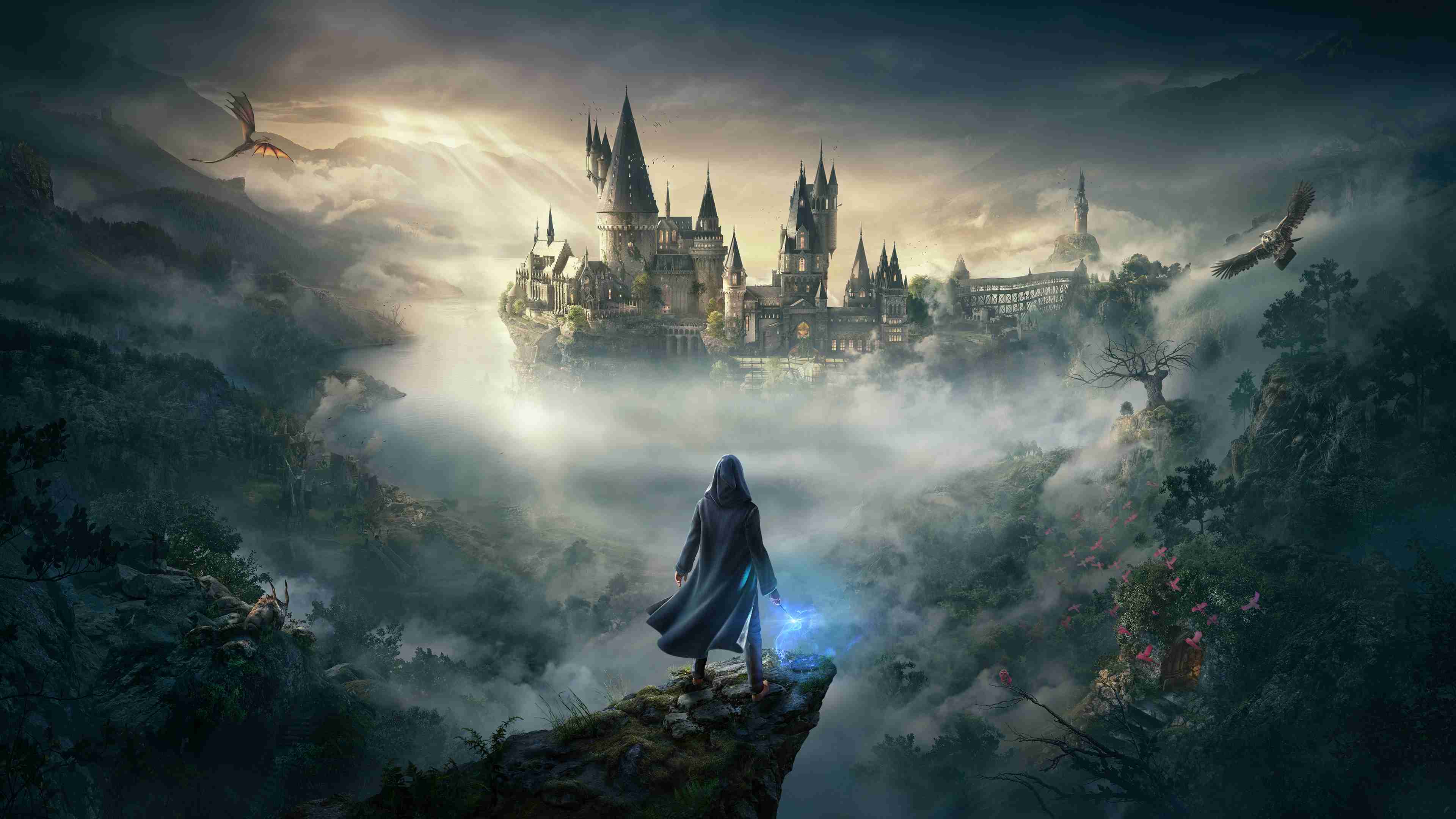
‘Hogwarts Legacy’ was developed by Avalanche Software and published by Warner Bros. Games. It successfully recreated the iconic school, but the open world outside of Hogwarts was criticized for being filled with generic activities and repetitive Merlin Trials. The gear system was also viewed as shallow, with players constantly swapping items for minor stat increases. Critics noted that the game lacked a meaningful morality system, allowing players to use “Unforgivable Curses” with almost no narrative consequences. While the initial exploration is magical, the gameplay loop eventually falls into standard open-world tropes.
‘Dragon’s Dogma 2’ (2024)
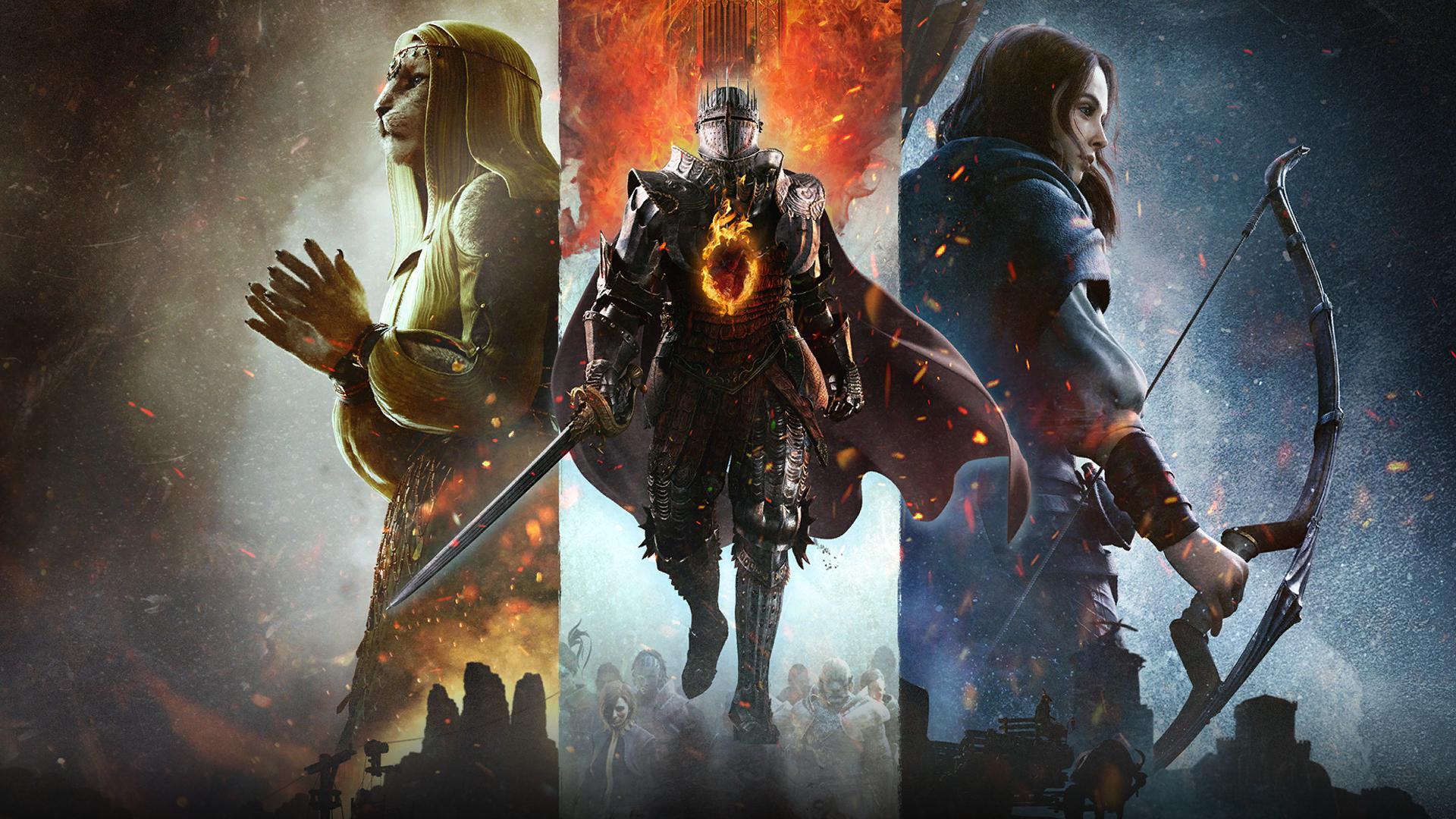
Developed and published by Capcom, ‘Dragon’s Dogma 2’ arrived over a decade after the original cult classic. The game was met with criticism regarding its poor performance on both PC and consoles at launch. Many players were also frustrated by the inclusion of microtransactions in a single-player game, even if the items were obtainable through play. The limited fast-travel system and repetitive enemy encounters in the open world were divisive design choices that alienated some newcomers. Despite its unique physics-based combat, these hurdles made the game feel inaccessible to many.
Please share your thoughts on these titles in the comments.