Anime That Fans Boycotted Over Hyper-Sexualized Underage Designs


The anime industry frequently faces scrutiny regarding its depiction of young characters, often leading to intense public debate and organized boycotts. While artistic freedom is a common defense, many viewers argue that hyper-sexualized designs of underage characters cross ethical boundaries and promote harmful tropes. These controversies often result in Western licensing delays, removal from streaming platforms, and heated discussions across social media. This article examines fifteen anime titles that sparked significant backlash due to their character designs and themes.
‘Kodomo no Jikan’ (2007)
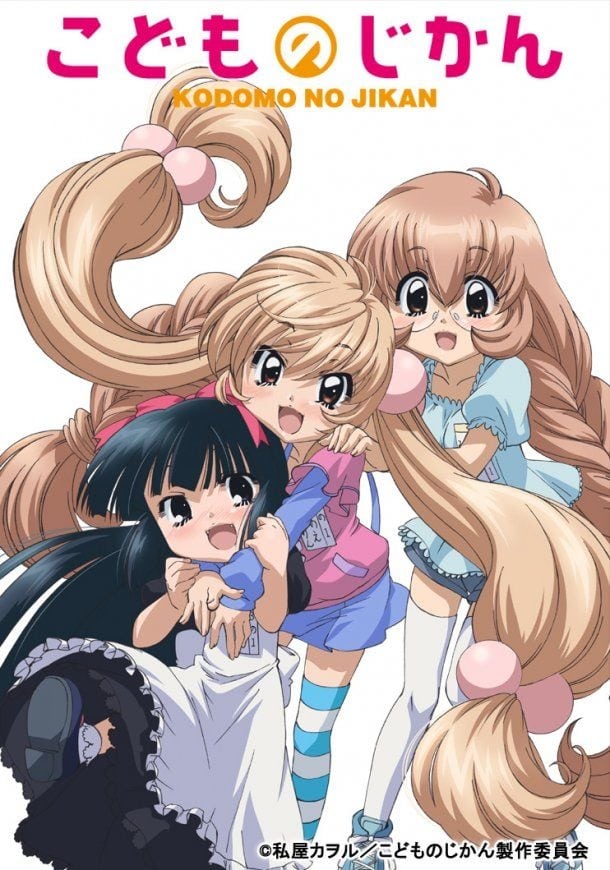
This series faced significant backlash due to its focus on a primary school student pursuing her teacher. The controversial content led to Seven Seas Entertainment cancelling its planned English release of the manga to avoid legal and ethical complications. Critics argued that the hyper-sexualized portrayal of a young child was inappropriate for any audience. The show was eventually removed from several streaming platforms and retail listings in the West.
‘No Game No Life’ (2014)
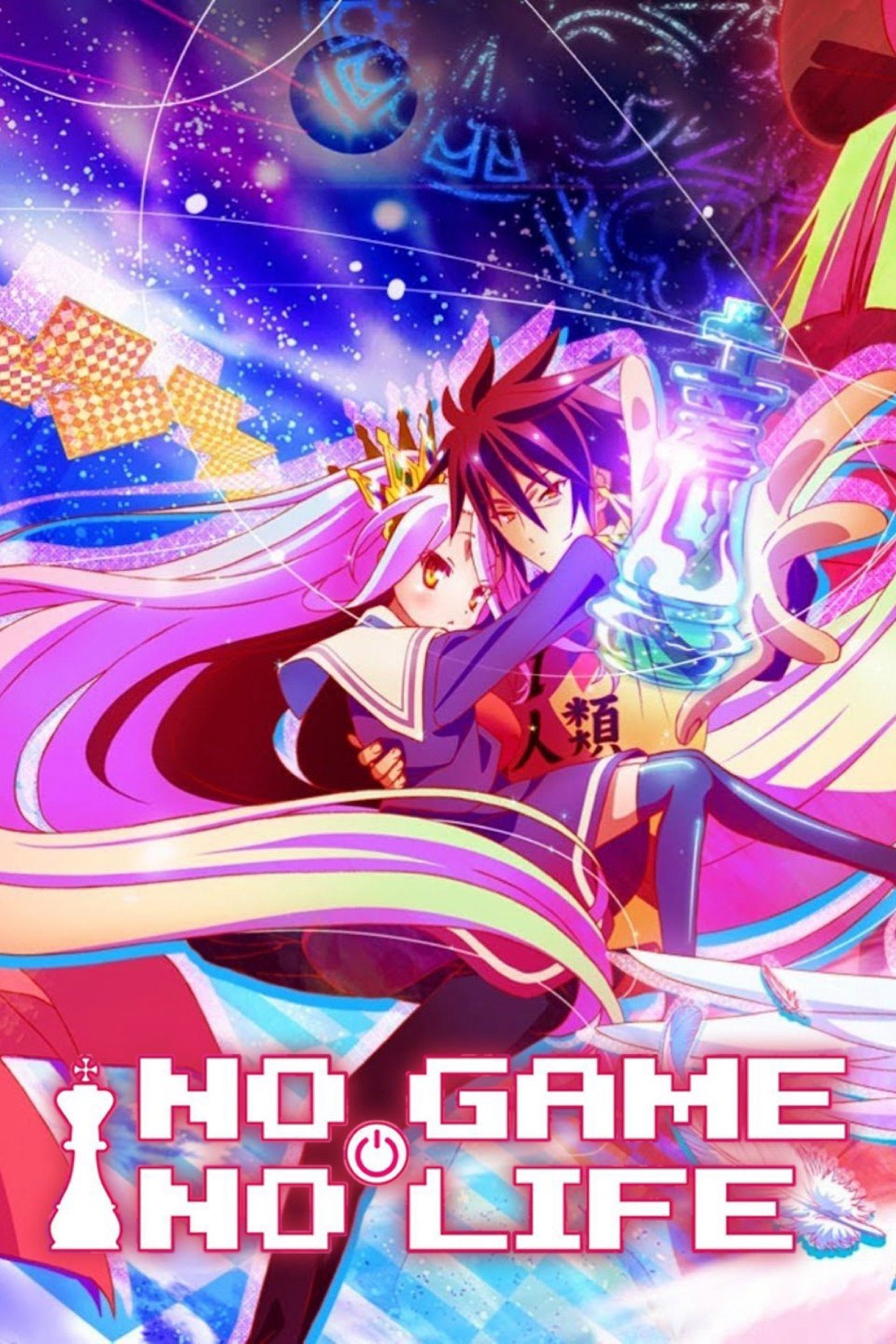
This series follows two shut-in siblings who are transported to a world where everything is decided by games. While praised for its visuals, it faced heavy criticism for the depiction of the eleven-year-old character, Shiro. Specific scenes, including a bath sequence, triggered complaints regarding the sexualization of a minor. Many viewers boycotted ‘No Game No Life’, citing these designs as a primary reason for their discomfort.
‘Fate/kaleid liner Prisma Illya’ (2013)
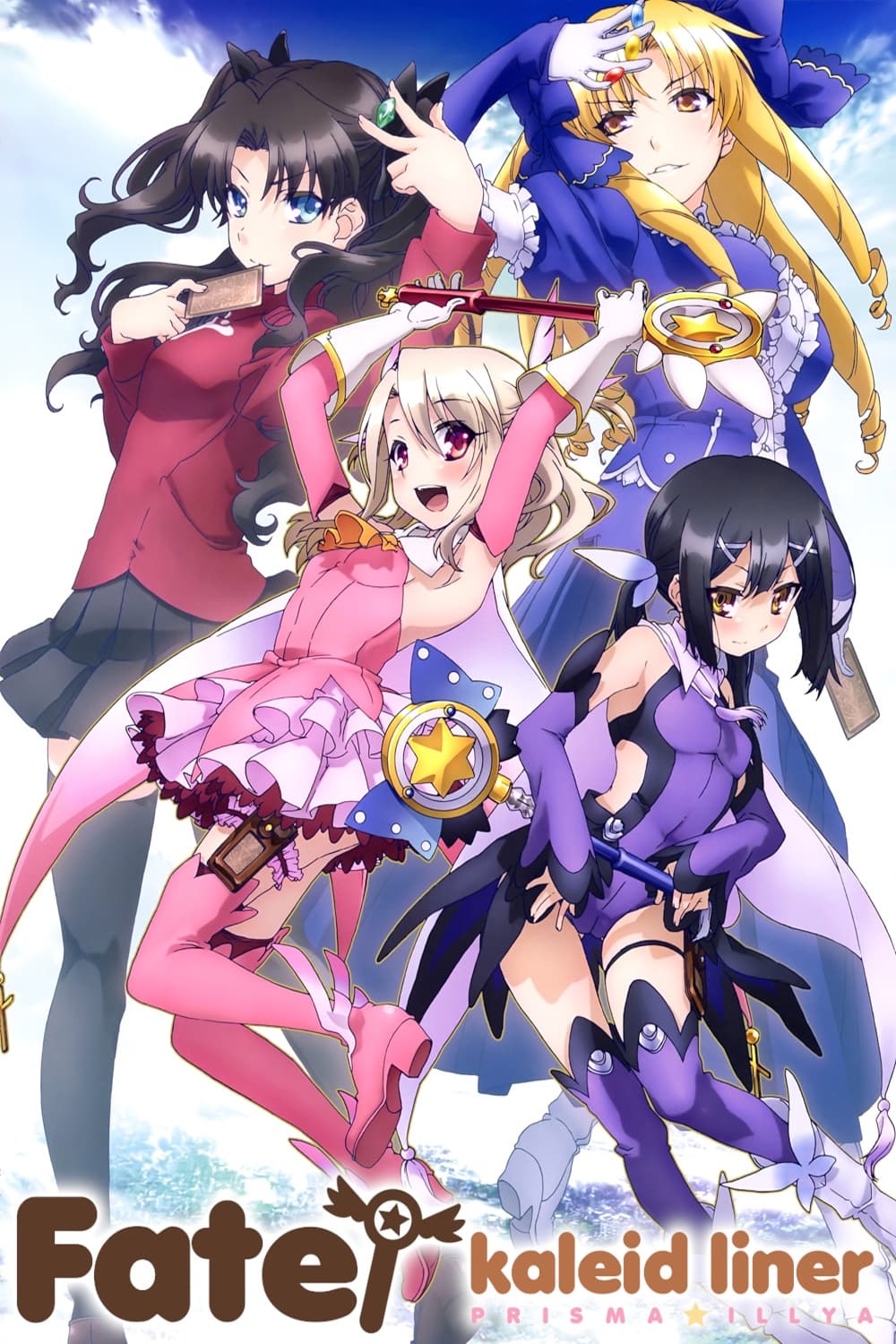
As a spin-off of the ‘Fate’ franchise, this series reimagines established characters in a magical girl setting. It became notorious for featuring explicit scenes and designs involving its elementary-school-aged protagonists. Many fans of the original franchise boycotted this entry, feeling it deviated too far into questionable content. The controversy hindered its reception among general anime audiences who found the designs exploitative.
‘Eromanga Sensei’ (2017)
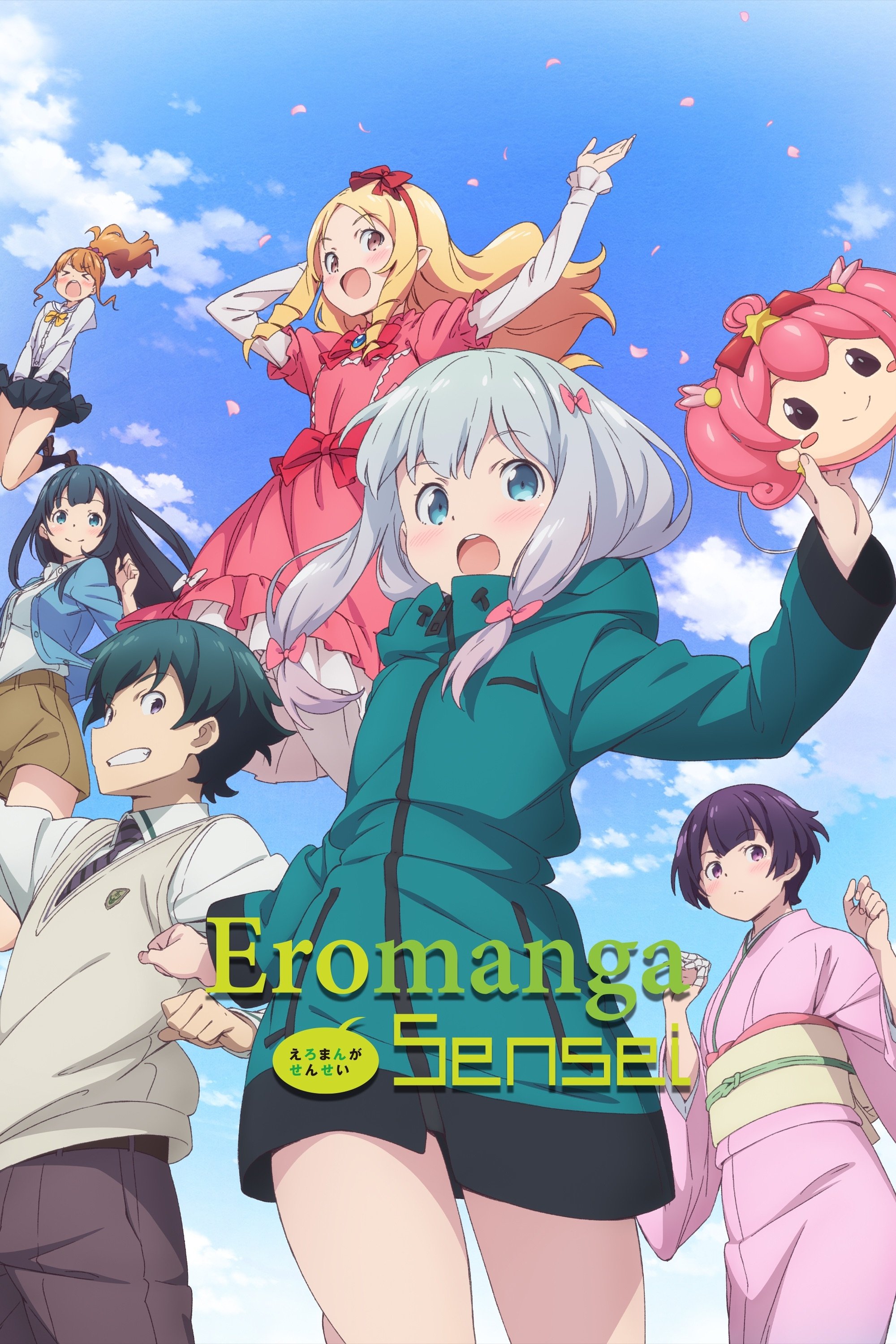
This show centers on a light novel author and his younger sister, who secretly illustrates his books. The series drew fire for its focus on the “little sister” trope and the sexualized framing of the female lead. Online discussions were dominated by debates over the ethical implications of its character designs. Critics argued ‘Eromanga Sensei’ relied too heavily on pandering to a specific demographic through the sexualization of underage characters.
‘Uzaki-chan Wants to Hang Out!’ (2020)
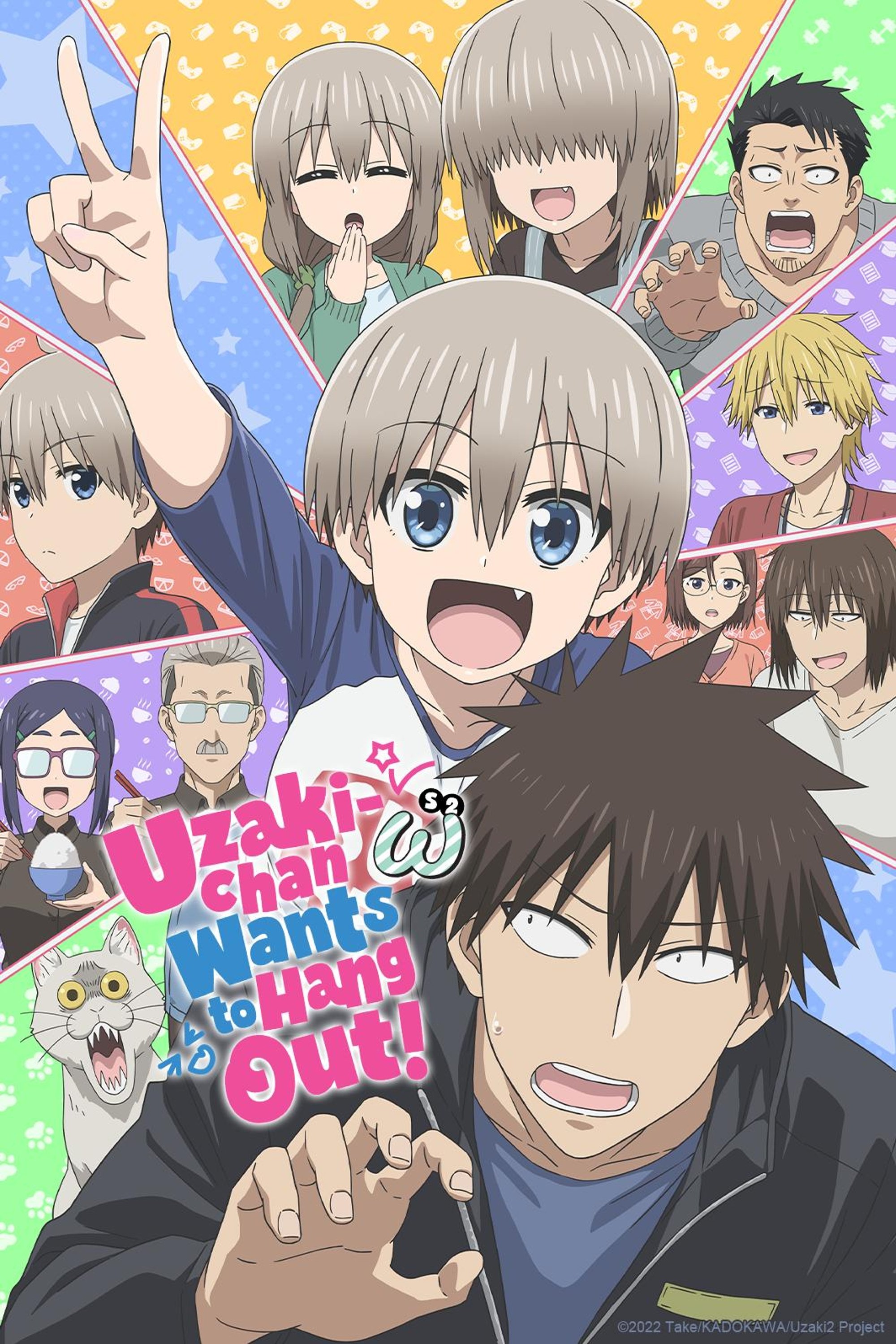
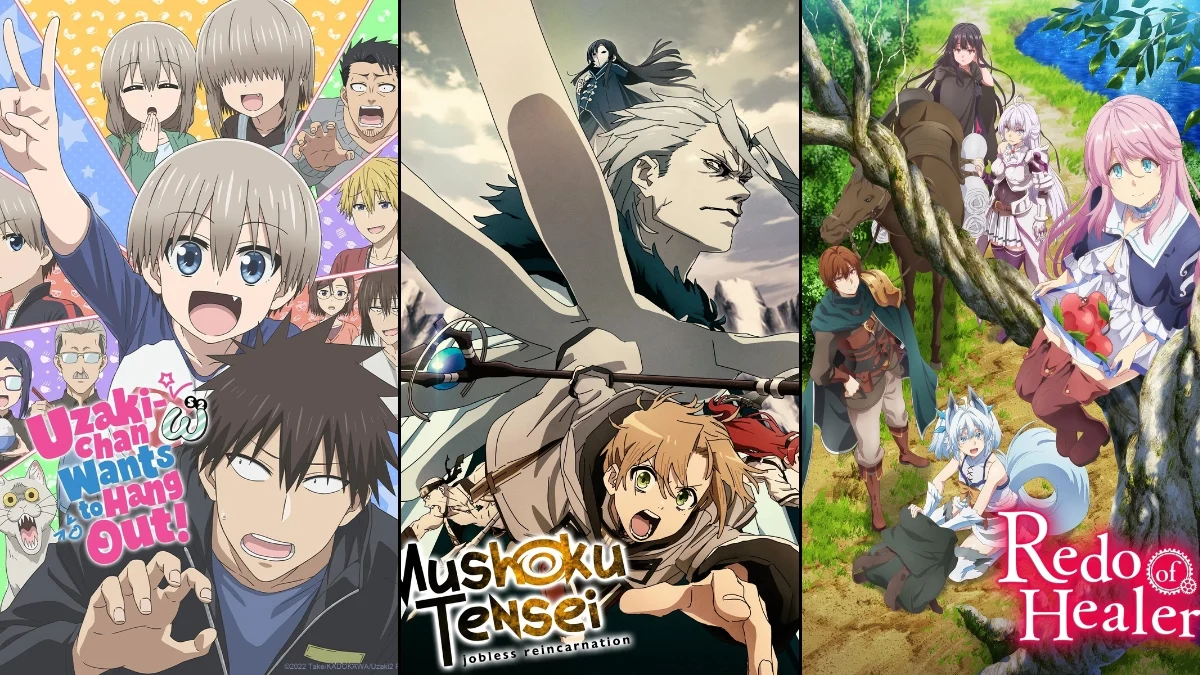
This anime follows a college student who spends her time teasing her upperclassman. The series became the center of a massive international controversy when a Red Cross blood drive poster featuring the lead character was criticized as hyper-sexualized. While the character is canonically a university student, many argued her design resembled that of a younger child. The backlash led to intense social media debates and calls for a boycott of ‘Uzaki-chan Wants to Hang Out!’.
‘The Rising of the Shield Hero’ (2019)
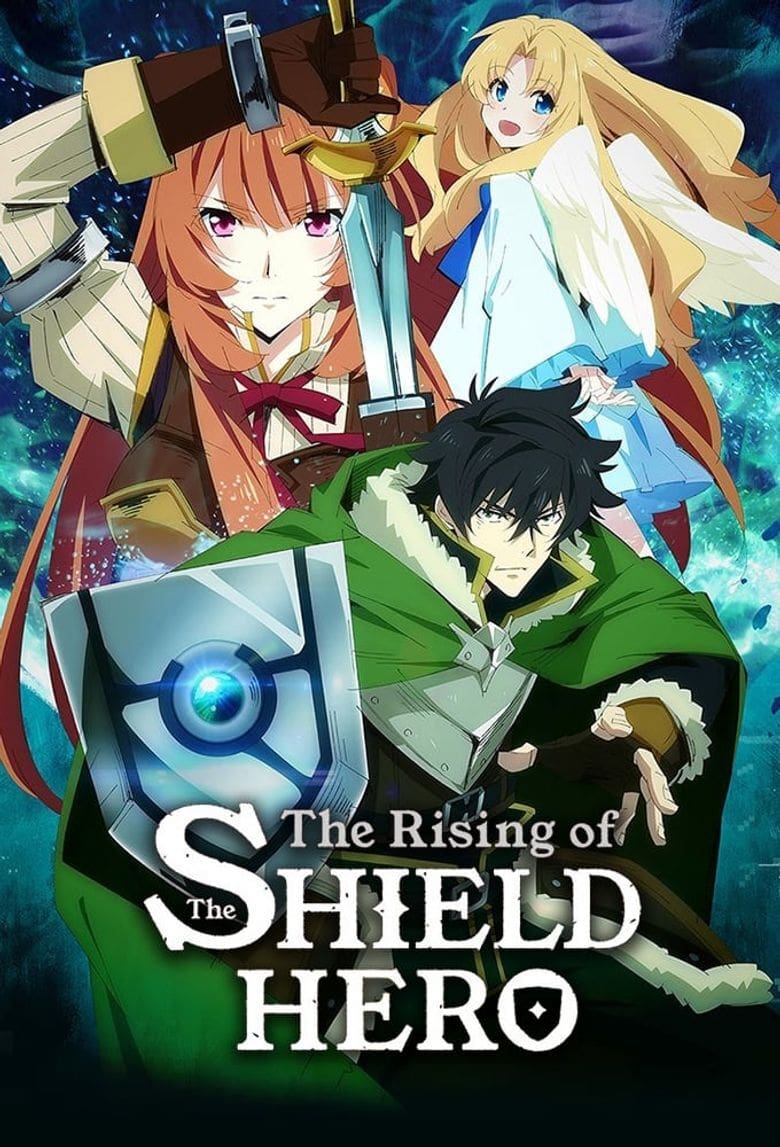
This isekai series follows a man summoned to a fantasy world who must clear his name. Controversy erupted over the character Raphtalia, who rapidly ages physically but remains a child mentally throughout her initial development. Critics and viewers expressed discomfort with her design and the romantic undertones of her relationship with the protagonist. This led to organized discussions regarding the ethics of the character’s portrayal and a boycott from certain viewer groups.
‘Mushoku Tensei: Jobless Reincarnation’ (2021)

This series tells the story of a man reincarnated into a fantasy world as a child named Rudeus. It faced a major boycott in China, leading to its removal from the streaming platform Bilibili. The backlash centered on the protagonist’s perverted behavior toward young female characters and the way their designs were framed. While some defended ‘Mushoku Tensei: Jobless Reincarnation’ as a character study, many found the sexualization of minors irredeemable.
‘Made in Abyss’ (2017)
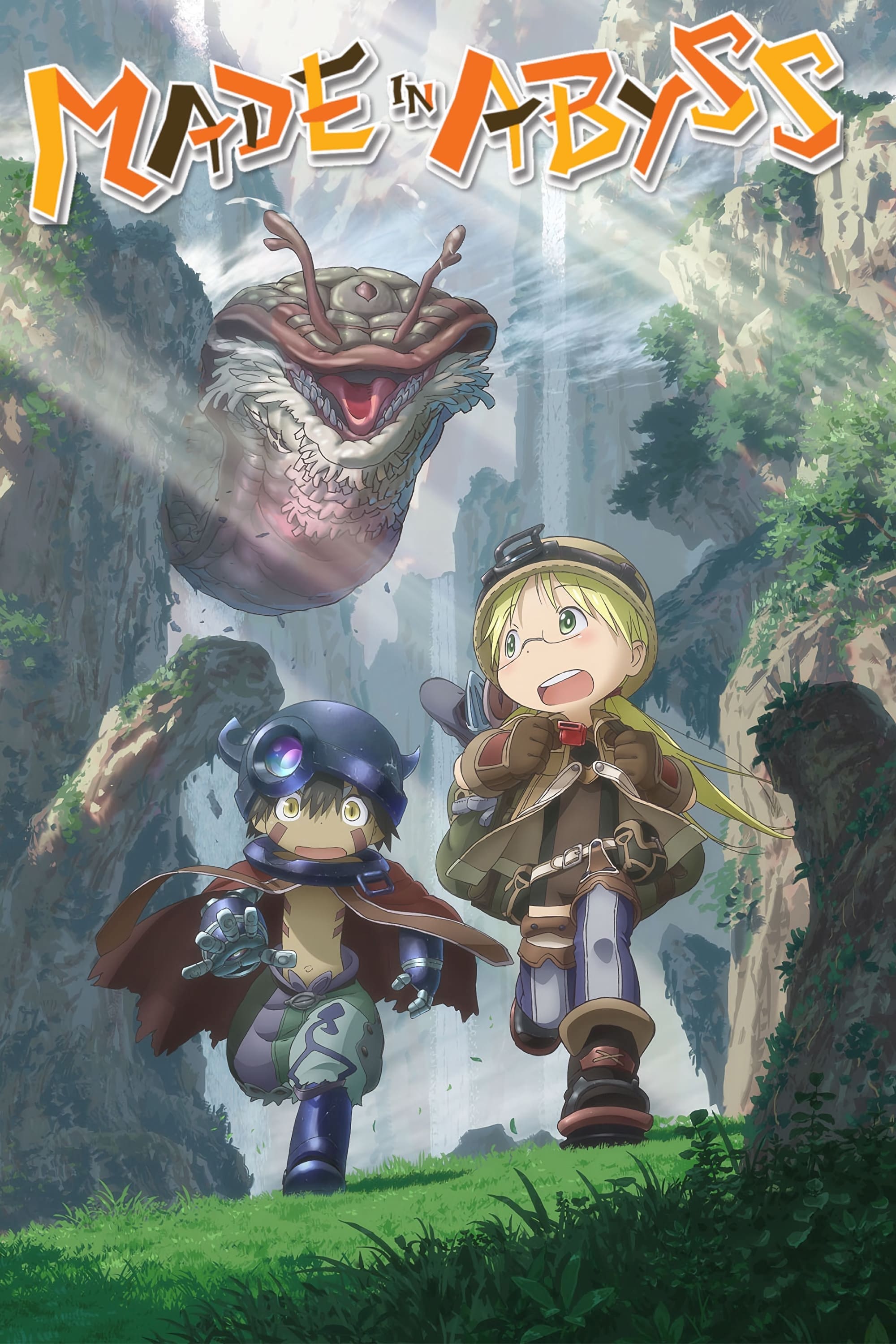
This adventure series follows two children descending into a mysterious and dangerous pit. Despite its whimsical art style, it contains scenes of extreme physical suffering and nudity involving its young leads. Many viewers were disturbed by the contrast between the cute character designs and the explicit nature of their trauma. This has led to ongoing calls for boycotts and criticism of the original creator’s artistic choices.
‘Miss Kobayashi’s Dragon Maid’ (2017)
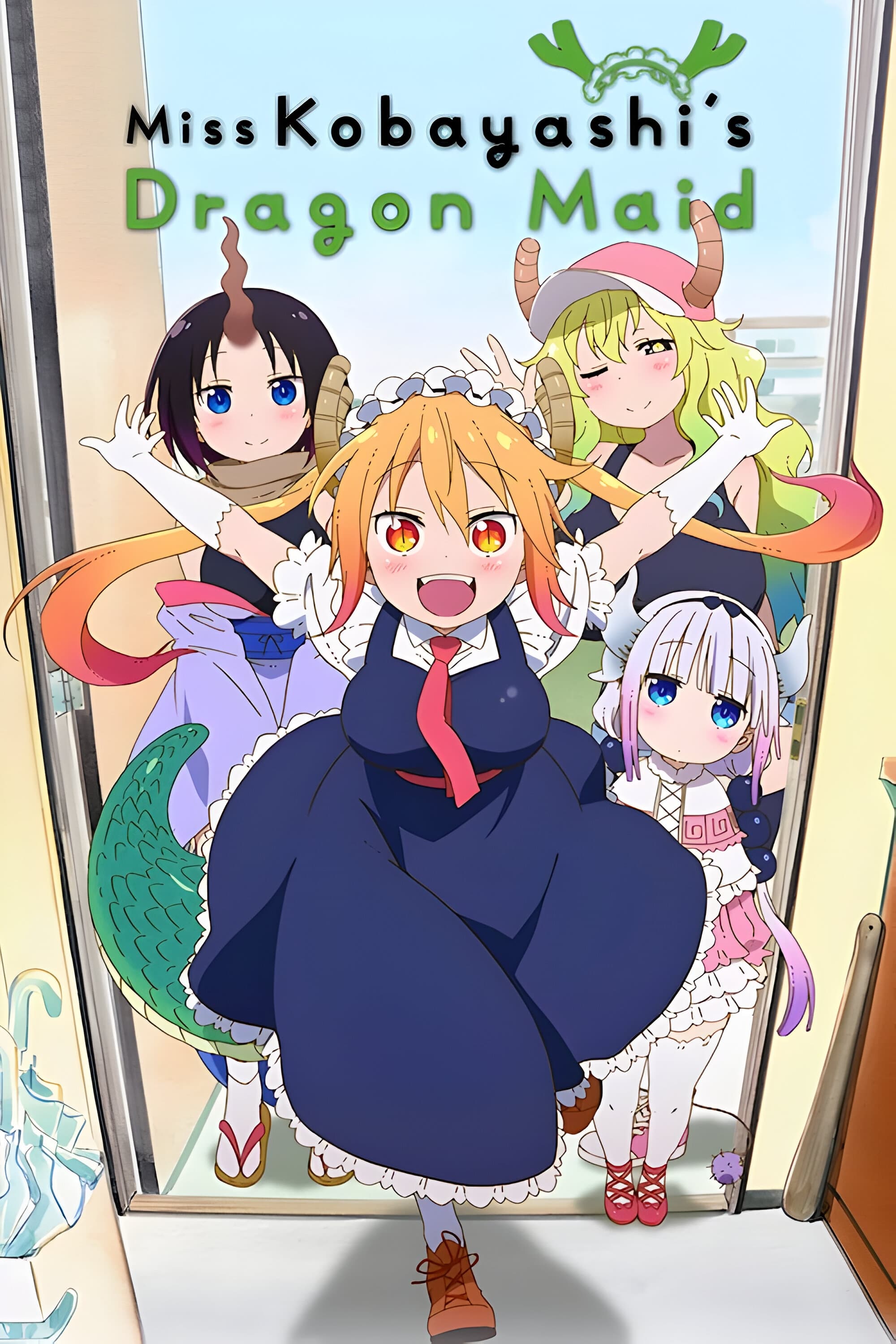
This slice-of-life comedy focuses on a group of dragons living in the human world. While popular, it faced backlash for the design and behavior of Kanna Kamui, a dragon who takes the form of a young child. Scenes depicting her in suggestive situations led to criticism regarding the sexualization of her character model. Consequently, some viewers chose to avoid ‘Miss Kobayashi’s Dragon Maid’ despite its high production values.
‘Bakemonogatari’ (2009)
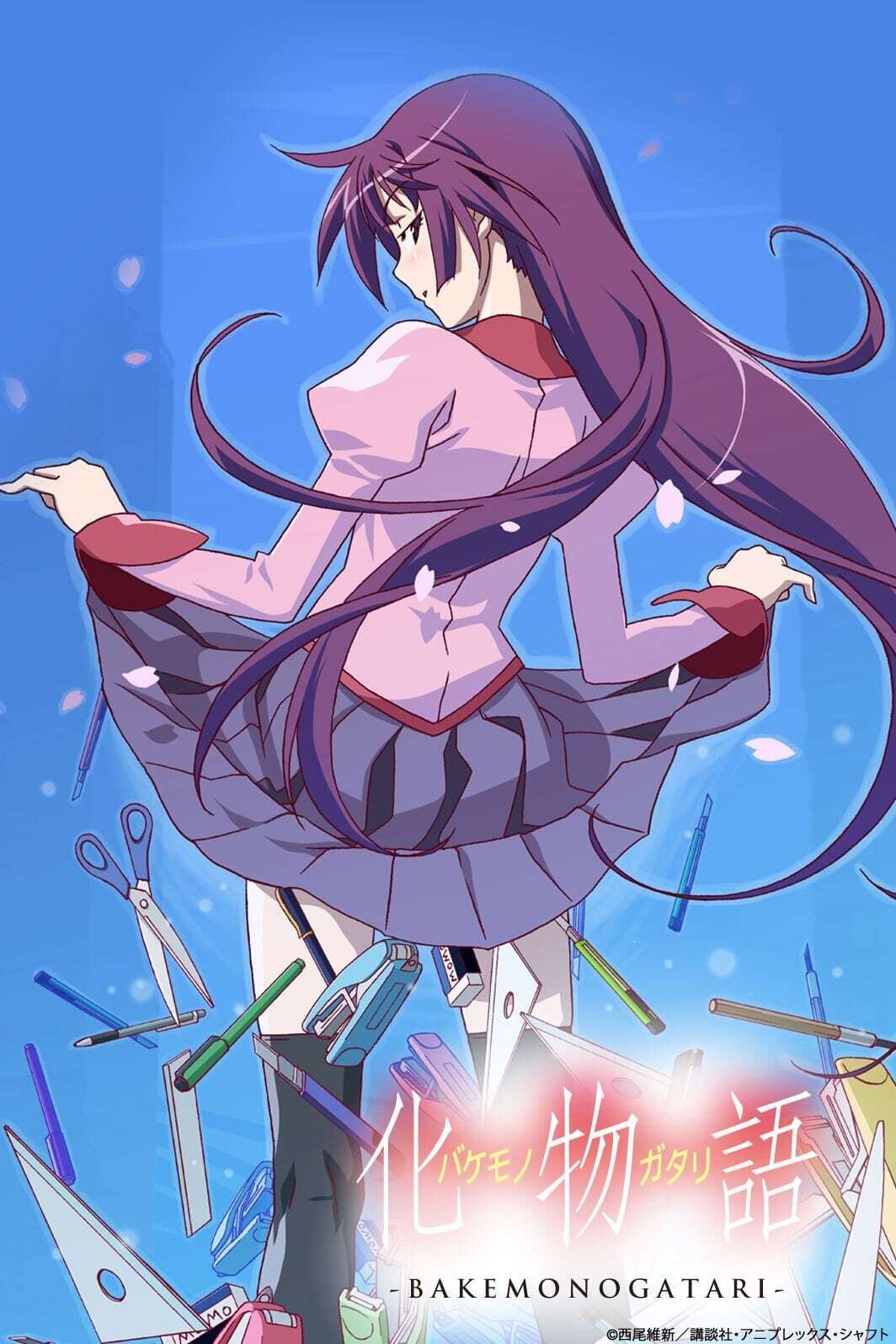
This supernatural series is known for its unique visual style and complex dialogue. However, it frequently features scenes involving the protagonist and his younger sisters that many viewers find inappropriate. The “toothbrush scene” in ‘Nisemonogatari’ remains one of the most controversial moments in the franchise’s history. Fans and critics have often boycotted ‘Bakemonogatari’ or specific installments due to these hyper-sexualized depictions of minors.
‘Interspecies Reviewers’ (2020)
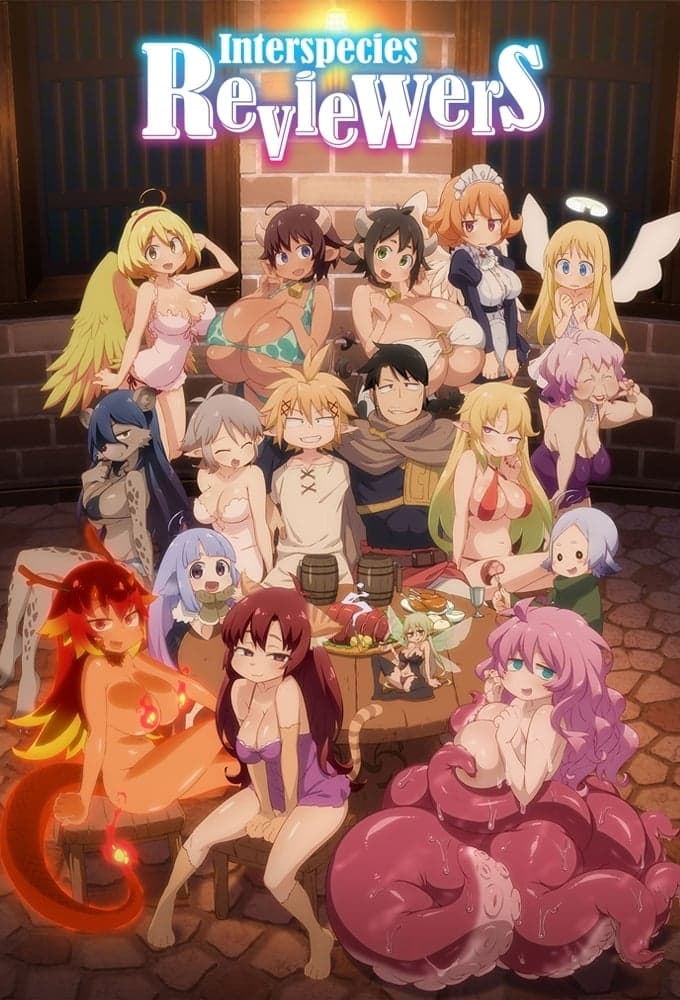
This fantasy comedy explores a world where characters review various establishments catering to different species. The show was famously pulled from Funimation and several Japanese television networks shortly after it began airing. Critics pointed to the underage appearance of certain characters and the explicit nature of the designs as grounds for the removal. ‘Interspecies Reviewers’ became a symbol of the tension between creative freedom and international broadcasting standards.
‘Redo of Healer’ (2021)

This revenge-themed fantasy series became one of the most controversial releases of its decade. It features graphic scenes of sexual violence and hyper-sexualized designs for many of its female characters. Several streaming services refused to carry the show, and many viewers organized boycotts against the production. The age of the characters and the nature of the content led to widespread condemnation of ‘Redo of Healer’ across various media platforms.
Tell us which of these you’ve seen and whether you think we should add others to the list.