30 Overrated Action Games Everyone Seems To Like

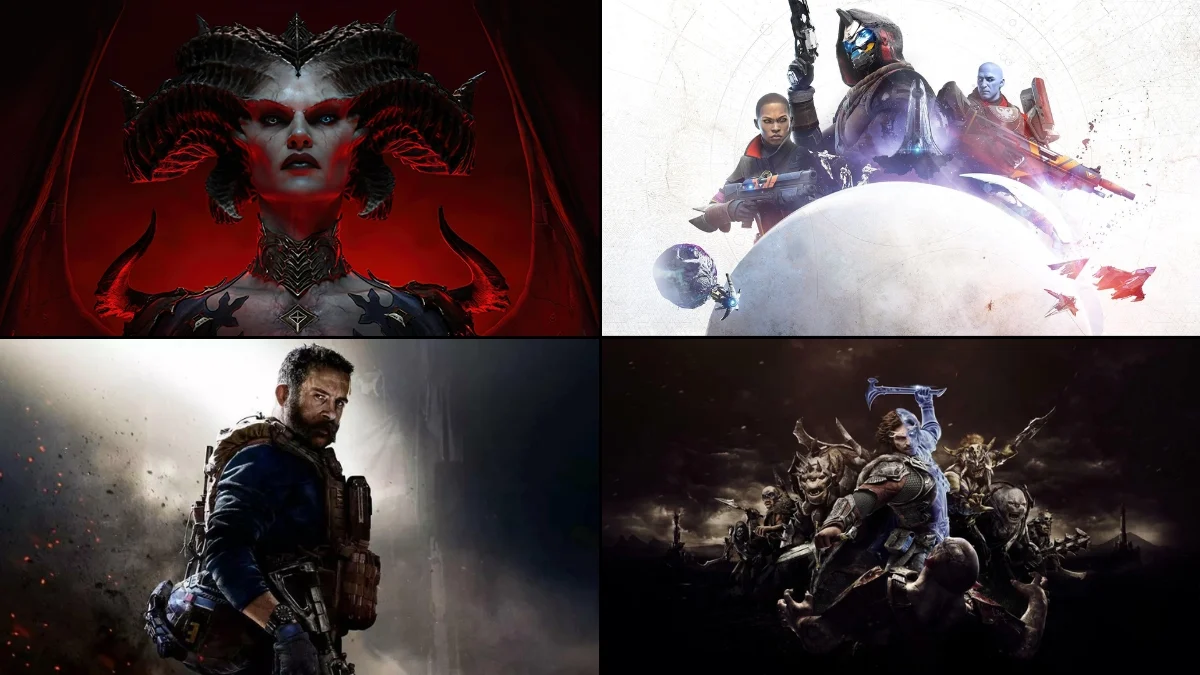

The action genre remains one of the most popular segments of the video game industry, consistently producing massive blockbusters and critical favorites. While many of these titles receive near-universal praise upon launch, long-term player discourse often reveals a more complicated reception. Some games are labeled as overrated due to perceived flaws in their mechanics, repetitive gameplay loops, or marketing campaigns that overshadow the final product. This list explores thirty major action games that have faced this type of retrospective scrutiny despite their high commercial success.
‘Grand Theft Auto V’ (2013)
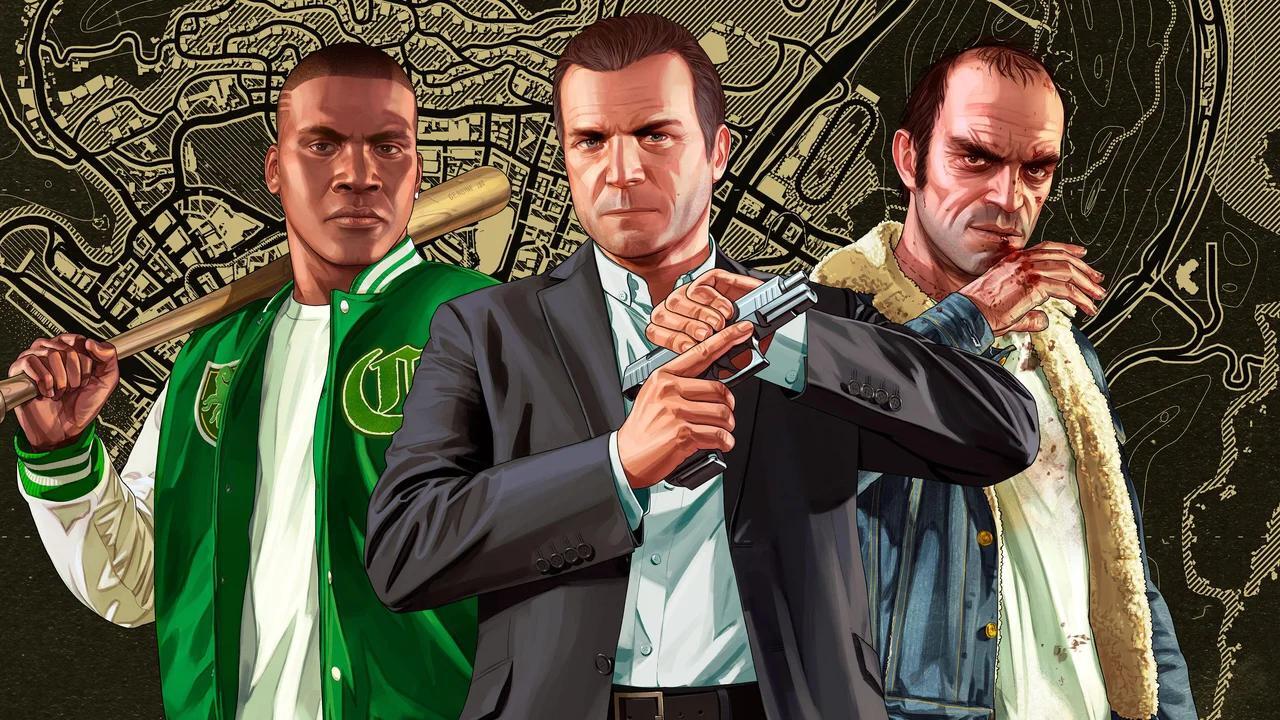
Developed by Rockstar North and published by Rockstar Games, this open-world title features a narrative centered on three distinct criminals. The game achieved record-shattering sales and maintains a massive player base through its online component. However, some players argue that the mission design is overly restrictive and fails to utilize the freedom suggested by the open world. Critics have also noted that the satirical tone and character development lack the depth found in earlier entries in the series. Despite its high ratings, the core mechanics of movement and shooting are frequently cited as areas that have not aged well.
‘Red Dead Redemption 2’ (2018)
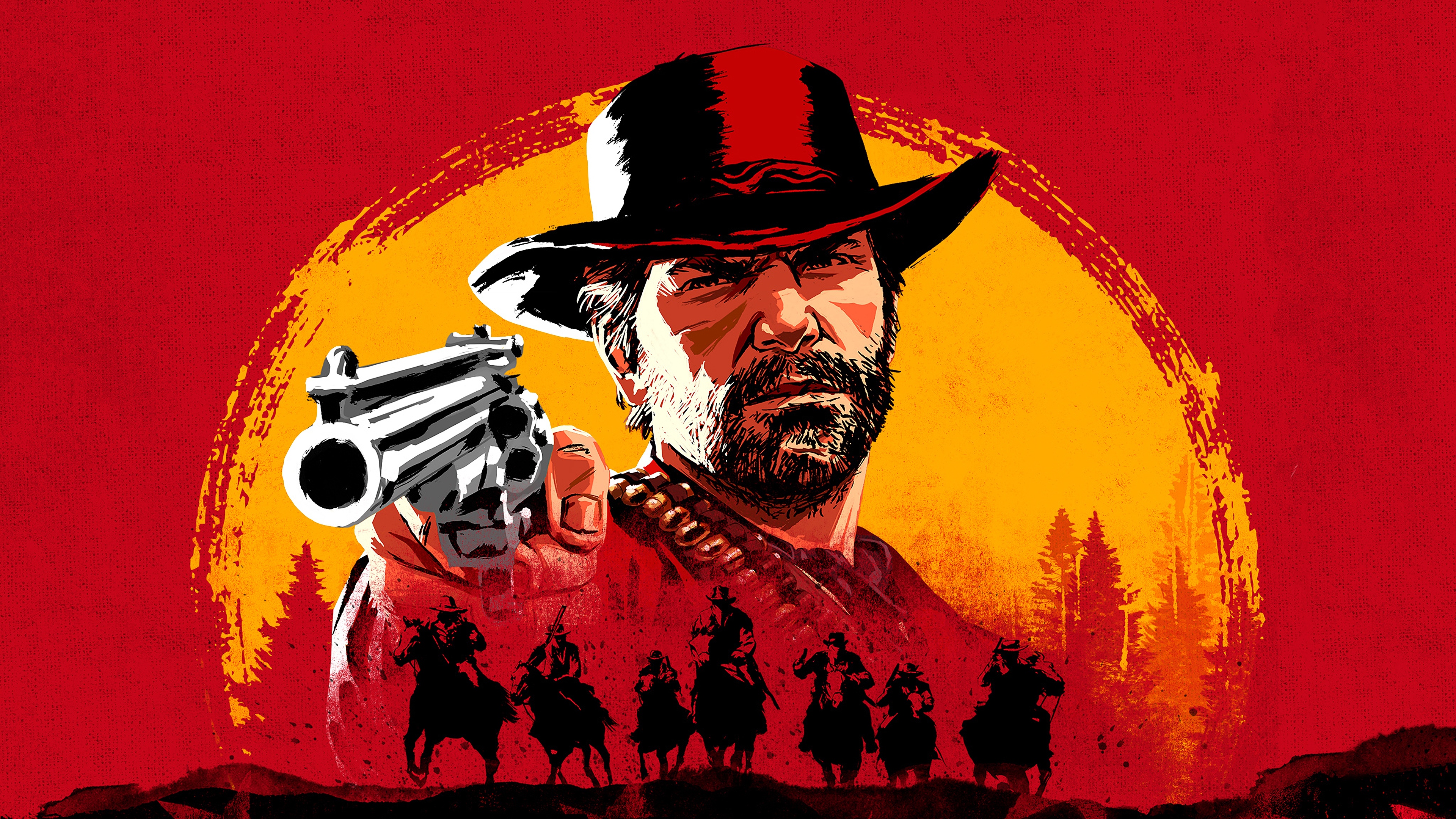
Rockstar Studios developed this Western epic, which was published by Rockstar Games as a prequel to the 2010 original. The game is widely celebrated for its technical fidelity and highly detailed world-building. Conversely, many players find the emphasis on realistic animations to be detrimental to the actual gameplay experience, leading to a feeling of sluggishness. The rigid mission structure often clashes with the open-ended nature of the environment, forcing players into specific paths. While the story is highly regarded, the pacing is a common point of contention among those who prefer faster action.
‘The Last of Us Part II’ (2020)
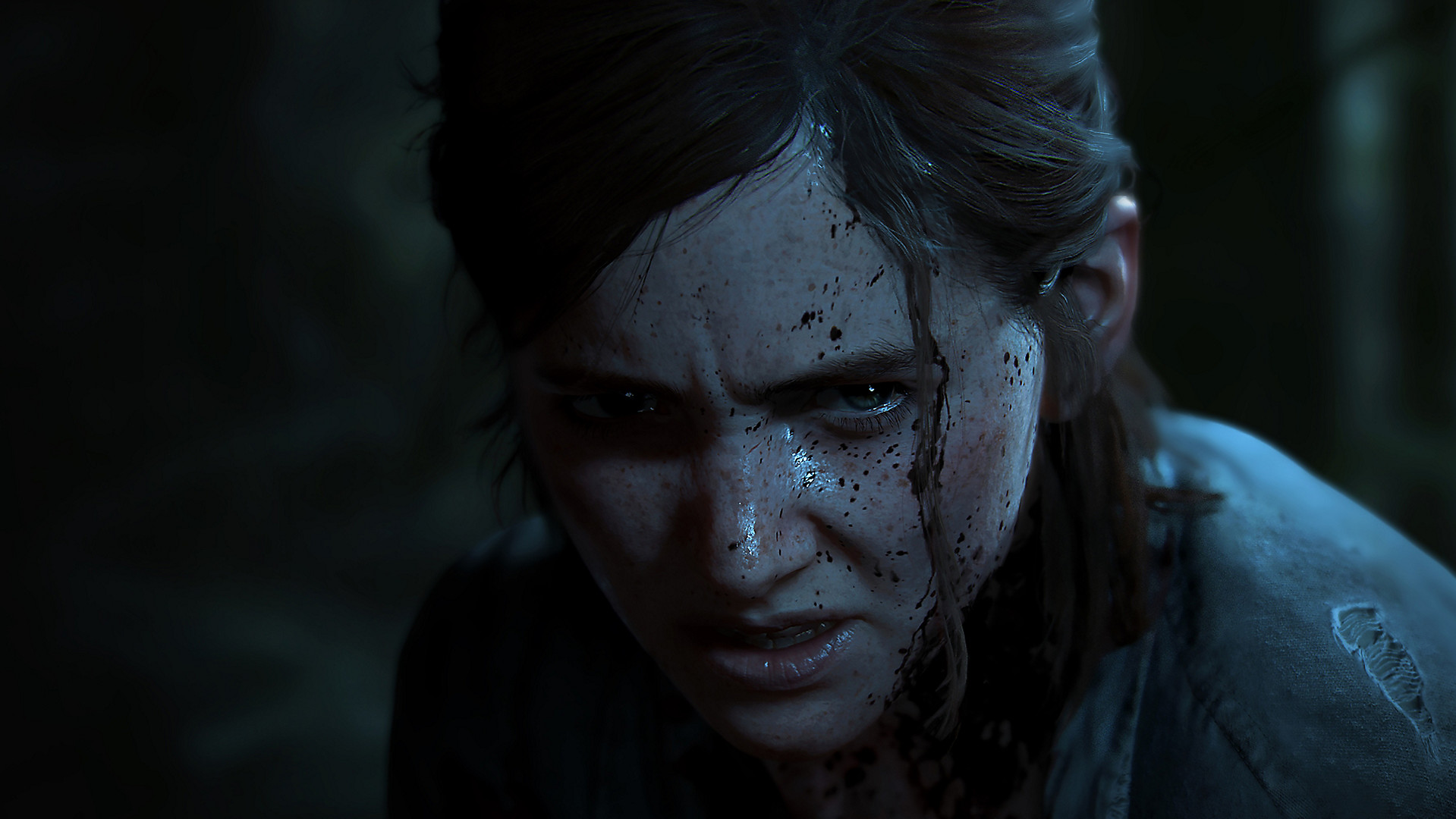
Developed by Naughty Dog and published by Sony Interactive Entertainment, this sequel focuses on themes of revenge and the cycle of violence. The game received critical acclaim for its visual quality and accessibility features, but it became a subject of intense debate within the gaming community. Many critics and players felt that the narrative structure was disjointed and that the length of the campaign felt bloated. While the combat is refined and visceral, some argued that it did not innovate enough over its predecessor. The game remains a polarizing title despite its numerous industry awards.
‘God of War’ (2018)
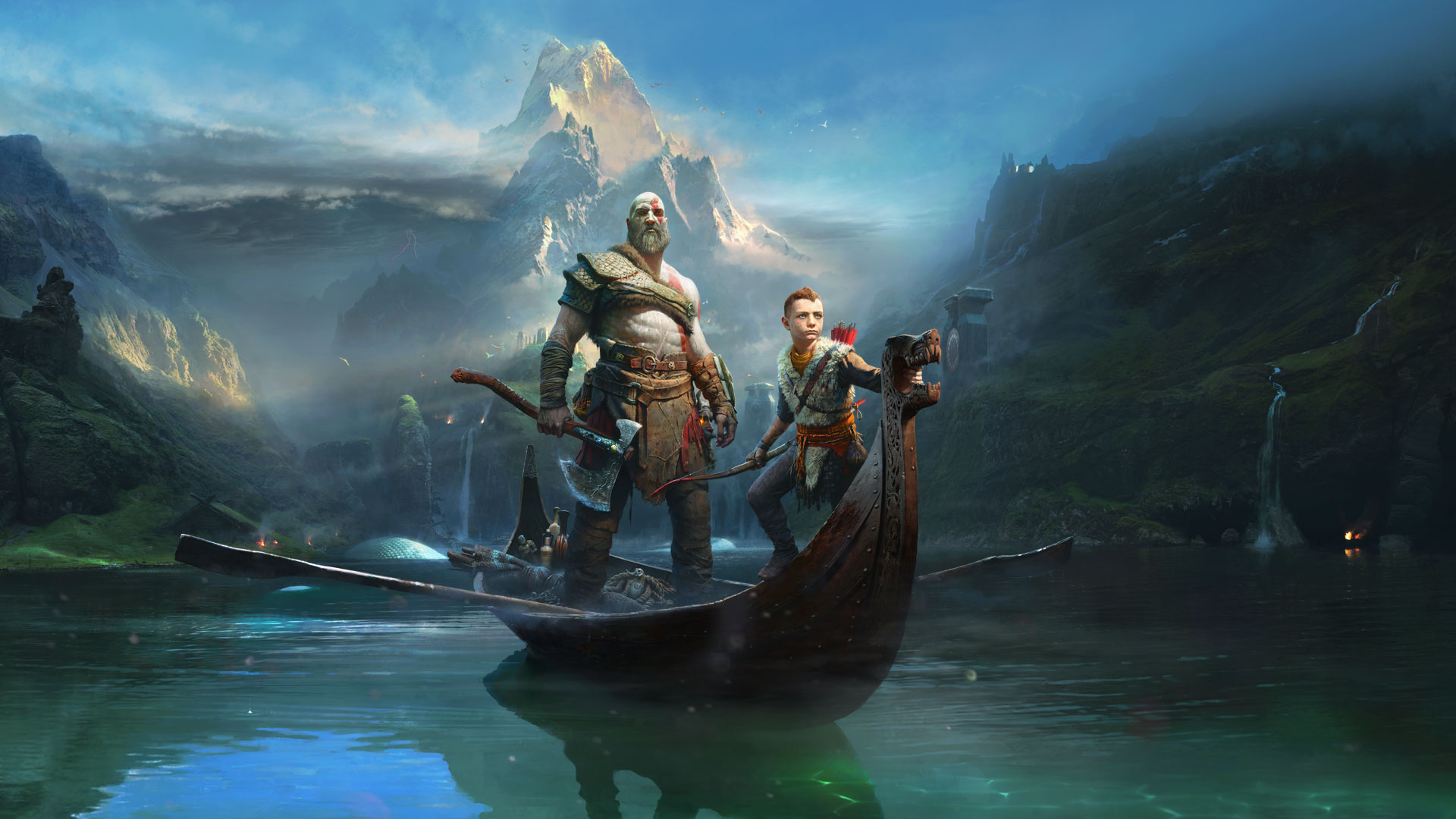
Santa Monica Studio developed this reimagining of the franchise, which was published by Sony Interactive Entertainment. It shifted the series from a fast-paced hack-and-slash style to a more deliberate, cinematic over-the-shoulder perspective. While the narrative focus on fatherhood was praised, some long-term fans missed the scale and variety of the original Greek-era games. Common criticisms include a lack of boss variety, with many encounters featuring recolored versions of the same enemy types. The slower movement and emphasis on gear stats also changed the identity of the action in ways some found less engaging.
‘Elden Ring’ (2022)
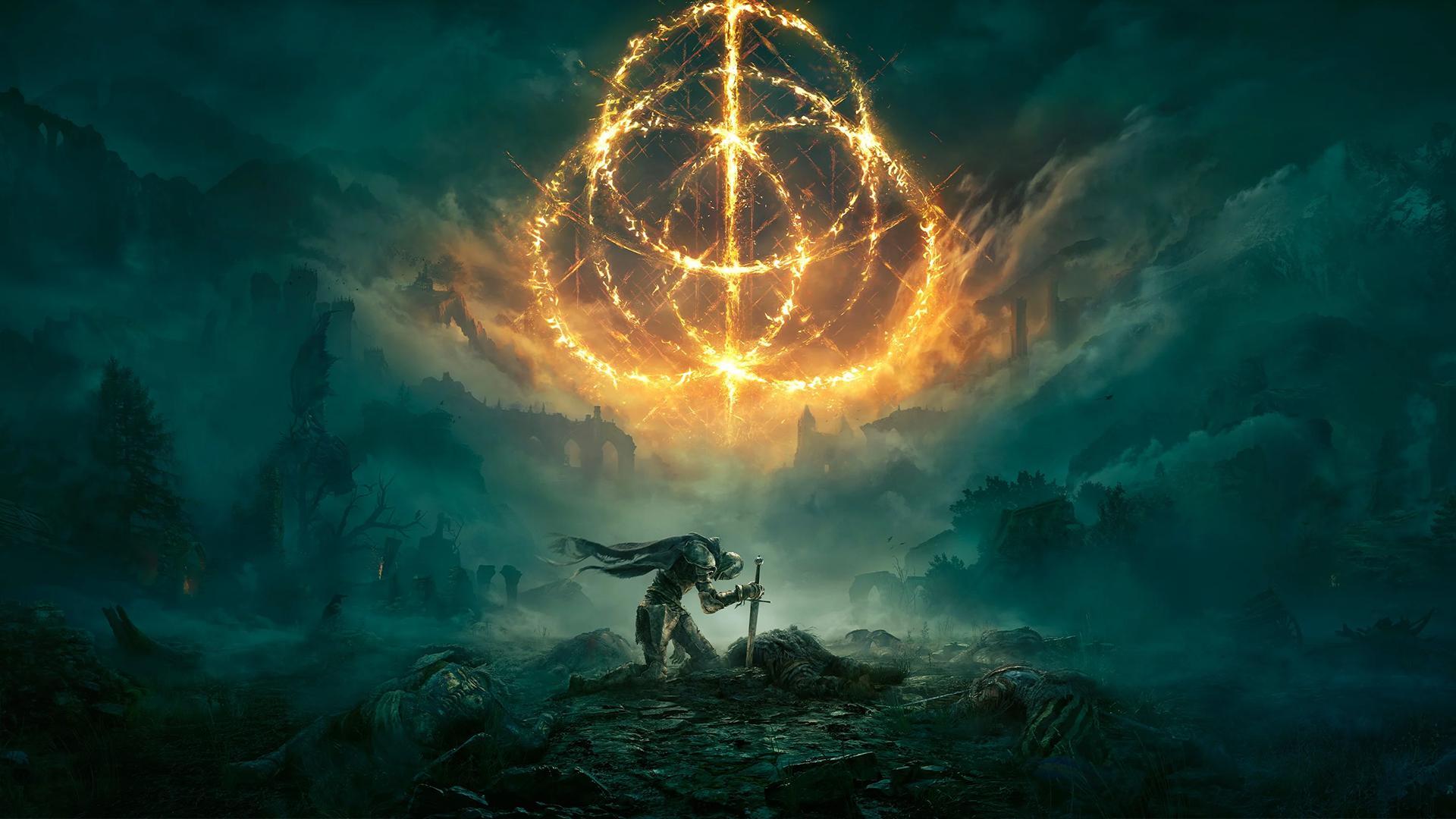
Developed by FromSoftware and published by Bandai Namco Entertainment, this title took the established Souls-like formula into a vast open world. It reached a massive audience and dominated critical discussions throughout its release year. However, some players have pointed out that the transition to an open world led to a significant amount of recycled content, specifically regarding dungeon bosses. The late-game balance has also been criticized for being punishing in ways that feel artificial compared to the studio’s tighter, linear levels. Despite its success, the lack of traditional quest tracking remains a point of frustration for a portion of the player base.
‘Call of Duty: Modern Warfare’ (2019)
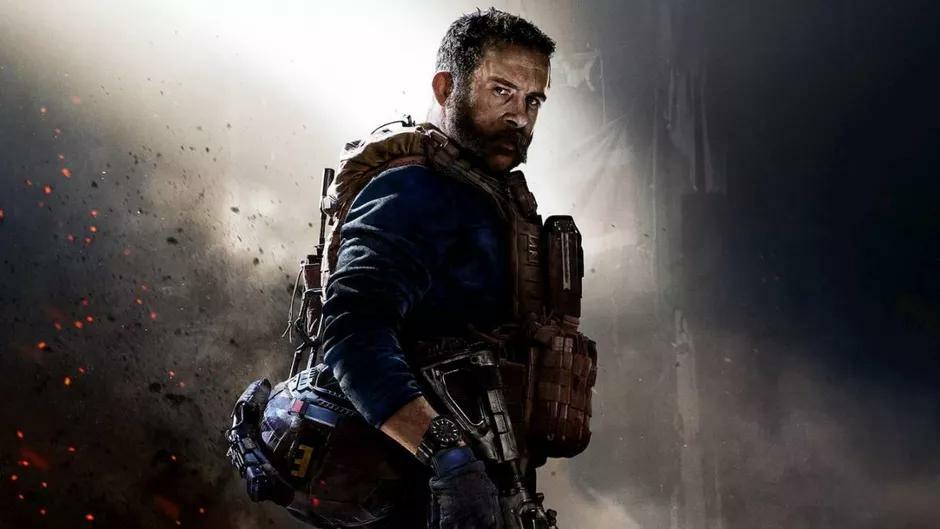
Infinity Ward developed this soft reboot of the sub-series, with Activision handling the publishing duties. It introduced a new engine that improved the visual and audio fidelity of the long-running franchise. Despite its popularity, many competitive players criticized the map design for encouraging a stationary playstyle known as camping. The introduction of strict skill-based matchmaking also became a major point of contention within the community. While the tactical approach was a fresh change for some, others felt it slowed down the traditional high-speed action of the series.
‘Assassin’s Creed Valhalla’ (2020)
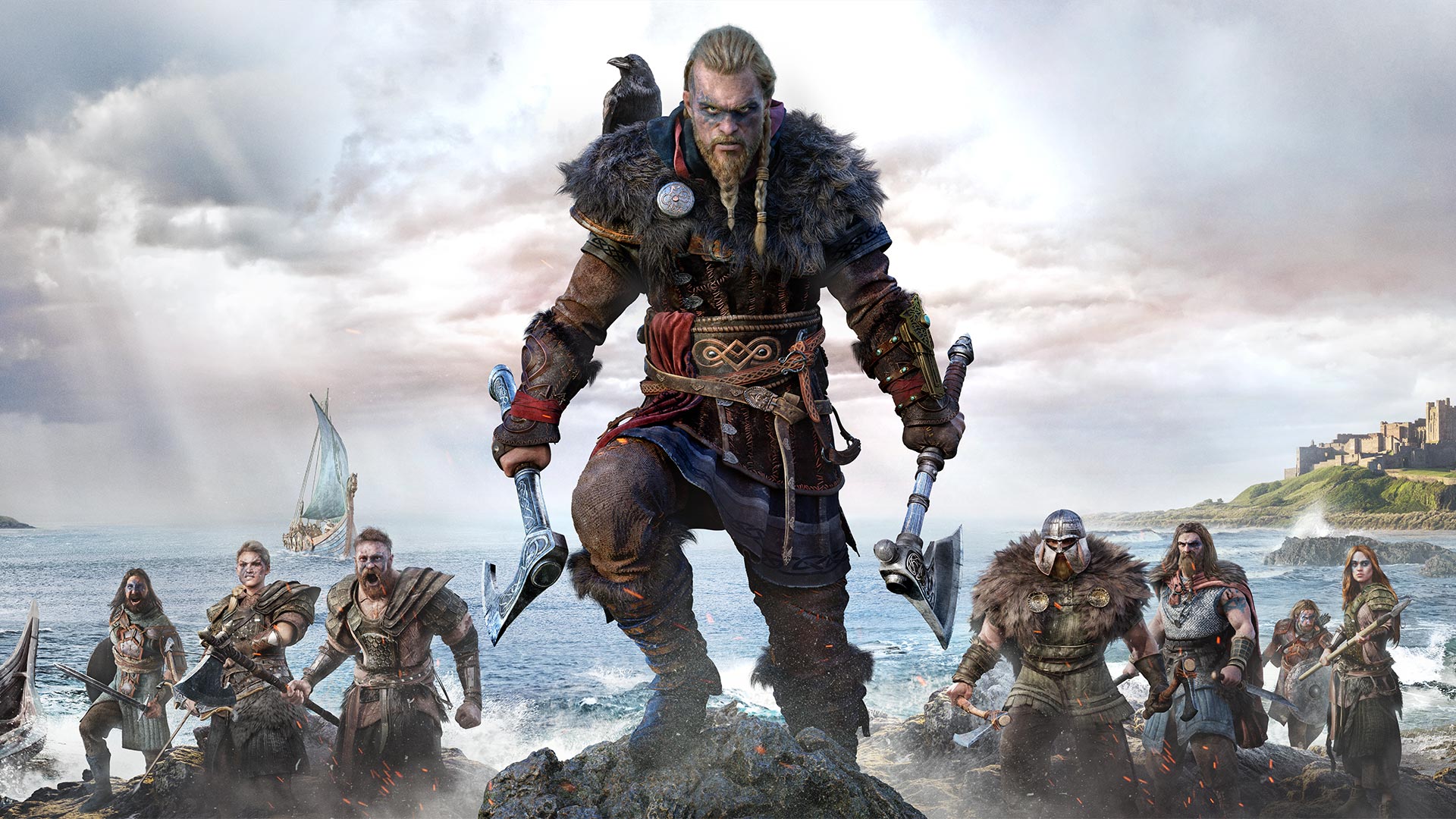
Published by Ubisoft and developed by Ubisoft Montreal, this entry takes the series to the Viking age. It is one of the most commercially successful titles in the franchise but has faced criticism for its sheer volume of content. Many players found the main story arc to be excessively long, leading to fatigue before reaching the conclusion. The combat, while heavy and impactful, was noted by critics for lacking the precision and stealth-focus of earlier games. The repetitive nature of the territory-based progression system is often cited as a reason the game is considered overrated.
‘Marvel’s Spider-Man’ (2018)

Developed by Insomniac Games and published by Sony Interactive Entertainment, this title offers a highly polished depiction of New York City. The web-swinging mechanics were universally praised for their fluidity and sense of speed. However, some critics pointed out that the open-world activities followed a very formulaic Ubisoft-style structure. The stealth segments involving non-superpowered characters were often described as momentum-breaking and repetitive. While the combat is visually impressive, some players found it to be a simplified version of the system found in the Batman: Arkham series.
‘Destiny 2’ (2017)
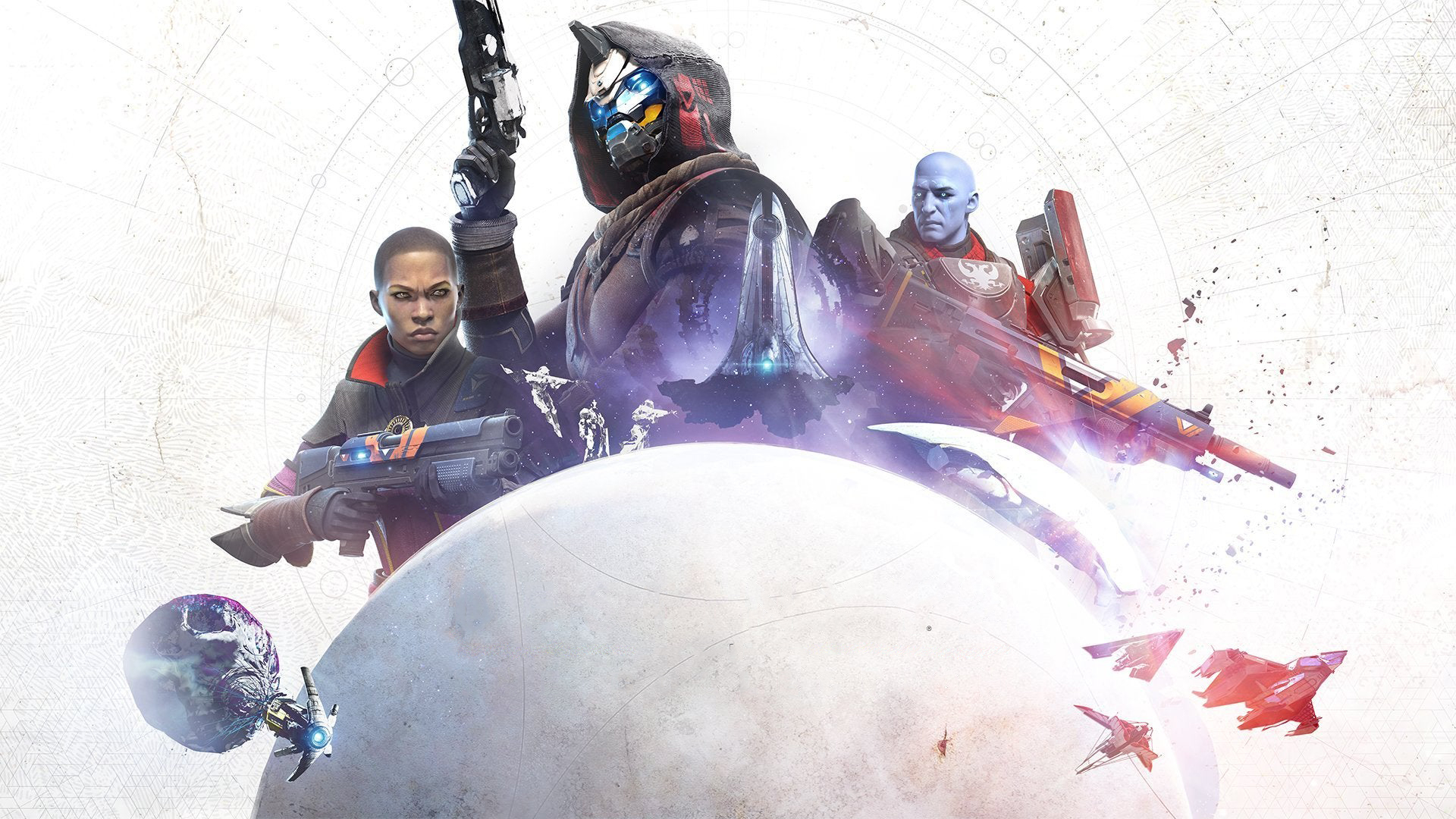
Bungie developed and published this looter-shooter, which evolved into a live-service model over several years. While the gunplay is considered some of the best in the genre, the game has been criticized for its confusing narrative delivery and aggressive monetization. The decision to remove previously paid content, known as content vaulting, caused significant backlash among the community. Many players find the daily and weekly grind to be more chore-like than engaging. Despite its high player count, the barrier to entry for new players is often viewed as a major flaw.
‘Far Cry 6’ (2021)
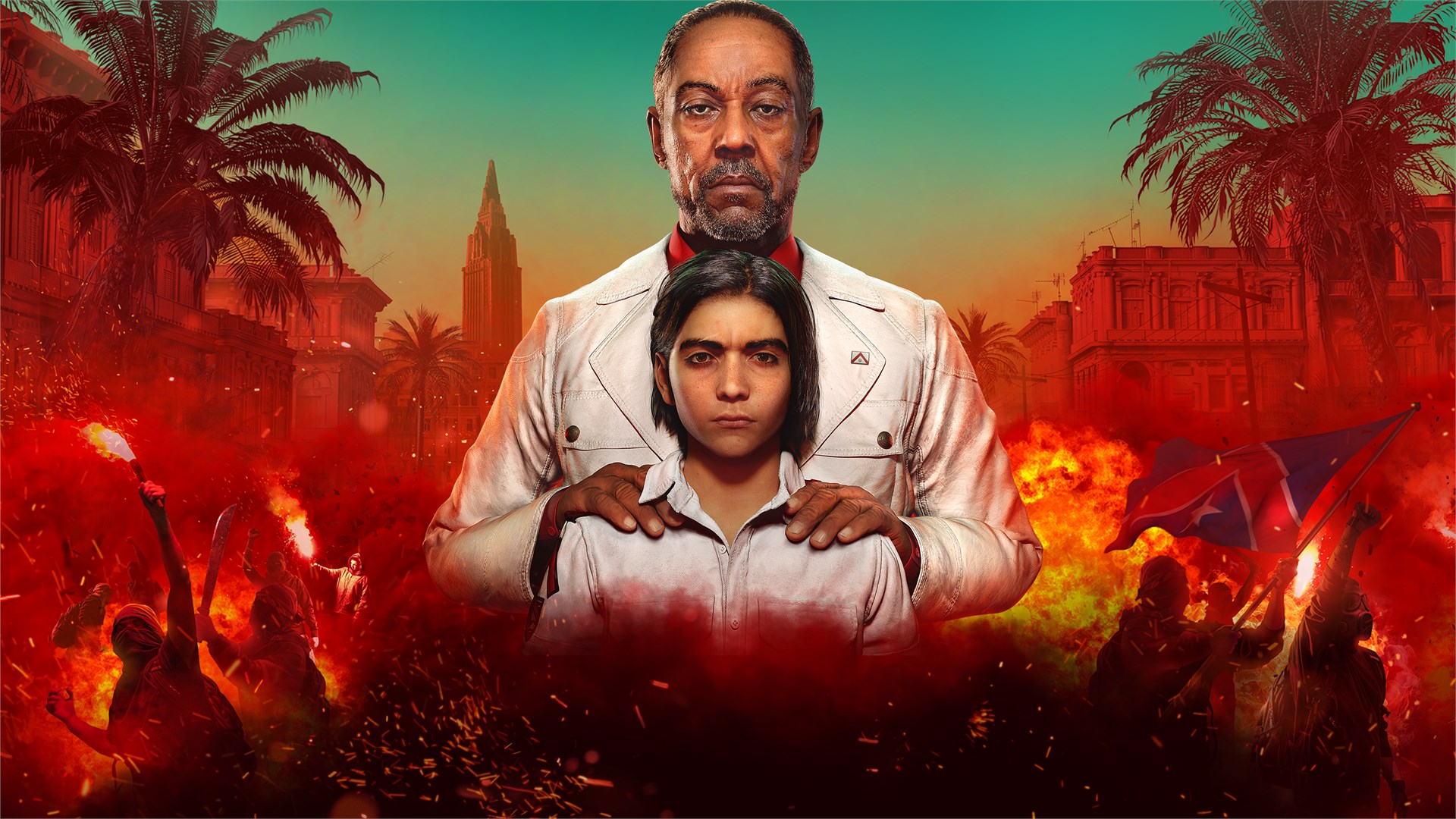
Developed by Ubisoft Toronto and published by Ubisoft, this game features a Caribbean setting and a high-profile performance by Giancarlo Esposito. Critics noted that the game failed to innovate on the formula established by its predecessors, leading to a sense of stagnation. The removal of the traditional skill tree in favor of gear-based perks was a controversial change that many players disliked. The open world is vast but often feels empty or filled with busywork that lacks meaningful impact. While the action is competent, it is frequently described as a safe and uninspired sequel.
‘Cyberpunk 2077’ (2020)
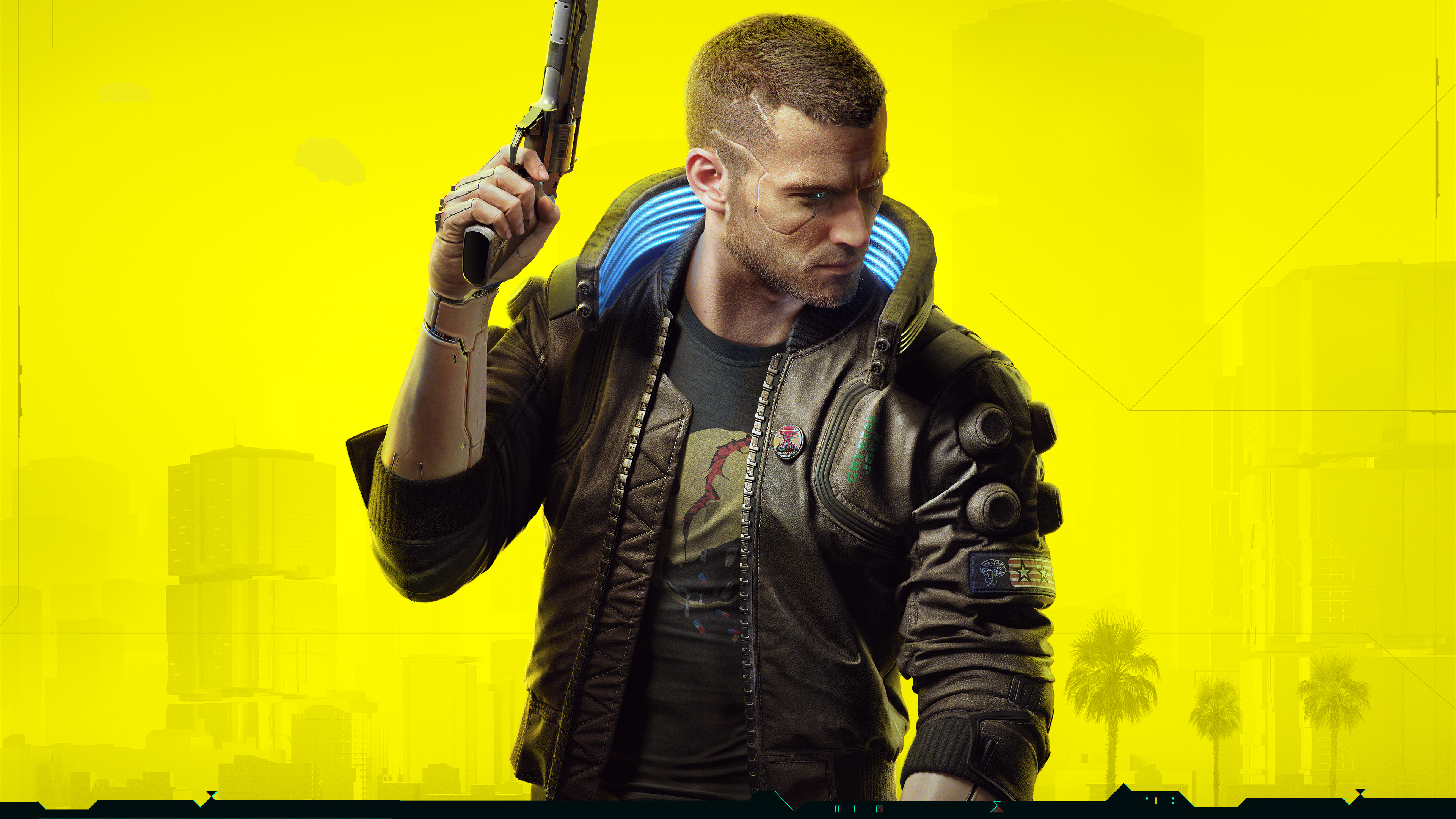
CD Projekt Red developed and published this ambitious action-RPG set in a neon-drenched future. Its launch was famously troubled by technical issues, particularly on older console hardware. Even after numerous updates and the successful Phantom Liberty expansion, some players argue that the core world remains less interactive than promised during the marketing phase. The AI of enemies and citizens has been a recurring point of criticism throughout its lifecycle. While the story and characters are strong, the gameplay systems are often viewed as standard for the genre.
‘Ghost of Tsushima’ (2020)
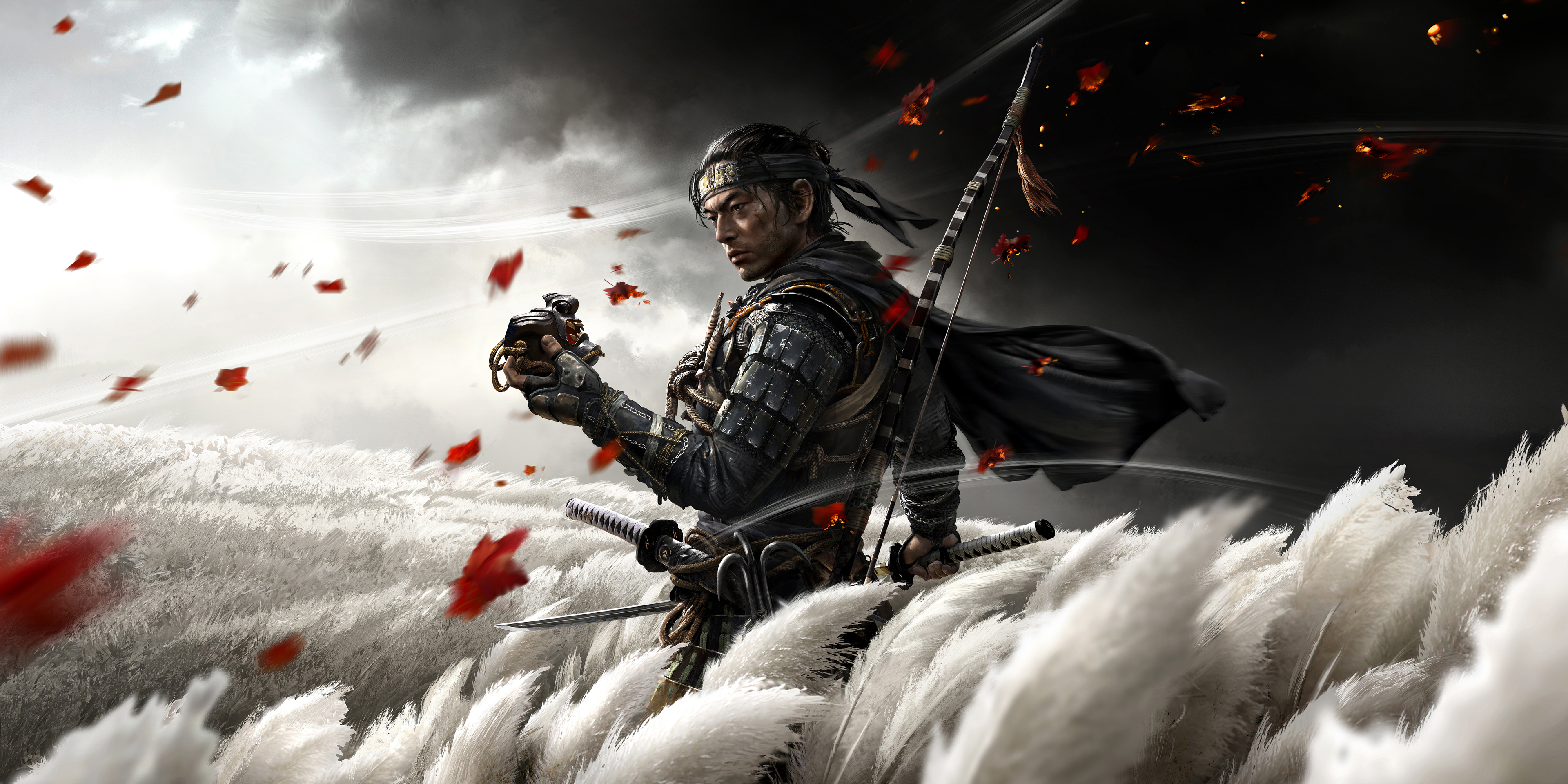
Developed by Sucker Punch Productions and published by Sony Interactive Entertainment, this game follows a samurai’s journey to repel a Mongol invasion. It is often praised for its striking art direction and minimalist user interface. Some critics, however, feel that underneath the beautiful visuals lies a very traditional open-world game with repetitive side objectives. The combat, while satisfying, can become trivial once the player unlocks specific gadgets and stances. Many players have noted that the mission variety is lacking, often relying on basic tracking and combat encounters.
‘Starfield’ (2023)
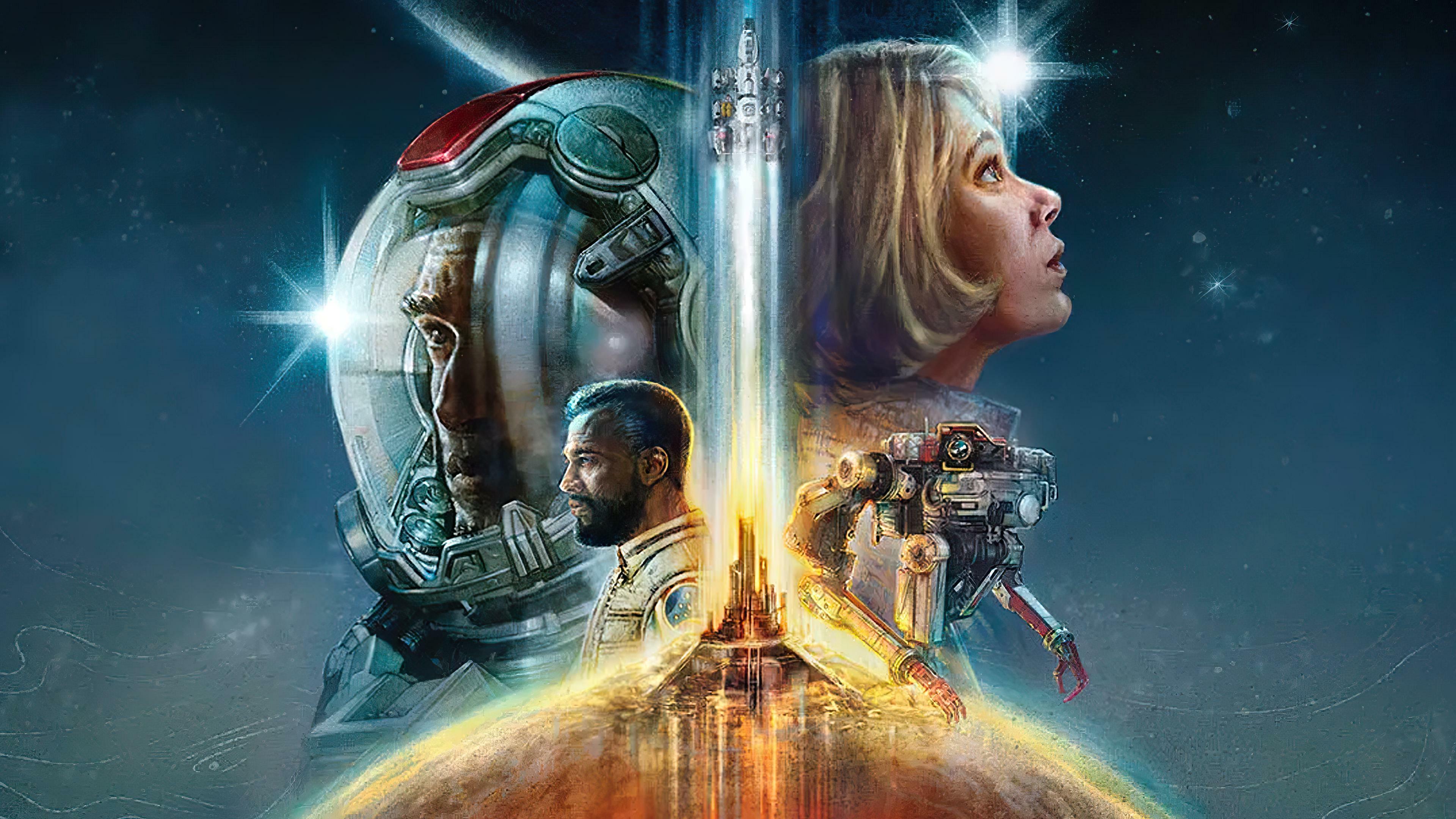
Bethesda Game Studios developed this space-themed action-RPG, which was published by Bethesda Softworks. It was one of the most anticipated releases of the decade but received a mixed reception from the community upon launch. Critics pointed out that the procedural generation led to many planets feeling barren and repetitive. The frequent loading screens and lack of seamless space travel were major disappointments for those expecting a more modern exploration experience. While it features a deep ship-building system, the core combat and dialogue systems were viewed by some as outdated.
‘Halo Infinite’ (2021)
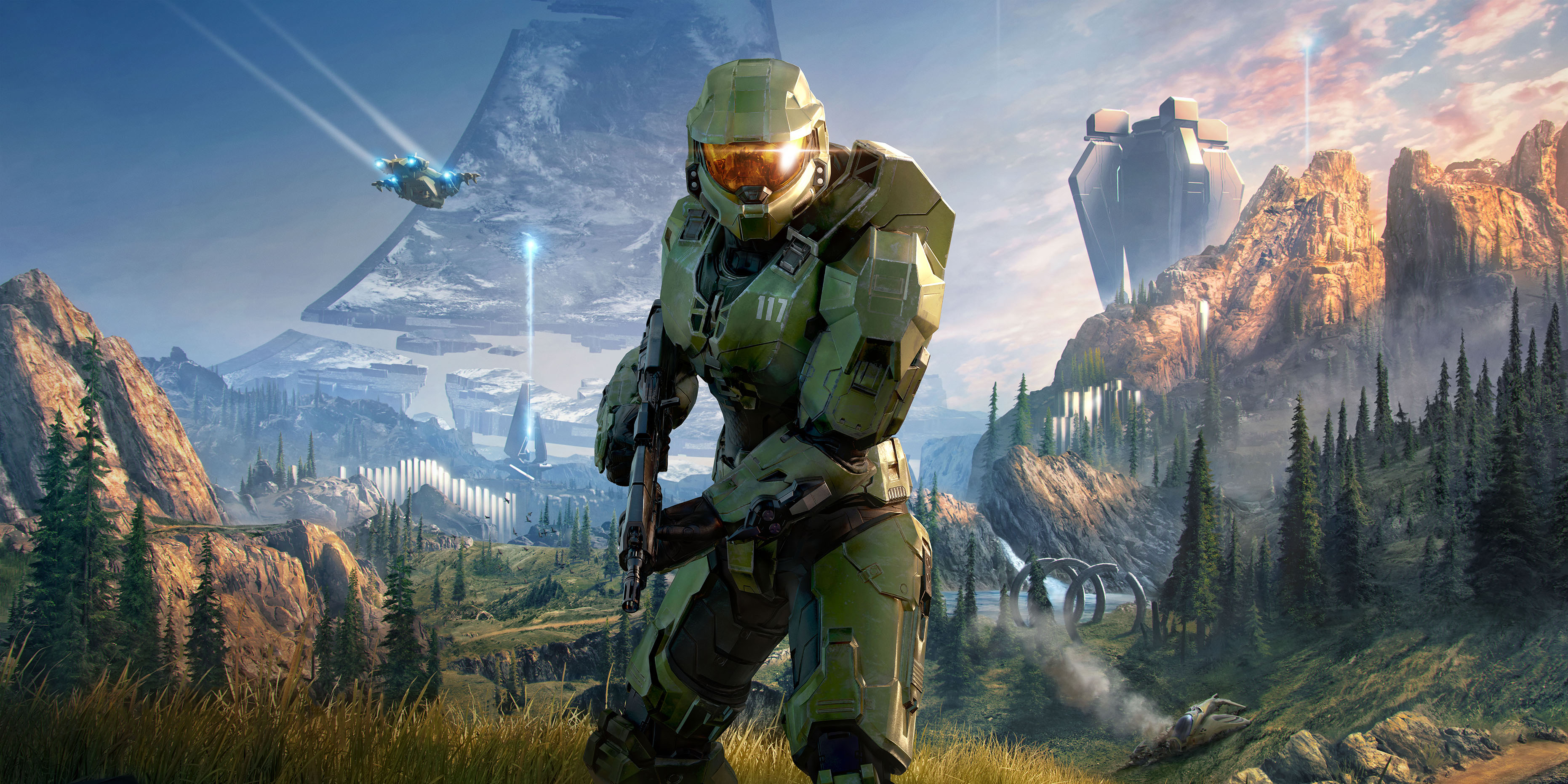
Developed by 343 Industries and published by Xbox Game Studios, this title attempted to revitalize the franchise with an open-world setting. The core gameplay loop of shooting and using the new Grappleshot was well-received. However, the game suffered from a lack of environmental variety, as the entire open world featured only one primary biome. The post-launch support for the multiplayer component was slow, leading to a decline in the player base. Many fans felt that the story was confusing and relied too heavily on external lore.
‘Hogwarts Legacy’ (2023)
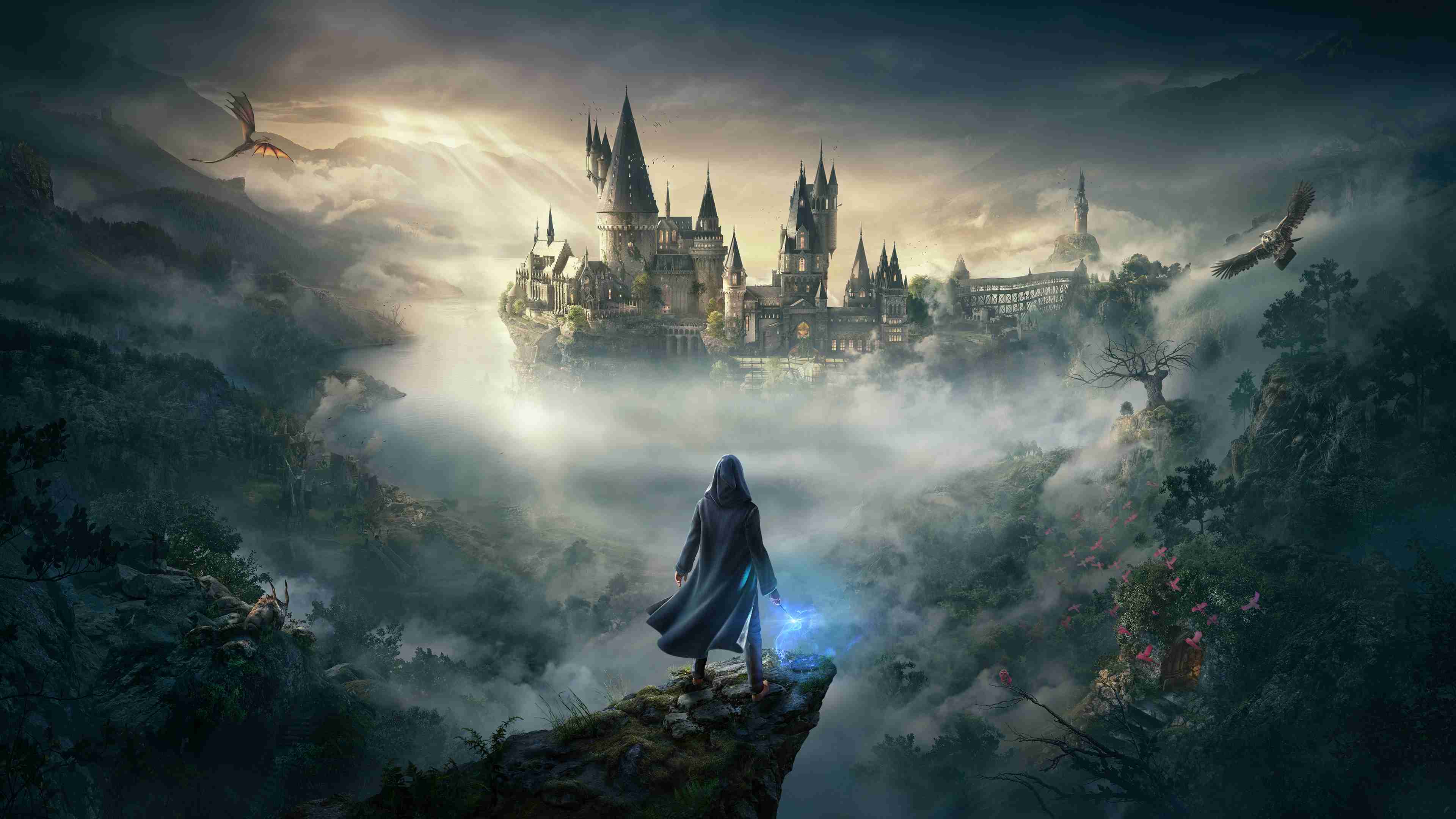
Avalanche Software developed this title, with Warner Bros. Games handling the publishing under the Portkey Games label. It successfully captured the atmosphere of the wizarding world, leading to massive commercial success. Critics noted that the RPG mechanics were relatively shallow and that the world outside of the school felt generic. The combat system, while flashy, lacks depth and can become repetitive during long play sessions. Additionally, the lack of a morality system meant that using dark magic had no tangible consequences on the narrative or character relationships.
‘Dying Light 2 Stay Human’ (2022)
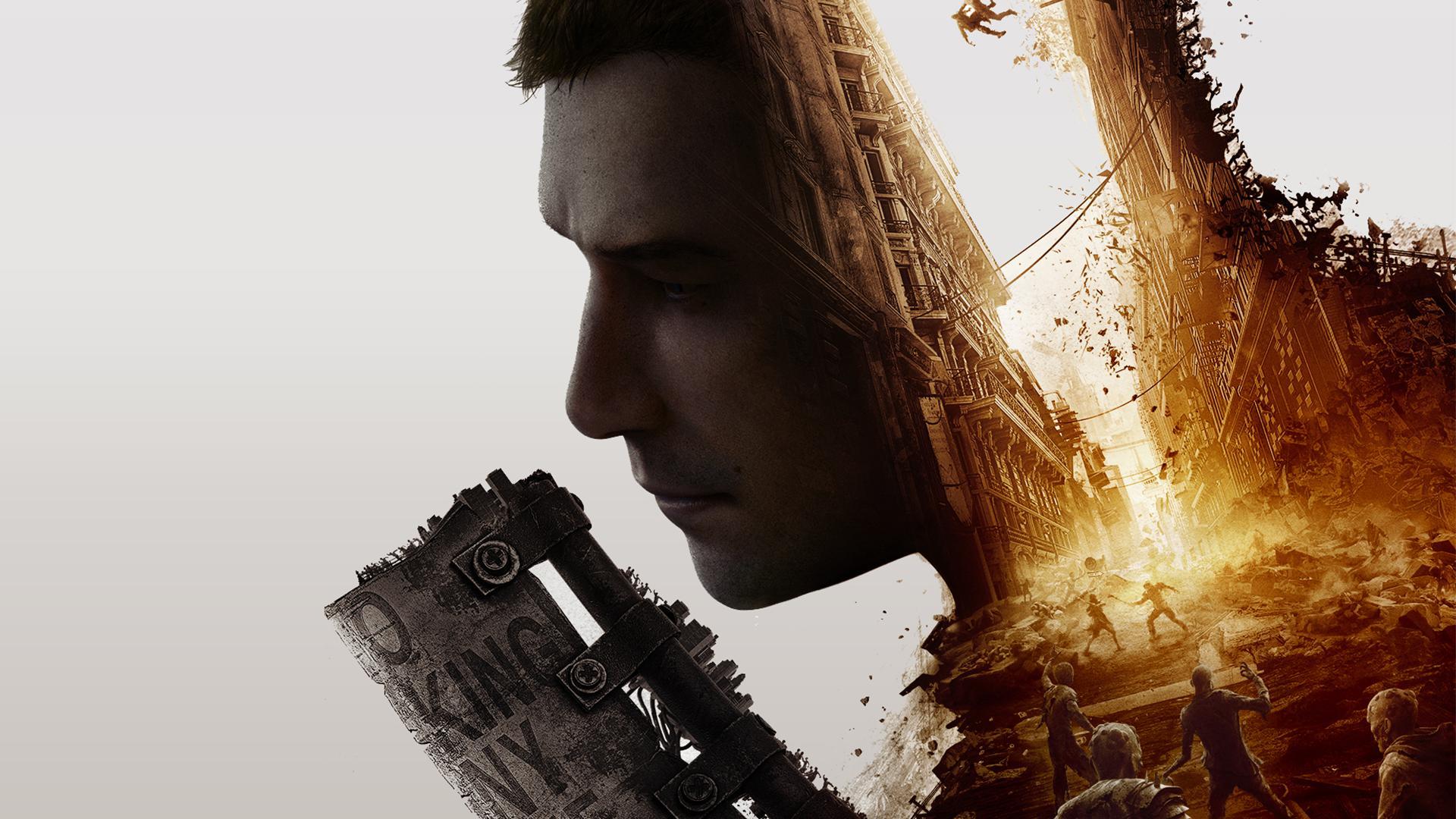
Developed and published by Techland, this sequel focused on parkour and melee combat in a post-apocalyptic city. While the movement systems were improved, many fans of the original felt the combat lacked the same impact and weight. The narrative choices were marketed as having a major impact on the world, but critics found the results to be underwhelming and inconsistent. The game also faced criticism for its writing and character development, which many found to be less engaging than the first game. Despite its technical improvements, it is often seen as failing to capture the unique atmosphere of its predecessor.
‘Diablo IV’ (2023)
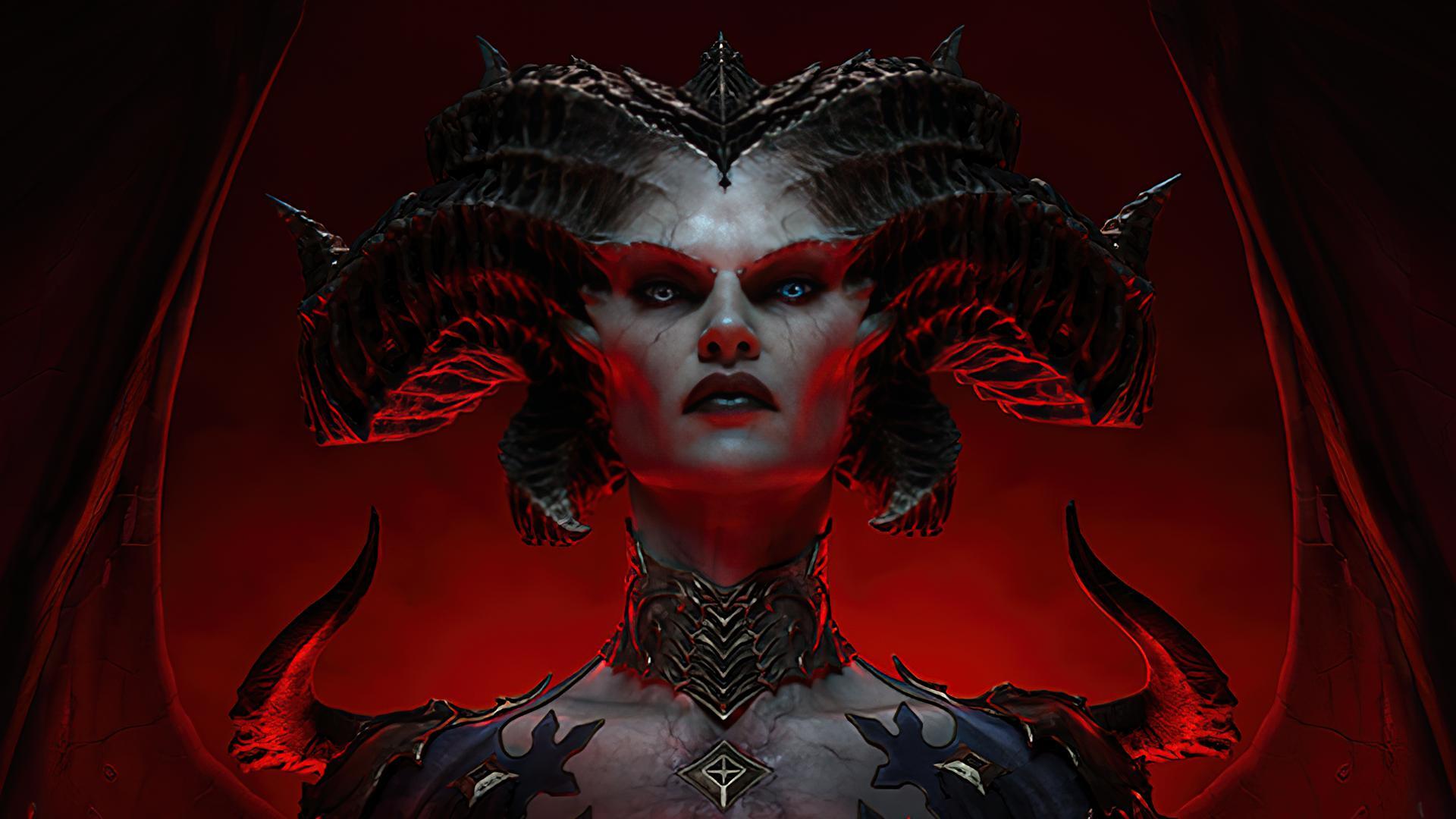
Blizzard Entertainment developed and published this long-awaited entry in the quintessential dungeon-crawling series. It initially received high praise for its dark art style and smooth combat mechanics. However, the community quickly turned critical regarding the endgame progression and itemization systems. Updates to the game’s balance were often perceived as making the experience more tedious rather than more fun. While it sold millions of copies, the live-service elements and seasonal structure have been a point of constant debate among veteran players.
‘Borderlands 3’ (2019)
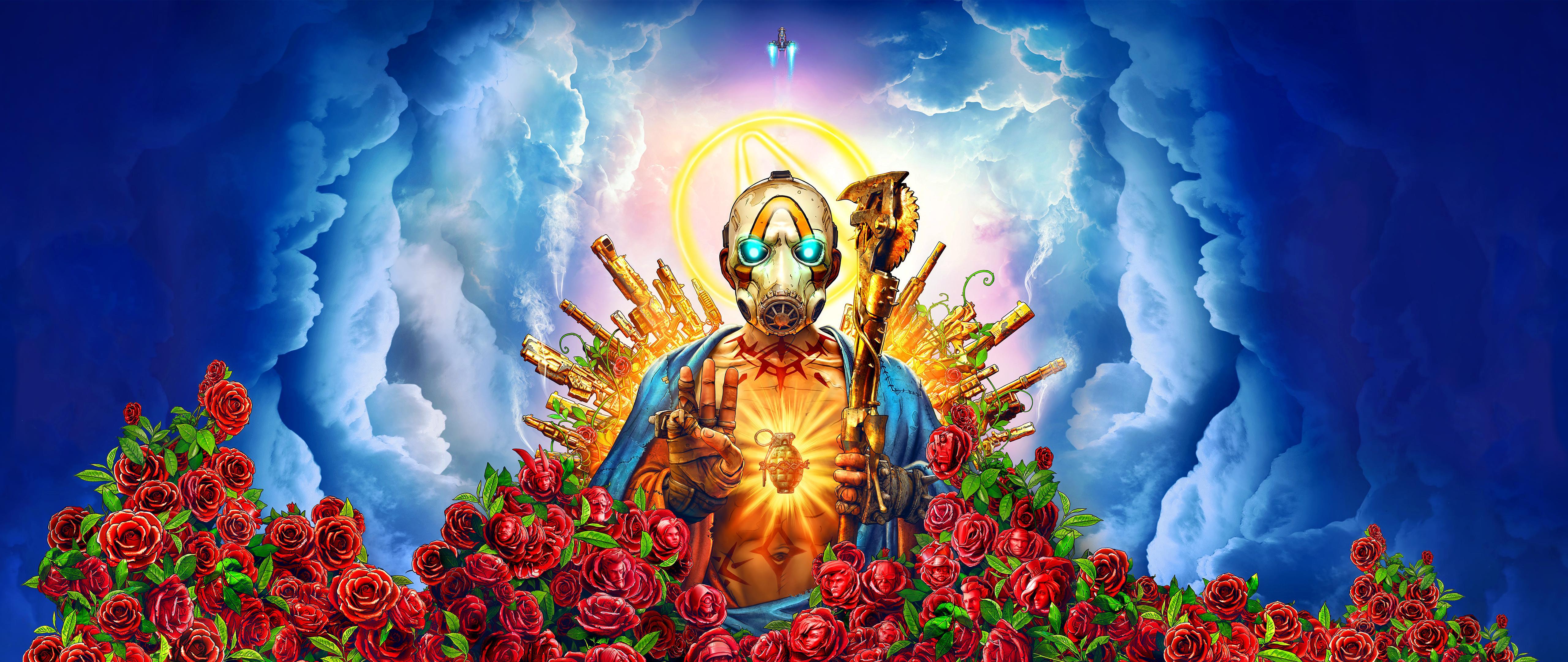
Developed by Gearbox Software and published by 2K, this looter-shooter maintained the series’ signature art style and chaotic gameplay. It introduced significant improvements to the gunplay and character movement. Despite these mechanical upgrades, the game was heavily criticized for its writing and main antagonists, who many found irritating rather than threatening. The repetitive nature of the quest design and the abundance of legendary loot made the progression feel less rewarding for some players. While it remains popular, it is often cited as the point where the series’ humor began to feel dated.
‘Watch Dogs: Legion’ (2020)
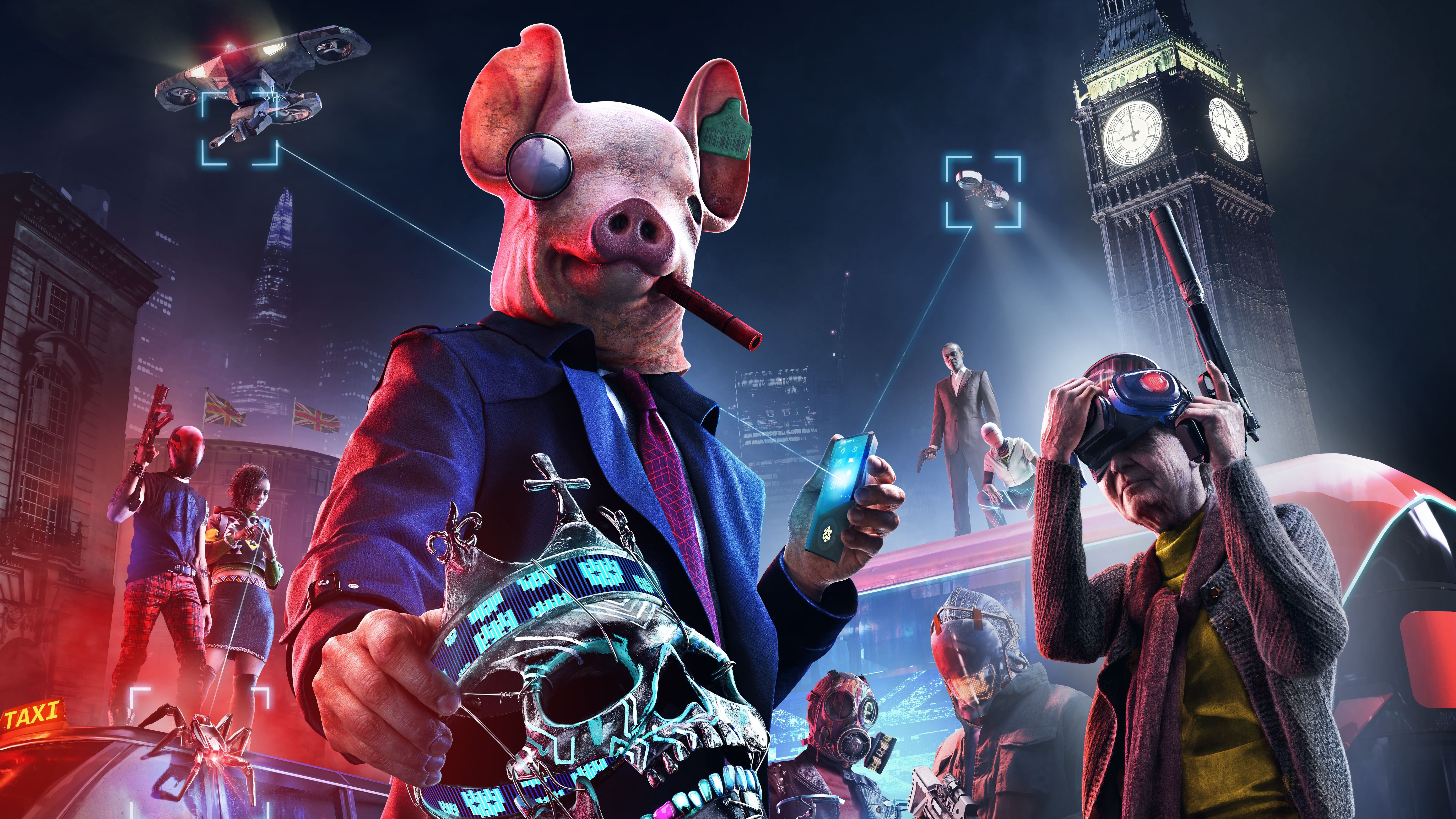
Ubisoft Toronto developed this title, which was published by Ubisoft and featured a “play as anyone” mechanic in a futuristic London. While the concept was innovative, critics argued that it resulted in a lack of character depth and a disjointed narrative. The missions often felt repetitive because they had to be designed to accommodate any character archetype. Many players felt that the removal of a central protagonist made it difficult to care about the story’s stakes. The gameplay loop of hacking and stealth remained largely unchanged from previous entries.
‘Overwatch 2’ (2022)
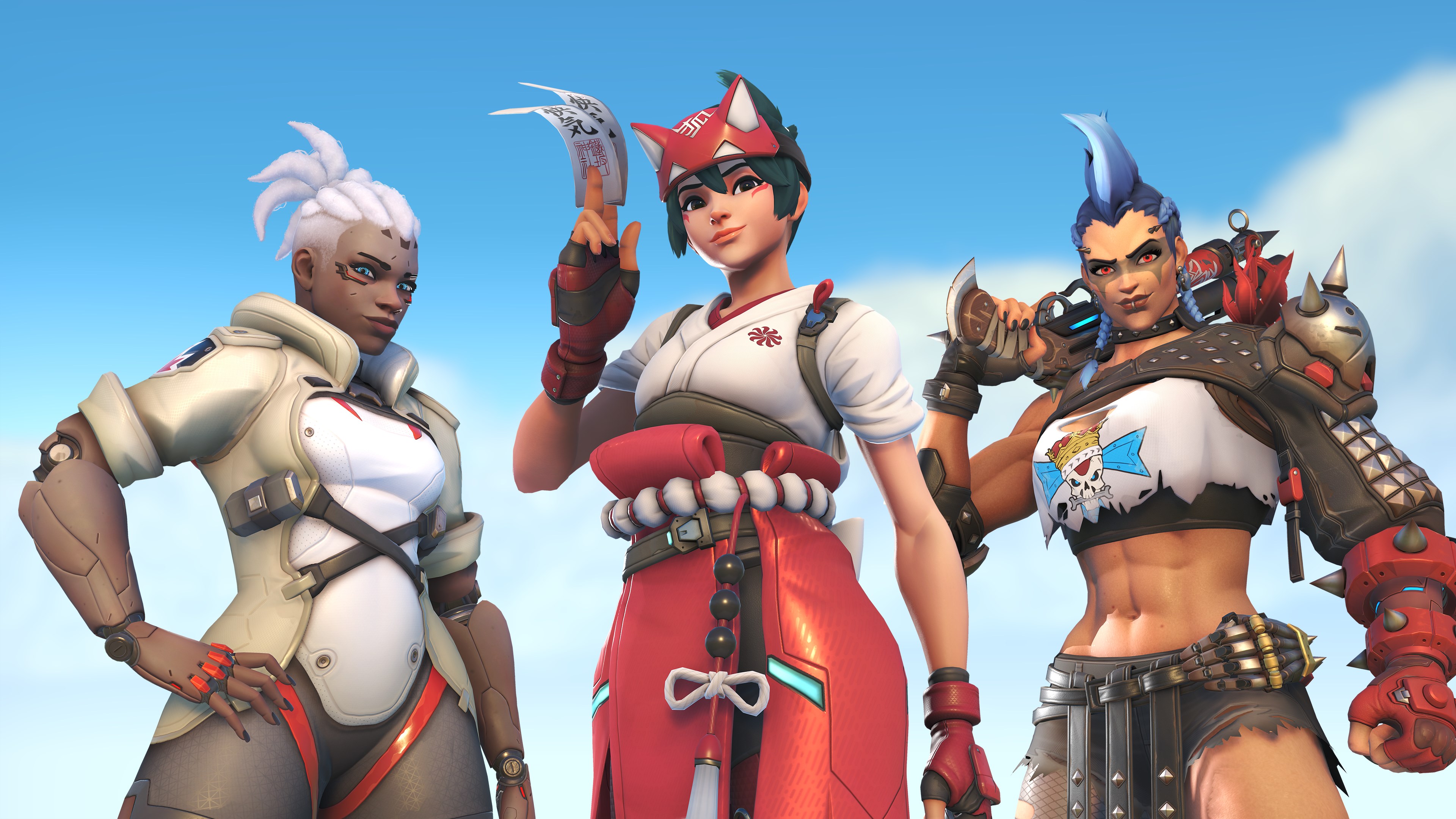
Developed and published by Blizzard Entertainment, this sequel replaced the original hero shooter with a free-to-play model. The transition was met with significant controversy due to the removal of the original game and changes to the monetization system. Many players were disappointed when the promised extensive PvE mode was significantly scaled back and then canceled. While the core team-based combat remains polished, critics argue that the game feels more like a major patch than a true sequel. The shift to five-versus-five matches also remains a divisive topic among the competitive community.
‘Middle-earth: Shadow of War’ (2017)
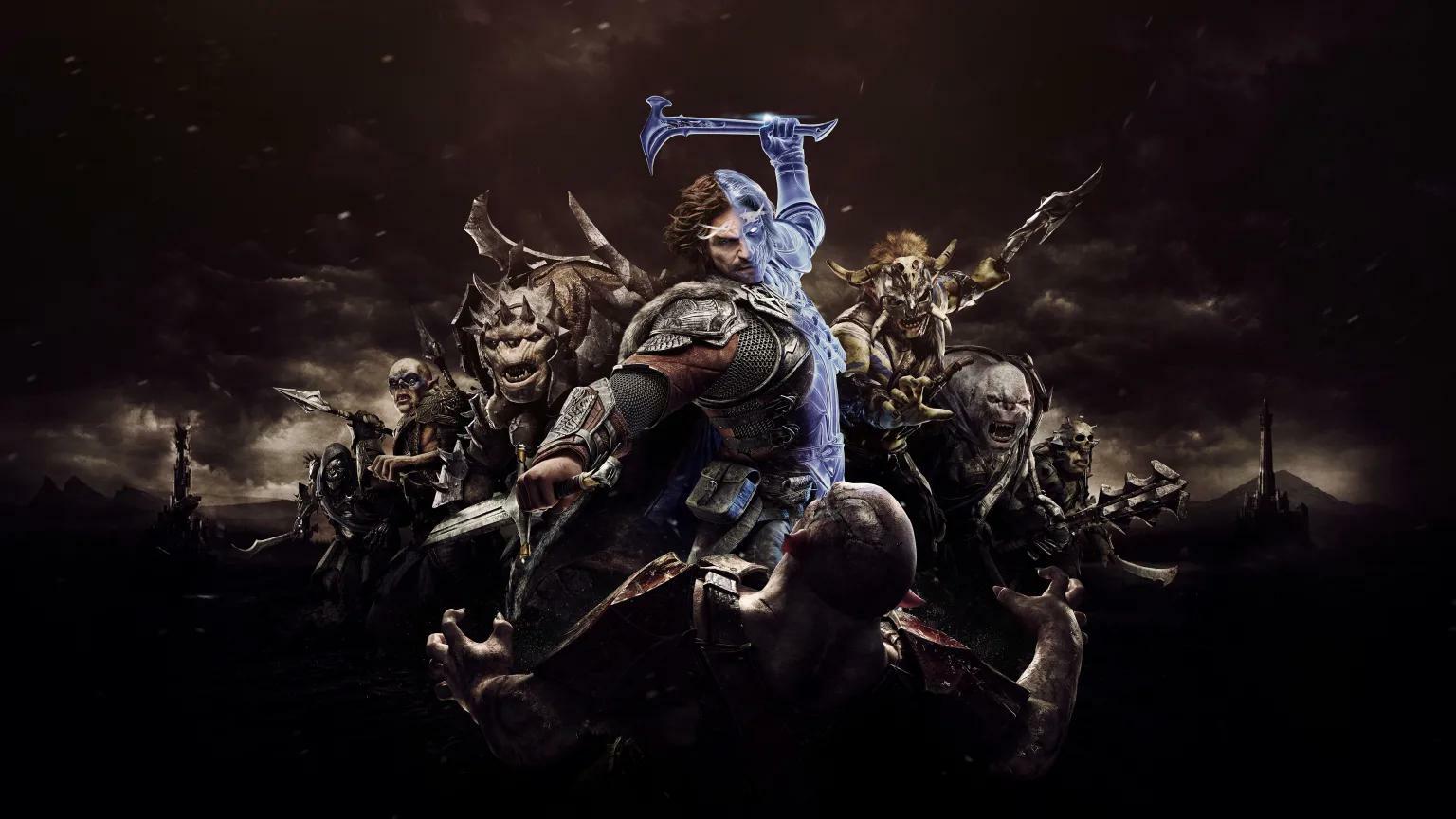
Monolith Productions developed this sequel, which was published by Warner Bros. Games. It expanded on the innovative Nemesis System, allowing for more complex interactions with enemy orcs. However, the game was heavily criticized at launch for its inclusion of microtransactions and a grind-heavy final act. Although the developers eventually removed the marketplace, the late-game balance still felt repetitive to many players. The story also took significant liberties with the source material, which alienated some fans of the original lore.
‘Gears 5’ (2019)
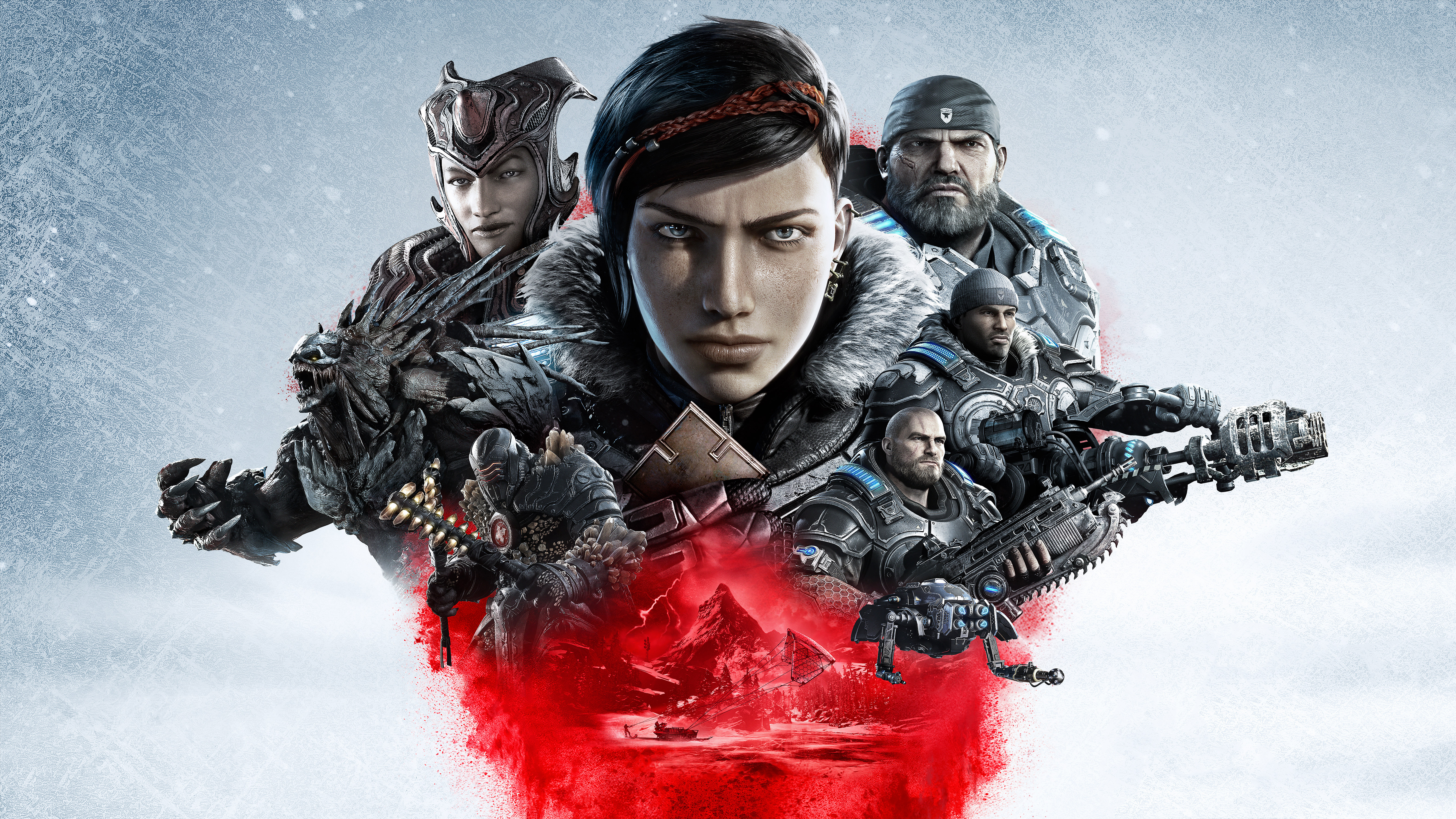
Developed by The Coalition and published by Xbox Game Studios, this entry introduced semi-open world segments to the cover-based shooter. While the technical performance was top-tier, some critics felt the open-world sections were empty and added unnecessary padding to the campaign. The story’s focus on Kait Diaz was a positive shift for many, but the narrative beats were viewed as predictable by others. The multiplayer component also faced criticism for its progression system and lack of content at launch. It is often seen as a solid game that fails to reach the heights of the original trilogy.
‘Batman: Arkham Knight’ (2015)
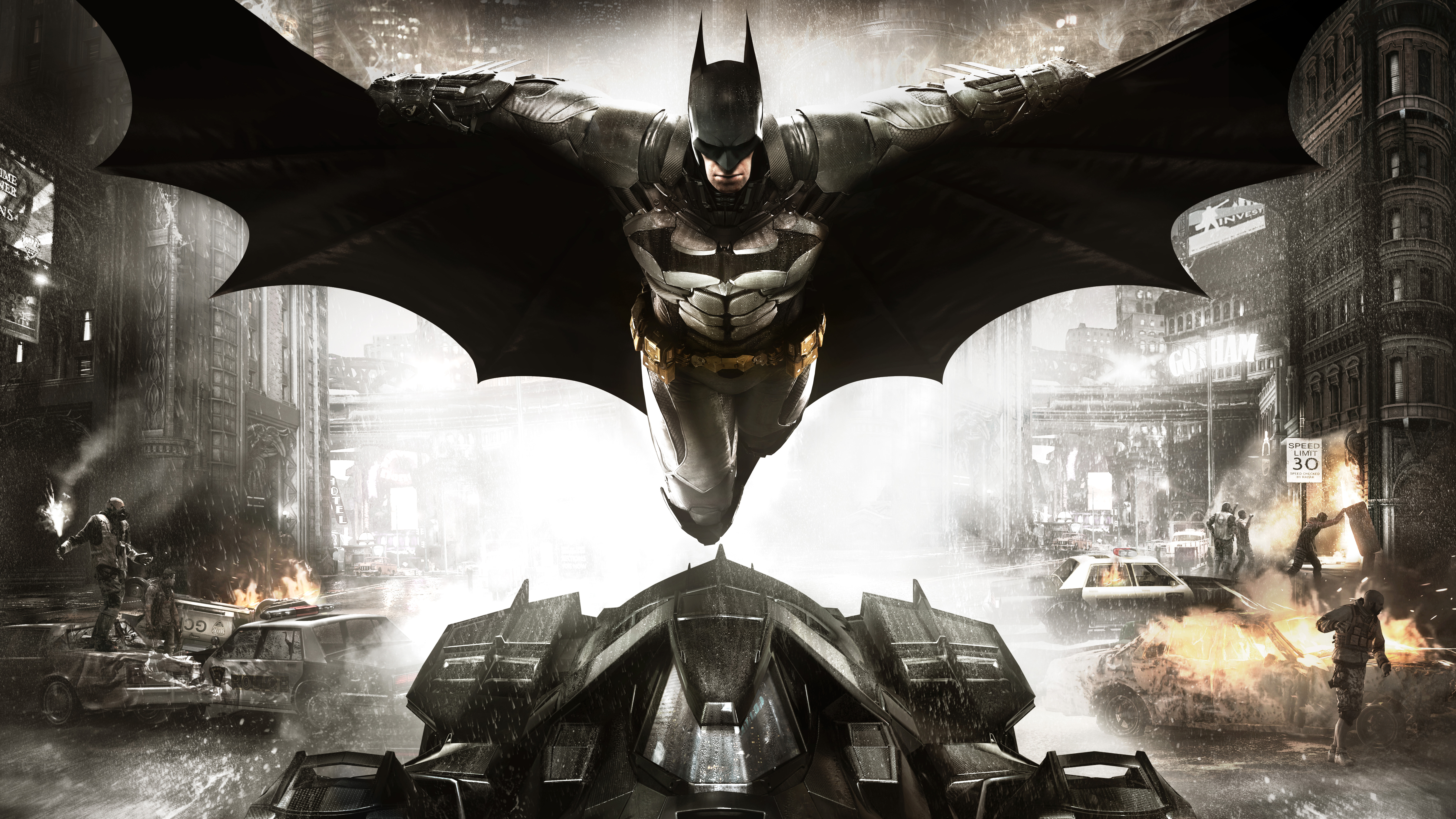
Rocksteady Studios developed the final entry in their Batman trilogy, published by Warner Bros. Games. The game is famous for its highly detailed recreation of Gotham City and refined combat. However, the heavy reliance on the Batmobile for puzzles, combat, and traversal was widely criticized for being overused and tedious. Some fans also found the reveal of the Arkham Knight’s identity to be predictable and underwhelming. Despite being a technical marvel, the PC version’s disastrous launch left a lasting negative impression on its legacy.
‘Metal Gear Solid V: The Phantom Pain’ (2015)
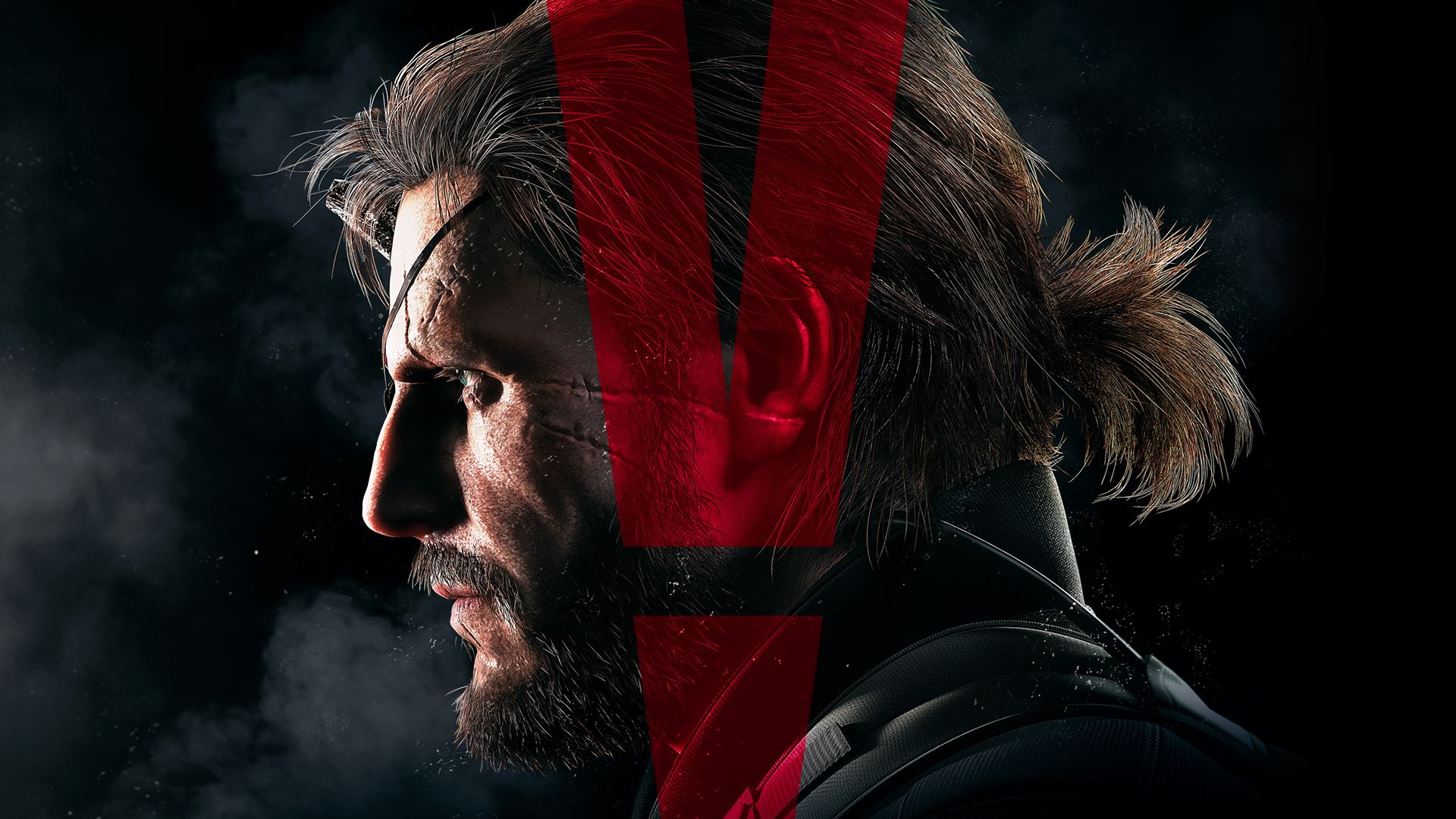
Developed by Kojima Productions and published by Konami, this game offers unparalleled freedom in its stealth-action gameplay. While the mechanics are considered the best in the series, the narrative is often described as unfinished and disjointed. The second half of the game features recycled missions and a lack of traditional cinematic storytelling. Many fans were disappointed by the silent protagonist and the departure from the series’ usual narrative depth. Despite its perfect review scores at launch, its legacy is complicated by its evident lack of a proper conclusion.
‘Uncharted 4: A Thief’s End’ (2016)
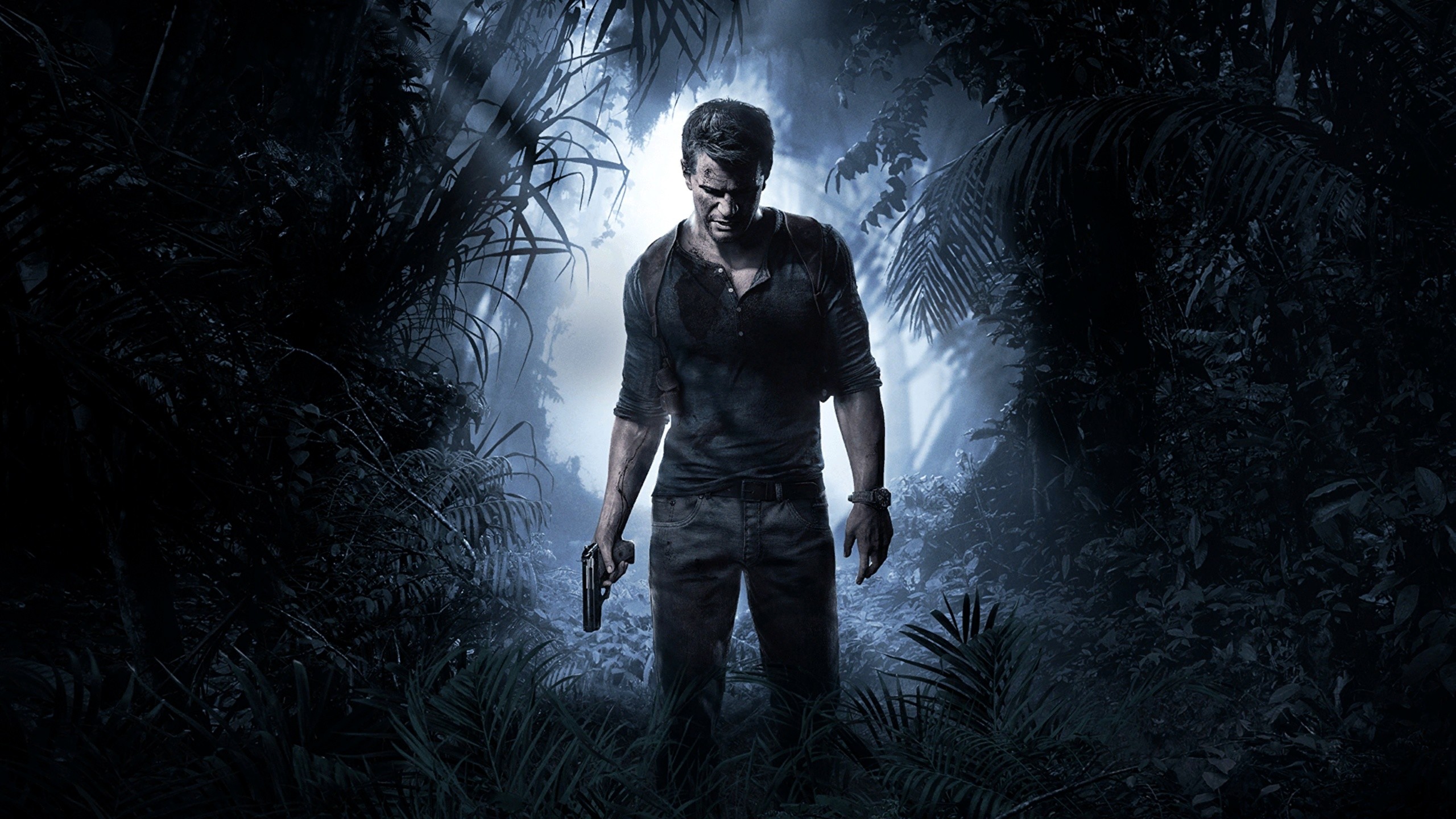
Naughty Dog developed this conclusion to Nathan Drake’s story, with Sony Interactive Entertainment serving as the publisher. It is frequently praised for its emotional weight and stunning environments. However, some players have pointed out that the gameplay relies heavily on repetitive climbing sequences and scripted set pieces. The pacing is often criticized for being slower than previous entries, with long stretches of traversal between combat encounters. While it is a technical and narrative achievement, some argue that the core gameplay loop has remained stagnant since the series’ inception.
‘BioShock Infinite’ (2013)
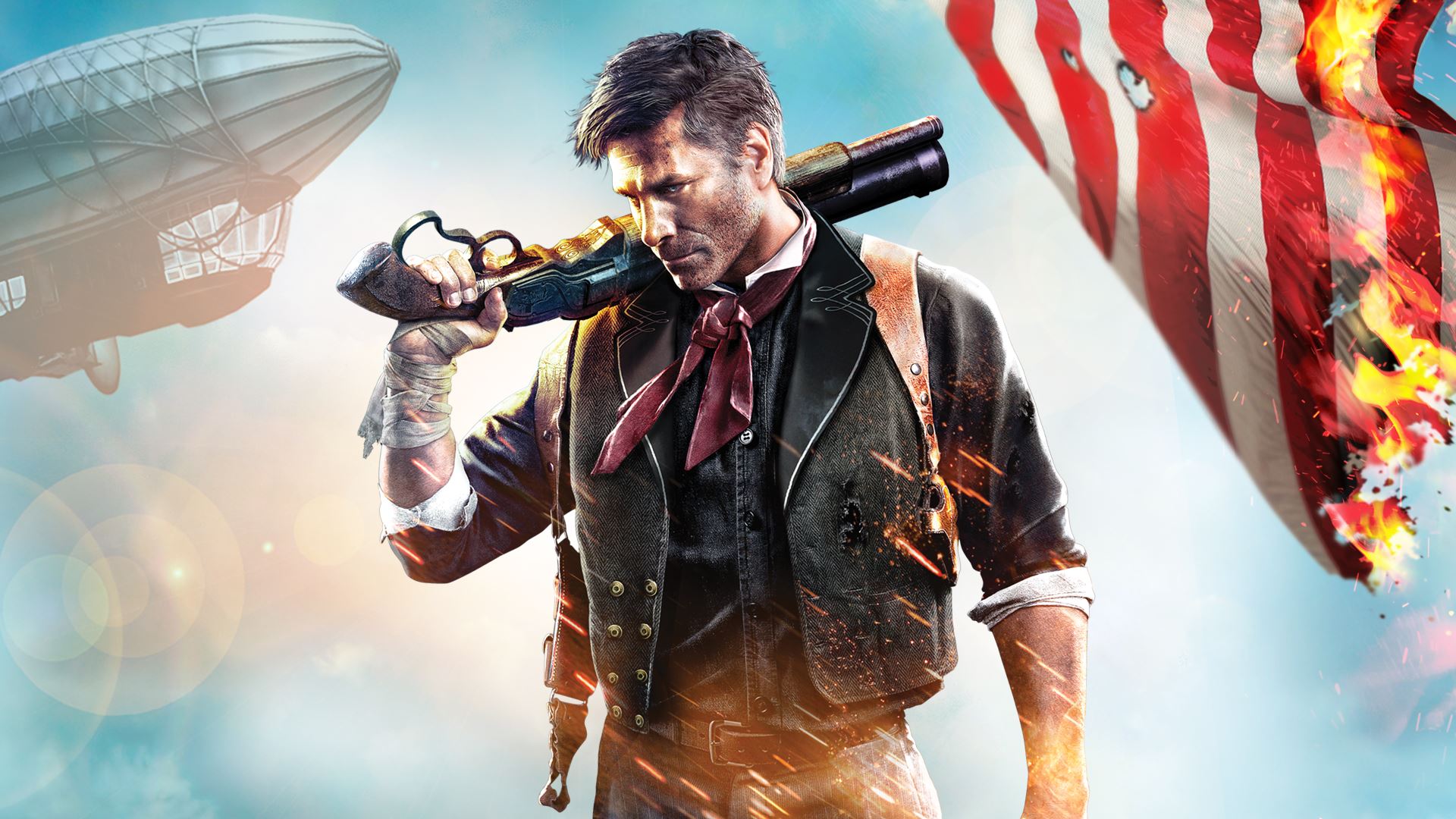
Irrational Games developed this title, which was published by 2K and moved the setting from the ocean to the sky. It was met with near-universal acclaim for its complex themes and the character of Elizabeth. Retrospective analysis, however, has highlighted inconsistencies in the narrative and a combat system that felt simplified compared to the first game. The game’s focus on large-scale shootouts often clashed with the more thoughtful exploration elements. While still regarded as a classic, its standing has been questioned by those who find its political and philosophical themes to be somewhat superficial.
‘Horizon Zero Dawn’ (2017)
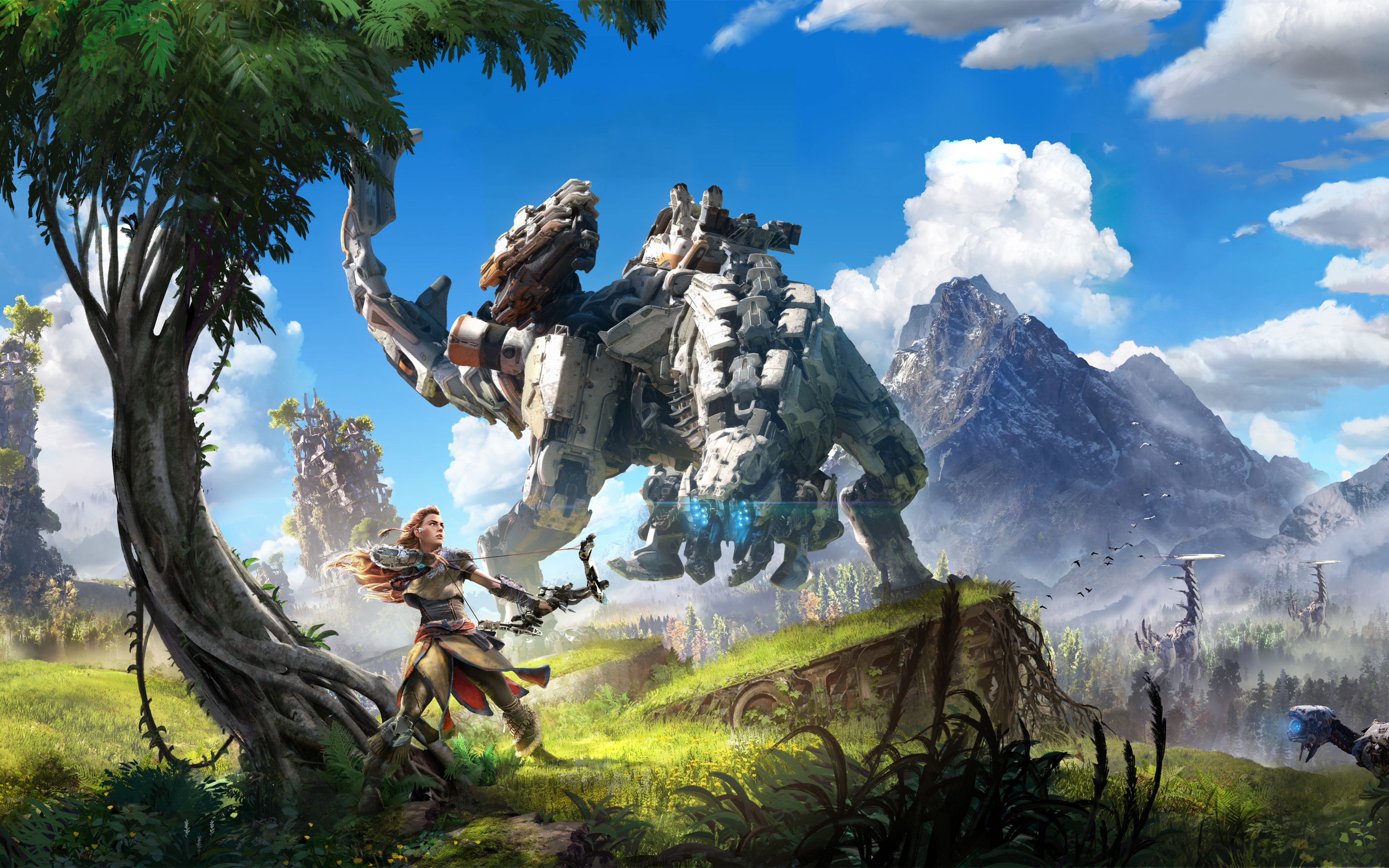
Developed by Guerrilla Games and published by Sony Interactive Entertainment, this game features a unique world where humans hunt robotic dinosaurs. The combat against the machines is widely considered the game’s strongest point. Critics have noted that the human combat and stealth mechanics are far less polished and feel generic. The open world follows many established tropes, such as climbing towers to reveal map icons, which some players found uninspired. Additionally, the character animations in dialogue sequences were criticized for being stiff and lacking emotion.
‘Resident Evil Village’ (2021)
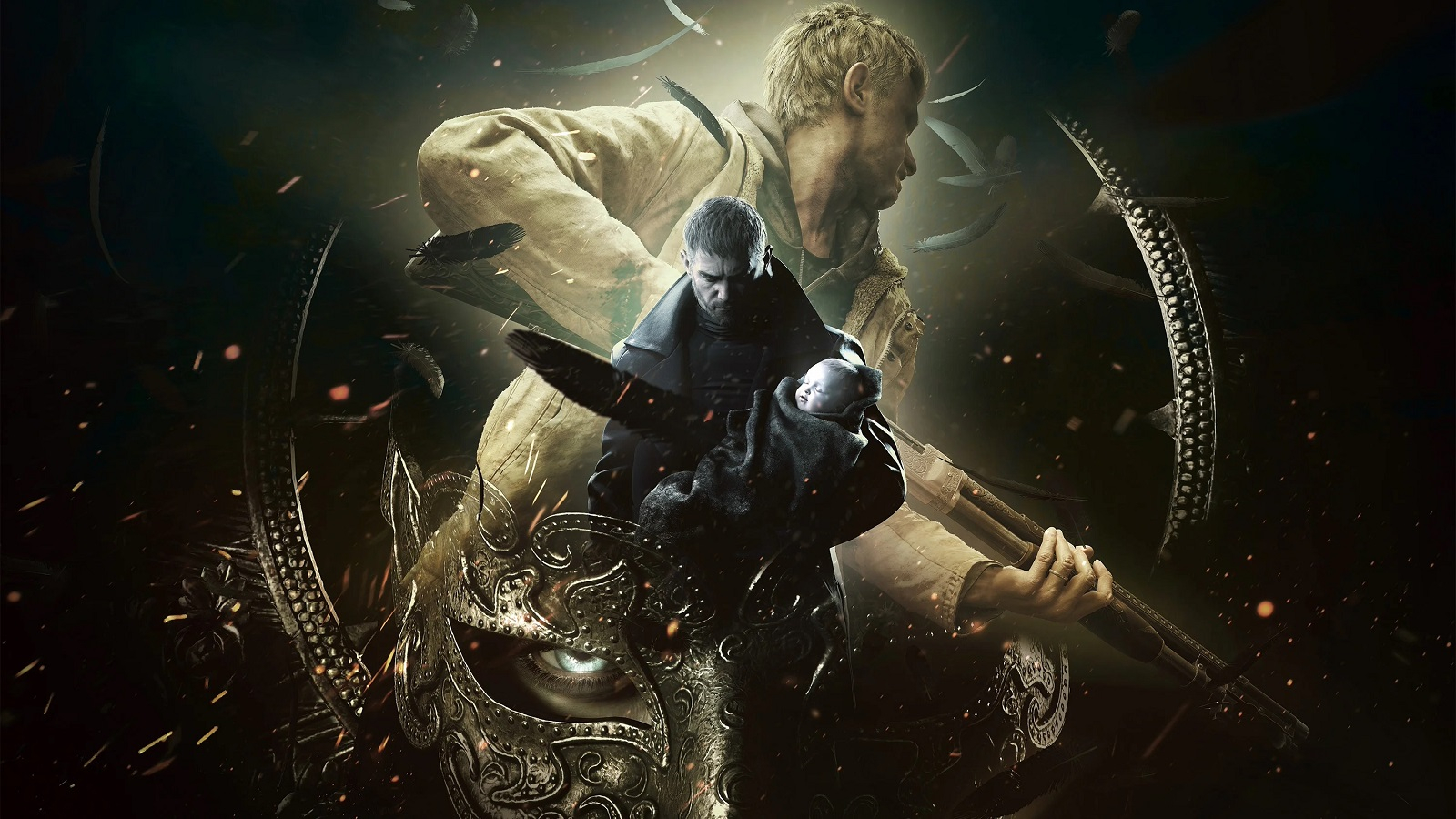
Capcom developed and published this eighth main entry in the survival horror franchise. It achieved high sales and significant meme-status due to its characters, particularly Lady Dimitrescu. Some fans of the series felt the game leaned too far into action and away from the horror elements that defined its predecessor. The narrative was also viewed as being inconsistent in tone, shifting between gothic horror and over-the-top action sequences. While entertaining, critics argued that it lacked the cohesive atmosphere and tension found in the best entries of the series.
‘Just Cause 4’ (2018)
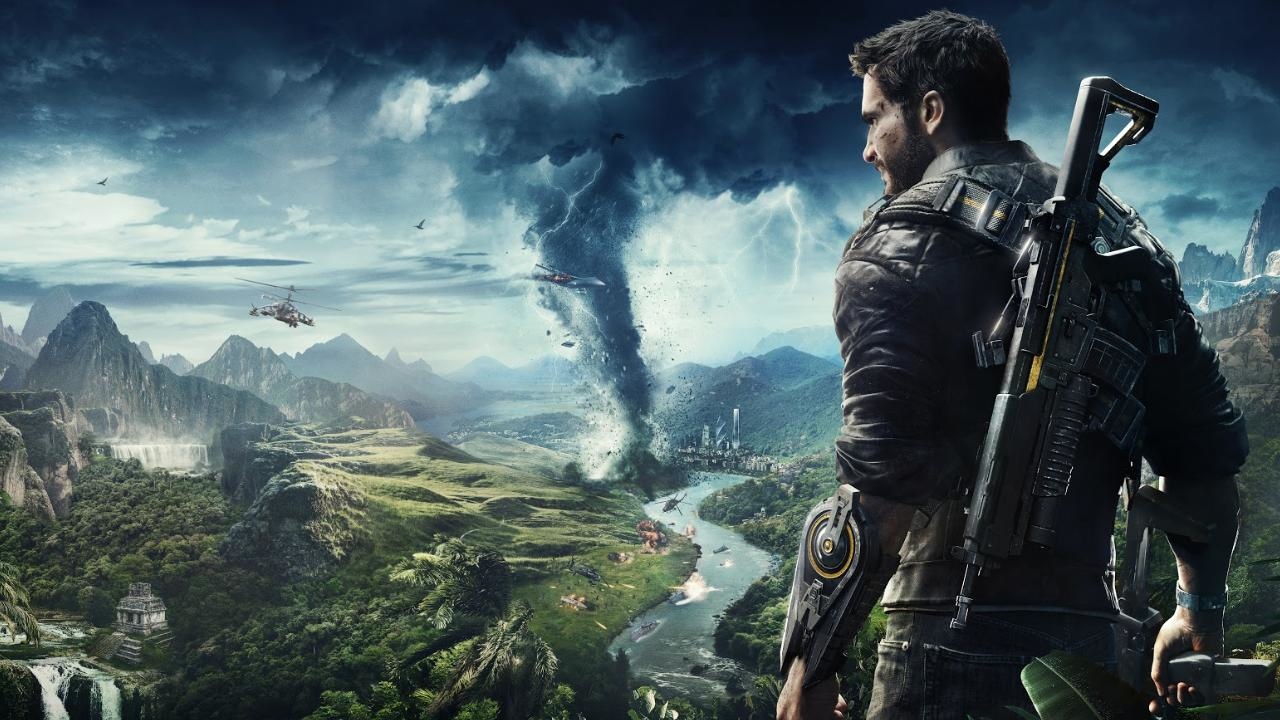
Developed by Avalanche Studios and published by Square Enix, this game continued the series’ focus on physics-based destruction and chaos. It was criticized for being a technical regression compared to the third game, with many players noting poor visual quality and bugs. The mission structure was also changed to focus on repetitive objectives like defending consoles or escorting NPCs, which slowed down the pace. Many felt that the core hook of causing mayhem was not enough to carry a game that lacked meaningful progression. Despite its large map, the world felt less vibrant and interactive than previous installments.
‘Dragon Age: Inquisition’ (2014)
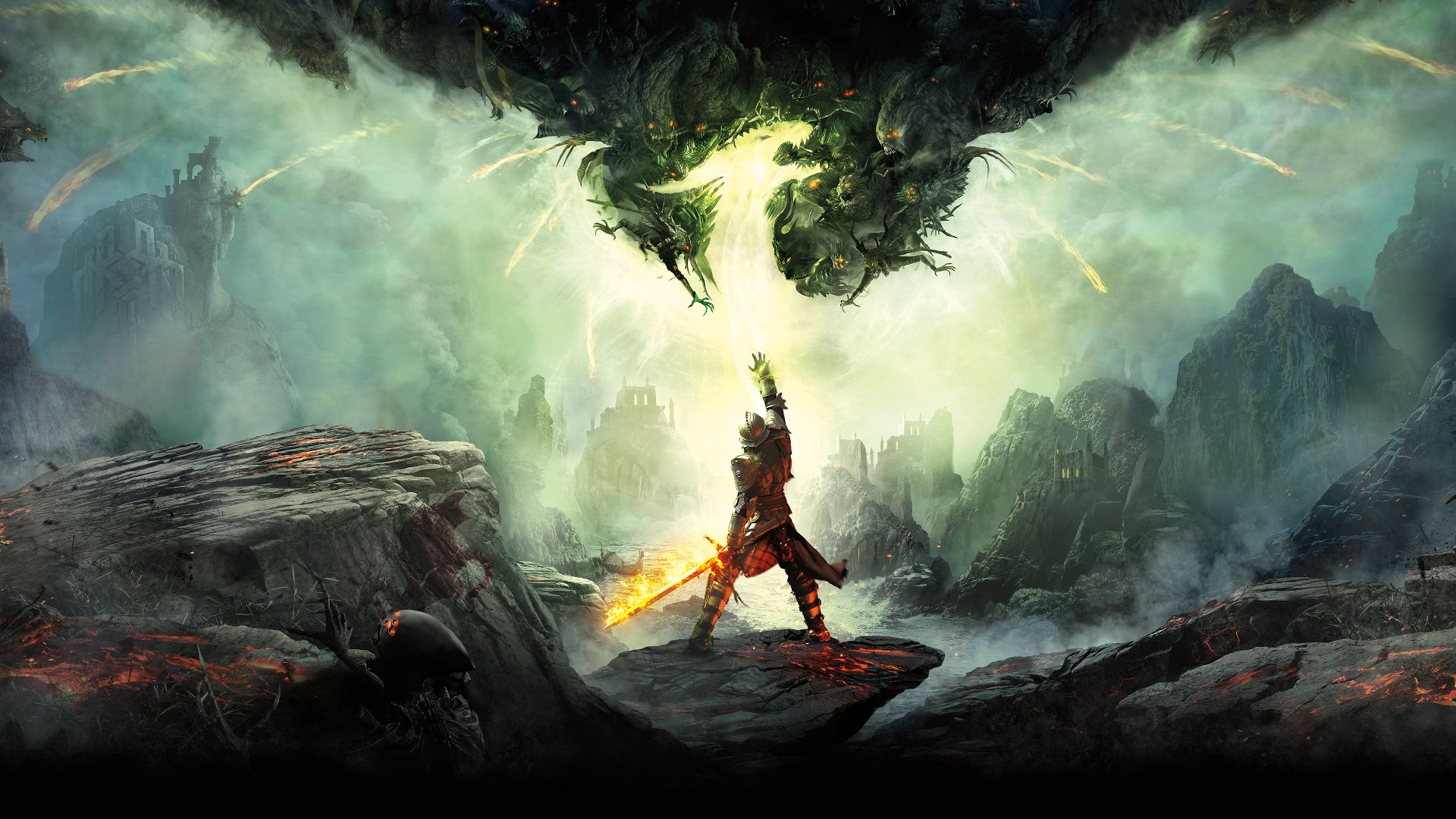
BioWare developed this action-RPG, which was published by Electronic Arts and won numerous Game of the Year awards. While it successfully moved the series to a larger scale, it has been retrospectively criticized for its “filler” content. Many of the side quests are basic fetch tasks that resemble those found in massively multiplayer online games. The tactical combat was also viewed as a compromise that didn’t fully satisfy fans of either the first or second games. While the character writing remains strong, the central plot is often described as being spread too thin across a bloated map.
Please share your thoughts on which action games you find overrated in the comments.