Movies With All-Female Remakes That Sparked Endless Gender Debates

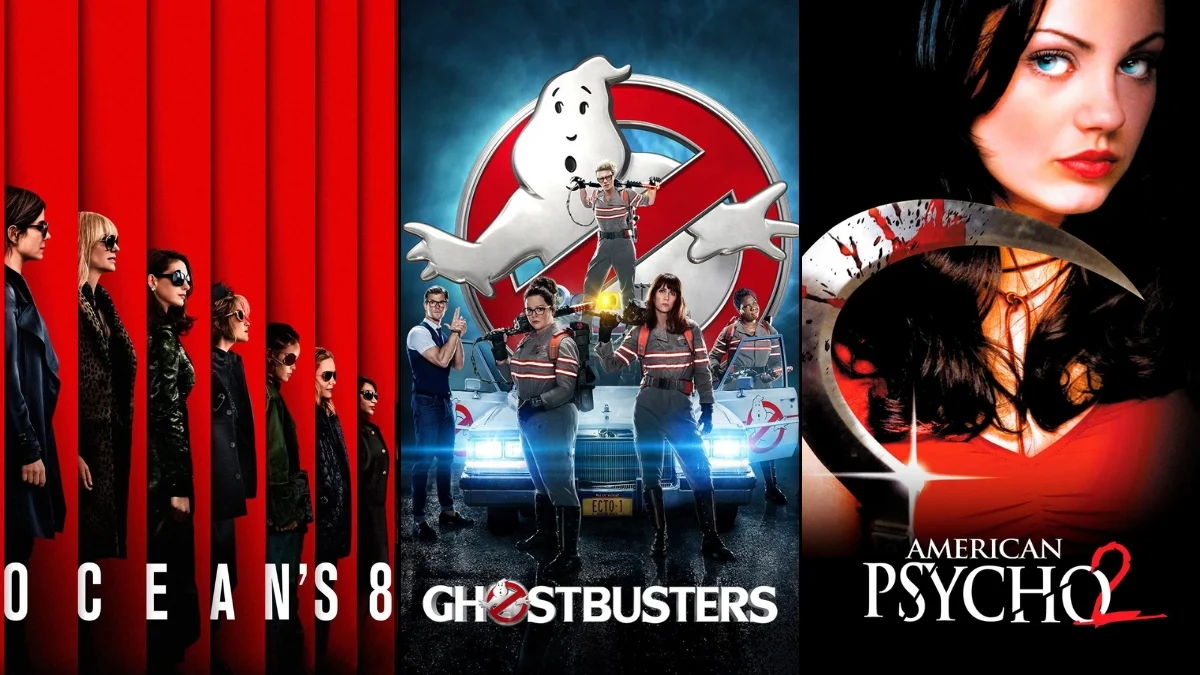

The trend of reimagining classic films with female-led casts has become a significant topic of discussion within the entertainment industry. These projects often aim to revitalize established franchises by providing new perspectives on familiar narratives. While some remakes are celebrated for their modern updates, others become the center of intense online discourse regarding casting choices and creative direction. From psychological thrillers to high-stakes comedies, these movies illustrate the ongoing dialogue about representation and the evolution of cinematic storytelling. The following list examines fifteen such films that replaced male leads or focused on female ensembles, prompting widespread conversation upon their release.
‘Black Christmas’ (2019)

This 2019 production is the second remake of the 1974 slasher classic that helped define the horror genre. The story focuses on a group of sorority sisters who must defend themselves against a mysterious killer targeting students on campus. It incorporates overt themes of toxic masculinity and social activism into the traditional horror framework established by the original. The film sparked significant debate due to its political messaging and its departure from established slasher tropes. Many fans discussed whether the new direction successfully modernized the source material for a younger generation.
‘American Psycho II: All American Girl’ (2002)
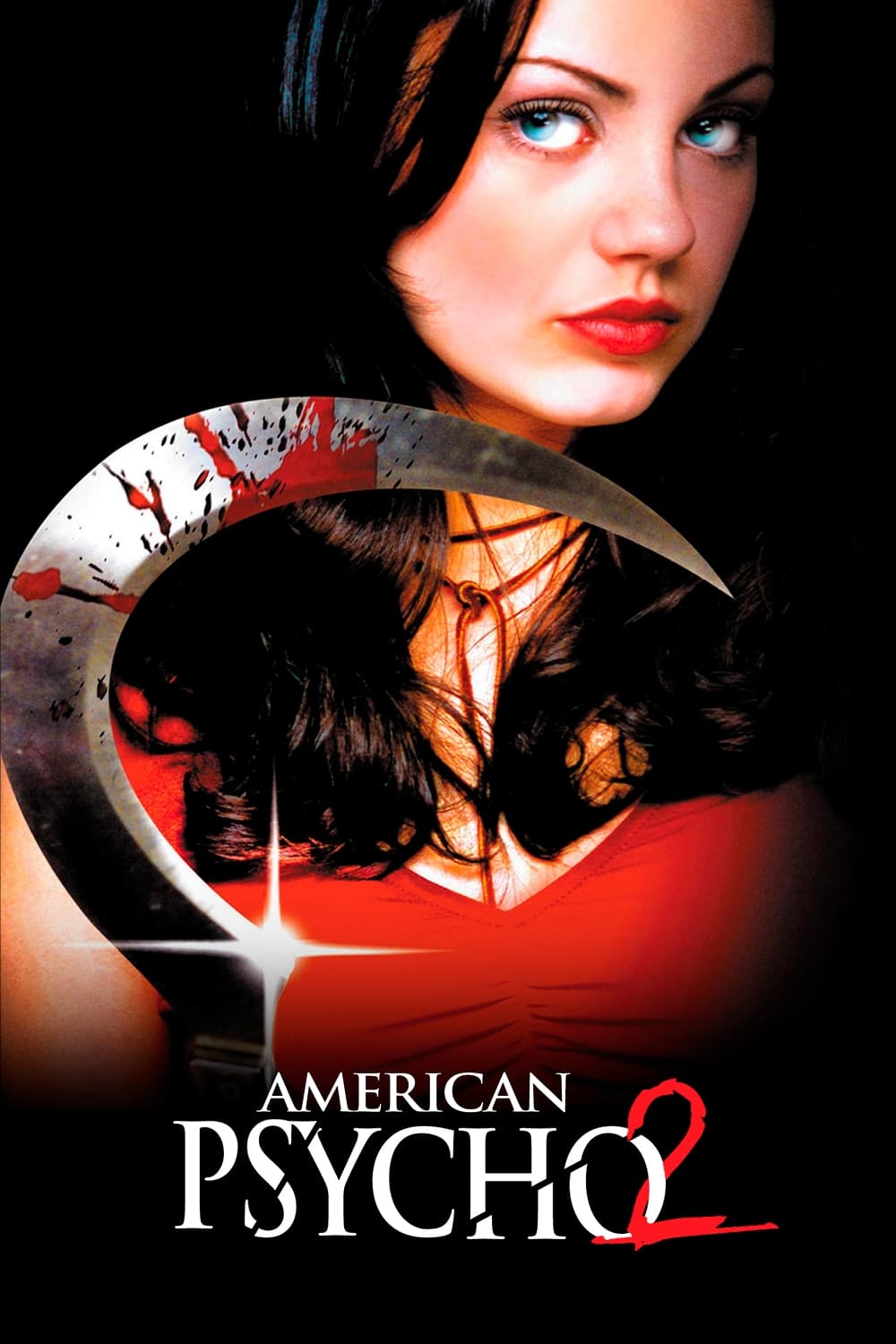
This stand-alone sequel stars Mila Kunis as a student who becomes a serial killer to secure a prestigious position as a teaching assistant. The project was originally developed as a separate thriller titled ‘The Girl Who Wouldn’t Die’ before being rebranded as an ‘American Psycho’ film. Its tenuous connection to the original ‘American Psycho’ and the shift to a female protagonist were heavily criticized by audiences. The film sparked discussions about the practice of attaching established titles to unrelated scripts to drive interest. It remains a polarizing entry in the genre due to its radical departure from the tone of its predecessor.
‘The Next Karate Kid’ (1994)
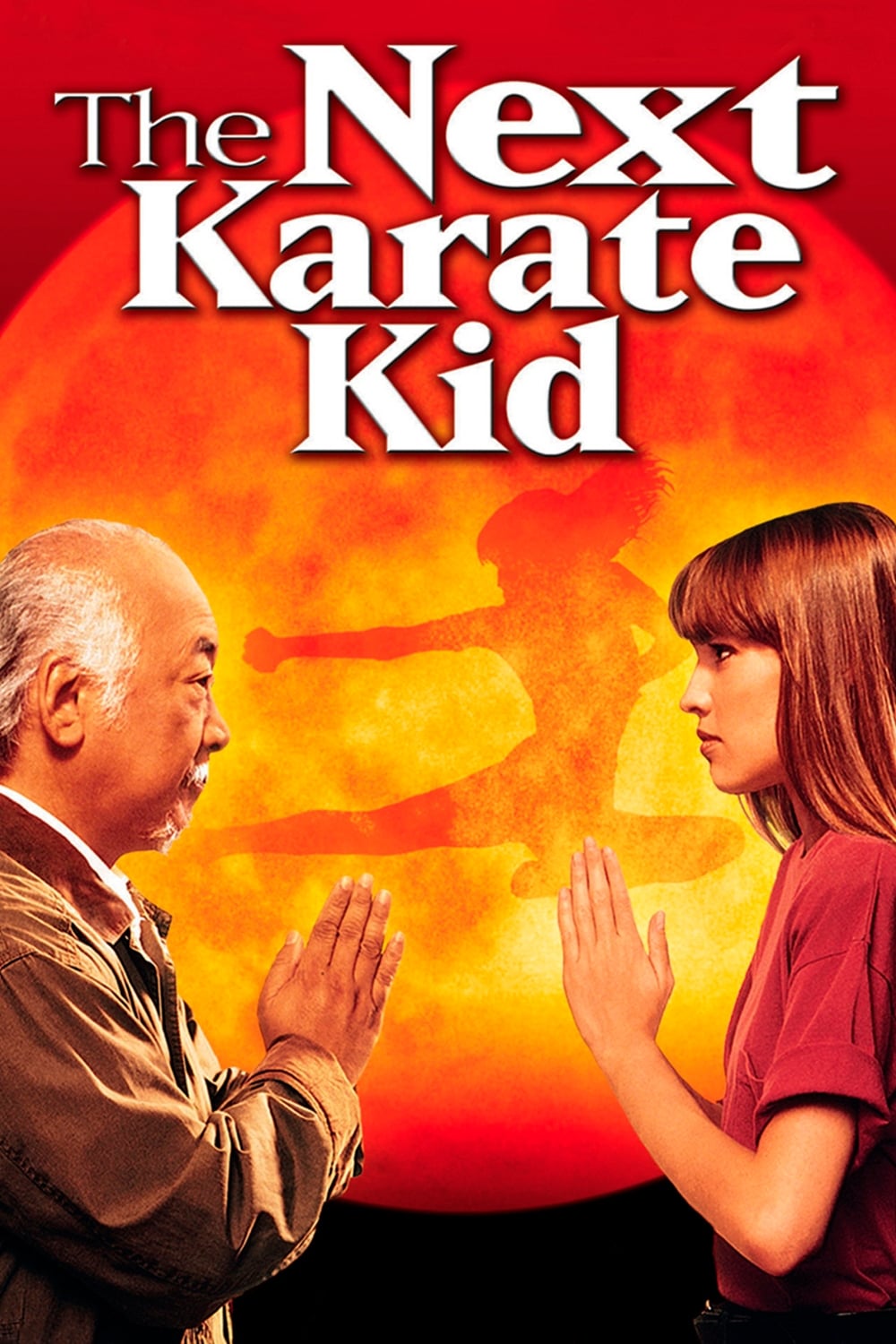
Following the original trilogy starring Ralph Macchio, this film introduced Hilary Swank as a new student mentored by Mr. Miyagi. It was the first film in the franchise to feature a female protagonist in the central martial arts role. The movie was met with mixed reactions, leading to long-standing debates about its place in the ‘The Karate Kid’ series. It served as an early example of a major franchise attempting to diversify its lead character by swapping genders. While it was not a direct remake, its reboot-style approach prompted conversations about the series’ future direction.
‘The Craft: Legacy’ (2020)
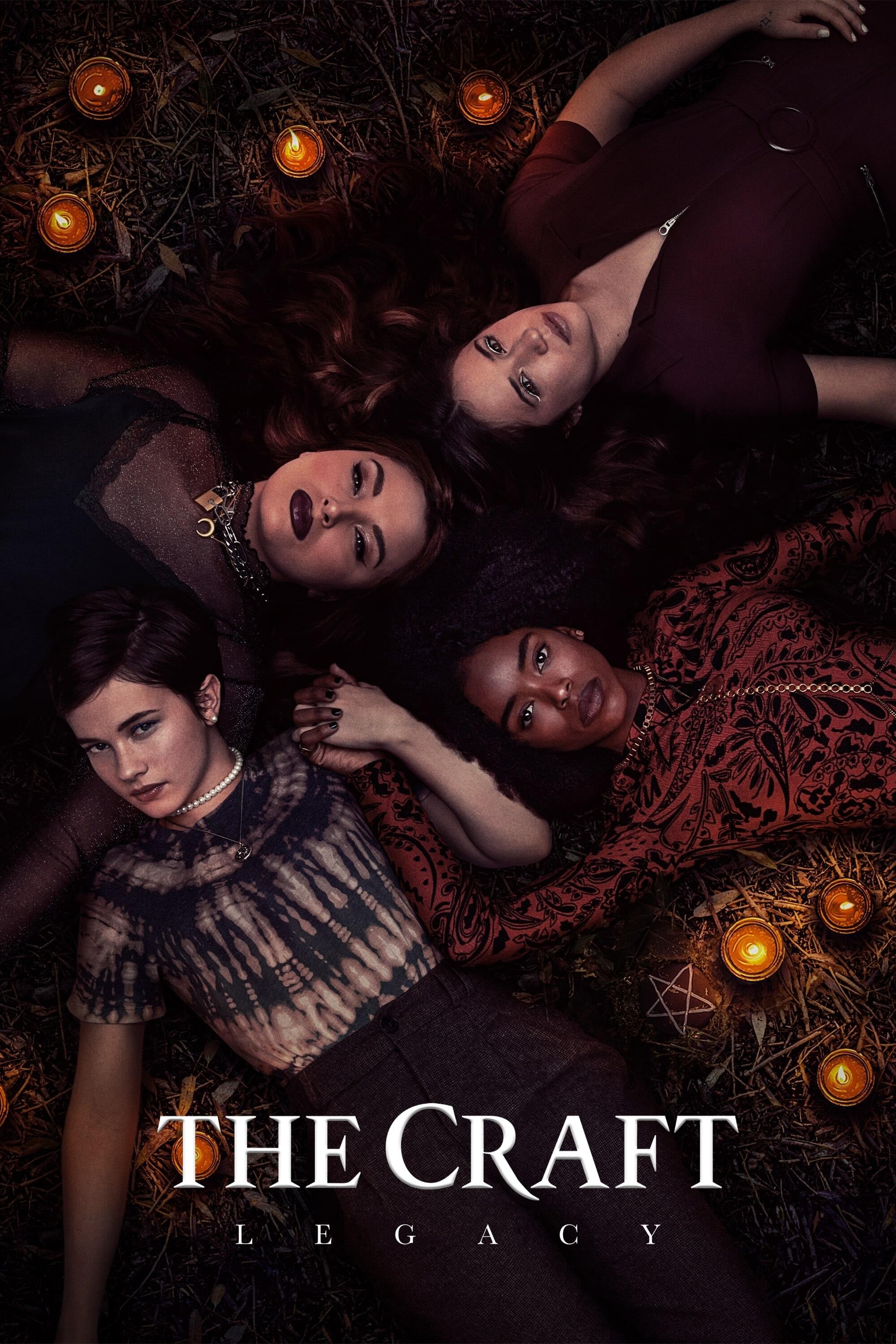
Serving as both a sequel and a soft remake of the 1996 cult classic, this film follows a new group of teenage witches. It integrates modern themes of identity and consent into the supernatural narrative of the original ‘The Craft’. The film sparked discussions among fans of the franchise about how it handled the legacy and aesthetic of its predecessor. Many debated the shift in tone and the inclusion of contemporary social issues compared to the first film. The project aimed to update the series for a new generation while maintaining the ensemble dynamic.
‘Charlie’s Angels’ (2019)

Elizabeth Banks directed this continuation of the franchise, which had previously seen success in television and early 2000s films. The 2019 version emphasized feminist themes and featured a global network of female operatives instead of a single trio. Its box office performance and marketing strategy became a focal point for debates about the demand for female-led action reboots. Some critics discussed the film’s attempt to modernize the “Angel” archetypes for a more politically conscious audience. The discourse often centered on whether the franchise could sustain its appeal without its original cast.
‘The Women’ (2008)
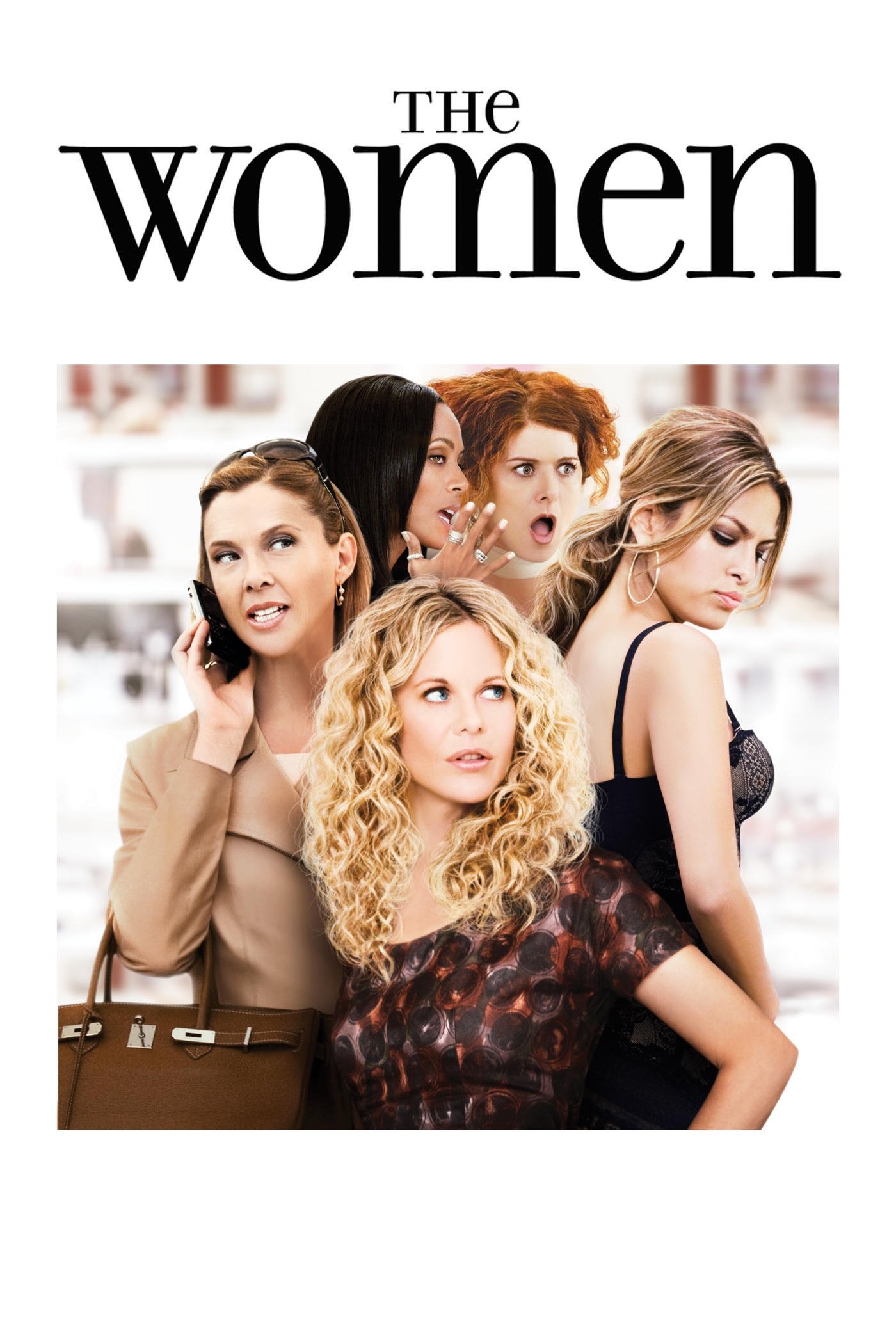
This film is a remake of the 1939 classic, which was originally based on a play by Clare Boothe Luce. Like the original production, the 2008 version features an entirely female cast and explores friendships among Manhattan socialites. The debate surrounding this film centered on whether the modernization of the characters improved the story’s relevance. Critics often noted the absence of male actors on screen as a deliberate stylistic choice that emphasized the internal lives of the women. The movie remains a notable example of a production that excludes male performers to focus solely on female dynamics.
‘What Men Want’ (2019)
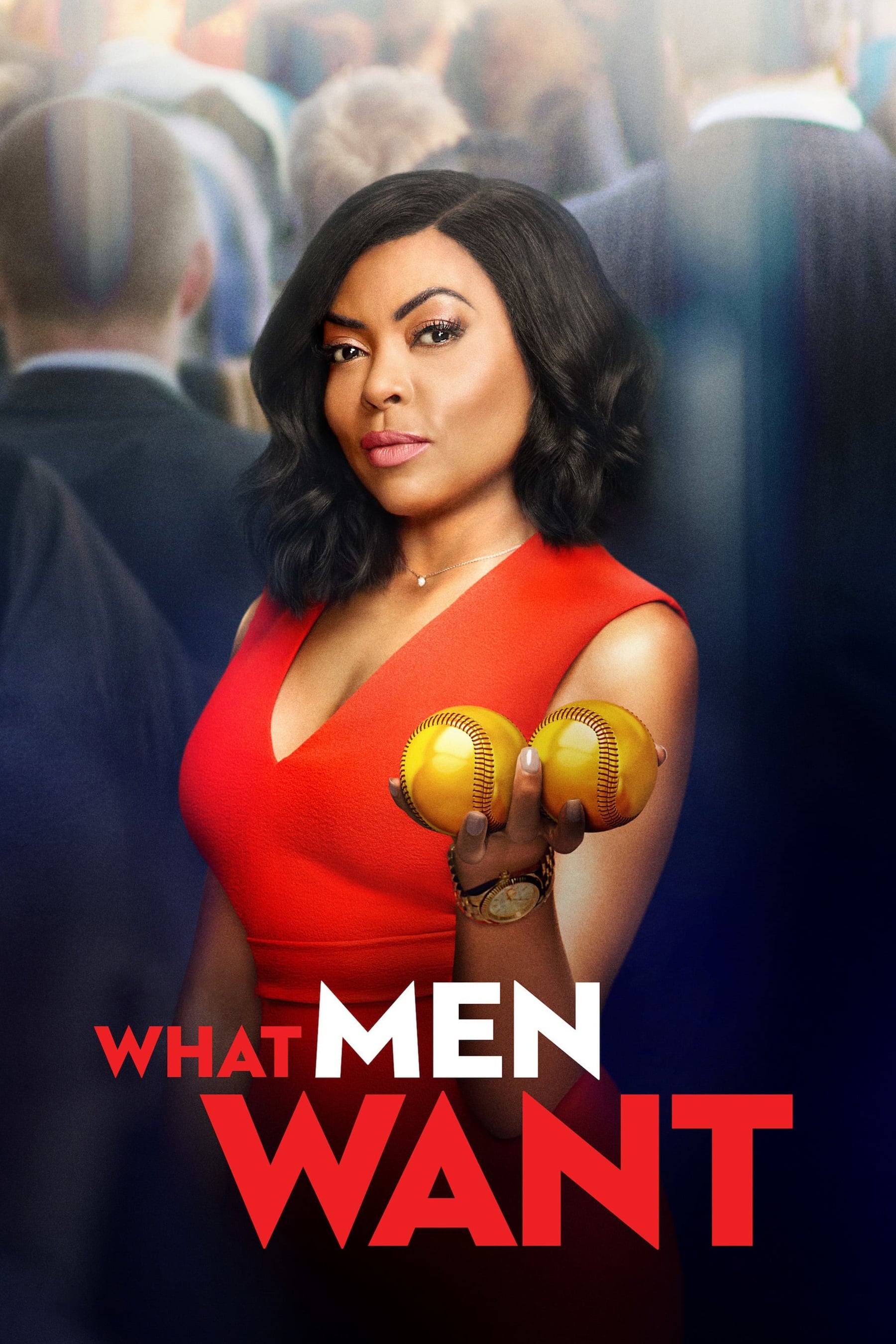
Taraji P. Henson stars in this gender-swapped remake of the 2000 romantic comedy ‘What Women Want’. The story follows a sports agent who gains the ability to hear the thoughts of men in her industry. The film explores the professional and personal challenges faced by women in male-dominated professional environments. It prompted debates on the social relevance of its central premise in a contemporary corporate setting. Critics and audiences discussed how the shift in perspective altered the humor and the thematic weight of the original story.
‘The Hustle’ (2019)
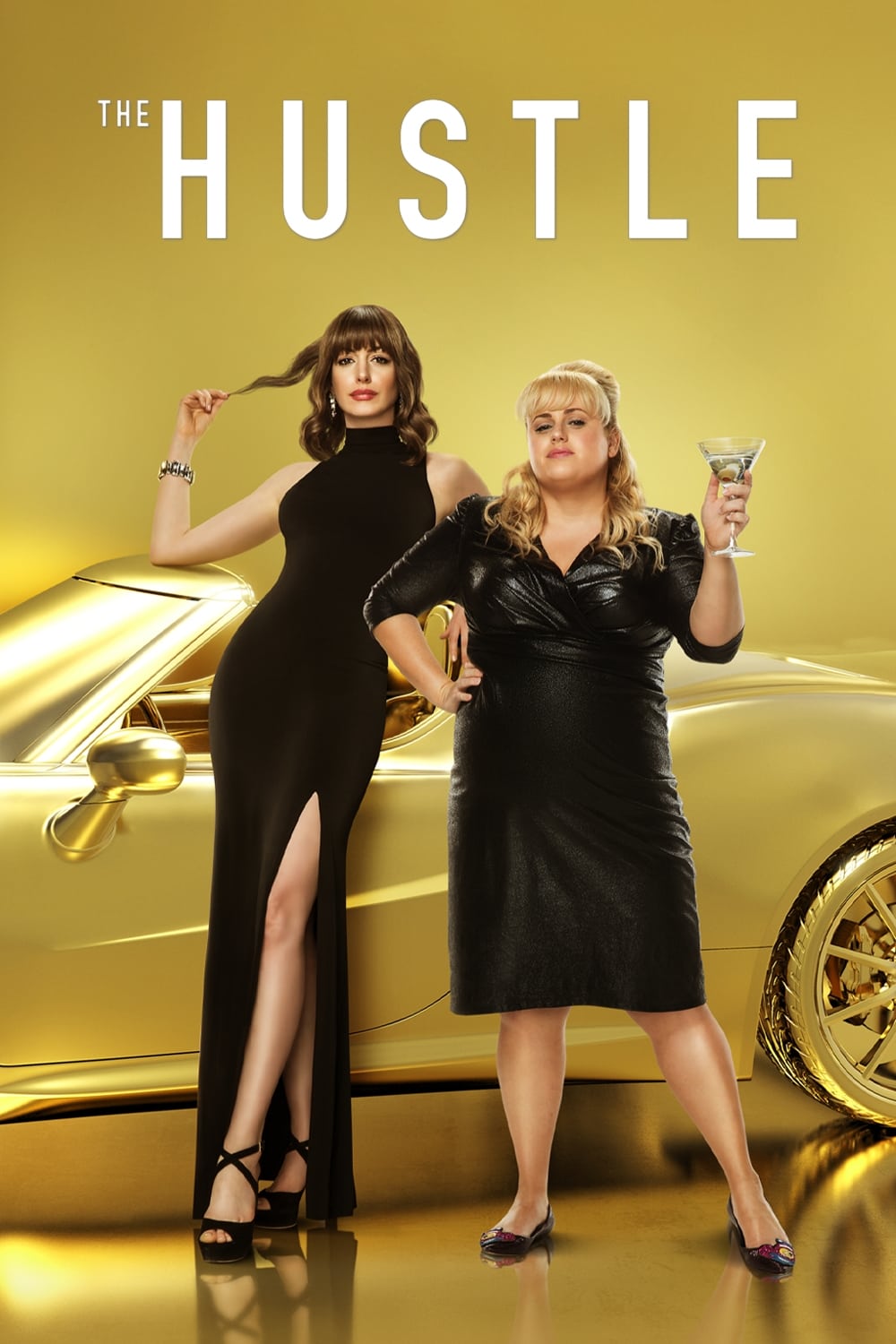
This comedy is a female-led remake of the 1988 film ‘Dirty Rotten Scoundrels’. Anne Hathaway and Rebel Wilson portray two con artists competing to swindle a tech billionaire on the French Riviera. The film follows the narrative structure of its predecessor but adapts the jokes for a contemporary female cast. Discussions often compared the chemistry and performances of the new leads to those of the original stars, Michael Caine and Steve Martin. The movie’s release sparked conversations regarding the frequency of gender-swapped comedy reboots in modern Hollywood.
‘Ghostbusters’ (2016)
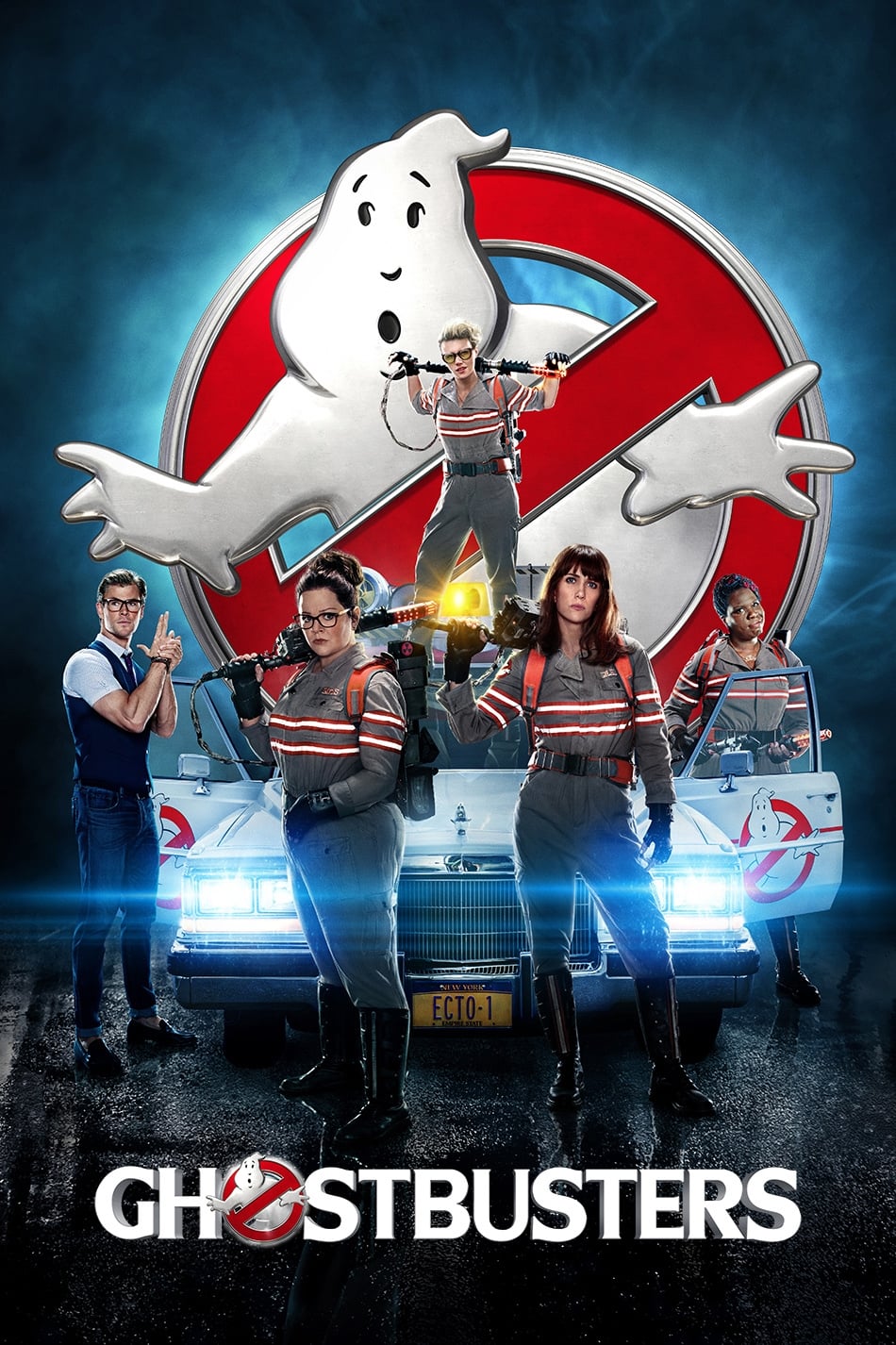
Directed by Paul Feig, this reboot features an all-female team including Kristen Wiig, Melissa McCarthy, Leslie Jones, and Kate McKinnon. The announcement and subsequent trailers faced significant online backlash prior to the film’s premiere. The discourse primarily focused on the cultural legacy of the 1984 ‘Ghostbusters’ and the merits of a gender-swapped reimagining. It remains one of the most cited examples of a film sparking intense online gender debates regarding film franchises. This project heavily influenced how studios approached the marketing and production of future remakes.
‘Overboard’ (2018)

This film serves as a gender-swapped remake of the 1987 romantic comedy starring Goldie Hawn and Kurt Russell. In the 2018 version, Anna Faris plays a struggling mother who convinces a wealthy, amnesiac playboy that they are married. The swap aimed to modernize the premise and address some of the more controversial elements of the original’s plot. Critics and audiences debated the effectiveness of the humor and the chemistry between the new leads. The film highlighted the trend of using familiar IP to tell stories with inverted gender roles.
‘After the Wedding’ (2019)

This is a remake of the 2006 Danish film directed by Susanne Bier, which featured two male leads. In this version, the central roles are gender-swapped to feature Julianne Moore and Michelle Williams. The narrative explores deep secrets revealed during a wedding in New York, focusing on the emotional lives of the two women. This shift sparked discussions on how gender dynamics influence the audience’s perception of family secrets and sacrifice. Critics noted that the change in lead genders provided a different emotional resonance than the original ‘After the Wedding’.
‘Ocean’s Eight’ (2018)
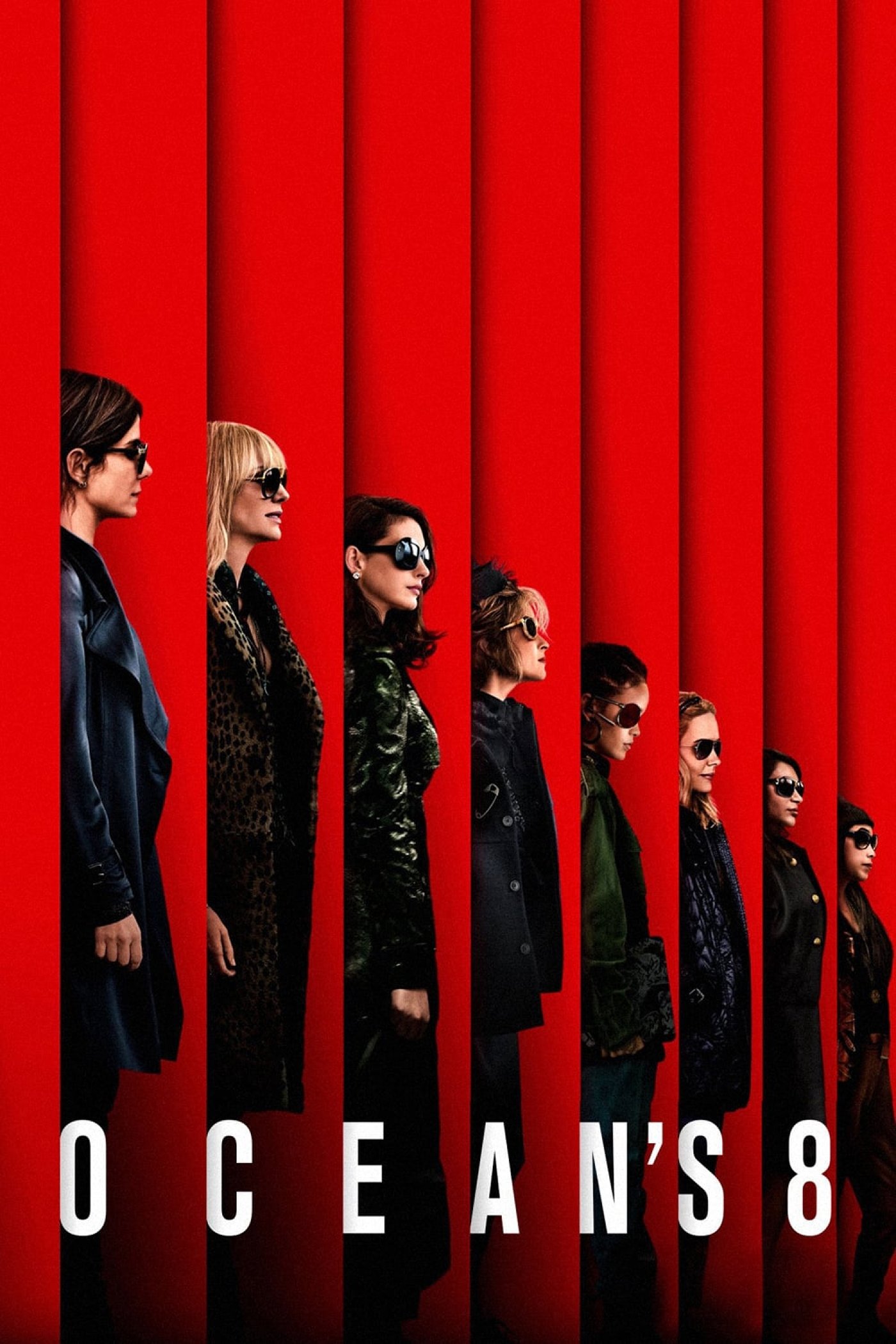
This spin-off of the ‘Ocean’s Eleven’ trilogy features an all-female crew led by Sandra Bullock and Cate Blanchett. The plot involves a high-stakes heist at the annual Met Gala, maintaining the stylish tone of the previous films. While the film was a commercial success, it triggered conversations about whether established male franchises should be rebooted with female casts. The ensemble nature of the film allowed for various interpretations of team-based criminal thrillers. It remains a key example of a studio expanding a franchise through a gender-focused lens.
‘The Beguiled’ (2017)
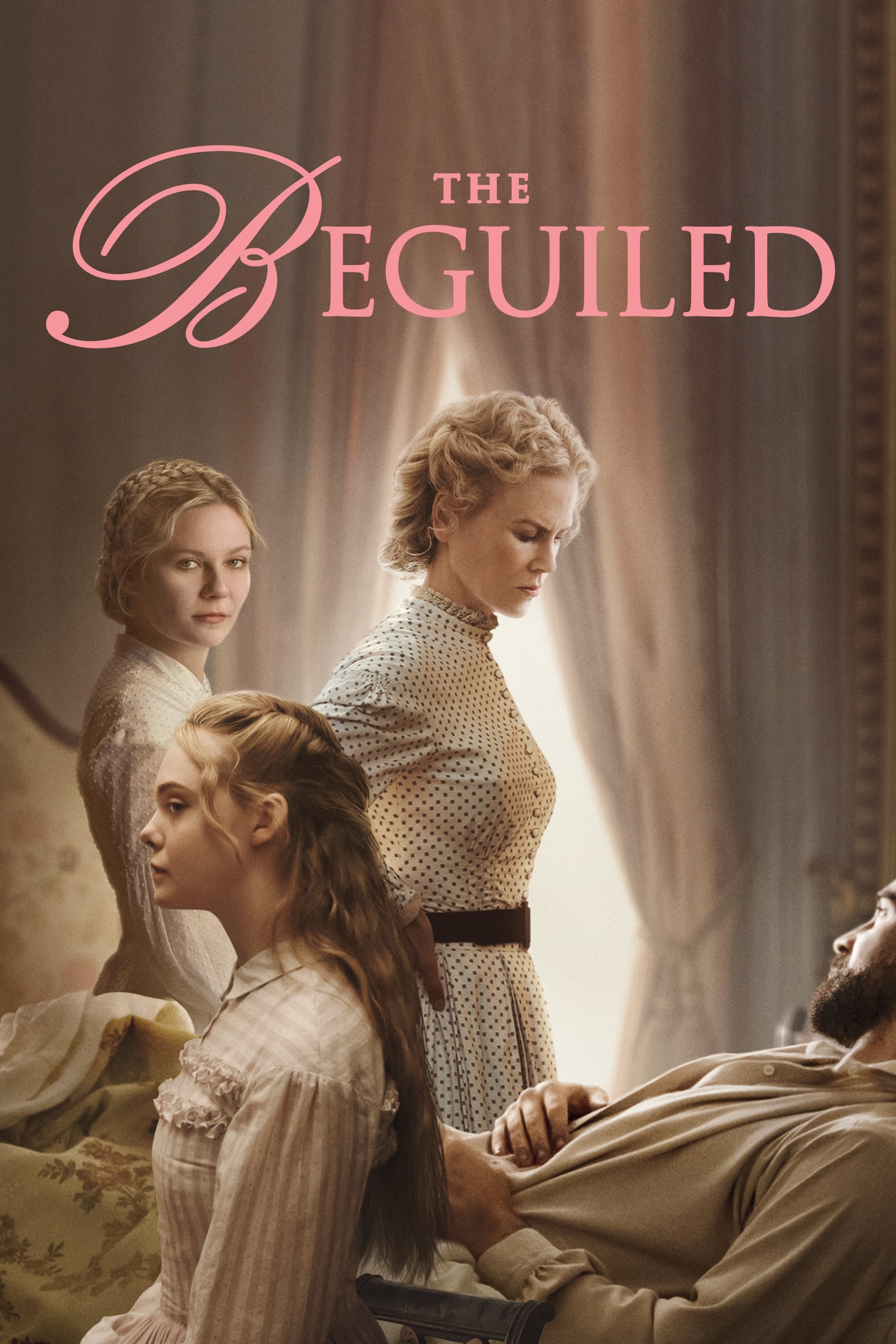
Sofia Coppola directed this remake of the 1971 film, focusing on the residents of a girls’ boarding school during the Civil War. The story shifts the perspective toward the internal lives of the women compared to the original version starring Clint Eastwood. Discussions arose regarding the removal of certain characters from the source material and the film’s specific “female gaze.” It sparked debate over how much a remake should deviate from its predecessor to highlight different character viewpoints. The film won several awards, bringing artistic legitimacy to the concept of female-focused remakes.
‘Suspiria’ (2018)

This 2018 film is a reimagining of Dario Argento’s 1977 horror masterpiece of the same name. Director Luca Guadagnino focused on a coven of witches operating within a dance academy in Cold War-era Berlin. The movie features a nearly all-female cast and includes Tilda Swinton playing three distinct roles, including a male character. It sparked intense debate over its artistic departures from the original ‘Suspiria’ and its inclusion of dense political subtext. Critics and horror enthusiasts discussed whether the film’s focus on motherhood and female power improved the source material.
‘Widows’ (2018)

‘Widows’ is Steve McQueen’s cinematic remake of the 1983 British television series created by Lynda La Plante. The story focuses on four women who take over a heist planned by their late husbands to pay off a massive debt. It explores complex themes of corruption, racial tension, and female agency within a crime thriller framework. Critics praised its narrative depth and the performances of its ensemble cast, led by Viola Davis. The film is often discussed in the context of how gender-focused remakes can provide a new lens on traditional heist tropes.
Please share your thoughts on these female-led remakes in the comments.