Anime Where Black Characters Were Sidelined in Favor of Lighter Leads


The representation of diverse characters in anime has evolved over decades, yet recurring narrative patterns often place Black and dark-skinned characters in secondary roles. While these individuals frequently possess unique abilities and complex backstories, they are often utilized to facilitate the growth of the primary lighter-skinned protagonists. This trend can be observed across various genres, from long-running shonen series to psychological thrillers. Analyzing these instances highlights the frequency with which supporting characters of color are moved to the periphery as the main plot intensifies.
‘Soul Eater’ (2008–2009)
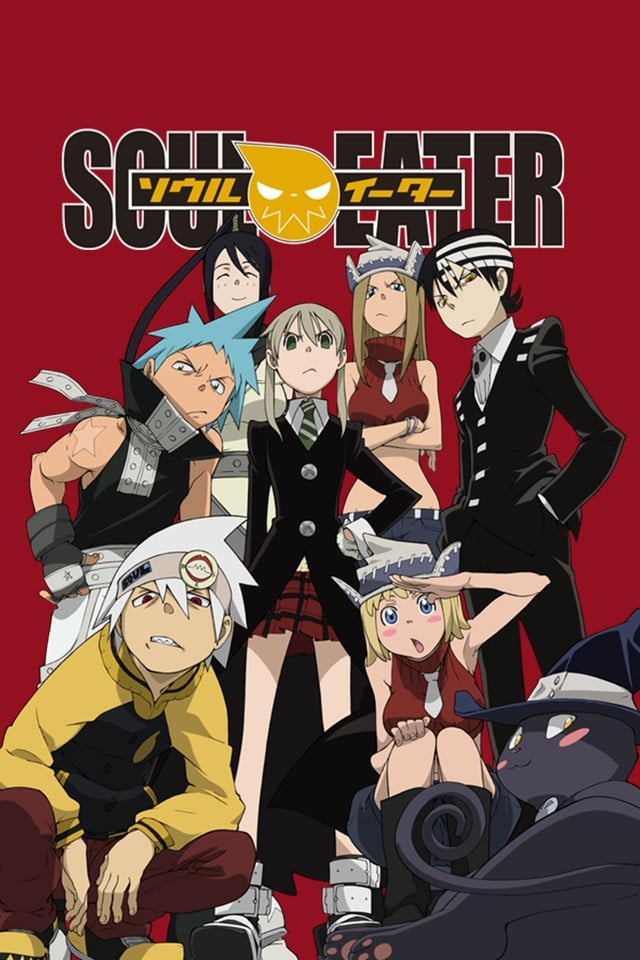
Kilik Rung is established as one of the top three students at Death Weapon Meister Academy alongside Black Star and Death the Kid. Despite his high ranking and dual-wielding fire and ice pots, his character receives significantly less screen time than the core trio. During major story arcs, his contributions are often relegated to off-screen battles or brief sequences while the primary leads resolve the central conflict. This discrepancy leaves his potential as a master of elemental combat largely unexamined within the series.
‘Naruto Shippūden’ (2007–2017)
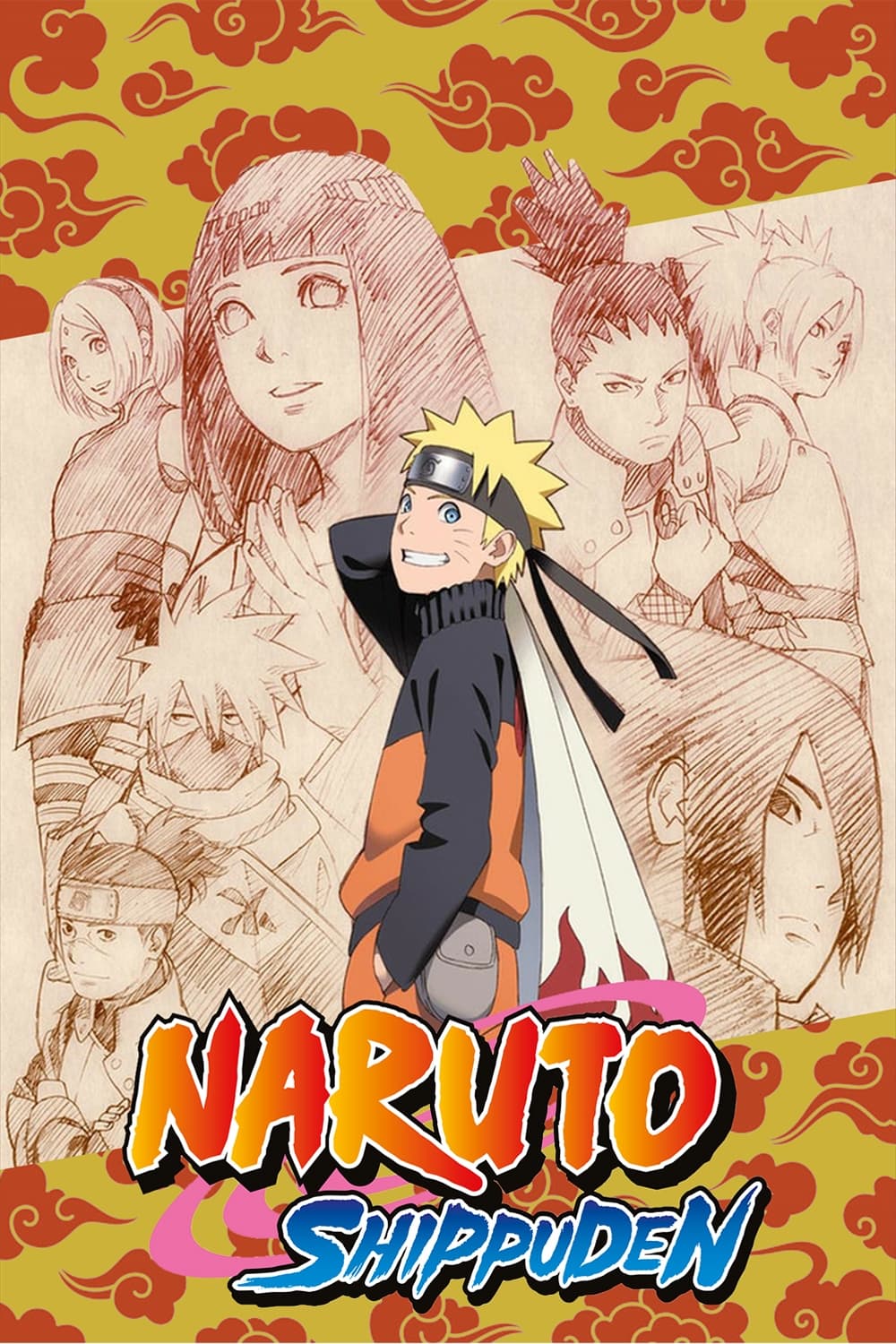
Killer Bee is introduced as the powerful Jinchuriki of the Eight-Tails who masters his tailed beast long before the protagonist. While he plays a crucial role in training Naruto Uzumaki, his narrative presence diminishes once the Great Ninja War reaches its climax. His unique fighting style and personality are often used for comedic relief rather than central plot progression. Ultimately, the focus remains on the lineage and power scaling of Naruto and Sasuke, leaving Bee in a supporting capacity.
‘Bleach’ (2004–2012)
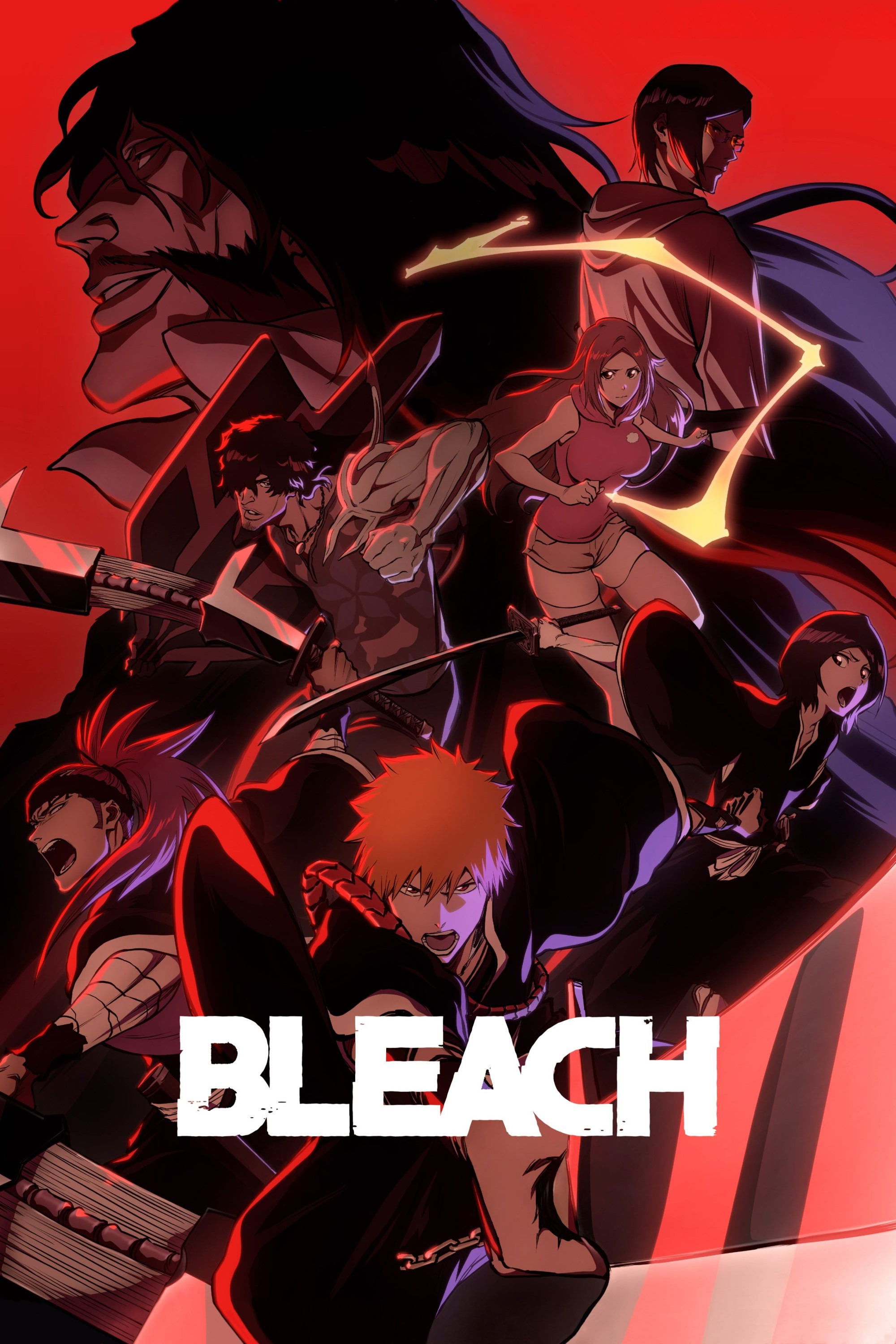
Yoruichi Shihoin is a former Captain of the Gotei 13 and a mentor to Ichigo Kurosaki during the Soul Society arc. Despite her expertise in high-speed combat and hand-to-hand maneuvers, she rarely participates in the final showdowns against the main antagonists. Her character often serves to provide tactical advice or save other characters before the lighter-skinned leads take over the battle. Consequently, her status as one of the strongest entities in the series is frequently secondary to the evolution of the main Soul Reaper cast.
‘My Hero Academia’ (2016–Present)
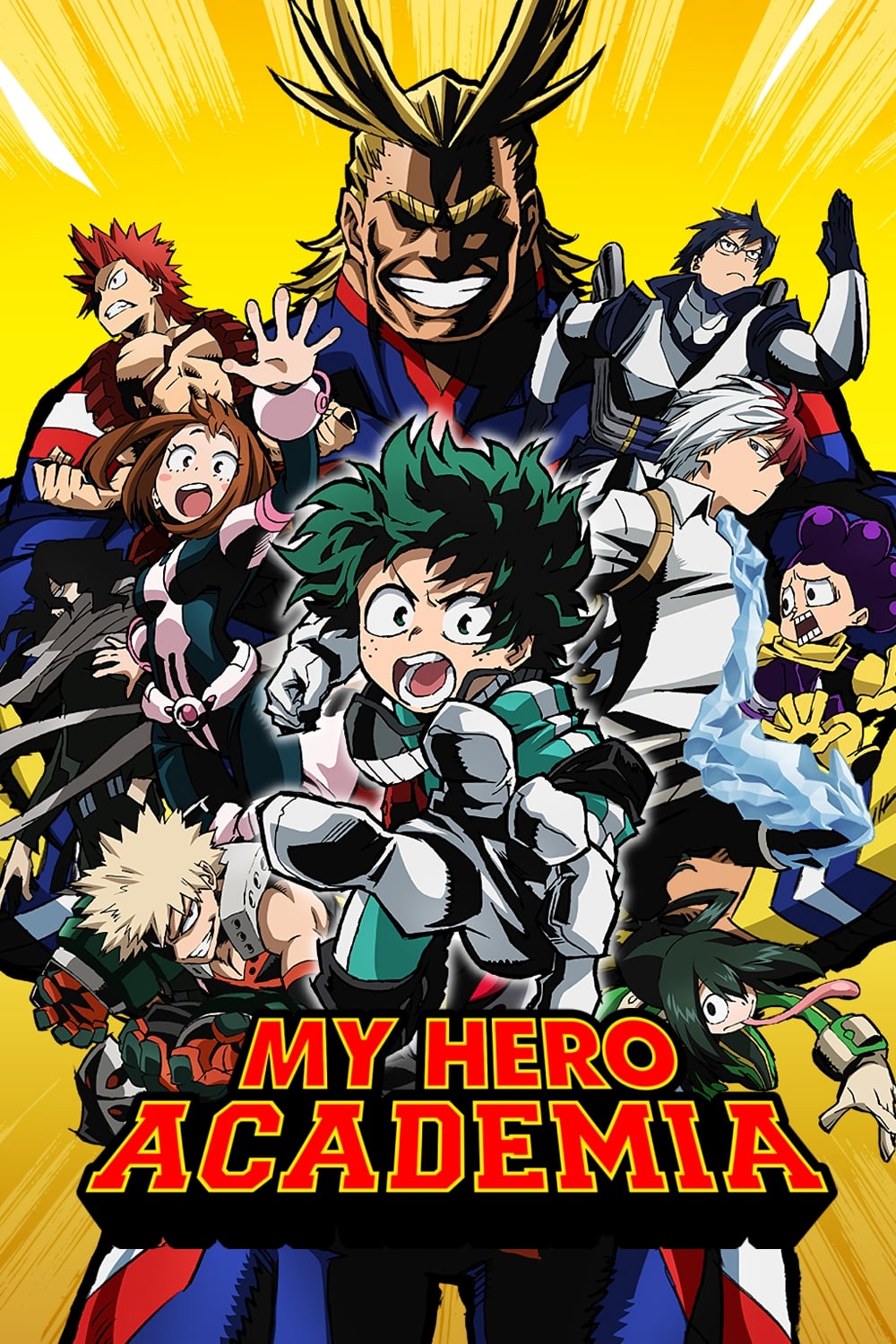
Rock Lock is a professional hero with the ability to lock inanimate objects in place, introduced during the Shie Hassaikai arc. While he offers a pragmatic and veteran perspective on the dangers of hero work, he is sidelined by injury early in the mission. This narrative choice prevents him from participating in the major battles that define the growth of Deku and Lemillion. Other Black characters like Mirko experience similar patterns, often sustaining heavy injuries that remove them from the central action for extended periods.
‘Fire Force’ (2019–2020)
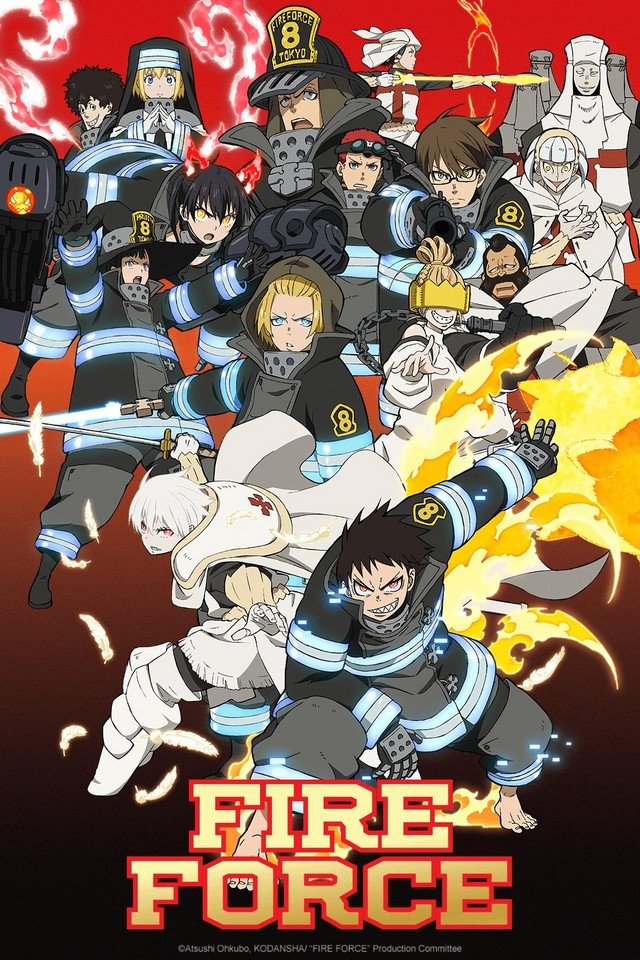
Ogun Montgomery is a member of Special Fire Force Company 4 and a close friend to the protagonist Shinra Kusakabe. He possesses a powerful ability called Flamy Ink that enhances his physical capabilities to a level comparable to the series’ elite fighters. However, his appearances become increasingly sparse as the story focuses on the Adolla Burst and the lineage of the Kusakabe family. His role transitions from an active participant in global events to a background protector of the city.
‘Jujutsu Kaisen’ (2020–Present)
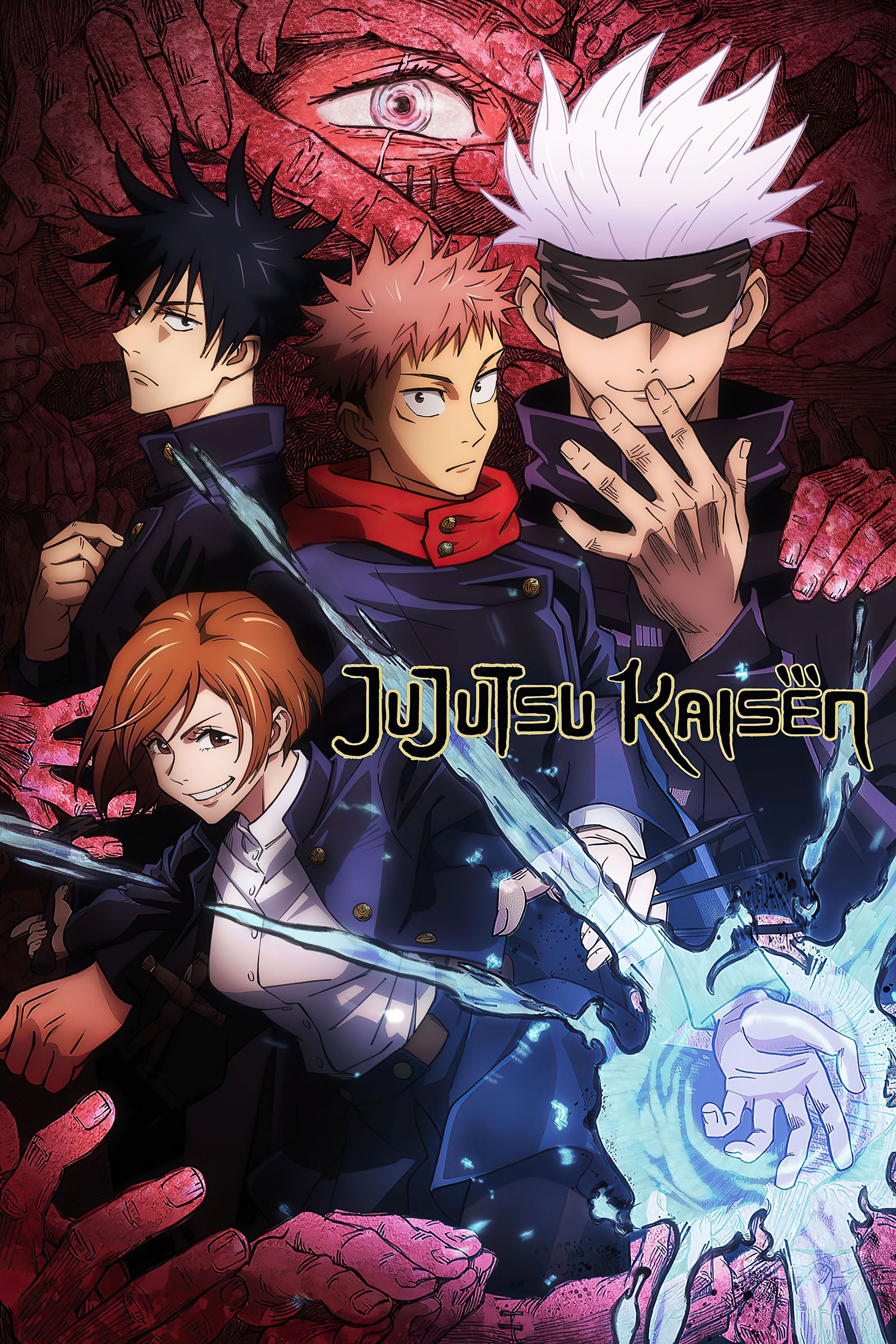
Miguel is a sorcerer from Africa who initially appears as an antagonist capable of stalling Satoru Gojo, the strongest sorcerer in the series. Following this impressive feat, he is sent away to train Yuta Okkotsu and is absent for the majority of the subsequent high-stakes arcs. His return is brief and specifically designed to support the primary leads rather than pursuing his own narrative goals. This placement emphasizes his role as a tool for the development of the main cast’s abilities.
‘Shaman King’ (2001–2002)
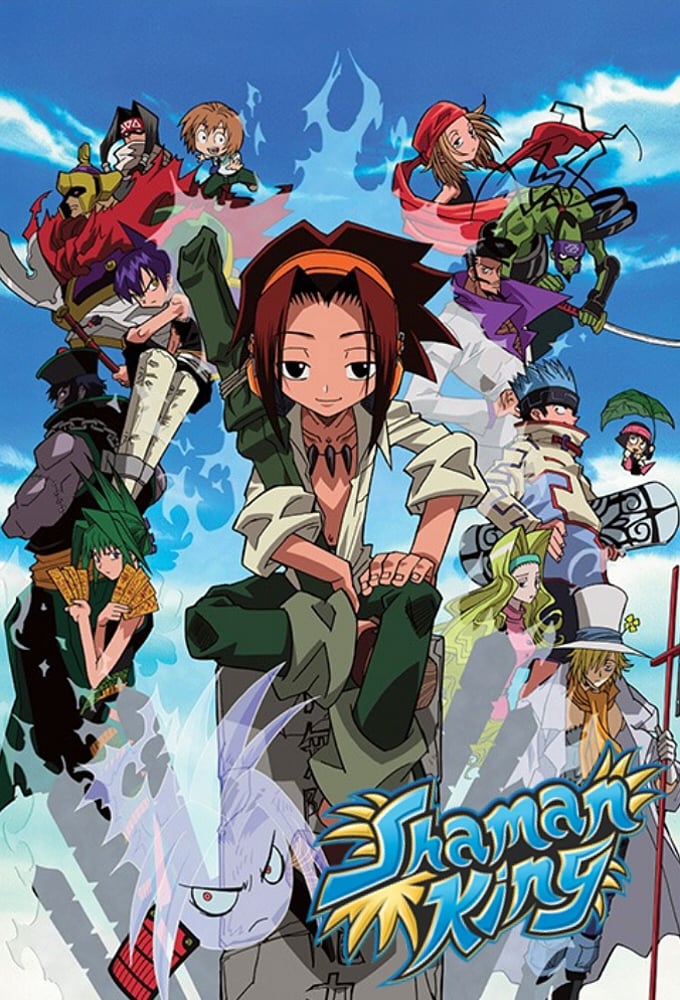
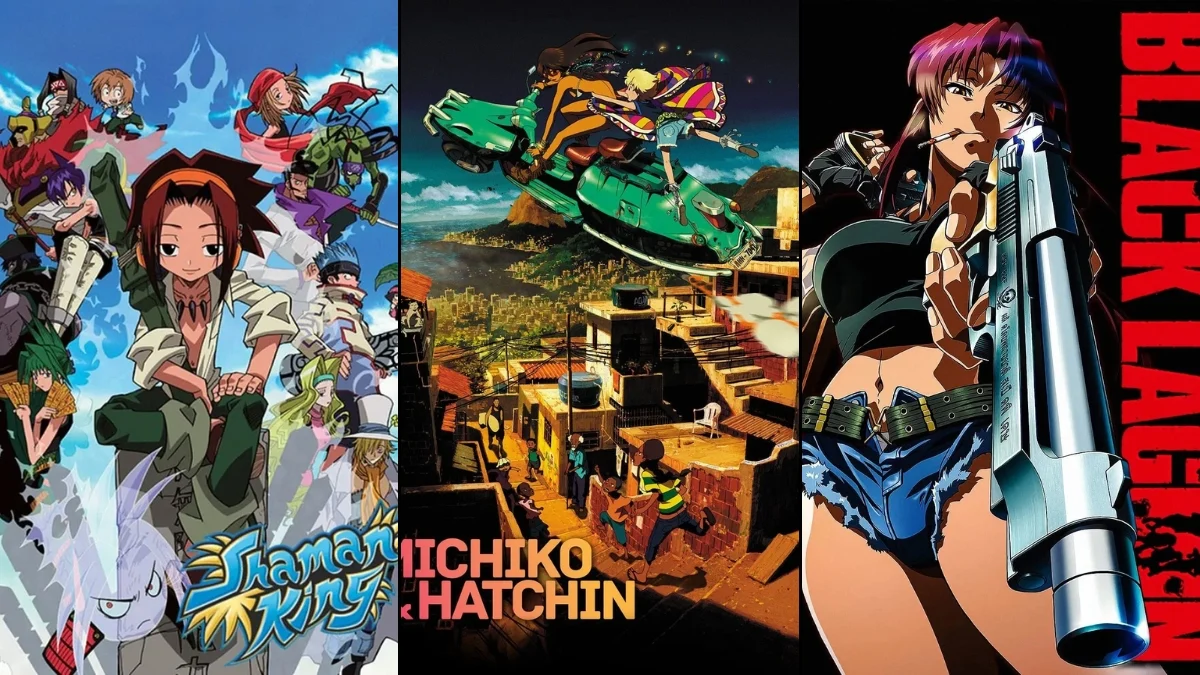
Chocolove McDonell joins the main group of shamans with the goal of becoming Shaman King to bring laughter to the world. While he is part of the core team, his character arc is often framed through comedy compared to the serious storylines of Yoh Asakura and Ren Tao. His backstory involves redemption from a violent past, yet this narrative depth is frequently placed behind the focus on the elemental spirits of his teammates. In both the original anime and its adaptation, he remains a supporting figure during the final battles.
‘One Piece’ (1999–Present)
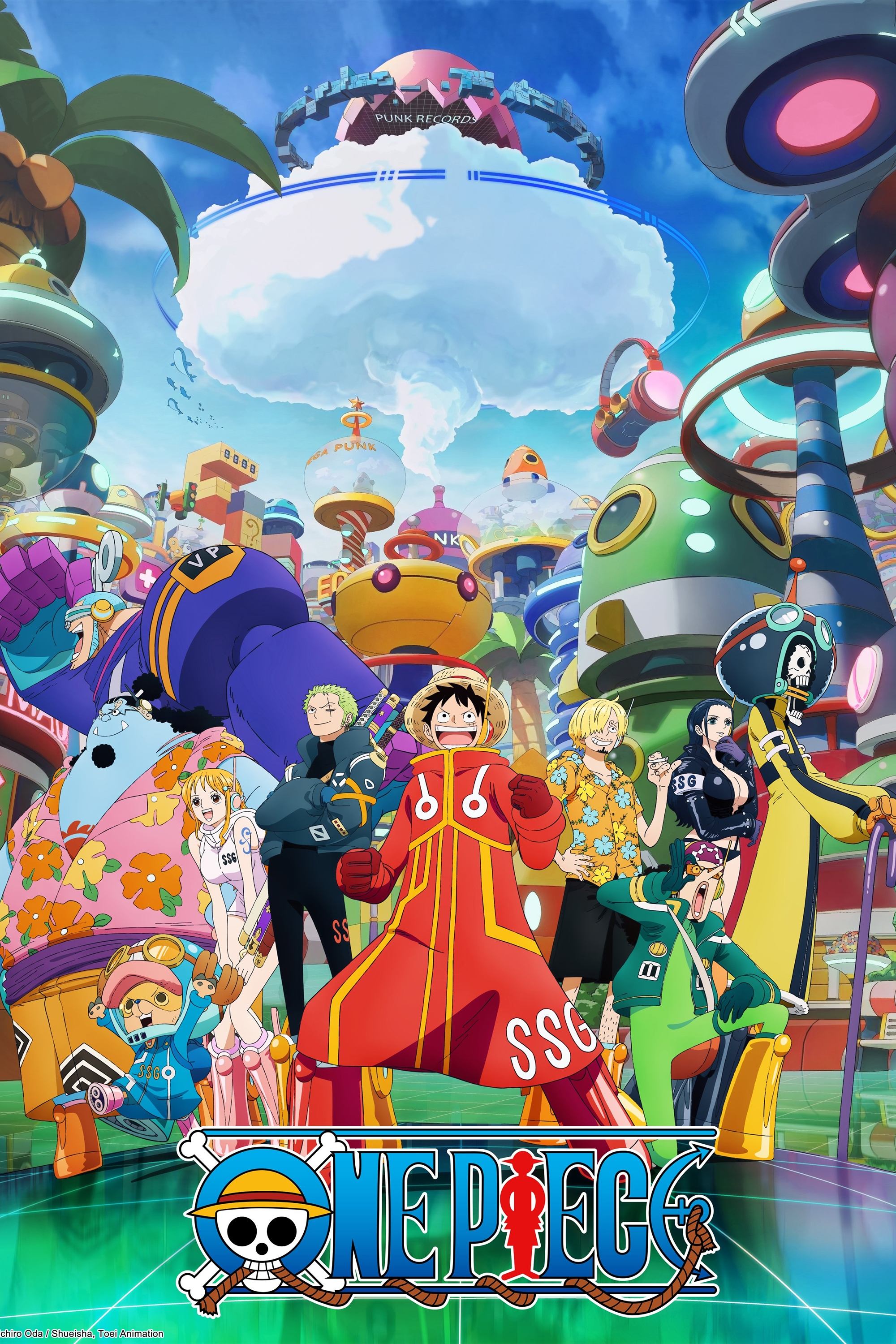
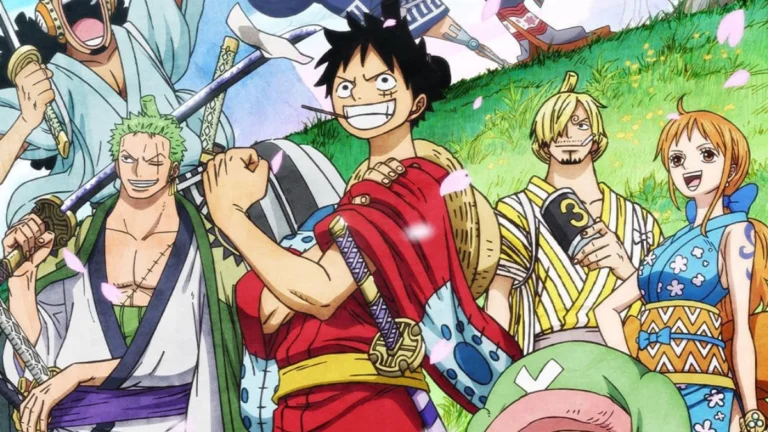
Daz Bonez, also known as Mr. 1, is a formidable assassin with the power to turn his body into steel. After his defeat at the hands of Zoro during the Alabasta arc, his presence in the series becomes sporadic and tied to the movements of Sir Crocodile. While other former enemies join the Straw Hat alliance or receive extensive updates, Daz Bonez remains a silent enforcer in the background. His character lacks the independent development afforded to many of the other recurring lighter-skinned pirates and marines.
‘Black Clover’ (2017–2021)

Sol Marron is a powerful Magic Knight in the Blue Rose squad who possesses Earth Magic and can manifest massive golems. Despite her strength and loyalty to Captain Charlotte, her narrative purpose is largely confined to being a protective sidekick. She is often used for comedic banter regarding her disdain for men rather than being involved in the series’ major magical revelations. This limits her participation in the central conflicts involving the Elves and the Spade Kingdom.
‘The Promised Neverland’ (2019–2021)
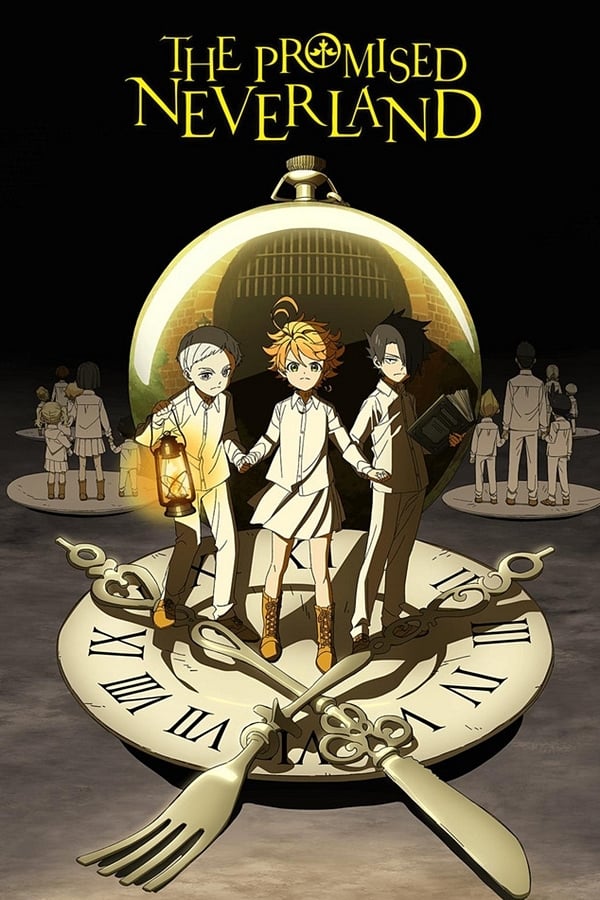
Sister Krone is introduced as a complex antagonist who provides a direct threat to the children of Grace Field House. Her backstory reveals the systemic trauma of the farm system, making her a potentially significant player in the escape plot. However, she is abruptly eliminated by the higher-ups to clear the path for the final confrontation between Emma and Isabella. Her removal serves as a catalyst for the lighter-skinned leads to realize the true stakes of their situation without her further involvement.
‘Michiko & Hatchin’ (2008–2009)

Atsuko Jackson is a police officer who grew up in the same orphanage as the protagonist Michiko Malandro. She serves as the primary pursuer throughout the series, but the narrative focus remains strictly on the bond between Michiko and Hatchin. Atsuko is frequently shown as being one step behind or hindered by her own department’s corruption. While she is a skilled investigator with deep ties to the lead, her personal journey is treated as a secondary thread to the central road trip.
‘Magi: The Labyrinth of Magic’ (2012–2014)

Sharrkan is a master swordsman and a prince from the land of Heliohapt who mentors Alibaba Saluja. Although he is one of the Eight Generals of Sindria, his role is restricted to a supporting mentor figure within the palace walls. As the main trio of Aladdin, Alibaba, and Morgiana travels the world, Sharrkan is left behind to manage political affairs. His combat expertise is showcased briefly, but he never becomes a central figure in the grander magical war.
‘Dragon Ball Z’ (1989–1996)

Mr. Popo serves as the assistant to the Guardian of Earth and was once responsible for training Goku in advanced martial arts techniques. As the series progressed into the Z-era, his role transitioned from a mentor to a background figure stationed at the Lookout. He remains present during major crises but rarely contributes to the physical defense of the planet against high-tier villains. The narrative emphasis focuses on the progression of the Saiyan leads, leaving Mr. Popo’s combat abilities largely relegated to the past.
‘Hunter x Hunter’ (2011–2014)
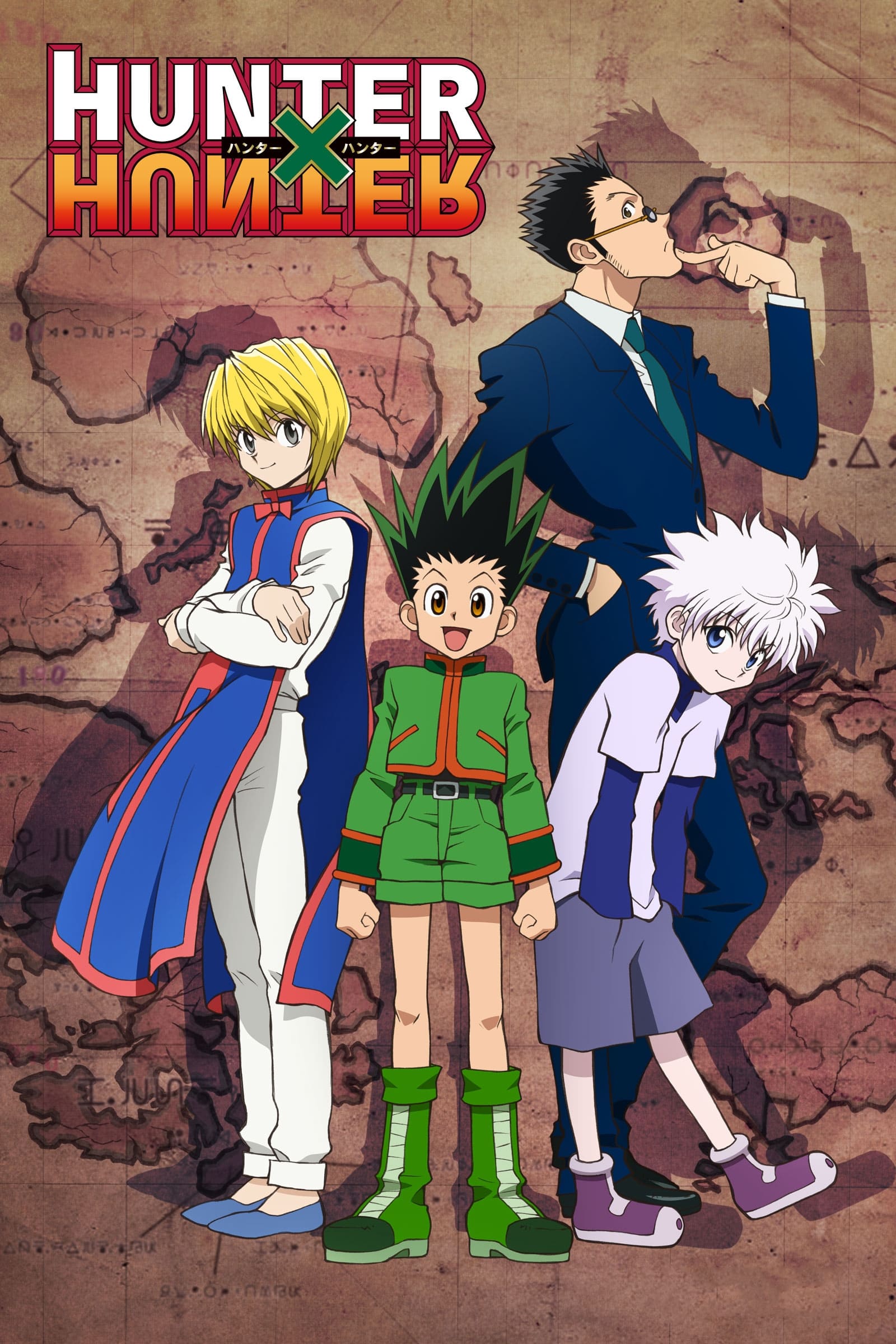
Canary is a young apprentice butler for the Zoldyck family who displays impressive combat skills against Gon Freecss and his friends. She shows a deep emotional connection to Killua, yet her role is confined to the Zoldyck estate grounds. Once the leads move on from the mountain, Canary ceases to be an active part of the story until brief appearances in much later arcs. Her character’s potential for growth as a Hunter is discarded in favor of her duties as a servant.
‘Black Lagoon’ (2006)
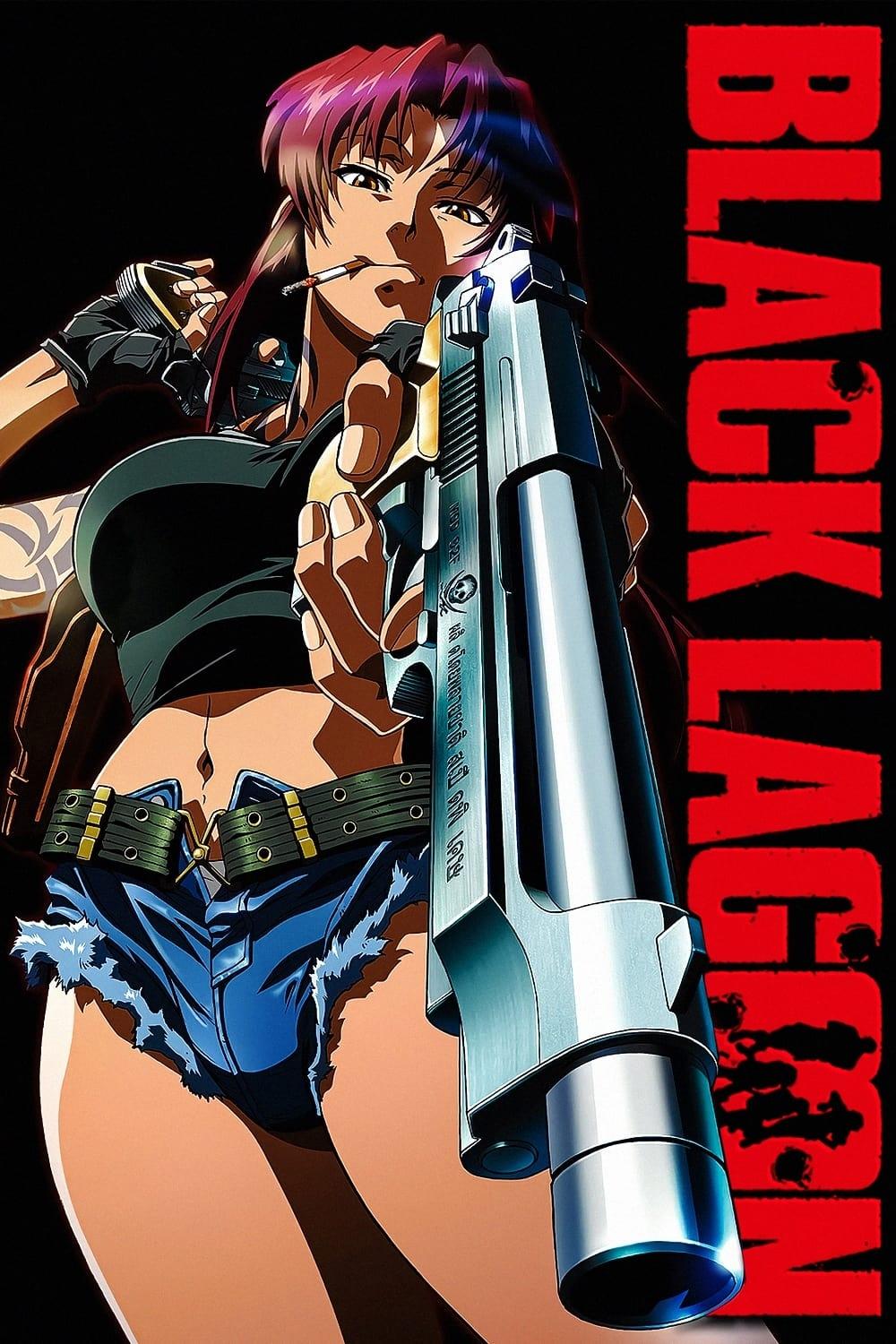
Dutch is the founder and leader of the Lagoon Company, an elite mercenary group operating out of Roanapur. Although he is the tactical head of the organization, the narrative focus shifted primarily toward the relationship and growth of Rock and Revy. Dutch often remains on the boat or manages logistics while the lighter-skinned leads engage in the central action and character development. This results in his backstory and motivations receiving significantly less screen time than his subordinates throughout the series.
Please share your thoughts on the representation and narrative roles of these characters in the comments.